• About

doubtfulsea

~ adventure fantasy

Tag Archives: Dwarves

It’s in Writing (1)

15 Wednesday Oct 2025

Posted by Ollamh in Uncategorized

≈ Leave a comment

Tags

augury, Belshazzar, class in the Shire, Daniel, Dwarves, Fantasy, Jerome, literacy in Middle-earth, reading, Rohirrim, Sam Gamgee, scribes, the handwriting on the wall, Tolkien, Writing

As always, dear readers, welcome.

Belshazzar, the king of the Babylonians, was having a lovely party—

“Baltassar rex fecit grande convivium optimatibus suis mille: et unusquisque secundum suam bibebat aetatem.”

“Belshazzar held a great banquet for a thousand of his elite and each one was drinking according to his time of life.”
But, wishing to up the fun, he decided to make the party a bit more lavish—

Praecepit ergo jam temulentus ut afferrentur vasa aurea et argentea, quae asportaverat Nabuchodonosor pater ejus de templo, quod fuit in Ierusalem, ut biberent in eis rex, et optimates ejus, uxoresque ejus, et concubinae.

“And so now, being drunk, he ordered that the golden and silver vessels which Nebuchadnezzar, his father, had carried away from the temple which had been in Jerusalem be brought in so that the king and his nobles and his wives and concubines might drink in them.”

[“fuit” here is the perfect form and might be translated “has been”, but that form can suggest a permanent state, the pluperfect, suggesting that there would be no more Jerusalem.]

and then things go very wrong–

“In eadem hora apparuerunt digiti, quasi manus hominis scribentis contra candelabrum in superficie parietis aulae regiae: et rex aspiciebat articulos manus scribentis.”

“In the same hour, there appeared fingers, like a man’s hand, opposite the lampstand, writing on the surface of the wall of the royal hall, and the king was staring at the joints of the hand writing.”
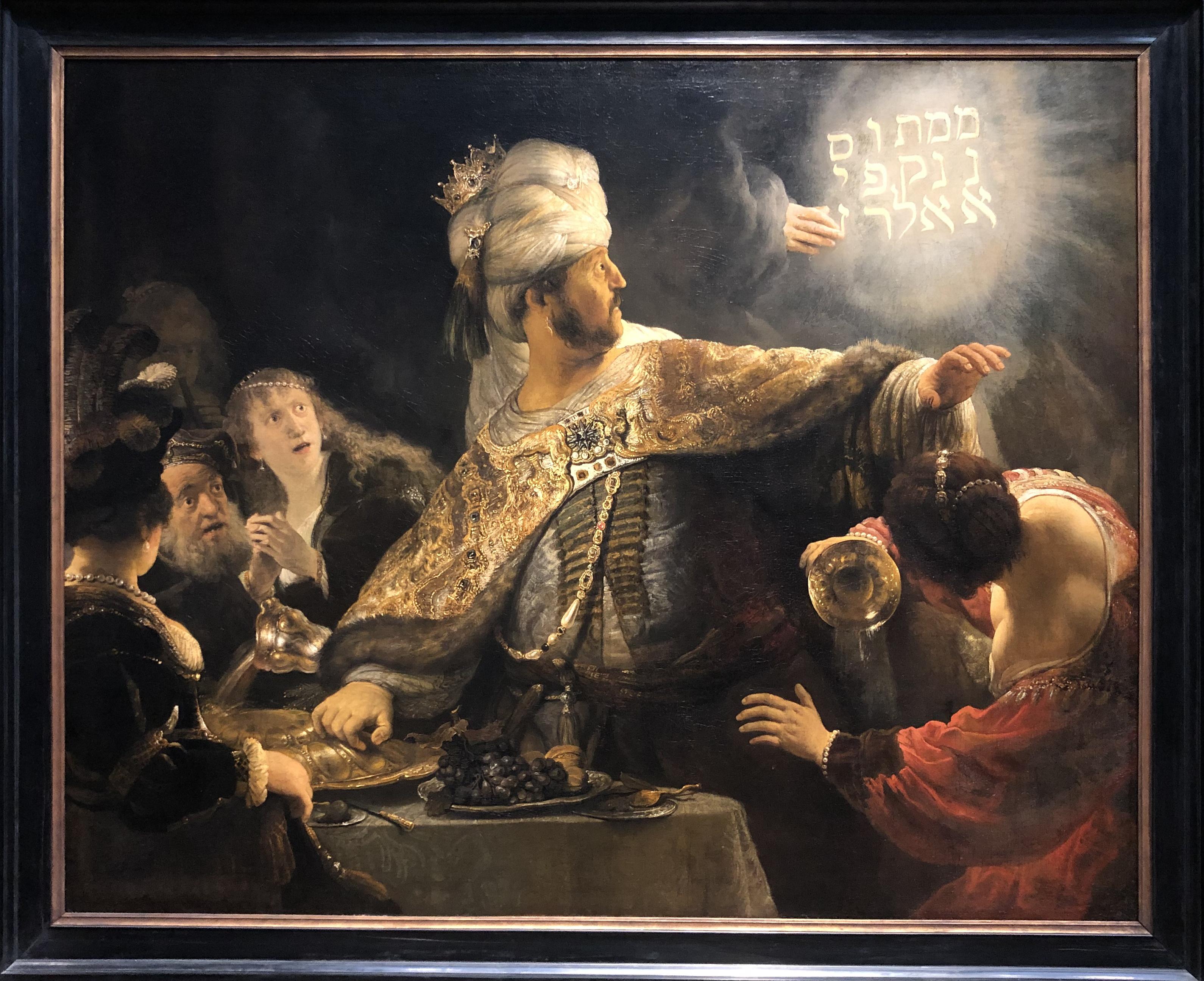
(Rembrandt—who clearly had no idea what the real Babylonian king would have worn, but settled for something right out of the visit of the Magi, which was undoubtedly good enough for his audience, who would have had no more idea than he did)

Needless to say, this was a bad omen, but one his own counselors couldn’t interpret, as the message was not in Babylonian.  His queen, however, recommended that a Jewish interpreter, Daniel, be summoned, who arrived and interpreted the writing, which may have included some rather fancy word-play, but which meant:  “You are not long on the throne and your kingdom is about to become the property of the Persians.”

(All Latin translations are mine from Section 5 of “The Book of Daniel”.  The Latin text is from Jerome’s 4th-century translation, which you can read, with an English translation, here:     https://vulgate.org/ot/daniel_5.htm  For more on the message, see:   https://www.christianitytoday.com/2024/11/andrew-wilson-spirited-life-daniel-writing-on-wall-babylon/   For more on the historic Belshazzar—an ironic name as far as the ancient Hebrews must have been concerned, as it means “[the god] Bel [aka Baal] protect the king” which the Book of Daniel indicates that he certainly didn’t!—see:  https://en.wikipedia.org/wiki/Belshazzar )

Behind this story lies not only the status of Daniel as prophet and interpreter, and the idea that the Hebrew God is not to be messed with, even by kings, but also, for this posting, the importance of writing—the omen isn’t, like so many others, based on the flight of birds or the liver of a sheep or the behavior of chickens,
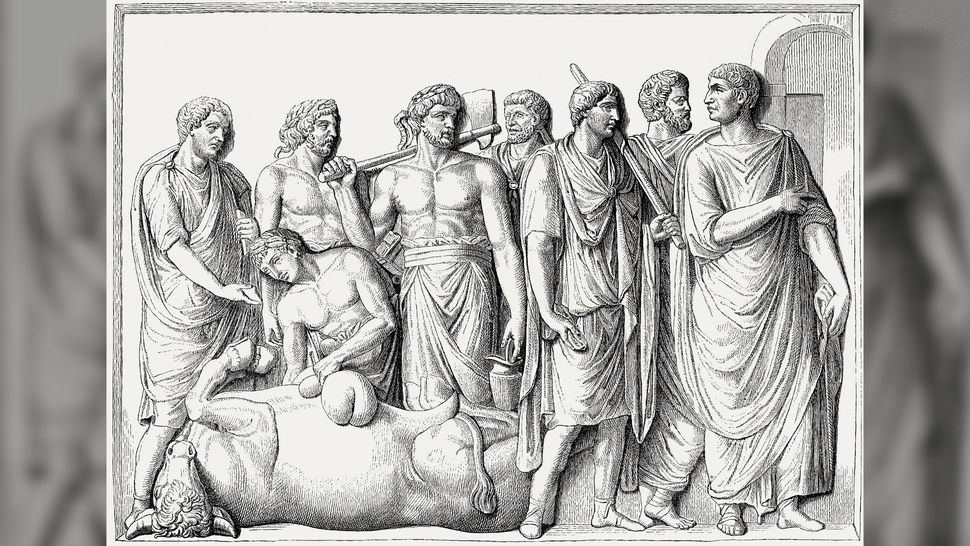
(for more on such practices see:  https://en.wikipedia.org/wiki/Augury )

all things which the ancient world would have thought significant–but on something handwritten (literally) on a palace wall.  This is clearly so unusual that its significance is immediately multiplied, and which, since Daniel can not only interpret it, but, to do so, he can read it, tells us something more about Daniel:   he is literate.

Because we in the modern West live in such a literate world ourselves, it’s sometimes hard to understand earlier worlds where literacy was not the norm.  Could Belshazzar read?  Probably not:  that was the job of technical people, scribes,
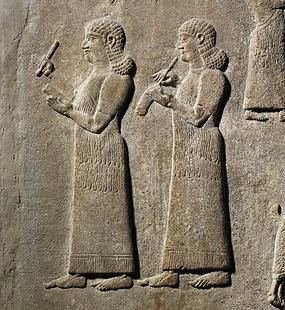
(These are actually Sumerians, but can stand in for Babylonian scribes, as the Babylonians used the writing system, cuneiform,

which the Sumerian scribes had invented.)

whom rulers could call upon when needed, as we see in ancient and medieval societies in general.  Literacy was a skill, like carpentry or masonry, and limited in the number of people who could practice it.  Could this have been true in Middle-earth, based as it is upon the medieval world of our Middle-earth, as well?

Gondor appears to have had a long tradition at least of extensive record-keeping, as we hear from Gandalf:

“And yet there lie in his hoards many records that few even of the lore-masters now can read, for their scripts and tongues have become dark to later men.” (The Fellowship of the Ring, Book Two, Chapter 2, “The Council of Elrond”)

As for the Rohirrim, I would guess that, although there may have been some literacy, much of their past—and possibly their present—was preserved in oral tradition, as Aragorn says of Meduseld:

“But to the Riders of the Mark it seems so long ago…that the raising of this house is but a memory of song.” (The Two Towers, Book Three, Chapter 6, “The King of the Golden Hall”)

And Theoden says to Aragorn:

“Will you ride with me then, son of Arathorn?  Maybe we shall cleave a road, or make an end as will be worth a song—if any be left to sing of us hereafter.”  (The Two Towers, Book Three, Chapter 7, “Helm’s Deep”)

In the Prologue to The Lord of the Rings, we are told that the Hobbits as a whole had had potential literacy for some time, in fact, from their days of moving westwards towards what would become the Shire:

“It was in these early days, doubtless, that the Hobbits learned their letters and began to write, after the manner of the Dunedain, who had in their turn long before learned the art from the Elves.”  (The Lord of the Rings, Prologue I, “Concerning Hobbits”)

As in the case of other medieval worlds, however, this was seemingly not general literacy, although rather than being the possession of a specialized class, as in Babylon or ancient Egypt,

it might, instead, have been a mark of class.

Consider Sam Gamgee.  His father is the gardener for Bilbo Baggins and Sam is his assistant.

(Robert Chronister)

From his position—and from the way he addresses his “betters” as “Mister”, while they address him by his first name—it’s clear that Sam and his father are not of the same social class as the Bagginses.   And so, when the Gaffer says:

“Mr. Bilbo has learned him his letters—meaning no harm, mark you, and I hope no harm will come of it.”  (The Fellowship of the Ring, Book One, Chapter 1, “A Long-Expected Party”)

This appears to be what we might call a mark of that class difference:  Bilbo, a ‘gentleman” can read, although, as we hear of no academies in the Shire, presumably through home-schooling, implying that there was at least one other person in his family’s household who could also read and who had taught him.  Considering the Gaffer’s potential uneasiness about it—why should there be harm in being able to read?—I think that we can imagine that the Gaffer himself could not—and himself was aware of the class distinction (Sam might get ideas “above his station”?).

And yet it’s to Sam that Frodo passes the book begun so long ago by Bilbo:

“ ‘Why, you have nearly finished it, Mr. Frodo!’ Sam exclaimed.  ‘Well, you have kept at it, I must say.’

‘I have quite finished, Sam,’ said Frodo.  ‘The last pages are for you.’ “ (The Return of the King, Book Six, Chapter 9, “The Grey Havens”)

Daniel’s literacy gives him the ability to read the Hebrew God’s warning to Belshazzar, establishing his importance in the story (which continues, as he becomes the confidant and friend of the new king, Darius.)

And here we see the real reason JRRT had given Sam literacy:  not that he might read Bilbo/Frodo’s efforts, but that he might write and therefore complete the story of The Lord of the Rings, and thus add one more element to his importance in the narrative.

In our next posting, however, we will examine another use of writing and reading—and a much less benign one.

Thanks, as always for reading.

Stay well,

Delight in the fact that you can read,

And remember that there’s always

MTCIDC

O

PS

As to evidence of general literacy in the Shire, we see, in “The Scouring of the Shire”, some public notices—a sign on the new gate on the bridge over the Brandywine (“No admittance between sundown and sunrise”) and an anonymous hobbit calls out “Can’t you read the notice?”  In the watch house just beyond we see:   “…on every wall there was a notice and list of Rules”. As far as I can tell, however, these are the only public signs we see in Middle-earth and seem to me more about Authority than literacy.   Just the fact that they’re there must have an effect upon cowed hobbits, even if they can’t read.

PPS

For completeness sake, although we have only bits and pieces of dwarvish, we can say that at least some dwarves were literate, evidence being the fragmentary account of the reworking of Moria which the Fellowship find in the Chamber of Records there,

as well as the inscription on Balin’s tomb. (for more on JRRT’s work on recreating that fragmentary record, the so-called Book of Mazarbul, see: “Aging Documents”, 31 July, 2024)

Bard

09 Wednesday Jul 2025

Posted by Ollamh in Uncategorized

≈ Leave a comment

Tags

Agincourt, anti-aircraft gun, Archery, Arthur Machen, Bard, Bilbo, black arrow, Crecy, Dwarves, Fafnir, Fantasy, Howard Pyle, James Fenimore Cooper, Le Cateau, NC Wyeth, Poitiers, Robert Louis Stevenson, Robin Hood, Sigurd, Smaug, The Bowmen, The Hobbit, Tolkien

Welcome, as ever, dear readers,

When Bilbo and the dwarves

(the Hildebrandts)

set out on their quest, they’re aware that, at its end, they must face the reason the dwarves’ forebears died or fled Erebor, the “Lonely Mountain”.

(JRRT)

And yet they go, suggesting an almost foolhardy shrug of an attitude, particularly as Gandalf has suggested that they need someone right out of myth to help them:

“ ‘That would be no good…not without a mighty Warrior, even a Hero.’ “

But:

“ ‘I tried to find one; but warriors are busy fighting one another in distant lands, and in this neighbourhood heroes are scarce, or simply not to be found.’ “ (The Hobbit, Chapter 1, “An Unexpected Party”) 

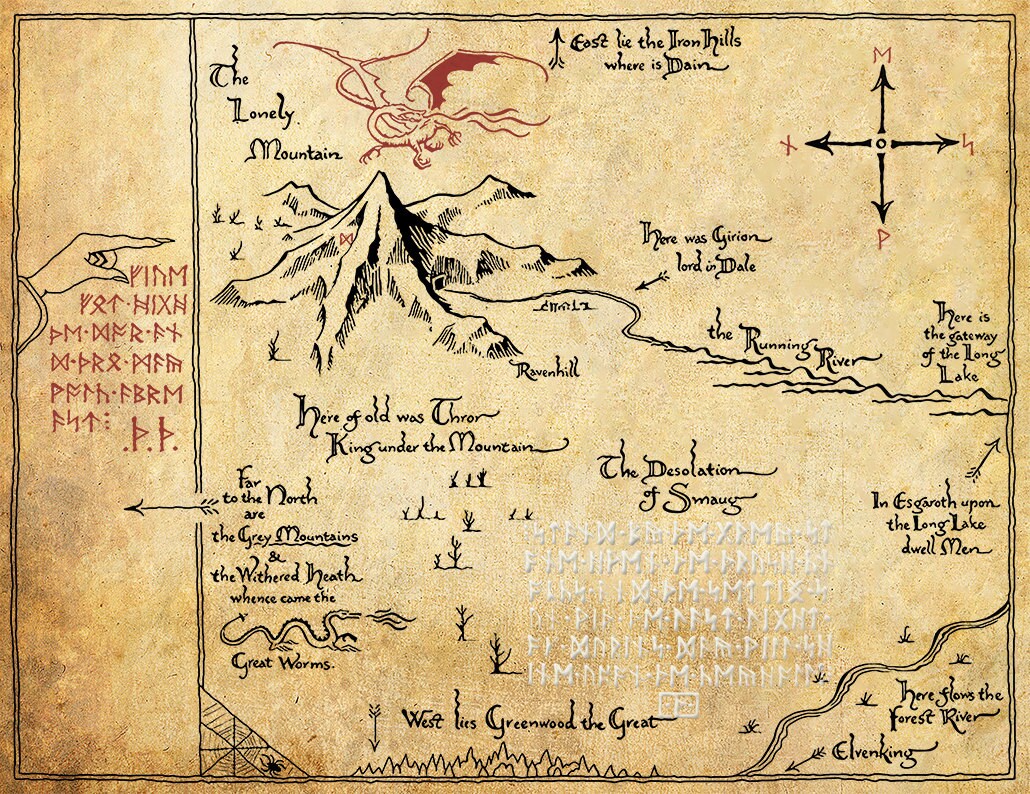
Everything about this trip already seems haphazard, having no map of their destination, till Gandalf furnishes them with one,

(JRRT)

and even then they have no idea of another, secret entrance until Elrond spots the inscription which describes it—and how to open it.  Clearly, then, this is a case of “we’ll cross that bridge when we come to it.”

Uh oh.

There’s also no clue in the text as to who or what may destroy the destroyer—until Bilbo, flattering Smaug, spots that fatal weak point:

“ ‘I’ve always understood…that dragons were softer underneath, especially in the region of the—er—chest…’ “

The dragon stopped short in his boasting.  ‘Your information is antiquated,’ he snapped.  ‘I am armoured above and below with iron scales and hard gems.  No blade can pierce me.’ “

There’s a clue here, if not for Bilbo, for readers who are aware of something in Tolkien’s own past reading: 

“Then Sigurd went down into that deep place, and dug many pits

in it, and in one of the pits he lay hidden with his sword drawn.

There he waited, and presently the earth began to shake with the

weight of the Dragon as he crawled to the water. And a cloud of

venom flew before him as he snorted and roared, so that it would

have been death to stand before him.

But Sigurd waited till half of him had crawled over the pit, and

then he thrust the sword Gram right into his very heart.”  (Andrew Lang, ed., The Red Fairy Book, 1890, “The Story of Sigurd”, page 360)

And Bilbo persists, goading Smaug to turn over, where Bilbo sees—and says:

“ ‘Old fool!  Why, there is a large patch in the hollow of his left breast as bare as a snail out of its shell!’ “ (The Hobbit, Chapter 12, “Inside Information”)

Still, although we might have a target now, who will make use of it and how and with what?  Sigurd is just what Gandalf says is not locally available, a Hero, and it’s clear that neither Bilbo nor the dwarves are capable of taking on that role.

And here we can bring in another clue from Tolkien’s past.

In “On Fairy-Stories”, he writes:

“I had very little desire to look for buried treasure or to fight pirates, and Treasure Island left me cool.  Red Indians were better:  there were bows and arrows (I had and have a wholly unsatisfied desire to shoot well with a bow)…”  (“On Fairy Stories”, 134)

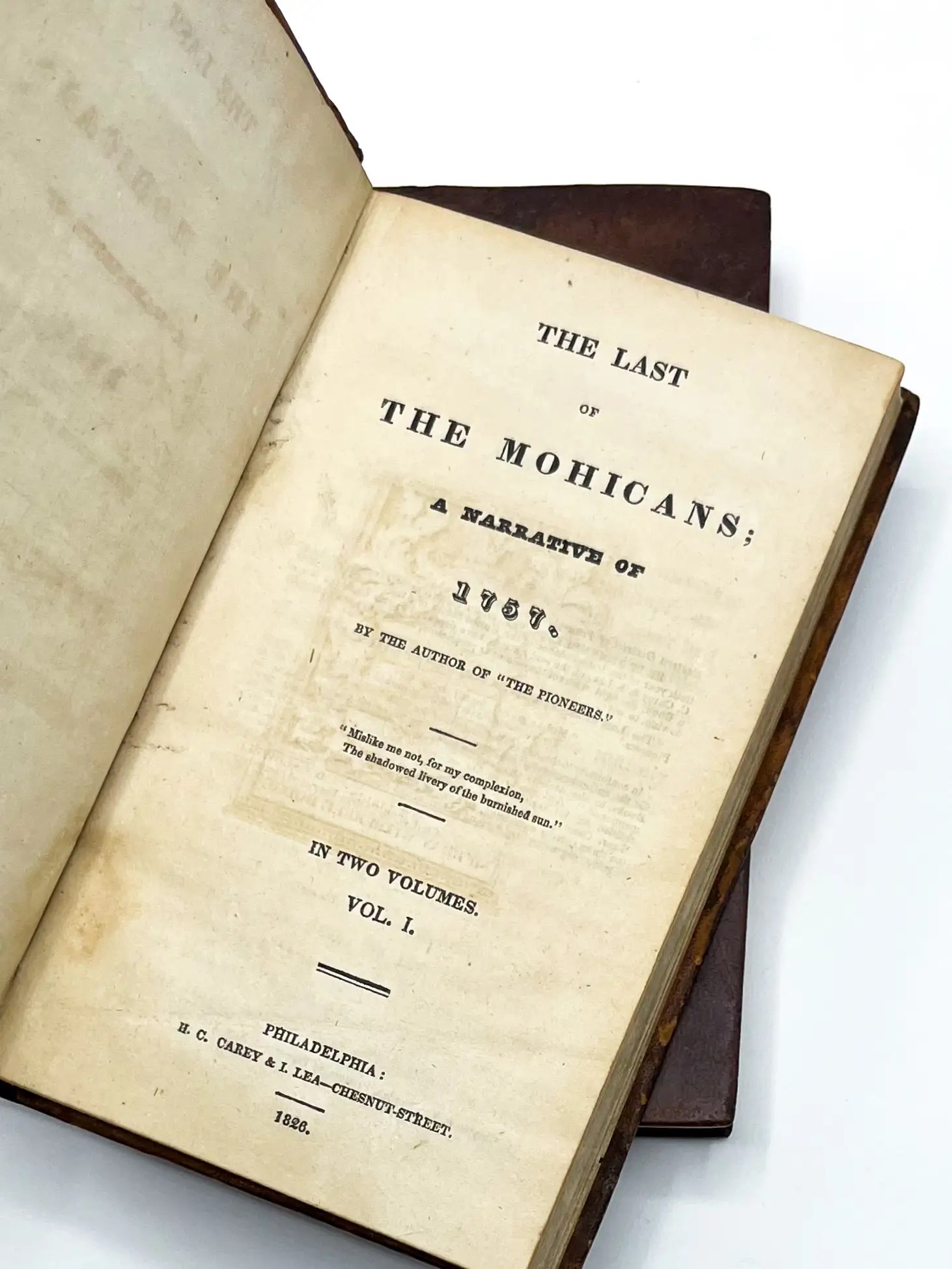
This suggests that Tolkien may have been exposed to the works of James Fenimore Cooper, 1789-1851, who, beginning with The Pioneers, 1823, wrote a series of novels set on the 18th-century western Frontier (much of it what is now central and eastern New York State), called the “Leatherstocking Tales”,

the best known, even now, being The Last of the Mohegans, 1826. 

These books were filled with battles between the British and French, with Native Americans on both sides and I wonder if it’s from the adventures depicted there that JRRT was inspired with his passion for bows and arrows?

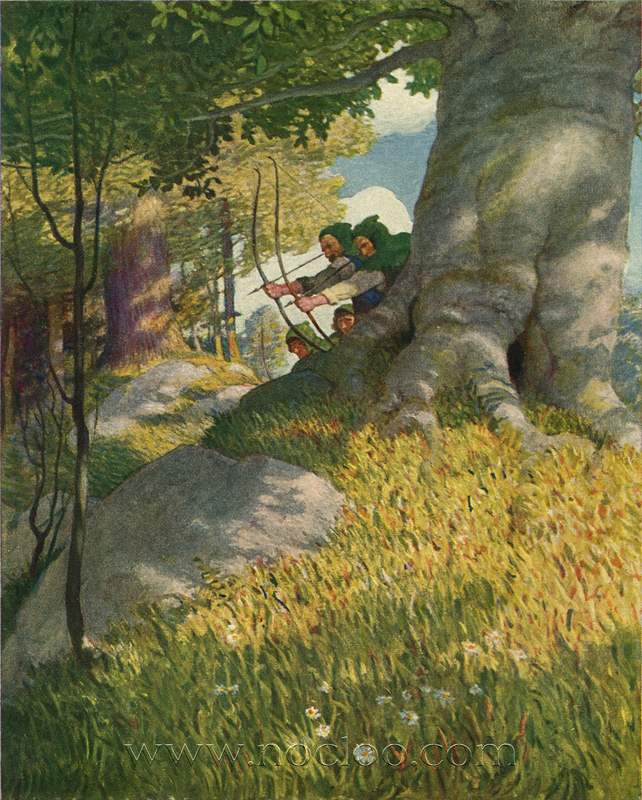
(artist?  A handsome depiction and I wish I could identify the painter.)

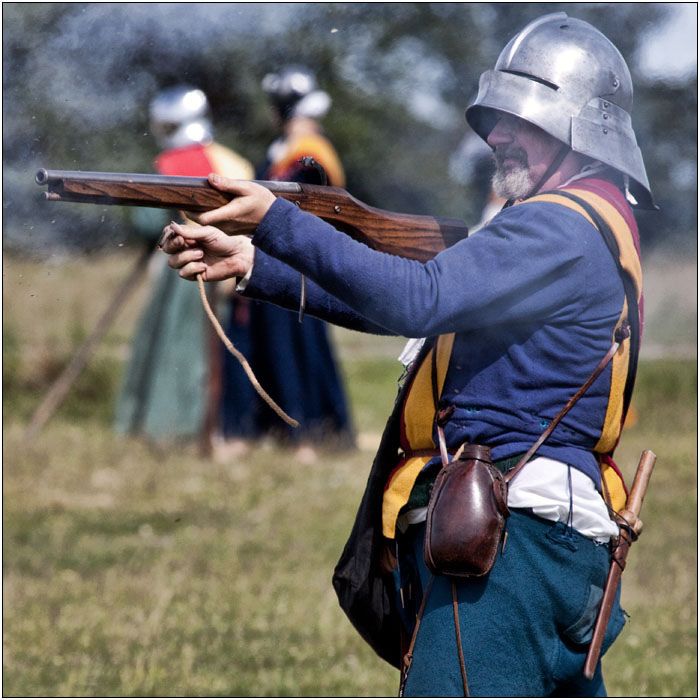
Another clue might lie in British history.  During the medieval struggle for English control of France, the so-called “Hundred Years War” (1337-1453), the English enjoyed three great victories, at Crecy (1346), Poitiers (1356), and Agincourt (1415), where companies of English longbowmen shot their French opponents to pieces.

(Angus McBride)

Tolkien would have read about this as a schoolboy, but, in an odd way, he might have had his knowledge of these long-ago events refreshed in 1914.

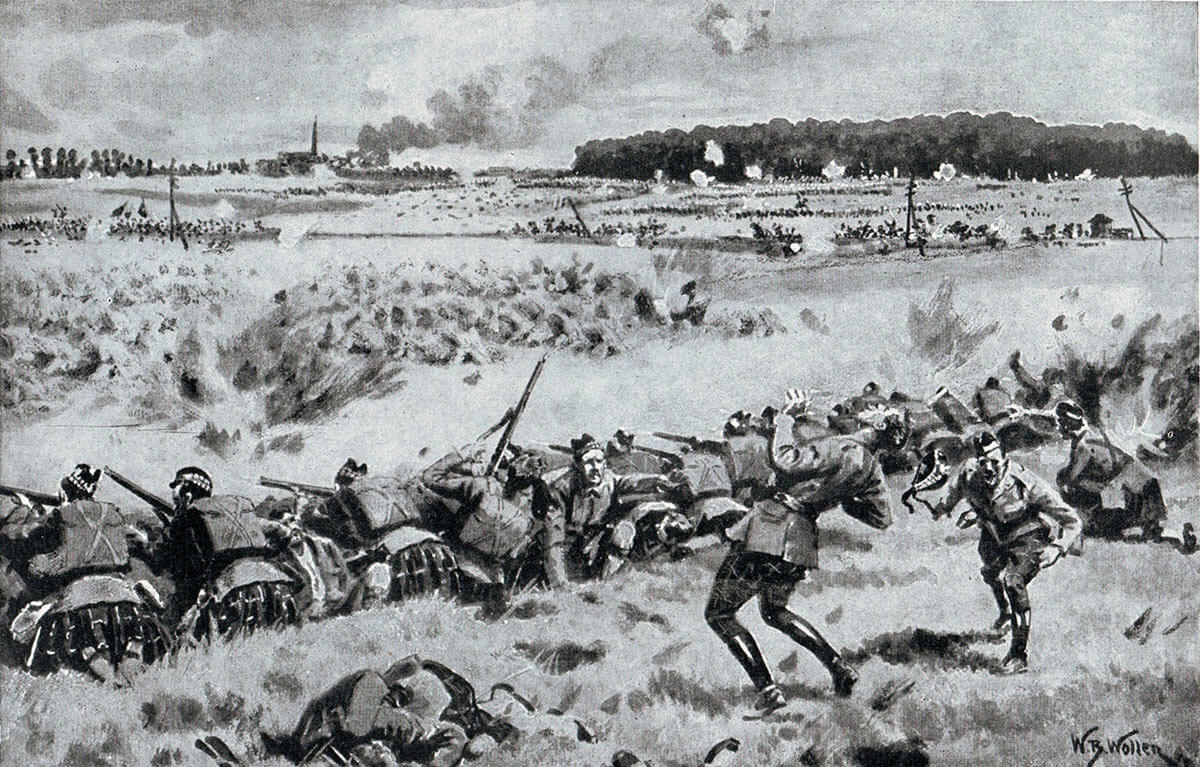
Outnumbered and in danger of being outflanked by massive German columns, the small BEF (British Expeditionary Force), in the early fall of 1914, retreated, one unit (2nd Corps) fighting a desperate battle to slow the Germans at Le Cateau.

The British managed to fend off the enveloping Germans and, considering the odds against them, some might have believed their escape miraculous. 

Enter the fantasist Arthur Machen, 1863-1947. 

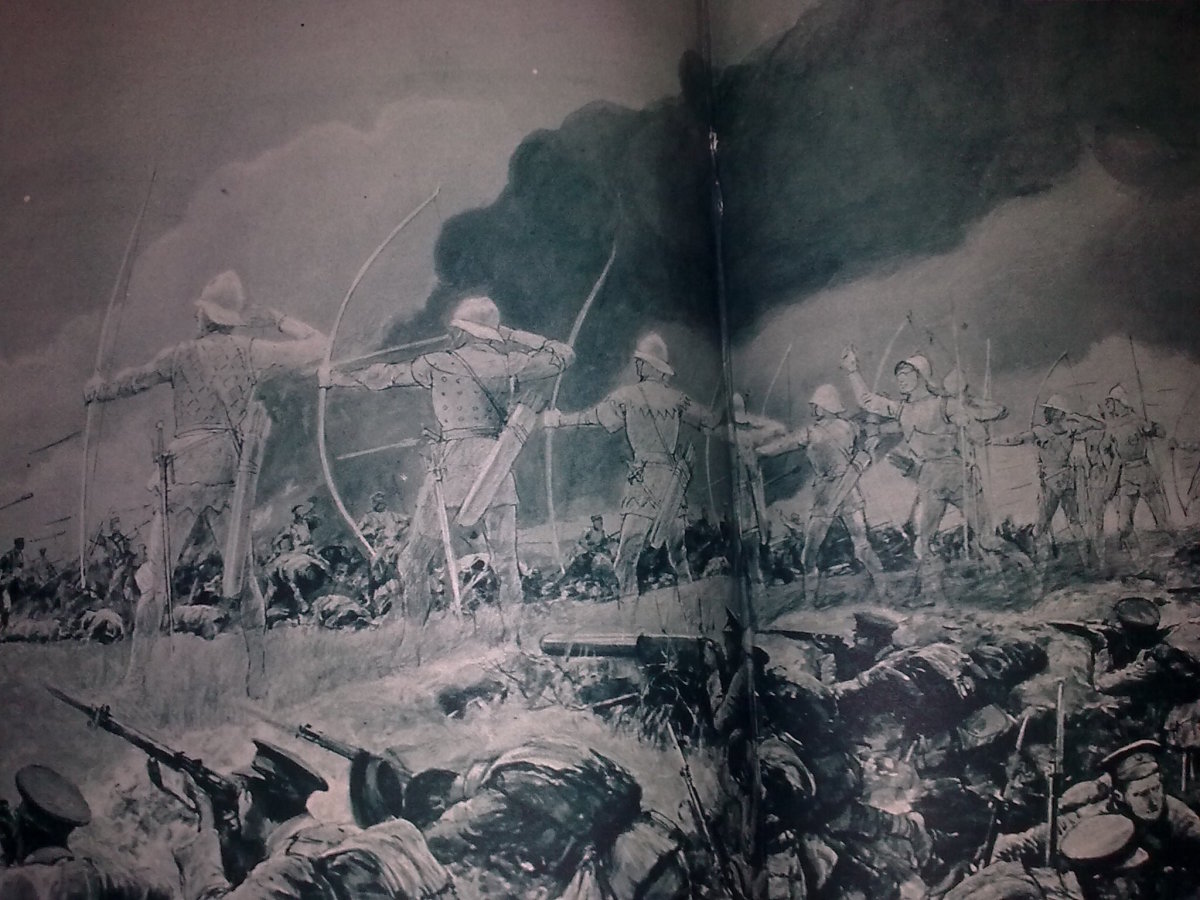
In the September 29th,  1914,  issue of The Evening News, Machen published a short story which he entitled “The Bowmen”.  This was a supposed first-hand account of a British soldier who had seen a line of ghostly British longbowmen shooting down German pursuers, just as they had shot down the French, centuries before.

Machen subsequently republished it with other stories in 1915—

but was astonished when his fiction was believed to have been true, and widely circulated as such. We don’t have any evidence that JRRT actually read this story, but it was extremely widespread at the time and, once more, we see men with bows. (For more on this, see:  https://en.wikipedia.org/wiki/Angels_of_Mons And you can read the stories in Machen’s volume here:  https://en.wikipedia.org/wiki/Angels_of_Mons )

I think we can add to this the legends of Robin Hood, which could appear in any number of sources—our first known reference being in William Langland’s (c.1330-c.1386) late 14th-century Piers Plowman, where Sloth—a priest deserving of his name, doesn’t seem to have any religious knowledge, but says,

“Ich can rymes of Robyn Hode” (that is, “I know rhymes/songs about Robin Hood”—see the citation at:  https://robinhoodlegend.com/piers-plowman/ at the impressively rich Robin Hood site:  https://robinhoodlegend.com/ )

Then there is the collection of poems/songs from about 1500, A Gest of Robyn Hode,

which JRRT might have encountered in F.J. Child’s (1825-1896) The English and Scottish Popular Ballads, 1882-1898,

where it appears as #117.  (If you don’t know the so-called “Child Ballads”, here’s a beginning:  https://en.wikipedia.org/wiki/Child_Ballads  And, for a massive one-volume edition:  https://archive.org/details/englishscottishp1904chil/page/n11/mode/2up The texts are interesting in themselves, but, for me, they’re even better as songs.  To hear one, you might try one of my favorite folk singers, Ewan McColl’s version of “The Dowie Dens o’ Yarrow here:  https://www.youtube.com/watch?v=Vfsv8zUdqKM&list=RDVfsv8zUdqKM&start_radio=1 For more on Yarrow, see “Yarrow”, 10 April, 2024.

For lots more on Robin Hood, see:  https://en.wikipedia.org/wiki/Robin_Hood )

In more recent times, perhaps Tolkien had seen Howard Pyle’s (1853-1911) The Merry Adventures of Robin Hood, 1883,

 or Paul Creswick’s (1866-1947) 1917 Robin Hood,

with its wonderful illustrations by N.C.Wyeth (1882-1945).

(If the Tolkien journal Amon Hen, is available to you–but, alas, not to me–you might also have a look at Alex Voglino’s “Middle-earth and the Legend of Robin Hood” in issue 284.)

And, although Tolkien may not have liked Treasure Island, we might add to this possible influence Robert Louis Stevenson’s (1850-1894) The Black Arrow (serialized 1883, published as a book in 1888).

An adventure story set during the Wars of the Roses, you can read it here:  https://archive.org/details/blackarrowatale02stevgoog/page/n1/mode/2up

Although there are more possibilities (Tolkien might have read Sir Walter Scott’s (1771-1832) Ivanhoe, 1819, where Robin Hood makes an appearance, for instance—and here’s the book:  https://archive.org/details/ivanhoe-sir-walter-scott/page/n7/mode/2up )

that title suggests something else:

“ ‘Arrow!’ said the bowman.  ‘Black arrow!  I have saved you to the last.  You have never failed me and always I have recovered you.  I had you from my father and he from of old.  If ever you came from the forges of the true king under the Mountain, go now and speed well!’ “ (The Hobbit, Chapter 14, “Fire and Water”)

(Michael Hague, one of my favorite Hobbit illustrators)

So, we’re about to see that the Hero to kill Smaug is a Lake-town local, Bard, and his weapon of choice is Tolkien’s special favorite, the bow.  But how to attack?

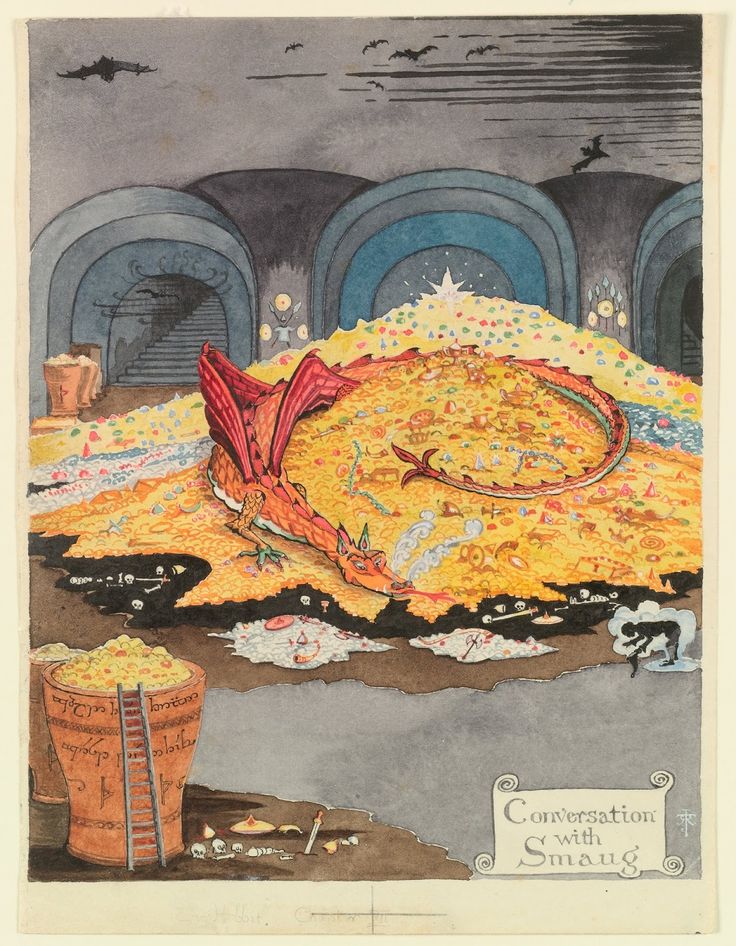
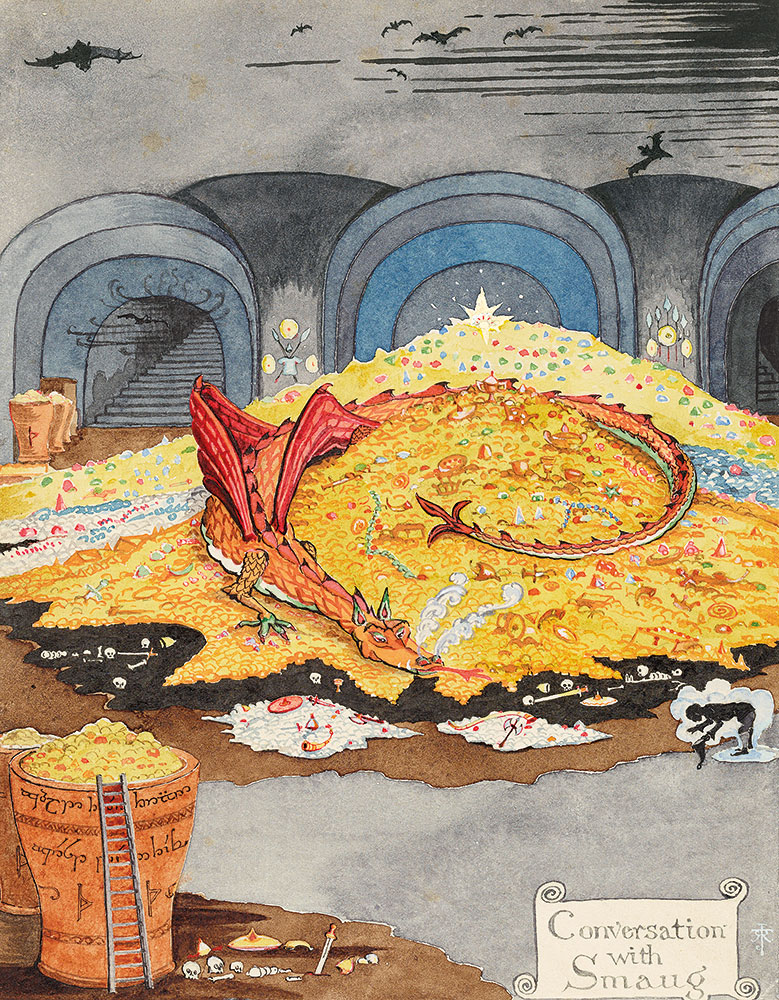
We first see Smaug on the ground, lying on his hoard.

(JRRT)

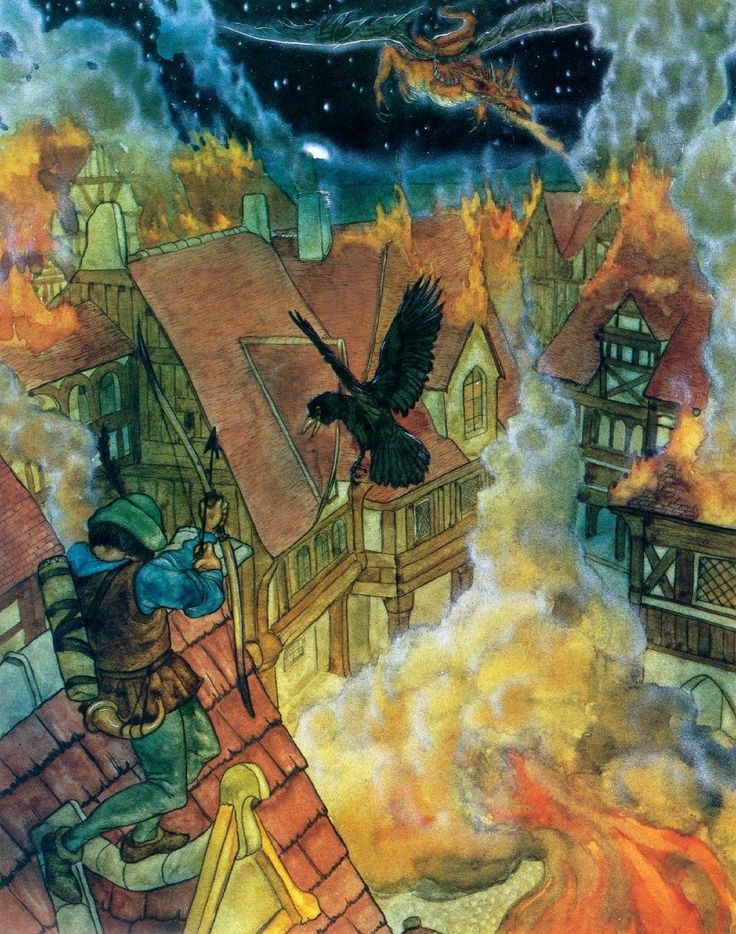
Angered at Bilbo’s teasing, he gets up long enough to attempt to flame him, but his real method of destruction is to take to the air.

(Ted Nasmith)

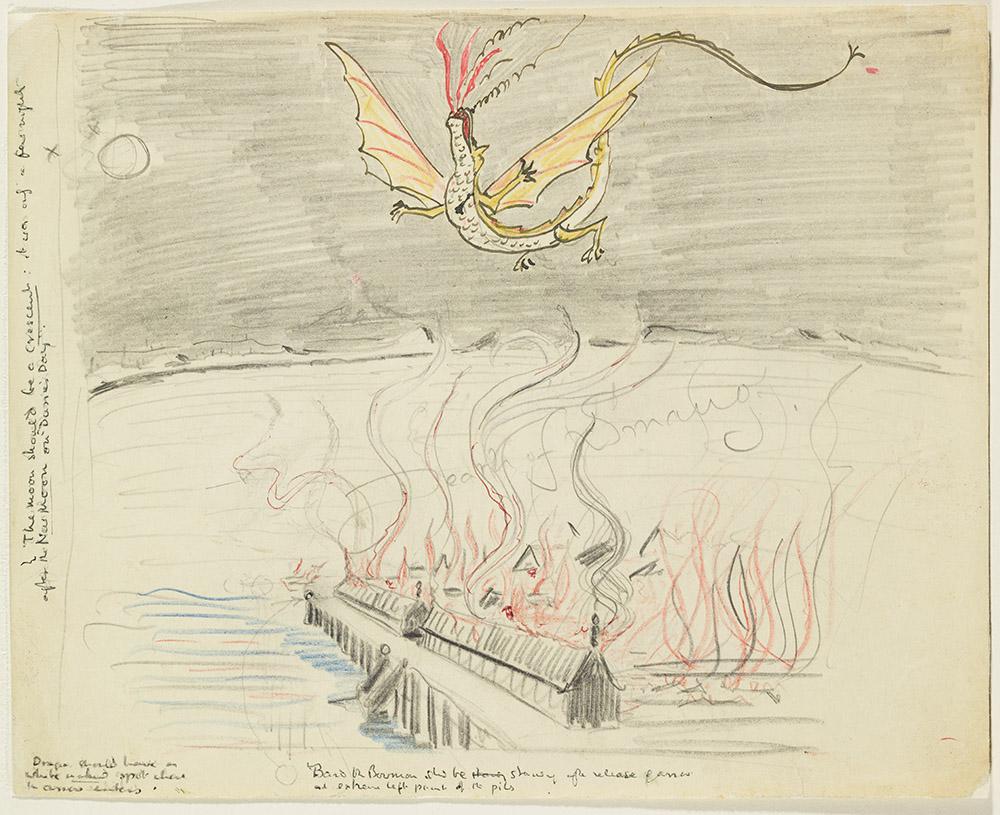
Fafnir was never airborne, dragging himself along the ground.  Sigurd solved the problem of his scaly protection by digging a pit and attacking him from below with his sword.  It makes good sense, then, with all of the possible bowman influences upon him, that Tolkien would imagine that the way to deal with a flying dragon would be an arrow from below.

(JRRT)

To which we might add one more potential influence from JRRT’s own experience. 

In 1914, there were few military aircraft and their main task was reconnaissance.

By 1918, there were many different models, with different tasks, including heavy bombers.

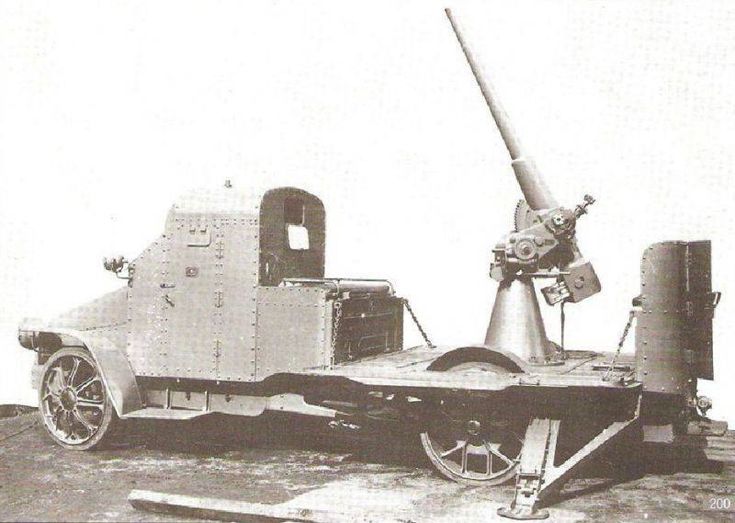
To protect their troops on the ground, all of the warring nations developed the first artillery defenses:  anti-aircraft guns, designed to shoot down threats from above. 

JRRT would certainly have seen such guns and possibly even in action, attempting to knock flying danger out of the sky.

Some of those guns were rapid-firing, spraying the air with metal, hoping to guarantee the success of their defense.  Bard, in turn, has his black arrow—and not just any black arrow, but one seemingly created perfectly for revenge:  “  ‘I had you from my father and he from of old.  If ever you came from the forges of the true king under the Mountain, go now and speed well.’ “

That is, this is an arrow created by the dwarves, whom Smaug had driven out or killed—or eaten—and it’s also an heirloom from the days before Smaug destroyed Dale:  what better weapon to deal vengeance to the wicked creature who had ruined so much?  To take out such a flying danger, but with a glaring vulnerability below, what means of propulsion, especially one known to have defeated whole medieval armies?  And, as the seemingly last descendant of the last lord of Dale, Girion, who better to take that revenge? 

As ever, thanks for reading.

Stay well,

Always monitor the skies—who knows what’s watching from above?

And remember that, as always, there’s

MTCIDC

O

PS

For more on birds, Bard, and Smaug, see “Why a Dragon?” 28 May, 2025.

PPS

While looking for just the right Smaug images, I came upon this, entitled, “Dante aka Smaug on his hoard” and couldn’t resist.

To Horse!

18 Wednesday Jun 2025

Posted by Ollamh in Uncategorized

≈ Leave a comment

Tags

Agincourt, bicycle, Boer War, cavalry charges, Charge of the Light Brigade, Cu Chulainn, Dwarves, Fredegunda, Gregory of Tours, heavy artillery, Historia Francorum, Hobbits, horses, King Edward's Horse, lotr, machine gun, machine-guns, Nazgul, Normans, Pegasus, Rohirrim, Russian Civil War, signals officer, Sleipnir, The Hobbit, Tolkien, Valkyries

In a colleague’s office, I once saw this on his wall—

“Proletariat, to horse!”

It’s a recruiting poster from the Russian civil war (1918-1922), showing the Reds trying to raise cavalry for their armies, but, at the time this call came, the military world was changing and, although horsemen would still appear, very sporadically, on battlefields, for some years to come, the day of events like this—

was rapidly coming to a close.

It didn’t happen all at once, however.  As you can imagine, traditional cavalrymen—those who believed that swinging a sword in a valiant charge was the point of cavalry—

fought back.  The evidence was against them, however, in two ways.

First, in the case of the British, there had been the Boers,

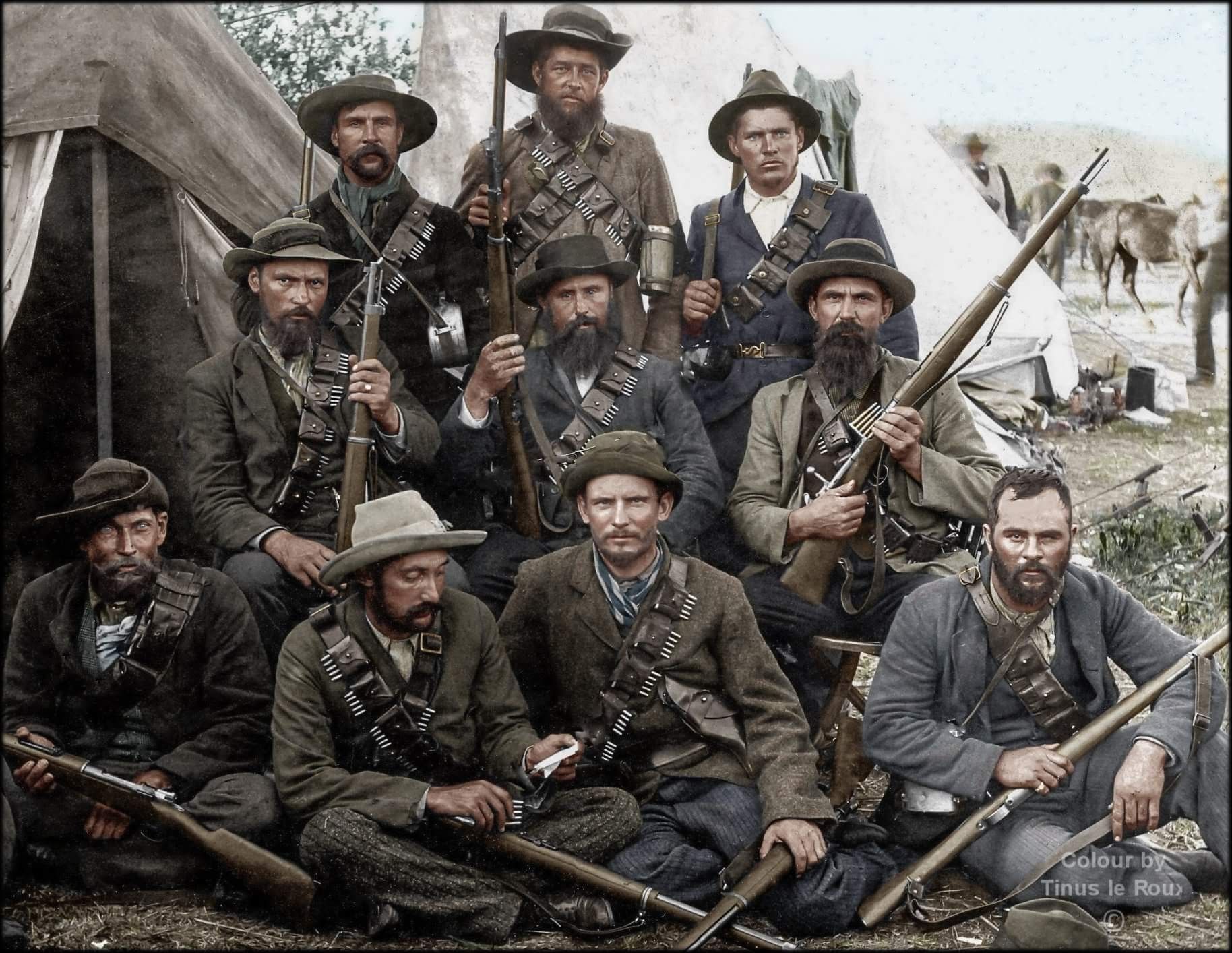
with whom the British had fought a war, from 1899-1902.  The Boers (Dutch for “farmers”) had been militia—men obliged by law to defend the state upon demand.  Across the wide open spaces of so much of South Africa, they had fought as mounted infantry, using horses as a means of moving from place to place, then dismounting for combat and, if things didn’t go their way, mounting up and escaping.

To counter this, especially in the later phases of the war, the British were forced to develop their own mounted infantry,

which suggested to some military theorists at the time that the wave of the future was not in sword-swingers, but in riflemen, who could rapidly move to where they were needed, but employ horses for transport, not for gallant charges.  (This also led to the rise of units mounted entirely on bicycles,

but we can imagine the off-road difficulties for early machines and, although there were bicycle units as late as WW2, they never had the popularity—or the dash—of horsemen.)

The second piece of evidence lies in technological change. 

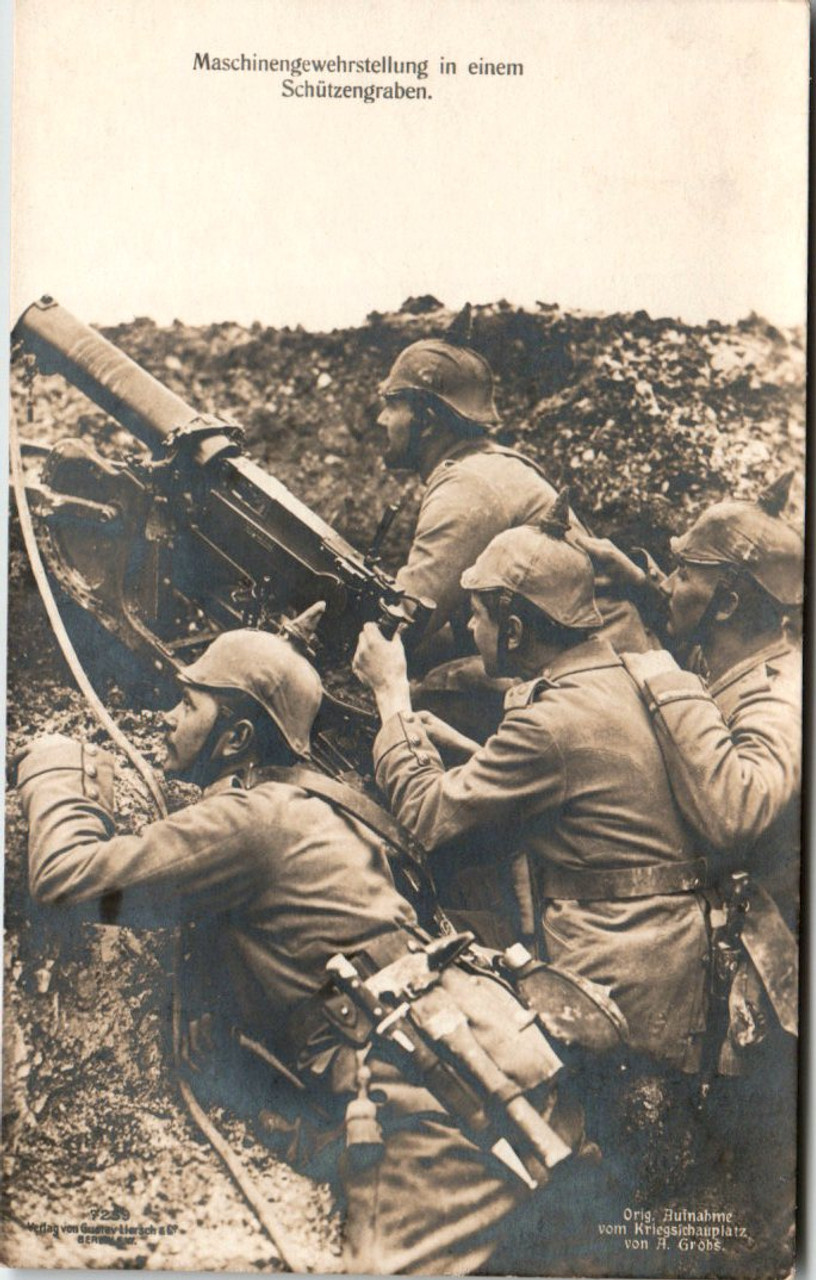
With the coming of the 20th century, machine guns, sometimes firing as many as 600 rounds (shots) per minute,

appeared in increasing numbers and artillery was developed to become more accurate at greater distances.

In self-defense, soldiers would be forced to take cover wherever they could,

at first in holes simply scraped out of the ground, but, in time, in very sophisticated lines, shored up with wood and metal and sandbags.

On the Western Front, where everyone was dug into the ground, and being in the open could mean instant destruction, there simply wasn’t a place for old-fashioned cavalry, for all that there were still lots of old-fashioned cavalrymen in the army—like the first commander of the British in France in 1914, Sir John French.

Imagine, then, that this was all happening when Tolkien was very young—when the Boer War ended, in 1902, for instance, he would have been only 10.

(JRRT and his brother, Hillary, in 1905)

His own military career had begun at King Edward’s School in Birmingham, when he entered the new Cadet Corps in 1907.

(For more, see this essay by John Garth: https://johngarth.wordpress.com/2014/03/05/tolkien-at-fifteen-a-warrior-to-be/ )

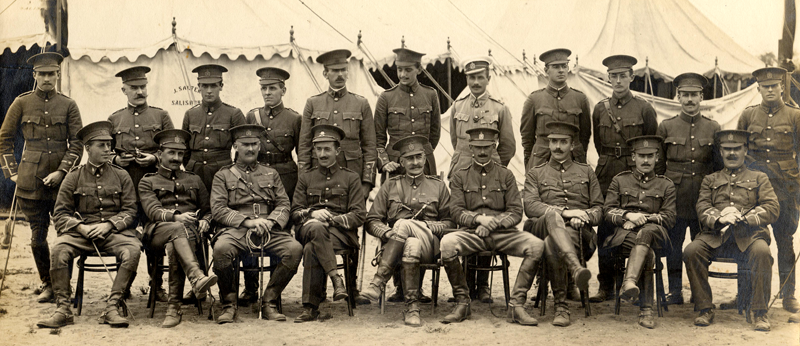
Then, in the summer of 1912, he was briefly a member of a territorial (a sort of national guard unit) cavalry regiment, King Edward’s Horse.  (The reference here is to Carpenter’s J.R.R.Tolkien, 66.  John Garth later added detail to this, but subsequently qualified it, saying that his evidence was faulty.  See:  https://oxfordinklings.blogspot.com/2009/06/tolkien-and-horses.html )

(Officers of the regiment about 1916)

It was clearly an indication of the drop in the use of cavalry, however, when JRRT began his second enlistment not in a cavalry, but an infantry regiment, the Lancashire Fusiliers, in which he was commissioned as a 2nd Lieutenant in 1915.

In his brief battlefield career, he was the signals officer for his battalion, the 11th.  In the advance into the Somme in July, 1916, Tolkien, although armed with a revolver,

would have been too busy to do any fighting as his work involved

“More code, flag and disc signaling, the transmission of messages by heliograph and lamp, the use of signal rockets and field-telephones, even how to handle carrier pigeons…” (Carpenter, 86)

To ask for reinforcements, as well as to avoid artillery fire which could be called in to fend off German counterattacks, but which might hit friendly troops instead, it was extremely necessary for attacking units to let their positions and situations be known as often as possible, so JRRT would have been more than a little occupied during the months (1 July-18 November, 1916) of the very costly (nearly 58,000 British casualties the first day alone) offensive.  Fortunately for him—and for us—he fell ill with so-called “trench fever” and left France for good early in November, going home to England and, ultimately, to Middle-earth.

Although his military service in the field was relatively brief, and his career with cavalry even briefer (he resigned from King Edward’s Horse in January, 1913), we see horses everywhere in Middle-earth, from the ponies of the dwarves in The Hobbit

(from Painting Valley—no artist listed)

to the horses of the Nazgul in The Lord of the Rings.

(with the Gaffer, one of my favorite illustrations by Denis Gordeev)

But, although cavalry might have been only a brief flirtation for Tolkien, horses had been part of his life since its beginnings.  Part of this would have been mundane—it was only after the Great War that the internal combustion engine really began to dominate the streets.  When JRRT was young, Birmingham and London, as well as Berlin, Paris, and New York, would have looked like this—

His early reading would have given him Bellerophon on Pegasus,

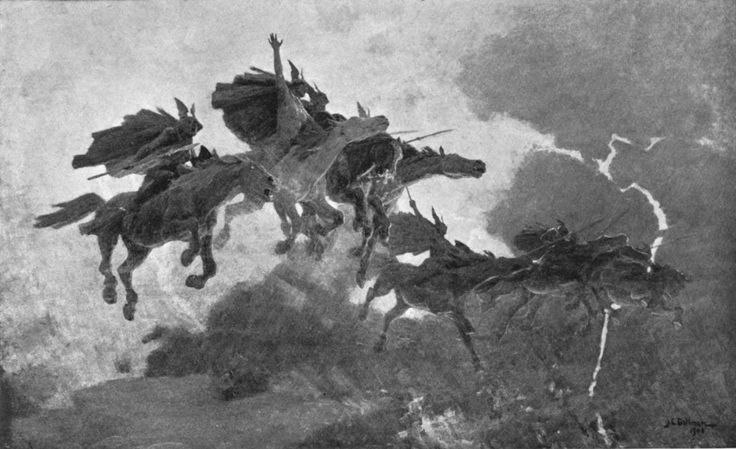
to which would have been added the Valkyries,

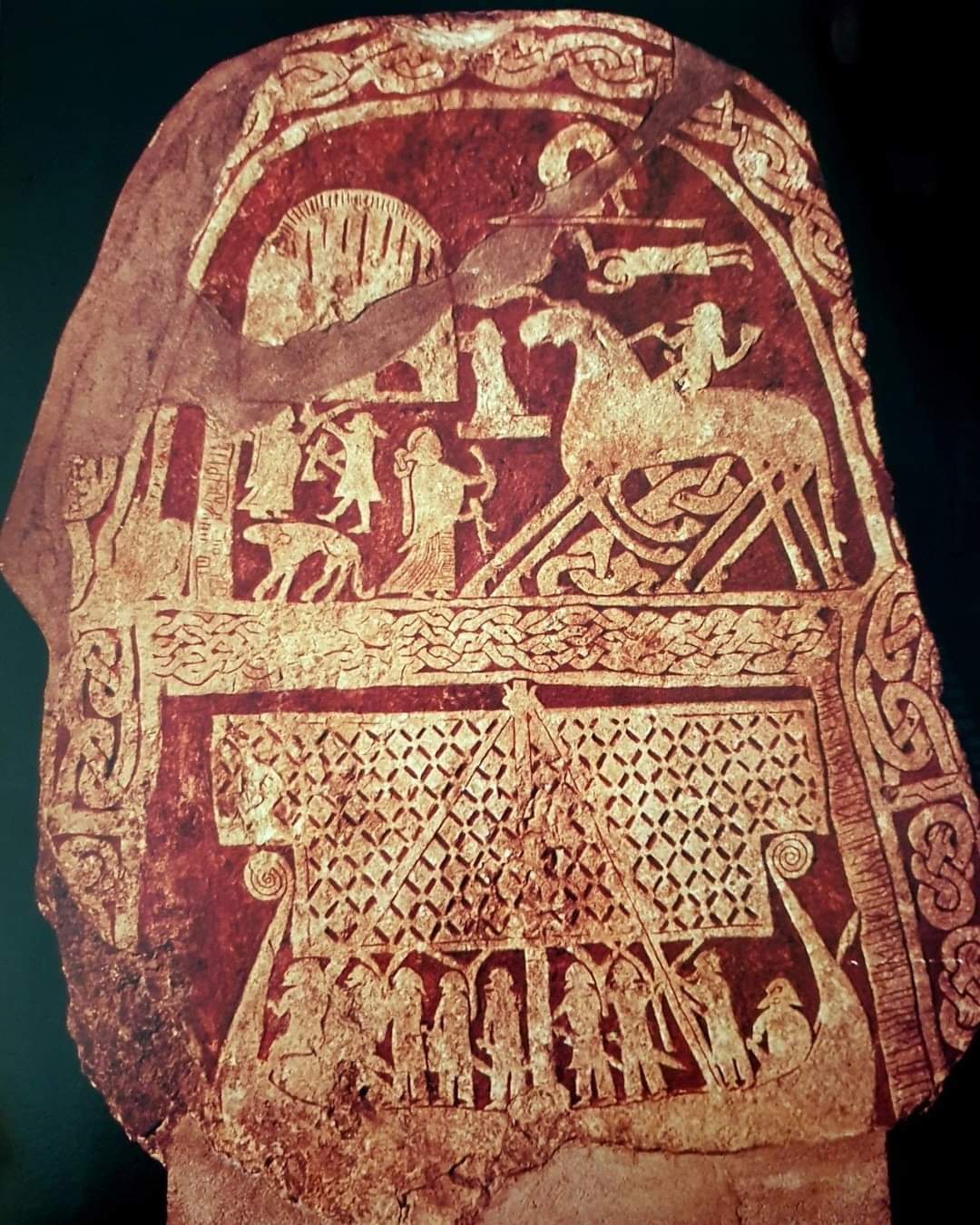
and, in time, Sleipnir, Odin’s 8-legged steed,

(This is the Tjaengvide image stone, one of a group of runic stones, called the “Sigurd stones”, found in Sweden and dated to between 700 and 1100AD.  You can read more about it here:  https://en.wikipedia.org/wiki/Tj%C3%A4ngvide_image_stone You can read about the other stones here:  https://en.wikipedia.org/wiki/Sigurd_stones  Tolkien would first have heard about Sigurd from Andrew Lang’s The Red Fairy Book, 1890, which you can find here:   https://archive.org/details/redfairybook00langiala/redfairybook00langiala/mode/2up  Sigurd himself possessed the offspring of Sleipnir, Grani, which you can read about here:  https://en.wikipedia.org/wiki/Grani )

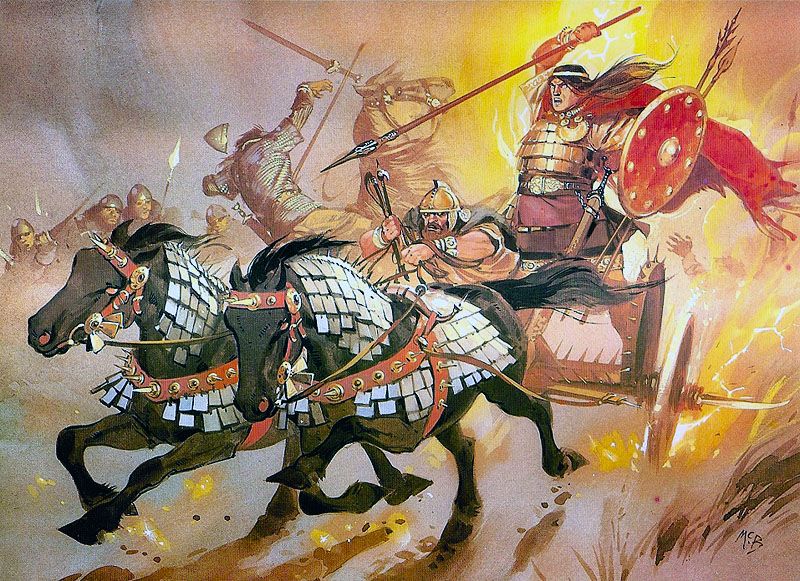
and further medieval reading would have filled his mind with mythic and magic horses, like Cu Chulainn, the Irish hero’s, chariot pair, water horses named Liath Macha and Dub Sainglend (although he wasn’t very enthusiastic about Old Irish literature which, I suspect, he found much wilder and stranger and more disturbing than, say, the Welsh Mabinogion, which you can read about here:    https://en.wikipedia.org/wiki/Mabinogion )

(a rather over-the-top image by the usually dependable Angus McBride—someone should have mentioned to him that, although “Dub” means “black”, Liath means “grey”.  Cu Chulainn is one of my favorite ancient berserkers—to mix cultures—and, if you don’t know him, you can begin to read about him here:  https://en.wikipedia.org/wiki/C%C3%BA_Chulainn )

But there are magical horses in many places—see https://en.wikipedia.org/wiki/List_of_horses_in_mythology_and_folklore for many more, with at least many of the medieval, he would have been familiar. 

And while we’re speaking of Middle-earth and horses, we need to mention the Normans, who, combined with the Anglo-Saxons for language, were the basis of the Rohirrim–

“The Rohirrim were not ‘medieval’ in our sense.  The styles of the Bayeux Tapestry…fit them well enough…” (letter to Rhona Beare, 14 October, 1958, Letters, 401)

The Rohirrim, in turn, lead us back to the opening of this posting.  Although, in Tolkien’s day, cavalry and glorious charges,

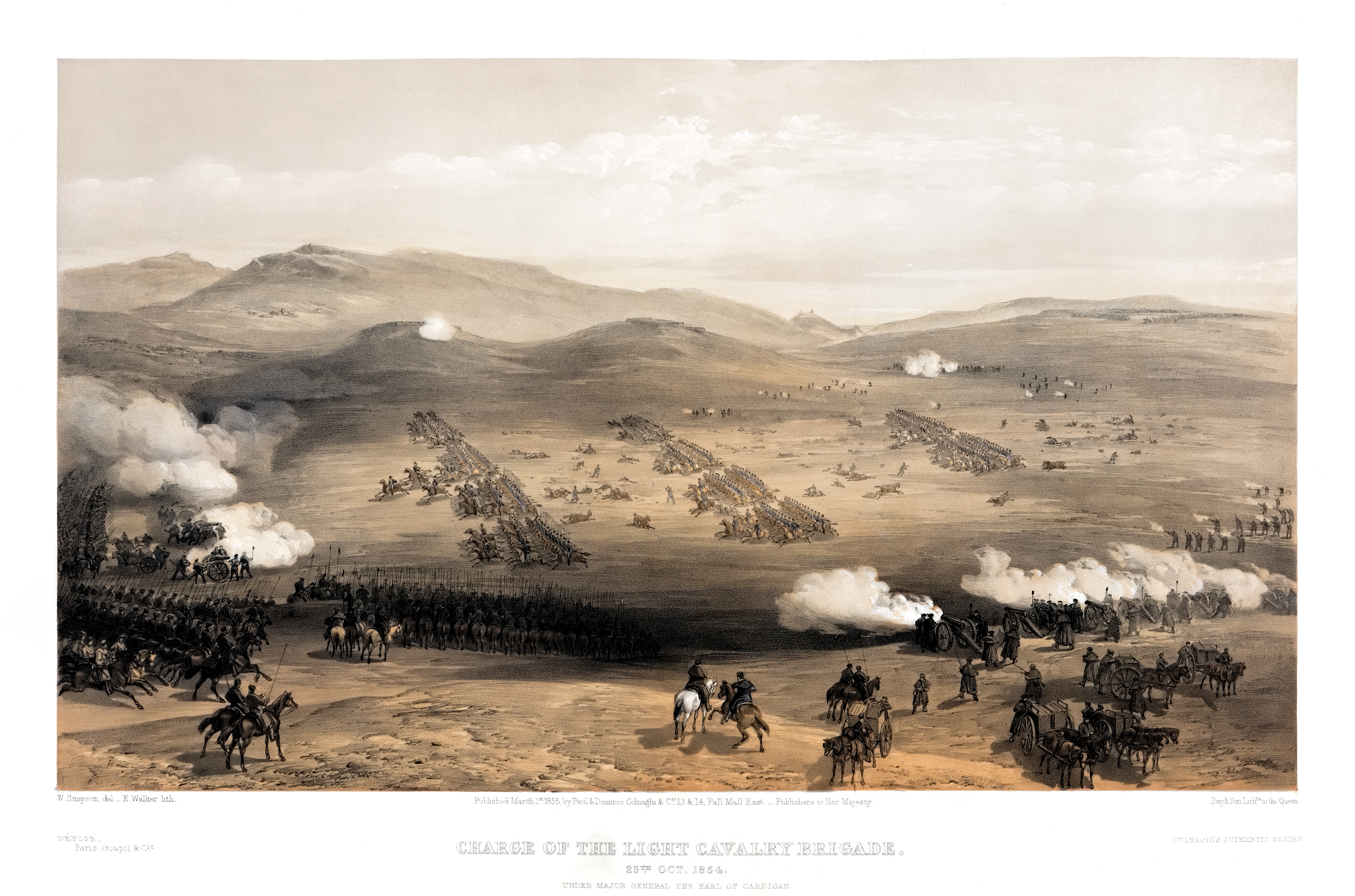
like that of the British Light Brigade at Balaclava in 1854, commemorated in Tennyson’s poem, were almost at the end of their military usefulness, for a Romantic, like Tolkien, the idea of such a charge was still a powerful image and one he couldn’t resist, depicting the heroic Rohirrim assembling

(from the Jackson film)

and roaring down on the unsuspecting orcs. 

(Abe Papakhian)

JRRT was writing medieval fantasy, however, but, as I’m always interested in “what if’s”, here I’m remembering what actually happened to that Light Brigade charge, an attack made in the teeth of Russia artillery.

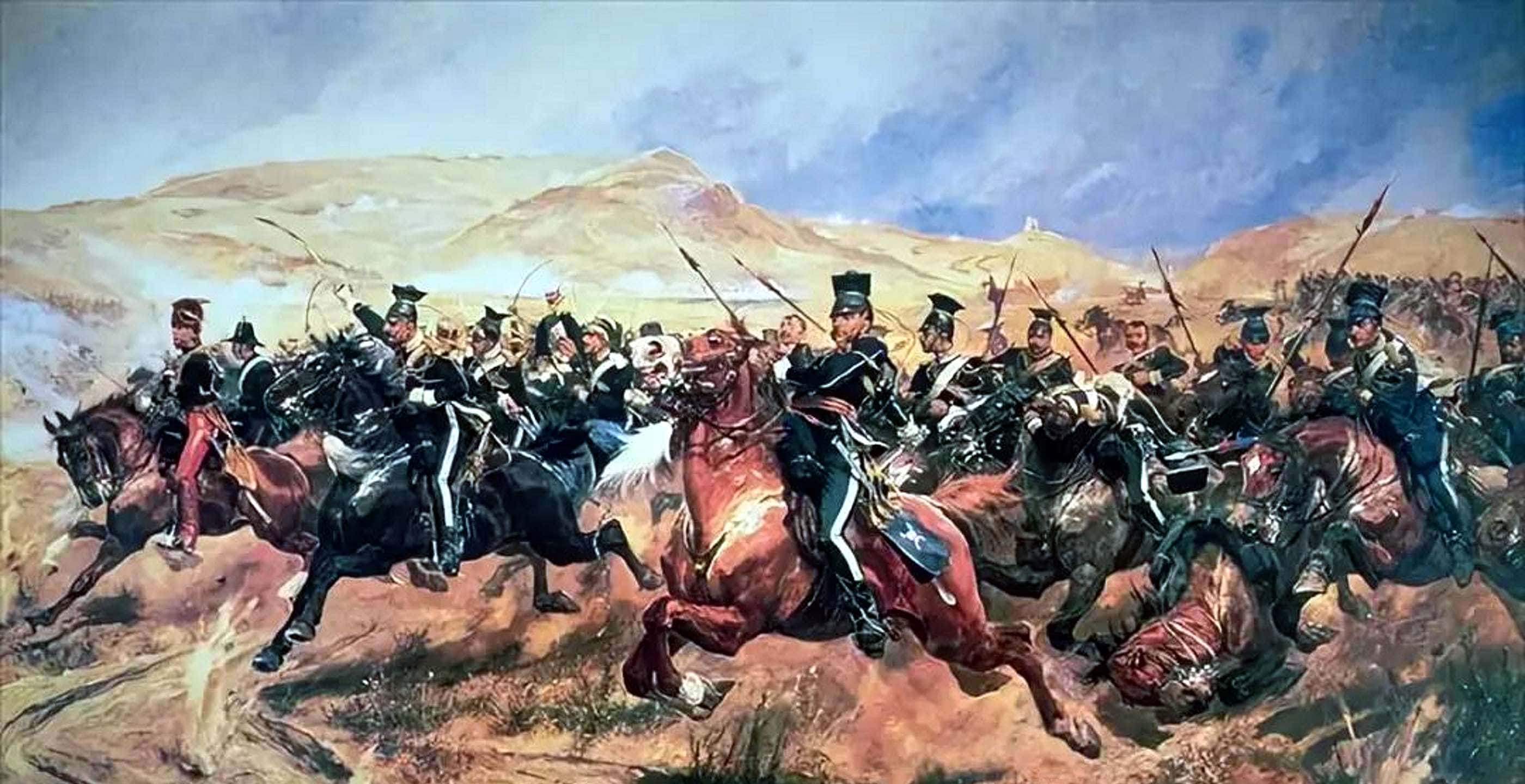
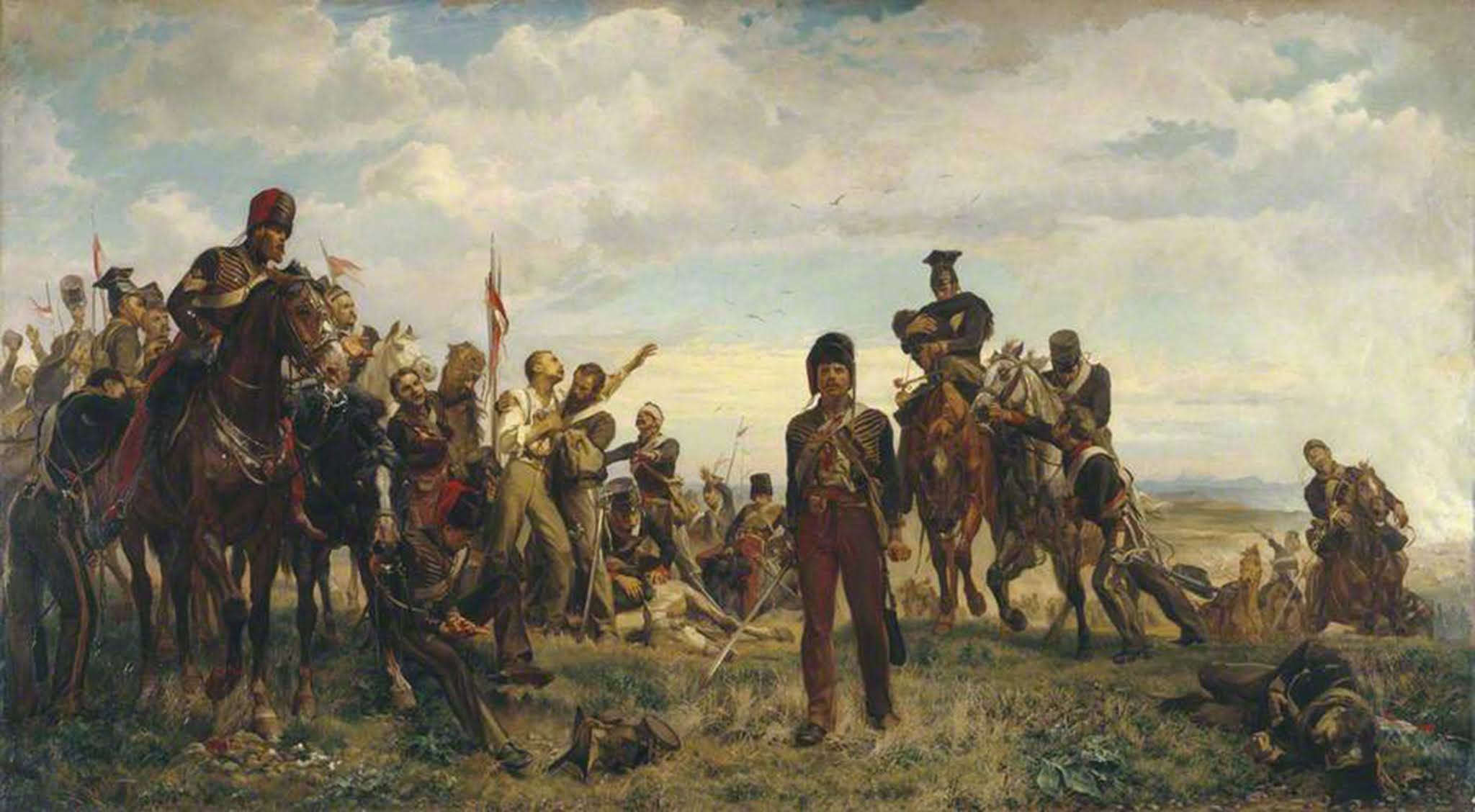
The consequence was that, out of 609 men who rode towards the Russians, only 198 returned, and Lady Butler’s picture, “Balaclava the Return 25 October 1854” (1911) sums up the actual aftermath of that charge.

There’s evidence in the destruction of the Causeway Forts that Sauron’s army had some sort of blasting powder—suppose, instead of using it just as a siege tool, it had been employed with some sort of projectile propelled by it out of a tube—what might that have done to the Rohirrim’s valiant attack? 

Or even using the technique of the English army against the French at Agincourt, in our medieval world of 1415AD:  pointed stakes to threaten horses, behind which stood massed bowmen:  what would have been the outcome of that?

(Angus Mcbride)

475 horses were lost in the Charge of the Light Brigade.  Military progress so often just means more killing, but the replacement of horses with machines seems to me, who loves horses, a turn for the better.   At the same time, with Tolkien, I can feel the attraction for wild charges with swords at top speed (although cavalry did better when, at most, it went in at the canter—galloping causes loss of formation which can blunt the effect of such an attack), but, as in the charge of the Rohirrim, I’m glad if they only appear in fiction—and far from modern weaponry.

Thanks, as ever, for reading,

Stay well,

Remember that there’s a special spot, just behind the poll (top of the head), which, if scratched in the right place, makes many horses happy,

And remember, as well, that there’s always

MTCIDC

O

PS

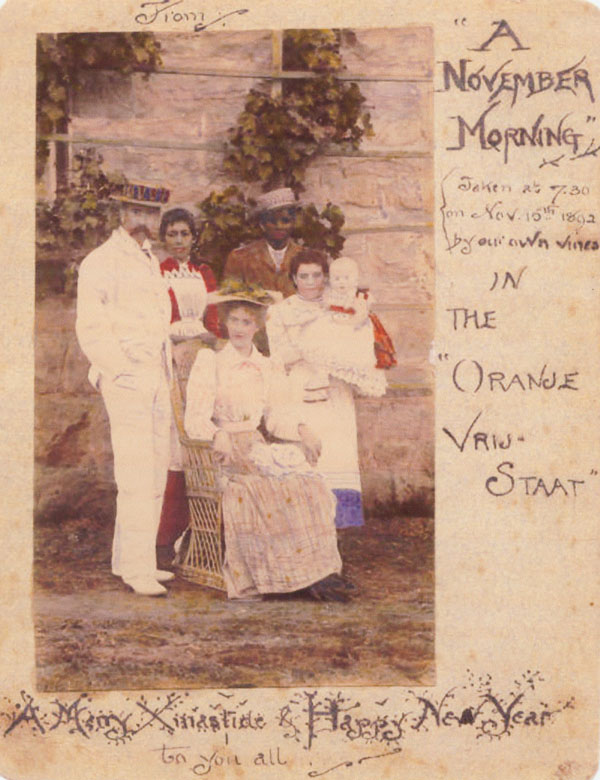
One of those little “what if” quirks of history–Tolkien’s immediate family had been in the Orange Free State at the time of his birth, in 1892.  Tolkien’s father, Arthur, was manager of the Bloemfontein branch there of the Bank of Africa.  The Orange Free State was one of the Boer republics attacked by Britain in the Boer War of 1899-1902. If Tolkien’s mother hadn’t brought JRRT and his brother, Hilary, back to England, in 1895, and Arthur hadn’t died of the effects of rheumatic fever in 1896,

Tolkien might have been in the Orange Free State when Bloemfontein was occupied by the British on 13 March, 1900.  (You can see early film of the Scots Guards marching in here:  https://www.youtube.com/watch?v=DHy2cEFwlIo )

PPS

In last week’s posting, I mentioned the story of the wonderfully bloodthirsty Frankish queen Fredegunda, as she appears in Gregory of Tours Historia Francorum.  I wrote there that you might read about her assassination of Bishop Praetextatus and her cold-blooded visit to him on his deathbed afterwards—but it required reading Gregory’s 6th-century Latin, as I didn’t provide a translation.  It seemed lazy of me not to include one of that scene, however, so here it is with the original Latin.  As always, I could smooth this out, but I prefer to stick as close as I can to the text, to give you a better feel for what’s actually been written.

Advenientem autem dominicae resurrectionis diae, cum sacerdos ad implenda aeclesiastica officia ad aeclesiam maturius properasset, antefanas iuxta consuetudinem incipere per ordinem coepit. Cumque inter psallendum formolae decumberet, crudelis adfuit homicida, qui episcopum super formolam quiescentem, extracto baltei cultro, sub ascella percutit. Ille vero vocem emittens, ut clerici qui aderant adiuvarent, nullius ope de tantis adstantibus est adiutus. At ille plenas sanguine manus super altarium extendens, orationem fundens et Deo gratias agens, in cubiculo suo inter manus fidelium deportatus et in suo lectulo collocatus est. Statimque Fredegundis cum Beppoleno duce et Ansovaldo adfuit, dicens: ‘Non oportuerat haec nobis ac reliquae plebi tuae, o sancte sacerdos, ut ista tuo cultui evenirent. Sed utinam indicaretur, qui talia ausus est perpetrare, ut digna pro hoc scelere supplicia susteneret’. Sciens autem ea sacerdos haec dolose proferre, ait: ‘Et quis haec fecit nisi his, qui reges interemit, qui saepius sanguinem innocentem effudit, qui diversa in hoc regno mala commisit?’ Respondit mulier: ‘Sunt aput nos peritissimi medici, qui hunc vulnere medere possint. Permitte, ut accedant ad te’. Et ille: ‘Iam’, inquid, ‘me Deus praecepit de hoc mundo vocare. Nam tu, qui his sceleribus princeps inventa es, eris maledicta in saeculo, et erit Deus ultur sanguinis mei de capite tuo’. Cumque illa discederit, pontifex, ordinata domo sua, spiritum exalavit. 

“However, with the coming of the day of [Our] Lord’s resurrection, when the priest [Praetextatus] had hurried early to the church to fulfill [his] ecclesiastical duties, he started to begin [the] antiphons according to custom [in their proper] order.  And when, between the psalms, he was lying on a bench, a cruel murderer appeared, who, when a knife had been pulled from [his] belt, struck the bishop, resting on the bench, under the armpit.  He [the bishop], however, [although] shouting so that the clergy who were present might help him, was aided with help of none from so many being present.  Yet he, stretching his hands, full of blood, above the altar, pouring [out] a prayer and thanking God, was carried off into his bedchamber by the hands of [his] faithful [followers] and placed on his bed.  And straightaway Fredegunda, with the Duke Beppolenus and Ansovaldus, appeared, saying, ‘Oh holy priest, this was not right for us and for the rest of your people that such things should happen in your worshipping.  But would that it would be revealed who had dared to carry out such things that he should suffer punishment worthy of this crime.’  The priest, knowing, however, that she was speaking of these things deceptively, said, ‘And who has done these things if not [the one] who has killed kings, who very often has poured out innocent blood, who has committed many evil deeds in this kingdom’  The woman replied:  ‘There are in our household highly experienced doctors who would be able to heal this wound.  Allow [it] that they may come to you.’  And he [said]:    ‘God has decreed to call me from this world.  On the other hand, you who have been exposed as chief in these crimes, you will be cursed in the future and God will be the avenger of my blood on your head.’  And when she had left, the bishop, affairs arranged in his house, breathed out his spirit.”

And how could I not include Alma-Tadema’s illustration?

Why a Dragon?

28 Wednesday May 2025

Posted by Ollamh in Uncategorized

≈ Leave a comment

Tags

Beowulf, Bilbo, bilbo-burglar, Dragons, Dwarves, Fafnir, Fantasy, Hippogriff, Hoard, Marx Brothers, quest, Sigurd, Smaug, The Hobbit, The Reluctant Dragon, Thorin, Tolkien

As always, dear readers, welcome.

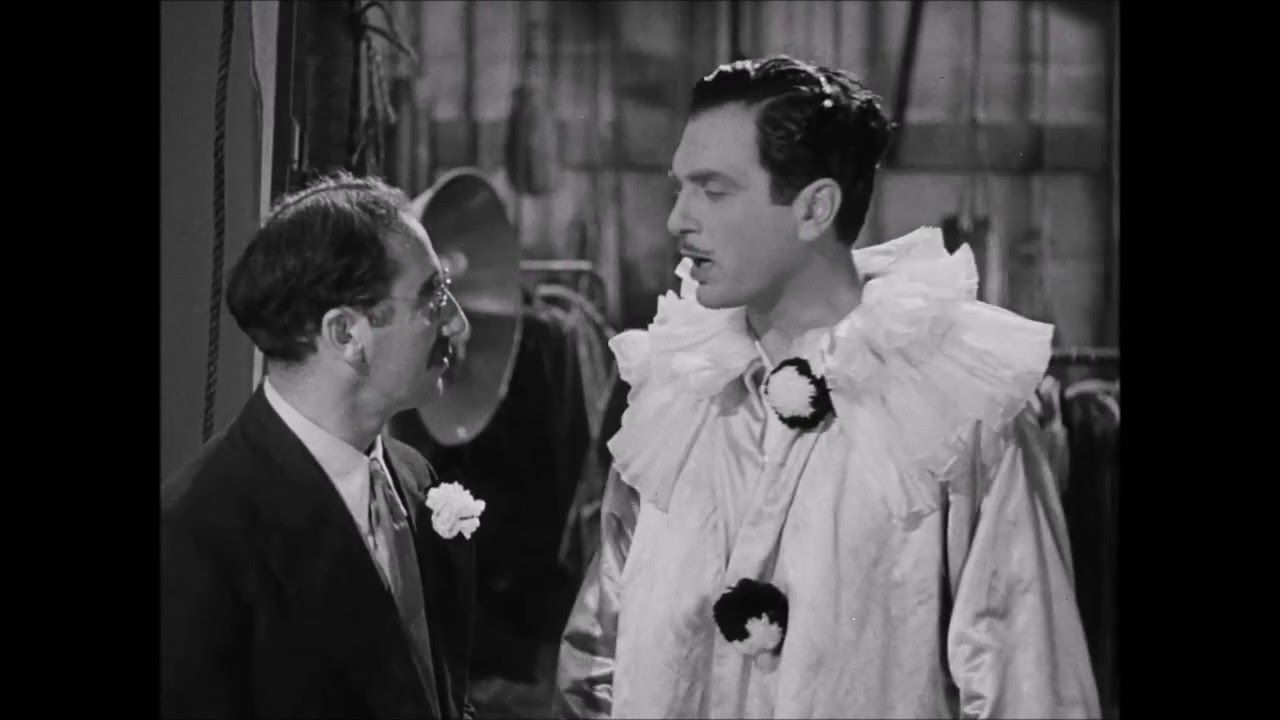
I think that I’ve always been a fan of the Marx brothers.

Their lack of respect for pompous men in silk hats,

opera-goers who are only interested because it gives them social status,

and self-important artists,

among many others, and their creative methods of deflating such people,

have always cheered me immensely.

There is another side to their comedy, however, which means just as much to me:  their endless play with words, delivered always deadpan and with perfect timing—not to mention absolute absurdist nonsequiturism.

Take, for example, this fragment from The Cocoanuts, their first surviving film, from 1929.  It’s set during the 1920s Florida land boom (read about that here:  https://en.wikipedia.org/wiki/Florida_land_boom_of_the_1920s ) and, in this scene, “Mr. Hammer”, Groucho, is explaining the layout of a real estate plot to “Chico”, Chico,

saying, at one point:

“Groucho:   Now, here is a little peninsula, and, eh, here is a viaduct leading over to the mainland.

Chico:  Why a duck?

Groucho:  I’m all right, how are you?  I say, here is a little peninsula, and here is a viaduct leading over to the mainland.

Chico:   All right, why a duck?

Groucho:  I’m not playing ‘Ask Me Another’, I say that’s a viaduct.

[Ask Me Another was originally an early 1927 equivalent of “Trivia”.  You can read about it here:  https://www.thefedoralounge.com/threads/how-do-you-play-ask-me-another.62135/ and here’s a copy—

Chico:  All right!  It’s what…why a duck?  Why no a chicken?

Groucho:  I don’t know why no a chicken—I’m a stranger here myself.  All I know is that it’s a viaduct.  You try to cross over there a chicken and you’ll find out why a duck.”

(For the entire script see:  https://www.marx-brothers.org/marxology/cocoanuts-script.htm )

By the same kind of logic which produced this, I found myself thinking about The Hobbit:  and hence the title of this posting:  why a dragon?

The plot of The Hobbit is, basically, a quest:  a journey with a goal.

Quests are a familiar form of adventure story and still common—just think about Indiana Jones, with his Lost Ark

and his Holy Grail, for example.

Indiana has to travel to Tibet and Egypt and to an unnamed island in the Mediterranean for the Ark and to Germany and Turkey for the Grail.

Although Thorin doesn’t mention the travel in his “mission statement”, much of the story will be about travel, from the Shire to the Lonely Mountain and back again,

to reach the dwarves’ goal, as stated in the first chapter by Thorin:

“But we have never forgotten our stolen treasure.  And even now, when I will allow we have a good bit laid by and are not so badly off…we still mean to get it back, and to bring our curses home to Smaug—if we can.”  (The Hobbit, Chapter 1, “An Unexpected Party”)

The goal, then, is in two parts:

1. to regain the treasure taken from the dwarves by the dragon

2. to take revenge upon said dragon

Because they are aware that the dragon can be lying on top of the treasure (“Probably”, says Thorin, “for that is the dragons’ way, he has piled it all up in a great heap far inside, and sleeps on it for a bed.”), it’s clear that 1 and 2 have to be dealt with as a sequence:  no getting the treasure without getting rid of the dragon.

Which brings us back to my title.  Indiana Jones commonly has Nazis (and eventually Communists and even Neo-Nazis) as opponents,

these being the characters who compete for his goal and stand in the way of his achieving his quest. 

Tolkien was a medievalist, writing a sort of fairy tale, so what would be his equivalent and why?

 We know that Tolkien had been interested in dragons since far childhood—at least the age of 6, when he tried to write a poem about a “green, great dragon” (to the Houghton Mifflin Company [summer, 1955?], Letters, 321—JRRT tells a somewhat different version of this to W.H. Auden in a letter of 7 June, 1955, Letters, 313) and he confesses to an early love for them in his lecture “On Fairy-Stories” where he mentions Fafnir and Sigurd, suggesting that he may have had read to him or had read for himself from Andrew Lang’s The Red Fairy Book, 1890, the last chapter of which is “The Story of Sigurd”, and since, elsewhere, he mentions “Soria Moria Castle”, which is the third story in the same book.

(Your copy is here:  https://archive.org/details/redfairybook00langiala/redfairybook00langiala/ )

Fafnir, the dragon in the Sigurd story, is described as, having killed his own father:

“he went and wallowed on the gold…and no man dared go near it.”  (“The Story of Sigurd”, 360)

The next major dragon story with which Tolkien was probably involved saw the same draconic behavior, as, in Beowulf, we’re told that the unnamed dragon, having discovered a hoard in a tumulus:

“This hoarded loveliness did the old despoiler wandering

in the gloom find standing unprotected, even he who filled

with fire seeks out mounds (of burial), the naked dragon of

1915

fell heart that flies wrapped about in flame: him do earth’s

dwellers greatly dread. Treasure in the ground it is ever his

wont to seize, and there wise with many years he guards the

heathen gold – no whit doth it profit him.”

(from JRRT’s draft translation of 1920-26 in Christopher Tolkien’s 2014 publication)

Traditionally, then, dragons and gold go together—and, as JRRT admitted in a letter to the Editor of the Observer, “Beowulf is among my most valued sources” (letter to the Editor of the Observer, printed in the Observer, 28 February, 1938, Letters, 41)

There is a very interesting twist in Tolkien’s version of the story, however.

By lying in a pit below the dragon, Sigurd slays Fafnir

and Beowulf, along with his companion (and successor), Wiglaf, make an end of the nameless dragon,

Beowulf fighting against a dragon. Scene from the early medieval epic poem “Beowulf”. It is one of the most important works of Old English literature and was probably created after the year 700 and plays in the time before 600 AD in Scandinavia. Chromolithograph after drawing by Walter Zweigle (German painter, 1859 – 1904), published in 1896.

(This is a pretty silly version, with costumes and armor which look like they came from the original production of Der Ring des Nibelungen, but finding a depiction of the two attacking the dragon has seemed surprisingly difficult.)

but, in The Hobbit, although we have the traditional dragon on the traditional hoard, we don’t have the traditional dragon-slayer, a fact underlined by Thorin’s “to bring our curses home to Smaug, if we can”.

This has always struck me as the potential weak point in the quest:  to travel hundreds of miles through dangerous territory filled with trolls, goblins, wolves, hostile elves, and even giant spiders, to come to a mountain inhabited by a fearsome dragon—but to have no plan in mind as to how to deal with it, especially when the other half of the plan—to get back the dwarvish treasure—requires somehow eliminating the current guardian of that treasure.

(JRRT)

Faced with that possible weak point, so much now may appear to have a certain haphazard happenstance about it, the kind of attempted slight-of-hand which indicates an author who hasn’t the skill to create a narrative in which every element seems to fall naturally into place, and this might make us question the finding of the Ring, the convenient rescue at Lake-town, even the ray of sun which indicates the opening to the back door of the Lonely Mountain (suppose it had been overcast).

But this is where the burglar comes in—and the story of Sigurd once more.

It seems that Bilbo was not Gandalf’s first choice for the quest when he came to visit him.

(the Hildebrandts)

Thorin has just mentioned the inconvenient dragon and the awkwardness of his sudden appearance, to which Gandalf replies:

“That would be no good…not without a mighty Warrior, even a Hero.  I tried to find one; but warriors are busy fighting one another in distant lands, and in this neighbourhood heroes are scarce, or simply not to be found.”

And he continues:

“That is why I settled on burglary—especially when I remembered the existence of a Side-door.  And here is our little Bilbo Baggins, the burglar, the chosen and selected burglar.”

Bilbo’s first attempt at burglary:  picking a troll’s pocket,

(JRRT)

almost ends in disaster, but, with the eventual aid of the Ring, he even manages, first, to steal from Smaug, in a direct echo of Beowulf,

(artist?  So far, I haven’t seen one credited.)

and then to confront Smaug in his lair and escape, at worst, with only a singeing. 

(JRRT)

So far, it’s been burglary, with some help from the Ring, but then the Sigurd story comes in.

You’ll remember that, although the version in The Red Fairy Book doesn’t say so, it was clear that the vulnerable part of the dragon Fafnir was its underside, which is why Sigurd hid in a pit so that, when the dragon crawled over it, Sigurd could stab him in that unprotected underbelly. 

Using his burglarious skills, as well as a fluent tongue, Bilbo actually persuades Smaug unknowingly to expose his own vulnerability:

“ ‘I have always understood…that dragons were softer underneath, especially in the region of the—er—chest; but doubtless one so fortified has thought of that.’

The dragon stopped short in his boasting.  ‘Your information is antiquated,’ he snapped.  ‘I am armoured above and below with iron scales and hard gems.  No blade can pierce me.’”

And the smooth-tongued burglar actually flatters Smaug into rolling over, exposing “…a large patch in the hollow of his left breast as bare as a snail out of its shell”.

What to do with this potentially deadly piece of information requires the reverse of the Sigurd story.

In that story, Sigurd, having killed Fafnir, has been asked by his mentor, Regin, to roast the dragon’s heart and serve it to him.  In the process, Sigurd burns a finger, puts it in his mouth, and suddenly understands that all of the birds above him are talking about him and telling him to beware of Regin.

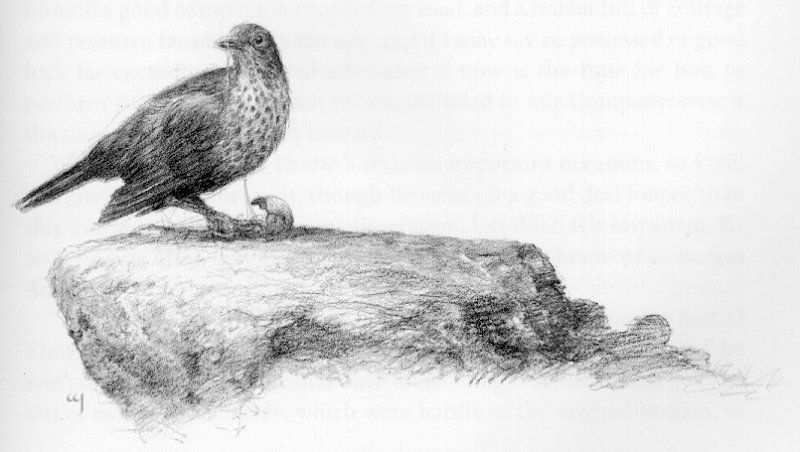
In The Hobbit, the opposite happens:  the thrush who had tapped the snail

(Alan Lee)

and therefore set off the chain of events which revealed the back door to the Lonely Mountain to Bilbo and the dwarves, overhears Bilbo telling the dwarves about Smaug’s vulnerable spot, which he then conveys to Bard the Archer, who is then the dragon-slayer

(Michael Hague—one of my favorite Hobbit illustrators)

needed to dispose of the one-time guardian of the hoard.

And so the dragon is disposed of—but he has one more use in the story:  as a negative model. 

Although Thorin has led the quest to retrieve the dwarves’ treasure, it seems that there’s only one which he craves, the Arkenstone,

(Donato Giancola)

and it’s clear that, in its pursuit, he becomes much like the Smaug who once reacted almost hysterically when he sensed that something was missing from his hoard:

“Thieves!  Fire!  Murder!…His rage passes description—the sort of rage that is only seen when rich folk that have more than they can enjoy suddenly lose something that they have long had but have never before used or wanted.”  (The Hobbit, Chapter 12, “Inside Information”)

Here’s his dwarvish parallel:

“ ‘For the Arkenstone of my father,’ he said, ‘is worth more than a river of gold in itself, and to me it is beyond price.  That stone of all the treasure I name unto myself, and I will be avenged on anyone who finds it and withholds it.”  (The Hobbit, Chapter 16, “A Thief in the Night”)

And, when he finds that Bilbo has taken it as a way to make peace between the dwarves, the elves, and the Lake-town men, Thorin almost does take revenge:

“ ‘You! You!’ cried Thorin, turning upon him and grasping him with both hands.  ‘You miserable hobbit!  You undersized—burglar!…By the beard of Durin!  I wish I had Gandalf here!  Curse him for his choice of you!  May his beard wither!  As for you I will throw you to the rocks!’ he cried and lifted Bilbo in his arms.”  (The Hobbit, Chapter 17, “The Clouds Burst”)

So why a dragon?

First, to Tolkien the medievalist, gold and dragons go together:  a quest for treasure needs a particularly powerful enemy and the dragon of Beowulf, who actually fatally wounds Beowulf,

who had previously defeated two terrible opponents in Grendel and his mother, provides a strong model.

Second, JRRT had, from childhood, a long-standing interest in dragons—he’ll return to them in his 1938/49 novella, “Farmer Giles of Ham”, where the practical farmer eventually not only tames the dragon, Chrysophylax (“Goldwatchman”, perhaps), but makes him disgorge much of his treasure—this time by doing nothing more than outfacing him and threatening him with his sword, “Tailbiter”.

It’s interesting, by the way, that, although, in “The Story of Sigurd”, the dragon talks, he has only one short speech:  a curse on anyone who touches his gold, whereas, in perhaps the greatest draconic influence upon Tolkien, Beowulf, another wyrm who enjoys lying on a hoard, is mute.

Smaug, in The Hobbit, however, is not only positively talky, but, like Saruman in The Lord of the Rings, his voice and manner have their own dangerously persuasive power, at one point in his conversation with Bilbo even beginning to seed Bilbo’s mind with doubts about the dwarves Bilbo accompanies (The Hobbit, Chapter 12, “Inside Information”).

Chrysophylax, in “Farmer Giles of Ham” is even more talkative than Smaug, and I wonder about the model for these chatty beasts.  Tolkien was a great fan of Kenneth Grahame (1859-1932) and of his well-known children’s book, The Wind in the Willows (1908),

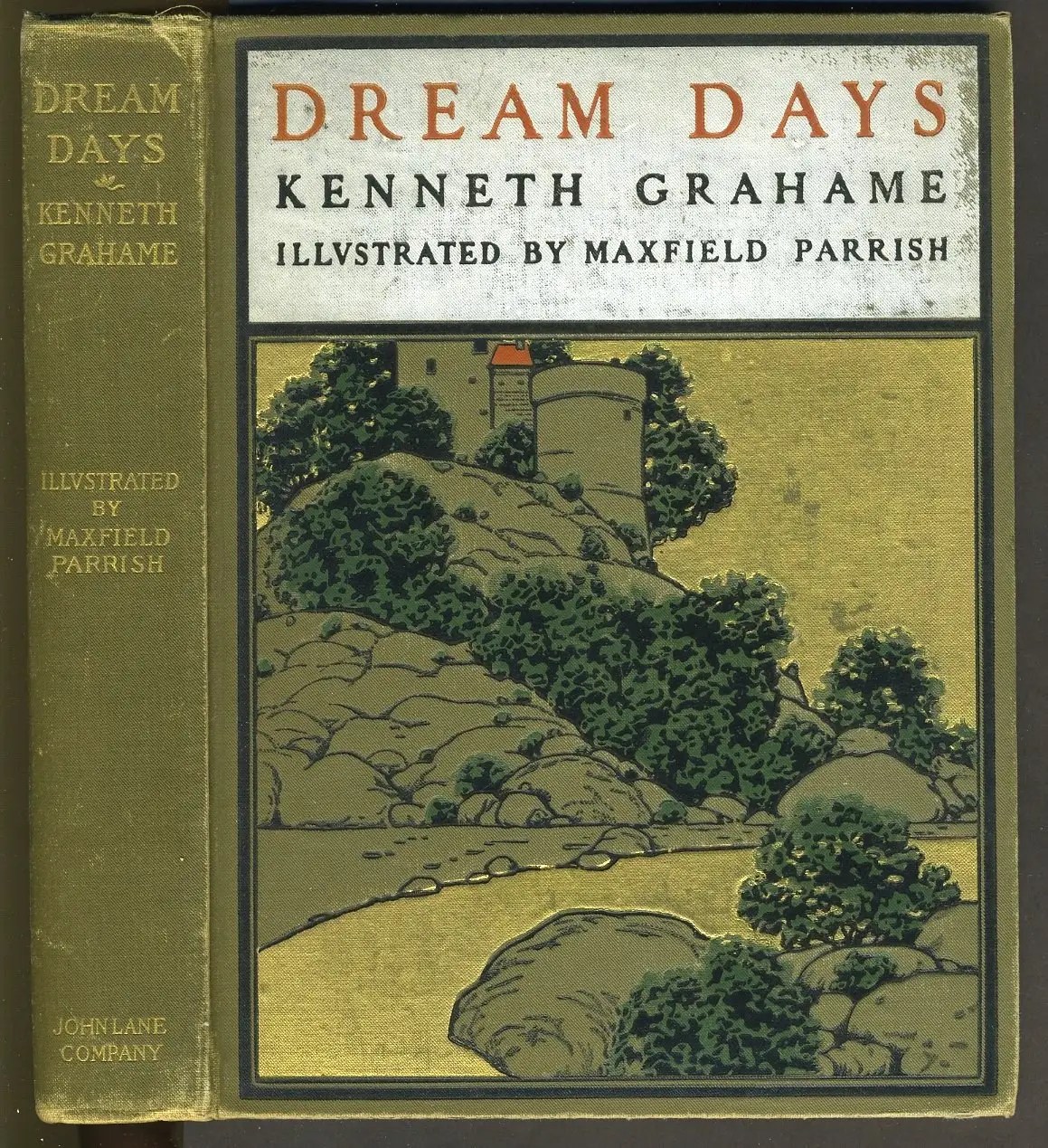
mentioning in a letter to Christopher Tolkien that Elspeth Grahame, Grahame’s widow, is publishing a book with other stories about the main characters of The Wind in the Willows, a book which JRRT is very eager to obtain (letter to Christopher Tolkien, 31 July, 1944, Letters, 128).  In 1898, Grahame published a collection of stories, Dream Days,

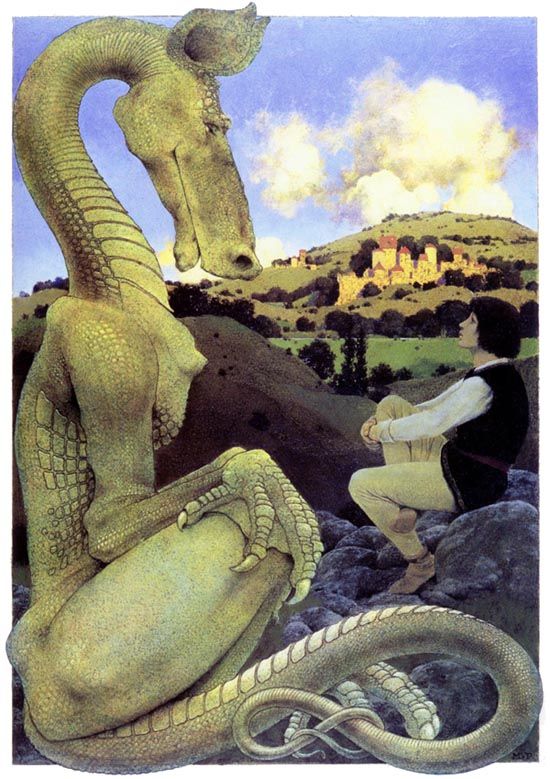
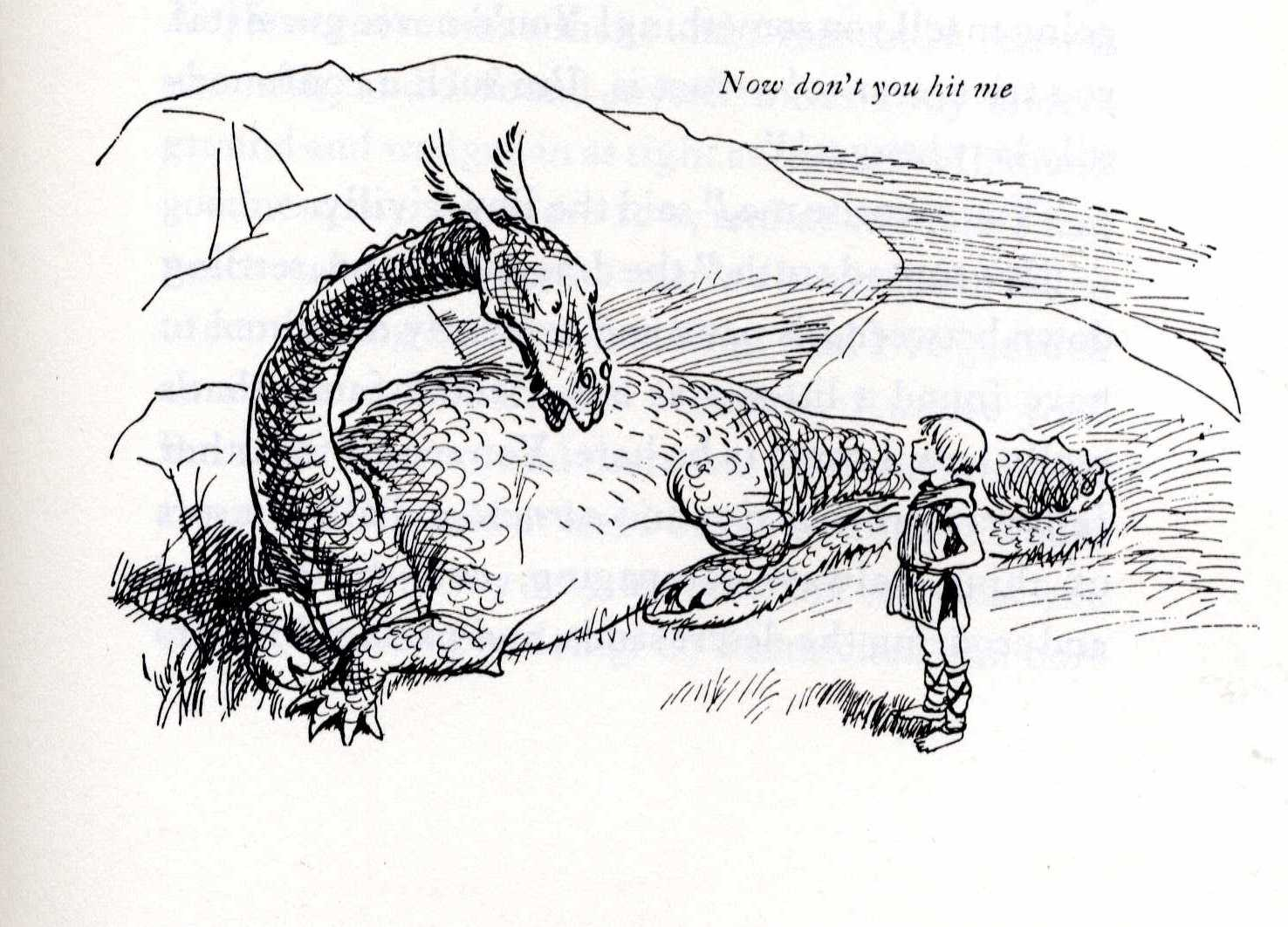
which included “The Reluctant Dragon”, in which we see another very loquacious beast,

(from the original book, illustrated by Maxfield Parrish)

(I couldn’t resist including E.H. Shepard’s 1938 version)

but rather more like the ultimately rather timid dragon of “Farmer Giles” than the grim and mute creature of Beowulf or the more-than-a-little-pleased-with-himself Smaug, but, in his garrulousness, could he have been a model for Smaug?  (You can make your own comparison with:  https://www.gutenberg.org/files/35187/35187-h/35187-h.htm )

To this we add perhaps not a model, but a parallel:  Thorin as becoming a kind of dwarvish dragon in his obsession with the Arkenstone.  Fafnir dies with a curse, however, the Beowulf beast dies killing Beowulf, and Smaug dies destroying Lake-town,

but, in his own last moments, Thorin escapes such a poisonous model, saying to Bilbo:

“Farewell, good thief…I go now to the halls of waiting to sit beside my fathers, until the world is renewed.  Since I leave now all gold and silver, and go where it is of little worth, I wish to part in friendship from you, and I would take back my words and deeds at the Gate.” (The Hobbit, Chapter 18, “The Return Journey”)

(Darrell Sweet—you can read a little about him here:  https://en.wikipedia.org/wiki/Darrell_K._Sweet )

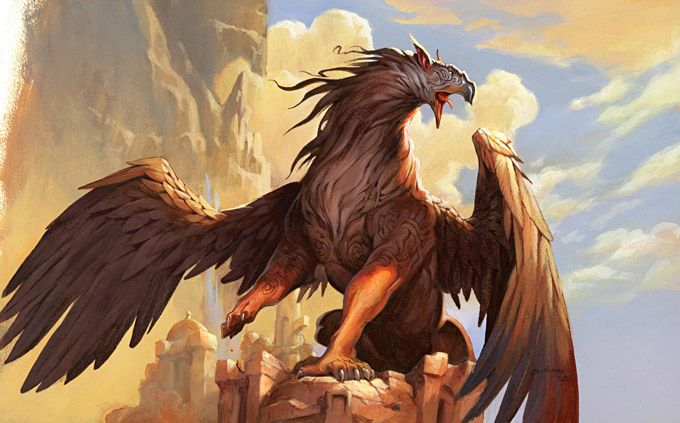
And so “Why a dragon?”—and not “Why No a Hippogriff?”

(artist? so far, I haven’t found one–a pity, too, as it’s quite a splendid illustration and I’ll love to mention the author!)

Thanks, as ever, for reading.

Stay well,

Remember not to laugh at live dragons,

And remember, as well, that there’s

MTCIDC

O

Tea Time

12 Wednesday Mar 2025

Posted by Ollamh in Uncategorized

≈ Leave a comment

Tags

Alice, camellias, Dwarves, Tea, The Hobbit

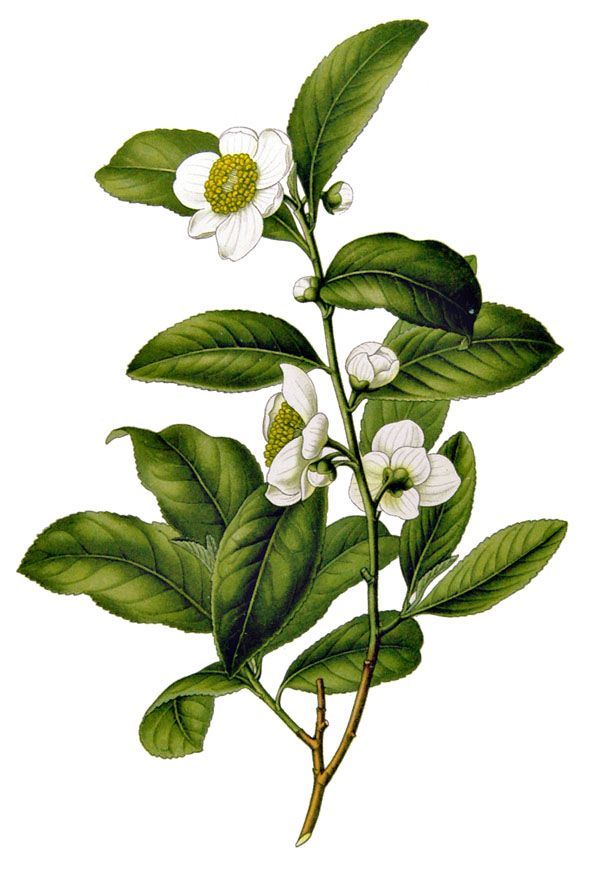
This is camellia sinensis

and, without it, two literary moments might never have appeared:  one zany (or weird, depending upon your taste for such things) scene, and one scene crucial to the whole fabric of the piece.

The genus is clearly very talented, producing, on the one hand, camellias, with their beautiful flowers, like this—

(this is by Clara Maria Pope and comes from Samuel Curtis’ A Monograph on the Genus Camellia, 1819)

and, on the other, this—

The history of drinking the latter stretches back farther in Chinese history than is probably ever datable (you can read about it here:  https://en.wikipedia.org/wiki/History_of_tea ), but we’ll join it when it arrives as a popular beverage in England.   That early history begins, in fact,  with coffee.

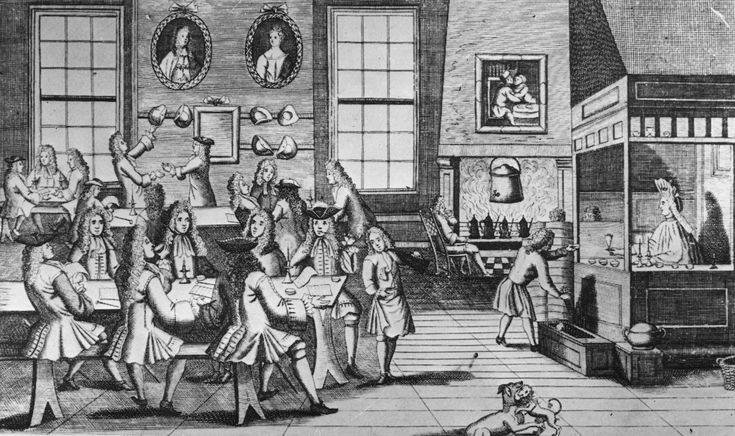
In 1652, the valet of an English Levant (Middle-Eastern) merchant, Pascua Rosee, opened what is thought to be the first coffee house in London.  It was a success and soon coffee houses became popular hangouts for those with the time and money for the then-exotic drink.

Rosee even advertized it as a kind of health-drink.

(Note the “scientific” tone of this handbill.)

In 1657, Thomas Garway (also spelled “Garraway”) began selling tea at his coffee house, later producing his own handbill on his new product.

How it spread from a London venue and eventually became a “national institution” is really about society and its influence, beginning with the wife of Charles II, Catherine of Branganza, 1638-1705,

who was already drinking tea, probably because the Portuguese had, from the early 16th century, been trading in China.  As tea was initially expensive, it remained in the hands (and mouths) of the upper classes, in part because it was taxed, almost from its beginnings.  As happened here in colonial America, this led to smuggling, but, in contrast to American violent protests,

this, in turn, led to pressure by British tea merchants upon Parliament and the tax was lowered and lowered and, in time, tea became a common (non-alcoholic) drink, even becoming part of the Temperance (anti-alcohol) Movement.  (for a good survey of all this, see:  http://www.tea.co.uk/page.php?id=98 )

As for “tea” as a kind of meal, there is a rather comic story of its invention by Anna Maria Russell, the 7th Duchess of Bedford, which you can read here:  https://www.britishmuseum.org/blog/tea-rific-history-victorian-afternoon-tea  She claimed to have created afternoon tea about 1840, but, in fact, “tea” as a meal stretches back into the 18th century, as you can read here:  https://en.wikipedia.org/wiki/Tea_(meal)   Afternoon tea, as practiced by the wealthier classes, could be quite a spread, as you’ll read,

but it could also be simply a sort of late afternoon break, about 4, and I wonder if that must be the time of our first literary moment.

(Arthur Rackham)

“THERE was a table set out under a tree in front of the house, and the March Hare and the Hatter were having tea at it: a Dormouse was sitting between them, fast asleep, and the other two were using it as a cushion resting their elbows on it, and talking over its head. ‘Very uncomfortable for the Dormouse,’ thought Alice; ‘only as it’s asleep, I suppose it doesn’t mind.’ “  (Alice’s Adventures in Wonderland, Chapter VII, “A Mad Tea-Party”)

(A dormouse is a kind of mouse, as the name suggests, but I suspect that Carroll, with his keen ear for language, was also hearing “dormeuse”—French for a feminine “sleeper”)

The oddness of it is that, with a long, set table, there are only three participants, until Alice arrives and the Hatter and Hare then both shout “No room!  No room!”

“Mad as a hatter” and “mad as a March hare” are old expressions for being less-than-sane, but there is an odd sane answer for the long, set table.  It seems that, for a rather complex reason, local time has stopped, as the Hatter explains, adding:

“‘It’s always six o’clock now.’

A bright idea came into Alice’s head. ‘Is that the reason so many tea-things are put out here?’ she asked.

‘Yes, that’s it,’ said the Hatter with a sigh: ‘it’s always tea-time, and we’ve no time to wash the things between whiles.’

‘Then you keep moving round, I suppose?’ said Alice.

‘Exactly so,’ said the Hatter:  ‘as the things get used up.’

‘But what happens when you come to the beginning again?’ Alice ventured to ask.”

But, like so many questions in Wonderland, this is never answered.

Afternoon tea is, customarily, at 4pm, suggesting that, in fact, the Hatter and Hare really don’t dirty the dishes because, if it’s always 6pm, tea is long over and therefore they may never actually have it, which is a very Carrollian way of thinking.  (Alice, however, helps herself to tea and bread and butter, but perhaps this is because, of the three (or four, counting the dormouse), she is the only sane—and perhaps real?—one.)

Our second literary moment begins with an actual invitation to tea—after all, Alice simply sat down, which the March Hare suggests was very rude.  But was it really meant?

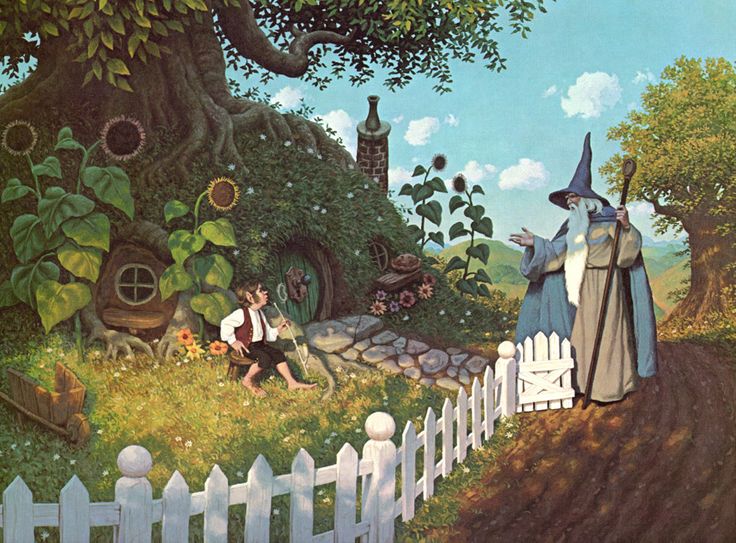
“ ‘Sorry!  I don’t want any adventures, thank you.  Not today.  Good morning!  But please come to tea-any time you like!  Why not come tomorrow?  Come tomorrow!  Good bye!’

With that the hobbit turned and scuttled inside his round green door, and shut it as quickly as he dared, not to seem rude.”  (The Hobbit, Chapter 1, “An Unexpected Party”)

(the Hildebrandts)

We know what happens next, of course:  the next day, not only Gandalf, but a whole troop of dwarves arrive and the quiet tea for two quickly becomes a boisterous—not afternoon tea (as we know from Chapter 18 that Bilbo sees tea as the traditional 4pm and serves cake)–but what’s called “high tea” or “meat tea” , and which, in older days, might have been dinner for working class people.

(the Hildebrandts again)

Meat tea, as its name suggests, is more than bread and butter or cake (you can read about it here:  https://en.wikipedia.org/wiki/Tea_(meal)#High_tea  )—and that’s exactly what the dwarves—and Gandalf– demand, from “mince-pies and cheese” to “cold chicken and pickles”, but, interestingly, tea itself quickly disappears as coffee, red wine, and ale are called for, so what began as a simple invitation—and one meant to avoid adventure—itself becomes a culinary adventure, but, for that tea originally offered, would there ever have been any adventure at all?

And, remembering where tea came from in our Middle-earth, where do you suppose Bilbo’s may have come from?

Thanks, as always, for reading.

Stay well,

Enjoy this pixilated version of the tea party from Disney’s Alice , 1951:  https://www.youtube.com/watch?v=5KDwE6MjfmQ  (warning:  if you’re a purist, this will not be—dare I say it?—your cup of tea)

And remember that there’s always

MTCIDC

O

The Toys of Dale

25 Wednesday Dec 2024

Posted by Ollamh in Uncategorized

≈ Leave a comment

Tags

christmas, Dale, Dwarves, Tolkien, toys

Welcome, as always, dear readers.

From his letters, it’s clear that Tolkien had very mixed feelings about Christmas. 

To his son, Christopher, far away in the RAF, he writes:

“Today is the ‘last day for posting in time for Christmas’, and though I resent the way in which this feast of peace and joy is made into a labour (not to say a nightmare of shabby commercialism)…”

and continues:

“…The shops, by the way, pass belief here this year.  There is stuff that a barbarian would be ashamed of, bits of shapeless wood and paper smeared with paint, and would certainly not be such fools as to purchase, selling for idiotic prices like 18/6 [18 shillings, 6 pence, when 1 shilling, 3 pence would buy a quart of milk—see:  https://www.sunnyavenue.co.uk/insight/how-much-is-a-shilling-worth-today ).  Surely this Xmas Gift business is a form of dementia, when it allows itself to be cheated so transparently.”  (letter to Christopher Tolkien, 10 December, 1944, Letters, 149-150)

He has, however, already qualified this a bit by calling Christmas a “feast of peace and joy”, with a further proviso some years later in a letter to his son Michael:

“Well here comes Christmas!  That astonishing thing that no ‘commercialism’ can in fact defile—unless you let it.” (letter to Michael Tolkien, 19 December, 1962, Letters, 457)

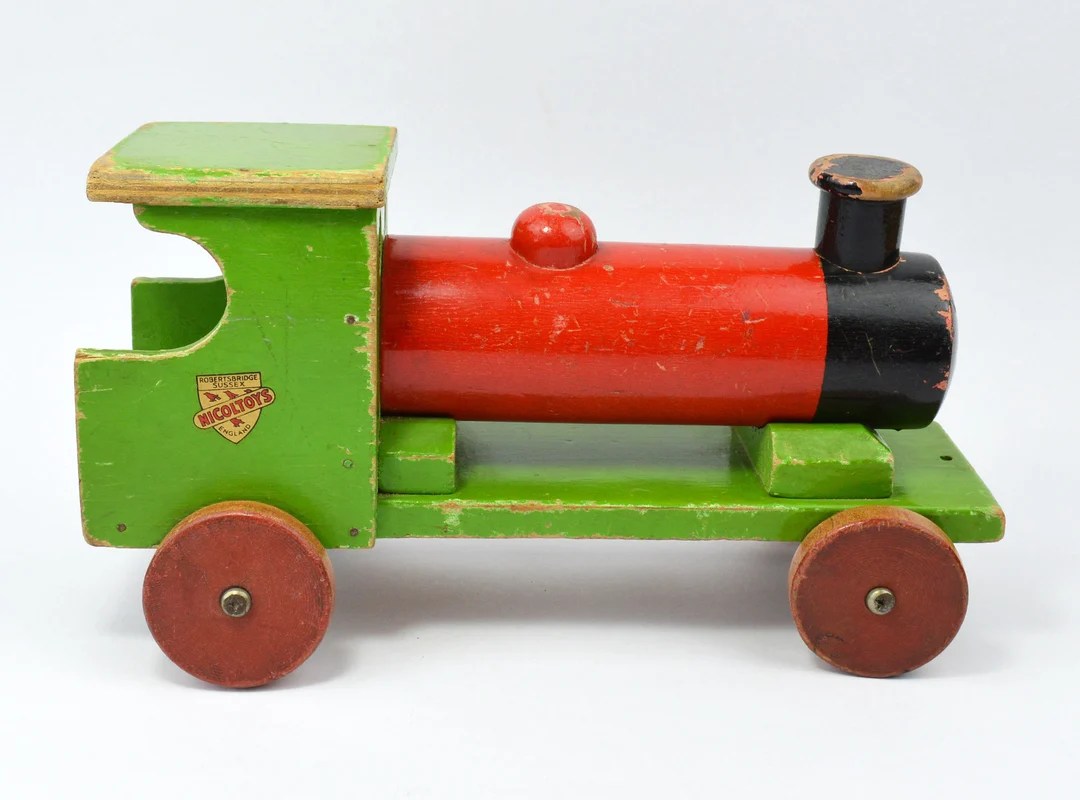
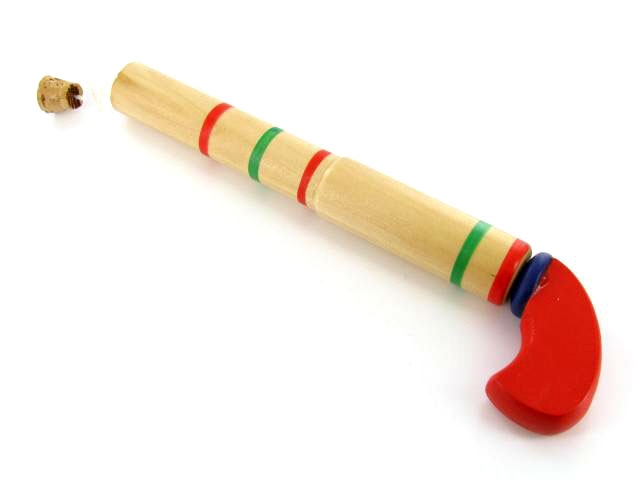
I have no idea what “bits of shapeless wood and paper smeared with paint” might actually be, but, as Tolkien has clearly been shopping and there are children in the family, I imagine that it was some crude, mass-produced toy, which might also suffer from wartime shortages of raw materials.  Perhaps something like this?

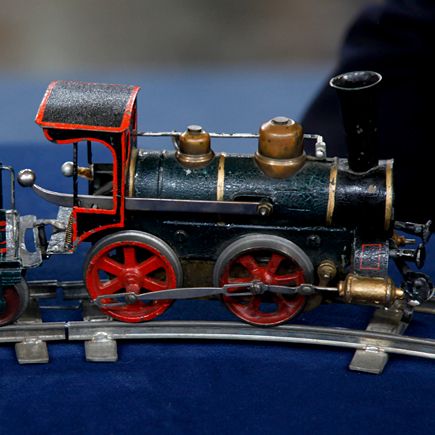
Born in 1893, Tolkien had grown up in a world of increasingly-sophisticated children’s playthings, from Marklin’s beautifully-engineered toy trains

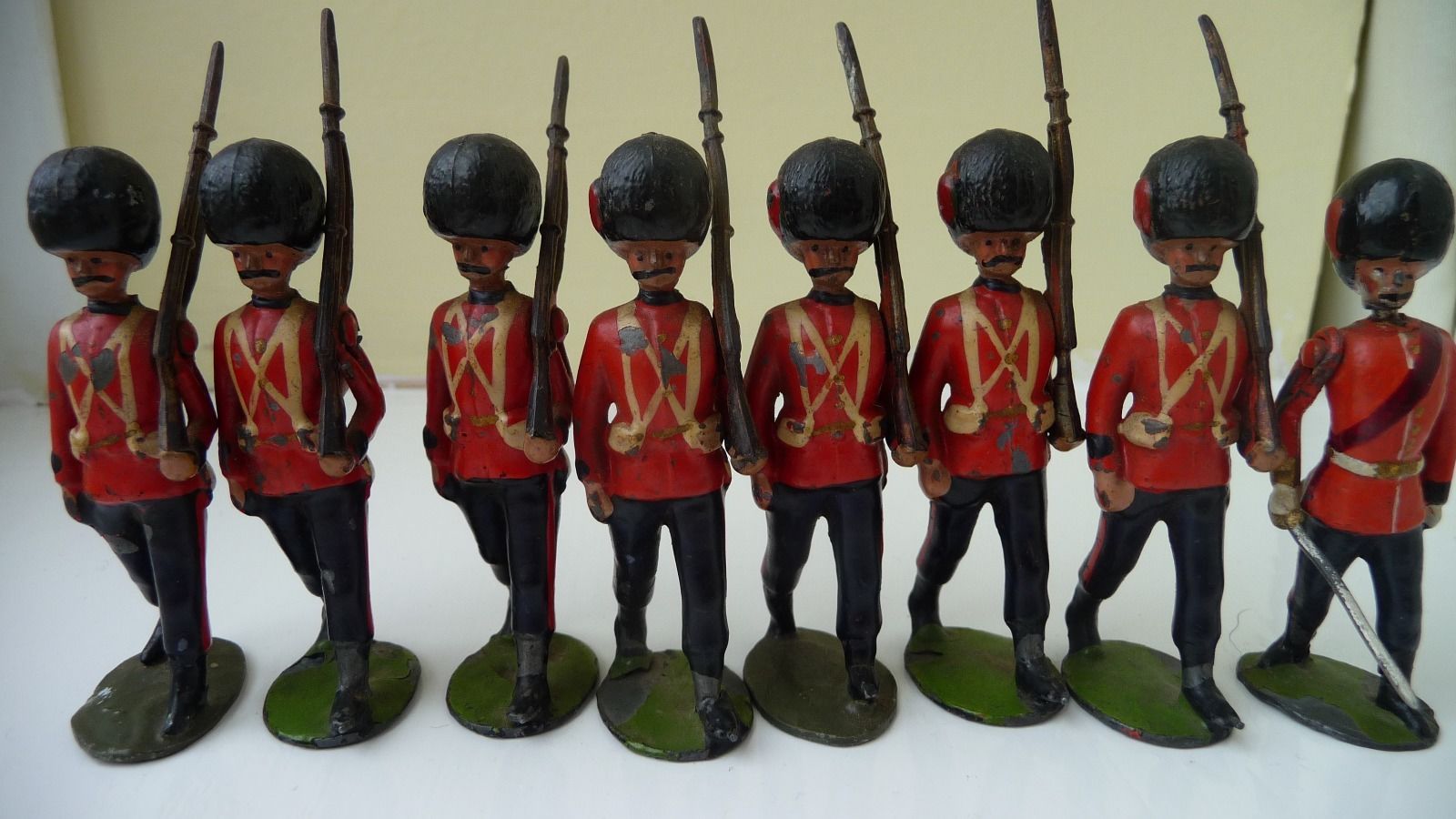
to William Britain’s popular toy soldiers

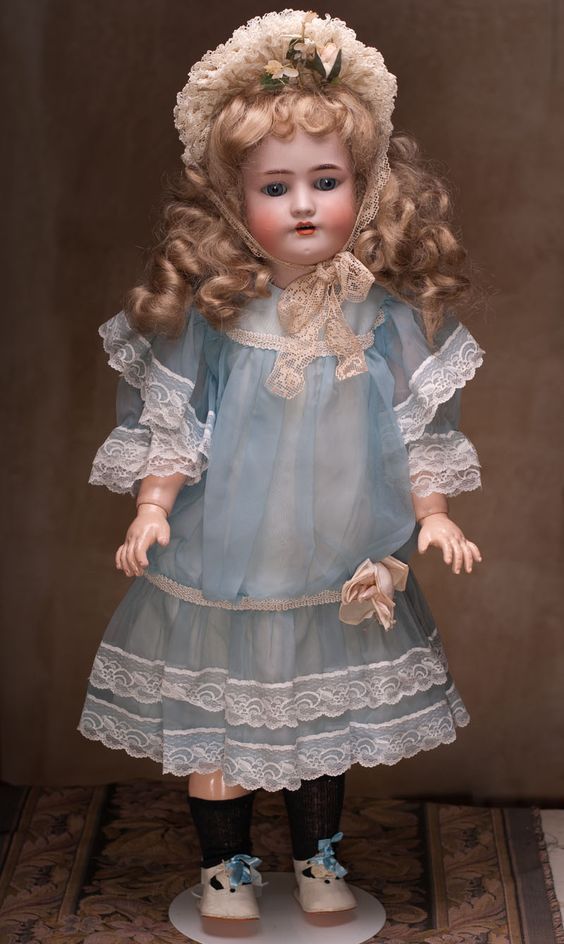
for boys and elaborate dolls,

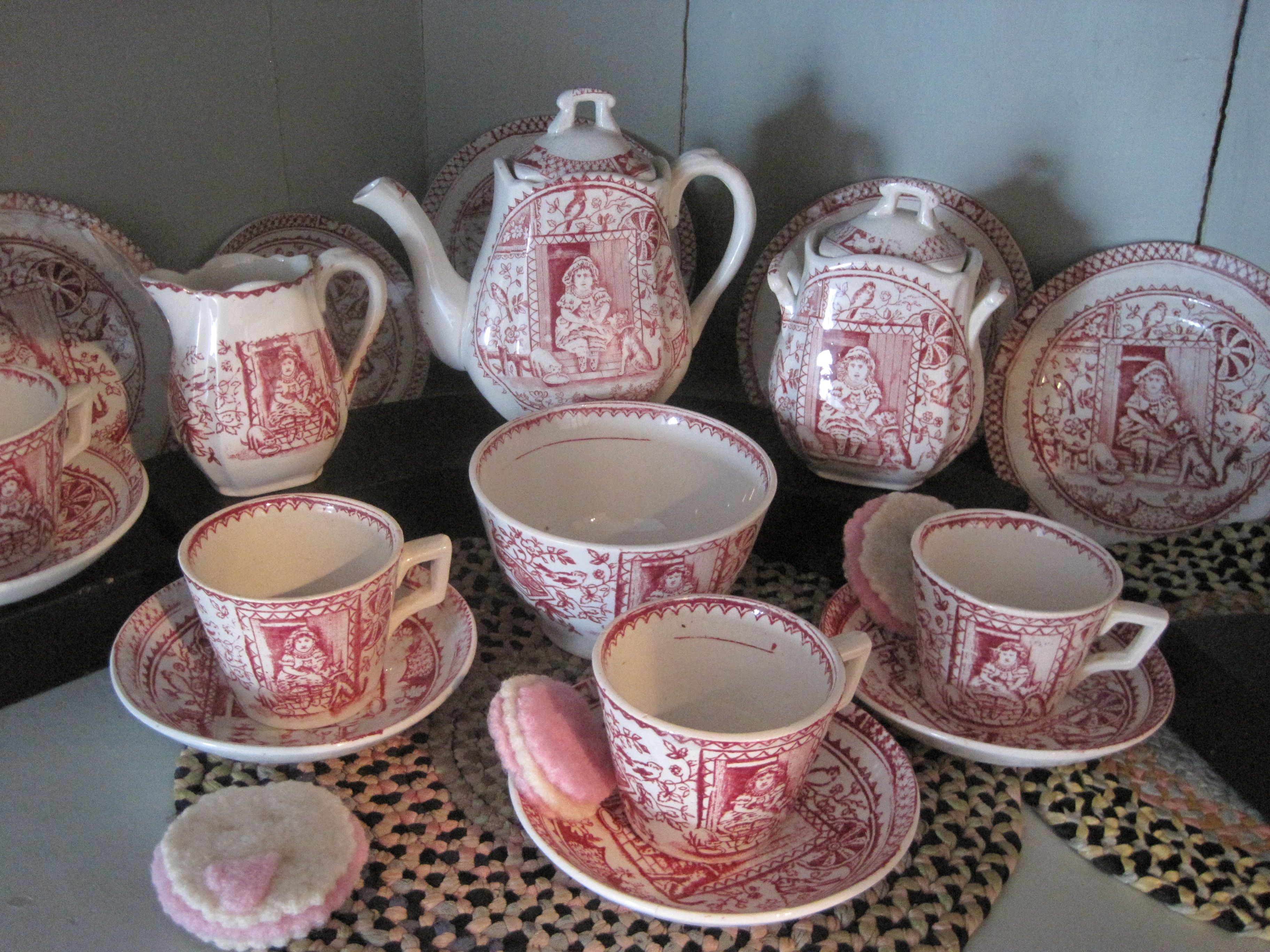
elegant tea sets,

and doll houses for girls, among other toys.

As one of two sons of a mother barely scraping by,

it’s unlikely that he, or his younger brother, Hilary, could ever have more than glimpsed such things in a toy shop window,

and had to be contented with the lesser toys of the age—clay rather than stone marbles,

a wooden hoop, rather than a steel one,

or, in a moment of splurging on his mother’s part, perhaps a pop gun—one is mentioned in The Hobbit where, in Chapter 1, Gandalf refers to Bilbo opening his door like one—for more on that and other such weapons in fiction, see “Pop!” 13 December, 2017 here:  https://doubtfulsea.com//?s=popgun&search=Go

In the Third Age of Middle-earth, we might expect to be surprised and puzzled by Gandalf’s remark, as there are no guns to be seen there and here we can’t use the plausible explanation for other anachronisms in the text, that it’s the narrator telling the story in the 1930s, as it’s Gandalf who says it, not the exterior—and much more modern—narrator.

But I would suggest another explanation—which also appears in The Hobbit.  Speaking of the long-lost world of the dwarves’ Lonely Mountain and the town of Dale at its foot, Thorin says:

“Altogether those were good days for us, and the poorest of us had money to spend, and to lend, and leisure to make beautiful things just for the fun of it, not to speak of the most marvelous and magical toys, the like of which is not to be found in the world now-a-days.  So my grandfather’s halls became full of armour and jewels and carvings and cups, and the toy market of Dale was the wonder of the North.”  (The Hobbit, Chapter One, “An Unexpected Party”)

Perhaps, even before the appearance of gunpowder weapons (foreshadowed both by Saruman’s attack on Helm’s Deep and Sauron’s on the Causeway Forts in The Lord of the Rings), then, the dwarvish and human craftsmen of the region had created something which, in their time, used air to propel its missile, rather than this? 

But what about other “most marvelous and magical” toys?

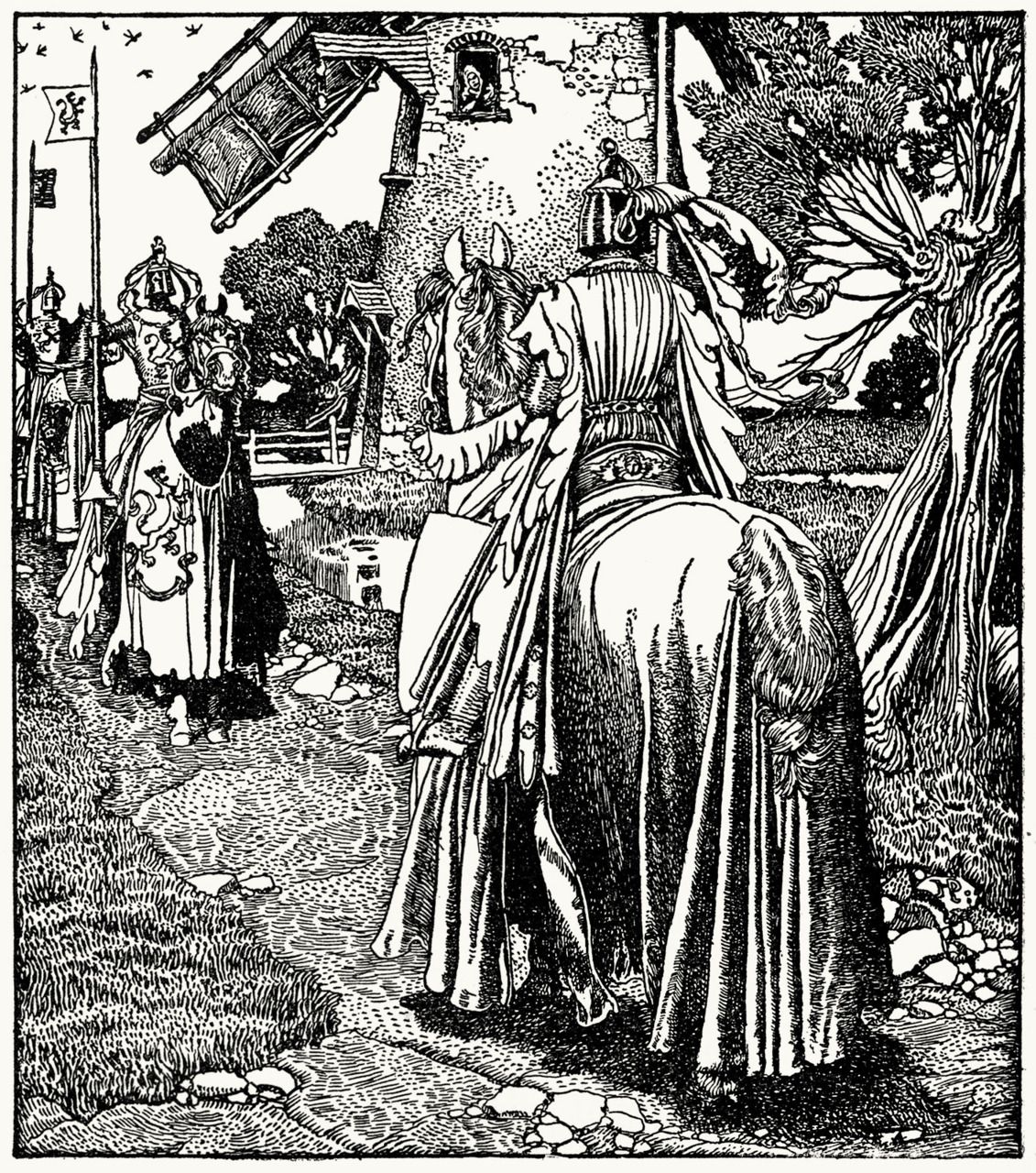
The Third Age in Middle-earth is, at base, a medieval world, the kind of place Tolkien, as a boy, would have seen through the eyes of illustrators like Howard Pyle (1853-1911)

(from his The Story of King Arthur and his Knights, 1903, which you can read here:   https://archive.org/details/storykingarthur02pylegoog/page/n15/mode/2up )

and the writings of authors like his favorite, William Morris (1834-1896).

(You can read this here:  https://gutenberg.org/cache/epub/169/pg169-images.html )

Toys like that Marklin train above, therefore, wouldn’t have been available,

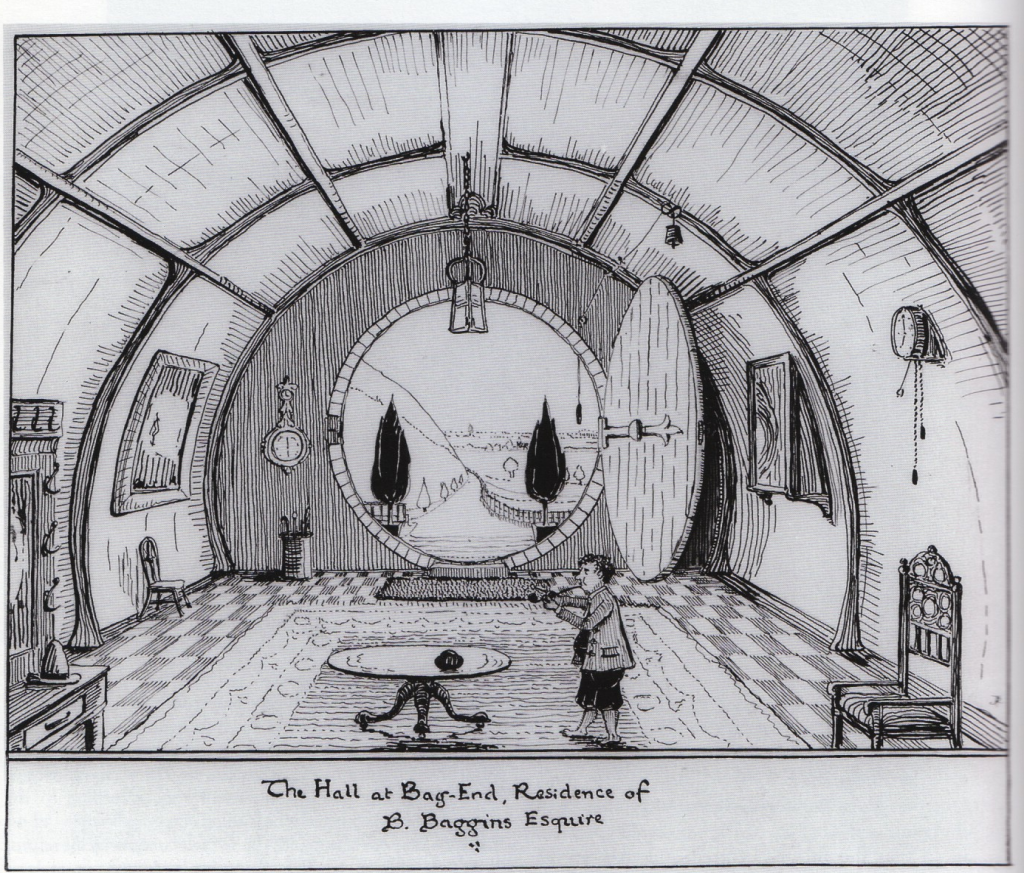
but, as Tolkien shows us a clock on the right-hand wall of the entryway at Bag End,

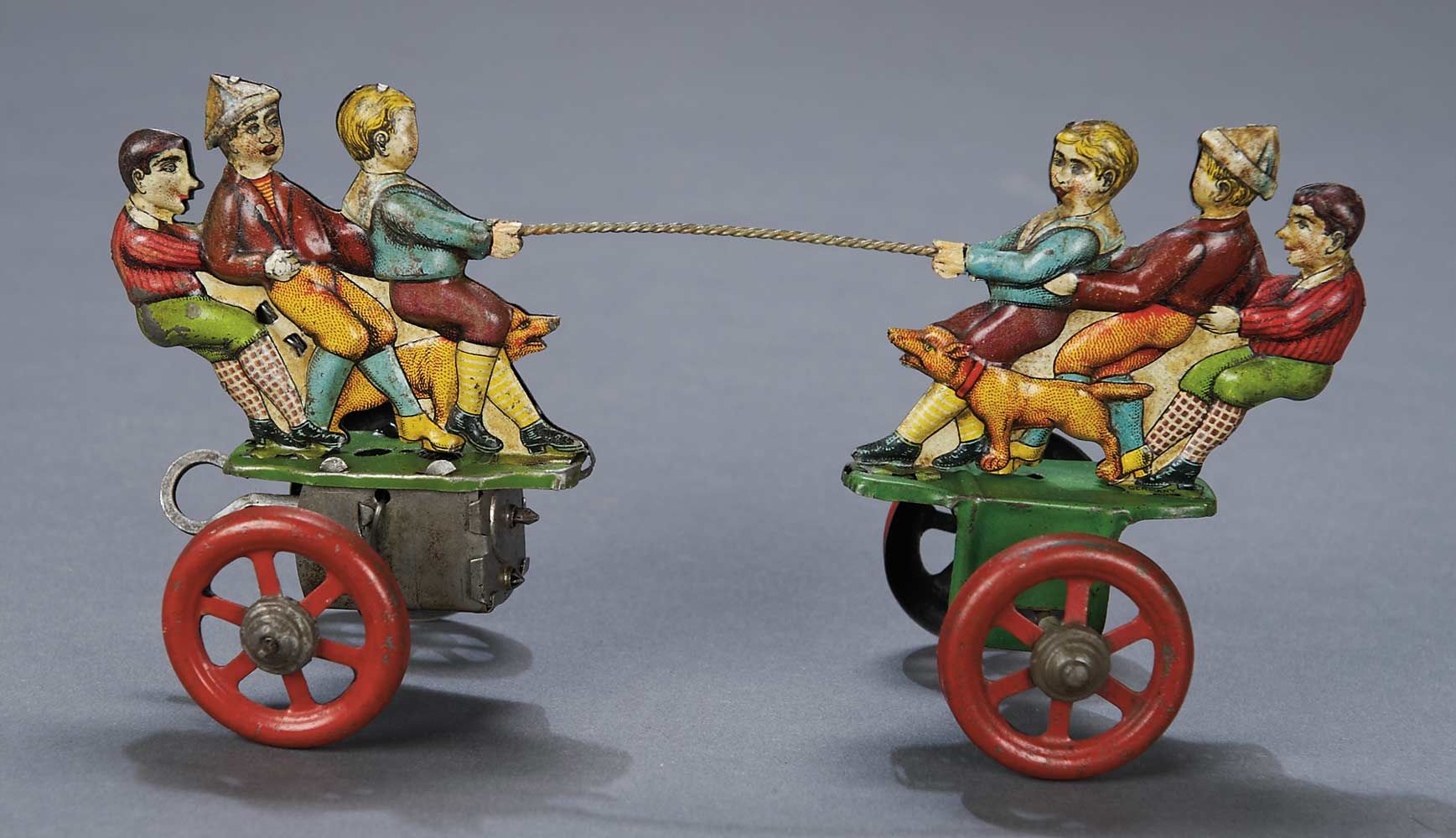
and, as mechanical toys were certainly for sale in the later Victorian world,

perhaps we can imagine something like this on sale in the Dale toy market?

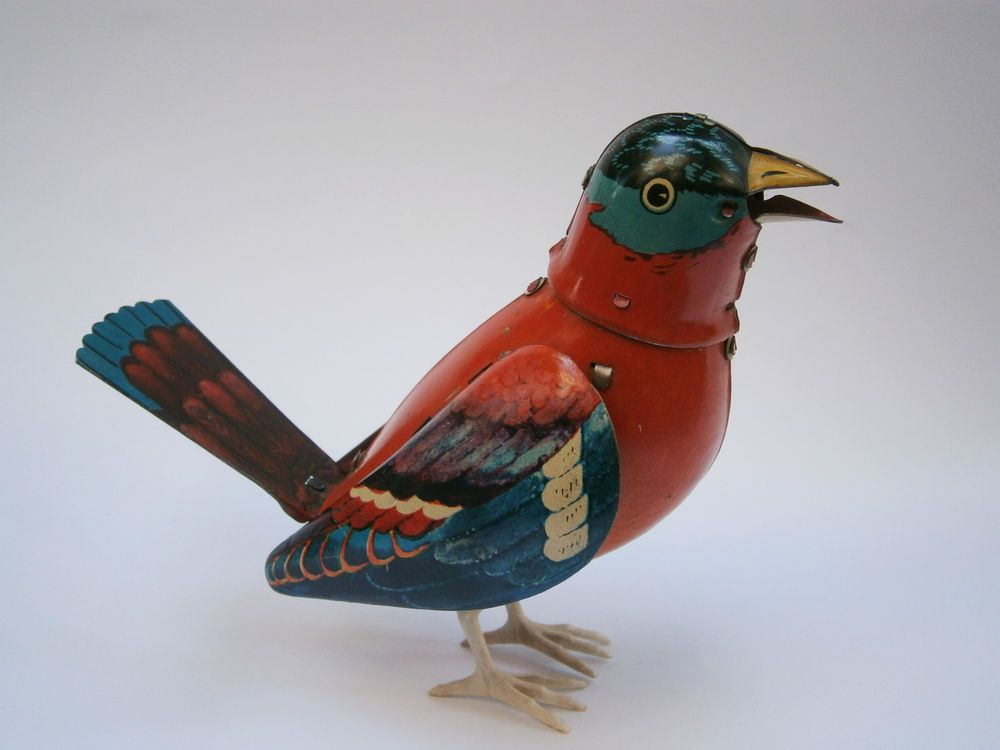
or this?

always remembering that, although these might seem crude to us, they are antiques and worn from being once much-loved and much-played with, and, in medieval Middle-earth, anything which moved without being pushed or pulled would be magical!

Thanks for reading, as always.

Stay well,

Remember what JRRT said about keeping Christmas magical,

And remember, as well, that there’s

MTCIDC

O

PS

There are many sites for early mechanical toys, some informational, some for collectors, and some both at once.  Here’s one which is fun to read and has a practical side:  https://www.unclealstoys.com/origin-of-wind-up-toys-discovering-the-fascinating-history/

Bilbo’s Clarinet

01 Wednesday May 2019

Posted by Ollamh in Films and Music, J.R.R. Tolkien

≈ Leave a comment

Tags

anachronism, Antonio Vivaldi, Benny Goodman, clarinet, Disney, Dwarves, Fantasia 2000, George Gershwin, instruments, Johann Cristoph Denner, Juditha Triumphans, medieval musicians, Paul Dukas, Rhapsody in Blue, The Hobbit, The Lord of the Rings, The Sorcerer's Apprentice, Tolkien

Welcome, as always, dear readers.

Tolkien scholars have long noticed that the 1937 Hobbit has a certain number of anachronisms—as did JRRT himself.

image1firsted.jpg

As have we, too, in past postings, including one on popguns

image2popgun.jpg

[Gandalf speaking to Bilbo:  “It is not like you, Bilbo, to keep friends waiting on the mat, and the open the door like a pop-gun.”  “An Unexpected Party”)]

and tomatoes

image3tomatoes.jpg

[Gandalf:  “And just bring out the cold chicken and tomatoes!”  “An Unexpected Party”]

and steam engines.

image4tunnel.jpg

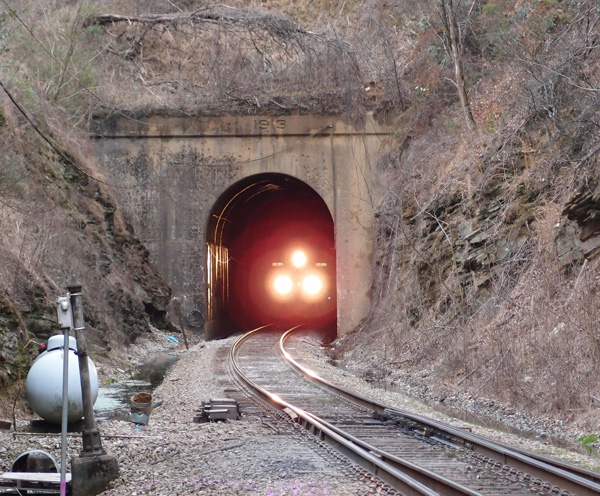
[“At may never return he began to feel a shriek coming up inside, and very soon it burst out like the whistle of an engine coming out of a tunnel.”  “An Unexpected Party”]

In the 1966 edition, Tolkien changed “tomatoes” to “pickles” and considered changing that engine whistle to “like the whee of a rocket going up into the sky” (see Douglas A. Anderson, The Annotated Hobbit, 47, note 35) but decided against it.  And the popgun—remained the popgun.

Recently, we fell upon another:

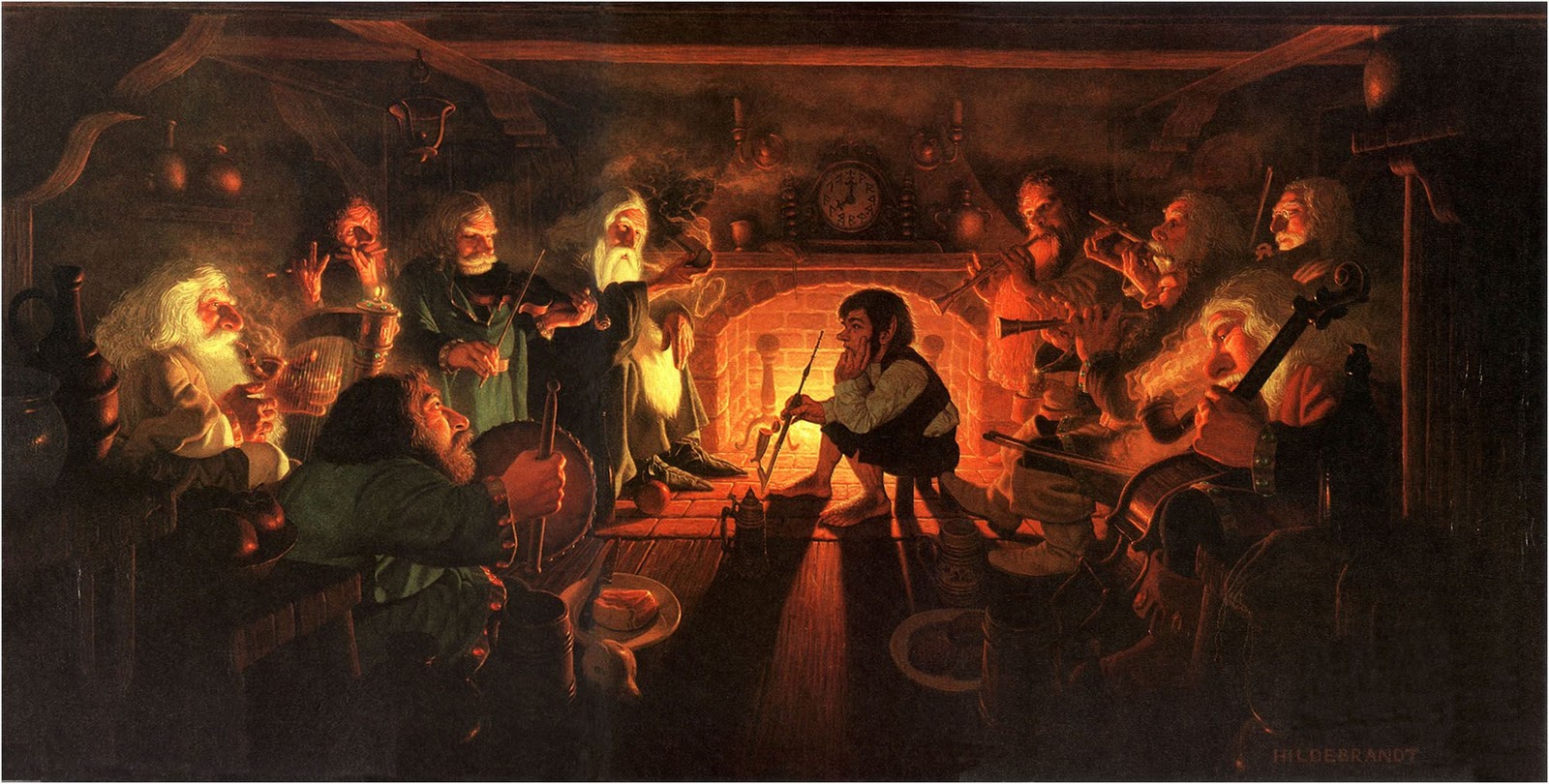
“Kili and Fili rushed for their bags and brought back little fiddles; Dori, Nori, and Ori brought out flutes from somewhere inside their coats; Bombur produced a drum from the hall; Bifur and Bofur went out too, and came back with clarinets that they had left among the walking-sticks.” (“An Unexpected Party”)

image5hild.jpg

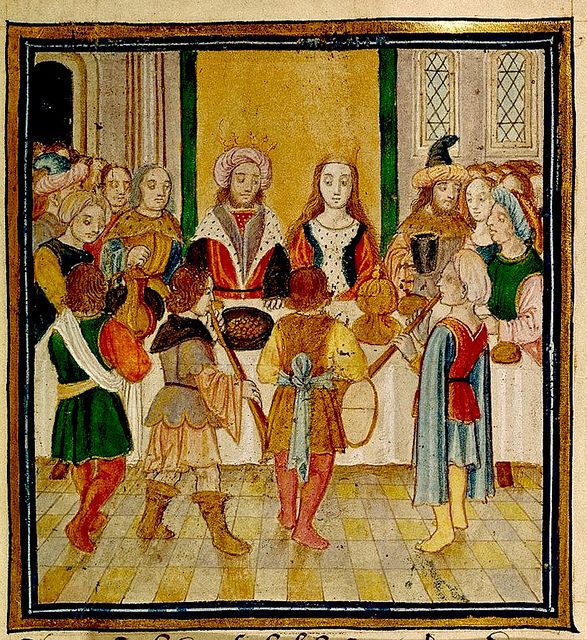
Hmm, we thought.  Well, Middle-earth is more or less a medieval world and medieval musicians played stringed instruments and drums and flutes, both transverse (like a modern flute) and recorders, as well as certain other wind instruments, but clarinets?

image6medmus.jpgimage7medmus.jpg

image8medmus


When we think of clarinets, the first thing which comes into our minds is the famous 20th-century clarinetist, Benny Goodman (1909-1986)

image9goodman.png

with his Bflat clarinet,

image10bflat.jpg

playing the opening of George Gershwin’s (1898-1937)

image11gg.jpg

Rhapsody in Blue (1924)


image12rhap

in a 1942 recording.  (Here’s a LINK so you can hear that recording for yourself.)  Even if you don’t read music, you can see (and hear) that it begins with a clarinet doing a long trill, then playing a glissando, meaning a slide, up several octaves.  We wonder if Bifur and Bofur could play like that!

(We also recommend a very unusual rendition of the piece.  In 2000, Disney Studios released a film called Fantasia 2000,

image13fantasia


which was their modern take on the 1940 Fantasia

OLYMPUS DIGITAL CAMERA

which consisted of a series of piece of classical pieces with Disney animation interpretations.  Here’s a famous moment from Paul Dukas’ The Sorcerer’s Apprentice.

image15mick

The 2000 version features a very lively performance of Rhapsody drawn as if it’s taking place during the Great Depression—and even features a cameo appearance by Gershwin himself.

image16gg

Here’s a LINK to the scene so that you can enjoy it for yourself.)

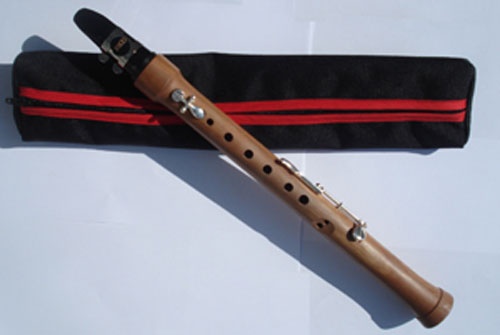
But we were wondering about those clarinets, so we did a little research and found this, the ancestor of the clarinet, the chalumeau.

image17chal

About 1700, it is thought, this man, Johann Christoph Denner, (1655-1707)

image18denner

a famous wind instrument maker, extended the range of the chalumeau and thus made it a more flexible instrument.

image19clar

The (presently) first known use of clarinets in an orchestra is in Antonio Vivaldi’s (1678-1741)

image20vivaldi

1716 oratorio, Juditha Triumphans.

image21juditha

And, with that, we thought:  “Hmm.  Yep.  Another anachronism” and were about to move on when our eye was caught by this about Beorn at the Battle of the Five Armies:

“The roar of his voice was like drums and guns…” (Chapter 18, “The Return Journey”)

Drums—well, of course.  Bombur had one.  And, in The Lord of the Rings, there’s that mention of “drums, drums in the deep”, but…guns?

Thanks, as ever, for reading and—as you can see—

MTCIDC

CD

Baruk Khazad!

12 Wednesday Dec 2018

Posted by Ollamh in Artists and Illustrators, J.R.R. Tolkien, Military History, Military History of Middle-earth

≈ Leave a comment

Tags

Adze, Alan Lee, Axe, Bayeux Tapestry, Bilbo, Dane Axe, Dwarves, francisca, Gimli, Harold Godwinson, Helm's Deep, Huscarl, mithril, Skylitzis, The Hobbit, The Lord of the Rings, Thorin, Tolkien, Varangian Guard

As always, dear readers, welcome.

Ever since we saw the original Lord of the Rings films, we’ve been thinking about Gimli and his major weapon.

image1gimli.jpg

In The Hobbit, it would appear that the dwarves had not been armed until they used what was in the Lonely Mountain after Smaug had gone:

“Now the dwarves took down mail and weapons from the walls, and armed themselves.  Royal indeed did Thorin look, clad in a coat of gold-plated rings, with a silver-hafted axe in a belt crusted with scarlet stones.” (The Hobbit, Chapter 13, “Not at Home”)

This is where the mithril coat which eventually protects Frodo in Moria and turns up in the hands of the Mouth of Sauron comes from, when Thorin gives it to Bilbo.

image2mithril.jpg

Not long after we first meet Gimli, at the Council of Elrond, however, we see Gimli already kitted out for war:

“Gimli the dwarf alone wore openly a short shirt of steel rings, for dwarves make light of burdens; and in his belt was a broad-bladed axe.” (The Fellowship of the Ring, Book Two, Chapter 3, “The Ring Goes South”)

Certainly, the axe in Gimli’s right hand in the photo wouldn’t fit through a belt and allow for comfort or freedom of movement and we note that, in that same photo, Gimli appears to have another—but that looks too long for comfort, as well.

image3gimli.jpg

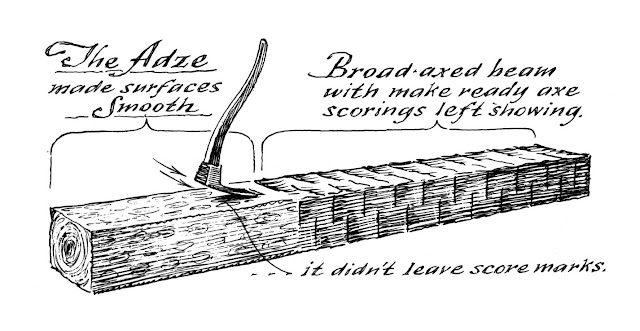
That the two axes fit in with the general persona of dwarves, however, seems to be true—after all, the translation of our title for this post is “Axes of the dwarves!”  (to be followed by Khazad ai-menu!  “the dwarves are upon you!”), which is the dwarves’ rallying cry.  What kind (or kinds) of axes these are doesn’t seem so clear, then.  Alan Lee, for example, shows us a dwarf with something which isn’t really an axe at all, but looks more like an adze, which is a tool used in woodworking to smooth and shape wood.

image4dwarf.jpg

the Broad Axe vs. the Adze - Handmade Houses... with Noah ...


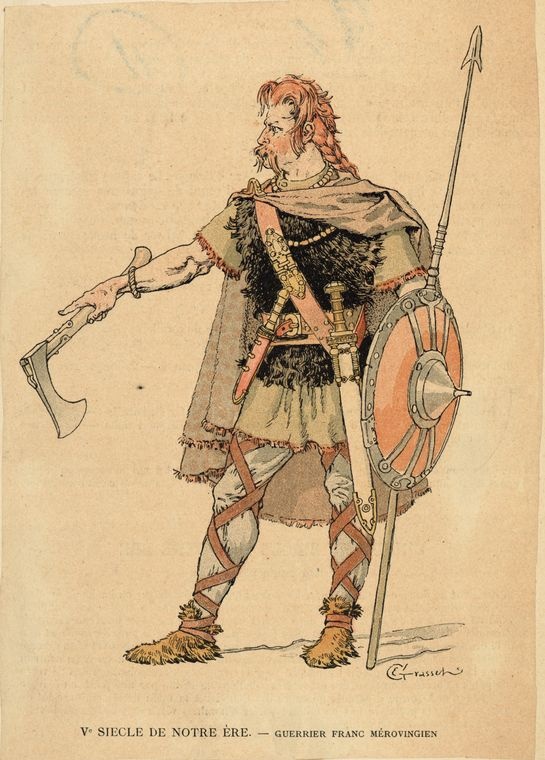
Because JRRT describes Gimli’s axe as being tuckable, we wondered whether he was thinking of the kind of throwing axe, a francisca, used by Frankish warriors (and which gave them their name).

image6francisca.jpg

image7frank.jpg

When we actually see Gimli in battle, however, he isn’t throwing, but swinging his axe.  At Helm’s deep he says to Legolas, “Give me a row of orc-necks and room to swing and all weariness will fall from me!”  And then he swings that axe:  “An axe swung and swept back.  Two Orcs fell headless.” (The Two Towers, Book Three, Chapter 7, “Helm’s Deep”)

This leads us to ask if perhaps JRRT himself wasn’t clear about Gimli’s weapon.  He never throws it, using it always as a chopper, and, when we thinking of axes with a haft—that is, handle–long enough to do that, we don’t think of that odd item in the image above—which doesn’t look substantial enough to cut through cervical vertebrae—

image8gimli.jpg

but rather of the long-hafted axe, or “Dane axe”  perhaps carried by the giant Viking who defended Stamford Bridge single-handedly against the Anglo-Saxons on 25 September, 1066,

image9stam.jpg

image10stam.jpg

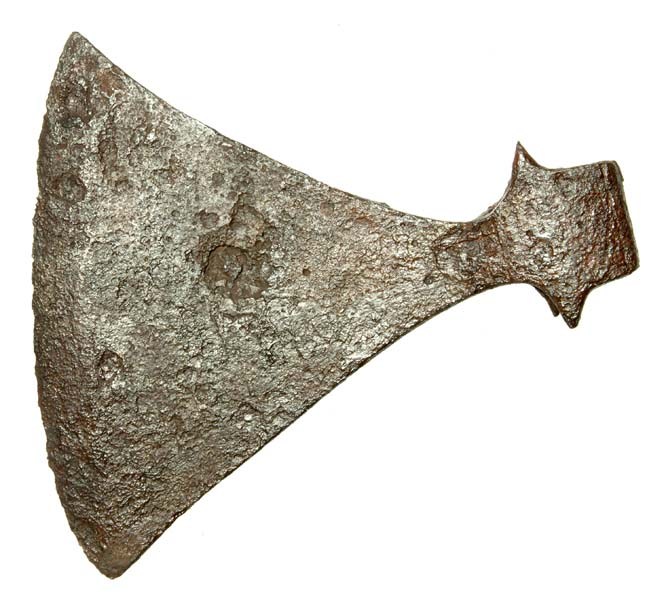
with its razor-sharp blade.

image11axe.jpg

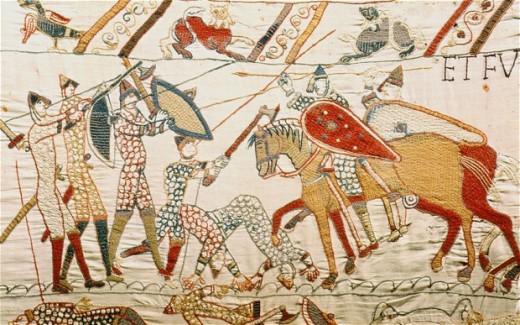
This was the kind of axe that we see carried by the huscarl, the bodyguards, of the English king, Harold Godwinson, in the depiction of the Battle of Hastings, 14 October, 1066, on the so-called Bayeux Tapestry.

image12bay.jpg

image13bay.jpg

One of which Harold may himself been carrying when he was killed, if the caption on the cloth is referring to Harold being cut down by the mounted Norman in this part of the tapestry.

image14harold.jpg

These same axes also appear to turn up as part of the armament of the Varangian Guard, the bodyguard of a number of Byzantine emperors from the 10th to 14th centuries, as depicted in the 11th-century  Skylitzis Chronicle.

image15varang.jpg

Much of this guard was made up of Norsemen and Anglo-Saxons, so the pattern of axe, we imagine, was something which both groups brought with them from their original homes.

image16varang.jpg

This is clearly the sort of thing to whack off heads, even two at a time, and so, if we can quietly detach it from Gimli’s belt and have him stand, perhaps even leaning on it, we have the Gimli who competes with Legolas at Helm’s Deep in the number of orcs each has dispatched.

image17vik.jpg

Thanks, as ever, for reading.

MTCIDC

CD

Hoards of the Things

28 Wednesday Jun 2017

Posted by Ollamh in Fairy Tales and Myths, Imaginary History, J.R.R. Tolkien, Literary History, Narrative Methods

≈ Leave a comment

Tags

A Christmas Carol, A Visit to William Blake's Inn, Aeetes, Alexander Deruchenko, Alice and Martin Provensen, Argo, Barrow-downs, Barrow-wights, Beowulf, Bilbo, Charles Dickens, Cinderella's Dress, Colchis, Collyer Brothers, David Gwillim, dragon-sickness, Dragons, Dwarves, Ebenezer Scrooge, Eurystheus, Hera, Heracles, Hoard, hordweard, Jack Gwillim, Jane Dyer, Jason and the Argonauts, Jason and the Golden Fleece, Kinder und Hausmaerchen, Ladon, Lonely Mountain, magpie, Nancy Willard, Neolithic, Scrooge McDuck, Scythians, Ted Nasmith, The Hobbit, The Lord of the Rings, Tolkien, Treasure

Welcome, dear readers, as always.

Recently, we’ve had a couple of posts on dragons and hoards, but, having done a certain amount of research and thinking and writing, we’ve come back once again to the subject, with the question: why would a dragon want a hoard to begin with?

The earliest Western European stories we know in which dragons (or serpents—the Greek word can apply to either) are associated with valuables are:

  1. the 11th labor of Heracles, in which his cousin, Eurystheus, demands that Heracles bring him the Golden Apples of the Hesperides (“children of the evening star”)—which are on an island guarded by a 100-headed (in some versions of the story) dragon/serpent called Ladon

image1hesperides.jpeg

  1. the story of Jason and the Argo, in which Jason must bring back to Greece the Golden Fleece, also guarded by a dragon/serpent (a sleepless one this time)

image2jason.png

In both of these stories, the dragon is the agent for someone else—Hera, in the case of the Golden Apples,

image3hera.jpg

and Aeetes, the king of Colchis, in that of the Golden Fleece.

image4aaetes.jpg

(We’ve always loved the curly beard of Jack Gwillim in Jason and the Argonauts—1963. His son, David, by the way, was a perfect Prince Hal and Henry V in BBC productions from 1979—if you can find them, we highly recommend them.)

image5dgwillim.png

After these, we see the dragon of Beowulf.

18lrnlrjcbonijpg.jpg

In his case, although he’s called hordweard, “hoard guardian/watchman”, we are told that he has come upon a treasure in a barrow, piled in for safe-keeping several hundred years before. Europeans in the Neolithic Period and long beyond buried high-status people in such places—like this, in Denmark.

image6barrow.jpg

As it was the custom for high-status people to be buried with at least some of their riches, it’s easy to see how singers might be inspired to create a barrow like that of the Beowulf dragon. Some of our favorite grave goods come from the Scythians, a horse-people who once lived north of the Black Sea, and who had buried them in grave mounds with their dead.

image7ascyth.jpg

(A wonderfully atmospheric picture by Alexander Deruchenko.)

image7bscythia.jpg

image8scyth.jpg

image9scyth.jpg

image10scyth.jpg

The Beowulf dragon is not the proper owner of the hoard: rather, he has taken possession (the poem may even be suggesting that dragons—or this dragon, at least– have a special affection for barrows (2270-2278), rather as the barrow wights have taken over the tumuli on the Barrow Downs, both places being much older and long-abandoned. You may remember this striking image by one of our favorite Tolkien artists, Ted Nasmith–

image11barrowwight.jpg

In contrast, Smaug has taken possession of the Lonely Mountain by force, burning out the rightful owners.

image12smaug.jpeg

In both cases, however, the latest owner is very sensitive about his new property: the removal of one object, as Beowulf and Bilbo find out.

image13cuptheft.jpg

(And we can’t resist this item—it’s copy of a cup used in the 2007 Beowulf film. We don’t see that it would be very useful for drinking from, but it’s certainly fun to look at!)

image14bewulfcup.jpg

It’s one thing if it’s your job to guard gold: you’re like a sheepdog with a flock. (Here’s a Maremma, in fact, with a flock.)

image15maremma.jpg

It’s another if you are occupying, seized or not, someone else’s gold. In the latter case, however, we are still left with our initial question: why is this important to a dragon?

Perhaps they just like the look of it. After all, Smaug seems quite proud of what he sees as a waistcoat of precious things. When Bilbo says: “What a magnificence to possess a waistcoat of fine diamonds!” Smaug replies “Yes, it is rare and wonderful, indeed.” (The Hobbit, Chapter 12, “Inside Information”) Yet there is the darker side:

“To say that Bilbo’s breath was taken away is no description at all. There are no words left to express his staggerment, since Men changed the language that they learned of elves in the days when all the world was wonderful. Bilbo had heard tell and sing of dragon-hoards before, but the splendor, the lust, the glory of such treasure had never yet come home to him. His heart was filled and pierced with enchantment and with the desire of dwarves; and he gazed motionless, almost forgetting the frightful guardian, at the gold beyond price and count.”   (The Hobbit, Chapter 12, “Inside Information”)

Just seeing such wealth brought on “lust” and “the desire of dwarves” and it’s clear that this is what infects Thorin after Smaug’s death and eventually brings on the “dragon-sickness” which leads to the end of the Master of Laketown (The Hobbit, Chapter 19, “The Last Stage”). As this “lust” for beautiful, valuable things seems inherent in the dwarves, it strikes us that we might imagine dragons as somehow enablers or carriers—like anopheles mosquitoes and malaria—

image16anopheles.jpg

rather than originators of the disease and that the name is derived from that combination of acquisitiveness and sensitivity we noted earlier and which so clearly disturbs Thorin’s judgement.

But perhaps there is something in the idea of hoarding itself. In our world, “hoarding” has come to have a different meaning, being a kind of psychological condition in which a person acquires and acquires and has lost the ability to discard anything for complex internal reasons. In literature, one might imagine that misers have something of this—think of Ebenezer Scrooge, in Charles Dickens’ A Christmas Carol (1843).

image17scrooge.jpg

Or, Uncle Scrooge McDuck, from Walt Disney comics. Who, as you can see, takes this to an extreme even Dickens’ Scrooge might find a bit excessive.

image18smcduck.jpg

Underneath this, however, is the sad side: those who become imprisoned by their possessions, a famous case being that of the Collyer brothers in New York, whose apartment, after their joint deaths in 1947, was a subject both of curiosity and of mild horror in the New York newspapers of the time.

image19collyer.jpg

Is it possible that the Beowulf dragon and Smaug both suffer from this condition? Is that why the theft of a single piece from an uncountable hoard seems to mean so much?

We never want to shy away from serious subjects—after all, all of the best fantasy/adventure writers never did—but it’s an early summer day where we live—just after Midsummer’s Day, in fact, and so we’d like to end with another kind of acquisitor—the magpie.

image20magpie.jpg

Traditionally, magpies are famous for being attracted to—and collecting—shiny objects. Our favorite magpie story, however, isn’t about obsession, but about generosity. It’s a beautiful children’s book by Nancy Willard and Jane Dyer, entitled Cinderella’s Dress.

image21cind'sdress.jpg

In this book, told in light, easy verse, we see a magpie couple as fairy godparents for Cinderella, using their cache of shiny things to—but we’ll leave that to you to discover (although the title is a bit of a give-away). Here’s another page to tease you…

image22csdresspage.jpg

Thanks, as ever, for reading.

MTCIDC


PS

Another Nancy Willard book you might enjoy is A Visit to William Blake’s Inn (1981), illustrated by Alice and Martin Provensen.

image23blakesinn.jpg

Shire Portrait (3a)

15 Wednesday Feb 2017

Posted by Ollamh in Economics in Middle-earth, Imaginary History, J.R.R. Tolkien, Literary History, Maps, Narrative Methods

≈ Leave a comment

Tags

Argeleb, Baraduin, Beleriand, Blanco, Bridge of Stonebows, Bronze Age Horse, cable ferry, coins, Dartmoor, Doriath, Dwarves, English South Downs, Fallowhide, Far Downs, Farthings, Fornost Erain, Frodo, Gloucestershire, Government, Great East Road, Green Hill Country, Greenway, Jeremy Brett, Little Delving, Longbottom Leaf, Maps, Marcho, Michel Delving, Middle-earth, Minas Tirith, Misty Mountains, Old Dee Bridge, Oxfordshire, River Baranduin, Roads, Roman Roads, Sherlock Holmes, Sidney Paget, Sir Arthur Conan Doyle, Steven Spielberg, Tharbad, The Hobbit, The Hound of the Baskervilles, The Lord of the Rings, The Shire, Three Farthing Stone, Tobacco, Tolkien, Warwickshire, White Downs, Worcestershire

Welcome, dear readers, to the third installment of our rough portrait of the Shire. We call it a “rough portrait” because, so far, we’ve relied upon only three sources: The Hobbit, The Lord of the Rings, and The Letters of J.R.R. Tolkien. We’ll continue to do so in this installment, but we will add two works of geography, K. W. Fonstad’s The Atlas of Middle-earth and Barbara Strachey’s Journeys of Frodo (although we may take a hint of two from other works).

So far, we’ve discussed the government of the Shire (Shire Portrait 1) and the economy (Shire Portrait 2). In this, we want to move on to the geography of the Shire. We begin with Fonstad’s map.

1mapoftheshire.jpg

Except for Buckland, all of the Shire lies west of the River Baranduin (the “Brandywine”). This river can be broad enough to require a cable ferry

2ferryoncable.jpg

and it is navigable, at least by small boats—after all, it was in such a boat that Frodo’s parents were drowned.

As well, there is the Bridge of Stonebows on the Great East Road. Since it’s wide enough for gates and is reported to have had houses on the far side of it, we might imagine it to look like the Old Dee Bridge, at Chester, in England.

3olddeebridgechester

This bridge dates from Norman times (although there was a bridge there from the days of the Roman occupation—“Chester”, after all, is only a corruption of castra, Latin for “military camp”—founded as Deva Victrix in 79AD), with the present version being more-or-less 14th-century. In the Prologue to The Lord of the Rings, the Bridge of Stonebows is said to have been “built in the days of the power of the North Kingdom”, making us wonder whether the Dwarves, who had cut the Great East Road long before, had only had a ford at that place.

To the west of the river stretches the Shire, most of it to the north and south of the Great East Road, which acts as a kind of spine, there being subsidiary roads leading off it towards the various villages. Originally built by the Dwarves in the First Age, it led from Doriath in Beleriand eastward beyond the Baraduin towards the Misty Mountains. After the destruction of Beleriand, the remaining section ran only from the Grey Havens eastward. When Marcho and Blanco, the Fallowhide brothers, gained permission to colonize the area in TA1601 from Argeleb II, the only payment required was “that they should keep the Great Bridge in repair, and all other bridges and roads, speed the king’s messengers, and acknowledge his lordship”, which would have included the Great East Road.

In a previous posting, we talked about the North-South Road (later, the “Greenway”, which once ran from Fornost Erain, in the north, to Minas Tirith, in the south. Because of its ancient importance and places like the causeway and bridge at Tharbad, we imagined it to be like a Roman road—carefully laid out by engineers and paved but, no longer maintained, gone to seed.

4buildingromanroad.jpg

5romanroad.jpg

6overgrownromanroad.JPG

Because of its great age and one-time importance, we’ve always pictured the Great East Road to be similar, especially when it is clear that the kings of Arnor considered its maintenance to be the equivalent of tribute or taxes from the new Shire. Subsidiary roads which split off from the East Road, however, we might see as the usual rutted country roads.

7ruttedroad.jpg

The Shire, besides being bisected by the Great East Road, is also divided into four parts—hence the name “Farthings”—like the pre-decimal English coin, which was a fourth part of a penny (when a penny obviously was worth a lot more!).

8farthingcoin.jpg

We wonder what these divisions were intended to be used for—perhaps for the election of the Mayor? In our previous posting on the government of the Shire, we quoted JRRT as saying in the Prologue to The Lord of the Rings, “The Shire at this time had hardly any ‘government’”, so, for the moment, that’s our best guess.

(We should note here the “Three Farthing Stone”, which marks more or less where the North, East, and South Farthings meet. It has been suggested that it has been based upon the actual English “Four Shires Stone”—

9fourfarthingstone.jpg

which sits at the place where, pre-1931, four shires—Worcestershire, Warwickshire, Oxfordshire, and Gloucestershire — touched. Not only is there a similarity in the names and what the stone may function as, but the Three Farthing Stone is just to the west of Frogmorton, whereas the Four Shire Stone is just east of Moreton-in-Marsh. And is JRRT having a quiet joke in that, after a boundary adjustment in 1931, the Four Shire Stone should really be called the Three Shire Stone?)

Just south of the Great East Road is the Green Hill Country, which appears to be heavily forested.

11gribskov

This is mirrored by a smaller wood north of the road, Bindbole.

Other than these (and, of course, the Old Forest in Buckland), the land seems to be open. To the north are the North Moors. These are windy uplands, mostly grass, with little in the way of trees.

13adartmore

Dartmoor (which is the image above), in southwest England, seems so bare (although it has the fallen remains of earlier cultures on it), that it can seem a little spooky—the perfect setting for Sir Arthur Conan Doyle’s Sherlock Holmes novel The Hound of the Baskervilles (first published in book form in 1902).

13bbaskervilles.jpg

(We love the original Sidney Paget illustrations in The Strand Magazine, but our favorite film version is the one starring Jeremy Brett as Holmes. For pure fun, by the way, we recommend Steven Spielberg’s Young Sherlock Holmes—not for the purist, we hasten to add.)

13cpaget.jpg

13dartmore.jpg

13dbrett.jpg

13eyoungsherlock.jpg

To the west are two lines of downs, the White and the Far (or Fox) Downs. When we think of downs, we think of the chalky rolling hills southeast of the Thames in England. Here’s what the English South Downs look like

14southdowns.jpg

and it’s easy to imagine that the Shire version would look very similar and the chalk would easily be cut into to make Michel Delving (“Big Dig”) and Little Delving (“Little Dig”). The chalk just below the surface is exposed on the south English coast

15chalkcliffs.jpg

making that name “the White Downs” clear. And we can’t resist adding another chalk artifact. In Oxfordshire (but once Berkshire), on the edge of the Berkshire Downs, is a Late Bronze Age horse, cut into the chalk. We wonder why there isn’t one in Rohan…

16uffingtonhorse.jpg

Last of all, there’s the South Farthing, stretching south of The Green Hill Country. As it is a tobacco-growing area, but in a temperate climate (at least, we understand that the Shire is in a temperate zone—they appear to have—or to have had—snowy winters), we visualize it as looking like the Connecticut Valley, which runs south down from Vermont, through western Massachusetts and through central Connecticut, in the US.

17connecticutrvalley.jpg

In the central part of the valley are tobacco plantations.

18tobaccofields.jpg

These always include drying barns for the tobacco—which would become the Longbottom Leaf Merry and Pippin discover two casks of in Saruman’s pantry.

19tobaccobarn.jpg

The one farthing we haven’t studied directly is the East Farthing, but, as it contains a continuation of the Green Hill Country, abuts the Brandywine, and has the already-mentioned bridge of Stone Bows, and thus has no main features we haven’t mentioned, we’ll conclude here for the moment. In our next, we want to examine Shire architecture, from hobbit holes to mills.

Thanks, as ever, for reading.

MTCIDC

CD

← Older posts

The Doubtful Sea Series Facebook Page

The Doubtful Sea Series Facebook Page

  • Ollamh

Categories

  • Artists and Illustrators
  • Economics in Middle-earth
  • Fairy Tales and Myths
  • Films and Music
  • Games
  • Heroes
  • Imaginary History
  • J.R.R. Tolkien
  • Language
  • Literary History
  • Maps
  • Medieval Russia
  • Military History
  • Military History of Middle-earth
  • Narnia
  • Narrative Methods
  • Poetry
  • Research
  • Star Wars
  • Terra Australis
  • The Rohirrim
  • Theatre and Performance
  • Tolkien
  • Uncategorized
  • Villains
  • Writing as Collaborators
Follow doubtfulsea on WordPress.com

Across the Doubtful Sea

Recent Postings

  • Through a glass… January 7, 2026
  • Heffalumps? December 31, 2025
  • We Three Kings December 24, 2025
  • A Moon disfigured December 17, 2025
  • On the Roads Again—Once More December 10, 2025
  • (Not) Crossing Bridges December 3, 2025
  • On the Road(s) Again—Again November 26, 2025
  • On the Road(s) Again November 19, 2025
  • To Bree (Part 2) November 12, 2025

Blog Statistics

  • 104,101 Views

Posting Archive

  • January 2026 (1)
  • December 2025 (5)
  • November 2025 (4)
  • October 2025 (5)
  • September 2025 (4)
  • August 2025 (4)
  • July 2025 (5)
  • June 2025 (4)
  • May 2025 (4)
  • April 2025 (5)
  • March 2025 (4)
  • February 2025 (4)
  • January 2025 (5)
  • December 2024 (4)
  • November 2024 (4)
  • October 2024 (5)
  • September 2024 (4)
  • August 2024 (4)
  • July 2024 (5)
  • June 2024 (4)
  • May 2024 (5)
  • April 2024 (4)
  • March 2024 (4)
  • February 2024 (4)
  • January 2024 (5)
  • December 2023 (4)
  • November 2023 (5)
  • October 2023 (4)
  • September 2023 (4)
  • August 2023 (5)
  • July 2023 (4)
  • June 2023 (4)
  • May 2023 (5)
  • April 2023 (4)
  • March 2023 (5)
  • February 2023 (4)
  • January 2023 (4)
  • December 2022 (4)
  • November 2022 (5)
  • October 2022 (4)
  • September 2022 (4)
  • August 2022 (5)
  • July 2022 (4)
  • June 2022 (5)
  • May 2022 (4)
  • April 2022 (4)
  • March 2022 (5)
  • February 2022 (4)
  • January 2022 (4)
  • December 2021 (5)
  • November 2021 (4)
  • October 2021 (4)
  • September 2021 (5)
  • August 2021 (4)
  • July 2021 (4)
  • June 2021 (5)
  • May 2021 (4)
  • April 2021 (4)
  • March 2021 (5)
  • February 2021 (4)
  • January 2021 (4)
  • December 2020 (5)
  • November 2020 (4)
  • October 2020 (4)
  • September 2020 (5)
  • August 2020 (4)
  • July 2020 (5)
  • June 2020 (4)
  • May 2020 (4)
  • April 2020 (5)
  • March 2020 (4)
  • February 2020 (4)
  • January 2020 (6)
  • December 2019 (4)
  • November 2019 (4)
  • October 2019 (5)
  • September 2019 (4)
  • August 2019 (4)
  • July 2019 (5)
  • June 2019 (4)
  • May 2019 (5)
  • April 2019 (4)
  • March 2019 (4)
  • February 2019 (4)
  • January 2019 (5)
  • December 2018 (4)
  • November 2018 (4)
  • October 2018 (5)
  • September 2018 (4)
  • August 2018 (5)
  • July 2018 (4)
  • June 2018 (4)
  • May 2018 (5)
  • April 2018 (4)
  • March 2018 (4)
  • February 2018 (4)
  • January 2018 (5)
  • December 2017 (4)
  • November 2017 (4)
  • October 2017 (4)
  • September 2017 (4)
  • August 2017 (5)
  • July 2017 (4)
  • June 2017 (4)
  • May 2017 (5)
  • April 2017 (4)
  • March 2017 (5)
  • February 2017 (4)
  • January 2017 (4)
  • December 2016 (4)
  • November 2016 (5)
  • October 2016 (6)
  • September 2016 (5)
  • August 2016 (5)
  • July 2016 (5)
  • June 2016 (5)
  • May 2016 (4)
  • April 2016 (4)
  • March 2016 (5)
  • February 2016 (4)
  • January 2016 (4)
  • December 2015 (5)
  • November 2015 (5)
  • October 2015 (4)
  • September 2015 (5)
  • August 2015 (4)
  • July 2015 (5)
  • June 2015 (5)
  • May 2015 (4)
  • April 2015 (3)
  • March 2015 (4)
  • February 2015 (4)
  • January 2015 (4)
  • December 2014 (5)
  • November 2014 (4)
  • October 2014 (6)
  • September 2014 (1)

Blog at WordPress.com.

  • Subscribe Subscribed
    • doubtfulsea
    • Join 78 other subscribers
    • Already have a WordPress.com account? Log in now.
    • doubtfulsea
    • Subscribe Subscribed
    • Sign up
    • Log in
    • Report this content
    • View site in Reader
    • Manage subscriptions
    • Collapse this bar
 

Loading Comments...