• About

doubtfulsea

~ adventure fantasy

Monthly Archives: October 2026

Cockcrow

28 Wednesday Oct 2026

Posted by Ollamh in Uncategorized

≈ Leave a comment

Tags

child-ballds, Eowyn, Gandalf, ghosts, Halloween, Hamlet, Nazgul, revenant, rooster, sweet-williams-ghost, The Lord of the Rings, Tolkien

Welcome, as always, dear readers.

There is an odd but powerful moment in The Lord of the Rings.  In the vanguard of his invasion of Gondor, Sauron has cast a literal pall across the region:

“…The world was darkling.  The very air seemed brown, and all things about were black and grey and shadowless; there was a great stillness.  No shape of cloud could be seen, unless it were far away westward, where the furthest groping fingers of the great gloom still crawled onwards and a little light leaked through them.  Overhead there hung a heavy roof, sombre and featureless, and light seemed rather to be failing than growing.”  (The Return of the King, Book Five, Chapter 3, “The Muster of Rohan”)

In this gloom, the Lord of the Nazgul confronts Gandalf.
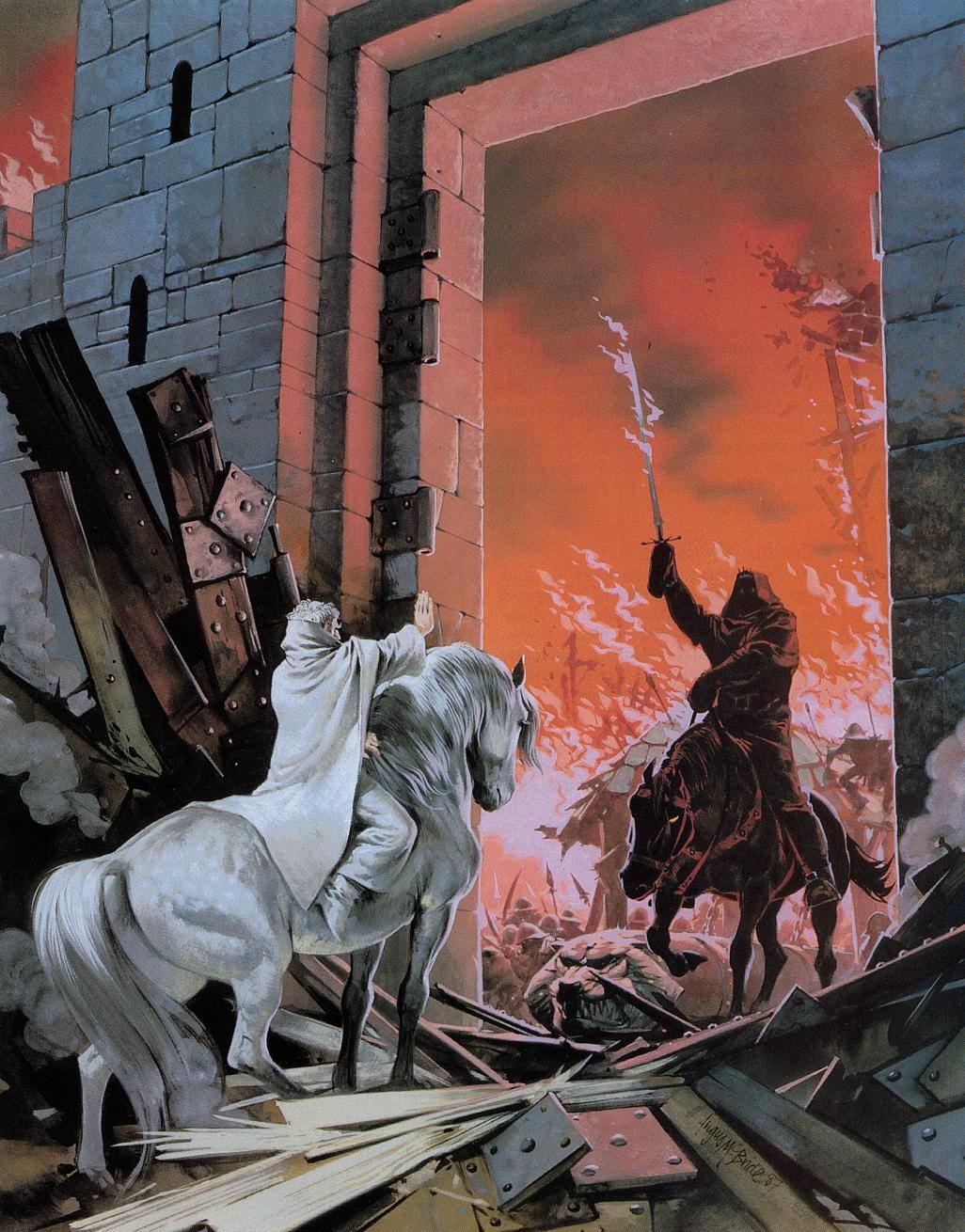
(Angus McBride)

“ ‘Old fool!’ he said.  ‘Old fool!  This is my hour.  Do you not know Death when you see it?  Die now and curse in vain!’ And with that he lifted high his sword and flames ran down the blade.

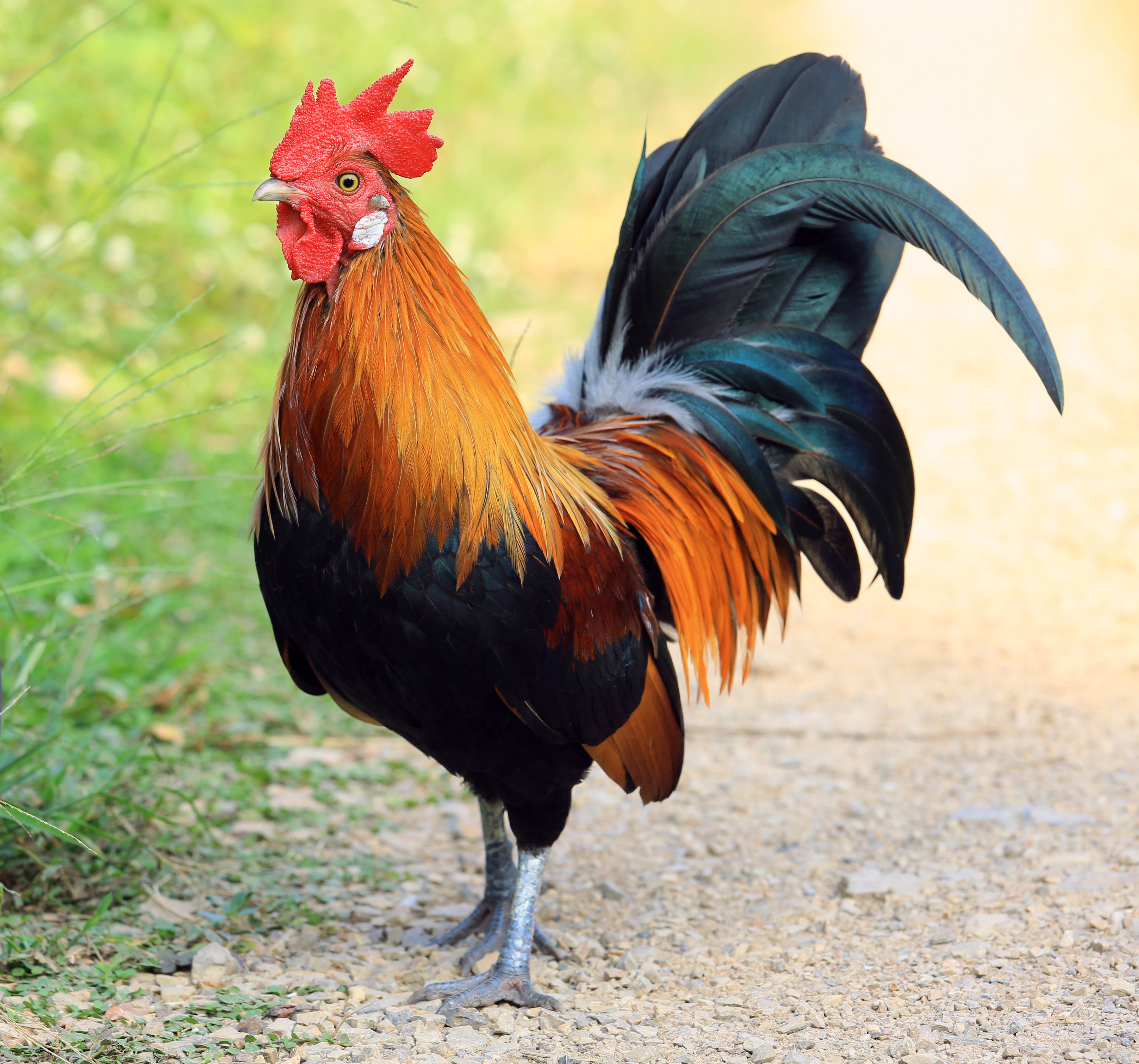
Gandalf did not move.  And in that very moment, away behind in some courtyard of the City, a cock crowed.  Shrill and clear he crowed, recking nothing of wizardry or war, welcoming only the morning that in the sky far above the shadows of death was coming with the dawn.”  (The Return of the King, Book Five, Chapter 4, “The Siege of Gondor”)
You know what comes next:  like the US Cavalry in an old western,
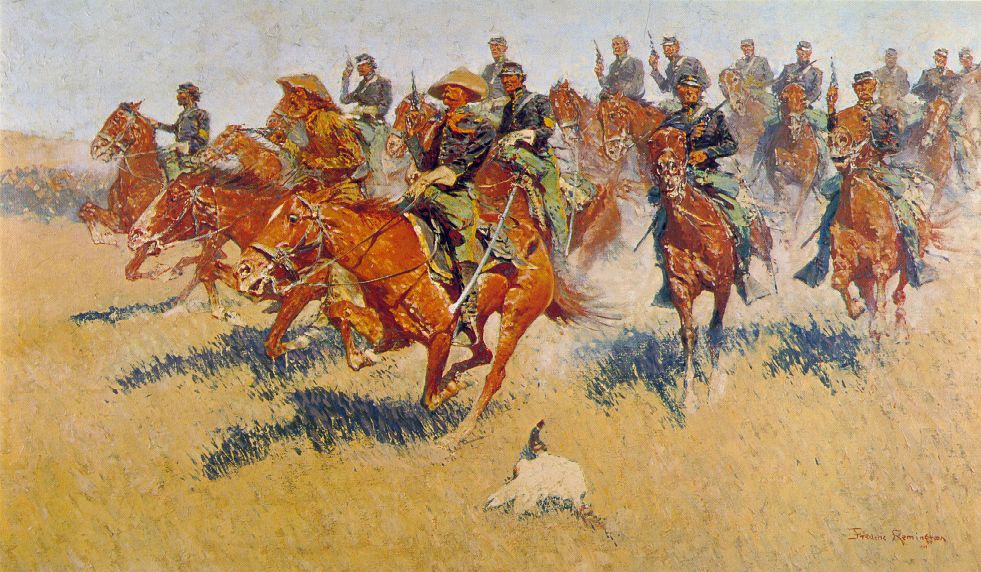
the Rohirrim arrive to try to save Minas Tirith from Sauron’s armies.
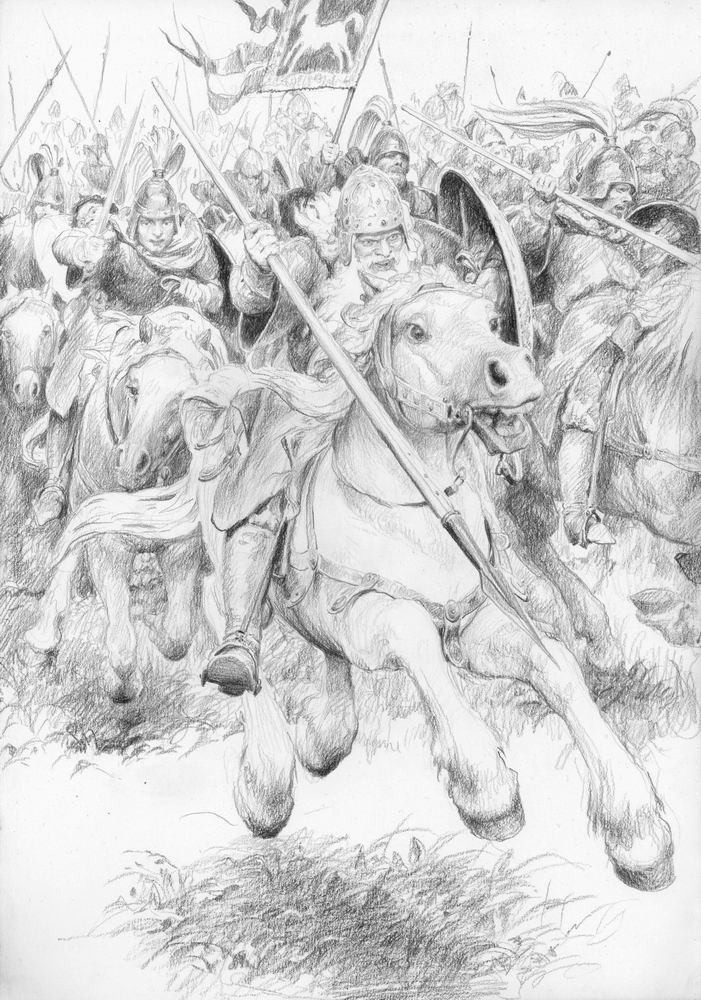
(Denis Gordeev)

But of all things which could have happened at this moment, why does a rooster appear?

As an active Christian, Tolkien might have been prompted by that moment in all four gospels when Peter is quoted as saying:

“respondens autem Petrus ait illi et si omnes scandalizati fuerint in te ego numquam scandalizabor”

“Replying, however, Peter says to him, ‘Even if all the others will have been tripped up in regard to you, I will never be tripped up.”

To which Jesus replies:

“ait illi Iesus amen dico tibi quia in hac nocte antequam gallus cantet ter me negabis”

“Jesus says to him, ‘I tell you truly that in this night, before the cock may crow, you will deny me [that is, deny being my follower] three times.’ “

(Matthew 26:  33-34 from my favorite translation, Jerome’s, with my English translation—the verb “scandalizo”, derived from Greek, has several meanings, including “to cause to stumble”—it’s in the passive, indicating that what Peter is saying is that, even if all of the other disciples might fall away from Jesus, being tripped up by fear or lack of faith, he, Peter, will remain faithful.)

Peter does, indeed, do this, and the crowing of the rooster has had all sorts of theological interpretations since then, although, at base, that crowing simply means “dawn”.

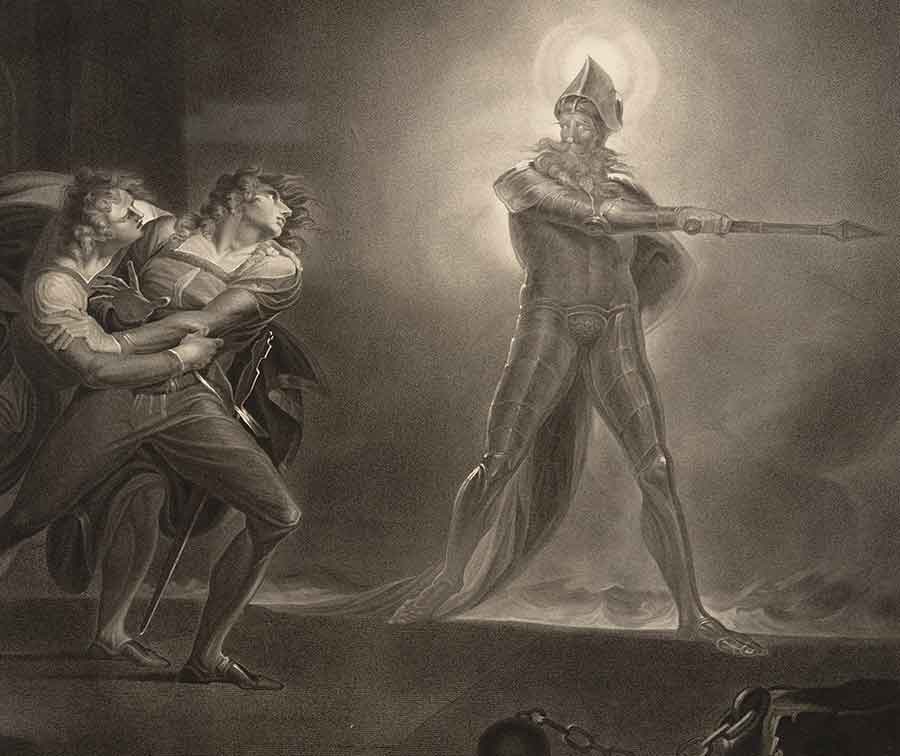
But, remembering that the sky over Gondor has been made unnaturally dark, and that the coming of the Rohirrim signals a break in that darkness, we can easily think of another influence on JRRT—Shakespeare.  In my last, I had mentioned the appearance of the ghost of Hamlet’s father on the battlements of Elsinore castle.
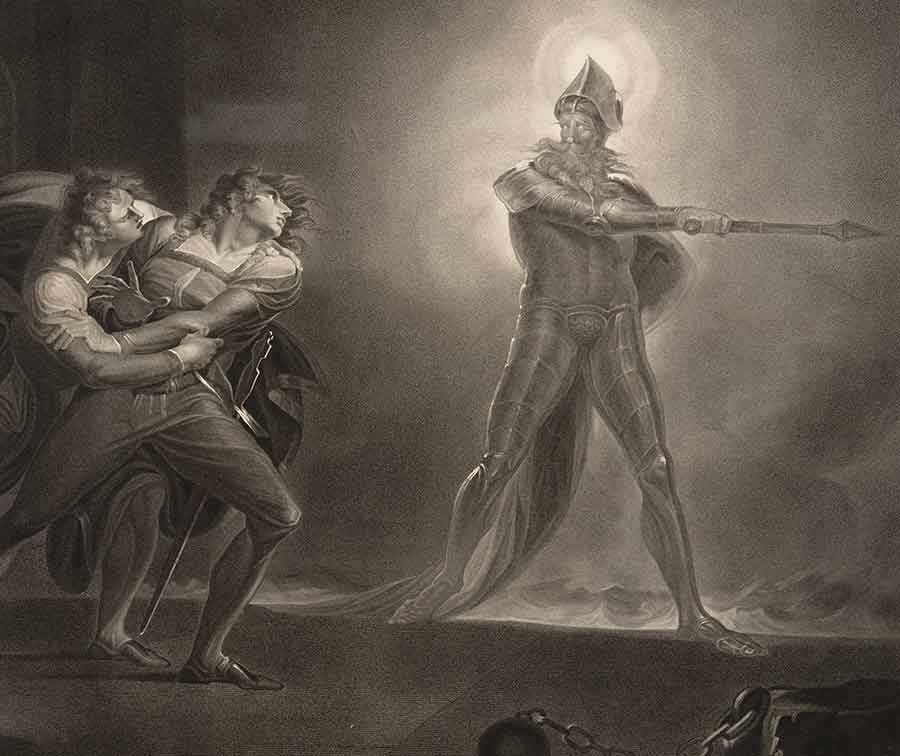
(Henry Fuseli—Heinrich Fuessli)

In Hamlet, Act One, Scene 2, Hamlet’s friend, Horatio, tells Hamlet that he’s seen that ghost, to which Hamlet replies:

“Ham. Did you not speake to it?”

To which Horatio replies:

“Hor. My Lord, I did;

But answere made it none: yet once me thought

It lifted vp its head, and did addresse

It selfe to motion, like as it would speake:

But euen then, the Morning Cocke crew lowd;

And at the sound it shrunke in hast away,

And vanisht from our sight.”

(from the First Folio—as always, I use an Elizabethan text, both because I like the fact that it’s closer to what Shakespeare himself wrote, and because it often reminds us, by its spelling, of the fact that Elizabethan English, although still comprehensible to us, sounded different.  Here’s the First Folio for you so that you can read it:  https://internetshakespeare.uvic.ca/doc/Ham_F1/scene/1.2/index.html And here’s a sample of what that English may have sounded like:  https://www.youtube.com/watch?v=MAl3FnW3GnE This is from a series by the RSC’s Ben Crystal and I recommend the whole series as a good intro to an earlier form of English.)

In the previous scene, Horatio has said to one of the sentries, who had, with him, seen the ghost:

“Hor. And then it started, like a guilty thing

Vpon a fearfull Summons. I haue heard,

The Cocke that is the Trumpet to the day,

Doth with his lofty and shrill-sounding Throate

Awake the God of Day: and at his warning,

Whether in Sea, or Fire, in Earth, or Ayre,

Th’extrauagant, and erring Spirit, hyes

To his Confine. And of the truth heerein,

This present Obiect made probation.”

(“made probation”—said “pro-BAH-si-on”—here means “gives proof”)

The ghost, then, is what is called a “revenant”—that is, someone who has returned from the dead with a purpose, either to warn a living person, or, sometimes, in a more sinister move, to seduce a living person to join him/her in death.  Daybreak—symbolized by the crowing of the rooster—signals the limit of the revenant’s time to accomplish that task, whatever it may be. 

There are a number of ballads—traditional folk songs– in which a revenant appears and Tolkien, with his broad experience of literature, would have been aware of, such as “Sweet William’s Ghost” (Child Ballad 77—if you’re not familiar with this designation, F.J. Child, a late19th-century professor at Harvard University, created the standard ballad collection, entitled English and Scottish Popular Ballads, for the English-speaking world.  You can read a digest version here:  https://archive.org/details/englishscottishp1904chil/mode/2up ) in which the ghost of William visits Margaret, asking for her “faith and troth”, but, when Margaret replies that he must marry her, he admits that he is a spirit and

“14 Then up and crew the red, red cock.

And up then crew the gray:

‘Tis time, tis time, my dear Margret,

That you were going away.’

15 No more the ghost to Margret said.

But, with a grievous groan,

Evanishd in a cloud of mist.

And left her all alone.”

Just as the ghost of Hamlet’s father had.

In the The Lord of the Rings, the Lord of the Nazgul and his hordes aren’t ghosts, to vanish at cockcrow, but that crowing—and the appearance of the Rohirrim, signal the beginning of the end for Sauron’s forces, followed by the arrival of Aragorn and troops from the south in the ships of the corsairs, which does signal the final end for them.

And certainly one ghost was laid to rest when Eowyn and Merry gave a kind of death blow to the Lord of the Nazgul:

“Then tottering, struggling up, with her last strength she drove her sword between crown and mantle, as the great shoulders bowed before her.  The sword broke sparkling into many shards.  The crown rolled away with a clang.  Eowyn fell forward upon her fallen foe.  But lo!  the mantle and hauberk were empty.  Shapeless they lay now on the ground, torn and tumbled; and a cry went up into the shuddering air, and faded to a shrill wailing, passing with the wind, a voice bodiless and thin that died, and was swallowed up, and was never heard again in that age of this world.”  (The Return of the King, Book Five, Chapter 6, “The Battle of the Pelennor Fields”)
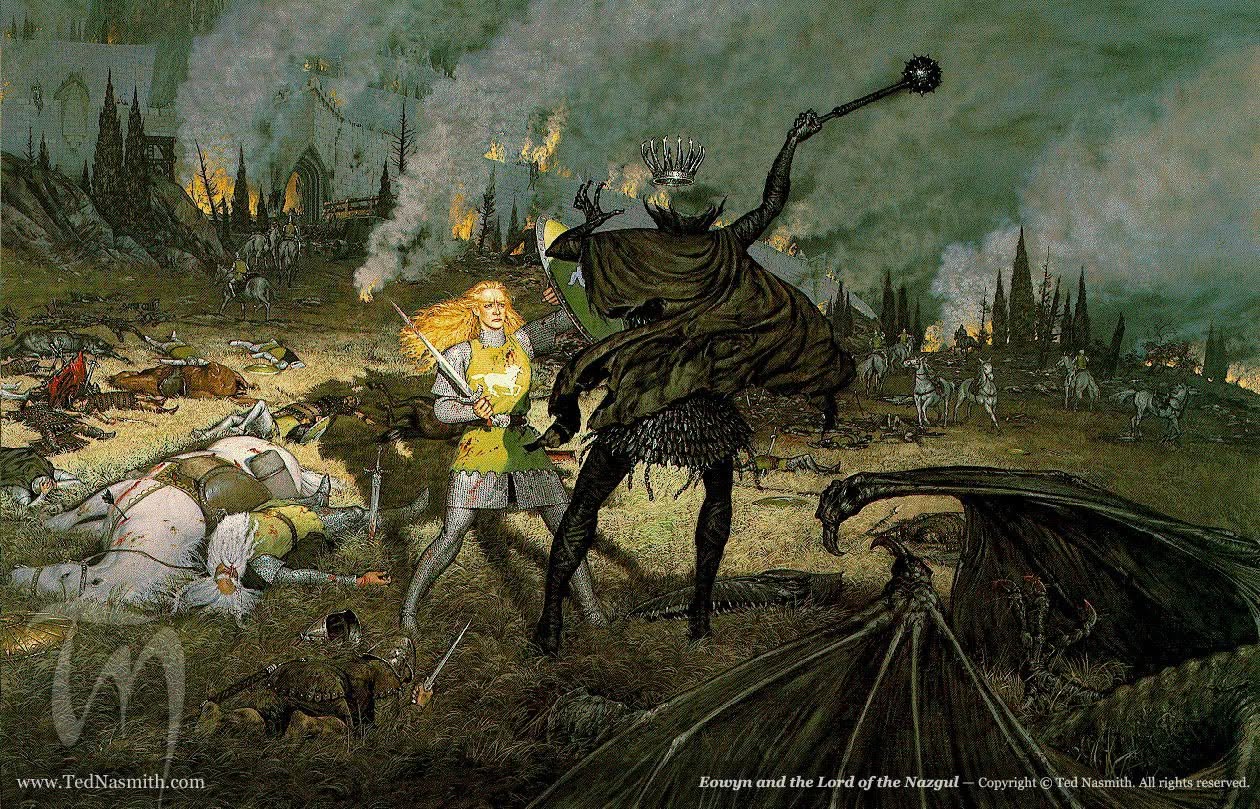
(Ted Nasmith)

As this posting will appear just before Halloween, it seemed, with its revenant, an appropriate one for the season.  The second part of “Cap-a-Pie” will appear next week. 

In the meantime, thanks for reading, as always.

Stay well,

Remember to placate ghosts who make come to your door shouting “Trick or Treat!”
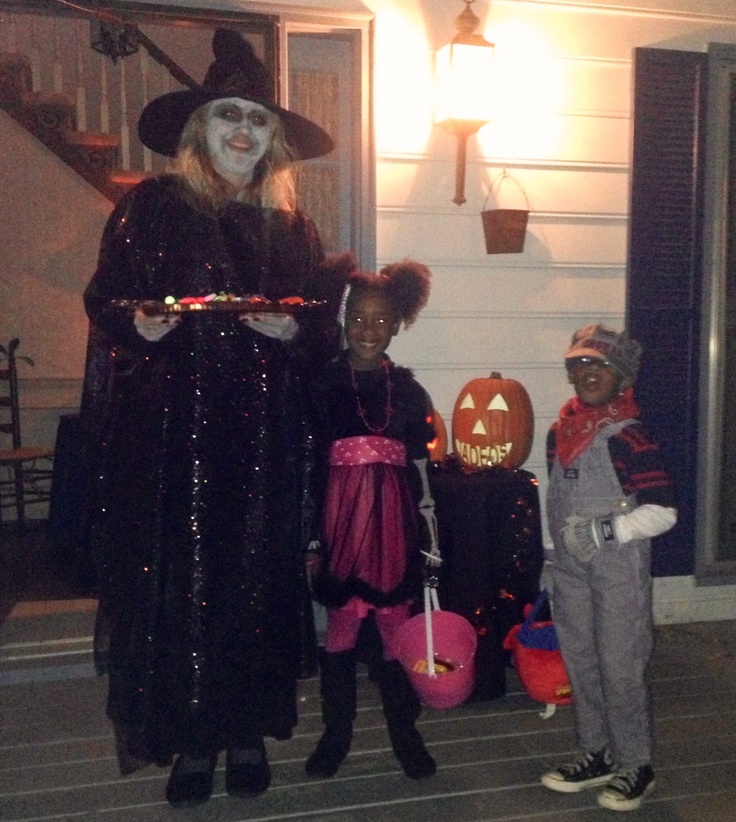
And remember, as well, that there’s

MTCIDC

O

PS

In case you don’t have a nearby rooster to remind you of his song, here’s a medley: https://www.youtube.com/watch?v=K3CenN7d30Y
Cap-a-Pie (1)

21 Wednesday Oct 2026

Posted by Ollamh in Uncategorized

≈ Leave a comment

Tags

armor, Fantasy, Hamlet, Howard Pyle, Pauline Baynes, Prince Valiant, Sauron, Shakespeare, The Bayeux Tapestry, The Lord of the Rings, Tolkien

Horatio is describing to Hamlet a vision of the night before—

“Hor. Two nights together had these Gentlemen,

Marcellus and Bernardo, on their watch,

In the dead vast and middle of the night.

Beene thus incountered by a figure like your father,

Armed to poynt, exactly Capapea

Appeeres before them thrise, he walkes

Before their weake and feare oppressed eies

Within his tronchions length…”

(from the First Quarto, 1603, of Hamlet, Act One, Scene 2, a somewhat quirky text, but, as always, I like to use Elizabethan/Jacobean spellings as they seem chewier to me and can sometimes indicate the very different sound of Shakespeare’s English.  For the complete text, see:  https://internetshakespeare.uvic.ca/doc/Ham_Q1/scene/1/index.html  To hear Shakespeare’s English reconstructed, see:  https://www.youtube.com/watch?v=y2QYGEwM1Sk This is part of a whole series which I recommend as a real ear-opener, if you are unfamiliar with the sound of English c.1600.)

(Henry Fuseli—that is, Heinrich Fuessli, 1741-1825—a Swiss-born artist who spent most of his later life in England.  A painter of Shakespeare and the weird, friend of William Blake, and extremely interesting Romantic period character.  You can read more about him here:  https://en.wikipedia.org/wiki/Henry_Fuseli#Influence )

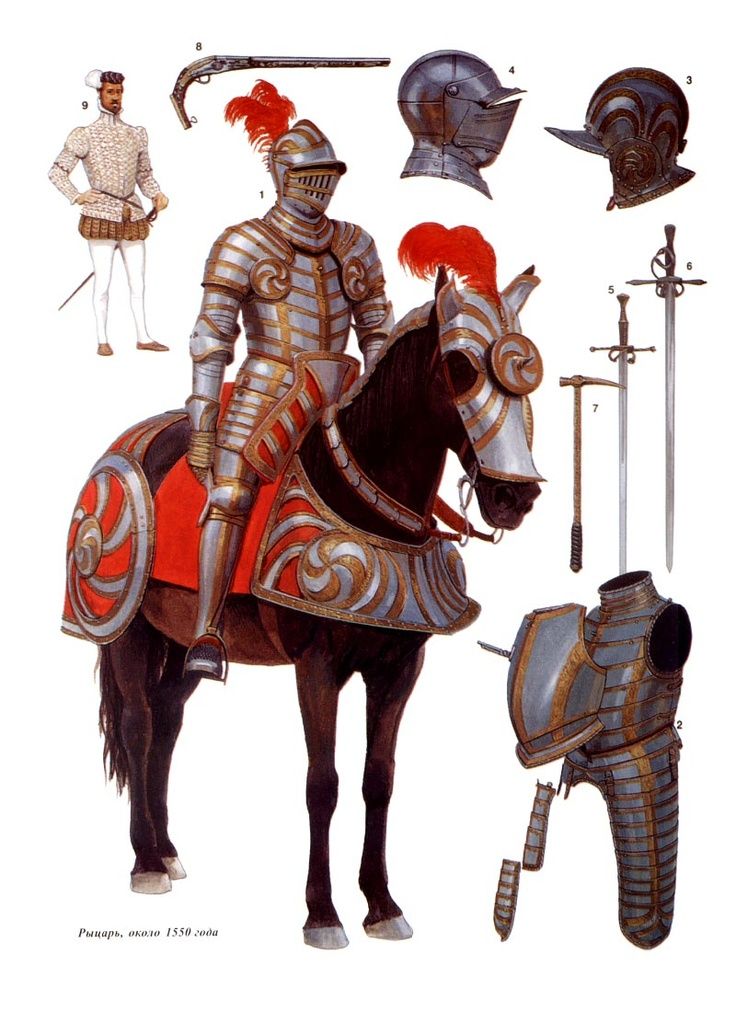
That strange-looking “Capapea” is actually the “cap-a-pie” of my title and means “head-to-foot” in the French (roughly) it was taken from.  Hamlet’s father, then, was in full armor, something which was gradually disappearing from the military world of Shakespeare, but might still be seen in Tudor times, especially if someone was involved in one of the retro-tournaments which the Elizabethans and Jacobeans occasionally staged.

(Graham Turner)

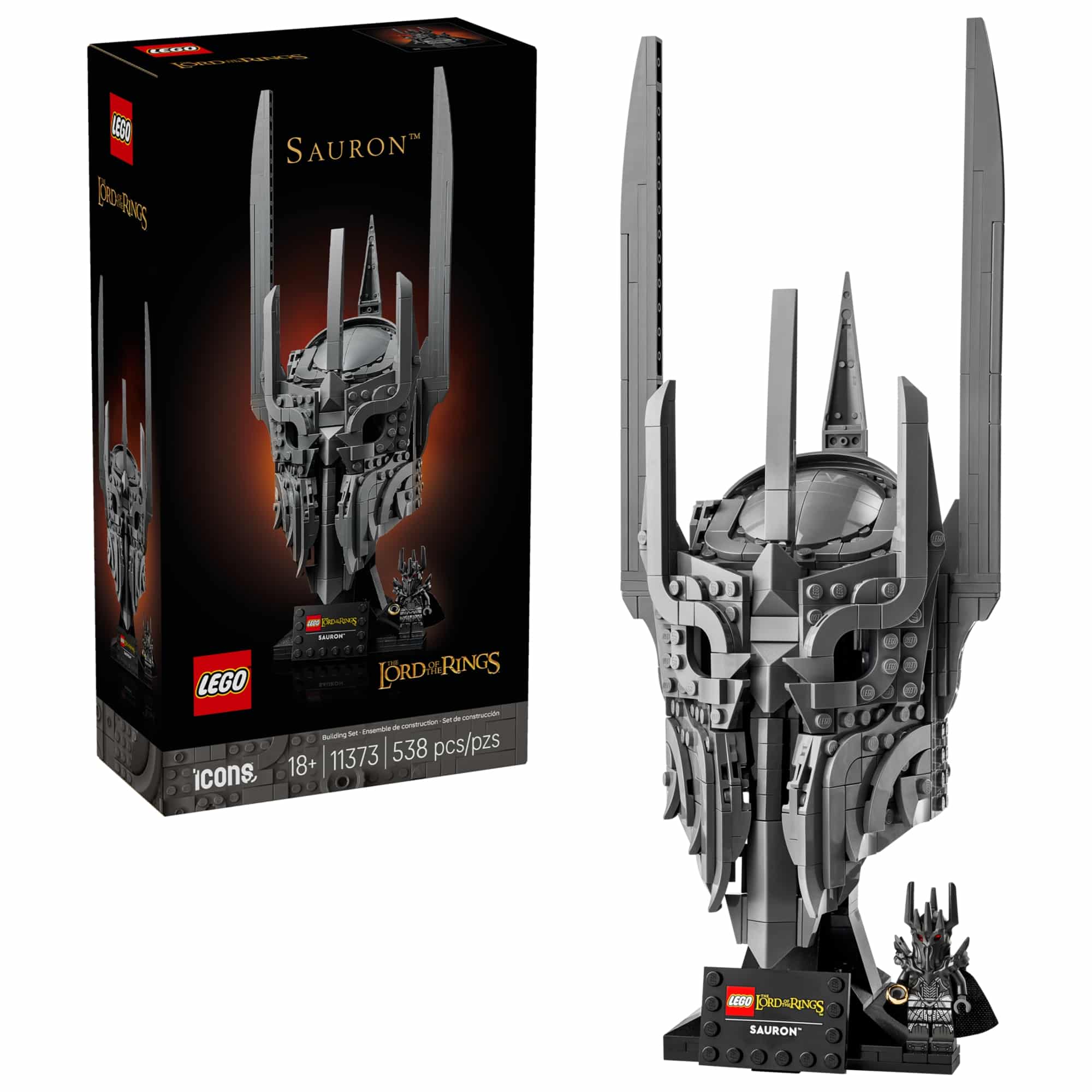
My current interest in such things came from recently seeing, in a toy catalogue, this—

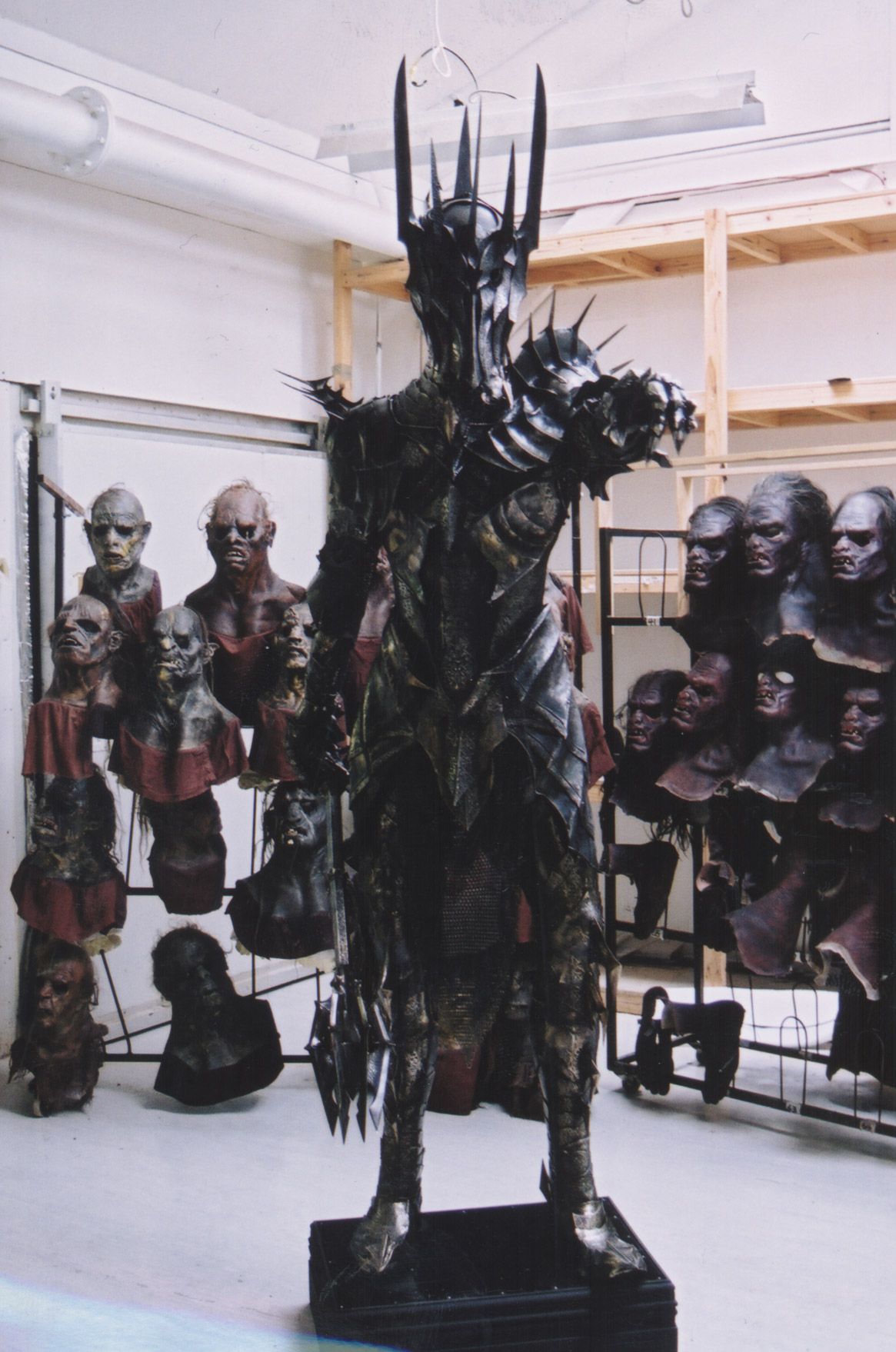
labeled as “Sauron”, a Lego model, and clearly based upon the image seen in the Jackson film of The Fellowship of the Ring,

where Sauron appears in Elrond’s account, from Chapter 2 of Book Two, “The Council of Elrond”, of the battle in which Sauron lost the Ring to Isildur.  There is no description of Sauron in the original text, but I wondered, looking at the Lego version, what Tolkien, rather than Jackson and his designers, might have had in mind, not only for Sauron’s look, but for armor in his story in general.  (This is just a cursory run-through, for the moment, but, on my next reading of the story, I’ll take more time—there are helmets, for instance, about which there is more to be said —such as whatever Gimli is wearing and what kind of helmet conceals Eowyn from her uncle—and the arming of the dwarves and Bilbo in The Hobbit might also be useful.)

We know from a letter to Rhona Beare how he imagined the Rohirrim:

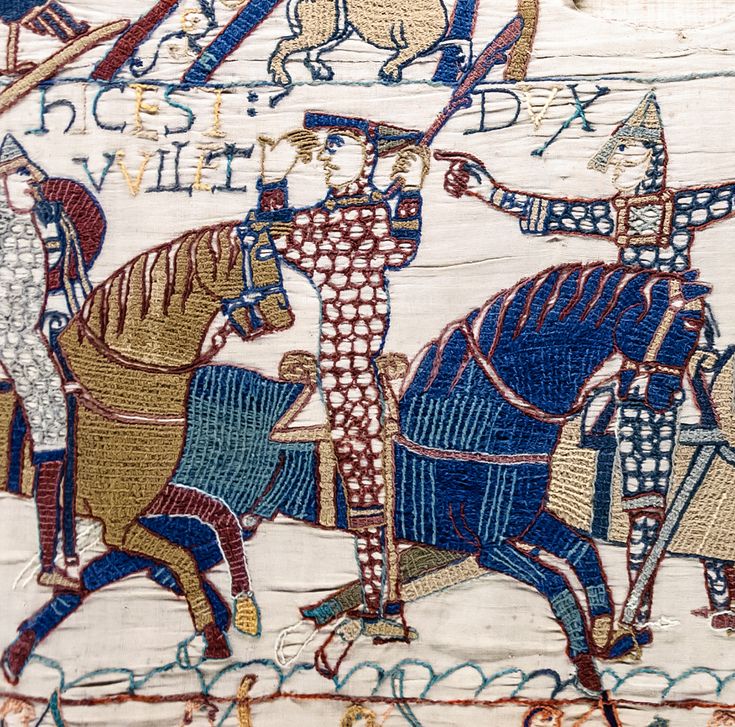
“The Styles of the Bayeux Tapestry…fit them well enough, if one remembers that the kind of tennis-nets [the] soldiers seem to have on are only a clumsy conventional sign for chain-mail of small rings.”  (letter to Rhona Beare, 14 October, 1955, Letters, 401)

Here’s what JRRT was referring to—

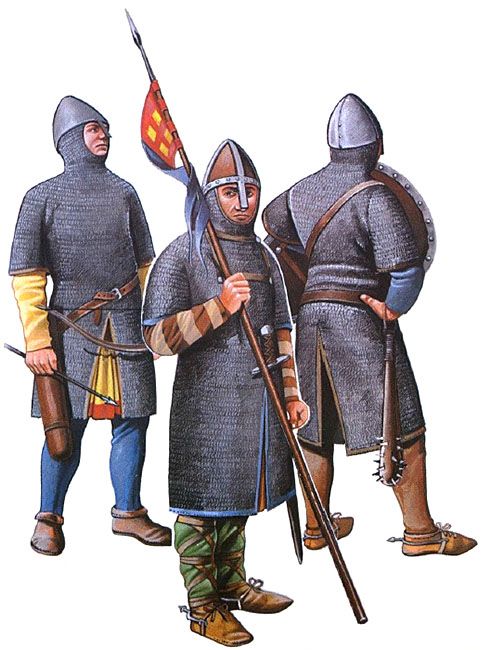
and here’s what those “tennis-nets” would have been based upon—

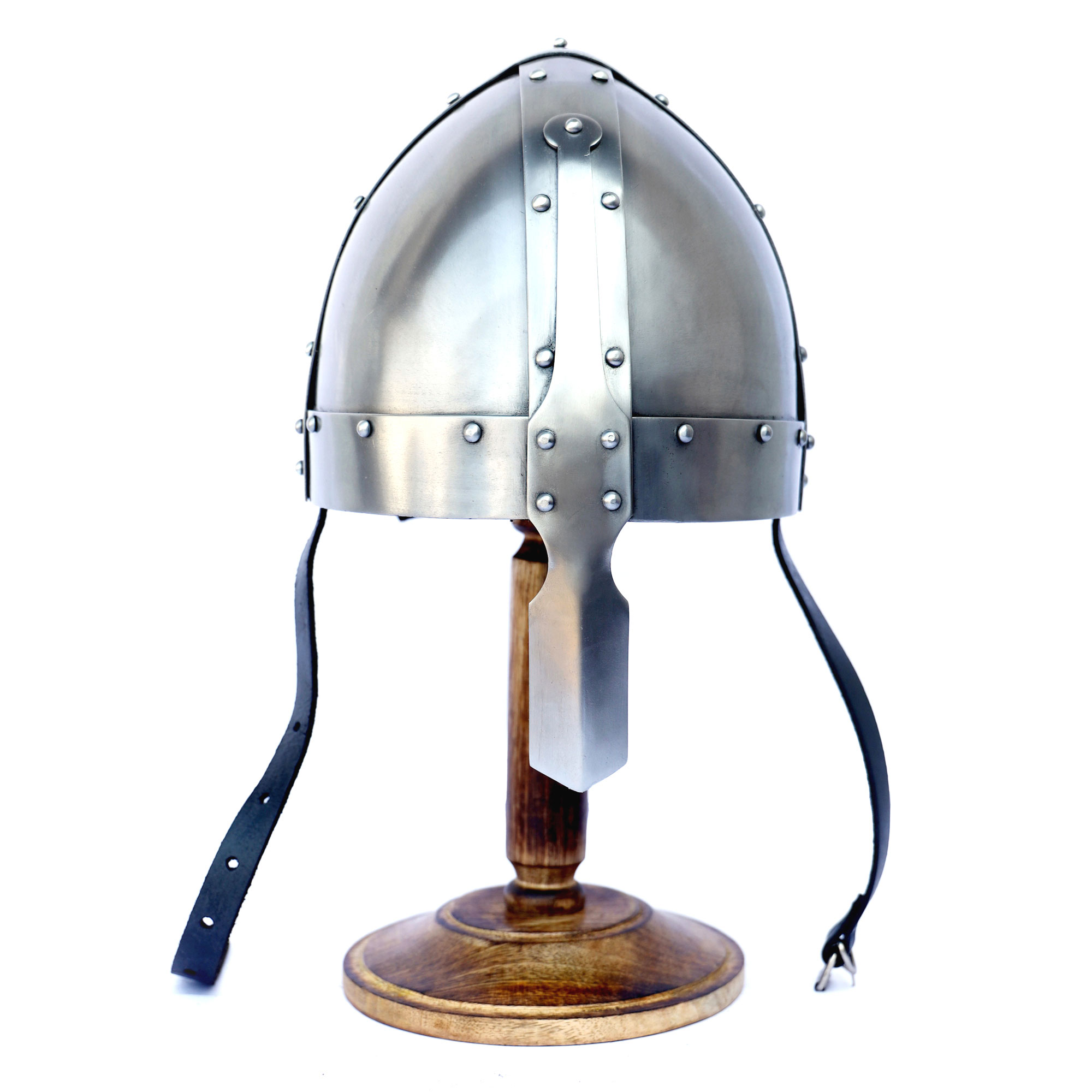
The helmet is what’s called a “spangenhelm” and looks like this (with lots of variations)—

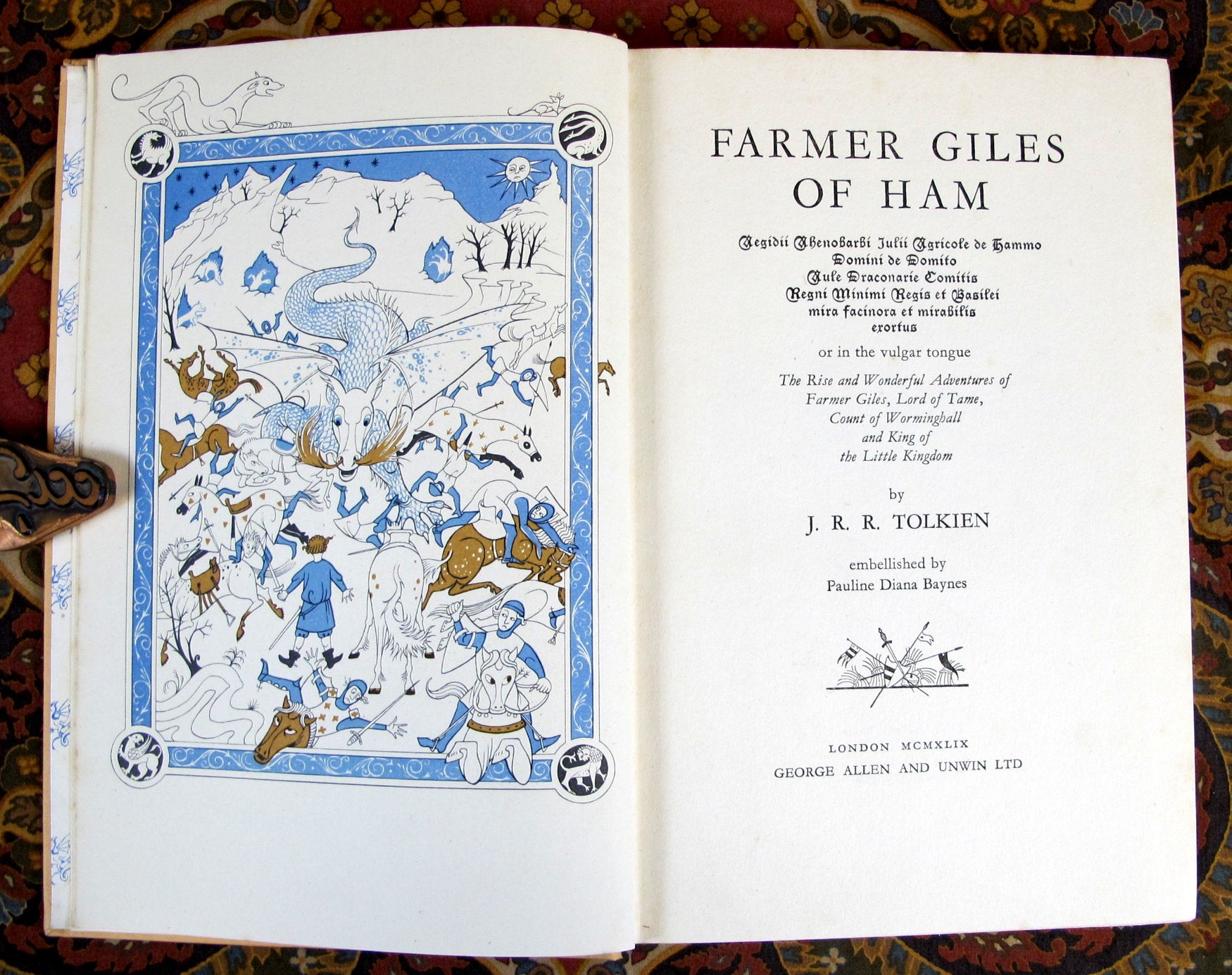
Tolkien had employed (and enjoyed) the work of Pauline Baynes (1922-2008), commenting, however, on her knights in the same letter:

“…Pauline Baynes drew her inspiration for F[armer] Giles [of Ham] largely from medieval MS. drawings—except for the knights (who are a bit ‘King-Arthurish’)…”

with this footnote:  “Sc. belong to our ‘mythological’ Middle-Ages which blends [sic] unhistorically styles and details over 500 years, and most of which did not of course exist in the Dark Ages of c.500 A.D.” 

Here’s one of Baynes’ illustrations—

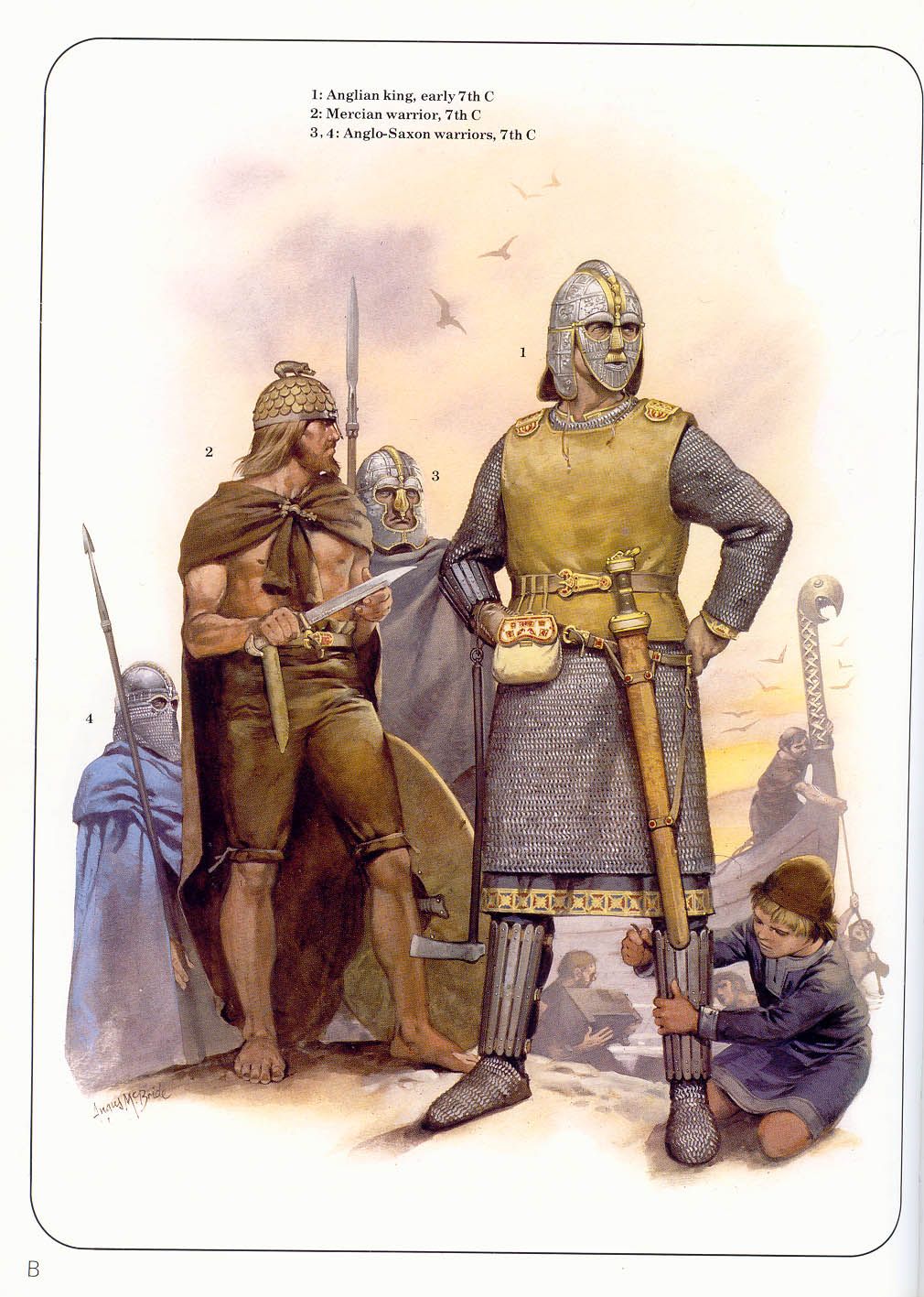
Tolkien is dating King Arthur to early Dark Ages Britain, where warriors might have looked like this—

(Angus McBride)

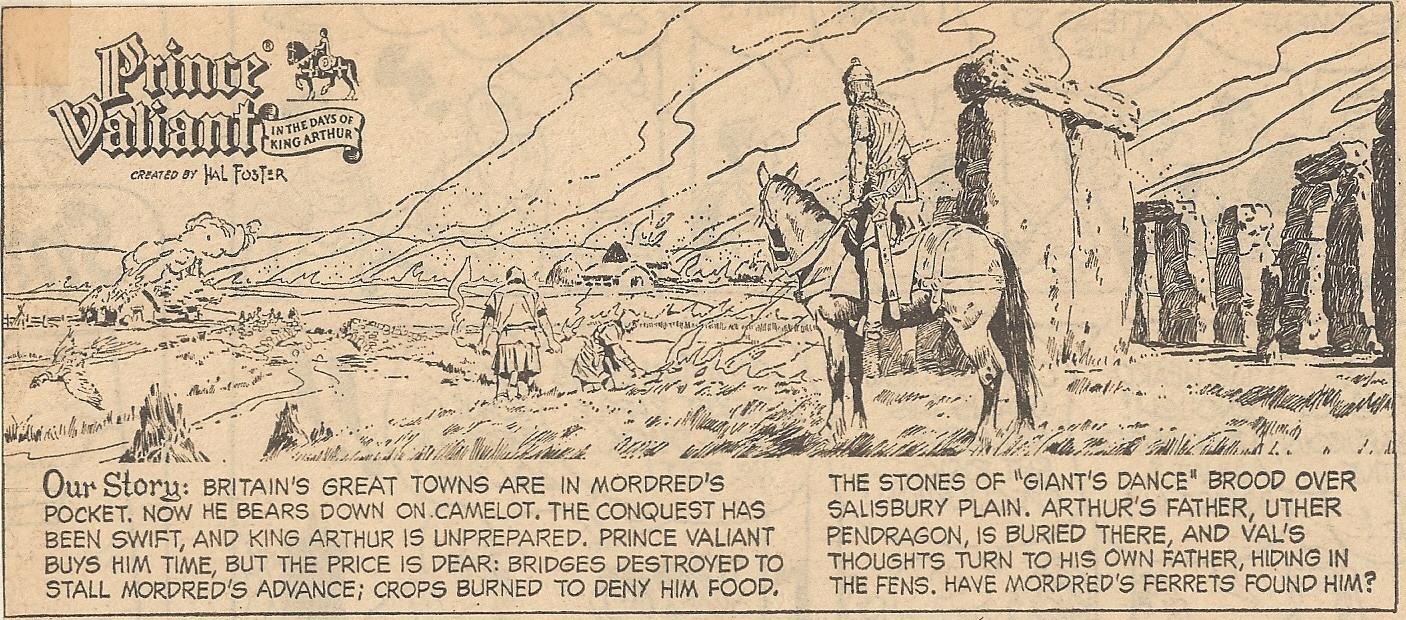
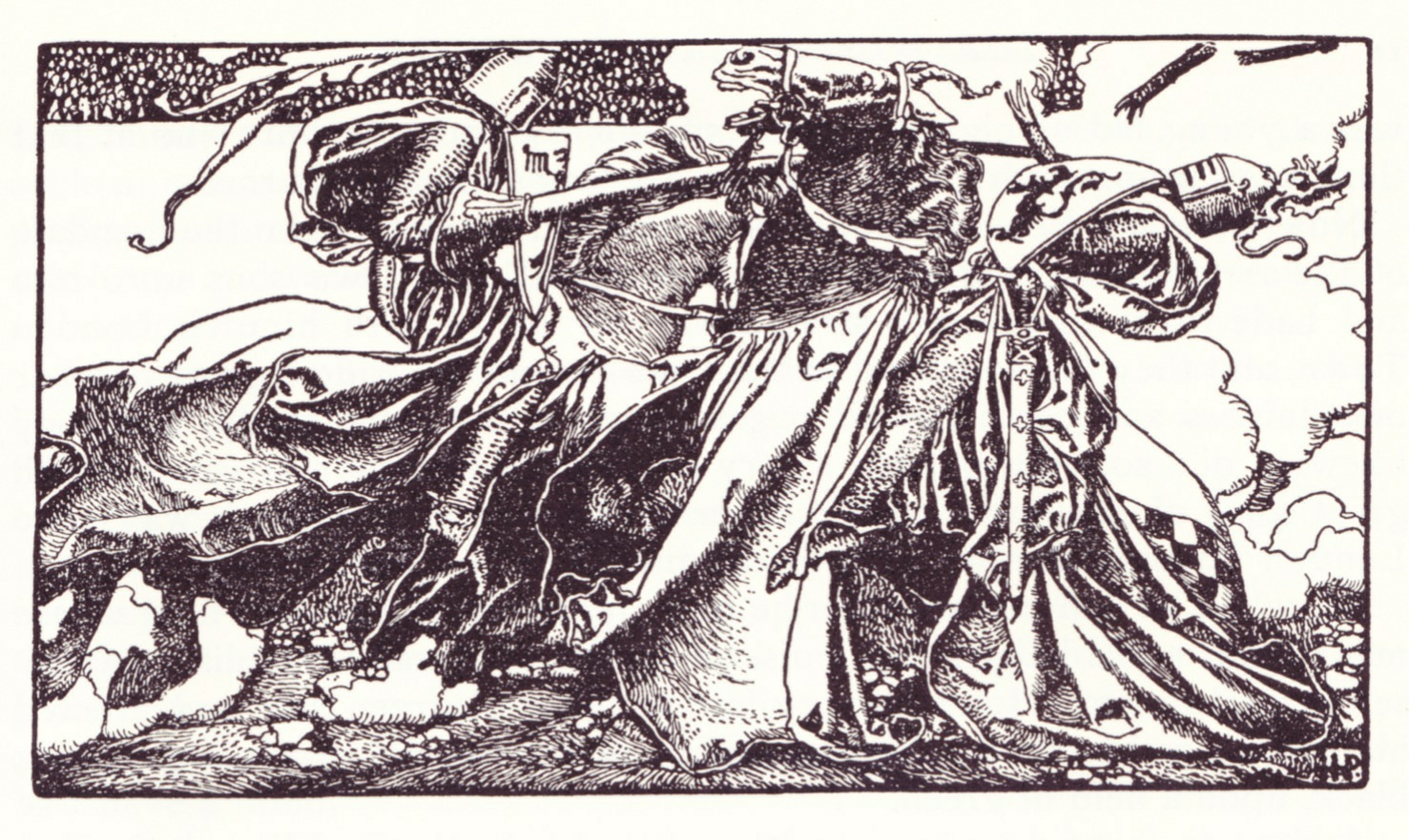
“mythological” is an important word here, as Tolkien seems to be implying a fantasy world, where details from various periods can be–and are–used at random—and I wonder if he’s thinking here of something like Hal Foster’s long-running comic strip, “Prince Valiant”, which is set in the age of Arthur, but employs elements from all sorts of historical periods—

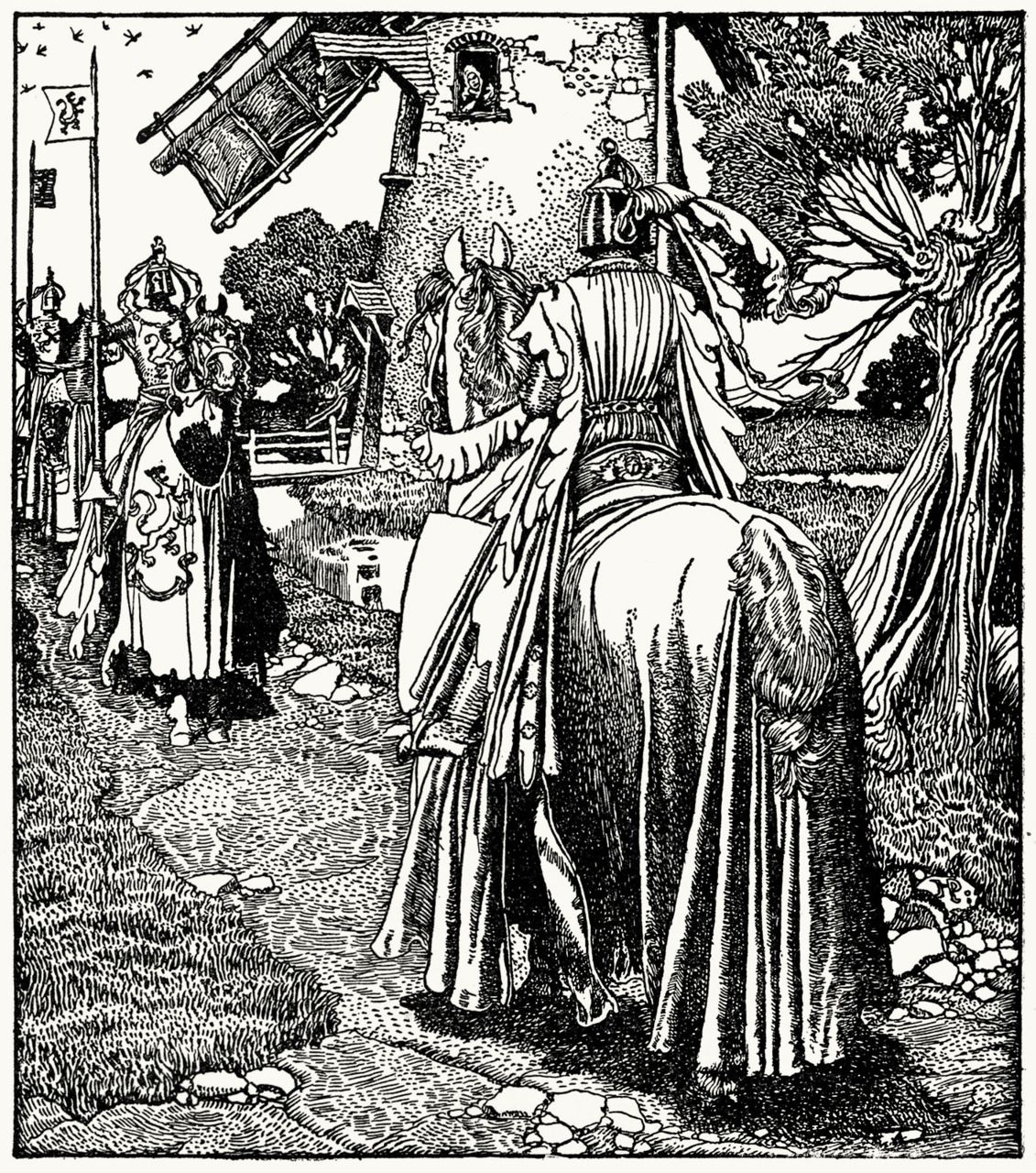
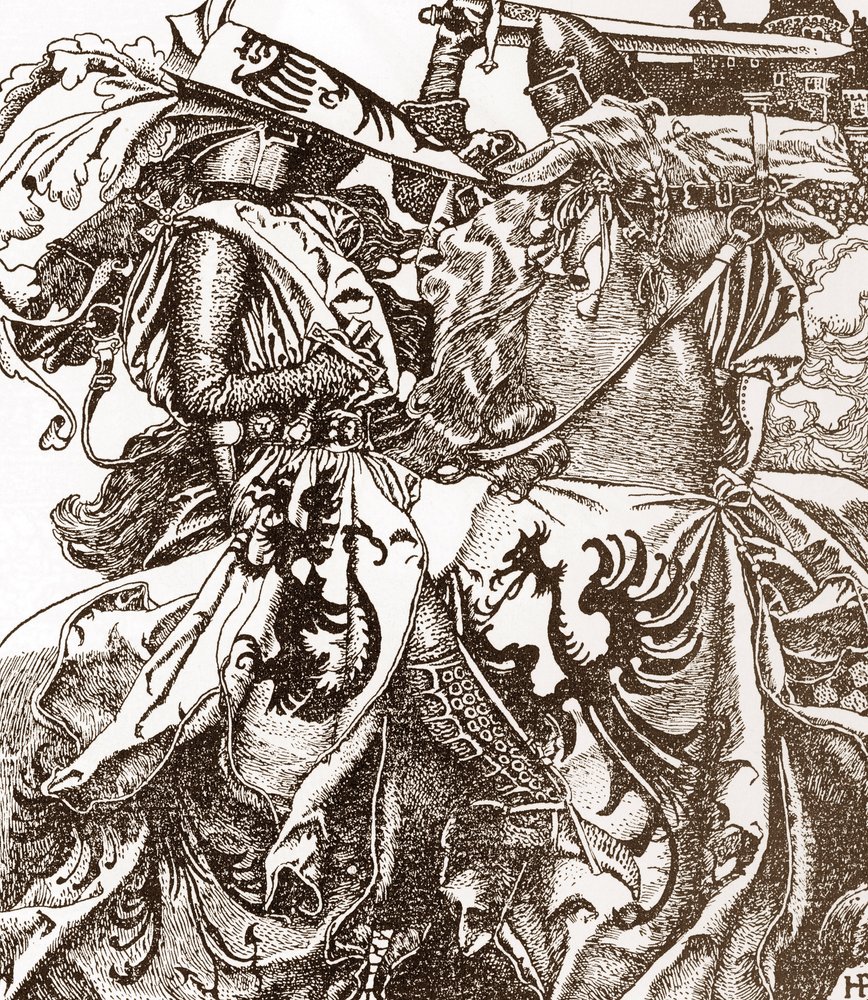
as does Howard Pyle, in his illustrations for The Story of King Arthur and His Knights (1903)—

of which you can have your own copy here:  https://dn720408.ca.archive.org/0/items/storyofkingarthu22pyle/storyofkingarthu22pyle.pdf

the irony being, of course, that Tolkien, himself, both in Farmer Giles and in The Lord of the Rings, is telling his own “mythological” stories.

There are scattered references to armored figures in the text, but, as far as I can tell, mostly just that, and not very detailed.  For the defenders of Gondor, instance, we are briefly shown Forlong of Lossnarch, as he leads his men into Minas Tirith—

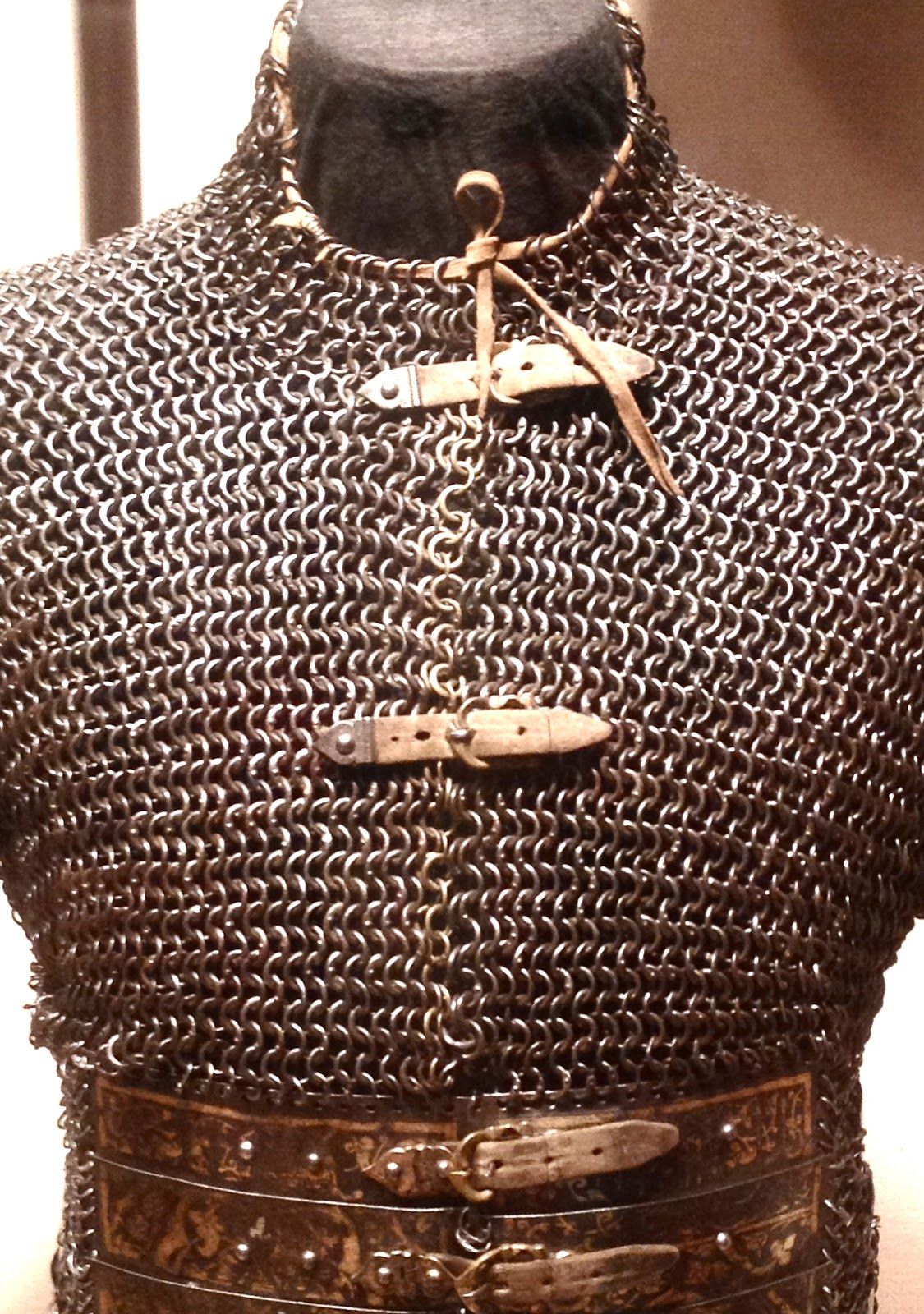
“…a man of wide shoulders and huge girth, but old and grey-bearded, yet mail-clad and black-helmed…”

Mail-clad would mean wearing chain-mail, like this (and like the Normans depicted as wearing “tennis-nets”)—

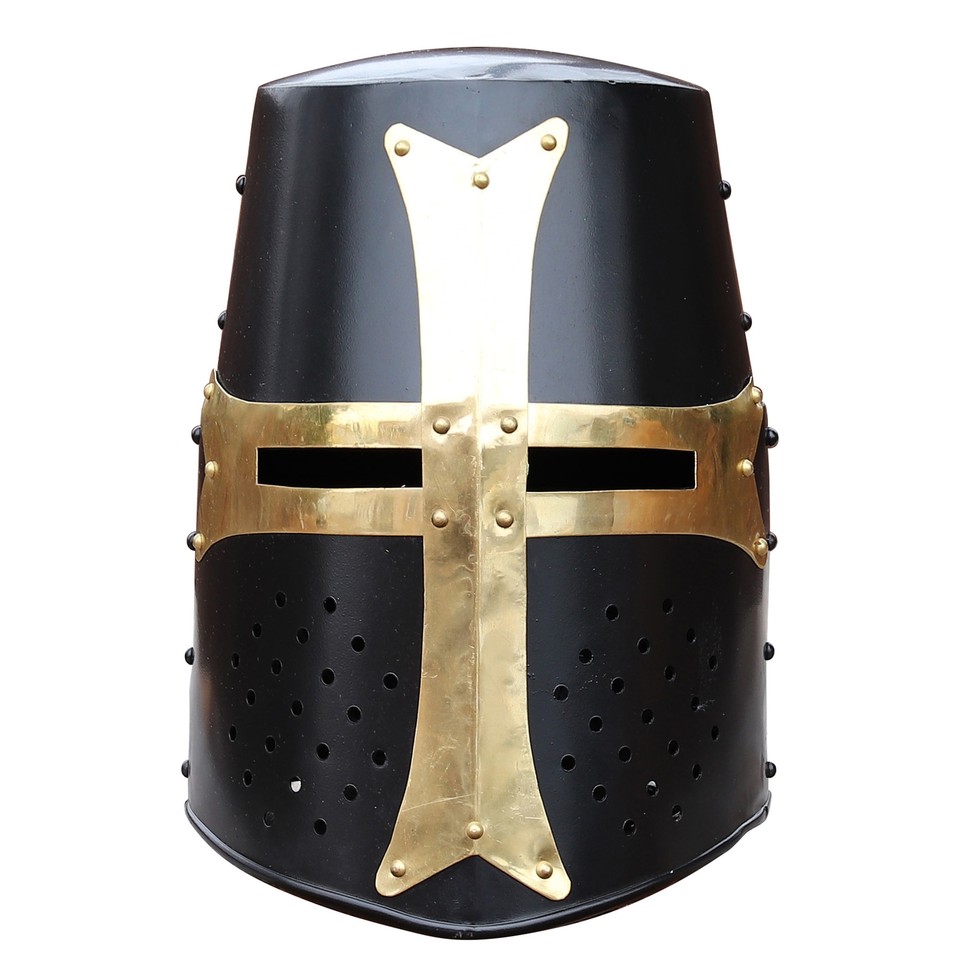
but “black-helmed” is vague—are we looking at the earlier spangenhelm, or a later closed helm of some sort?

There’s no mention of heraldry on shields or banners, and Forlong is recognized, so perhaps this means an open helm of some sort?

Imrahil of Dol Amroth appears to be a figure like those in Howard Pyle’s illustrations—

“…with gilded banners bearing his token of the Ship and the Silver Swan, and a company of knights in full harness…” (The Return of the King, Book Five, Chapter 1, “Minas Tirith”)

So JRRT probably meant something like this, as “full harness” usually means full armor–

or this—

There are, as well, the Guards of the citadel of Gondor, described in more detail than usual:

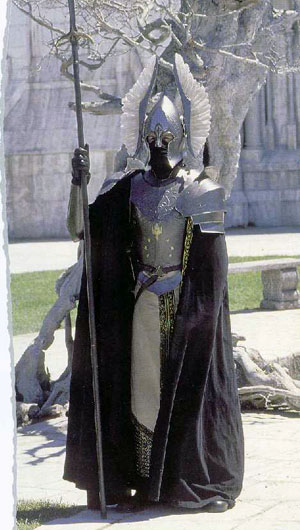
“…robed in black, and their helms were of strange shape, high-crowned, with long cheek-guards close-fitting to the face, and above the cheek-guards were set the white wings of sea-birds, but the helms gleamed with a flame of silver, for they were indeed wrought of mithril, heirlooms of the glory of old days.  Upon the black surcoats were embroidered in white a tree blossoming like snow beneath a silver crown and many-pointed stars.”  (The Return of the King, Book Five, Chapter 1, “Minas Tirith”)

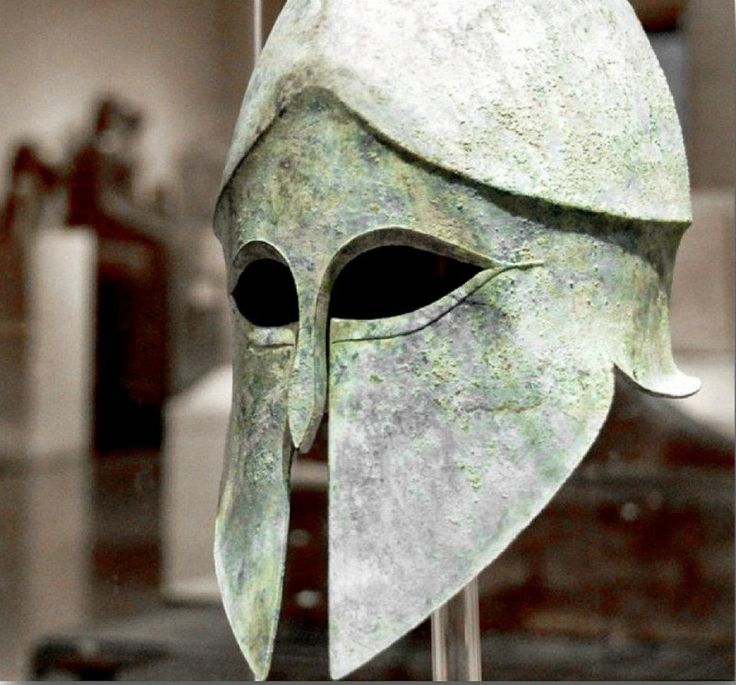
That description of helmets does seem strange, in a way sounding like a Greek Corinthian helmet—

but the addition of the white wings takes things in a different direction and here I think that Jackson’s designers came close to what Tolkien had described–

So much for the protagonists of The Lord of the Rings, but what about the antagonists?  We’ll look at what they’re wearing in part 2 of this posting.

Thanks, as always, for reading.

Stay well,

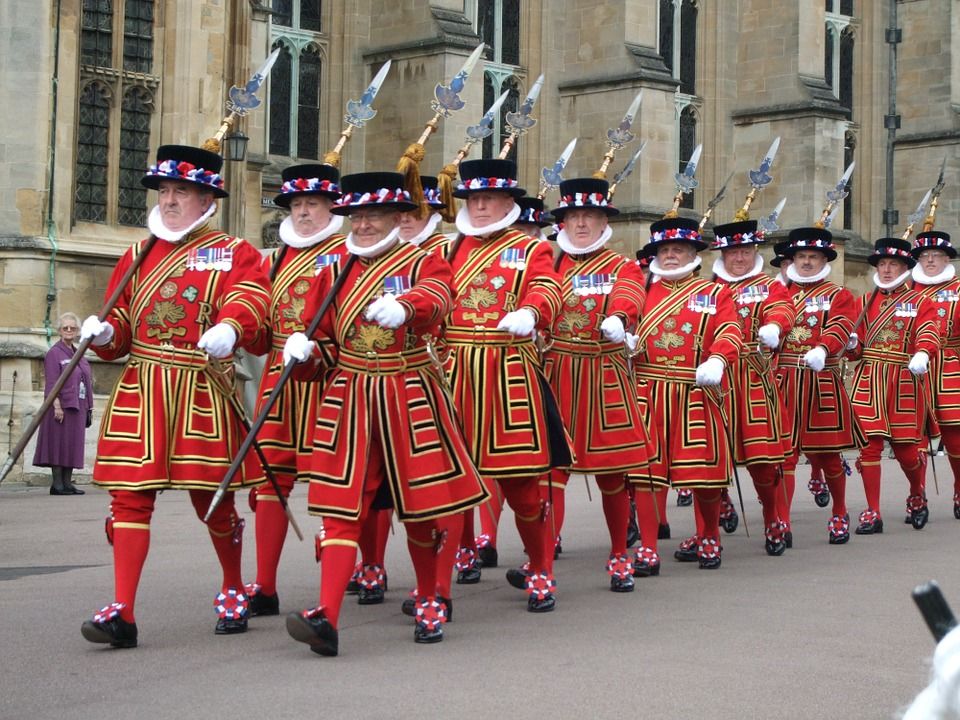
Be sure to be respectful of visiting ghosts—the watchmen in Hamlet actually try poking theirs with their partisans—

(Yeomen warders of the Tower of London armed with partisans)

And remember, that, as always, there’s

MTCIDC

O

Now You See Him, Now…

14 Wednesday Oct 2026

Posted by Ollamh in Uncategorized

≈ Leave a comment

Tags

1984, crop-circles, Fantasy, George Orwell, m-night-shyamalan, Saruman, Sauron, signs, The Lord of the Rings, the-eye, Tolkien

Welcome, dear readers, as always.

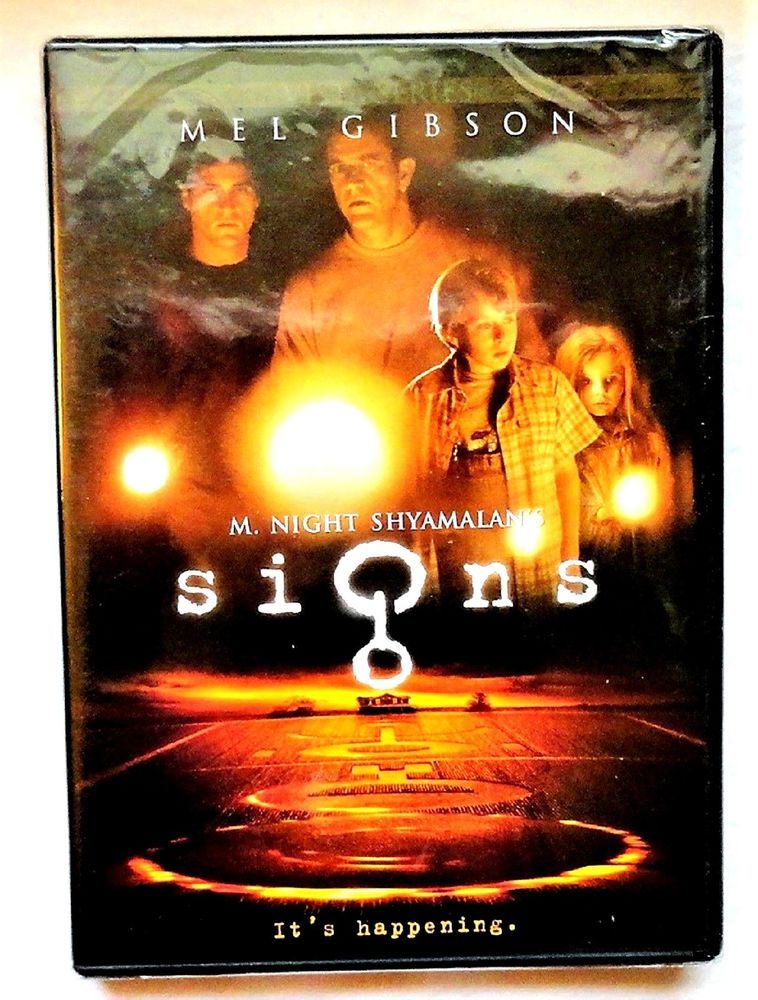
In M. Night’s Shyamalan’s 2002 film Signs,

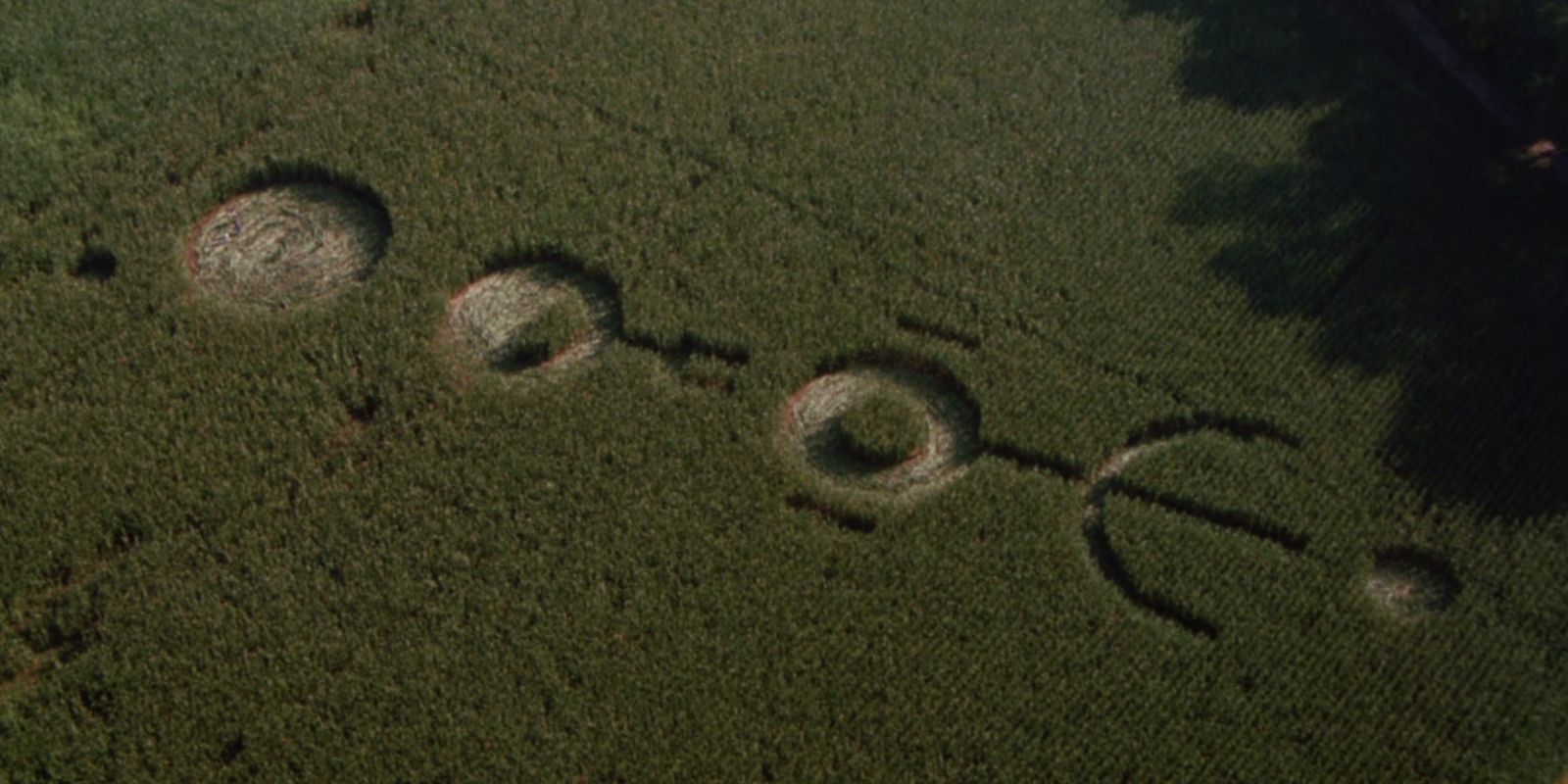
those signs, including crop circles—

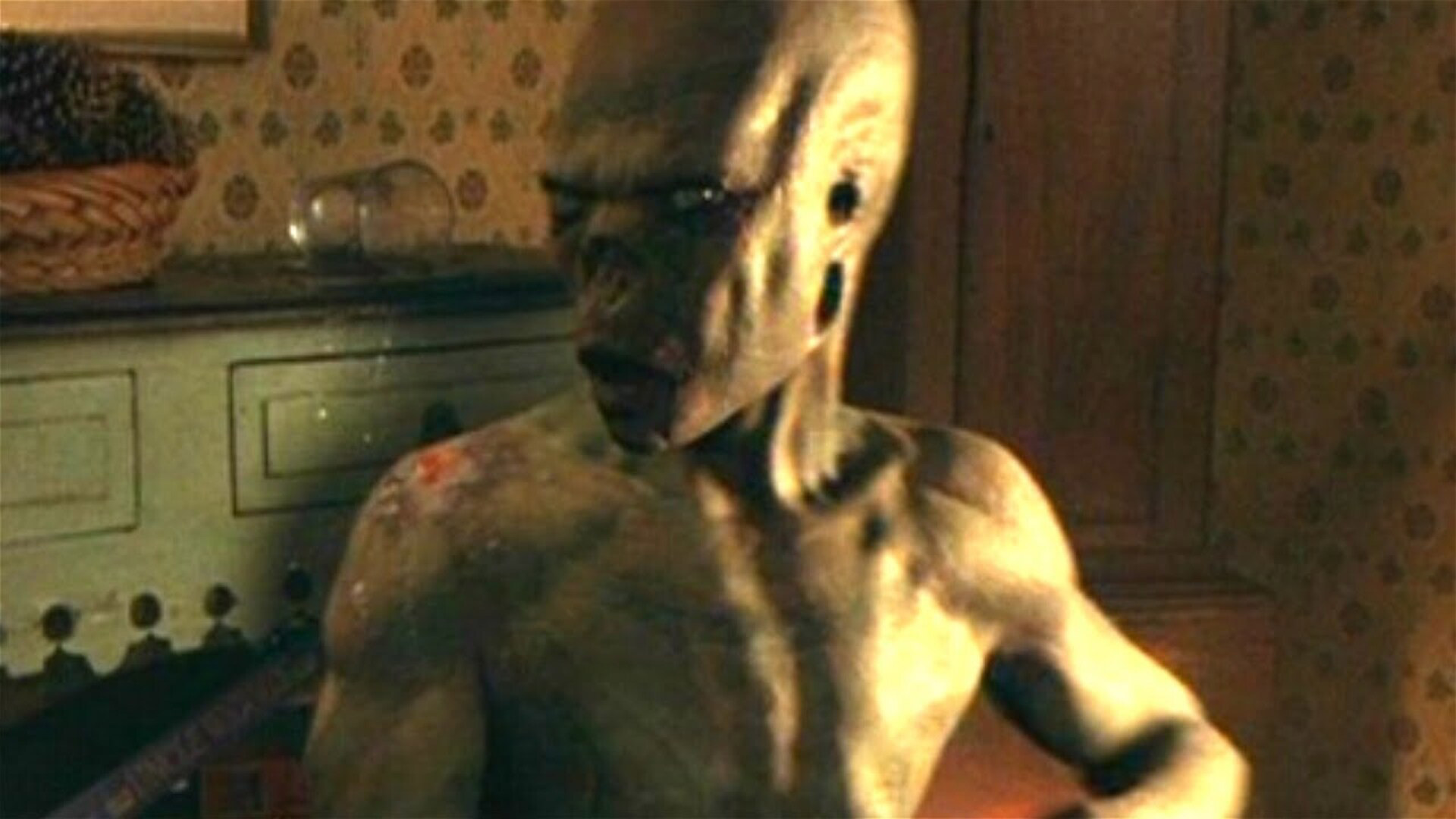
will come to mean that the earth is about to be invaded from outer space.  Initially, all of this is eerie—we know that something is going to happen—and it does, but, until that moment, everything is oblique, suggested—but then we finally see one of those alien invaders and, for me, the magic of those first feelings of dread disappear.

Considering how the plot then develops, it would have been impossible for the aliens to have remained as mysterious as they had originally been presented, but think, for a moment, about The Lord of the Rings and its antagonists, Saruman and Sauron.

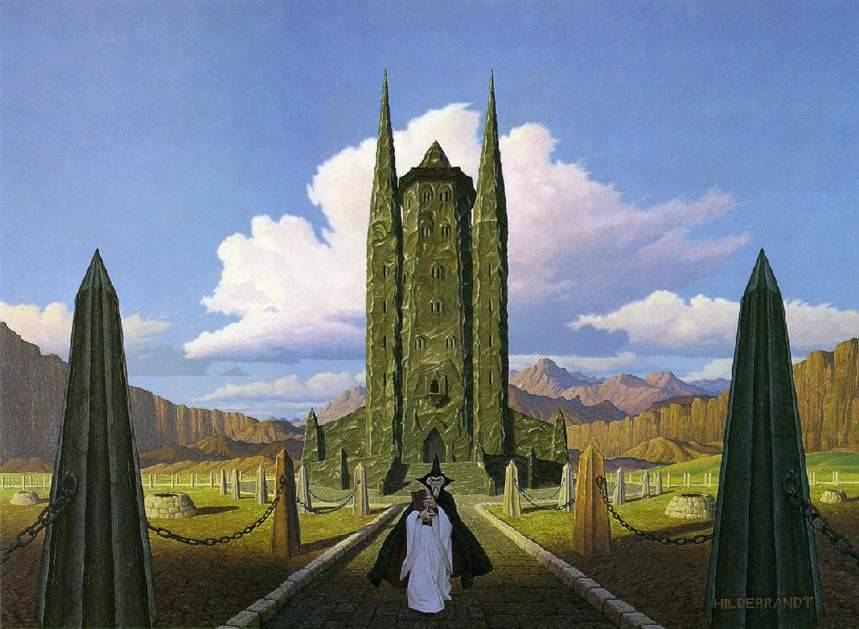
Saruman we see

(the Hildebrandts)

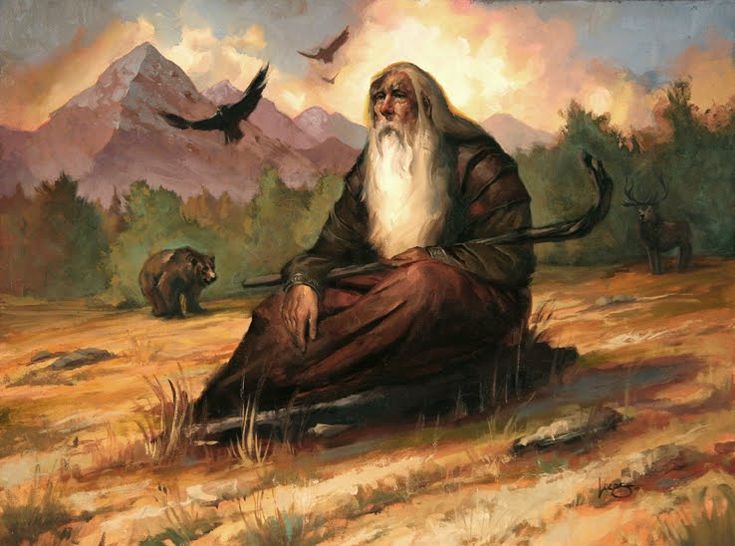
and we see a lot of him, first as the senior Maia, leader of a tiny band of five sent as a counter to Sauron—two of whom having disappeared (the so-called “Blue Wizards”) early from the history of Middle-earth, one, Radagast, seemingly self-marginalized, and only seen briefly before himself disappearing. 

(Lucas Graciano)

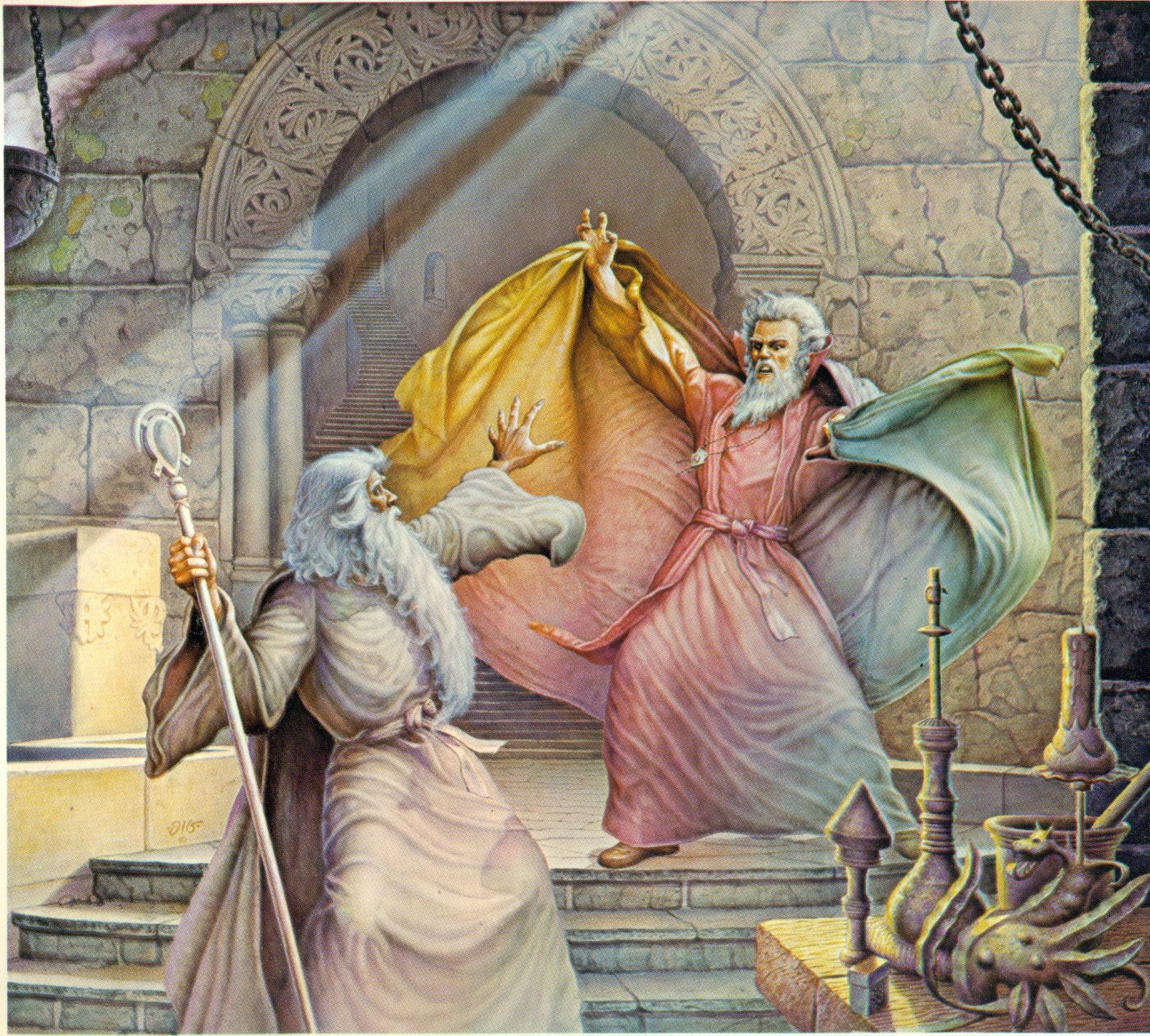
Then, Saruman appears as the attempted seducer of Gandalf,

(Harold Jigg)

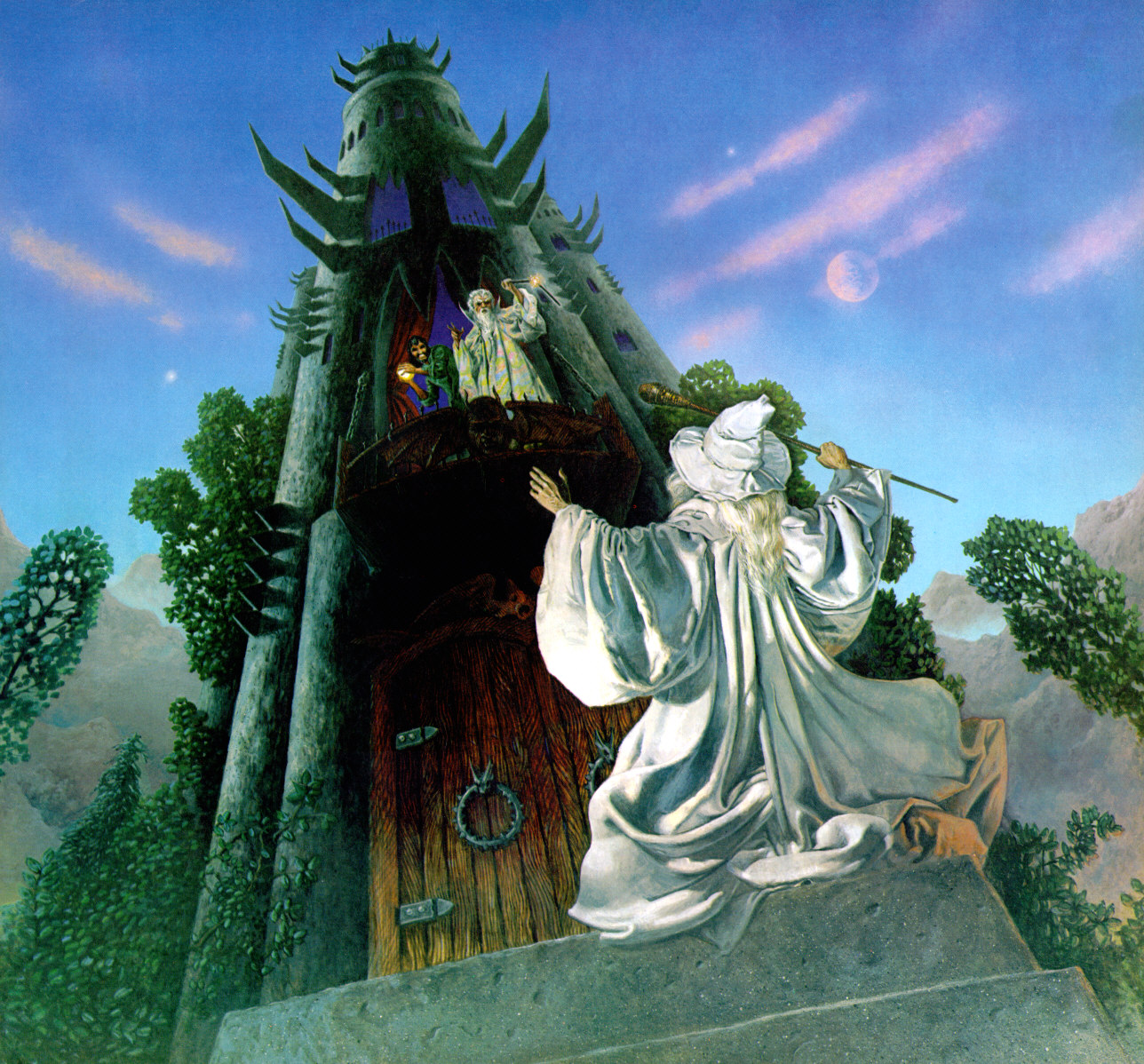
the would-be Sauron trapped in his tower,

(Carl Lundgren)

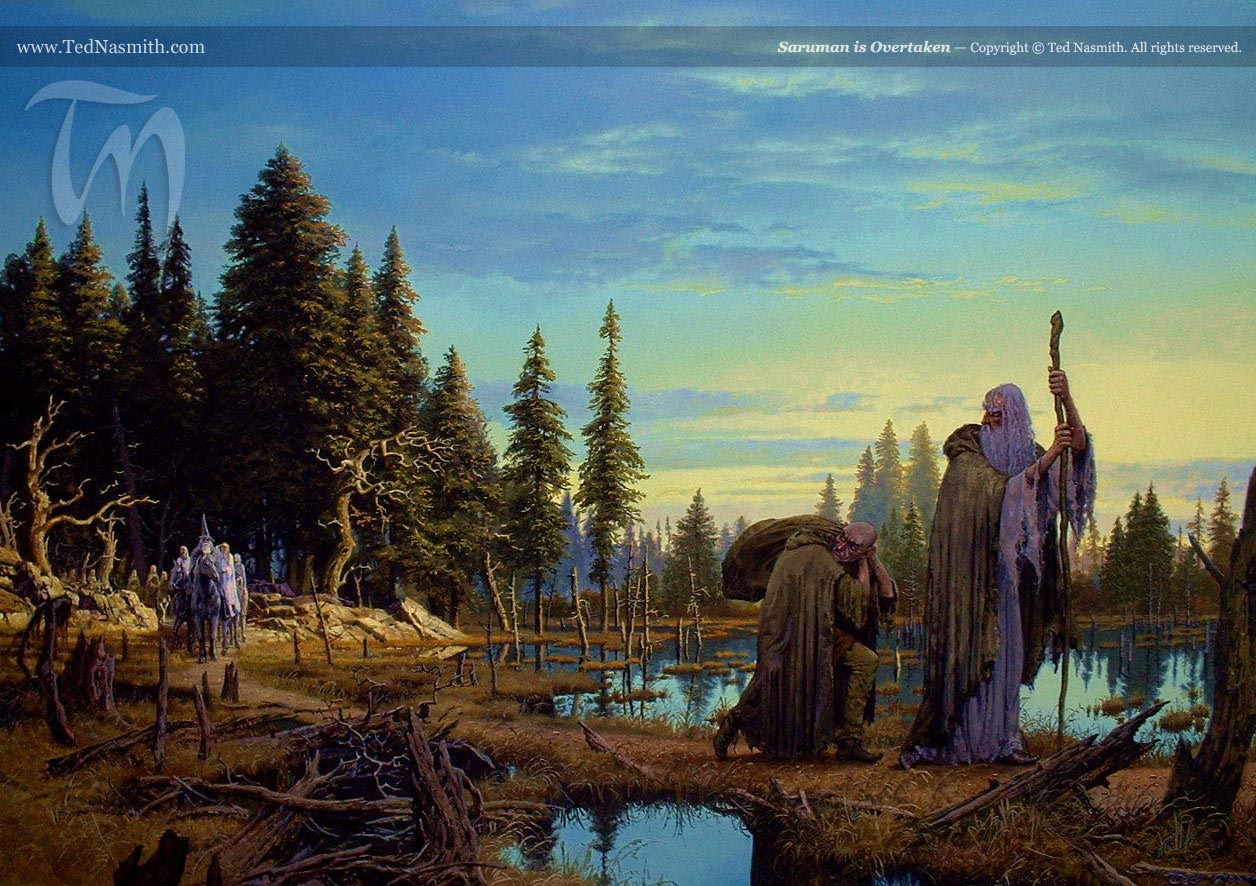
as the outcast, followed by his lackey, Grima,

(Ted Nasmith)

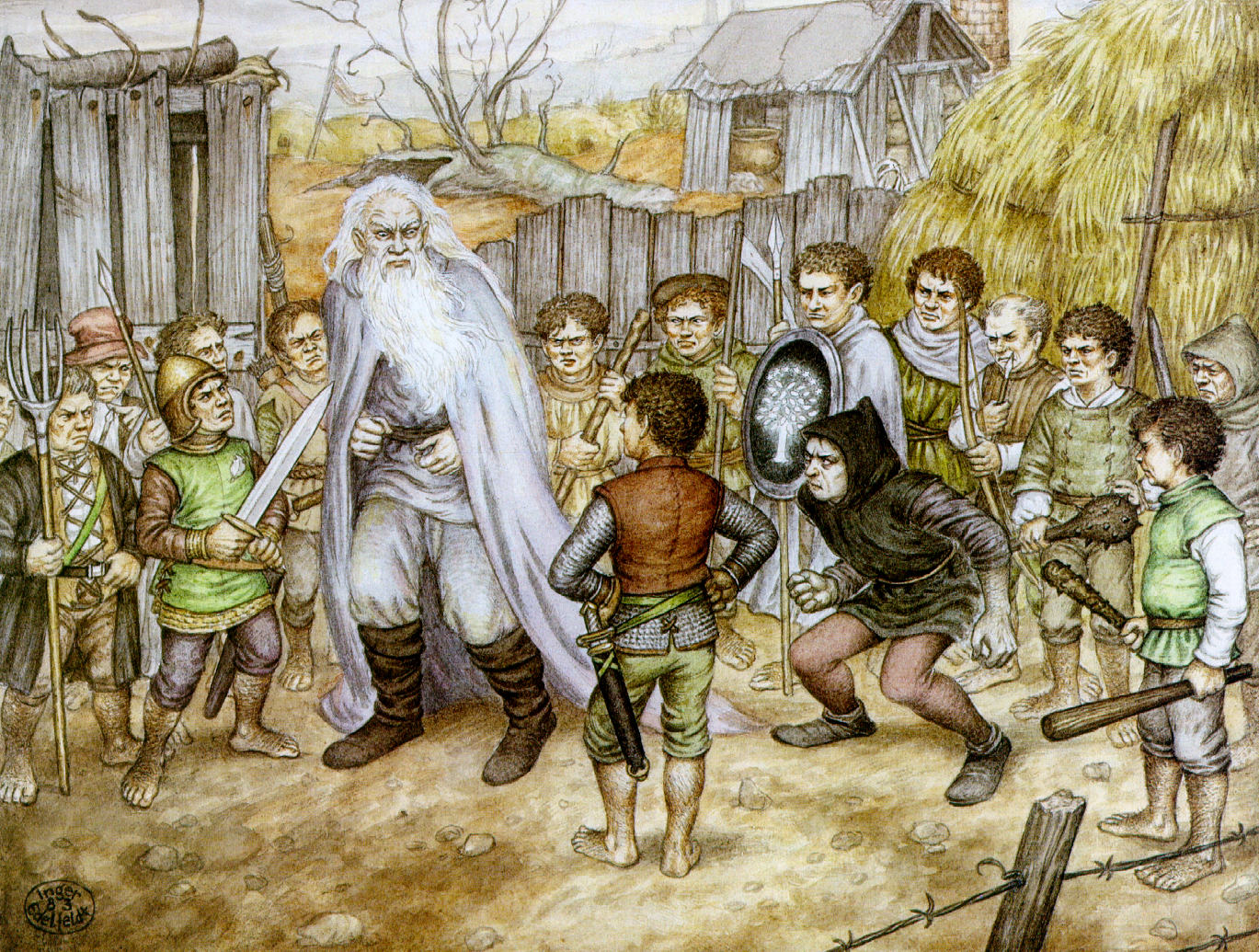
as “Sharkey”, intent upon the destruction of the Shire,

(Inger Edelfeldt)

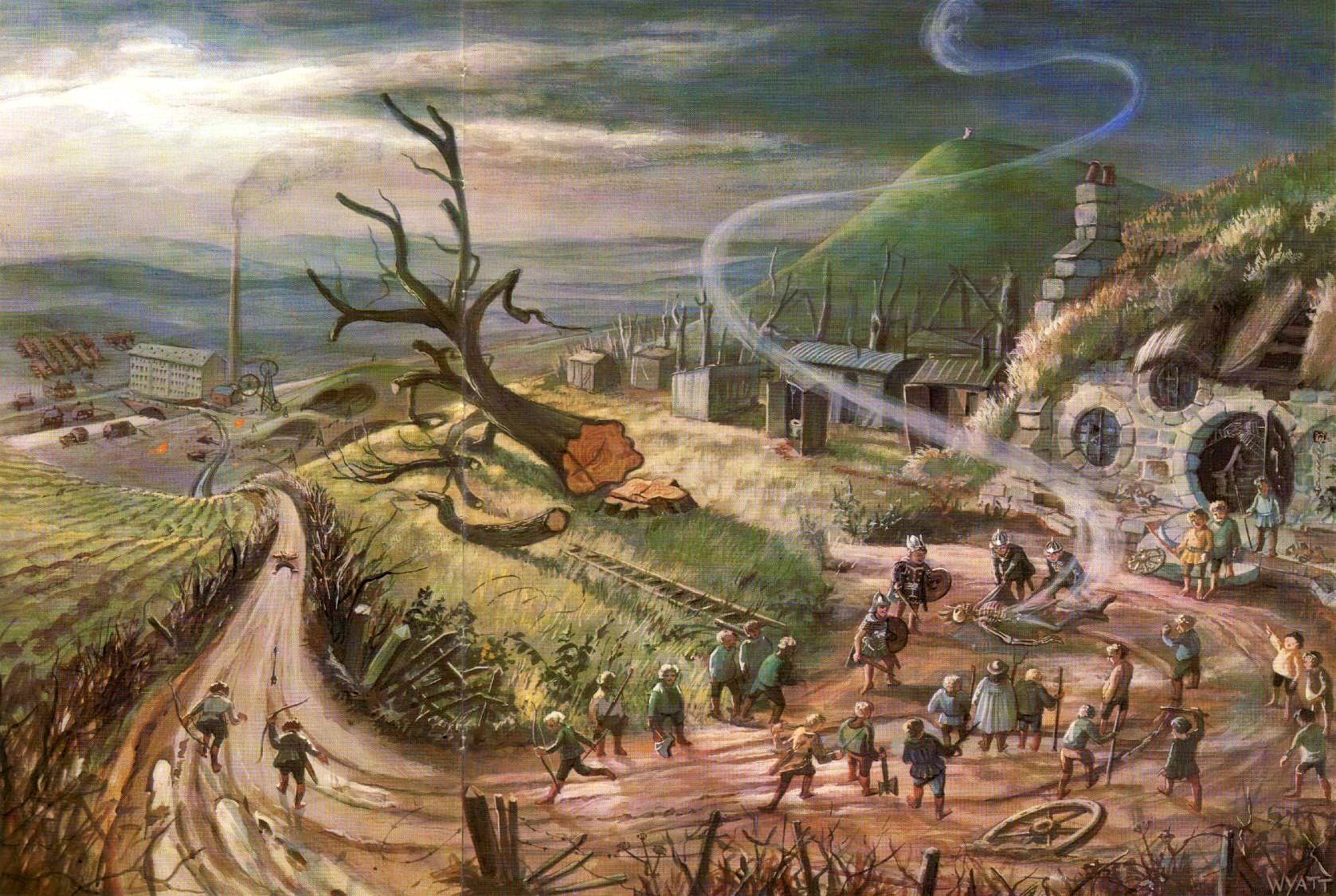
and finally as the victim of his lackey, with his final rejection by the power which sent him to Middle-earth.

(Joan Wyatt)

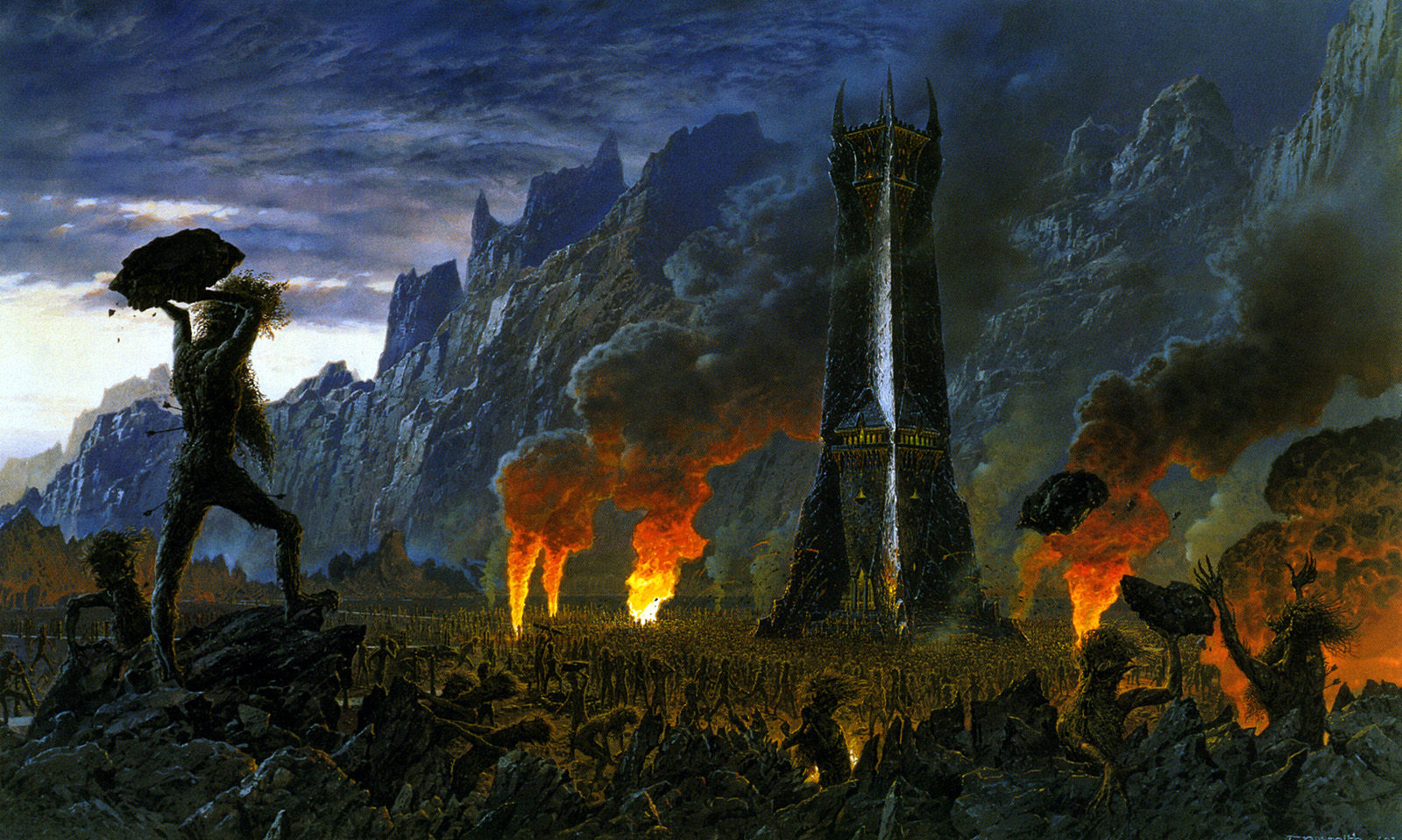
Because we see him again and again, first as a potential ally, but then as a boastful but timid rival to Sauron, then as someone trapped by the Ents in his tower,

(Ted Nasmith)

there is no mystery to him, and, as he sinks lower and lower, to his miserable end, he loses whatever menace he might ever have had. 

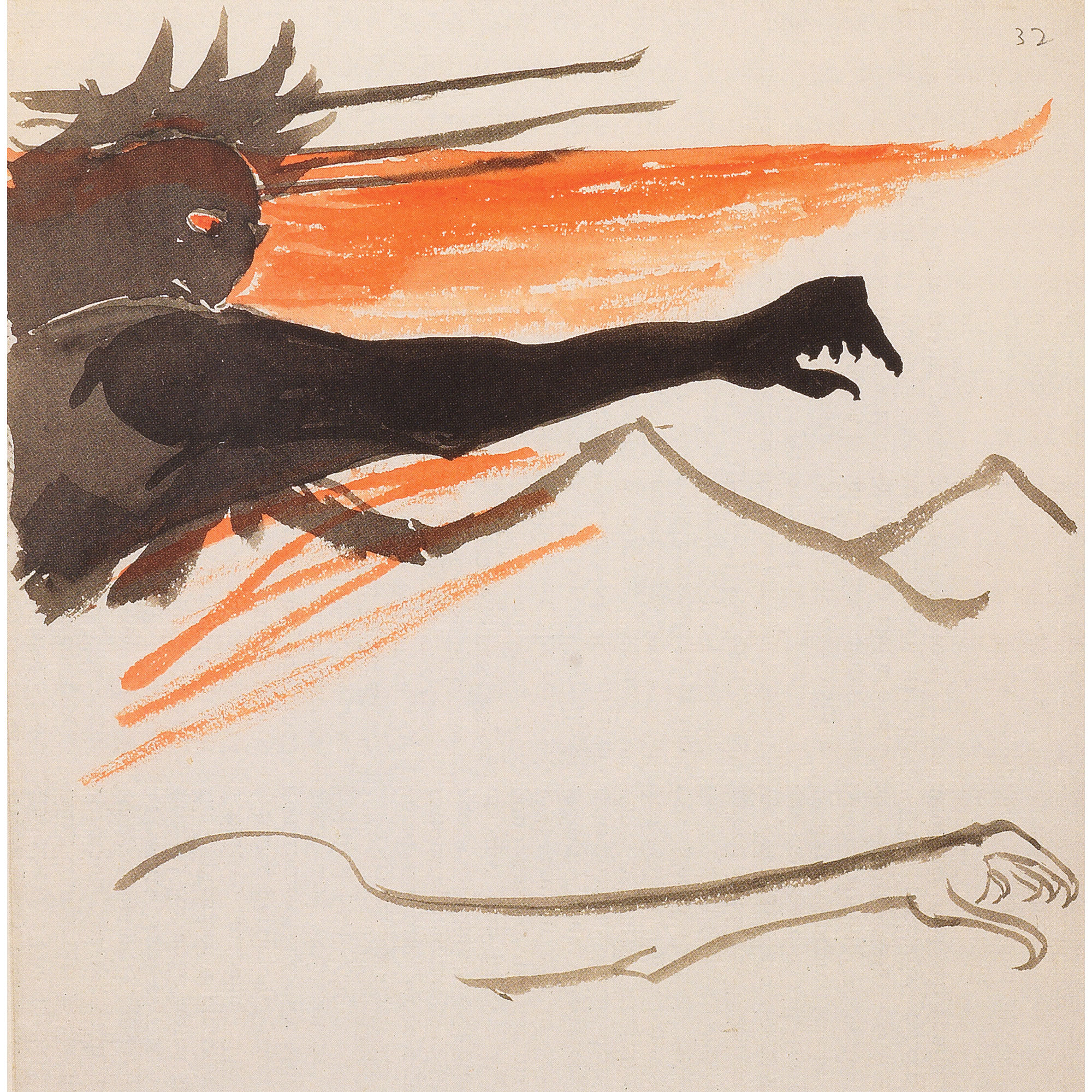
Sauron, on the other hand, remains only a dark presence, at the edge of the story, and it’s interesting that Tolkien’s one image of him is this—

(JRRT)

in itself, shadowy—and, when we do actually see him, it’s only one element—

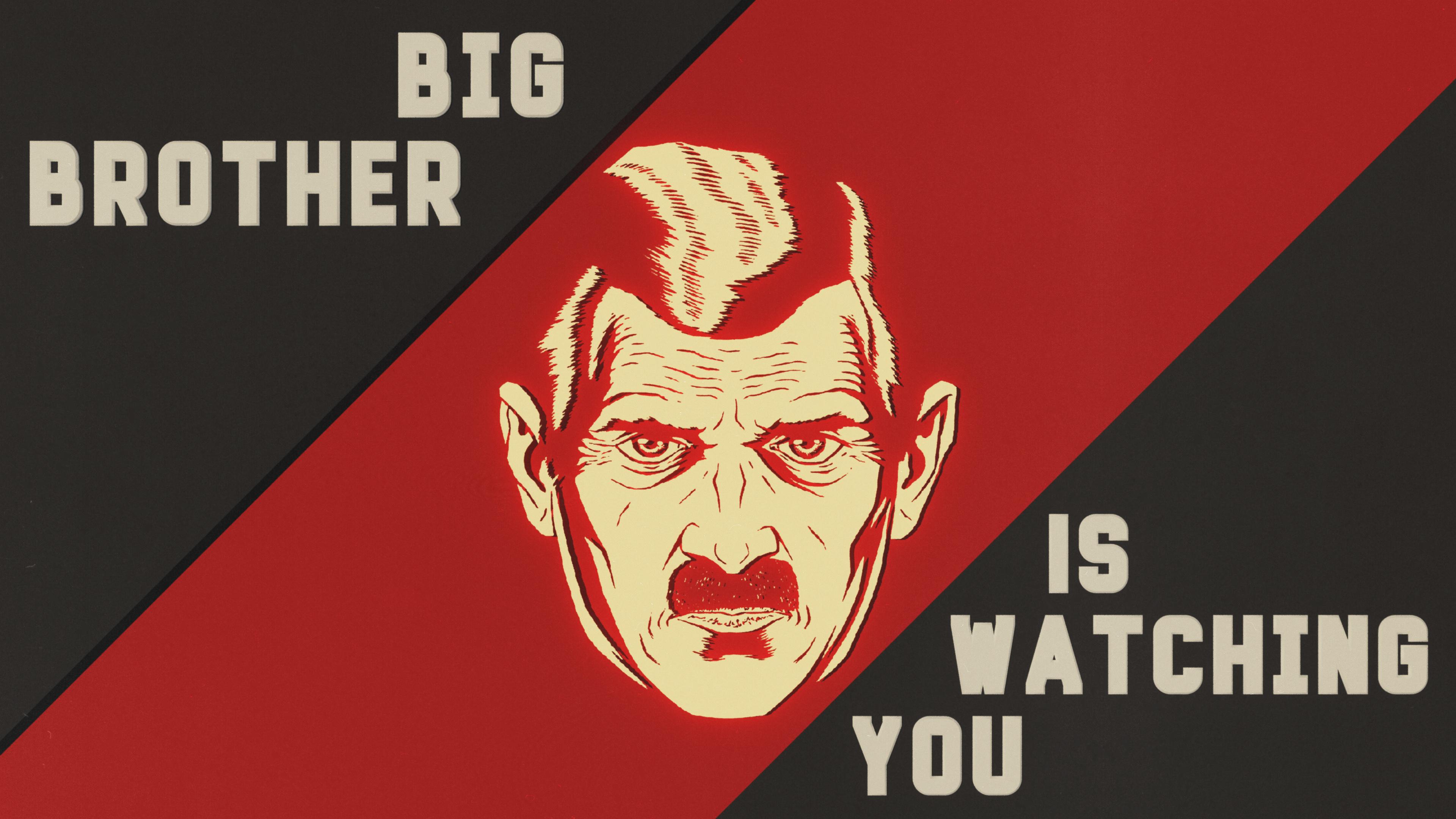
and this suggests to me a kind of intense watchfulness—like Big Brother, in Orwell’s 1984—

who is spoken of, but, like Sauron, never seen.  Even his end—although spectacular—

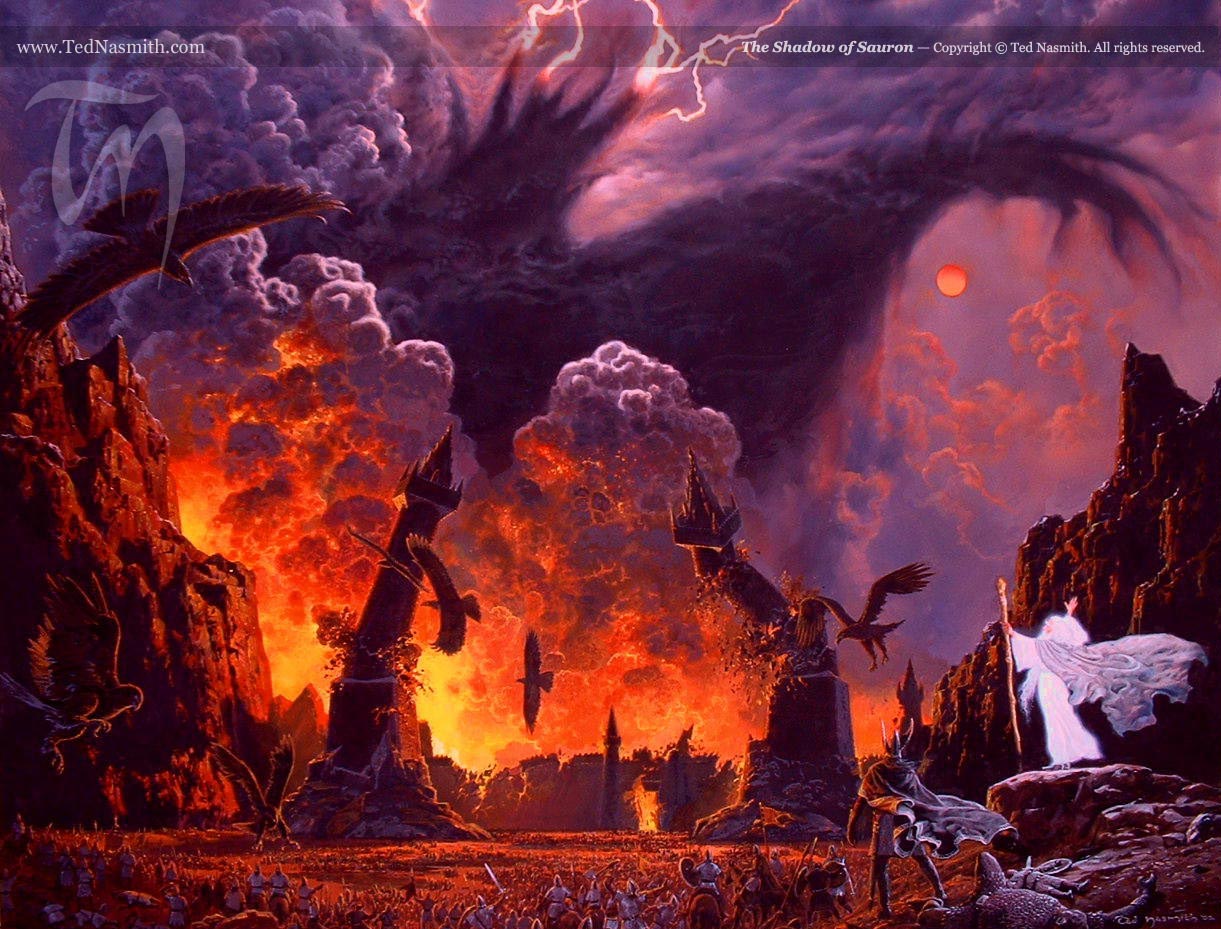
(Ted Nasmith)

gives us only a final image of—a hand, like JRRT’s depiction, leaving us with a picture of a powerful failure—but still powerful, although, like his non-appearance in The Lord of the Rings, more suggestive as menacing shadow than like Saruman’s all-too-visible presence–

“And as the Captains gazed south to the Land of Mordor, it seemed to them that, black against the pall of cloud, there rose a huge shape of shadow, impenetrable, lightning-crowned, filling all the sky.  Enormous it reared above the world, and stretched out towards them a vast, threatening hand, terrible, but impotent:  for even as it leaned over them, a great wind took it, and it was all blown away, and passed; and then a hush fell.”  (The Return of the King, Book Six, Chapter 4, “The Field of Cormallen”)

I’m not disappointed that we see so much of Saruman—he’s a lesser character, a pale copy of his eventual greater master, and his end is, in its way, a sad one, someone sent to do good in Middle-earth, but whose arrogance corrupts him.  As with Signs, however, much of Sauron’s power lies in the fact that he is unseen, but often spoken of, and usually in hushed tones, but, unlike Signs, he is kept in the shadows and that shadow enhances that feeling of brooding threat almost till the end.

Thanks for reading, as always.

Stay well,

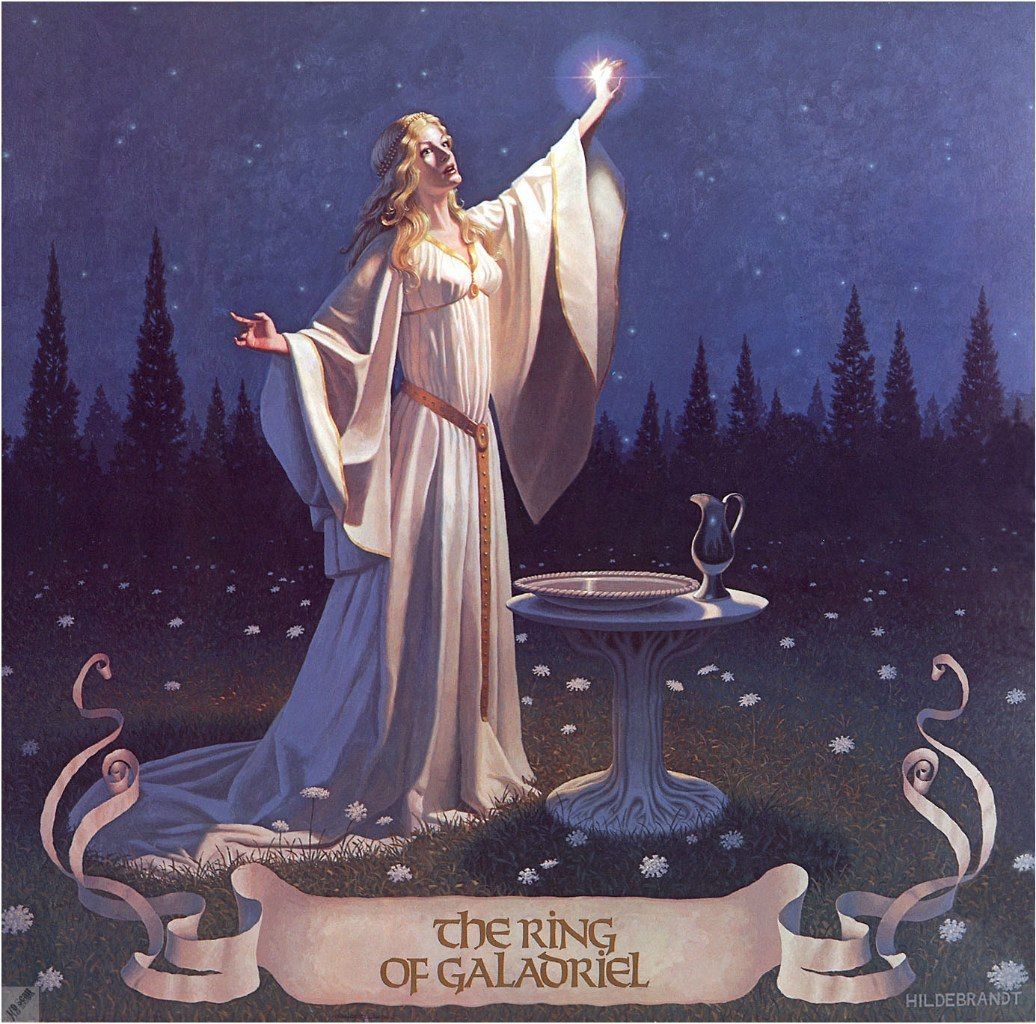
If tempted to put on the Ring, think of Galadriel and starlight, lest you be seen by the Eye,

(the Hildebrandts)

And remember that, as always, there’s

MTCIDC

O

Stand and Deliver, or, Pick a Pocket or Two

07 Wednesday Oct 2026

Posted by Ollamh in Uncategorized

≈ Leave a comment

Tags

18th-century-london, book-review, books, Charles Dickens, fagin, highwayman, leon-garfield, newgate, oliver, oliver-twist, phlip-pullman, pickpocket, smith

As always, dear readers, welcome.

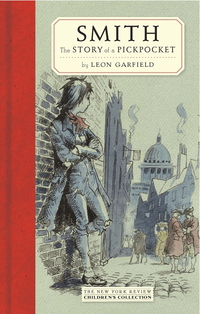
I’ve just finished rereading Leon Garfield’s (1921-1996) YA novel Smith:  The Story of a Pickpocket (1967).

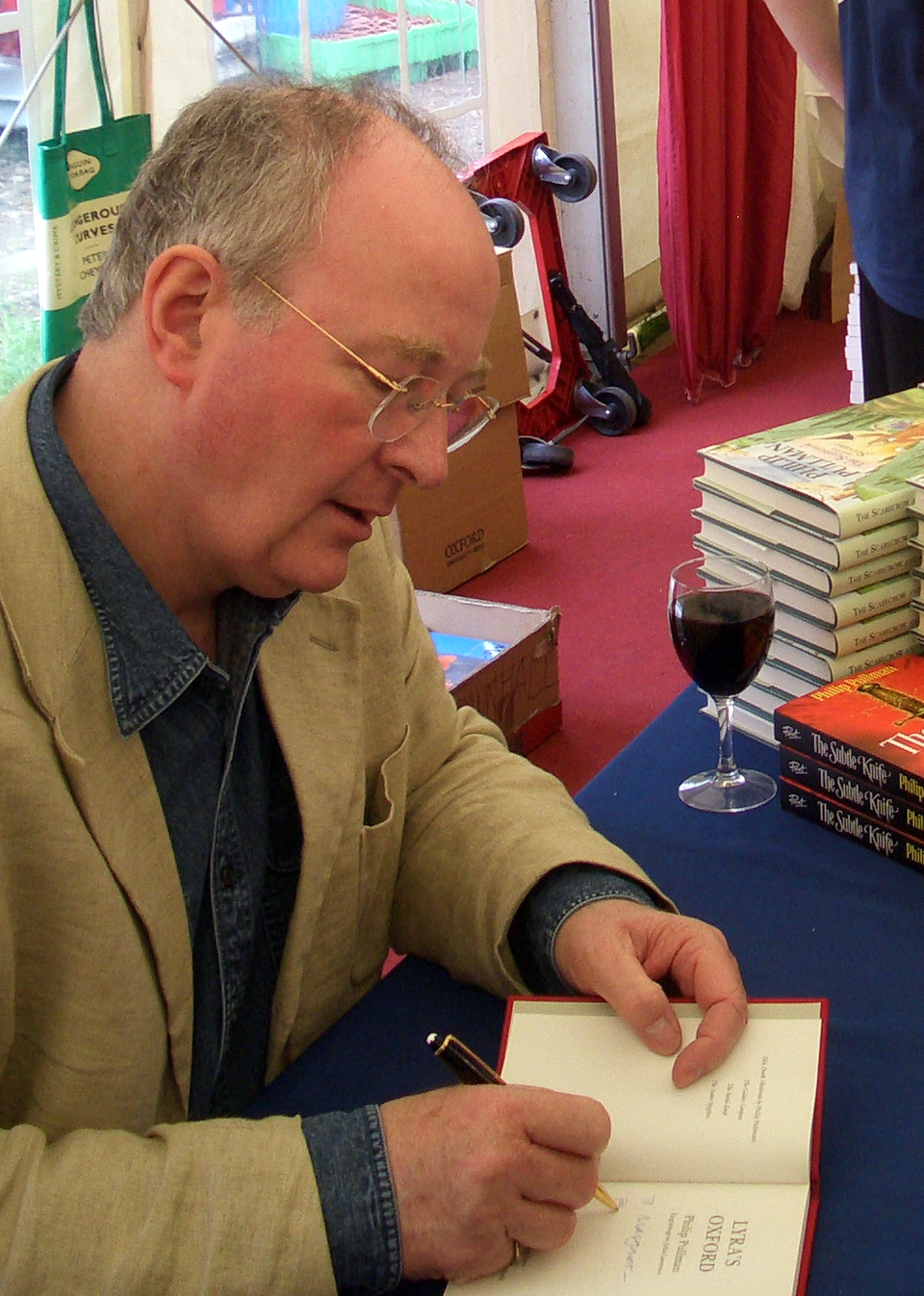
I had discovered Garfield through an essay by Philip Pullman (1946-),

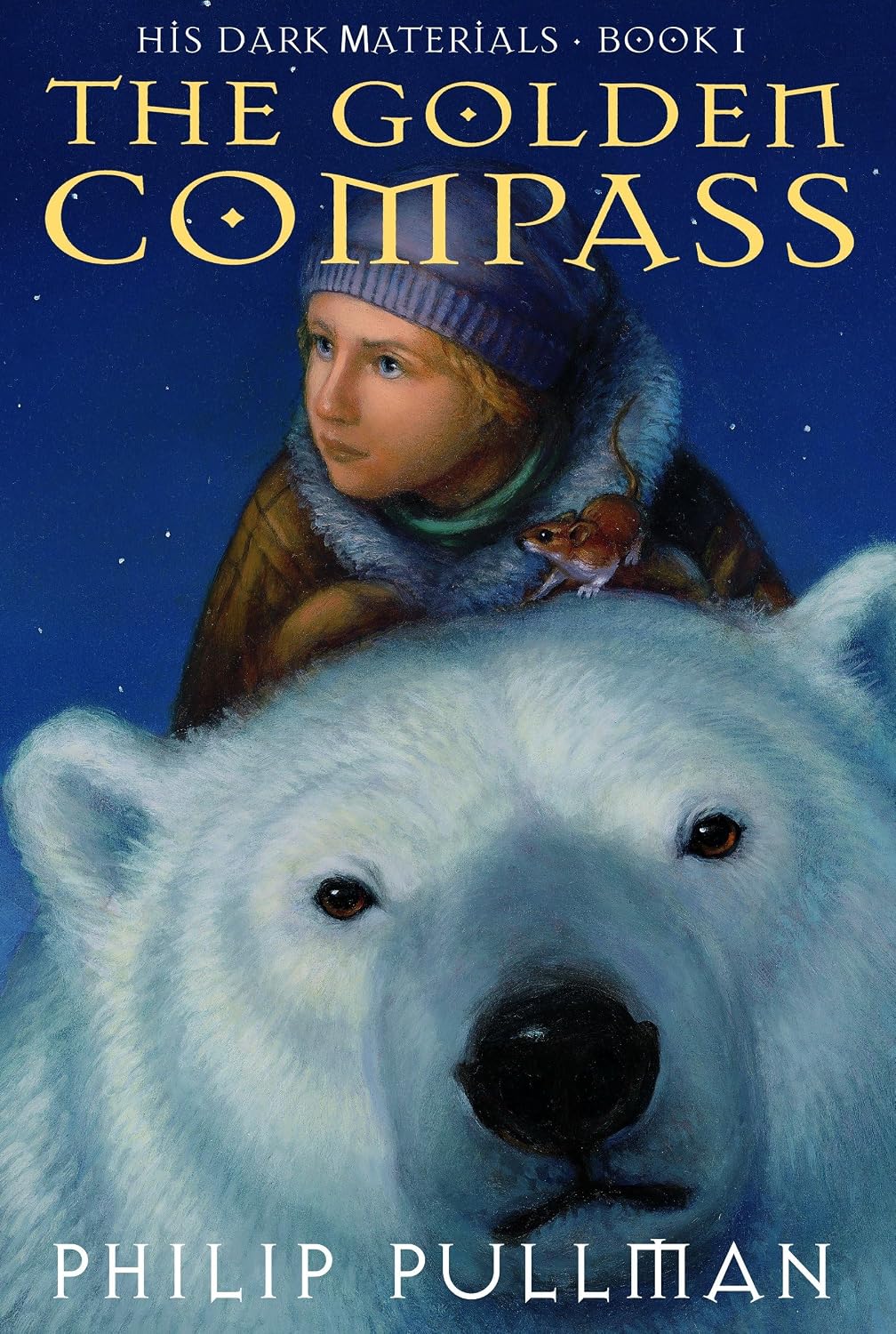
another YA author, whose work I’ve read and reread since I first discovered him in a book review of The Golden Compass (1995, called Northern Lights in the UK),

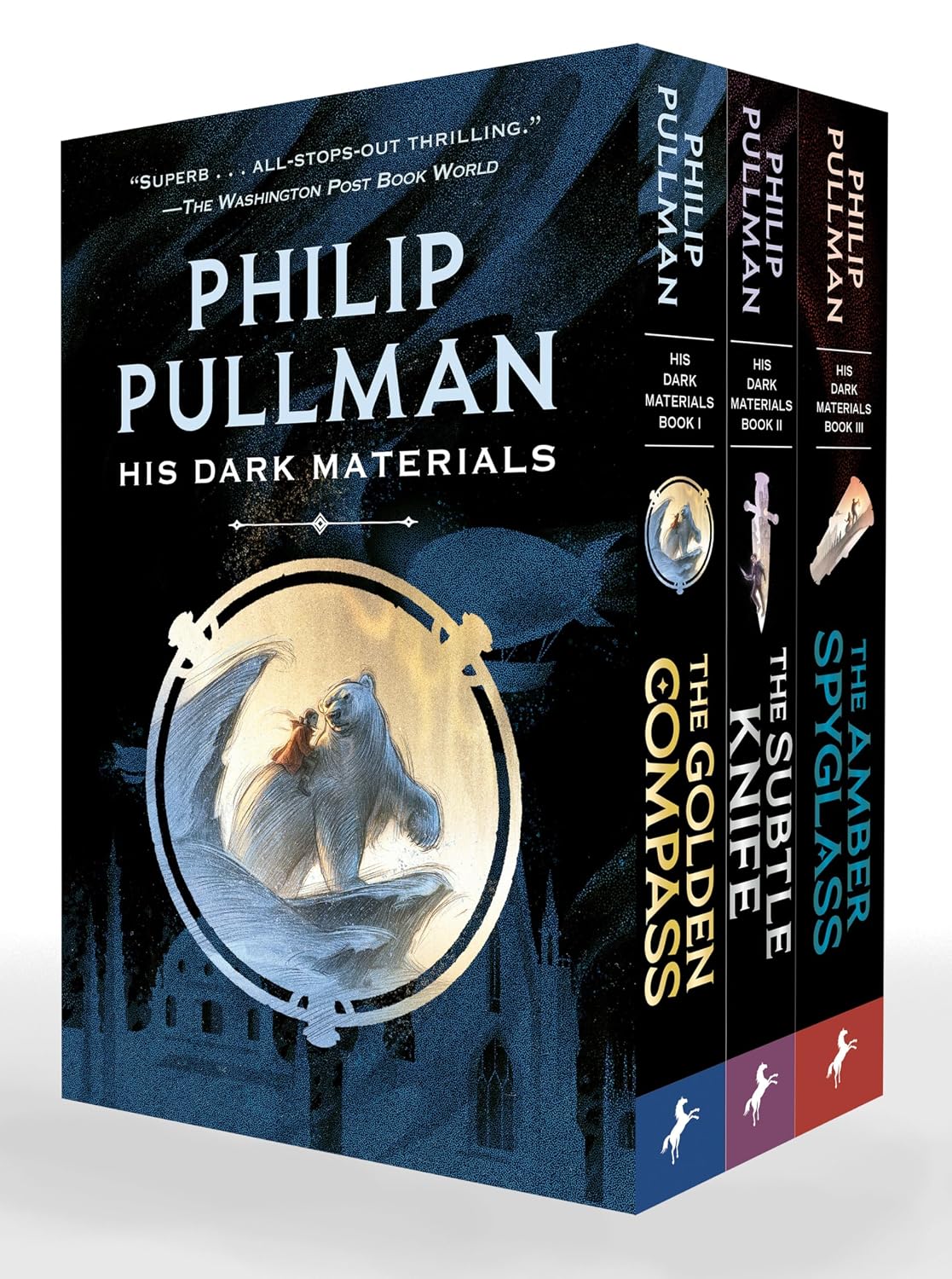
the first volume of a trilogy titled “His Dark Materials”.

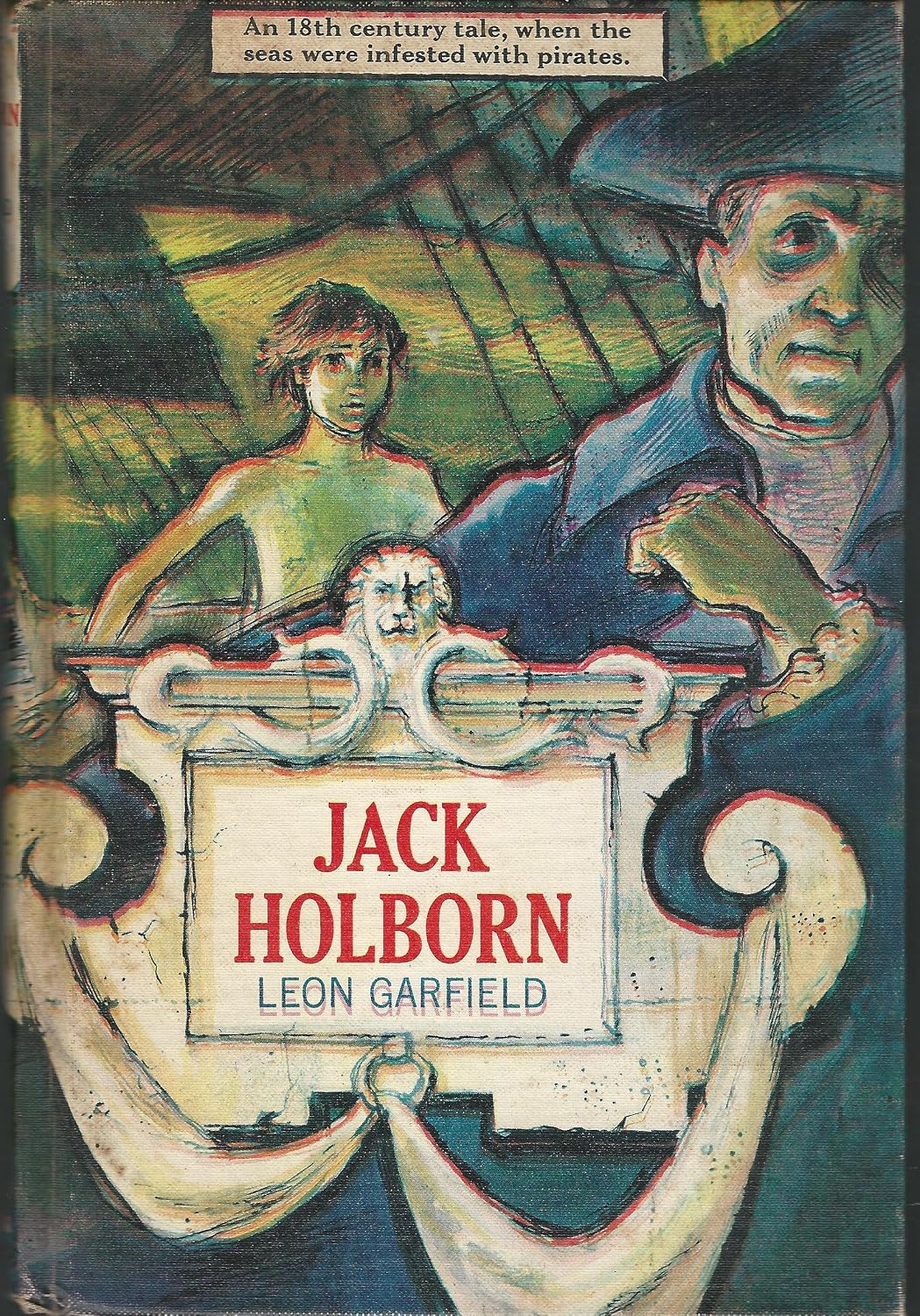
Like Pullman, Garfield was a prolific author, from his first novel, Jack Holborn (1964),

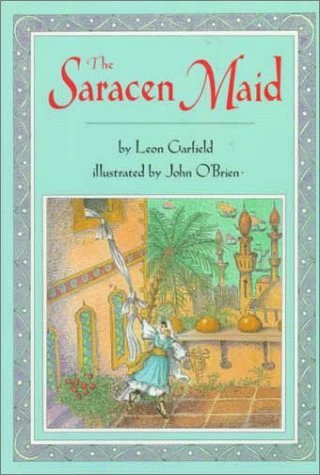
to The Saracen Maid (1994—I believe that this was his last, although bibliographies of his work are a little murky), some 37 books in all.

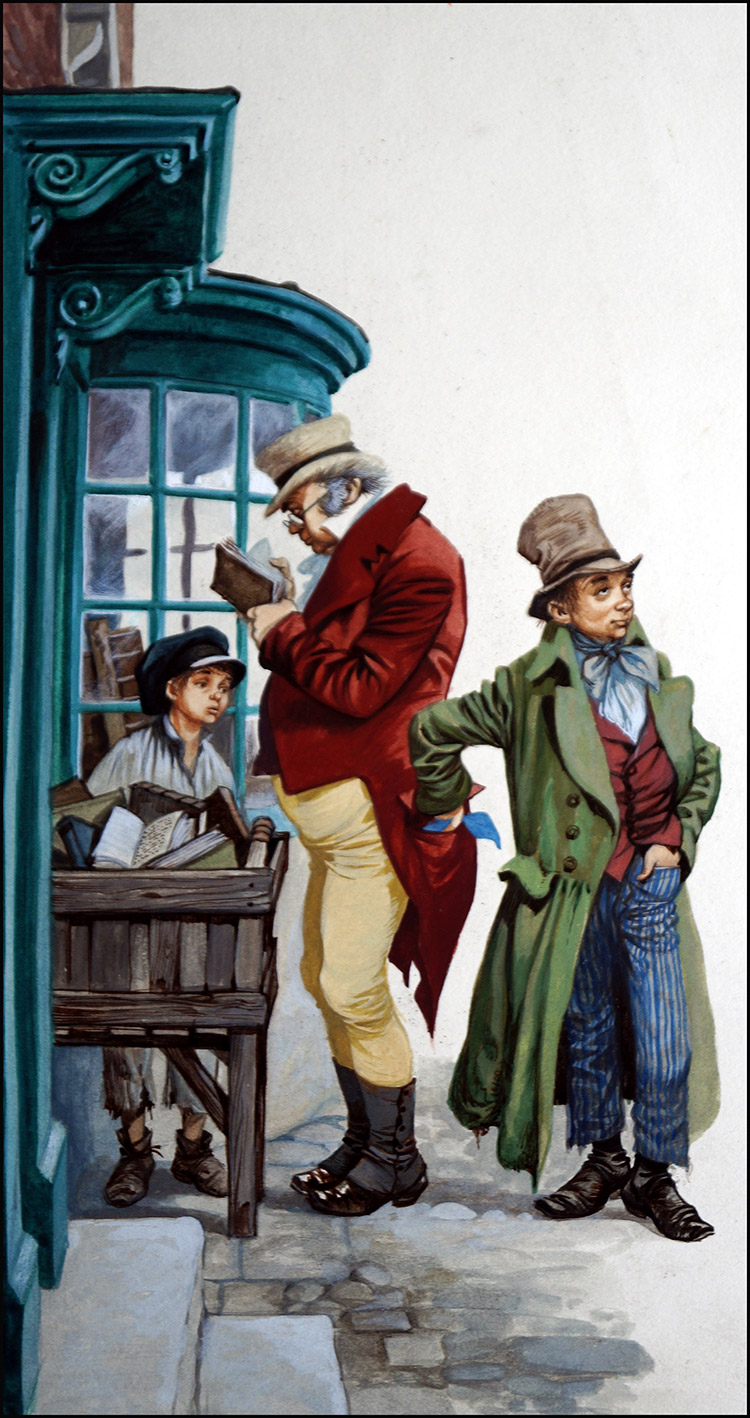
As the subtitle suggests, the Smith of the title is a pickpocket,

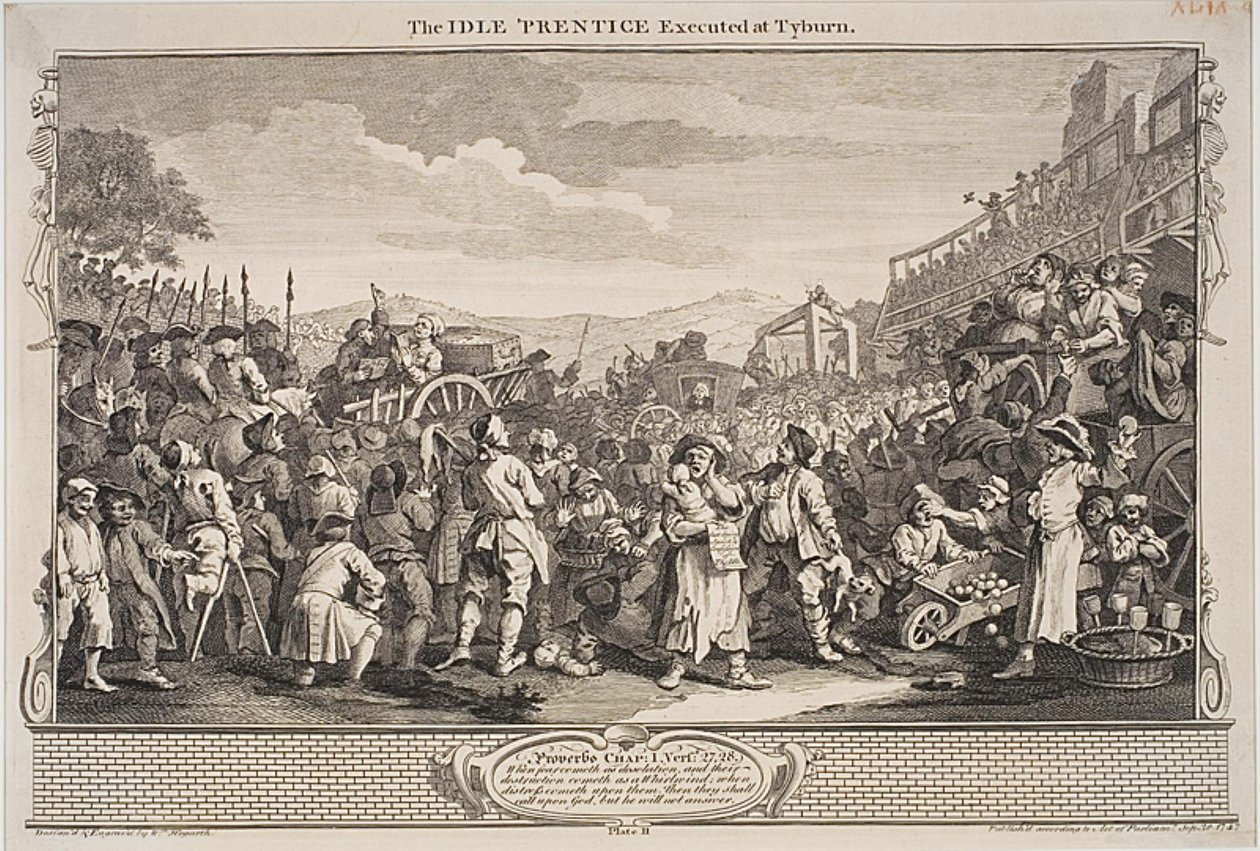
 in 18th-century London, a dangerous occupation, as, from 1565, the law dictated the death penalty for the crime (later changed to transportation, initially to America, then to Australia—see for more:  https://en.wikipedia.org/wiki/Pickpocketing#Pickpocketing_in_the_17th-18th_centuries For lots of images of pickpockets at work, see:  https://www.18thcenturynotebook.com/pickpockets  )

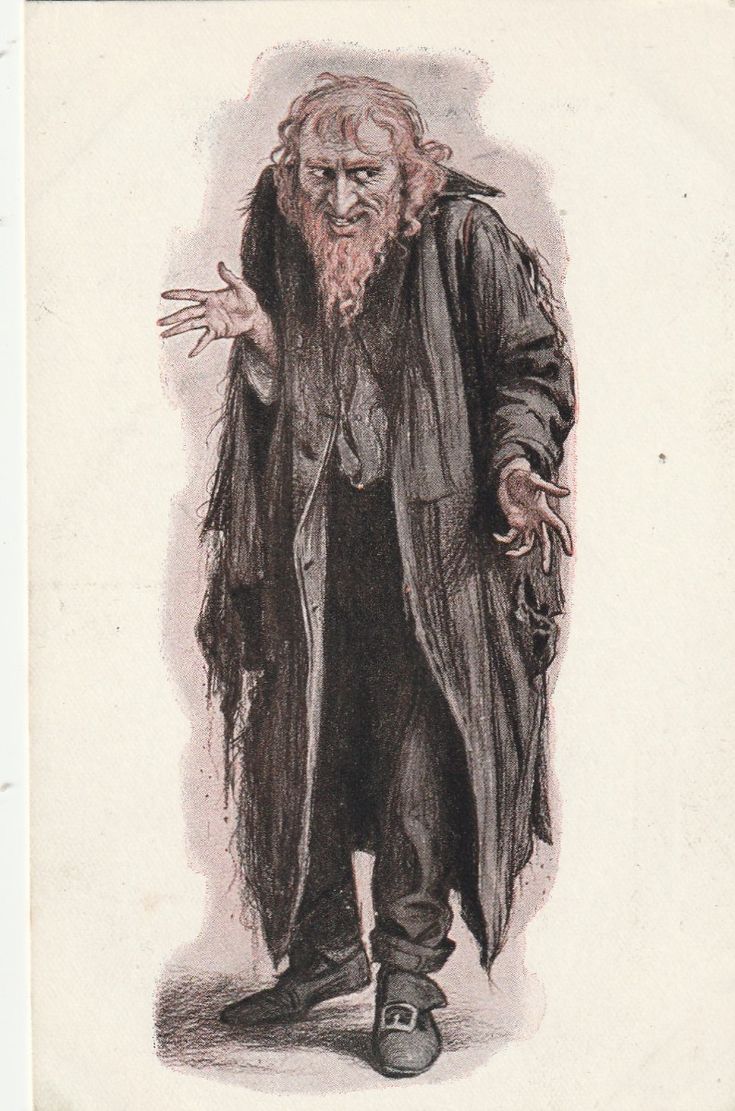
We are not told how he learned the trade, but I immediately thought of the sinister thief-trainer, Fagin,

(Bartek Kubica)

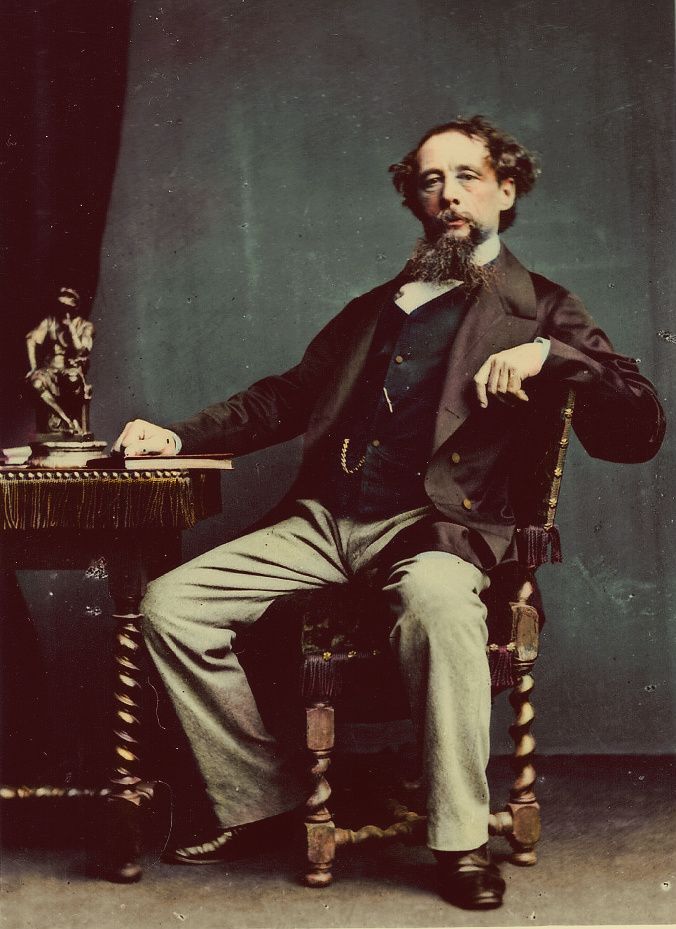
In Charles Dickens’ (1812-1870)

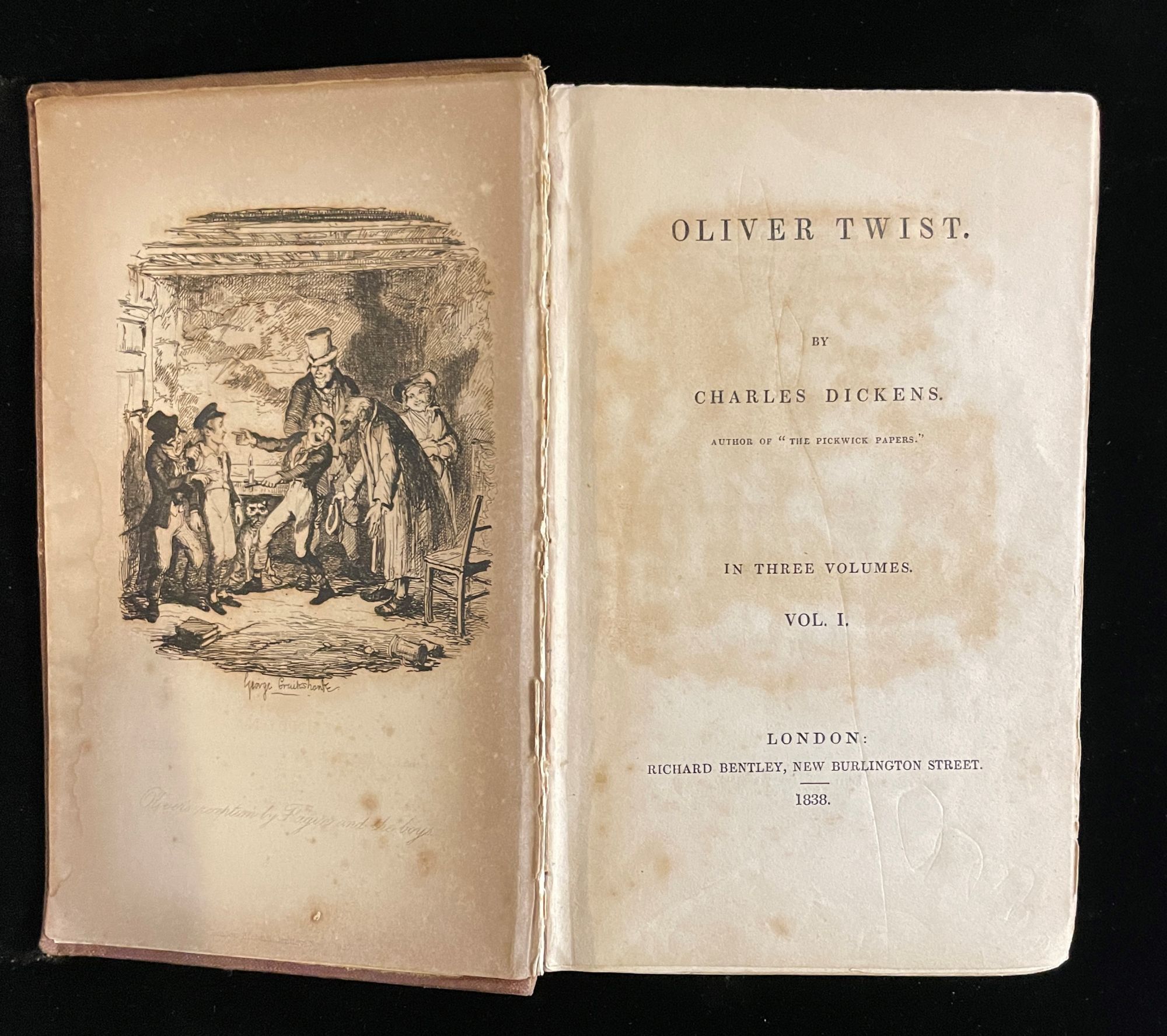
Oliver Twist (1837-39).

For a rather overthetop depiction of this training, see this scene from the film version of the  musical Oliver! (stage version, 1960, film 1968):  https://www.youtube.com/watch?v=-BtRMxBYaqs

Garfield’s novel has the hero, Smith, beginning as a pickpocket, but his pickpocketing brings him to witness a murder, then the rescue of a blind magistrate, who then takes him in.  (That blind magistrate echoes an actual 18th-century blind magistrate, John Fielding, 1721-1780, half-brother of the novelist, Henry Fielding.  Fielding is a very interesting character and worth knowing more about.  See:  https://en.wikipedia.org/wiki/John_Fielding ) 

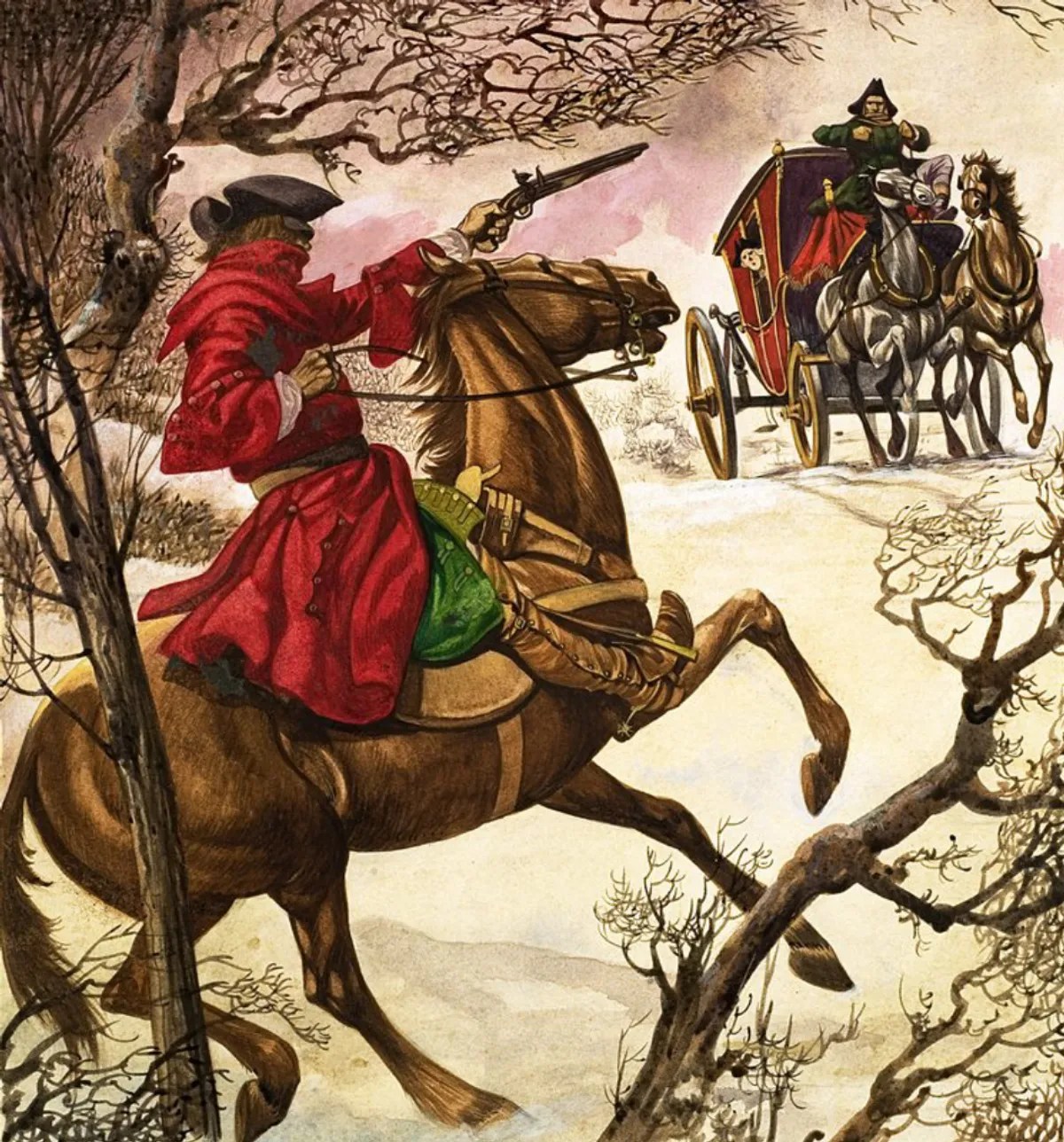
The “stand and deliver” of the title of this posting refers to the fact that Smith (his first name isn’t used, although his sisters occasionally call him “Smut”) belongs, because of his profession, to the criminal underworld of London and his idol is another criminal, the highwayman, Lord Tom (Smith’s sisters are even involved, indirectly, being low-level seamstresses, who repair and sell the clothes of people executed for various crimes).

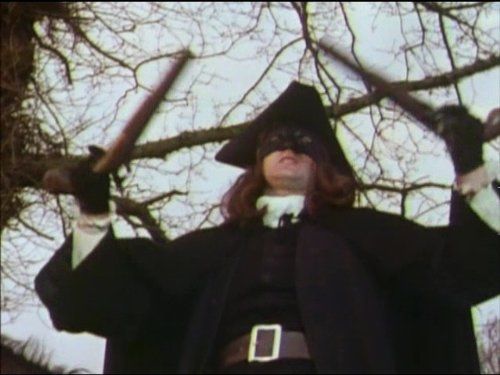
The character of a highwayman made me think of the silly Monty Python “Dennis Moore”

a bit of whose confused career you can see here:  https://www.youtube.com/watch?v=2LFZ-MssIbA

and of Alfred Noyes’ 1906 romantic poem “The Highwayman”, which you can read here:  https://www.poetryfoundation.org/poems/43187/the-highwayman

Lord Tom is paralleled by another highwayman, “Dick Mulrone”, caught and sentenced to be executed,

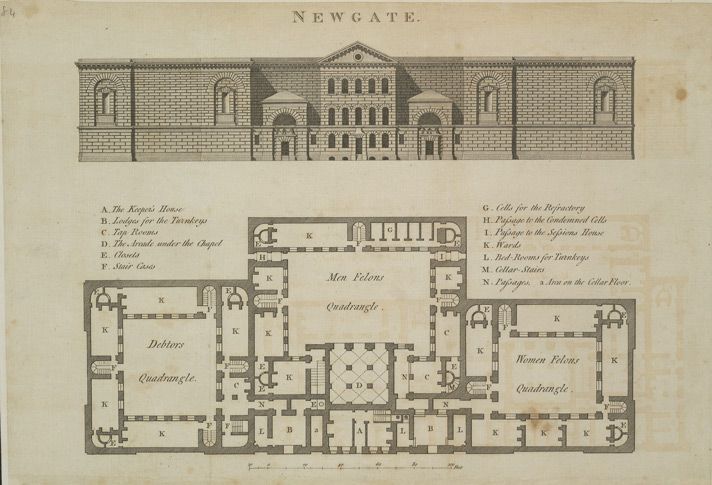
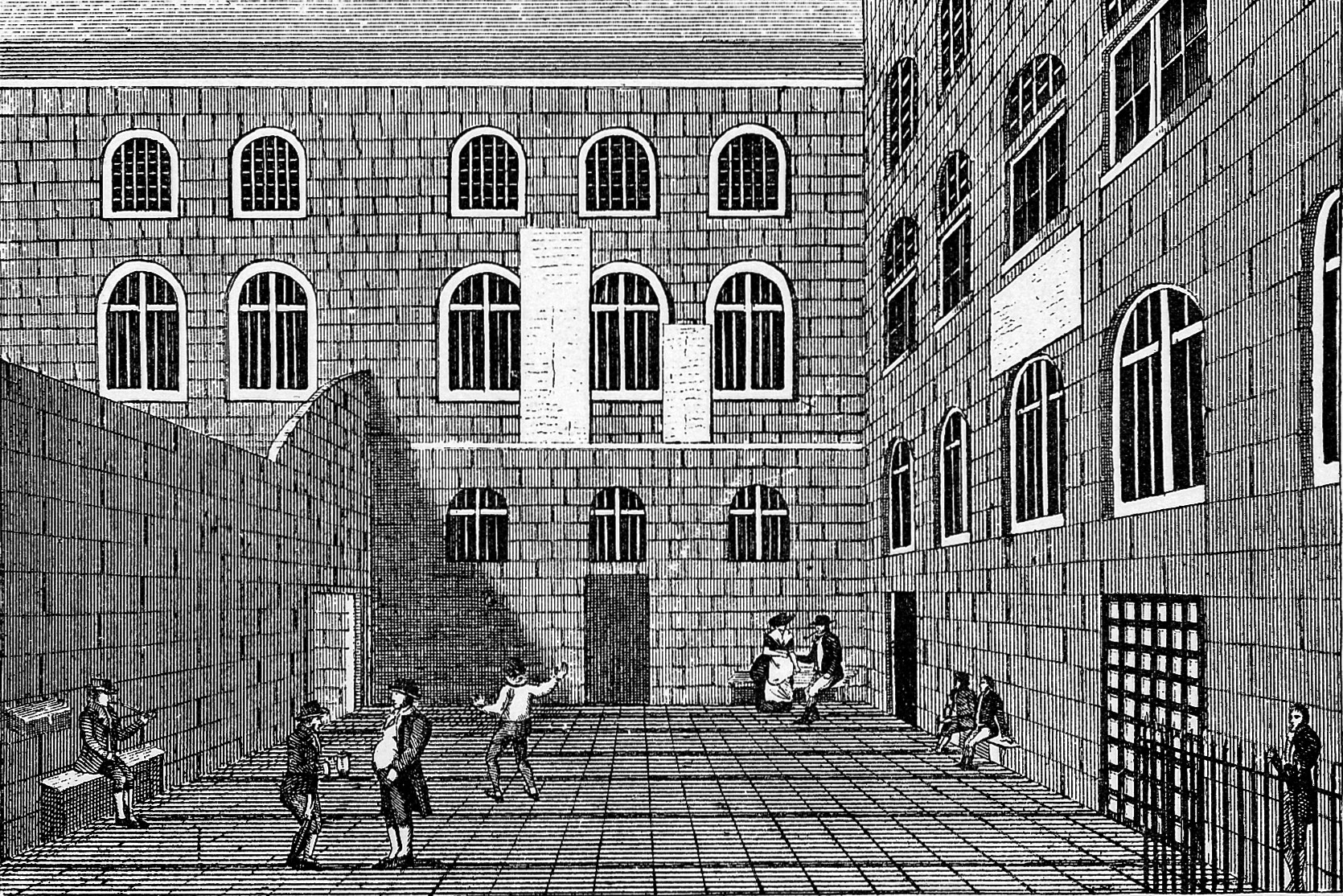
but meanwhile held in Newgate Prison,

which Smith frequents, first as a visitor (among his jobs—beyond pickpocketing—is to run errands for prisoners), then as an inmate himself.

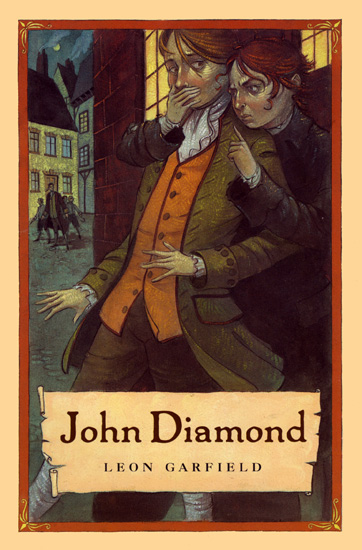
Before witnessing the murder, Smith had pickpocketed something which turned out not to be cash, or a watch, but a document—which appears valueless to him, as he can’t read, and his quest to learn to do so becomes a major plot element as he crisscrosses central London, first in that quest, but then through all sorts of adventures, including an escape from Newgate as well as from two knife-wielding pursuers, dressed in brown.  There are all sorts of surprising turns until a happy ending, qualified by one final twist, in a book which brings various elements of 18th-century London to life, from the comfortable house of the well-to-do magistrate to the squalid conditions of the debtors and criminals in Newgate, with a suggestion, more than once, of Dickens thrown in.  Having just reread it, I realize that I did because I had so much enjoyed it the first time and so I recommend it to you.  Unfortunately most of Garfield’s work is out of print with only one or two exceptions, but, if you read and enjoy Smith, another of Garfield’s novels, John Diamond,

which I’m currently reading, is available at Amazon, and most of his work can be found for free—if you register and join—at the Internet Archive:  https://archive.org/search?query=creator%3A%22Garfield%2C+Leon%22

Thanks, as always, for reading.

Stay well,

Stay out of Newgate,


And remember that, there’s

MTCIDC

O

The Doubtful Sea Series Facebook Page

The Doubtful Sea Series Facebook Page

  • Ollamh

Categories

  • Artists and Illustrators
  • Economics in Middle-earth
  • Fairy Tales and Myths
  • Films and Music
  • Games
  • Heroes
  • Imaginary History
  • J.R.R. Tolkien
  • Language
  • Literary History
  • Maps
  • Medieval Russia
  • Military History
  • Military History of Middle-earth
  • Narnia
  • Narrative Methods
  • Poetry
  • Research
  • Star Wars
  • Terra Australis
  • The Rohirrim
  • Theatre and Performance
  • Tolkien
  • Uncategorized
  • Villains
  • Writing as Collaborators
Follow doubtfulsea on WordPress.com

Across the Doubtful Sea

Recent Postings

  • Cockcrow October 28, 2026
  • Cap-a-Pie (1) October 21, 2026
  • Now You See Him, Now… October 14, 2026
  • Stand and Deliver, or, Pick a Pocket or Two October 7, 2026
  • Death and the Rohirrim September 30, 2026
  • Minor? September 23, 2026
  • An Homeric PS September 16, 2026
  • December in September September 9, 2026
  • Fan/Finn Fiction September 2, 2026

Blog Statistics

  • 125,703 Views

Posting Archive

  • October 2026 (4)
  • September 2026 (5)
  • August 2026 (4)
  • July 2026 (5)
  • June 2026 (4)
  • May 2026 (4)
  • April 2026 (5)
  • March 2026 (4)
  • February 2026 (4)
  • January 2026 (4)
  • December 2025 (5)
  • November 2025 (4)
  • October 2025 (5)
  • September 2025 (4)
  • August 2025 (4)
  • July 2025 (5)
  • June 2025 (4)
  • May 2025 (4)
  • April 2025 (5)
  • March 2025 (4)
  • February 2025 (4)
  • January 2025 (5)
  • December 2024 (4)
  • November 2024 (4)
  • October 2024 (5)
  • September 2024 (4)
  • August 2024 (4)
  • July 2024 (5)
  • June 2024 (4)
  • May 2024 (5)
  • April 2024 (4)
  • March 2024 (4)
  • February 2024 (4)
  • January 2024 (5)
  • December 2023 (4)
  • November 2023 (5)
  • October 2023 (4)
  • September 2023 (4)
  • August 2023 (5)
  • July 2023 (4)
  • June 2023 (4)
  • May 2023 (5)
  • April 2023 (4)
  • March 2023 (5)
  • February 2023 (4)
  • January 2023 (4)
  • December 2022 (4)
  • November 2022 (5)
  • October 2022 (4)
  • September 2022 (4)
  • August 2022 (5)
  • July 2022 (4)
  • June 2022 (5)
  • May 2022 (4)
  • April 2022 (4)
  • March 2022 (5)
  • February 2022 (4)
  • January 2022 (4)
  • December 2021 (5)
  • November 2021 (4)
  • October 2021 (4)
  • September 2021 (5)
  • August 2021 (4)
  • July 2021 (4)
  • June 2021 (5)
  • May 2021 (4)
  • April 2021 (4)
  • March 2021 (5)
  • February 2021 (4)
  • January 2021 (4)
  • December 2020 (5)
  • November 2020 (4)
  • October 2020 (4)
  • September 2020 (5)
  • August 2020 (4)
  • July 2020 (5)
  • June 2020 (4)
  • May 2020 (4)
  • April 2020 (5)
  • March 2020 (4)
  • February 2020 (4)
  • January 2020 (6)
  • December 2019 (4)
  • November 2019 (4)
  • October 2019 (5)
  • September 2019 (4)
  • August 2019 (4)
  • July 2019 (5)
  • June 2019 (4)
  • May 2019 (5)
  • April 2019 (4)
  • March 2019 (4)
  • February 2019 (4)
  • January 2019 (5)
  • December 2018 (4)
  • November 2018 (4)
  • October 2018 (5)
  • September 2018 (4)
  • August 2018 (5)
  • July 2018 (4)
  • June 2018 (4)
  • May 2018 (5)
  • April 2018 (4)
  • March 2018 (4)
  • February 2018 (4)
  • January 2018 (5)
  • December 2017 (4)
  • November 2017 (4)
  • October 2017 (4)
  • September 2017 (4)
  • August 2017 (5)
  • July 2017 (4)
  • June 2017 (4)
  • May 2017 (5)
  • April 2017 (4)
  • March 2017 (5)
  • February 2017 (4)
  • January 2017 (4)
  • December 2016 (4)
  • November 2016 (5)
  • October 2016 (6)
  • September 2016 (5)
  • August 2016 (5)
  • July 2016 (5)
  • June 2016 (5)
  • May 2016 (4)
  • April 2016 (4)
  • March 2016 (5)
  • February 2016 (4)
  • January 2016 (4)
  • December 2015 (5)
  • November 2015 (5)
  • October 2015 (4)
  • September 2015 (5)
  • August 2015 (4)
  • July 2015 (5)
  • June 2015 (5)
  • May 2015 (4)
  • April 2015 (3)
  • March 2015 (4)
  • February 2015 (4)
  • January 2015 (4)
  • December 2014 (5)
  • November 2014 (4)
  • October 2014 (6)
  • September 2014 (1)

Blog at WordPress.com.

  • Subscribe Subscribed
    doubtfulsea
    Join 77 other subscribers

    Have a WordPress.com account? Log in now.

  • doubtfulsea
    View site in Reader
    Manage subscriptionsSign upLog in
    Report this content
    Collapse this bar
Loading Comments...