• About

doubtfulsea

~ adventure fantasy

Tag Archives: The Bayeux Tapestry

Tennis, Anyone?

10 Wednesday Jun 2026

Posted by Ollamh in Uncategorized

≈ Leave a comment

Tags

Anglo-Saxon, anglo-saxons, armor, Duke William, Fantasy, Harold Godwinson, Jacksons The Lord of the Rings, Norman, Normans, The Battle of Hastings, The Bayeux Tapestry, The Lord of the Rings, The Rohirrim, the Siege of Minas Tirith, the-charge-of-the-rohirrim, Thing One/Thing Two, Tolkien

Welcome, dear readers, as always.

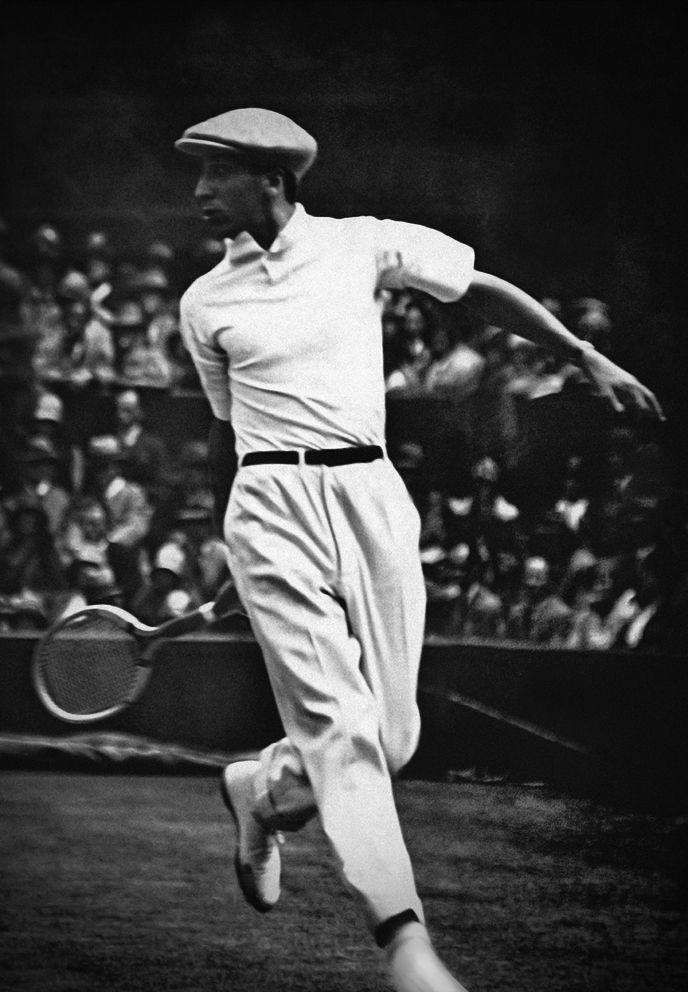
The title of this posting is based upon a scene in 1920-30s country house plays where someone known as a “bright young thing”–no, not one of those—

bounds onto the stage in his whites, cheerily chirping “Tennis, anyone?”

But, lest you think that you’ve stumbled into the wrong blog, I’m actually not going to talk about tennis—except as Tolkien uses it analogically—in this quotation:

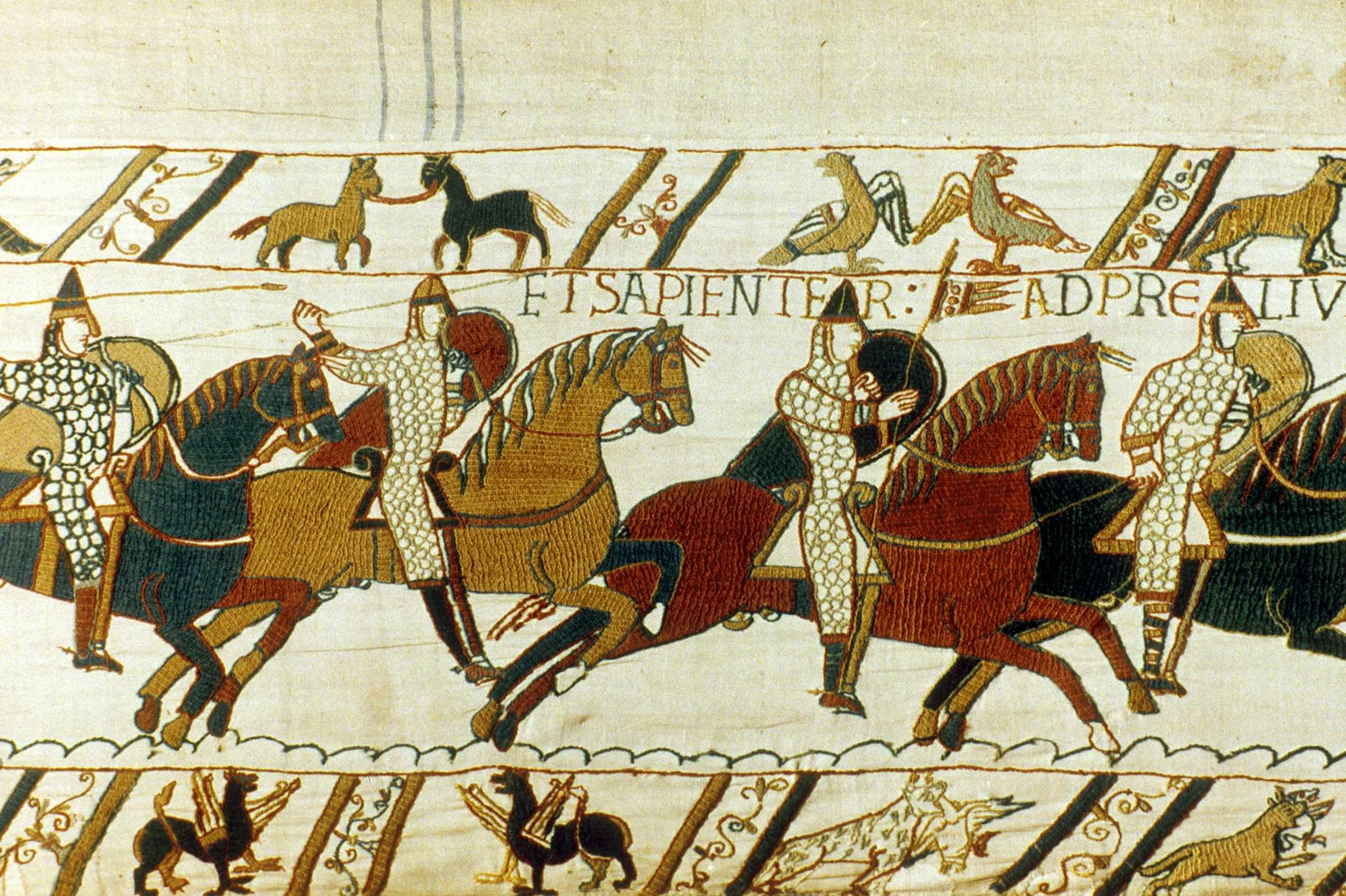
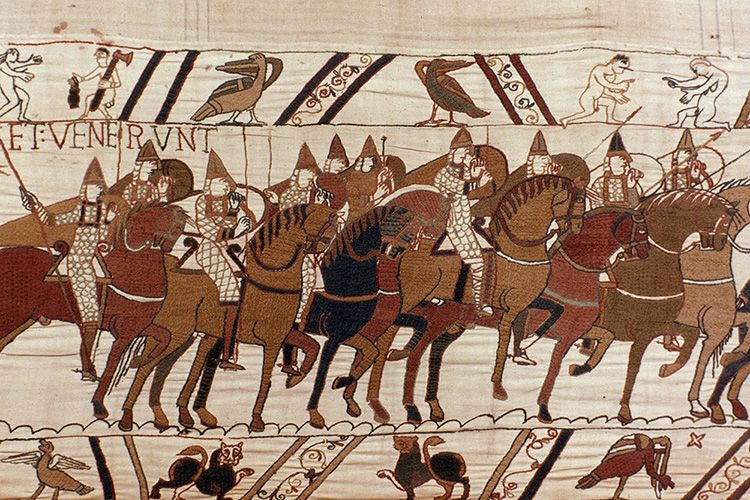
“The Rohirrim were not ‘medieval’, in our sense.  The styles of the Bayeux Tapestry (made in England) fit them well enough, if one remembers that the kind of tennis-nets [the] soldiers seem to have on are only a clumsy conventional sign for chain-mail of small rings.”  (letter to Rhona Beare, 14 October, 1958, Letters, 401)

Here’s a tennis net, in the unlikely event that you’ve never seen one—

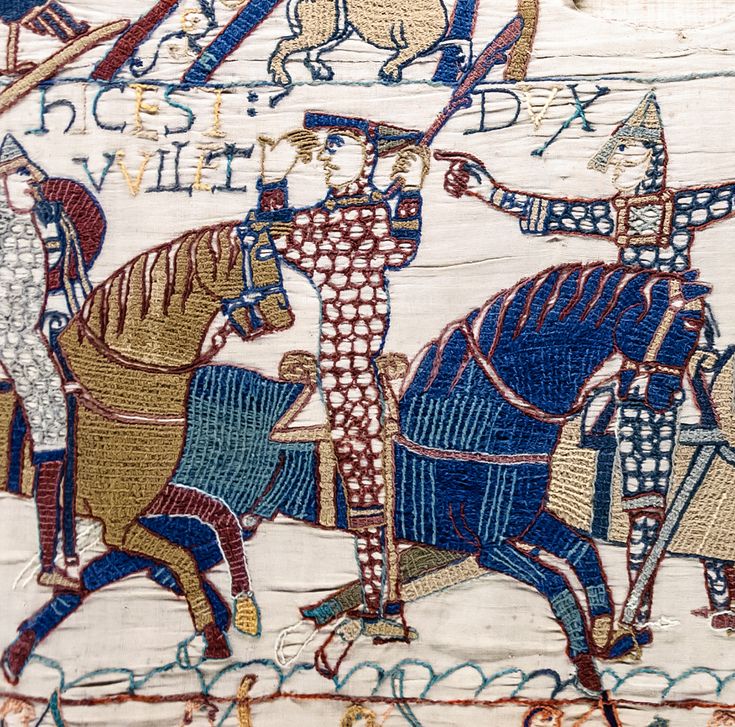
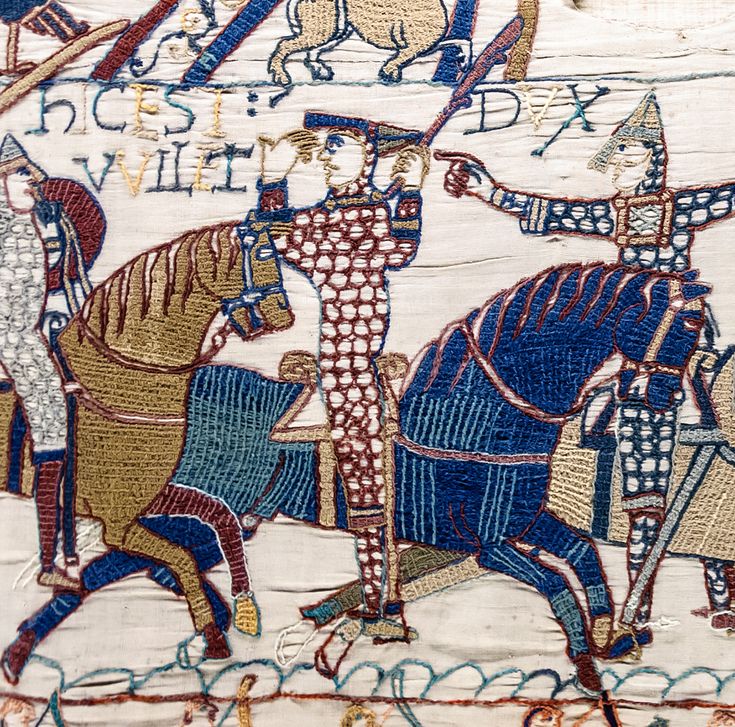
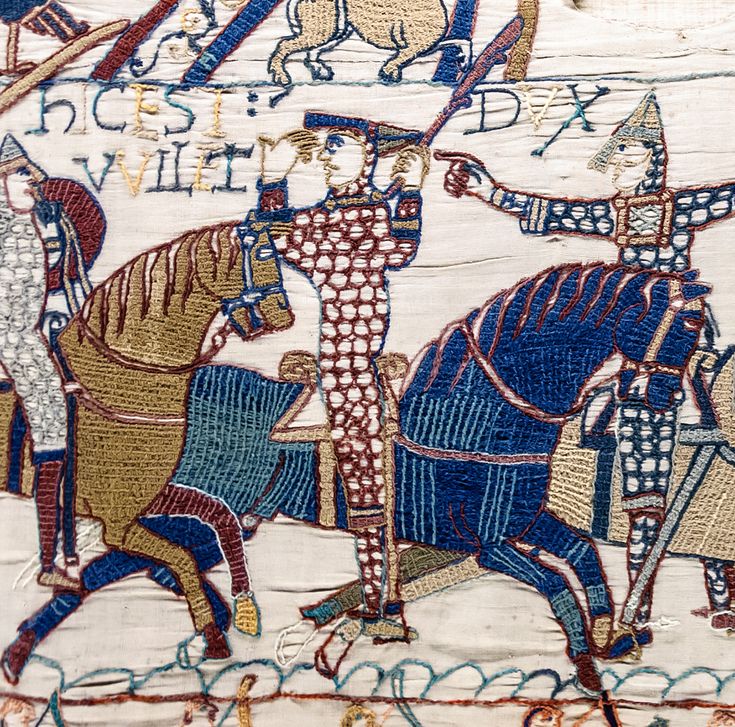
and here’s a segment of the “Bayeux Tapestry” (actually a massive embroidery) with some warriors wearing what JRRT is talking about—

What’s going on in this scene is that a rumor during the battle of Hastings was spreading through the Norman army that William had been killed, so the Duke rode among his men with his helmet raised, and therefore anyone who knew him, at least by sight, would realize that the rumor was false (note also, in case you didn’t know about this event, the Latin caption—“Hic est Dux Will[helm”—“here is Duke William”, as well as the mounted Norman to the right who is pointing—and doubtless shouting “Iloc!”—“There [he is]!” –for something about Norman French, see: https://en.wikipedia.org/wiki/Norman_language )

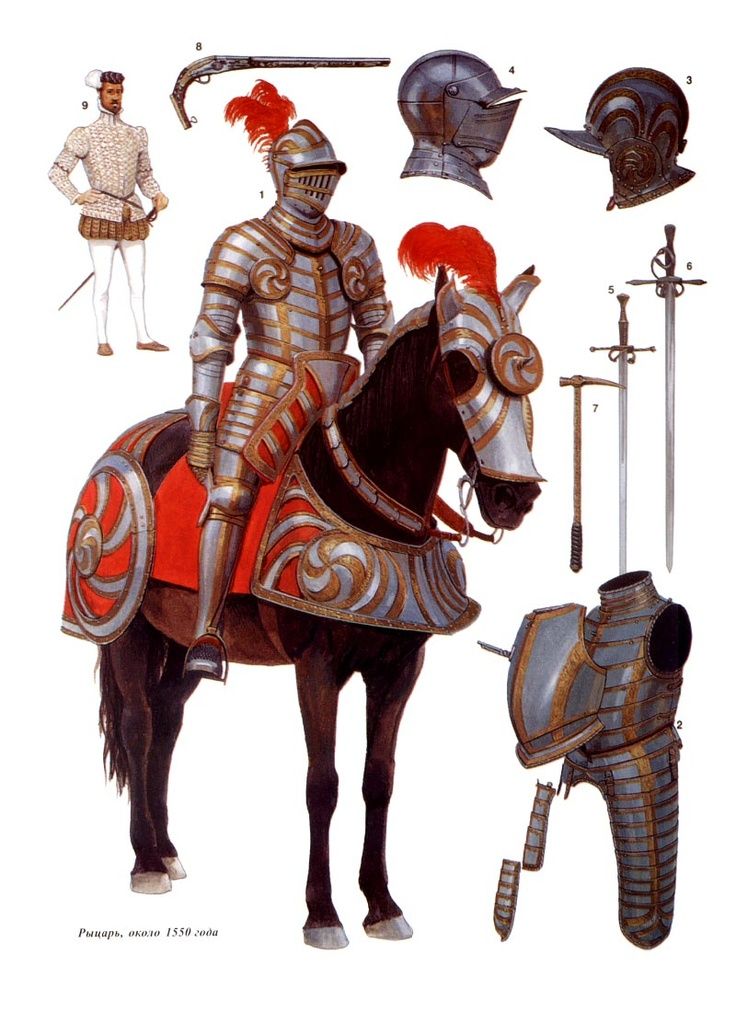
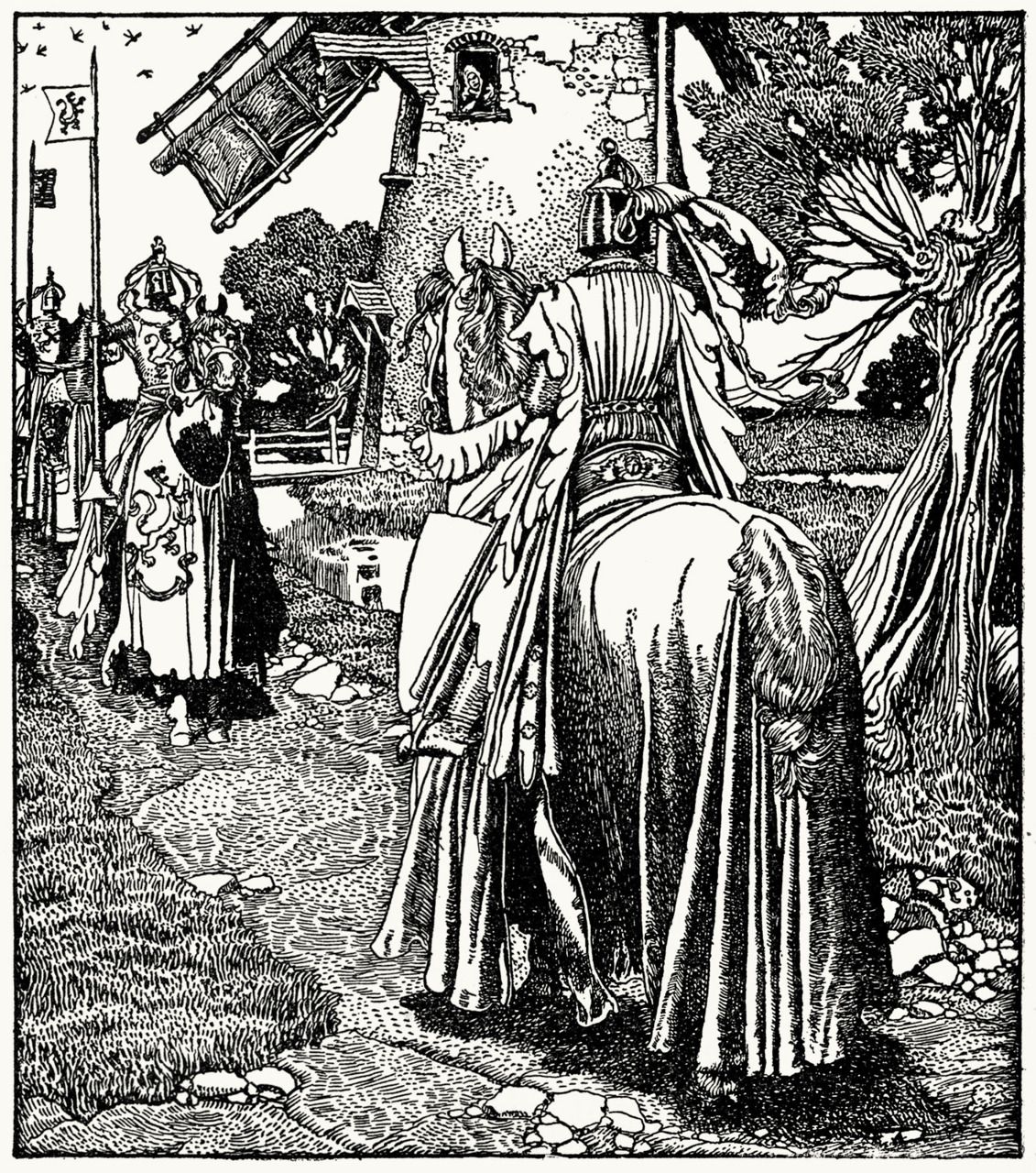
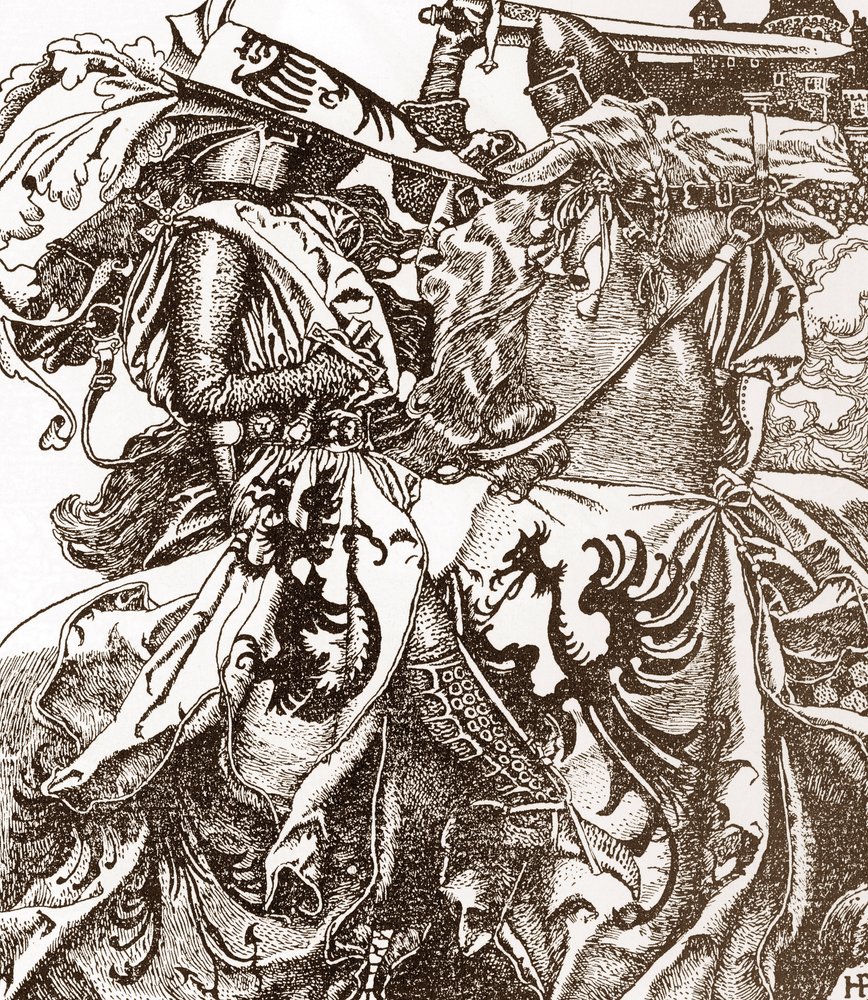
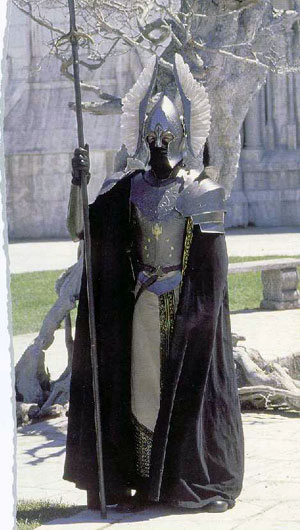
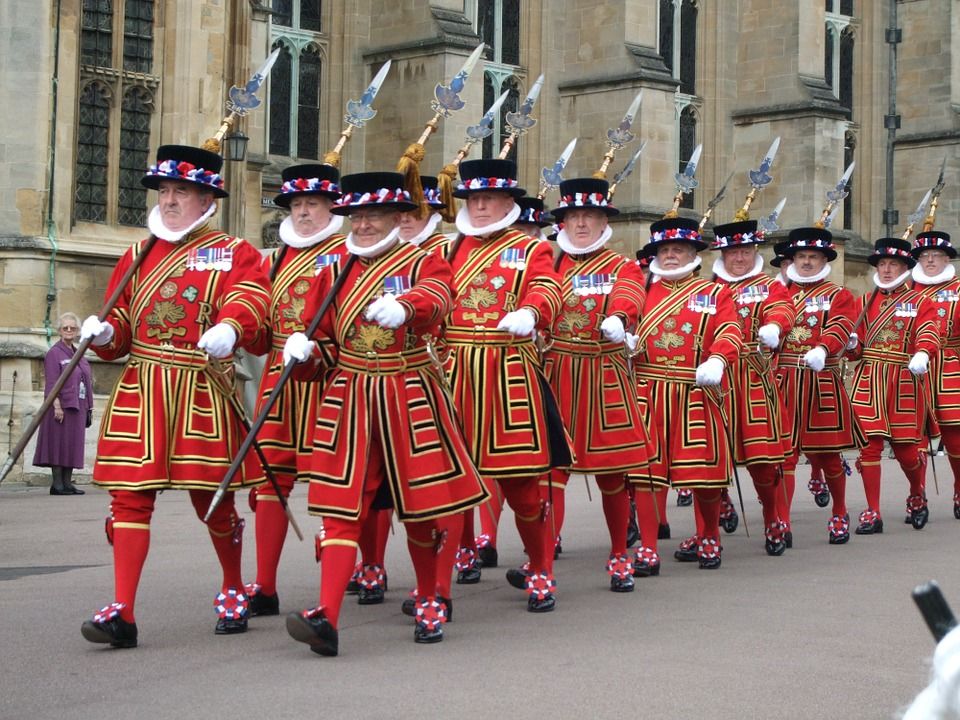
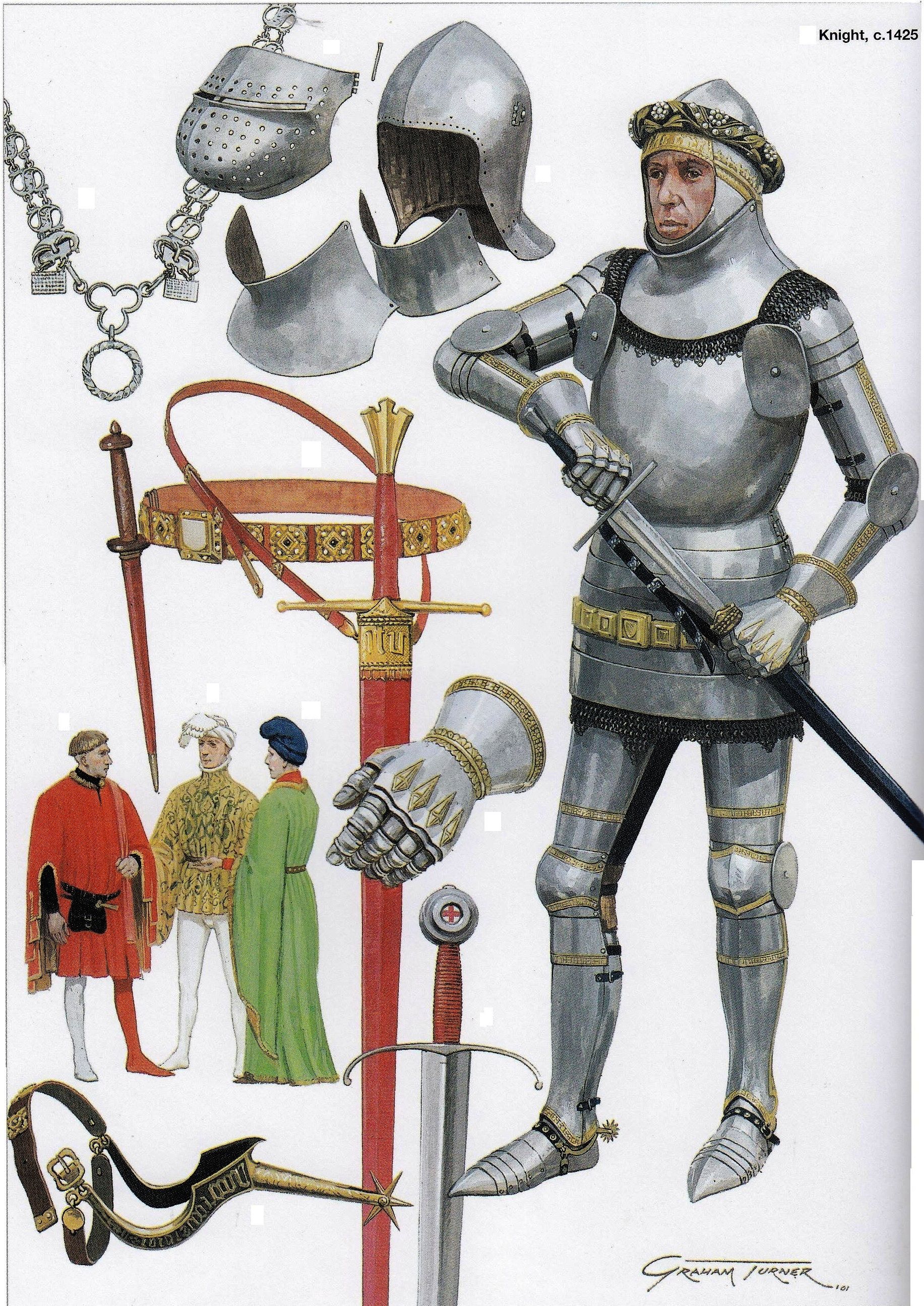
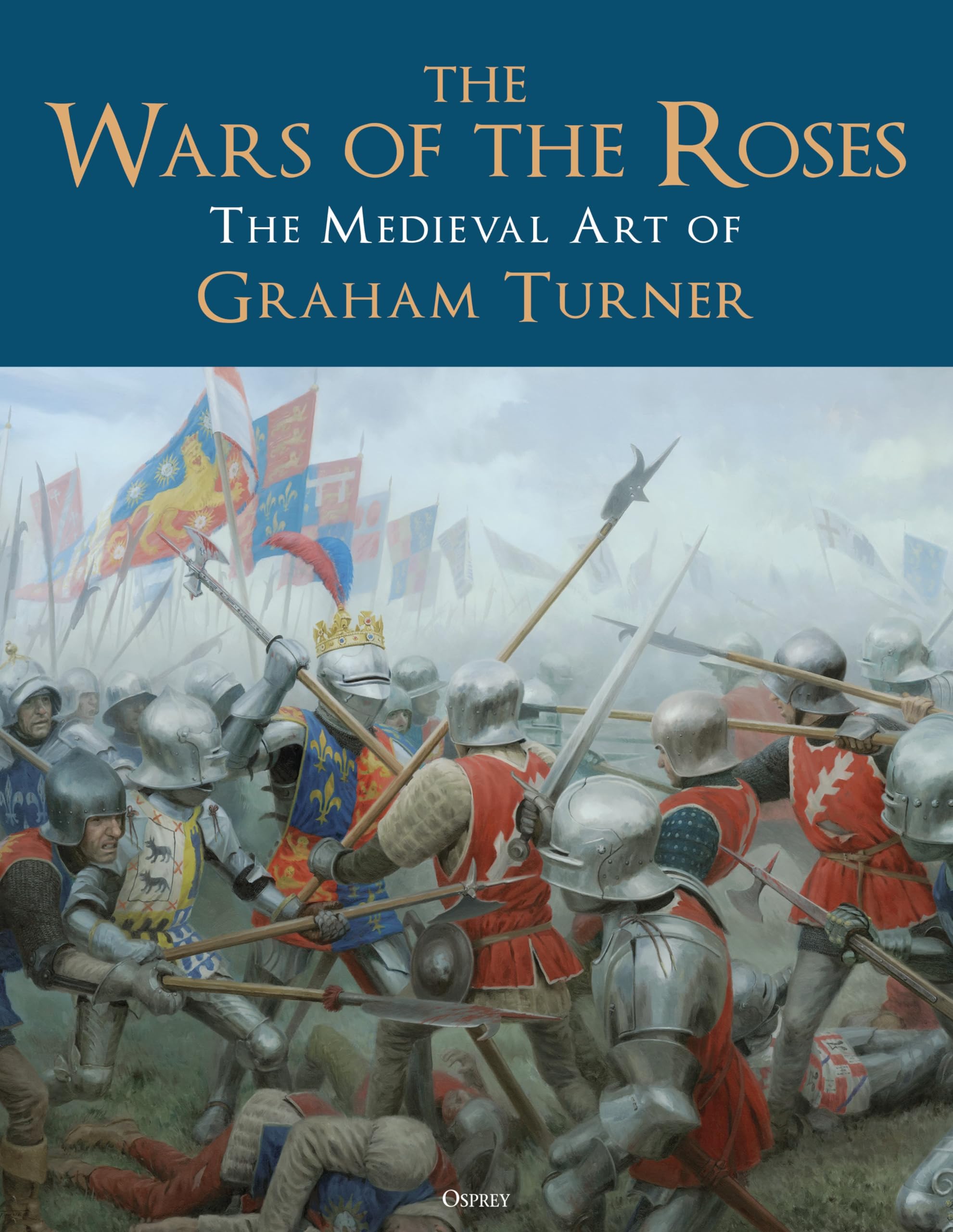
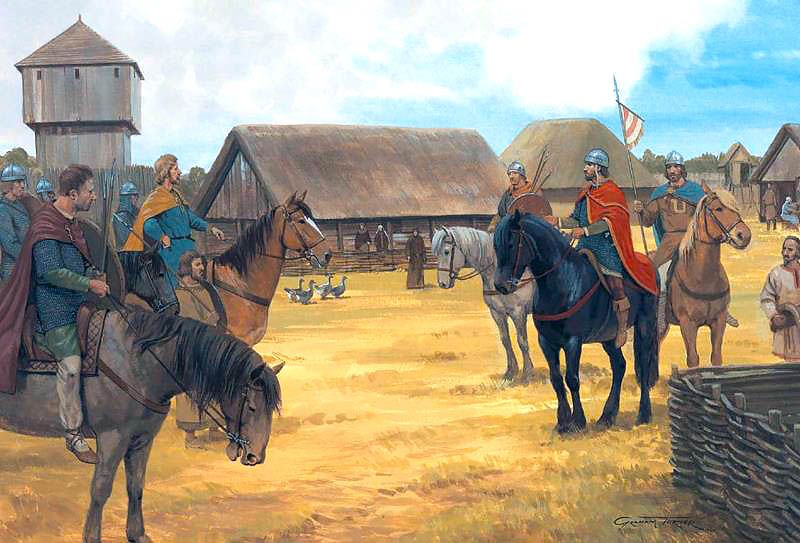
Although he doesn’t explain “medieval”, I expect that what Tolkien means is that the Rohirrim shouldn’t look like this—

(Graham Turner—who has made a specialty of the 15th-century military—with a wonderful illustrated history of the Wars of the Roses, which I recommend highly.)

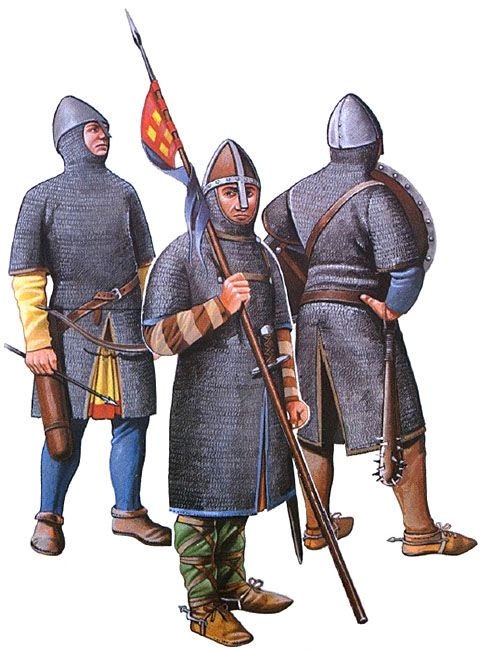
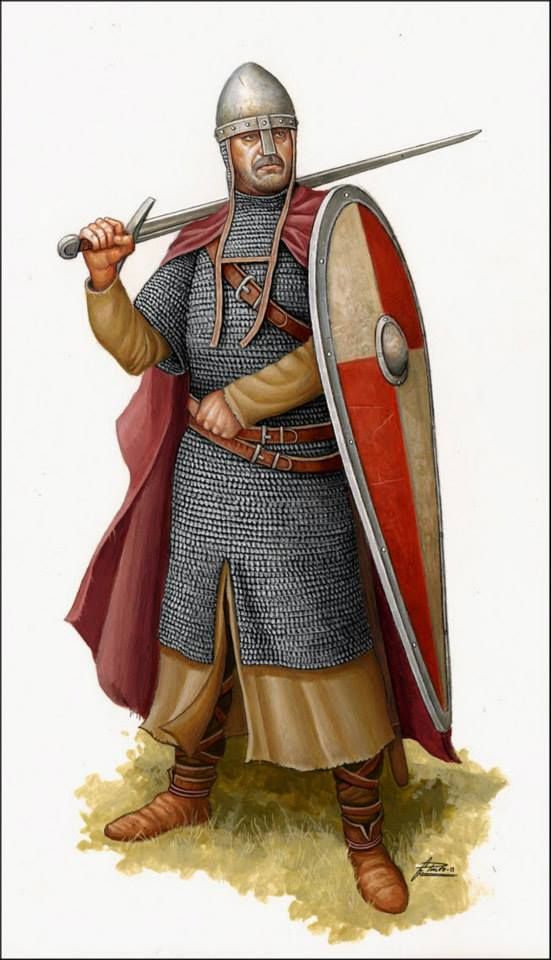
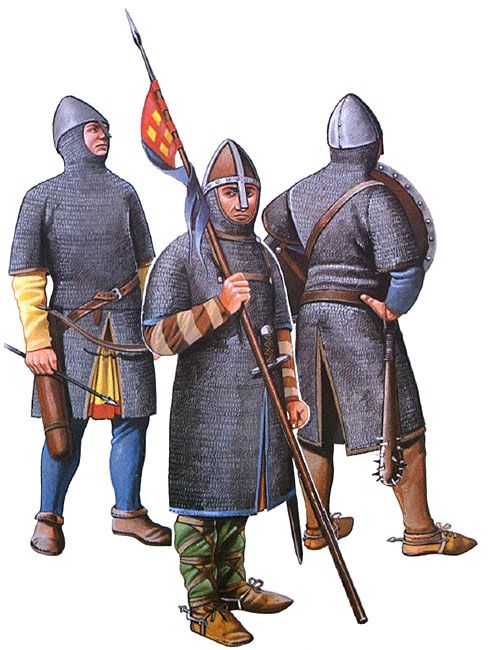
but rather like this—

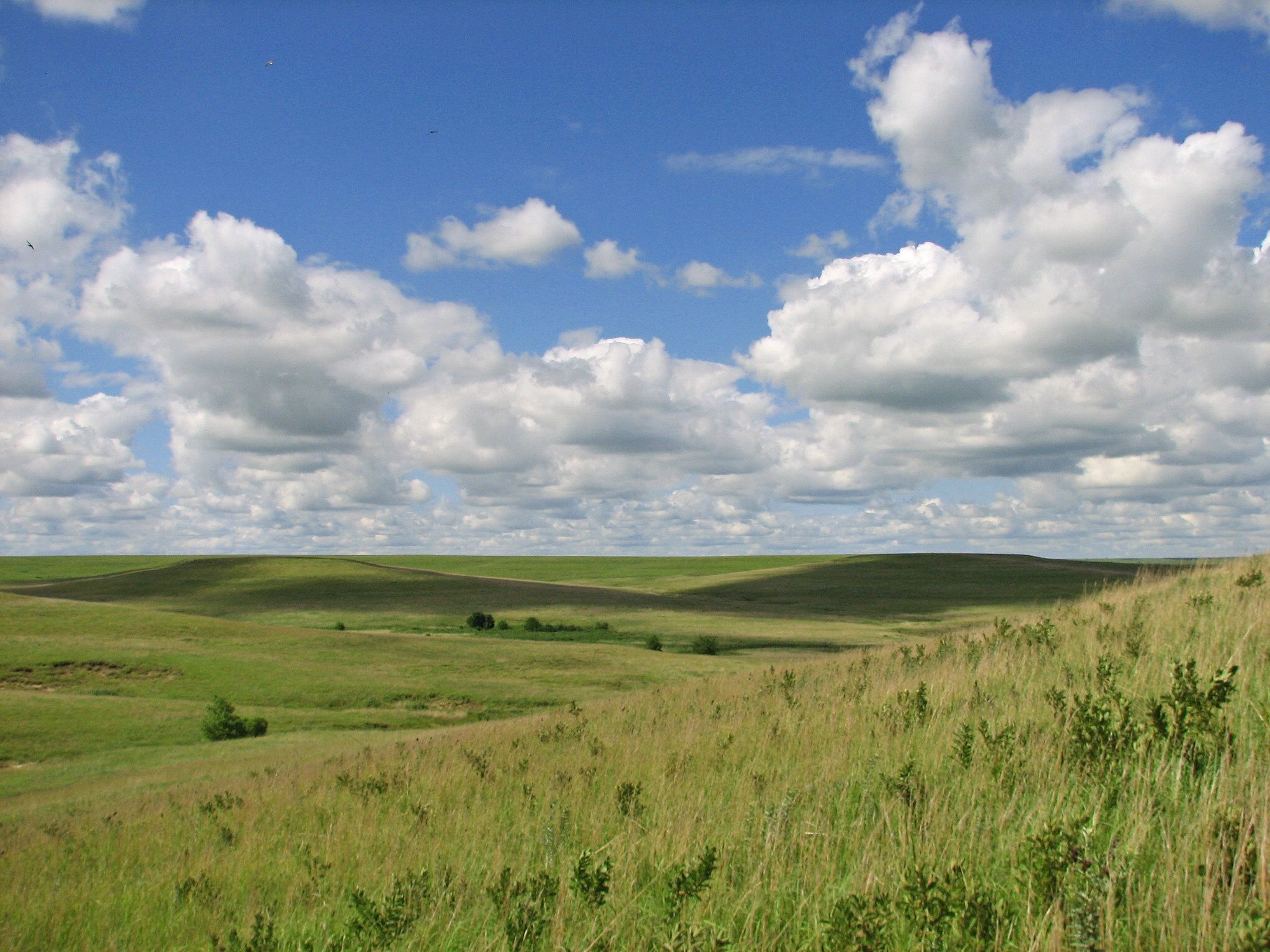
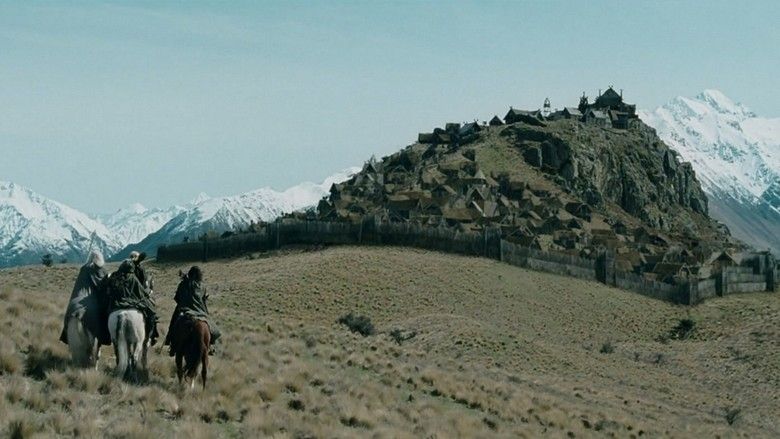
If you read this blog regularly, you know that my favorite part of Jackson’s The Lord of the Rings films is the depiction of the Rohirrim—with the exception of Rohan, which should be a great, grassy plain,

but, as New Zealand doesn’t possess such, the best that could be done was this rather withered- looking landscape—

(For more on this, see “Plain and Grassy”, 24 September, 2025)

Now, however, I begin to think that, though the Rohirrim are still my favorite part, I want to add a second exception:  how the Rohirrim look.

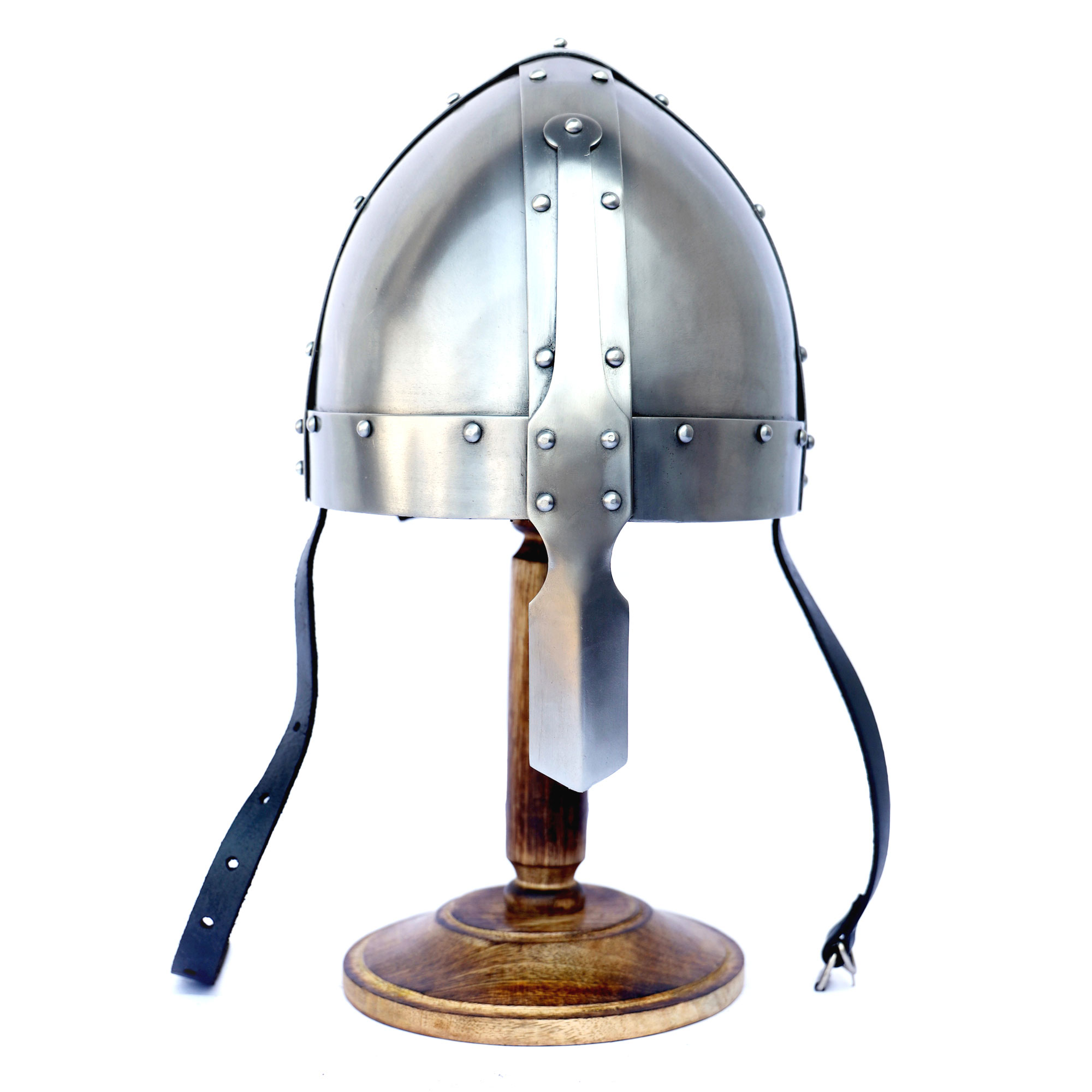
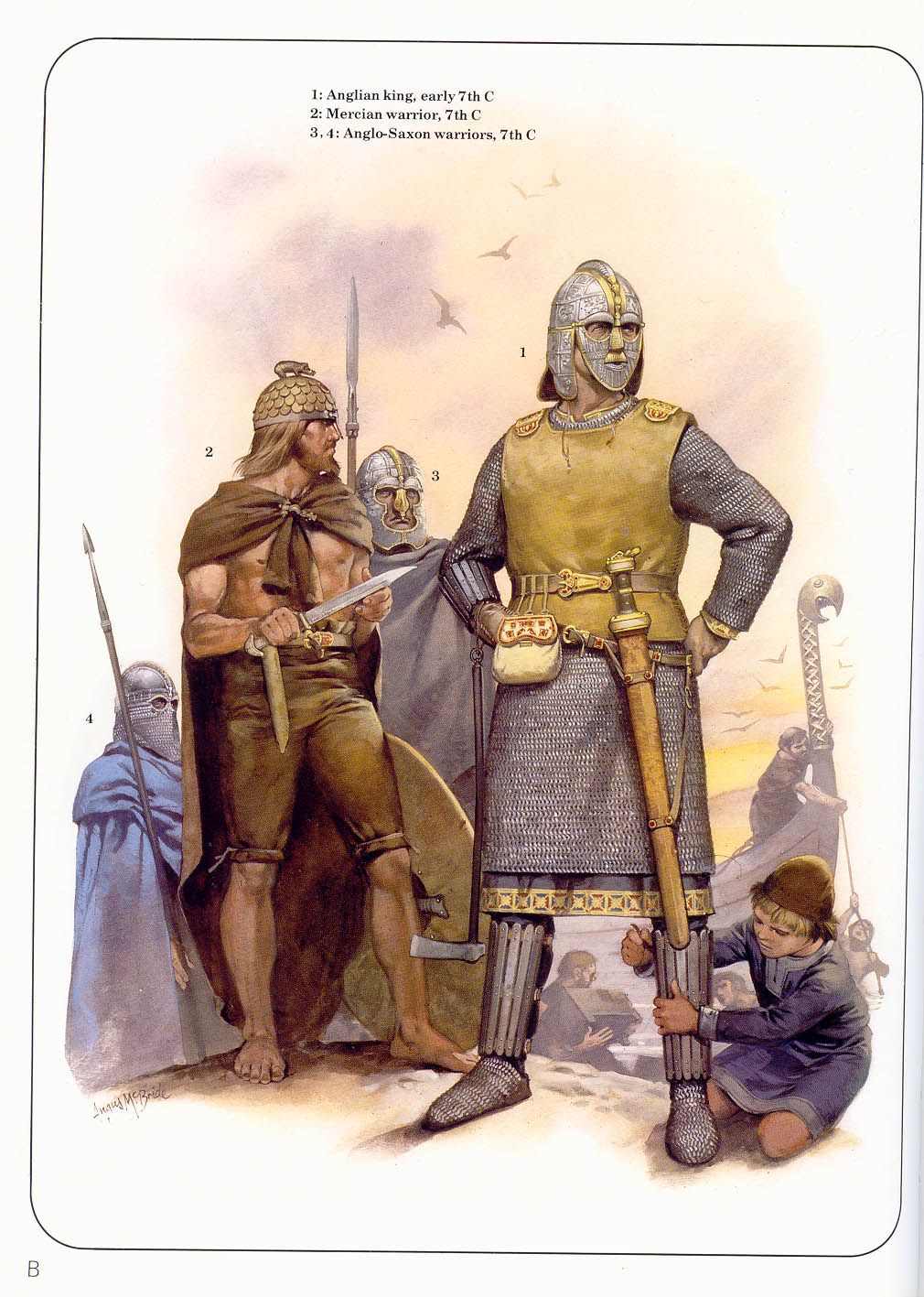
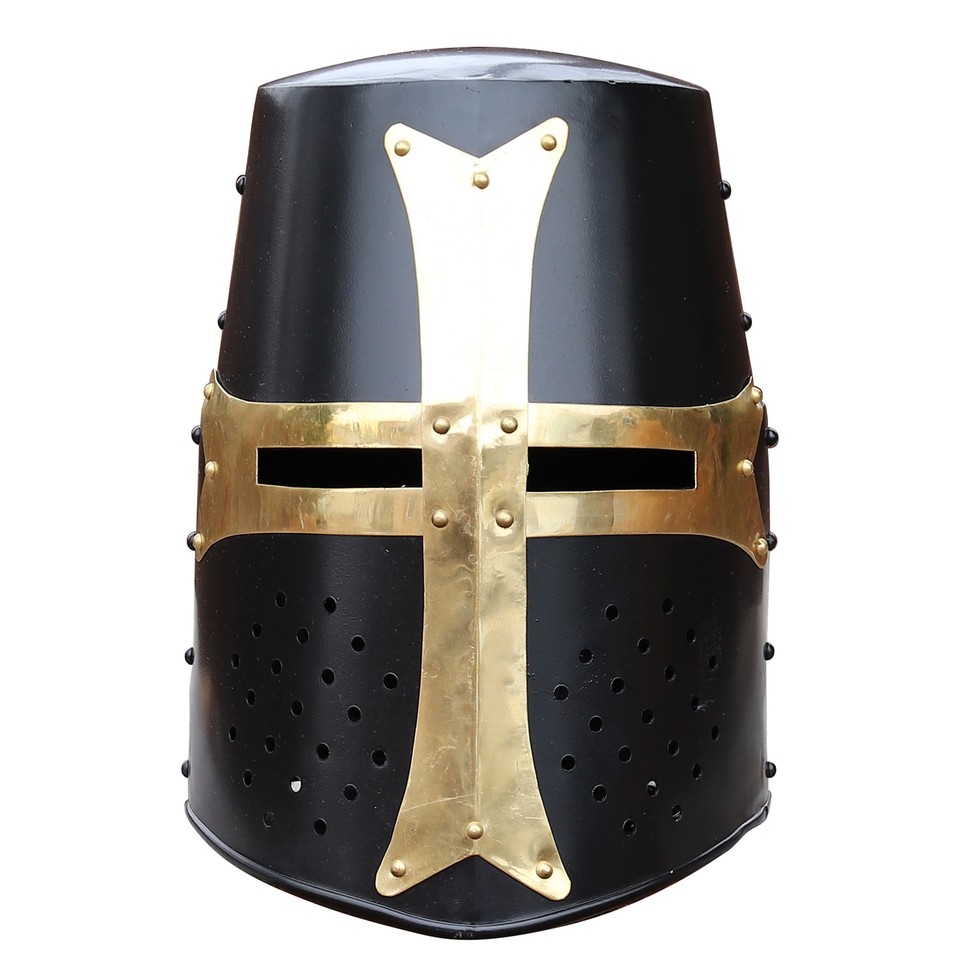
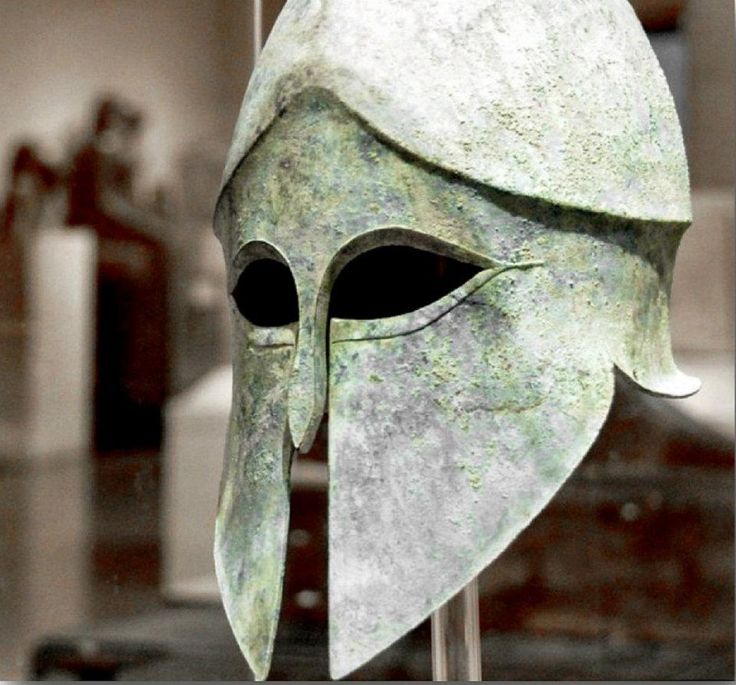
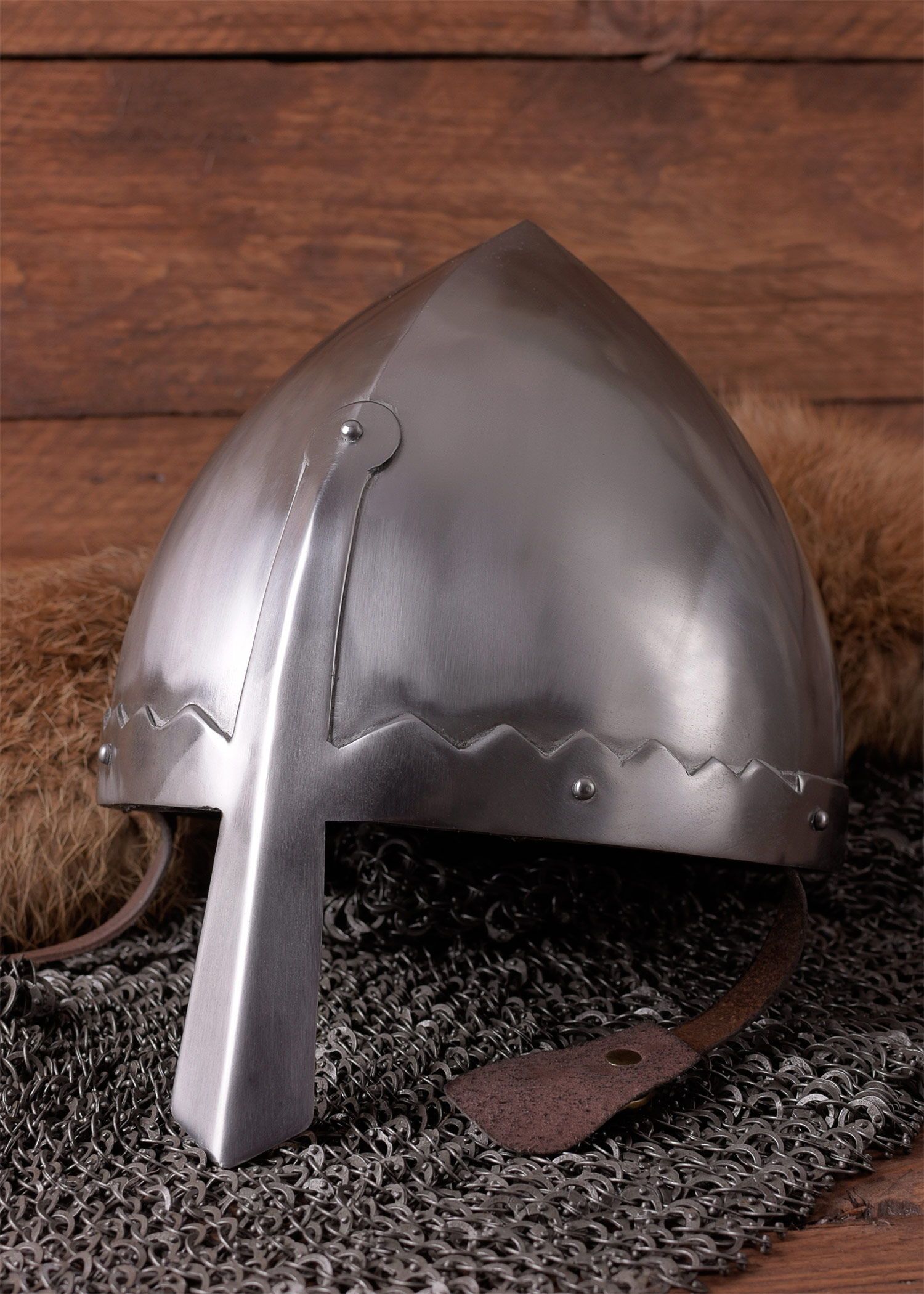
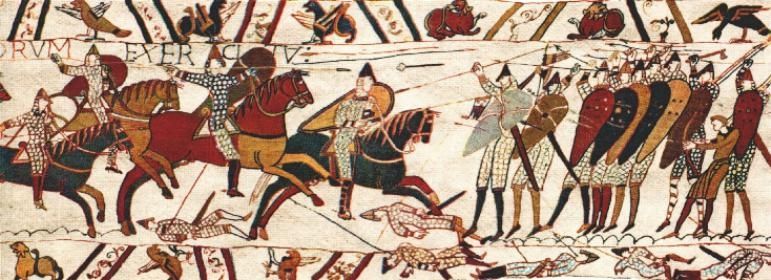
Tolkien, after all, has given us a definite picture of what he wanted.  The Rohirrim were to be imagined as looking like the Normans (and Anglo-Saxons) we can see on the Tapestry:  wearing rather simple helmets, either hammered from one sheet of metal,

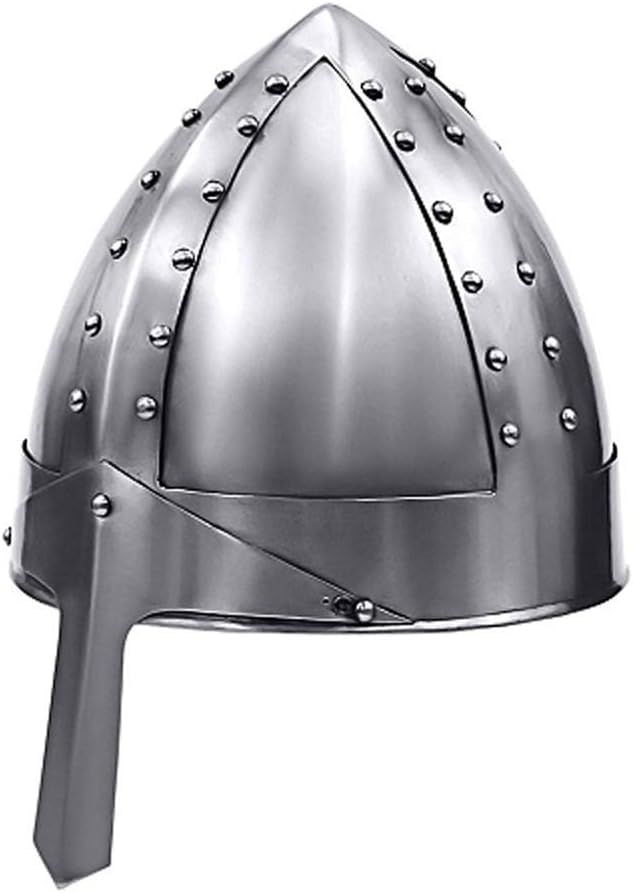
or made of a series of plates attached to a frame—called a “spangenhelm”,

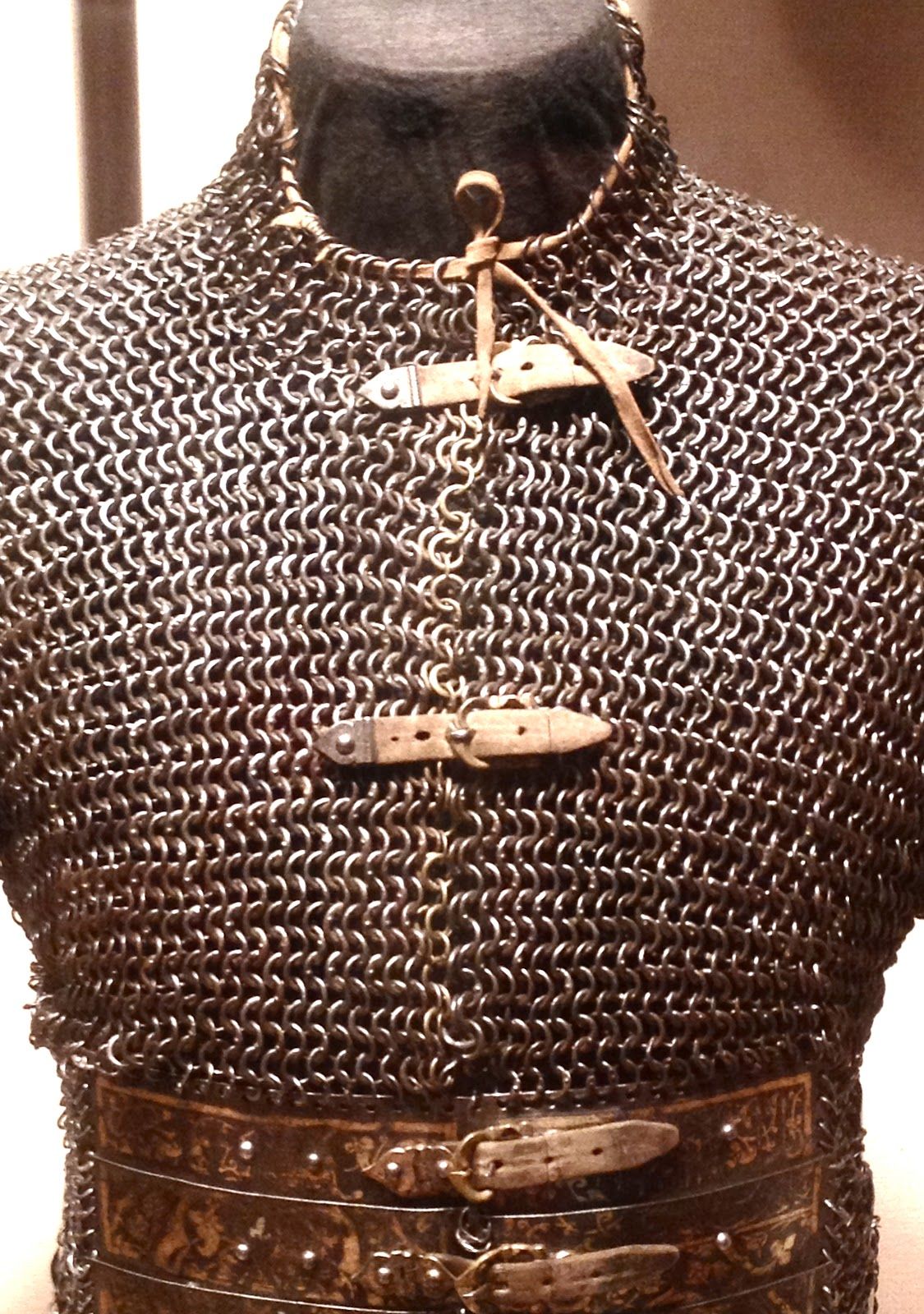
and a long coat of chain mail,

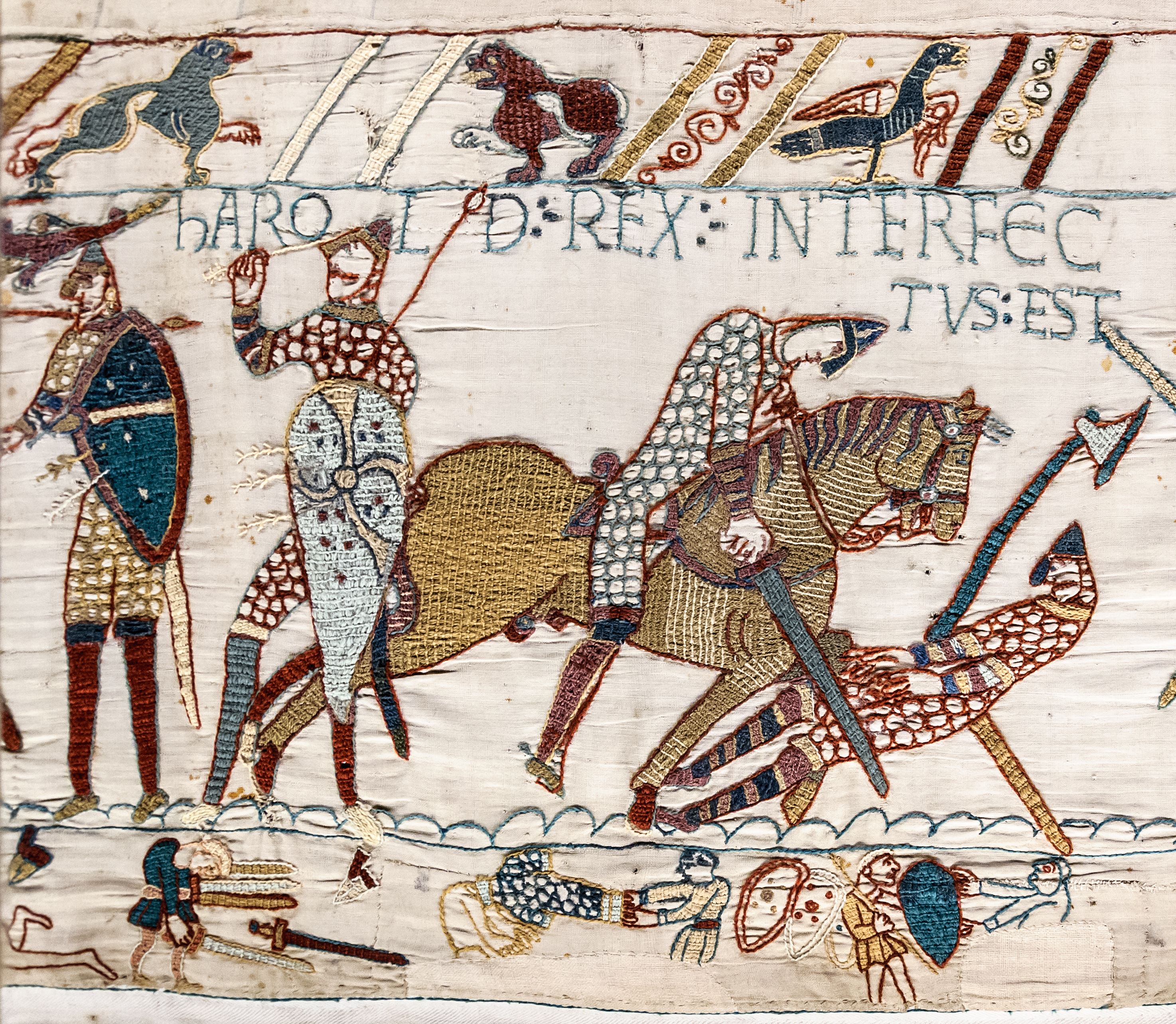
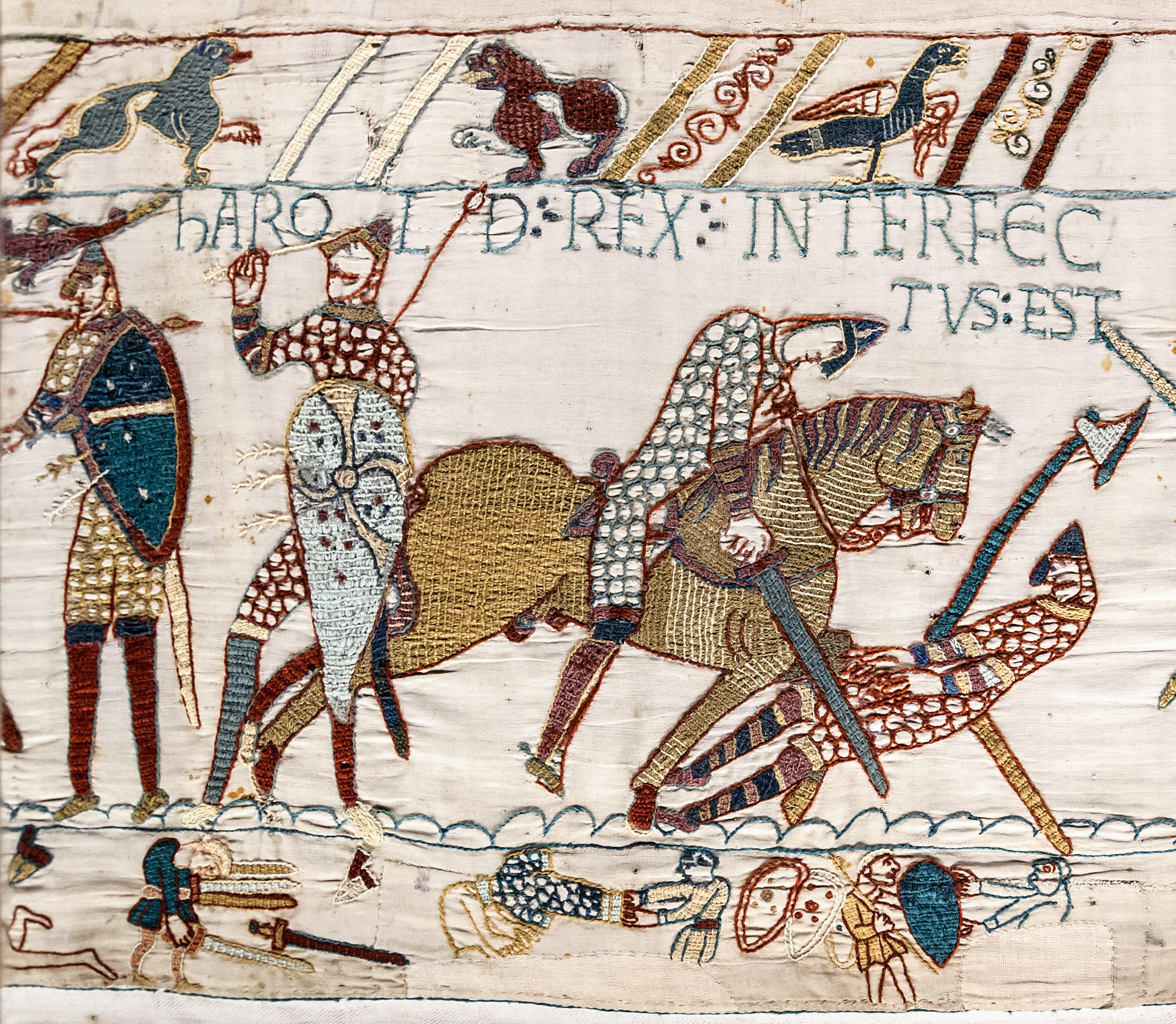
which was pulled over the head, like some sweaters (“pullovers”), as you can see at the bottom of this scene from the Bayeux Tapestry–

The top part of this scene is labeled, “Harold Rex interfectus est”—“King Harold has been killed”, but there is some confusion here as to which figure is Harold.  There is an early account which says that he had been hit in the eye with a Norman arrow, so that would suggest the figure in the middle, but the arrow seems to have been a replacement for something else, so perhaps it’s the figure being struck down on the right?  (For more on this, see: https://historiamag.com/harold-death-truth/  )  In any event, we can see those same “tennis nets” on both the mounted Norman (winning) and the Anglo-Saxons on foot (losing).

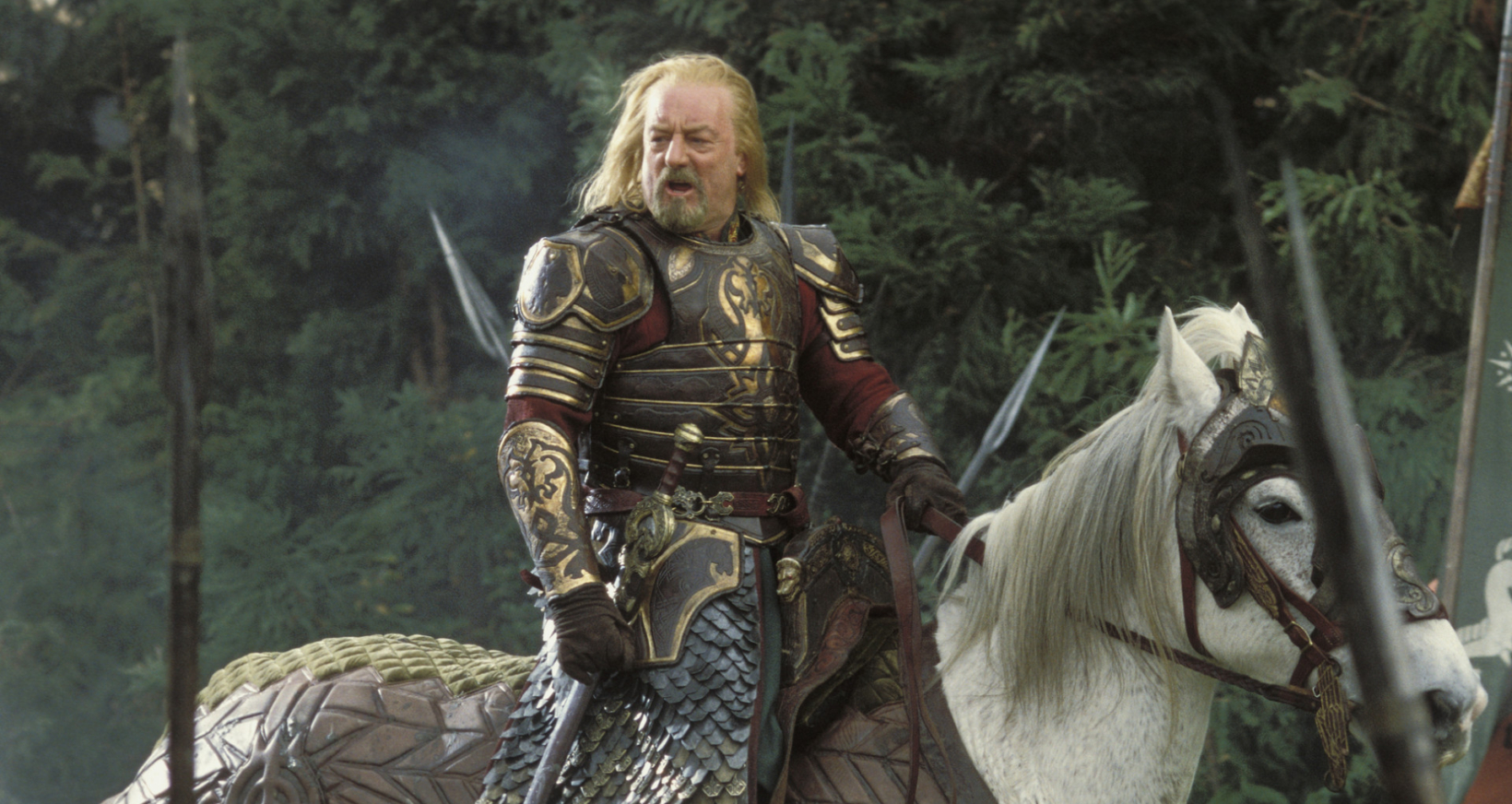
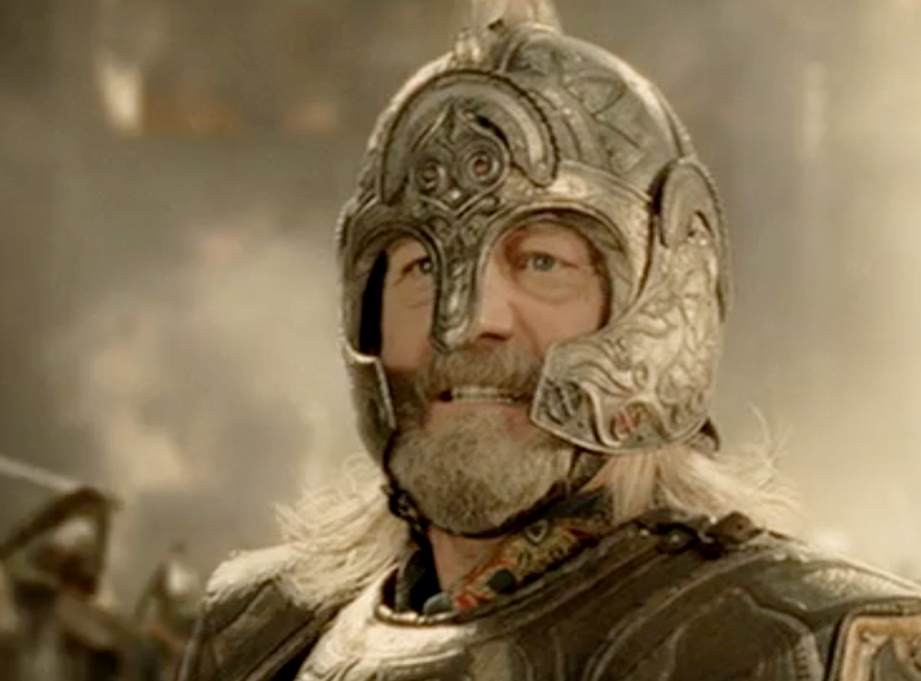
In contrast, here’s Theoden, as portrayed in the Jackson films—

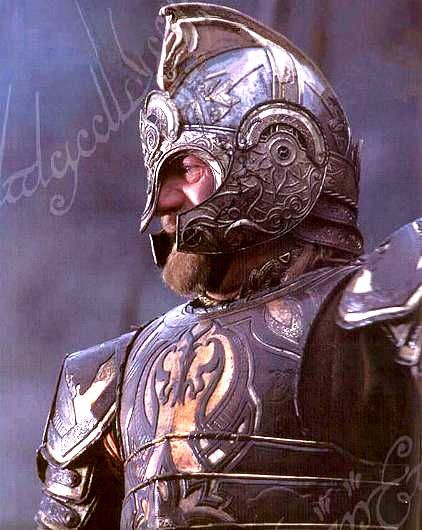
and add in his helmet.

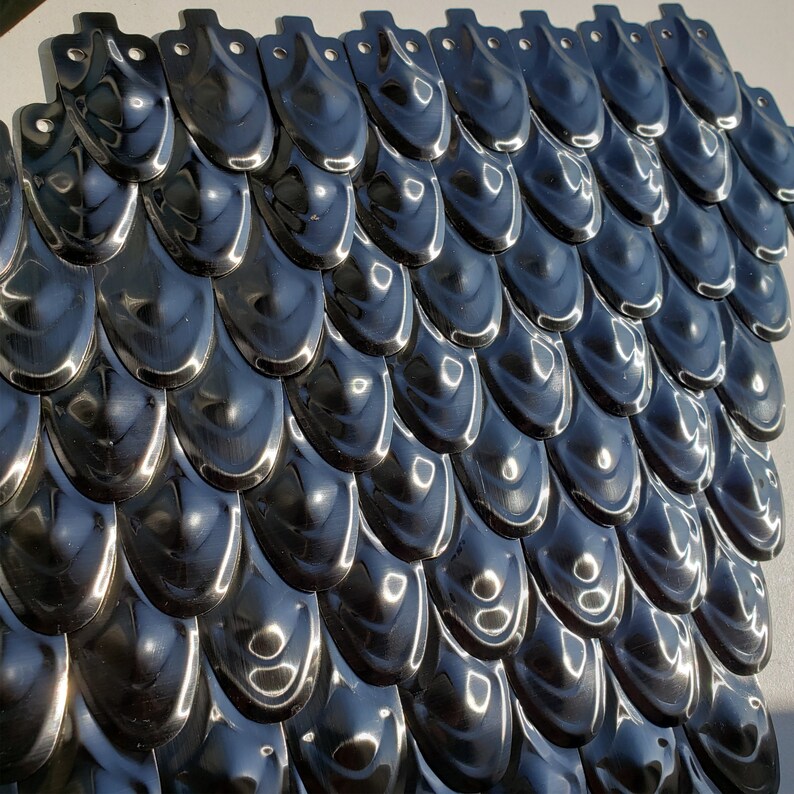
What in the world is all of this?  Certainly not anything like the Bayeux Tapestry which JRRT suggested as a model and yet not the “medieval” I’m assuming he intended to steer Rhona Beare away from.  Instead, it seems like something patched together, with a leather coat underneath (?), lamellar (scale) armor below,

and other things attached—a very odd-looking breastplate in several sections, pauldrons (shoulder pieces), and vambraces (arm pieces).  There is also that helmet—

(This image comes from an amazing site:  https://www.blindsquirrelprops.com/theoden-helmet/  The Squirrel seems to be able to make/reproduce anything and, in this posting, he/she demonstrates how he/she made a reproduction of Theoden’s helmet, based upon a couple of screen captures.)

The Anglo-Saxon king, Harold,

and the Norman-king-to-be, William,

seem content with simple conical helmets—does Theoden really need more?  I’m also puzzled as to where Theoden is wearing his sword—on the right.  Soldiers on the Tapestry wear theirs on the left

and this is true for mounted men over the centuries in general, who then use the left as their bridle hand and their right to draw and use their swords (or spears as is often the case on the Tapestry).  Was Bernard Hill, who played Theoden in the films, left-handed and the director wanted him to feel comfortable? 

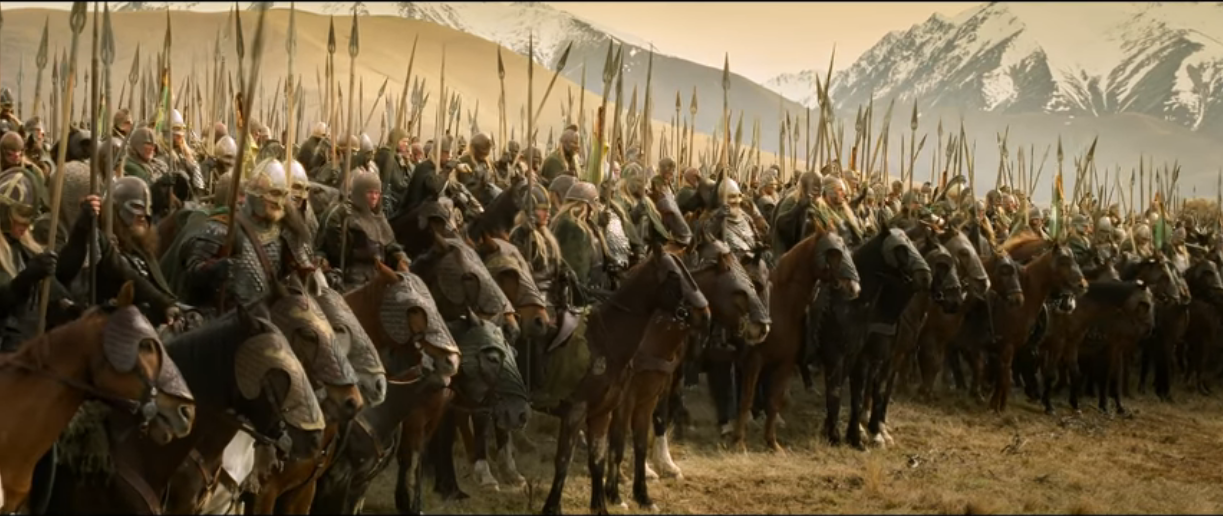
The mass of the Rohirrim, we mostly never see closely—

but, blowing up this image, it’s possible to determine that some attempt has been made to provide the extras with conical helmets, although what little armor one can see appears to be lamellar, rather than chain—probably for the budget’s sake—chain mail taking longer to make and the man-hours making it more expensive—for more on chain mail, here’s a very useful article—and site in general:  https://www.ironskin.com/faq-chainmail-weight-and-cost/

Tolkien was very clear as to what he intended—you have only to read his sometimes outraged comments about a proposed film to be made of The Lord of the Rings to see just how seriously he took his work and its interpretation—letter to Forrest J. Ackerman, June, 1958, Letters, 389-397—and this is an abbreviated form before he appears to have given up in frustration.

And yet, although Tolkien’s letter to Rhona Beare was certainly available to them, with its description, the director and designers of the films clearly paid little attention to his intentions when it came to the look of the Rohirrim.

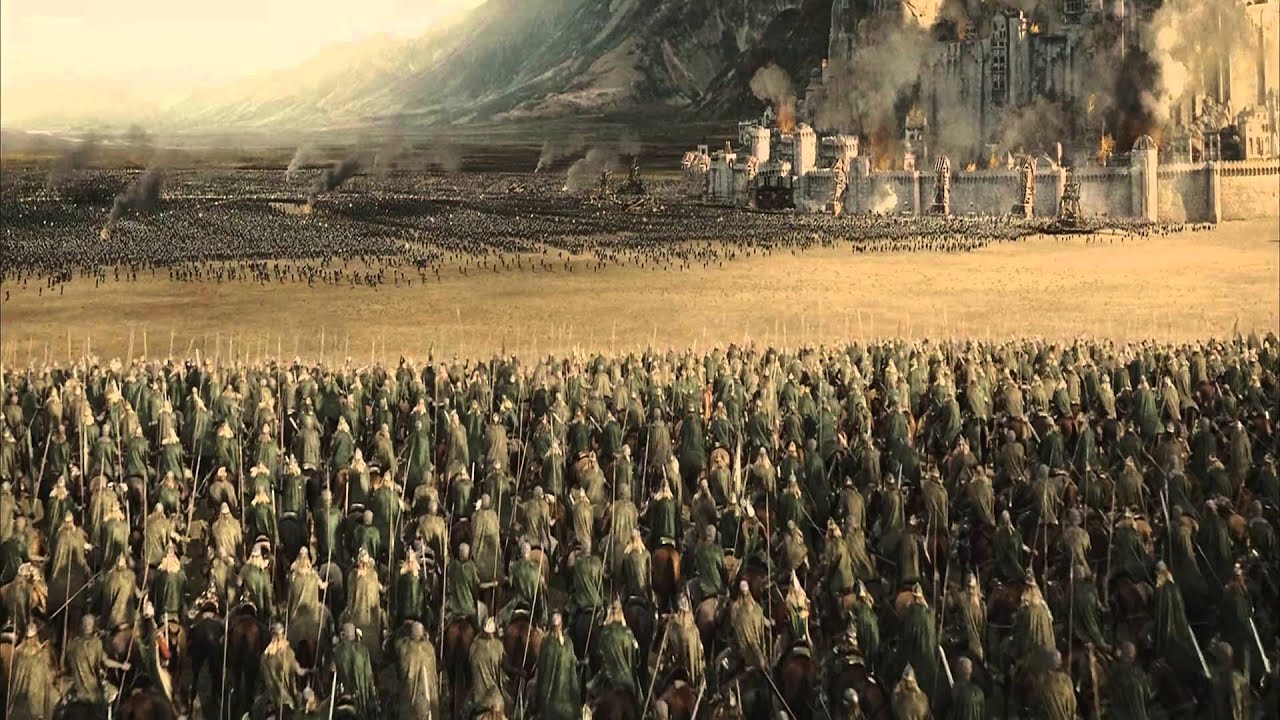
So, will I still find the Rohirrim my favorite part of the films?  Well, there is that moment when we see them sweep against Sauron’s Orcs from behind—

which you can see here:  https://www.youtube.com/watch?v=HVmWl7PrBcc

and that would be hard to give up, because, even if they don’t look like Tolkien’s idea of the Rohirrim, certainly the charge is as stirring as he described it.

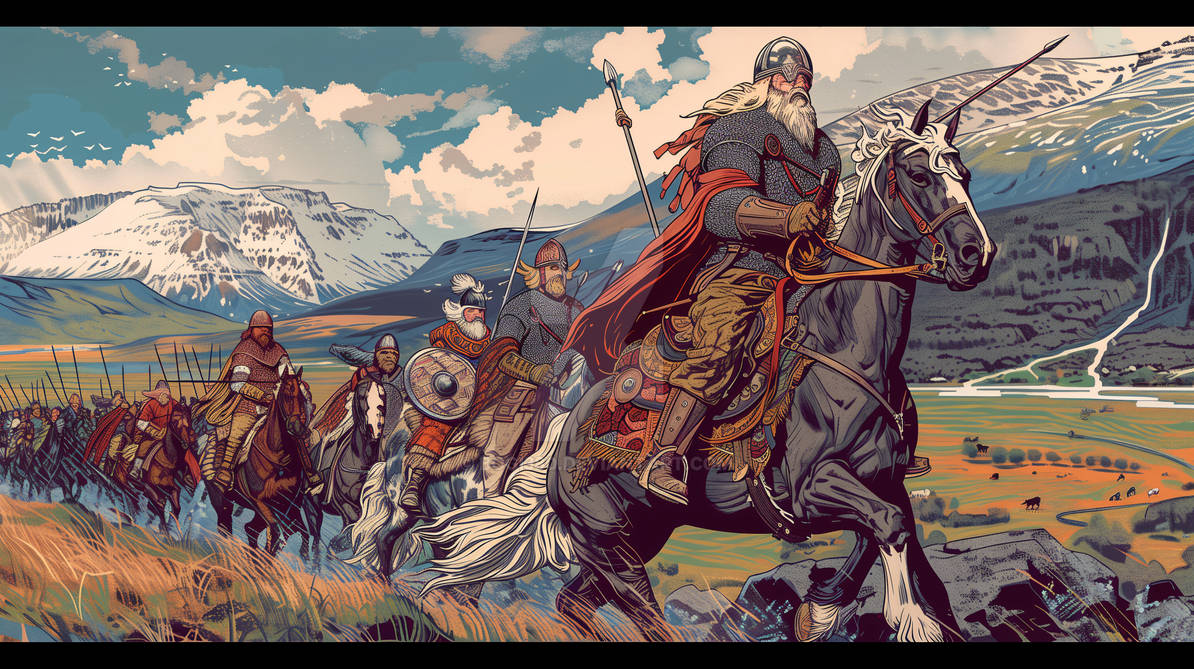
At the same time, however, I’ll offer you this image, by “Bogi380”, of a very different view of the Rohirrim, much closer to Tolkien’s model—

Given the choice of what I would want the Rohirrim to look like, I know what I would choose, but, as the films are not about to be remade, I guess that I’ll stick with my favorites and, as in the case of the ungrassy Rohan, be glad for all that I do enjoy.

Thanks for reading, as always.

Stay well,

Imagine, however, what that scene might have looked like if they’d followed Tolkien’s model–

And remember, that, as always, there’s

MTCIDC

O

PS

For a practically frame-by-frame analysis of the attack of the Rohirrim and a sometimes zany one, see: https://www.extended-cut.com/p/the-charge-of-the-rohirrim-is-the

Pippin

30 Wednesday Jul 2025

Posted by Ollamh in Heroes, Imaginary History, J.R.R. Tolkien, Maps

≈ Leave a comment

Tags

Charlemagne, Child Ballads, Childeric III, Merovingian Kingdom, Pepin le Bref, Perry the Platypus, Pippin, pipping, Pope Zachary, The Bayeux Tapestry, Tolkien

Welcome, as always, dear readers.

When I was little, I heard a folksong, “I gave my love a cherry”, with these lines:

“I gave my love a cherry that has no stone
I gave my love a chicken that has no bone
I gave my love a ring that has no end
I gave my love a baby with no cryen

How can there be a cherry that has no stone?
How can there be a chicken that has no bone?
How can there be a ring that has no end?
How can there be a baby with no cryen?

A cherry, when it’s blooming, it has no stone
A chicken when it’s pipping, it has no bone
A ring when it’s rolling, it has no end
A baby when it’s sleeping, has no cryen.”

Now, I know that it belongs to a riddle song tradition seen in two Child Ballads:  “Riddles Wisely Expounded” (#1) and “Captain Wedderburn’s Courtship” (#46), as well as in several supposedly-impossible task ballads, including “The Elfin Knight” (#2), but then it was just puzzling—especially that line about “A chicken when it’s pipping”. 

Since then, I have seen two explanations:

1. “pipping” is the chick still developing in the egg

2. “pipping” is the act of the chick breaking out of the egg and its bones have not yet matured

“Pipping” is characteristically sung “pippin’” and that was undoubtedly in my head when I first read The Lord of the Rings, and there was “Pippin”—Peregrine Took.

Took is a Norman-English family name, the first member in England being one of the invaders in 1066,

mentioned in (Robert? his first name is under discussion—sometimes he’s just called “Master”) Wace’s 12th century verse chronicle Roman de Rou (the “story of Rollo”—that is, of Hrolfr, a Viking colonizer of the western coast of France who became a vassal of the French king, Charles III (“ the Simple”), under the name “Rollo”, controlling what would become Normandy—“Norsemanland”—for more, see:  https://vikingr.org/explorers/rollo )

(from his tomb in Rouen Cathedral—a medieval idea of his appearance–and they wouldn’t have had much to go on as the tomb has been despoiled more than once:  report has it that only one femur remains inside)

which includes material about the conquest of England and where the sire “de Touques” (Touques is a town and river in Normandy—see:  https://en.wikipedia.org/wiki/Touques,_Calvados )  appears (see Master Wace, his chronicle of the Norman Conquest from the Roman de Rou, translated and edited by Edgar Taylor, 1837, where you can see the name on page 212:  https://archive.org/details/masterwacehischr00waceuoft/page/210/mode/2up )

“Peregrine” is Latin peregrinus, formed from peregre, literally “through the fields” (per agros), meaning “coming from somewhere else”, hence “foreign(er)/strang(er)/and, eventually, “pilgrim”.  See for more:  https://www.etymonline.com/word/pilgrim  I suspect that the name was inspired by Tolkien’s religious background, where there are several saints with that name:

1.  a 2nd-century AD martyr (you can read about him here:  https://www.catholic.org/saints/saint.php?saint_id=5564 )

2. a 7th-century Celtic figure (you can read about him here:  https://www.saintforaminute.com/saints/saint_peregrinus_of_modena )

3. a 13th-century Italian (you can read about him here:  https://en.wikipedia.org/wiki/Peregrine_Laziosi )

“Pippin”, however, appears to be a bit murkier.  One would assume that the nickname for Peregrine would be “Perry” (as in Perry the Platypus from the wonderful animated series “Phineas and Ferb”—for more see:   https://en.wikipedia.org/wiki/Phineas_and_Ferb    ).

So where does Pippin come from? 

I go back to what so often I find helpful for JRRT:  the Middle Ages.

And here I find Latin “Pipinus”, who could be this colorful character, Pepin (nicknamed “Shorty”—le Bref), c.714-768, the 8th-century Mayor of the Palace (chief officer under the king)

(to the right is Pepin’s father, Mayor of  the Palace before him, Charles “Martel”–“the Hammer”)

in Merovingian Francia (for more on this, see:  https://en.wikipedia.org/wiki/Merovingian_dynasty .

Pepin is known in history for two things:

1. with the blessing of Pope Zachary, in 751, he overthrew the Merovingian king, Childeric III, ending the dynasty and making himself king

2. he was the father of Charlemagne, 747-814, creator of the short-lived Carolingian Empire (800-843)

(As always, coins have so much to tell us beyond their monetary significance.  This is a good example of using a Roman model to suggest that, somehow, the person depicted is descended from earlier Roman rulers:  it’s in Latin and uses Roman imperial titles—“IMP” = “Imperator”, once only “one holding the Senate’s authority outside Rome” but, from the time of Tiberius, 42BC-37AD, used as we use “emperor”; “AUG” = “Augustus”, a title originally given by a subservient Senate to Octavian, the heir to his greatuncle, Julius Caesar, and, after 30BC, owner of the whole Mediterranean basin.  As well, Charlemagne is wearing just the suggesting of later Roman armor, covered by a Roman military cloak and, on his head, is the early—and modest—imperial crown—a victor’s wreath.  Charlemagne’s ancestors were the Franks, Germanic invaders who would give France its name.  Charlemagne’s name is the Latin form, “Carolus”, of a Germanic name, “Karl” and note how it’s spelled in the Latin inscription:  “Karolus”.  Latin doesn’t use the letter K—so, a Germanic practice?) 

As Drogo and Freddie are out of the medieval Germanic past, I would suggest that, whereas Took is Anglo-Norman and Peregrine is Latin, Pippin may have gotten his nickname from a similar source, a fittingly distinguished name for someone who, after the War of the Ring, would become Thain of the Shire, Knight of Gondor, and Counsellor of the North Kingdom.

Thanks for reading, as always.

Stay well,

Dark Ages?  What Dark Ages?  You just have to know where to look—Tolkien did,

And remember that there’s always

MTCIDC

O

The Doubtful Sea Series Facebook Page

The Doubtful Sea Series Facebook Page

  • Ollamh

Categories

  • Artists and Illustrators
  • Economics in Middle-earth
  • Fairy Tales and Myths
  • Films and Music
  • Games
  • Heroes
  • Imaginary History
  • J.R.R. Tolkien
  • Language
  • Literary History
  • Maps
  • Medieval Russia
  • Military History
  • Military History of Middle-earth
  • Narnia
  • Narrative Methods
  • Poetry
  • Research
  • Star Wars
  • Terra Australis
  • The Rohirrim
  • Theatre and Performance
  • Tolkien
  • Uncategorized
  • Villains
  • Writing as Collaborators
Follow doubtfulsea on WordPress.com

Across the Doubtful Sea

Recent Postings

  • Homeric? June 17, 2026
  • Tennis, Anyone? June 10, 2026
  • 1002? June 3, 2026
  • Making Money May 27, 2026
  • Blood Money May 20, 2026
  • Saruman’s Sigh May 13, 2026
  • Silents Are Golden May 7, 2026
  • Planting April 29, 2026
  • Subterranean April 22, 2026

Blog Statistics

  • 115,347 Views

Posting Archive

  • June 2026 (3)
  • May 2026 (4)
  • April 2026 (5)
  • March 2026 (4)
  • February 2026 (4)
  • January 2026 (4)
  • December 2025 (5)
  • November 2025 (4)
  • October 2025 (5)
  • September 2025 (4)
  • August 2025 (4)
  • July 2025 (5)
  • June 2025 (4)
  • May 2025 (4)
  • April 2025 (5)
  • March 2025 (4)
  • February 2025 (4)
  • January 2025 (5)
  • December 2024 (4)
  • November 2024 (4)
  • October 2024 (5)
  • September 2024 (4)
  • August 2024 (4)
  • July 2024 (5)
  • June 2024 (4)
  • May 2024 (5)
  • April 2024 (4)
  • March 2024 (4)
  • February 2024 (4)
  • January 2024 (5)
  • December 2023 (4)
  • November 2023 (5)
  • October 2023 (4)
  • September 2023 (4)
  • August 2023 (5)
  • July 2023 (4)
  • June 2023 (4)
  • May 2023 (5)
  • April 2023 (4)
  • March 2023 (5)
  • February 2023 (4)
  • January 2023 (4)
  • December 2022 (4)
  • November 2022 (5)
  • October 2022 (4)
  • September 2022 (4)
  • August 2022 (5)
  • July 2022 (4)
  • June 2022 (5)
  • May 2022 (4)
  • April 2022 (4)
  • March 2022 (5)
  • February 2022 (4)
  • January 2022 (4)
  • December 2021 (5)
  • November 2021 (4)
  • October 2021 (4)
  • September 2021 (5)
  • August 2021 (4)
  • July 2021 (4)
  • June 2021 (5)
  • May 2021 (4)
  • April 2021 (4)
  • March 2021 (5)
  • February 2021 (4)
  • January 2021 (4)
  • December 2020 (5)
  • November 2020 (4)
  • October 2020 (4)
  • September 2020 (5)
  • August 2020 (4)
  • July 2020 (5)
  • June 2020 (4)
  • May 2020 (4)
  • April 2020 (5)
  • March 2020 (4)
  • February 2020 (4)
  • January 2020 (6)
  • December 2019 (4)
  • November 2019 (4)
  • October 2019 (5)
  • September 2019 (4)
  • August 2019 (4)
  • July 2019 (5)
  • June 2019 (4)
  • May 2019 (5)
  • April 2019 (4)
  • March 2019 (4)
  • February 2019 (4)
  • January 2019 (5)
  • December 2018 (4)
  • November 2018 (4)
  • October 2018 (5)
  • September 2018 (4)
  • August 2018 (5)
  • July 2018 (4)
  • June 2018 (4)
  • May 2018 (5)
  • April 2018 (4)
  • March 2018 (4)
  • February 2018 (4)
  • January 2018 (5)
  • December 2017 (4)
  • November 2017 (4)
  • October 2017 (4)
  • September 2017 (4)
  • August 2017 (5)
  • July 2017 (4)
  • June 2017 (4)
  • May 2017 (5)
  • April 2017 (4)
  • March 2017 (5)
  • February 2017 (4)
  • January 2017 (4)
  • December 2016 (4)
  • November 2016 (5)
  • October 2016 (6)
  • September 2016 (5)
  • August 2016 (5)
  • July 2016 (5)
  • June 2016 (5)
  • May 2016 (4)
  • April 2016 (4)
  • March 2016 (5)
  • February 2016 (4)
  • January 2016 (4)
  • December 2015 (5)
  • November 2015 (5)
  • October 2015 (4)
  • September 2015 (5)
  • August 2015 (4)
  • July 2015 (5)
  • June 2015 (5)
  • May 2015 (4)
  • April 2015 (3)
  • March 2015 (4)
  • February 2015 (4)
  • January 2015 (4)
  • December 2014 (5)
  • November 2014 (4)
  • October 2014 (6)
  • September 2014 (1)

Blog at WordPress.com.

  • Subscribe Subscribed
    • doubtfulsea
    • Join 75 other subscribers
    • Already have a WordPress.com account? Log in now.
    • doubtfulsea
    • Subscribe Subscribed
    • Sign up
    • Log in
    • Report this content
    • View site in Reader
    • Manage subscriptions
    • Collapse this bar

Loading Comments...