• About

doubtfulsea

~ adventure fantasy

Monthly Archives: May 2026

Making Money

27 Wednesday May 2026

Posted by Ollamh in Uncategorized

≈ Leave a comment

Tags

Athens, Augustus, Brutus, cattle, Celtic tribes, Charlemagne, coins, deniers, Diocletian, Lydia, Philip II, Queen Victoria, The Lord of the Rings, Tolkien, weregild, William the Conqueror

As always, welcome, dear readers.

In my last posting, “Blood Money” (20 May, 2026), I mentioned that, in early Western history, weregild, that is, compensation for a killing, might be paid in cattle,

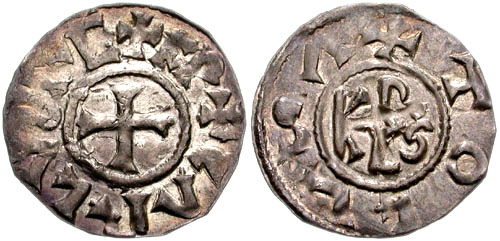
or in money, more specifically, in the Merovingian/Carolingian kingdom, for which we have reparation lists, in a coin called a “denar” (more modern “denier”).
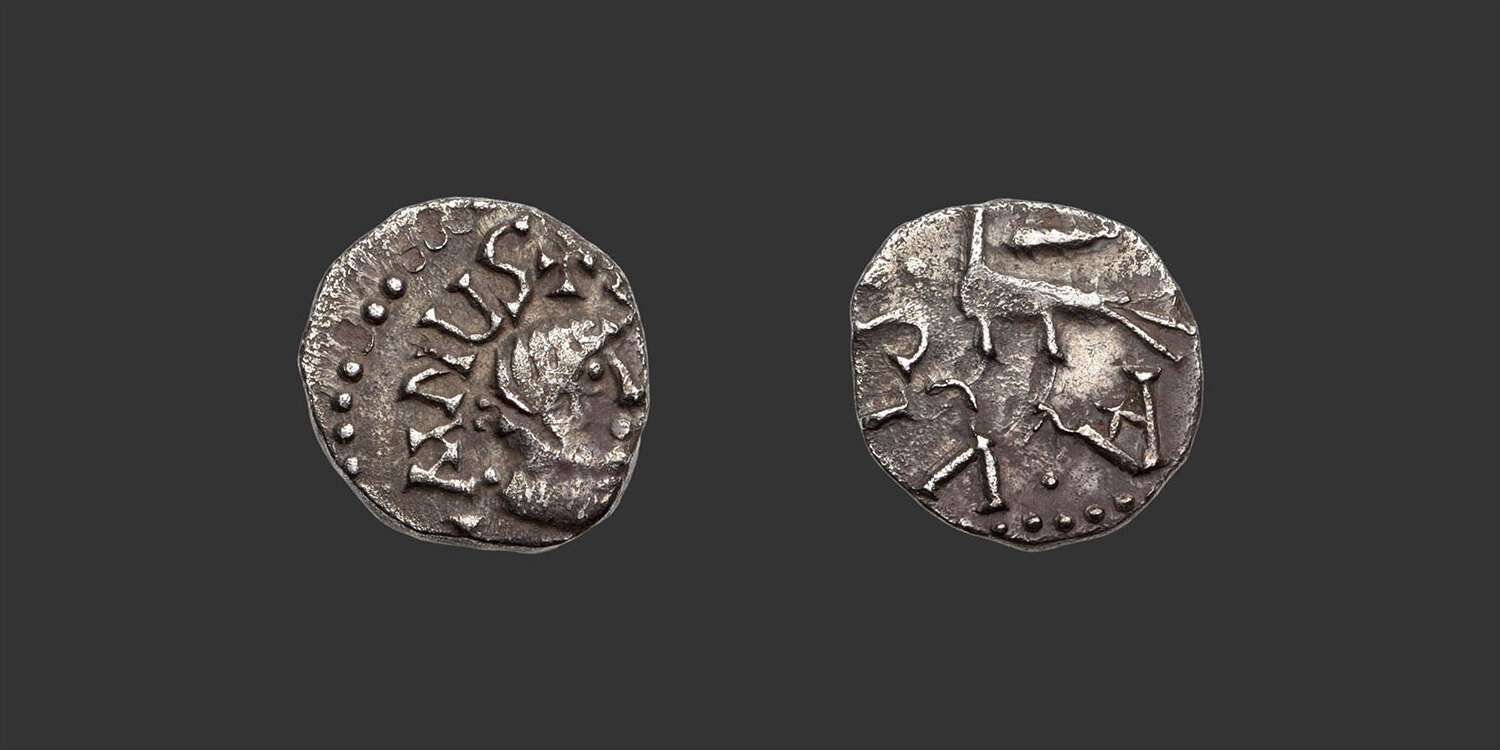
I think that we can assume that cattle might have been used before money, suggesting just how old such a custom must have been.

Money, in the Western world had first appeared in the 7th century BC, in Lydia, in western Asia Minor.
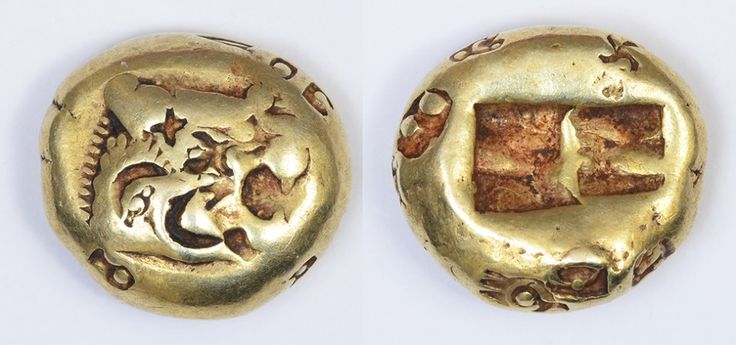
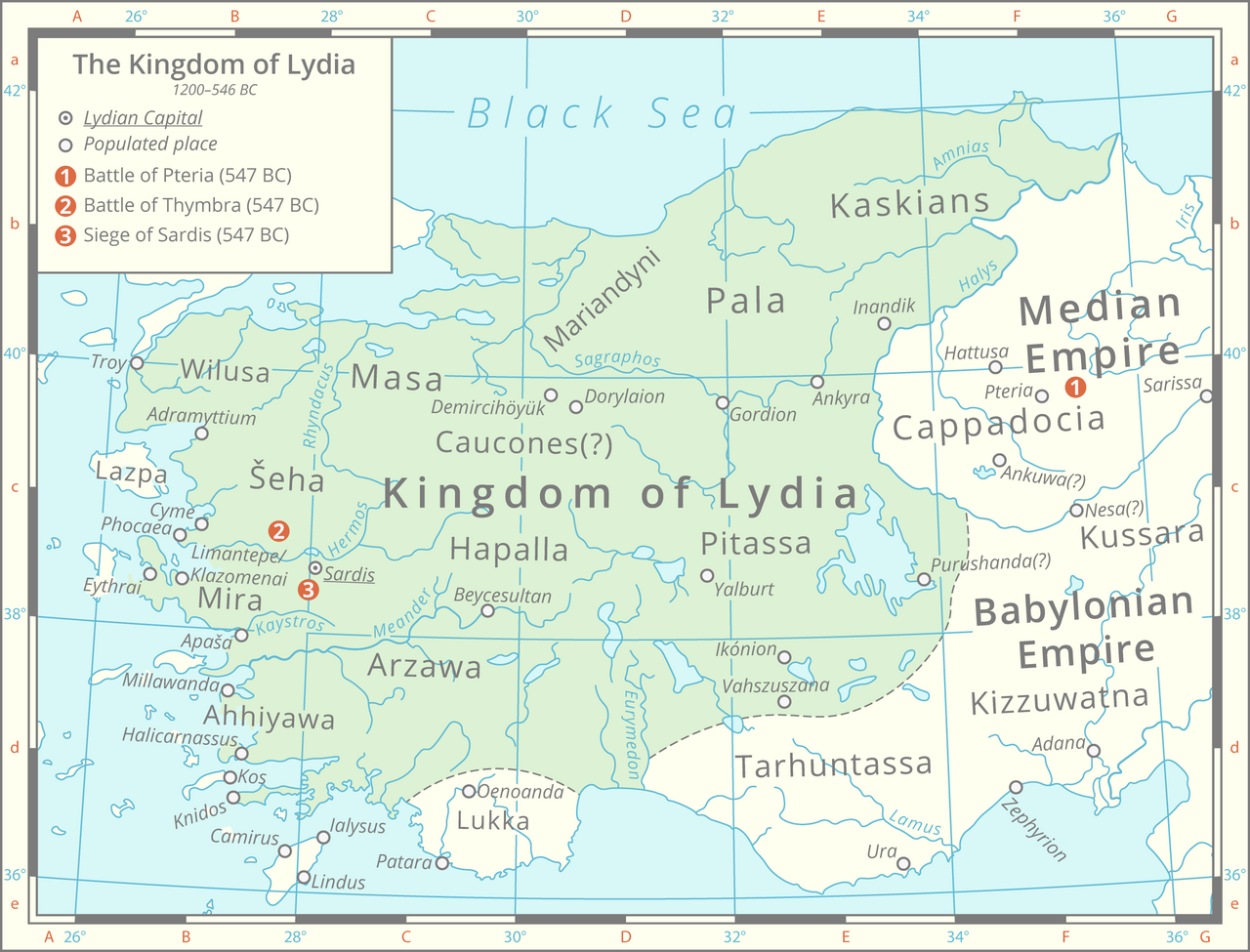
(you can read more about Lydian coinage here:  https://www.worldhistory.org/article/797/the-importance-of-the-lydian-stater-as-the-worlds/ )

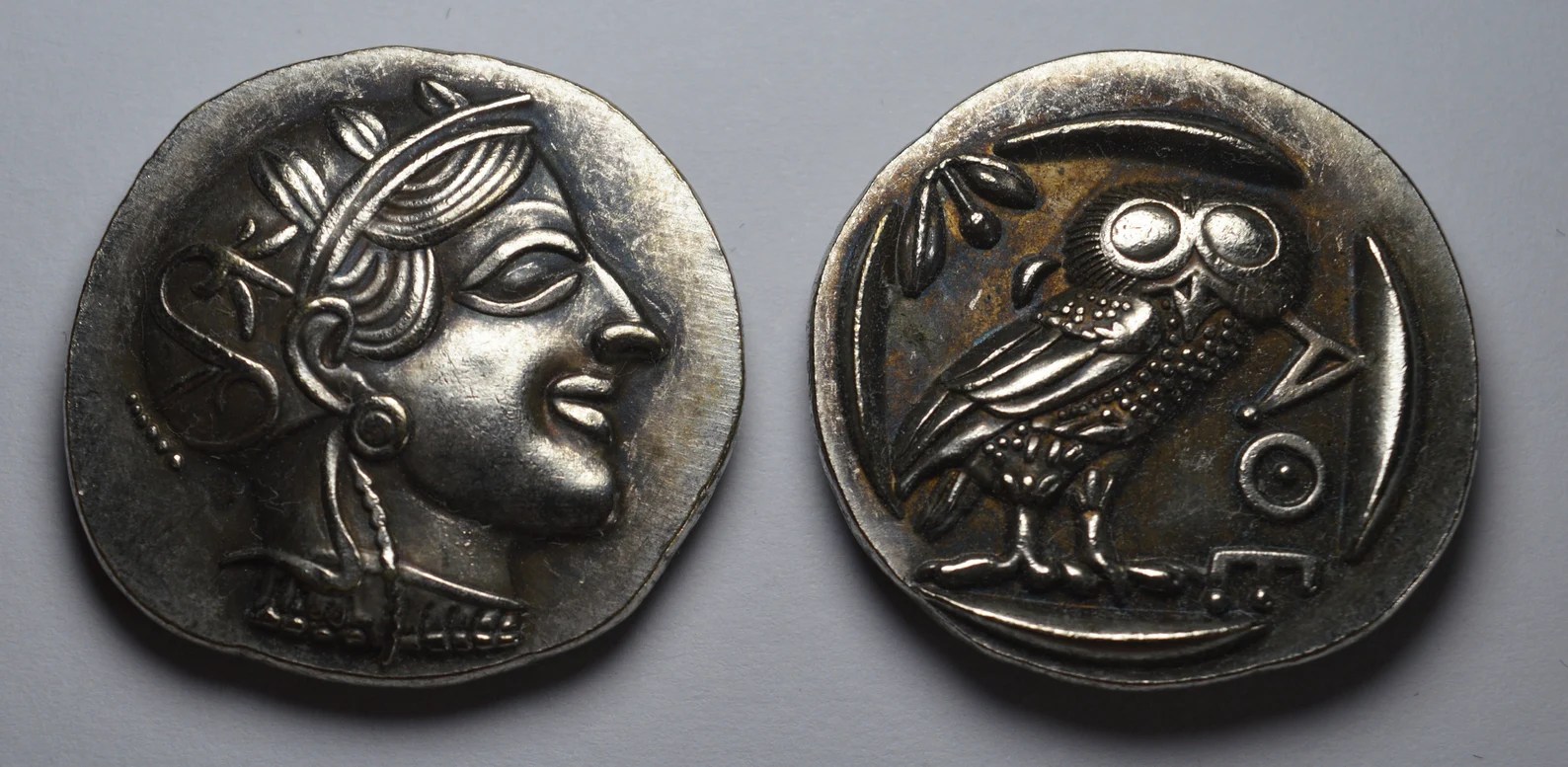
This is a rather crude coin, but, picked up by the Greeks, coins became more sophisticated, commonly produced by city-states with emblems of that state and of its divine patron stamped on them, as in this Athenian coin, with Athena and her owl.
The first Western ruler to put his own head on a coin appears to have been Philip II of Macedon, the father of Alexander the Great, in the 4th century BC.
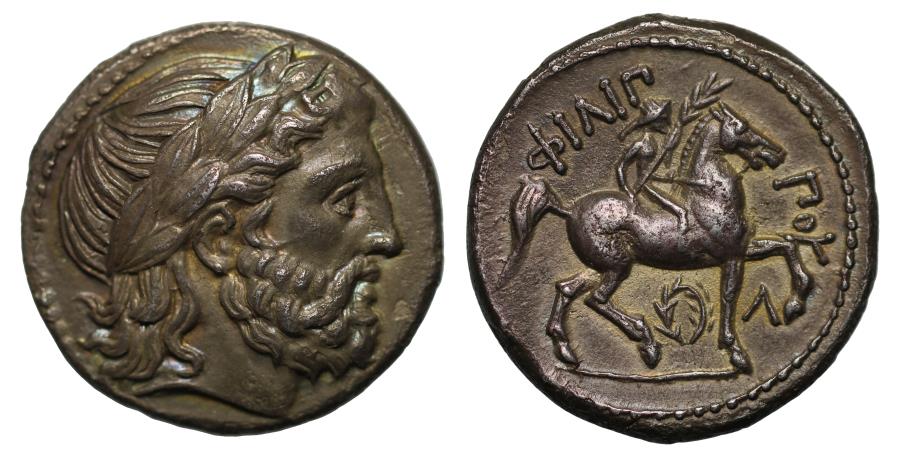
Philip has also put his name on the reverse, in the possessive case, saying “of Philip”, next to the horseman.  This is a big claim:  does he mean the horseman or the coin or maybe the silver of which the coin is made?   In fact, I think that it’s a greater claim:  that, because of the silver—and probably the horseman, as well—Philip has the backing—and therefore the right—to produce such coins, giving them their worth.

And this is an important claim:  anyone might produce a piece of metal with a decoration of some sort on it, but what is its worth unless there’s something—or someone—substantial behind it to guarantee that worth?

The reverse is true, as well:  if you can produce such coins, then you must have a certain worth, as well.

A perfect example of this thinking may be seen in this well-known coin from the last century, BC.
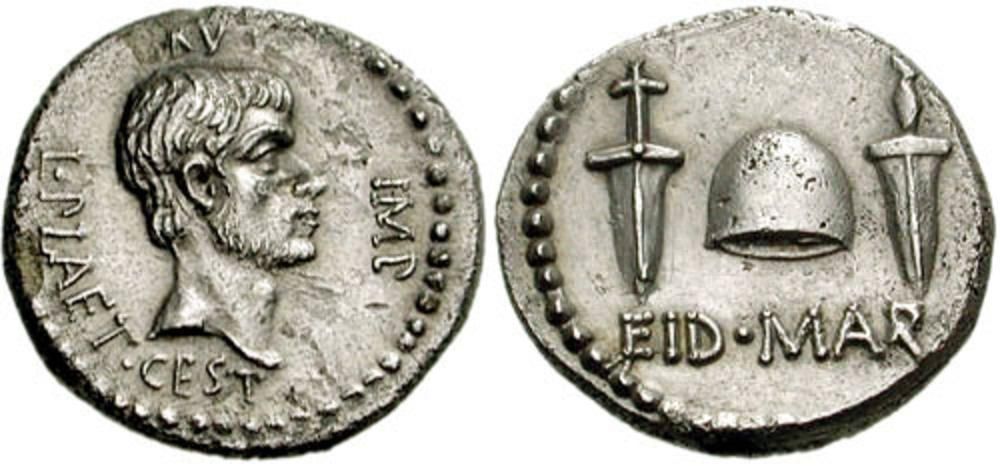
It is a coin issued by one of Caesar’s assassins, Brutus, and, on the reverse (the back), he’s stating his claim to be believed:  2 daggers, a liberty cap, and the date:  the Ides of March.  This implies that, on the Ides (the 15th–of March, in this case), with a knife, Brutus participated in the freeing of the enslaved Roman state (the cap was worn by a slave in a liberation ceremony)—when he was involved in Caesar’s murder. 

On the obverse (the front) is his family name, his portrait, his claim to be an official of the state (“IMP”—short for “Imperator”—that is, the holder of “imperium”, the state’s power of life and death over citizens,  given to magistrates, governors, and generals when they were sent out of Rome on a mission), and the name of the master of the government mint which issued the coin, Lucius Plaetorius Cestianus. 

Putting all of this together, it asserts both the claim that the coin has value and that the person under whom it was issued has the state’s backing to have done so—with the added claim that the person depicted on the coin had that authority because he was involved in the liberation of the state from a tyrant:  the coin, then, of a (self-appointed) hero of the Republic.

This is an unusual approach as, mostly, governments simply assert their power by issuing currency—often, in the later West, by modeling their coins on those of their illustrious predecessors, as Charlemagne clearly did on this coin, depicting himself as if he were a Roman emperor (that wreath on his head even goes as far back at Philip II) and making a Roman-style claim—
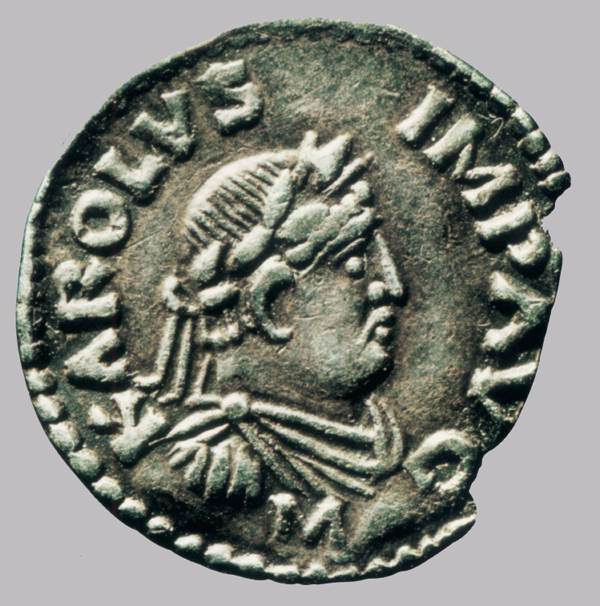
that he holds the imperium, as well as the title which the Roman Senate had awarded Octavian, “Aug”, “Augustus”, which, after Diocletian
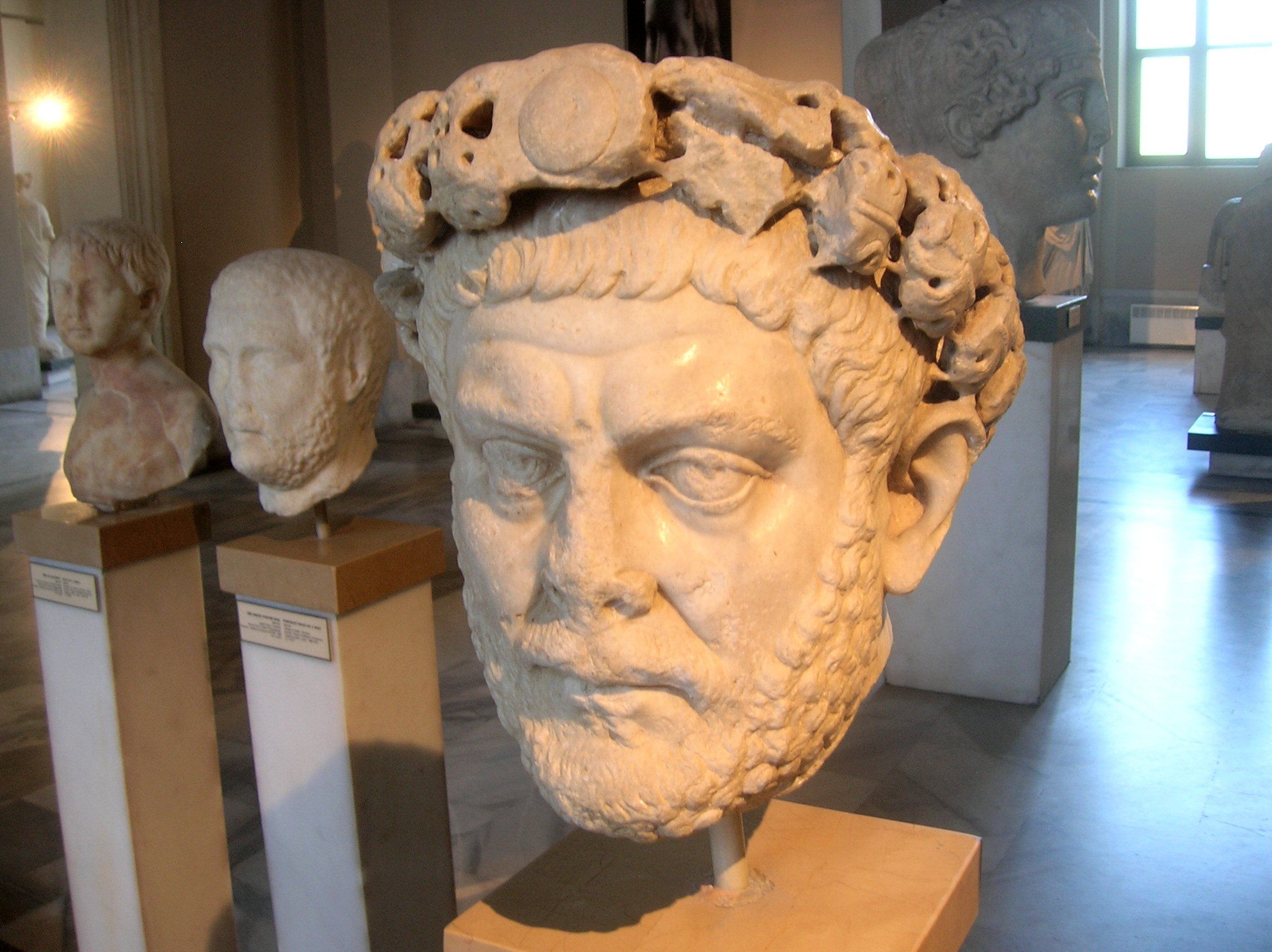
had divided the Roman empire in 293AD, had been the title for the two senior rulers.
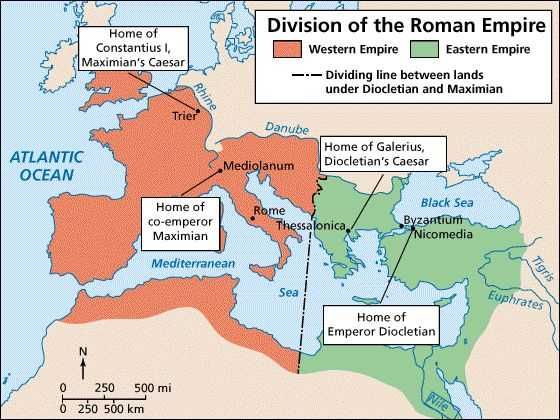
(“co-emperor” = Augustus and “Caesar” = each Augustus’ assistant)

In the Gallo-Celtic world, coins were first issued by tribes (probably through their kings)—this is a coin of the Lingones, a tribe from east central Gaul.
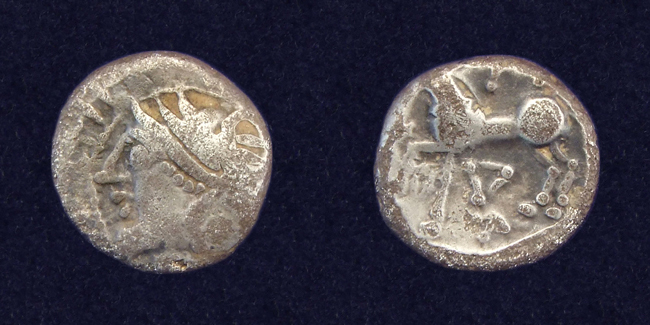
It would appear that the practice was extended to their Celtic cousins, in Britain, as we see here, in this coin from the Atrebates, who lived in the Thames valley.
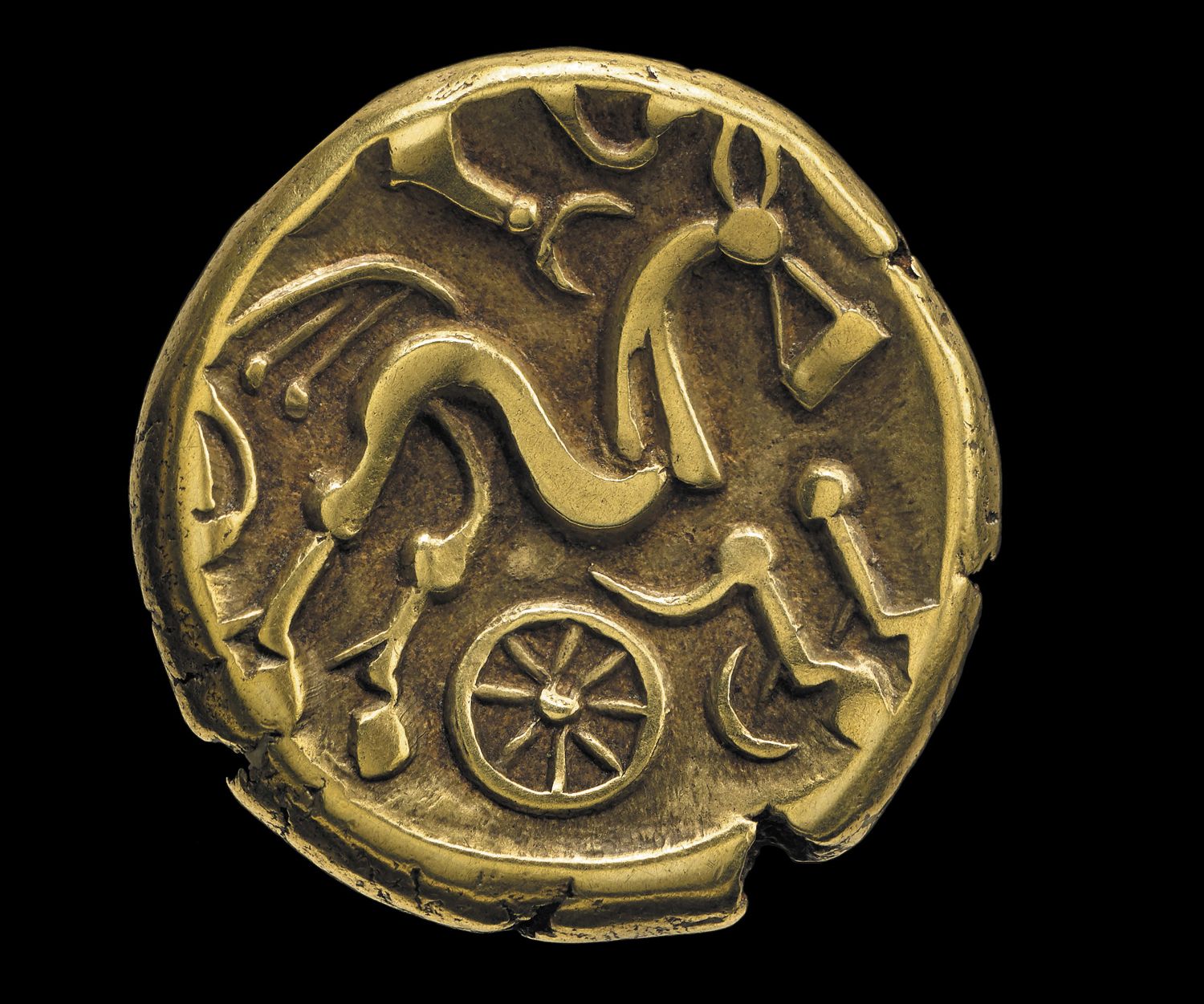
(You can read more about British Celtic tribal coins here:  https://coinweek.com/the-ancient-celtic-coinage-of-britain/ )

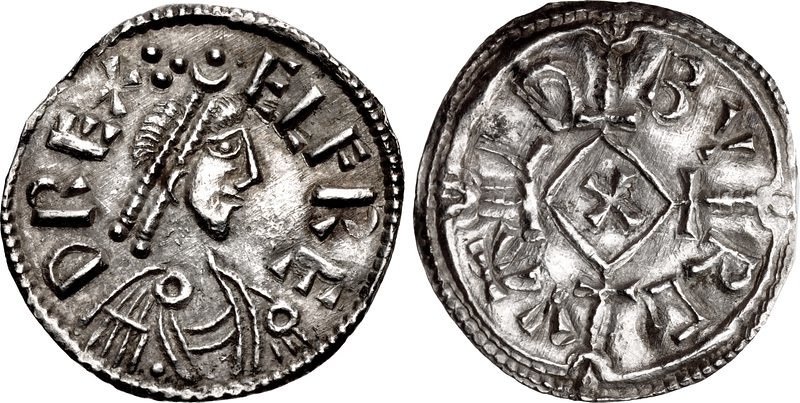
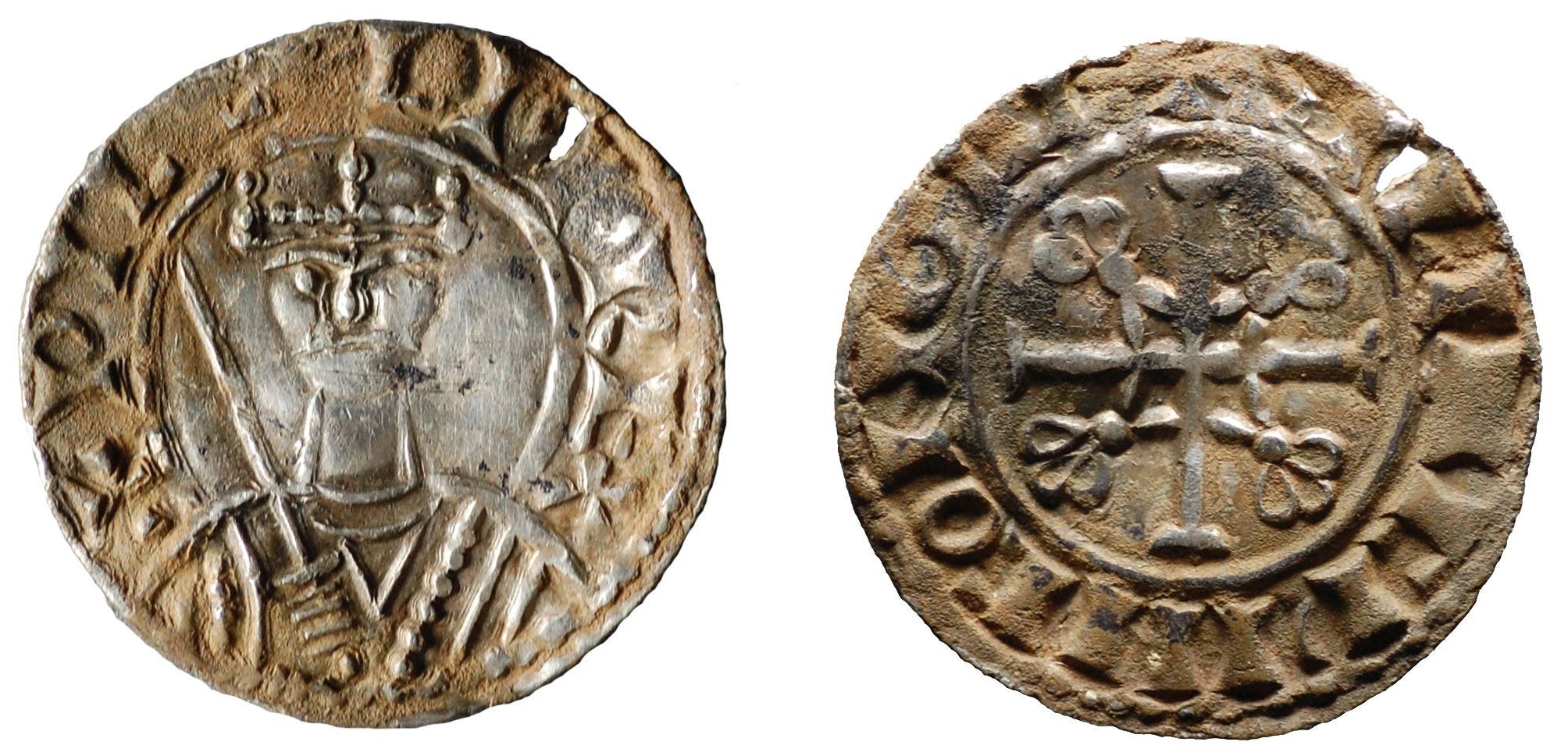
When the Romans arrived after 43AD, these coins disappeared, to be replaced by standard Roman issues, but, through the centuries which followed, it was still a mark of authority that a ruler would issue coins, as in this of Alfred the Great, king of the Anglo-Saxons, 886-899AD,
or this of William the Conqueror (ruled England 1066-1087),
or this of Queen Victoria (ruled 1837-1901).
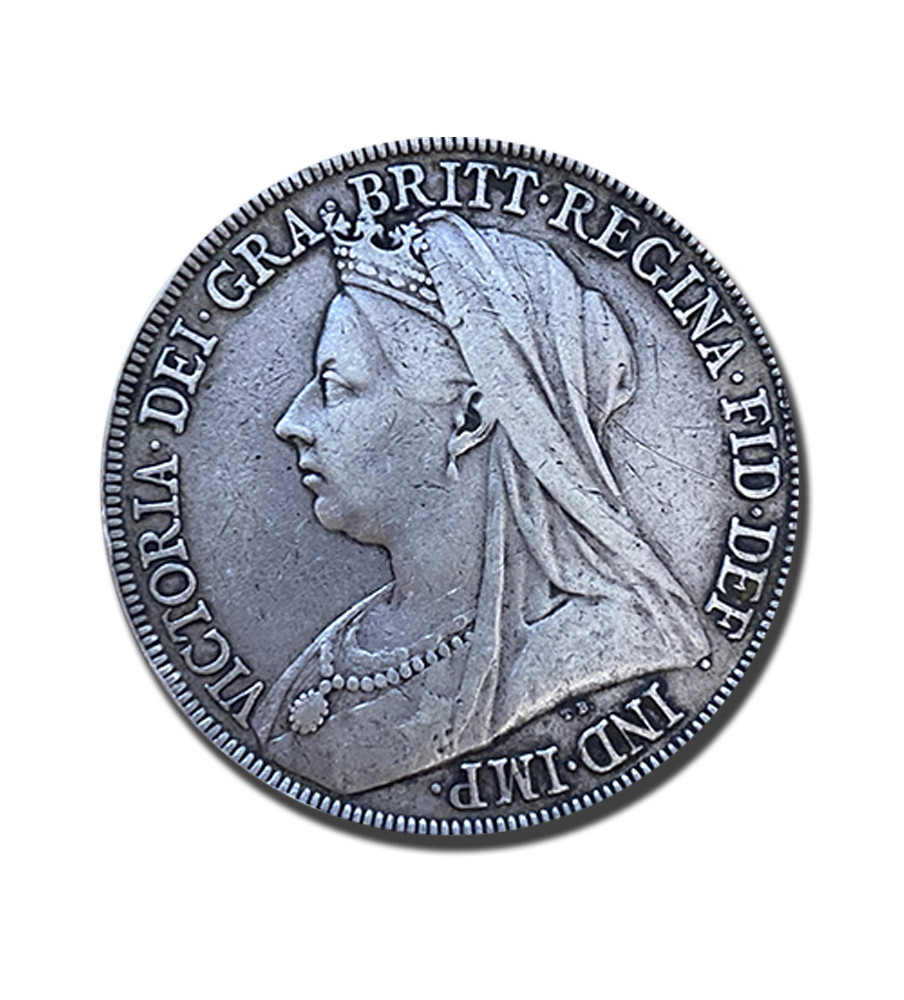
(Notice the rather grandiose contrast in what’s being told you on the obverse of this coin vs that of Charlemagne–not only is she Queen of Britain—by the grace of God—“Dei Gra-tia”—but Defender of the Faith”—”Fid-em Def—ensor” and, post-1877, Empress of India—“Ind-iae Imp-eratrix”)

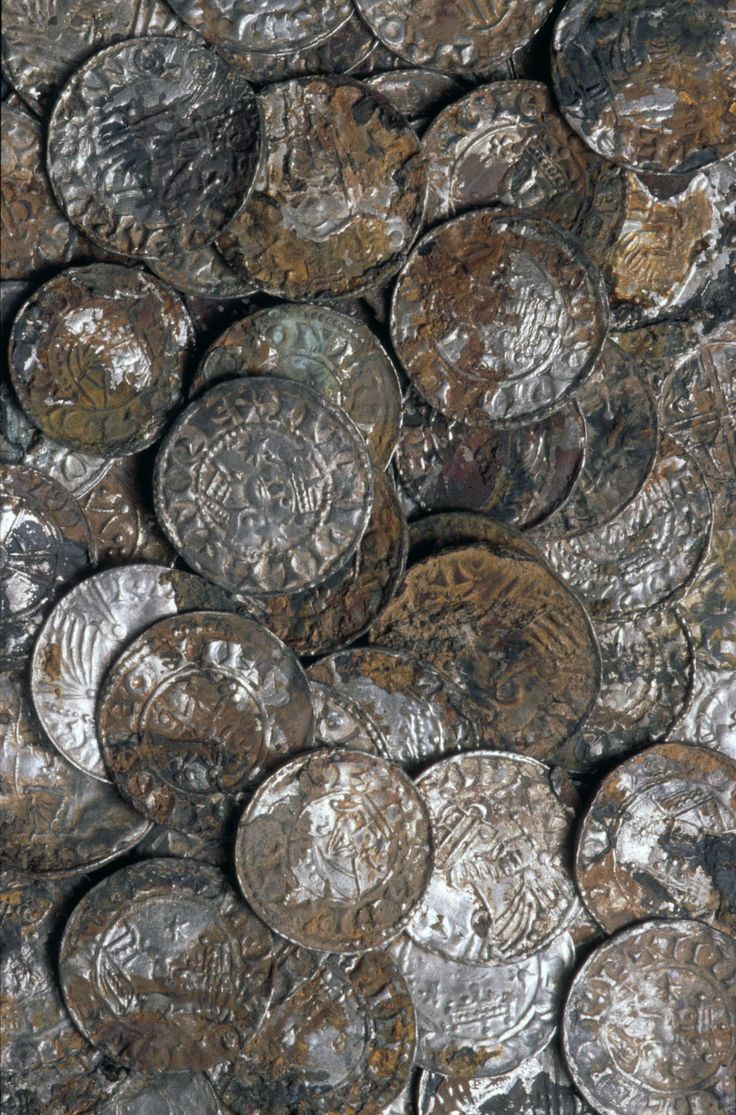
Interestingly, the British government still used the ancient Germanic system of coin value (perhaps inherited from those same Merovingian/Carolingians who produced the “denar” from the beginning of this posting) until 1971, when it shifted to the decimal system used in much of the rest of the world.  (Here’s a really useful article on pre-decimal coinage:  https://www.royalmintmuseum.org.uk/journal/history/pounds-shillings-and-pence/   And I can’t resist this wonderful skit from Horrible History on Tudor money:  https://www.youtube.com/watch?v=j0Qv9uSNWCk )

And this brings us to the point (at last) of this posting:  a new coin in the UK:  a 50p (that’s 50 pence or half a pound in post-1971 money)
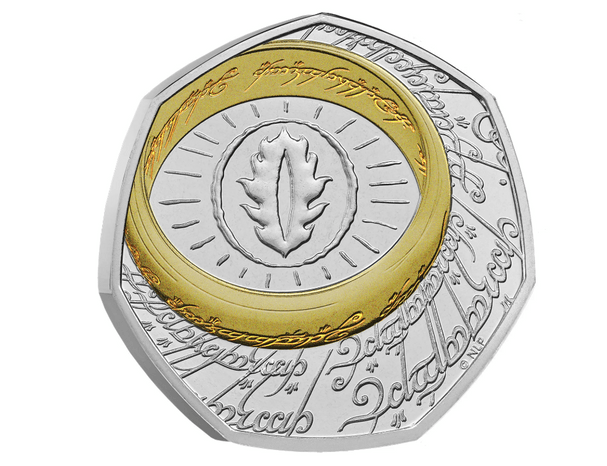
with a special reference for those of us who read and enjoy Tolkien:  it’s a coin commemorating the 25th anniversary of the premier of the Lord of the Rings films (You can read more about it here:  https://www.bbc.co.uk/newsround/articles/cgmpneen13mo )–a fine gesture, but, note that, even as it has images from the Tolkien world on the reverse, on the obverse there’s all of this—

the King’s profile—just like Philip II’s from the 4th century BC–with the same D[ei] G[ratia] and even F[idem] D[efensor] you can see on Victoria’s coin, lacking only the claim to be IND[iae] IMP[erator].  Perhaps some things never change?

Thanks, as always, for reading.

Stay well,

Be glad that you don’t have to do arithmetic problems in pre-decimal coinage,
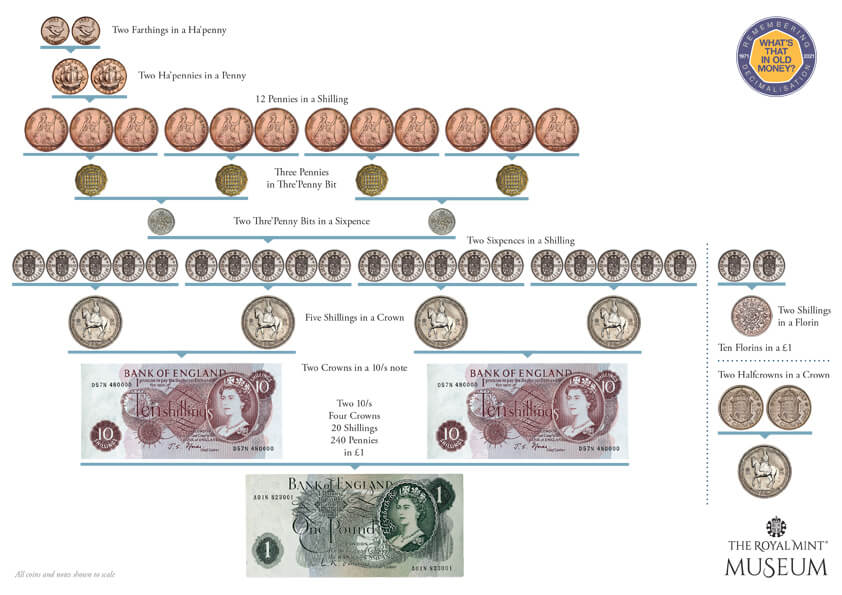
(This chart is from that Royal Mint Museum site listed above)

And remember that, as always, there’s

MTCIDC,

O

PS

In case, looking at them, you’ve wondered why those early coins seem so random and lumpy, see:  https://www.numisdon.com/ancient-coin-minting-techniques/

PPS

For more on coins and Mordor, see: “In Mint Condition”, 4 August, 2021.
Blood Money

20 Wednesday May 2026

Posted by Ollamh in Uncategorized

≈ Leave a comment

Tags

Aeschylus, Beowulf, cattle culture, Grendel, Isildur, Oresteia, Salic Law, The Lord of the Rings, The Ring, Tolkien, weregild

As ever, welcome, dear readers.

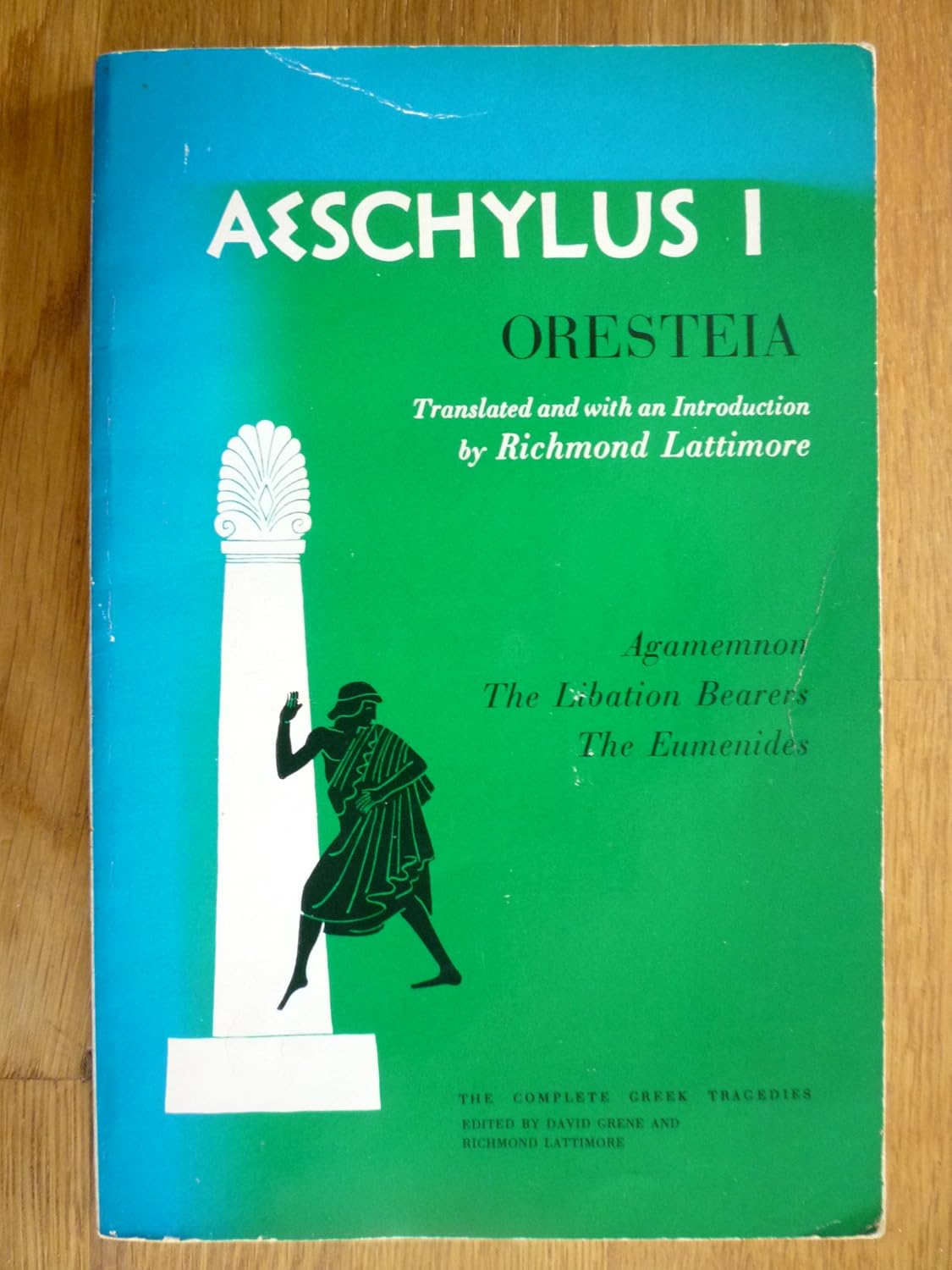
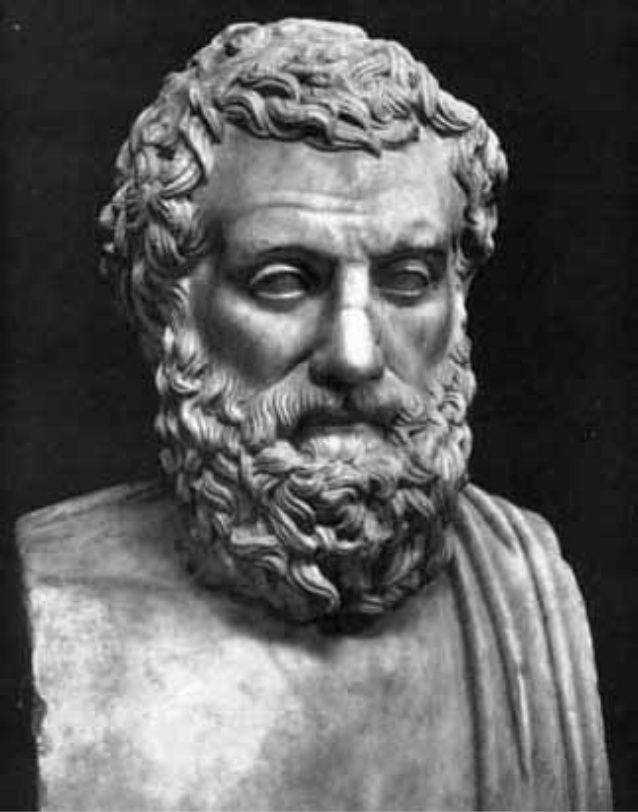
The Greek tragedian, Aeschylus, c.525-456BC,

was interested in murder—and revenge, and, in fact, wrote an entire trilogy of tragedies based upon the topic, the Oresteia.

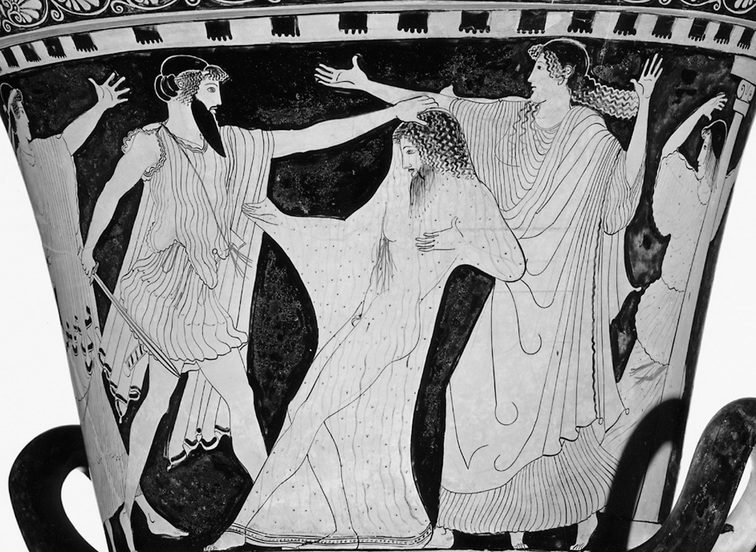
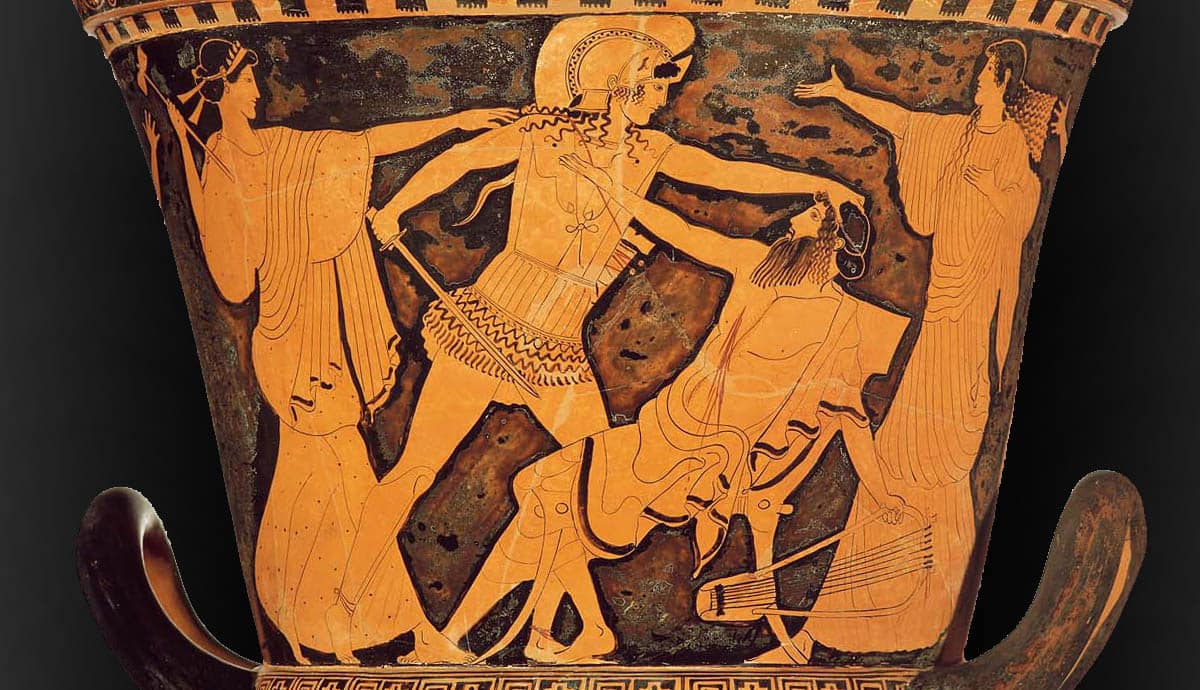
In the three plays, Aeschylus gives us the initial murder of Agamemnon, high king of Greece, by his wife, Clytemnestra, and her boyfriend, Aegisthus, in Agamemnon,

Agamemnon’s son, Orestes’, revenge upon his mother and that boyfriend in The Libation Bearers,

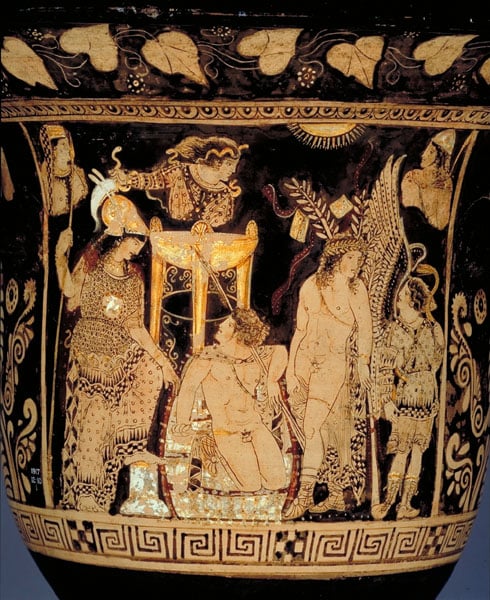
which includes, at its conclusion, Orestes’ pursuit by the Furies, the supernatural avengers of kin-murder, and his final salvation, with the aid of Athena, in The Furies,

which includes both the pacification of the Furies and the first trial in Athens for murder, and also signals the beginning of the rule of law and the end of revenge as the way of dealing with murder—the old idea of “eye for an eye” justice being meted out by the family of the victim.

Other early societies lacked the Furies, but definitely had law and it’s interesting to see that their view of what to do about violent crime was decidedly different from ours, in which a murderer can be sentenced to a long term in prison or even executed, depending upon the country and the circumstances. 

A major difference lies both in the lack of prison or execution and in providing compensation for the victim’s family.

What is a person worth?  In modern terms, we probably think of life insurance and death compensation—

Early societies might have a kind of value scale.  Early Ireland, for instance, was an agricultural world, and so everyone’s worth could be based upon cattle.

(for more on this, see:  https://brehonacademy.org/cows-as-currency-in-early-ireland/ )

In the Germanic world, we see monetary compensation.  The Frankish “Salic Law” had, basically, tables which showed the worth of different levels of society and what would be owed in compensation for a murder.  Here is one portion so that you can see just how specific it is—

“Title XLI. Concerning the Murder of Free Men.

1. If any one shall have killed a free Frank, or a barbarian living under the Salic law, and it have been proved on him, he shall be sentenced to 8000 denars.
2. But if he shall have thrown him into a well or into the water, or shall have covered him with branches or anything else, to conceal him, he shall be sentenced to 24000 denars, which make 600 shillings.

3. But if any one has slain a man who is in the service of the king, he shall be sentenced to 24000 denars, which make 600 shillings.

4. But if he have put him in the water or in a well, and covered him with anything to conceal him, he shall be sentenced to 72000 denars, which make 1800 shillings.

5. If any one have slain a Roman who eats in the king’s palace, and it have been proved on him, he shall be sentenced to 12000 denars, which make 300 shillings.

6. But if the Roman shall not have been a landed proprietor and table companion of the king, he who killed him shall be sentenced to 4000 denars, which make 100 shillings.

7. But if he shall have killed a Roman who was obliged to pay tribute, he shall be sentenced to shillings.

9. If any one have thrown a free man into a well, and he have escaped alive, he (the criminal) shall be sentenced to 4000 denars, which make 100 shillings.”

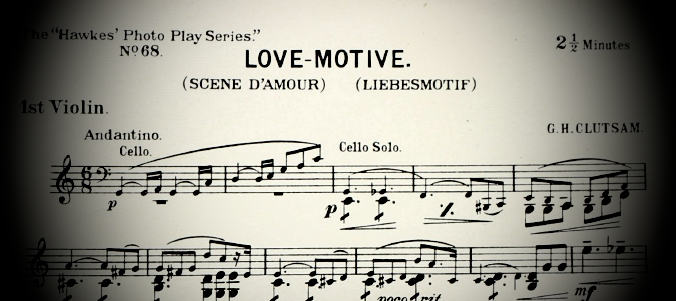
(quoted from the Yale Law School “Avalon Project” and you could read more here:  https://avalon.law.yale.edu/medieval/salic.asp  A “Roman” is a citizen.  A “denar” is a penny in the Merovingian/Carolingian monetary system of what we might think of as Roman Gaul +.  Here’s an example—

12 of these made a shilling and 20 shillings made a pound.  For more on this system, see:  https://en.wikipedia.org/wiki/Carolingian_monetary_system )

Payment for a death in this system was called “weregild”, or, depending where and when you lived, “mangaeld” or “leodardi”.  (for more, see:  https://en.wikipedia.org/wiki/Weregild  For another valuation list, see:   https://en.wikipedia.org/wiki/Nor%C3%B0leoda_laga )

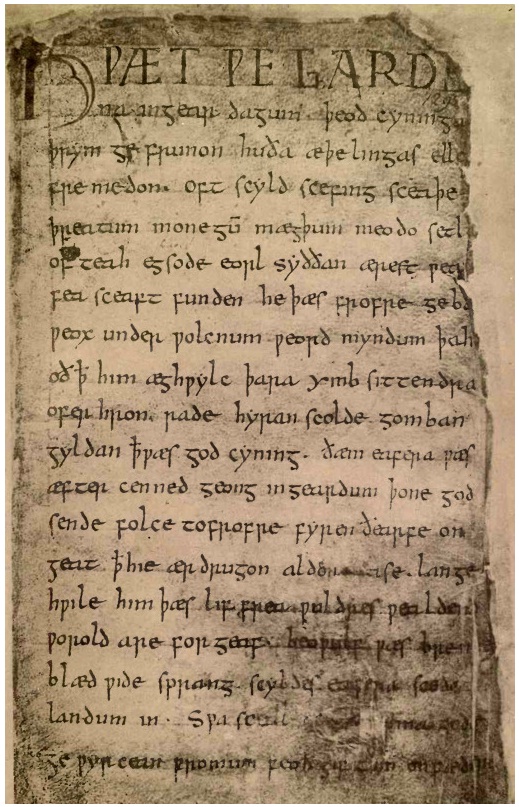
We don’t know when or where Tolkien first encountered the term.  It is interesting, however, to see the concept used in one of his favorite medieval works, Beowulf,

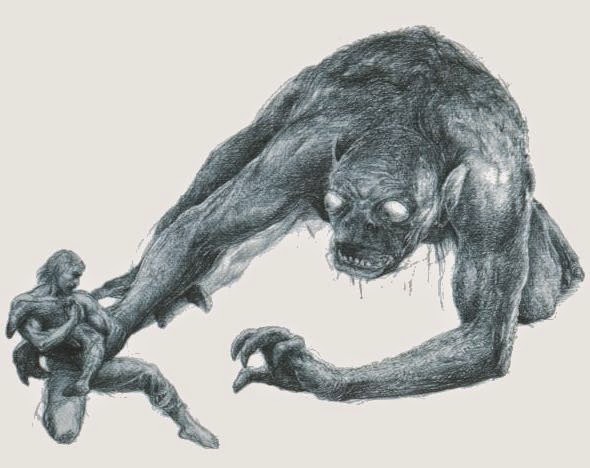
where it suggests that the monster, Grendel,

(Alan Lee)

is uncivilized, seeming not to understand that, in Danish society, killing requires rebalancing through financial compensation—

“feorhbealo feorran, fea thingian             to desist in life-destruction,  to settle it with payment,

ne thear naenig witena   wenan thorfte    none of the counsellors   had any need to hope for

beorhtre bote  to banan folmum               noble recompense   from the slayer’s hands.”

(lines 156-158, text and translation from the Heorot site, which contains helpful notes, as well as the Old English text and a modern English translation.  Here it is:  https://heorot.dk/beowulf-rede-text.html  There’s a later mention of the Danish king, Hrothgar, paying weregild for a killing by Beowulf’s father, Ecgtheow, 456-472, and here the word used is “fee”—“feo”—which comes from a Germanic word for “cattle”, implying that, like the early Irish, the Germanic peoples were also once a cattle culture.  For more on “fee”, see:  https://www.etymonline.com/word/fee )

JRRT employs the term in a bit of ancient history about the Ring—

“ …and Isildur cut the Ring from [Sauron’s] hand with the hilt-shard of his father’s sword and took it for his own…

‘This I will have as weregild for my father, and my brother,’ he said…” (The Fellowship of the Ring, Book Two, Chapter 2, “The Council of Elrond”)

Isildur is aware that this isn’t a bit of costume jewelry, writing:

“The Great Ring shall go now to be an heirloom of the North Kingdom; but records of it shall be left in Gondor, where also dwell the heirs of Elendil, lest a time come when the memory of these great matters shall grow dim.”

In the same note, however, we see the signs that the Ring has already begun to exert its power over him:

“But for my part I will risk no hurt to this thing:  of all the works of Sauron the only fair.  It is precious to me, though I buy it with great pain.”  (The Fellowship of the Ring, Book Two, Chapter 2, “The Council of Elrond”)

It will bring about his death, riddled with Orc arrows in the Anduin, and I wonder if, even as he obviously valued it, at the moment it slipped from his finger, he realized that his “weregild” wasn’t just an expensive equivalent of coins or cattle?

Thanks, as always, for reading.

Stay well,

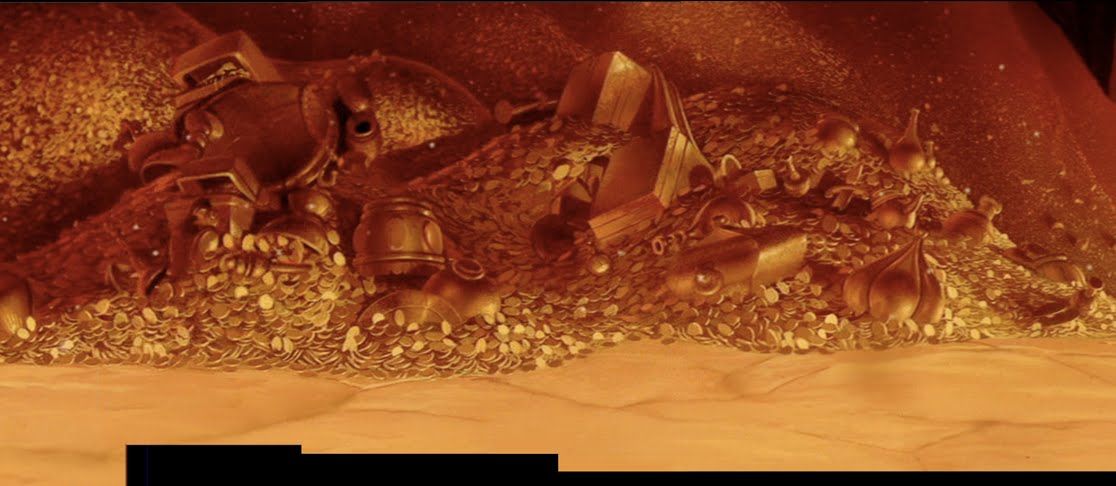
Perhaps best to leave anything you see glittering on the ground,

But know that, as ever, there’s

MTCIDC

O

Saruman’s Sigh

13 Wednesday May 2026

Posted by Ollamh in Uncategorized

≈ Leave a comment

Tags

books, Captain Hook, Fantasy, Gandalf, Isengard, lotr, Orcs, Palantir, Saruman, Sauron, Tolkien

Welcome, as always, dear readers.

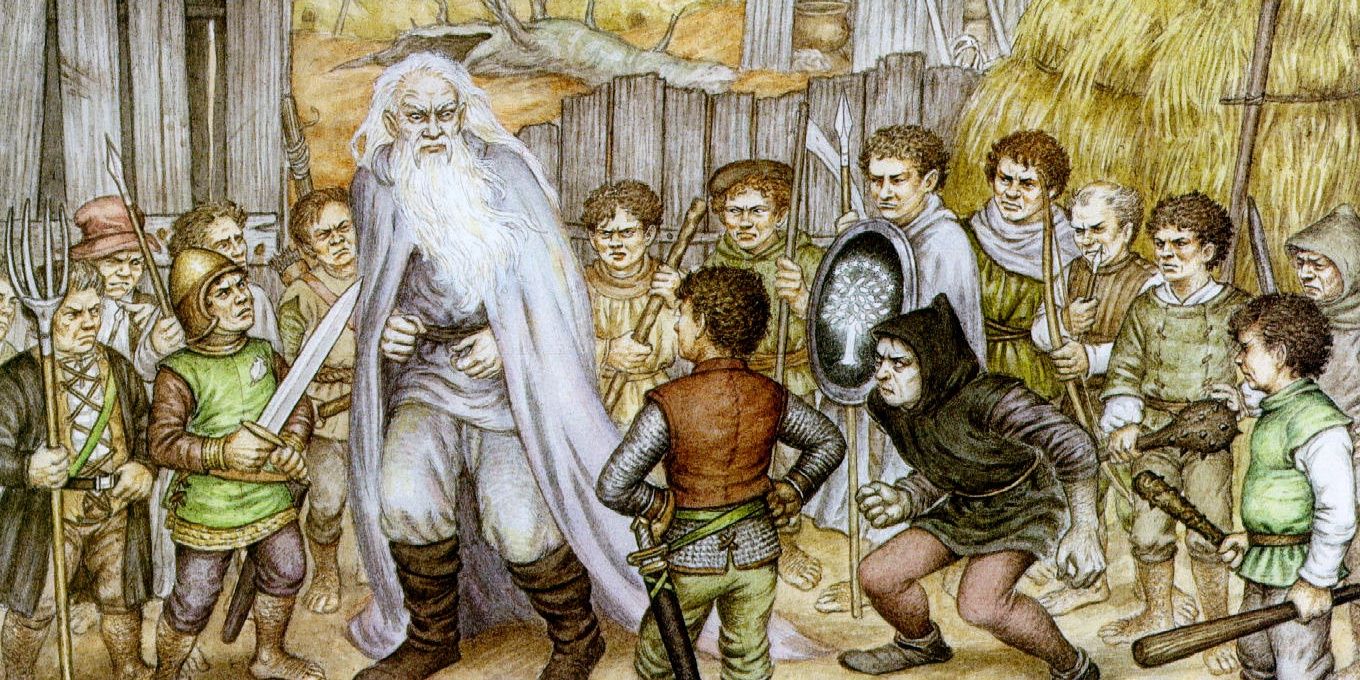
When it comes to The Lord of the Rings, I’m sure that everyone has favorite characters.  I suppose that mine, if I had to pin it down to one, would be Sam.  At the same time, I would also say that, for me, if you asked for other favorites, I might say Saruman—and, perhaps surprisingly, this might have been true for Tolkien, I would suggest, as well.

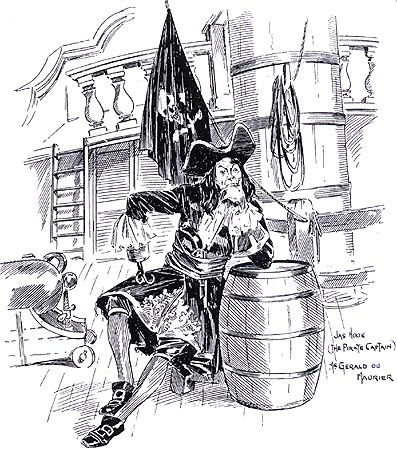
Saruman?  Maybe I just have a perverse taste for villains—after all, I’ve always secretly liked Captain Hook,

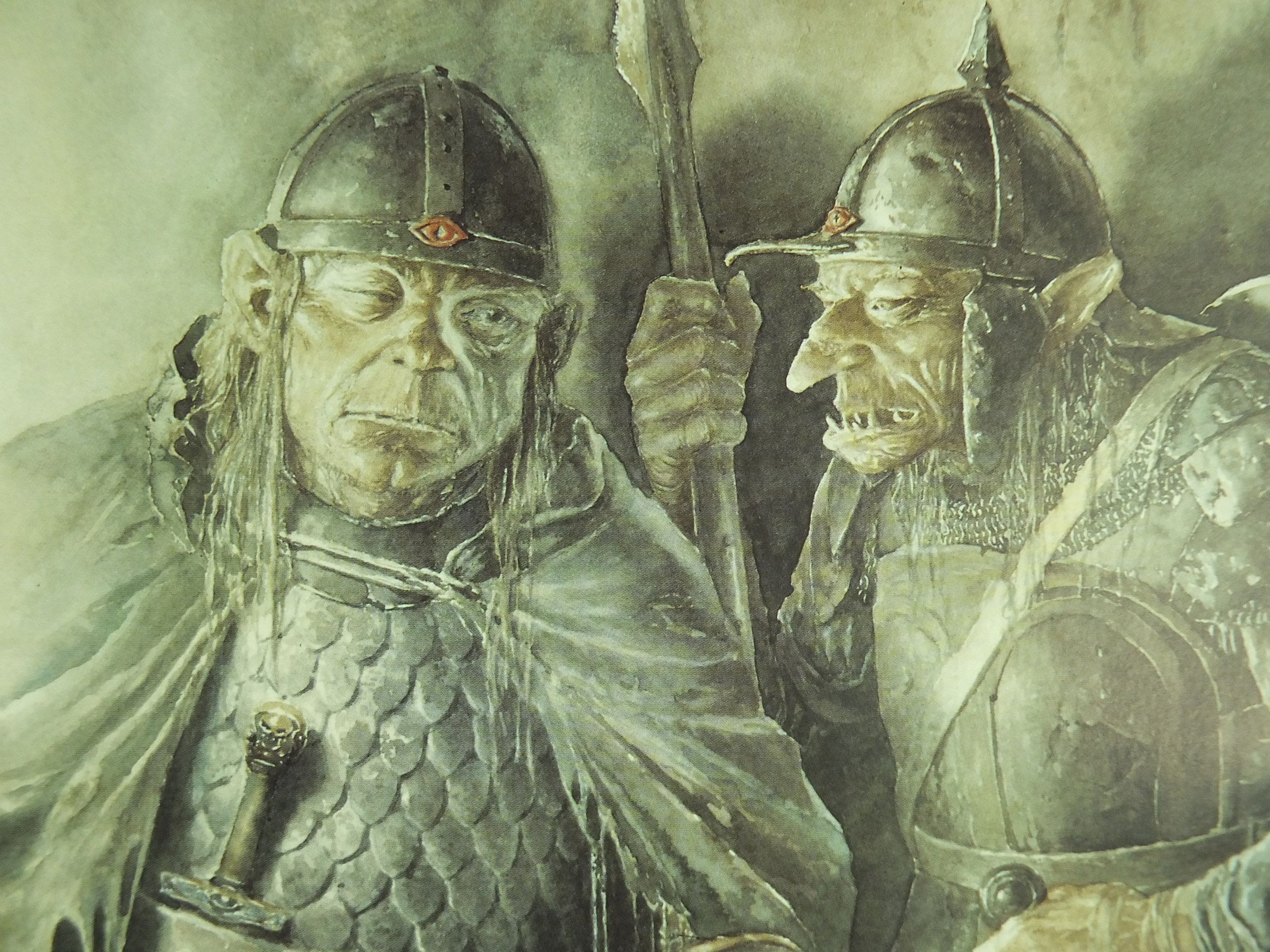
and have a sneaking fondness for the Orcs,

(Alan Lee)

but I think that there’s, ultimately, a poignancy about Saruman—not in his behavior in the earlier parts of The Lord of the Rings, but in his end–which Tolkien, who could simply have painted him as a villain, clearly chose to add to his depiction, which says to me that he, too, found something more to say about the character.

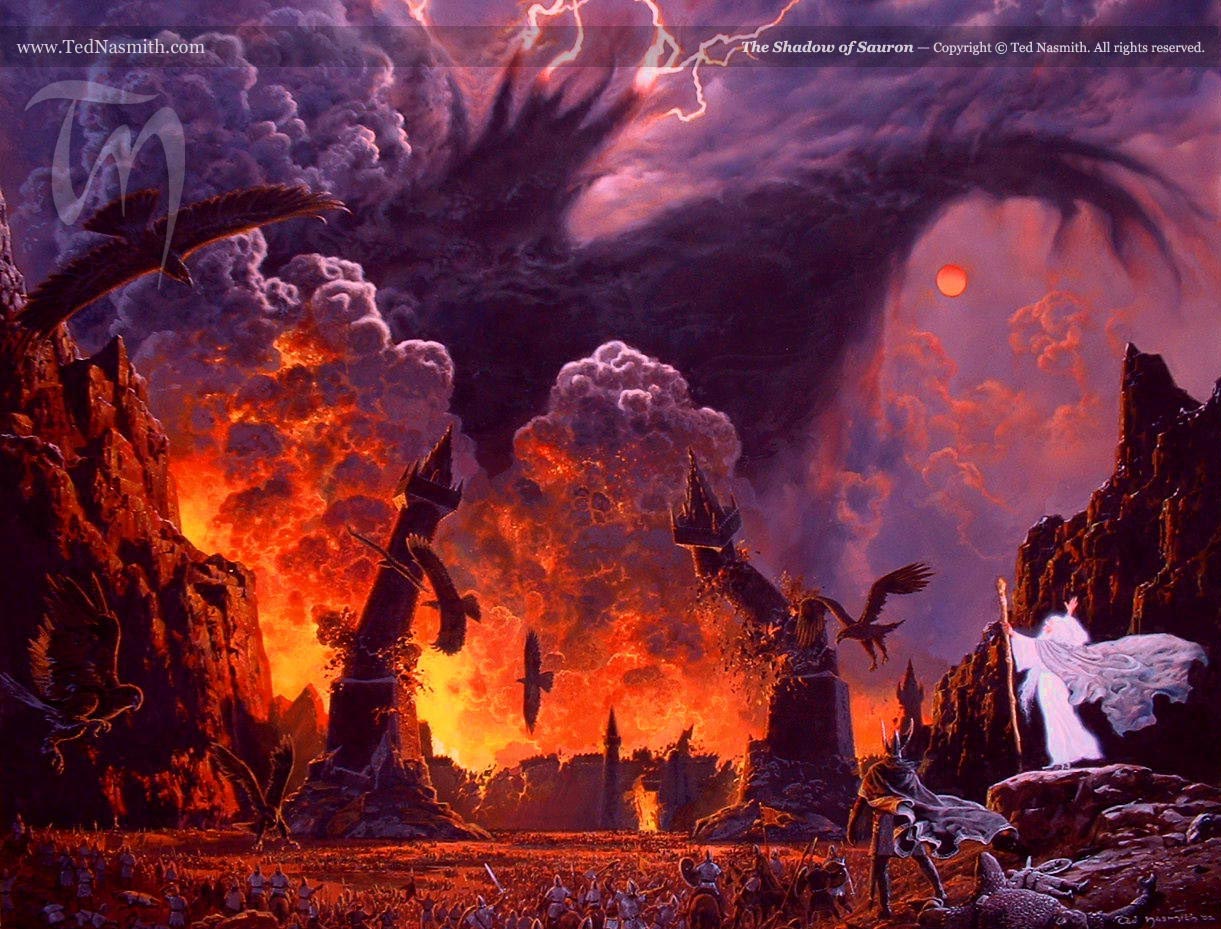
Consider the end of Sauron, which is quite dramatic, if not downright apocalyptic—

A Tolkien illustration by Ted Nasmith

(Ted Nasmith)

“And even as he spoke the earth rocked beneath their feet.  Then rising swiftly up, far above the Towers of the Black Gate, high above the mountains, a vast soaring darkness sprang into the sky, flickering with fire.  The earth groaned and quaked.  The Towers of the Teeth swayed, tottered, and fell down; the mighty ramparts crumbled; the Black Gate was hurled in ruin; and from far away, now dim, now growing, now mounting to the clouds, there came a drumming rumble, a roar, a long echoing roll of ruinous noise…

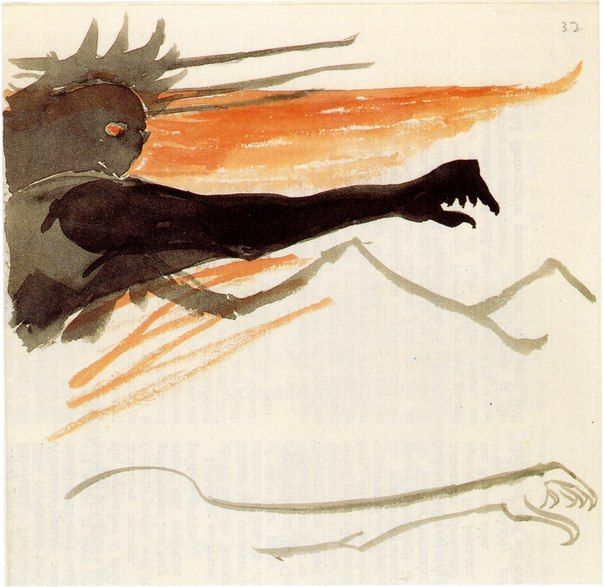
And as the Captains gazed south to the Land of Mordor, it seemed to them that, black against the pall of cloud, there rose a huge shape of shadow, impenetrable, lightning-crowned, filling all the sky.  Enormous it reared above the world, and stretched out towards them a vast, threatening hand, terrible but impotent; for even as it leaned over them, a great wind took it, and it was all blown away, and passed; and then a hush fell.”  (The Return of the King, Book Six, Chapter 4, “The Field of Cormallen”)

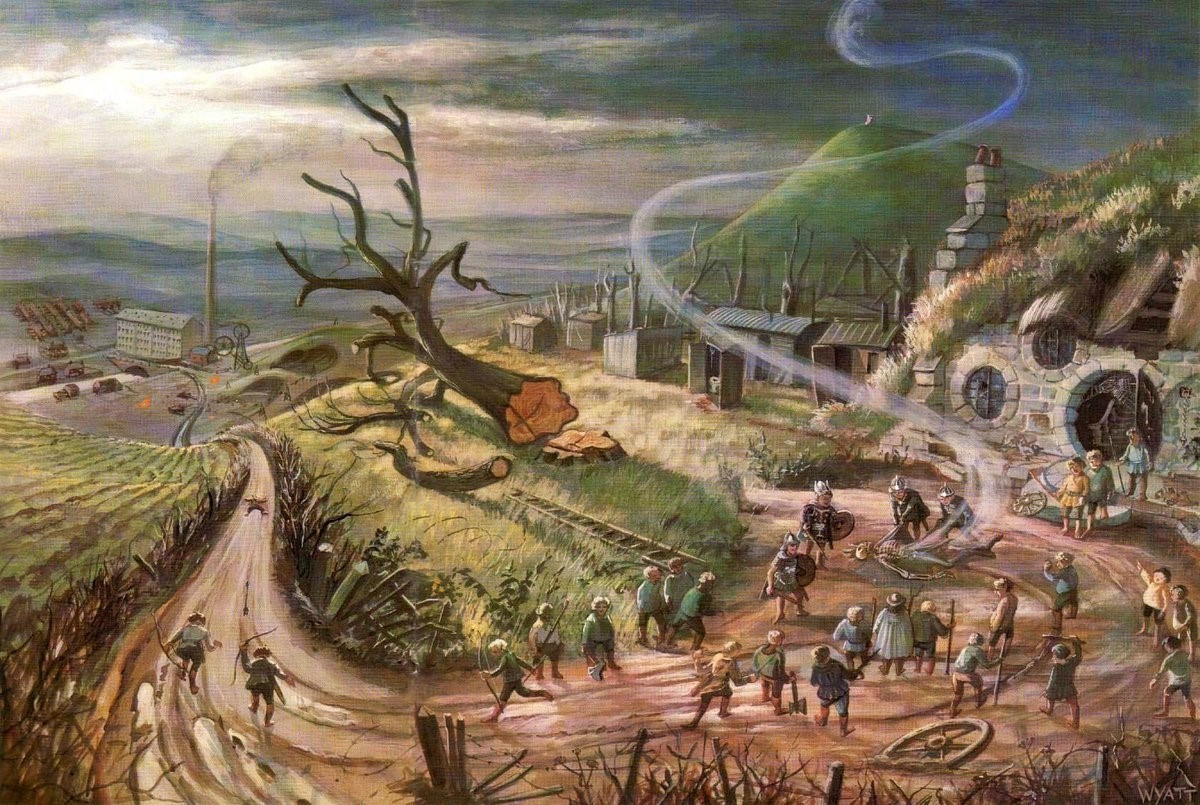
In contrast, there is the death of Saruman—

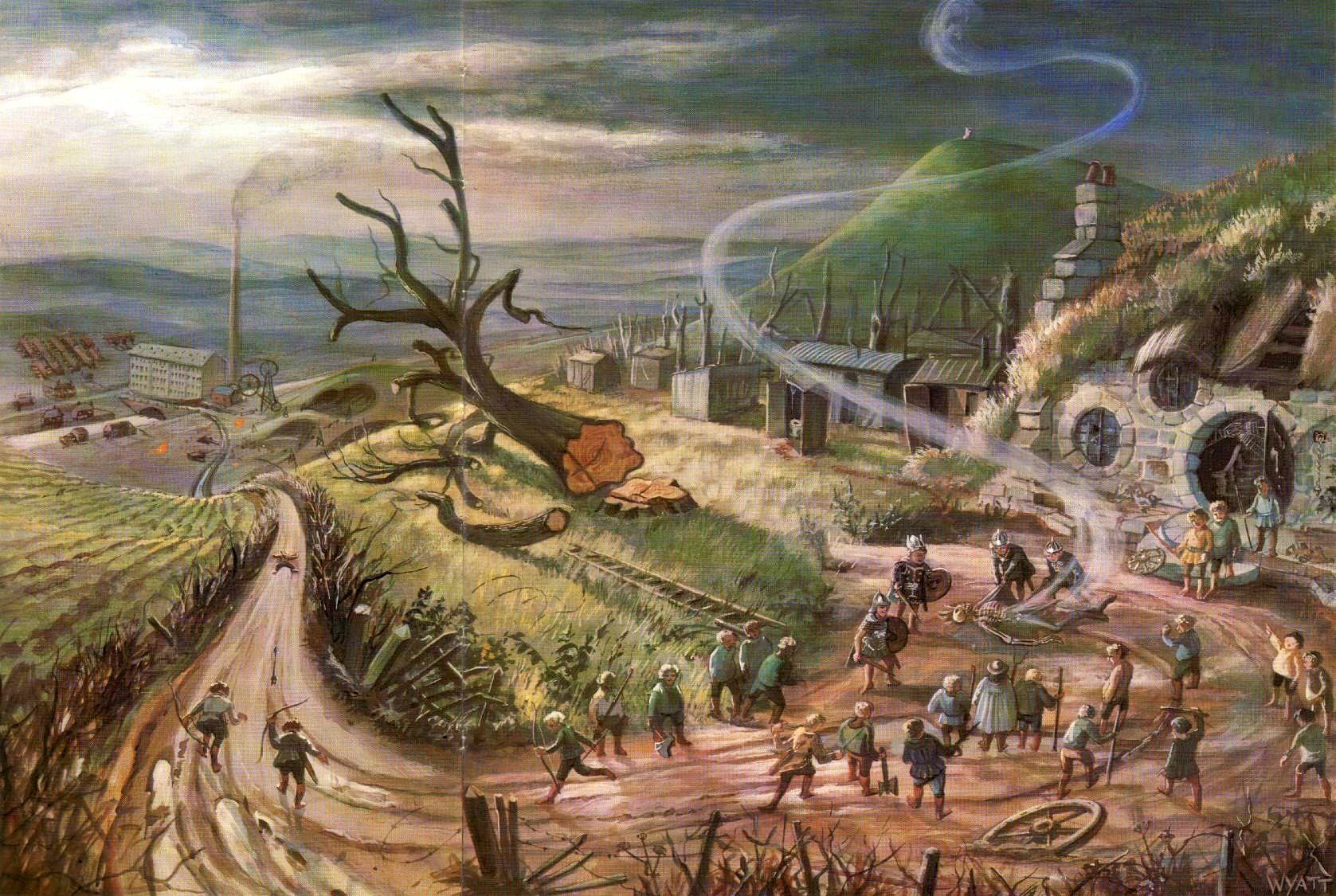
“To the dismay of those that stood by, about the body of Saruman a grey mist gathered, and rising slowly to a great height like smoke from a fire, as a pale shrouded figure it loomed over the Hill  For a moment it wavered, looking to the West; but out of the West came a cold wind, and it bent away, and with a sigh dissolved into nothing.

Frodo looked down at the body with pity and horror, for as he looked it seemed that long years of death were suddenly revealed in it, and it shrank, and the shrivelled face became rags of skin upon a hideous skull.  Lifting up the skirt of the dirty cloak that sprawled beside it, he covered it over, and turned away.”  (The Return of the King, Book Six, Chapter 8, “The Scouring of the Shire”)

(Joan Wyatt—you can see more of her work here:  https://gallerix.org/storeroom/1692737256/ )

And yet both were powerful beings, Sauron being the more powerful, but both Maiar, the equivalent, we might say, of angels, in our Middle-earth. 

As if it were only an expression of his personality, when Sauron was destroyed, all Mordor came crashing down, although all that we see of Sauron himself is that one “vast, threatening hand, terrible but impotent…”

(JRRT)

So what is the purpose, the meaning, of that simple sigh?

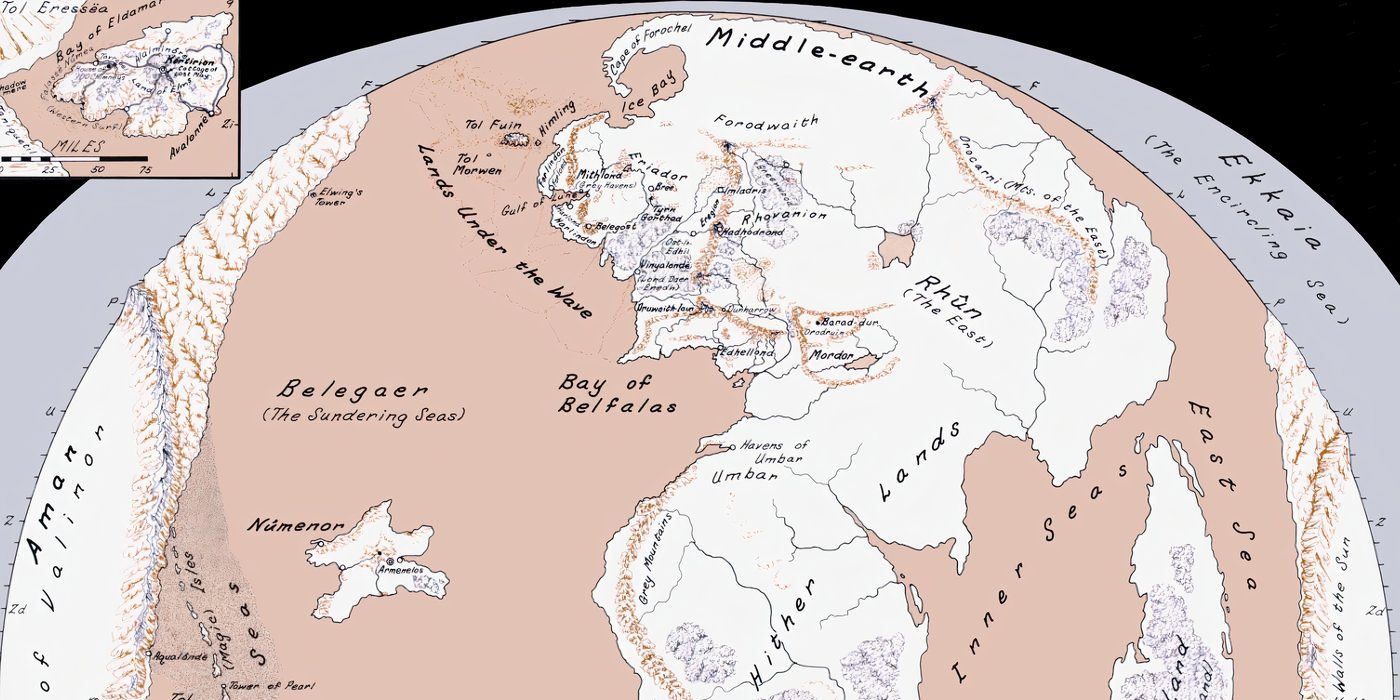
For all that they might attempt to control it in their various ways and scales, these two were not natives of Middle-earth.  Rather, they were once inhabitants of Valinor, to the far west.

(Karen Wynn Fonstad)

Sauron had come in an earlier age of his own accord, intent upon conquest, whereas Saruman had been sent as one of the five Istari, as a counterbalance to Sauron, once servant to the fallen Vala, Melkor, and now a would-be Melkor himself, until something began to go wrong and, instead of countering Sauron, Saruman began to become like him.

This had happened, I think, in stages.

To begin with, there is the question of how the Istari were to act as a balance.  It’s interesting that the two others of whom we know anything, Gandalf and Radagast, appear to have been sent as wanderers, as if their role was to counter Sauron’s influence over a wide area and perhaps in different ways, depending upon that influence.

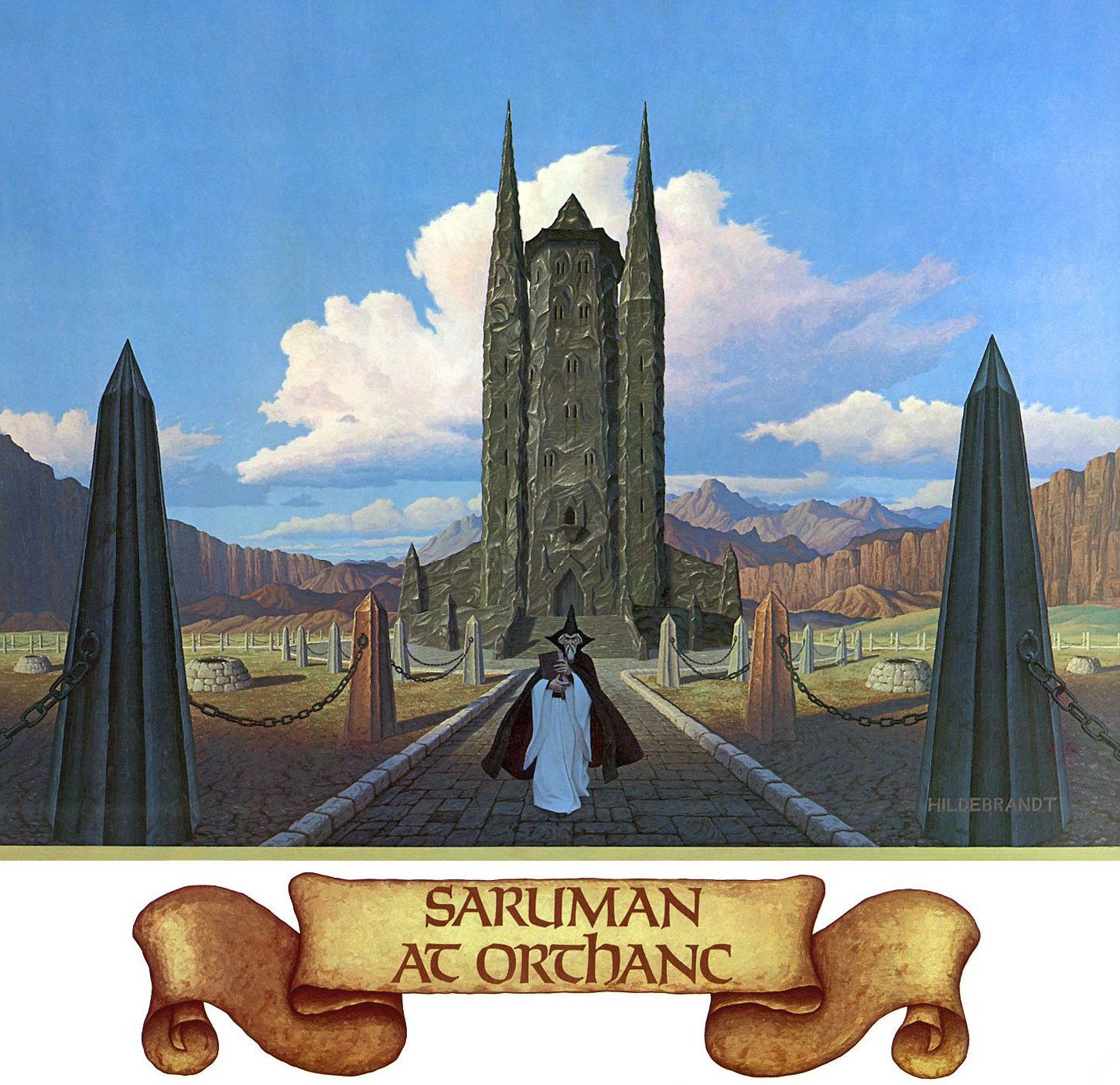
In contrast, Saruman has not just a fixed home, but a fortress, Isengard,

(the Hildebrandts)

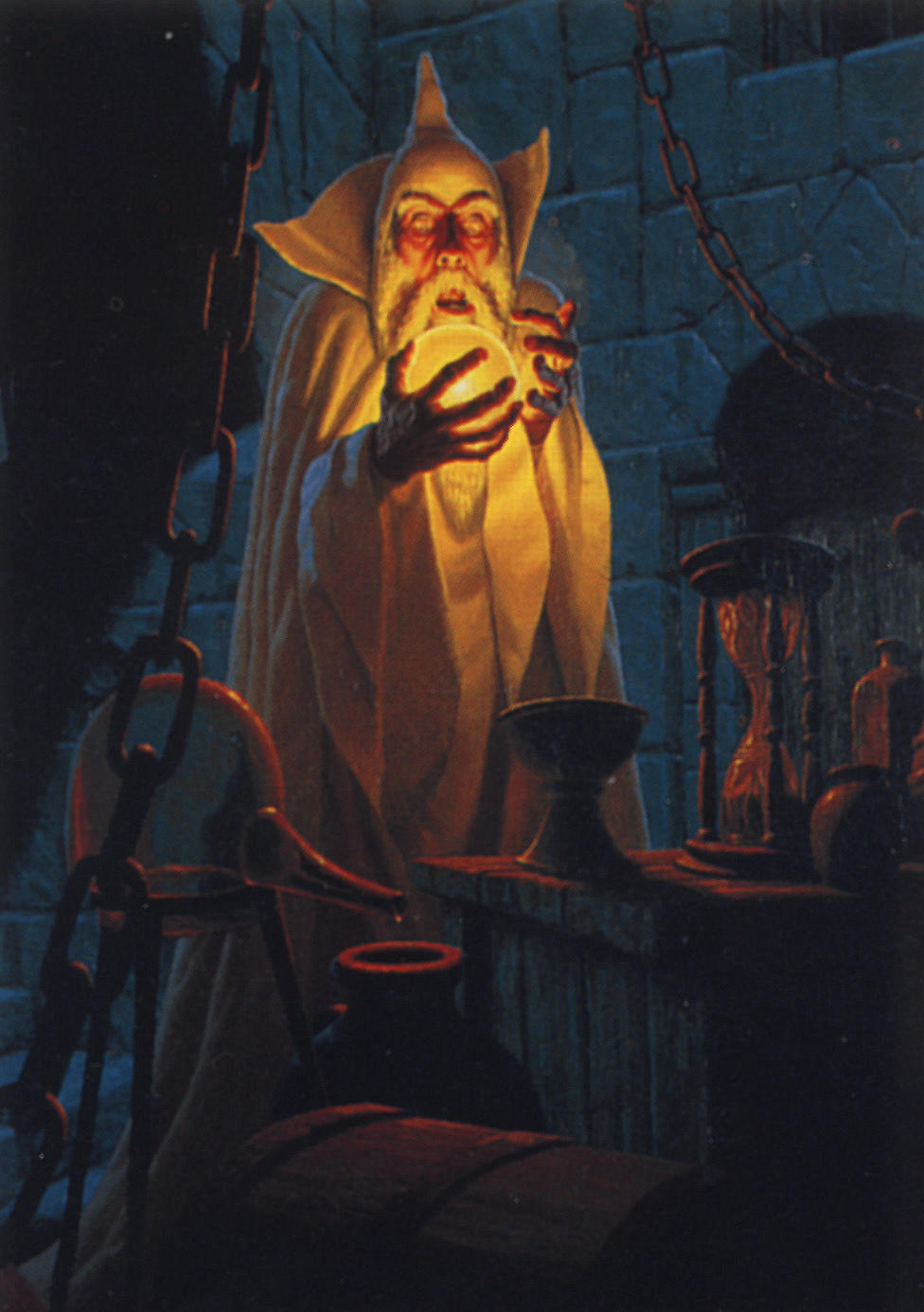
where he has found one of the seeing-stones, the Palantiri,

(the Hildebrandts)

although he has kept this discovery secret, only to be revealed after his defeat—a disturbing sign:  why not let the other Istari know–unless its use was in itself suspect?   

At the very beginning of The Lord of the Rings, Gandalf identifies Saruman to Frodo as “…great among the Wise…chief of my order…” and yet adds something very interesting, and perhaps another disturbing sign:  “His knowledge is deep, but his pride has grown with it, and he takes ill any meddling.”  (The Fellowship of the Ring, Book One, Chapter 2, “The Shadow of the Past”)

We can’t know whether that pride which Gandalf mentions was already displaying itself then, but it’s clear that that discovery was fatal, the second stage in his corruption, pushing Saruman away from his role as a defender of Middle-earth into, in his own mind, the role of a potential conqueror and perhaps even rival to Sauron, although Saruman was

“…being deceived—for all of those arts and subtle devices, for which he forsook his former wisdom, and which fondly he imagined were his own, came but from Mordor; so that what he had made was naught, only a little copy, a child’s model or a slave’s flattery, of that vast fortress, armoury, prison, furnace of great power, Barad-dur, the Dark Tower, which suffered no rival, and laughed at flattery, biding its time, secure in its pride and its immeasurable strength.”  (The Two Towers, Book Three, Chapter 8, “The Road to Isengard”)

In his description of Saruman to Frodo, Gandalf had been specific about Saruman’s knowledge:

“The lore of the Elven-rings, great and small, is his province.  He has long studied it, seeking the lost secrets of their making…”

And here perhaps is revealed another stage in Saruman’s corruption:

“…but when the Rings were debated in the Council, all that he would reveal to us of his ring-lore told against my fears…”

That is, just as in the case of the Palantir, Saruman has kept things back.  Was Saruman acting on his own in this, or had the seeing-stone and its real controller already been working at his mind? 

Certainly, when he makes his pompous and revelatory speech to Gandalf, hoping to persuade him to join him (which Gandalf immediately not only sees through, but sees how much of it isn’t even Saruman’s thinking, but the words of someone else), we have the sense that, whoever Saruman had been when he came to Middle-earth, that person had been twisted away from protecting Middle-earth from Sauron and  was stating, instead, completely alien goals, as Gandalf recognized:

“We can bide our time, we can keep our thoughts in our hearts, deploring maybe evils done by the way, but approving the high and ultimate purpose:  Knowledge, Rule, Order; all the things that we have so far striven in vain to accomplish, hindered rather than helped by our weak or idle friends.  There need not be, there would not be, any real change in our designs, only in our means.”  (The Fellowship of the Ring, Book Two, Chapter 2, “The Council of Elrond”)

To Gandalf, this is Sauron talking:

“ ‘Saruman…I have heard speeches of this kind before, but only in the mouths of emissaries from Mordor to deceive the ignorant.’ “

and it’s clear to him that Saruman, seemingly unknowingly, has become a puppet of someone more powerful and devious than he. 

The immediate instrument for this was, as I would suggest, that seeing-stone, but, beyond that, there was a vulnerability inherent in Saruman’s very being in Middle-earth, as Tolkien describes in a letter:

“But since in this tale & mythology Power—when it dominates or seeks to dominate other wills and minds (except by the assent of their reason)—is evil, these ‘wizards’ were incarnated in the life-forms of Middle-earth, and so suffered the pains both of mind and body.  They were also, for the same reason, thus involved in the peril of the incarnate:  the possibility of ‘fall’, of sin, if you will.  The chief form this would take with them would be impatience, leading to the desire to force others to their own good ends, and so inevitably at last to mere desire to make their own wills effective by any means.  To this evil Saruman succumbed.”  (drafts to Michael Straight, “probably January or February 1956”, Letters, 342-343)

And here is where that “pride”, which Gandalf had mentioned to Frodo had appeared, added to which was his losing sight of the Valar’s purpose in sending him and acquiring a fortress, where Sauron was able to turn him to his own purposes—although we might imagine that, under Sauron’s domination, Saruman might still believe that he could escape Sauron’s notice, when he suggests to Gandalf

“As the Power grows, its proved friends will also grow; and the Wise, such as you and I, may with patience come at last to direct its courses, to control it.” 

And even that he might imagine that he himself might employ the Ring—

“ ‘Why not?  The Ruling Ring?  If we should command that, then the Power would pass to us.’ “

Gandalf’s reply to this:   “ ‘Saruman…only one hand at a time can wield the One, and you know that well, so do not trouble to say we…You were head of the Council, but you have unmasked yourself at last.” shows that Saruman has failed completely, both in his immediate quest to persuade Gandalf to tell him where the Ring currently is, and in his attempt to bring a fellow Istar to his side, having dismissed Radagast completely (“Radagast the Bird-tamer!  Radagast the Simple!  Radagast the Fool!”).

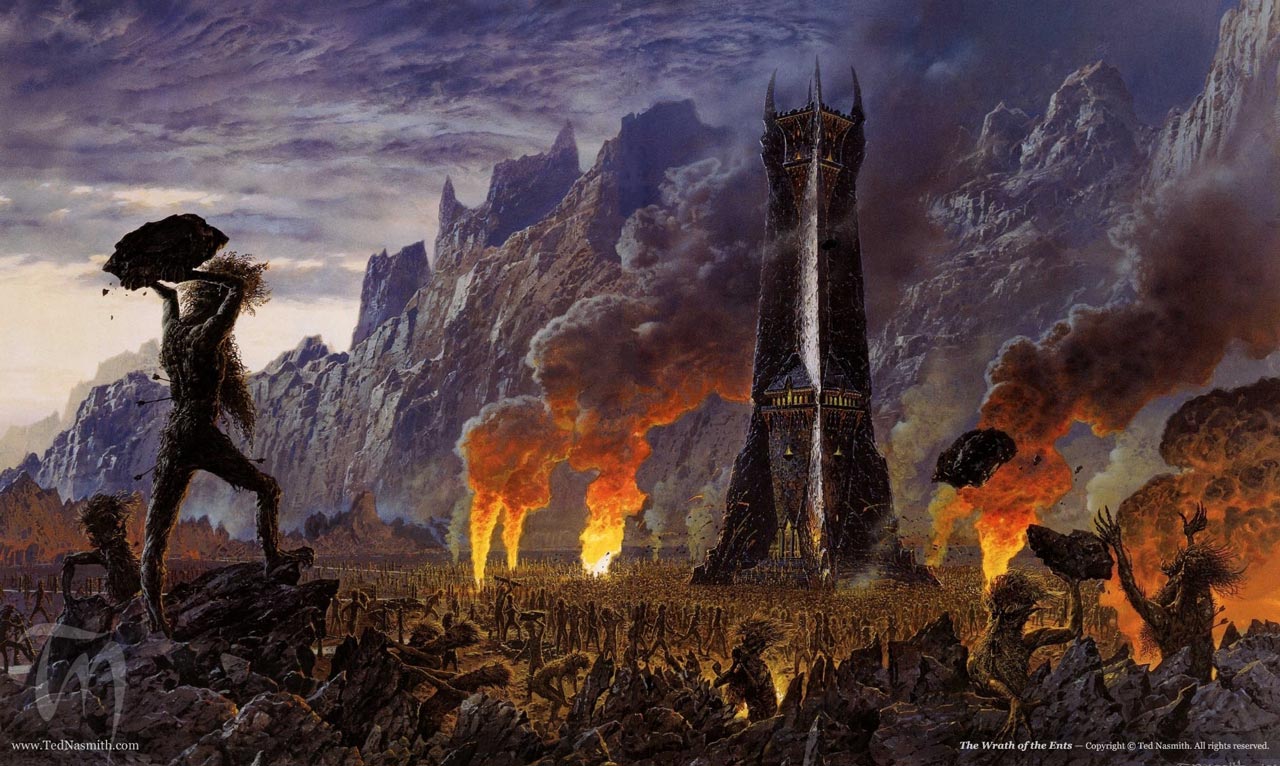
This, however, is only Saruman’s first failure.  His attempt to out-Sauron Sauron by a war of conquest not only fails at Helm’s Deep, but brings about the destruction of his fortress at Isengard.

The Wrath of the Ents, by Ted Nasmith

(Ted Nasmith)

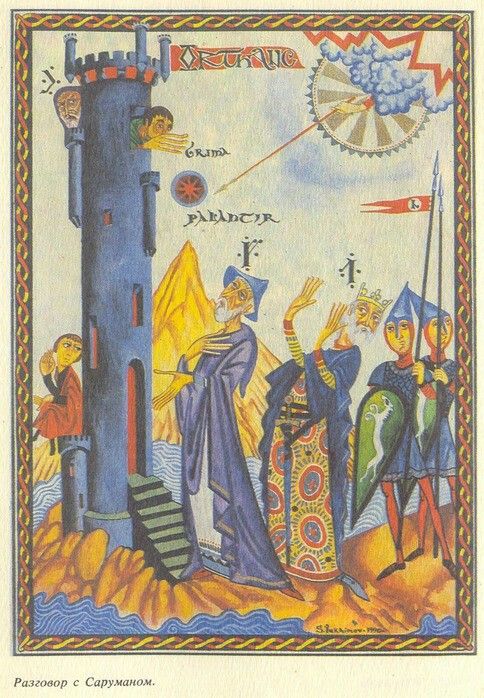
He then loses the Palantir,

(Sergei Lukhimov—you can see a little more of his work here:  https://imgur.com/gallery/1993-ukranian-artist-sergei-lukhimov-created-32-illustrations-first-ever-russian-edition-of-lord-of-rings-eastern-orthodox-iconography-meets-anglo-saxon-modern-mythology-Ct7ojT5 )

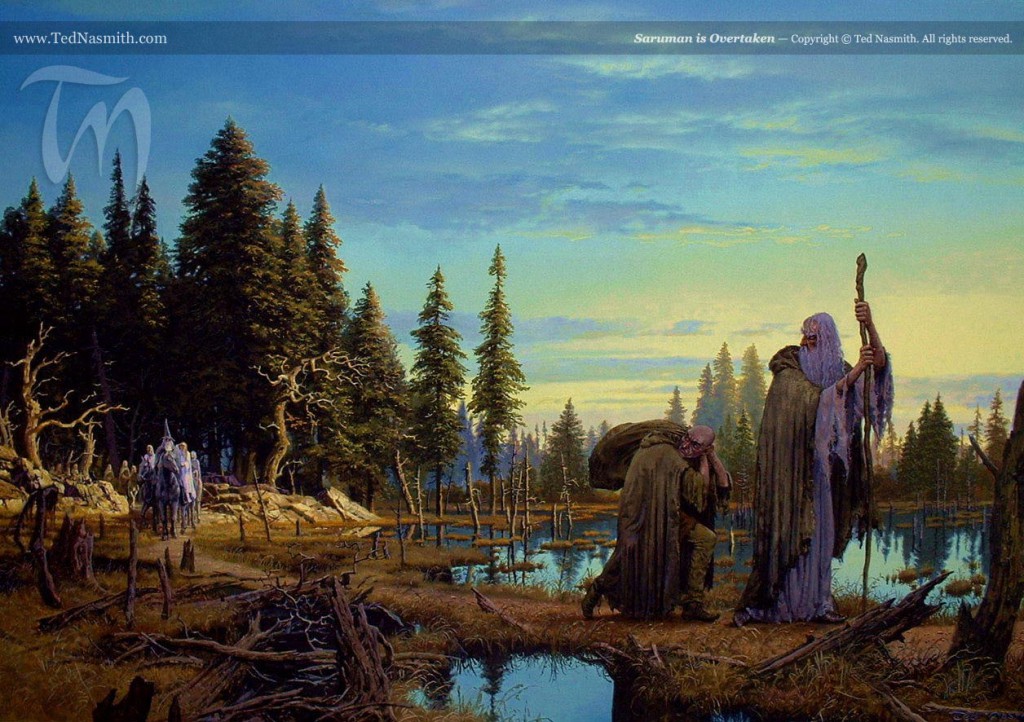
and is even exiled from his one-time place of power,

(Ted Nasmith)

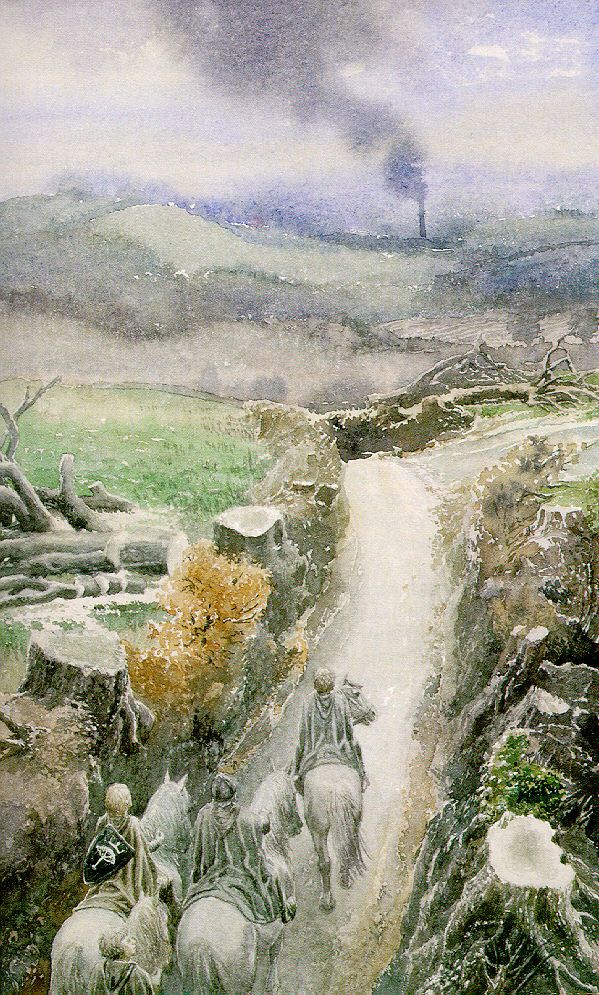
before his attempt to ruin the Shire is stopped by the return of Frodo and his friends

(Alan Lee)

and his final confrontation with Frodo

(Inger Edelfeldt—you can read about her here:  https://en.wikipedia.org/wiki/Inger_Edelfeldt )

ends in his death—or the closest thing like it to someone from Valinor in the West—his rejection by it–

(Joan Wyatt)

“To the dismay of those that stood by, about the body of Saruman a grey mist gathered, and rising slowly to a great height like smoke from a fire, as a pale shrouded figure it loomed over the Hill  For a moment it wavered, looking to the West; but out of the West came a cold wind, and it bent away, and with a sigh dissolved into nothing.”

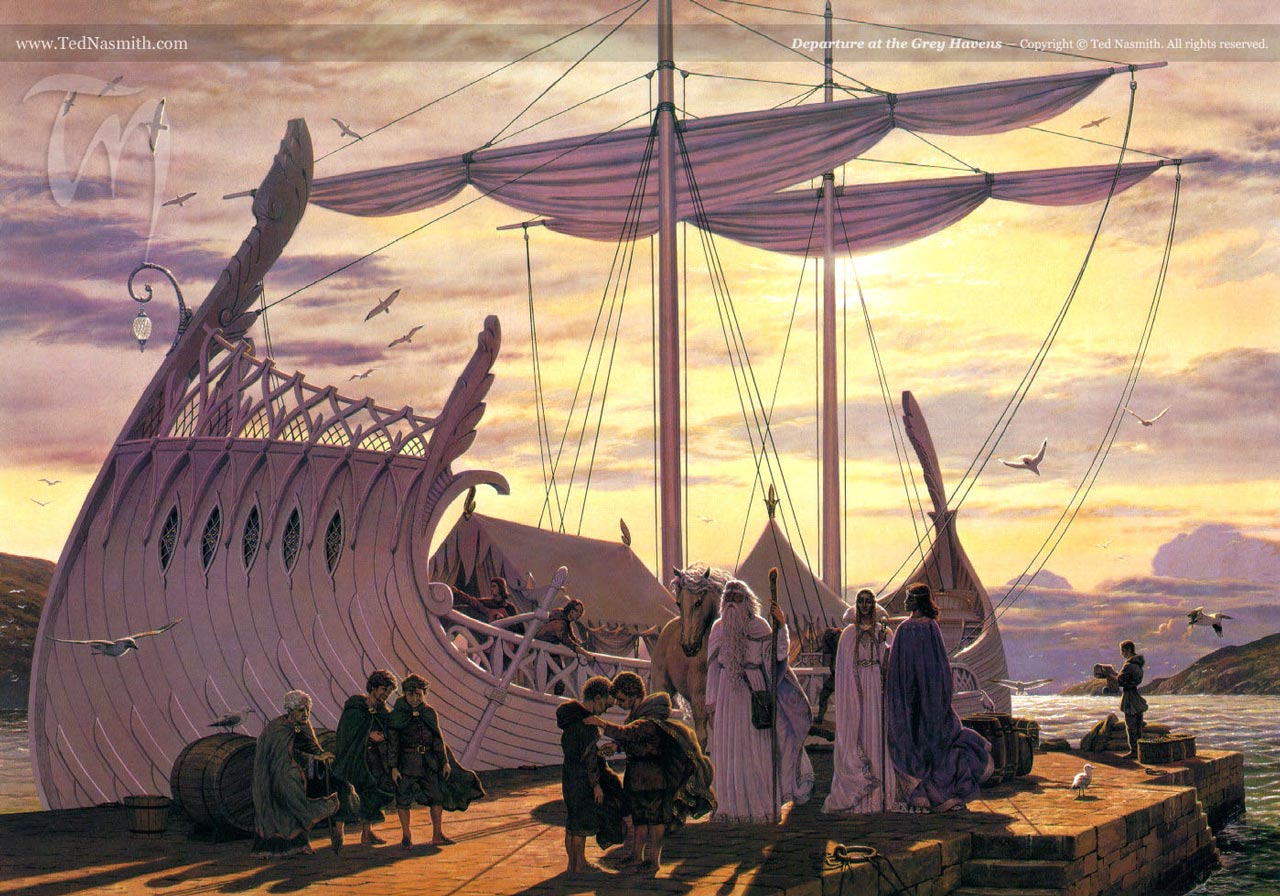
One has only to remember the beautiful, melancholy farewells at the Grey Havens to see what Saruman might have been part of—

(Ted Nasmith)

Gandalf, with Sauron defeated, returns whence he came, his task complete.  Saruman, failing in that task, has no home to which to return and “dissolved into nothing”, but that sigh—so important here—says that he knows that he has failed and, in depicting that recognition, I believe we see JRRT show some deeper feeling for him than he might ever have expressed for Sauron, even as he had written that Sauron had not begun as evil (see draft to Peter Hastings, September, 1954, Letters, 284).

Thanks, as always, for reading.

Stay well,

As well, consider the deep feeling which can rest even in a sigh,

And remember that, as always, there’s

MTCIDC

O

Silents Are Golden

07 Thursday May 2026

Posted by Ollamh in Uncategorized

≈ Leave a comment

Tags

Buster Keaton, Charlie Chaplin, Film, Harold Lloyd, Lumiere brothers, movies, Nosferatu, Quintilian, reviews, Safety Last, silent film, The Cabinet of Dr Caligari, The General, The Great Train Robbery, The Sneeze, the-internet-archive, the-lumiere-brothers, victorian-theatre

As always, dear readers, welcome.

If you visit this blog regularly, or even occasionally, you will see that, although I very often write about Tolkien, one of my goals, always, is to extend not only my own knowledge, but that of my readers, and a primary way to do this is to develop our joint electronic libraries.  A major source for this development is the Internet Archive, the general address being:  https://archive.org/  This seems like such a plain address for such a treasure house of a site—what a Victorian might call “Aladdin’s Cave”.

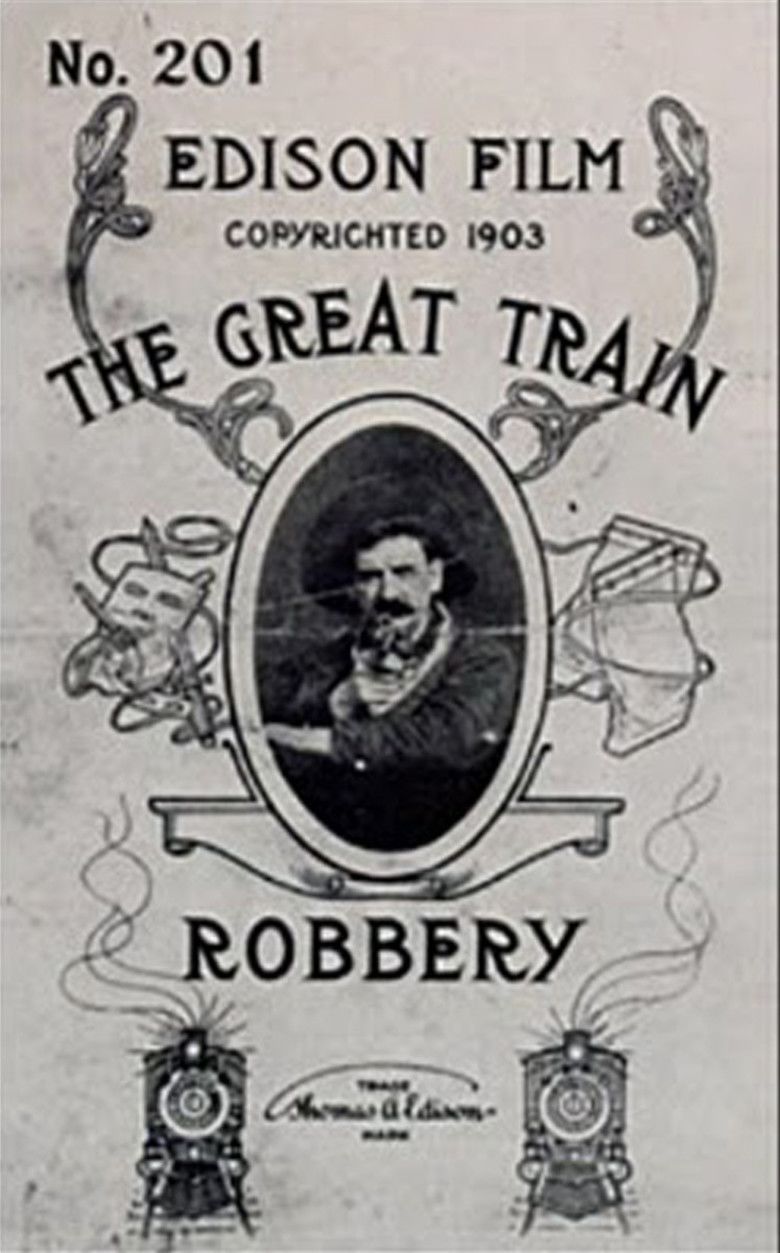
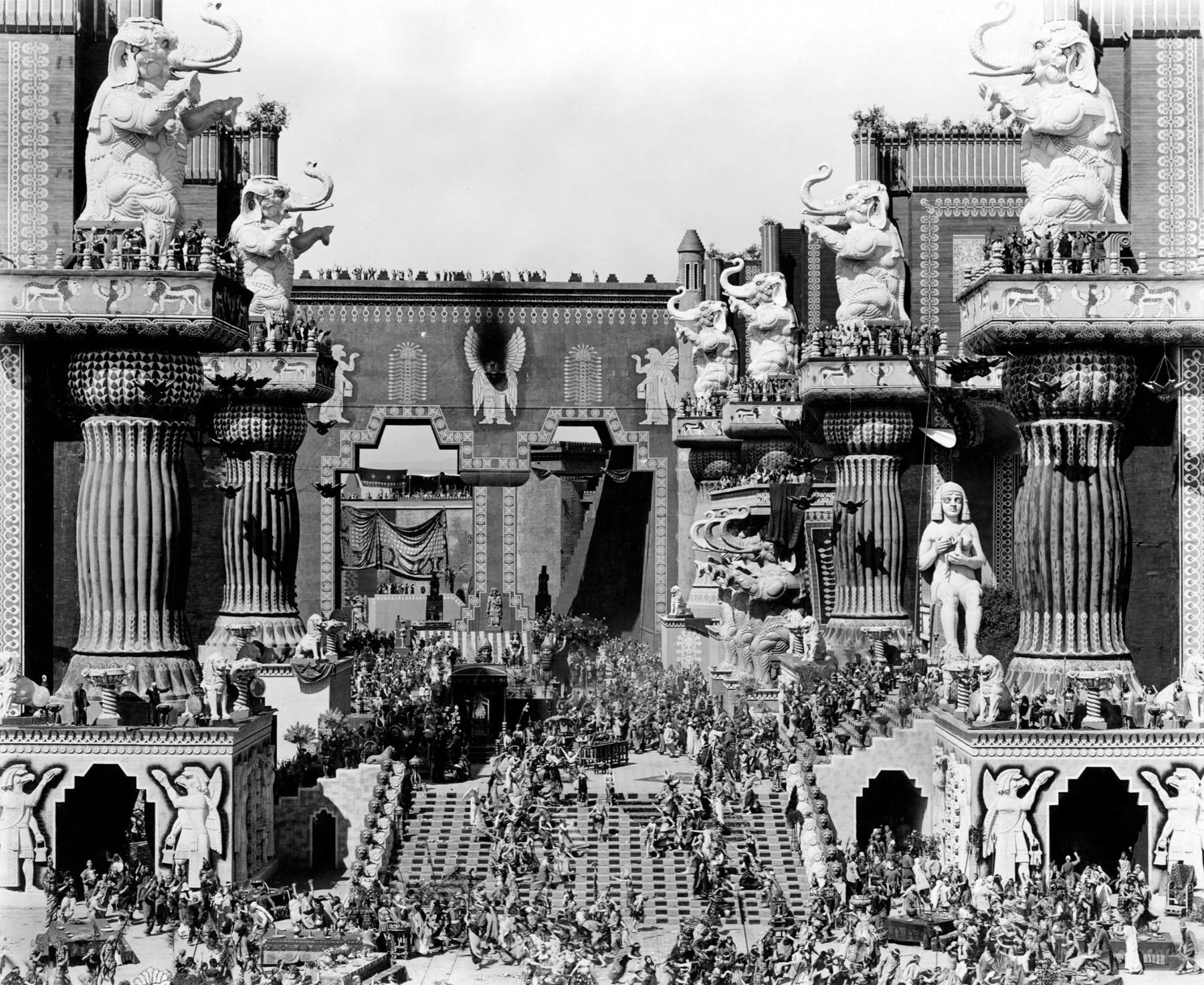
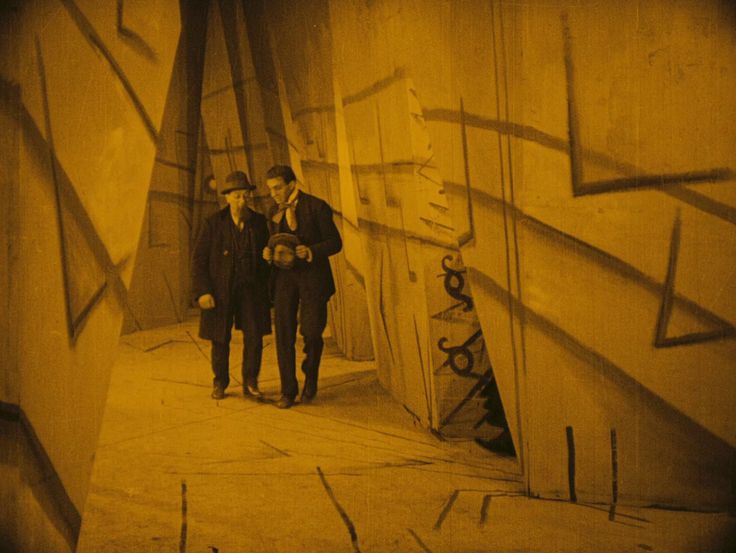
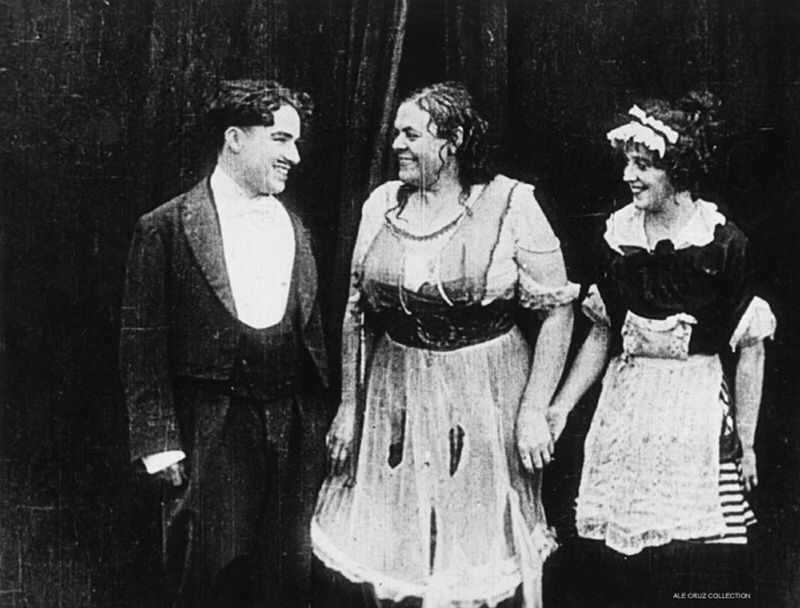
 Along with what must be thousands (and thousands) of books, many of them long out of print and might be thought obscure, one of those heaps of treasure is the collection of silent films—hence the title of this posting—with hundreds of films available (the site has the number of 3,530, but there appear to be a number of repeats).  The collection begins in the 1890s and goes through the 1920s, with many films considered “classic”, like “The Great Train Robbery” (1903),

“Intolerance” (1916),

“The Cabinet of Dr. Caligari” (1920),

and classic comedies, like Charlie Chaplin’s early “Tillie’s Punctured Romance” (1914),

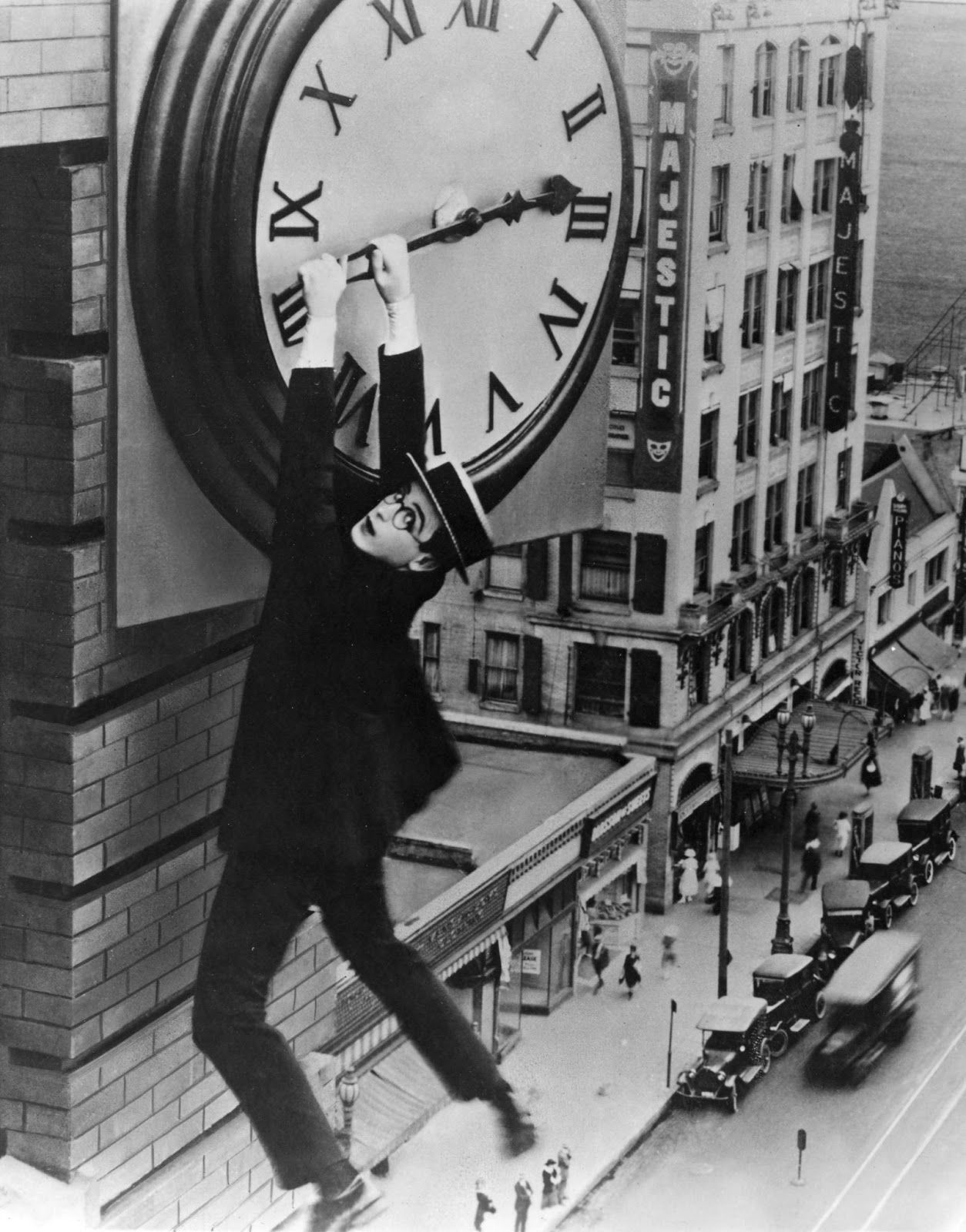
Harold Lloyd’s “Safety Last” (1923)—one of my all-time favorites–

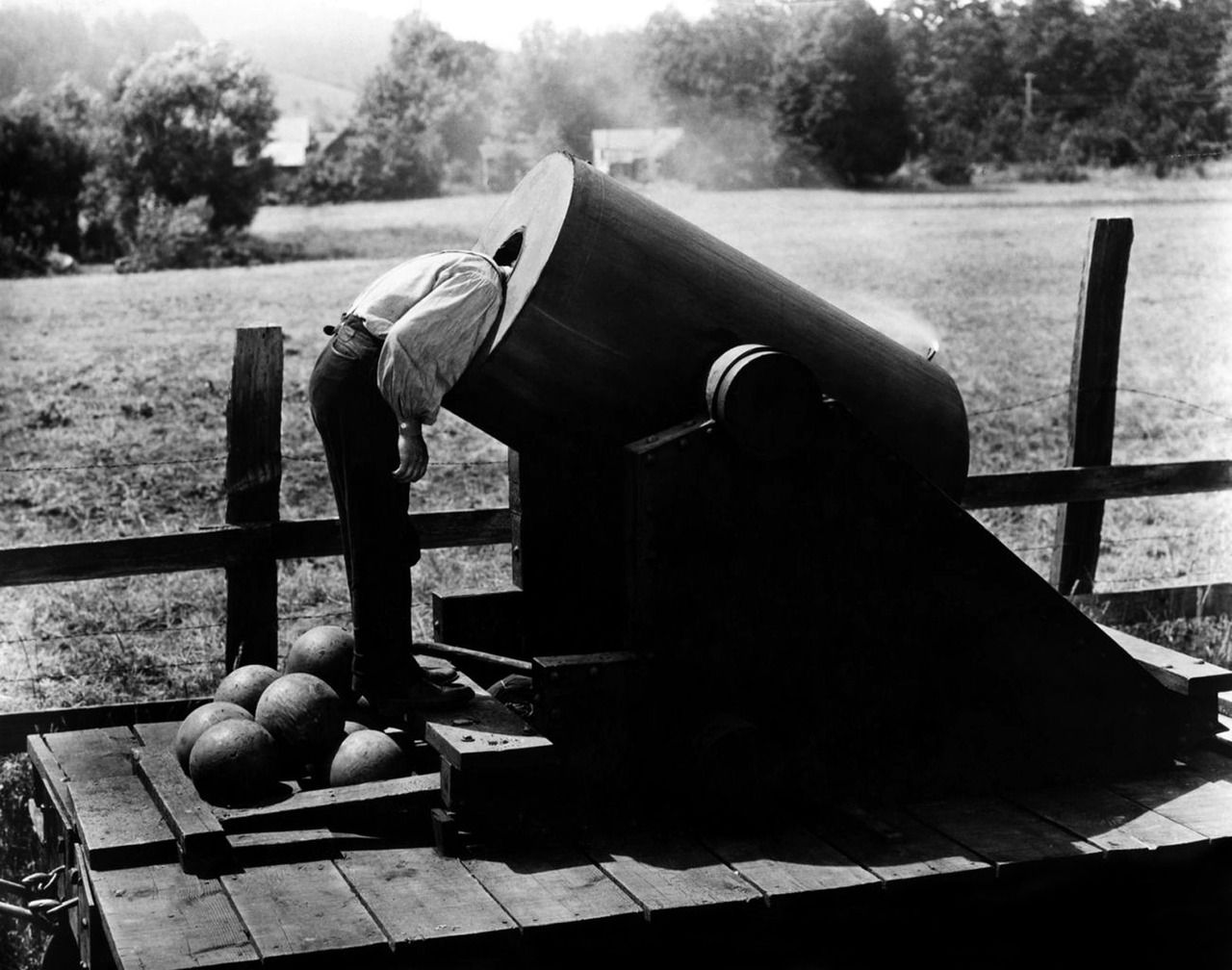
and Buster Keaton’s “The General” (1926) and how could that not be a favorite, too?

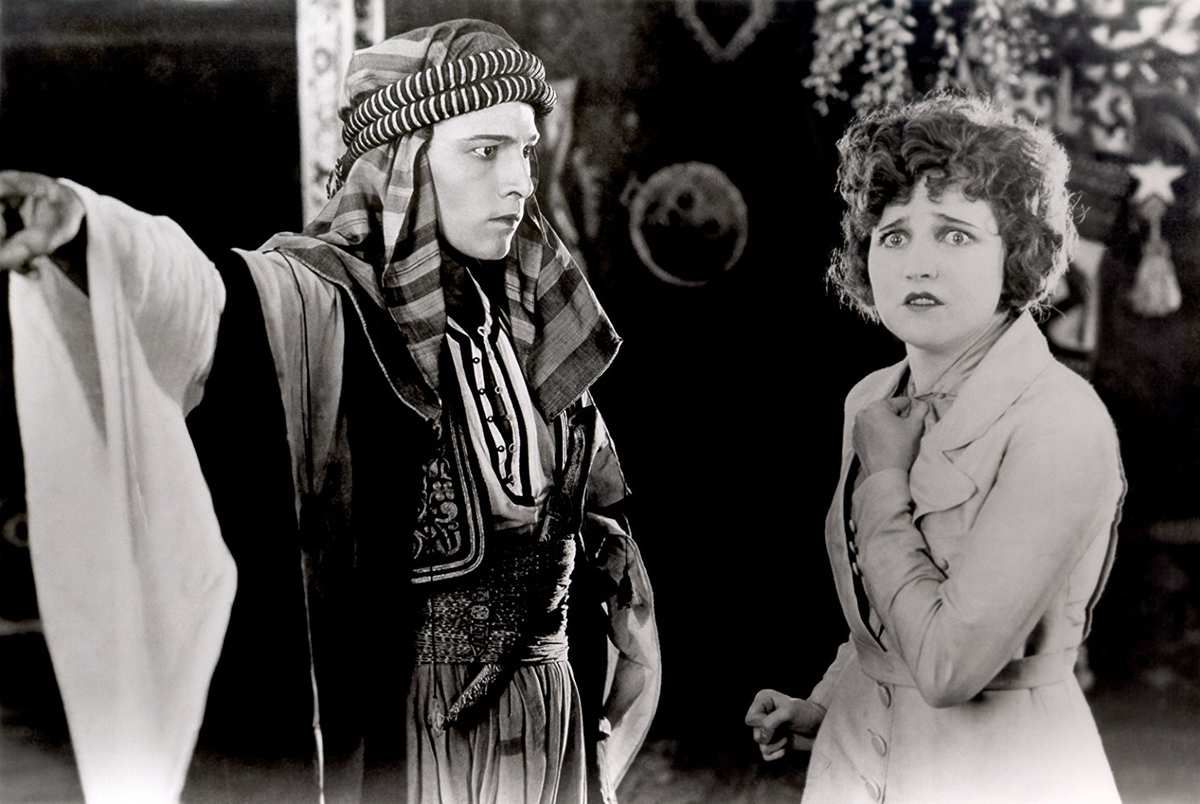
If you’re not familiar with such films, and see one for the first time, you’ll probably be puzzled, if not put off, by the seemingly overdone make-up

(Rudolph Valentino and Agnes Ayres, “The Sheik”, 1921)

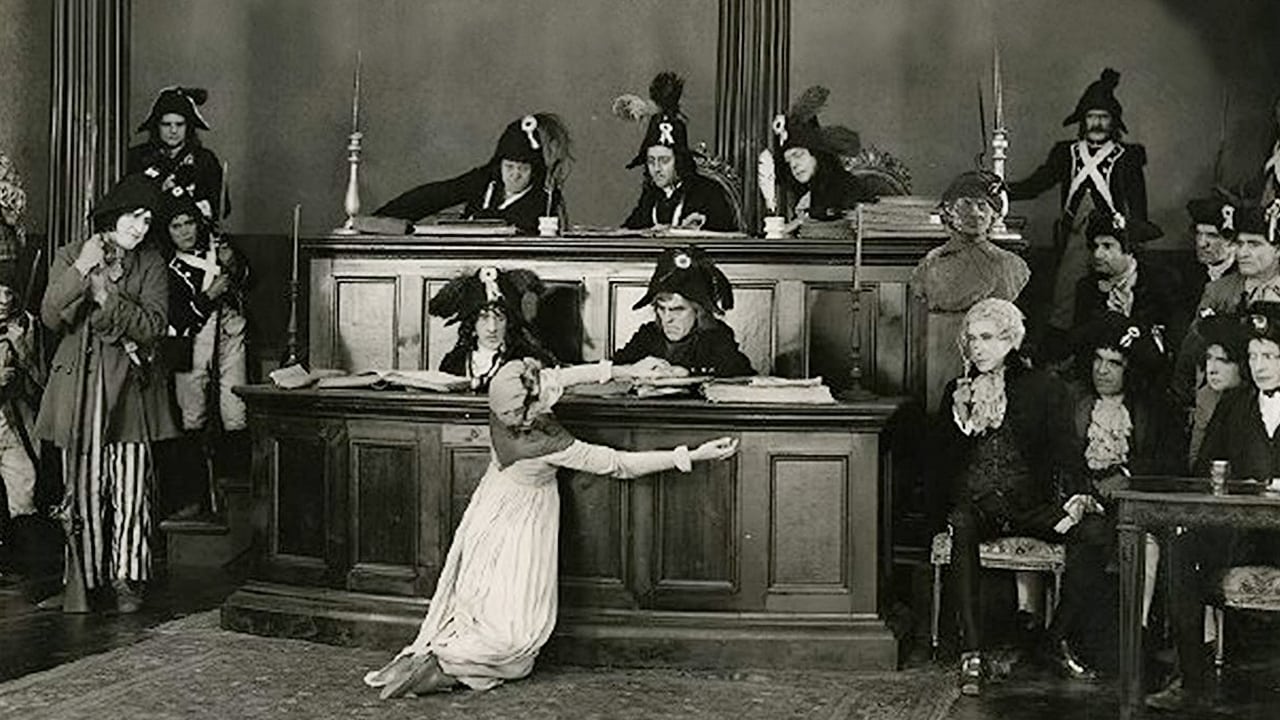
the exaggerated gestures,

(“Orphans of the Storm”, 1921)

and, perhaps the strangest of all for viewers used to booming orchestral accompaniments and nearly-continuous sound effects, the silence.

And yet the films aren’t—and weren’t—so silent as the adjective implies. 

First, for very important bits of dialogue, printed sheets, called “title cards”, would be filmed and added to the film, cluing the audience in.

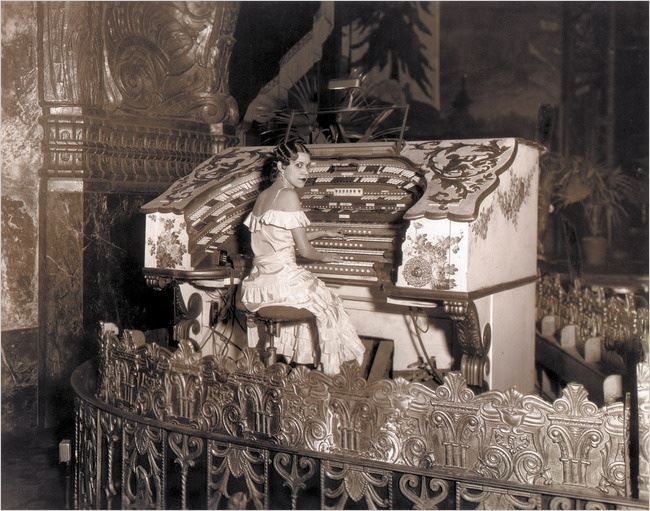
And, when a film appeared in a theatre, there would commonly be a live musical accompaniment.  For short films and less expensive ones, this accompaniment would be provided by a pianist or organist employed by the theatre for that purpose.

(This is Rosa Rio—actually Elizabeth Raub–1902-2010, a prominent accompanist, composer, and arranger.  She led quite a long and active performing life and you can read about her here:  https://en.wikipedia.org/wiki/Rosa_Rio )

For grander productions, there might even be an orchestral score, composed specifically for the film.

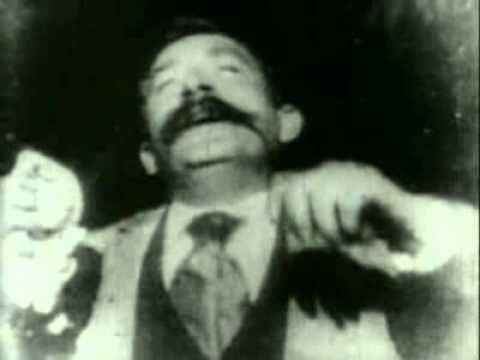
The first films were very brief and mostly did little more than catch a moment of motion—like Edison’s “The Sneeze”, 1894—which you can see here:  https://www.youtube.com/watch?v=2wnOpDWSbyw

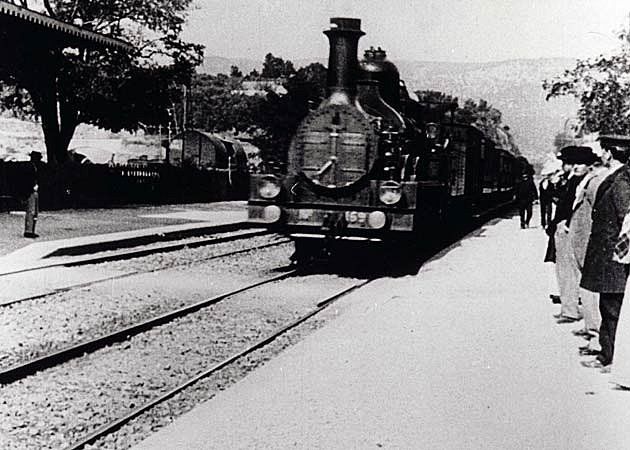
or the Lumiere brothers’ “L’Arrivee d’un train a La Ciotat”, 1895.

which you can see here:  https://www.youtube.com/watch?v=MT-70ni4Ddo  (And, as someone has cleaned up the print and added sound, you can see what a difference this makes to your initial perception here:  https://www.youtube.com/watch?v=J7laguPTT-Q   And you can read a very interesting little article about it here:  https://en.wikipedia.org/wiki/L%27Arriv%C3%A9e_d%27un_train_en_gare_de_La_Ciotat )

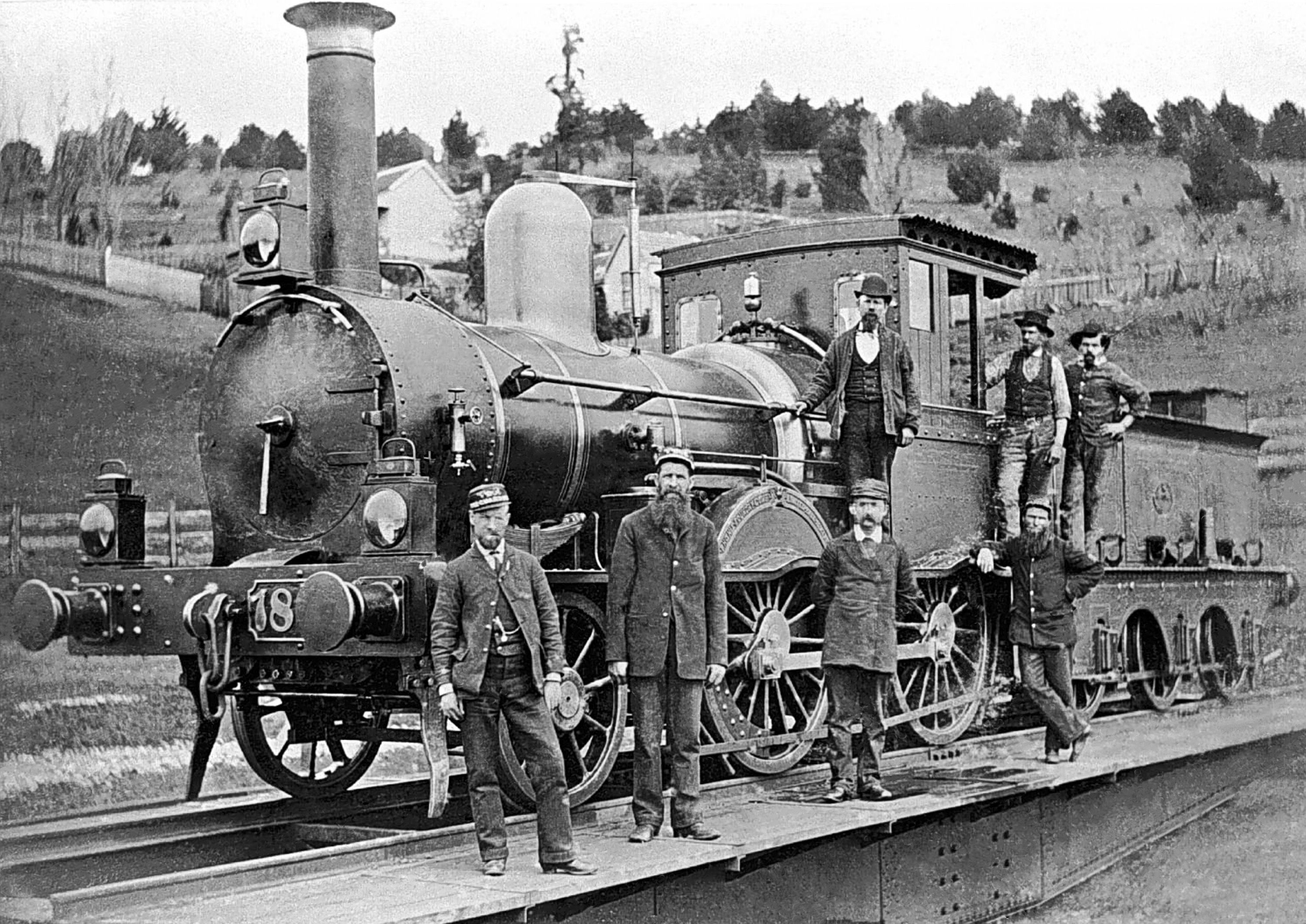
This might seem like a very modest beginning to us, but imagine living in a world where all photographs of locomotives looked like this—

And then think of it coming to life and moving toward you as you sit in a darkened room and perhaps you can capture a little of the original magic which the first viewers must have felt.

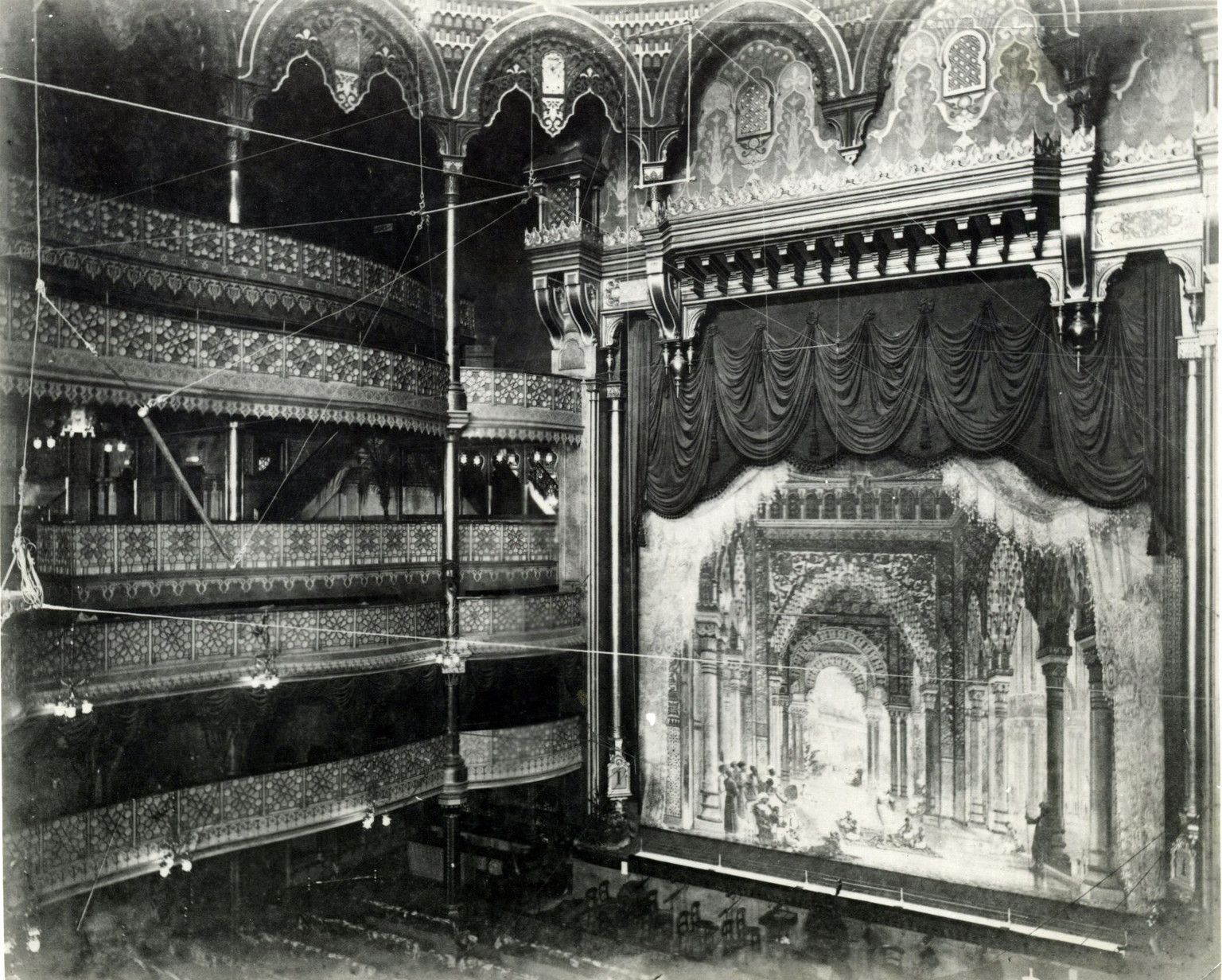
As films became longer and more ambitious, moving from a single captured movement to a simple—and, later, increasingly complex—story, the creators looked to the best model available:  late Victorian/Edwardian theatre.

Such theatres lacked modern sound amplification and, even when lit by gas or early electric light would have been dim or garishly bright

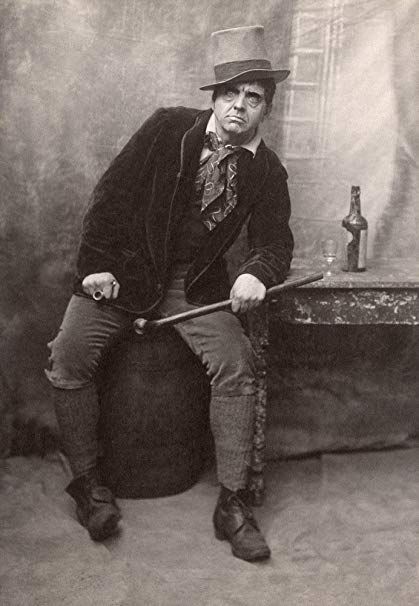
and actors, to be seen and at least understood, if not always heard, had used exaggerated makeup

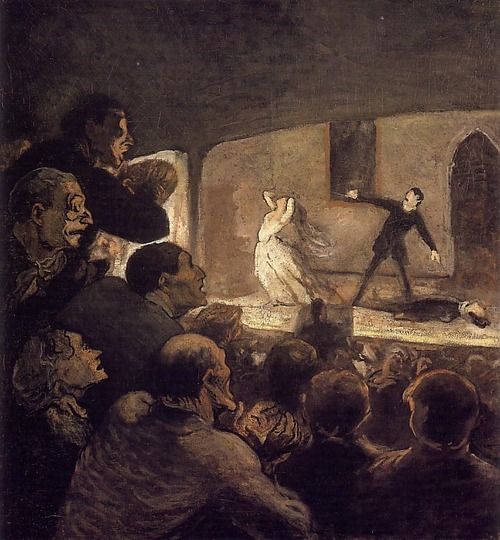
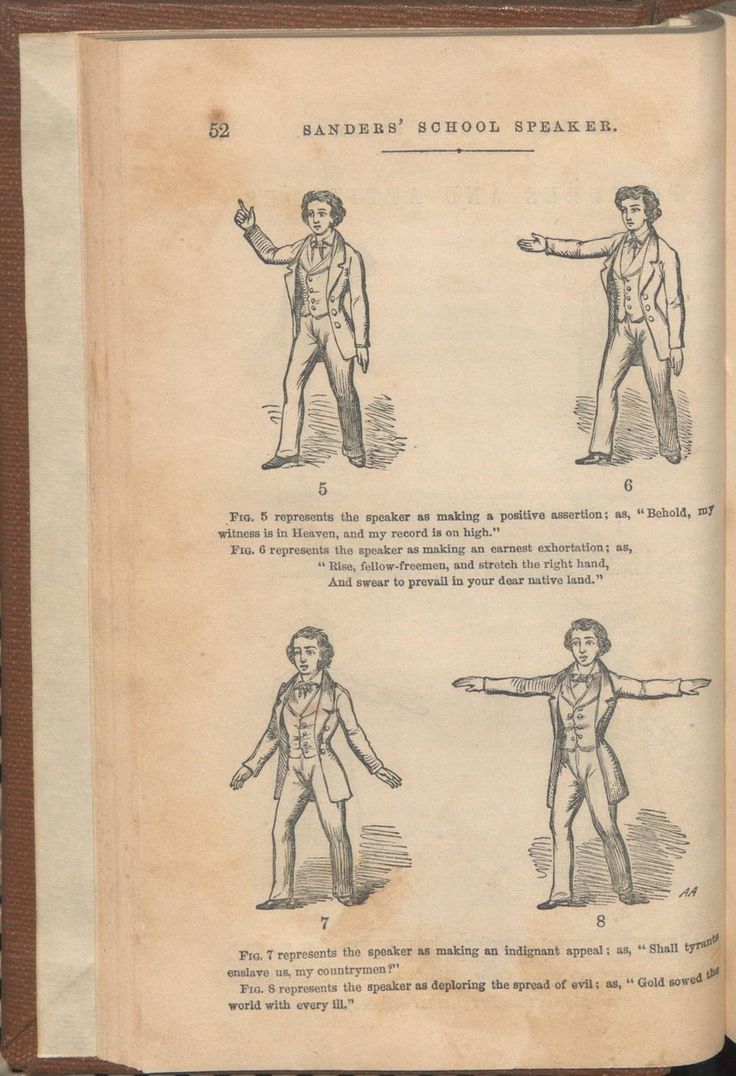
and equally exaggerated gesture.

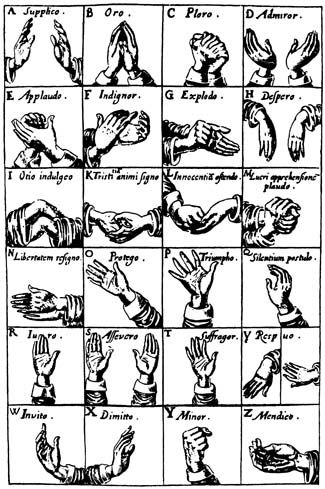
“Theatrical” gestures, in fact, date all the way back to Roman oratory (which, in turn, comes from Greek practice)—Quintilian (c.35-c.100AD), in his Institutio Oratoria, describes at some length the use of movement in oratory (Book II, Sections 66-135—you can read a translation here:  https://www.perseus.tufts.edu/hopper/text?doc=Perseus%3Atext%3A2007.01.0069%3Abook%3D11%3Achapter%3D6 ) and it’s clear from later illustrations that this was still inspiring dramatic gesture many centuries later—Elizabethan

into the Victorian era.

(This is from Sanders’ School Speaker, 1857, which, even skimming through it, immediately helps you to understand why, at the dedication of the National Cemetery at Gettysburg, in November, 1863, Abraham Lincoln, unschooled in oratory, read a few brief remarks—lasting 2 minutes–and the main speaker, Edward Everett, 1794-1865, trained at Harvard, spoke for two hours!   And—proving my point about the Internet Archive—you can read Sanders book here:  https://ia600200.us.archive.org/3/items/sandersschoolspe00sand/sandersschoolspe00sand.pdf  For a very useful little article on silent movie make-up, by the way, see:  https://intothegloss.com/2015/02/silent-film-makeup/ )

Why do I love silent movies?  I think that it’s all of the above:  on the one hand, it’s thinking of the first captures of motion and what that must have meant and felt like, as well as catching the echoes of the Victorian stage, and, on the other, it’s the sheer pleasure of watching story-telling at work, from laughter to terror, in a new art form.  There’s so much to learn and so much to see and the Internet Archive offers a very large schoolroom in which to study.

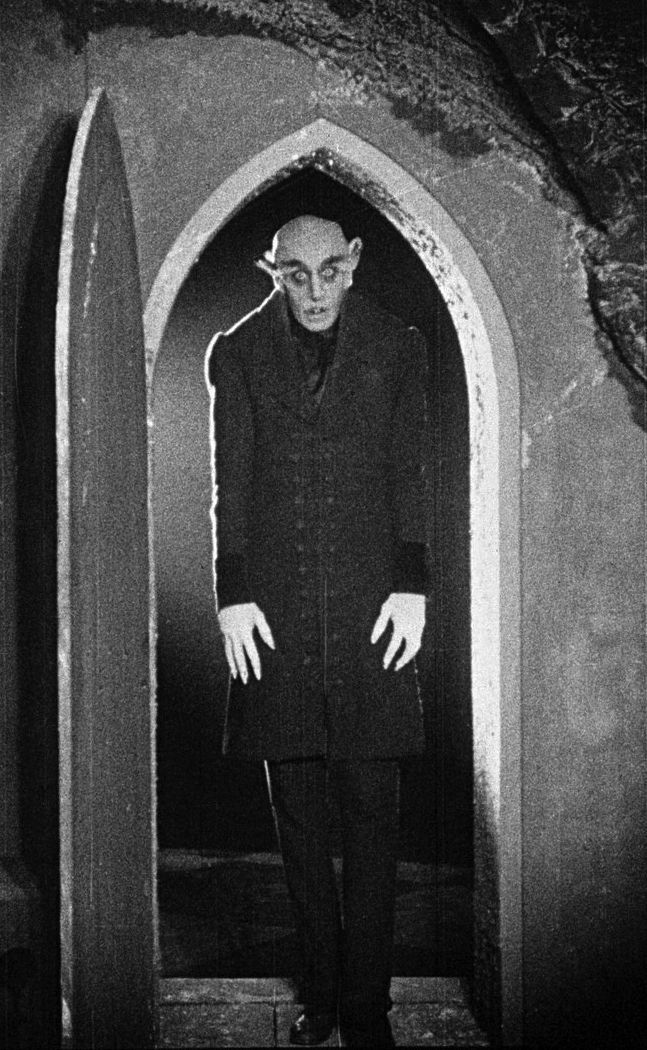
So, if you’re new to the form, where to begin?  You might try Charlie Chaplin’s “The Adventurer”, 1917 (https://archive.org/details/CC_1917_10_22_TheAdventurer )  or the longer film I mentioned earlier, Harold Lloyd’s “Safety Last”, 1923 (https://archive.org/details/dfwiv-Safety_Last_-_Harold_Lloyd_1923_-_Old_Time_Movie ).  For horror, there is another favorite, F.W. Murnau’s 1922 “Nosferatu”, with the most grotesque of villains, “Count Orlok” (aka Dracula– https://archive.org/details/nosferatu_201508  ) 

This is the first film based upon Bram Stoker’s 1897 novel and displays all sorts of menace—watch, in particular, about minute 20 or so, when the protagonist crosses a bridge and the film turns from black and white to icy blue and a carriage—more like a Victorian hearse—appears at a supernatural speed to carry him to the castle of the count.  This is something else one meets in these early films:  all sorts of experiments with distortion and tint.  (you can read about the film here:  https://en.wikipedia.org/wiki/Nosferatu )

Whatever you choose, I hope that you enjoy it as much as I enjoy this form which, although a direct ancestor of modern film, is distinctively different and itself.

Thanks for reading, as always.

Stay well,

If invited to a strange castle, be sure to wear a garlic vest,

And remember that, as always, there’s

MTCIDC

O

The Doubtful Sea Series Facebook Page

The Doubtful Sea Series Facebook Page

  • Ollamh

Categories

  • Artists and Illustrators
  • Economics in Middle-earth
  • Fairy Tales and Myths
  • Films and Music
  • Games
  • Heroes
  • Imaginary History
  • J.R.R. Tolkien
  • Language
  • Literary History
  • Maps
  • Medieval Russia
  • Military History
  • Military History of Middle-earth
  • Narnia
  • Narrative Methods
  • Poetry
  • Research
  • Star Wars
  • Terra Australis
  • The Rohirrim
  • Theatre and Performance
  • Tolkien
  • Uncategorized
  • Villains
  • Writing as Collaborators
Follow doubtfulsea on WordPress.com

Across the Doubtful Sea

Recent Postings

  • Making Money May 27, 2026
  • Blood Money May 20, 2026
  • Saruman’s Sigh May 13, 2026
  • Silents Are Golden May 7, 2026
  • Planting April 29, 2026
  • Subterranean April 22, 2026
  • Serendipity? April 15, 2026
  • Serendipity April 8, 2026
  • Verisimilitude April 1, 2026

Blog Statistics

  • 113,985 Views

Posting Archive

  • May 2026 (4)
  • April 2026 (5)
  • March 2026 (4)
  • February 2026 (4)
  • January 2026 (4)
  • December 2025 (5)
  • November 2025 (4)
  • October 2025 (5)
  • September 2025 (4)
  • August 2025 (4)
  • July 2025 (5)
  • June 2025 (4)
  • May 2025 (4)
  • April 2025 (5)
  • March 2025 (4)
  • February 2025 (4)
  • January 2025 (5)
  • December 2024 (4)
  • November 2024 (4)
  • October 2024 (5)
  • September 2024 (4)
  • August 2024 (4)
  • July 2024 (5)
  • June 2024 (4)
  • May 2024 (5)
  • April 2024 (4)
  • March 2024 (4)
  • February 2024 (4)
  • January 2024 (5)
  • December 2023 (4)
  • November 2023 (5)
  • October 2023 (4)
  • September 2023 (4)
  • August 2023 (5)
  • July 2023 (4)
  • June 2023 (4)
  • May 2023 (5)
  • April 2023 (4)
  • March 2023 (5)
  • February 2023 (4)
  • January 2023 (4)
  • December 2022 (4)
  • November 2022 (5)
  • October 2022 (4)
  • September 2022 (4)
  • August 2022 (5)
  • July 2022 (4)
  • June 2022 (5)
  • May 2022 (4)
  • April 2022 (4)
  • March 2022 (5)
  • February 2022 (4)
  • January 2022 (4)
  • December 2021 (5)
  • November 2021 (4)
  • October 2021 (4)
  • September 2021 (5)
  • August 2021 (4)
  • July 2021 (4)
  • June 2021 (5)
  • May 2021 (4)
  • April 2021 (4)
  • March 2021 (5)
  • February 2021 (4)
  • January 2021 (4)
  • December 2020 (5)
  • November 2020 (4)
  • October 2020 (4)
  • September 2020 (5)
  • August 2020 (4)
  • July 2020 (5)
  • June 2020 (4)
  • May 2020 (4)
  • April 2020 (5)
  • March 2020 (4)
  • February 2020 (4)
  • January 2020 (6)
  • December 2019 (4)
  • November 2019 (4)
  • October 2019 (5)
  • September 2019 (4)
  • August 2019 (4)
  • July 2019 (5)
  • June 2019 (4)
  • May 2019 (5)
  • April 2019 (4)
  • March 2019 (4)
  • February 2019 (4)
  • January 2019 (5)
  • December 2018 (4)
  • November 2018 (4)
  • October 2018 (5)
  • September 2018 (4)
  • August 2018 (5)
  • July 2018 (4)
  • June 2018 (4)
  • May 2018 (5)
  • April 2018 (4)
  • March 2018 (4)
  • February 2018 (4)
  • January 2018 (5)
  • December 2017 (4)
  • November 2017 (4)
  • October 2017 (4)
  • September 2017 (4)
  • August 2017 (5)
  • July 2017 (4)
  • June 2017 (4)
  • May 2017 (5)
  • April 2017 (4)
  • March 2017 (5)
  • February 2017 (4)
  • January 2017 (4)
  • December 2016 (4)
  • November 2016 (5)
  • October 2016 (6)
  • September 2016 (5)
  • August 2016 (5)
  • July 2016 (5)
  • June 2016 (5)
  • May 2016 (4)
  • April 2016 (4)
  • March 2016 (5)
  • February 2016 (4)
  • January 2016 (4)
  • December 2015 (5)
  • November 2015 (5)
  • October 2015 (4)
  • September 2015 (5)
  • August 2015 (4)
  • July 2015 (5)
  • June 2015 (5)
  • May 2015 (4)
  • April 2015 (3)
  • March 2015 (4)
  • February 2015 (4)
  • January 2015 (4)
  • December 2014 (5)
  • November 2014 (4)
  • October 2014 (6)
  • September 2014 (1)

Blog at WordPress.com.

  • Subscribe Subscribed
    • doubtfulsea
    • Join 75 other subscribers
    • Already have a WordPress.com account? Log in now.
    • doubtfulsea
    • Subscribe Subscribed
    • Sign up
    • Log in
    • Report this content
    • View site in Reader
    • Manage subscriptions
    • Collapse this bar

Loading Comments...