• About

doubtfulsea

~ adventure fantasy

Monthly Archives: April 2026

Subterranean

22 Wednesday Apr 2026

Posted by Ollamh in Uncategorized

≈ Leave a comment

Tags

Bag End, Balrog, Bilbo, Chamber of Mazarbul, Cirith Ungol, clowns, enclosed-spaces, Erebor, Fantasy, Frodo, Goblins, Gollum, heights, Helm's Deep, Indiana Jones, Misty Mountains, Moria, Mt. Doom, needles, phobias, Smaug, spiders, Star Wars, Star Wars IV, The Hobbit, The Lord of the Rings, The Paths of the Dead, the-misty-mountains, Tolkien, trolls

As ever, dear readers, welcome.

I’m always amazed at how many kinds of phobias there are.

There’s the classic acrophobia—

and nyctophobia—

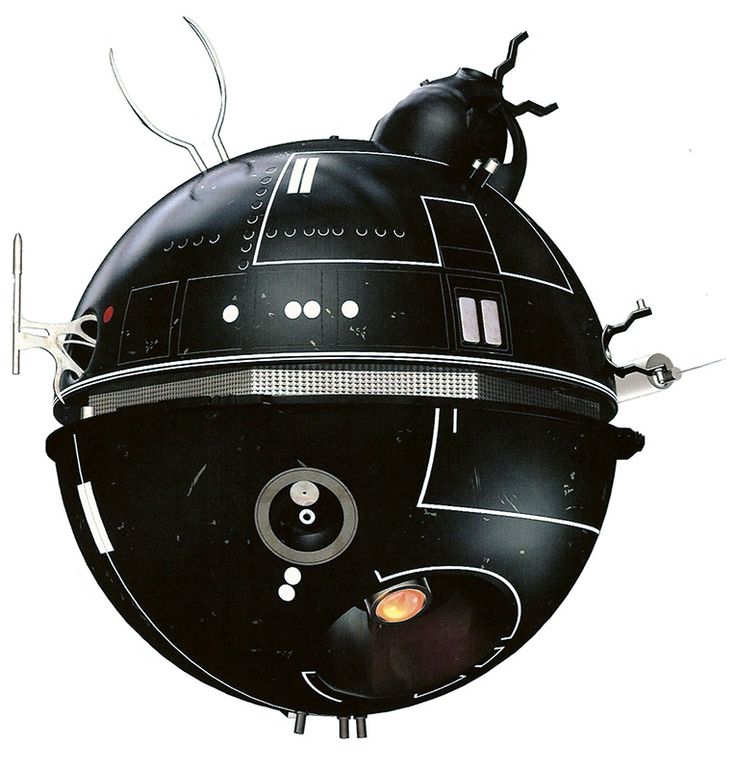
and trypanophobia

(of which George Lucas takes advantage in Star Wars IV

that needle is positively dripping!)

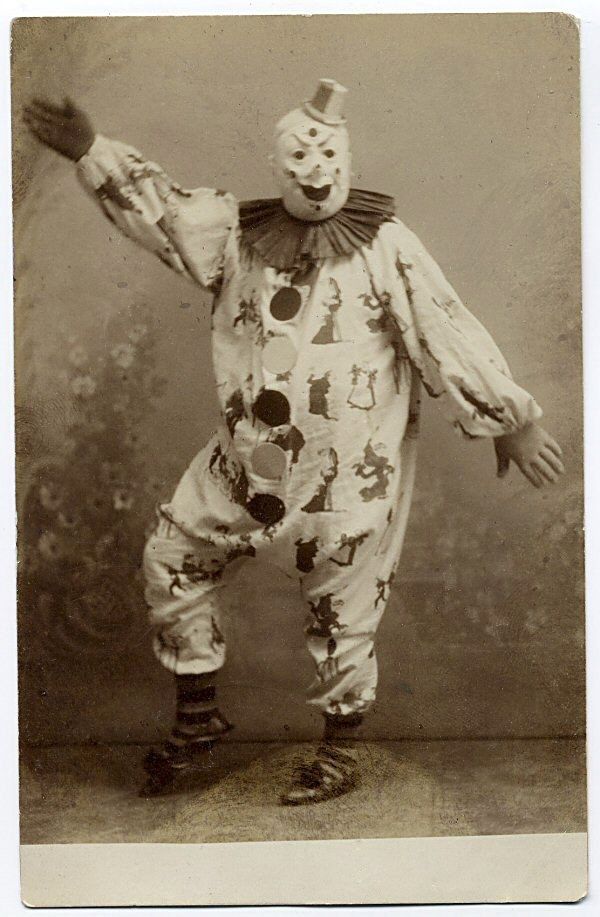
and one of my favorites, coulrophobia–

(and who wouldn’t be afraid of that?)

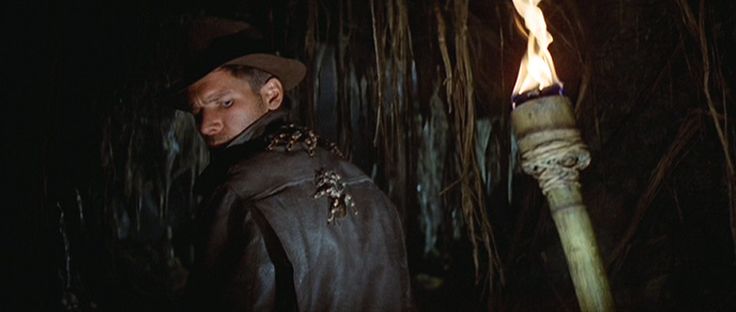
as well as the seemingly common arachnophobia,

of which Steven Spielberg took advantage in the first Indiana Jones movie—

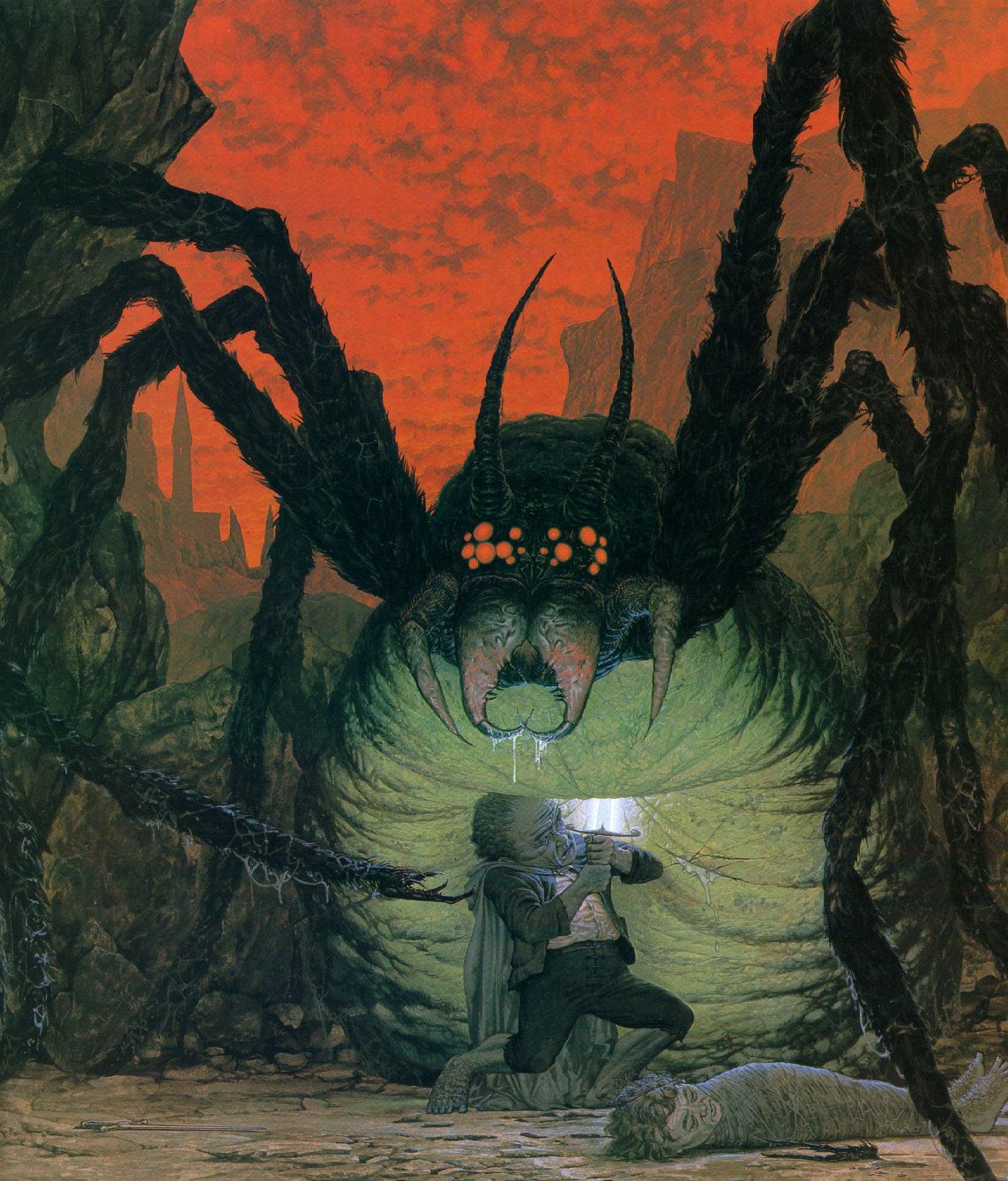
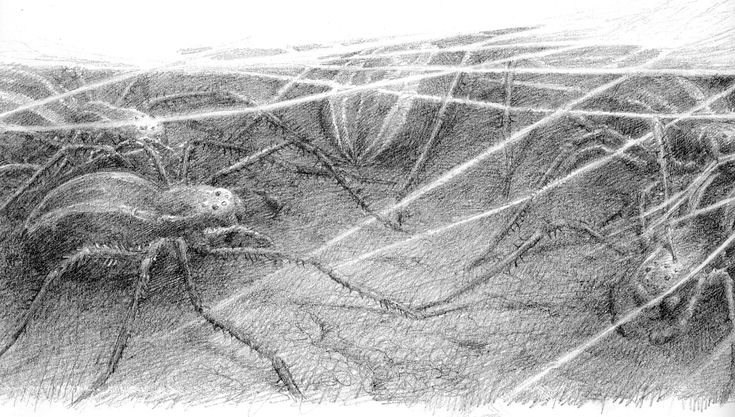
Because of Shelob in The Lord of the Rings,

(Ted Nasmith)

Tolkien, perhaps suspected of this—after all, there are also those large spiders in The Hobbit—

(Alan Lee)

wrote to W.H. Auden in 1955:

“But I did know more or less all about Gollum and his part, and Sam, and I knew that the way was guarded by a Spider.  And if that has anything to do with my being stung by a tarantula when a small child,

people are welcome to the notion (supposing the improbable, that any one is interested).  I can only say that I remember nothing about it, should not know it if I had not been told; and I do not dislike spiders particularly, and have no urge to kill them.  I usually rescue those whom I find in the bath!”  (letter to W.H. Auden, 7 June, 1955, Letters, 316.  For more on this, see:   “Phobe” 24 May, 2023 here:  https://doubtfulsea.com//?s=phobe&search=Go )

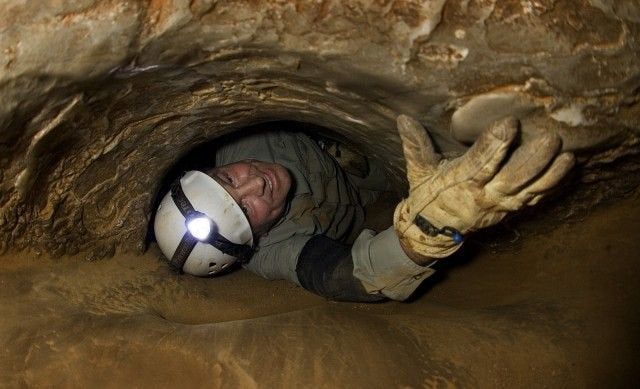
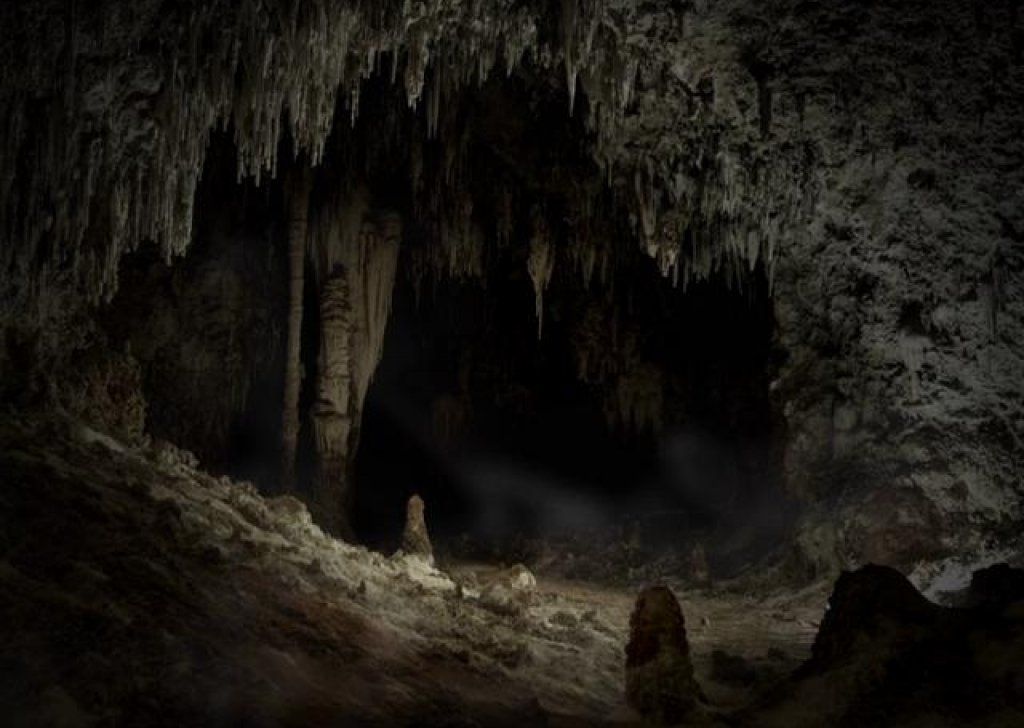
So, as far as we know, then, JRRT makes no mention of any other fears and insists that he had no dread of arachnids, even if they make two major appearances in his works.  There is another possible phobia which he doesn’t discuss, however—claustrophobia—

and I’ve wondered:  could we perhaps see a mild form in his case?

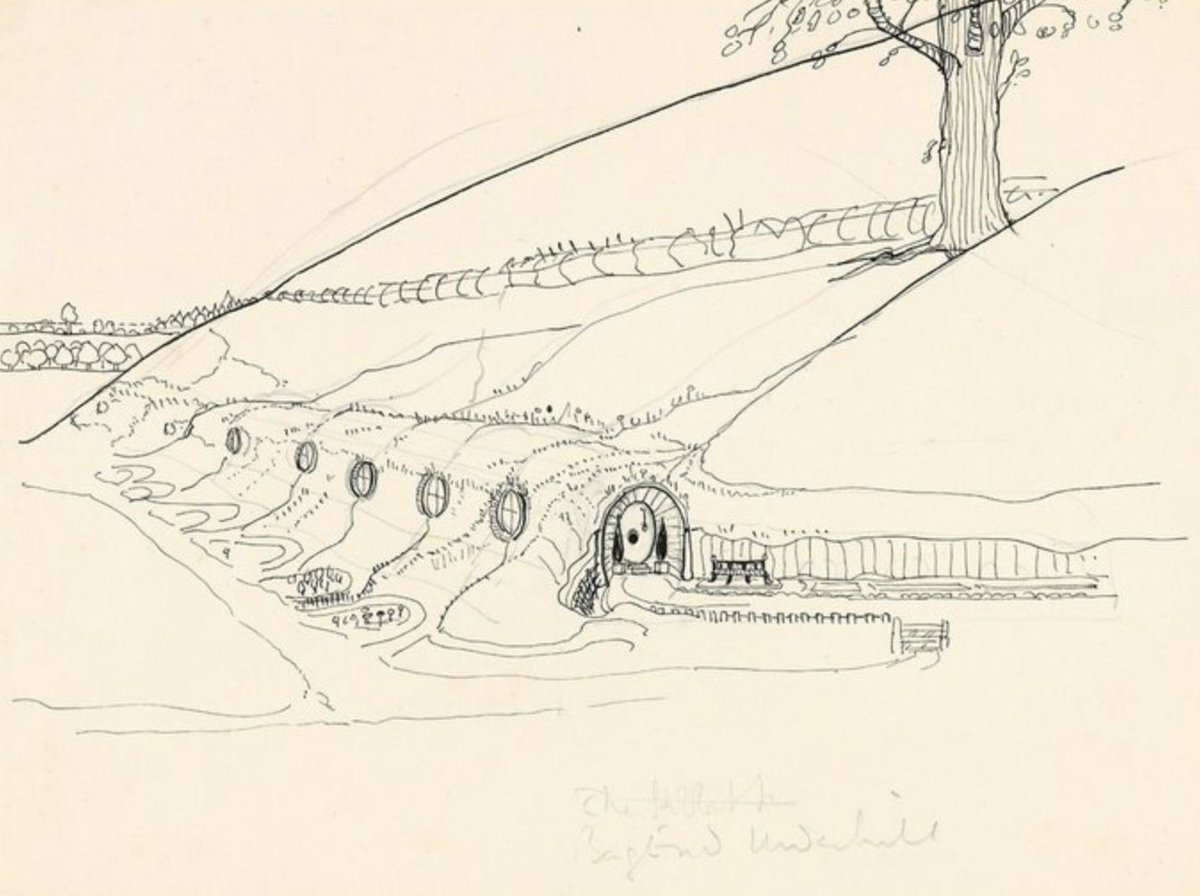
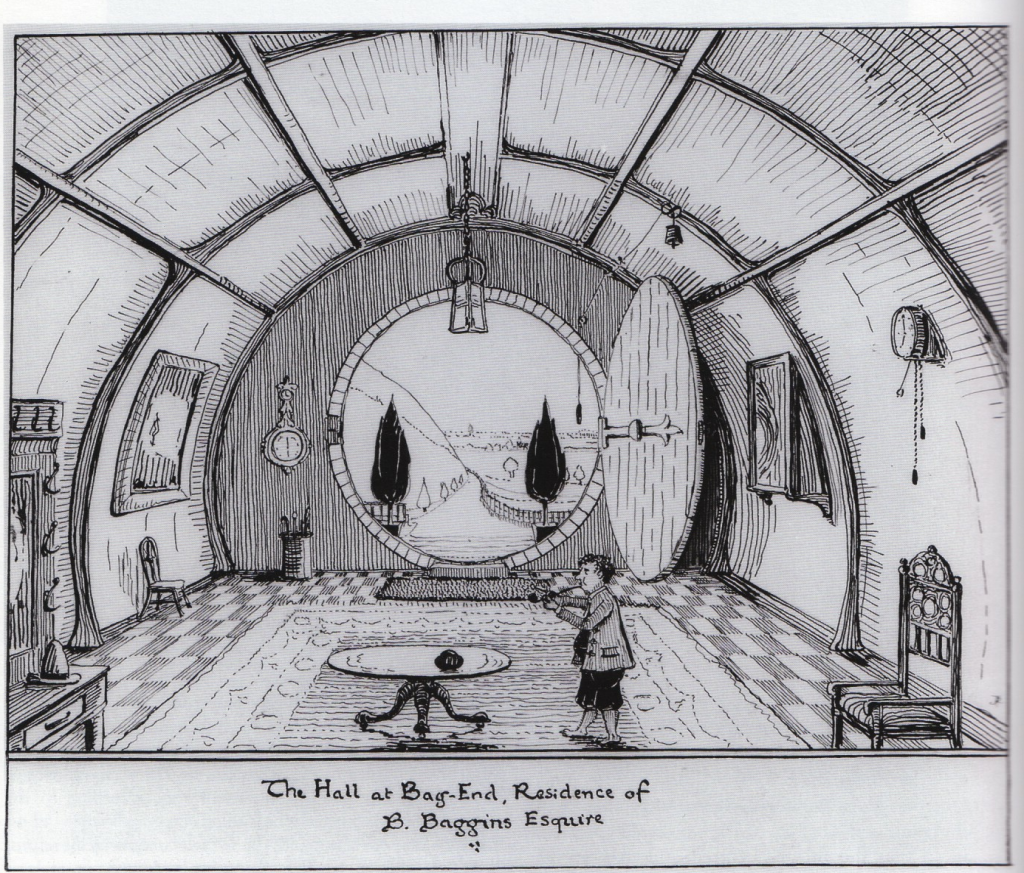
I suppose that one might immediately point out that Bilbo, in effect, lives in a cave—

(JRRT)

but Tolkien’s illustration suggests that this isn’t a place for spelunking—

and his description of Bag End underlines this:

“Not a nasty, dirty, wet hole, filled with the ends of worms and an oozy smell, nor yet a dry, bare, sandy hole with nothing in it to sit down on or to eat:  it was a hobbit-hole, and that means comfort.

…The door opened on to a tube-shaped hall like a tunnel:  a very comfortable tunnel without smoke, with panelled walls, and floors tiled and carpeted, provided with polished chairs, and lots and lots of pegs for hats and coats…”  (The Hobbit, Chapter One, “An Unexpected Party”)

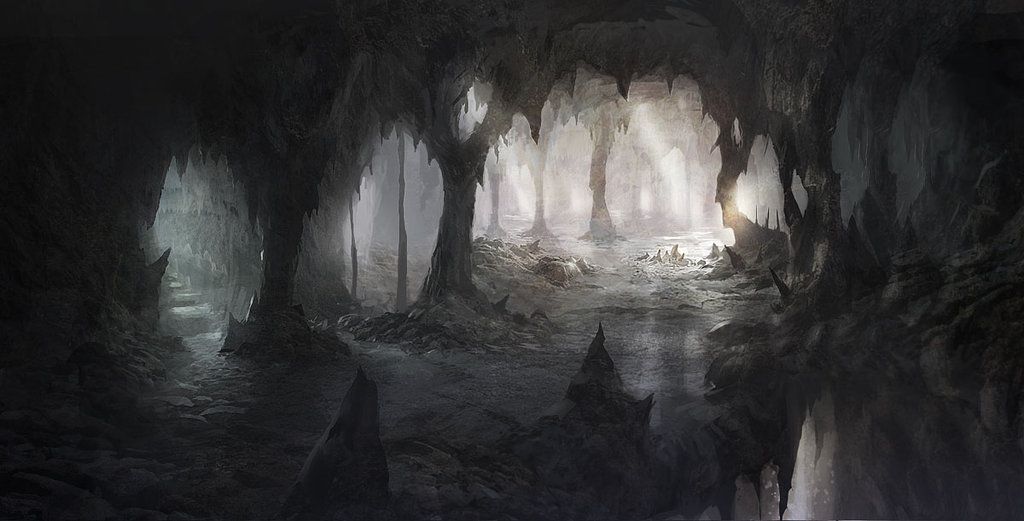
But consider all of his adventures in the novel:  how many of them take place in adverse conditions under ground?

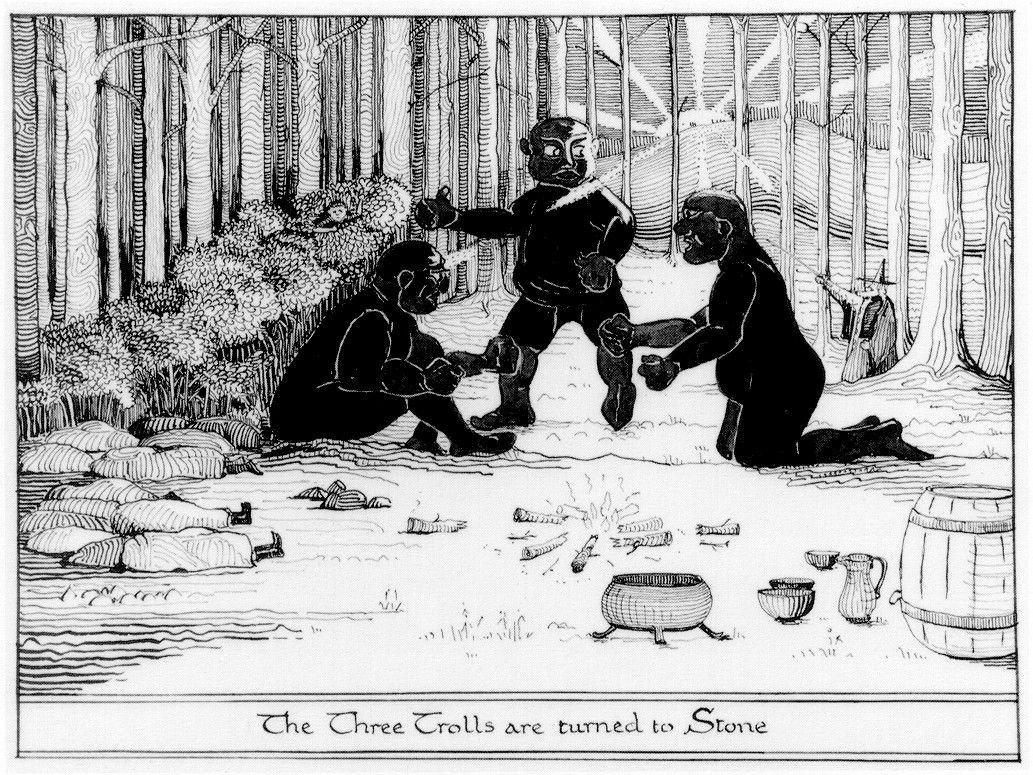
First, there’s the mention of the cave where the trolls

(JRRT)

kept their loot:

“There were bones on the floor and a nasty smell in the air; but there was a good deal of food jumbled carelessly on shelves and on the ground among an untidy litter of plunder, of all sorts from buttons to pots full of gold coins standing in a corner.  There were lots of clothes, too, hanging on the walls—too small for trolls, I am afraid they belonged to victims…” (The Hobbit, Chapter Two, “Roast Mutton”—there was also “bacon to toast in the embers of the fire”—but, considering a major troll protein source and remembering William’s remark—“Yer can’t expect folk to stop here for ever just to be et by you and Bert.  You’ve et a village and a half between yer since we come down from the mountains.”  I wonder that Bilbo and the dwarves would touch it!)

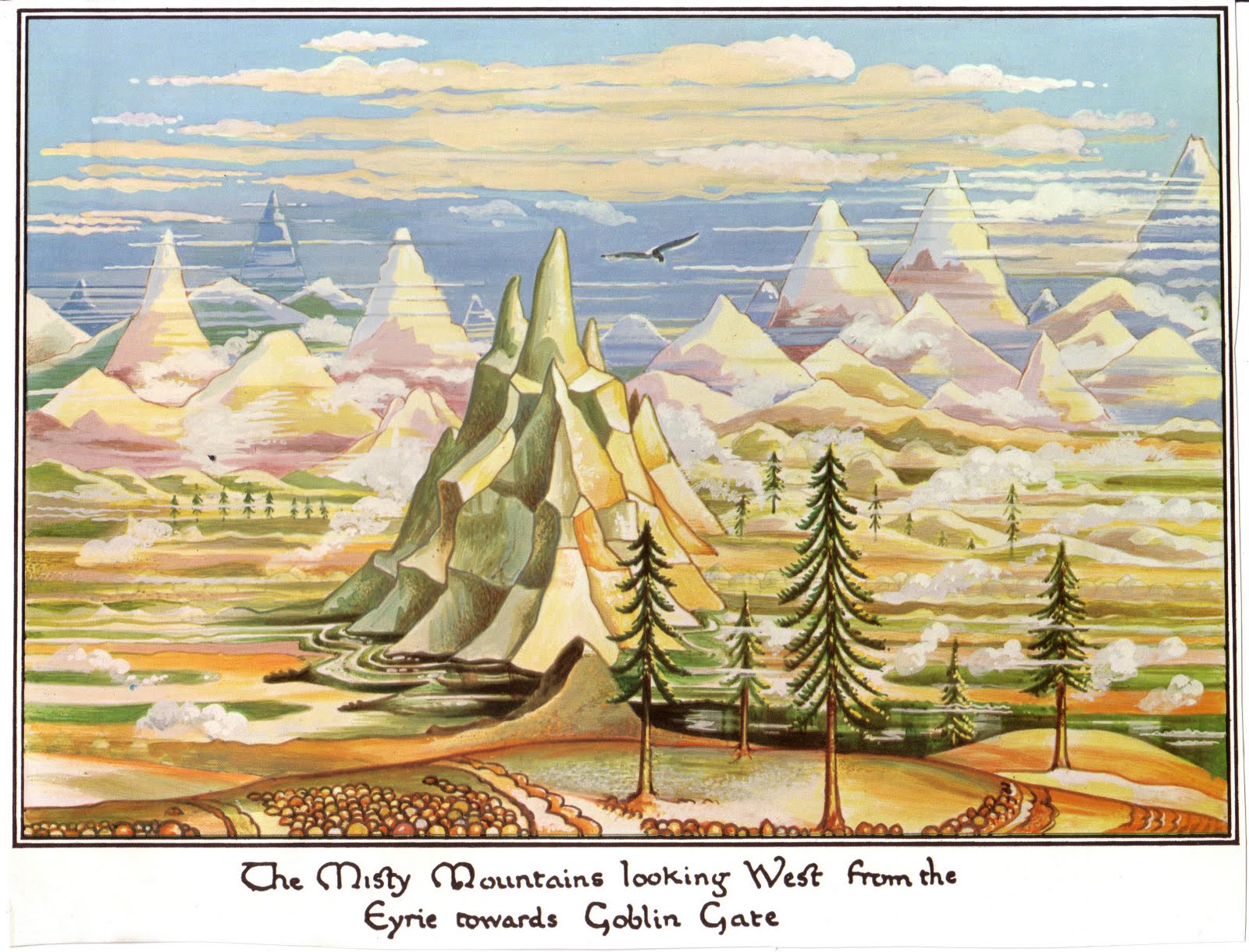
Then there was the network of caves cut by the goblins under the Misty Mountains,

(JRRT—but looking from the east westwards)

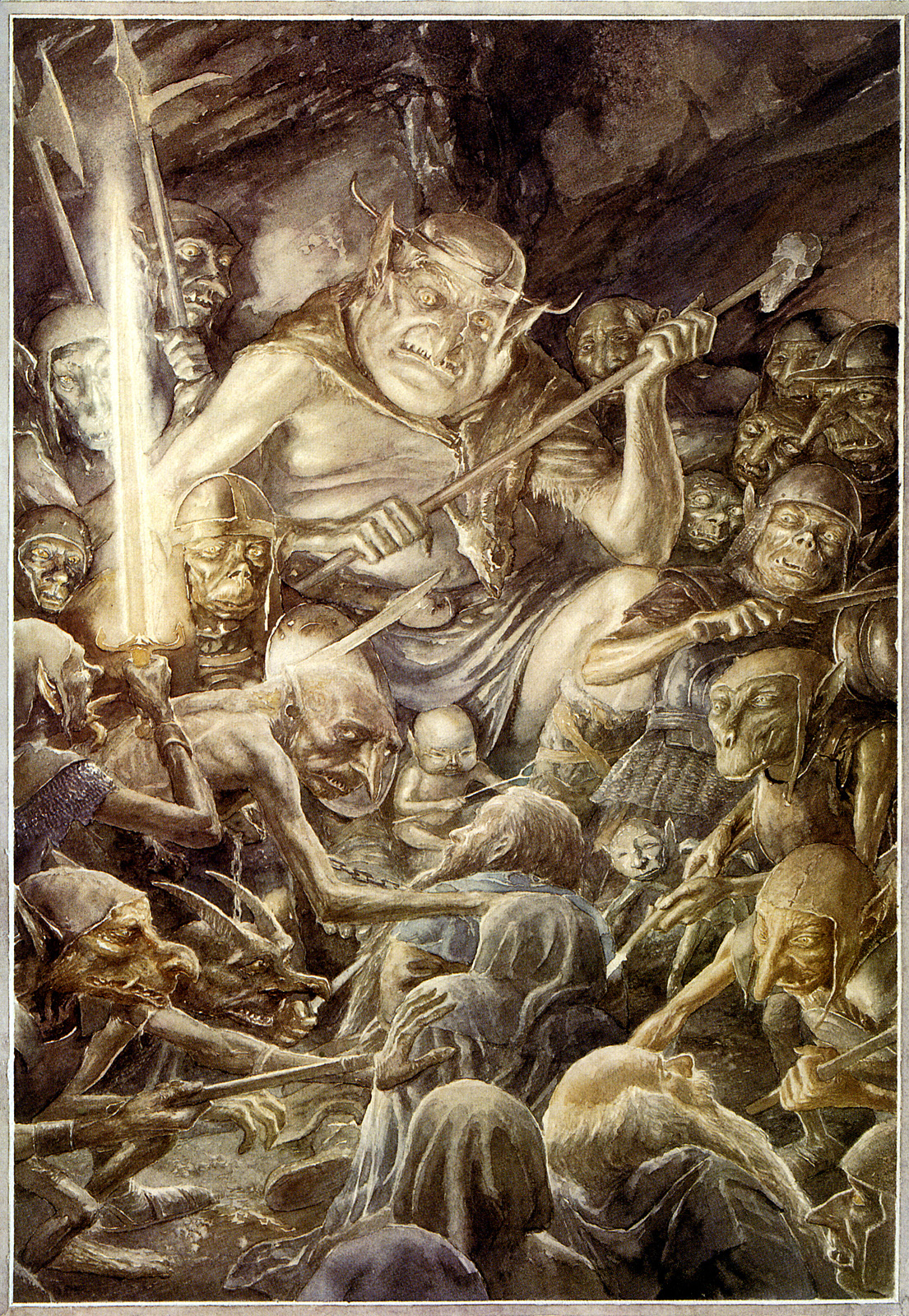
where Bilbo and the dwarves were briefly held prisoner by the goblins

(Alan Lee)

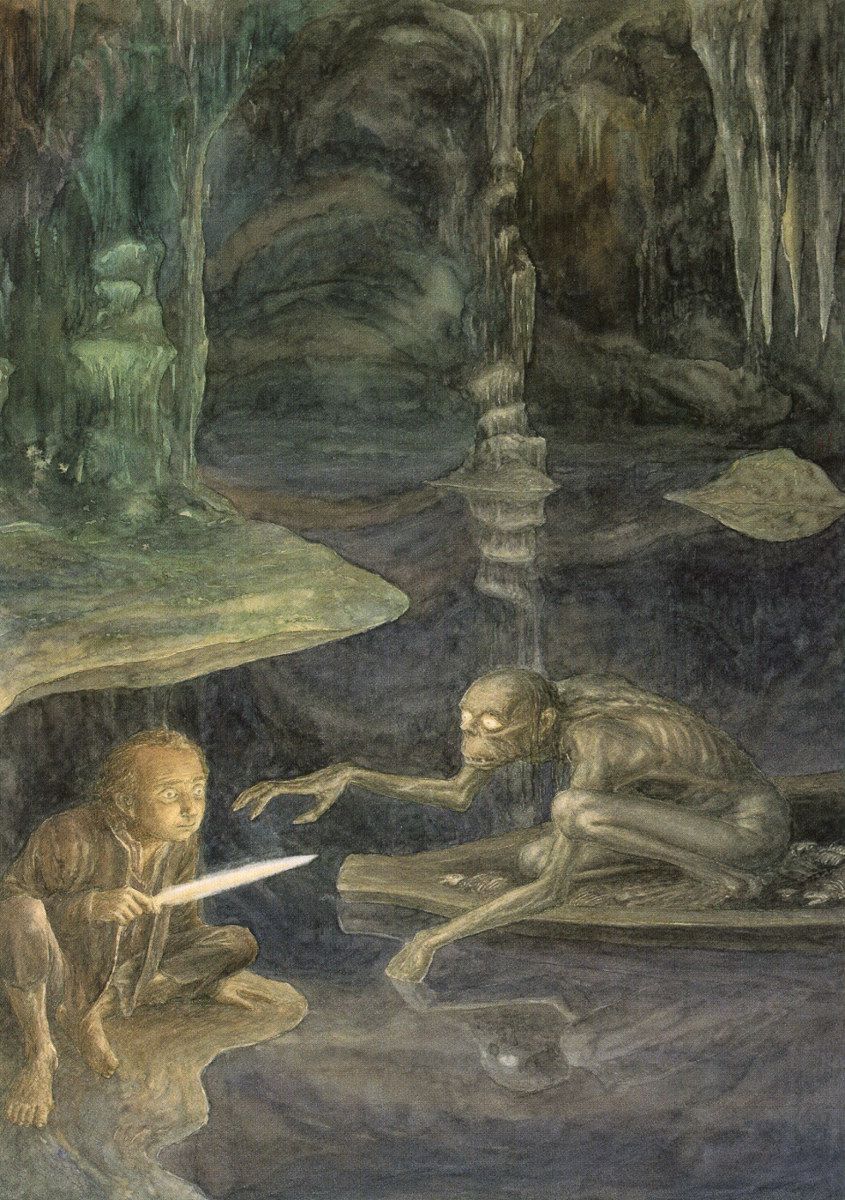
and where Bilbo had his encounter with Gollum.

(Alan Lee again)

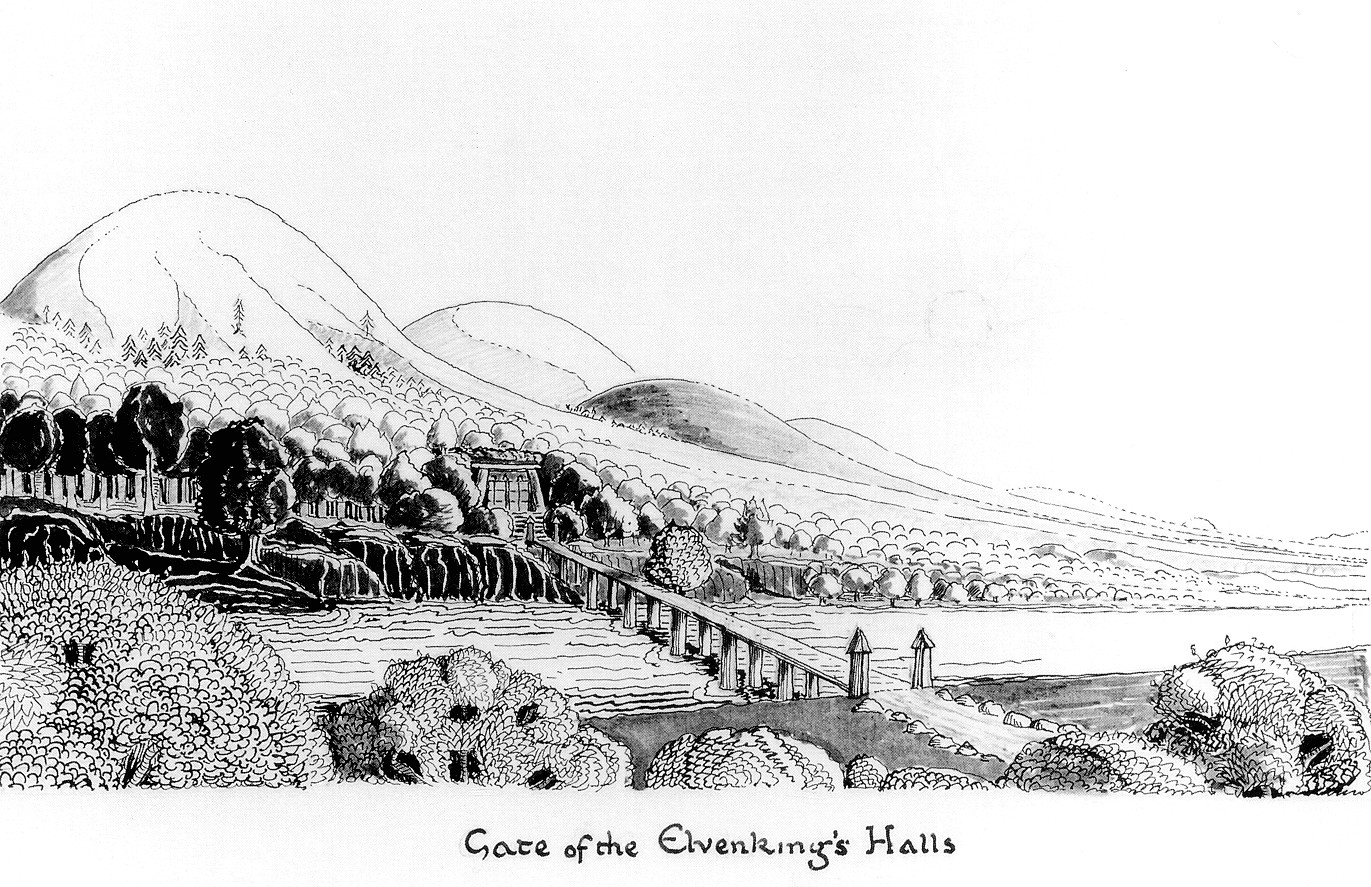
Later, we have the halls of Thranduil, where the dwarves are again held prisoner,

(JRRT)

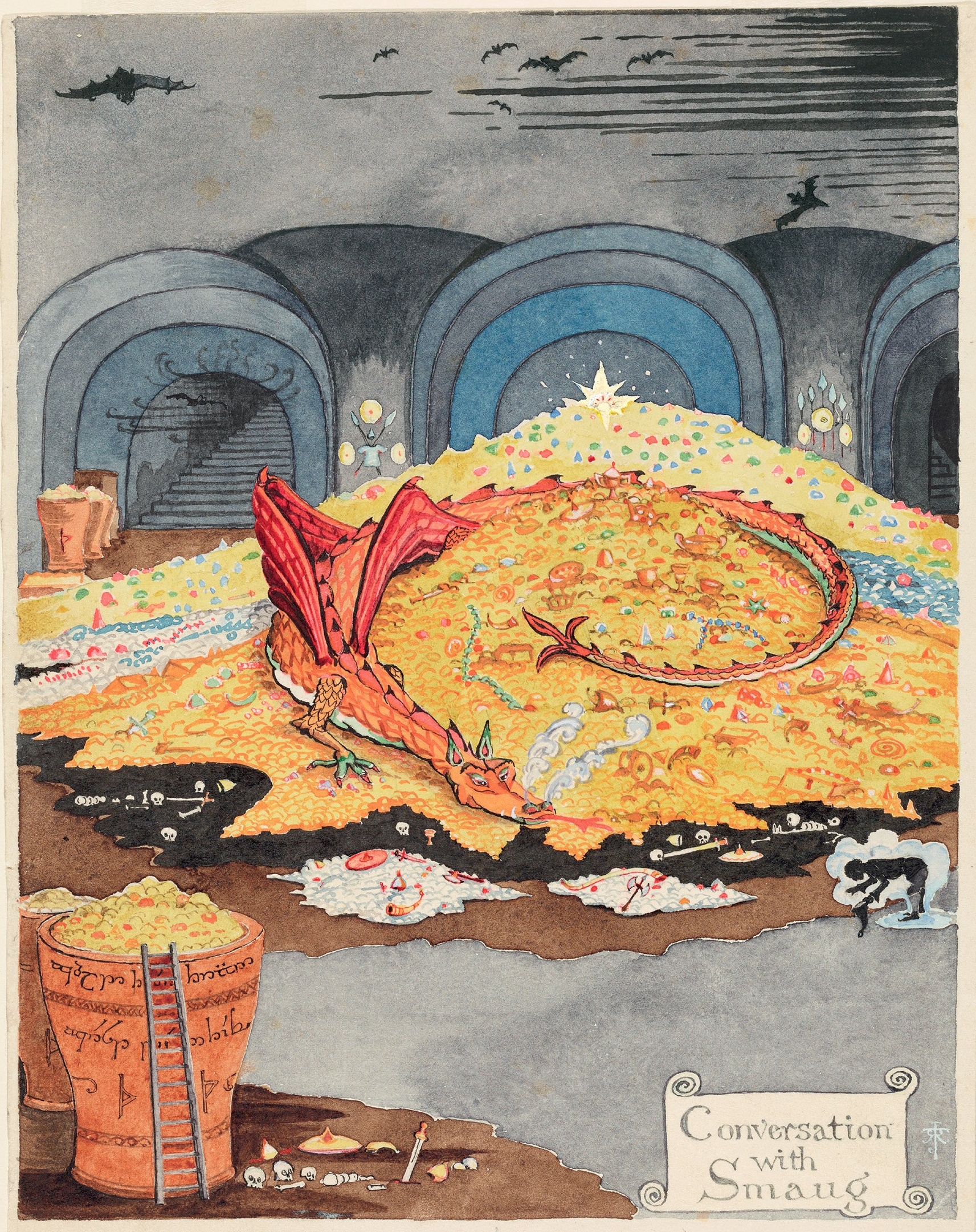
before the final underground nightmare, the Lonely Mountain.

IJRRT)

And those are just the subterranean terrors in The Hobbit.

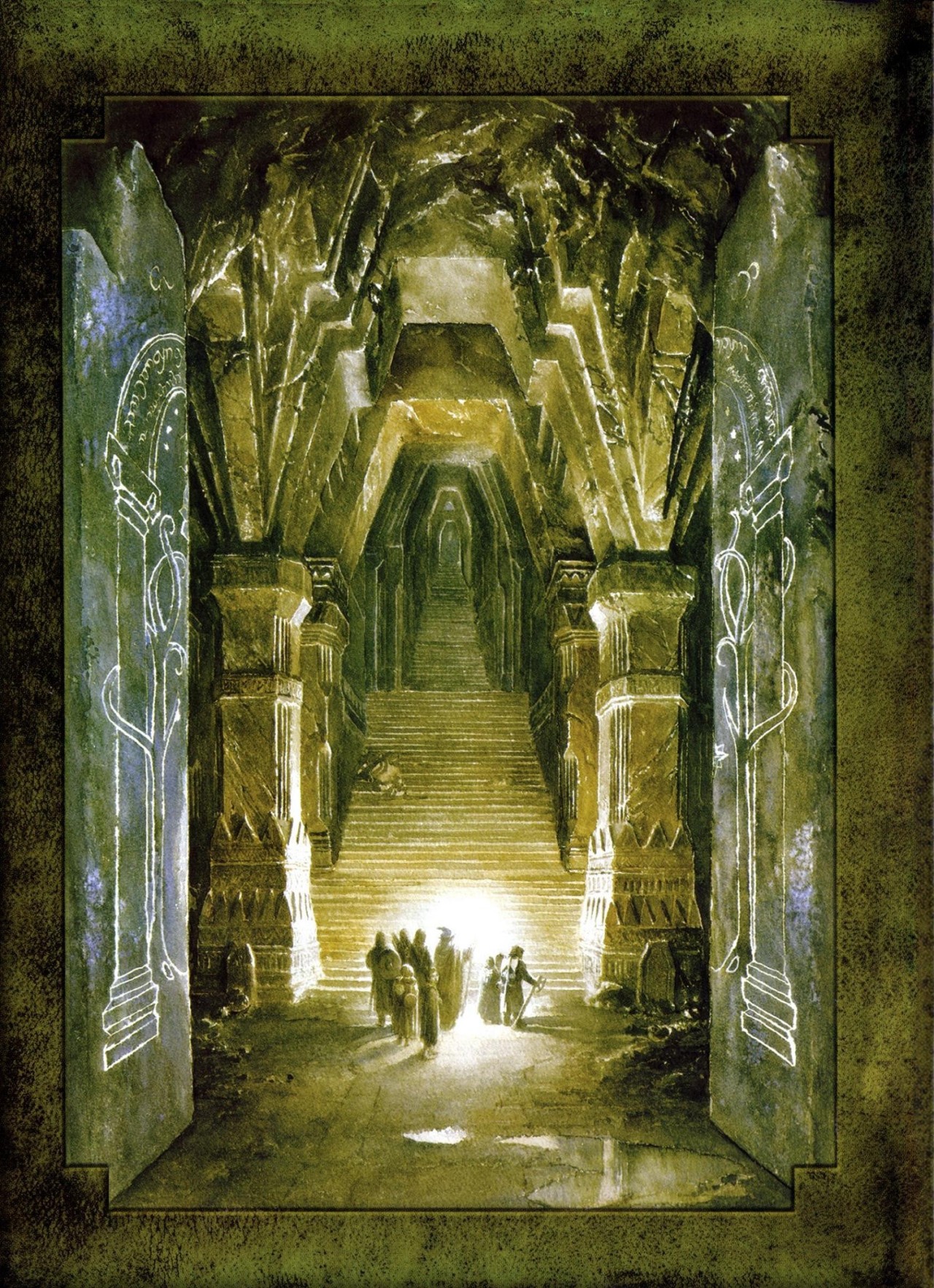
Continuing to The Lord of the Rings, we have Moria,

(Alan Lee)

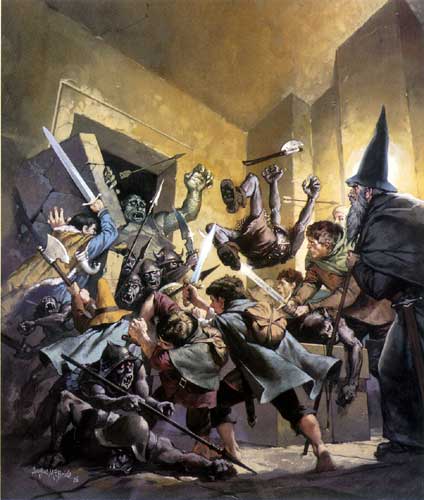
where, besides being temporarily trapped by orcs in the Chamber of Mazarbul,

(Angus McBride)

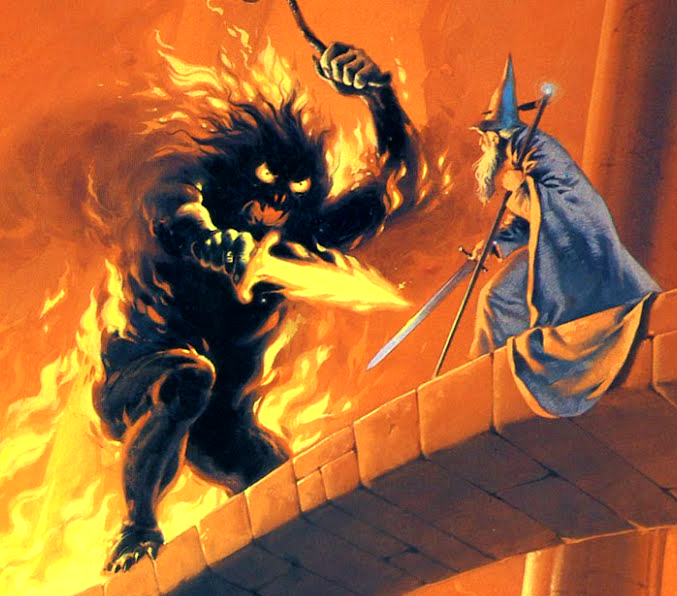
the Fellowship loses Gandalf to the Balrog.

(Angus McBride)

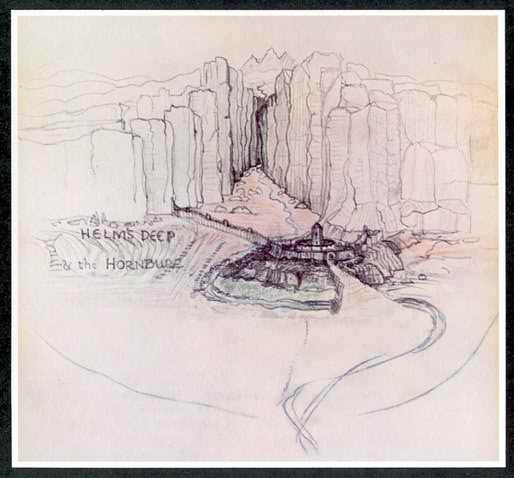
There are the caves at Helm’s Deep, about which Gimli is enthusiastic, but Legolas is not.

(JRRT)

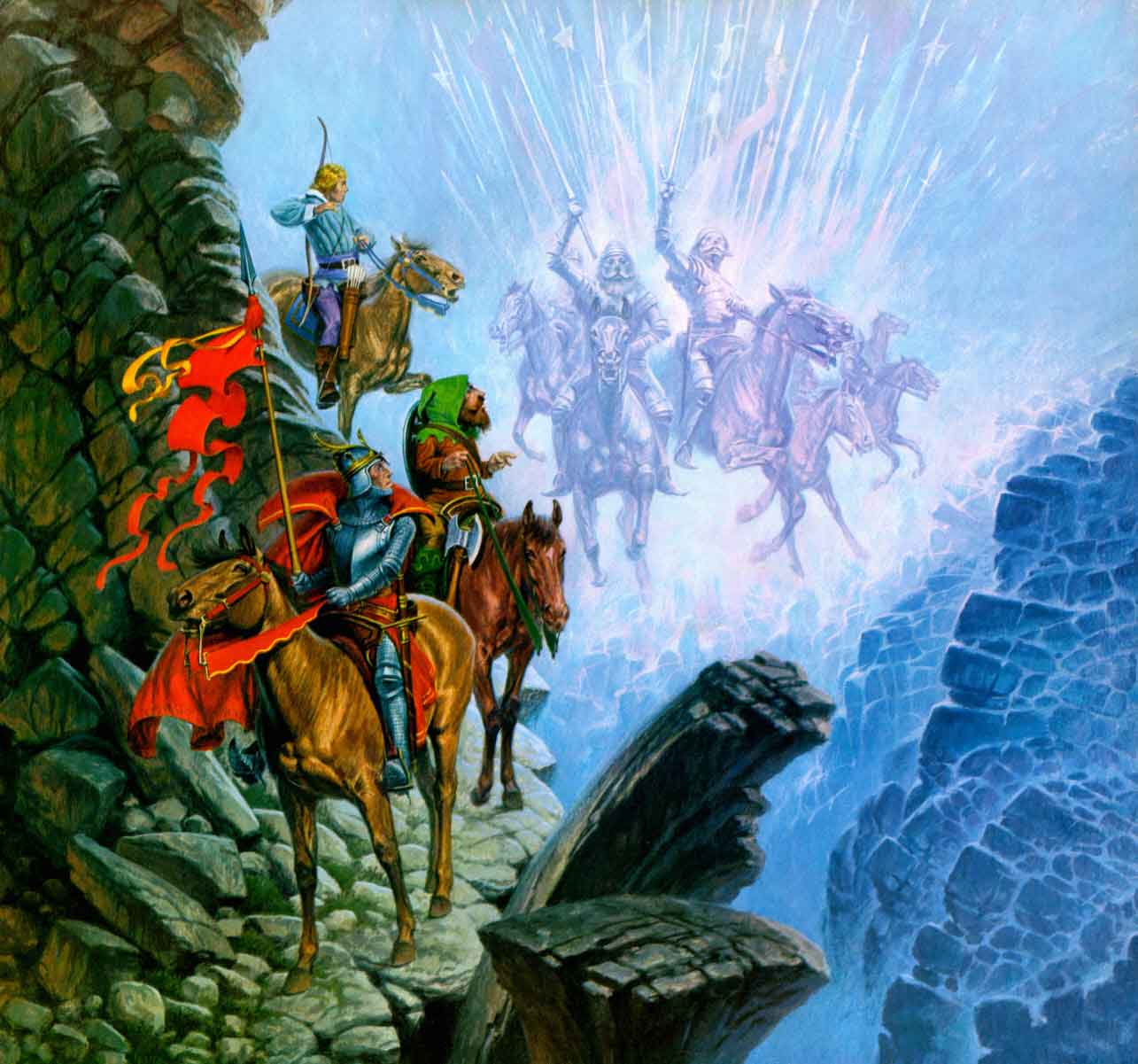
Then there are the Paths of the Dead,

(Darrell Sweet—you can read about him here:  https://blackgate.com/2022/04/17/andventure-to-be-had-a-journey-through-the-art-of-darrell-k-sweet/ )

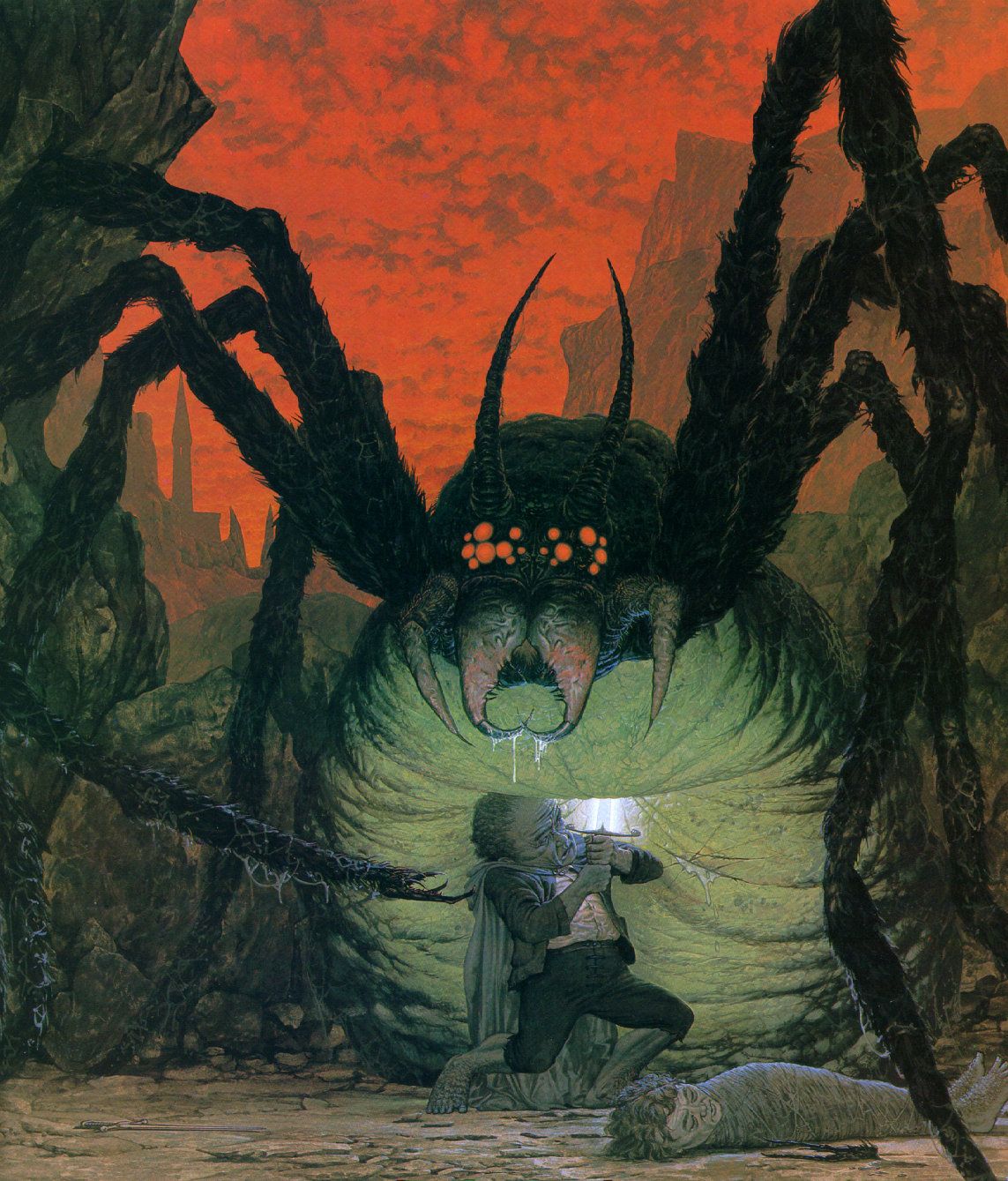
then the tunnels of Cirith Ungol, where Frodo and Sam encounter Shelob,

(Ted Nasmith)

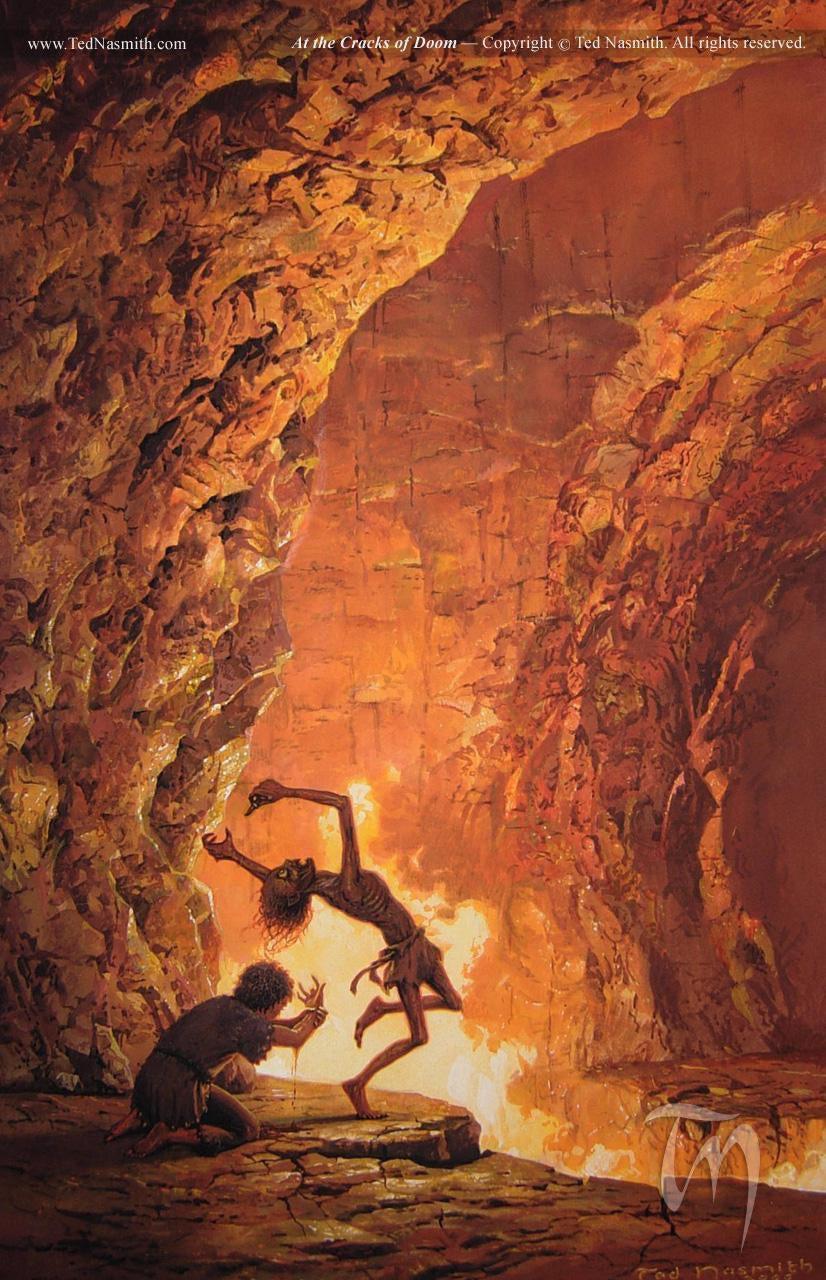
and, finally, the cavern under Mount Doom, where Frodo almost changes the plot, before Gollum appears.

(Ted Nasmith)

All evidence of a deep-seated fear of being trapped underground? 

Bag End may mean comfort, but what about:

“a nasty, dirty, wet hole, filled with the ends of worms and an oozy smell” and who knows what else?

As always, thanks for reading.

Stay well,

When possible, stick to the sunlight,

And remember that, as always, there’s

MTCIDC

O

Serendipity?

15 Wednesday Apr 2026

Posted by Ollamh in Uncategorized

≈ Leave a comment

Tags

books, De Zevensprong, de-sevensprong, Easy Dutch, etymology, gothic-literature, Horace Walpole, horror, Strawberry Hill, The Castle of Otranto, The Three Princes of Serendip, Tonke Dragt, Tonke Dragt.

As always, dear readers, welcome.

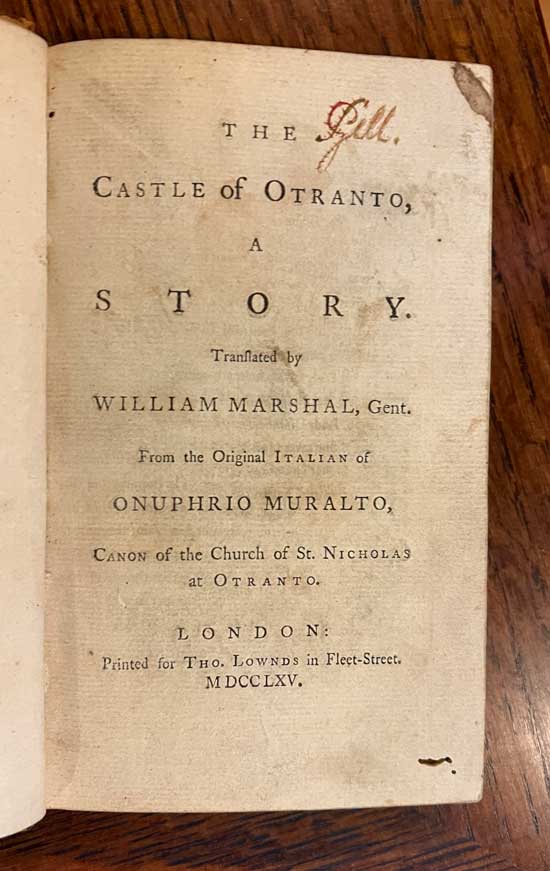
Ever since I first read The Castle of Otranto (1764),

(clearly a second edition)

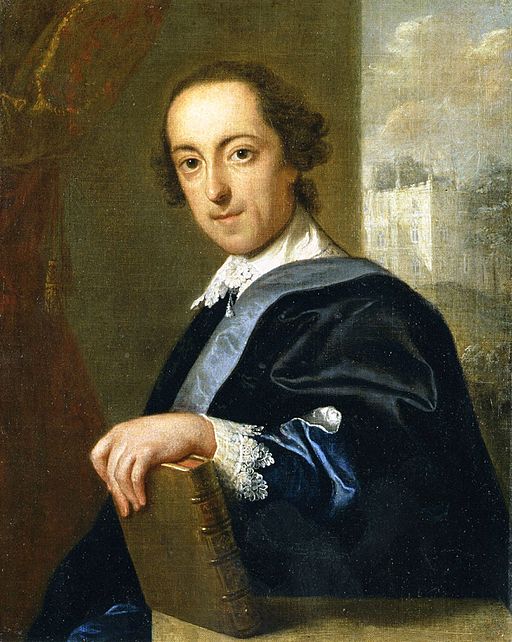
I’ve been interested in its author, Horace Walpole (1717-1797),

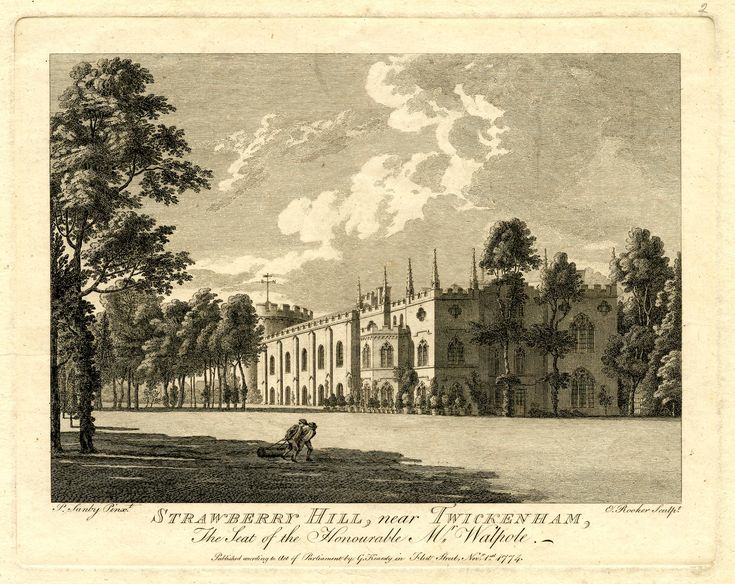
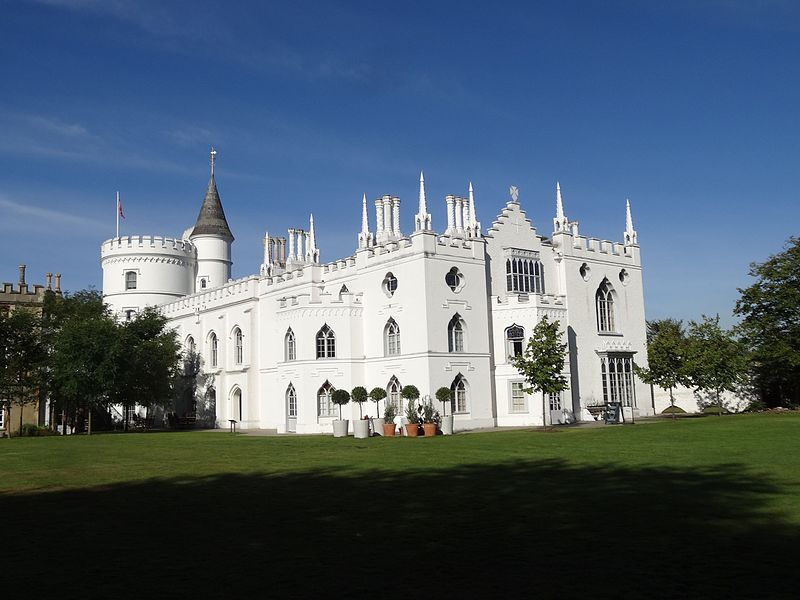
especially after visiting his (restored) house, “Strawberry Hill”, which, in its crazy way, suggests what an 18th-century gentleman, living in the country, would prefer for a tasteful castle (you can see it in the background of his portrait)—

(as seen in 1774, during Walpole’s life)

(as seen today)

And, if you believe that the outside is eccentric, you have only to look at this corridor—

to see just how far Walpole’s ideas might run (wild, I would say).

The Castle of Otranto is usually cited as the first “Gothic” novel—a book with ghosts and potential horrors so extreme as to seem silly today, but it was a best-seller in the mid-18th century and it’s certainly worth a read, if nothing else as an important document in the evolution of the genre, as well as an forerunner of the Romanticism which would follow, in time.  (You can read about the book here:  https://en.wikipedia.org/wiki/The_Castle_of_Otranto and read the book itself here:  https://archive.org/details/castleofotrant00walp/mode/2up )

An added pleasure, for me, is Walpole’s correspondence.  Walpole is gossipy, quick, sometimes drily witty, and, over all, there is the voice of a real person in his letters which makes me wish that he had my e-mail address and would like to exchange letters with me now. 

There’s a lot to read:  16 volumes in one edition plus supplements and extra volumes of correspondence with specific people, all available at the Internet Archive, but, in Volume 3 of Paget Toynbee’s edition, there’s this:

“This discovery, indeed, is almost of that kind which I call Serendipity, a very expressive word, which, as I have nothing better to tell you, I shall endeavour to explain to you : you will understand it better by the derivation than by the definition. I once read a silly fairy tale, called The Three Princes of Serendip : as their Highnesses travelled, they were always making discoveries, by accidents and sagacity, of things which they were not in quest of : for instance, one of them discovered that a mule blind of the right eye had travelled the same road lately, because the grass was eaten only on the left side, where it was worse than on the right — now do you understand Serendipity?” (The Letters of Horace Walpole, Fourth Earl of Orford, Vol.III, 1750-1756, 204   You can read the letter for yourself here:  https://archive.org/details/lettershoracewa09toyngoog/page/n224/mode/2up  )

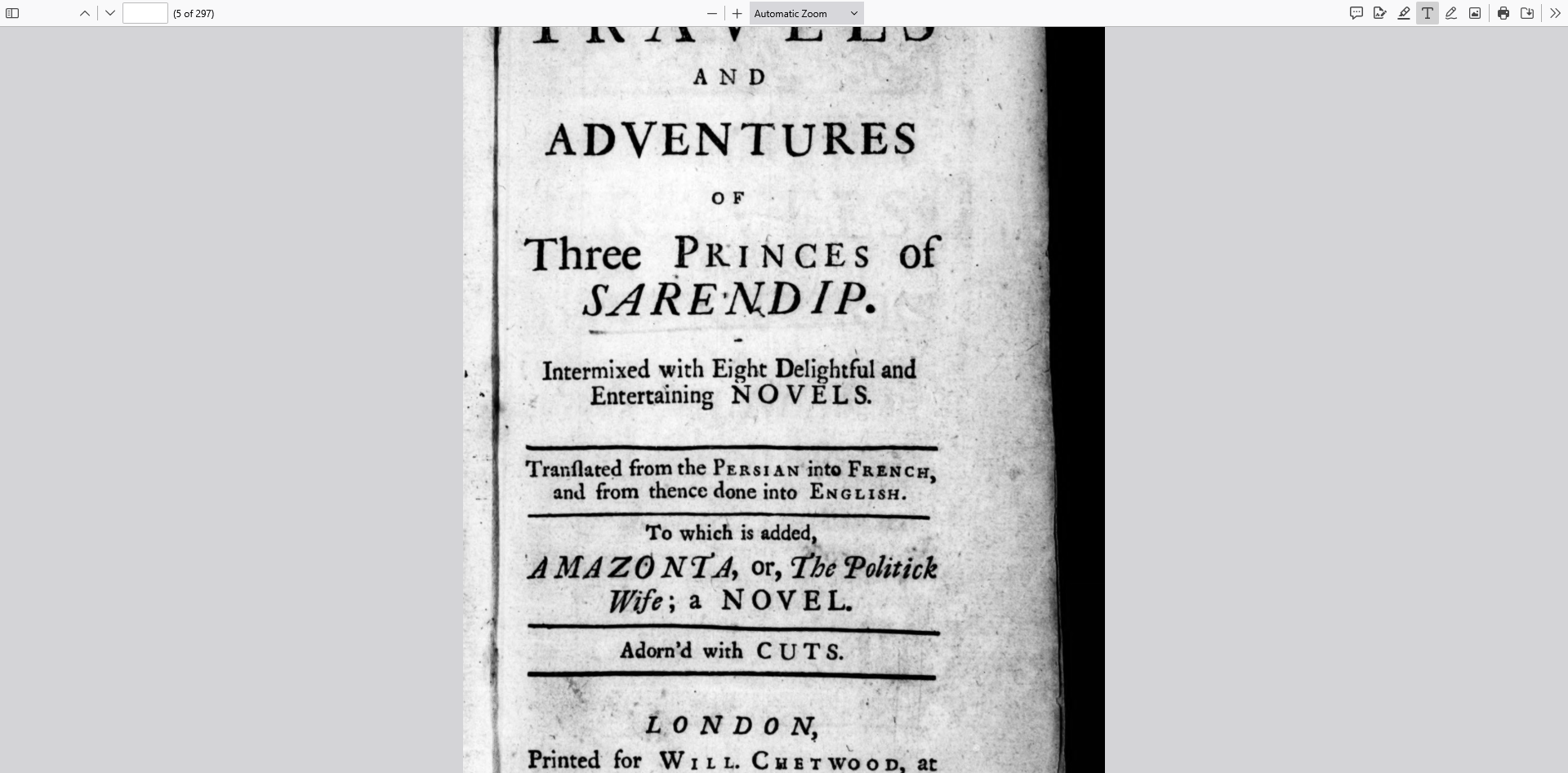
The “silly fairy tale” which Walpole read was probably in the form of The Travels and Adventures of Three Princes of Sarendip, 1722, which you can read here:  file:///D:/POSTS4/SERENDIPITY/bim_eighteenth-century_the-travels-and-adventur_1722.pdf  . 

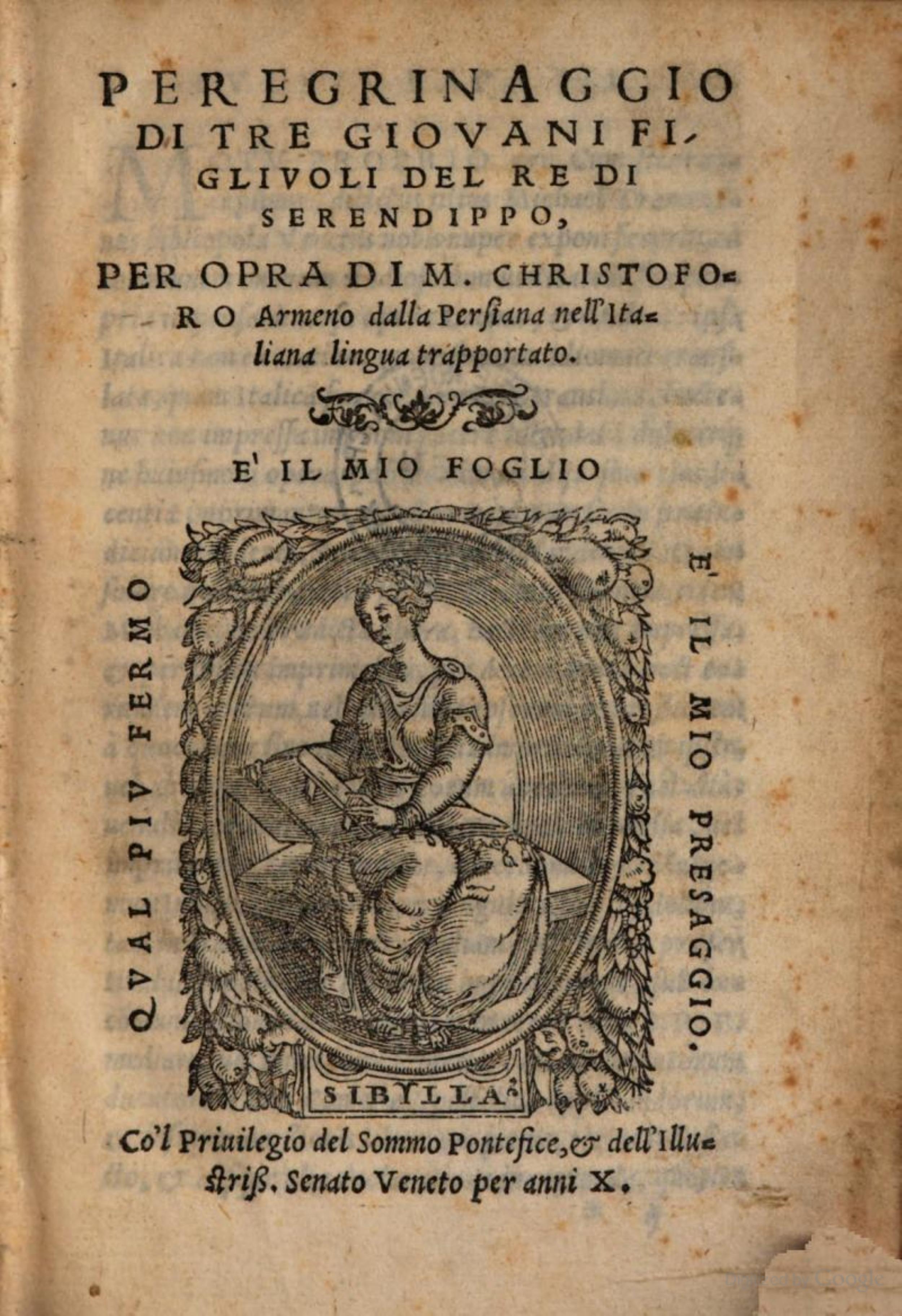
The title page reads “Translated from the Persian into French, and from thence done into English”, but perhaps the transmission story was a little more complicated, as the original story may have come from Persian—but then it appears in Italian, in Michele Tramezzino’s 1557 Peregrinaggio di tre giovani figliuoli del re di Serendippo (“Travels of the Three Young Sons of the King of Serendippo”   There’s a translation here:  https://en.wikisource.org/wiki/Translation:The_Three_Princes_of_Serendip ).

From here it turns up in the 1722 volume, although Walpole seems to have had a memory lapse, as the animal mentioned isn’t a mule, but a camel, and the story is a bit more complicated.  In brief, the three young princes, while traveling, stop to help a man who has lost a camel, describing the camel to him so accurately that he’s convinced, when they claim that they don’t have it, that they have stolen it.  They’re arrested and threatened with death if they don’t return the beast until they explain the clues which they have observed, which allowed them to be able to describe the camel in such detail, even though they had never seen actually seen it.  The man’s neighbor then appears with the camel and the adventure ends happily. 

It’s easy to see how Walpole invented the term.  With the Latin he had acquired in his education, he knew that abstract nouns could be formed on the ending -itas.  If you want a term in Latin meaning “worthiness”, for example, you take the Latin adjective for “worthy”—dignus—drop the -us, which signals that it’s in the nominative—that is the subject—case, then tack on the -itas and you have dignitas.  Walpole took “Serendip”, added the abstract ending, and voila:  serendipitas—or, in English, serendipity. 

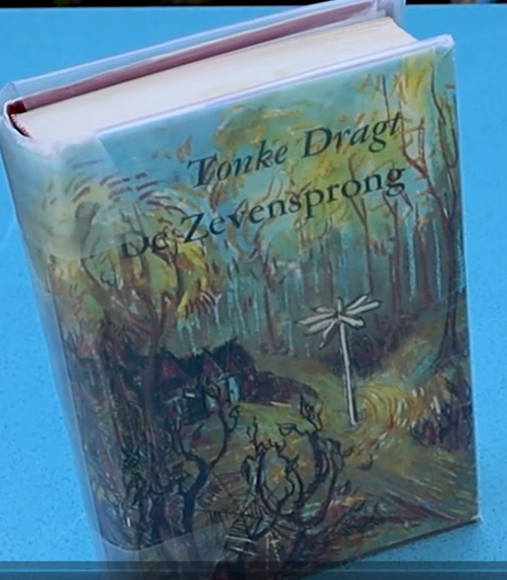
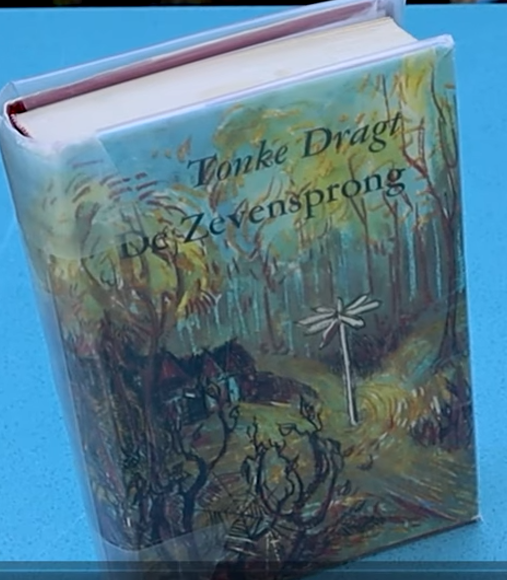
But what does Walpole mean by it?  He writes of the princes that “they were always making discoveries, by accidents and sagacity, of things which they were not in quest of’, and now, in English, we usually employ the term to indicate “something randomly discovered, but which proves to be useful” and that’s why I entitled the last posting “Serendipity”.  While watching an “Easy Dutch” video, I had been shown a Dutch YA (young adult) book which interested me—

although I had no idea, watching the video, that I would be given a book recommendation.  I took it as such, however, enjoyed the book, then read 3 more by the same author and wrote a review of the 4—a perfect example of “something randomly discovered, but which proved to be useful”—and fun.

Thanks, as ever, for reading.

Stay well,

May you enjoy some serendipity of your own,

And I hope that there will be even more serendipity for you in the

MTCIDC,

O

PS

For more on the three princes—and even the suggestion that they may have been an inspiration for detecting fiction, see:  https://en.wikipedia.org/wiki/The_Three_Princes_of_Serendip

Serendipity

08 Wednesday Apr 2026

Posted by Ollamh in Uncategorized

≈ Leave a comment

Tags

book-review, books, Fiction, reading, The Goldsmith and the Master Thief, The Hobbit, The Letter for the King, The Lord of the Rings, The Robot from the Flea Market, The Secrets of the Wild Wood, The Song of Seven, Tolkien, Tonke Dragt.

 Welcome, as ever, dear readers.

I am always glad for recommendations—for films, YouTube videos, and books.  Usually, these come to me in the form of conversations and e-mails, but this recommendation didn’t come from a person—well, directly—but from an image on YouTube.

I daily follow a number of language videos, both to increase my knowledge of old friends and to add new friends, and I was watching Easy Dutch on verbs of position (you can see it here:  https://www.youtube.com/watch?v=f5xEkwOo5Go ) when a Dutch children’s classic was mentioned and shown and I was immediately interested.

Tonke Dragt (TAWN-keh Dracht—with the g/ch in the back of the throat, like “Bach”, plus a T after it) is Antonia Dragt, 1930-2024, the author of a number of YA books in Dutch.

Her early life was a harrowing one:  born in 1930, she lived as a child in Indonesia and, along with her family, was held in a prisoner of war camp from 1942 to 1945, but, while a prisoner, she began a writing career which would continue till at least 2017, when she published Als de sterren zingen (“If/Supposing That/In the Event That/Whenever the Stars Sing”—as far as I know, this hasn’t been translated into English and my Dutch is limited, so, Dutch readers, please forgive the translation!)

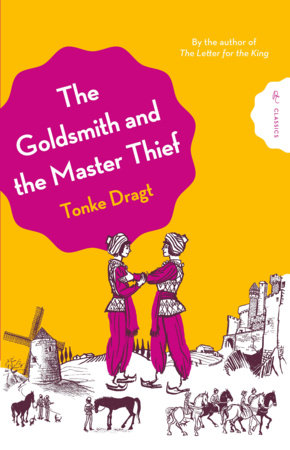
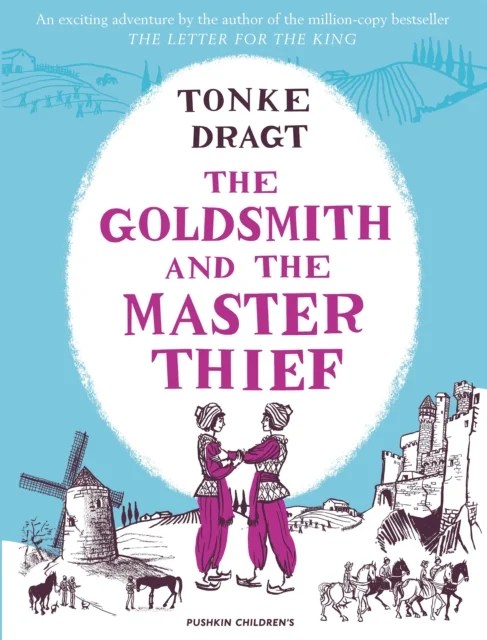
It appears that, when she published her first novel, in 1961, Verhalen van der tweelingbroers “To Tell of the Twin Brothers”—published in English in 2021 as The Goldsmith and the Master Thief),

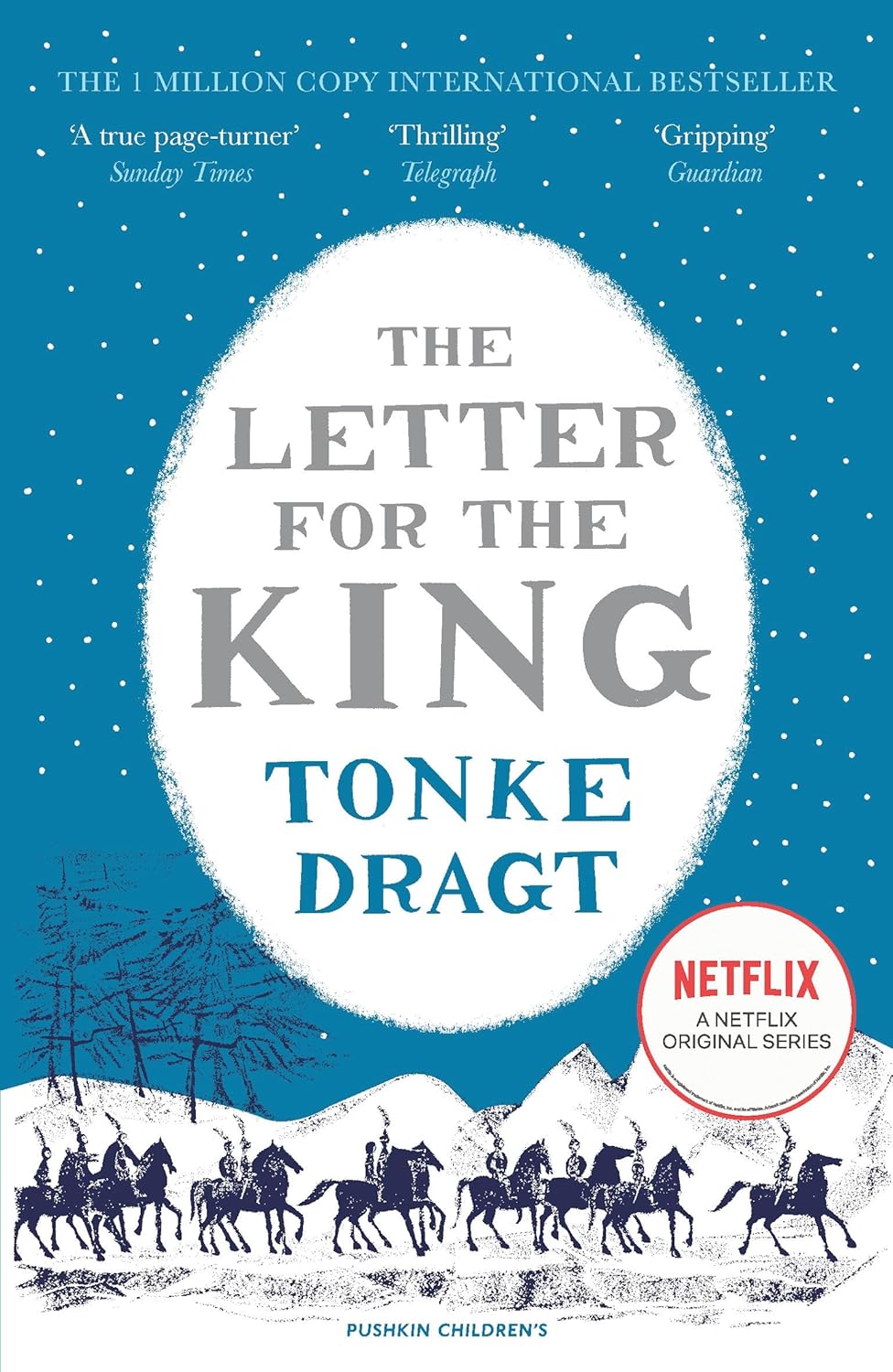
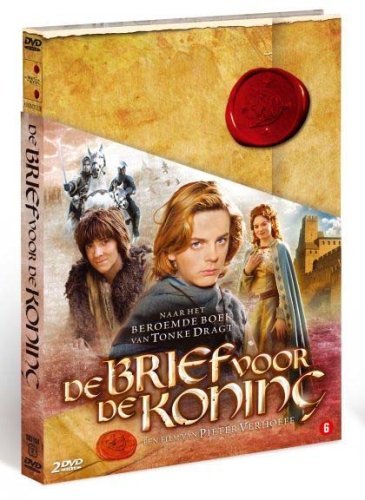
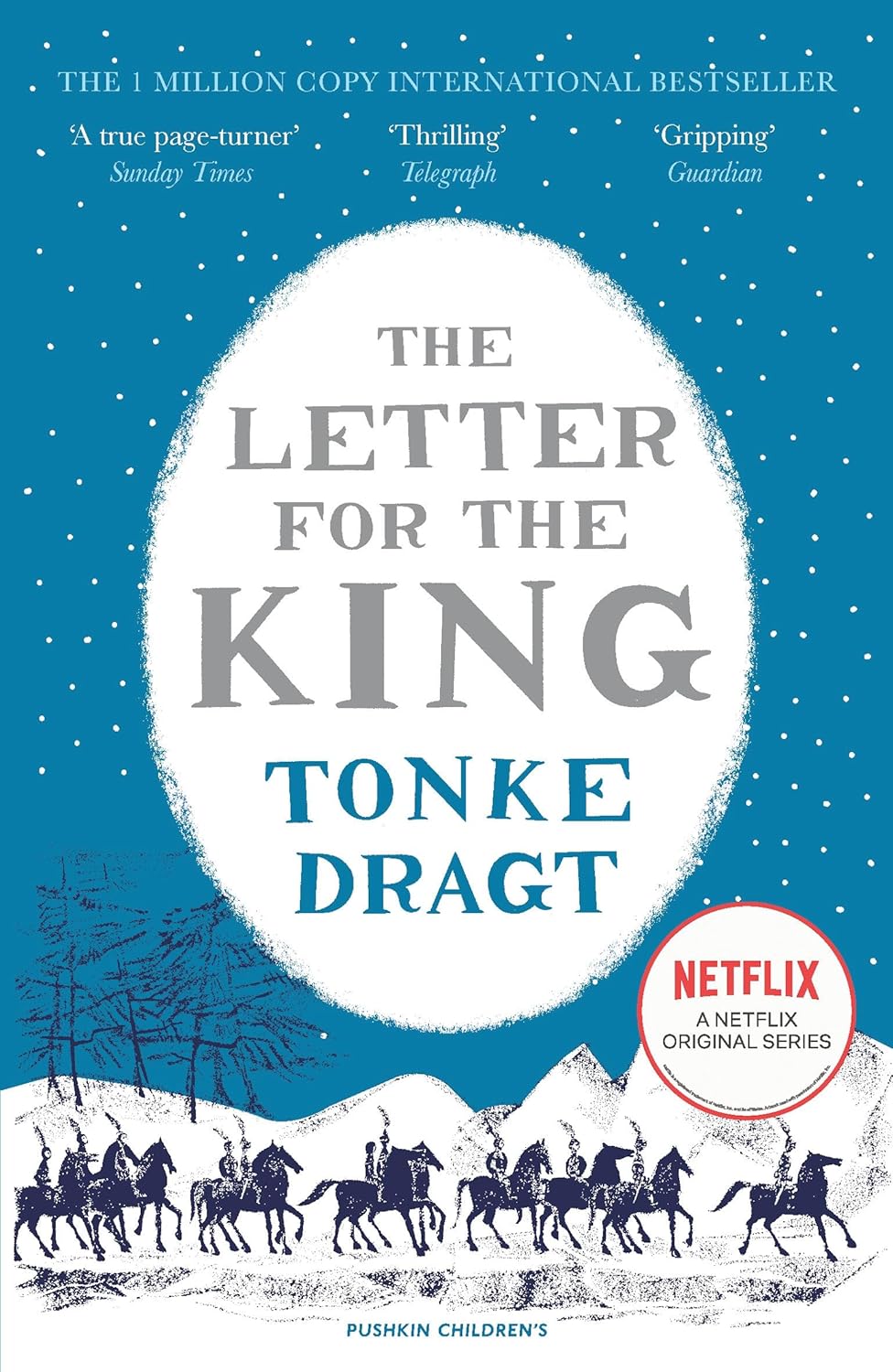
YA (that’s “Young Adult”) fantasy was not popular in the Netherlands, but she persisted, and her 1962 book, De brief voor de koning (“The Letter for the King”)

was a great success—and even became, in time, a Dutch film–

(It’s available on DVD in Dutch, but there are English subtitles.)

For more on the author, see:  https://www.theguardian.com/books/2015/sep/19/tonke-dragt-interview-i-was-born-a-fairytale-teller-letter-for-the-king as well as https://en.wikipedia.org/wiki/Tonke_Dragt, so I’ll let you read about her there—although I can’t resist one story from an interview done by the English Guardian some years before her death in 2024:

“I once tried to write a very realistic story, so I wrote about a class of children who went somewhere on a bus and within two chapters they were flying in the air—it’s the way my mind works!  I’m a fairytale teller…I was born like that and I cannot do anything else.” 

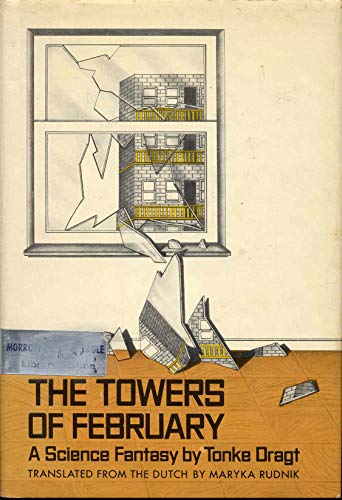
But now to her books—that is, to the ones currently available in English—of which I’ve read four, a fifth, De torens van februari (“The Towers of February”)—published in Dutch in 1973 and in English in 1975—

is available only at a price beyond my current book budget, alas. 

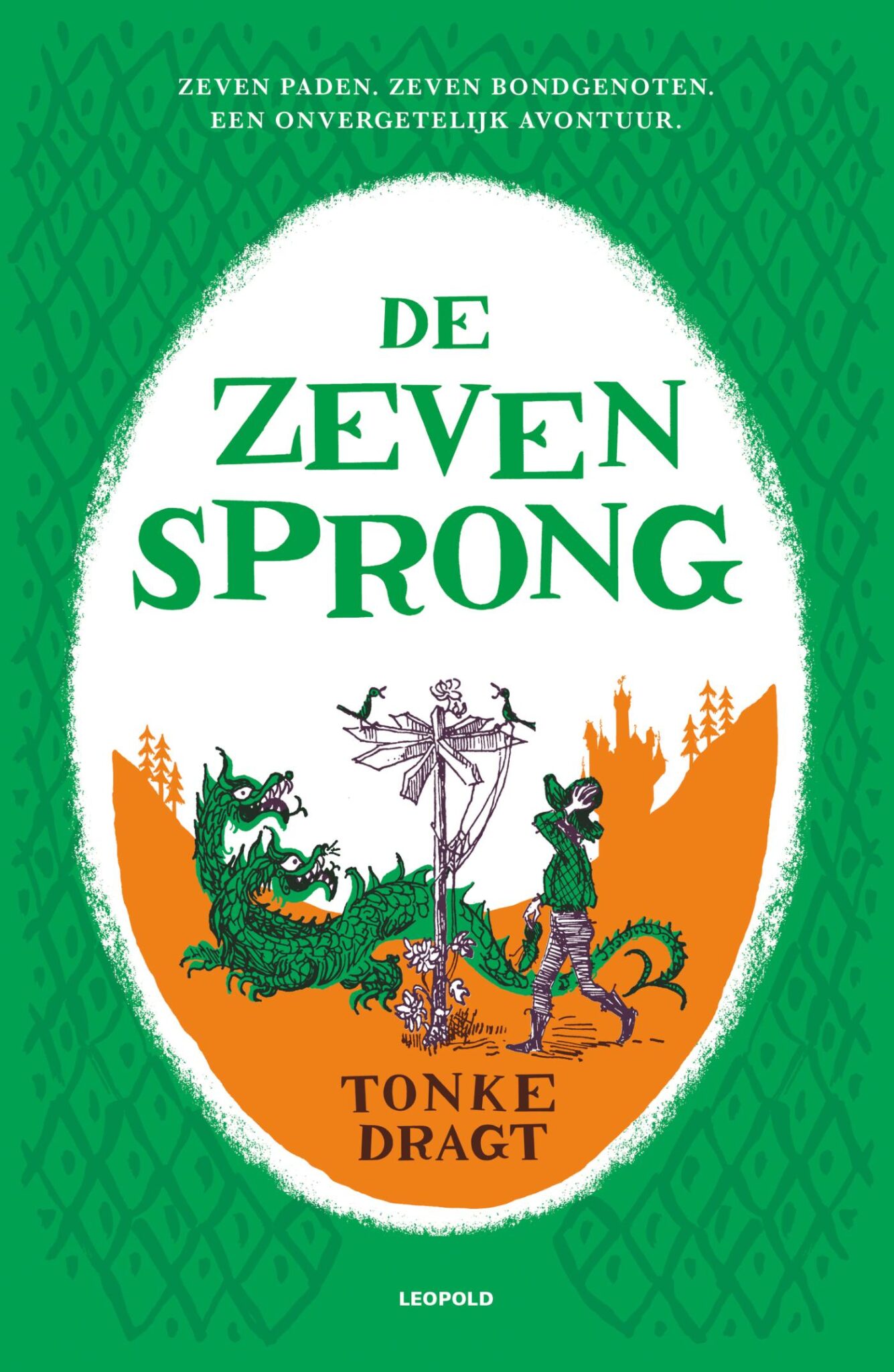
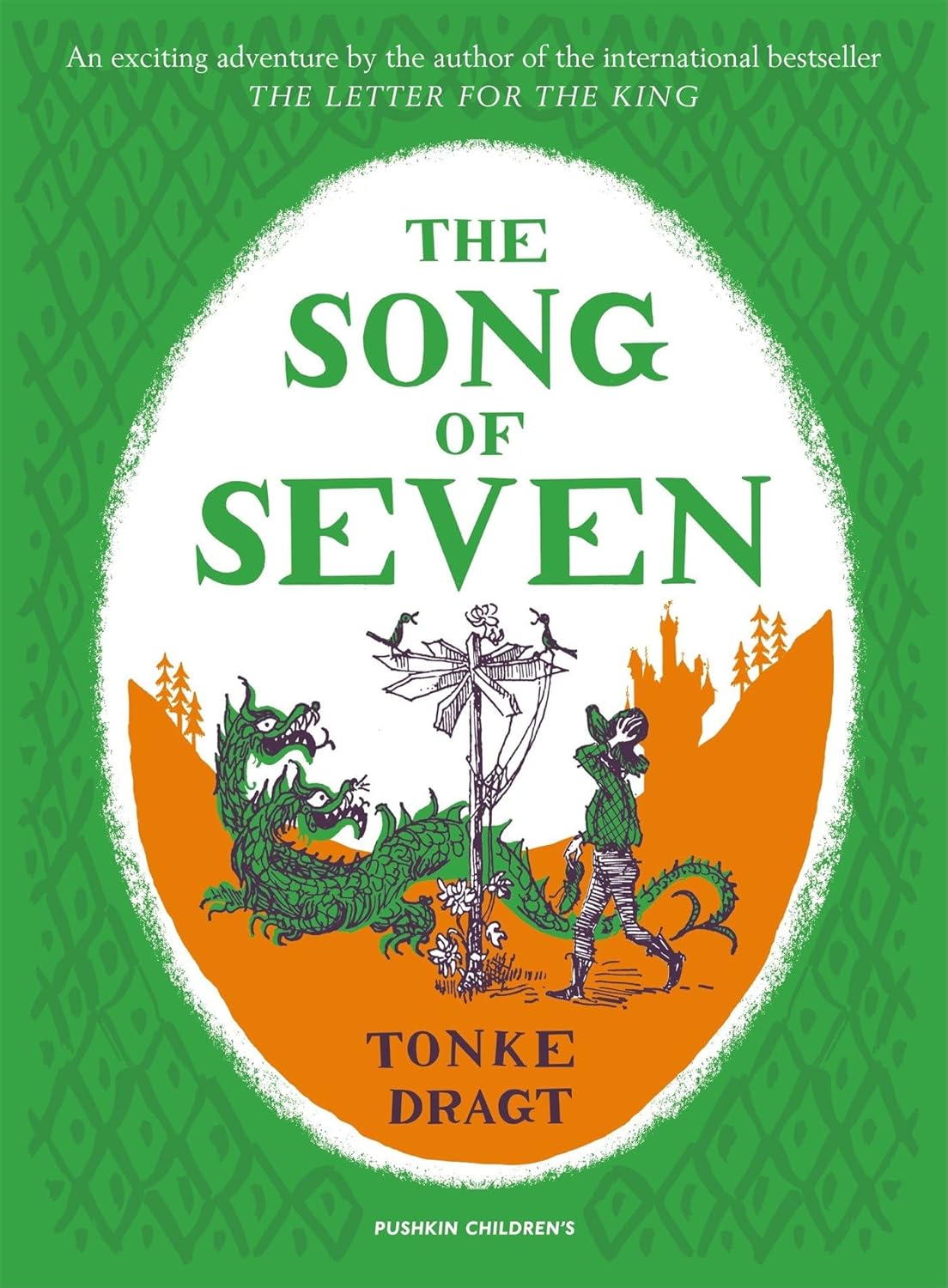
Because I was originally drawn to her work by that image on Easy Dutch, I didn’t begin with the first of her books, but De Seven Sprong, 1966,

“The Seven Leap”, published in English in 2018 as The Song of Seven.

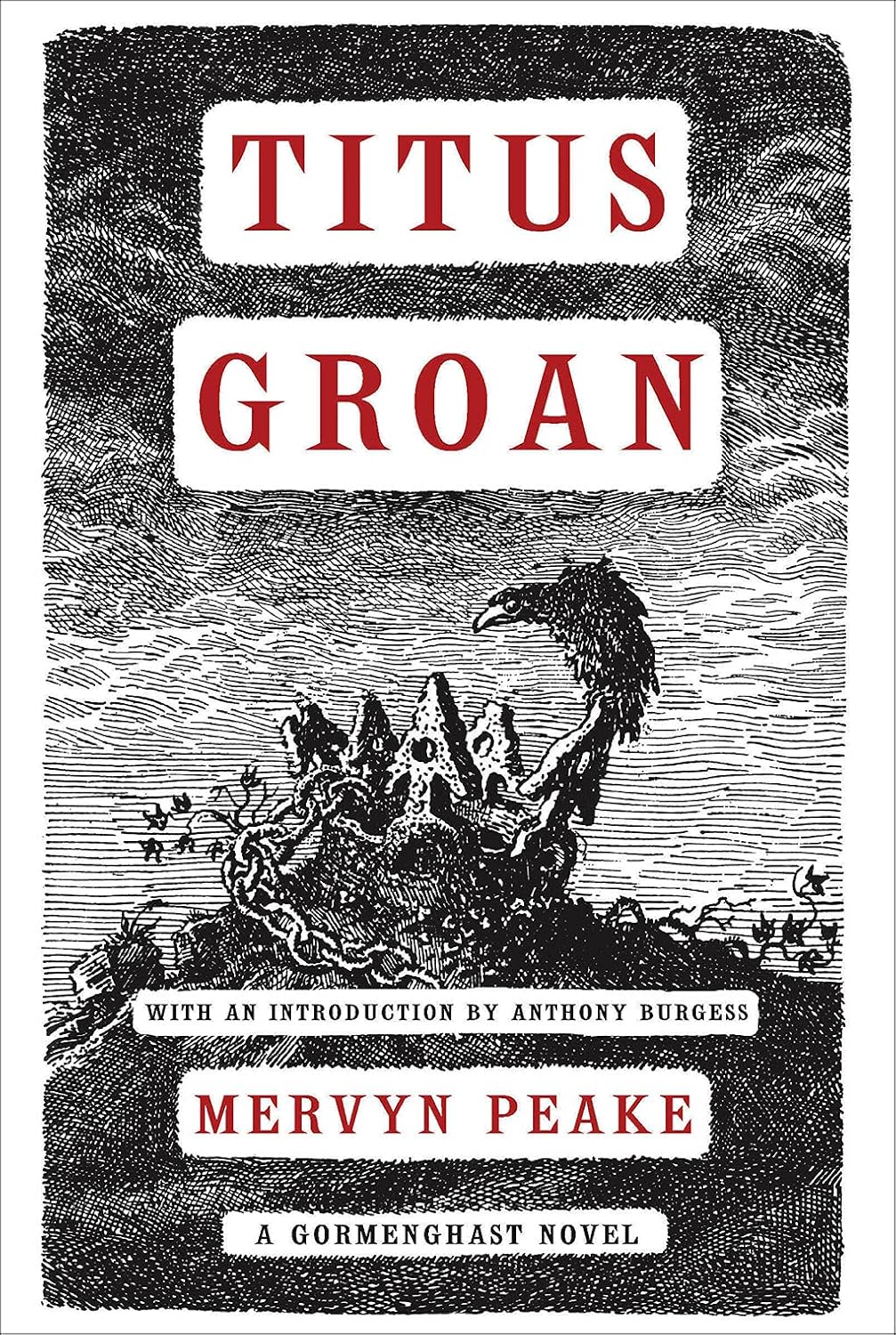
The fantasy element appears almost at the beginning, when we learn that a teacher, Frans Van der Steg, to keep an unruly class amused, has been telling outrageous adventure stories—about himself–and, in today’s episode, says that he’s expecting an important letter.  And, when he arrives at his landlady’s, that letter arrives, bringing the teacher into a complex adventure, including, among other things, a house so large and complicated as to be a kind of puzzle (which makes me wonder if Ms Dragt had read Mervyn Peake’s Titus Groan, 1946,

the scene of which is a gigantic, ruined castle, Gormenghast) a lost treasure, and—how not?—an evil uncle. 

It was set, surprisingly, knowing the author’s bent for fairytale-telling, in the present, but, even though there’s a motorbike, there’s also a carriage and coachman, a muzzle-loading cannon, a practicing magician, an orphan-heir, and that vast labyrinth of a house.  (The Dutch title, by the way, refers to a famous Dutch folkdance, which you can read about here:  ,https://www.lookandlearn.com/blog/26053/the-traditional-dutch-jumping-dance-may-come-from-a-pagan-crop-ritual/    Seven is also a magic number which keeps appearing and reappearing in the novel.)

Having read and enjoyed the book, I went backwards in time to Dragt’s first book, the one entitled, in English, The Goldsmith and the Master Thief.

Unlike The Song of Seven, which was a novel, this was really a collection of short stories skillfully stitched together, being about twin brothers and their adventures, including, as seems almost inevitable, the use of identical twins to puzzle and confuse and even to pose a riddle, as well as to complicate a plot or two.

One thing I much enjoy, when I have the chance to work my way through an author’s writing, is to watch the author develop—just think, for example, of the difference between The Hobbit and The Lord of the Rings, completed about 20 years apart.  In reading The Letter for the King,

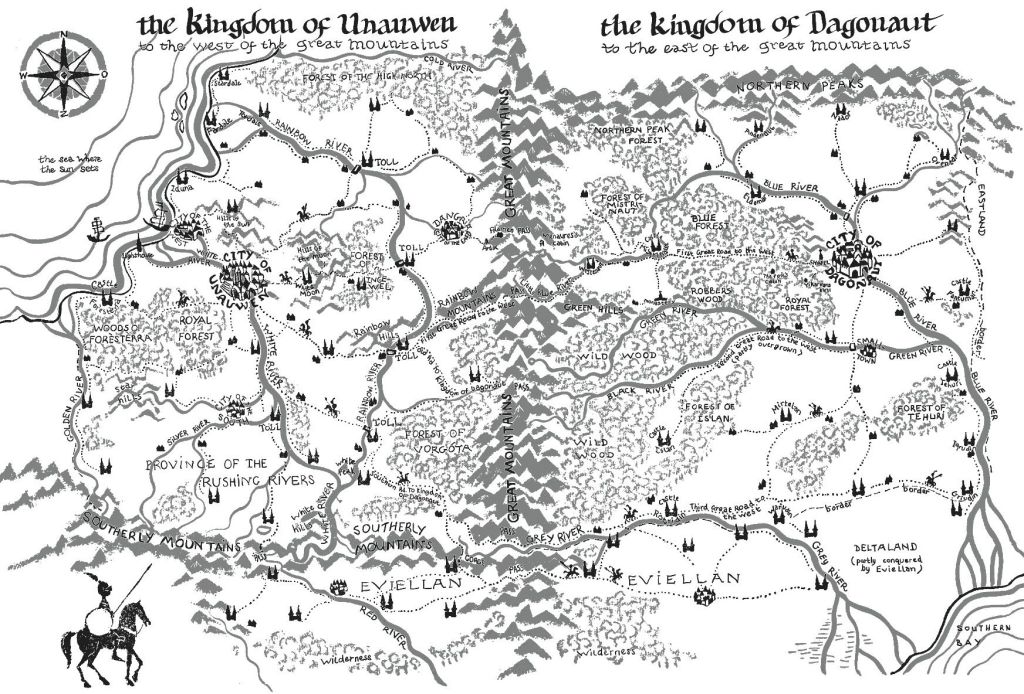
published only a year after The Goldsmith and the Master Thief, the author has made the leap (only 1, not 7), from what was, in a way, a short-story collection to a full-scale and long—506 pages, in the  English translation—adventure novel.  It’s the story of a squire, Tiuri, who, spending the night before the knighting service supposedly in prayer in a chapel, answers a knock at the door, is given the letter of the title, which he is supposed to deliver to a knight, only to discover the knight ambushed and dying, and then spends most of the rest of the book attempting to deliver it to the king of the kingdom to the west.

As one would expect, along the way he meets friends and enemies, acquires a squire of his own, as well as a potential sweetheart, and, because the book is a fairy tale, it has a happy ending—but with some things—like the sweetheart—in doubt.  (There’s a long plot summary here:  https://en.wikipedia.org/wiki/The_Letter_for_the_King  I would be wary, I might add, of the British NetFlix version, which has changed the story completely in the way in which The Hobbit was changed—as was Philip Pullman’s His Dark Materials, the latter also by NetFlix.  I’m reminded, as I always am, of Tolkien’s letter to Forrest J. Ackerman about a proposal in 1958, to make films of The Lord of the Rings, in which he says of the adapter and others interested in the project:  “But I would ask them to make an effort of imagination sufficient to understand the irritation (and on occasion the resentment) of an author who finds, increasingly as he proceeds, his work treated as it would seem carelessly in general, in places recklessly, and with no evident signs of any appreciation of what it is all about…”  “from a letter to Forrest J. Ackerman”, June, 1958, Letters, 389)

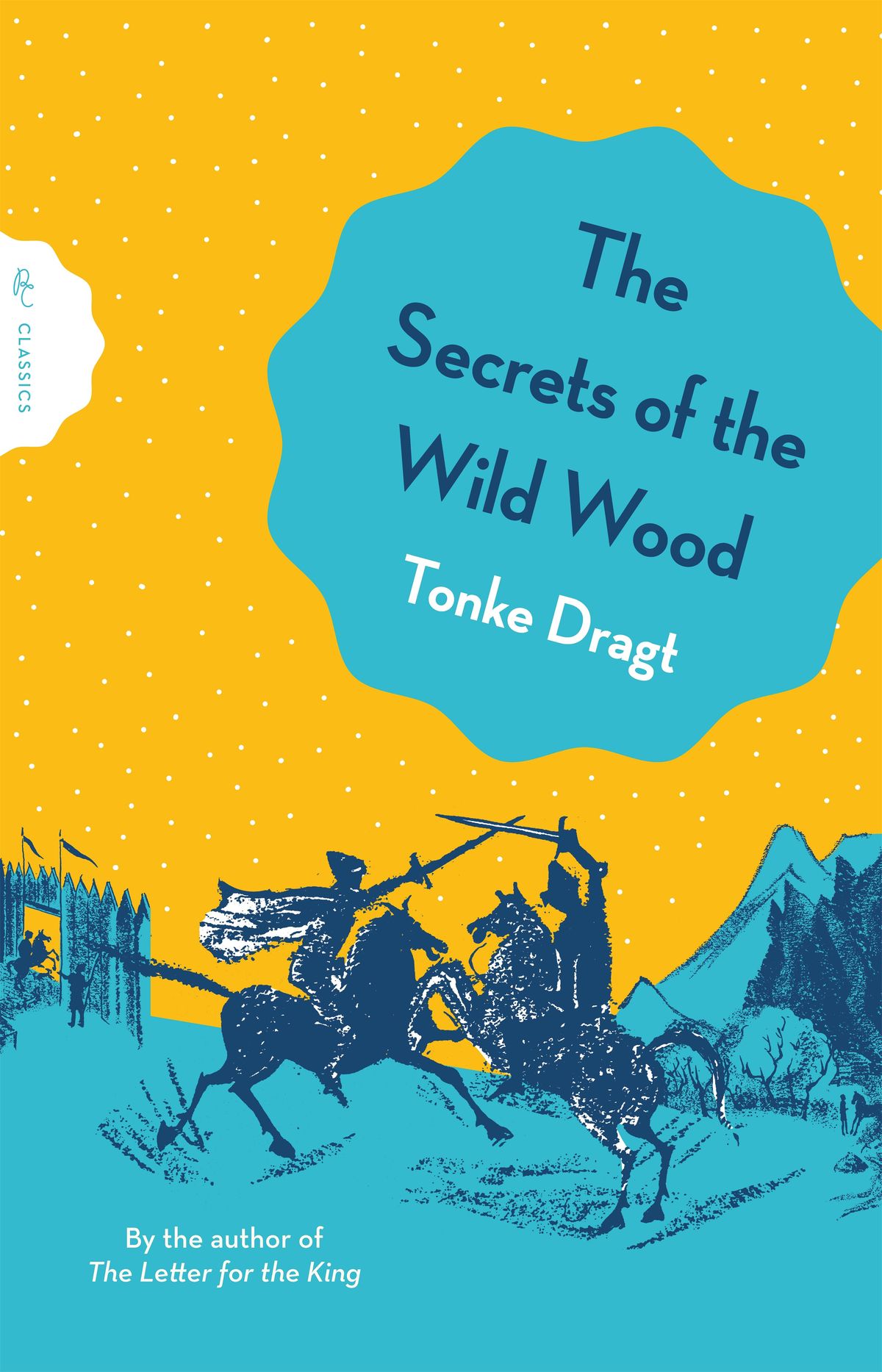
This then sets the scene for the sequel, Geheimen van het Wilde Woud, 1965, translated as The Secrets of the Wild Wood, published in 2015.

In this sequel, we see now Sir Tiuri, and his squire, Piak (his would-be squire of the previous book) on a quest first to find a missing knight, but then become tangled in a complex plot which includes two princely brothers, one the next king-to-be in his own land, the other now king of the land to the south and planning to invade his own land and overthrow his father, the king, and his brother.  As well, there are the mysterious forest folk and a potential new sweetheart who is not quite what she seems to be.  Here’s a longer summary:  https://en.wikipedia.org/wiki/The_Secrets_of_the_Wild_Wood  For me, this is the best book yet—not only for the twists and turns, but for the grownup feel to it:  so much is not neat, characters are more complex, and there is a sort of happy ending, but not for everyone (although Tiuri does return to his first sweetheart from the previous book). 

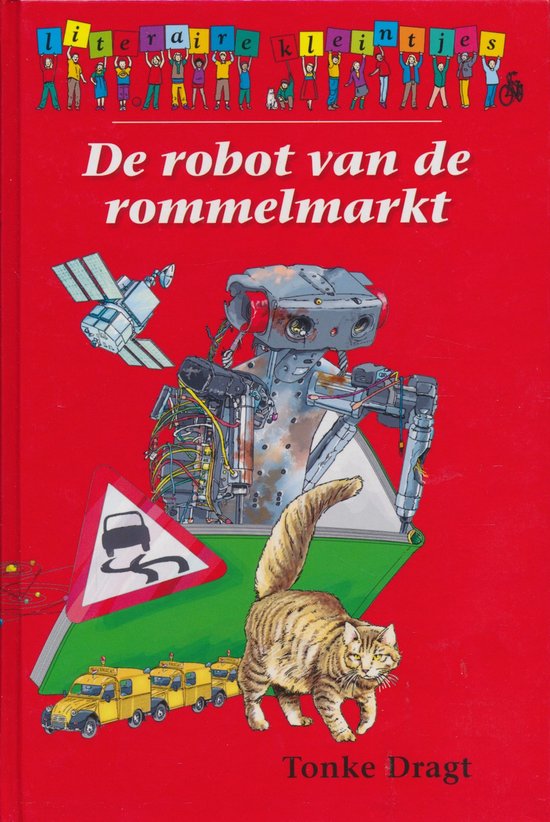
Sometimes one does something for a reason only to benefit in a way unexpected while doing it.  I had no idea that Tonke Dragt and her engaging novels existed until Easy Dutch handed her to me.  Now I only wish that someone would translate her other novels—what might De robot van de rommelmarkt (“The Robot from the Flea Market”) be about, I wonder?

As always, thanks for reading.

Stay well,

When purchasing robots in flea markets, consider previous owners,

And remember that, as always, there’s

MTCIDC

O

Verisimilitude

01 Wednesday Apr 2026

Posted by Ollamh in Uncategorized

≈ Leave a comment

Tags

Alexandre Dumas, books, D'Artagnan, Gilbert and Sullivan, Musketeers, Pooh-Bah, Sir Walter Scott, The Lord of the Rings, The Mikado, The Three Musketeers, Tolkien, Waverley

Dear readers, welcome, as always.

What makes The Lord of the Rings so convincing?  One might argue that it was simply good story-telling—convincing characters, fast-moving plot, surprises along the way, sad, but satisfying conclusion—and I would certainly agree.  For me, however, there is something more and I’ve come to think about it through what might seem a rather remote back door…

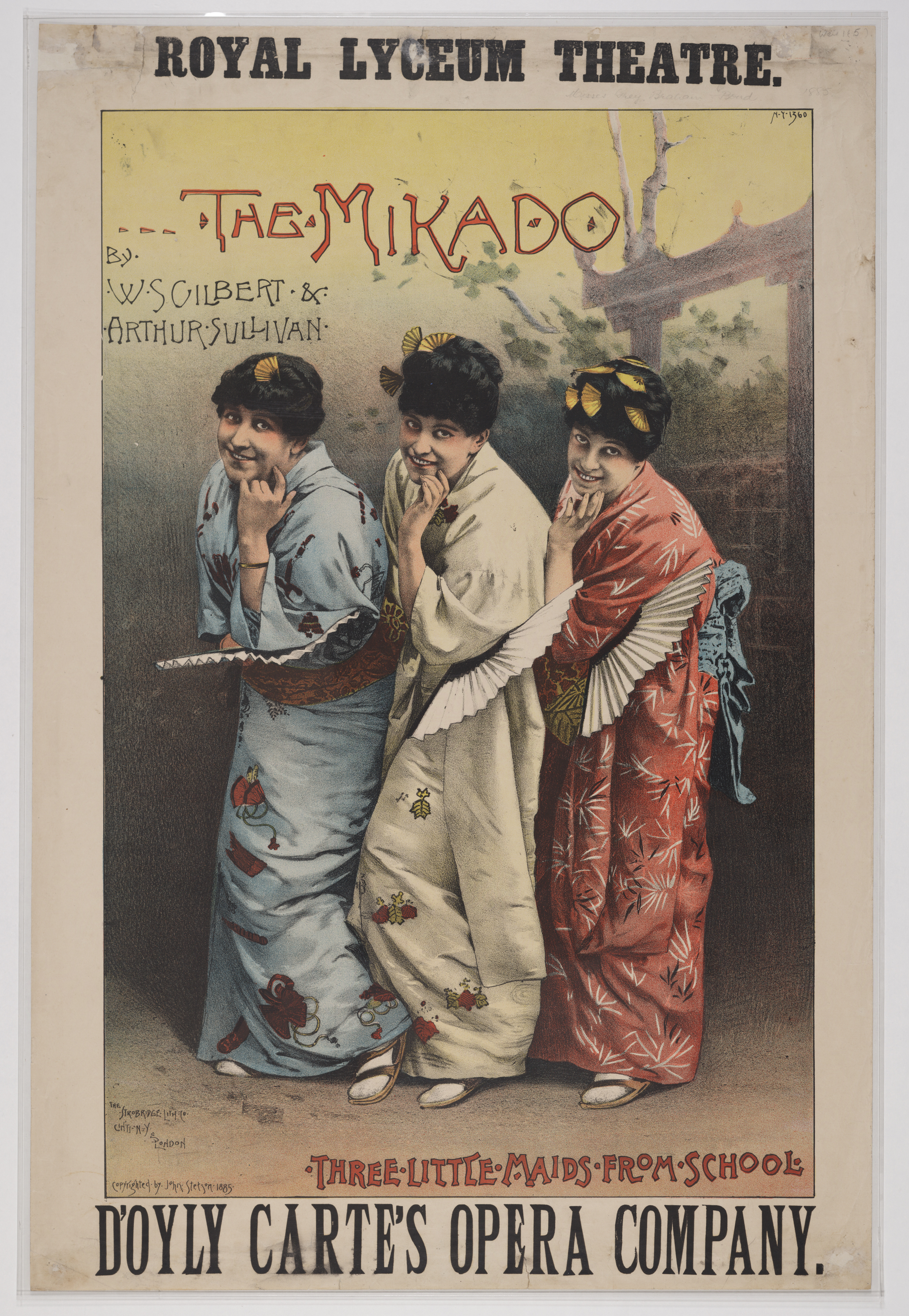
Several of the characters in Gilbert and Sullivan’s The Mikado (1885),

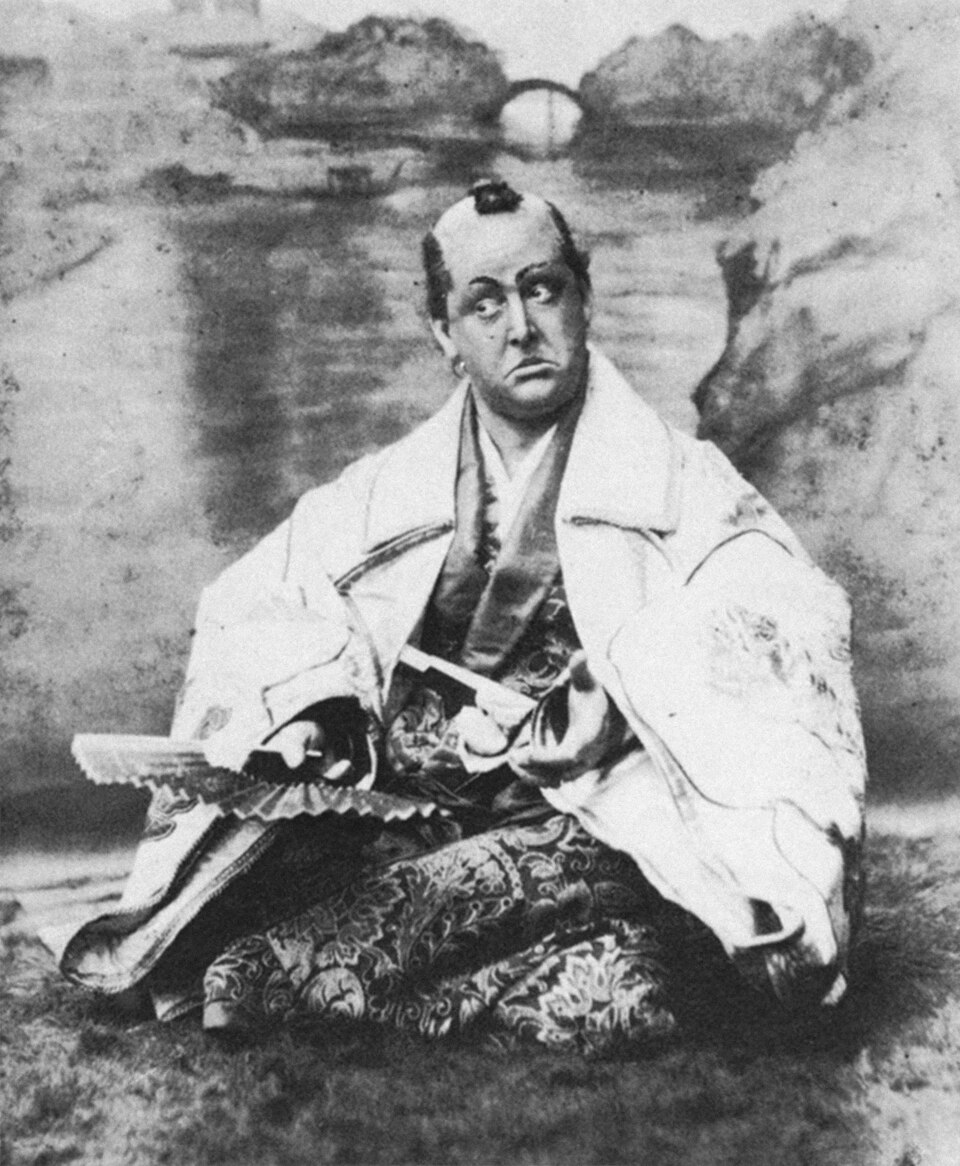
are in trouble.  They have told a lie—in a song, of course–and were so convincing that they’re now about to be executed for it.  Inevitably, this leads to recriminations and one character, Pooh-Bah,

defends himself, saying that his part in the lie, was

“Merely corroborative detail, intended to give artistic verisimilitude to an otherwise bald and unconvincing narrative.”

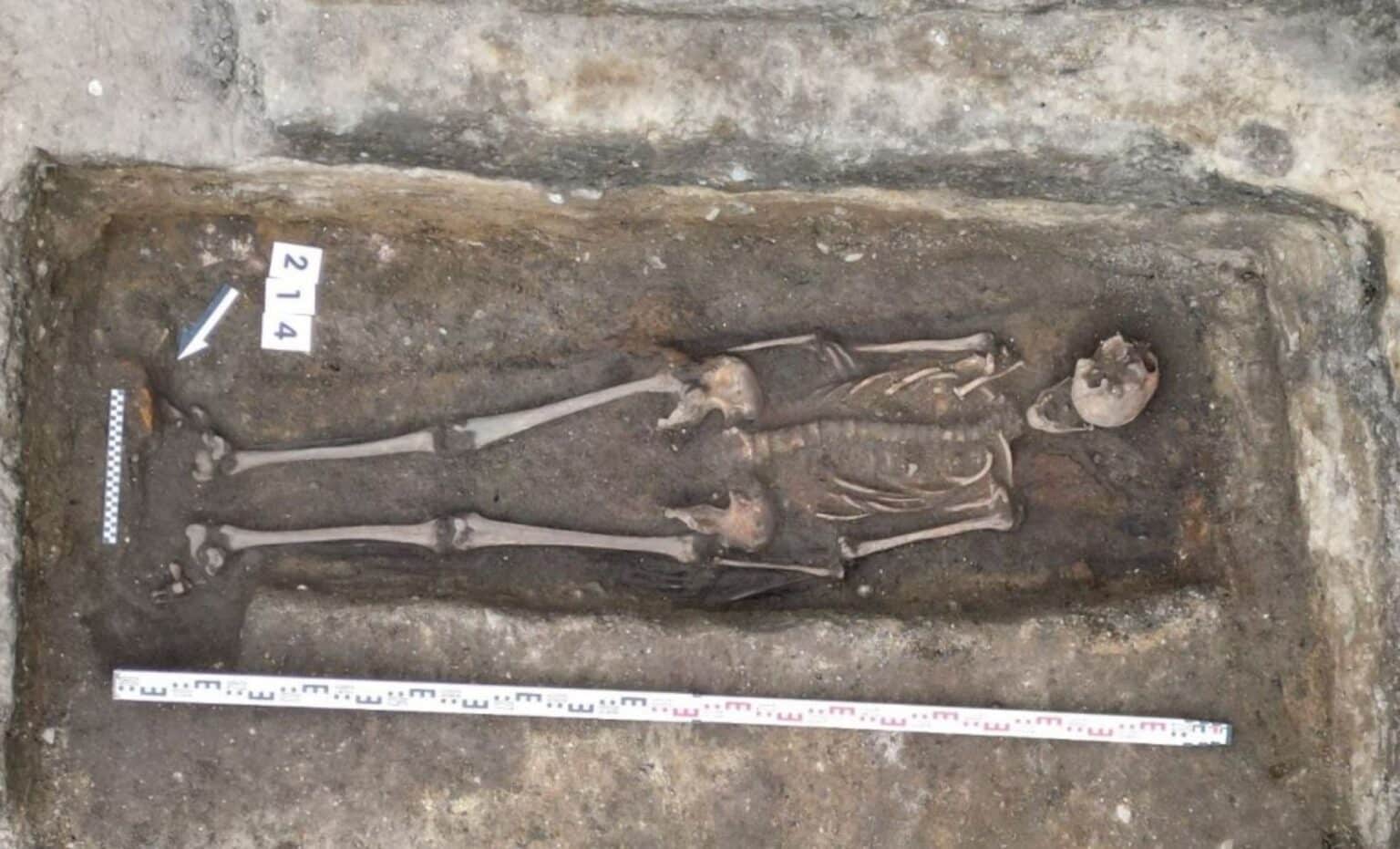
 I thought of this line when an old friend sent me a piece from the BBC with the headline “Musketeer D’Artagnan’s remains believed found under Dutch church” (see the article here:  https://www.bbc.com/news/articles/cm2rew2dgzzo   )

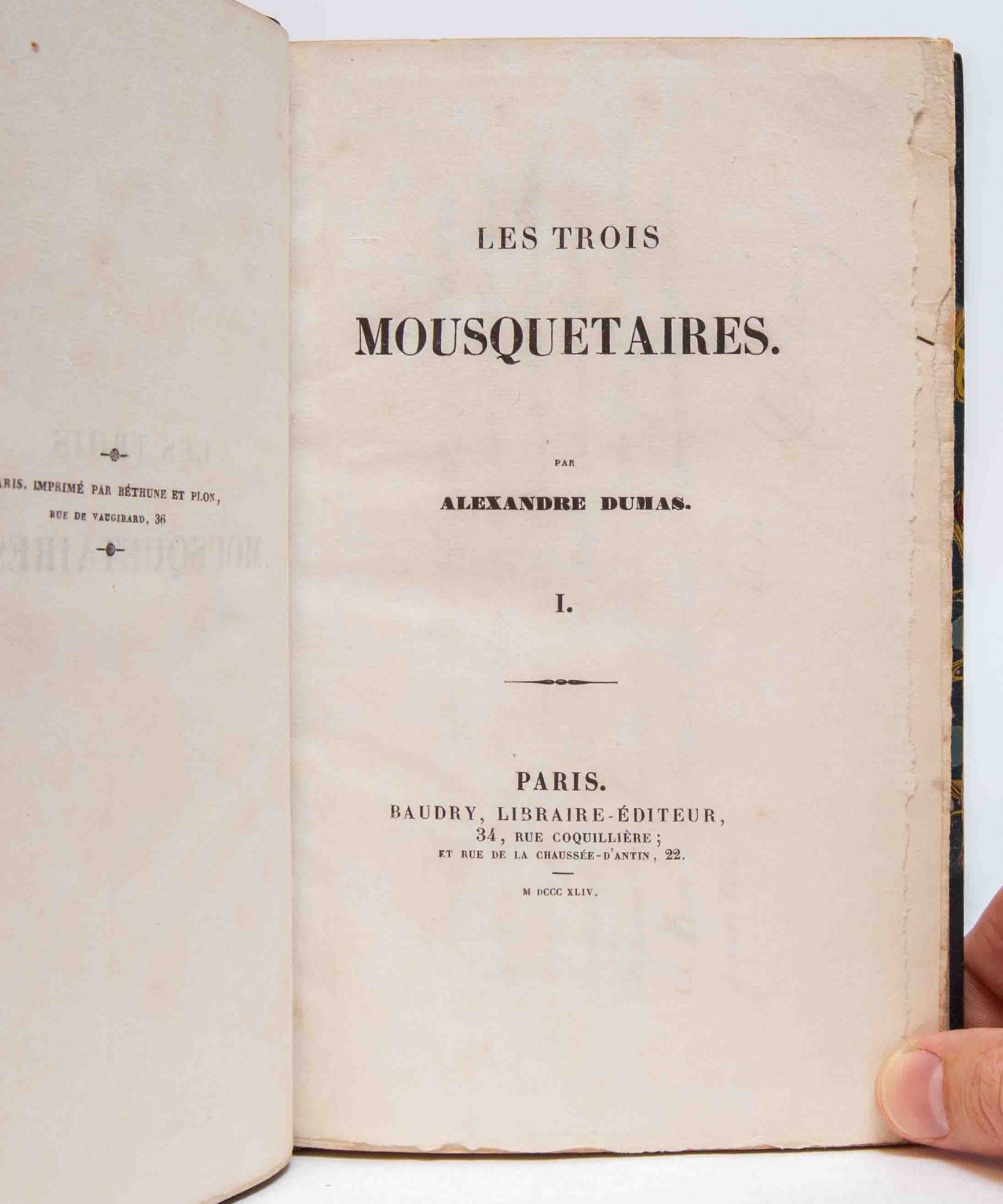
“Musketeer D’Artagnan” is the protagonist of Alexandre Dumas’ (1802-1870) historical adventure novel The Three Musketeers (1844),

as well as being a major character in two more, Twenty Years After (1845) and The Viconte of Bragelonne (1847).

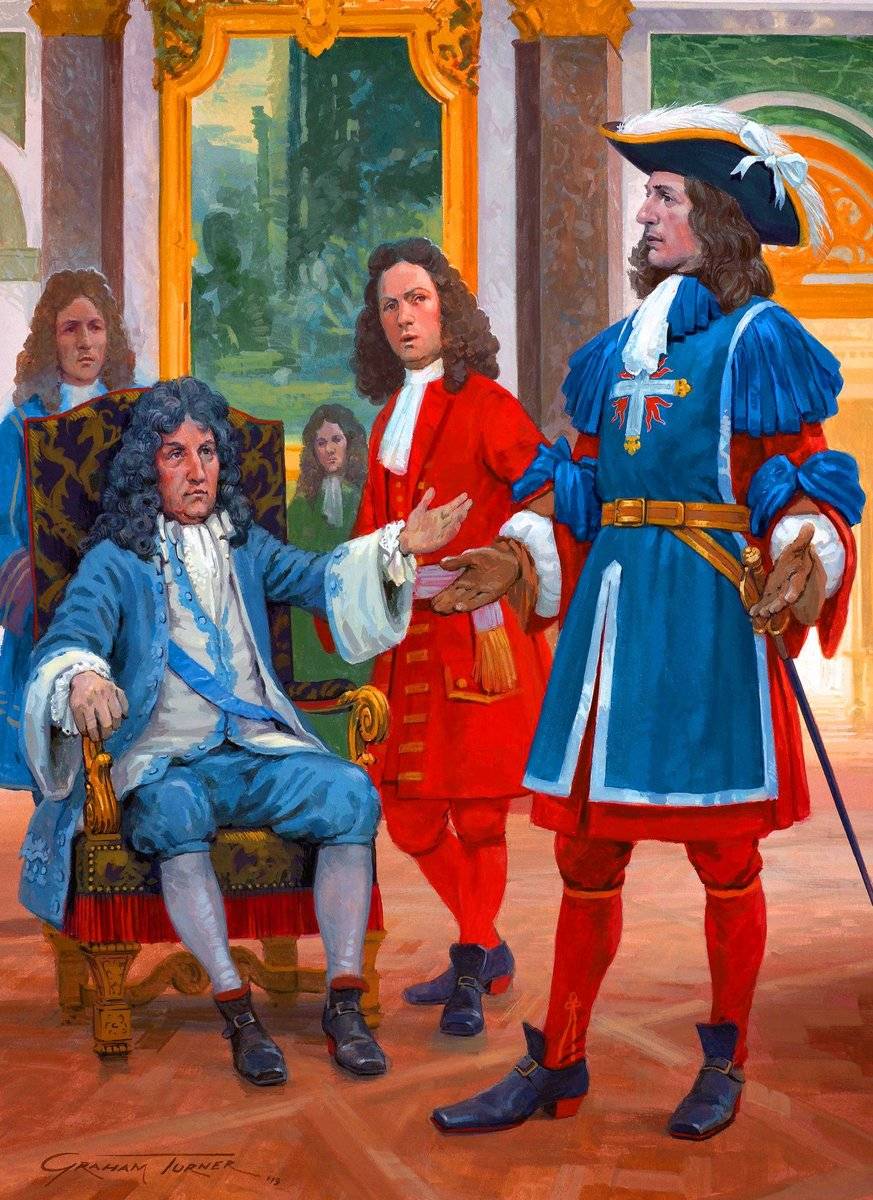
He also happens to have been a real person, Charles de Batz de Castelmore (1611-1673), who had once been a member of Louis XIII’s Musketeers,

(Graham Turner)

one of the units of Louis’ bodyguard.

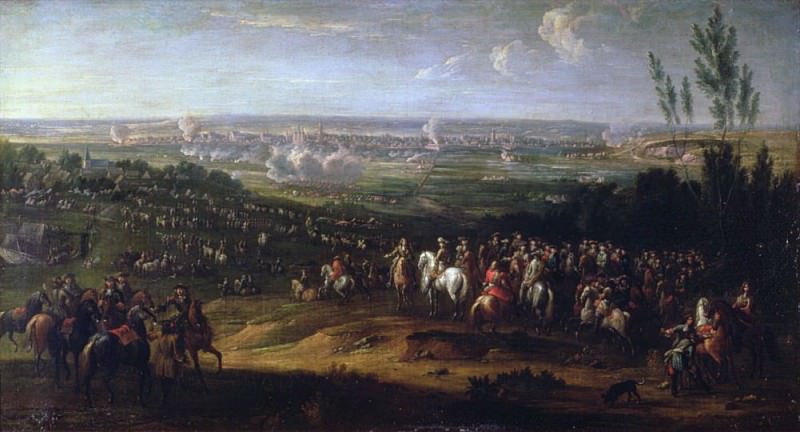
In 1673, he had been at the siege of the Dutch town of Maastricht,

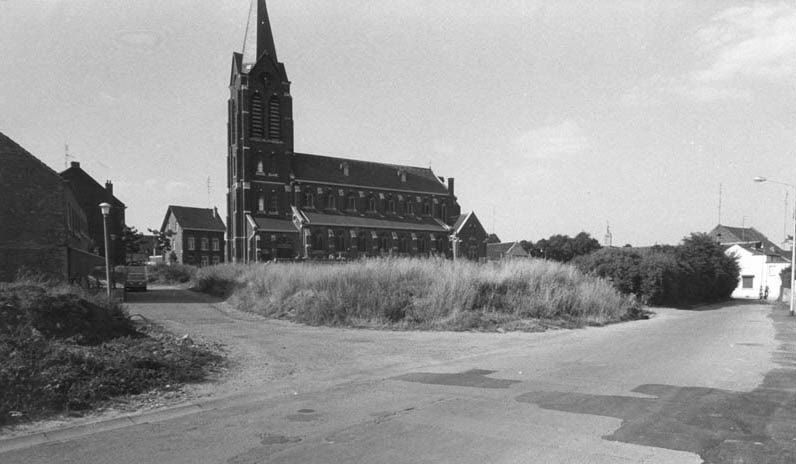
during Louis XIV’s (son of Louis XIII—surprised?) interminable wars, where he was killed, perhaps by a sniper’s bullet—and may have been buried under the floor of this church—

(You can read about the real musketeer here:  https://en.wikipedia.org/wiki/Charles_de_Batz_de_Castelmore_d%27Artagnan )

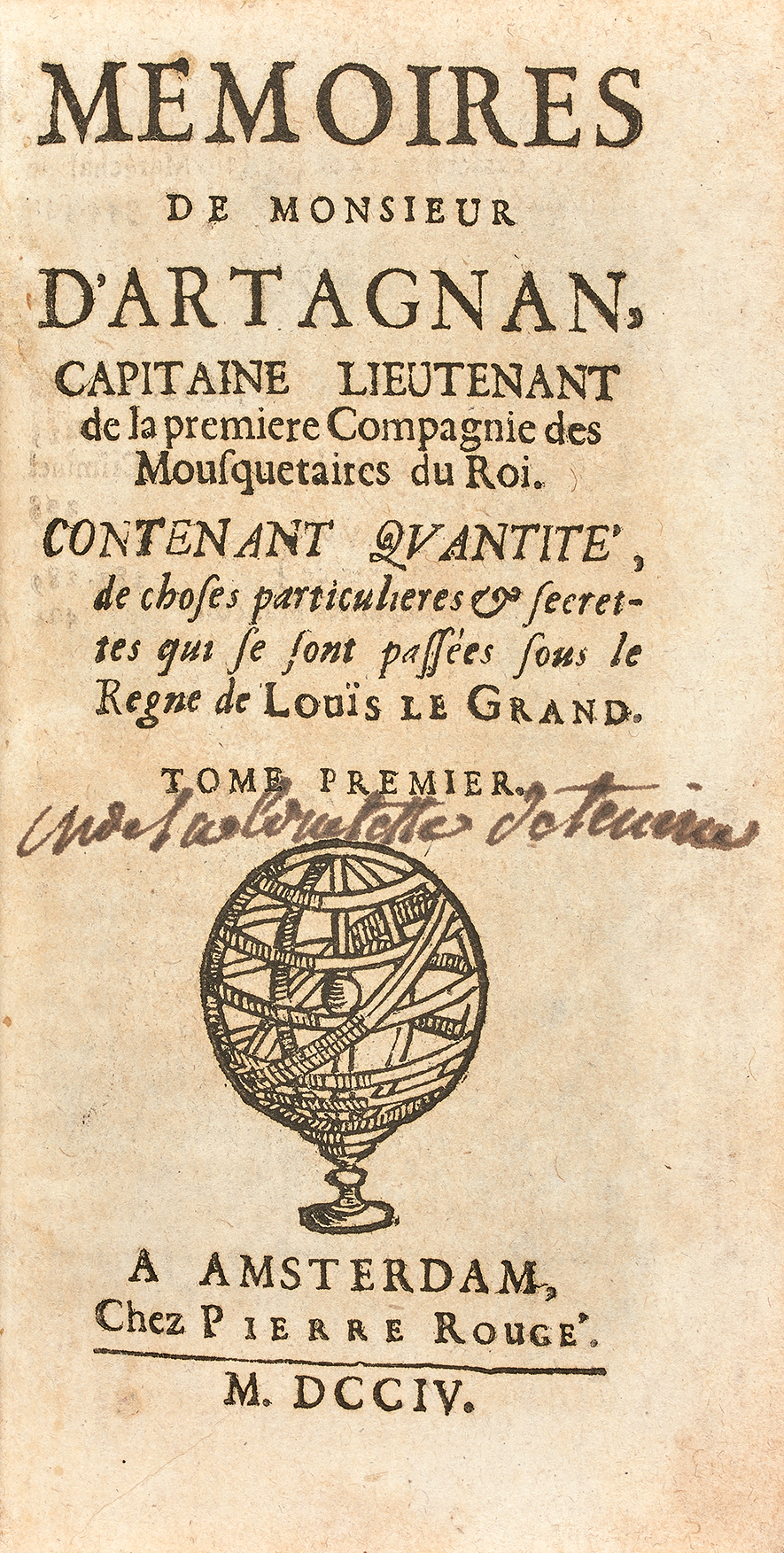
d’Artagnan had already appeared in a somewhat fictionalized form in an earlier book, Memoires de Monsieur d’Artagnan, (1700) by Gatien de Courtilz de Sandras (1644-1712). 

(A 1704 printing.  You can read about Gatien here:    https://en.wikipedia.org/wiki/Gatien_de_Courtilz_de_Sandras and read the first English translation of his fictionalized work here:  https://archive.org/details/memoirsofmonsieu01couruoft/page/n7/mode/2up  This is Volume 1 of 3, all being available at the Internet Archive, where you’ll find this volume.)

Dumas claimed, in fact, that he was only working from de Courtilz de Sandras’ account, along with a manuscript (which he himself had actually created), Memoire de M. le conte de la Fere (who is, in fact, Athos one of the three musketeers), implying, therefore, that the work isn’t really a novel, but a true story based upon documents from the 17th century. 

Why do this, rather than simply write an original novel and let it go at that?

This is where “artistic verisimilitude” comes in:  a novel is fun, but what if this weren’t really a completely-manufactured story, but real history—though much more exciting than simply dry accounts of political decisions and battles (“a bald and unconvincing narrative”)?

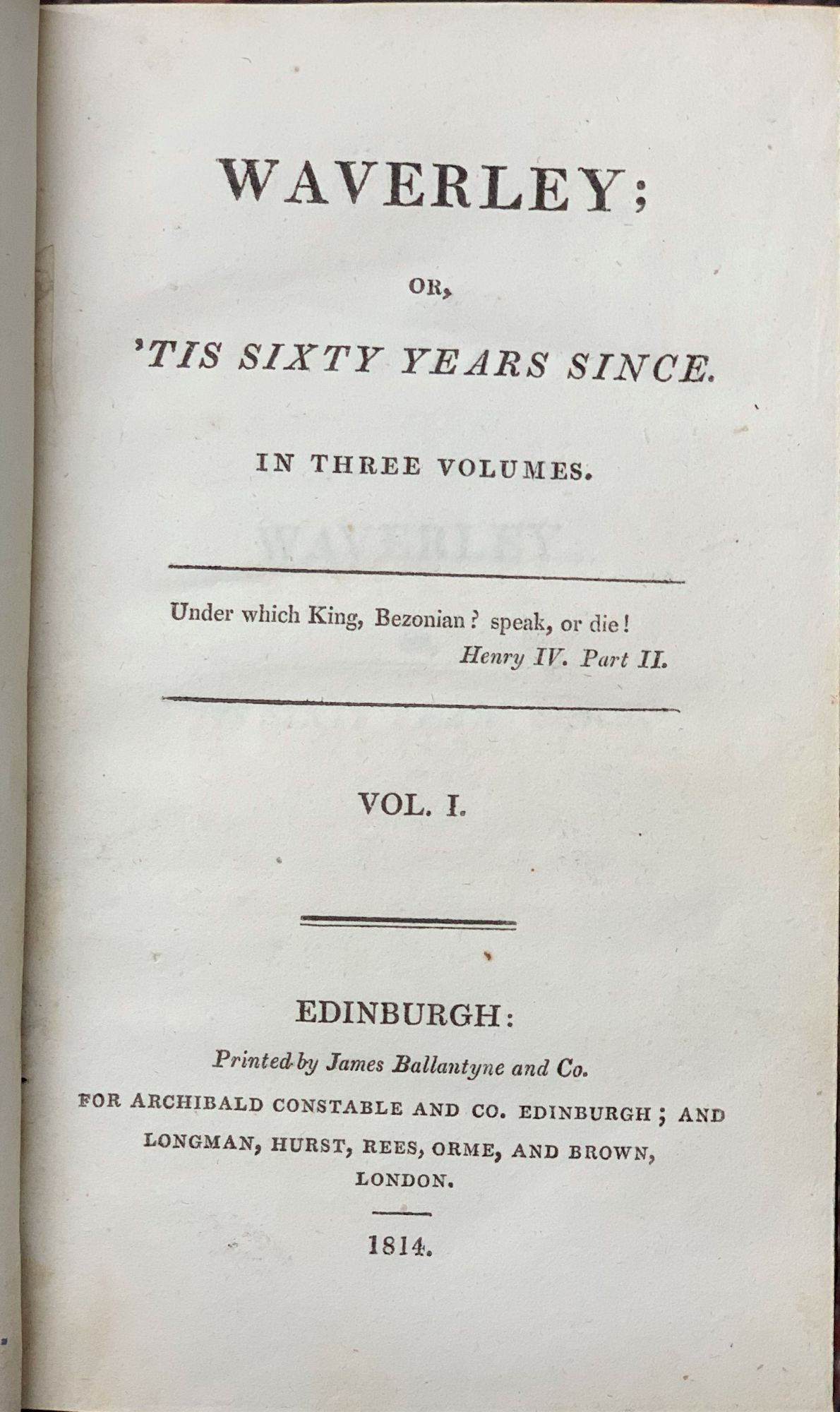
Dumas may have been inspired by Sir Walter Scott (1771-1832), whose first novel, Waverley (1814),

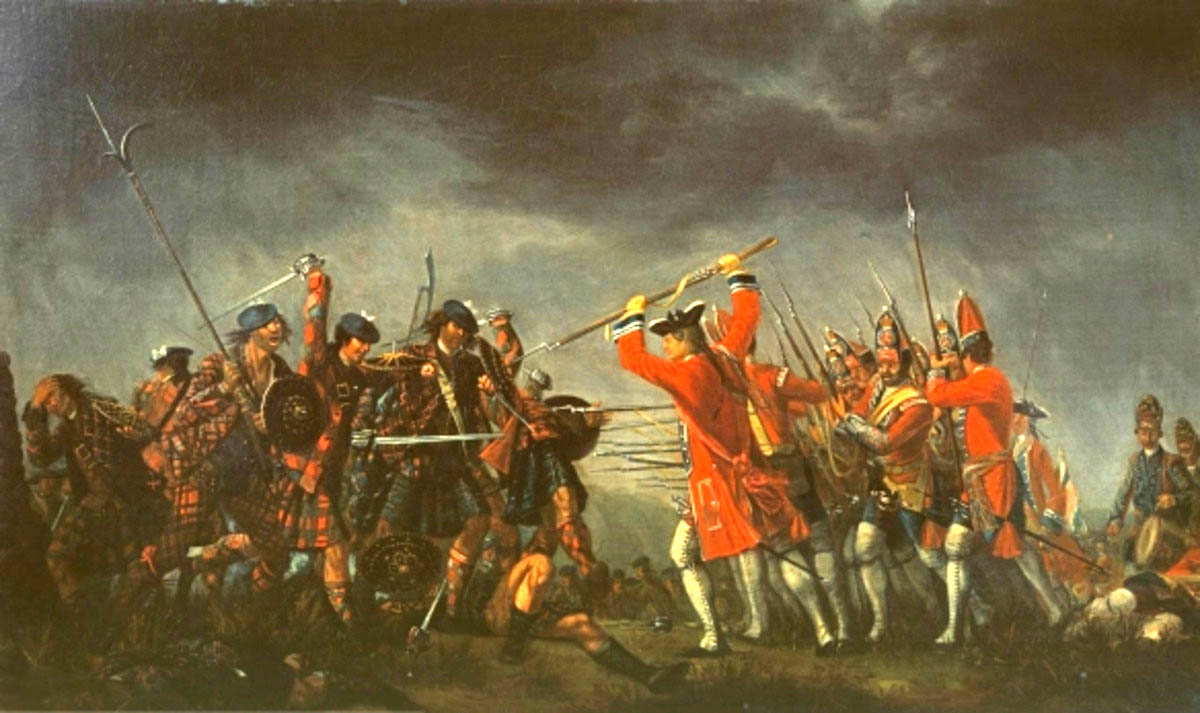
had done the opposite of Hugo, attaching a fictional character—the Waverley of the title—to actual events—the last Jacobite uprising of 1745-46,

in which a group of Scots (plus some English to the south) attempted to restore the Stuart family to the throne of the UK (if you’re a fan of the Outlander novels or tv series, you’ll be aware of this).  Scott’s novel was so successful that he kept using the method all the way to the end of his creative life, taking different periods in UK history as the basis.

(Here’s a copy of the novel for you, in case you haven’t read it:  https://www.gutenberg.org/files/5998/5998-h/5998-h.htm  You’ll notice that the notes are by Andrew Lang, whom, if you read this blog regularly, you will remember as the editor of the “Fairy” books, some of which Tolkien read or had read to him as a child.)

But what if you don’t have an historical period into which to place a character?  One answer would be to create the period, then add the character, and that’s exactly what we see Tolkien doing.  Much has been written about JRRT writing to “create a mythology for England” and he himself seems to have had an early plan for something like this, as he writes to a “Mr. Thompson”:

“Having set myself a task, the arrogance of which I fully recognized and trembled at; being precisely to restore to the English an epic tradition and present them with a mythology of their own…” (letter to “Mr. Thompson, 14 January, 1956, Letters, 335)

In time, Tolkien appears to have abandoned this goal (see this piece for more:  https://en.wikipedia.org/wiki/A_mythology_for_England ), but all of the material which JRRT had created, however, remained in the form of the “Prologue” and the “Appendices” to The Lord of the Rings and here we see Pooh-Bah’s “corroborative detail” with essays on Hobbits, Pipe-weed, the ordering of the Shire, and “Note on the Shire Records”, as well as “Annals of the Kings and Rulers”, “The Tale of Years”, and even a section on Middle-earth calendars, all created by Tolkien, but written as if he’s merely an editor, filling in background to actual events.  Frodo and those around him, including the antagonists, have thus become 3-dimensional, their actions given an imaginary historical context, just as Waverley and d’Artagnan, one fictional character, one fictionalized actual person, when attached to history, are deepened and, potentially, more convincing, which, in turn, makes the whole story, for me, that much more believable.   In fact, it gains verisimilitude, at least while I’m reading it.

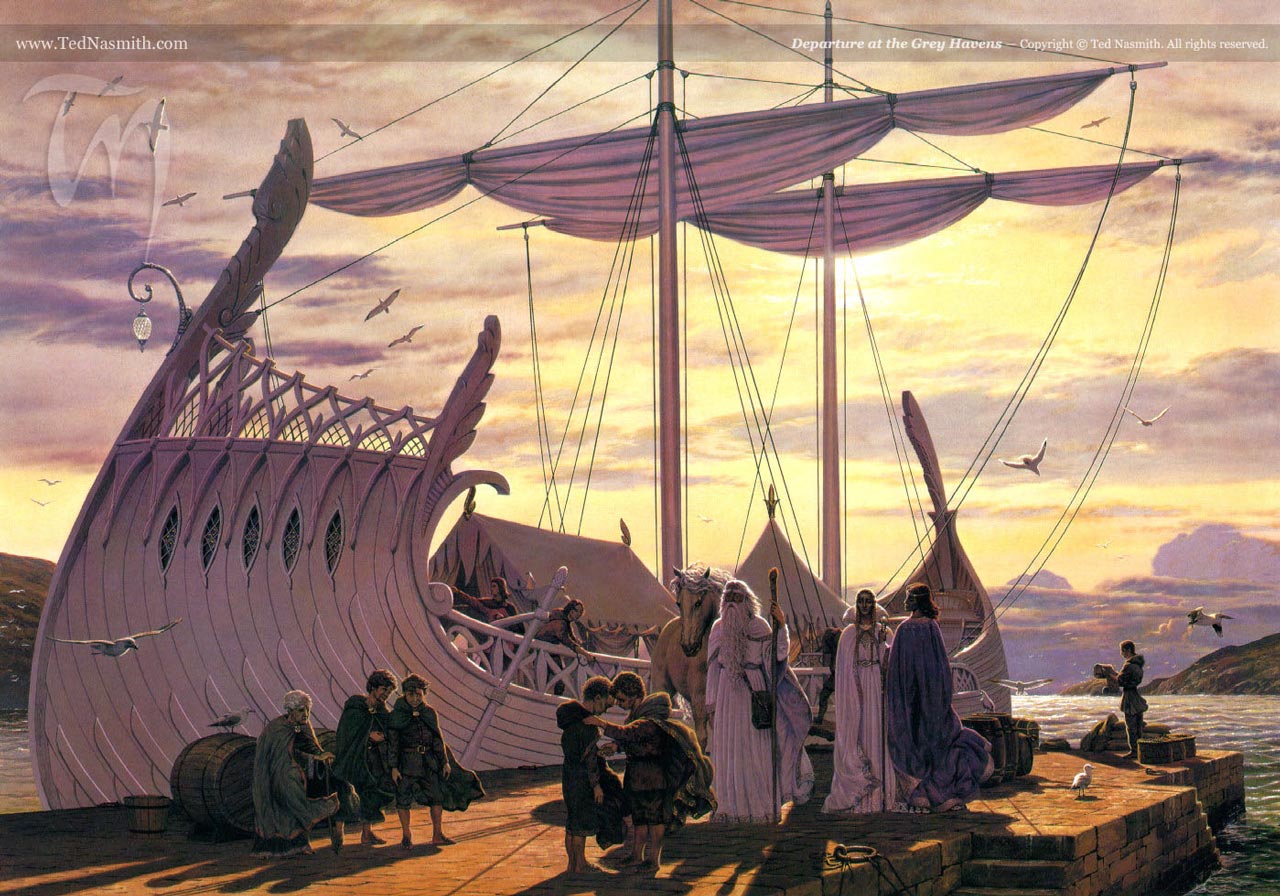
All of which makes that news story of the potential discovery of d’Artagnan’s tomb seem so much odder to me.  He was a real man turned into fiction in a real historical period.  Tolkien created a rich imaginary historical world and placed his characters in it:  now I’m wondering when archaeologists will announce that they’ve found the tomb—not of Frodo, who went off to Valinor—

(Ted Nasmith)

but perhaps of Aragorn, in Rath Dinen?

Thanks for reading.

Stay well,

Remember that great literary figures are, in fact, immortal,

And remember, as well, that there’s

MTCIDC

O

PS

Pooh-Bah survives, in case you were worried.

PPS

Here’s an English translation of Dumas’ novel, in case you haven’t read it (it’s fun in itself and, if you would like to see an ancestor of modern adventure novels and films, I would certainly recommend it): https://www.gutenberg.org/cache/epub/1257/pg1257-images.html For an introduction to the Musketeers, I would also recommend the old Richard Lester films, which mostly stick to the plot and have some of the liveliest dueling scenes after the Errol Flynn era.

The Doubtful Sea Series Facebook Page

The Doubtful Sea Series Facebook Page

  • Ollamh

Categories

  • Artists and Illustrators
  • Economics in Middle-earth
  • Fairy Tales and Myths
  • Films and Music
  • Games
  • Heroes
  • Imaginary History
  • J.R.R. Tolkien
  • Language
  • Literary History
  • Maps
  • Medieval Russia
  • Military History
  • Military History of Middle-earth
  • Narnia
  • Narrative Methods
  • Poetry
  • Research
  • Star Wars
  • Terra Australis
  • The Rohirrim
  • Theatre and Performance
  • Tolkien
  • Uncategorized
  • Villains
  • Writing as Collaborators
Follow doubtfulsea on WordPress.com

Across the Doubtful Sea

Recent Postings

  • Subterranean April 22, 2026
  • Serendipity? April 15, 2026
  • Serendipity April 8, 2026
  • Verisimilitude April 1, 2026
  • Goblins and Goblin March 25, 2026
  • Crowing and Raven March 18, 2026
  • The Damage of Dragons March 11, 2026
  • Encouragement March 4, 2026
  • Eavesdropping February 25, 2026

Blog Statistics

  • 111,883 Views

Posting Archive

  • April 2026 (4)
  • March 2026 (4)
  • February 2026 (4)
  • January 2026 (4)
  • December 2025 (5)
  • November 2025 (4)
  • October 2025 (5)
  • September 2025 (4)
  • August 2025 (4)
  • July 2025 (5)
  • June 2025 (4)
  • May 2025 (4)
  • April 2025 (5)
  • March 2025 (4)
  • February 2025 (4)
  • January 2025 (5)
  • December 2024 (4)
  • November 2024 (4)
  • October 2024 (5)
  • September 2024 (4)
  • August 2024 (4)
  • July 2024 (5)
  • June 2024 (4)
  • May 2024 (5)
  • April 2024 (4)
  • March 2024 (4)
  • February 2024 (4)
  • January 2024 (5)
  • December 2023 (4)
  • November 2023 (5)
  • October 2023 (4)
  • September 2023 (4)
  • August 2023 (5)
  • July 2023 (4)
  • June 2023 (4)
  • May 2023 (5)
  • April 2023 (4)
  • March 2023 (5)
  • February 2023 (4)
  • January 2023 (4)
  • December 2022 (4)
  • November 2022 (5)
  • October 2022 (4)
  • September 2022 (4)
  • August 2022 (5)
  • July 2022 (4)
  • June 2022 (5)
  • May 2022 (4)
  • April 2022 (4)
  • March 2022 (5)
  • February 2022 (4)
  • January 2022 (4)
  • December 2021 (5)
  • November 2021 (4)
  • October 2021 (4)
  • September 2021 (5)
  • August 2021 (4)
  • July 2021 (4)
  • June 2021 (5)
  • May 2021 (4)
  • April 2021 (4)
  • March 2021 (5)
  • February 2021 (4)
  • January 2021 (4)
  • December 2020 (5)
  • November 2020 (4)
  • October 2020 (4)
  • September 2020 (5)
  • August 2020 (4)
  • July 2020 (5)
  • June 2020 (4)
  • May 2020 (4)
  • April 2020 (5)
  • March 2020 (4)
  • February 2020 (4)
  • January 2020 (6)
  • December 2019 (4)
  • November 2019 (4)
  • October 2019 (5)
  • September 2019 (4)
  • August 2019 (4)
  • July 2019 (5)
  • June 2019 (4)
  • May 2019 (5)
  • April 2019 (4)
  • March 2019 (4)
  • February 2019 (4)
  • January 2019 (5)
  • December 2018 (4)
  • November 2018 (4)
  • October 2018 (5)
  • September 2018 (4)
  • August 2018 (5)
  • July 2018 (4)
  • June 2018 (4)
  • May 2018 (5)
  • April 2018 (4)
  • March 2018 (4)
  • February 2018 (4)
  • January 2018 (5)
  • December 2017 (4)
  • November 2017 (4)
  • October 2017 (4)
  • September 2017 (4)
  • August 2017 (5)
  • July 2017 (4)
  • June 2017 (4)
  • May 2017 (5)
  • April 2017 (4)
  • March 2017 (5)
  • February 2017 (4)
  • January 2017 (4)
  • December 2016 (4)
  • November 2016 (5)
  • October 2016 (6)
  • September 2016 (5)
  • August 2016 (5)
  • July 2016 (5)
  • June 2016 (5)
  • May 2016 (4)
  • April 2016 (4)
  • March 2016 (5)
  • February 2016 (4)
  • January 2016 (4)
  • December 2015 (5)
  • November 2015 (5)
  • October 2015 (4)
  • September 2015 (5)
  • August 2015 (4)
  • July 2015 (5)
  • June 2015 (5)
  • May 2015 (4)
  • April 2015 (3)
  • March 2015 (4)
  • February 2015 (4)
  • January 2015 (4)
  • December 2014 (5)
  • November 2014 (4)
  • October 2014 (6)
  • September 2014 (1)

Blog at WordPress.com.

  • Subscribe Subscribed
    • doubtfulsea
    • Join 75 other subscribers
    • Already have a WordPress.com account? Log in now.
    • doubtfulsea
    • Subscribe Subscribed
    • Sign up
    • Log in
    • Report this content
    • View site in Reader
    • Manage subscriptions
    • Collapse this bar
 

Loading Comments...