• About

doubtfulsea

~ adventure fantasy

Monthly Archives: August 2026

Solution (2)

19 Wednesday Aug 2026

Posted by Ollamh in Uncategorized

≈ Leave a comment

Tags

Aragorn, Arwen, Boromir, Eowyn, Fantasy, Faramir, Into the Woods, lotr, Merry, Palantir, Rangers, riddles, Saruman, Sauron, Stephen Sondheim, The Lord of the Rings, the Mouth of Sauron, the Oath-breakers, the Sceptre of Annuminas, the Stone of Erech, the White Tree of Gondor, Tolkien

As ever, dear readers, welcome.

In my next-to-last, we were given two riddles:  one, in a dream sent to Faramir and Boromir, the other posed by Bilbo, both appearing in the council of Elrond—

“Seek for the Sword that was broken:

In Imladris it dwells;

There shall be counsels taken

Stronger than Morgul-spells.

There shall be shown a token

That Doom is near at hand,

For Isildur’s Bane shall waken,

And the Halfling forth shall stand.” 

The second is presented by Bilbo:

“All that is gold does not glitter,

Not all those who wander are lost;

The old that is strong does not wither,

Deep roots are not reached by the frost.

From the ashes a fire shall be woken,

A light from the shadows shall spring;

Renewed shall be blade that was broken:

The crownless again shall be king.”

(The Fellowship of the Ring, Book Two, Chapter 2, “The Council of Elrond”)

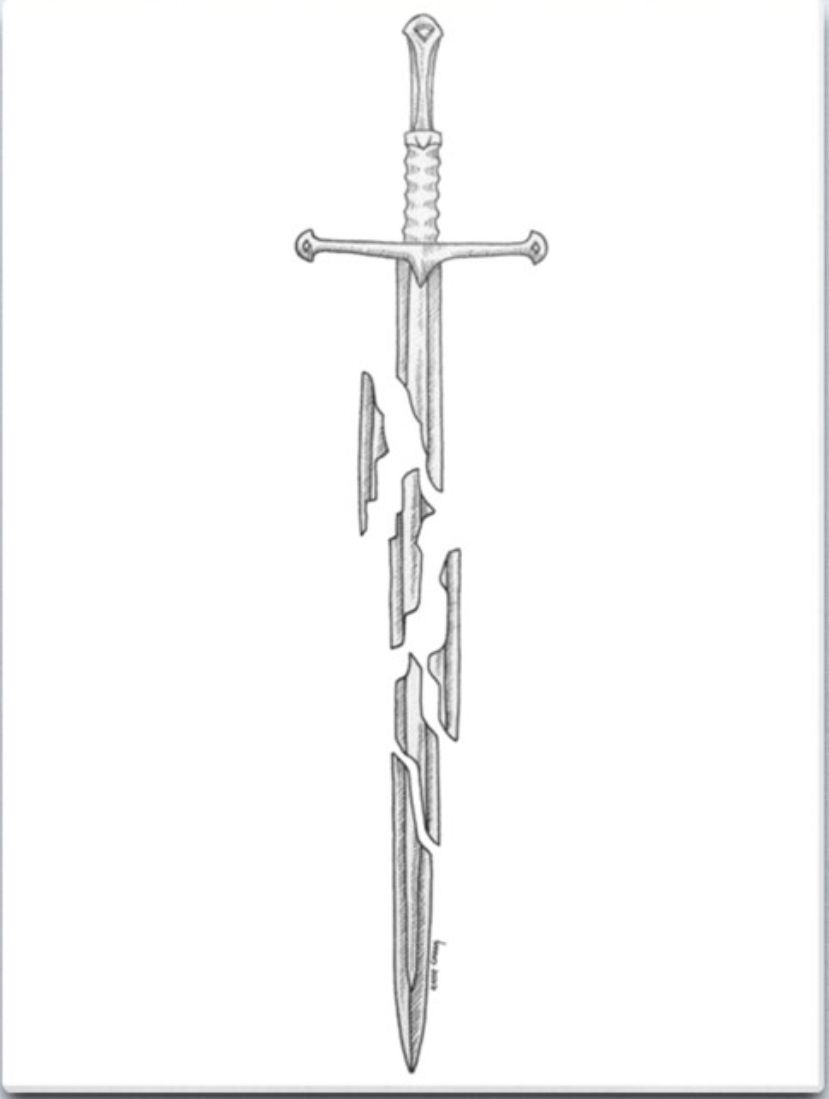
As Aragorn displays the sword—originally belonging to Elendil, the founder of Gondor—and Frodo, the Halfling, at Gandalf’s bidding, brings out the Ring (Isildur’s Bane), we might think that both riddles have been solved—but Boromir, for one, has doubts:

“ ‘Isildur’s Bane is found, you say…I have seen a bright ring in the Halfling’s hand, but Isildur perished ere this age of the world began, they say.  How do the Wise know that this ring is his?  And how has it passed down the years, until it is brought hither by so strange a messenger?’ “

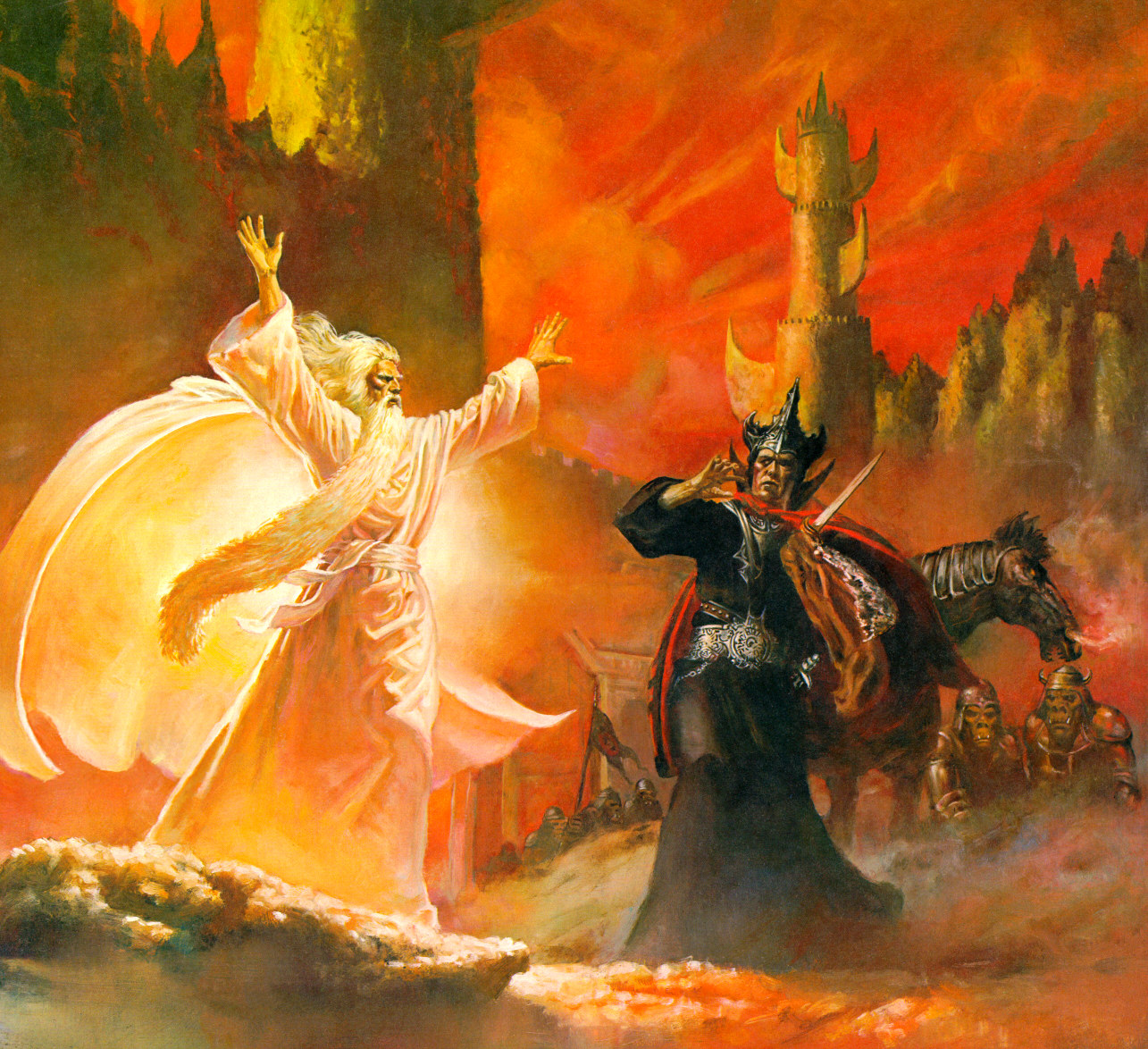
And there are greater doubts—as voiced by the Mouth of Sauron:

“ ‘Is there anyone in this rout [“mob”] to treat with me?…Or indeed the wit to understand me?  Not thou at least!’ he mocked, turning to Aragorn with scorn.  ‘It needs more to make a king than a piece of Elvish glass, or a rabble such as this.  Why, any brigand of the hills can show as good a following!’ “ (The Return of the King, Book Five, Chapter 10, “The Black Gate Opens”)

(Douglas Beekman—for more on him and his work, see:  https://sf-encyclopedia.com/entry/beekman_doug )

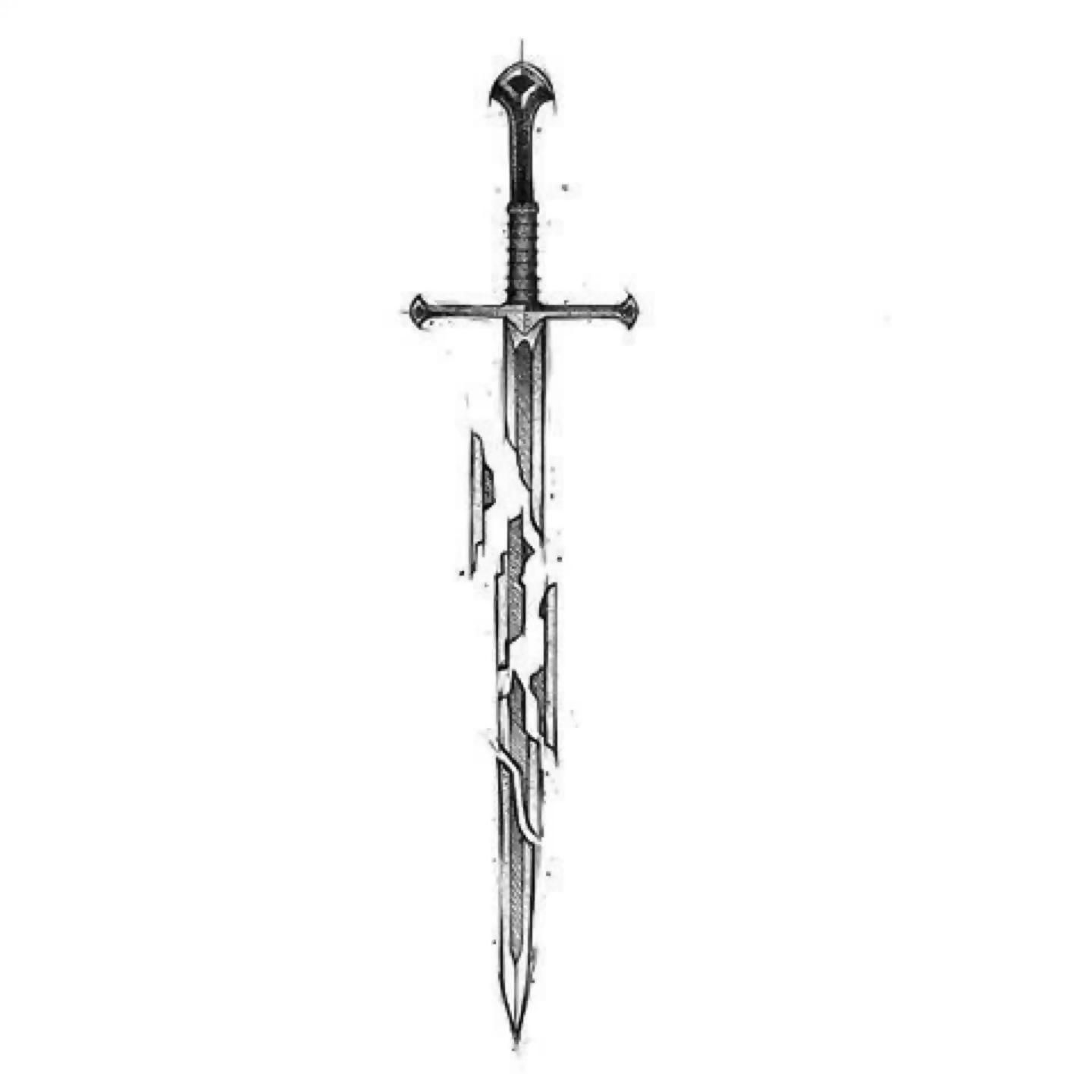
How, beyond the broken sword

and his claim, can Aragorn prove that he is the wanderer, the light, the crownless?

The wanderer part is perhaps the easiest, because it’s self-evident:  Aragorn

(the Hildebrandts)

 is a ranger, one of those few survivors of the lost north kingdom of Arnor,

(Stephen Raw—you can learn a little more about him here:  https://tolkiengateway.net/wiki/Stephen_Raw )

of whom the narrator of The Lord of the Rings says:

“In those days no other Men had settled dwellings so far west, or within a hundred leagues of the Shire.  But in the wild lands beyond Bree there were mysterious wanderers.  The Bree-folk called them Rangers, and knew nothing of their origin…They roamed at will southwards, and eastwards even as far as the Misty Mountains; but they were few now and rarely seen.”  (The Fellowship of the Ring, Book One, Chapter 9, “At the Sign of the Prancing Pony”)

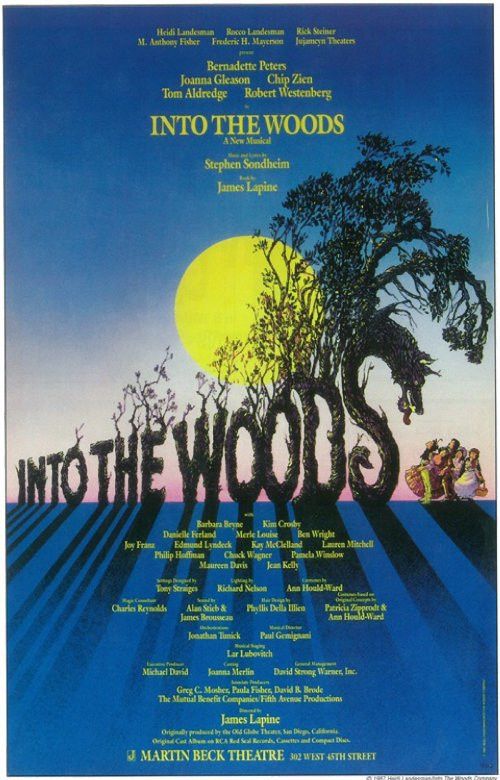
For further proofs, I’m reminded of Stephen Sondheim’s wonderful musical Into the Woods, 1987,

in which two characters, the Baker and his Wife, to have a witch’s curse removed, must bring her:  “the cow as white as milk, the cape as red as blood, the hair as yellow as corn, and the slipper as pure as gold” and much of the plot concerns their journey in the Woods to try to obtain these things—just the sort of objects one might obtain on a quest.  (For more on quests, see:  https://en.wikipedia.org/wiki/Quest )

In Aragorn’s case, although he’s not on a deliberate quest, one piece of his evidence is acquired as he and the Fellowship travel southwards:  the Palantir, inadvertently provided by Saruman.

(the Hildebrandts)

Pippin learns, to his unhappiness, that this isn’t something which one can casually pick up, but Aragorn, having used it, says to Gimli:

“I am the lawful master of the Stone, and I had both the right and the strength to use it…”

and here we see JRRT, in a brilliant bit of plotting, adding the reforged sword to the Palantir:

“…but Sauron has not forgotten Isildur and the sword of Elendil.  Now in the very hour of his great designs the heir of Isildur and the Sword are revealed; for I showed the blade re-forged to him.”  (The Return of the King, Book Five, Chapter 2, “The Passing of the Grey Company”)

So, now we have the shattered Sword and a display of Aragorn’s control of a Palantir, the next proof isn’t an object, but an event. 

Aragorn and his company follow the Paths of the Dead under the mountains, coming out at last to the Hill of Erech and its large, round, black stone.

(from Lotro-Wiki—where you can find more details:  https://lotro-wiki.com/wiki/The_Stone_of_Erech_(King’s_Gondor) and here:  https://lotro-wiki.com/wiki/Vandassar )

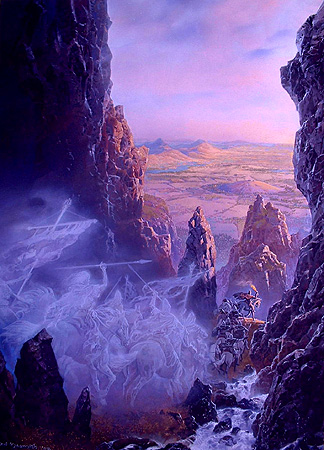
Behind them have come the “Oathbreakers”, men of long ago, who had pledged to help Isildur against Sauron, but then refused to join him.  In response, Isildur cursed them and they retreated to the hills and gradually faded, becoming uneasy spirits which troubled the land.   (For more, see:  https://tolkiengateway.net/wiki/Oathbreakers )  Aragorn has summoned them and here we see another proof:

“ ‘The hour is come at last.  Now I go to Pelargir upon Anduin, and ye shall come with me.  And when all this land is clean of the servants of Sauron, I will hold the oath fulfilled, and ye shall have peace and depart for ever.  For I am Elessar, Isildur’s heir of Gondor.’ “  (The Return of the King, Book Five, Chapter 2, “The Passing of the Grey Company”)

(Ted Nasmith)

To this, we can add a skill.

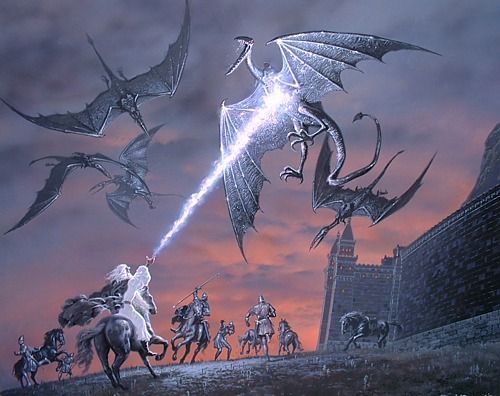
In the battles before Minas Tirith, Faramir has been struck down—seemingly by both a Southron arrow and by a Nazgul’s Black Breath—

(Angus McBride)

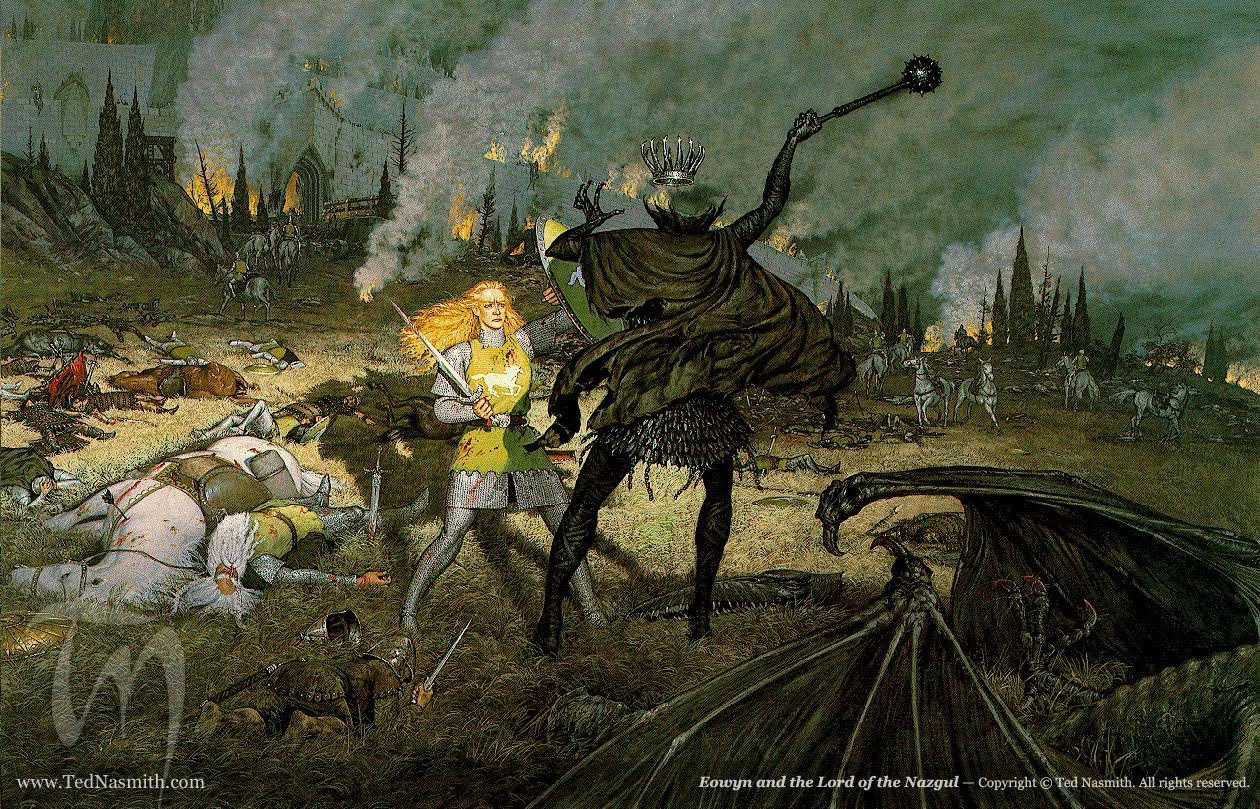
and both Eowyn and Merry have suffered from their fight with the chief of the Nazgul.

(Ted Nasmith)

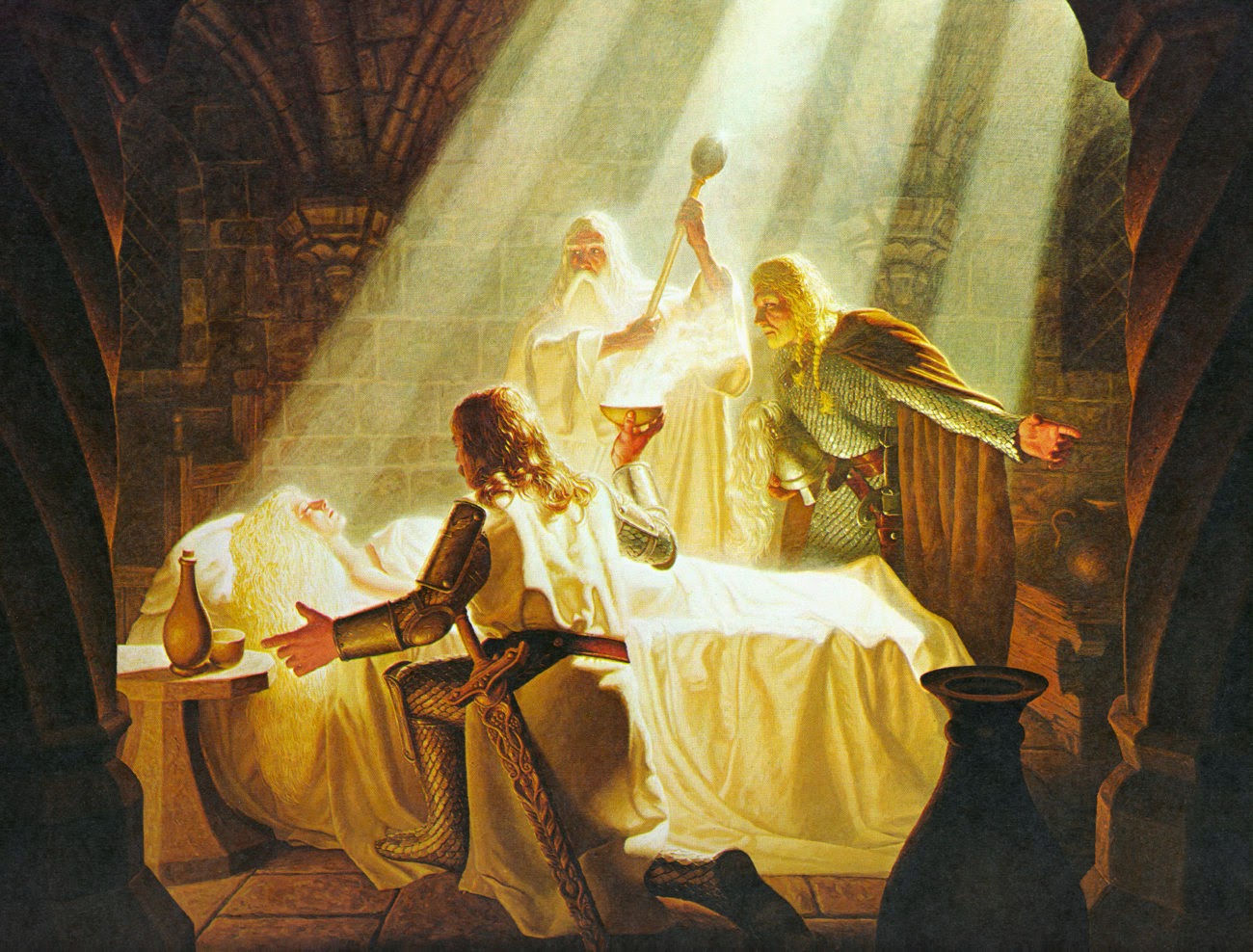
They are brought to the Houses of Healing and there Ioreth, “the eldest of the women who served in that house”, looking at Faramir, said:

“ ‘Alas!  If he should die.  Would that there were kings in Gondor, as there were once upon a time, they say!  For it is said in the old lore:  The hands of the king are the hands of a healer.  And so the rightful king could ever be known.’ “

Using the herb athelas/kingsfoil, as well as some unspoken power, Aragorn restores all three, at which Ioreth says:

“ ‘King!  Did you hear that?  What did I say?  The hands of a healer, I said.’ “

(the Hildebrandts)

Her words spread:

“And soon the word had gone out from the House that the king was indeed come among them, and after the war he brought healing, and the news ran through the city.”  (The Return of the King, Book Five, Chapter 8, “The Houses of Healing”)

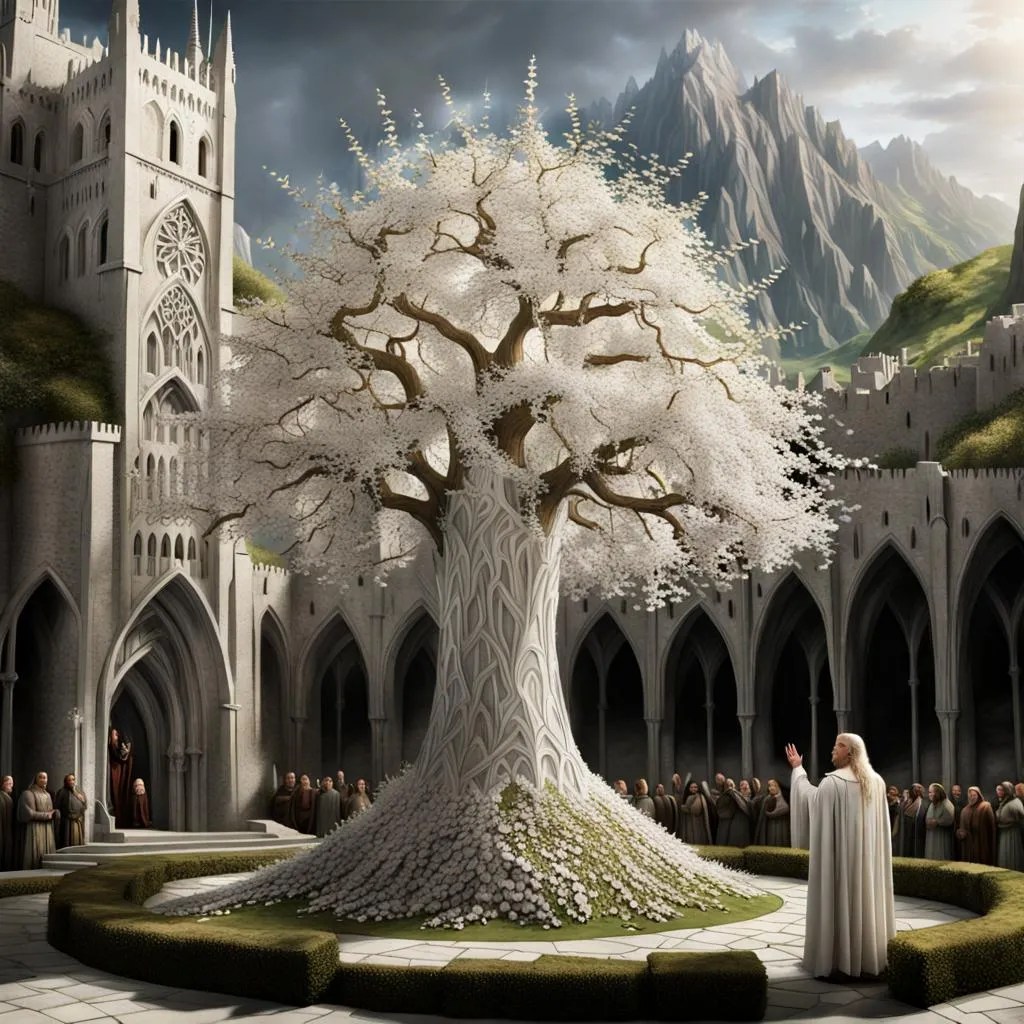
And, finally, a sign.  The White Tree, symbol of Gondor—

“ ‘There in the courts of the King grew a white tree, from the seed of that tree which Isildur brought over the deep waters, and the seed of that tree came from Eressea, and before that out of the Uttermost West in the Day before days when the world was young.’ “  (The Fellowship of the Ring, Book Two, Chapter 2, “The Council of Elrond”)

(artist?  So far, no luck in finding one, but I would be glad to credit someone for this impressive image.)

but now—

“A sweet fountain played there in the morning sun, and a sward of bright green lay about it, but in the midst, drooping over the pool, stood a dead tree, and the falling drops dripped sadly from its barren and broken branches back into the clear water.”  (The Return of the King, Book Five, Chapter 1, “Minas Tirith”)

(from Jackson’s film)

As this is the emblem of Gondor itself,

a replacement would certainly be a sign of renewal, which even after the defeat of Sauron seems doubtful to Aragorn:

“ ‘The tree in the Court of the Fountain is still withered and barren.  When shall I see a sign that it will ever be otherwise?’ “

Gandalf leads him to a place high on Mount Mindolluin and reveals to him:

“…a sapling tree no more than three foot high.  Already it had put forth young leaves long and shapely, dark above and silver beneath, and upon its slender crown it bore one small cluster of flowers whose petals shone like the sunlit snow.”

“Then Aragorn cried:  ‘Ye!  Utuvienyes! I have found it!  Lo!  Here is a scion of the Eldest of Trees!’  “

Gandalf is vague about its origins there, but says to Aragorn:

“ ‘Here it has lain hidden on the mountain, even as the race of Elendil lay hidden in the wastes of the North.’ “

Aragorn transplants it to the Court of the Fountain and sees its growth as a kind of prophecy—

“ ‘The sign has been given…’ “

On “the day before Midsummer”, the whole of the household of Elrond then appears at Minas Tirith, Elrond himself “bearing the sceptre of Annuminas”.  (The Return of the King, Book Six, Chapter 5, “The Steward and the King”)

In Appendix A, this object is explained:

“The sceptre was the chief mark of royalty in Numenor…and that was also so in Arnor, whose kings wore no crown, but bore a single white gem, the Elendilmir, Star of Elendil, bound on their brows with a silver fillet.”  (The Lord of the Rings, Appendix A, “The North-kingdom and the Dunedain”)

(not the sceptre of Annuminas, described as a simple silver rod, but it will give you the idea)

Then—

“…the King welcomed his guests, and they alighted; and Elrond surrendered the sceptre…”

And here we have a final proof:  the shattered sword, the ranger, the Palantir, the healing hands, the White Tree, and now the sceptre of Numenor—just as the acquisition by the Baker and his Wife of  “the cow as white as milk, the cape as red as blood, the hair as yellow as corn, and the slipper as pure as gold” will allow them to break the curse, with the sceptre the confirmation that Aragorn is the rightful king is complete—although we should also add:

“And Aragorn the King Elessar wedded Arwen Undomiel in the City of the Kings upon the day of Midsummer, and the tale of their long waiting and labours was come to fulfillment.” 

(the Hildebrandts)

Thanks, as always, for reading.

Stay well,

And remember, as always, that there’s

MTCIDC

O

Out of Work Athena

12 Wednesday Aug 2026

Posted by Ollamh in Uncategorized

≈ Leave a comment

Tags

Adventure, Athena, Christopher Nolan, christopher-nolan, classical films, Helen, movies, Peleus, review, the gods, the judgment of Paris, The Odyssey, the Trojan war, the-greek-gods, Thetis

As always, dear readers, welcome.

The second part of “Solution” will appear next week.

In the meantime, as promised, I’ve been to see Christopher Nolan’s The Odyssey,

but I’m going to break my usual rule of seeing it twice before writing about it—having just seen it yesterday, it’s all very vivid in my mind.  I will certainly keep to my constant rule of avoiding destructive criticism, however, which often seems to crowd the internet and which is not only depressing, but, worse, unhelpful.

I would begin by saying that the film is well-acted and the effects are large-scale and, on that scale, impressive.  It’s clear that an enormous amount of work on the part of everyone involved went to making the film.  And yet, for me—and for the poem—something important—even vital—is lacking and you can see it in my title. 

I’ve written earlier that I was disappointed with Troy (2006),

not only for the changes to the story but perhaps more important for the removal of the gods.  Both The Iliad and The Odyssey are, at base, deeply religious works.  The Trojan War itself was said to take place because (and be prepared for complications):

1. Zeus, head of the gods, lusts after Thetis, a sea goddess

2. but, when told that a prophecy predicts that their child will be more powerful than his father, marries her off to a mortal, Peleus, instead.

(Thetis isn’t easy to catch—Peleus is shown here wrestling with a shape-shifting goddess)

3.  to the wedding, it happens that another goddess, Eris (“Strife/Discord”), isn’t invited (not a surprise—and you probably know this motif from “Sleeping Beauty”) and, in revenge, she bowls in a golden ball or apple with the words “For the Most Beautiful” on it into the feast.

4. Three goddess, Hera, Athena, and Aphrodite then argue over who deserves it and, when Zeus refuses to choose, they find a mortal shepherd, Paris—presumably neutral—to judge.

5. Aphrodite wins by offering Paris the most beautiful woman in the world, who just happens:

a. to be Helen, a demigoddess (father Zeus)

b. to be already married to Menelaus, the younger brother of the high king of Greece, Agamemnon

6. Paris, however, isn’t really a shepherd, but the long-lost prince of Troy and, when that’s revealed, he goes on a diplomatic mission to Greece and either persuades Helen to leave with him, or steals her, carrying her back to Troy.

7. the major kings of Greece were once Helen’s suitors but, as she could pick only one, the rest took an oath to protect her.

8. and so big brother Agamemnon, when Menelaus complained that his wife was gone, called on those kings to join an expedition to bring her back—and the Trojan War began.

9. the gods—except for Zeus—then took sides and aggressively backed either the Greeks or the Trojans through the ten years of the war.

As you can see, at every step of the war, one or more divinities was involved—and sometimes very actively.

Although fewer gods are involved in The Odyssey, one goddess, Athena, is a major player throughout.

In fact, the poem begins with her on Olympus, appealing to Zeus to free Odysseus from the clutches of Calypso, with whom he’s been marooned for seven years.

She then (sorry for a second list, but, again, it’s complicated)–

1.  goes to Ithaka to help Telemachos, Odysseus’ son, to grow up, appearing both as Mentes, a guest friend of Odysseus, and then as Mentor, an Ithakan elder, as whom she travels with Telemachos to mainland Greece, first to the most senior of all Greek heroes, Nestor, and then on to Sparta, to see Menelaus and Helen, now brought back from fallen Troy. 

2. continuing in her disguises, pops up when Odysseus, on his way home from Calypso (it takes a second try for Athena to get Zeus to send Hermes to order Kalypso to help him to go home), lands on the island of the Phaeacians (left out of the film entirely) where she appears first, as a little girl who directs him to the house of Alcinous, the king of the Phaeacians, and then as a spectator at the athletic event in which Odysseus participates. 

3. appears to Odysseus, disguised as a shepherd boy, after the Phaeacians take Odysseus home, and he awakes on a beach on his home island of Ithaka.

4. is more present from then on, giving Odysseus his beggar disguise and appearing to Odysseus as herself when she pushes him to reveal himself to Telemachos at the hut of Eumaeus, the swineherd (who is not blind in the poem, by the way).

5.  in Odysseus’ home, first encourages him to believe that, with her help he can beat the suitors, and then appearing for a final time to put the suitors into a panic when Odysseus, Telemachos, and their two servants destroy all of them and their attendants.  (No one surrenders in the poem.)

6.  makes a final appearance in the poem appealing once more to Zeus, this time as to how to resolve the conflict between Odysseus and the vengeful families of the suitors. 

She is a busy character, in fact, helping both Odysseus and his son, but Nolan’s script has almost entirely erased her and certainly has removed all of her help and, as you can see from 1-6 above, she is actually an active participant throughout the poem, even being the reason why—through her pushing Zeus to send Hermes to Calypso—Odysseus actually goes home.  To allow her to be nothing more than an occasional visitor and a passive one, at that, is to misrepresent not only the story, but the character of Odysseus.  (Who, by the way, unlike in the film, has no guilt or regret over his actions and certainly doesn’t sail off into the sunset with Penelope on a mission to commemorate his dead crewmen.)

That poster I’ve used as the first image in this posting has a subtitle:  “defy the gods”, something Odysseus, with a goddess for a patron, would never think of doing, is actually more like the motto of the film.  In the poem which is the basis of the film, Odysseus survives and even wins because he has a goddess for a patron.  Without her, would he have ever returned and, having returned, would he have survived the suitors and their angry families?

So, is this a film which I would recommend?  In fact, with rare exceptions, I would recommend that everyone see/listen to any and all art and decide for her/himself as to its value, entertainment or otherwise.  In this case, I would say certainly, go and see it, but I would also encourage you to read the poem first—preferably in Richmond Lattimore’s translation

Version 1.0.0

which, although now some 60 years old (original publication 1965), is still the closest of modern translations to the original Greek and the one I’ve used in classes for many years.  Of necessity, although 3 hours long, the film leaves out many details, but, at the same time, as I hope I make clear, it also changes the text significantly, and, for me, those changes turn it from the ancient story to Christopher Nolan’s story and it is up to you, as readers and viewers, to decide which you would prefer–or perhaps you would keep both, even though being aware that the two differ significantly.  As a student once said to me about Jackson’s The Hobbit trilogy, “If you haven’t read the book, they are fun adventure movies”.

Thanks, as always, for reading.

Stay well,

If you make a surprise visit to a very large man in a cave, plan ahead what to do if you’re not welcome,

And remember that, as always, there’s

MTCIDC

O

Solution (1)

05 Wednesday Aug 2026

Posted by Ollamh in Uncategorized

≈ Leave a comment

Tags

Fantasy, Tolkien, The Lord of the Rings, Gollum, Aragorn, Boromir, Bilbo, lotr, riddles, the Mouth of Sauron

As always, dear readers, welcome.

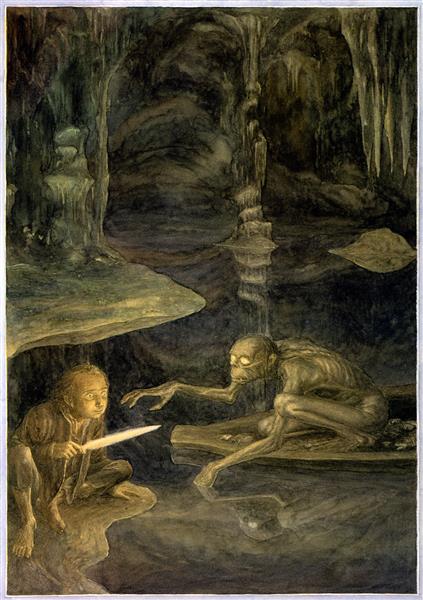
When you reread The Hobbit, do you look forward to any particular chapter?  Mine is Chapter 5, “Riddles in the Dark”–

(Alan Lee)

although, logically, I’ve always wondered about the conditions of the riddle game:  if Bilbo lost, would he automatically have shrugged, put down Sting, and allowed Gollum to make a meal out of him?

Still, the consequence of losing gives the scene an extra tension, along with Bilbo being at an unknown location, being alone in the dark, and sitting next to such a strange and menacing creature.  (I also wonder about Gollum’s language:  he had gained the Ring about the year TA 2463 and met Bilbo in TA 2941, meaning that he had been born over 500 years before.  Gollum had been in hiding for virtually all of that time, so that he had had no contact with native speakers of his language, which would be rather like someone from Shakespeare’s time suddenly meeting us.  We know what Shakespeare’s English sounded like—see:  https://www.youtube.com/watch?v=y2QYGEwM1Sk if you don’t—so would he have, in fact, been harder to understand than he appears in The Hobbit, with his snaky hissings?)

About the riddles, Tolkien once wrote:

“And what about the Riddles?  There is work to be done here on the sources and analogues.  I should not be at all surprised to learn that both the hobbit and Gollum will find their claim to have invented any of them disallowed.”  (letter to the editor of The Observer, printed in the paper 20 February, 1938, Letters, 42)

In fact, almost 10 years later, he has more to say about their “sources and analogues”:

“As for the Riddles:  they are ‘all my own work’ except for ‘Thirty White Horses’ which is traditional, and ‘No-legs’.  The remainder, though their style and method is that of old literary (but not ‘folk-lore’), have no models as far as I am aware, save only the egg-riddle which is a reduction to a couplet (my own) of a longer literary riddle which appears in some ‘Nursery Rhyme’ books, notably American ones.”  (from a letter to Allen & Unwin, 20 September, 1947, Letters, 177)

These are all riddles in The Hobbit, in the contest between Gollum and Bilbo, but in The Lord of the Rings, two more riddles appear, the first presented in a dream which both Faramir and Boromir have had:

“Seek for the Sword that was broken:

In Imladris it dwells;

There shall be counsels taken

Stronger than Morgul-spells.

There shall be shown a token

That Doom is near at hand,

For Isildur’s Bane shall waken,

And the Halfling forth shall stand.” 

The second is presented by Bilbo:

“All that is gold does not glitter,

Not all those who wander are lost;

The old that is strong does not wither,

Deep roots are not reached by the frost.

From the ashes a fire shall be woken,

A light from the shadows shall spring;

Renewed shall be blade that was broken:

The crownless again shall be king.”

(The Fellowship of the Ring, Book Two, Chapter 2, “The Council of Elrond”)

Parts of these two riddles are answered immediately—

“ ‘And here in the house of Elrond more shall be made clear to you,’ said Aragorn, standing up.  He cast his sword upon the table and that before Elrond, and the blade was in two pieces.  ‘Here is the Sword that was broken!’ “

And Gandalf then adds:

“ ‘Bring out the Ring, Frodo!’ said Gandalf solemnly.  ‘The time has come.  Hold it up, and then Boromir will understand the remainder of his riddle.’ “

So much for the Bane, the Sword, and the Halfling, but there is a further part of the riddle, however, that it will take much of the rest of the story to solve:  who is the unglittering gold, the wanderer, the light and fire, the crownless?

It’s also important to note that, as well as riddling, there is prophesying here:  it begins with “Doom near at hand” and “a fire shall be woken”, as well as “a light from the shadows shall spring”, “renewed shall be blade that was broken”, and “the crownless again shall be king”.  With words like “renewed” and “again”, there is a sense both of the past and the future here, and, linked with the previous “unglittering” and “wanderer”, it suggests that some one, not some thing, is the answer to these riddles—and what about that “Doom”?

Boromir is puzzled:  “Isildur’s Bane” (“bane”= “curse”) is identified as the Ring, which Frodo, the Halfling, has held up, but—

“Boromir’s eyes glinted as he gazed at the golden thing.  ‘The Halfling!’ he muttered.  ‘Is then the doom of Minas Tirith come at last?  But why then should we seek a broken sword?’ “

Appropriately, it is the holder of that sword who responds:

“ ‘The words were not the doom of Minas Tirith,’ said Aragorn.  ‘But doom and great deeds are indeed at hand.’ “

To JRRT, the medievalist, “doom”, coming originally from Old English “dom”, which has a fairly wide field of meanings but, in Middle English, can mean “fate”, and, combined with all of the prophecy we’ve just seen, might suggest “something inevitable”—but not necessarily evil—especially provided that the conditions set out are understood and fulfilled:

1. the sword must be reforged

2. the Ring must reappear, in the hands of a hobbit

What happens then is left open—what must be done with the sword and the Ring?

One part of the riddles, however,, is made clearer when Aragorn continues:

“ ‘For the Sword that was Broken is the Sword of Elendil that broke beneath him when he fell.  It has been treasured by his heirs when all other heirlooms were lost; for it was spoken of old among us that it should be made again when the Ring, Isildur’s Bane, was found.  Now you have seen the sword that you have sought, what would you ask?  Do you wish for the House of Elendil to return to the Land of Gondor?’ “

So, following that, we can guess that the inheritor of the sword must then be the wanderer, the unglittering—but then, to take it a step farther, he must also be descended directly from Elendil, the founder of Gondor—and therefore be that uncrowned king. 

Boromir has already had his doubts, even before Frodo displays the Ring: 

“ ‘And who are you, and what have you to do with Minas Tirith?’ asked Boromir, looking in wonder at the lean face of the Ranger and his weather-stained cloak.“ 

And even after Gandalf identifies Aragorn as the descendant of Isildur, son of Elendil, Boromir continues to doubt:

“ ‘Isildur’s Bane is found, you say…I have seen a bright ring in the Halfling’s hand, but Isildur perished ere this age of the world began, they say.  How do the Wise know that this ring is his?  And how has it passed down the years, until it is brought hither by so strange a messenger?’ “

So, although possessing the sword, Aragorn’s claims are questioned and this is, really, a new riddle:  how can he back up his claim as to who he is and what he should then inherit?

As the Voice of Sauron says:

“ ‘Is there anyone in this rout [“mob”] to treat with me?…Or indeed the wit to understand me?  Not thou at least!’ he mocked, turning to Aragorn with scorn.  ‘It needs more to make a king than a piece of Elvish glass, or a rabble such as this.  Why, any brigand of the hills can show as good a following!’ “ (The Return of the King, Book Five, Chapter 10, “The Black Gate Opens”)

(Douglas Beekman—for more on him and his work, see:  https://sf-encyclopedia.com/entry/beekman_doug )

In part two of this posting, we will see the answer.

Thanks, as ever, for reading.

Stay well,

If you’ve seen this rear-window sticker, wonder if Aragorn has learned to drive,

And remember that there’s

MTCIDC

O

The Doubtful Sea Series Facebook Page

The Doubtful Sea Series Facebook Page

  • Ollamh

Categories

  • Artists and Illustrators
  • Economics in Middle-earth
  • Fairy Tales and Myths
  • Films and Music
  • Games
  • Heroes
  • Imaginary History
  • J.R.R. Tolkien
  • Language
  • Literary History
  • Maps
  • Medieval Russia
  • Military History
  • Military History of Middle-earth
  • Narnia
  • Narrative Methods
  • Poetry
  • Research
  • Star Wars
  • Terra Australis
  • The Rohirrim
  • Theatre and Performance
  • Tolkien
  • Uncategorized
  • Villains
  • Writing as Collaborators
Follow doubtfulsea on WordPress.com

Across the Doubtful Sea

Recent Postings

  • Solution (2) August 19, 2026
  • Out of Work Athena August 12, 2026
  • Solution (1) August 5, 2026
  • More Troy? July 29, 2026
  • Prismatic July 20, 2026
  • Arboricidal July 15, 2026
  • Towering.3 July 8, 2026
  • Towering.2 July 1, 2026
  • Gundulf June 24, 2026

Blog Statistics

  • 119,718 Views

Posting Archive

  • August 2026 (3)
  • July 2026 (5)
  • June 2026 (4)
  • May 2026 (4)
  • April 2026 (5)
  • March 2026 (4)
  • February 2026 (4)
  • January 2026 (4)
  • December 2025 (5)
  • November 2025 (4)
  • October 2025 (5)
  • September 2025 (4)
  • August 2025 (4)
  • July 2025 (5)
  • June 2025 (4)
  • May 2025 (4)
  • April 2025 (5)
  • March 2025 (4)
  • February 2025 (4)
  • January 2025 (5)
  • December 2024 (4)
  • November 2024 (4)
  • October 2024 (5)
  • September 2024 (4)
  • August 2024 (4)
  • July 2024 (5)
  • June 2024 (4)
  • May 2024 (5)
  • April 2024 (4)
  • March 2024 (4)
  • February 2024 (4)
  • January 2024 (5)
  • December 2023 (4)
  • November 2023 (5)
  • October 2023 (4)
  • September 2023 (4)
  • August 2023 (5)
  • July 2023 (4)
  • June 2023 (4)
  • May 2023 (5)
  • April 2023 (4)
  • March 2023 (5)
  • February 2023 (4)
  • January 2023 (4)
  • December 2022 (4)
  • November 2022 (5)
  • October 2022 (4)
  • September 2022 (4)
  • August 2022 (5)
  • July 2022 (4)
  • June 2022 (5)
  • May 2022 (4)
  • April 2022 (4)
  • March 2022 (5)
  • February 2022 (4)
  • January 2022 (4)
  • December 2021 (5)
  • November 2021 (4)
  • October 2021 (4)
  • September 2021 (5)
  • August 2021 (4)
  • July 2021 (4)
  • June 2021 (5)
  • May 2021 (4)
  • April 2021 (4)
  • March 2021 (5)
  • February 2021 (4)
  • January 2021 (4)
  • December 2020 (5)
  • November 2020 (4)
  • October 2020 (4)
  • September 2020 (5)
  • August 2020 (4)
  • July 2020 (5)
  • June 2020 (4)
  • May 2020 (4)
  • April 2020 (5)
  • March 2020 (4)
  • February 2020 (4)
  • January 2020 (6)
  • December 2019 (4)
  • November 2019 (4)
  • October 2019 (5)
  • September 2019 (4)
  • August 2019 (4)
  • July 2019 (5)
  • June 2019 (4)
  • May 2019 (5)
  • April 2019 (4)
  • March 2019 (4)
  • February 2019 (4)
  • January 2019 (5)
  • December 2018 (4)
  • November 2018 (4)
  • October 2018 (5)
  • September 2018 (4)
  • August 2018 (5)
  • July 2018 (4)
  • June 2018 (4)
  • May 2018 (5)
  • April 2018 (4)
  • March 2018 (4)
  • February 2018 (4)
  • January 2018 (5)
  • December 2017 (4)
  • November 2017 (4)
  • October 2017 (4)
  • September 2017 (4)
  • August 2017 (5)
  • July 2017 (4)
  • June 2017 (4)
  • May 2017 (5)
  • April 2017 (4)
  • March 2017 (5)
  • February 2017 (4)
  • January 2017 (4)
  • December 2016 (4)
  • November 2016 (5)
  • October 2016 (6)
  • September 2016 (5)
  • August 2016 (5)
  • July 2016 (5)
  • June 2016 (5)
  • May 2016 (4)
  • April 2016 (4)
  • March 2016 (5)
  • February 2016 (4)
  • January 2016 (4)
  • December 2015 (5)
  • November 2015 (5)
  • October 2015 (4)
  • September 2015 (5)
  • August 2015 (4)
  • July 2015 (5)
  • June 2015 (5)
  • May 2015 (4)
  • April 2015 (3)
  • March 2015 (4)
  • February 2015 (4)
  • January 2015 (4)
  • December 2014 (5)
  • November 2014 (4)
  • October 2014 (6)
  • September 2014 (1)

Blog at WordPress.com.

  • Subscribe Subscribed
    • doubtfulsea
    • Join 75 other subscribers
    • Already have a WordPress.com account? Log in now.
    • doubtfulsea
    • Subscribe Subscribed
    • Sign up
    • Log in
    • Report this content
    • View site in Reader
    • Manage subscriptions
    • Collapse this bar
Loading Comments...