Tags
Elias Loennrot, fan-fiction, Fantasy, Kullervo, Longfellow, mikhail-bulgakov, Queen Beruthiel, the Kalevala, The Song of Hiawatha, the-white-guard, Tolkien, William Morris
Welcome, as ever, dear readers.
If you read this blog regularly, you know that I have a mostly positive view of fan fiction. On the one hand, it can be a good teacher: how many modern fantasy writers have used, say, Tolkien, or even his characters, as a model when they were first beginning to write? And, on the other, there are those moments in Tolkien which are nothing but brief mentions—like the cats of Queen Beruthiel–(mentioned by Aragorn in The Fellowship of the Ring, Book 2, Chapter 4, “A Journey in the Dark”—“He is surer of finding the way home in a blind night than the cats of Queen Beruthiel.” Tolkien once wrote of them: “I have yet to discover anything about the cats of Queen Beruthiel.”—letter to W.H. Auden, 7 June, 1955, Letters, 316—although he had a little more to say in Unfinished Tales, 419, including the mysterious end of the Queen.)
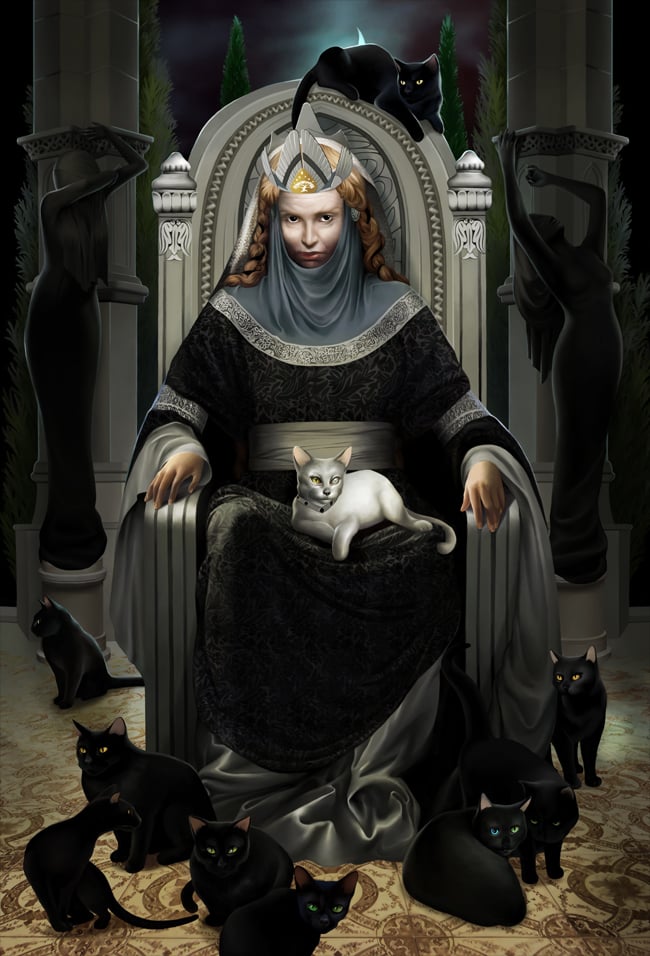
(Steamey—see more of his art here: https://lotr.fandom.com/wiki/Category:Art_by_Steamey )
where one might wish that someone—a clever fan, respectful of the original material–would write more about her. It wouldn’t be Tolkien, but it might be fun. (I say a clever and respectful fan as there are moments in some of the films based upon Tolkien where there is such a clear violation of Tolkien’s work—I mention only “Tauriel” in the Hobbit as an obvious example—that I, for one, could wish that the “fan” there had left the story as JRRT had written it.)
It recently occurred to me that, in fact, Tolkien, himself once wrote such fiction, early in his career.
This began when Tolkien was at the end of his time at King Edward’s School,
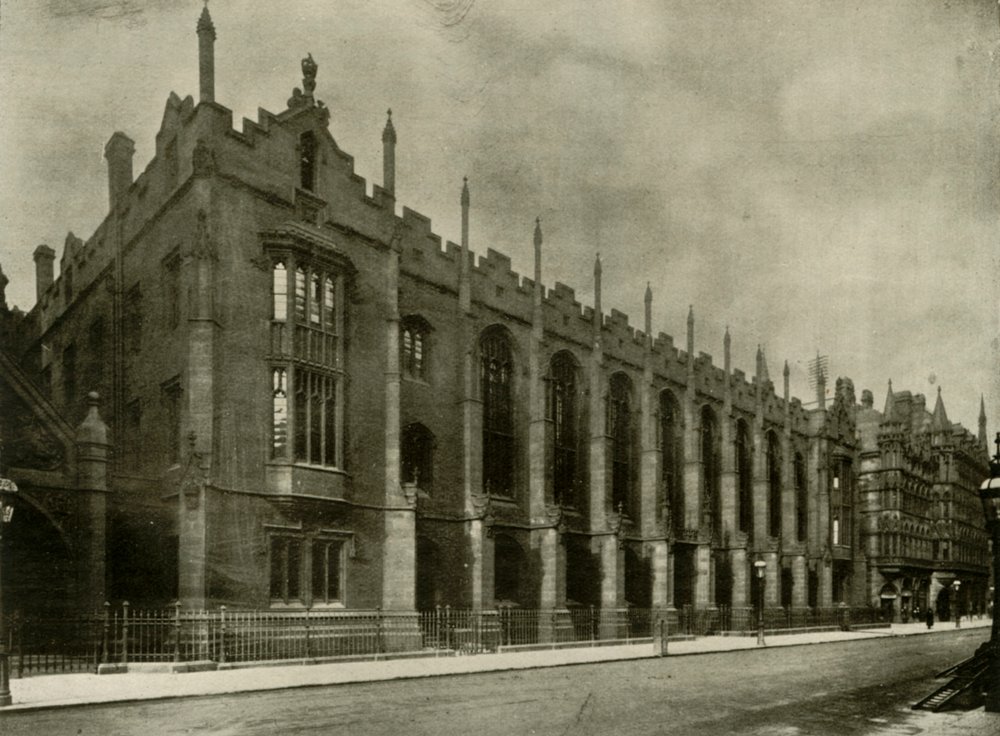
when
“And at about this time he discovered the Finnish Kalevala…the collection of poems which is the principal repository of Finland’s mythology. Not long afterwards he wrote appreciatively of ‘this strange people and these new gods, this race of unhypocritical low-brow scandalous heroes,’ adding ‘the more I read of it, the more I felt at home and enjoyed myself.’ He had discovered the Kalevala in W.H. Kirby’s Everyman translation, and he determined to find an edition in the original Finnish as soon as possible.” (Carpenter, J.R.R. Tolkien, 57. Here are the two volumes of the Kirby for you: https://archive.org/details/in.ernet.dli.2015.102315/page/n7/mode/2up and https://dn760104.eu.archive.org/0/items/kalevalalandofhe02kirbiala/kalevalalandofhe02kirbiala.pdf )
The Kalevala, in fact, is just what Carpenter says, a “collection of poems” which contain a series of songs about various heroes of Finnish folklore, assembled into a volume by Elias Loennrot (1802-1884),
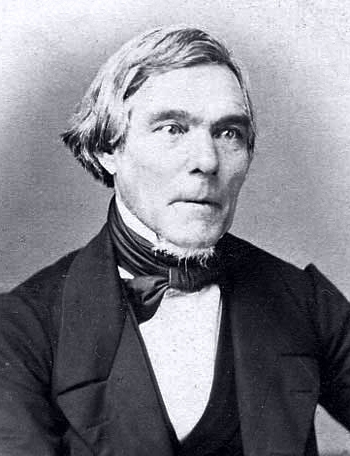
a Swedish doctor with a strong interest in philology and folklore, after a number of collecting trips in the area of what is now Finland and beyond from 1828 to 1845.
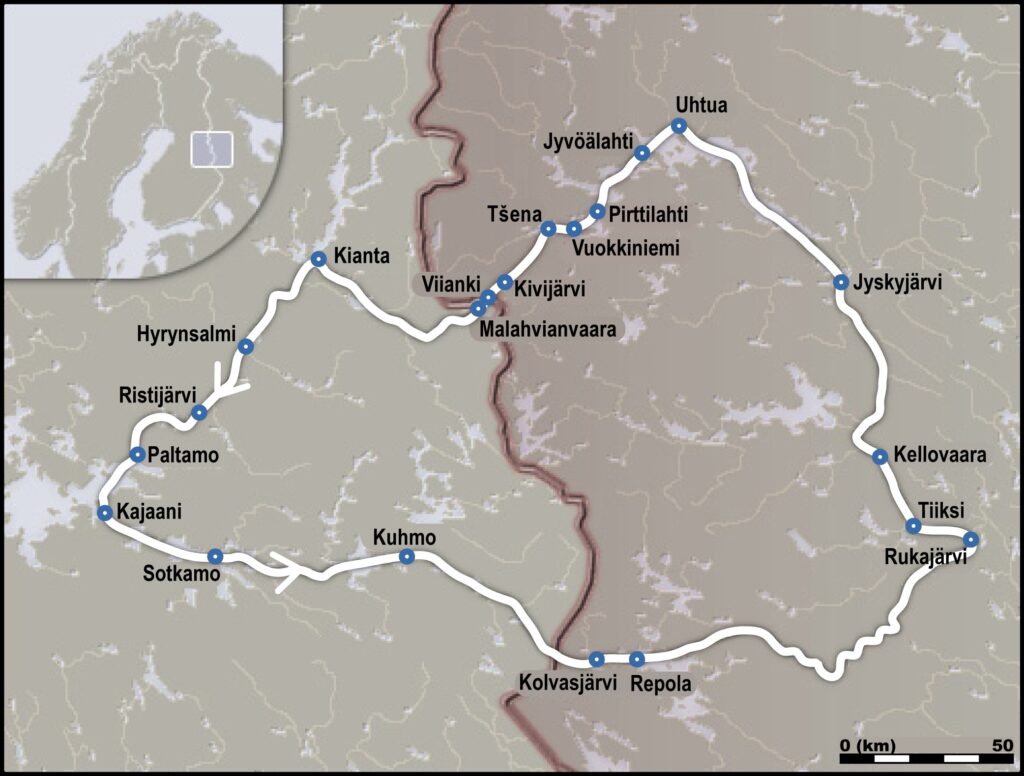
He published the first edition of his work in 1835,
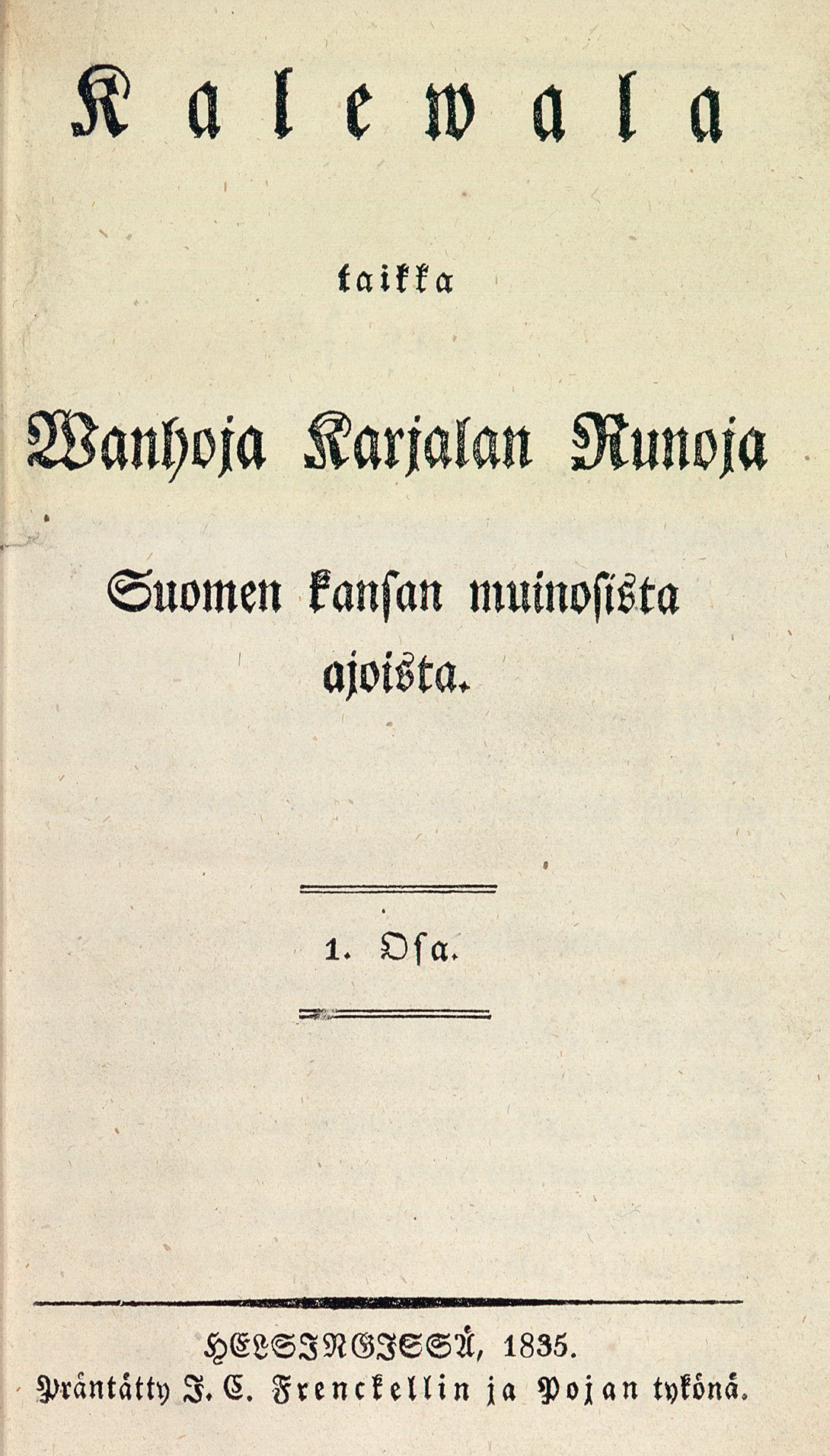
and a second in 1849. These songs were chanted in a rhythm which H.W. Longfellow (1807-1882)
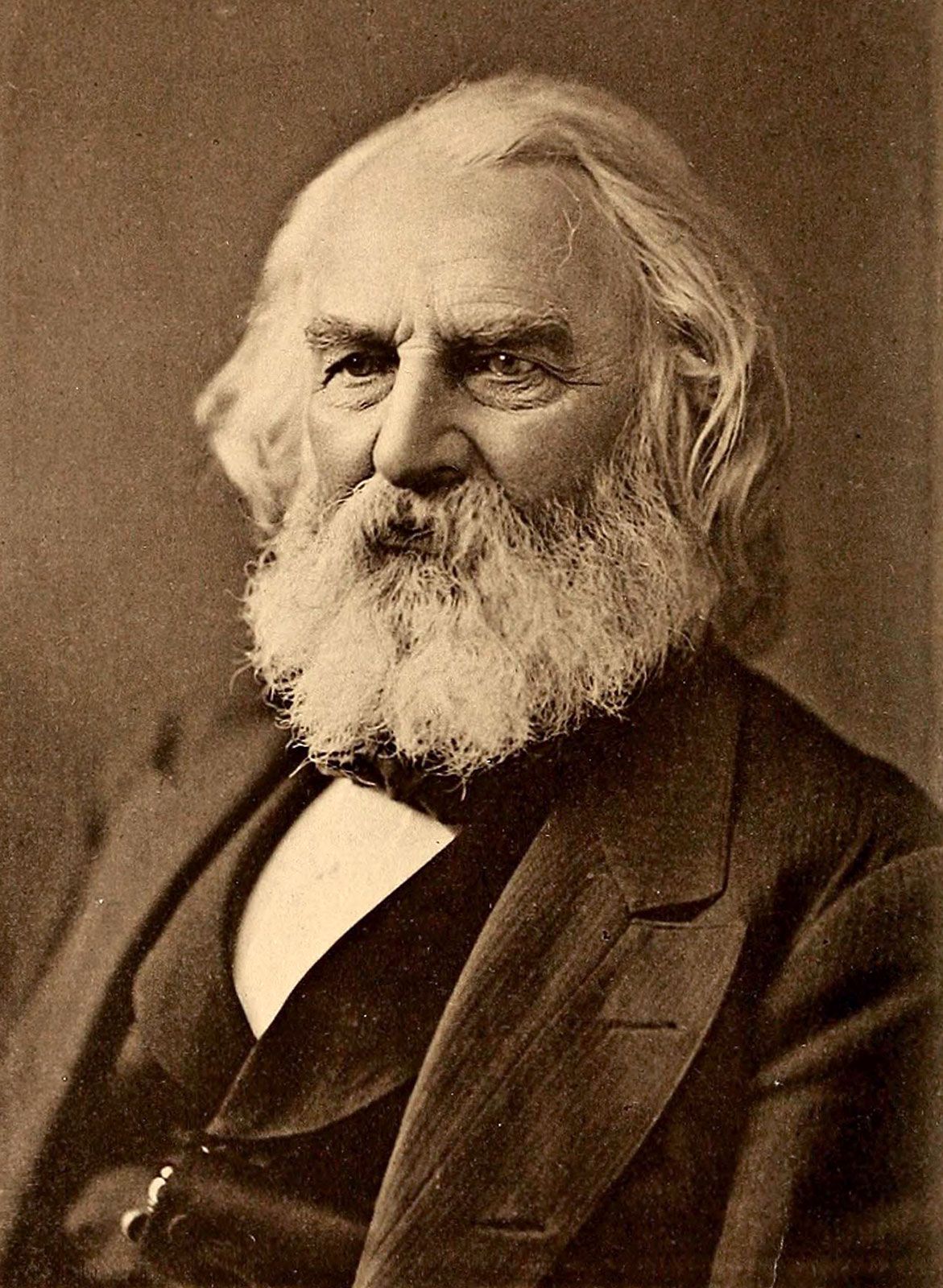
later employed in his epic poem The Song of Hiawatha, 1855, (which should be pronounced, according to Longfellow’s own phonetic spelling, as Hee-a-WA-tha),
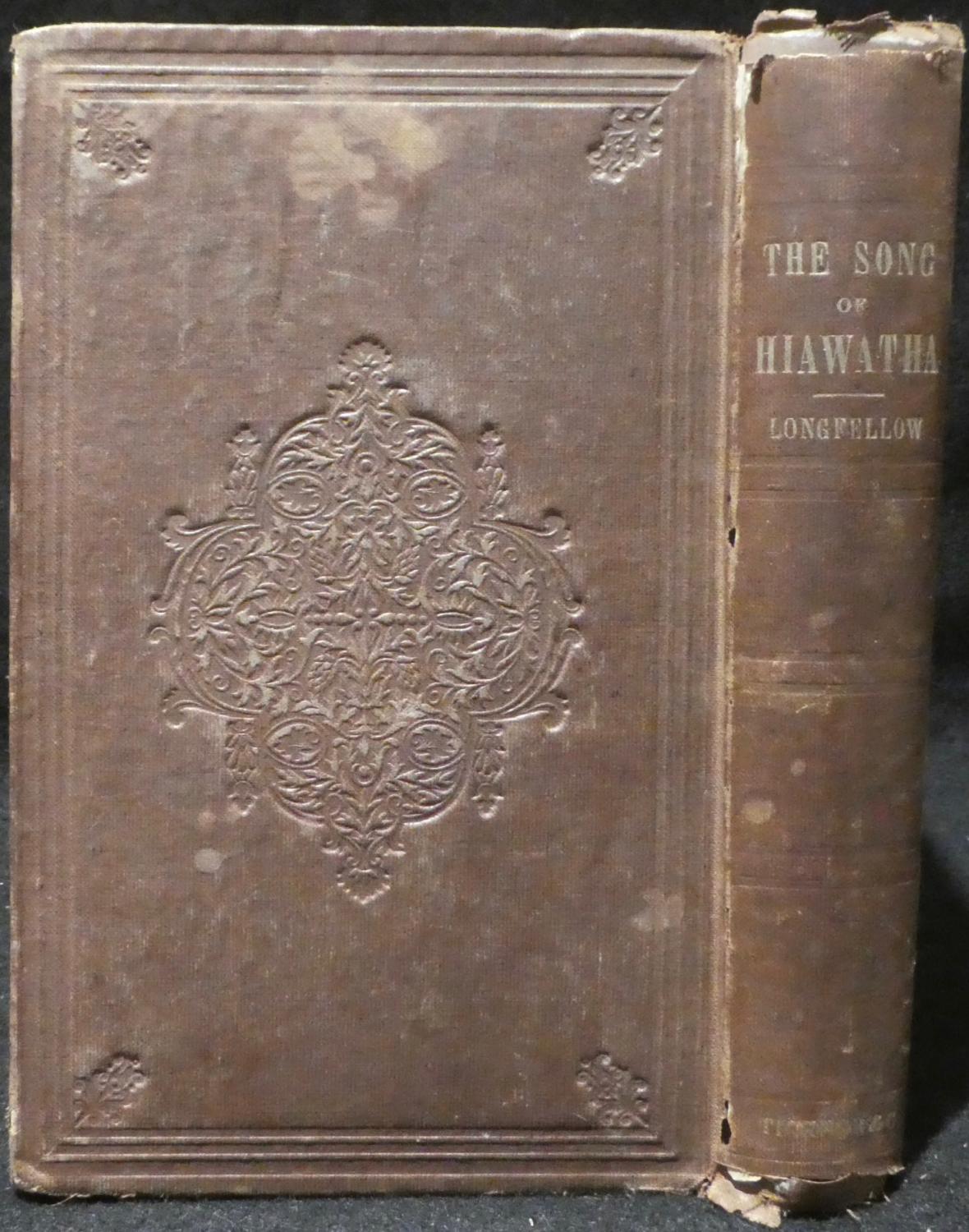
which opens with
“Should you ask me, whence these stories?
Whence these legends and traditions,
With the odours of the forest,
With the dew and damp of meadows,
With the curling smoke of wigwams,
With the rushing of great rivers,
With their frequent repetitions,
And their wild reverberations,
As of thunder in the mountains?”
(You can have your own copy of the first English edition from 1855 here: https://archive.org/details/songhiawathathe00longrich/page/n3/mode/2up There is a very comic and deft parody of this by Lewis Carroll, “Hiawatha’s Photographing”, from his Phantasmagoria, 1869, which you can read here: https://en.wikisource.org/wiki/Phantasmagoria_and_Other_Poems For the influence of the Kalevala on the prosody of “The Song of Hiawatha”, see: https://en.wikipedia.org/wiki/The_Song_of_Hiawatha )
Commonly, two would perform the songs, clasping hands and rocking back and forth, as in this photograph.
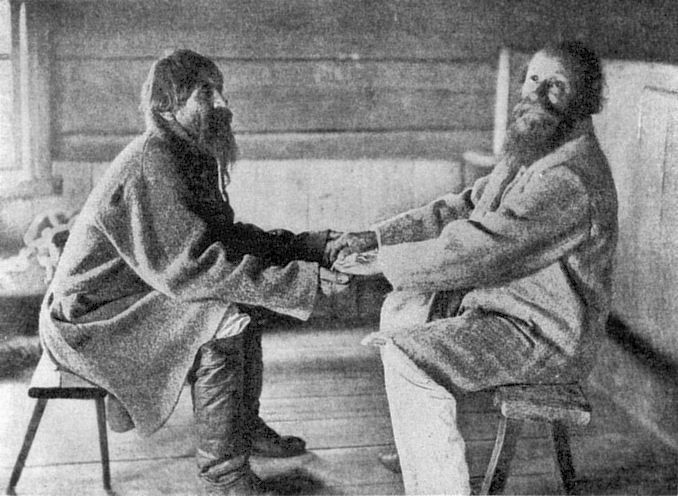
Those songs, many about magical events and objects and bloody revenge, clearly fascinated the young Tolkien and that fascination almost destroyed his academic career at Oxford as he admits:
“But the beginning of the legendarium, of which the Trilogy is part (the conclusion), was in an attempt to reorganize some of the Kalevala, especially the tale of Kullervo the hapless,
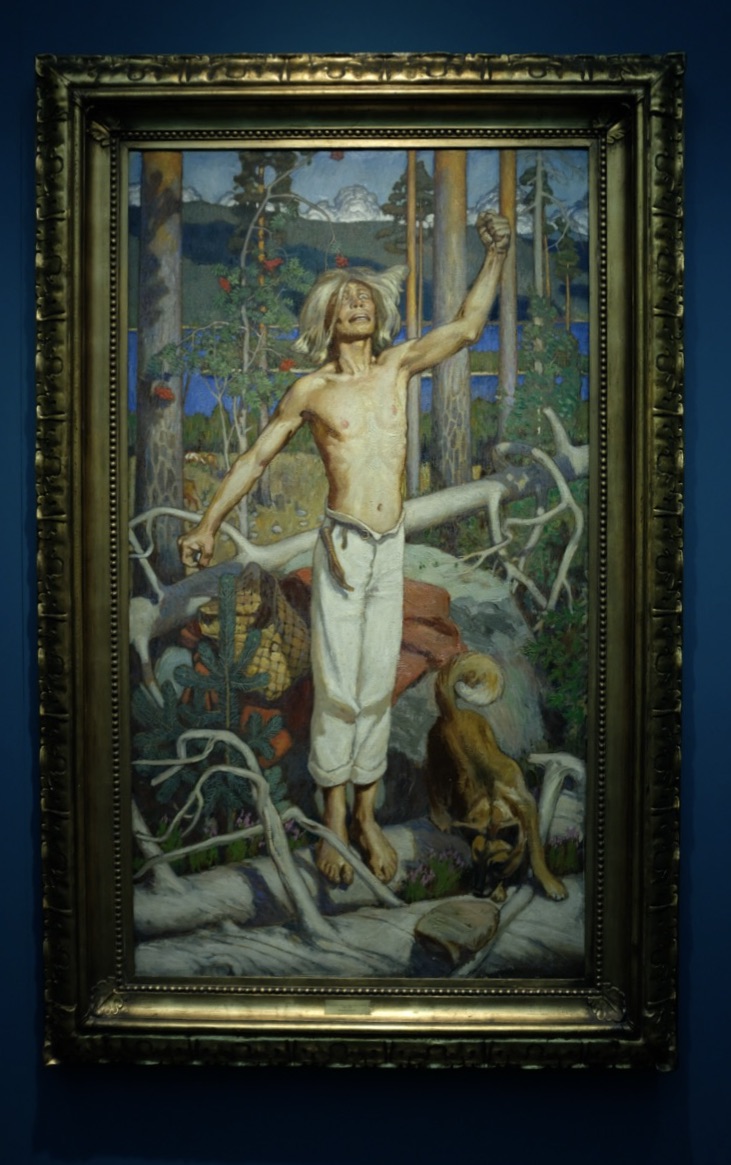
(Aleksi Gallen-Kallela, 1899)
Into a form of my own. That began, as I say, in the Honour Mods [the initial exams at Oxford] period; nearly disastrously as I came very near having my exhibition [scholarship] taken off me if not being sent down [expelled].” (to W.H. Auden, 7 June, 1955, Letters, 313)
This led to:
“He was also trying his hand at writing. His enthusiasm for William Morris had given him the idea of adapting one of the stories from the Finnish Kalevala into a Morris-style prose-and-verse romance. He chose the story of Kullervo, a hapless young man who unknowingly commits incest and, when he discovers it, throws himself onto his sword. Tolkien began work on ‘The Story of Kullervo’ as he called it, and although it was little more than a pastiche of Morris it was his first essay in the writing of a legend in verse and prose. He left it unfinished.” (Carpenter, 80-81).
As to the adventures of the “hapless Kullervo”, you can read about him in detail here: https://en.wikipedia.org/wiki/Kullervo and read his story in translation on pages 100-125 in volume 2 of the Kirby translation cited above.
As well, you can read Tolkien’s William Morris/Finnish fan fiction in an edition published in 2015
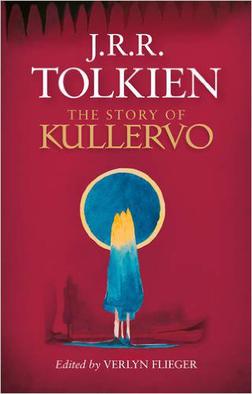
with an article on the edition here: https://en.wikipedia.org/wiki/The_Story_of_Kullervo . And read more about Morris—and Tolkien—in “Remembering the North”, 15 March, 2023, here: https://doubtfulsea.com//?s=william+morris&search=Go )
And so I have another reason for a mostly positive view of fan fiction: Tolkien.
Thanks, as always, for reading.
Stay well,
Ask yourself what would be the basis of your fan fiction,
(myself, I would like to continue the story of the Turbin family from Mikhail Bulgakov’s The White Guard, 1924—for a detailed summary of the book see: https://sovlit.net/whiteguard/ )
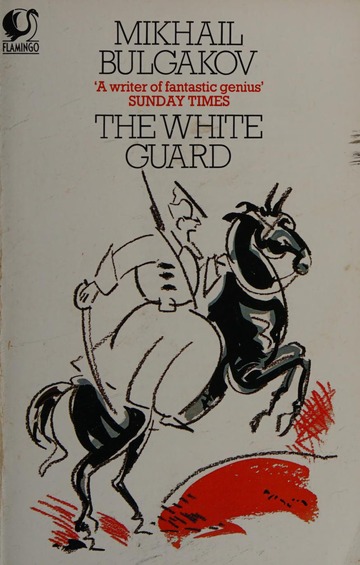
And remember that, as always, there’s
MTCIDC
O

