Tags
18th-century-london, book-review, books, Charles Dickens, fagin, highwayman, leon-garfield, newgate, oliver, oliver-twist, phlip-pullman, pickpocket, smith
As always, dear readers, welcome.
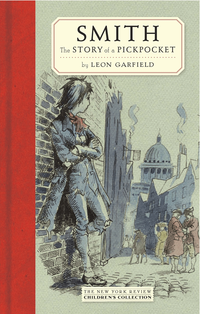
I’ve just finished rereading Leon Garfield’s (1921-1996) YA novel Smith: The Story of a Pickpocket (1967).
I had discovered Garfield through an essay by Philip Pullman (1946-),

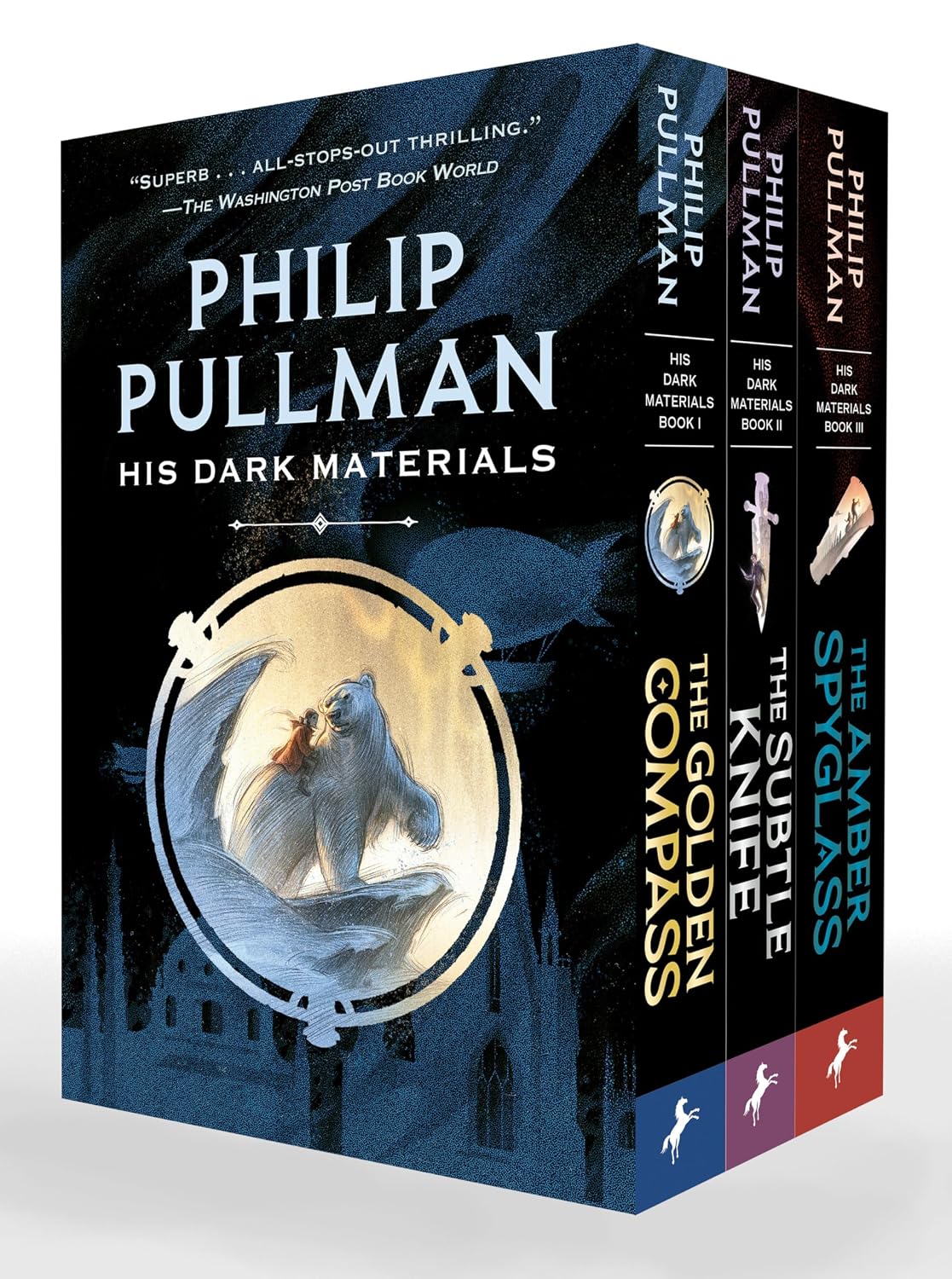
another YA author, whose work I’ve read and reread since I first discovered him in a book review of The Golden Compass (1995, called Northern Lights in the UK),

the first volume of a trilogy titled “His Dark Materials”.
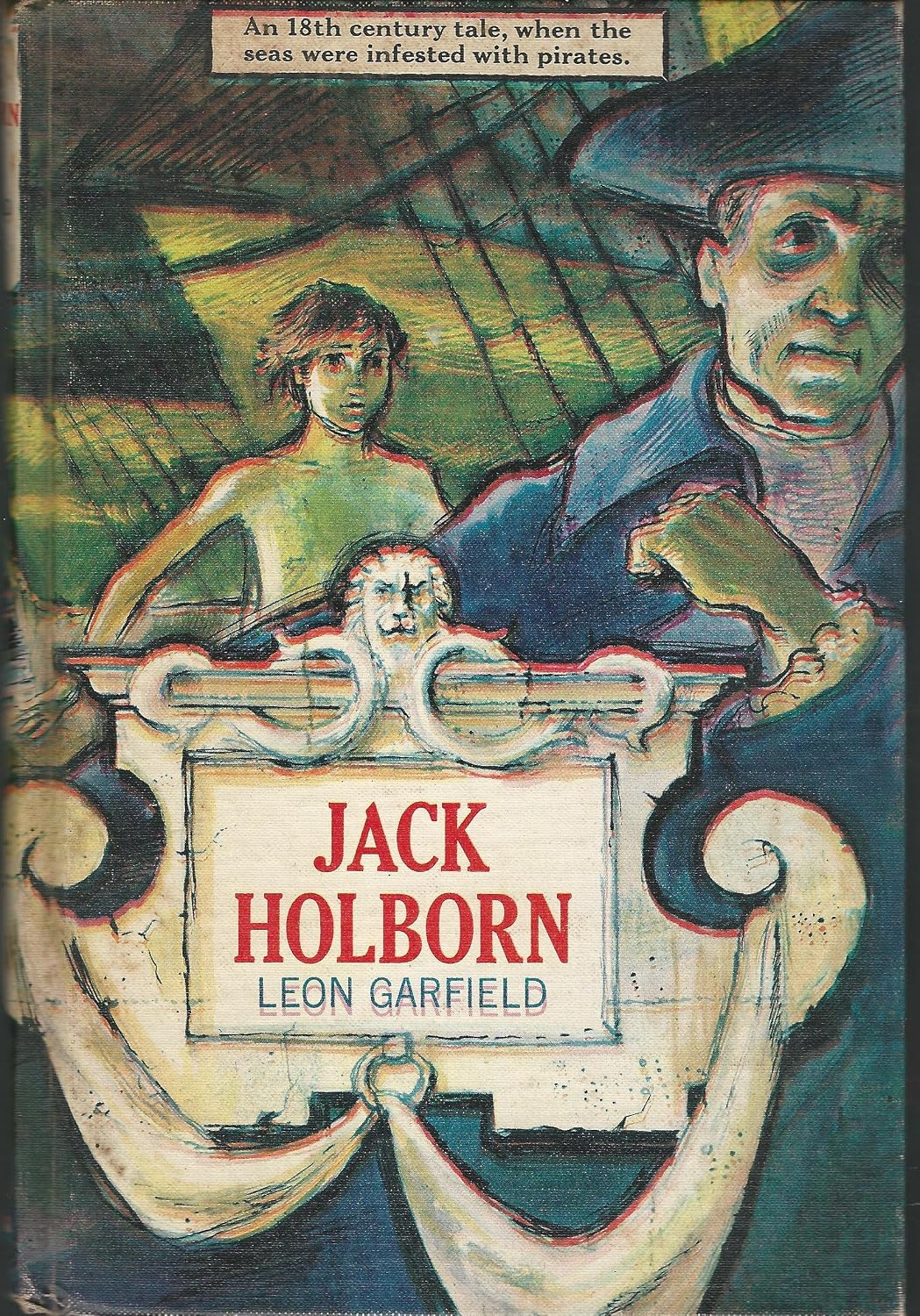
Like Pullman, Garfield was a prolific author, from his first novel, Jack Holborn (1964),
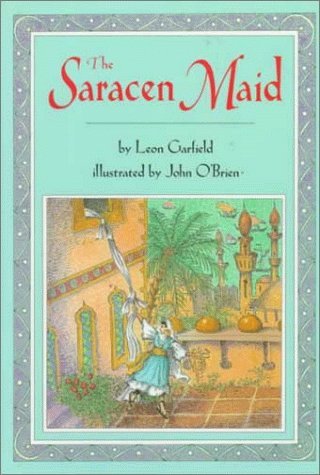
to The Saracen Maid (1994—I believe that this was his last, although bibliographies of his work are a little murky), some 37 books in all.
As the subtitle suggests, the Smith of the title is a pickpocket,
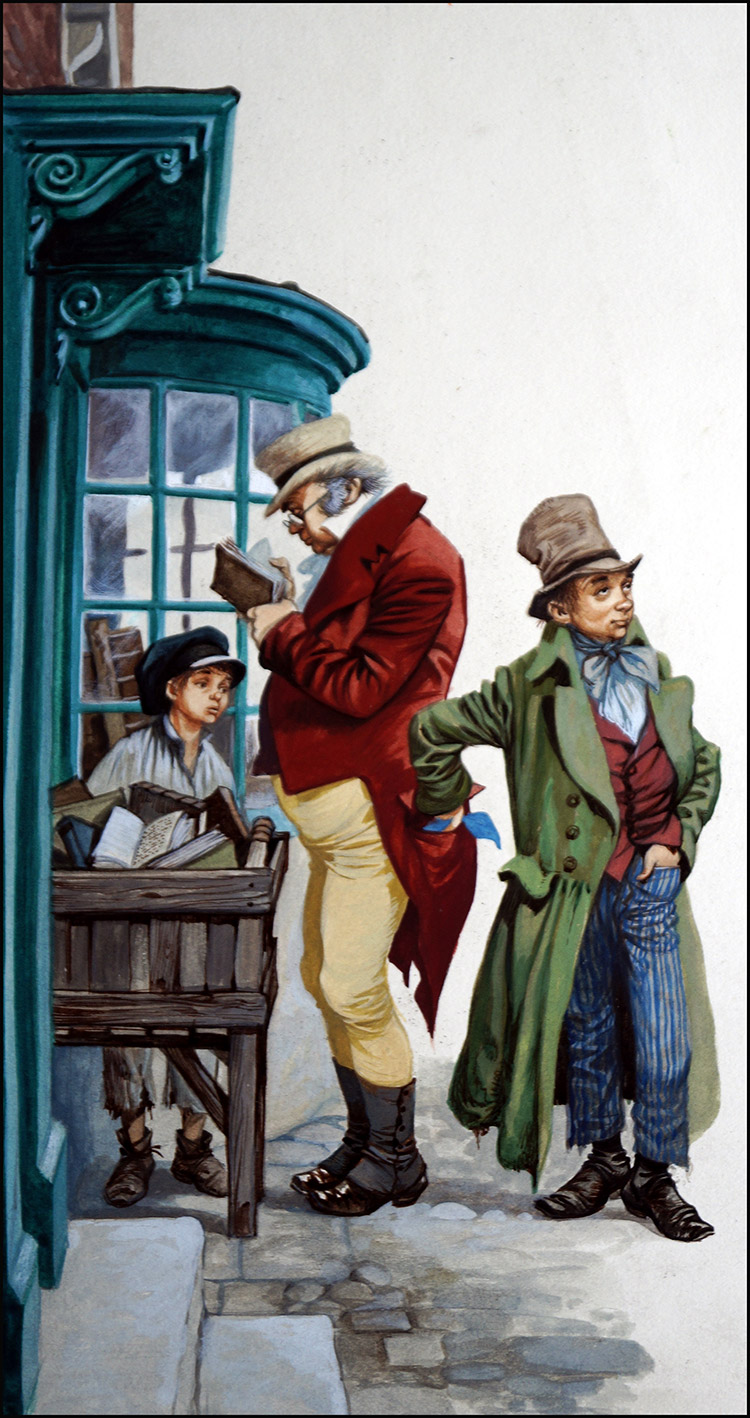
in 18th-century London, a dangerous occupation, as, from 1565, the law dictated the death penalty for the crime (later changed to transportation, initially to America, then to Australia—see for more: https://en.wikipedia.org/wiki/Pickpocketing#Pickpocketing_in_the_17th-18th_centuries For lots of images of pickpockets at work, see: https://www.18thcenturynotebook.com/pickpockets )
We are not told how he learned the trade, but I immediately thought of the sinister thief-trainer, Fagin,
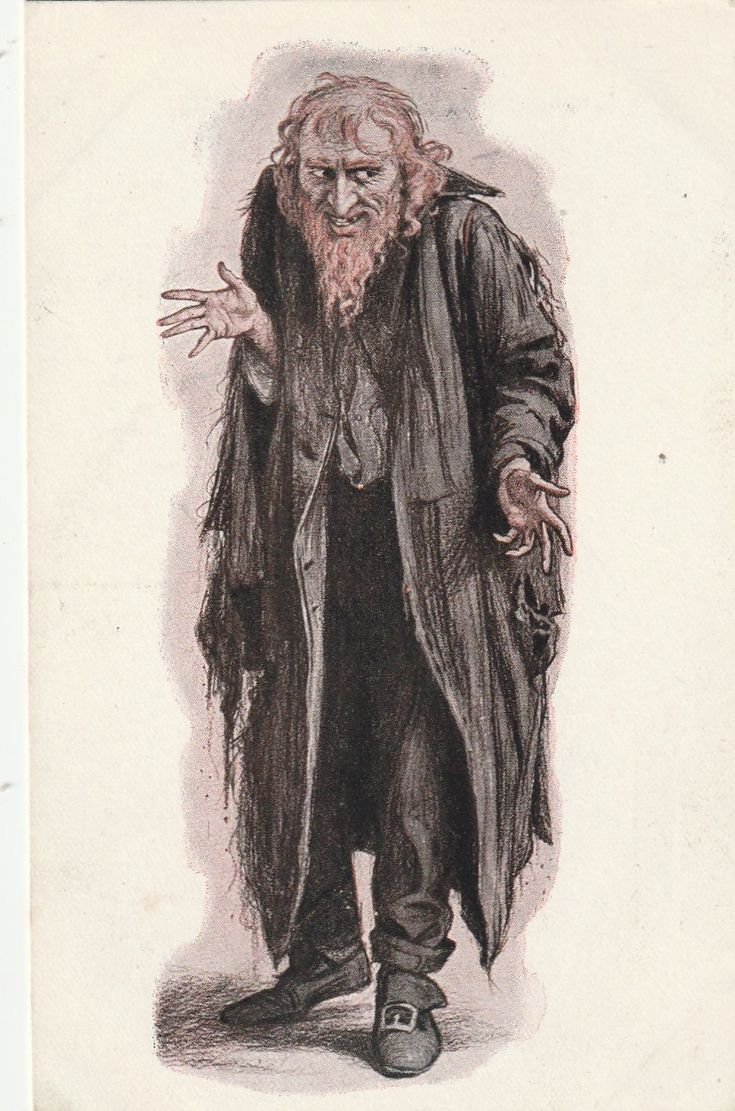
(Bartek Kubica)
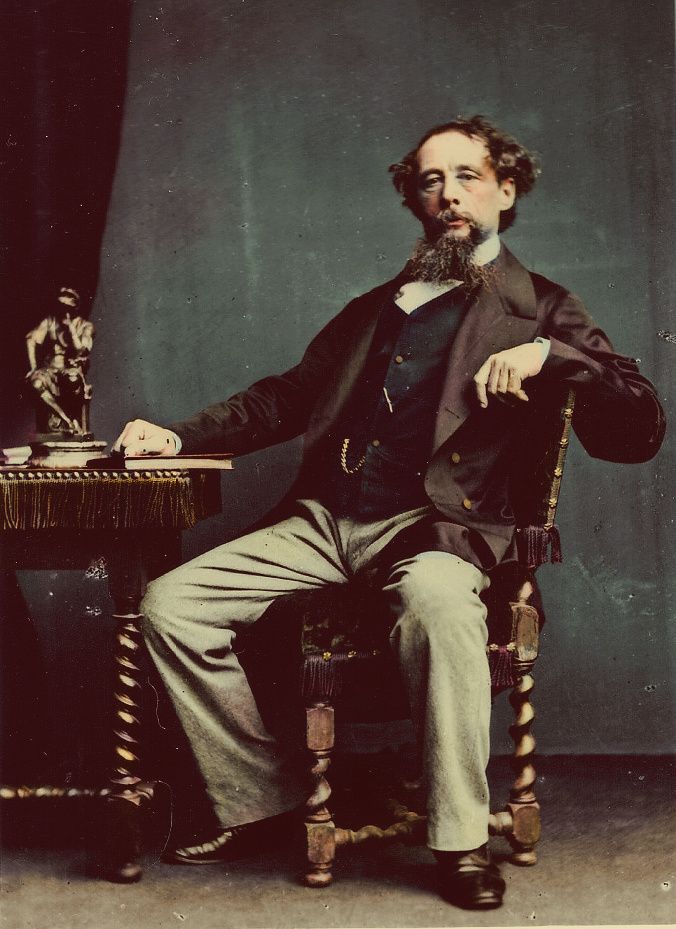
In Charles Dickens’ (1812-1870)
Oliver Twist (1837-39).
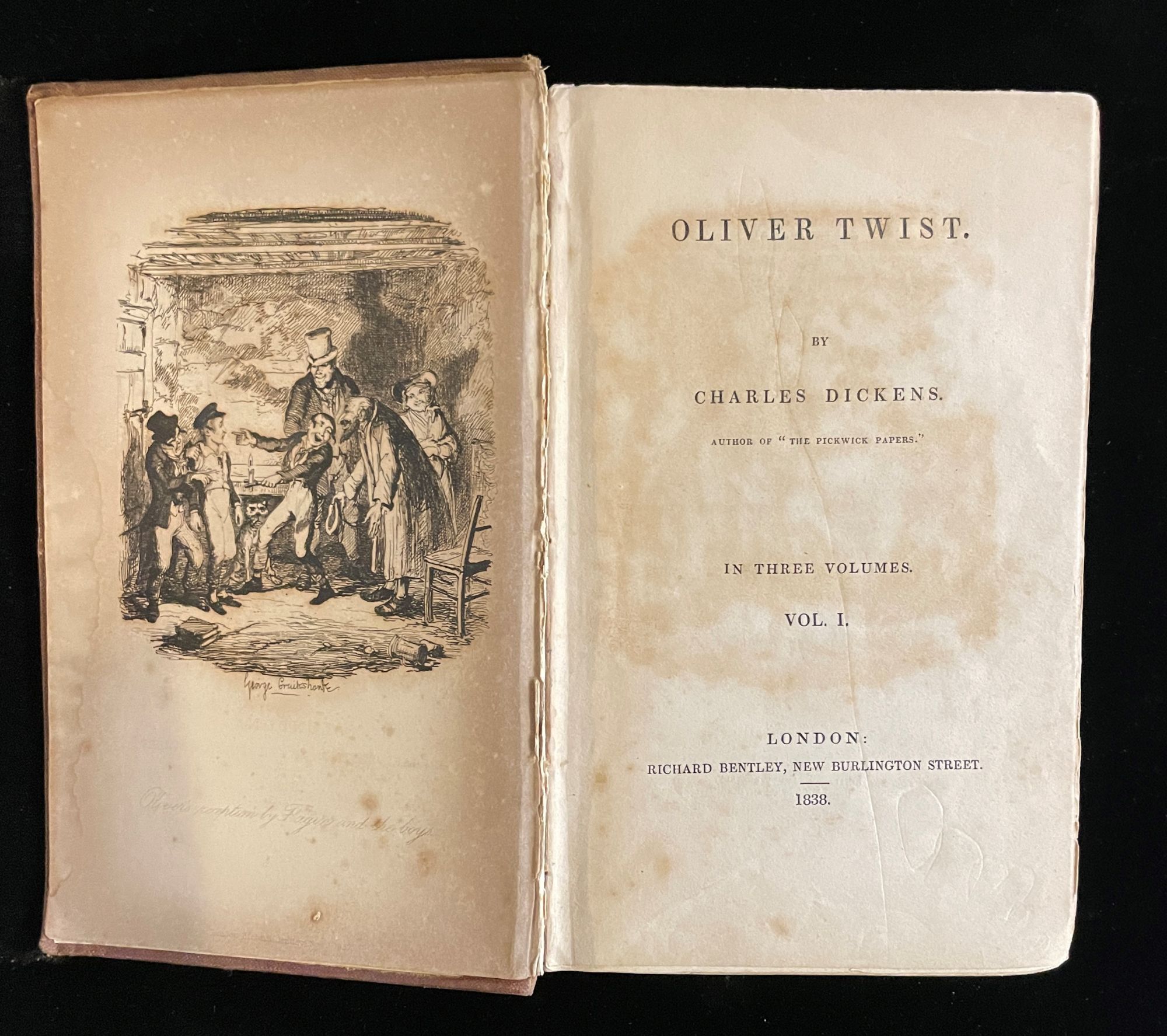
For a rather overthetop depiction of this training, see this scene from the film version of the musical Oliver! (stage version, 1960, film 1968): https://www.youtube.com/watch?v=-BtRMxBYaqs
Garfield’s novel has the hero, Smith, beginning as a pickpocket, but his pickpocketing brings him to witness a murder, then the rescue of a blind magistrate, who then takes him in. (That blind magistrate echoes an actual 18th-century blind magistrate, John Fielding, 1721-1780, half-brother of the novelist, Henry Fielding. Fielding is a very interesting character and worth knowing more about. See: https://en.wikipedia.org/wiki/John_Fielding )
The “stand and deliver” of the title of this posting refers to the fact that Smith (his first name isn’t used, although his sisters occasionally call him “Smut”) belongs, because of his profession, to the criminal underworld of London and his idol is another criminal, the highwayman, Lord Tom (Smith’s sisters are even involved, indirectly, being low-level seamstresses, who repair and sell the clothes of people executed for various crimes).
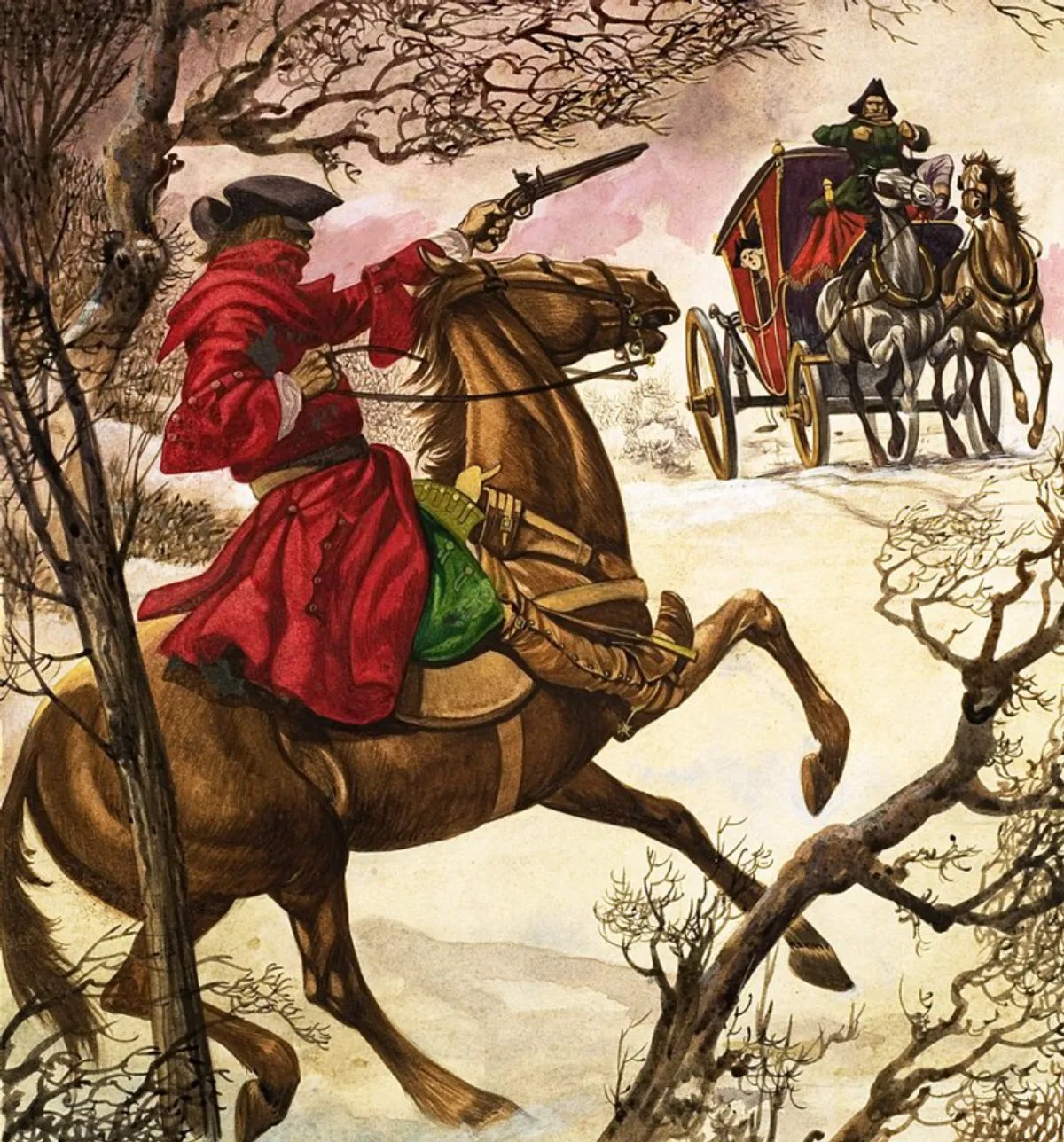
The character of a highwayman made me think of the silly Monty Python “Dennis Moore”
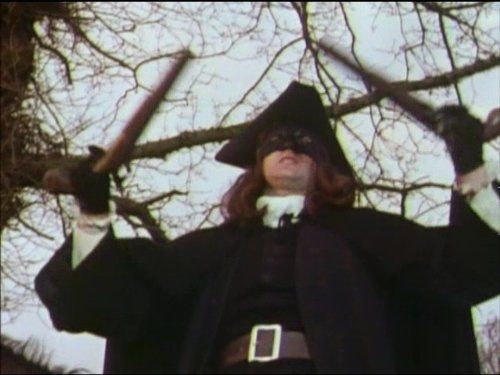
a bit of whose confused career you can see here: https://www.youtube.com/watch?v=2LFZ-MssIbA
and of Alfred Noyes’ 1906 romantic poem “The Highwayman”, which you can read here: https://www.poetryfoundation.org/poems/43187/the-highwayman
Lord Tom is paralleled by another highwayman, “Dick Mulrone”, caught and sentenced to be executed,
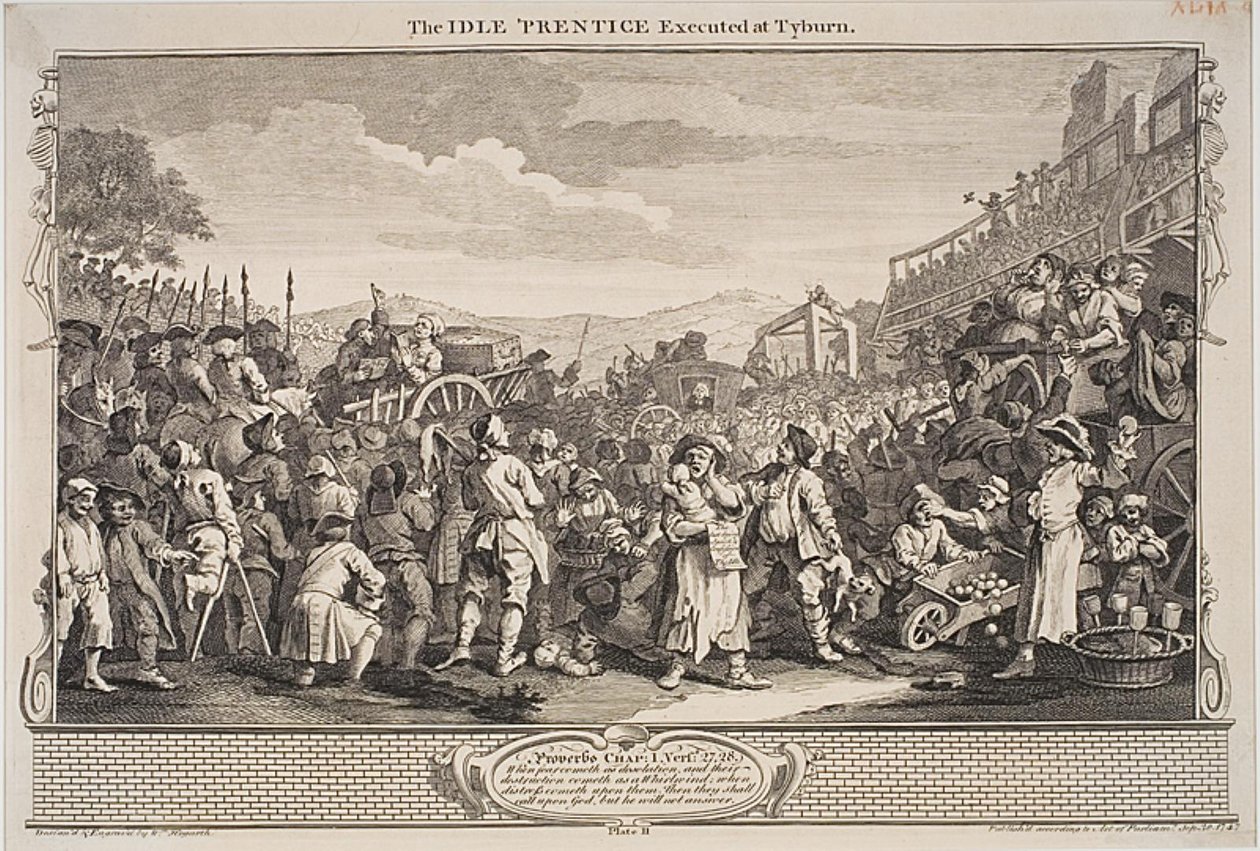
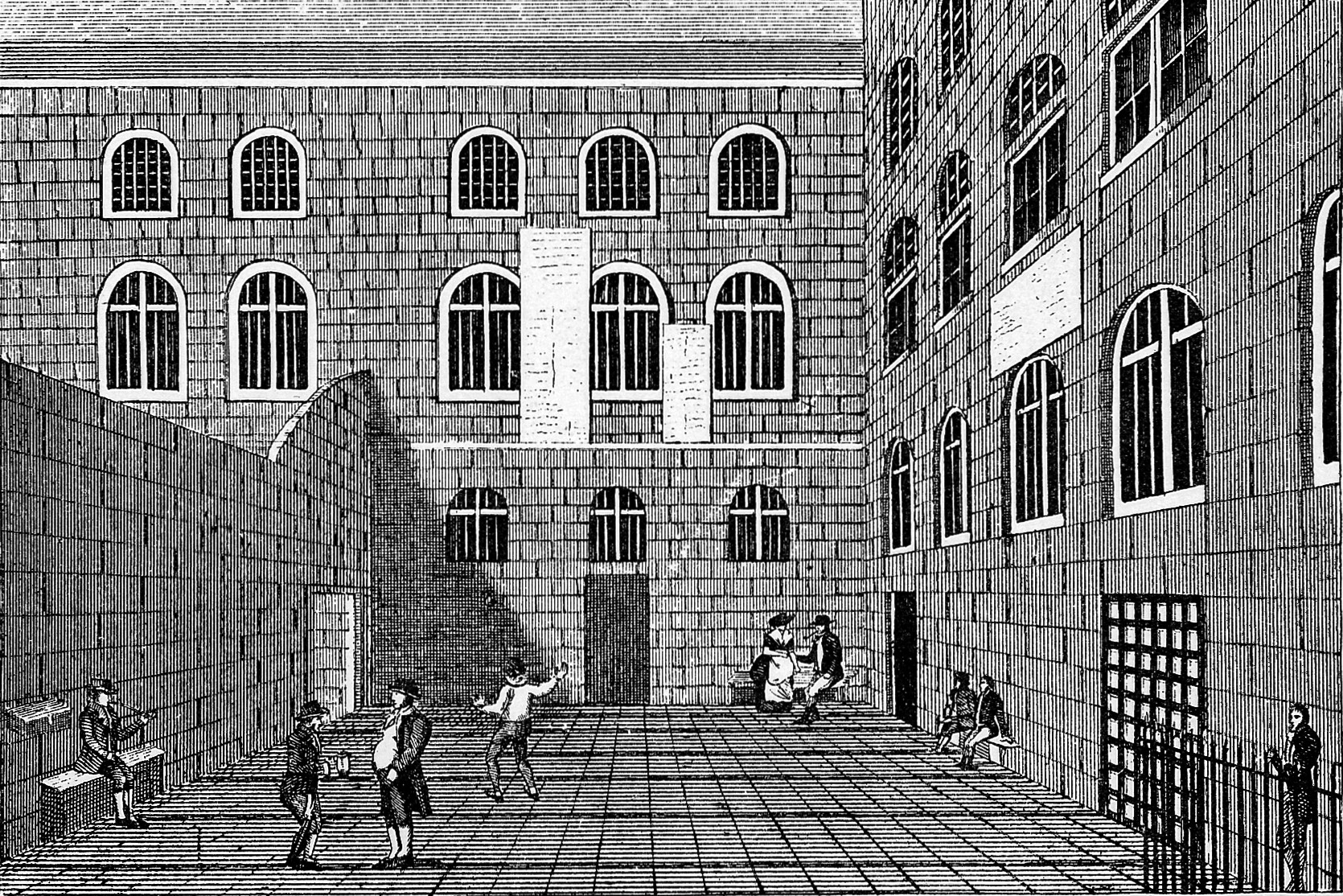
but meanwhile held in Newgate Prison,
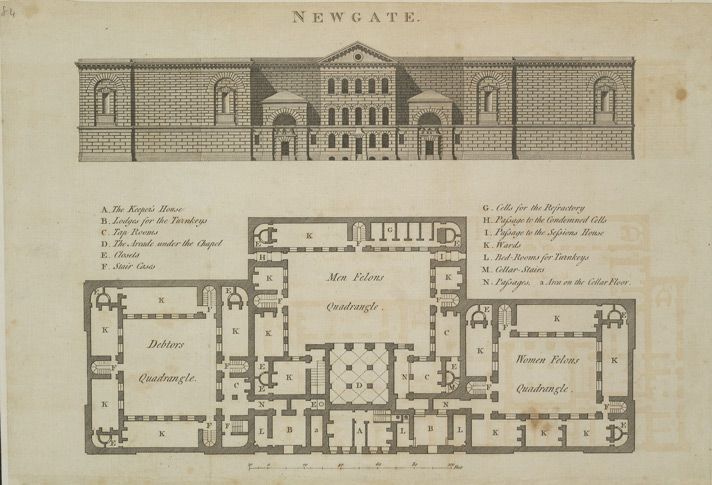
which Smith frequents, first as a visitor (among his jobs—beyond pickpocketing—is to run errands for prisoners), then as an inmate himself.
Before witnessing the murder, Smith had pickpocketed something which turned out not to be cash, or a watch, but a document—which appears valueless to him, as he can’t read, and his quest to learn to do so becomes a major plot element as he crisscrosses central London, first in that quest, but then through all sorts of adventures, including an escape from Newgate as well as from two knife-wielding pursuers, dressed in brown. There are all sorts of surprising turns until a happy ending, qualified by one final twist, in a book which brings various elements of 18th-century London to life, from the comfortable house of the well-to-do magistrate to the squalid conditions of the debtors and criminals in Newgate, with a suggestion, more than once, of Dickens thrown in. Having just reread it, I realize that I did because I had so much enjoyed it the first time and so I recommend it to you. Unfortunately most of Garfield’s work is out of print with only one or two exceptions, but, if you read and enjoy Smith, another of Garfield’s novels, John Diamond,
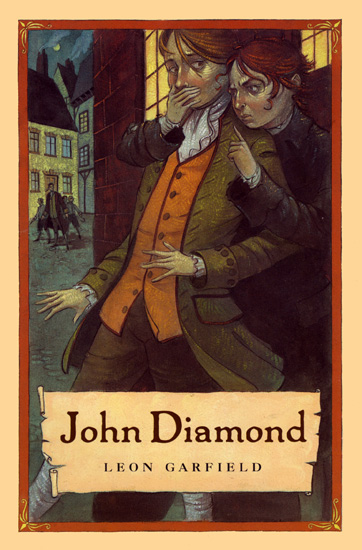
which I’m currently reading, is available at Amazon, and most of his work can be found for free—if you register and join—at the Internet Archive: https://archive.org/search?query=creator%3A%22Garfield%2C+Leon%22
Thanks, as always, for reading.
Stay well,
Stay out of Newgate,
And remember that, there’s
MTCIDC
O

