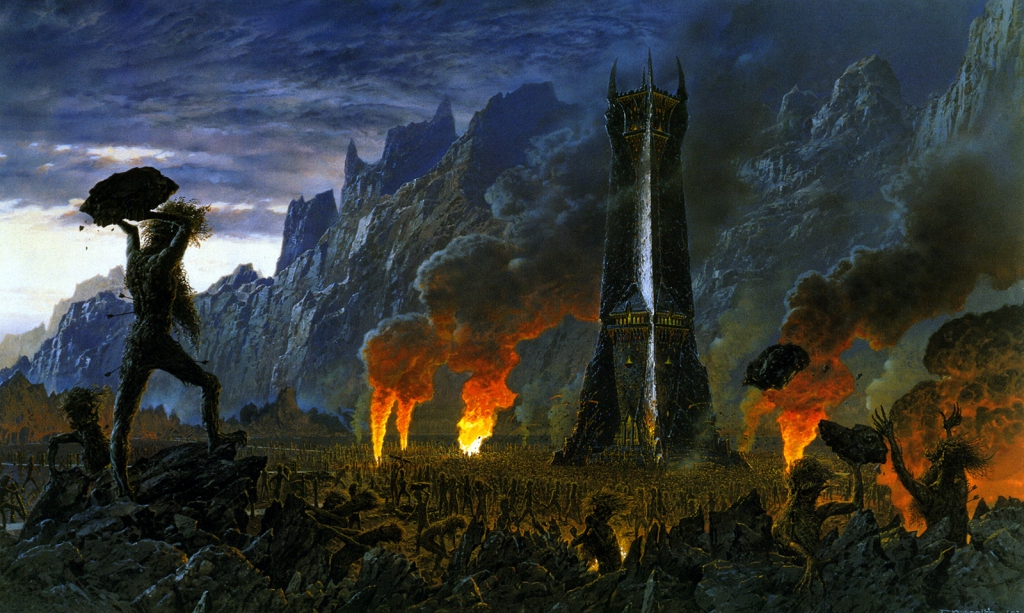
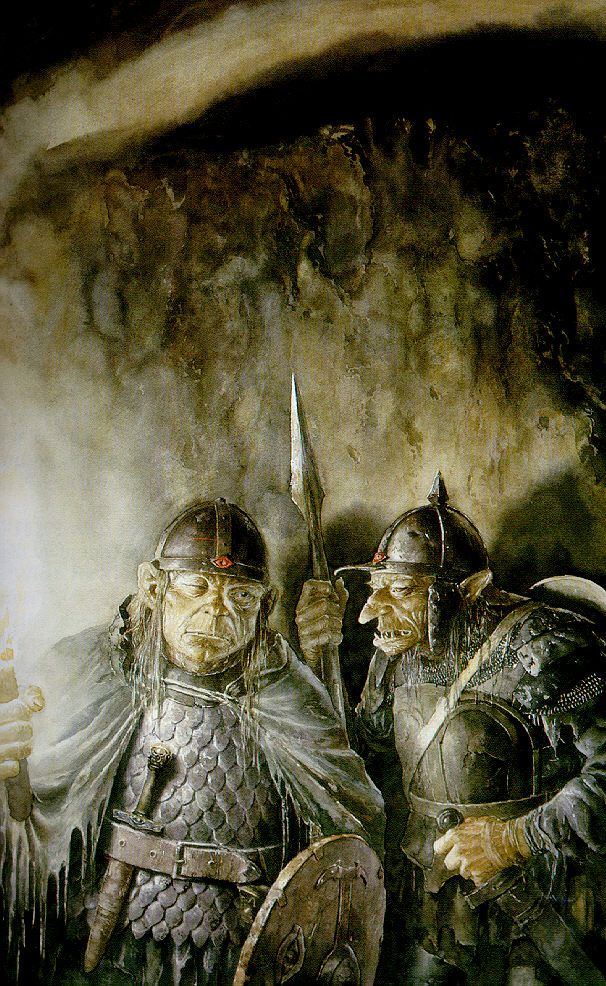
• About

doubtfulsea

~ adventure fantasy

Tag Archives: Rangers

Solution (2)

19 Wednesday Aug 2026

Posted by Ollamh in Uncategorized

≈ Leave a comment

Tags

Aragorn, Arwen, Boromir, Eowyn, Fantasy, Faramir, Into the Woods, lotr, Merry, Palantir, Rangers, riddles, Saruman, Sauron, Stephen Sondheim, The Lord of the Rings, the Mouth of Sauron, the Oath-breakers, the Sceptre of Annuminas, the Stone of Erech, the White Tree of Gondor, Tolkien

As ever, dear readers, welcome.

In my next-to-last, we were given two riddles:  one, in a dream sent to Faramir and Boromir, the other posed by Bilbo, both appearing in the council of Elrond—

“Seek for the Sword that was broken:

In Imladris it dwells;

There shall be counsels taken

Stronger than Morgul-spells.

There shall be shown a token

That Doom is near at hand,

For Isildur’s Bane shall waken,

And the Halfling forth shall stand.” 

The second is presented by Bilbo:

“All that is gold does not glitter,

Not all those who wander are lost;

The old that is strong does not wither,

Deep roots are not reached by the frost.

From the ashes a fire shall be woken,

A light from the shadows shall spring;

Renewed shall be blade that was broken:

The crownless again shall be king.”

(The Fellowship of the Ring, Book Two, Chapter 2, “The Council of Elrond”)

As Aragorn displays the sword—originally belonging to Elendil, the founder of Gondor—and Frodo, the Halfling, at Gandalf’s bidding, brings out the Ring (Isildur’s Bane), we might think that both riddles have been solved—but Boromir, for one, has doubts:

“ ‘Isildur’s Bane is found, you say…I have seen a bright ring in the Halfling’s hand, but Isildur perished ere this age of the world began, they say.  How do the Wise know that this ring is his?  And how has it passed down the years, until it is brought hither by so strange a messenger?’ “

And there are greater doubts—as voiced by the Mouth of Sauron:

“ ‘Is there anyone in this rout [“mob”] to treat with me?…Or indeed the wit to understand me?  Not thou at least!’ he mocked, turning to Aragorn with scorn.  ‘It needs more to make a king than a piece of Elvish glass, or a rabble such as this.  Why, any brigand of the hills can show as good a following!’ “ (The Return of the King, Book Five, Chapter 10, “The Black Gate Opens”)

(Douglas Beekman—for more on him and his work, see:  https://sf-encyclopedia.com/entry/beekman_doug )

How, beyond the broken sword
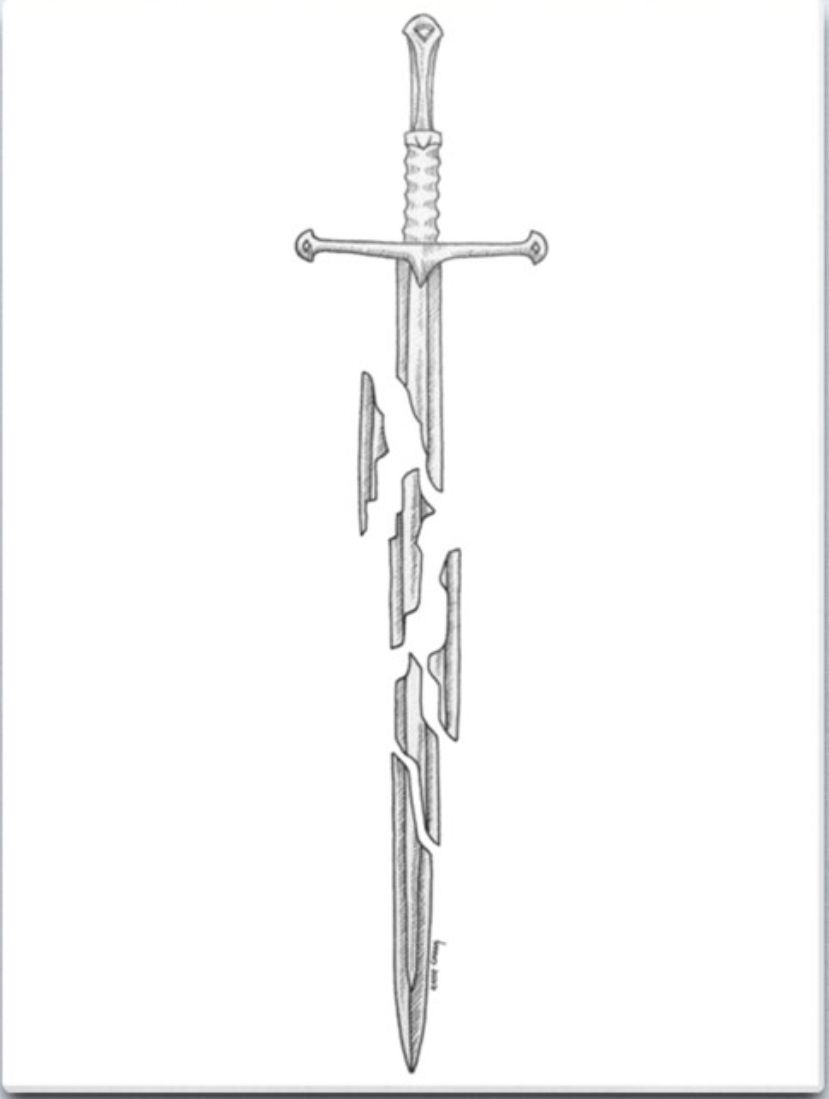
and his claim, can Aragorn prove that he is the wanderer, the light, the crownless?

The wanderer part is perhaps the easiest, because it’s self-evident:  Aragorn

(the Hildebrandts)

 is a ranger, one of those few survivors of the lost north kingdom of Arnor,

(Stephen Raw—you can learn a little more about him here:  https://tolkiengateway.net/wiki/Stephen_Raw )

of whom the narrator of The Lord of the Rings says:

“In those days no other Men had settled dwellings so far west, or within a hundred leagues of the Shire.  But in the wild lands beyond Bree there were mysterious wanderers.  The Bree-folk called them Rangers, and knew nothing of their origin…They roamed at will southwards, and eastwards even as far as the Misty Mountains; but they were few now and rarely seen.”  (The Fellowship of the Ring, Book One, Chapter 9, “At the Sign of the Prancing Pony”)

For further proofs, I’m reminded of Stephen Sondheim’s wonderful musical Into the Woods, 1987,
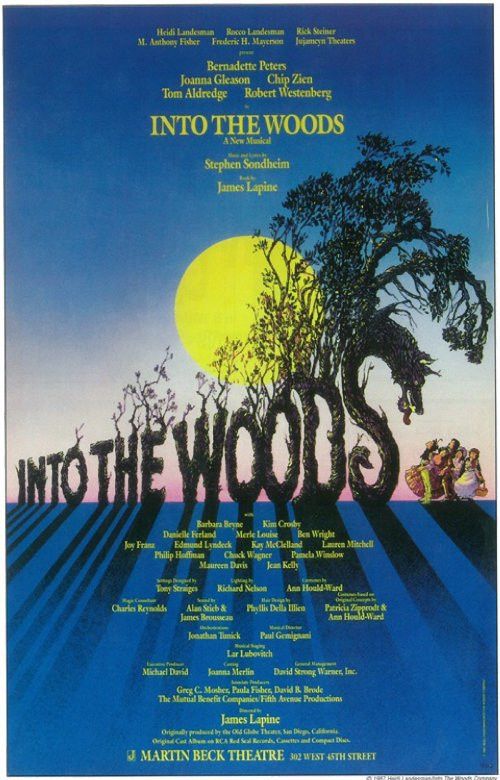
in which two characters, the Baker and his Wife, to have a witch’s curse removed, must bring her:  “the cow as white as milk, the cape as red as blood, the hair as yellow as corn, and the slipper as pure as gold” and much of the plot concerns their journey in the Woods to try to obtain these things—just the sort of objects one might obtain on a quest.  (For more on quests, see:  https://en.wikipedia.org/wiki/Quest )

In Aragorn’s case, although he’s not on a deliberate quest, one piece of his evidence is acquired as he and the Fellowship travel southwards:  the Palantir, inadvertently provided by Saruman.

(the Hildebrandts)

Pippin learns, to his unhappiness, that this isn’t something which one can casually pick up, but Aragorn, having used it, says to Gimli:

“I am the lawful master of the Stone, and I had both the right and the strength to use it…”

and here we see JRRT, in a brilliant bit of plotting, adding the reforged sword to the Palantir:

“…but Sauron has not forgotten Isildur and the sword of Elendil.  Now in the very hour of his great designs the heir of Isildur and the Sword are revealed; for I showed the blade re-forged to him.”  (The Return of the King, Book Five, Chapter 2, “The Passing of the Grey Company”)

So, now we have the shattered Sword and a display of Aragorn’s control of a Palantir, the next proof isn’t an object, but an event. 

Aragorn and his company follow the Paths of the Dead under the mountains, coming out at last to the Hill of Erech and its large, round, black stone.

(from Lotro-Wiki—where you can find more details:  https://lotro-wiki.com/wiki/The_Stone_of_Erech_(King’s_Gondor) and here:  https://lotro-wiki.com/wiki/Vandassar )

Behind them have come the “Oathbreakers”, men of long ago, who had pledged to help Isildur against Sauron, but then refused to join him.  In response, Isildur cursed them and they retreated to the hills and gradually faded, becoming uneasy spirits which troubled the land.   (For more, see:  https://tolkiengateway.net/wiki/Oathbreakers )  Aragorn has summoned them and here we see another proof:

“ ‘The hour is come at last.  Now I go to Pelargir upon Anduin, and ye shall come with me.  And when all this land is clean of the servants of Sauron, I will hold the oath fulfilled, and ye shall have peace and depart for ever.  For I am Elessar, Isildur’s heir of Gondor.’ “  (The Return of the King, Book Five, Chapter 2, “The Passing of the Grey Company”)
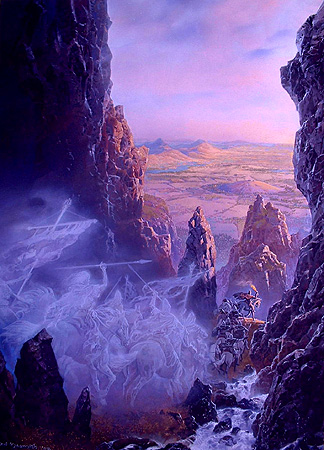
(Ted Nasmith)

To this, we can add a skill.

In the battles before Minas Tirith, Faramir has been struck down—seemingly by both a Southron arrow and by a Nazgul’s Black Breath—
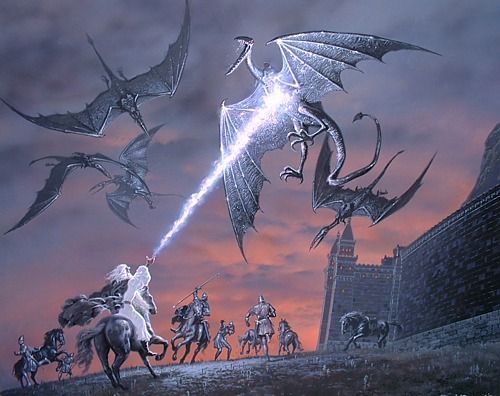
(Angus McBride)

and both Eowyn and Merry have suffered from their fight with the chief of the Nazgul.
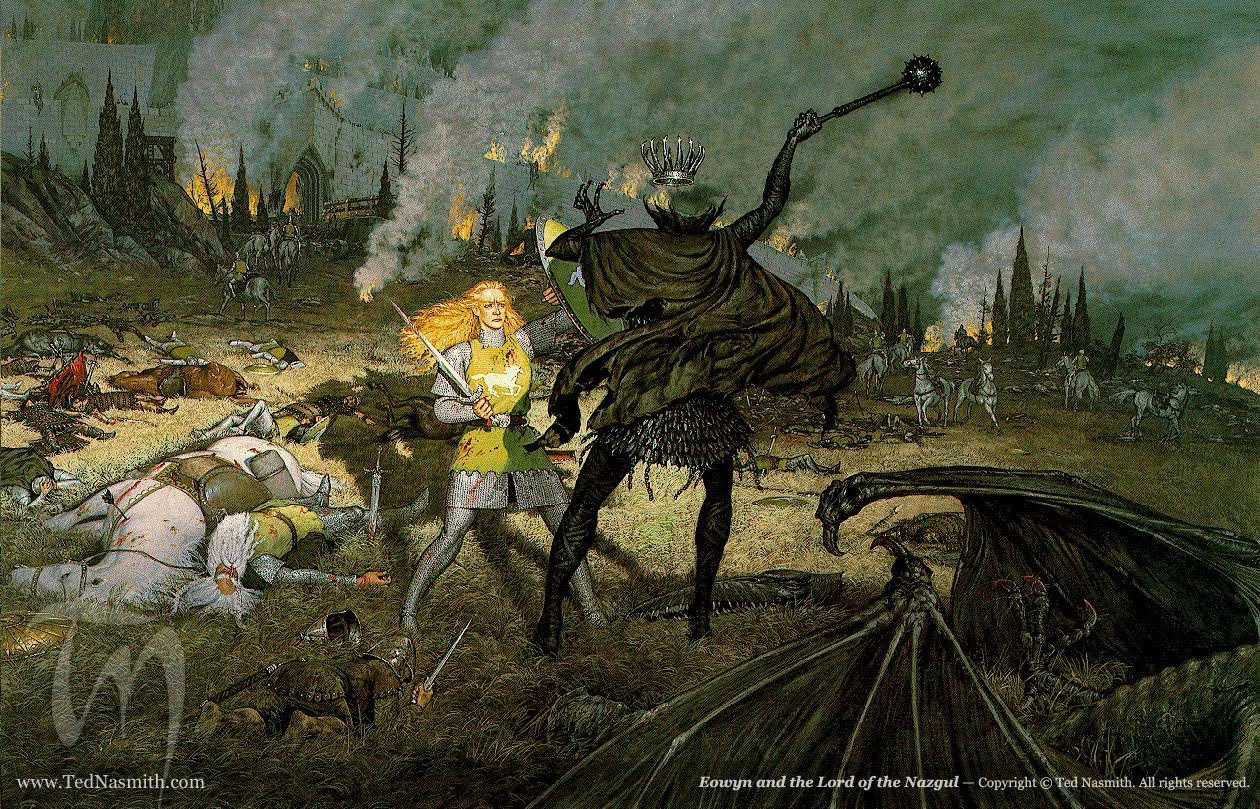
(Ted Nasmith)

They are brought to the Houses of Healing and there Ioreth, “the eldest of the women who served in that house”, looking at Faramir, said:

“ ‘Alas!  If he should die.  Would that there were kings in Gondor, as there were once upon a time, they say!  For it is said in the old lore:  The hands of the king are the hands of a healer.  And so the rightful king could ever be known.’ “

Using the herb athelas/kingsfoil, as well as some unspoken power, Aragorn restores all three, at which Ioreth says:

“ ‘King!  Did you hear that?  What did I say?  The hands of a healer, I said.’ “
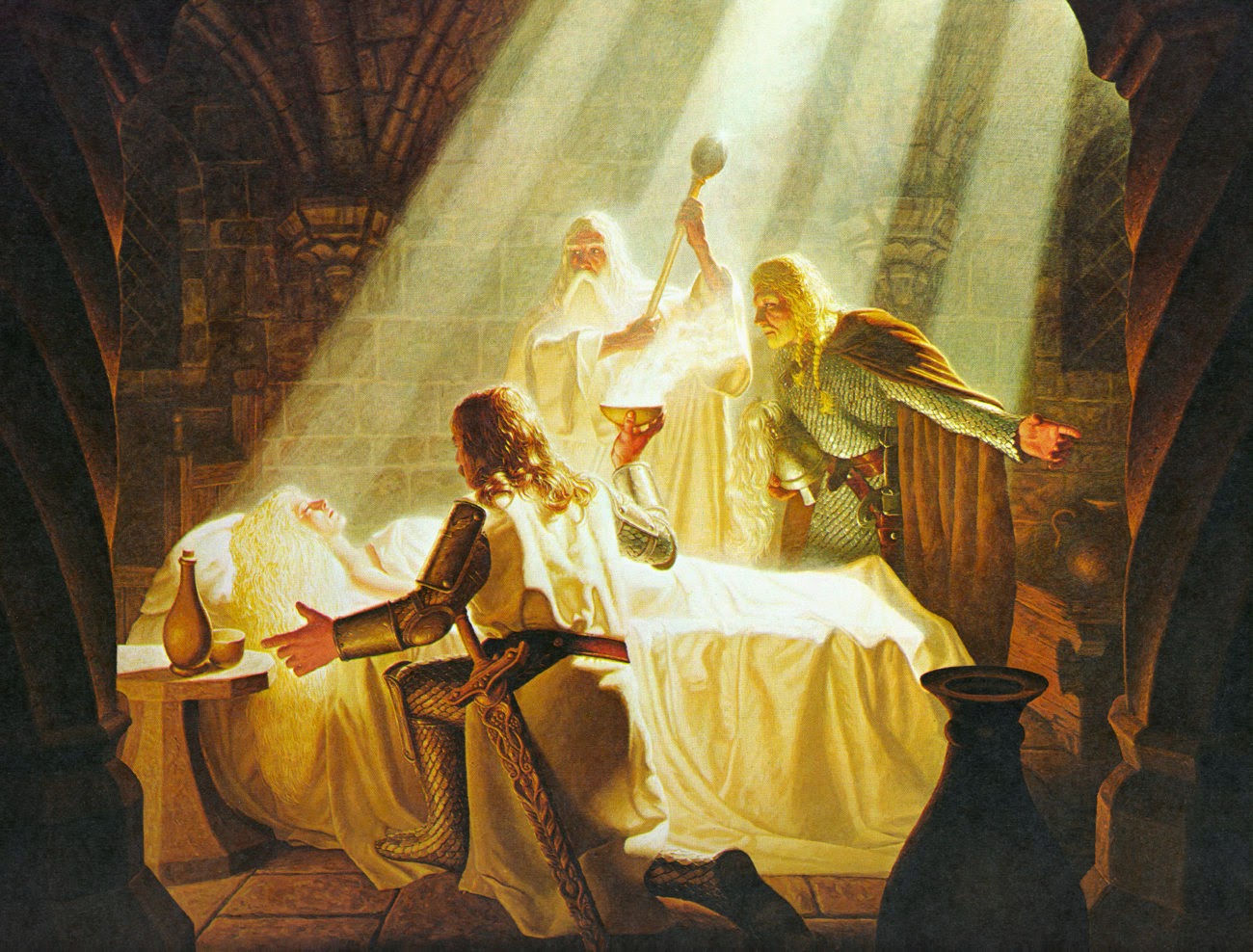
(the Hildebrandts)

Her words spread:

“And soon the word had gone out from the House that the king was indeed come among them, and after the war he brought healing, and the news ran through the city.”  (The Return of the King, Book Five, Chapter 8, “The Houses of Healing”)

And, finally, a sign.  The White Tree, symbol of Gondor—

“ ‘There in the courts of the King grew a white tree, from the seed of that tree which Isildur brought over the deep waters, and the seed of that tree came from Eressea, and before that out of the Uttermost West in the Day before days when the world was young.’ “  (The Fellowship of the Ring, Book Two, Chapter 2, “The Council of Elrond”)
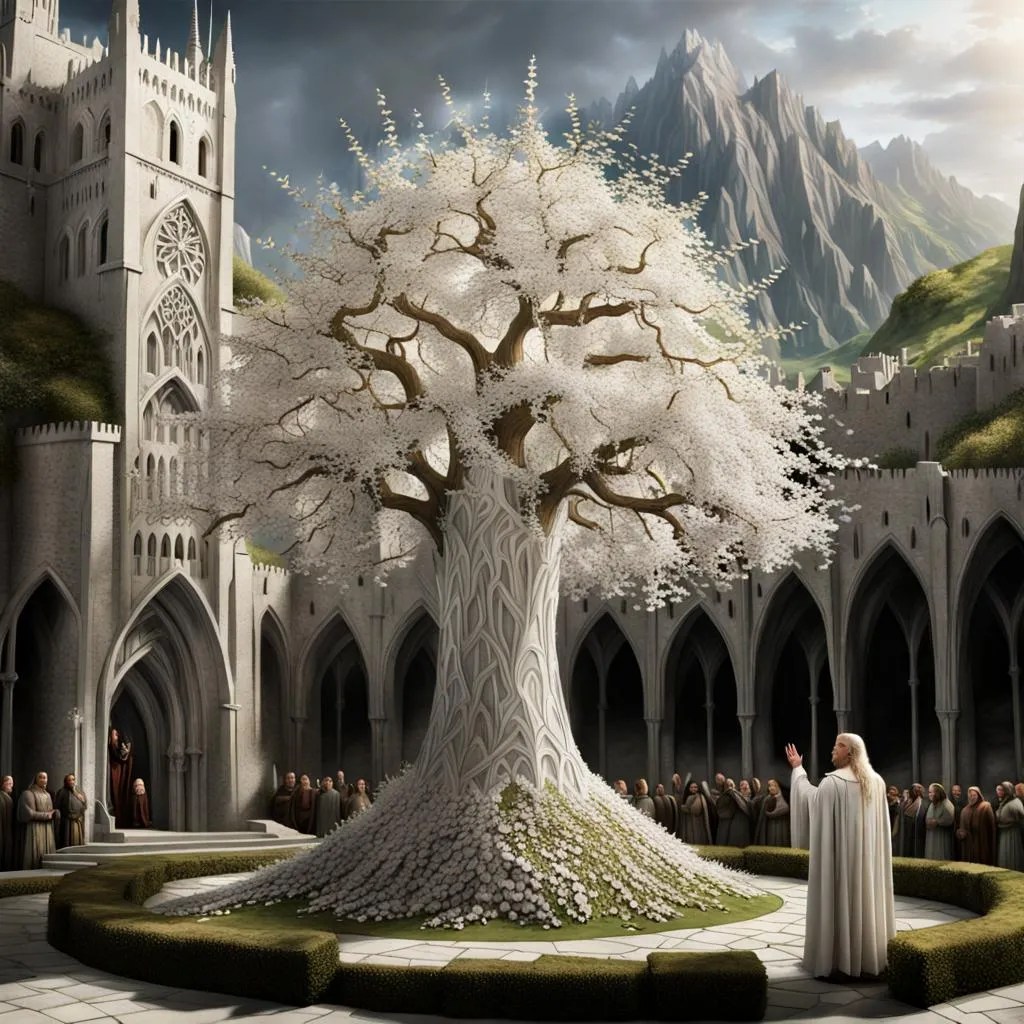
(artist?  So far, no luck in finding one, but I would be glad to credit someone for this impressive image.)

but now—

“A sweet fountain played there in the morning sun, and a sward of bright green lay about it, but in the midst, drooping over the pool, stood a dead tree, and the falling drops dripped sadly from its barren and broken branches back into the clear water.”  (The Return of the King, Book Five, Chapter 1, “Minas Tirith”)

(from Jackson’s film)

As this is the emblem of Gondor itself,

a replacement would certainly be a sign of renewal, which even after the defeat of Sauron seems doubtful to Aragorn:

“ ‘The tree in the Court of the Fountain is still withered and barren.  When shall I see a sign that it will ever be otherwise?’ “

Gandalf leads him to a place high on Mount Mindolluin and reveals to him:

“…a sapling tree no more than three foot high.  Already it had put forth young leaves long and shapely, dark above and silver beneath, and upon its slender crown it bore one small cluster of flowers whose petals shone like the sunlit snow.”

“Then Aragorn cried:  ‘Ye!  Utuvienyes! I have found it!  Lo!  Here is a scion of the Eldest of Trees!’  “

Gandalf is vague about its origins there, but says to Aragorn:

“ ‘Here it has lain hidden on the mountain, even as the race of Elendil lay hidden in the wastes of the North.’ “

Aragorn transplants it to the Court of the Fountain and sees its growth as a kind of prophecy—

“ ‘The sign has been given…’ “

On “the day before Midsummer”, the whole of the household of Elrond then appears at Minas Tirith, Elrond himself “bearing the sceptre of Annuminas”.  (The Return of the King, Book Six, Chapter 5, “The Steward and the King”)

In Appendix A, this object is explained:

“The sceptre was the chief mark of royalty in Numenor…and that was also so in Arnor, whose kings wore no crown, but bore a single white gem, the Elendilmir, Star of Elendil, bound on their brows with a silver fillet.”  (The Lord of the Rings, Appendix A, “The North-kingdom and the Dunedain”)

(not the sceptre of Annuminas, described as a simple silver rod, but it will give you the idea)

Then—

“…the King welcomed his guests, and they alighted; and Elrond surrendered the sceptre…”

And here we have a final proof:  the shattered sword, the ranger, the Palantir, the healing hands, the White Tree, and now the sceptre of Numenor—just as the acquisition by the Baker and his Wife of  “the cow as white as milk, the cape as red as blood, the hair as yellow as corn, and the slipper as pure as gold” will allow them to break the curse, with the sceptre the confirmation that Aragorn is the rightful king is complete—although we should also add:

“And Aragorn the King Elessar wedded Arwen Undomiel in the City of the Kings upon the day of Midsummer, and the tale of their long waiting and labours was come to fulfillment.” 

(the Hildebrandts)

Thanks, as always, for reading.

Stay well,

And remember, as always, that there’s

MTCIDC

O

Who Goes There? (4)

05 Wednesday Dec 2018

Posted by Ollamh in J.R.R. Tolkien, Military History of Middle-earth, Narrative Methods, The Rohirrim

≈ Leave a comment

Tags

Cirith Ungol, doorwarden, Edoras, Faramir, Gorbag and Shagrat, guards, Hama, Heorot, Ingold, Isengard, Ithilien, Meduseld, Merry and Pippin, Minas Tirith, N.C. Wyeth, Orcs, Rammas Echor, Rangers, Robin Hood, The Lord of the Rings, Tolkien, White Tree of Gondor

Welcome, dear readers, as ever.

This post will complete our series on watchmen, sentries, and patrols in The Lord of the Rings and how confrontations with such figures may change the action.

In our last, we’d gotten as far as Edoras and, within, Meduseld, with Hama, its doorwarden.

image1heorot.jpg

(This is actually from John Howe’s painting of Heorot, the mead hall in Beowulf, but, as Meduseld is meant to mean “mead hall” in Rohirric—the language of Rohan—we figure that we can justify the substitution.)

From Edoras, we’ll follow Gandalf and Pippin to Minas Tirith,

image2gand.jpg

passing through the Rammas Echor, the old barrier wall protecting the fields of the Pelennor, where Gandalf talks  with Ingold, who appears to be in charge of repairing a section of that wall fallen into disrepair.  (See The Return of the King, Book Five, Chapter 1, “Minas Tirith”)  We don’t have a illustration of this—although we think that it would make a good one—so, as we think of the Rammas Echor as a cousin of Hadrian’s wall, here’s an illustration of that wall under construction, just to give the idea.

image3hadwall.jpg

But we said we will follow Gandalf and Pippin.  First, we have to double back to Isengard, where the Ents have wreaked justifiable havoc.

image4isen.jpg

(A T Nasmith we’ve used before)

When Gandalf and crowd come to call upon Saruman, they meet with very different doorwardens from Hama:

“The king and all his company sat silent on their horses, marvelling, perceiving that the power of Saruman was overthrown; but how they could not guess.  And now they turned their eyes towards the archway and the ruined gates.  There they saw close beside them a great rubble heap; and suddenly they were aware of two small figures lying on it at their ease, grey-clad, hardly to be seen among the stones.  There were bottles and bowls and platters laid beside them, as if they had just eaten well, and now rested from their labour.  One seemed asleep, the other, with crossed legs and arms behind his head, leaned back against a broken rock and sent from his mouth long wisps and little rings of thin blue smoke.”  (The Two Towers, Book Three, Chapter 8, “The Road to Isengard”)

image5mandp.jpg

It’s Merry and Pippin, of course, and, for Aragorn, Legolas, and Gimli, after their long, grim march across northern Rohan in search of their missing companions, only to have Eomer suggest that they’ve been killed with the orcs, this is certainly a change of mood, as well as a change of plot—not only are the two restored, but Pippin will help to rescue Faramir from his mad father and Merry will save Eowyn from the Nazgul.

Now, however, having picked up Pippin, we’ll continue on to Minas Tirith,

image6minas.jpg

where, at the approach of Shadowfax:

“So Gandalf and Peregrin rode to the Great Gate of the Men of Gondor at the rising of the sun, and its iron doors rolled back before them…Then men fell back before the command of his voice…” (The Return of the King, Book 5, Chapter 1, “Minas Tirith”)

Passing up through the seven levels of the city, they dismounted at the gate of the Citadel, where:

“The Guards of the gate were robed in black, and their helms were of strange shape, high-crowned, with long cheek-guards close-fitting to the face, and above the cheek-guards were set the white wings of sea-birds; but the helms gleamed with a flame of silver, for they were indeed wrought of mithril, heirlooms from the glory of old days.  Upon the black surcoats were embroidered in white a tree blossoming like snow beneath a silver crown and many-pointed stars.”

This was an image surprisingly difficult to find.  Here’s a depiction (sort of) from the Jackson films.

image7gd.jpg

The helmet might be right, but the black surcoat is missing—here’s Pippin, also from the films, wearing one.

image8pip.jpg

We add to this an image by a Russian illustrator, Denis Gordeev.  Here, the helmet may not be quite what we’d expect, but the rest of the ensemble works.

image9pip.jpg

It says much for Gandalf’s influence in Minas Tirith that neither does Ingold, at the Rammas Echor, challenge him, nor the guards at the main gate of Minas Tirith, nor those at the Citadel—as Ingold says:

“Yea, truly we know you, Mithrandir…and you know the pass-words of the Seven Gates and are free to go forward.”

Our next sentries, are not so easily passed however, as Frodo and Sam discover, when:

“Four tall Men stood there.  Two had spears in their hands with broad bright heads.  Two had great bows, almost of their own height, and great quivers of long green-feathered arrows.  All had swords at their sides, and were clad in green and brown of varied hues, as if the better to walk unseen in the glades of Ithilien.  Green gauntlets covered their hands, and their faces were hooded and masked with green, except for their eyes, which were very keen and bright.” (The Two Towers, Book Four, Chapter 4, “Of Herbs and Stewed Rabbit”)

image10rangers.jpg

Their outfits immediately made us think of NC Wyeth’s Robin Hood and his men

image11rhood.jpg

from Wyeth’s 1917 Robin-hood.

image12rhood.jpg

Their leader, Faramir, questions Frodo and Sam closely before letting them go—and this meeting gives Faramir news of the end of Boromir, a view of Boromir’s character from Frodo, as well as providing us with a view of Faramir, who says of the Ring:

“I would not take this thing, if it lay by the highway.  Not were Minas Tirith falling in ruin and I alone could save her, so, using the weapon of the Dark Lord for her good and my glory.  No, I do not wish for such triumphs, Frodo son of Drogo.”  (The Two Towers, Book Four,  Chapter 5, “The Window on the West”)

Once he knows their purpose, Faramir lets them go—to much worse sentries.  First, there are orc patrols, like those of Shagrat and Gorbag.

Image13:  shag and bagimage13shagnbag.jpg

There is no conversation here between hobbits and orcs, but we certainly gain a better view of orc loyalty, as one orc leader, Gorbag, says to another, Shagrat:

“What d’you say? –if we get a chance, you and me’ll slip off and set up somewhere on our own with a few trusty lads, somewhere where there’s good loot nice and handy, and no big bosses.” (The Two Towers, Book Four, Chapter 10, “The Choices of Master Samwise”)

Then there are the Watchers at the Tower of Cirith Ungol:

“They were like great figures seated upon thrones.  Each had three joined bodies, and three heads facing outward, and inward, and across the gateway.  The heads had vulture-faces, and on their great knees were laid clawlike hands.  They seemed to be carved out of huge blocks of stone, immovable, and yet they were aware:  some dreadful spirit of evil vigilance abode in them.  They knew an enemy.  Visible or invisible none could pass unheeded…” (The Return of the King, Book Six, Chapter 1, “The Tower of Cirith Ungol”)

image14watchers.jpg

And here are the last sentries and perhaps a last sign for Frodo and Sam before their terrible and near-fatal trip across Mordor that there is still power for good in a world grown dark.  Having rescued Frodo from his orcish imprisonment, Sam and Frodo have come up against the Watchers, who seem to block their way until:

“ ‘Gilthoniel, A Elbereth!’ Sam cried…

‘Aiya elenion ancalima!’ cried Frodo once again behind him.

The will of the Watchers was broken with a suddenness like the snapping of a cord, and Frodo and Sam stumbled forward. “

There are no more sentries, although the two hobbits will be passed by a small search party and will then be swept up into an orc marching company before being on their own on the way to Mount Doom, where we will leave them and this set of postings.

As always, thanks for reading and

MTCIDC

CD

The Doubtful Sea Series Facebook Page

The Doubtful Sea Series Facebook Page

  • Ollamh

Categories

  • Artists and Illustrators
  • Economics in Middle-earth
  • Fairy Tales and Myths
  • Films and Music
  • Games
  • Heroes
  • Imaginary History
  • J.R.R. Tolkien
  • Language
  • Literary History
  • Maps
  • Medieval Russia
  • Military History
  • Military History of Middle-earth
  • Narnia
  • Narrative Methods
  • Poetry
  • Research
  • Star Wars
  • Terra Australis
  • The Rohirrim
  • Theatre and Performance
  • Tolkien
  • Uncategorized
  • Villains
  • Writing as Collaborators
Follow doubtfulsea on WordPress.com

Across the Doubtful Sea

Recent Postings

  • Demons on the Big Screen August 26, 2026
  • Solution (2) August 19, 2026
  • Out of Work Athena August 12, 2026
  • Solution (1) August 5, 2026
  • More Troy? July 29, 2026
  • Prismatic July 20, 2026
  • Arboricidal July 15, 2026
  • Towering.3 July 8, 2026
  • Towering.2 July 1, 2026

Blog Statistics

  • 119,994 Views

Posting Archive

  • August 2026 (4)
  • July 2026 (5)
  • June 2026 (4)
  • May 2026 (4)
  • April 2026 (5)
  • March 2026 (4)
  • February 2026 (4)
  • January 2026 (4)
  • December 2025 (5)
  • November 2025 (4)
  • October 2025 (5)
  • September 2025 (4)
  • August 2025 (4)
  • July 2025 (5)
  • June 2025 (4)
  • May 2025 (4)
  • April 2025 (5)
  • March 2025 (4)
  • February 2025 (4)
  • January 2025 (5)
  • December 2024 (4)
  • November 2024 (4)
  • October 2024 (5)
  • September 2024 (4)
  • August 2024 (4)
  • July 2024 (5)
  • June 2024 (4)
  • May 2024 (5)
  • April 2024 (4)
  • March 2024 (4)
  • February 2024 (4)
  • January 2024 (5)
  • December 2023 (4)
  • November 2023 (5)
  • October 2023 (4)
  • September 2023 (4)
  • August 2023 (5)
  • July 2023 (4)
  • June 2023 (4)
  • May 2023 (5)
  • April 2023 (4)
  • March 2023 (5)
  • February 2023 (4)
  • January 2023 (4)
  • December 2022 (4)
  • November 2022 (5)
  • October 2022 (4)
  • September 2022 (4)
  • August 2022 (5)
  • July 2022 (4)
  • June 2022 (5)
  • May 2022 (4)
  • April 2022 (4)
  • March 2022 (5)
  • February 2022 (4)
  • January 2022 (4)
  • December 2021 (5)
  • November 2021 (4)
  • October 2021 (4)
  • September 2021 (5)
  • August 2021 (4)
  • July 2021 (4)
  • June 2021 (5)
  • May 2021 (4)
  • April 2021 (4)
  • March 2021 (5)
  • February 2021 (4)
  • January 2021 (4)
  • December 2020 (5)
  • November 2020 (4)
  • October 2020 (4)
  • September 2020 (5)
  • August 2020 (4)
  • July 2020 (5)
  • June 2020 (4)
  • May 2020 (4)
  • April 2020 (5)
  • March 2020 (4)
  • February 2020 (4)
  • January 2020 (6)
  • December 2019 (4)
  • November 2019 (4)
  • October 2019 (5)
  • September 2019 (4)
  • August 2019 (4)
  • July 2019 (5)
  • June 2019 (4)
  • May 2019 (5)
  • April 2019 (4)
  • March 2019 (4)
  • February 2019 (4)
  • January 2019 (5)
  • December 2018 (4)
  • November 2018 (4)
  • October 2018 (5)
  • September 2018 (4)
  • August 2018 (5)
  • July 2018 (4)
  • June 2018 (4)
  • May 2018 (5)
  • April 2018 (4)
  • March 2018 (4)
  • February 2018 (4)
  • January 2018 (5)
  • December 2017 (4)
  • November 2017 (4)
  • October 2017 (4)
  • September 2017 (4)
  • August 2017 (5)
  • July 2017 (4)
  • June 2017 (4)
  • May 2017 (5)
  • April 2017 (4)
  • March 2017 (5)
  • February 2017 (4)
  • January 2017 (4)
  • December 2016 (4)
  • November 2016 (5)
  • October 2016 (6)
  • September 2016 (5)
  • August 2016 (5)
  • July 2016 (5)
  • June 2016 (5)
  • May 2016 (4)
  • April 2016 (4)
  • March 2016 (5)
  • February 2016 (4)
  • January 2016 (4)
  • December 2015 (5)
  • November 2015 (5)
  • October 2015 (4)
  • September 2015 (5)
  • August 2015 (4)
  • July 2015 (5)
  • June 2015 (5)
  • May 2015 (4)
  • April 2015 (3)
  • March 2015 (4)
  • February 2015 (4)
  • January 2015 (4)
  • December 2014 (5)
  • November 2014 (4)
  • October 2014 (6)
  • September 2014 (1)

Blog at WordPress.com.

  • Subscribe Subscribed
    • doubtfulsea
    • Join 75 other subscribers
    • Already have a WordPress.com account? Log in now.
    • doubtfulsea
    • Subscribe Subscribed
    • Sign up
    • Log in
    • Report this content
    • View site in Reader
    • Manage subscriptions
    • Collapse this bar
Loading Comments...