• About

doubtfulsea

~ adventure fantasy

Tag Archives: christopher-nolan

Out of Work Athena

12 Wednesday Aug 2026

Posted by Ollamh in Uncategorized

≈ Leave a comment

Tags

Adventure, Athena, Christopher Nolan, christopher-nolan, classical films, Helen, movies, Peleus, review, the gods, the judgment of Paris, The Odyssey, the Trojan war, the-greek-gods, Thetis

As always, dear readers, welcome.

The second part of “Solution” will appear next week.

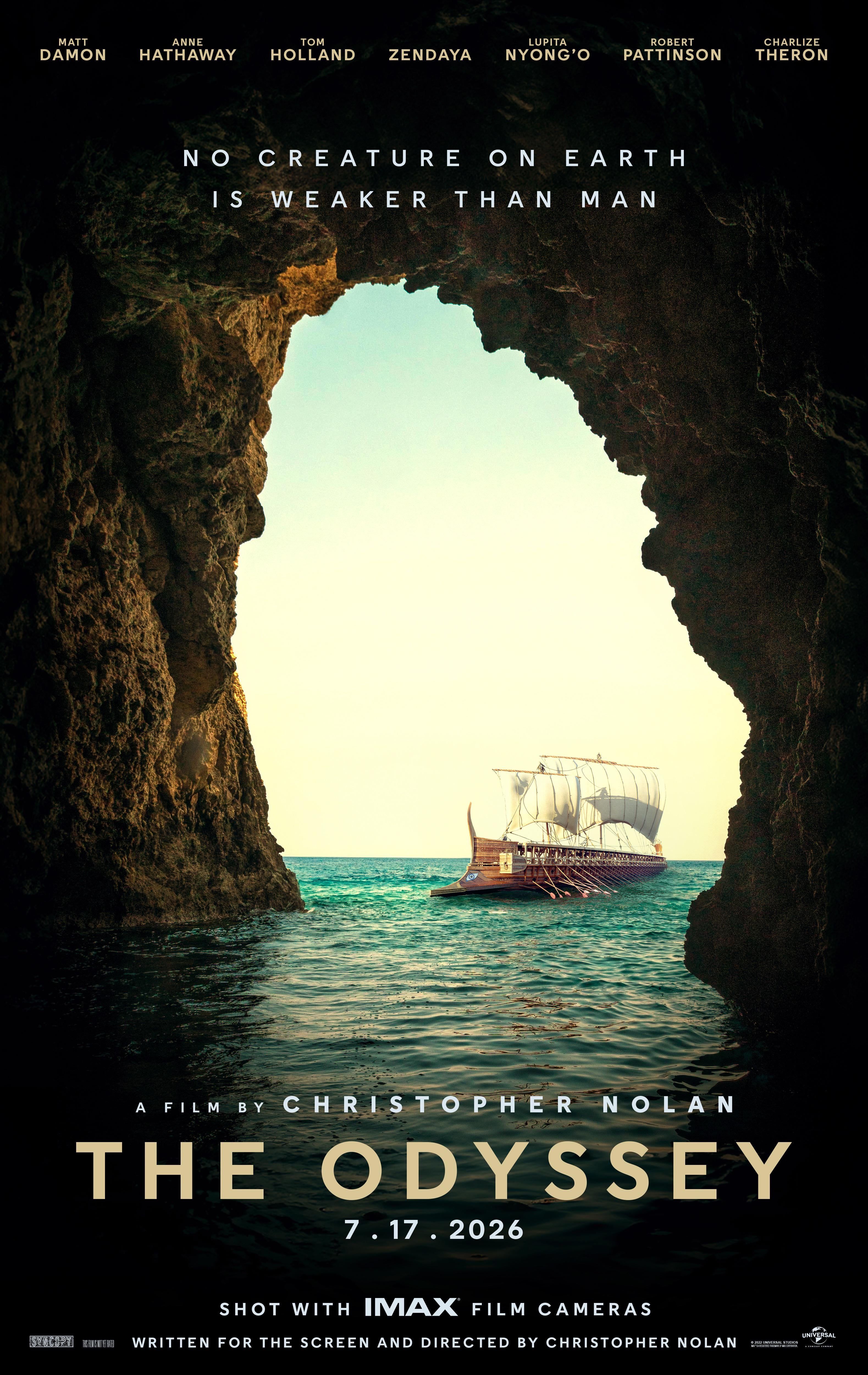
In the meantime, as promised, I’ve been to see Christopher Nolan’s The Odyssey,

but I’m going to break my usual rule of seeing it twice before writing about it—having just seen it yesterday, it’s all very vivid in my mind.  I will certainly keep to my constant rule of avoiding destructive criticism, however, which often seems to crowd the internet and which is not only depressing, but, worse, unhelpful.

I would begin by saying that the film is well-acted and the effects are large-scale and, on that scale, impressive.  It’s clear that an enormous amount of work on the part of everyone involved went to making the film.  And yet, for me—and for the poem—something important—even vital—is lacking and you can see it in my title. 

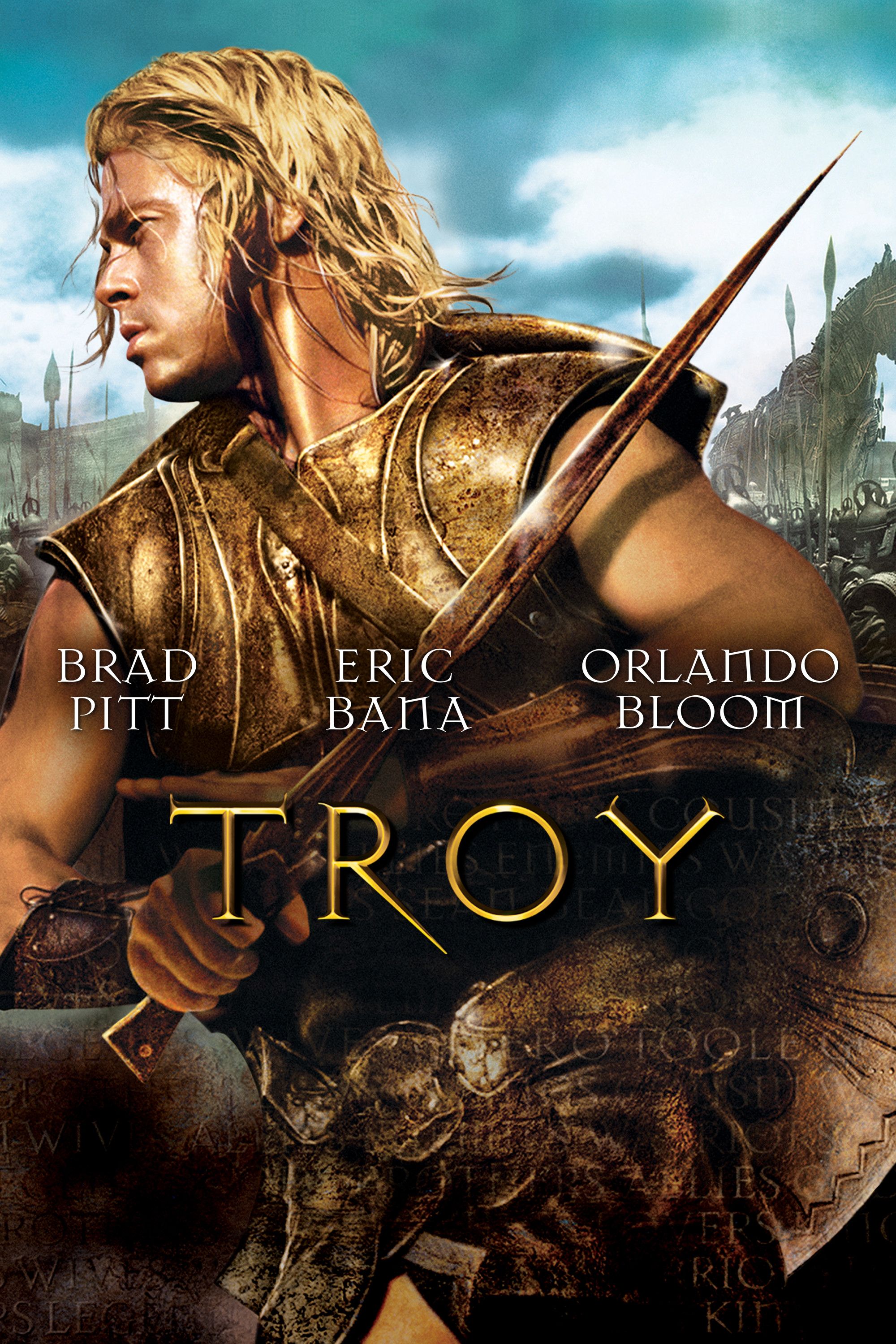
I’ve written earlier that I was disappointed with Troy (2006),

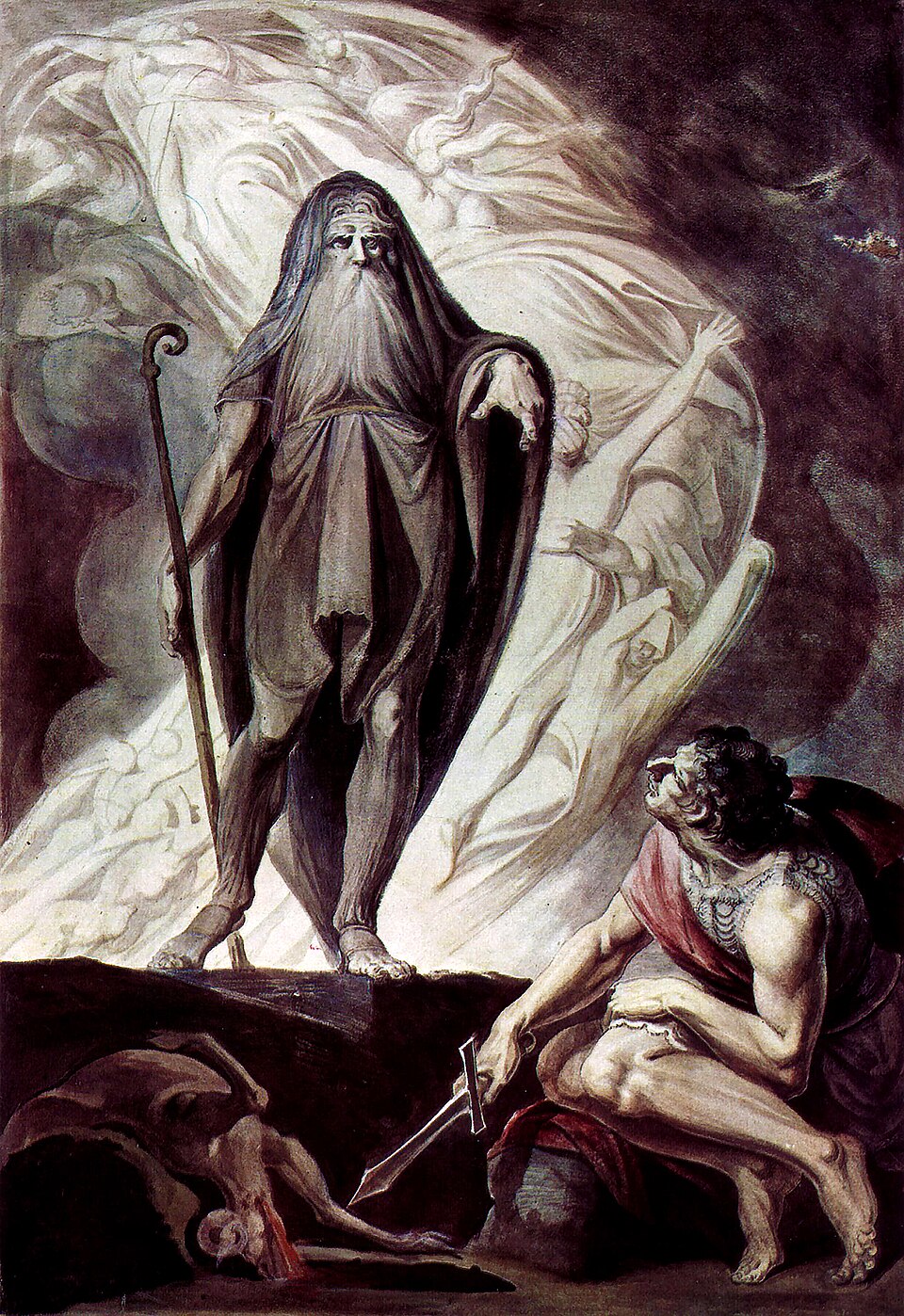
not only for the changes to the story but perhaps more important for the removal of the gods.  Both The Iliad and The Odyssey are, at base, deeply religious works.  The Trojan War itself was said to take place because (and be prepared for complications):

1. Zeus, head of the gods, lusts after Thetis, a sea goddess

2. but, when told that a prophecy predicts that their child will be more powerful than his father, marries her off to a mortal, Peleus, instead.

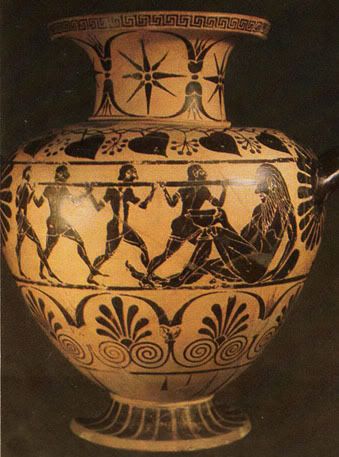
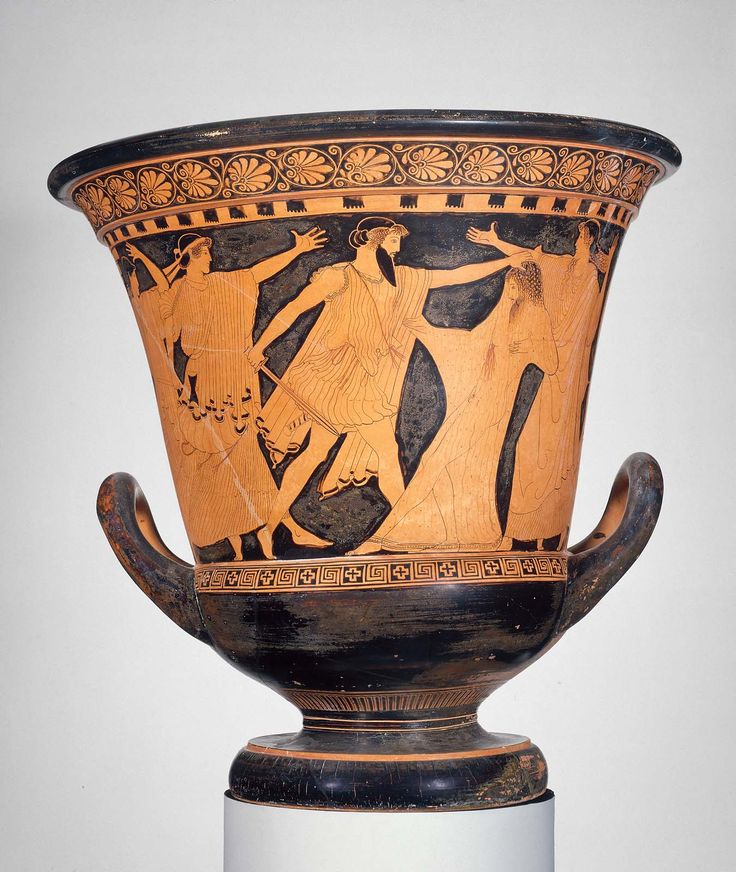
(Thetis isn’t easy to catch—Peleus is shown here wrestling with a shape-shifting goddess)

3.  to the wedding, it happens that another goddess, Eris (“Strife/Discord”), isn’t invited (not a surprise—and you probably know this motif from “Sleeping Beauty”) and, in revenge, she bowls in a golden ball or apple with the words “For the Most Beautiful” on it into the feast.

4. Three goddess, Hera, Athena, and Aphrodite then argue over who deserves it and, when Zeus refuses to choose, they find a mortal shepherd, Paris—presumably neutral—to judge.

5. Aphrodite wins by offering Paris the most beautiful woman in the world, who just happens:

a. to be Helen, a demigoddess (father Zeus)

b. to be already married to Menelaus, the younger brother of the high king of Greece, Agamemnon

6. Paris, however, isn’t really a shepherd, but the long-lost prince of Troy and, when that’s revealed, he goes on a diplomatic mission to Greece and either persuades Helen to leave with him, or steals her, carrying her back to Troy.

7. the major kings of Greece were once Helen’s suitors but, as she could pick only one, the rest took an oath to protect her.

8. and so big brother Agamemnon, when Menelaus complained that his wife was gone, called on those kings to join an expedition to bring her back—and the Trojan War began.

9. the gods—except for Zeus—then took sides and aggressively backed either the Greeks or the Trojans through the ten years of the war.

As you can see, at every step of the war, one or more divinities was involved—and sometimes very actively.

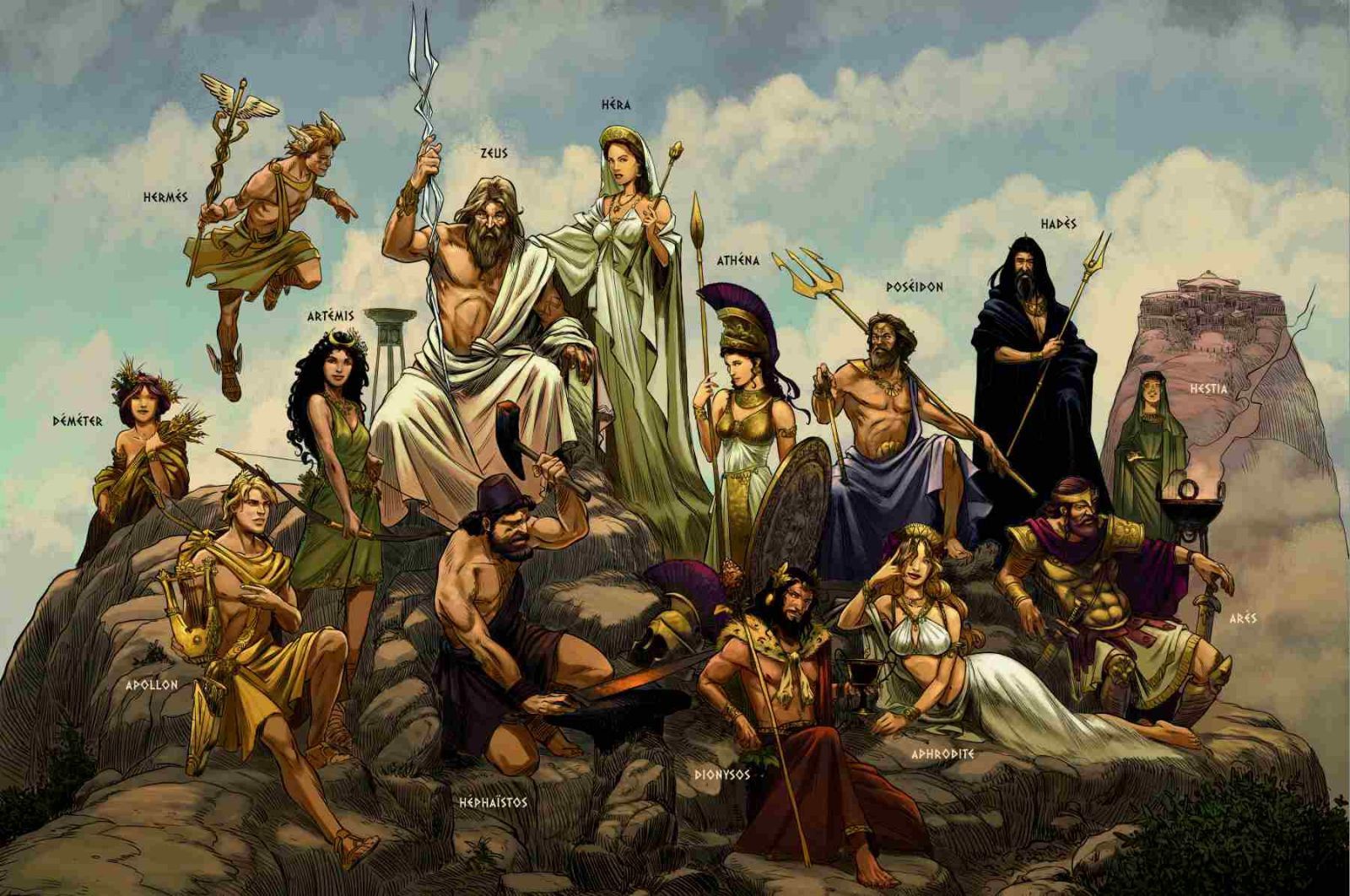
Although fewer gods are involved in The Odyssey, one goddess, Athena, is a major player throughout.

In fact, the poem begins with her on Olympus, appealing to Zeus to free Odysseus from the clutches of Calypso, with whom he’s been marooned for seven years.

She then (sorry for a second list, but, again, it’s complicated)–

1.  goes to Ithaka to help Telemachos, Odysseus’ son, to grow up, appearing both as Mentes, a guest friend of Odysseus, and then as Mentor, an Ithakan elder, as whom she travels with Telemachos to mainland Greece, first to the most senior of all Greek heroes, Nestor, and then on to Sparta, to see Menelaus and Helen, now brought back from fallen Troy. 

2. continuing in her disguises, pops up when Odysseus, on his way home from Calypso (it takes a second try for Athena to get Zeus to send Hermes to order Kalypso to help him to go home), lands on the island of the Phaeacians (left out of the film entirely) where she appears first, as a little girl who directs him to the house of Alcinous, the king of the Phaeacians, and then as a spectator at the athletic event in which Odysseus participates. 

3. appears to Odysseus, disguised as a shepherd boy, after the Phaeacians take Odysseus home, and he awakes on a beach on his home island of Ithaka.

4. is more present from then on, giving Odysseus his beggar disguise and appearing to Odysseus as herself when she pushes him to reveal himself to Telemachos at the hut of Eumaeus, the swineherd (who is not blind in the poem, by the way).

5.  in Odysseus’ home, first encourages him to believe that, with her help he can beat the suitors, and then appearing for a final time to put the suitors into a panic when Odysseus, Telemachos, and their two servants destroy all of them and their attendants.  (No one surrenders in the poem.)

6.  makes a final appearance in the poem appealing once more to Zeus, this time as to how to resolve the conflict between Odysseus and the vengeful families of the suitors. 

She is a busy character, in fact, helping both Odysseus and his son, but Nolan’s script has almost entirely erased her and certainly has removed all of her help and, as you can see from 1-6 above, she is actually an active participant throughout the poem, even being the reason why—through her pushing Zeus to send Hermes to Calypso—Odysseus actually goes home.  To allow her to be nothing more than an occasional visitor and a passive one, at that, is to misrepresent not only the story, but the character of Odysseus.  (Who, by the way, unlike in the film, has no guilt or regret over his actions and certainly doesn’t sail off into the sunset with Penelope on a mission to commemorate his dead crewmen.)

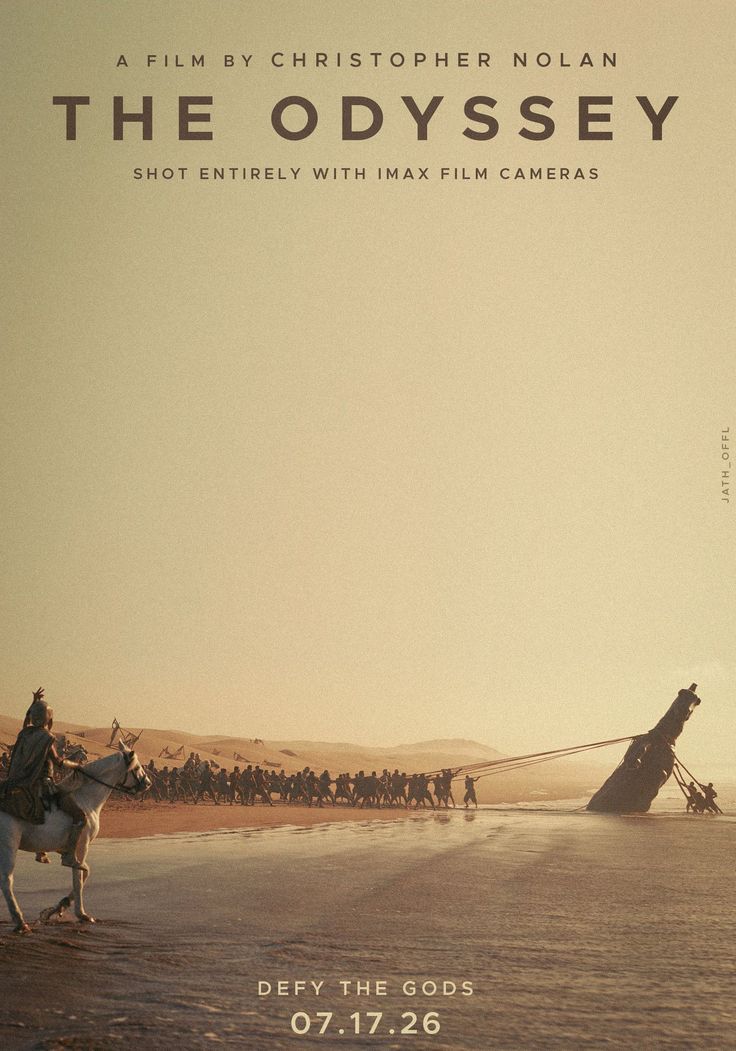
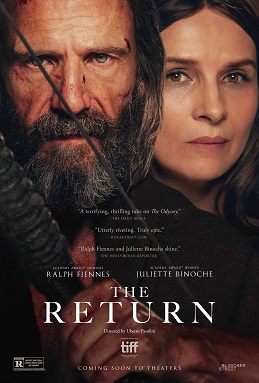
That poster I’ve used as the first image in this posting has a subtitle:  “defy the gods”, something Odysseus, with a goddess for a patron, would never think of doing, is actually more like the motto of the film.  In the poem which is the basis of the film, Odysseus survives and even wins because he has a goddess for a patron.  Without her, would he have ever returned and, having returned, would he have survived the suitors and their angry families?

So, is this a film which I would recommend?  In fact, with rare exceptions, I would recommend that everyone see/listen to any and all art and decide for her/himself as to its value, entertainment or otherwise.  In this case, I would say certainly, go and see it, but I would also encourage you to read the poem first—preferably in Richmond Lattimore’s translation

Version 1.0.0

which, although now some 60 years old (original publication 1965), is still the closest of modern translations to the original Greek and the one I’ve used in classes for many years.  Of necessity, although 3 hours long, the film leaves out many details, but, at the same time, as I hope I make clear, it also changes the text significantly, and, for me, those changes turn it from the ancient story to Christopher Nolan’s story and it is up to you, as readers and viewers, to decide which you would prefer–or perhaps you would keep both, even though being aware that the two differ significantly.  As a student once said to me about Jackson’s The Hobbit trilogy, “If you haven’t read the book, they are fun adventure movies”.

Thanks, as always, for reading.

Stay well,

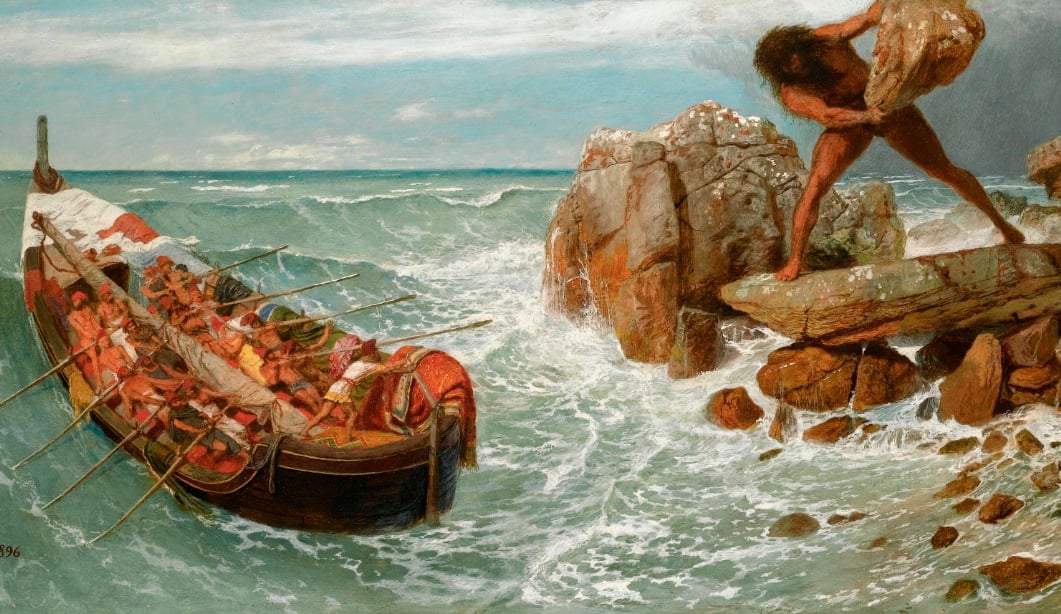
If you make a surprise visit to a very large man in a cave, plan ahead what to do if you’re not welcome,

And remember that, as always, there’s

MTCIDC

O

More Troy?

29 Wednesday Jul 2026

Posted by Ollamh in Uncategorized

≈ Leave a comment

Tags

Aeneas, Aeschylus, Agamemnon, christopher-nolan, Elendil, Geoffrey of Monmouth, Historia Regum Britanniae, Homer, movies, Numenor, Statius, The Aeneid, The Odyssey, the Trojan war, the-oresteia, tolkiien, Trojan War movies, Vergil

Welcome, dear readers, as always.

A new film of the Odyssey has just appeared this summer.

I’m always interested to see what creative people can do with an old favorite, although I was disappointed by Troy (2004),

not only because of the many changes to the story, but also because the gods, who, ultimately, are behind the Trojan War, were removed completely, thus telling, really, only half of the tale of Troy.

If you read this blog regularly, you know that I try to see a film or even series at least twice, if I can, and I always attempt to understand what it is that the creators are trying to do before I review it, trusting that the work was made with the best intentions.  Having only seen trailers and read about it, I’ll hold off on making any comments about this new Odyssey until I’ve actually sat in the theatre and watched.

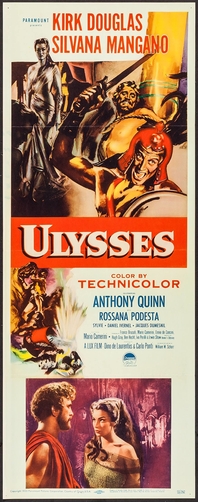
Even before seeing it, however, I’m impressed, once more, by the interest the story of Troy continues to hold, and not only in films, of which we have, among others, Ulysses (1954)

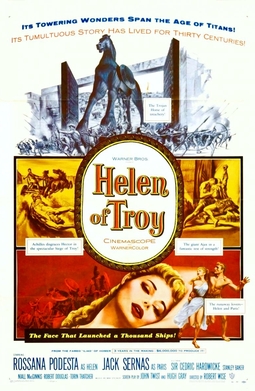
 Helen of Troy (1956),

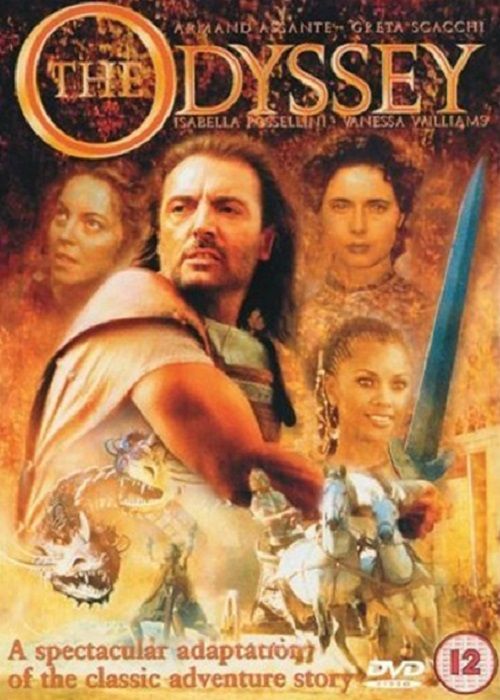
a television series with Armand Assante (1997),

as well as Troy (2004) and The Return (2024),

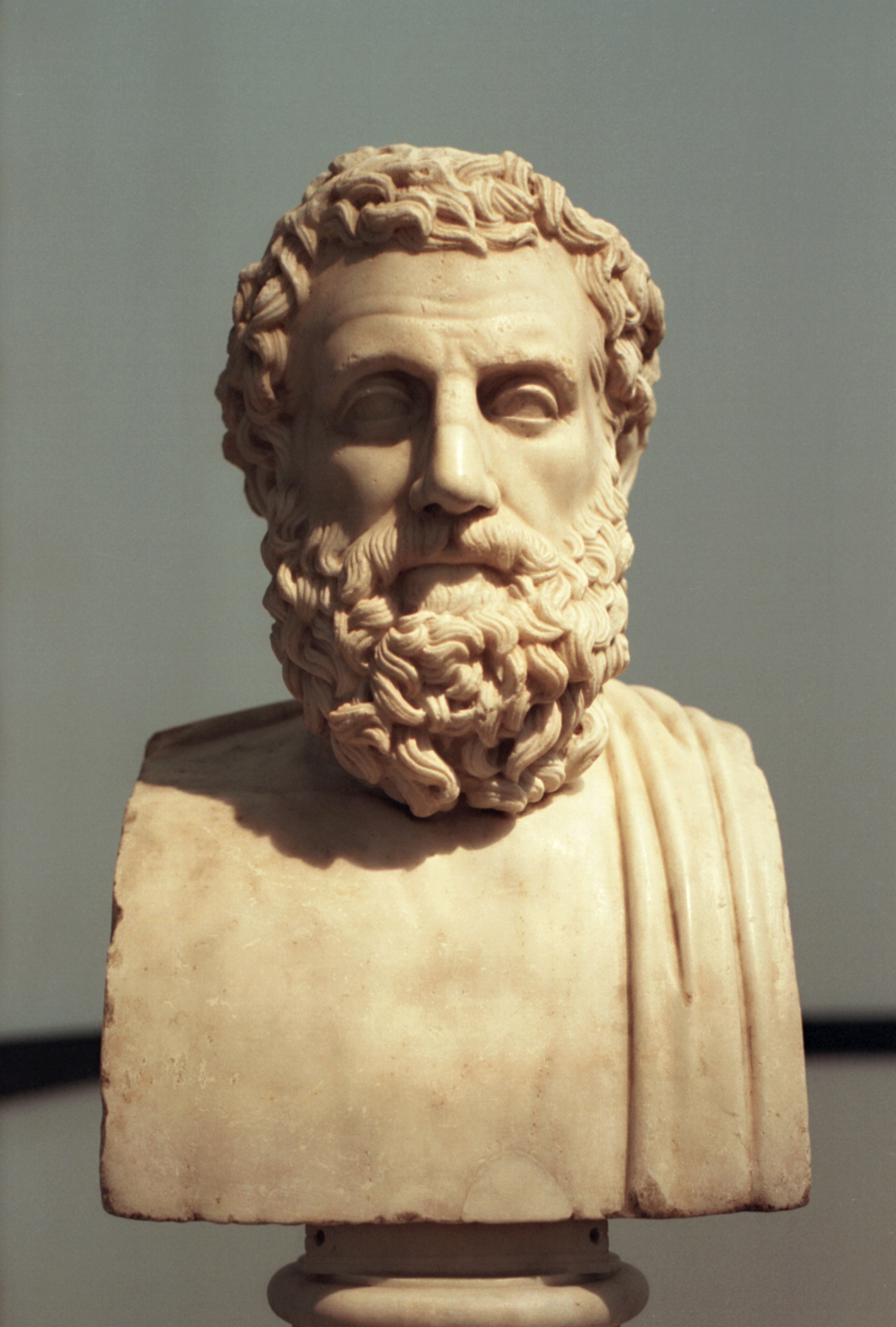
but through time—ancient Greek dramatists based plots upon it, like Aeschylus (c.525-455BC),

who used the consequences of the war upon the victorious returning Greeks in his Oresteia trilogy, beginning with the murder of the Greek leader, Agamemnon.

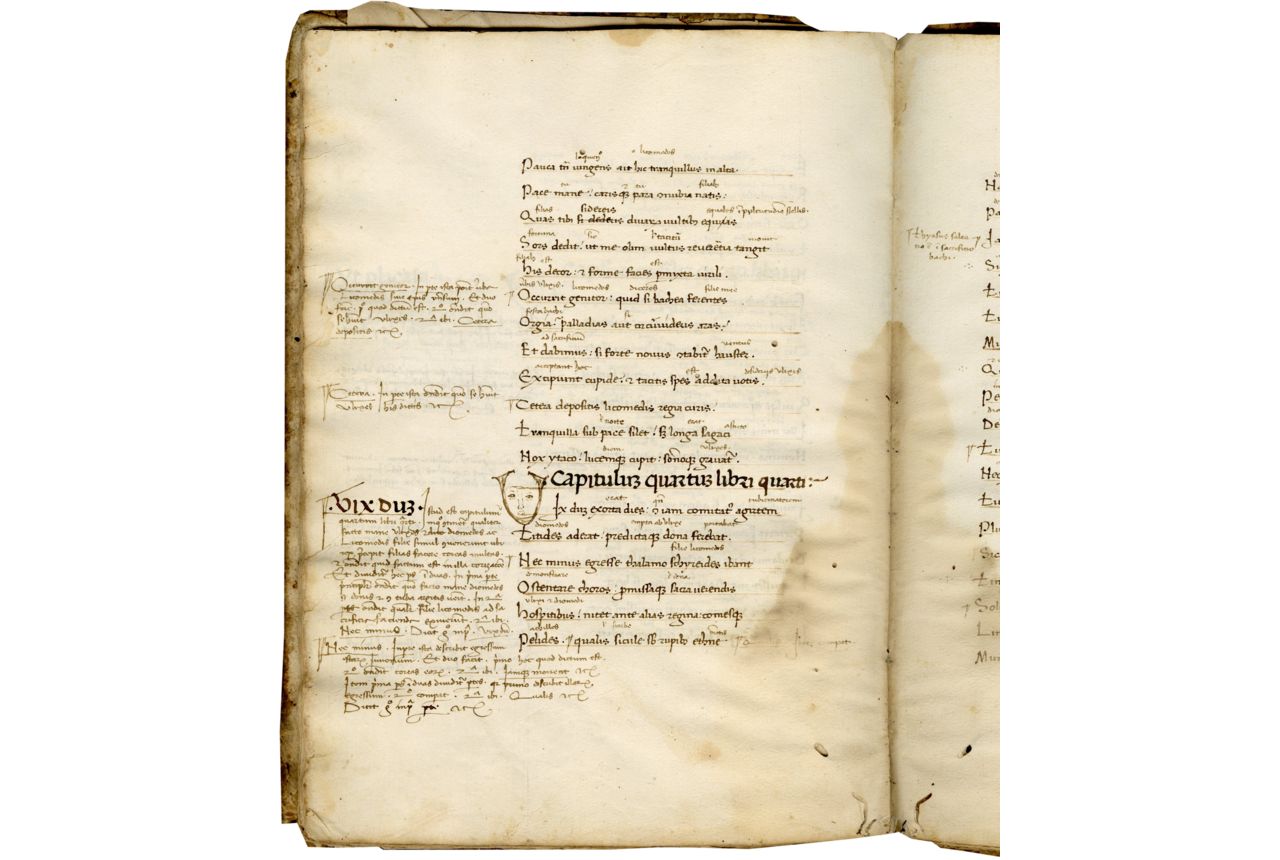
Roman poets, like Statius (c.45-96AD), planned epics, like his unfinished Achilleid, using material from the huge field of earlier tradition,

(a late 14th-early-15th-century ms)

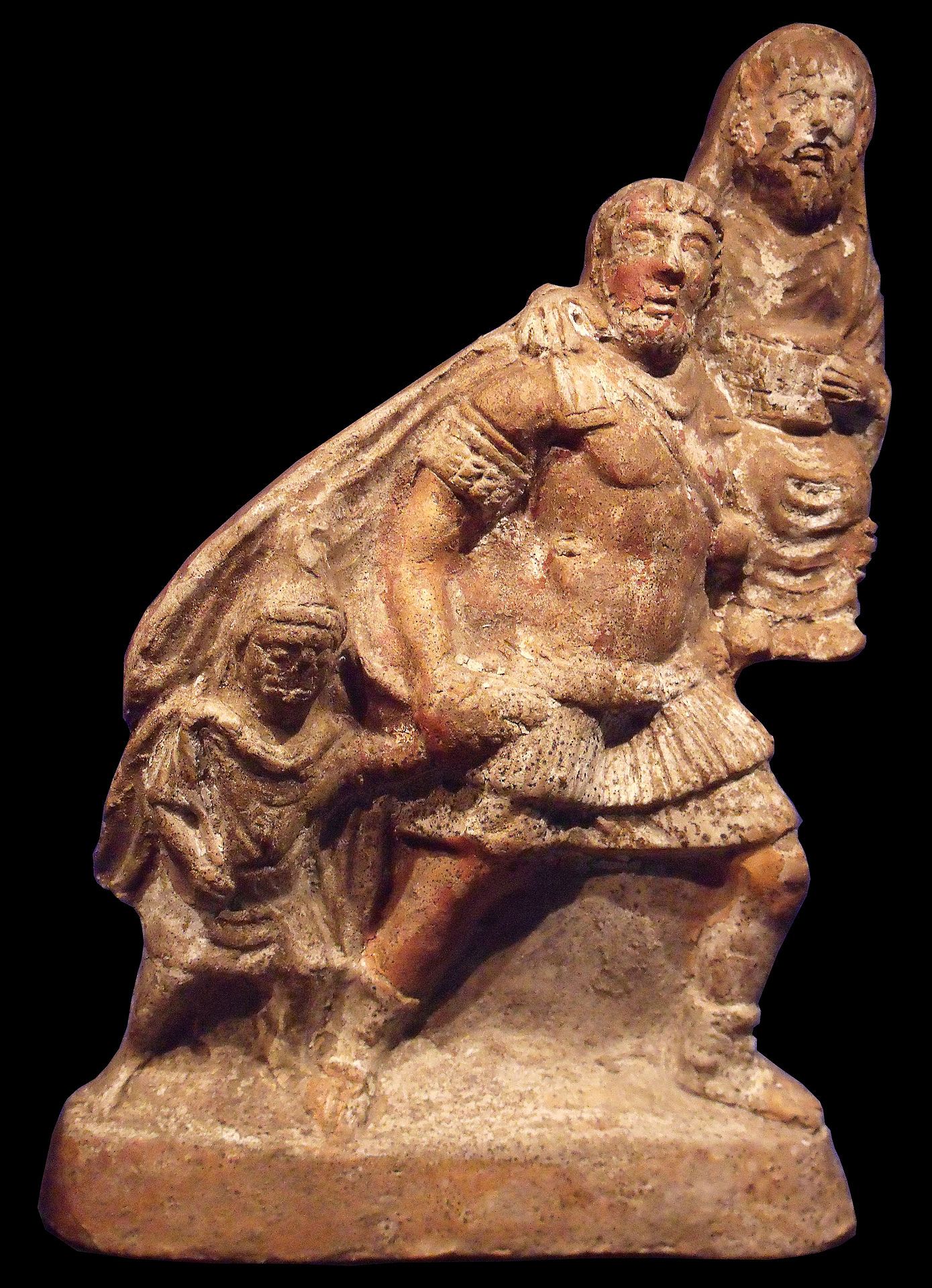
and Vergil (70-19BC) has left us, in Book 2 of his Aeneid, a striking depiction of the fall of Troy from the viewpoint of an inhabitant, Aeneas, the subject of his epic,

(Aeneas is carrying his aged father, Anchises, and leading his son, Ascanius)

and founding father of the Roman state to come, as he leads his band of Trojan fugitives across the Mediterranean, finally to settle in Italy.

This new tradition of fugitive founders even comes to England, first in the form of Geoffrey of Monmouth’s (c.1095-1155AD) Historia Regum Britanniae (“History of the Kings of Britain”), where a certain Brutus, the great grandson of Aeneas (via Ascanius and his son, Silvius), exiled from Italy (having accidentally killed his father, Silvius), then leads Trojan refugees to war in Greece before heading an expedition westwards where, after consulting the goddess, Diana, he lands in England to found a new homeland there, which is named “Britain” after himself (suggesting that the place should really have been called “Bruton”?).  (You can read about Brutus and his complex adventures—including war in Gaul on his way westwards–here:  https://www.sacred-texts.com/neu/eng/gem/gem02.htm  Start with Book I, Chapter III.  Medieval people loved the Troy tale and elements of it turn up everywhere, from the 12th-century Roman de Troie of Benoit de Sainte-Maure to Chaucer’s “Troilus and Criseyde” and beyond.)

I would also suggest that, removing the Trojans, but keeping the idea of refugees, we might see that theme continuing in England in the form of a new mythology—

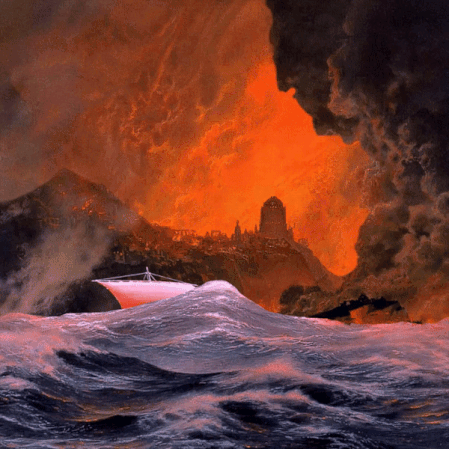
“…but when Ar-Pharazon set foot upon the shores of Aman the Blessed, the Valar laid down their Guardianship and called upon the One, and the world was changed.  Numenor was thrown down and swallowed in the Sea, and the Undying Lands were removed for ever from the circles of the world.  So ended the glory of Numenor.

The last leaders of the Faithful, Elendil and his sons, escaped from the Downfall with nine ships, bearing a seedling of Nimloth, and the Seven Seeing-stones (gifts of the Eldar to their House); and they were borne on the wind of a great storm and cast upon the shores of Middle-earth.  There they established in the North-west the Numenorean realms in exile, Arnor and Gondor.”  (The Lord of the Rings, Appendix A, I, “The Numenorean Kings”)

(Ted Nasmith)

As someone who was on his way to becoming a classicist, but then veered off into medieval studies, JRRT, would have had all of that rich past behind him, so would we be wrong in thinking that, in founding a new Numenor, he was inspired by other founders, all the way back to Aeneas?

As always, thanks for reading.

Stay well,

Imagine that, in the 250th anniversary of the founding of the US, those “founding fathers”, trained in the classics, probably also thought of Aeneas,

And think, as well that there’s

MTCIDC

O

The Doubtful Sea Series Facebook Page

The Doubtful Sea Series Facebook Page

  • Ollamh

Categories

  • Artists and Illustrators
  • Economics in Middle-earth
  • Fairy Tales and Myths
  • Films and Music
  • Games
  • Heroes
  • Imaginary History
  • J.R.R. Tolkien
  • Language
  • Literary History
  • Maps
  • Medieval Russia
  • Military History
  • Military History of Middle-earth
  • Narnia
  • Narrative Methods
  • Poetry
  • Research
  • Star Wars
  • Terra Australis
  • The Rohirrim
  • Theatre and Performance
  • Tolkien
  • Uncategorized
  • Villains
  • Writing as Collaborators
Follow doubtfulsea on WordPress.com

Across the Doubtful Sea

Recent Postings

  • December in September September 9, 2026
  • Fan/Finn Fiction September 2, 2026
  • Demons on the Big Screen August 26, 2026
  • Solution (2) August 19, 2026
  • Out of Work Athena August 12, 2026
  • Solution (1) August 5, 2026
  • More Troy? July 29, 2026
  • Prismatic July 20, 2026
  • Arboricidal July 15, 2026

Blog Statistics

  • 120,915 Views

Posting Archive

  • September 2026 (2)
  • August 2026 (4)
  • July 2026 (5)
  • June 2026 (4)
  • May 2026 (4)
  • April 2026 (5)
  • March 2026 (4)
  • February 2026 (4)
  • January 2026 (4)
  • December 2025 (5)
  • November 2025 (4)
  • October 2025 (5)
  • September 2025 (4)
  • August 2025 (4)
  • July 2025 (5)
  • June 2025 (4)
  • May 2025 (4)
  • April 2025 (5)
  • March 2025 (4)
  • February 2025 (4)
  • January 2025 (5)
  • December 2024 (4)
  • November 2024 (4)
  • October 2024 (5)
  • September 2024 (4)
  • August 2024 (4)
  • July 2024 (5)
  • June 2024 (4)
  • May 2024 (5)
  • April 2024 (4)
  • March 2024 (4)
  • February 2024 (4)
  • January 2024 (5)
  • December 2023 (4)
  • November 2023 (5)
  • October 2023 (4)
  • September 2023 (4)
  • August 2023 (5)
  • July 2023 (4)
  • June 2023 (4)
  • May 2023 (5)
  • April 2023 (4)
  • March 2023 (5)
  • February 2023 (4)
  • January 2023 (4)
  • December 2022 (4)
  • November 2022 (5)
  • October 2022 (4)
  • September 2022 (4)
  • August 2022 (5)
  • July 2022 (4)
  • June 2022 (5)
  • May 2022 (4)
  • April 2022 (4)
  • March 2022 (5)
  • February 2022 (4)
  • January 2022 (4)
  • December 2021 (5)
  • November 2021 (4)
  • October 2021 (4)
  • September 2021 (5)
  • August 2021 (4)
  • July 2021 (4)
  • June 2021 (5)
  • May 2021 (4)
  • April 2021 (4)
  • March 2021 (5)
  • February 2021 (4)
  • January 2021 (4)
  • December 2020 (5)
  • November 2020 (4)
  • October 2020 (4)
  • September 2020 (5)
  • August 2020 (4)
  • July 2020 (5)
  • June 2020 (4)
  • May 2020 (4)
  • April 2020 (5)
  • March 2020 (4)
  • February 2020 (4)
  • January 2020 (6)
  • December 2019 (4)
  • November 2019 (4)
  • October 2019 (5)
  • September 2019 (4)
  • August 2019 (4)
  • July 2019 (5)
  • June 2019 (4)
  • May 2019 (5)
  • April 2019 (4)
  • March 2019 (4)
  • February 2019 (4)
  • January 2019 (5)
  • December 2018 (4)
  • November 2018 (4)
  • October 2018 (5)
  • September 2018 (4)
  • August 2018 (5)
  • July 2018 (4)
  • June 2018 (4)
  • May 2018 (5)
  • April 2018 (4)
  • March 2018 (4)
  • February 2018 (4)
  • January 2018 (5)
  • December 2017 (4)
  • November 2017 (4)
  • October 2017 (4)
  • September 2017 (4)
  • August 2017 (5)
  • July 2017 (4)
  • June 2017 (4)
  • May 2017 (5)
  • April 2017 (4)
  • March 2017 (5)
  • February 2017 (4)
  • January 2017 (4)
  • December 2016 (4)
  • November 2016 (5)
  • October 2016 (6)
  • September 2016 (5)
  • August 2016 (5)
  • July 2016 (5)
  • June 2016 (5)
  • May 2016 (4)
  • April 2016 (4)
  • March 2016 (5)
  • February 2016 (4)
  • January 2016 (4)
  • December 2015 (5)
  • November 2015 (5)
  • October 2015 (4)
  • September 2015 (5)
  • August 2015 (4)
  • July 2015 (5)
  • June 2015 (5)
  • May 2015 (4)
  • April 2015 (3)
  • March 2015 (4)
  • February 2015 (4)
  • January 2015 (4)
  • December 2014 (5)
  • November 2014 (4)
  • October 2014 (6)
  • September 2014 (1)

Blog at WordPress.com.

  • Subscribe Subscribed
    • doubtfulsea
    • Join 75 other subscribers
    • Already have a WordPress.com account? Log in now.
    • doubtfulsea
    • Subscribe Subscribed
    • Sign up
    • Log in
    • Report this content
    • View site in Reader
    • Manage subscriptions
    • Collapse this bar
Loading Comments...