Tags
epic-film, Film, Hanuman, India, Jambavan, Lakshmana, Odysseus, Rakshasas, Rama, Ramayana, Ravana, Sita, The Ramayana
As always, welcome, dear readers.
Some time ago, I was talking about the mining of minor Tolkien to make major films, specifically about taking a page of an appendix of The Lord of the Rings to make The War of the Rohirrim.
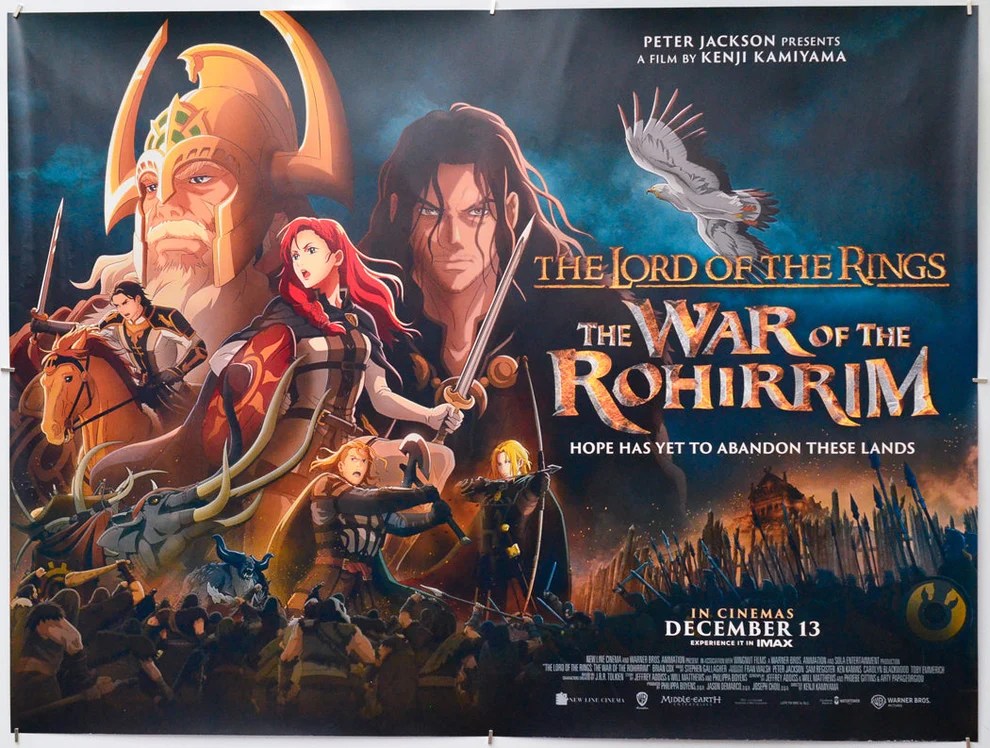
Although I admired the effort which went into making that film (and basing it on the look of anime), I said then that I wished that film-makers would look for fresh material instead of continuing to employ the equivalent of footnotes from Tolkien, which then would be fleshed out by script-writers who, at best, lacked JRRT’s narrative gifts, but who, at worst, would add their own non-Tolkien fantasies to the small amount of narrative provided by the original author. One subject which I suggested was the Ramayana, an ancient Indian epic which, to me, has all the right qualities for life on the screen: a complex antagonist—Ravana—(RAH—va-nah)
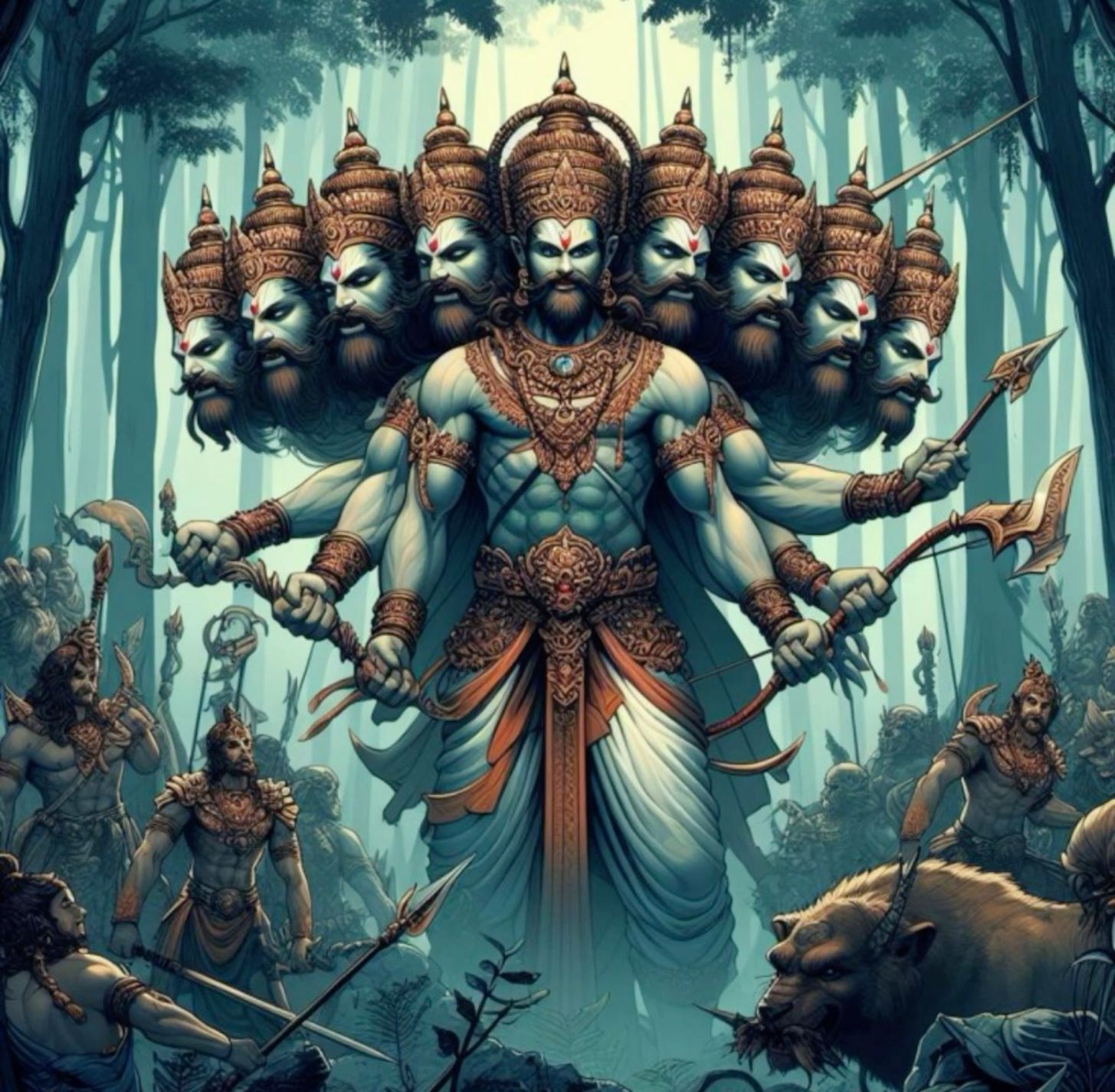
(Yes—he has ten heads)
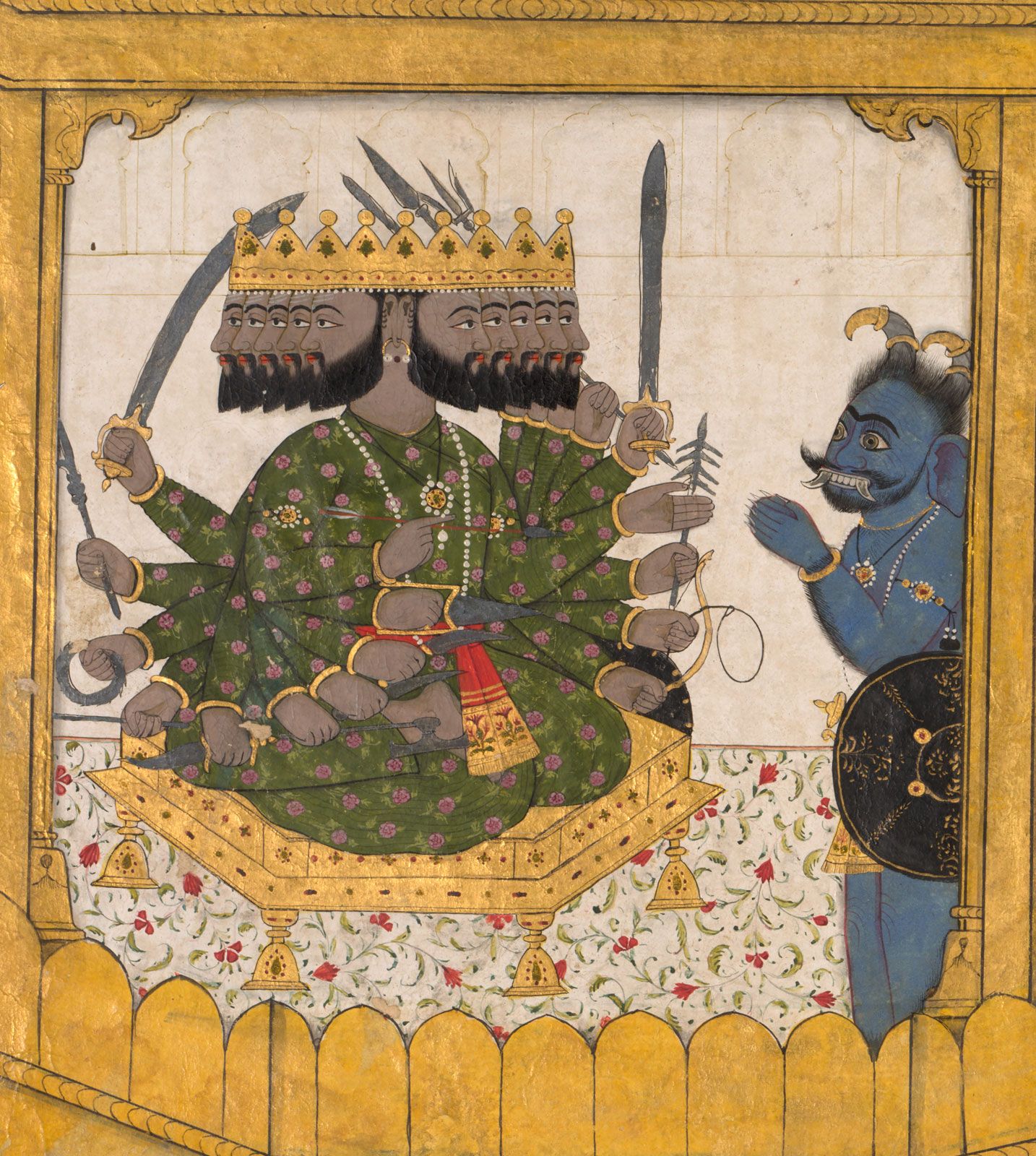
and his demonic (literally) followers, the Rakshasas (RAK-sha-sas),
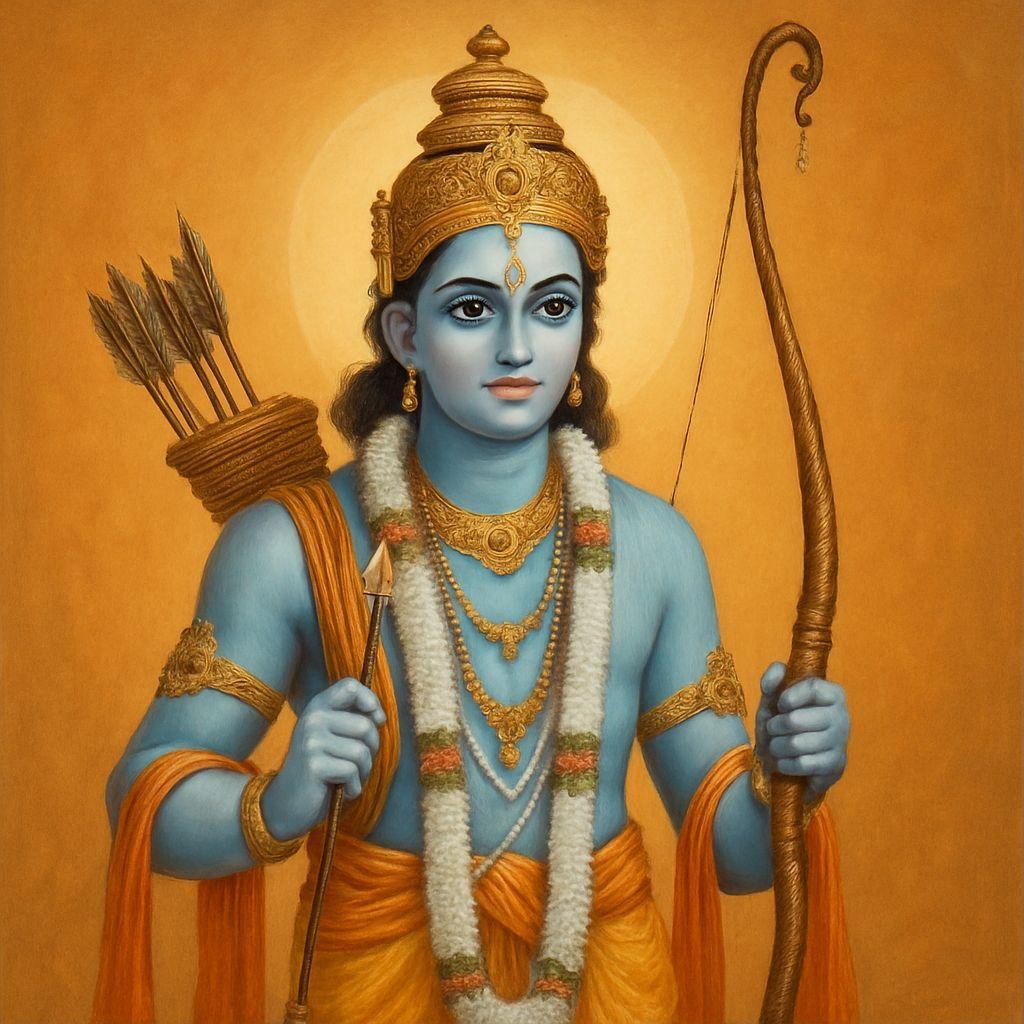
his noble (in fact divine) opponent, Rama,
and Rama’s allies, forest-creatures, led by Hanuman,
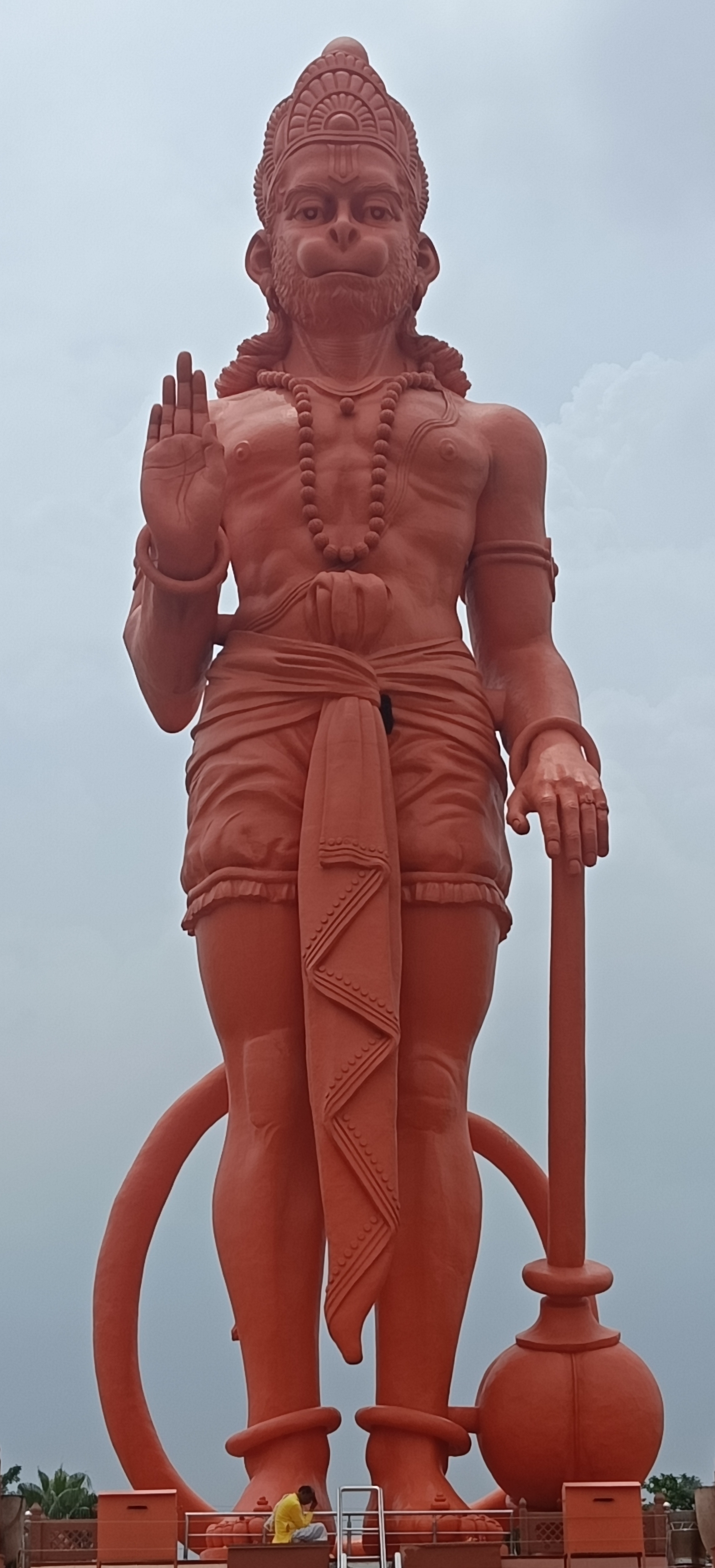
and Jambavan.
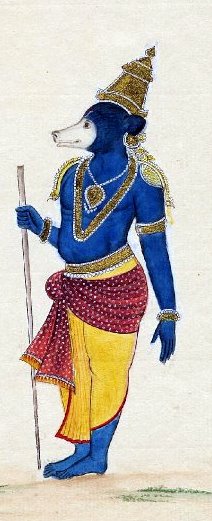
The story of the Ramayana, at base, is that of a struggle between gods and demons, in which Ravana, through observing austere religious practices for 10,000 years, has been given a gift by the high god, Brahma: to be invulnerable to attacks by divine beings—but not (and this, as I know that you’ll know right away, will be his downfall) by humans or animals.
This invulnerability leads to complaints from divine beings about the behavior of Ravana and his Rakshasas and, in turn, the god Vishnu
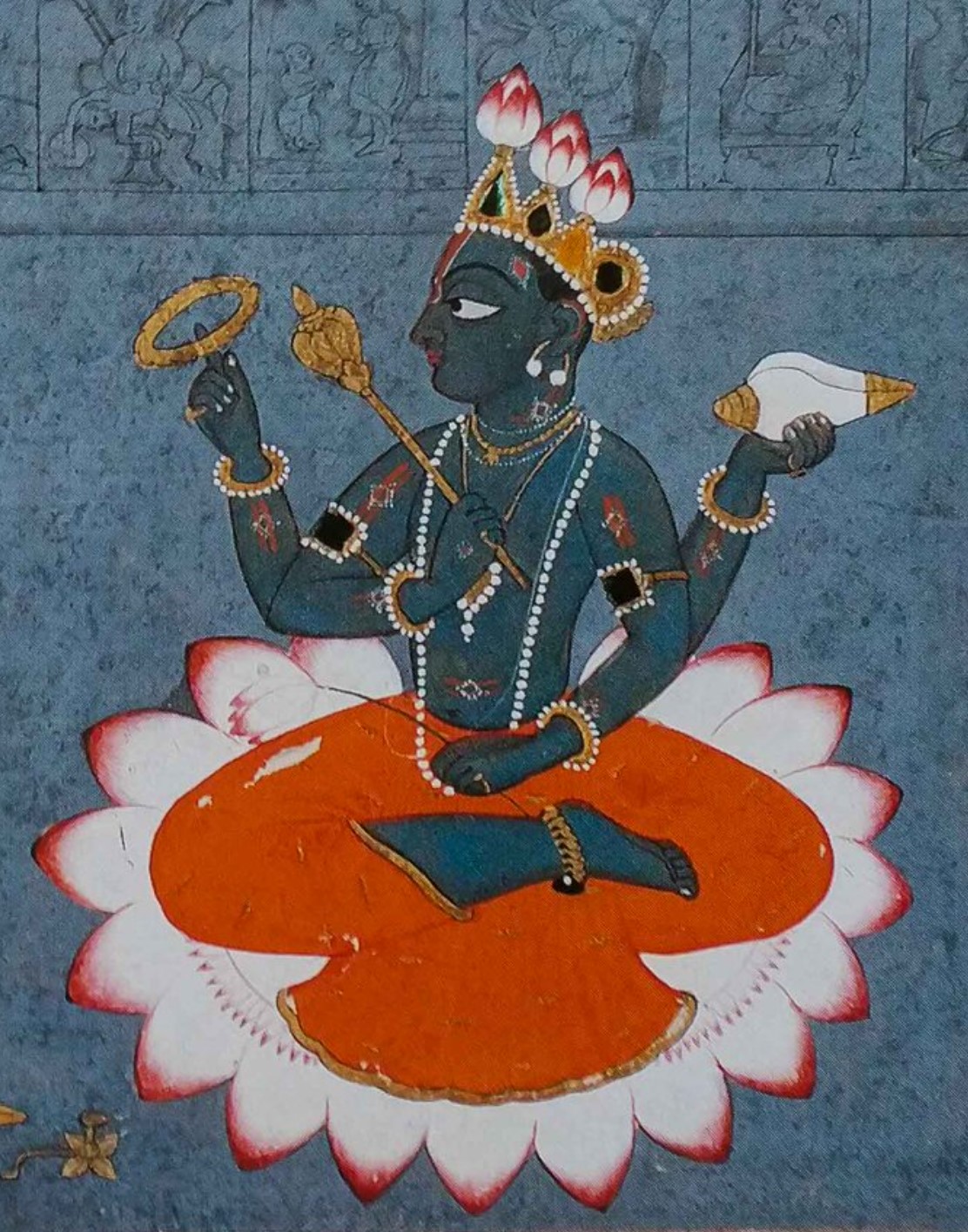
incarnates himself as the human prince, Rama, to deal with Ravana.
The story becomes more complicated when Rama seeks to marry Sita, the adopted daughter of Janaka, the king of Videha.
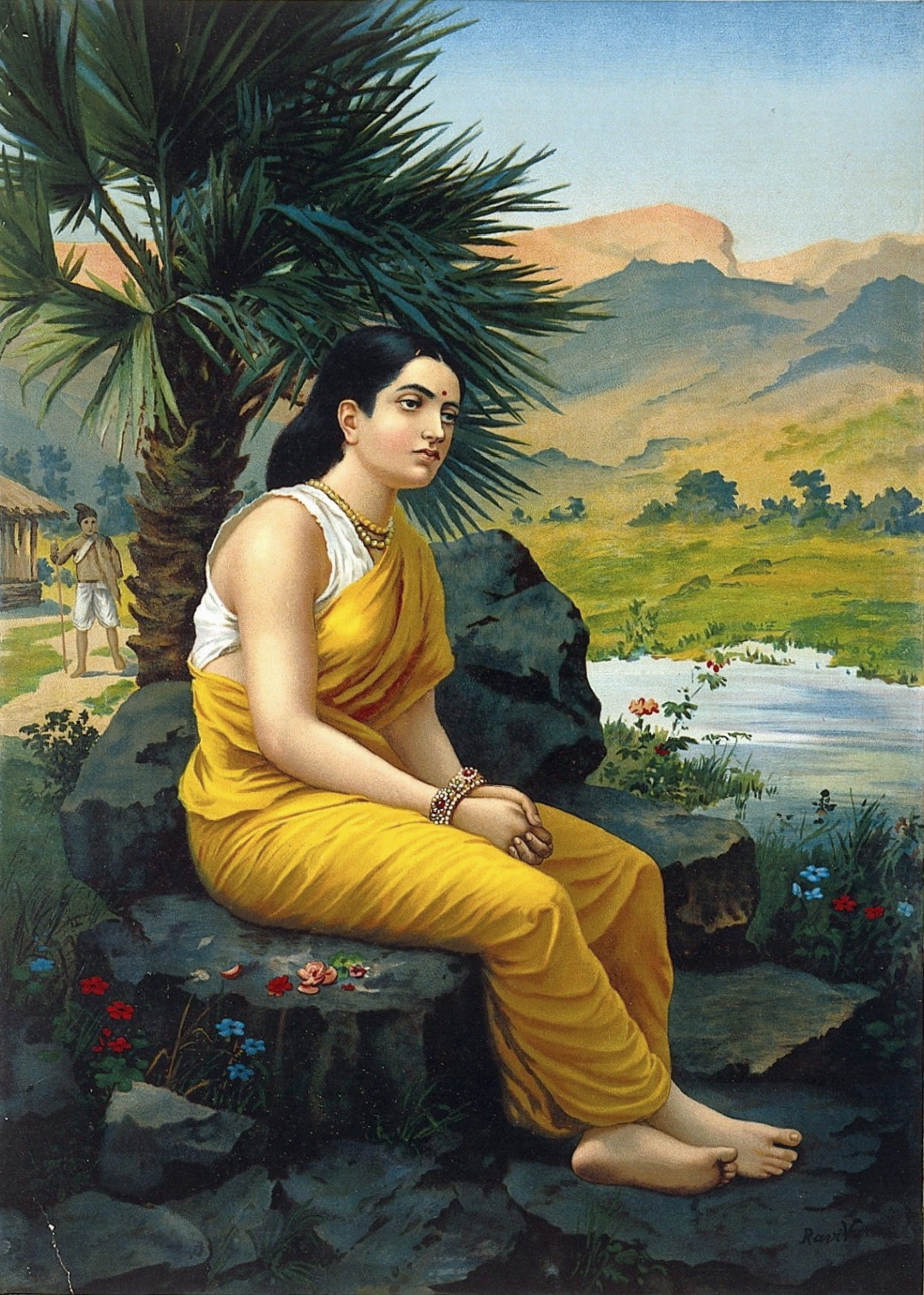
He wins her by competing in a contest which bears a strong resemblance to an event in another epic: the stringing of the bow by Odysseus in the Odyssey.
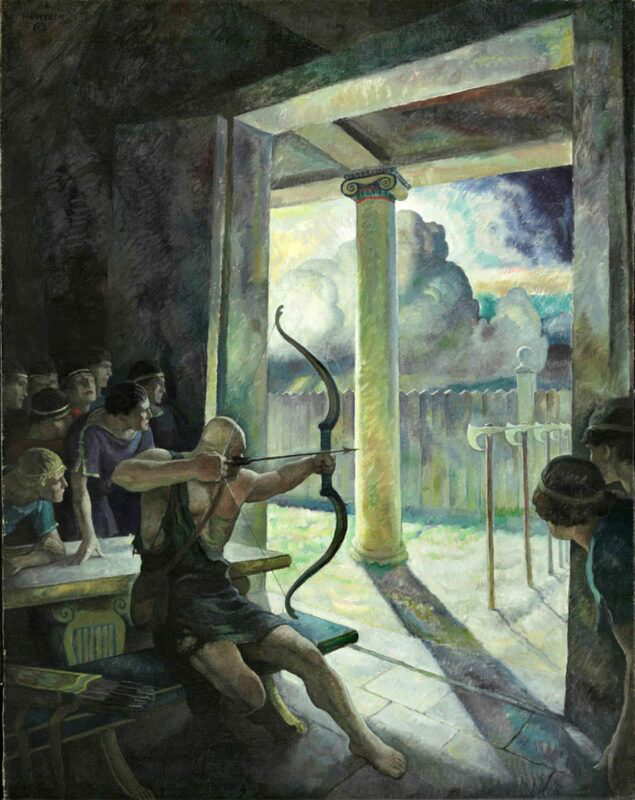
(Andrew Wyeth)
In the Odyssey, Penelope, the wife of Odysseus, sets out Odysseus’ bow, saying to her obnoxious suitors that she will marry the man who can string the bow and fire an arrow through a series of axes.
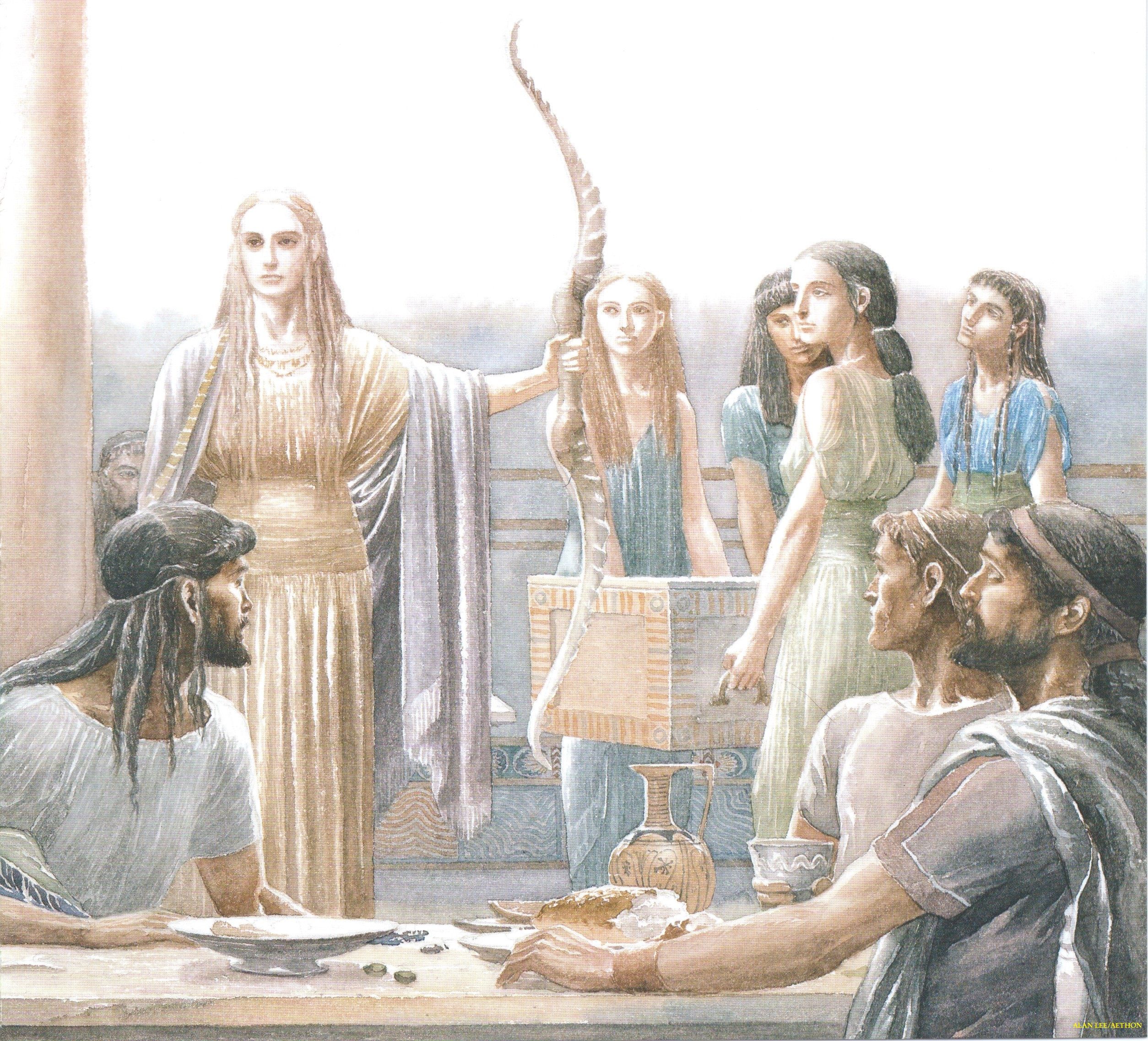
(Alan Lee)
Only Odysseus (disguised as an old beggar) can do so—and then he uses the bow to begin killing the suitors, who richly deserve it, have been abusing the house’ hospitality for years and are currently planning to kill Odysseus’ son and heir, Telemachos.
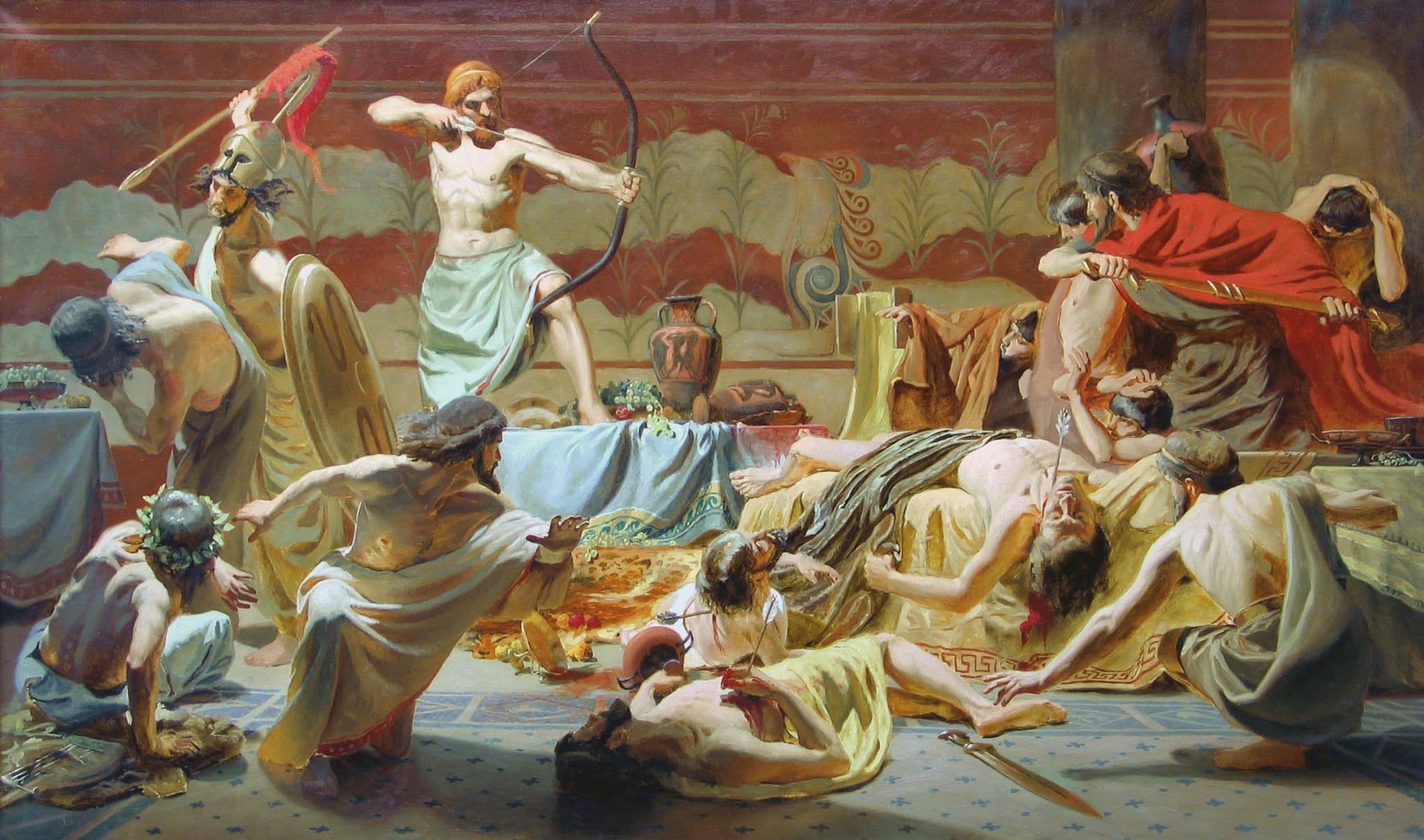
In the Ramayana, Rama actually breaks the bow and wins Sita anyway, but then there’s a new complication: Kaikeyi, the third and favorite wife of Rama’s human father, Dasharatha, was once told by her husband that he would grant her one wish, whatever it might be. Now, with the return of Rama, she collects, demanding that Rama be exiled to the Dandaka forest for 14 years. Rama goes, accompanied by Sita and by one of his (half-)brothers, Lakshmana.
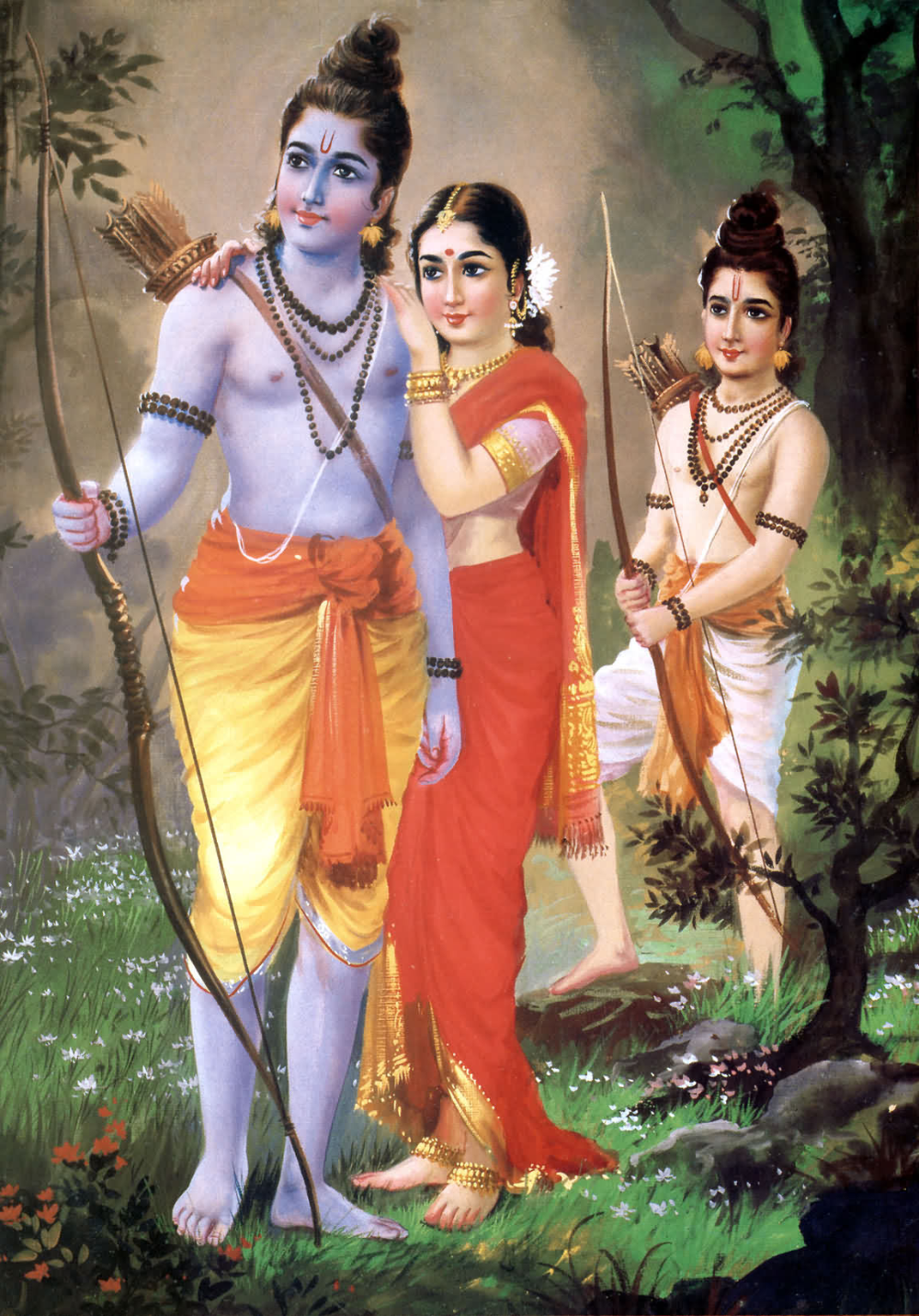
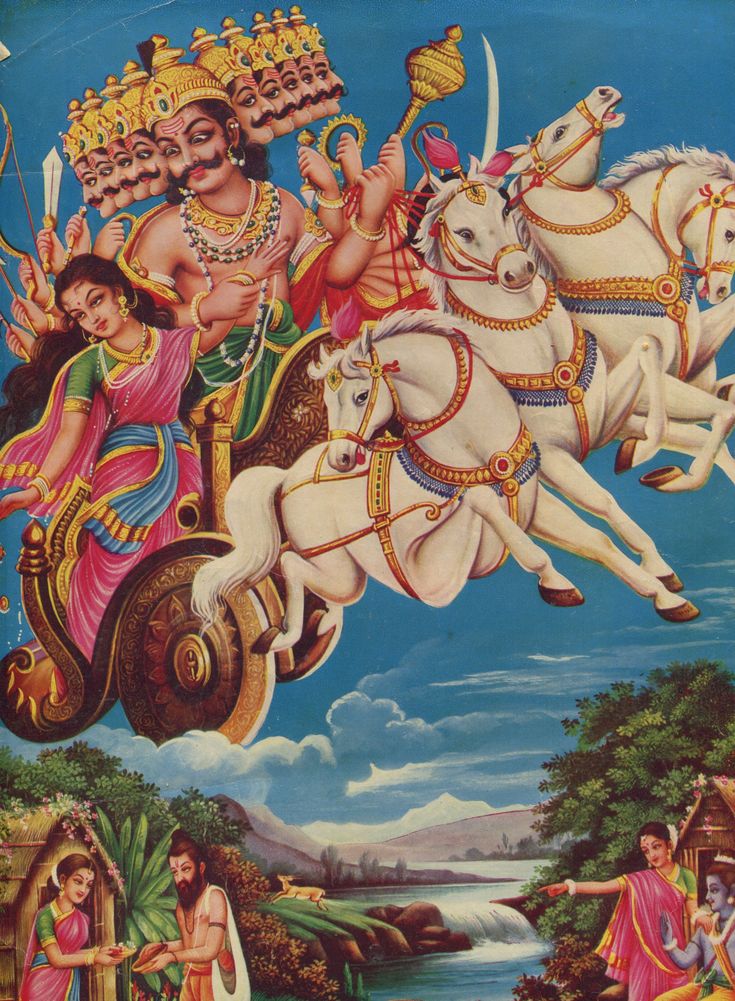
They have a number of adventures there, ending with the kidnapping of Sita by Ravana.
Someone has had the same idea as I about a film and here it is–
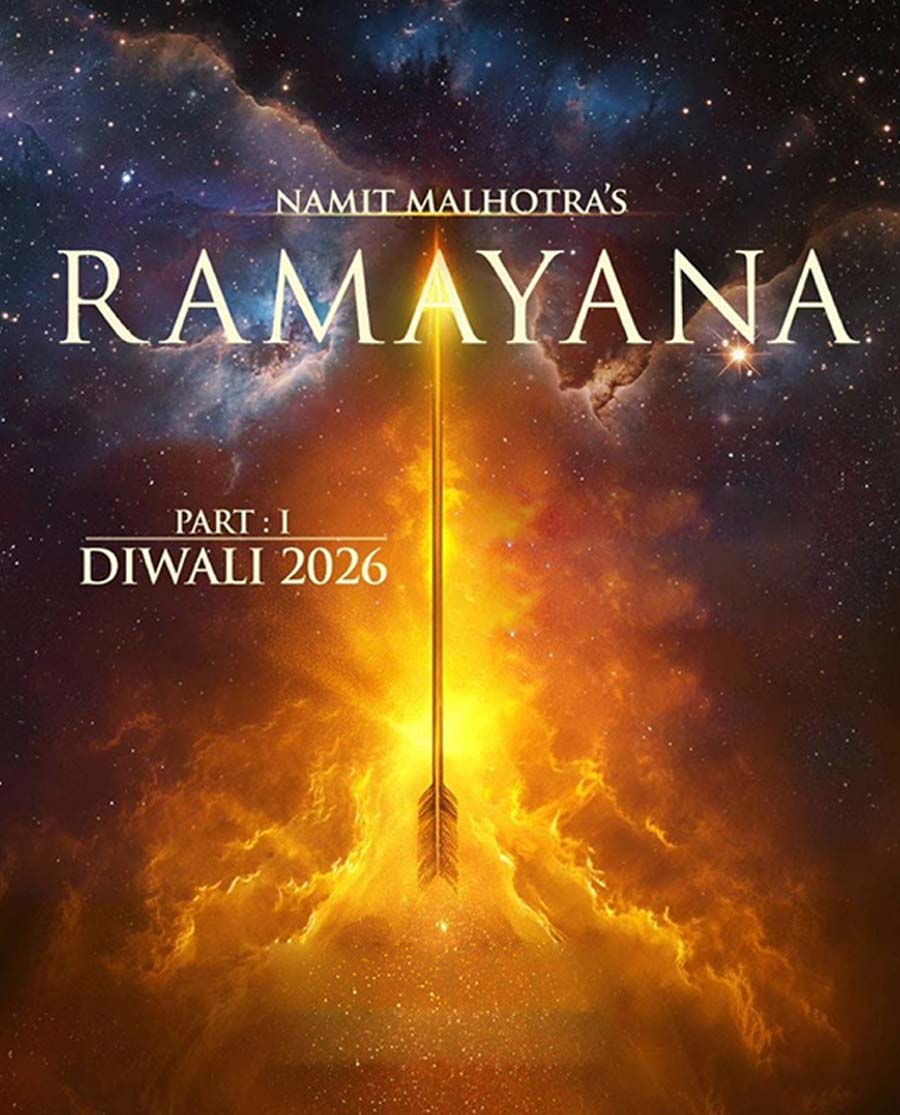
It’s, in fact, in two parts, and, if what I’ve read is correct, the first part (which will appear this November) ends with that kidnapping. That part, then, must include Ravana’s gaining power from Brahma’s gift, his behavior believing that he’s impervious to attack, the birth and childhood of Rama, his courtship of Sita, his banishment, and the adventures in the forest. From the previews I’ve seen, it appears that there will be more about Ravana, but the previews are brief and totally visual (and quite spectacular), so it’s unclear what may be done there. (You can see one of several previews here: https://www.youtube.com/watch?v=axuz33JfkXQ )
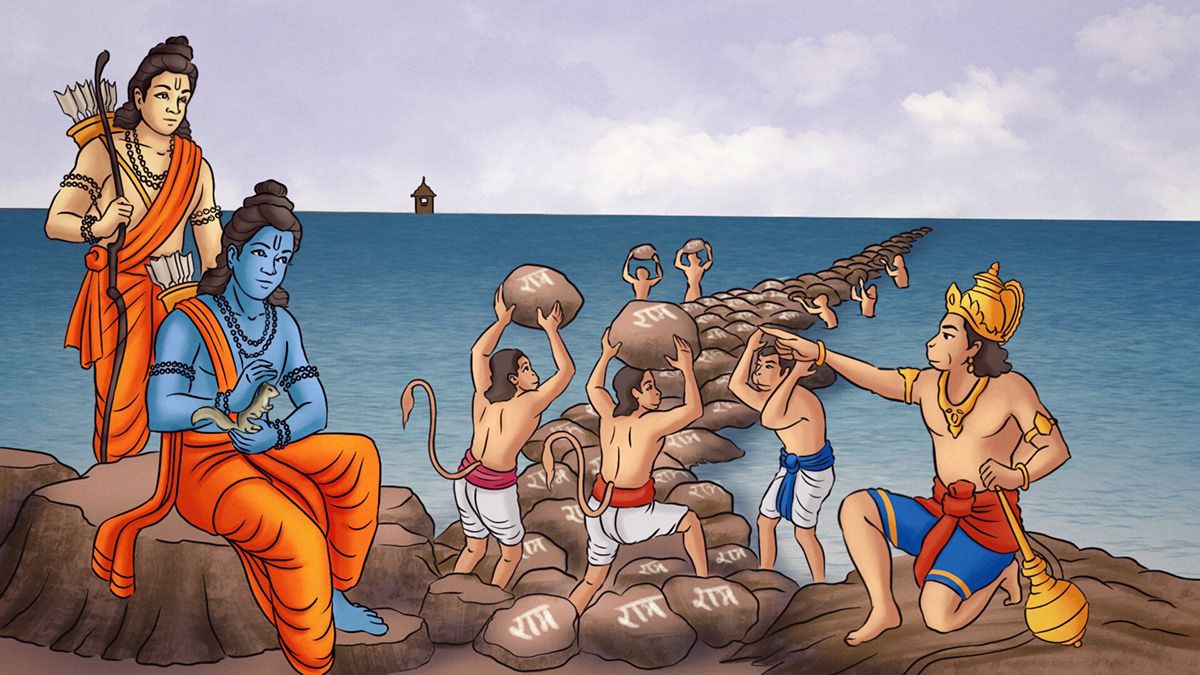
In the second part (due in November, 2027), I’m assuming that we’ll see Rama gathering his forest-creature allies,
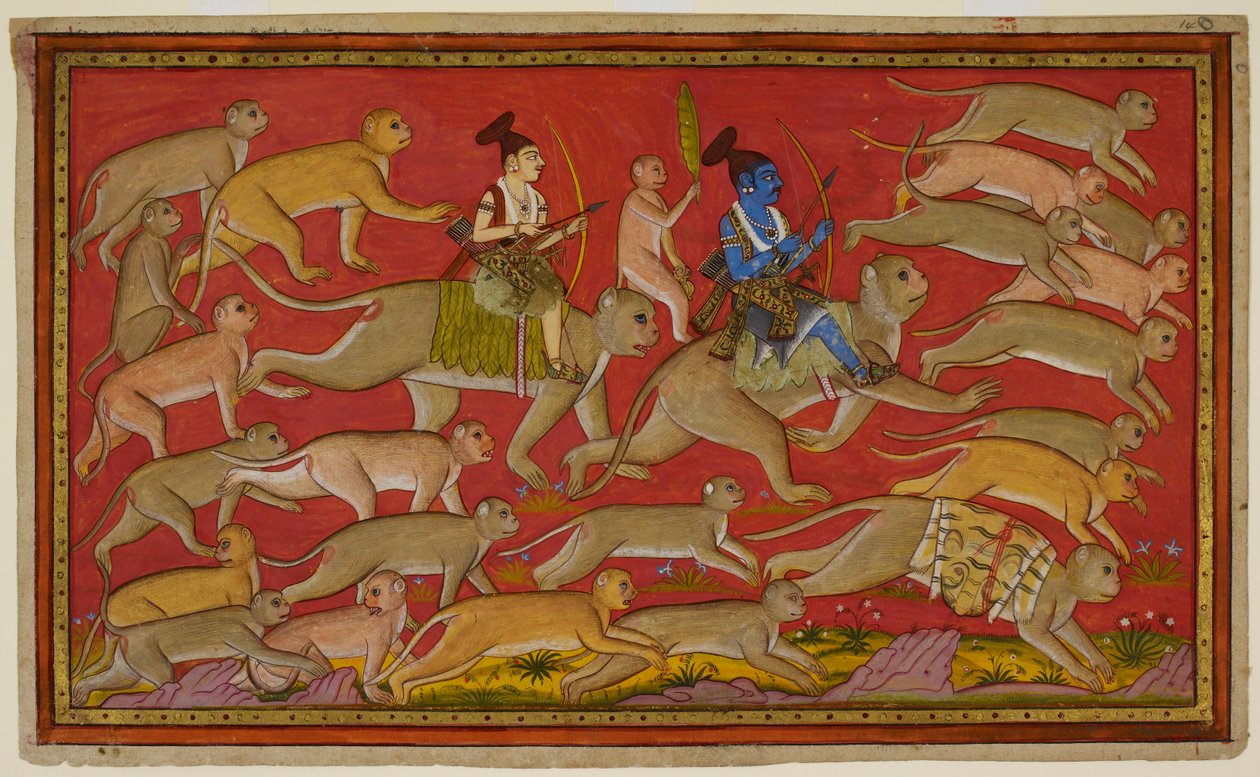
meeting Hanuman,
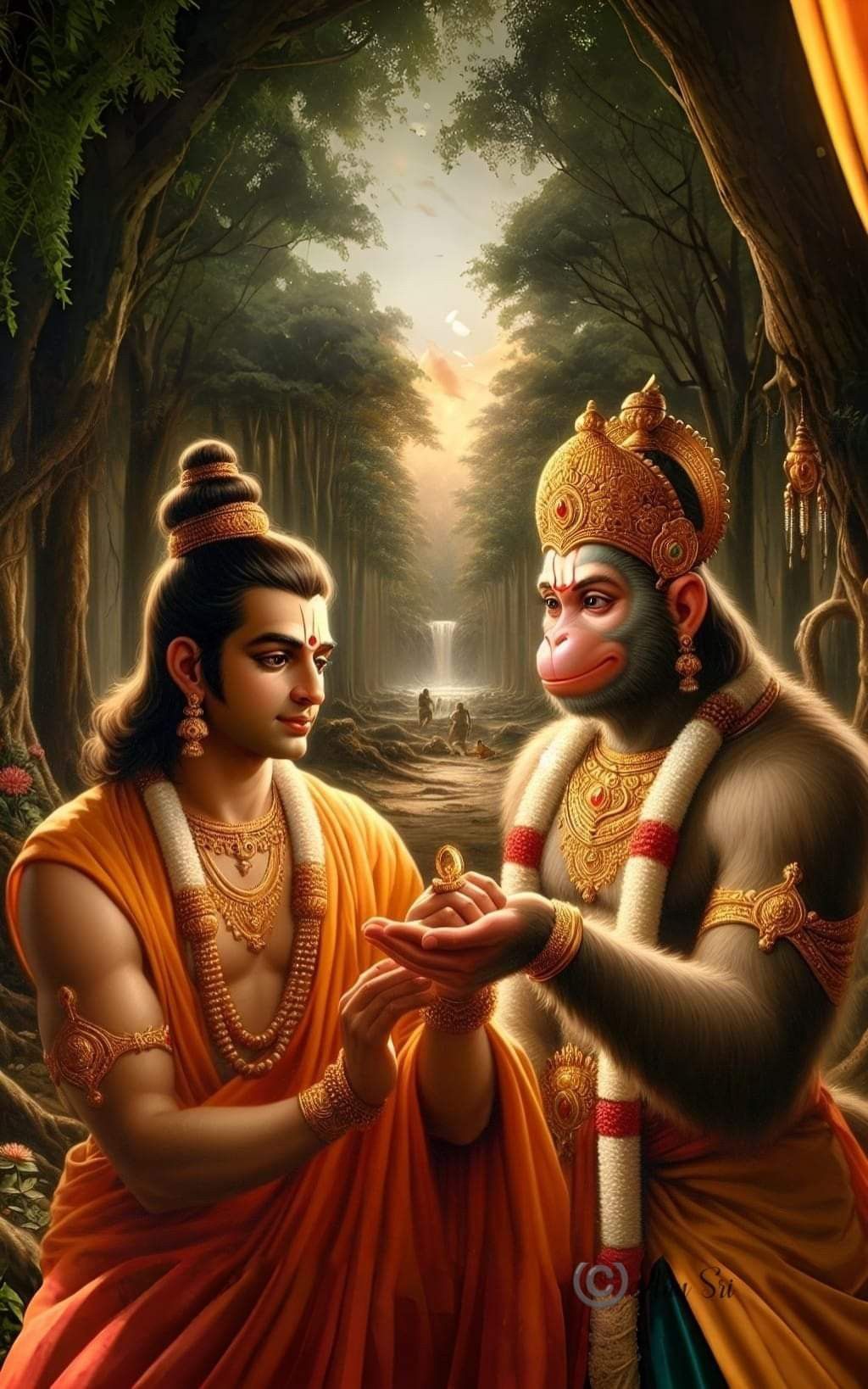
Hanuman’s leap across the strait to Ravana’s city of Lanka to see the captive Sita,
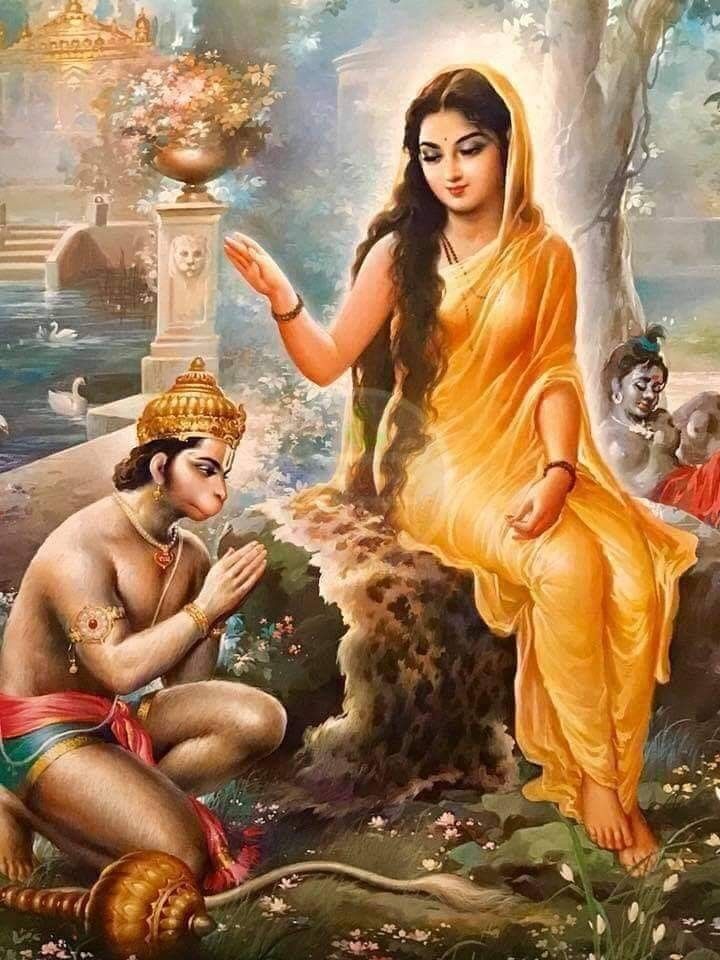
the building of the causeway to allow Rama’s forces to attack Lanka,
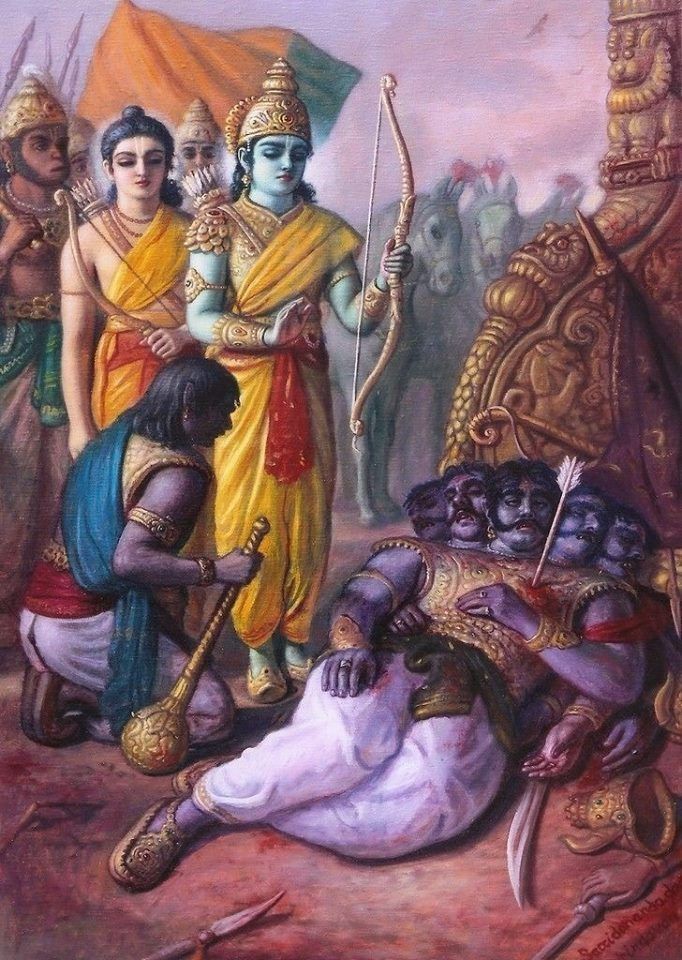
the battle at Lanka and the death of Ravana,
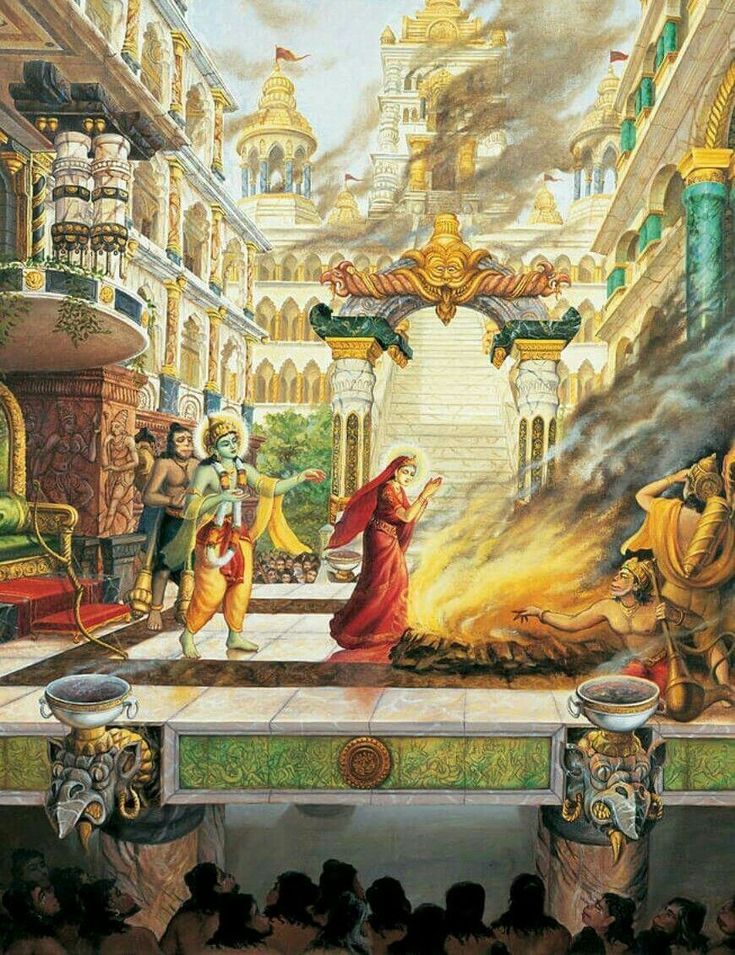
and perhaps it will go on to the sad later part of the story, where Sita’s fidelity to Rama is questioned and she is forced to undergo an ordeal to prove that fidelity.
I myself am only a beginner when it comes to the great epics of India, the Mahabharata and the Ramayana, and the complex mythological worlds in which they stand, but, if you’d like to make a beginning, what is said to be the most faithful and scholarly translation of the latter is this—
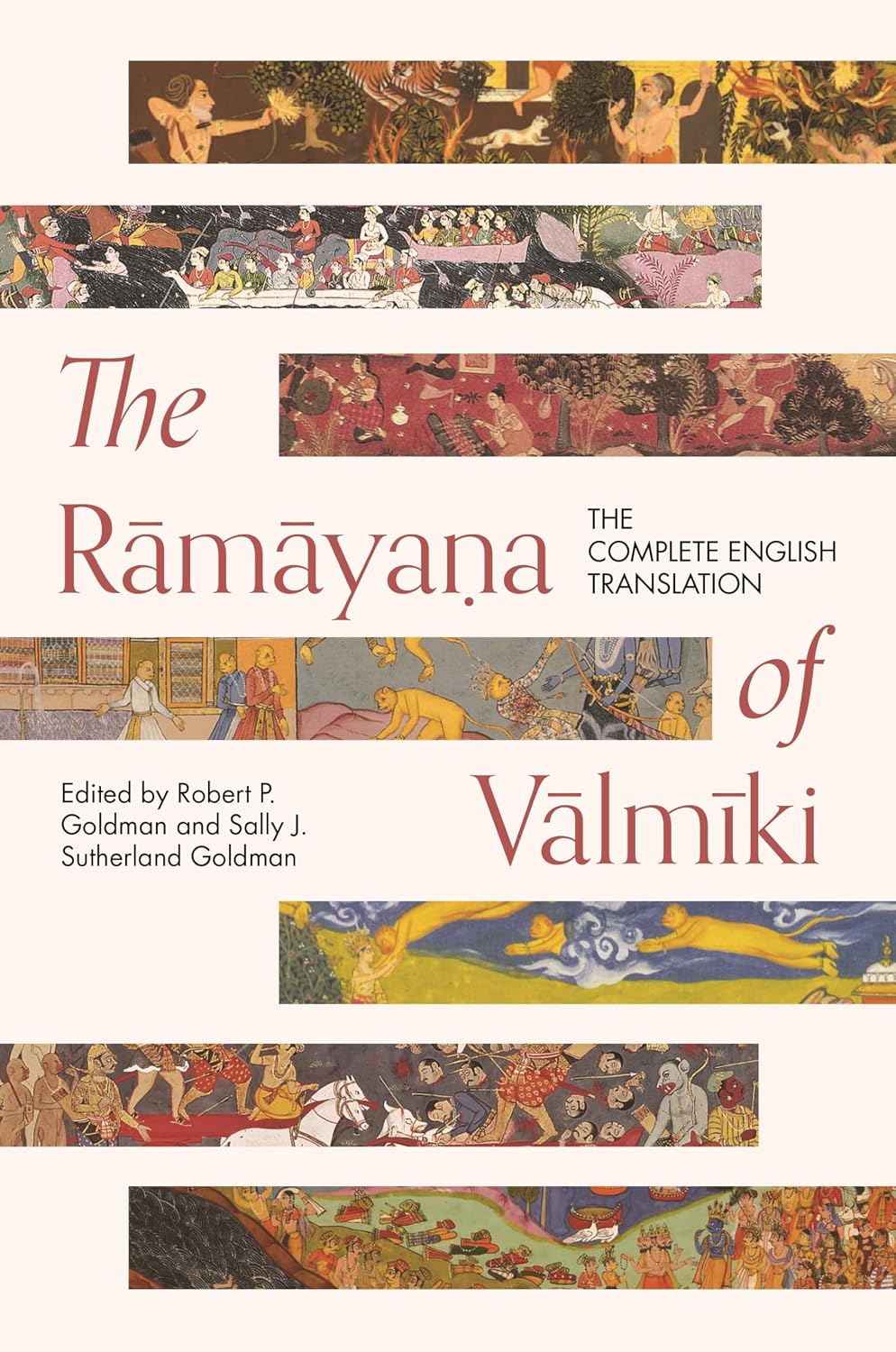
which is, in fact, the digest of this—
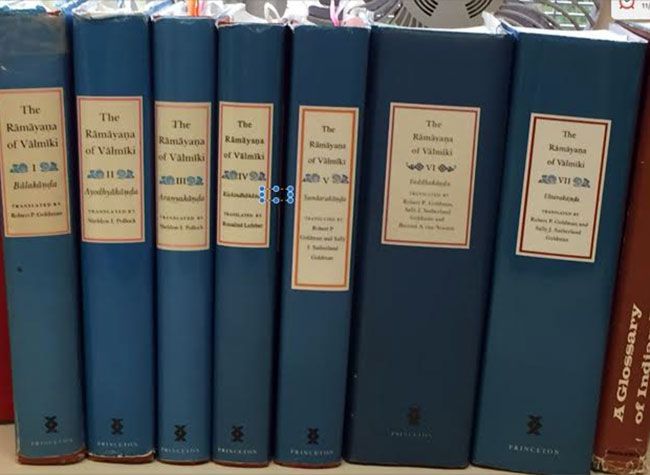
but, if you’d like to start smaller, there is a good children’s version—
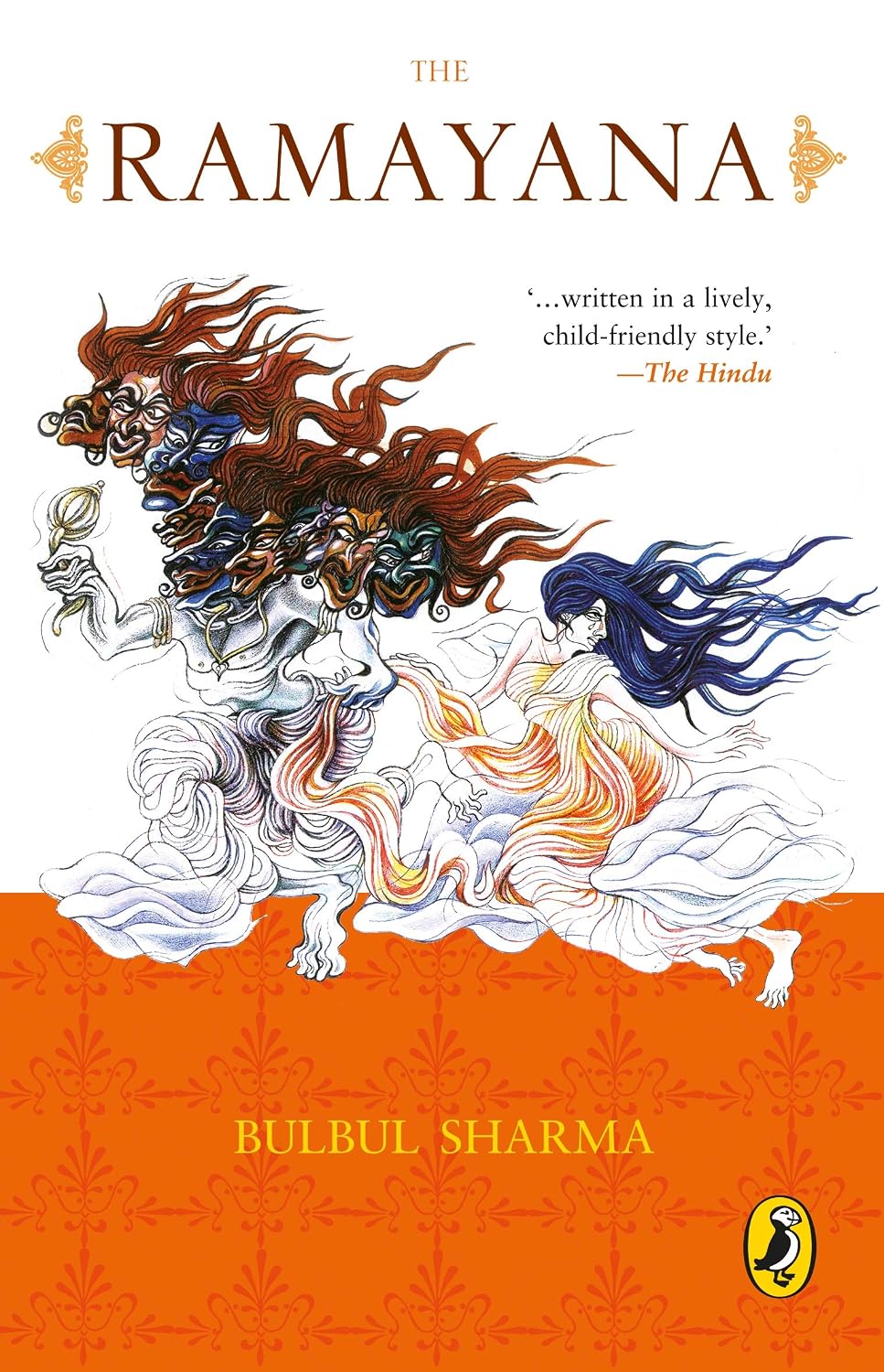
which will get you started.
As always, with big, very expensive films like this, there is a certain amount of hype—as well as criticism based upon the trailers—but I, for one, am very much looking forward to this, not only for itself, but because it actually grants my wish for something fresh in the world of filmed epic.
As always, thanks for reading.
Stay well,
Think about what one wish which you would like granted,

And remember that, as always, there’s
MTCIDC
O
PS
The wiki- site will give you a useful beginning: https://en.wikipedia.org/wiki/Ramayana

