• About

doubtfulsea

~ adventure fantasy

Tag Archives: towers

Towering.3

08 Wednesday Jul 2026

Posted by Ollamh in Uncategorized

≈ Leave a comment

Tags

Aucassin et Nicolette, Barad-Dur, chantefable, Childe Roland, dark-tower, English Fairy Tales, Fantasy, Illustrations of Northern Antiquities, King Lear, lotr, Men and Women, Minas Morgul, Robert Browning, Shakespeare, the Dark Tower, The Lord of the Rings, the Morannon, Tolkien, towers

As ever, welcome, dear readers.

In our last, we began a tour and catalogue of towers as we see them in The Lord of the Rings.

We set off from the Elvish towers in the far west of Middle-earth.

(Ted Nasmith)

From there, we traveled east and south to Amon Sul, aka Weathertop.
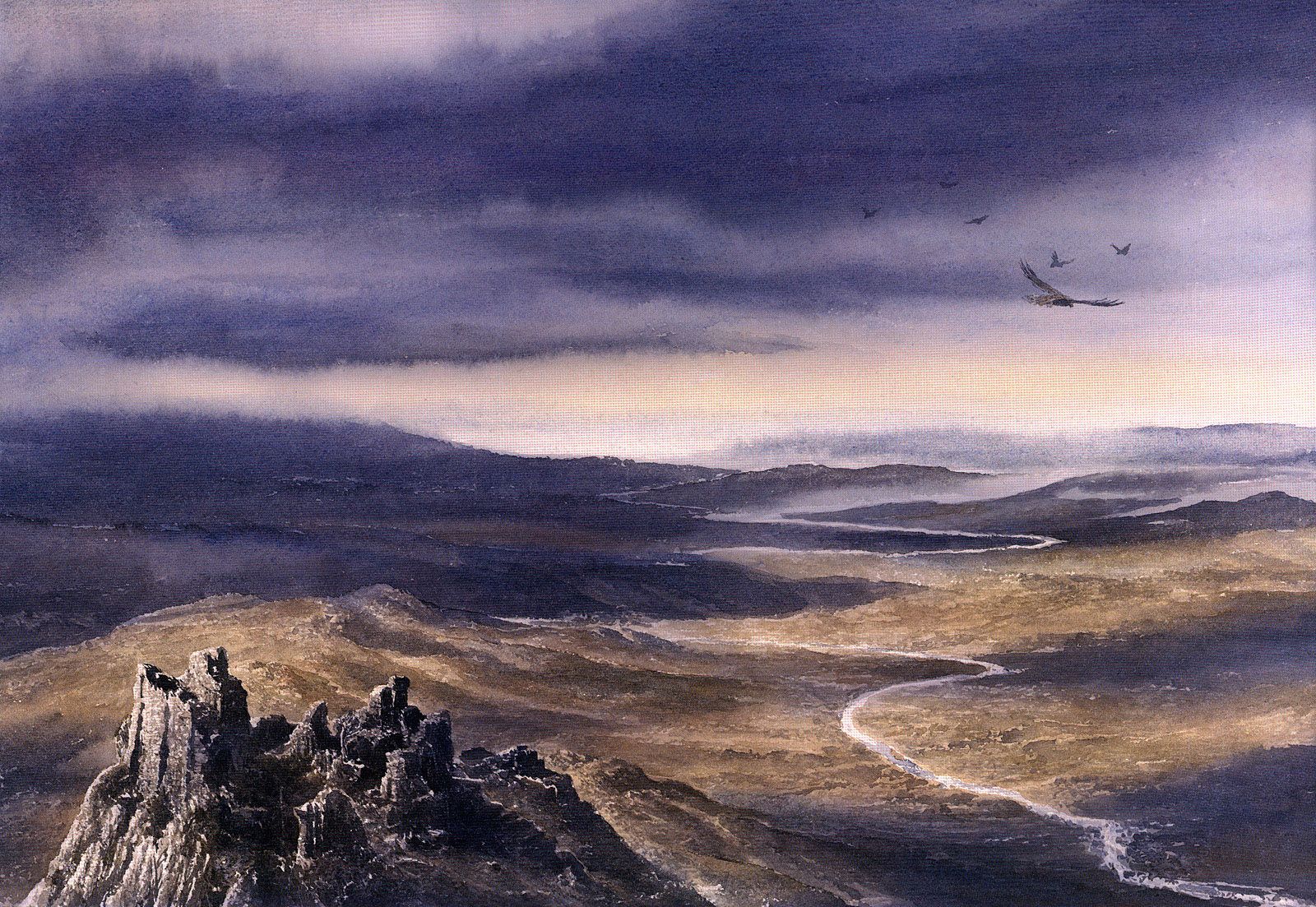
(Alan Lee)

Unlike the Fellowship, we then went all the way down along the western side of the Misty Mountains
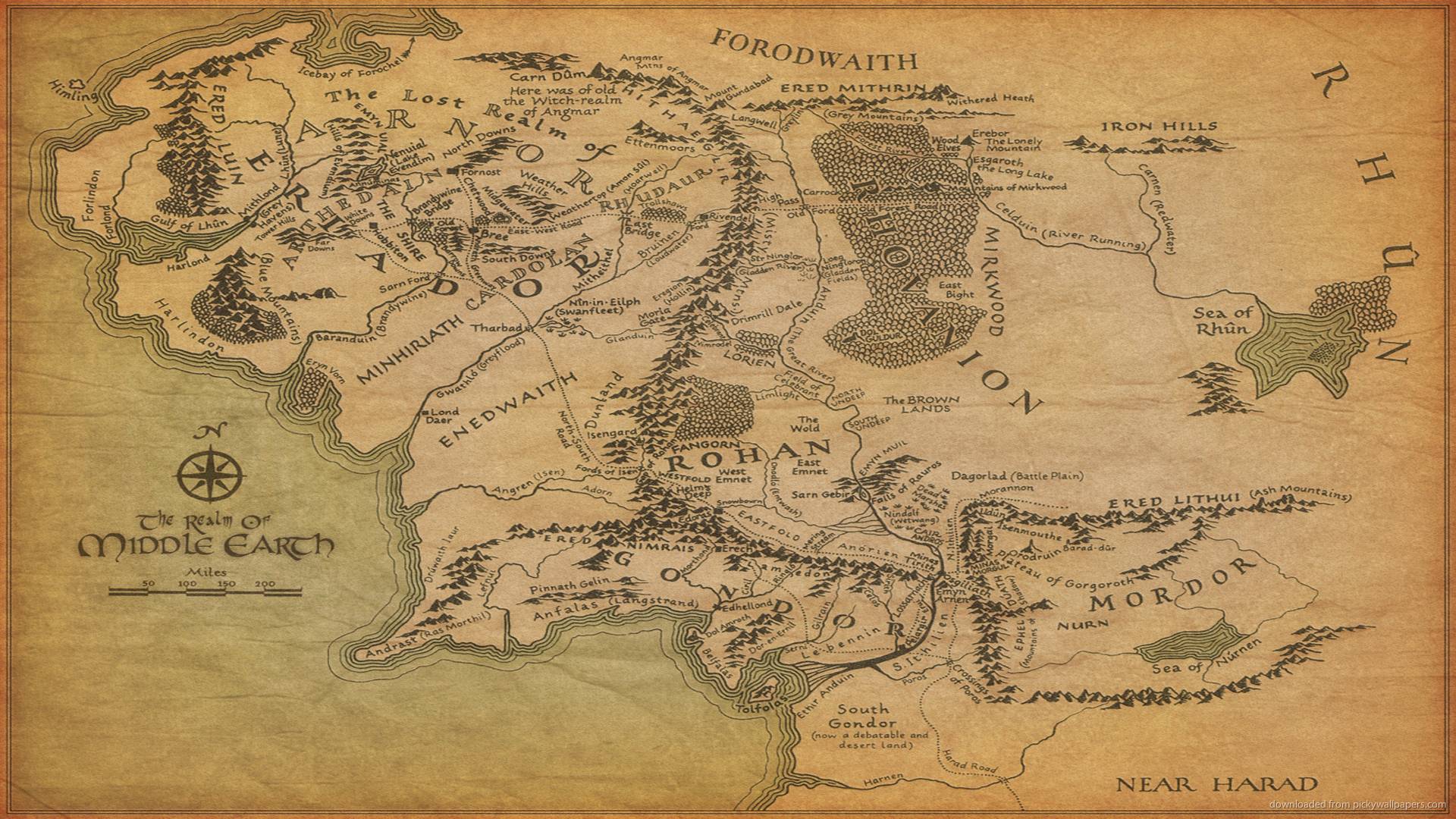
until we reached Isengard and the tower of Orthanc.

(Ted Nasmith)

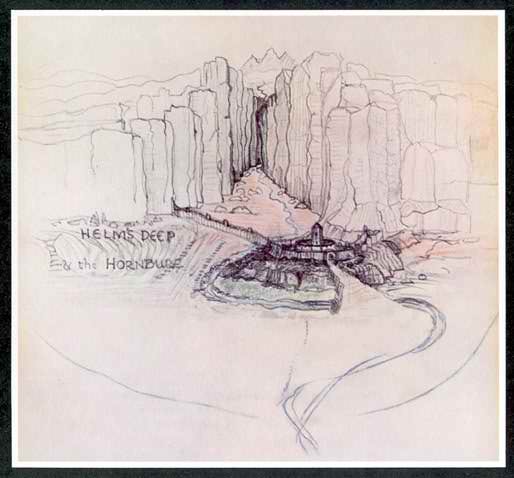
Leaving Isengard, we journeyed farther south yet to Helm’s Deep and its tower
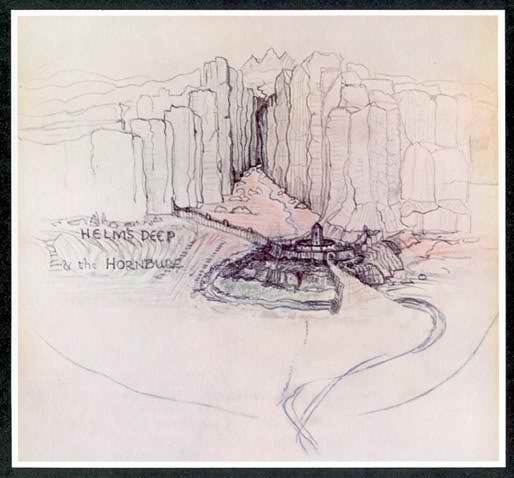
(JRRT)

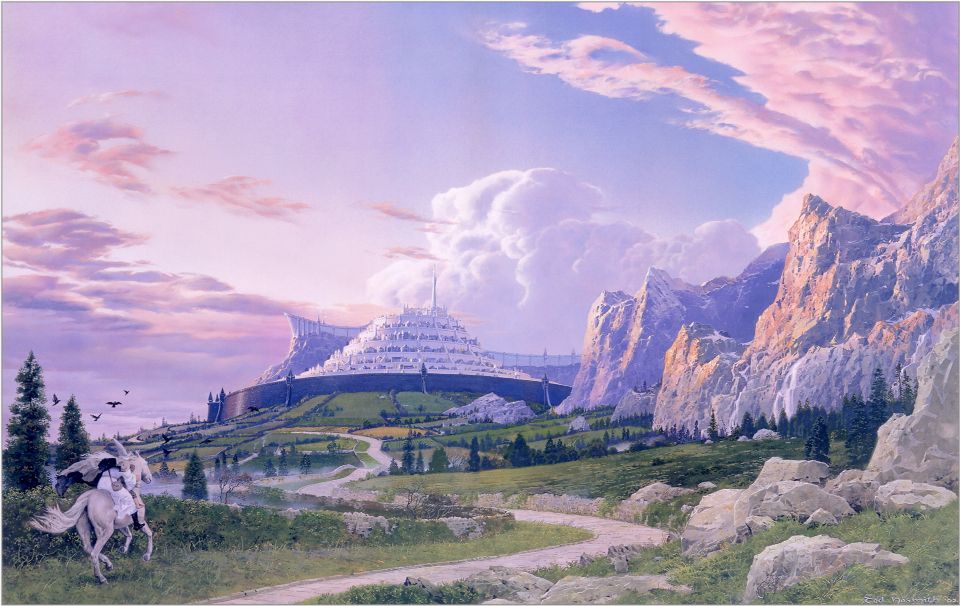
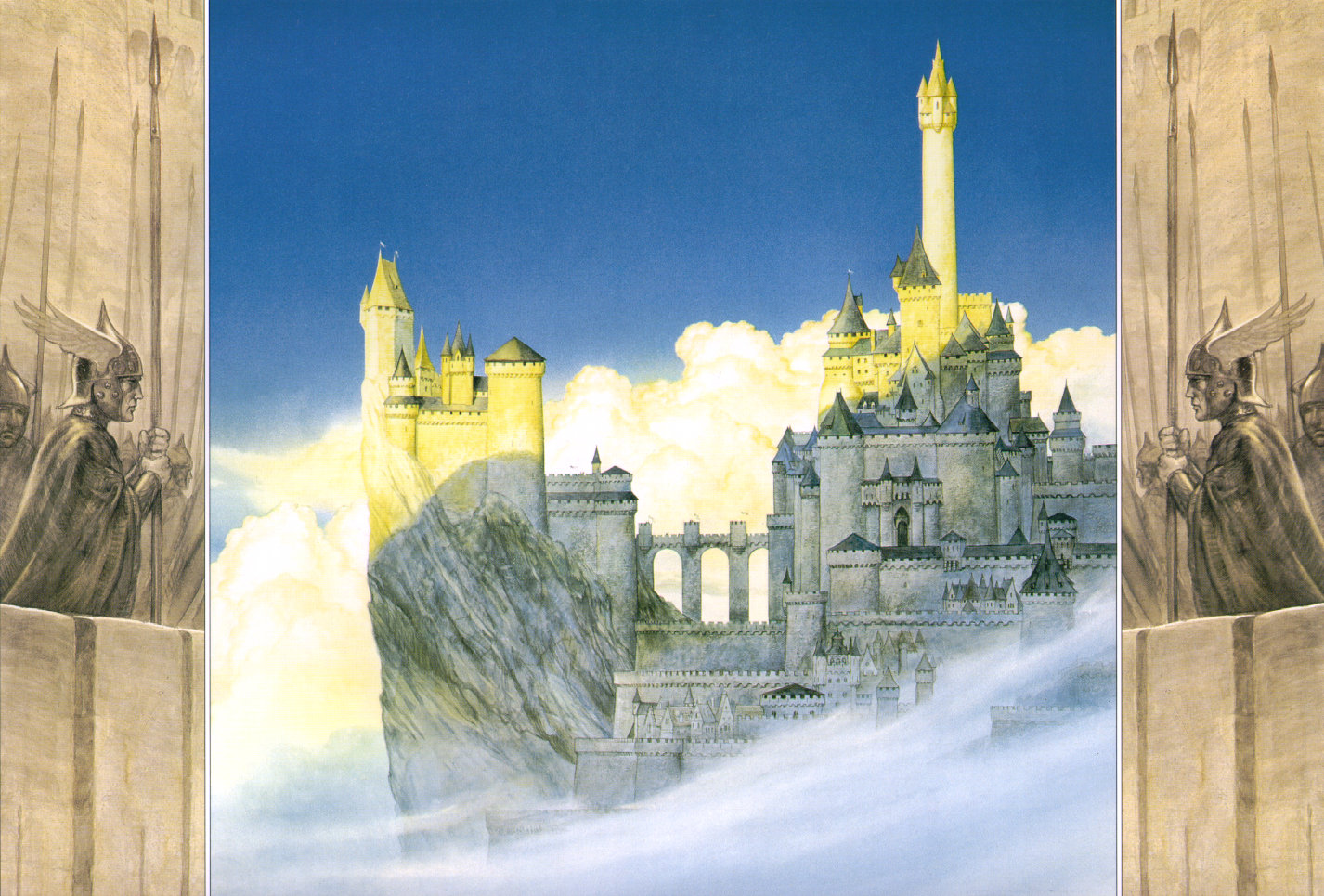
and then farther yet to Minas Tirith and the tower of Echthelion
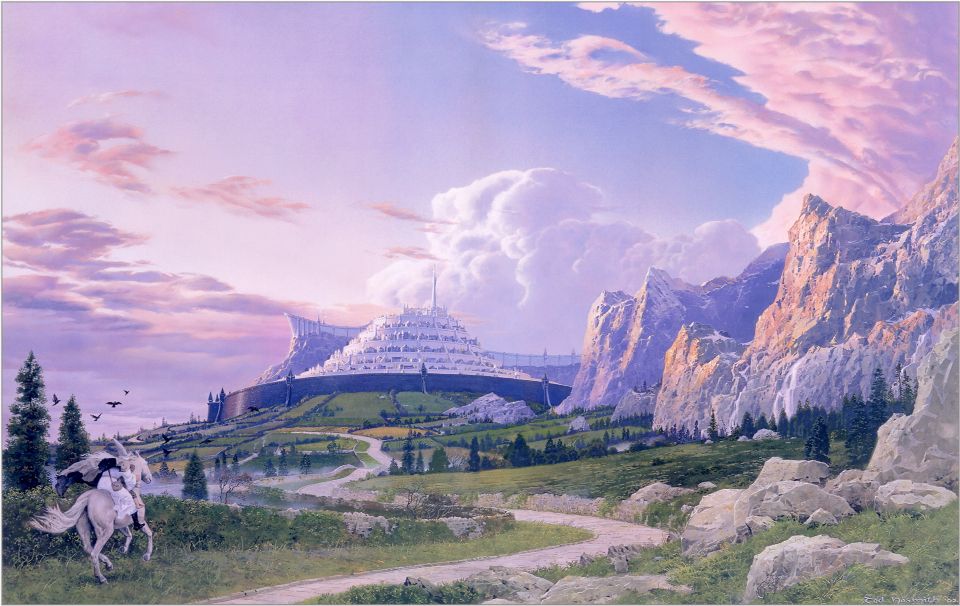
(Ted Nasmith)

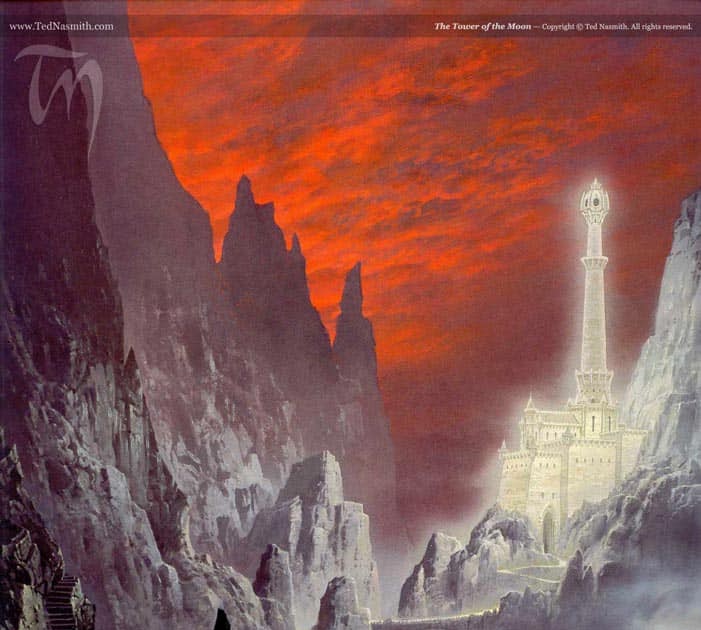
before turning eastwards, crossing the Anduin, to finish part 1 at Minas Morgul—formerly Minas Ithil.

(Ted Nasmith)

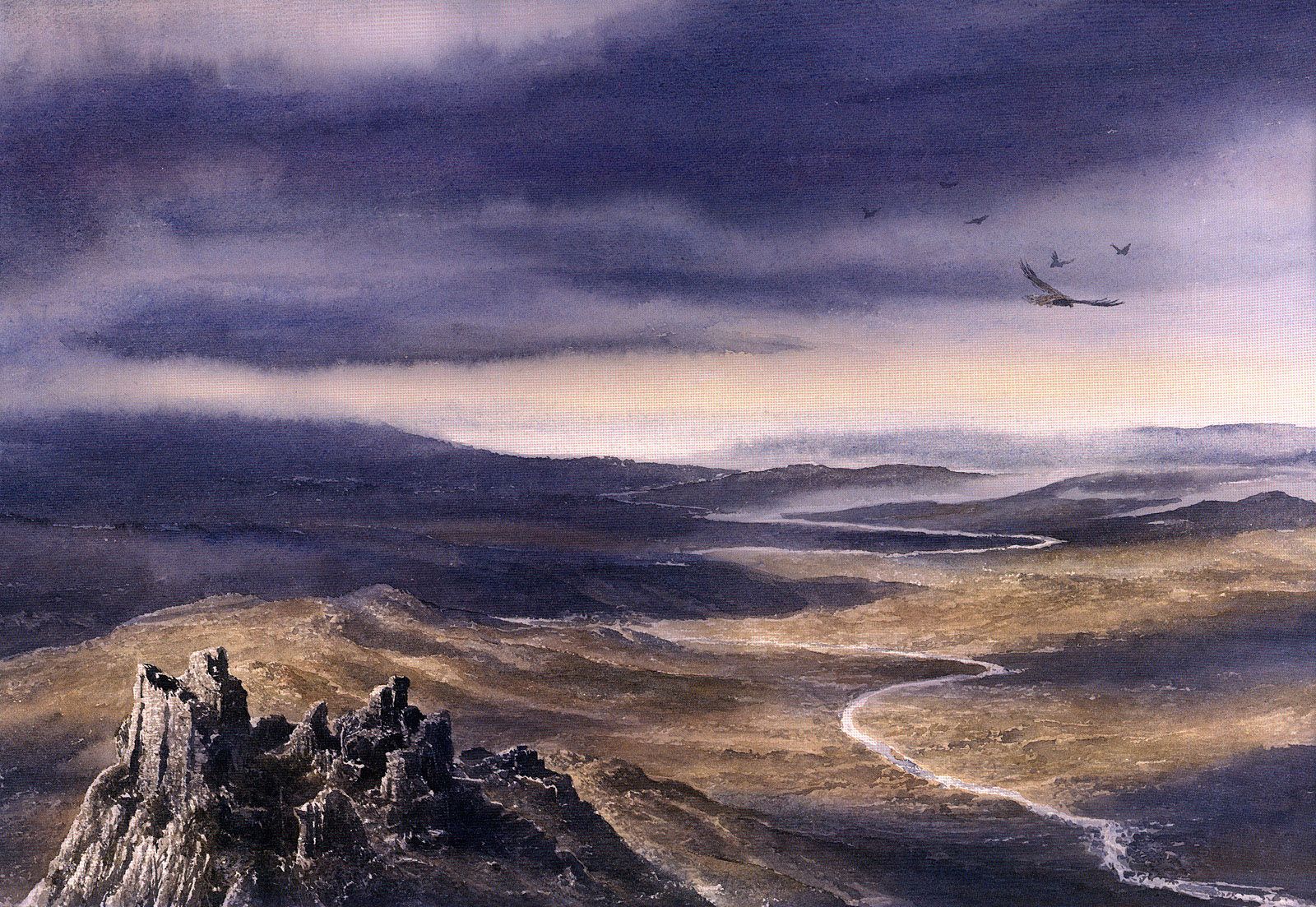
This marks the beginning of Frodo and Sam’s final leg, into Mordor, where we paused for the moment—but now we pick up the journey again and step into Mordor itself—but, as we’ll finish with Sauron’s hangout, let’s first grab an eagle
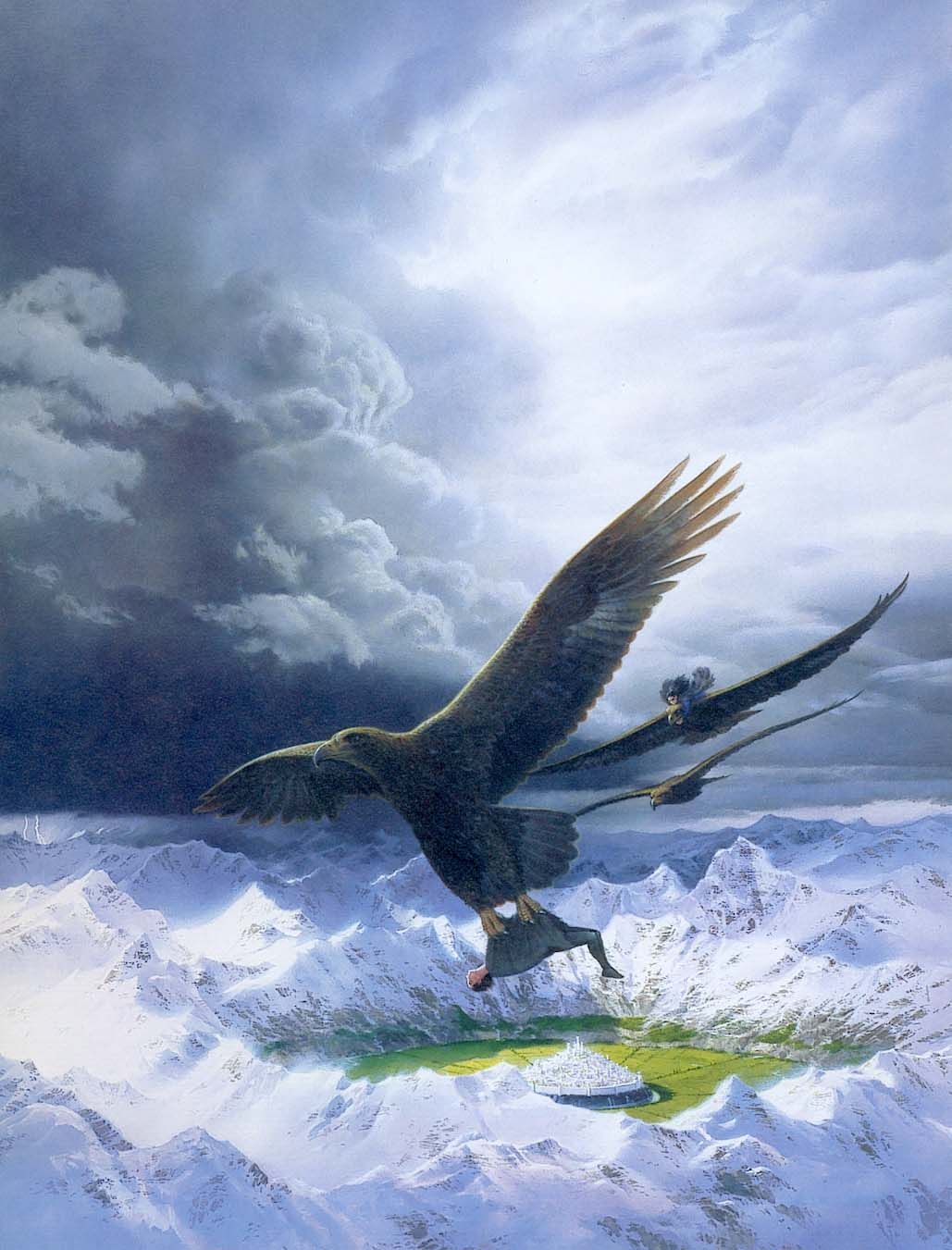
(Ted Nasmith—and I want to point out that this wonderful artist has illustrated things from Tolkien beyond The Hobbit and The Lord of the Rings—this image, for instance is an illustration from the history of the Elvish city of Gondolin.  For more on Gondolin, see:  https://en.wikipedia.org/wiki/Gondolin )

and fly north to the other entrance to Mordor, at the Morannon—the Black Gate.
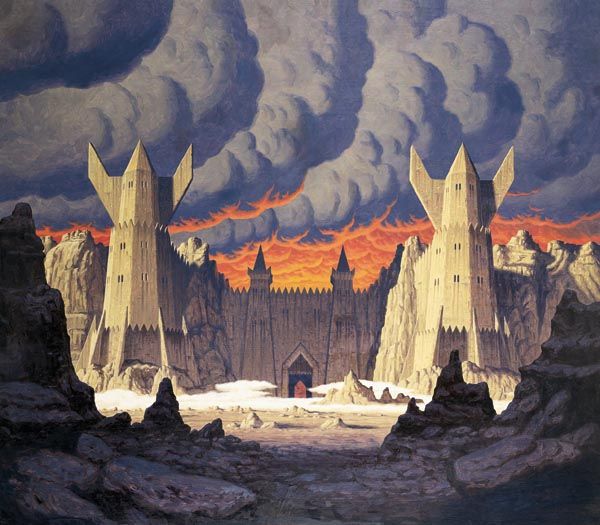
(an early illustration by the Hildebrandts)
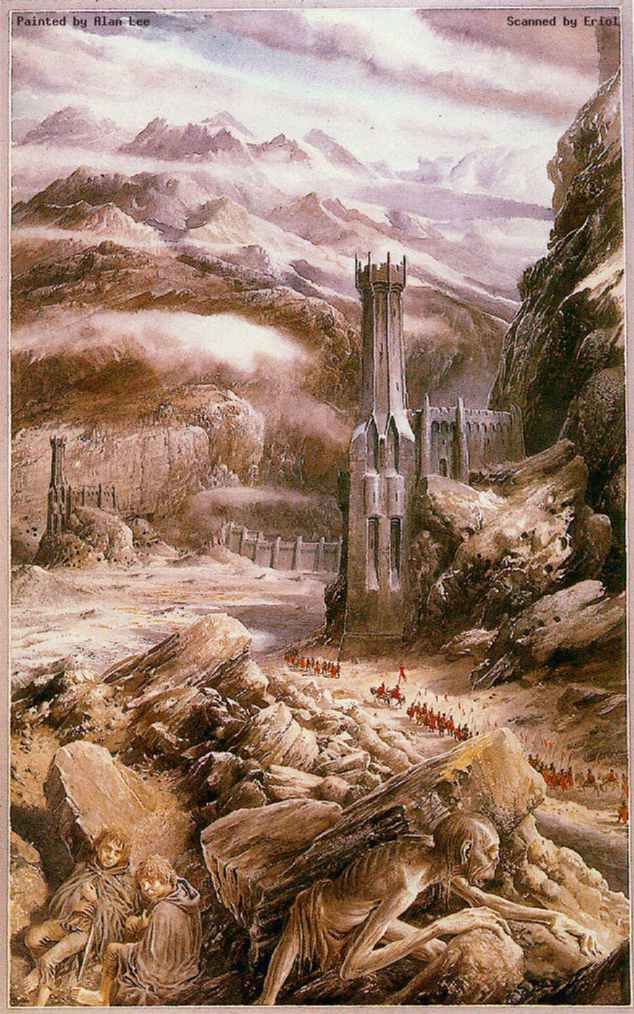
(a later illustration by Alan Lee—I thought the contrast in conceptions of the Gate was interesting.  The Hildebrandts were pioneers in Tolkien illustration and certain of their images—like Gandalf’s original appearance to Bilbo—have always been favorites.)

Our narrator gives us a description—and history–of the place:

“But as the ranges [of Ephel Duath and Ered Lithui] approached one another, being but parts of one great wall about the mournful plains of Lithlad and of Gorgoroth, and the bitter inland sea of Nurnen amidmost, they swung out long arms northward; and between these arms there was a deep defile.  This was Cirith Gorgor, the Haunted Pass, the entrance to the land of the Enemy.  High cliffs lowered upon either side, and thrust forward from its mouth were two sheer hills, black-boned and bare.  Upon them stood the Teeth of Mordor, two towers strong and tall.  In days long past they were built by the Men of Gondor in their pride and power, after the overthrow of Sauron and his flight, lest he should seek to return to his old realm.  But the strength of Gondor failed, and men slept, and for long years the towers stood empty.  Then Sauron returned.  Now the watch-towers, which had fallen into decay, were repaired and filled with arms, and garrisoned with ceaseless vigilance.  Stony-faced they were, with dark window-holes staring north and east and west, and each window was filled with sleepless eyes.

Across the mouth of the pass, from cliff to cliff, the Dark Lord had built a rampart of stone.  In it there was a single gate of iron, and upon its battlements sentinels paced unceasingly.  Beneath the hills on either side the rock was bored into a hundred caves and maggot-holes…”  (The Two Towers, Book Four, Chapter 3, “The Black Gate is closed”)

As always, we see in The Lord of the Rings a Middle-earth which has a history which stretches back far from the present moment.  Sauron had been defeated by the Last Alliance in SA 3441.  While traveling with Frodo and Sam, we set off in TA 3018—over 3000 (!) years later.  (Frodo is astonished to hear from Elrond an eye-witness account of that event—see The Fellowship of the Ring, Book Two, Chapter 2, “The Council of Elrond”)  Thus, the two original towers—ironically constructed to keep Sauron out—must have been built somewhere at the end of the Second Age or at the beginning of the Third, and the wall between constructed after c.TA 2942, when  Sauron had been driven by the White Council from Dol Goldur,
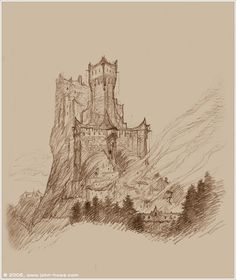
(John Howe—if we had more information about this place, I might have included it in our tour, but it appears to be more mentioned than explained in detail.)

and returned to Mordor.

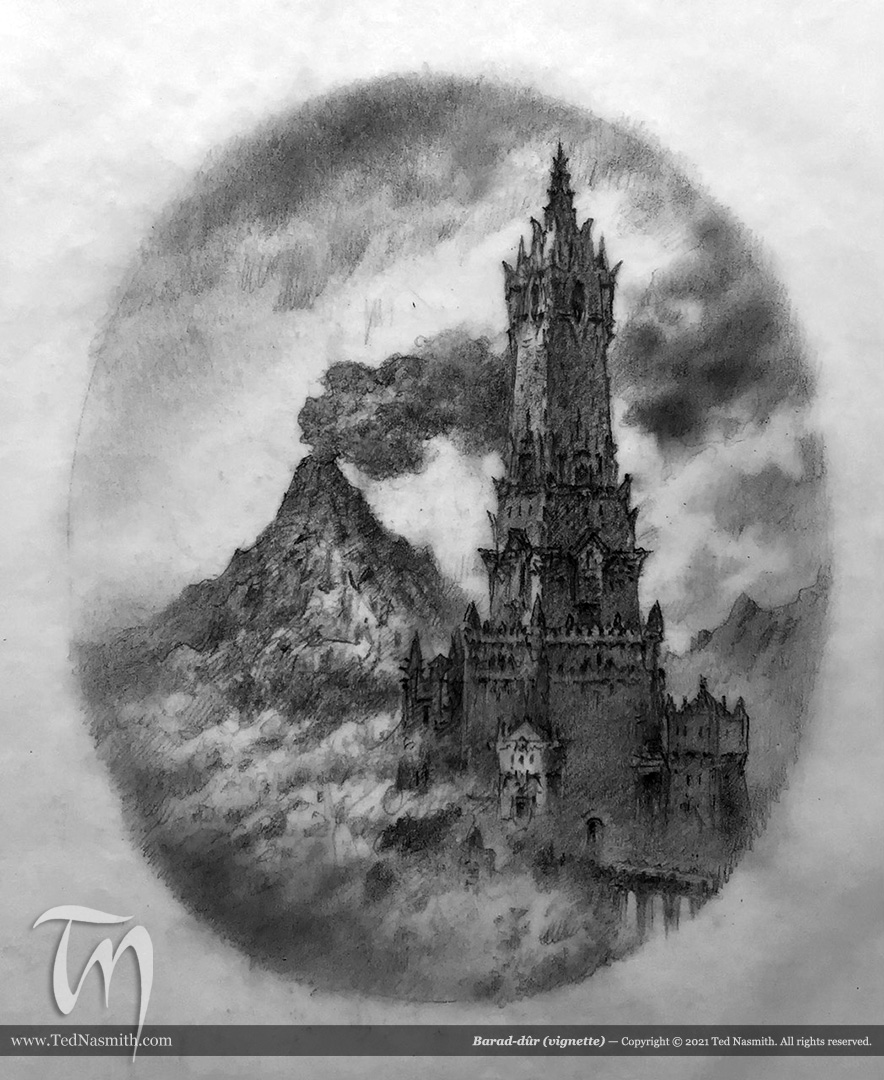
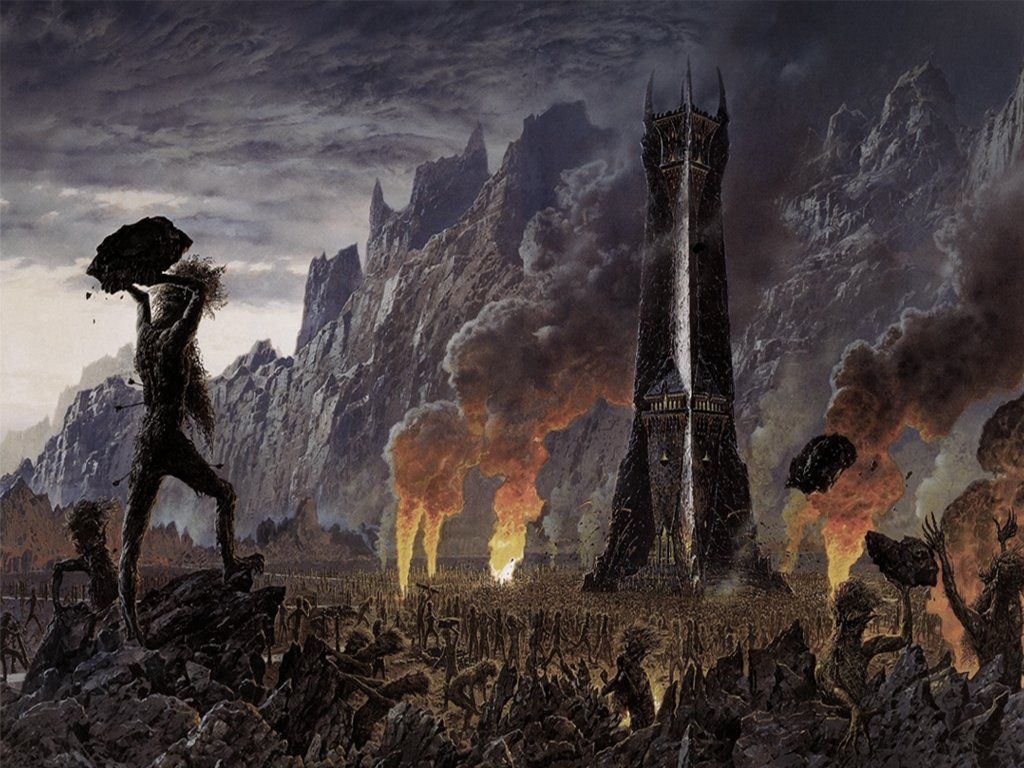
And now we come to the end of our tower tour at the most fearsome of those towers:  the Barad-dur.
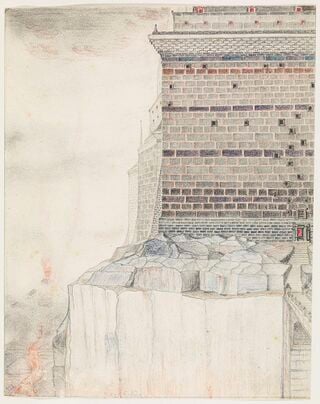
(JRRT—a shame that this is only a fragment)
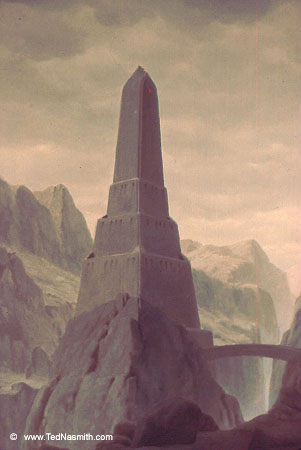
(both by Ted Nasmith—the first strikes me as more menacing in its monumentality, the second, more elaborate and baroque, suggesting a Sauron with a taste for the ornamental, rather than simply the grimly practical.)

Frodo first sees it at Amon Hen,
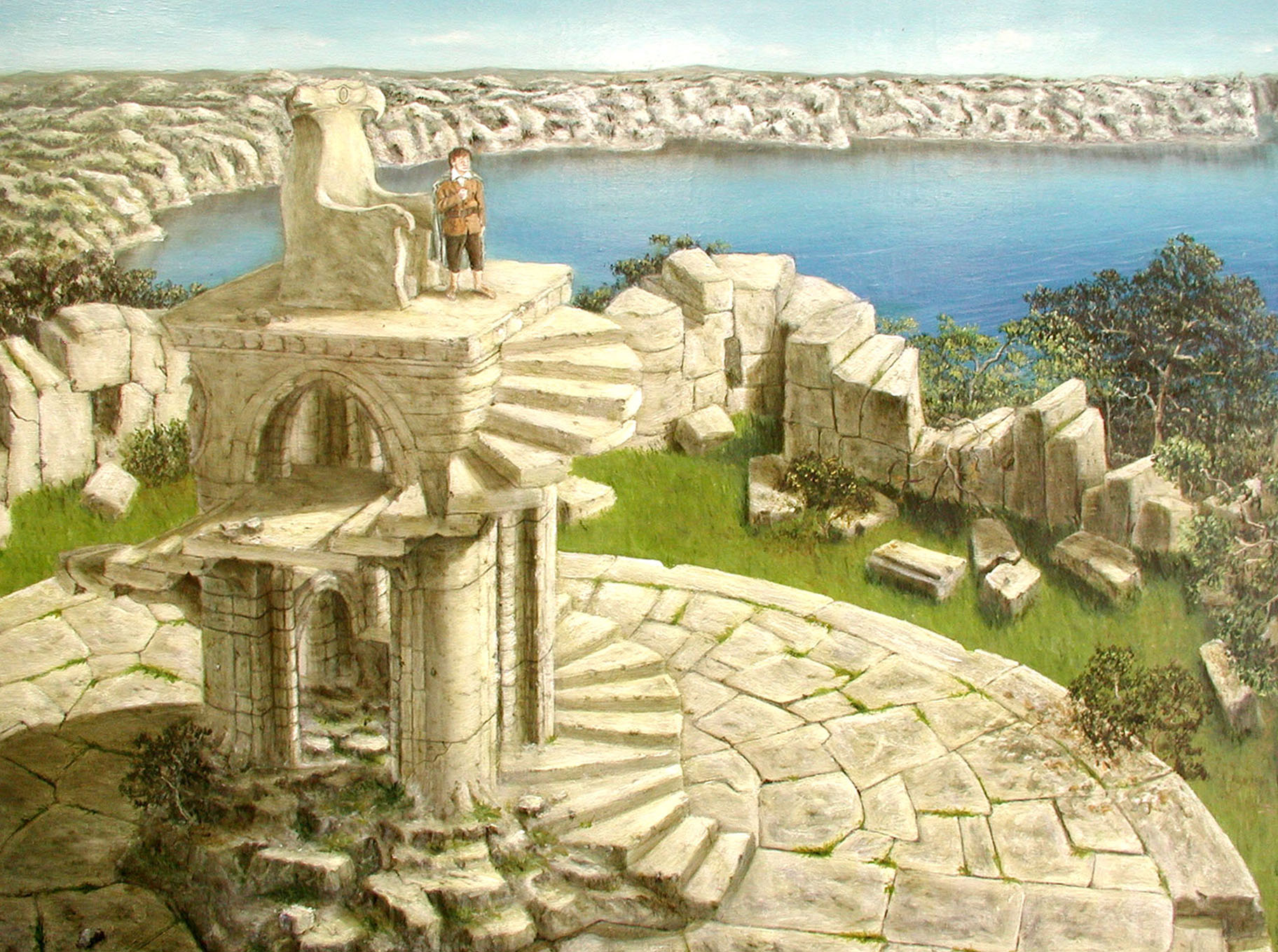
(Scott Peery—for more images see:  https://tolkiengateway.net/wiki/Category:Images_by_Scott_Peery )

when he puts on the Ring and first Minas Tirith appears, but then—

“But against Minas Tirith was set another fortress, greater and more strong.  Thither, eastward, unwilling his eyes were drawn…Then at last his gaze was held:  wall upon wall, battlement upon battlement, black, immeasurably strong, mountain of iron, gate of steel, tower of adamant, he saw it:  Barad-dur, Fortress of Sauron.”  (The Fellowship of the Ring, Book Two, Chapter 10, “The Breaking of the Fellowship”)

Sauron had begun the construction of this menacing place in SA 1000, completing it 600 years KinAlliance, returns to rebuild it in TA 2951 (Appendix B, “The Third Age”), its final destruction coming with the destruction of the Ring in TA 3019.
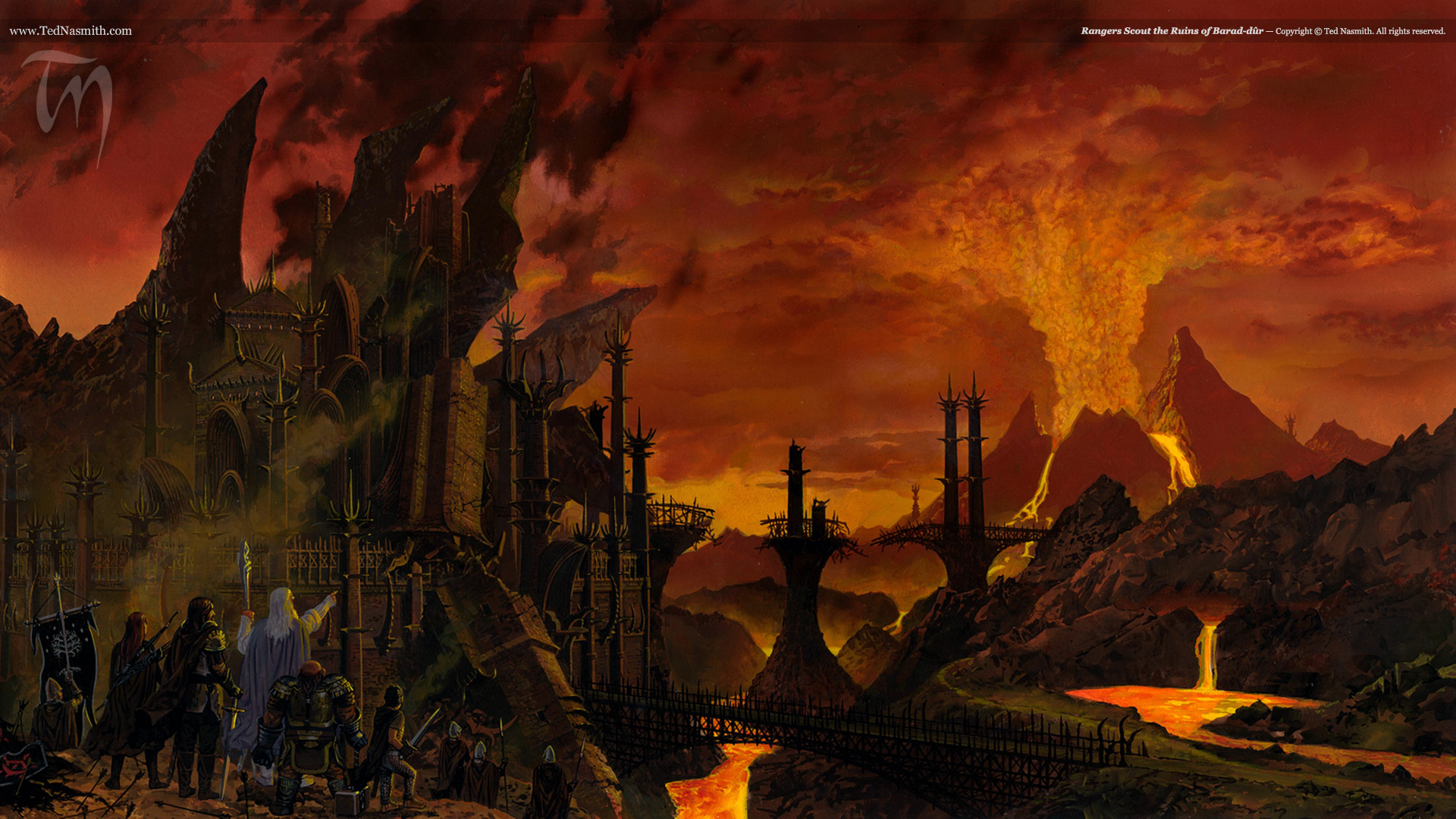
(Ted Nasmith—with the very interesting label “Rangers scout the ruins of Barad-dur”)

As we know, “Barad-dur” means “Dark Tower” and that name made me wonder about where it might have come from, apart from JRRT’s amazingly fertile imagination.

One possibility could be a poem by Robert Browning (1812-1889), entitled “Childe Roland to the Dark Tower Came”, which is in his 1855 collection Men and Women. 

It’s a rather creepy poem about a knight on an unknown mission—except that it seems to end at that Dark Tower.  You can read it here:  https://www.poetryfoundation.org/poems/1597010/childe-roland-to-the-dark-tower-came

The only reference in Letters is to another Browning poem, “The Pied Piper of Hamelin”, which Tolkien said he loathed, but the medieval setting and the popularity of Browning in the later 19th century might suggest that Tolkien had read it—with perhaps less distaste than he did “The Pied Piper”—but the Browning poem is actually his recreation of what might have been a much earlier ballad, only a fragment of which appears to survive, in Shakespeare’s King Lear, where, at the end of Act 3, Scene 4,  a major character, Edgar, pretending to be “Poor Tom”, a madman, recites:

“Childe Rowland to the darke Tower came,

His word was still, fie, foh, and fumme,

I smell the blood of a Brittish man.”

(This is from the “First Folio” of 1623—I always prefer using early versions of Shakespeare’s texts as their spelling echoes earlier English pronunciation—so-called “Shakespearean”, which you can hear here:  https://www.youtube.com/watch?v=y2QYGEwM1Sk  You can read the whole play in this older spelling here:  https://internetshakespeare.uvic.ca/doc/Lr_F1/scene/1.1/index.html )

You probably know two of these lines from the English fairy tale “Jack and the Beanstalk”—sometimes called “Jack the Giant-Killer”–which you can read here, if you don’t know it, or would like to refresh your memory (start on page 99):  https://archive.org/details/englishfairytal00jacogoog/page/n8/mode/2up  You’ll also notice, facing the title page of this volume, an illustration entitled “Childe Rowland”,
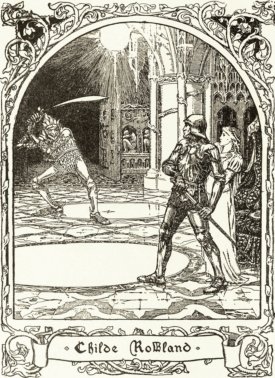
a story which you can find beginning on page 117.  The editor of this text (English Fairy Tales, 1890), Joseph Jacobs, has provided a long note (pages 238-245) about his major source, citing Jamieson’s 1814 collection, Illustrations of Northern Antiquities where Jamieson reconstructs something which combines verse and prose—as JRRT sometimes does—in what is called a “chantefable”, in which a character called “Burd Ellen” is rescued from Elfland by “Child Rowland”, (“Child/e” is a title for a young nobleman pre-knighthood.) a familiar theme in a number of ballads and which Jamieson links to a Danish balled, “Rosmer Hafmand”.  You can read Jamieson’s account here:  https://archive.org/details/cu31924027097868/page/396/mode/2up

(For more on the one known surviving example of the “chantefable”, the 12th-13th century “Aucassin et Nicolette”, see:  https://en.wikipedia.org/wiki/Aucassin_and_Nicolette ) 

So, did at least the name “Dark Tower” come from a literary source—Browning’s poem, say?

Or, can we turn to Browning’s source:  King Lear?

For all that Tolkien was not, initially a Shakespeare fan (see his letter to W.H. Auden, 7 June, 1955, Letters, 312), he later came to appreciate him—at least in performance—(see letter to Christopher Tolkien, 28 July, 1944, Letters, 126), and we know that he had been exposed to Shakespeare’s works at an early age, so perhaps Shakespeare was a—if not the—inspiration?

In any event, that tower was doomed to ultimate destruction with that of the Ring, as we read:

“The earth groaned and quaked.  The Towers of the Teeth swayed, tottered,  and fell down; the mighty rampart crumbled; the Black Gate was hurled in ruin; and from far away, now dim, now growing, now mounting to the clouds, there came a drumming rumble, a roar, a long echoing roll of ruinous noise.”  (The Return of the King, Book Six, Chapter 4, “The Field of Cormallen”)

A Tolkien illustration by Ted Nasmith

(Ted Nasmith)

And with the end of the Dark Tower, this tour of towers ends, as well.

Thanks for reading, as always.

Stay well,

If you are trapped underground and find a simple ring, consider, before you pick it up, that there may be consequences,

And expect

MTCIDC

O
Towering.2

01 Wednesday Jul 2026

Posted by Ollamh in Uncategorized

≈ Leave a comment

Tags

Fantasy, Helm's Deep, Isengard, Minas Ithil, Minas Morgul, Minas Tirith, Orthanc, The Lord of the Rings, Tolkien, Tower Hills, Tower of Echthelion, towers, towers in The Lord of the Rings, Weathertop

Welcome, dear readers, as always.

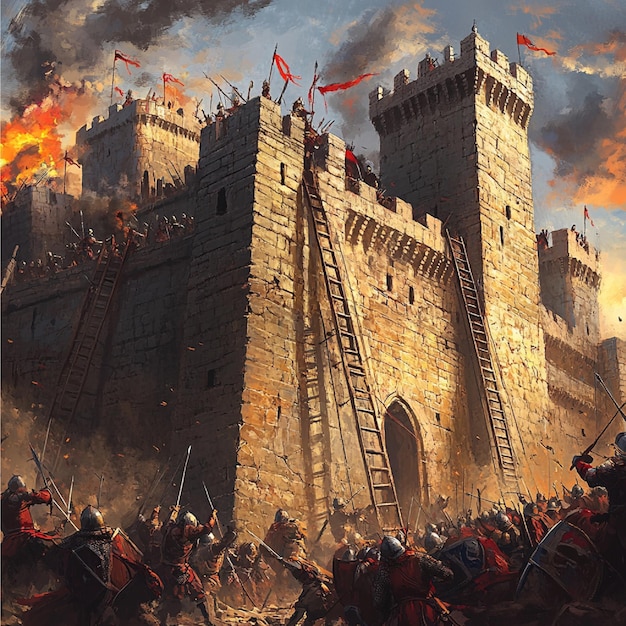
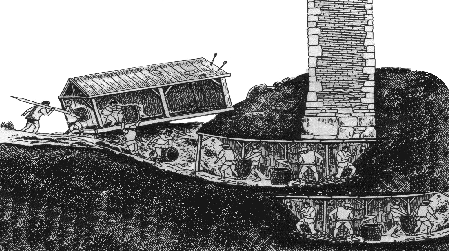
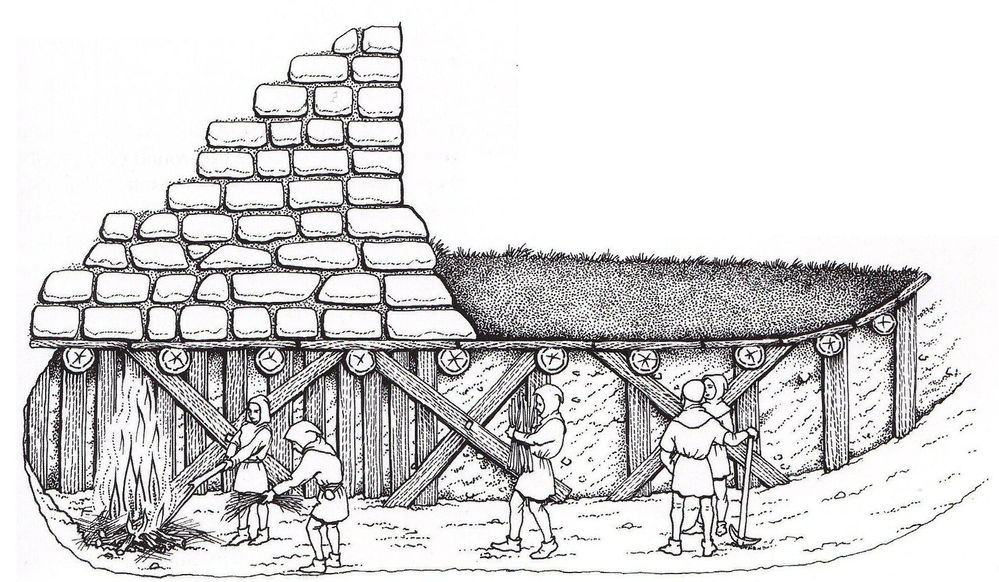
Walls have always been a problem for attackers, as they’re clearly meant to be.  There have always been several possibilities of how to deal with them:

1. attack its fabric

2. go over with a ladder (this is called an “escalade” and is, as you can imagine, an iffy method of assault)

3. dig under (tunneling)

(This is from the very good “War History Online” site:  https://www.warhistoryonline.com/

4. dig under to destroy (undermining)

(And this is from another very interesting site, “Classroom Adventures”, which has an educational agenda with which I agree:  https://www.classroomadventures.co.uk/ )

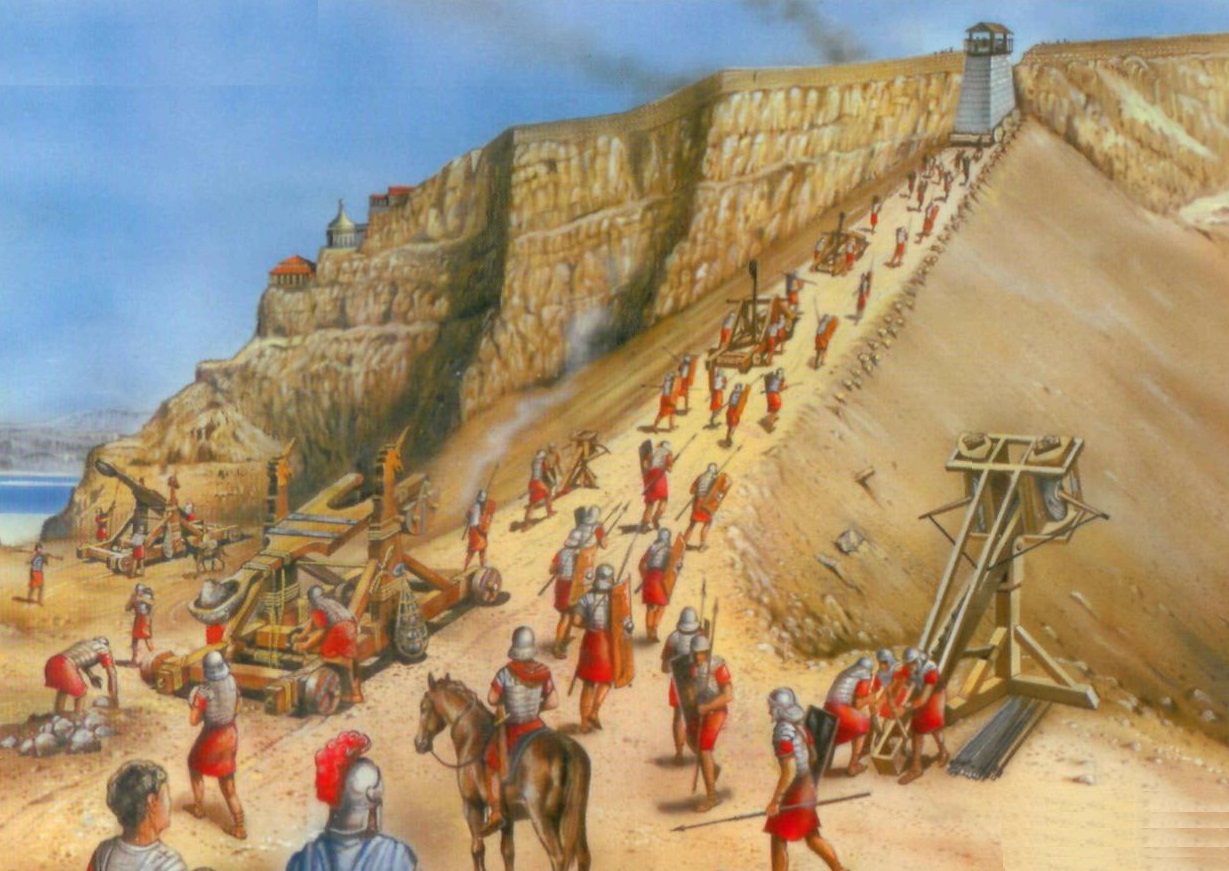
5. if you’re the Romans, you might build an enormous ramp to lead up to the top of the wall

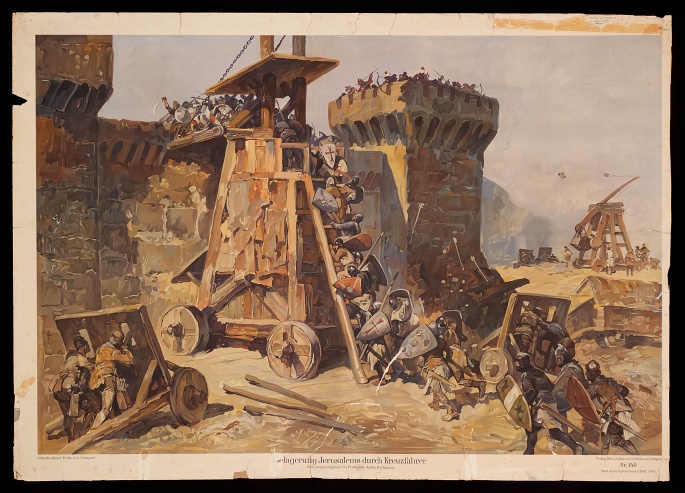
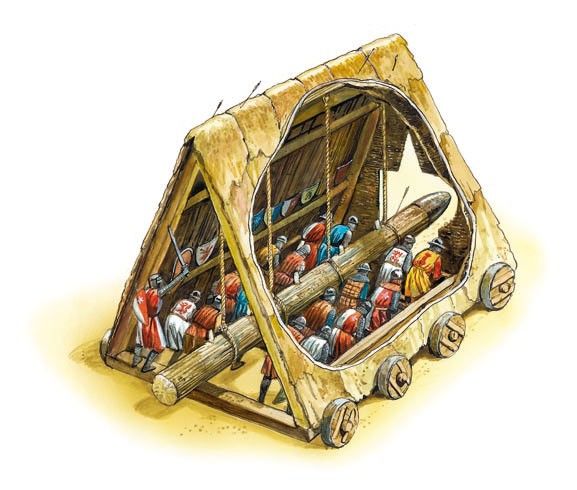
6. or you might build a tower a little higher than the wall, roll it up to the wall, and climb from it onto the wall

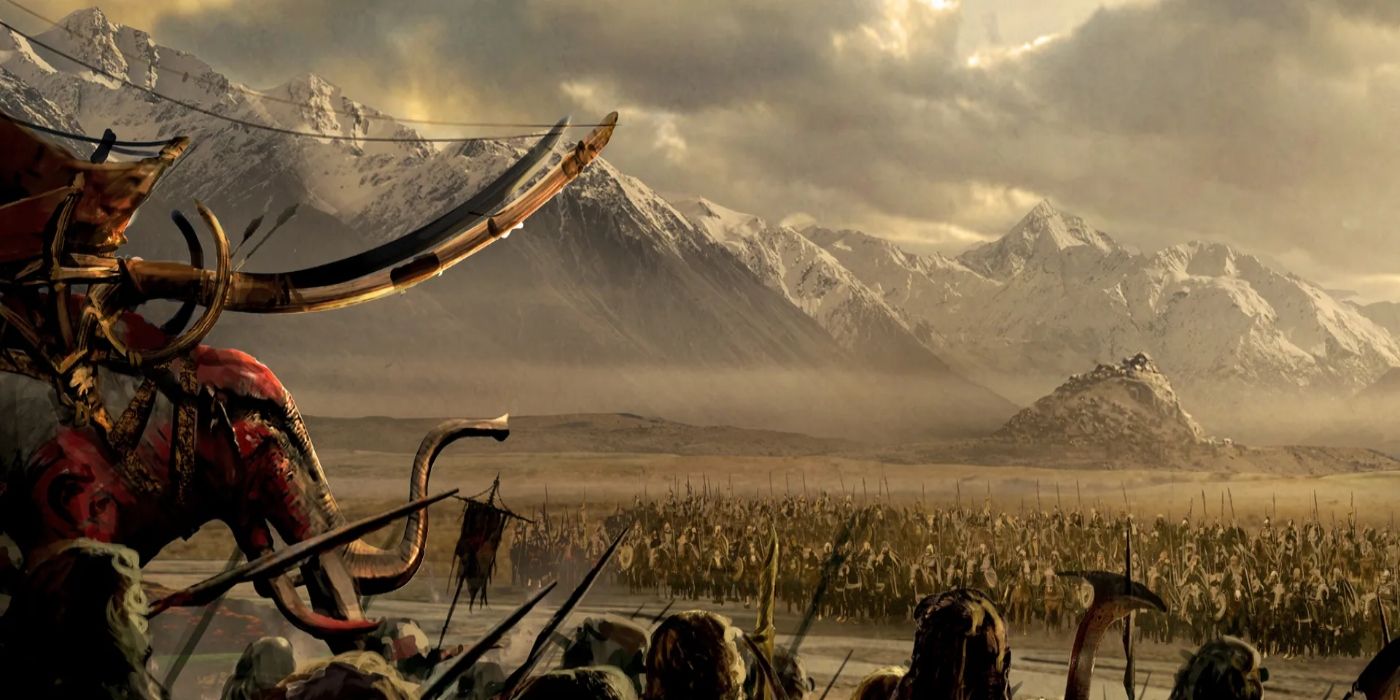
In an earlier posting, I examined this last in a review of the recent The War of the Rohrrim

for which, see “Towering”, 28 January, 2026.                                       

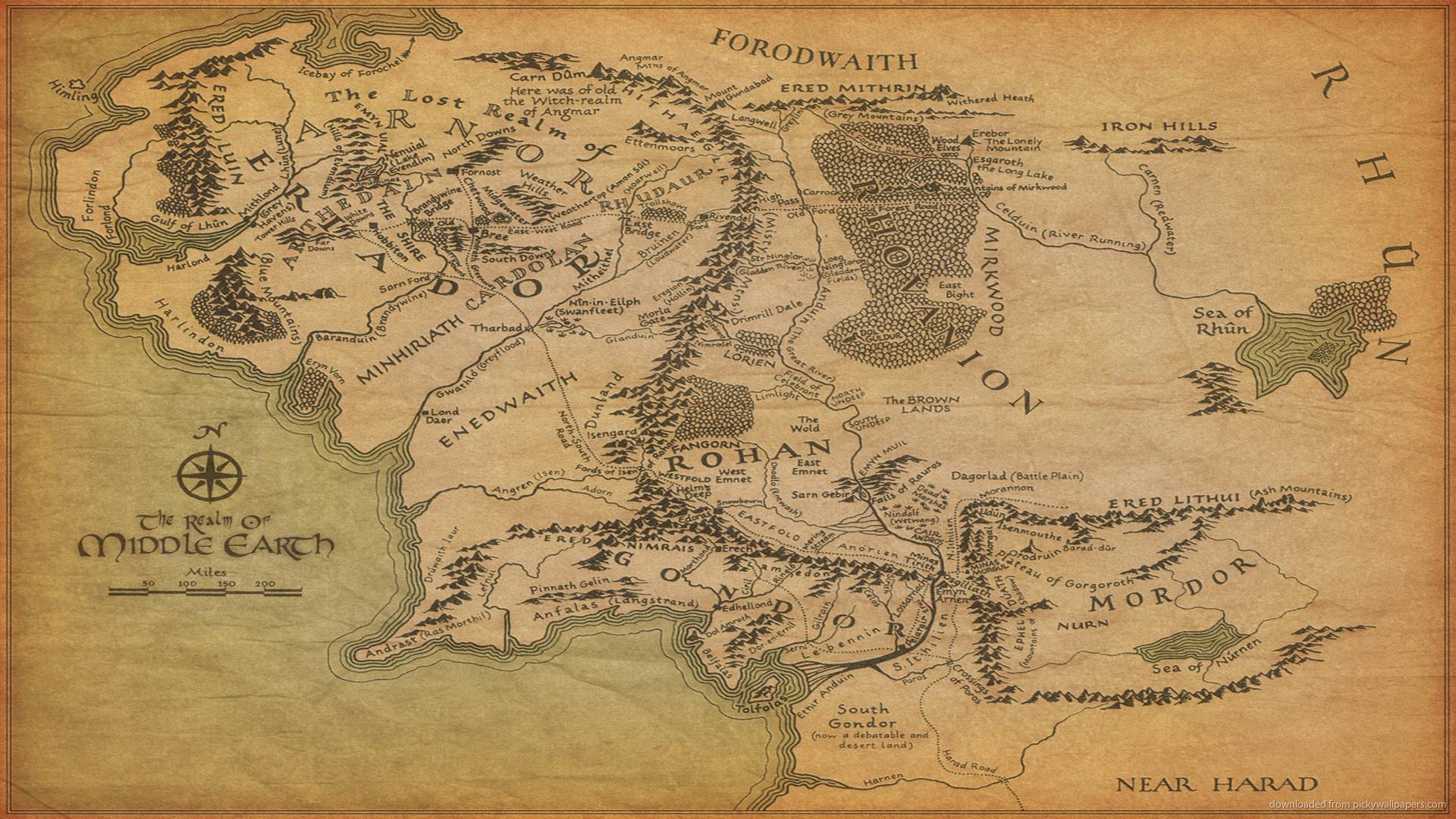
I have titled this “Towering.2”, but it’s not about walls and getting over them using a tower, however, but about towers themselves, specifically towers in The Lord of the Rings, in which there are a surprising number, of which I thought it might be fun to make a sort of catalogue, visiting them more or less geographically.

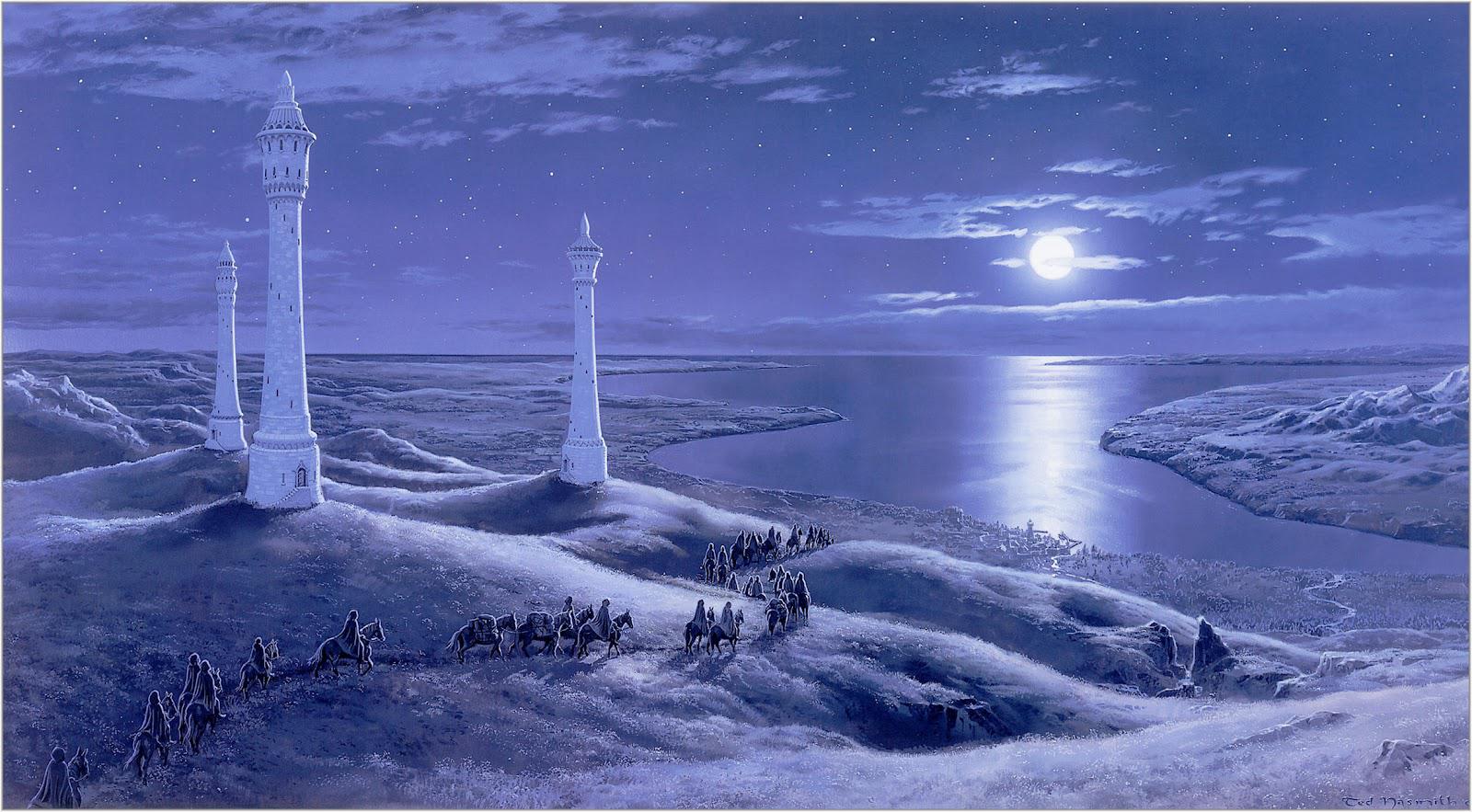
To do so, we begin to the far west of the Shire, just this side of the Grey Havens, where we see the Tower Hills.

(Ted Nasmith)

As Tolkien describes them:

“Three Elf-towers of immemorial age were still to be seen on the Tower Hills beyond the western marches.  They shone far off in the moonlight.  The tallest was furthest away, standing alone upon a green mound.”  (“Prologue”, The Lord of the Rings) 

Walking eastward towards the Misty Mountains, crossing the Shire, but veering south from Bree, we reach Weathertop,

(Alan Lee)

of which Aragorn says:

“The Men of the West did not live here; though in their latter days they defended the hills for a while against the evil that came out of Angmar.  This path was made to serve the forts along the walls.  But long before, in the first days of the North Kingdom, they built a great watch-tower on Weathertop, Amon Sul they called it…once it was tall and fair.”  (The Fellowship of the Ring, Book One, Chapter 11, “A Knife in the Dark”)

Even with just two towers, we can begin to understand what JRRT was at such pains to suggest:  settlement in Middle-earth is very old and, as we’ll see, no one has built in such an elaborate fashion for many centuries—the Elf towers are of “immemorial age” and Amon Sul was built during the later reign of Argaleb I (ruled TA 1349-1356—just to give you a sense of time, Frodo was born in TA 2968).

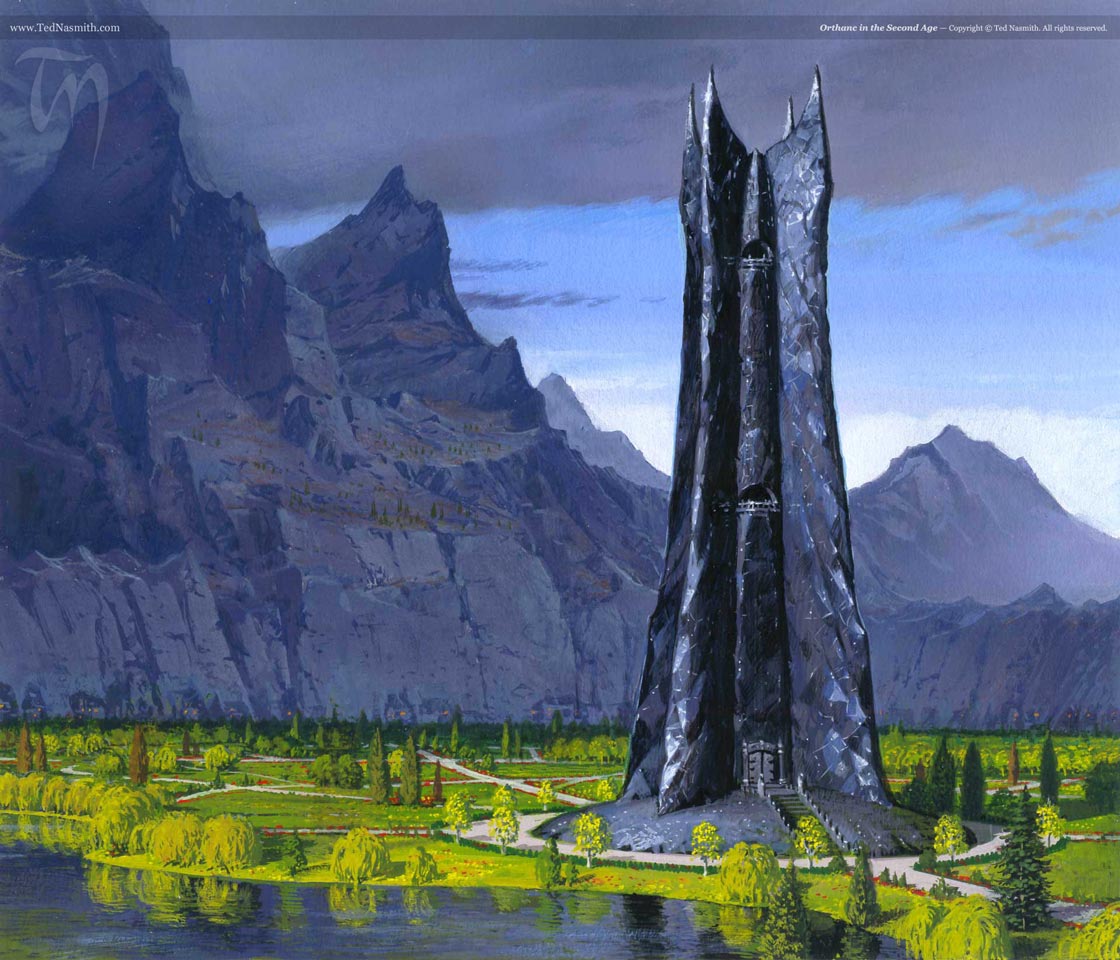
From Weathertop, heading south and around the southern end of the Misty Mountains, we reach Isengard and the tower of Orthanc,

(Ted Nasmith)            

built sometime during the Second Age (Tolkien never appears to have provided a founding date—the Tolkien Gateway offers:  “it must have been built between S.A. 3320, the year in which the realms of Gondor and Arnor were established, and S.A. 3430, the year in which the Last Alliance of Elves and Men was formed to resist Sauron‘s tyranny”).

We can say, however, that Saruman began his occupation of the site in TA 2759, so, at the time of The Lord of the Rings and the Ents’ attack upon it (TA 3019)

(Ted Nasmith)

he had been in possession of it for over 250 years—one more example of how aged everything in Middle-earth is.  It’s described as something of a technological wonder—but also quite menacing—especially when we remember that Saruman attempted to keep Gandalf captive at the top, among those pinnacles:

“There stood a tower of marvellous shape.  It was fashioned by the builders of old, who smoothed the Ring of Isengard, and yet it seemed a thing not made by the craft of Men, but riven from the bones of the earth in the ancient torment of the hills.  A peak and isle of rock it was, black and gleaming hard; four mighty piers of many-sided stone were welded into one, but near the summit they opened into gaping horns, their pinnacles sharp as the points of spears, keen-edged as knives.”  (The Two Towers, Book Three, Chapter 8, “The Road to Isengard”)

From here, we travel farther south, along the eastern side of the Ered Nimrais, the White Mountains, until we reach Helm’s Deep and its fortification with its tower, the Hornburg.

(JRRT)

As to foundation date, like Isengard, it seems vague:

“At Helm’s Gate, before the mouth of the Deep, there was a heel of rock thrust outwards by the northern cliff.  There upon its spur stood high walls of ancient stone, and within was a lofty tower.  Men said that in the far-off days of the glory of Gondor the sea-kings had built this fastness with the hands of giants.”  (The Two Towers, Book Three, Chapter 7, “Helm’s Deep”—that phrase “with the hands of giants” may have echoed in Tolkien’s memory from the Old English poem named “The Ruin”, which possibly describes the remains of Roman Aquae Sulis (modern Bath) and which has the phrase “brosnað enta geweorc”, “ruined is the work of giants”—with that “enta”, from which the Ents came—along with a similar phrase in “Maxims II”.  For more on this very poignant poem see:  https://en.wikipedia.org/wiki/The_Ruin )

Southeast now, along those same White Mountains, will bring us in the direction of the first of the two towers of the title of the second volume (but which towers?  Tolkien wrote to Rayner Unwin:  “The Two Towers gets as near as possible to finding a title to cover the widely divergent Books 3 and 4; and can be left ambiguous—it might refer to Isengard and Barad-dur, or to Minas Tirth and B; or Isengard and Cirith Ungol.”  Letter to Rayner Unwin, 17 August, 1953, Letters, 250)

We now see ahead of us Minas Tirith,

(Ted Nasmith)

constructed in SA 3300’s, by Anarion, son of Elendil, and called initially Minas Anor, “the tower of the sun”, with its Tower of Echthelion, as one of the Fellowship first views it:

“…the Tower of Echthelion, standing high within the topmost wall, shone out against the sky, glimmering like a spike of pearl and silver, tall and fair and shapely, and its pinnacle glittered as if wrought of crystals; and white banners broke and fluttered from the battlements in the morning breeze, and high and far [Pippin] heard a clear ringing as of silver trumpets.”  (The Return of the King, Book Five, Chapter 1, “Minas Tirith”)

(I couldn’t resist adding this John Howe illustration, done in the style of Maxfield Parrish)

But now, on our tour, we turn eastwards, to the land of shadow and, first, to that other tower, that of Minas Ithil, “the tower of the moon”, built about the same time as Minas Anor, by Elendil’s other son, Isildur.

(Ted Nasmith)

Elrond gives us a small picture of it in its earlier days:

“And Minas Ithil they built, Tower of the Rising Moon, eastward upon a shoulder of the Mountains of Shadow…”

But then he goes on to add:

“And on a time evil things came forth, and they took Minas Ithil and abode in it, and they made it a place of dread; and it is called Minas Morgul, the Tower of Sorcery.”  (The Fellowship of the Ring, Book Two, Chapter 2, “The Council of Elrond”)

The forces of Mordor besieged and captured Minas Ithil in TA 2002 and, with their occupation, this is what it began to look like:

“Upon the further side, a deep gulf of shadow, ran back far into the mountains.  Upon the farther side, some way within the valley’s arms, high on a rocky seat upon the black knees of the Ephel Duath, stood the walls and tower of Minas Morgul.  All was dark about it, earth and sky, but it was lit with light.  Not the imprisoned moonlight welling through the marble walls of Minas Ithil long ago, Tower of the Moon, fair and radiant in the hollow of the hills.  Paler indeed than the moon ailing in some slow eclipse was the light now, wavering and blowing like a noisesome exhalation of decay, a corpse-light, a light that illuminated nothing.  In the walls and tower windows showed, like countless black holes looking inward into emptiness; but the topmost course of the tower revolved slowly, first one way and then another, a huge ghostly head leering into the night.”  (The Two Towers, Book Four, Chapter 8, “The Stairs of Cirith Ungol”)

I find that topmost course, “revolving slowly, first one way and then another”, as if always on watch, the most disturbing part of this description so we’ll stop here for now before Frodo and Sam take the next and near fatal step on our tower tour.

Thanks, as always, for reading.

Stay well,

Remember that your slippery guide may have other plans for you,

(Ted Nasmith)

And remember, as well, that, as always, there’s

MTCIDC

O

The Doubtful Sea Series Facebook Page

The Doubtful Sea Series Facebook Page

  • Ollamh

Categories

  • Artists and Illustrators
  • Economics in Middle-earth
  • Fairy Tales and Myths
  • Films and Music
  • Games
  • Heroes
  • Imaginary History
  • J.R.R. Tolkien
  • Language
  • Literary History
  • Maps
  • Medieval Russia
  • Military History
  • Military History of Middle-earth
  • Narnia
  • Narrative Methods
  • Poetry
  • Research
  • Star Wars
  • Terra Australis
  • The Rohirrim
  • Theatre and Performance
  • Tolkien
  • Uncategorized
  • Villains
  • Writing as Collaborators
Follow doubtfulsea on WordPress.com

Across the Doubtful Sea

Recent Postings

  • Prismatic July 20, 2026
  • Arboricidal July 15, 2026
  • Towering.3 July 8, 2026
  • Towering.2 July 1, 2026
  • Gundulf June 24, 2026
  • Homeric? June 17, 2026
  • Tennis, Anyone? June 10, 2026
  • 1002? June 3, 2026
  • Making Money May 27, 2026

Blog Statistics

  • 117,393 Views

Posting Archive

  • July 2026 (4)
  • June 2026 (4)
  • May 2026 (4)
  • April 2026 (5)
  • March 2026 (4)
  • February 2026 (4)
  • January 2026 (4)
  • December 2025 (5)
  • November 2025 (4)
  • October 2025 (5)
  • September 2025 (4)
  • August 2025 (4)
  • July 2025 (5)
  • June 2025 (4)
  • May 2025 (4)
  • April 2025 (5)
  • March 2025 (4)
  • February 2025 (4)
  • January 2025 (5)
  • December 2024 (4)
  • November 2024 (4)
  • October 2024 (5)
  • September 2024 (4)
  • August 2024 (4)
  • July 2024 (5)
  • June 2024 (4)
  • May 2024 (5)
  • April 2024 (4)
  • March 2024 (4)
  • February 2024 (4)
  • January 2024 (5)
  • December 2023 (4)
  • November 2023 (5)
  • October 2023 (4)
  • September 2023 (4)
  • August 2023 (5)
  • July 2023 (4)
  • June 2023 (4)
  • May 2023 (5)
  • April 2023 (4)
  • March 2023 (5)
  • February 2023 (4)
  • January 2023 (4)
  • December 2022 (4)
  • November 2022 (5)
  • October 2022 (4)
  • September 2022 (4)
  • August 2022 (5)
  • July 2022 (4)
  • June 2022 (5)
  • May 2022 (4)
  • April 2022 (4)
  • March 2022 (5)
  • February 2022 (4)
  • January 2022 (4)
  • December 2021 (5)
  • November 2021 (4)
  • October 2021 (4)
  • September 2021 (5)
  • August 2021 (4)
  • July 2021 (4)
  • June 2021 (5)
  • May 2021 (4)
  • April 2021 (4)
  • March 2021 (5)
  • February 2021 (4)
  • January 2021 (4)
  • December 2020 (5)
  • November 2020 (4)
  • October 2020 (4)
  • September 2020 (5)
  • August 2020 (4)
  • July 2020 (5)
  • June 2020 (4)
  • May 2020 (4)
  • April 2020 (5)
  • March 2020 (4)
  • February 2020 (4)
  • January 2020 (6)
  • December 2019 (4)
  • November 2019 (4)
  • October 2019 (5)
  • September 2019 (4)
  • August 2019 (4)
  • July 2019 (5)
  • June 2019 (4)
  • May 2019 (5)
  • April 2019 (4)
  • March 2019 (4)
  • February 2019 (4)
  • January 2019 (5)
  • December 2018 (4)
  • November 2018 (4)
  • October 2018 (5)
  • September 2018 (4)
  • August 2018 (5)
  • July 2018 (4)
  • June 2018 (4)
  • May 2018 (5)
  • April 2018 (4)
  • March 2018 (4)
  • February 2018 (4)
  • January 2018 (5)
  • December 2017 (4)
  • November 2017 (4)
  • October 2017 (4)
  • September 2017 (4)
  • August 2017 (5)
  • July 2017 (4)
  • June 2017 (4)
  • May 2017 (5)
  • April 2017 (4)
  • March 2017 (5)
  • February 2017 (4)
  • January 2017 (4)
  • December 2016 (4)
  • November 2016 (5)
  • October 2016 (6)
  • September 2016 (5)
  • August 2016 (5)
  • July 2016 (5)
  • June 2016 (5)
  • May 2016 (4)
  • April 2016 (4)
  • March 2016 (5)
  • February 2016 (4)
  • January 2016 (4)
  • December 2015 (5)
  • November 2015 (5)
  • October 2015 (4)
  • September 2015 (5)
  • August 2015 (4)
  • July 2015 (5)
  • June 2015 (5)
  • May 2015 (4)
  • April 2015 (3)
  • March 2015 (4)
  • February 2015 (4)
  • January 2015 (4)
  • December 2014 (5)
  • November 2014 (4)
  • October 2014 (6)
  • September 2014 (1)

Blog at WordPress.com.

  • Subscribe Subscribed
    • doubtfulsea
    • Join 75 other subscribers
    • Already have a WordPress.com account? Log in now.
    • doubtfulsea
    • Subscribe Subscribed
    • Sign up
    • Log in
    • Report this content
    • View site in Reader
    • Manage subscriptions
    • Collapse this bar
Loading Comments...