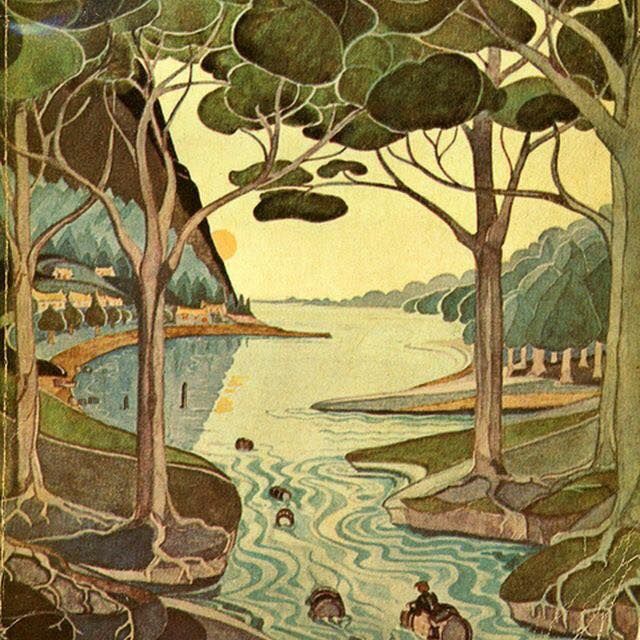
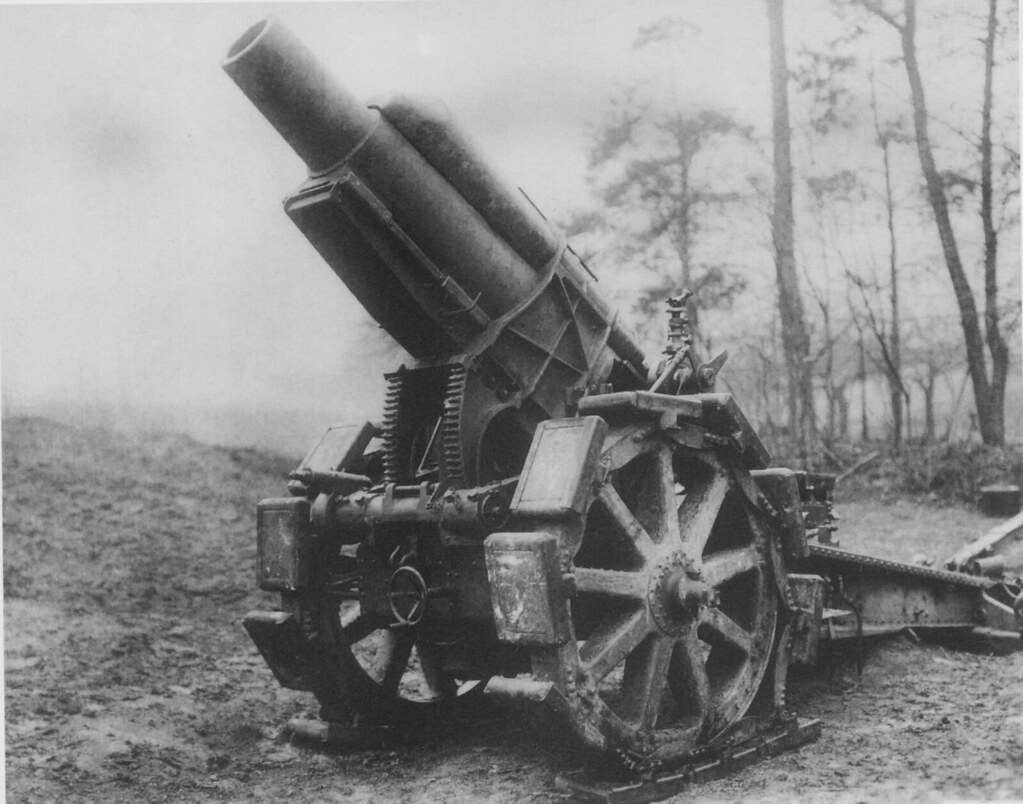
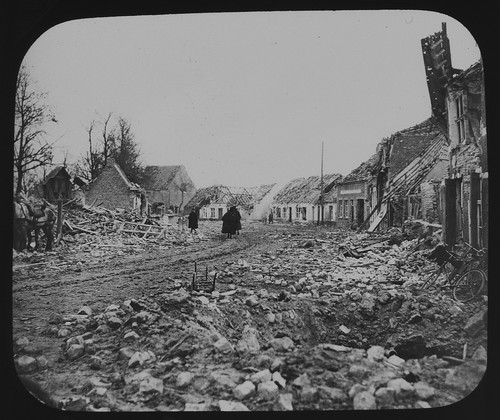
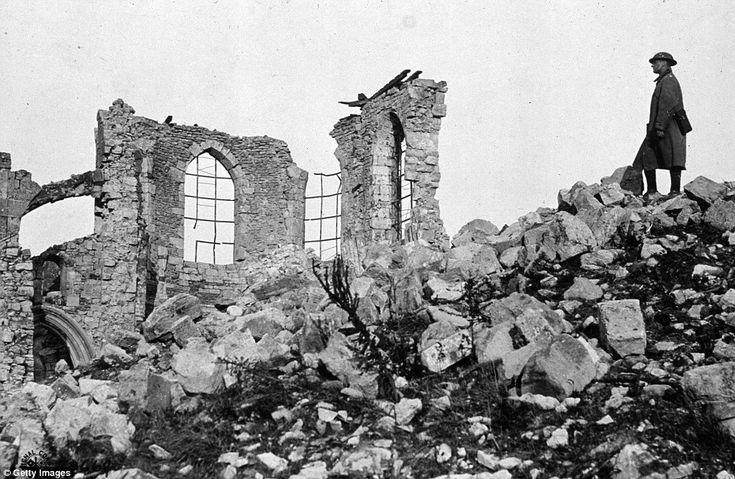
• About

doubtfulsea

~ adventure fantasy

Tag Archives: Beowulf

Starre-crost

25 Wednesday Jun 2025

Posted by Ollamh in Uncategorized

≈ Leave a comment

Tags

Beowulf, Bilbo, Cirdan, Dorothy, Fantasy, Gandalf, Herakles, Kansas, King Arthur, lotr, Mulan, Narya, Rings of Power, Superman, The Grey Havens, The Hobbit, The Rings of Power, Tolkien, tornado, Valar

As always, dear readers, welcome.

In adventure stories, heroes—and heroines– seem to appear in all sorts of ways.

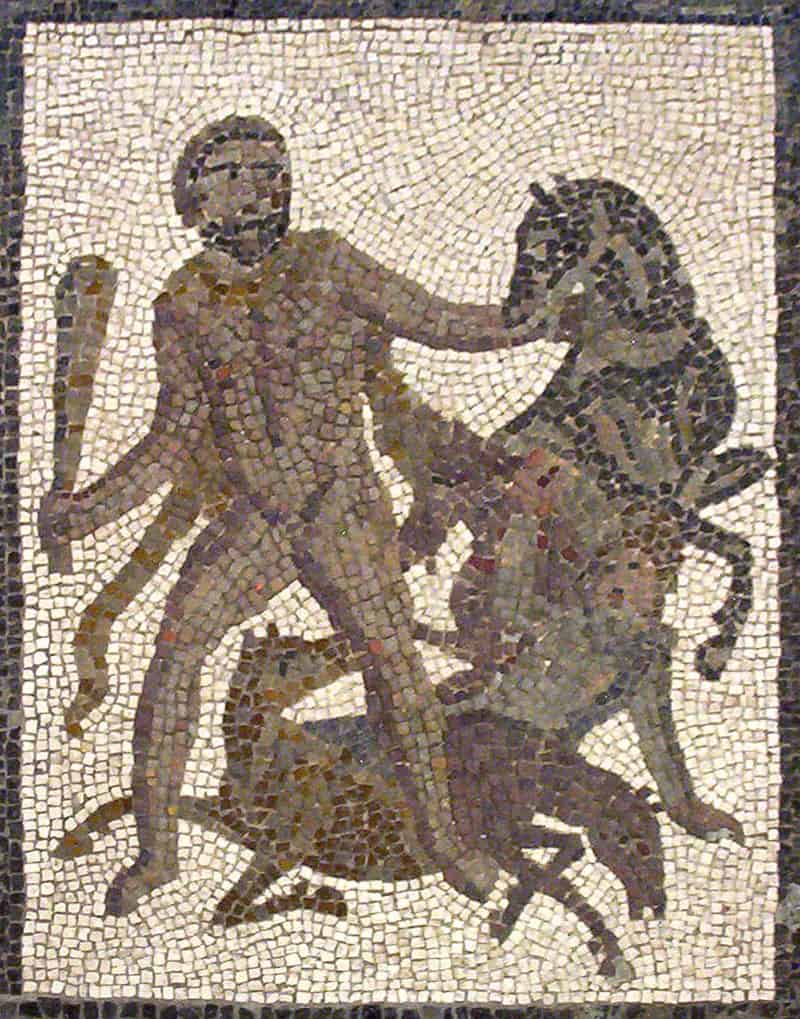
Sometimes, it seems that they are just born for adventure, like Herakles, who,

although apparently the offspring of two mortals, Alkmene and Amphitryon, was actually the son of Zeus.

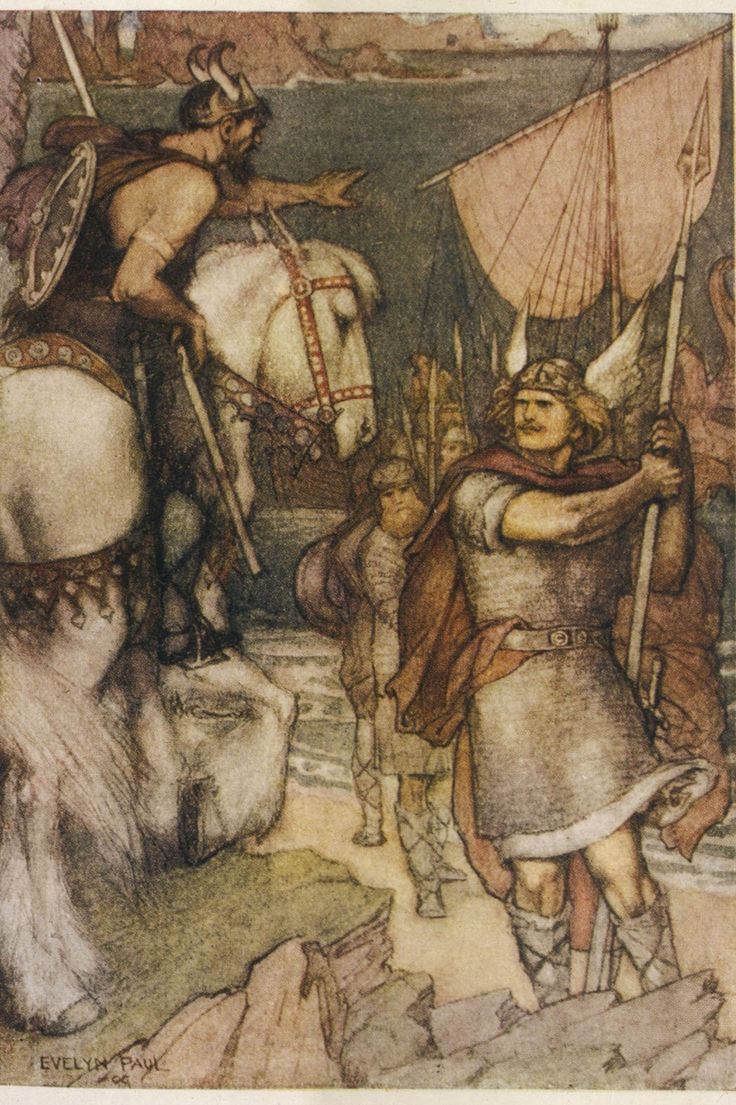
Others belong to noble families, where heroism is expected of them, like Beowulf, nephew of the king of the Geats.

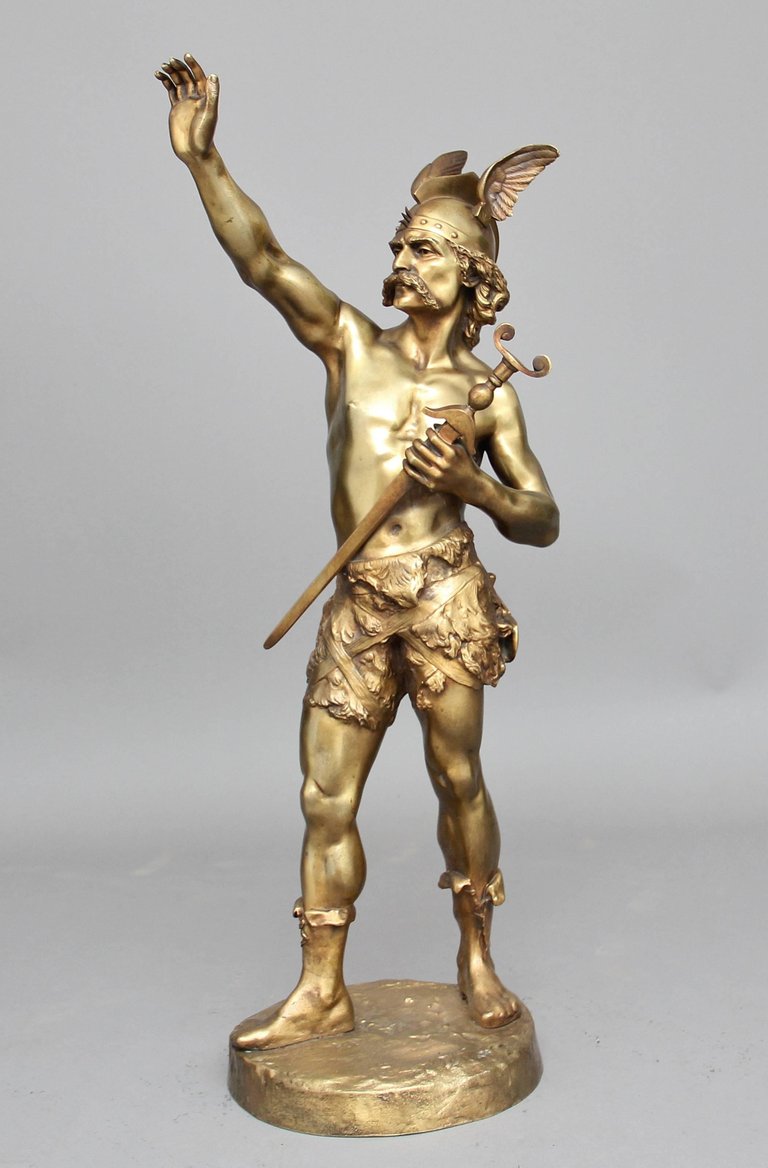
(Here, meeting the Danish coastguard—but we just can’t escape those Wagnerian winged helmets, can we?)

Then there is Mulan, who, pretending to be a man, replaces her father in the army and serves valiantly for twelve years.

(As you can see from the label, this comes from a site called “Chinese Posters.net”—and it’s quite a site:  5100 propaganda posters from the Chinese past.  Here’s the address:  https://chineseposters.net/ For more on the original but probably fictional Mulan, see:  https://www.worldhistory.org/article/1596/mulan-the-legend-through-history/ and https://mulanbook.com/pages/northern-wei/ballad-of-mulan/ and https://en.m.wikisource.org/wiki/Translation:Ballad_of_Mulan –two versions of the early “Ballad of Mulan)

A common motif is that of the apparent good-for-nothing—or at least for not much—who turns out to be of heroic material.  I immediately think of King Arthur, who is, basically, a servant until he fetches that sword from the stone/anvil.

Heroes and heroines, then, can be anything from a demigod to a nobleman to a good girl who loves her father to a good-for-nothing who is more than he seems, and set out on adventures or, as in the case of Arthur, adventure finds them.

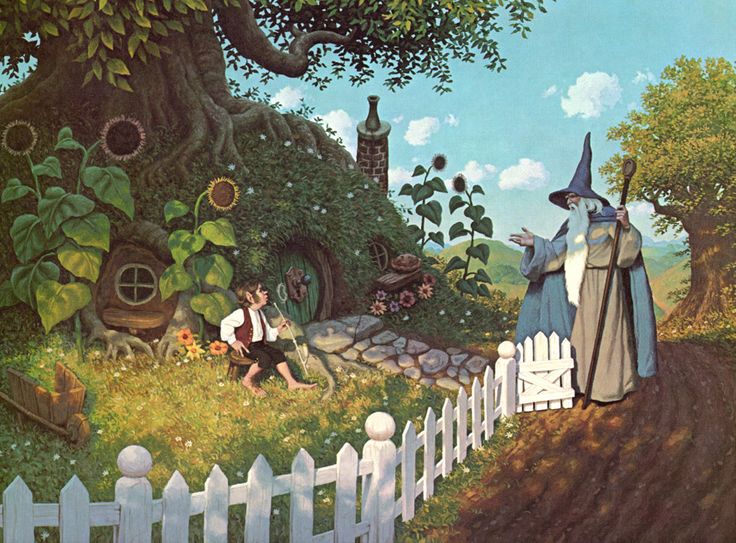
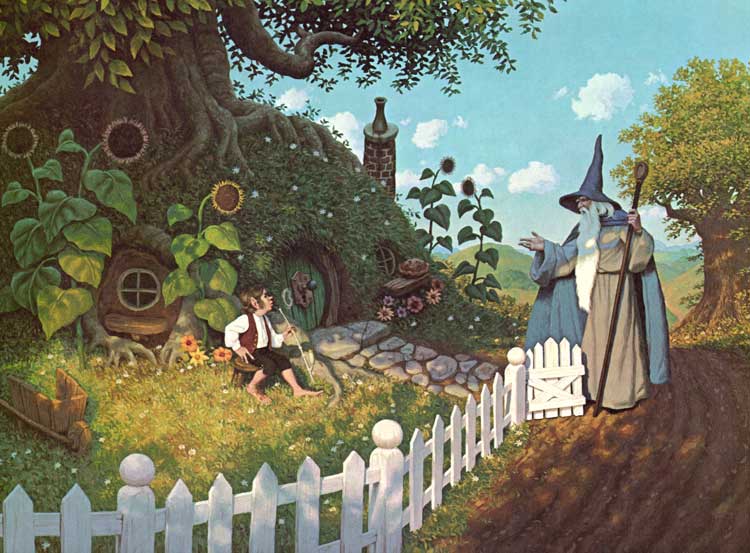
Ordinary—or seemingly ordinary—people can also be pulled into adventures, as Bilbo is.

(the Hildebrandts)

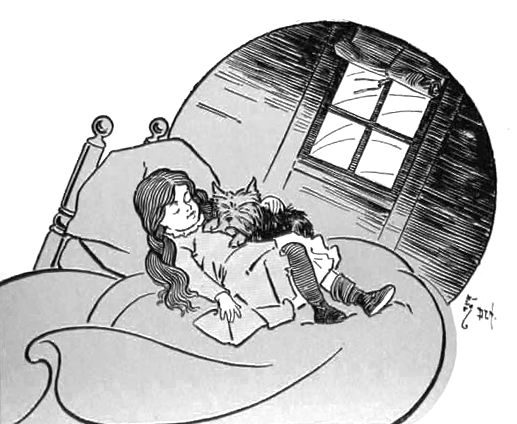
Then there are people who are literally dropped into adventures,

(WW Denslow)

sometimes beginning those adventures in a very dramatic—and ultimately decisive—way.

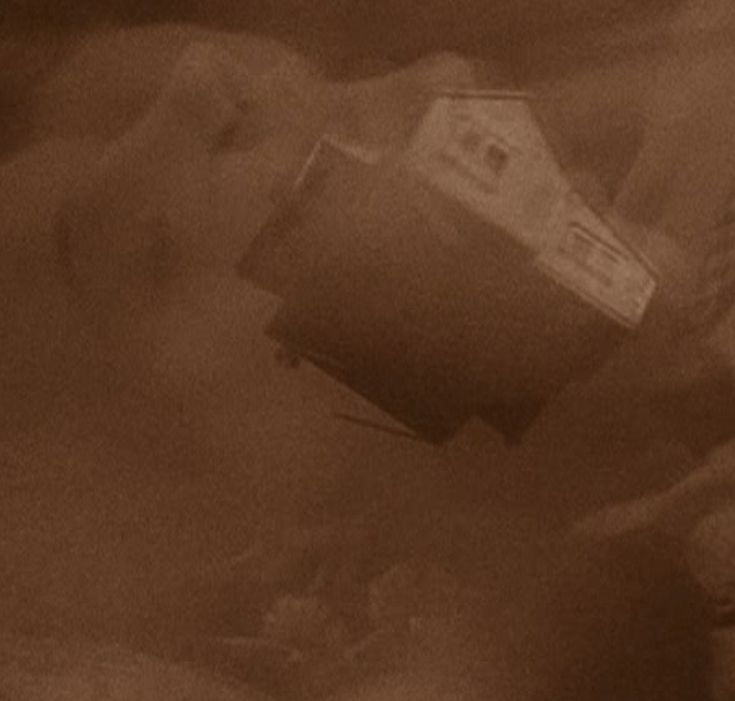
Dorothy, of course, has been whirled by a tornado from Kansas to Oz,

(from the 1939 film)

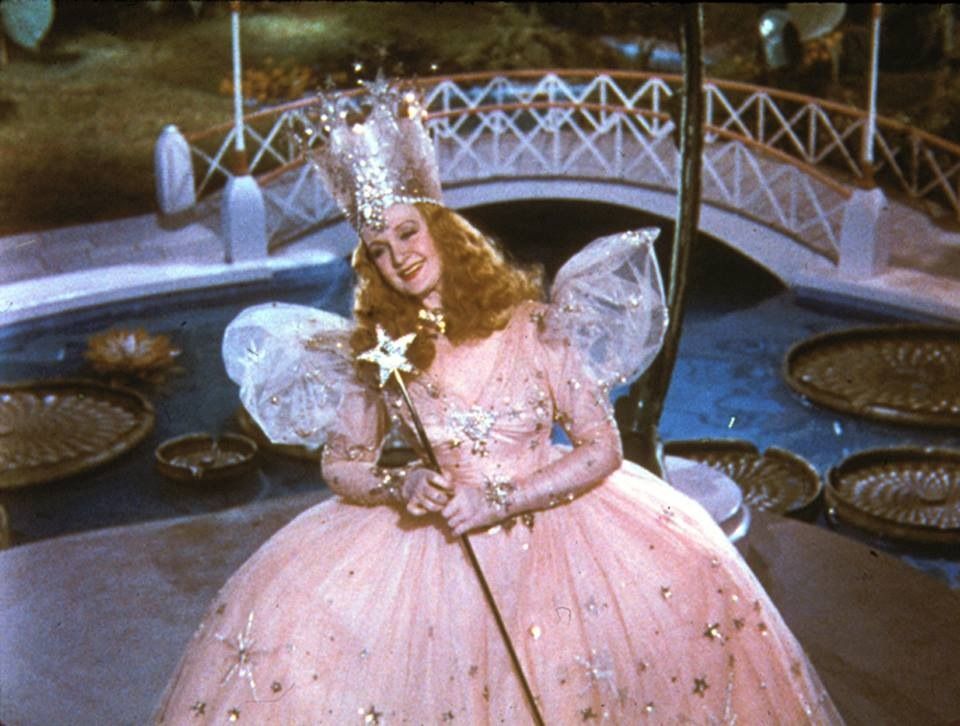
but, when she arrives in Oz in the film, Glinda, the Good Witch of the North

(also from the film)

sings:

“Come out, come out, wherever you are and meet the young lady

Who fell from a star.

She fell from the sky, she fell very far and Kansas, she says,

Is the name of that star.”

Not true, of course, of Dorothy, (although Kansas has its beauties, no doubt), but it is true of another hero, Superman,

who had been shipped in a rocket by his parents from the dying planet, Krypton, and discovered in a field by Ma and Pa Kent, who would become his foster parents.

If you read this blog regularly, you know that I don’t find negative reviews which are nothing but hatchet jobs

at all helpful and, in my own reviews, I try to understand what it is that the creators attempted to do and react to that, being aware, of course, that I do have my own perspective on things.  I also buy DVDs of everything I can, so that I can watch things more than once before I review. 

I’ve now seen “Rings of Power”, both seasons,

only once, so I’m not going to attempt to review the whole two seasons here.  Certainly there have been some very impressive visuals and some very good acting.  I’m not sure how I feel about the two as a whole—some of the plot I found rather confusing and I’m not sure how I feel about proto-hobbits with Irish accents, although the idea of using proto-hobbits was, I thought, pretty ingenious—but I want to end this posting by talking about Gandalf.

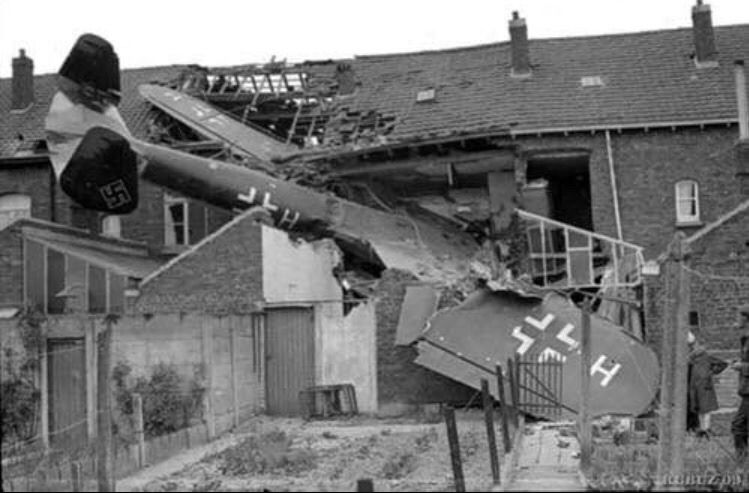
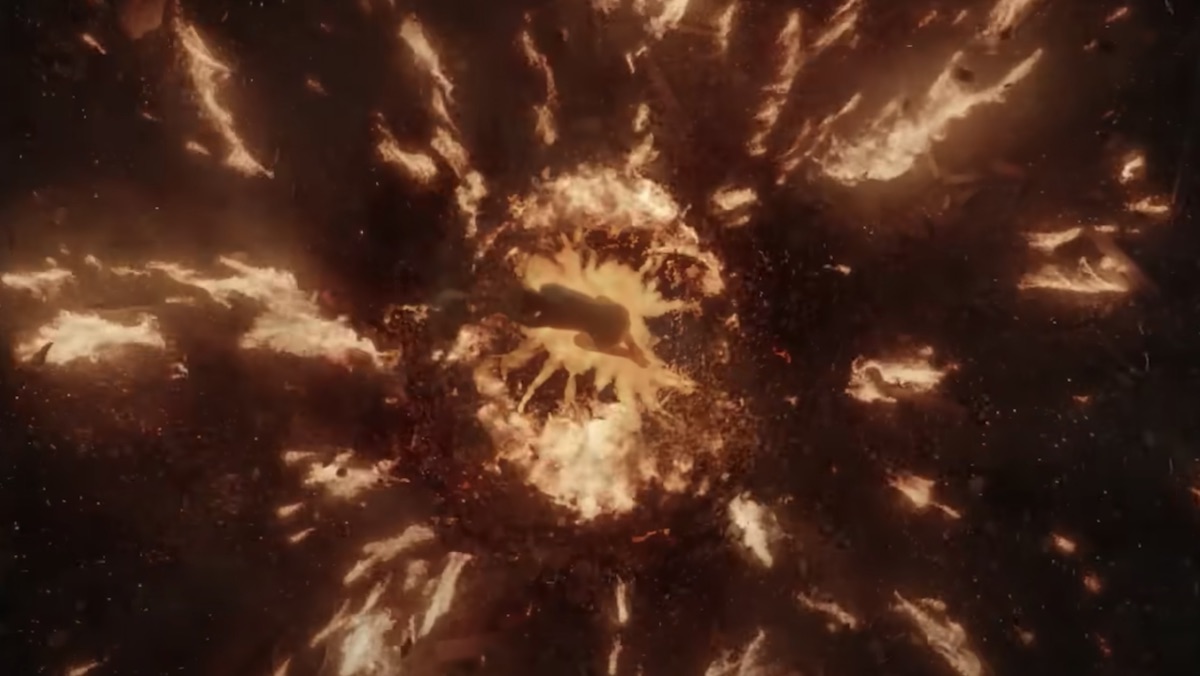
He first appears—like Dorothy in Oz, but even more so like the baby Superman, in a dramatic fashion, having been conveyed in which appears to be a kind of meteor which roars across the sky and slams into the earth, leaving a fiery crater.

(Thank goodness that, whoever sent him, dressed him in underpants so that he wouldn’t embarrass himself or us when he stood up.)

At first, he seems stricken and quite clueless, not even really having language at first, although certainly having great powers, and it takes two seasons for him to begin to understand himself and what he’s been sent to do and I suspect that this stricken quality comes from a hint in Christopher/JRR Tolkien’s Unfinished Tales, where, under “The Istari” we find:

“For it is said indeed that being embodied the Istari had need to learn much anew by slow experience…” (Unfinished Tales, 407)

I understand that the creators of the series were somewhat hampered in their work—should they want to be as faithful as possible to Tolkien—because they were restricted in their sources, being confined, in this case, to The Lord of the Rings and its appendices.  And, at first glance, the appearance in Middle-earth of the Istari does seem rather vague.

In Appendix B, “The Third Age”, of The Lord of the Rings, we read:

“When maybe a thousand years had passed, and the first shadow had fallen on Greenwood the Great, the Istari or Wizards appeared in Middle-earth.  It was afterwards said that they came out of the Far West and were messengers sent to contest the power of Sauron, and to unite all those who had the will to resist him…” 

No meteors are mentioned, but no other means of transport, either, yet turn the page and we then read:

“Gil-galad before he died gave his ring to Elrond; Cirdan later surrendered his to Mithrandir (aka Gandalf).  For Cirdan saw further and deeper than any other in Middle-earth, and he welcomed Mithrandir at the Grey Havens, knowing whence he came and wither he would return.”  

If you know The Lord of the Rings, you know that the Grey Havens is a seaport on the west coast of Middle-earth:  it’s where Gandalf and others, including Frodo, depart for the Uttermost West—that is, Valinor.

(Ted Nasmith and a gorgeous view)

In fact, it was the Valar who had sent the Istari in the first place, as we know from Unfinished Tales, 406:

“For with the consent of Eru they sent members of their own high order, but clad in bodies as of Men, real and not feigned…”

And thus, from the source to which I’m informed the creators were confined, they would have learned that the Istari had sailed to Middle-earth, not been shot across the sky like Dorothy or Superman.  Why make such a change, especially as, because Cirdan recognizes Gandalf’s worth, he gives him one of the original Elvish rings, Narya, which turns up on his hand in the subsequent The Lord of the Rings?

The title of this posting is a quotation from Shakespeare, from the prologue to “An EXCELLENT conceited Tragedie OF Romeo and Juliet” (as the First Quarto title page reads) in which the Prologue says of the protagonists:  “A paire of starre-crost Louers tooke their life”. 

The creators of The Rings of Power, even with evidence available to them, have veered away from that evidence with no explanation as to why they have made such a choice.  What else may they have chosen to change and how might that affect JRRT’s view of the earlier history of Middle-earth, as well as ours?

As I begin my second viewing of The Rings of Power, then, I’ll be curious to see if another Shakespeare quotation, this from “The Tragedie of Julius Caesar”, Act 1, Scene 1, when Cassius, the leader of the plot against Julius Caesar, is trying to persuade Brutus to join him, may apply to the creators and their work:

“The fault (deere Brutus) is not in our Starres,

But in our Selues…”

Thanks, as always, for reading.

Stay well,

Think about what Cassius is telling us about horoscopes,

And remember that, as always, there’s

MTCIDC

O

Why a Dragon?

28 Wednesday May 2025

Posted by Ollamh in Uncategorized

≈ Leave a comment

Tags

Beowulf, Bilbo, bilbo-burglar, Dragons, Dwarves, Fafnir, Fantasy, Hippogriff, Hoard, Marx Brothers, quest, Sigurd, Smaug, The Hobbit, The Reluctant Dragon, Thorin, Tolkien

As always, dear readers, welcome.

I think that I’ve always been a fan of the Marx brothers.

Their lack of respect for pompous men in silk hats,

opera-goers who are only interested because it gives them social status,

and self-important artists,

among many others, and their creative methods of deflating such people,

have always cheered me immensely.

There is another side to their comedy, however, which means just as much to me:  their endless play with words, delivered always deadpan and with perfect timing—not to mention absolute absurdist nonsequiturism.

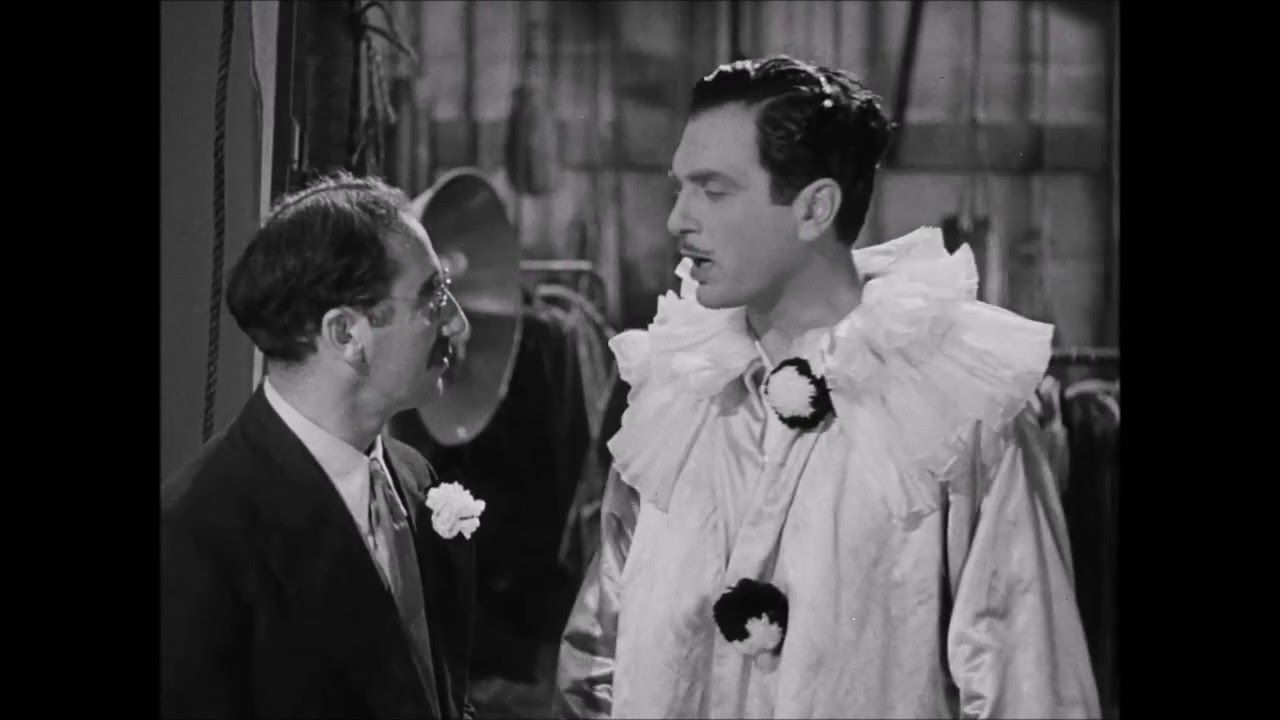
Take, for example, this fragment from The Cocoanuts, their first surviving film, from 1929.  It’s set during the 1920s Florida land boom (read about that here:  https://en.wikipedia.org/wiki/Florida_land_boom_of_the_1920s ) and, in this scene, “Mr. Hammer”, Groucho, is explaining the layout of a real estate plot to “Chico”, Chico,

saying, at one point:

“Groucho:   Now, here is a little peninsula, and, eh, here is a viaduct leading over to the mainland.

Chico:  Why a duck?

Groucho:  I’m all right, how are you?  I say, here is a little peninsula, and here is a viaduct leading over to the mainland.

Chico:   All right, why a duck?

Groucho:  I’m not playing ‘Ask Me Another’, I say that’s a viaduct.

[Ask Me Another was originally an early 1927 equivalent of “Trivia”.  You can read about it here:  https://www.thefedoralounge.com/threads/how-do-you-play-ask-me-another.62135/ and here’s a copy—

Chico:  All right!  It’s what…why a duck?  Why no a chicken?

Groucho:  I don’t know why no a chicken—I’m a stranger here myself.  All I know is that it’s a viaduct.  You try to cross over there a chicken and you’ll find out why a duck.”

(For the entire script see:  https://www.marx-brothers.org/marxology/cocoanuts-script.htm )

By the same kind of logic which produced this, I found myself thinking about The Hobbit:  and hence the title of this posting:  why a dragon?

The plot of The Hobbit is, basically, a quest:  a journey with a goal.

Quests are a familiar form of adventure story and still common—just think about Indiana Jones, with his Lost Ark

and his Holy Grail, for example.

Indiana has to travel to Tibet and Egypt and to an unnamed island in the Mediterranean for the Ark and to Germany and Turkey for the Grail.

Although Thorin doesn’t mention the travel in his “mission statement”, much of the story will be about travel, from the Shire to the Lonely Mountain and back again,

to reach the dwarves’ goal, as stated in the first chapter by Thorin:

“But we have never forgotten our stolen treasure.  And even now, when I will allow we have a good bit laid by and are not so badly off…we still mean to get it back, and to bring our curses home to Smaug—if we can.”  (The Hobbit, Chapter 1, “An Unexpected Party”)

The goal, then, is in two parts:

1. to regain the treasure taken from the dwarves by the dragon

2. to take revenge upon said dragon

Because they are aware that the dragon can be lying on top of the treasure (“Probably”, says Thorin, “for that is the dragons’ way, he has piled it all up in a great heap far inside, and sleeps on it for a bed.”), it’s clear that 1 and 2 have to be dealt with as a sequence:  no getting the treasure without getting rid of the dragon.

Which brings us back to my title.  Indiana Jones commonly has Nazis (and eventually Communists and even Neo-Nazis) as opponents,

these being the characters who compete for his goal and stand in the way of his achieving his quest. 

Tolkien was a medievalist, writing a sort of fairy tale, so what would be his equivalent and why?

 We know that Tolkien had been interested in dragons since far childhood—at least the age of 6, when he tried to write a poem about a “green, great dragon” (to the Houghton Mifflin Company [summer, 1955?], Letters, 321—JRRT tells a somewhat different version of this to W.H. Auden in a letter of 7 June, 1955, Letters, 313) and he confesses to an early love for them in his lecture “On Fairy-Stories” where he mentions Fafnir and Sigurd, suggesting that he may have had read to him or had read for himself from Andrew Lang’s The Red Fairy Book, 1890, the last chapter of which is “The Story of Sigurd”, and since, elsewhere, he mentions “Soria Moria Castle”, which is the third story in the same book.

(Your copy is here:  https://archive.org/details/redfairybook00langiala/redfairybook00langiala/ )

Fafnir, the dragon in the Sigurd story, is described as, having killed his own father:

“he went and wallowed on the gold…and no man dared go near it.”  (“The Story of Sigurd”, 360)

The next major dragon story with which Tolkien was probably involved saw the same draconic behavior, as, in Beowulf, we’re told that the unnamed dragon, having discovered a hoard in a tumulus:

“This hoarded loveliness did the old despoiler wandering

in the gloom find standing unprotected, even he who filled

with fire seeks out mounds (of burial), the naked dragon of

1915

fell heart that flies wrapped about in flame: him do earth’s

dwellers greatly dread. Treasure in the ground it is ever his

wont to seize, and there wise with many years he guards the

heathen gold – no whit doth it profit him.”

(from JRRT’s draft translation of 1920-26 in Christopher Tolkien’s 2014 publication)

Traditionally, then, dragons and gold go together—and, as JRRT admitted in a letter to the Editor of the Observer, “Beowulf is among my most valued sources” (letter to the Editor of the Observer, printed in the Observer, 28 February, 1938, Letters, 41)

There is a very interesting twist in Tolkien’s version of the story, however.

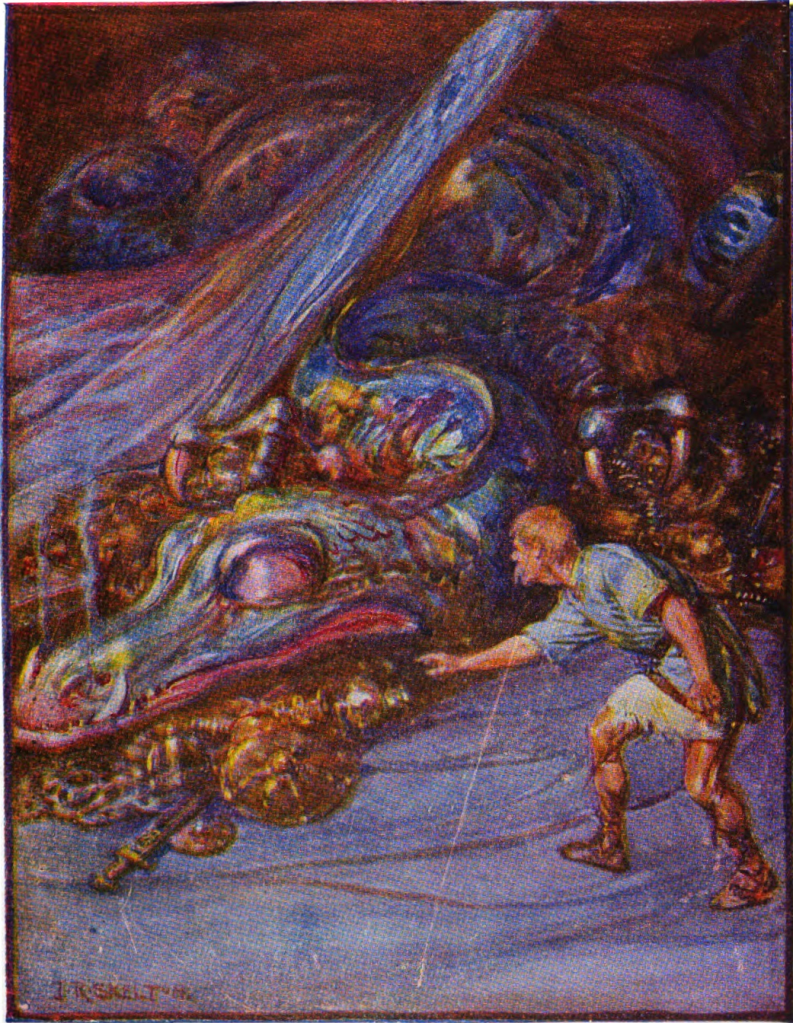
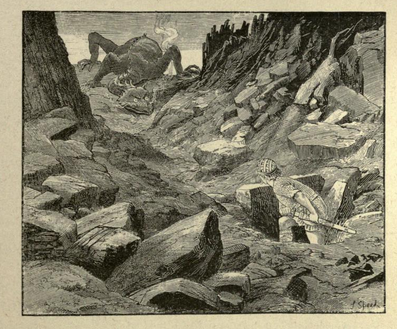
By lying in a pit below the dragon, Sigurd slays Fafnir

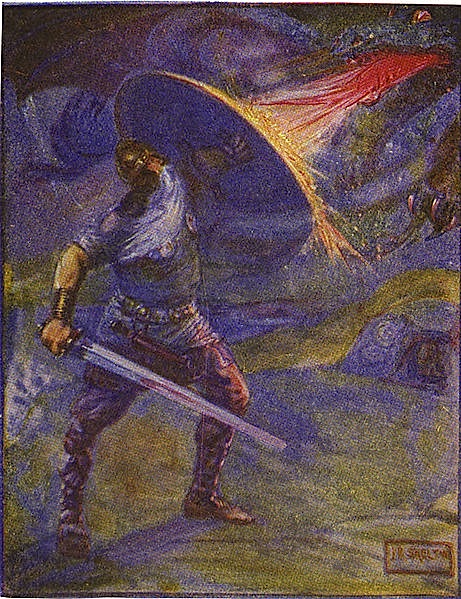
and Beowulf, along with his companion (and successor), Wiglaf, make an end of the nameless dragon,

Beowulf fighting against a dragon. Scene from the early medieval epic poem “Beowulf”. It is one of the most important works of Old English literature and was probably created after the year 700 and plays in the time before 600 AD in Scandinavia. Chromolithograph after drawing by Walter Zweigle (German painter, 1859 – 1904), published in 1896.

(This is a pretty silly version, with costumes and armor which look like they came from the original production of Der Ring des Nibelungen, but finding a depiction of the two attacking the dragon has seemed surprisingly difficult.)

but, in The Hobbit, although we have the traditional dragon on the traditional hoard, we don’t have the traditional dragon-slayer, a fact underlined by Thorin’s “to bring our curses home to Smaug, if we can”.

This has always struck me as the potential weak point in the quest:  to travel hundreds of miles through dangerous territory filled with trolls, goblins, wolves, hostile elves, and even giant spiders, to come to a mountain inhabited by a fearsome dragon—but to have no plan in mind as to how to deal with it, especially when the other half of the plan—to get back the dwarvish treasure—requires somehow eliminating the current guardian of that treasure.

(JRRT)

Faced with that possible weak point, so much now may appear to have a certain haphazard happenstance about it, the kind of attempted slight-of-hand which indicates an author who hasn’t the skill to create a narrative in which every element seems to fall naturally into place, and this might make us question the finding of the Ring, the convenient rescue at Lake-town, even the ray of sun which indicates the opening to the back door of the Lonely Mountain (suppose it had been overcast).

But this is where the burglar comes in—and the story of Sigurd once more.

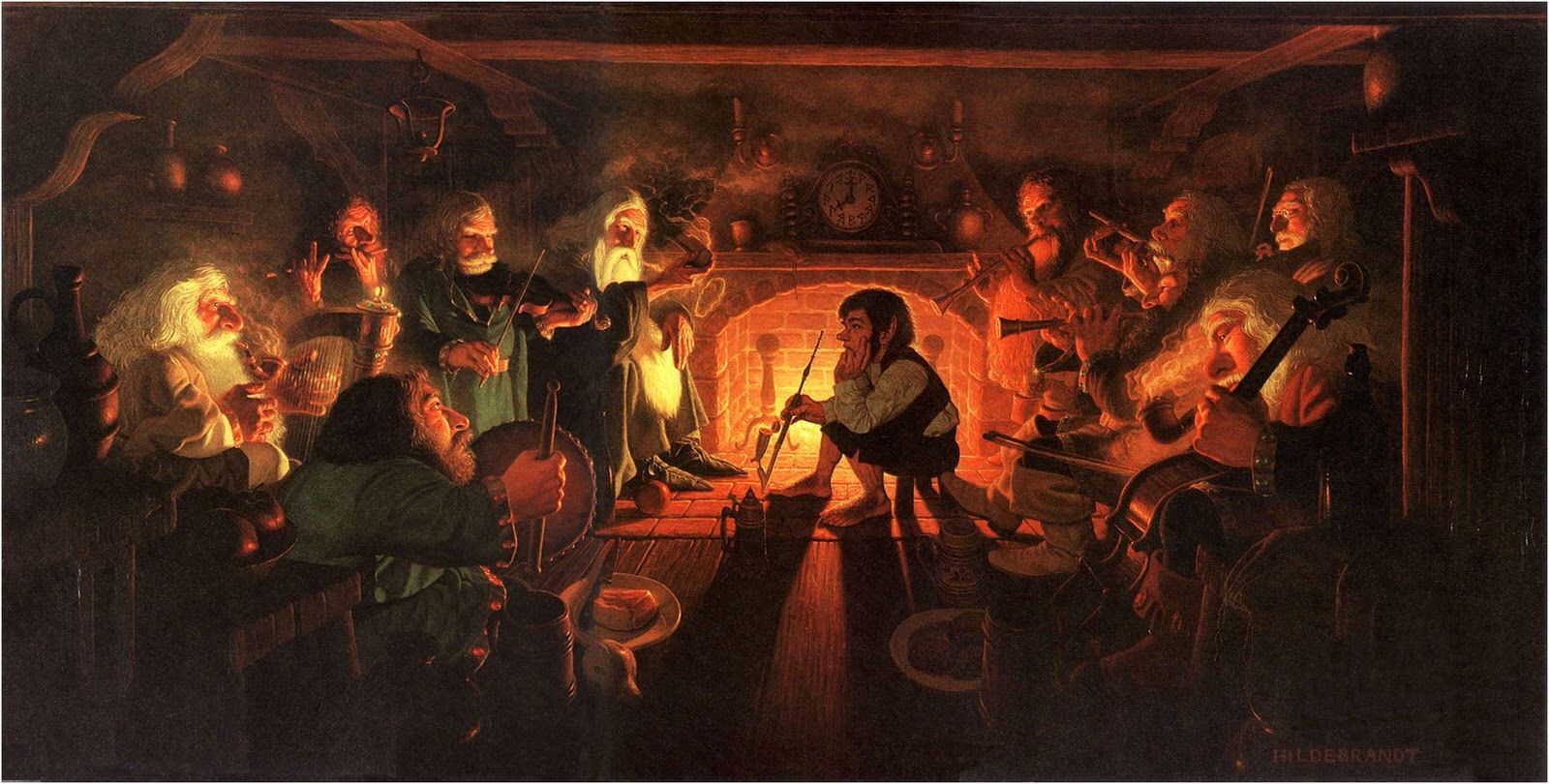
It seems that Bilbo was not Gandalf’s first choice for the quest when he came to visit him.

(the Hildebrandts)

Thorin has just mentioned the inconvenient dragon and the awkwardness of his sudden appearance, to which Gandalf replies:

“That would be no good…not without a mighty Warrior, even a Hero.  I tried to find one; but warriors are busy fighting one another in distant lands, and in this neighbourhood heroes are scarce, or simply not to be found.”

And he continues:

“That is why I settled on burglary—especially when I remembered the existence of a Side-door.  And here is our little Bilbo Baggins, the burglar, the chosen and selected burglar.”

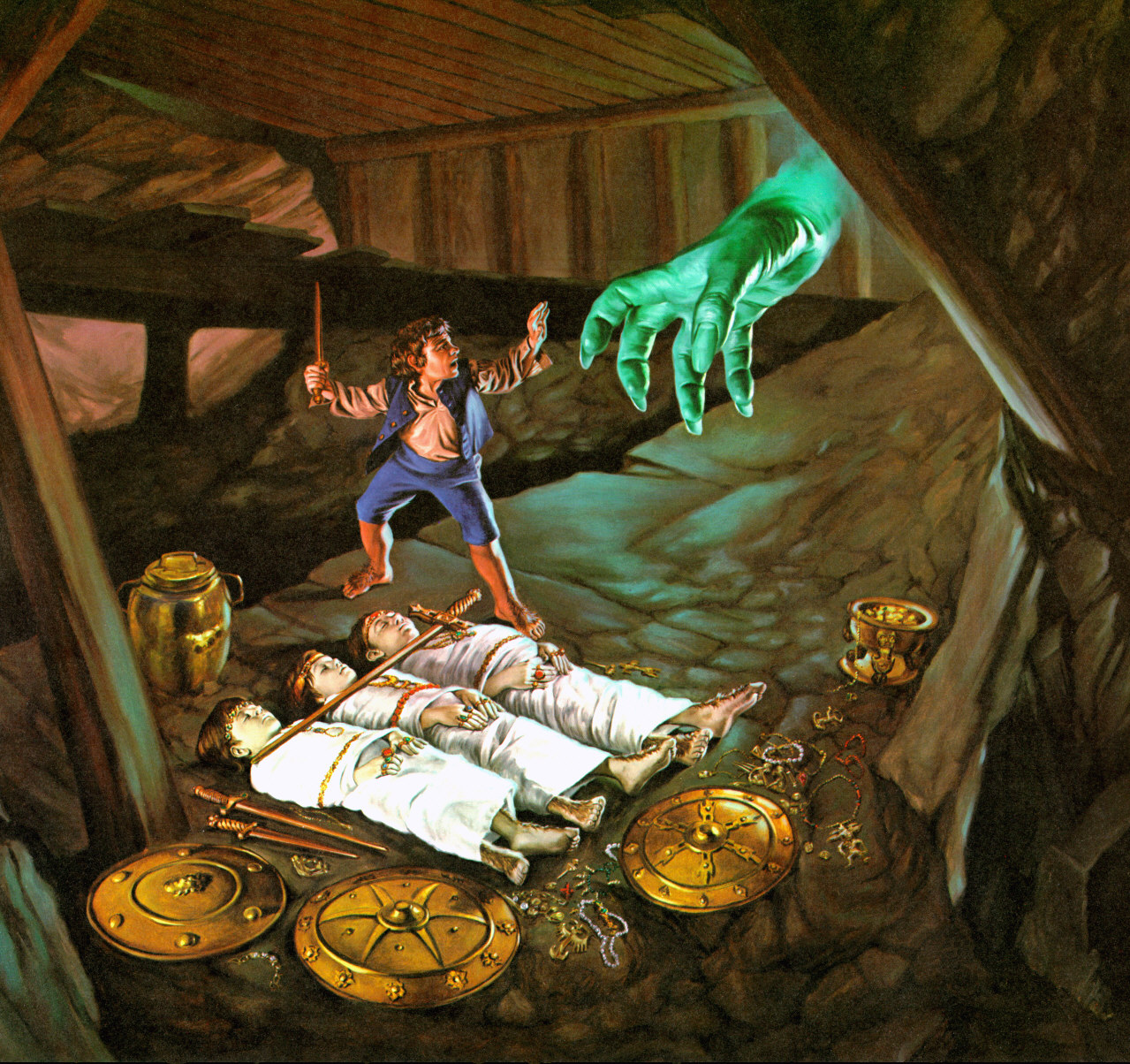
Bilbo’s first attempt at burglary:  picking a troll’s pocket,

(JRRT)

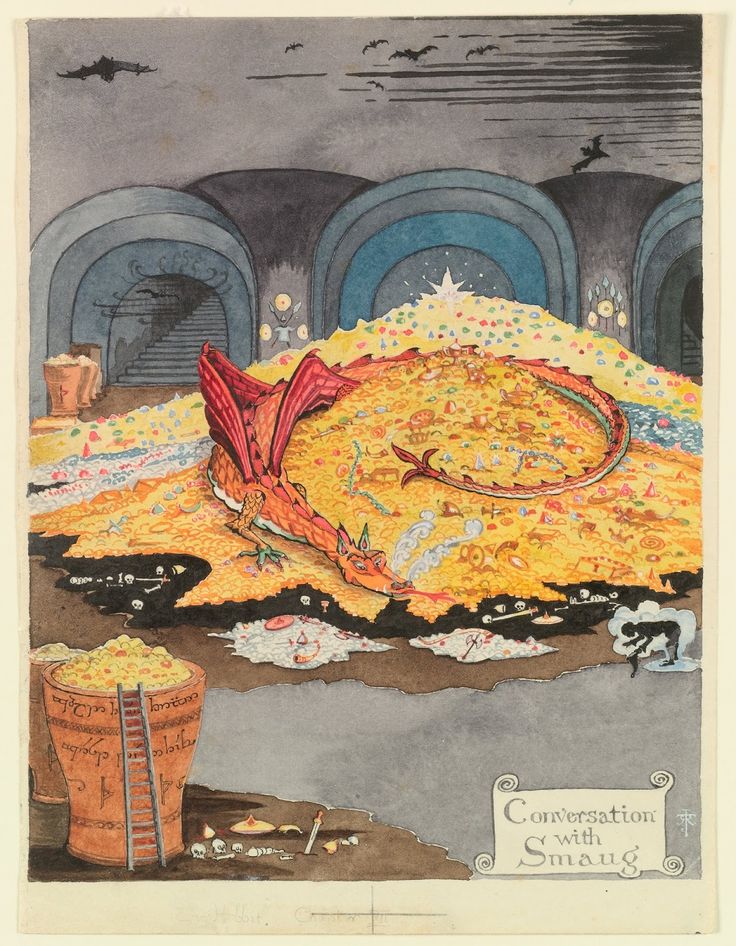
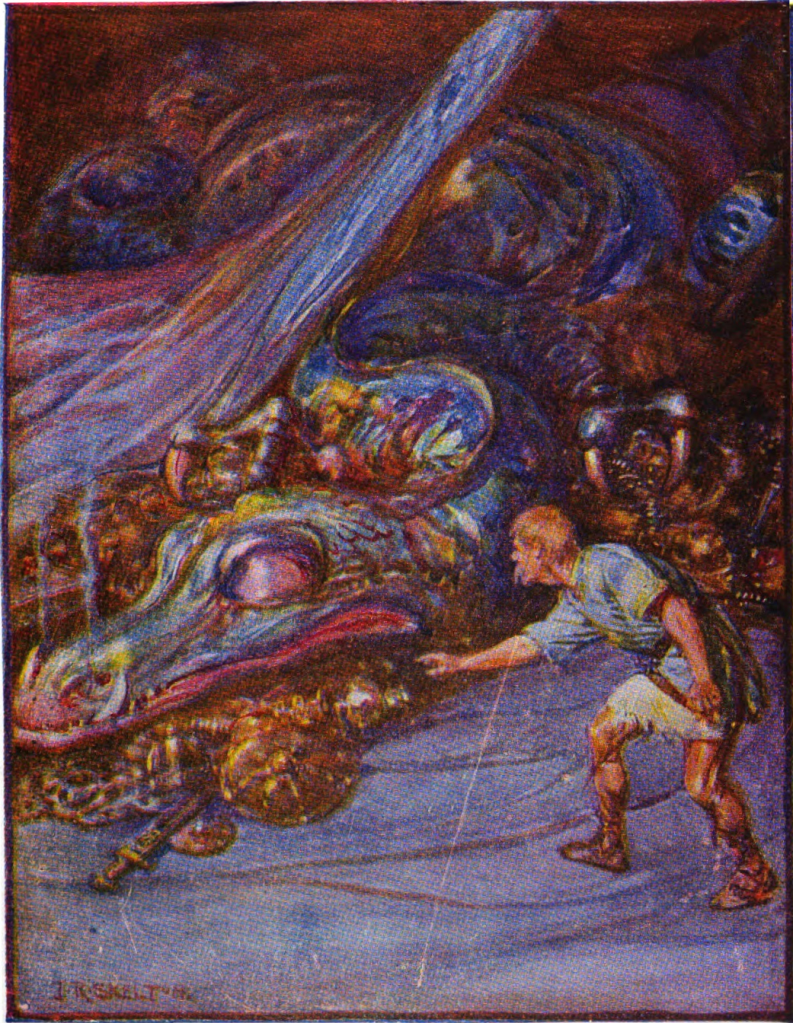
almost ends in disaster, but, with the eventual aid of the Ring, he even manages, first, to steal from Smaug, in a direct echo of Beowulf,

(artist?  So far, I haven’t seen one credited.)

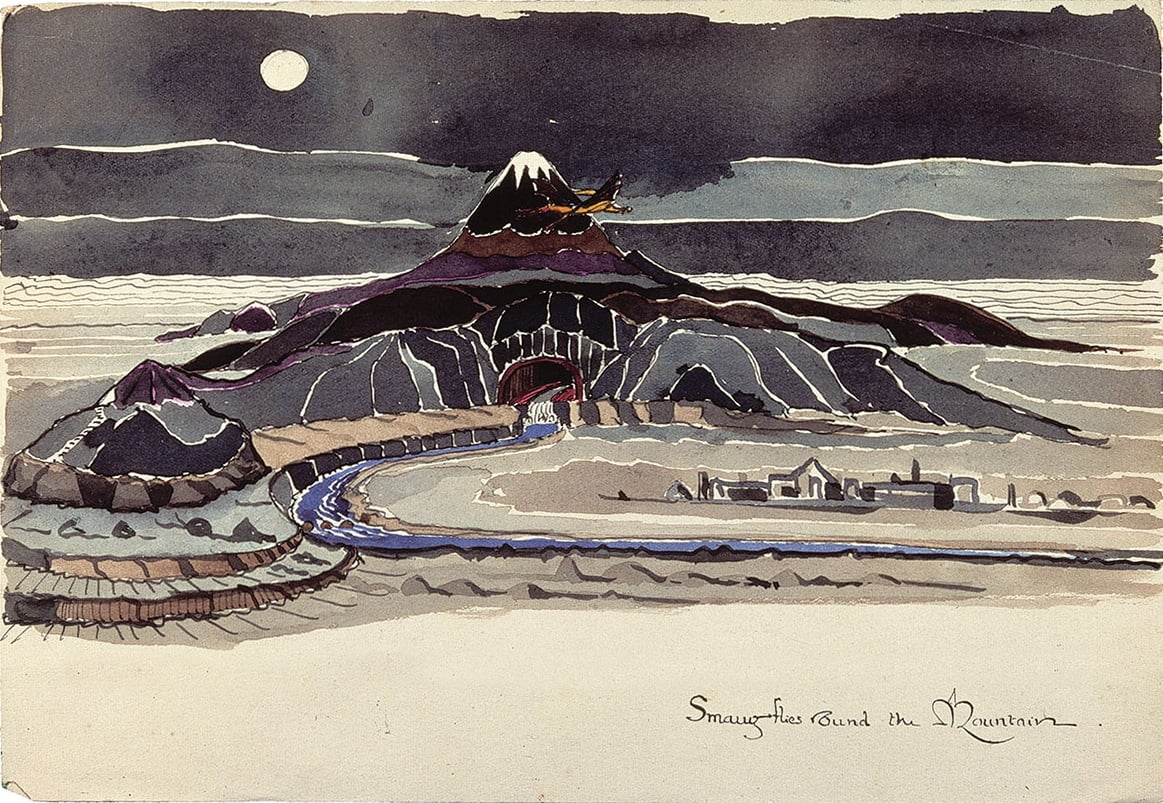
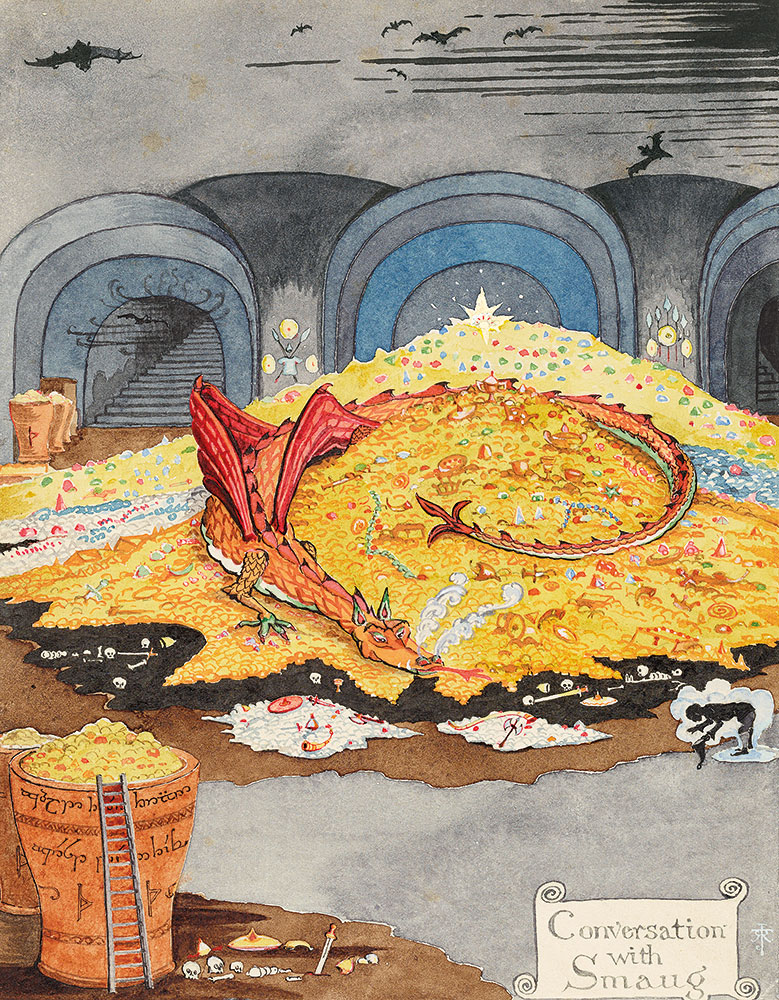
and then to confront Smaug in his lair and escape, at worst, with only a singeing. 

(JRRT)

So far, it’s been burglary, with some help from the Ring, but then the Sigurd story comes in.

You’ll remember that, although the version in The Red Fairy Book doesn’t say so, it was clear that the vulnerable part of the dragon Fafnir was its underside, which is why Sigurd hid in a pit so that, when the dragon crawled over it, Sigurd could stab him in that unprotected underbelly. 

Using his burglarious skills, as well as a fluent tongue, Bilbo actually persuades Smaug unknowingly to expose his own vulnerability:

“ ‘I have always understood…that dragons were softer underneath, especially in the region of the—er—chest; but doubtless one so fortified has thought of that.’

The dragon stopped short in his boasting.  ‘Your information is antiquated,’ he snapped.  ‘I am armoured above and below with iron scales and hard gems.  No blade can pierce me.’”

And the smooth-tongued burglar actually flatters Smaug into rolling over, exposing “…a large patch in the hollow of his left breast as bare as a snail out of its shell”.

What to do with this potentially deadly piece of information requires the reverse of the Sigurd story.

In that story, Sigurd, having killed Fafnir, has been asked by his mentor, Regin, to roast the dragon’s heart and serve it to him.  In the process, Sigurd burns a finger, puts it in his mouth, and suddenly understands that all of the birds above him are talking about him and telling him to beware of Regin.

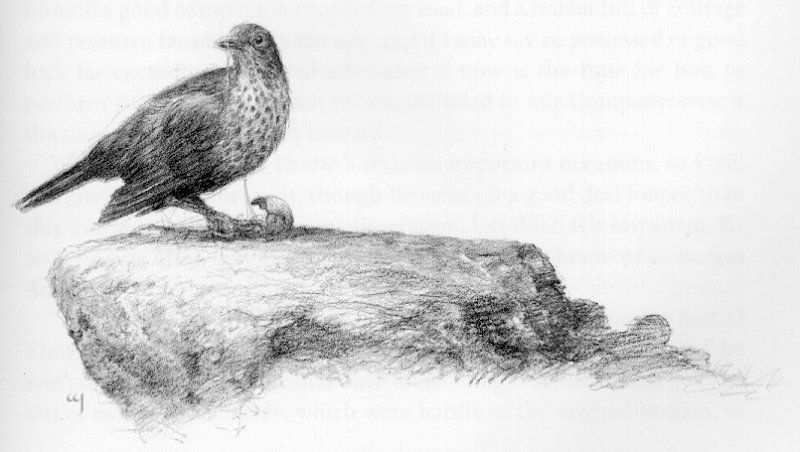
In The Hobbit, the opposite happens:  the thrush who had tapped the snail

(Alan Lee)

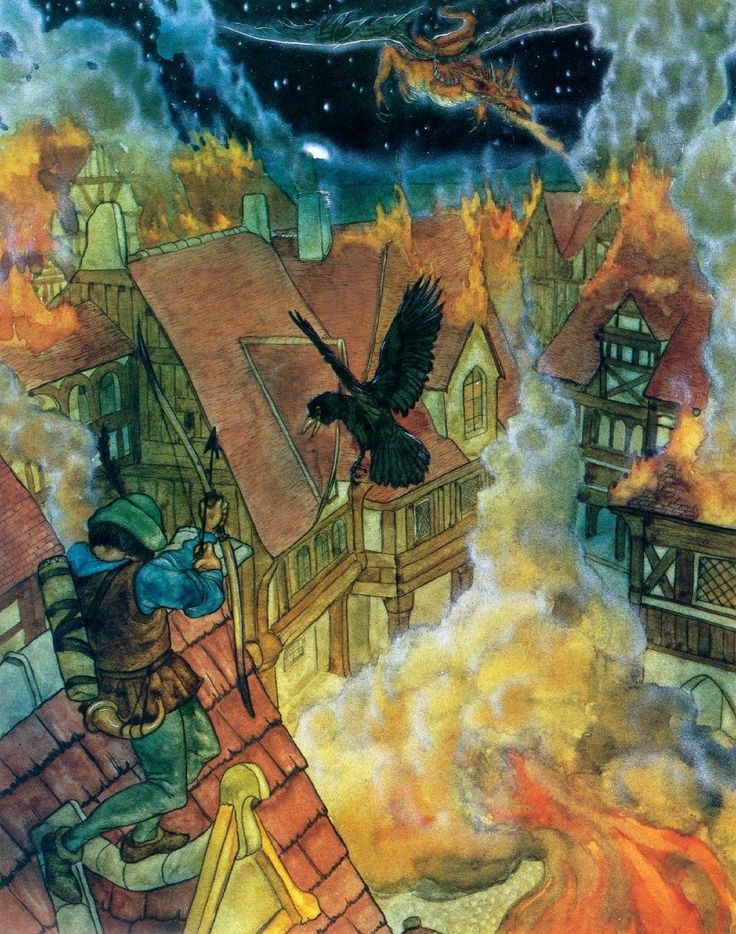
and therefore set off the chain of events which revealed the back door to the Lonely Mountain to Bilbo and the dwarves, overhears Bilbo telling the dwarves about Smaug’s vulnerable spot, which he then conveys to Bard the Archer, who is then the dragon-slayer

(Michael Hague—one of my favorite Hobbit illustrators)

needed to dispose of the one-time guardian of the hoard.

And so the dragon is disposed of—but he has one more use in the story:  as a negative model. 

Although Thorin has led the quest to retrieve the dwarves’ treasure, it seems that there’s only one which he craves, the Arkenstone,

(Donato Giancola)

and it’s clear that, in its pursuit, he becomes much like the Smaug who once reacted almost hysterically when he sensed that something was missing from his hoard:

“Thieves!  Fire!  Murder!…His rage passes description—the sort of rage that is only seen when rich folk that have more than they can enjoy suddenly lose something that they have long had but have never before used or wanted.”  (The Hobbit, Chapter 12, “Inside Information”)

Here’s his dwarvish parallel:

“ ‘For the Arkenstone of my father,’ he said, ‘is worth more than a river of gold in itself, and to me it is beyond price.  That stone of all the treasure I name unto myself, and I will be avenged on anyone who finds it and withholds it.”  (The Hobbit, Chapter 16, “A Thief in the Night”)

And, when he finds that Bilbo has taken it as a way to make peace between the dwarves, the elves, and the Lake-town men, Thorin almost does take revenge:

“ ‘You! You!’ cried Thorin, turning upon him and grasping him with both hands.  ‘You miserable hobbit!  You undersized—burglar!…By the beard of Durin!  I wish I had Gandalf here!  Curse him for his choice of you!  May his beard wither!  As for you I will throw you to the rocks!’ he cried and lifted Bilbo in his arms.”  (The Hobbit, Chapter 17, “The Clouds Burst”)

So why a dragon?

First, to Tolkien the medievalist, gold and dragons go together:  a quest for treasure needs a particularly powerful enemy and the dragon of Beowulf, who actually fatally wounds Beowulf,

who had previously defeated two terrible opponents in Grendel and his mother, provides a strong model.

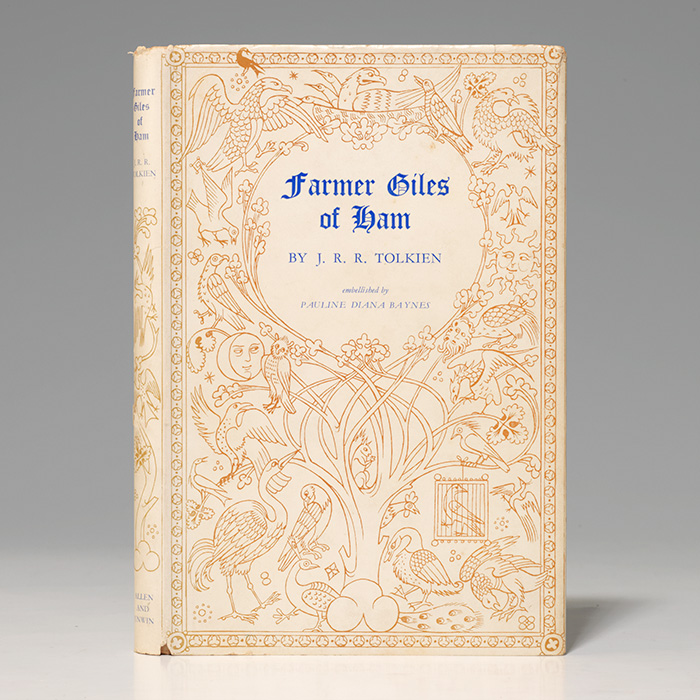
Second, JRRT had, from childhood, a long-standing interest in dragons—he’ll return to them in his 1938/49 novella, “Farmer Giles of Ham”, where the practical farmer eventually not only tames the dragon, Chrysophylax (“Goldwatchman”, perhaps), but makes him disgorge much of his treasure—this time by doing nothing more than outfacing him and threatening him with his sword, “Tailbiter”.
It’s interesting, by the way, that, although, in “The Story of Sigurd”, the dragon talks, he has only one short speech:  a curse on anyone who touches his gold, whereas, in perhaps the greatest draconic influence upon Tolkien, Beowulf, another wyrm who enjoys lying on a hoard, is mute.

Smaug, in The Hobbit, however, is not only positively talky, but, like Saruman in The Lord of the Rings, his voice and manner have their own dangerously persuasive power, at one point in his conversation with Bilbo even beginning to seed Bilbo’s mind with doubts about the dwarves Bilbo accompanies (The Hobbit, Chapter 12, “Inside Information”).

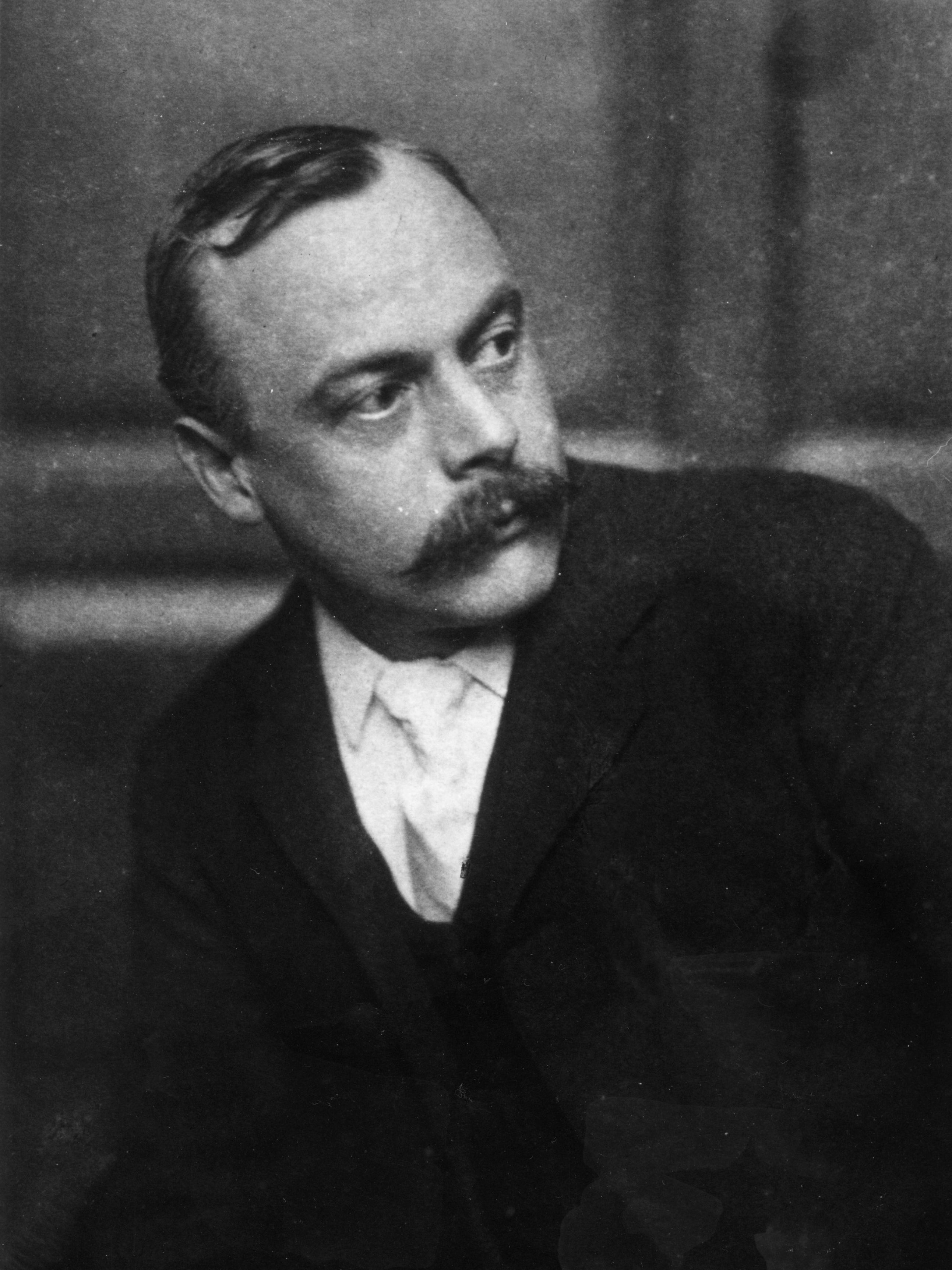
Chrysophylax, in “Farmer Giles of Ham” is even more talkative than Smaug, and I wonder about the model for these chatty beasts.  Tolkien was a great fan of Kenneth Grahame (1859-1932) and of his well-known children’s book, The Wind in the Willows (1908),

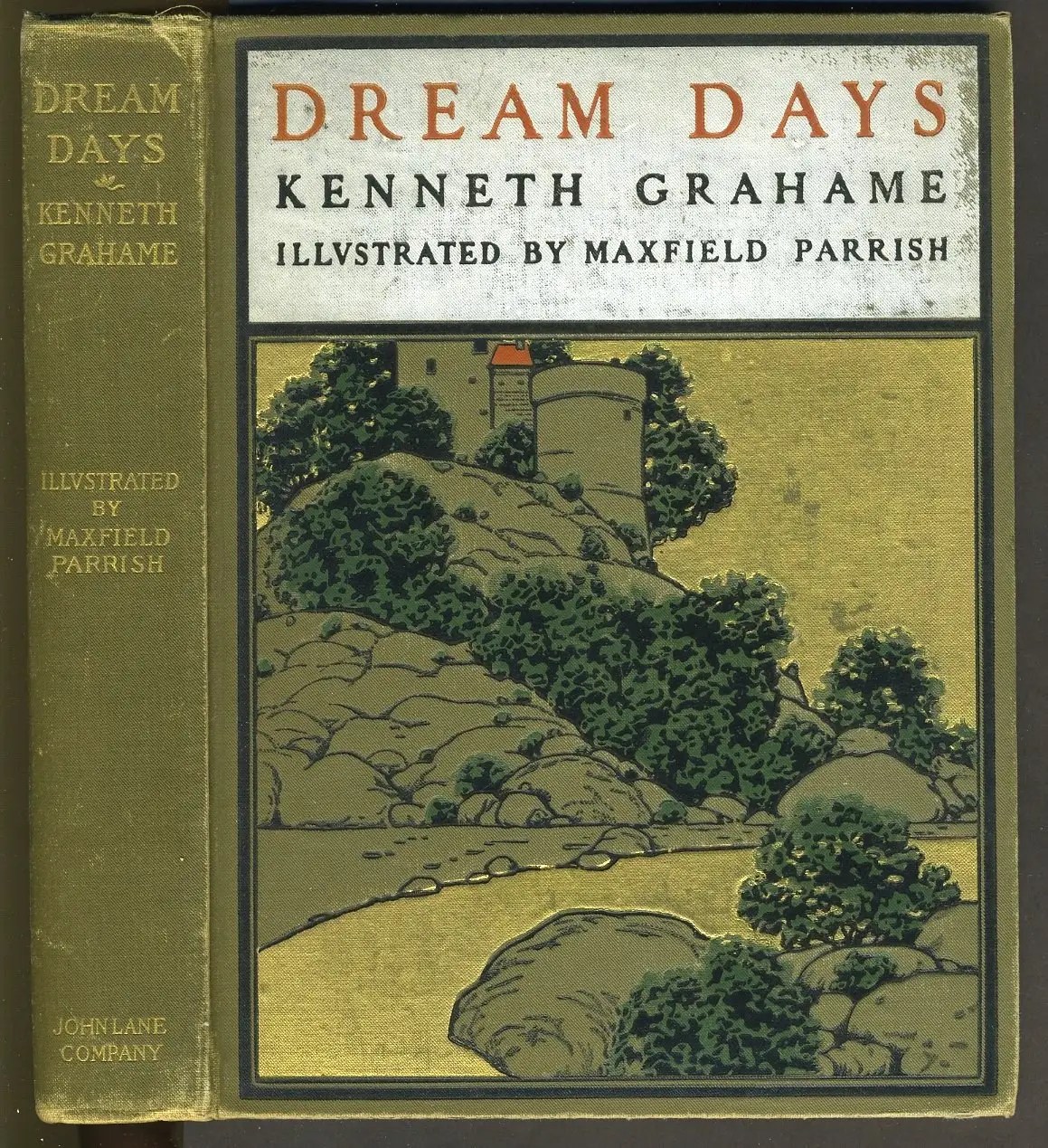
mentioning in a letter to Christopher Tolkien that Elspeth Grahame, Grahame’s widow, is publishing a book with other stories about the main characters of The Wind in the Willows, a book which JRRT is very eager to obtain (letter to Christopher Tolkien, 31 July, 1944, Letters, 128).  In 1898, Grahame published a collection of stories, Dream Days,

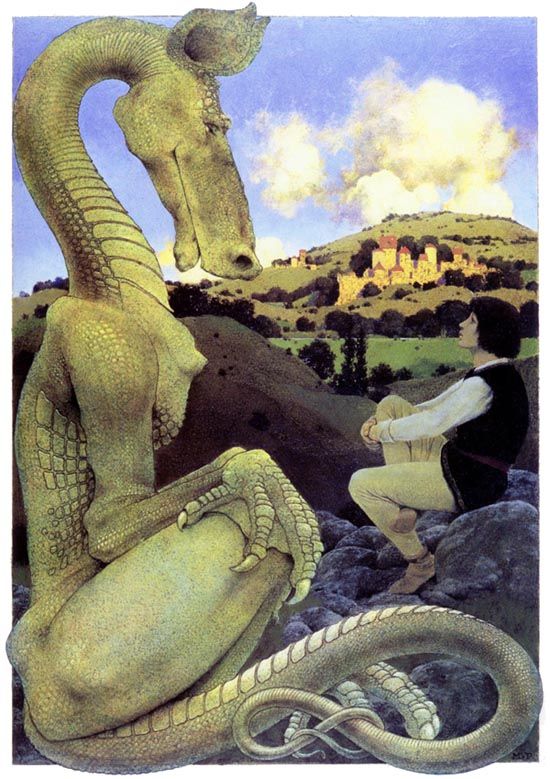
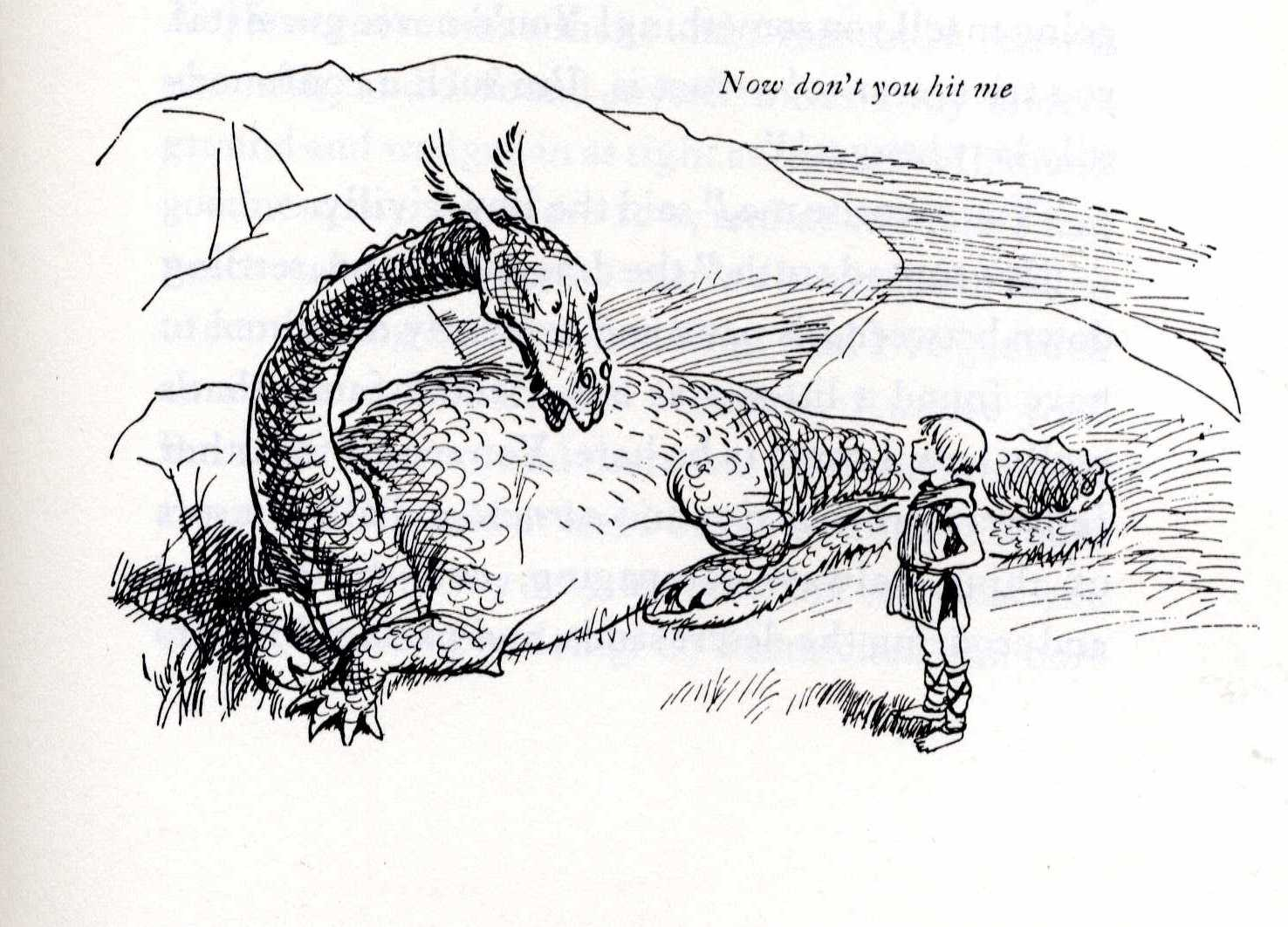
which included “The Reluctant Dragon”, in which we see another very loquacious beast,

(from the original book, illustrated by Maxfield Parrish)

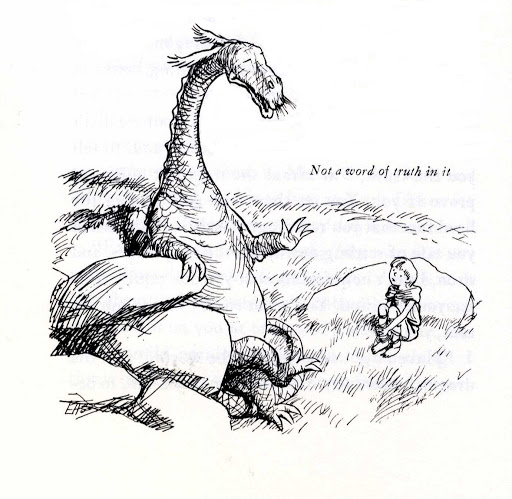
(I couldn’t resist including E.H. Shepard’s 1938 version)

but rather more like the ultimately rather timid dragon of “Farmer Giles” than the grim and mute creature of Beowulf or the more-than-a-little-pleased-with-himself Smaug, but, in his garrulousness, could he have been a model for Smaug?  (You can make your own comparison with:  https://www.gutenberg.org/files/35187/35187-h/35187-h.htm )

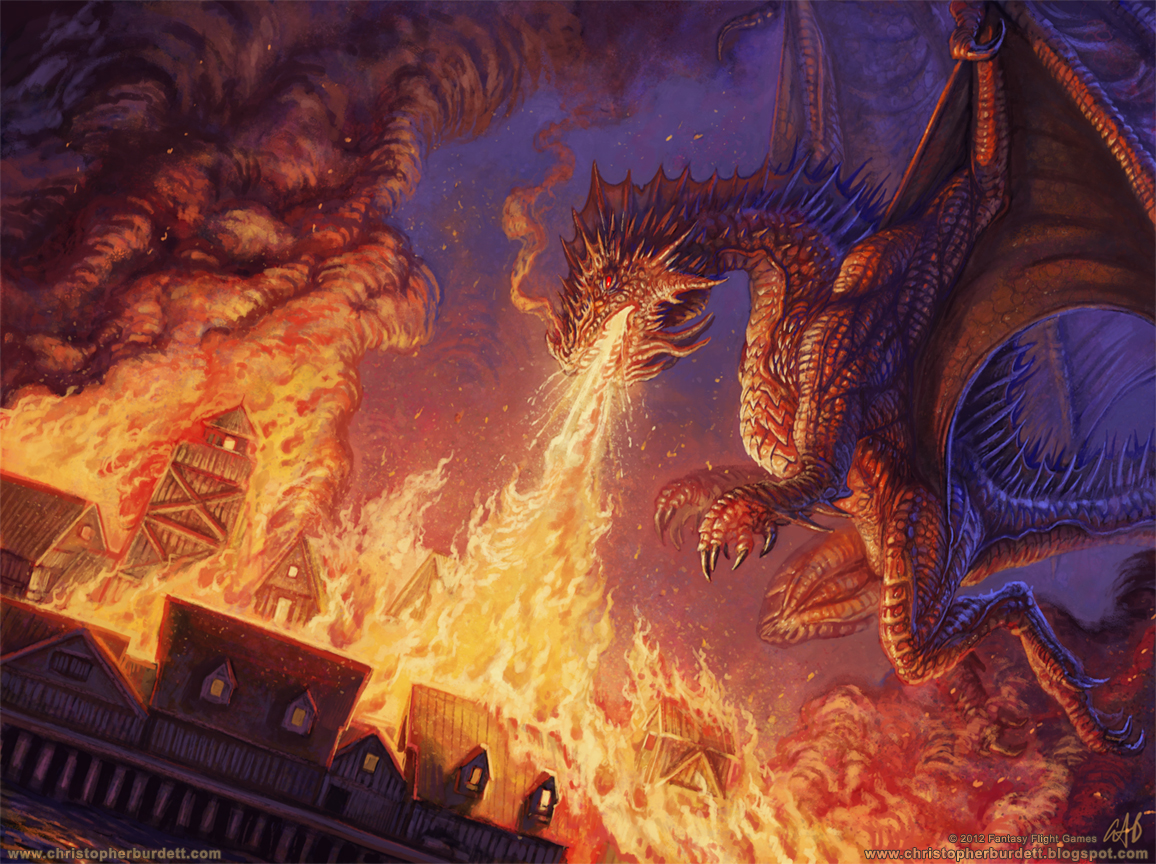
To this we add perhaps not a model, but a parallel:  Thorin as becoming a kind of dwarvish dragon in his obsession with the Arkenstone.  Fafnir dies with a curse, however, the Beowulf beast dies killing Beowulf, and Smaug dies destroying Lake-town,

but, in his own last moments, Thorin escapes such a poisonous model, saying to Bilbo:

“Farewell, good thief…I go now to the halls of waiting to sit beside my fathers, until the world is renewed.  Since I leave now all gold and silver, and go where it is of little worth, I wish to part in friendship from you, and I would take back my words and deeds at the Gate.” (The Hobbit, Chapter 18, “The Return Journey”)

(Darrell Sweet—you can read a little about him here:  https://en.wikipedia.org/wiki/Darrell_K._Sweet )

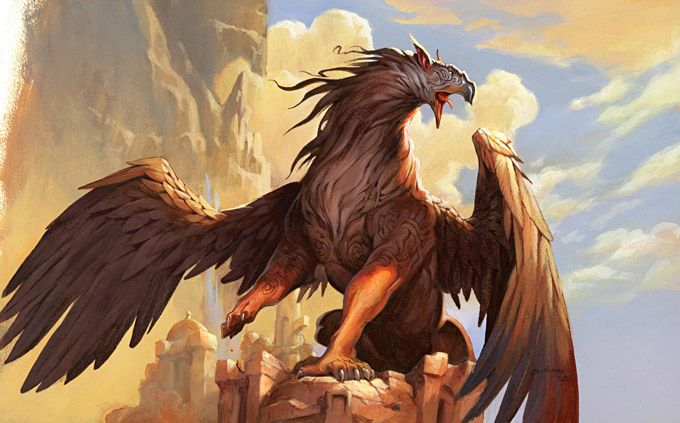
And so “Why a dragon?”—and not “Why No a Hippogriff?”

(artist? so far, I haven’t found one–a pity, too, as it’s quite a splendid illustration and I’ll love to mention the author!)

Thanks, as ever, for reading.

Stay well,

Remember not to laugh at live dragons,

And remember, as well, that there’s

MTCIDC

O

Metatextual

16 Wednesday Oct 2019
Posted by Ollamh in Heroes, J.R.R. Tolkien, Military History, Narrative Methods

≈ Leave a comment

Tags

Beowulf, Game of Thrones, Great War, Great War Posters, Metatextual, Propaganda Posters, Samwise Gamgee, Story, The Lord of the Rings, Tolkien, trench warfare, Writing, WWI

Welcome, dear readers, as always—and don’t be weirded-out by the hyperliterary title.  We’ve been thinking about an odd moment in The Lord of the Rings, a moment when two of the main characters seem to possess the ability, at least for that moment, to step away from the story, and to see themselves as characters, which is one way in which metatextuality, meaning “outside the text”, works.  (For a useful definition, see this LINK.)

It’s a passage in The Two Towers, Book Four, Chapter 8, “The Stairs of Cirith Ungol”.  Sam and Frodo are pausing before Gollum leads them through a passageway which will bring them into Mordor.  They have a meal, then talk about where they’re about to go and Sam says:

“…And we shouldn’t be here at all, if we’d known more about it before we started.  But I suppose it’s often that way.  The brave things in the old tales and songs, Mr. Frodo:  adventures, as I used to call them.  I used to think that they were things the wonderful folk of the stories went out and looked for, because they wanted them, because they were exciting and life was a bit dull, a kind of sport, as you might say.”

Because Tolkien was writing this after the Great War, we might imagine that, at one level, he’s reflecting upon the war fever which captured Great Britain in the early days of the conflict, with its recruiting posters and popular art depictions like these—

image1poster.jpgimage2poster.png

image3poster.jpg

image3a.jpgimage4acharge.jpg

and its masses of volunteers crowding recruitment offices.

image4recruit.jpg

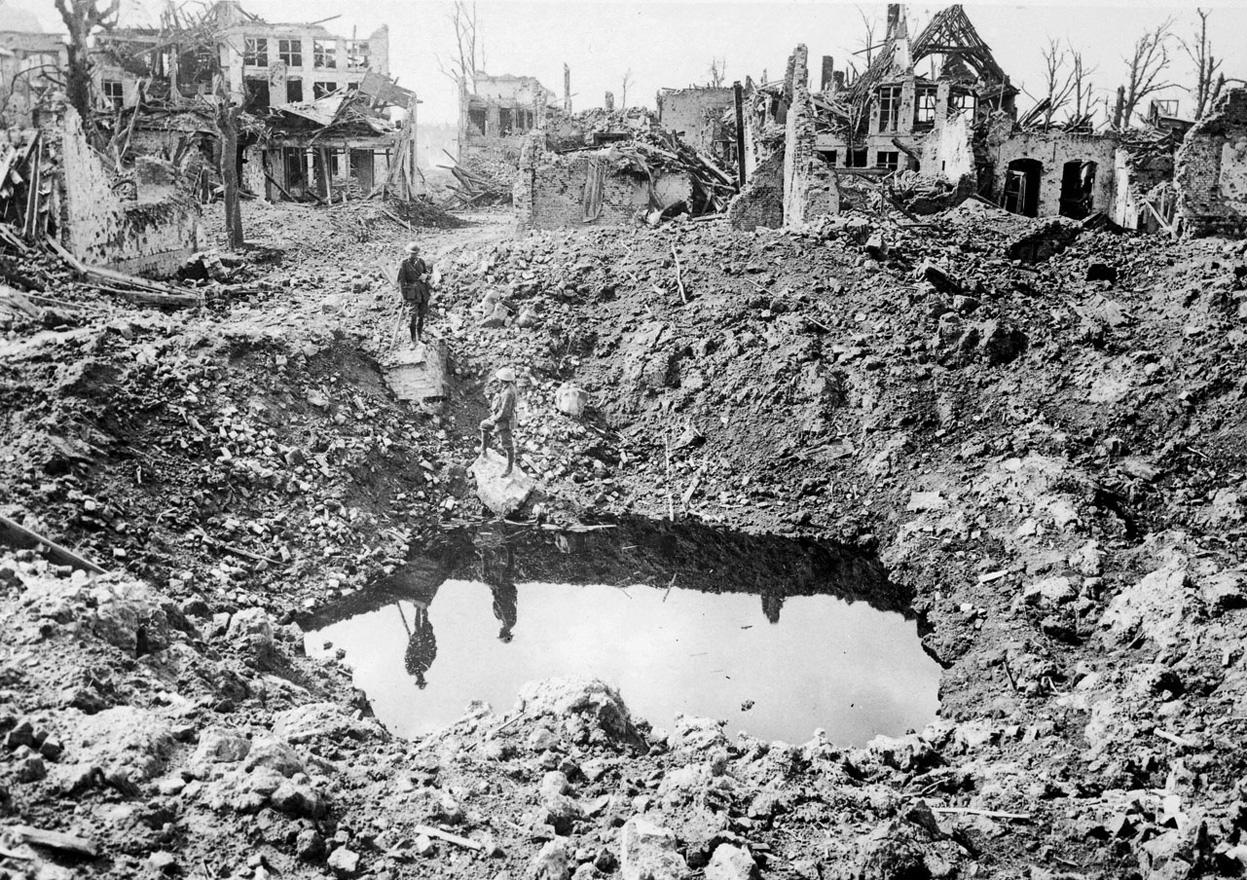
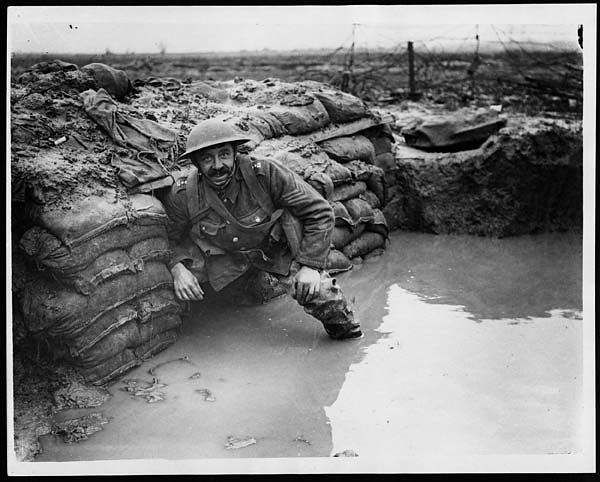
This was all before the grim reality of trench warfare

image5trench.jpg

and casualties beyond anyone’s pre-war comprehension

image6casualties.jpg

dampened that early enthusiasm, leading to a realistic cynicism mostly quietly expressed,

image7sword.png

although soldiers could sometimes express their opinion of the war vocally—see this LINK for some of that vocalizing.

What Sam says next seems to agree with this:

“But that’s not the way of it with the tales that really mattered, or the ones that stay in the mind.  Folk seem to have been just landed in them, usually—their paths were laid that way, as you put it.”

So, “adventures” now, to Sam, are no longer “a kind of sport” which “wonderful folk” seek out, but rather something which just happens to people—in fact, people like Sam and Frodo.  And, just like Sam and Frodo, “…I expect they had lots of chances, like us, of turning back, only they didn’t.”

The consequences of rejecting those chances are obvious:  “And if they had, we shouldn’t know, because they’d have been forgotten.  We hear about those as just went on…”

And Sam’s sense of the consequences of “just going on” is very realistic:  “—and not all to a good end, mind you; at least not to what folk inside a story and not outside it call a good end.  You know, coming home, and finding things all right, though not quite the same—like old Mr. Bilbo.  But those aren’t always the best tales to hear, though they may be the best tales to get landed in!”

So far, then, we might see this as the clear thinking of someone who believed in those 1914 posters and came to learn otherwise.  Sam continues, however, and here’s where that metatextuality comes in:

“I wonder what sort of tale we’ve fallen into?”

We know that Sam has long been fascinated by tales of elves and dragons.  As Gaffer Gamgee says:

“Crazy about stories of the old days, he is, and he listens to all of Mr. Bilbo’s tales.  Mr. Bilbo has learned him his letters…”  (The Fellowship of the Ring, Book One, Chapter 1, “A Long-Expected Party”)

The Gaffer’s last remark suggests that not only has Sam heard tales, but he may even have read them.  We think that it should be no surprise, then, that, when put into a situation far beyond the usual, Sam might believe that it’s not just daily life, but, in fact, a “tale”.  And so he asks, “…what sort…?”

To which Frodo replies:

“I wonder…But I don’t know.  And that’s the way of a real tale.  Take any one that you’re fond of.  You may know, or guess, what kind of tale it is, happy-ending or sad-ending, but the people in it don’t know.  And you don’t want them to.”

In Sam and Frodo’s case, they clearly don’t and can’t know, but, although they don’t know their fate (although we think that Frodo has an idea, saying “Our part will end later—or sooner.”), they both believe that they are in a tale, as Sam says:

“Still I wonder if we shall ever be put into songs or tales.  We’re in one, of course; but I mean put into words, you know, told by the fireside, or read out of a great big book with red and black letters, years and years afterwards.”

This is ironic, of course, as we know that this very story is drawn as Tolkien-as-editor says in the Prologue to The Lord of the Rings, from The Red Book of Westmarch (see “Note on the Shire Records”), a volume jointly written by Bilbo and Frodo and perhaps completed by Sam himself (see The Return of the King, Book Six, Chapter 9, “The Grey Havens”).

There is also, to our minds, as we said, something odd about this view of themselves and their situation.  In general, characters in epic stories—just as Frodo says—are unaware that they are in them.  Achilles never turns to Patroclus in the Iliad and asks, “I wonder how this epic will end?” nor does Beowulf spend time discussing just what sort of tale he and Wiglaf have gotten themselves into.   (You can see a touch of metatextuality in the Game of Thrones series, however, when one of its evilest characters, Ramsay Bolton, can say, “If you think this has a happy ending, you haven’t been paying attention.”)

Frodo takes the idea of their being characters one step farther when he then suggests indirectly that their story is actually in the hands of its readers:

“…We’re going on a bit too fast.  You and I, Sam, are still stuck in the worst places of the story, and it is all too likely that some will say at this point:  ‘Shut the book now, dad; we don’t want to read any more.’ “

As in his earlier remark, that “Our part will end later—or sooner”, we see that Frodo imagines that they’re already in such a bad place that a young audience will want to stop the story.

This then leads us to a question as odd to us as their view of themselves as already-fictional characters in a tale:   if dad listens and agrees, closing the book, what will happen to Frodo and Sam then?


Thanks, as ever, for reading and

MTCIDC

CD

Bloody Vikings!

03 Wednesday Apr 2019

Posted by Ollamh in Military History

≈ Leave a comment

Tags

Beowulf, Bromley, Byzantine, Glendalough, Grettir's Saga, Lindisfarne, Monty Python, Onund Treefoot Ufeighson, Risala of Ibn Fadlan, Scandanavian, Skraelings, Spam, Sutton Hoo, The Vikings (1958), Varangians, vikings

Welcome, dear readers, and, if you’re a Commonwealth English-speaker, please excuse the mild  blasphemy.  (For those without any idea about that last remark, please follow this LINK.)

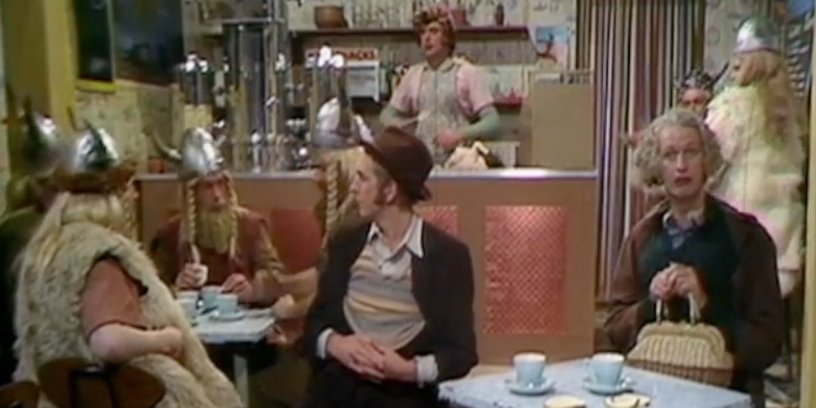
In fact, it isn’t really our fault, but, rather, it comes from a line in a very famous Monty Python’s Flying Circus sketch, the notorious “Spam” skit.

image1spam.jpg

In this sketch, two people are lowered into a café, whose breakfast menu

image2spam.jpg

appears to be entirely based upon a tinned/canned ham product called Spam.

image3spam.jpg

(If you would like to become deeply learned on the subject of this product, please follow this LINK.)

With no explanation, we find that the rest of the customers are Vikings, but, when a professor is suddenly inserted into the scene, we learn that they have mustered at the Green Midget Café in Bromley, a southeastern town within Greater London, (see the LINK here for important information about Bromley, in case you’re considering a holiday), for a surprise attack on England.

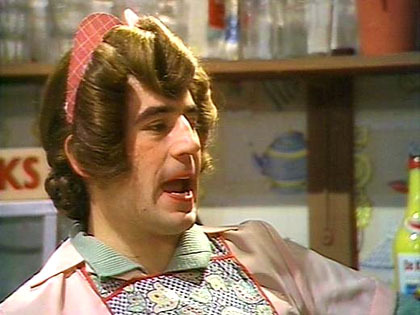
In the course of the sketch, the word “spam” is repeated again and again and, as it is, the Vikings begin to sing its praises in chorus, causing the waitress

image4tj.jpg

to shout “Shut up!  Shut up!” repeatedly and once, on the original LP, to mutter, “Bloody Vikings!”—hence our title—although, as you’ll see, reading on, she might have said “Not so bloody Vikings!”

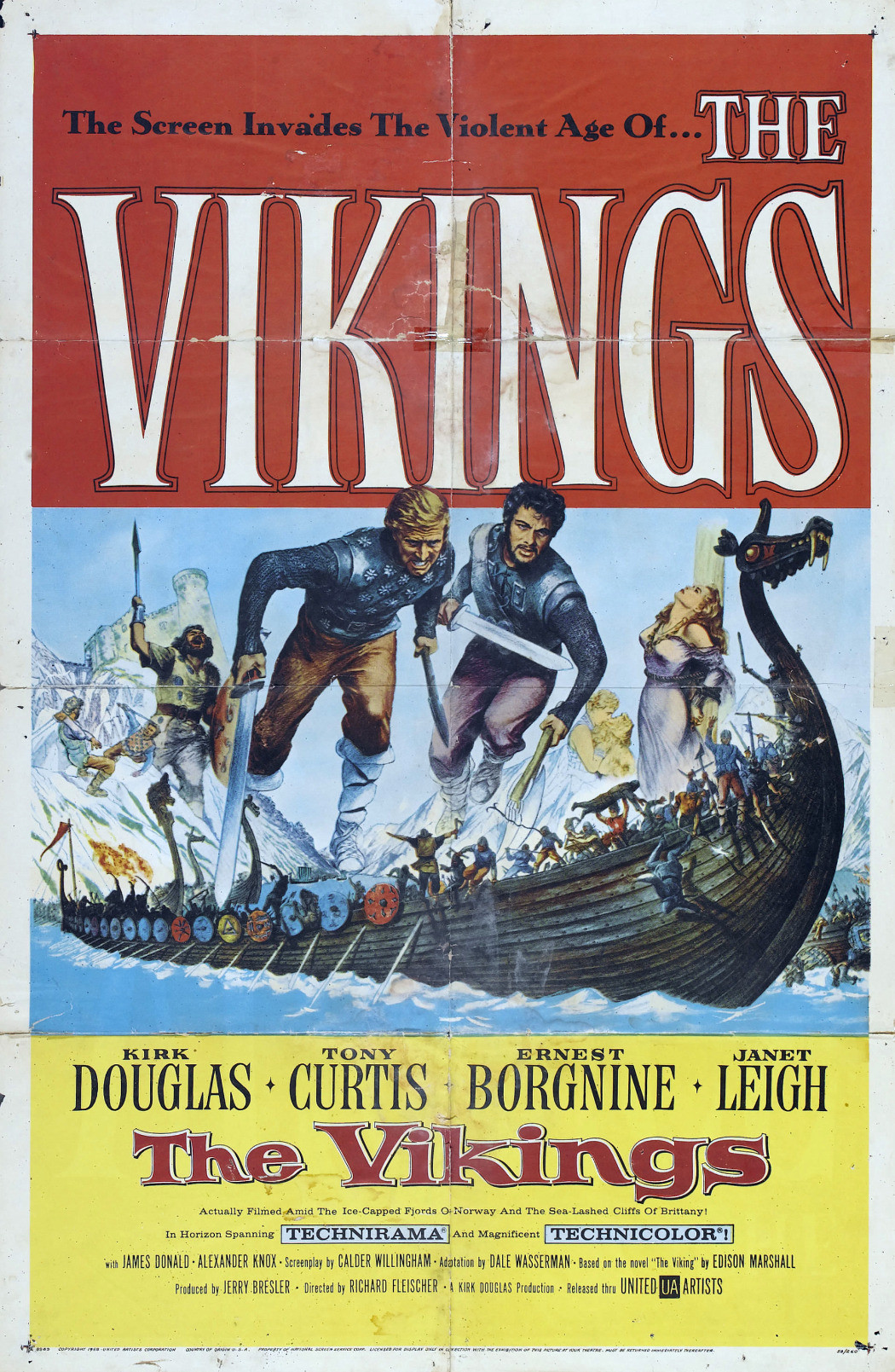
Some time ago, we did a posting on a specific Viking custom, burial, but, unlike the depictions, in everything from 19th-century paintings

image5painting.jpg

to the well-known 1958 film,

image6vikings.jpg

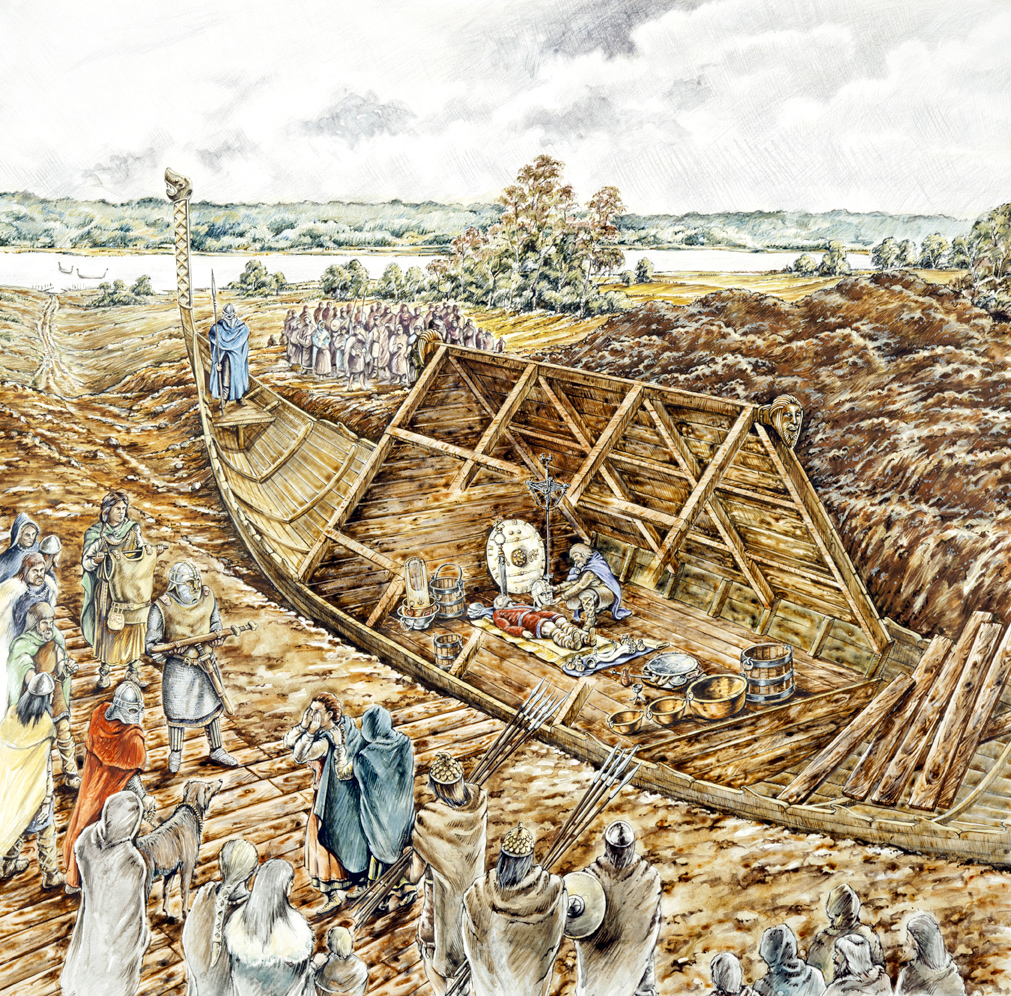
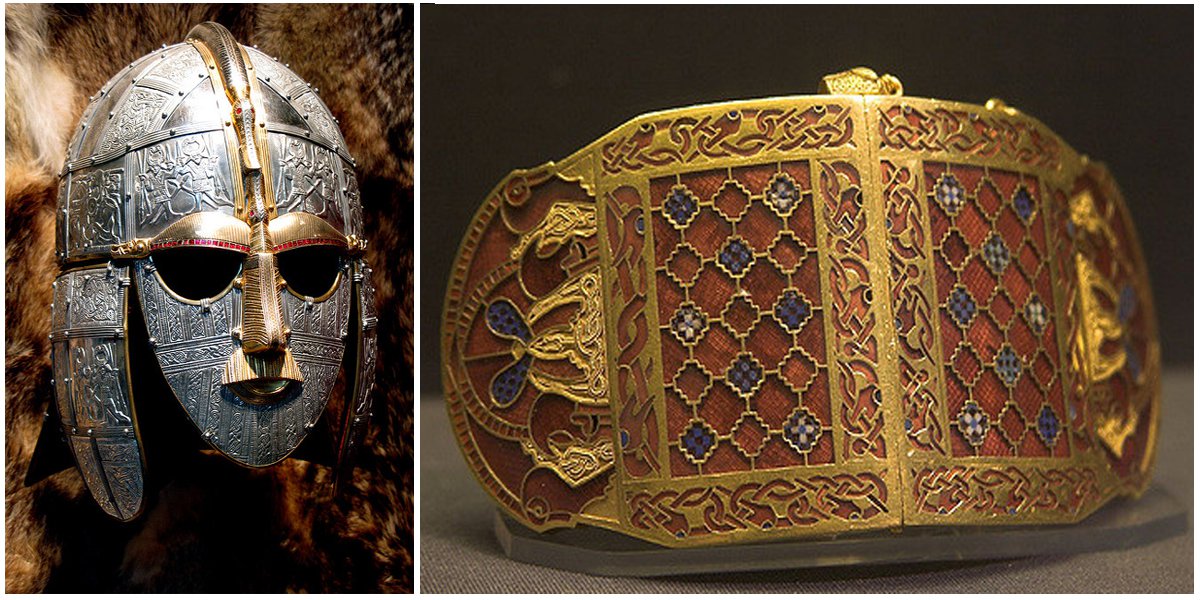
we discussed the latest understanding, that prominent Vikings might be cremated (we see this custom as early as the poem Beowulf –7th-8th- century AD?), but then were subsequently buried—if they were especially important, in their own ships, as was the case with the prominent figure who would have been in the famous Sutton Hoo burial, with its wonderful metal work.

image7suttonhoo.jpg

image8shoo.jpg

image9shoo.jpg

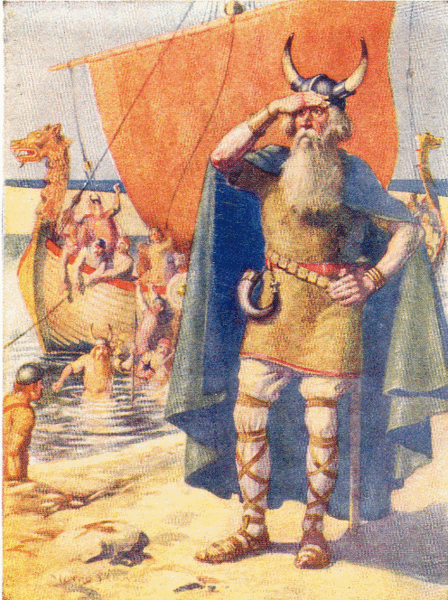
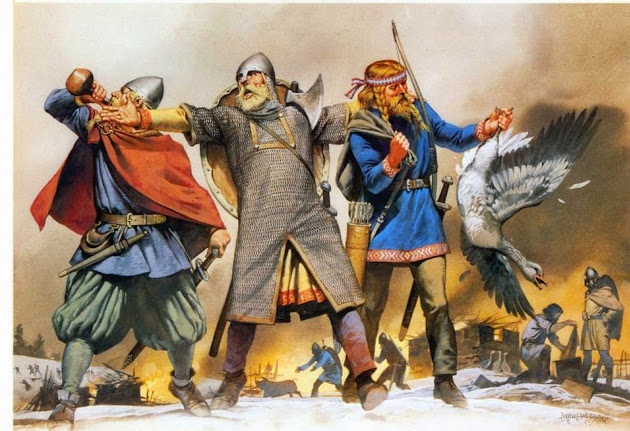
This revision has extended far beyond the sensational flaming ship, however.  To begin with, 19th-century illustrations of Vikings

image10vikingimage11viking

have been replaced with more accurate depictions, based upon the surviving physical evidence.

image13jorvik.jpg

image14onund.jpg

(This last is a picture of a famous warrior, Onund Treefoot Ufeighson, from Grettir’s Saga—we think that you can guess where that nickname came from!)

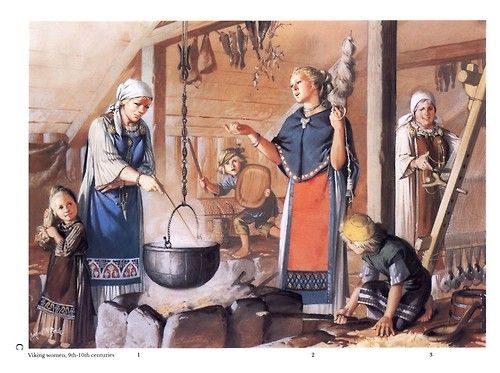
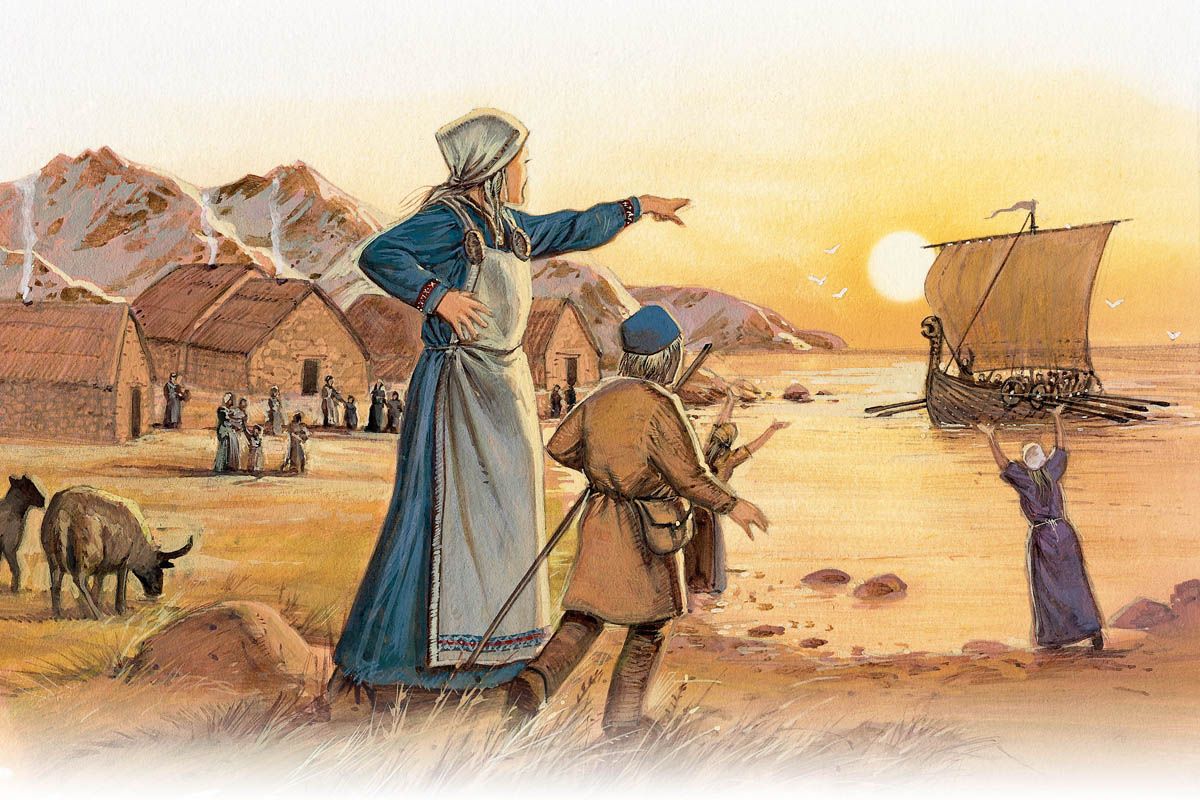
As well, Vikings are shown as domestic—after all, their ancestors and relatives had all been farmers and fishermen in Scandinavia.

image15dom.jpg

image16dom.jpg

And their fine craftsmanship was recognized, including their great skill as shipwrights.

image17ship.jpg

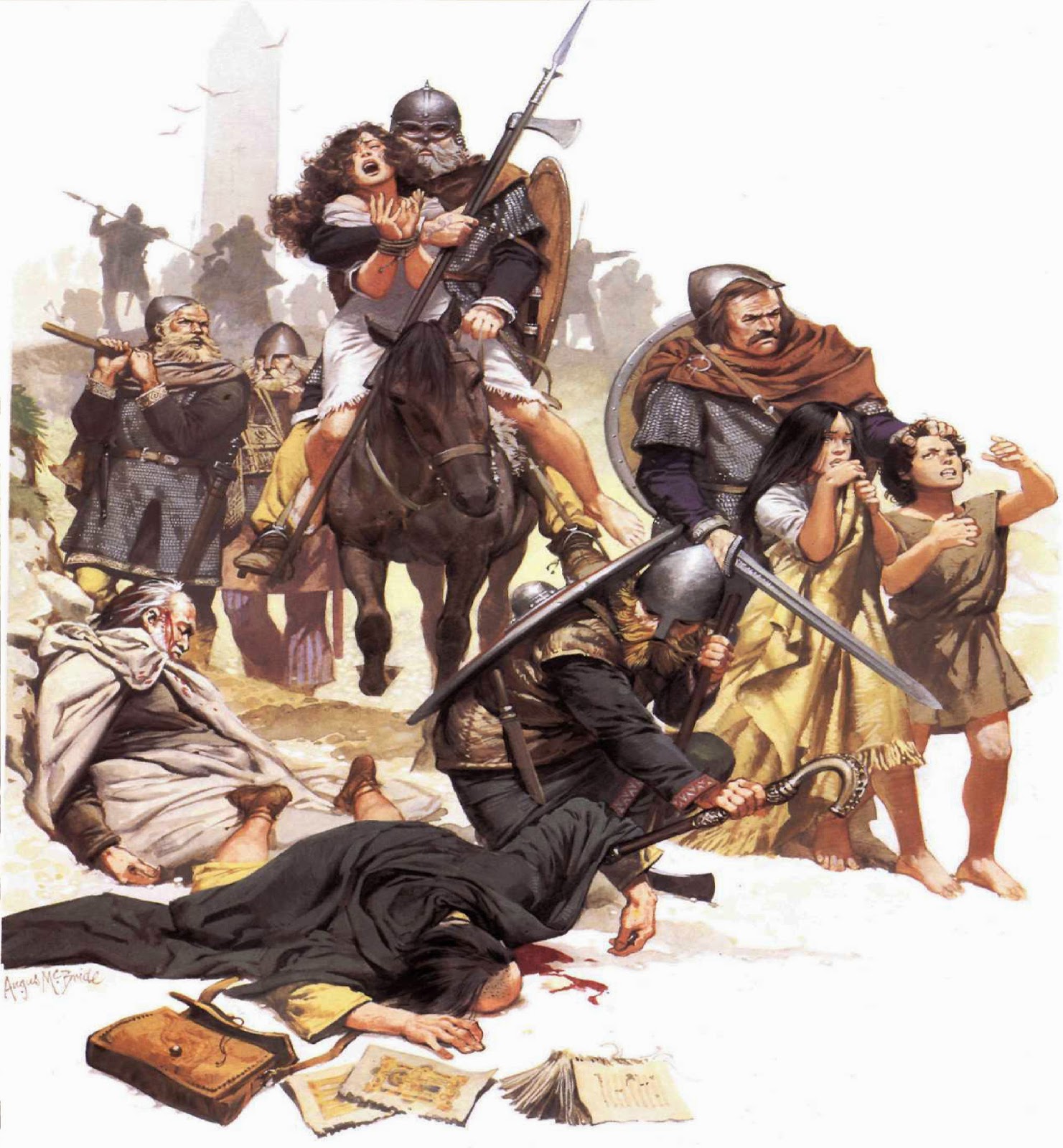
They were certainly raiders.

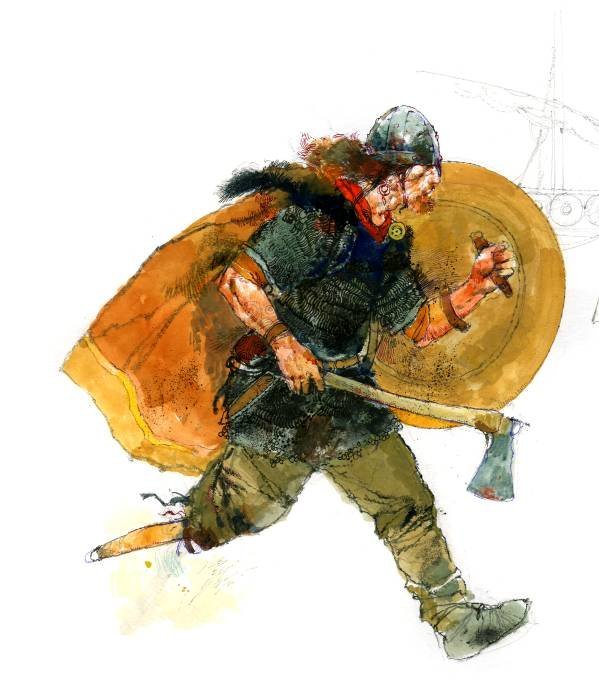
image18eire.jpg

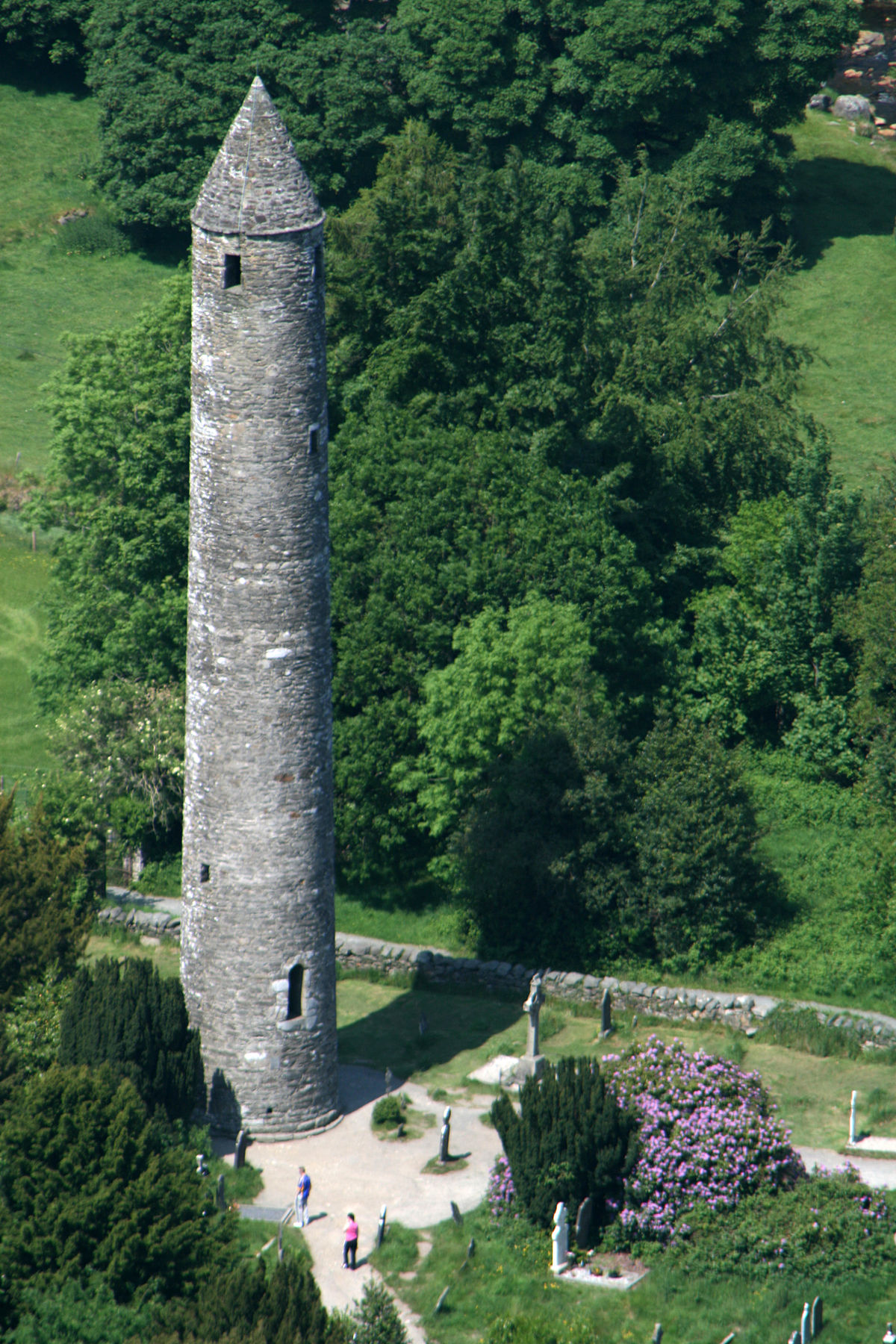
(This is a picture of a Viking attack in Ireland, as can clearly be seen from, in the foreground, the distinct haircut—called a “tonsure”—of the fallen monk—this particular cut being the typical Irish pattern–and, in the background, the distant form of a round tower.  Here’s an image of a real one, at Glendalough.  And a LINK, if you’d like to know more.)

image19roundtower.jpg

Raiding, however, was only part of some Vikings’ lives.  Numbers were traders, not only of items like furs, but humans.

image20trade.jpgimage21trade.jpg

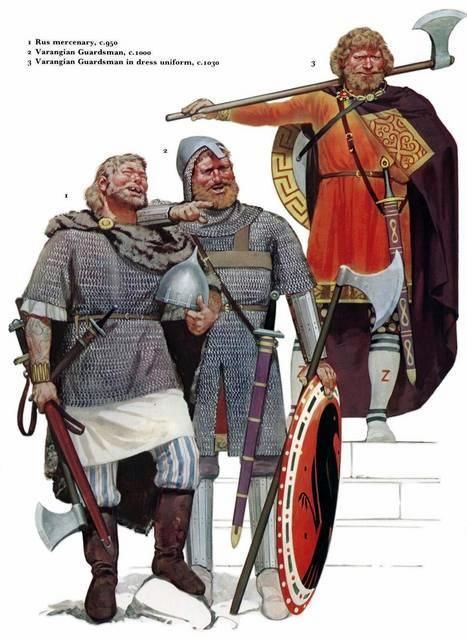
Others were soldiers in foreign rulers’ bodyguards—these are Varangians, who, for a time, protected Byzantine emperors.

image22varang.jpg

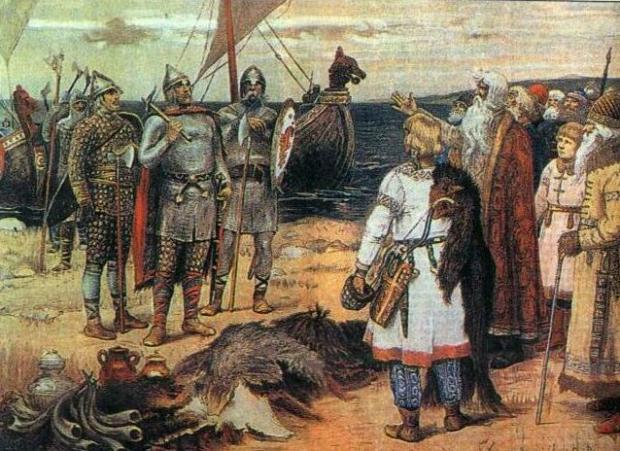
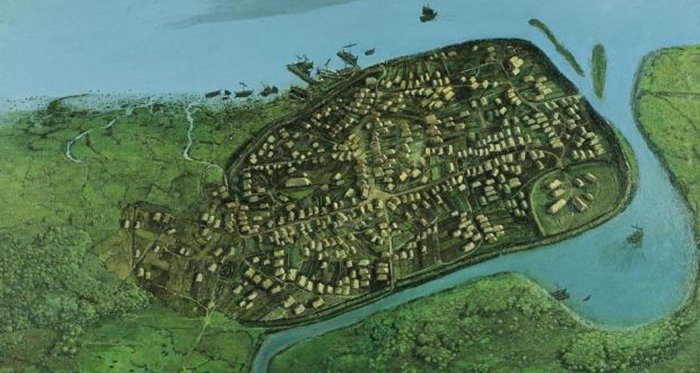
In their handy ships, the Vikings not only raided and traded, but colonized, spreading their culture from western Russia all the way to Iceland and northern North America, settling or resettling places like Dublin and York.

image23map.jpg

image24dublin.jpg

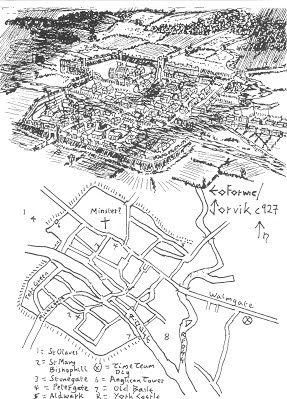
image25jorvik.jpg

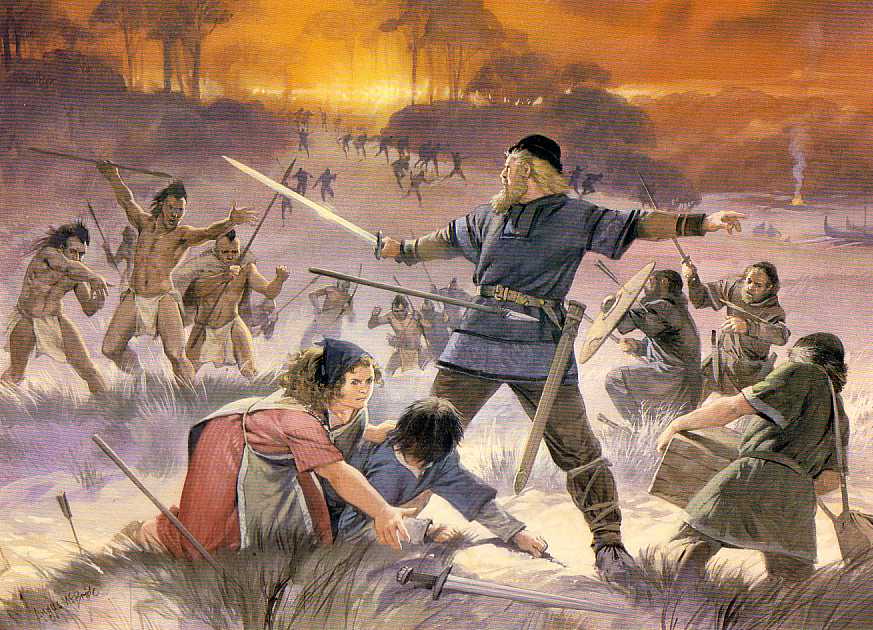
Their settlements were not always successful, as we may see in this scene, where the locals—whom the Vikings called “Skraelings”, were not comfortable with having Norse neighbors.

image26skraelings.jpg

All of this makes the Vikings, on the one hand, more ordinary—just one more Germanic people with many occupations and a desire to find trade and lebensraum—but, on the other, it leaves us, dear readers, with a small sense of loss, as they seem not quite the flaming force which brought about this prayer:

“Summa pia gratia nostra conservando corpora et cu[s]todita, de gente fera Normannica nos libera, quae nostra vastat, Deus, regna!”

“Our highest, pius, Grace, by preserving our bodies and the things in our charge, free us from the fierce/beastly Northmen who, O God, lay waste our kingdoms!

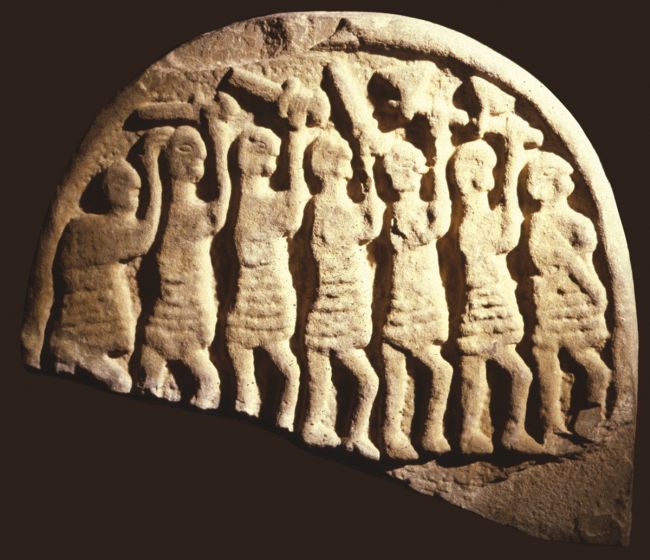
or inspired this early tombstone from Lindisfarne (devastated by the Vikings in 793AD).

image27lindisfarne.jpg

Thanks, as ever, for reading and

MTCIDC

CD


ps

We want to credit the “Viking Answer Lady Webpage” for the Latin quotation (translation and correction in brackets, ours).  Here’s a LINK, in case you need Viking answers, too.

pps

If you would like to read a first-hand account of what appears to be the burial of a prominent Viking, please see this LINK: Risala of Ibn Fadlan.  It is James E. McKeithen’s translation of Ahmad Ibn Fadlan’s account of his 10th-century travels, and it includes his visit among the Rus, who are the Norsemen and descendants of Norsemen who traded with and settled in what is now (mostly) the Ukraine.  Warning:  this is not a description for the faint-hearted.

Who Goes There? (2)

21 Wednesday Nov 2018

Posted by Ollamh in J.R.R. Tolkien

≈ Leave a comment

Tags

Beowulf, Ford of Bruinen, Haldir, Jules Verne, Lorien, Moria, Nautilus, Rivendell, Sentries, The Argonath, The Hobbit, The Lord of the Rings, The Shire, Tolkien, Twenty Thousand Leagues Under the Sea

As ever, dear readers, welcome.

In our last, we had begun discussion of the use of watchmen/sentries in The Lord of the Rings.  In our last, in fact, we had stopped with what is well-known to have been a strong influence—especially in The Hobbit—upon JRRT:  Beowulf, and its two such figures.  Here’s Beowulf with the first.

image8coastguard

What particularly interests us is that, often when such a figure—or figures—is encountered, it slows the action, but, interestingly, may cause further action at the same time:  the protagonist can be challenged, questioned, or even forced to act—all part of what we call “no fiction without friction”—and we’ll see what this does for the characters now as we’re off on our journey through Middle-earth, beginning  where The Lord of the Rings begins, in the Shire.

image2shire

Before we go farther, however, we would like to expand our definition of watchman/sentry just a little to include the mobile equivalent of sentries, patrols:

“The Shirriffs was the name that the Hobbits gave to their police, or the nearest equivalent that they possessed…There were in the Shire only twelve of them, three in each Farthing, for Inside Work.  A rather larger body, varying at need, was employed to ‘beat the bounds’, and to see that Outsiders of any kind, great or small, did not make themselves a nuisance.”  (The Lord of the Rings, Prologue, 3, “Of the Ordering of the Shire”)

Tolkien says of these shirriffs that “they were in practice rather haywards then policemen”, and “hay” here doesn’t  mean horse and cattle feed  but, rather, it’s an old word for “hedge”(from Old English “haga”) and we see our next sentry at the hedge which surrounds Bree.  Initially, this is “old Harry”, who seems, when the hobbits arrive, a bit too inquisitive:

“They came to the West-gate and found it shut; but at the door of the lodge beyond it, there was a man sitting.  He jumped up and fetched a lantern and looked over the gate at them in surprise.” (The Fellowship of the Ring, Book One, Chapter 9, “At the Sign of the Prancing Pony”)

It says, perhaps, something about the confidence of the Elves that, at Rivendell, there are neither sentries nor patrols—although perhaps the River Bruinen might be considered at least a defense, considering that it sweeps away the Nazgul when they try to cross.

At the Ford, by Ted Nasmith

(Image by one of our favorite Tolkien illustrators, Ted Nasmith)

This idea of a natural force as sentry appears again before the Fellowship enters Moria—although, this time, as they climb along the mountains on the way south, it is decidedly not on their side:

“They heard eerie noises in the darkness round them.  It may have been only a trick of the wind in the cracks and gullies of the rocky wall, but the sounds were those of shrill cries, and wild howls of laughter.  Stones began to fall from the mountain-side, whistling over their heads, or crashing on the path beside them.  Every now and again they heard a dull rumble, as a great boulder rolled down from hidden heights above.” (The Fellowship of the Ring, Book Two, Chapter 3, “The Ring Goes South”)

The combination of rock and snow forces the Fellowship to make what seems at the time a fatal decision:  to go not south, but east, into the Mines of Moria, with the disappearance of Gandalf as the consequence.

At the western doors of Moria, however, they encounter another negative force, something in the manmade lake in front of those doors.  It is a watcher, if not an active sentry, although what it really is, even Gandalf doesn’t know:

“Something has crept or has been driven out of dark waters under the mountains.  There are older and fouler things than Orcs in the deep places of the world.”  (The Fellowship of the Ring, Book Two, Chapter 4, “A Journey in the Dark”)

alan-lee-moria-gate-particolare

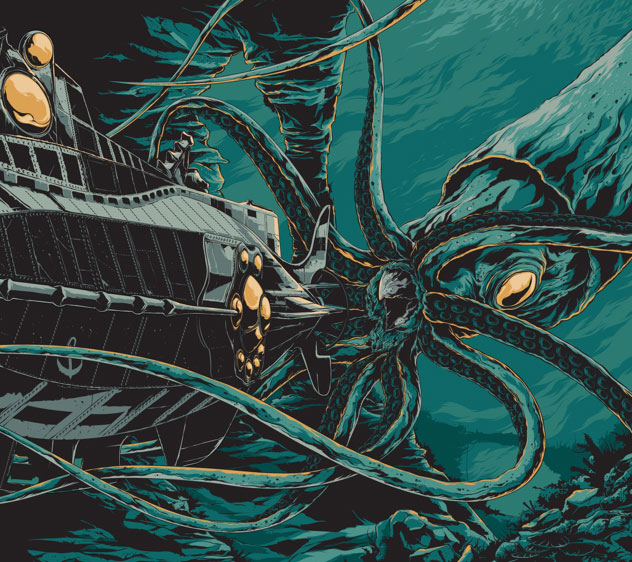
Whatever this creature may be (and it has lots of tentacles, which makes us think immediately of the squid with which the crew of the submarine Nautilus has to contend in Jules Verne’s Twenty Thousand Leagues Under the Sea)

20000detail

their encounter with it insures that their choice of traveling through Moria can’t be revoked:

“Many coiling arms seized the doors on either side, and with horrible strength, swung them round.  With a shattering echo they slammed, and all light was lost.  A noise of rending and crashing came dully through the ponderous stone…They heard Gandalf go back down the steps and thrust his staff against the doors.  There was a quiver in the stone and the stairs trembled, but the doors did not open.”

On the far side of Moria, at the edge of Lorien, the company meets its next watcher—or watchers, rather, a listening post of Elves set on a platform in a tree, where:

“…[Frodo] found Legolas seated with three other Elves.  They were clad in shadowy-grey, and could not be seen among the tree-stems, unless they moved suddenly.”  (The Fellowship of the Ring, Book Two, Chapter 6, “Lothlorien”)

And here we see an interesting development brought on by contact with the Elves at this sentry-post.  Because the Elves are mistrustful of Gimli, there is an awkward moment:  he is to be led blindfolded into the center of Lorien, something he resists until Aragorn proposes that all be blindfolded, to which Gimli makes a counterproposal that only Legolas need be blindfolded, which Legolas resists, and all are back to Aragorn’s proposal, but the leader of the Elves, Haldir, draws a moral from the situation:

“Indeed in nothing is the power of the Dark Lord more clearly shown than in the estrangement that divides all those who still oppose him.”

Our last sentries for this posting are more a symbol in that they are inanimate, but full of warning all the same:

“  ‘Behold the Argonath, the Pillars of the Kings!’ cried Aragorn…

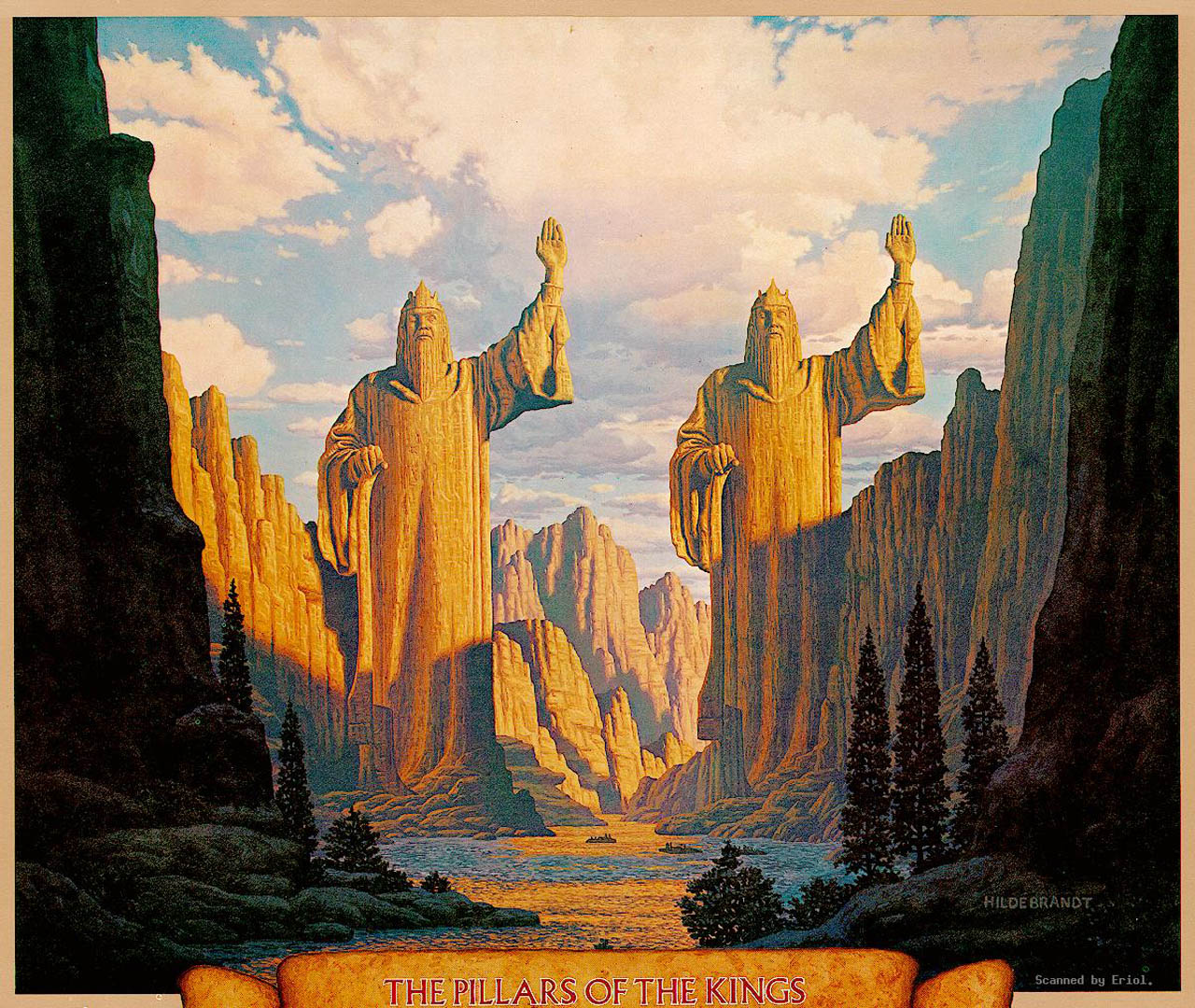
As Frodo was borne towards them the great pillars rose like towers to meet him.  Giants they seemed to him, vast grey figures silent but threatening.  Then he saw that they were indeed shaped and fashioned…Upon great pedestals founded in the deep waters stood two great kings of stone:  still with blurred eyes and crannied brows they frowned upon the North.  The left hand of each was raised palm outwards in gesture of warning; in each right hand there was an axe; upon each head there was a crumbling helm and crown.  Great power and majesty they still wore, the silent wardens of a long-vanished kingdom. “  (The Fellowship of the Ring, Book Two, Chapter 9, “The Great River”)

argonath hildebrandt

But, for all their forbidding look, they spark something in Aragorn—

“ ‘Fear not!’ said a strange voice behind him.  Frodo turned and saw Strider, and yet not Strider; for the weatherworn Ranger was no longer there.  In the stern sat Aragorn son of Arathorn, proud and erect, guiding the boat with skilful strokes; his hood was cast back, and his dark hair was blowing in the wind, a light was in his eyes:  a king returning from exile to his own land.”

And, on that inspiring note, we’ll pause for this posting, saving the rest of the sentries, watchers, and patrols for Part 3.

In the meantime, thanks, as always, for reading.

MTCIDC

CD

Who’s There? (1)

14 Wednesday Nov 2018

Posted by Ollamh in J.R.R. Tolkien, Literary History, Narrative Methods

≈ Leave a comment

Tags

Beowulf, coastguard, Elsinore, footguards, ghost, Great War, Hama, Hamlet, Helsingor, Kronborg, London, Rohan, sentry, The Lord of the Rings, Theoden, Tolkien, Watchmen, William Shakespeare

Welcome, dear readers, as always.

We have always been Shakespeare fans, our favorite plays being Macbeth, The Tempest, A Midsummer Night’s Dream, Twelfth Night, The Winter’s Tale, Henry V—and we guess we’d add a few more, too, as we think about it.  Our first love was Hamlet.

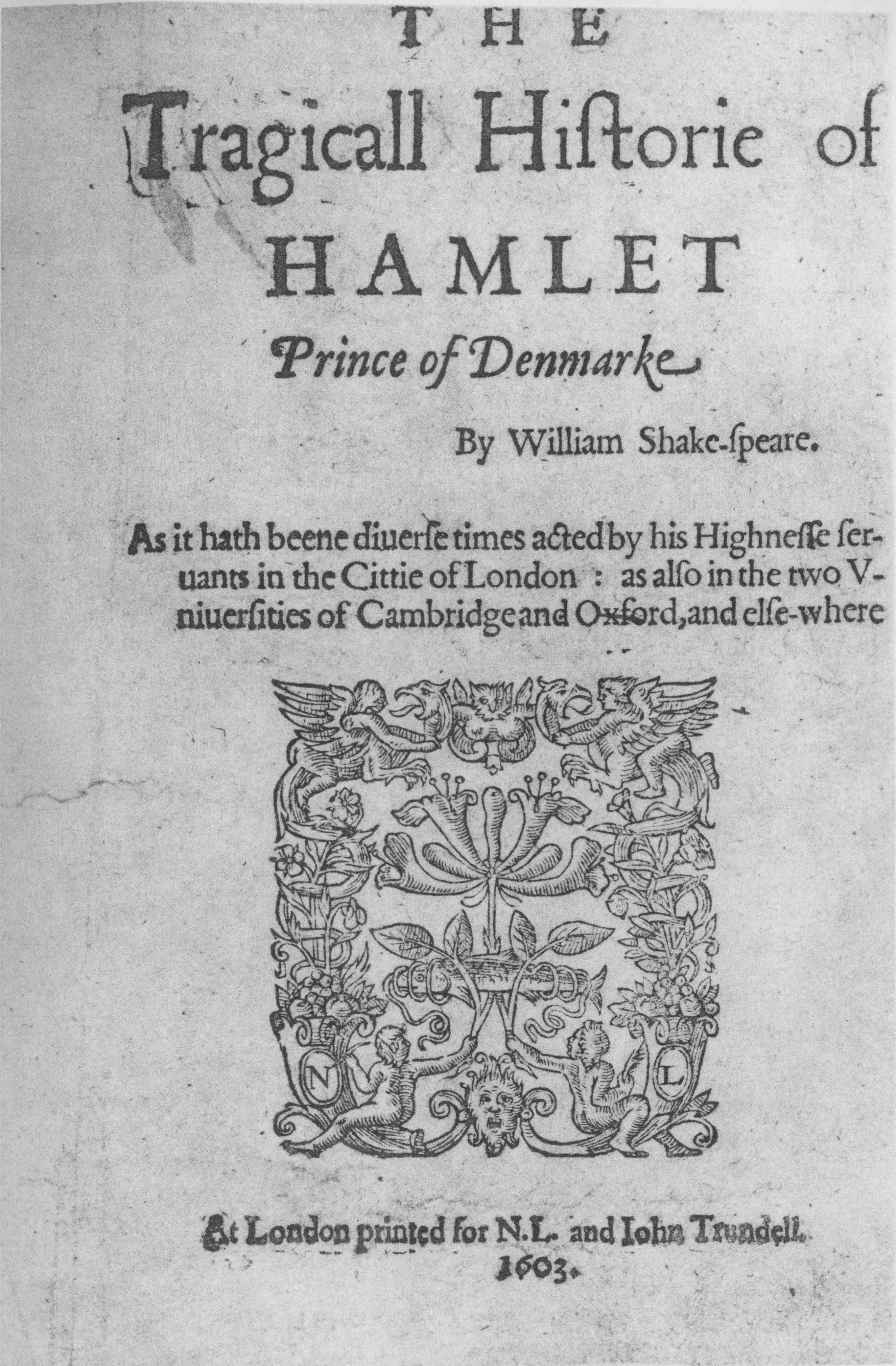
image1hamlet1603

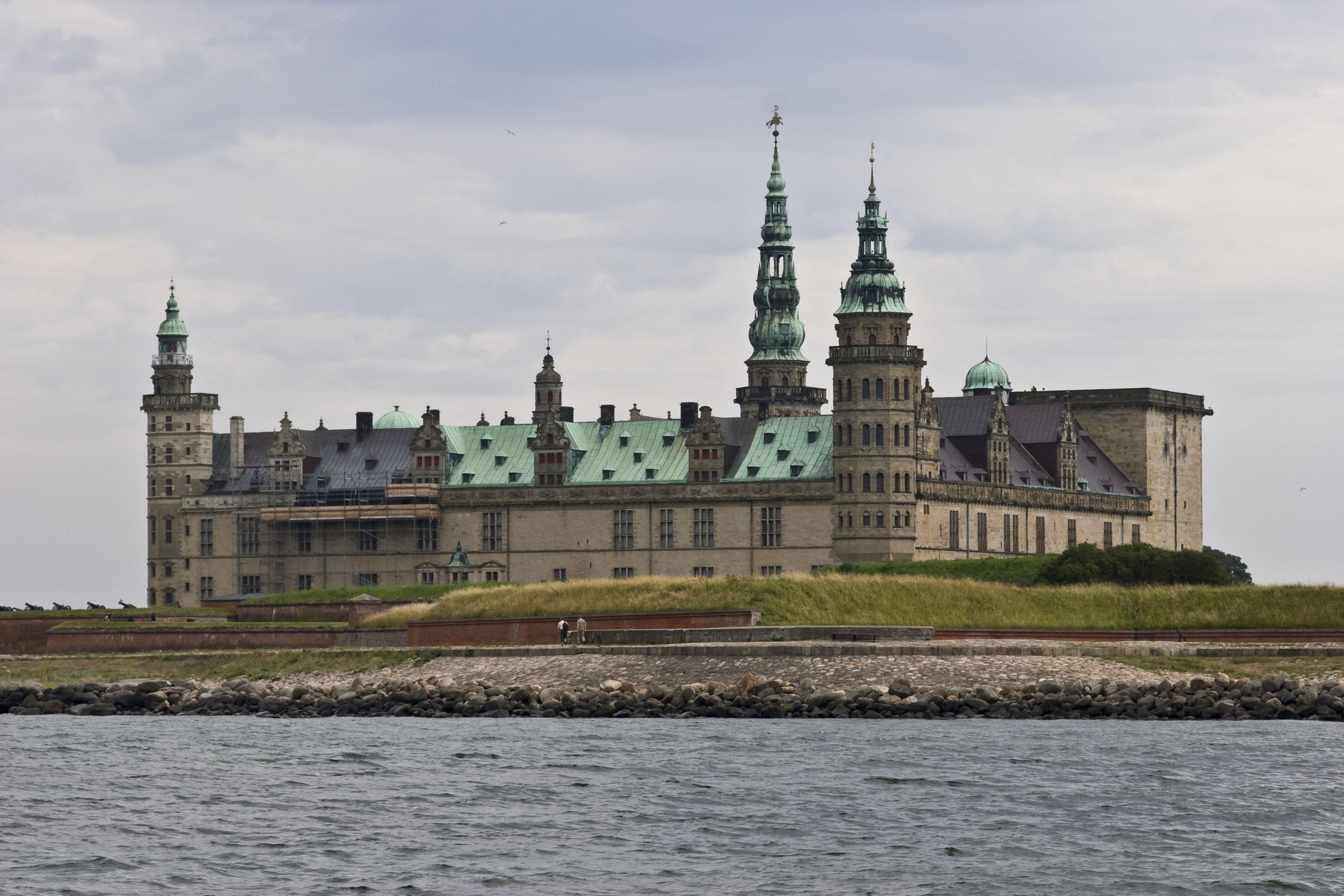
It opens with a nervous sentry on the battlements of Elsinore castle.  (Actually Kronborg—the local town is Helsingor—here’s the castle today), in the kingdom of Denmark.

image2kronborg.jpg

Something uncanny appears to be happening and, when his replacement comes, we have the idea that it’s made the watchmen jumpy:

The Tragicall Historie of

HAMLETPrince of Denmarke.

Enter Two Centinels.

  1. STand: who is that?
  2. Tis I.
  3. O you come most carefully vpon your watch,
  4. And if you meete Marcellus and Horatio,

The partners of my watch, bid them make haste.

  1. I will: See who goes there.

Enter Horatio and Marcellus.

Hor. Friends to this ground.

Mar. And leegemen to the Dane,

O farewell honest souldier, who hath releeued you?

  1. Barnardo hath my place, giue you good night.

Mar. Holla, Barnardo.

  1. Say, is Horatio there?

Hor. A peece of him.

  1. Welcome Horatio, welcome good Marcellus.

Mar. What hath this thing appear’d againe to night.

  1. I haue seene nothing.

Mar. Horatio sayes tis but our fantasie,

And wil not let beliefe take hold of him,

Touching this dreaded sight twice seene by vs,

Therefore I haue intreated him a long with vs

To watch the minutes of this night,

That if againe this apparition come,

He may approoue our eyes, and speake to it.

(The Tragicall History of Hamlet, Prince of Denmark, from its first publication, the First Folio, 1603)

We love the way Shakespeare begins with two minor characters discussing “this thing”—and we won’t learn till deeper in the scene that what they’ve seen was the ghost of Hamlet’s father:  a wonderful, spooky—and intriguing—opening.

This isn’t a Shakepeare posting, however.  What really interested us recently was, in fact, that it’s with two sentries that the play commences. Their job is to watch for anyone who might try to enter the castle for nefarious purposes (and, try as they might, they can’t do that with a ghost) and it got us to thinking about sentries in The Lord of the Rings and just how many there actually are.

From his experience in the Great War, Tolkien would have been very experienced with such people

image3sentry

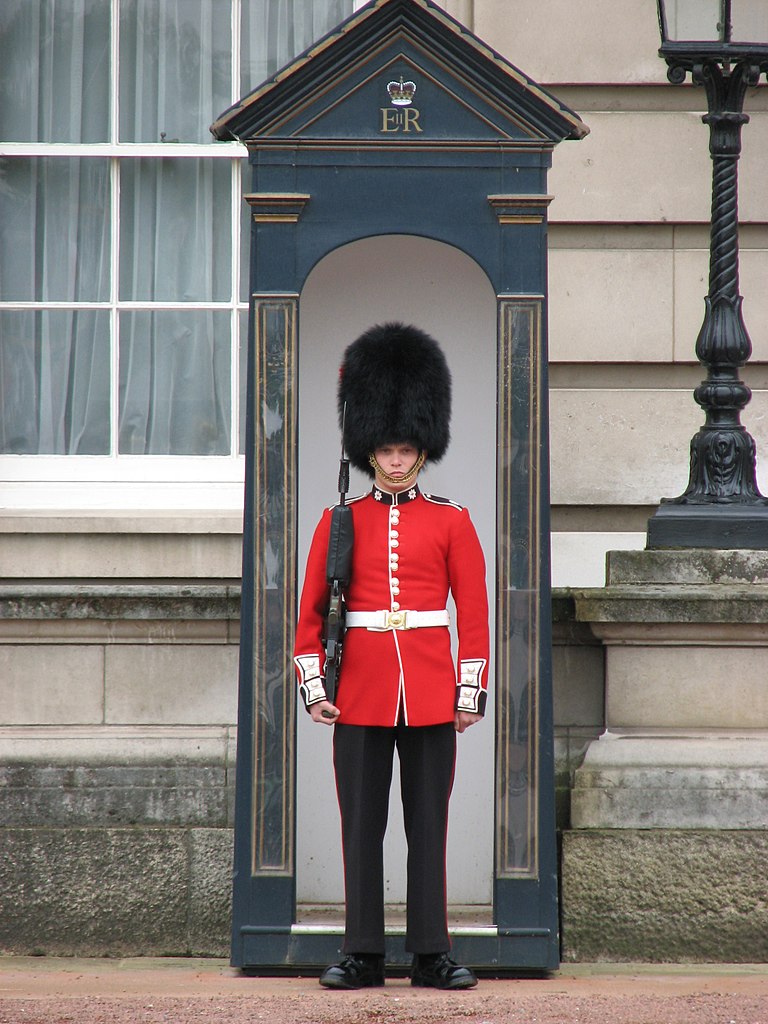
and even from simply visiting London.

image4guard.JPG

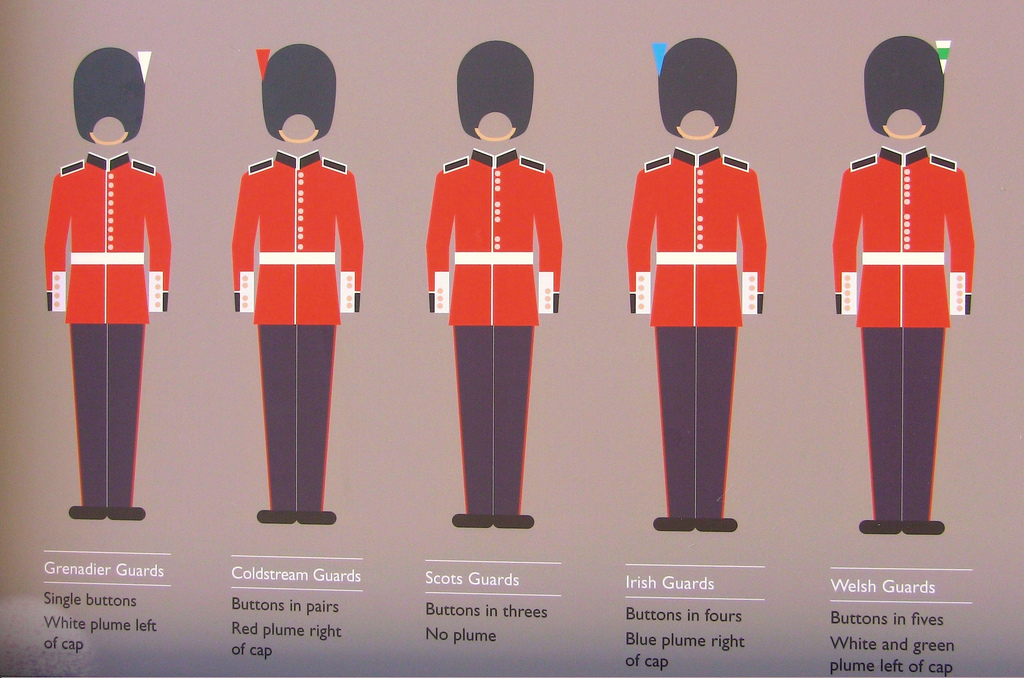
(The Queen has five regiments of foot guards, by the way.  The buttons in twos on his tunic—as well as the red plume on his fur cap—tell us that he belongs to the second regiment, the Coldstream Guards—here’s a chart so that you, too, can be able to tell them apart.)

image5guards

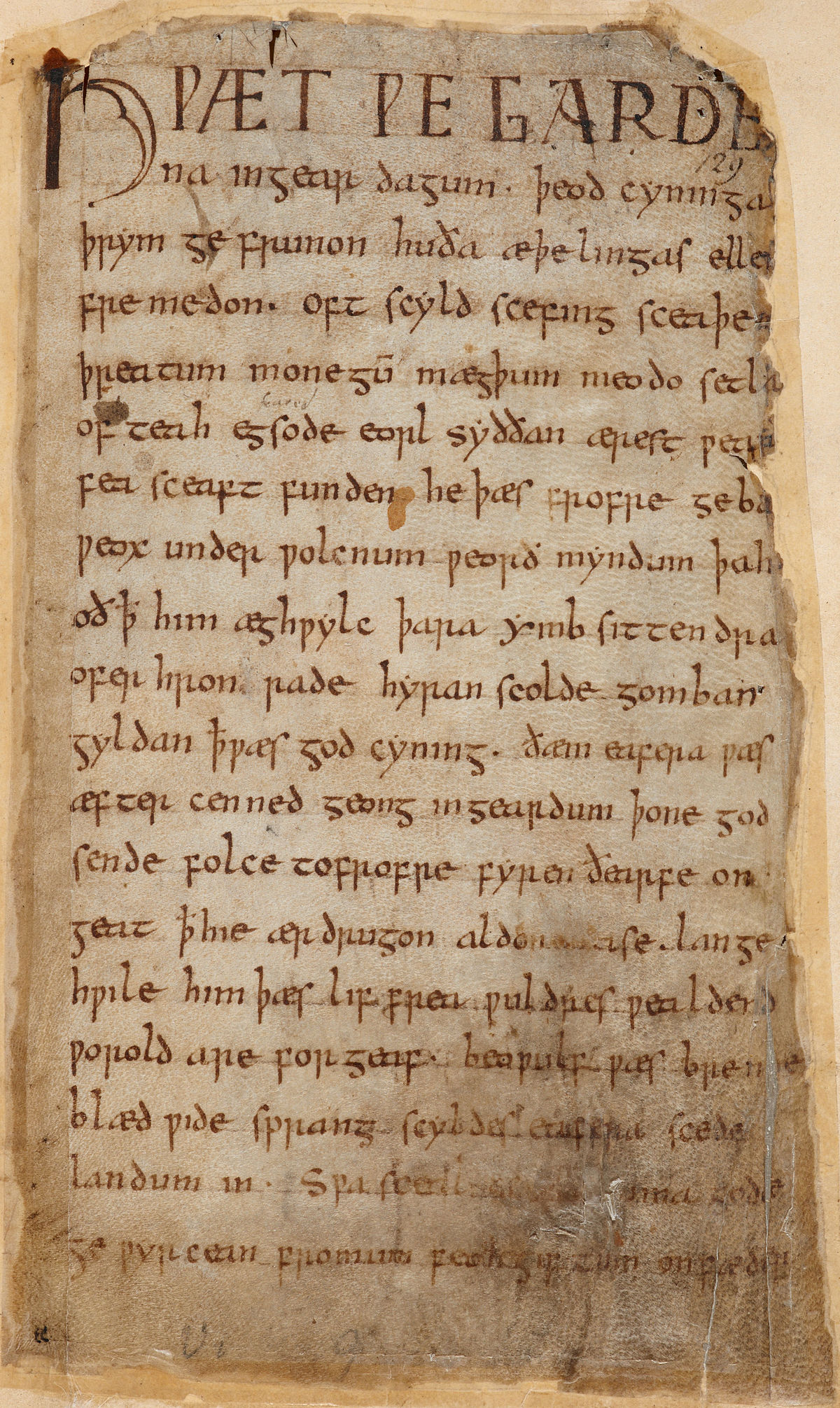
His scholarly experience would have added to this, particularly in his long-time study of Beowulf,

image6firstpage

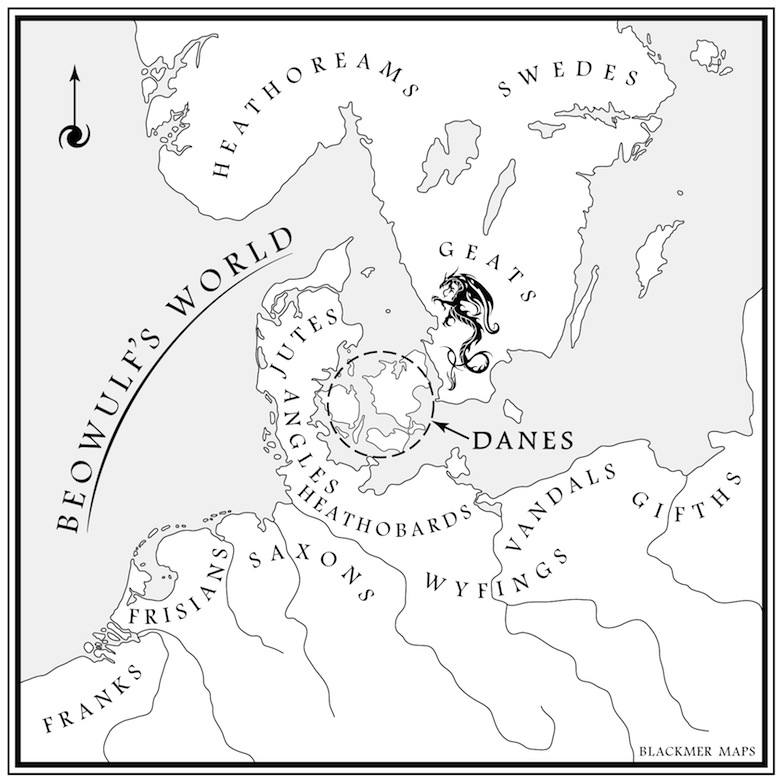
in which two such folk appear.  First, Beowulf and his companions encounter a kind of coast guard, when they cross from what is now southern Sweden to Denmark.

Print

On the shore, a Danish watchman

image8coastguard

challenges them:

“From rocks up above them
Hrothgar’s sentinel,
whose task was to guard
and patrol the sea-cliffs,
saw strangers who bore
stout battle-gear
and sturdy war-shields
striding down the gangplank;
he needed to know
who these newcomers were.
Mounting his horse
he made for the beach,
brandished his spear
and bluntly challenged
the foreign sailors
with formal words:
‘Who are you, you unknown
ironclad men,
alien troops
armed in mailcoats,
bringing your boat
from abroad, crossing
the sounding sea?’ “

(This is from Section III of  Dick Ringler’s 2005 translation, intentionally designed for recitation aloud.  Here’s the LINK to the full text.  If this is your first experience of the poem, we very much recommend that you visit the site and have a look—our students like the translation and the introductory material is very helpful.)

Beowulf’s response and the look of him and his men so impresses the coastguard that he not only lets them pass, but even says that he will detach someone to keep an eye on their boat while they’re moving inland to visit the king, Hrothgar.

At Hrothgar’s palace, however, they meet with a second guard:

“An eagle-eyed sentry
who stood in the doorway
studied them closely.
‘What country do you come from
with your curved shields,
your meshed war-shirts
and mask-helmets,
your iron spears?
I am the herald
of noble Hrothgar.
I have never seen
so bold or brave
a band of foreigners,
so it is less likely
that you are landless strays
than valiant adventurers
visiting my king.’ “

(from section V of the Ringler)

Again, the look of Beowulf and his men and Beowulf’s humble address persuades Wulfgar, the herald, to agree to take a message about them to Hrothgar—and Hrothgar tells us that he has had dealings long before with Beowulf’s father and remembers Beowulf, as well.

There are no coastguards in The Lord of the Rings, but Wulfgar bears a strong family resemblance to Hama, the Doorward of Theoden, when Gandalf, Aragorn, Legolas and Gimli come to Meduseld, but we’ll see more of him in the second part of our look at sentries in our next posting.

In the meantime, thanks for reading, as ever.

MTCIDC

CD


In Depth

15 Wednesday Aug 2018

Posted by Ollamh in J.R.R. Tolkien, Language, Literary History

≈ Leave a comment

Tags

Beowulf, Canterbury Tales, Chaucer, Christopher Tolkien, conlang, Danian, David J Peterson, Dothraki, Elvish, English, Game of Thrones, Hamlet, Ilkorin, James Joyce, Jane Austen, language, Noldorin, Pride and Prejudice, Qenya, Shakespeare, Star Wars, Telerin, The Art of Language Invention, The Lord of the Rings, Tolkien, Ulysses

Welcome, as always, dear readers.

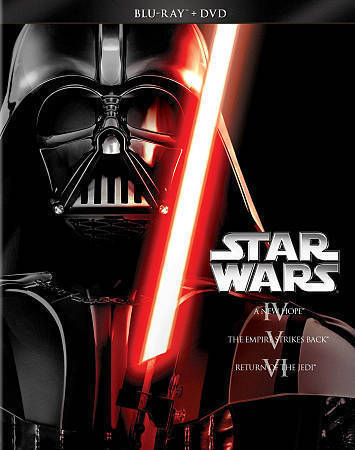
In 1977, the more observant viewers and critics commented upon the look and feel of a new film.  Instead of a world in which everything appeared newly-produced and sparkling, this was one in which it was clear that people had lived for a long time and many different peoples, at that.

image1moseisley.png

Even their vehicles had a scratched and dusty look.

image2speeder.jpg

We had been told, of course, in the very opening sequence that this was an old place—

image3long.png

but actually seeing its used look was that much more convincing

image4crawler.jpg

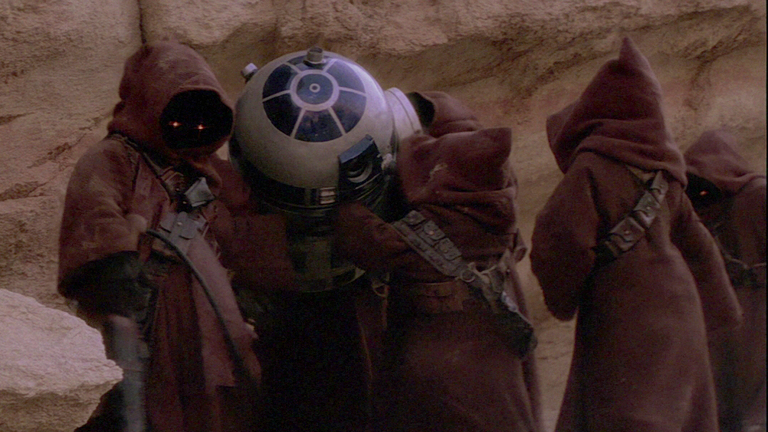
as was seeing—and hearing—its peoples,

image5jawas.jpeg

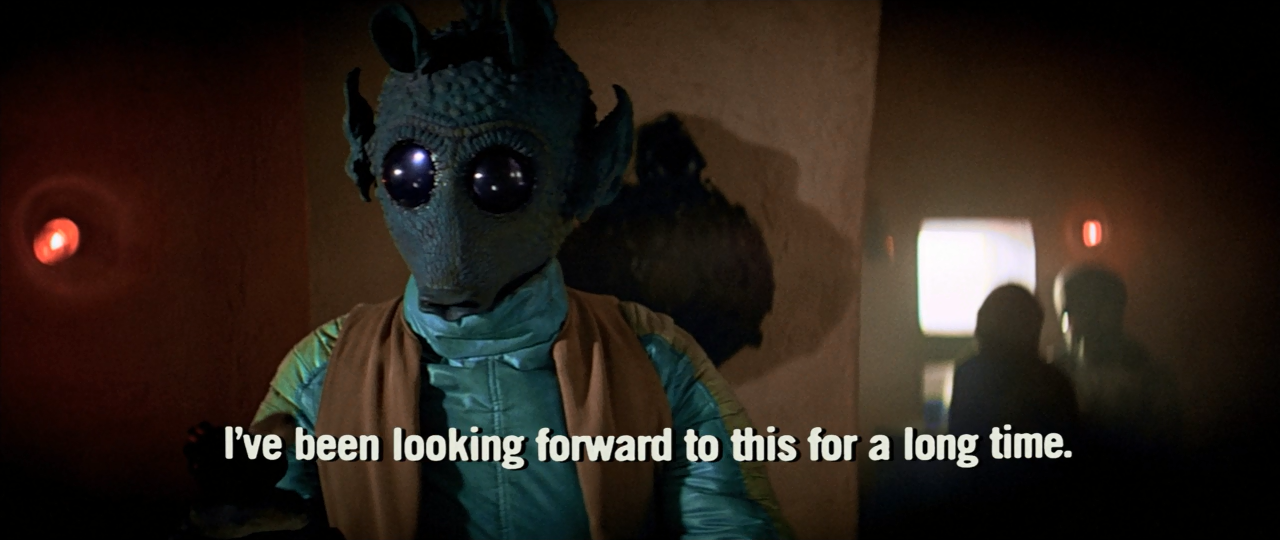
who sometimes even required subtitles, as if the audience were watching a foreign film.

image6greedo.png

In time, as the success of this film produced not only more films, but mountains of other material, from novels to graphic novels to spin-off series to toys and t-shirts and kitchen ware,

image7mugs.jpg

a whole literature appeared about this world—or, we should say, worlds. Its geography and even its extremely-varied animal life.

image8atlas.jpg

image9fauna.jpg

And, along with all of the other material, information about its languages began to appear.

image10aura.png

What prompted this posting, however, was something odd about one of those languages, that spoken by a character in what would, in time, become the sixth in the series.

image11boushh.jpg

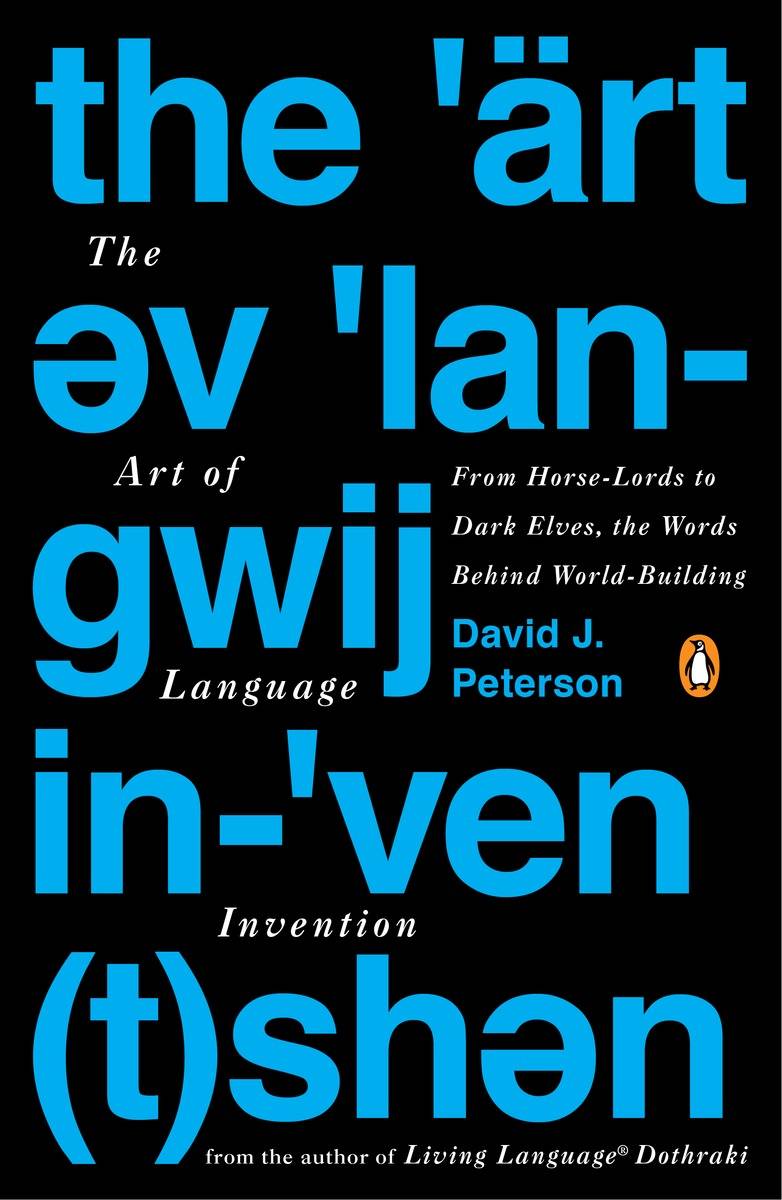
This was pointed out to us by David J. Peterson

image12peterson.jpg

in his 2015 book, The Art of Language Invention.

image13book.jpg

As a child, what had puzzled Peterson was that the character (who is subtitled), says only “Yate, yate, yoto, ei, yato, cha”—in total, only six different words, but they are translated as everything from “I have come for the bounty on this Wookiee” to “50,000, no less”.  (This is quoted and discussed on pages 3 to 5 of Peterson’s book—which is, by the way, one we would recommend, if you’re as interested in languages as we are.)

How could so few words mean so many different things?  As an adult, looking back, Peterson had his doubts and we would agree—especially when reading about the world in which Peterson lives, the world of “conlang”, which is short for “constructed languages”.  Peterson is the creator of Dothraki, the language of the nomadic Dothraki people,

image14dothraki.jpg

one of the numerous races which inhabit the landscape of George R R Martin’s Game of Thrones, first novels, then a huge, elaborate, and engrossing television series.

image15gamebooks.jpg

image16tv.jpeg

The difference between “yate”, etc and Dothraki is that those few words are there to suggest that someone is speaking in a language different from the language spoken by the majority of the characters—which is the method employed throughout not only this film, but its two immediate successors.

image17swset.jpg

What Peterson set out to do was to create the shape of an entire language (something he has done more than once).  Here’s a LINK to the Wiki site, which, as usual, leads to other sites, which lead to other sites, which lead… if you’d like to learn more.

As worn-looking buildings and vehicles, different peoples and flora and fauna, and at least the suggestion of other languages create a bigger, deeper picture of the setting of an adventure, so, too, does the suggestion of great age.  Over time, the huge pile of material for the film series we first mentioned showed, in detail, that what we were seeing was, in fact, only the latest phase in a whole galaxy of civilizations over many centuries—after all, “For over a thousand generations, the Jedi Knights were the guardians of peace and justice in the Old Republic”.

image18obiwan.jpg

Another way to suggest that great age is a much less dramatic one—perhaps even a nearly-invisible one–practiced by one of our favorite authors and the subject of innumerable postings, and here is one of his efforts.

image19chart.jpg

What we’re seeing here is JRRT working out the history of sounds throughout a series of Elf languages, Qenya, Telerin, Noldorin, Ilkorin, and Danian, part of his immense and immensely-detailed work on the tongues of Middle-earth.   All languages change through time, of course—here’s a rough version of the succession of periods of English—

Old English (the opening lines of Beowulf, 700-1000AD,

image20beo.jpg

Middle English (the opening of Chaucer’s Canterbury Tales, c.1400AD),

image21chaucer.jpg

Early Modern English (the beginning of the first scene of Shakepeare’s Hamlet, 1603),

image22hamlet.jpg

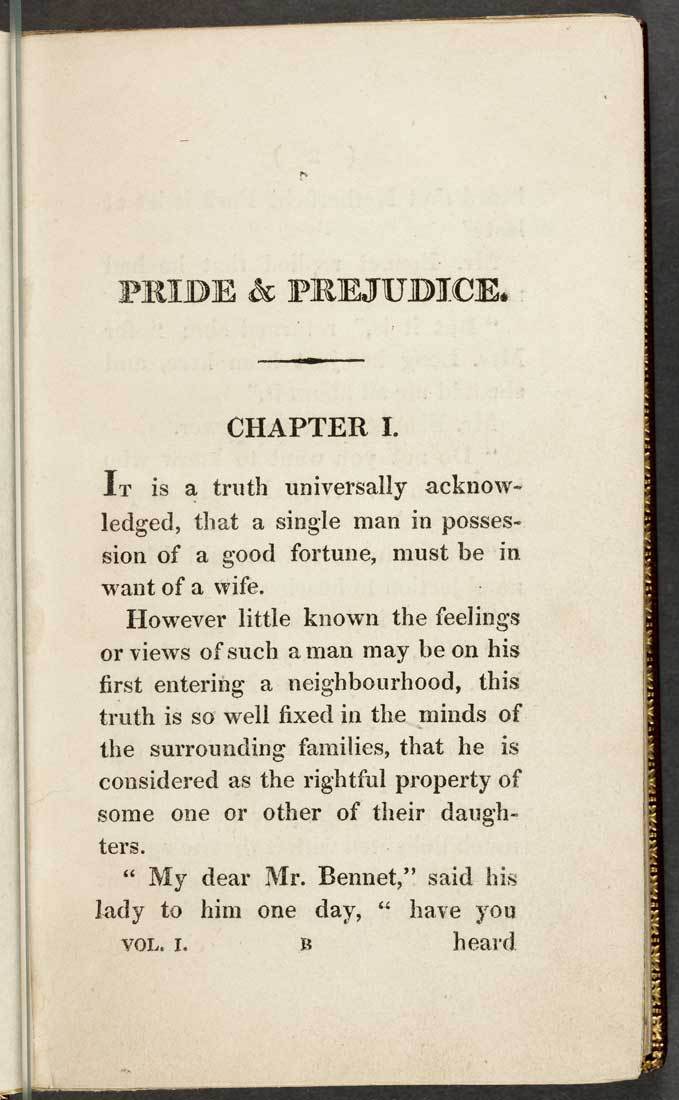
early 19th-century English (the first lines of Jane Austen’s Pride and Prejudice, 1813),

image23pp.jpg

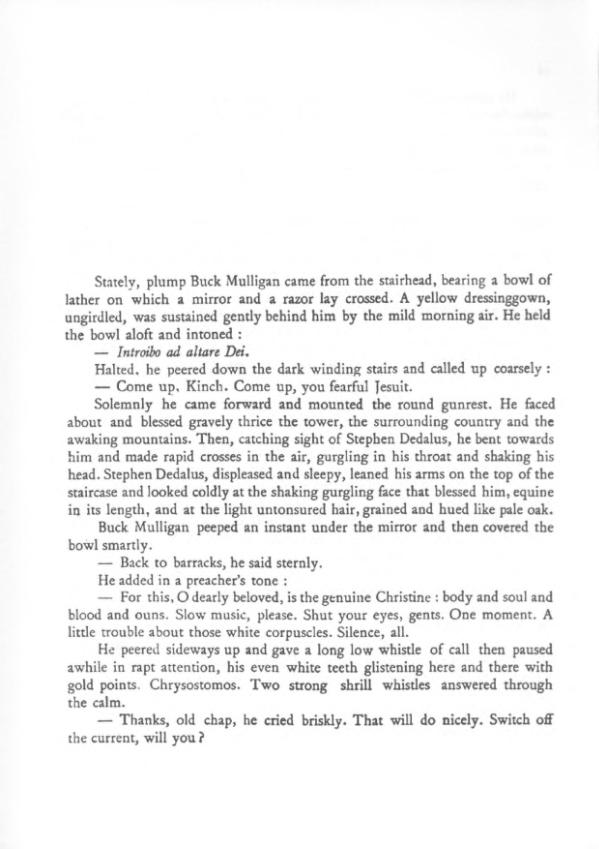
and early 20th-century English (the opening of James Joyce’s Ulysses, 1922).

image24ulysses.jpg

And Joyce even attempted to suggest the procession of those periods in Chapter 14 of Ulysses, “The Oxen of the Sun”, where the story is told through paragraphs which sound like earlier versions of the language gradually moving towards modern English.  (The novelist Nabokov, who played with language constantly, actually found this chapter boring, perhaps because it seemed to him like a one-off, not really in aid of the plot and its characters in general, but rather just a piece of private fun by and for the author?)

JRRT, however, goes one better.  Like other creators of big adventures, he used lots of means to deepen his story, from an extensive and detailed map

image25map.jpg

to describing the remains of earlier times still standing in the landscape of Middle-earth of the present,

image26argonath.jpg

to adding detailed historical appendices and chronologies (and his valiant son, Christopher, has added many volumes more),

image27ct.jpg

but using intricate sound changes and their logical development takes the idea of depth into new regions, especially because it would probably go unnoticed by most readers—there’s an awful lot of detail in those appendices—but whose meticulous creation is not in the least surprising for someone who once wrote, “The ‘stories’ were made rather to provide a world for the languages than the reverse.” (Letters, 219)

Thanks, as ever, for reading.

MTCIDC

CD


ps

Ah yes—the nearly-inevitable post scriptum—if the normal world/s of the films we first mentioned are “scruffy-looking” (to quote a character about another character), we notice that the world of the villains—the soldiers of the Empire and their surroundings—are hard and clean and shiny—which makes us feel a little better when we wonder when we may last have shined our shoes.

image28deathstar.jpg

Middle-under-earth

04 Wednesday Apr 2018

Posted by Ollamh in Artists and Illustrators, Heroes, J.R.R. Tolkien, Literary History, Narrative Methods

≈ Leave a comment

Tags

Alan Lee, Andrew Lang, Barrow-downs, Beowulf, cyclops, Dragons, George Macdonald, Goblin Feet, Goblins, Great War, Grendel, Grendel's Mother, John Howe, monsters, Polyphemus, Sir Gawain and the Green Knight, Smaug, Storia Moria Castle, Tales of Troy and Greece, The Hobbit, The Lord of the Rings, The Princess and the Goblin, The Red Book of Animal Stories, The Red Fairy Book, Tolkien, trenches, tumulus

As always, dear readers, welcome!

One of us is currently teaching The Hobbit and, is always seems to be the case when we are teaching an old friend, we are struck by something new.  In this case, it’s the idea of “what lurks beneath” and where it might come from.

What occurred to us now was that, virtually every time there is trouble for Bilbo and the dwarves, it is strongly linked with caves and hollowed-out places:  trolls who came out of a cave (“Roast Mutton”), goblins who live in caves (“Over Hill and Under Hill”), Gollum (“Riddles in the Dark”), hostile elves (“Flies and Spiders” and “Barrels Out of Bond”), and, of course, Smaug (“On the Doorstep”, “Inside Information”, and “Not At Home”).  Only the wargs, the overgrown spiders, and the men of Lake-town in the Battle of the Five Armies have above-ground origins, as, after all, the other forces—goblins, elves, and even Iron Hills dwarves (we assume), have subterranean dwellings.

We knew that JRRT thought to become a classicist early in his academic career and we can imagine right away that one influence upon him for this underground menace would have been Polyphemus the Cyclops, who, after all, lives in a cave.

image1cyclops.jpg

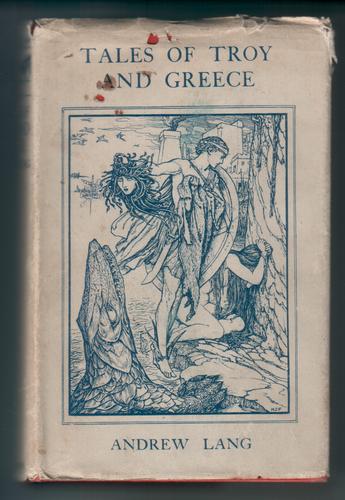
Before he read that part of Odysseus’ story in Greek, he might have seen it in Andrew Lang’s 1907 Tales of Troy and Greece—

image2alang.jpg

image3lang.jpg

Tolkien tells us that, as a child, he had read other Lang works and a story in one, The Red Fairy Book (1890), might even have influenced some Middle-earth geography, from “Storia Moria Castle”.

image4redfairybook.jpeg

image5leemoria.jpg

Another childhood favorite (although he appears to have changed his mind later in life) were the fantasy novels of George Macdonald

image6gmacd.jpg

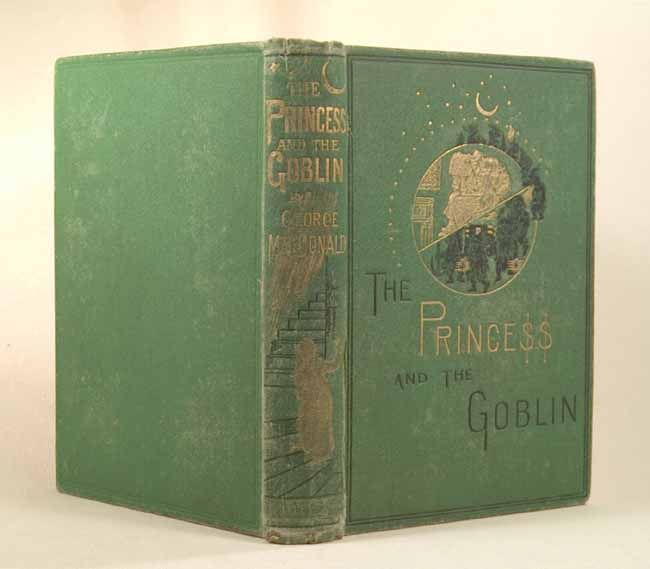
and his The Princess and the Goblin (1872),

image7princess.jpg

as its title suggests, is full of goblins and their underground world.  These goblins are powerful, but have one fatal flaw—tender feet—which JRRT said that he never believed (see Letters, 178)—although Tolkien’s first published poem was entitled “Goblin Feet” (Oxford Poetry 1915).

Beyond possible childhood reading, there is his career focus, which includes two other potential underground influences.

First, there is Beowulf.  Grendel, the monster in this poem,

image8grendel.jpg

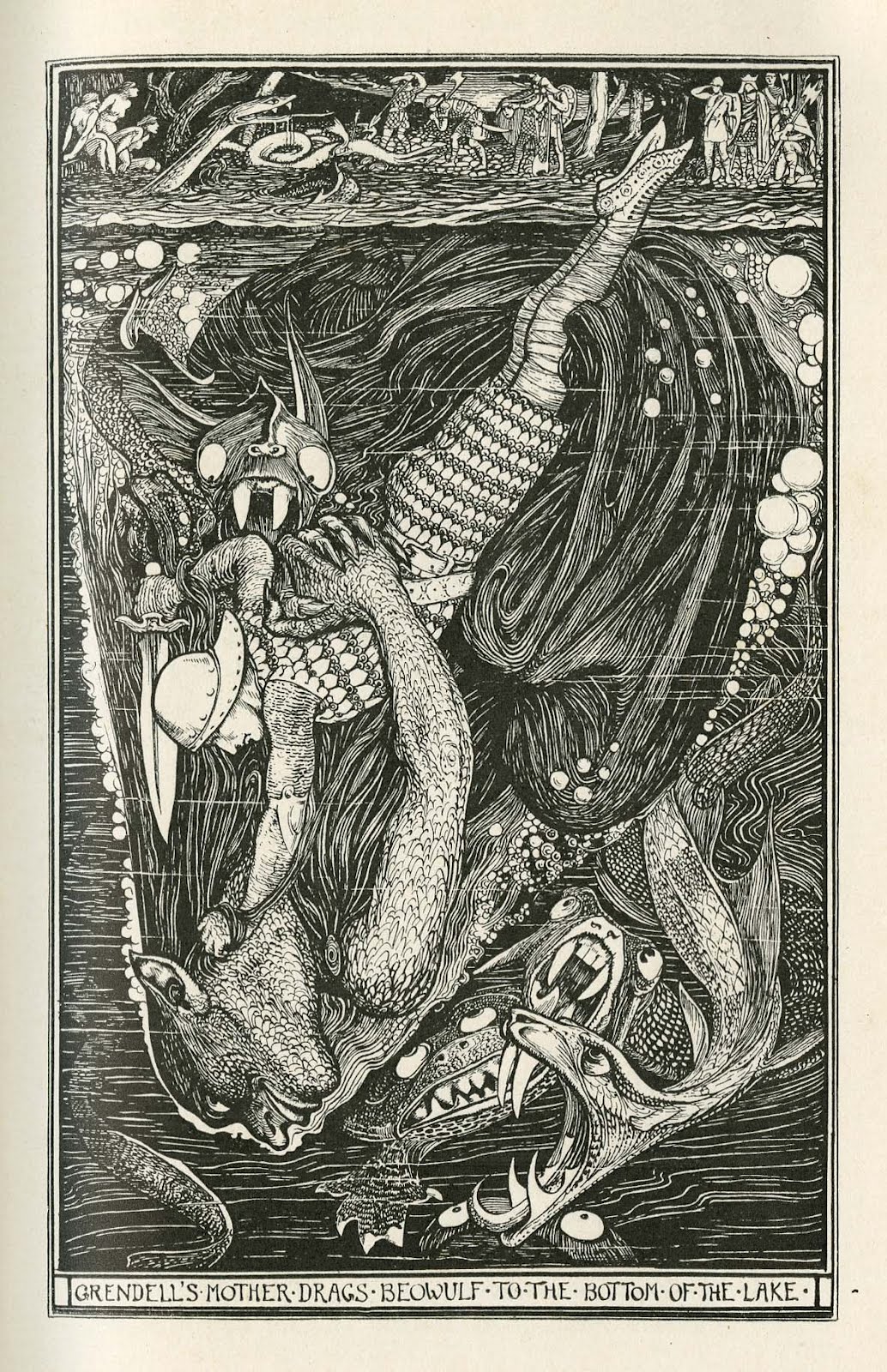
lives in a cave at the bottom of a pool with his mother and, in the second part of his monster-slaying, Beowulf has to dive into that pool to deal with her.image9beowulfandmama.jpg

This illustration comes from another Andrew Lang book, The Red Book of Animal Stories (1899).

image10redbook.jpg

(The picture of Grendel is by Brian Froud.  We found it on the website of K.T.Katzmann, I Write Monsters.  Here’s a LINK.)

Then, of course, there’s that dragon, against whom Beowulf fights and dies—and which is the direct ancestor of another famous and familiar dragon…

image11dragonandhoard.jpg

We are told that it lives in an abandoned tumulus—that is, an ancient grave mound, like this one.

image12tumulus.png

(This is, in fact, a famous Neolithic burial at Gavrinis, in Brittany.)

JRRT worked in Middle English, as well as Old English, and here we find one more possible source in his own edition (with E.V. Gordon) of the 14th-century poem Sir Gawain and the Green Knight.

image13tolkgord.JPG

The Green Knight who challenges King Arthur’s court to a mutual head-chopping contest, is said, in the fourth part of the poem,  to inhabit a “green chapel” and to appear out of a hole when Sir Gawain, who has accepted the challenge and cut off the Green Knight’s head, makes his appearance there to fulfill his half of the contest.

image14sirg.jpg

This chapel has sounded like a tumulus to generations of scholars and here’s John Howe’s 2003 illustration, complete with chapel as tumulus (not to mention a very large green man).

image15johnhowe.png

Tumuli also make their appearance, of course, in The Lord of the Rings, when Frodo and his party go astray on the Barrow Downs.

image16barrowwight.jpg

We can’t finish this posting without at least suggesting one more source, something even more personal than JRRT’s scholarly work:  his experiences in the Great War.

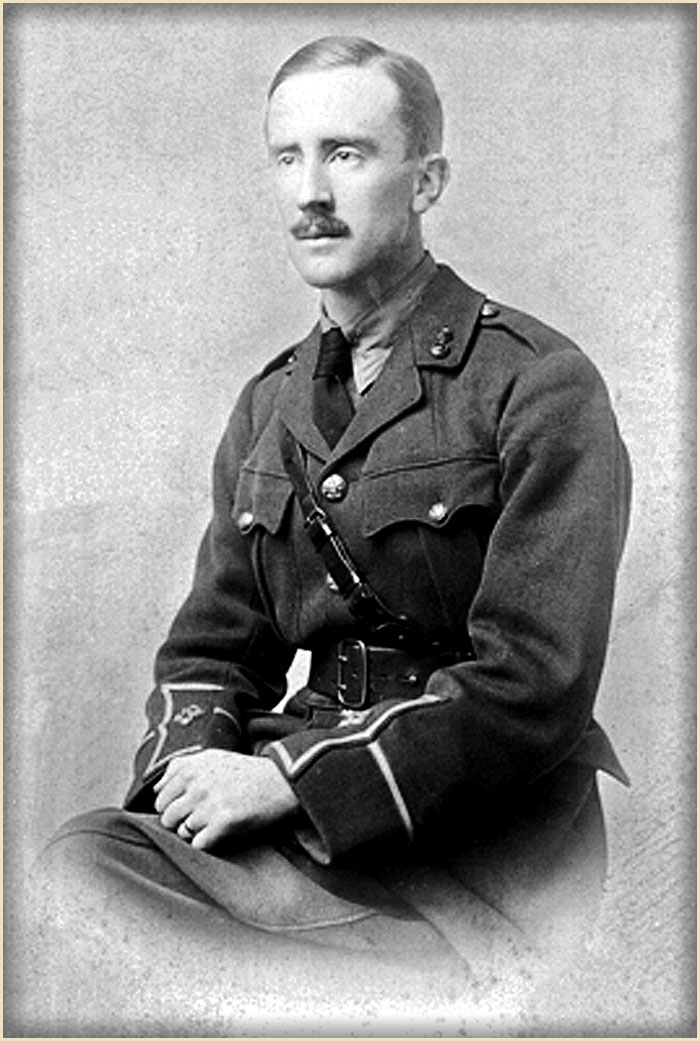
image17lt.jpg

By the time Tolkien entered the service in France, the Western Front was, basically, a 500-mile trench, from Switzerland to the North Sea.

image18trenches.gif

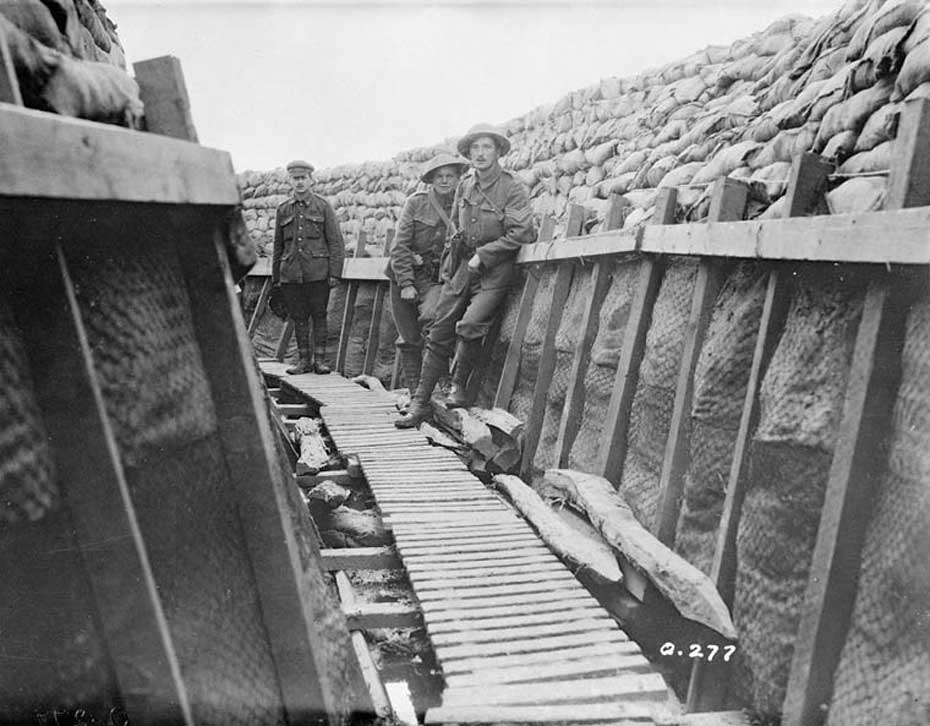
Much of the entrenching was simply deep, reinforced ditching.

image19trenches.jpg

But some—particularly on the German side—could be elaborate, even built with stone or concrete, and set far enough into the ground as to be almost impervious to bombardment.

image21bunker.jpg

And we imagine that, with all of that earlier literary work in his mind, JRRT might have faced such defenses wondering whether what was inside them would be Germans

image22trenchclearing.jpg

or something much worse.

image23smaug.jpg

And did this haunt his later writing as much as the Great War haunted the minds of soldiers all over the world?

Thanks, as ever, for reading!

MTCIDC

CD

“Dragons, Other”

21 Wednesday Mar 2018

Posted by Ollamh in Artists and Illustrators, Fairy Tales and Myths, Heroes, J.R.R. Tolkien, Literary History, Maps

≈ Leave a comment

Tags

Arthur Rackham, Beowulf, C.S. Lewis, Chrysophylax, Custard the Dragon, Dragons, Dream Days, Esgaroth, Farmer Giles of Ham, Jabberwock, Jabberwock-slayer, Kenneth Grahame, Lewis Carroll, Lonely Mountain, Luttrell Psalter, map, Middle-earth, Narnia, Ogden Nash, Pauline Baynes, Rumer Godden, Smaug, St George, The Chronicles of Narnia, The Dragon of Og, The Hobbit, The Lion The Witch and the Wardrobe, The Lord of the Rings, The Reluctant Dragon, Through the Looking-Glass, Tolkien, Walt Disney

As always, readers, welcome.

One of us is currently teaching a class where our present focus is upon The Hobbit.

image1hob1st.jpg

At the center of the book is the Lonely Mountain and at the center of that is Smaug.

image2aerebor.jpg

image2smaug.jpg

This got us to thinking about other dragons in our experience, and some of those are not quite of the same breed as the hoard-sitter faced by Bilbo and the dwarves.  That dragon is closely related to the Beowulf variety

image3beowulfdragon.jpg

which, unlike Smaug, has neither a name nor (it seems) human speech, but it certainly has the same suspicious streak:  when an escaped slave steals a cup from its hoard, it’s almost immediately aware that it’s missing and suspects a human.

image4stealingcup.jpg

And they are both vengeful.  As Smaug devastates Esgaroth, even if he dies for it,

image5esgaroth.jpg

image6smaug.jpg

so Beowulf’s dragon scorches the countryside in revenge for the theft.

But what about those other dragons?

First, we thought of Kenneth Grahame’s Dream Days (1898),

image7kg.jpg

image8dreamdays.jpg

a collection of short stories, the next-to-last of which is “The Reluctant Dragon”.

image9reluct.jpg

This is the story of a beast the very opposite of Smaug—no hoard, no suspicion, no flaming violence, and, in fact, a poetry lover.  This story was then converted into a Disney cartoon of 1941.

image10reluct.jpg

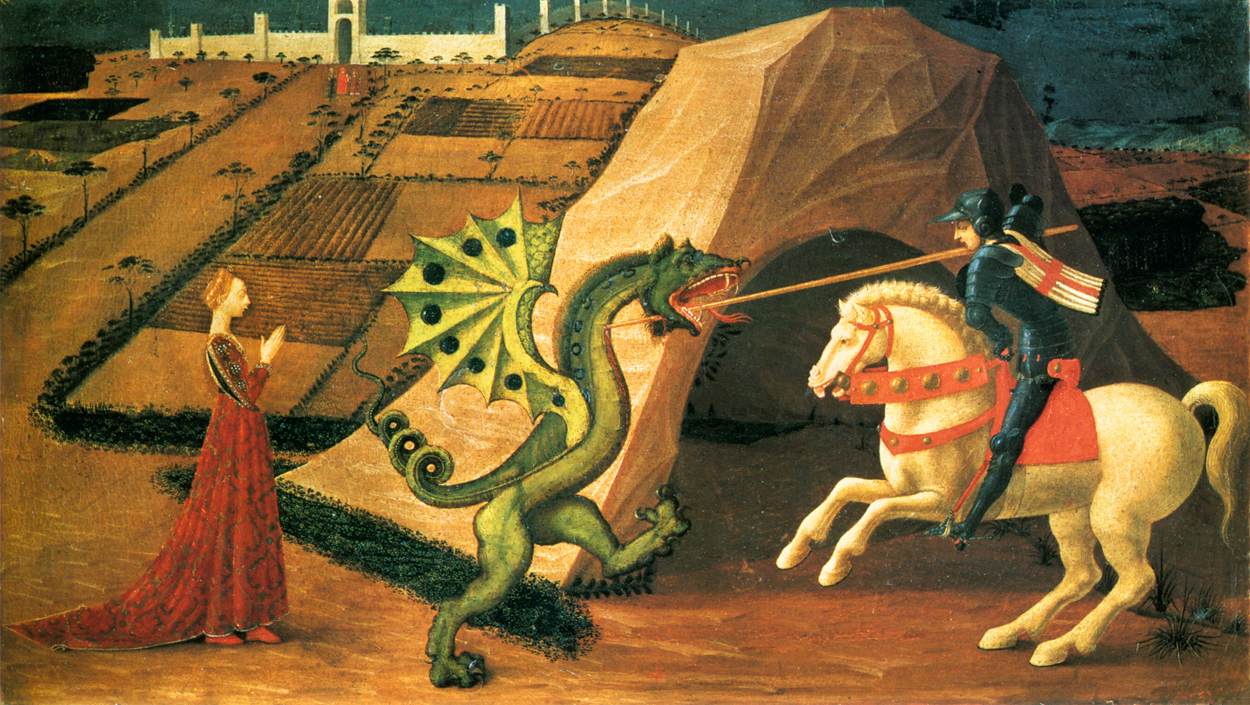
Needless to say, although the core of the plot is the same, what makes the Grahame distinctive is the language.  All of the major characters:  the dragon, the little boy who finds him, and St. George, who is brought in as a dragon-slayer, are thoughtful and articulate late Victorians who would rather discuss literature than do battle—a far cry not only from Beowulf’s encounter, but also from every other earlier depiction we could think of.

image11ucellostgeo.jpg

image12stgeo.jpg

image13stgeo.jpg

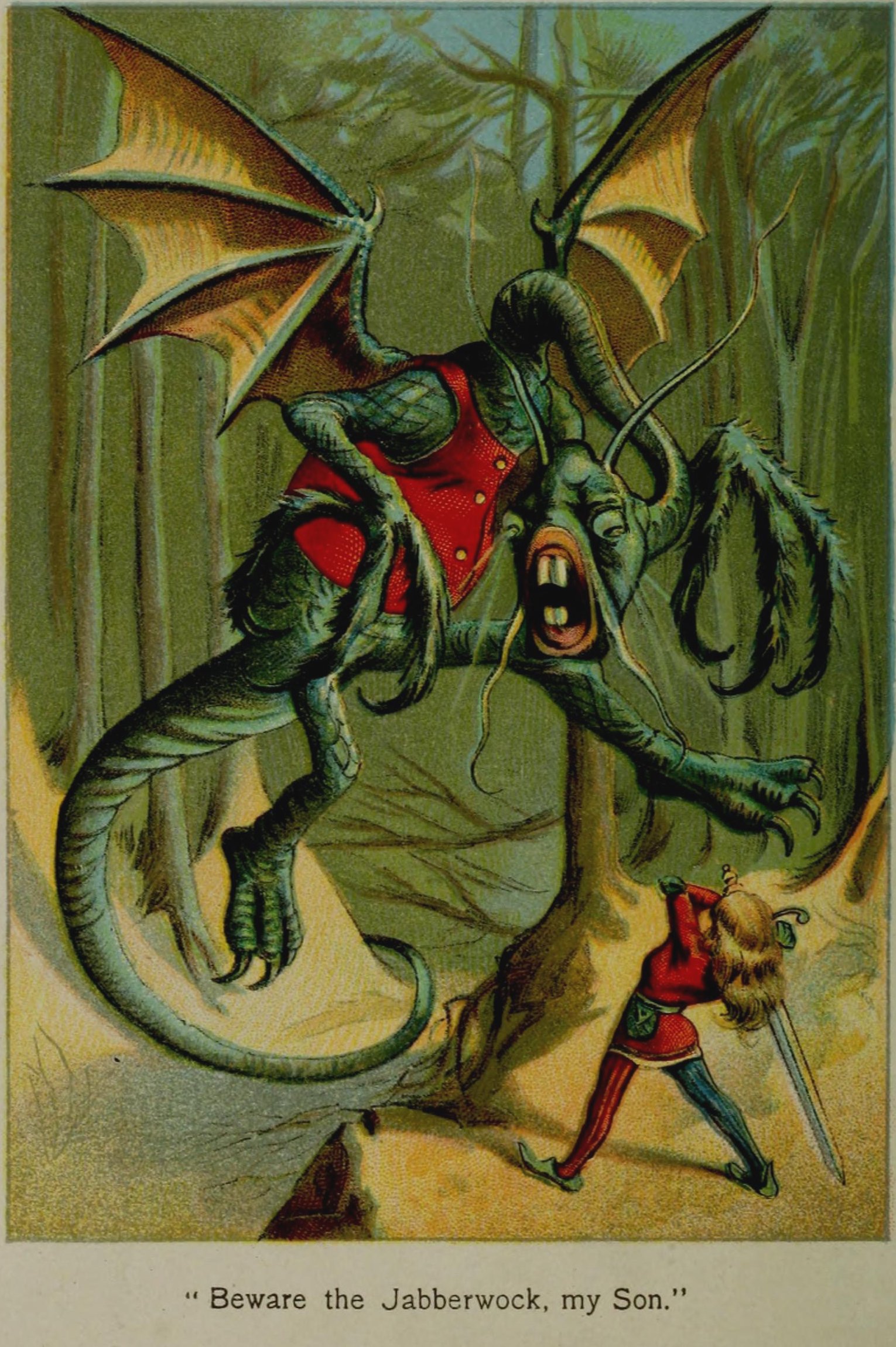
The sword in this last one looks like it actually belongs in the hands of the jabberwock-slayer

image14jabberwocky.jpg

in Lewis Carroll’s Through the Looking-Glass (1872).

image15through.jpg

Here’s a LINK to Dream Days so that you can enjoy the story for yourselves.

Nearly sixty years later, the comic verse writer, Ogden Nash,

image16nash.jpg

produced not a literary dragon, but a timid one in “Custard the Dragon” (1959).

image17custard.jpg

This is a poem in 15 stanzas and is a story about Belinda and her pets, including a dragon, who is taunted by the other pets as being less than brave.  To underline this, the last line in a number of stanzas is a variation upon the first version of the line, “But Custard cried for a nice safe cage”.  (Here’s a LINK to the poem.)

The surprise is that, when a pirate climbs in through the window (this happens all the time here—possibly they escape from dreams?), Custard promptly eats him—and the cries of “Coward!” disappear immediately.

In contrast to the unnamed dragon in “The Reluctant Dragon” and in “Custard the Dragon”, our next dragon is a talker—like Smaug, but also like Smaug, potentially malevolent.  This is Chrysophylax in JRRT’s 1937/1949 Farmer Giles of Ham.  (JRRT is having a quiet joke here—“Chrysophylax” is Ancient Greek for “Goldguard”.)

image18chrysophylax.jpg

image19afgoh.jpg

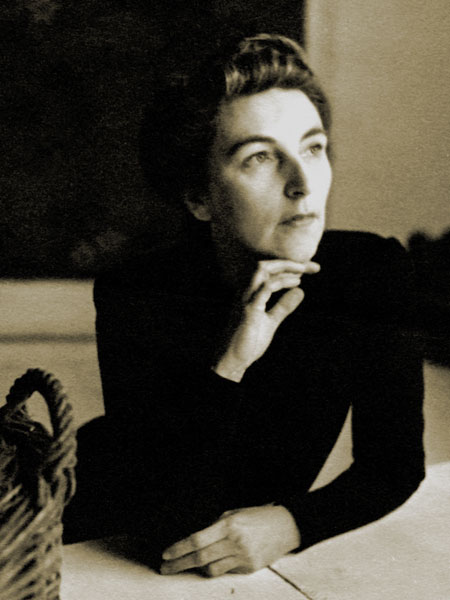
The artwork is by Pauline Baynes (1922-2008).

image19pb.jpg

If, like us, you’ve loved the Narnia books, then you know her as their original illustrator.

image20lion.jpg

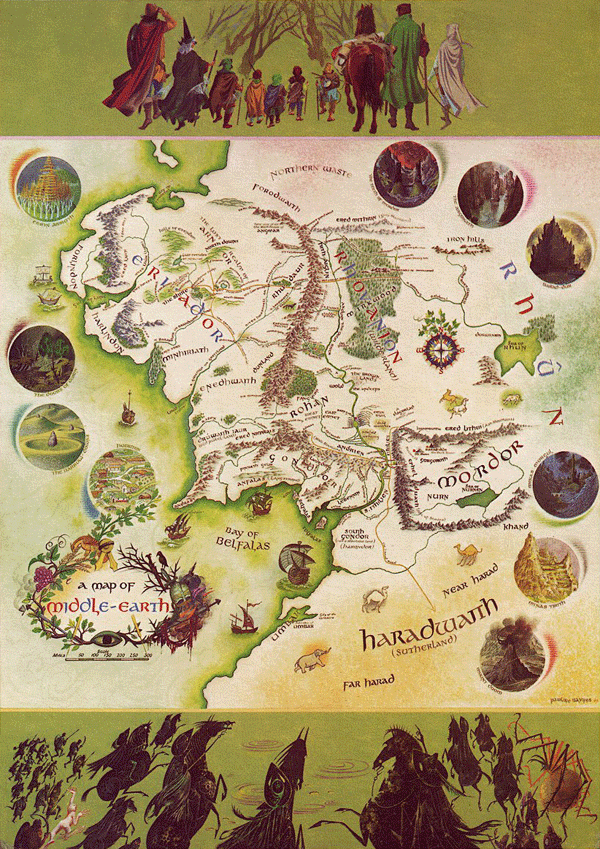
She was also the artist for an early Middle-earth map.

image21memap.gif

Her 2008 obituary in The Daily Telegraph tells of how they came to work together:

“In 1948 Tolkien was visiting his publishers, George Allen & Unwin, to discuss some disappointing artwork that they had commissioned for his novella Farmer Giles of Ham, when he spotted, lying on a desk, some witty reinterpretations of medieval marginalia from the Luttrell Psalter that greatly appealed to him.  These, it turned out, had been sent to the publishers “on spec”by the then unknown Pauline Baynes.”   (The Daily Telegraph, 8 August, 2008)

JRRT was then so impressed with her work that it appeared both in other later publications and his recommendation led to her being engaged by CS Lewis’ publisher for the Narnia books, as well.  (And here’s a LINK to that obituary, which has more on Tolkien and Baynes, as well as Lewis.)

And the Baynes connection leads us to one further dragon, that in Rumer Godden’s  (1902-1998) 1981 The Dragon of Og, for which Baynes provided the cover art.

image22rg.jpg

image23dragog.jpg

It’s not our practice to discuss work we haven’t read, but we’ve just discovered this novel and have already put it on our spring reading list.  The little we know about it comes from a blurb or two, but it looks promising:  this is more of the reluctant dragon, but one who is in danger of being provoked by a new local lord until his wife steps in and cleverly changes the situation.

Before we close, however, we want to look back for a second at the Tolkien/Baynes connection and add two further things.  First off, here’s the first page of JRRT’s graceful letter of thanks and praise to Baynes for her work in illustrating Farmer Giles.

image24letter.jpg

Second, as the Telegraph obituary says, Tolkien was impressed with her versions of the marginalia from the Luttrell Psalter, which is high on our list of favorite medieval manuscripts.

image25luttrellpsalter.jpg

In our next, we want to spend some time looking at that work, thinking about marginalia, and not only there, but also in the work of another favorite illustrator, Arthur Rackham (1867-1939).

Till then, thanks, as always, for reading.

MTCIDC

CD


Hoards of the Things

28 Wednesday Jun 2017

Posted by Ollamh in Fairy Tales and Myths, Imaginary History, J.R.R. Tolkien, Literary History, Narrative Methods

≈ Leave a comment

Tags

A Christmas Carol, A Visit to William Blake's Inn, Aeetes, Alexander Deruchenko, Alice and Martin Provensen, Argo, Barrow-downs, Barrow-wights, Beowulf, Bilbo, Charles Dickens, Cinderella's Dress, Colchis, Collyer Brothers, David Gwillim, dragon-sickness, Dragons, Dwarves, Ebenezer Scrooge, Eurystheus, Hera, Heracles, Hoard, hordweard, Jack Gwillim, Jane Dyer, Jason and the Argonauts, Jason and the Golden Fleece, Kinder und Hausmaerchen, Ladon, Lonely Mountain, magpie, Nancy Willard, Neolithic, Scrooge McDuck, Scythians, Ted Nasmith, The Hobbit, The Lord of the Rings, Tolkien, Treasure

Welcome, dear readers, as always.

Recently, we’ve had a couple of posts on dragons and hoards, but, having done a certain amount of research and thinking and writing, we’ve come back once again to the subject, with the question: why would a dragon want a hoard to begin with?

The earliest Western European stories we know in which dragons (or serpents—the Greek word can apply to either) are associated with valuables are:

  1. the 11th labor of Heracles, in which his cousin, Eurystheus, demands that Heracles bring him the Golden Apples of the Hesperides (“children of the evening star”)—which are on an island guarded by a 100-headed (in some versions of the story) dragon/serpent called Ladon

image1hesperides.jpeg

  1. the story of Jason and the Argo, in which Jason must bring back to Greece the Golden Fleece, also guarded by a dragon/serpent (a sleepless one this time)

image2jason.png

In both of these stories, the dragon is the agent for someone else—Hera, in the case of the Golden Apples,

image3hera.jpg

and Aeetes, the king of Colchis, in that of the Golden Fleece.

image4aaetes.jpg

(We’ve always loved the curly beard of Jack Gwillim in Jason and the Argonauts—1963. His son, David, by the way, was a perfect Prince Hal and Henry V in BBC productions from 1979—if you can find them, we highly recommend them.)

image5dgwillim.png

After these, we see the dragon of Beowulf.

18lrnlrjcbonijpg.jpg

In his case, although he’s called hordweard, “hoard guardian/watchman”, we are told that he has come upon a treasure in a barrow, piled in for safe-keeping several hundred years before. Europeans in the Neolithic Period and long beyond buried high-status people in such places—like this, in Denmark.

image6barrow.jpg

As it was the custom for high-status people to be buried with at least some of their riches, it’s easy to see how singers might be inspired to create a barrow like that of the Beowulf dragon. Some of our favorite grave goods come from the Scythians, a horse-people who once lived north of the Black Sea, and who had buried them in grave mounds with their dead.

image7ascyth.jpg

(A wonderfully atmospheric picture by Alexander Deruchenko.)

image7bscythia.jpg

image8scyth.jpg

image9scyth.jpg

image10scyth.jpg

The Beowulf dragon is not the proper owner of the hoard: rather, he has taken possession (the poem may even be suggesting that dragons—or this dragon, at least– have a special affection for barrows (2270-2278), rather as the barrow wights have taken over the tumuli on the Barrow Downs, both places being much older and long-abandoned. You may remember this striking image by one of our favorite Tolkien artists, Ted Nasmith–

image11barrowwight.jpg

In contrast, Smaug has taken possession of the Lonely Mountain by force, burning out the rightful owners.

image12smaug.jpeg

In both cases, however, the latest owner is very sensitive about his new property: the removal of one object, as Beowulf and Bilbo find out.

image13cuptheft.jpg

(And we can’t resist this item—it’s copy of a cup used in the 2007 Beowulf film. We don’t see that it would be very useful for drinking from, but it’s certainly fun to look at!)

image14bewulfcup.jpg

It’s one thing if it’s your job to guard gold: you’re like a sheepdog with a flock. (Here’s a Maremma, in fact, with a flock.)

image15maremma.jpg

It’s another if you are occupying, seized or not, someone else’s gold. In the latter case, however, we are still left with our initial question: why is this important to a dragon?

Perhaps they just like the look of it. After all, Smaug seems quite proud of what he sees as a waistcoat of precious things. When Bilbo says: “What a magnificence to possess a waistcoat of fine diamonds!” Smaug replies “Yes, it is rare and wonderful, indeed.” (The Hobbit, Chapter 12, “Inside Information”) Yet there is the darker side:

“To say that Bilbo’s breath was taken away is no description at all. There are no words left to express his staggerment, since Men changed the language that they learned of elves in the days when all the world was wonderful. Bilbo had heard tell and sing of dragon-hoards before, but the splendor, the lust, the glory of such treasure had never yet come home to him. His heart was filled and pierced with enchantment and with the desire of dwarves; and he gazed motionless, almost forgetting the frightful guardian, at the gold beyond price and count.”   (The Hobbit, Chapter 12, “Inside Information”)

Just seeing such wealth brought on “lust” and “the desire of dwarves” and it’s clear that this is what infects Thorin after Smaug’s death and eventually brings on the “dragon-sickness” which leads to the end of the Master of Laketown (The Hobbit, Chapter 19, “The Last Stage”). As this “lust” for beautiful, valuable things seems inherent in the dwarves, it strikes us that we might imagine dragons as somehow enablers or carriers—like anopheles mosquitoes and malaria—

image16anopheles.jpg

rather than originators of the disease and that the name is derived from that combination of acquisitiveness and sensitivity we noted earlier and which so clearly disturbs Thorin’s judgement.

But perhaps there is something in the idea of hoarding itself. In our world, “hoarding” has come to have a different meaning, being a kind of psychological condition in which a person acquires and acquires and has lost the ability to discard anything for complex internal reasons. In literature, one might imagine that misers have something of this—think of Ebenezer Scrooge, in Charles Dickens’ A Christmas Carol (1843).

image17scrooge.jpg

Or, Uncle Scrooge McDuck, from Walt Disney comics. Who, as you can see, takes this to an extreme even Dickens’ Scrooge might find a bit excessive.

image18smcduck.jpg

Underneath this, however, is the sad side: those who become imprisoned by their possessions, a famous case being that of the Collyer brothers in New York, whose apartment, after their joint deaths in 1947, was a subject both of curiosity and of mild horror in the New York newspapers of the time.

image19collyer.jpg

Is it possible that the Beowulf dragon and Smaug both suffer from this condition? Is that why the theft of a single piece from an uncountable hoard seems to mean so much?

We never want to shy away from serious subjects—after all, all of the best fantasy/adventure writers never did—but it’s an early summer day where we live—just after Midsummer’s Day, in fact, and so we’d like to end with another kind of acquisitor—the magpie.

image20magpie.jpg

Traditionally, magpies are famous for being attracted to—and collecting—shiny objects. Our favorite magpie story, however, isn’t about obsession, but about generosity. It’s a beautiful children’s book by Nancy Willard and Jane Dyer, entitled Cinderella’s Dress.

image21cind'sdress.jpg

In this book, told in light, easy verse, we see a magpie couple as fairy godparents for Cinderella, using their cache of shiny things to—but we’ll leave that to you to discover (although the title is a bit of a give-away). Here’s another page to tease you…

image22csdresspage.jpg

Thanks, as ever, for reading.

MTCIDC


PS

Another Nancy Willard book you might enjoy is A Visit to William Blake’s Inn (1981), illustrated by Alice and Martin Provensen.

image23blakesinn.jpg

← Older posts

The Doubtful Sea Series Facebook Page

The Doubtful Sea Series Facebook Page

  • Ollamh

Categories

  • Artists and Illustrators
  • Economics in Middle-earth
  • Fairy Tales and Myths
  • Films and Music
  • Games
  • Heroes
  • Imaginary History
  • J.R.R. Tolkien
  • Language
  • Literary History
  • Maps
  • Medieval Russia
  • Military History
  • Military History of Middle-earth
  • Narnia
  • Narrative Methods
  • Poetry
  • Research
  • Star Wars
  • Terra Australis
  • The Rohirrim
  • Theatre and Performance
  • Tolkien
  • Uncategorized
  • Villains
  • Writing as Collaborators
Follow doubtfulsea on WordPress.com

Across the Doubtful Sea

Recent Postings

  • To Bree (Part 2) November 12, 2025
  • To Bree (Part 1) November 5, 2025
  • A Plague o’ Both—No, o’ All Your Houses! October 29, 2025
  • It’s in Writing (2:  I’st a Prologue, or a Poesie for a Ring?) October 22, 2025
  • It’s in Writing (1) October 15, 2025
  • King Trotter? October 8, 2025
  • The Voices in His Head  October 2, 2025
  • Plain and Grassy September 24, 2025
  • Going Around in Cycles September 17, 2025

Blog Statistics

  • 101,282 Views

Posting Archive

  • November 2025 (2)
  • October 2025 (5)
  • September 2025 (4)
  • August 2025 (4)
  • July 2025 (5)
  • June 2025 (4)
  • May 2025 (4)
  • April 2025 (5)
  • March 2025 (4)
  • February 2025 (4)
  • January 2025 (5)
  • December 2024 (4)
  • November 2024 (4)
  • October 2024 (5)
  • September 2024 (4)
  • August 2024 (4)
  • July 2024 (5)
  • June 2024 (4)
  • May 2024 (5)
  • April 2024 (4)
  • March 2024 (4)
  • February 2024 (4)
  • January 2024 (5)
  • December 2023 (4)
  • November 2023 (5)
  • October 2023 (4)
  • September 2023 (4)
  • August 2023 (5)
  • July 2023 (4)
  • June 2023 (4)
  • May 2023 (5)
  • April 2023 (4)
  • March 2023 (5)
  • February 2023 (4)
  • January 2023 (4)
  • December 2022 (4)
  • November 2022 (5)
  • October 2022 (4)
  • September 2022 (4)
  • August 2022 (5)
  • July 2022 (4)
  • June 2022 (5)
  • May 2022 (4)
  • April 2022 (4)
  • March 2022 (5)
  • February 2022 (4)
  • January 2022 (4)
  • December 2021 (5)
  • November 2021 (4)
  • October 2021 (4)
  • September 2021 (5)
  • August 2021 (4)
  • July 2021 (4)
  • June 2021 (5)
  • May 2021 (4)
  • April 2021 (4)
  • March 2021 (5)
  • February 2021 (4)
  • January 2021 (4)
  • December 2020 (5)
  • November 2020 (4)
  • October 2020 (4)
  • September 2020 (5)
  • August 2020 (4)
  • July 2020 (5)
  • June 2020 (4)
  • May 2020 (4)
  • April 2020 (5)
  • March 2020 (4)
  • February 2020 (4)
  • January 2020 (6)
  • December 2019 (4)

  • November 2019 (4)
  • October 2019 (5)
  • September 2019 (4)
  • August 2019 (4)
  • July 2019 (5)
  • June 2019 (4)
  • May 2019 (5)
  • April 2019 (4)
  • March 2019 (4)
  • February 2019 (4)
  • January 2019 (5)
  • December 2018 (4)
  • November 2018 (4)
  • October 2018 (5)
  • September 2018 (4)
  • August 2018 (5)
  • July 2018 (4)
  • June 2018 (4)
  • May 2018 (5)
  • April 2018 (4)
  • March 2018 (4)
  • February 2018 (4)
  • January 2018 (5)
  • December 2017 (4)
  • November 2017 (4)
  • October 2017 (4)
  • September 2017 (4)
  • August 2017 (5)
  • July 2017 (4)
  • June 2017 (4)
  • May 2017 (5)
  • April 2017 (4)
  • March 2017 (5)
  • February 2017 (4)
  • January 2017 (4)
  • December 2016 (4)
  • November 2016 (5)
  • October 2016 (6)
  • September 2016 (5)
  • August 2016 (5)
  • July 2016 (5)
  • June 2016 (5)
  • May 2016 (4)
  • April 2016 (4)
  • March 2016 (5)
  • February 2016 (4)
  • January 2016 (4)
  • December 2015 (5)
  • November 2015 (5)
  • October 2015 (4)
  • September 2015 (5)
  • August 2015 (4)
  • July 2015 (5)
  • June 2015 (5)
  • May 2015 (4)
  • April 2015 (3)
  • March 2015 (4)
  • February 2015 (4)
  • January 2015 (4)
  • December 2014 (5)
  • November 2014 (4)
  • October 2014 (6)
  • September 2014 (1)

Blog at WordPress.com.

  • Subscribe Subscribed
    • doubtfulsea
    • Join 77 other subscribers
    • Already have a WordPress.com account? Log in now.
    • doubtfulsea
    • Subscribe Subscribed
    • Sign up
    • Log in
    • Report this content
    • View site in Reader
    • Manage subscriptions
    • Collapse this bar
 

Loading Comments...