• About

doubtfulsea

~ adventure fantasy

Category Archives: Villains

A Pirate’s Life…

15 Wednesday Nov 2017

Posted by Ollamh in Imaginary History, J.R.R. Tolkien, Literary History, Maps, Military History, Military History of Middle-earth, Narrative Methods, Villains

≈ 1 Comment

Tags

Abd el-Ouahed ben Messaoud ben Mohammed Anoun, Algiers, Anduin, Barbary Coast, buccaneer, corsair barbary, Corsairs, draught, dromon, dromunds, galley, Harad, Haradrim, Harlond, Helm's Deep, Legatus Regis Barbariae, Pelennor, Pirates, Ramas Echor, Southrons, The Lord of the Rings, Tolkien, Turkish galley, Umbar, US Navy WW2 fighter

Welcome, dear readers, as always.

In a previous posting, we mentioned the Corsairs of Umbar.

If you google “corsair” in images, the first thing which appears is this:
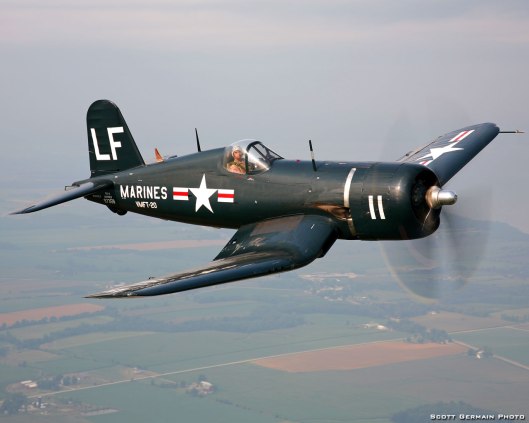
image1corsair.jpg

It’s a US Navy WW2 fighter—but hardly what was sweeping to attack the south coast of Gondor in Sauron’s massive campaign.

Change that to “corsair pirate” and you see things like

image2piratecostume

which is definitely a bit better, but he looks so 18th-century.  As we have discussed in many of our postings, Middle-earth is Middle Ages (more or less), even if it mixes High Medieval (things like the plate armor of the Prince of Dol Amroth) with Anglo-Saxon (the Rohirrim).  So “corsair pirate” is too late in time.  Another word (with a much-discussed origin) for “pirate” is “buccaneer”, so, how about “corsair buccaneer”?

image3trailer

Ooops!  Okay—clearly that doesn’t work!

So what will—and what are we really looking for?  Well, what do these corsairs look like according to JRRT?

They have black sails:

For Anduin, from the bend at the Harlond, so flowed that[,]from the City[,] men could look down it lengthwise for some leagues, and the far-sighted could see any ships that approached.  And looking thither they cried in dismay; for black against the glittering stream they beheld a fleet borne up on the wind:  dromunds, and ships of great draught with many oars, and with black sails bellying in the breeze.

‘The Corsairs of Umbar!’ men shouted.  (The Return of the King, Book Five, Chapter 6, “The Battle of the Pelennor Fields”)

Anything more?

In The Lord of the Rings, unfortunately not.

Umbar is in Harad,
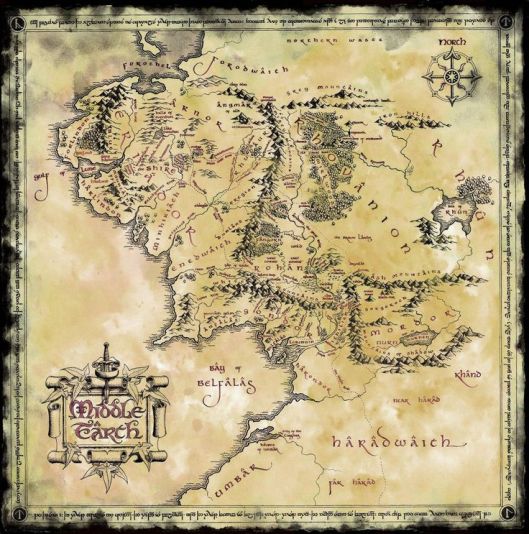
image5.jpg

however, and there is a little about the Haradrim.  Our first view of them is Sam’s:

Then suddenly straight over the rim of their sheltering bank, a man fell, crashing through the slender trees, nearly on top of them.  He came to rest in the fern a few feet away, face downward, green arrow-feathers sticking from his neck below a golden collar.  His scarlet robes were tattered, his corselet of overlapping brazen plates was rent and hewn, his black plaits of hair braided with gold were drenched with blood.  His brown hand still clutched the hilt of a broken sword. (The Two Towers, Book Four, Chapter 4, “Of Herbs and Stewed Rabbit”)

Other details?

Just before Sam speaks, Gollum has reported seeing:

‘Dark faces.  We have not seen Men like these before, no, Smeagol has not.  They are fierce.  They have black eyes, and long black hair, and gold rings in their ears; yes, lots of beautiful gold.  And some have red paint on their cheeks, and red cloaks; and their flags are red, and the tips of their spears; and they have found shields, yellow and black with big spikes.  Not nice; very cruel wicked Men they look.  Almost as bad as Orcs, and much bigger.’ (The Two Towers, Book Four, Chapter 3, “The Black Gate is Closed.”)

“cruel and tall” (The Return of the King, Book Five, Chapter 4, “The Siege of Gondor”)

They have cavalry and they are armed with scimitars. (The Return of the King, Book Five, Chapter 6, “The Battle of the Pelennor Fields”)

These would seem to be people from Near Harad (that is, near to Gondor).  The men to the south of them differ:

“…Southrons [men from Near Harad] in scarlet and out of Far Harad black men like half-trolls with white eyes and red tongues.” (The Return of the King, Book Five, Chapter 6, “The Battle of the Pelennor Fields”)

But all of this to us suggested a model from our own world (as always):  the Barbary Pirates.  So how about the search terms “corsair barbary”?
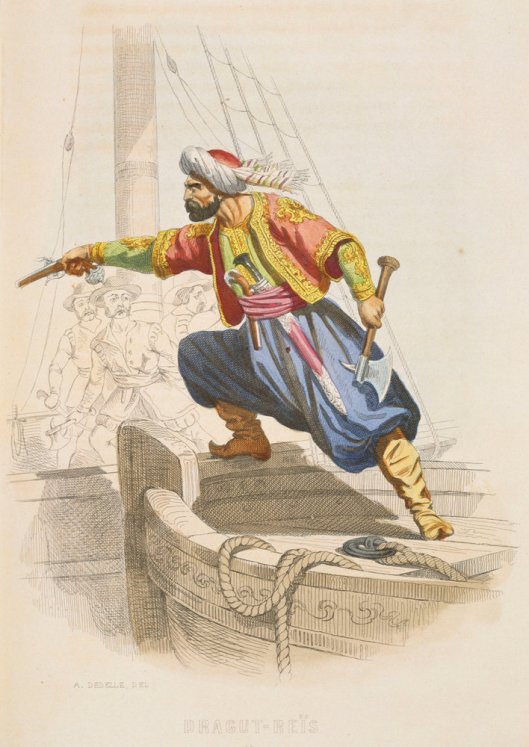
image4barbarycorsair.jpg

Ah.  That’s a bit more like it, we think.  He has to lose his gunpowder weapons, though—the only gunpowder in Middle-earth appears to be something in the hands of Saruman and Sauron’s orcs, as we see at Helm’s Deep
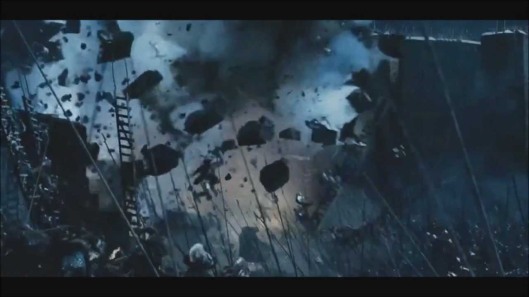
image6ahelmsdeep.jpg

and the wall of the Pelennor, the Ramas Echor.

We would imagine those corsairs, then, as looking like the infamous “Barbary Pirates”.

They certainly fill the bill geographically—they’re southern (at least in relation to JRRT’s England)–their hangouts being on the coast of North Africa
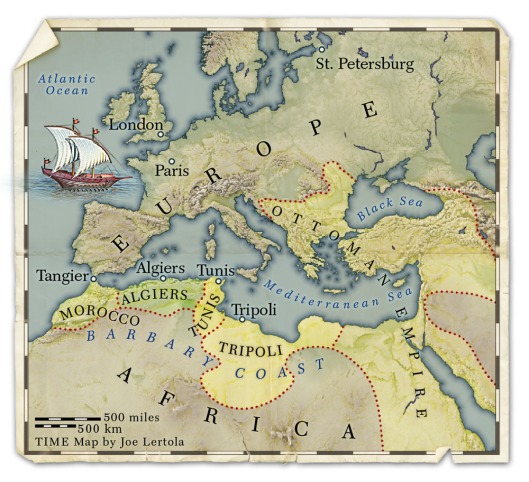
image6barbarycoast.jpg

and, if you wanted a big port city, as Umbar was supposed to be, here’s Algiers.
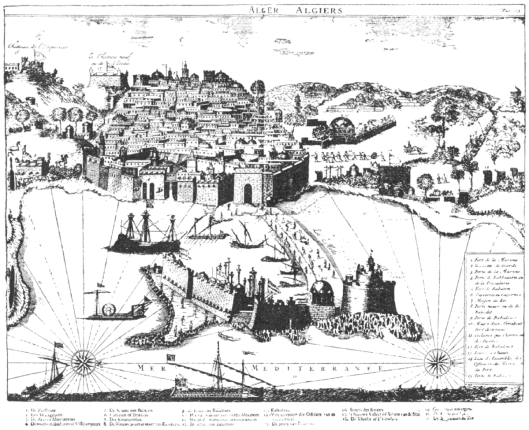
image7algiers.png

What about ships—that is, “dromunds and ships of great draught with many oars”?

“Dromund” is a medieval form of the Byzantine Greek dromon, literally a “runner”—a word you’d recognize from the English word “hippodrome”—the “place where horses run”.  This was the common larger Byzantine warship.
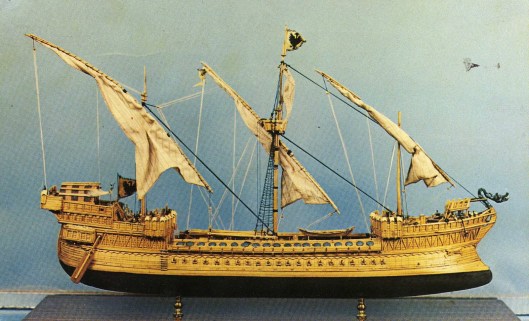
image8dromon.jpg

Here’s a Renaissance-era engraving of a Turkish galley.
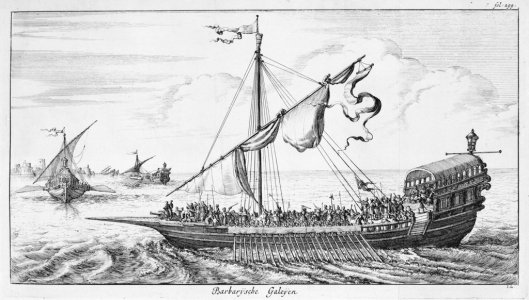
image9barbarygalley.jpeg

There’s a difficulty with “ships of great draft with many oars”, however.  Draught (also spelled “draft”) is the distance between the waterline and the bottom of the keel, as in this diagram.
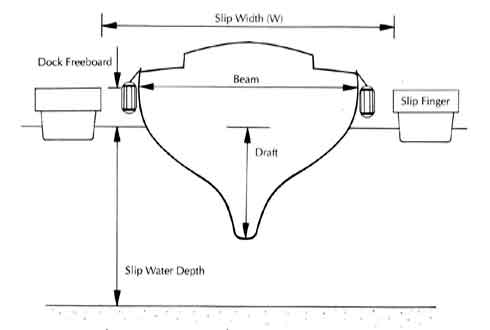
image10draft.jpg

Ships with many oars are, commonly, galleys,
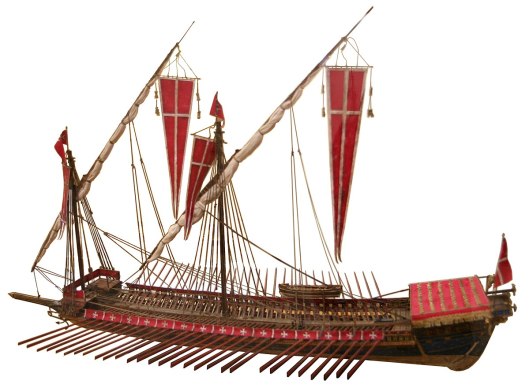
image11medgalley.jpg

and galleys commonly have a shallow draft—both to allow for maneuver in shallow waters and to allow for the oars to do their job most efficiently.  So, we presume that all of the Corsairs’ vessels were actually galleys of various sizes.
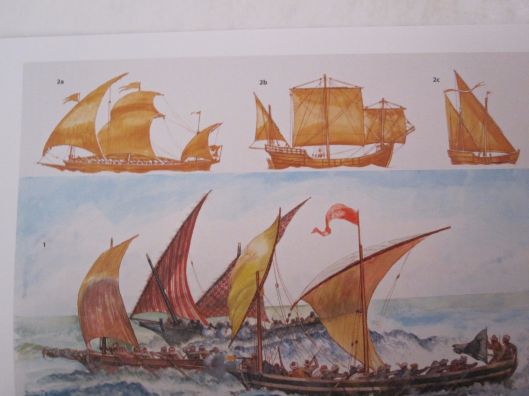
image12galleys.jpg

Jackson’s Corsair ships have something of the look of JRRT’s description, but his
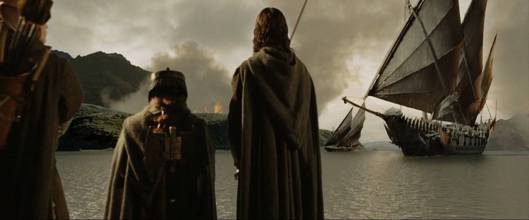
image13ajacksonships.jpg

depiction of the Corsairs, unlike that of Rohan and the Rohirrim, is not even close to the little we have learned so far from the text.
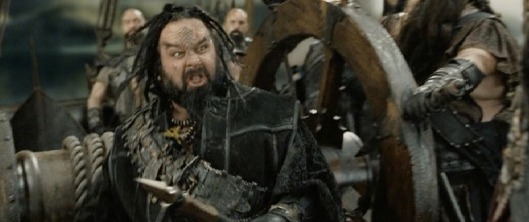
image13jackson.jpg

The Barbary Pirates, to us, not only match point of origin and vessels, but are much more exotic and colorful, whereas those in the film look to us more like dingy Vikings.
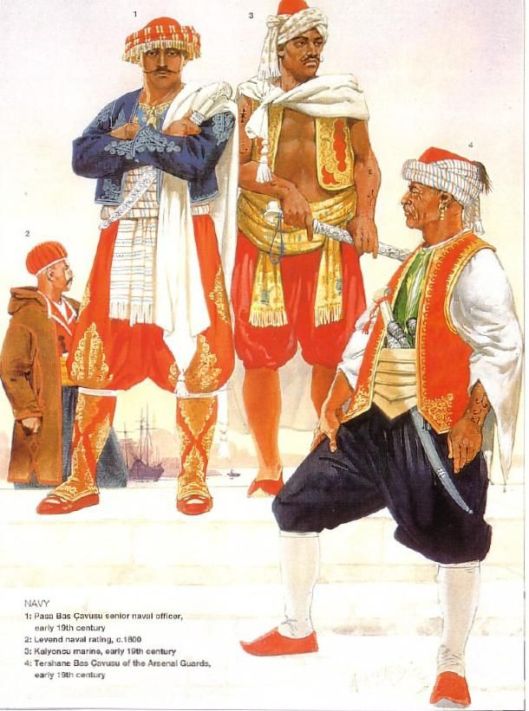
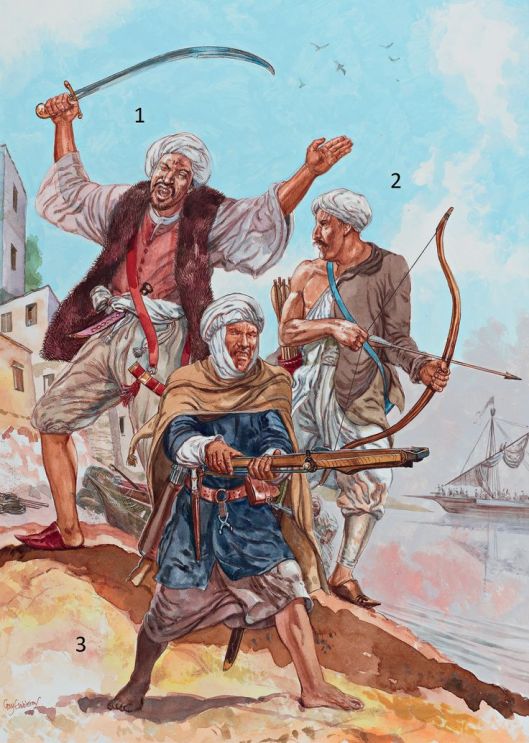
image14pirates.jpg

image15pirates.jpg

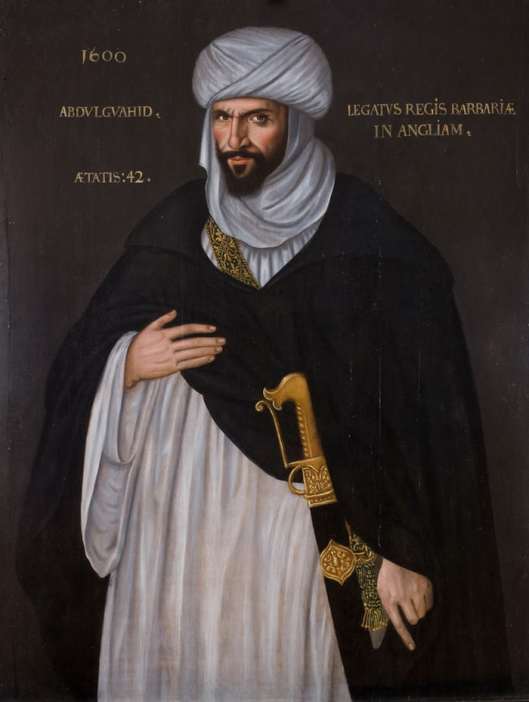
And here’s a portrait

image16moroccanambassador.jpg

of the Moroccan ambassador to the court of Queen Elizabeth I (notice that, in the caption he’s called Legatus Regis Barbariae, “deputy of the King of Barbary”—a splendid figure with a splendid name:  Abd el-Ouahed ben Messaoud ben Mohammed Anoun—imagine him facing Aragorn from the deck of a galley—we think that the Oath-breakers would have had little fear for him, even as they overwhelmed him and his crew.
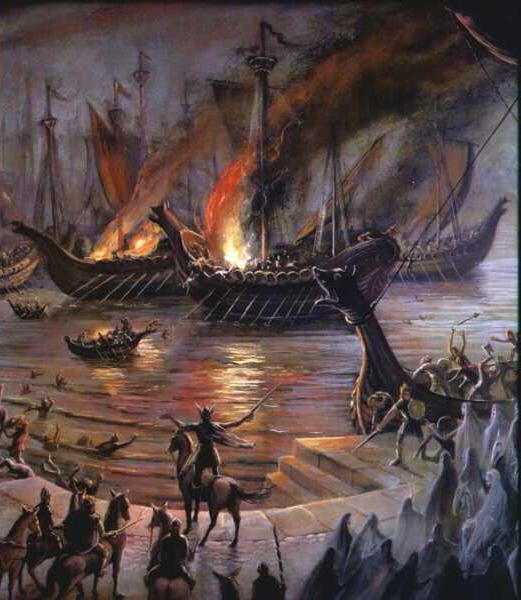
image17corsairs.jpg

So, as always, we ask you, readers, what do you think?

And thanks, as always, for reading.

MTCIDC

CD

PS

Just a thought, but, if Sauron, as one of the Maiar, was virtually immortal and had the kind of power which is displayed in the forging of the Ring, why did he need vast fortresses and armies and fleets?  Something to think about in a future posting!

And Then the Dragon Came

14 Wednesday Jun 2017

Posted by Ollamh in Artists and Illustrators, Fairy Tales and Myths, Heroes, Imaginary History, J.R.R. Tolkien, Literary History, Narrative Methods, Villains

≈ Leave a comment

Tags

A.A. Milne, Apollonius, Arthur Rackham, Beowulf, Chrysophylax, Cressida Cowell, Dragons, Drawn From Life, Drawn From Memory, Dream Days, E.H. Shepard, Edwardian, Farmer Giles of Ham, How to Train Your Dragon, Kenneth Grahame, Maxfield Parrish, Nine Dragons, Now We Are Six, Octavian, Prince Valiant, Renaissance, Sir Gawain, Smaug, St. George and the Dragon, The Argonautica, The Hobbit, The House at Pooh Corners, The Reluctant Dragon, The Wind in the Willows, Tolkien, Victorian, Walt Disney, Western Medieval, When We Were Very Young, Winnie the Pooh

Welcome, dear readers, as always.
One of us is in the midst of creating a course for the fall term. It’s called “Handling Monsters: A Handbook” and several of those monsters are dragons—the “Sleepless Serpent/Dragon” of the ancient Greek literary epic by Apollonius, The Argonautica,
image1sleepless.jpg
the dragon which Beowulf fights,
image2beowulf.jpg
(when small, we always imagined this as looking like the one which Sir Gawain, Prince Valiant’s master, fights)
image3sirgawaine.jpg
Smaug,
image4smaug.jpg
and Toothless, from How to Train Your Dragon (by Cressida Cowell—there’s also a movie by that name, which is fun—great flying scenes–but it’s so different from the book that it really should have another title!)
image5hiccup.jpg
We must confess that we’ve never been big saurian fans, either dinosaurs or dragons, but, as monsters go, they have their uses. Saying that, however, we do have to add that we’ve always loved the “Nine Dragons” scroll, a 13th-century Chinese painting…
image6nine.png
[And here’s a LINK to a site at the Center for the Art of East Asia which you can see the whole scroll—well worth the visit—and revisit, if you’re like us and love Chinese painting.]
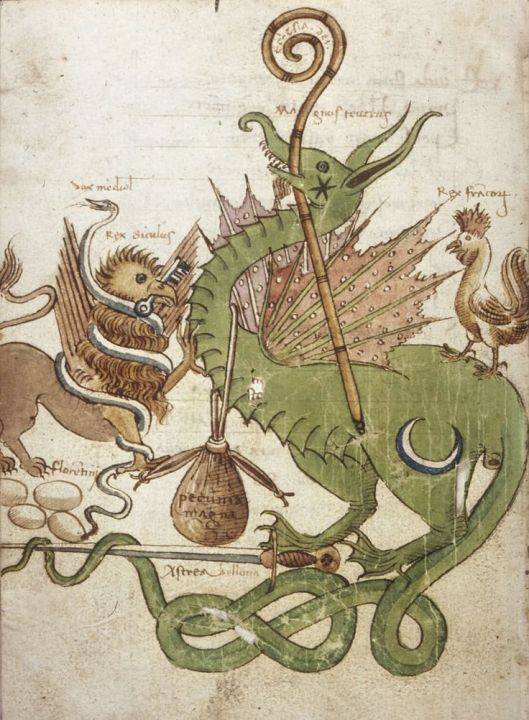
While putting together this course, we’ve been spending some time gathering dragon images. Sometimes, they seem pretty fantastic—painters with wild imaginations—
image7meddragon.jpg
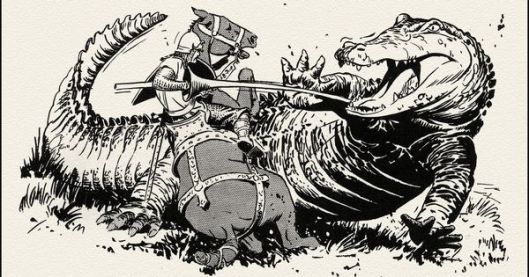
And sometimes they look like someone once saw a crocodile.
image8stg.jpg
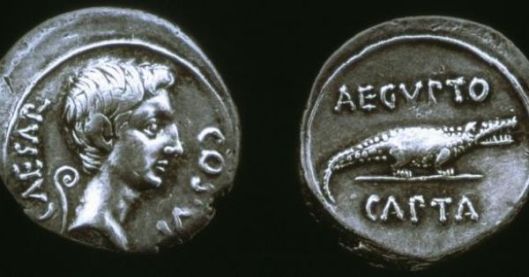
[Perhaps on an old coin? For example, Octavian—the Emperor Augustus-to-be—after the defeat of Antonius and Cleopatra, issued this coin, which reads “Egypt Taken”,

image9aegypta.jpg
suggesting that, when a Roman thought of Egypt, it wasn’t the pyramids which came to mind, but a scaly, many-toothed amphibian!]
And the image before the coin reminds us that, in Western medieval/early Renaissance art, a major source of dragon pictures is religious, being depictions of St. George and his dragon-slaying.
image10stg1.jpg

image11stgeo2.jpg
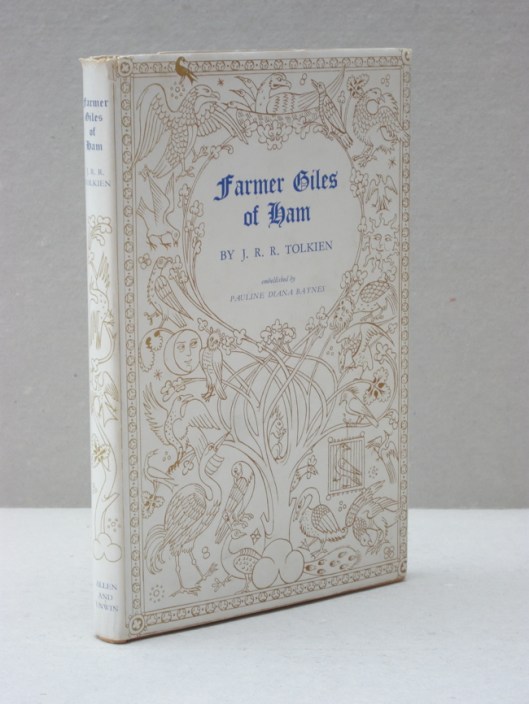
We’ve mentioned JRRT and Smaug, but that it only his first dragon story. There is another, Farmer Giles of Ham, written in 1937 and published in 1949.
image12farmergiles.jpg
If you haven’t read it, we recommend it as a look at JRRT at play, more Hobbit than Lord of the Rings. The story is about a very practical, but hardly adventurous farmer, Giles, who, after chasing off a giant from his village, is given the job of dealing with an invading dragon, Chrysophylax (maybe something like “Watchman of the Gold”).
image13xryso.jpg
Although the dragon is tricksy, Giles eventually overcomes him with a combination of shrewdness and a famous sword, Caudimordax (“Tailbiter”). In the process, he becomes not only wealthy, but also founds his own kingdom-within-a-kingdom. As well, though JRRT, more than once in his letters, lets us know that he is not an enthusiast for democracy, he provides a very critical view of monarchy and its pretensions. (This may also explain why, although those in the Shire may refer to “the king” and “the rules”, which presumably came with that monarch, their own local form of government is more familial than bureaucratic.)
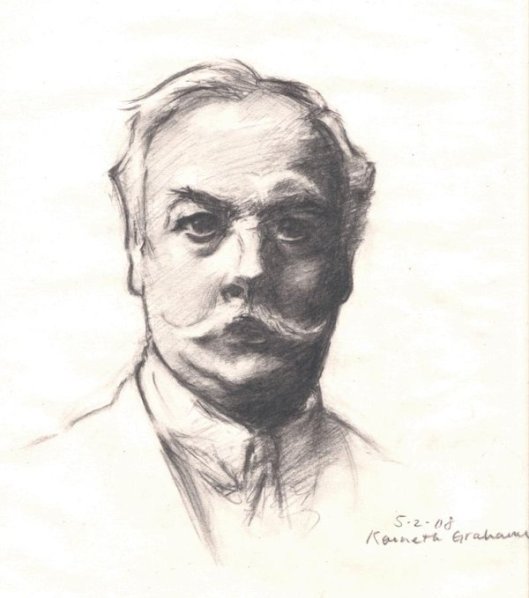
Chrysophylax is chatty, rather like Smaug, but there is a much lighter touch here, and Chrysophylax reminds us of our favorite dragon after Tolkien’s, the unnamed dragon in Kenneth Grahame’s
image14kgrahame.jpg
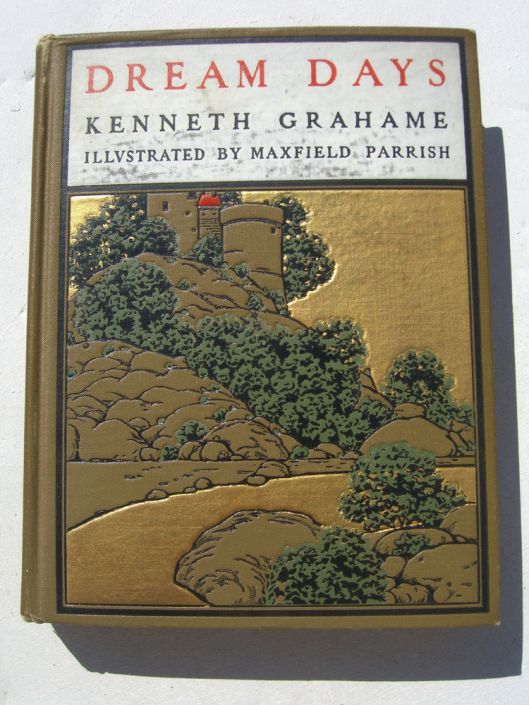
short story, “The Reluctant Dragon”, from his 1898 collection, Dream Days.
image15dreamdays.jpg
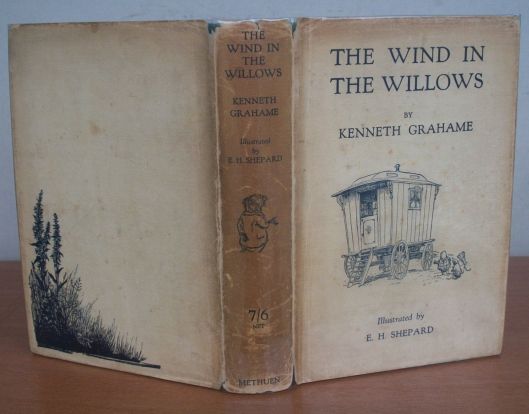
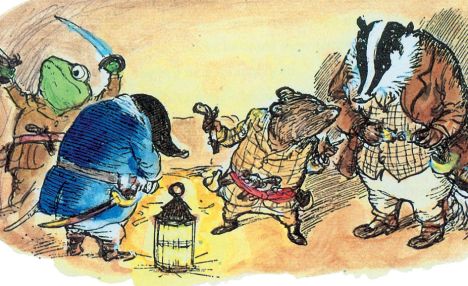
If you recognize Grahame’s name, you probably know it from his 1908 novel, The Wind in the Willows, with its well-known characters, Toad, Rat, Mole, and Badger—not to mention the wicked weasels!–
image16wiw1sted.jpg
image17wiwcharacters.jpg
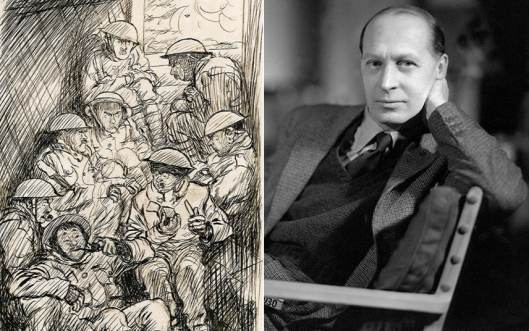
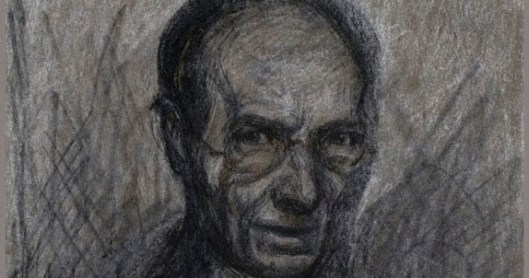
first illustrated by E.H. Shepard
image18ehshepard.jpg
whom you may also know as the illustrator of A.A. Milne’s Winnie the Pooh, The House at Pooh Corners, When We Were Very Young, and Now We are Six.
image19wthepfirst.jpg
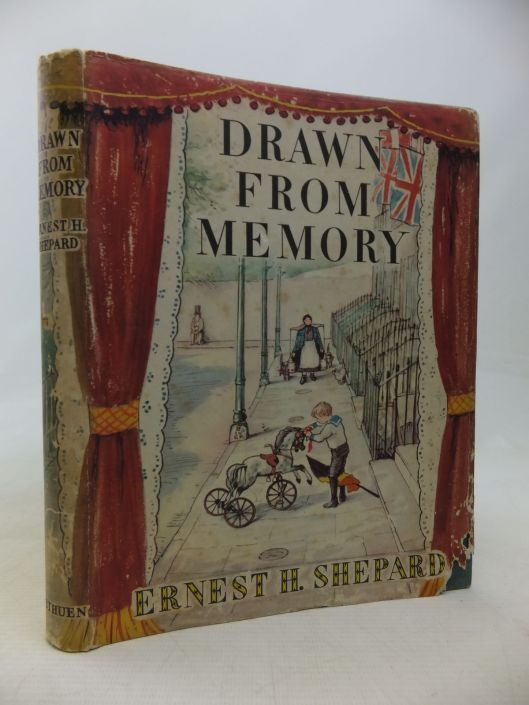
[Shepard also wrote two volumes of autobiography—which he illustrated, of course—Drawn from Memory (1957) and Drawn from Life (1961)
image19drawnfrommem.JPG

image20drawnfromlife.JPG
and, for a picture of a growing up in the later Victorian world, beautifully written and illustrated, we very much recommend both.]
[And a second footnote here: Arthur Rackham—one of our favorite late-19th-early-20th-century illustrators– also illustrated The Wind in the Willows,
image22rackham.jpg

image23wiwrack.jpg
his last project before his death in 1939. It was published a year later, in 1940.]
The title gives away a great deal of the plot of Grahame’s “The Reluctant Dragon”. Instead of being a murderous hoarder, like Beowulf’s dragon, or Smaug, this is dragon-as-pacifist, (as depicted by his original illustrator, Maxfield Parrish):
image24fearless.jpg
not in the least interested in plundering and burning, but rather in viewing sunsets and living a peaceful existence—until St. George appears. As to what happens next, we’re not going to issue a spoiler alert here, but rather provide links to three works by Grahame: two collections of stories and essays, The Golden Age (1895), Dream Days (1898), and The Wind in the Willows (1908), inviting you to read for yourself and to enjoy Grahame’s elegant Edwardian prose and gentle approach.
With thanks, dear readers, for…reading.
MTCIDC
CD

PS
Walt Disney studios made cartoons of “The Reluctant Dragon” (1941) and “The Wind in the Willows” (1949), which are currently available in Disney collections. They both stray rather far from the original stories, but are fun in themselves (and Eric Blore’s voice is perfect for “the handsome and popular Toad”).
PPS
One of us has written what we might immodestly call a very good short story based upon Arthur Rackham’s last days and his determination to finish his illustrations to The Wind in the Willows before his death and we plan to publish it here next week as a kind of “Summer Holidays Extra”. We hope you’ll enjoy it.


Shire Portrait (5b): Hostile Takeover

15 Wednesday Mar 2017

Posted by Ollamh in Economics in Middle-earth, Imaginary History, J.R.R. Tolkien, Military History, Military History of Middle-earth, Narrative Methods, Villains

≈ Leave a comment

Tags

Baggins, Chief, Der Fuehrer, Gestapo, Hitler, Lotho, SA, Sackville-Bagginses, Saruman, Sharkey, Shire, Shirriffs, Southfarthing, The Hobbit, The Lord of the Rings, The Scouring of the Shire, Tolkien

Welcome, dear readers, to the second part of our last (for the moment?) posting on the Shire. This is actually a two-part posting and is devoted to the takeover of the Shire by “Sharkey” and his followers and how it might have happened, based upon evidence from the texts of The Hobbit and The Lord of the Rings.

We decided upon a two-part posting because we saw the takeover as a two-step process. Initially, we believe that Saruman looked for someone within the Shire to act as his agent there and, as a local agent, both to foment the kind of discontent which would provoke a demand for change, and to act as the leader of that change.

Because the Shire had so little government and most problems were dealt with within families, we wondered if that discontent wouldn’t begin as something Shire-wide, but be found within one or more families, instead.

With this in mind, we immediately thought of the Sackville-Bagginses. From the final chapter of The Hobbit, it was clear that the S-Bs (as they’re called) had grievances against their cousins, the Bagginses, mostly because they wanted Bag End and its contents.

How this led to leaguing with Saruman is not explained, but merely suggested, by Pippin, who says, of reported disturbance in the Southfarthing:

“ ‘Whatever it is…Lotho will be at the bottom of it:   you can be sure of that.” The Return of the King, Book Six, Chapter 7, “Homeward Bound”

This is then confirmed when the hobbits reach the bridge over the Brandywine and one of the hobbit guards (Hob Hayward), mentions “the Chief…up at Bag End.”

Frodo, who has sold his house at Bag End (see The Fellowship of the Ring, Book One, Chapter 3, “Three is Company”) to the S-Bs, immediately asks Hob, “ ‘Chief? Chief? Do you mean Mr. Lotho?’ said Frodo.” The Return of the King, Book Six, Chapter 8, “The Scouring of the Shire”

Otho and Lobelia had been Bilbo’s enemies long ago, but, whereas Lobelia is still alive, Otho is long dead and Lotho (and yes, the word “loathe” must lie just below the surface here, though this is probably not his name in the Common Tongue, just as Pippin’s name isn’t Pippin), his son, has somehow become not the Mayor of the Shire (who is actually Will Whitfoot), but the much vaguer (and more menacing) “the Chief”. (We also note that “Mr. Lotho” is a courtesy title and one for established land-owners, really, and not for Lotho.)

The family theme is underlined when Hob replies that “we have to say ‘the Chief’ nowadays” and Frodo says, in turn:

“ ‘Do you indeed!’ said Frodo. ‘Well, I am glad he has dropped the Baggins at any rate. But it is evidently high time that the family dealt with him and put him in his place.’ ”

If Frodo’s remark suggests the familial aspect of justice in the Shire, the reply of an anonymous hobbit to it suggests the second or external step of the takeover:

“A hush fell on the hobbits beyond the gate. ‘It won’t do no good talking that way,’ said one. ‘He’ll get to hear of it. And if you make so much noise, you’ll wake the Chief’s Big Man.’ ”

As JRRT began The Lord of the Rings in 1937, just four years after the Nazis took control of Germany, “The Chief” surely has echoes of “Der Fuehrer”, which simply means “The Leader”.

adolf-hitler-34.jpg

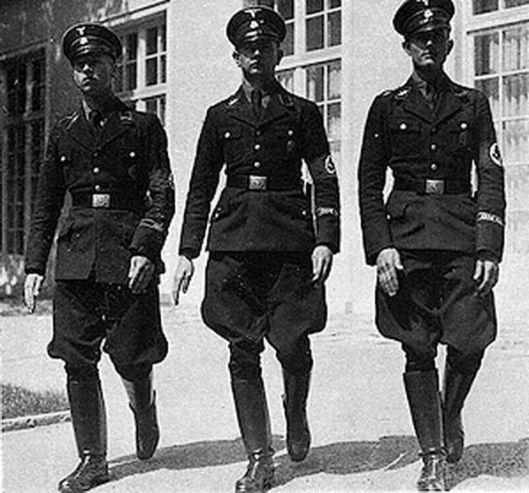
In which case, should we associate the threat of “the Chief’s Big Man” with everything from the SA

0001.jpg

to the Gestapo?

0e24494b5019c1007e9214e03d77c2d8.jpg

Merry, at least, certainly makes a connection with something which Butterbur had said earlier:

“It all comes of those newcomers and gangrels that began coming up the Greenway last year, as you may remember; but more came later. Some were just poor bodies running away from trouble; but most were bad men, full o’ thievery and mischief.” The Return of the King, Book Six, Chapter 7, “Homeward Bound”

Answering the anonymous voice, Merry says:

“If you mean that your precious Chief has been hiring ruffians out of the wild, then we’ve not come back too soon!”

When the Big Man appears, Merry’s conclusion is confirmed: it’s Bill Ferny, who, Butterbur believes, who had been involved in a minor battle in Bree, in which five hobbits had been killed:

“ ‘And Harry Goatleaf that used to be on the West-gate, and that Bill Ferny, they came in on the strangers’ side, and they’ve gone off with them; and it’s my belief they let them in. On the night of the fight I mean.’ “

If some of these “Big Men” were criminal drifters from the east, almost randomly recruited, there were others who were sent.

“ ‘It all began with Pimple, as we call him,’ said Farmer Cotton; ‘and it began as soon as you’d gone off, Mr. Frodo.   He’d funny ideas, had Pimple. Seems he wanted to own everything himself, and then order other folk about. It soon came out that he already did own a sight more than was good for him; and he was always grabbing more, though where he got the money was a mystery: mills and malt-houses and inns, and farms, and leaf-plantations. He’d already bought Sandyman’s mill before he came to Bag End, seemingly.

Of course he started with a lot of property in the Southfarthing which he had from his dad; and it seems he’d been selling a lot o’ the best leaf, and sending it away quietly for a year or two. But at the end o’ last year he began sending away loads of stuff, not only leaf. Things began to get short, and winter coming on, too.   Folk got angry, but he had an answer. A lot of Men, ruffians mostly, came with great wagons, some to carry off the goods south-away, and others to stay. And more came. And before we knew where we were they were planted here and there all over the Shire, and were felling trees and digging and building themselves sheds and houses just as they liked…”

There is a bit more to add to this. The “Big Men” were not alone. As in our own historical world of Nazi occupiers, there were those willing to collaborate, as Robin Smallburrow tells Sam:

“There’s hundreds of Shirriffs all told, and they want more, with all these new rules. Most of them are in it against their will, but not all. Even in the Shire there are some as like minding other folk’s business and talking big. And there’s worse than that: there’s a few as do spy-work for the Chief and his Men.”

With Farmer Cotton’s narrative, however, the two steps come together: the local was, indeed, as Pippin has suspected, Lotho. The external was a combination of opportunists, like Bill Ferny, and agents dispatched from an unnamed southern source, but we know that it was “Sharkey” who sent them, just as we know that “Sharkey” was Saruman, who was still capable of mischief—but not “in a small mean way”.

Thanks, as always, for reading.

MTCIDC

CD

Which Witch

31 Monday Oct 2016

Posted by Ollamh in Artists and Illustrators, Fairy Tales and Myths, Films and Music, Literary History, Villains

≈ Leave a comment

Tags

Goya, Halloween, Holinshed's Chronicles, Istari, L. Frank Baum, Macbeth, Mother Goose, The Wizard of Oz, Theodore Chasseriau, W. W. Denslow, Welsh traditional clothing, Wicked Witch, William Shakespeare, Witch-King of Angmar, witches, Witches' Sabbath, wizards

Welcome, dear readers.

This is our annual Guy Fawkes’ Day/Halloween/Samain posting. Last year, we looked at GFD. This year, it’s Halloween—and a little puzzle from JRRT (how not?).

Magic and mystery—centered on witches—is a central theme for Halloween celebrations.   Just look at the variety of commercially-made costumes available.

deluxe-child-witch-costume.jpgwitch-costumes-blue-white-storybook-witch-costume-013639.jpg

1867366.jpg

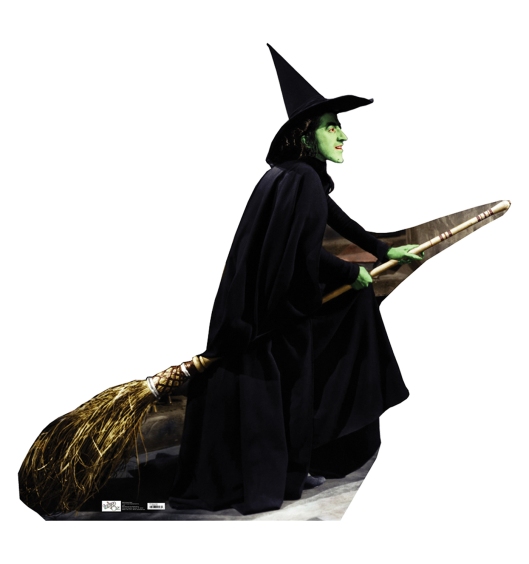
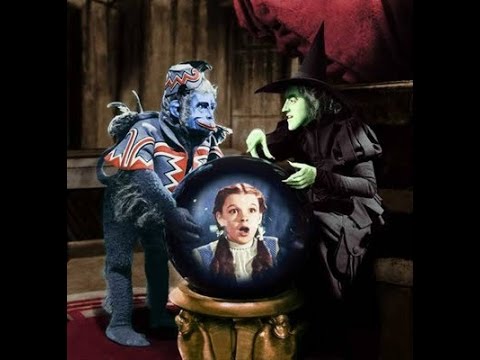
For many of us, our introduction to witches was probably in the person of the Wicked Witch of the West in the 1939 The Wizard of Oz.

The_Wicked_Witch_of_the_West.jpg

This is not quite what the witch in L. Frank Baum’s original book, The Wonderful Wizard of Oz (1900)

(illustrated by W.W. Denslow) looked like,

wicked_witch_of_the_west

but you can see, in her hat and dress, things which were already symbolic of witchery in popular culture: black cats, crescent moons, toads, some of it echoes from the words of the three Weird Sisters in Shakepeare’s Macbeth (1606), who meet the protagonist on the road after his victory over the enemies of Duncan the king of Scotland. (Theodore Chasseriau)

MacbethAndBanquo-Witches.jpg

A dark Cave. In the middle, a Caldron boiling. Thunder.

Enter the three Witches.

1 WITCH.  Thrice the brinded cat hath mew’d.
2 WITCH.  Thrice and once, the hedge-pig whin’d.
3 WITCH.  Harpier cries:—’tis time! ’tis time!
1 WITCH.  Round about the caldron go;
In the poison’d entrails throw.—
Toad, that under cold stone,
Days and nights has thirty-one;
Swelter’d venom sleeping got,
Boil thou first i’ the charmed pot!
ALL.  Double, double toil and trouble;
Fire burn, and caldron bubble.
2 WITCH.  Fillet of a fenny snake,
In the caldron boil and bake;
Eye of newt, and toe of frog,
Wool of bat, and tongue of dog,
Adder’s fork, and blind-worm’s sting,
Lizard’s leg, and owlet’s wing,—
For a charm of powerful trouble,
Like a hell-broth boil and bubble.
ALL.  Double, double toil and trouble;
Fire burn, and caldron bubble.

Somehow, somewhere, witches acquired those distinctive clothes and hat—especially the hat. The story of Macbeth and the witches comes from Holinshed’s Chronicles (1577/1587) and here is that scene illustrated from that first edition of 1577.

holinshed1575.jpg

As you can see, to the modern eye, there’s nothing “witchy” about these ladies. So where do those clothes and hat come from? We have no firm answer for this, just a guess—and from another literary tradition, Mother Goose.

RealMotherGoose1916.jpg

The first published version of stories (and, in time, rhymes) under that name dates from 1695. Here’s the frontispiece from the first English translation (1729).

Houghton_FC6.P4262.Eg729s_-_Perrault,_frontispiece.jpg

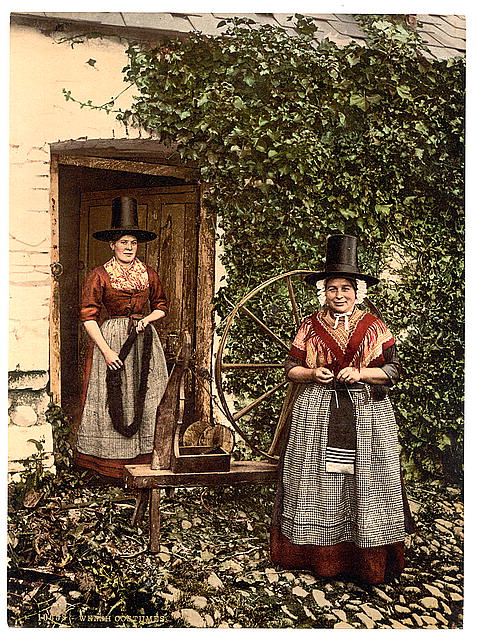
Mother Goose was supposed to be a country woman and, by the latter part of the 19th century, was dressed as one—but we think with a particular look, that of Welsh women in distinctive traditional clothing.

mother-goose.jpg

Welsh_spinnersc1900.jpeg

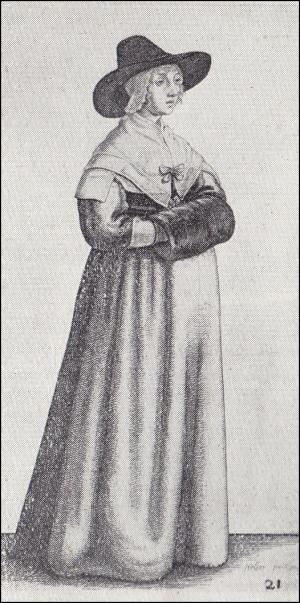
The style of hat is much older—here we have, in succession, three earlier versions from the 17th century—1610, 1640, 1676.

rubens_isabella_brant_c1610

woman21x300hollar1640.jpg

Mrs_Salesbury_-_wright.jpg

Country people tend to be conservative, so something worn in much of the UK in the 17th century appears to have existed, at least in modified form, in the depths of Wales long after then.

copy1-554-78-welsh-national-costume-1911-660x440.jpg

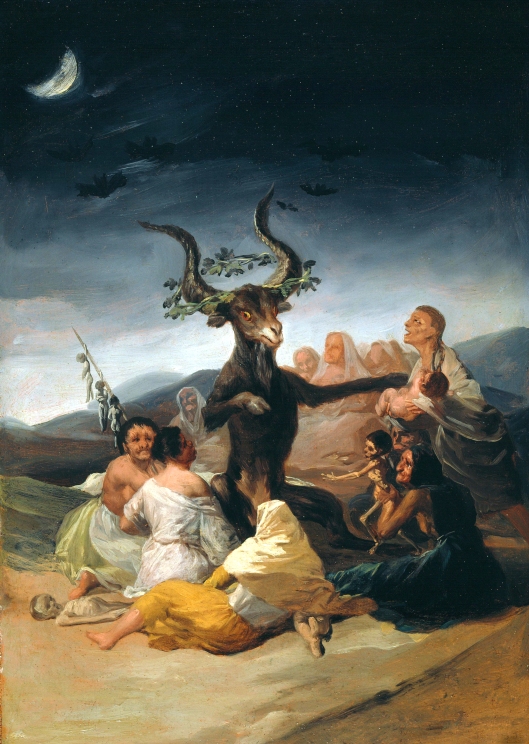
We wonder whether there hasn’t been a kind of cross-over effect: country women to Mother Goose to witches—all conservative dressers. There is also a long tradition in Wales of “wise women”—often mistaken in England for dealers-with-the-devil—those appear in this rather creepy painting by Goya of a witches’ Sabbath (1797-1798). (We note that there are no pointy hats here.) Perhaps the Welsh wise woman was consulted about wardrobe by Mother Goose?

GOYA_-_El_aquelarre_(Museo_Lázaro_Galdiano,_Madrid,_1797-98).jpg

Witches (as the “Harry Potter” books point out) aren’t and weren’t always just women.

hpetal.jpg

Men, too, could take part, sometimes called witches, sometimes warlocks or wizards. When we think wizard, of course, we immediately think of the 5 Istari—

310993_121176884650130_120725101361975_85832_1441609629_n.jpg

When we think of witch, however, in the context of LOTR, we can see that:

  1. In this respect, this is a different kind of culture—for instance, the only equivalent of a “wise woman” is Ioreth, in the “Houses of Healing”
  2. But there is a witch-king, that of Angmar, who is also the head of the Nazgul

eowynvswitchking.jpg

There is a puzzle here, however. In western tradition, witches are the servants of Satan, who spend their time, it seems, troubling humans at the daily level—making cows sick, tormenting babies, holding sabbbaths, casting spells.

witch_john_william_waterhouse_magic_circle_painting_casting_spells.jpg

In that tradition, the only ruler is Satan himself, as depicted in this second Goya painting of a sabbath (and we note here that most of the witches appear to be something between human and other—a great—but horrible—touch—and who is that girl sitting off to the right? This comes from a series of paintings done by Goya in the last years of his life and there is a certain mystery about why he painted them—they’re murals, in fact—and what they might mean.)

francisco_de_goya_y_lucientes_-_witches_sabbath_the_great_he-goat


As there are no other witches in Middle-earth, then, where are the witches for the witch-king to be monarch of?

And that, perhaps, is another mystery for Halloween…

Oh—and Happy Halloween, by the way!


Thanks, as ever, for reading.

MTCIDC

CD

ps

While gathering images for this posting, we happened upon this photograph. Is this a picture from Professor McGonagall’s 50th Hogwarts  reunion?

tumblr_nwrfedgPaR1sdzmuoo1_500.jpg

Nought’s had, all’s spent

03 Wednesday Aug 2016

Posted by Ollamh in J.R.R. Tolkien, Literary History, Narrative Methods, Theatre and Performance, Villains

≈ Leave a comment

Tags

A Shadow of the Past, Birnam Wood, Eowyn, Fangorn Forest, Gandalf, Gondor, Isengard, Istari, King Duncan, Lady Macbeth, Macbeth, Macduff, Orthanc, Palantir, Saruman, Sauron, Shakespeare, The Lord of the Rings, The Weird Sisters, The Witch-King, Tolkien

4acce62d6b1154ae5fdb5272434de3be.jpg

In “The Shadow of the Past,” Gandalf, giving Frodo backstory of the Ring, makes a confession:

“I might perhaps have consulted Saruman the White, but something always held me back.”

“Who is he?” asked Frodo. “I have never heard of him before.”

“Maybe not,” answered Gandalf. “Hobbits are, or were, no concern of his. Yet he is great among the Wise. He is the chief of my order and the head of the Council. His knowledge is deep, but his pride had grown with it, and he takes ill any meddling. The lore of the Elven-rings, great and small, is his province. He has long studied it, seeking the lost secrets of their making; but when the Rings were debated in the Council, all that he would reveal  to us of his ring-lore told against my fears. So my doubt slept– but uneasily. Still I watched and I waited.” (The Lord of the Rings, The Fellowship of the Ring, Book 1, Chapter 2, “The Shadow of the Past”)

In terms of the spiritual life and safety of Middle-earth, Gandalf’s confession foreshadows much evil to come. Both Gandalf and Saruman are Istari, one of a group of five divine beings sent specifically to counteract the activities of Sauron.

istari.jpg

Gandalf suspects that “the chief of my order and the head of the Council” is false, and his suspicion will prove to be true, but what has happened to Saruman? Gandalf suggests that it has something to do with the ring, but, in fact, the ring is only emblematic of the real problem: the lure of control.

Here is Saruman attempting to seduce Gandalf into joining him:

“I said we, for we it may be, if you will join with me. A new Power is rising. Against it the old allies and policies will not avail us at all. There is no hope left in Elves or dying Numenor. This then is one choice before you, before us. We may join with that Power. It would be wise, Gandalf. There is hope that way. Its victory is at hand; and there will be rich reward for those that aided it. As the Power grows, its proved friends will also grow; and the Wise, such as you and I may with patience come at last to direct its courses, to control it.” (The Lord of the Rings, The Fellowship of the Ring, Book 2, Chapter 2, “The Council of Elrond”)

Instead of fulfilling his role as a counter-balance to Sauron, Saruman proposes first to control Sauron, and then even to become Sauron. As Saruman says, “Why not? The Ruling Ring? If we could command that, then the Power would pass to us.” (The Lord of the Rings, The Fellowship of the Ring, Book 2, Chapter 2, “The Council of Elrond”)  This use of the first person plural pronoun is not convincing:

“Saruman,” I said, standing away from him, “only one hand at a time can wield the One, and you know that well, so do not trouble to say we.” (The Lord of the Rings, The Fellowship of the Ring, Book 2, Chapter 2, “The Council of Elrond”)

But what is it which Saruman wants to do with that ring?

“We can bide our time, we can keep our thoughts in our hearts, deploring maybe evils done by the way, but approving the high and ultimate purpose:  Knowledge, Rule, Order; all the things that we have so far striven in vain to accomplish, hindered rather than helped by our weak or idle friends.  There need not be, there would not be, any real change in our designs, only in our means.”  (The Lord of the Rings, The Fellowship of the Ring, Book 2, Chapter 2, “The Council of Elrond”)

Knowledge, rule, order?  We immediately want to know, knowledge of what, and who is ruling whom, with what order?   And the answers are all the same:  Saruman’s knowledge,  Saruman’s rule, Saruman’s order.  But what has happened to Saruman to so turn him away from the purpose for which he was sent?

Saruman’s headquarters are at Orthanc, a tower set in a stone circle at Isengard.

orthanc.jpgOriginally, this had been the site of a Gondorian strongpoint, but, as Gondor waned, it fell into disuse until taken over by Saruman with the permission of the Steward of Gondor, Beren. When we think of wizards, we imagine them as wanderers, like Gandalf and Radagast, and even more so, the two Blue wizards who have wandered so far as to have disappeared almost entirely from the history of Middle-earth. Could the very fact that Saruman would want a permanent base have been a hint that his plans went beyond the directive he had received in Valinor?

And there is worse to come. Within Orthanc, Saruman has discovered a Palantir, a far-seeing stone of Numenor.

saruman_palantir.jpg

Who else might have one of these stones? Unfortunately, one of them is in the hands of Sauron.

palantir1.jpg

And the seduction of Gandalf began with the seduction of Saruman, as Gandalf says:

“Saruman…I have heard speeches of this kind before, but only in the mouths of emissaries sent from Mordor to deceive the ignorant.” (The Lord of the Rings, The Fellowship of the Ring, Book 2, Chapter 2, “The Council of Elrond”)

This figure for good being drawn away from the proper path reminded us of a similar situation in Shakespeare. Macbeth has been a successful general for Duncan, the king of Scotland. For his latest victory, he has been well-rewarded by the king, but just as in the case of Saruman, there is some part of him which wants more. Thus, when, after the battle, he and a companion meet three strange women on the edge of the battlefield, their prophetic words touch him in a place perhaps untouched before, but there.

MacbethAndBanquo-Witches

They first hail him by titles King Duncan has yet to give him–but will.  Then they hail him as King of Scotland itself, and his corruption begins.  It may have gone no farther than unquiet dreams had there not be a second element in his seduction:  his wife.

Ellen-Terry-as-Lady-Macbeth-by-John-Singer-Sargent-1889

It is she who completes what these three strange women began, not only nurturing Macbeth’s ambition, but even planning the murder of King Duncan.

Lady_Macbeth_CattermoleLike Saruman, Macbeth is overcome, gives in, murders Duncan, seizes power, but, also like Saruman, can not retain it and, interestingly, an element in his defeat closely resembles an element in Saruman’s defeat:  trees.
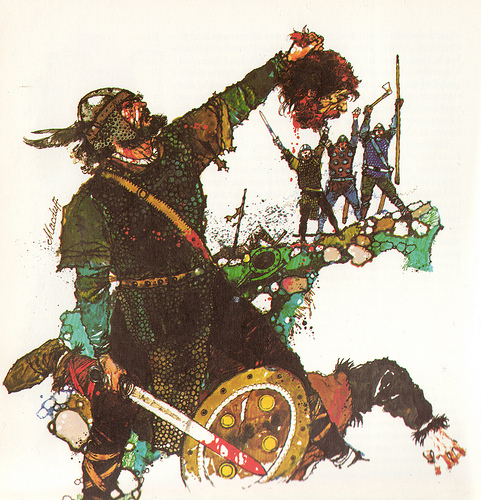
As his reign suffers resistance and becomes bloodier and more confused, Macbeth sees a series of apparitions, including one which reassures him–or so he thinks–that

“Be lion-mettled, proud, and take no care
Who chafes, who frets, or where conspirers are.
Macbeth shall never vanquished be until
Great Birnam Wood to high Dunsinane Hill
Shall come against him.” (Macbeth, 4.1.94-98)
But his enemies, to disguise their numbers and movements, camouflage themselves with foliage from Birnam Wood,
 Scan-100518-0011
Macbeth’s fortress is successfully taken, and Macbeth is killed in battle, his head taken by an avenging enemy, Macduff.
 macduff-wit-macbeth-head-jpg

Where Macbeth has had Birnam Wood, Saruman suffers from the Forest of Fangorn–

Tolkien, Nasmith, painting, illustration, Lord of the Rings, Silmarillion, Hobbit, Middle-earth

The Wrath of the Ents, by Ted Nasmith

(We would add one more Macbeth parallel for The Lord of the Rings.  Another seemingly reassuring apparition has told Macbeth that he can only be killed by a very special person:

“Be bloody, bold, and resolute. Laugh to scorn
The power of man, for none of woman born
Shall harm Macbeth.” (Macbeth, 4.1.81-83)
That person turns out to be Macduff, born from a Caesarian section.
Do we need to remind our readers of what Eowyn says in reply to the Witch-king’s “Hinder me?  Thou fool.  No living man may hinder me!”)
eowyn.nazgul

After the fall of Isengard, Saruman is imprisoned in his own tower.  During his imprisonment, he is deprived of the Palantir, but Sauron’s seduction has been thorough and, even when offered another chance, there will be nothing left for him in the future but being a petty spoiler and then the victim of his own slave, someone he had once seduced.

jwyatt-sarumande

Thanks, as always, for reading.

MTCIDC

CD

Terrifyingly Funny? (Part 2)

20 Wednesday Jul 2016

Posted by Ollamh in J.R.R. Tolkien, Language, Narrative Methods, Villains

≈ 3 Comments

Tags

Andy Serkis, Ben Gunn, Bilbo, Deagol, Gollum, Received Standard English, Riddles in the Dark, Smeagol, The Hobbit, The Lord of the Rings, Tolkien, Treasure Island

Dear Readers, welcome, as always.

In the first part of this posting, we began to think out loud about the idea of characters in Tolkien who might combine menace and comedy. Our first idea had been to consider Gollum—

Gollum_Render.png

but not the Lord of the Rings Gollum, at least not at first glance.

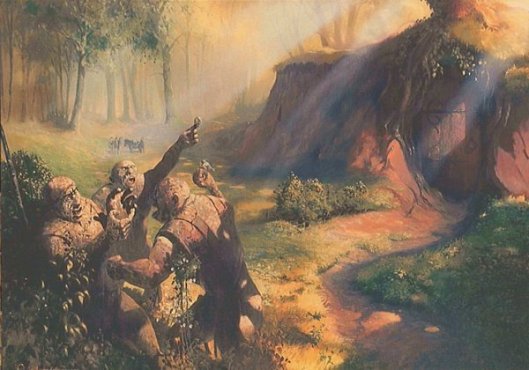
The idea then took us backwards to the large, rather dim trolls of The Hobbit, who certainly seemed to display that combination.

trolls.jpg

And The Hobbit brings us back to Gollum.

All Tolkien readers must know, we imagine, that the book which JRRT published in 1937 was a very different kind of book from what gradually grew up around it. Here, for example, is the beginning of the reader’s introduction to Smeagol (a name never used in The Hobbit, of course):

“Deep down here by the dark water lived old Gollum…” (The Hobbit, Chapter 5, “Riddles in the Dark”)

To us, this sounds like it could easily begin, “Once upon a time, deep down by the dark water, lived Old Gollum”, as if it were the opening of a fairy tale and The Hobbit was, of course, originally conceived of and written as a children’s book.

“Old Gollum”, by that name, might have been a cantankerous but lovable geezer—but the line continues, “a small slimy creature”. “Slimy” then leads to “dark as darkness, except for two big round pale eyes in his thin face…He liked meat too. Goblin he thought good, when he could get it; but he took care they never found him out. He just throttled them from behind…” And then, presumably, he ate them raw (as he does fish in The Hobbit and he would coneys in The Lord of the Rings), as Gollum’s level of civilization seems to begin and end with the little boat which he has—although where the materials came from for that is never explained. (Gandalf, in “The Shadow of the Past”, says that the Stoors and Fallowhides, to whom Gollum/Smeagol belonged, made boats out of reeds.)

In our last posting, we pointed to the speech of the trolls in The Hobbit as one possible source of humor.

THE HOBBIT: AN UNEXPECTED JOURNEY

Unlike the main characters, who spoke a Middle-earth version of RSE (Received Standard English), they displayed a number of the linguistic elements of lower-class London which are often used to show class—or even species?–difference (think of the orcs who carry off Merry and Pippin, for example) in Tolkien. If this is combined with the topics of their conversation—mainly about food, some of it sheep, but also both humans and dwarves—we then have what we set out to find, menace and humor.

As for Gollum, he certainly has a very distinctive form of speech. First, there’s his habit of carrying on a conversation with himself even in the presence of others. It reminds us of the talk of Ben Gunn,

bengunn

who was marooned by Captain Flint in Stevenson’s Treasure Island (1881-2; 1883) and has clearly developed a similar habit:

“If you was sent by Long John,” said he, “I’m as good as pork and I know it. But where was you, do you suppose?” (Treasure Island, Chapter XV, “The Man of the Island”)

There are four other distinctive elements of Gollum’s speech. First, there is that gollum. The narrator says of it:

“And when he said gollum he made a horrible swallowing noise in his throat.” (The Hobbit, Chapter 5, “Riddles in the Dark”)

Andy Serkis, who is the voice (and movement) of Gollum in the Jackson films, has, in interviews, said that the noise he makes is modeled upon his cat throwing up a hairball. As Tolkien has called it “a horrible swallowing noise”, it would seem that this is, in fact, the opposite sound from what is wanted. So what should it sound like—that is, and still sound like “gollum”? The word has two syllables—perhaps we might think that the noise would depend upon which syllable bore the primary accent: GOL-lum or gol-LUM. To us, accenting the first has more of a choky feel to it and the second more of a froggy. (We also wonder, knowing Gandalf’s later explanation of how Smeagol acquired the Ring, whether, in fact, Smeagol is actually imitating the noise Deagol made as he struggled for breath.)

A second element is his incessant referring—in the 1937 edition—to himself as “my precious”. In the 1951 revision, and beyond, Gollum can call both himself and the Ring by the term, and we are of two minds about the change. On the one hand, the 1937 version reflects what interests us: a word of tender endearment mixed with a murderous intent, all within Gollum. On the other, the post-1951 version’s double usage presents us with a picture of a creature so enslaved to the Ring that he uses that term of endearment (and we also know, from Gandalf’s later explanation, that the Ring does not return the affection, making it even more horrible). As well, others touched by the Ring can be seen as infected by its power when they use the expression.

bilbowithring

Third—and more potentially comic—is Gollum’s actual language. There are the odd expressions, sometimes based on actual older English expressions—“Bless us and save us” becomes “Bless us and splash us”, example.   As well, there are the non-standard words like “bitsy” (a kind of diminutive) and plurals—“handses”, “eggses”, “pocketses”.

Fourth is the stressed sssssssssssssssssssssibilance. JRRT himself points to this in a letter to Rayner Unwin in a correction to the 1937 edition: “Not that Gollum would miss the chance of a sibilant.” (cited in Anderson, The Annotated Hobbit, 120, note 9)

Taken altogether, this makes for a very distinctive—and very different speaker from any other in The Hobbit (or The Lord of the Rings, for that matter) and this is clear from the very start of the conversation between Gollum and Bilbo:

“What iss he, my preciouss?”…

“I am Mr. Bilbo Baggins. I have lost the dwarves and I have lost the wizard, and I don’t know where I am and I don’t want to know, if only I can get away.” (The Hobbit, Chapter 5, “Riddles in the Dark”)

The menace is there in Gollum, from the very beginning:

“Bless us and splash us, my precioussss! I guess it’s a choice feast; at least a tasty morsel it’d make us, gollum!” (The Hobbit, Chapter 5, “Riddles in the Dark”)

And we would suggest that the humor is there, too, in the very same speech: the twisted expression, the self-address, the use of “my precioussss”, and the hissy sibilance. Tolkien, though personally drily witty, was not—nor intended to be—a comic writer. What he could do well, we suggest, is use that which interested him deeply—language and its expression—combine it, for contrast, with a certain darkness of theme, as here, and allow the reader to feel a kind of grim amusement in the balance–or imbalance–between what’s being said and how.

What do you think, dear readers?

Thanks, as always, for reading.

MTCIDC

CD

Terrifyingly Funny? (Part 1)

13 Wednesday Jul 2016

Posted by Ollamh in Artists and Illustrators, Fairy Tales and Myths, Imaginary History, J.R.R. Tolkien, Language, Literary History, Narrative Methods, Villains

≈ 2 Comments

Tags

Adventure, Among Gnomes and Trolls, Bilbo, comic, Gandalf, Gollum, humor, John Bauer, Middle-earth, Pēro & Pōdex, Roast Mutton, Stone Trolls, The Hobbit, The Lord of the Rings, Through the Looking-Glass, Tolkien, Tommies, trolls, Victorian Drawing Room

Dear Readers, welcome, as always.

This is going to be a two-part posting because– well, it began as one thing, and then became another. We were thinking about Gollum, not as the grim and tormented figure we know from The Lord of the Rings, but rather as the muttering, riddling cave-dweller of The Hobbit. We were wondering if we could see Gollum not only as menacing, but as comic, as well.

Gollum_Render.png

Then, however, we began to think about other such figures, and one of us said to the other, “What about the trolls in The Hobbit?”. The other replied, “we see them before we see Gollum. Maybe we should start with them.”

And so we shall.

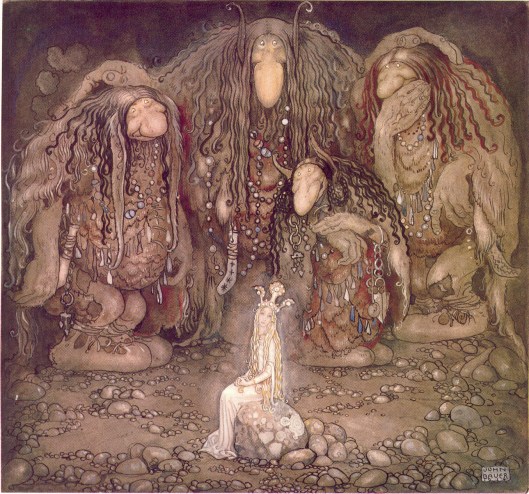
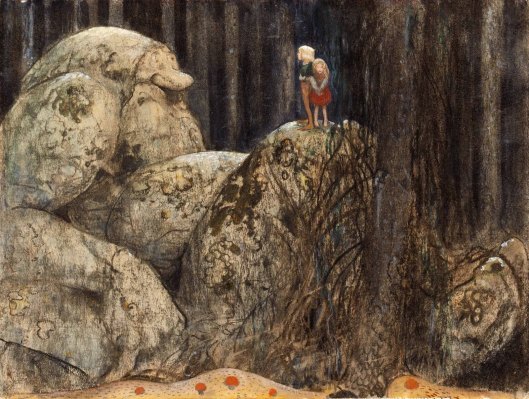
It’s clear where Tolkien got his trolls– they’re all over the fairy tales he had been reading since childhood, and they form a component of the traditional Scandinavian literature in which he had been interested for nearly as long. They are commonly large, and not terrifically bright, and often possess an anxiety about daylight. One of our favorite illustrators of such creatures is John Bauer (1882-1918), who, among other works, contributed illustrations to an ongoing series of volumes appropriately titled Among Gnomes and Trolls. Here, for example, is one of his depictions of the latter.

John_Bauer_1915.jpg

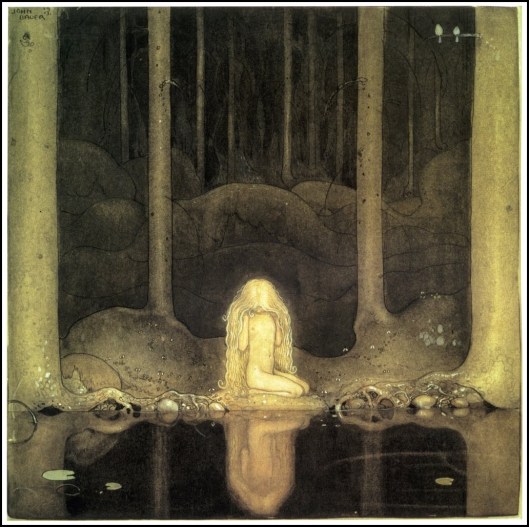
And, because we can’t resist– can we ever? Here are a couple more illustrations by Bauer.

bauer5.jpgJohn_Bauer07.jpg

Even before The Hobbit, however, Tolkien had produced a literary troll. In 1926, he wrote the first version of a poem to be sung to the folk song “The Fox Went Out”, called “Pēro & Pōdex”(“Boot and Bottom”). It survives  in a later version in chapter 12 of Book 1 of The Lord of the Rings, beginning “Troll sat alone on his seat of stone”.

In The Hobbit, the trolls are grouped around a fire, drinking and eating and immediately recognizable:

“But they were trolls.  Obviously trolls.  Even Bilbo, in spite of his sheltered life, could see that:  from the great heavy faces of them, and their size, and the shape of their legs, not to mention their language, which was not drawing-room fashion at all, at all.”  (The Hobbit, Chapter 2, “Roast Mutton”)

tumblr_m6wyygQDLc1ru50yro1_1280.jpg

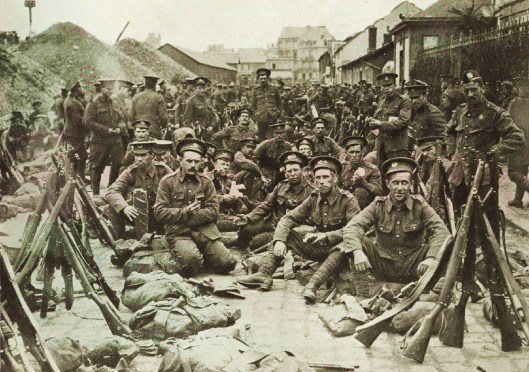
Douglas Anderson, in his invaluable The Annotated Hobbit, says that “Tolkien presents the Trolls’ speech in a comic, lower-class dialect” (70). In fact, we wonder whether, as in the case of the later orcs in The Lord of the Rings, we are not seeing a reflection of the speech of some of the Tommies whom Tolkien had commanded in the Great War.

roads_bef1914.jpg

” ‘Mutton yesterday, mutton today, and blimey, if it don’t look like mutton again tomorrer,’ said one of the trolls.

‘Never a blinking bit of manflesh have we had for long enough,’ said a second. ‘What the ‘ell William was a-thinkin; of to bring us into these parts at all, beats me – and the drink runnin’ short, what’s more,’ he said jogging the elbow of William, who was taking a pull at his jug” (The Hobbit, Chapter 2, “Roast Mutton”).

Besides what sounds like a reference to a line in Through the Looking-Glass (1871), “The rule is, jam to-morrow and jam yesterday – but never jam to-day,” with their “blimey” and “blinking”, the trolls are immediately labeled by their speech as lower-class, potentially thuggish, and certainly not people invited to a formal drawing room like this–

drawingroom1890ssmall.JPG

Of course, we might ask ourselves, why should trolls talk like that anyway? And we might then reply, because Tolkien is mixing language for comic effect. Bilbo, Gandalf, and the dwarves speak in non-dialect standard English. Therefore, there’s an especially strong contrast here. As well, what the trolls are saying can be funny in itself, as when William says to the discontented other trolls,

” ‘Yer can’t expect folk to stop here for ever just to be et by you and Bert. You’ve et a village and a half between yer, since we come down from the mountains. What more d’yer want?’ ” (The Hobbit, Chapter 2, “Roast Mutton”).

Here, we have comic exaggeration combined with the frustrated defensiveness of a leader whose tactics are being questioned by subordinates.

The tension grows as the scene progresses.  Bilbo appears, is nabbed by a purse which sounds like the Trolls, the Trolls fall to fisticuffs while arguing over Bilbo and then over the dwarves whom they capture, and Gandalf, imitating various Troll voices, so stirs the pot that the Trolls never notice when the first beam of sunlight cuts across their clearing and they are petrified.

jrrt_14.jpg

So, if we consider what the Trolls have been doing previously–“Never a blinking bit of manflesh have we had for long enough…” says one, as well as what they discuss doing not only to Bilbo, but to the whole of Thorin & Co., these could seem to be grim figures, indeed.  Then again, they sound like comic cockneys, they have ludicrously-large appetites, and they are dim enough to be taken in very easily by Gandalf’s ventriloquism.   So, grim and funny at the same time.

On the whole, humor is more an element in The Hobbit than in The Lord of the Rings, but we believe that perhaps because of his initial appearance in The Hobbit, Gollum may have both the menace and the humor, at times , of these gormless Trolls, as we hope to show in Part 2.

Thanks, as always, for reading,

MTCIDC,

CD

Ambiguity in Oz

06 Wednesday Jul 2016

Posted by Ollamh in Films and Music, Literary History, Narrative Methods, Theatre and Performance, Villains

≈ 1 Comment

Tags

Adventure, Aldus Manutius, Captain Cyril Turner, condensation trail, Epsom Downs, James Pollard, Let's eat grandma, Oz, punctuation, skywriting, Surrender Dorothy, The Wizard of Oz, the Wright brothers, Wicked Witch

Dear Readers,

Welcome, as always.

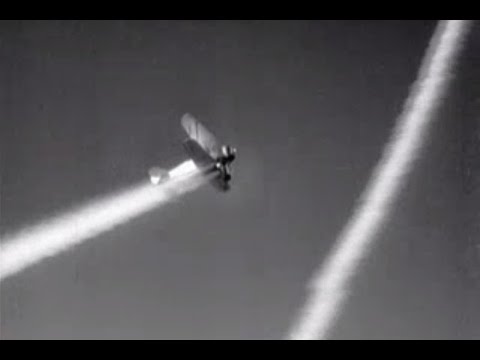
It was a bright, breezy morning yesterday and we were looking up at a contrail (short for “con(densation) trail”)

Contrail.jpg

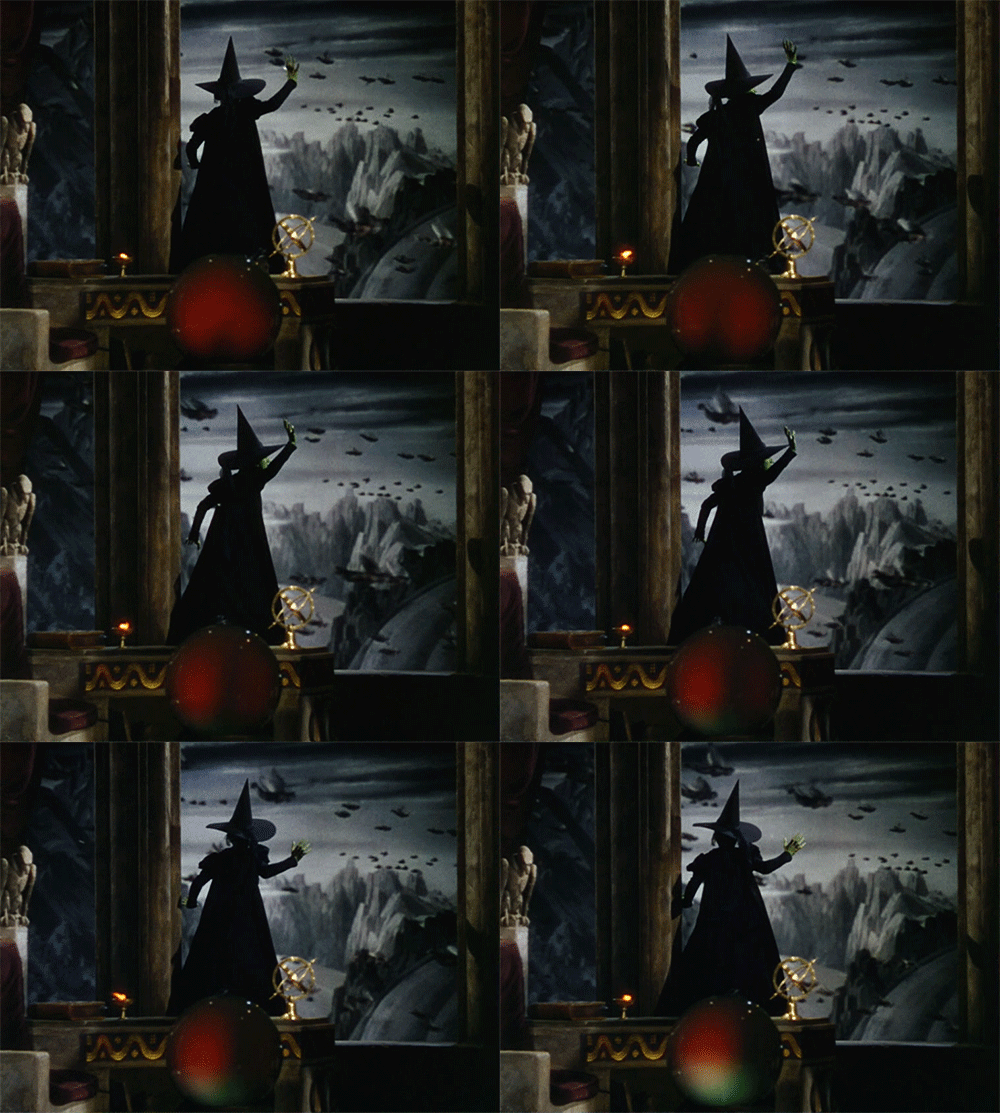
which brought to mind this message:

surrender2.jpg

from the 1939 movie, The Wizard of Oz. At this moment in the movie, the four friends (and Toto),

dorothyandfriends.jpg

seemingly welcome in the Emerald City, have been enjoying their welcome when the happy music stops at a shriek, and they look up to see the Wicked Witch of the West skywriting.

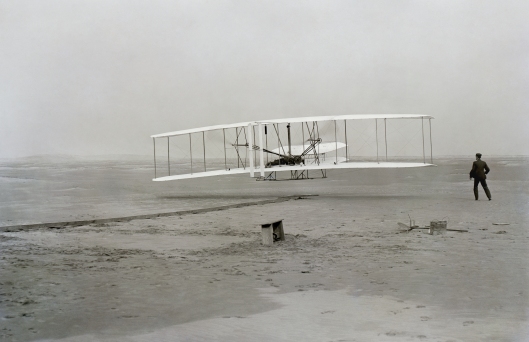
In the US in 1939, artificial flying objects would hardly have been a surprise. After 1903,

First_flight2.jpg

and certainly after the Great War

dogfight

aircraft were increasingly common—even up to massive dirigibles.

Hindenburg_over_New_York_1937

Skywriting—

aerialadvertising1930s

is said to have been first commercially employed in 1922 at Epsom Downs, in England,

horace-walter-nicholls-crowds-on-derby-day-epsom-downs-surre

where Captain Cyril Turner wrote “Daily Mail” over the race track.

James_Pollard_-_Epsom_Races-_The_Race_Over1835.jpg

(This is a painting by James Pollard from 1835, but we couldn’t resist its detail.)

It appeared over New York City for the first time shortly afterward.

In Oz, however, the usual airborne objects appear to have been:

  1. crows

crowsinoz

  1. witcheswitchflying

Glinda-Wizard-Oz

  1. monkeys

flyingmonkey1gifflyingmonkeys

(To which we might add 4. balloons—although there is only one and it’s not a native product.)

ballooninwizard

Thus, a thing like a flying house

Tornado-with-house

would have been more than a little disturbing (and still is, here in this world)—especially when it landed on a major political figure.

houseonwitch

As well, although witches fly in Oz, as far as we know, they are not given to delivering messages by air.

(This message, by the way, was:

  1. made by using a hypodermic needle filled with black ink to write on the bottom of a glass tank filled with colored water
  2. originally longer—here is what it first said:

extendedwwwskywriting)

Equally disturbing to us, however, is the ambiguous (from Latin amb-, “both” and ag- “to drive”—hence, “to go in two directions”) nature of the message—all due to a (potentially) missing comma.

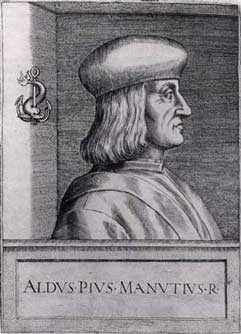
Modern western punctuation took several centuries to appear and mature, beginning with the work of the early printer, Aldus Manutius (the Elder—1449-1515) in the later 15th century.

Aldus_ManutiusAldo_Manuzio_Aristotele

On the whole, modern native English-speakers tend to use the same practices, although an inverted prepositional phrase in American English, for example, has a comma, where British English does not.

Uninverted: There were about twenty fresh crabs in the sink.

Inverted (US): In the sink, there were about twenty fresh crabs.

Inverted (UK): In the sink there were about twenty fresh crabs.

When this is spoken by any native-speaker, there is a slight pause after “sink” and the point of the comma (a point which goes back to 16th-century rhetorical texts, in which punctuation is intended to be used like rests in music, as a series of directional signals as to pauses) is to signal that natural pause.

There is no ambiguity either way in the model sentence, but what about in the Witch’s command?

As it stands, “Surrender Dorothy”, without a comma, is a kind of general imperative—it could perhaps be addressed to all of Oz—and thus easily explained in a longer construction, like “Oz! Surrender Dorothy”—perhaps with the original conclusion “or Die!”

But is this the Witch’s intention? Insert the comma and you have a command directed specifically—and solely–to Dorothy: “Surrender, Dorothy!”   (As we learn when Dorothy is in the hands of the Witch, the deleted part of the message “Or Die” is not quite accurate—the Witch wants the Ruby Slippers, but can’t get them without killing the wearer, so that the real message should be “Surrender, Dorothy—and Die!”—which is hardly likely to be persuasive!)

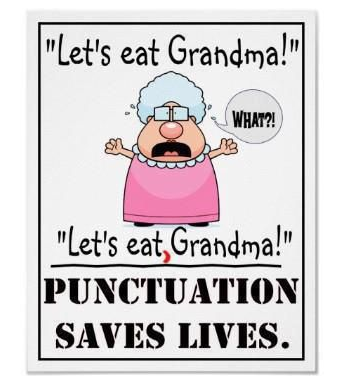
There is a cartoon about English punctuation which has circulated for some years:

letseatgrandmacorrection

In the version without the comma, it’s an invitation to eat grandma. With the comma, it’s an invitation to eat with grandma. In the case of the Witch’s message, what do you think: is it a command to Oz, or to Dorothy?

surrenderpartialview

Thanks, as always, for reading.

MTCIDC

CD

Winter is Coming

29 Wednesday Jun 2016

Posted by Ollamh in Fairy Tales and Myths, J.R.R. Tolkien, Military History, Narnia, Narrative Methods, Villains

≈ 3 Comments

Tags

C.S. Lewis, Frozen, Game of Thrones, George R.R. Martin, Hadrian's Wall, Hans Christian Andersen, Kay, Middle-earth, Mile castle, Puddleglum, Queen Elsa, Rammas Echor, The Chronicles of Narnia, The Lion The Witch and the Wardrobe, The Lord of the Rings, The Night Watch, the Pevensies, The Snow Queen, The White Witch, Tolkien, Westeros, White Walkers, Winter is Coming

Dear Readers,

Welcome, as ever.

We were playing Sortes Tolkienses yesterday. That’s the game where we close our eyes, open The Lord of the Rings to any page, then put our finger on a line to see if we can write about it.

On page 1042 of our edition, our finger fell upon:

“…you may stay here till the Witch-king goes home. For in the summer his power wanes, but now his breath is deadly, and his cold arm is long.” (The Lord of the Rings, Appendix A)

The Witch-king? Oh, we thought—that Witch-king.

angmar.jpg

He has a very long history in Middle-earth, being “probably (like the Lieutenant of Barad-dur) of Numenorean descent” (from Hammond and Scull, The Lord of the Rings: A Reader’s Companion, 20, Note 5) and, in the quoted context rules Angmar

arnorangmar.jpg

with a command to destroy the northern Numenorean kingdom of Arnor.

What caught our attention, however, was that idea of a “cold arm”. This might be metaphorical—except for that “in summer his power wanes”, suggesting that, if he can’t control the weather, he can at least use it to his advantage.  And this set us thinking about stories in which winter was either controlled by someone or was, itself, the antagonist.

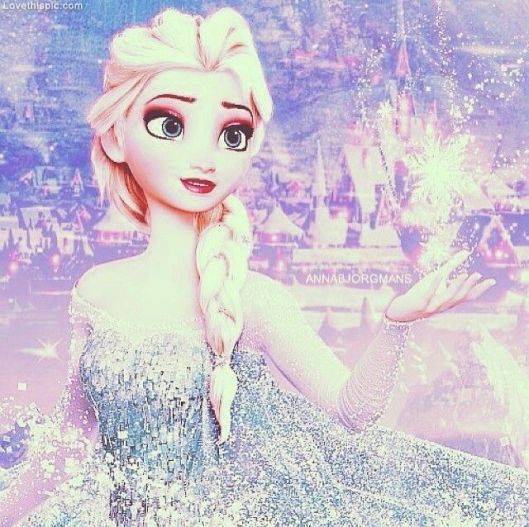
First, there is Hans Christian Andersen’s The Snow Queen (1845).   Although this shares a title with a 2013 Disney film, there is really nothing else to link them. The Disney film has, of course, the Princess Elsa, whose enchanted hands can turn the world into winter (perhaps like the Witch-king?).

69147-Elsa-The-Snow-Queen.jpg

elsasicepalace.jpg

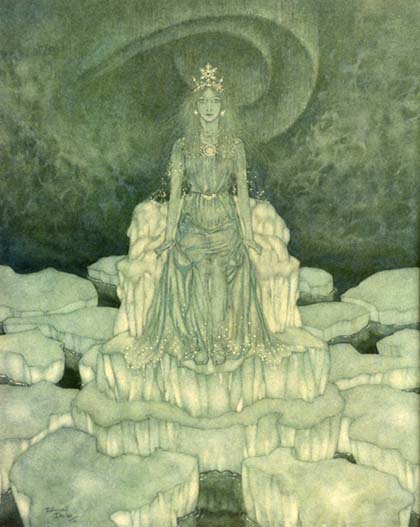
Andersen’s long fairy tale (in seven parts, or “stories”, historier, in Danish) is about the abduction of a boy and his rescue by his friend, a girl. The boy is being held by the Snow Queen, who lives in a far-off palace made of snow, the windows and doors of icy wind, lit by the Northern Lights.

snowqueen.JPEG

northern-lights-large.jpg

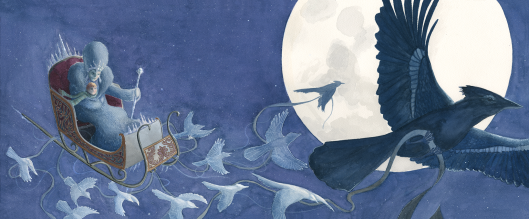
What particularly caught our attention here was the manner by which the boy, Kay, was stolen. He hitched his sled to the back of a sleigh, only to find that it was driven by the Snow Queen, who takes him under her robe.

lizbobzinsnowqueen.png

Liz Bobzin, “The Snow Queen and Kay”

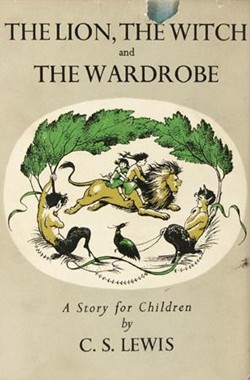
This took us to the White Witch of The Lion, the Witch and the Wardrobe (1950), the first of C.S. Lewis’ Narnia books.

TheLionWitchWardrobe(1stEd).jpg

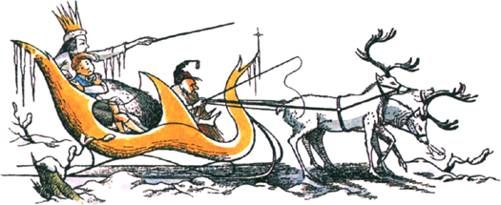
She picks up one of the Pevensie children, Edmund, in her sleigh and, while she doesn’t abduct him physically, she corrupts him by playing upon his greed and vanity.

bayneswhitewitch.jpg

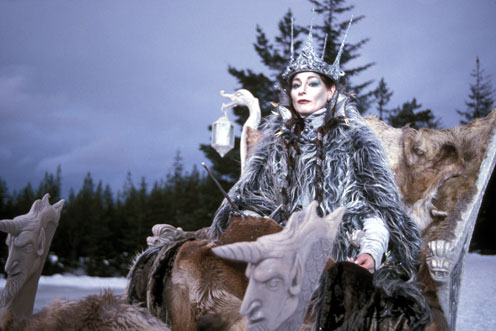
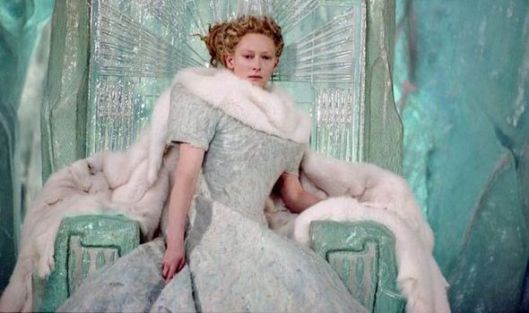
This is an illustration of the Witch from the original 1950 book, and here are two later interpretations—the first is from the 1988 BBC production

whitewitchbbc1.jpg

the second from the 2005 film.

tildaswinton.jpg

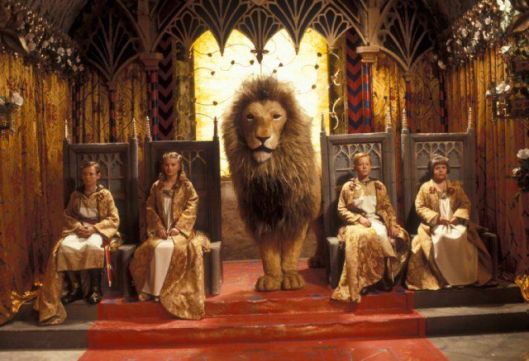
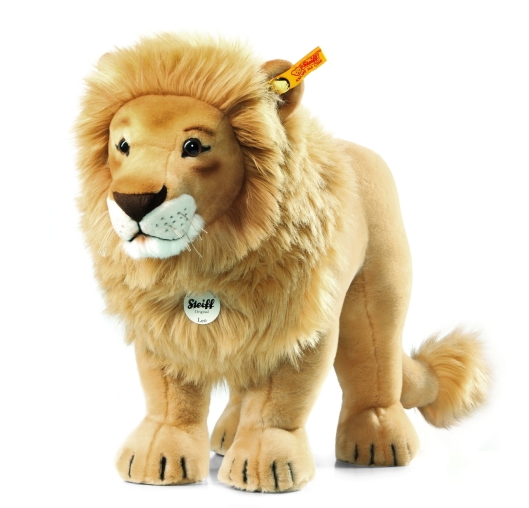
(We like both versions—we don’t mind the Steiff Aslan in the BBC production

bbcaslan.jpg

502613_l__13430.1384493387.1280.1280.jpg

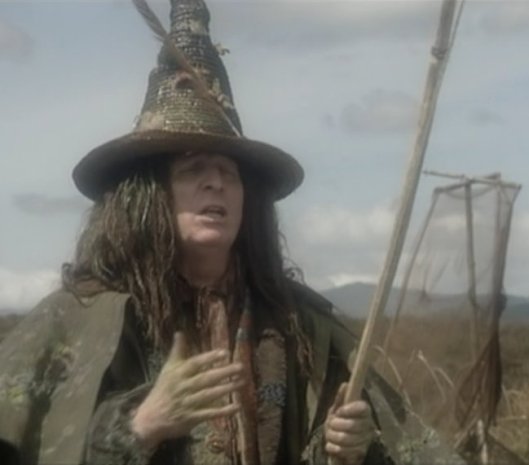
and who could ever be a better Puddleglum than Tom Baker, the fourth incarnation of Dr. Who, in the BBC The Silver Chair, 1990?

bakeraspuddleglum.jpg

We do worry a bit, however, about the changes made to the film versions of Prince Caspian, 2008, and The Voyage of the Dawn Treader, 2010. They’re not so drastic as those we’ve come to expect from P. Jackson’s writers, but, especially in Prince Caspian, there is a tendency to change things for what appear to be marketing reasons…)

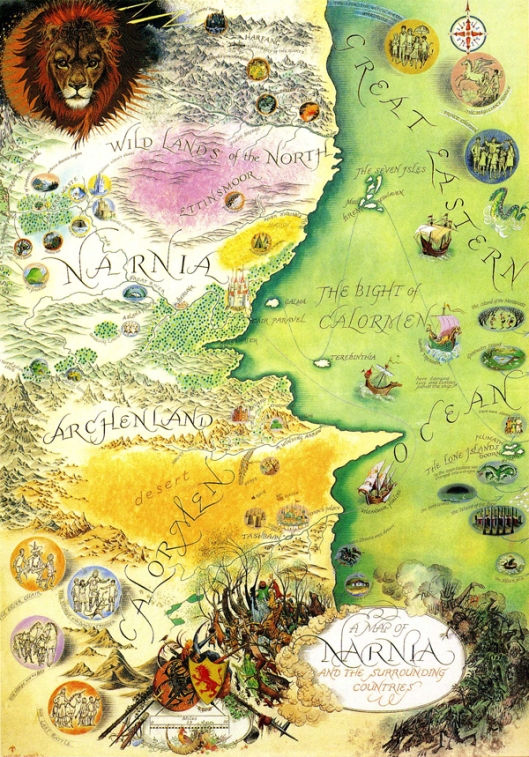
As in what appears to be the case of the Witch-king, the White Witch can control the weather and has imprisoned all of Narnia

baynesmapofnarnia.jpg

in snow and ice for a century—“always winter, never Christmas”.

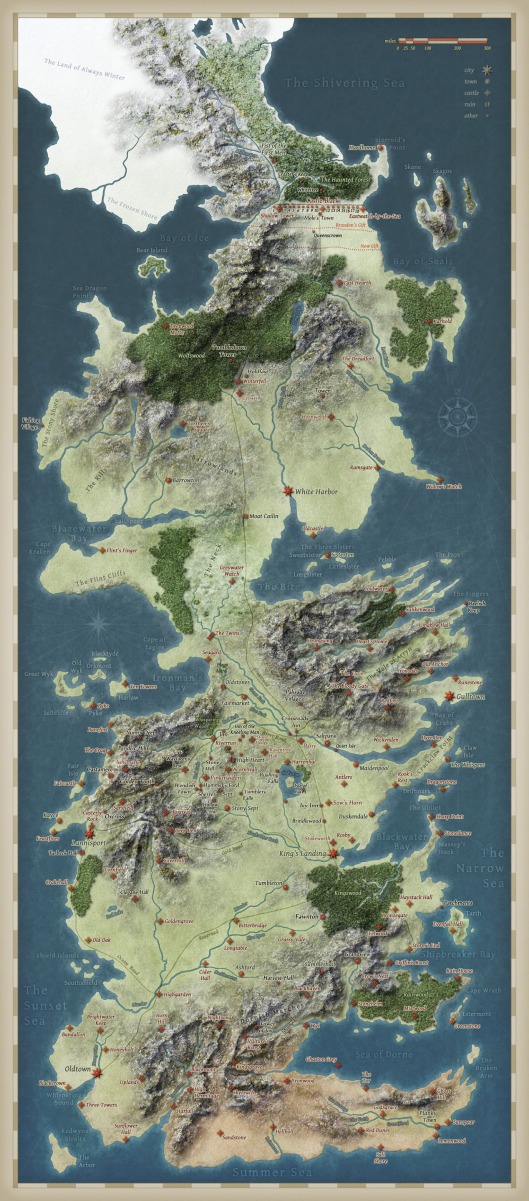
The idea of a world of winter then brought us to George R.R. Martin’s A Game of Thrones, both the novels and the impressive (and addicting) television series. In the world of Thrones, the large island of Westeros—

Map_of_westeros.jpg

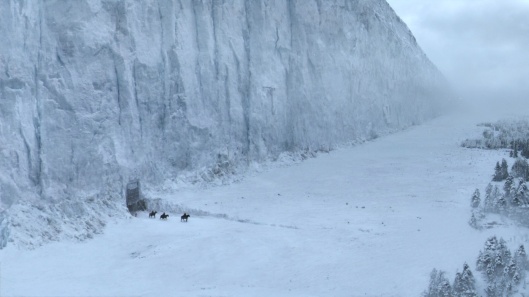
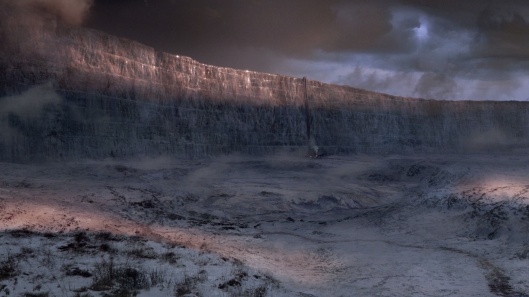
and the whole world, for that matter, has once suffered a winter which lasted for a generation and the fear of its return always casts a shadow over the present. During that time, the creatures known as the White Walkers appeared from the north, with armies of animated dead, and were only driven back at great cost. To prevent their return, the surviving humans built an immense wall, 700 feet high, 300 miles long, which effectively blocks entry to the lower two thirds of Westeros.

Thewallfromthenorth.jpg

The_Wall_from_the_south.jpg

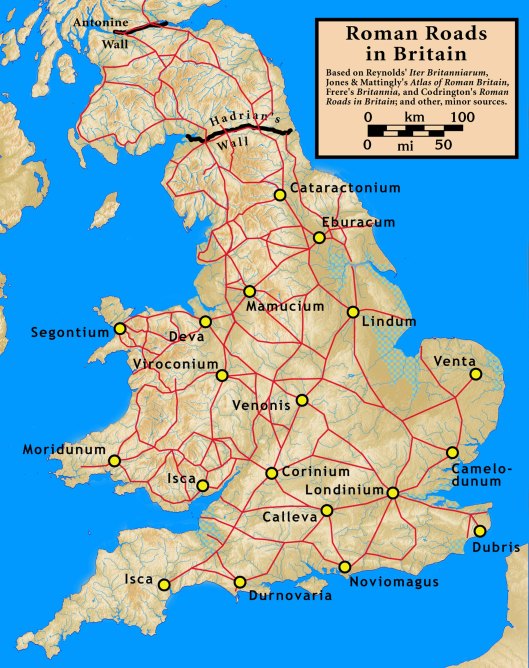
In an earlier posting, we discussed the Rammas Echor, the outer boundary wall which protects the Pelennor and Minas Tirith, and what we believe to be a major influence upon Tolkien’s idea, Hadrian’s Wall, which divides England from the lands to the north.

Roman.Britain.roads.jpg

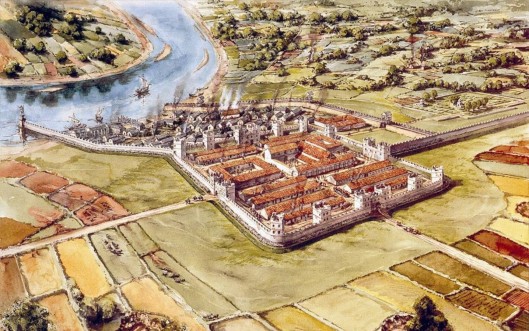
Unlike The Wall in Thrones, it is under a hundred miles long, was never more than 16 to 20 feet high, and was built of turf, timber, and stone, not solid ice. It was, however, a complex construction, with 17 forts behind it

romanfortress.jpg

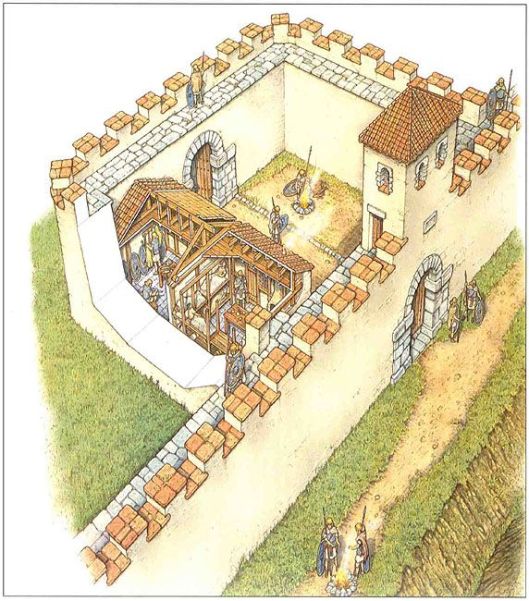
and a smaller fort (now called a “mile castle”) at the end of each mile,

milecastle.jpg

with small towers set in between the mile castles.

turretonhadrianswall.jpg

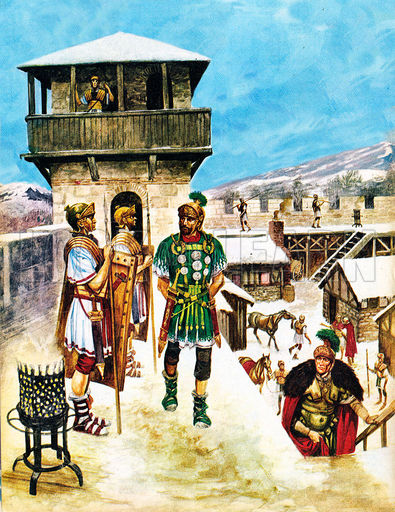
It was garrisoned with thousands of soldiers over its years of occupation (begun 122AD, finally abandoned in the 5th century).

romangarrison.jpg

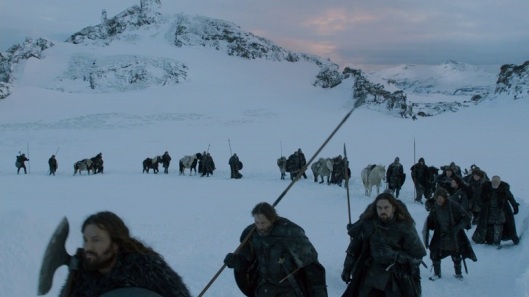
In Thrones, this job has been taken on by The Night Watch, a rather haphazard collection of volunteers and conscripts.

nightwatch.jpg

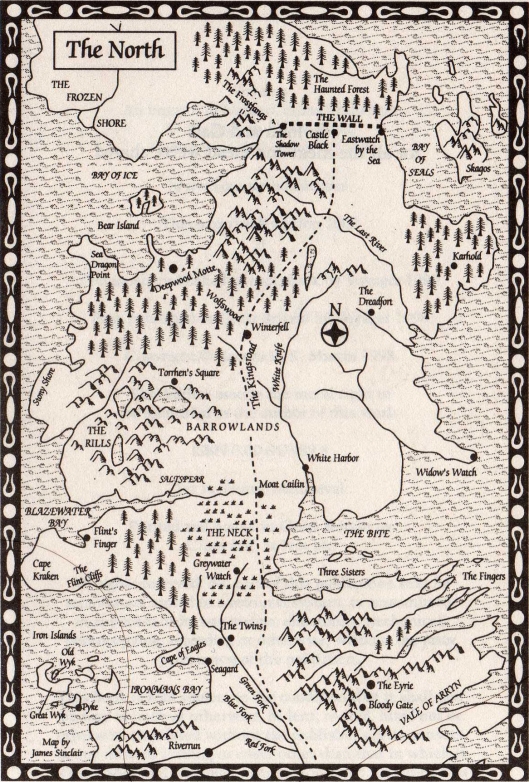
And, south of them, the lands of the Stark family, Wardens of the North, whose motto—a warning of the dreaded future—forms the title of this posting.

the_north_a_clash_of_kings.jpg

Thanks, as always, for reading.

MTCIDC

CD

Evil Twin?

22 Wednesday Jun 2016

Posted by Ollamh in Films and Music, J.R.R. Tolkien, Narrative Methods, Villains

≈ Leave a comment

Tags

Bilbo, Deagol, Edgar Allen Poe, Frodo, Gandalf, Gollum, Isildur, Lon Chaney Sr., London After Midnight, Peter Jackson, Pity, Smeagol, The Lord of the Rings, The One Ring, The Phantom of the Opera, The Shadow of the Past, Tolkien, twins, William Wilson

Dear Readers,

Welcome, as always.

In Edgar Allen Poe’s short story, “William Wilson”, (1839) the protagonist is haunted by a double—not a genetic twin, but a kind of look-alike opposite—who acts upon the behavior of the debauched original. (He eventually murders the “twin”, only to discover that, in a sense, he’s murdered himself.)

Edgar_Allan_Poe_daguerreotype_crop.png

In this posting, we want to think about a relationship which, born in The Hobbit, grows over time until it, too, appears almost to be a pair of mirror opposites—who sometimes exchange their roles…

” ‘Gollum!’ cried Frodo. ‘Gollum? Do you mean that this is the very Gollum-creature that Bilbo met? How loathsome!’ ” (The Lord of the Rings, Book 1, The Fellowship of the Ring, Chapter Two, “The Shadow of the Past”).

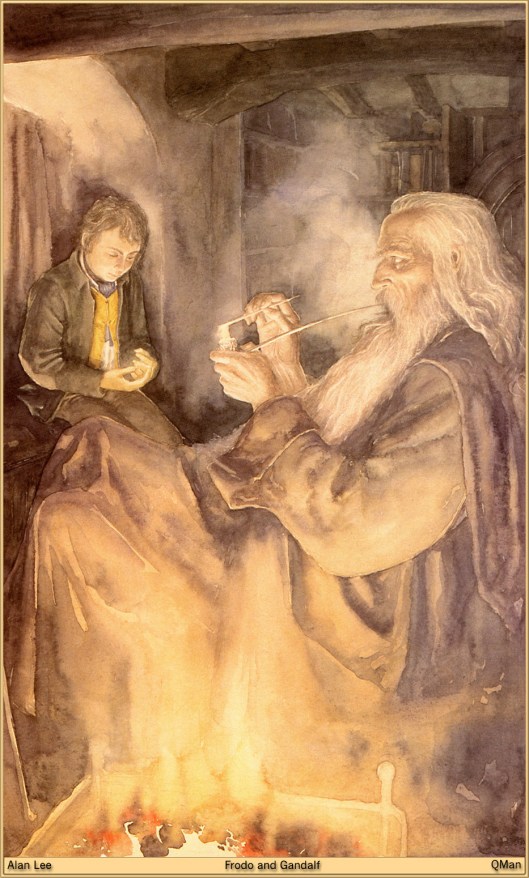
This is the moment in which Gandalf is beginning to explain the history of the Ring, first to Frodo, and then, in more detail, in the Council of Elrond.

lee-lotr_Frodo_and_Gandalf.jpg

When Gandalf reveals that a major force in that history has been Gollum, Frodo is both surprised and appalled.

Gandalf is not. In fact, he shows a kind of sympathy for Gollum which flickers throughout the whole of The Lord of the Rings and which might be best described as pity. When later in this chapter Frodo exclaims, “What a pity that Bilbo did not stab the creature when he had the chance”, Gandalf replies:

” ‘Pity? It was Pity that stayed his hand. Pity, and Mercy: not to strike without need. And he has been well rewarded, Frodo. Be sure that he took so little hurt from the evil, and escaped in the end, because he began his ownership of the Ring so. With Pity.’ ” (The Lord of the Rings, Book 1, The Fellowship of the Ring, Chapter Two, “The Shadow of the Past”).

This, of course, is in contrast to what happened when Gollum found the Ring– because, in fact, he didn’t, and he murdered his friend Deagol, who did.

Sauron, we are told, has put much of his power—and himself—into the Ring. That power is often talked about in The Lord of the Rings, but it seems abstract—power to do what? One aspect of Sauron’s personality—a deep greed—is easily seen, however, reflected in how the Ring brings out that same feeling in others, even to the point of violence. Yet, as Gandalf says:

” ‘The murder of Deagol haunted Gollum, and he had made up a defence, repeating it to his “Precious” over and over again, as he gnawed bones in the dark, until he almost believed it.’ ” (The Lord of the Rings, Book 1, The Fellowship of the Ring, Chapter Two, “The Shadow of the Past”).

[Is there a hint of cannibalism here? When we first meet Gollum, the narrator says of him: “He liked meat too. Goblin he thought good, when he could get it…” (The Hobbit, “Riddles in the Dark”) Whose bones might Smeagol have gnawed first?

“No one ever found out what had become of Deagol; he was murdered far from home, and his body was cunningly hidden.” ]

We might wonder, thinking of “William Wilson”, if Smeagol and Deagol were, in a sense, twins?

“He had a friend called Deagol, of similar sort, sharper-eyed but not so quick and strong.” (The Lord of the Rings, Book 1, The Fellowship of the Ring, Chapter Two, “The Shadow of the Past”)

And Smeagol’s torment has as much to do with the symbolic killing of the “good” self as it does the murder of a friend?

smeagol_und_deagol_by_williweissfuss-d7053ux.jpg

Smeagol and Deagol by Williweissfuss

There may be a moral element here, as well, and it’s interesting to think that, although infected with Sauron’s greed, this potential for knowing right from wrong remains, at least temporarily, in Gollum, making him lie to himself and to others about how he acquired the ring.  Bilbo must have felt this, too, even if he gained the Ring through non-violent means, this need for self-justification. And so he lies, but, to someone with a deeper knowledge, such behavior is all-too-transparent, as Gandalf says:

“Then I heard Bilbo’s strange story of how he had ‘won’ it, and I could not believe it. When I at last got the truth out of him, I saw at once that he had been trying to put his claim to the ring beyond doubt. Much like Gollum with his ‘birthday-present’. The lies were too much alike for my comfort.” (The Lord of the Rings, Book 1, The Fellowship of the Ring, Chapter Two, “The Shadow of the Past”).

Gandalf has seen the lie, but he has also seen something else, a kind of pattern in that lying and a worrying link between the liars, which he expresses in his response to Frodo’s disgust at the thought of Gollum with the Ring:

“ ‘I think that it is a sad story,’ said the wizard, ‘and it might have happened to others, even to some hobbits that I have known.’ “ (The Lord of the Rings, Book 1, The Fellowship of the Ring, Chapter 2, “The Shadow of the Past”)

Gandalf has also seen a deeper similarity between the two. When Frodo says that he can’t believe that Gollum has any connection with hobbits, Gandalf says:

“ ‘It is true all the same…About their origins, at any rate, I know more than hobbits do themselves. And even Bilbo’s story suggests the kinship. There was a great deal in the background of their minds and memories that was very similar. They understood one another remarkably well, very much better than a hobbit would understand, say, a Dwarf, or an Orc, or even an Elf. Think of the riddles they both knew, for one thing.’ “ (The Lord of the Rings, Book 1, The Fellowship of the Ring, Chapter 2, “The Shadow of the Past”)

Alan Lee - The Hobbit - 19 - Riddles in the dark.jpg

Alan Lee, “Riddles in the Dark”

This connection is not just with Bilbo—Frodo, too, appears to share it, as we see later in the story:

“For a moment it appeared to Sam that his master had grown and Gollum had shrunk: a tall stern shadow, a mighty lord who hid his brightness in grey cloud, and at his feet a little whining dog. Yet the two were in some way akin and not alien: they could reach one another’s minds.” (The Lord of the Rings, Book 4, The Two Towers, Chapter 1, “The Taming of Smeagol”)

But this is the behavior of a hobbit as the “good” twin, when he has the Ring and believes himself in control. Below it always lurks Sauron’s greed, and it can bring the “bad” twin to the surface very easily, as Frodo imagines when Bilbo says:

“ ‘Have you got it here?’ he asked in a whisper. ‘I can’t help feeling curious, you know, after all I’ve heard. I should very much like just to peep at it again.’

‘Yes, I’ve got it,’ answered Frodo, feeling a strange reluctance. ‘It looks just the same as it ever did.’

‘Well, I should just like to see it for a moment,’ said Bilbo.

When he had dressed, Frodo found that while he slept the Ring had been hung about his neck on a new chain, light but strong. Slowly he drew it out. Bilbo put out his hand. But Frodo quickly drew back the Ring. To his distress and amazement he found that he was no longer looking at Bilbo; a shadow seemed to have fallen between them, and through it he found himself eyeing a little wrinkled creature with a hungry face and bony groping hands. He felt a desire to strike him.” (The Lord of the Rings, Book 2, The Fellowship of the Ring, Chapter 1, “Many Meetings”)

846d4cbb658e2420258640c4bda7319b
Lon-Chaney-in-London-After-Midnight-2

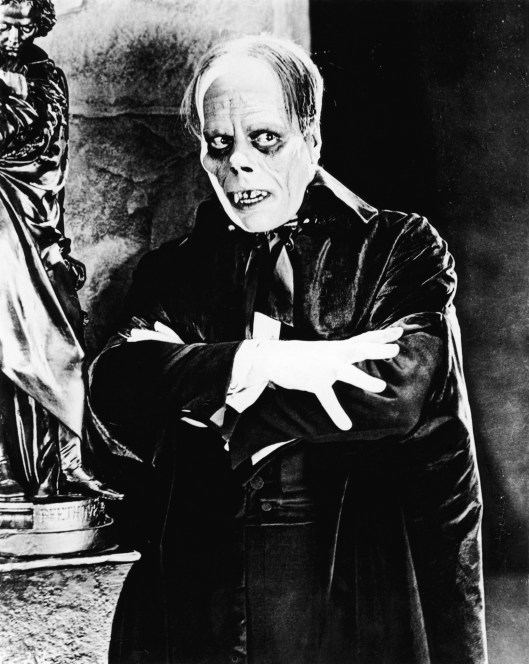
[Here we have included a second image which is, to our eyes, strikingly like the first. This is a picture of Lon Chaney, Sr., as Inspector Edward C. Burke of Scotland Yard, in the lost 1927 silent film London After Midnight. Chaney was a remarkable frightening presence on-screen, doing his own make-up, as in the 1925 The Phantom of the Opera, based upon Gaston Leroux’s 1910 novel of the same title—]

ChaneyPhantomoftheOpera

Of course, one might ask here, was this really Bilbo Frodo was seeing through that shadow, or was it Sauron’s greed, distorting Frodo’s vision? Certainly, this happens again, when in “The Tower of Cirith Ungol”, Sam offers to carry the Ring and Frodo thought that:

“Sam had changed before his very eyes into an orc again, leering and pawing at his treasure, a foul little creature with greedy eyes and slobbering mouth.” (The Lord of the Rings, Book 6, The Return of the King, Chapter One, “The Tower of Cirith Ungol”)

And then, just at the moment before the Ring’s final destruction, it’s Frodo who changes before Sam’s eyes:

“Then Frodo stirred and spoke in a clear voice, indeed with a voice clearer and more powerful than Sam had ever heard him use, and it rose above the throb and turmoil of Mount Doom, ringing in the roof and walls.

‘I have come,’ he said. ‘But I do not choose now to do what I came to do. I will not do this deed. The Ring is mine!’ “ (The Lord of the Rings, Book 6, The Return of the King, Chapter Three, “Mount Doom”)

At this moment, it seems horribly appropriate that he put on the Ring and disappear, as the Frodo who has gone through such terrible hardship has disappeared, replaced not by Gollum as twin, but, it seems, by Isildur, who, when urged by Cirdan and Elrond, that the Ring “should have been cast then into Orodruin’s fire nigh at hand where it was made”, refused, saying “This I will have as weregild for my father, and my brother…” (The Lord of the Rings, Book 2, The Fellowship of the Ring, Chapter Two, “The Council of Elrond”)

But Gollum does appear and fulfills Gandalf’s near-prophecy to Frodo of long before:

“…he is bound up with the fate of the Ring. My heart tells me that he has some part to play yet, for good or ill, before the end; and when that comes, the pity of Bilbo may rule the fate of many—yours not least.” (The Lord of the Rings, Book 1, The Fellowship of the Ring, Chapter Two, “The Shadow of the Past”)

Removing the Ring by removing the finger, Gollum continues the image of Isildur, who had done the same to Sauron to gain the Ring, and, at the same time, he releases Frodo from its spell, even as he falls to his death in the fires of Mount Doom. At the same time, Gollum also breaks the image of twins—and, unlike William Wilson, with the Ring gone and the bond, Frodo is maimed, but whole—and alone.

Thanks, as ever, for reading.

MTCIDC

CD

← Older posts
Newer posts →

The Doubtful Sea Series Facebook Page

The Doubtful Sea Series Facebook Page

  • Ollamh

Categories

  • Artists and Illustrators
  • Economics in Middle-earth
  • Fairy Tales and Myths
  • Films and Music
  • Games
  • Heroes
  • Imaginary History
  • J.R.R. Tolkien
  • Language
  • Literary History
  • Maps
  • Medieval Russia
  • Military History
  • Military History of Middle-earth
  • Narnia
  • Narrative Methods
  • Poetry
  • Research
  • Star Wars
  • Terra Australis
  • The Rohirrim
  • Theatre and Performance
  • Tolkien
  • Uncategorized
  • Villains
  • Writing as Collaborators
Follow doubtfulsea on WordPress.com

Across the Doubtful Sea

Recent Postings

  • Through a glass… January 7, 2026
  • Heffalumps? December 31, 2025
  • We Three Kings December 24, 2025
  • A Moon disfigured December 17, 2025
  • On the Roads Again—Once More December 10, 2025
  • (Not) Crossing Bridges December 3, 2025
  • On the Road(s) Again—Again November 26, 2025
  • On the Road(s) Again November 19, 2025
  • To Bree (Part 2) November 12, 2025

Blog Statistics

  • 104,134 Views

Posting Archive

  • January 2026 (1)
  • December 2025 (5)
  • November 2025 (4)
  • October 2025 (5)
  • September 2025 (4)
  • August 2025 (4)
  • July 2025 (5)
  • June 2025 (4)
  • May 2025 (4)
  • April 2025 (5)
  • March 2025 (4)
  • February 2025 (4)
  • January 2025 (5)
  • December 2024 (4)
  • November 2024 (4)
  • October 2024 (5)
  • September 2024 (4)
  • August 2024 (4)
  • July 2024 (5)
  • June 2024 (4)
  • May 2024 (5)
  • April 2024 (4)
  • March 2024 (4)
  • February 2024 (4)
  • January 2024 (5)
  • December 2023 (4)
  • November 2023 (5)
  • October 2023 (4)
  • September 2023 (4)
  • August 2023 (5)
  • July 2023 (4)
  • June 2023 (4)
  • May 2023 (5)
  • April 2023 (4)
  • March 2023 (5)
  • February 2023 (4)
  • January 2023 (4)
  • December 2022 (4)
  • November 2022 (5)
  • October 2022 (4)
  • September 2022 (4)
  • August 2022 (5)
  • July 2022 (4)
  • June 2022 (5)
  • May 2022 (4)
  • April 2022 (4)
  • March 2022 (5)
  • February 2022 (4)
  • January 2022 (4)
  • December 2021 (5)
  • November 2021 (4)
  • October 2021 (4)
  • September 2021 (5)
  • August 2021 (4)
  • July 2021 (4)
  • June 2021 (5)
  • May 2021 (4)
  • April 2021 (4)
  • March 2021 (5)
  • February 2021 (4)
  • January 2021 (4)
  • December 2020 (5)
  • November 2020 (4)
  • October 2020 (4)
  • September 2020 (5)
  • August 2020 (4)
  • July 2020 (5)
  • June 2020 (4)
  • May 2020 (4)
  • April 2020 (5)
  • March 2020 (4)
  • February 2020 (4)
  • January 2020 (6)
  • December 2019 (4)
  • November 2019 (4)
  • October 2019 (5)
  • September 2019 (4)
  • August 2019 (4)
  • July 2019 (5)
  • June 2019 (4)
  • May 2019 (5)
  • April 2019 (4)
  • March 2019 (4)
  • February 2019 (4)
  • January 2019 (5)
  • December 2018 (4)
  • November 2018 (4)
  • October 2018 (5)
  • September 2018 (4)
  • August 2018 (5)
  • July 2018 (4)
  • June 2018 (4)
  • May 2018 (5)
  • April 2018 (4)
  • March 2018 (4)
  • February 2018 (4)
  • January 2018 (5)
  • December 2017 (4)
  • November 2017 (4)
  • October 2017 (4)
  • September 2017 (4)
  • August 2017 (5)
  • July 2017 (4)
  • June 2017 (4)
  • May 2017 (5)
  • April 2017 (4)
  • March 2017 (5)
  • February 2017 (4)
  • January 2017 (4)
  • December 2016 (4)
  • November 2016 (5)
  • October 2016 (6)
  • September 2016 (5)
  • August 2016 (5)
  • July 2016 (5)
  • June 2016 (5)
  • May 2016 (4)
  • April 2016 (4)
  • March 2016 (5)
  • February 2016 (4)
  • January 2016 (4)
  • December 2015 (5)
  • November 2015 (5)
  • October 2015 (4)
  • September 2015 (5)
  • August 2015 (4)
  • July 2015 (5)
  • June 2015 (5)
  • May 2015 (4)
  • April 2015 (3)
  • March 2015 (4)
  • February 2015 (4)
  • January 2015 (4)
  • December 2014 (5)
  • November 2014 (4)
  • October 2014 (6)
  • September 2014 (1)

Blog at WordPress.com.

  • Subscribe Subscribed
    • doubtfulsea
    • Join 78 other subscribers
    • Already have a WordPress.com account? Log in now.
    • doubtfulsea
    • Subscribe Subscribed
    • Sign up
    • Log in
    • Report this content
    • View site in Reader
    • Manage subscriptions
    • Collapse this bar
 

Loading Comments...