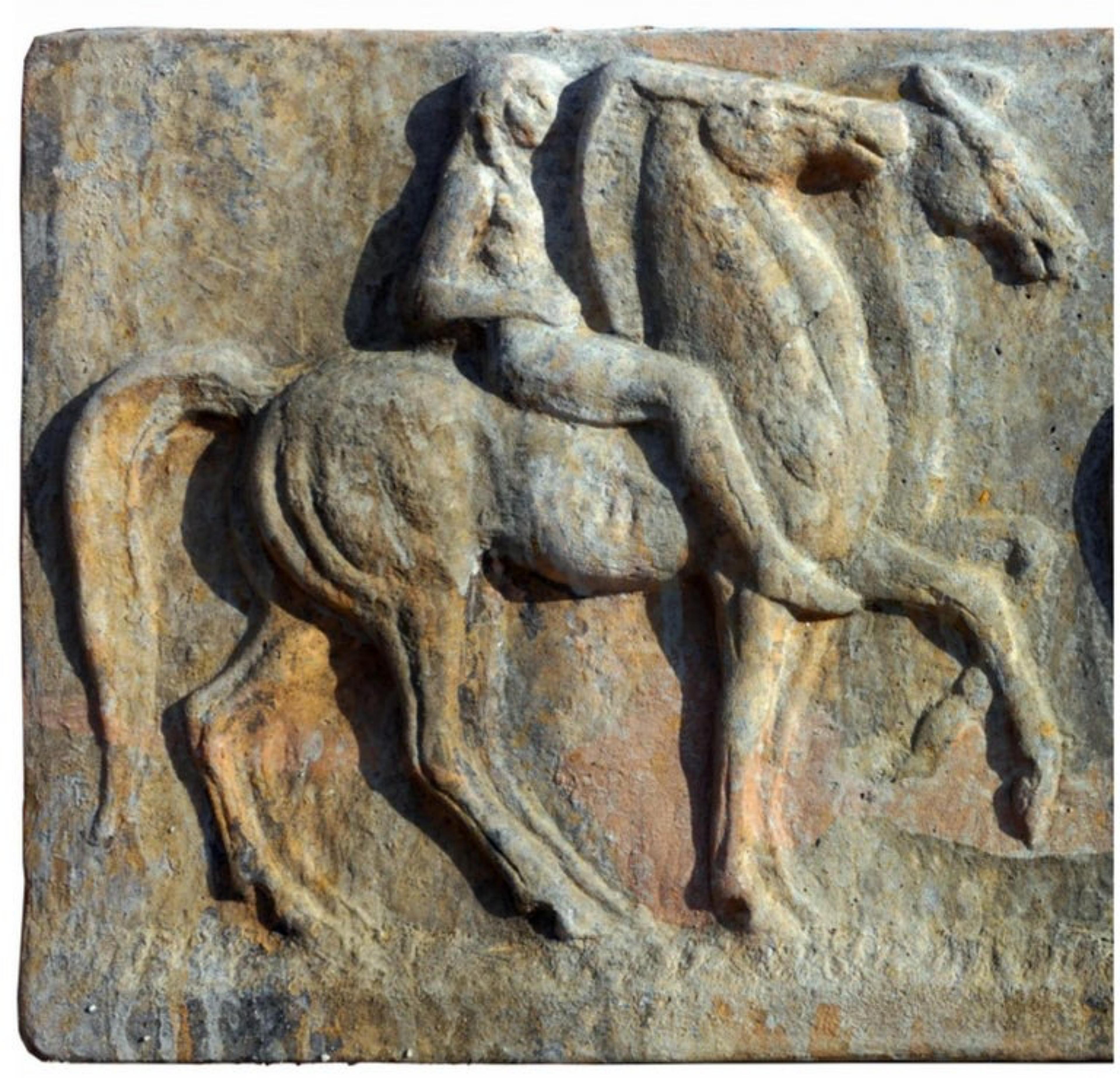
• About

doubtfulsea

~ adventure fantasy

Tag Archives: the-iliad

Death and the Rohirrim

30 Wednesday Sep 2026

Posted by Ollamh in Uncategorized

≈ Leave a comment

Tags

barrow, Barrows, Beowulf, Edoras, Fantasy, howe, Nazgul, Rohirrim, Snowmane, Sutton Hoo, The Iliad, The Lord of the Rings, the-iliad, Theoden, Tolkien

Welcome, dear readers, as always.

“I myself will go to war, to fall in the front of the battle, if it must be.  Thus shall I sleep better…”

says Theoden to Gandalf.  (The Two Towers, Book Three, Chapter 6, “The King of the Golden Hall”)

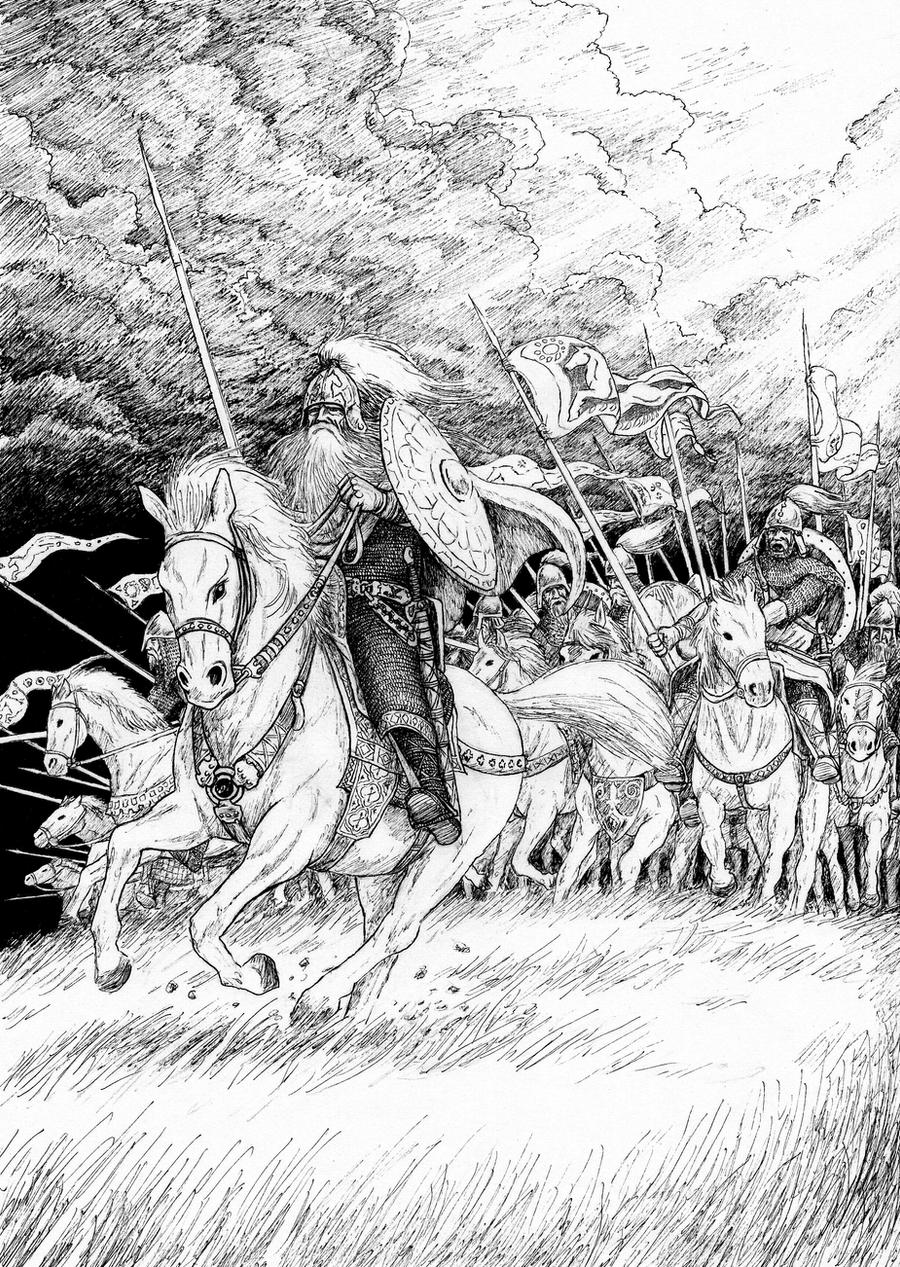
As Theoden has just said “to fall in the front of the battle”, it’s clear that he means here not falling asleep, but dying, and that’s exactly what he does, leading the Rohirrim against Sauron’s armies at the battle of the Pelennor Fields,
(Denis Gordeev)

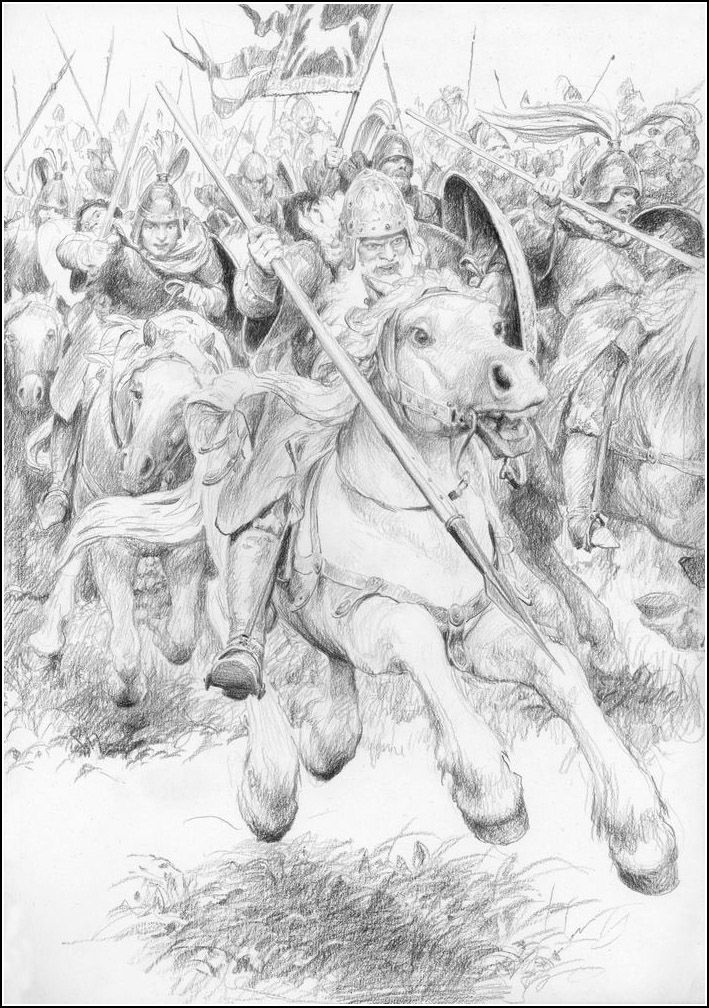
and dying after tangling with the chief of the Nazgul.
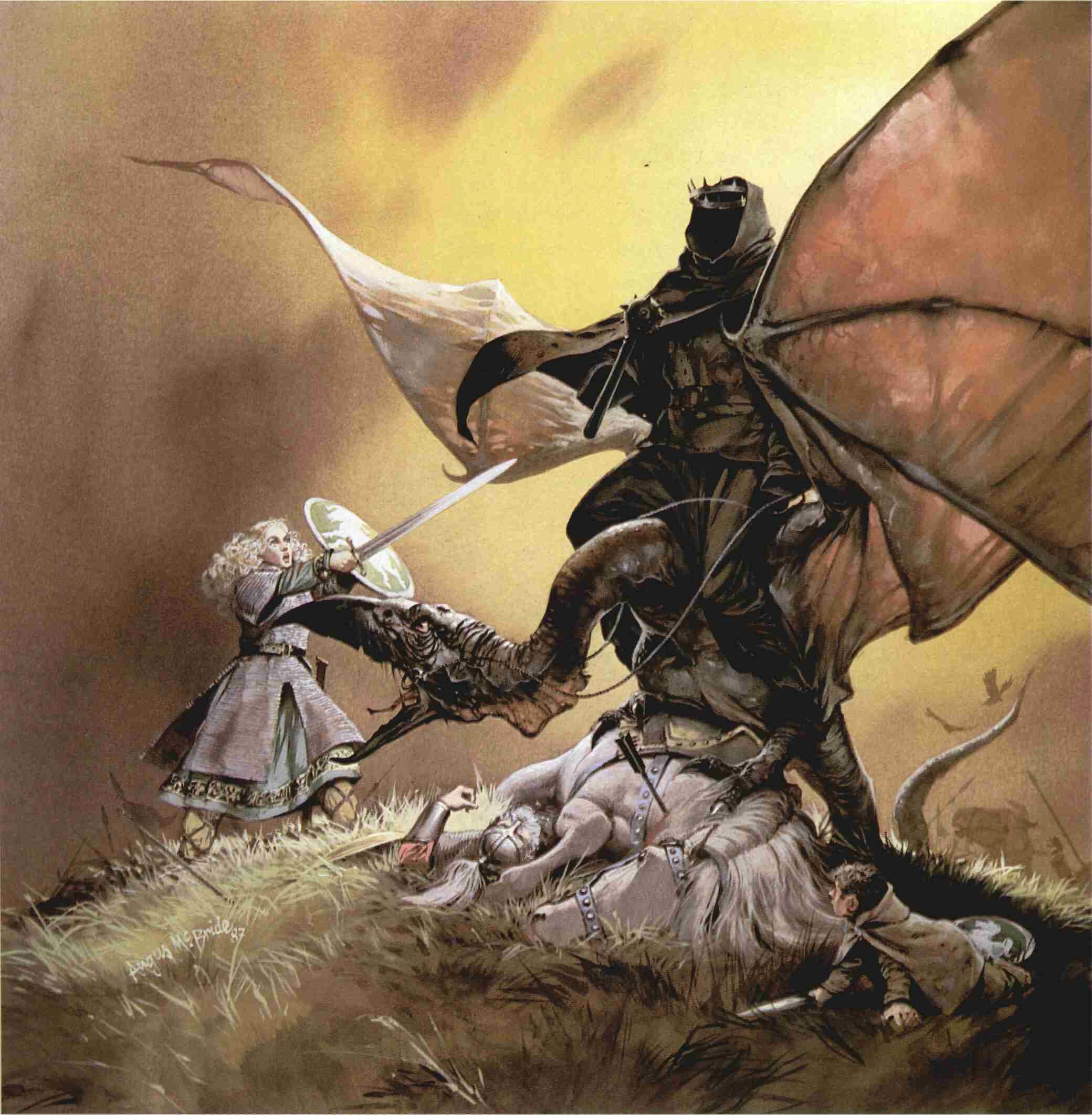
(Angus McBride)

But where will he “sleep”?

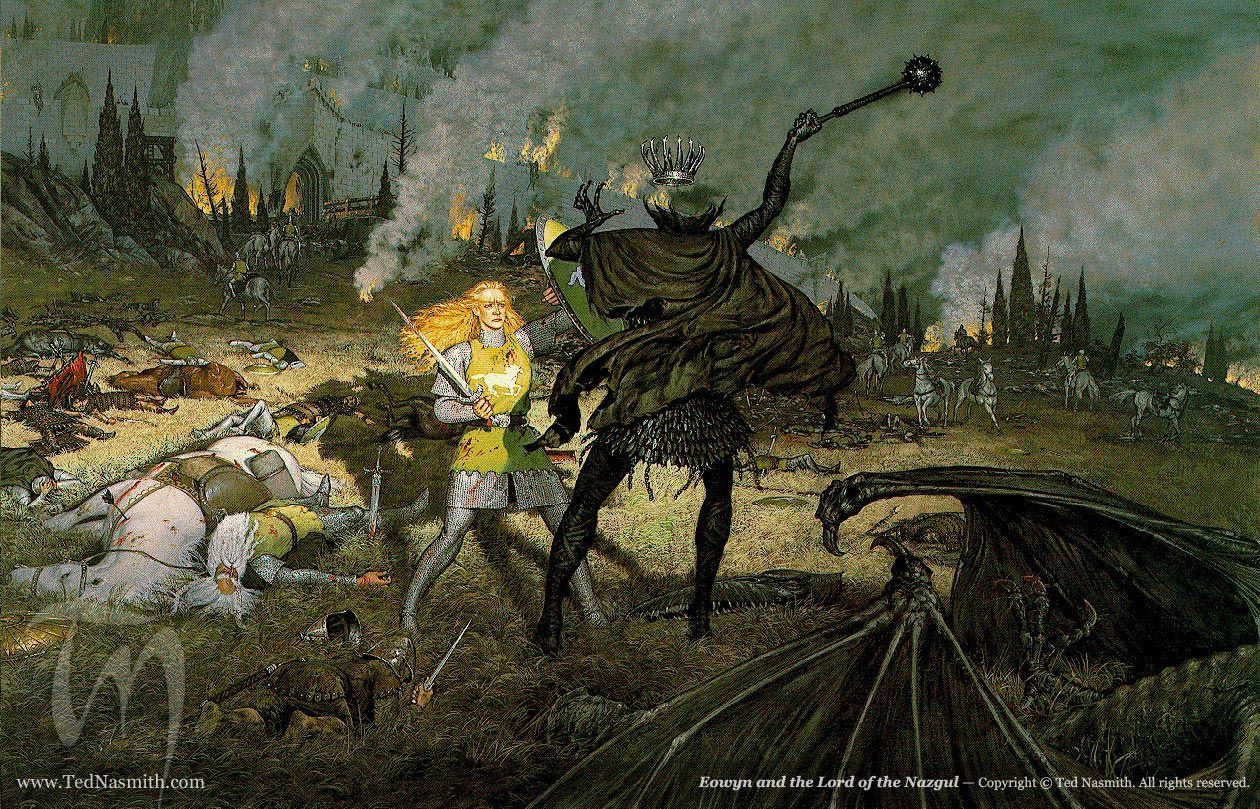
Snowmane, his horse, whose reaction to the Nazgul’s ghastly mount,
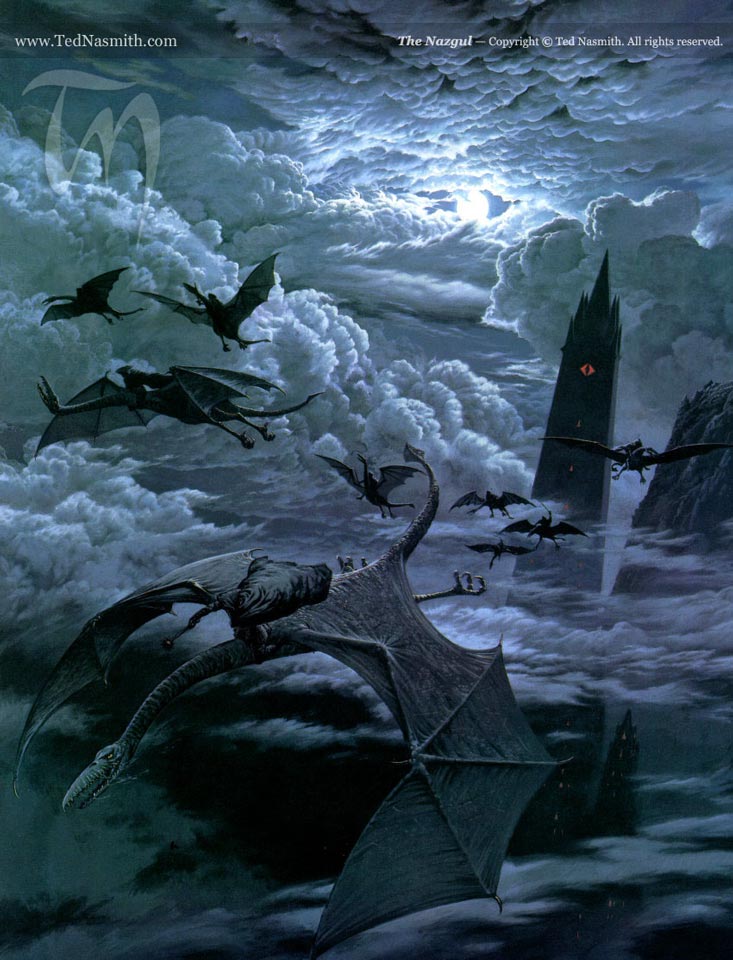
(Ted Nasmith)

led to Theoden’s death, is buried under a mound on the battlefield—

“…but for Snowmane they dug a grave and set up a stone upon which was carved in the tongues of Gondor and the Mark:

‘Faithful servant, yet master’s bane,

Lightfoot’s foal, swift Snowmane.’

Green and long grew the grass on Snowmane’s Howe…” (The Return of the King, Book Five, Chapter 6, “The Battle of the Pelennor Fields”)

A “howe” is a burial mound,
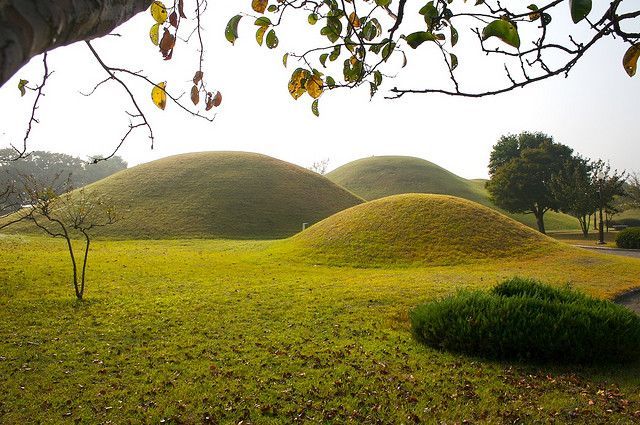
and the word appears to come originally from Norse haugr, “mound; cairn” says Etymonline (https://www.etymonline.com/word/howe If you are a Narnia fan, you probably think immediately of Aslan’s Howe— )
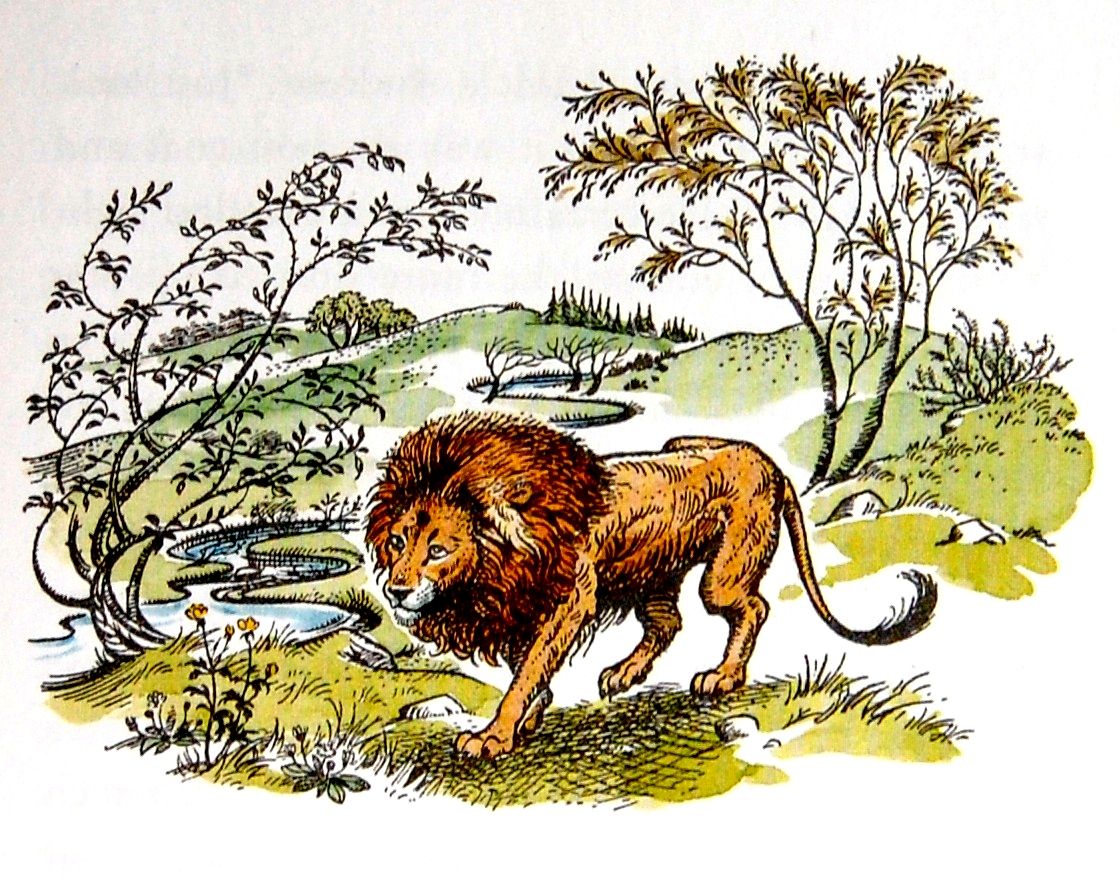
(Pauline Baynes)

When Sauron is finally defeated, we know what then happens to Theoden’s body—

“Then the kings of Gondor and Rohan went to the Hallows and they came to the tombs of Rath Dinen, and they bore away King Theoden upon a golden bier, and passed through the City in silence.  Then they laid the bier upon a great wain
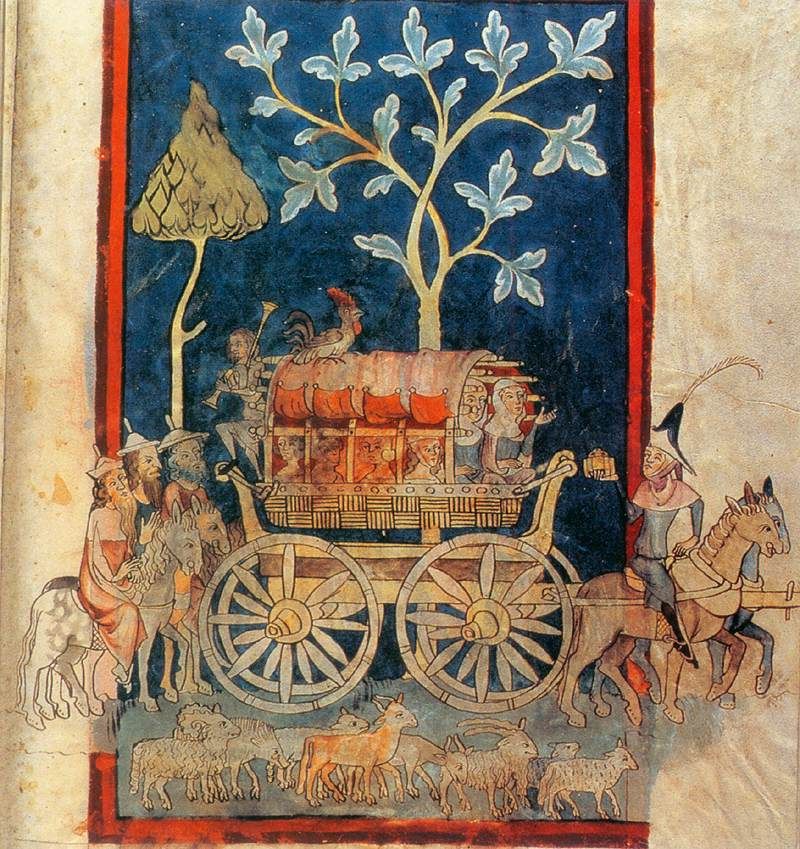
(perhaps something like this—but without the bagpiper—and the rooster)

with Riders of Rohan all about it and his banner borne before; and Merry being Theoden’s esquire rode upon the wain and kept the arms of the King…

At length after fifteen days of journey the wain of King Theoden passed through the green fields of Rohan and came to Edoras; and there they all rested…after three days the Men of the Mark prepared the funeral of Theoden; and he was laid in a house of stone with his arms and many other fair things that he had possessed, and over him was raised a great mound, covered with green turves of grass and of white evermind.  And now there were eight mounds on the east-side of the Barrowfield.”  (The Return of the King, Book Six, Chapter 6, “Many Partings”.)

We’ve seen these mounds before—

“At the foot of the walled hill the way ran under the shadow of many mounds, high and green…

‘Look!’ said Gandalf…we are come to the great barrows where the sires of Theoden sleep.’

‘Seven mounds upon the left, and nine upon the right,’ said Aragorn.”  (The Two Towers, Book Three, Chapter 6, “The King of the Golden Hall”)

Since first reading this, I could always see those mounds—

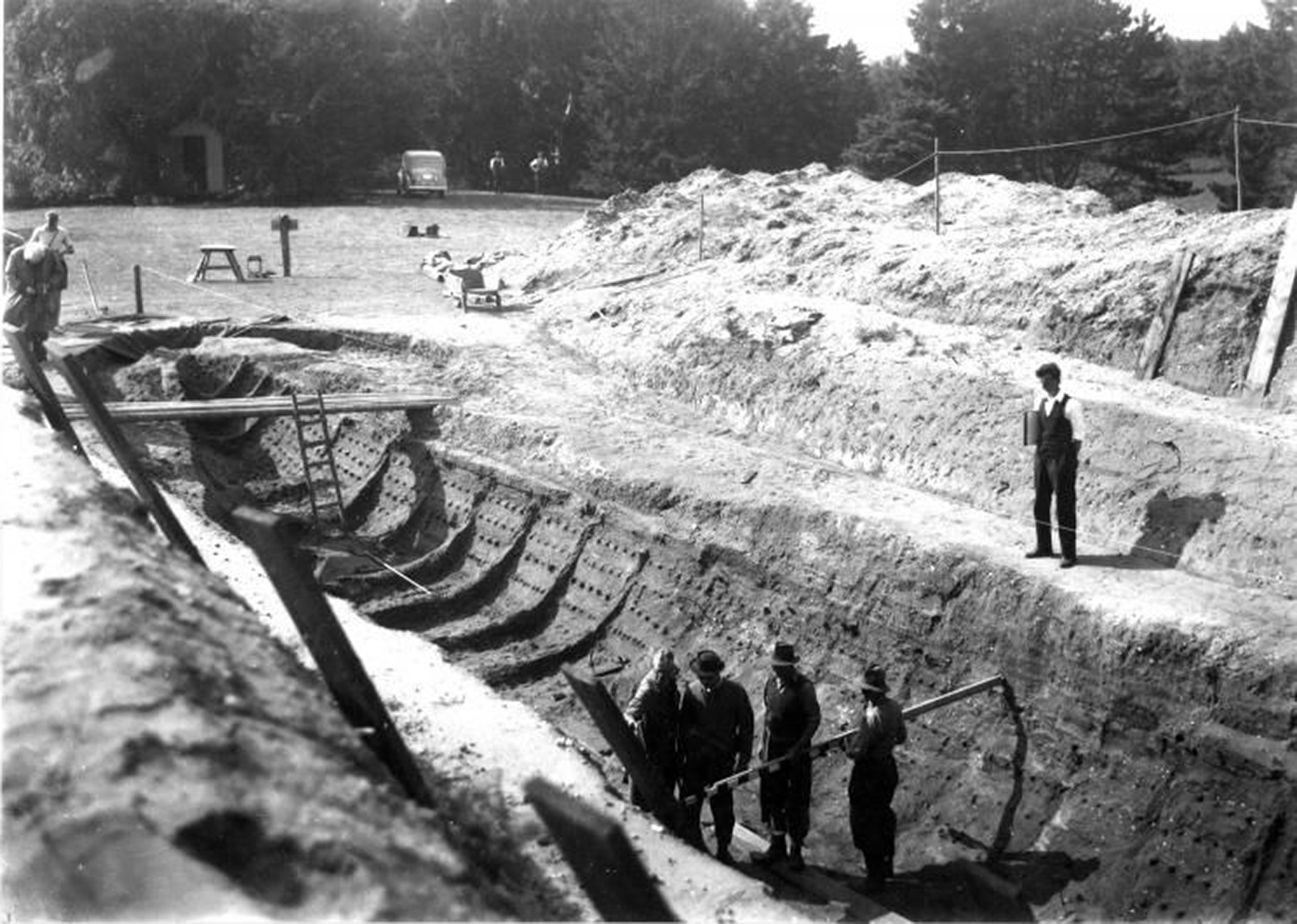
and it made me wonder where JRRT got the idea.  My first thought was the ship burial at Sutton Hoo, which came to public attention in 1939—
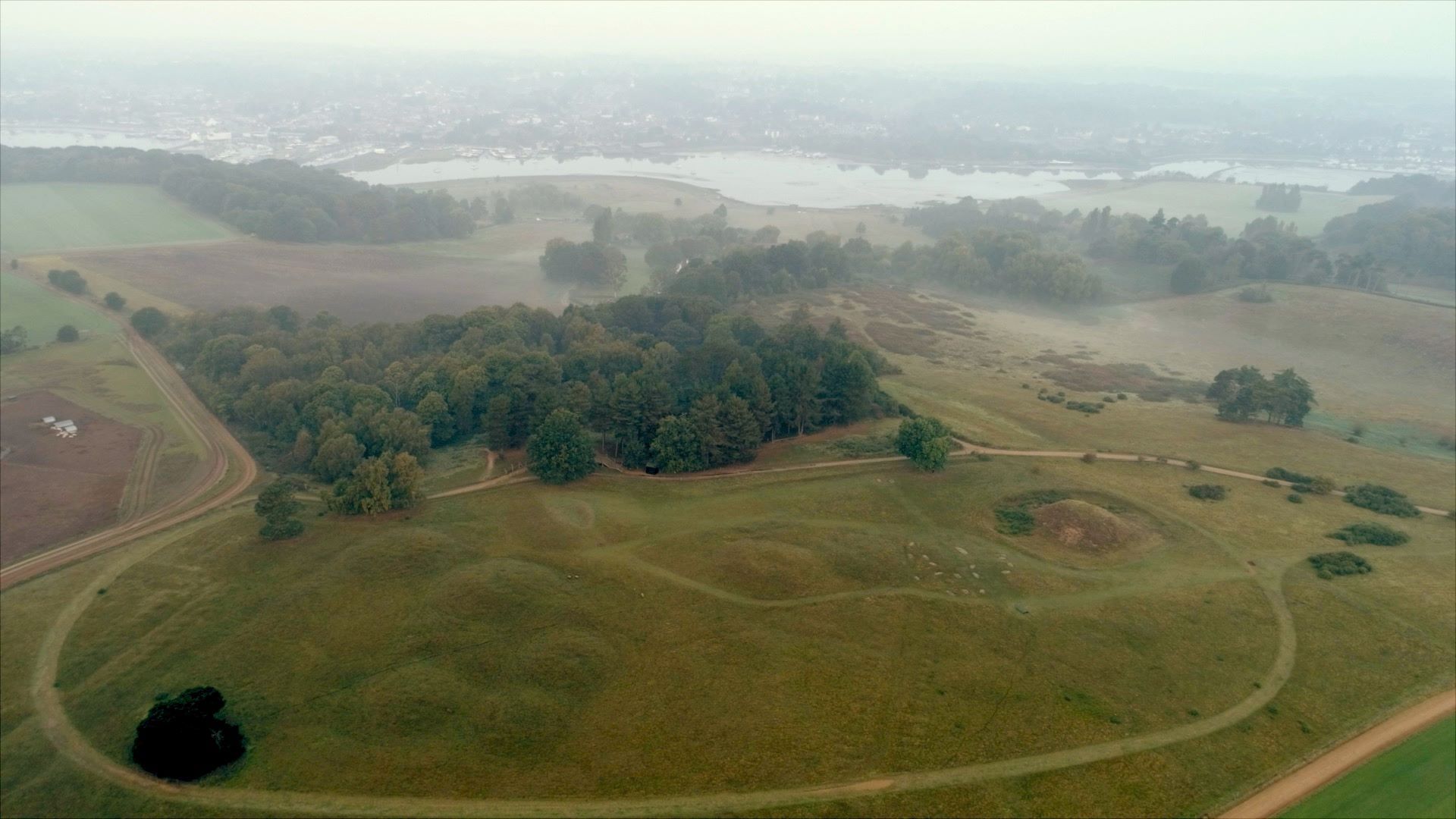
and which Tolkien would have read about in the news of the day.  (And which you can read about here:  https://en.wikipedia.org/wiki/Sutton_Hoo# )

The person buried in the ship certainly had “many…fair things”, now restored and kept in the British Museum—
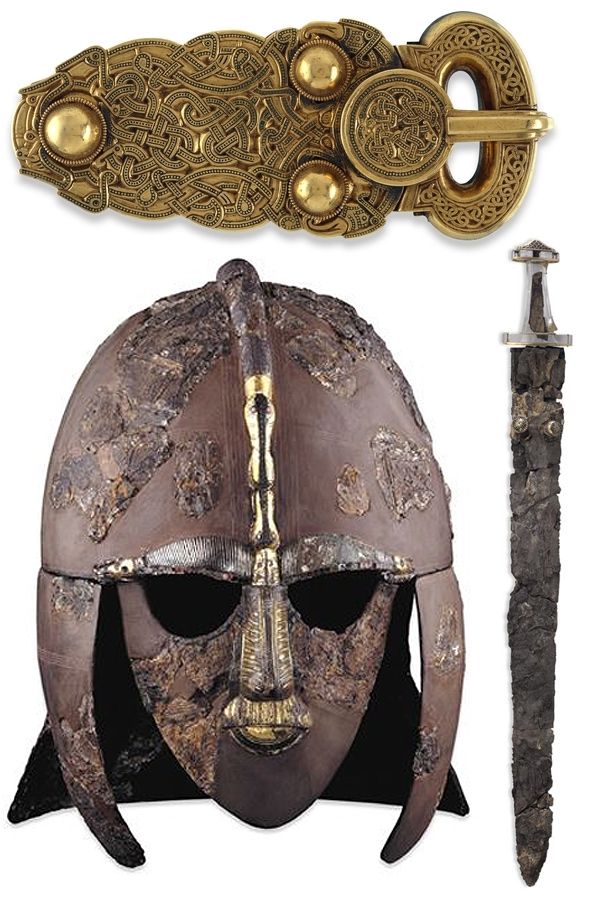
Tolkien might also have been aware of Viking ship burials in Scandinavia, like that of the Oseberg ship, excavated in Norway in 1904-5—
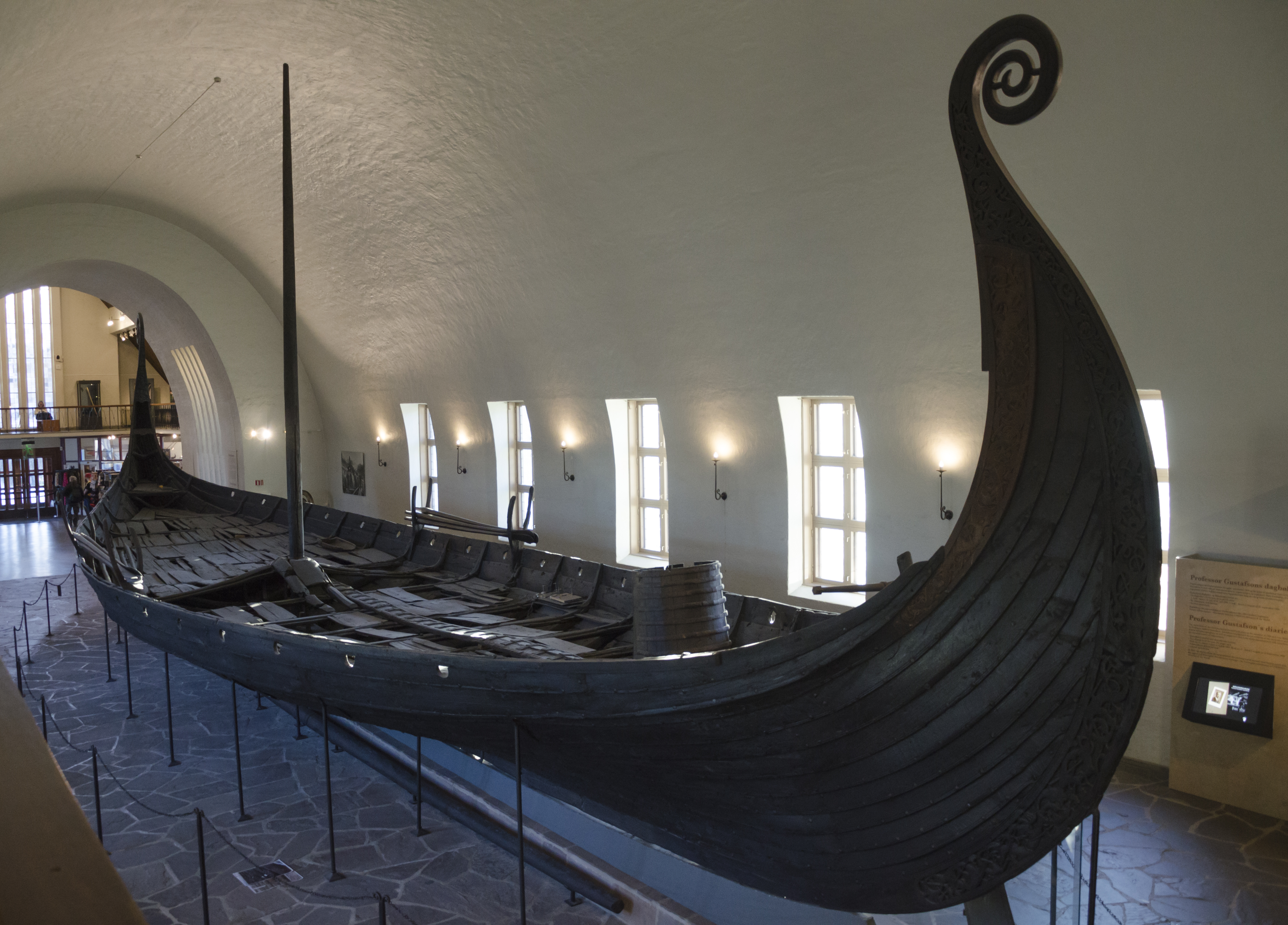
which you can read about here:  https://en.wikipedia.org/wiki/Sutton_Hoo#  And you can read about Viking ship burials in general here:  https://en.wikipedia.org/wiki/Norse_funeral

He could also have been aware of the Six Hills in Stevenage, England, thought to be Roman burial mounds—
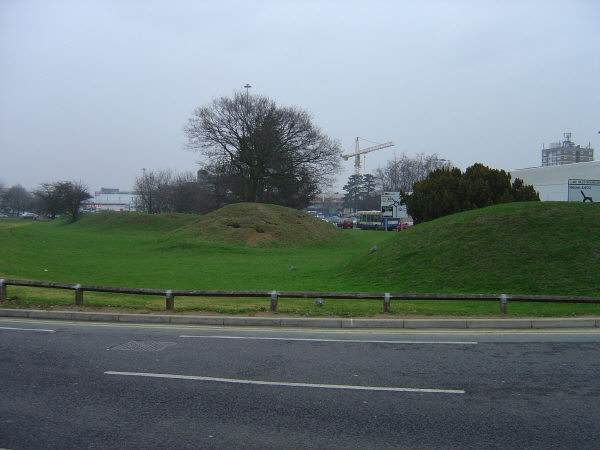
(ricjl   For more images, see:  h)ttps://www.megalithic.co.uk/article.php?sid=1475  For more on the site, see:  https://en.wikipedia.org/wiki/Six_Hills  )

or he might have been inspired by places like the early Neolithic West Kennet Long Barrow—
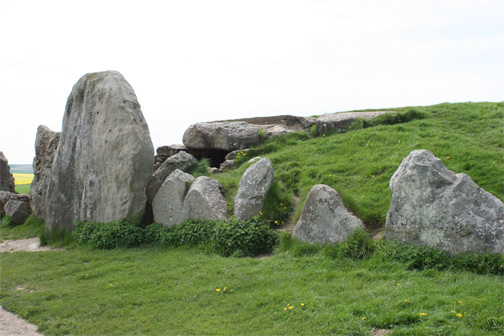
(see for more:  https://en.wikipedia.org/wiki/West_Kennet_Long_Barrow )

or even the many barrows in Ireland (for more, see:  https://www.danielkirkpatrick.co.uk/irish-history/irish-barrows-map/ )

but his ultimate sources were probably the burials of Patroclus (in Iliad, Book 23, lines 245-248—my translation—Achilles is speaking to the Greeks)–

τύμβον δ’ οὐ μάλα πολλὸν ἐγὼ πονέεσθαι ἄνωγα,

ἀλλ’ ἐπιεικέα τοῖον· ἔπειτα δὲ καὶ τὸν Ἀχαιοὶ

εὐρύν θ’ ὑψηλόν τε τιθήμεναι, οἵ κεν ἐμεῖο

δεύτεροι ἐν νήεσσι πολυκλήϊσι λίπησθε.

“But I order you not to labor over a very big barrow,

But such as is suitable [for the moment].  But then

Make it broad and high, [you] Greeks,

Those of my survivors who may be left in the many-oared ships.”

and of Hector (Iliad, Book 24, 795-799—again, my translation)

καὶ τά γε χρυσείην ἐς λάρνακα θῆκαν ἑλόντες

πορφυρέοις πέπλοισι καλύψαντες μαλακοῖσιν.

αἶψα δ’ ἄρ’ ἐς κοίλην κάπετον θέσαν, αὐτὰρ ὕπερθε

πυκνοῖσιν λάεσσι κατεστόρεσαν μεγάλοισι·

ῥίμφα δὲ σῆμ’ ἔχεαν…

“and taking them [Hector’s bones], they put them in a golden chest,

Covering [them] with soft purple robes.

At once they placed [the chest] in a hollowed-out grave, then from above

They covered it with big, thick-set stones.

And quickly then they heaped up the mound…”

and, of course, Beowulf–

“The men of the Weders made accordingly

A hill on the height, high and extensive,

Of sea-going sailors to be seen from a distance,

And the brave one’s beacon built where the fire was,

In ten-days’ space, with a wall surrounded it,

As wisest of world-folk could most worthily plan it.

They placed in the barrow rings and jewels,

All such ornaments as erst in the treasure

War-mooded men had won in possession :

The earnings of earlmen to earth they entrusted,

The gold to the dust, where yet it remaineth

As useless to mortals as in foregoing eras.”

(Beowulf, John Lesslie Hall, translator, 1892—see:   https://archive.org/details/beowulfanglosaxo00hall/page/106/mode/2up )

And even more Beowulf in this—

“Then the Riders of the King’s House upon white horses rode round about the barrow and sang together a song of Theoden Thengel’s son…” (The Return of the King, Book Six, Chapter 6, “Many Partings”.) 

which clearly comes from this—

“Round the dead-mound rode then the doughty-in-battle,

Bairns of all twelve of the chiefs of the people,

More would they mourn, lament for their ruler,

Speak in measure, mention him with pleasure,

Weighed his worth, and his warlike achievements

Mightily commended, as ’tis meet one praise his

Liegelord in words and love him in spirit,

When forth from his body he fares to destruction.

So lamented mourning the men of the Geats,

Fond-loving vassals, the fall of their lord,

Said he was gentlest of kings under heaven,

Mildest of men and most philanthropic,

Friendliest to folk-troops and fondest of honor.”

(again from the Hall translation)

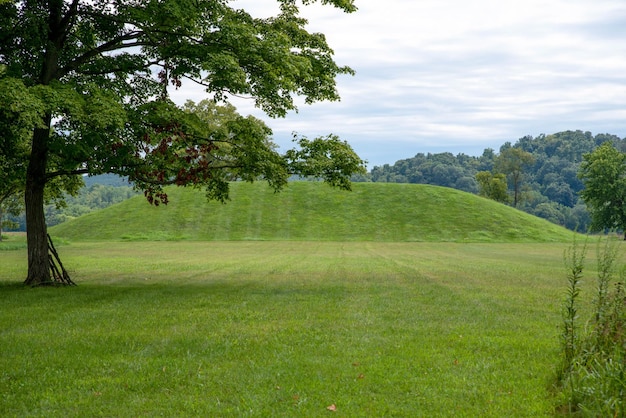
And there, we can imagine, Theoden sleeps still.
Thanks, as ever, for reading.

Stay well,

And remember that, as ever, there’s

MTCIDC

O

Horse, Two

03 Wednesday Sep 2025

Posted by Ollamh in Uncategorized

≈ Leave a comment

Tags

Achilles, Alexander the Great, Balios and Xanthus, Bucephalus, Grani, Nazgul, Podarge, Richard III, Shadowfax, Shakespeare, Sleipnir, The Lord of the Rings, the-iliad, Tolkien, Volsunga Saga, Zephyrus

Welcome , dear readers, as always, and, as always, I’m interested in Tolkien’s inspirations…

Enter Richard

King    A horse, a horse, my kingdome for a horse.

Cates   Withdraw my lord, ile helpe you to a horse.

King   Slaue I haue set my life vpon a cast,

And I will stand the hazard of the die,

I thinke there be sixe Richmonds in the field,

Fiue haue I slaine to daie in stead of him,

A horse, a horse, my kingdome for a horse.  (Wm Shakespeare, Richard III, Act V,  Scene 4,  First Quarto, 1597  You can read it here at the excellent Internet Shakespeare site: https://internetshakespeare.uvic.ca/doc/R3_Q1/index.html    )

(artist?)

Richard III is clearly not having a good day:  one of his allies has waited out the battle until a fatal moment, then changed sides.  And Richard has lost his horse, which, as a good horseback soldier, gives him an advantage, in terms of mobility on the battlefield, height over enemy infantry,

(Adam Hook)

and even a better chance of escape.  Without it, surrounded by enemy soldiers, he’s about to be dead.  (In the Shakespeare play, he’s killed by the Earl of Richmond, Henry Tudor, who, in turn, is about to become Henry VII, but, in reality, we don’t know who did him in, but see here for more:  https://le.ac.uk/richard-iii/identification/osteology/injuries/how-richard-iii-died )

Soldiers in the West didn’t begin on horseback.  The Sumerians first had yoked wild asses to their battle cars.

The ancient Egyptians had, by the New Kingdom (1550-1070BC), yoked horses to chariots.

(Rameses II, c.1303-1213BC)

The Assyrians, breeding bigger horses, began to sit soldiers upon their backs.

Greeks in the Iliad went to battle in and sometimes fought from their chariots (sometimes called by classical scholars “battle taxis” under the mistaken impression that they used those chariots only for transportation, which a close reading of the text shows not to be the case), although cavalry, as cavalry, are briefly mentioned, though never shown in action.

But cavalry, when it finally appeared in the Greek world, was meant for scouting and pursuit.

(Angus McBride)

All of this changed with Philip II of Macedon. 382-336BC, and his son, Alexander.  Macedon was prime horse-breeding country and Philip was a military innovator, so, with chariots long gone, Philip trained real battle cavalry, which Alexander then led to victory.

(Peter Connolly)

Alexander had a famous horse, Bucephalus (“Ox Head”),

whom he alone could tame. (see Plutarch’s life of Alexander here—section.6:    https://www.lexundria.com/plut_alex/1-77/prr )

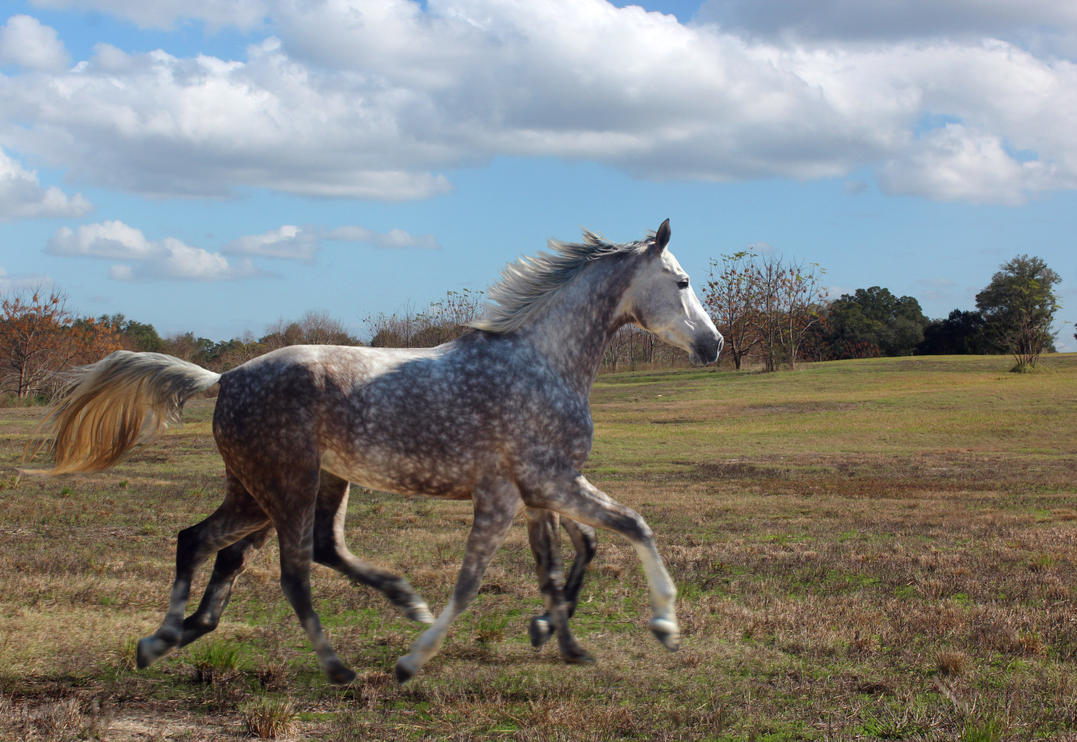
He also fancied himself a kind of descendent of the Trojan War hero Achilles, who had two famous horses, Balios (“Dapple”)  and Xanthus (“Palomino”), born of a Fury, Podarge (“Swiftfoot”), and Zephyrus, the god of the West Wind.

This divine lineage for horses made me think about a famous horse in another adventure story:  Shadowfax.

(Luca Michelucci—you can see more of his work here:  https://www.artnet.com/artists/luca-michelucci/  I like especially his image of Gwaihir rescuing Gandalf from Orthanc)

Shadowfax, according to Gandalf, is the chief of the Mearas, horses descended from one Felarof,  the horse of Eorl, the founder of Rohan.  Felarof was said to have understood the speech of men (Rohirric, we can presume) and may have been brought by Orome, the huntsman of the Valar, from across the sea, suggesting a horse of the Valar themselves.  (See The Lord of the Rings, Appendix A, II, “The House of Eorl”)

Mearas is the plural of mearh, one of the Old English words for “horse” and this might suggest that, with his  interest in things early Germanic, we might imagine that Tolkien would have looked towards Grani,

(from the Ramsund Carving—for more:  https://en.wikipedia.org/wiki/Sigurd_stones )

the horse of Sigurd, descended from Odin’s 8-legged steed, Sleipnir

(on the Tjaengvide image stone—you can read more about it here:  https://en.wikipedia.org/wiki/Tj%C3%A4ngvide_image_stone     For the story of how Sigurd found Grani, see the Icelandic Volsunga Saga  in this bilingual edition, pages 23-24:   https://archive.org/details/vo-lsungasaga-text-translation-finch/page/n89/mode/2up

And I can’t resist this very clever way of producing a modern Sleipnir—

Lachlan Templar—his work appears at Deviant Art, but, when I try to find out more, the site is blocked.)

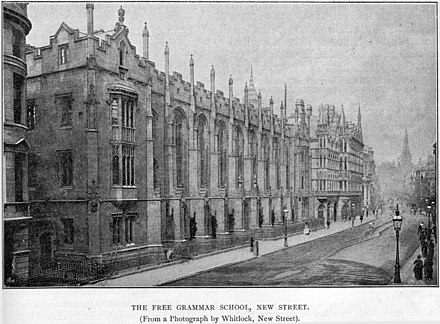
as an inspiration, but, remembering that Tolkien had begun his formal education in the traditional way:   studying Classics at King Edward’s School in Birmingham,

and, initially, continuing  in Classics at Oxford,

I wonder—and return to Balios and Xanthus.  These are horses with as distinguished a lineage as Grani, coming from a Fury

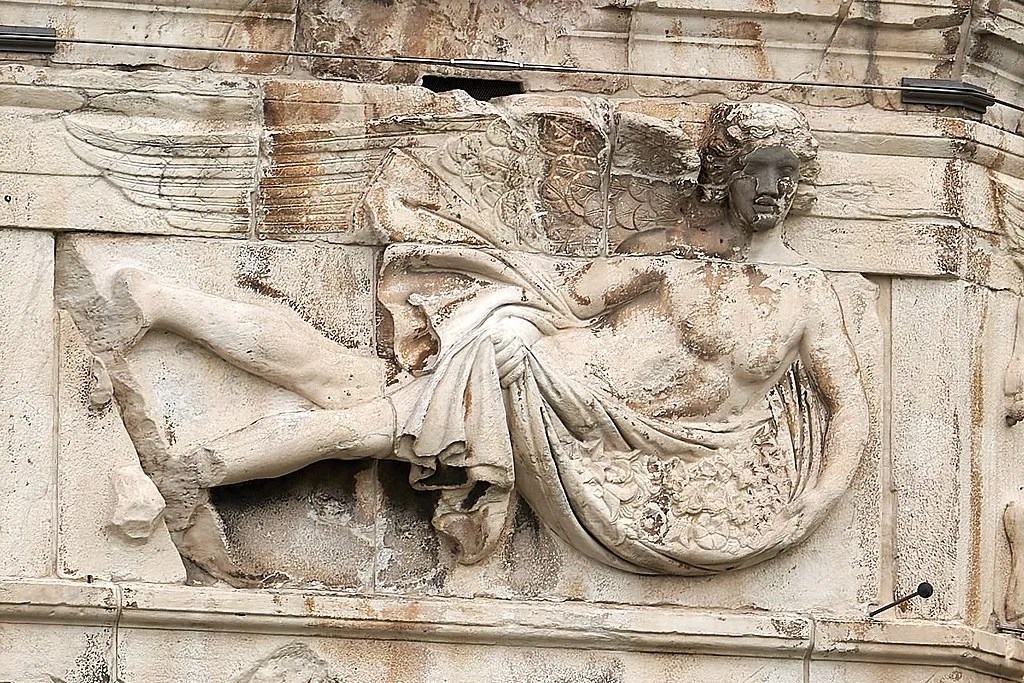
and the god of the West Wind.

As well,  Felarof—and, in turn, Shadowfax–understand human speech and Balios and Xanthus show emotion more human than equine, weeping when their temporary master and charioteer, Patroclus, is killed in battle by the Trojan hero, Hector, refusing to return to battle, but, instead—

“…but as a monument remains firmly in the ground, one set up on a tomb

For a dead man or woman,

So they remained, immobile, holding the very beautiful chariot [still],

Leaning [their] heads to the earth, and their hot tears

Flow down from under [their] eyelids to the ground

In longing for [their] charioteer.”  (Iliad, Book 17.434-439—my translation]

And  there’s more.   Felarof and Shadowfax may understand human speech, and Balios and Xanthus may grieve, in a human way for the death of Achilles’ friend and charioteer, Patroclus, but, in an eerie moment, one of them, Xanthus, actually speaks to Achilles, warning him of his own impending doom:

“We will still keep you safe for now, mighty Achilles,

But a deadly day is near to you.”  (Iliad, Book 19.408-409—my translation)

Could there be another link here?

“But lo!  suddenly in the midst of the glory of the king his golden shield was dimmed.  The new morning was blotted from the sky.  Dark fell about him.  Horses reared and screamed.  Men cast from the saddle lay groveling on the ground…Snowmane wild with terror stood up on high, fighting with the air, and then with a great scream he crashed upon his side; a black dart had pierced him.  The king fell beneath him…” 

(Ted Nasmith)

Although we have no idea of Snowmane’s lineage except that he’s “Lightfoot’s foal”, and he never speaks a word, he’s certainly involved in a death and, as Balios and Xanthus might have inspired Shadowfax, could this horse-speech be related to Theoden’s horse, Snowmane?

(Joona  Kujanen, aka Tulikoura, a bit more of whose work you can see here:  https://hole-intheground.blogspot.com/2012/03/fridays-at-mathom-house-joona-kujanen.html )

We have no idea of the fate of Achilles’ horses, though we are told that Achilles himself was buried in a mound—

as Agamemnon says to him in the Underworld, speaking of the cremated remains of Achilles and his friend, Patroclus (over whom Achilles’ horses mourned):

“And over them then we, mighty army of the Argive spearmen,

Heaped up a tumulus…”  (Odyssey, Book 24.81-81—my translation)

Just as Snowmane received a similar grave:

“And afterwards when all was over men returned and made a fire there and burned the carcase of the beast; but for Snowmane they dug a grave and set up a stone upon which was carved in the tongues of Gondor and the Mark:

‘Faithful servant yet master’s bane,

Lightfoot’’s foal, swift Snowbane.’

Green and long grew the grass on Snowmane’s Howe…”  (The Return of the King, Book Five, Chapter 6, “The Battle of the Pelennor Fields”)

All coincidence?   Or were JRRT’s many years of classical training still at work, when he’d long abandoned it for Germanic, Finnish, and Welsh?

As ever, thanks for reading.

Stay well,

Horses are wonderful, but remember that they, like us, have their limits—what would you do if a Nazgul on a frightful thing came down upon you?

(Craig J. Spearing—you can read more about him and his work here:  https://pathfinderwiki.com/wiki/Craig_J_Spearing )

And remember that, as ever, there’s

MTCIDC

O

The Doubtful Sea Series Facebook Page

The Doubtful Sea Series Facebook Page

  • Ollamh

Categories

  • Artists and Illustrators
  • Economics in Middle-earth
  • Fairy Tales and Myths
  • Films and Music
  • Games
  • Heroes
  • Imaginary History
  • J.R.R. Tolkien
  • Language
  • Literary History
  • Maps
  • Medieval Russia
  • Military History
  • Military History of Middle-earth
  • Narnia
  • Narrative Methods
  • Poetry
  • Research
  • Star Wars
  • Terra Australis
  • The Rohirrim
  • Theatre and Performance
  • Tolkien
  • Uncategorized
  • Villains
  • Writing as Collaborators
Follow doubtfulsea on WordPress.com

Across the Doubtful Sea

Recent Postings

  • Death and the Rohirrim September 30, 2026
  • Minor? September 23, 2026
  • An Homeric PS September 16, 2026
  • December in September September 9, 2026
  • Fan/Finn Fiction September 2, 2026
  • Demons on the Big Screen August 26, 2026
  • Solution (2) August 19, 2026
  • Out of Work Athena August 12, 2026
  • Solution (1) August 5, 2026

Blog Statistics

  • 122,747 Views

Posting Archive

  • September 2026 (5)
  • August 2026 (4)
  • July 2026 (5)
  • June 2026 (4)
  • May 2026 (4)
  • April 2026 (5)
  • March 2026 (4)
  • February 2026 (4)
  • January 2026 (4)
  • December 2025 (5)
  • November 2025 (4)
  • October 2025 (5)
  • September 2025 (4)
  • August 2025 (4)
  • July 2025 (5)
  • June 2025 (4)
  • May 2025 (4)
  • April 2025 (5)
  • March 2025 (4)
  • February 2025 (4)
  • January 2025 (5)
  • December 2024 (4)
  • November 2024 (4)
  • October 2024 (5)
  • September 2024 (4)
  • August 2024 (4)
  • July 2024 (5)
  • June 2024 (4)
  • May 2024 (5)
  • April 2024 (4)
  • March 2024 (4)
  • February 2024 (4)
  • January 2024 (5)
  • December 2023 (4)
  • November 2023 (5)
  • October 2023 (4)
  • September 2023 (4)
  • August 2023 (5)
  • July 2023 (4)
  • June 2023 (4)
  • May 2023 (5)
  • April 2023 (4)
  • March 2023 (5)
  • February 2023 (4)
  • January 2023 (4)
  • December 2022 (4)
  • November 2022 (5)
  • October 2022 (4)
  • September 2022 (4)
  • August 2022 (5)
  • July 2022 (4)
  • June 2022 (5)
  • May 2022 (4)
  • April 2022 (4)
  • March 2022 (5)
  • February 2022 (4)
  • January 2022 (4)
  • December 2021 (5)
  • November 2021 (4)
  • October 2021 (4)
  • September 2021 (5)
  • August 2021 (4)
  • July 2021 (4)
  • June 2021 (5)
  • May 2021 (4)
  • April 2021 (4)
  • March 2021 (5)
  • February 2021 (4)
  • January 2021 (4)
  • December 2020 (5)
  • November 2020 (4)
  • October 2020 (4)
  • September 2020 (5)
  • August 2020 (4)
  • July 2020 (5)
  • June 2020 (4)
  • May 2020 (4)
  • April 2020 (5)
  • March 2020 (4)
  • February 2020 (4)
  • January 2020 (6)
  • December 2019 (4)
  • November 2019 (4)
  • October 2019 (5)
  • September 2019 (4)
  • August 2019 (4)
  • July 2019 (5)
  • June 2019 (4)
  • May 2019 (5)
  • April 2019 (4)
  • March 2019 (4)
  • February 2019 (4)
  • January 2019 (5)
  • December 2018 (4)
  • November 2018 (4)
  • October 2018 (5)
  • September 2018 (4)
  • August 2018 (5)
  • July 2018 (4)
  • June 2018 (4)
  • May 2018 (5)
  • April 2018 (4)
  • March 2018 (4)
  • February 2018 (4)
  • January 2018 (5)
  • December 2017 (4)
  • November 2017 (4)
  • October 2017 (4)
  • September 2017 (4)
  • August 2017 (5)
  • July 2017 (4)
  • June 2017 (4)
  • May 2017 (5)
  • April 2017 (4)
  • March 2017 (5)
  • February 2017 (4)
  • January 2017 (4)
  • December 2016 (4)
  • November 2016 (5)
  • October 2016 (6)
  • September 2016 (5)
  • August 2016 (5)
  • July 2016 (5)
  • June 2016 (5)
  • May 2016 (4)
  • April 2016 (4)
  • March 2016 (5)
  • February 2016 (4)
  • January 2016 (4)
  • December 2015 (5)
  • November 2015 (5)
  • October 2015 (4)
  • September 2015 (5)
  • August 2015 (4)
  • July 2015 (5)
  • June 2015 (5)
  • May 2015 (4)
  • April 2015 (3)
  • March 2015 (4)
  • February 2015 (4)
  • January 2015 (4)
  • December 2014 (5)
  • November 2014 (4)
  • October 2014 (6)
  • September 2014 (1)

Blog at WordPress.com.

  • Subscribe Subscribed
    doubtfulsea
    Join 75 other subscribers

    Have a WordPress.com account? Log in now.

  • doubtfulsea
    View site in Reader
    Manage subscriptionsSign upLog in
    Report this content
    Collapse this bar
Loading Comments...