• About

doubtfulsea

~ adventure fantasy

Tag Archives: The Hobbit

When One Door Closes (I)

09 Wednesday Nov 2016

Posted by Ollamh in J.R.R. Tolkien, Literary History, Narrative Methods

≈ Leave a comment

Tags

And Unexpected Party, Baggins, Beorn, Bilbo, Bilbo and Gollum, Chico Marx, doors, Dwarves, Gandalf, Goblins, Groucho Marx, hidden door, Hobbit door, Horse Feathers, Into the Fire, Lake Town, Lonely Mountain, Mirkwood, Out of the Frying-Pan, password, Smaug, speakeasy, Swordfish, The Hobbit, The Lord of the Rings, The Marx Brothers, Thranduil, Tolkien, Took, wargs

Welcome, dear readers, as always.

Recently, we’ve been thinking about Bilbo’s remark to Frodo:

“It’s a dangerous business, Frodo, going out your door.” (The Fellowship of the Ring, Book 1, Chapter 3, “Three is Company”)

What makes this true in Tolkien, we wondered? As an experiment, we began to list all of the significant doors in The Hobbit and The Lord of the Rings and what happened at each of them and we believed that we could see that they fell, roughly, into two categories: doors (and we include gates here) which are the approach to danger, as Bilbo says, and doors which at least seem to offer safety. There are so many, in fact, that we have decided to break them down (no pun intended) and, in this posting, we’ll examine those we found in The Hobbit.

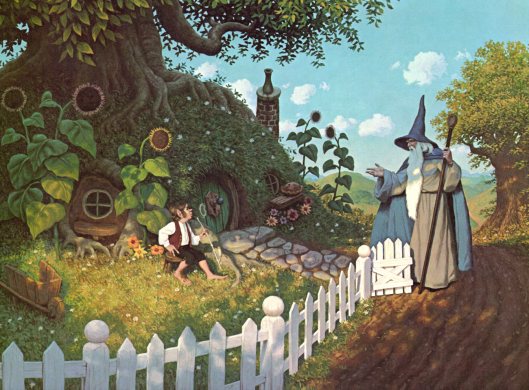
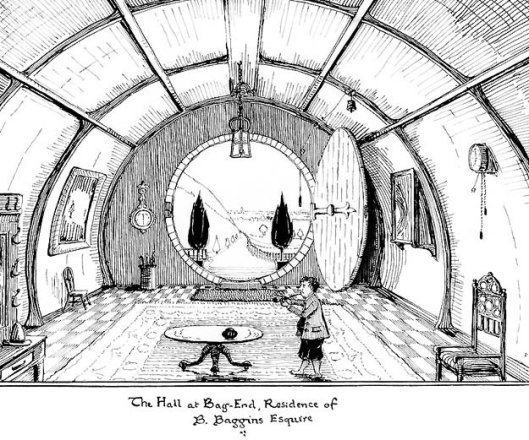
Our first door is Bilbo’s own, in front of which he is sitting when Gandalf first appears

bilbogandalf.jpg

and which he dodges behind, to escape Gandalf—or so he thinks:

“With that the hobbit turned and scuttled inside his round green door, and shut it as quickly as he dared, not to seem rude.” (The Hobbit, Chapter 1, “An Unexpected Party”)

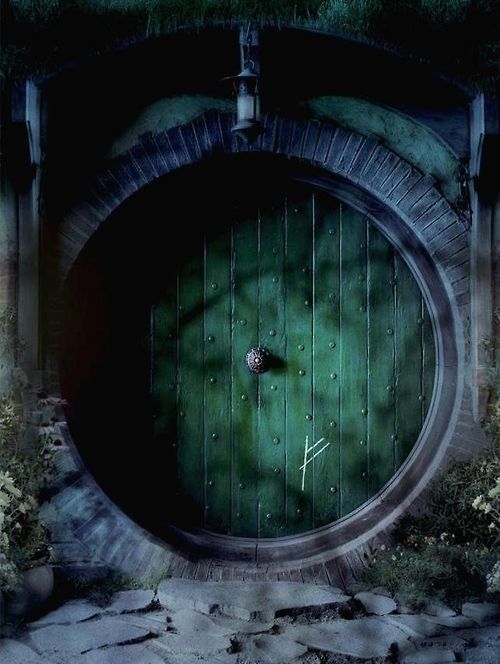
This door, of course, is hardly a barrier to Gandalf, who scratches a rune on it, turning it from what Bilbo hopes is a “no trespassing” sign to a “welcome” mat.

bilbosdoor.jpg

We then get a scene which reminds us of one in the Marx Brothers’ movie, Horsefeathers (1932)

horsefeatherposter.jpg

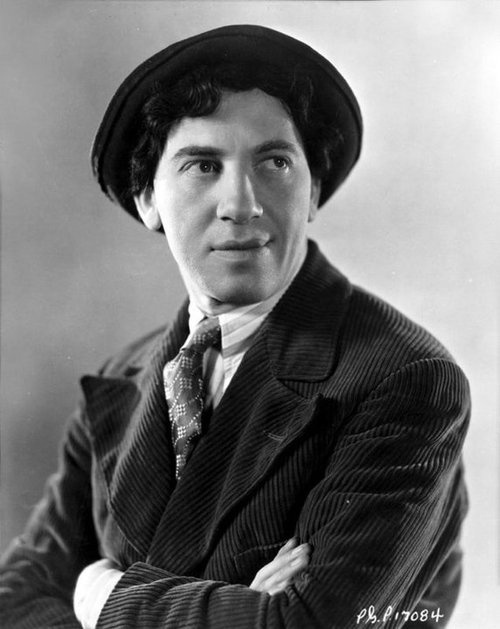
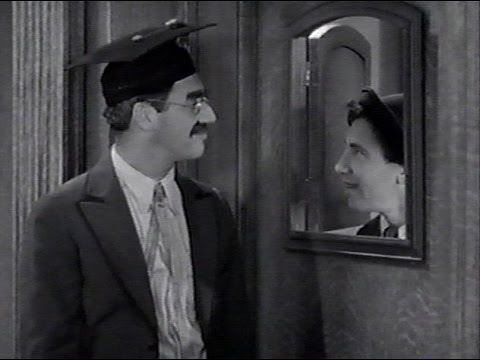
—or maybe it’s just an excuse on our part to bring up the Marx Brothers, who, in our opinion, are never brought up often enough. It’s a scene from the days of Prohibition, when hard liquor had been outlawed in the U.S. by an amendment to the Constitution (1920-1933). It was clearly a batty idea and, very soon, many people (some of whom must even have voted for the amendment), were looking for ways to skirt the federal law. One way to do so was to visit an illegal bar, called a “Speakeasy”, presumably because you could say what you wanted there, including criticizing a stupid law. These were secret places, with guards at the door and a need for passwords, so that people on the inside could detect attempts by the police to raid them. In the movie, Chico (pronounced “chick-o’’—as he was said to be an avid pursuer of girls)

chico.jpg

is the guard on the inside and Groucho

groucho_marx_in_duck_soup.jpg

is a potential customer.

speakeasy.jpg

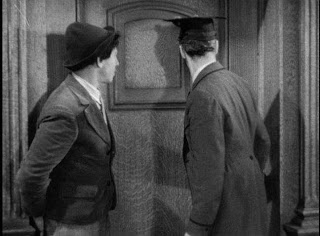
As is typical with the Marx Brothers, the scheme collapses and they both end up on the outside of the door, but, before that happens, there is a lot of knocking and attempts (full of bad puns) to guess the proper password.

horsefeathersbothshutout.jpg

The door, then, is really only a prop, a site where Chico and Groucho can practice one-liners on each other and not much else (as if that matters with the Marx Brothers!). In the next door scene from The Hobbit, however, JRRT uses Bilbo’s door for larger purposes: to show Gandalf’s subtle understanding of Bilbo’s psychological make-up, as well as the beginning of his plan to turn Bilbo from a staid Baggins to a much freer Took, as Bilbo is forced to confront a gang of dwarves and their mission.

unexpected.jpg

Gandalf’s method, as readers will remember, was to send the dwarves to Bilbo’s door one or two at a time. Gandalf repeats this trick when he and the dwarves (and Bilbo, of course) take refuge at Beorn’s,

beorn.jpg

after their escape from the pursuing wargs and goblins.

warg_rest.jpg

Whereas we might say that the second door scene at Bilbo’s led to danger, this scene leads to safety, although only temporary security, as Bilbo and the dwarves must set out again, even if refreshed and refitted.

(Readers note: this second time has been replaced in the second Hobbit film with a scene which misses both the quiet comedy of the original and its use in the story as a way to provide us with a more rounded picture of Beorn, as well as JRRT’s use of a repeated folk motif perhaps to reinforce the fairy tale-like structure of what was originally an oral tale turned children’s book.)

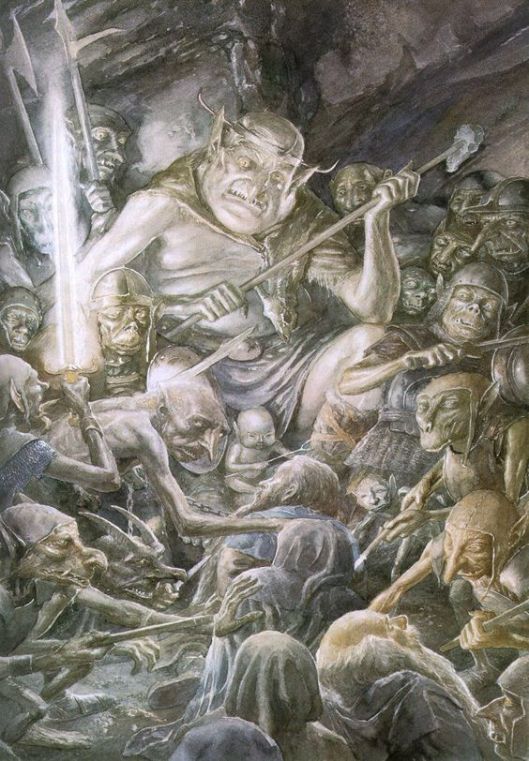
The dwarves had encountered the goblins through a hidden door (clearly a “danger door”), outside of which they had taken shelter. They are made prisoner

goblinking.jpg

but Bilbo, being lost, finds the Ring, meets Gollum,

Bilbo and Gollum.JPG

and escapes by a door which certainly offers safety. (Although, as the title of the next chapter puts it, not for long, being “Out of the Frying-Pan, Into the Fire”.)

goblinsbackdoor.jpg

This, of course, not only leads us back to Beorn, but also on to Mirkwood and our next door, that of the Mirkwood Elves and their king, Thranduil (who does not ride an elk, as the movies would have it—and really silly-looking that is, in our opinion). This is one of a number of versions by JRRT himself.

palazzo di thranduil 2.jpg

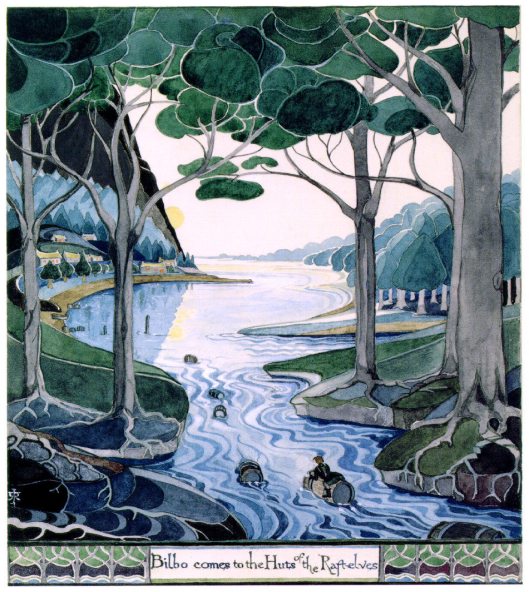
Although this door leads to the dwarves’ imprisonment, the danger appears to be minimal. Thranduil threatens them, but, except for locking them up and putting them on short rations, he does them no harm. (And there is another backdoor escape—this time in barrels—one of JRRT’s own favorite illustrations—and ours, too).

barrel-riding.jpg

The barrels led us to the lake and to Lake Town (a colored version of another JRRT illustration),

Laketown4.jpg

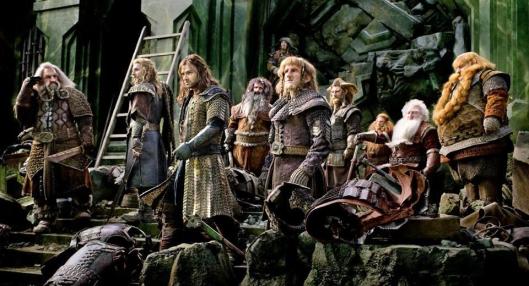
through the gate of which the dwarves had to pass. A strong theme in so many of these entryways is that they are a form of challenge: those who would get in (or out) must deal with a guardian—Bilbo, goblins, elves–and Lake Town is no different. Here, there is a squad of lax gate guards, who are rather easily impressed when Thorin announces who he is and that he wants to see the Master. As the dwarves persuade the Lake Town people to supply their expedition, we would label this one of the doors to safety—the last thing we would say for the final two: the back door and the front gate of the Lonely Mountain.

136TheLonelyMountain.jpg

So far, we have had two front doors (Bilbo’s and Beorn’s), one hidden door (goblins), two sets of gates (elves, Lake Town), and two back doors (goblins and elves). Now we have a door with a spell cast upon it and the riddle of the spell acts as the guardian. It is, of course, the door most desired by the dwarves, but it’s hardly a door to safety as, at its bottom lies the reason they abandoned the mountain to begin with: Smaug.

bilbowithsmaug.jpg

The front gate is hardly better, as it soon becomes a defensive work for the dwarves as they prepare to fend off those who either try to seek recompense or are simply goblin attackers.

the-hobbit-the-battle-of-the-five-armies3.jpg

But wait—we’ve left out a final door, haven’t we? “the door where it began”—and, in front of it, Bilbo experiences one more trial:   finding that he’s been declared dead and his property is up for auction—and just when he believes he is “back again”. But there is a happy ending and The Hobbit itself ends with Bilbo, some years later, answering that same door

tolkien_drawing1.jpg

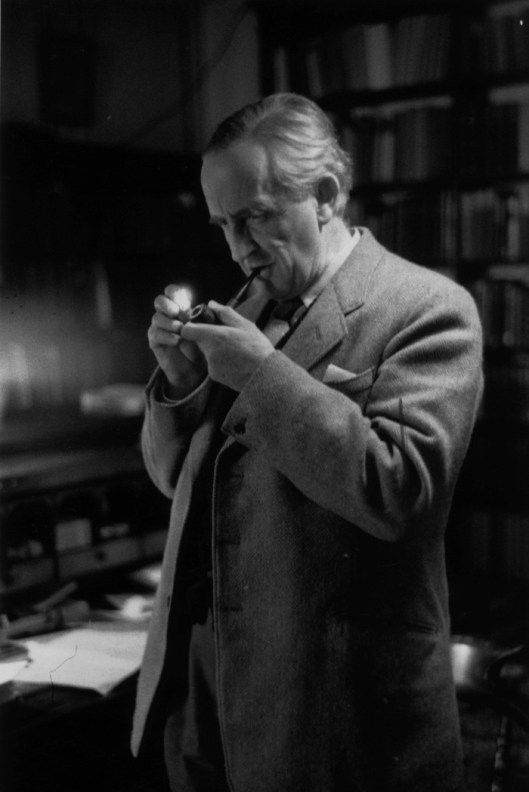
and entertaining Gandalf and Balin. (Although in the drawing above, Bilbo bears a certain resemblance to someone else…)

j_r_r_tolkien_-_smoking_pipe-700x1049.jpg

In our next post, we’ll continue by looking at doors and gates in The Lord of the Rings.

Thanks, as always, for reading!

MTCIDC

CD

What’s In a Name?

27 Wednesday Jul 2016

Posted by Ollamh in Imaginary History, J.R.R. Tolkien, Literary History, Narrative Methods

≈ Leave a comment

Tags

Adventure, akaletes, Baggins, Bilbo, Chico, cyclops, Gollum, Groucho, Marx Brothers, Odysseus, Polyphemus, Riddles in the Dark, The Hobbit, The Lord of the Rings, The Odyssey, Tolkien, trolls, xenia

Welcome, as always, dear readers.

In this posting, we are interested in the use and danger of using names in the history of the Ring, as well as looking at a possible parallel from an earlier heroic story.  How dangerous can a name be?

In Chapter 5 of The Hobbit, Bilbo makes what is almost a fatal mistake—not for himself so much as for Frodo, and not at the time, so much as some 77 years later.

Confronted by the curious Gollum deep under the Misty Mountains, Bilbo has responded to Gollum’s, “What iss he, my preciouss?” with, “I am Mr. Bilbo Baggins.”

The Riddle Game

First, of course, he hasn’t answered the question. He was asked what, not who. And, from Gollum’s viewpoint, in which seemingly all animate things are potentially at least a snack, if not a full meal (“I guess it’s a choice feast; at least a tasty morsel it’d make us, gollum!” The Hobbit, Chapter 5, “Riddles in the Dark”), “What is it?” is the more appropriate question.

Second, depending on the culture, names can have a much greater significance than simply being social identifiers. If your culture has a strong belief in magic, then your personal name is a point of vulnerability: someone who wishes to control you can use it in summoning spells. This is probably why, for example, Circe, in Book 10 of the Odyssey, when she can’t turn Odysseus into a pig, as she had already done with part of his crew, says that he’s akaletes—literally, “uncallable by name”. Although the story as we have it doesn’t say so, we can presume that, as he does in another circumstance—which we’re about to discuss—he gives the enchantress a false name and therefore escapes her magic.

This is not the first time Bilbo has slipped, however. William, the troll, has already asked, “What are yer?” And Bilbo has replied, “Bilbo Baggins, a bur-a hobbit.” (The Hobbit, Chapter 2, “Roast Mutton”)

TN-Trolls_colour_sketch

(By one of our favorite Tolkien artists, Ted Nasmith)

Again, Bilbo has given the wrong answer (reminding us of a scene in the Marx Brothers movie, Horsefeathers, 1932, where Chico, as Baravelli, the doorkeeper of a speakeasy, demands of Groucho, “Who are you?” to which Groucho replies, “I’m fine, thanks. Who are you?”).

Password Scene

He has also complicated matters by almost saying “burglar” (he’s just tried to steal William’s purse, after all, which has, in fact, asked him “’Ere, ‘oo are you?”), but, by changing it at the last moment, he’s then created a new confusion, as the trolls simultaneously ask, “A burrahobbit?” and William adds, “What’s a burrahobbit got to do with my pocket, anyways?”

(We also ask, is there a very mild joke here—“burra” could easily sound like “burrow” and, since hobbits traditionally lived in tunnels…?)

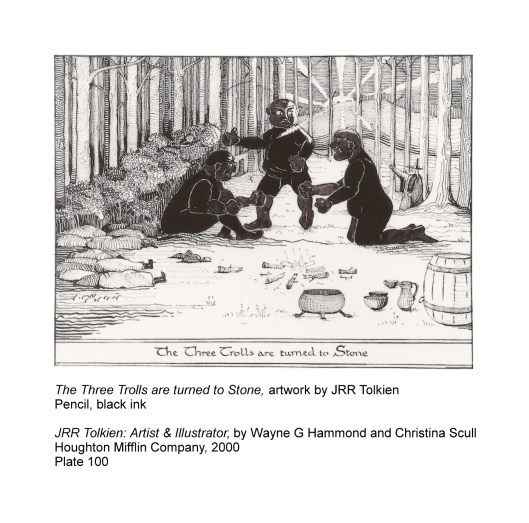
Gandalf and daylight take care of the trolls,

img__Art-The_Three_Trolls_are_Turned_to_Stone,_by_JRRT

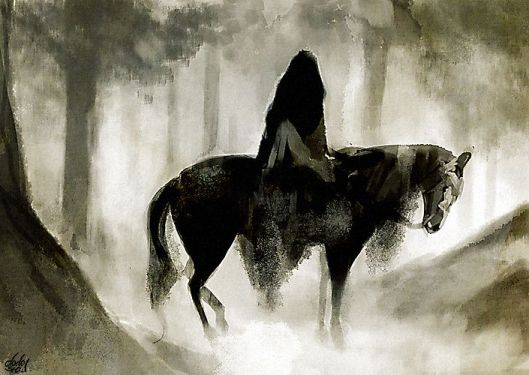
but Gollum is another matter. Bilbo, caught off guard, gives him his name. This, in turn, under torture, is passed on to Sauron, now aware that the Ring has (literally) resurfaced on Middle-earth. And, somehow, the names “hobbits” and “Shire” have been added to Bilbo’s name, as Gandalf tells Frodo (The Fellowship of the Ring, Chapter 2, “The Shadow of the Past”). To find out more, Sauron sends out his search team, the Nazgul, and the danger begins…

ellenkurkinazgul

(A wonderfully atmospheric watercolor by Ella Kurki)

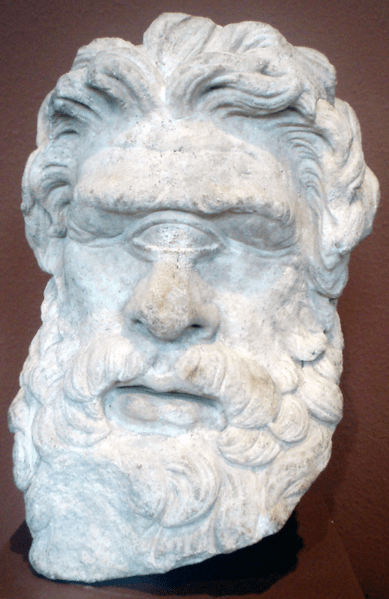
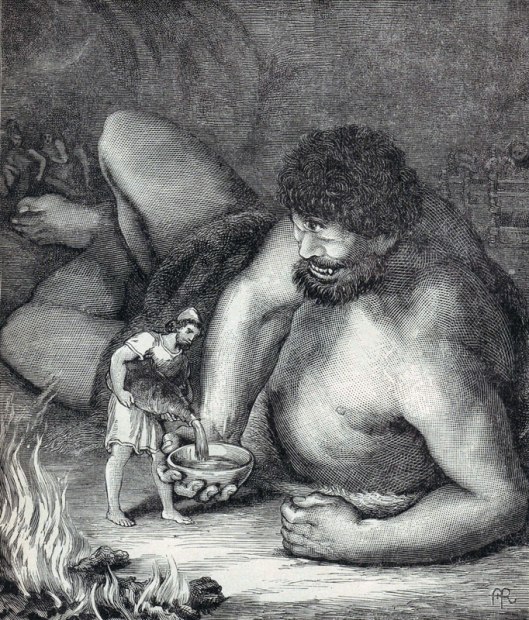
Odysseus, whom we mentioned earlier, has also been involved with a large and menacing creature, Polyphemus, the Cyclops, in Book 9 of the Odyssey.

Head-of-Polyphemos-Captmondo-wikimedia-commons

Having a little more experience of danger and living in a world where magic may be anywhere, he is more wary, however, than Bilbo and, when asked his name, replies “Ootis”, which is Greek for “Nobody”.

Scholars have argued for a very long time as to why Polyphemus, who has a Greek name (“The Much-Spoken-Of”) and speaks perfectly good Greek, can be so easily taken in by such a transparent trick and there are lots of theories to explain it. Perhaps, however, the answer is simply to point to Bilbo’s trolls, whom Tolkien describes as “slow in the uptake”—that is, they are not very quick to assess a new situation. Is this the case with Polyphemus? Or, being as big as he is, and not fearing the gods (as he informs Odysseus), perhaps he ignores Odysseus’ reply as simply part of the guest ritual known as xenia, in which, it is clear from his behavior, he does not believe anyway?

Over and over again, in the Odyssey, we see this social pattern, called xenia, which means something like “guest-friendship”, enacted   In this pattern, a person comes to another’s house in need of food and shelter. There is then a ritual, in which:

  1. the potential guest appeals to the householder
  2. the householder fulfills that person’s wants
  3. in return the person tells his name and his story
  1. the host gives the person guest-gifts and sends him on his way
  2. should he—or anyone to whom he’s related—be in the guest’s territory in the future, he can claim the same hospitality from the guest—and this can be passed down through generations

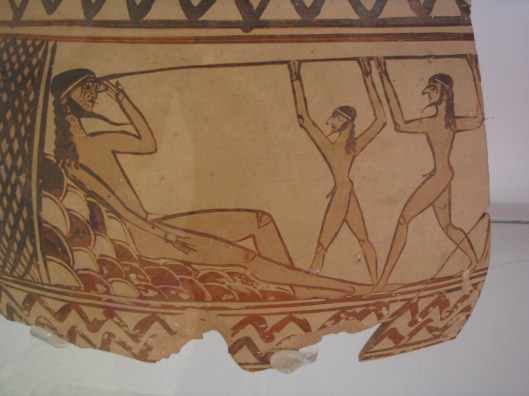
In the case of Polyphemus, Odysseus and his men have come to Polyphemus’ cave and helped themselves to his food while he was absent, therefore immediately disturbing the pattern. When the Cyclops comes home, his response is to kill and eat two of Odysseus’ men, a grim parody of the custom, in which he should be feeding them, not feeding on them. The situation escalates, with more men eaten, until Odysseus formulates an escape plan which includes getting the Cyclops drunk

Cyclops-Homer

and putting out his eye,

cyclops2

then using a flock of sheep as an escape vehicle.

FrCyclopsEscape

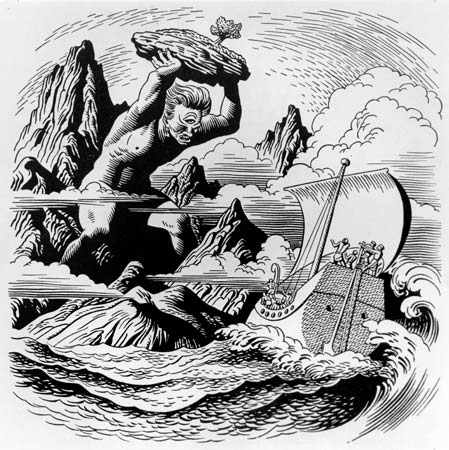
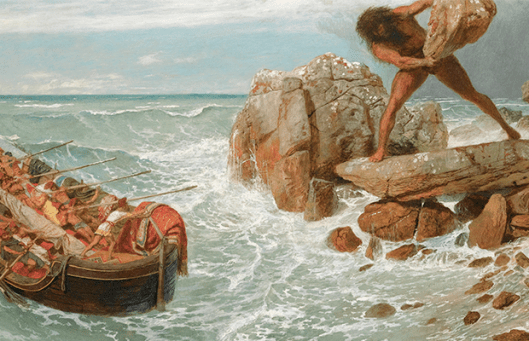
In the meantime, however, Polyphemus has asked for Odysseus’ name, gotten the “Nobody” answer, and offered a guest-gift in return: the Cyclops will eat Odysseus last. The plan works, Odysseus and his surviving men escape (with the sheep), and get back to their ship, but then things go wrong again. Even blind, Polyphemus pursues them and, tossing mountain tops, almost brings them back to shore.

cyclops3

They do manage to row out of range, however, but then Odysseus, seeming to destroy completely his earlier “Nobody” trick, and much to his crew’s horror, shouts out to the Cyclops not only who he really is, but where he lives, as well. What’s going on here?

polyphemos

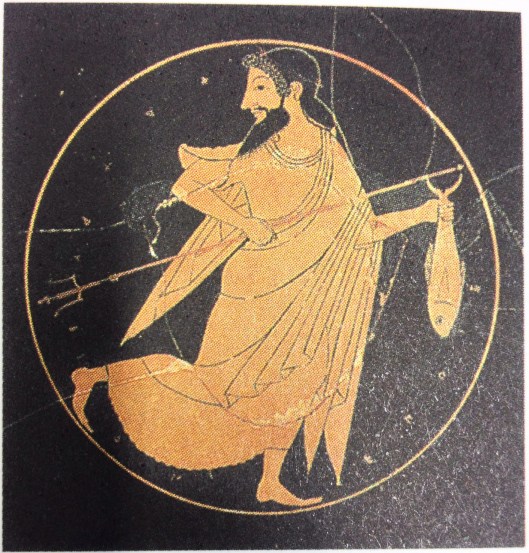
Bilbo has twice, inadvertently, provided others with his name, if not his address.  Although Odysseus may be more able when it comes to thinking quickly in a dangerous situation than Bilbo, he also belongs to what is called a “face culture”. This means that who you are is a public thing. You only gain credit if you do things publically and your name is attached to what you do. In Odysseus’ case, he has bested a monster and avenged the deaths of his crewmen and it is important that that monster knows who did it. Unfortunately, that monster is the son of the sea god, Poseidon, to whom he prays for revenge and, knowing Odysseus’ name and address, this is a bit more pinpointed than simply saying, “Get that guy who put out my eye, dad!”

poseidon.jpg

Bilbo blundered into the territory of Gollum and, through inexperience and surprise, brought trouble, in time, to Frodo. Odysseus, having concealed his identity successfully, then exposed himself because his society and his position in that society required it. In turn, he returns home alone and on someone else’s ship, having brought trouble on himself and his crew.  In answer to our initial question, “How dangerous can a name be?”  The answer appears to be, “Very.”

Thanks, as always, for reading.

MTCIDC

CD


Terrifyingly Funny? (Part 2)

20 Wednesday Jul 2016

Posted by Ollamh in J.R.R. Tolkien, Language, Narrative Methods, Villains

≈ 3 Comments

Tags

Andy Serkis, Ben Gunn, Bilbo, Deagol, Gollum, Received Standard English, Riddles in the Dark, Smeagol, The Hobbit, The Lord of the Rings, Tolkien, Treasure Island

Dear Readers, welcome, as always.

In the first part of this posting, we began to think out loud about the idea of characters in Tolkien who might combine menace and comedy. Our first idea had been to consider Gollum—

Gollum_Render.png

but not the Lord of the Rings Gollum, at least not at first glance.

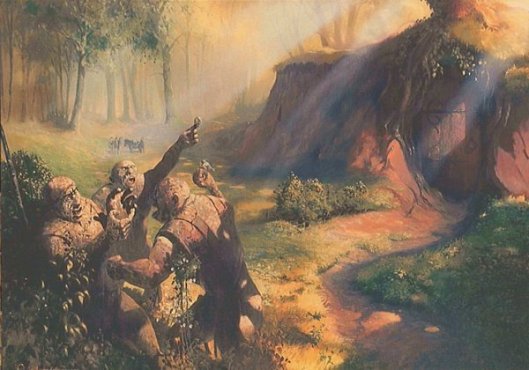
The idea then took us backwards to the large, rather dim trolls of The Hobbit, who certainly seemed to display that combination.

trolls.jpg

And The Hobbit brings us back to Gollum.

All Tolkien readers must know, we imagine, that the book which JRRT published in 1937 was a very different kind of book from what gradually grew up around it. Here, for example, is the beginning of the reader’s introduction to Smeagol (a name never used in The Hobbit, of course):

“Deep down here by the dark water lived old Gollum…” (The Hobbit, Chapter 5, “Riddles in the Dark”)

To us, this sounds like it could easily begin, “Once upon a time, deep down by the dark water, lived Old Gollum”, as if it were the opening of a fairy tale and The Hobbit was, of course, originally conceived of and written as a children’s book.

“Old Gollum”, by that name, might have been a cantankerous but lovable geezer—but the line continues, “a small slimy creature”. “Slimy” then leads to “dark as darkness, except for two big round pale eyes in his thin face…He liked meat too. Goblin he thought good, when he could get it; but he took care they never found him out. He just throttled them from behind…” And then, presumably, he ate them raw (as he does fish in The Hobbit and he would coneys in The Lord of the Rings), as Gollum’s level of civilization seems to begin and end with the little boat which he has—although where the materials came from for that is never explained. (Gandalf, in “The Shadow of the Past”, says that the Stoors and Fallowhides, to whom Gollum/Smeagol belonged, made boats out of reeds.)

In our last posting, we pointed to the speech of the trolls in The Hobbit as one possible source of humor.

THE HOBBIT: AN UNEXPECTED JOURNEY

Unlike the main characters, who spoke a Middle-earth version of RSE (Received Standard English), they displayed a number of the linguistic elements of lower-class London which are often used to show class—or even species?–difference (think of the orcs who carry off Merry and Pippin, for example) in Tolkien. If this is combined with the topics of their conversation—mainly about food, some of it sheep, but also both humans and dwarves—we then have what we set out to find, menace and humor.

As for Gollum, he certainly has a very distinctive form of speech. First, there’s his habit of carrying on a conversation with himself even in the presence of others. It reminds us of the talk of Ben Gunn,

bengunn

who was marooned by Captain Flint in Stevenson’s Treasure Island (1881-2; 1883) and has clearly developed a similar habit:

“If you was sent by Long John,” said he, “I’m as good as pork and I know it. But where was you, do you suppose?” (Treasure Island, Chapter XV, “The Man of the Island”)

There are four other distinctive elements of Gollum’s speech. First, there is that gollum. The narrator says of it:

“And when he said gollum he made a horrible swallowing noise in his throat.” (The Hobbit, Chapter 5, “Riddles in the Dark”)

Andy Serkis, who is the voice (and movement) of Gollum in the Jackson films, has, in interviews, said that the noise he makes is modeled upon his cat throwing up a hairball. As Tolkien has called it “a horrible swallowing noise”, it would seem that this is, in fact, the opposite sound from what is wanted. So what should it sound like—that is, and still sound like “gollum”? The word has two syllables—perhaps we might think that the noise would depend upon which syllable bore the primary accent: GOL-lum or gol-LUM. To us, accenting the first has more of a choky feel to it and the second more of a froggy. (We also wonder, knowing Gandalf’s later explanation of how Smeagol acquired the Ring, whether, in fact, Smeagol is actually imitating the noise Deagol made as he struggled for breath.)

A second element is his incessant referring—in the 1937 edition—to himself as “my precious”. In the 1951 revision, and beyond, Gollum can call both himself and the Ring by the term, and we are of two minds about the change. On the one hand, the 1937 version reflects what interests us: a word of tender endearment mixed with a murderous intent, all within Gollum. On the other, the post-1951 version’s double usage presents us with a picture of a creature so enslaved to the Ring that he uses that term of endearment (and we also know, from Gandalf’s later explanation, that the Ring does not return the affection, making it even more horrible). As well, others touched by the Ring can be seen as infected by its power when they use the expression.

bilbowithring

Third—and more potentially comic—is Gollum’s actual language. There are the odd expressions, sometimes based on actual older English expressions—“Bless us and save us” becomes “Bless us and splash us”, example.   As well, there are the non-standard words like “bitsy” (a kind of diminutive) and plurals—“handses”, “eggses”, “pocketses”.

Fourth is the stressed sssssssssssssssssssssibilance. JRRT himself points to this in a letter to Rayner Unwin in a correction to the 1937 edition: “Not that Gollum would miss the chance of a sibilant.” (cited in Anderson, The Annotated Hobbit, 120, note 9)

Taken altogether, this makes for a very distinctive—and very different speaker from any other in The Hobbit (or The Lord of the Rings, for that matter) and this is clear from the very start of the conversation between Gollum and Bilbo:

“What iss he, my preciouss?”…

“I am Mr. Bilbo Baggins. I have lost the dwarves and I have lost the wizard, and I don’t know where I am and I don’t want to know, if only I can get away.” (The Hobbit, Chapter 5, “Riddles in the Dark”)

The menace is there in Gollum, from the very beginning:

“Bless us and splash us, my precioussss! I guess it’s a choice feast; at least a tasty morsel it’d make us, gollum!” (The Hobbit, Chapter 5, “Riddles in the Dark”)

And we would suggest that the humor is there, too, in the very same speech: the twisted expression, the self-address, the use of “my precioussss”, and the hissy sibilance. Tolkien, though personally drily witty, was not—nor intended to be—a comic writer. What he could do well, we suggest, is use that which interested him deeply—language and its expression—combine it, for contrast, with a certain darkness of theme, as here, and allow the reader to feel a kind of grim amusement in the balance–or imbalance–between what’s being said and how.

What do you think, dear readers?

Thanks, as always, for reading.

MTCIDC

CD

Terrifyingly Funny? (Part 1)

13 Wednesday Jul 2016

Posted by Ollamh in Artists and Illustrators, Fairy Tales and Myths, Imaginary History, J.R.R. Tolkien, Language, Literary History, Narrative Methods, Villains

≈ 2 Comments

Tags

Adventure, Among Gnomes and Trolls, Bilbo, comic, Gandalf, Gollum, humor, John Bauer, Middle-earth, Pēro & Pōdex, Roast Mutton, Stone Trolls, The Hobbit, The Lord of the Rings, Through the Looking-Glass, Tolkien, Tommies, trolls, Victorian Drawing Room

Dear Readers, welcome, as always.

This is going to be a two-part posting because– well, it began as one thing, and then became another. We were thinking about Gollum, not as the grim and tormented figure we know from The Lord of the Rings, but rather as the muttering, riddling cave-dweller of The Hobbit. We were wondering if we could see Gollum not only as menacing, but as comic, as well.

Gollum_Render.png

Then, however, we began to think about other such figures, and one of us said to the other, “What about the trolls in The Hobbit?”. The other replied, “we see them before we see Gollum. Maybe we should start with them.”

And so we shall.

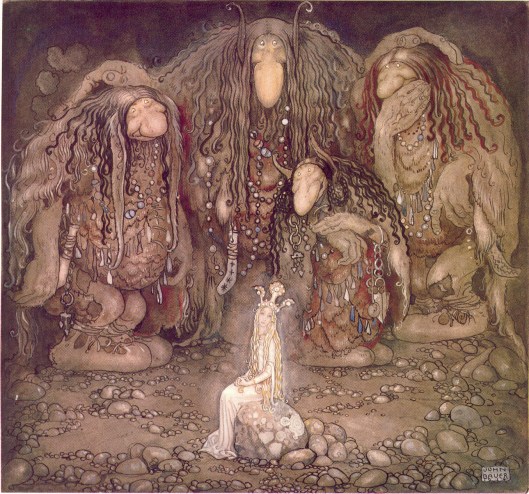
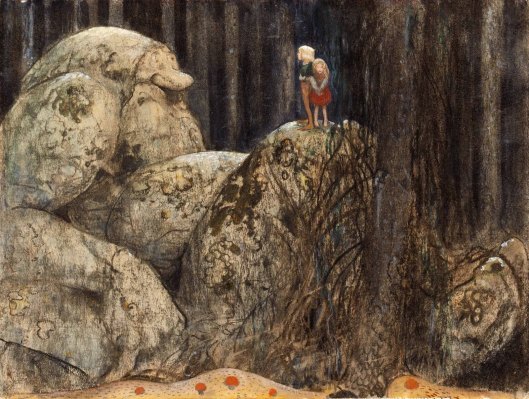
It’s clear where Tolkien got his trolls– they’re all over the fairy tales he had been reading since childhood, and they form a component of the traditional Scandinavian literature in which he had been interested for nearly as long. They are commonly large, and not terrifically bright, and often possess an anxiety about daylight. One of our favorite illustrators of such creatures is John Bauer (1882-1918), who, among other works, contributed illustrations to an ongoing series of volumes appropriately titled Among Gnomes and Trolls. Here, for example, is one of his depictions of the latter.

John_Bauer_1915.jpg

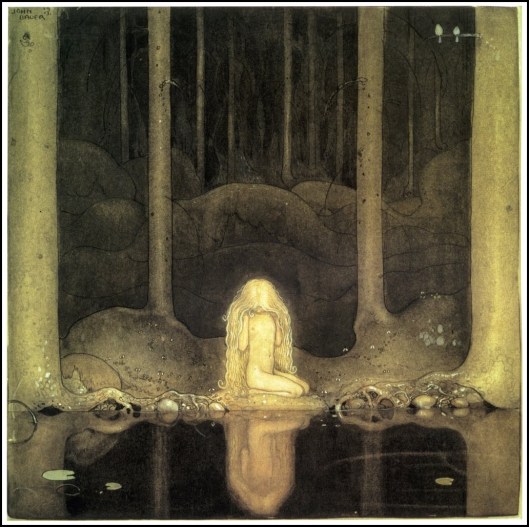
And, because we can’t resist– can we ever? Here are a couple more illustrations by Bauer.

bauer5.jpgJohn_Bauer07.jpg

Even before The Hobbit, however, Tolkien had produced a literary troll. In 1926, he wrote the first version of a poem to be sung to the folk song “The Fox Went Out”, called “Pēro & Pōdex”(“Boot and Bottom”). It survives  in a later version in chapter 12 of Book 1 of The Lord of the Rings, beginning “Troll sat alone on his seat of stone”.

In The Hobbit, the trolls are grouped around a fire, drinking and eating and immediately recognizable:

“But they were trolls.  Obviously trolls.  Even Bilbo, in spite of his sheltered life, could see that:  from the great heavy faces of them, and their size, and the shape of their legs, not to mention their language, which was not drawing-room fashion at all, at all.”  (The Hobbit, Chapter 2, “Roast Mutton”)

tumblr_m6wyygQDLc1ru50yro1_1280.jpg

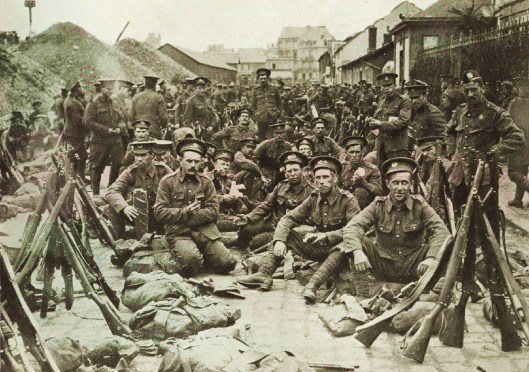
Douglas Anderson, in his invaluable The Annotated Hobbit, says that “Tolkien presents the Trolls’ speech in a comic, lower-class dialect” (70). In fact, we wonder whether, as in the case of the later orcs in The Lord of the Rings, we are not seeing a reflection of the speech of some of the Tommies whom Tolkien had commanded in the Great War.

roads_bef1914.jpg

” ‘Mutton yesterday, mutton today, and blimey, if it don’t look like mutton again tomorrer,’ said one of the trolls.

‘Never a blinking bit of manflesh have we had for long enough,’ said a second. ‘What the ‘ell William was a-thinkin; of to bring us into these parts at all, beats me – and the drink runnin’ short, what’s more,’ he said jogging the elbow of William, who was taking a pull at his jug” (The Hobbit, Chapter 2, “Roast Mutton”).

Besides what sounds like a reference to a line in Through the Looking-Glass (1871), “The rule is, jam to-morrow and jam yesterday – but never jam to-day,” with their “blimey” and “blinking”, the trolls are immediately labeled by their speech as lower-class, potentially thuggish, and certainly not people invited to a formal drawing room like this–

drawingroom1890ssmall.JPG

Of course, we might ask ourselves, why should trolls talk like that anyway? And we might then reply, because Tolkien is mixing language for comic effect. Bilbo, Gandalf, and the dwarves speak in non-dialect standard English. Therefore, there’s an especially strong contrast here. As well, what the trolls are saying can be funny in itself, as when William says to the discontented other trolls,

” ‘Yer can’t expect folk to stop here for ever just to be et by you and Bert. You’ve et a village and a half between yer, since we come down from the mountains. What more d’yer want?’ ” (The Hobbit, Chapter 2, “Roast Mutton”).

Here, we have comic exaggeration combined with the frustrated defensiveness of a leader whose tactics are being questioned by subordinates.

The tension grows as the scene progresses.  Bilbo appears, is nabbed by a purse which sounds like the Trolls, the Trolls fall to fisticuffs while arguing over Bilbo and then over the dwarves whom they capture, and Gandalf, imitating various Troll voices, so stirs the pot that the Trolls never notice when the first beam of sunlight cuts across their clearing and they are petrified.

jrrt_14.jpg

So, if we consider what the Trolls have been doing previously–“Never a blinking bit of manflesh have we had for long enough…” says one, as well as what they discuss doing not only to Bilbo, but to the whole of Thorin & Co., these could seem to be grim figures, indeed.  Then again, they sound like comic cockneys, they have ludicrously-large appetites, and they are dim enough to be taken in very easily by Gandalf’s ventriloquism.   So, grim and funny at the same time.

On the whole, humor is more an element in The Hobbit than in The Lord of the Rings, but we believe that perhaps because of his initial appearance in The Hobbit, Gollum may have both the menace and the humor, at times , of these gormless Trolls, as we hope to show in Part 2.

Thanks, as always, for reading,

MTCIDC,

CD

Rare Good Ballast

15 Wednesday Jun 2016

Posted by Ollamh in J.R.R. Tolkien, Narrative Methods

≈ Leave a comment

Tags

Ballast, Chunu, Coney, Cuzco, Fish and Chips, Gollum, Green Eggs and Ham, Inca Empire, King James I, Machu Picchu, Potatoes, Sir Walter Raleigh, Smeagol, Spanish Explorers, Taters, Tea, The Hobbit, The Lord of the Rings, Tobacco, Tobias Hume, Tolkien

Welcome, dear readers, to our latest posting. This one is based upon a word, but that word leads us to an interesting question: when you make a new world, do you intend to include anything from your own? Or do things just sort of slip in?

The word is “taters”, as in “I’d give a lot for a half dozen taters.” (The Lord of the Rings, Book 4, Chapter 4, “Of Herbs and Stewed Rabbit”)

(And a footnote–if you’re an American, you say that “erbs”, but, if you’re from the UK, you say it “Herbs”.)

It’s Sam, of course, trying to create a little domesticity while he and Frodo live rough on the trek south from the Morannon.

Gollum+Frode+Sam.jpg

At Sam’s request, Gollum has gone hunting and has returned with a pair of wild (European) rabbits, or coneys. (“Coney” is a worn-down form of the Latin word cuniculus, “rabbit”, through Old French, the source of so many Latin-based English words.)

rabbit3.jpg

Gollum, who has long forgotten about cooking (although one presumes that, in his distant life among his fellow proto-Hobbits, he wore clothes, lived in a house—or a hobbit hole–and ate bread), is convinced that Sam is going to ruin his catch.

“ ‘Stew the rabbits!’ squealed Gollum in dismay. ‘Spoil beautiful meat Smeagol saved for you, poor hungry Smeagol! What for? What for, silly hobbit? They are young, they are tender, they are nice. Eat them, eat them!’ “

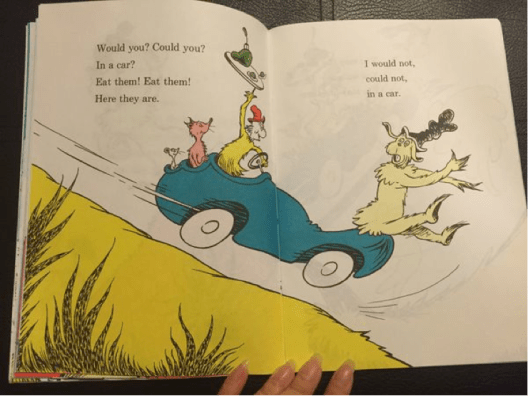
(And here we can hear Sam-I-am from Dr. Seuss’ Green Eggs and Ham, “Would you? Could you/In a car?/Eat them! Eat them!/Here they are.”)

GEH

Along with the coneys, Sam would like something more, “taters”, much to Gollum’s puzzlement:

“Smeagol won’t grub for roots and carrotses and—taters. What’s taters, precious, eh, what’s taters?”

And Sam spells it out:

“Po-ta-toes…The Gaffer’s delight, and rare good ballast for an empty belly. But you won’t find any, so you needn’t look.”

Most readers would know immediately what Sam meant when he said, “Po-ta-toes”, but how about “ballast?”

In a way, it may be odd that Sam would know this word, as it comes from the world of ocean-going ships and Sam has never been closer to bigger water than the Brandywine—and that only near the beginning of The Lord of the Rings.

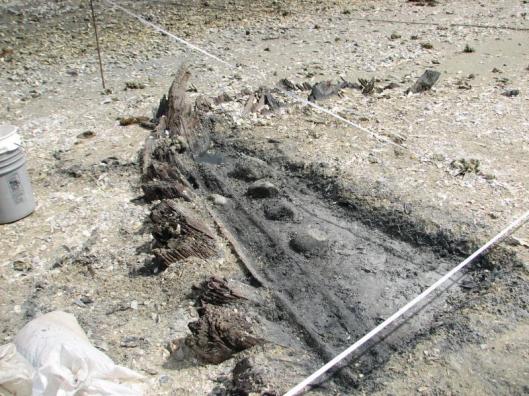
Ballast is the weight put into the deepest hold of a ship to keep it balanced in the water—especially when it’s empty of cargo. It’s commonly stone and it’s very useful now for underwater archaeologists, since the stone, if it remains in place after a ship sinks, can show the outline of a hull.

ships-stone-ballasts

ballastinsitu

So “rare good ballast for an empty belly” gives us the image of a Gaffer kept upright and balanced, moving with potatoes inside him.

Sam has also said, “But you won’t find any, so you needn’t look”: why not?

In our world, before the 16th century, potatoes were only available in South America, in particular in the Inca empire.

This was an elaborate patchwork of smaller peoples controlled by a military group with a capital at Cuzco.

Inca_MainMap3_sg

A Neolithic civilization, they were master architects, as may be seen in the remains of the Temple of the Sun, in the capital—

qoricancha

and in what is believed to be a summer palace, at Machu Picchu.

fondo-machu-picchu

With a king and an army

incanwarriors

they controlled much of the west coast of South America from 1438 to 1533, when Spanish invaders destroyed them and their world.

conquestofincas

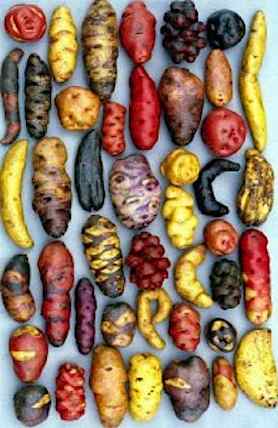
A major food source was potatoes and there were many varieties available—and there still are, more than 1000—

Potatoes_Peruvian_varieties

In fact, the Inca even learned how to freeze-dry them to preserve them, a method called chunu.

Chunu

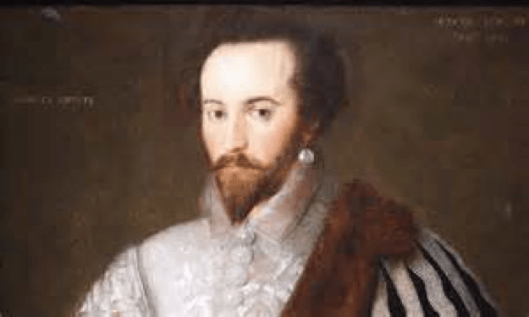
No one knows for sure when potatoes first came to Europe. It is imagined that Spaniards coming back from the New World would have brought them. In the English tradition, it was Sir Walter Raleigh who introduced them.

SirWalterRaleigh

They were then cultivated and rapidly became a major European food source, but they are not a native species and don’t grow wild—leading us to imagine that that’s what Sam is saying: Sam and Frodo and Gollum are in the wilderness and potatoes only grow where they’re planted—suggesting that, in Middle-earth, they are also an import—but from where?

(This reminds us of that moment in the Jackson film, where Sam and Frodo bump into Merry and Pippin in a corn—that is, maize–field. JRRT never mentions maize which, in European history, is also a New World import. This only makes us further wonder what the script writers thought they were doing in removing Pippin and Merry from their proper place in the story…)

There is more of this sort of thing, of course—Hobbits have teatime—we can suppose that it’s something herbal, but real teatime only appeared in England after the regular importation of tea to England from China in the mid-17th century. (For those familiar with it, there is a funny Horrible Histories episode which shows the introduction of tea in Stuart times when, according to the story, people had been refreshing themselves previously with cups of hot water.)

6a00d8341c84c753ef0147e02eab6c970b-300wi

And then there’s tobacco. It’s called that in The Hobbit, but it’s “pipe weed” in The Lord of the Rings. Tobacco is one more import in our world—brought to Europe in the 16th century. Here’s the first known image of someone actually smoking (from 1595).

Chute_tobacco.1595

It quickly became so popular that controversy over it, ranging from Tobias Hume’s ( 1579?-1645 ) love song to it, “Tobacco, Tobacco, sing sweetly for Tobacco” (from The First Part of Ayres or the Musicall Humours, No. 3, 1605—you can see the text and score if you Google “Tobias Hume” at IMSLP) to James the First’s condemnation of it, A Counterblaste to Tobacco (1604), which you can actually read if you Google “A Counterblaste to Tobacco”.

When JRRT was revising The Hobbit for its republication in 1966, he made a number of changes to the text, but some things remained, such as teatime, and even the image of a railroad train—“At may never return he began to feel a shriek coming up inside, and very soon it burst out like the whistle of an engine coming out of a tunnel.”

Douglas Anderson argues, in Note 35 of Chapter 1 of The Annotated Hobbit, that, in the case of the railroad, “This usage need not be viewed as an anachronism, for Tolkien as narrator was telling this story to his children in the early 1930s, and they lived in a world where railway trains were an important feature of life.” (The Annotated Hobbit, 47-48.) This is never really stated, in fact, in the Hobbit text, but the tone of the narration—which JRRT came to dislike—would suggest something of the sort. As for The Lord of the Rings, we have no explanation. Some items are never explained, they’re just there.

And, of course, there’s this:

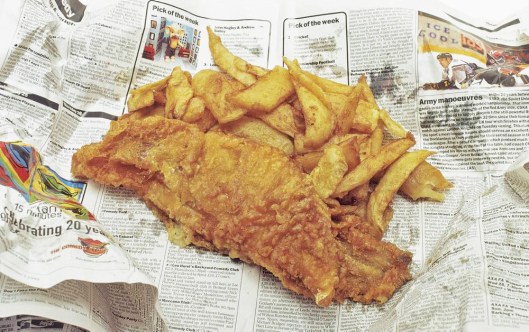
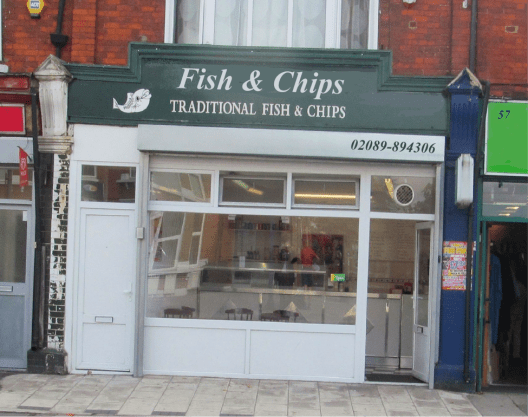
“I’ll cook you some taters one of these days. I will: fried fish and chips served by S. Gamgee.”

fish-and-chips

FishAndChips

Perhaps this is in Hobbiton? Bywater? Michel Delving?

Thanks, as always, for reading.

MTCIDC

CD

Bolts and Arrows

06 Wednesday Apr 2016

Posted by Ollamh in Films and Music, Heroes, J.R.R. Tolkien, Military History, Military History of Middle-earth, Narrative Methods, Uncategorized

≈ Leave a comment

Tags

Agincourt, anti-aircraft gun, ballista, Bard the Bowman, Battle of Crecy, Battle of Poitiers, Border Reivers, Boromir, crossbow, Crossbow Bunnies, English Longbowmen, harpoon, Hundred Years War, John Singer Sargent, latch, Maximus, N.C. Wyeth, Peter Jackson, Richard the Lionheart, Robert Louis Stevenson, Robin Hood, Roman d'Alexandre, Siege of Chalus, Smaug, Tangled, The Black Arrow, The Hobbit, The Lord of the Rings, The Mary Rose, Tolkien, Towton

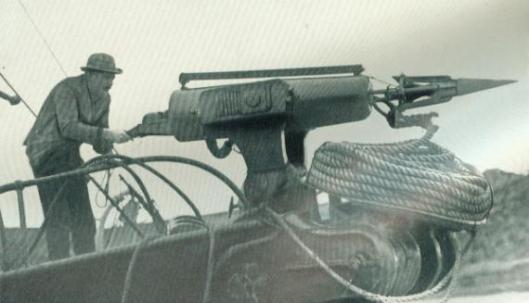
In our review of the third Hobbit film, we questioned the use by Bard of something a little larger in the way of a missile than Tolkien had intended:

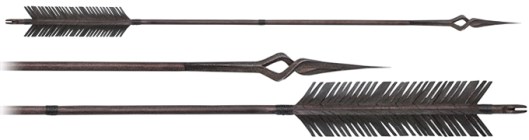
“Then Bard drew his bow-string to his ear. The dragon was circling back, flying low, and as he came the moon rose above the eastern shore and silvered his great wings.

‘Arrow!’ said the bowman. ‘Black Arrow! I have saved you to the last. You have never failed me and always I have recovered you. I had you from my father and he from of old. If ever you come from the forges of the true king under the Mountain, go now and speed well!’ ” (TH 307).

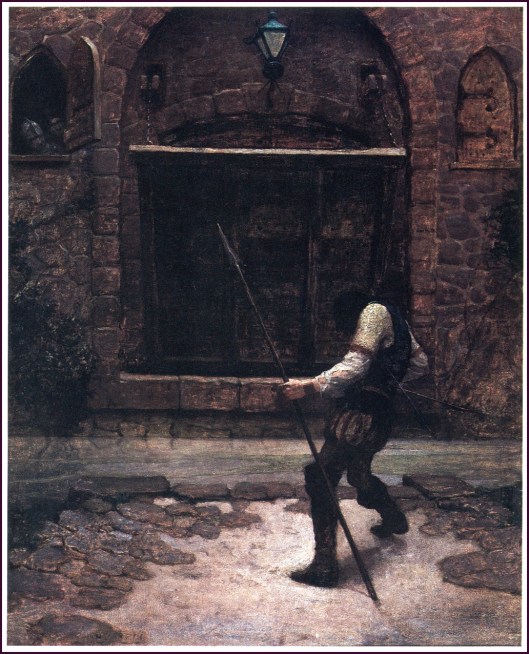
As Bard was firing this himself, we always envisioned him as an English longbowman.

englishlongbowman1330-15151.jpg

And this led us to think a bit about Tolkien’s possible sources, not only for Bard and his bow, but for that arrow–the real one, not the monster dart used in the film.

From any children’s history of England, Tolkien would have learned that longbowmen like the one shown above destroyed three brave French armies in the Hundred Years War, at Crecy (1346), Poitiers (1356), and Agincourt (1415).

hf54d67201.jpg

In the film, however, although Bard was depicted as an archer,

Bard-the-Bowman-bard-the-bowman-37670604-1920-1200.jpg

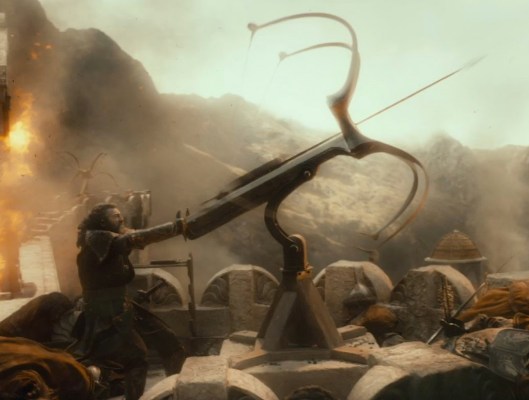
his weapon of choice looks like this.

bardwithharpoon.jpeg

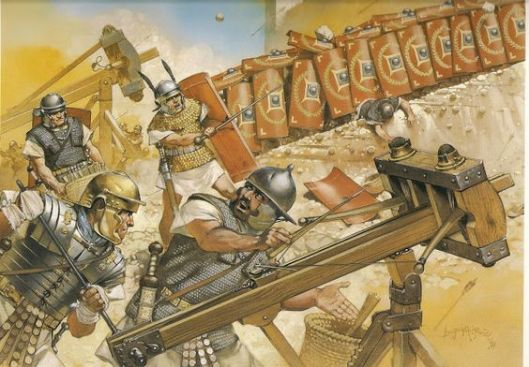
This reminds us of either a Roman ballista

b0370394e429c42631f520182c155a34.jpg

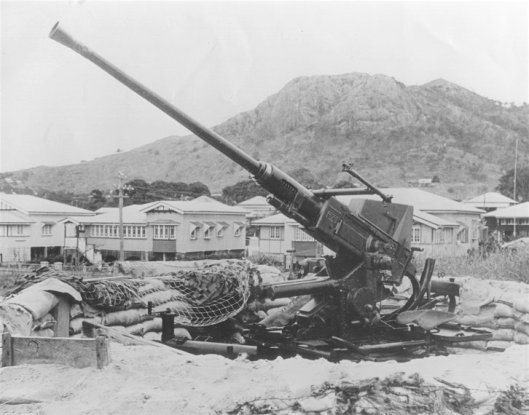
or an anti-aircraft gun

strandgun01.jpg

or, most especially,  a harpoon gun.

WhaleHarpGun1.jpg

Especially when you look at this Bard’s arrow.

bard.jpg

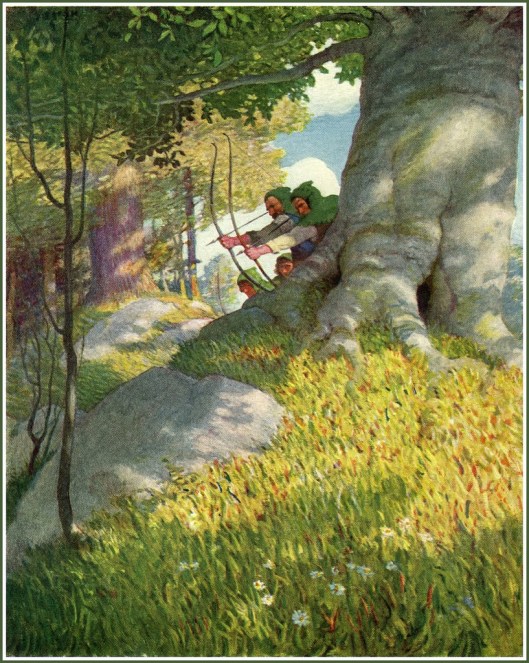
Although we currently have no evidence for Tolkien’s sources, we can imagine that they might have included, among others, Robin Hood,

5616567327_fc899be2f1_b.jpg

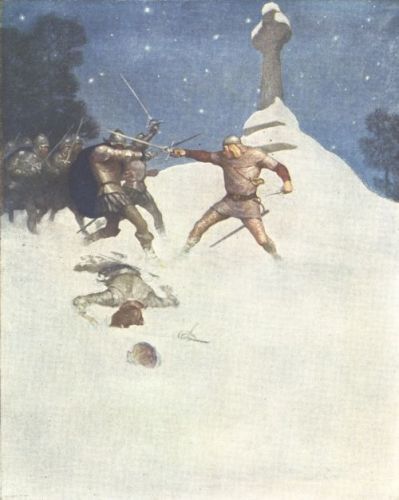
the actions of actual Medieval archers like those at Agincourt or Towton (1461),

towton3.jpg

and a book, perhaps from boyhood, Robert Louis Stevenson’s The Black Arrow (1883/1888).  Stevenson (here in an 1880s portrait by John Singer Sargent)

rlsjss2.jpg

had originally published the story serially in a children’s magazine in 1883

ba1.jpg

before its publication in book form in 1888.

Blackarrowcoverscribners1888.jpg

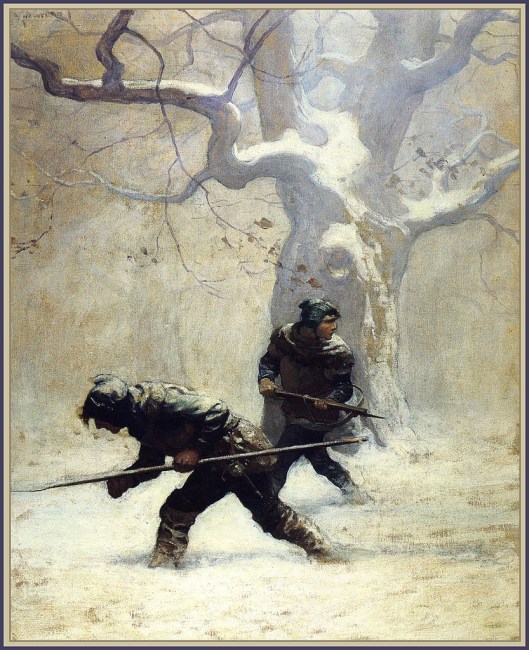
The classic illustrations are by one of our all-time favorite illustrators, NC Wyeth, from 1917.

309642.jpg

We can’t resist showing you a few:

tumblr_l4istbR1JZ1qamjklo1_1280.jpgillus08.jpg09_blackarrow_alittlebeforedawn_wyeth.jpg

Although the bow is the weapon of choice of those who use the black arrow of the title (it’s employed for revenge), the hero  in fact, has a crossbow.

5616566731_49d251a1fc_b.jpg

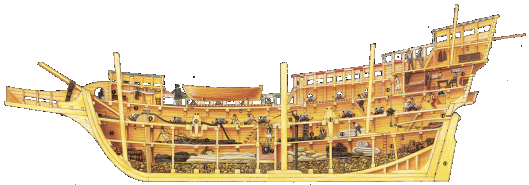
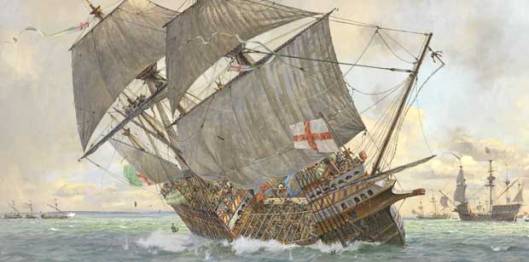
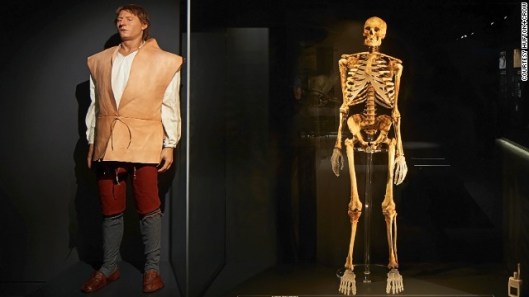
The longbow requires years of training and great upper-body strength, leaving its mark on bowmen, as can be seen from this skeleton (and its reconstruction) brought up from the English warship, the Mary Rose,

sinking_3.jpg

which sank with most of its crew in 1545 and was brought up from the mud of the ocean floor in 1982.

130530121104-mary-rose-skeleton-horizontal-gallery.jpg

The crossbow is a mechanical weapon, which uses much less strength to draw

the_old_crossbow_archer_by_renum63-d8aaovo.jpg

and, in the more developed versions, even uses a crank to produce the necessary string tension.

8f106fadbe86ed34e5567bc7a90b89e2.jpg

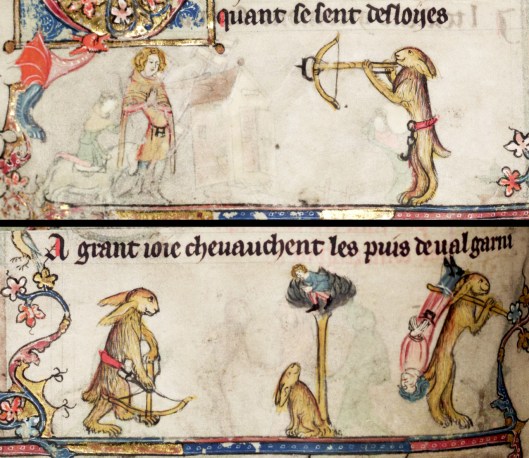
(And, just as in the case of NC Wyeth illustrations, we can’t resist medieval manuscript illustrations. Look at this pair of crossbow… bunnies from a copy of the Roman d’ Alexandre, circa 1340.)

romandalexandrec1340.jpg

This makes it a less romantic weapon, but equally deadly:  Richard the Lionheart was killed with a bolt/quarrel (what one calls a crossbow arrow) at the siege of Chalus in 1199.

Richard1TombFntrvd.jpg

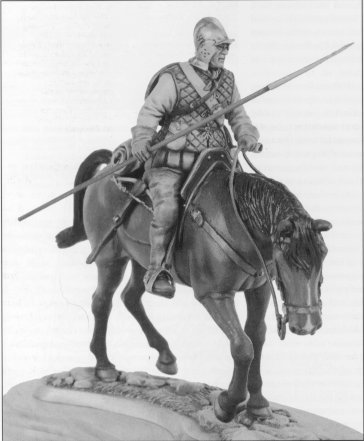
(This creates another aside–about the hand weapon used as late as the 16th century by the Border Reivers of the land between northern England and southern Scotland–called a “latch”, it was the weapon of choice for those who couldn’t afford early hand guns but wanted to fire easily from the saddle.

Reiver-on-Horse.jpg

The soldiers in Disney’s wonderful movie, Tangled, carry them–notice the off-hand side pouch with a handful of bolts  for one on Maximus’ saddle–)

maxtangled.jpg

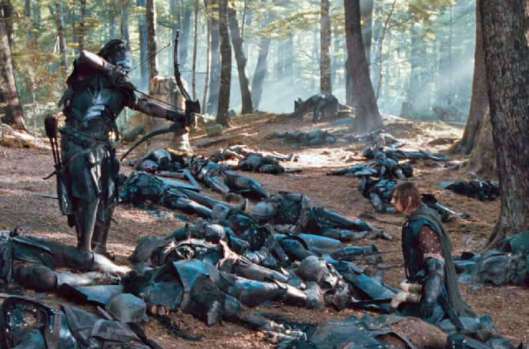
But we would  like to conclude with one more use of that black arrow.  A flight of them kills Boromir in The Lord of the Rings.

boromirarrows1.jpg

boromirearrows.png

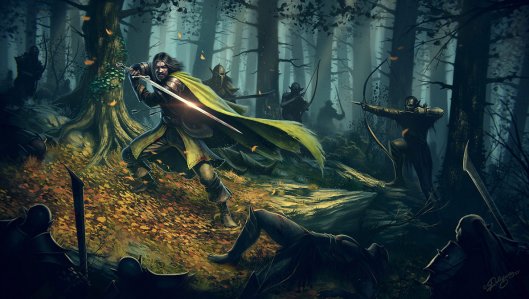
Just as we began by pointing to the text and the actual bow and arrow which kill Smaug, and not the harpoon of the film, so we would criticize this scene.  In our opinion, it is stretched beyond believability, as well as beyond the text, taking away something of Boromir’s valor in combat with dozens of the enemy, in which he is gradually overcome.

boromir_by_deligaris-d5po92u.jpg

This is just as true for the brief scene of Aragorn at Boromir’s death.  What was simple in the text, thus making it more moving–just Boromir’s confession and Aragorn’s comforting him–becomes a soppy scene in which Boromir swears loyalty and calls Aragorn “my brother”, a liberty Aragorn-the-king-t0-be, would hardly have welcomed.  In the theatrical world, this is called “milking the scene” and here, we think it curdled.

Thanks, as always, for reading.

MTCIDC,

CD

Plot or Blot?

23 Wednesday Dec 2015

Posted by Ollamh in Fairy Tales and Myths, Films and Music, J.R.R. Tolkien, Narrative Methods, Uncategorized

≈ Leave a comment

Tags

Adventure, An Unexpected Journey, Eagles, Gandalf, Gwaihir, His Dark Materials, Iofur Rakinson, Isengard, Manwe, Middle-earth, Mirkwood, Moth, Ornthanc, Peter Jackson, Philip Pullman, Radagast, Rohirrim, Saruman, Svalbard, The Battle of the Five Armies, The Council of Elrond, The eagles are coming, The Fellowship of the Ring, The Golden Compass, The Hobbit, The Lord of the Rings, The Return of the King, Tolkien, Wizard

Dear Readers,

Welcome, as always.

This posting is about a puzzle. Recently, while visiting Orthanc to write about Saruman, we bumped into the problem of how Gandalf escaped from there. Our memory was a little unclear about this—we knew that Gwaihir swooped down to rescue him, but why was Gwaihir there in the first place?

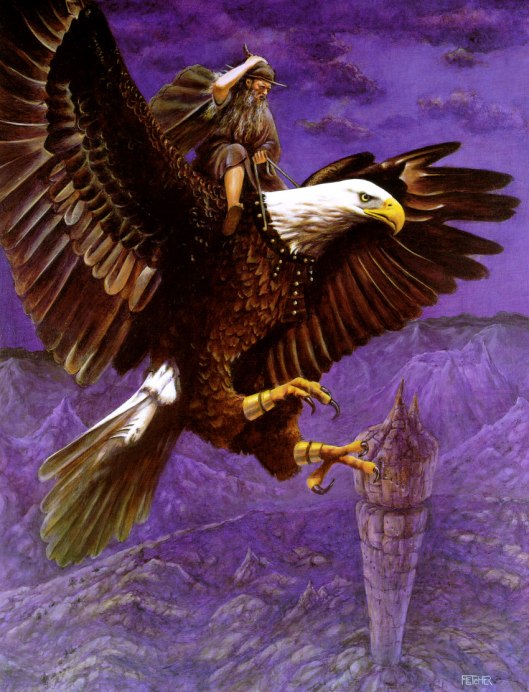
Eagles had appeared twice before in our experience of Gandalf, first when they rescued him and his companions from the goblins and Wargs in Chapter 6 of The Hobbit, “Out of the Frying-Pan into the Fire”. Here, the Lord of the Eagles hears the commotion as the Wargs struggle to overcome Gandalf’s fire magic and, gathering up some of his people, flies down to investigate.

6a00d8341dd88553ef015436529d30970c-pi.jpg

Something similar happens at the Battle of the Five Armies, explained in Chapter 18, “The Return Journey”:

“The Eagles had long had suspicion of the goblins’ mustering; from their watchfulness the movements in the mountains could not be altogether hid.” Thus, they appear self-bid, but, as they are ancient creatures, first made by Manwe and given the role of watchers from the time of the First Age, it’s not surprising that they would act as they did.

Battle of the Five Armies_Final Complete.jpg

In Jackson’s An Unexpected Journey and, again, in his The Fellowship of the Ring, an eagle appears after Gandalf has had a heart-to-heart with a moth.

gandmothhob.pngGandalf+moth.png

With a moth? We asked ourselves. We scratched our heads and wondered: does JRRT use a moth? And, if so, where did the moth come from?

In fact, what really happens is a very neatly constructed piece of plotting on the part of the author, all of which is very nicely laid out in a couple of pages of “The Council of Elrond” during Gandalf’s long narrative.

  1. Gandalf meets Radagast—who is identified, among other talents, as one for whom “birds are especially his friends”—and who says that, if Gandalf needs help with the Black Riders, he needs to apply to Saruman immediately.
  2. In return, Gandalf says to Radagast, “We shall need your help, and the help of all things that will give it. Send out messages to all the beasts and birds that are your friends. Tell them to bring news of anything that bears on this matter to Saruman and Gandalf. Let messages be sent to Orthanc.”
  3. Gandalf goes to Orthanc and, rejecting Saruman’s offer, is imprisoned at its top.
  4. Then, that which was set up in 1 and 2 comes to fruition:

“That was the undoing of Saruman’s plot. For Radagast knew no reason why he should not do as I asked; and he rode away towards Mirkwood where he had many friends of old. And the Eagles of the Mountains went far and wide, and they saw many things…And they sent a messenger to bring these tidings to me.

So it was that when summer waned, there came a night of moon, and Gwaihir the Windlord, swiftest of the Great Eagles, came unlooked-for to Orthanc; and he found me standing on the pinnacle. Then I spoke to him and he bore me away, before Saruman was aware.”

escape.jpg

Although we have solved the puzzle of Gandalf’s escape, we have no answer to why this natural and even elegant piece of plotting wasn’t used in the film any more than we understand why Radagast is turned into the horrible, clownish figure he is in the Hobbit films, having been described in “The Council of Elrond” simply as “a worthy Wizard, a master of shapes and changes of hue; and he has much lore of herbs and beasts, and birds are especially his friends.” And someone who could never be corrupted by Saruman, which is really, we think, why Saruman calls him a fool.

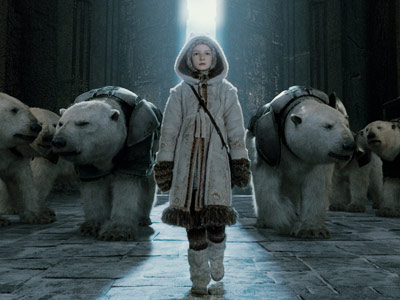
In an earlier posting, we suggested that Saruman, in his desire to ape Sauron, had created, in Isenguard, a mini-Mordor, just as Iofur Raknison, in Philip Pullman’s The Golden Compass, has turned Svalbard into a shabby ursine mockery of a human palace.

lyrasvalbard.jpg

We also suggested that the creators of the Tolkien-derived films, when they began to veer as far from the text as they appeared increasingly to do in the Hobbit films, had become a bit like Saruman themselves, and, like his master, “cannot make real new things of [their] own…” We hesitate to add this, but, could it be that, as in the case of the orcs, they “only ruined them and twisted them…”? (The Return of the King, “The Stairs of Cirith Ungol”). After all, instead of easy plot lines, we have moths, and, in place of worthy, incorruptible wizards, we have gross clowns.

We are reluctant to end on a negative note, however. After all, just as there are the Rohirrim in The Lord of the Rings films, there are those wonderful eagles at the end of An Unexpected Journey, so why not end with them?

taking-fan-theories-to-a-next-level-the-eagles-are-coming-434375.jpg

Thanks, as ever, for reading.

MTCIDC

CD

PS

If you don’t know Pullman’s His Dark Materials series, we very much recommend them—but with this proviso: in the first and second volumes (The Golden Compass, The Subtle Knife), Pullman’s antagonism towards organized religion is channeled into the “Magisterium”, a believable villainous organization in the world which he has so meticulously and powerfully created. In the third volume (The Amber Spyglass), we feel that that antagonism becomes all-too-apparent and it causes that volume—in our opinion—to lack the more human element and focus of the first two volumes. The first volume can certainly be read on its own and perhaps it says something about the trilogy as a whole that a planned project for filming all three books was eventually cut to a single film of the first book. We recommend this film, as well, but suggest that you read The Golden Compass before you see it.

The Return of the Who.2?

28 Wednesday Oct 2015

Posted by Ollamh in Fairy Tales and Myths, Heroes, Imaginary History, J.R.R. Tolkien, Narrative Methods, Villains

≈ Leave a comment

Tags

Aragorn, Aslan, C.S. Lewis, Catholicism, Gondor, Hobbits, Jadis, Medusa, Middle-earth, monotheism, Narnia, Oxford, religion, Sauron, secular, The Bird and the Baby, The Chronicles of Narnia, The Eagle and the Child, The Hobbit, The Inklings, The Lamb and Flag, The Lord of the Rings, the Pevensies, The Return of the Ring, The White Witch, Tolkien, White Tree

Dear Readers,

Welcome, as always.

This posting is a continuation of our last, in which we made a brief attempt to think about what the title “The Return of the King” might have meant for its author in his time.

In this posting, we want to expand that meaning from a secular king to one with more religious overtones.

We ourselves, as we’ve said before, are World Civ people, believing that all people in all times and places are and should be of interest and value to everyone. We are also pan-spiritual, thinking with Gandhi that, “I believe in the fundamental Truth of all great religions of the world.”

In the case of Tolkien, this meant Catholic Christianity, a form of monotheism. Of religion and The Lord of the Rings, he wrote in 1953:

“The Lord of the Rings is of course a fundamentally religious and Catholic work; unconsciously so at first, but consciously in the revision. That is why I have not put in, or have cut out, practically all references to anything like ‘religion’, to cults or practices, in the imaginary world. For the religious element is absorbed into the story and the symbolism.” Letters, 172.

He adds to this, in a letter to Houghton Mifflin, in 1955, that “It is a monotheistic world of ‘natural theology’. (Letters, 220). At the same time, however, he adds “I am in any case myself a Christian; but the ‘Third Age’ was not a Christian world. Letters, 220.

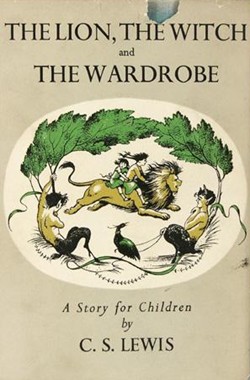
And yet we would suggest that there is not only more of a Christian theme, but also a Christian parallel with a book written at about the same time as the later stages of The Lord of the Rings and published slightly before it. This is C.S. Lewis’ The Lion, the Witch and the Wardrobe (1950).

TheLionWitchWardrobe(1stEd)

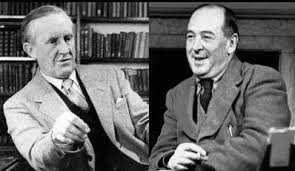
As is well known, both Lewis and Tolkien

jrrt and csl

were members of a literary group in Oxford, the Inklings.

draft_lens9242861module102711761photo_1274835984eagle_and_child_pub_inkli

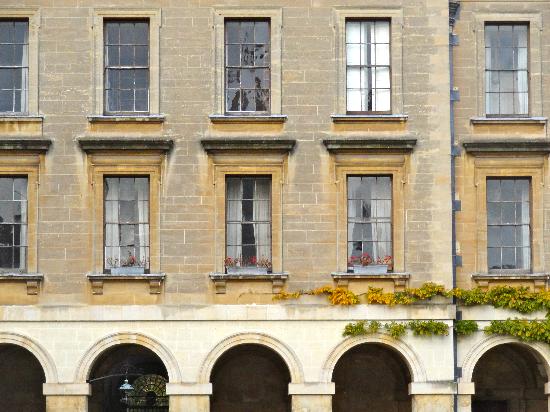
Lewis and Tolkien formed part of the permanent core, with other members coming and going over the years (1933-1949).   The meetings were held in Lewis’ rooms at Magdalen College,

magdalen room-used-by-cs-lewis

as well as at two local pubs, The Eagle and Child (called locally “Bird and Baby” or just “Bird”)

Birdandbaby

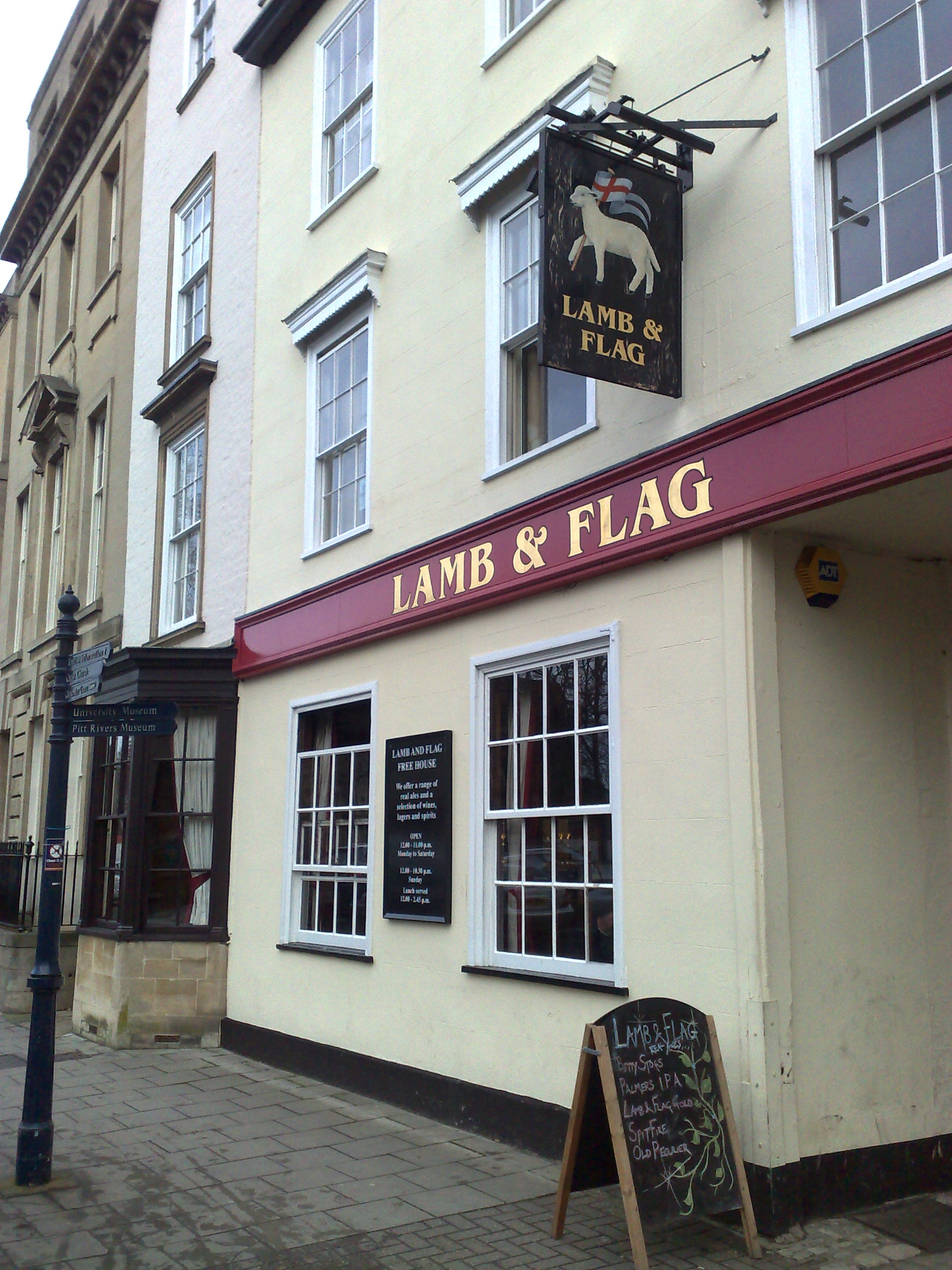
as well as The Lamb and Flag.

Lamb-and-flag-pub-oxford

The purpose (besides refreshments) was literary discussion, both of others’ works and of their own, and an important feature was the reading aloud of works in progress. Lewis had been very supportive, both of The Hobbit and The Lord of the Rings, but Tolkien had not been so enthusiastic in return. All the same, we would suggest that various elements of Lewis’ The Lion, the Witch and the Wardrobe and events around Gondor in Tolkien’s The Return of the King at times bear strong similarities.

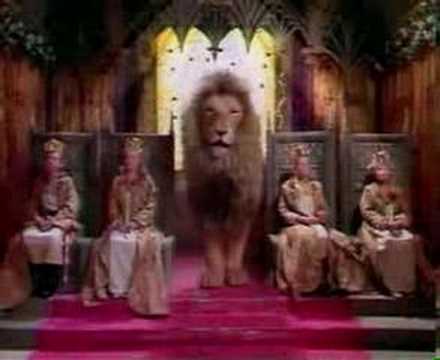
In Lewis’ book, the main protagonists are four children, the Pevensies.

childrenaslanbbc

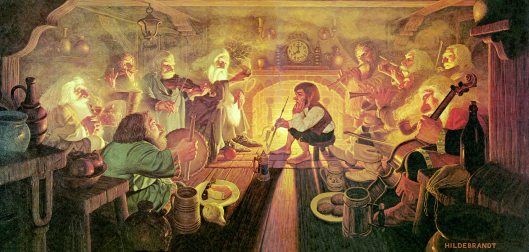
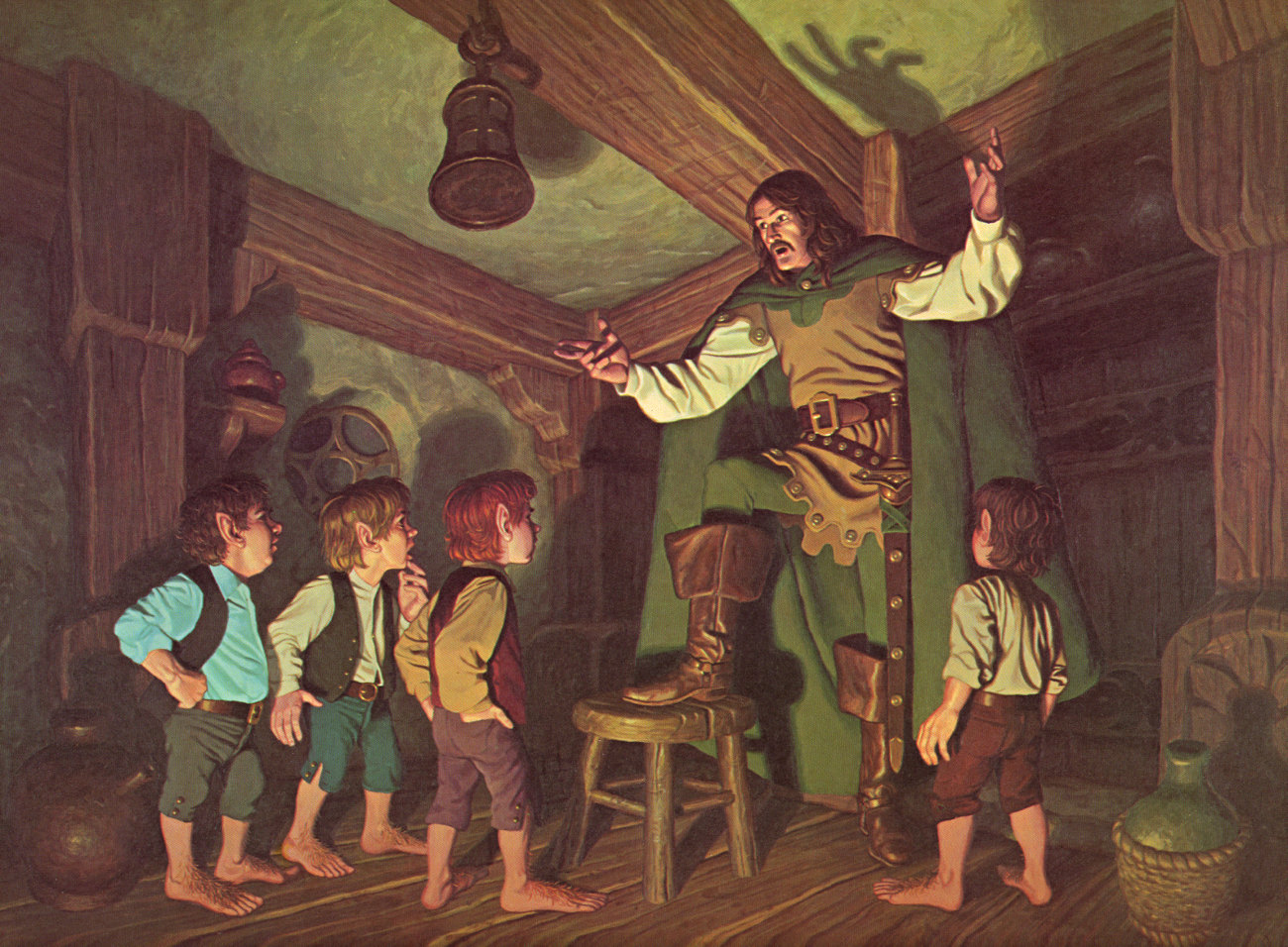
In Tolkien’s, there are four grown Hobbits, often mistaken, beyond the borders of the Shire, for children.

hildebrandthobbits

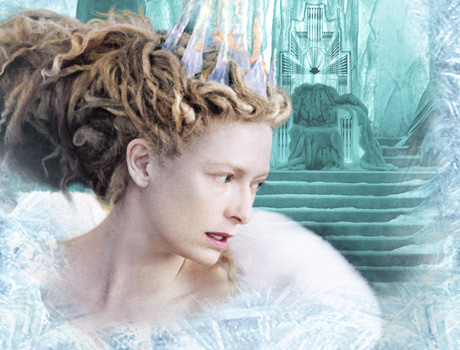
Both groups are on an errand which they barely understand and are faced with a supernatural enemy, the White Witch for the one, Sauron for the other. (There seems to be a lot of mirroring in all of this: the White Witch is already in Narnia and must be driven out. Sauron is outside Gondor and wants to get in, for example. The White Witch’s name is “Jadis”, by the way. Undoubtedly Lewis’ little linguistic joke: jadis in French means “formerly”, suggesting that even from the first time she appears, she’s already on her way out.)

wwbbc

main_1-Greg-Hildebrandt-Signed-Sauron-The-Dark-Lord-Limited-Edition-34x23-Giclee-PristineAuction.com

(Notice, in the movie version of Jadis, the strong similarity between her and the Medusa. In fact, Jadis turns her enemies, when she can, to ice.)

jadis1

bernini medusa

frozenmrtumnus

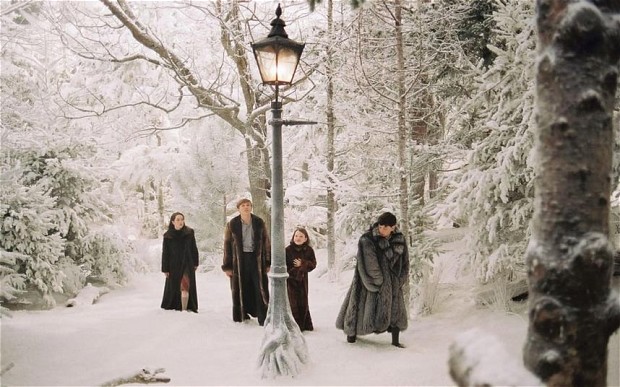
Before the current world of Narnia, to which the children come, there was a king who had been somehow ejected a century before. In Middle Earth, there has been no king in Gondor for ten times that. In Narnia, there has been winter for that century.

winteratthelamppost

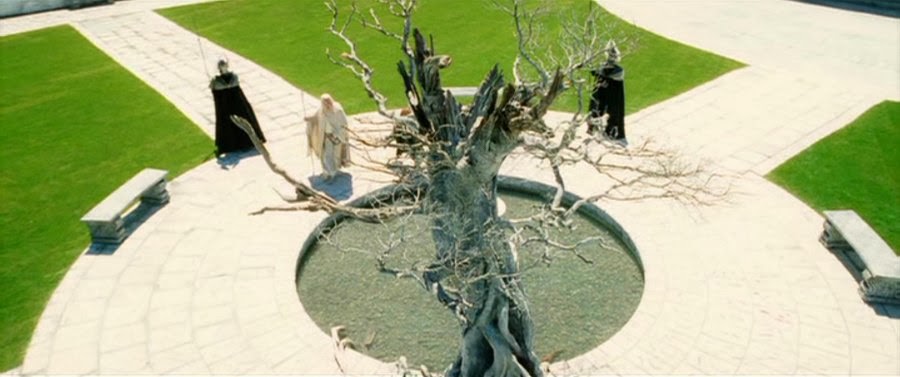
In Gondor, in Middle Earth, its symbol of growth and stability, the White Tree, has withered and died.

WhiteTreeGondor

When the Pevensie children have been involved in the defeat of the White Witch, they will rule Narnia in the place of the true king, the lion Aslan.

the-chronicles-of-narnia-the-lion-the-witch-and-the-wardrobe-wallpaper-the-chronicles-of-narnia-the-lion-the-witch-and-the-wardrobe-poster_590x384_23014

For about a thousand years, stewards ruled Gondor in place of the king. (Another example of mirroring.)

denethor

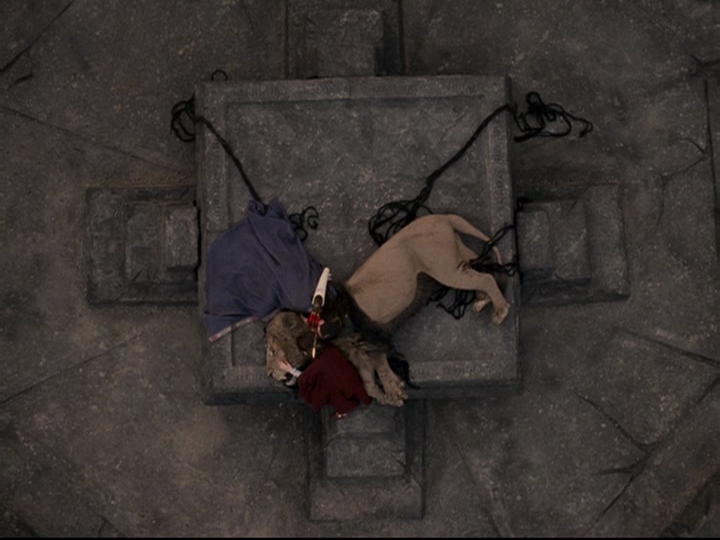
When Lewis’ Aslan returns, it is from death, having sacrificed himself to save one of the Pevensie children.

aslandead

Thus, Aslan, in effect, heals himself. When the king of Gondor, Aragon, appears, he heals others. (Tolkien would probably associate this with the old English custom of having the monarch touch people attacked with a disease called scrofula, or “the King’s evil”. We include a picture of Queen Mary—1516-1558—doing so.)

Queen_Mary_I_curing_scrofula_Levina_Teerlinc_16th_C

healingeowyn

When Aslan appears, spring returns to Narnia.

springinnarnia

When Aragorn claims the throne, he and Gandalf discover a sapling of the old tree on Mindolluin, bring it down, and plant it and it soon flowers.

whitesapling whitetreebeginstoflower

We’re sure that there are other parallels, dear reader: can you think of any?

Thanks, as always, for reading this.

MTCIDC

CD

Jolly Tom.2

16 Wednesday Sep 2015

Posted by Ollamh in Fairy Tales and Myths, Imaginary History, J.R.R. Tolkien, Narrative Methods

≈ Leave a comment

Tags

Barrow-downs, Barrow-wights, Bree, Dagger, Dorset, Eowyn, Fangorn, Frodo, Gandalf, Middle-earth, Nazgul, Neolithic, Old Forest, Old Man Willow, Peter Jackson, Sauron, The Hobbit, The Lord of the Rings, The Ring, Tolkien, Tom Bombadil, Weaponry, Westernesse, Witch-King of Angmar

Dear Readers,

Welcome, as always!

As you can see from the title, this is a continuation of the previous posting, in which we began a discussion of a two-part question: 1. What would be the advantage of keeping Tom Bombadil in a recorded (audio or film) version of The Lord of the Rings? 2. What would you need to keep?

To summarize the previous posting, we suggested that:

  1. he, along with Fangorn/Treebeard, represents the great age of Middle Earth—something very important to the author–and a continuity of living things, which leads us to
  2. he might also be seen as a form of hope: the Ring has no effect upon him and he remembers a time before the arrival of Sauron, suggesting that there might be a time after him, as well, and that the Ring has limits
  3. as it seems out of place even in the current text, the bulk of Tom’s verse and the sometimes rhythmicized prose could be removed, leaving only the character himself and his part in the plot

We believe, however, that there is a more pressing reason for keeping him in the text, and it has to do with something Gandalf says to Frodo when Frodo, panicked at the prospect of having to deal with the Ring, demands, “Why did it come to me? Why was I chosen?” LotR 61.

“’Such questions cannot be answered,’ said Gandalf, ‘You may be sure that it was not for any merit that others do not possess: not for power or wisdom, at any rate. But you have been chosen, and you must therefore use such strength and heart and wits as you have.’” LotR 61.

This is a continuation of Gandalf’s earlier statement that:

“Behind that there was something else at work, beyond any design of the Ring-maker. I can put it no plainer than by saying that Bilbo was meant to find the Ring, and not by its maker. In which case you also were meant to have it.” LotR 56.

Thus, there is a level of intentionality at work in Middle-earth, something beyond Sauron. And, when we see Bombadil next, he will prove to be an instrument of the intention.

The Hobbits have left his house and, following his directions, have passed onto the Barrow-downs.

Breeland_breetobarrowdowns

A down is a piece of rolling countryside, often bare at the top, with trees in its folds—as here in Dorset.

dorset_3287278k

The Dorset Downs have lots of Neolithic remains, including numbers of barrows or tumuli, grave mounds commonly covering an interior structure, not uncommonly made of stone—

OLYMPUS DIGITAL CAMERA

image4

Wakeman_Newgrange_tumulus_chamber_cross_section

Such tumuli once contained the body or bodies usually of high-status persons

Unknown

and all sorts of grave goods, either as a display of wealth or perhaps for some sort of afterlife use.

gordion1957

Bombadil has been careful, however, to say “more than once” (LotR 134) that the Hobbits are to avoid the barrows themselves, telling them not to meddle with them or “cold Wights” (LotR 133). (He also says that they should pass them “on the west-side”—there have been lots of guesses about this—we would add our guess that it might have to do with the orientation—literally—of the entry. If entries faced east and the rising sun, it would be wise of the Hobbits to skirt the barrows’ potential blind side, on the west. And there is also the rather obvious point, once you’ve looked at a map of the area, that, if they kept the barrows to the right and the Old Forest to the left, they would be heading north towards the road to Bree, as they intended.)

il_570xN.743473219_bxv9

Those Barrow-wights are not the original inhabitants of the mounds, but agents of the Witch-king of Angmar, who sends them to take possession (The Lord of the Rings Companion, 144-145), long after their original occupation—but, what’s interesting is that, at least one of these tumuli appears not to have been plundered and this leads us to our next point about Tom Bombadil. After he rescues the Hobbits (showing again his mastery over at least the minor forces of evil), he does a little plundering of his own, including:

“For each of the hobbits he chose a dagger, long, leaf-shaped, and keen, of marvellous workmanship, damasked in serpent forms in red and gold…Then he told them that these blades were forged many long years ago by Men of Westernesse: they were foes of the Dark Lord, but they were overcome by the evil king of Carn Dum in the Land of Angmar.” LotR 146.

damascene-sword

Here are a few ideas of what, at least, the leaf shape might have looked like:

leaf.2bronzeageblades leaf.1

And we include this third one just because it looks so cool—

leaf.3

Bombadil, of course, has actually seen all of this happen, and here we see that theme of great age appear again. And there’s the pedigree of those blades. Unlike the sack ‘o swords slung without any more explanation than “These are for you. Keep them close.” to the Hobbits in the film, these were weapons made by heroic men of the past, doomed men, but who fought evil until they were overcome (a strong theme throughout the history of Middle-earth).

Late in the story, one of those blades seems to be the instrument of intentionality once more. When Eowyn faces the Witch-king of Angmar, now the chief of the Nazgul—

lord_of_the_nazgul_2

and he is about to kill her with his mace, Merry strikes him from behind, stabbing him in what, on a living man, would have been a vulnerable spot, the back of the knee. (LotR 842.)

eowyn_vs_the_nazgul_by_arteche-d3ggm8g

Distracted and, surprisingly, in pain, the Nazgul stumbles and Eowyn destroys him and here, once more, we may see intentionality, and all because of Tom Bombadil. Merry’s sword, from its contact with the undead flesh of the Nazgul, withers away, but—

“So passed the sword of the Barrow-downs, work of Westernesse. But glad would he have been to know its fate who wrought it slowly long ago in the North-kingdom when the Dunedain were young, and chief among their foes was the dread realm of Angmar and its sorcerer king. No other blade, not though mightier hands had wielded it, would have dealt that foe a wound so bitter, cleaving the undead flesh, breaking the spell that knit his unseen sinews together.” LotR 844.

So, for everything from Old Man Willow (whom the script writers couldn’t resist completely, transposing him to an improbable scene with Fangorn/Treebeard) to showing the great age of Middle-earth to suggesting other powers untouched by the Ring to offering possible hope to showing something of the intentionality behind certain actions in the story to providing the ancient and magical weapon which could finally bring down the Witch-king of Angmar and save Eowyn at the same time, might we suggest that, next production—audio or visual—of The Lord of the Rings, Jolly Tom might have a place in the cast?

Thanks, as always, for reading.

MTCIDC

CD

PS

If you would like to read more about Tom, see, for example, Dorathea Thomas, “He Is: Tom Bombadil and His Function in The Lord of the Rings” at Academia.edu.

Ever On?

02 Wednesday Sep 2015

Posted by Ollamh in J.R.R. Tolkien, Narrative Methods, Poetry

≈ Leave a comment

Tags

Bilbo, Frodo, Hobbits, The Hobbit, The Lord of the Rings, Tolkien, Walking Song

Dear Readers,

As always, welcome!

We’ve spent a good amount of postings talking about the narrative methods of The Lord of the Rings, and now we’d like to add to that, song.

Although Bilbo left his pocket-handkerchief behind, along with a good many other things he’d rather have had with him on the unexpected journey, he did bring something that seems to be inherently a part of Hobbits: song. As Mary Quella Kelly wrote in her essay “The Poetry of Fantasy, Verse in The Lord of the Rings”, “reciting or singing verse is for them the most natural way to express their emotions” (172), and we could heartily agree, as the Hobbits sing drinking songs, walking songs, and even bath songs. Kelly also points out that they “reuse old poems from the Shire, altering a word or phrase to fit the occasion” (172), one such strong example being Bilbo’s Walking Song, which, like the other Hobbit songs, accompanies the Hobbits throughout their journeys.

The Walking Song carries Bilbo and Frodo through their adventures, shifting in nature as the journey continues and eventually comes to an end. The first version appears in The Hobbit, when Bilbo is on the return journey home:

Roads go ever ever on,

Over rock and under tree,

By caves where never sun has shone,

By streams that never find the sea;

Over snow by winter sown,

And through the merry flowers of June,

Over grass and over stone,

And under mountains in the moon.

Roads go ever ever on

Under cloud and under star,

Yet feet that wandering have gone

Turn at last to home afar.

Eyes that fire and sword have seen

And horror in the halls of stone

Look at last on meadows green

And trees and hills they long have known.

The song seems to be reminiscing about the things he’s seen and the places he’s been, and appears only after the adventure has been completed. It’s a sort of poetic precursor to what will later become The Red Book of Westmarch.

­The Lord of the Rings, however, introduces a new version of the song, as Bilbo sings it softly in the dark after he’s been the first ring-bearer to willingly give up the Ring, and sets off to find new adventure.

The Road goes ever on and on

            Down from the door where it began.

Now far ahead the Road has gone,

            And I must follow, if I can,

Pursuing it eager feet

            Until it joins some larger way

Where many paths and errands meet.

            And whither then? I cannot say.

What has happened here? Tolkien’s anticipated sequel to The Hobbit has already taken a deeper, more complex turn than his original children’s story. Rather than standing and looking back at the road, Bilbo once again looks forward.

Just as Kelly suggests, he’s not the only one to anticipate the journey. Bilbo’s songs and the Ring being the only inheritance Frodo possesses on the road, Frodo sings his own version of the walking song:

The Road goes ever on and on

            Down from the door where it began.

Now far ahead the Road has gone,

            And I must follow, if I can,

Pursuing it weary feet

            Until it joins some larger way

Where many paths and errands meet.

            And whither then? I cannot say.

This version is identical in form, and the only word has changed—“eager” to “weary”, and this changes the tone entirely.

Bilbo sang cheerfully of the road behind him and of the road ahead, but Frodo’s version suggests that this new adventure in The Lord of the Rings is a much graver quest than Bilbo’s—and, potentially, more tiring. After Frodo sings the song to himself quietly, Pippin remarks,

“ ‘That sounds like a bit of old Bilbo’s writing’, said Pippin, ‘Or is it one of your imitations? It does not sound altogether encouraging.’ “ LOTR 72

And so Frodo’s reprise of the song, even with the variation of just one word, creates a reluctance to adventure, rather than continuing Bilbo’s eagerness. To Bilbo, the song ensures a story-worthy adventure with a return journey, but for Frodo, it’s just the opposite.

The song changes again, however, when there is a return journey for both Bilbo and Frodo, which hints at their voyage across the sea and into the west. Again, quietly to himself, Bilbo sings in Rivendell after Frodo has returned from his quest. Frodo has destroyed the Ring, but has retained the song, and seems to bring it back to Bilbo.

The Road goes ever on and on

Out from the door where it began.

Now far ahead the Road has gone,

Let others follow it who can!

Let them a journey new begin,

But I at last with weary feet

Will turn towards the lighted inn,

My evening-rest and sleep to meet.

And so, Bilbo’s “There and Back Again” journey and Frodo’s quest to destroy the Ring have both come to a conclusion. Bilbo sings this final version, which ends the adventures for both Hobbits, but passes on the adventure. Bilbo is ready to retire from traveling, and Frodo has completed his quest. As Frodo has left the last pages for Sam, however, it’s as if Bilbo has left the rest of the Red Book for those wishing to follow his footsteps down the road and begin anew, adding to or changing the songs to mirror their feelings as they go.

Thanks, as always, for reading,

MTCIDC,

CD

← Older posts
Newer posts →

The Doubtful Sea Series Facebook Page

The Doubtful Sea Series Facebook Page

  • Ollamh

Categories

  • Artists and Illustrators
  • Economics in Middle-earth
  • Fairy Tales and Myths
  • Films and Music
  • Games
  • Heroes
  • Imaginary History
  • J.R.R. Tolkien
  • Language
  • Literary History
  • Maps
  • Medieval Russia
  • Military History
  • Military History of Middle-earth
  • Narnia
  • Narrative Methods
  • Poetry
  • Research
  • Star Wars
  • Terra Australis
  • The Rohirrim
  • Theatre and Performance
  • Tolkien
  • Uncategorized
  • Villains
  • Writing as Collaborators
Follow doubtfulsea on WordPress.com

Across the Doubtful Sea

Recent Postings

  • Subterranean April 22, 2026
  • Serendipity? April 15, 2026
  • Serendipity April 8, 2026
  • Verisimilitude April 1, 2026
  • Goblins and Goblin March 25, 2026
  • Crowing and Raven March 18, 2026
  • The Damage of Dragons March 11, 2026
  • Encouragement March 4, 2026
  • Eavesdropping February 25, 2026

Blog Statistics

  • 111,973 Views

Posting Archive

  • April 2026 (4)
  • March 2026 (4)
  • February 2026 (4)
  • January 2026 (4)
  • December 2025 (5)
  • November 2025 (4)
  • October 2025 (5)
  • September 2025 (4)
  • August 2025 (4)
  • July 2025 (5)
  • June 2025 (4)
  • May 2025 (4)
  • April 2025 (5)
  • March 2025 (4)
  • February 2025 (4)
  • January 2025 (5)
  • December 2024 (4)
  • November 2024 (4)
  • October 2024 (5)
  • September 2024 (4)
  • August 2024 (4)
  • July 2024 (5)
  • June 2024 (4)
  • May 2024 (5)
  • April 2024 (4)
  • March 2024 (4)
  • February 2024 (4)
  • January 2024 (5)
  • December 2023 (4)
  • November 2023 (5)
  • October 2023 (4)
  • September 2023 (4)
  • August 2023 (5)
  • July 2023 (4)
  • June 2023 (4)
  • May 2023 (5)
  • April 2023 (4)
  • March 2023 (5)
  • February 2023 (4)
  • January 2023 (4)
  • December 2022 (4)
  • November 2022 (5)
  • October 2022 (4)
  • September 2022 (4)
  • August 2022 (5)
  • July 2022 (4)
  • June 2022 (5)
  • May 2022 (4)
  • April 2022 (4)
  • March 2022 (5)
  • February 2022 (4)
  • January 2022 (4)
  • December 2021 (5)
  • November 2021 (4)
  • October 2021 (4)
  • September 2021 (5)
  • August 2021 (4)
  • July 2021 (4)
  • June 2021 (5)
  • May 2021 (4)
  • April 2021 (4)
  • March 2021 (5)
  • February 2021 (4)
  • January 2021 (4)
  • December 2020 (5)
  • November 2020 (4)
  • October 2020 (4)
  • September 2020 (5)
  • August 2020 (4)
  • July 2020 (5)
  • June 2020 (4)
  • May 2020 (4)
  • April 2020 (5)
  • March 2020 (4)
  • February 2020 (4)
  • January 2020 (6)
  • December 2019 (4)
  • November 2019 (4)
  • October 2019 (5)
  • September 2019 (4)
  • August 2019 (4)
  • July 2019 (5)
  • June 2019 (4)
  • May 2019 (5)
  • April 2019 (4)
  • March 2019 (4)
  • February 2019 (4)
  • January 2019 (5)
  • December 2018 (4)
  • November 2018 (4)
  • October 2018 (5)
  • September 2018 (4)
  • August 2018 (5)
  • July 2018 (4)
  • June 2018 (4)
  • May 2018 (5)
  • April 2018 (4)
  • March 2018 (4)
  • February 2018 (4)
  • January 2018 (5)
  • December 2017 (4)
  • November 2017 (4)
  • October 2017 (4)
  • September 2017 (4)
  • August 2017 (5)
  • July 2017 (4)
  • June 2017 (4)
  • May 2017 (5)
  • April 2017 (4)
  • March 2017 (5)
  • February 2017 (4)
  • January 2017 (4)
  • December 2016 (4)
  • November 2016 (5)
  • October 2016 (6)
  • September 2016 (5)
  • August 2016 (5)
  • July 2016 (5)
  • June 2016 (5)
  • May 2016 (4)
  • April 2016 (4)
  • March 2016 (5)
  • February 2016 (4)
  • January 2016 (4)
  • December 2015 (5)
  • November 2015 (5)
  • October 2015 (4)
  • September 2015 (5)
  • August 2015 (4)
  • July 2015 (5)
  • June 2015 (5)
  • May 2015 (4)
  • April 2015 (3)
  • March 2015 (4)
  • February 2015 (4)
  • January 2015 (4)
  • December 2014 (5)
  • November 2014 (4)
  • October 2014 (6)
  • September 2014 (1)

Blog at WordPress.com.

  • Subscribe Subscribed
    • doubtfulsea
    • Join 75 other subscribers
    • Already have a WordPress.com account? Log in now.
    • doubtfulsea
    • Subscribe Subscribed
    • Sign up
    • Log in
    • Report this content
    • View site in Reader
    • Manage subscriptions
    • Collapse this bar
 

Loading Comments...