Tags
Aeneas, Aeschylus, Agamemnon, christopher-nolan, Elendil, Geoffrey of Monmouth, Historia Regum Britanniae, Homer, movies, Numenor, Statius, The Aeneid, The Odyssey, the Trojan war, the-oresteia, tolkiien, Trojan War movies, Vergil
Welcome, dear readers, as always.
A new film of the Odyssey has just appeared this summer.
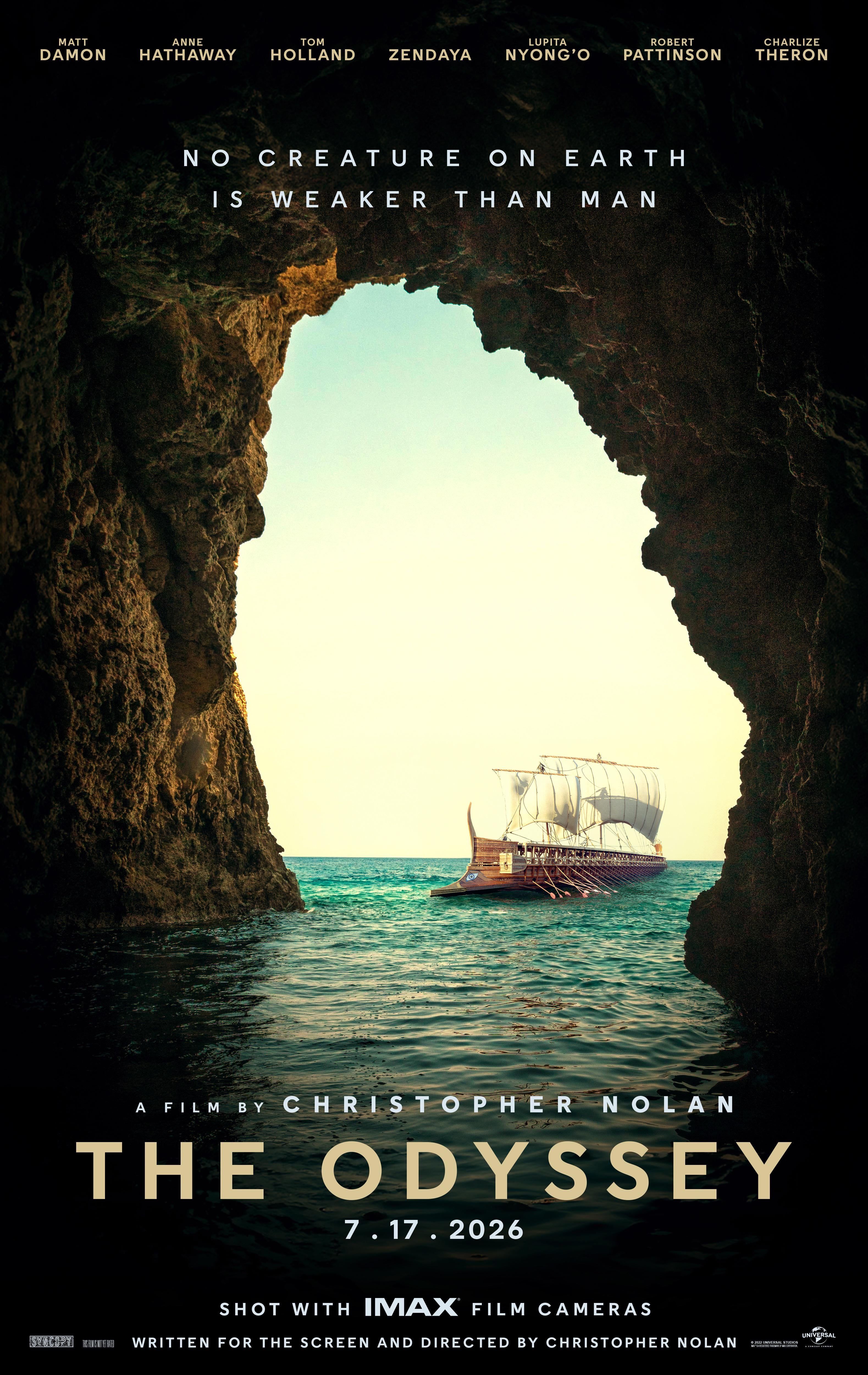
I’m always interested to see what creative people can do with an old favorite, although I was disappointed by Troy (2004),
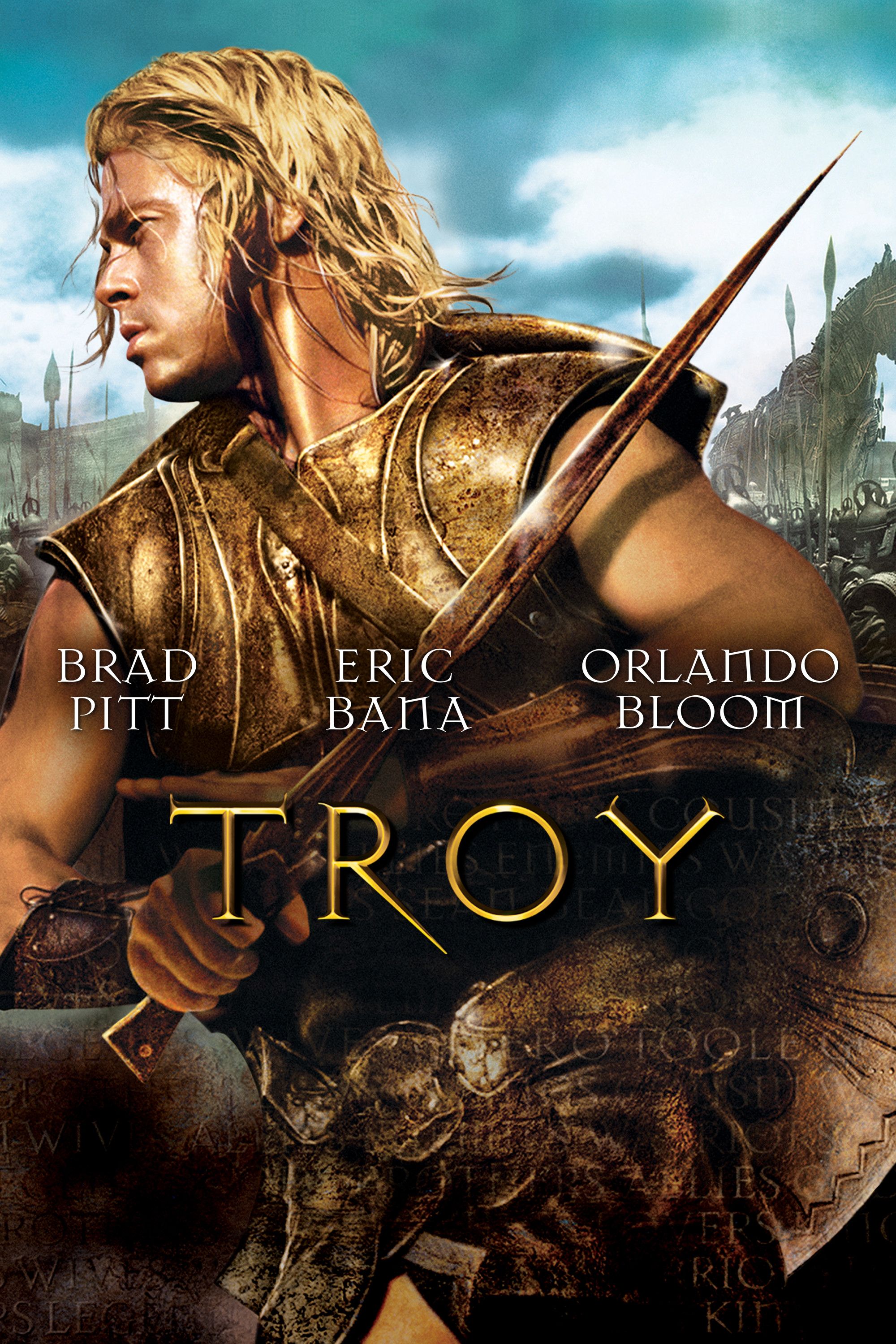
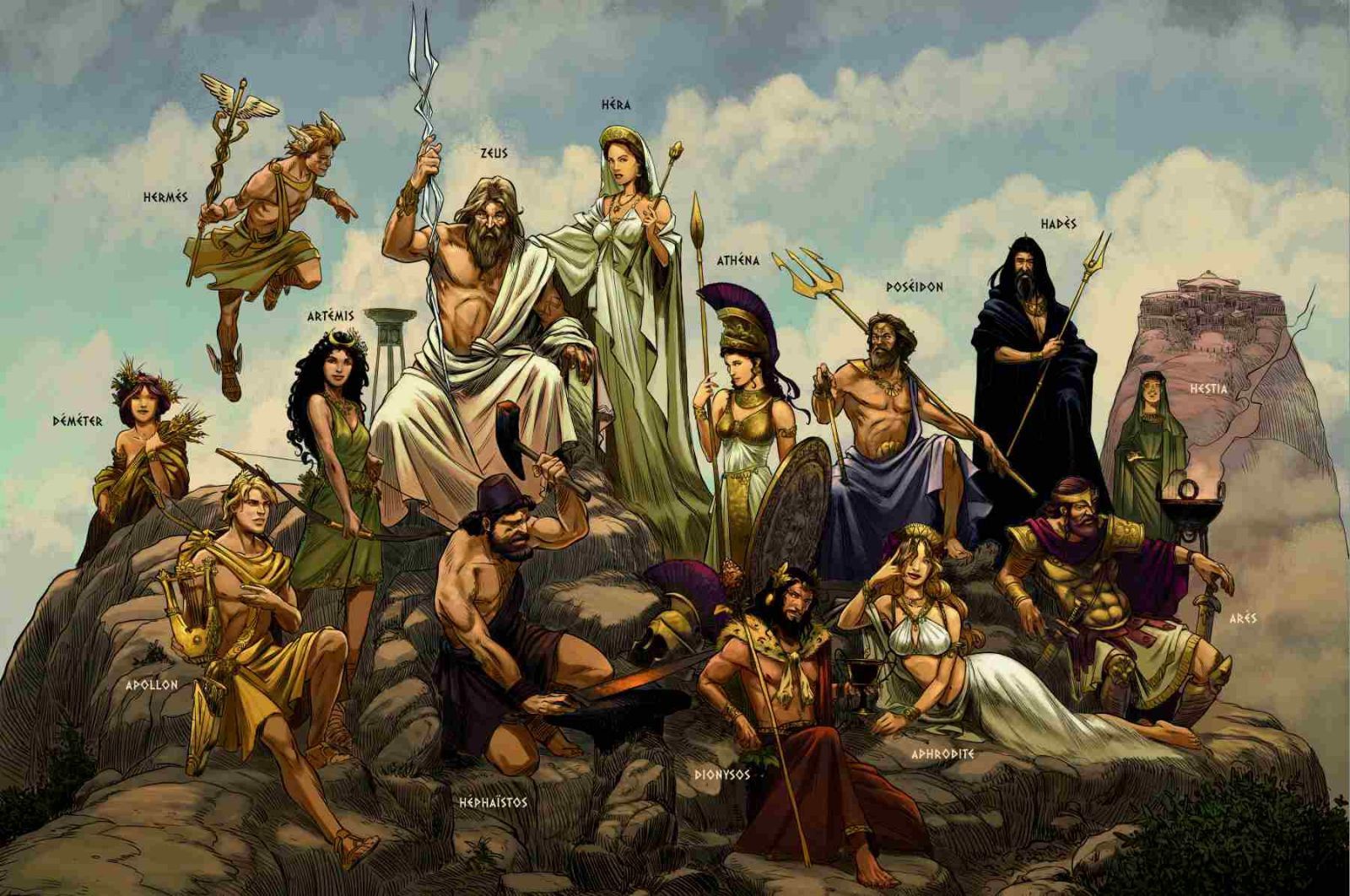
not only because of the many changes to the story, but also because the gods, who, ultimately, are behind the Trojan War, were removed completely, thus telling, really, only half of the tale of Troy.
If you read this blog regularly, you know that I try to see a film or even series at least twice, if I can, and I always attempt to understand what it is that the creators are trying to do before I review it, trusting that the work was made with the best intentions. Having only seen trailers and read about it, I’ll hold off on making any comments about this new Odyssey until I’ve actually sat in the theatre and watched.
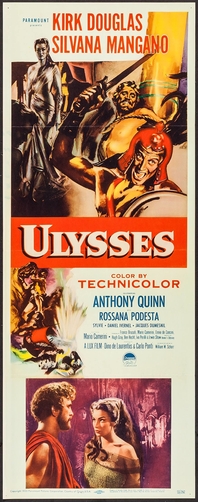
Even before seeing it, however, I’m impressed, once more, by the interest the story of Troy continues to hold, and not only in films, of which we have, among others, Ulysses (1954)
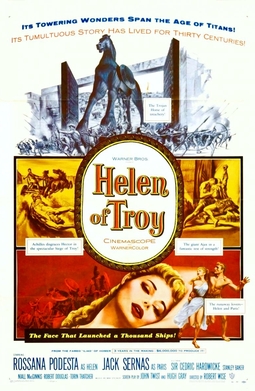
Helen of Troy (1956),
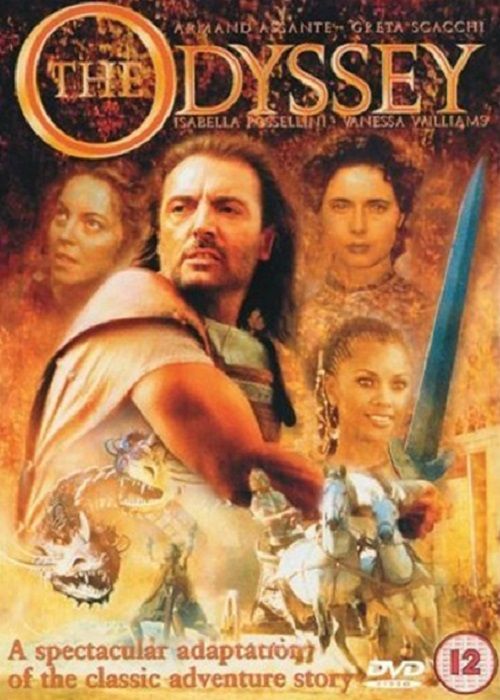
a television series with Armand Assante (1997),
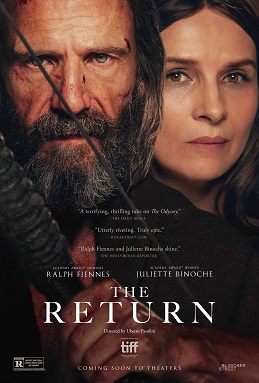
as well as Troy (2004) and The Return (2024),
but through time—ancient Greek dramatists based plots upon it, like Aeschylus (c.525-455BC),
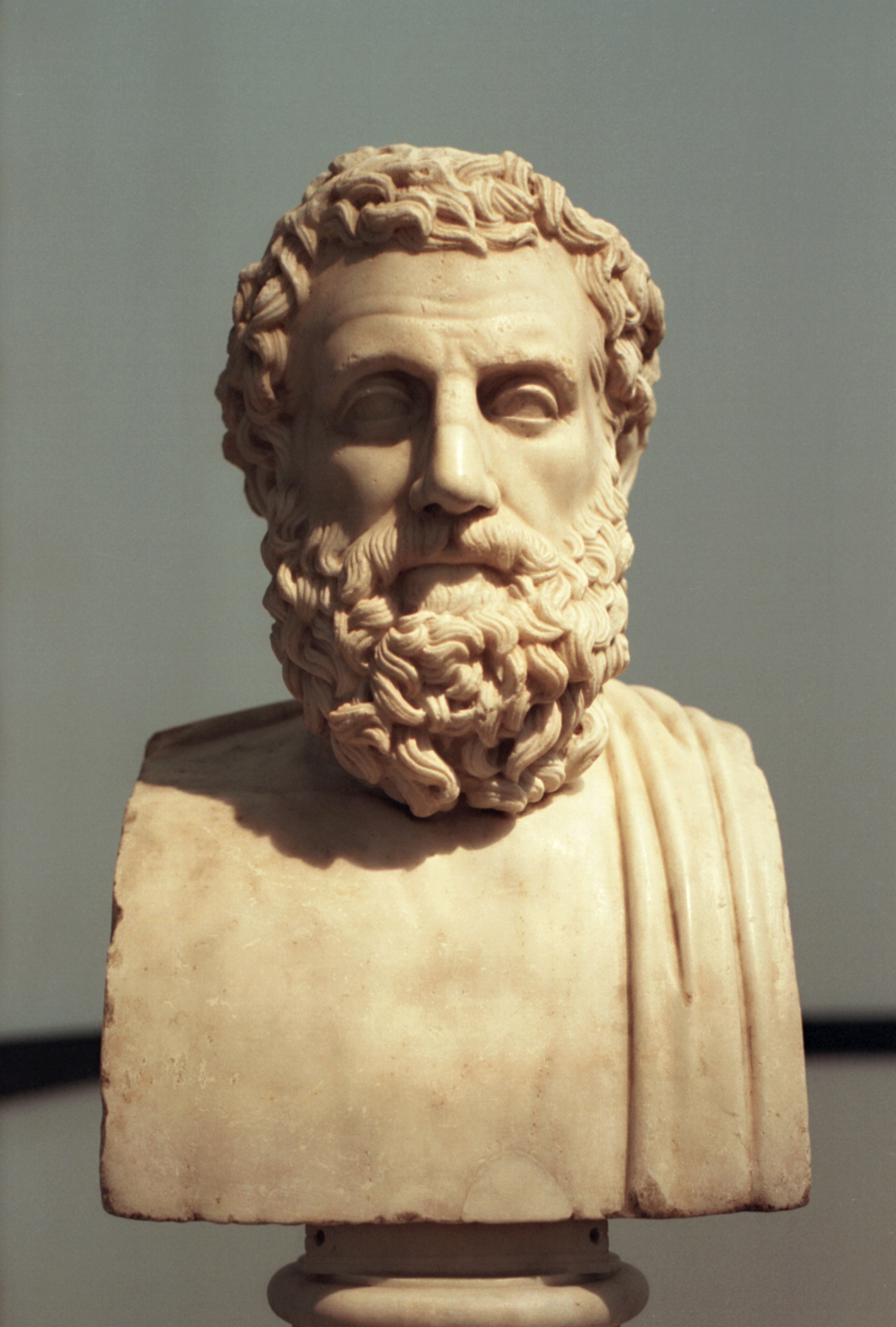
who used the consequences of the war upon the victorious returning Greeks in his Oresteia trilogy, beginning with the murder of the Greek leader, Agamemnon.
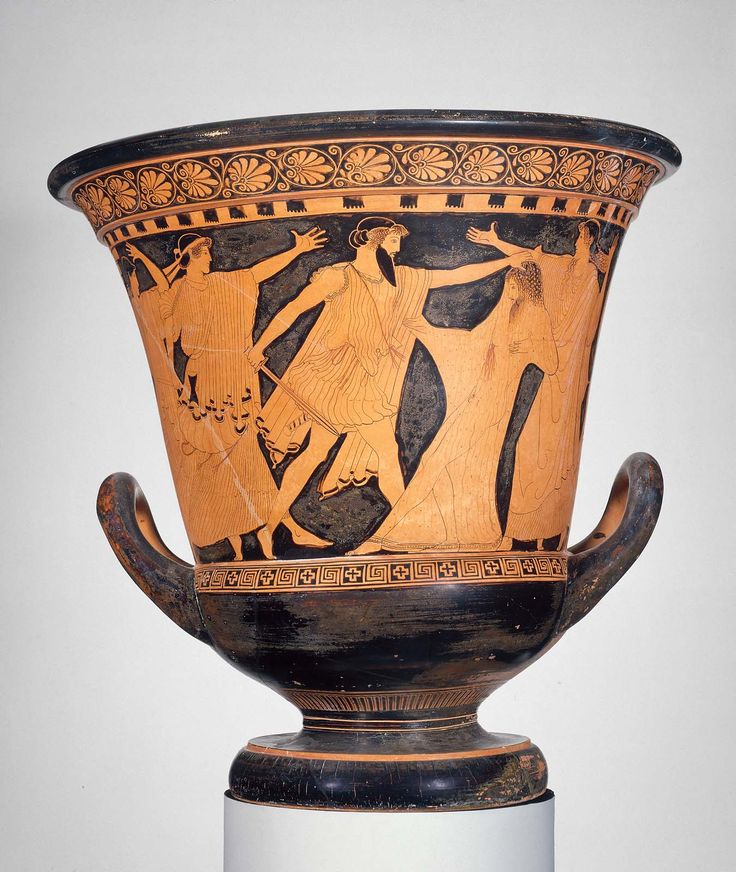
Roman poets, like Statius (c.45-96AD), planned epics, like his unfinished Achilleid, using material from the huge field of earlier tradition,
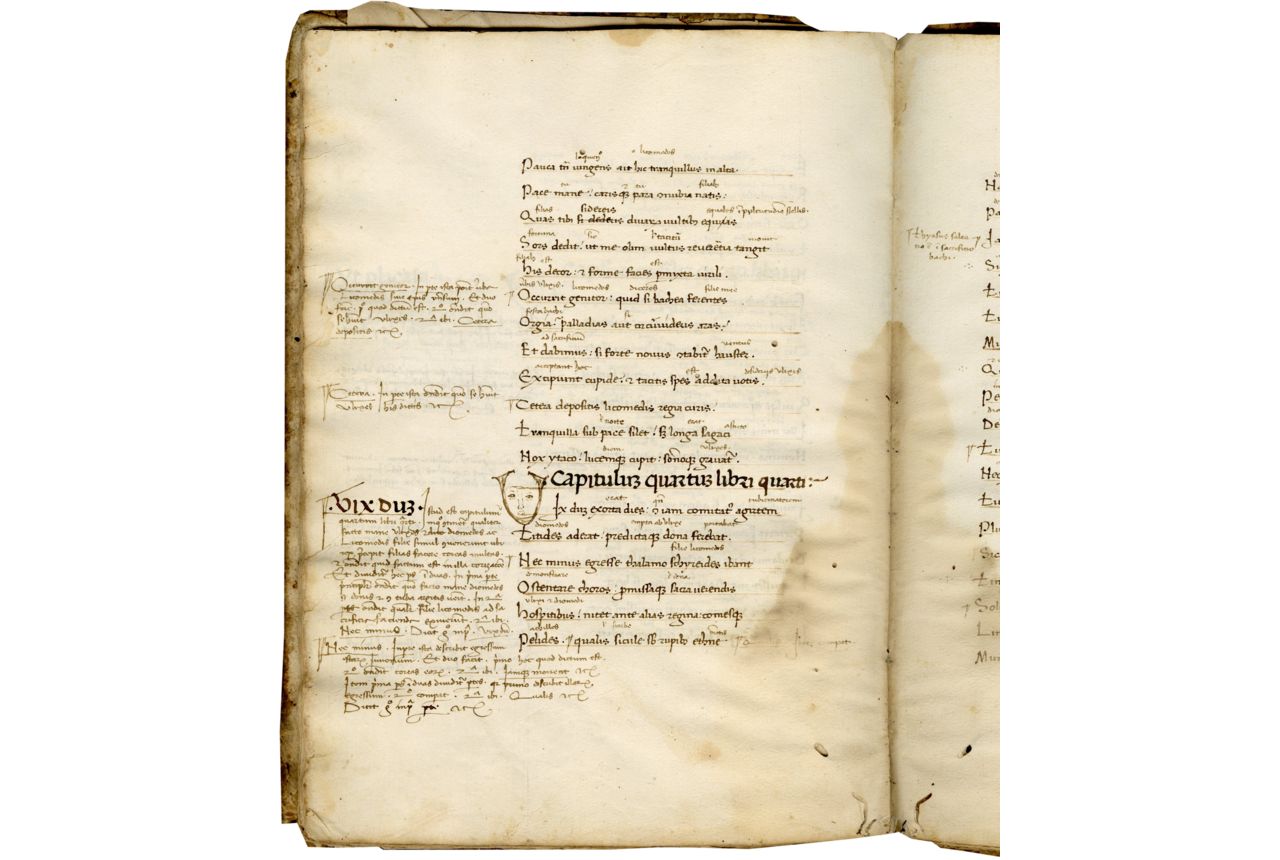
(a late 14th-early-15th-century ms)
and Vergil (70-19BC) has left us, in Book 2 of his Aeneid, a striking depiction of the fall of Troy from the viewpoint of an inhabitant, Aeneas, the subject of his epic,
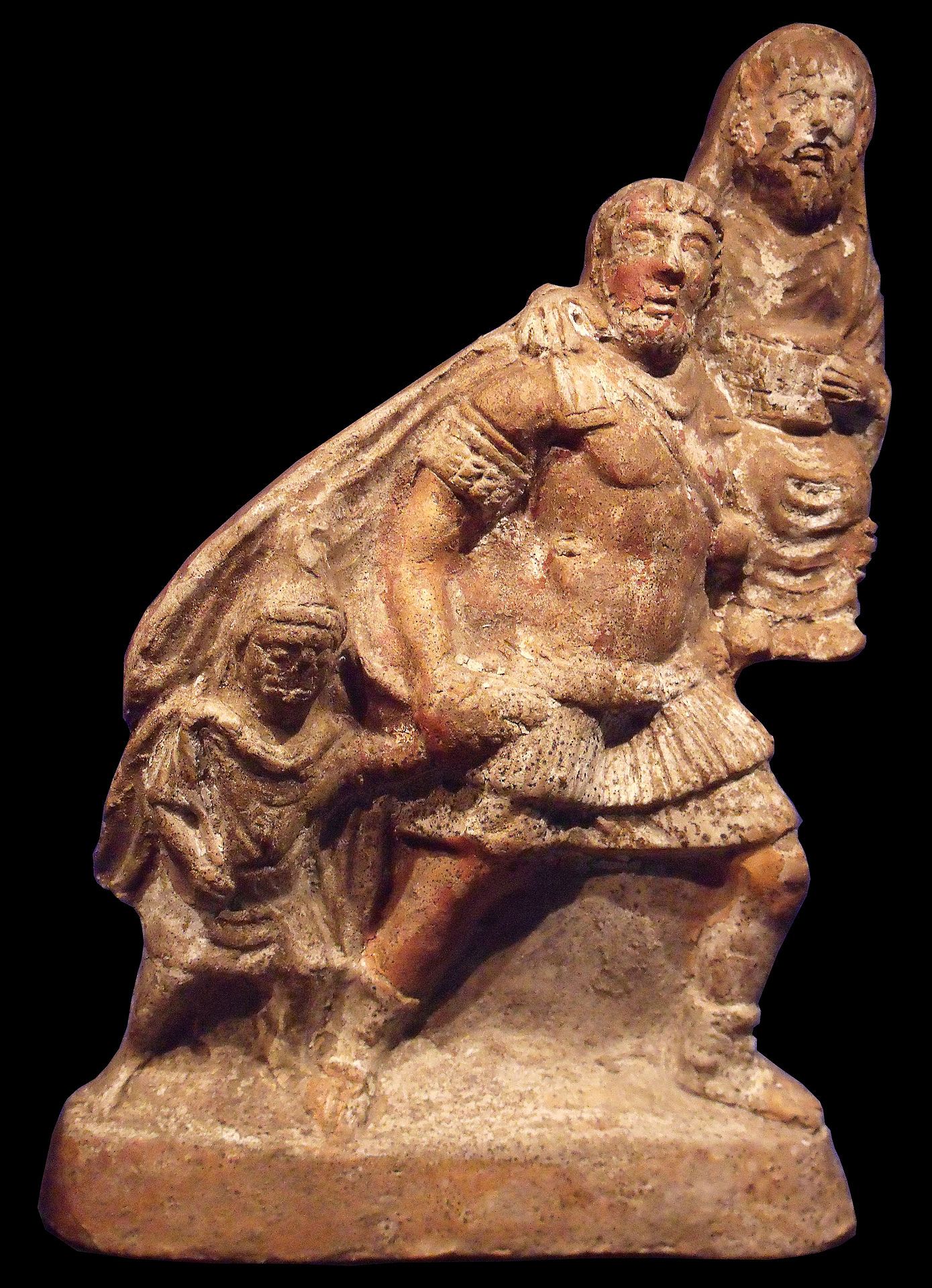
(Aeneas is carrying his aged father, Anchises, and leading his son, Ascanius)
and founding father of the Roman state to come, as he leads his band of Trojan fugitives across the Mediterranean, finally to settle in Italy.
This new tradition of fugitive founders even comes to England, first in the form of Geoffrey of Monmouth’s (c.1095-1155AD) Historia Regum Britanniae (“History of the Kings of Britain”), where a certain Brutus, the great grandson of Aeneas (via Ascanius and his son, Silvius), exiled from Italy (having accidentally killed his father, Silvius), then leads Trojan refugees to war in Greece before heading an expedition westwards where, after consulting the goddess, Diana, he lands in England to found a new homeland there, which is named “Britain” after himself (suggesting that the place should really have been called “Bruton”?). (You can read about Brutus and his complex adventures—including war in Gaul on his way westwards–here: https://www.sacred-texts.com/neu/eng/gem/gem02.htm Start with Book I, Chapter III. Medieval people loved the Troy tale and elements of it turn up everywhere, from the 12th-century Roman de Troie of Benoit de Sainte-Maure to Chaucer’s “Troilus and Criseyde” and beyond.)
I would also suggest that, removing the Trojans, but keeping the idea of refugees, we might see that theme continuing in England in the form of a new mythology—
“…but when Ar-Pharazon set foot upon the shores of Aman the Blessed, the Valar laid down their Guardianship and called upon the One, and the world was changed. Numenor was thrown down and swallowed in the Sea, and the Undying Lands were removed for ever from the circles of the world. So ended the glory of Numenor.
The last leaders of the Faithful, Elendil and his sons, escaped from the Downfall with nine ships, bearing a seedling of Nimloth, and the Seven Seeing-stones (gifts of the Eldar to their House); and they were borne on the wind of a great storm and cast upon the shores of Middle-earth. There they established in the North-west the Numenorean realms in exile, Arnor and Gondor.” (The Lord of the Rings, Appendix A, I, “The Numenorean Kings”)
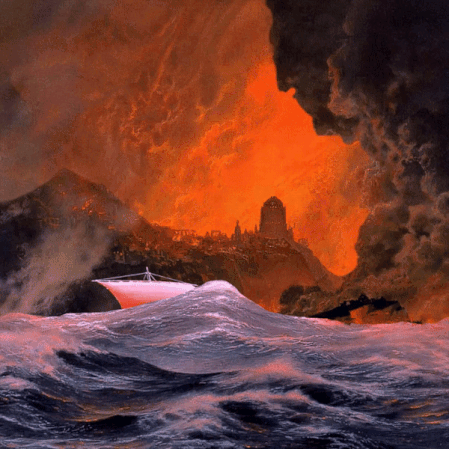
(Ted Nasmith)
As someone who was on his way to becoming a classicist, but then veered off into medieval studies, JRRT, would have had all of that rich past behind him, so would we be wrong in thinking that, in founding a new Numenor, he was inspired by other founders, all the way back to Aeneas?
As always, thanks for reading.
Stay well,
Imagine that, in the 250th anniversary of the founding of the US, those “founding fathers”, trained in the classics, probably also thought of Aeneas,
And think, as well that there’s
MTCIDC
O

