Tags
Fantasy, Gandalf, Hamlet, Istari, Orthanc, Palantir, poison, Saruman, Sauron, Shakespeare, Theoden, Tolkien
Welcome, dear readers, as always.
In Part 1 of this posting, I began talking about ear poisons, beginning with the actual poisoning of Hamlet’s father by Hamlet’s uncle, Claudius, who, according to Hamlet’s father’s ghost:
“Sleeping within my orchard,
My custom always of the afternoon,
Upon my secure hour, thy uncle stole
With juice of cursèd hebona in a vial,
And in the porches of my ears did pour
The lep’rous distilment…” (Hamlet, Act 1, Scene 5)

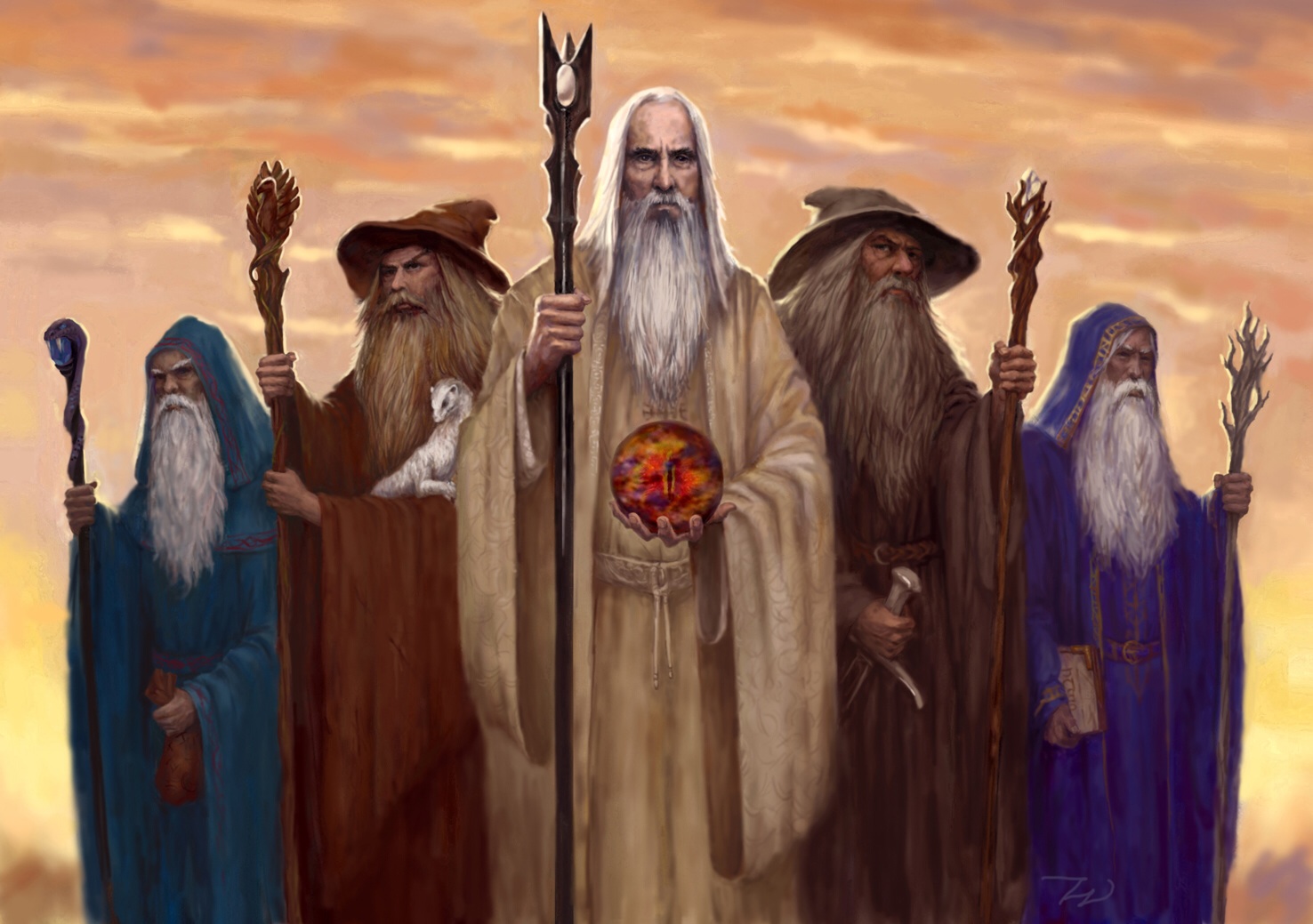
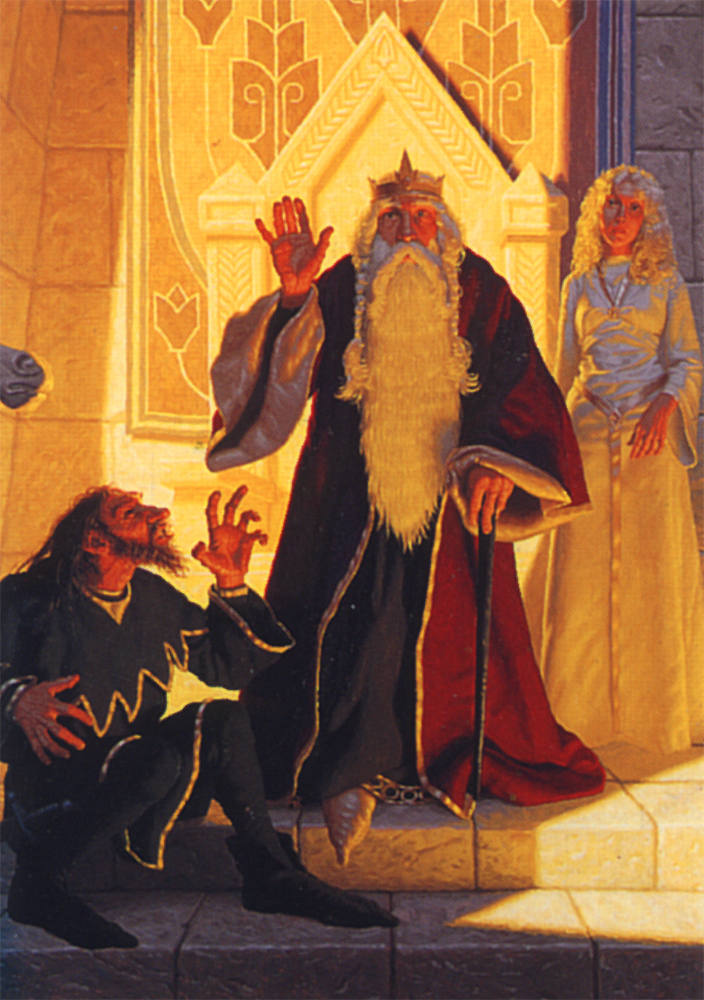
But there are poisons just as potent which come in the form of poisonous words, as we began to see in Saruman’s attempts to win over Theoden,

(Francesco Amadio)
and, failing that, with Gandalf:
“Gandalf stirred, and looked up. ‘What have you to say that you did not say at our last meeting?’ he asked. ‘Or, perhaps, you have things to unsay?’ “
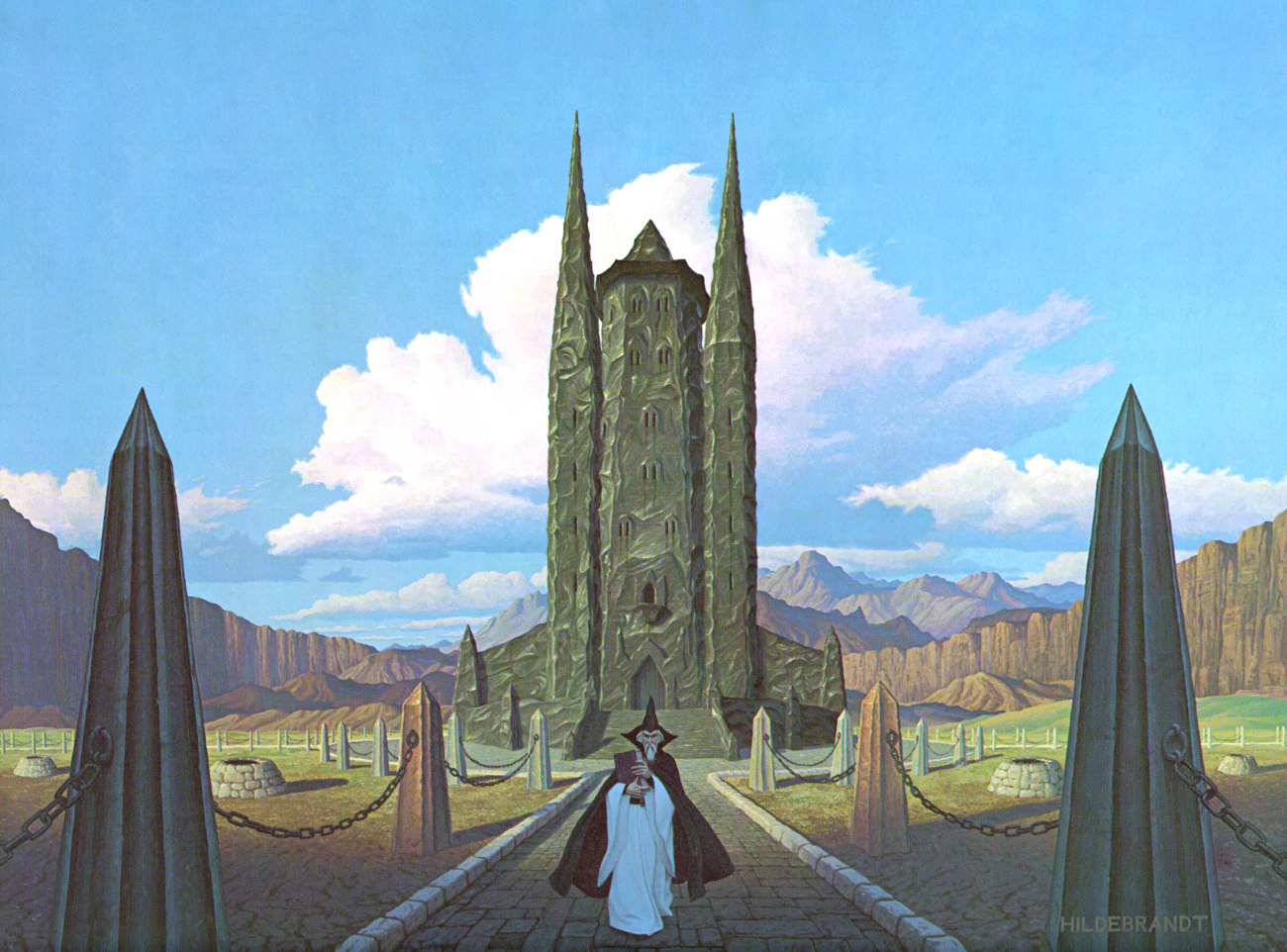
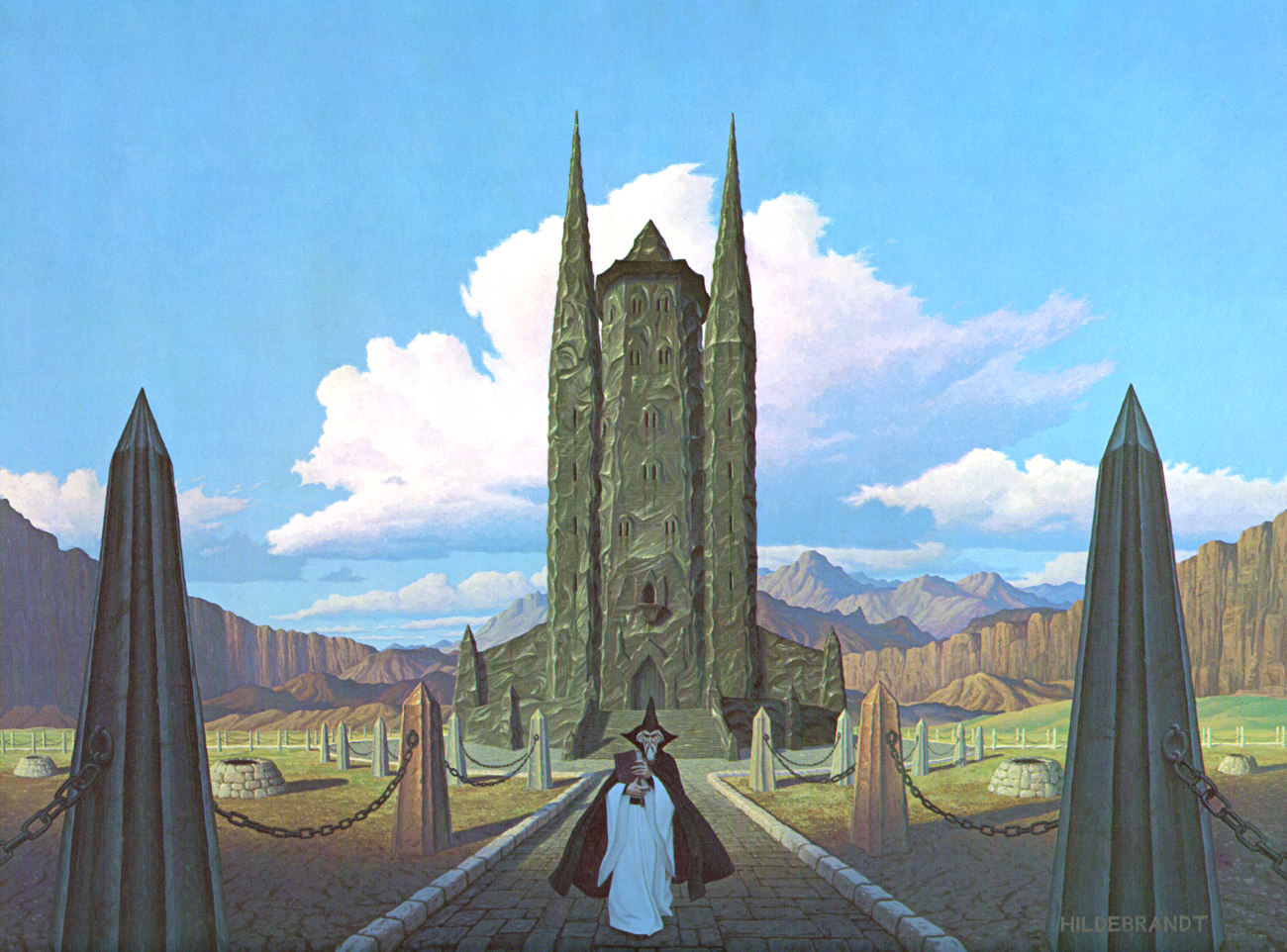
In their last meeting, Gandalf became Saruman’s prisoner in Orthanc—

(the Hildebrandts)
but the words which Saruman employed then were revealing, as Gandalf says, having listened to Saruman’s plea:
“A new Power is rising…We may join with that Power. It would be wise, Gandalf. There is hope that way. Its victory is at hand; and there will be rich reward for those that aid it. As the Power grows, its proved friends will also grow; and the Wise, such as you and I, may with patience come at last to direct its courses, to control it. We can bide our time, we can keep our thoughts in our hearts, deploring maybe evils done by the way, but approving the high and ultimate purpose: Knowledge, Rule, Order; all the things that we have so far striven in vain to accomplish, hindered rather than helped by our weak or idle friends. There need not be, there would not be, any real change in our designs, only in our means.” (The Fellowship of the Ring, Book Two, Chapter 2, “The Counsel of Elrond”)
When attempting to win over Theoden, Saruman had chosen words which suggested how much Saruman honored and respected him, defending himself from his own aggressive actions by saying that, if he had used violence against Rohan, so had Rohan used violence in the past, and now, together, he and Theoden could make peace—and therefore avoid what Saruman calls “the ruin that draws nigh inevitably”, even implying a bond between them, changing his former address from “you” to “we” and “our”—
“Shall we make our counsels together against evil days, and repair our injuries with such good will that our estates shall both come to fairer flower than ever before?”
When that hadn’t worked, Saruman had turned to Gandalf, at whom he had sneered only moments before, saying now that Gandalf had “a noble mind and eyes that look both deep and far”—in other words, attempting the same flattery which had failed with Theoden. And he tried the same kind of shift from “you” to “we” here:
“I fear that in my eagerness to persuade you, I lost patience. And indeed I regret it. For I bore you no ill-will; and even now I bear none, though you return to me in the company of the violent and the ignorant. How should I? Are we not both members of a high and ancient order, most excellent in Middle-earth?”
That word “order” reminds us of something which Gandalf had said to Frodo long before about Saruman:
“He is the chief of my order and the head of the Council…The lore of the Elven-rings, great and small, is his province.”
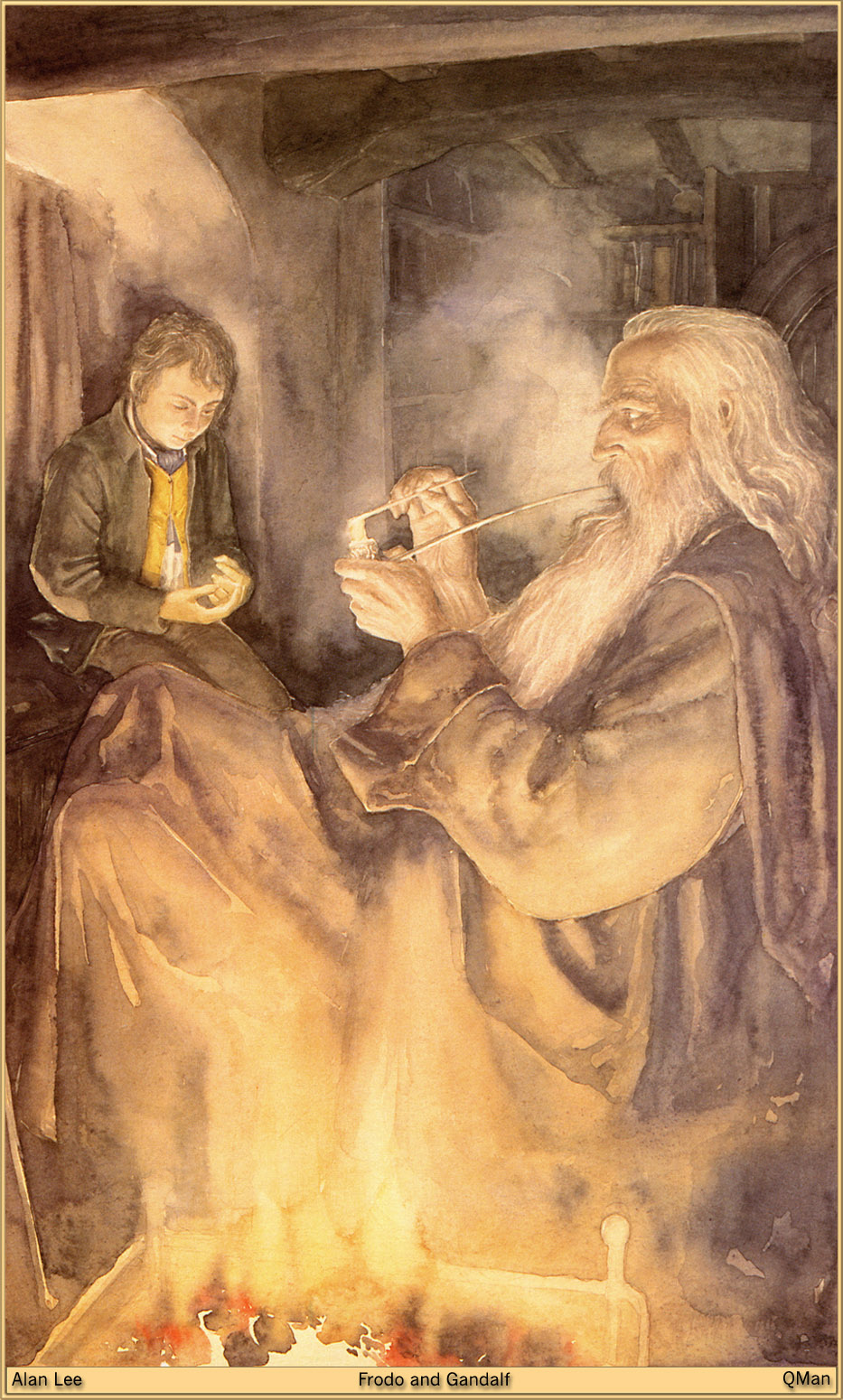
(Alan Lee)
And yet:
“I might perhaps have consulted [him], but something always held me back.” (The Fellowship of the Ring, Book One, Chapter 2, “The Shadow of the Past”)
Gandalf has, then, long had doubts about Saruman, even though Saruman was head of that “order”.
But what, actually, was that “order”?
“When maybe a thousand years had passed, and the first shadow had fallen on Greenwood the Great, the Istari, or Wizards appeared in Middle-earth. It was afterwards said that they came out of the Far West and were messengers sent to contest the power of Sauron, and to unite all those who had the will to resist him; but they were forbidden to match his power with power, or to seek to dominate Elves or Men by force and fear.” (The Lord of the Rings, Appendix B: “The Third Age”)
Recall, then, what Saruman has so far done:
1. he has turned Isengard into a miniature version of Mordor, ravaging the surrounding landscape
2. roused the Dunlendings to attack Rohan
3. created his own army of orcs—and perhaps done something worse to them than simply create them, if Treebeard’s thoughts are true (“Worse than that: he has been doing something to them; something dangerous…For these Isengarders are more like wicked men.” The Two Towers, Book Three, Chapter 4, “Treebeard”)
4. attacked Rohan and, in the process, Theoden’s son, Theodred, has been killed
5. not to mention that, when Gandalf has resisted his proposals, Saruman has imprisoned him
And so, how believable could anything Saruman says be? And yet he persists:
“Our friendship would profit us both alike. Much we could still accomplish together, to heal the disorders of the world. Let us understand one another, and dismiss from thought these lesser folk! Let them wait on our decisions! For the common good I am willing to redress the past, and to receive you. Will you not consult with me? Will you not come up?”
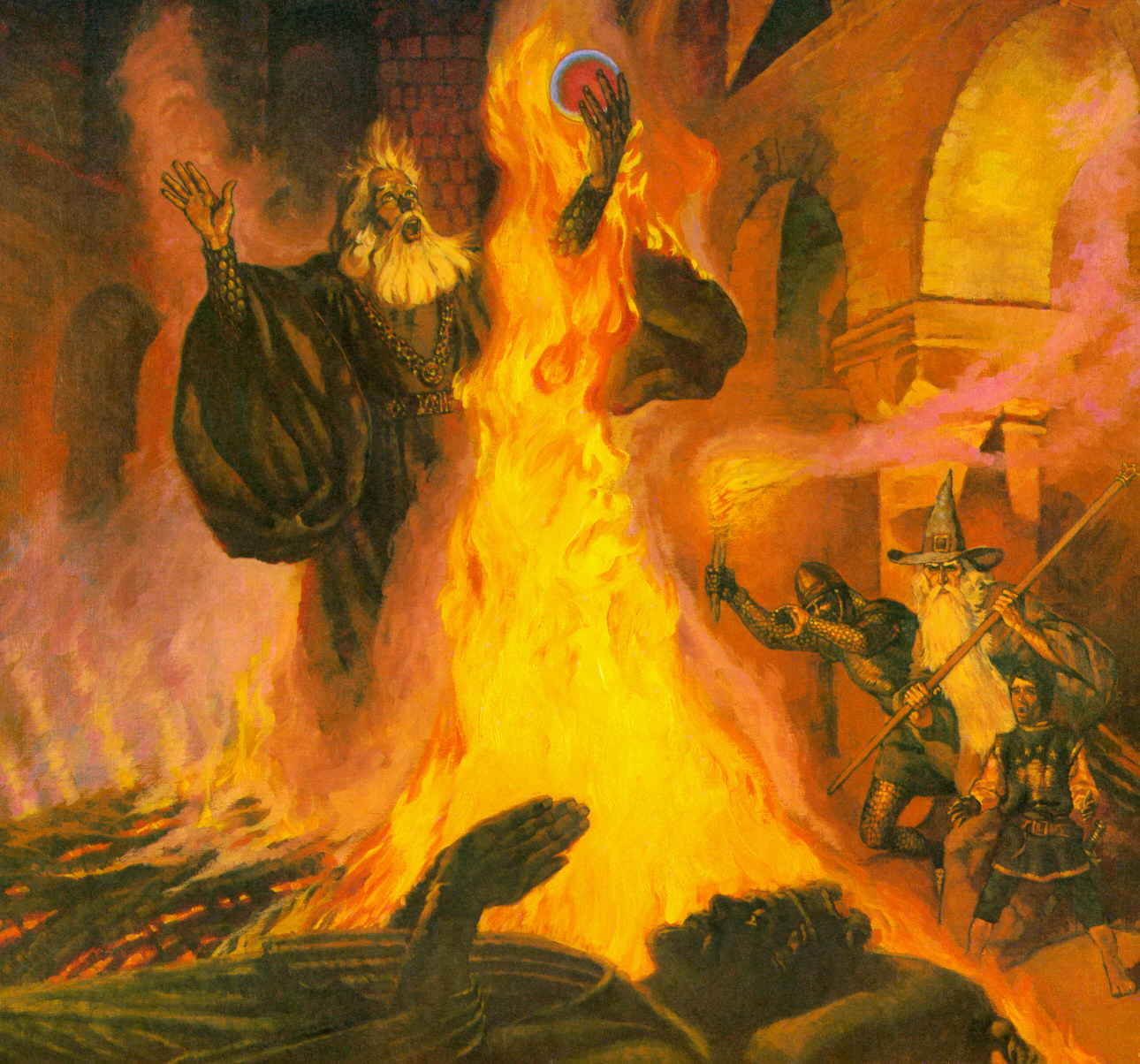
In other words, of everything which Saruman, as one of the Istari, has been sent to do, he has done the opposite—and persists, even when he has failed in his plans and is now a prisoner in his own domain.

(Carl Lundgren–you can read about him here: https://en.wikipedia.org/wiki/Carl_Lundgren_(illustrator) )
Yet his tone, for the moment, still has the remains of its ability to charm:
“So great was the power that Saruman exerted in this last effort that none that stood within hearing were unmoved. But now the spell was wholly different. They heard the gentle remonstrance of a kindly king with an erring but much-loved minister. But they were shut out, listening at a door to words not meant for them…”
Until—
“Then Gandalf laughed. The fantasy vanished like a puff of smoke.”
And what follows reveals not only why Gandalf declines the offer, but who Gandalf believes lies behind all of those empty words about “heal[ing] the disorders of the world” and “the common good” and, earlier, “knowledge, rule, order”—poisonous words when coming from the mouth of Saruman:
“I keep a clearer memory of your arguments, [says Gandalf] and deeds, than you suppose. When last I visited you, you were the jailor of Mordor, and there I was to be sent.”
Saruman’s reaction is predictable: each time he finds that his magic tones do not lull the listener, he falls into a rage, but, this time, there is something else mixed with it:
“A shadow passed over Saruman’s face; then it went deadly white. Before he could conceal it, they saw through the mask the anguish of a mind in doubt, loathing to stay and dreading to leave its refuge. For a second he hesitated, and no one breathed. Then he spoke, and his voice was shrill and cold. Pride and hate were conquering him.”
Pride and hate, but there is something more, as Gandalf warns him:
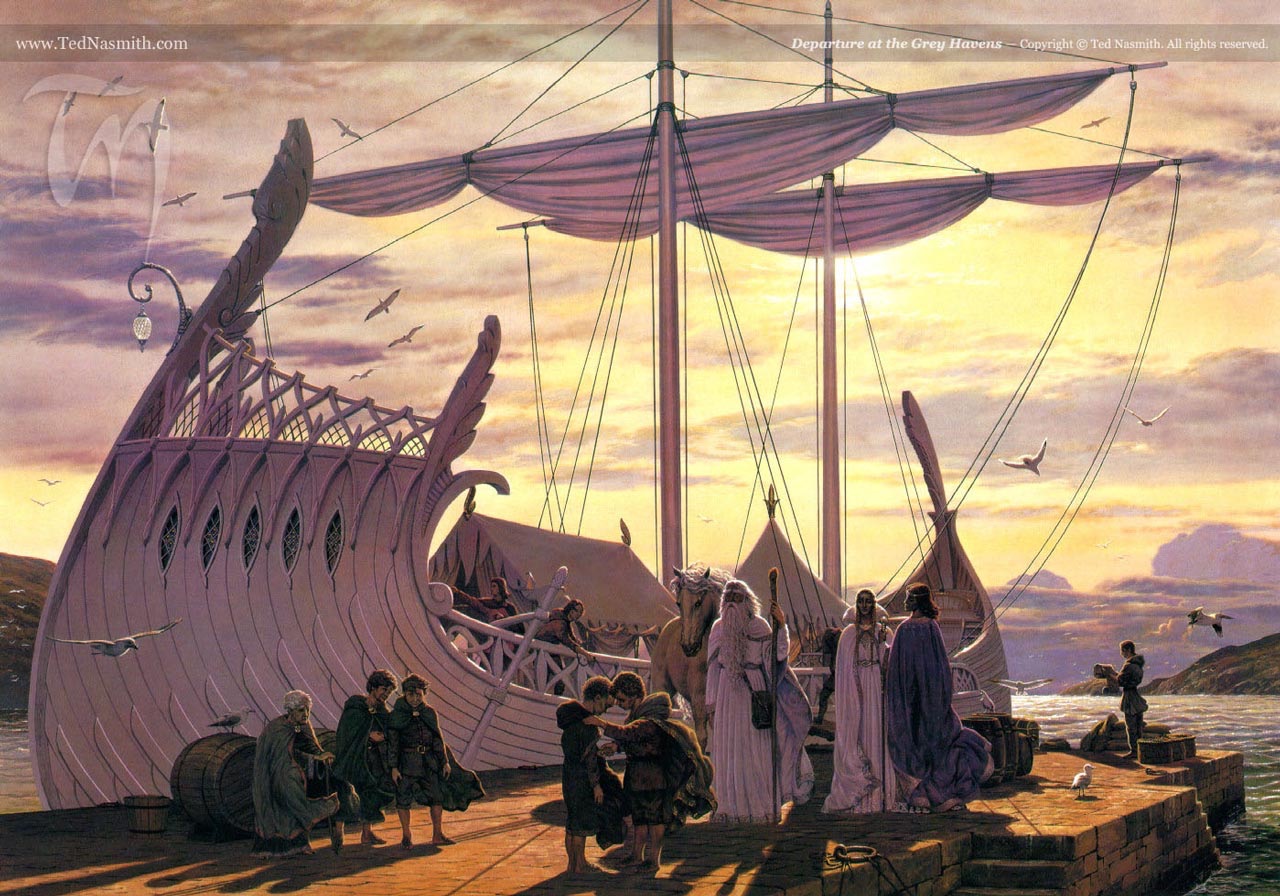
“ ‘Reasons for leaving you can see from your windows…

(Ted Nasmith)
Others will occur to your thought. Your servants are destroyed and scattered; your neighbors you have made your enemies; and you have cheated your new master, or tried to do so. When his eye turns hither, it will be the red eye of wrath.’ “

Gandalf snaps Saruman’s staff and, as if on-cue:
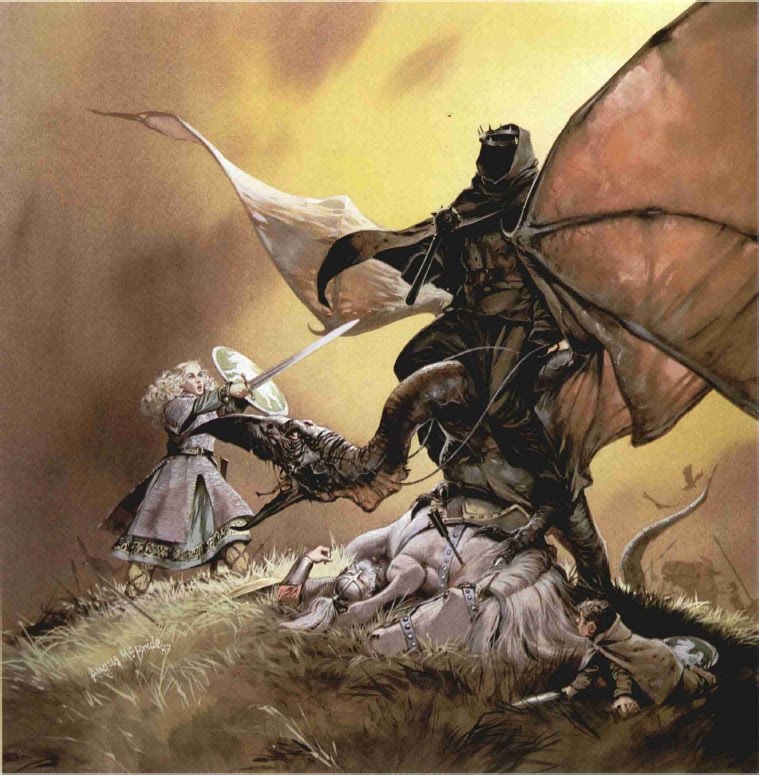
“With a cry Saruman fell back and crawled away. At that moment a heavy shining thing came hurtling down from above. It glanced off the iron rail, even as Saruman left it, passing close to Gandalf’s head, it smote the stair on which he stood.”
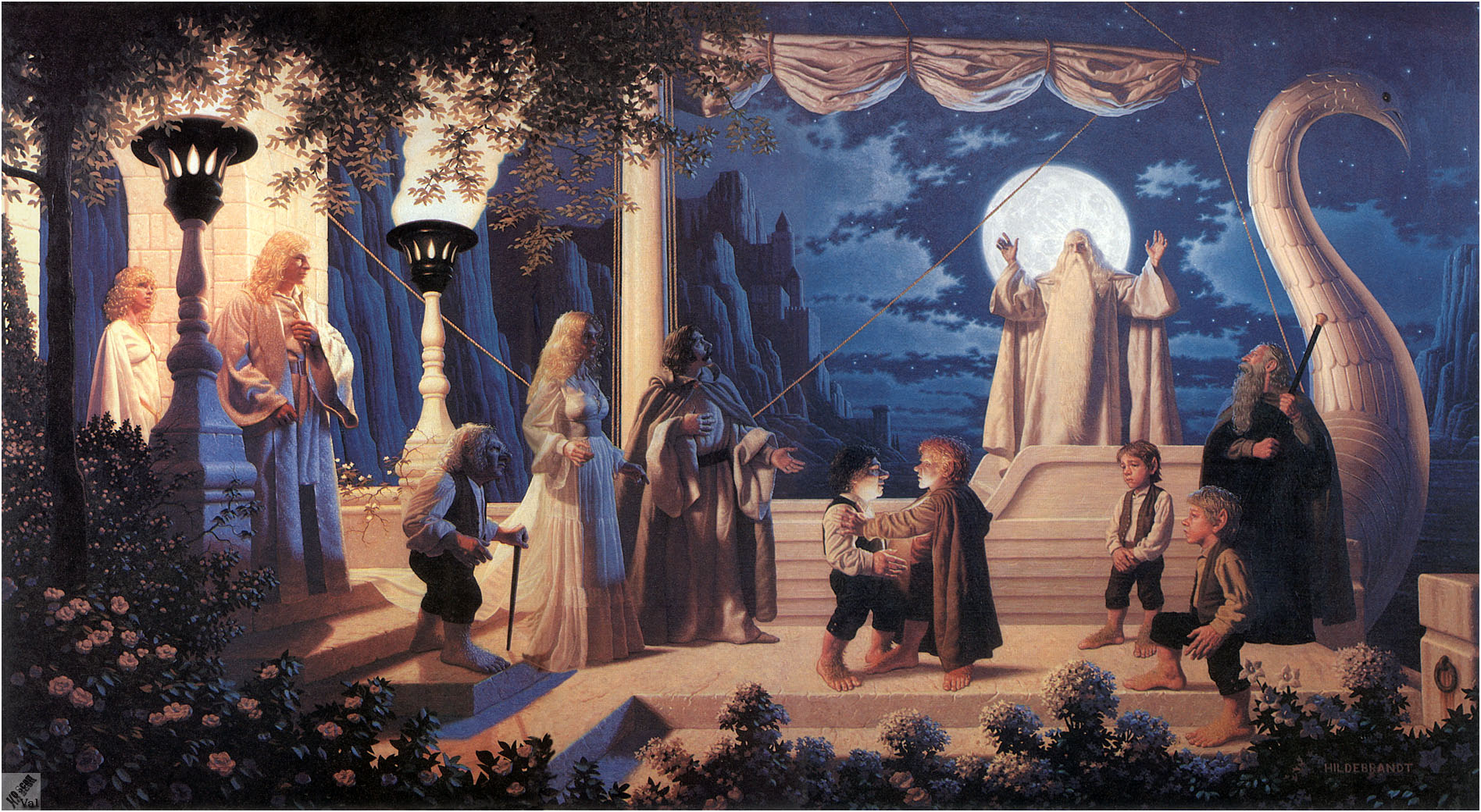
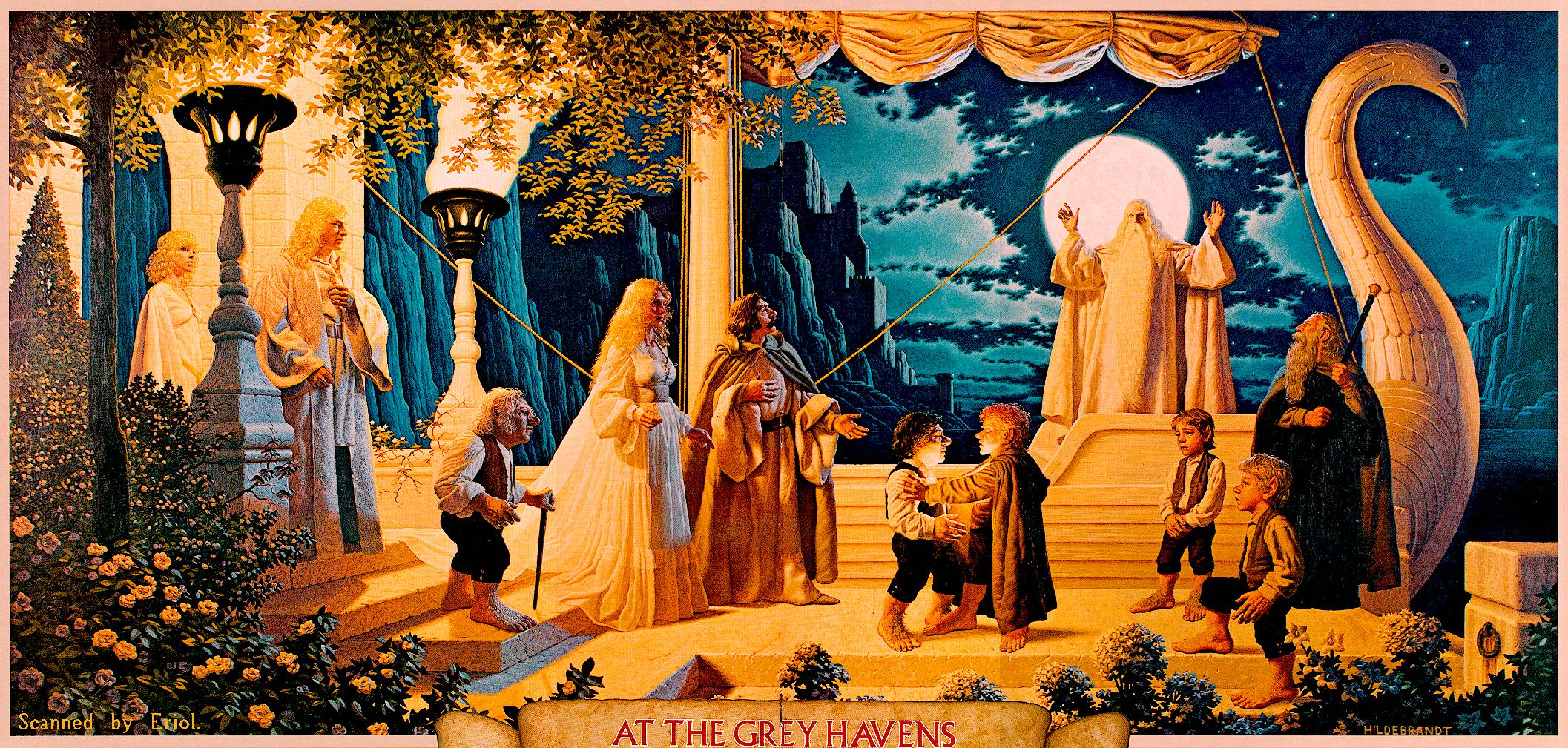
What this can be and how it figures in all of this poison will appear in the final part of this short series—
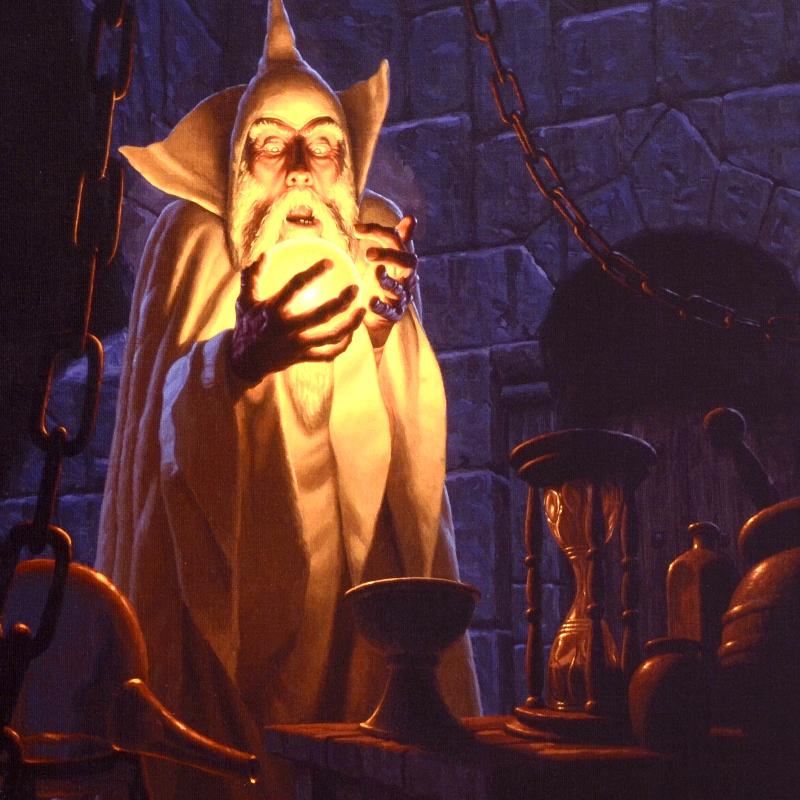
(the Hildebrandts)
As ever, thanks for reading.
Stay well,
Remember what Marcus Antonius says to the mob in Shakespeare’s Julius Caesar, “The evil that men do lives after them…” when he is supposedly only burying Caesar, not praising him…

And remember, as well, that there’s
MTCIDC,
O



























 Originally, this had been the site of a Gondorian strongpoint, but, as Gondor waned, it fell into disuse until taken over by Saruman with the permission of the Steward of Gondor, Beren. When


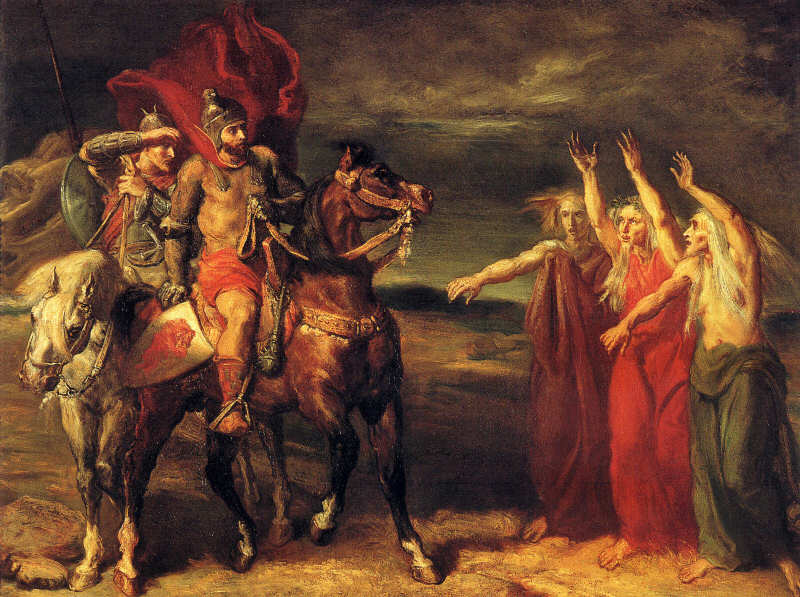
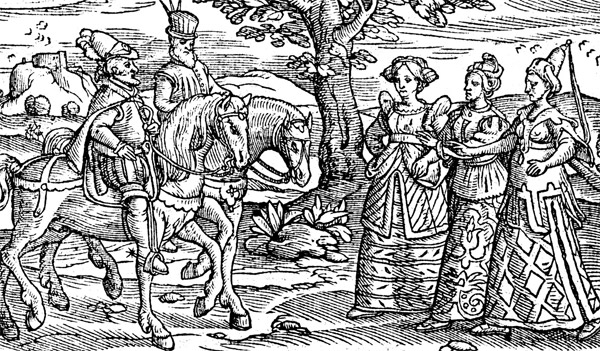
 Like Saruman, Macbeth is overcome, gives in, murders Duncan, seizes power, but, also like Saruman, can not retain it and, interestingly, an element in his defeat closely resembles an element in Saruman’s defeat: trees.


















 doubtfulsea