Tags
Achilles, armor, Bayeux Tapestry, Celtic mythology, chariots, feudal system, Helm's Deep, hero, Homer, Mongols, Normans, Patroklos, Rohirrim, The Lord of the Rings, Theoden, Tolkien
As always, dear readers, welcome.
In my last posting, I returned to an old favorite, the Rohirrim,
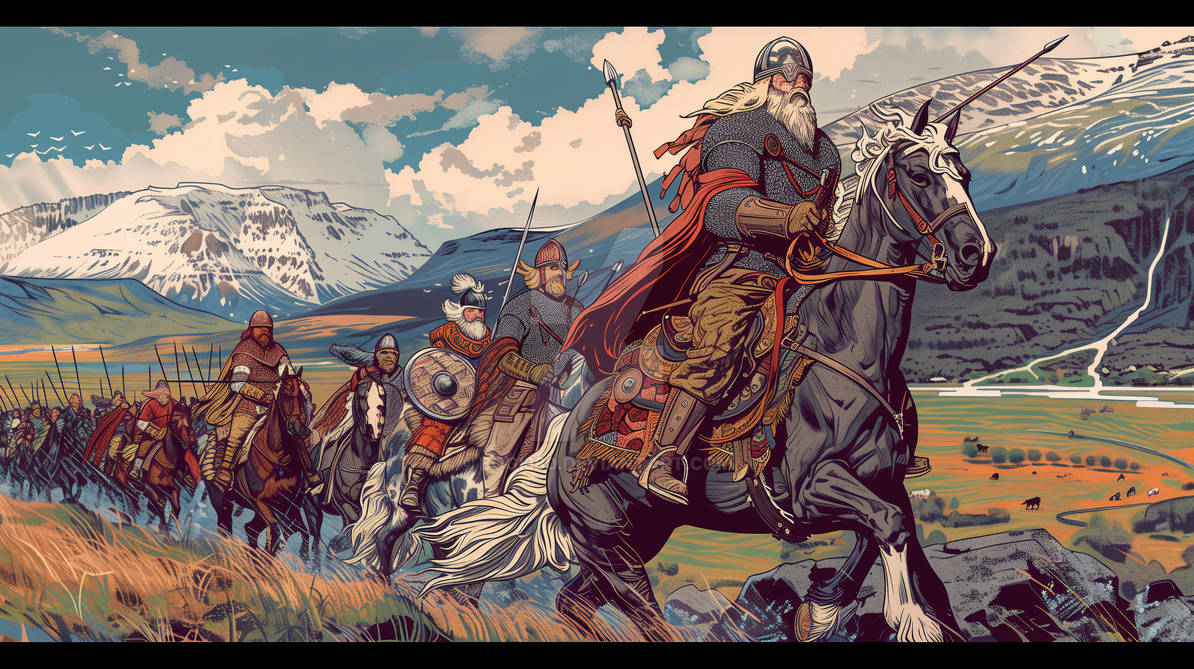
(Bogi389)
whom Tolkien had described to Rhona Beare as “…not ‘medieval’ in our sense.” (letter to Rhona Beare, 14 October, 1958, Letters, 401.
I presumed, as he was referring to their armor, that “not medieval” meant not something like this—
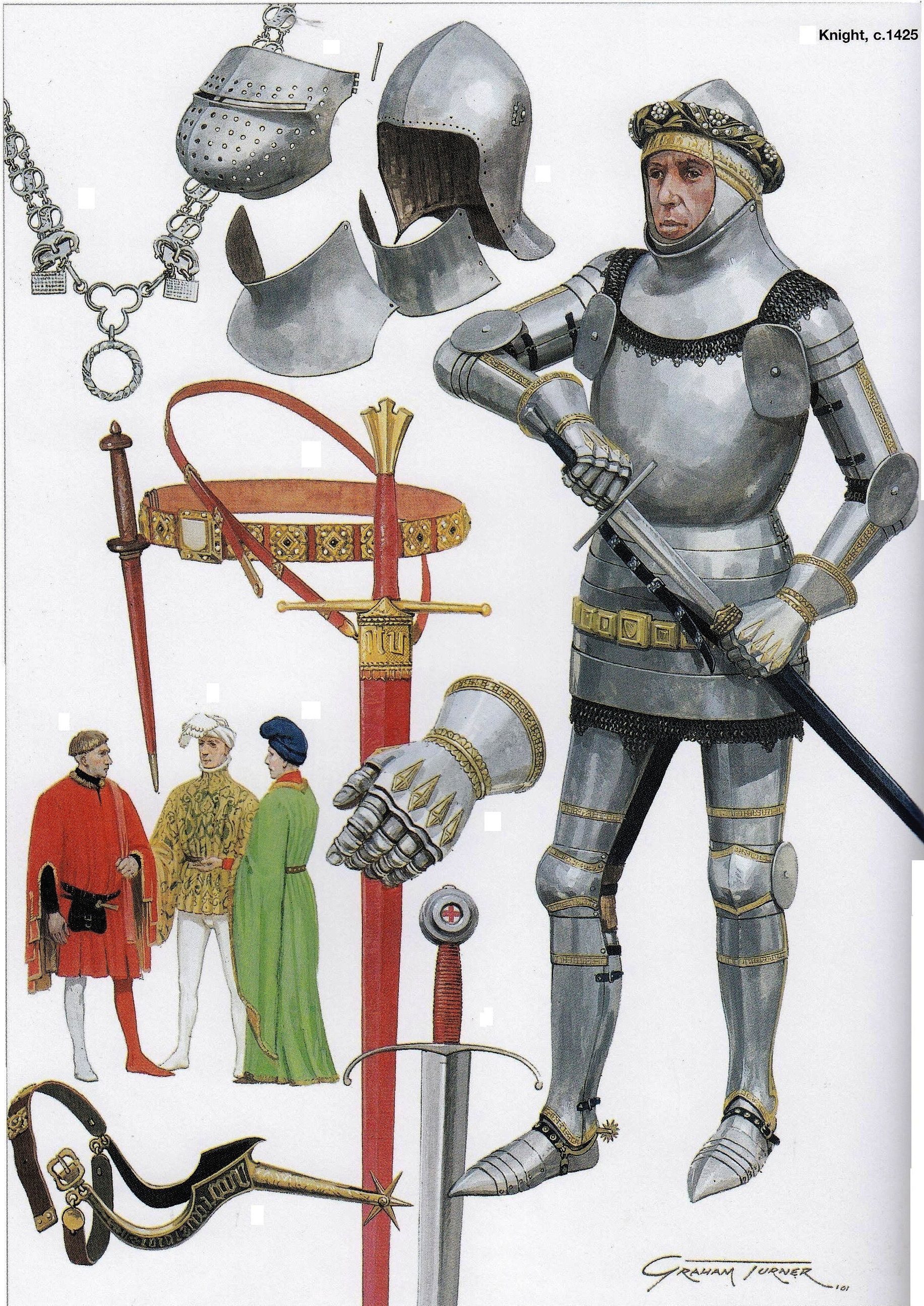
(Graham Turner—see my last posting for more on him.)
but more like this—
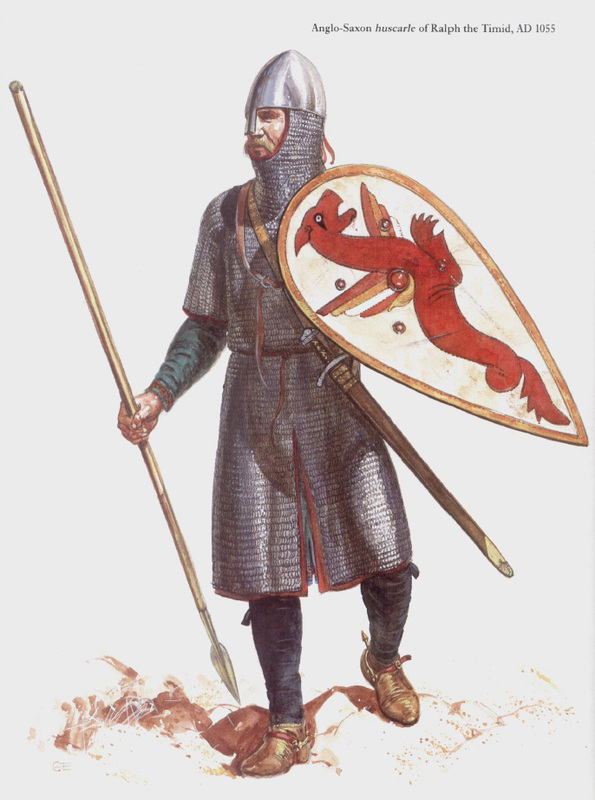
(Gerry Embleton)
as his reference point was the Bayeux Tapestry—
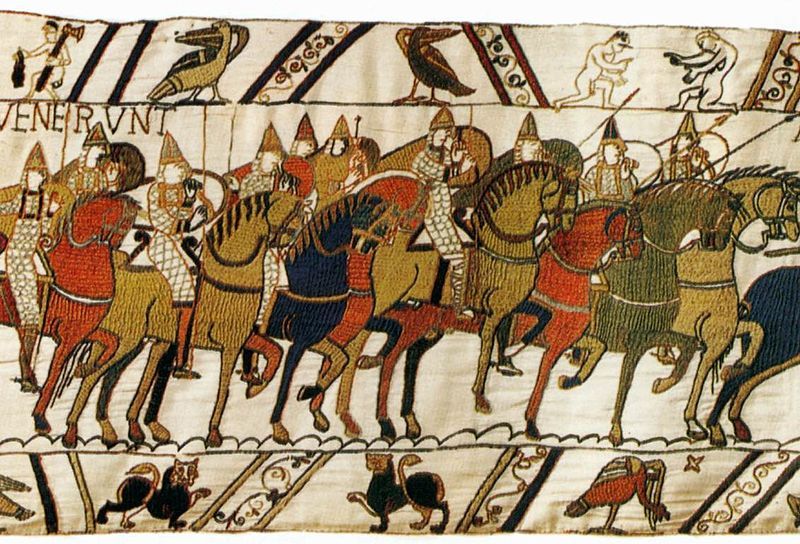
In an earlier letter, to Milton Waldman, Tolkien had used another interesting phrase for describing the Rohirrim, “heroic ‘Homeric’ horsemen”. (letter to Milton Waldman, “late 1951”, Letters, 221)
Although horsemen are briefly mentioned in The Iliad, (and one of the major Greeks, Nestor, is even regularly called “the “Gerenian horseman”) the standard equine involvement is by chariot,
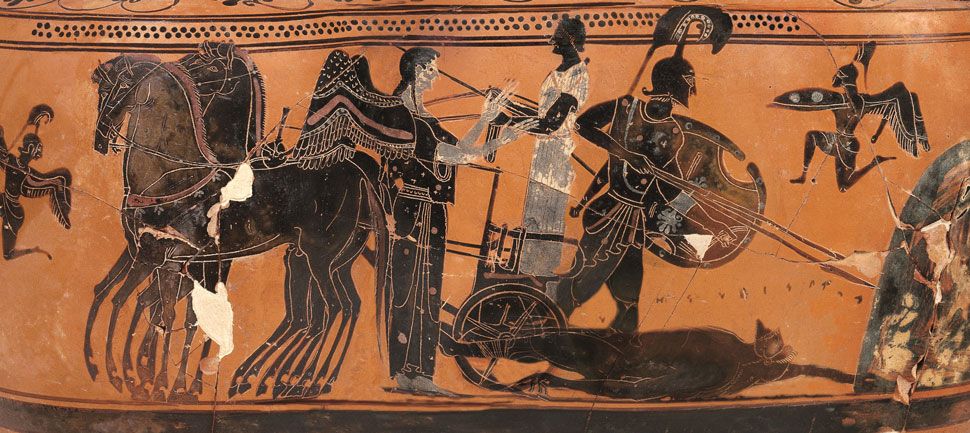
(This is Achilles dragging the body of the dead Hector around Troy, as described in Iliad Book 22, from line 395 on),
warriors sometimes leaping to the ground to confront their opponents, but, at other times, battling from their chariots, as we see Celtic warriors doing, both in their Irish mythological versions as well as in their real-life confrontations with the Romans in Britain.
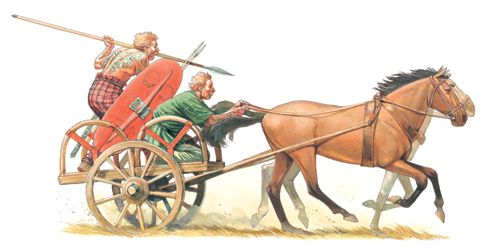
(Peter Connolly)
JRRT says of himself:
“I was brought up in the Classics, and first discovered the sensation of literary pleasure in Homer.” (letter to Robert Murray, SJ, 2 December, 1953, Letters, 257)
Thus, as someone who was a late-Victorian/Edwardian schoolboy, raised in the Classics, and who almost made a career in them himself, JRRT would have been well aware of this earlier warfare as reported by Julius Caesar, but, if “Homeric” doesn’t mean “horsemen”, what does it imply?
In that same earlier letter to Milton Waldman, Tolkien uses the word again, describing certain people of the Second Age:
“In the West—actually the North-West is the only part clearly envisaged in these tales—lie the precarious refuges of the Elves, while Men in those parts remain more or less uncorrupted if ignorant. The better and nobler son [should this be “sort”?] of Men are in fact the kin of those that had departed to Numenor, but remain in a simple ‘Homeric’ state of patriarchal and tribal life.” (Letters, 214)
So here “Homeric” is associated not with a military but with a social system: “patriarchal and tribal”.
I’m presuming here that the operative word is “simple”—and, if we consider the Rohirrim as a horse people, rather like the Mongols in our Middle-earth’s history, who moved westwards from the Great Steppe–
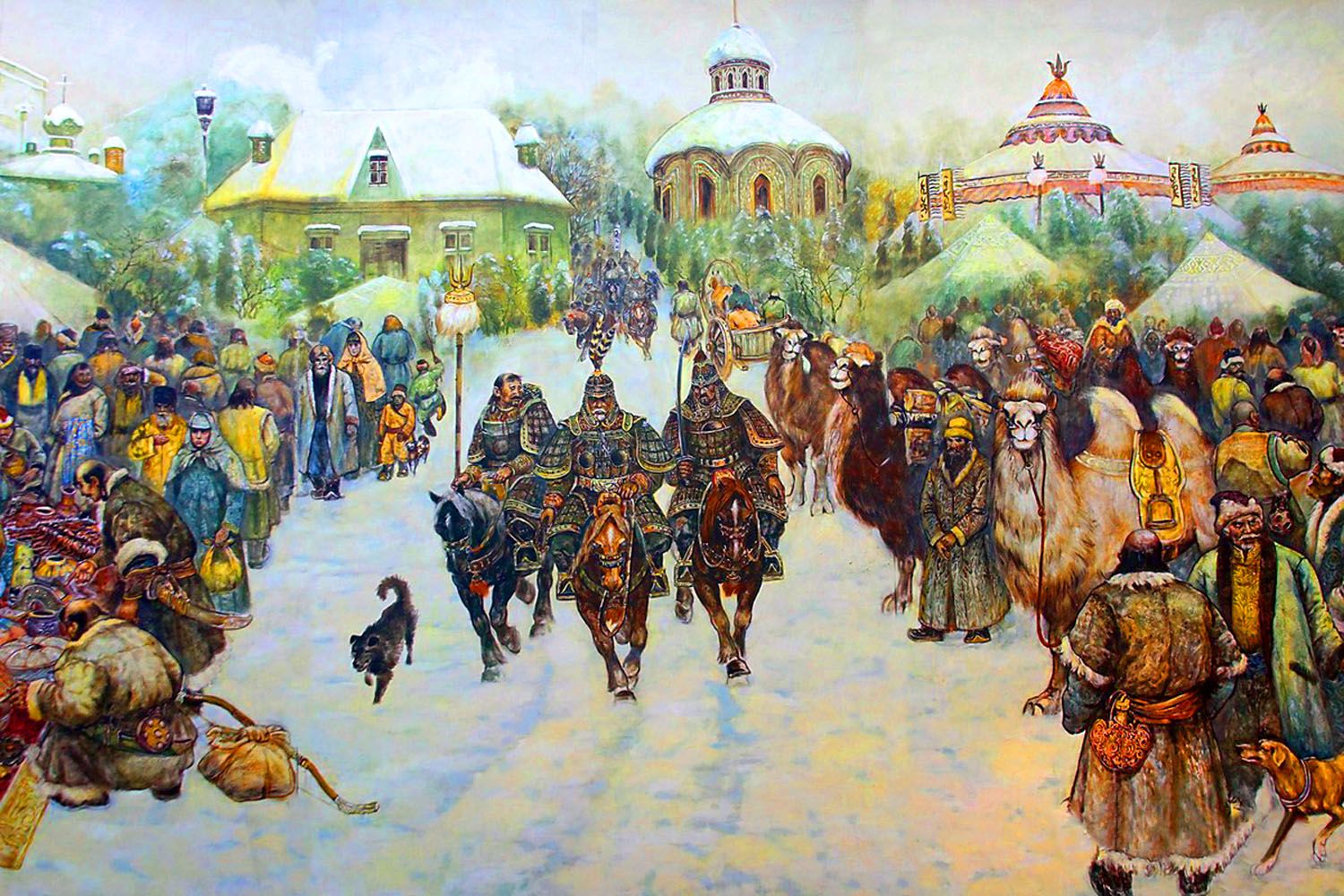
but, unlike the Mongols, were not set upon destruction and conquest,
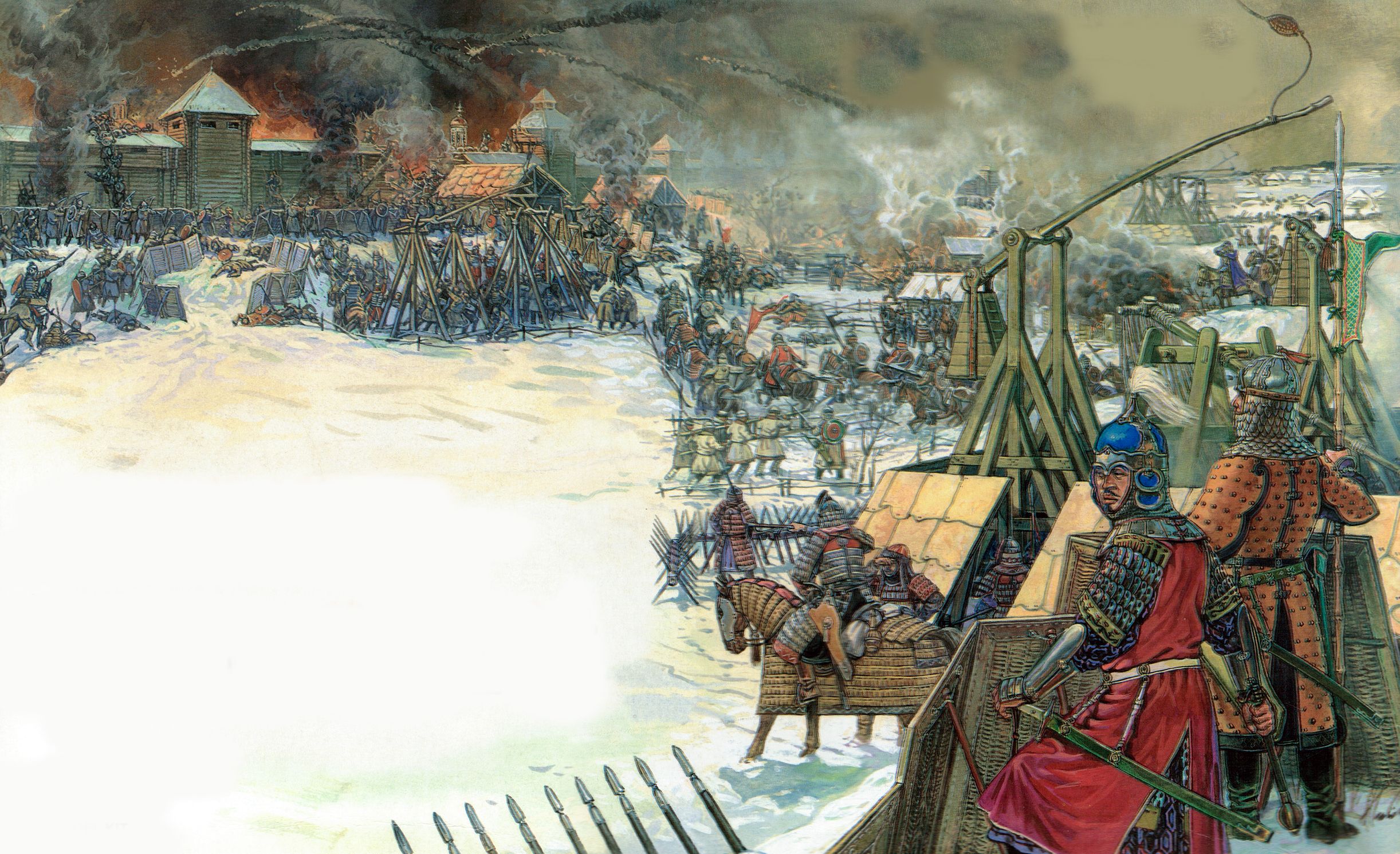
and, instead, helped to defeat the Wain-riders and became allies of Gondor,
then we might imagine them as remaining more like the horse-pasturing Mongols, even as they spread across Rohan and settled into permanent lodgings, like Edoras.
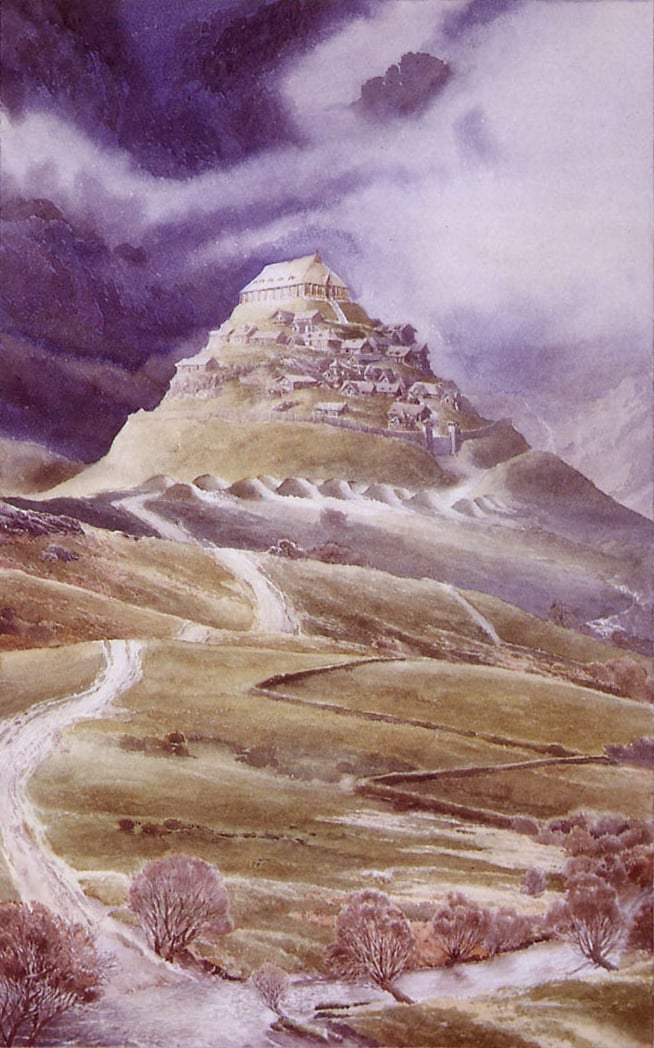
(Alan Lee)
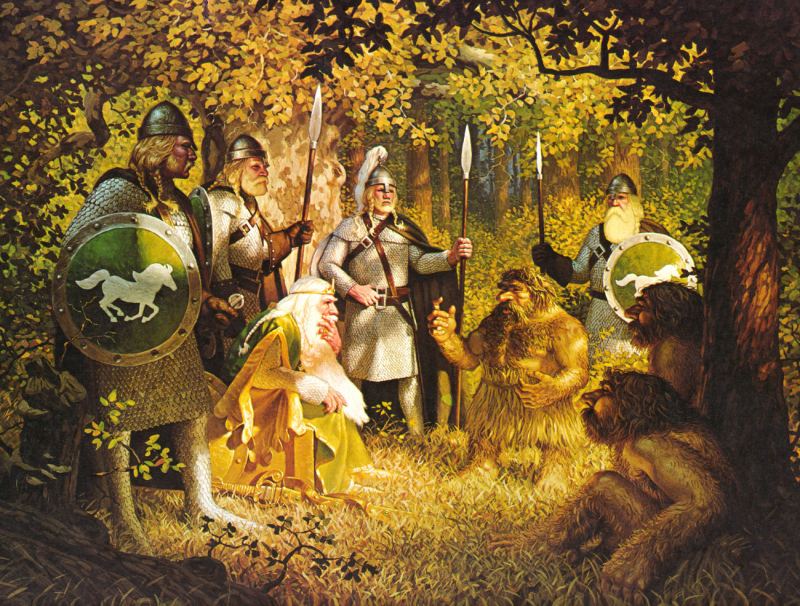
As such, they have a king,
(the Hildebrandts)
whose power is passed down through his family—through male heirs—at the time of The Lord of the Rings through Theoden’s nephew, Eomer, as Theoden’s son, Theodred, is killed in the initial fighting against Saruman—and this is where “patriarchal”, might come in.
“Tribal”, however, puzzles me. The Rohirrim appear to retain something of their horse-people origins, but Tolkien never gives us much of the further social structure of the Rohirrim, to suggest where this might be evident.
The Rohirrim don’t appear to be a feudal culture, however, of the sort which the Normans brought to England and imposed upon the Anglo-Saxons—that is, the pyramidal method of land-holding and population-controlling you can see in this illustration—
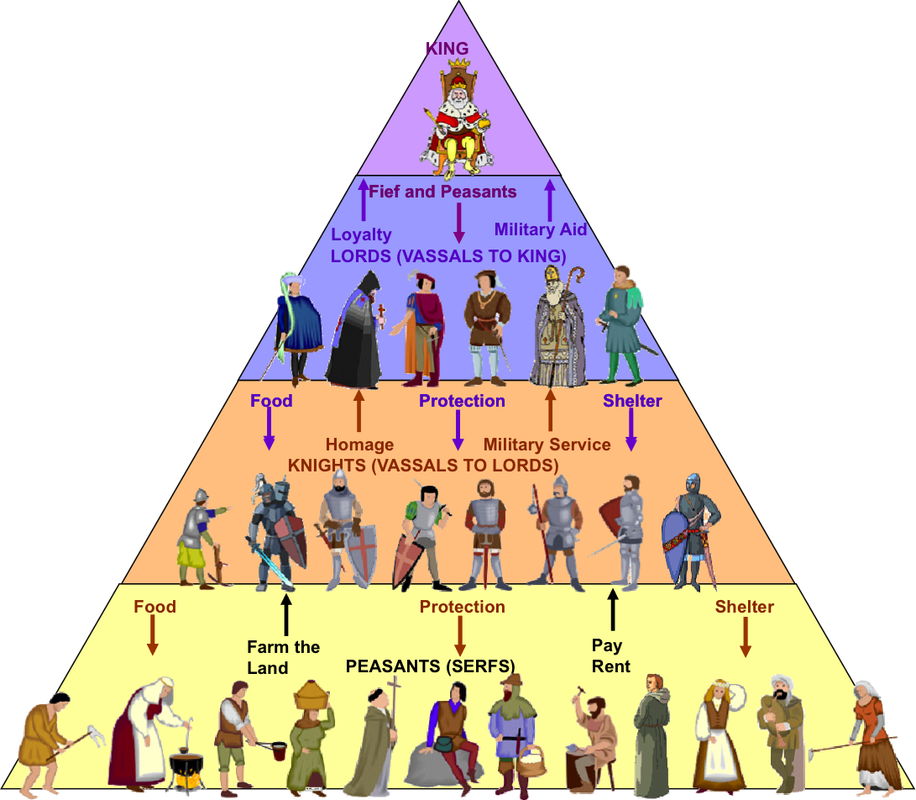
and which Tolkien might have thought of as “medieval” and, along with plate armor, might have distinguished for him the difference between the Rohirrim, with their Tapestry look, and the later Middle Ages. (In case you’re not familiar with the term, there’s a useful article on feudalism here: https://en.wikipedia.org/wiki/Feudalism )
One more of his words might help us better to understand what he meant when he described the Rohirrim: “heroic”.
In contemporary terms, “hero” is often used as the equivalent of “protagonist”, but the older Greek concept is of someone almost supernatural in his powers (possibly the child of a god and human, like Herakles or Achilles or even Aeneas) and, after death, might be given his own shrine—an heroon (he-RO-on) and honored there.
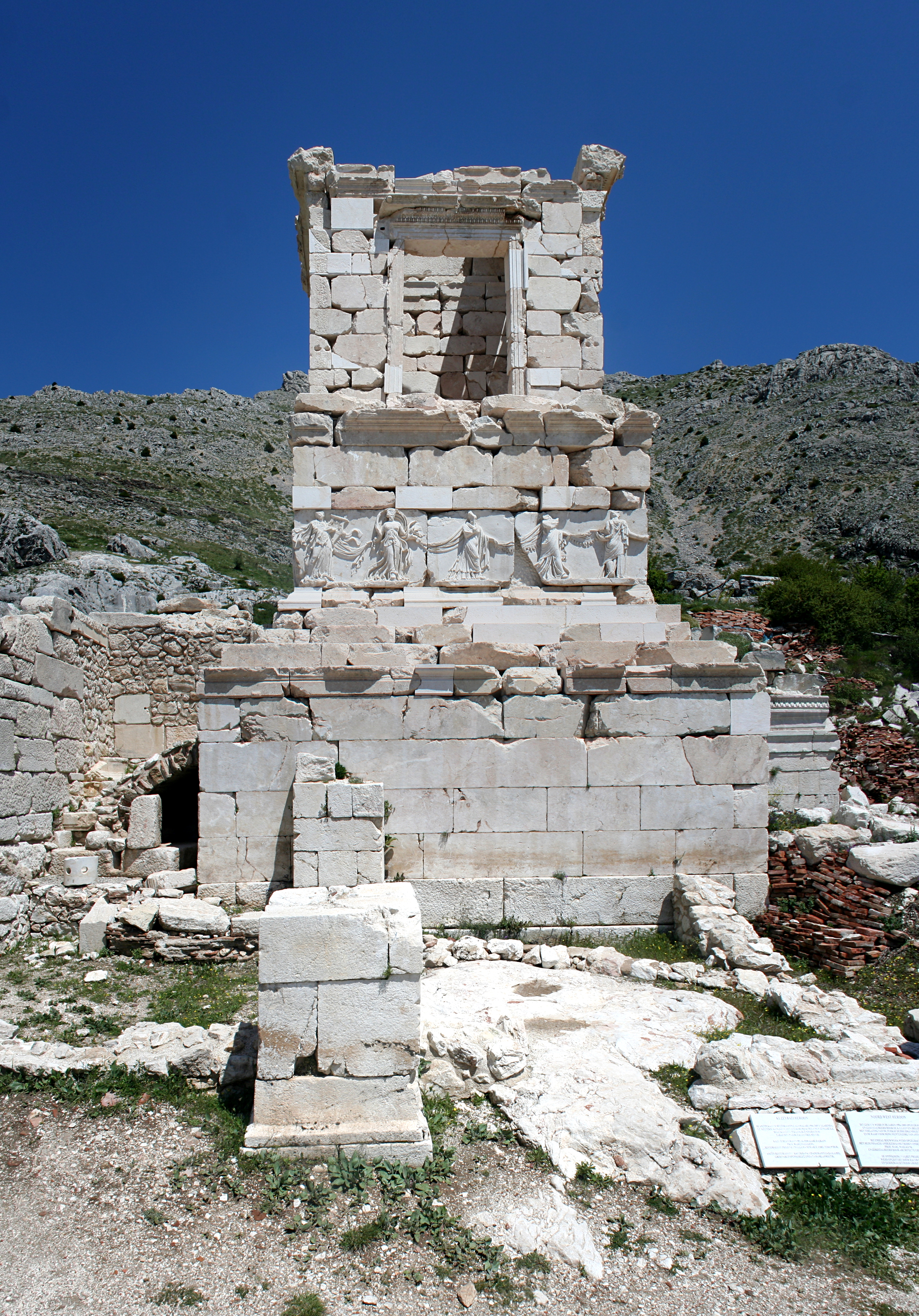
(for more on heroes and their worship, see: https://en.wikipedia.org/wiki/Hero%C3%B6n )
Although JRRT would not have wanted to suggest a religious element in his use of the word, we can imagine that what he intended was something more like “people given to bold, dramatic actions, even at the risk of death”, which would fit Achilles, for example, perfectly.
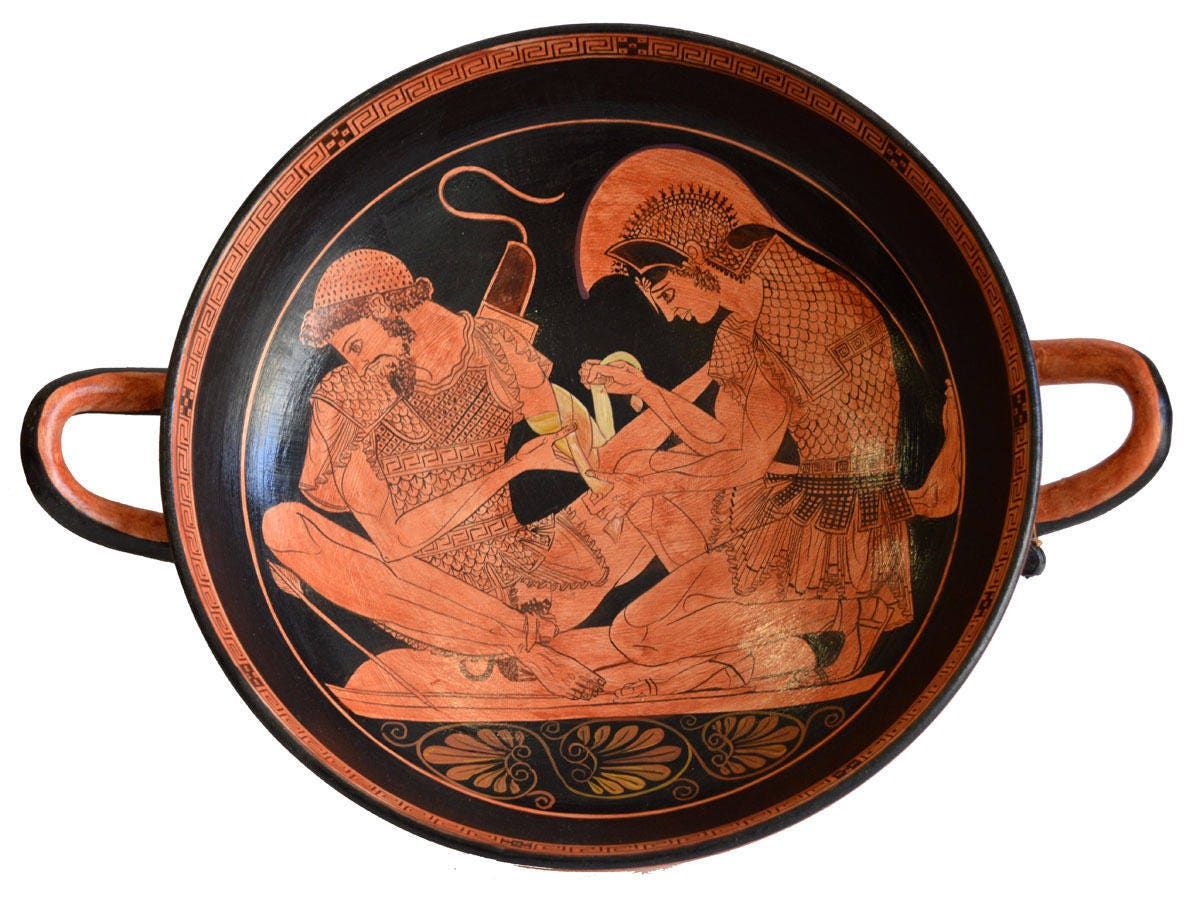
This is Achilles, binding a wound for his companion, Patroklos. Against Achilles’ warning, Patroklos attempts to confront the Trojan hero, Hektor, but is killed and Achilles, although he himself is cautioned by his mother, Thetis, that, if he fights and kills Hektor, will soon die himself, does so anyway.
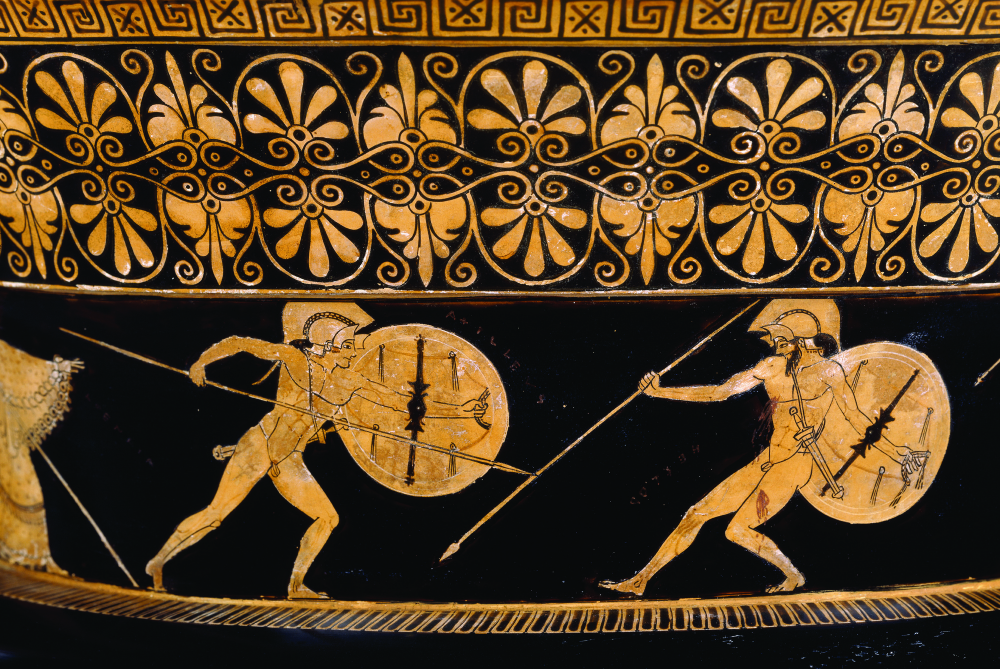
This brings us back to that image earlier in this posting, of Achilles dragging Hektor’s body around the walls of Troy
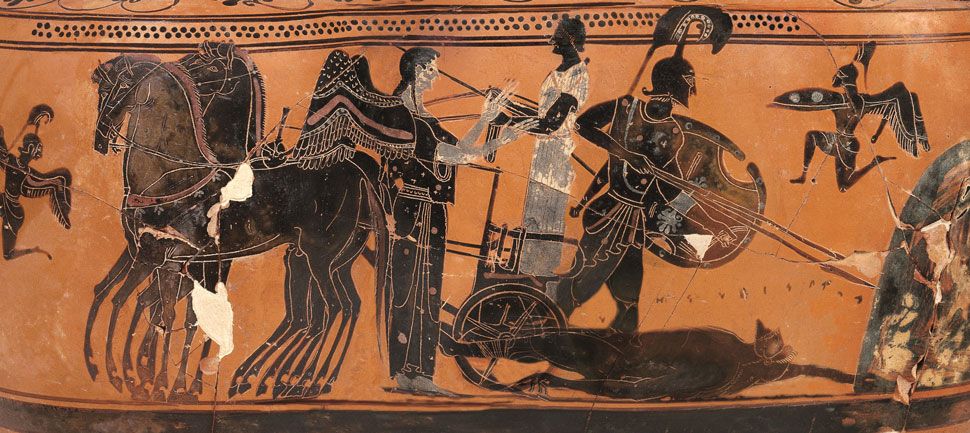
and also leads to a further image: Achilles, in turn, being killed by an arrow shot by the Trojan prince, Paris.
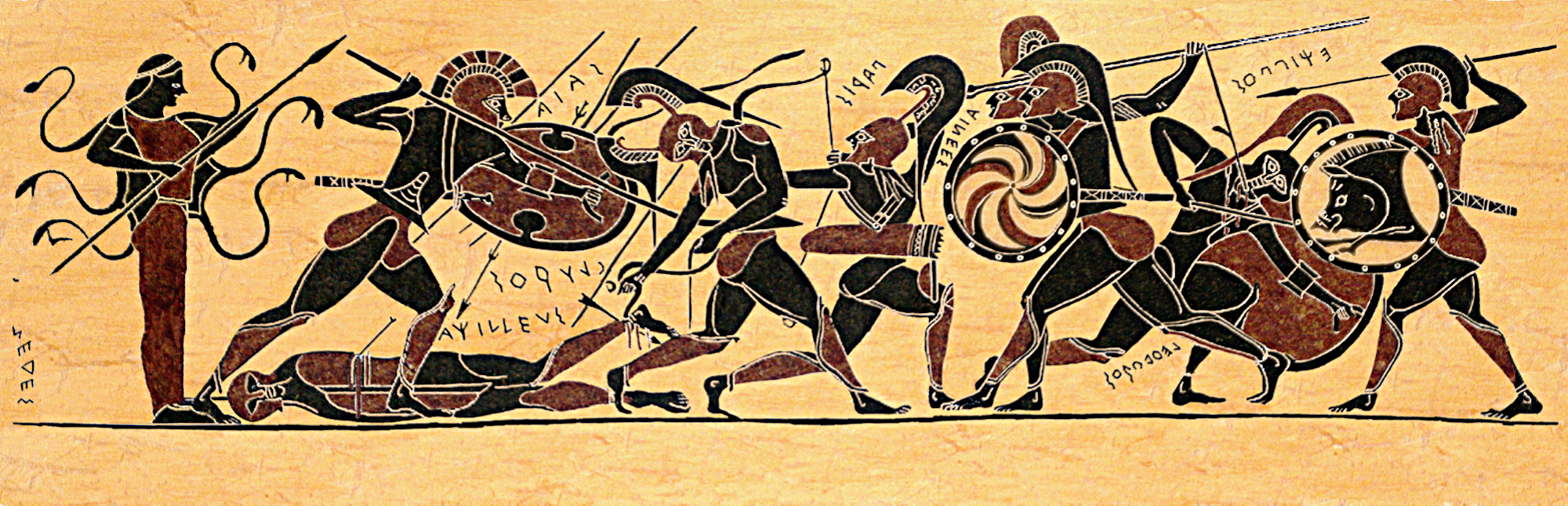
(In this scene, depicting the battle over Achilles’ body, you can see Achilles fallen, an arrow through the back of his leg.)
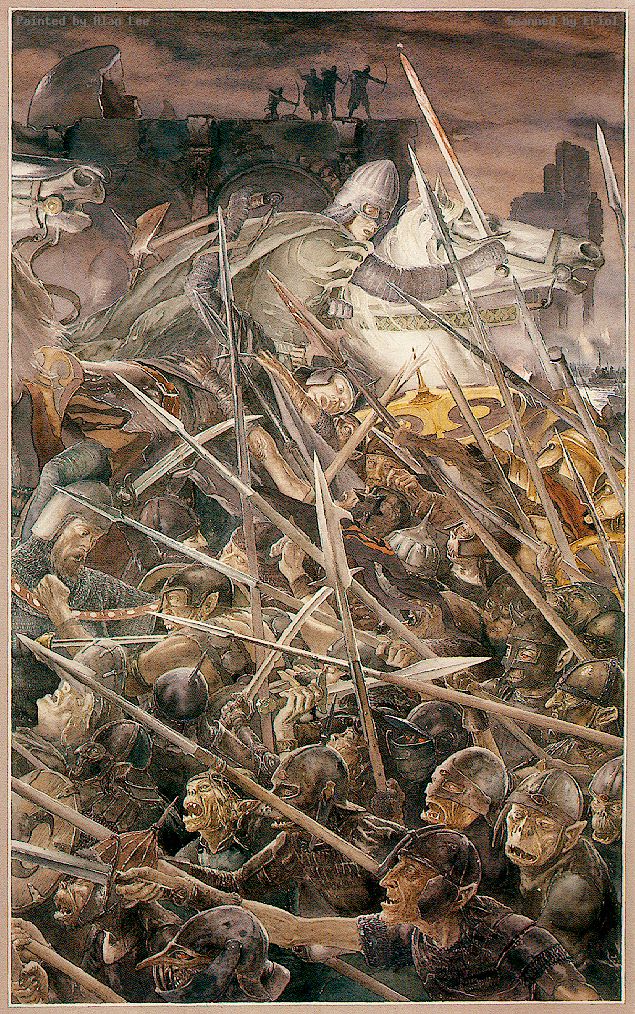
And, for the Rohirrim, the term would then fit Theoden perfectly, as well, as he says to Aragorn at Helm’s Deep:
“The end will not be long…But I will not end here, taken like an old badger in a trap. Snowmane and Hasufel and the horses of my guard are in the inner court. When dawn comes, I will bid men sound Helm’s horn, and I will ride forth. Will you ride with me the, son of Arathorn? Maybe we shall cleave a road, or make such an end as will be worth a song—if any be left to sing of us hereafter.” (The Two Towers, Book Three, Chapter 7, “Helm’s Deep”)
(Alan Lee)
Potentially, an heroic—and Homeric—end.
Thanks for reading, as always.
Stay well,
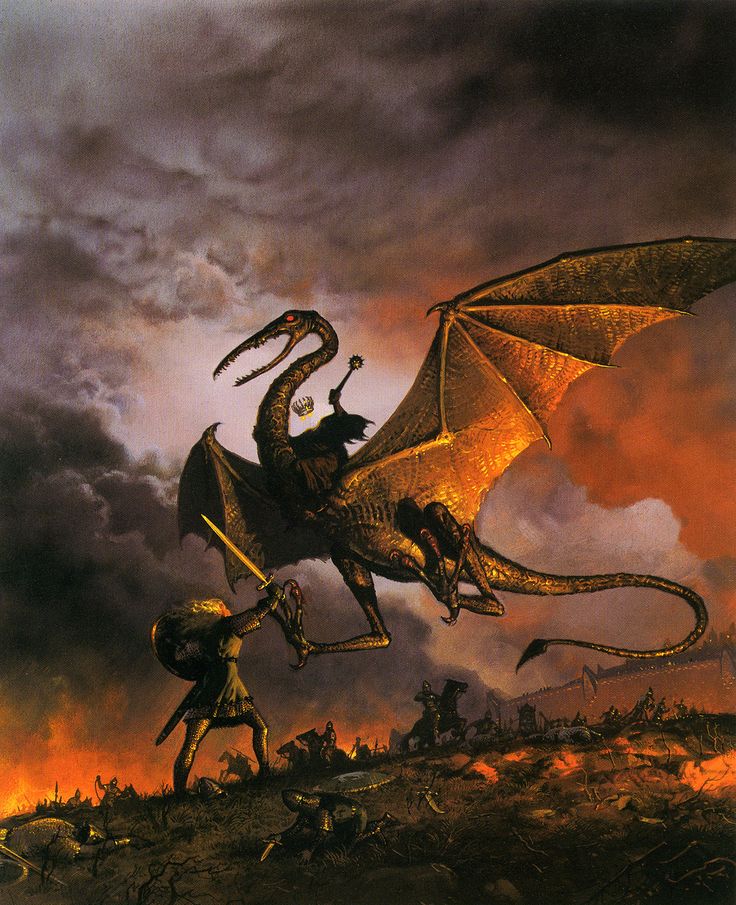
If possible, avoid fell beasts while attempting heroic endeavors,
(Ted Nasmith)
And remember, that, as always, there’s
MTCIDC
O

