“Riddle me, riddle me, riddle me ree,
Perhaps you can tell what this riddle may be:
As deep as a house, as round as a cup,
And all the king’s horses can’t draw it up.”
I sometimes think that the world could be divided between those who love puzzles and can do them and those, like me, to whom puzzles don’t appeal—possibly because we can’t. For instance, can you guess the answer to the riddle above? I’ll give you a minute…
For that One Half of the world, the answer was probably embarrassingly easy: “a well”.

You got it, didn’t you? I got it—but only afterwards when I reread “draw it up”, which looks like it was planted as an obvious clue, as one “draws water from a…well”.
Riddle culture is clearly very old. Trying to go as far back in time as I could, suddenly there was Oedipus and the Sphinx sitting outside Thebes—
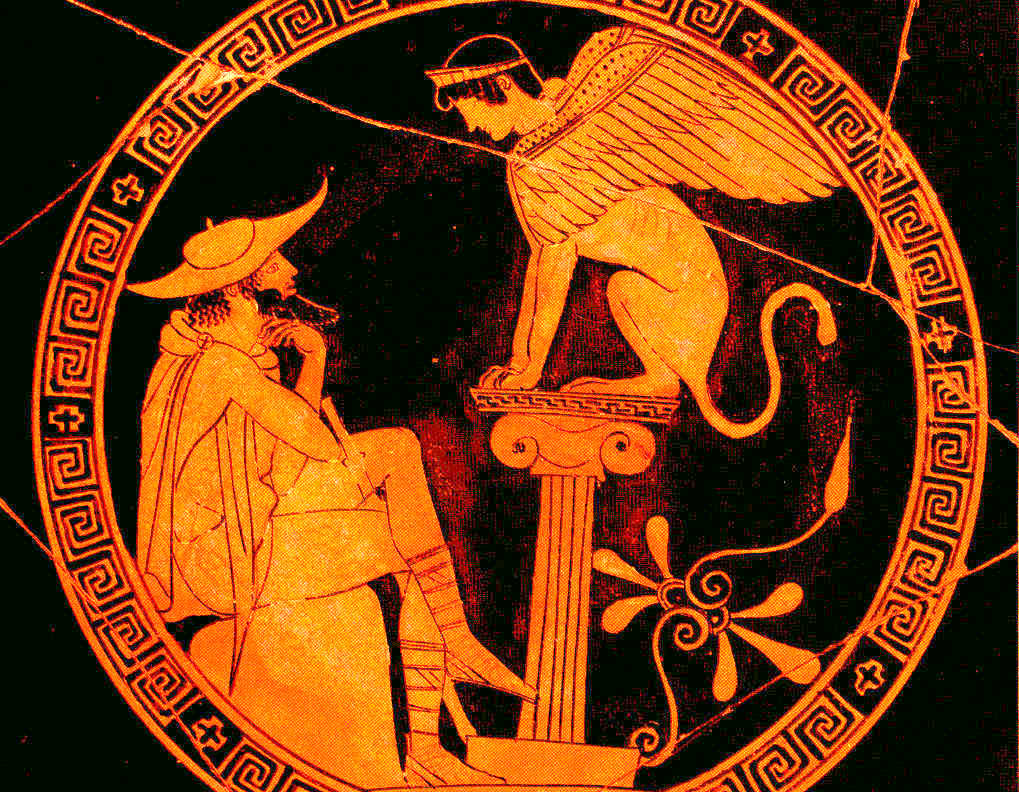
with her:
“What goes on four legs at dawn,
What goes on two legs at midday,
What goes on three legs at sunset?”
If you belong to the Other Half—my half—and you don’t know the play (and the footnotes), you might think for a while, then shrug. If you’ve read the footnotes, or are a member of the One Half, you’ll smile and say, “Easy. A baby–at the dawn of life, a grownup– in midlife, an old person leaning on a stick–in the ‘Sunset Years’, so, in short, Man.”
Having read the footnotes, you know the fate of that riddler—seemingly instant death—although I can imagine her flapping off, muttering to herself about finding suckers somewhere else, like Corinth.
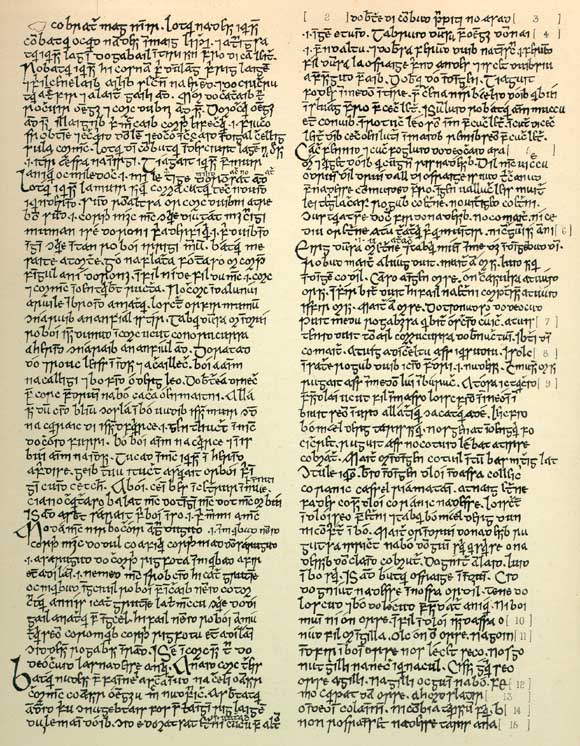
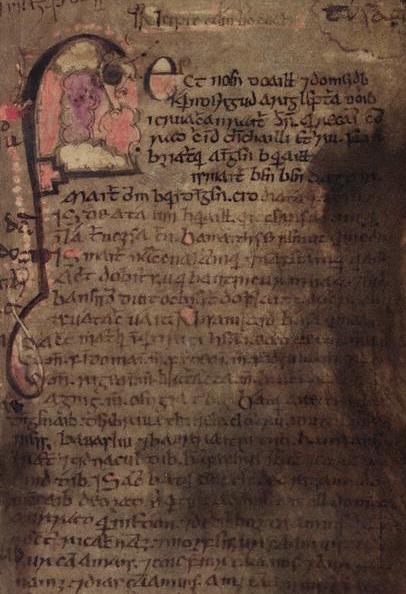
And a little research produces—and this is just for western Europe—the following collections:
1. Symphosius (4th-5th century AD)
2. Aldhelm (c.609-739)
3. Tatwine (c.670-734)
4. Boniface (c.675-754)
5. Eusebius (8th century)
6. The Bern Riddles (early 8th century)
7. The Lorsch Riddles (8th-9th century)
8. The Exeter Book Riddles (10th century)
I’ve gotten this list (which I’ve rewritten slightly) from a very good site on the subject: “The Riddle Ages”, here: https://theriddleages.com/riddles/collection/ A rich site and a good read, if medieval literature appeals.
I think that my first riddle came from Alice’s Adventures in Wonderland,1865/6,

which generally has always been considered a children’s book, but, as a child, I really didn’t like it, mostly because I didn’t understand it. I now enjoy it, but still find it almost as weird as I thought it the first time I read it.
The riddle is in Chapter VII, “A Mad Tea-party” , which begins:
“THERE was a table set out under a tree in front of the house, and the March Hare and the Hatter were having tea at it: a Dormouse was sitting between them, fast asleep, and the other two were using it as a cushion resting their elbows on it, and talking over its head. ‘Very uncomfortable for the Dormouse,’ thought Alice; ‘only as it’s asleep, I suppose it doesn’t mind.’ “
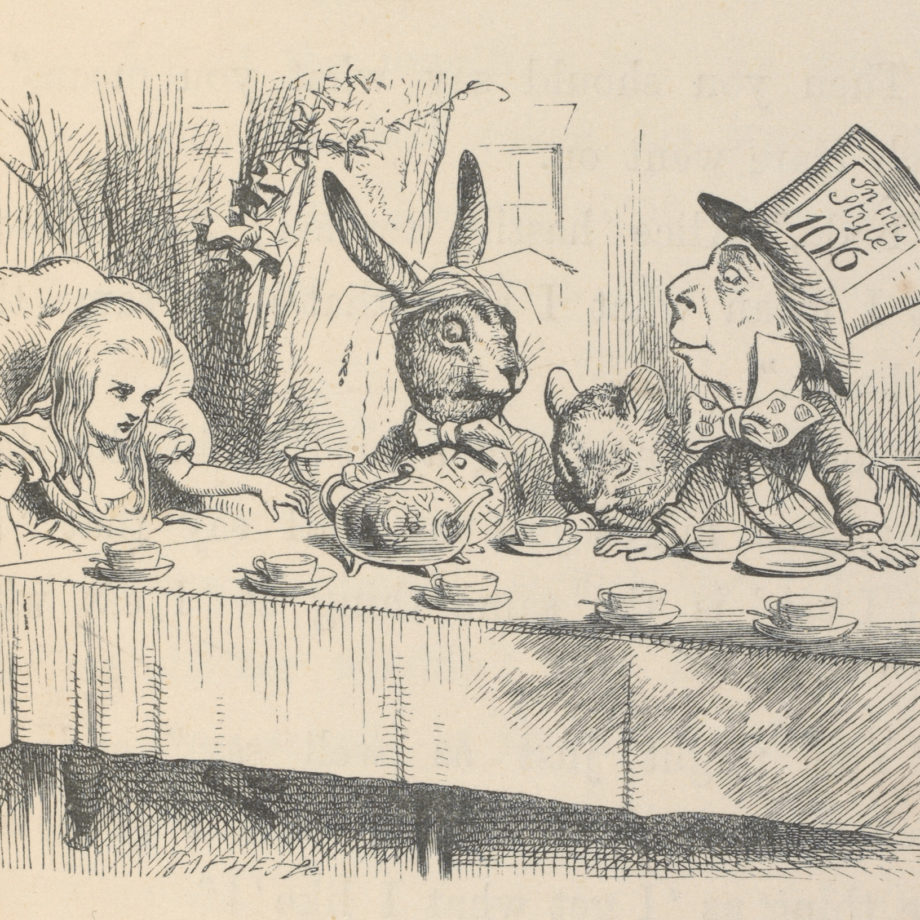
(In case you’re wondering, that’s supposed to be straw on the Hare’s head, a stagey sign of madness. The very useful site Word Histories (https://wordhistories.net/2018/06/01/straws-hair-origin/ ), points us to a Victorian source—Punch, January, 1842, 34, “Extemporaneous Dramas No.1 Hamlet”—where a stage direction says “Ophelia discovered with straws in her hair”, but this looks to be a misunderstanding of Hamlet, Act 4, Scene 5, where a Gentleman says of Ophelia that “[she] spurns enviously at straws”—that is, “she reacts spitefully to trifles”, not that she’s wearing straw. You can read the Punch excerpt here: https://babel.hathitrust.org/cgi/pt?id=iau.31858029795295&seq=339&q1=extemporaneous )
It’s immediately clear that Alice isn’t welcome, as the Mad Hatter and March Hare, sitting at a large and nearly empty table, begin shouting “No room! No room!”, and out of nowhere the Mad Hatter remarks:
“ ‘Your hair wants cutting…’ “
To which Alice replies:
“ ‘You should learn not to make personal remarks…it’s very rude,’
The Hatter opened his eyes very wide on hearing this; but all he said was, ‘Why is a raven like a writing desk?’ “
Alice puzzles over this throughout most of the scene until, pressed, she confesses that she doesn’t know the answer—and the Hatter replies that he has no idea either!
(For the 1866 Alice, see: https://en.wikisource.org/wiki/Alice%27s_Adventures_in_Wonderland_(1866) for the 1907 edition, with illustrations by Arthur Rackham, see: https://www.gutenberg.org/files/28885/28885-h/28885-h.htm )
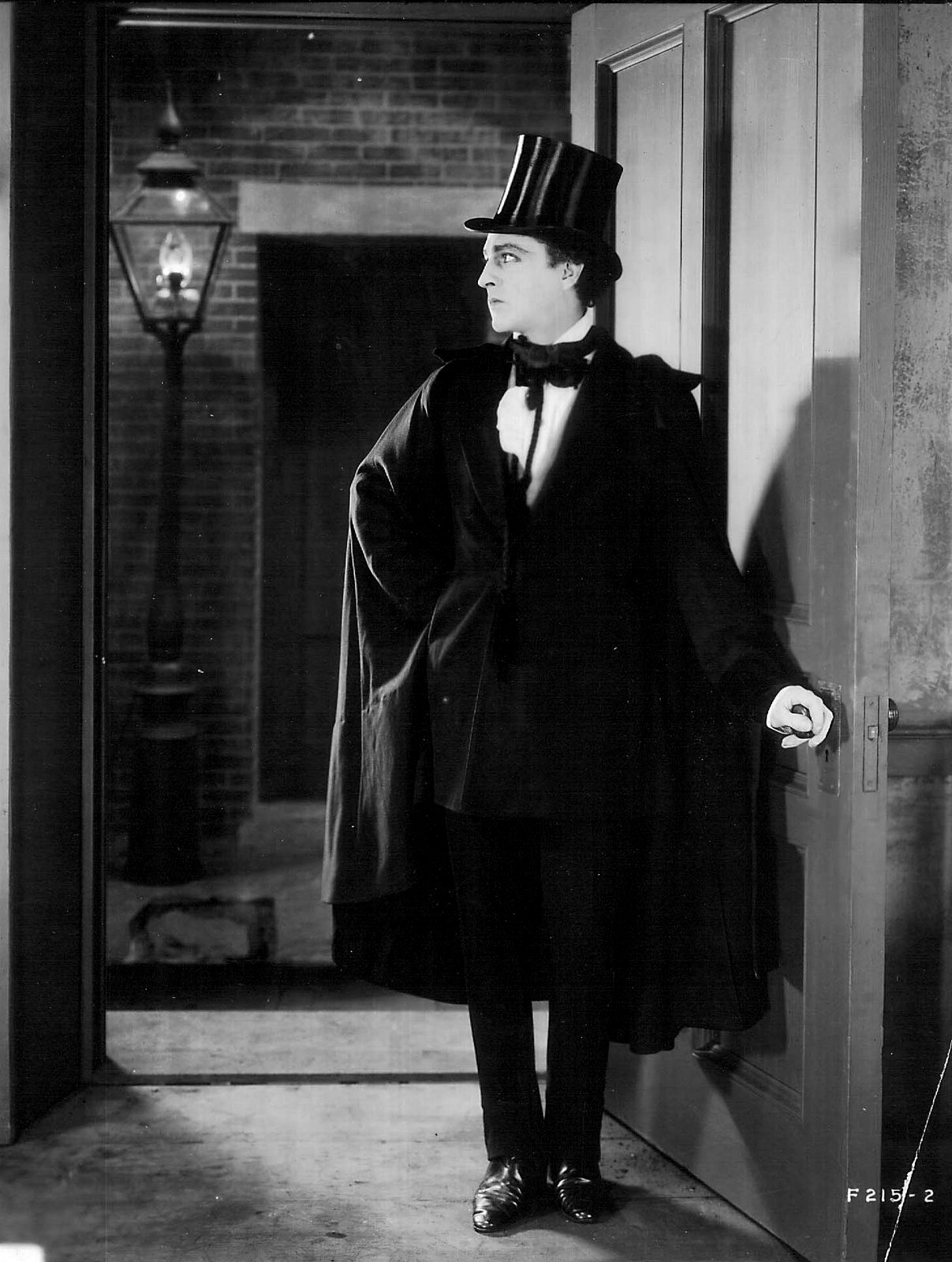
And, reading that then, and rereading it now, I agree with the Mad Hatter—although there are numerous modern answers, including my favorite: “Poe wrote on both.”—that is, Edgar Allan Poe, 1809-1849,

wrote a poem about a raven,

and could have done so at a desk.

There are more possible answers, including a surprisingly limp one by Lewis Carroll himself, here: https://gizmodo.com/the-answer-to-the-most-famous-unanswerable-fantasy-ridd-5872014
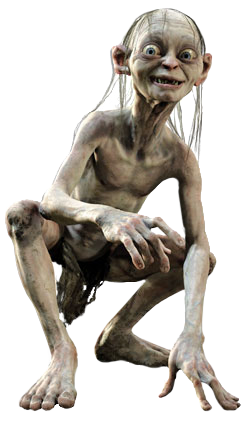
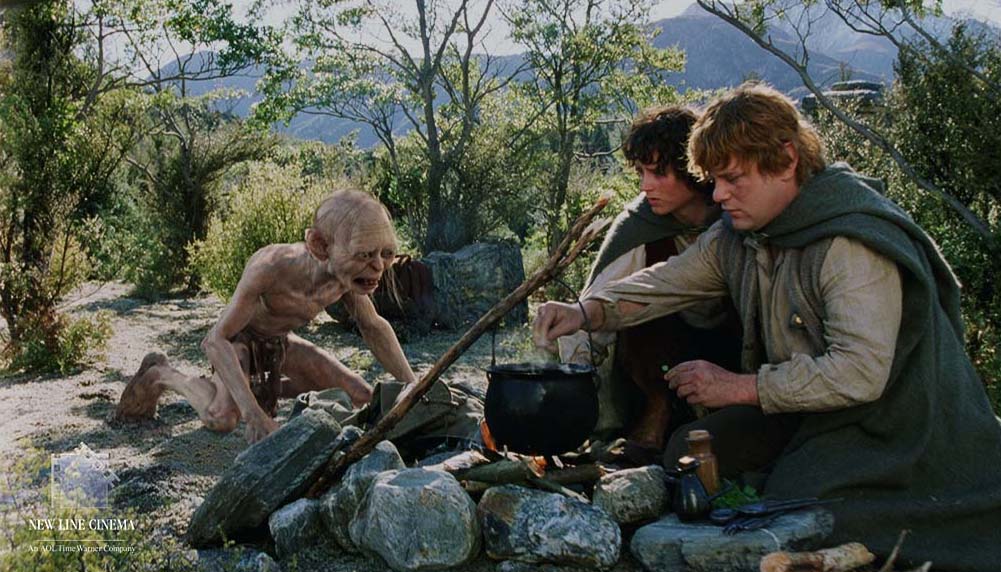
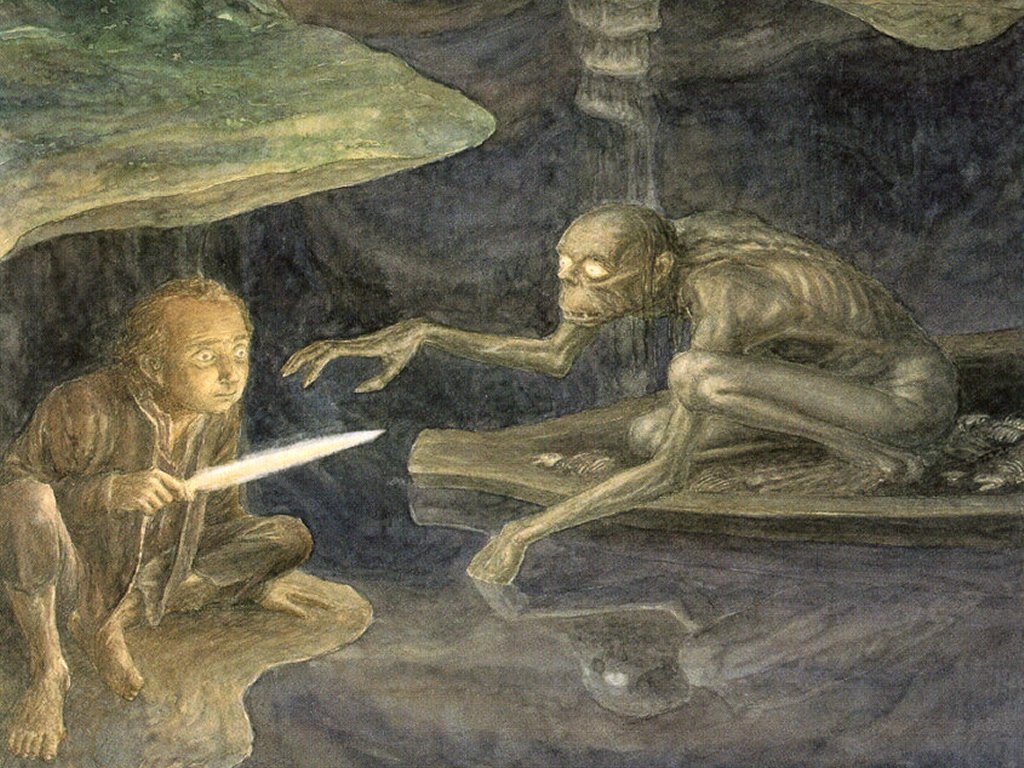
Knowing, then, on which side of the aisle I stand (or should I say, sit?) on the subject of riddles, I am brought to a scene which all Tolkien readers know well—

(Alan Lee)
It is, of course, The Hobbit, Chapter 5, “Riddles in the Dark”, and includes brain-teasers like Bilbo’s:
“No-legs lay on one-leg, two-legs sat near on three legs, four-legs got some”.
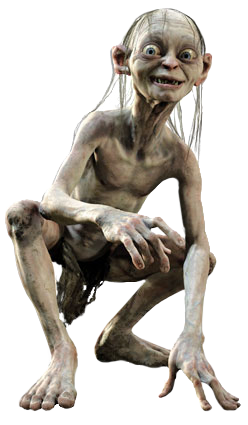
Without blinking, Gollum replies:
“ ‘Fish on a little table, man at table sitting on a stool, the cat has the bones.’ “
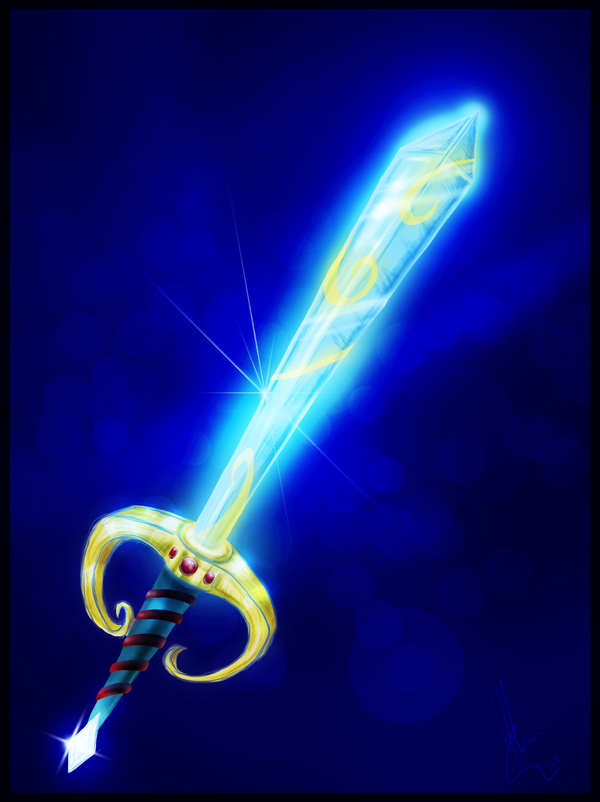
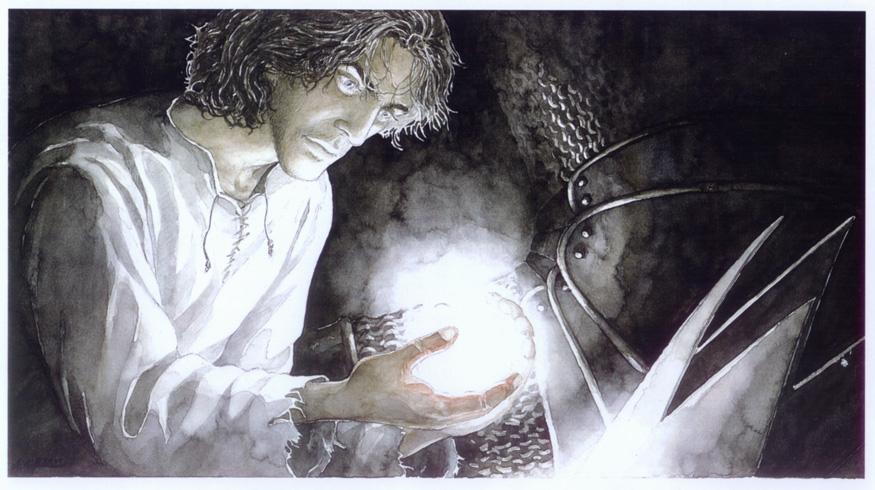
As one on the Other Side, however, I might have to rely upon Sting

and what I might find in my pocket!

Thanks, as ever, for reading.
Stay well,
Solve: “The more you take, the more you leave behind”,
And remember that there is always
MTCIDC
O
PS
In case you’ve a voracious appetite for riddles, try this site, which says that it has 10,337 riddles: https://www.riddles.com/archives


























 doubtfulsea