• About

doubtfulsea

~ adventure fantasy

Category Archives: Uncategorized

When One Door Closes.4

30 Wednesday Nov 2016

Posted by Ollamh in Imaginary History, J.R.R. Tolkien, Literary History, Maps, Uncategorized

≈ Leave a comment

Tags

Alfred Lord Tennyson, Cirith Ungol, doors, Gilbert and Sullivan, Gondor, Grond, Hobbit door, James Fennimore Cooper, Minas Morgul, Minas Tirith, Morannon, Mordor, N.C. Wyeth, Nazgul, Orodruin, Princess Ida, Shelob's Lair, The Last of the Mohicans, The Lord of the Rings, The Princess, The Siege of Gondor, Tolkien

Welcome, as always, dear readers. In this posting, we’ll complete our survey of doors and entryways and what happens at them in The Lord of the Rings.

We began this series a little while ago when we got to thinking about Bilbo’s remark to Frodo that: “It’s a dangerous business, Frodo, going out your door.”

Bilbo had learned this the hard way when Gandalf had come to his door and he had embarked upon an adventure he, originally, had no desire to be part of.
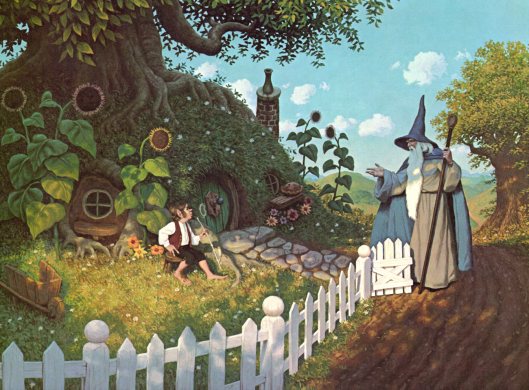
gandalfvisitsbilbo

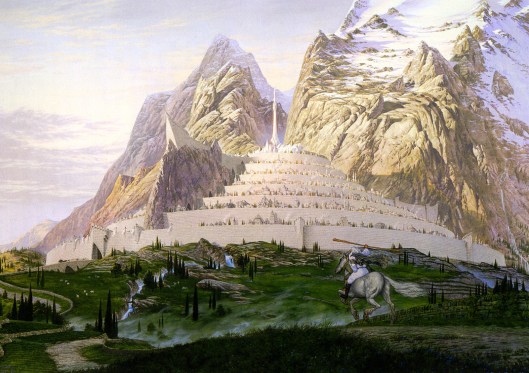
In three postings, we’ve followed the story through doors and entryways from that moment all the way to the moment when Gandalf blocks the Lord of the Nazgul from entering Minas Tirith through its ruined main gate.

mcbridegandalflordofnazgul.gif

In the process, we have come to see that doors and entryways seem to come in two forms: first, there are doors which lead to safety; second, there are doors which lead to danger. We’ve added other elements, natural entryways, like fords and bridges, and the fact that many of the entryways have challenges and challengers barring the way.

In a moment of cheerful intellectual cruelty, we ended the last posting at that crucial moment in “The Siege of Gondor”, in which Grond, the battering ram of the armies of Mordor, has, with the magical aid of the Lord of the Nazgul, broken down the gate and that Lord is about to enter the city, when he meets Gandalf as the challenger:

“ ‘You cannot enter here,’ said Gandalf, and the huge shadow halted. ‘Go back to the abyss prepared for you! Go back! Fall into the nothingness that awaits you and your Master. Go!’ ”

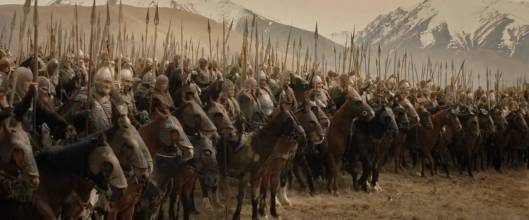
And, just at that moment, “Great horns of the North wildly blowing. Rohan had come at last.”
rohirrim.jpg

[We wondered, by the way, if that “Great horns of the North wildly blowing” was an accidental or deliberate allusion to a lyric from Alfred Lord Tennyson’s

tennysonyoung.jpg

poetic criticism of the idea of women’s education, The Princess (1847),

prncss.jpg

in which we find the line “The horns of Elfland faintly blowing”—here’s the whole poem:

from The Princess: The Splendour Falls on Castle Walls
By Alfred, Lord Tennyson
The splendour falls on castle walls
                And snowy summits old in story:
         The long light shakes across the lakes,
                And the wild cataract leaps in glory.
Blow, bugle, blow, set the wild echoes flying,
Blow, bugle; answer, echoes, dying, dying, dying.
         O hark, O hear! how thin and clear,
                And thinner, clearer, farther going!
         O sweet and far from cliff and scar
                The horns of Elfland faintly blowing!
Blow, let us hear the purple glens replying:
Blow, bugle; answer, echoes, dying, dying, dying.
         O love, they die in yon rich sky,
                They faint on hill or field or river:
         Our echoes roll from soul to soul,
                And grow for ever and for ever.
Blow, bugle, blow, set the wild echoes flying,
And answer, echoes, answer, dying, dying, dying.


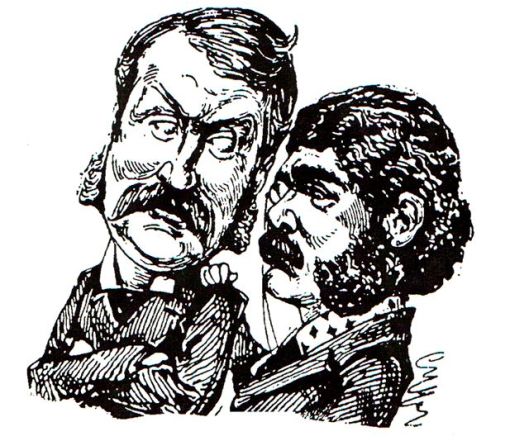
This then formed the basis of an 1870 play by W.S. Gilbert, which he converted, with his collaborator, Arthur Sullivan, into an operetta, in 1884.]
 

Gilbert and Sullivan Cartoon.jpg

Princess-Ida-1884.jpg

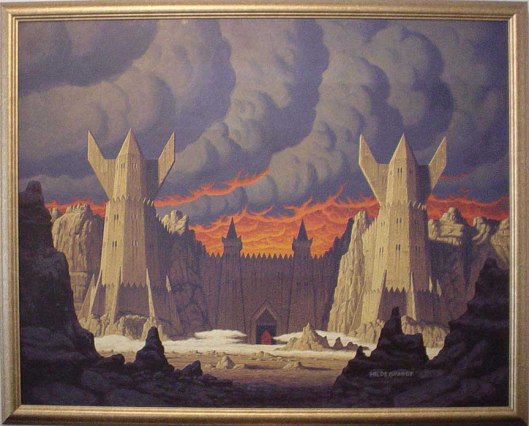
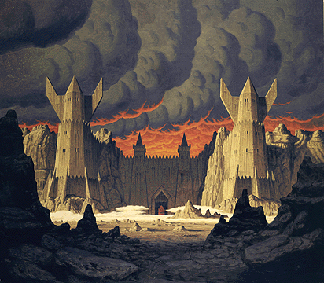
For the Aragorn and company half of the story, we see the arrival of the army of Gondor and its allies at the Morannon as the last door.
morannon.1.gif

Here, there are, in fact, two challengers/challenges. First,

“When all was ordered, the Captains rode forth towards the Black Gate with a great guard of horsemen and the banner and heralds and trumpeters…They came within cry of the Morannon, and unfurled the banner, and blew upon their trumpets; and the heralds stood out and sent their voices up over the battlement of Mordor.” (The Return of the King, Book 5, Chapter 10, “The Black Gate Opens”)

In return,

“There came a long rolling of great drums like thunder in the mountains, and then a braying of horns that shook the very stones and stunned men’s ears. And thereupon the door of the Black Gate was thrown open with a great clang, and out of it there came an embassy from the Dark Tower.”

In both cases, it goes without saying that this is a door to danger, the difference being that those from Gondor want those within to come out so that, by defeating them (though they have little hope of this), those from Gondor can enter, while those within the gate want to prevent their entry (except, perhaps, as prisoners).

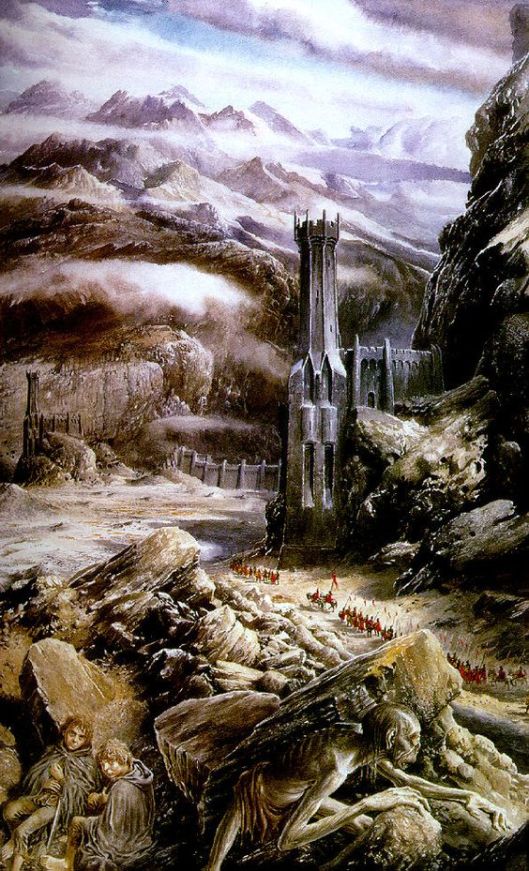
As we turn to the other half of the narrative, we begin at the same gate, where Gollum has brought Frodo and Sam.
alanleemorannon.jpg

Here, there is no easily visible challenger, just the forbidding nature of the gate, but it is still not an entryway to safety, as, on the other side is an inhospitable landscape, populated by Sauron’s vast armies, constantly on the move, as we see in later chapters. As well, from those later chapters, we gain the sense that Frodo doesn’t believe he’s going to return from Mordor anyway.

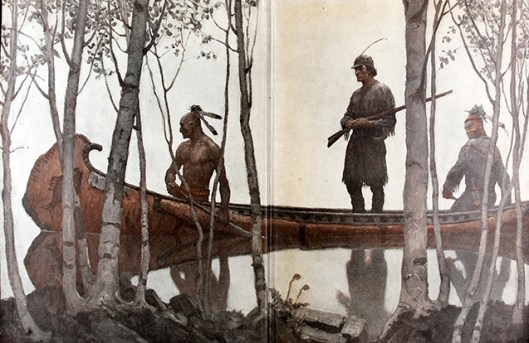
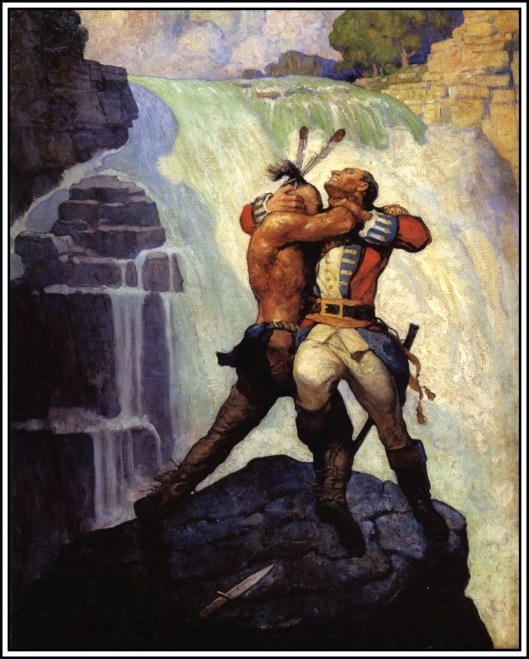
Seeing no way to enter, Frodo pushes Gollum to lead them south and, with a diversion to Faramir’s base behind a waterfall (which, to us, is reminiscent of a similar hide-out in James Fennimore Cooper’s The Last of the Mohicans (1826)

mohicansfirstedition.jpg

—and how can we resist mentioning that, in 1919, N.C. Wyeth illustrated an edition?)
05_lastofthemohicans_wyeth_glenfalls.jpg

wyethlast.jpg

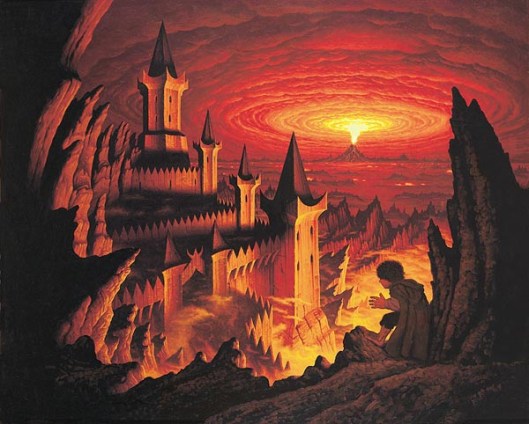
they arrive at the southern entryway to Mordor, the pass with Minas Morgul at its western end and Cirith Ungol at its eastern.

Morgul2.jpg

WATCHERS.jpg

The challengers of Minas Morgul are the Lord of the Nazgul and a vast army, on their way to attack Minas Tirith, but these are skirted, as Gollum guides the two hobbits around the site and up on a perilous climb—and into Torech Ungol, Shelob’s Lair. Safety? Gollum wants the hobbits to think so. Danger? With Shelob as a challenger, what else?

shelob.jpg

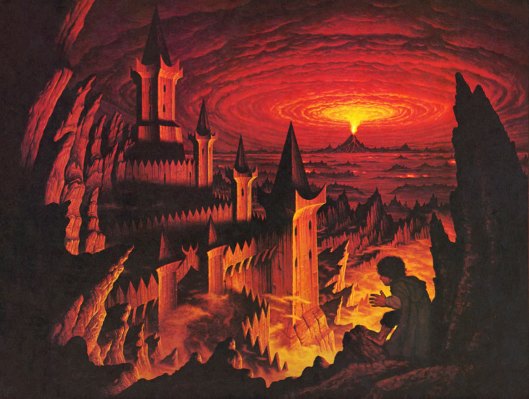
Even as Sam drives Shelob off, however, he loses Frodo, paralyzed and cocooned, and is faced with an inner door closed by the orcs as they withdraw. Climbing over it, he moves forward, cloaked by the ring, to look out towards Orodruin and the Tower of Cirith Ungol.
cirith-ungol2

And, with this, we have finished our survey.

Unless, of course, we consider two more events.

First, there is what happens at Mount Doom, where Gollum is the challenger, and the door, such as it is, leads to safety for Middle-earth, but not for Sam and Frodo.

gollum__s_dance_by_01gus01-d4rmt18.jpg

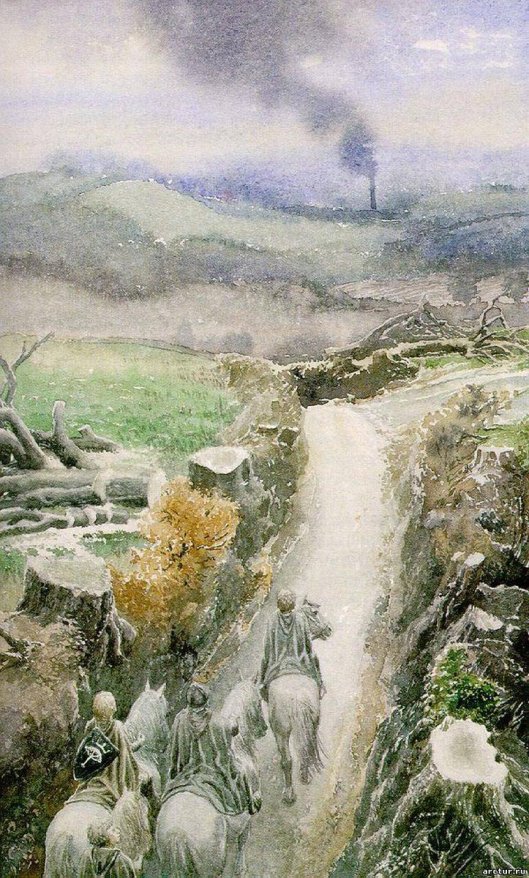
And, finally, at the edge of the Shire, in “The Scouring of the Shire”, where the returning hobbits meet with the followers of “Sharkey” at the bridge. Those followers, brain-washed by fear of “The Chief” and his “big man” followers, attempt to deny what should be a door to safety to Frodo, Merry, and Pippin, as the three had expected, but which leads, in fact, to conflict and open violence before their return home is safely accomplished.
scouringoftheshire.jpg

With that, we complete the pattern and here is our chart:


Entryway Source Challenger Challenged Outcome
Bilbo’s door The Hobbit Bilbo Dwarves Bilbo is tricked into hospitality
Beorn’s house The Hobbit Beorn Gandalf Beorn tricked into hospitality
Goblin cave The Hobbit Goblins Bilbo Escapes by use of the Ring
Mirkwood The Hobbit Elves Dwarves/Bilbo Bilbo rescues dwarves with Ring and barrels
Lonely Mountain (Back door) The Hobbit Smaug Dwarves/Bilbo Understanding the inscription, Dwarves open the door
Lonely Mountain (Front door) The Hobbit Dwarves Men, Elves, Goblins Battle of the Five Armies—eventual settlement
Bilbo’s door The Hobbit Hobbits Bilbo Bilbo’s things are up for auctions—Bilbo gets most things back
Ford of Bruinen The Lord of the Rings Wraiths Frodo/Elves After Frodo’s challenge, elf magic overwhelms wraiths
Moria (west gate) The Lord of the Rings Elves of Hollin Fellowship Gandalf discovers password—the group enters
Lothlorien (western side) The Lord of the Rings Elves Fellowship Challenged by elves, but allowed to enter
Edoras The Lord of the Rings Rohirrim Gandalf et al. Challenged by gate guards, but allowed to enter
Meduseld The Lord of the Rings Hama Gandalf et al. Challenged, but allowed to enter
Helms Deep The Lord of the Rings Aragorn Orcs/Wildings Aragorn warns them of their danger
Isengard The Lord of the Rings Merry/Pippin Gandalf et al. Greeted and offered food, drink, and smoke
Paths of the Dead The Lord of the Rings Oath-breakers Aragorn at al. Allowed to enter, but followed—leave safely
Morannon The Lord of the Rings Sauron King Elessar et al. Sauron’s army appears for battle
Morannon The Lord of the Rings Sauron Frodo/Sam/Gollum No way of entry—the three head south
Minas Morgul The Lord of the Rings Lord of Nazgul Frodo/Sam/Gollum Entry blocked by Lord’s Army
Torech Ungol The Lord of the Rings Shelob Frodo/Sam Gollum escapes, Frodo paralyzed by Shelob
Cirith Ungol The Lord of the Rings Orcs Sam With Ring as aid, Sam enters
Mt. Doom The Lord of the Rings Gollum Frodo Gollum gains Ring, but perishes in fire
Shire bridge The Lord of the Rings Hobbits Frodo et al. Hobbits climb over gate, guards run


Because this material becomes increasingly complex, there is always the possibility that, as thorough as we try to be and as inclusive, we’ve missed something. If so, we’d be glad to hear from our readers!

Thanks, as always, for reading!

MTCIDC

CD
 

Further Thoughts

02 Wednesday Nov 2016

Posted by Ollamh in J.R.R. Tolkien, Literary History, Maps, Military History, Military History of Middle-earth, Uncategorized

≈ Leave a comment

Tags

Alexander of Macedon, Athenian Empire, Babylon, Cleopatra VII, Delian League, Mongol Empire, Mordor, Persians, Plataea, Ptolemy, Sauron, Tolkien, W.H. Auden

Welcome, dear readers, as ever.

It is one of the pleasures—perhaps we should say even blessings—of JRRT that there is such a richness available within his work—and within him—that no subject can ever be discussed to a perfect conclusion. In an earlier posting, we talked about Sauron and his demands, but, as we watch our current world and certain powers who are maneuvering to gain increasing control over land and sea, we have come back once more to wondering about what it is that Sauron has planned to do and what he will have if he succeeds.

In an unpublished reply to a review by W.H. Auden, JRRT wrote:

“The theatre of my tale is this earth, the one in which we now live, but the historical period is imaginary. The essentials of that abiding place are all there (at any rate for inhabitants of N.W. Europe), so naturally it feels familiar, even if a little glorified by the enchantment of distance in time.” (Letters, 239)

Thus, we can feel justified, we think, in looking at a would-be world conqueror from an actual historical period to see if we can better understand the fictional Sauron.

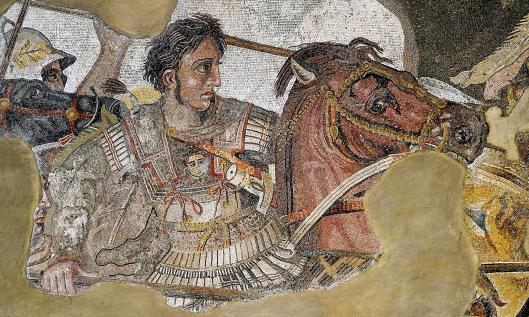
If we consider Alexander of Macedon,

Alexander_the_Great_mosaic.jpg

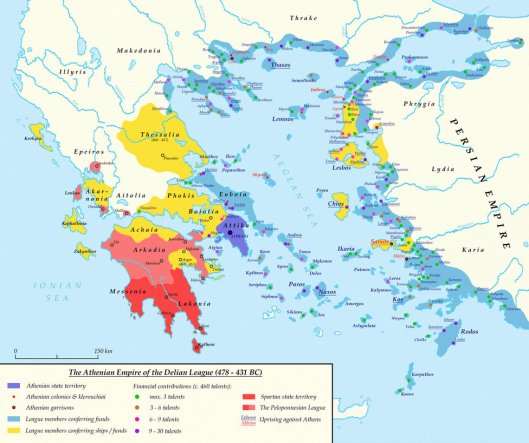
we see someone who began with a project which, in part, went back for a century and more before his own time: to take back the western shore of northern Asia Minor from its Persian overlords. This had been begun by the Delian League,

The Delian League - map.jpg

a group of Greek city-states who had been participants in the ultimate battle defeat of the invading Persians, at Plataea, in 479bc.

47948_PlateaBattleL.jpg

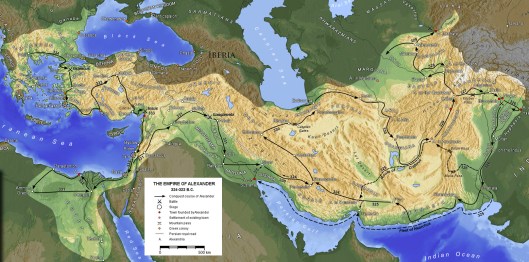
After he had defeated the southern Greeks at Chaeronea in 338bc with the aid of his son, Alexander, it had been Philip II of Macedon’s plan to do what the League had planned and take back Asia Minor from the Persian empire. Philip was murdered (by a “lone spearman”) in 336, but Alexander, took over the plan and, in 334, invaded the Persian empire and, within three years or so, had conquered it—

macedonianempirelarge.jpg

but then had kept moving eastward, besieging cities, winning battles, all the way into western India, where his army finally revolted and refused to go farther.

Alexander_troops_beg_to_return_home_from_India.jpg

He returned to his new capital, Babylon, to die there in 323bc.

the_death_of_alexander_the_great_after_the_painting_by_karl_von_piloty_1886

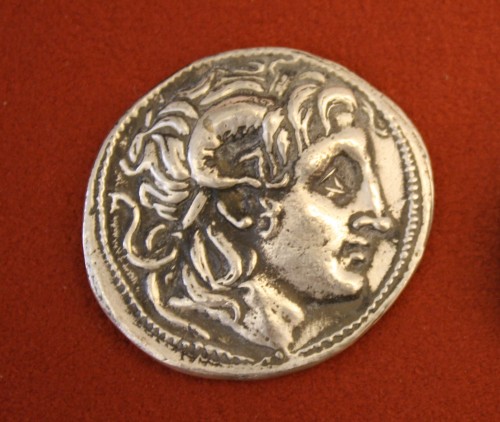
Because Alexander had no grown male heirs, his new empire fell apart very quickly, his chief generals seizing big chunks and defending them against other generals. We can presume, we think, that he hadn’t been planning to die young (he was born in 356), so we assume that he was out to do something permanent. His generals—the successful ones—founded dynasties, the longest-lived of them being that of Ptolemy,

Coin (Ptolemy I) (Alexandria 305-285 BC).jpg

who grabbed Egypt, and whose last descendant to rule was Cleopatra VII (yes, that Cleopatra), who committed suicide in 30bc.

Kleopatra-VII.-Altes-Museum-Berlin1.jpg

If Alexander was planning to do something similar, only on a larger scale, how do we understand it? What was all of that conquest for and why was it never enough?

Part of the explanation may lie in the analogy of the folk-tradition about sharks: that they have to keep moving to breathe. This is apparently not true (google Discovery.com/tv-shows/shark-week).

great-white-shark-swimming-blue.jpg.adapt.945.1.jpg

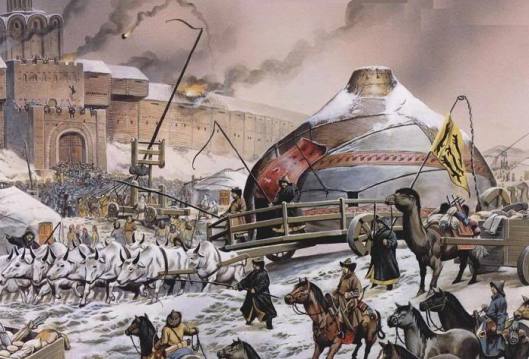
It’s a good image, however, of how an expanding kingdom has to work: the more land you have, the more people you have, the more people you have, the more food you need, therefore you need an increased food supply, which means either buying it or taking it from outside, or making the land itself produce more or simply acquiring more land—and the cycle begins again. This may have been what caused the rapid expansion of the Mongol empire in the 13th century ad, although, in their case, it may not have been expanding population so much as expanding flocks and herds which needed more pasture land.

TitleMongol2.jpg

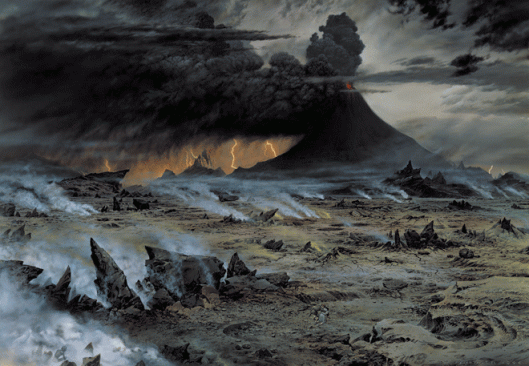
We might see Sauron in the same light: he needed huge armies to conquer Middle-earth, his huge armies, both humans and orcs, would need feeding (even orcs ate, after all, although as to what they ate…) and therefore would have needed a huge amount of growing land to be fed from, and so on and so on. Certainly Mordor was not the place for gardens and grain fields.

gorgoroth.gif

JRRT says of Sauron:

“Sauron desired to be a God-King, and was held to be this by his servants; if he had been victorious he would have demanded divine honour from all rational creatures and absolute temporal power over the whole world.” (Letters 243-244)

And perhaps this offers another view of Alexander, in turn. As Sauron would have needed land to feed his armies, perhaps Alexander was intent upon collecting worshippers? Certainly he allowed rumors to circulate that he was at least semi-divine—as we see in this coin portrait, where he is portrayed with the horns of Zeus/Ammon, a combination Greek and Egyptian god.

alexaszeusammon.jpg

Alexander succeeded in gaining territory—although not so much as he wished—but died before founding the dynasty which might have given his kingdom stability. Sauron lost, not only his kingdom-in-the-making, but his corporeal form and the bulk of his power. JRRT has given us a hint as to one side of his plans—founding a religion with himself as the god, but perhaps Alexander has given us a clue as to another side, the need to support his means of conquest. In turn, Sauron may supply a clue to another side of Alexander’s plans: inserting himself into the religion of his Greek subjects, then expanding his cult throughout as much of the world as he could conquer.

Thanks, as ever, for reading.

MTCIDC

CD

Tobago to Lothlorien 2

26 Wednesday Oct 2016

Posted by Ollamh in Heroes, J.R.R. Tolkien, Uncategorized

≈ Leave a comment

Tags

Anduin, Barad-Dur, Bree, Caras Galadhon, Cirith Ungol, defense, Edoras, fortification, Galadriel, Helm's Deep, Hildebrandts, John Howe, Lothlorien, Minas Tirith, Morannon, Nenya, Offa's Dyke, Rhodes, Robinson Crusoe, stockades, Swiss Family Robinson, The Lord of the Rings, Tolkien, tree house

Welcome, dear readers, as always. As you can see from the title, this is a continuation of our previous post.

In that previous posting, we began with the novel, Robinson Crusoe (1719),

Robinson_Crusoe_1719_1st_edition.jpg

crusoewyeth.jpg

then on to Swiss Family Robinson (1812),

52062_swiss_rob_md.gif

being especially interested in the stockade of the former

0_8a62b_11562dfa_orig

and the tree house of the latter.

swiss-family-robinson

The connection here was the tree house and Lothlorien, where the elves lived high up in the trees.

lothlorien.jpg

At least, that’s where we began. As we looked more seriously at the architecture of Lothlorien, however, we began to wonder, in a world in which darkness had gradually spread, how it protected itself. After all, Robinson Crusoe, afraid of the cannibals he had seen, had walled himself in. Part of it was the power of Galadriel herself, as she implies to Frodo:

“But do not think that only by singing amid the trees, nor even by the slender arrows of elven-bows, is this land of Lothlorien maintained and defended against its Enemy.” (The Fellowship of the Ring, Book 2, Chapter 7, “The Mirror of Galadriel”)

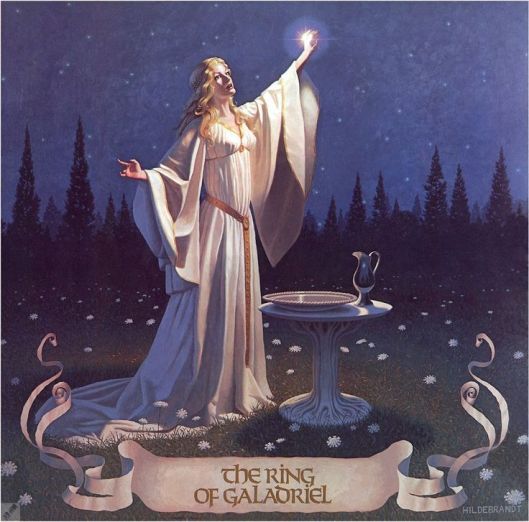
But was there anything more besides singing, arrows, and Nenya, the Ring of Adamant?

5d7d8ba33f058c6756ab6feed6ca5033.jpg

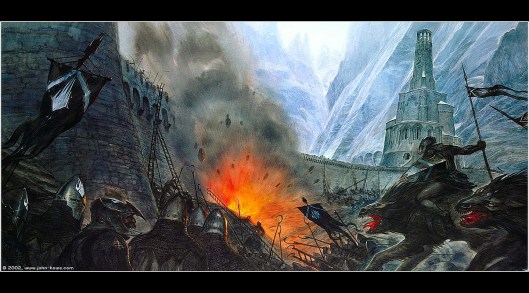
Far to the south, Minas Tirith had seven concentric (more or less) walls,

minastirithjhowe.jpg

and its opponents across the Anduin had the Morannon

morannonhildebrandt.jpg

and Cirith Ungol

cirithungolhildebrandt.jpg

sam_at_cirith_ungol.jpg

and even the Barad Dur.

HidebrandtTolkienDarkTower.jpg

It is not so clear about Edoras. There is mention that “A dike [that is, a ditch/moat] and mighty wall and thorny fence encircle it”, along with the phrase “wide wind-swept walls and gates” (The Two Towers, Book 3, Chapter 6, “The King of the Golden Hall”), but little else. And you can see that lack of information reflected in the rather scanty look in the Jackson films—

LOTR_twoTowers_edoras_03_940.jpg

Helm’s Deep, is, of course, a different matter—we show you versions by the Hildebrandts and by John Howe

helmsdeephildebrandt.jpg

33171_the_lord_of_the_rings.jpg

Lothlorien is, in fact, not a single site, like any of the above. This map

LothlorienMap.jpg

gives you an idea of its complexity. There is the outer forest, with its camouflaged guard flets in trees, seemingly along its borders, and then the actual center, the city of Caras Galadhon. Here’s JRRT’s description of that center:

“There was a wide treeless space before them, running in a great circle and bending away on either hand. Beyond it was a deep fosse lost in soft shadow, but the grass upon its brink was green, as if it glowed still in memory of the sun that had gone. Upon the further side there rose to a great height a green wall encircling a green hill thronged with mallorn-trees taller than any they had yet seen in all the land.” (The Fellowship of the Ring, Book 2, Chapter 7, “The Mirror of Galadriel”)

We are then told that there is a bridge, on the southern side, which crosses to “the great gates of the city; they faced south-west, set between the ends of the encircling wall that here overlapped, and they were tall and strong, and hung with many lamps.”

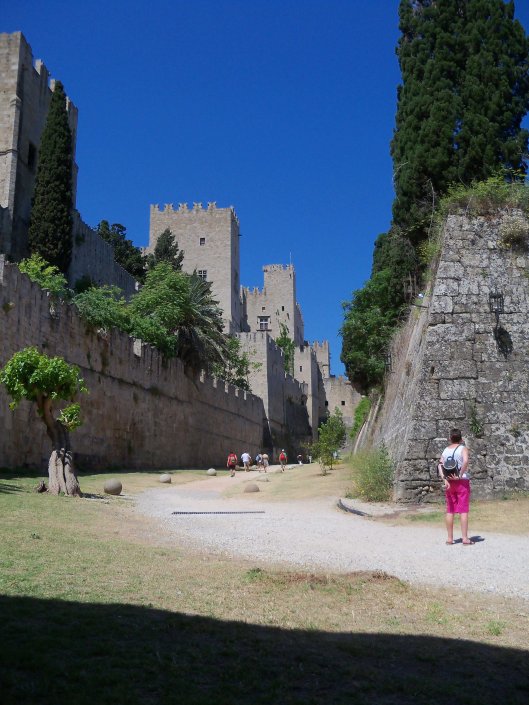
A fosse (from the Latin verb, fodio, fodere, fodi, fossum, “to dig”) means that there was a moat—in this case, it would appear to be a dry moat, like this one at the city of Rhodes.

moatrhodes.jpg

(Those stone balls, by the way, are left over from the Turkish artillery and stone-throwers which pounded the walls of Rhodes in 1522–when we have another posting–soon–on the attack on Minas Tirith, we’ll say more about that.)

That “green wall”, however, is a bit of a puzzle. Is it a wall of green stone of some sort? Or is it a “thorny fence”, like that which surrounds Edoras? There are two similar defenses, or at least boundaries, in LOTR. First, there is the border between Buckland and the Old Forest:

“Their land was originally unprotected from the East; but on that side they had built a hedge: the High Hay. It had been planted many generations ago, and it was now thick and tall…” (The Fellowship of the Ring, Book 1, Chapter 5, “A Conspiracy Unmasked”)

The second such construction appears at Bree (which sounds much like Edoras):

“On that side, running in more than half a circle from the hill and back to it, there was a deep dike with a thick hedge on the inner side.” (The Fellowship of the Ring, Book 1, Chapter 9, “At the Sign of the Prancing Pony”)

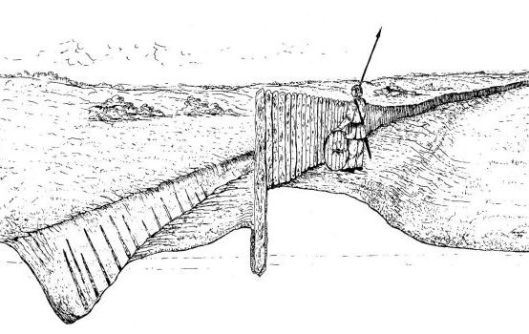
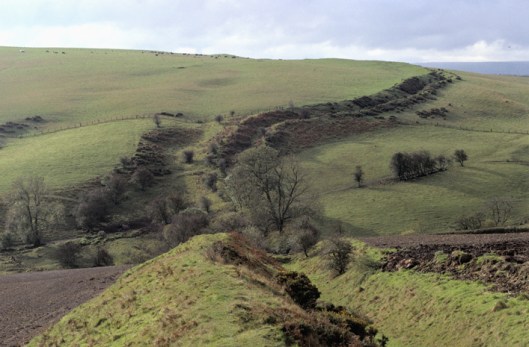
So what is the green wall?  English hedges can be very dense things, often to mark off fields, as in this photo of Offa’s Dyke–and you can see the fosse/ditch/moat here, as well.

offasdyke2.png

In at least one previous entry, we discussed Offa’s Dike, a (possibly) 8th-century-AD ditch and earthen wall between England and Wales.

664p.jpg

Can we imagine the palisading of this reconstruction replaced with a thorny hedge? Here’s a long shot of Offa’s Dike with a bit of hedging visible.

as_offas_dyke.jpg

When we consider the general look of Caras Galadhon, it is of something organic: the elves loved the trees and, instead of cutting them down, as the hobbits had done outside the High Hay, they climbed up into them. Might we then see that their physical barrier against their enemies was of the same green and growing material as were their dwellings?

What do you think, dear readers?

Thanks, as ever, for reading,

MTCIDC

CD
Dr. Smeagol and Mr. Gollum?

31 Wednesday Aug 2016

Posted by Ollamh in Films and Music, J.R.R. Tolkien, Literary History, Narrative Methods, Uncategorized

≈ Leave a comment

Tags

Deagol, Gollum, John Barrymore, Mark Twain, Robert Louis Stevenson, Sir Stanley Unwin, Smeagol, Stinker and Slinker, Strange Case of Doctor Jekyll and Mr. Hyde, The Eye of Sauron, The Facts Concerning the Recent Carnival of Crime in Connecticut, The Lord of the Rings, The Mirror of Galadriel, Tolkien

Dear readers, welcome, as ever.

In this posting, we are following a hint given us by JRRT. In a letter to Sir Stanley Unwin, 21 Sept, 1947, he says, “Hyde (or Jekyll) has had to have his way, and I have been obliged to devote myself mainly to philology…” (Letters, 124)

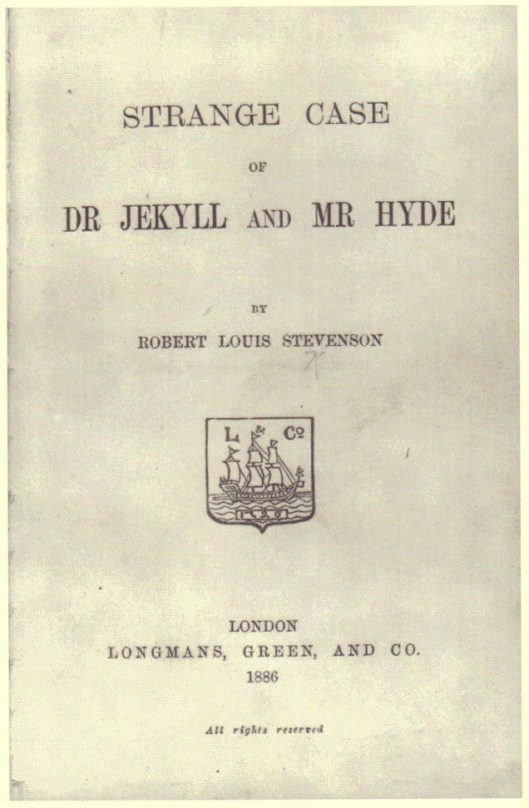
“Hyde (or Jekyll)” refers to the main character in Robert Louis Stevenson’s 1886 novella, Strange Case of Doctor Jekyll and Mr. Hyde.

rlsJekyll_and_Hyde_Title

This is often turned into The Strange Case… by editors, but, in fact, as can be seen from the title of the first edition, given above, there is no definite article. It seems clear to us that it has been omitted because Stevenson is imitating the shorthand methods of newspapers: the title is meant to sound like a headline, the sort of thing Sherlock Holmes’ observant eye would catch and he would then read to Watson.

The original story, if you’re not familiar with it, is about a doctor who leads two lives, one of service, the other of sensuality, and who wishes that he could separate them so that he could enjoy each without the influence of the other. He invents a drug, which, when consumed, turns the socially-responsible Dr. Jekyll (said “JEE-kull”, but often mispronounced)

John_Barrymore_as_Dr_Jekyll

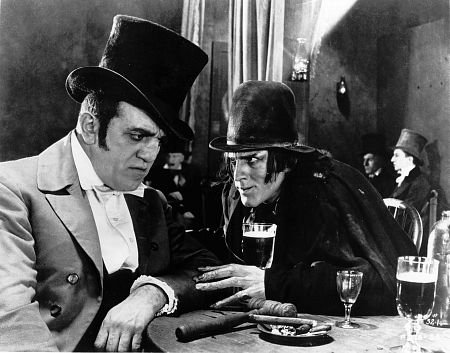
into the loathsome Mr. Hyde.

hydejbarrymoor

The doctor runs into horrible difficulty when it gradually becomes clear that the Id-like Mr. Hyde is actually the dominant personality and the good Dr. Jekyll begins to turn into the fiendish Mr. Hyde even without the drug.

In JRRT’s case, it’s hardly sensuality—instead, it’s his academic life versus his creative one and the fact that he offers both as a possibility suggests that the difference between the two is hardly the glaring one we see in the Stevenson story.

The idea of the split personality in one person, however, leads us—well, if you’re a Tolkien fan, you know already, don’t you?

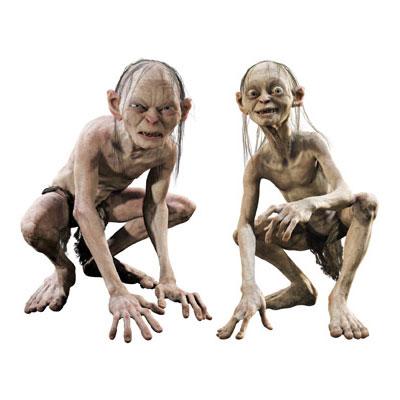
Gollum_Render

“Slinker and Stinker” Sam calls him, but it’s clear that, somewhere inside him, there are two much more distinctive personalities, just like Jekyll and Hyde.

269_gollum

The Dr. Jekyll is what must be almost a ghost of Smeagol, from his pre-Ring (and pre-murder of Deagol) days—ghost because near-constant exposure to the Ring has left him with only:

“…a little corner of his mind that was still his own…” (The Fellowship of the Ring, Book 1, Chapter 2, “The Shadow of the Past”)

But what is the Mr. Hyde?

Instead of a potion to break them apart, it has been the Ring which has caused the split and, in the process, as in the case of Dr. Jekyll, it has been the dark personality which has come to dominate. Unlike Mr. Hyde, however, there seems to be no pleasure to be had from being it:

“But the thing was eating up his mind, of course; and the torment had become almost unendurable.” (The Fellowship of the Ring, Book 1, Chapter 2, “The Shadow of the Past”)

JRRT isn’t any clearer about what was “eating up his mind”, but we imagine that, because Sauron has put so much of himself into the ring, just as Dr. Jekyll/Smeagol has that little corner of his own mind, Mr. Hyde/Gollum has a little corner of Sauron’s, which is a really terrible thought. One has only to remember Frodo’s reaction to Sauron when he looks into Galadriel’s mirror to understand:

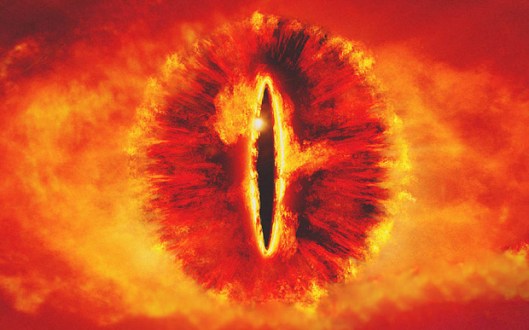
“In the black abyss there appeared a single Eye that slowly grew, until it filled nearly all the Mirror. So terrible was it that Frodo stood rooted, unable to cry out or to withdraw his gaze. The Eye was rimmed with fire, but was itself glazed, yellow as a cat’s, watchful and intent, and the black slit of its pupil opened on a pit, a window into nothing.” (The Fellowship of the Ring, Book 2, Chapter 7, “The Mirror of Galadriel”)

10b8f0b7ef05881c193c76dc38bac020the-eye-of-sauron_3133429b

Viewed this way, Mr. Hyde/Gollum is nothing more than a little Sauron.

There is another, more physical connection between Smeagol/Gollum and Jekyll/Hyde. Look at the narrator’s description of Hyde:

“Mr. Hyde was pale and dwarfish; he gave the impression of deformity without any namable malformation; he had a displeasing smile; he had borne himself to the lawyer with a sort of murderous mixture of timidity and boldness, and he spoke with a husky, whispering, and somewhat broken voice…”

(Strange Case of Dr. Jekyll and Mr. Hyde, “The Search for Mr. Hyde”)

Compare that with:

“Deep down here by the dark water lived old Gollum, a small slimy creature…” who often talks in hisses and whispers, like:

“Bless us and splash us, my precioussss!”

(The Hobbit, Chapter 5, “Riddles in the Dark”)

riddles

Is there a physical similarity here? Certainly there is the echo of split personalities, evil, and, maybe, someone caught between what he wants and what he does…

tolkientolkien-mortar-board-7-amazing-real-life-tolkien-facts-that-made-middle-earth-jpeg-77543

Thanks, as always, for reading.

MTCIDC

CD
ps

Our pictures of Jekyll and Hyde come from a famous 1920 film, in which John Barrymore transforms himself into Hyde on camera. Follow this link to the Internet Archive to see a full, free showing (80+ minutes) of that film.

pps

It just occurred to us to mention another story with a shrunken figure of the self– Mark Twain’s conscience in his “The Facts Concerning the Recent Carnival of Crime in Connecticut” (1876).


Bolts and Arrows

06 Wednesday Apr 2016

Posted by Ollamh in Films and Music, Heroes, J.R.R. Tolkien, Military History, Military History of Middle-earth, Narrative Methods, Uncategorized

≈ Leave a comment

Tags

Agincourt, anti-aircraft gun, ballista, Bard the Bowman, Battle of Crecy, Battle of Poitiers, Border Reivers, Boromir, crossbow, Crossbow Bunnies, English Longbowmen, harpoon, Hundred Years War, John Singer Sargent, latch, Maximus, N.C. Wyeth, Peter Jackson, Richard the Lionheart, Robert Louis Stevenson, Robin Hood, Roman d'Alexandre, Siege of Chalus, Smaug, Tangled, The Black Arrow, The Hobbit, The Lord of the Rings, The Mary Rose, Tolkien, Towton

In our review of the third Hobbit film, we questioned the use by Bard of something a little larger in the way of a missile than Tolkien had intended:

“Then Bard drew his bow-string to his ear. The dragon was circling back, flying low, and as he came the moon rose above the eastern shore and silvered his great wings.

‘Arrow!’ said the bowman. ‘Black Arrow! I have saved you to the last. You have never failed me and always I have recovered you. I had you from my father and he from of old. If ever you come from the forges of the true king under the Mountain, go now and speed well!’ ” (TH 307).

As Bard was firing this himself, we always envisioned him as an English longbowman.

englishlongbowman1330-15151.jpg

And this led us to think a bit about Tolkien’s possible sources, not only for Bard and his bow, but for that arrow–the real one, not the monster dart used in the film.

From any children’s history of England, Tolkien would have learned that longbowmen like the one shown above destroyed three brave French armies in the Hundred Years War, at Crecy (1346), Poitiers (1356), and Agincourt (1415).

hf54d67201.jpg

In the film, however, although Bard was depicted as an archer,

Bard-the-Bowman-bard-the-bowman-37670604-1920-1200.jpg

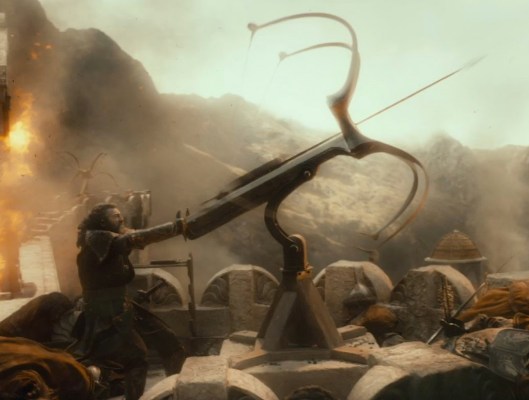
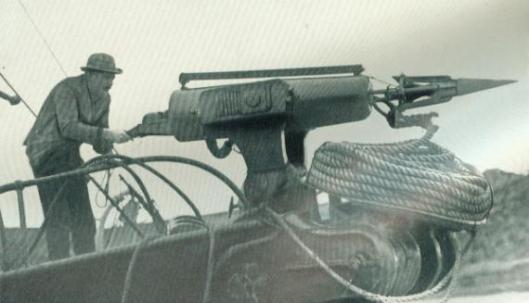
his weapon of choice looks like this.

bardwithharpoon.jpeg

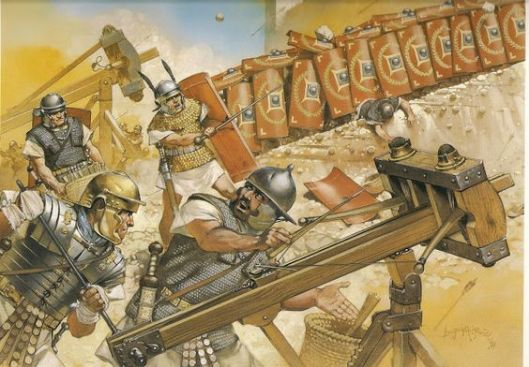
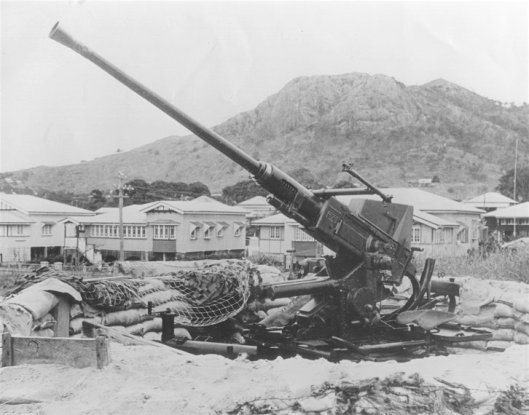
This reminds us of either a Roman ballista

b0370394e429c42631f520182c155a34.jpg

or an anti-aircraft gun

strandgun01.jpg

or, most especially,  a harpoon gun.

WhaleHarpGun1.jpg

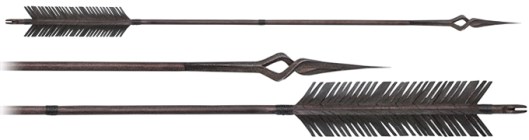
Especially when you look at this Bard’s arrow.

bard.jpg

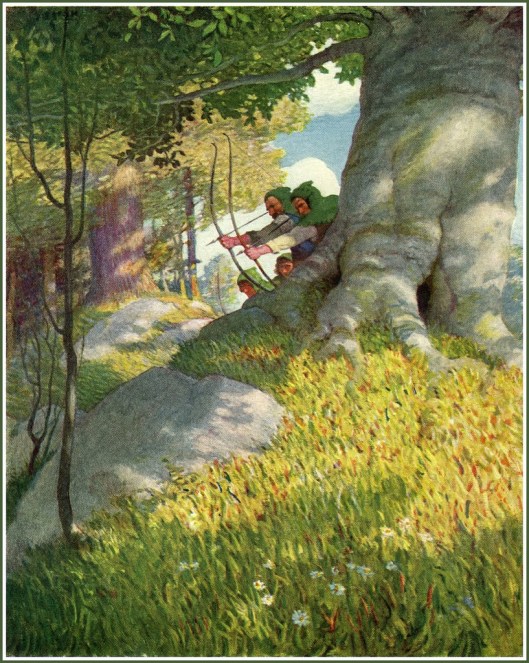
Although we currently have no evidence for Tolkien’s sources, we can imagine that they might have included, among others, Robin Hood,

5616567327_fc899be2f1_b.jpg

the actions of actual Medieval archers like those at Agincourt or Towton (1461),

towton3.jpg

and a book, perhaps from boyhood, Robert Louis Stevenson’s The Black Arrow (1883/1888).  Stevenson (here in an 1880s portrait by John Singer Sargent)

rlsjss2.jpg

had originally published the story serially in a children’s magazine in 1883

ba1.jpg

before its publication in book form in 1888.

Blackarrowcoverscribners1888.jpg

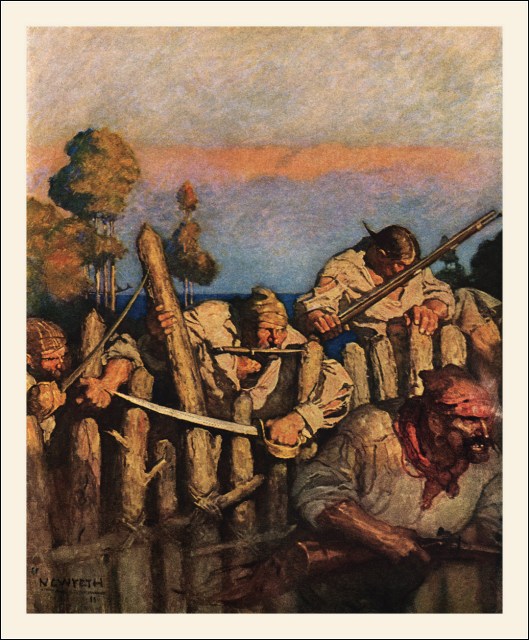
The classic illustrations are by one of our all-time favorite illustrators, NC Wyeth, from 1917.

309642.jpg

We can’t resist showing you a few:

tumblr_l4istbR1JZ1qamjklo1_1280.jpgillus08.jpg09_blackarrow_alittlebeforedawn_wyeth.jpg

Although the bow is the weapon of choice of those who use the black arrow of the title (it’s employed for revenge), the hero  in fact, has a crossbow.

5616566731_49d251a1fc_b.jpg

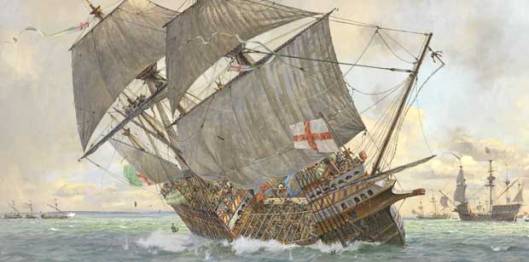
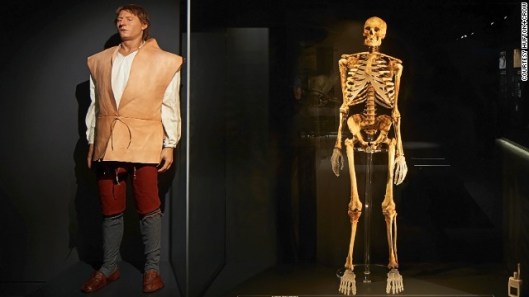
The longbow requires years of training and great upper-body strength, leaving its mark on bowmen, as can be seen from this skeleton (and its reconstruction) brought up from the English warship, the Mary Rose,

sinking_3.jpg

which sank with most of its crew in 1545 and was brought up from the mud of the ocean floor in 1982.

130530121104-mary-rose-skeleton-horizontal-gallery.jpg

The crossbow is a mechanical weapon, which uses much less strength to draw

the_old_crossbow_archer_by_renum63-d8aaovo.jpg

and, in the more developed versions, even uses a crank to produce the necessary string tension.

8f106fadbe86ed34e5567bc7a90b89e2.jpg

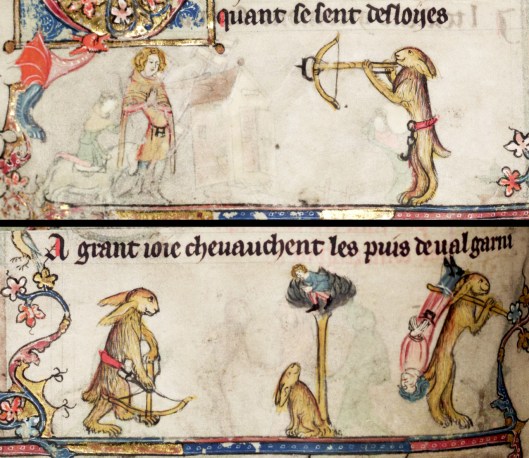
(And, just as in the case of NC Wyeth illustrations, we can’t resist medieval manuscript illustrations. Look at this pair of crossbow… bunnies from a copy of the Roman d’ Alexandre, circa 1340.)

romandalexandrec1340.jpg

This makes it a less romantic weapon, but equally deadly:  Richard the Lionheart was killed with a bolt/quarrel (what one calls a crossbow arrow) at the siege of Chalus in 1199.

Richard1TombFntrvd.jpg

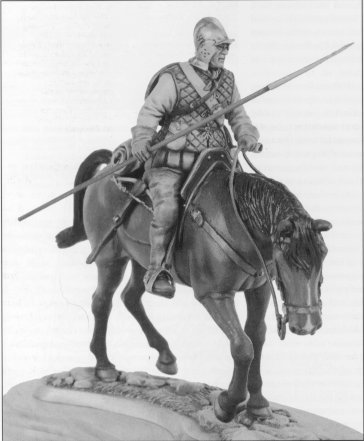
(This creates another aside–about the hand weapon used as late as the 16th century by the Border Reivers of the land between northern England and southern Scotland–called a “latch”, it was the weapon of choice for those who couldn’t afford early hand guns but wanted to fire easily from the saddle.

Reiver-on-Horse.jpg

The soldiers in Disney’s wonderful movie, Tangled, carry them–notice the off-hand side pouch with a handful of bolts  for one on Maximus’ saddle–)

maxtangled.jpg

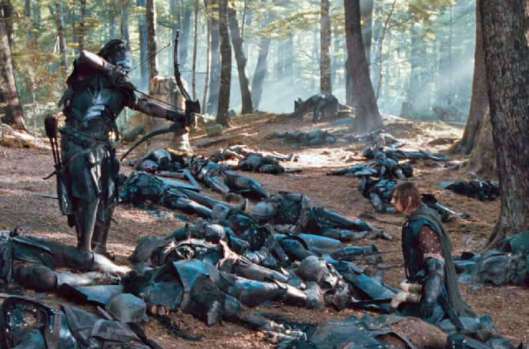
But we would  like to conclude with one more use of that black arrow.  A flight of them kills Boromir in The Lord of the Rings.

boromirarrows1.jpg

boromirearrows.png

Just as we began by pointing to the text and the actual bow and arrow which kill Smaug, and not the harpoon of the film, so we would criticize this scene.  In our opinion, it is stretched beyond believability, as well as beyond the text, taking away something of Boromir’s valor in combat with dozens of the enemy, in which he is gradually overcome.

boromir_by_deligaris-d5po92u.jpg

This is just as true for the brief scene of Aragorn at Boromir’s death.  What was simple in the text, thus making it more moving–just Boromir’s confession and Aragorn’s comforting him–becomes a soppy scene in which Boromir swears loyalty and calls Aragorn “my brother”, a liberty Aragorn-the-king-t0-be, would hardly have welcomed.  In the theatrical world, this is called “milking the scene” and here, we think it curdled.

Thanks, as always, for reading.

MTCIDC,

CD

Plot or Blot?

23 Wednesday Dec 2015

Posted by Ollamh in Fairy Tales and Myths, Films and Music, J.R.R. Tolkien, Narrative Methods, Uncategorized

≈ Leave a comment

Tags

Adventure, An Unexpected Journey, Eagles, Gandalf, Gwaihir, His Dark Materials, Iofur Rakinson, Isengard, Manwe, Middle-earth, Mirkwood, Moth, Ornthanc, Peter Jackson, Philip Pullman, Radagast, Rohirrim, Saruman, Svalbard, The Battle of the Five Armies, The Council of Elrond, The eagles are coming, The Fellowship of the Ring, The Golden Compass, The Hobbit, The Lord of the Rings, The Return of the King, Tolkien, Wizard

Dear Readers,

Welcome, as always.

This posting is about a puzzle. Recently, while visiting Orthanc to write about Saruman, we bumped into the problem of how Gandalf escaped from there. Our memory was a little unclear about this—we knew that Gwaihir swooped down to rescue him, but why was Gwaihir there in the first place?

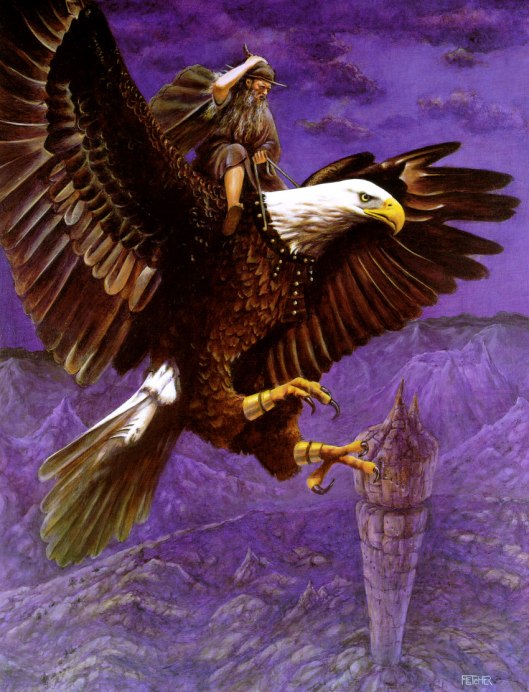
Eagles had appeared twice before in our experience of Gandalf, first when they rescued him and his companions from the goblins and Wargs in Chapter 6 of The Hobbit, “Out of the Frying-Pan into the Fire”. Here, the Lord of the Eagles hears the commotion as the Wargs struggle to overcome Gandalf’s fire magic and, gathering up some of his people, flies down to investigate.

6a00d8341dd88553ef015436529d30970c-pi.jpg

Something similar happens at the Battle of the Five Armies, explained in Chapter 18, “The Return Journey”:

“The Eagles had long had suspicion of the goblins’ mustering; from their watchfulness the movements in the mountains could not be altogether hid.” Thus, they appear self-bid, but, as they are ancient creatures, first made by Manwe and given the role of watchers from the time of the First Age, it’s not surprising that they would act as they did.

Battle of the Five Armies_Final Complete.jpg

In Jackson’s An Unexpected Journey and, again, in his The Fellowship of the Ring, an eagle appears after Gandalf has had a heart-to-heart with a moth.

gandmothhob.pngGandalf+moth.png

With a moth? We asked ourselves. We scratched our heads and wondered: does JRRT use a moth? And, if so, where did the moth come from?

In fact, what really happens is a very neatly constructed piece of plotting on the part of the author, all of which is very nicely laid out in a couple of pages of “The Council of Elrond” during Gandalf’s long narrative.

  1. Gandalf meets Radagast—who is identified, among other talents, as one for whom “birds are especially his friends”—and who says that, if Gandalf needs help with the Black Riders, he needs to apply to Saruman immediately.
  2. In return, Gandalf says to Radagast, “We shall need your help, and the help of all things that will give it. Send out messages to all the beasts and birds that are your friends. Tell them to bring news of anything that bears on this matter to Saruman and Gandalf. Let messages be sent to Orthanc.”
  3. Gandalf goes to Orthanc and, rejecting Saruman’s offer, is imprisoned at its top.
  4. Then, that which was set up in 1 and 2 comes to fruition:

“That was the undoing of Saruman’s plot. For Radagast knew no reason why he should not do as I asked; and he rode away towards Mirkwood where he had many friends of old. And the Eagles of the Mountains went far and wide, and they saw many things…And they sent a messenger to bring these tidings to me.

So it was that when summer waned, there came a night of moon, and Gwaihir the Windlord, swiftest of the Great Eagles, came unlooked-for to Orthanc; and he found me standing on the pinnacle. Then I spoke to him and he bore me away, before Saruman was aware.”

escape.jpg

Although we have solved the puzzle of Gandalf’s escape, we have no answer to why this natural and even elegant piece of plotting wasn’t used in the film any more than we understand why Radagast is turned into the horrible, clownish figure he is in the Hobbit films, having been described in “The Council of Elrond” simply as “a worthy Wizard, a master of shapes and changes of hue; and he has much lore of herbs and beasts, and birds are especially his friends.” And someone who could never be corrupted by Saruman, which is really, we think, why Saruman calls him a fool.

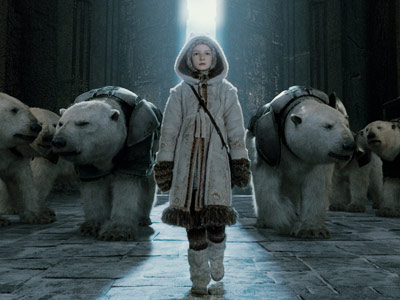
In an earlier posting, we suggested that Saruman, in his desire to ape Sauron, had created, in Isenguard, a mini-Mordor, just as Iofur Raknison, in Philip Pullman’s The Golden Compass, has turned Svalbard into a shabby ursine mockery of a human palace.

lyrasvalbard.jpg

We also suggested that the creators of the Tolkien-derived films, when they began to veer as far from the text as they appeared increasingly to do in the Hobbit films, had become a bit like Saruman themselves, and, like his master, “cannot make real new things of [their] own…” We hesitate to add this, but, could it be that, as in the case of the orcs, they “only ruined them and twisted them…”? (The Return of the King, “The Stairs of Cirith Ungol”). After all, instead of easy plot lines, we have moths, and, in place of worthy, incorruptible wizards, we have gross clowns.

We are reluctant to end on a negative note, however. After all, just as there are the Rohirrim in The Lord of the Rings films, there are those wonderful eagles at the end of An Unexpected Journey, so why not end with them?

taking-fan-theories-to-a-next-level-the-eagles-are-coming-434375.jpg

Thanks, as ever, for reading.

MTCIDC

CD

PS

If you don’t know Pullman’s His Dark Materials series, we very much recommend them—but with this proviso: in the first and second volumes (The Golden Compass, The Subtle Knife), Pullman’s antagonism towards organized religion is channeled into the “Magisterium”, a believable villainous organization in the world which he has so meticulously and powerfully created. In the third volume (The Amber Spyglass), we feel that that antagonism becomes all-too-apparent and it causes that volume—in our opinion—to lack the more human element and focus of the first two volumes. The first volume can certainly be read on its own and perhaps it says something about the trilogy as a whole that a planned project for filming all three books was eventually cut to a single film of the first book. We recommend this film, as well, but suggest that you read The Golden Compass before you see it.

Of Boats and Boromir

18 Wednesday Nov 2015

Posted by Ollamh in Fairy Tales and Myths, J.R.R. Tolkien, Narrative Methods, Poetry, Uncategorized

≈ Leave a comment

Tags

Abbotsford, Anduin, Aragorn, boat, Boromir, burial, Camelot, Edoras, Eglinton Tournament, Falls of Rauros, Gimli, Gondor, Gyeongju, Henryk Siemiradski, Hero-Worship and the Heroic in History, Horace Walpole, Ibn Fadlan, Ibn Fadlan and the Rusiyyah, Idylls of the King, Ivanhoe, Journal of Islamic and Arabic Studies, King Arthur, Korea, Legolas, medievalism, neo-medievalist, On Heroes, poetry, pre-Romantics, Prose Edda, Pugin, Rohan, Romanticism, Ship burial, Silla, Sir Frank Dicksee, Sir Lancelot, Sir Walter Scott, Snorri Sturluson, Snorro, St. George's chapel, Story, Strawberry Hill, Sutton Hoo, Tennyson, The Departure of Boromir, The Hero as Divinity. Odin. Paganism: Scandinavian Mythology, The Lady of Shalott, The Lord of the Rings, The Vikings (1958), Thomas Carlyle, Tolkien, vaults, Victorian, viking burial, vikings, Westminster, Windsor

Dear Reader,

Welcome, as always.

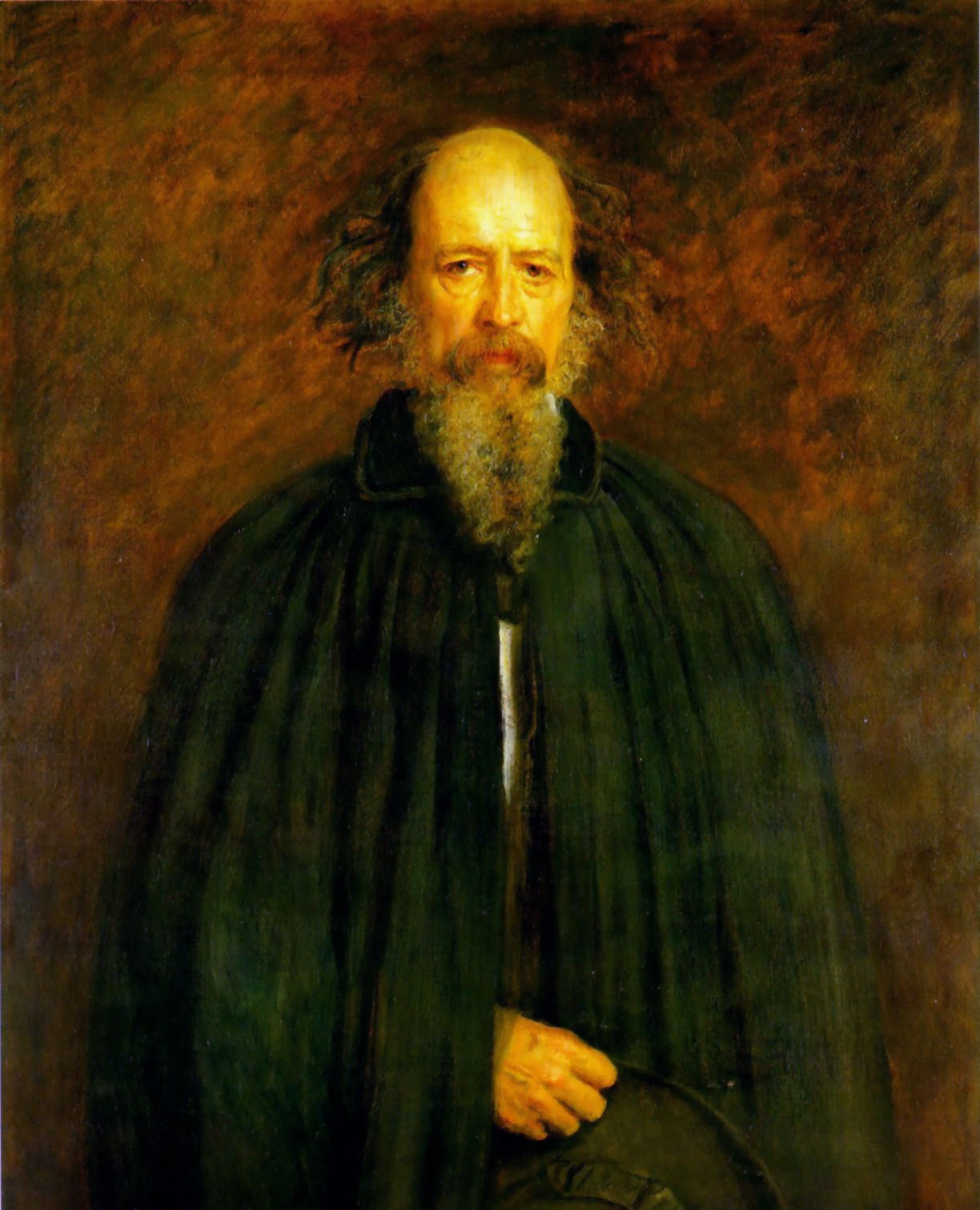
In this posting, we want to take something we mentioned in our last about Tolkien having read Tennyson. This is our guess—but in the late Victorian world into which JRRT was born, he must have been inescapable.

We _could_ say that medievalism was in the air then, brought in by Romanticism—and even before, by pre-Romantics, like Horace Walpole, with his mock-castle at Strawberry Hill (1749-76).

walpole2964-correctionS

Strawberry_Hill_House_from_garden_in_2012_after_restoration]

There were lots of early neo-medievalist things—some of Sir Walter Scott’s novels, like Ivanhoe (1820)—not to mention his mock-castle, at Abbotsford.

OLYMPUS DIGITAL CAMERA

Abbotsford_house

the absolutely wonderful and crazy Eglinton Tournament of 1839 (we may have to have a posting about this)

A_view_of_the_lists._Eglinton_Tournament1839

the medieval-revival architecture of Pugin

augustuspugin

stgilescheadle184046

before Tennyson began publishing Idylls of the King in 1859, with its poems about King Arthur and his court.

John_everett_millais_portrait_of_lord_alfred_tennyson

idylls1859

Even before Idylls, Tennyson had been interested in writing about King Arthur’s world, producing the poem “The Lady of Shalott” in his Poems (1833, revised version 1842), in this poem, a lady under a curse sees, from her tower, Sir Lancelot riding by, and falls in love with him without ever meeting him. What happens next was what brought us to write this posting.

Because it reminded us of Boromir.

At the beginning of The Two Towers, Aragorn finds the dying Gondorian sitting, with his back against a tree, and, scattered around him, and “Many Orcs lay slain, piled all about him and at his feet.” (The Two Towers, Chapter 1, “The Departure of Boromir”) When Legolas and Gimli join Aragorn, they decide upon a hasty, but they hope, appropriate burial.

“ ‘Then let us lay him in a boat with his weapons, and the weapons of his vanquished foes,’ said Aragorn. ‘We will send him to the Falls of Rauros and give him to the Anduin. The River of Gondor will take care at least that no evil creature dishonours his bones.’” (The Two Towers, Chapter 1, “The Departure of Boromir”)

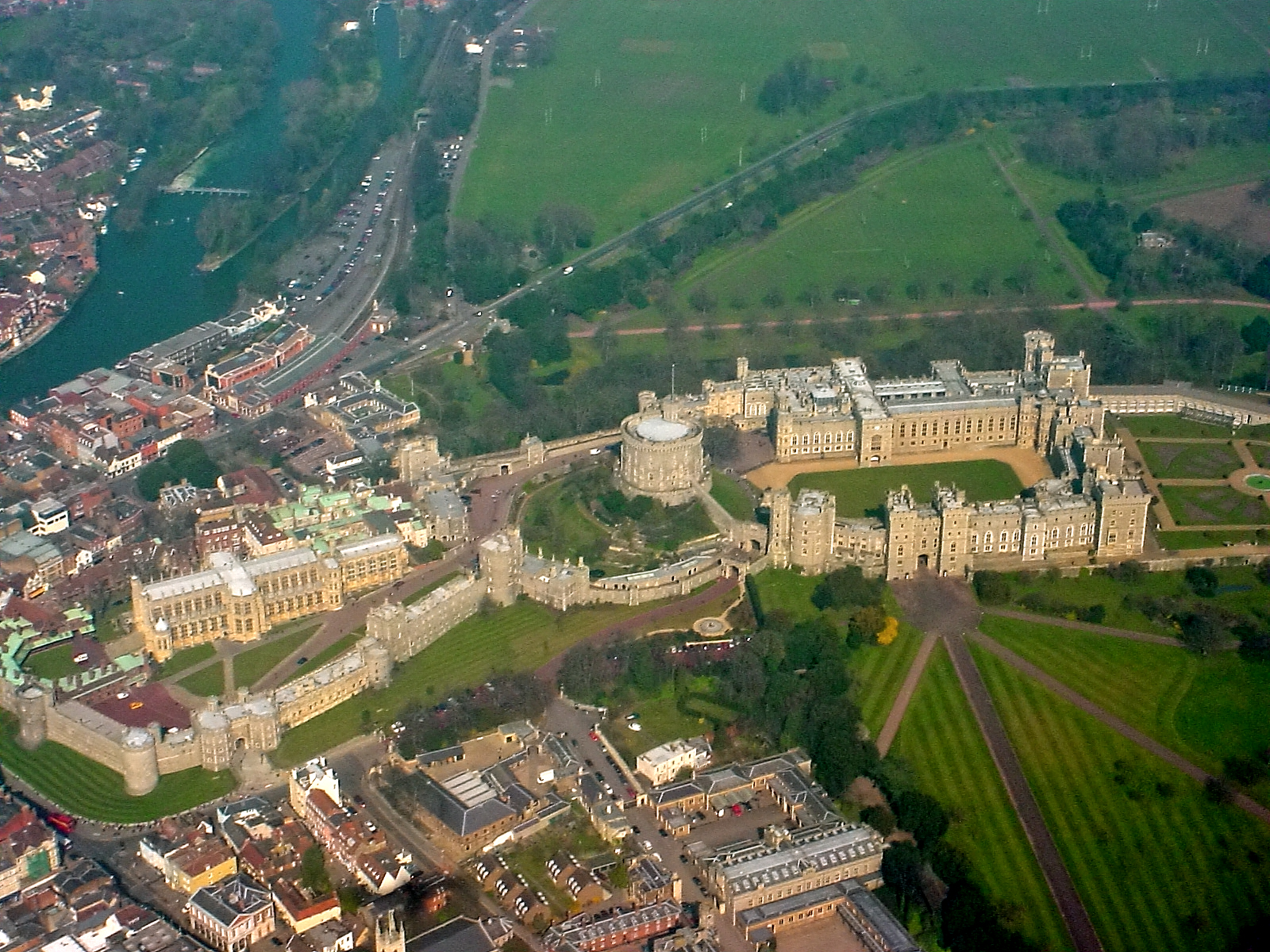
In other burial scenes of important people in The Lord of the Rings, we see that the Kings and Stewards of Gondor are laid to rest in special vaults, rather like medieval and later English kings buried either in St. George’s chapel at Windsor or in Westminster Abbey.

tombofthestewards

Windsor_Castle_from_the_air

Westminster_Abbey_-_Thomas_Hosmer_Shepherd

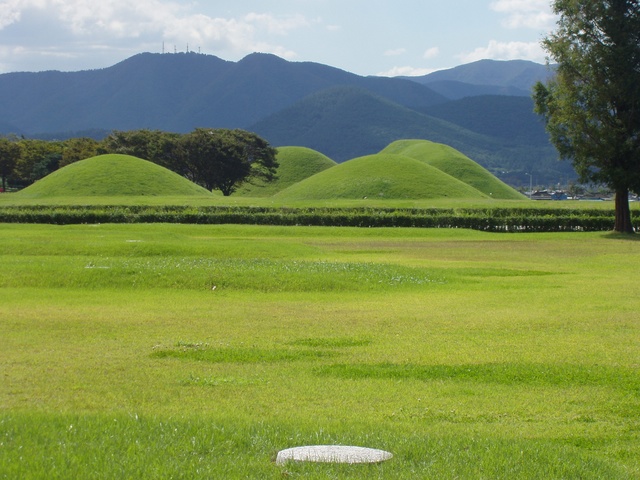
The Kings of Rohan lie beneath a series of mounds just before Edoras,

simbelmyne_mounds

like those of the Silla kings of Korea at Gyeongju (57BC-935AD).

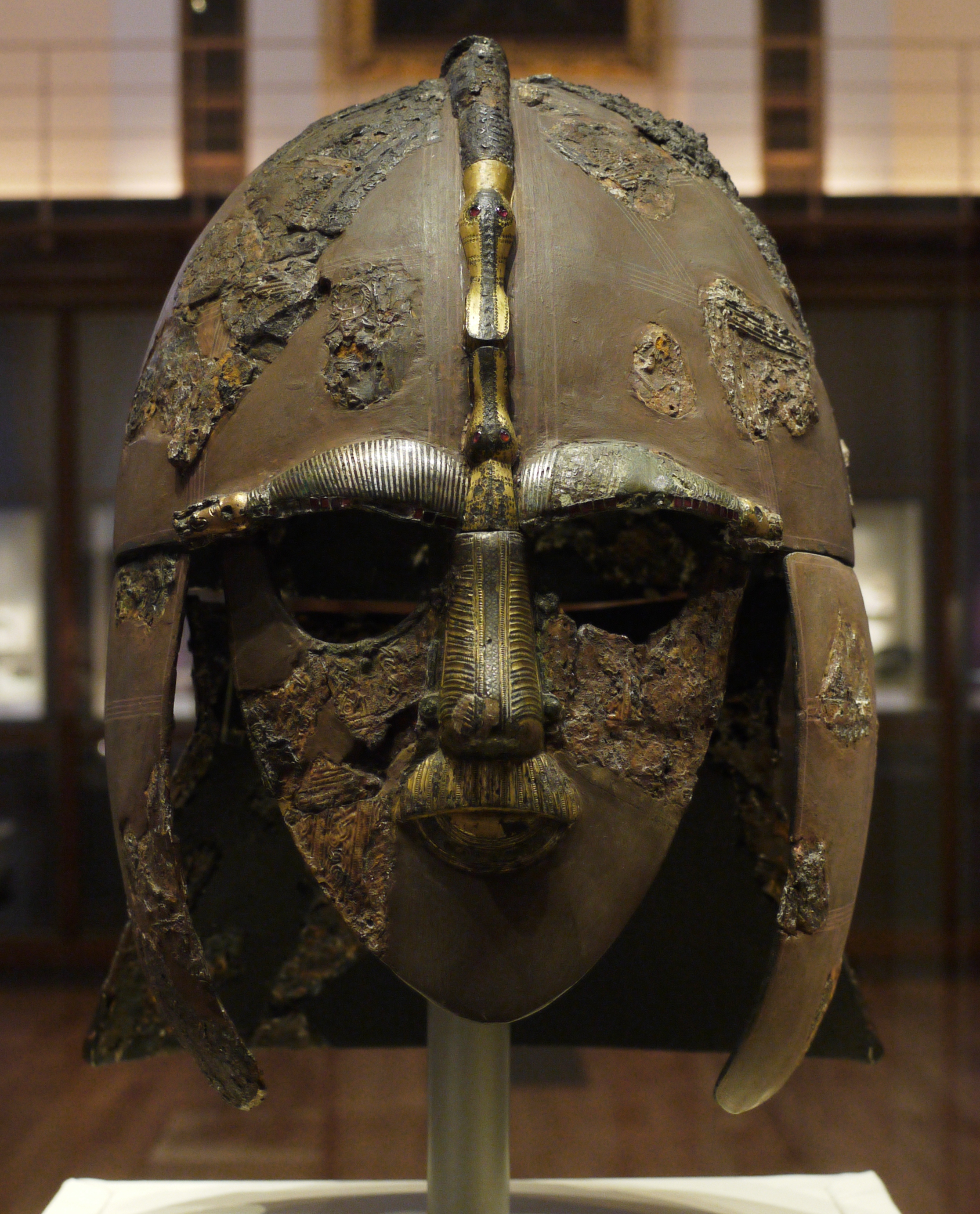
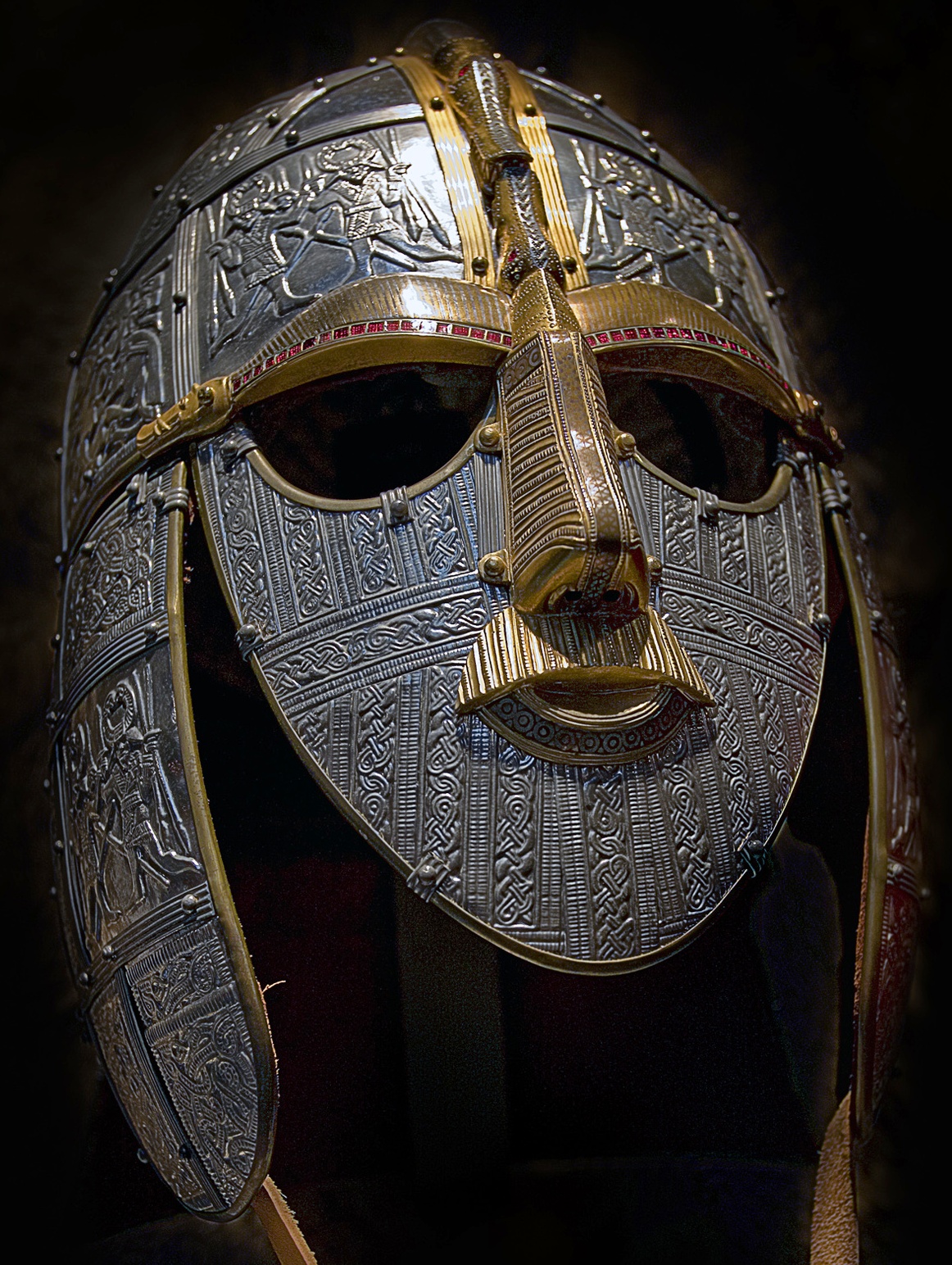
Or like the sort of ship burials of which Tolkien must have read in the newspapers of 1939, the famous Sutton Hoo grave.

ship

From which came treasures like this helmet (with its reconstruction).

Sutton_hoo_helmet_room_1_no_flashbrightness_ajusted

Sutton_Hoo_helmet_reconstructed

A number of ship burials of northern European upper class people survive, all more or less in the same pattern: the ship is dragged to a spot where it is filled with the deceased, occasionally accompanied by others and even animals, and grave goods of a high quality, then a mound is built over it. The deceased may have been cremated beforehand, but not necessarily. There is a well-known description of this process by an Arab traveler, Ibn Fadlan. (for a translation of this with copious annotations, see James E. Montgomery, “Ibn Fadlan and the Rusiyyah”, Journal of Islamic and Arabic Studies 3, 2000—available on-line by googling “Ibn Fadlan and the Rusiyyah”)

Here’s an 1883 reconstruction of one part of that process by the Polish painter Henryk Siemiradski.

Funeral_of_ruthenian_noble_by_Siemiradzki

In contrast, the image of the deceased being placed in such a ship, the ship being launched, and then torched, would appear to be a Hollywood popularization, perhaps originating with the 1958 movie, The Vikings, of something rare (or at least difficult to document).

vikingsposter

At the conclusion of this film, a major character is given this treatment.

Vikiing Funeral - The Vikings burning ship

(That the Victorians were aware of this alternative can be seen in this 1893 painting by Sir Frank Dicksee.

dicksee1

Dicksee had based this painting not on a scholarly source, but upon a lecture by Thomas Carlyle, “The Hero as Divinity. Odin. Paganism: Scandinavian Mythology”, which he would have found in Carlyle’s On Heroes, Hero-Worship, and the Heroic in History. Carlyle very loosely cites “Snorro” for his description of such an event, by which he means Snorri Sturluson, author of the Prose Edda)

But this brings up back to “The Departure of Boromir”—and to Tennyson.

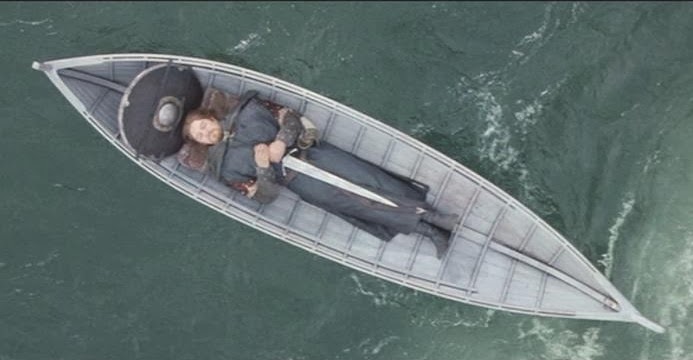
In “The Departure of Boromir”, as we have seen, Boromir is placed into one of the Elven boats.

(FOTR) Boromir Dead in Boat

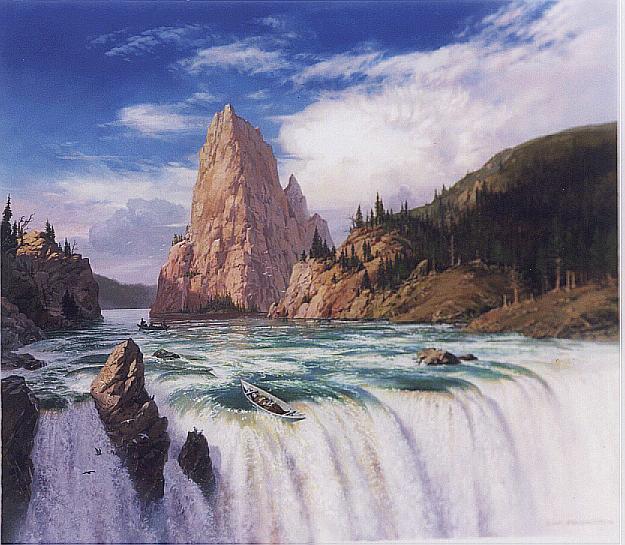
The three companions tow the boat as close to the Falls of Rauros as they can, then cast it loose to be carried over the Falls.

boromir_funerals

The companions, of course, are pressed for time: Frodo and Sam have gone one direction, Merry and Pippin have been carried off in another and there isn’t time, they feel, to bury Boromir or to build a cairn over him. As they have boats and there is the river below them, the method chosen seems a natural one, but we wondered if the author didn’t have Tennyson’s model in his mind, as well.

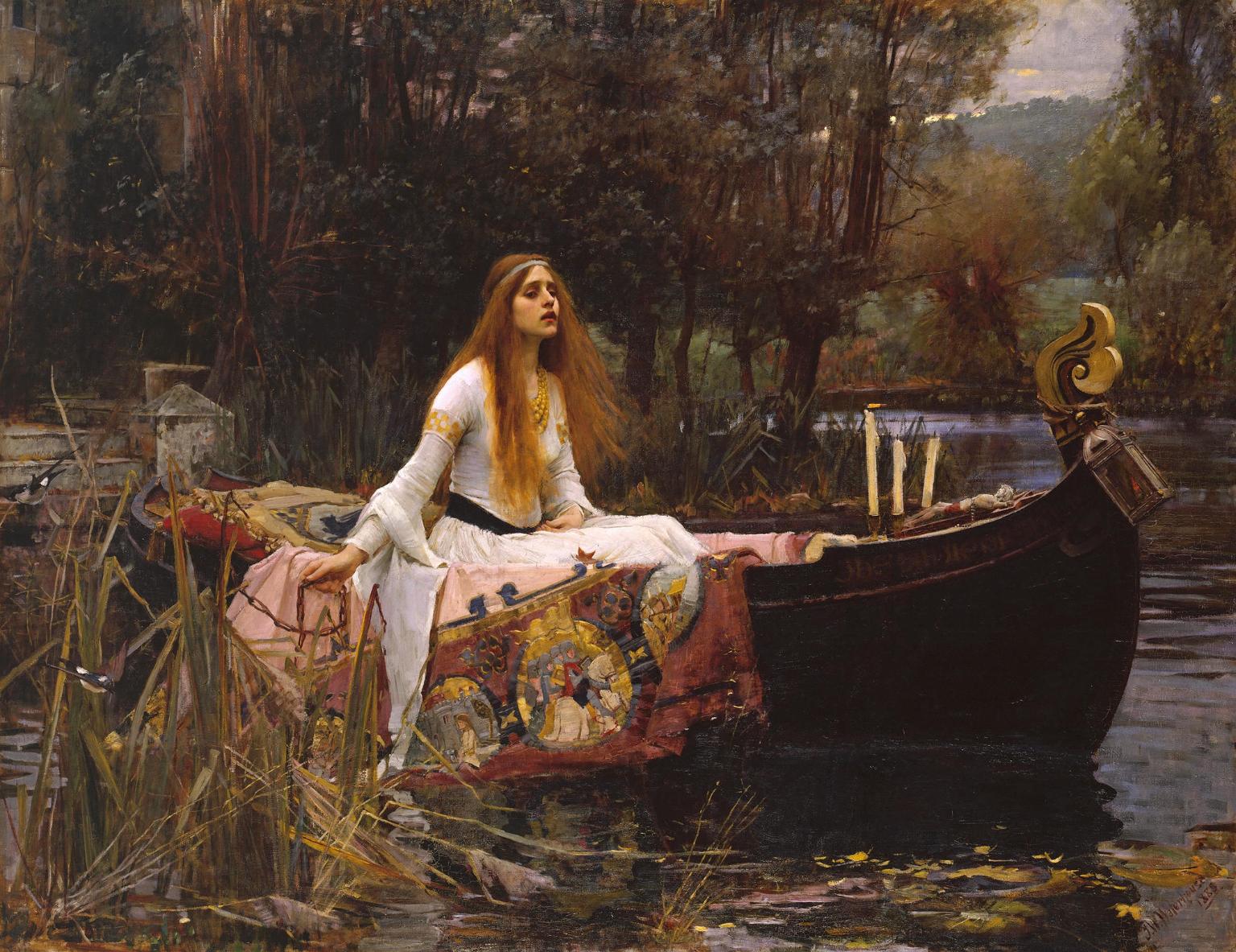
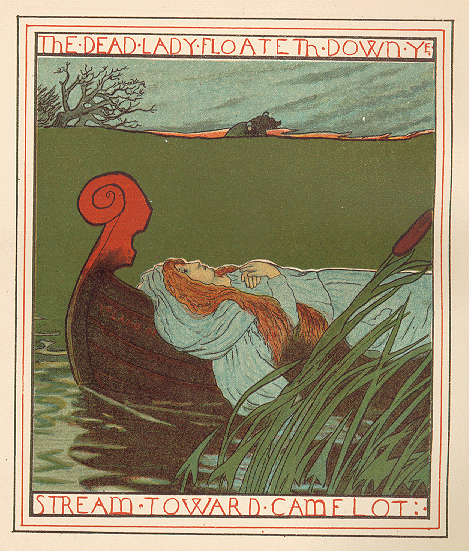
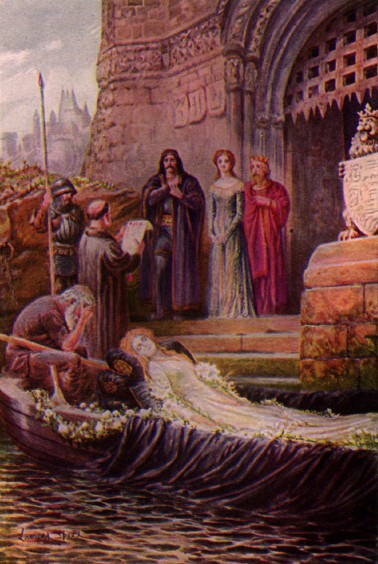
In “The Lady of Shalott”, after seeing Lancelot through her window (or in a reflection in the 1842 version of the poem), the Lady places herself in a small boat, with note in hand, and dies on her way down the river on the way to Camelot, apparently of a broken heart (as the backstory, appearing as early as the 13th century, tells us).

The Lady of Shalott 1888 by John William Waterhouse 1849-1917

robertson-the-lady-of-shalott

Not only would the poem (which has a rather catchy rhythm) have been readily available, but there were a number of paintings and engravings illustrating the story, practically from the time of the 1842 version.

Lady_of_Shalott_edmo lady1 lady2

lady9


lady10


lady13


lady14

lady15

This is not so dramatic as going over the falls and her death is pale in comparison to multiple arrow wounds, but there is that rhythm, the image of the body in the boat going downstream, and the popularity of the poet—plus the numerous illustrations. We’ll include a link to the poem so you can judge for yourself: was this a possible influence on JRRT?

Thanks, as always, for reading.

MTCIDC

CD
The Return of Who.1?

21 Wednesday Oct 2015

Posted by Ollamh in J.R.R. Tolkien, Military History, Military History of Middle-earth, Narrative Methods, Uncategorized

≈ Leave a comment

Tags

Alfred the Great, British history, Cold War, Edwatd VIII, Elizabeth II, Fairy Tale, George I, George III, George V, George VI, Great Britain, Ireland, James I, Kings, Monarchies, Queen Elizabeth, Queen Victoria, The Lord of the Rings, The Return of the King, Tolkien, Transvaal War

Dear Readers,

Welcome, as always!

In this posting, we want to talk about a larger issue than usual.

JRRT had always thought of The Lord of the Rings as a single work and had been forced to break it up into three parts by his publisher, Allen/Unwin, for financial reasons. The third part of this became “The Return of the King”. If you’ve read us for a while, you have probably decided that, although we are passionate Anglophiles (and Francophiles and Germanophiles and—well, we are World Civ folks—we love every country, young and old, and one of us has spent years very happily teaching World Civilizations, in fact), we are North Americans and, to narrow that, citizens of the USA. This means that we grew up in a democratic republic, the descendants of people who separated themselves from control by the 18th-century monarchical government of George III of Great Britain by violent means.

george iii

bunkerhill

Thus, the idea of “king” is rather an abstract one for us, rather fairy-talish, in fact, as distant as the traditional opening of Irish fairy tales which began “A king there was, over all of Ireland”.

MI+Celtic+high+king

So, what might the idea of that title, “The Return of the King” have meant to JRRT, when he chose it?

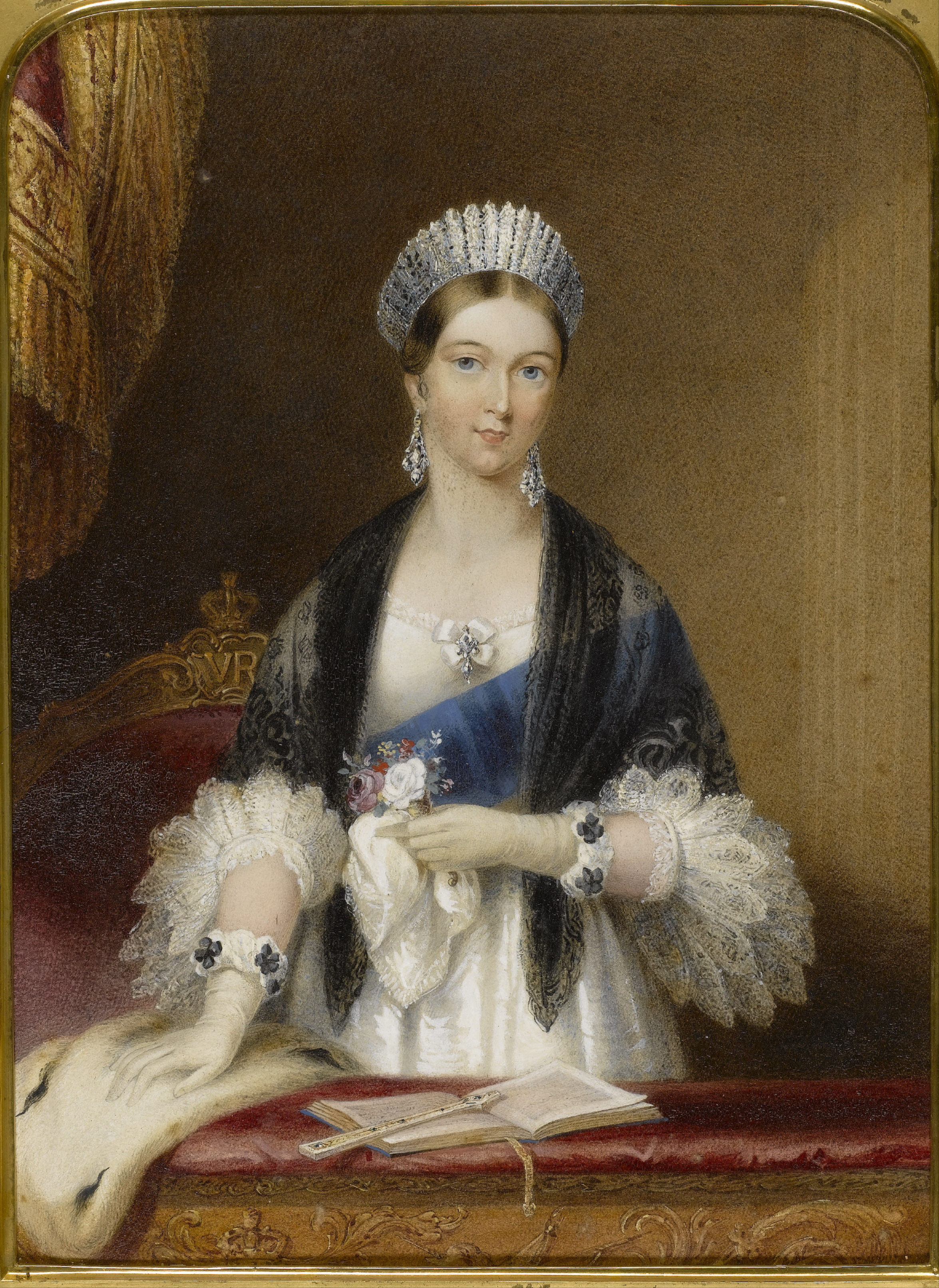
When JRRT was born, in 1892, Victoria had been the ruler of the UK since 1837.

32-Baby-Tolkien

Queen_Victoria_(after_E_T_Parris_1837)

She was a grandma in 1892.

(c) Royal Highland Fusiliers Museum; Supplied by The Public Catalogue Foundation

The Queen could easily trace her descent back to George I (1660-1727), and, through him, back all the way to the eldest daughter of James I, Elizabeth (1596-1662).

James_I_of_England_by_Daniel_Mytens

Royal_family_tree_charting_the_Jacobite_succession.svg

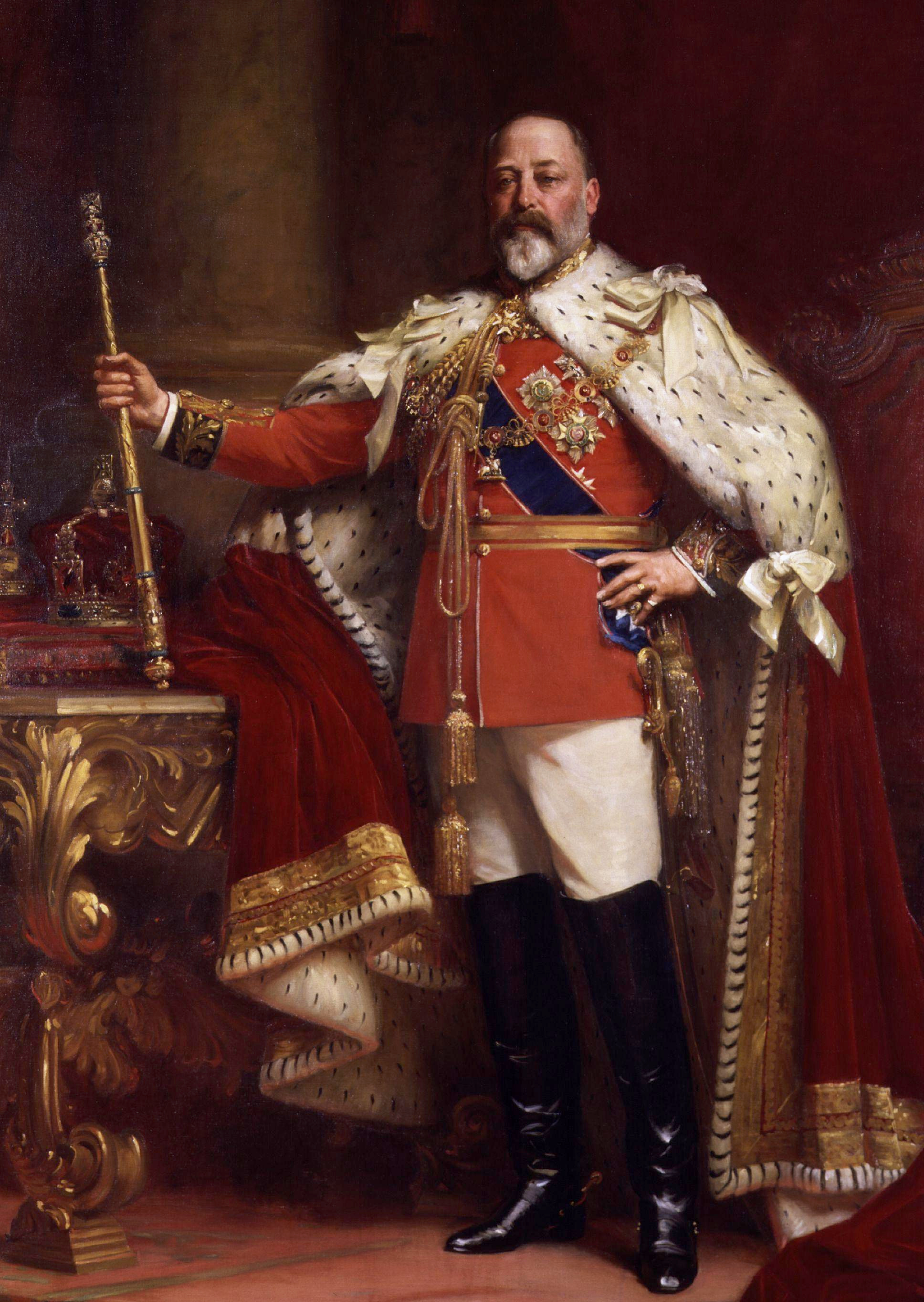
Because JRRT lived until 1973, in his lifetime, the English monarchs were:

victoria1

edward7

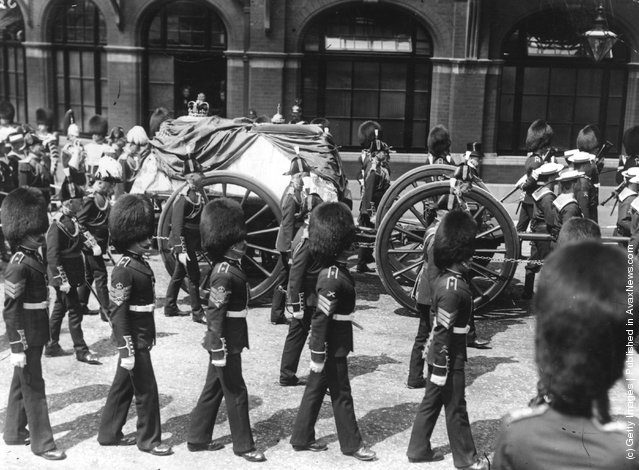
(whose death brought together all of Victoria’s grandsons, monarchs of various sorts—see the FILM CLIP)

funeraled7 funeraled7.1

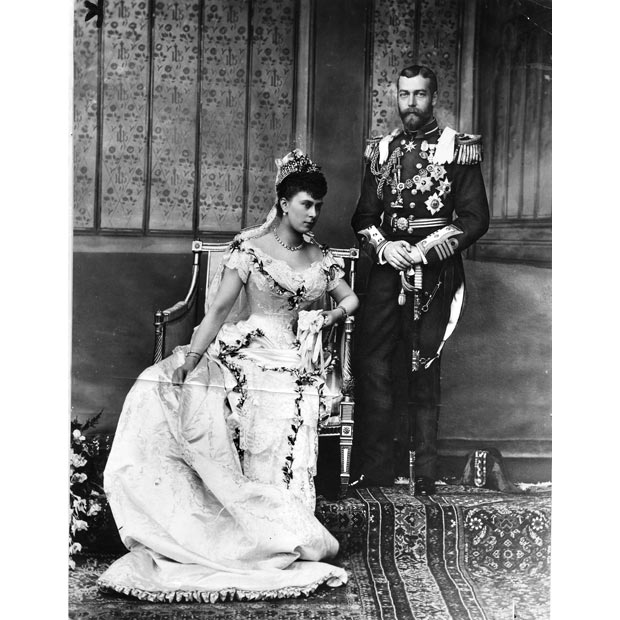
George V

george5queenmary

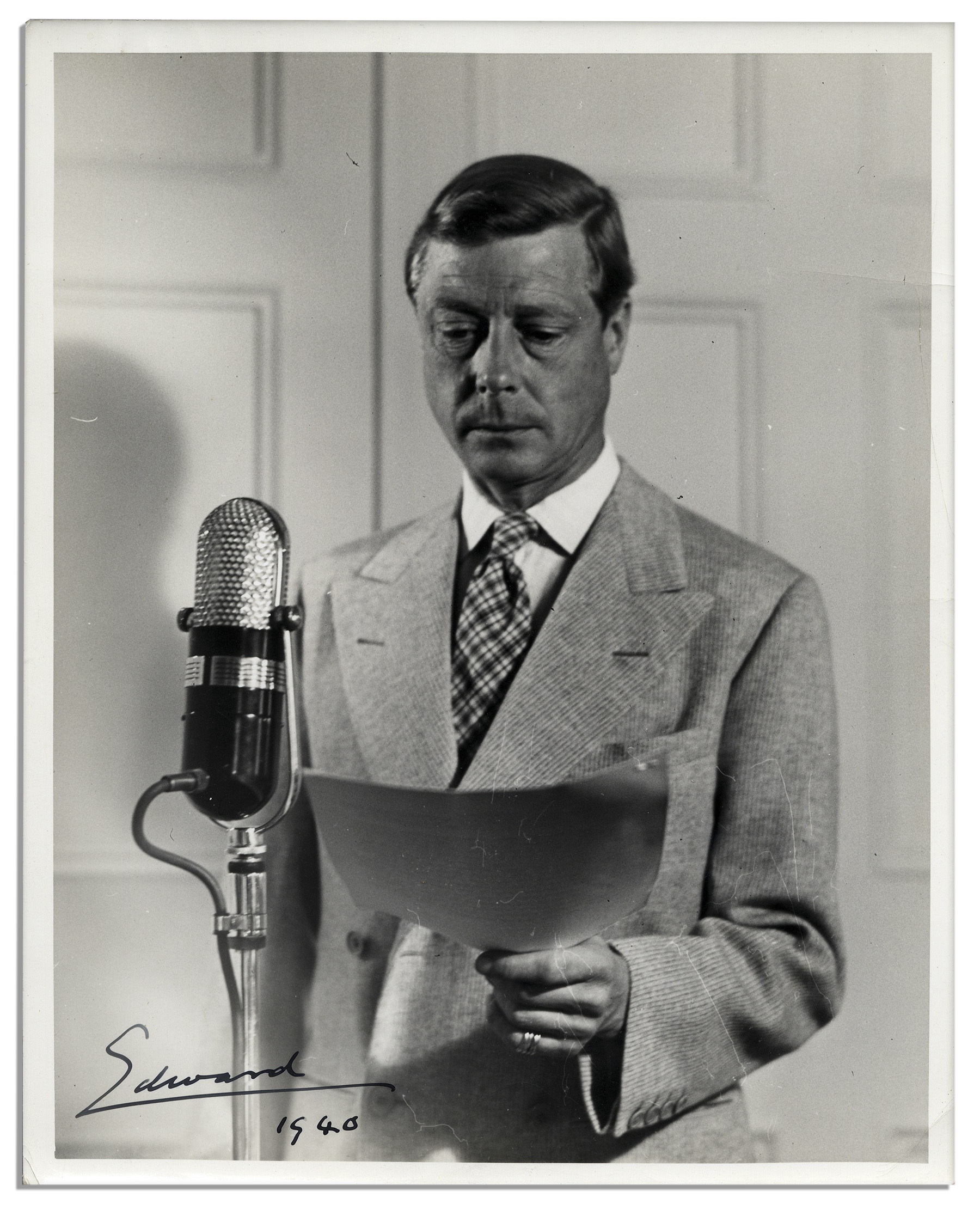
Edward VIII

edward8

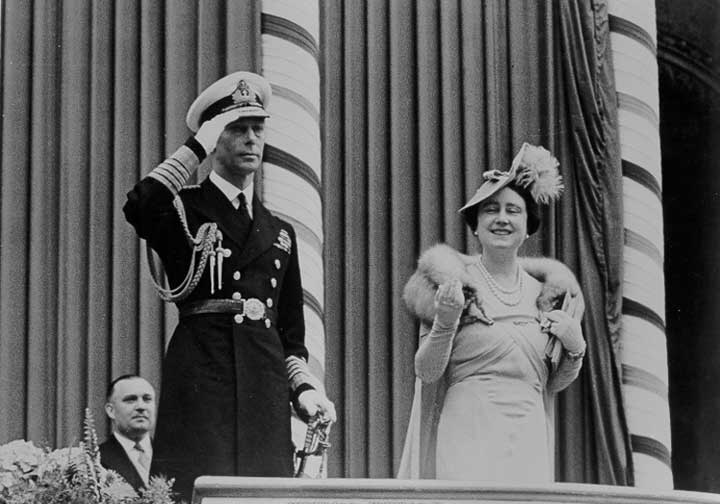
George VI

george6queenmum

Elizabeth II

oversized file

During his lifetime, there had been a great colonial war (the Transvaal War, 1899-1902), two world wars, and the Cold War, and yet Britain survived them all under this succession of monarchs. “The King” in “The Return of…”, then, might be thought to have a very special meaning, one of unwavering stability. In the Shire in Middle Earth in the 3rd Age, for example:

     “There remained, of course, the ancient tradition concerning the high king at Fornost, or Norbury as they called it, away north of the Shire. But there had been no king for nearly a thousand years, and even the ruins of Kings’ Norbury were covered with grass. Yet the Hobbits still said of wild folk and wicked things (such as trolls) that they had not heard of the king. For they attributed to the king of old all their essential laws; and usually they kept the laws of free will, because they were The Rules (as they said), both ancient and just.” (The Lord of the Rings, 9)

And that “nearly a thousand years”, in terms of British history could easily be taken in reverse, with the foundations of the modern British monarchy—the one Tolkien spent his life being ruled by—appearing with Alfred the Great (849-899AD—and interesting to think that Alfred’s name may be spelled, in Old English, “Aelf-raed”, which means something like “elf counsel” or “wise elf”)—that is, about a thousand years before Tolkien’s birth in 1892.

Statue_of_King_Alfred_in_Wantage_Market_Square

This is, of course, a secular monarch. Tolkien being a devout Catholic (as well as one who wanted great depth in his Middle Earth), could there be another dimension? We’ll talk about that in our next posting…

Thanks, again, for reading.

MTCIDC

CD

Minas Tirith—or Andelkrag?

16 Wednesday Sep 2015

Posted by Ollamh in Uncategorized

≈ 2 Comments

Dear Readers,

Thanks, as always, for visiting. In this posting, we want to talk about something which _might_ have been a (very) minor influence on JRRT.

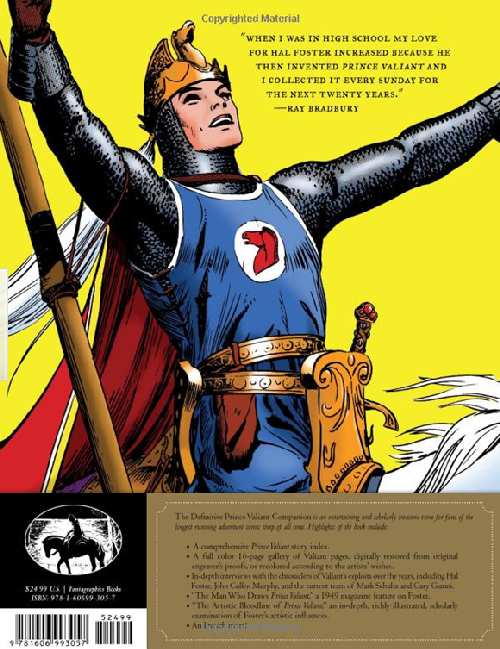
From the time it first appeared, in 1937, Prince Valiant (still in newspapers today) has attracted an audience of those who love adventure with a medieval look (and that means us, among many others). This has made us wonder about the author of The Lord of the Rings. Was he a weekly follower? Perhaps some of his children were? Christopher, born 1924, or Priscilla, born 1929? After all, it made its debut in the same year as The Hobbit: is this a cosmic coincidence?

So far, we’ve found no evidence that he was a fan, unfortunately, but we keep finding these little hints.

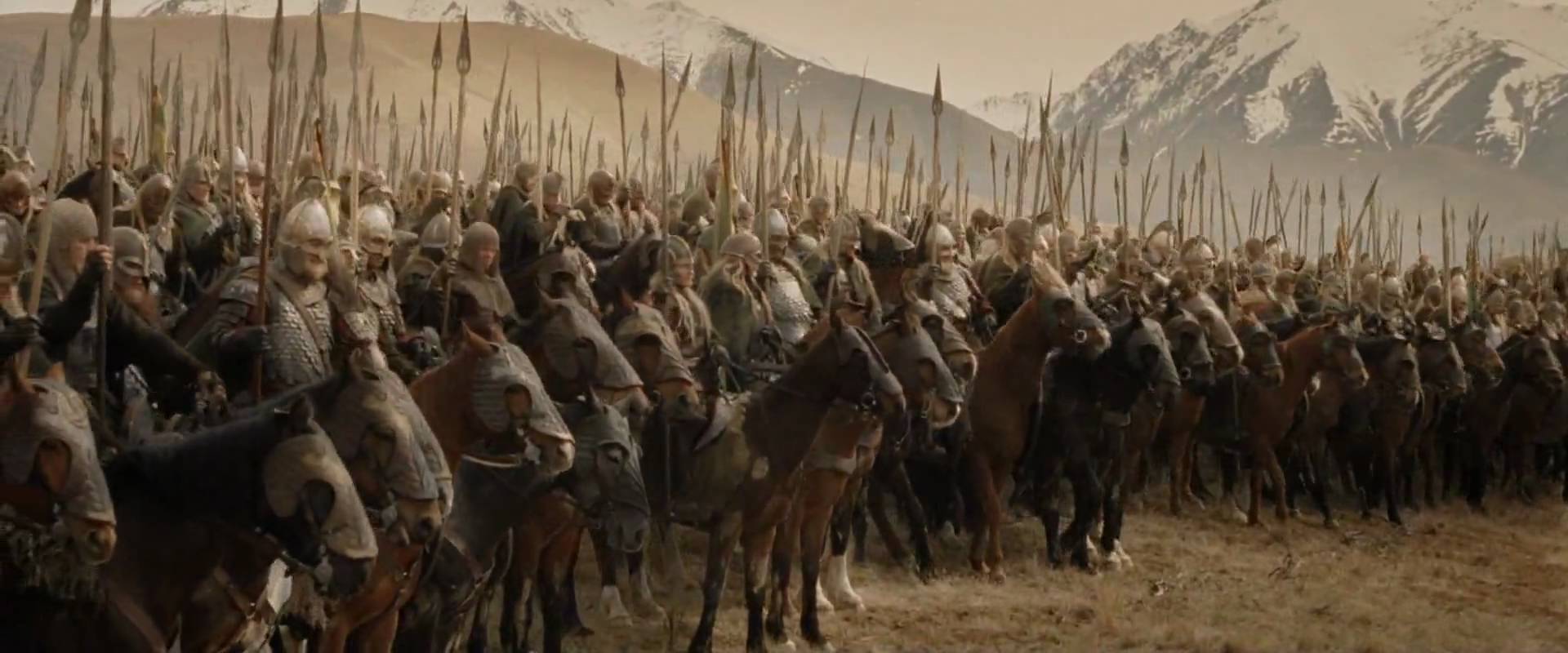
Look at the Rohirrim, for instance, with all of their horsey imagery (from P. Jackson as an image, but certainly derived from the books):

TTTRohan1

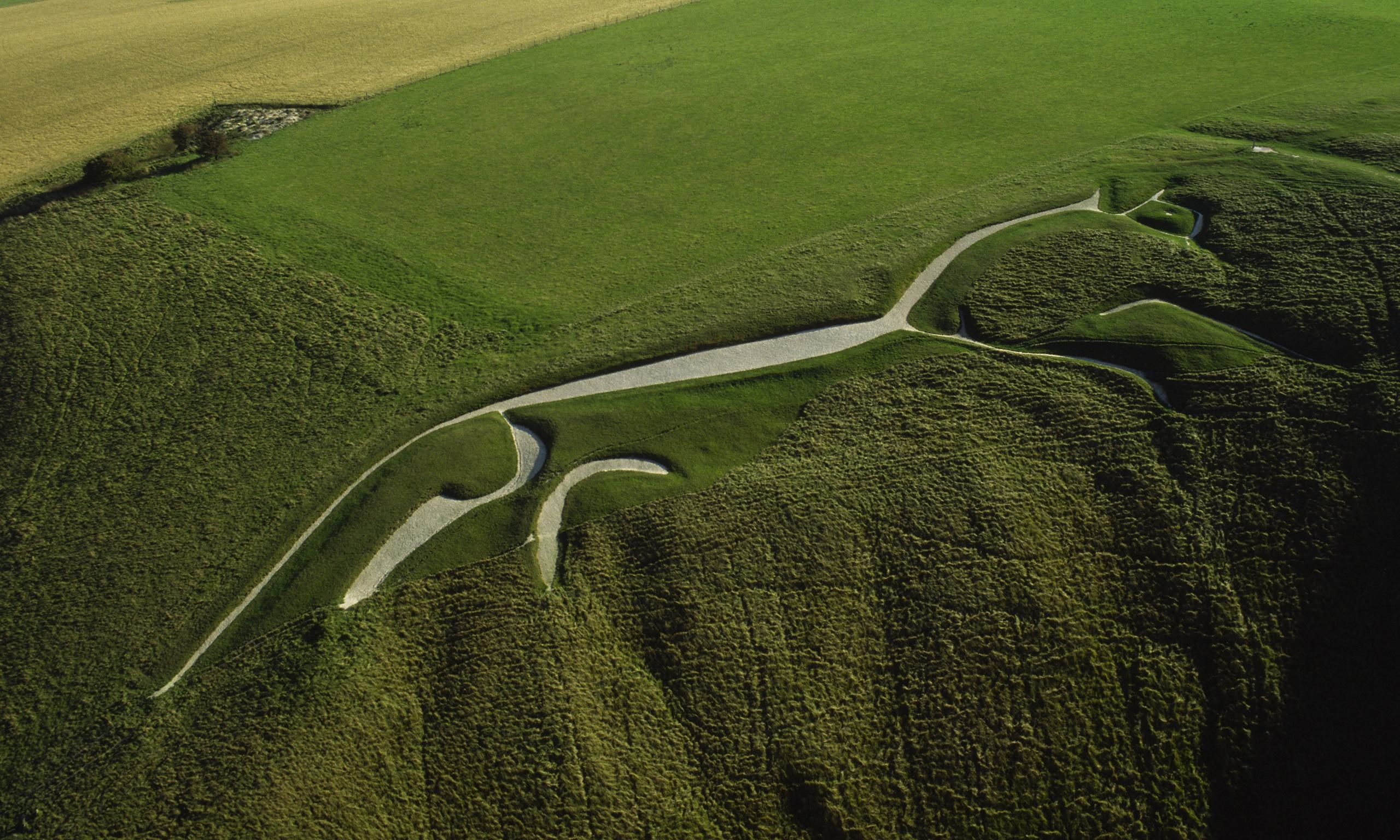
(And this banner always reminds us of the famous “White Horse of Uffington” in Oxfordshire)

Uffington White Horse

And look, even from the beginning, Prince Valiant has something similar: horsehead crest on helmet, horsehead on chest (and horsehead on shield, too, in the original illustration)

defidetras

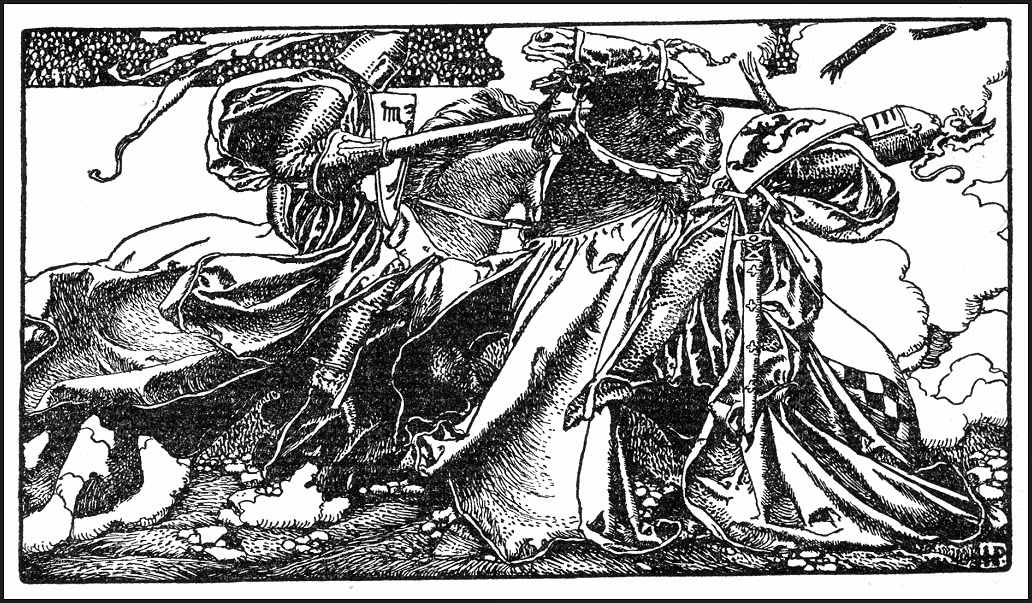
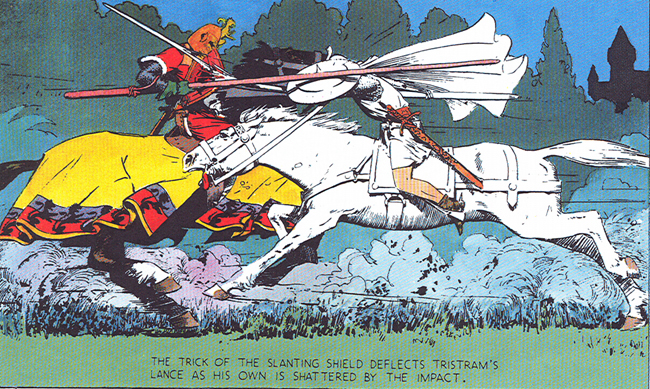
Prince Valiant’s look, of course, comes, in part, from Hal Foster’s own favorites—just compare this from Pyle’s The Story of King Arthur and His Knights (1903).

05_pyle_kingarthur_chapterfirst

with this from an early Prince Valiant strip.

pUntitleda

Pyle and illustrators like him are what JRRT grew up looking at.

Mounted Knight By Howard Pyle

And this is where Foster’s world begins—

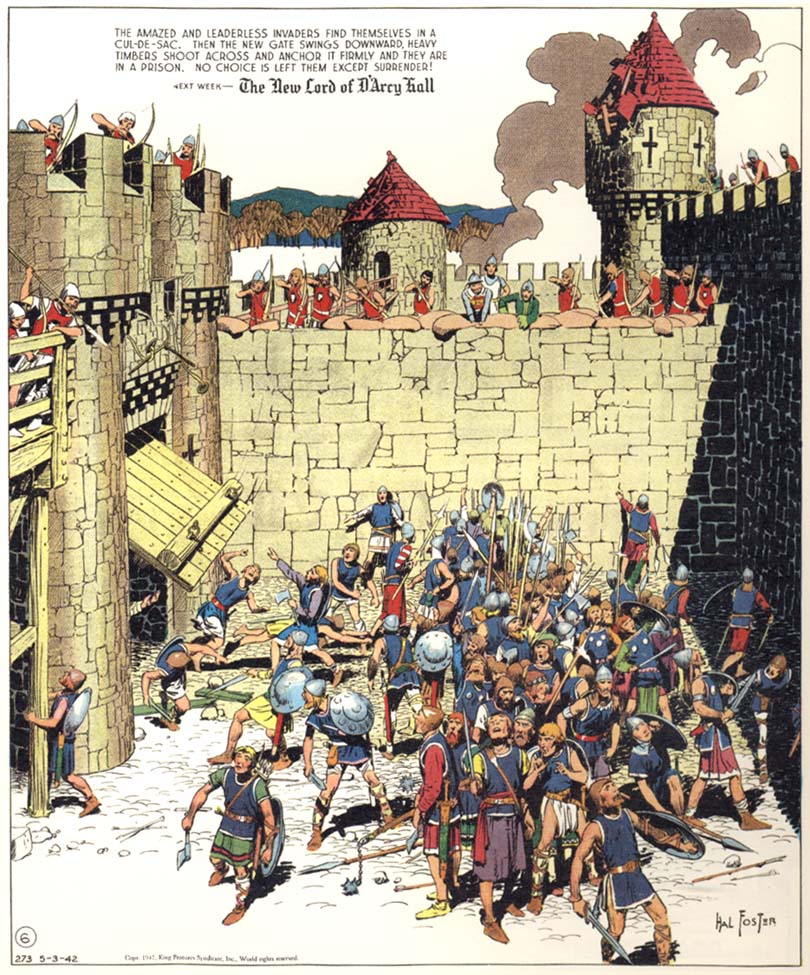
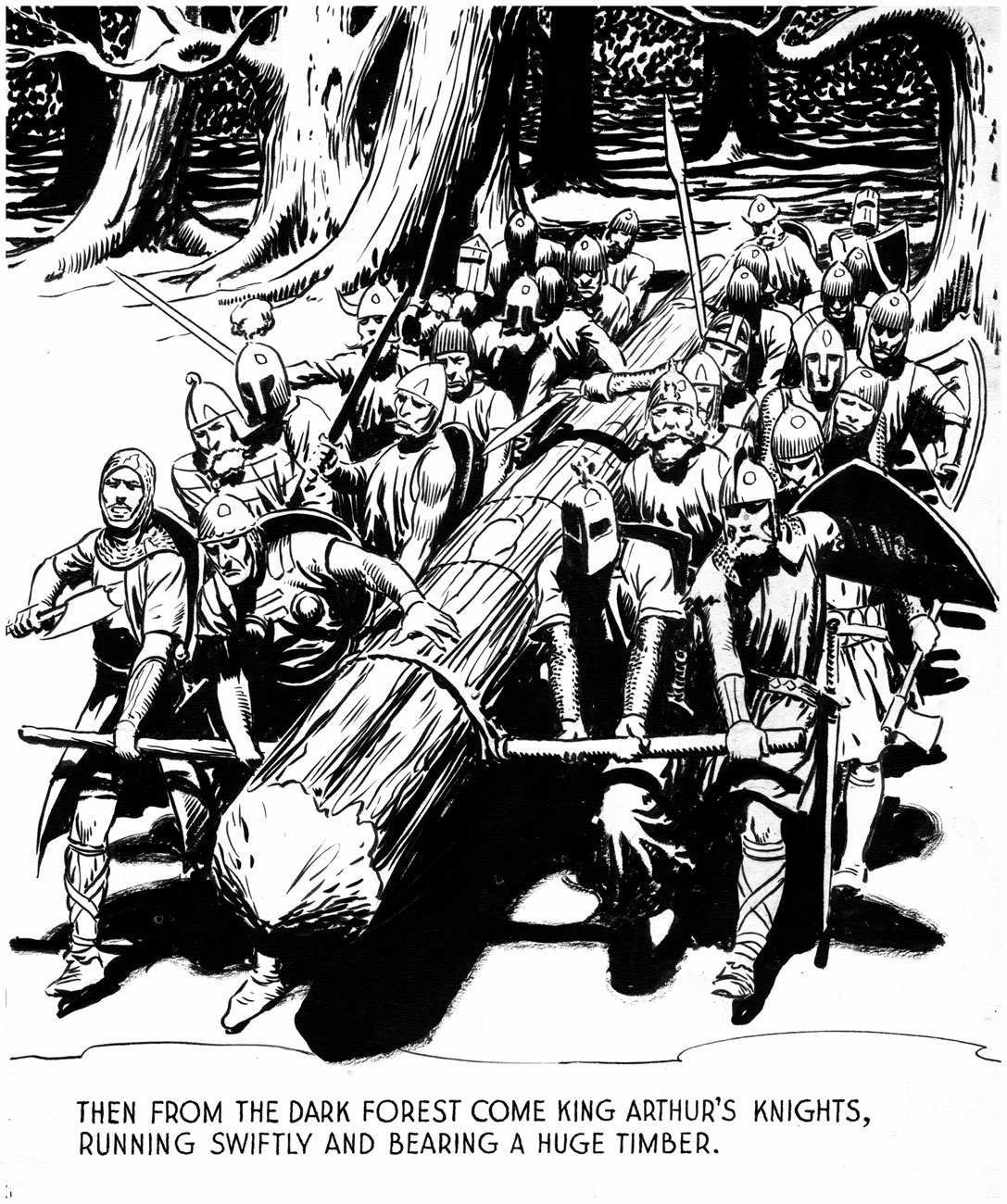
Foster-Prince-Valiant-05-03-421 fosterArt Prince_Valiant_panel

Prince Valiant - 19361906 - LR

These are far from the things you see in the movies, of course, which have taken a very different approach, some of it puzzling to us, as much as we very much respect the massive effort which went into Jackson’s work, even if we don’t always agree with the choices made.

Saurons-Armour

But, as always, we except the Rohirrim!

maxresdefault

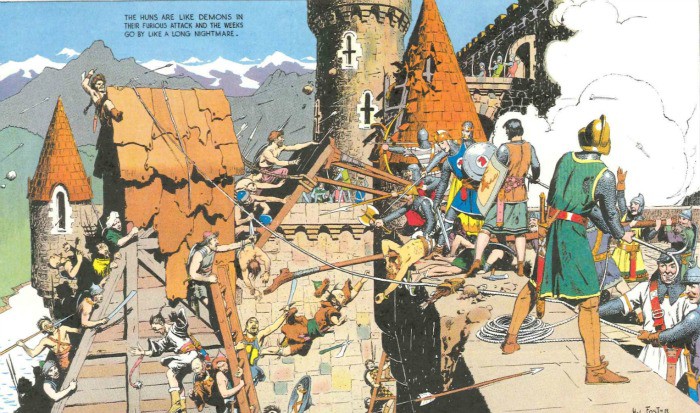
Besides the horse motif, one thing which has struck us is the siege of Minas Tirith. As JRRT was pondering this in early stages, perhaps he saw, in 1939, this—

PV-5-28-39a

In the saga of Prince Valiant, he travels to Europe

prince-valiant-gardes-vol-1

and is involved in defeating the invading Huns.

prince-valiant-vs-huns

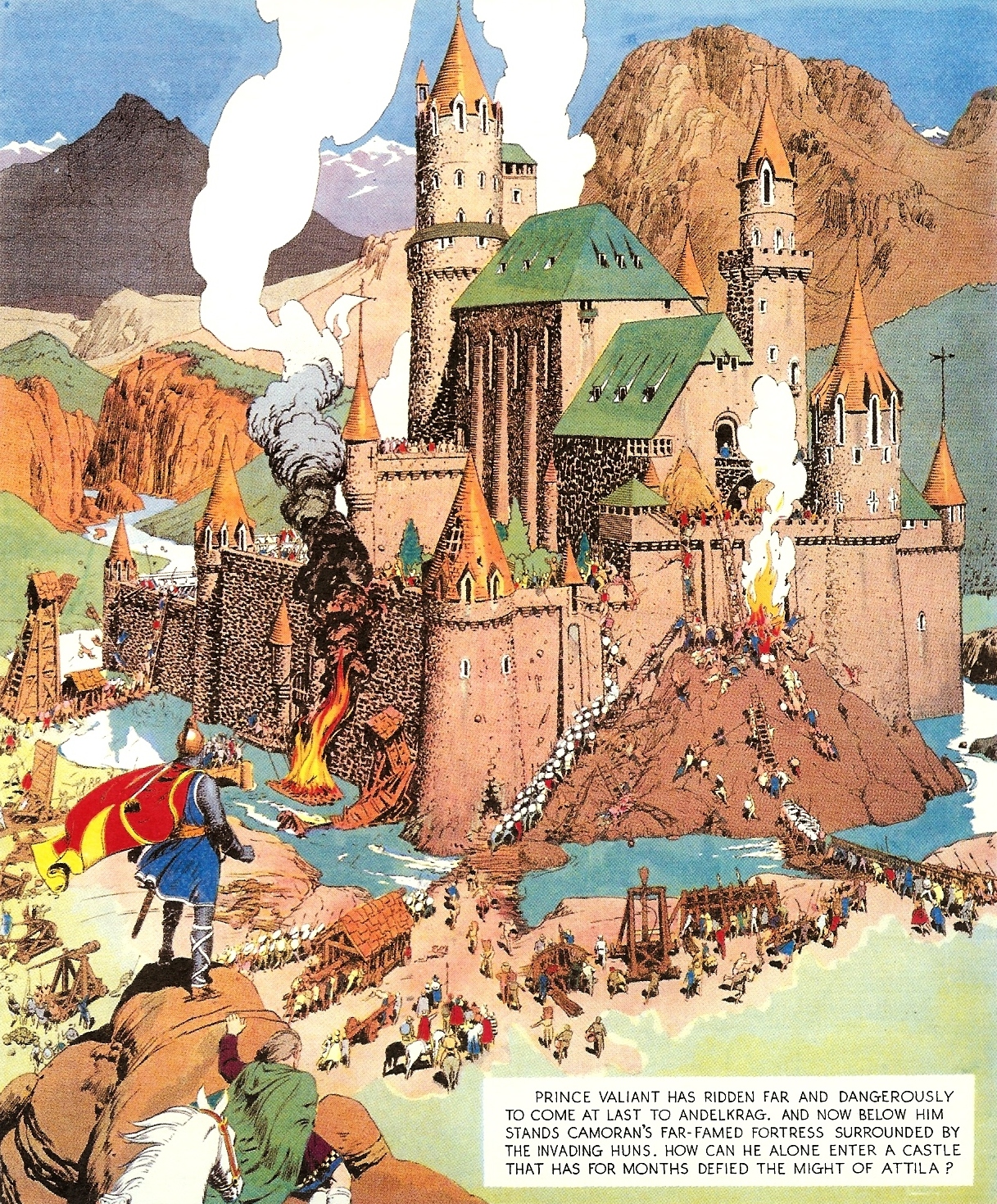
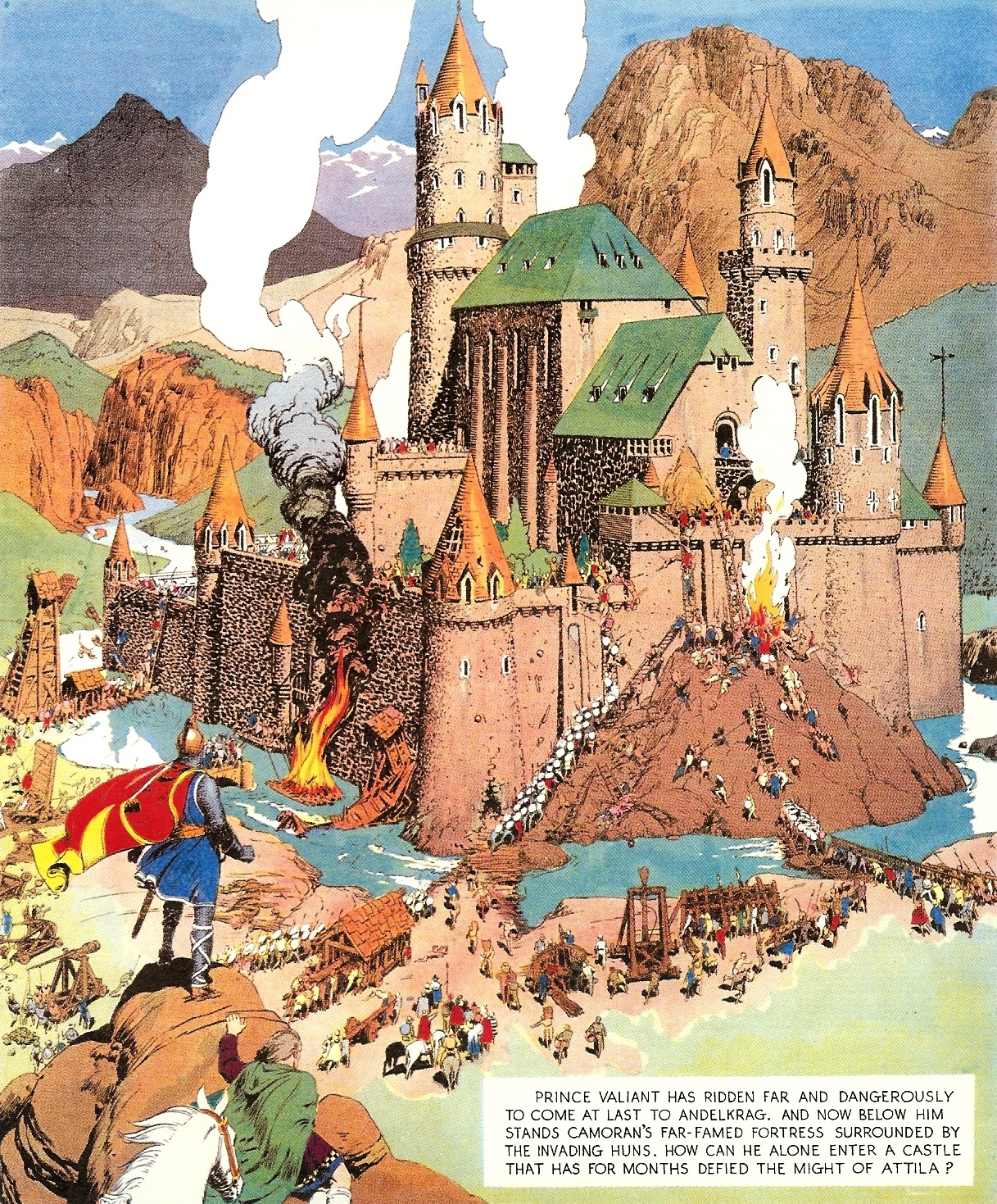
But only after being the sole survivor of the siege of the great fortress of Andelkrag.

prince_valiant_vol_2_siege

val1939

Looking again at the image of Andelkrag besieged

PV-5-28-39a

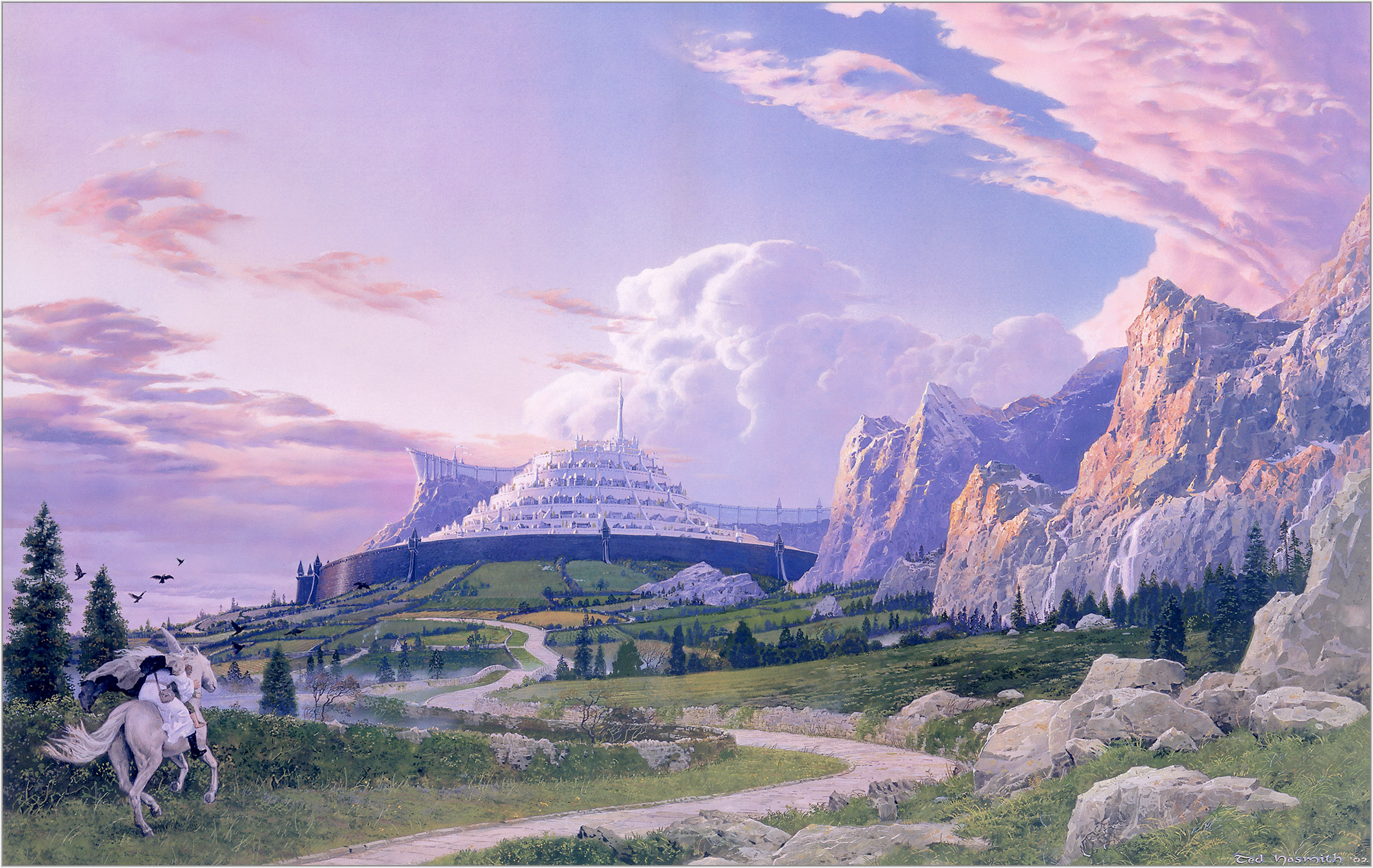
might we see Minas Tirith to come?

minastirithmovie

Minas_Tirith_non-film_copy

551_2_Minas_Tirith_MPdtl

As we said, perhaps a minor influence? What do you think, dear readers?

Thanks, as always, for reading.

MTCIDC

CD
Welcome!

30 Tuesday Sep 2014

Posted by Ollamh in Uncategorized

≈ 1 Comment

We are aspiring adventure/romance/fantasy novelists. We are the sort of people who celebrate the 22nd of September every year and who love everything heroic and adventurous from ancient Greece and India to the most recent fantasy. As explorers of these genres, we have founded this blog. In our own work, we are currently exploring a parallel 18th-century world in which Angleland and Gallia are sometimes at war, but are often just rivals in charting the Calm Sea to the far west of South Colombia. In this world, there is a Polynesian civilization across the Calm Sea and a dreadful enemy to the south on Terra Australis.  We are in the process of editing the first volume, Across the Doubtful Sea, and we hope to publish it online in early November. The second volume, Empire of the Isles, is already being written, and the third, Beyond the Doubtful Sea, we hope to have ready sometime in the winter.

But enough of advertising!

Because we are collaborating, one of the themes of this blog will be the pleasure and adventure of being collaborators. Because we are happy writers, another theme will be creating fiction. We plan to discuss everything from creating imaginary worlds from real ones to the basics of constructing longer works of fiction– and even trilogies. As well, we plan to include interesting images, talk about stories we enjoy, and provide links to things which might interest people like us– and people like you as well.

So, welcome!

Newer posts →

The Doubtful Sea Series Facebook Page

The Doubtful Sea Series Facebook Page

  • Ollamh

Categories

  • Artists and Illustrators
  • Economics in Middle-earth
  • Fairy Tales and Myths
  • Films and Music
  • Games
  • Heroes
  • Imaginary History
  • J.R.R. Tolkien
  • Language
  • Literary History
  • Maps
  • Medieval Russia
  • Military History
  • Military History of Middle-earth
  • Narnia
  • Narrative Methods
  • Poetry
  • Research
  • Star Wars
  • Terra Australis
  • The Rohirrim
  • Theatre and Performance
  • Tolkien
  • Uncategorized
  • Villains
  • Writing as Collaborators
Follow doubtfulsea on WordPress.com

Across the Doubtful Sea

Recent Postings

  • Crowing and Raven March 18, 2026
  • The Damage of Dragons March 11, 2026
  • Encouragement March 4, 2026
  • Eavesdropping February 25, 2026
  • Do You Speak Villain? (Part 3) February 18, 2026
  • Do You Speak Villain? (2) February 11, 2026
  • Do You Speak Villain? (Part 1) February 4, 2026
  • Towering January 28, 2026
  • Tolkien Among the Indians January 21, 2026

Blog Statistics

  • 109,257 Views

Posting Archive

  • March 2026 (3)
  • February 2026 (4)
  • January 2026 (4)
  • December 2025 (5)
  • November 2025 (4)
  • October 2025 (5)
  • September 2025 (4)
  • August 2025 (4)
  • July 2025 (5)
  • June 2025 (4)
  • May 2025 (4)
  • April 2025 (5)
  • March 2025 (4)
  • February 2025 (4)
  • January 2025 (5)
  • December 2024 (4)
  • November 2024 (4)
  • October 2024 (5)
  • September 2024 (4)
  • August 2024 (4)
  • July 2024 (5)
  • June 2024 (4)
  • May 2024 (5)
  • April 2024 (4)
  • March 2024 (4)
  • February 2024 (4)
  • January 2024 (5)
  • December 2023 (4)
  • November 2023 (5)
  • October 2023 (4)
  • September 2023 (4)
  • August 2023 (5)
  • July 2023 (4)
  • June 2023 (4)
  • May 2023 (5)
  • April 2023 (4)
  • March 2023 (5)
  • February 2023 (4)
  • January 2023 (4)
  • December 2022 (4)
  • November 2022 (5)
  • October 2022 (4)
  • September 2022 (4)
  • August 2022 (5)
  • July 2022 (4)
  • June 2022 (5)
  • May 2022 (4)
  • April 2022 (4)
  • March 2022 (5)
  • February 2022 (4)
  • January 2022 (4)
  • December 2021 (5)
  • November 2021 (4)
  • October 2021 (4)
  • September 2021 (5)
  • August 2021 (4)
  • July 2021 (4)
  • June 2021 (5)
  • May 2021 (4)
  • April 2021 (4)
  • March 2021 (5)
  • February 2021 (4)
  • January 2021 (4)
  • December 2020 (5)
  • November 2020 (4)
  • October 2020 (4)
  • September 2020 (5)
  • August 2020 (4)
  • July 2020 (5)
  • June 2020 (4)
  • May 2020 (4)
  • April 2020 (5)
  • March 2020 (4)
  • February 2020 (4)
  • January 2020 (6)
  • December 2019 (4)
  • November 2019 (4)
  • October 2019 (5)
  • September 2019 (4)
  • August 2019 (4)
  • July 2019 (5)
  • June 2019 (4)
  • May 2019 (5)
  • April 2019 (4)
  • March 2019 (4)
  • February 2019 (4)
  • January 2019 (5)
  • December 2018 (4)
  • November 2018 (4)
  • October 2018 (5)
  • September 2018 (4)
  • August 2018 (5)
  • July 2018 (4)
  • June 2018 (4)
  • May 2018 (5)
  • April 2018 (4)
  • March 2018 (4)
  • February 2018 (4)
  • January 2018 (5)
  • December 2017 (4)
  • November 2017 (4)
  • October 2017 (4)
  • September 2017 (4)
  • August 2017 (5)
  • July 2017 (4)
  • June 2017 (4)
  • May 2017 (5)
  • April 2017 (4)
  • March 2017 (5)
  • February 2017 (4)
  • January 2017 (4)
  • December 2016 (4)
  • November 2016 (5)
  • October 2016 (6)
  • September 2016 (5)
  • August 2016 (5)
  • July 2016 (5)
  • June 2016 (5)
  • May 2016 (4)
  • April 2016 (4)
  • March 2016 (5)
  • February 2016 (4)
  • January 2016 (4)
  • December 2015 (5)
  • November 2015 (5)
  • October 2015 (4)
  • September 2015 (5)
  • August 2015 (4)
  • July 2015 (5)
  • June 2015 (5)
  • May 2015 (4)
  • April 2015 (3)
  • March 2015 (4)
  • February 2015 (4)
  • January 2015 (4)
  • December 2014 (5)
  • November 2014 (4)
  • October 2014 (6)
  • September 2014 (1)

Blog at WordPress.com.

  • Subscribe Subscribed
    • doubtfulsea
    • Join 78 other subscribers
    • Already have a WordPress.com account? Log in now.
    • doubtfulsea
    • Subscribe Subscribed
    • Sign up
    • Log in
    • Report this content
    • View site in Reader
    • Manage subscriptions
    • Collapse this bar
 

Loading Comments...