• About

doubtfulsea

~ adventure fantasy

Category Archives: Heroes

Dayless Dawn

08 Wednesday Aug 2018

Posted by Ollamh in Artists and Illustrators, Heroes, J.R.R. Tolkien, Military History, Military History of Middle-earth

≈ Leave a comment

Tags

Battle of the Somme, British Expeditionary Force, chemical warfare, Fritz Haber, Gas warfare, Great War, John Singer Sargent, maxim gun, mustard gas, tear gas, The Lord of the Rings, The Siege of Gondor, Tolkien, trench warfare, trenches, Vale of Anduin, WWI, Young Indiana Jones

Welcome, as always, dear readers.

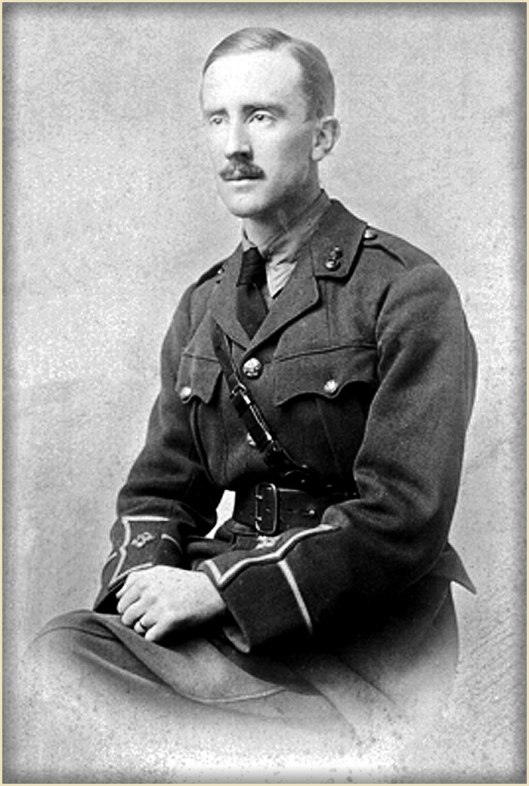
In this, the last year of the centennial of the Great War, we are often reminded not only of that conflict, but also that Second Lieutenant J R R Tolkien took part in it.
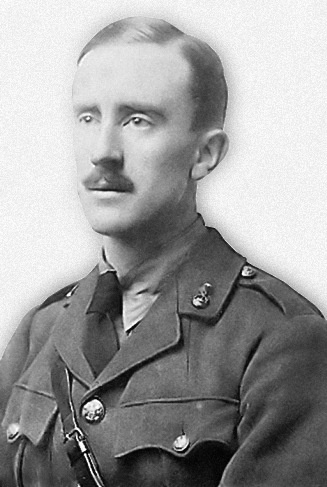
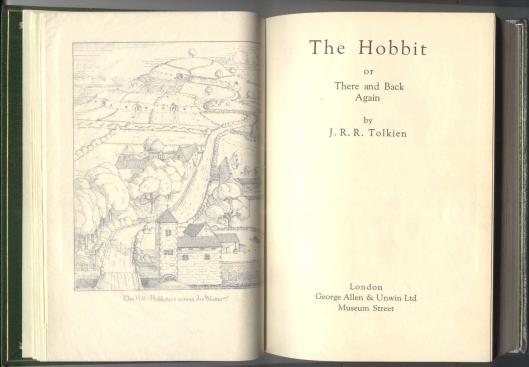
image1jrrt.jpg

By the time he had reached the Front, in July, 1916, the latest round of blood-letting, the infamous Somme, was already in progress.
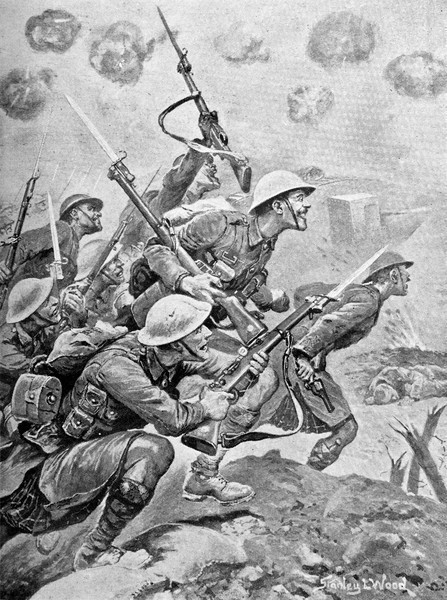
image2over.jpeg

image3somme.jpg

“Blood-letting” is an understatement:  on the first day of the battle, 1 July, 1916, there had been nearly 60,000 British casualties and attacks would continue till November.  The problems faced were mainly those of 1914.  The well-equipped, well-trained professional soldier of the British Expeditionary Force
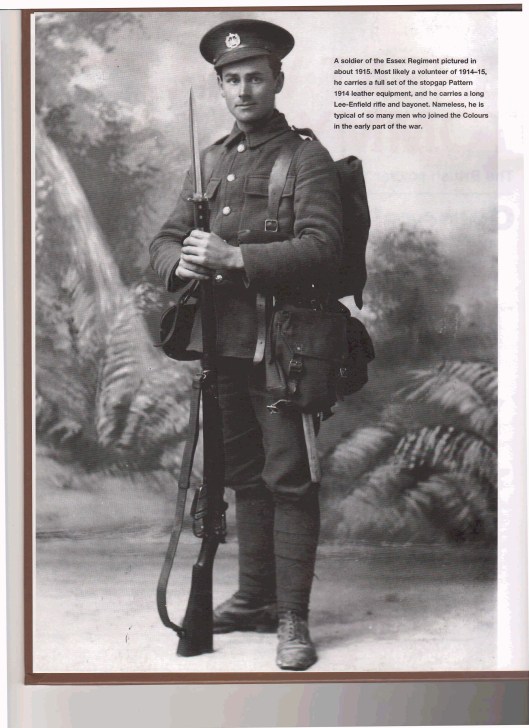
image4tommy.jpg

met the Maxim Gun

image5maxim.jpg

and took heavy casualties.  These casualties were multiplied by the number and range of German artillery.
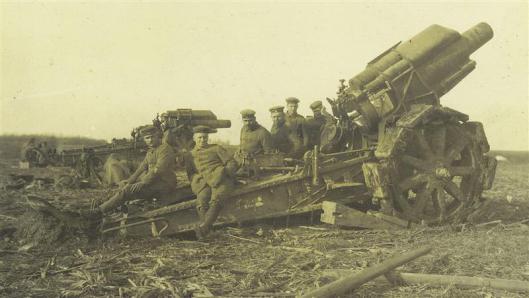
image6haubitzer.jpg

To defend themselves against these modern weapons, soldiers went to ground as soon as they could.

image7frenchembankment.jpg

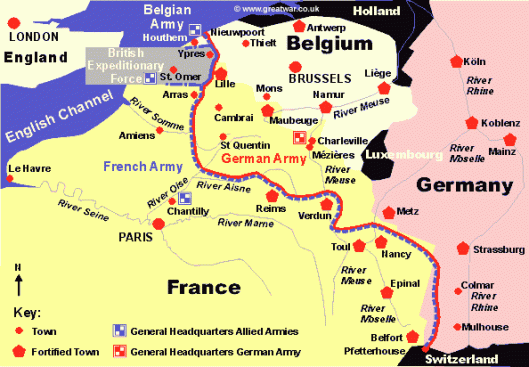
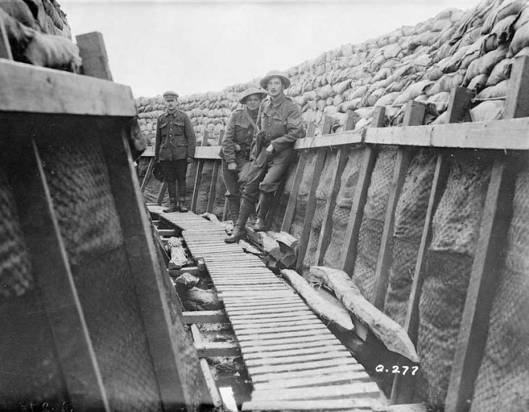
Digging in moved from a simple scrape of the earth into 500 miles (from Switzerland to the North Sea) of often very elaborate earthworks.
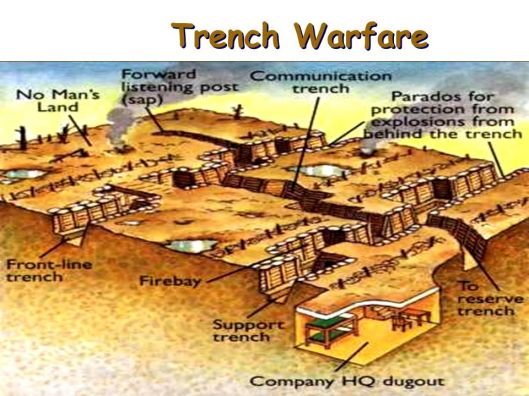
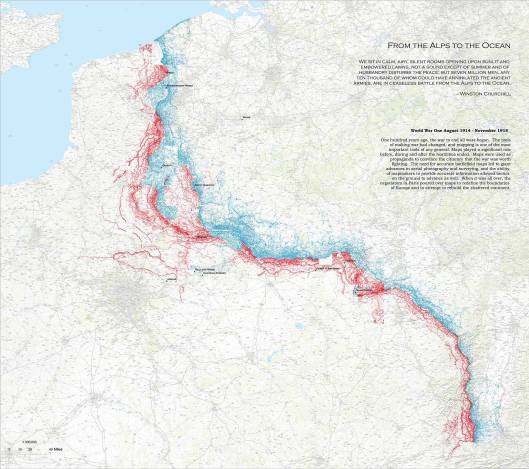
image8trench.jpgimage9system.jpeg

Equip these with machine guns

image10mg.jpg

and spread acres of barbed wire in front

image11barbedwire.jpg

and you can think that you’re safe from attack.
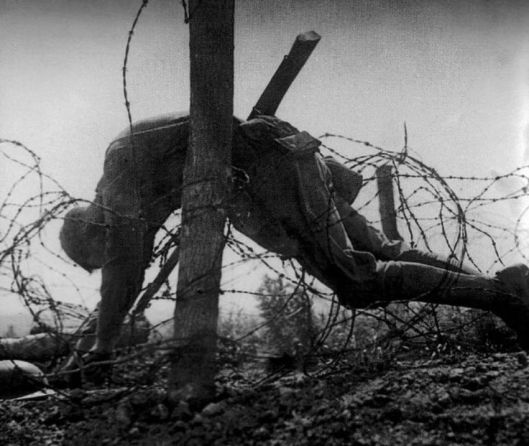
image12trapped.jpg

So, the problem then was:  how to break through?  And this is where the German chemical industry
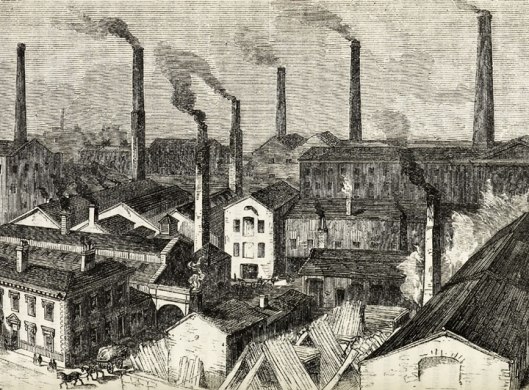
image13factory.jpg

and its brilliant chemist, Fritz Haber,

image14haber.jpg

(who will share the Nobel Prize for chemistry in 1918) came in.

Haber, famous for creating artificial fertilizer—his positive side—was also a captain in the Kaiser’s army (hence the uniform in our illustration), intensely convinced that Germany was justified in waging war on Europe, and began to develop a reply to elaborate fortifications:  poison gases—Haber’s dark side.

Nearly twenty years before, in 1900, many of the world’s nations, including Germany, had signed an agreement at the Hague that, among other things, they wouldn’t employ such a weapon, but, clearly, the temptation was too great, and not only for Germany.  After the first major attack, 22 April, 1915, in which the Germans had killed or driven a large number of French troops from their trenches, the British and French began their own development programs.

Over time, the gases varied as experiments showed scientists and military men what worked and what didn’t.  There were simple tear gases, which incapacitated soldiers by blinding them with their own tears and disturbed their breathing, to much deadlier blister agents—but here’s a chart to lay out the effects.
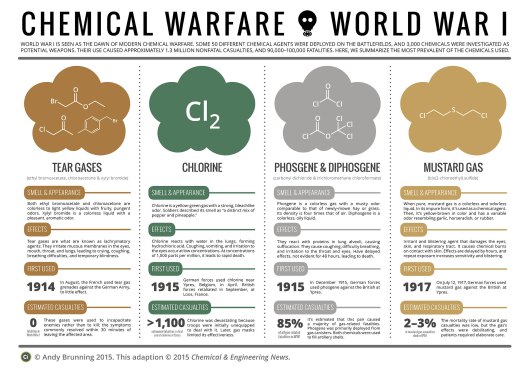
image15gaschart.jpg

Delivery systems varied.  Gas might be released from canisters, allowing the prevailing wind to carry it to the enemy.

image16gas.jpg

The difficulty here was the variability of winds—should the direction change, the releasers of gas might—and sometimes did—find themselves the victims.

Gas packed into artillery shells was more dependable.
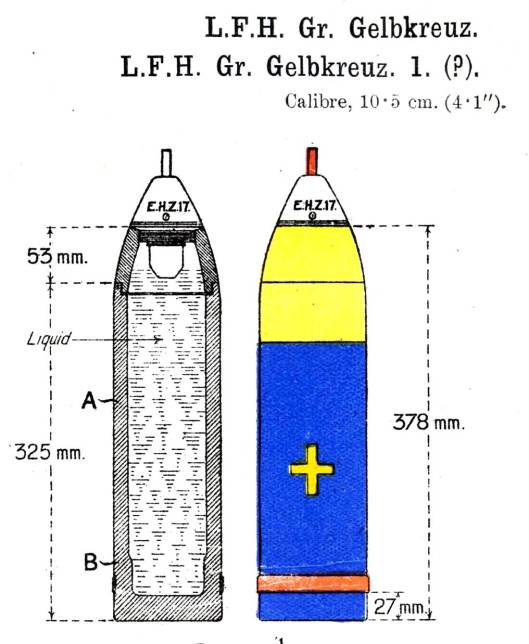
image17gas.jpg

Shells were marked to identify which gas was inside, as in this illustration.

In time, the British developed a method of projecting gas bombs in large numbers with what were called “Livens projectors”.

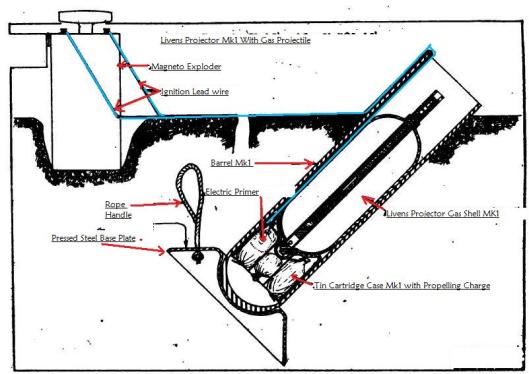
image18gasbomb.jpg

image19livens.jpg

This simple mechanism could be used in banks to blanket the enemy line with poisonous air.
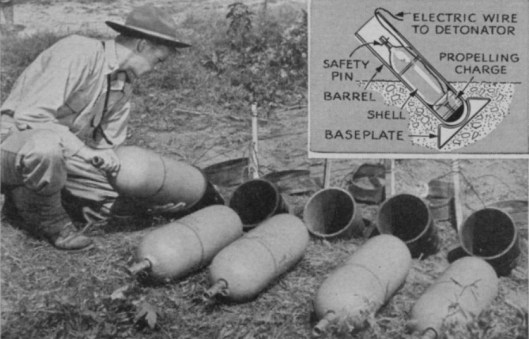
image20projectors.jpg

Initially, there had been no defense against this weapon, but, in time, both sides developed gas masks.
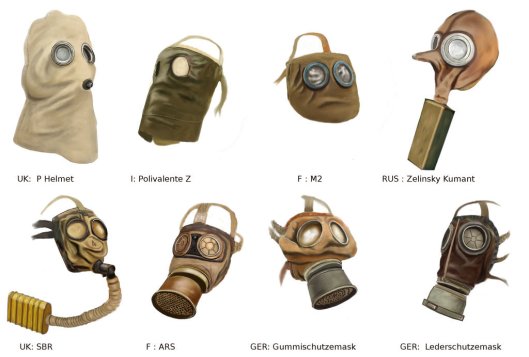
image21masks.jpg

And, of course, something had to be done for the hundreds of thousands of horses both depended upon.
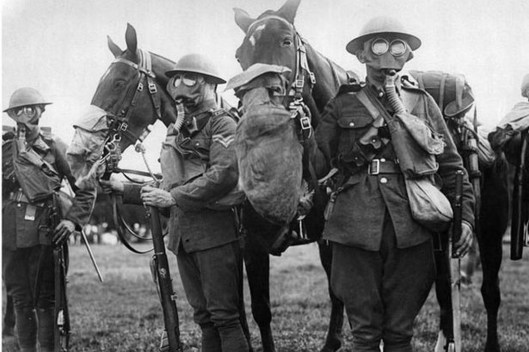
image22amask.jpeg

Here’s how the later, more efficient ones worked.
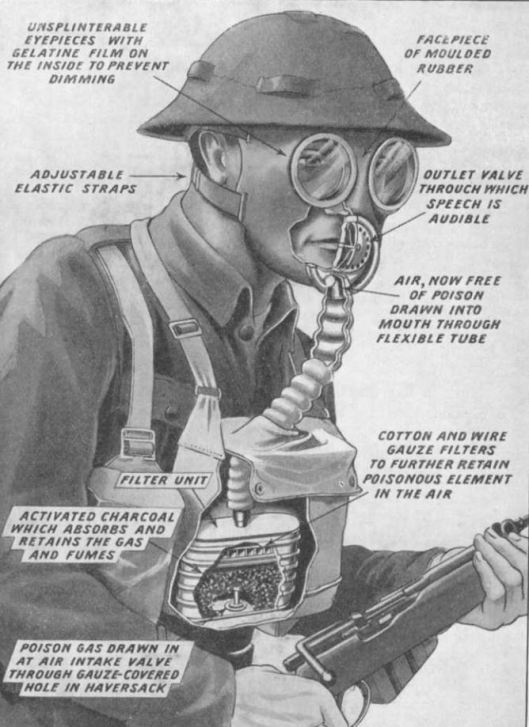
image22mask.jpg

They might have prevented suffocation, but they were uncomfortable and, worse, the lenses soon fogged over, making it difficult to see the enemy in their masks advancing through the clouds of gas.
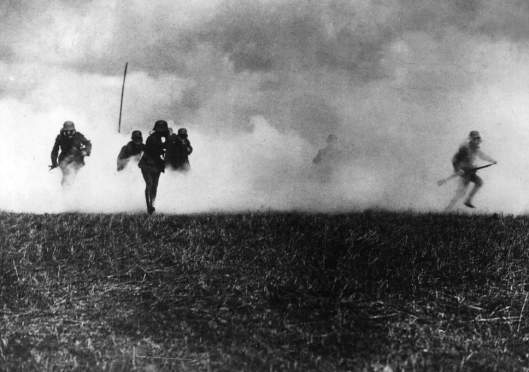
image23advance.jpg

image24combat.jpg

In the television series about young Indiana Jones of some years ago, there was a very graphic depiction of this—and here’s a LINK so that you can see for yourself.  (We very much recommend this series, by the way.  On the whole, it has many episodes which not only fill in Indie’s past, but are good adventure stories in themselves.)

We can imagine, then, what might have been going on in JRRT’s mind when he wrote:

“It was dark and dim all day.  From the sunless dawn until evening the heavy shadow had deepened, and all hearts in the City were oppressed.  Far above a great cloud streamed slowly westward from the Black Land, devouring light, borne upon a wind of war; but below the air was still and breathless, as if all the Vale of Anduin waited for the onset of a ruinous storm.”  (The Return of the King, Book Five, Chapter 4, “The Siege of Gondor”)
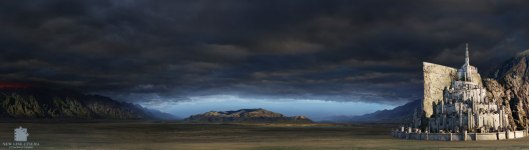
image25gondor.jpg

Were those orcs approaching, or the Kaiser’s infantry?
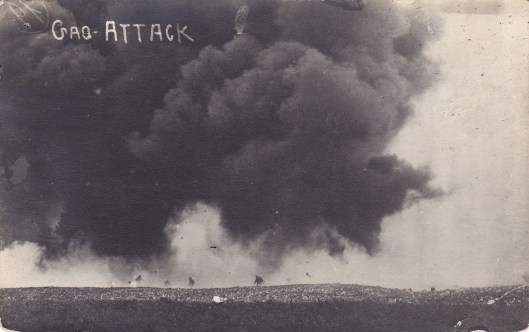
image26gas.jpg

Thanks, as ever, for reading.

MTCIDC

CD

ps

The horrific effects of chemical warfare have, to us, never been more powerfully depicted than in John Singer Sargent’s (1856-1925)  Gassed (1919), based upon Sargent’s visit to the Western Front in July, 1918.
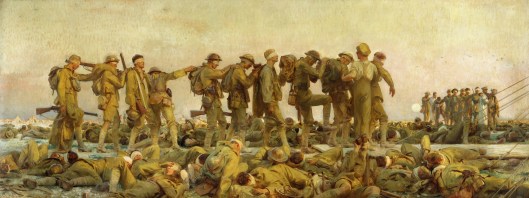
image27gassed.jpg

pps

But, you know us—if we can add a little something more, we always will and, in this case, we want to end not with just this image, horrible and moving as it is, but with something from another of Sargent’s works.  Along with being a society painter, he was one of the greatest American watercolorists and has left us a collection of beautiful, atmospheric works from Europe, the US, and the Caribbean.  We want to end, then, with these very different clouds–
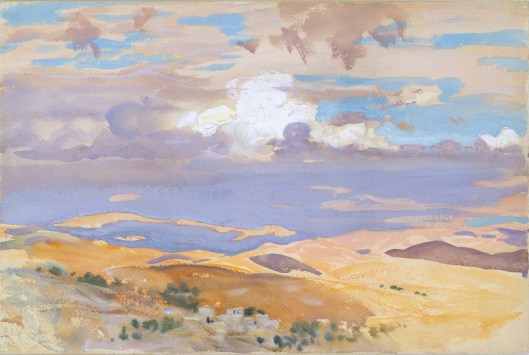
image28sargent.jpg

A Celtic Chill Up the Spine

23 Wednesday May 2018

Posted by Ollamh in Fairy Tales and Myths, Films and Music, Heroes, Literary History, Military History, Narrative Methods

≈ Leave a comment

Tags

Banshee, Bean Nighe, Bloody Clavers, Bodbh, Bonnie Dundee, Coiste bodhar, Cuchulain, Darby O'Gill and the Little People, Dragoons, Dullahan, Gan Ceann, Greco-Roman, Hera, Highlanders, Hugh Herriot, Hugh Mackay, James II, Jason, Johm Graham, Morrigan, Old Mortality, Pass of Killecrankie, Picts, Pikemen, Rosemary Sutcliff, Sir Walter Scott, tumuli, William of Orange, Williamite, Woman of the Sidh

Welcome, as ever, dear readers.

As we just finished a novel, Bonnie Dundee (1983),

image1abonnie.jpg

by one of our favorite YA historical authors, Rosemary Sutcliff (1920-1992), we were snagged by what, at first, seems just an odd little detail—but we’ll come to that.  First, let’s talk about the book in general.

image1rs.jpg

The title refers to a 17th-century Scots nobleman, John Graham, 7th Laird of Claverhouse, 1st Viscount Dundee (1648-1689), also known as “Bloody Clavers” for his zeal in observing the law in a complicated religious situation (the subject of a Sir Walter Scott novel, Old Mortality, 1816),

image3oldmort.jpg

and “Bonnie Dundee” from his noble title (and, we presume, his good looks).

image3jasgraham.jpg

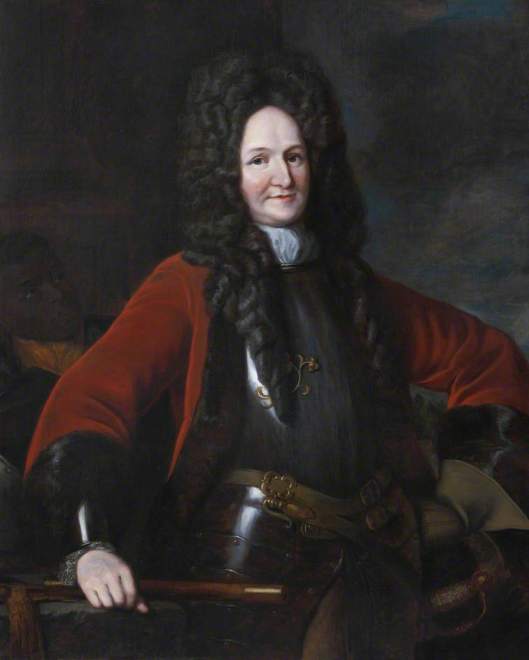
In 1689, Dundee was a royal cavalry officer, leading a regiment of mounted infantry, called, at that time, dragoons.

image5dragoon.jpg

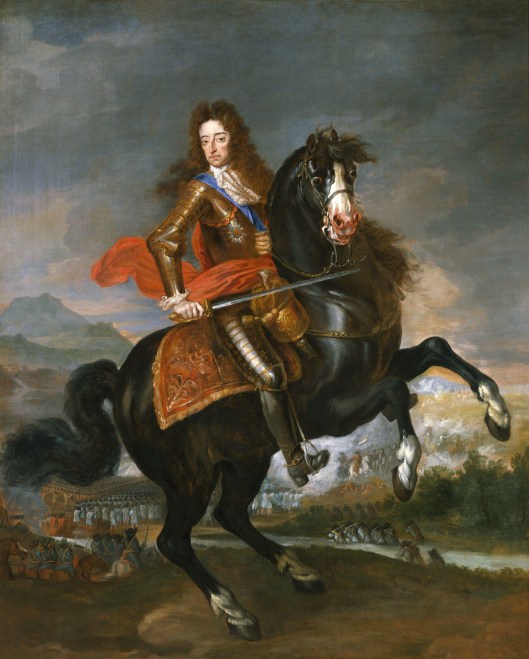
In that same year, a combination of elements of Parliament, the army and navy, and the forces of William, Prince of Orange, Stadtholder of the other provinces of the Netherlands,

image6wmoforange.jpg

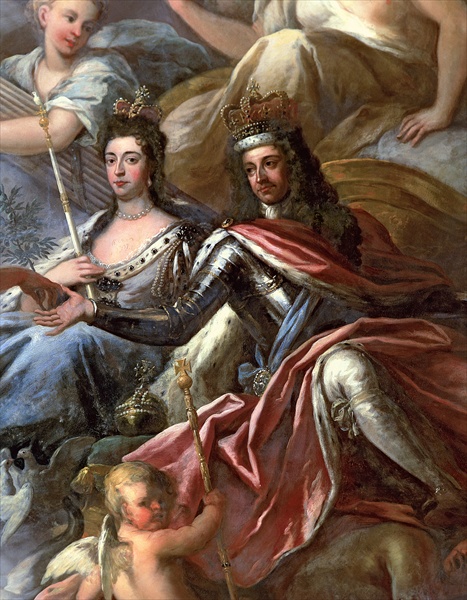
and husband of Mary,

image7wmandmary.jpg

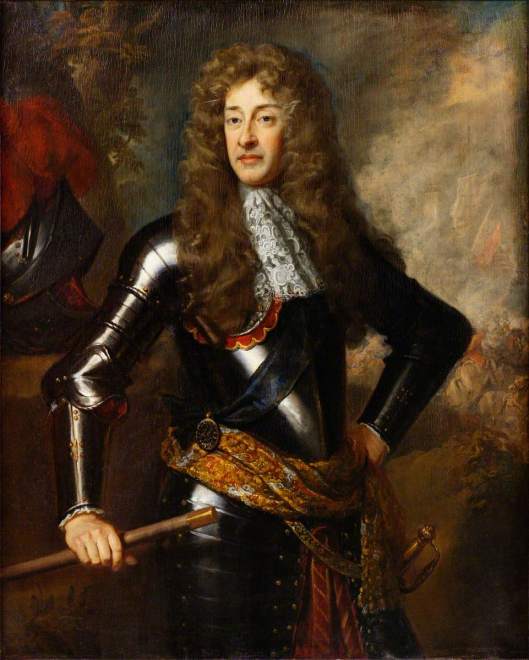
the daughter of the King of England, James II, had overthrown James.

image8jas2.jpg

William was the son of James’ sister, and so James was both his uncle and his father-in-law—a very tricky situation!

Rather than fight, James had fled, but elements in Ireland and Scotland were still loyal.  One of the main leaders of resistance in Scotland was Bonnie Dundee.

image9bonniedundee.jpg

Against him was a Williamite army, led by Hugh Mackay.

image10mackay.jpg

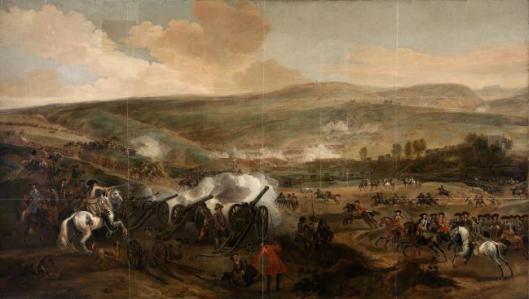
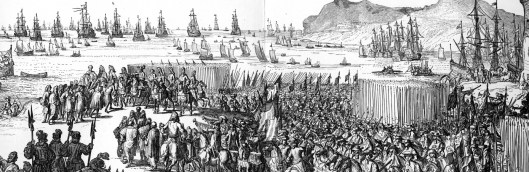
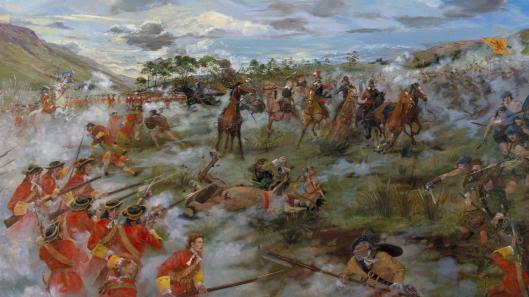
The major battle happened at the Pass of Killiecrankie, 27 July, 1689.

image11killiecrankie.jpg

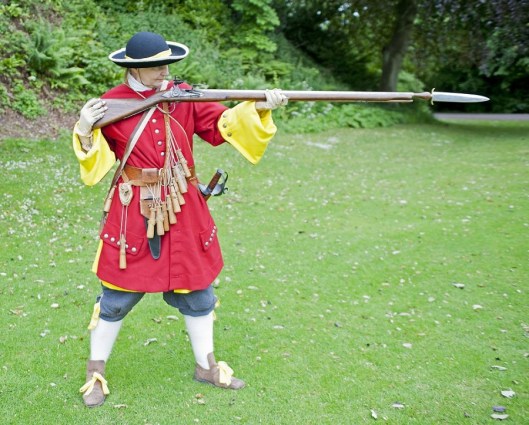
The government’s side consisted almost entirely of regular infantry regiments, but a real mixture of raw and experienced soldiers, it seems.

image12redcoats.jpg

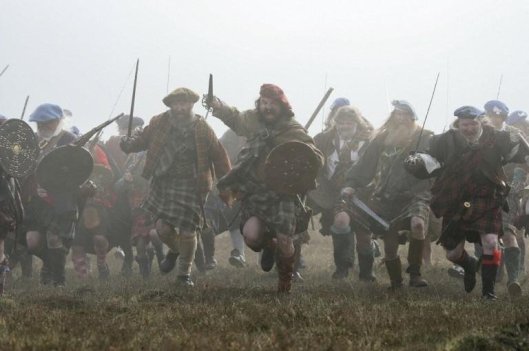
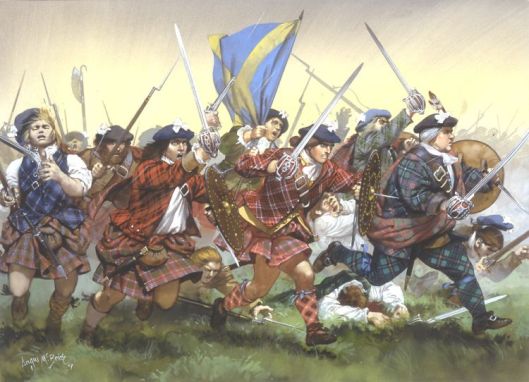
Dundee’s men were primarily Highlanders, untrained in modern battlefield discipline and tactics.

image13highlanders.jpg

The usual method in period battles was to begin by softening up the enemy with artillery fire in hopes that you could goad him into attacking you or at least you might shake his organization.

image14boyne.jpg

Then, if the enemy advanced, you used your firepower to break up his formations

image15musketry.jpg

and, if you were lucky, to drive him back, whereupon you might loose your cavalry to drive him off the battlefield.

image16cavalry.jpg

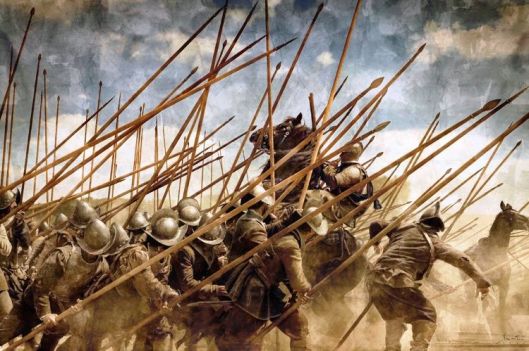
1689 was a time of transition in European armies, in which the Renaissance weapon, the pike,

image17pikes.jpg

which had been increasingly flanked by men with firearms,

image18pikes.jpeg

was being replaced by the bayonet, turning a musket into a short pike and thus removing the need for pikemen.  The earliest bayonets, however, were simply knives stuck into the muzzle of the musket.

image19plug.jpg

Of course, if you stick a knife into the muzzle, it means that you lose the ability to keep up your volleys and this seems to have been part of the difficulty for MacKay, the Williamite general.  The Highlanders had, as their main weapon, the charge, the goal being to get close to the enemy before he could do much damage with firearms, and cut him to pieces with swords and axes.

image20charge.jpg

Somehow, the Highlanders managed to break up the Williamite regiments—possibly because they were caught between firing and fixing bayonets?—and drive them off—although at the cost of losing Dundee, mortally wounded while attempting to direct the attack.

image21dundee.jpg

Sutcliff’s hero, a Scots Lowlander named Hugh Herriot, is first a groom in Dundee’s household and then a trooper in his dragoons, eventually following Dundee to Killiecrankie and his death.  (Dundee was buried nearby just after the battle.)

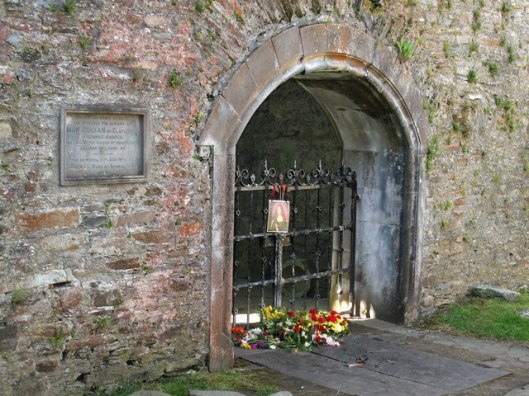
image22dundeegrave.jpg

It is on the march to the battlefield that Hugh sees something which briefly captures his attention at the time, but nothing more, and it was this description which has haunted us, ever since we put the book down:

“Once we came to the place where a cattle-track dipped down from the north, to cross the river by a made ford.  And on the far side, tucked in among the roots of overshadowing hazel and alder trees, looking as twisted and as rooted into the bank as themselves, an old woman in an earth-coloured gown knelt washing a pile of household clothes and linen.

I mind thinking it was late in the year for that; mostly the crofter women fling everything out-of-doors and deal with the bed-bugs and wash all things washable in May.  I mind also noticing that there was something of a dark brownish-red colour among the grey pallor of the unbleached linen; a shawl, maybe; you could not see, in the cave of shadows under the alder branches.

She took no more notice of our passing than if we had not been there at all.  And we marched on, and I thought no more of the thing, for the time being.”  (Bonnie Dundee, Chapter 21, “The Old Woman by the Ford”)

It’s only when later, in camp, Hugh senses that something appears to be worrying the Highlanders that it comes clear that they, too, saw the old woman—and something more, as his Highland friend, Alisdair, explains:

“Did ye see anything—any one, by the cattle ford an hour’s march up-river, as we came by?”

To which Hugh answers:

“An old woman doing her household wash…”

And Alisdair says in return:

“Aye, and you a Lowlander, ye would not be knowing.”

Continuing:

“The Woman of the Sidh—the Washer by the Ford.”

Although a Lowlander, Hugh does know:

“The Washer by the Ford, and she was washing the blood-stained linen, who comes before the death of chiefs and heroes…”

image23abean.jpg

For us, who grew up in the Greco-Roman world, an old woman at a ford has a completely different meaning:  in the story of Jason, his patron-to-be, Hera, disguises herself as an old woman and sits by a ford, testing men by asking to be carried across.  Jason agrees to and loses a sandal in the process, thus fulfilling a divine warning sent to the king of Iolcus about his eventual overthrow (by Jason):  beware the man with one sandal.

image23jasonandhera.jpg

This story in the Sutcliff—really, as we said, only a little detail in a much larger story—struck us as not only extremely well told (which we expect from Sutcliff, a very gifted story-teller—we’ll talk more about her in a future post), but well-told because, initially, it does just seem like nothing at all—something idly noticed and nothing more.  Its creepiness comes not from the description, which might be ordinary, but from its Celtic heritage—the Highlanders belong to a world made long before 1689, being a combination of the prehistoric settlers of the north, the Picts,

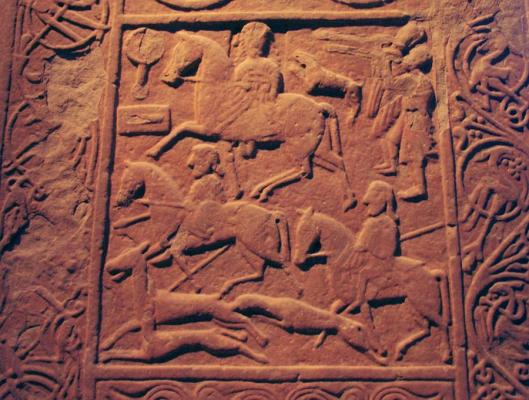
image24picts.jpg

and the Irish, who began arriving in Scotland in the 5th century AD.

image25irish.jpg

Although the Irish had converted to Christianity early, there were certain older beliefs which lasted throughout many centuries.  The Old Woman at the Ford is clearly one.  In Gaelic, the Irish-based language of Scotland, she is the Bean Nighe, (ben NEE-yeh, “the washer-woman”), or as Alisdair calls her, “the Woman of the Sidh” (sheethe).

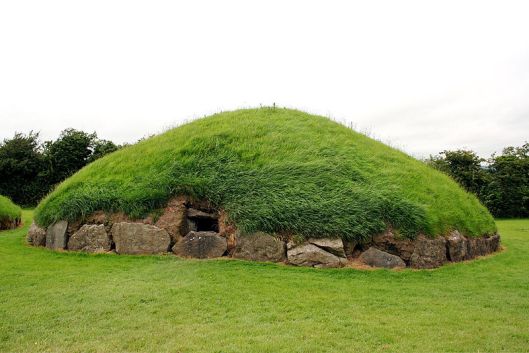
“Sidh” has, in fact, several possible translations:  it can mean “peace”, but, as well, it signifies the Neolithic tumuli (like the barrows to the east of the Old Forest in Middle-earth), as well as the People of the Other World (who may either live in tumuli, or use them as doorways into that Other World).

image26sidh.jpg

Our English word “banshee” is simply the Irish ben side (ben SHEE-thyeh), “woman of the Sidh” which, as we’ve seen, is just what Alisdair calls the Old Woman at the Ford.

Banshees—who do not necessarily always appear as old women, sometimes visit as young–are a kind of messenger from the Other World, sent to warn family members of an impending death.  Their manner of communicating this can vary—in some parts of tradition, they fulfil the task of old women at traditional funerals, wailing in grief, with a sound which has come into English as “keening”.

image27keening.jpg

To give you an idea of this, here’s a LINK to a clip from the 1959 Disney movie, Darby O’Gill and the Little People, in which we see not only a banshee, but also the next step, the coiste bodhar, [KOH-shte BOW-er] the “silent coach” with its headless coachman, the Dullahan, called in Irish, Gan Ceann,(gan KENN) “Headless”, who carries the dead person…somewhere… [Be warned, by the way:  one of us saw this only once, many years ago, on a Disney program, and has spent many further years trying not to remember it!]

In other parts of the tradition, the banshee stands outside the doomed person’s window and simply says her/his name (which impresses us as especially creepy), or calls out “My wife!” “My husband!” or “My child!”

In Ireland, the banshee is restricted to the pre-Norman-invasion population (pre-the-year 1169, more or less), suggesting that this is a purely Celtic belief, which would make sense of Hugh’s Highland friend, Alisdair’s, fear of the Washer.

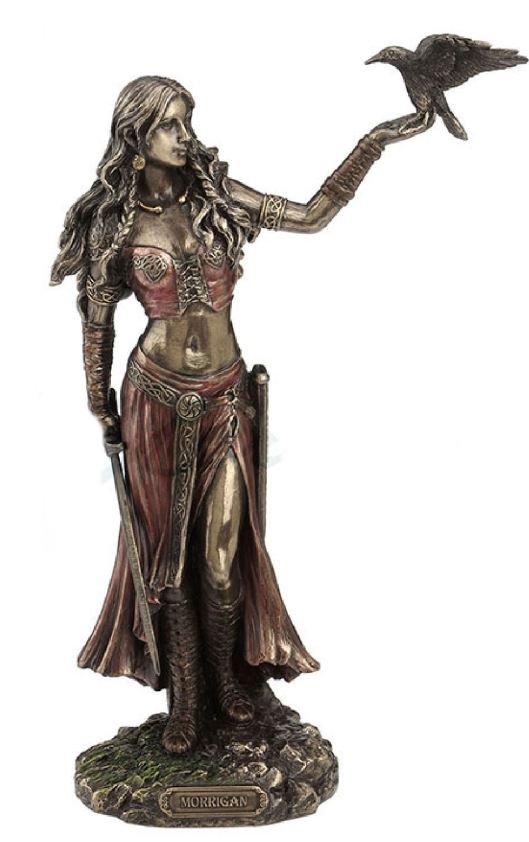
It has been suggested that perhaps this figure is descended from a fearful Irish goddess, the Bodbh (BAH-thv),

image29bodbh.jpg

who has a possible three-part persona and appears before battles and on battlefields, with a raven as her totemic animal.

image30bodbh.jpg

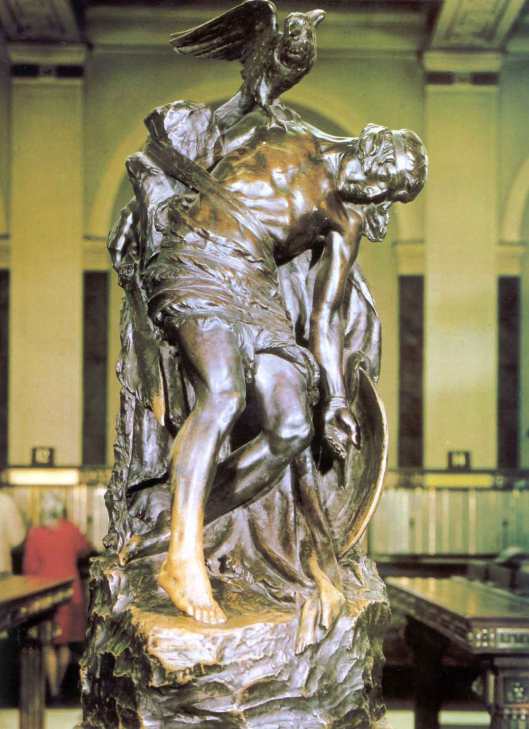
She is also called Morrigan, meaning “great queen”, which sounds rather like a euphemism.  In Old Irish stories, she is the enemy of the boy hero Cuchulain (Koo HOO lun), and brings about his death through tricking him into destroying his own protective spells (he eats dog, his own totemic animal—his name means “hound of Culann”).  There’s a famous bronze statue of him, with her raven on his shoulder, in the old main Dublin post office.

image31cu.jpg

And here Sutcliff now helps us to complete a kind of grim mythological circle.  Hugh Herriot not only knows who the Washer is, but this further fact:

“The Washer by the Ford, and she was washing the blood-stained linen, who comes before the death of chiefs and heroes—aye, before the death of Cuchulain himself.”

Who is the chief and hero of the novel—and is riding to battle the Williamites?  It’s clear, if one accepts this portent, what is to happen, and yet Hugh tries to deny what he knows to Alisdair—

“Och, away!  Dinna be sae daft!…She was real enough; just an old hen-wife, a wee thing late with her spring washing.  Aye, she was real enough.”

Alisdair’s reply still chills us—as it does Hugh—and explains why what was originally only a passing observation in this novel has stayed with us:

“ ‘She seemed real enough,’ he said, ‘she always does.’ “

Thanks, as always, for reading.

MTCIDC

CD

Small Talk

02 Wednesday May 2018

Posted by Ollamh in Fairy Tales and Myths, Films and Music, Heroes, J.R.R. Tolkien, Narrative Methods, Villains

≈ Leave a comment

Tags

Assyrians, Charles Goodyear, cyclops, David and Goliath, Death Star, Egypt, Ewoks, Greeks, Hetep Senworset, Hobbits, Jack and the Beanstalk, Kelandry of Mindelan, Lachish, Medieval, Odysseus, Polyphemus, Protector of the Small, Romans, Sling, slingers, Slingshot, Smaug, Star Wars, Tamora Pierce, thrush, Tortall, Vulcanized, Woses, Yoda

Welcome, dear readers, as always.

Sometimes, ideas for posts come from something we’ve seen in a movie theatre or something we’re reading or even from something we’re teaching or studying.  Sometimes we employ the Sortes Tolkienses.  And sometimes things just seem to fall into our hands.  And that’s where this post comes from.

We were moving a bookshelf and something literally dropped into our hands, a boxed set of books by one of our favorite YA authors, Tamora Pierce.

image1protector.jpg

As you can see from our image, the series is called “Protector of the Small” and is about the life of Keladry of Mindelan, who lives in Pierce’s imaginary Tortall, where it is possible—just possible—for a girl to become a knight.  Through the four volumes, Kel gradually works her way from pre-page to knighthood and, is always the case with TP’s books, there are both surprises and interesting and not always predictable difficulties along the way, as well as an ultimate humanity which makes her books such satisfying reading.

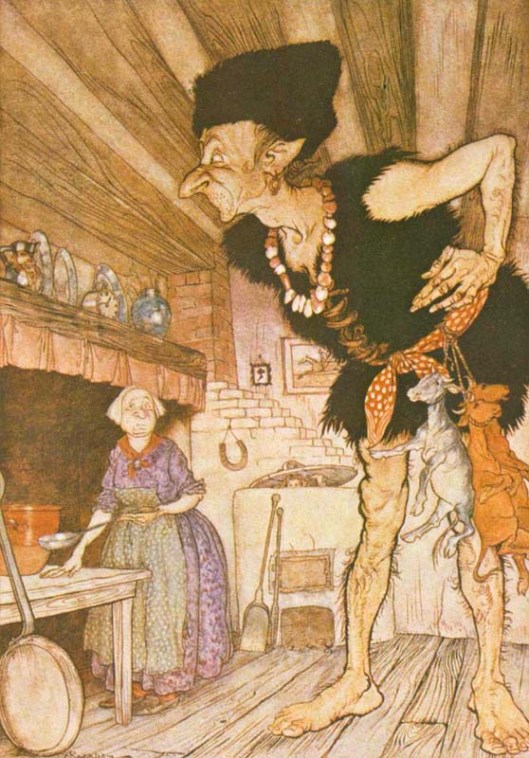
It wasn’t the actual books, however, which got us to thinking, but the word “small” in the series title.  How often, in our favorite adventure stories, it’s a case of small versus big

image2mouseelephant.jpg

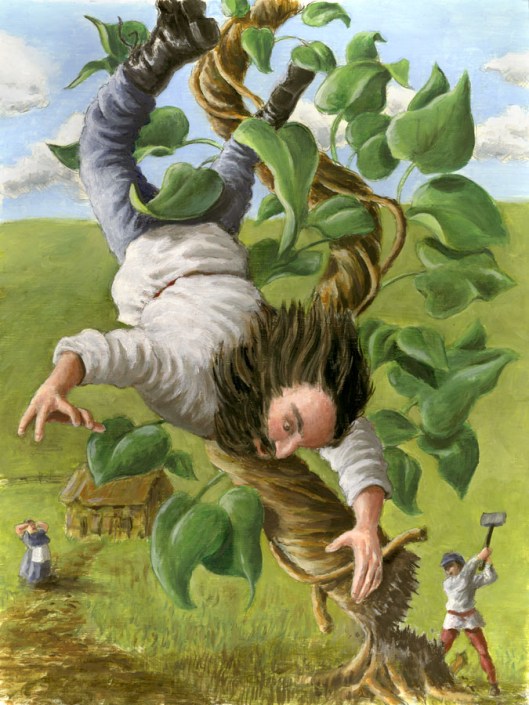
and, very often, the big thinks that that’s all which counts—think of the fairy tale “Jack and the Beanstalk” for example.image3ajackgiant.jpg

For all that the giant is huge and menacing in the story, he’s vulnerable as he climbs down the beanstalk and Jack’s quick thought–to cut down the stalk even as the giant descends–makes quick work of the oversized (but perhaps overconfident—and underbrained?) creature.

image3bdeathofgiant.jpg

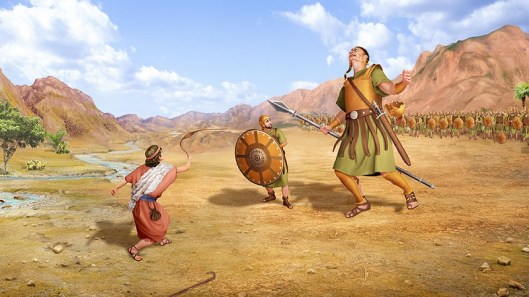
In the Judeo-Christian tradition, we have the Biblical story of David and Goliath.

image3dandg.jpg

Goliath is not only huge, but armored, and David is a boy who has only his shepherd’s staff, a sling, and five stones from a river bed, but it’s all he needs.

A sling is an ancient weapon

image4sling

This is from the Egyptian Middle Kingdom town of Hetep Senwosret, c. 1895BC.  The Assyrians were still using the weapon more than a thousand years later, as this scene from one of the Lachish reliefs (c.700BC) shows.

image5assyrians.jpg

The Greeks had slingers

image6aspendosslinger.jpg

as did the Romans

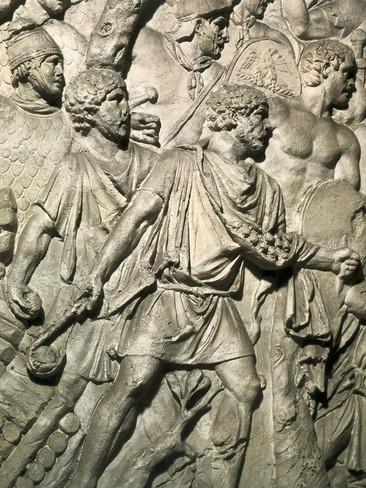
image7roman.jpg

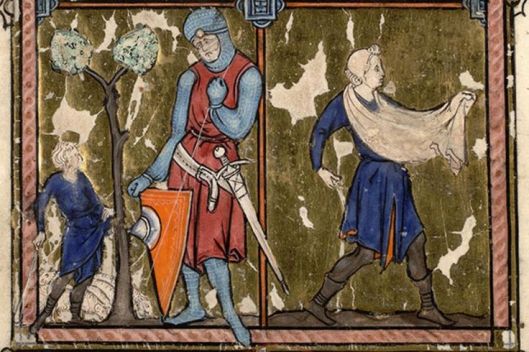
as did medieval westerners.

image8medieval.jpg

Slings shouldn’t be confused with slingshots, by the way.  (Or “catapult” if you’re one of our British friends.)

image9slingshot.jpg

This is the weapon of choice of the cartoon character, Dennis the Menace.

image10dmenace.jpg

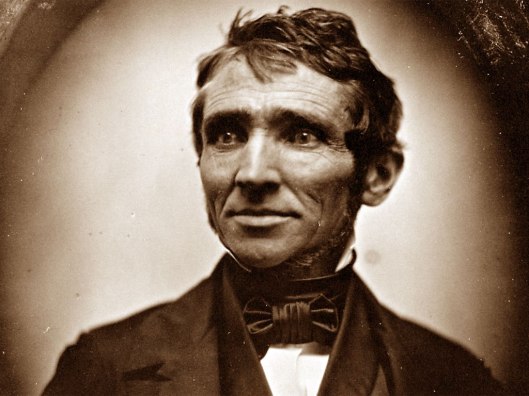
These are a modern invention which requires a large rubber band (an “elastic”) to propel the missile and such rubber bands can only come from the 1840s and beyond, when the process of heat-hardening rubber (“vulcanization”) was patented by Charles Goodyear.

image11chasgoodyear.jpg

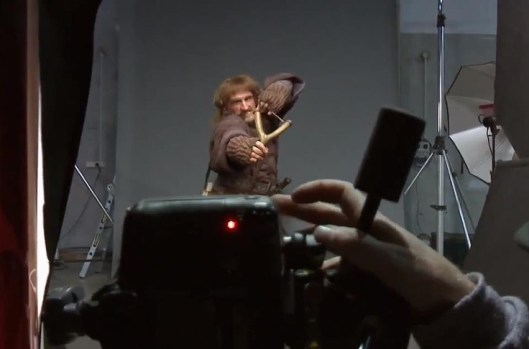
For us, then, the image of Ori in P Jackson’s film armed with a slingshot

image12oriwithslingshot.jpg

goes into our catalogue of anachronisms, like the steam engine whistle, the popgun, and the tomatoes in The Hobbit.

But, as we were saying, small David has no fear of big Goliath, as one of those stones from the riverbed stuns the giant warrior, allowing David to use Goliath’s own sword to cut off his head.

image13dandg.jpg

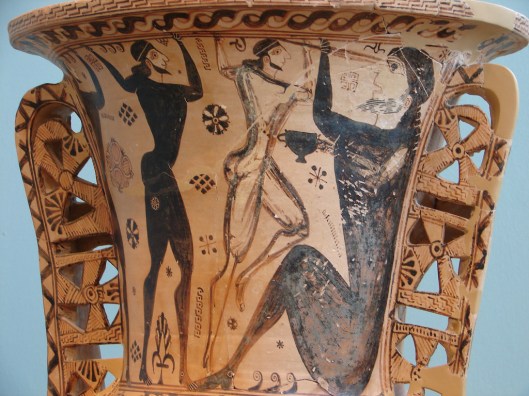
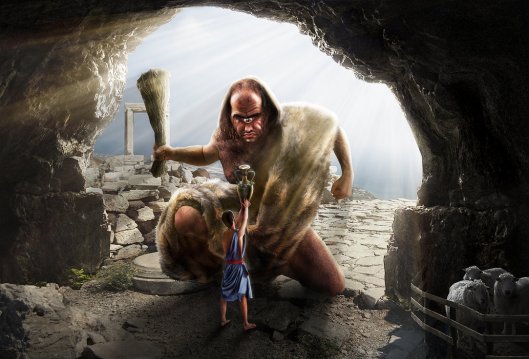
In ancient Greek tradition, Polyphemus the Cyclops obviously thinks his size will allow him to consume all of Odysseus’ men—and then Odysseus, too, saving him for last as a “guest gift”.

image14poly.jpg

Big body, however, doesn’t necessarily mean big brain as Odysseus gets the Cyclops drunk and then blinds him with his own staff.

image15blinding.jpg

Then, he uses the Cyclops’ own sheep as escape vehicles for himself and his men.

image16escaping.jpg

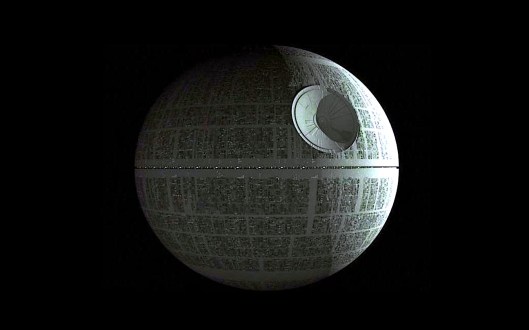
Small versus big is a major theme in Star Wars, from the fact that the gigantic Death Star has a single ventilator duct which makes it vulnerable

image17deathstar.jpeg

to attack by a single fighter,

image18xwing.jpg

to the ferocious Ewoks,

image19ewoks.jpg

and, of course, Yoda, with his famous question.

image20yoda.jpg

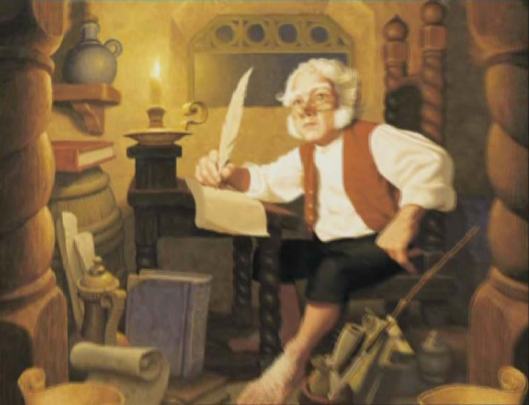
And then there are The Hobbit and The Lord of the Rings, where the world of the small and tough seems to be everywhere, from the hobbits

image21hobbit.jpg

to the dwarves

image22dwarves.jpg

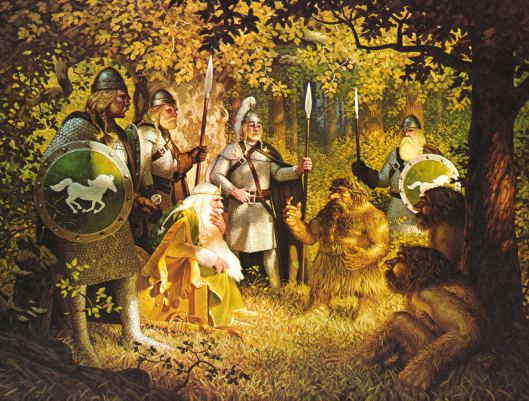
and even to the Woses.

image23woses.jpg

Their opponents are suitably large—trolls,

image24trolls.jpg

dragons

image25smaug.jpg

wizards

image26saruman.jpg

to the biggest evil in Middle-earth (although it’s not clear, really, how big he is, physically).

image27baraddur.jpg

But there’s someone even smaller in The Hobbit who, because of that size, perhaps, is left behind, but is crucial to the story:  the elderly thrush

image28thrush.jpg

who informs Bard the Bowman just where to fire that black arrow which never fails him—and doesn’t this time, thanks to the bird.

image29deathofsmaug.jpg

We were sorry that his part was completely removed from The Battle of the Five Armies, but perhaps this was, in fact, one of the few times when the small hero lost to the big–studio.

Thanks, as ever, for reading.

MTCIDC

CD


PS

Here’s a LINK to an amazing demonstration of just how accurate the sling can be.

Psalters and Psalms

11 Wednesday Apr 2018

Posted by Ollamh in Artists and Illustrators, Heroes, Literary History, Military History

≈ Leave a comment

Tags

Easter Sepulchre, Irnham, King David, King John, Lincolnshire, Luttrell Psalter, Magna Carta, Medieval, Middle-earth, Nottingham, psalter, Robin Hood, Scriptorium, Sir Geoffrey Psalter, St Andrew's, Tolkien, Utrecht Psalter, Westminster Psalter

As always, dear readers, welcome.

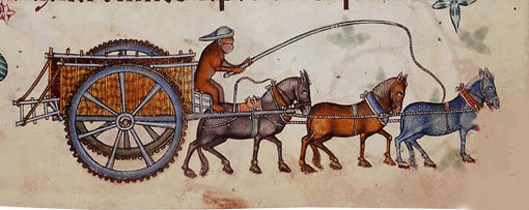
In past posts, we’ve occasionally used images from a very famous medieval manuscript, the Luttrell Psalter.  One fairly recent one, on carts and wagons in Middle-earth, included this, for example—

image1a.jpg

A medieval psalter is a collection of psalms—religious poems which were traditionally attributed to King David of Israel–
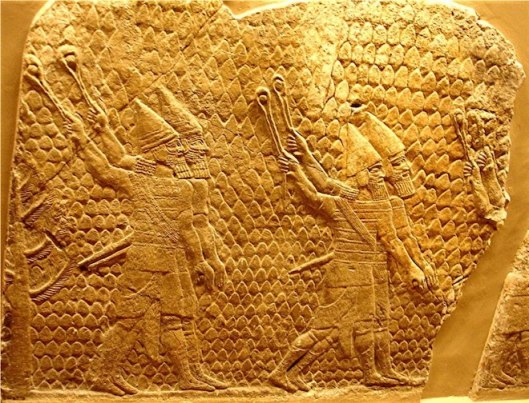
image1david.jpg

(This is, in fact, from the Westminster Psalter, c.1200)

plus other Christian religious material.  It was clearly a place which offered lots of opportunities for illustrations because a number of them have them, some of them very generous in just how many, like the Utrecht Psalter, from the 9th century, which has an illustration for every psalm.

image2utrecht.jpg

The Utrecht Psalter has been digitized—here’s a LINK so that you can see all of this wonderful book.

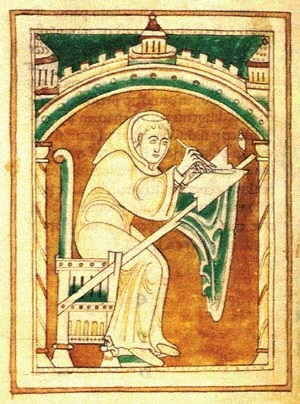
Such books were created in the medieval equivalent of copy-centers, called scriptoria (singular = scriptorium).  For many years, it was said that this was a specific room in a monastery in which teams of monks worked on writing/copying books.  More recently, this view has been challenged (see this LINK for discussion on the subject), but certainly monks made and copied books, as this manuscript illustration of the 12th-century English priest and Latin poet, Lawrence of Durham reminds us.  In fact, this illustration may be more accurate than other medieval illustrations as it shows Lawrence working on a single sheet, which was the standard method.  All sheets were then gathered up and bound into a book—a very different scene from this Spanish medieval illustration, in which at least the monk on the right seems to be writing in a book (the figure on the left looks to be a lay person and may be painting—hence, illustrating).

image3larryofd.jpg

scriptorium-2echternach.jpg

Illustrated books—especially heavily-illustrated books like the Luttrell Psalter—would have been very costly, and so only the wealthy would have commissioned such a work.  We know the name of the person who commissioned this book because that name and a suggestion of a portrait are at Psalm 109 of the manuscript.

image4sirgeoff.jpg

As it says just above the illustration:  “DNS Galfridus Louterrell me fieri fecit” = The Lord Geoffrey Luttrell had me made”.

Sir Geoffrey (1276-1345) was descended from an earlier Sir Geoffrey, who had been a supporter of King John (1166-1216), the dodgy character of the Magna Carta and from the Robin Hood story.

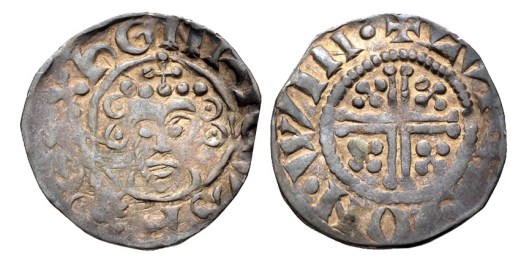
image5kingjohn.jpg

image6princej.jpg

Here’s King John forced to sign the Magna Carta, designed to lessen the king’s power and increase that of the nobles—

image7.jpg

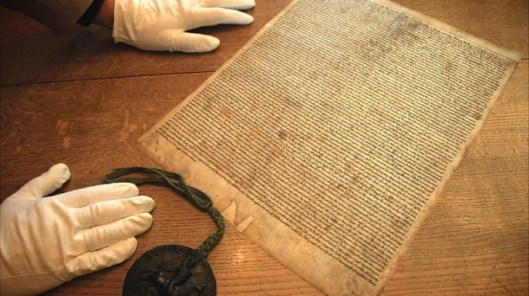
which, of course, he didn’t do, since the sign of royal approval in 1215 wasn’t a name, but an official seal.

image8magnacarta.jpeg

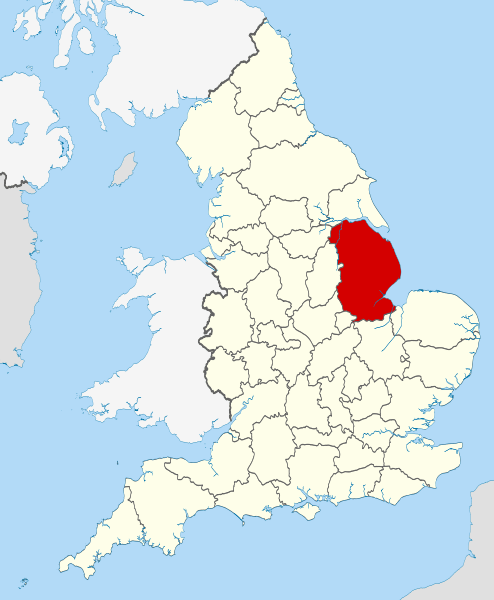
Sir Geoffrey’s descendant, also Geoffrey, held land, among other places, around Irnham (probably from the Old English for “Georna’s settlement”, Geornaham) in Lincolnshire (yes, when it comes to England, we can never quite escape the Shire, can we?).  Here’s where Lincolnshire is on a map of England.  (It’s interesting that Nottingham, notorious for its sheriff and Prince John in the Robin Hood stories, is only about 40 miles west of Irnham.)

image9lincolnshire.png

This Sir Geoffrey’s manor house has long disappeared, but we imagine that the area called a manor might have looked something like this.

image10manor.jpg

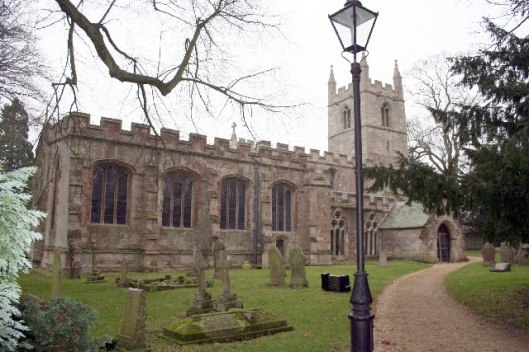
Its church, St Andrew’s, survives, however, and, though rebuilt in 1858, dates from the 12th century.

image11stas.jpg

Inside, is a monumental brass for Sir Geoffrey’s son, Andrew, (died 1390).

image12sirgjr.jpg

There is no tomb for his father, Sir Geoffrey, but there is what’s called an “Easter Sepulchre”, which was commissioned by him and which may have been based upon such a tomb.

image13eastersepulchre.jpg

This piece of architecture was used in an elaborate ceremony connected with the celebration of the Christian Easter in the Middle Ages.

Beyond the church, our monument to Sir Geoffrey is the psalter, over whose date there has been lots of scholarly discussion, so we’ll go with the general area of dating, c.1320-1340.  The book is about 14.5 inches by 10.5 (368.3mm x 266.7mm) and contains 309 pages made of vellum (fine calfskin), with illustrations on more than 200 pages.  The text was written by a single scribe, it is thought, but at least five artists were involved in the illustrating—and what illustrations!

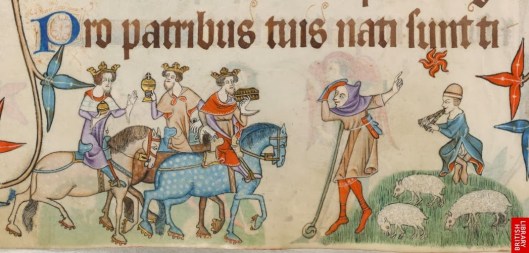
In fact, it seems a crazy variety, and, unlike the Utrecht Psalter, the illustrations don’t match the psalms.  Instead, the scenes depicted vary from the high religious—like the three Wise Men/Kings/Magi following the star to Bethlehem, from the New Testament

image14magi.jpg

to all sorts of grotesque creatures

image15grotesque.jpg

to what we love most, the agricultural and domestic scenes.

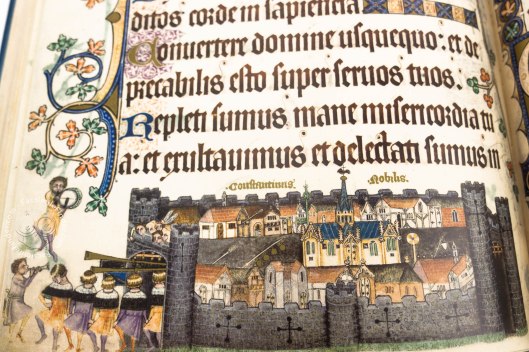
These can show a whole town

image16town.jpg

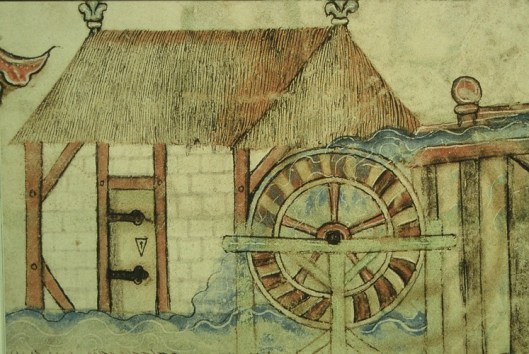
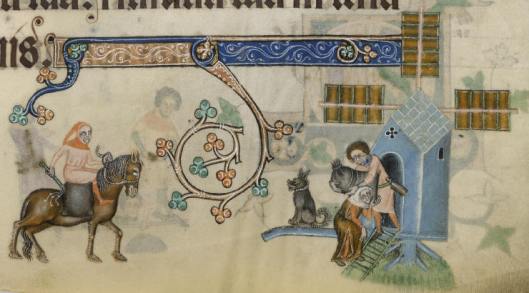
or mills, both water and wind-drivenimage18mill.jpg

image19windmill.jpgor how the grain is raised and processed to get to the mills
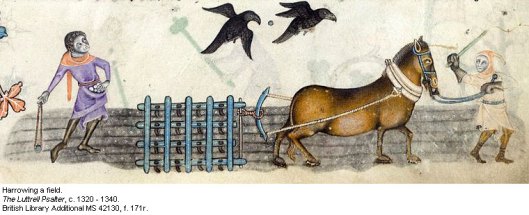
image20aplowing.jpg

image20harrrowing.jpg

image21reaping.jpg

or even controlling the pests who would eat the grain.  (Is this a screencap from the first cat video?)

image23catandmouse.jpg

Here’s a LINK to a selection of images from the British Library, but there are more if you google “Luttrell Psalter”.  See what your favorites might be.

And thanks, as always, for reading!

MTCIDC

CD


ps

Let’s add here a LINK to a short film based upon the psalter, which we think you might enjoy.

Middle-under-earth

04 Wednesday Apr 2018

Posted by Ollamh in Artists and Illustrators, Heroes, J.R.R. Tolkien, Literary History, Narrative Methods

≈ Leave a comment

Tags

Alan Lee, Andrew Lang, Barrow-downs, Beowulf, cyclops, Dragons, George Macdonald, Goblin Feet, Goblins, Great War, Grendel, Grendel's Mother, John Howe, monsters, Polyphemus, Sir Gawain and the Green Knight, Smaug, Storia Moria Castle, Tales of Troy and Greece, The Hobbit, The Lord of the Rings, The Princess and the Goblin, The Red Book of Animal Stories, The Red Fairy Book, Tolkien, trenches, tumulus

As always, dear readers, welcome!

One of us is currently teaching The Hobbit and, is always seems to be the case when we are teaching an old friend, we are struck by something new.  In this case, it’s the idea of “what lurks beneath” and where it might come from.

What occurred to us now was that, virtually every time there is trouble for Bilbo and the dwarves, it is strongly linked with caves and hollowed-out places:  trolls who came out of a cave (“Roast Mutton”), goblins who live in caves (“Over Hill and Under Hill”), Gollum (“Riddles in the Dark”), hostile elves (“Flies and Spiders” and “Barrels Out of Bond”), and, of course, Smaug (“On the Doorstep”, “Inside Information”, and “Not At Home”).  Only the wargs, the overgrown spiders, and the men of Lake-town in the Battle of the Five Armies have above-ground origins, as, after all, the other forces—goblins, elves, and even Iron Hills dwarves (we assume), have subterranean dwellings.
We knew that JRRT thought to become a classicist early in his academic career and we can imagine right away that one influence upon him for this underground menace would have been Polyphemus the Cyclops, who, after all, lives in a cave.

image1cyclops.jpg

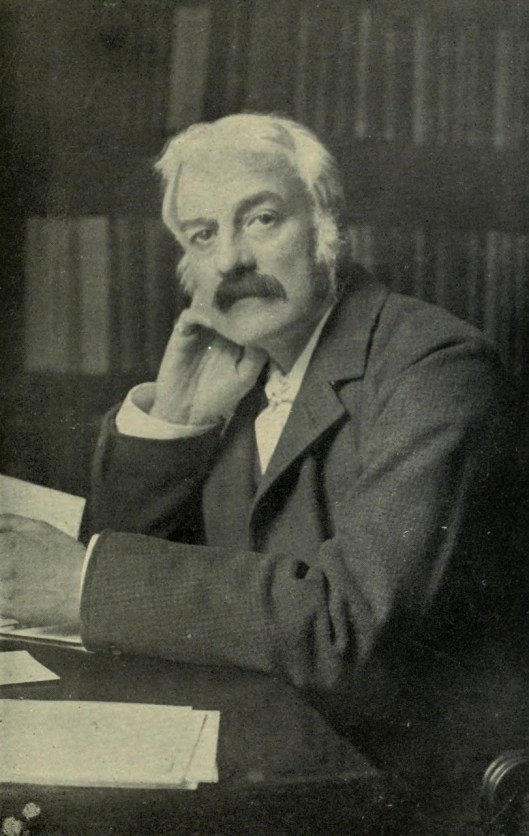
Before he read that part of Odysseus’ story in Greek, he might have seen it in Andrew Lang’s 1907 Tales of Troy and Greece—

image2alang.jpg

image3lang.jpg

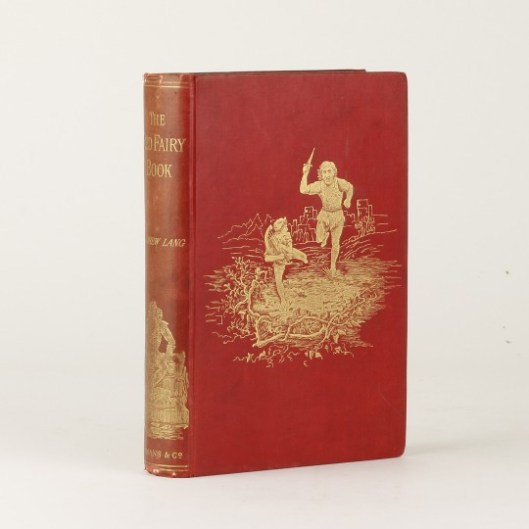
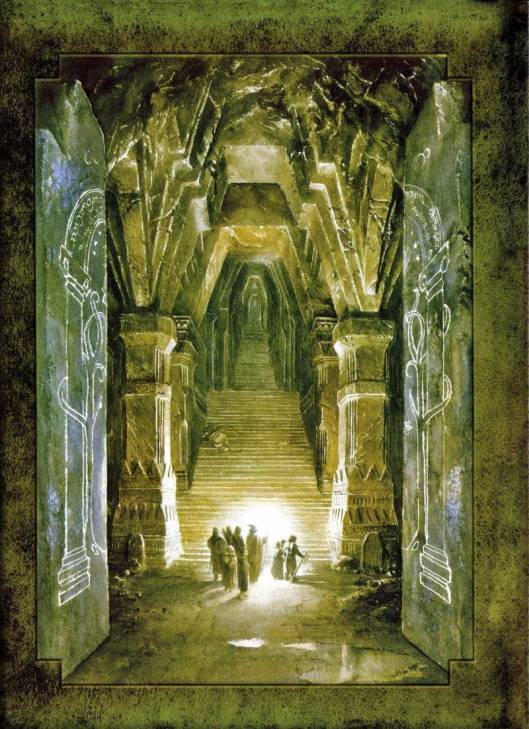
Tolkien tells us that, as a child, he had read other Lang works and a story in one, The Red Fairy Book (1890), might even have influenced some Middle-earth geography, from “Storia Moria Castle”.
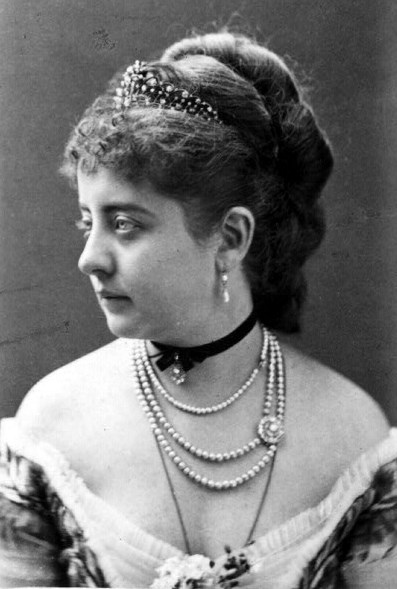
image4redfairybook.jpeg

image5leemoria.jpg

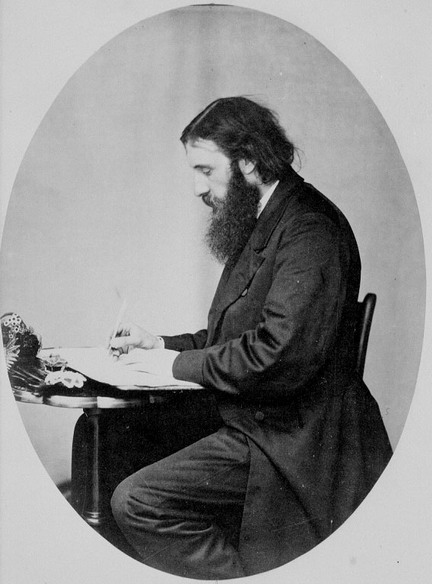
Another childhood favorite (although he appears to have changed his mind later in life) were the fantasy novels of George Macdonald
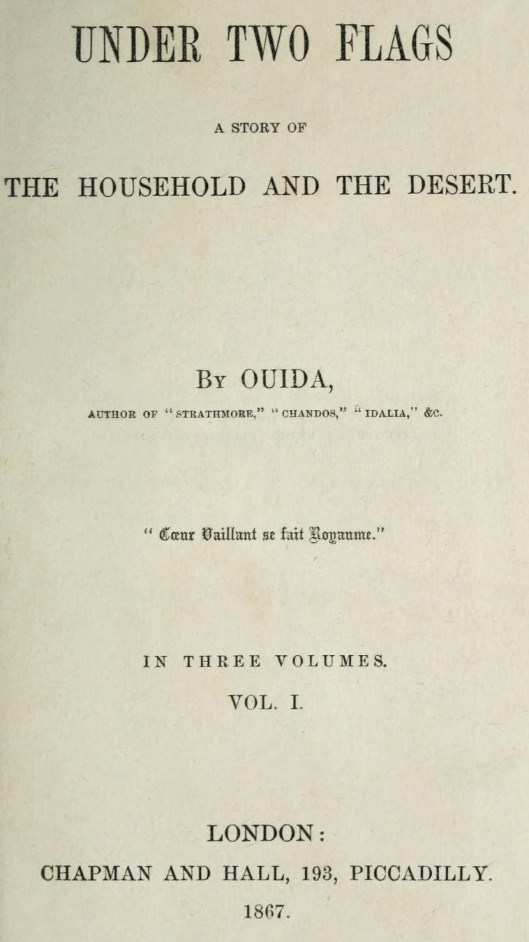
image6gmacd.jpg

and his The Princess and the Goblin (1872),
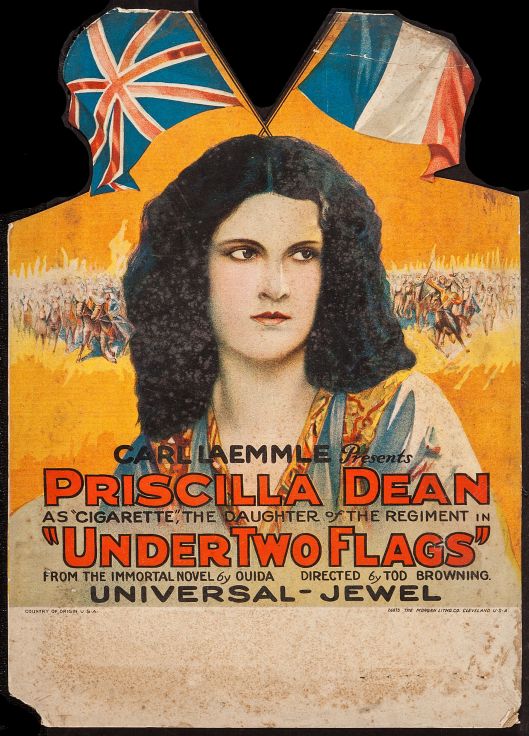
image7princess.jpg

as its title suggests, is full of goblins and their underground world.  These goblins are powerful, but have one fatal flaw—tender feet—which JRRT said that he never believed (see Letters, 178)—although Tolkien’s first published poem was entitled “Goblin Feet” (Oxford Poetry 1915).

Beyond possible childhood reading, there is his career focus, which includes two other potential underground influences.

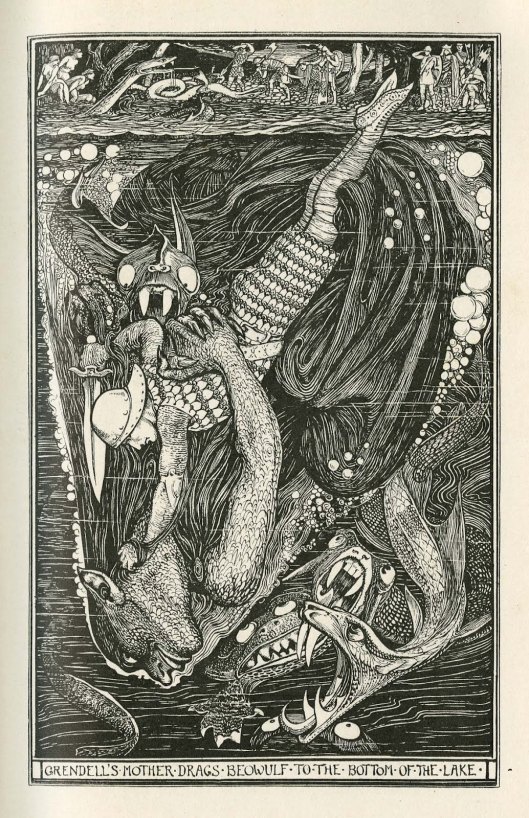
First, there is Beowulf.  Grendel, the monster in this poem,

image8grendel.jpg

lives in a cave at the bottom of a pool with his mother and, in the second part of his monster-slaying, Beowulf has to dive into that pool to deal with her.image9beowulfandmama.jpg

This illustration comes from another Andrew Lang book, The Red Book of Animal Stories (1899).

image10redbook.jpg

(The picture of Grendel is by Brian Froud.  We found it on the website of K.T.Katzmann, I Write Monsters.  Here’s a LINK.)

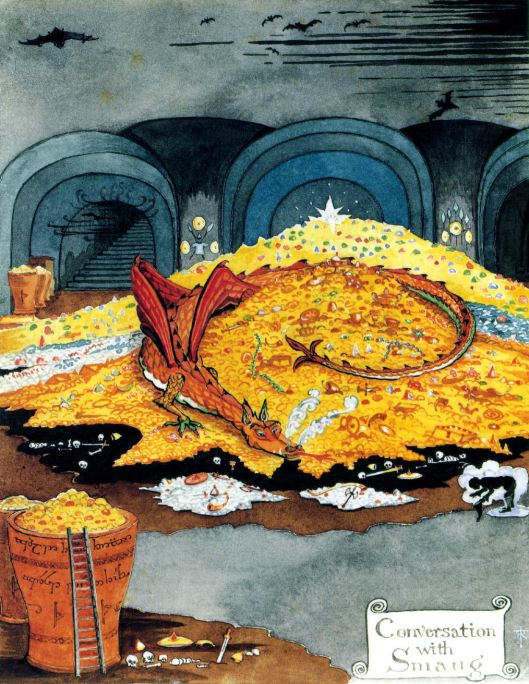
Then, of course, there’s that dragon, against whom Beowulf fights and dies—and which is the direct ancestor of another famous and familiar dragon…

image11dragonandhoard.jpg

We are told that it lives in an abandoned tumulus—that is, an ancient grave mound, like this one.

image12tumulus.png

(This is, in fact, a famous Neolithic burial at Gavrinis, in Brittany.)

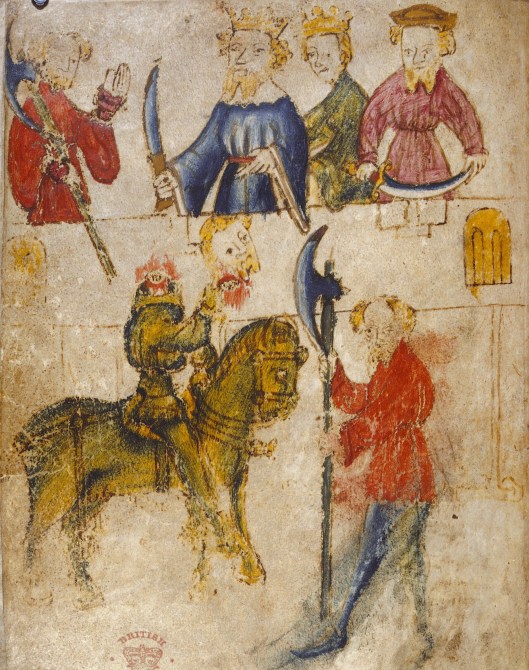
JRRT worked in Middle English, as well as Old English, and here we find one more possible source in his own edition (with E.V. Gordon) of the 14th-century poem Sir Gawain and the Green Knight.

image13tolkgord.JPG

The Green Knight who challenges King Arthur’s court to a mutual head-chopping contest, is said, in the fourth part of the poem,  to inhabit a “green chapel” and to appear out of a hole when Sir Gawain, who has accepted the challenge and cut off the Green Knight’s head, makes his appearance there to fulfill his half of the contest.

image14sirg.jpg

This chapel has sounded like a tumulus to generations of scholars and here’s John Howe’s 2003 illustration, complete with chapel as tumulus (not to mention a very large green man).

image15johnhowe.png

Tumuli also make their appearance, of course, in The Lord of the Rings, when Frodo and his party go astray on the Barrow Downs.

image16barrowwight.jpg

We can’t finish this posting without at least suggesting one more source, something even more personal than JRRT’s scholarly work:  his experiences in the Great War.

image17lt.jpg

By the time Tolkien entered the service in France, the Western Front was, basically, a 500-mile trench, from Switzerland to the North Sea.

image18trenches.gif

Much of the entrenching was simply deep, reinforced ditching.

image19trenches.jpg

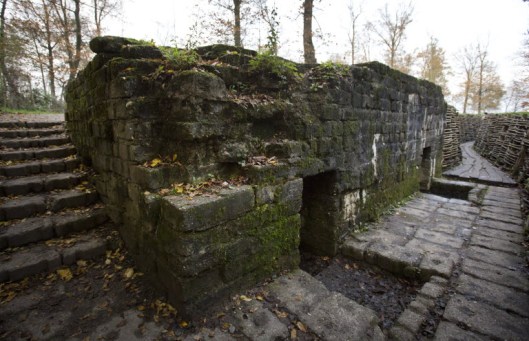
But some—particularly on the German side—could be elaborate, even built with stone or concrete, and set far enough into the ground as to be almost impervious to bombardment.

image21bunker.jpg

And we imagine that, with all of that earlier literary work in his mind, JRRT might have faced such defenses wondering whether what was inside them would be Germans

image22trenchclearing.jpg

or something much worse.

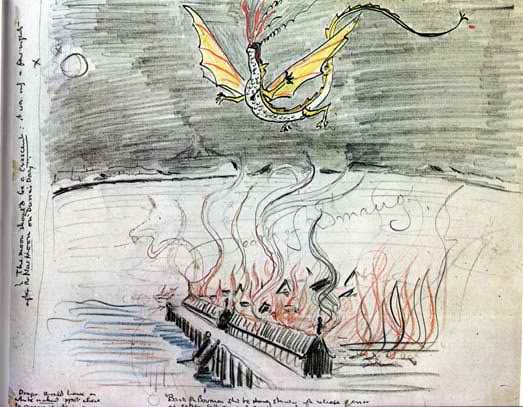
image23smaug.jpg

And did this haunt his later writing as much as the Great War haunted the minds of soldiers all over the world?

Thanks, as ever, for reading!

MTCIDC

CD

Legionnaire, But No Disease

28 Wednesday Mar 2018

Posted by Ollamh in Films and Music, Heroes, Military History

≈ Leave a comment

Tags

Africa, Alexandre Dumas, Algeria, Beau Geste, Beau Hunks, Camels, Chasseurs d'Afrique, Film, Flying Deuces, Follow that Camel, French Conquest of Algeria, French Foreign Legion, Garde Suisse, Genoese, Laurel and Hardy, Legions, Louisa de Ramee, military, Ouida, P.C. Wren, Sahara, The Last Remake of Beau Geste, The Three Musketeers, Under Two Flags, uniforms, Zouaves

As always, dear readers, welcome!

Although we do a lot of Tolkien, we set up this blog for adventure in general and, in this posting, we’ve gone to a completely different world—as you’ll see.

When we think of the Sahara, we immediately see:

a. a satellite map, which shows us just how huge it is

image1sahara.jpg

b. and camels—although they aren’t native, they’ve been there a long time, having been introduced from Arabia perhaps about 300Ad

image2camel.jpg

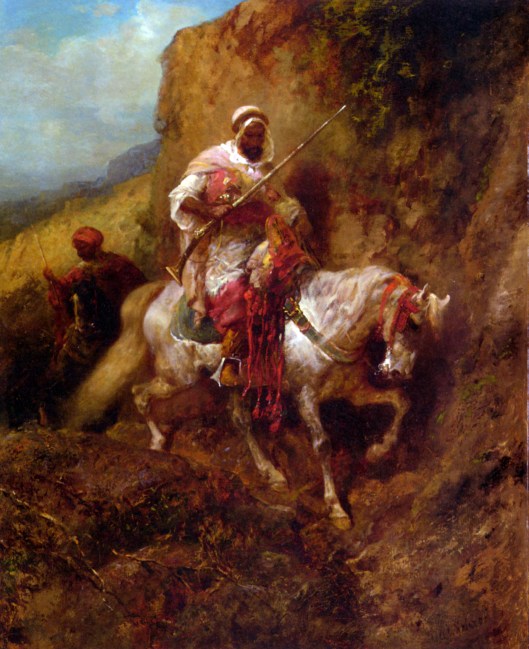
c. and, of course, desert warriors

image3desertwarrior.jpg

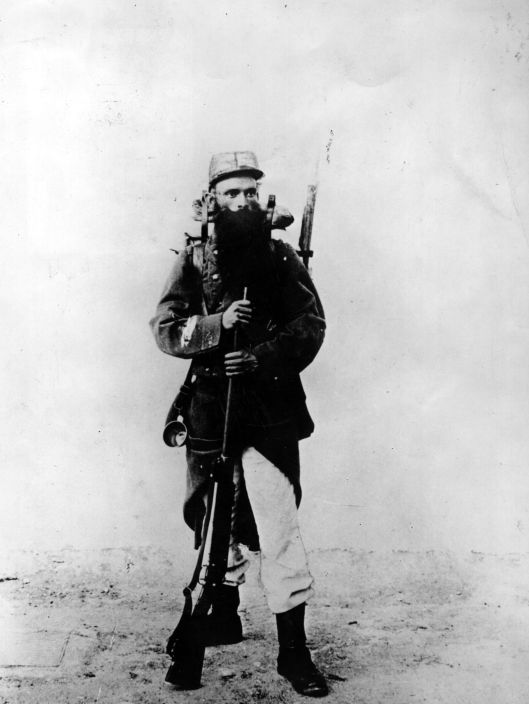
d. and, also, of course, their opponents, the French Foreign Legion

image4ffl.jpeg

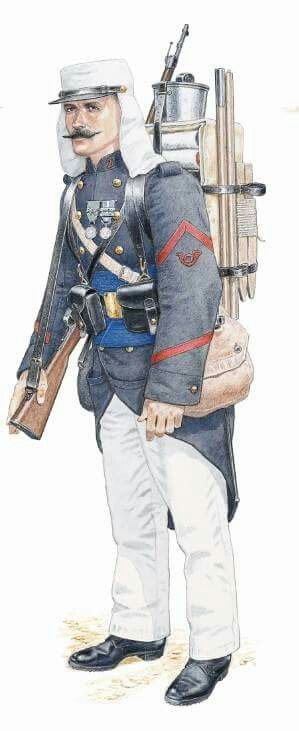
e. or, with a bit of a trim—and in color—

image5fflcolor.jpg

The Foreign Legion were hardly the first foreigners in the service of France.  Medieval French kings had used Genoese crossbowmen.

image6genoesecrossbowmen.jpg

And the later kings of France had, as part of their household guards, the Garde Suisse.

image7gardesuisse.jpg

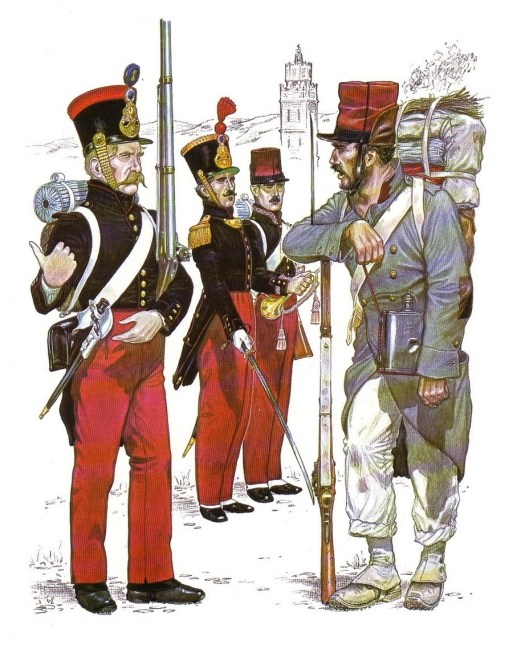
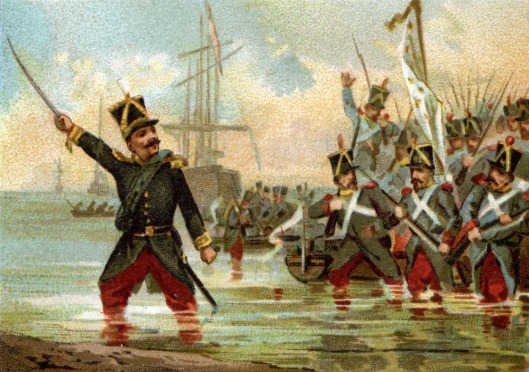
The Foreign Legion was raised in 1831 and used, at first, during the French conquest of Algeria.

image8firstuniform.jpg

image9frinvasionalgeria.jpg

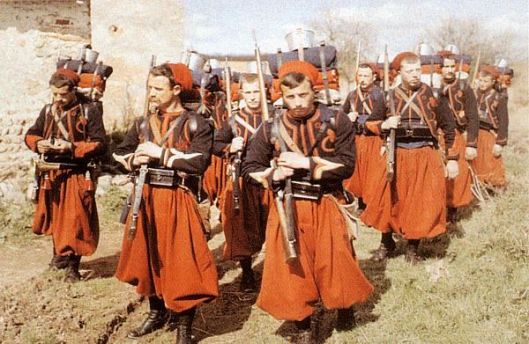
As Algeria was exotic, so were the soldiers there, beginning with the dashing Zouaves, originally locals, but gradually mostly French.

image10zouave.jpg

Along with these were the Chasseurs d’Afrique,

image11chass.jpg

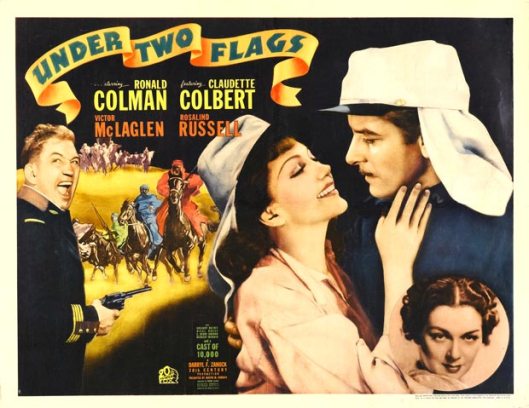
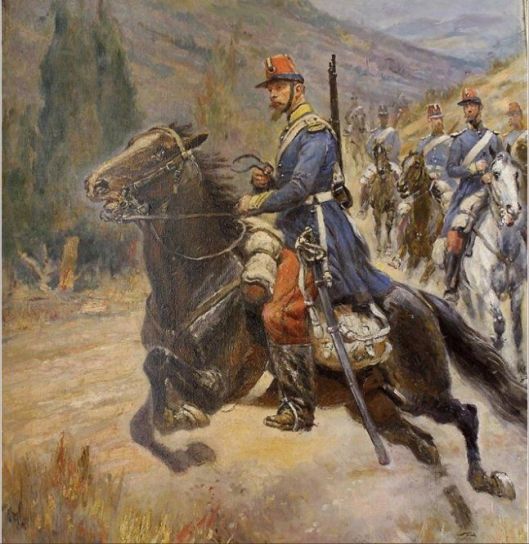
who formed the background for what we think is the first North African adventure novel in English, Ouida (Louisa de Ramee)’s Under Two Flags (1867)

image12louisa.jpg

image13book.jpg

which became a film twice, in 1922

image14nineteentwentytwo.jpg

And in 1936.

image15nineteenthirtysix.jpg

Oddly, the Chasseurs d’Afrique of the novel were replaced, in the 1936 film by the Foreign Legion—perhaps because the script writers thought that the Foreign Legion would have been a more familiar unit to their audience?

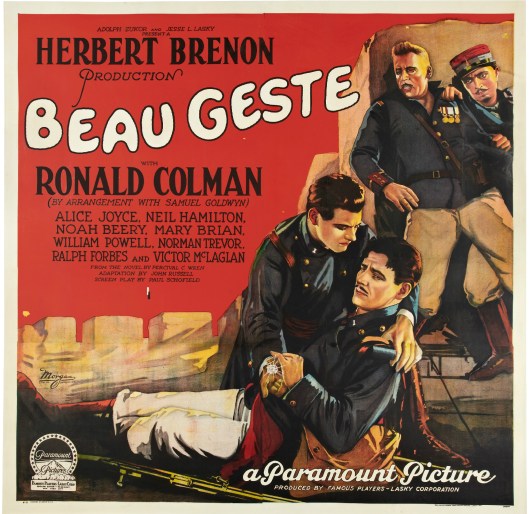
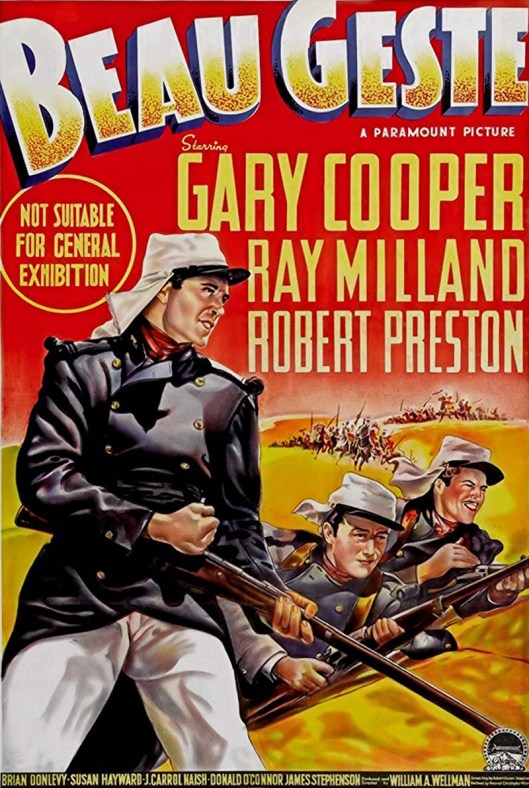
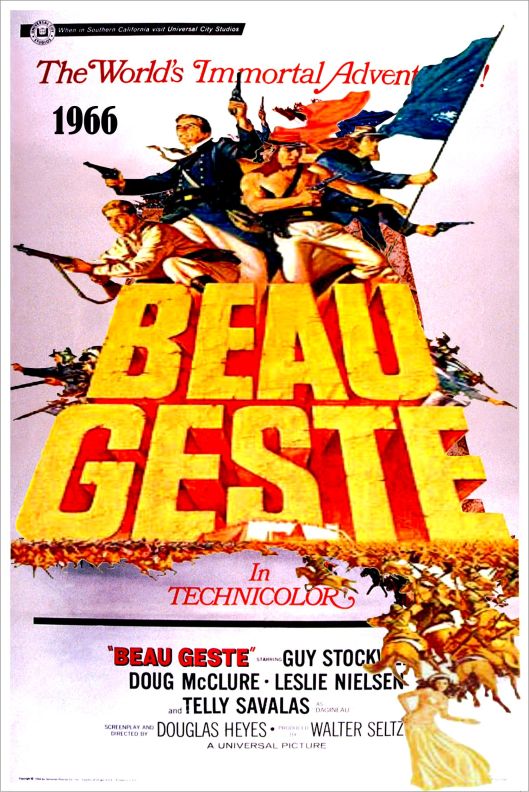
If so, it may have been because of P.C. Wren’s 1924 novel, Beau Geste,

image16bg1924.jpg

which has appeared a number of times on the screen, initially in silent form in 1926,

image17bg1926.jpg

and again as a “talkie” in 1939

image18bg1939.jpg

and again in full color in 1966.

image19bg1966.jpg

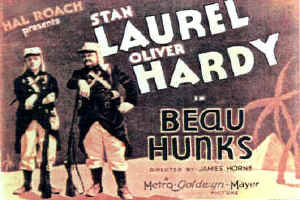
The book—and the film’s—popularity—the story was all about noble sacrifice—and exotic desert adventure—did not escape satire.  As early as 1931, two of our favorite early film comedy stars, Stan Laurel and Oliver Hardy,

image20laurelandhardy.jpg

appeared in their longest short (37 minutes—but it which sounds like a contradiction in terms), Beau Hunks.

image21hunks.jpg

This title is based upon what appears to be a double ethnic slur, Bo- from “Bohemian” + Hunk- from “Hungarian”, so a disparaging reference to a central European—a lower class one, at that.  (It makes us thankful that it appears to have disappeared entirely as a slang term:  in our current world, we don’t need any more ethnic attacks—we have plenty already.)

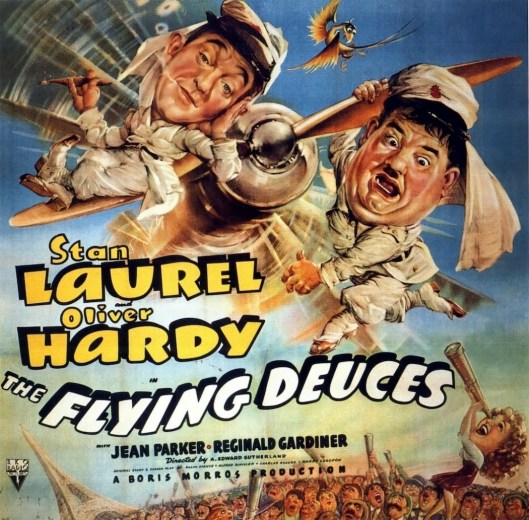
This was remade in 1939 as Flying Deuces.

image22flying.jpg

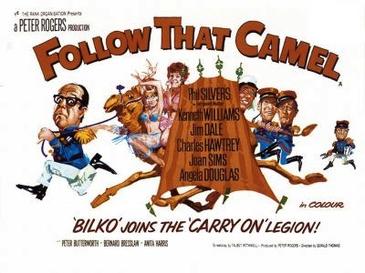
This wasn’t the end of such cheerful assaults, however.  In 1967, there was Follow That Camel (from the British comedy series “Carry On…)

image23follow.jpeg

and, appropriately, in 1977, came The Last Remake of Beau Geste.

image24lastremake.jpg

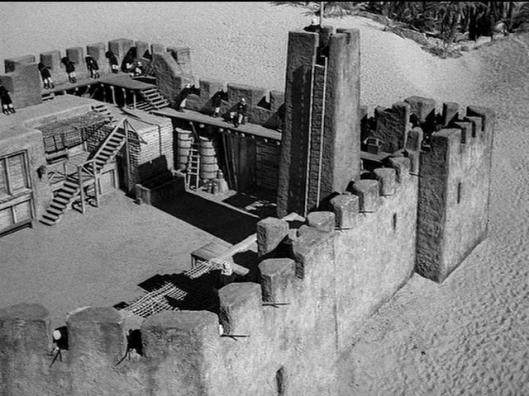
All the same, we still love the old movie, with its last-ditch defense of Fort Zinderneuf,

image25ftz.jpg

where, borrowing from Dumas’ The Three Musketeers,

image26three.jpg

image27dumas.jpg

in desperation, the defenders prop up dead legionnaires to make their numbers appear greater than they are.

How could people with a passion for adventure not find that appealing?

Thanks, as ever, for reading

and, as always,

MTCIDC

CD


“Dragons, Other”

21 Wednesday Mar 2018

Posted by Ollamh in Artists and Illustrators, Fairy Tales and Myths, Heroes, J.R.R. Tolkien, Literary History, Maps

≈ Leave a comment

Tags

Arthur Rackham, Beowulf, C.S. Lewis, Chrysophylax, Custard the Dragon, Dragons, Dream Days, Esgaroth, Farmer Giles of Ham, Jabberwock, Jabberwock-slayer, Kenneth Grahame, Lewis Carroll, Lonely Mountain, Luttrell Psalter, map, Middle-earth, Narnia, Ogden Nash, Pauline Baynes, Rumer Godden, Smaug, St George, The Chronicles of Narnia, The Dragon of Og, The Hobbit, The Lion The Witch and the Wardrobe, The Lord of the Rings, The Reluctant Dragon, Through the Looking-Glass, Tolkien, Walt Disney

As always, readers, welcome.

One of us is currently teaching a class where our present focus is upon The Hobbit.

image1hob1st.jpg

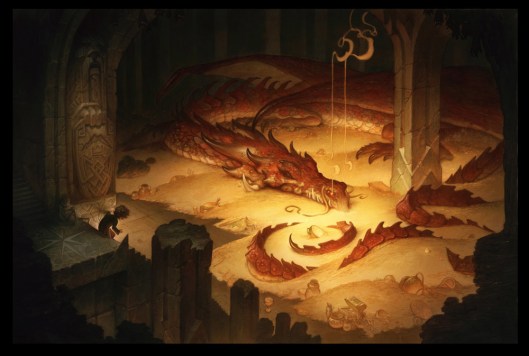
At the center of the book is the Lonely Mountain and at the center of that is Smaug.

image2aerebor.jpg

image2smaug.jpg

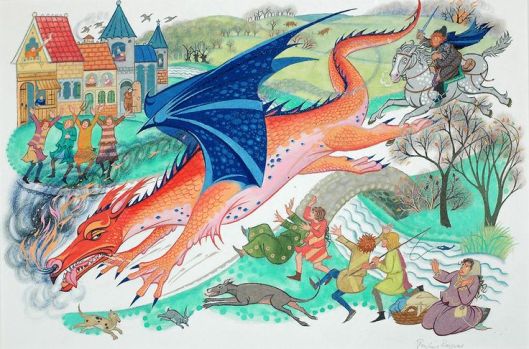
This got us to thinking about other dragons in our experience, and some of those are not quite of the same breed as the hoard-sitter faced by Bilbo and the dwarves.  That dragon is closely related to the Beowulf variety

image3beowulfdragon.jpg

which, unlike Smaug, has neither a name nor (it seems) human speech, but it certainly has the same suspicious streak:  when an escaped slave steals a cup from its hoard, it’s almost immediately aware that it’s missing and suspects a human.

image4stealingcup.jpg

And they are both vengeful.  As Smaug devastates Esgaroth, even if he dies for it,

image5esgaroth.jpg

image6smaug.jpg

so Beowulf’s dragon scorches the countryside in revenge for the theft.

But what about those other dragons?

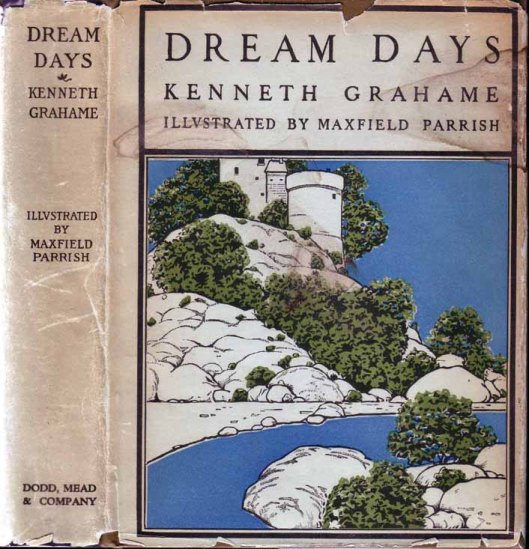
First, we thought of Kenneth Grahame’s Dream Days (1898),

image7kg.jpg

image8dreamdays.jpg

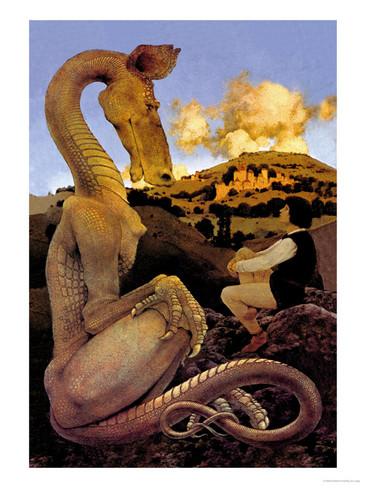
a collection of short stories, the next-to-last of which is “The Reluctant Dragon”.

image9reluct.jpg

This is the story of a beast the very opposite of Smaug—no hoard, no suspicion, no flaming violence, and, in fact, a poetry lover.  This story was then converted into a Disney cartoon of 1941.

image10reluct.jpg

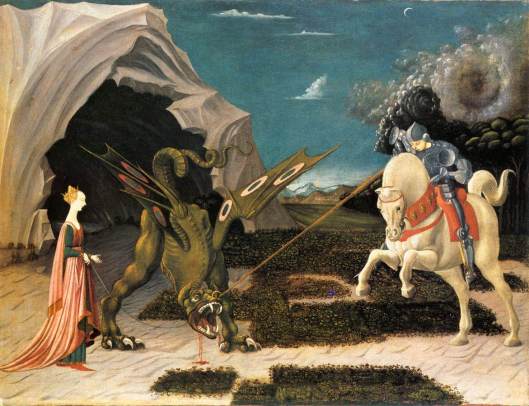
Needless to say, although the core of the plot is the same, what makes the Grahame distinctive is the language.  All of the major characters:  the dragon, the little boy who finds him, and St. George, who is brought in as a dragon-slayer, are thoughtful and articulate late Victorians who would rather discuss literature than do battle—a far cry not only from Beowulf’s encounter, but also from every other earlier depiction we could think of.

image11ucellostgeo.jpg

image12stgeo.jpg

image13stgeo.jpg

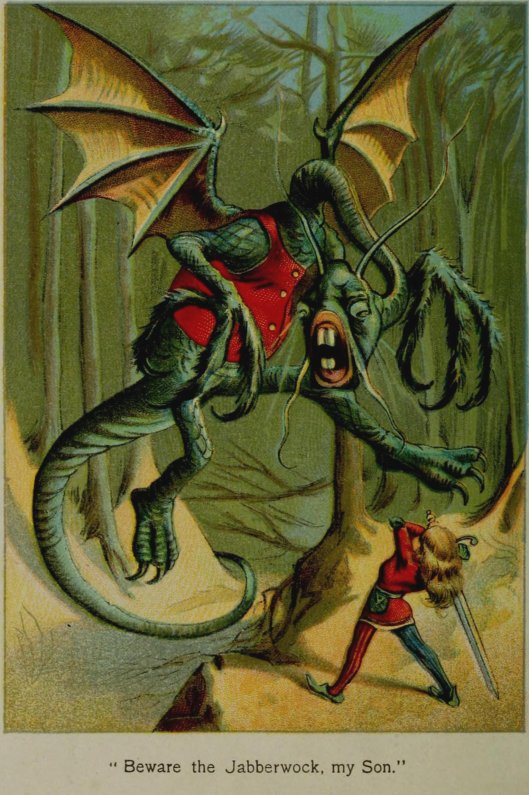
The sword in this last one looks like it actually belongs in the hands of the jabberwock-slayer

image14jabberwocky.jpg

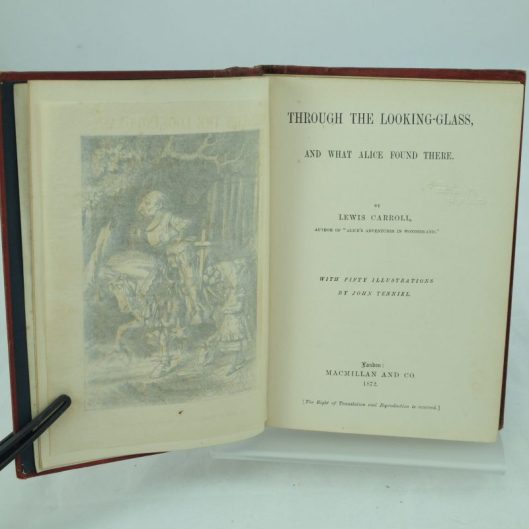
in Lewis Carroll’s Through the Looking-Glass (1872).

image15through.jpg

Here’s a LINK to Dream Days so that you can enjoy the story for yourselves.

Nearly sixty years later, the comic verse writer, Ogden Nash,

image16nash.jpg

produced not a literary dragon, but a timid one in “Custard the Dragon” (1959).

image17custard.jpg

This is a poem in 15 stanzas and is a story about Belinda and her pets, including a dragon, who is taunted by the other pets as being less than brave.  To underline this, the last line in a number of stanzas is a variation upon the first version of the line, “But Custard cried for a nice safe cage”.  (Here’s a LINK to the poem.)

The surprise is that, when a pirate climbs in through the window (this happens all the time here—possibly they escape from dreams?), Custard promptly eats him—and the cries of “Coward!” disappear immediately.

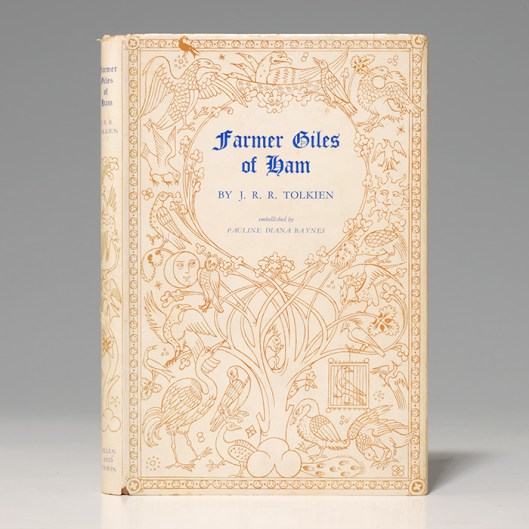
In contrast to the unnamed dragon in “The Reluctant Dragon” and in “Custard the Dragon”, our next dragon is a talker—like Smaug, but also like Smaug, potentially malevolent.  This is Chrysophylax in JRRT’s 1937/1949 Farmer Giles of Ham.  (JRRT is having a quiet joke here—“Chrysophylax” is Ancient Greek for “Goldguard”.)

image18chrysophylax.jpg

image19afgoh.jpg

The artwork is by Pauline Baynes (1922-2008).

image19pb.jpg

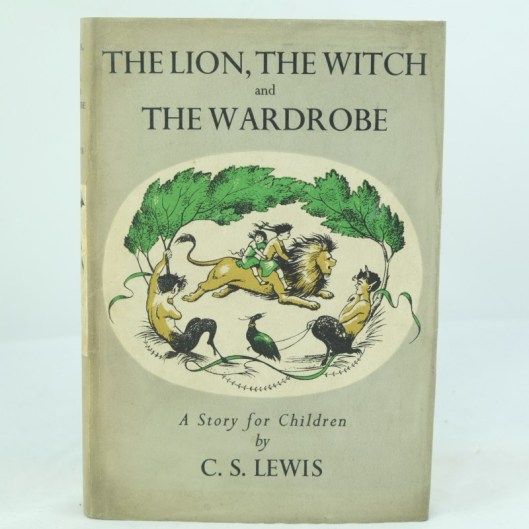
If, like us, you’ve loved the Narnia books, then you know her as their original illustrator.

image20lion.jpg

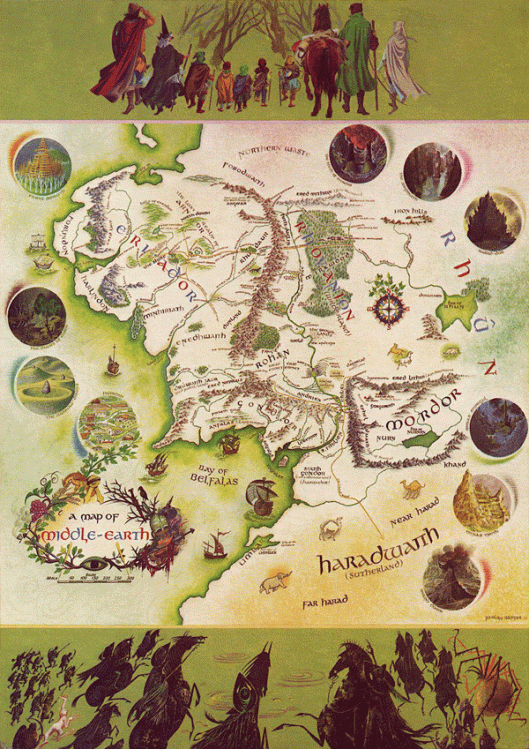
She was also the artist for an early Middle-earth map.

image21memap.gif

Her 2008 obituary in The Daily Telegraph tells of how they came to work together:
“In 1948 Tolkien was visiting his publishers, George Allen & Unwin, to discuss some disappointing artwork that they had commissioned for his novella Farmer Giles of Ham, when he spotted, lying on a desk, some witty reinterpretations of medieval marginalia from the Luttrell Psalter that greatly appealed to him.  These, it turned out, had been sent to the publishers “on spec”by the then unknown Pauline Baynes.”   (The Daily Telegraph, 8 August, 2008)

JRRT was then so impressed with her work that it appeared both in other later publications and his recommendation led to her being engaged by CS Lewis’ publisher for the Narnia books, as well.  (And here’s a LINK to that obituary, which has more on Tolkien and Baynes, as well as Lewis.)

And the Baynes connection leads us to one further dragon, that in Rumer Godden’s  (1902-1998) 1981 The Dragon of Og, for which Baynes provided the cover art.

image22rg.jpg

image23dragog.jpg

It’s not our practice to discuss work we haven’t read, but we’ve just discovered this novel and have already put it on our spring reading list.  The little we know about it comes from a blurb or two, but it looks promising:  this is more of the reluctant dragon, but one who is in danger of being provoked by a new local lord until his wife steps in and cleverly changes the situation.

Before we close, however, we want to look back for a second at the Tolkien/Baynes connection and add two further things.  First off, here’s the first page of JRRT’s graceful letter of thanks and praise to Baynes for her work in illustrating Farmer Giles.

image24letter.jpg

Second, as the Telegraph obituary says, Tolkien was impressed with her versions of the marginalia from the Luttrell Psalter, which is high on our list of favorite medieval manuscripts.

image25luttrellpsalter.jpg

In our next, we want to spend some time looking at that work, thinking about marginalia, and not only there, but also in the work of another favorite illustrator, Arthur Rackham (1867-1939).

Till then, thanks, as always, for reading.

MTCIDC

CD


Lent to a Museum (Mathom.2)

07 Wednesday Mar 2018

Posted by Ollamh in Artists and Illustrators, Heroes, J.R.R. Tolkien, Literary History, Military History, Narrative Methods

≈ Leave a comment

Tags

Abbotsford, armor, Ashestiel, Cartley Hole, Castle, Craigievar, cuirassier, czapska, Edinburgh, Gothic, Henry Fox Talbot, Horace Walpole, Marquis de Montrose, Mathom-house, Melrose Abbey, Napoleon's Hair, Prince Albert, Queen Victoria, Rob Roy MacGregor, Scottish, Scottish Baronial, Sir Walter Scott, Strawberry Hill, The Lay of the Last Minstrel, The Lord of the Rings, Tolkien, Waterloo, Waverly

Welcome, as always, dear readers.

In a posting from January, 2017, we discussed the idea of a “mathom house” at Michel Delving in the Shire.  We know about this place from the Prologue to The Lord of the Rings:

“So, though there was still some store of weapons in the Shire, these were used mostly as trophies, hanging above hearths or on walls, or gathered into the museum at Michel Delving.  The Mathom-house it was called:  for anything that Hobbits had no immediate use for, but were unwilling to throw away, they called a mathom.  Their dwellings were apt to become rather crowded with mathoms, and many of the presents that passed from hand to hand were of that sort.”  (Prologue, The Lord of the Rings)

Rereading this passage this time, we were caught by two things:  “some store of weapons” and “Their dwellings were apt to become rather crowded with mathoms” because, put together, they sound like part of the description of the personal Mathom-house of the original inspirer (we would say) of adventure-writing in English, Sir Walter Scott.

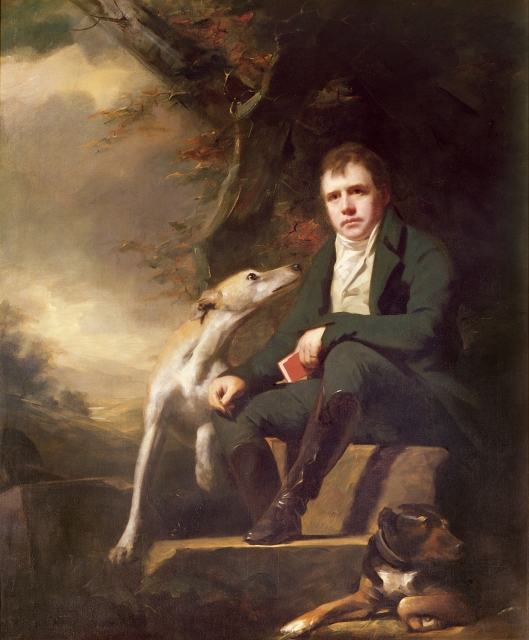
image1raeburnscott.jpg

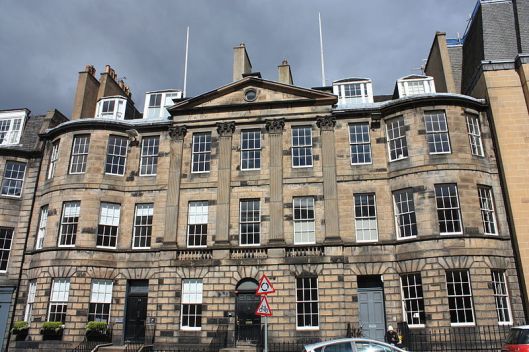
Trained to become a lawyer, Scott had lived for some years in several houses in Edinburgh, for much of his later life at Number 39, North Castle Street–

image2ncastlestreet.jpg

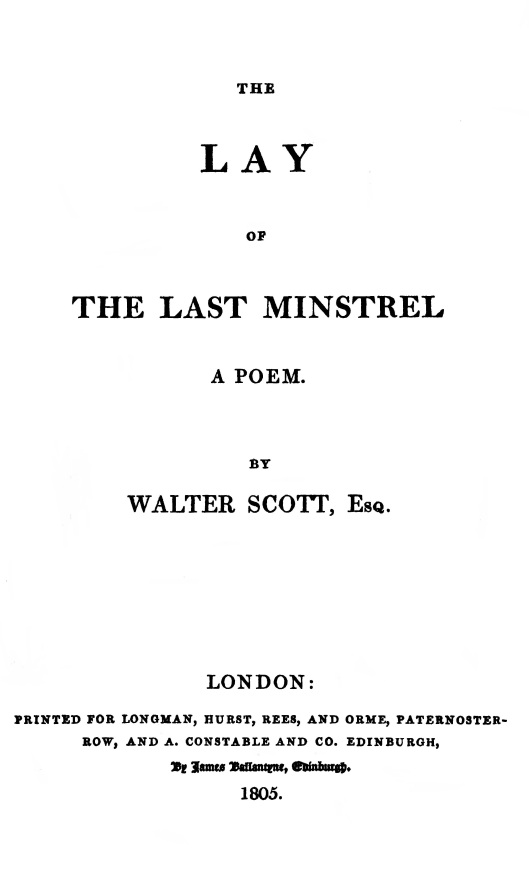
Although he began his rise to literary fame with the publication of The Lay of the Last Minstrel, a long poem, in 1805,

image3layfirstedition.jpg

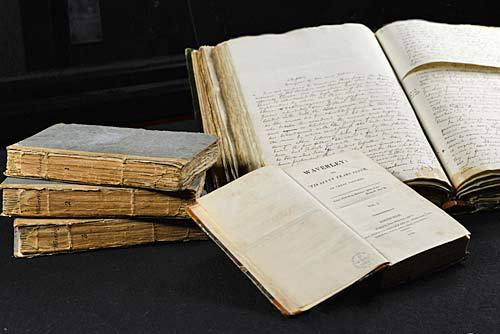
money began to pour in with his first novel, Waverley, published anonymously, in 1814.

image4waverley.jpg

(What a great illustration, by the way—both the first edition and the manuscript.)

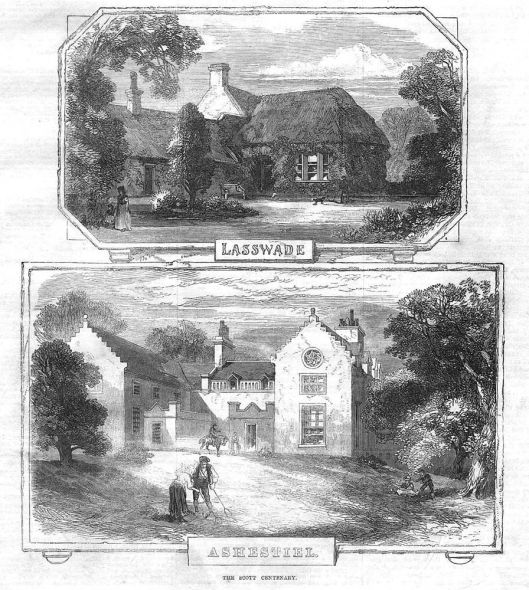
Because his legal work required him to have a residence outside Edinburgh, Scott had rented this, at Ashestiel, from 1804-1811.

image5ashestiel.jpg

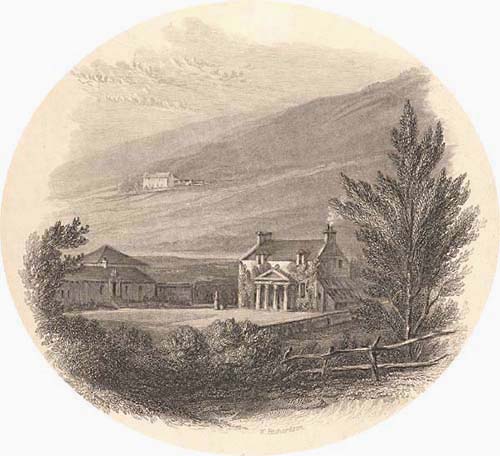
When the lease was up, he then invested in this rather modest farm house at what was called “Cartley Hole”, which locals called “Clarty Hole”, “clarty” being a Scots word for “mucky”, suggesting that our illustration is prettier than the actual place.
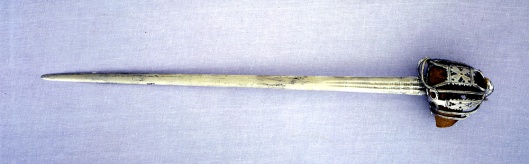
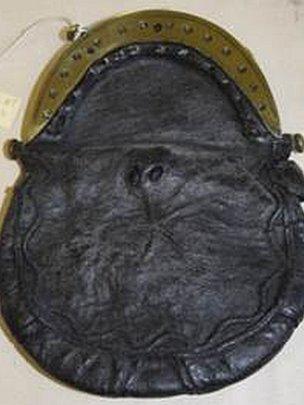
image6cartleyholefarm.jpg

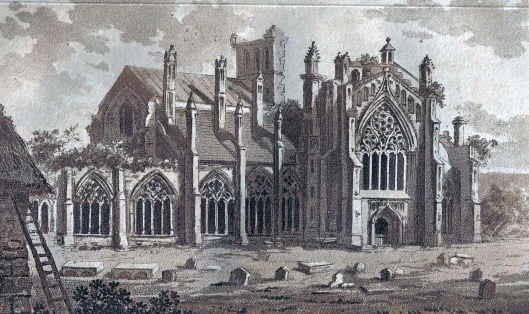
More commercially successful novels and an eventual baronetcy gave Scott grander ideas and he began to rebuild—and rebuild—the house, as well as changing its name to the more dignified “Abbotsford”, as it was near the ruins of the 12th-century Melrose Abbey.

image7melroseabbey.jpg

“Bigger” at this time might have meant something Georgian, like this—

image8nostellpriory.jpg

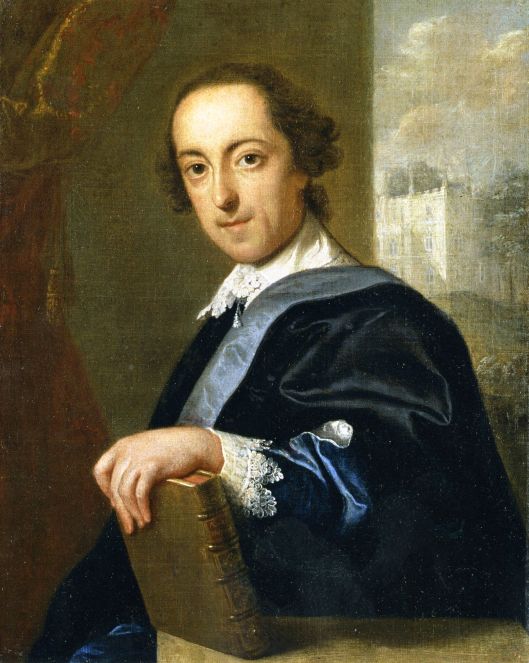
but Scott, no doubt influenced by the Gothic ideas of people like Horace Walpole

image9hw


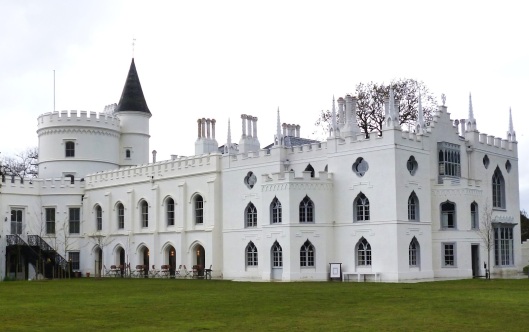
and his Strawberry Hill

image10strawberryhill.JPG

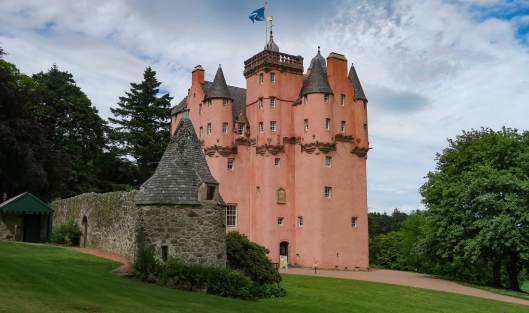
fixed upon a design which, in time, was not only bigger, but Gothic—and Scottish, in the style called “Scottish Baronial”, like this castle at Craigievar, completed in 1626.

image11craigievar.jpg

In a way, such a choice makes sense:  many of his novels have Scots locations and they made him wealthy enough to build such a place.

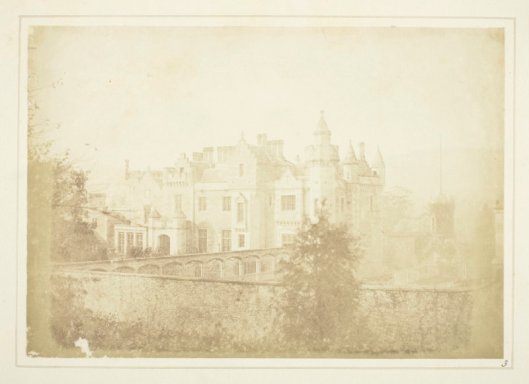
image12hftabbotsford.jpg

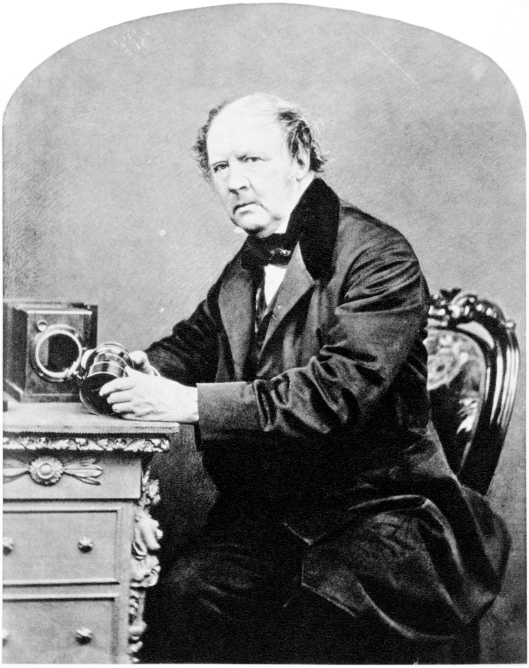
This is perhaps the first photographic image of Abbotsford.  It dates from 1844 and is by the English inventor, as far as we currently know, of photography, Henry Fox Talbot.

image13talbot.jpg

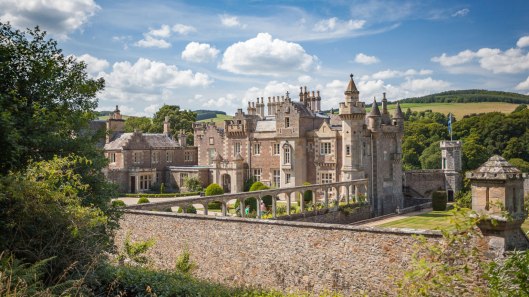
And here is a modern image.

image14abbotsford.jpg

The outside of Abbotsford is striking enough, but it’s what’s inside which made us think of a Mathom-house.

There is seemingly an endless “store of weapons”.

image15armory.JPG

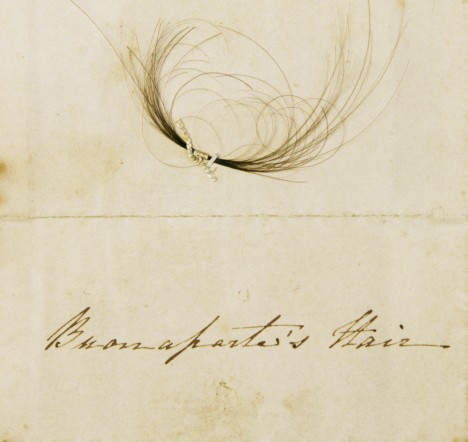
And then there are all of those other things.  A lock of Napoleon’s hair.

image16nappy.jpg

image17nappy'shair.jpg

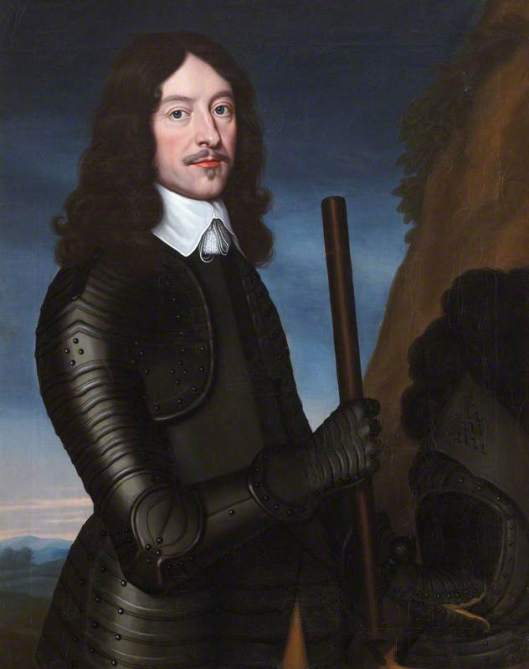
The sword of a 17th-century Scottish hero, the Marquis of Montrose.

image18montrose.jpg

image19montrosesword.jpg

The sporran (purse) of that early-18th century Highland legend, Rob Roy MacGregor.

image20sporran.jpg

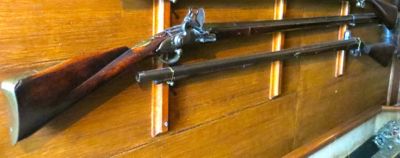
(Scot also believed he had Rob Roy’s musket.)image21rrsmusket.jpg

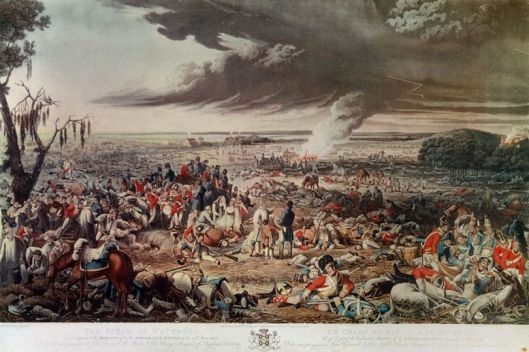
And even souvenirs he had picked up from the battlefield of Waterloo, which he had visited only a short time after the battle.

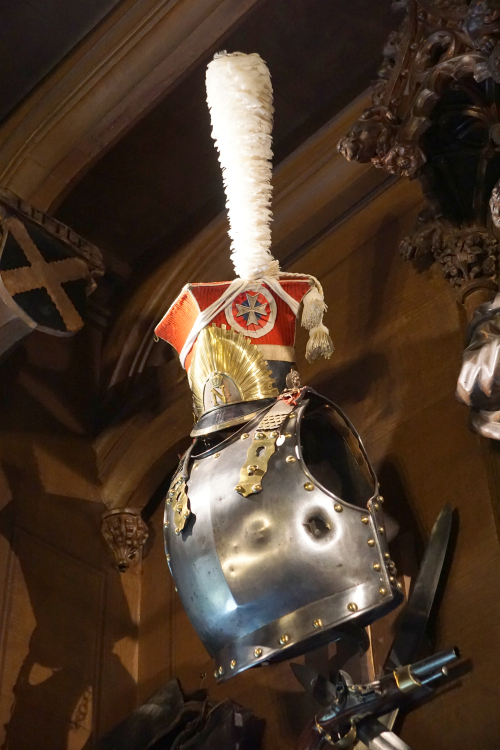
image22waterloo.jpg

image23cuirass.jpg

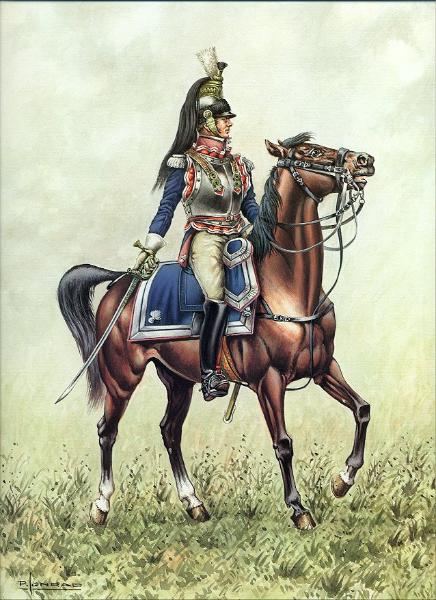
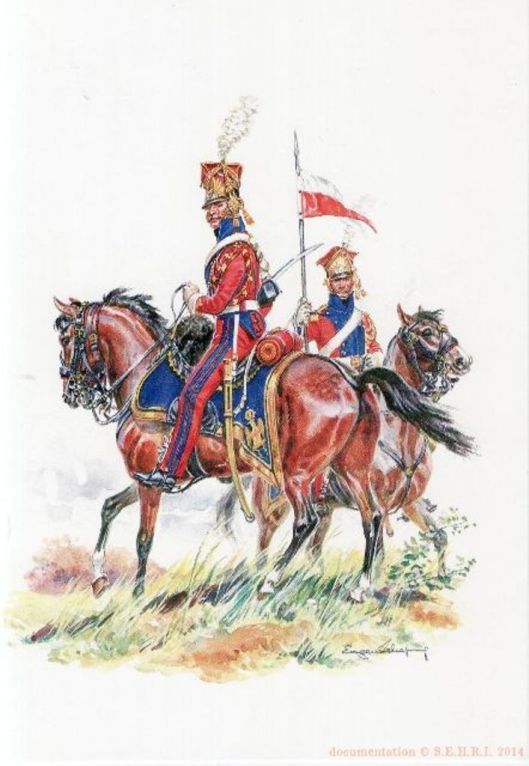
Note the hole in the breastplate—and also that the  headgear with it (a czapska) belongs not to the man who would have worn the breastplate, a cuirassier,

image24cuirassier.jpg

but to a French/Polish lancer

image25lancer.jpg

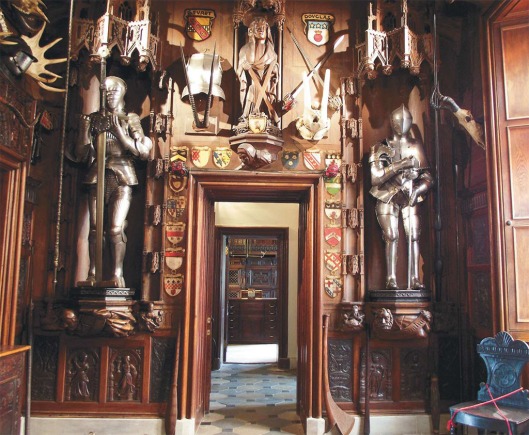
With all of these trophies tacked onto every possible surface—including full suits of armor–

image26armor.jpg

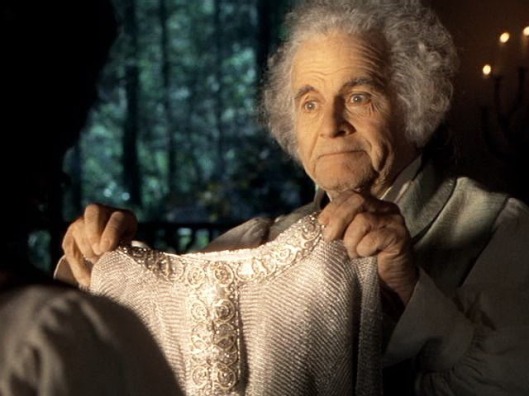
we wouldn’t be surprised to see a rather familiar object, ancient, famous, which we are told “was arranged on a stand in the hall (until he lent it to a Museum)”—would you?

image27mithril.jpg

Thanks, as ever, for reading.

MTCIDC

CD

PS

Abbotsford was opened to visitors within a few months of Scott’s death.  Among those tourists were Queen Victoria and Prince Albert.

image28avicandalbie.jpeg

They liked the place so much that, when they decided that they needed a little place in the country, Abbotsford would be one of their models.

image28balmoral.JPG

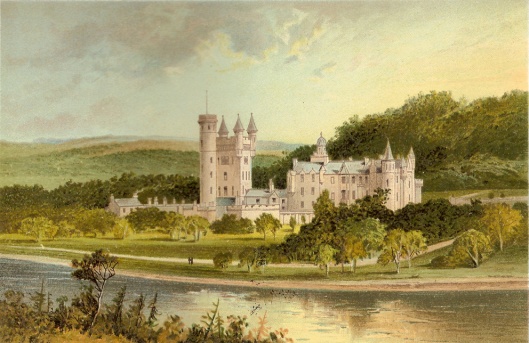
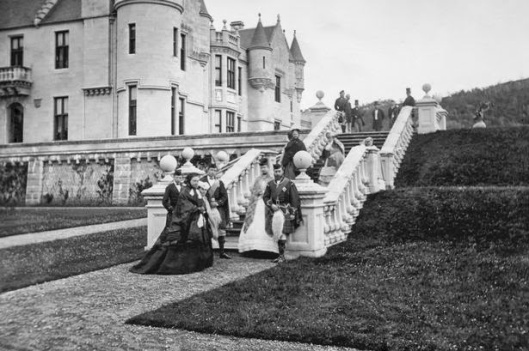
Long after Albert’s death in 1861, the Queen continued to pay a yearly visit to Balmoral.

image29vicatbalmoral.jpg

PPS

If you’d be interested in seeing Abbotsford as an early 20th-century tourist might have seen it, here’s a LINK to Beautiful Britain:  Abbotsford (1912).


Lost in Space

24 Wednesday Jan 2018

Posted by Ollamh in Films and Music, Heroes, Narrative Methods

≈ Leave a comment

Tags

character development, Episode VIII, Film Review, Sam Gamgee, Star Wars, The Last Jedi, The Lord of the Rings

Welcome, as always, dear readers.
When you think about Sam, what do you know about him and how do you know?
The first mention of the character is almost a footnote. The narrator is actually talking about Ham Gamgee “commonly known as the Gaffer” (a dialect form of “grandfather”):
“Now that he was himself growing old and stiff in the joints, the job was mainly carried on by his youngest son, Sam Gamgee. Both father and son were on very friendly terms with Bilbo and Frodo. They lived on the Hill itself, in Number 3 Bagshot Row just below Bag End.” (The Fellowship of the Ring, Book One, Chapter 1, “A Long-Expected Party”)
The Gaffer has been gossiping in The Ivy Bush, mostly in response to conversation about Bilbo and Frodo and he’s attempting to quell a rumor that Bag End is stuffed with jewels and gold and says of its riches:
“But my lad Sam will know more about that. He’s in and out of Bag End. Crazy about stories of the old days, he is, and he listens to all Mr. Bilbo’s tales. Mr. Bilbo has learned him his letters—meaning no harm, mark you, and I hope no harm will come of it.

‘Elves and Dragons! I says to him. Cabbages and potatoes are better for me and you. Don’t go getting mixed up in the business of your betters or you’ll land in trouble too big for you, I says to him.’ ”
So, in about three pages we know:
1. a little about Sam’s family (he is unmarried and lives with an elderly father)
2. his job (assistant gardener)
3. his social class (lower—Gaffer’s speech pattern and word choices indicate “rustic”, as does his talking to Sam about his “betters”)
4. where he lives (as a servant in this semi-feudal world would be expected to, below his master, but near)
5. his interests (“the old days”)
6. his education (he’s literate—and The Gaffer’s “meaning no harm” suggests that this is unusual, at least among his social class)
7. his character (imaginative: “crazy about stories”; perhaps independent-minded—he continues to be enthusiastic about such things even though his father cautions him against them)
In the many chapters to come, we will learn much more about Sam—his practicality, his inner toughness, his flexibility, his ability to stay grounded in the worst circumstances, and that inner resolve which keeps the two hobbits going, even to what appeared to be a terrible end:
“ ‘So that was the job I felt I had to do when I started,’ thought Sam: ‘to help Mr. Frodo to the last step and then die with him. Well, if that is the job then I must do it.’
But even as hope died in Sam, or seemed to die, it was turned to a new strength. Sam’s plain hobbit-face grew stern, almost grim, as the will hardened in him, and he felt through all his limbs a thrill, as if he was turning into some creature of stone and steel that neither despair nor weariness nor endless barren miles could subdue.” (The Return of the King, Book Six, Chapter 3, “Mount Doom”)
It’s not surprising, then, that Galadriel, with an eerie foresight, has given him the means to help the Shire heal from the terrible industrializing wounds of Sharkey & Co.:
“So Sam planted saplings in all the places where specially beautiful or beloved trees had been destroyed, and he put a grain of the precious dust in the soil at the root of each. He went up and down the Shire in this labour…And at the end he found that he still had a little of the dust left; so he went to the Three-Farthing Stone, which is as near the centre of the Shire as no matter, and cast it in the air with his blessing…” (The Return of the King, Book Six, Chapter 9, “The Grey Havens”)
Recently, we’ve seen Star Wars 8: The Last Jedi. After 7, we were not eager. We are not among those who hold that 4, 5, and 6 are the canon, although we see characters there—particularly Luke and Han—grow over time into people we include in our list of adventure-friends, like Robin Hood and David Balfour and Indiana Jones. We think that George Lucas, having developed the story of Luke and his father, was curious to see if he could reach back in time and show how Anakin Skywalker became Darth Vader, a daring and ambitious project, since, until his attack on the Emperor, Vader seemed less than sympathetic as a character.
For us, the main problem with 7 was that there seemed to be too many characters constantly flying to to too many planets, with no real attempt to develop them. Granted, JRRT had hundreds of pages and as many hours as his readers were willing to grant him to turn out characters like Sam, luxuries a film-maker is denied. At the same time, consider the opening sequence: a mysterious pilot lands on a mysterious planet which is then attacked by people who resemble the storm troopers of 4/5/6. The mysterious pilot is given something by a mysterious elderly man. Then a storm trooper mysteriously deserts his companions after finding one a casualty. And so it goes on. By the end of the film, we had a cast which included (for a short time, at least) old friends: Chewy, Han, and Leia (with minor roles for droids), plus a number of new characters who did not appear to us to be anchored in anything, just there to sustain the action. Who were they? Who knew? And, sadly, for us, who then cared? We had hopes for Rey (although the joke that she is a “Rey/Ray of Hope” is pretty obvious) and still do, but, with nothing to ground them, why, we asked ourselves, should we invest emotionally in FN-2187 and Poe (whose name is just a little too close to “Pooh”—or “Poo” for our taste)?
And then there came 8. It began as 5—evacuation from a newly-discovered base, but without the wampa or those impressive ATATs (even if snow speeders can find weaknesses in them). And then we see the unexplained Poe (the mysterious pilot in 7) once more and soon the unexplained FN-2187 (the mysterious deserter in 7) who, in turn, is soon joined by the unexplained Rose. (In time, we’ll also see the unexplained DJ, although we can’t recall that we were ever given his name, which says something about his development in the story. Why is he in the lock-up? When he betrays FN-2187 and Rose, when did he have the occasion to have set up the betrayal beforehand? And why does he occasionally stutter?) To which we add the unexplained Captain Phasma, who had a brief unexplained appearance in the previous film. (And who in the world is Snoke? And how does he come to fill in for Palpatine? We also wonder, considering the condition of his face, what happens when he eats popcorn—does it get wedged in the cracks or does it all fall out of one cheek?)
We swear by 4/5/6 and, though they are weaker films, we still believe 1/2/3 to be an important part of the story, but what we feel has happened in 7 and even more so in 8, is that character development has been sacrificed for action: instead of seeing more of who they are and why, we are too often shown what they do and this is somehow thought to be the same. Perhaps part of the point of 9 will be to explain at least some of what’s missing from 7 and 8, but imagine seeing Sam through the first five books of The Lord of the Rings simply as somebody who carries the pots and pans (and rope), then, suddenly, in Book Six, becomes the figure we have watched grow through the first five—would you believe in him and would you care?
Thanks, as always, for reading!
MTCIDC
CD
ps
We’ve had so much discussion about this that we plan a second review to follow.


In Shining Armo(u)r

17 Wednesday Jan 2018

Posted by Ollamh in Artists and Illustrators, Heroes, J.R.R. Tolkien, Literary History, Military History, Military History of Middle-earth, Narrative Methods, The Rohirrim, Tolkien

≈ Leave a comment

Tags

Agincourt, Anglo-Saxon, armor, Bayeux Tapestry, chain-mail, Crecy, Dark Ages, Embroidery, Howard Pyle, knights of Dol Amroth, Medieval books, medieval manuscript drawings, N.C. Wyeth, Norman knight, Pauline Baynes, Romans, sub-Roman period, Sutton Hoo, The Lord of the Rings, The Rohirrim, The Story of King Arthur and His Knights, Tolkien

Welcome, as always, dear readers.

In a letter to Miss [Rhona] Beare, of 14 October, 1958, JRRT wrote to answer what was clearly a question about dress in The Lord of the Rings:

“Question 4.  I do not know the detail of clothing.  I visualize with great clarity and detail scenery and ‘natural’ objects, but not artefacts.  Pauline Baynes drew her inspiration for F. Giles largely from medieval MS drawings—except for the knights (who are a bit ‘King-Arthurish’)* the style seems to fit well enough.” (Letters, 280)

To which he adds this footnote:

“*Sc. [= “Know/understand”] belong to our ‘mythological’ Middle-Ages which blends unhistorically styles and details ranging over 500 years, and most of which did not of course exist in the Dark Ages of c. 500 A.D.”

In the next paragraph he adds:

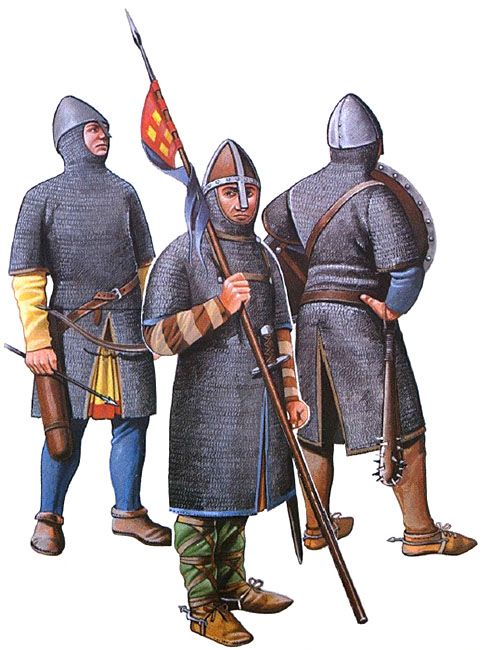
“The Rohirrim were not ‘mediaeval’, in our sense.  The styles of the Bayeux Tapestry (made in England) fit them well enough, if one remembers that the kind of tennis-nets [the] soldiers seem to have on are only a clumsy conventional sign for chain-mail of small rings.” (Letters, 280-281)

The Bayeux Tapestry (which should really be called the “Bayeux Embroidery”, since it’s actually a long piece of cloth with hundreds of figures and details stitched on to it, rather than woven into it) presents us with a detailed history of the invasion of England in 1066AD.  The soldiers Tolkien is talking about look like this:

image1knights.jpg

You can see what he means by “tennis-nets”—which should really look like this:

image2normans.jpg

That chain-mail, then, looks like this:

image3mailshirt.jpg

And, at the bottom of this next illustration, you can see how it’s made:

image4mailnorman.jpg

We know, then, how JRRT envisaged the Rohirrim in its eoreds, marching towards Minas Tirith, but how did he imagine other soldiers, we’ve asked ourselves, and, in particular, the knights of Dol Amroth—the only soldiers specifically described as such in The Lord of the Rings?

image5map.jpg

JRRT writes of them as they enter Minas Tirith:

“And last and proudest, Imrahil, Prince of Dol Amroth, kinsman of the Lord, with gilded banners bearing his token of the Ship and the Silver Swan, and a company of knights in full harness riding grey horses…”(The Return of the King, Book Five, Chapter 1, “Minas Tirith”)

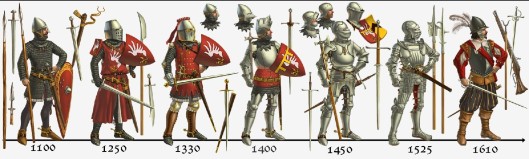
“Full harness” means “complete armor”.  When we think of the term, we think of something later than the Normans, who are, after all, just wearing a kind of very long ringed shirt.  Here’s a useful chart to give you of an idea of what we mean.

image6aarmorchart.jpg

So, since “full harness” doesn’t look like the Rohirrim, how might it look?

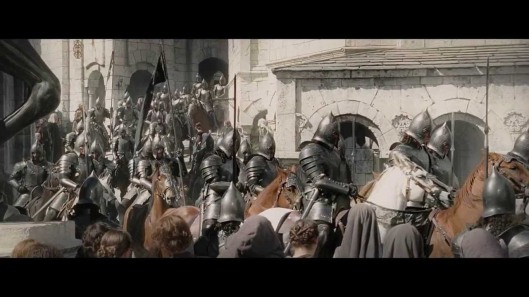
In Jackson’s films, we don’t believe that we ever see those knights singled out, as we see the Rohirrim.  The best we could find was this picture of Faramir’s men about to mount a cavalry charge against what appears to be Osgiliath.  (We’ve talked about this in a much earlier posting—one of the most unbelievable moments in the whole of Jackson’s work.)

image6knightsmt.jpg

This is a big picture, but the details, unfortunately, aren’t very clear.  There are a few things, however, which we found rather odd:

  1. although there appear to be a few lances with penons among them, most seem to be armed only with swords—a close-up weapon—which is why actual knights also carried lances—heavy cavalry came crashing down on infantry or slamming into enemy mounted men—or intended to—spearing right and left and then drawing swords (or using maces or battle axes)
  2. a minor detail, but everyone seems to be wearing his sword on the right-hand side, which would have made it very hard to draw, unless all were left-handed men!
  3. the helmets and armor seem very standardized, and we would believe that budgetary considerations probably influenced this uniformity—50 identical helmets were probably cheaper to make than 50 different ones—but such sameness reminds us more of Roman imperial troops than of any western medieval army we can think of.

image7romans.jpg

We assume, then, that this is the film’s view of soldiers at least like Imrahil’s men, but when Tolkien wrote “a company of knights in full harness”:  what might he have had in mind?  We think there is a clue in that adjective “King-Arthurish”, which he uses of Pauline Bayne’s illustrations and in his footnote, where he refers to “our ‘mythological Middle-Ages”. What does he mean?

JRRT would have been about ten when Howard Pyle published his The Story of King Arthur and His Knights in 1903.

image8pyle.png

Here is how Pyle saw Arthur’s knights.

image9aknightimage10asknights

Could this have inspired Tolkien’s view of Imrahil’s men?  (Judge for yourself by following this LINK.)

Tolkien would have been nearly 30 when The Boy’s King Arthur, illustrated by N.C. Wyeth, was published in 1922,

Image result for the boy's king arthur

but, if this were in among his children’s books, perhaps these illustrations might have given him ideas.  (And here’s a LINK to your own copy, from the Internet Archive.)

image12wyeth.jpgimage13wyeth.jpgimage14wyeth.jpg

These are two well-known sets of illustrations of Arthurian figures, both available in Tolkien’s early lifetime.  If Arthur was real, of course, he would have lived, as JRRT was well aware, in what is called the “sub-Roman period”, c.500AD—at the beginning of the so-called “Dark Ages”– and he and his men would actually have looked like this:

image15arthur.jpg

But this is where “our ‘mythological’ Middle-Ages” comes in—little would have been known, when JRRT was writing The Lord of the Rings, of what such warriors would have looked like, although the spectacular Sutton Hoo find of 1939, with its splendid helmet, would have given an inkling, once restored.

image16suttonhoo.jpg

image17suttonhoohelmet.jpg

image18mcbhelm.jpg

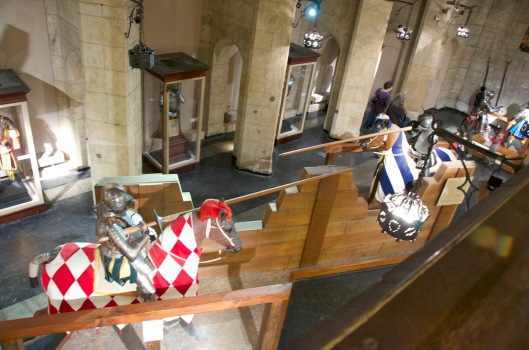
Because such knowledge was lacking, however, the historical Arthur (if there was one) had been moved to the Middle-Ages and re-equipped as a military figure of a much later era, and we believe that, when Tolkien wrote “Arthurish” and “knights”, this is what he meant—and how we’ve always seen Arthur, not only from books (and lots of films) but also from the armor galleries in a number of museums, from the Metropolitan Museum of Art in New York

image24.jpg

to the Higgins Armory in Massachusetts

image25.jpg

to the Philadelphia Museum of Fine Arts

image26.jpg

to the Tower of London.

image27tower.jpg

And, as we’ve discussed before, Prince Valiant, has been an influence from childhood (talk about ‘mythological’ Middle-Ages!).

image28val.jpg

And so, in turn, we imagine—and we think that JRRT did, too–the “company of knights in full harness” to have been individuals, brightly clothed in heraldic colors, their armor that, perhaps, of Crecy, in 1346—

image29crecy.jpg

or Agincourt, in 1415.

image30agincourt.jpg

And you, dear readers, what do you think?

Thanks, as ever, for reading!

MTCIDC

CD

← Older posts
Newer posts →

The Doubtful Sea Series Facebook Page

The Doubtful Sea Series Facebook Page

  • Ollamh

Categories

  • Artists and Illustrators
  • Economics in Middle-earth
  • Fairy Tales and Myths
  • Films and Music
  • Games
  • Heroes
  • Imaginary History
  • J.R.R. Tolkien
  • Language
  • Literary History
  • Maps
  • Medieval Russia
  • Military History
  • Military History of Middle-earth
  • Narnia
  • Narrative Methods
  • Poetry
  • Research
  • Star Wars
  • Terra Australis
  • The Rohirrim
  • Theatre and Performance
  • Tolkien
  • Uncategorized
  • Villains
  • Writing as Collaborators
Follow doubtfulsea on WordPress.com

Across the Doubtful Sea

Recent Postings

  • Towering January 28, 2026
  • Tolkien Among the Indians January 21, 2026
  • Thin and Stretched January 14, 2026
  • Through a glass… January 7, 2026
  • Heffalumps? December 31, 2025
  • We Three Kings December 24, 2025
  • A Moon disfigured December 17, 2025
  • On the Roads Again—Once More December 10, 2025
  • (Not) Crossing Bridges December 3, 2025

Blog Statistics

  • 105,537 Views

Posting Archive

  • January 2026 (4)
  • December 2025 (5)
  • November 2025 (4)
  • October 2025 (5)
  • September 2025 (4)
  • August 2025 (4)
  • July 2025 (5)
  • June 2025 (4)
  • May 2025 (4)
  • April 2025 (5)
  • March 2025 (4)
  • February 2025 (4)
  • January 2025 (5)
  • December 2024 (4)
  • November 2024 (4)
  • October 2024 (5)
  • September 2024 (4)
  • August 2024 (4)
  • July 2024 (5)
  • June 2024 (4)
  • May 2024 (5)
  • April 2024 (4)
  • March 2024 (4)
  • February 2024 (4)
  • January 2024 (5)
  • December 2023 (4)
  • November 2023 (5)
  • October 2023 (4)
  • September 2023 (4)
  • August 2023 (5)
  • July 2023 (4)
  • June 2023 (4)
  • May 2023 (5)
  • April 2023 (4)
  • March 2023 (5)
  • February 2023 (4)
  • January 2023 (4)
  • December 2022 (4)
  • November 2022 (5)
  • October 2022 (4)
  • September 2022 (4)
  • August 2022 (5)
  • July 2022 (4)
  • June 2022 (5)
  • May 2022 (4)
  • April 2022 (4)
  • March 2022 (5)
  • February 2022 (4)
  • January 2022 (4)
  • December 2021 (5)
  • November 2021 (4)
  • October 2021 (4)
  • September 2021 (5)
  • August 2021 (4)
  • July 2021 (4)
  • June 2021 (5)
  • May 2021 (4)
  • April 2021 (4)
  • March 2021 (5)
  • February 2021 (4)
  • January 2021 (4)
  • December 2020 (5)
  • November 2020 (4)
  • October 2020 (4)
  • September 2020 (5)
  • August 2020 (4)
  • July 2020 (5)
  • June 2020 (4)
  • May 2020 (4)
  • April 2020 (5)
  • March 2020 (4)
  • February 2020 (4)
  • January 2020 (6)
  • December 2019 (4)
  • November 2019 (4)
  • October 2019 (5)
  • September 2019 (4)
  • August 2019 (4)
  • July 2019 (5)
  • June 2019 (4)
  • May 2019 (5)
  • April 2019 (4)
  • March 2019 (4)
  • February 2019 (4)
  • January 2019 (5)
  • December 2018 (4)
  • November 2018 (4)
  • October 2018 (5)
  • September 2018 (4)
  • August 2018 (5)
  • July 2018 (4)
  • June 2018 (4)
  • May 2018 (5)
  • April 2018 (4)
  • March 2018 (4)
  • February 2018 (4)
  • January 2018 (5)
  • December 2017 (4)
  • November 2017 (4)
  • October 2017 (4)
  • September 2017 (4)
  • August 2017 (5)
  • July 2017 (4)
  • June 2017 (4)
  • May 2017 (5)
  • April 2017 (4)
  • March 2017 (5)
  • February 2017 (4)
  • January 2017 (4)
  • December 2016 (4)
  • November 2016 (5)
  • October 2016 (6)
  • September 2016 (5)
  • August 2016 (5)
  • July 2016 (5)
  • June 2016 (5)
  • May 2016 (4)
  • April 2016 (4)
  • March 2016 (5)
  • February 2016 (4)
  • January 2016 (4)
  • December 2015 (5)
  • November 2015 (5)
  • October 2015 (4)
  • September 2015 (5)
  • August 2015 (4)
  • July 2015 (5)
  • June 2015 (5)
  • May 2015 (4)
  • April 2015 (3)
  • March 2015 (4)
  • February 2015 (4)
  • January 2015 (4)
  • December 2014 (5)
  • November 2014 (4)
  • October 2014 (6)
  • September 2014 (1)

Blog at WordPress.com.

  • Subscribe Subscribed
    • doubtfulsea
    • Join 78 other subscribers
    • Already have a WordPress.com account? Log in now.
    • doubtfulsea
    • Subscribe Subscribed
    • Sign up
    • Log in
    • Report this content
    • View site in Reader
    • Manage subscriptions
    • Collapse this bar
 

Loading Comments...