As ever, dear readers, welcome.
Way back in 2024, I gave myself the task of reading the whole of the massive work with several titles like “The Thousand Nights and One Night” and “The Arabian Nights”. (See “Arabian Nights for Days”, 31 January, 2024)
This is massive because, each night, for 1001 nights, Sharahzad, so the story goes, begins a new story to keep the misogynistic sultan from beheading her.
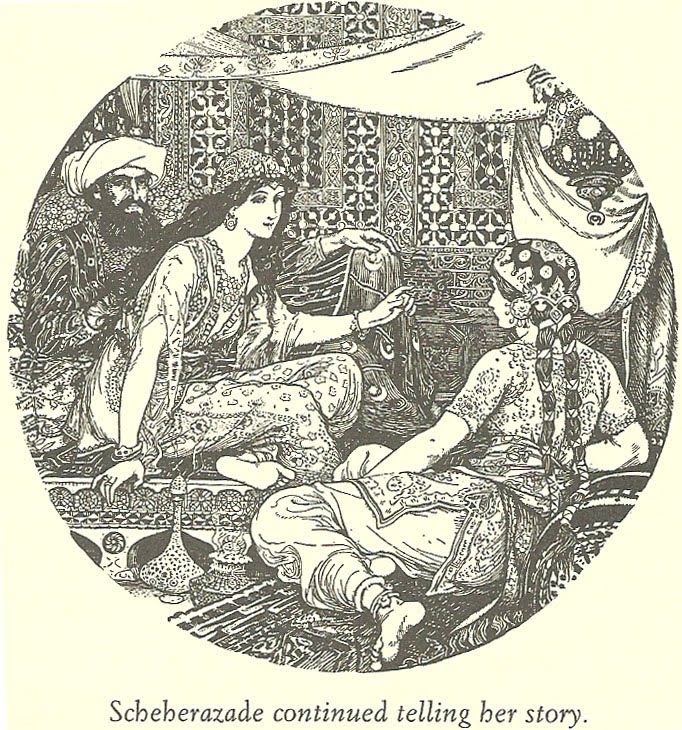
Each story leads to another, maintaining the monstrous sultan’s curiosity until he finally allows her to live–which is actually a very clever way to put together such a gigantic collection—and to maintain the reader’s curiosity, as well.
Before I began, I read Robert Irwin’s introductory volume—
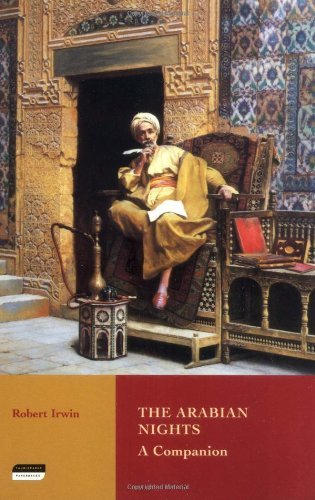
which, even if you don’t go on to do as I did, I would recommend just as an excellent summary of the work and its background.
Having done so, I then tackled Volume 1 of the Penguin 3-volume set.
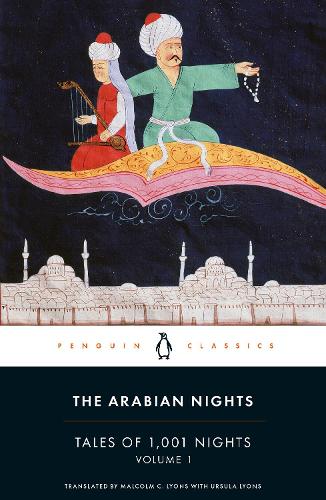
There are a fair number of translations in English, some of them employing very unusual language, such as the. Sir Richard Burton’s,
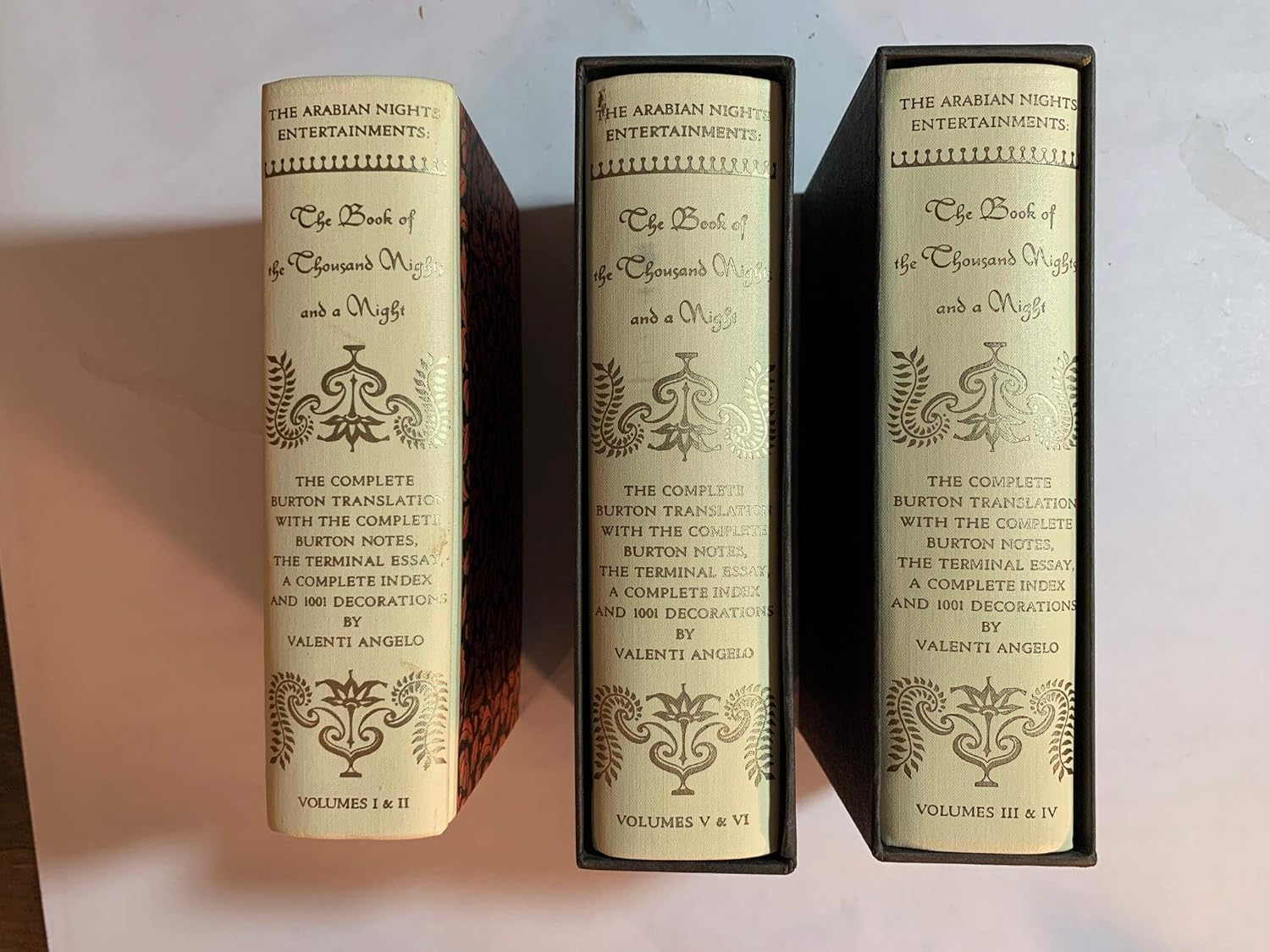
but the Penguin seemed the best choice, using Irwin as a guide.
And Irwin provided a very encouraging beginning, but it was a long read: only up through Night 294 was 928 pages, and there were moments, I confess, when I felt that the story was being dragged out beyond its natural length (Sharahzad seeing the sultan beginning to nod off?), and sometimes there was that motif which would appear again and again through the whole 1001 nights: someone spots a beautiful stranger, immediately falls in love, and then the story spends itself scheming to meet the stranger, meeting the stranger, having difficulties, then finally uniting with the stranger and staying together until Death comes for them (a more realistic “happily ever after” I guess).
I persevered, however, into the second volume.
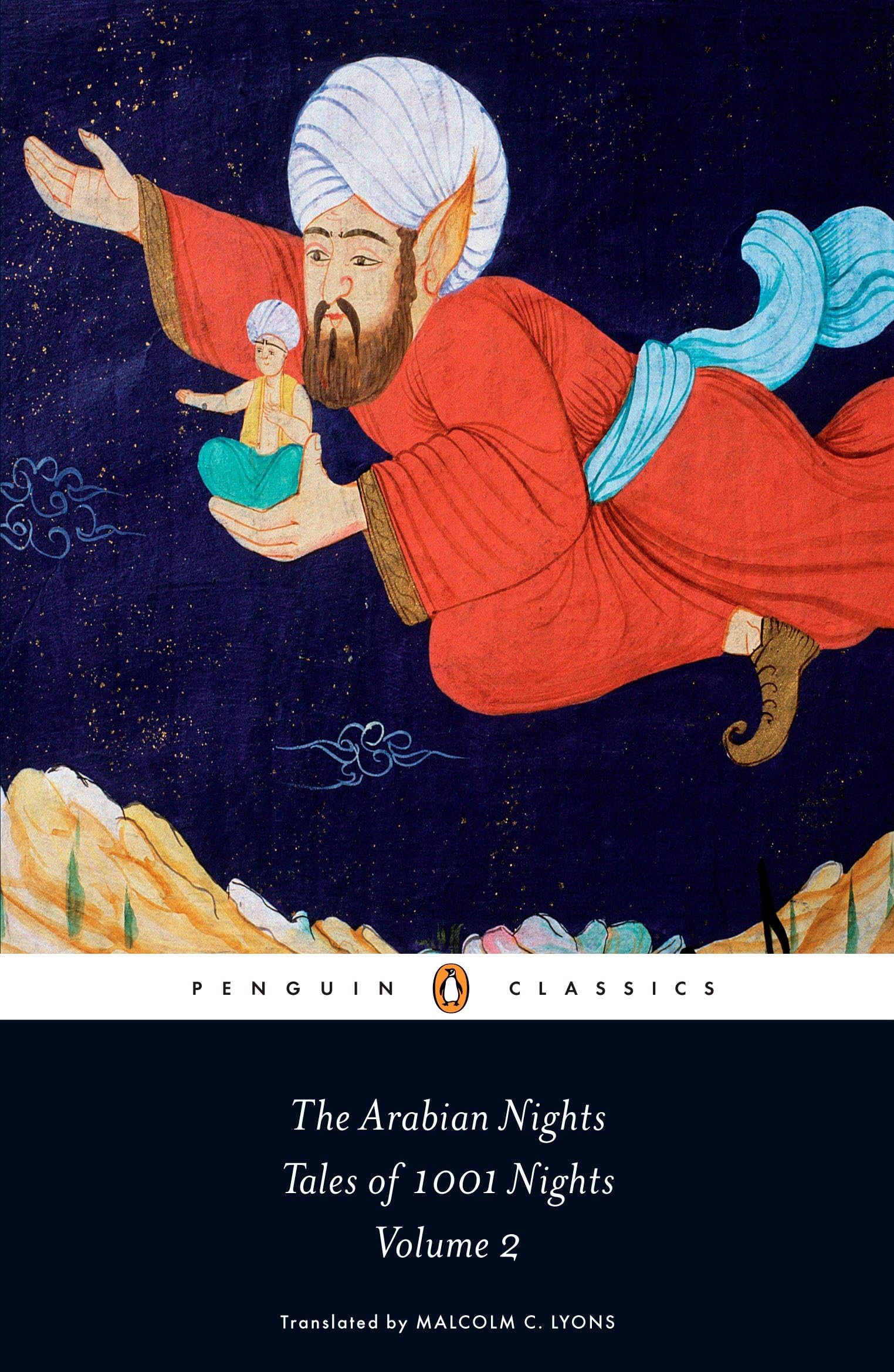
And there I got stuck. It was another 856 pages, bringing me up through Night 719, but somewhere, I think about Night 500, I began to nod off mentally—was it possible to have too many stories? Did there begin to be a certain sameness as this one was shipwrecked and that one was lovelorn and the other was helped by a djinn?
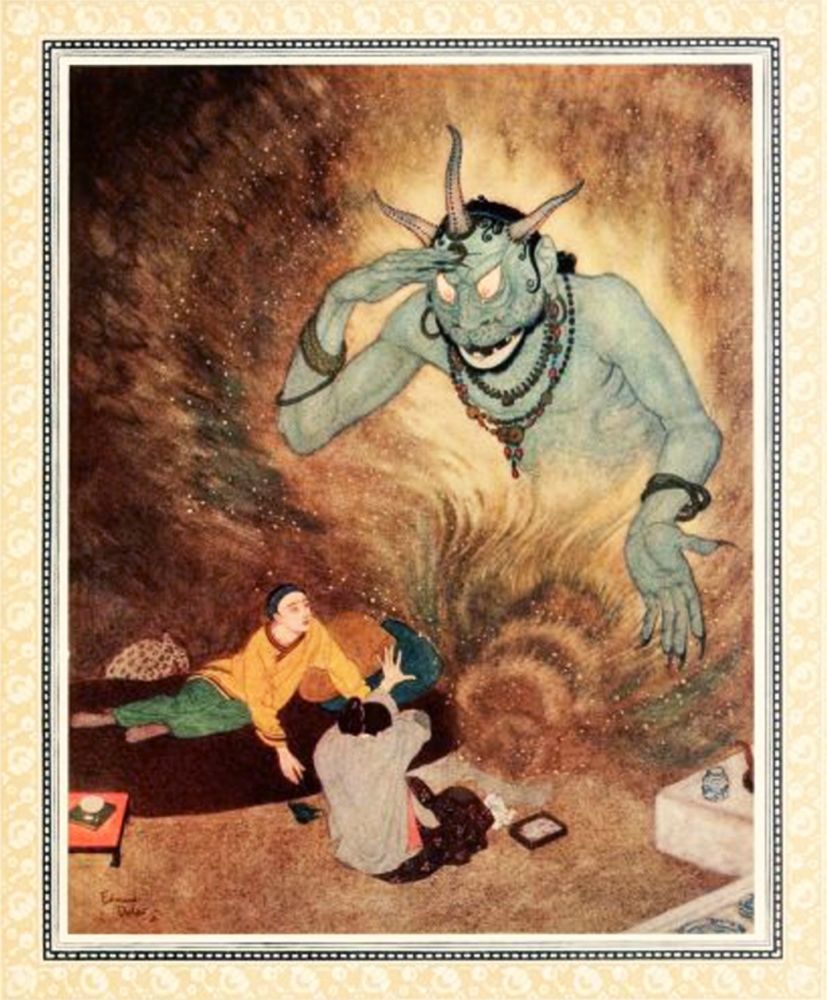
But then the djinn were really interesting. They rarely popped out of lamps,

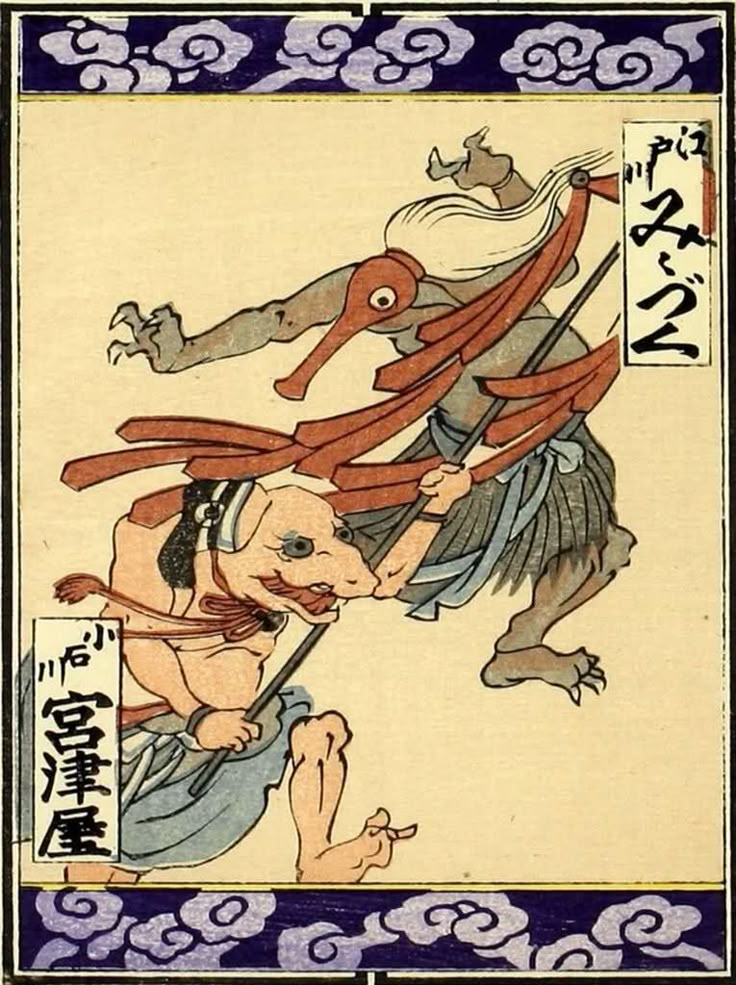
there were male and female, as well as whole tribes, some heathen, some Muslim, all fierce and occasionally at war with each other, who inhabited a world outside our world, but who could interfere or be drawn into human affairs. This reminded me of the world of the Yokai, of Japanese folklore,
or the grimmer folk of the Other World which one sees in the Celtic tradition of the UK and Ireland, in stories like Tam Lin.
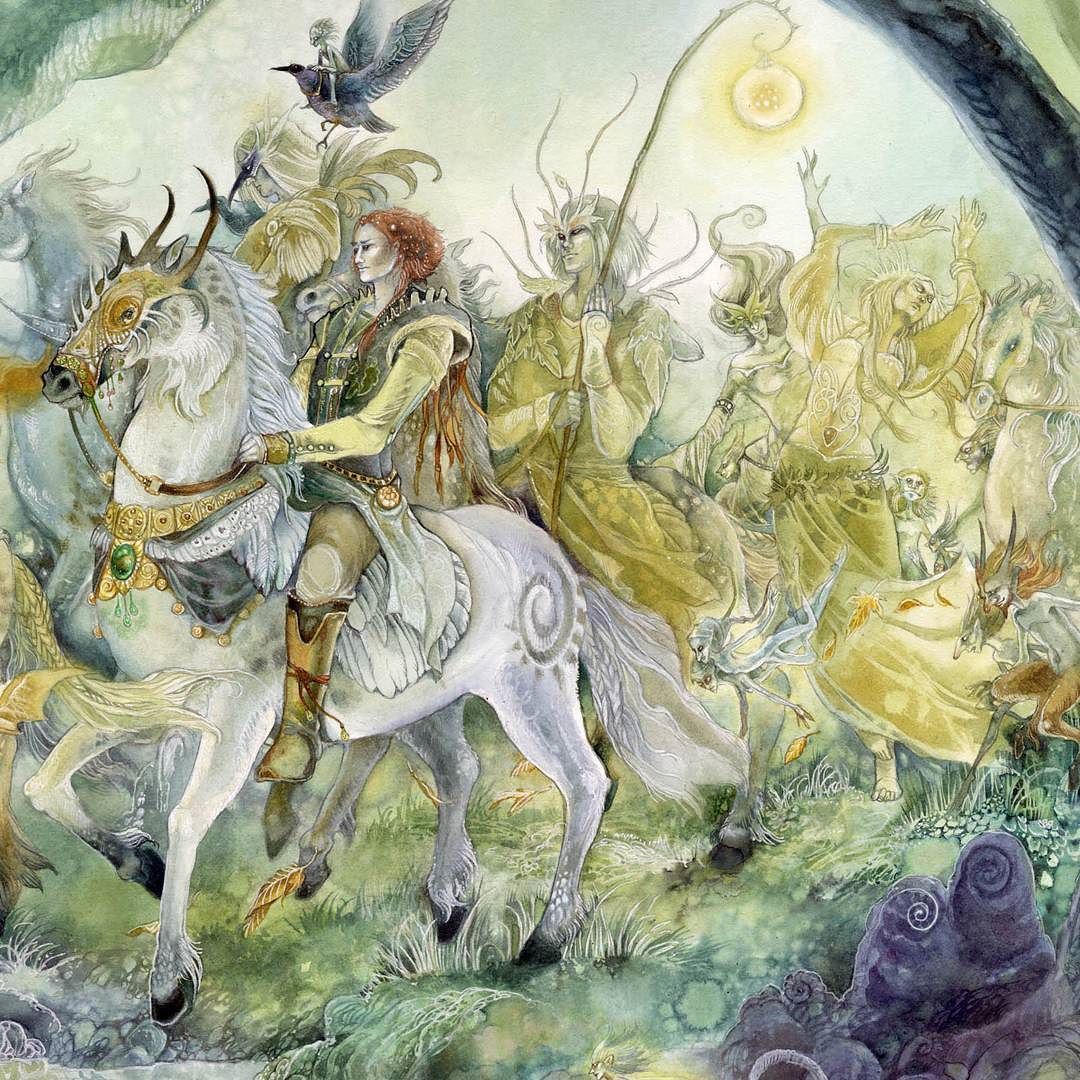
(Stephanie Law–visit her site to see more wonderful fantasy illustrations like this: https://www.shadowscapes.com/page_theartist.php )
Although I thought that sometimes they were a bit too conveniently obliging to humans, they did add a certain spice here and there, loosening the frame of the narrative by their behavior.
Time went on, then, and that second volume, only half-finished, sat on the shelf till this spring. Maybe it was spring itself, but, somehow, I got a second wind, finished the second volume, and galloped through the third,
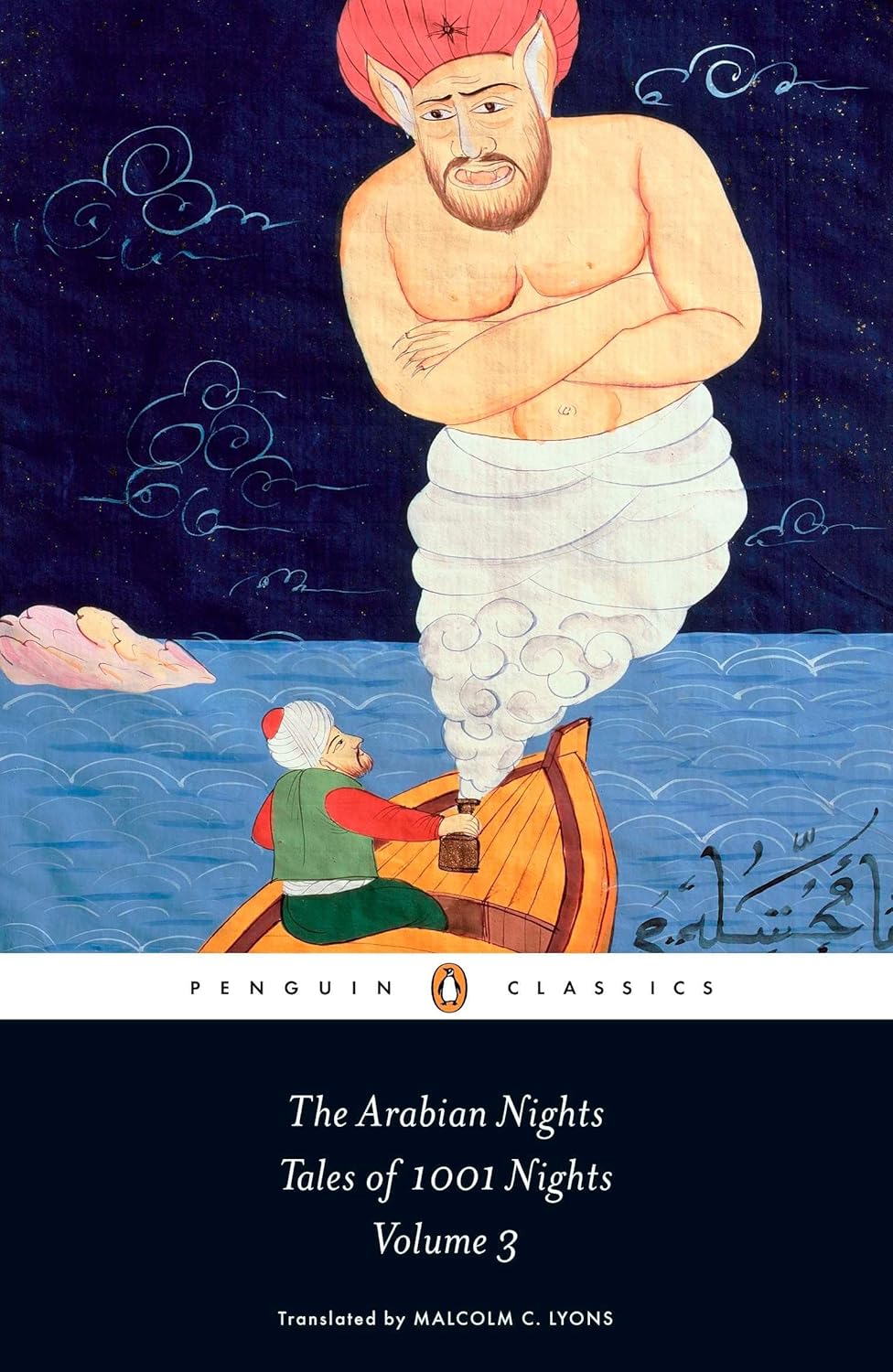
finishing its 734 pages and its 1001st night only the other day. My sigh of relief probably echoed Sharahzad’s,
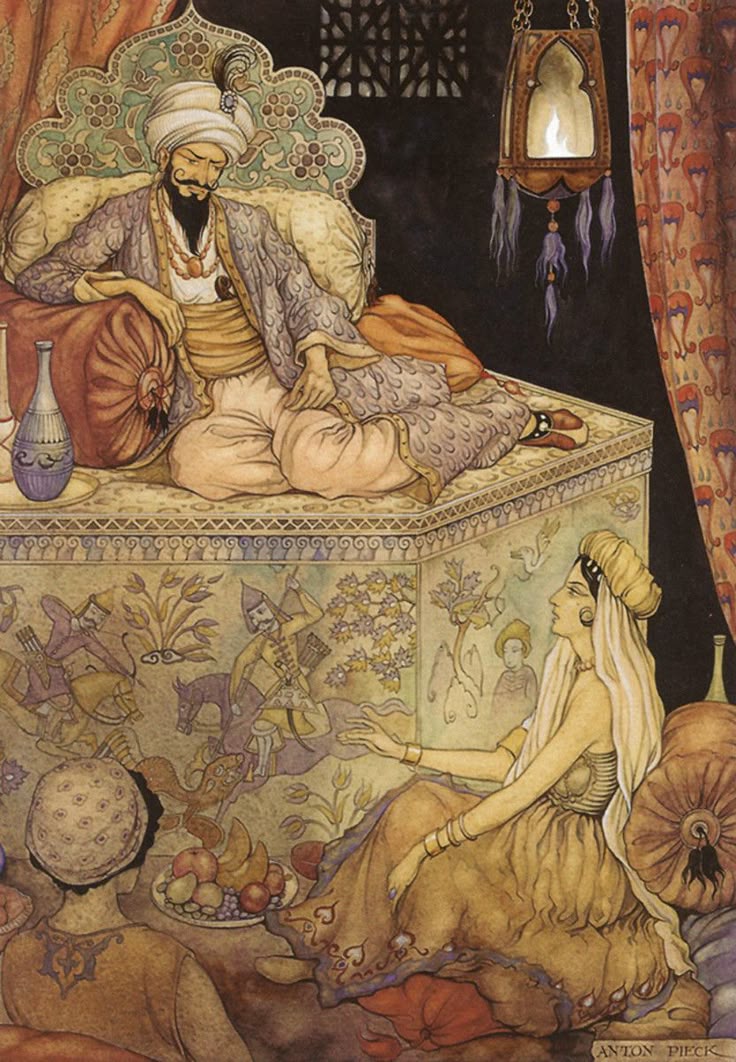
as the violent sultan relented—although, realistically, who could ever trust such a person when it took a 1001 stories and what must have been nearly 3 solid years of telling him stories every night before he did?
But, although grounded in the real medieval Arab world, none of this is realistic, of course, and we never hear Sharahzad mutter to her sister, “About time!” Instead, it’s a very long fairy tale—which brings me to the question you might be asking: was this all worth it?
For myself, I would definitely answer yes. If you read this blog regularly, you know that I love stories of all sorts and am especially interested in how they’re told, whether in the form of song, prose narrative, or illustration, or film, and watching a 1001 stories told over, in my case, at least 2 years, gave me a real sense of the culture, the kind(s) of audience to whom the stories were told, the tastes of the listeners, and the narrative twists which kept the longer story going throughout all of those shorter ones.
Would I recommend picking up the three volumes and doing what I did? I would never say no to a reader, as I believe that what I might not enjoy, others might, and the broadest reading is the best. Perhaps, however, before plunging in, a reader might begin with something like this—
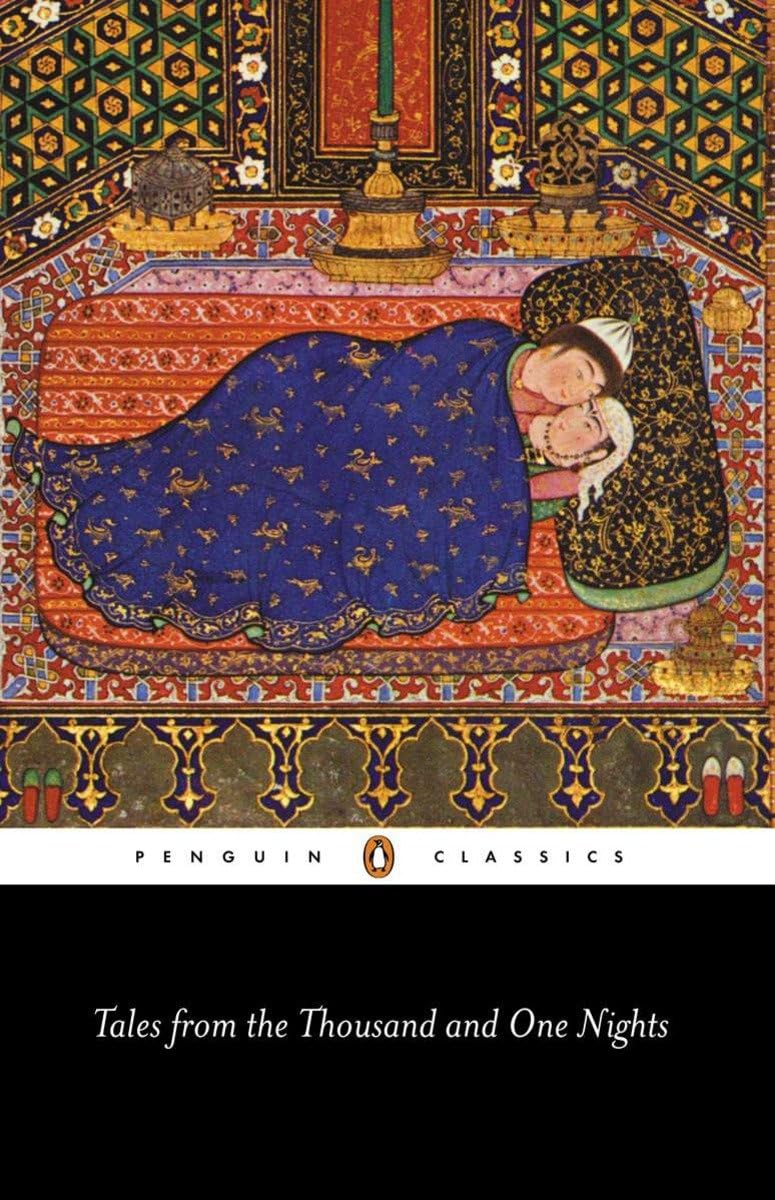
which will include those few tales with which she/he might already be familiar—
Ali Baba and his thieves,
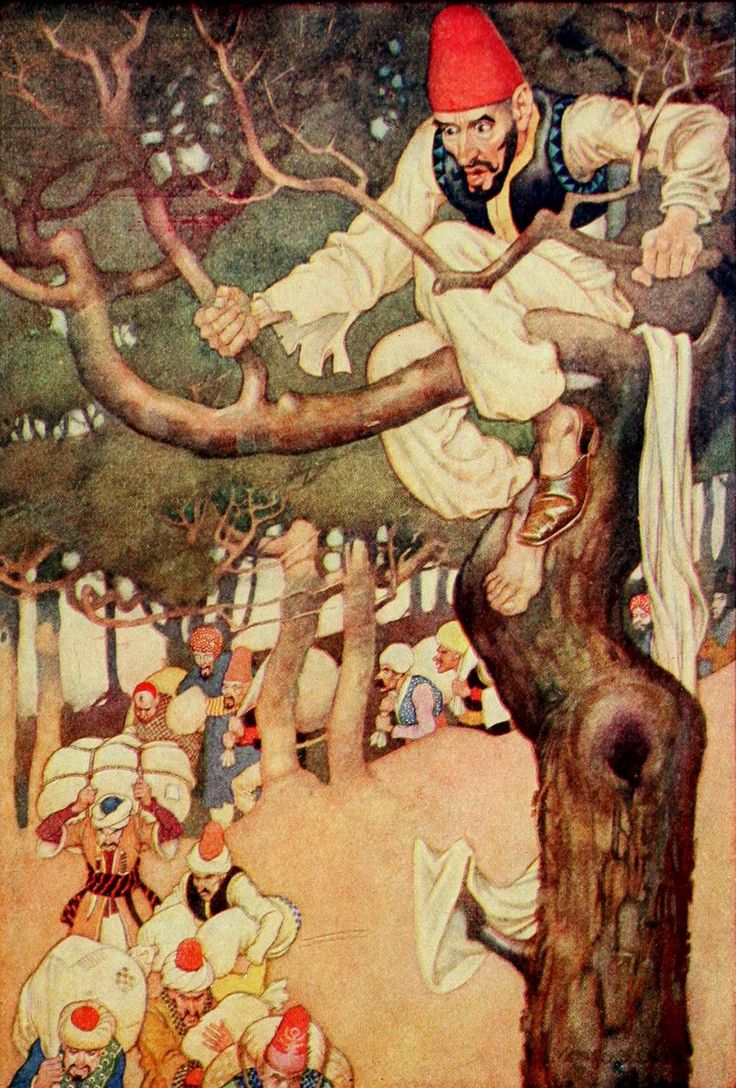
(Munro S. Orr)
Sinbad with his wild adventures, including the giant Roc,
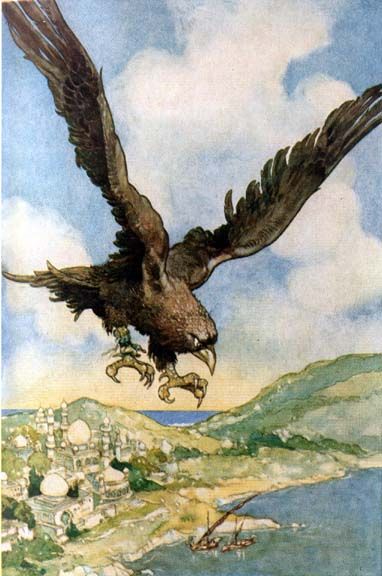
and, of course, Aladdin and his lamp.
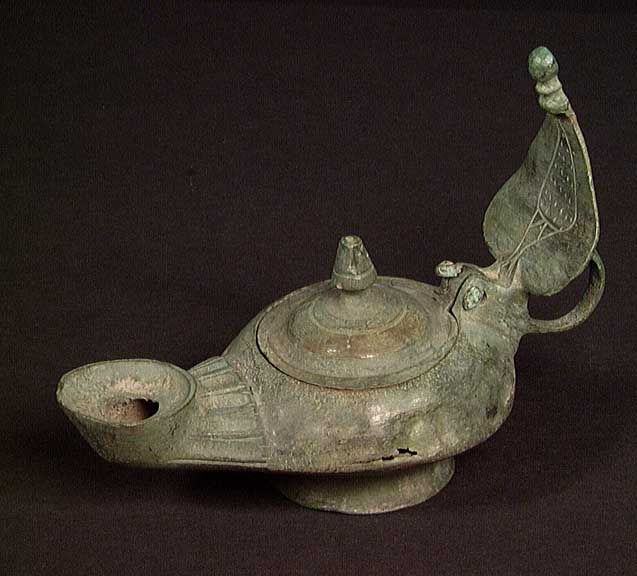
After that, the choice will be up to you. Perhaps you will be willing to sit, as that sultan did, and let Sharahzad keep you awake for 1001 nights.
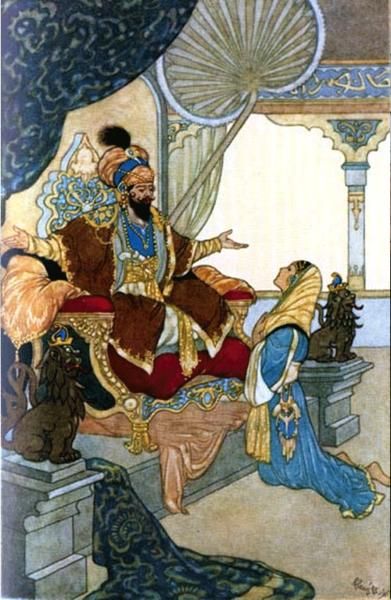
As ever, thanks for reading.
Stay well,
Beware of what lamps you polish, unless Robin Williams is inside,

And remember that, as always, there’s
MTCIDC
O
PS
Perhaps, to get you started, you might read this very full and helpful article: https://en.wikipedia.org/wiki/One_Thousand_and_One_Nights

