• About

doubtfulsea

~ adventure fantasy

Category Archives: Artists and Illustrators

Orc Arsenal.1

26 Wednesday Sep 2018

Posted by Ollamh in Artists and Illustrators, Fairy Tales and Myths, Heroes, J.R.R. Tolkien, Literary History, Military History, Military History of Middle-earth, The Rohirrim

≈ Leave a comment

Tags

Alan Lee, And Inquiry Into Ancient Armour, Angus McBride, arming sword, Battle Axe, English Longbowmen, Eowyn, Falchion, Gladius, Gondor, Hildebrandts, Howard Pyle, John Howe, King Arthur, Longbow, Mace, Medieval, Mongols, Morning Star, Orcs, Pelennor, Pitt-Rivers Museum, Robert Louis Stevenson, Rohirrim, Scimitar, Sir Arthur Conan Doyle, Sir Samuel Meyrick, Ted Nasmith, The Black Arrow, The Lord of the Rings, The White Company, Tolkien, Victorian, Wallace Collection, War Hammer, Weaponry, Witch-King of Angmar

Welcome, dear readers, as always.

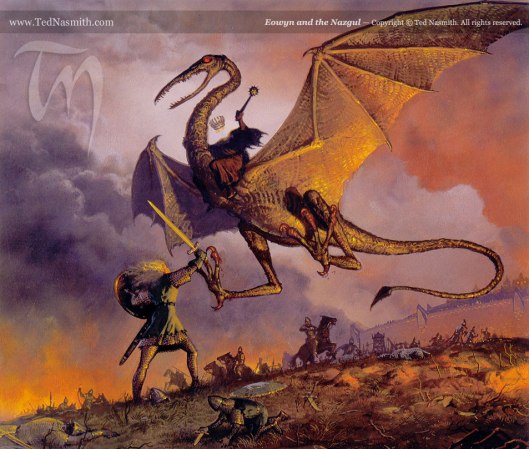
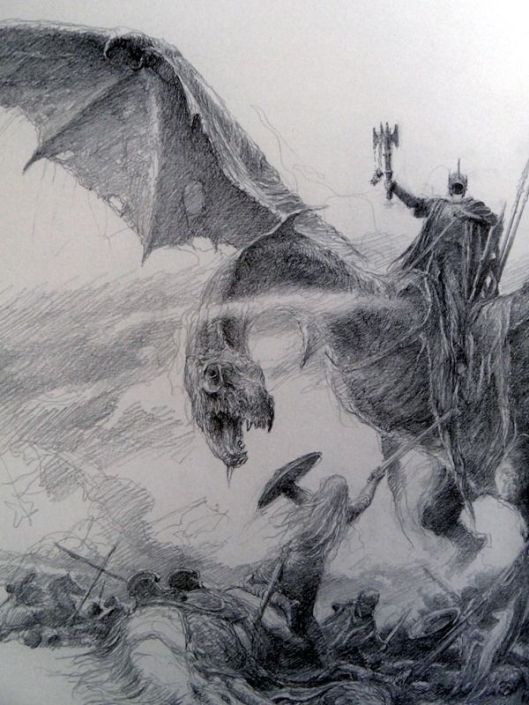
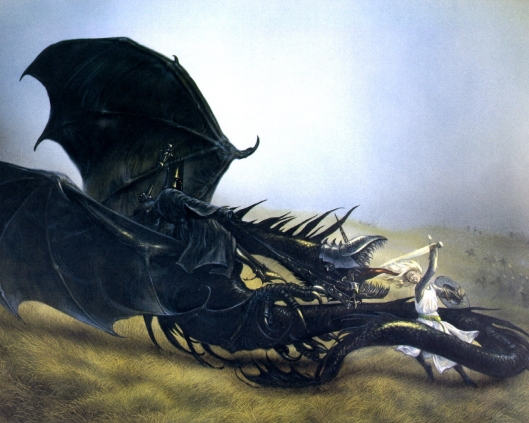
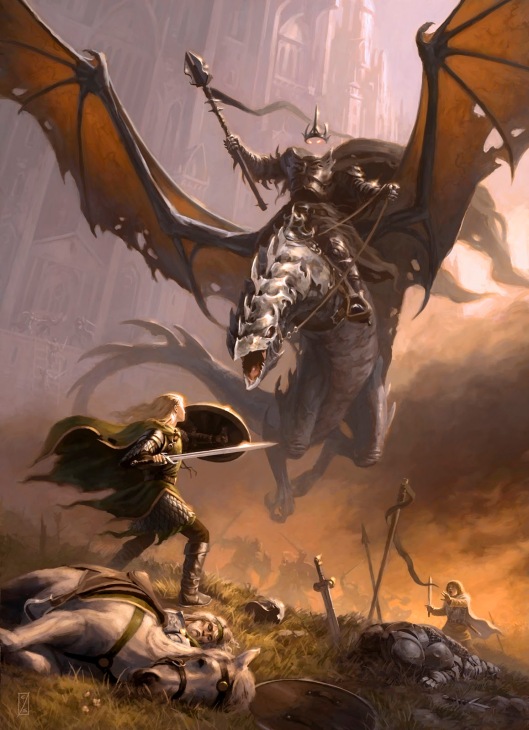
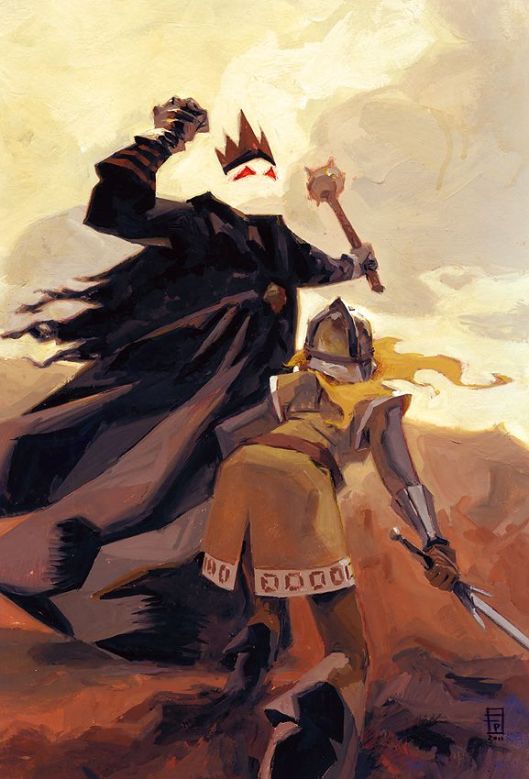
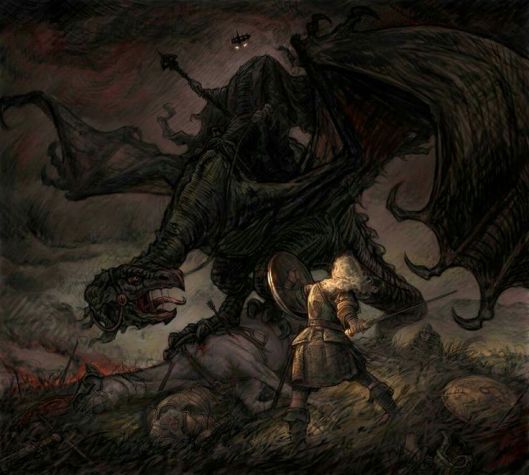
“The great shadow descended like a falling cloud.  And behold! It was a winged creature…

Upon it sat a shape, black-mantled, huge and threatening…A great black mace he wielded.”

(The Return of the King, Book Five, Chapter 6, “The Battle of the Pelennor Fields”)

This is clearly a scene which has caught the attention, over the years, of many artists, starting, we’d guess, with the Hildebrandts.
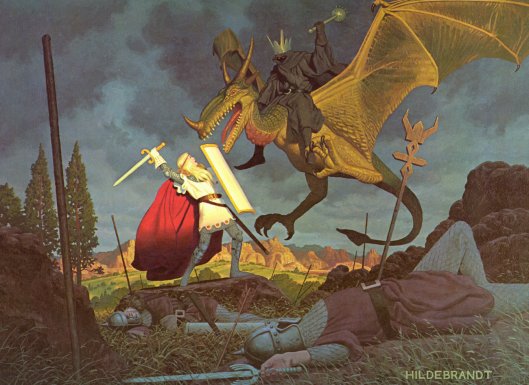
image1hild.jpg


Then others, like Angus McBride and Ted Nasmith,
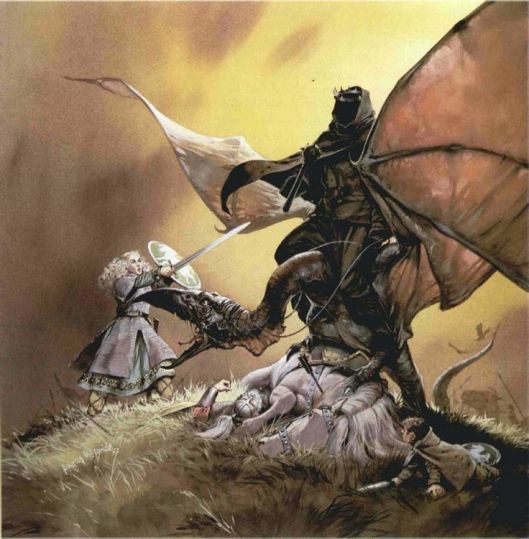
image2am.jpg

image3nasmith.jpg

And Alan Lee and John Howe,


image4aleeimage4bhowe

as well as many very good artists whom we don’t know by name—
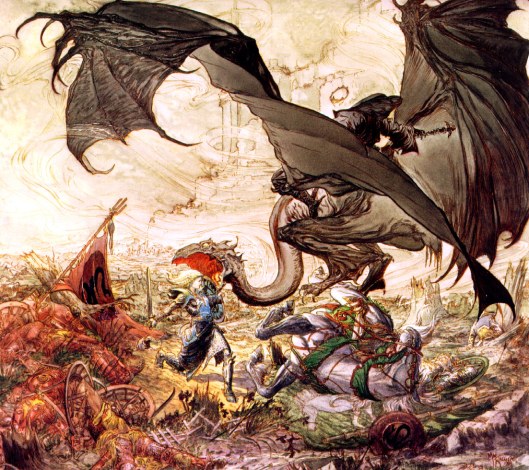
image4cimage5image6image7


Of these, all but Lee and the unknown sixth artist follow JRRT’s description more or less closely.  Number 6—it’s a little unclear– but he might be carrying a war hammer of some sort,
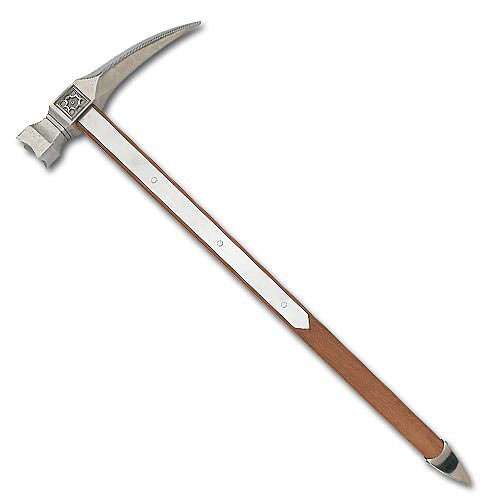
image8warhammer.jpg

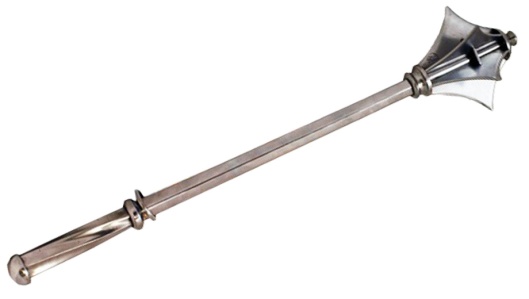
rather than a mace.

image9mace.jpg

image10mace.jpg

(These last two are basic patterns of a mace.)

The Lee is, well, we’re not sure what it seems to be.  It sort of looks like a battle axe
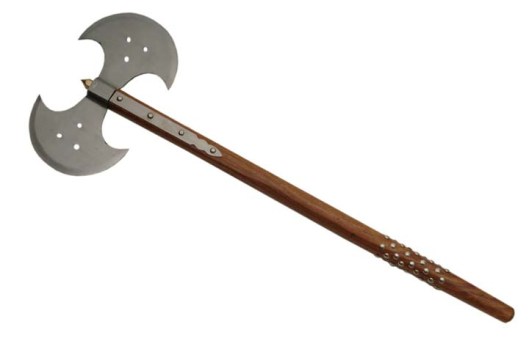
image11battleaxe.jpg

but also like what was called a “morning star”,
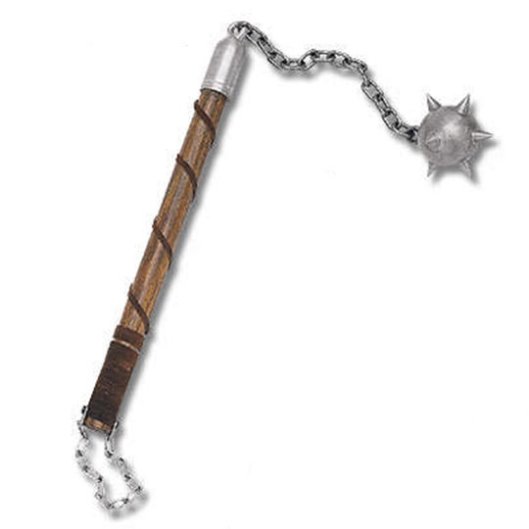
image12mornin.jpg

which should, we think, belong to the flail family.
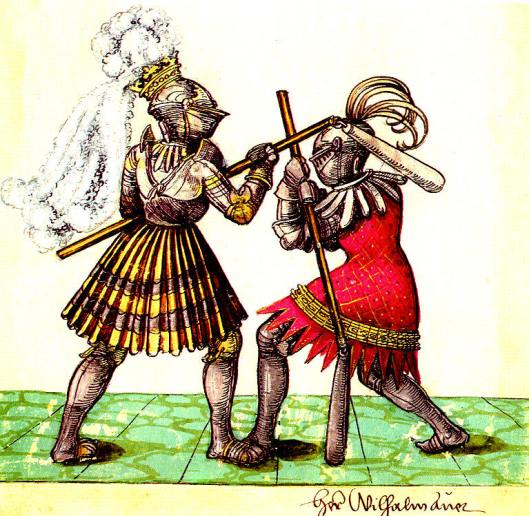
 

image13flail

This rather fits in with the P Jackson image, shown in this model (and note that sword—definitely not in the original description—which is in his other hand).
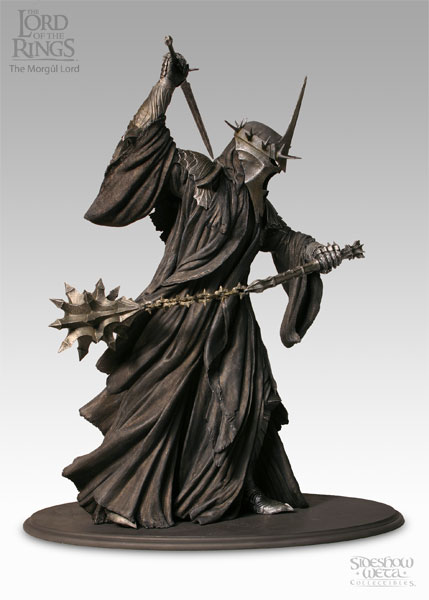
image14mace.jpg

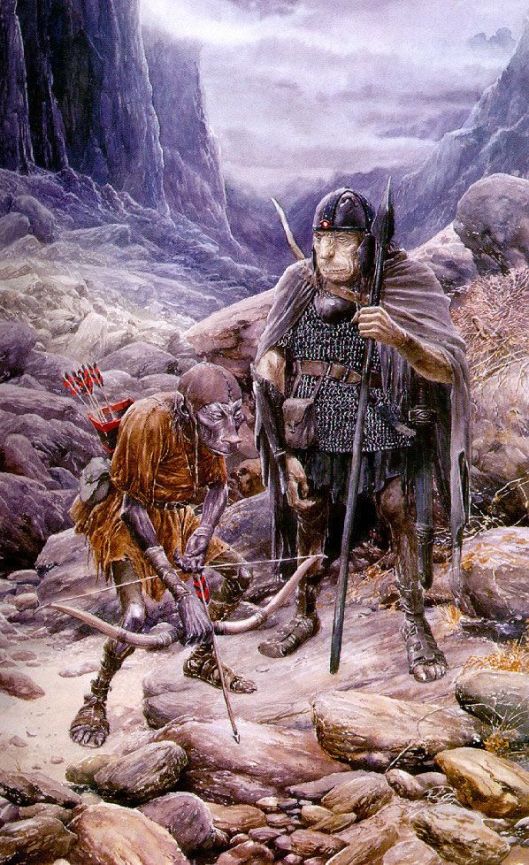
This difference made us curious about the weapons the Rohirrim—and the Gondorians—face and, in particular, those of the orcs.  The Hildebrandts
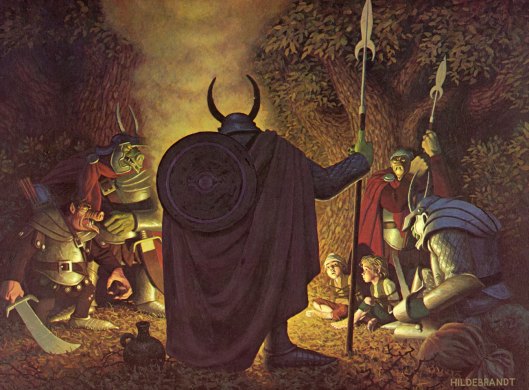
image15captured


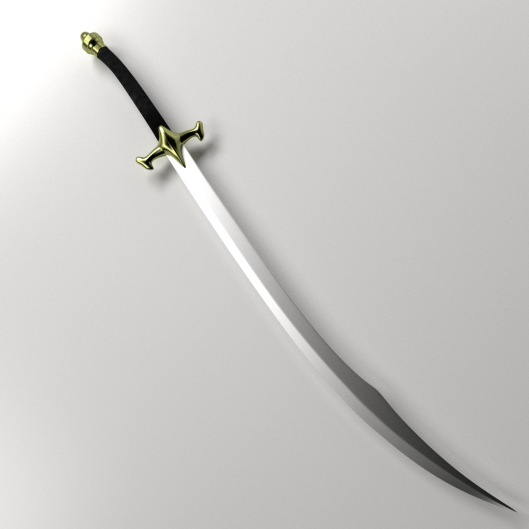
provide us with odd-looking spears and what might appear to be scimitars
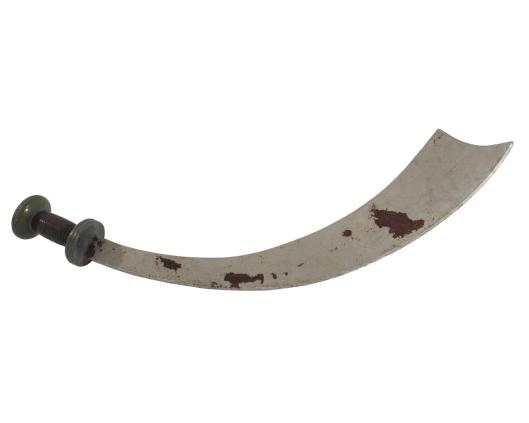
 

image16scim

but might be the suggestion of a medieval sword called a falchion.
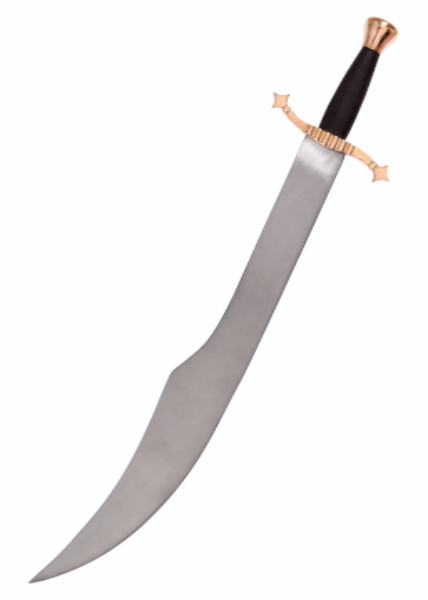
image17falchion

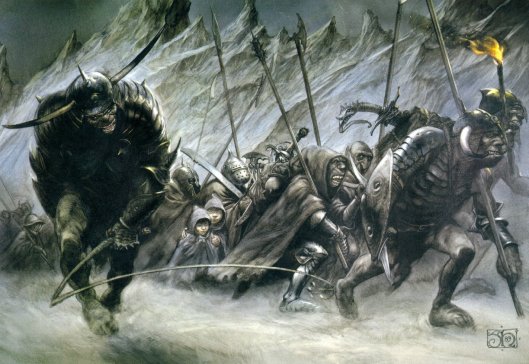
McBride, who spent much of his artistic career illustrating military subjects, gives us weapons (mostly) less fanciful.
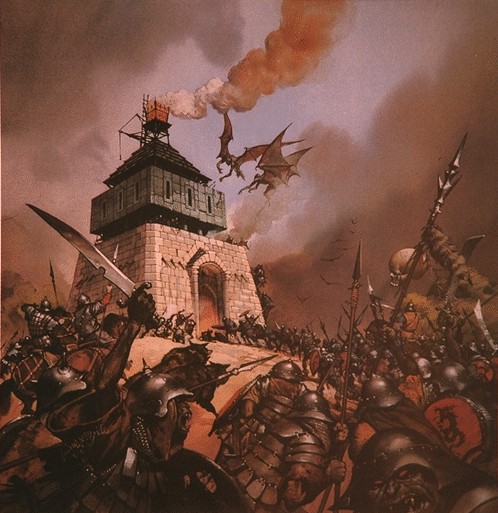
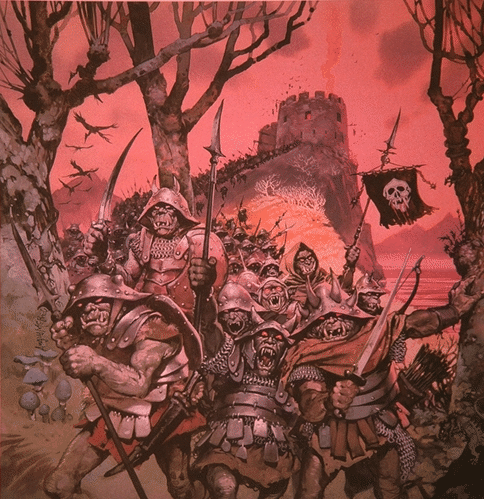
image18mcbimage19mcb

Lee

image19lee

and Howe

image20howe

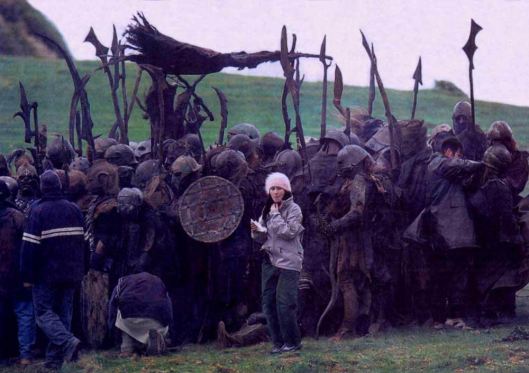
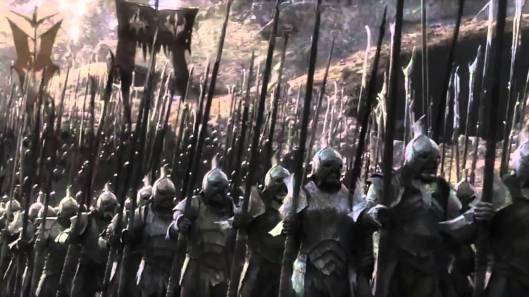
veer between the practical and the fantastic and the films clearly follow them—
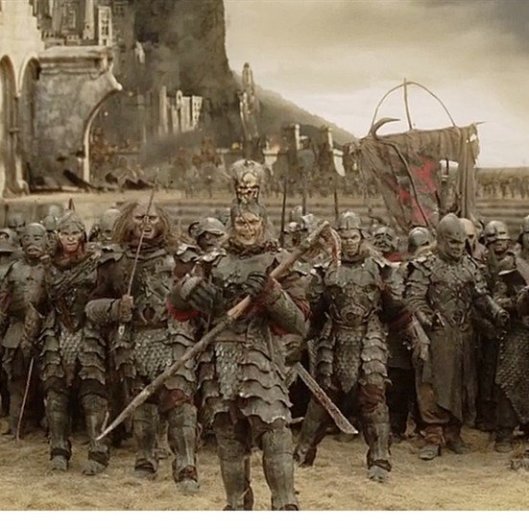
image21orcimage22orcimage23orc

How does JRRT describe the orc weaponry?

The first armed orc we see appears in Moria:

“His broad flat face was swart, his eyes were like coals, and his tongue was red; he wielded a great spear…Sam, with a cry, hacked at the spear-shaft, and it broke.  But even as the orc flung down the truncheon and swept out his scimitar…” (The Fellowship of the Ring, Book Two, Chapter 5, “The Bridge of Khazad-dum”)

The orcs who pursue the Fellowship through Moria have similar weapons:

“Beyond the fire he saw swarming black figures:  there seemed to be hundreds of orcs.  They brandished spears and scimitars which shone red as blood in the firelight.”

After the death of Boromir, however, Aragorn, Gimli, and Legolas find a different kind of orc:

“There were four goblin-soldiers of greater stature, swart, slant-eyed, with thick legs and large hands.  They were armed with short broad-bladed swords, not with the curved scimitars usual with Orcs: and they had bows of yew, in length and shape like the bows of Men.” (The Two Towers, Book Three, Chapter 1, “The Departure of Boromir”)

So far, we’ve seen spears
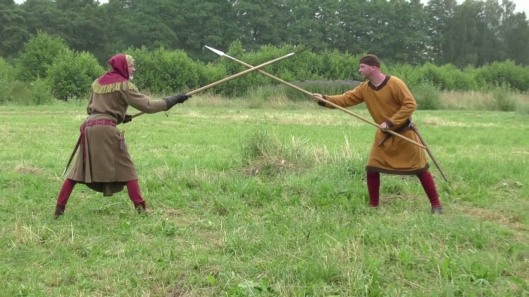
image24spears

and scimitars

image25scim

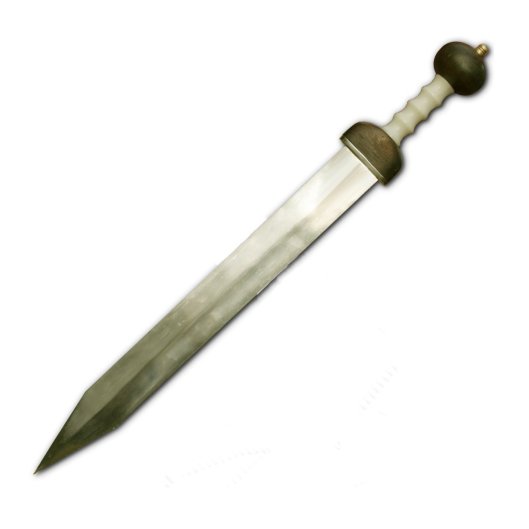
and now we can add to that “short broad-bladed swords”.  Perhaps Tolkien is thinking of the medieval “arming sword”

image26arming

or even the Roman gladius?

image27gladius.jpg

When we add “bows of yew, in length and shape like the bows of Men”, we immediately see the classic English longbow.
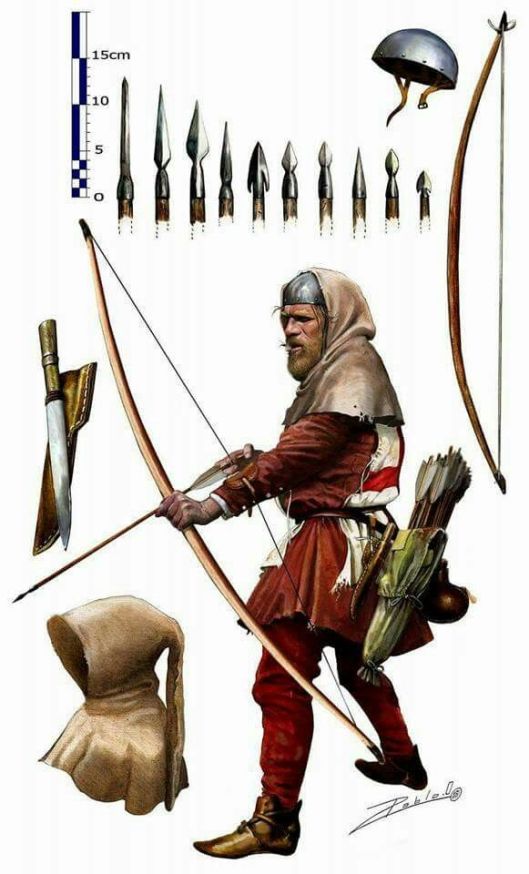
image28longbowman.jpg

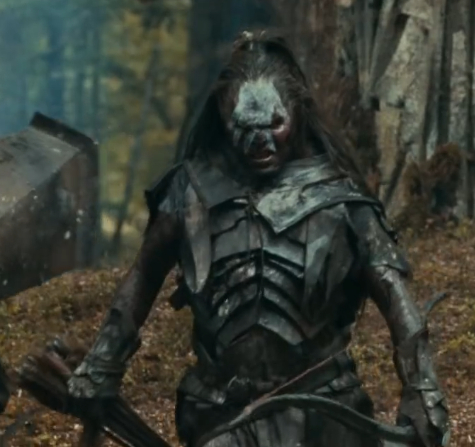
This doesn’t quite match with the first orc bowman we see in the films, however, “Lurtz”—
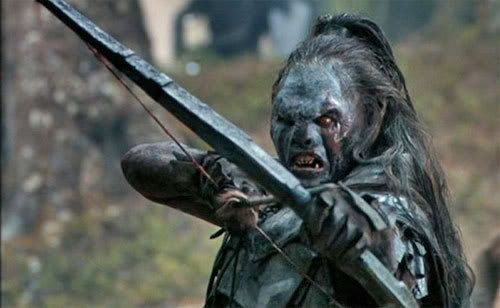
image29lurtz.jpg

image30lurtz.jpg

who appears to have some sort of recurved bow, possibly composite, of the sort the Mongols used
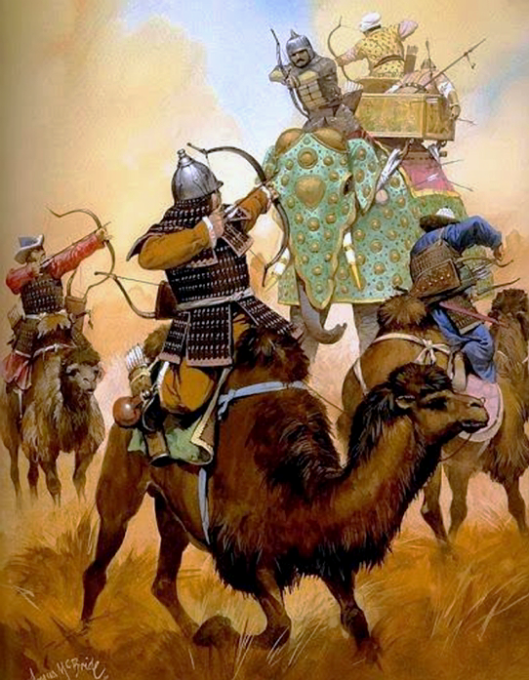
image31mongol

even though, from the white hand on his face, he is supposed to be one of those “goblin-soldiers” from Isengard.

As we were looking through Tolkien’s text, we wondered where he would have gotten his ideas for weapons from.  If the basis, as we imagine it, would have been his background in medieval literature, then he might have gone to the library and found an old standard work, Sir Samuel Meyrick’s (1783-1848)
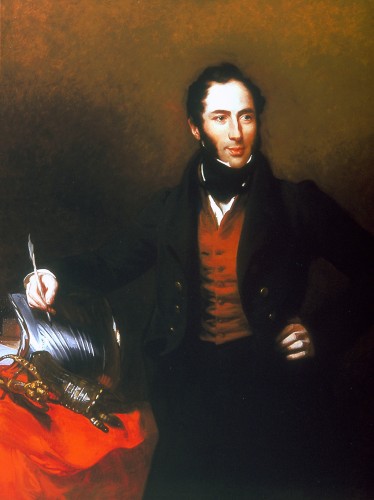
image32meyrick.jpg

An Inquiry Into Ancient Armour, As It Existed in Europe, Particularly in Great Britain, From the Norman Conquest to the Reign of Charles the Second, first published in 1824.  (Here’s a LINK if you’d like to look at this text for yourself.)
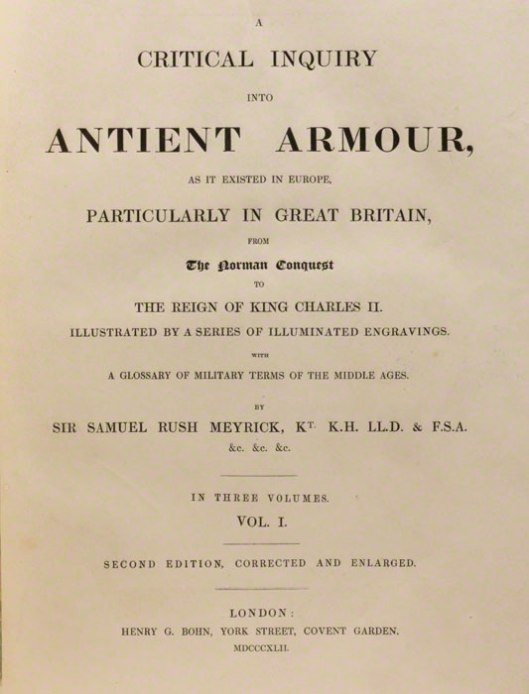
image33mey

Meyrick was the first great English specialist in armor and the later editions of his work (in 3 volumes) have wonderful early hand-colored plates, all based upon surviving armor, tombs, manuscripts, and any other period materials he could gather.
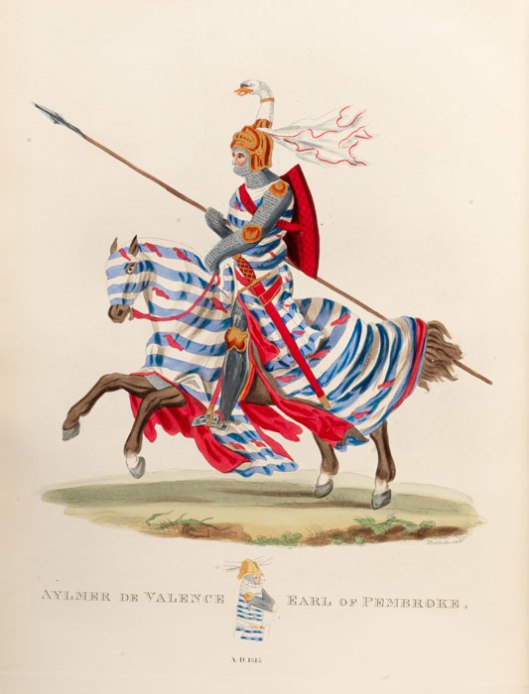
image34meyill.jpg

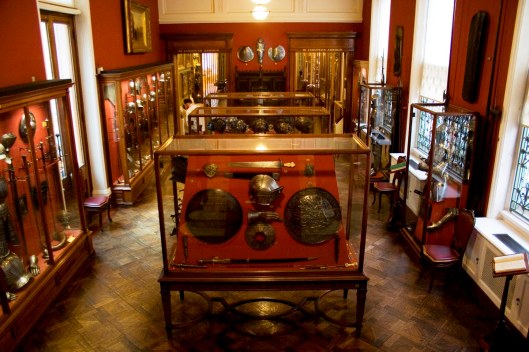
If JRRT wanted to see such things for himself, he would have found more exotic weapons in the Pitt-Rivers Museum in Oxford,
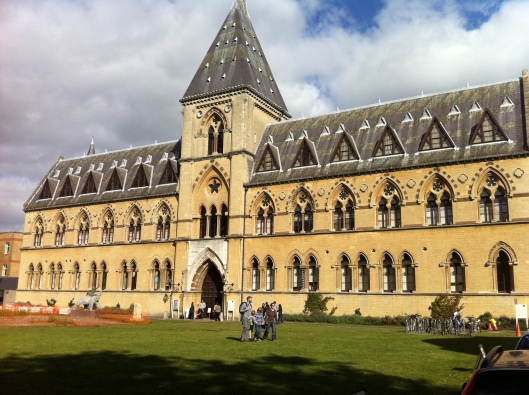
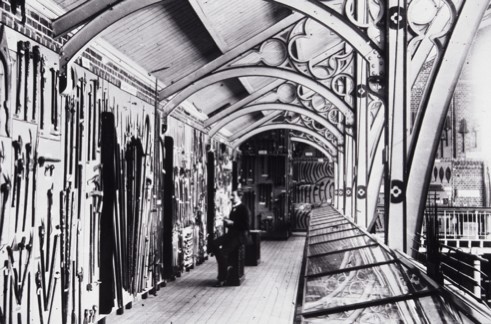
image35pittriversimage36pitt

or he could have traveled up to London to see the Wallace Collection
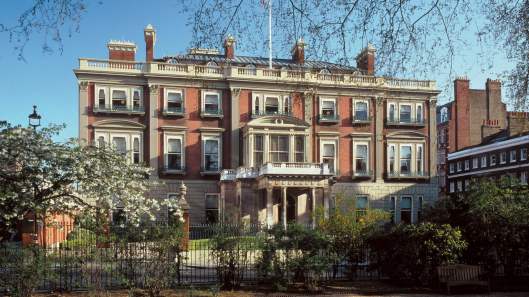
image37wallaceimage38wallace

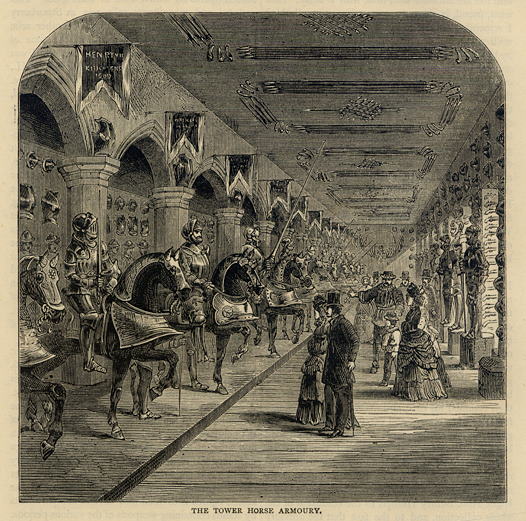
or, best of all, he could have visited the Tower of London, with its massive collection (the organizing of which had earned Meyrick his knighthood in 1832) of medieval arms and armor, which had been available to the public in some form even before Meyrick’s time—here’s a Victorian tour.
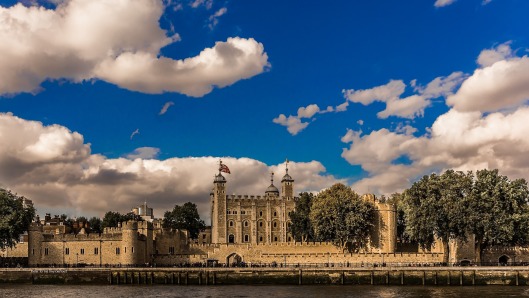
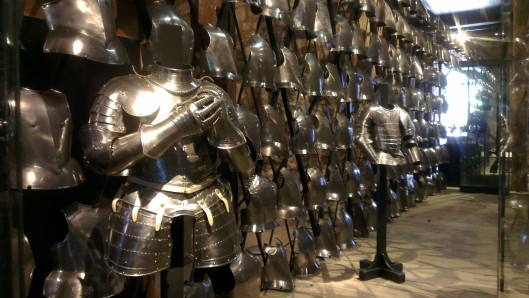
image39tower

image40towerimage41tower

It could have been all of the above, of course, but it seems to us that the descriptions we’re reading are actually not really very specific—“mace”, “spear”, “scimitar”—only those short swords and bows suggest anything more detailed.  Perhaps, then, Tolkien was inspired by something else—perhaps he had read, perhaps even possessed, as a boy, books like Howard Pyle’s 1903 The Story of King Arthur and His Knights
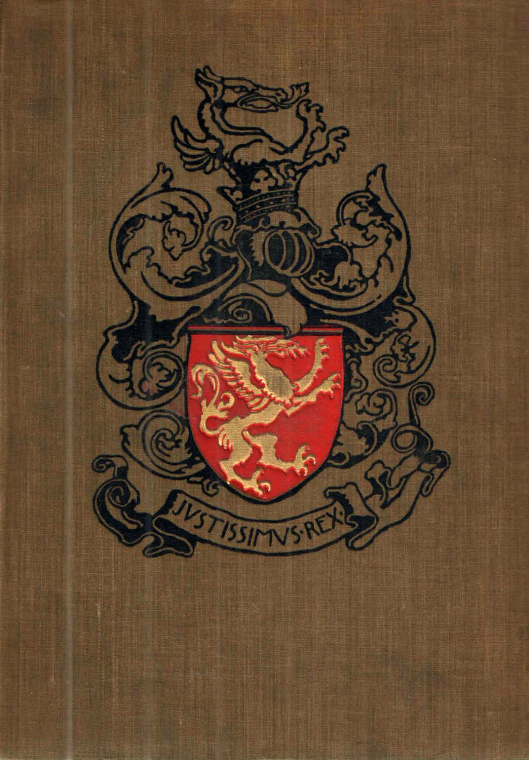
image42pyle

and been inspired by its illustrations.
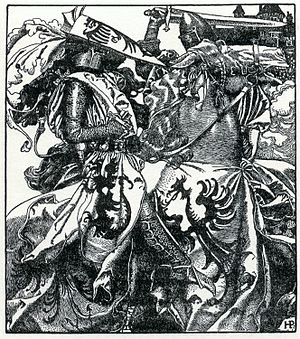
image43pyle

There were plenty of illustrated tales like this—Conan Doyle’s The White Company (first published in serial form in 1891),
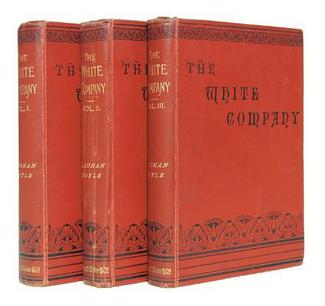
image44whitecompany.jpg

or Robert Louis Stevenson’s The Black Arrow (serial 1883, book 1888).
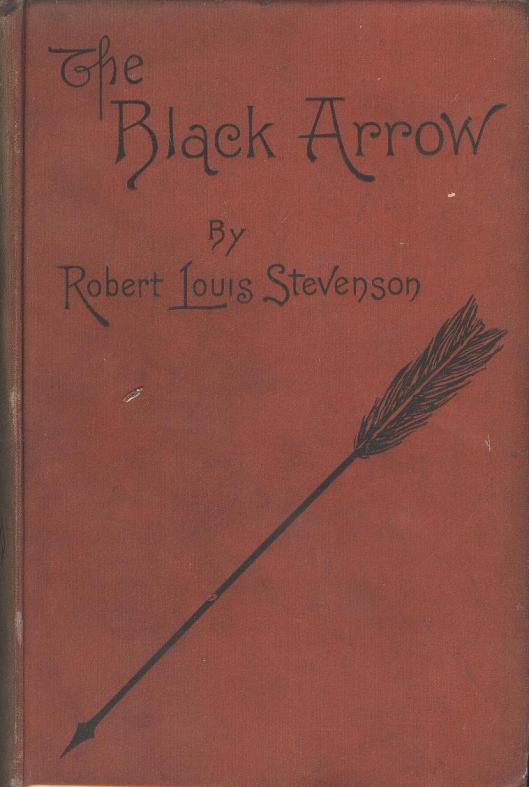
image45blackarrow.jpg

With any and all of that background, we wonder what he might have made of this, however, an orc sword from the films which looks more like something manufactured from a car part than the product of a medieval armorer…
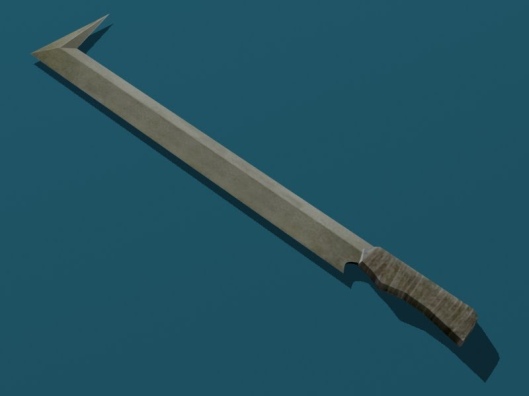
image46sword.jpg

Thanks, as ever, for reading.

MTCIDC

CD

ps

If car part weapons don’t bother you, you might be interested in this LINK—it’s an early article on ideas for weapons and armor for the Jackson films.
Gobs and Hobs.2

29 Wednesday Aug 2018

Posted by Ollamh in Artists and Illustrators, Fairy Tales and Myths, J.R.R. Tolkien, Language, Literary History

≈ Leave a comment

Tags

A Midsummer Night's Dream, Arthur Rackham, Christina Rossetti, Elf Child, Fairies, Fairy Tale, George Macdonald, Goblin Feet, Goblin Market, Goblins, Historia Ecclesiastica, Hobgoblin, James Whitcomb Riley, John Garth, John Singer Sargent, King Edward's Horse, Little Orphan Annie, Orderic Vitalis, Pat Walsh, Psalm 91, Robin Goodfellow, The Crowfield Curse, The Crowfield Demon, The Hob and the Deerman, The Hobbit, The Lord of the Rings, The Princess and the Goblin, Tolkien, Tolkien and the Great War, Tolkien at Exeter College

As always, dear Readers, welcome!

In our last, we were talking about JRRT’s 1915 poem, “Goblin Feet” its origins, original publication, and context.

In this, we want to think out loud a bit about the idea of goblins in general.

Although the poem was entitled “Goblin Feet”, Tolkien seemed not to focus so much on goblins—there are also other creatures from the Otherworld, including fairies and gnomes and even leprechauns (not to mention bats—called by their old country name “flitter-mice”—and beetles and coneys).

In this posting, however, we’re going to stick to goblins—well, and hobgoblins—but more about those later.

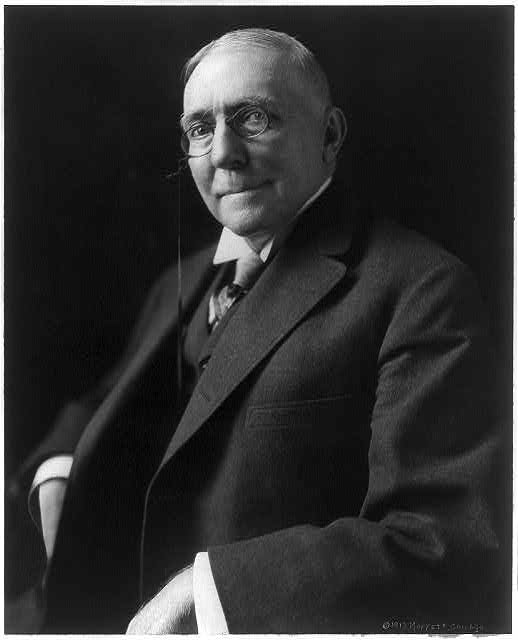
We first encountered goblins as very small children when a teacher read us a poem by the American poet, James Whitcomb Riley (1849-1916).

image1riley.jpg

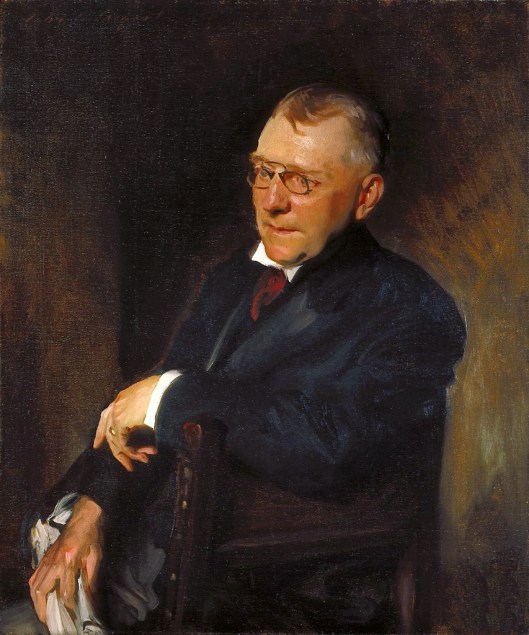
(We can’t resist a second picture.  This is by one of our favorite late-19th-early-20th-c. American Painters, John Singer Sargent—1856-1925.)

image2riley.jpg

This poem, first entitled “Elf Child”, originally appeared in a newspaper in 1885.  After that, it was meant to be “Little Orphan Allie”, but, owing to a typsetter’s error, it gained its present title, which it’s had ever since.

Little Orphant Annie – Poem by James Whitcomb Riley

To all the little children: — The happy ones; and sad ones;
The sober and the silent ones; the boisterous and glad ones;
The good ones — Yes, the good ones, too; and all the lovely bad ones.

Little Orphant Annie’s come to our house to stay,
An’ wash the cups an’ saucers up, an’ brush the crumbs away,
An’ shoo the chickens off the porch, an’ dust the hearth, an’ sweep,
An’ make the fire, an’ bake the bread, an’ earn her board-an’-keep;
An’ all us other childern, when the supper-things is done,
We set around the kitchen fire an’ has the mostest fun
A-list’nin’ to the witch-tales ‘at Annie tells about,
An’ the Gobble-uns ‘ll git you
Ef you
Don’t
Watch
Out!

Wunst they wuz a little boy wouldn’t say his prayers,–
An’ when he went to bed at night, away up-stairs,
His Mammy heerd him holler, an’ his Daddy heerd him bawl,
An’ when they turn’t the kivvers down, he wuzn’t there at all!
An’ they seeked him in the rafter-room, an’ cubby-hole, an’ press,
An’ seeked him up the chimbly-flue, an’ ever’-wheres, I guess;
But all they ever found wuz jist his pants an’ roundabout:–
An’ the Gobble-uns ‘ll git you
Ef you
Don’t
Watch
Out!

An’ one time a little girl ‘ud allus laugh an’ grin,
An’ make fun of ever’ one, an’ all her blood-an’-kin;
An’ wunst, when they was ‘company,’ an’ ole folks wuz there,
She mocked ’em an’ shocked ’em, an’ said she didn’t care!
An’ jist as she kicked her heels, an’ turn’t to run an’ hide,
They wuz two great big Black Things a-standin’ by her side,
An’ they snatched her through the ceilin’ ‘fore she knowed what she’s about!
An’ the Gobble-uns ‘ll git you
Ef you
Don’t
Watch
Out!

An’ little Orphant Annie says, when the blaze is blue,
An’ the lamp-wick sputters, an’ the wind goes woo-oo!
An’ you hear the crickets quit, an’ the moon is gray,
An’ the lightnin’-bugs in dew is all squenched away,–
You better mind yer parunts, an’ yer teachurs fond an’ dear,
An’ churish them ‘as loves you, an’ dry the orphant’s tear,
An’ he’p the pore an’ needy ones ‘at clusters all about,
Er the Gobble-uns ‘ll git you
Ef you
Don’t
Watch
Out!

In some ways, this is a typical Victorian moral poem:  children better behave, or…  But, instead of being in “proper” English, it’s been told in the dialect of the US state of Indiana and this was something for which Riley was well-known, having written numbers of poems in the so-called “Hoosier” dialect.  (This includes what looks like a misprint for the proper spelling “orphan”.)

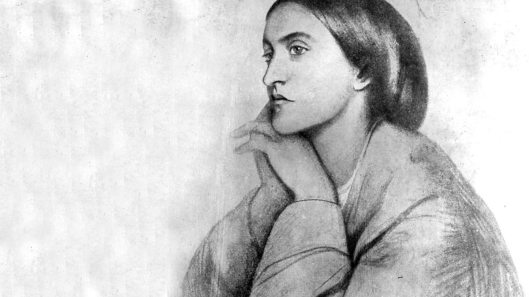
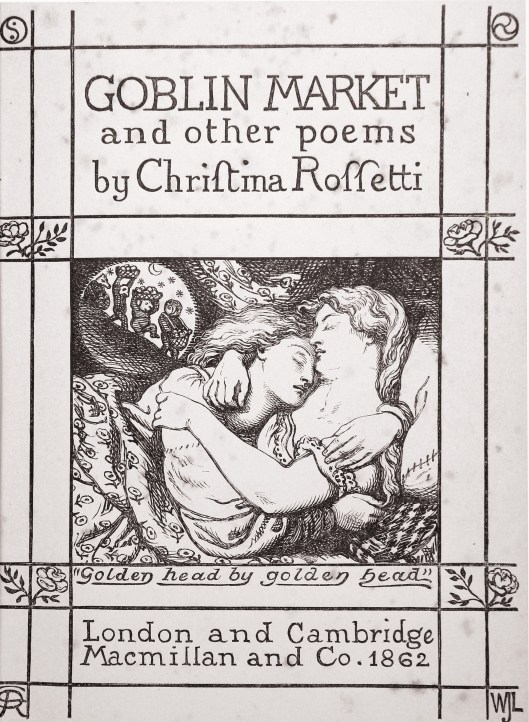
Our acquaintance with goblins has continued to be literary, from Christina Rossetti’s (1830-1894)

image3acr.jpg

Goblin Market (1862)

image3gobmark.jpg

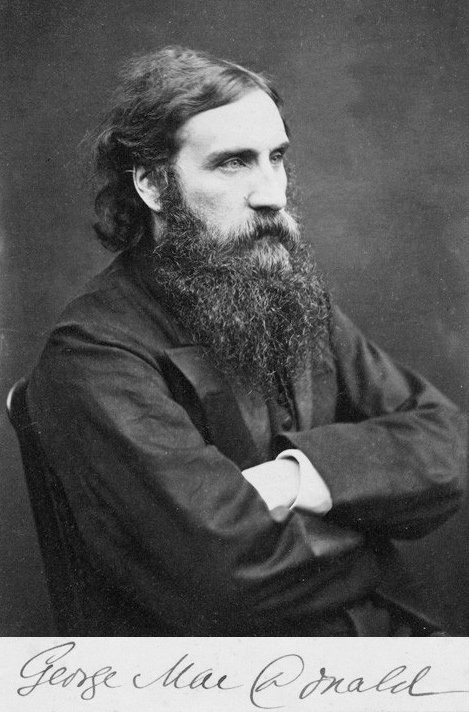
to George Macdonald’s (1824-1905)

image4gmacd.jpg

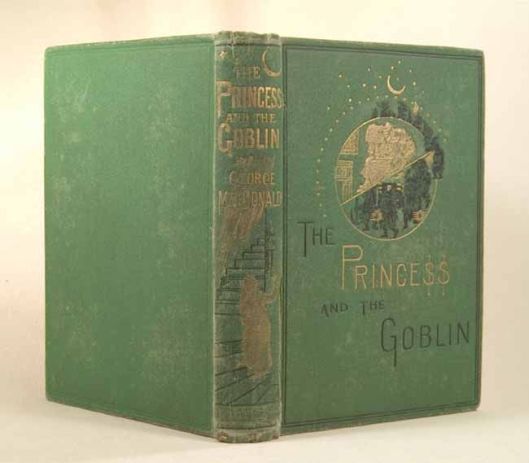
1872 fantasy novel, The Princess and the Goblin.

princessandgoblin1872.jpg

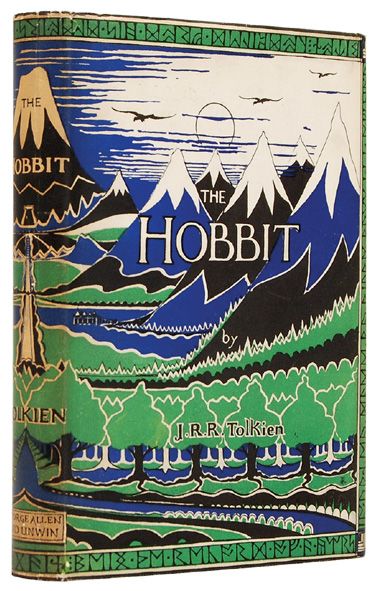
Our biggest—and longest—exposure, of course, was in The Hobbit (1937).

image6hob.jpg

Goblins turn up from the moment Bilbo and the dwarves fall into their hands in Chapter 4, “Over Hill and Under Hill” and we see them again in their pursuit of the party once they’ve escaped the goblin stronghold and finally at the Battle of the Five Armies.  At their first appearance, they are described as “great ugly-looking goblins” and, unlike the nimble-footed creatures of Tolkien’s 1915 poem, these have flat feet and flap them as they move.  They live in a monarchy, ruled (for the moment) by a king described as “a tremendous goblin with a huge head”.

So far, we might see that as traditional nightmarish beings, like the “great big Black Things” in stanza 3 of Riley’s poem, but JRRT does something further and very interesting with them.  This first novel was written in the 1930s, only twenty years after the Great War which had ruined much of western Europe and killed all but one of Tolkien’s oldest friends, and the emotional scar was still fresh, it seems.  He was too humane (and too wise) to blame Germany for what had happened, but it’s clear that he wouldn’t excuse the Industrial Revolution and the goblins become a stand-in for all the worse of it:

“Hammers, axes, swords, daggers, pickaxes, tongs, and also instruments of torture, they make very well, or get other people to make to their designs, prisoners and slaves that have to work till they die for want of air and light.  It is not unlikely that they invented some of the machines that have since troubled the world, especially the ingenious devices for killing large numbers of people at once, for wheels and engines and explosions always delighted them, and also not working with their own hands more than they could help; but in those days and those wild parts they had not advanced (so it is called) so far.”  (The Hobbit, Chapter 4, “Over Hill and Under Hill”)

The word “goblin” has a rather mysterious etymological history and, like so many early words, that history is a murky one, full of guesses and suggestions.  A little research produces the explanation that the word first seems to appear in Latin, in Orderic Vitalis’ (1075-c1142) Historia Ecclesiastica, Book 5, Chapter 7, in which, while reviewing the life of the early French saint, Taurinus, (lived c.400AD), Orderic mentions a demon whom the saint has vanquished, but which still haunted the area around the town of Evreux in Normandy, a demon the locals called “gobelinus”.

A century later, in the long Old French poem on the Third Crusade (1189-1192) of Ambroise of Normandy (who lived at the end of the 12th century), a noted figure in the actual history of the period, Balian d’ Ibelin, is referred to as being “more false than a gobelin” (L’Histoire de la Guerre Sainte, line 8710), with no explanation, suggesting that readers would be aware of what a gobelin was (and that he wasn’t trustworthy).

The word first appears in English in John Wycliffe’s translation of the Bible in the late 14th century, in Psalm 91, in which a God-fearing person will never be afraid of various things, including

“of a gobelyn goyng in derknisses”.

If 14th-century people knew what this creature was, we wonder whether it was still clear to people two centuries later—the older standard English translation (the so-called “King James Bible”, 1611) translates this as

“the pestilence that walks in darkness”

(which actually is close to the Hebrew original, as best as we can make out, as we don’t, unfortunately, read Hebrew—see this LINK to read for yourself.)

In the preface to the 1951 second edition of The Hobbit, Tolkien gives his own gloss, based upon the word he will employ almost entirely in The Lord of the Rings for such creatures:

“Orc is not an English word.  It occurs in one or two places but is usually translated goblin (or hobgoblin for the larger kinds).  Orc is the hobbits’ form of the name given at that time to these creatures…)

thus blending villains from 1937 with those readers would soon see in his new work, The Lord of the Rings (1954-1955).

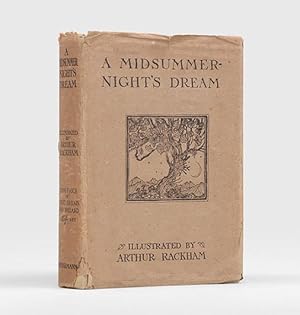
“Hobgoblin” brings us to our conclusion, however.  As in the case of “goblin”, things get murky here, too, with some stating that, as “Hob” is an old nickname for “Robert” (compare “Hodge” as an old nickname for “Roger”), so a hobgoblin is related to “Robin Goodfellow”, (“Robin” being another nickname for “Robert”) aka the Puck we see in A Midsummer Night’s Dream (1595-96?).

image7puck.jpg

(This image is from Arthur Rackham’s (1865-1939) 1933 version of the play.)

https://pictures.abebooks.com/BLAEU/md/md20625435733.jpg

Hobgoblins sometimes appear as prickly household helpers (rather like Dobby in the Harry Potter books), and those who want to associate the “hob” of “hobgoblin” with the “hob” (earlier “hubbe”), “the side of a fireplace” see that prefix as suggesting that “hobgoblins” might be a subset of “goblins” in general.

For us, however, a “hob” is a character in an on-going series we recommend to our readers.  These are novels set in and around a decaying medieval monastery in 1347 and the haunted world around it, written by Pat Walsh, an archaeologist/fantasy author.

image8pw.jpg

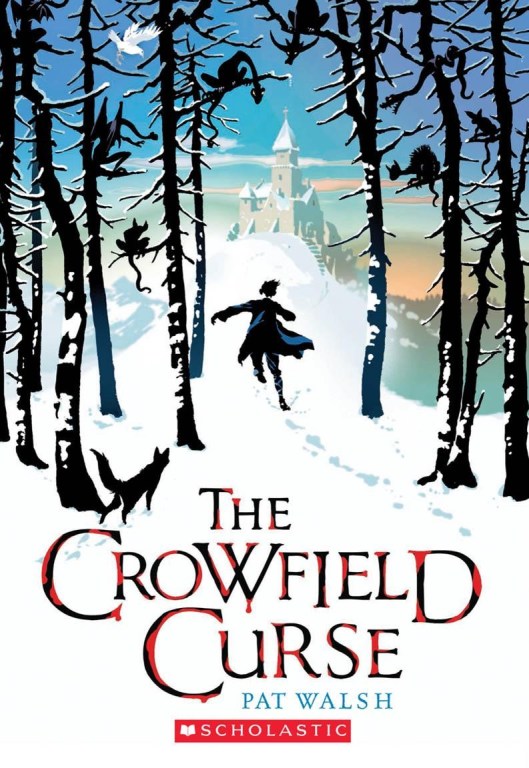
The first two in the series are The Crowfield Curse (2010) and The Crowfield Demon (2011)

image9crowc.jpg

image10crowd.jpg

In this series, the hero, Will, an orphan, discovers a wounded creature and brings it back to the monastery.  It’s a hob—and will be a major character as the series develops.  In 2014, Walsh began a new series with The Hob and the Deerman.

image11thehob.jpg

Walsh has promised a third book in the Crowfield series, Crowfield Rising, but it has yet to appear—unlike our next posting, which will appear (provided that there is no space alien invasion or implementation of Order 66 or Sauron producing a new ring), next week.

Till then, thanks, as ever, for reading.

MTCIDC

CD

PS

In our last, we mistakenly identified a photo of JRRT in a uniform which we thought belonged to a unit at his alma mater, King Edward’s School, as the caption with it said “1907”.   It seemed odd to us, however, because it had the look of a cavalry unit (the bandoleer across the chest was common during the period for cavalry and for artillerymen) and, for all that he writes admiringly of horses, we had no sense that he himself was ever a horseman.  This nagged at us until we did a little research and realized our mistake:  the uniform was for King Edward’s Horse, the equivalent of a national guard/volunteer unit raised before the Great War.  Tolkien was a member of this at the beginning of his Oxford career in 1911, but later resigned.  John Garth’s two really useful books, Tolkien at Exeter College and Tolkien and the Great War, set us straight.

image12keh.jpg

PPS

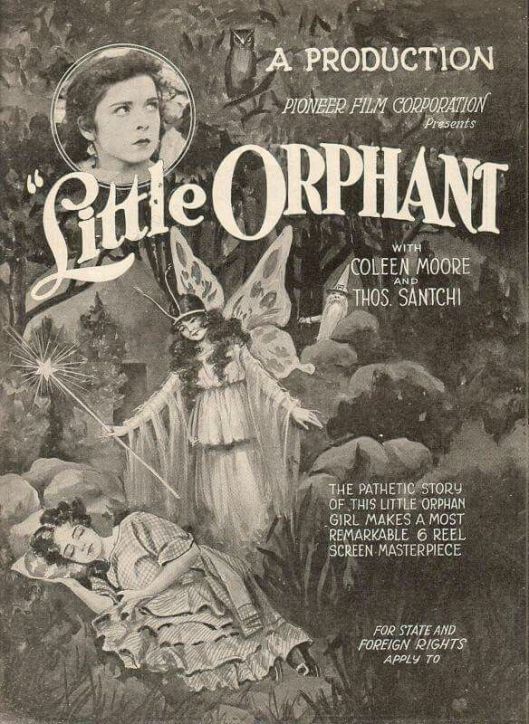
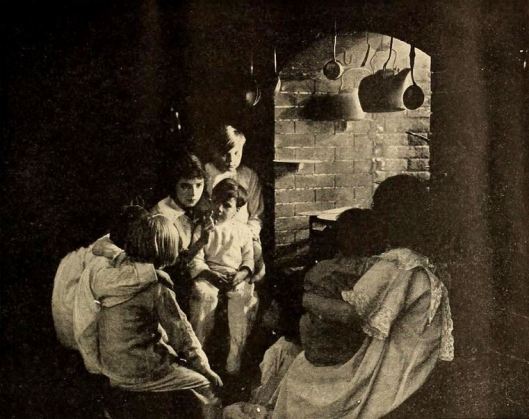
If you read us regularly, you know that we have a special love for early, silent film  While researching this posting, we learned that, in 1918, a film was made based upon “Little Orphant Annie” and that a copy of it has survived for us to see.  Here’s a poster and a still.

image13littleorphant.jpg

image14still.jpg


Dayless Dawn

08 Wednesday Aug 2018

Posted by Ollamh in Artists and Illustrators, Heroes, J.R.R. Tolkien, Military History, Military History of Middle-earth

≈ Leave a comment

Tags

Battle of the Somme, British Expeditionary Force, chemical warfare, Fritz Haber, Gas warfare, Great War, John Singer Sargent, maxim gun, mustard gas, tear gas, The Lord of the Rings, The Siege of Gondor, Tolkien, trench warfare, trenches, Vale of Anduin, WWI, Young Indiana Jones

Welcome, as always, dear readers.

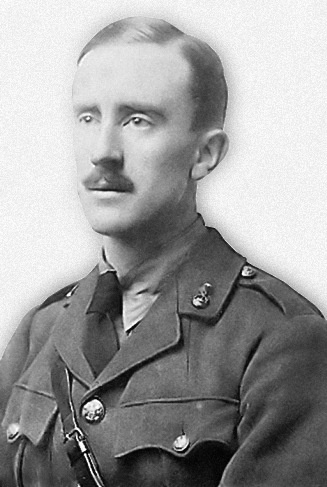
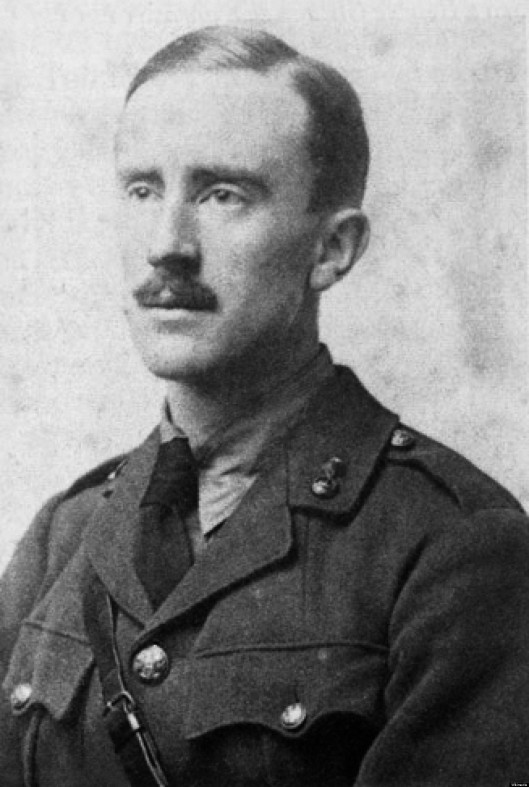
In this, the last year of the centennial of the Great War, we are often reminded not only of that conflict, but also that Second Lieutenant J R R Tolkien took part in it.

image1jrrt.jpg

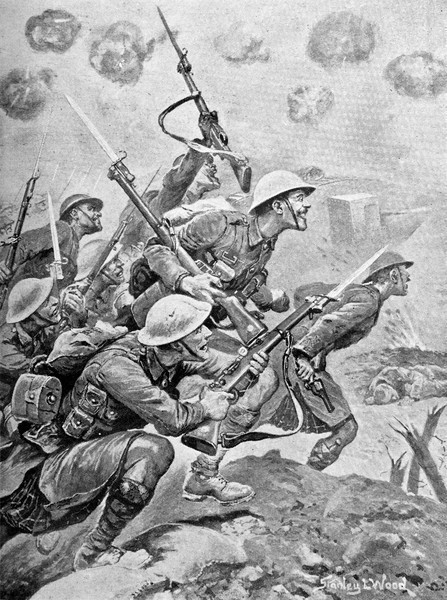
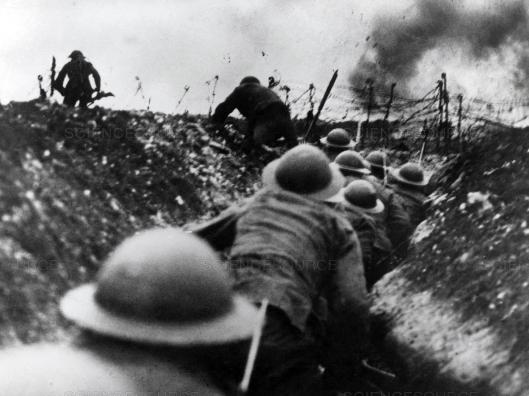
By the time he had reached the Front, in July, 1916, the latest round of blood-letting, the infamous Somme, was already in progress.

image2over.jpeg

image3somme.jpg

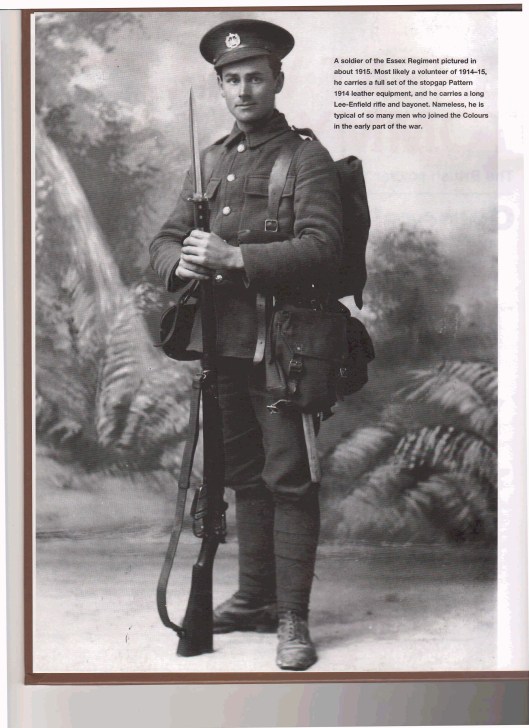
“Blood-letting” is an understatement:  on the first day of the battle, 1 July, 1916, there had been nearly 60,000 British casualties and attacks would continue till November.  The problems faced were mainly those of 1914.  The well-equipped, well-trained professional soldier of the British Expeditionary Force

image4tommy.jpg

met the Maxim Gun

image5maxim.jpg

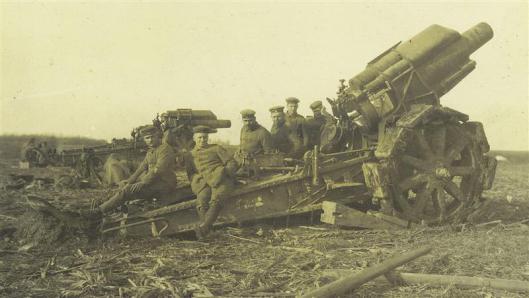
and took heavy casualties.  These casualties were multiplied by the number and range of German artillery.

image6haubitzer.jpg

To defend themselves against these modern weapons, soldiers went to ground as soon as they could.

image7frenchembankment.jpg

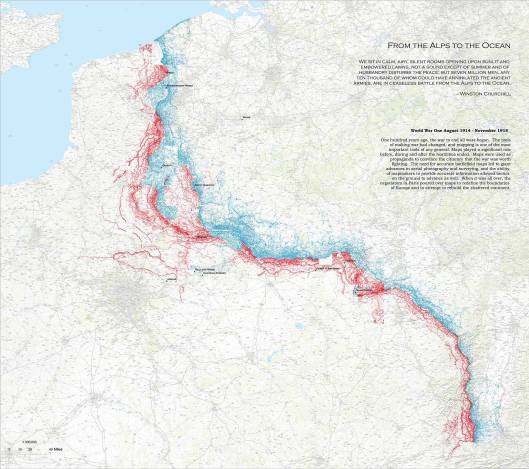
Digging in moved from a simple scrape of the earth into 500 miles (from Switzerland to the North Sea) of often very elaborate earthworks.

image8trench.jpgimage9system.jpeg

Equip these with machine guns

image10mg.jpg

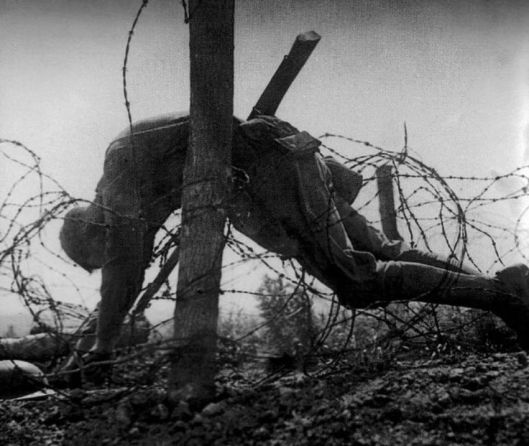
and spread acres of barbed wire in front

image11barbedwire.jpg

and you can think that you’re safe from attack.

image12trapped.jpg

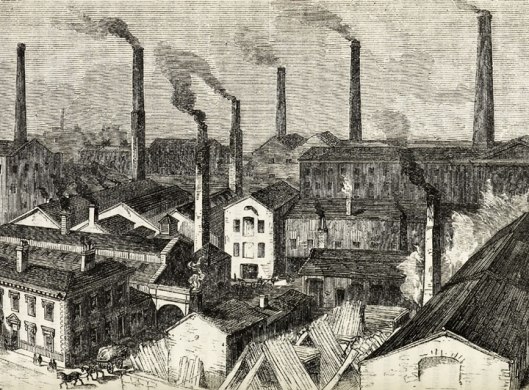
So, the problem then was:  how to break through?  And this is where the German chemical industry

image13factory.jpg

and its brilliant chemist, Fritz Haber,

image14haber.jpg

(who will share the Nobel Prize for chemistry in 1918) came in.

Haber, famous for creating artificial fertilizer—his positive side—was also a captain in the Kaiser’s army (hence the uniform in our illustration), intensely convinced that Germany was justified in waging war on Europe, and began to develop a reply to elaborate fortifications:  poison gases—Haber’s dark side.

Nearly twenty years before, in 1900, many of the world’s nations, including Germany, had signed an agreement at the Hague that, among other things, they wouldn’t employ such a weapon, but, clearly, the temptation was too great, and not only for Germany.  After the first major attack, 22 April, 1915, in which the Germans had killed or driven a large number of French troops from their trenches, the British and French began their own development programs.

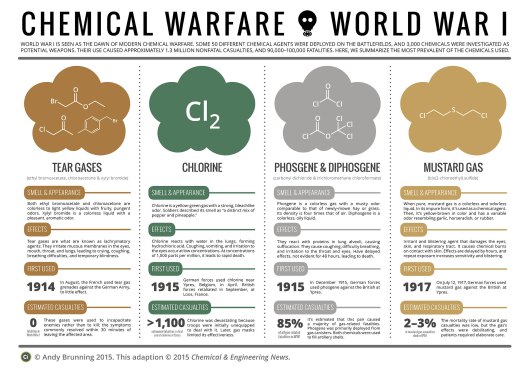
Over time, the gases varied as experiments showed scientists and military men what worked and what didn’t.  There were simple tear gases, which incapacitated soldiers by blinding them with their own tears and disturbed their breathing, to much deadlier blister agents—but here’s a chart to lay out the effects.

image15gaschart.jpg

Delivery systems varied.  Gas might be released from canisters, allowing the prevailing wind to carry it to the enemy.

image16gas.jpg

The difficulty here was the variability of winds—should the direction change, the releasers of gas might—and sometimes did—find themselves the victims.

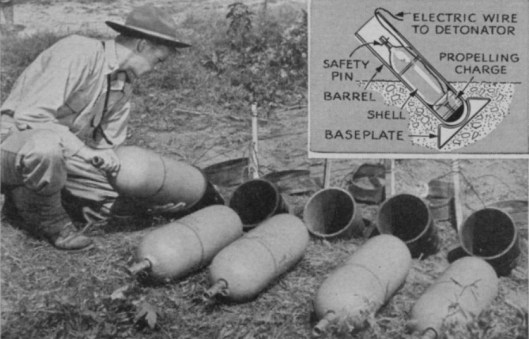
Gas packed into artillery shells was more dependable.

image17gas.jpg

Shells were marked to identify which gas was inside, as in this illustration.

In time, the British developed a method of projecting gas bombs in large numbers with what were called “Livens projectors”.

image18gasbomb.jpg

image19livens.jpg

This simple mechanism could be used in banks to blanket the enemy line with poisonous air.

image20projectors.jpg

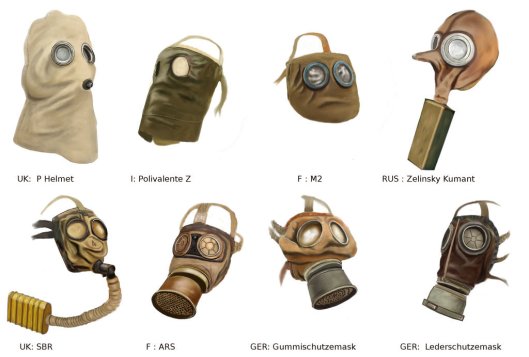
Initially, there had been no defense against this weapon, but, in time, both sides developed gas masks.

image21masks.jpg

And, of course, something had to be done for the hundreds of thousands of horses both depended upon.

image22amask.jpeg

Here’s how the later, more efficient ones worked.

image22mask.jpg

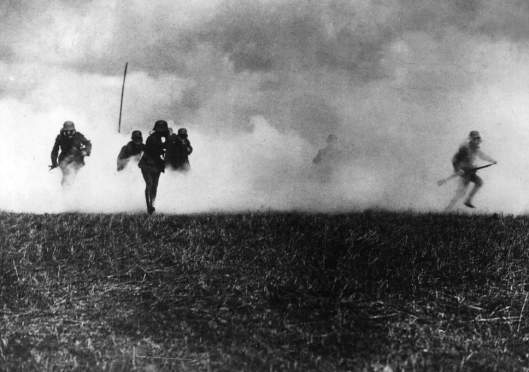
They might have prevented suffocation, but they were uncomfortable and, worse, the lenses soon fogged over, making it difficult to see the enemy in their masks advancing through the clouds of gas.

image23advance.jpg

image24combat.jpg

In the television series about young Indiana Jones of some years ago, there was a very graphic depiction of this—and here’s a LINK so that you can see for yourself.  (We very much recommend this series, by the way.  On the whole, it has many episodes which not only fill in Indie’s past, but are good adventure stories in themselves.)

We can imagine, then, what might have been going on in JRRT’s mind when he wrote:

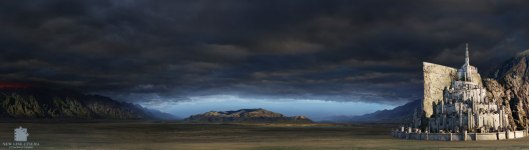
“It was dark and dim all day.  From the sunless dawn until evening the heavy shadow had deepened, and all hearts in the City were oppressed.  Far above a great cloud streamed slowly westward from the Black Land, devouring light, borne upon a wind of war; but below the air was still and breathless, as if all the Vale of Anduin waited for the onset of a ruinous storm.”  (The Return of the King, Book Five, Chapter 4, “The Siege of Gondor”)

image25gondor.jpg

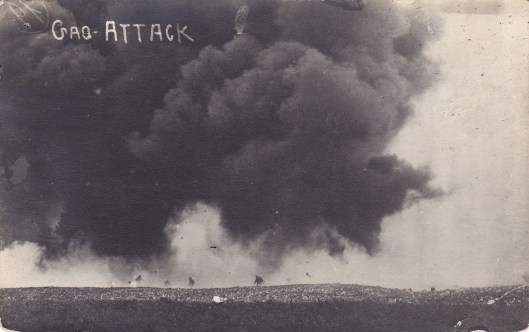
Were those orcs approaching, or the Kaiser’s infantry?

image26gas.jpg

Thanks, as ever, for reading.

MTCIDC

CD

ps

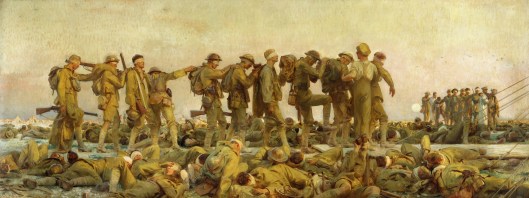
The horrific effects of chemical warfare have, to us, never been more powerfully depicted than in John Singer Sargent’s (1856-1925)  Gassed (1919), based upon Sargent’s visit to the Western Front in July, 1918.

image27gassed.jpg

pps

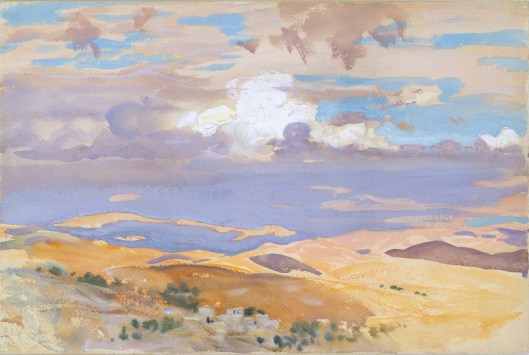
But, you know us—if we can add a little something more, we always will and, in this case, we want to end not with just this image, horrible and moving as it is, but with something from another of Sargent’s works.  Along with being a society painter, he was one of the greatest American watercolorists and has left us a collection of beautiful, atmospheric works from Europe, the US, and the Caribbean.  We want to end, then, with these very different clouds–

image28sargent.jpg

Charge!

01 Wednesday Aug 2018

Posted by Ollamh in Artists and Illustrators, Films and Music, J.R.R. Tolkien, Military History, Military History of Middle-earth, The Rohirrim

≈ Leave a comment

Tags

16th Lancers, Aliwal, Australian Light Horse, Australians, Balaclava, Beersheba, Cavalry, Charges, Great War, Light Brigade, Palestine, Rohirrim, Scots Greys, The Lighthorsemen, The Lord of the Rings, Tolkien, Turks, Warhorse, Waterloo

As always, dear readers, welcome.

In an addition to an entry in Letters, the main portion of which has rather a murky history (see 217-218), but which the editor dates as “presumably written circa 1966”, Tolkien says that several features of The Lord of the Rings “still move me very powerfully”.  These features include being “most stirred by the sound of the horses of the Rohirrim at cockcrow”.

As this is one of our favorite parts of the book,


image1

we would absolutely agree, but, as is so often the case, both with JRRT and with ourselves, we wondered why.

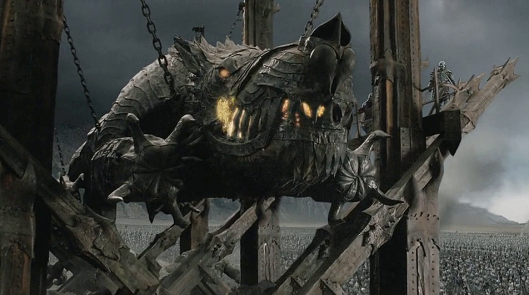
The easiest answer is that it’s a highly-dramatic moment:  the main gate of Minas Tirith is giving way under the blows of Grond, the orcs are about to pour in, and it looks like Aragorn and his companions won’t appear in time to save the situation.

image2grond.png

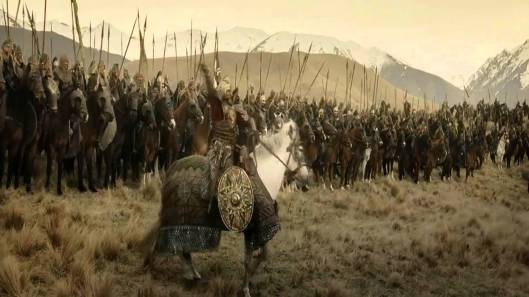
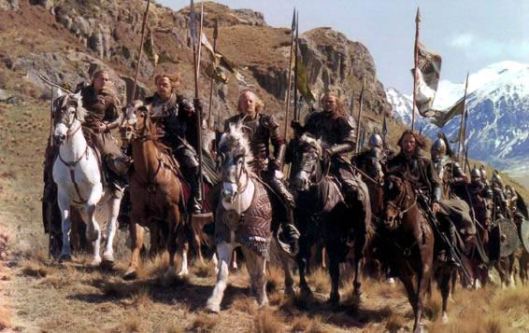
We have been following the Rohirrim, of course, from their muster to their march

image3roh.jpg

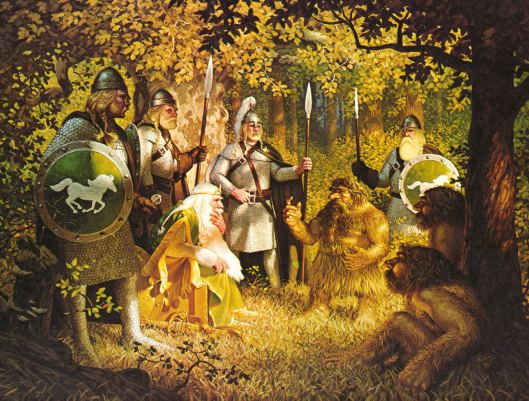
to their meeting with Ghan-buri-Ghan,

image4ghan.jpg

so the build is two-fold:  the attack, which is completely focused on breaking in, and the approach of the Rohirrim.  Thus, when it looks darkest, the charge is like sunlight breaking through heavy cloud.

image5charge.jpg

This is a beginning, we thought, to why, but could there have been another reason for JRRT?

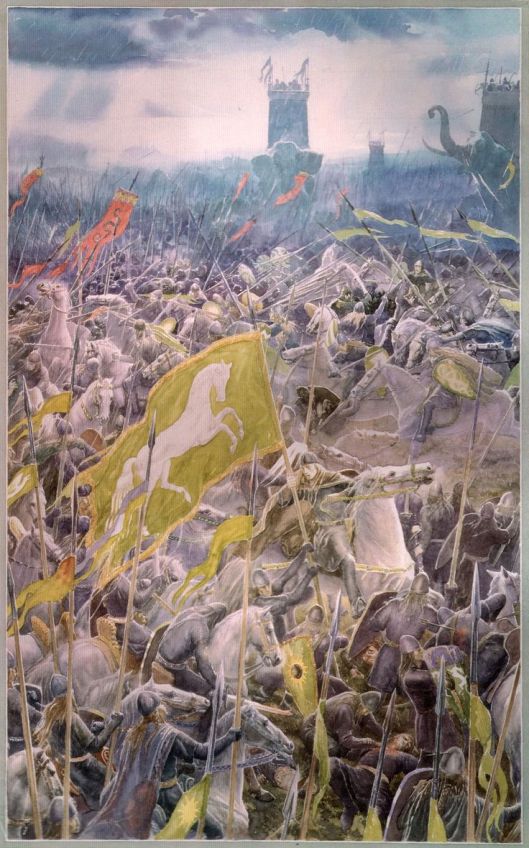
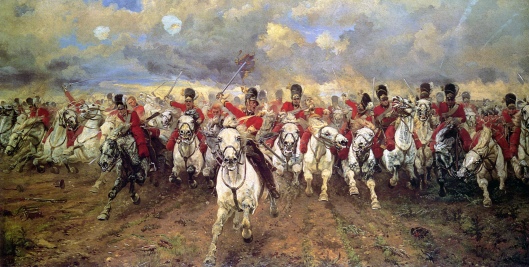
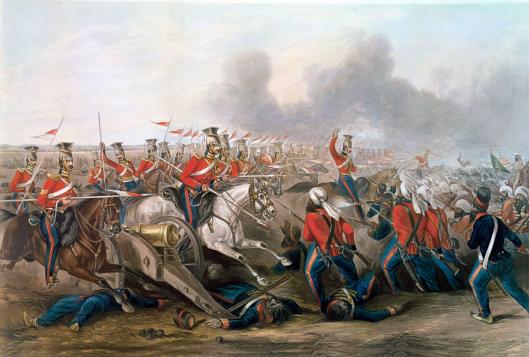
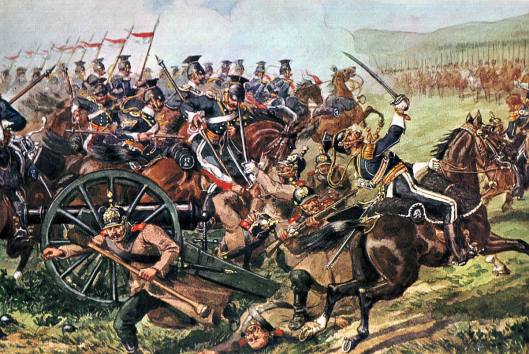
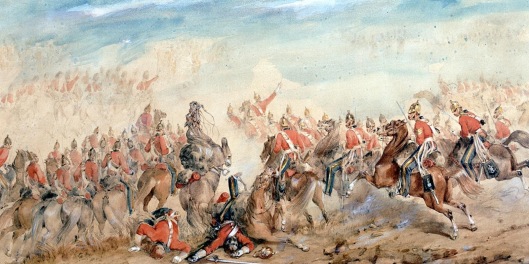
When Tolkien, growing up, thought of cavalry charges, he probably saw, in his mind’s eye, the glorious mounted attacks of Britain’s past, like the Scots Greys at Waterloo


image6scot

or the 16th Lancers at Aliwal

image7aliwal.jpg

or the Light Brigade at Balaclava.

image8balaclava.jpg

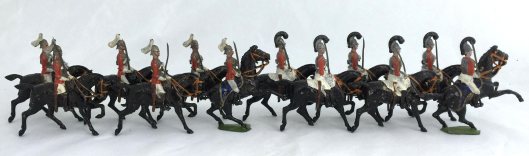
In all of these, soldiers in bright-colored coats waved swords and lancers and dashed fearlessly against the enemy.  Even his toy soldiers would have had that same devil-may-care look

image9britains.jpg

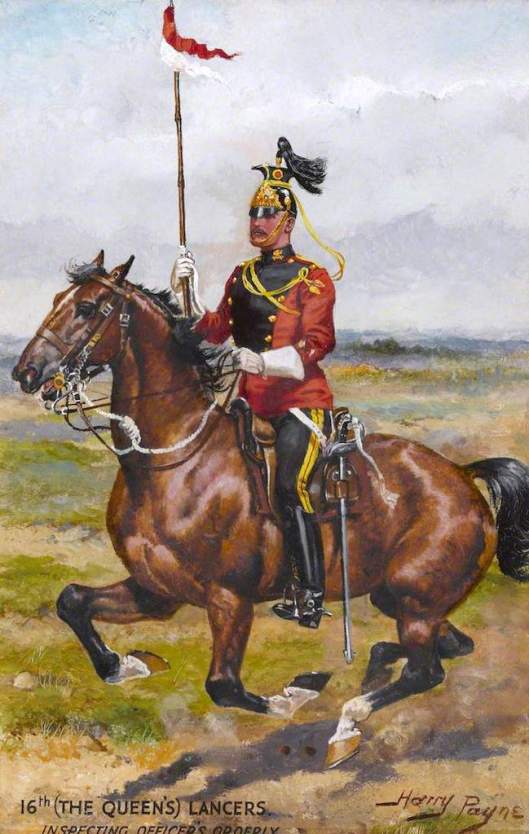
as did the real cavalry of his childhood,

image10aqueenslancers.jpg

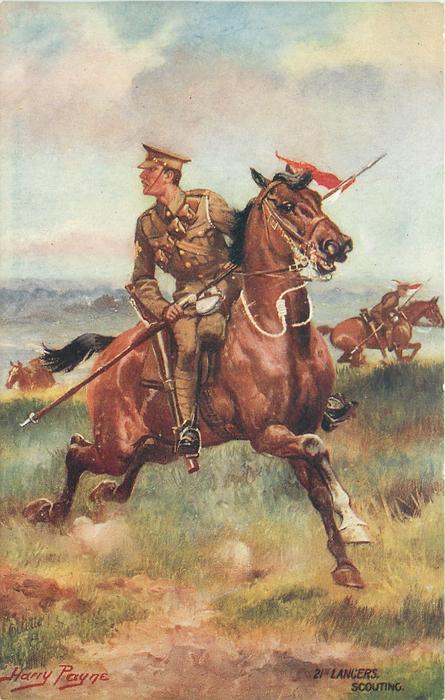
but, when 1914 and the Great War came, soldiers put away those bright colors and put on khaki.

image10twentyfirst.jpg

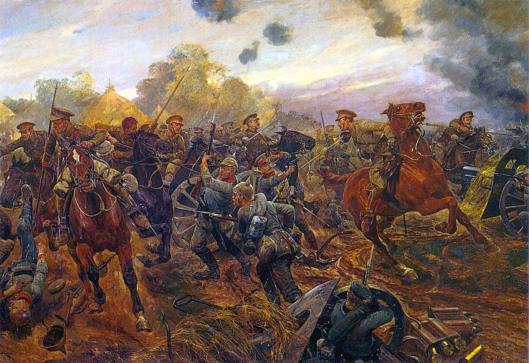
But did that wild courage have to be put away, as well?  In 1914, there were a few moments when even mud-colored mounted men had a moment of glory.

image11attack.jpg

This wasn’t to last—at least on the Western Front and a major reason was this—

image12maxim.jpg

(Here’s a LINK to a clip from the film Warhorse, which shows the effect in rather a symbolic way, thank goodness!  We love horses and mourn their terrible losses through all of world history—they never asked to be part of human violence and, so often, their fate was to die because of it.  We also think that it’s just as well that the commander of this imaginary attack didn’t survive it—it’s absolutely inept, both in conception and its carrying-out and he would deserve to have been court-martialed.)

So, instead, those men dismounted and became infantry, fighting from hole in the ground to hole in the ground.

image13trench.jpg

This was the world which JRRT

image14ajrrt.jpg

knew:  heavy guns, gas, and the rattle of machine guns, no place for wide double ranks of sabre-wavers.

image14charge.jpg

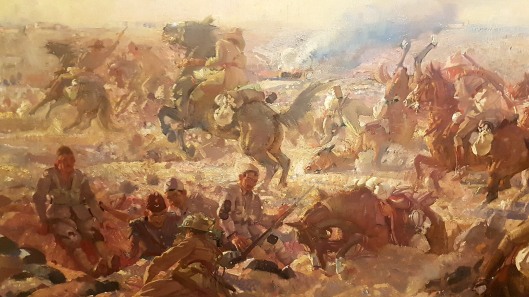
There was at least one bright moment, but not on the Western Front.  Instead, it was in far-off Palestine, where, on 31 October, 1917, Australians and their horses swept over a line of Turkish trenches  at Beersheba in a charge very reminiscent of the 19th -century world.

image15beersheba.jpg

Ironically, these were not cavalry at all, but Australian Light Horse—mounted infantry—who, lacking swords or sabres or lances, attacked using their long bayonets, instead.

image16alh.jpg

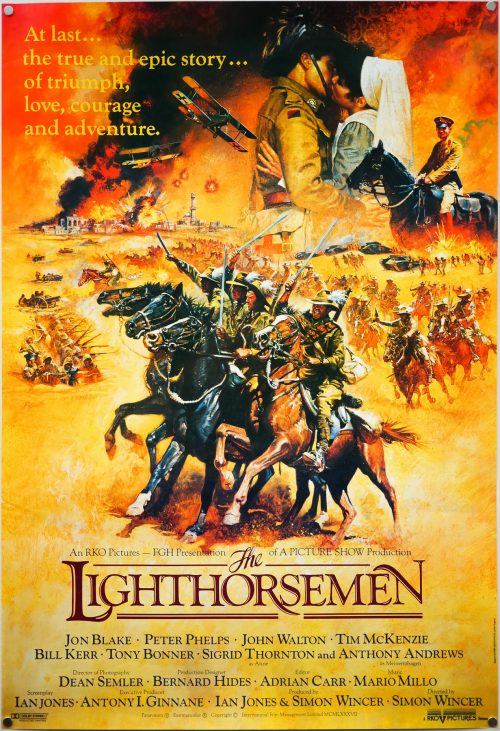
(You can see this charge reenacted wonderfully in the 1987 Australian movie, The Lighthorsemen, one of our very favorite films of the Great War.

image17poster.jpg

Here’s a LINK to the charge scene, before you see the whole film—but we recommend that you see that charge in context.)

On the whole, however, modern war had become one big, bloody ditch,

image18trench.jpg

and victory came in mud-color and mass industrial slaughter.  Perhaps it was a relief to imagine another world, where brave men in armor, mounted on flying horses, still had a place?

image19ro.jpg

As always, thanks for reading!

MTCIDC

CD

Games with Shadows

25 Wednesday Jul 2018

Posted by Ollamh in Artists and Illustrators, Fairy Tales and Myths, Narrative Methods, Theatre and Performance

≈ Leave a comment

Tags

Claude Debussy, cuntastori, Estampes, gamelan, Hacivat, Indian shadow puppets, Indonesia, Javanese, Karaghiozis, Karagoez, Lotte Reiniger, Mahabharata, Marionettes, metallophones, Mimmo Cuticchio, Pagodes, Paris Exposition, puppets, Ramayana, shadow puppets, Teatro dell'Opera dei Pupi, Turkey, Wallace and Gromit, wayang kulit

Welcome, as always, dear readers.

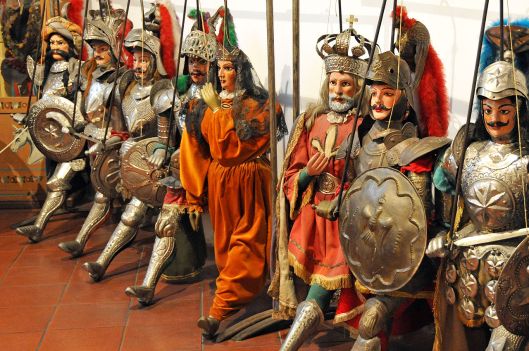
From our childhood, we’ve been interested in puppets.  We began with marionettes.

image1mar.jpg

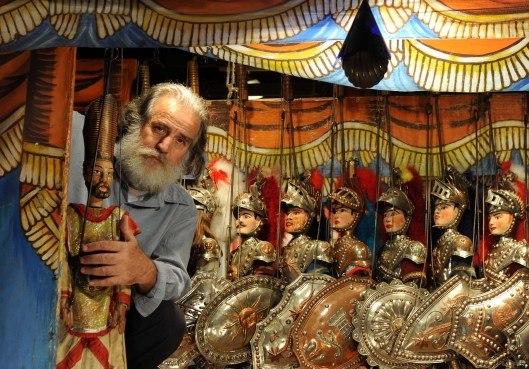
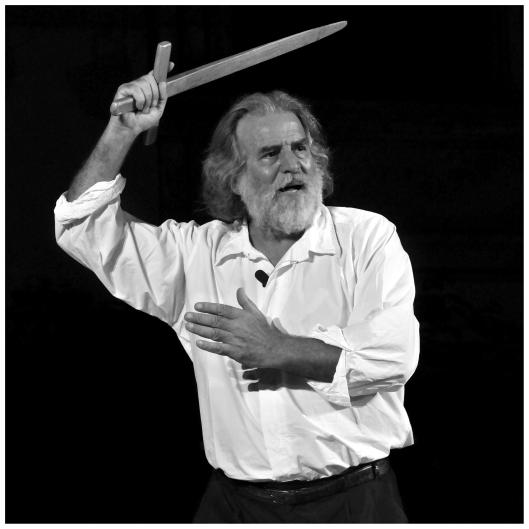
(These, by the way, are from Palermo, in Sicily, and come from the famous Teatro dell’Opera dei Pupi, whose chief puparo, or puppeteer, is a hero of ours, Mimmo Cuticchio,

image2mimmo.jpg

who is also  a street-corner storyteller, a cuntastori, who, with only a cape and wooden sword, can make anything happen.)

image3mimmo.jpg

All kinds of puppets interest us, however, from the most elaborate, like marionettes,

image4cashore.png

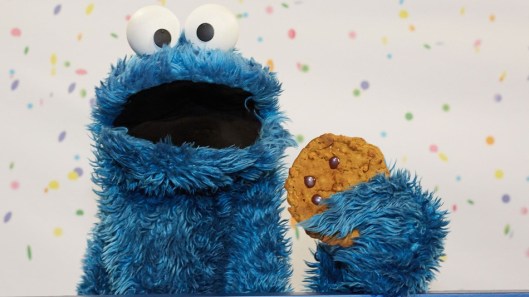
to the most basic–

image5cookiem.jpg

and what can be more basic than Cookie Monster?

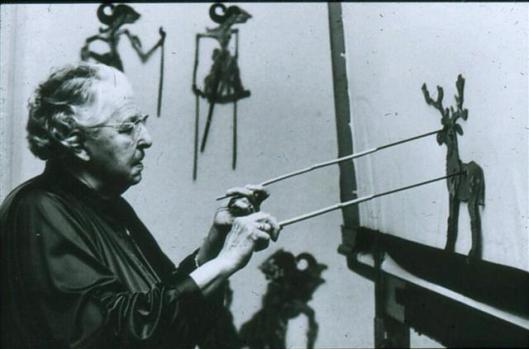
In our last, we briefly mentioned the work of Lotte Reiniger (1899-1981),

image6alr.jpg

who, in a long career, created hundreds of figures in silhouette, employing them to tell both traditional stories as well as original ones.

image7avoi.jpg

Her method was to draw and cut out figures, then film them with stop-motion photography—if you know the adventures of Wallace and Gromit, you’ll have seen the clay figure version of this method.

image7bwall.jpg

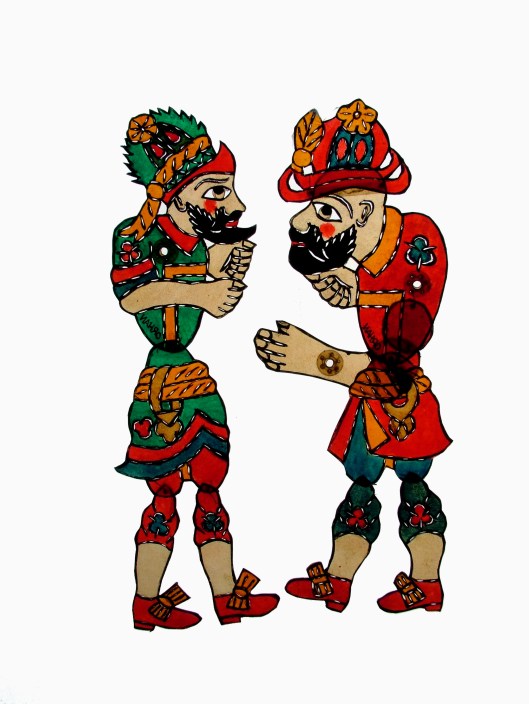
Her figures, as we wrote, reminded us of traditional shadow puppets, once popular in many parts of the world, from Karagoez, in Turkey (KAH-rah-goes on the right, with his friend, Hacivat—HA-tsih-vat)

image7ckara.jpg

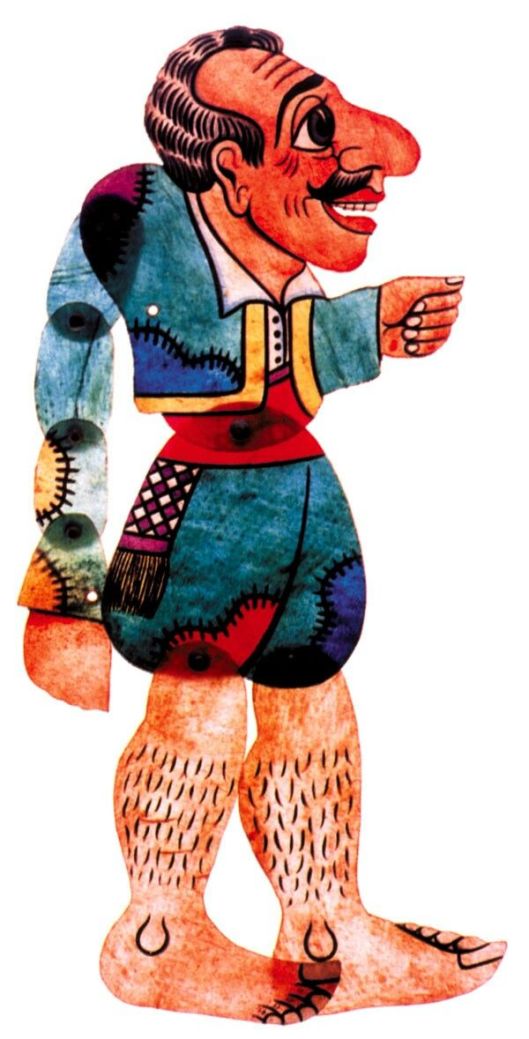
to his Greek cousin, Karaghiozis,

image7dkara.jpg

to Indian shadow puppets

image7eindia.jpg

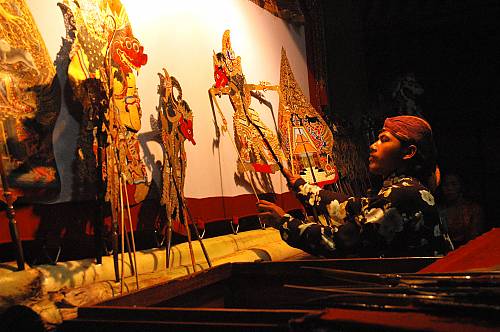
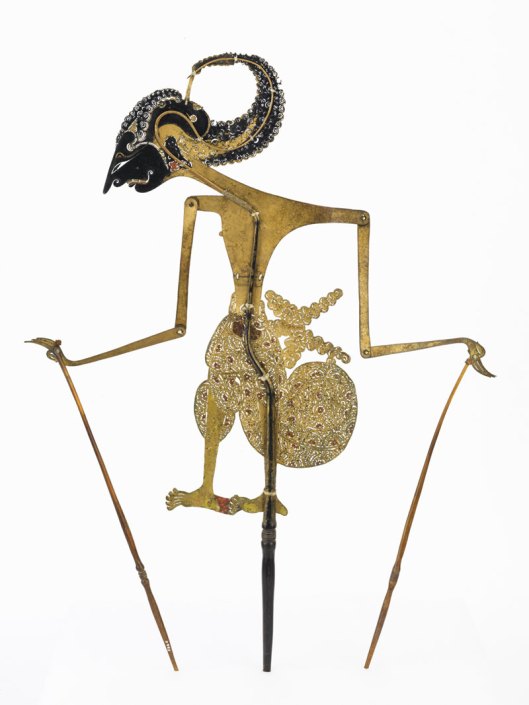
to their direct descendants, the wayang kulit, or “leather puppets” of Indonesia.


Not only the look of these puppets, but how they’re managed against a screen reminded us of Lotte Reiniger’s work.

image8lr.jpeg

image9dalang.jpg

We say “direct descendants” because, considering the two main stories Indonesian puppeteers tell, as well as elements of the puppets themselves, it’s clear that this part of shadow puppet tradition has come to the island from farther west, those two stories, the Mahabharata and the Ramayana, being traditional Indian epics, like the West’s Iliad and Odyssey.

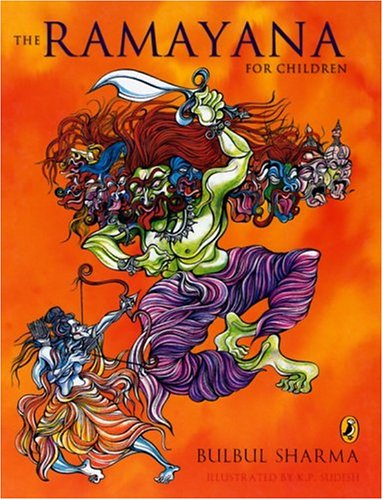
(If you don’t know Indian epic, we would recommend this English version of the Ramayana.  It’s meant for children, but it’s nicely told and keeps to the basic story—we also like the fact that the author’s first name, Bulbul, (“Nightingale”) is that of one of our main characters in our new novel, Grey Goose and Gander.)

image10aramayana.jpg

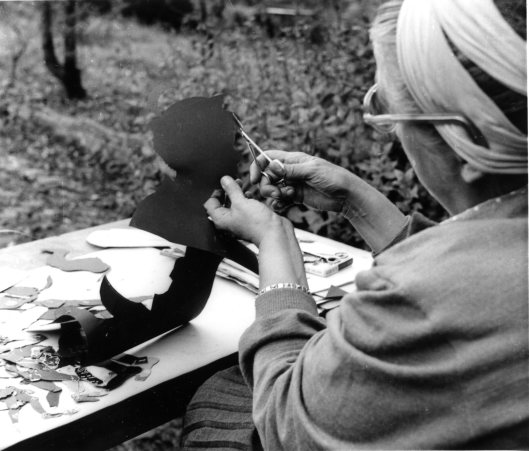
Lotte Reiniger’s puppets are cut from what appears to be black cardboard and therefore lack color.

image10reincutout.jpg

Traditional puppets are made of buffalo leather, scraped thin, and painted in such a way that they almost look like figures from medieval stained glass windows.

image11stainedglass.jpg


image12puppet

They are large and are supported on a rod, with thinner rods allowing the arms to move.

image13apuppets.jpg

image13puppet.jpg

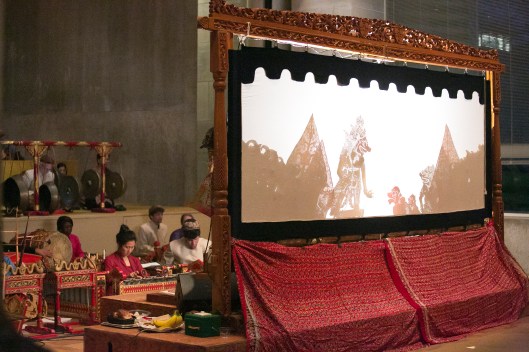
The stage is a large, white screen

image14screen

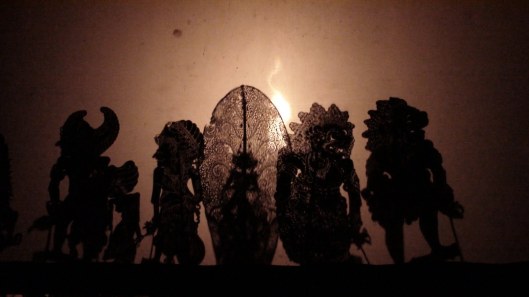
and the shadows are created by a lamp behind it.  Traditionally, an oil lamp is used, but you can now see performance pictures with an electric light which, to us, is too bright and rather spoils the old-fashioned, smoky effect.

image15lamplight.JPG

Because of the bright colors of the puppets, some people actually prefer to sit behind the screen,

image16behind.jpg

where they can also better hear the accompanying orchestra, a gamelan, or group of metallophones.

image17gamelan


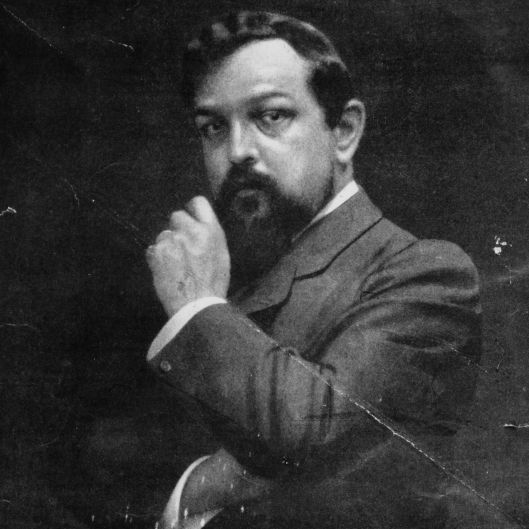
Here’s a LINK to music used in performances.  We recommend it, believing it to be very beautiful, as well as being very different, both in sound and structure, from western classical music (and, if you read us regularly, you know that we’re passionate about that, as well).  In fact, it has even influenced western classical music, particularly that of Claude Debussy (1862-1918).

image18debussy.jpg

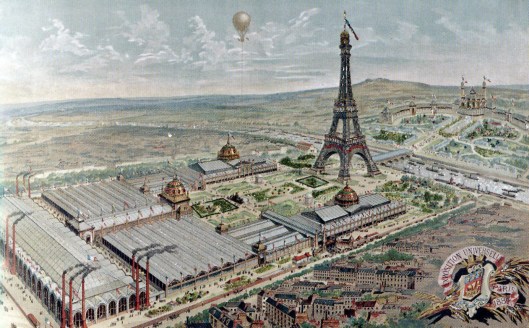
Debussy first heard a gamelan in 1889 at the Paris Exposition,

image19parisexpo1889.jpg

was impressed with what he heard, and began to play with effects which echo gamelan compositions.  “Pagodes” from his 1903 collection, Estampes (“Prints”) is a good example.  Here’s a LINK so that you can compare it with the gamelan.

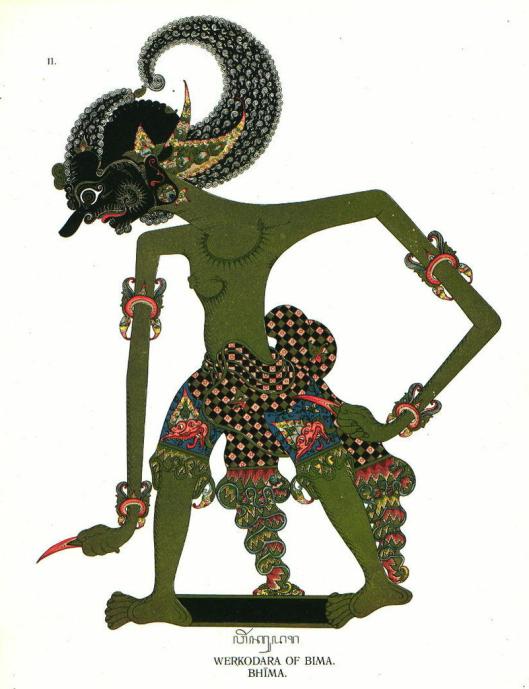
The performances themselves are an interesting mixture, typical of what was originally an oral tradition.  Although plot lines are taken directly from epic, they act as a mere skeleton for the play.  The puppeteer, like someone rebuilding a body on a skeleton, adds his own material—dialogue, subplots, extra characters, jokes, and, sometimes, political commentary—to (literally) flesh out the basic frame.  It’s interesting, too, that the characters can be on two levels.  On the upper level, they are all princesses and princes, kings and queens, nobles and generals.

image20bima.jpg

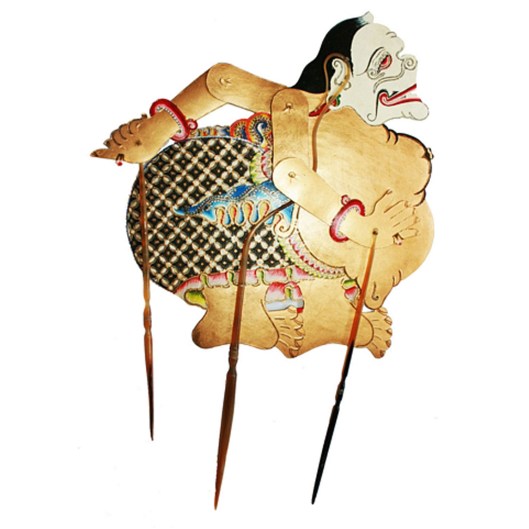
On the lower level, they can be demons,

image21semar.jpg

who act not only as servants, but as interpreters, a very necessary function as the upper level characters tend to speak in Old Court Javanese, an archaic language which the audience wouldn’t understand.  The lower level speaks the local language and so can guide the audience through the (often complex) plot, as well as make local references and jokes.

Unfortunately, it’s difficult to see wayang kulit outside of Indonesia or in any language besides those of Indonesia, but one of us has been fortunate to see several performances in English by the US puppeteer, Larry Reed, of Shadowlight Productions.  These shows are about two hours long (very short in comparison with Indonesian performances, which can go on all night) and feel like 10 minutes, the magic being in the shadows, the plot, and the quick wit of the puppeteer.  Here’s a LINK to Shadowlight to tell you more.

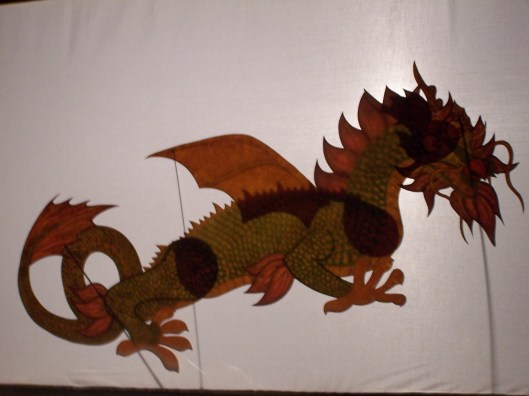
We want to end on a different note, however.  A long time ago, we saw a very good amateur production of The Hobbit as a play.  At the time, we were struck by how much could be done very simply on stage and, in particular, how Smaug could be brought to life with a small group of actors bunched together, swaying in a strobe light (that’s one of those flashing lights which alternates light and shadow effects) and all speaking at once.  Ever since, we’ve thought about shadow plays and The Hobbit—just look at this dragon from a production by the Great Arizona Puppet Theatre—what do you think, dear readers?

image22dragon.JPG

And thanks, as ever, for reading!

MTCIDC

CD

ps

If you’re bitten by the puppet bug, and would like to know more, visit The World Encyclopedia of Puppetry Arts at this LINK.

Theme and Variations.5

18 Wednesday Jul 2018

Posted by Ollamh in Artists and Illustrators, Fairy Tales and Myths, Films and Music, Literary History, Theatre and Performance

≈ Leave a comment

Tags

Arthur Rackham, Aschenputtel, Brothers Grimm, Cendrillon, Charles Perrault, Cinderella, CS Evans, Disney, Histoires ou Contes du Temps Passe, Jardin des Tuileries, Julie Andrews, La Belle au Bois Dormant, Lotte Reiniger, My Fair Lady, Ombres Chinoises, Oscar Hammerstein, Richard Rodgers, Sergei Prokofiev, Shadow puppet plays, Sleeping Beauty, Tchaikovsky, wayang kulit, Zolushka

Welcome, as always, dear readers.

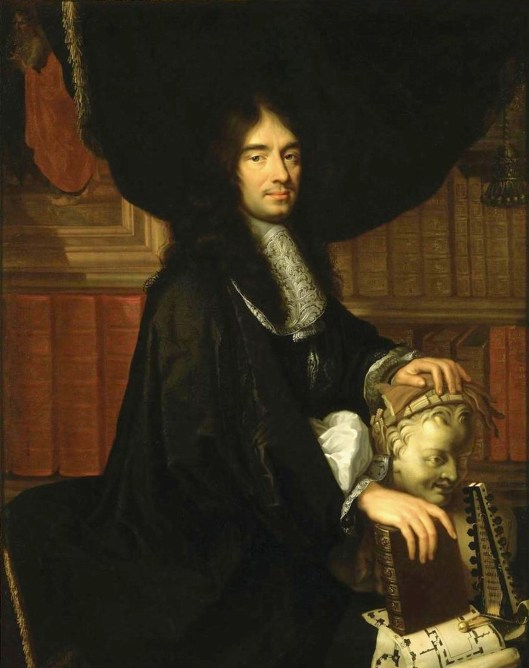
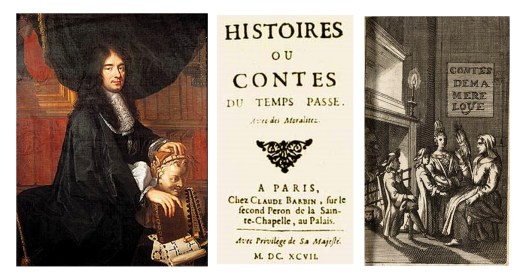
In this post, we come to the end of our series on other ways of presenting fairy tales, in which we have taken two by the author who is usually cited as beginning the modern Western tradition, Charles Perrault (1628-1703).

image1chasp.jpg

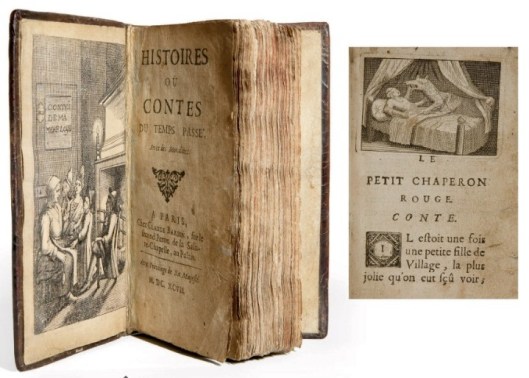
In 1697, Perrault had published this,

image2histoires.jpg

entitled Histoires ou Contes du Temps Passe (“Stories or Tales of/from Past Time”), with a kind of subtitle, Contes de Ma Mere L’Oye (“Tales of My Mother Goose”).

The volume contained only 8 stories, with two being “La Belle au Bois Dormant” (“The Beautiful Girl in the Sleeping Wood”)

image3sb.jpg

and “Cendrillon” (“Cinderella”), which we chose to be the basis of our posts.

image4cindy.JPEG

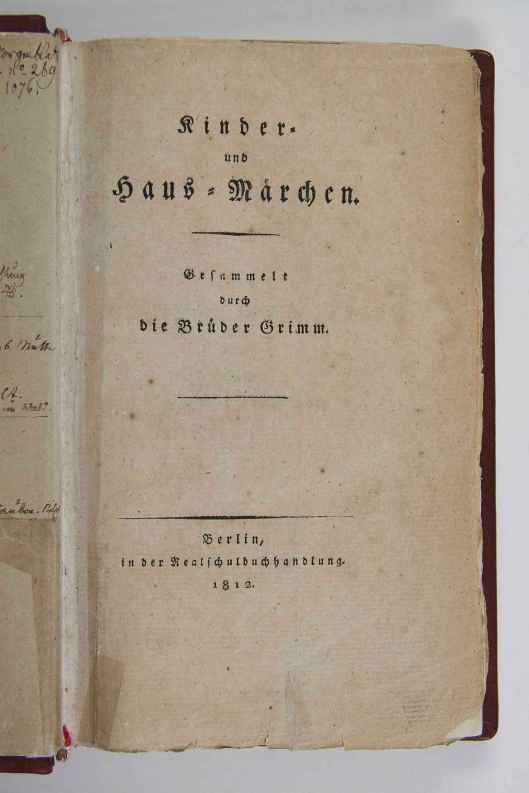
So far in these posts, we’ve looked at “Sleeping Beauty” in everything from ballet to Disney and “Cinderella” in early operas and silent films.  In this final post of the series, we want to begin by saying, as we did in our first post, that “Cinderella” exists in two basic forms, that of Perrault, from 1697, and that of the Brothers Grimm,
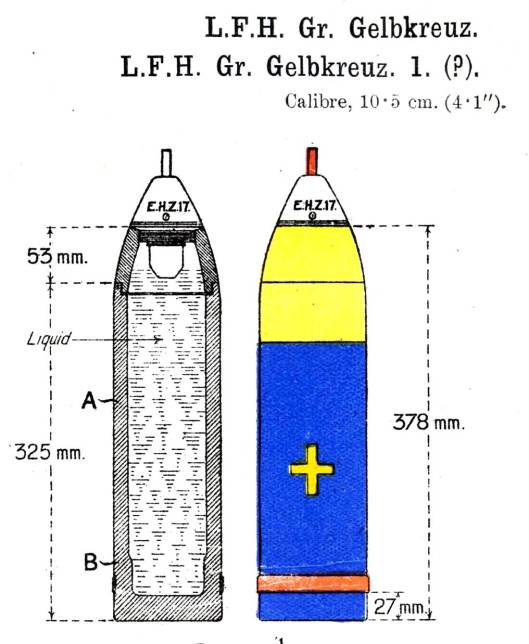
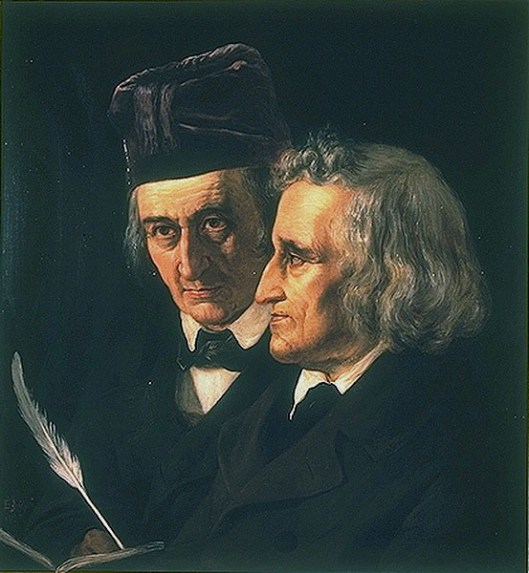
image5grimms.jpg

from 1812.

image6kinder.jpg

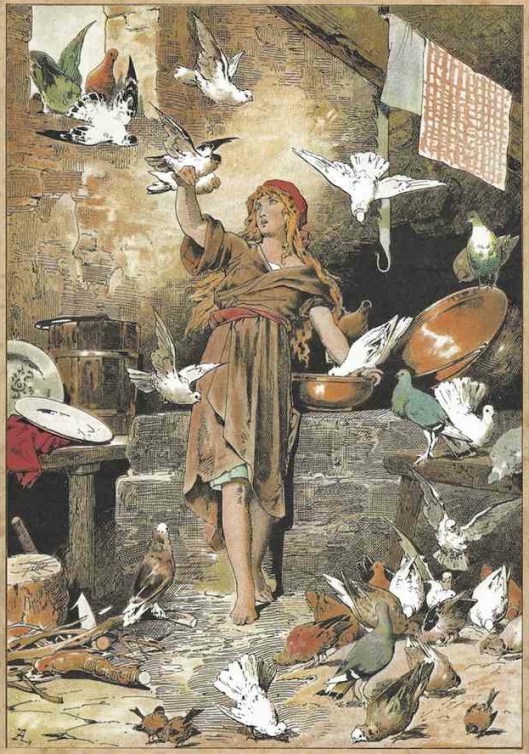
In this version of the story, the fairy godmother is removed and replaced by birds seemingly sent by Cinderella’s dead mother.

image7aschenp.jpeg

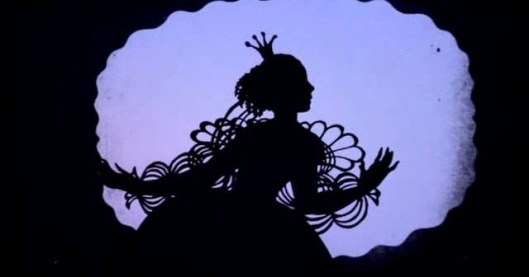
We mention this because this is the version followed by our next creator, Charlotte (Lotte) Reiniger (1899-1981)

image8lotte.png

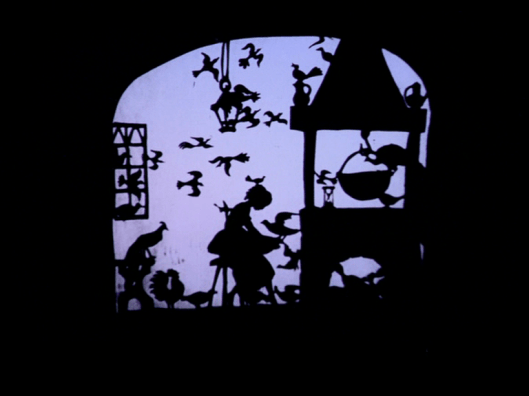
in her 1922 film, Aschenputtel (“Cinderella”)

image9aschen.jpg

This is a silent film in which delicately-cut paper figures through stop-motion photography are manipulated to tell the story.

image10aschen.png

Here’s a LINK so that you can enjoy the short (about 13 minutes) film.  And, if you enjoy that, there are more of Reiniger’s works on YouTube for you to see.

To us, her work very much resembles wayang kulit, the traditional shadow plays of Bali,

image11wayang.jpg


as well as the Ombres Chinoises, (“Chinese Shadows”—Chinese shadow puppets) brought to France in the 18th century.

image12ombres.jpg

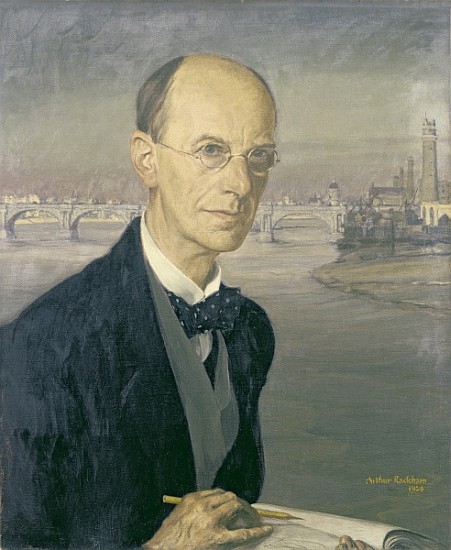
It also closely resembles two works illustrated by Arthur Rackham (1867-1939),

image13ar.jpg

his Cinderella (1919)

image14cindy.jpg

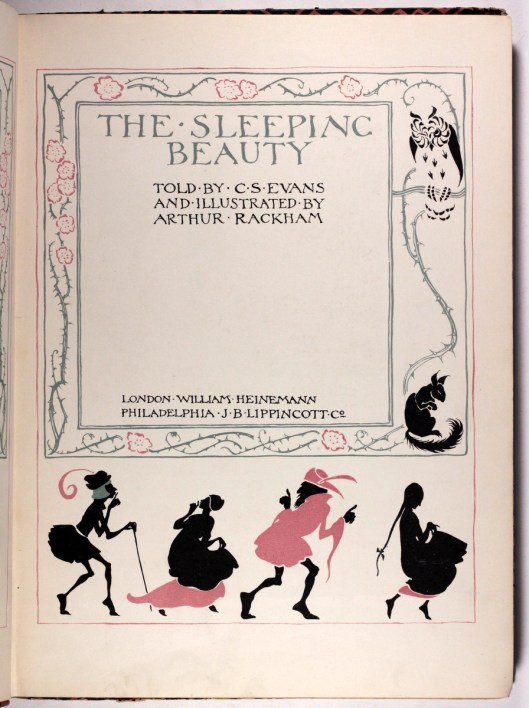
and The Sleeping Beauty (1920).

image15sleep.jpg

In each of these, Rackham employs silhouettes to tell the story (in versions by CS Evans), giving both the look of stories told by moonlight.

image16cindy.png

We could easily show you all of the illustrations, marveling at them right here, but, instead, we give you a LINK to an on-line version of The Sleeping Beauty (with apologies for not being able to locate an on-line Cinderella).

In one of our previous posts in the series, we discussed Tchaikovsky’s ballet, Sleeping Beauty, now we add to this Cinderella (Zolushka) by the Russian composer, Sergei Prokofiev (1891-1953),

image17sp.jpg

premiered in 1945.  Here’s a LINK to a suite of music from it, along with two sheets of costume designs from the original production, suggesting what a sumptuous spectacle it must have been.

image18costumes.jpg

image19costumes.jpg

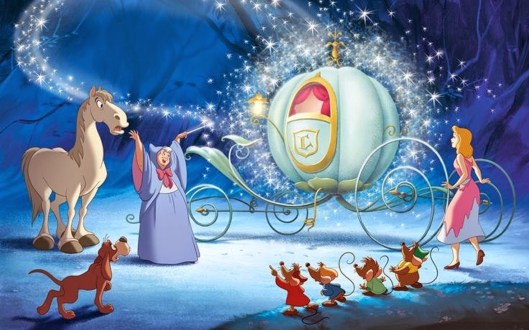
Prokofiev and his collaborators followed Perrault and the fairy godmother was back.  Here’s the pumpkin coach from a more modern—but still Russian—production.

image20pumpkin.jpg

And this coach brings us to our next and next-to-last item.

image21disney.jpg

We grew up with this image of the story in our heads, as well as its music.

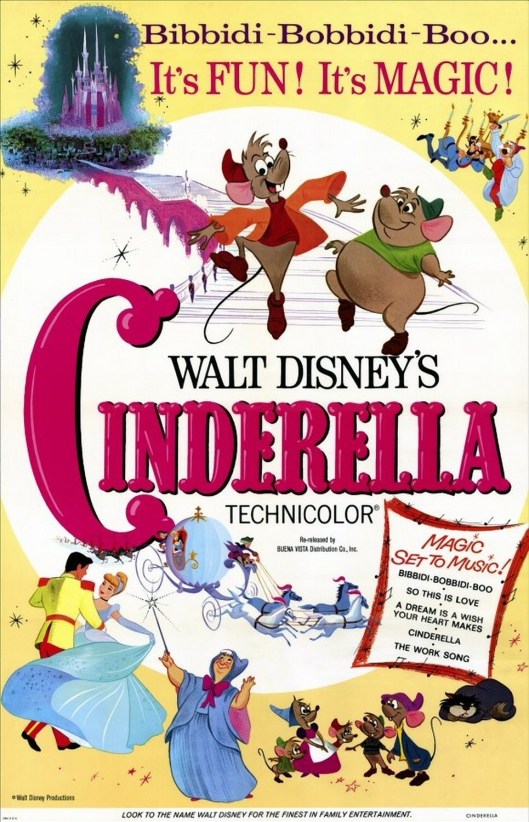
image22disney.jpeg

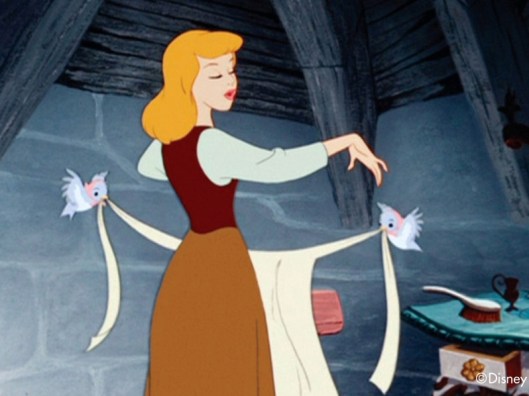
This is the 1950 Disney version, which stuck fairly closely to the Perrault, but, along with the fairy godmother, kept the helpful birds (changing their color)

image23abluebirds.jpg

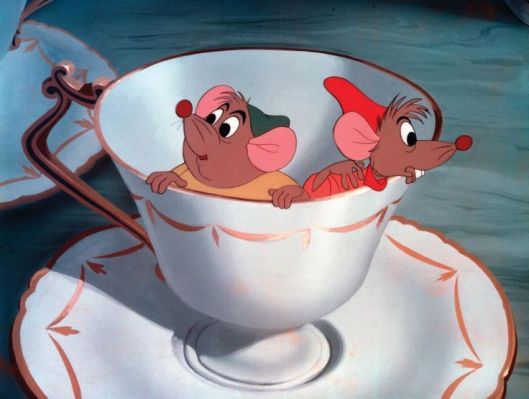
and added a gang of equally helpful mice.

image23disney.jpg

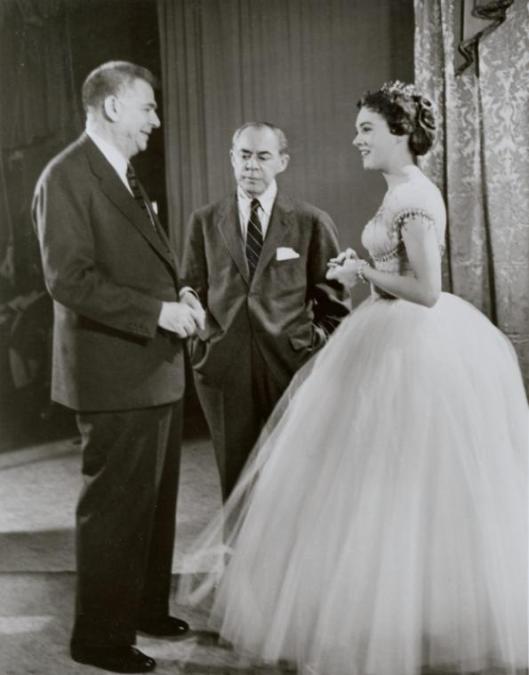
To which we add our final piece.  In 1957, the well-known composer/lyricist team of Rodgers and Hammerstein created a first, a made-for-television musical production of Perrault’s version, starring someone who was already becoming a star by appearing as Eliza Doolittle in Lerner and Lowe’s My Fair Lady, Julie Andrews.
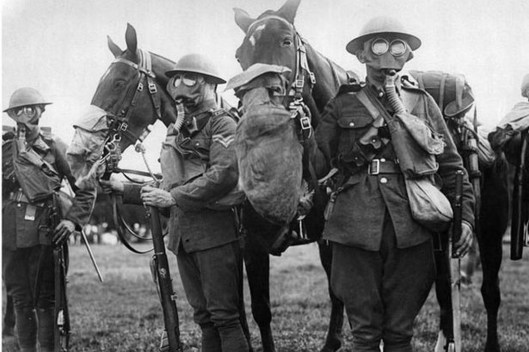
image24rodgersham.jpg

image25andrews.jpg

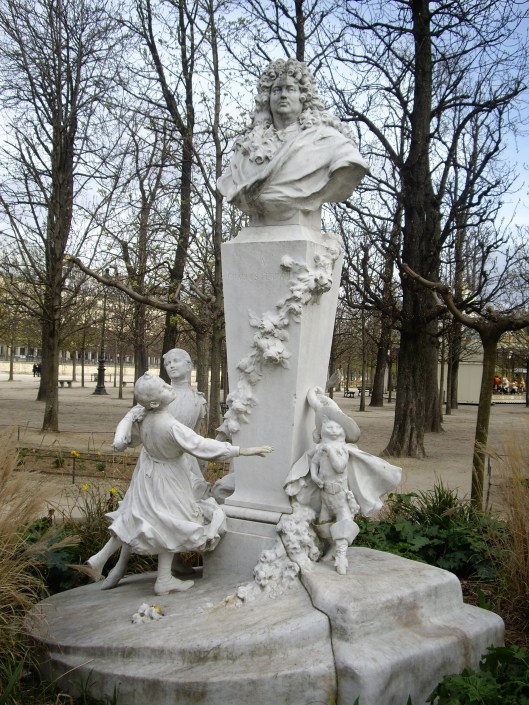
In five postings, we’ve traveled from 1697 to 1957 and visited a number of places in between, all of which was based upon two traditional stories recreated in new tellings by Charles Perrault.  Is it any wonder, then, that in 1910, this bust was erected to his memory in the Jardin des Tuileries in Paris?
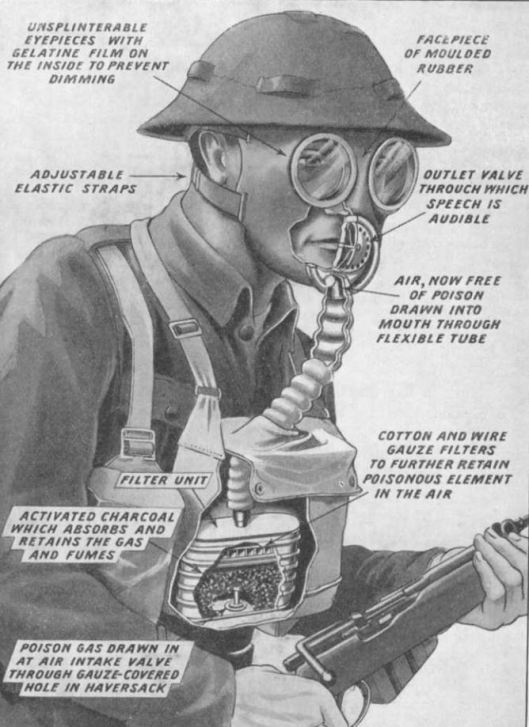
image26chasp.jpg

Thanks, as always, for reading.

MTCIDC

CD

Theme and Variations.4

11 Wednesday Jul 2018

Posted by Ollamh in Artists and Illustrators, Fairy Tales and Myths, Films and Music, Literary History, Narrative Methods

≈ Leave a comment

Tags

A Trip to the Moon, Alexandre Dumas, Arthur Rackham, Cendrillon, Charles Perrault, Charles S Evans, Cinderella, Cinderella 1899, Cinderella 1911, Cinderella 1912, Cinderella 1914, Contes de Ma Mere L'Oye, Film, Florence La Badie, Georges Melies, Gustave Dore, Henri IV, Histoires ou Contes du Temps Passe, Hugo, Le Voyage dan la Lune, Louis XIII, Mary Pickford, silent film, Sleeping Beauty, The Invention of Hugo Cabret, The Three Musketeers

Welcome, dear readers, as ever.

This is the next-to-last in a little series on several of the fairy tales of Charles Perrault (1628-1703) from his 1697 collection, Histoires ou Contes du Temps Passe (“Stories or Tales of Past Time”), better known by a kind of subtitle, Contes de Ma Mere L’Oye (“Tales of My Mother Goose”).

image1chasp

So far, we’ve devoted two posts to “Sleeping Beauty” (actually called by Perrault “La Belle au Bois Dormant”—“The Beautiful Girl in the Sleeping Wood”), covering everything from 19th-century theatrical performances to book illustrations to Disney.

image2belle.jpg

In the third post, we began to look at “Cinderella”, more specifically in opera, from Isouard’s 1810 Cendrillon to Viardot’s 1904 Cendrillon.

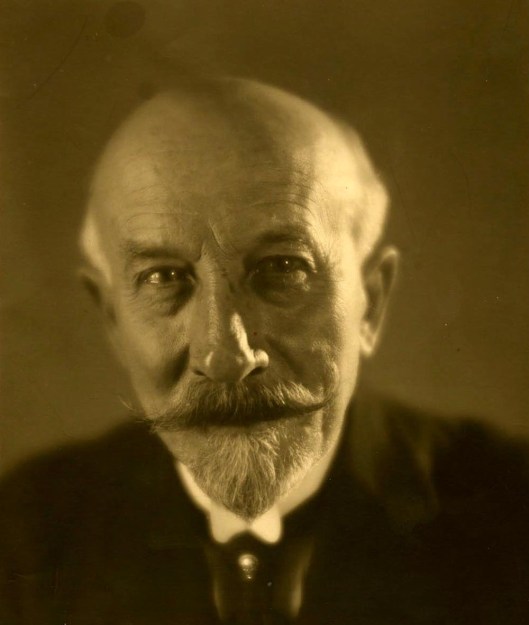
Now, in this post, we want to look at “Cinderella” in film, beginning with the 1899 work of Georges Melies (1861-1938)

image3melies.jpg

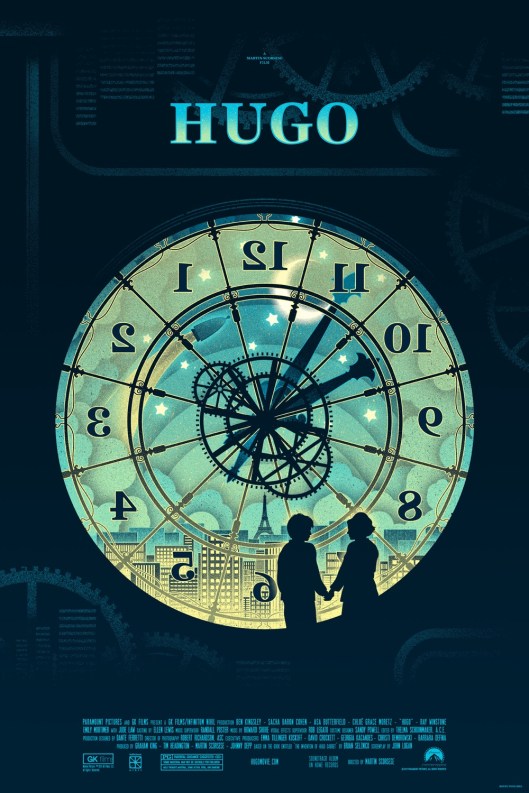
whom you may know from the 2011 film Hugo

image4hugoposter.jpg

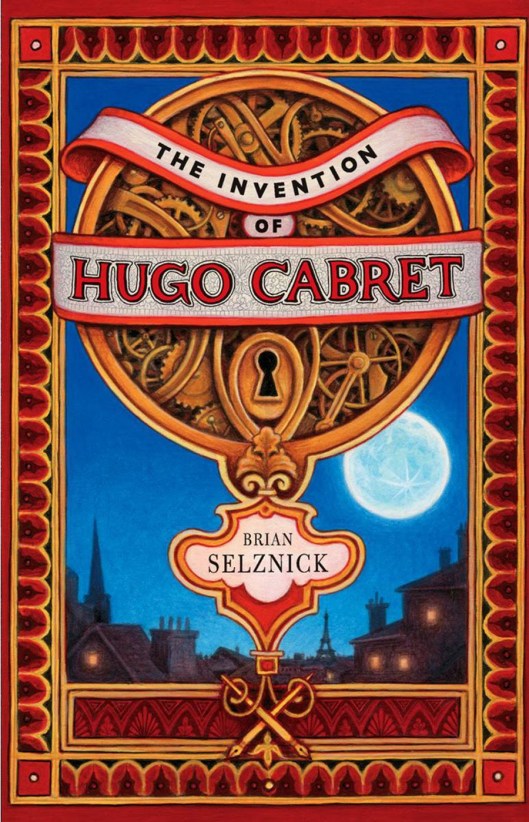
based upon Brian Selznick’s 2007 wonderfully inventive novel, The Invention of Hugo Cabret.

image5hcabret.jpg

Even if you aren’t familiar with Melies, you may recognize his work in this image

image6moon.jpg

from his 1902 science fiction film, Le Voyage dans La Lune (“The Trip to the Moon”), thought by scholars to be the first science fiction film (or at least first surviving such film.  Silent film historians estimate that only about 10% of all silent films made are still available to us.  Here’s a LINK to the film so that you can enjoy it for yourself).
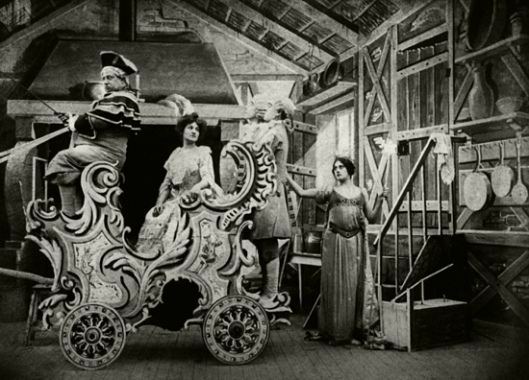
Cendrillon was Melies’ most elaborate film to date and was a commercial success, even though only just under 6 minutes long—which says something for the expectations of the movie-going public of 1899.

image7cend.png

As it is so short, it has only a couple of scenes—the kitchen in Cinderella’s house, the palace ballroom, Cinderella’s room, and what appears to be the outside of the palace—and very much depends upon the viewer already knowing the basic story (it begins, for example, with a very fancily-dressed woman leaving the kitchen and the sudden appearance of the Fairy Godmother, with no introduction at all).  Its greatest strength, for us, is in its transformation scenes (a Melies’ specialty), particularly the change of rats/mice into coachmen and footmen. (And here’s a LINK to the film, see if you agree with the 1899 audience.)

image8trans.jpg

Our second film is from 1911 and is nearly 15 minutes long, meaning that it actually has time to tell the story, if not in a leisurely fashion, at least in a more complete one than the Melies.  This is a US version of the story, starring an early popular favorite, Florence La Badie (or Labadie).

image9aflo.jpg

Forgotten except by silent film enthusiasts, La Badie was a hardworking dare-devil, appearing in nearly 200 films between 1909 and her death in 1917, and doing most of her own stunts.  She was also someone who personified a new look for young women in the years leading up to the Great War—as this portrait (and there are more like it) shows.

image9flo


If you follow this LINK, you can see not only the actress, but a “Cinderella” which has almost everything we would expect from the Perrault original.

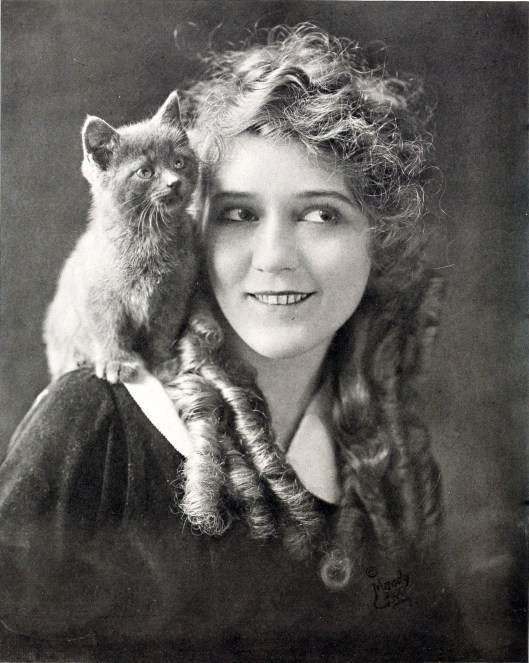
Florence La Badie had gotten into films through the suggestion of an acting friend, Mary Pickford,

image10pick


who starred in our next Cinderella, in 1914.

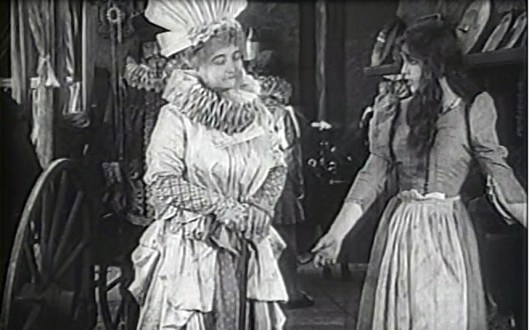
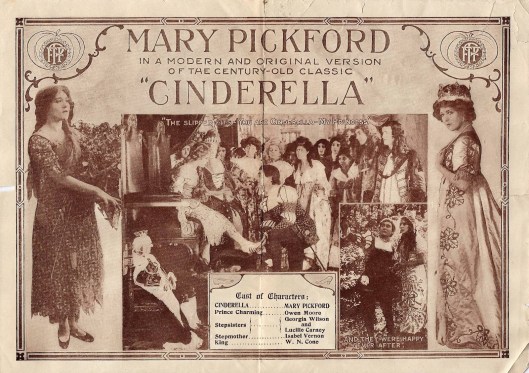
image11cind

Two things strike us about this:

  1. it’s over 50 minutes long—a great advance from the 1911 15 minutes
  2. the advertising seems to suggest that the audience of 1914 was expected to visit the theatre to see Mary Pickford in Cinderella, rather than Cinderella in which Mary Pickford plays the title role. For us, this foreshadows the obsession with film celebrities which is still with us today.

image12pick

This version, with its almost luxurious length, has plenty of time not only to tell the Perrault story, but to makes two additions to the plot:  Cinderella actually meets the prince before the ball, near her home and they fall in love—but are then separated; the stepsisters visit a fortune-teller, who informs them cryptically that one of their family will be successful at the ball.  (Here’s a LINK so that you can enjoy this more elaborate version.)

In the midst of these US versions, Georges Melies issued a second one himself.  At about 24 minutes long, it is much grander than his 1899 production, spending nearly a quarter of its length on the transformation of Cinderella from kitchen maid to grand lady alone.  The contrast between the 1899 pumpkin coach and the 1913 one illustrates this nicely.

image13acoach.jpg

image13melies2

It did not enjoy the success of the 1899 original, perhaps because, the weight of production values was simply too heavy for the little story inside, which was smothered by all of the plumed hats and sweeping bows.  We admit that we find this version a little slow, but the creation of the pumpkin coach is still as impressive to us as it must have been in 1913.  Here’s a LINK so that you can judge for yourself. It’s dated 1912, by the way, when the film was made, but it premiered in 1913, so we are sticking to the later date.

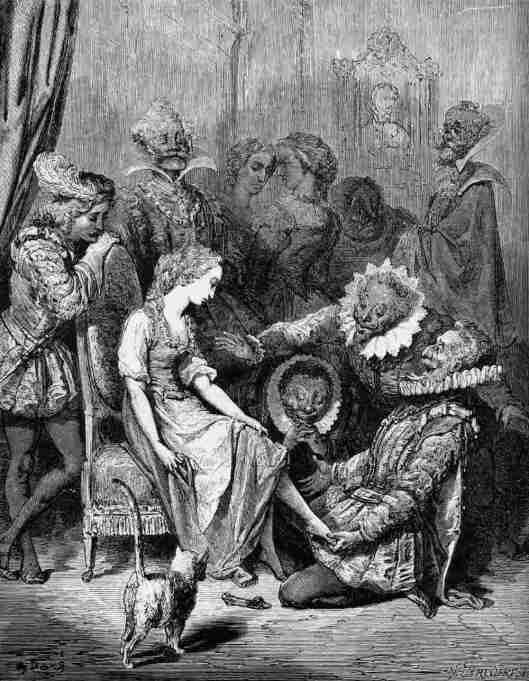
It has been suggested that Melies, in the look of this later take on the story, was influenced by the work of Gustave Dore (Do-RAY) (1832-1883).

image14dore.jpg

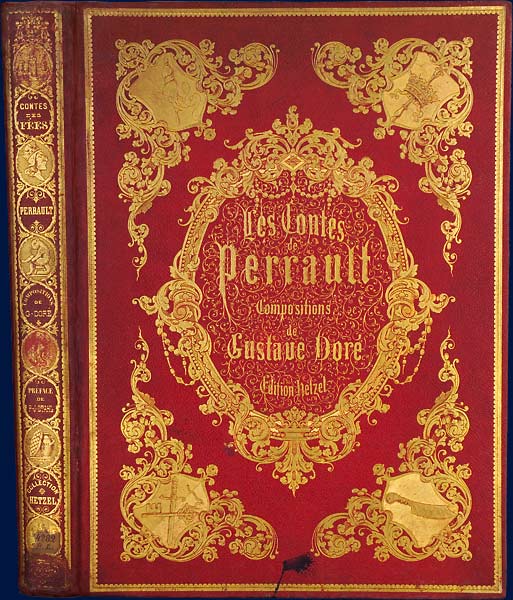
In 1867, Dore—a well-known illustrator–among other things–published Les Contes de Perrault, dessins par Gustave Dore. image15contes

Here’s one of the three illustrations done for the story.

image16cend

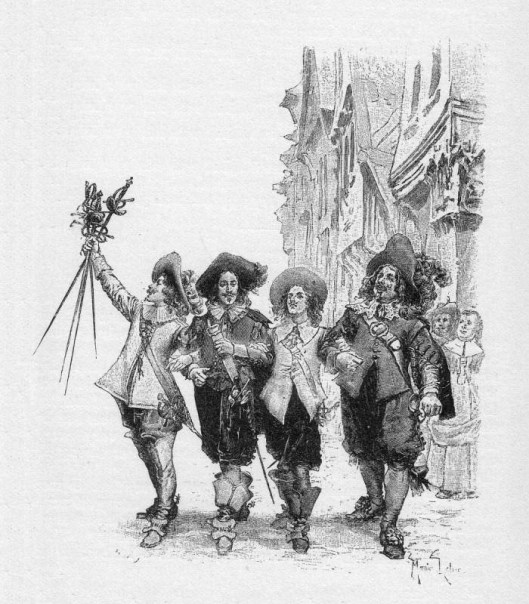
To us, however, Melies thinks of the story taking place in the time of Louis XIII (reigned 1610-1643), when Dumas’ “Musketeers” novels are set (with a little 18th-century addition here and there).

image17musk

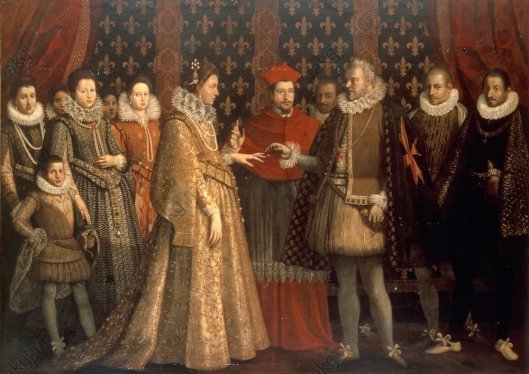
Dore would appear to be setting it earlier, in the time of Louis’ father, Henri IV (reigned 1589-1610).

image18henri4

One of our very favorite illustrators, Arthur Rackham (1867-1939),

image19ar

tackled both “Cinderella” in 1919 and “Sleeping Beauty” in 1920, with retellings by Charles S. Evans.  Always original and surprising in his approach, Rackham here has produced what we believe to be two of his most inspired works—we’ll talk about them, as well as more versions of “Cinderella”, in our next.

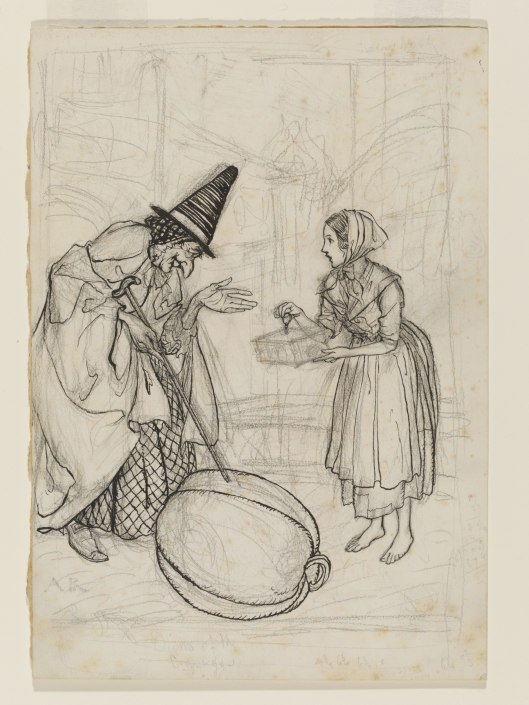
But we’ll finish this post with one more image—as a teaser…

image20sketch

And thank you, as ever, for reading.

MTCIDC

CD

Theme and Variations.2

27 Wednesday Jun 2018

Posted by Ollamh in Artists and Illustrators, Fairy Tales and Myths, Films and Music, Literary History, Military History

≈ Leave a comment

Tags

Arthur Rackham, Baron Friedrich de la Motte Fouque, Brothers Grimm, Charles Dickens, Charles Perrault, Charles S Evans, Cinderella, Disney, Dornroeschen, Edgar Taylor, ETA Hoffman, French Revolution, George Cruikshank, German Popular Stories, Hans Christian Andersen, Histoires ou Contes du Temps Passe, Jacob and Wilhelm Grimm, James Robinson Planche, Kinder und Hausmaerchen, La Belle au Bois Dormant, Little Briar-Rose, Louis XIV, Louis XVIII, Mariinski Theatre, Napoleon, Robert Samber, Sleeping Beauty, St Petersburg, Tchaikovsky, The Little Mermaid, Undine

Welcome, as ever, dear readers.
In our last, we began talking about the fairy tales of Charles Perrault (1628-1703), originally published under the rather vague title, Histoires ou Contes du Temps Passe, (“Stories or Tales of the Past”) in 1697.
image1perrault.jpg
Among his stories was one entitled “La Belle au Bois Dormant”—literally “The Beautiful Girl in the Sleeping Woods”, which we English-speakers call “Sleeping Beauty”. We had said that we thought it would be interesting to look at various treatments of that story over time and, so far, we’ve discussed James Robinson Planche’s (plawn-SHAY) two works, an 1840 “extravaganza” (a kind of very early musical comedy) and his 1868 story-in-verse version (here’s the first edition).
image2planchesleep.JPG
Planche could read the French original, but those whose knowledge of French was confined to menus could find English translations dating all the way back to the first, that of Robert Samber, in 1729.
image3samber.jpg
(This image, by the way, explains not only why English-speakers call this story “Sleeping Beauty”, but also why we call the stories as a group “Mother Goose Tales/Stories”. Please see our previous posting for where Mother Goose came from in Perrault.)
In the early 19th-century, a competitor to Perrault appeared. In 1812, two German scholars, Jacob and Wilhelm Grimm (1785-1863, 1786-1859,)
image4grimms.jpg
began publication of a work which they would enlarge numerous times through the first half of the 19th century, Kinder und Hausmaerchen (something like “Children’s and Domestic Wondertales”), the first volume of which first appeared in 1812.
image5kinder.jpg
“Sleeping Beauty” appears as #50, under the title Dornroeschen, “Little Briar-Rose”. This is like the Perrault story, but not the same, providing an alternate version of the tale. For those without German, an English translation was published in 1823.
image6kinder.jpg
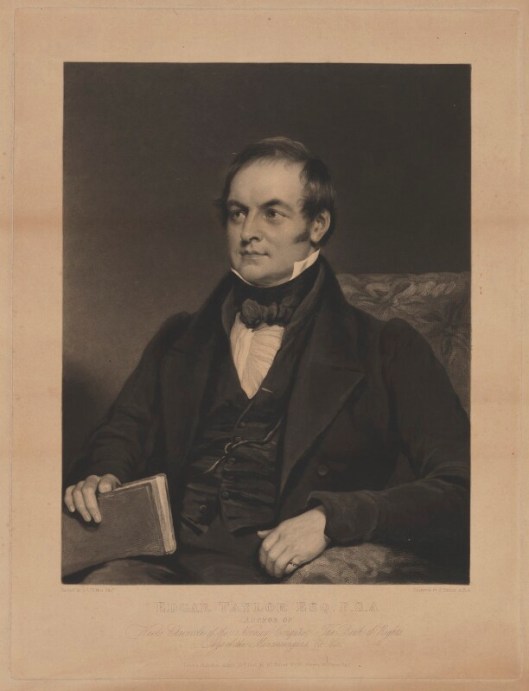
Although their names aren’t on the title page, this is a collaboration between Edgar Taylor (1793-1839), translator,
image7taylor.jpg
and George Cruikshank (1792-1878), illustrator.
image8cruick.jpg
Of the two, Cruikshank is the better-known. Originally, he was famous as what we now call an “editorial cartoonist”, creating images critical of politicians and political events of his time. Here is his 1823 caricature of Louis XVIII of France (reigned 1814-1824 with a little gap in 1815 when Napoleon came back briefly from exile on Elba).
image9louis18.png
His public relations people wanted Louis to look like this:
image10louis.jpg
to remind them that he was the direct descendant of Louis XIV, the famous “Sun King”, a grand and heroic figure in recent French history.
image11louis.jpg
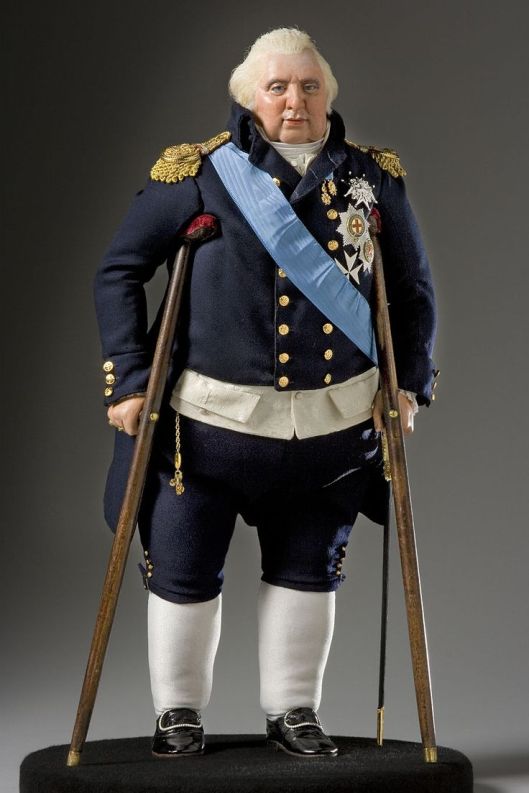
In reality, Louis was old and fat and looked more like this—
image12louis
It wasn’t about Louis per se, weak and temporary monarch though he was, so much as the long-standing English/French rivalry/hostility, which went back for centuries and which had intensified during the Revolutionary and Napoleonic wars, stretching almost without a break from 1792 to 1815. Napoleon, as representative of what the English of the time saw as revolution-which-led-to-chaos-and-worse, was a regular target from the later 1790s on and Cruikshank certainly aimed his pen and brush at him—as in this mocking depiction of the fate of Bonaparte after his first abdication in April, 1814.
image13bonaparte.jpg
Political commentary aside, Cruikshank, as we see in his illustrations for the Brothers Grimm (and isn’t it odd that we never say, in English “the Grimm Brothers”—which sounds either like a menacing secret society or perhaps an old, established firm of teakwood importers), was involved in all sorts of illustrating, including a second volume of the Grimms, in 1826. This is the 1868 reprint which the editor says duplicates in one volume the text and illustrations of the original two. (We include a LINK so that you can download your own copy.)
image14reprint1868.jpg
As well, he illustrated the original serialized version of Charles Dickens’ (1812-1870) Oliver Twist (1837-1839). This is a famous scene near the end of the novel, where the main villain, Fagin, is in the condemned cell, awaiting dawn and his execution. Dickens was famous for his performance of this.
image15fagin.jpg
On a more cheerful note, here’s Cruikshank’s sketch of Dickens himself from 1836.
image16sketch.jpg
The Grimms’ version of the “Sleeping Beauty” story is combined with that of Perrault in our next example. It’s the 1920 The Sleeping Beauty,
image17sb.jpg
text by Charles S. Evans (1883-1944), of whom we have found no picture, and Arthur Rackham (1867-1939) of whom this may be our favorite picture.
image18ar.jpg
The year before, Evans and Rackham had collaborated on a version of Perrault’s “Cinderella”—and we’ll talk about that in our next. The Sleeping Beauty is anything but sleepy—its illustrations practically dance off the page. (Here’s a LINK for your own copy.)
image19ar.jpg

image20ar.jpg

image21ar.jpg
And dance itself is the basis of our last example.
In 1888, Pyotr/Peter Tchaikovsky (1840-1893)

image22tchai

was offered a commission for a ballet. Originally, the subject was to be a famous early German Romantic novella, Undine (un-DEE-neh), written by the Baron Friedrich de la Motte Fouque (foo-KAY) (1777-1843),
image23baron.jpg
and published in 1811. It’s the story of a knight and a water spirit and shares the basic plot of HC Andersen’s later “The Little Mermaid”. Here’s an illustration from Rackham’s 1909 version.
image24undine.jpg
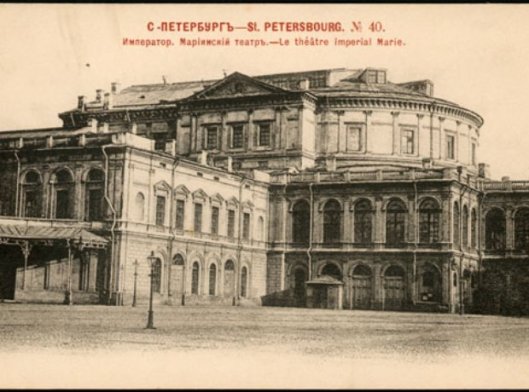
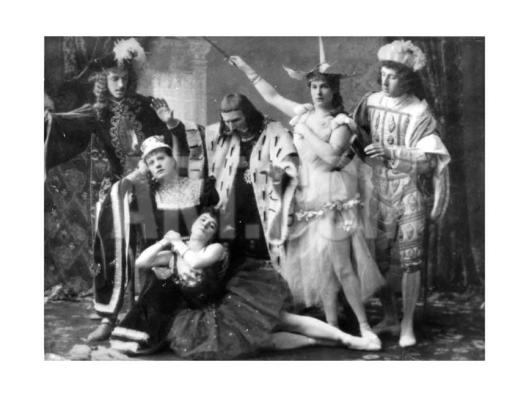
As things developed, however, this story was replaced by the Perrault/Grimms’ “The Sleeping Beauty”, which first appeared at the Mariinski Theatre
image25mariinski.jpg
in St Petersburg in January, 1890. We are lucky to have a number of photos of the original production and cast.
image26sleep.jpg

image27sleep.jpg

image28sleep.jpg
And here’s a LINK to a suite (selection) of music from the ballet—but the full ballet is available on YouTube and we hope that you like this suite so much that you’ll try the whole thing.
In our next, we’ll move on to a second Perrault story, “Cinderella”.
Thanks, as always, for reading.
MTCIDC
CD
ps
If you’re a regular reader, you’ll know that we can rarely resist adding something more. In fact, in this ps, we add two somethings more.
First, before Undine was proposed for a ballet, it was the subject of an opera by the strange and wonderful German Romantic author and composer ETA Hoffmann (1776-1822).
image29hoffmann.jpg
Here’s a LINK to the overture. In a future post, we’ll have more to say about Hoffmann…
Second, as people who grew up on Disney, we can’t close without mentioning Disney’s 1959 Sleeping Beauty, with its attempt at a new style of visual presentation—as well as its use of Tchaikovsky’s music as the basis of its score. If you haven’t seen it, we certainly recommend it, especially for its combination of elements of the older look of such films as Cinderella (1950) with a newer, simplified one.
image30disney

Theme and Variations.1

20 Wednesday Jun 2018

Posted by Ollamh in Artists and Illustrators, Fairy Tales and Myths, Literary History, Narrative Methods, Theatre and Performance

≈ Leave a comment

Tags

Bibliotheque nationale Francaise, Charles Kemble, Charles Perrault, costuming, David Garrick, Edward Burne-Jones, Extravaganzas, Faulconbridge, Folger Library, Giambattista Basile, Gianfrancesco Straparola, Histoires ou Contes du Temps Passe, Histories or Tales of Past Times, James Robinson Planche, King John, La Belle au Bois Dormant, Les Contes Des Fees, Madame d'Aulnoy, Mercure Galant, Mother Goose, Punch Magazine, Richard "Dicky" Doyle, Shakespeare, Sleeping Beauty, Sur La Lune

Welcome, as always, dear readers.

For a current writing project, we’ve gone back into our fairy tale collection (we recommend, by the way, the wonderful Sur La Lune site to help you to build yours—here’s a LINK) to reread the fairy tales of Charles Perrault (1628-1703)–

image1perrault.jpg

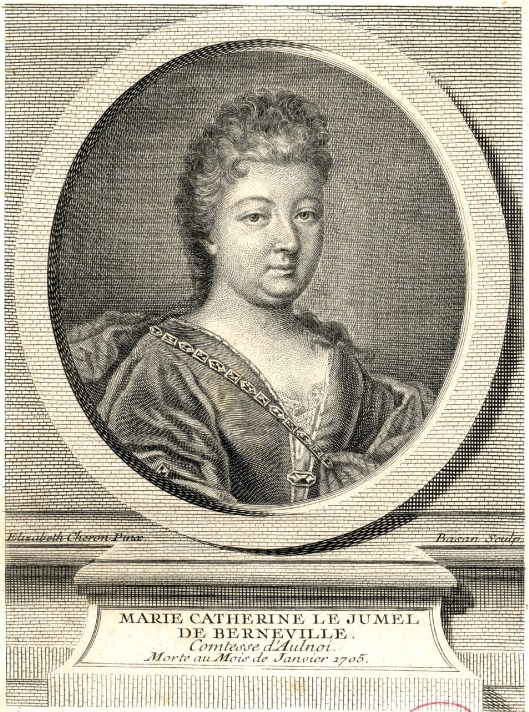
although he wasn’t the person who first called them that—that was his contemporary, Madame d’Aulnoy (1650/1-1705),

image2daulnoy.jpg

who called her stories contes des fees—“stories of fairies”.

image5histoires.jpg

In 1695, Perrault had circulated an illustrated manuscript of such tales, calling it Contes de ma Mere l’Oye—“Tales of My Mother Goose”.

image3ms.jpg

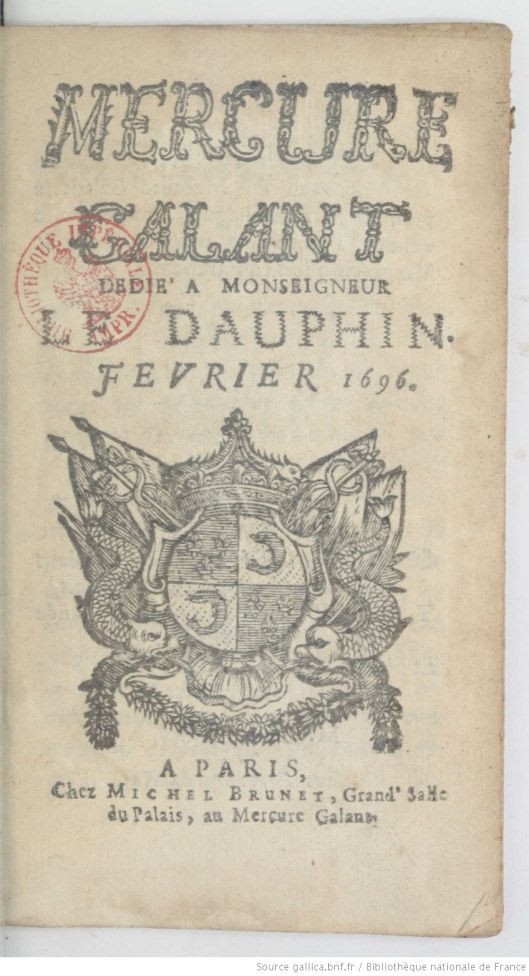
In  February, 1696, he published one of them, “La Belle au Bois Dormant”—“The Beautiful Girl in the Sleeping Wood” in an early magazine, the Mercure Galant (maybe in English something like “The Courier of Style”).

image4mercure.JPEG

(If you’d like to read the story in French as it was first published, here’s a LINK to the BnF, the Bibliotheque nationale Francaise, where it is available on-line, which we think is just magical.)

Then, the following year, the collection was published under the title Histoires ou Contes du Temps Passe (“Stories or Tales from the Past”).

perrault.jpg

The term “contes de ma mere l’Oye” appears to have been known in literary circles from at least the 1650s and indicated rustic/countryside stories—in a sense, folktales—and Perrault had used traditional material, some of which had first appeared in print in Italian in the 16th century and could be found in the folktale collections of people like Gianfrancesco Straparola (1485?—1558) and Giambattista Basile (1566-1632).

Perrault’s stories, which include what we call “Sleeping Beauty” (you can see that that’s a mistranslation) and “Cinderella”, first appeared in English in London in 1729, translated by Robert Samber, its title being identical with the 1697 French.

image6samber.jpg

In this post and (at least) two following, we thought that we would choose two of these fairy tales and see in what different forms they’ve been presented since first appearing in 1697.

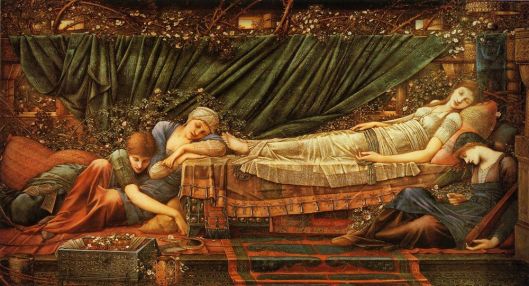
Because it was the first to be published, we’ll begin with “Sleeping Beauty.  (This is a Pre-Raphaelite version by Edward Burne-Jones, 1833-1898.  It is one of a set of four and has a very interesting history—here’s a LINK so that you may found out more, if you wish.)

image7sleepbeautjones.jpg

Our first work, entitled surprisingly enough, The Sleeping Beauty, is what its author, James Robinson Planche (plahn-SHAY), 1796-1880,

image8planche.jpg

would call an “extravaganza”, meaning, in this case, something like a modern musical comedy.  First produced in 1840, it combined dialogue in rhyming iambic (more or less) couplets with songs set to already existing tunes.   Based upon Perrault, it used spectacle, everyday references which a London audience would have immediately picked up on, and gentle political/cultural satire to entertain.  Unfortunately we don’t have any images of this production, but here’s a LINK to volume 2 of Planche’s “extravaganzas” so that you can form your own impression.  If you know the works of the Victorian dramatist/composer team of WS Gilbert and Arthur Sullivan, you will see that Planche is their direct ancestor.

For many years, beginning in the early 1800s and continuing into the 1860s, Planche was Mr Theatre, in London, writing or co-writing at least 175 shows of various sorts.  These works, like Planche himself, have faded away, but he did leave one mark.  In 1823, Planche had had a conversation with a famous actor, Charles Kemble (1775-1854),

image9kemble.jpg

in which he suggested that, whereas money was always being spent in the theatre on spectacles, almost nothing was done for the plays of Shakespeare.   In fact, Shakespeare’s plays had always been costumed in the clothing of the period of the actors, rather than the dress of the time of the events.  Here’s a print of the well-known 18th-century actor, David Garrick (1717-1779) in four of the roles for which he was famous:  Lear, Macbeth, Richard III, and Hamlet—by dress and props alone, perhaps we could guess that the actor with the two daggers was someone playing Macbeth (or perhaps an assassin from the 1760 version of Game of Thrones), but otherwise?

image10garrick.jpg

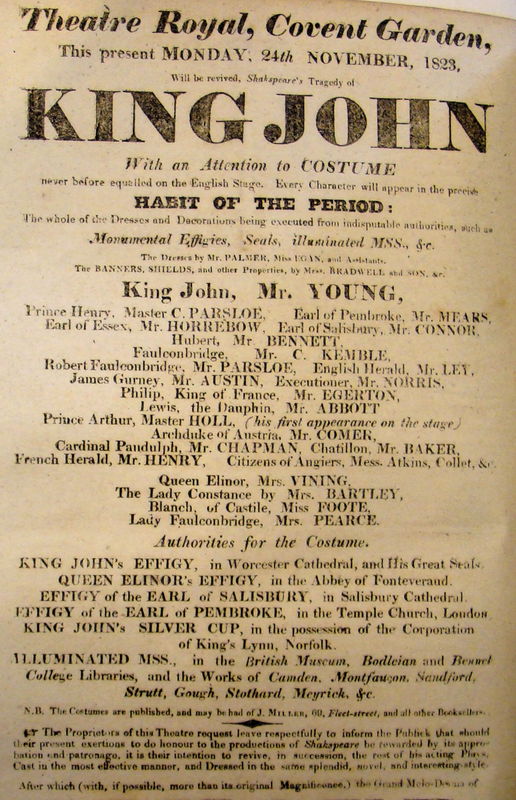
Kemble, in turn, told Planche that he would willingly put on an historically-accurate production of several Shakespeare plays, beginning with King John, if Planche would do the necessary research and design.  Planche agreed and here’s a playbill of the result.

image11playbill.jpg

Reading the fine print, it’s even possible to see that Planche cited at least some of his sources—everything from funerary statuary to manuscript illustrations.  Whereas we don’t, unfortunately, have any illustrations to show for The Sleeping Beauty, we can show you what a difference Planche made to attempting to make Shakespeare appear in period dress.  Here’s Kemble playing Faulconbridge, a major character in King John, in 1819.

image12kemble1819.jpg

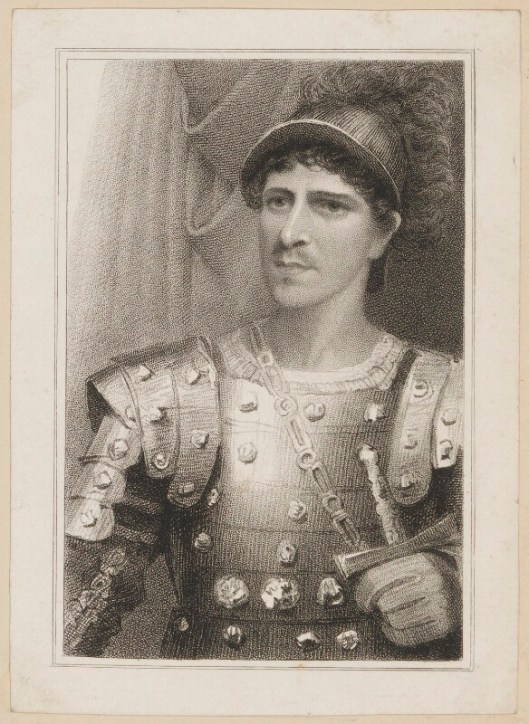
The historical John lived from 1166 to 1216—why would he be dressed as a sort of cosplay Roman legionnaire?  And here is an engraving made from Planche’s 1823 design, with Kemble again in the role of Faulconbridge.

image13kemble1823.jpg

The Kemble/Planche look caught on—and is with us, in some form, to this day.   (The Folger Shakespeare Library in Washington, DC, owns a set of the 1823 colored engravings—here’s a LINK so that you can see other costumes for the production.)

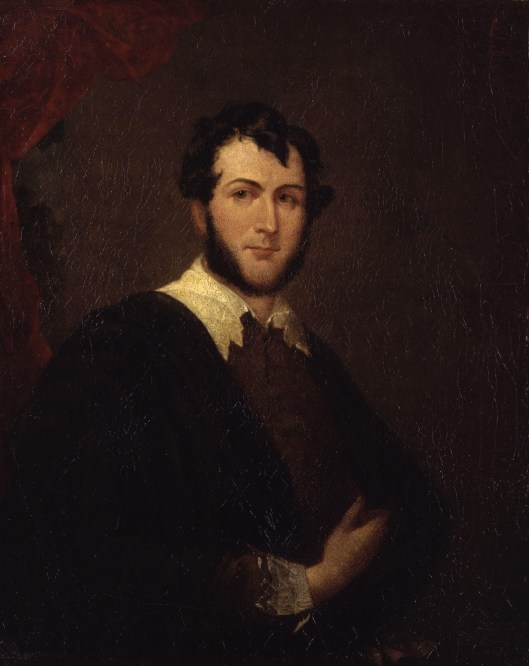
Even as his life in the dramatic world was fading, Planche continued to be a literary figure—as well as a literary recycler.  In 1868, he collaborated with a prominent British illustrator, Richard “Dicky” Doyle (1824-1883),

image14rdoyle.jpg

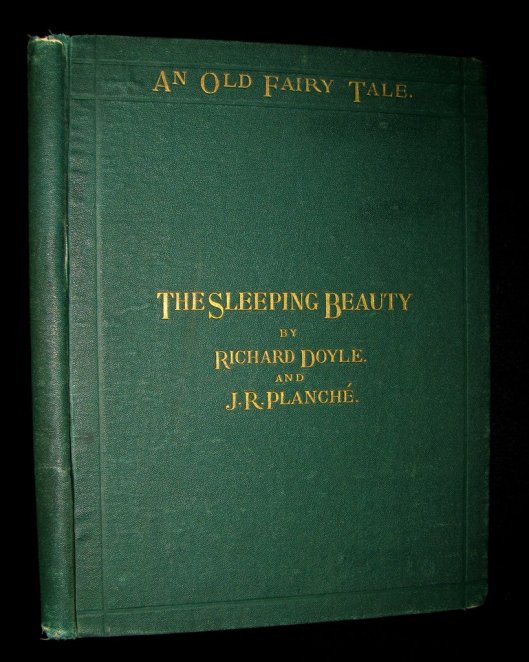
on a verse version of “Sleeping Beauty”:  An Old Fairy Tale The Sleeping Beauty.

image15sleepcover.jpg

Doyle was, in fact, a very versatile artist, having, for instance, worked for the satirical magazine Punch,  but his lasting fame lies in his fairy/fairy tale illustrations.

image16fairies.jpg

Doyle’s work was prized, but his work ethic was, apparently not:  commissions came and went, sometimes filled, sometimes not, and it seems that he never quite completed the illustrations to the Planche, (perhaps why Planche’s introduction is dated 1865 and the publication date is 1868?), but here’s a sample to show what he could do, when focused.  (And here’s a LINK to the book, so that you can see all of the illustrations for yourself, as well as read Planche’s text.)

image17prince.jpg

So as not to overwhelm you, dear readers, we’re going to pause here, but we’ll continue in our next by looking at other forms—opera, ballet, and animated feature—which Perrault’s story has inspired, taking our story from 1890 to 1959.

In the meantime, thanks, as ever, for reading.

MTCIDC

CD

Eternally Yours, or Do You Believe in Magic?

06 Wednesday Jun 2018

Posted by Ollamh in Artists and Illustrators, Fairy Tales and Myths, Films and Music, Literary History, Military History

≈ Leave a comment

Tags

17th Century fashion, AB Durand, American Revolution, Arthur Rackham, Battle of Kolin, Bram Stoker, Captain Hook, Charles II, Christopher Lee, Darling Family, Darlings, Disney, Dracula, Fenian Cycle, Frederick the Great, Gerald du Maurier, Half Moon ship, Hudson River, J.M. Barrie, N.C. Wyeth, Neverland, Nina Boucicault, Oscar Wilde, Peter and Wendy, Peter Pan, Peter Pan in Kensington Gardens, Rip Van Winkle, Saruman, Tepes, The Little White Bird, The Lord of the Rings, The Picture of Dorian Gray, The Wanderings of Oisin, Tinkerbell, Tir na nOg, Tolkien, vampire, Vlad, Washington Irving, WB Yeats

Welcome, as ever, dear readers.

In our last, we spent some time thinking about immortality and Middle-earth.  Our main focus was upon the puzzle of Saruman’s seeming dissolution after his murder by Grima.

image1deathofsaruman.jpg

As one of the Maiar, it would seem that Saruman was, at least potentially, immortal, but his melancholy disappearance would suggest otherwise—perhaps because of his gradual betrayal of the trust the Valar had put in him to be an opponent of Sauron?

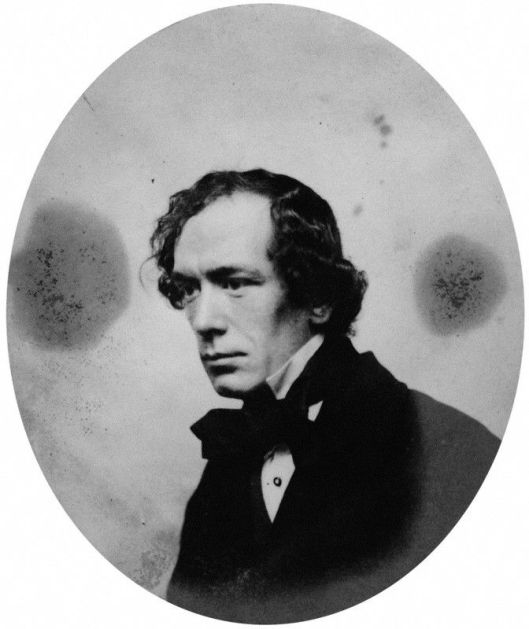
We had begun, however, with Bram Stoker’s (1847-1912)

image2bramstoker.jpg

1897 vampire classic, Dracula, and this has made us consider what appears to have been a popular theme in the late-Victorian-to-Edwardian literature we imagine JRRT read, growing up:  immortality (or at least lengthened life-span) through, for want of a better word, magic, and several instances immediately spring to mind.

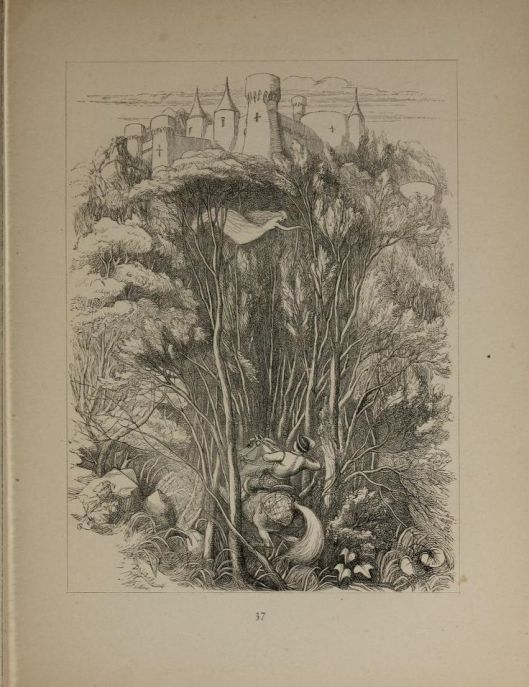
image3dracfirst.jpg

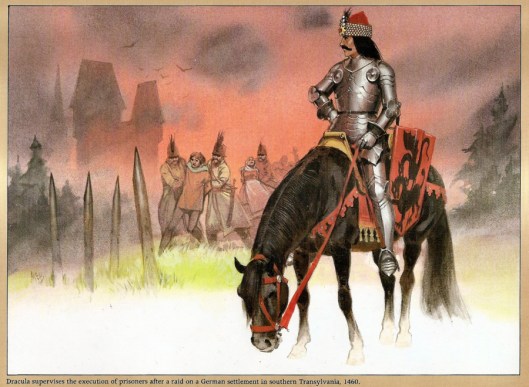
As for Dracula, we know that he was based upon a real late-15th-century eastern European border lord, Vlad, nicknamed “Tepes” (said TSE-pesh), “impaler”, who lived from about 1428 to 1477, when he was murdered.

image4drac.jpg

Stoker’s character has somehow avoided that death and has lived on for a further 500 years—how?  By being “un-dead”, a condition whose origin is never really explained, but in which a dead person continues to exist—and even flourish—if able to feed upon the blood of living people.  As this is not scientifically possible—dead is dead and actual vampire bats, after all, are alive, even if they drink blood.

image5avampirebat.jpg

All that we can say, then, is that, for all of one of the protagonists’, Dr. van Helsing’s, talk of science, we have no idea what gives Dracula his extended life–though here’s Christopher Lee, as Dracula,

image5clee.jpg

from the 1958 film, Dracula (in the US, Horror of Dracula), with the basis of his continued existence fresh on his lips.

image6poster.jpg

Considering our last post, by the way, it’s an odd coincidence that, in 1958, Lee could play Dracula and in 2001-2003, he would play Saruman.

image7leeassaruman.jpg

A few years before Stoker’s novel, in 1889, the young WB Yeats (1865-1939)

image8wby.jpg

had published The Wanderings of Oisin (AW-shin).

image9wander.jpg

This is the story in verse based upon material from the “Fenian Cycle”,  the third series of tales about early Ireland preserved by medieval monks.  Yeats’ poem deals with an ancient Irish hero who traveled to the Otherworld, spent years there without knowing that it’s a place where time works differently, and returned, only to find that he’d been gone for 300 years and, once he’d actually touched Irish soil, he immediately changed from a vigorous young man to someone 3 centuries old.  The place to which Oisin traveled, called Tir na nOg, “the Land of Youth”, is, unfortunately, not found on any ancient map, so, like Dracula’s vampirism, it is simply accepted.

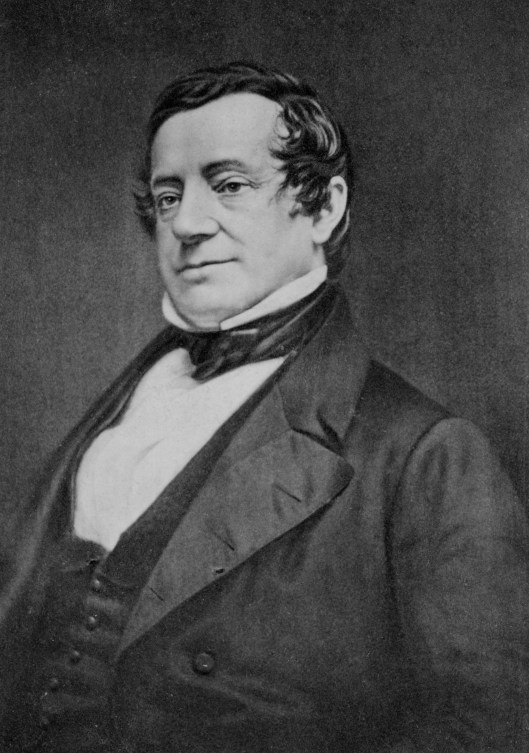
This time-warp also makes us think of the 1819 story of Rip Van Winkle, by Washington Irving (1783-1859).

image10washirv.jpg

Rip Van Winkle goes off to hunt in the mountains, the Catskills, to the west of the Hudson River before the American Revolution.

(Here’s an 1864 painting of those mountains by AB Durand (1796-1886), who belonged to the first great group of American landscape painters, called the “Hudson River School”.)

image11hudsonriverschool.jpg

While out hunting, Rip bumps into a group of troll-like creatures, who turn out to be the enchanted members of Henry Hudson’s crew

image12huds.jpg

from his ship, the Half Moon—this is an image of the 1989 recreation of the ship—

image13haelvemaen.jpg

with which he explored the Hudson River in 1609.

image14hudson.jpg

(We see here Edward Moran’s 1892 painting of Hudson’s ship entering New York harbor.)

Rip drinks and bowls with them,

image15ripdrinks.jpg

image16ninepins.jpg

then falls asleep, only to awaken over twenty years later to find himself old and now a citizen of the new United States.

image17oldrip.jpg

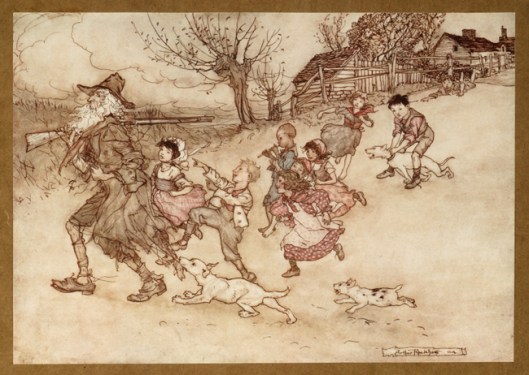
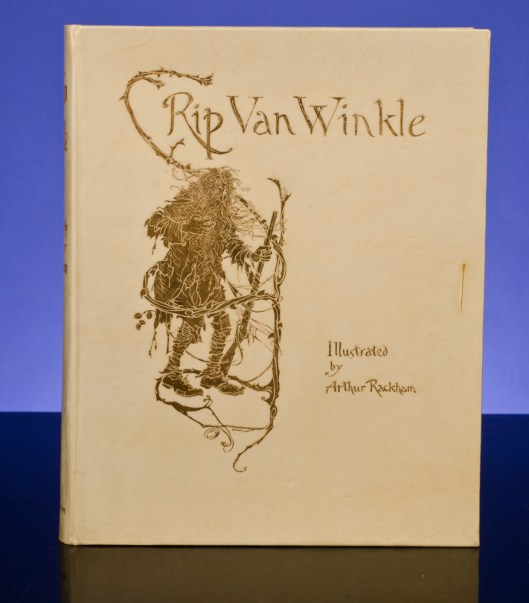
(If you follow us regularly—and we hope you do!—then you know of our great affection for late-19th-early-20th-century illustrators and, when it comes to this story, we’re very lucky in that Arthur Rackham illustrated it in 1905

image18rackham.jpg

and NC Wyeth in 1921.)

image19wyeth.jpg

Another late-Victorian story with the theme of the supernatural and long life is Oscar Wilde’s (1854-1900)

image20wilde.jpg

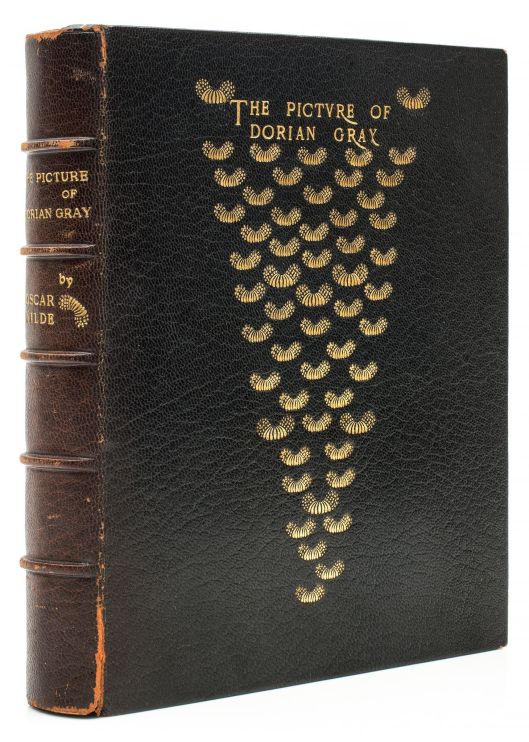
The Picture of Dorian Gray, first published in book form in 1891.

image21picture.jpg

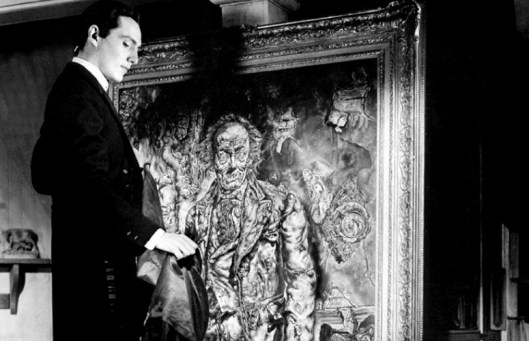
The picture here is a sinister one:  all of that which would age the protagonist, Dorian—who has an increasingly dark, secret life—is transferred to the image on canvas, so that the sitter for the portrait never seems to age.  We can see what that would look like from this image—as well as the tinted version, which is even worse,

image23picture.jpg

image24pic.jpg

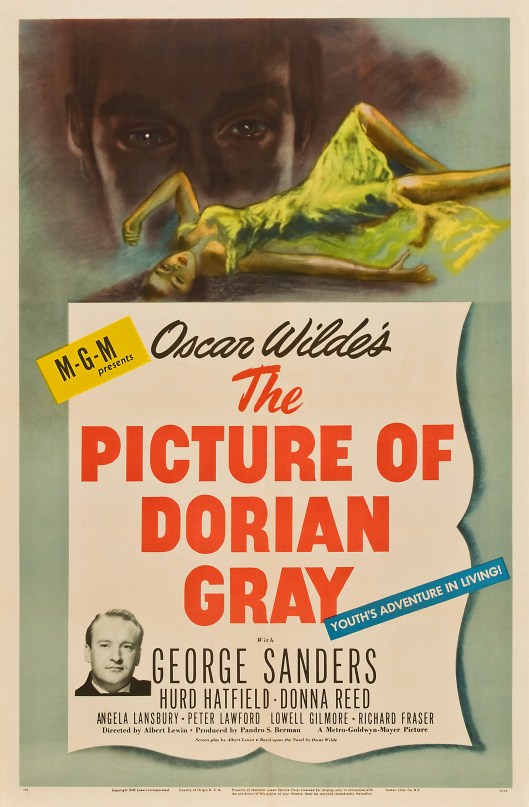
from the 1945 film.

image25poster.jpg

How the picture acts as a sponge for all of the worst of Dorian is, like vampirism, never explained—Dorian promises his life if he will never age, but we never see, for example, a satanic figure, standing to one side, nod in agreement.

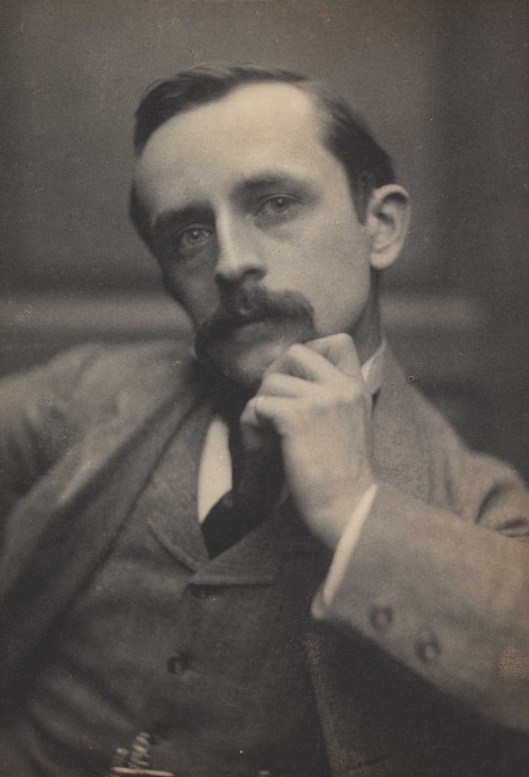
We want to end, however, with a happier story—well, sort of.  In 1902, the Scots novelist and dramatist, JM Barrie (1860-1937),

image26jmb.jpg

published a novel, The Little White Bird.

image27lwb.jpg

In it appeared for the first a seemingly-deathless character, Peter Pan.

image28ppstatue.jpg

Unlike Oisin, who has gone to a magical place, or Dorian Gray, who has his enchanted portrait, Peter just seems to be suspended in time—originally at the age of 7—days—old.

image29pp.jpg

When Barrie returned to the character, in 1904, however, he made Peter grow up–slightly.  His age isn’t exactly clear, but we know from the 1911 novelized version, Peter and Wendy,

image30pandw.png

that he still has his first set of teeth.  [Footnote:  not a very exact clue—children can begin shedding baby teeth beginning at 6 and continue till 12.]   This is the Peter of Barrie’s famous play, Peter Pan,

image31playbill.jpg

about a boy who lives on an island in Neverland

image32map.jpg

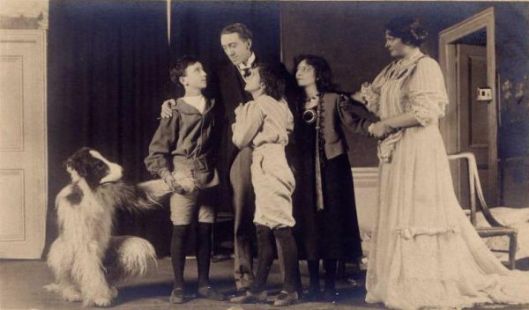
and, on a visit to London, loses his shadow while eavesdropping on the three Darling children, whose oldest sibling, Wendy, tells stories about him, which she had learned from her mother.

image33darlings.jpg

Peter is able to fly and, with the help of a fairy, Tinkerbell, he takes the Darling children back to Neverland with him, where they have all sorts of adventures.

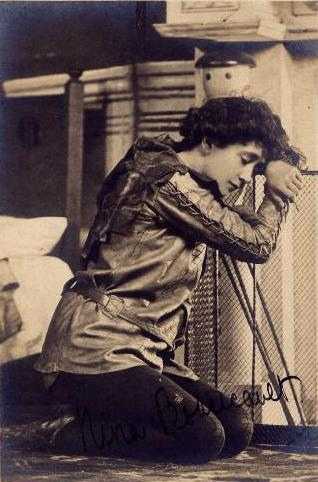
The original Peter—like so many Peters over a century to come—was a woman, Nina Boucicault.

image34nina.jpg

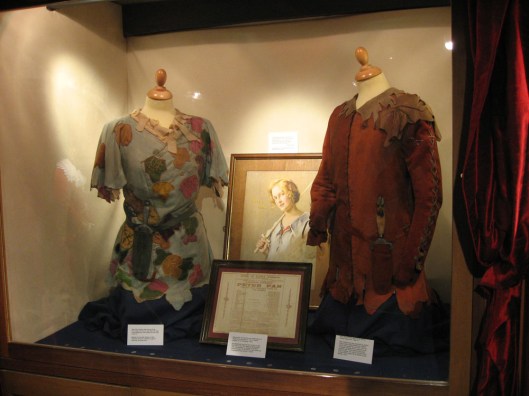
We are lucky to have her costume, which differs a good deal from the Peter Pan everyone knows now from the 1954 Disney film.

image35costume.jpg

image36disney.jpg

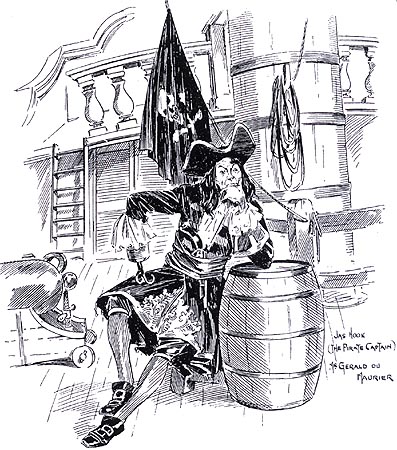
The villain of the piece, Captain Hook, however, has maintained his general outline from 1904.

image37capt.jpg

This is Gerald du Maurier, the original Captain.

image38hook.jpg

Although Barrie himself suggested that Hook should look like someone from the time of Charles II (1660-1685),

image39achas2.jpg

to us, he appears to be modeled on the fashions of the late 17th century—note the long coat with the big cuffs, not to mention the big wig.

image39costume.jpg

And here is Disney’s 1954 Hook.

image40disney.jpg

(A footnote:  in 1904, Barrie had planned to have different actors play Mr. Darling, the children’s father, and Captain Hook, but du Maurier persuaded him to allow du Maurier to play both roles, which is still the tradition.)

The subtitle of Peter Pan is Or, the Boy Who Wouldn’t Grow Up, and here we see, for the first time on our little tour, an explanation for the immortality in which the mortal is an active agent:  unlike Dracula or Oisin or Dorian Gray, Peter defies time simply by refusing to acknowledge its effects.  He won’t age because he doesn’t want to.

We said that we wanted to end on a “sort of” happy story and Peter’s stubborn immortality might fit that, but Barrie later added a kind of epilogue, a one-act play first performed in 1908.  In it, Wendy Darling, the oldest of the Darling children, has now grown up and gotten married, and had a daughter, Jane.  One night, while Wendy is putting Jane to bed in the same nursery from which the earlier adventures began, Peter appears.

Peter_and_Wendy_pg_243.jpg

At first, he simply refuses to believe that Wendy has grown up, and wants her to return to Neverland with him, although she has lost the ability to fly.  When she tries gently to explain that she can’t go with him because she has now become an adult, he collapses in tears and she runs from the room, leaving Jane asleep in her bed.  Jane wakes up and soon Peter invites her to fly to Neverland with him.  When Wendy reappears, she is quickly convinced and off the two go, leaving Wendy behind, but with the hope that Jane will have a daughter and she, in turn, will be taken to Neverland in an endless succession of daughters—perhaps immortality of a different sort?  (Here’s a LINK to the play, if you would like to read it for yourself.)

This has been a long posting, but we can’t resist a brief ps.  In 1757, Frederick the Great, the king of Prussia (1712-1786), was losing the battle of Kolin.  Desperate to win, he tried to rally his men for a counterattack, shouting, “You rascals!  Do you want to live forever?”

image41kolin.jpg

Virtually no one followed him, so we guess that most did.

Thanks, as always, for reading.

MTCIDC

CD

PS

And another ps—in 1924, the first film version of Peter Pan appeared.

image42film.jpg

It was much praised at the time and here’s a LINK so that you can see it for yourself.

← Older posts
Newer posts →

The Doubtful Sea Series Facebook Page

The Doubtful Sea Series Facebook Page

  • Ollamh

Categories

  • Artists and Illustrators
  • Economics in Middle-earth
  • Fairy Tales and Myths
  • Films and Music
  • Games
  • Heroes
  • Imaginary History
  • J.R.R. Tolkien
  • Language
  • Literary History
  • Maps
  • Medieval Russia
  • Military History
  • Military History of Middle-earth
  • Narnia
  • Narrative Methods
  • Poetry
  • Research
  • Star Wars
  • Terra Australis
  • The Rohirrim
  • Theatre and Performance
  • Tolkien
  • Uncategorized
  • Villains
  • Writing as Collaborators
Follow doubtfulsea on WordPress.com

Across the Doubtful Sea

Recent Postings

  • Through a glass… January 7, 2026
  • Heffalumps? December 31, 2025
  • We Three Kings December 24, 2025
  • A Moon disfigured December 17, 2025
  • On the Roads Again—Once More December 10, 2025
  • (Not) Crossing Bridges December 3, 2025
  • On the Road(s) Again—Again November 26, 2025
  • On the Road(s) Again November 19, 2025
  • To Bree (Part 2) November 12, 2025

Blog Statistics

  • 104,101 Views

Posting Archive

  • January 2026 (1)
  • December 2025 (5)
  • November 2025 (4)
  • October 2025 (5)
  • September 2025 (4)
  • August 2025 (4)
  • July 2025 (5)
  • June 2025 (4)
  • May 2025 (4)
  • April 2025 (5)
  • March 2025 (4)
  • February 2025 (4)
  • January 2025 (5)
  • December 2024 (4)
  • November 2024 (4)
  • October 2024 (5)
  • September 2024 (4)
  • August 2024 (4)
  • July 2024 (5)
  • June 2024 (4)
  • May 2024 (5)
  • April 2024 (4)
  • March 2024 (4)
  • February 2024 (4)
  • January 2024 (5)
  • December 2023 (4)
  • November 2023 (5)
  • October 2023 (4)
  • September 2023 (4)
  • August 2023 (5)
  • July 2023 (4)
  • June 2023 (4)
  • May 2023 (5)
  • April 2023 (4)
  • March 2023 (5)
  • February 2023 (4)
  • January 2023 (4)
  • December 2022 (4)
  • November 2022 (5)
  • October 2022 (4)
  • September 2022 (4)
  • August 2022 (5)
  • July 2022 (4)
  • June 2022 (5)
  • May 2022 (4)
  • April 2022 (4)
  • March 2022 (5)
  • February 2022 (4)
  • January 2022 (4)
  • December 2021 (5)
  • November 2021 (4)
  • October 2021 (4)
  • September 2021 (5)
  • August 2021 (4)
  • July 2021 (4)
  • June 2021 (5)
  • May 2021 (4)
  • April 2021 (4)
  • March 2021 (5)
  • February 2021 (4)
  • January 2021 (4)
  • December 2020 (5)
  • November 2020 (4)
  • October 2020 (4)
  • September 2020 (5)
  • August 2020 (4)
  • July 2020 (5)
  • June 2020 (4)
  • May 2020 (4)
  • April 2020 (5)
  • March 2020 (4)
  • February 2020 (4)
  • January 2020 (6)
  • December 2019 (4)
  • November 2019 (4)
  • October 2019 (5)
  • September 2019 (4)
  • August 2019 (4)
  • July 2019 (5)
  • June 2019 (4)
  • May 2019 (5)
  • April 2019 (4)
  • March 2019 (4)
  • February 2019 (4)
  • January 2019 (5)
  • December 2018 (4)
  • November 2018 (4)
  • October 2018 (5)
  • September 2018 (4)
  • August 2018 (5)
  • July 2018 (4)
  • June 2018 (4)
  • May 2018 (5)
  • April 2018 (4)
  • March 2018 (4)
  • February 2018 (4)
  • January 2018 (5)
  • December 2017 (4)
  • November 2017 (4)
  • October 2017 (4)
  • September 2017 (4)
  • August 2017 (5)
  • July 2017 (4)
  • June 2017 (4)
  • May 2017 (5)
  • April 2017 (4)
  • March 2017 (5)
  • February 2017 (4)
  • January 2017 (4)
  • December 2016 (4)
  • November 2016 (5)
  • October 2016 (6)
  • September 2016 (5)
  • August 2016 (5)
  • July 2016 (5)
  • June 2016 (5)
  • May 2016 (4)
  • April 2016 (4)
  • March 2016 (5)
  • February 2016 (4)
  • January 2016 (4)
  • December 2015 (5)
  • November 2015 (5)
  • October 2015 (4)
  • September 2015 (5)
  • August 2015 (4)
  • July 2015 (5)
  • June 2015 (5)
  • May 2015 (4)
  • April 2015 (3)
  • March 2015 (4)
  • February 2015 (4)
  • January 2015 (4)
  • December 2014 (5)
  • November 2014 (4)
  • October 2014 (6)
  • September 2014 (1)

Blog at WordPress.com.

  • Subscribe Subscribed
    • doubtfulsea
    • Join 78 other subscribers
    • Already have a WordPress.com account? Log in now.
    • doubtfulsea
    • Subscribe Subscribed
    • Sign up
    • Log in
    • Report this content
    • View site in Reader
    • Manage subscriptions
    • Collapse this bar
 

Loading Comments...