• About

doubtfulsea

~ adventure fantasy

Tag Archives: silent film

Silents Are Golden

07 Thursday May 2026

Posted by Ollamh in Uncategorized

≈ Leave a comment

Tags

Buster Keaton, Charlie Chaplin, Film, Harold Lloyd, Lumiere brothers, movies, Nosferatu, Quintilian, reviews, Safety Last, silent film, The Cabinet of Dr Caligari, The General, The Great Train Robbery, The Sneeze, the-internet-archive, the-lumiere-brothers, victorian-theatre

As always, dear readers, welcome.

If you visit this blog regularly, or even occasionally, you will see that, although I very often write about Tolkien, one of my goals, always, is to extend not only my own knowledge, but that of my readers, and a primary way to do this is to develop our joint electronic libraries.  A major source for this development is the Internet Archive, the general address being:  https://archive.org/  This seems like such a plain address for such a treasure house of a site—what a Victorian might call “Aladdin’s Cave”.
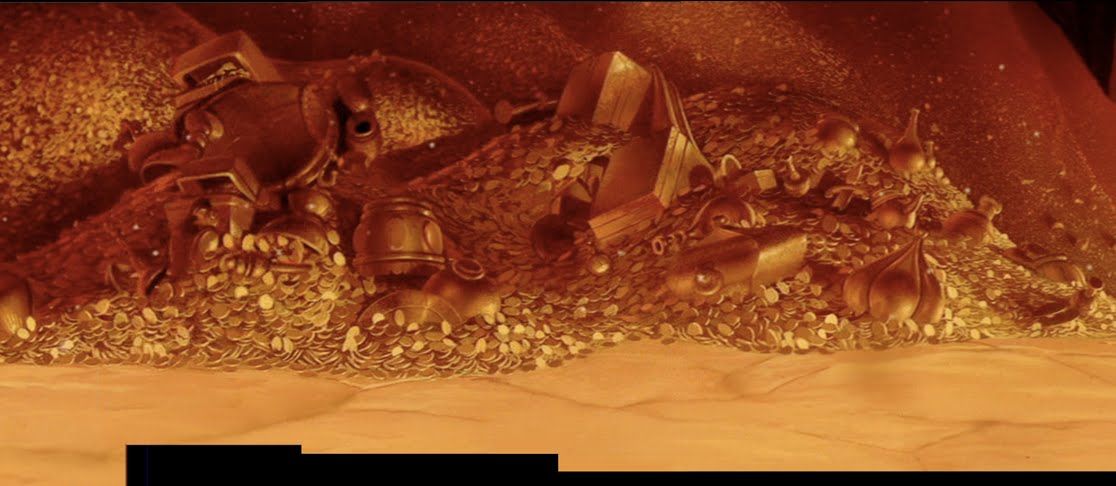
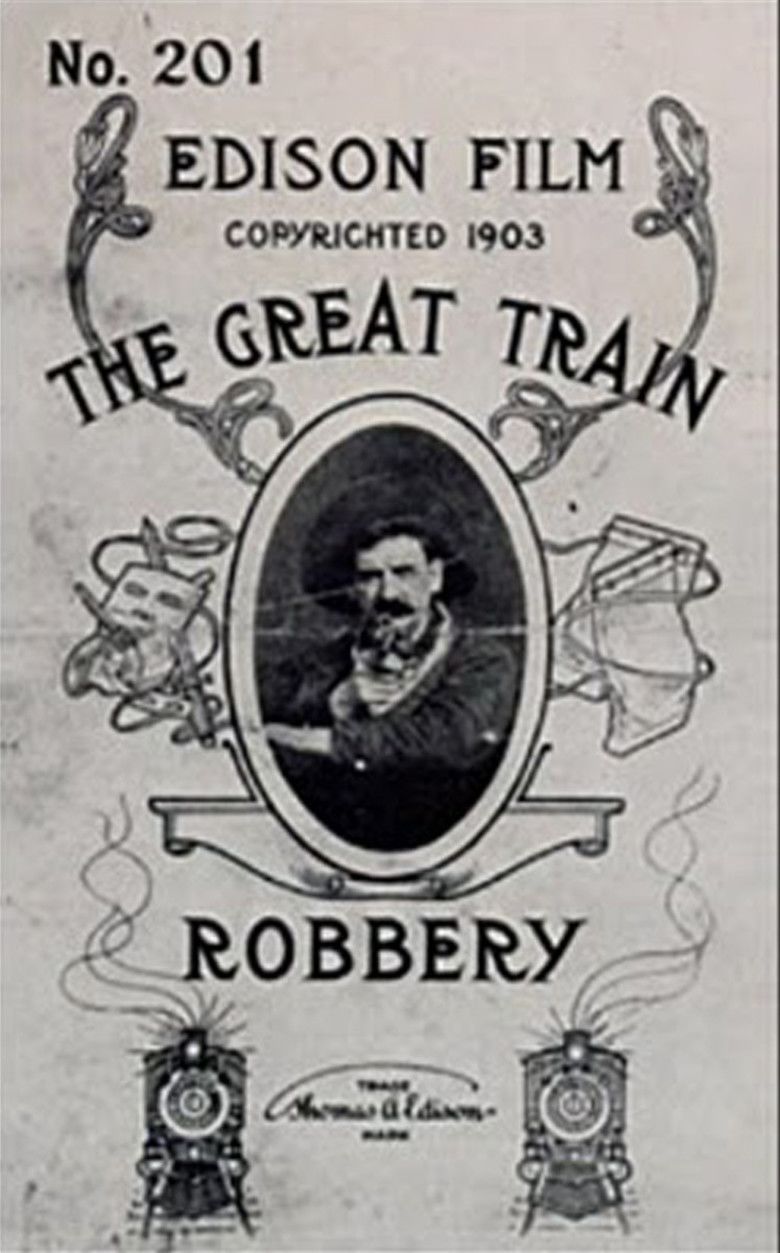
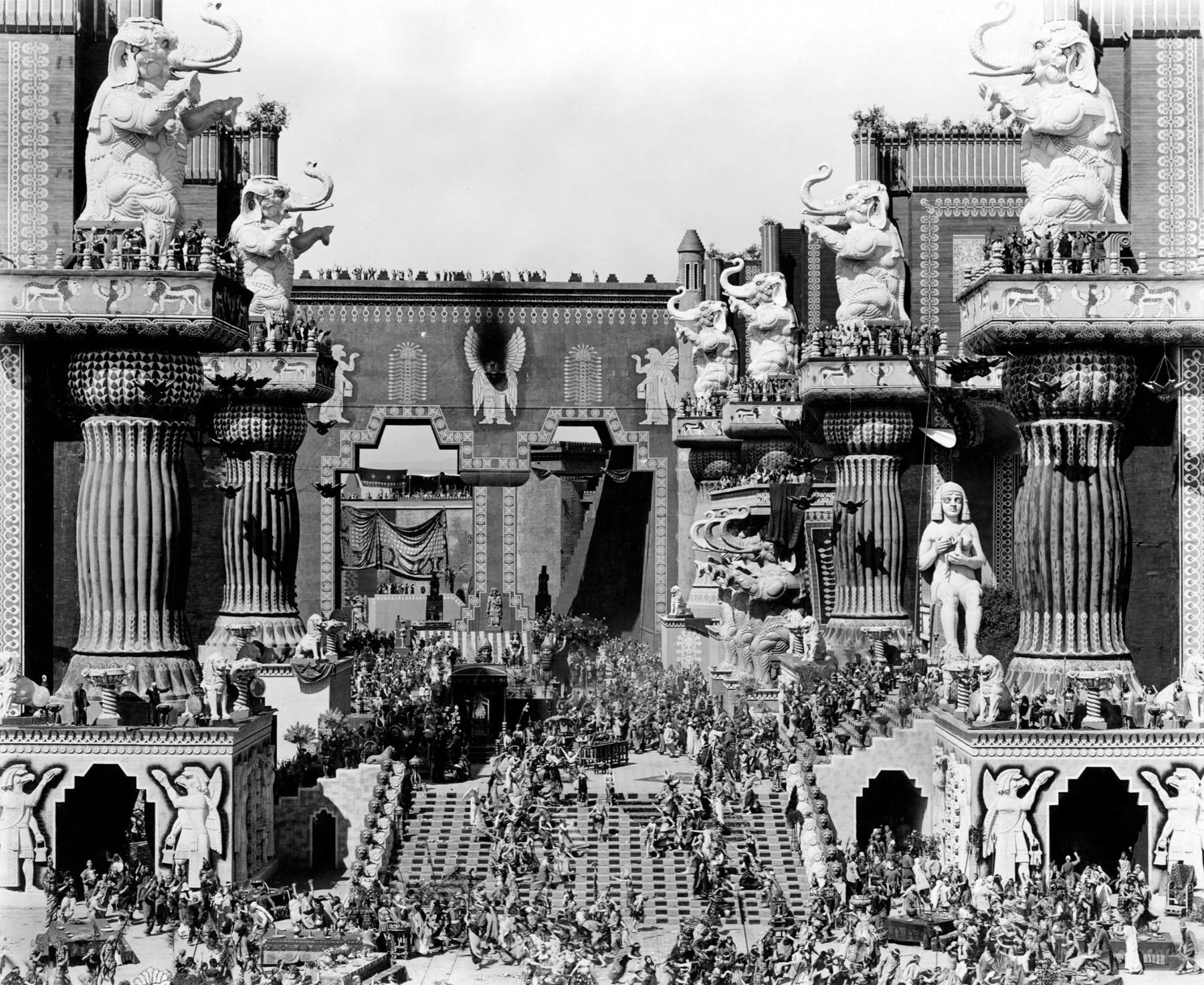
 Along with what must be thousands (and thousands) of books, many of them long out of print and might be thought obscure, one of those heaps of treasure is the collection of silent films—hence the title of this posting—with hundreds of films available (the site has the number of 3,530, but there appear to be a number of repeats).  The collection begins in the 1890s and goes through the 1920s, with many films considered “classic”, like “The Great Train Robbery” (1903),
“Intolerance” (1916),
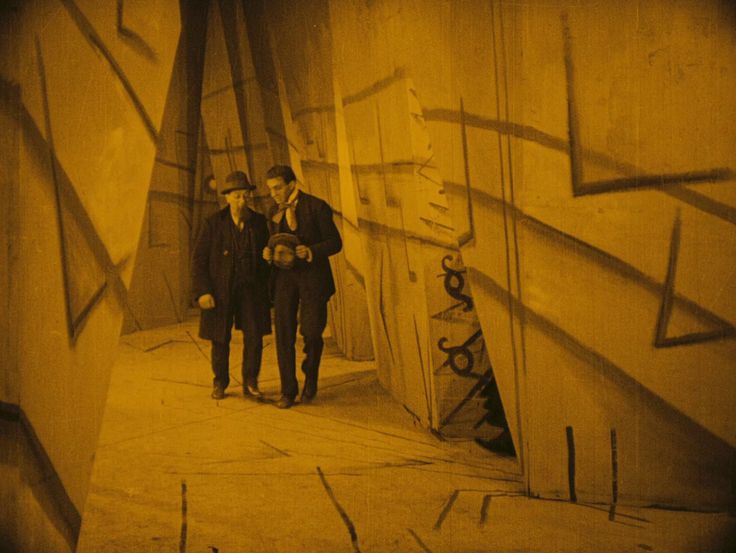
“The Cabinet of Dr. Caligari” (1920),
and classic comedies, like Charlie Chaplin’s early “Tillie’s Punctured Romance” (1914),
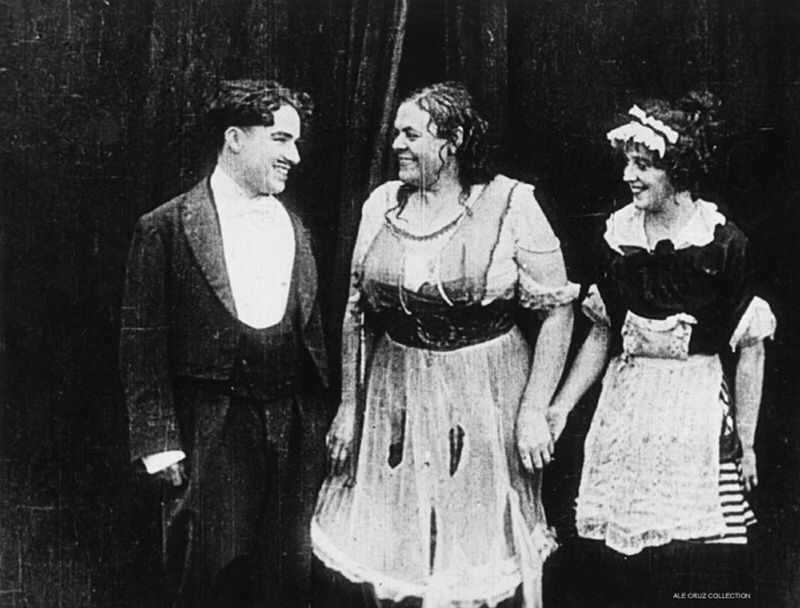
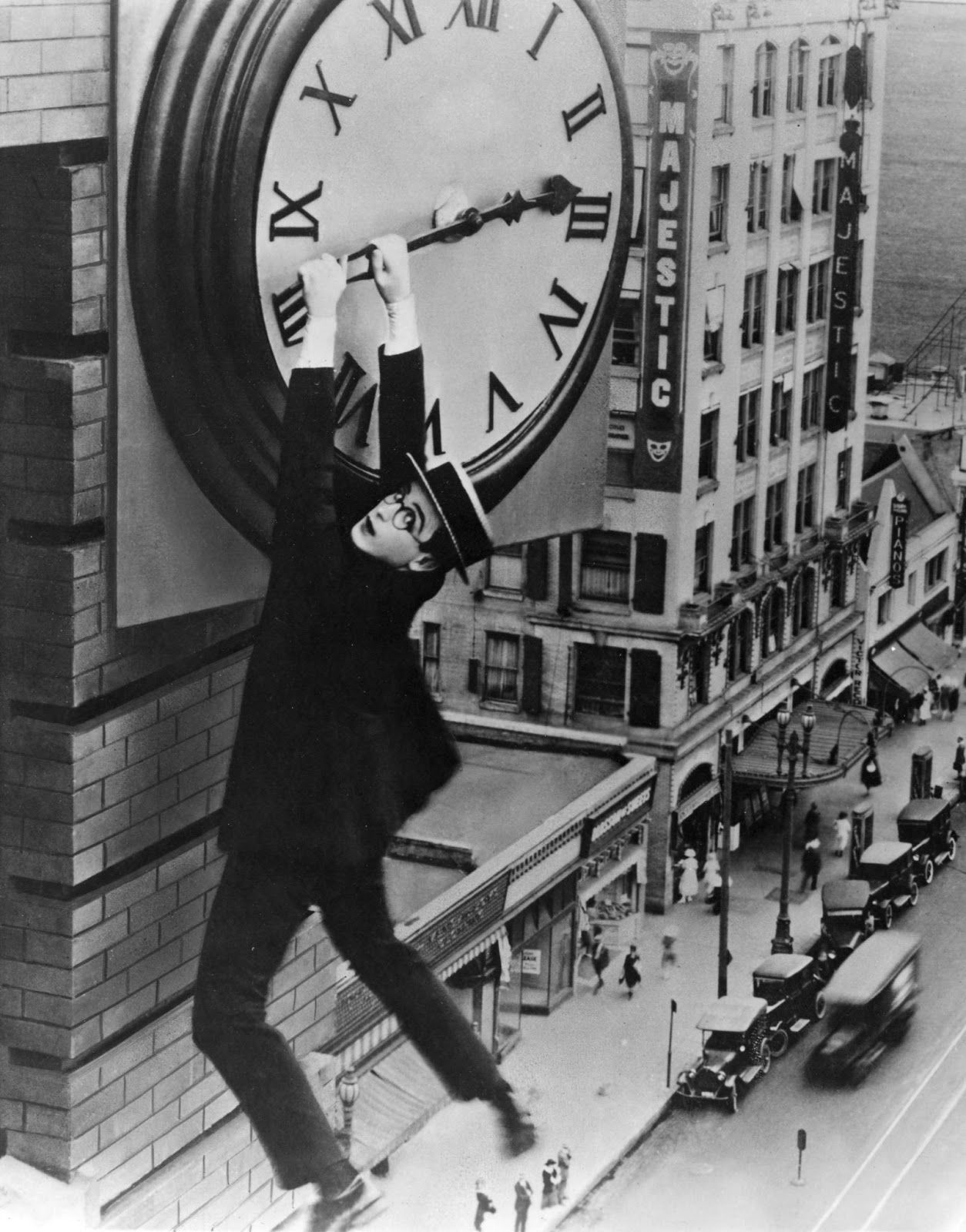
Harold Lloyd’s “Safety Last” (1923)—one of my all-time favorites–
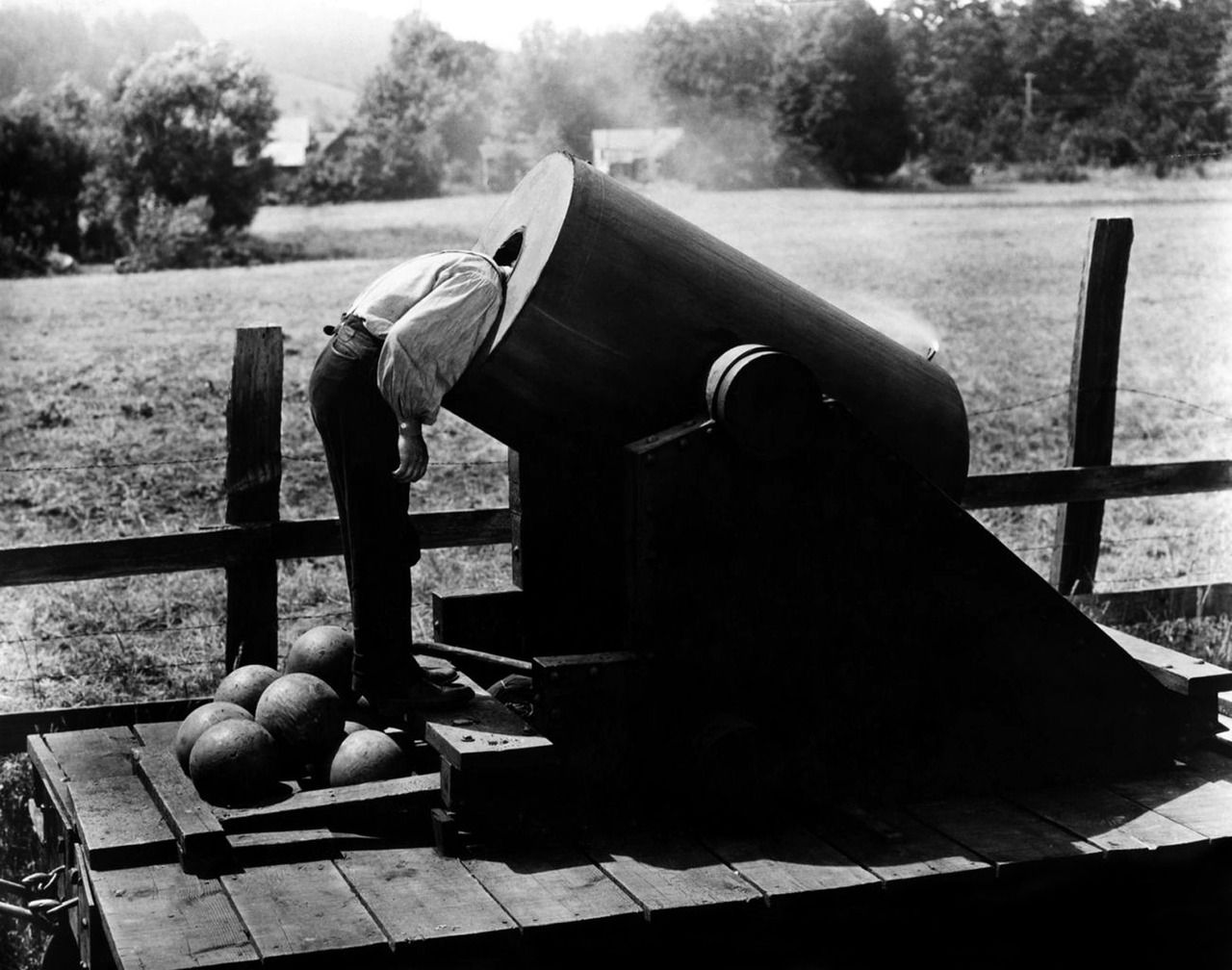
and Buster Keaton’s “The General” (1926) and how could that not be a favorite, too?
If you’re not familiar with such films, and see one for the first time, you’ll probably be puzzled, if not put off, by the seemingly overdone make-up
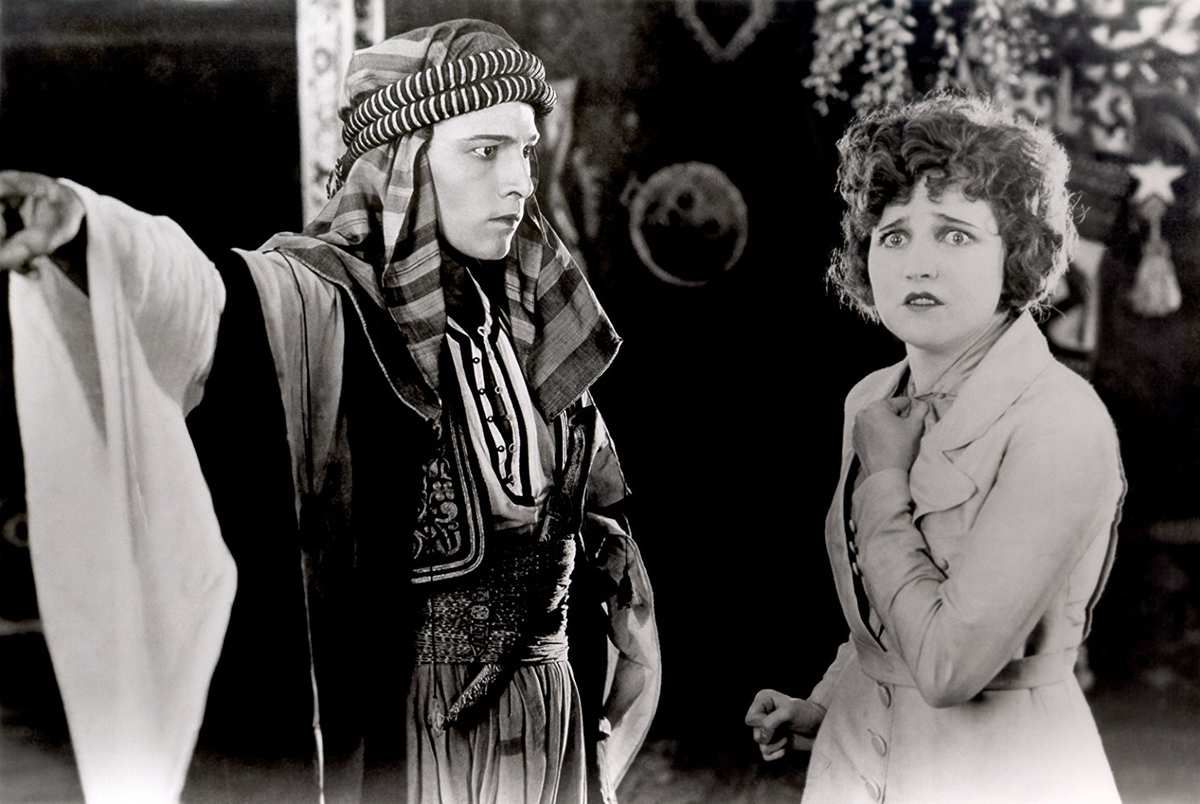
(Rudolph Valentino and Agnes Ayres, “The Sheik”, 1921)

the exaggerated gestures,
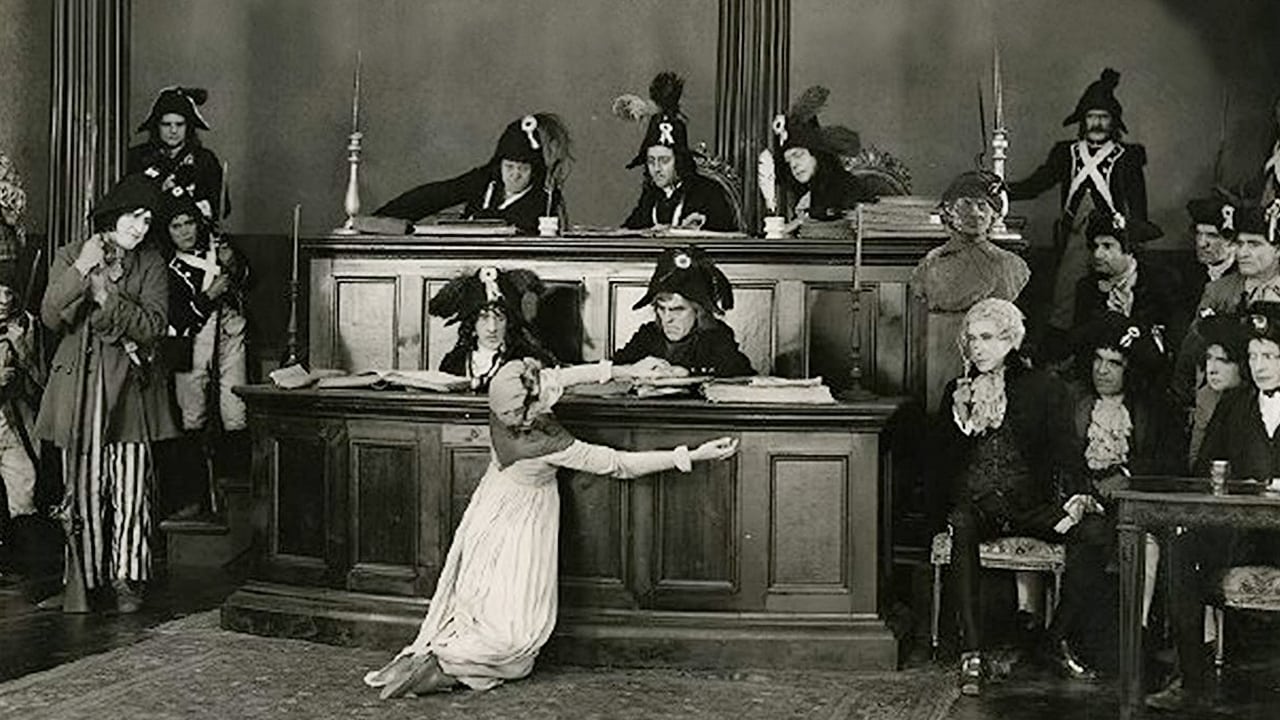
(“Orphans of the Storm”, 1921)

and, perhaps the strangest of all for viewers used to booming orchestral accompaniments and nearly-continuous sound effects, the silence.

And yet the films aren’t—and weren’t—so silent as the adjective implies. 

First, for very important bits of dialogue, printed sheets, called “title cards”, would be filmed and added to the film, cluing the audience in.
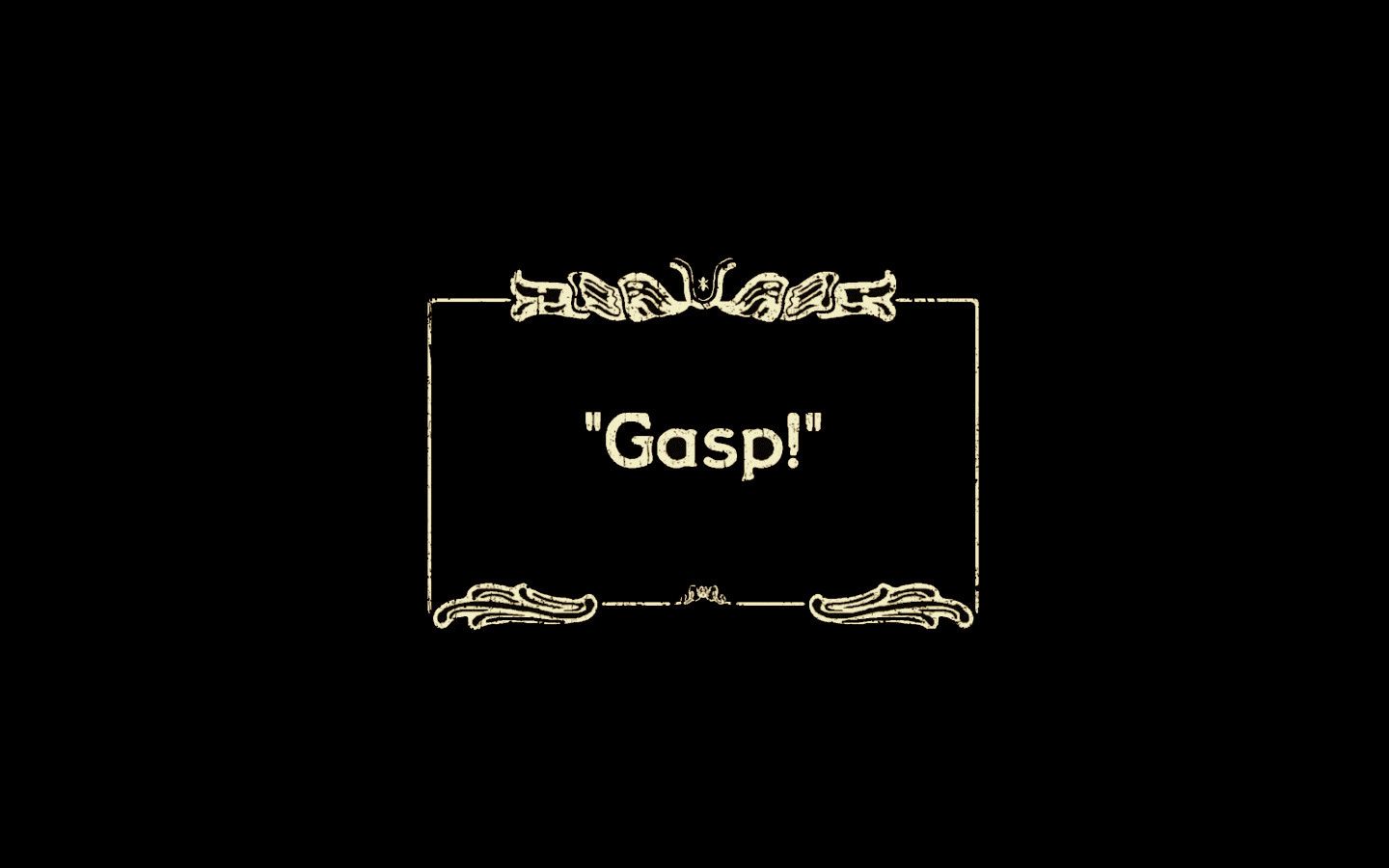
And, when a film appeared in a theatre, there would commonly be a live musical accompaniment.  For short films and less expensive ones, this accompaniment would be provided by a pianist or organist employed by the theatre for that purpose.
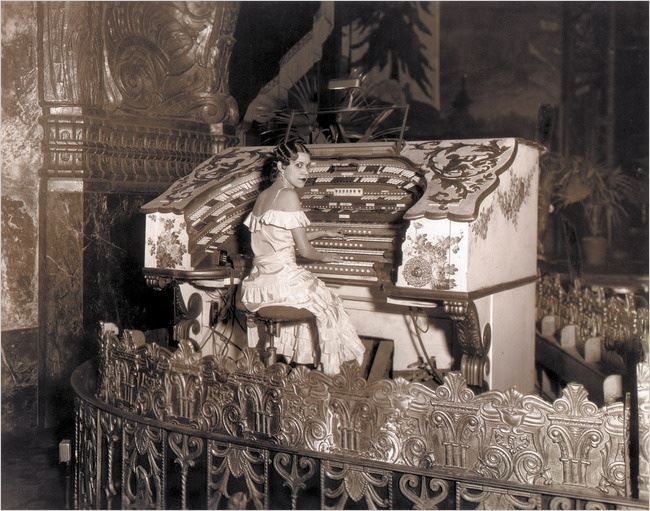
(This is Rosa Rio—actually Elizabeth Raub–1902-2010, a prominent accompanist, composer, and arranger.  She led quite a long and active performing life and you can read about her here:  https://en.wikipedia.org/wiki/Rosa_Rio )

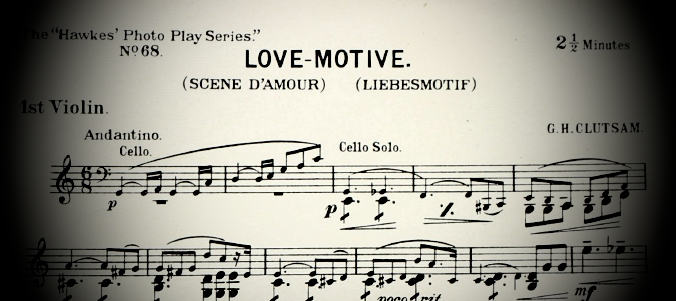
For grander productions, there might even be an orchestral score, composed specifically for the film.
The first films were very brief and mostly did little more than catch a moment of motion—like Edison’s “The Sneeze”, 1894—which you can see here:  https://www.youtube.com/watch?v=2wnOpDWSbyw
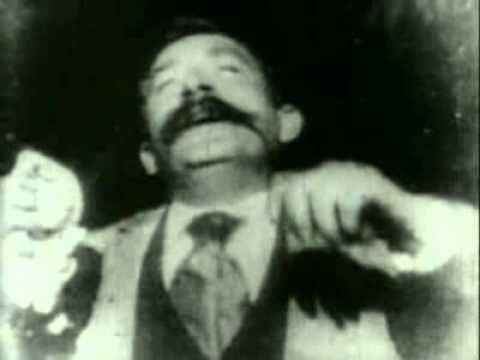
or the Lumiere brothers’ “L’Arrivee d’un train a La Ciotat”, 1895.
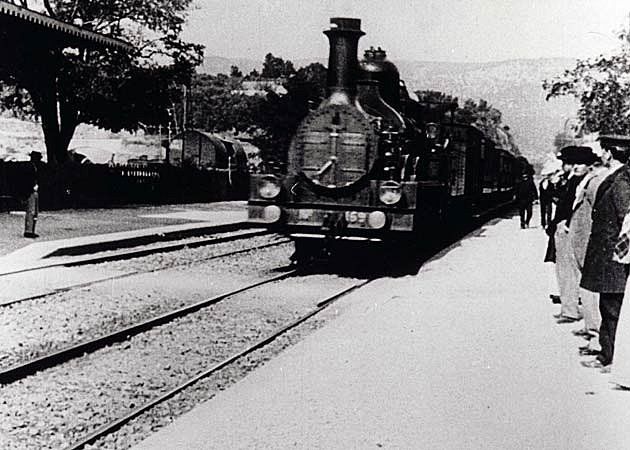
which you can see here:  https://www.youtube.com/watch?v=MT-70ni4Ddo  (And, as someone has cleaned up the print and added sound, you can see what a difference this makes to your initial perception here:  https://www.youtube.com/watch?v=J7laguPTT-Q   And you can read a very interesting little article about it here:  https://en.wikipedia.org/wiki/L%27Arriv%C3%A9e_d%27un_train_en_gare_de_La_Ciotat )

This might seem like a very modest beginning to us, but imagine living in a world where all photographs of locomotives looked like this—
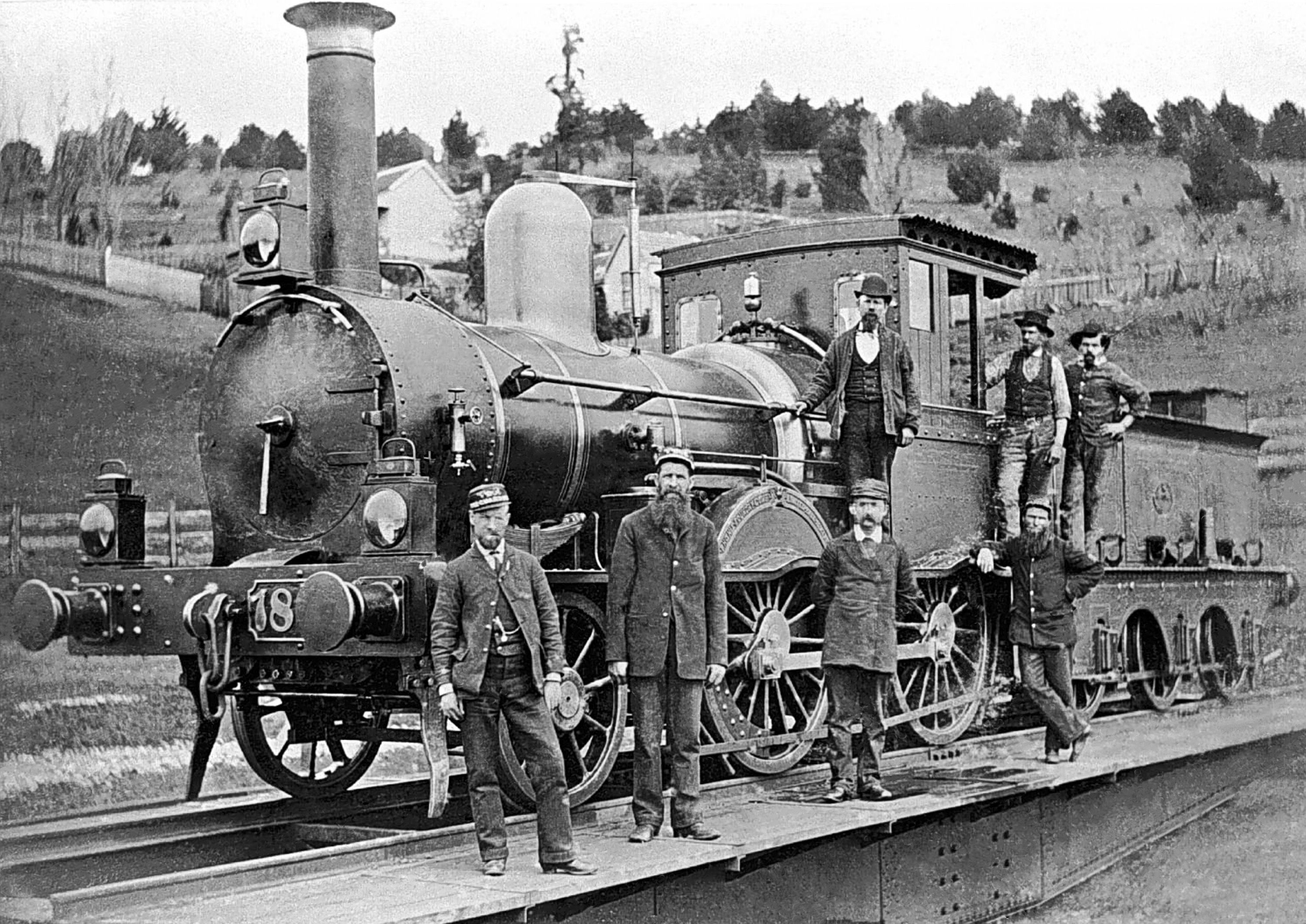
And then think of it coming to life and moving toward you as you sit in a darkened room and perhaps you can capture a little of the original magic which the first viewers must have felt.

As films became longer and more ambitious, moving from a single captured movement to a simple—and, later, increasingly complex—story, the creators looked to the best model available:  late Victorian/Edwardian theatre.

Such theatres lacked modern sound amplification and, even when lit by gas or early electric light would have been dim or garishly bright
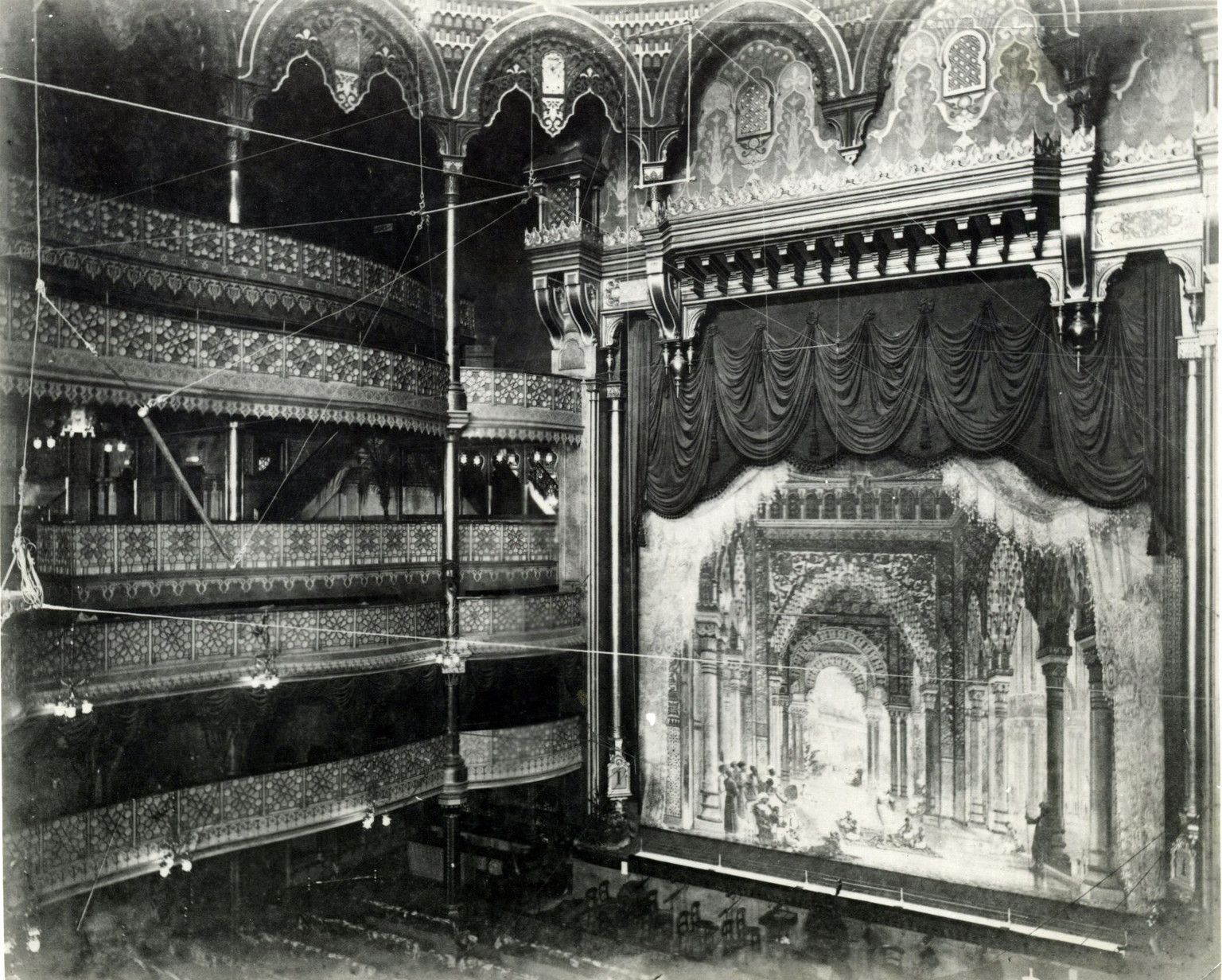
and actors, to be seen and at least understood, if not always heard, had used exaggerated makeup
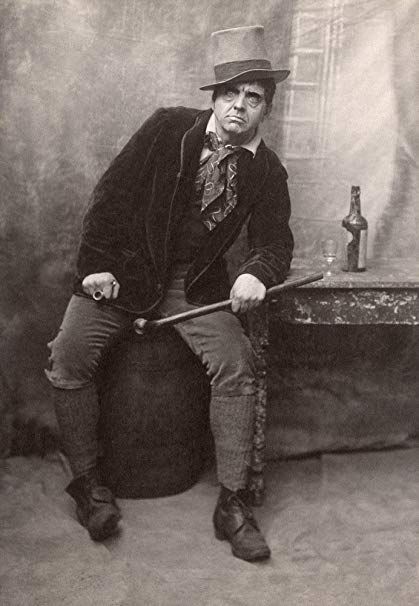
and equally exaggerated gesture.
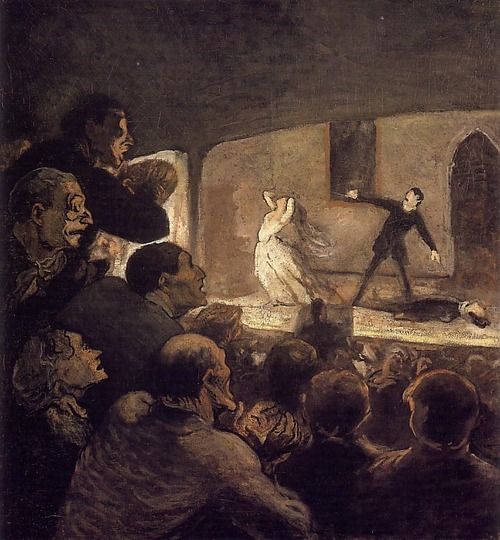
“Theatrical” gestures, in fact, date all the way back to Roman oratory (which, in turn, comes from Greek practice)—Quintilian (c.35-c.100AD), in his Institutio Oratoria, describes at some length the use of movement in oratory (Book II, Sections 66-135—you can read a translation here:  https://www.perseus.tufts.edu/hopper/text?doc=Perseus%3Atext%3A2007.01.0069%3Abook%3D11%3Achapter%3D6 ) and it’s clear from later illustrations that this was still inspiring dramatic gesture many centuries later—Elizabethan
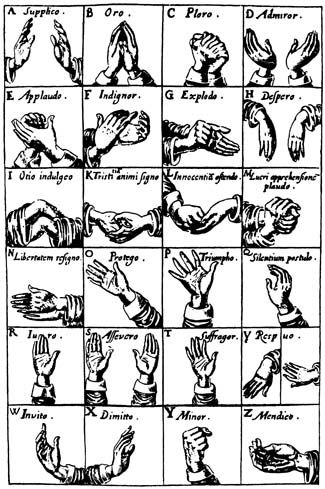
into the Victorian era.
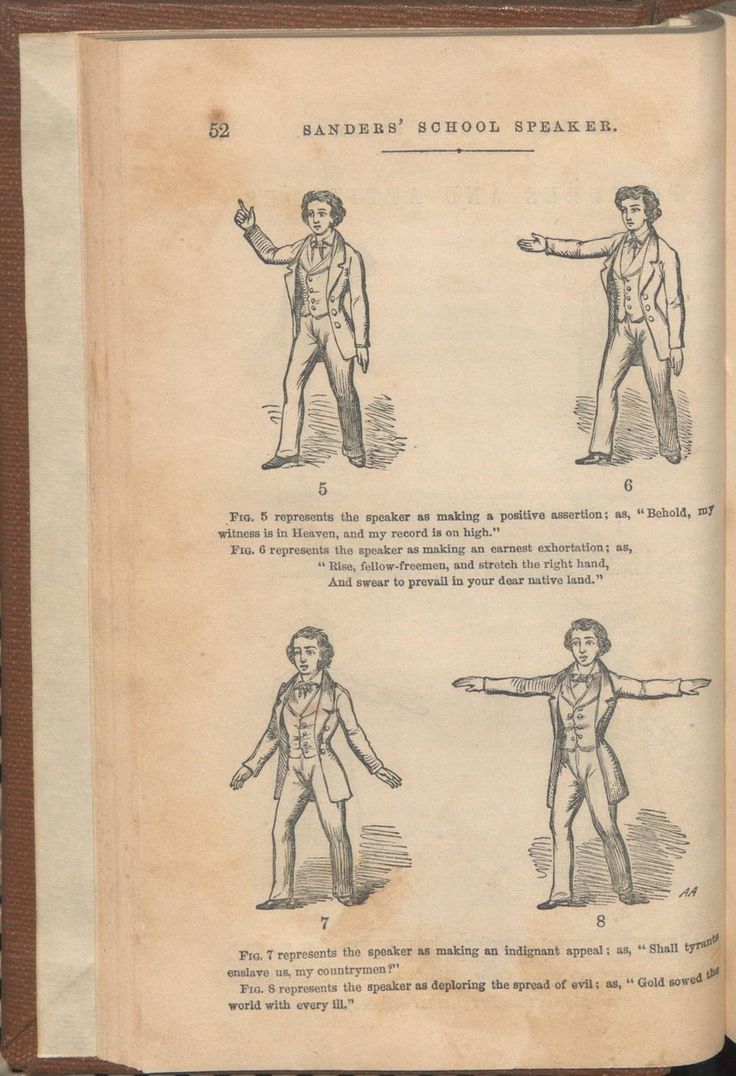
(This is from Sanders’ School Speaker, 1857, which, even skimming through it, immediately helps you to understand why, at the dedication of the National Cemetery at Gettysburg, in November, 1863, Abraham Lincoln, unschooled in oratory, read a few brief remarks—lasting 2 minutes–and the main speaker, Edward Everett, 1794-1865, trained at Harvard, spoke for two hours!   And—proving my point about the Internet Archive—you can read Sanders book here:  https://ia600200.us.archive.org/3/items/sandersschoolspe00sand/sandersschoolspe00sand.pdf  For a very useful little article on silent movie make-up, by the way, see:  https://intothegloss.com/2015/02/silent-film-makeup/ )

Why do I love silent movies?  I think that it’s all of the above:  on the one hand, it’s thinking of the first captures of motion and what that must have meant and felt like, as well as catching the echoes of the Victorian stage, and, on the other, it’s the sheer pleasure of watching story-telling at work, from laughter to terror, in a new art form.  There’s so much to learn and so much to see and the Internet Archive offers a very large schoolroom in which to study.

So, if you’re new to the form, where to begin?  You might try Charlie Chaplin’s “The Adventurer”, 1917 (https://archive.org/details/CC_1917_10_22_TheAdventurer )  or the longer film I mentioned earlier, Harold Lloyd’s “Safety Last”, 1923 (https://archive.org/details/dfwiv-Safety_Last_-_Harold_Lloyd_1923_-_Old_Time_Movie ).  For horror, there is another favorite, F.W. Murnau’s 1922 “Nosferatu”, with the most grotesque of villains, “Count Orlok” (aka Dracula– https://archive.org/details/nosferatu_201508  ) 
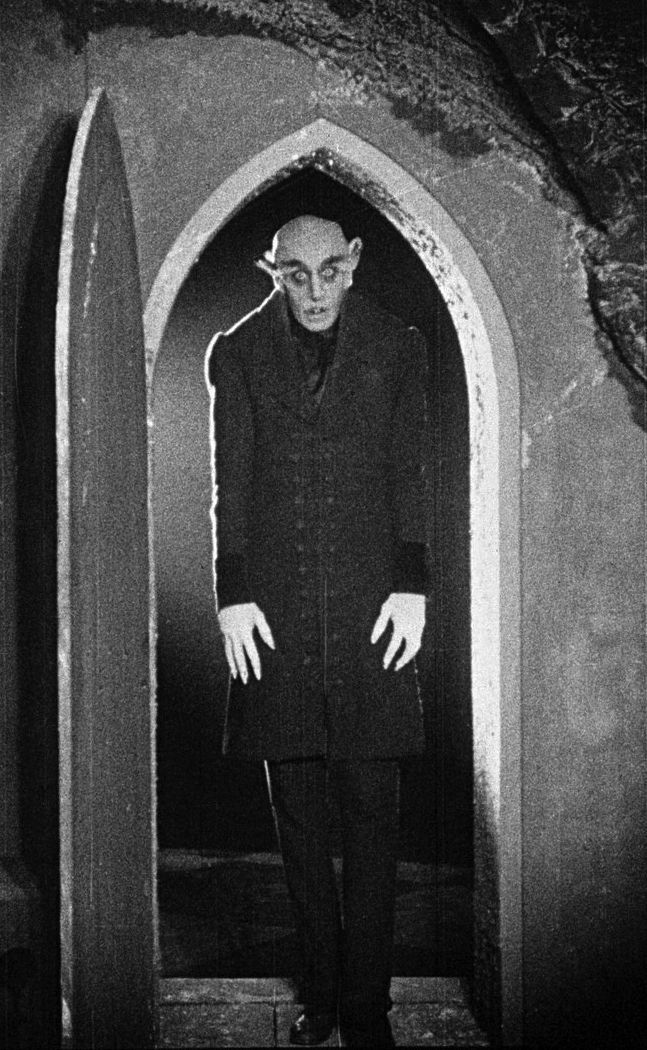
This is the first film based upon Bram Stoker’s 1897 novel and displays all sorts of menace—watch, in particular, about minute 20 or so, when the protagonist crosses a bridge and the film turns from black and white to icy blue and a carriage—more like a Victorian hearse—appears at a supernatural speed to carry him to the castle of the count.  This is something else one meets in these early films:  all sorts of experiments with distortion and tint.  (you can read about the film here:  https://en.wikipedia.org/wiki/Nosferatu )

Whatever you choose, I hope that you enjoy it as much as I enjoy this form which, although a direct ancestor of modern film, is distinctively different and itself.

Thanks for reading, as always.

Stay well,

If invited to a strange castle, be sure to wear a garlic vest,

And remember that, as always, there’s

MTCIDC

O

Theme and Variations.4

11 Wednesday Jul 2018

Posted by Ollamh in Artists and Illustrators, Fairy Tales and Myths, Films and Music, Literary History, Narrative Methods

≈ Leave a comment

Tags

A Trip to the Moon, Alexandre Dumas, Arthur Rackham, Cendrillon, Charles Perrault, Charles S Evans, Cinderella, Cinderella 1899, Cinderella 1911, Cinderella 1912, Cinderella 1914, Contes de Ma Mere L'Oye, Film, Florence La Badie, Georges Melies, Gustave Dore, Henri IV, Histoires ou Contes du Temps Passe, Hugo, Le Voyage dan la Lune, Louis XIII, Mary Pickford, silent film, Sleeping Beauty, The Invention of Hugo Cabret, The Three Musketeers

Welcome, dear readers, as ever.

This is the next-to-last in a little series on several of the fairy tales of Charles Perrault (1628-1703) from his 1697 collection, Histoires ou Contes du Temps Passe (“Stories or Tales of Past Time”), better known by a kind of subtitle, Contes de Ma Mere L’Oye (“Tales of My Mother Goose”).

image1chasp

So far, we’ve devoted two posts to “Sleeping Beauty” (actually called by Perrault “La Belle au Bois Dormant”—“The Beautiful Girl in the Sleeping Wood”), covering everything from 19th-century theatrical performances to book illustrations to Disney.

image2belle.jpg

In the third post, we began to look at “Cinderella”, more specifically in opera, from Isouard’s 1810 Cendrillon to Viardot’s 1904 Cendrillon.

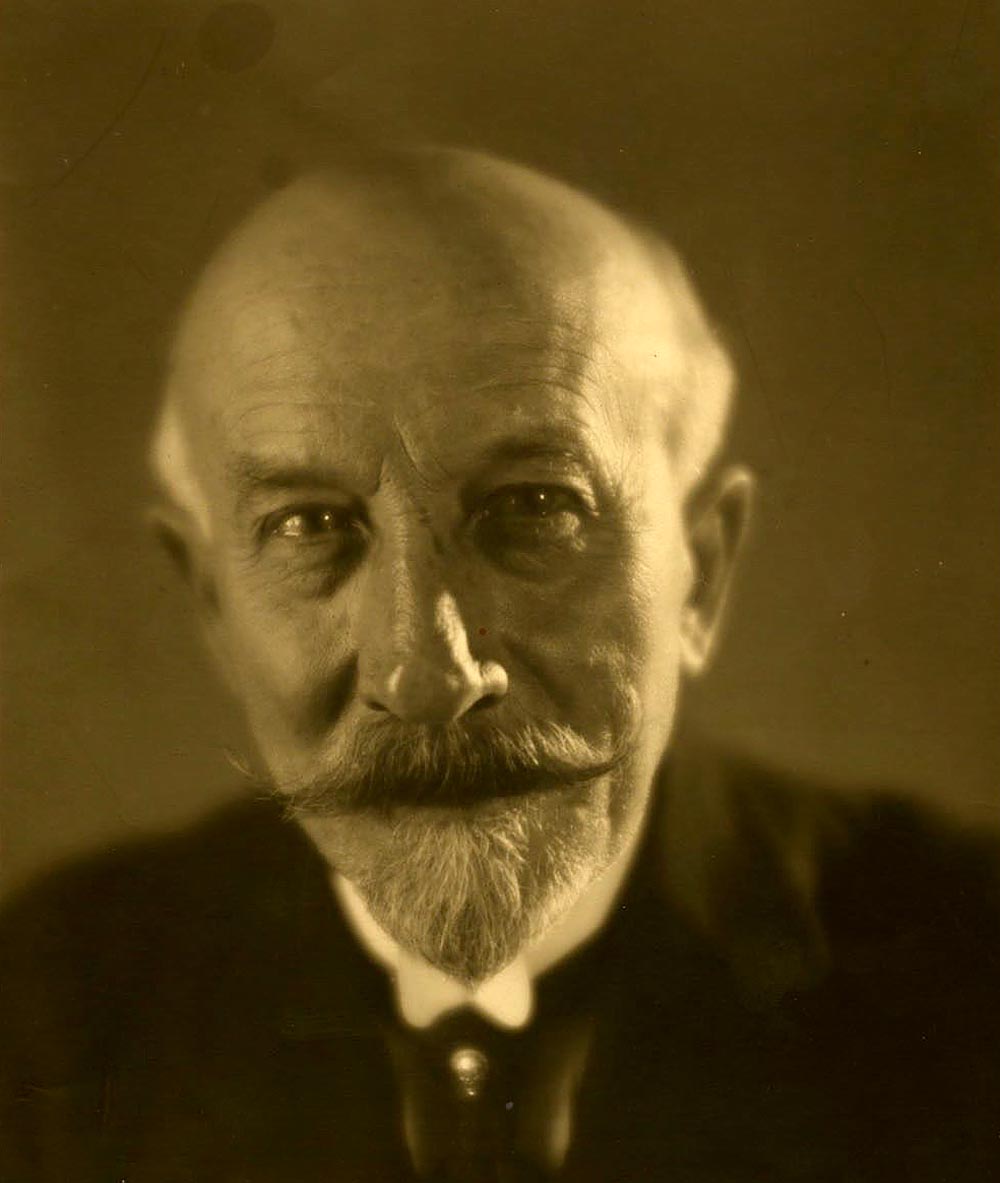
Now, in this post, we want to look at “Cinderella” in film, beginning with the 1899 work of Georges Melies (1861-1938)

image3melies.jpg

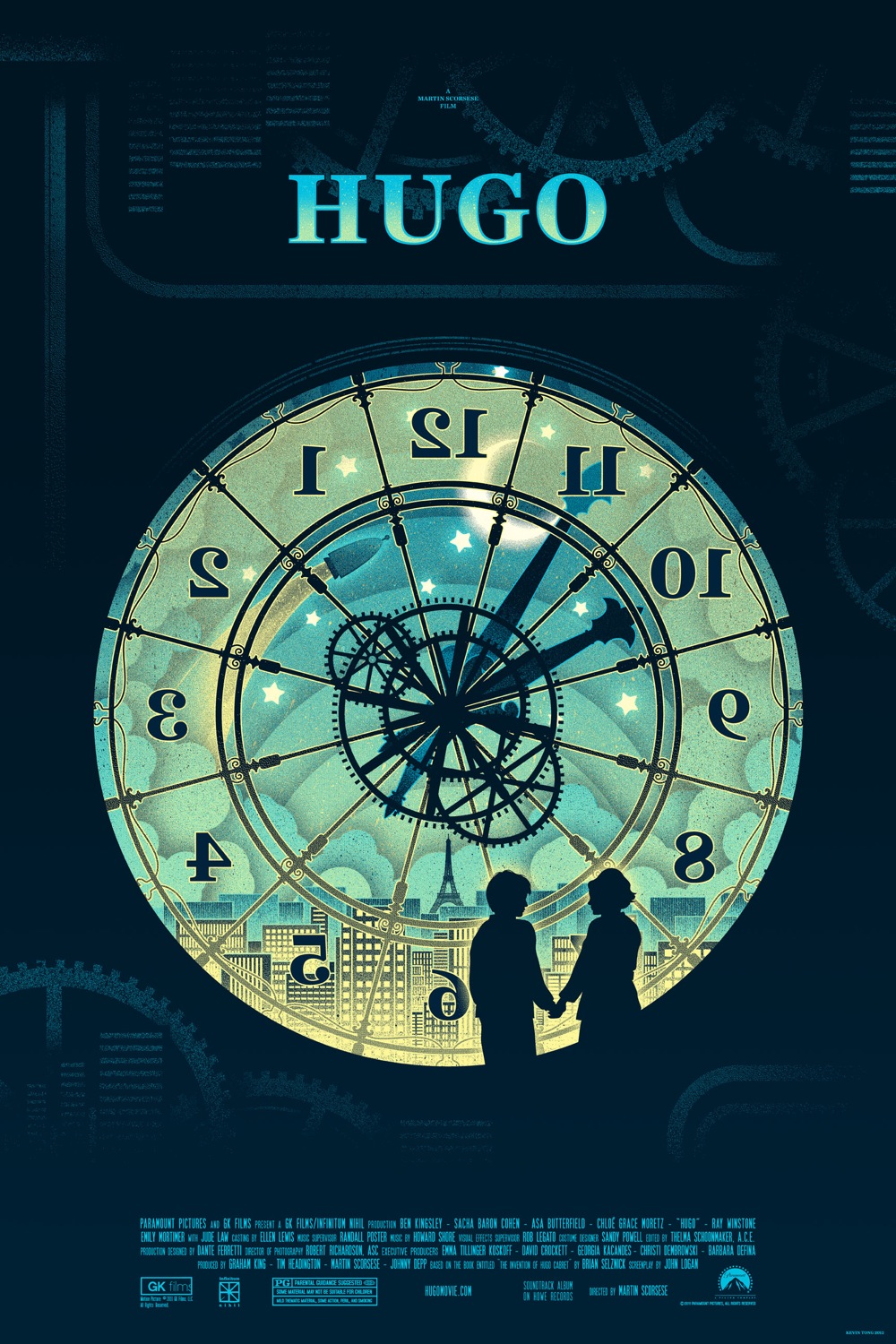
whom you may know from the 2011 film Hugo

image4hugoposter.jpg

based upon Brian Selznick’s 2007 wonderfully inventive novel, The Invention of Hugo Cabret.

image5hcabret.jpg

Even if you aren’t familiar with Melies, you may recognize his work in this image

image6moon.jpg

from his 1902 science fiction film, Le Voyage dans La Lune (“The Trip to the Moon”), thought by scholars to be the first science fiction film (or at least first surviving such film.  Silent film historians estimate that only about 10% of all silent films made are still available to us.  Here’s a LINK to the film so that you can enjoy it for yourself).

Cendrillon was Melies’ most elaborate film to date and was a commercial success, even though only just under 6 minutes long—which says something for the expectations of the movie-going public of 1899.

image7cend.png

As it is so short, it has only a couple of scenes—the kitchen in Cinderella’s house, the palace ballroom, Cinderella’s room, and what appears to be the outside of the palace—and very much depends upon the viewer already knowing the basic story (it begins, for example, with a very fancily-dressed woman leaving the kitchen and the sudden appearance of the Fairy Godmother, with no introduction at all).  Its greatest strength, for us, is in its transformation scenes (a Melies’ specialty), particularly the change of rats/mice into coachmen and footmen. (And here’s a LINK to the film, see if you agree with the 1899 audience.)

image8trans.jpg

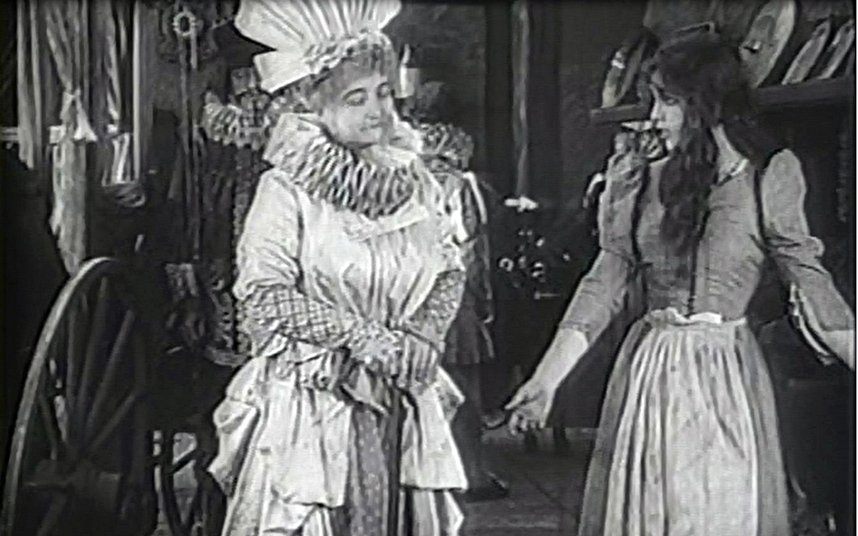
Our second film is from 1911 and is nearly 15 minutes long, meaning that it actually has time to tell the story, if not in a leisurely fashion, at least in a more complete one than the Melies.  This is a US version of the story, starring an early popular favorite, Florence La Badie (or Labadie).

image9aflo.jpg

Forgotten except by silent film enthusiasts, La Badie was a hardworking dare-devil, appearing in nearly 200 films between 1909 and her death in 1917, and doing most of her own stunts.  She was also someone who personified a new look for young women in the years leading up to the Great War—as this portrait (and there are more like it) shows.

image9flo


If you follow this LINK, you can see not only the actress, but a “Cinderella” which has almost everything we would expect from the Perrault original.

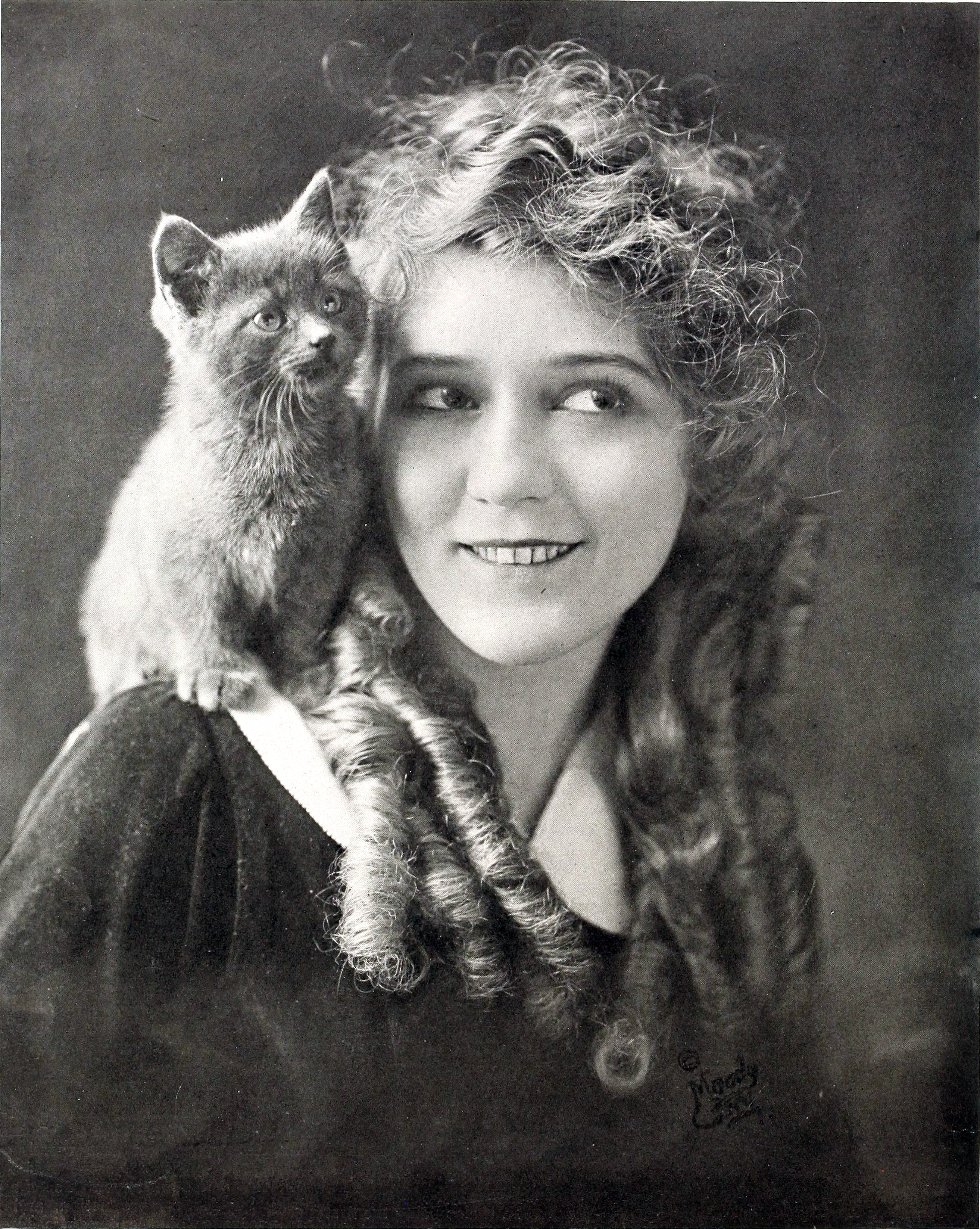
Florence La Badie had gotten into films through the suggestion of an acting friend, Mary Pickford,

image10pick


who starred in our next Cinderella, in 1914.

image11cind

Two things strike us about this:

  1. it’s over 50 minutes long—a great advance from the 1911 15 minutes
  2. the advertising seems to suggest that the audience of 1914 was expected to visit the theatre to see Mary Pickford in Cinderella, rather than Cinderella in which Mary Pickford plays the title role. For us, this foreshadows the obsession with film celebrities which is still with us today.

image12pick

This version, with its almost luxurious length, has plenty of time not only to tell the Perrault story, but to makes two additions to the plot:  Cinderella actually meets the prince before the ball, near her home and they fall in love—but are then separated; the stepsisters visit a fortune-teller, who informs them cryptically that one of their family will be successful at the ball.  (Here’s a LINK so that you can enjoy this more elaborate version.)

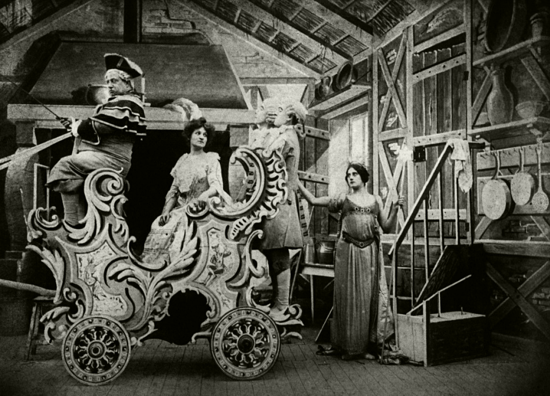
In the midst of these US versions, Georges Melies issued a second one himself.  At about 24 minutes long, it is much grander than his 1899 production, spending nearly a quarter of its length on the transformation of Cinderella from kitchen maid to grand lady alone.  The contrast between the 1899 pumpkin coach and the 1913 one illustrates this nicely.

image13acoach.jpg

image13melies2

It did not enjoy the success of the 1899 original, perhaps because, the weight of production values was simply too heavy for the little story inside, which was smothered by all of the plumed hats and sweeping bows.  We admit that we find this version a little slow, but the creation of the pumpkin coach is still as impressive to us as it must have been in 1913.  Here’s a LINK so that you can judge for yourself. It’s dated 1912, by the way, when the film was made, but it premiered in 1913, so we are sticking to the later date.

It has been suggested that Melies, in the look of this later take on the story, was influenced by the work of Gustave Dore (Do-RAY) (1832-1883).

image14dore.jpg

In 1867, Dore—a well-known illustrator–among other things–published Les Contes de Perrault, dessins par Gustave Dore. image15contes

Here’s one of the three illustrations done for the story.

image16cend

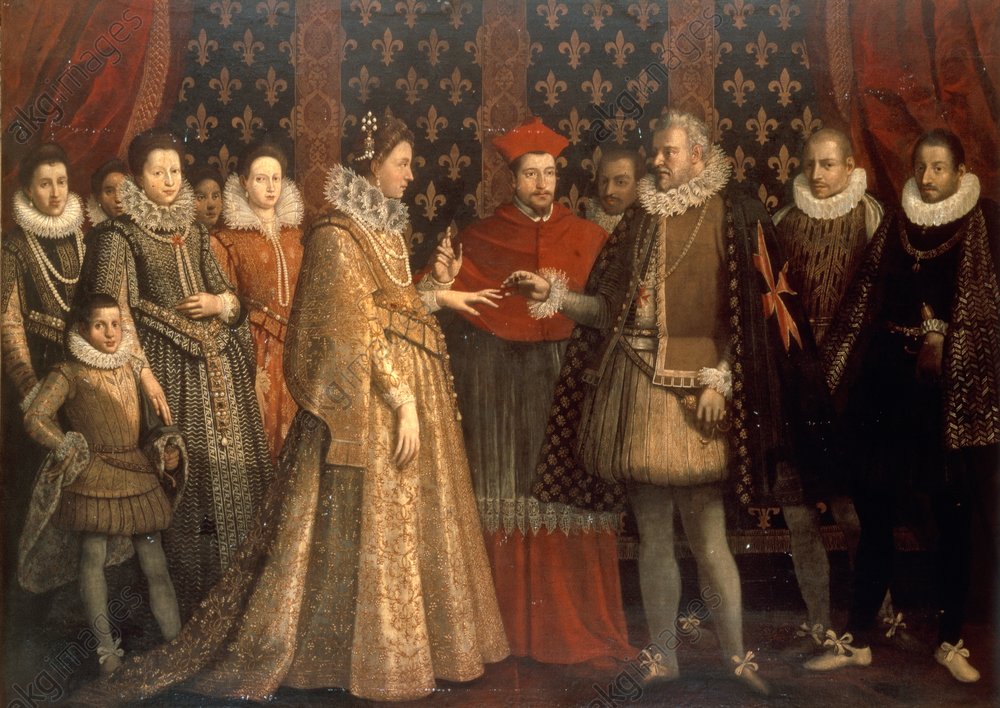
To us, however, Melies thinks of the story taking place in the time of Louis XIII (reigned 1610-1643), when Dumas’ “Musketeers” novels are set (with a little 18th-century addition here and there).

image17musk

Dore would appear to be setting it earlier, in the time of Louis’ father, Henri IV (reigned 1589-1610).

image18henri4

One of our very favorite illustrators, Arthur Rackham (1867-1939),

image19ar

tackled both “Cinderella” in 1919 and “Sleeping Beauty” in 1920, with retellings by Charles S. Evans.  Always original and surprising in his approach, Rackham here has produced what we believe to be two of his most inspired works—we’ll talk about them, as well as more versions of “Cinderella”, in our next.

But we’ll finish this post with one more image—as a teaser…

image20sketch

And thank you, as ever, for reading.

MTCIDC

CD

Music to Our Ears

07 Wednesday Oct 2015

Posted by Ollamh in Films and Music

≈ Leave a comment

Tags

Alexander Nevsky, Bag End, Birth of a Nation, Darth Vader, Film music, film score, Gilraen's Memorial, Howard Shore, Imperial March, Jaws, John Williams, Journey to the Grey Havens, melodrama, Mendelssohn, Midsumer Night's Dream, Prokofiev, Rivendell, Sergei Eisenstein, silent film, Star Wars, The Lord of the Rings, The Shire, The Tales That Really Matter, theme

Dear Readers,

Welcome, as always. In this posting, we’d like to talk a bit about film music.

We’re interested in all kinds—from classic 30s to more recent scores. We began by asking ourselves why is there film music? Where does it come from?

To begin, we looked back into the 19th century, where we found that music could be used underneath the action in plays—Mendelssohn’s Midsummer Night’s Dream being a good example. Mendelssohn wrote the overture as a teenager, and as a purely orchestral piece. The rest of the music was written for a performance of the play in Berlin in 1842. Some of it consists of settings for the songs from Shakespeare’s play, but other music is meant to be played during a scene to heighten tension or to release it. (This use of music was so common in the 19th century that we get the expression “melodrama” originally from plays with music. “Melos” is an ancient Greek word for “song”, which gets added to “drama”.)

Edwin_Landseer_-_Scene_from_A_Midsummer_Night's_Dream._Titania_and_Bottom_-_Google_Art_Project

When film began to take its place next to drama as a form of popular entertainment—sometimes in the same theatres—film was, of course, silent.

zorro-still

Without spoken dialogue or sound effects, as people were already used to the music played in dramas, it was natural to have music played under films, commonly using a piano or an organ.

3185_2

The music could be classical excerpts or popular music of the period, which would be improvised by the organist or pianist. For some films, music was even specially written. Birth of a Nation (1915) was one of these.

Sheet_music_for_'The_Perfect_Song'_from_The_Birth_of_a_Nation

Such music, as in plays, would underscore the action building or releasing the motion. This was true of early sound films—like Alexander Nevsky (1939).

PROKOFIEV , Sergei - with Sergei Eisenstein ( film director ) at film studios , 1943 working on film Alexander Nevsky . Russian composer , 27 April 1891 - 5 March 1953 .

PROKOFIEV , Sergei – with Sergei Eisenstein ( film director ) at film studios , 1943 working on film Alexander Nevsky . Russian composer , 27 April 1891 – 5 March 1953 .

And of more recent films. Think of the shark theme from Jaws

(Jaws theme)

2806004-jaws

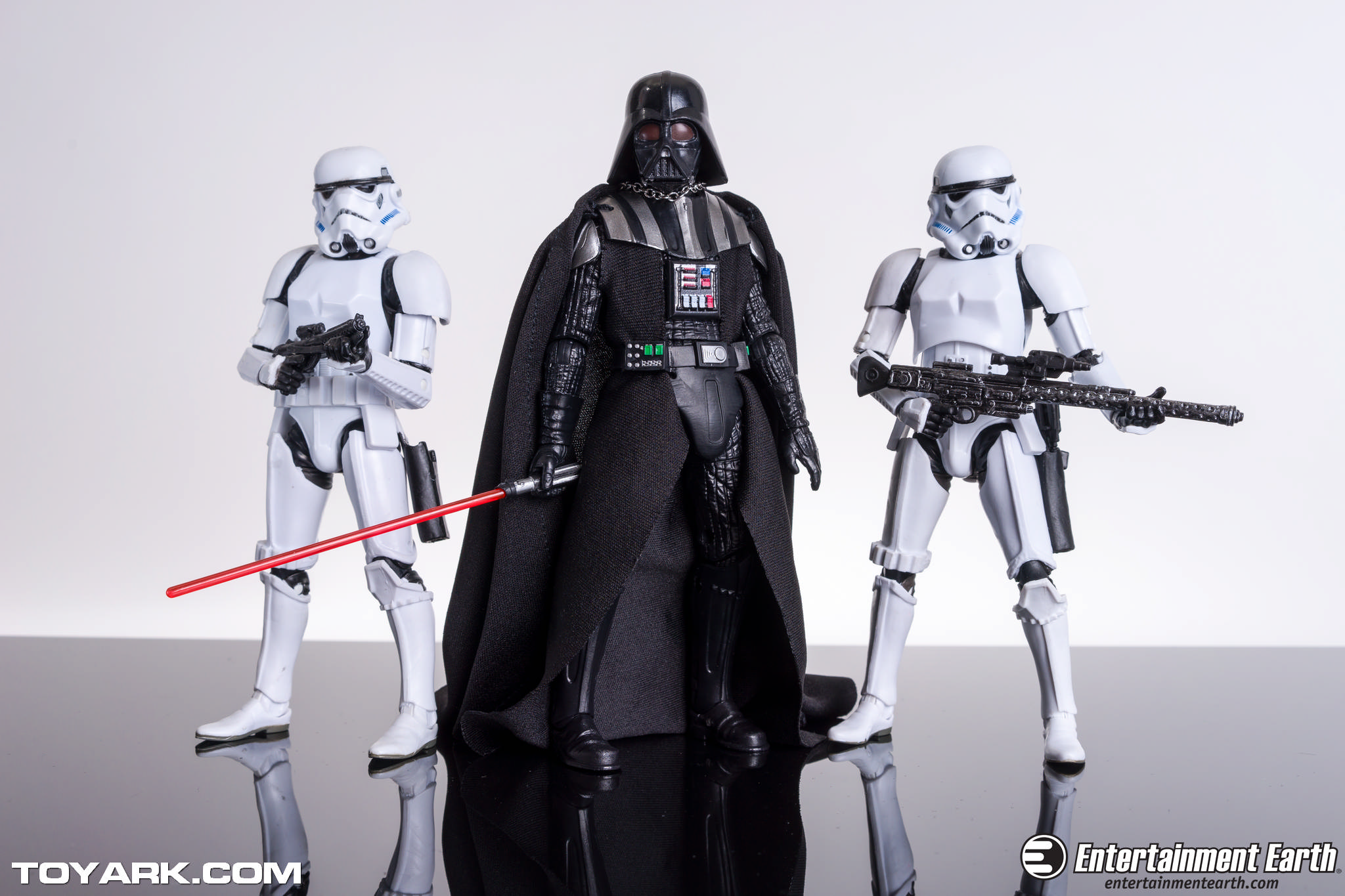
Or, Darth Vader

(Imperial March)

Black-Series-Darth-Vader-47

(And think of how the music change when Luke takes off his father’s helmet.)

(Imperial March– alternate version)

vader1983

A special favorite of ours is the Shire theme from The Lord of the Rings.

jrrt_12

In the theatrical version of the film, we hear this first when Gandalf visits Frodo.

(The Shire theme in “Bag End“, taken from the complete recordings)

gandalf-visiting-frodo

In this scene, we’re being told, just as in a silent movie, about a feeling—and only through music which accompanies the picture.

But when we hear the music return when Frodo and Sam have set out on their journey to Rivendell:

(“Rivendell”)

Leaving Rivendell, as a part of the Fellowship (and the theme here acts as a prelude to the Fellowship theme):

(“Gilraen’s Memorial“)

Sam’s speech, where the theme resides to accepting the journey but reminisces about home:

(“The Tales That Really Matter“)

And saying farewell before departing into the West:

(“Journey to the Grey Havens”)

And so we have an entirely different feeling each time we hear a variant of the theme– the Little People make their mark in the film not only by taking a part in the story, but also in the music, as it shifts through their adventure.

But try this for yourself, dear reader. Pick a favorite film, and try to focus less on the action and more on the music: are there recurring themes, for instance? And, if so, do they change? And if they do change, how does that affect the film and you?

Thanks, as ever, for reading,

MTCIDC,

CD

The Doubtful Sea Series Facebook Page

The Doubtful Sea Series Facebook Page

  • Ollamh

Categories

  • Artists and Illustrators
  • Economics in Middle-earth
  • Fairy Tales and Myths
  • Films and Music
  • Games
  • Heroes
  • Imaginary History
  • J.R.R. Tolkien
  • Language
  • Literary History
  • Maps
  • Medieval Russia
  • Military History
  • Military History of Middle-earth
  • Narnia
  • Narrative Methods
  • Poetry
  • Research
  • Star Wars
  • Terra Australis
  • The Rohirrim
  • Theatre and Performance
  • Tolkien
  • Uncategorized
  • Villains
  • Writing as Collaborators
Follow doubtfulsea on WordPress.com

Across the Doubtful Sea

Recent Postings

  • Silents Are Golden May 7, 2026
  • Planting April 29, 2026
  • Subterranean April 22, 2026
  • Serendipity? April 15, 2026
  • Serendipity April 8, 2026
  • Verisimilitude April 1, 2026
  • Goblins and Goblin March 25, 2026
  • Crowing and Raven March 18, 2026
  • The Damage of Dragons March 11, 2026

Blog Statistics

  • 113,184 Views

Posting Archive

  • May 2026 (1)
  • April 2026 (5)
  • March 2026 (4)
  • February 2026 (4)
  • January 2026 (4)
  • December 2025 (5)
  • November 2025 (4)
  • October 2025 (5)
  • September 2025 (4)
  • August 2025 (4)
  • July 2025 (5)
  • June 2025 (4)
  • May 2025 (4)
  • April 2025 (5)
  • March 2025 (4)
  • February 2025 (4)
  • January 2025 (5)
  • December 2024 (4)
  • November 2024 (4)
  • October 2024 (5)
  • September 2024 (4)
  • August 2024 (4)
  • July 2024 (5)
  • June 2024 (4)
  • May 2024 (5)
  • April 2024 (4)
  • March 2024 (4)
  • February 2024 (4)
  • January 2024 (5)
  • December 2023 (4)
  • November 2023 (5)
  • October 2023 (4)
  • September 2023 (4)
  • August 2023 (5)
  • July 2023 (4)
  • June 2023 (4)
  • May 2023 (5)
  • April 2023 (4)
  • March 2023 (5)
  • February 2023 (4)
  • January 2023 (4)
  • December 2022 (4)
  • November 2022 (5)
  • October 2022 (4)
  • September 2022 (4)
  • August 2022 (5)
  • July 2022 (4)
  • June 2022 (5)
  • May 2022 (4)
  • April 2022 (4)
  • March 2022 (5)
  • February 2022 (4)
  • January 2022 (4)
  • December 2021 (5)
  • November 2021 (4)
  • October 2021 (4)
  • September 2021 (5)
  • August 2021 (4)
  • July 2021 (4)
  • June 2021 (5)
  • May 2021 (4)
  • April 2021 (4)
  • March 2021 (5)
  • February 2021 (4)
  • January 2021 (4)
  • December 2020 (5)
  • November 2020 (4)
  • October 2020 (4)
  • September 2020 (5)
  • August 2020 (4)
  • July 2020 (5)
  • June 2020 (4)
  • May 2020 (4)
  • April 2020 (5)
  • March 2020 (4)
  • February 2020 (4)
  • January 2020 (6)
  • December 2019 (4)
  • November 2019 (4)
  • October 2019 (5)
  • September 2019 (4)
  • August 2019 (4)
  • July 2019 (5)
  • June 2019 (4)
  • May 2019 (5)
  • April 2019 (4)
  • March 2019 (4)
  • February 2019 (4)
  • January 2019 (5)
  • December 2018 (4)
  • November 2018 (4)
  • October 2018 (5)
  • September 2018 (4)
  • August 2018 (5)
  • July 2018 (4)
  • June 2018 (4)
  • May 2018 (5)
  • April 2018 (4)
  • March 2018 (4)
  • February 2018 (4)
  • January 2018 (5)
  • December 2017 (4)
  • November 2017 (4)
  • October 2017 (4)
  • September 2017 (4)
  • August 2017 (5)
  • July 2017 (4)
  • June 2017 (4)
  • May 2017 (5)
  • April 2017 (4)
  • March 2017 (5)
  • February 2017 (4)
  • January 2017 (4)
  • December 2016 (4)
  • November 2016 (5)
  • October 2016 (6)
  • September 2016 (5)
  • August 2016 (5)
  • July 2016 (5)
  • June 2016 (5)
  • May 2016 (4)
  • April 2016 (4)
  • March 2016 (5)
  • February 2016 (4)
  • January 2016 (4)
  • December 2015 (5)
  • November 2015 (5)
  • October 2015 (4)
  • September 2015 (5)
  • August 2015 (4)
  • July 2015 (5)
  • June 2015 (5)
  • May 2015 (4)
  • April 2015 (3)
  • March 2015 (4)
  • February 2015 (4)
  • January 2015 (4)
  • December 2014 (5)
  • November 2014 (4)
  • October 2014 (6)
  • September 2014 (1)

Blog at WordPress.com.

  • Subscribe Subscribed
    • doubtfulsea
    • Join 75 other subscribers
    • Already have a WordPress.com account? Log in now.
    • doubtfulsea
    • Subscribe Subscribed
    • Sign up
    • Log in
    • Report this content
    • View site in Reader
    • Manage subscriptions
    • Collapse this bar

Loading Comments...