• About

doubtfulsea

~ adventure fantasy

Tag Archives: Smaug

Return to Horrors?

27 Wednesday Aug 2025

Posted by Ollamh in Uncategorized

≈ 1 Comment

Tags

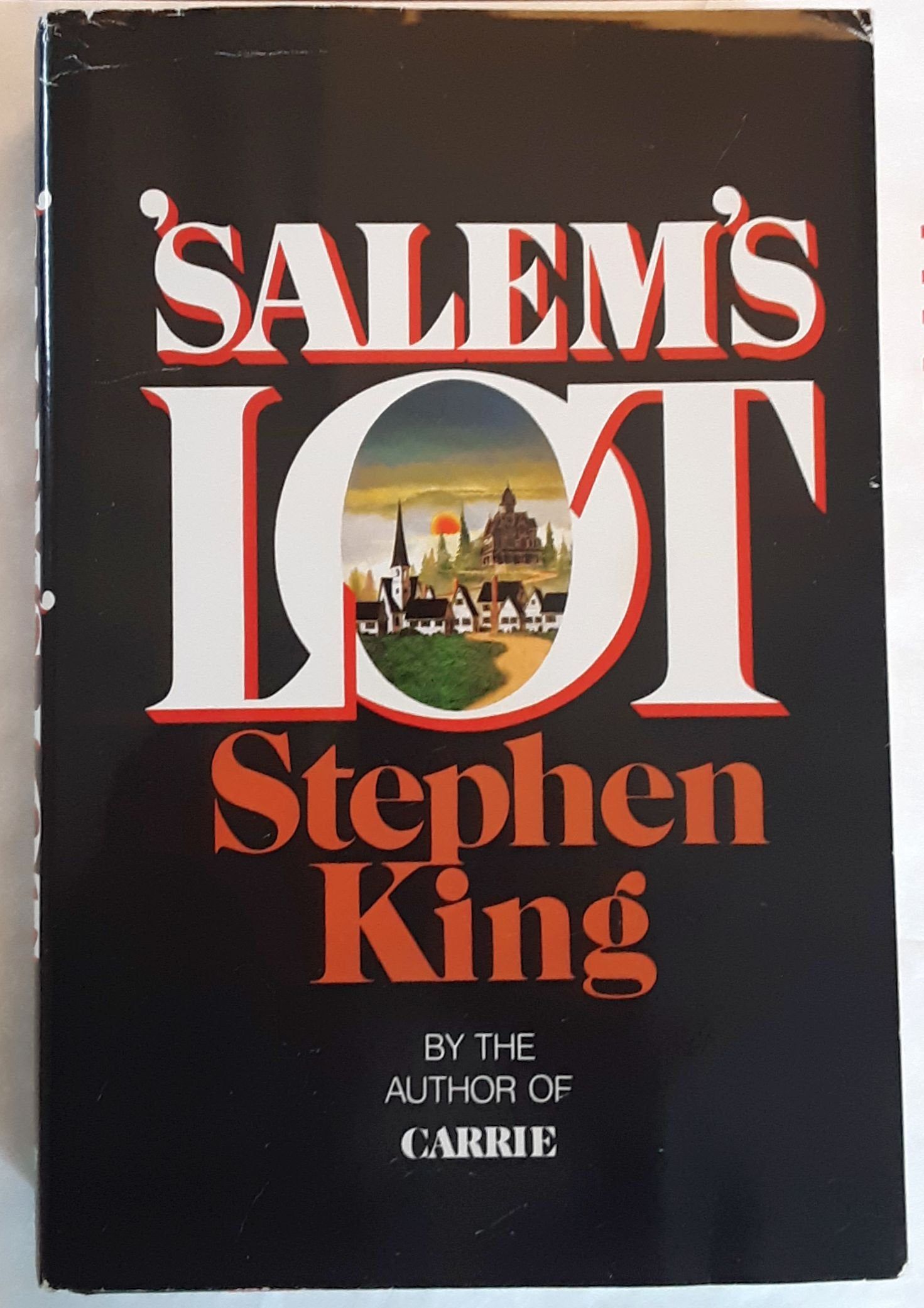
'Salem's Lot, Acrophobia, Arachnophobia, Billina, Claustrophobia, Coulrophobia, Dracula, ECT, Film, Goblins, Gump, Herpetophobia, jack-pumpkinhead, nome-king, Oz, Ozma of Oz, Return to Oz, Smaug, spiders, Stephen King, The Hobbit, The Marvelous Land of Oz, The Shining, Tik-Tok, Tolkien, trolls, Trypanophobia, Wheelers, wolves

Welcome, dear readers, as always.

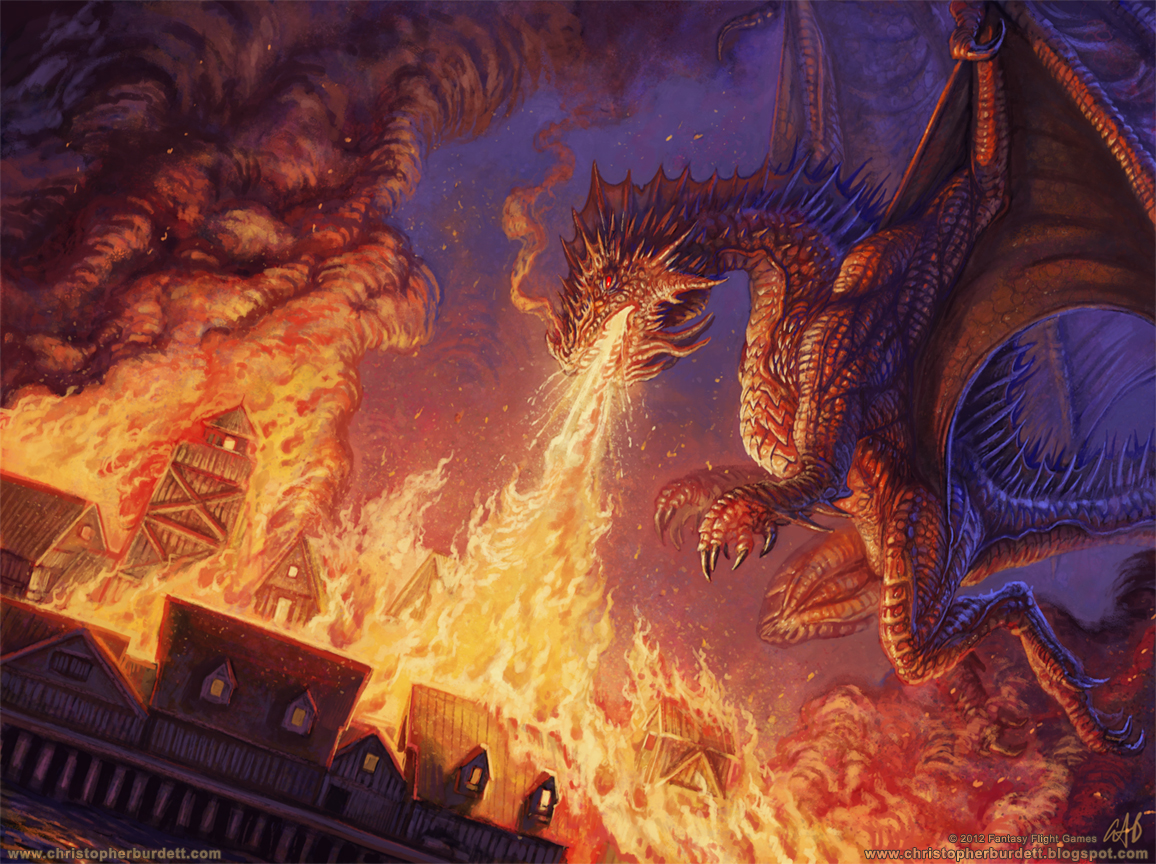
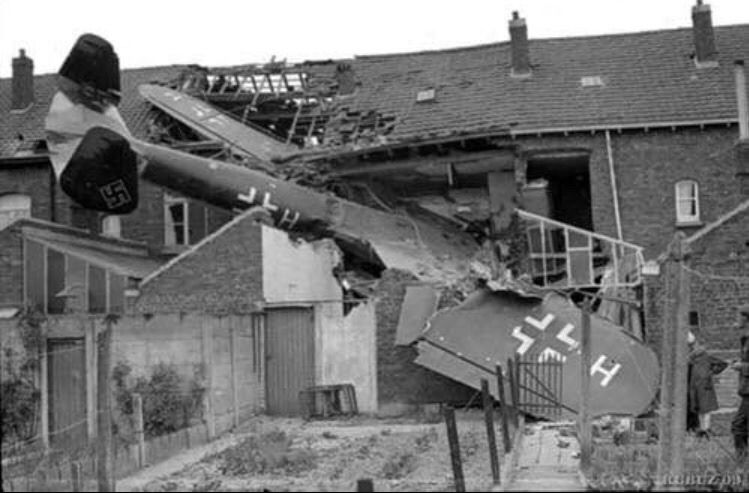
Does this picture make your hands sweat?  Can you barely look at it?

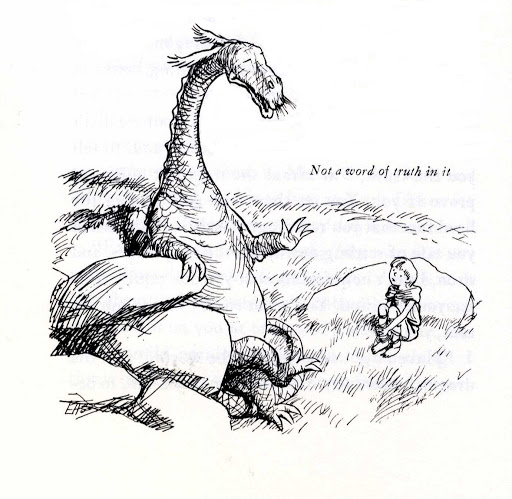
How about this one—

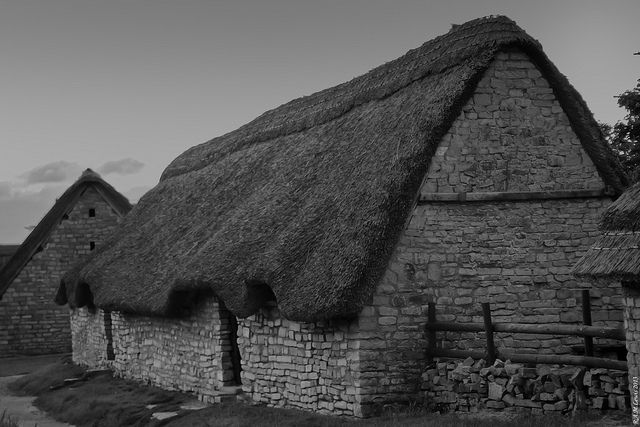
Or this one—

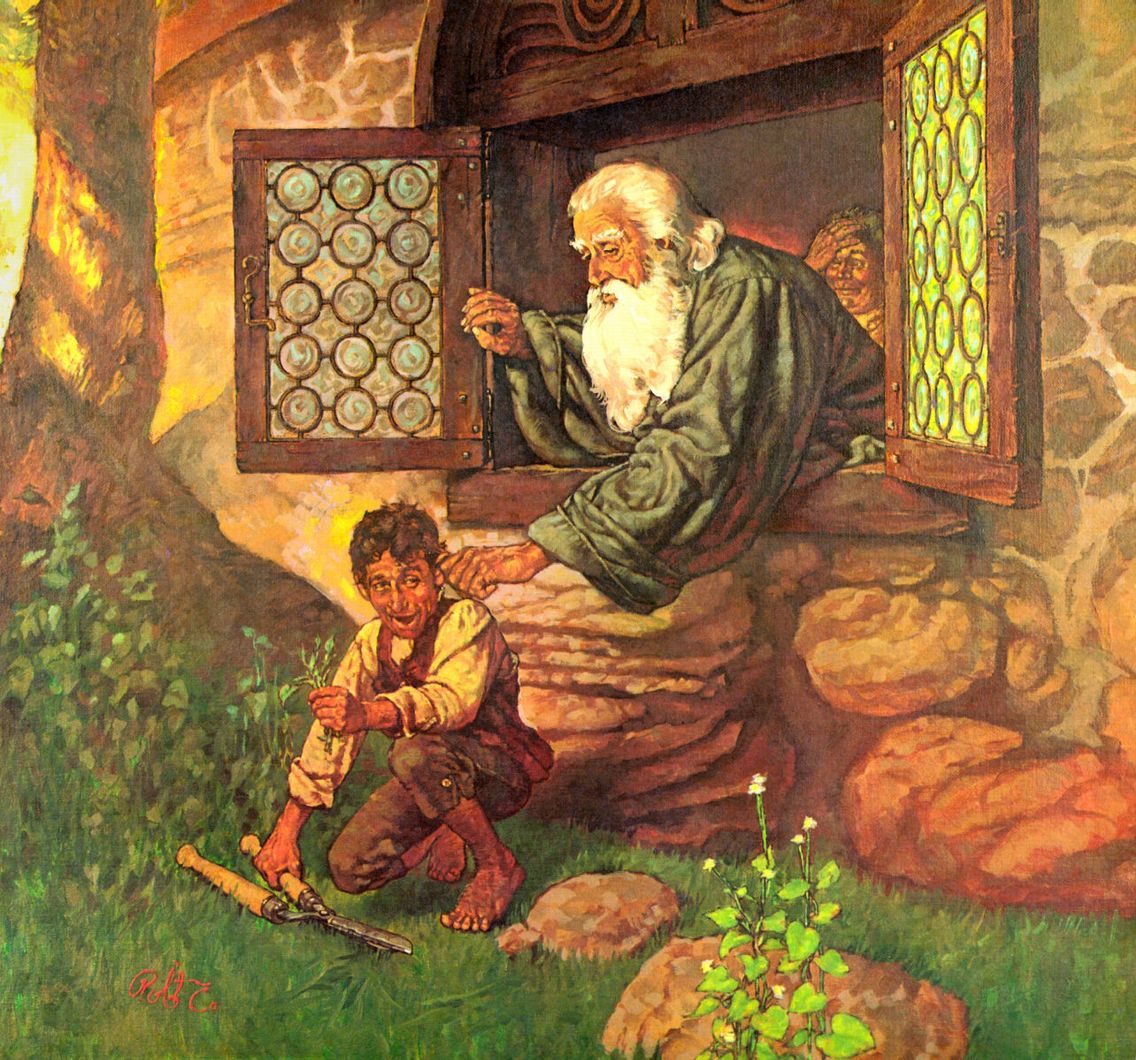
Or—

Or—

Or—horror of horrors!—

It’s possible that all of these might have an effect upon you and, in which case, I imagine that you’re reading this hiding under your bed.

Why all of this phobic display?  Because, back in June, I read an article from the BBC about the 40th anniversary of Disney’s Return to Oz entitled:

“ ‘It has the appeal of an actual horror’: How Return to Oz became one of the darkest children’s films ever made”

(You can read the article here:  https://www.bbc.com/culture/article/20250616-the-darkest-childrens-film-ever-made )

This is a film I own and have seen perhaps half-a-dozen times and I’ve never viewed it as the horror film which the article would suggest.  Granted, sensationalism sells the news, but, having read the article again, I’ve thought about how horror can be an element in a work—and a powerful one—without making the work as a whole into something like Bram Stoker’s Dracula.

(And, if you haven’t read it, I would certainly recommend it.  Here it is in the first US edition of 1897:   https://gutenberg.org/files/345/345-h/345-h.htm )

Think, for a moment, about The Hobbit.

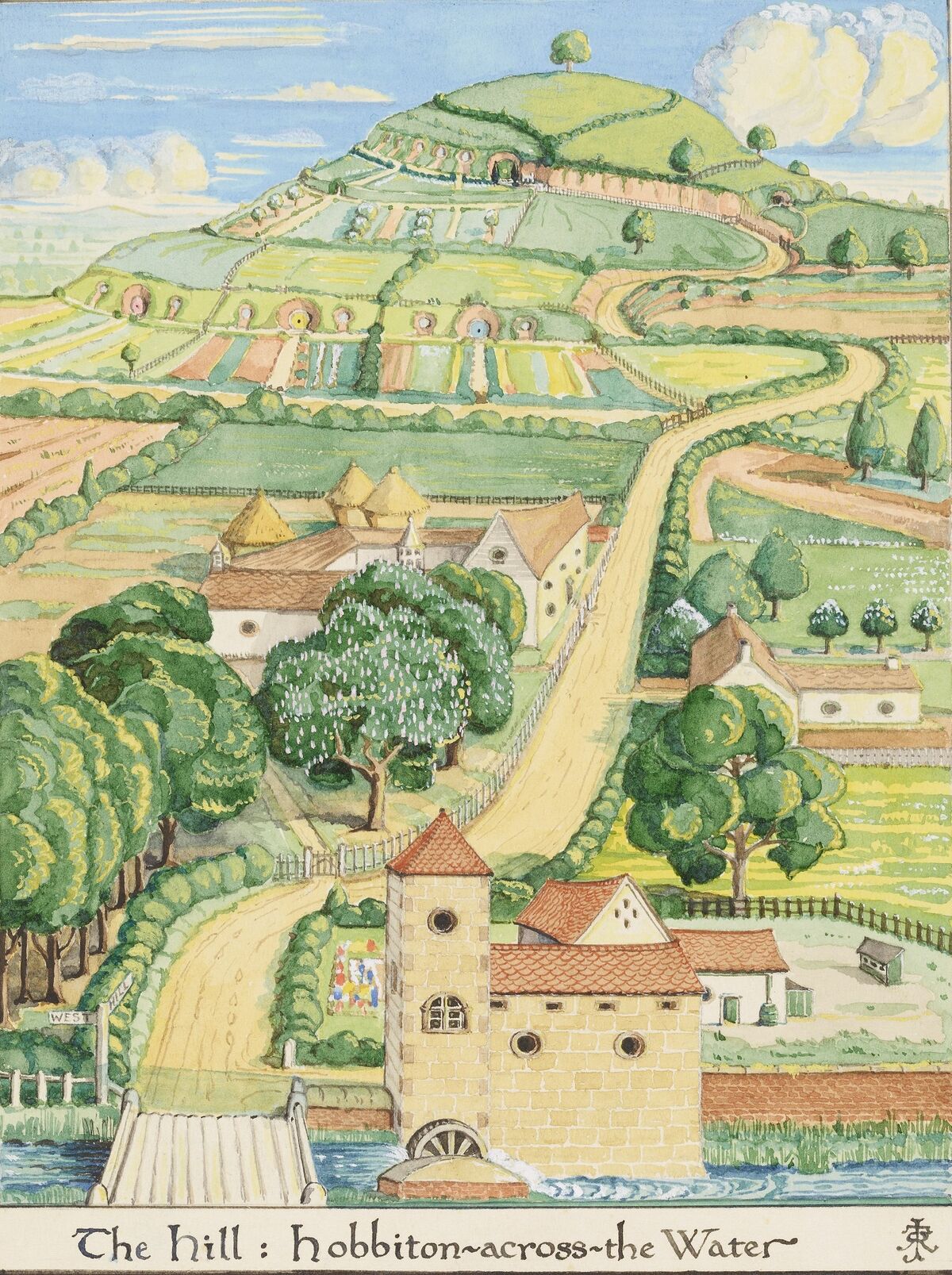
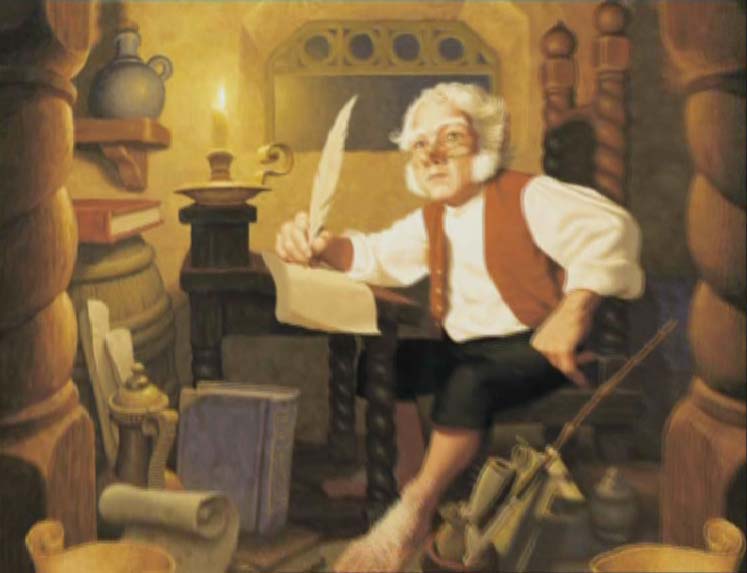
Here, we go from the safety of Hobbiton

(JRRT)

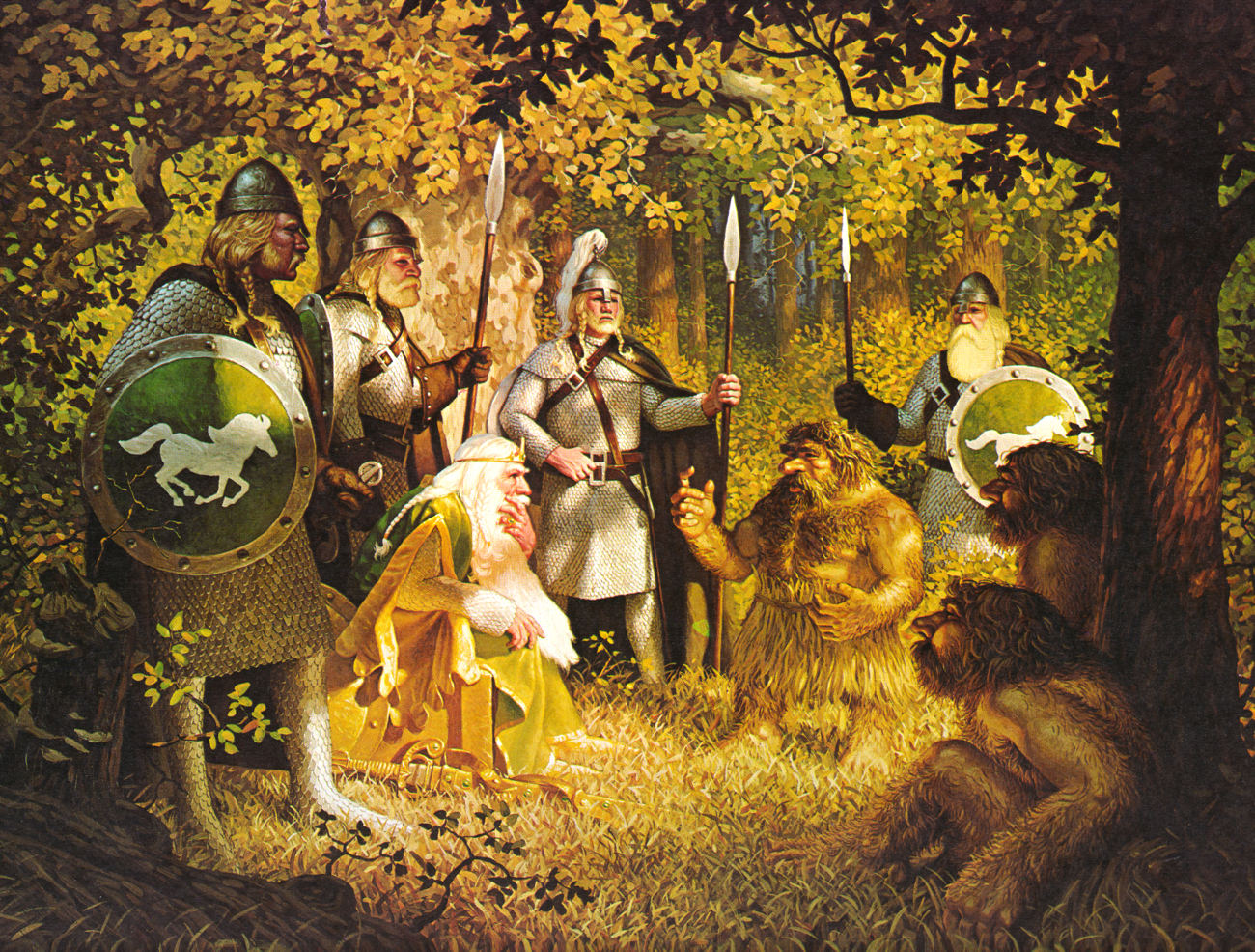
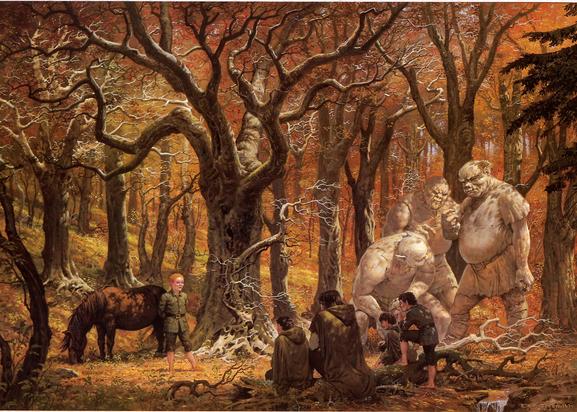
to a world where there are trolls,

(JRRT)

goblin-infested mountains,

(Alan Lee)

wolves in large packs,

(Tove Jansson)

giant spiders,

(John Tyler Christopher—you can see more of his work here:  https://johntylerchristopher.com/ )

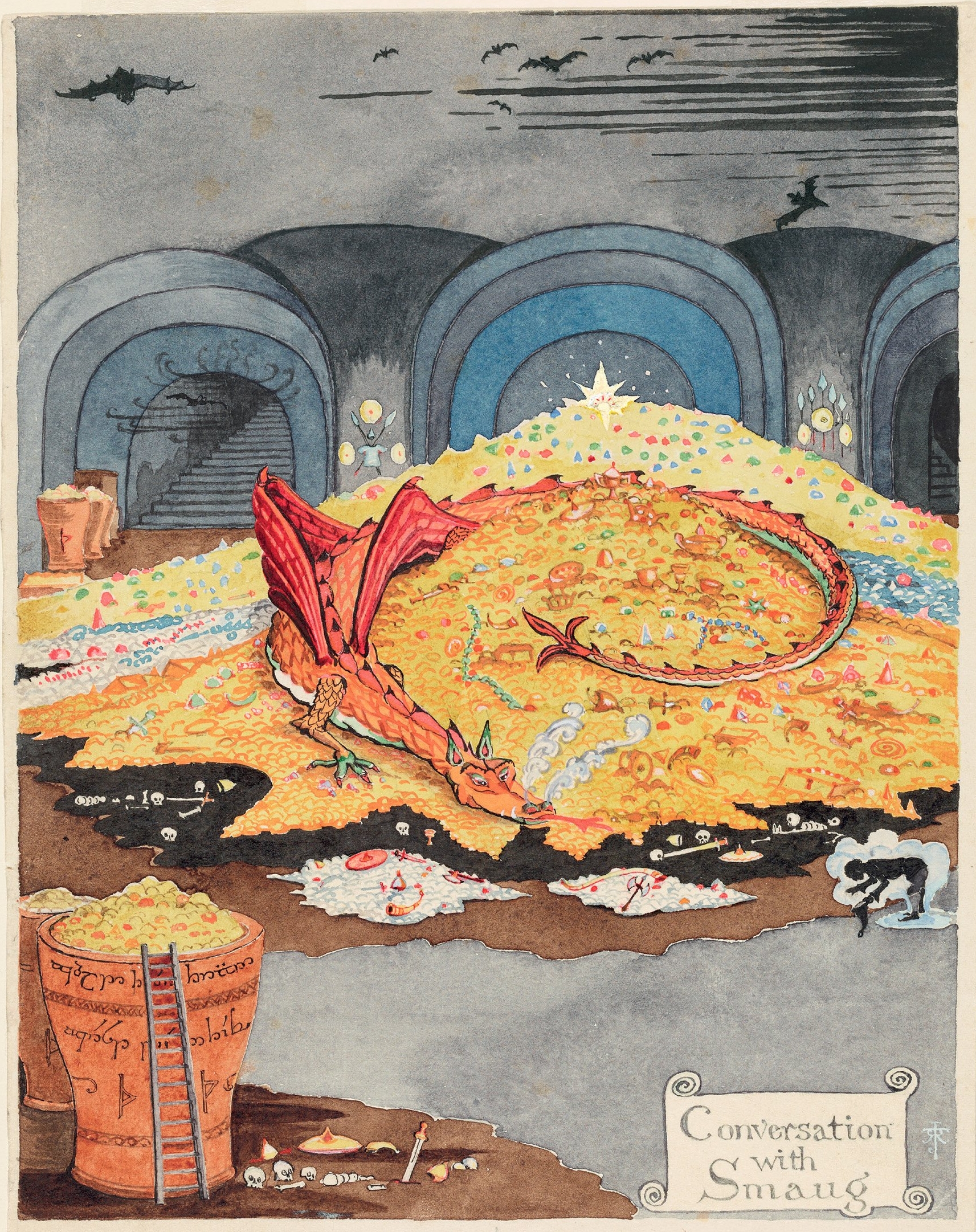
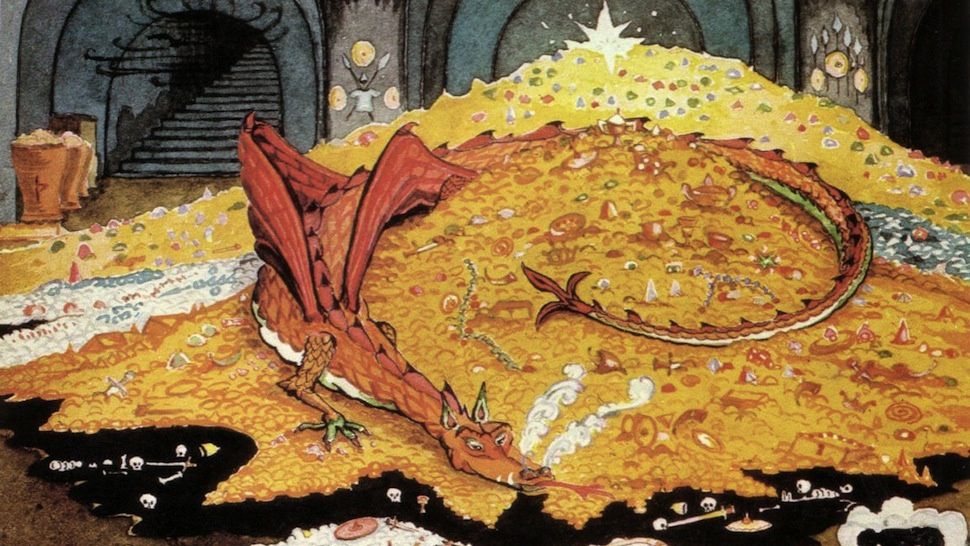
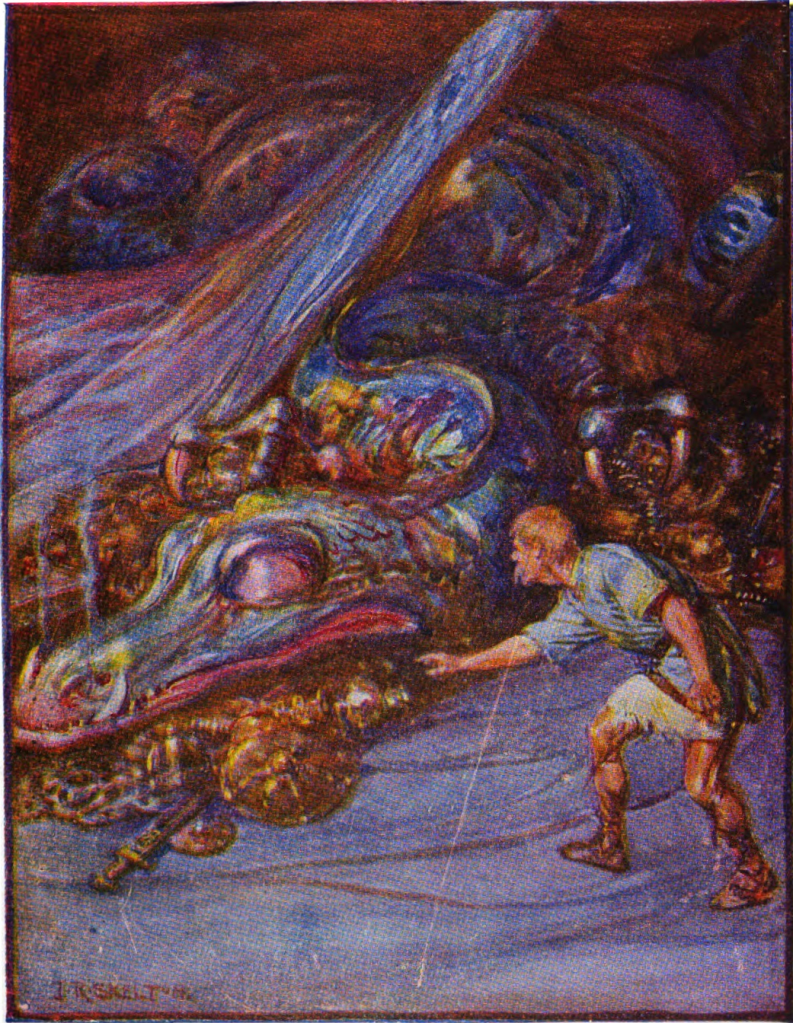
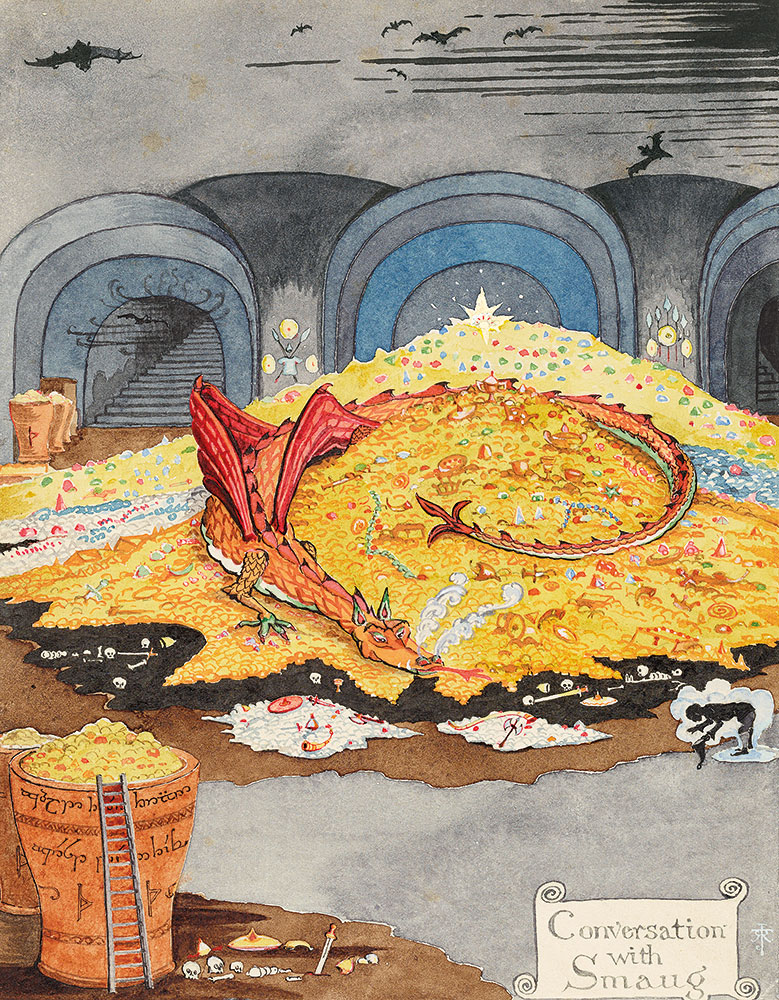
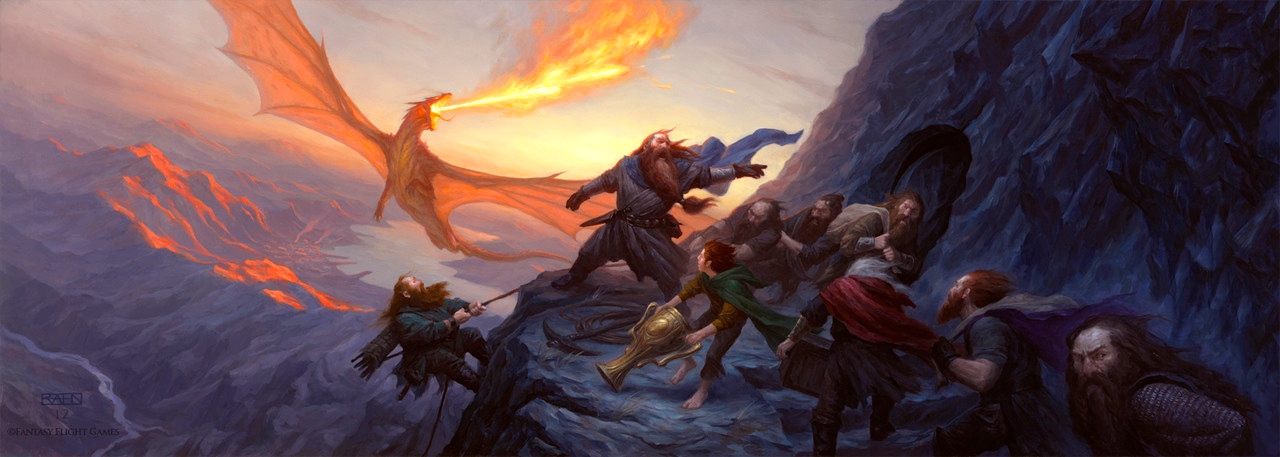
and, finally, an intelligent and vengeful dragon.

(JRRT)

But does the appearance of all these dangers make the book a horror novel, like one of Stephen King’s more forbidding works?

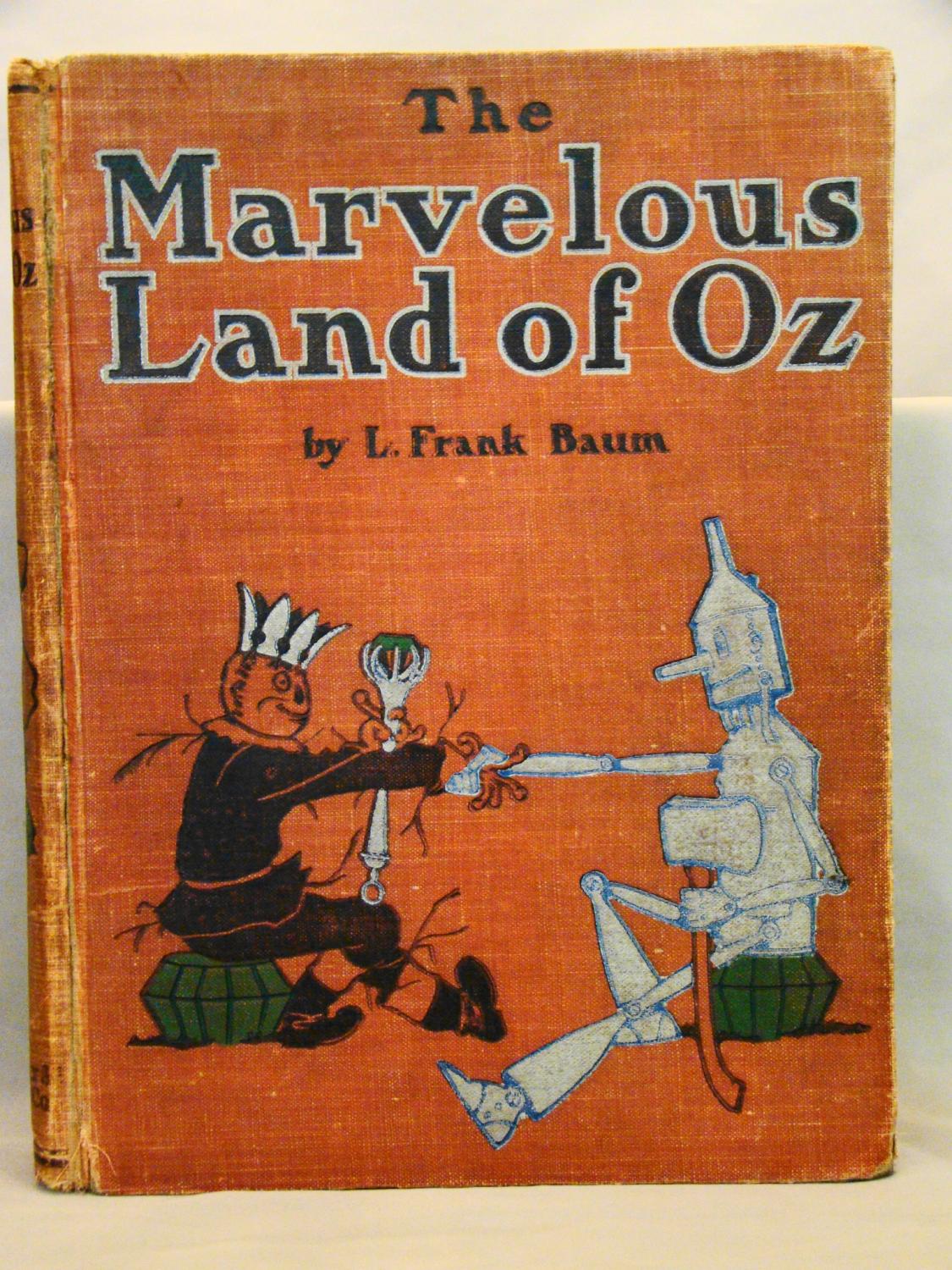
The article points to some potentially disturbing moments—and at least the first is certainly disturbing and, interestingly, is not in the two books upon which the film is based—The Marvelous Land of Oz, 1904,

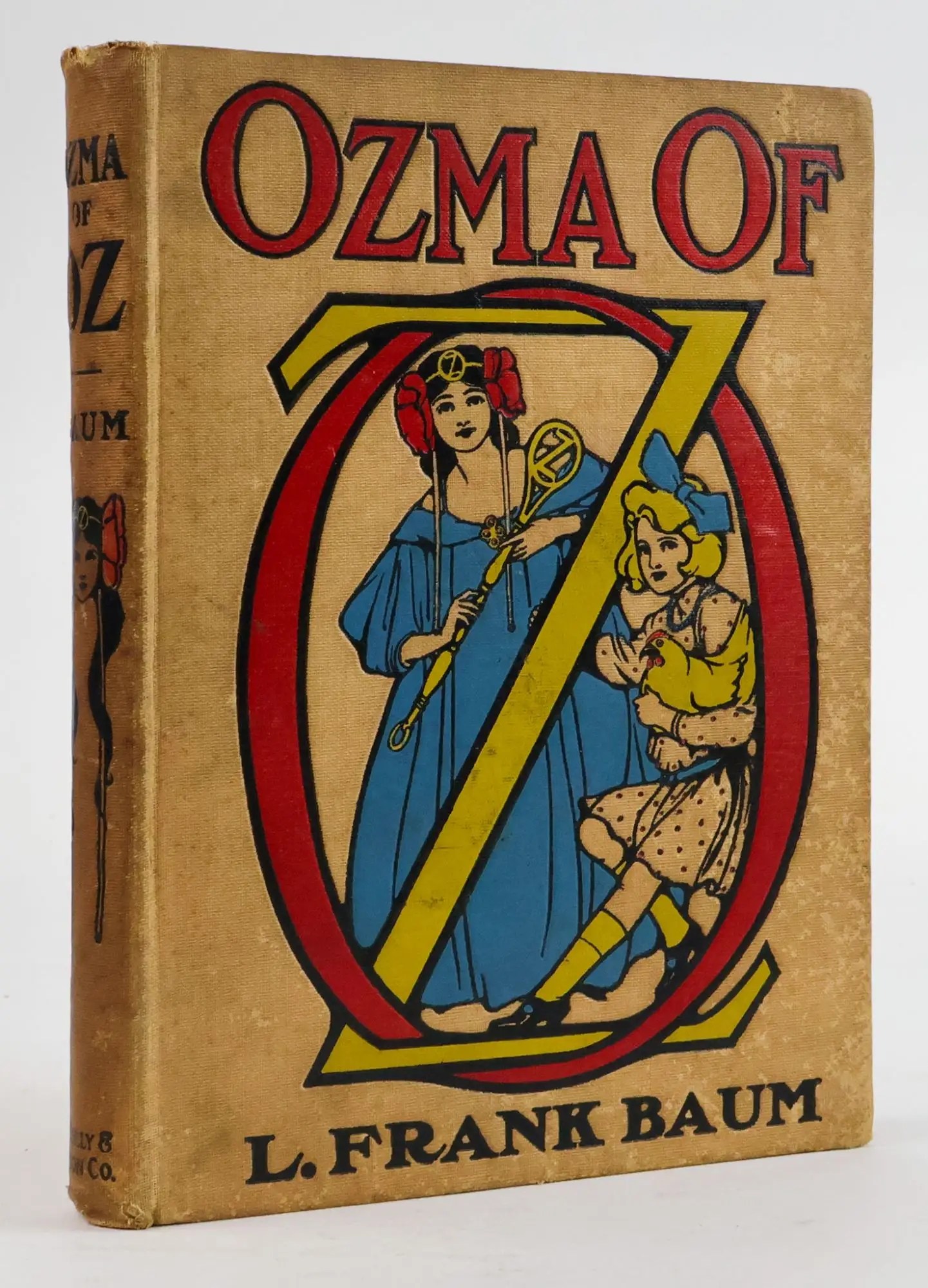
and Ozma of Oz, 1907.  (For more on the combination and the scriptwriters’ changes, see:  “Chickening In”, 12 February,  2025)

The Kansas of the 1939 film was as bleak as a 1930s sound stage could make it, in sepia, suggesting photos of the Dust Bowl of the Great Depression era—

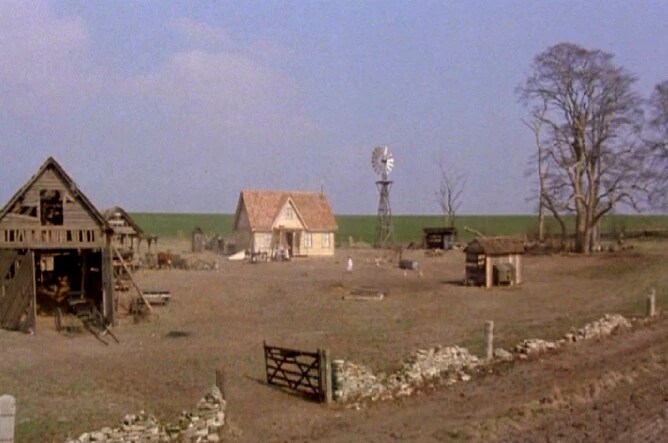
The 1985 movie showed us the real rolling hills of Kansas and the ruin of Uncle Henry and Aunt Em’s farm.

(This is at the end of the film, when the house has been rebuilt—early in the film, the house—which, of course, was ripped from Kansas and dropped on the Wicked Witch of the East—remains unfinished and Uncle Henry crippled from the twister.)

Dorothy, to Aunt Em, also seems somehow ruined, having reappeared after the tornado with stories about having been in a foreign land, Oz, but with no proof of it, and Em, having seen a newspaper ad for medical treatment by electricity, decides to take Dorothy to the clinic and its all-too-calm and rational Dr. Worley.

The treatment consists of running a powerful electrical current through Dorothy’s brain, (now called ECT—electroconvulsive therapy), which is supposed to erase Dorothy’s (supposedly false) memory of Oz. 

As the audience, with its own memories of Oz, from the 1939 film, the many books, or both, knows perfectly well that Oz is real, as is Dorothy’s memory of it, and, as the article points out:

“…the power of these scenes lies in the fact that they are trying to silence Dorothy, to obliterate her memories of Oz”

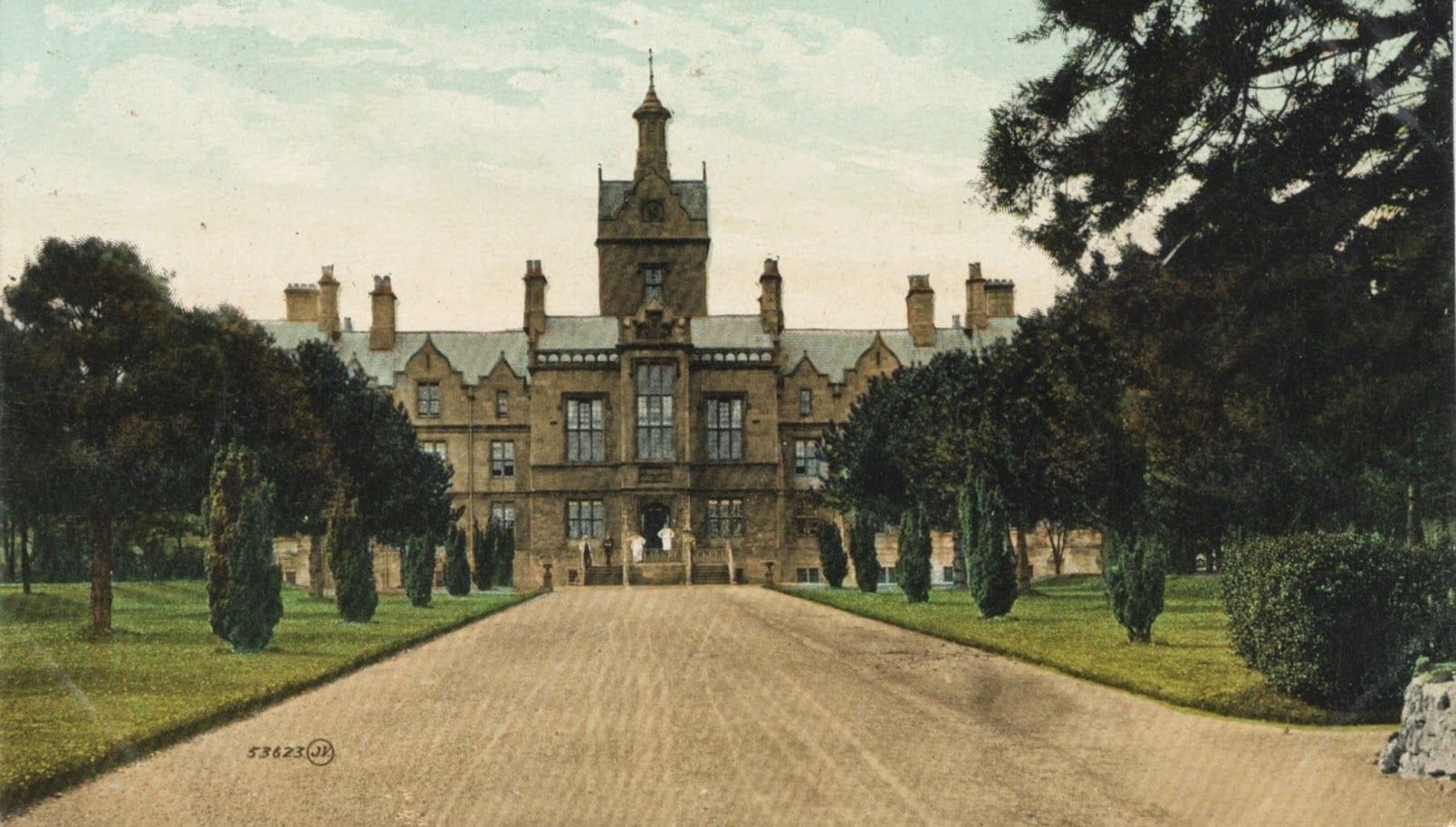
Dorothy escapes the clinic (one might really says “asylum”, as it has that grim look of Victorian asylums for the insane)

(A real Victorian asylum—and not the grimmest, there being some real competition here)

and turns up in Oz, once more, where the article mentions other potentially disturbing elements:

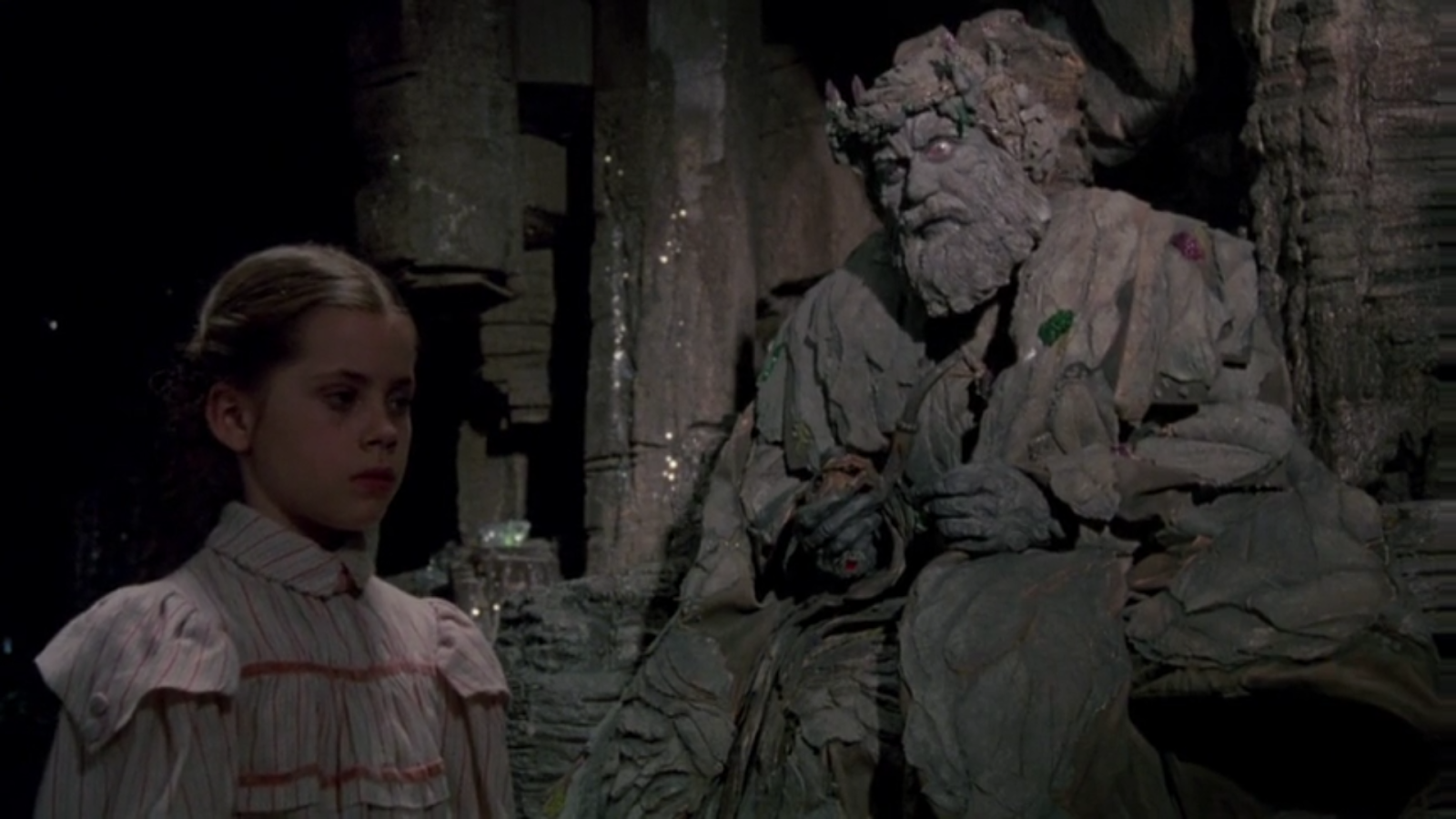
the destruction of Oz and its citizens petrified,

its ruins haunted by the Wheelers,

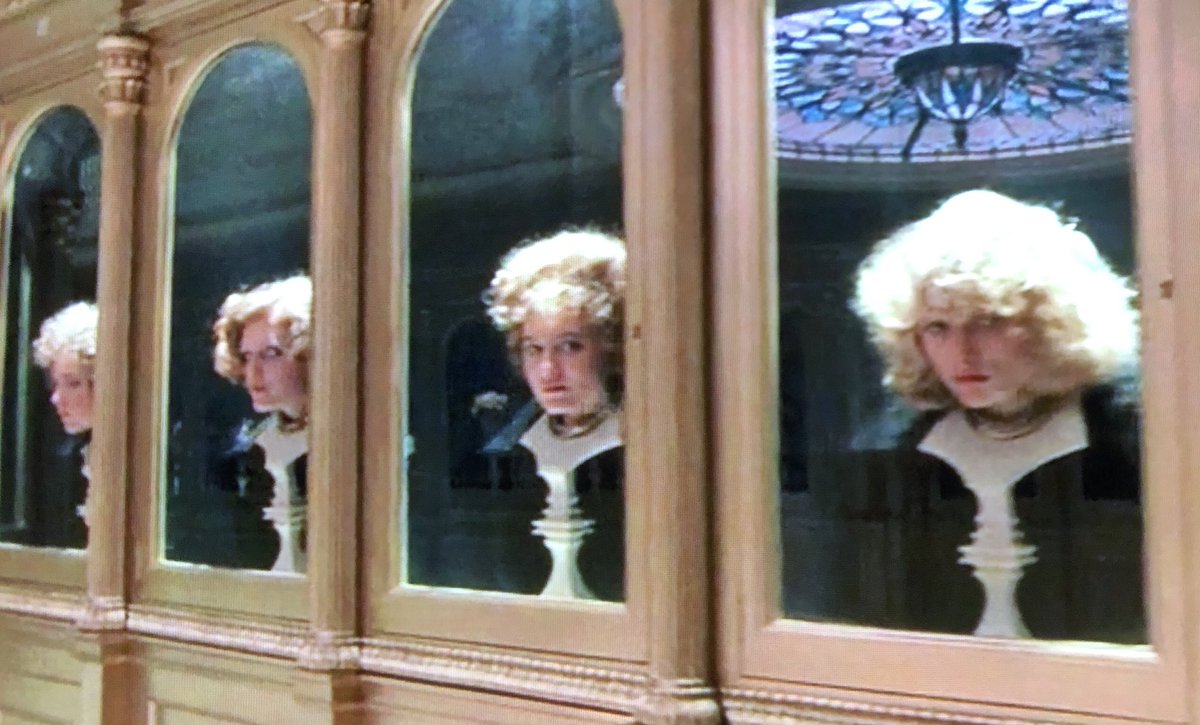
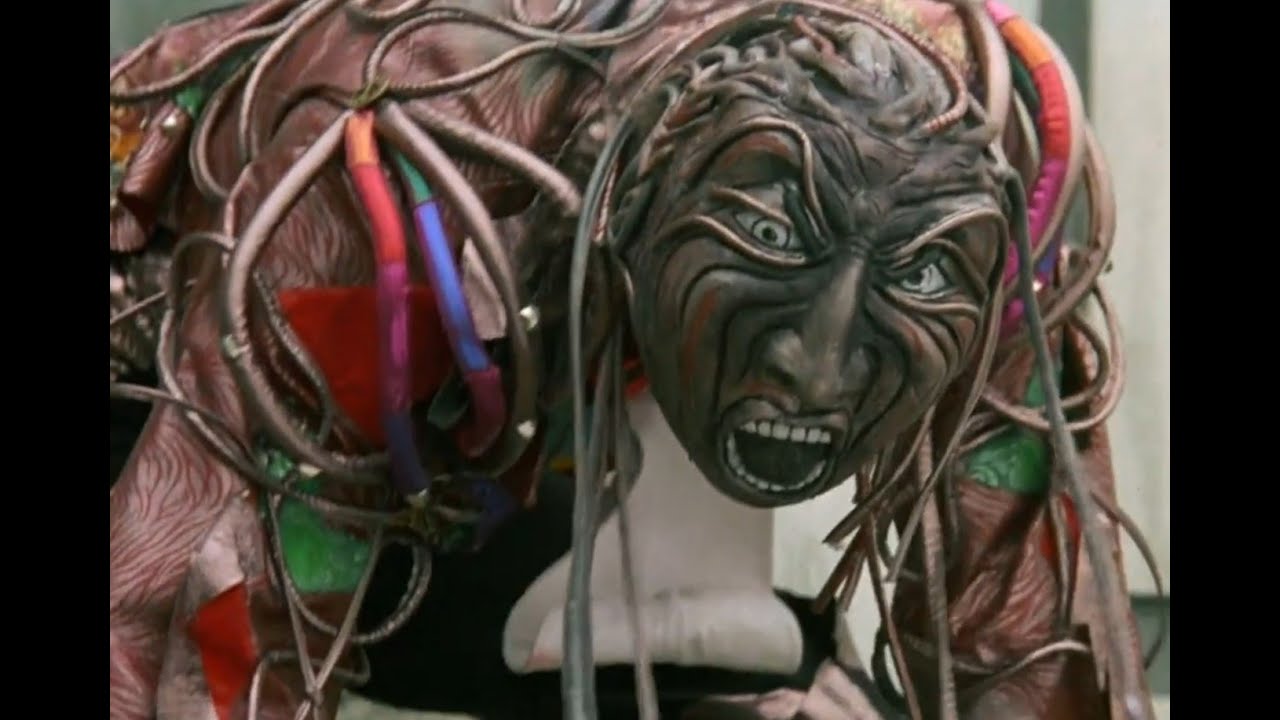
the minions of Princess Mombi, who collects heads and wears them for different occasions,

and then there is the Nome King, who is the current ruler of Oz,

and is the destroyer of the Emerald City, the overlord of Mombi, and has enchanted Dorothy’s former friends, the Scarecrow, the Tinman, and the Cowardly Lion, turning them into inanimate objects.

For the sake of sensationalism, it seems that the article leans heavily on these—as if, I suggested above, one could do the same for The Hobbit, but this leaves out the fact that, although Dorothy’s first allies in Oz have been neutralized, she finds others, just as Bilbo has dwarves, Gandalf, Elrond, the Eagles, and Beorn, not to mention Sting and the Ring.

These include the caustic hen, Billina, who arrives with her from Kansas,

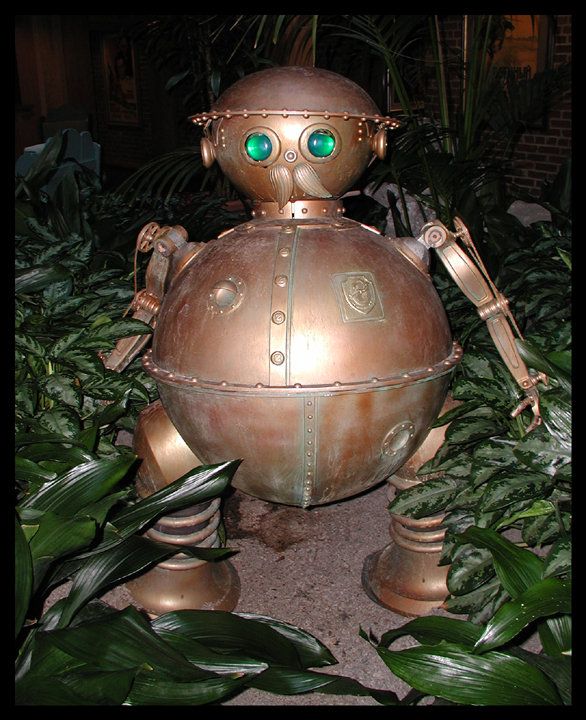
“the Army of Oz”—Tik-Tok,

Jack Pumpkinhead,

and the Gump.

I teach story-telling on a regular basis and a dictum I use is “No fiction without friction” .  Just as trolls, goblins, wolves, Gollum, spiders, and Smaug provide the friction in The Hobbit, so the clinic and its smooth-talking doctor, the Wheelers, Princess Mombi, and the Nome King, provide it in Return to Oz.  These plot elements supply the problems which must be solved before the ultimate goal of the story can be achieved—coming home safely (and much better-off) for Bilbo, coming home and keeping her memories of Oz for Dorothy (guaranteed for her when she sees Ozma, rescued from the Nome King, in her mirror in Kansas).

Disturbing moments—in both—what’s that riddle contest with Gollum if nothing short of harrowing?—but is Return to Oz just this side of a horror movie?  As always, I suggest that you see it for yourself, but remember “no fiction without friction” before you rank it with The Shining.

Thanks, as ever, for reading.

Stay well,

Pick a bed with a reasonable clearance,

And remember that, as always, there’s

MTCIDC

O

Bard

09 Wednesday Jul 2025

Posted by Ollamh in Uncategorized

≈ Leave a comment

Tags

Agincourt, anti-aircraft gun, Archery, Arthur Machen, Bard, Bilbo, black arrow, Crecy, Dwarves, Fafnir, Fantasy, Howard Pyle, James Fenimore Cooper, Le Cateau, NC Wyeth, Poitiers, Robert Louis Stevenson, Robin Hood, Sigurd, Smaug, The Bowmen, The Hobbit, Tolkien

Welcome, as ever, dear readers,

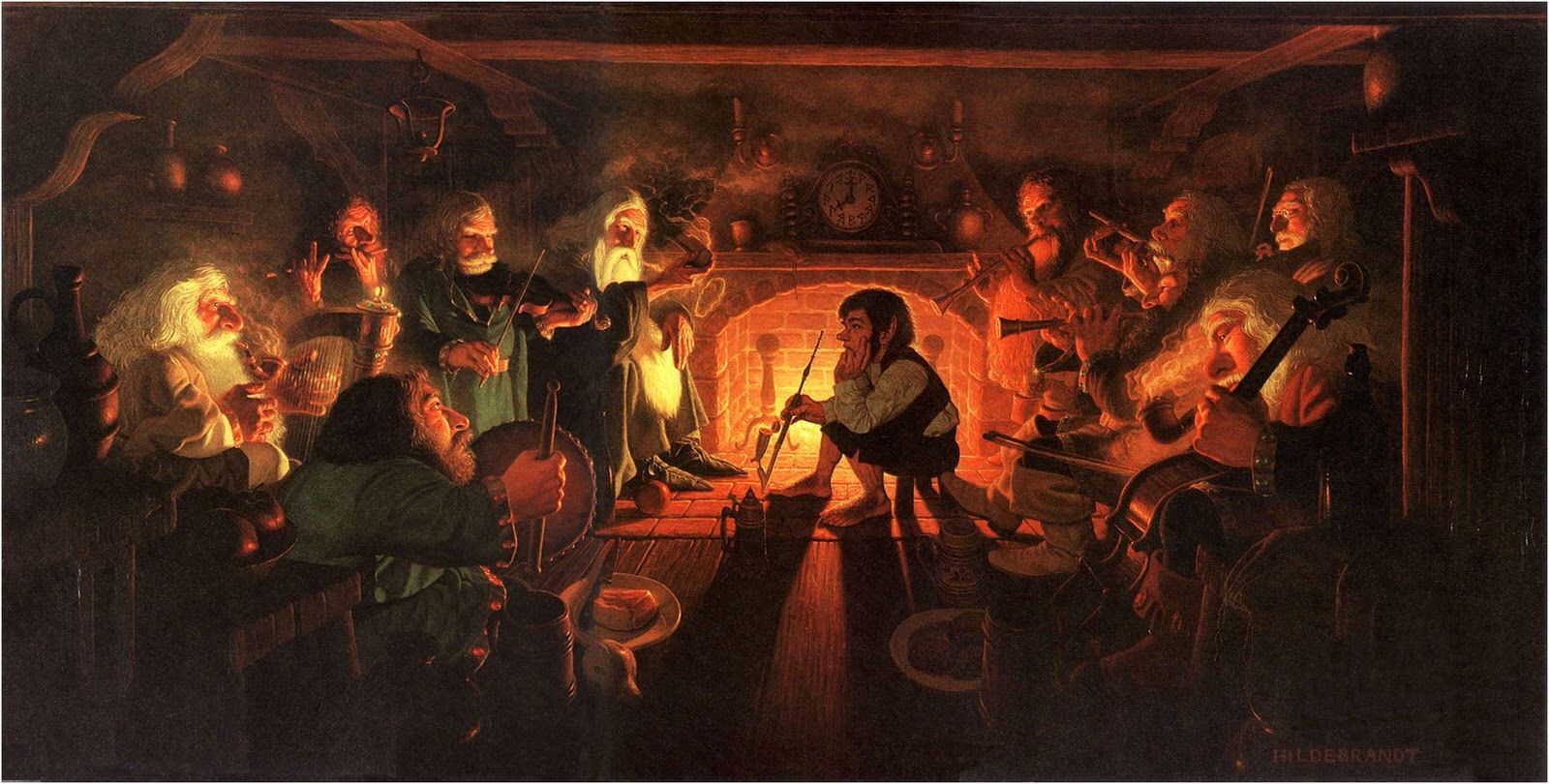
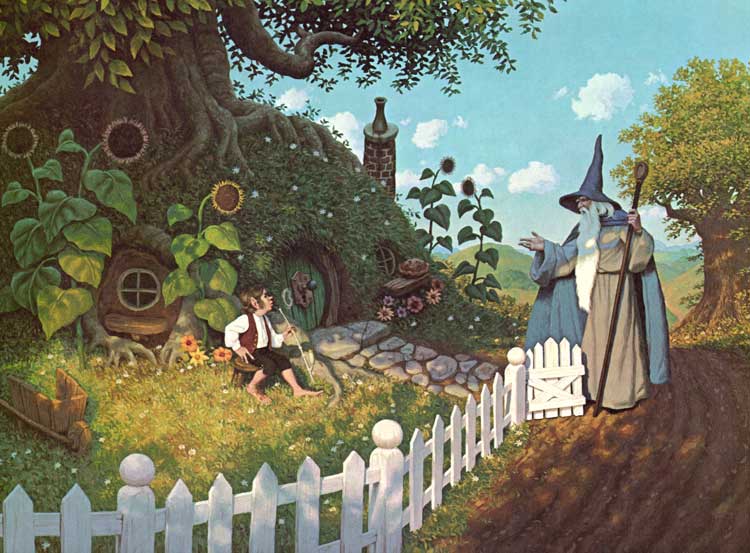
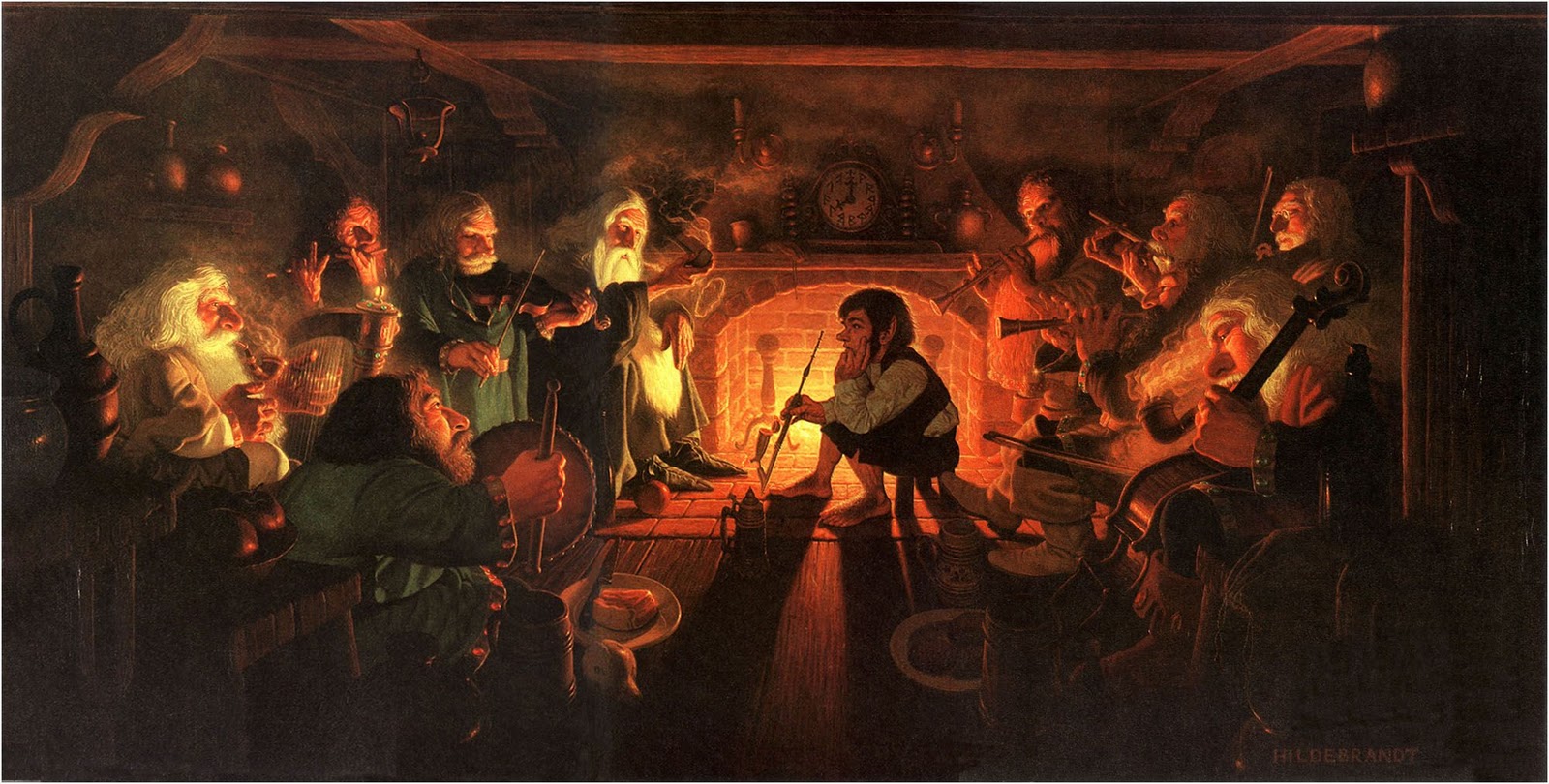
When Bilbo and the dwarves

(the Hildebrandts)

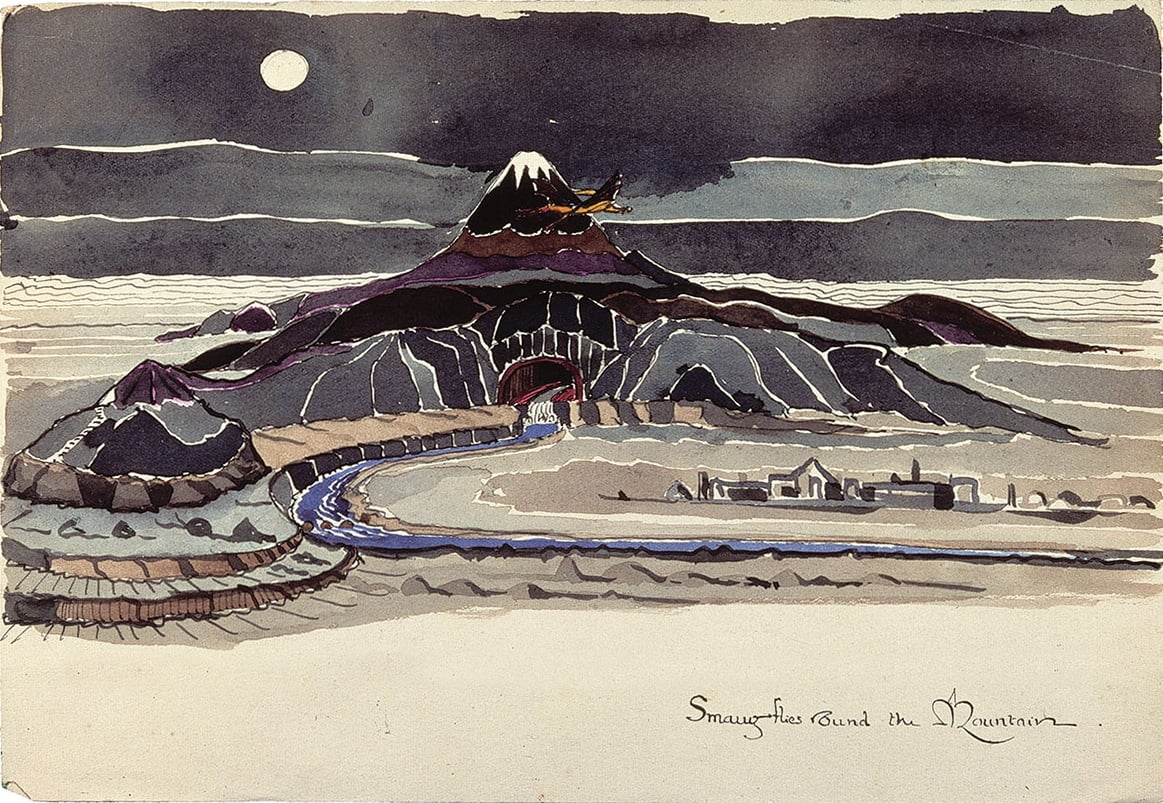
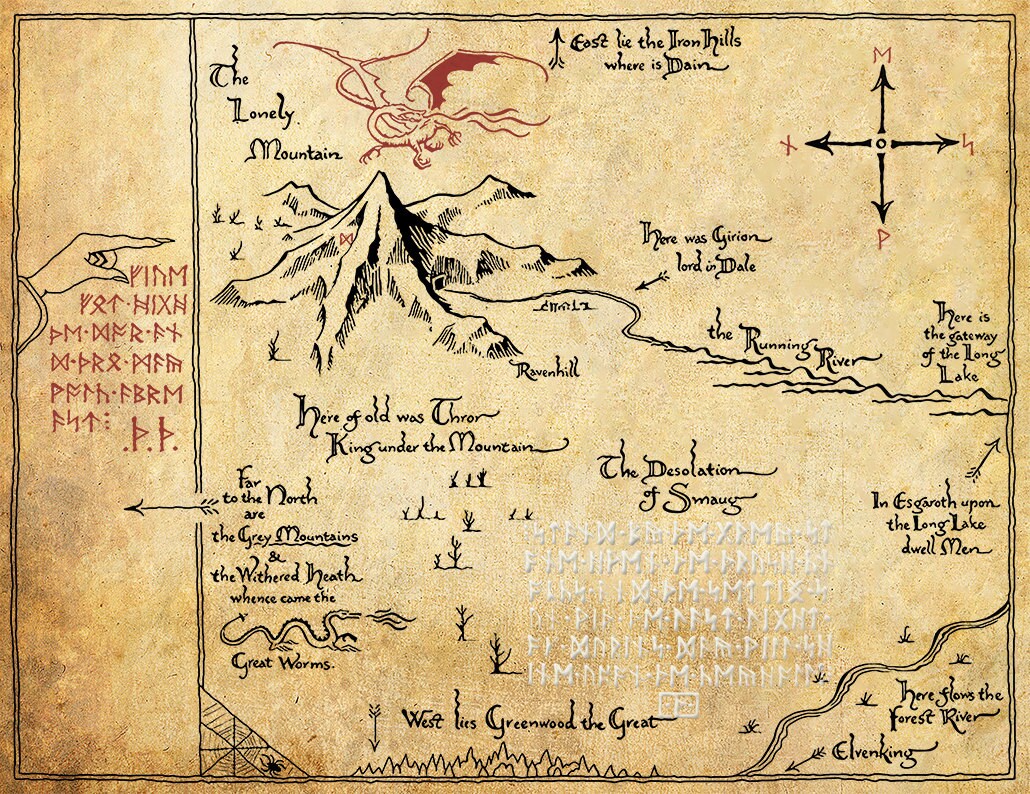
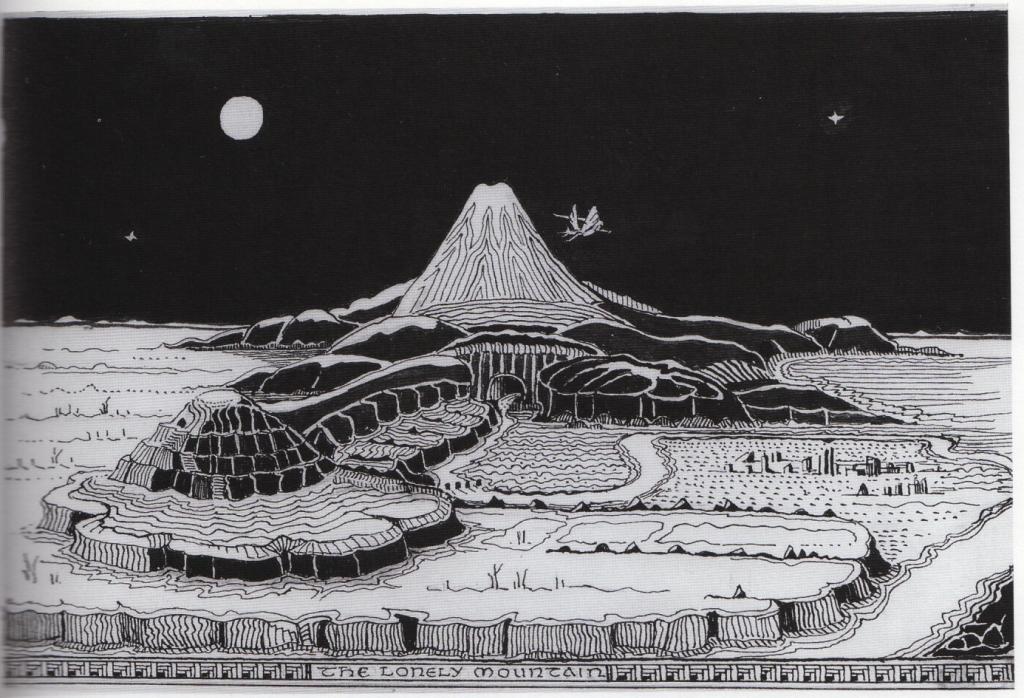
set out on their quest, they’re aware that, at its end, they must face the reason the dwarves’ forebears died or fled Erebor, the “Lonely Mountain”.

(JRRT)

And yet they go, suggesting an almost foolhardy shrug of an attitude, particularly as Gandalf has suggested that they need someone right out of myth to help them:

“ ‘That would be no good…not without a mighty Warrior, even a Hero.’ “

But:

“ ‘I tried to find one; but warriors are busy fighting one another in distant lands, and in this neighbourhood heroes are scarce, or simply not to be found.’ “ (The Hobbit, Chapter 1, “An Unexpected Party”) 

Everything about this trip already seems haphazard, having no map of their destination, till Gandalf furnishes them with one,

(JRRT)

and even then they have no idea of another, secret entrance until Elrond spots the inscription which describes it—and how to open it.  Clearly, then, this is a case of “we’ll cross that bridge when we come to it.”

Uh oh.

There’s also no clue in the text as to who or what may destroy the destroyer—until Bilbo, flattering Smaug, spots that fatal weak point:

“ ‘I’ve always understood…that dragons were softer underneath, especially in the region of the—er—chest…’ “

The dragon stopped short in his boasting.  ‘Your information is antiquated,’ he snapped.  ‘I am armoured above and below with iron scales and hard gems.  No blade can pierce me.’ “

There’s a clue here, if not for Bilbo, for readers who are aware of something in Tolkien’s own past reading: 

“Then Sigurd went down into that deep place, and dug many pits

in it, and in one of the pits he lay hidden with his sword drawn.

There he waited, and presently the earth began to shake with the

weight of the Dragon as he crawled to the water. And a cloud of

venom flew before him as he snorted and roared, so that it would

have been death to stand before him.

But Sigurd waited till half of him had crawled over the pit, and

then he thrust the sword Gram right into his very heart.”  (Andrew Lang, ed., The Red Fairy Book, 1890, “The Story of Sigurd”, page 360)

And Bilbo persists, goading Smaug to turn over, where Bilbo sees—and says:

“ ‘Old fool!  Why, there is a large patch in the hollow of his left breast as bare as a snail out of its shell!’ “ (The Hobbit, Chapter 12, “Inside Information”)

Still, although we might have a target now, who will make use of it and how and with what?  Sigurd is just what Gandalf says is not locally available, a Hero, and it’s clear that neither Bilbo nor the dwarves are capable of taking on that role.

And here we can bring in another clue from Tolkien’s past.

In “On Fairy-Stories”, he writes:

“I had very little desire to look for buried treasure or to fight pirates, and Treasure Island left me cool.  Red Indians were better:  there were bows and arrows (I had and have a wholly unsatisfied desire to shoot well with a bow)…”  (“On Fairy Stories”, 134)

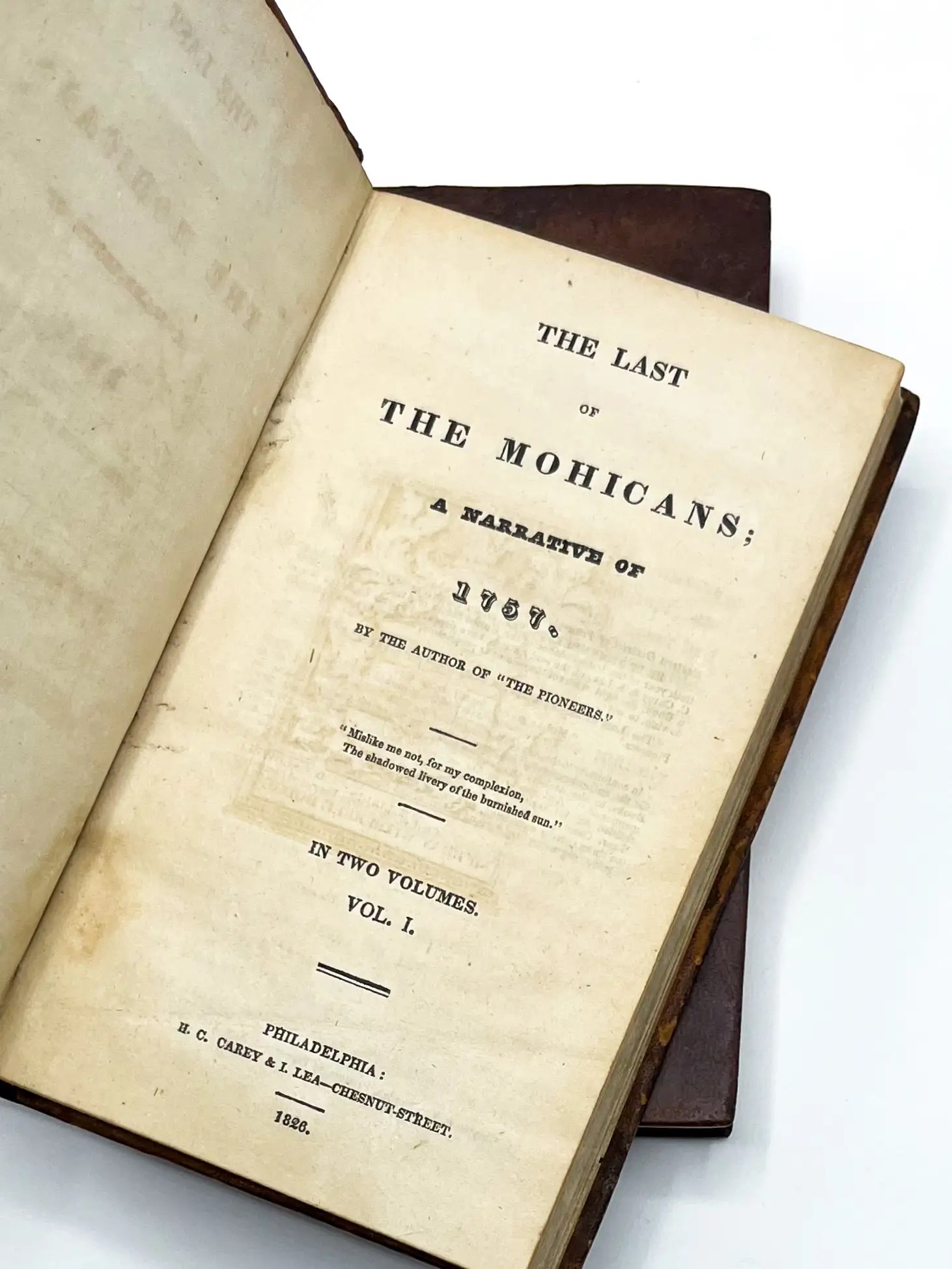
This suggests that Tolkien may have been exposed to the works of James Fenimore Cooper, 1789-1851, who, beginning with The Pioneers, 1823, wrote a series of novels set on the 18th-century western Frontier (much of it what is now central and eastern New York State), called the “Leatherstocking Tales”,

the best known, even now, being The Last of the Mohegans, 1826. 

These books were filled with battles between the British and French, with Native Americans on both sides and I wonder if it’s from the adventures depicted there that JRRT was inspired with his passion for bows and arrows?

(artist?  A handsome depiction and I wish I could identify the painter.)

Another clue might lie in British history.  During the medieval struggle for English control of France, the so-called “Hundred Years War” (1337-1453), the English enjoyed three great victories, at Crecy (1346), Poitiers (1356), and Agincourt (1415), where companies of English longbowmen shot their French opponents to pieces.

(Angus McBride)

Tolkien would have read about this as a schoolboy, but, in an odd way, he might have had his knowledge of these long-ago events refreshed in 1914.

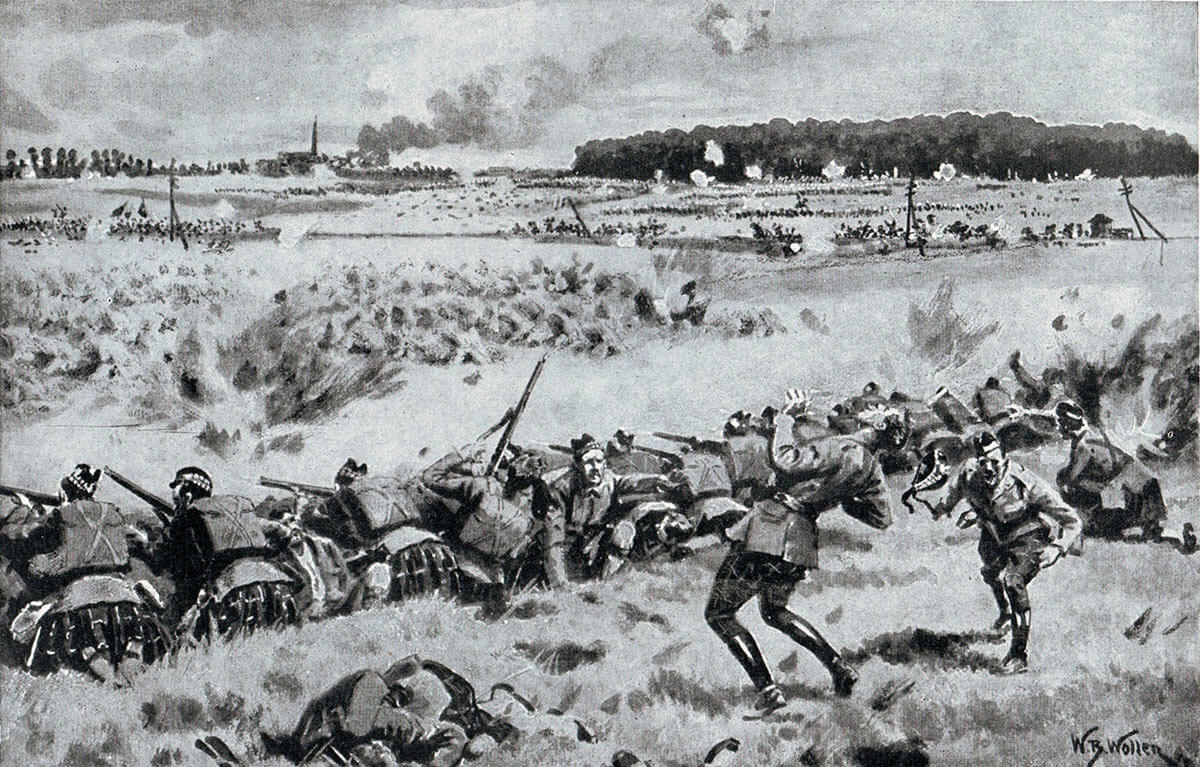
Outnumbered and in danger of being outflanked by massive German columns, the small BEF (British Expeditionary Force), in the early fall of 1914, retreated, one unit (2nd Corps) fighting a desperate battle to slow the Germans at Le Cateau.

The British managed to fend off the enveloping Germans and, considering the odds against them, some might have believed their escape miraculous. 

Enter the fantasist Arthur Machen, 1863-1947. 

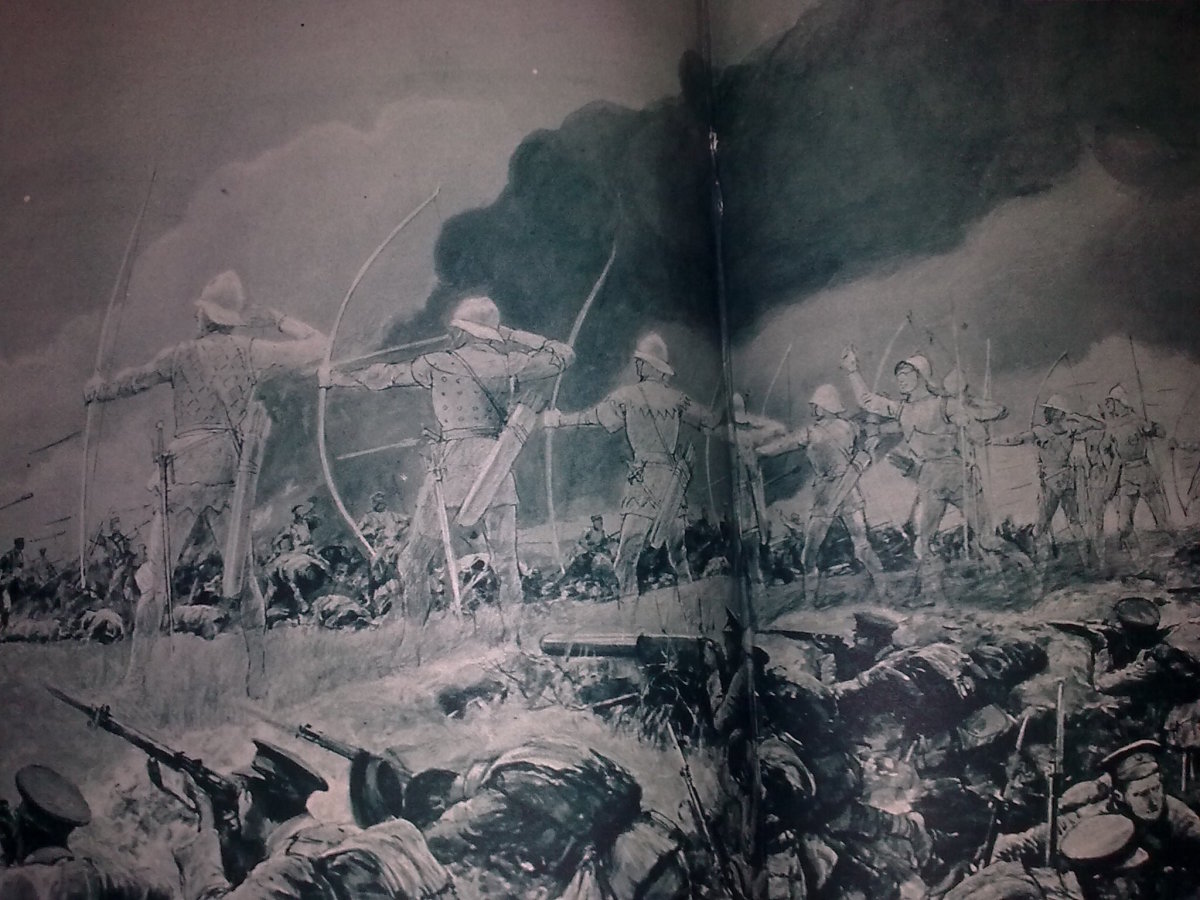
In the September 29th,  1914,  issue of The Evening News, Machen published a short story which he entitled “The Bowmen”.  This was a supposed first-hand account of a British soldier who had seen a line of ghostly British longbowmen shooting down German pursuers, just as they had shot down the French, centuries before.

Machen subsequently republished it with other stories in 1915—

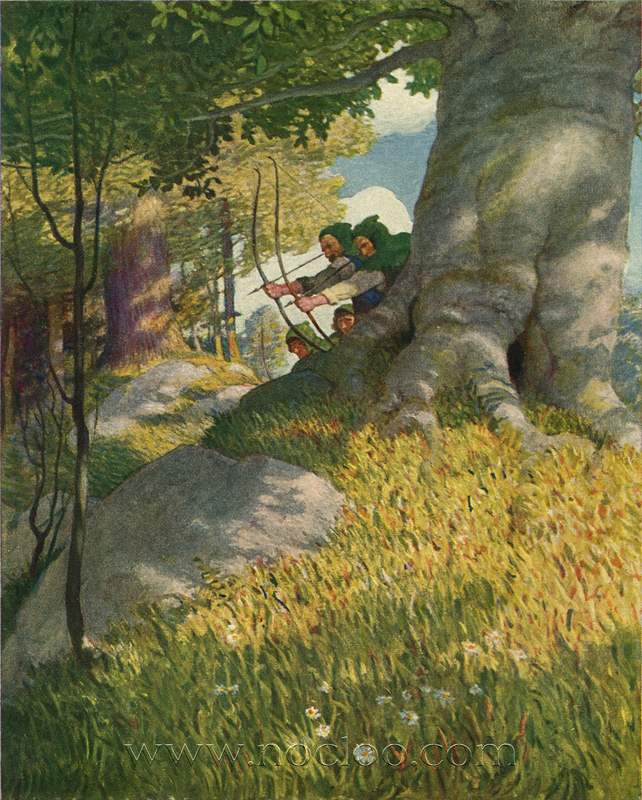
but was astonished when his fiction was believed to have been true, and widely circulated as such. We don’t have any evidence that JRRT actually read this story, but it was extremely widespread at the time and, once more, we see men with bows. (For more on this, see:  https://en.wikipedia.org/wiki/Angels_of_Mons And you can read the stories in Machen’s volume here:  https://en.wikipedia.org/wiki/Angels_of_Mons )

I think we can add to this the legends of Robin Hood, which could appear in any number of sources—our first known reference being in William Langland’s (c.1330-c.1386) late 14th-century Piers Plowman, where Sloth—a priest deserving of his name, doesn’t seem to have any religious knowledge, but says,

“Ich can rymes of Robyn Hode” (that is, “I know rhymes/songs about Robin Hood”—see the citation at:  https://robinhoodlegend.com/piers-plowman/ at the impressively rich Robin Hood site:  https://robinhoodlegend.com/ )

Then there is the collection of poems/songs from about 1500, A Gest of Robyn Hode,

which JRRT might have encountered in F.J. Child’s (1825-1896) The English and Scottish Popular Ballads, 1882-1898,

where it appears as #117.  (If you don’t know the so-called “Child Ballads”, here’s a beginning:  https://en.wikipedia.org/wiki/Child_Ballads  And, for a massive one-volume edition:  https://archive.org/details/englishscottishp1904chil/page/n11/mode/2up The texts are interesting in themselves, but, for me, they’re even better as songs.  To hear one, you might try one of my favorite folk singers, Ewan McColl’s version of “The Dowie Dens o’ Yarrow here:  https://www.youtube.com/watch?v=Vfsv8zUdqKM&list=RDVfsv8zUdqKM&start_radio=1 For more on Yarrow, see “Yarrow”, 10 April, 2024.

For lots more on Robin Hood, see:  https://en.wikipedia.org/wiki/Robin_Hood )

In more recent times, perhaps Tolkien had seen Howard Pyle’s (1853-1911) The Merry Adventures of Robin Hood, 1883,

 or Paul Creswick’s (1866-1947) 1917 Robin Hood,

with its wonderful illustrations by N.C.Wyeth (1882-1945).

(If the Tolkien journal Amon Hen, is available to you–but, alas, not to me–you might also have a look at Alex Voglino’s “Middle-earth and the Legend of Robin Hood” in issue 284.)

And, although Tolkien may not have liked Treasure Island, we might add to this possible influence Robert Louis Stevenson’s (1850-1894) The Black Arrow (serialized 1883, published as a book in 1888).

An adventure story set during the Wars of the Roses, you can read it here:  https://archive.org/details/blackarrowatale02stevgoog/page/n1/mode/2up

Although there are more possibilities (Tolkien might have read Sir Walter Scott’s (1771-1832) Ivanhoe, 1819, where Robin Hood makes an appearance, for instance—and here’s the book:  https://archive.org/details/ivanhoe-sir-walter-scott/page/n7/mode/2up )

that title suggests something else:

“ ‘Arrow!’ said the bowman.  ‘Black arrow!  I have saved you to the last.  You have never failed me and always I have recovered you.  I had you from my father and he from of old.  If ever you came from the forges of the true king under the Mountain, go now and speed well!’ “ (The Hobbit, Chapter 14, “Fire and Water”)

(Michael Hague, one of my favorite Hobbit illustrators)

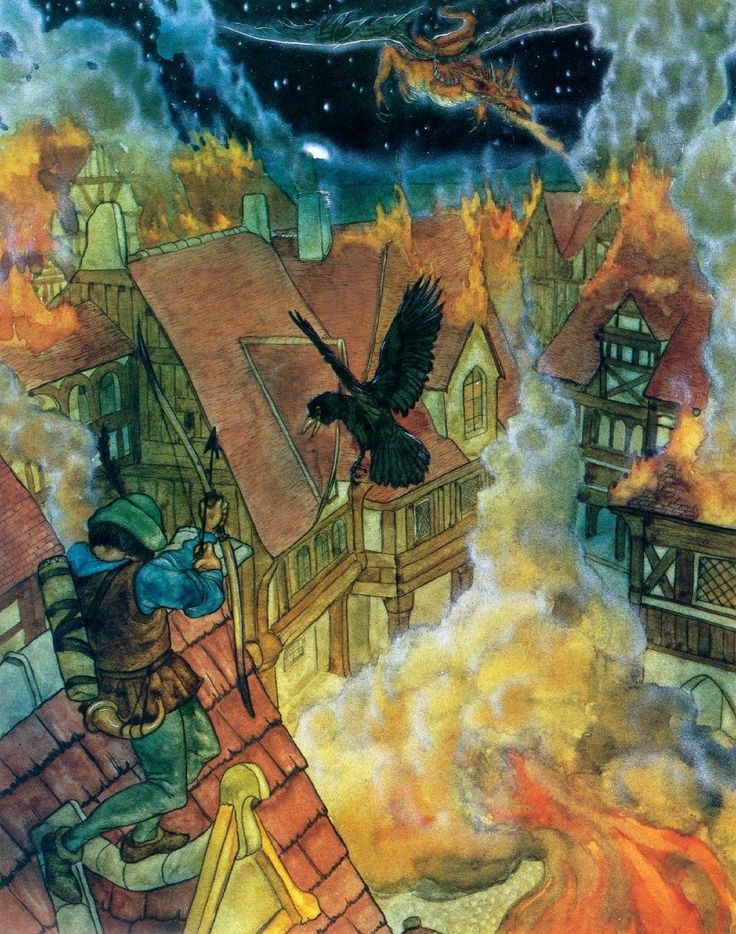
So, we’re about to see that the Hero to kill Smaug is a Lake-town local, Bard, and his weapon of choice is Tolkien’s special favorite, the bow.  But how to attack?

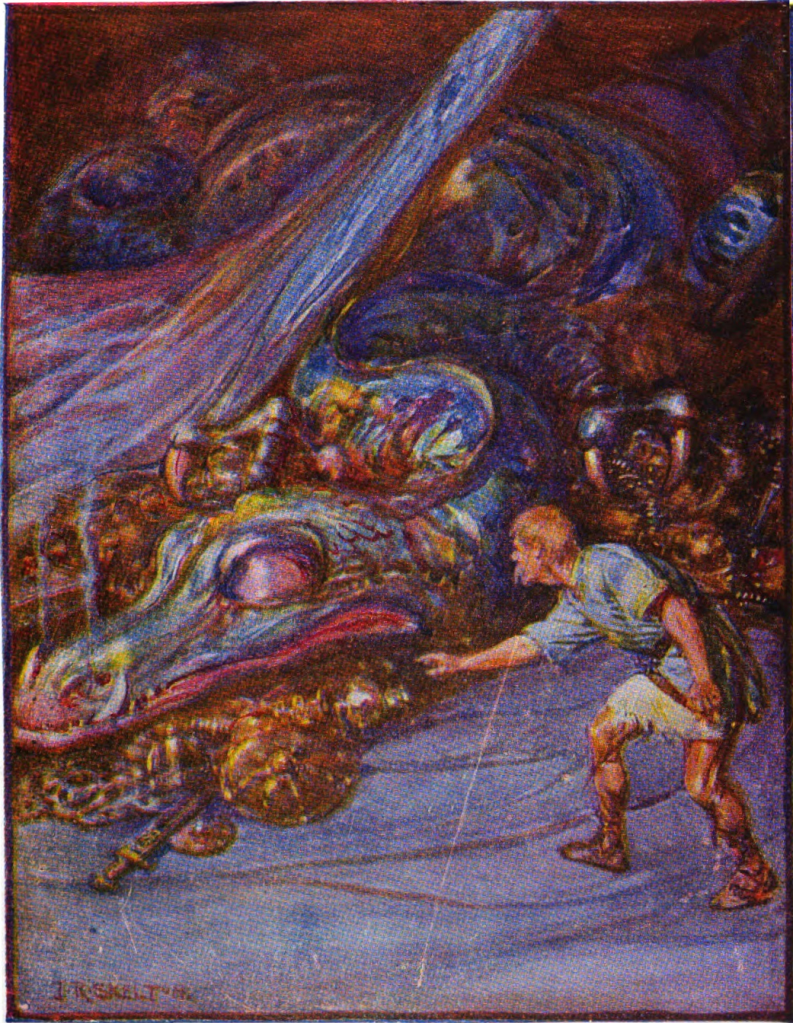
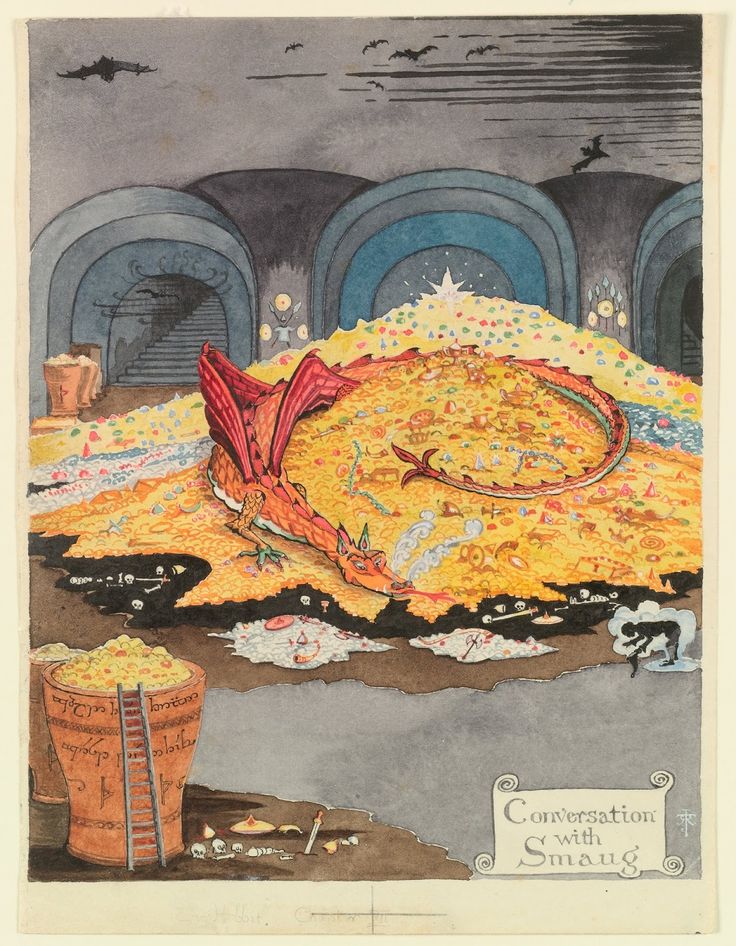
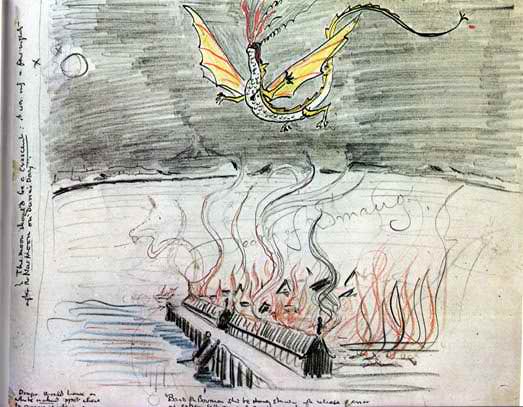
We first see Smaug on the ground, lying on his hoard.

(JRRT)

Angered at Bilbo’s teasing, he gets up long enough to attempt to flame him, but his real method of destruction is to take to the air.

(Ted Nasmith)

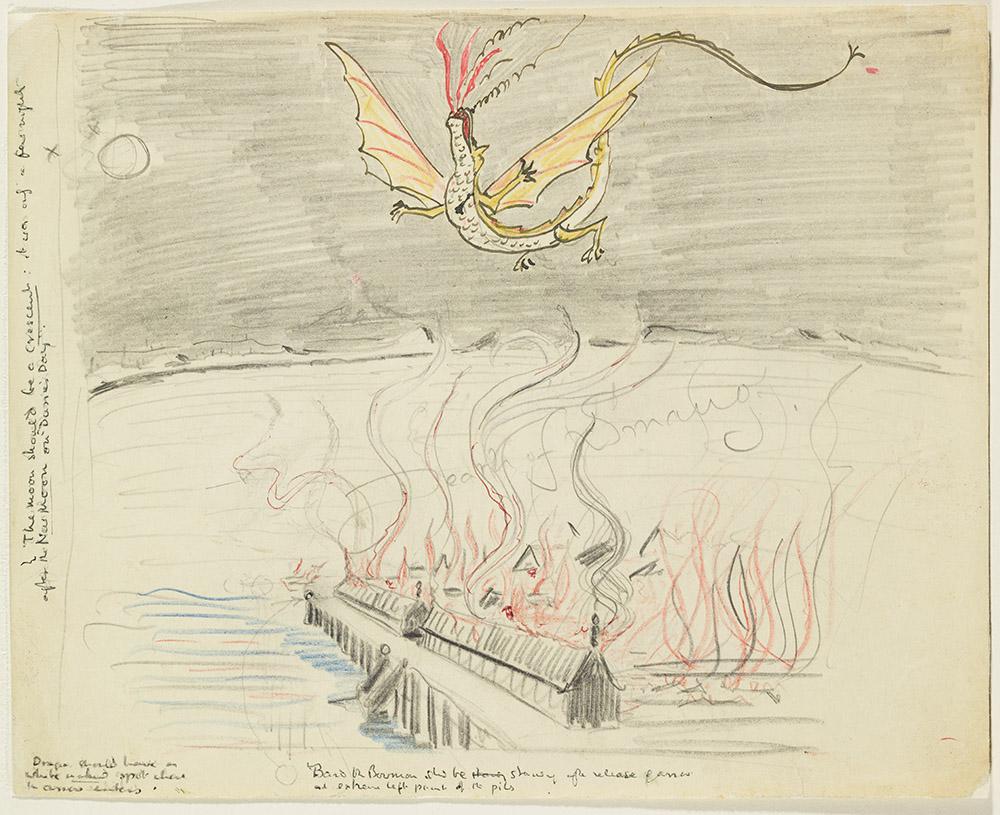
Fafnir was never airborne, dragging himself along the ground.  Sigurd solved the problem of his scaly protection by digging a pit and attacking him from below with his sword.  It makes good sense, then, with all of the possible bowman influences upon him, that Tolkien would imagine that the way to deal with a flying dragon would be an arrow from below.

(JRRT)

To which we might add one more potential influence from JRRT’s own experience. 

In 1914, there were few military aircraft and their main task was reconnaissance.

By 1918, there were many different models, with different tasks, including heavy bombers.

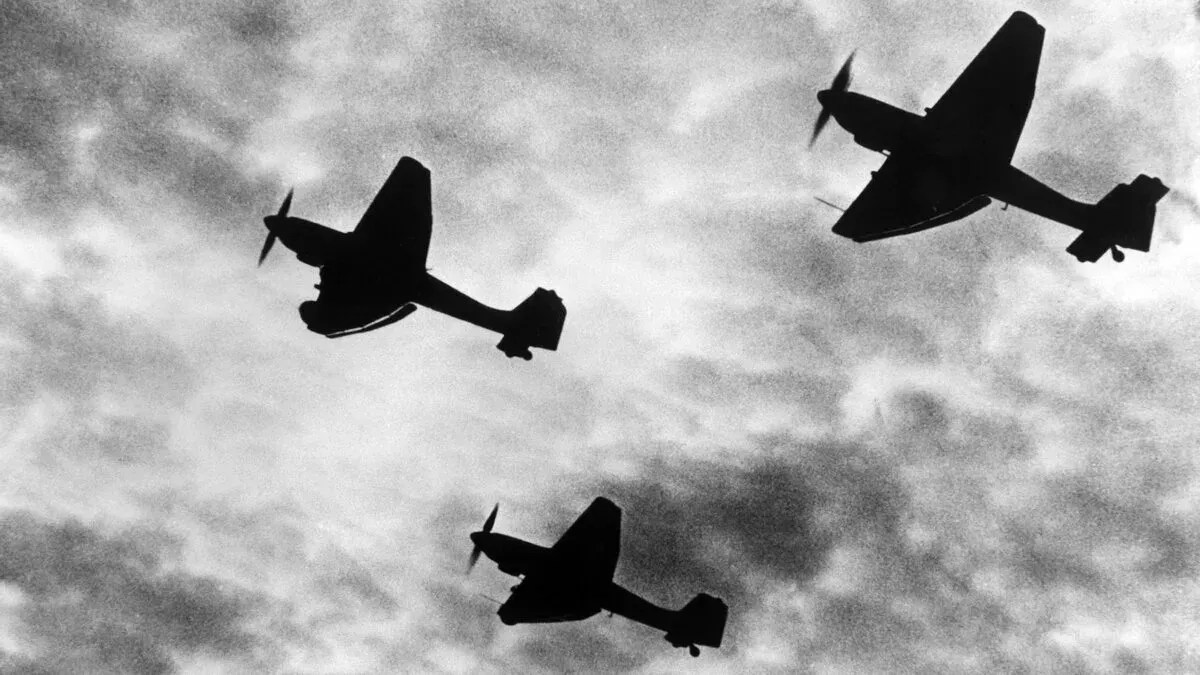
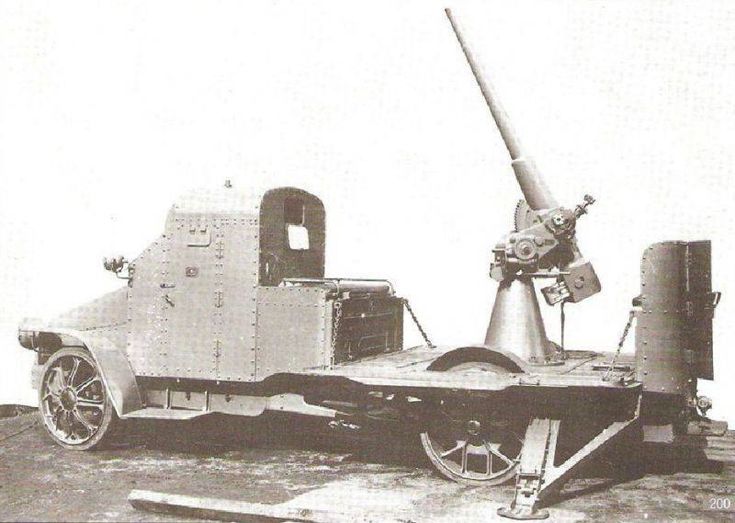
To protect their troops on the ground, all of the warring nations developed the first artillery defenses:  anti-aircraft guns, designed to shoot down threats from above. 

JRRT would certainly have seen such guns and possibly even in action, attempting to knock flying danger out of the sky.

Some of those guns were rapid-firing, spraying the air with metal, hoping to guarantee the success of their defense.  Bard, in turn, has his black arrow—and not just any black arrow, but one seemingly created perfectly for revenge:  “  ‘I had you from my father and he from of old.  If ever you came from the forges of the true king under the Mountain, go now and speed well.’ “

That is, this is an arrow created by the dwarves, whom Smaug had driven out or killed—or eaten—and it’s also an heirloom from the days before Smaug destroyed Dale:  what better weapon to deal vengeance to the wicked creature who had ruined so much?  To take out such a flying danger, but with a glaring vulnerability below, what means of propulsion, especially one known to have defeated whole medieval armies?  And, as the seemingly last descendant of the last lord of Dale, Girion, who better to take that revenge? 

As ever, thanks for reading.

Stay well,

Always monitor the skies—who knows what’s watching from above?

And remember that, as always, there’s

MTCIDC

O

PS

For more on birds, Bard, and Smaug, see “Why a Dragon?” 28 May, 2025.

PPS

While looking for just the right Smaug images, I came upon this, entitled, “Dante aka Smaug on his hoard” and couldn’t resist.

Why a Dragon?

28 Wednesday May 2025

Posted by Ollamh in Uncategorized

≈ Leave a comment

Tags

Beowulf, Bilbo, bilbo-burglar, Dragons, Dwarves, Fafnir, Fantasy, Hippogriff, Hoard, Marx Brothers, quest, Sigurd, Smaug, The Hobbit, The Reluctant Dragon, Thorin, Tolkien

As always, dear readers, welcome.

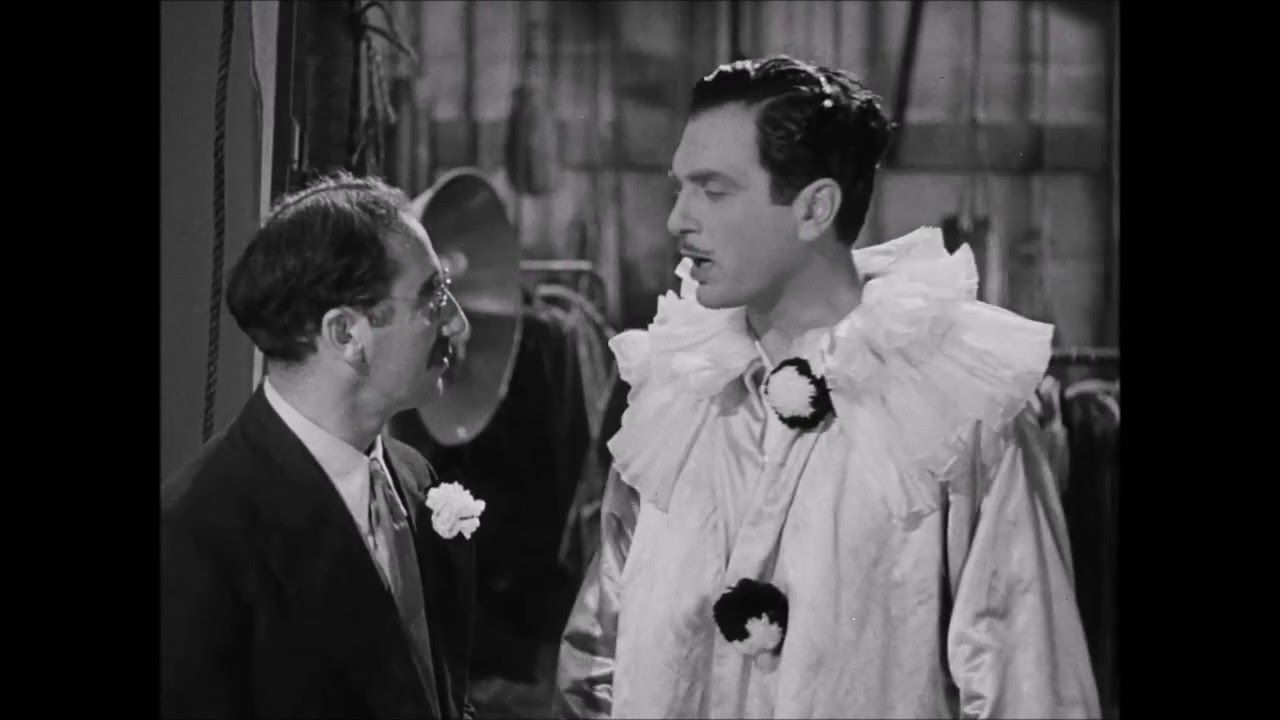
I think that I’ve always been a fan of the Marx brothers.

Their lack of respect for pompous men in silk hats,

opera-goers who are only interested because it gives them social status,

and self-important artists,

among many others, and their creative methods of deflating such people,

have always cheered me immensely.

There is another side to their comedy, however, which means just as much to me:  their endless play with words, delivered always deadpan and with perfect timing—not to mention absolute absurdist nonsequiturism.

Take, for example, this fragment from The Cocoanuts, their first surviving film, from 1929.  It’s set during the 1920s Florida land boom (read about that here:  https://en.wikipedia.org/wiki/Florida_land_boom_of_the_1920s ) and, in this scene, “Mr. Hammer”, Groucho, is explaining the layout of a real estate plot to “Chico”, Chico,

saying, at one point:

“Groucho:   Now, here is a little peninsula, and, eh, here is a viaduct leading over to the mainland.

Chico:  Why a duck?

Groucho:  I’m all right, how are you?  I say, here is a little peninsula, and here is a viaduct leading over to the mainland.

Chico:   All right, why a duck?

Groucho:  I’m not playing ‘Ask Me Another’, I say that’s a viaduct.

[Ask Me Another was originally an early 1927 equivalent of “Trivia”.  You can read about it here:  https://www.thefedoralounge.com/threads/how-do-you-play-ask-me-another.62135/ and here’s a copy—

Chico:  All right!  It’s what…why a duck?  Why no a chicken?

Groucho:  I don’t know why no a chicken—I’m a stranger here myself.  All I know is that it’s a viaduct.  You try to cross over there a chicken and you’ll find out why a duck.”

(For the entire script see:  https://www.marx-brothers.org/marxology/cocoanuts-script.htm )

By the same kind of logic which produced this, I found myself thinking about The Hobbit:  and hence the title of this posting:  why a dragon?

The plot of The Hobbit is, basically, a quest:  a journey with a goal.

Quests are a familiar form of adventure story and still common—just think about Indiana Jones, with his Lost Ark

and his Holy Grail, for example.

Indiana has to travel to Tibet and Egypt and to an unnamed island in the Mediterranean for the Ark and to Germany and Turkey for the Grail.

Although Thorin doesn’t mention the travel in his “mission statement”, much of the story will be about travel, from the Shire to the Lonely Mountain and back again,

to reach the dwarves’ goal, as stated in the first chapter by Thorin:

“But we have never forgotten our stolen treasure.  And even now, when I will allow we have a good bit laid by and are not so badly off…we still mean to get it back, and to bring our curses home to Smaug—if we can.”  (The Hobbit, Chapter 1, “An Unexpected Party”)

The goal, then, is in two parts:

1. to regain the treasure taken from the dwarves by the dragon

2. to take revenge upon said dragon

Because they are aware that the dragon can be lying on top of the treasure (“Probably”, says Thorin, “for that is the dragons’ way, he has piled it all up in a great heap far inside, and sleeps on it for a bed.”), it’s clear that 1 and 2 have to be dealt with as a sequence:  no getting the treasure without getting rid of the dragon.

Which brings us back to my title.  Indiana Jones commonly has Nazis (and eventually Communists and even Neo-Nazis) as opponents,

these being the characters who compete for his goal and stand in the way of his achieving his quest. 

Tolkien was a medievalist, writing a sort of fairy tale, so what would be his equivalent and why?

 We know that Tolkien had been interested in dragons since far childhood—at least the age of 6, when he tried to write a poem about a “green, great dragon” (to the Houghton Mifflin Company [summer, 1955?], Letters, 321—JRRT tells a somewhat different version of this to W.H. Auden in a letter of 7 June, 1955, Letters, 313) and he confesses to an early love for them in his lecture “On Fairy-Stories” where he mentions Fafnir and Sigurd, suggesting that he may have had read to him or had read for himself from Andrew Lang’s The Red Fairy Book, 1890, the last chapter of which is “The Story of Sigurd”, and since, elsewhere, he mentions “Soria Moria Castle”, which is the third story in the same book.

(Your copy is here:  https://archive.org/details/redfairybook00langiala/redfairybook00langiala/ )

Fafnir, the dragon in the Sigurd story, is described as, having killed his own father:

“he went and wallowed on the gold…and no man dared go near it.”  (“The Story of Sigurd”, 360)

The next major dragon story with which Tolkien was probably involved saw the same draconic behavior, as, in Beowulf, we’re told that the unnamed dragon, having discovered a hoard in a tumulus:

“This hoarded loveliness did the old despoiler wandering

in the gloom find standing unprotected, even he who filled

with fire seeks out mounds (of burial), the naked dragon of

1915

fell heart that flies wrapped about in flame: him do earth’s

dwellers greatly dread. Treasure in the ground it is ever his

wont to seize, and there wise with many years he guards the

heathen gold – no whit doth it profit him.”

(from JRRT’s draft translation of 1920-26 in Christopher Tolkien’s 2014 publication)

Traditionally, then, dragons and gold go together—and, as JRRT admitted in a letter to the Editor of the Observer, “Beowulf is among my most valued sources” (letter to the Editor of the Observer, printed in the Observer, 28 February, 1938, Letters, 41)

There is a very interesting twist in Tolkien’s version of the story, however.

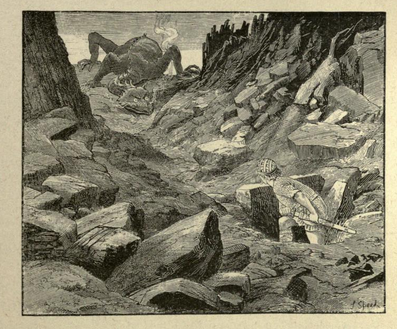
By lying in a pit below the dragon, Sigurd slays Fafnir

and Beowulf, along with his companion (and successor), Wiglaf, make an end of the nameless dragon,

Beowulf fighting against a dragon. Scene from the early medieval epic poem “Beowulf”. It is one of the most important works of Old English literature and was probably created after the year 700 and plays in the time before 600 AD in Scandinavia. Chromolithograph after drawing by Walter Zweigle (German painter, 1859 – 1904), published in 1896.

(This is a pretty silly version, with costumes and armor which look like they came from the original production of Der Ring des Nibelungen, but finding a depiction of the two attacking the dragon has seemed surprisingly difficult.)

but, in The Hobbit, although we have the traditional dragon on the traditional hoard, we don’t have the traditional dragon-slayer, a fact underlined by Thorin’s “to bring our curses home to Smaug, if we can”.

This has always struck me as the potential weak point in the quest:  to travel hundreds of miles through dangerous territory filled with trolls, goblins, wolves, hostile elves, and even giant spiders, to come to a mountain inhabited by a fearsome dragon—but to have no plan in mind as to how to deal with it, especially when the other half of the plan—to get back the dwarvish treasure—requires somehow eliminating the current guardian of that treasure.

(JRRT)

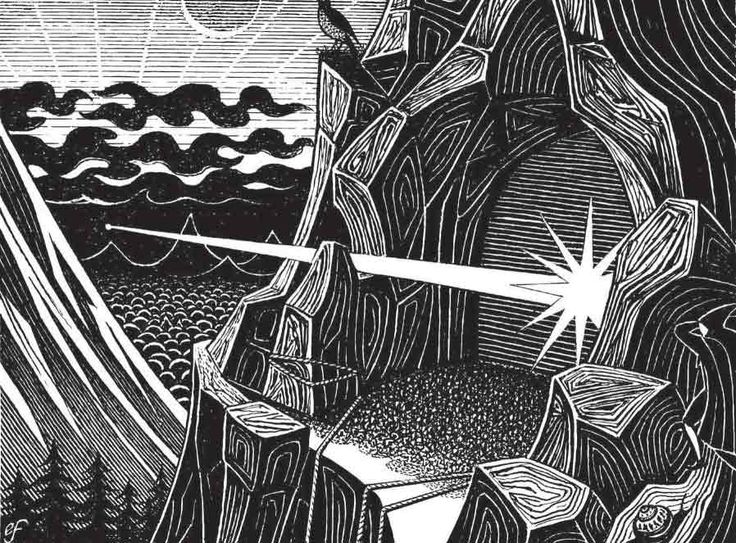
Faced with that possible weak point, so much now may appear to have a certain haphazard happenstance about it, the kind of attempted slight-of-hand which indicates an author who hasn’t the skill to create a narrative in which every element seems to fall naturally into place, and this might make us question the finding of the Ring, the convenient rescue at Lake-town, even the ray of sun which indicates the opening to the back door of the Lonely Mountain (suppose it had been overcast).

But this is where the burglar comes in—and the story of Sigurd once more.

It seems that Bilbo was not Gandalf’s first choice for the quest when he came to visit him.

(the Hildebrandts)

Thorin has just mentioned the inconvenient dragon and the awkwardness of his sudden appearance, to which Gandalf replies:

“That would be no good…not without a mighty Warrior, even a Hero.  I tried to find one; but warriors are busy fighting one another in distant lands, and in this neighbourhood heroes are scarce, or simply not to be found.”

And he continues:

“That is why I settled on burglary—especially when I remembered the existence of a Side-door.  And here is our little Bilbo Baggins, the burglar, the chosen and selected burglar.”

Bilbo’s first attempt at burglary:  picking a troll’s pocket,

(JRRT)

almost ends in disaster, but, with the eventual aid of the Ring, he even manages, first, to steal from Smaug, in a direct echo of Beowulf,

(artist?  So far, I haven’t seen one credited.)

and then to confront Smaug in his lair and escape, at worst, with only a singeing. 

(JRRT)

So far, it’s been burglary, with some help from the Ring, but then the Sigurd story comes in.

You’ll remember that, although the version in The Red Fairy Book doesn’t say so, it was clear that the vulnerable part of the dragon Fafnir was its underside, which is why Sigurd hid in a pit so that, when the dragon crawled over it, Sigurd could stab him in that unprotected underbelly. 

Using his burglarious skills, as well as a fluent tongue, Bilbo actually persuades Smaug unknowingly to expose his own vulnerability:

“ ‘I have always understood…that dragons were softer underneath, especially in the region of the—er—chest; but doubtless one so fortified has thought of that.’

The dragon stopped short in his boasting.  ‘Your information is antiquated,’ he snapped.  ‘I am armoured above and below with iron scales and hard gems.  No blade can pierce me.’”

And the smooth-tongued burglar actually flatters Smaug into rolling over, exposing “…a large patch in the hollow of his left breast as bare as a snail out of its shell”.

What to do with this potentially deadly piece of information requires the reverse of the Sigurd story.

In that story, Sigurd, having killed Fafnir, has been asked by his mentor, Regin, to roast the dragon’s heart and serve it to him.  In the process, Sigurd burns a finger, puts it in his mouth, and suddenly understands that all of the birds above him are talking about him and telling him to beware of Regin.

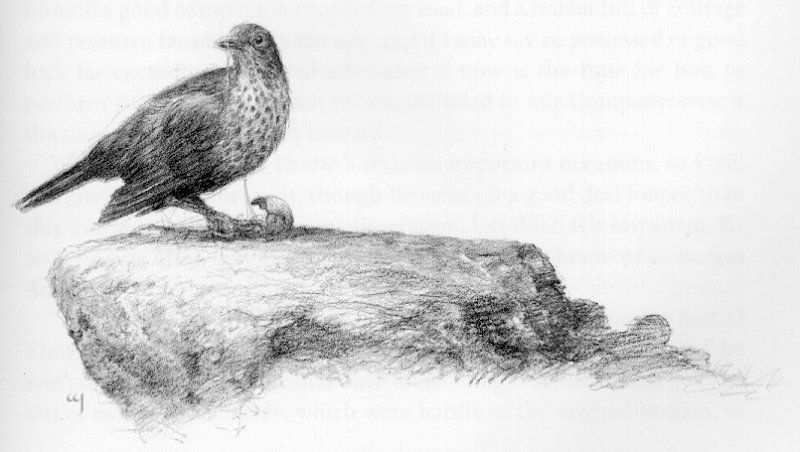
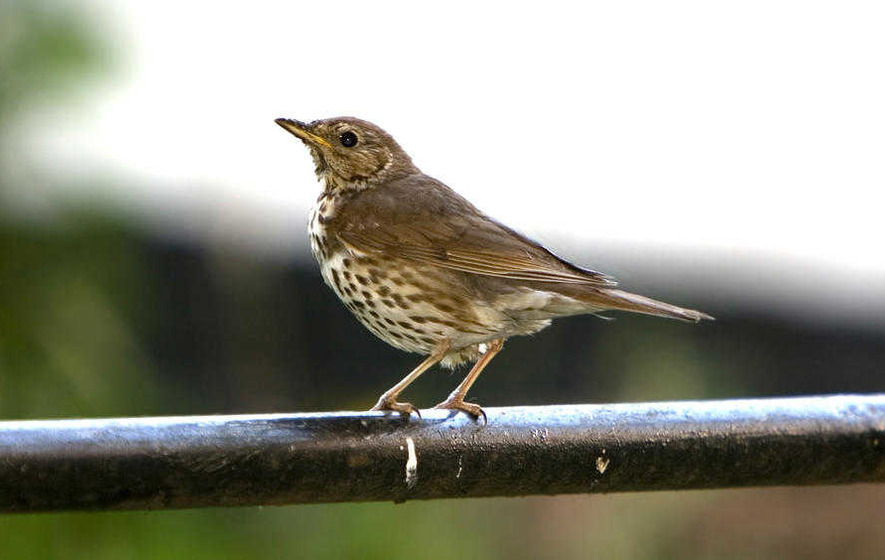
In The Hobbit, the opposite happens:  the thrush who had tapped the snail

(Alan Lee)

and therefore set off the chain of events which revealed the back door to the Lonely Mountain to Bilbo and the dwarves, overhears Bilbo telling the dwarves about Smaug’s vulnerable spot, which he then conveys to Bard the Archer, who is then the dragon-slayer

(Michael Hague—one of my favorite Hobbit illustrators)

needed to dispose of the one-time guardian of the hoard.

And so the dragon is disposed of—but he has one more use in the story:  as a negative model. 

Although Thorin has led the quest to retrieve the dwarves’ treasure, it seems that there’s only one which he craves, the Arkenstone,

(Donato Giancola)

and it’s clear that, in its pursuit, he becomes much like the Smaug who once reacted almost hysterically when he sensed that something was missing from his hoard:

“Thieves!  Fire!  Murder!…His rage passes description—the sort of rage that is only seen when rich folk that have more than they can enjoy suddenly lose something that they have long had but have never before used or wanted.”  (The Hobbit, Chapter 12, “Inside Information”)

Here’s his dwarvish parallel:

“ ‘For the Arkenstone of my father,’ he said, ‘is worth more than a river of gold in itself, and to me it is beyond price.  That stone of all the treasure I name unto myself, and I will be avenged on anyone who finds it and withholds it.”  (The Hobbit, Chapter 16, “A Thief in the Night”)

And, when he finds that Bilbo has taken it as a way to make peace between the dwarves, the elves, and the Lake-town men, Thorin almost does take revenge:

“ ‘You! You!’ cried Thorin, turning upon him and grasping him with both hands.  ‘You miserable hobbit!  You undersized—burglar!…By the beard of Durin!  I wish I had Gandalf here!  Curse him for his choice of you!  May his beard wither!  As for you I will throw you to the rocks!’ he cried and lifted Bilbo in his arms.”  (The Hobbit, Chapter 17, “The Clouds Burst”)

So why a dragon?

First, to Tolkien the medievalist, gold and dragons go together:  a quest for treasure needs a particularly powerful enemy and the dragon of Beowulf, who actually fatally wounds Beowulf,

who had previously defeated two terrible opponents in Grendel and his mother, provides a strong model.

Second, JRRT had, from childhood, a long-standing interest in dragons—he’ll return to them in his 1938/49 novella, “Farmer Giles of Ham”, where the practical farmer eventually not only tames the dragon, Chrysophylax (“Goldwatchman”, perhaps), but makes him disgorge much of his treasure—this time by doing nothing more than outfacing him and threatening him with his sword, “Tailbiter”.

It’s interesting, by the way, that, although, in “The Story of Sigurd”, the dragon talks, he has only one short speech:  a curse on anyone who touches his gold, whereas, in perhaps the greatest draconic influence upon Tolkien, Beowulf, another wyrm who enjoys lying on a hoard, is mute.

Smaug, in The Hobbit, however, is not only positively talky, but, like Saruman in The Lord of the Rings, his voice and manner have their own dangerously persuasive power, at one point in his conversation with Bilbo even beginning to seed Bilbo’s mind with doubts about the dwarves Bilbo accompanies (The Hobbit, Chapter 12, “Inside Information”).

Chrysophylax, in “Farmer Giles of Ham” is even more talkative than Smaug, and I wonder about the model for these chatty beasts.  Tolkien was a great fan of Kenneth Grahame (1859-1932) and of his well-known children’s book, The Wind in the Willows (1908),

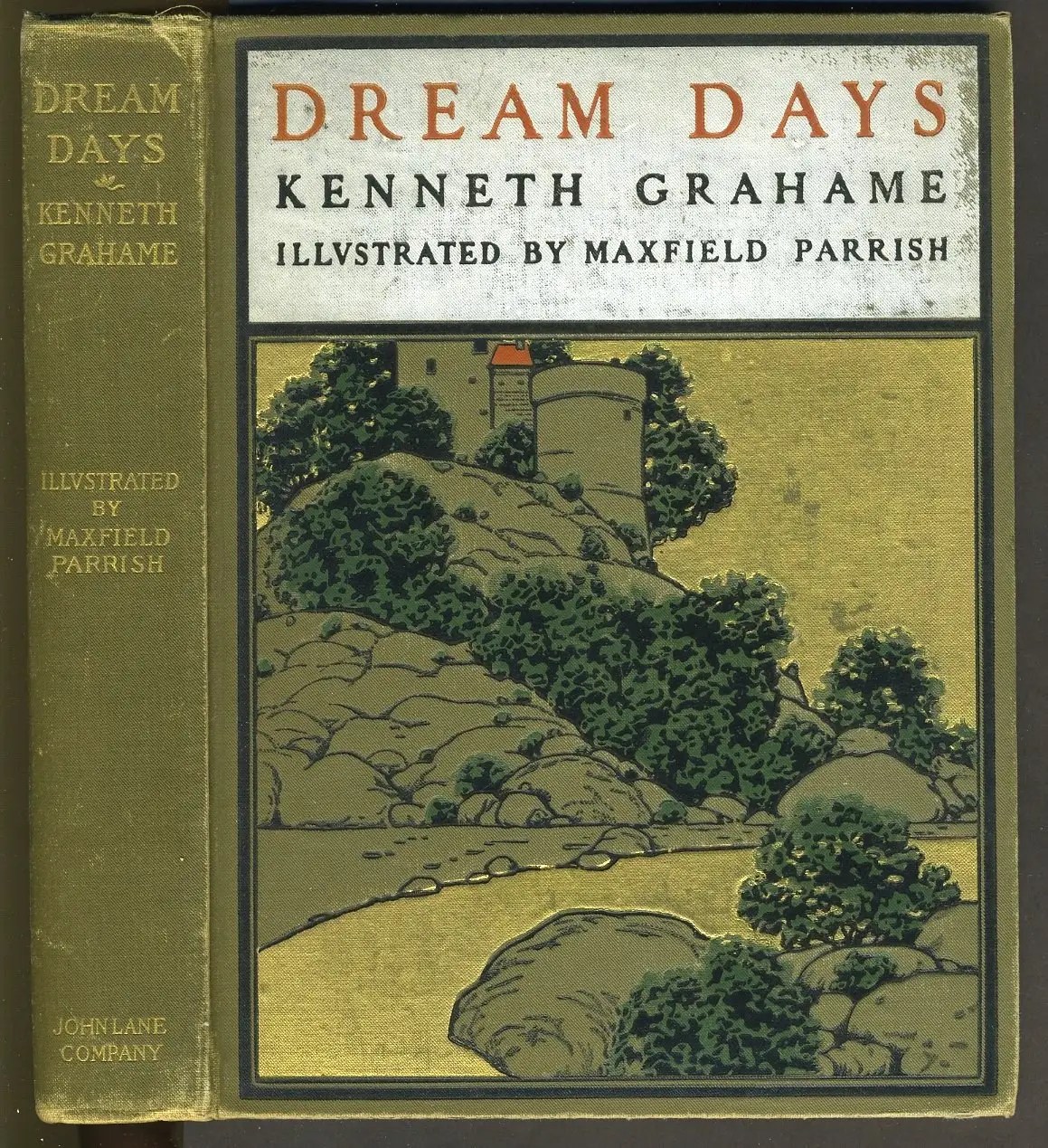
mentioning in a letter to Christopher Tolkien that Elspeth Grahame, Grahame’s widow, is publishing a book with other stories about the main characters of The Wind in the Willows, a book which JRRT is very eager to obtain (letter to Christopher Tolkien, 31 July, 1944, Letters, 128).  In 1898, Grahame published a collection of stories, Dream Days,

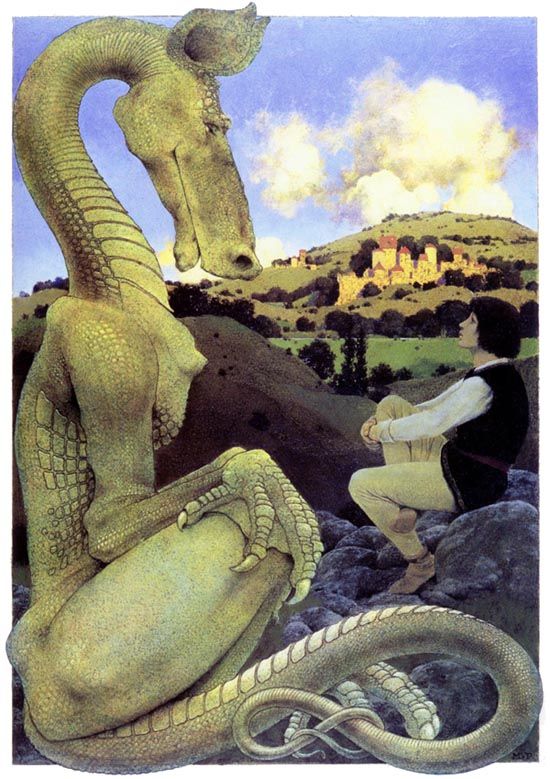
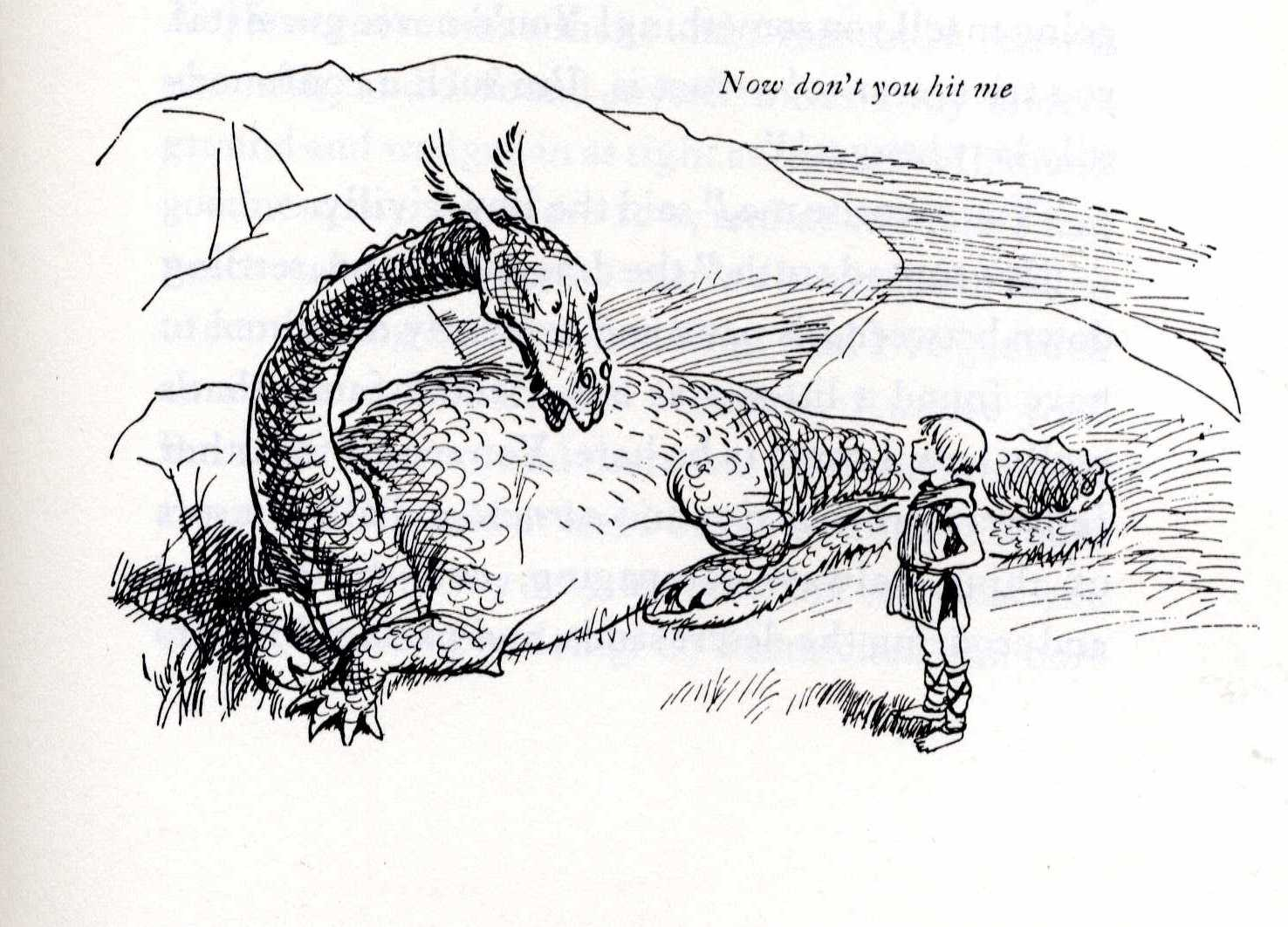
which included “The Reluctant Dragon”, in which we see another very loquacious beast,

(from the original book, illustrated by Maxfield Parrish)

(I couldn’t resist including E.H. Shepard’s 1938 version)

but rather more like the ultimately rather timid dragon of “Farmer Giles” than the grim and mute creature of Beowulf or the more-than-a-little-pleased-with-himself Smaug, but, in his garrulousness, could he have been a model for Smaug?  (You can make your own comparison with:  https://www.gutenberg.org/files/35187/35187-h/35187-h.htm )

To this we add perhaps not a model, but a parallel:  Thorin as becoming a kind of dwarvish dragon in his obsession with the Arkenstone.  Fafnir dies with a curse, however, the Beowulf beast dies killing Beowulf, and Smaug dies destroying Lake-town,

but, in his own last moments, Thorin escapes such a poisonous model, saying to Bilbo:

“Farewell, good thief…I go now to the halls of waiting to sit beside my fathers, until the world is renewed.  Since I leave now all gold and silver, and go where it is of little worth, I wish to part in friendship from you, and I would take back my words and deeds at the Gate.” (The Hobbit, Chapter 18, “The Return Journey”)

(Darrell Sweet—you can read a little about him here:  https://en.wikipedia.org/wiki/Darrell_K._Sweet )

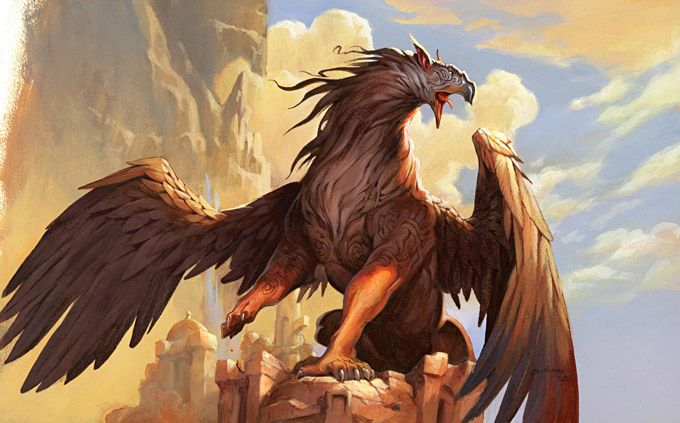
And so “Why a dragon?”—and not “Why No a Hippogriff?”

(artist? so far, I haven’t found one–a pity, too, as it’s quite a splendid illustration and I’ll love to mention the author!)

Thanks, as ever, for reading.

Stay well,

Remember not to laugh at live dragons,

And remember, as well, that there’s

MTCIDC

O

Bacon and Eggs, Etc.

08 Wednesday Jan 2025

Posted by Ollamh in Uncategorized

≈ Leave a comment

Tags

bacon and eggs, being eaten, Eating, Fantasy, Goblins, Gollum, seed-cake, Smaug, snails, spiders, The Hobbit, Tolkien, Tolkien as hobbit, trolls

Dear readers, welcome, as always.

When Tolkien admitted that he was a hobbit, he defined them—and himself—in part in this way:

“…I like gardens, trees and unmechanized farmlands; I smoke a pipe, and like good plain food (unrefrigerated), but detest French cooking… “ (from a letter to Deborah Webster, 25 October, 1958, Letters, 411)

This follows, of course, his description in “Concerning Hobbits” in the Prologue to The Lord of the Rings:

“Their faces were as a rule good-natured rather than beautiful, broad, bright-eyed, red-cheeked, with mouths apt to laughter, and to eating and drinking.  And laugh they did, and eat, and drink, often and heartily, being fond of simple jests at all times, and of six meals a day (when they could get them).”

And this is an extension of the description in the first chapter, “An Unexpected Party”, of The Hobbit:

“[they] have long clever brown fingers, good-natured faces, and laugh deep fruity laughs (especially after dinner, which they have twice a day when they can get it).”

This propensity for the consumption of comestibles—and for the reporting of and description of eating and all that might go with it—is more, in The Hobbit, than simply a fond look at a foible, however.  In fact, it is a theme which seems, at times to dominate the book—and we see this practically on the first page of the novel, not only in that mention of multiple dinners, but even in the fact that hobbit laughs are “fruity”.

The opening setting itself announces the theme:  “Bilbo Baggins was standing at his door after breakfast…” and soon Bilbo is resisting Gandalf’s proposal of an adventure by saying “Nasty disturbing uncomfortable things!  Make you late for dinner!”  (The Hobbit, Chapter 1, “An Unexpected Party”)

(the Hildebrandts)

There follows the rattled Bilbo’s invitation to Gandalf to come to tea (after which he consoles himself with “a cake or two and a drink of something”), and then the party from the chapter title, which includes not only a major depletion of Bilbo’s pantry (or pantries, as the narrator has already informed us that Bilbo’s house has “lots of these”), but even a kind of heroic catalogue of what’s called for and which Bilbo seems able to supply including:  tea, beer, seed-cake, coffee, scones, ale, porter, red wine, raspberry jam, apple-tart, mince-pies, cheese, pork-pie, salad, eggs, chicken, and pickles (and a single biscuit—that is, cookie, for Bilbo).

The chapter ends with one last burst of food-talk as Bilbo offers bed and breakfast to the dwarves (as a way of seeing them off) and Thorin orders breakfast as if Bilbo were running an inn:

“But I agree about bed and breakfast.  I like six eggs with my ham, when starting on a journey:  fried not poached, and mind you don’t break ‘em.”

(Eggs and ham—those eggs will appear again, but with bacon, when Bilbo, more than once, yearns for them.  This is from a rather mouth-watering website called “The English Kitchen”, which you can visit here:  https://www.theenglishkitchen.co/2020/04/proper-ham-eggs.html  And, as, when you search for a useful image of ham and eggs, you suddenly find yourself surrounded by images of Dr. Seuss’ wonderful Green Eggs and Ham, you can it read here:  https://ia601502.us.archive.org/20/items/green-eggs-and-ham_202211/GreenEggs%20Ham.pdf )

And Bilbo goes off the bed annoyed not only at Thorin, but at all of the other dwarves, who have made similar orders.

After that opening, it’s not surprising that Chapter 2 begins with a still-annoyed Bilbo, faced with a mountain of dirty dishes, the remains of a breakfast he didn’t fix, but, cleaning up, he enjoys his own first breakfast and is starting on a second one when Gandalf appears and Bilbo is suddenly off on the adventure which takes up the rest of the book.

Food soon appears again as one of their ponies “got into the river before they could catch him…and all the baggage that he carried was washed away off him.  Of course it was mostly food, and there was mighty little left for supper, and less for breakfast.”  (Chapter 2)

But then the eating theme takes a different and disturbing turn:  trolls

(JRRT)

who, though currently munching mutton, have “…et a village and a half between yer, since we come down from the mountains” and soon, like amateur chefs on “The Great Goblin Bake Off”, are discussing how to prepare dwarf—will it be roasting?  boiling?  before the judge, one Gandalf, decides the argument by tricking them into being exposed to the sun and turned to stone.

(JRRT)

This is, in its way, a mirror to the original eating idea, in which the protagonists who do the consuming are at risk of becoming a potential article for consumption and we’ll see this repeated more than once with:

1. the goblins (Chapter 4):  “For goblins eat horses and ponies and donkeys (and other much more dreadful things), and they are always hungry.”

(Alan Lee)

2. Gollum (Chapter 5):  “He was looking out of his pale lamp-eyes for blind fish, which he grabbed with his long fingers as quick as thinking.  Goblin he thought good, when he could get it…” and there’s the possibility that Bilbo might be on the menu—if he loses the riddle contest.

(Alan Lee)

3. the spiders (Chapter 8):  “  ‘What nasty thick skins they [the dwarves] have to be sure, but I’ll wager there is good juice inside.’ ‘Aye, they’ll make fine eating, when they’ve hung a bit…’ ”

(and another Alan Lee)

4. and, of course, Smaug (Chapter 12):  “ ‘Let me tell you I ate six ponies last night and I shall catch and eat all the others before long…I know the smell (and taste) of dwarf…Girion Lord of Dale is dead, and I have eaten his people like a wolf among sheep…’ “

(JRRT)

On the other side (the eating, not eaten), however, there are:

1. supper with the Rivendell elves (Chapter 3)

(JRRT)

2. rabbit, hare, and sheep with the eagles (Chapter 6)

(JRRT)

3. meals with Beorn (Chapter 7)

(Ted Nasmith)

4. starving in Mirkwood while being tantalized by elvish feasts (Chapter 8)

(another elf king, in an illustration by A.W. Bayes, 1831-1909)

5. prison rations in the dungeons of Thranduil, the king of the forest elves (Chapter 9)—as well as food stolen by Bilbo

(a generic dungeon as, so far, I haven’t discovered a useful illustration of the original situation)

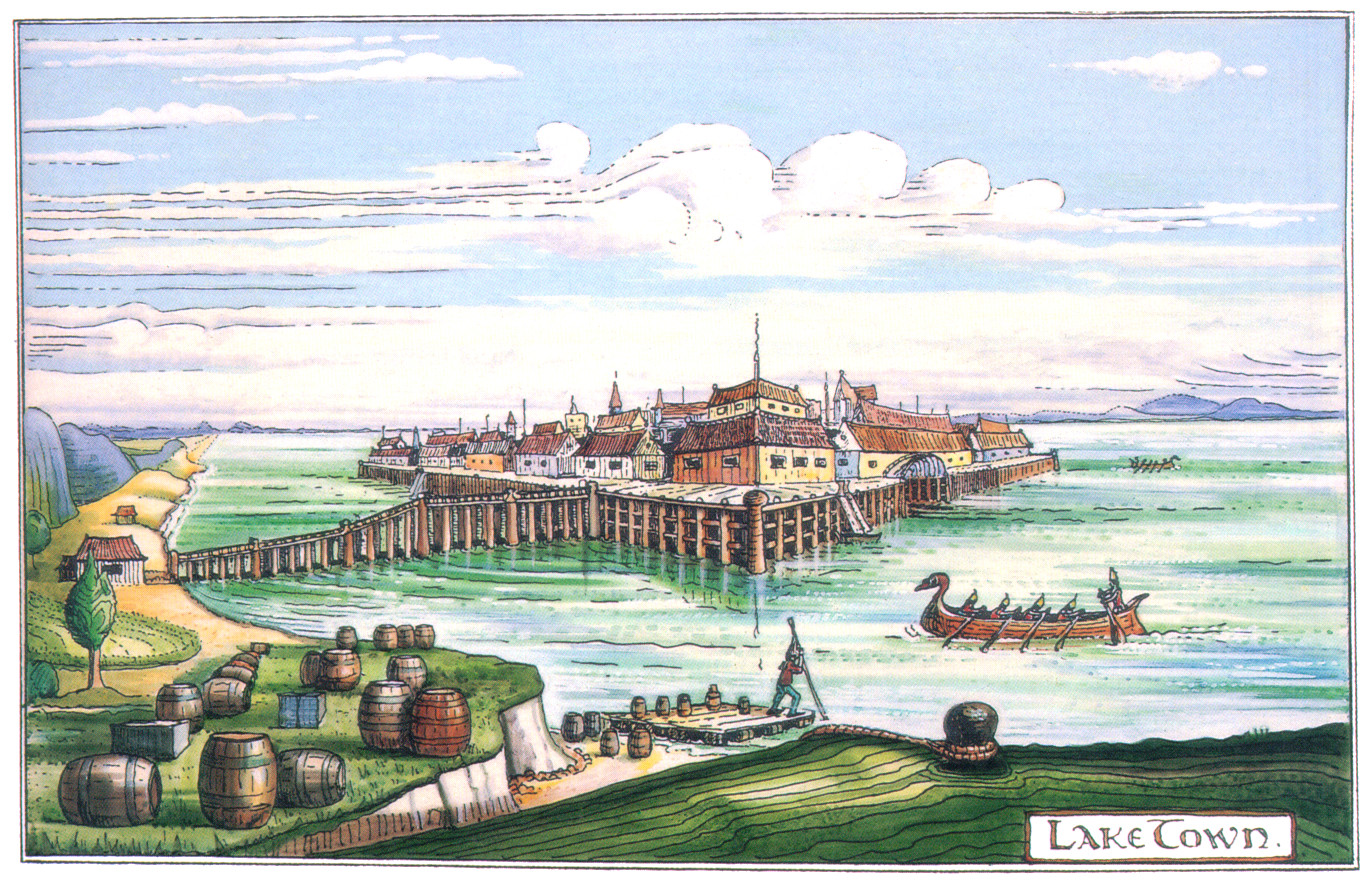
6. feasts in Lake-town (Chapter 10)

(JRRT)

7. a gourmet diet of snails (Chapter 11)

(Alan Lee)

8. and even the threat of siege and starvation (Chapter 15)—

(Alan Lee)

Given that so much of the text is handed over to eating and drinking, it’s surprising that the conclusion of the story doesn’t have Gandalf returning (with Balin) to tea some years later—

(Alan Lee)

could it be that even that academic hobbit is finally full?

As always, thanks for reading.

Stay well,

One slice of cake should do, I think, don’t you? Or maybe two?

And remember that, as always, there’s

MTCIDC

O

Pub Crawl

17 Wednesday Jul 2019
Posted by Ollamh in Economics in Middle-earth, J.R.R. Tolkien, Literary History

≈ Leave a comment

Tags

CS Lewis, Dorothy Sayers, Eagles, Green Dragon Inn, Hutchinson Family Singers, inn, pub, Smaug, The Eagle and Child, The Green Dragon, The Hobbit, The Inklings, The Ivy Bush, The King's Arms, The Lord of the Rings, The Mitre, The Prancing Pony, The Vulture of the Alps, The White Horse, Tolkien

As ever, dear readers, welcome.

After a very disturbing evening with a group of vengeful and determined dwarves,

image1banddwarves.jpg

Bilbo wakes to a wreck of breakfast dishes and, soon after, the appearance of Gandalf, who prompts him to see that he has a note from Thorin (& Co.).  It makes an appointment for 11am that morning at the Green Dragon Inn, in Bywater.

image2bywatermap.jpg

With Gandalf harrying him, Bilbo barely makes it, but, a moment later, the journey eastward of The Hobbit begins.

It is ironic, of course, that a trip which focuses upon removing a dragon

image3smaug.jpeg

should commence with a place named after one, but, judging by the number of Green Dragon pubs in Britain one might find by googling right now, it may be nothing more than a common name—

image4pubsign.jpg

image5greendragsign.jpg

image6greendrag.jpg

image7greendrag.jpg

although, as Douglas Anderson points out in The Annotated Hobbit, 61, we know that JRRT had been interested in dragons, especially green ones, from childhood, as he wrote to WH Auden:

“I first tried to write a story when I was about seven.  It was about a dragon.  I remember nothing about it except a philological fact.  My mother said nothing about the dragon, but pointed out out one could not say ‘a green great dragon,’ but had to say, ‘a great green dragon.’  I wondered why, and still do.” (Letters, 214, 7 June, 1955)

The countryside east of the Shire and the story itself are empty of pubs (short for “public houses”, originally meaning simply a place open to the general public, but, in time, it came to mean a place licensed by the government to sell alcoholic beverages) after this, but, until we reach Bree, there are a certain number mentioned in The Lord of the Rings.  We meet the first, The Ivy Bush, in The Fellowship of the Ring, Book One, Chapter 1, “An Unexpected Party”, where we see a group of hobbits gossiping about Bilbo and Frodo.  In the next chapter,  “The Shadow of the Past”, The Green Dragon makes its second appearance in Tolkien when Sam Gamgee has a verbal tussle with Ted Sandyman on the subject of things seen and unseen, as well as on the sanity, or lack of it, of Bilbo and Frodo, there.

The Ivy Bush will only appear once more, linked with The Green Dragon, in the succeeding chapter, “Three Is Company”, but we will see The Green Dragon (mentioned by Sam in hopes that The Prancing Pony in Bree will measure up to it in Chapter 8, “Fog on the Barrow-Downs”) close to the end of The Lord of the Rings.  In The Return of the King, Book Six, Chapter 8, “The Scouring of the Shire”, it appears as an emblem of the endless ruin by Sharkey and gang of the old ways of the Shire:  “When they reached The Green Dragon, the last house on the Hobbiton side [of the Water], now lifeless and with broken windows…”

This is in great contrast to The Prancing Pony Sam worried about earlier

image8prancingpony.jpg

as we see it in The Fellowship of the Ring, Book One, Chapter 9, “At the Sign of the Prancing Pony”.  At first, the place seems menacing, especially to Sam, who:

“…stared up at the inn with its three storeys and many windows, and felt his heart sink.”

But then—

“As they [the hobbits] hesitated outside in the gloom, someone began singing a merry song inside, and many cheerful voices joined loudly in the chorus.  They listened to this encouraging sound for a moment and then got off their ponies.  The song ended and there was a burst of laughter and clapping.”

Pubs, and their upscale cousins, inns, would have been vital to people traveling before motels, hotels, and b&bs, as we can see in Book One of The Fellowship, and, for most of the rest of the novel, with the exceptions of Rivendell, Lorien, Edoras, and Minas Tirith, accommodation for the night would have meant a blanket on the ground.  For Tolkien and his friends in the writers’ group called The Inklings,

image9inklings.jpg

they were vital meeting points—not for the reading of new work, which appears to have been done in one member, C.S. Lewis’, rooms at Oxford,

image10csl.jpg

but for socializing and discussion, which was equally important for such a group of intelligent, educated, and highly-creative men.  (No women, alas!  One of our favorite mystery novelists and Dante-translator, Dorothy Sayers, 1893-1957, was friends with several members but, with the short-sightedness of the 1930s-50s, was never invited to join.)

image11dls.jpg

They met during the week not only at the best-known of their watering holes, the Eagle and Child,

image12bird.jpg

but at The Mitre,

image13mitre.jpg

The King’s Arms,

image14kingsarms.JPG

and at The White Horse.

image15whitehorse

The one which caught our eye in particular is the first, which, as we said, is probably the one most closely associated with Tolkien and his friends.  Here’s its sign—

image16bird.jpg

The explanation of the pub’s name is, to us, a bit murky, supposedly coming from an element of the crest of the Stanley family which portrays an infant stolen by an eagle,

image17crest.jpg

but found alive and unharmed.  (Here’s a LINK so that you can judge for yourself.)

For ourselves, the idea of a child stolen by a raptor makes us think of a really awful 19th-century song, “The Vulture of the Alps”, a poem set to music about 1842 by a famous American vocal group of the 1840s-1870s, the Hutchinson Family Singers.  The title pretty much says it all.

image18hutch.jpg

If you’d like to know more, here’s a LINK.

When we think of eagles and Tolkien, however, we remember them as rescuers—of Gandalf, the dwarves, and Bilbo from the goblins and Wargs

image19rescue.jpg

and as providers of air assault in The Hobbit.

image20battle.jpg

And, in The Lord of the Rings, rescuer of Gandalf from Saruman,

image21rescue


as allies of the West at the battle at the Morannon,

image22black.jpg

and as saviors of Frodo and Sam on Mt Doom.

image23savior.jpg

And it may be a crazy idea, but it makes us wonder—although Tolkien had abandoned The Hobbit unfinished in the early 1930s, he had picked it up again in 1936, just about the time the Inklings were meeting regularly (the first documented mention of them, apparently, is in a 1936 letter from CS Lewis to the novelist, Charles Williams, inviting him to join—see The Collected Letters of CS Lewis, Vol.2, 183—in a letter to William Luther White 9/11/67, JRRT dates the origins of the Inklings as “probably mid-thirties”—Letters, 387).  Could he have found his inspiration for these heroic birds and their habit of picking people up from the name of his pub?

As ever, thanks for reading.

MTCIDC

CD

ps

If you haven’t read CS Lewis’ wonderful essay, “On Three Ways of Writing for Children”, here’s a LINK.

pps

We have no illustration of Tolkien’s Green Dragon, but here’s a Tudor example from Wymondham in Norfolk which we think would do quite well.

image24green.jpg

Dragon Economics 101

03 Wednesday Jul 2019

Posted by Ollamh in Economics in Middle-earth, J.R.R. Tolkien, Military History

≈ Leave a comment

Tags

Artillery, Belgium, Cathedral, Cloth Hall, Dale, Esgaroth, Great War, howitzers, Laketown, Lonely Mountain, No Man's Land, Smaug, The Hobbit, The Lord of the Rings, Tolkien, trenches, Ypres

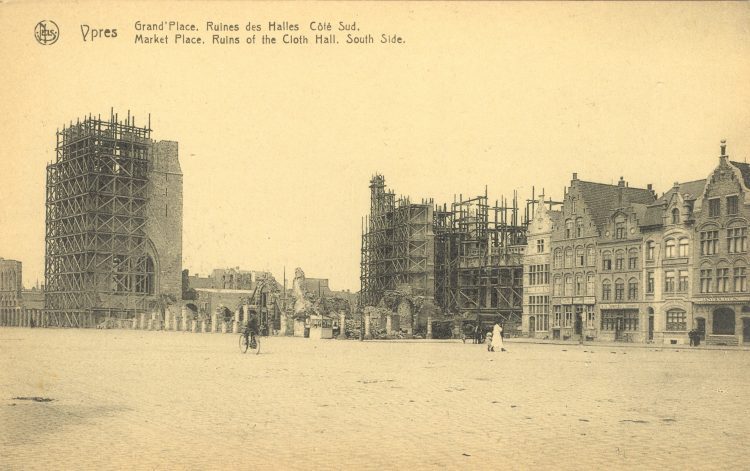
Here is a postcard of the town of Ypres, in southern Belgium, in the years before the Great War, with its famous Cloth Hall and cathedral.

image1clothhallcath.jpg

The Cloth Hall was begun in 1200 and finished in 1304, being a center of the woolen trade in the region.

image2clothhall.jpg

The cathedral was begun in 1230 and finished in 1370.

image3cathedral.jpg

Then the Great War began and Ypres was just behind Allied lines.

image4map.jpg

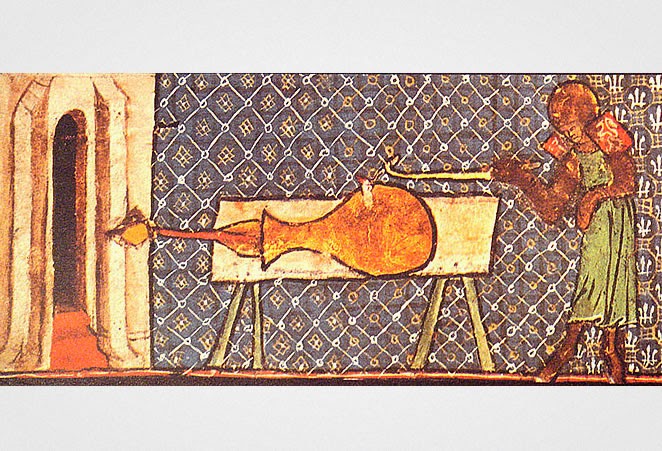
Artillery had begun in the Middle Ages, as something which looks like a high school science experiment (plus armor).

image5millemete.jpg

By 1914, it was much bigger and much more efficient.

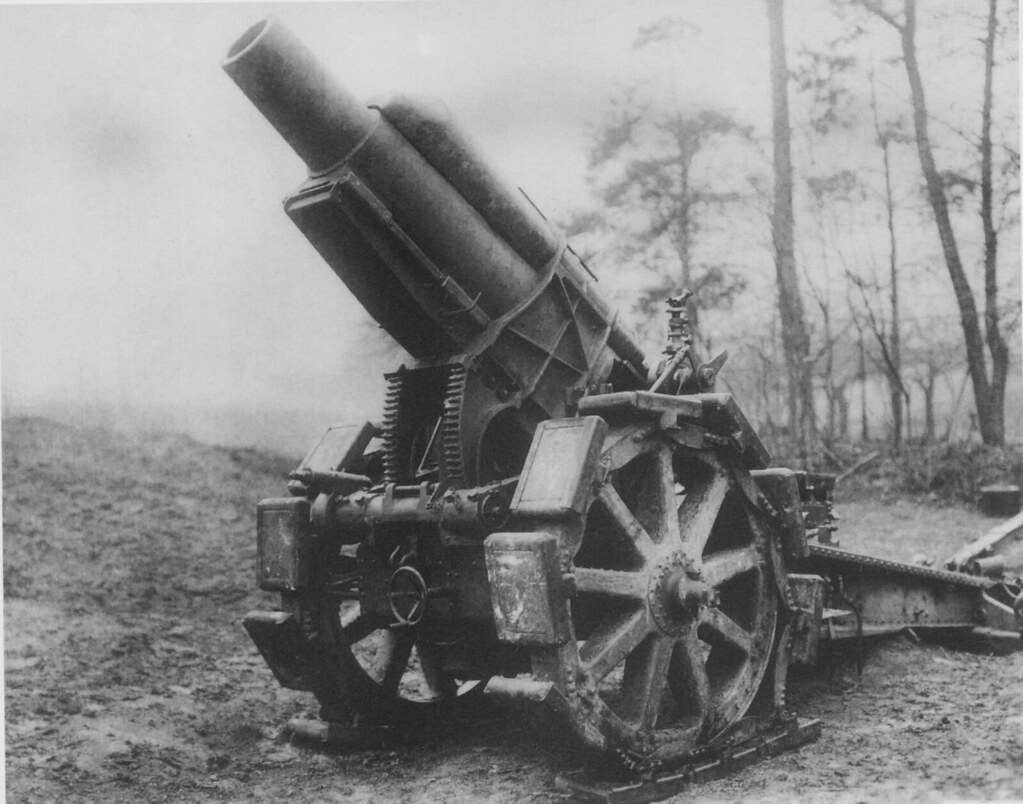
image6howitzer.jpg

(The German says, “Our Growlers!”—perhaps a soldier’s slang word for heavy howitzers like these?)

And, as the war progressed, bigger and more efficient yet.

image7biggergun.jpg

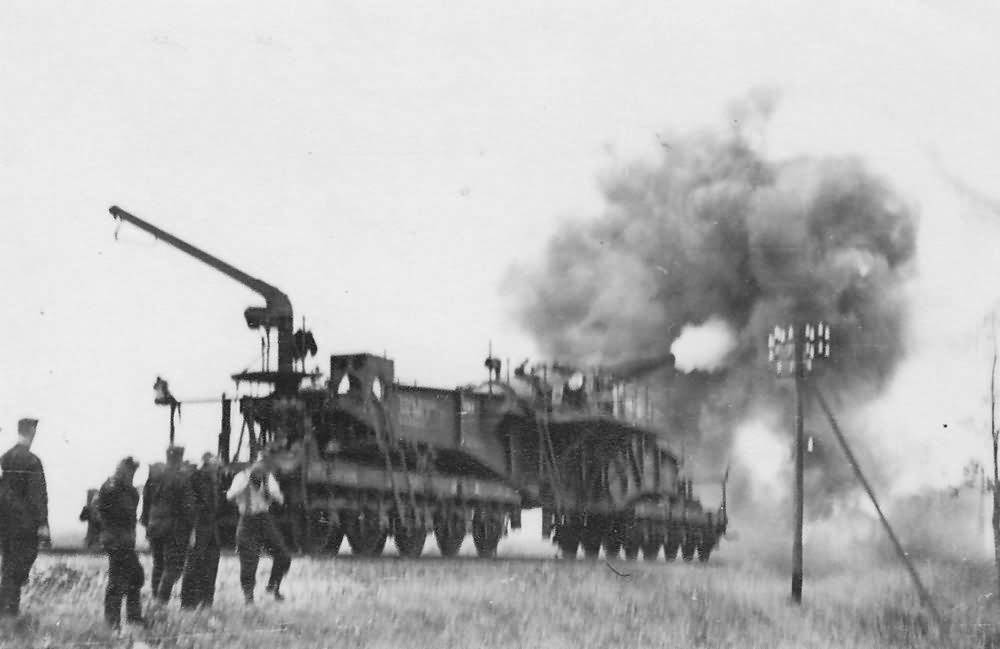
And even more so—to the point where some guns became so big and heavy that only railways could move them around.

image8railwaygun.jpg

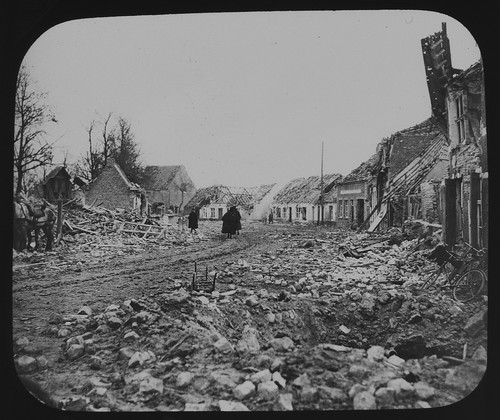
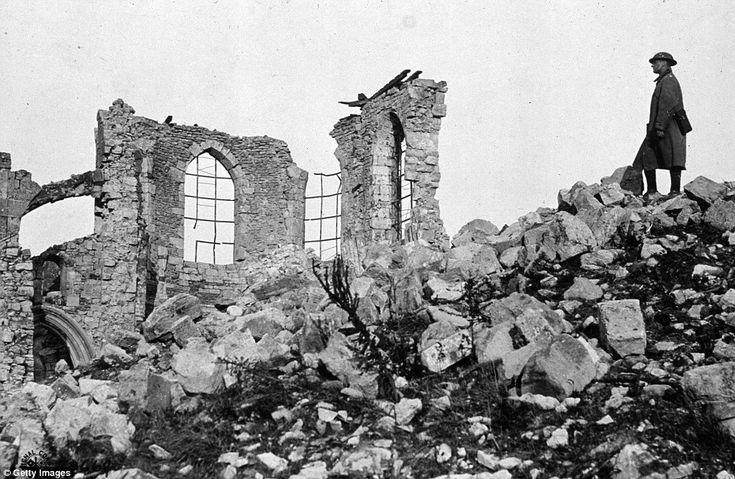
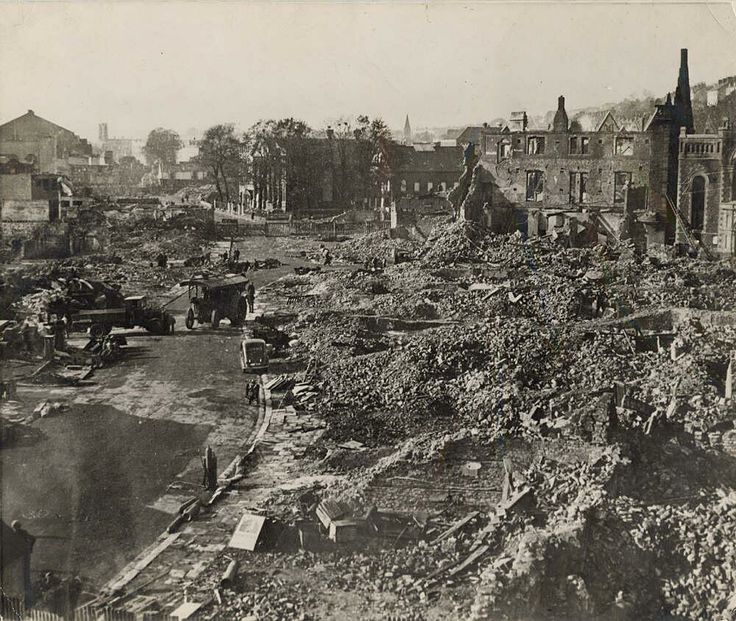
Needless to say, when shells from such guns hit Ypres, the damage they caused was enormous.

image9ypres


image10ruins.jpg

And not only to Ypres, but to the whole region—entire villages disappeared, as did forests, landscapes became moonscapes.

image11nomansland.jpg

For some months in 1916, Second Lieutenant Tolkien walked through, lived through, this devastated world,

image12jrrt

which took many years to be repaired.

image13ypres.jpg

And, in the meantime, the economies of Europe suffered, with so much damaged or shifted to war work, and governments left with enormous debts, both the victors and the vanquished.

This devastation made us think about another devastation, first described by Thorin in Chapter One of The Hobbit, and, of course we wondered if JRRT thought of the damage caused by the endless, pitiless bombardments as he wrote about the ruin brought by a dragon.

Thorin begins, as we did at the opening of this posting, showing a peaceful, prosperous world:

“Altogether those were good days for us, and the poorest of us had money to spend and to lend, and leisure to make beautiful things just for the fun of it, not to speak of the most marvellous and magical toys, the like of which is not to be found in the world now-a-days.  So my grandfather’s halls became full of armour and jewels and carvings and cups, and the toy market of Dale was the wonder of the North.”

But, just as the Great War came to the ridges north of Ypres, so Smaug came down upon the town of Dale just below the Lonely Mountain and to the Mountain, as well:

“Then he came down the slopes and when he reached the woods they all went up in fire.  By that time all the bells were ringing in Dale and the warriors were arming.  The dwarves rushed out of their great gate; but there was the dragon waiting for them.  None escaped that way.  The river rushed up in steam and a fog fell on Dale, and in the fog the dragon came on them and destroyed most of the warriors…Then he went back and crept in through the Front Gate and routed out all the halls, and lanes, and tunnels, alleys, cellars, mansions and passages…Later he used to crawl out of the great gate and come by night to Dale, and carry away people, especially maidens, to eat, until Dale was ruined and all the people dead or gone.  What goes on there now I don’t know for certain, but I don’t suppose any one lives nearer the Mountain than the far edge of the Long Lake now-a-days.”

image14erebor.jpg

Thorin is correct about this:  Dale is ruined and abandoned (you can see the remains of the town on the right hand side of this illustration) and the Mountain has only one inhabitant.

image15smaug.jpg

When Bilbo disturbs him and steals a cup, Smaug goes on a second rampage, flying as far south as Lake-town:

“Fire leaped from the dragon’s jaws.  He circled for a while high in the air above them lighting all the lake…Fire leaped from the thatched roofs and wooden beam-ends as he hurtled down and past and round again…Flames unquenchable sprang high into the night. “  (The Hobbit, Chapter Fourteen, “Fire and Water”)

image16laketown.jpg

And, even when Bard’s arrow brings him down, Smaug causes a final wave of destruction:

“Full on the town he fell.  His last throes splintered it to sparks and gledes.  The lake roared in.  A vast steam leaped up, white in the sudden dark under the moon.  There was a hiss, a gushing whirl, and then silence.  And that was the end of Smaug and Esgaroth…”

Just as certain parts of Europe were destroyed and their economies stunted by the Great War, we can hear, in Thorin’s words, that the same has happened to Dale and the Lonely Mountain:  with no dwarves and no men to make the “armour and jewels and carvings and cups”, not to mention the “most marvellous and magical toys”, the whole economy of the area to the north of the Long Lake was completely destroyed.  Survivors built up Lake-town, but no one dared to revive the trade which had once enriched an entire region.

image17laketown.jpg

And, as for the few remaining dwarves:

“After that we went away, and we have had to earn our livings as best we could up and down the lands, often sinking as low as black-smith-work or even coal-mining.” says Thorin.

Although Thorin dies in the struggle to regain what was lost, there is a happy ending of sorts for the dwarves.  With Smaug dead, they can finally return, as can men, and rebuild, just as Europe began to rebuild—Ypres restored both Cloth Hall and cathedral in time.


image18ypres


But the dragon would return and all too soon…

Thanks, as always, for reading and

MTCIDC

CD

On Time (2)

20 Wednesday Feb 2019

Posted by Ollamh in Artists and Illustrators, Imaginary History, J.R.R. Tolkien, Narrative Methods

≈ 2 Comments

Tags

Chronology, crannogs, Durin's Day, John Bauer, Laketown, Loch Tay, Lonely Mountain, Mirkwood, passing time, Scotland, Smaug, Ted Nasmith, The Hobbit, The Lord of the Rings, Thorin, Thror's Map, Tolkien

As always, dear readers, welcome.

Some years ago, we visited the Strong National Museum of Play, in Rochester, New York.  (Highly recommended!)

image1strong

There, we had found this in one of the display cases–

image2chrono

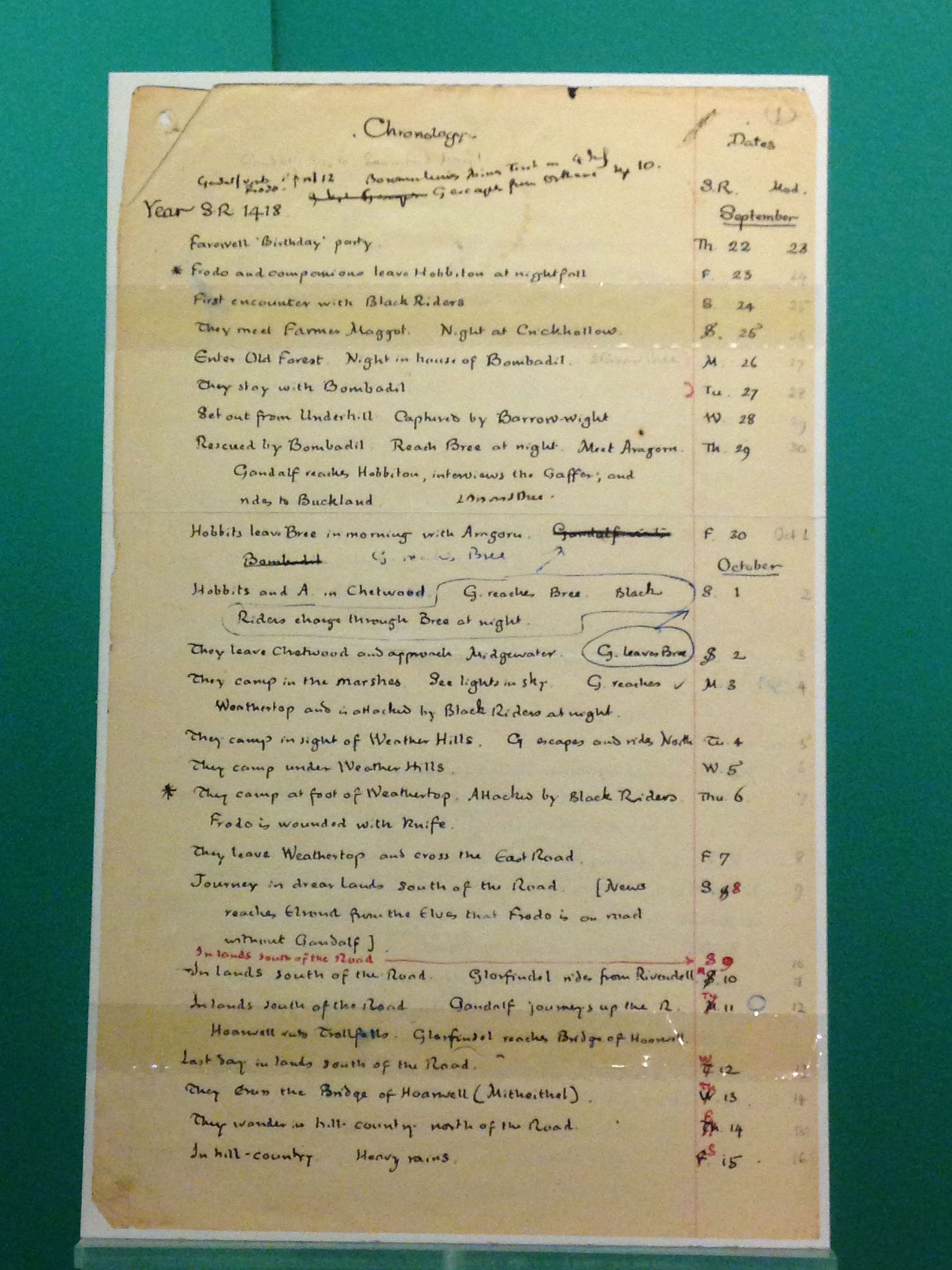
It’s a reproduction of the first page of a chronology of The Lord of the Rings by JRRT, covering the end of September and the beginning of October of SR1418, from the Marquette University collection.  Looking closely we could see just how detailed it was and, recently, we looked at the page again and it made us wonder just how visible such detailing was in the actual work:  do we really see each day portrayed?  Are there moments when days—or more—go by unmarked?  If so, when?  And why?

To answer our questions, we turned first to The Hobbit, as a kind of test case, and, in our last posting, had, by the end, reached the western edge of Mirkwood.

image3mirk

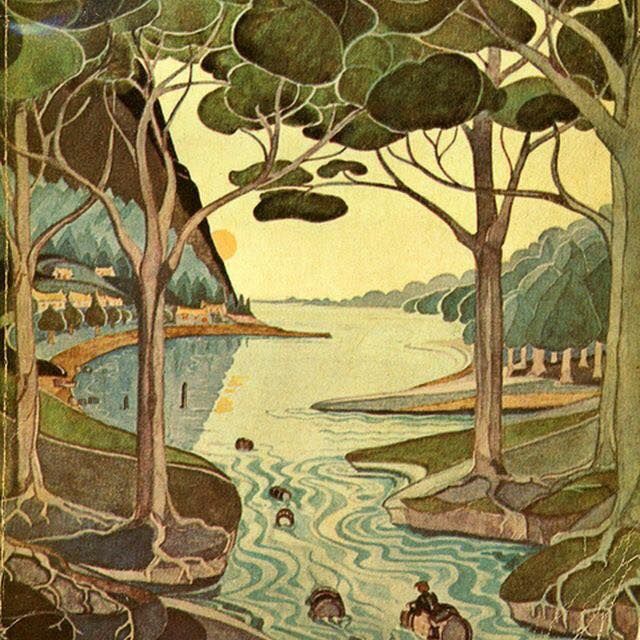
This, as the caption says, is a work by Ted Nasmith, one of our favorite Tolkien illustrators, but here’s JRRT’s version.

image4mirkwood

(As we’ve pointed out some time ago, Tolkien’s version would appear to owe something to the work of the early-20th-century Swedish illustrator, John Bauer (1882-1918).)

image5bauer

As Gandalf waves a good-bye and shouts a final warning, the company plunges in—and immediately time seems to blur:

“All this went on for what seemed to the hobbit ages upon ages…days followed days, and still the forest seemed just the same…” (The Hobbit, Chapter 8, “Flies and Spiders”)

They reach a dangerous stream, one of their company falls in—and immediately drops into a deep sleep, forcing them to carry him as they move away from the stream and, although their journeying continues to seem endless:

“About four days from the enchanted stream they came to a part where most of the trees were beeches…A few leaves came rustling down to remind them that outside autumn was coming on…Two days later they found their path going downwards.”

Soon after that, Bilbo is sent up a tree to see where they are—and, it appears the next day they are tormented by visions of feasting elves.  The next morning?  the scattered dwarves and Bilbo are attacked by outsized spiders.

image6spider

As we said, this is all rather blurry—not many time words are used and, like the forest itself, the passage of time appears almost featureless.  In the confusion around the elvish torment and the spiders, however, Thorin has disappeared, only to be made captive by those very elves and taken to the palace of their king.

image7palace

And then time moves forward—a little:  “The day after the battle with the spiders Bilbo and the dwarves made one last despairing effort to find a way out before they died of hunger and thirst…Such day as there ever was in the forest was fading once more into the blackness of night, when suddenly out sprang the light of many torches all round them…” (The Hobbit, Chapter 9, “Barrels Out of Bond”)

The other dwarves are captured by the elves, but Bilbo, using his ring, escapes–and then manages to slip into the elves’ underground world—and into what appears to be another nearly-timeless place:

“Poor Mr. Baggins—it was a weary long time that he lived in that place all alone…Eventually, after a week or two of this sneaking sort of life, by watching and following the guards and taking what chances he could, he managed to find out where each dwarf was kept.

He found all their twelve cells in different parts of the palace, and after a time he got to know his way about very well.”

The chance discovery of the use of an underground stream as a method of shipping goods—and wine in particular—provides Bilbo with the final means to escape the elves, but how long does all of this, from the capture of the dwarves to that escape, take?

“For some time Bilbo sat and thought about this water-gate, and wondered if it could be used for the escape of his friends, and at last he had the desperate beginnings of a plan.”

If you are familiar with the story, you know that the plan entails escaping in barrels,

image8barrels

bobbing and rolling all night down the river till they were snagged and collected and, the next morning, moved on towards Lake-town, which they reached in the evening (“The sun had set when turning with another sweep towards the East the forest-river rushed into the Long Lake.”).

image9laketown

(This reminds us to mention crannogs—lake houses—of which there is a very convincing reconstruction on Loch Tay, in Scotland.  Here’s a LINK if you’d like to know more.)

image10crannog

The dwarves and Bilbo had stayed in Lake-town two weeks when:  “At the end of a fortnight Thorin began to think of departure.” (The Hobbit, Chapter 10, “A Warm Welcome”)  When they actually departed, however, is unclear:  “So one day, although autumn was now getting far on, and winds were cold, and leaves were falling fast, three large boats left Lake-town, laden with rowers, dwarves, Mr. Baggins, and many provisions.”

They land “On the Doorstep” (the title of Chapter 11) of the Lonely Mountain.  It has taken them three days to get there by boat.  (“In two days going they rowed right up the Long Lake and passed out into the River Running…At the end of the third day, some miles up the river, they drew in to the left or western bank and disembarked.”   The Hobbit, Chapter 11, “On the Doorstep”)

image11lonely

But how long do they spend on that doorstep?

We know, from Elrond’s reading of the moon runes on Thror’s map, that there is a kind of deadline:

“Stand by the grey stone when the thrush knocks…and the setting sun with the last light of Durin’s Day will shine upon the key-hole.” (The Hobbit, Chapter 3, “A Short Rest”)

Thorin himself is hard-pressed to say exactly what day this is, but the dwarves and hobbit continue their journey to find the hidden back door.

After camping where their supplies have been left, they begin their actual explorations the next day.  (“They spent a cold and lonely night…The next day they set out again.”)  Bilbo and several of the dwarves make a brief expedition to the front door and back, seemingly within a day.

We now enter into another blurry period, for, as the dwarves and Bilbo search for the hidden door, all we read is “day by day they came back to their camp without success” until:  “ ‘Tomorrow begins the last week of autumn,’ said Thorin one day.”  And the next day—which is, in fact, the Durin’s Day of the map—they find and open the door.

image12door

Thorin sends Bilbo down into the dark, which, we presume takes some time because we are told that “It was midnight and clouds had covered the stars” when Balin carried him out. (The Hobbit, Chapter 12, “Inside Information”)  He has taken a cup from Smaug’s hoard, however, and this rouses the dragon, forcing the dwarves to take shelter in the tunnel within the hidden door where they remain as Bilbo returns a second time—the next day—to visit Smaug again. (“The sun was shining as he started…”)  That same day, they take shelter within the tunnel and Smaug seals them in.

How long they are sealed in isn’t initially clear:  “They could not count the passing of time…At last after days and days of waiting” Chapter 13 begins, but, with the addition of “as it seemed”, suggesting that not much time—perhaps even only hours—had actually passed.  (The Hobbit, Chapter 13, “Not at Home”).  This is made clearer, however, when we are told:  “As a matter of fact two nights and the day between had gone by…since the dragon smashed the magic door…”).    After Bilbo makes another foray—followed by the others—down into Smaug’s lair, they find it empty, press beyond it, and, eventually, the same day, move their camp to an old watchpost on the southwest corner of the mountain.

image13erebor

(We presume that the post is at the left-hand edge of this JRRT illustration.)

Smaug, of course, has gone off to destroy Lake-town and is killed there

image14smaugdeath.jpg

and soon a combined force of forest elves and men from the ruined Lake-town set off for the Lonely Mountain (“It was thus that in eleven days from the ruin of the town the head of their host passed the rock-gates at the end of the lake and came into the desolate lands.”  The Hobbit, Chapter 14, “Fire and Water”)

The narrative then moves back once more to the dwarves, who, by means of an ancient raven, have heard what is approaching and begin to fortify the main door of the Mountain when:  “There came a night when suddenly there were many lights as of fires and torches away south in Dale before them.” (The Hobbit, Chapter 15, “The Gathering of the Clouds”)  Presumably, this is some days after the invaders have reached the desolate lands, though how many is not said, but, “The next morning early a company of spearmen was seen crossing the river…”

Thus begins the last big event in The Hobbit:  the siege of the Mountain by elves and men and the following Battle of the Five Armies.  With the arrival of the besiegers and the stalemate caused by Thorin’s stubbornness, time is blurred once more:  “Now the days passed slowly and wearily.” (The Hobbit, Chapter 16, “A Thief in the Night”)  It is suddenly marked, however, by news:

“Things had gone on like this for some time, when the ravens brought news that Dain and more than five hundred dwarves…were now about two days’ march of Dale…”

This sparks Bilbo into attempting to use the Arkenstone as a bargaining chip and “Next day trumpets rang early in the camp” (The Hobbit, Chapter 17, “The Clouds Burst”) as the allies try to deal with Thorin and here we see time, from being blurred, begins to be more clearly stated:  after the “for some time”, we see “the next morning” and then, with the parley discouraged by dwarvish arrows, “That day passed and then the night” and, that following day, everything falls apart:  Goblins and Wild Wolves appear and the allies, Dain and his Iron Mountain dwarves, and Thorin & Co, are all involved in a massive struggle which only ends when the Eagles arrive—and Beorn–, Bilbo is knocked unconscious, and Thorin is mortally wounded.

image15battle.jpg

(This is by Justin Gerard—here’s a LINK to a really interesting website dedicated to fantasy illustration where we found it.)

The story hasn’t ended, however, though time goes back into its biggest blur yet.  The dragon dead, the Mountain recovered by the dwarves, Bilbo “started on his long road home” .  Long it is, as “by mid-winter Gandalf and Bilbo had come all the way back…to the doors of Beorn’s house: and there for a while they both stayed…It was spring, and a fair one with mild weathers and a bright sun, before Bilbo and Gandalf took their leave at last of Beorn…”  (The Hobbit, Chapter 18, “The Return Journey”)  We see them reach Elrond’s Last Homely House “on May the First”, though “after a week…[Bilbo and Gandalf] said farewell to Elrond” (The Hobbit, Chapter 19, “The Last Stage”).  It is June, however, while the two are still on their journey (“for now June brought summer”) and, in fact, we are told that it is precisely the 22nd of June that they arrive at Bag End, as, on that day, “Messrs Grubb, Grubb, and Burrowes” are about to auction off “the effects of the late Bilbo Baggins, Esquire”.

The book goes on a little further, into Bilbo’s future, but this seems like a good place for us to end this posting.  What have we discovered with our investigation?  We guess we would say that, in The Hobbit, time comes in two forms:

  1. there is passing time—those blurs when people are traveling or waiting—this can be simply marked as time passing, or it may be described in weeks
  2. there is slowed time—this is around important events in the narrative and is always specific to days

And, unless one keeps a very detailed journal

image16thoreausjournal.jpg

perhaps this can be seen as a kind of imitation of everyone’s life:  long stretches of just “doing things” broken up by short patches of intense, memorable activity.  What do you think, readers?

And, while you’re thinking, thanks for reading.

MTCIDC

CD

Small Talk

02 Wednesday May 2018

Posted by Ollamh in Fairy Tales and Myths, Films and Music, Heroes, J.R.R. Tolkien, Narrative Methods, Villains

≈ Leave a comment

Tags

Assyrians, Charles Goodyear, cyclops, David and Goliath, Death Star, Egypt, Ewoks, Greeks, Hetep Senworset, Hobbits, Jack and the Beanstalk, Kelandry of Mindelan, Lachish, Medieval, Odysseus, Polyphemus, Protector of the Small, Romans, Sling, slingers, Slingshot, Smaug, Star Wars, Tamora Pierce, thrush, Tortall, Vulcanized, Woses, Yoda

Welcome, dear readers, as always.

Sometimes, ideas for posts come from something we’ve seen in a movie theatre or something we’re reading or even from something we’re teaching or studying.  Sometimes we employ the Sortes Tolkienses.  And sometimes things just seem to fall into our hands.  And that’s where this post comes from.

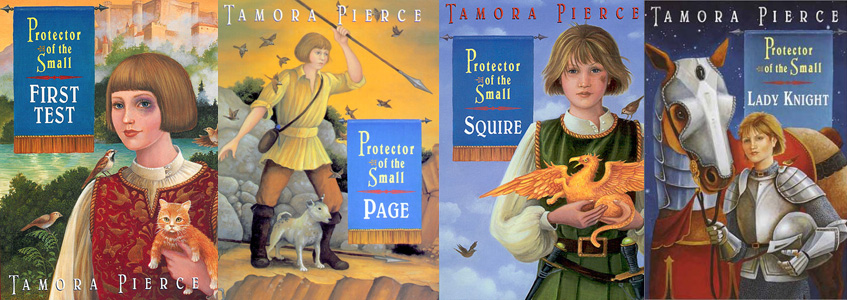
We were moving a bookshelf and something literally dropped into our hands, a boxed set of books by one of our favorite YA authors, Tamora Pierce.

image1protector.jpg

As you can see from our image, the series is called “Protector of the Small” and is about the life of Keladry of Mindelan, who lives in Pierce’s imaginary Tortall, where it is possible—just possible—for a girl to become a knight.  Through the four volumes, Kel gradually works her way from pre-page to knighthood and, is always the case with TP’s books, there are both surprises and interesting and not always predictable difficulties along the way, as well as an ultimate humanity which makes her books such satisfying reading.

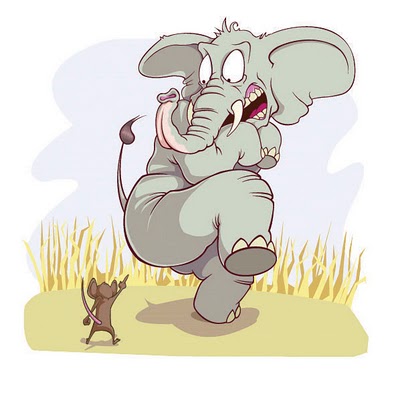
It wasn’t the actual books, however, which got us to thinking, but the word “small” in the series title.  How often, in our favorite adventure stories, it’s a case of small versus big

image2mouseelephant.jpg

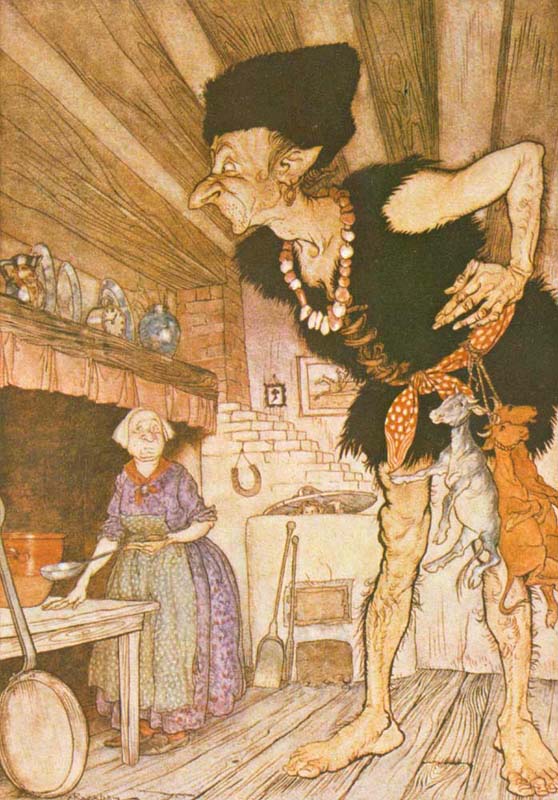
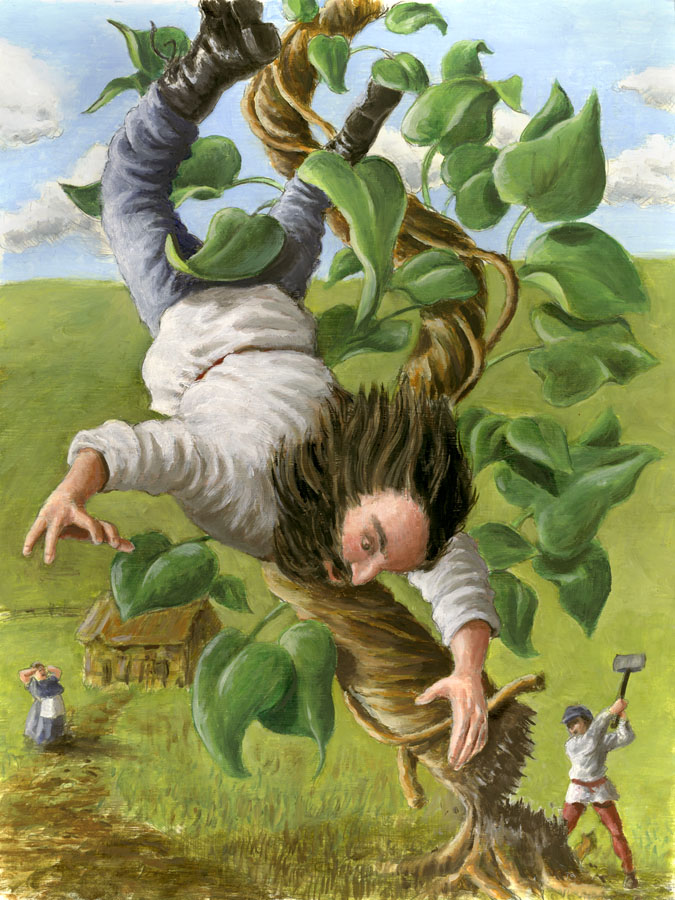
and, very often, the big thinks that that’s all which counts—think of the fairy tale “Jack and the Beanstalk” for example.image3ajackgiant.jpg

For all that the giant is huge and menacing in the story, he’s vulnerable as he climbs down the beanstalk and Jack’s quick thought–to cut down the stalk even as the giant descends–makes quick work of the oversized (but perhaps overconfident—and underbrained?) creature.

image3bdeathofgiant.jpg

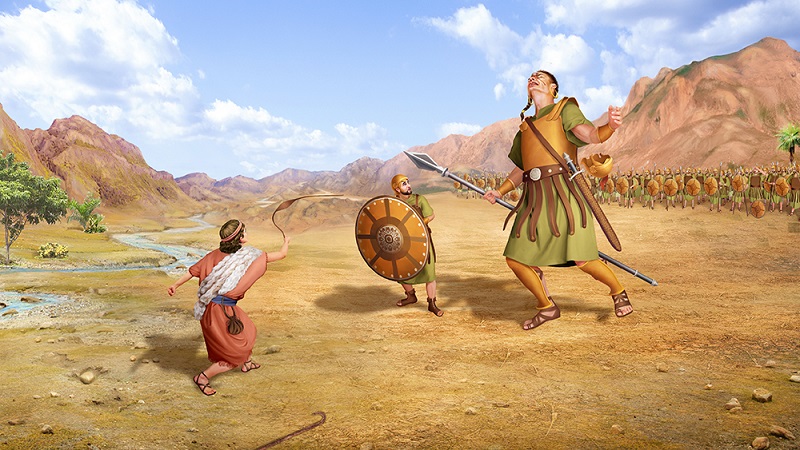
In the Judeo-Christian tradition, we have the Biblical story of David and Goliath.

image3dandg.jpg

Goliath is not only huge, but armored, and David is a boy who has only his shepherd’s staff, a sling, and five stones from a river bed, but it’s all he needs.

A sling is an ancient weapon

image4sling

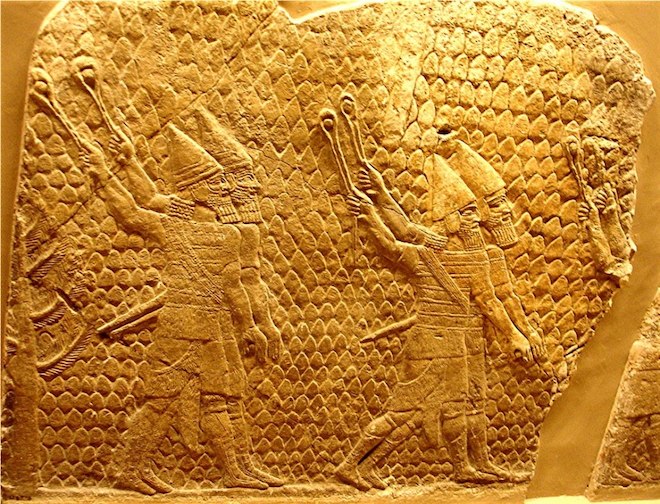
This is from the Egyptian Middle Kingdom town of Hetep Senwosret, c. 1895BC.  The Assyrians were still using the weapon more than a thousand years later, as this scene from one of the Lachish reliefs (c.700BC) shows.

image5assyrians.jpg

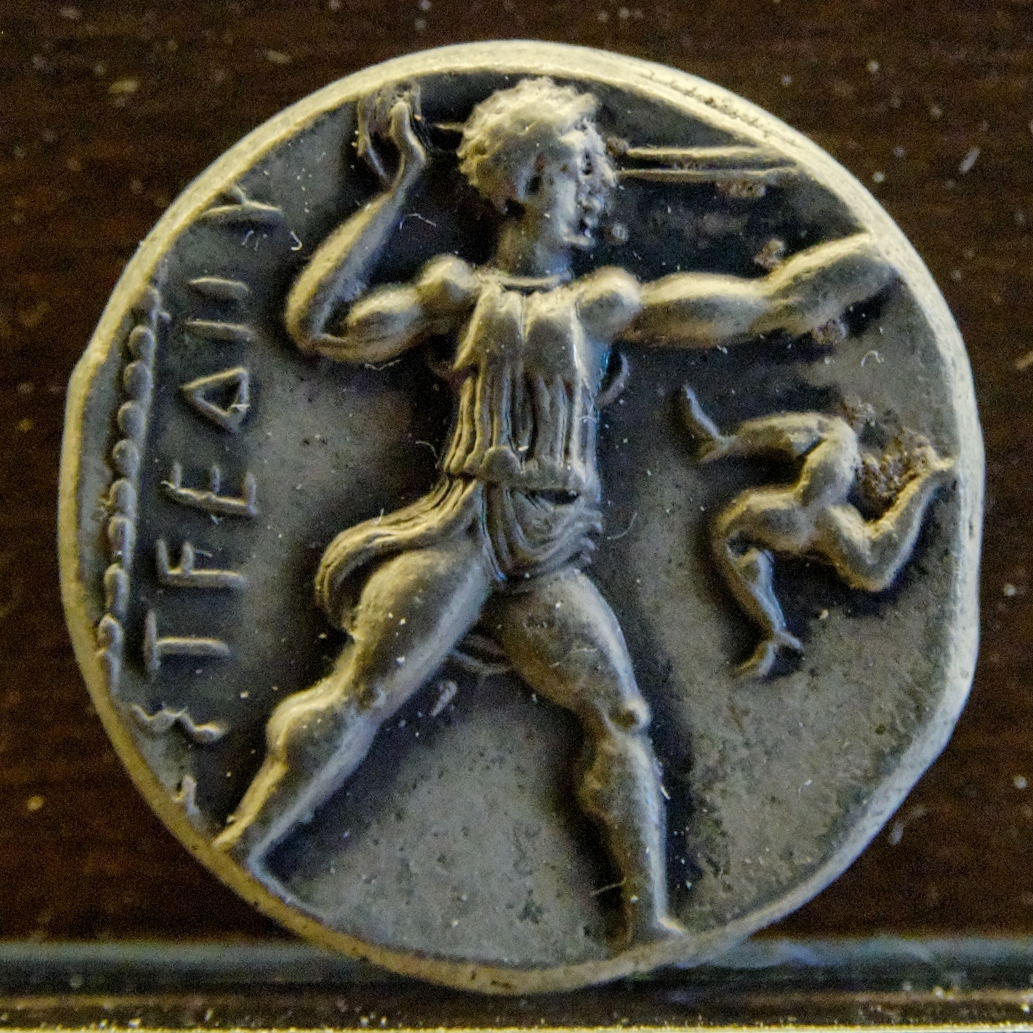
The Greeks had slingers

image6aspendosslinger.jpg

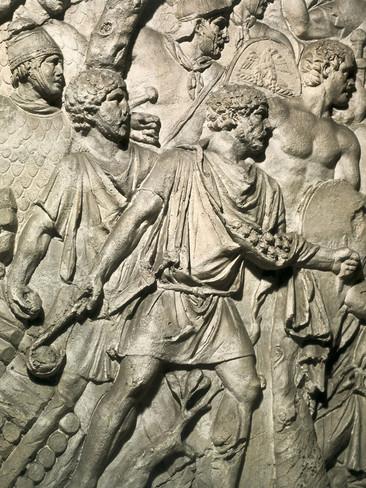
as did the Romans

image7roman.jpg

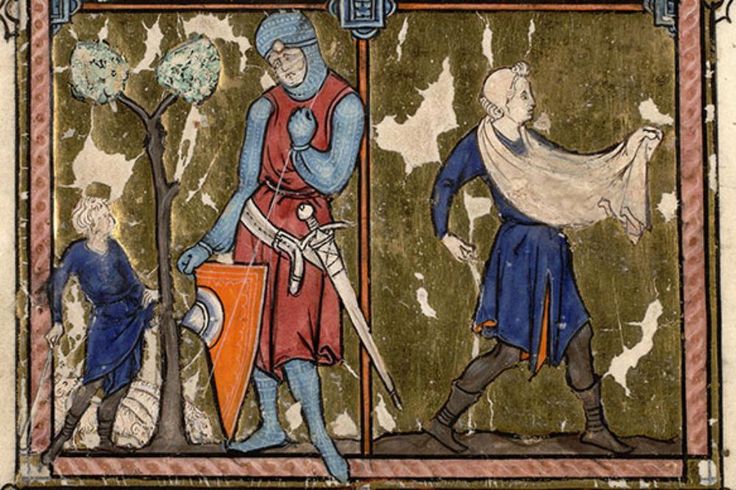
as did medieval westerners.

image8medieval.jpg

Slings shouldn’t be confused with slingshots, by the way.  (Or “catapult” if you’re one of our British friends.)

image9slingshot.jpg

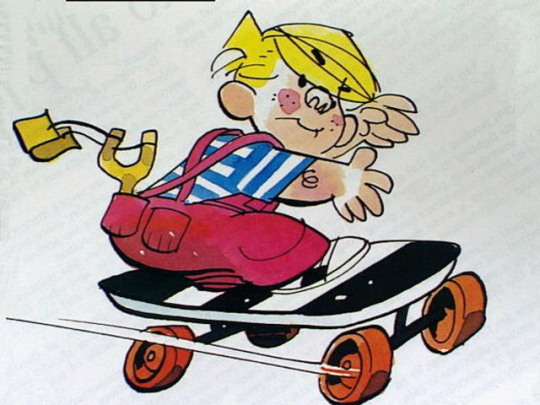
This is the weapon of choice of the cartoon character, Dennis the Menace.

image10dmenace.jpg

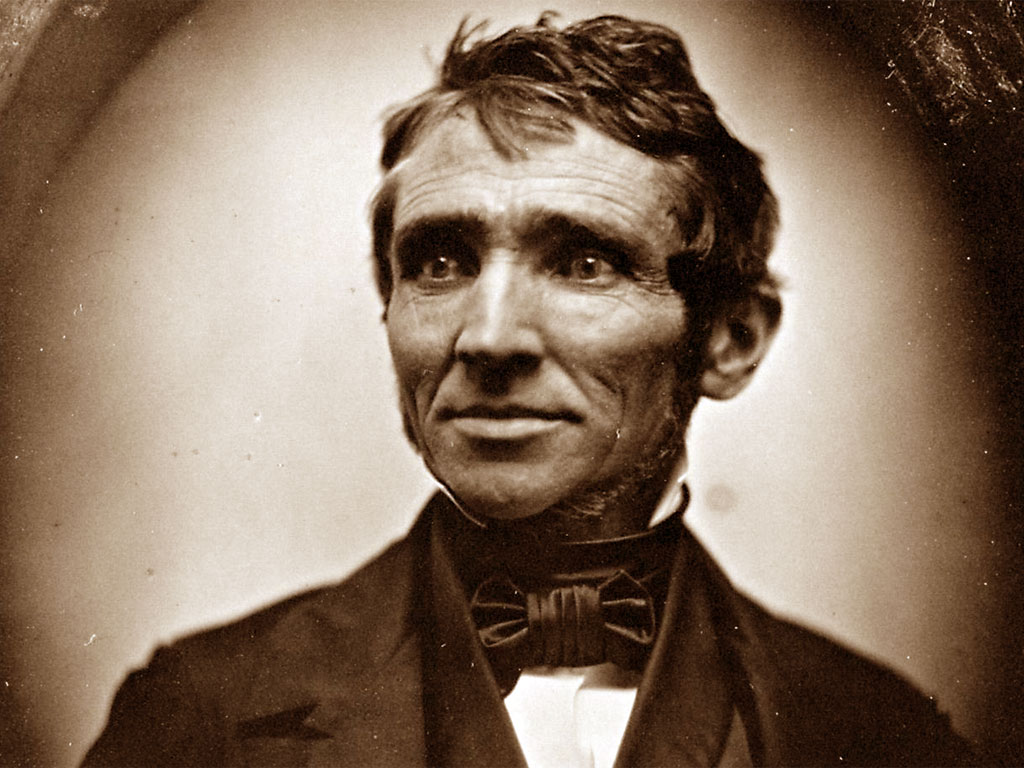
These are a modern invention which requires a large rubber band (an “elastic”) to propel the missile and such rubber bands can only come from the 1840s and beyond, when the process of heat-hardening rubber (“vulcanization”) was patented by Charles Goodyear.

image11chasgoodyear.jpg

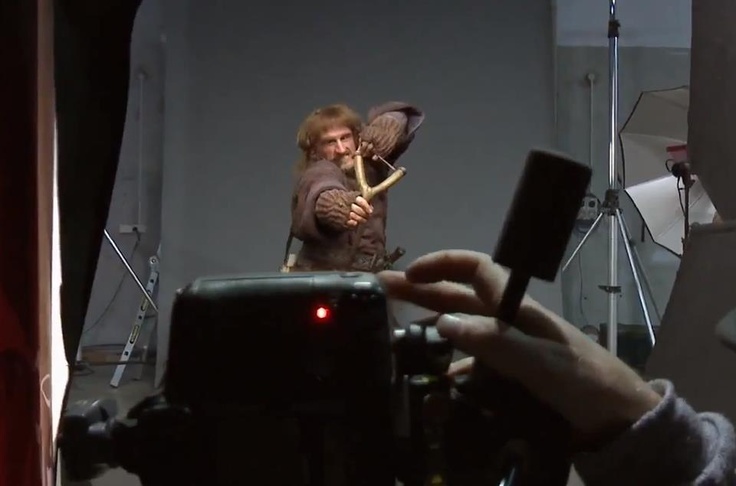
For us, then, the image of Ori in P Jackson’s film armed with a slingshot

image12oriwithslingshot.jpg

goes into our catalogue of anachronisms, like the steam engine whistle, the popgun, and the tomatoes in The Hobbit.

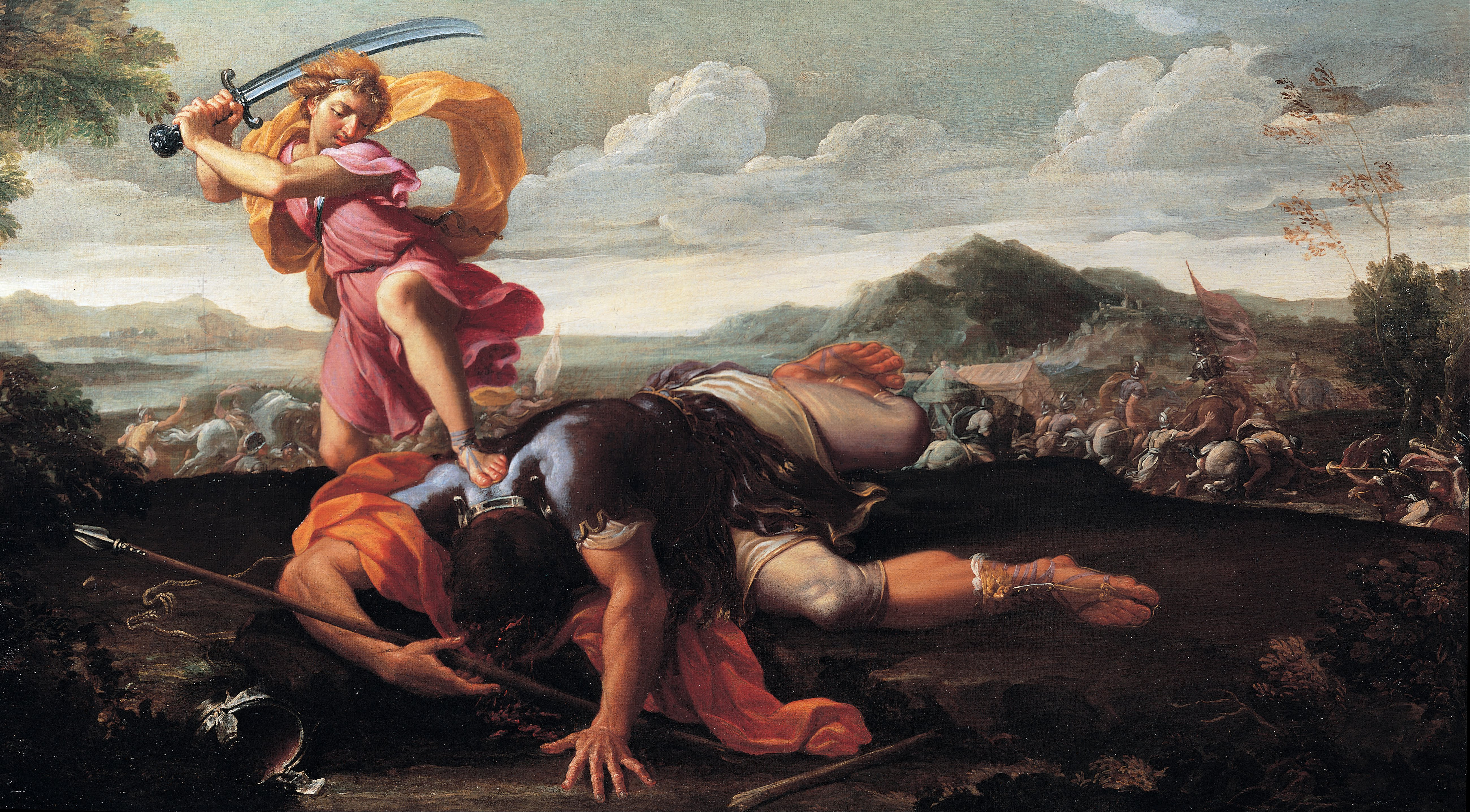
But, as we were saying, small David has no fear of big Goliath, as one of those stones from the riverbed stuns the giant warrior, allowing David to use Goliath’s own sword to cut off his head.

image13dandg.jpg

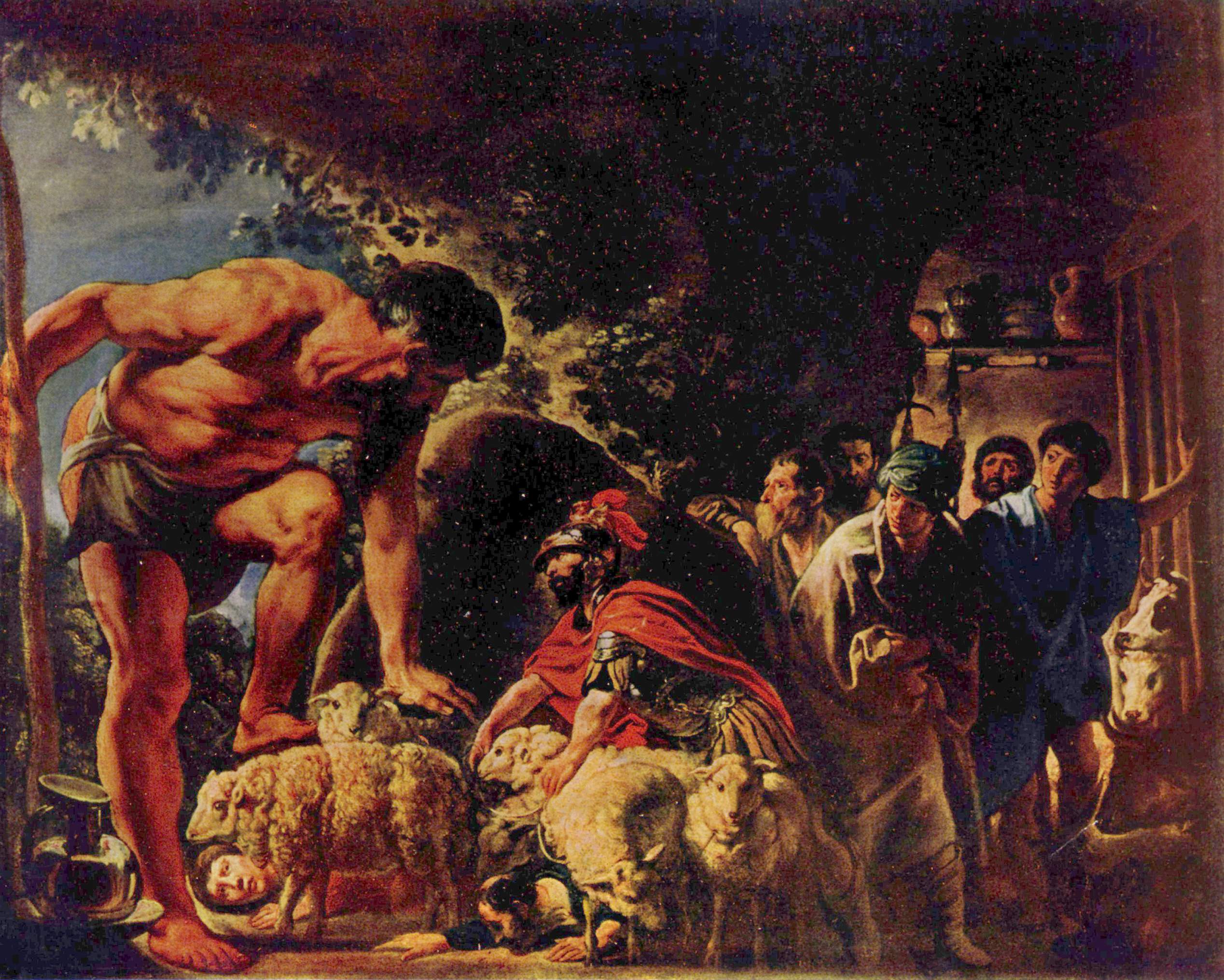
In ancient Greek tradition, Polyphemus the Cyclops obviously thinks his size will allow him to consume all of Odysseus’ men—and then Odysseus, too, saving him for last as a “guest gift”.

image14poly.jpg

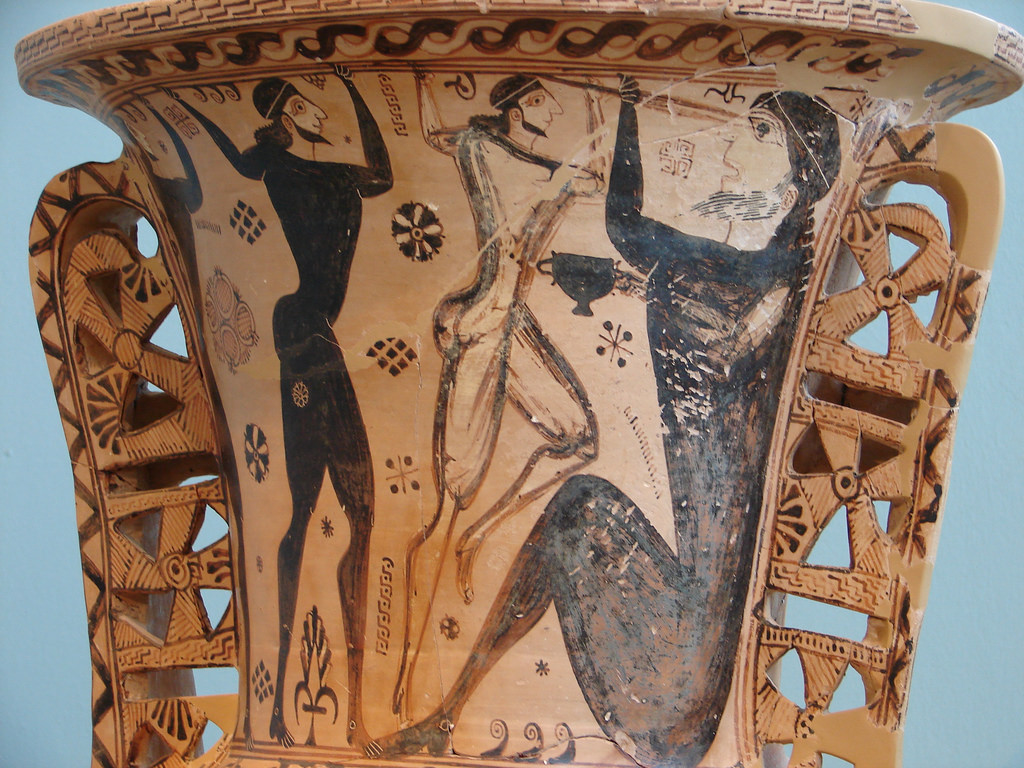
Big body, however, doesn’t necessarily mean big brain as Odysseus gets the Cyclops drunk and then blinds him with his own staff.

image15blinding.jpg

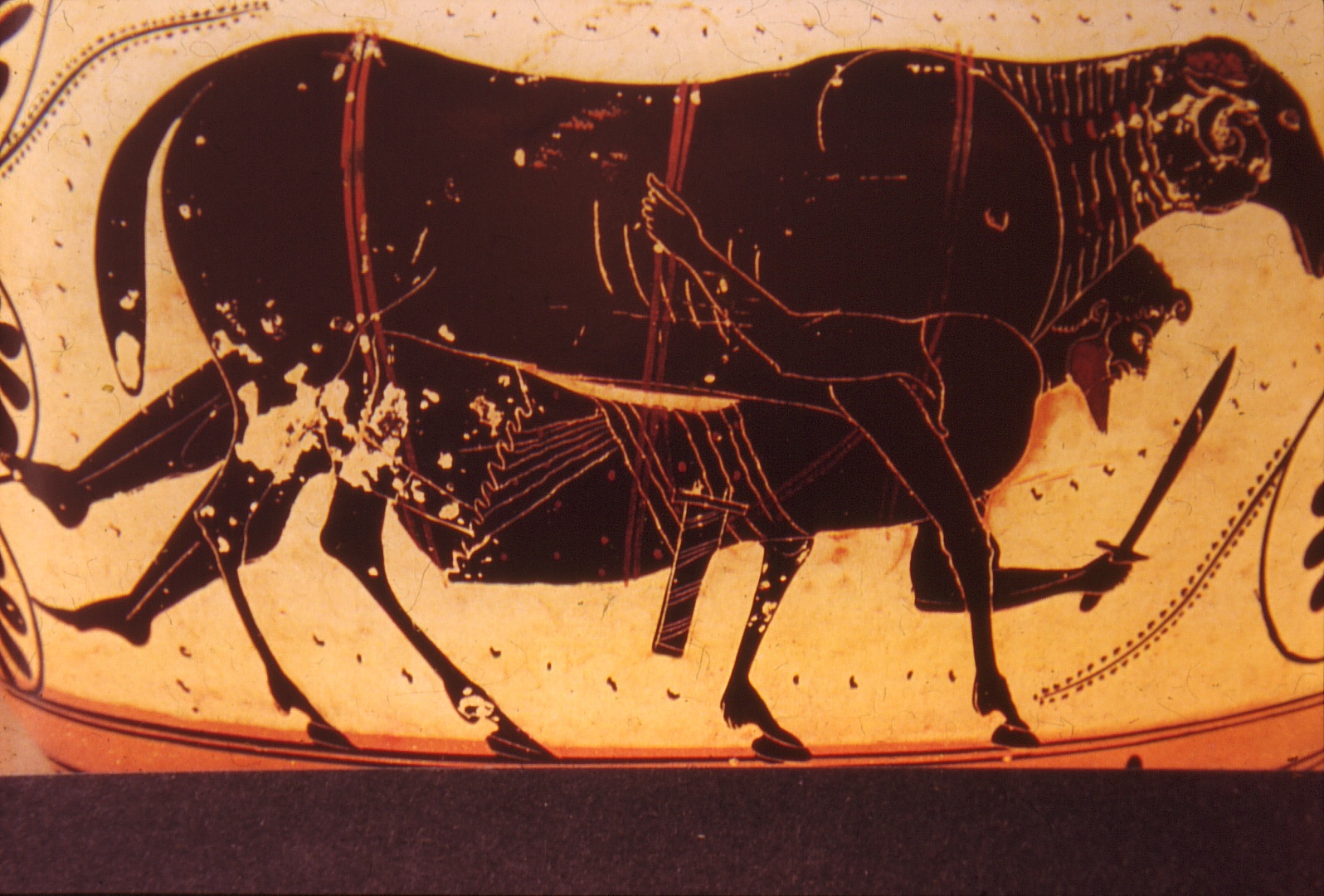
Then, he uses the Cyclops’ own sheep as escape vehicles for himself and his men.

image16escaping.jpg

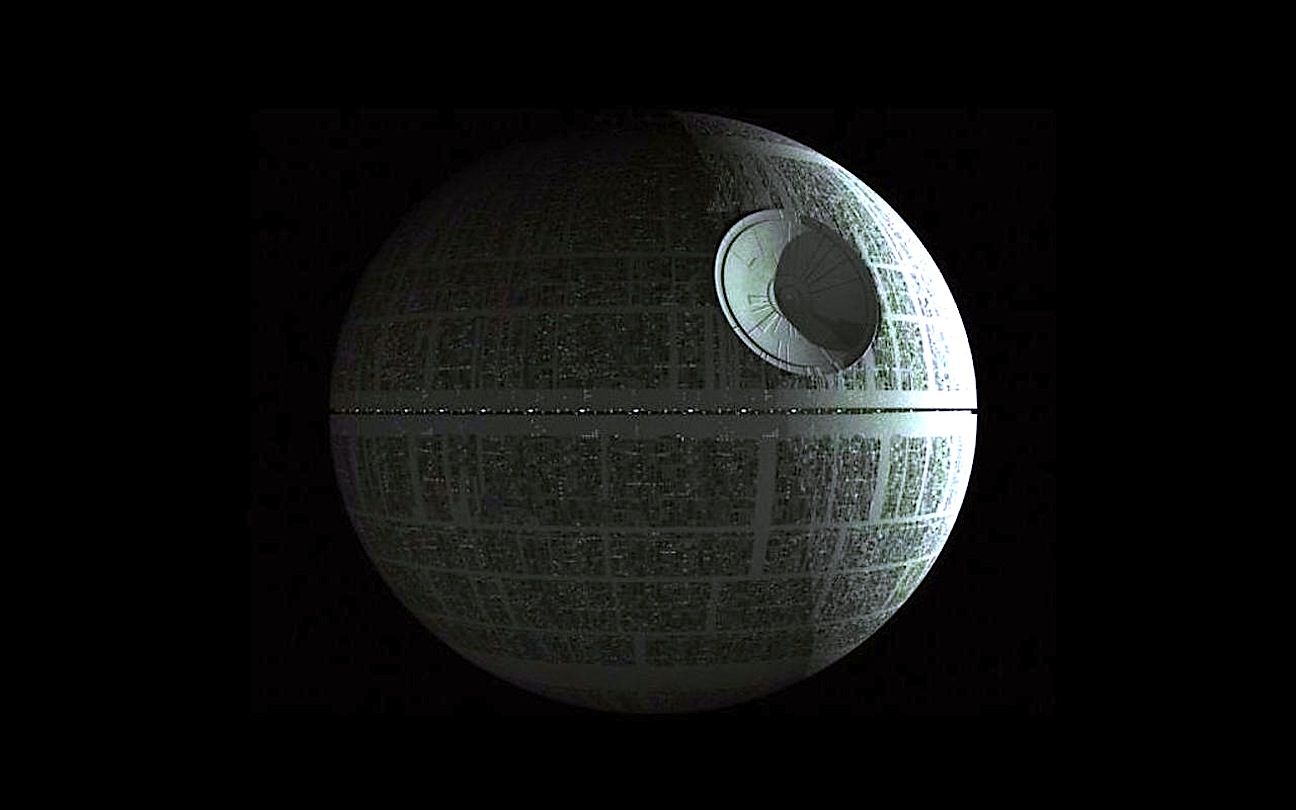
Small versus big is a major theme in Star Wars, from the fact that the gigantic Death Star has a single ventilator duct which makes it vulnerable

image17deathstar.jpeg

to attack by a single fighter,

image18xwing.jpg

to the ferocious Ewoks,

image19ewoks.jpg

and, of course, Yoda, with his famous question.

image20yoda.jpg

And then there are The Hobbit and The Lord of the Rings, where the world of the small and tough seems to be everywhere, from the hobbits

image21hobbit.jpg

to the dwarves

image22dwarves.jpg

and even to the Woses.

image23woses.jpg

Their opponents are suitably large—trolls,

image24trolls.jpg

dragons

image25smaug.jpg

wizards

image26saruman.jpg

to the biggest evil in Middle-earth (although it’s not clear, really, how big he is, physically).

image27baraddur.jpg

But there’s someone even smaller in The Hobbit who, because of that size, perhaps, is left behind, but is crucial to the story:  the elderly thrush

image28thrush.jpg

who informs Bard the Bowman just where to fire that black arrow which never fails him—and doesn’t this time, thanks to the bird.

image29deathofsmaug.jpg

We were sorry that his part was completely removed from The Battle of the Five Armies, but perhaps this was, in fact, one of the few times when the small hero lost to the big–studio.

Thanks, as ever, for reading.

MTCIDC

CD


PS

Here’s a LINK to an amazing demonstration of just how accurate the sling can be.

Middle-under-earth

04 Wednesday Apr 2018

Posted by Ollamh in Artists and Illustrators, Heroes, J.R.R. Tolkien, Literary History, Narrative Methods

≈ Leave a comment

Tags

Alan Lee, Andrew Lang, Barrow-downs, Beowulf, cyclops, Dragons, George Macdonald, Goblin Feet, Goblins, Great War, Grendel, Grendel's Mother, John Howe, monsters, Polyphemus, Sir Gawain and the Green Knight, Smaug, Storia Moria Castle, Tales of Troy and Greece, The Hobbit, The Lord of the Rings, The Princess and the Goblin, The Red Book of Animal Stories, The Red Fairy Book, Tolkien, trenches, tumulus

As always, dear readers, welcome!

One of us is currently teaching The Hobbit and, is always seems to be the case when we are teaching an old friend, we are struck by something new.  In this case, it’s the idea of “what lurks beneath” and where it might come from.

What occurred to us now was that, virtually every time there is trouble for Bilbo and the dwarves, it is strongly linked with caves and hollowed-out places:  trolls who came out of a cave (“Roast Mutton”), goblins who live in caves (“Over Hill and Under Hill”), Gollum (“Riddles in the Dark”), hostile elves (“Flies and Spiders” and “Barrels Out of Bond”), and, of course, Smaug (“On the Doorstep”, “Inside Information”, and “Not At Home”).  Only the wargs, the overgrown spiders, and the men of Lake-town in the Battle of the Five Armies have above-ground origins, as, after all, the other forces—goblins, elves, and even Iron Hills dwarves (we assume), have subterranean dwellings.

We knew that JRRT thought to become a classicist early in his academic career and we can imagine right away that one influence upon him for this underground menace would have been Polyphemus the Cyclops, who, after all, lives in a cave.

image1cyclops.jpg

Before he read that part of Odysseus’ story in Greek, he might have seen it in Andrew Lang’s 1907 Tales of Troy and Greece—

image2alang.jpg

image3lang.jpg

Tolkien tells us that, as a child, he had read other Lang works and a story in one, The Red Fairy Book (1890), might even have influenced some Middle-earth geography, from “Storia Moria Castle”.

image4redfairybook.jpeg

image5leemoria.jpg

Another childhood favorite (although he appears to have changed his mind later in life) were the fantasy novels of George Macdonald

image6gmacd.jpg

and his The Princess and the Goblin (1872),

image7princess.jpg

as its title suggests, is full of goblins and their underground world.  These goblins are powerful, but have one fatal flaw—tender feet—which JRRT said that he never believed (see Letters, 178)—although Tolkien’s first published poem was entitled “Goblin Feet” (Oxford Poetry 1915).

Beyond possible childhood reading, there is his career focus, which includes two other potential underground influences.

First, there is Beowulf.  Grendel, the monster in this poem,

image8grendel.jpg

lives in a cave at the bottom of a pool with his mother and, in the second part of his monster-slaying, Beowulf has to dive into that pool to deal with her.image9beowulfandmama.jpg

This illustration comes from another Andrew Lang book, The Red Book of Animal Stories (1899).

image10redbook.jpg

(The picture of Grendel is by Brian Froud.  We found it on the website of K.T.Katzmann, I Write Monsters.  Here’s a LINK.)

Then, of course, there’s that dragon, against whom Beowulf fights and dies—and which is the direct ancestor of another famous and familiar dragon…

image11dragonandhoard.jpg

We are told that it lives in an abandoned tumulus—that is, an ancient grave mound, like this one.

image12tumulus.png

(This is, in fact, a famous Neolithic burial at Gavrinis, in Brittany.)

JRRT worked in Middle English, as well as Old English, and here we find one more possible source in his own edition (with E.V. Gordon) of the 14th-century poem Sir Gawain and the Green Knight.

image13tolkgord.JPG

The Green Knight who challenges King Arthur’s court to a mutual head-chopping contest, is said, in the fourth part of the poem,  to inhabit a “green chapel” and to appear out of a hole when Sir Gawain, who has accepted the challenge and cut off the Green Knight’s head, makes his appearance there to fulfill his half of the contest.

image14sirg.jpg

This chapel has sounded like a tumulus to generations of scholars and here’s John Howe’s 2003 illustration, complete with chapel as tumulus (not to mention a very large green man).

image15johnhowe.png

Tumuli also make their appearance, of course, in The Lord of the Rings, when Frodo and his party go astray on the Barrow Downs.

image16barrowwight.jpg

We can’t finish this posting without at least suggesting one more source, something even more personal than JRRT’s scholarly work:  his experiences in the Great War.

image17lt.jpg

By the time Tolkien entered the service in France, the Western Front was, basically, a 500-mile trench, from Switzerland to the North Sea.

image18trenches.gif

Much of the entrenching was simply deep, reinforced ditching.

image19trenches.jpg

But some—particularly on the German side—could be elaborate, even built with stone or concrete, and set far enough into the ground as to be almost impervious to bombardment.

image21bunker.jpg

And we imagine that, with all of that earlier literary work in his mind, JRRT might have faced such defenses wondering whether what was inside them would be Germans

image22trenchclearing.jpg

or something much worse.

image23smaug.jpg

And did this haunt his later writing as much as the Great War haunted the minds of soldiers all over the world?

Thanks, as ever, for reading!

MTCIDC

CD

“Dragons, Other”

21 Wednesday Mar 2018

Posted by Ollamh in Artists and Illustrators, Fairy Tales and Myths, Heroes, J.R.R. Tolkien, Literary History, Maps

≈ Leave a comment

Tags

Arthur Rackham, Beowulf, C.S. Lewis, Chrysophylax, Custard the Dragon, Dragons, Dream Days, Esgaroth, Farmer Giles of Ham, Jabberwock, Jabberwock-slayer, Kenneth Grahame, Lewis Carroll, Lonely Mountain, Luttrell Psalter, map, Middle-earth, Narnia, Ogden Nash, Pauline Baynes, Rumer Godden, Smaug, St George, The Chronicles of Narnia, The Dragon of Og, The Hobbit, The Lion The Witch and the Wardrobe, The Lord of the Rings, The Reluctant Dragon, Through the Looking-Glass, Tolkien, Walt Disney

As always, readers, welcome.

One of us is currently teaching a class where our present focus is upon The Hobbit.

image1hob1st.jpg

At the center of the book is the Lonely Mountain and at the center of that is Smaug.

image2aerebor.jpg

image2smaug.jpg

This got us to thinking about other dragons in our experience, and some of those are not quite of the same breed as the hoard-sitter faced by Bilbo and the dwarves.  That dragon is closely related to the Beowulf variety

image3beowulfdragon.jpg

which, unlike Smaug, has neither a name nor (it seems) human speech, but it certainly has the same suspicious streak:  when an escaped slave steals a cup from its hoard, it’s almost immediately aware that it’s missing and suspects a human.

image4stealingcup.jpg

And they are both vengeful.  As Smaug devastates Esgaroth, even if he dies for it,

image5esgaroth.jpg

image6smaug.jpg

so Beowulf’s dragon scorches the countryside in revenge for the theft.

But what about those other dragons?

First, we thought of Kenneth Grahame’s Dream Days (1898),

image7kg.jpg

image8dreamdays.jpg

a collection of short stories, the next-to-last of which is “The Reluctant Dragon”.

image9reluct.jpg

This is the story of a beast the very opposite of Smaug—no hoard, no suspicion, no flaming violence, and, in fact, a poetry lover.  This story was then converted into a Disney cartoon of 1941.

image10reluct.jpg

Needless to say, although the core of the plot is the same, what makes the Grahame distinctive is the language.  All of the major characters:  the dragon, the little boy who finds him, and St. George, who is brought in as a dragon-slayer, are thoughtful and articulate late Victorians who would rather discuss literature than do battle—a far cry not only from Beowulf’s encounter, but also from every other earlier depiction we could think of.

image11ucellostgeo.jpg

image12stgeo.jpg

image13stgeo.jpg

The sword in this last one looks like it actually belongs in the hands of the jabberwock-slayer

image14jabberwocky.jpg

in Lewis Carroll’s Through the Looking-Glass (1872).

image15through.jpg

Here’s a LINK to Dream Days so that you can enjoy the story for yourselves.

Nearly sixty years later, the comic verse writer, Ogden Nash,

image16nash.jpg

produced not a literary dragon, but a timid one in “Custard the Dragon” (1959).

image17custard.jpg

This is a poem in 15 stanzas and is a story about Belinda and her pets, including a dragon, who is taunted by the other pets as being less than brave.  To underline this, the last line in a number of stanzas is a variation upon the first version of the line, “But Custard cried for a nice safe cage”.  (Here’s a LINK to the poem.)

The surprise is that, when a pirate climbs in through the window (this happens all the time here—possibly they escape from dreams?), Custard promptly eats him—and the cries of “Coward!” disappear immediately.

In contrast to the unnamed dragon in “The Reluctant Dragon” and in “Custard the Dragon”, our next dragon is a talker—like Smaug, but also like Smaug, potentially malevolent.  This is Chrysophylax in JRRT’s 1937/1949 Farmer Giles of Ham.  (JRRT is having a quiet joke here—“Chrysophylax” is Ancient Greek for “Goldguard”.)

image18chrysophylax.jpg

image19afgoh.jpg

The artwork is by Pauline Baynes (1922-2008).

image19pb.jpg

If, like us, you’ve loved the Narnia books, then you know her as their original illustrator.

image20lion.jpg

She was also the artist for an early Middle-earth map.

image21memap.gif

Her 2008 obituary in The Daily Telegraph tells of how they came to work together:

“In 1948 Tolkien was visiting his publishers, George Allen & Unwin, to discuss some disappointing artwork that they had commissioned for his novella Farmer Giles of Ham, when he spotted, lying on a desk, some witty reinterpretations of medieval marginalia from the Luttrell Psalter that greatly appealed to him.  These, it turned out, had been sent to the publishers “on spec”by the then unknown Pauline Baynes.”   (The Daily Telegraph, 8 August, 2008)

JRRT was then so impressed with her work that it appeared both in other later publications and his recommendation led to her being engaged by CS Lewis’ publisher for the Narnia books, as well.  (And here’s a LINK to that obituary, which has more on Tolkien and Baynes, as well as Lewis.)

And the Baynes connection leads us to one further dragon, that in Rumer Godden’s  (1902-1998) 1981 The Dragon of Og, for which Baynes provided the cover art.

image22rg.jpg

image23dragog.jpg

It’s not our practice to discuss work we haven’t read, but we’ve just discovered this novel and have already put it on our spring reading list.  The little we know about it comes from a blurb or two, but it looks promising:  this is more of the reluctant dragon, but one who is in danger of being provoked by a new local lord until his wife steps in and cleverly changes the situation.

Before we close, however, we want to look back for a second at the Tolkien/Baynes connection and add two further things.  First off, here’s the first page of JRRT’s graceful letter of thanks and praise to Baynes for her work in illustrating Farmer Giles.

image24letter.jpg

Second, as the Telegraph obituary says, Tolkien was impressed with her versions of the marginalia from the Luttrell Psalter, which is high on our list of favorite medieval manuscripts.

image25luttrellpsalter.jpg

In our next, we want to spend some time looking at that work, thinking about marginalia, and not only there, but also in the work of another favorite illustrator, Arthur Rackham (1867-1939).

Till then, thanks, as always, for reading.

MTCIDC

CD


← Older posts

The Doubtful Sea Series Facebook Page

The Doubtful Sea Series Facebook Page

  • Ollamh

Categories

  • Artists and Illustrators
  • Economics in Middle-earth
  • Fairy Tales and Myths
  • Films and Music
  • Games
  • Heroes
  • Imaginary History
  • J.R.R. Tolkien
  • Language
  • Literary History
  • Maps
  • Medieval Russia
  • Military History
  • Military History of Middle-earth
  • Narnia
  • Narrative Methods
  • Poetry
  • Research
  • Star Wars
  • Terra Australis
  • The Rohirrim
  • Theatre and Performance
  • Tolkien
  • Uncategorized
  • Villains
  • Writing as Collaborators
Follow doubtfulsea on WordPress.com

Across the Doubtful Sea

Recent Postings

  • Through a glass… January 7, 2026
  • Heffalumps? December 31, 2025
  • We Three Kings December 24, 2025
  • A Moon disfigured December 17, 2025
  • On the Roads Again—Once More December 10, 2025
  • (Not) Crossing Bridges December 3, 2025
  • On the Road(s) Again—Again November 26, 2025
  • On the Road(s) Again November 19, 2025
  • To Bree (Part 2) November 12, 2025

Blog Statistics

  • 104,101 Views

Posting Archive

  • January 2026 (1)
  • December 2025 (5)
  • November 2025 (4)
  • October 2025 (5)
  • September 2025 (4)
  • August 2025 (4)
  • July 2025 (5)
  • June 2025 (4)
  • May 2025 (4)
  • April 2025 (5)
  • March 2025 (4)
  • February 2025 (4)
  • January 2025 (5)
  • December 2024 (4)
  • November 2024 (4)
  • October 2024 (5)
  • September 2024 (4)
  • August 2024 (4)
  • July 2024 (5)
  • June 2024 (4)
  • May 2024 (5)
  • April 2024 (4)
  • March 2024 (4)
  • February 2024 (4)
  • January 2024 (5)
  • December 2023 (4)
  • November 2023 (5)
  • October 2023 (4)
  • September 2023 (4)
  • August 2023 (5)
  • July 2023 (4)
  • June 2023 (4)
  • May 2023 (5)
  • April 2023 (4)
  • March 2023 (5)
  • February 2023 (4)
  • January 2023 (4)
  • December 2022 (4)
  • November 2022 (5)
  • October 2022 (4)
  • September 2022 (4)
  • August 2022 (5)
  • July 2022 (4)
  • June 2022 (5)
  • May 2022 (4)
  • April 2022 (4)
  • March 2022 (5)
  • February 2022 (4)
  • January 2022 (4)
  • December 2021 (5)
  • November 2021 (4)
  • October 2021 (4)
  • September 2021 (5)
  • August 2021 (4)
  • July 2021 (4)
  • June 2021 (5)
  • May 2021 (4)
  • April 2021 (4)
  • March 2021 (5)
  • February 2021 (4)
  • January 2021 (4)
  • December 2020 (5)
  • November 2020 (4)
  • October 2020 (4)
  • September 2020 (5)
  • August 2020 (4)
  • July 2020 (5)
  • June 2020 (4)
  • May 2020 (4)
  • April 2020 (5)
  • March 2020 (4)
  • February 2020 (4)
  • January 2020 (6)
  • December 2019 (4)
  • November 2019 (4)
  • October 2019 (5)
  • September 2019 (4)
  • August 2019 (4)
  • July 2019 (5)
  • June 2019 (4)
  • May 2019 (5)
  • April 2019 (4)
  • March 2019 (4)
  • February 2019 (4)
  • January 2019 (5)
  • December 2018 (4)
  • November 2018 (4)
  • October 2018 (5)
  • September 2018 (4)
  • August 2018 (5)
  • July 2018 (4)
  • June 2018 (4)
  • May 2018 (5)
  • April 2018 (4)
  • March 2018 (4)
  • February 2018 (4)
  • January 2018 (5)
  • December 2017 (4)
  • November 2017 (4)
  • October 2017 (4)
  • September 2017 (4)
  • August 2017 (5)
  • July 2017 (4)
  • June 2017 (4)
  • May 2017 (5)
  • April 2017 (4)
  • March 2017 (5)
  • February 2017 (4)
  • January 2017 (4)
  • December 2016 (4)
  • November 2016 (5)
  • October 2016 (6)
  • September 2016 (5)
  • August 2016 (5)
  • July 2016 (5)
  • June 2016 (5)
  • May 2016 (4)
  • April 2016 (4)
  • March 2016 (5)
  • February 2016 (4)
  • January 2016 (4)
  • December 2015 (5)
  • November 2015 (5)
  • October 2015 (4)
  • September 2015 (5)
  • August 2015 (4)
  • July 2015 (5)
  • June 2015 (5)
  • May 2015 (4)
  • April 2015 (3)
  • March 2015 (4)
  • February 2015 (4)
  • January 2015 (4)
  • December 2014 (5)
  • November 2014 (4)
  • October 2014 (6)
  • September 2014 (1)

Blog at WordPress.com.

  • Subscribe Subscribed
    • doubtfulsea
    • Join 78 other subscribers
    • Already have a WordPress.com account? Log in now.
    • doubtfulsea
    • Subscribe Subscribed
    • Sign up
    • Log in
    • Report this content
    • View site in Reader
    • Manage subscriptions
    • Collapse this bar
 

Loading Comments...