Tags
Birnam Wood, Ents, Fangorn Forest, Isengard, Leaf by Niggle, Lorien, Macbeth, Mirkwood, Old Man Willow, Orcs, Saruman, Shakespeare, the Party Tree, the White Tree of Gondor, Tolkien, Tree and Leaf, Treebeard, trees, Weird Sisters
As ever, dear readers, welcome.
Recently, I was rereading a book on the Romantic poet, artist, and visionary, William Blake (1757-1827),
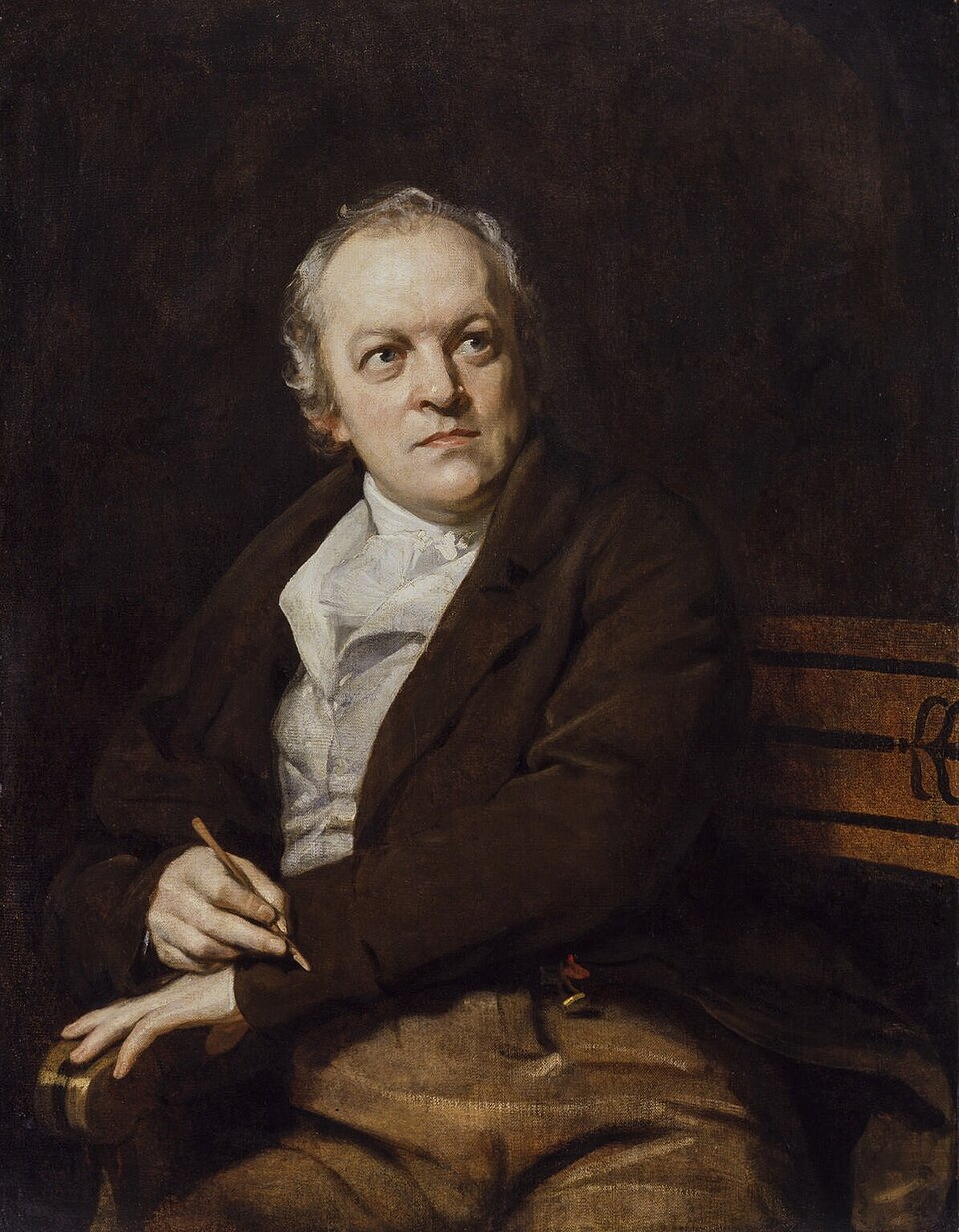
and happened upon this:
“To the eyes of a miser, a guinea
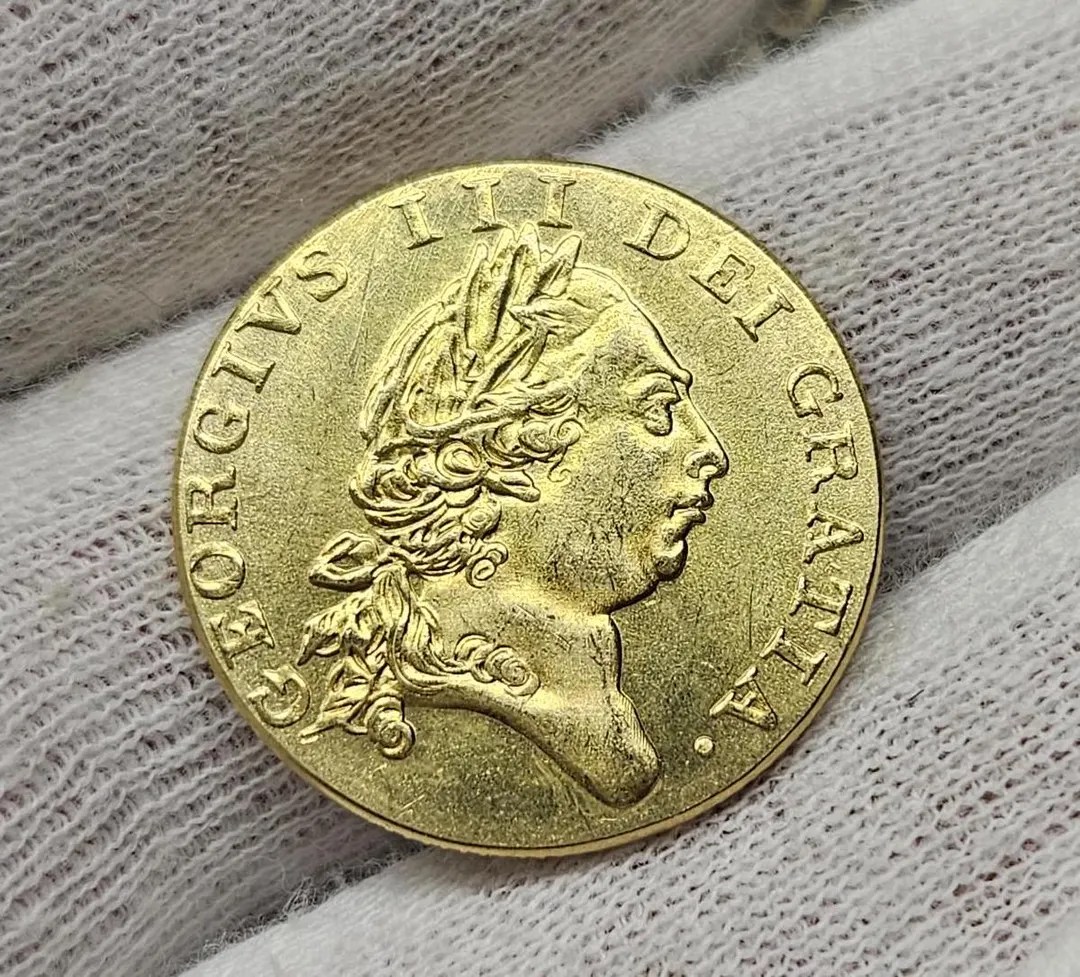
is more beautiful than the sun, and a bag worn with the use of money has more beautiful proportions than a vine filled with grapes.
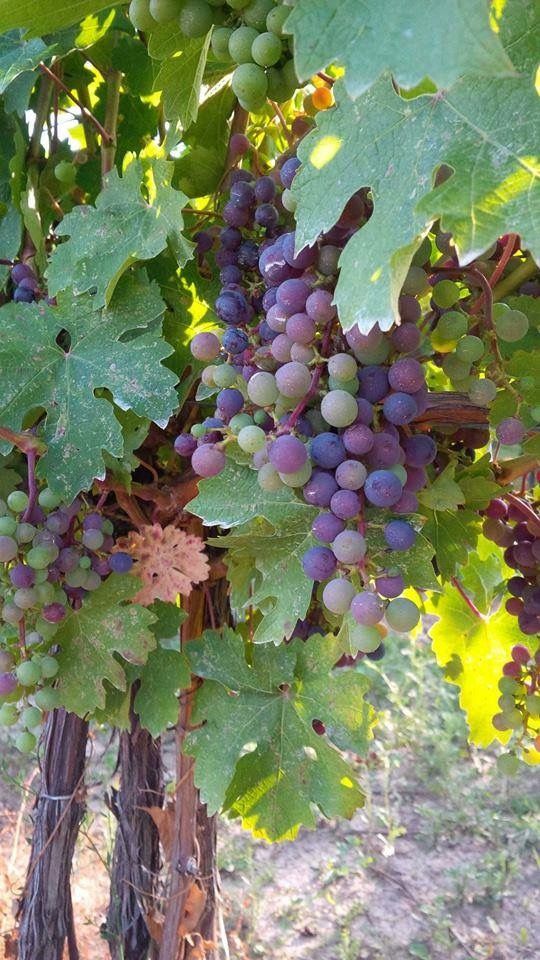
The tree which moves some to tears of joy is in the eyes of others only a green thing that stands in the way.” (Damrosch, Eternity’s Sunrise, 40–a book I recommend, by the way, if you’d like to learn more about the very complex Blake.)
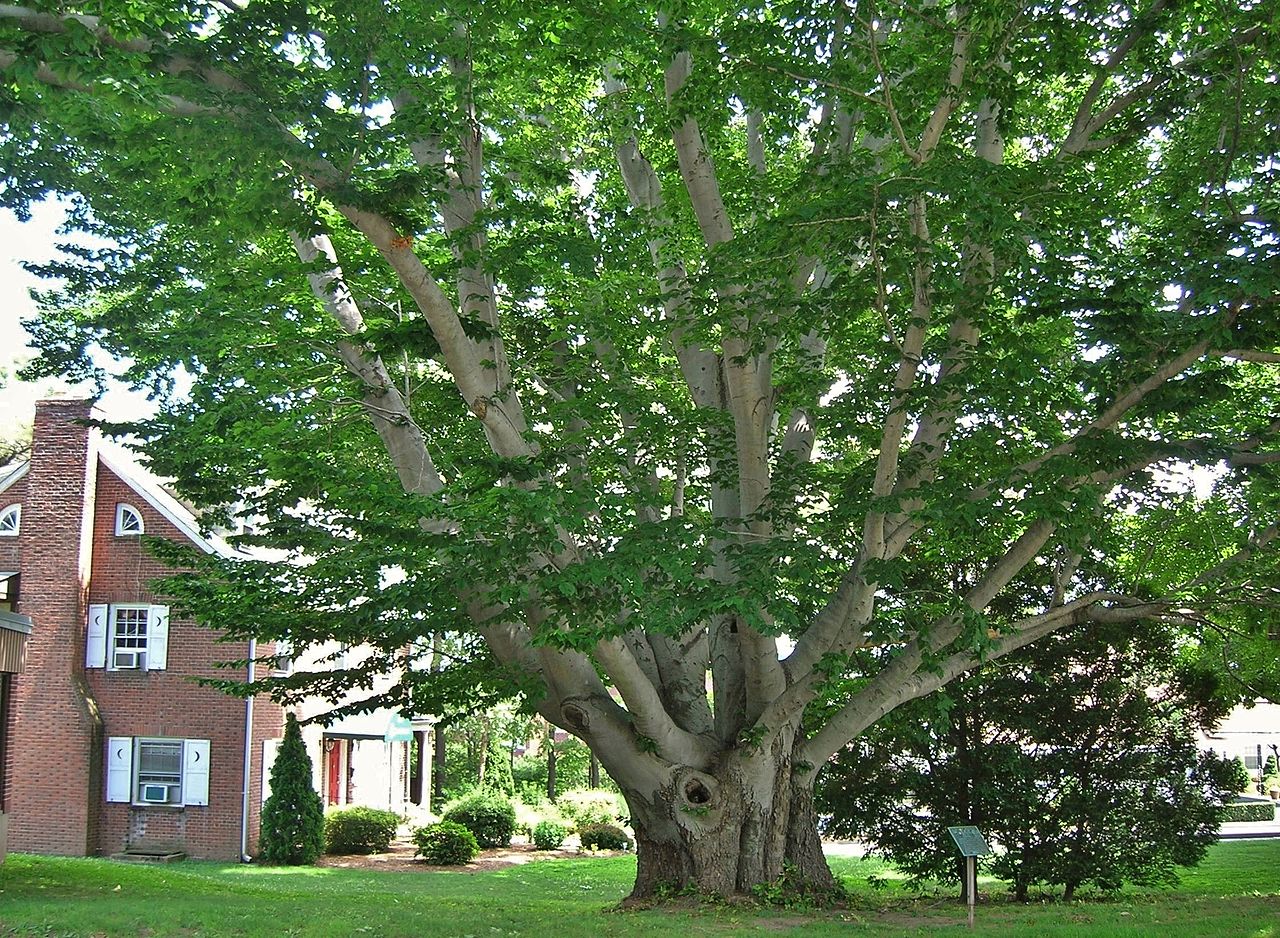
(A beech tree—a favorite of JRRT’s—and mine.)
It immediately struck me as something Tolkien himself might have said and of which he would certainly have approved.
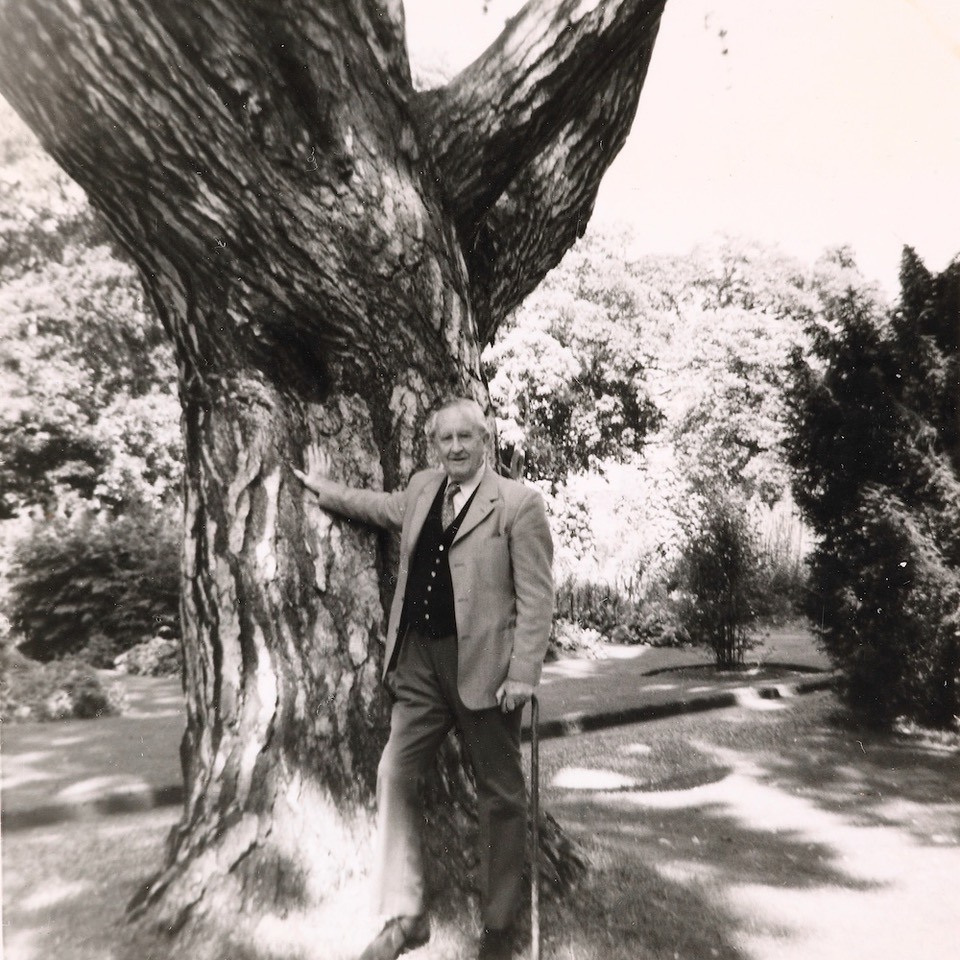
Tolkien’s passion for trees is well known and that passion seems to be everywhere in his work—even in a title–
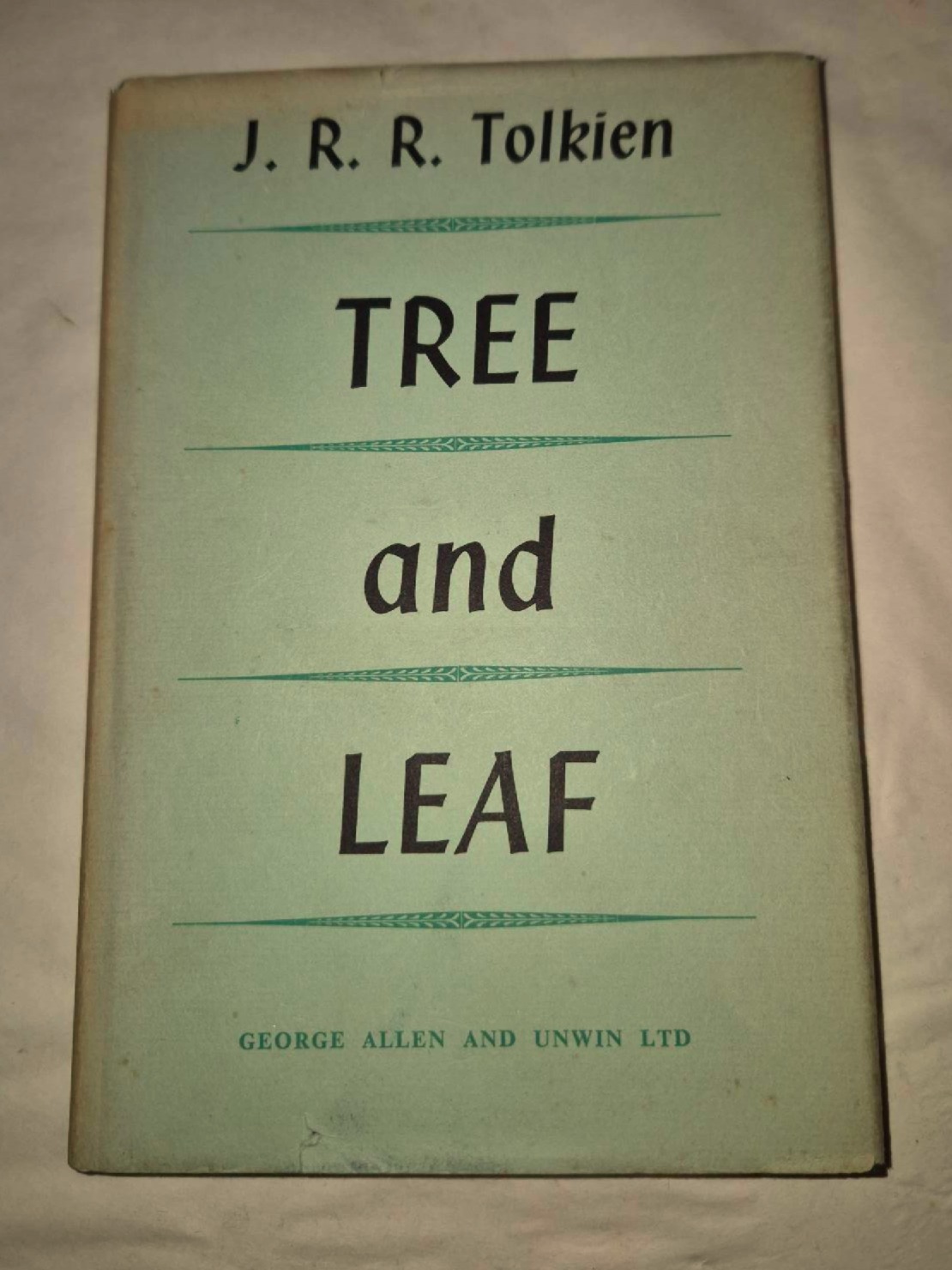
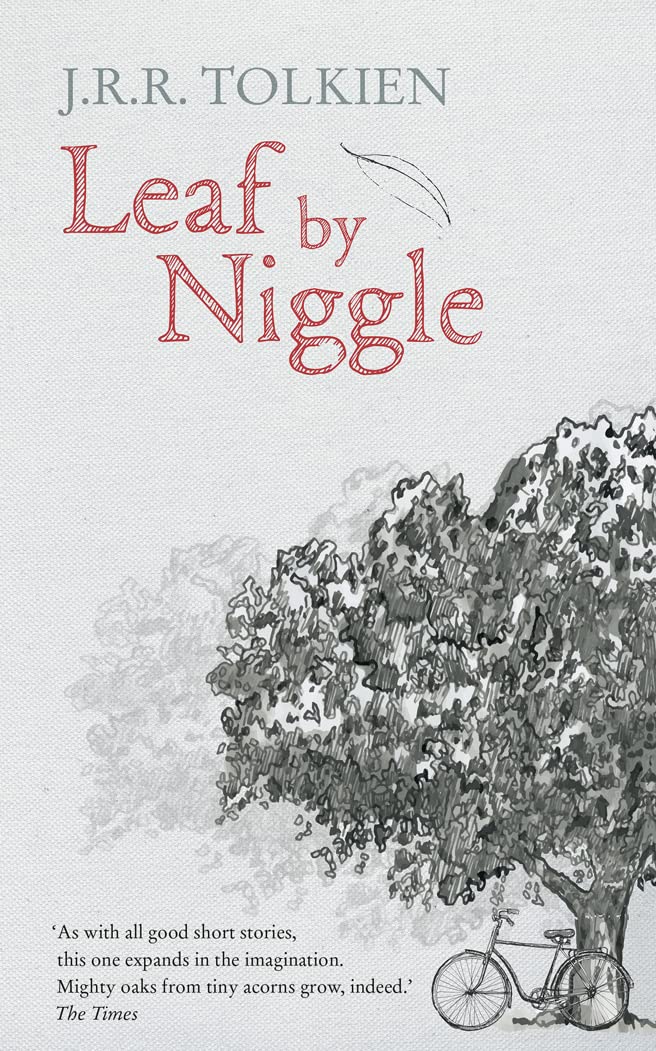
and, contained in the volume,
with forests seemingly everywhere—from the Old Forest, with Old Man Willow,
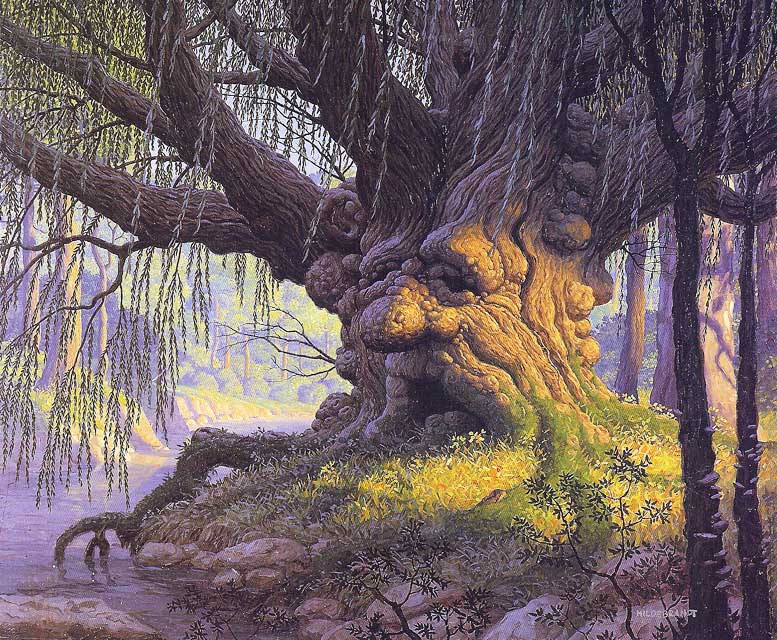
(the Hildebrandts)
to Mirkwood, with its spiders,
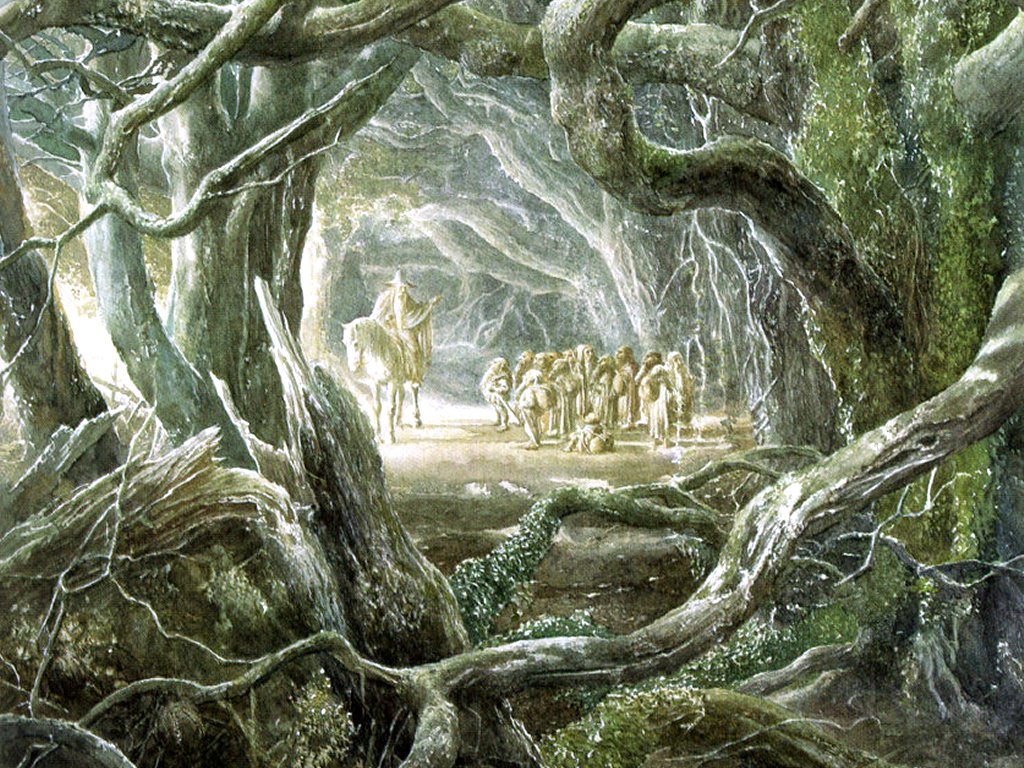
(Alan Lee)
to Lorien,

(the Hildebrandts)
to Fangorn, Treebeard,

(Ted Nasmith)

(Alan Lee)
and the Ents.
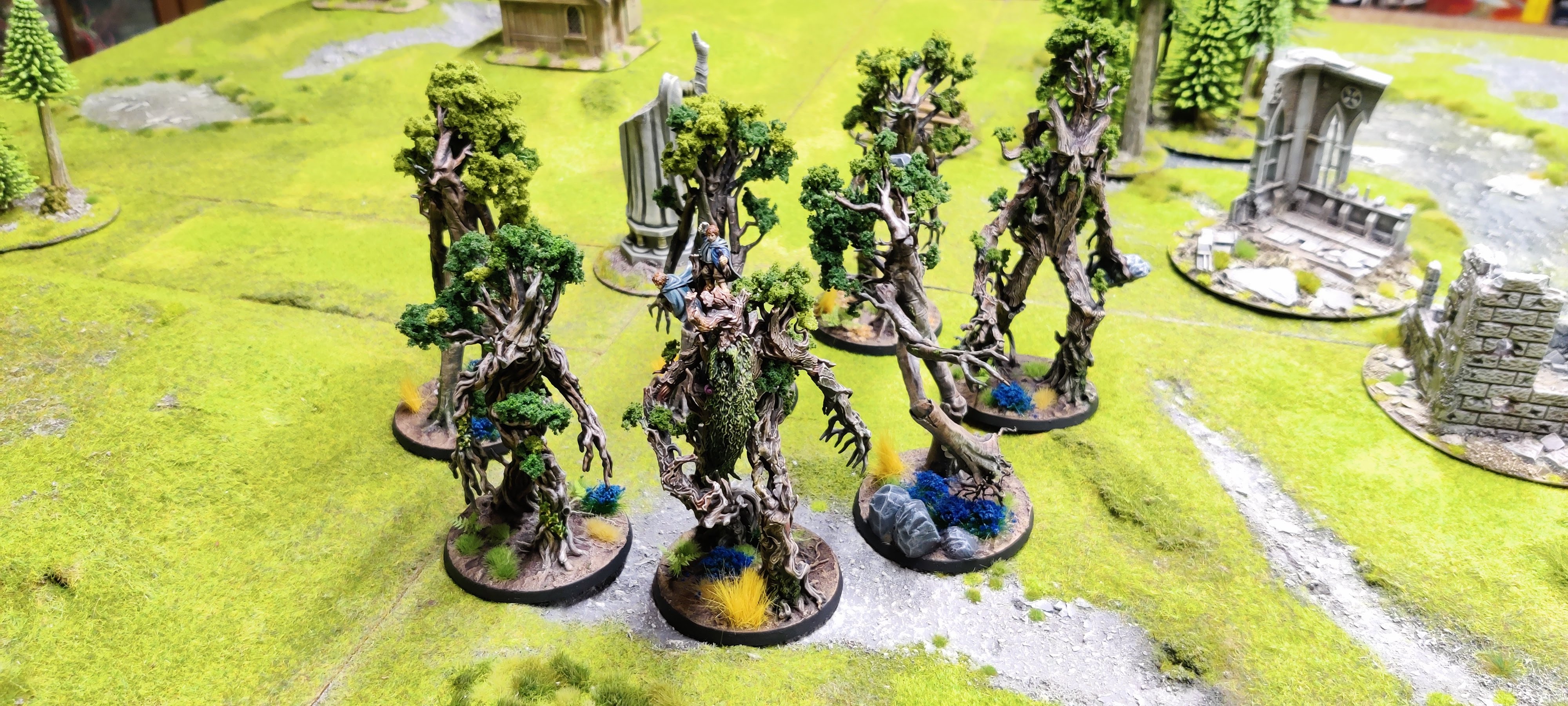
(These wonderful creatures are from a site called “Confessions of a 40 K Addict” and are part of a Lord of the Rings wargame, which you can read about here: https://www.40kaddict.uk/2024/03/battle-report-middle-earth-isengard-vs.html )
If we started serious cataloguing, we’d find more—think of the Party Tree—
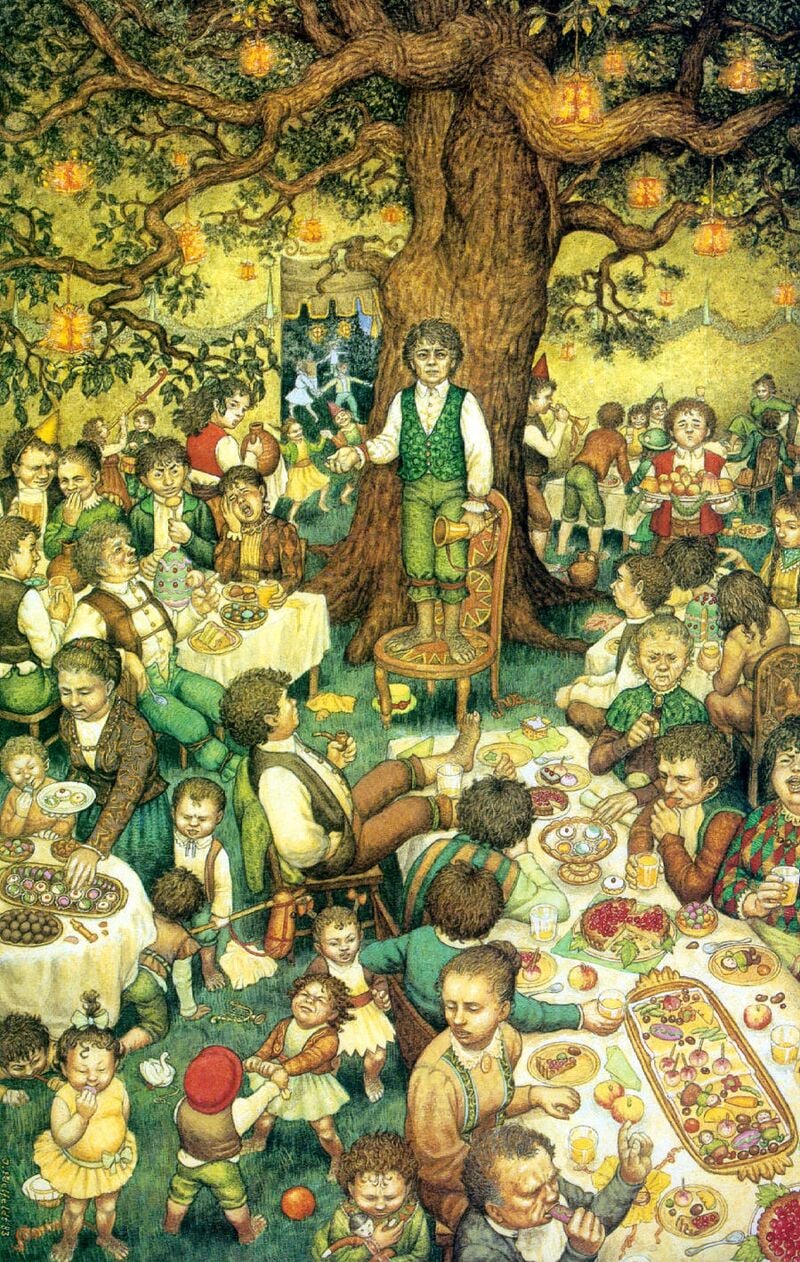
(Inger Edelfeldt)
and the White Tree, the badge of Gondor, and I’m sure that there are more yet,

but I want to go back to Fangorn and Treebeard.
When people talk about the origins of Treebeard and the Ents, they always quote this:
“Their part in the story is due, I think, to my bitter disappointment and disgust from schooldays with the shabby use made in Shakespeare of the coming of ‘Great Birnam wood to high Dunsinane hill’: I longed to devise a setting in which the trees might really march to war.” (letter to W.H. Auden, 7 June, 1955, Letters,310)
Tolkien’s relationship with the works of Shakespeare varied throughout his life, from an early loathing of reading them (see letter to W.H. Auden, 7 June, 1955, Letters, 312 ), to an appreciation of Hamlet in performance many years later (see letter to Christopher Tolkien, 28 July, 1944, Letters, 126), but, although we must trust JRRT in what he believed to be his inspiration, I think that there’s more to what lay behind his creation than that—and Treebeard is a clue.
When Merry and Pippin first meet him, and tell him what little they know about the much bigger adventure in which they seem to form such a small part, he is an avid listener, but clearly only a listener:
“…I have not troubled about the Great Wars…they mostly concern Elves and Men. That is the business of Wizards…I am not altogether anybody’s side, if you understand me…”
And yet—
“…there are some things, of course, whose side I am altogether not on; I am against them altogether: these—burarum…these Orcs, and their masters.”
For Treebeard, the Orc-master is Saruman, and Merry and Pippin’s intelligence leads him to some unhappy but important conclusions:
“I think that I now understand what he is up to. He is plotting to become a Power. He has a mind of metal and wheels; and he does not care for growing things, except as far as they serve him for the moment. And now it is clear that he is a black traitor. He has taken up with foul folk, with the Orcs….He and his foul folk are making havoc now. Down on the borders they are felling trees—good trees. Some of the trees they just cut down and leave to rot—orc-mischief that; but most are hewn up and carried off to feed the fires of Orthanc.. Curse him, root and branch!…there are wastes of stump and bramble where once there were singing groves. I have been idle. I have let things slip. It must stop!” (The Two Towers, Book Three, Chapter 4, “Treebeard”)
As we know that Tolkien loved trees, we also know that he was opposed to the Industrial Revolution—or at least to its effects upon the modern world, even though he once owned an automobile and certainly traveled by train. To him “the machine” (sometimes capitalized in his letters as “the Machine”) represented the certain destruction of what he loved—
“Oxford continues to suffer from the ravages of the machine-worshippers. I remember it as a little old university town nestling in the country—and it had about 55,000 inhabitants. It now has nearly 100,000 more, sprawls in every direction, and is jammed with noise and smell…” (from a letter to Joan Anne Tolkien, November, 1961, Letters, 438—although, to be fair, JRRT then adds that there is some good change—the removal of a “slum-fringe”.)
This sounds a bit like what Saruman had done to Isengard—
“Once it had been green and filled with avenues, and groves of fruitful trees, watered by streams that flowed from the mountains to a lake. But no green thing grew in the latter days of Saruman. The roads were paved with stone flags, dark and hard; and beside their borders instead of trees there marched long lines of pillars, some of marble, some of copper and of iron, joined by heavy chains…The plain, too, was bored and delved…The shafts ran down many slopes and spiral stairs to caverns far under…Iron wheels revolved there endlessly, and hammers thudded. At night plumes of vapor stream from the vents, lit from beneath with red light, or blue, or venomous green.” (The Two Towers, Book Three, Chapter 8, “The Road to Isengard”)
Saruman, then, who had so changed Isengard and whose Orcs destroy forestland, has a mind “of metal and wheels” therefore embodies exactly what JRRT dislikes. He cannot stop the effects of the Industrial Revolution in our Middle-earth, but there is much which might be done in his Middle-earth—at least in his imagination.
In his MacBeth, Shakespeare had literally interpreted a prophesy which the “weird sisters” (i.e., witches)
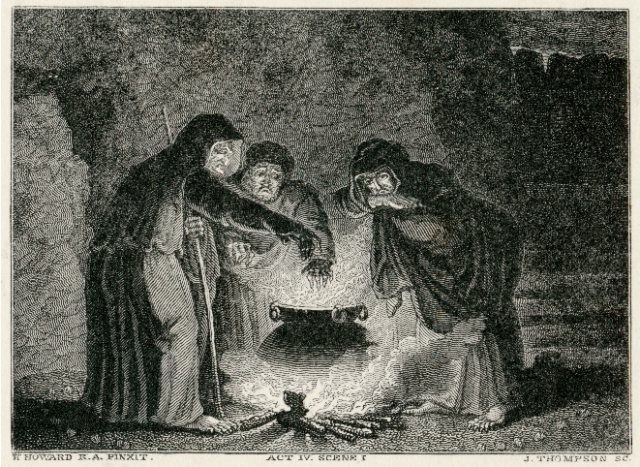
had given to MacBeth as a warning. In Act 4, Scene 1, the sisters produce apparitions, the third of which says:
“3 Appar. Be Lyon metled, proud, and take no care:
Who chafes, who frets, or where Conspirers are:
Macbeth shall neuer vanquish’d be, vntill
Great Byrnam Wood, to high Dunsmane [Dunsinane] Hill
Shall come against him.”
To which, MacBeth, reassured, comments
“Macb. That will neuer bee:
Who can impresse the Forrest, bid the Tree
Vnfixe his earth-bound Root? Sweet boadments, good:
Rebellious dead, rise neuer till the Wood
Of Byrnan rise, and our high plac’d Macbeth
Shall liue the Lease of Nature, pay his breath
To time, and mortall Custome. “
(As always, I use the earliest surviving text, with its suggestion of Elizabethan speech—often quite different in sound from modern standard English, British or American, although closer to some English dialects. This is from the First Folio (1623) and you can see this text here: https://internetshakespeare.uvic.ca/doc/Mac_F1/scene/4.1/index.html To hear this earlier English, see: https://www.youtube.com/watch?v=y2QYGEwM1Sk )
MacBeth is proved wrong, of course, when his enemy’s soldiers use foliage from the wood as camouflage to approach MacBeth’s stronghold, where he is trapped and killed.
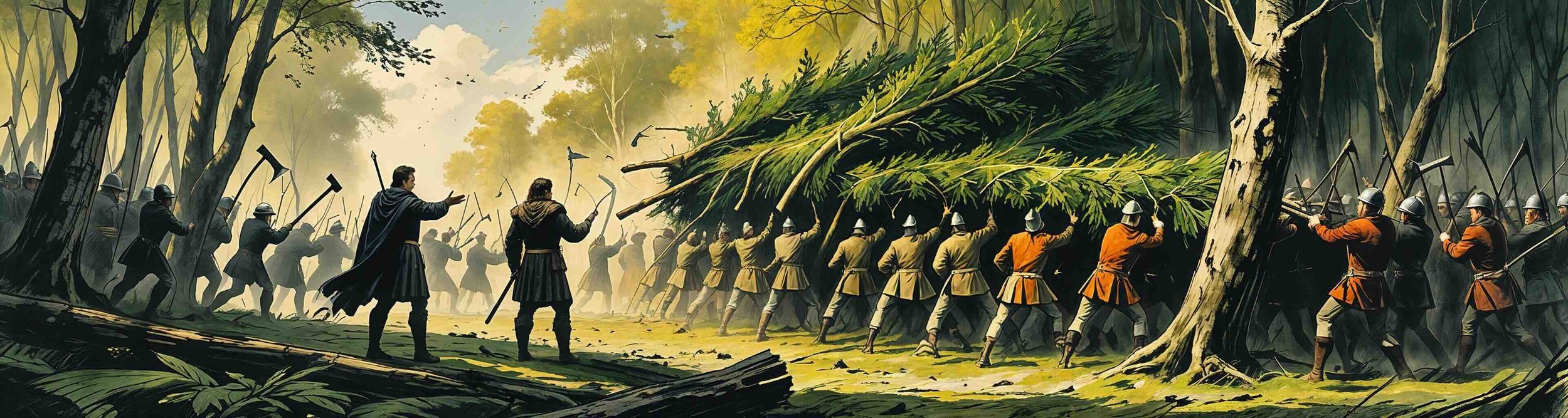
(This illustration comes from a very interesting site, “Shakespeare Retold”, which offers both a modern translation and interpretation of Shakespeare’s plays and sonnets, with some very thoughtful, useful commentary. You can visit the site here: https://www.shakespeareretold.com/macbeth-scene-analysis/act-5-scene-4 Although the tactic has been used for centuries, the word “camouflage” only appeared relatively recently in English—seemingly first in 1917—see: https://www.etymonline.com/word/camouflage )
His enemies use only foliage, but Tolkien animates much of the forest in his version, and, whereas the play’s foliage is only meant to conceal numbers of soldiers, JRRT’s trees cause massive destruction—
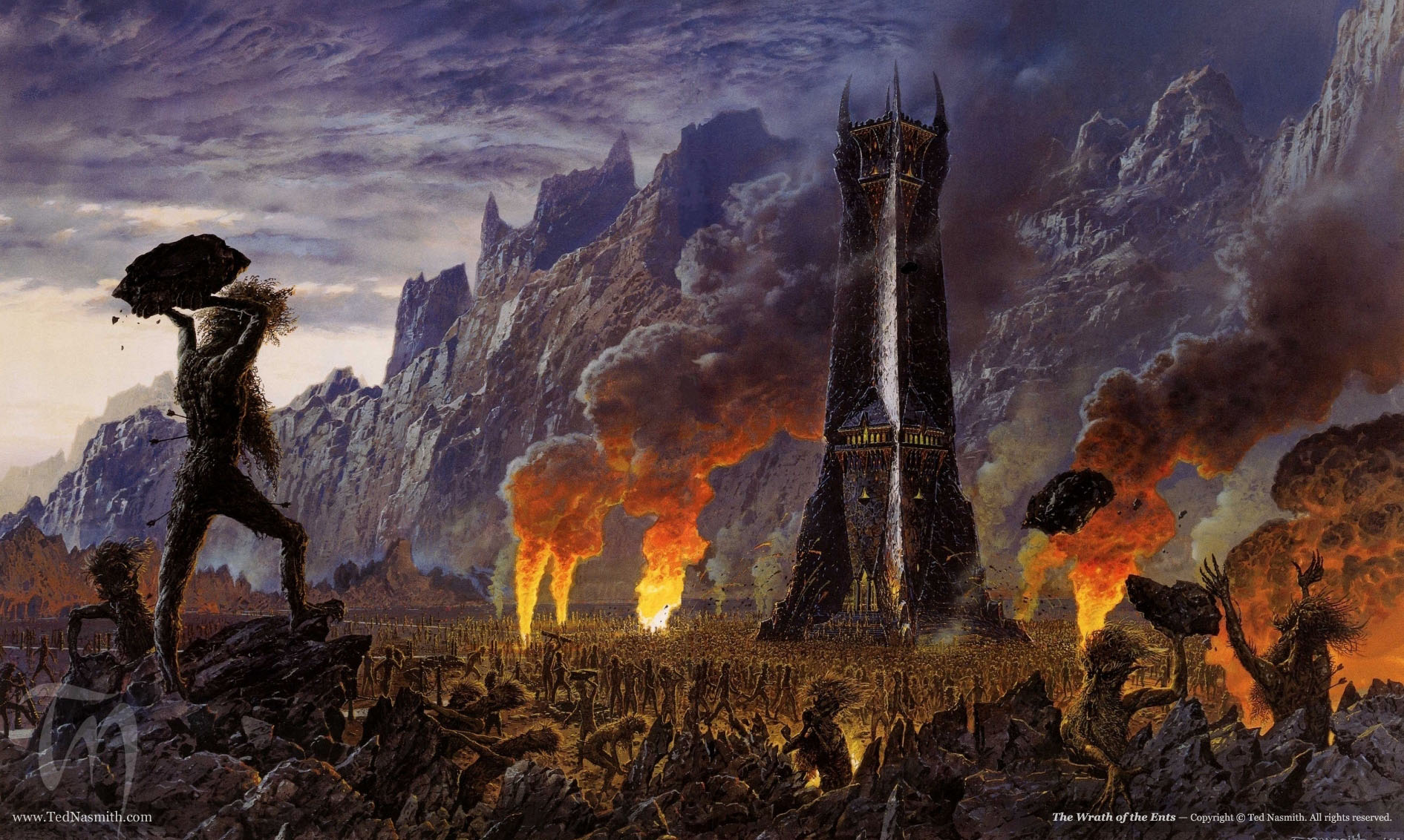
(Ted Nasmith)
“The ring beyond was filled with steaming water: a bubbling cauldron, in which there heaved and floated a wreckage of beams and spars, chests and casks and broken gear. Twisted and leaning pillars reared their splintered stems above the flood, but all the roads were drowned.” (The Two Towers, Book Three, Chapter 8, “The Road to Isengard”)
Is this what Tolkien would have liked to do to the Industrial Revolution and its products? In a letter to The Daily Telegraph, he writes:
“In all my works, I take the part of trees as against all their enemies. Lothlorien is beautiful because there the trees were loved; elsewhere forests are represented as awakening to consciousness of themselves. The Old Forest was hostile to two legged creatures because of the memory of many injuries. Fangorn Forest was old and beautiful, but at the time of the story tense with hostility because it was threatened by a machine-loving enemy.”
Here are those machines again and trees.
Tolkien’s letter is in response to commentary about the work of the Forestry Commission and he continues:
“It would be unfair to compare the Forestry Commission with Sauron because as you observe it is capable of repentance; but noting it has done that is stupid compares with the destruction, torture and murder of trees perpetrated by private individuals and minor official bodies. The savage sound of the electric saw is never silent wherever trees are still found growing.” (letter to the editor of The Daily Telegraph, 30 June, 1972, Letters, 588-589)
“Torture”? “Murder”? Perhaps it’s just as well that Tolkien never owned a chainsaw.

Thanks, as always, for reading.
Stay well,
Here’s a peaceful JRRT writing in his garden, to remind us to be peaceful,

And to remember that, as always, there’s
MTCIDC
O

