Into the Trees.2

Tags

, , , , , , , , , , , , , ,

As ever, dear readers, welcome.

In our last, we were examining something which JRRT said in a letter from 1958 discussing a script for a film of The Lord of the Rings.  He was talking about trees and said that “the story is so largely concerned with them.”  (Letters, 275)
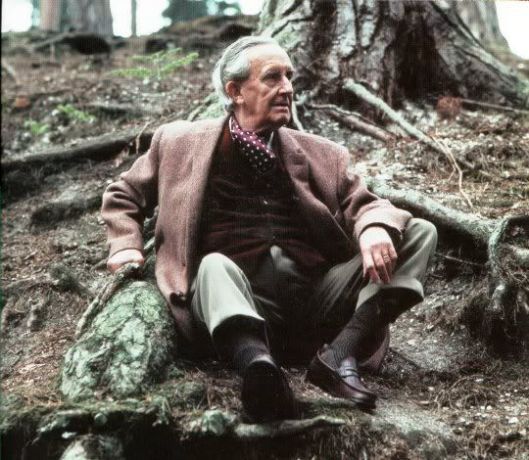
image1tolkienandtree.jpg

That seemed to us rather an odd thing to say, there being so many human (or humanoid) characters and so much plot in which they are actors in the novel.  And yet, as we began to consider it, we found ourselves trying to approach the story as if the trees were a major part of things—or perhaps more than one part?—and to wonder just what role or roles they were playing and whether that suggests that we might need to expand our understanding of the goals of the book in general.

We thought first of Treebeard, who is, of course, a character (here, drawn by Alan Lee) in the plot

image2fangorn.jpg

and so are the Ents (by Ted Nasmith).

image3ents.jpg

Besides being plot-drivers, though, Treebeard and his people represent an ancient part of Middle-earth which has somehow survived the long years of human occupation, with its own interests and its own memories—and its own tragedy:  the loss of the Entwives.   As Treebeard says:

“I am not altogether on anybody’s side because nobody is altogether on my side…”  (The Two Towers, Book Three, Chapter 4, “Treebeard”)

The sentient nature of trees is not only to be found in Treebeard and the Ents, however.  Consider the Old Forest.
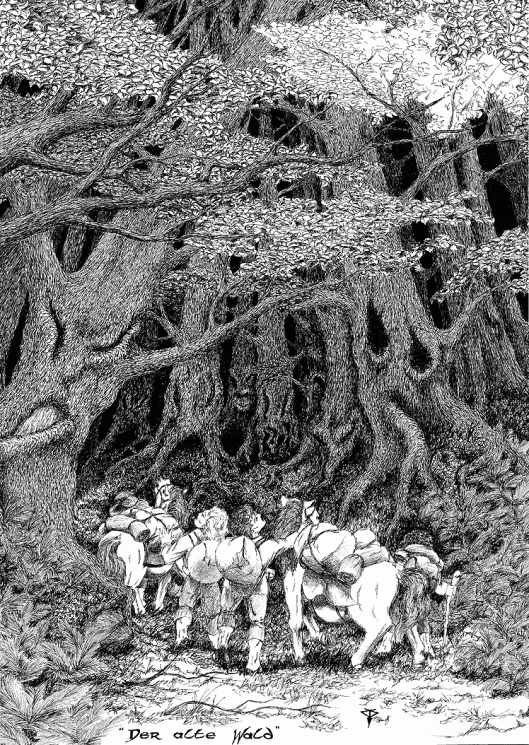
image4theoldforest.gif

As Merry describes it:

“But the Forest is queer.  Everything in it is very much more alive, more aware of what is going on, so to speak, than things are in the Shire…I have only once or twice been in here after dark, and then only near the hedge.  I thought all the trees were whispering to each other, passing news and plots along in an unintelligible language…” (The Fellowship of the Ring, Book One, Chapter 6, “The Old Forest”)

Perhaps the words “unintelligible language” say it best.  Merry appears to accept not only that the trees are awake (“more aware”, as he puts it), but also that they have their own complex form of intercommunication (“language”).  At the same time he may believe such things, what it is they are thinking and saying is not comprehensible, at least by him and, we presume, by those of his acquaintance.  In other words, they are part of a world in which he has no part, just as Treebeard and the Ents are apart from those who visit or, in the case of the orcs, attack them.

In the case of Old Man Willow,
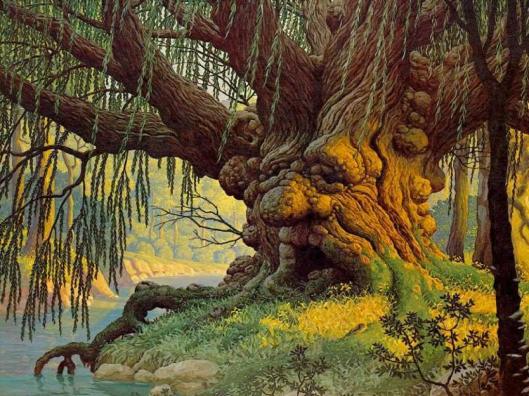
image5omw.jpg

the mostly passive hostility of the Old Forest—

“And the trees do not like strangers.  They watch you.  They are usually content merely to watch you, as long as daylight lasts, and don’t do much.  Occasionally the most unfriendly ones may drop a branch, or stick a root out, or grasp at you with a long trailer.”

becomes something more.  The Forest seems to have been guiding the hobbits, funneling them towards the river Withywindle, about which Merry has said:

“We don’t want to go that way!  The Withywindle valley is said to be the queerest part of the whole wood—the centre from which all the queerness comes, as it were.”

And then—

“Suddenly Frodo himself felt sleep overwhelming him.  His head swam.  There now seemed hardly a sound in the air.  The flies had stopped buzzing.  Only a gentle noise on the edge of hearing, a soft fluttering as of a song half whispered, seemed to stir in the boughs above.  He lifted his heavy eyes and saw leaning over him a huge willow-tree, old and hoary.  Enormous it looked, its sprawling branches going up like reaching arms with many long-fingered hands, its knotted and twisted trunk gapping in wide fissures that creaked faintly as the boughs moved.  The leaves fluttering against the bright sky dazzled him, and he toppled over, lying where he fell upon the grass.”

Frodo isn’t alone in succumbing to the seductive nature of the place:

“Merry and Pippin dragged themselves forward and lay down with their backs to the willow-trunk.  Behind them great cracks gaped wide to receive them as the tree swayed and creaked.  They looked up at the grey and yellow leaves, moving softly against the light, and singing.  They shut their eyes, and then it seemed that they could almost hear words, cool words, saying something about water and sleep.  They gave themselves up to the spell and fell fast asleep at the foot of the great grey willow.”

Again, as Merry has said, there is a language here, this time a little more intelligible, but it might just be part of a general hobbit drowsiness on what appears to be a sultry autumn afternoon, unless we worry about those “great cracks” gaping “wide to receive them”—and we should.  One of the hobbits—the only one not seduced into slumber—does:

“Sam sat down and scratched his head, and yawned like a cavern.  He was worried.  The afternoon was getting late, and he thought this sudden sleepiness uncanny.  ‘There’s more behind this than sun and warm air,’ he muttered to himself.  ‘I don’t like this great big tree.  I don’t trust it.  Hark at it singing about sleep now!  This won’t do at all!’ “

As he rouses himself, he quickly discovers what the seductive tree has been planning:  it is trying to drown Frodo and has completely swallowed Pippin and partially swallowed Merry.

They are rescued, of course, by Tom Bombadil, a character who has been left out of virtually every other medium of telling the story of The Lord of the Rings.
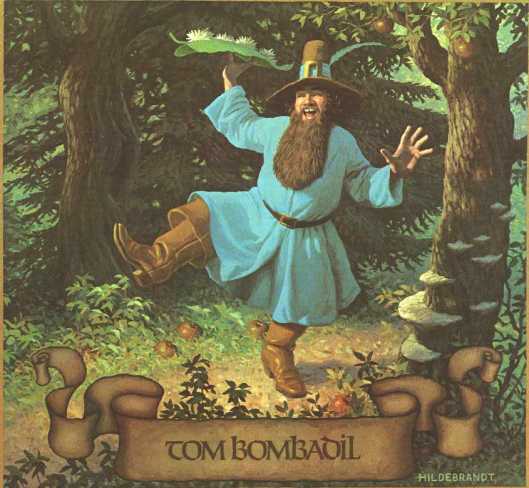
image6tom.jpg

And it’s not hard to see why:  he is somehow, truly out of the story, just as he’s unaffected by the Ring:

“It seemed to grow larger as it lay for a moment on his big brown-skinned hand.  Then suddenly he put it to his eye and laughed.  For a second the hobbits had a vision, both comical and alarming, of his bright blue eye gleaming through a circle of gold.  Then Tom put the Ring round the end of his little finger and held it up to the candlelight.  For a moment the hobbits noticed nothing strange about this.  Then they gasped.  There was no sign of Tom disappearing!” (The Fellowship of the Ring, Book One, Chapter 7, “In the House of Tom Bombadil”)

When it comes to things like the Old Forest and Old Man Willow, however, he is invaluable.

“As they listened, they began to understand the lives of the Forest, apart from themselves, indeed to feel themselves as the strangers where all other things are at home.”

As Tom is apart, and ancient—

“Eldest, that’s what I am.  Mark my words, my friends:  Tom was here before the river and the trees; Tom remembers the first raindrop and the first acorn.”

he is distanced, being senior to all living, growing things, and that gives him both greater knowledge and greater perspective, able to know and understand other ancient things, even if less ancient than he:

“Tom’s words laid bare the hearts of the trees and their thoughts, which were often dark and strange, filled with a hatred of things that go free upon the earth, gnawing, biting, breaking, hacking, burning:  destroyers and usurpers.  It was not called the Old Forest without reason, for it was indeed ancient, a survivor of vast forgotten woods; and in it there lived yet, ageing no quicker than the hills, the fathers of the fathers of trees, remembering times when they were lords.”

And here again we see that sense of otherness:  these are living creatures only tangentially—and then, it seems, often negatively—involved with humans (and humanoids).  And they are not just living things, but things with their own interests and purposes.  Taking all of that into account, and adding in the healing nature of the mallorn seed which Galadriel gives to Sam, which replaces the cut-down Party Tree (please see our previous posting on that subject), we would tentatively advance two possible reasons for JRRT’s remark about the major place of trees in The Lord of the Rings.

First, when it comes to the Old Forest and Old Man Willow, as well as Treebeard and the Ents, by having them in the story we are being quietly told that the history of Middle-earth is not just about its two-footed inhabitants.  Although so much of the plot focuses upon them, there is more to the story, a deeper, older context yet, putting them into a frame so much larger than that in which they and their past or even current actions take place.  This gives Gandalf’s words to Bilbo at the end of The Hobbit that much more weight:

“You are a very fine person, Mr. Baggins, and I am very fond of you; but you are only quite a little fellow in a wide world after all!”  (The Hobbit, Chapter 19, “The Last Stage”)

Second, in growing things there is a continuity beyond the human world, and not necessarily only an Old Forest malevolence.  The seed may be from a tree in fading Lorien, as Galadriel says when she gives the box containing it and earth from her garden to Sam:

“Then you may remember Galadriel, and catch a glimpse of far off Lorien, that you have seen only in our winter.  For our Spring and our Summer are gone by, and they will never be seen on earth again save in memory.”  (The Fellowship of the Ring, Book Two, Chapter 8, “Farewell to Lorien”)

Yet, planted in the Shire, the young tree appears at a time when the whole world is being regenerated:

“Altogether 1420 in the Shire was a marvellous year.  Not only was there wonderful sunshine and delicious rain, in due times and perfect measure, but there seemed something more:  an air of richness and growth, and a gleam of a beauty beyond that of mortal summers that flicker and pass upon this Middle-earth.” (The Return of the King, Book Six, Chapter 9, “The Grey Havens”)

And, thus, though the magical Lorien may fade and die, something of it will live beyond it in another place and time, linked to, and a reminder of, that other place and time, by a tree which

“In after years, as it grew in grace and beauty,… was known, far and wide, and people would come long journeys to see it:  the only mallorn west of the Mountain and east of the Sea…”

image7lorien.jpg

(by the Hildebrandts)

Thanks, as always, for reading and, as always,

MTCIDC

CD


Into the Trees.1

Tags

, , , , , , , , , , , , , , , , , , , ,

Welcome, dear readers, as always.

In the draft of an undated letter from 1958 about a proposed film of The Lord of the Rings, Tolkien wrote about the work of the preparer of the draft for the script (whom he calls “Z”):

“I deeply regret this handling of the ‘Treebeard’ chapter, whether necessary or not.  I have already suspected Z of not being interested in trees:  unfortunate, since the story is so largely concerned with them.” (Letters, 275)

“since the story is so largely concerned with them” puzzled us at first.  JRRT himself, of course, had strong feelings for trees, as he says in this letter from three years earlier:

“I am (obviously) much in love with plants and above all trees and always have been; and I find human maltreatment of them as hard to bear as some find ill-treatment of animals.” (Letters, 220)

image1jrrttree.jpg

“so largely concerned with them”, however, would make them seem almost like characters, or at least major subjects of discussion, within the text.

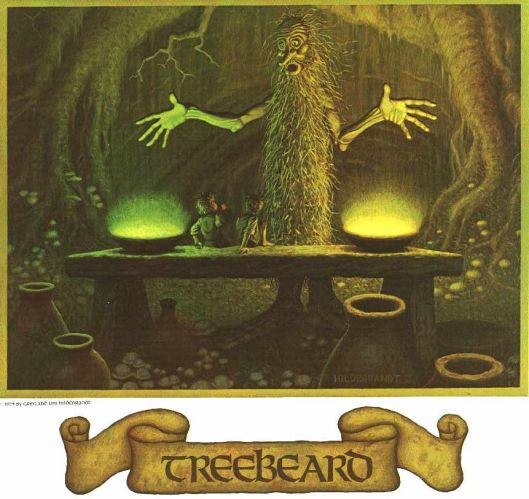
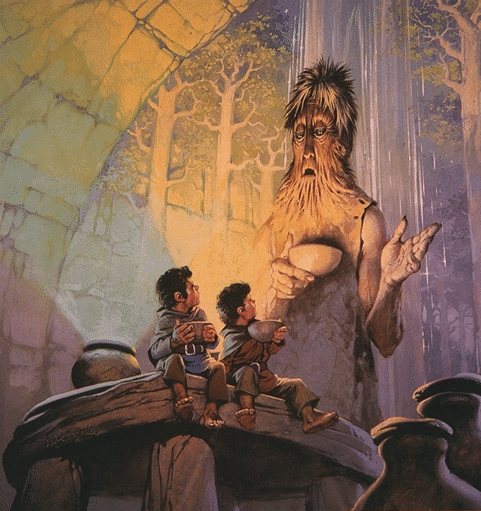
As far as characters go, there is Treebeard, of course.

image2treebeard.jpg

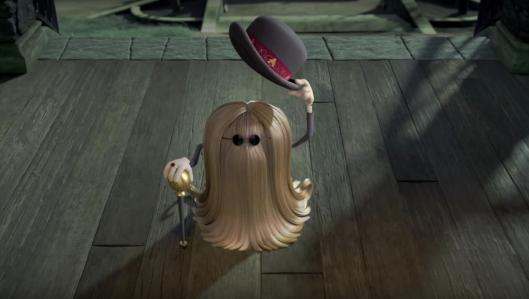
(We’re not quite sure about this early version by the Hildebrandts.  Here, he appears to be wearing a coat of Spanish moss

image3amoss.jpg

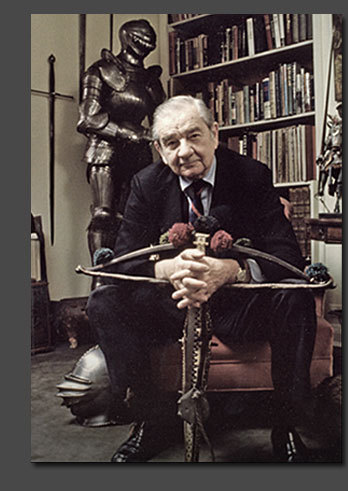
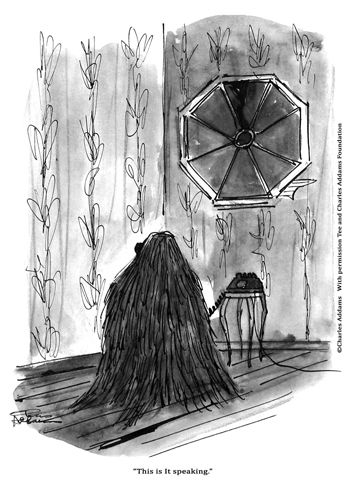
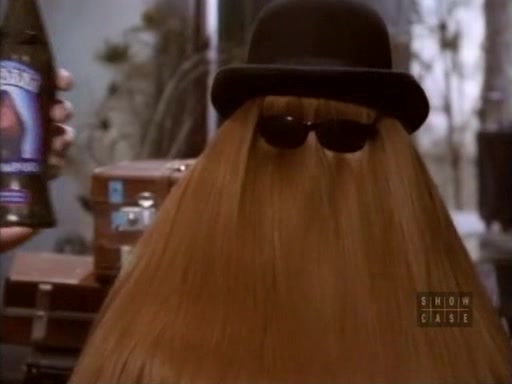
and rather reminds us of Cousin It, from the cartoonist, Charles Addams, 1912-1988,

image3chasaddams.jpg

who created a number of mock-sinister characters, including “Cousin It”.

image4it.jpg

Here it/It is in the 1991 film

image5it.jpg

image6poster.jpg

or here it/it is in the new animated feature.

image7it

The challenge in illustrating Treebeard is to find a happy balance between human and tree, as we see in this Alan Lee portrayal, on the one hand,

image8treeb.jpg


or that of Angus McBride on the other, with much in between–

image9mcb.GIF

image10atree.jpg

by Inger Edelfeldt,

image10btree.jpg

by Eugenia Weinstein.)

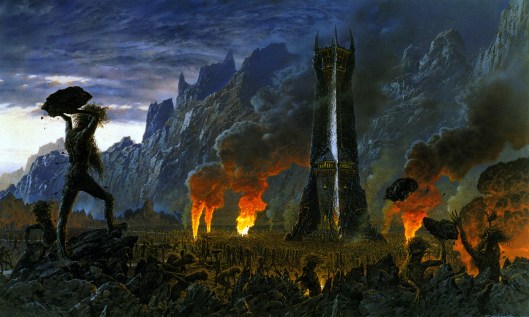
And there are the Ents, as well, who, like Tolkien, are more than a little upset over the destruction of trees, but, unlike the author, take a very direct approach to stopping it (by Ted Nasmith).

image10isengard.jpg

Beyond Treebeard and the Ents, what do we find?

First, there is the so-called “Party Tree”:

image11party.jpg

“The tents began to go up.  There was a specially large pavilion, so big that the tree that grew in the field was right inside it, and stood proudly at one end, at the head of the chief table.  Lanterns were hung on all its branches.” (The Fellowship of the Ring, Book One, Chapter 1, “A Long-expected Party”)

Although its first appearance is understated, it clearly has greater significance, as we see when the hobbits return to the Shire and Sam sees one particular piece of completely unnecessary destruction:

“ ‘They’ve cut it down!’ cried Sam.  ‘They’ve cut down the Party Tree!’ He pointed to where the tree had stood under which Bilbo had made his Farewell Speech.  It was lying lopped and dead in the field.  As if this was the last straw Sam burst into tears.” (The Return of the King, Book Six, Chapter 8, “The Scouring of the Shire”)

And this is not the end.  When the Fellowship was leaving Lorien, Galadriel gave each a special gift.  To Sam she said:

“ ‘For you little gardener and lover of trees,’ she said to Sam, ‘I have only a small gift.’  She put into this hand a little box of plain grey wood, unadorned save for a single silver rune upon the lid.  ‘Here is set G for Galadriel,’ she said; ‘but also it may stand for garden in your tongue.  In this box there is earth from my orchard, and such blessing as Galadriel has still to bestow is upon it.  It will not keep you on your road, nor defend you against any peril, but if you keep it and see your home again at last, then perhaps it may reward you.  Though you should find all barren and laid waste, there will be few gardens in Middle-earth that will bloom like your garden.’ “ (The Fellowship of the Ring, Book Two, Chapter 8, “Farewell to Lorien”)

When the hobbits return to the Shire and Sharkey and his henchmen are removed, Sam uses Galadriel’s gift to do exactly as she told him to, to regenerate things.  When he opened the box, he found something extra:

“Inside it was filled with a grey dust, soft and fine, in the middle of which was a seed, like a small nut with a silver shale.” (The Return of the King, Book Six, Chapter 9, “The Grey Havens”)

(“Shale” here is an old variation of “shell”.)

Sam chooses a special place for this:

“The little silver nut he planted in the Party Field where the tree had once been; and he wondered what would come of it.  All through the winter he remained as patient as he could, and tried to restrain himself from going round constantly to see if anything was happening.”

From this much build, we know that something just this side of miraculous must be about to happen—and it does:

“Spring surpassed his wildest hopes.  His trees began to sprout and grow, as if time was in a hurry and wished to make one year do for twenty.  In the Party Field a beautiful young sapling leaped up:  it had silver bark and long leaves and burst into golden flowers in April.  It was indeed a mallorn, and it was the wonder of the neighborhood.  In after years, as it grew in grace and beauty, it was known far and wide and people would come long journeys to see it:  the only mallorn west of the Mountains and east of the Sea; and one of the finest in the world.”

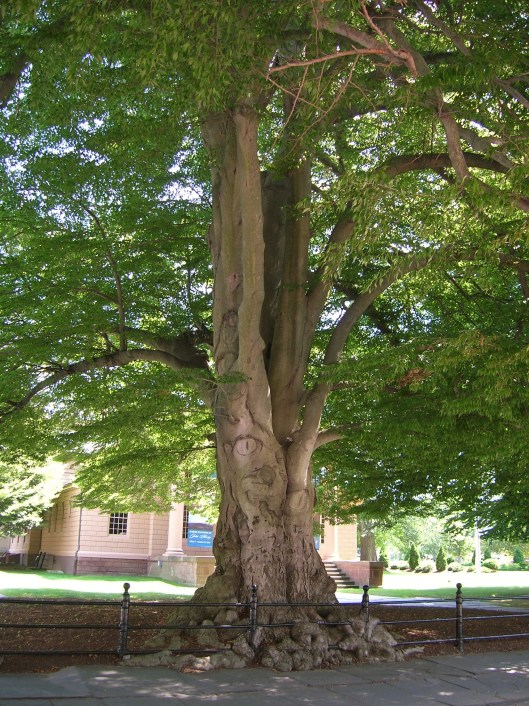
It seems that Tolkien so loved trees that he even invented one here.  Mellyrn (the plural of mallorn by the same linguistic process which, in English, turns “foot” into “feet”)  appear to be mostly a beech tree of the type called “Fagus sylvatica” or “European beech” (although there are also actual beech trees in Middle-earth).

image12beech.jpg

image13beech.jpg

Some adaptation has taken place:  European beeches have spreading branches and can grow to as much as 150 feet, but Tolkien’s tree seems even bigger and has “long leaves”—longer than beech?—

image14beech.jpg

and “golden flowers”, which beech trees don’t have, although the silver bark is similar.

image15bark.jpg

So much of Middle-earth is visibly old, sometimes in layers of antiquity, and JRRT is very careful to present a Shire which lives on top of something older, as the East Road, which runs through its middle and had been built by the dwarves and improved upon by the Numenoreans reminds us.  The Party Field, under that name, is almost brand new, however, the party being Bilbo and Frodo’s joint birthday, celebrated at the beginning of The Lord of the Rings.  The original tree just happens to be in the middle of that field.  This replacement, however, is clearly more than just a replacement and we’ll examine its possible significance and more in part 2 of this in our next posting.

In the meantime, thanks, as always for reading and

MTCIDC

CD

Orc Looks

Tags

, , , , , , , , , , , , , , , , ,

As ever, dear readers, welcome.

Two postings ago, we were discussing henchmen and, of course, orcs were among them.

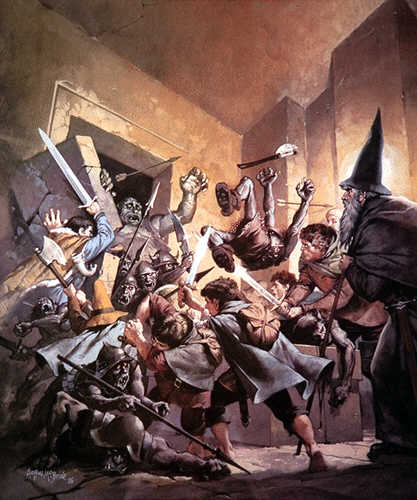
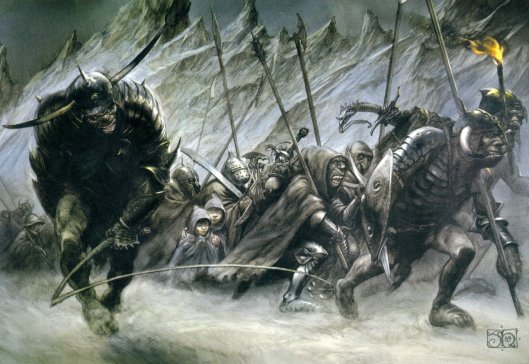
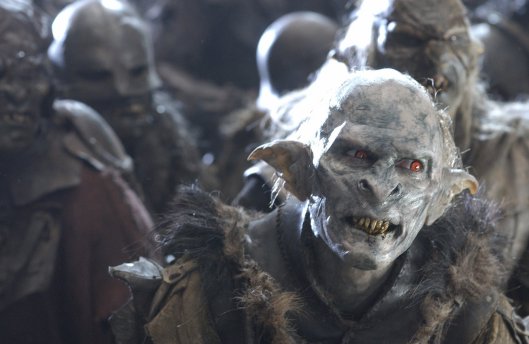
While we were discussing, we began to wonder about orcs.  They appear numerous times in The Lord of the Rings, from pursuing the Fellowship in the mines of Moria

image1aamines.jpg

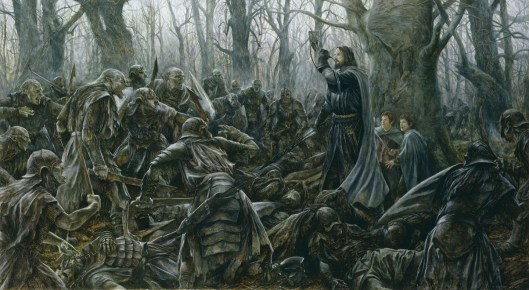
to attacking Boromir and capturing Merry and Pippin

image1adeath.jpg

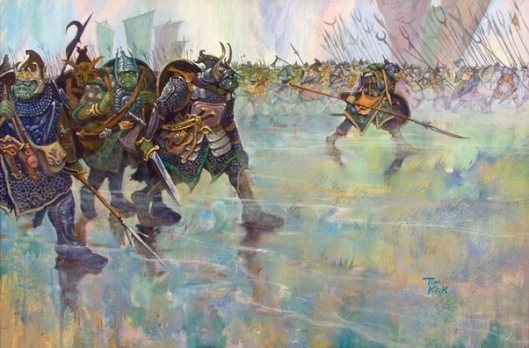
to forming the initial assault team on Minas Tirith.

image1battack.jpg

But what do they really look like?

Here’s the first description we’re given, a second-hand one, spoken by Gandalf:

“There are Orcs, very many of them…And some are large and evil:  black Uruks of Mordor.”

(The Fellowship of the Ring, Book Two, Chapter 5, “The Bridge of Khazad-Dum”)

Our first real view of them comes just paragraphs later:

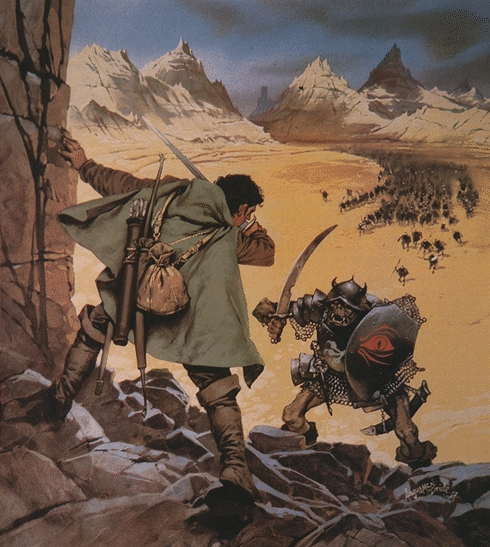
“…a huge orc-chieftain, almost man-high, clad in black mail from head to foot, leaped into the chamber…His broad flat face was swart, his eyes were like coals, and his tongue was red.”

If this orc-chieftain is representative, then, orcs are smaller than men, with dark skin and broad flat faces.  But is this a consistent description?

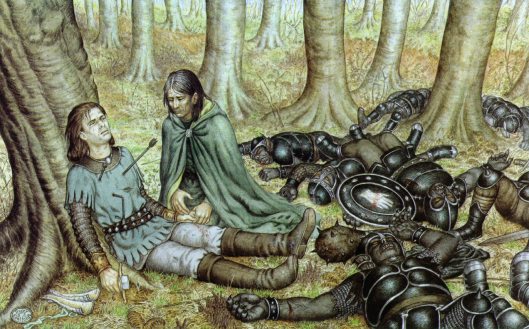
We next meet the orcs as casualties after the death of Boromir:

“There were four goblin-soldiers of greater stature, swart, slant-eyed, with thick legs and large hands.”

(The Two Towers, Book Three, Chapter 1, “The Departure of Boromir”)

As we know from other references to “goblins”, Tolkien came to blur the words “goblin” and “orc”, where the earlier Hobbit has only the former.  Thus, that compound “goblin-soldiers” really means “orcs” and we see that word “swart”—“dark/black” (like German schwarz)—again.  To which is added “slant-eyed” and the detail “of greater stature” (than the surrounding dead orcs), emphasizing a second time that many, if not most, orcs are apparently normally small creatures.

So far, then, orcs, in general, seem to be dark-skinned and little, with broad, flat faces.  And their next appearance may add a little more:

“In the twilight he saw a large black Orc, probably Ugluk, standing facing Grishnakh, a short crook-legged creature, very broad and with long arms that hung almost to the ground.  Round them were many smaller goblins.  Pippin supposed that these were ones from the North…

Ugluk shouted, and a number of other Orcs of nearly his own size ran up.”

(The Two Towers, Book Three, Chapter 3, “The Uruk-Hai”)

This suggests that there, in fact, at least two subspecies of orcs:  smaller ones (possibly from the north) in the service of Sauron, and larger ones, who are the followers of Saruman.

(There are also large orcs in Sauron’s pay, however, as we saw above in Moria.)

And we might add one more detail—at least one has rather menacing teeth:

“He stooped over Pippin, bringing his yellow fangs close to his face.”

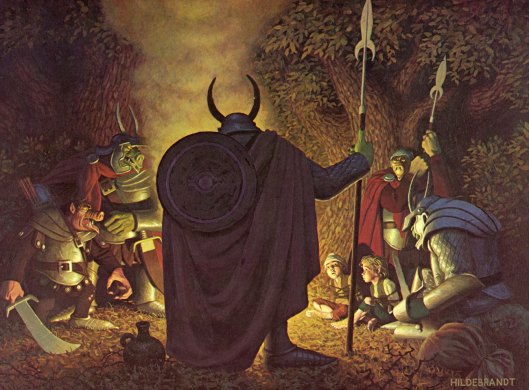
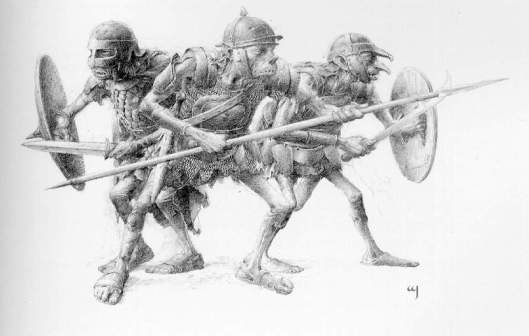
With this much information from the text, we turned to illustrations:  how close are they to these bits of description?  There are many images of orcs on the internet and we ourselves have used a certain number of those images over the years, beginning with this from the Hildebrandts, which we believe must be one of the earliest.

image1hild.jpg

These are mostly very piglike, reminding us both of a wild boar (with a close shave)

image2boar.jpgand of a connection which we suggested some time ago with Jabba the Hutt’s Gammorean Guard—

image3gammoreangd.jpg

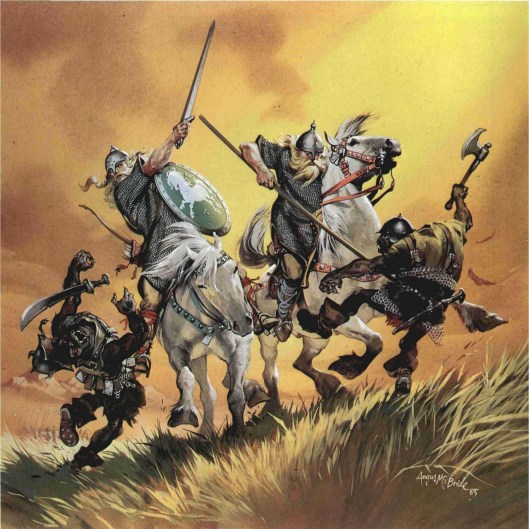
That green skin color, both on the Hildebrandt orcs and the Gammorean Guard, will follow orcs through the work of many artists, like Angus McBride,

image4mcb.JPG

and Ted Nasmith–

image5nas.jpg

although not in this image of the wounding of Boromir–

image6bor.jpg

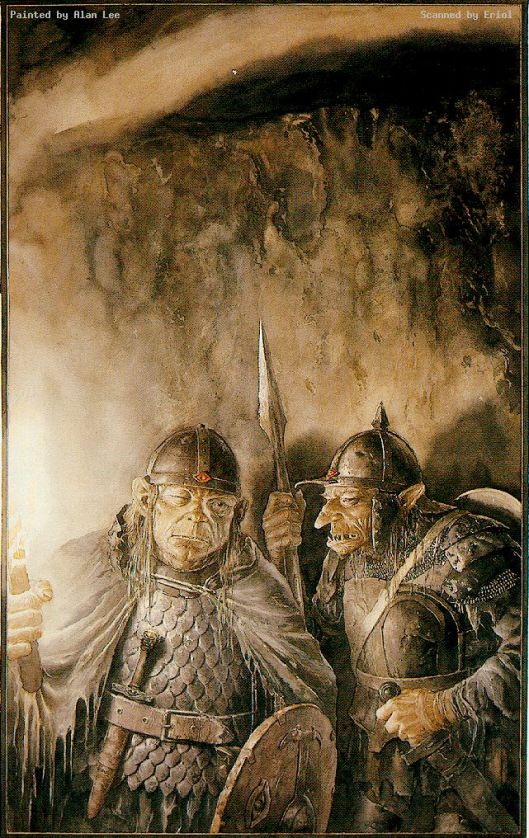
and sometimes in the work of Alan Lee,

image7lee.jpg

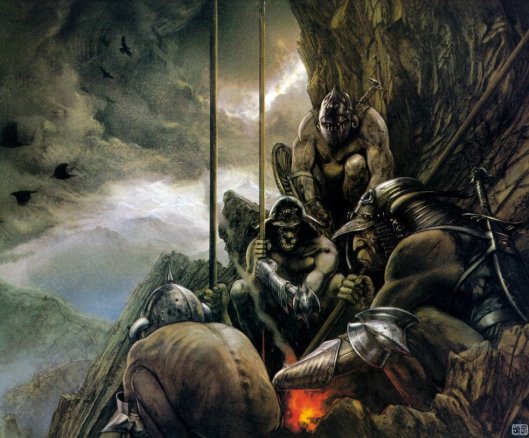
as well as that of John Howe.

image8jhowe.jpg

In place of the piggyness, we see a kind of apelike quality in this illustration by Frank Frazetta

image9fraz.jpg

or this, by Alan Lee.

image10lee.jpg

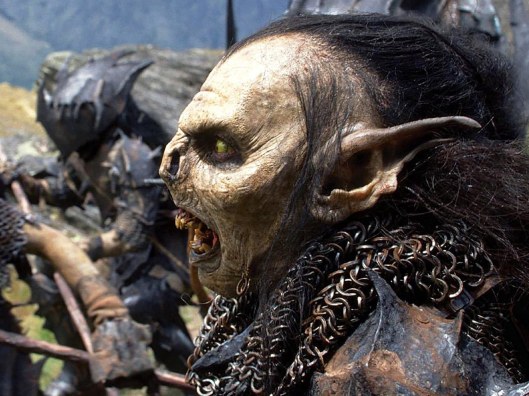
In the Jackson films, the orcs can range from what we think of as rather batlike

image11bat.jpg

image12orc.jpg

to resembling Count Orlok in Murnau’s 1922 film, Nosferatu,

image13nosf.jpg

image14orc.jpg

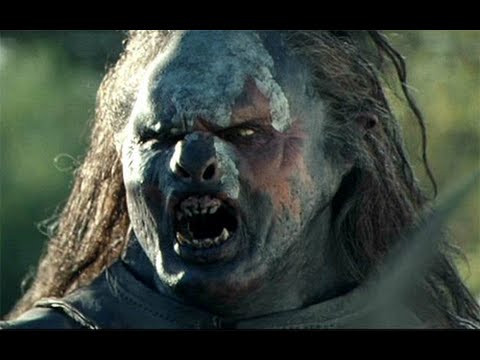
to being grossly human.

image15aorc.jpg

And then there’s an outlier in the illustrations of Denis Gordeev, who seems to have read a different version of The Lord of the Rings, as his orcs, whose faces are in the ape category, but who appear to be as shaggy as bears, though definitely “swart”.

image15bear.jpg

image16orcs.jpg

Thus, we mostly see images which don’t really match the descriptions in the books, the short (or almost man-height), black-skinned, flat-faced creatures of The Lord of the Rings, have mostly turned green, come in all sizes, and have faces which range from piglike to batlike.

But does JRRT have any more to say about the look of orcs?  In an undated letter from 1958 to Forrest J. Ackerman, he says of them:

“The Orcs are definitely stated to be corruptions of the ‘human’ form seen in Elves and Men.  They are (or were) squat, broad, flat-nosed, sallow-skinned with wide mouths and slant eyes:  in fact degraded and repulsive versions of the (to Europeans) less lovely Mongol-types.”  (Letters, 274)

The skin color has changed from “swart” to “sallow”, often meaning a kind of yellowish tint, rather like this image of Snape from the Harry Potter films.

image17asnape.jpg

Much of this description, however, seems to match, at least roughly, the earlier ones—except for the potentially racist tone of “less lovely Mongol-types”.  (We should always remember, though, that Tolkien was born in 1892, grew up in a world in which Britain controlled 2/5s of the earth’s land mass in colonies, and where a national poet like Kipling could refer to those colonized as “lesser breeds”.  This might at least explain something of his approach to non-Caucasian people, if not excuse it.)

Putting aside that tone for the moment, to try to understand what he had in mind in this description, what we come up with is something like this, from illustrations done for Hal Foster’s Prince Valiant Fights Attila the Hun (1952)—

image17val.jpgimage18val.jpg

We admit that this is only a rough guess—Tolkien’s orcs, though supposedly derived from elves and therefore more humanoid than most illustrators make them, are probably smaller and perhaps more caricatured or exaggerated, but, at the same time, these figures suggest, to us, something of the barbaric look we believe that JRRT had in mind.

As we’ve seen, however, Tolkien himself seems to have changed his mind over time, turning his orcs from “swart” to “sallow”, although the general impression of smaller, broad creatures with flat faces remained pretty much the same throughout The Lord of the Rings.  So many of his illustrators, however, appear to have had anything from a slightly different to a very different view, making us wish that we could read their letters to find out just where their ideas came from.

Thanks, as always, for reading and

MTCIDC

CD

ps

We do have an idea of where that green skin color came from—perhaps from a misreading of the text, in fact.  In “The Bridge of Khazad-Dum”, Gandalf, in the brief initial description of orcs we quoted above, adds “…but there is something else there.  A great cave-troll, I think, or more than one.”

Shortly after that, the Fellowship is attacked and:

“A huge arm and shoulder, with a dark skin of greenish scales, was thrust through the widening gap.  Then a great, flat, toeless foot was forced through below.”

This appears to be one of those “great cave-troll[s]” and perhaps that “skin of greenish scales” has been accidentally transferred to the orcs?

Minions and Henchmen

Tags

, , , , , , , , , ,

As ever, dear readers, welcome.  In our last, entitled “Henchmen and Minions”, we had a brief look at henchmen—that is, the servants—in groups—of evil-doers, from orcs

image1orcs.jpg

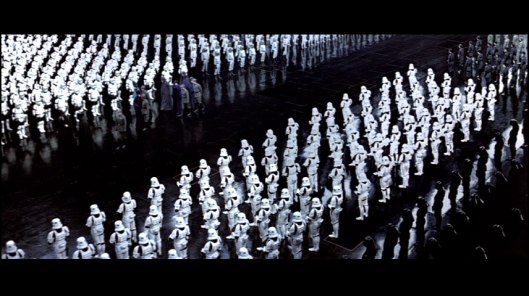
to Imperial stormtroopers.

image2storm.png

These were a grim lot, doing their masters’ work and showing no signs of remorse or regret and mostly very competent at doing so.

In this posting, we thought that we would take the opposite tack and look at minions—for our purposes, we’ll define them as the Light Side of the Dark Side.  Often, unlike Sauron or Cardinal Richelieu in our last post, their bosses are hardly the object of fear themselves.

We begin with two combinations of comic ineptitude:  government mounted police vs bandits and policemen vs pirates.

In 1869, Jacques Offenbach (1819-1880)

image3offenbach.jpg

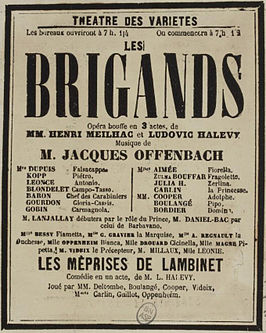
composed the music for Les Brigands (“The Bandits”).

image4poster.jpg

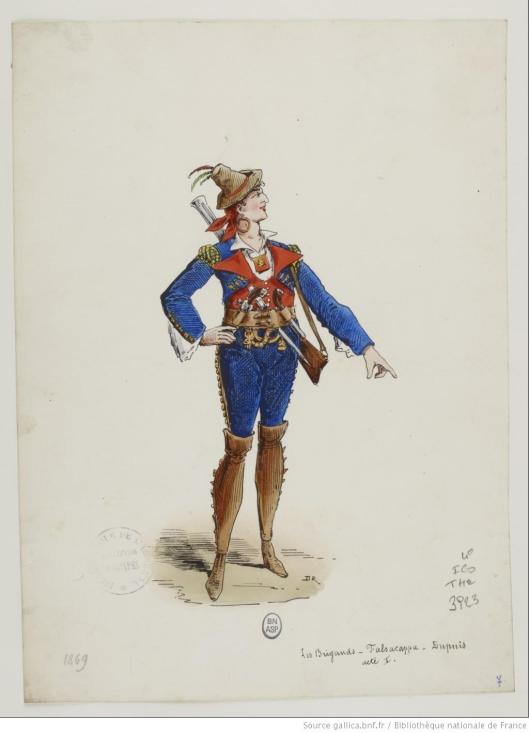
The plot concerns the adventures of a group of Italian banditti, led by a chief called Falsacappa, (“Fake Cape”, suggesting that he’s only wearing the costume of a bandit and is, in fact, someone not so bold?)

image5fals.jpg

who are scheming to pull off a major heist.  Here (along with that of Falsacappa) are some of the original costume designs.

image6barbavano.jpgimage6fior.jpg

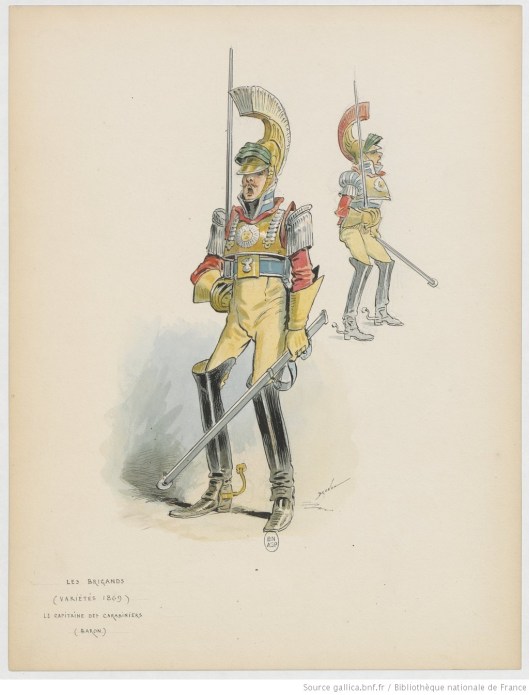
These bandits talk (and sing) as if they were blood-thirsty killers, mostly, but that seems to be all that they do, except indulge in petty crime.  Their opponents, the carabiniers (here’s an original design for their uniforms),

image8carab.JPEG

the ancestors of the modern carabinieri,

image9carab.jpg

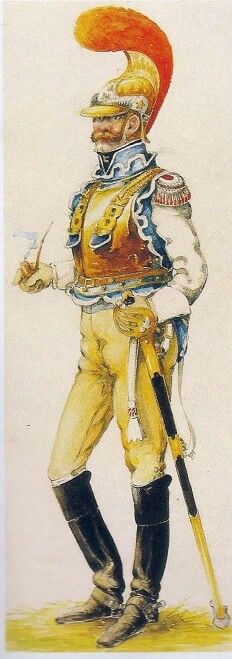
although the costume design makes them look much more like French Napoleonic carabiniers,

image10carab.jpg

a pair of cavalry units, rather than mounted police, are even less impressive.  In fact, as they march onstage, they recite this (our crude translation):

“Nous sommes les carabiniers, gauche, gauche
La sécurité des foyers, gauche, gauche
Mais, par un malheureux hasard,
Au secours des particuliers
Nous arrivons toujours trop tard…”


“We are the carabiniers, left, left.

The security of homes, left, left.

But, by an unhappy chance,

In helping private citizens,

We always arrive too late.”

They are also so loud as they tramp along that they always alert criminals that they are coming (and there’s a song about that)—just look at this sheet music cover to give you an idea.

image11carabiniers.png

As for a leader, he seems just to blend in with his hapless men.

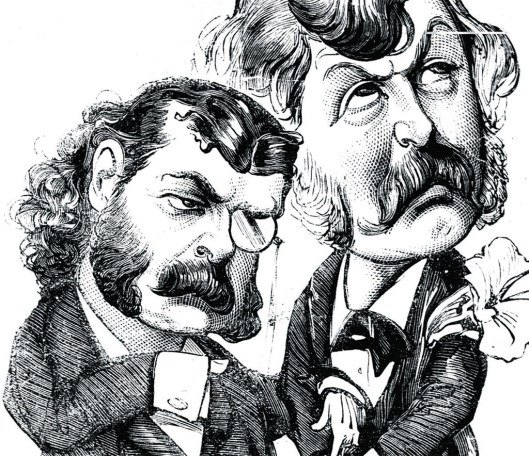
In 1871, WS Gilbert (1836-1911)

image12wsg.jpg

of (eventual) Gilbert and Sullivan (1842-1900) operetta fame,

image13gil.jpg

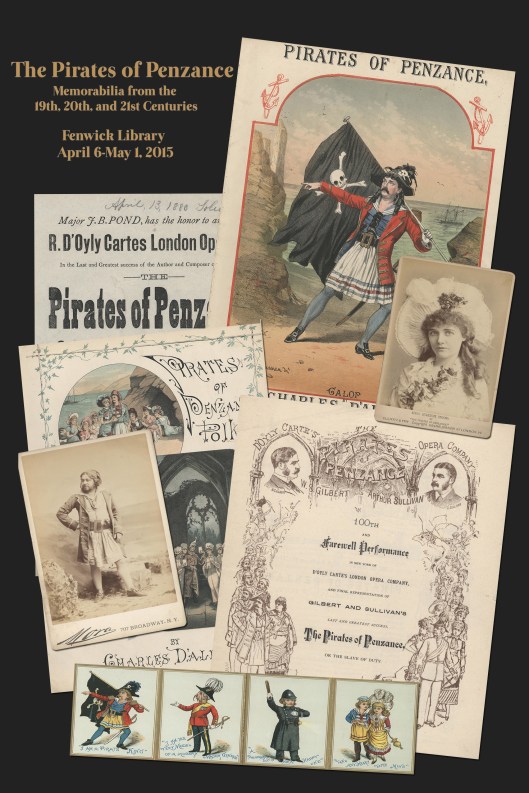
published a translation of Les Brigands, which became the standard 19th-century translation.  The characters in the Offenbach clearly also influenced Gilbert, who, in 1879, created The Pirates of Penzance.

image14pirates.jpg

Led by a Pirate King, who looks the part, but…

the plot concerns some extremely tender-hearted pirates, who, being orphans themselves, always let people—and ships—go if the crews claim to be orphans.

image15pirates.png

Their opponents, who appear to be Metropolitan policemen (“Bobbies/Peelers”),

image16police.png

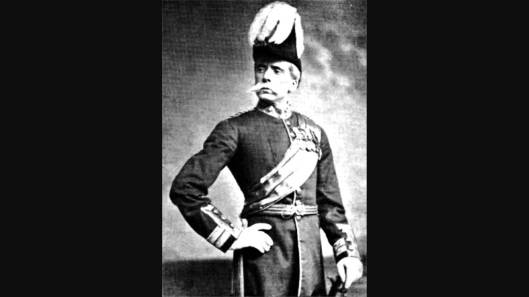
are extremely timid and jump at the slightest sound—which is not surprising, as their chief is an elderly major general whose greatest claim is that he knows everything about war—except for war.

image17mod.jpg

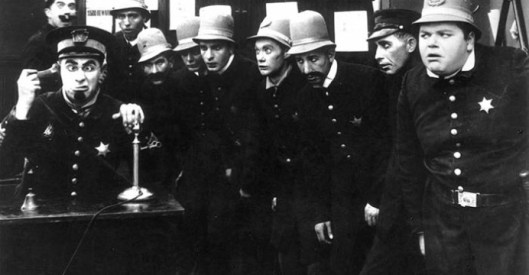
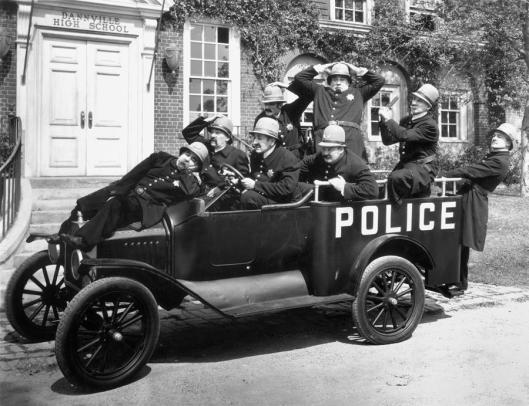
Inept or timid policemen seem to be very popular as minions—early film featured The Keystone Cops from 1912-1917.

image18key.jpg

If earlier figures, like the carabiniers and the Gilbert and Sullivan police were dim or fraidy-cats, the Keystone Cops were an absolute disaster, causing more problems than they ever solved–

image19key.jpg

which brings us to our last exhibit

image20minions.jpg

and perhaps enough said.


Thanks for reading, as always, and, as always,

MTCIDC

CD

ps

If you would like to see the Keystone Cops in action, here’s a LINK to one of their films, “For Better But Worse” at the Internet Archive.

(There are more there.)

Henchmen and Minions

Tags

, , , , , , , , , , , , , , , , , , , , , , , ,


Welcome, dear readers, as ever.

A henchman was originally a hengestman, from hengest “horse/stallion” + man “man”—in other words, a groom, a servant who takes care of horses.

image1groom.jpg

Although the word began with the meaning of “groom”, it has certainly changed over time and now it suggests something like “ thuggish follower”—like these gangster henchmen.

image2henchmen.jpg

The word minion comes from the Old French word mignon, “a (little) darling”, but its meaning has also changed–even more than henchmen, now indicating a kind of low-level person who simply follows orders, which the peasants in this picture by Albrecht Duerer make us think of.

image3thugs.jpg

These words originally came to mind while we were watching the first episode of Neil Oliver’s excellent BBC series A History of Scotland. (Smart writing and wonderful photography.)

image4oliver.jpg

In the episode, a scene was reenacted, in which Saint Columba (521-597AD)

image5columba.jpg

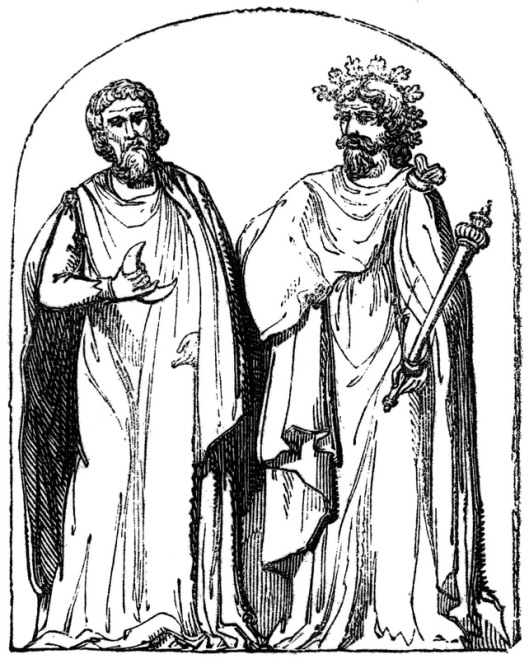
faces off against a Pictish druid.

image6druids.PNG

(This is the closest we can come to an image of a druid. As far as we know, there are, in fact, no surviving images of the learned class of the Celtic world, just often very imaginative illustrations with little or no factual basis.)

In Adomnan’s (c.624-704AD) Life of Columba, Book II, Chapter XXXIV, Columba struggles to free a slave being held by the druid, Broichan.

image7struggle.JPG

The saint wins, of course, but what struck us about this story—and in this DVD depiction—was that it was a one-on-one contest: neither man called upon backup—something which one might especially expect from the antagonist of the story, as in so many. After all, we thought, just think of villains in all kinds of stories—

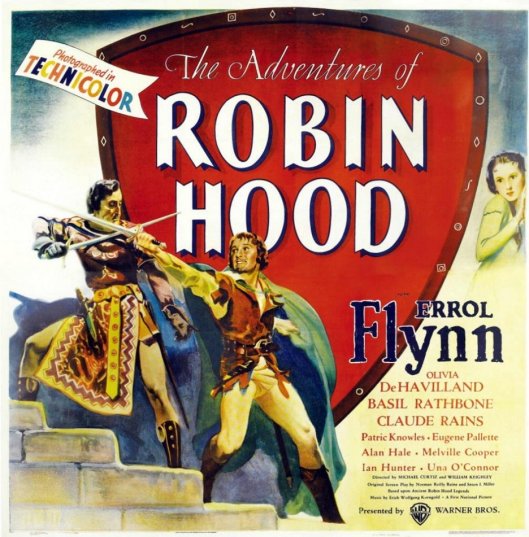
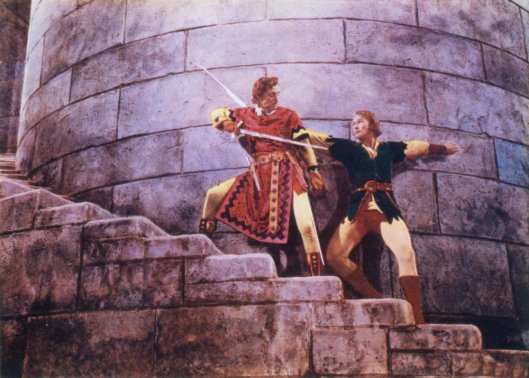
The Sheriff of Nottingham has his henchmen ready to try to capture Robin Hood at the famous archery contest.

image8not.jpg

image9arch.jpg

Or, if you prefer—

image10disney.png

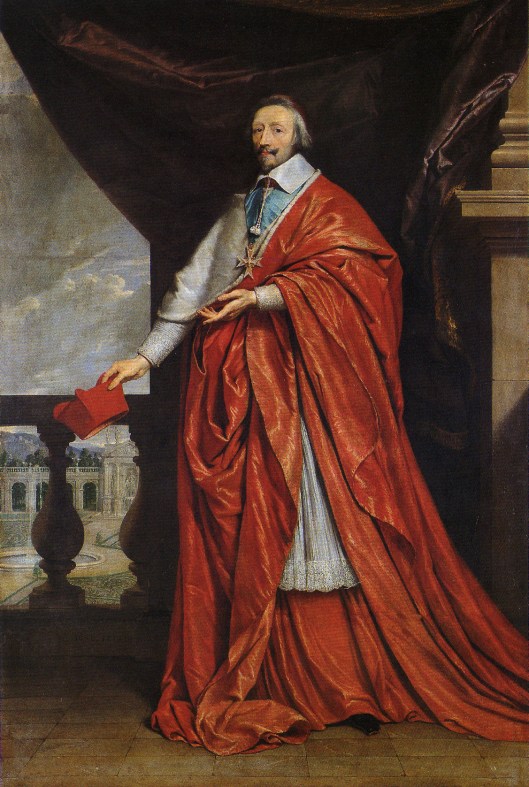
The evil Cardinal Richelieu

image11acard.jpg

has his guards

image11guards.jpg

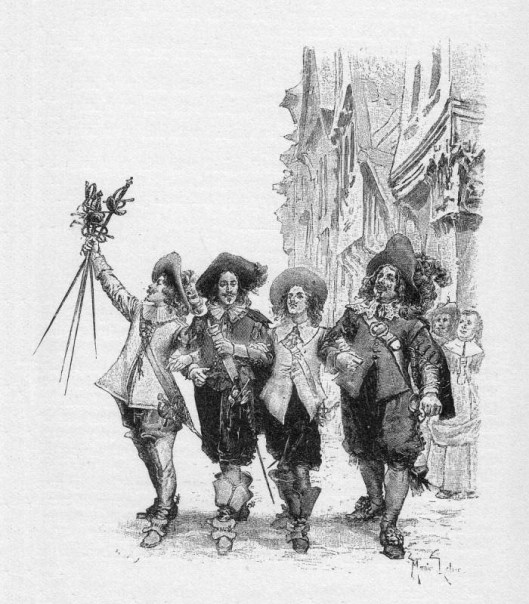
to fight the musketeers

image12three.jpg

image13musk.jpg

in Alexandre Dumas’ The Three Musketeers.

image14dumas.jpg

The Wicked Witch of the West

image15witch.jpg

has two sets of henchmen: the flying monkeys

image16witch.jpg

which have been the terror of many childhoods, in our experience, and the Winkie Guards,

image17witch.jpg

whose drum beat and deep chant always made us a little nervous when we were little (not to mention their skin color and odd noses).

image18witch.jpg

Here’s a LINK, in case you’ve forgotten what they were like.

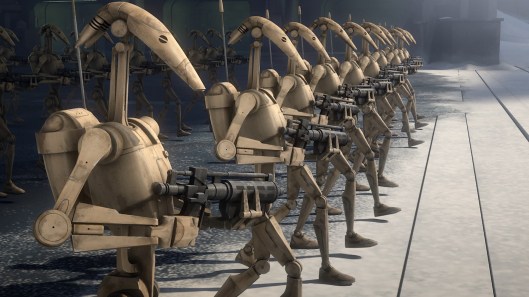
In a more modern story, the Separatists have so many droids,

image19droids.jpg

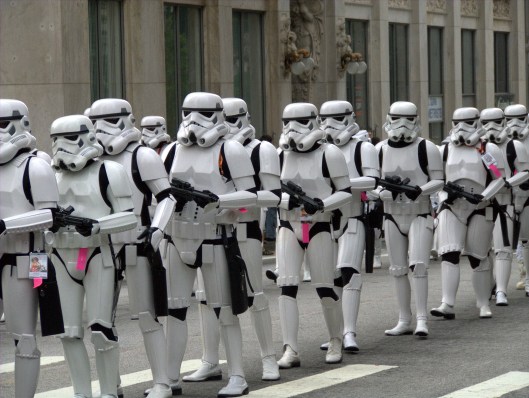
as Emperor Palpatine has so many stormtroopers.

image20troopers.jpg

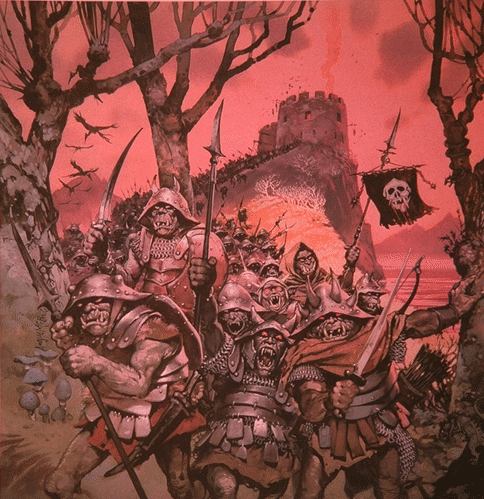
And, of course, Saruman

image21saruman.jpg

has so many orcs

image22orcs.gif

as, along with all of his human minions, does Sauron.

image23orcs.jpg

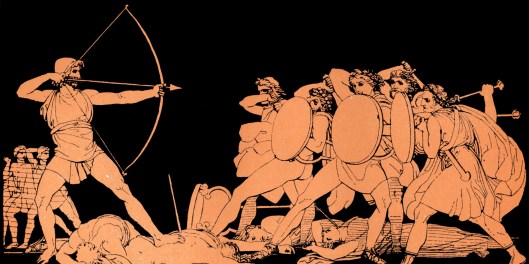
We can imagine several reasons for such overwhelming force in these stories. For the protagonist/s, the more of the enemy there are, the more impressive their defeat, as when Odysseus faces so many suitors (over a hundred) with only his son, Telemachus, and a couple of servants to help him.

image24suitors.jpg

(And Athena, of course!)

image25suitors.jpg

For the antagonist/s, there is the sense that they are so powerful that they have only to command and vast numbers of henchmen will do their bidding.

image26hench.jpg

At the same time, we wonder if, underneath all of that force, there is a basic insecurity, a feeling that “my power by itself is really not enough—I can’t do this alone”? After all, it’s not the Sheriff of Nottingham who faces Robin Hood in the 1938 film,

image27poster.jpg

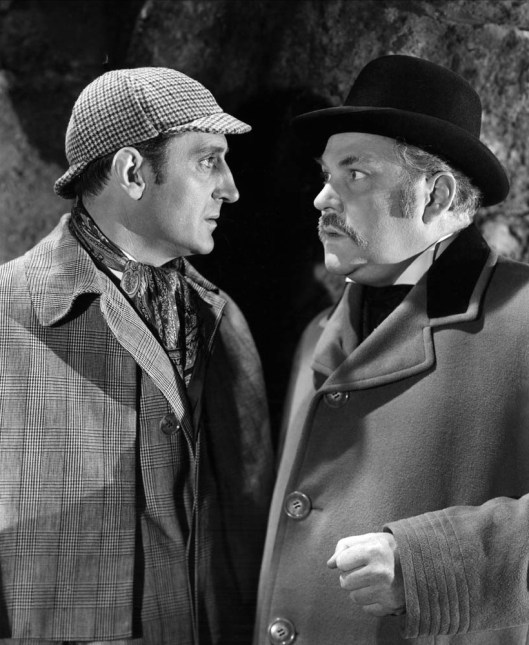
but the secondary character, Guy of Gisborne (played by Basil Rathbone, who was the first great film Sherlock Holmes).

image28rathbone.jpg

image29holmes.jpg

The Wicked Witch of the West relies upon her monkeys and her guards and Saruman and Sauron upon their armies and none ever faces an opponent alone: for that matter, we never even see Sauron except as a shadow at his fall.

And perhaps that underlying insecurity has some roots in reality: the only antagonist who actually confronts the protagonist is a little too sure of himself and of his major henchman and we all know what happens next…

image30darth.jpg


As always, thanks for reading and

MTCIDC, dear readers!

CD

War Game

Tags

, , , , , , , , , , , , , ,

Welcome, dear readers, as ever.

In our last, Sam Gamgee, while discussing their current situation with Frodo, says:

“The brave things in the old tales and songs, Mr. Frodo:  adventures, as I used to call them.  I used to think that they were things the wonderful folk of the stories went out and looked for, because they wanted them, because they were exciting and life was a bit dull, a kind of sport, as you might say.”  (The Two Towers, Book Four, Chapter 8, “The Stairs of Cirith Ungol”)

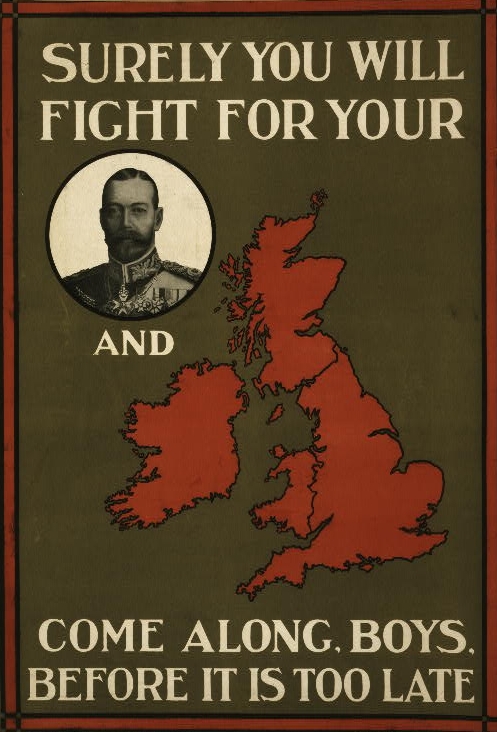
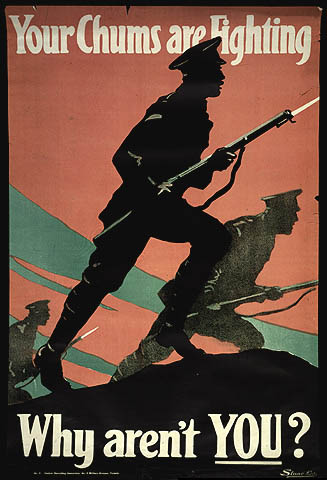
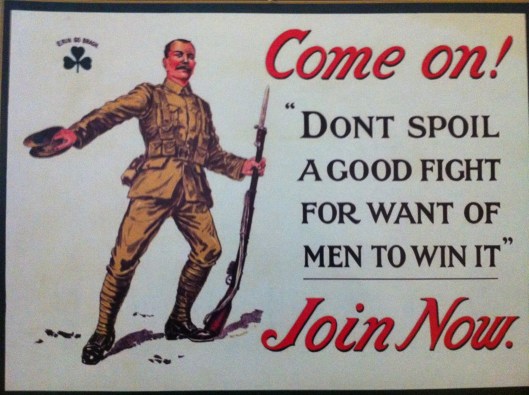
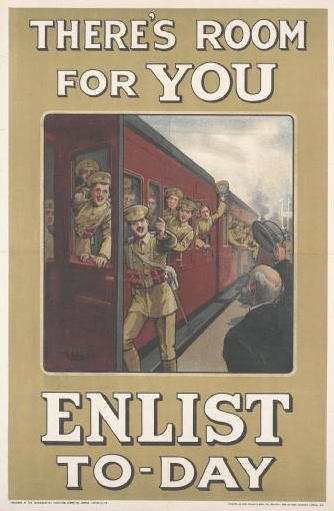
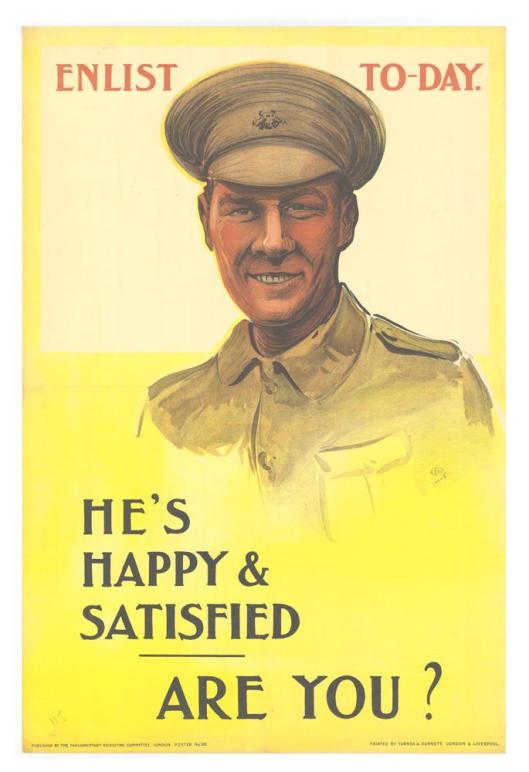
We suggested, in our last, that this might, in part, be a comment upon the enthusiasm for war in Britain in the later months of 1914, with its dramatic posters.

image1posterimage2poster.jpgimage3poster.jpg

Now, rereading the posting, we wanted to take the passage in a different direction, that of “kind of sport”, or, rather, game.  “Game” took us to a once-well-known poem by Sir Henry Newbolt (1862-1938),

image4hank.jpg

Vitae Lampada (“The Torch of Life”, 1897):

Vitai Lampada

(“They Pass On The Torch of Life”)

There’s a breathless hush in the Close to-night —
Ten to make and the match to win —
A bumping pitch and a blinding light,
An hour to play and the last man in.
And it’s not for the sake of a ribboned coat,
Or the selfish hope of a season’s fame,
But his Captain’s hand on his shoulder smote —
‘Play up! play up! and play the game!’

The sand of the desert is sodden red, —
Red with the wreck of a square that broke; —
The Gatling’s jammed and the Colonel dead,
And the regiment blind with dust and smoke.
The river of death has brimmed his banks,
And England’s far, and Honour a name,
But the voice of a schoolboy rallies the ranks:
‘Play up! play up! and play the game!’


This is the word that year by year,
While in her place the School is set,
Every one of her sons must hear,
And none that hears it dare forget.
This they all with a joyful mind
Bear through life like a torch in flame,
And falling fling to the host behind —
‘Play up! play up! and play the game!’

Here we see battle equated with playing football at school, the implication being that one must stick to it, whether it be in a game or in life.

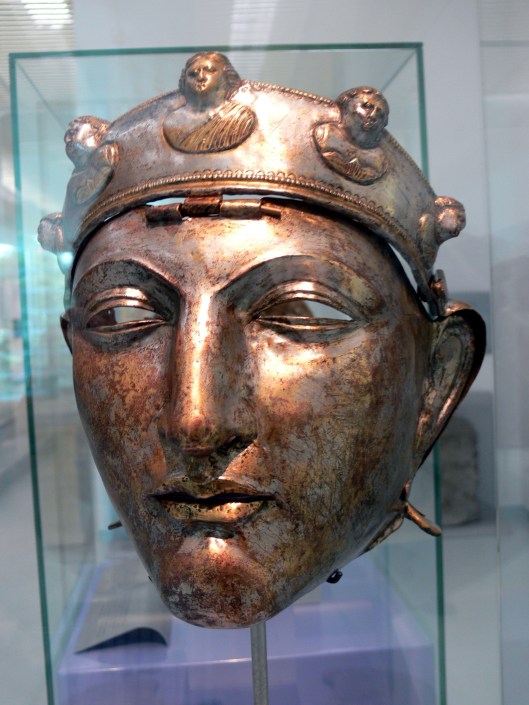
People have been making a game of battle for many years. The Romans seem to have had some sort of equestrian display called the “Troy Game” (lusus Troiae), about which most of what we know comes from Vergil’s Aeneid, Book 5, lines 545-603—here’s a LINK so that you can read it for yourself in translation), and there appears, as well, to have been some sort of cavalry event complete with masks (although, recently, there have been questions raised about these masks).

image5mask.jpg

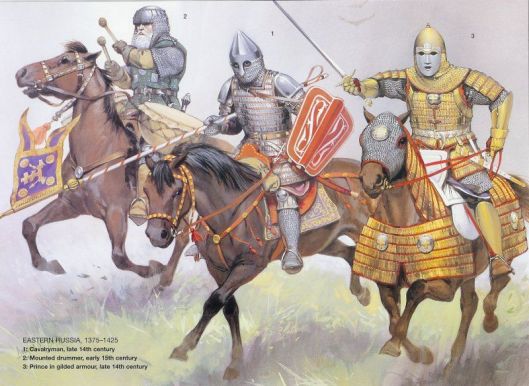
(These masks also remind us of a piece of armor used in eastern Europe, especially by the early warriors of Russia and its allies.)

image6amask.jpg

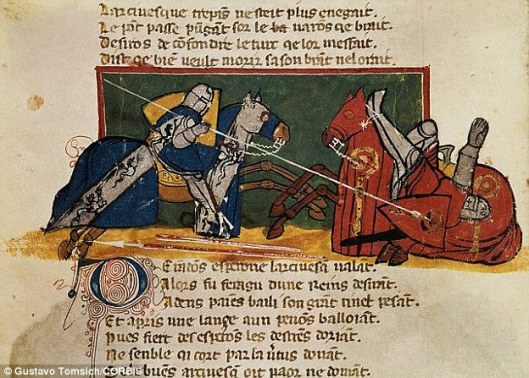
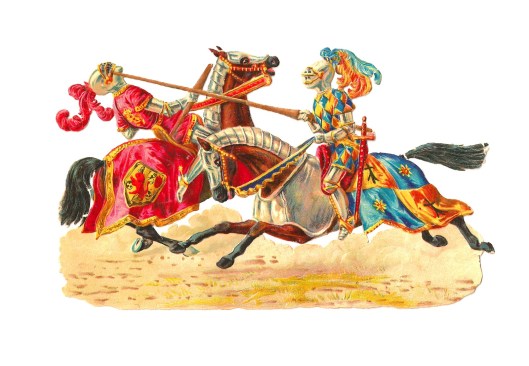
Certainly, medieval warriors enjoyed jousting as a game

image6joust.jpg

including a kind of general mayhem called a melee.

image7tournament.jpg

Such events proved so dangerous, however, that, in 1130, Pope Innocent II banned tournaments and, in time, several English and French monarchs did the same, with very mixed results as far as obedience went, although melees eventually seem to have died out, even as jousting continued in popularity.

image8joust.jpg

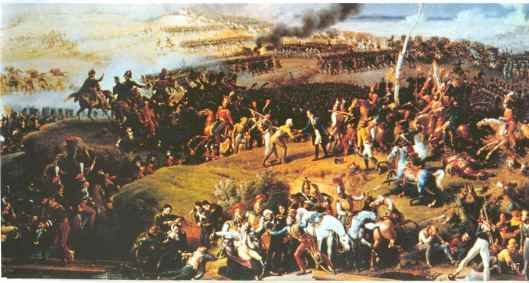
Tournaments might keep knights in training, but, by the Napoleonic era,

image9borodino.jpg

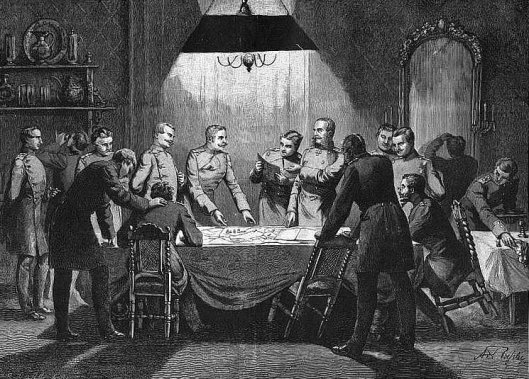
military authorities had begun to think about how they might train their young soldiers off the battlefield.  Beginning in the early 1800s, officers in the Prussian army began to experiment with board games, called “Kriegsspiel” (literally, “game of war”).

image10krieg.jpg

(Here’s a LINK to great site if you want to know more about such games or, even better, play them.)

Board games like this continued to be developed and popular.  Here’s Polemus from 1888.

image11polemus.jpg

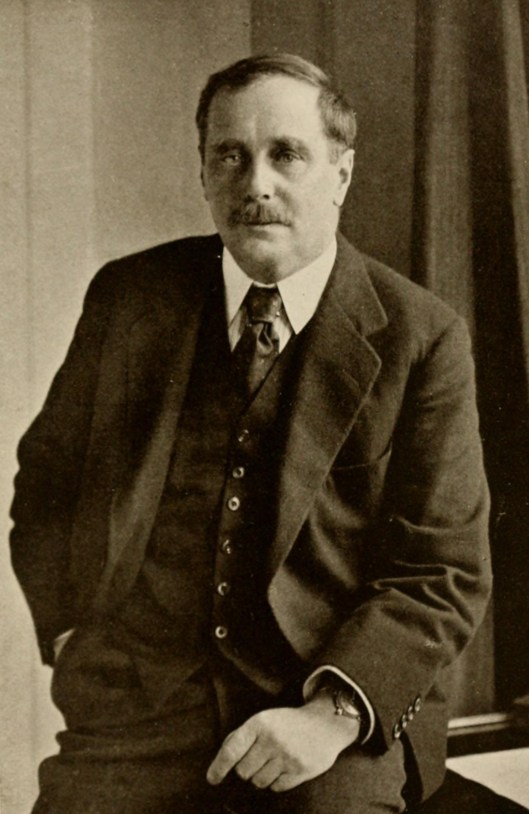
In 1911, H.G. Wells (1866-1946),

image12wells.jpg

published Floor Games,

image13floor.jpg

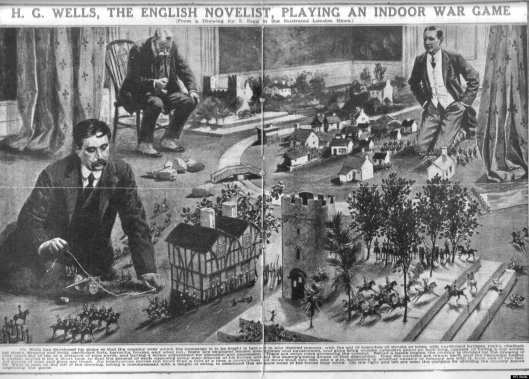
at the end of which he promised that, some time in the future, he would write about what he called “little wars” and, in 1913, that book appeared, Little Wars.

image14little.jpg

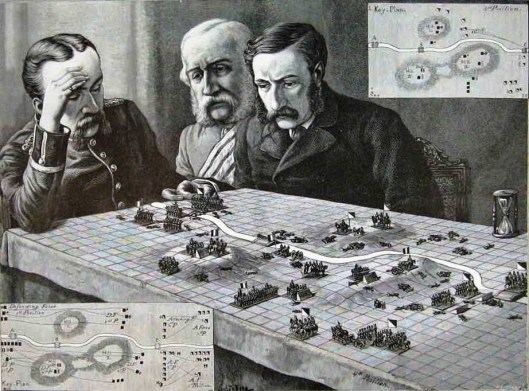
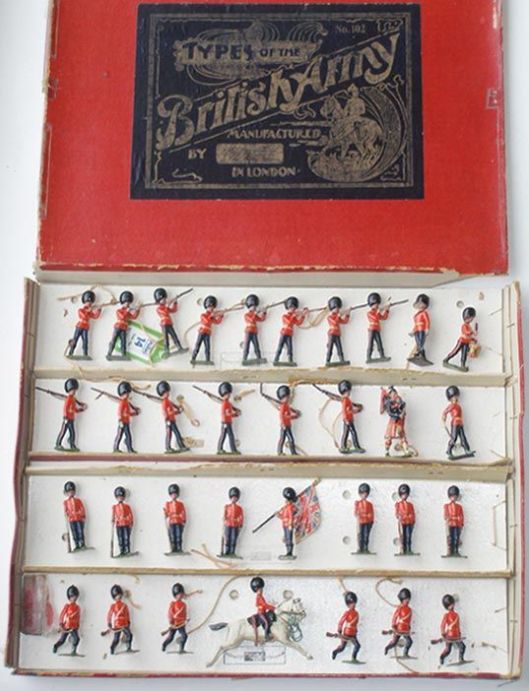
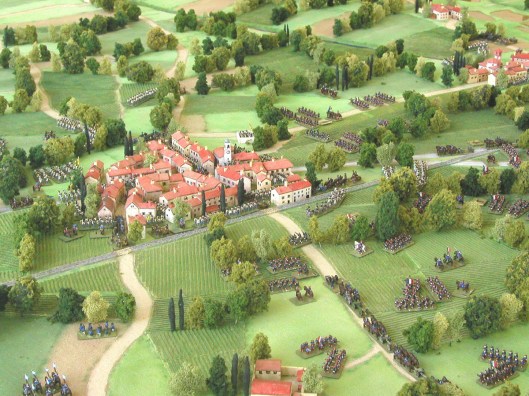
This was a whole new kind of game.  It was a kriegsspiel, in that it was a wargame, but it was a wargame which, instead of using maps and wooden pieces, as earlier board games had, this was a much more realistic game, played with scenery and hundreds of small metal soldiers, mostly based upon the soldiers manufactured by William Britain, beginning in the 1890s.

image15brits.jpg

image16game.jpg

Such games, with even more elaborate scenery, figures, and rules, are played today around the world.

image17game.jpg

(Here are links to both books so that you can have your own copies:  Floor Games, 1911Little Wars, 1913.)

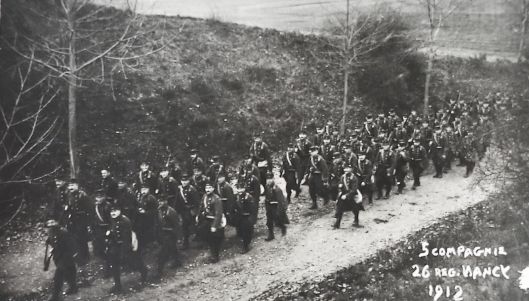
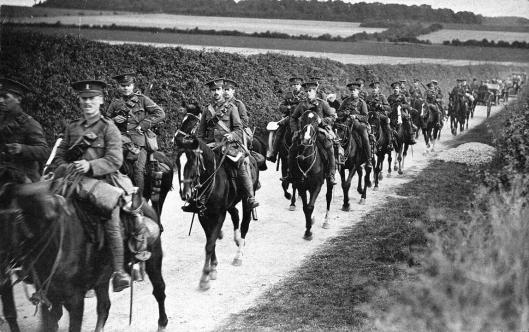
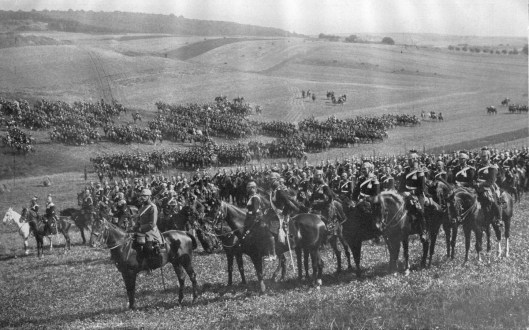
Besides kriegsspiels, by the early 20th century European armies began to create full-sized 3D equivalents, called maneuvers.  In these, large numbers of actual soldiers, divided into sides like “Red Army” and “Blue Army”, would march across the countryside, seeking to gain advantage over the other side, while referees looked on and judged how successful those movements were.

image18french.JPG

image19brit.jpg

image20germ.jpg

In the summer of 1914, the Austrians were due to hold their summer maneuvers in the hills of Bosnia, to the west of Serbia.  The Austrian Crown Prince, Franz Ferdinand, who was to observe those maneuvers,

image21ff.jpg

arrived in the Bosnian capital, Sarajevo, on the 28th of June with his wife, Sophia—and then things went very wrong

image22ass.jpg

and wargames turned into actual war, a war which lasted till November, 1918, in which perhaps as many as 16.5 million people died.

This leads us back to something which HG Wells suggested at the conclusion of Little Wars and which we wish were true:

“And if I might for a moment trumpet! How much better is this amiable miniature than the Real Thing! Here is a homeopathic remedy for the imaginative strategist. Here is the premeditation, the thrill, the strain of accumulating victory or disaster—and no smashed nor sanguinary bodies, no shattered fine buildings nor devastated country sides, no petty cruelties, none of that awful universal boredom and embitterment, that tiresome delay or stoppage or embarrassment of every gracious, bold, sweet, and charming thing, that we who are old enough to remember a real modern war know to be the reality of belligerence. This world is for ample living; we want security and freedom; all of us in every country, except a few dull-witted, energetic bores, want to see the manhood of the world at something better than apeing the little lead toys our children buy in boxes. We want fine things made for mankind—splendid cities, open ways, more knowledge and power, and more and more and more—and so I offer my game, for a particular as well as a general end; and let us put this prancing monarch and that silly scare-monger, and these excitable “patriots,” and those adventurers, and all the practitioners of Welt Politik, into one vast Temple of War, with cork carpets everywhere, and plenty of little trees and little houses to knock down, and cities and fortresses, and unlimited soldiers—tons, cellars-full—and let them lead their own lives there away from us.”

image23hgw.jpg

What more can we say?

Thanks, as always, for reading and

MTCIDC

CD

Metatextual

Tags

, , , , , , , , , , , ,

Welcome, dear readers, as always—and don’t be weirded-out by the hyperliterary title.  We’ve been thinking about an odd moment in The Lord of the Rings, a moment when two of the main characters seem to possess the ability, at least for that moment, to step away from the story, and to see themselves as characters, which is one way in which metatextuality, meaning “outside the text”, works.  (For a useful definition, see this LINK.)

It’s a passage in The Two Towers, Book Four, Chapter 8, “The Stairs of Cirith Ungol”.  Sam and Frodo are pausing before Gollum leads them through a passageway which will bring them into Mordor.  They have a meal, then talk about where they’re about to go and Sam says:

“…And we shouldn’t be here at all, if we’d known more about it before we started.  But I suppose it’s often that way.  The brave things in the old tales and songs, Mr. Frodo:  adventures, as I used to call them.  I used to think that they were things the wonderful folk of the stories went out and looked for, because they wanted them, because they were exciting and life was a bit dull, a kind of sport, as you might say.”

Because Tolkien was writing this after the Great War, we might imagine that, at one level, he’s reflecting upon the war fever which captured Great Britain in the early days of the conflict, with its recruiting posters and popular art depictions like these—

image1poster.jpgimage2poster.png

image3poster.jpg

image3a.jpgimage4acharge.jpg

and its masses of volunteers crowding recruitment offices.

image4recruit.jpg

This was all before the grim reality of trench warfare

image5trench.jpg

and casualties beyond anyone’s pre-war comprehension

image6casualties.jpg

dampened that early enthusiasm, leading to a realistic cynicism mostly quietly expressed,

image7sword.png

although soldiers could sometimes express their opinion of the war vocally—see this LINK for some of that vocalizing.

What Sam says next seems to agree with this:

“But that’s not the way of it with the tales that really mattered, or the ones that stay in the mind.  Folk seem to have been just landed in them, usually—their paths were laid that way, as you put it.”

So, “adventures” now, to Sam, are no longer “a kind of sport” which “wonderful folk” seek out, but rather something which just happens to people—in fact, people like Sam and Frodo.  And, just like Sam and Frodo, “…I expect they had lots of chances, like us, of turning back, only they didn’t.”

The consequences of rejecting those chances are obvious:  “And if they had, we shouldn’t know, because they’d have been forgotten.  We hear about those as just went on…”

And Sam’s sense of the consequences of “just going on” is very realistic:  “—and not all to a good end, mind you; at least not to what folk inside a story and not outside it call a good end.  You know, coming home, and finding things all right, though not quite the same—like old Mr. Bilbo.  But those aren’t always the best tales to hear, though they may be the best tales to get landed in!”

So far, then, we might see this as the clear thinking of someone who believed in those 1914 posters and came to learn otherwise.  Sam continues, however, and here’s where that metatextuality comes in:

“I wonder what sort of tale we’ve fallen into?”

We know that Sam has long been fascinated by tales of elves and dragons.  As Gaffer Gamgee says:

“Crazy about stories of the old days, he is, and he listens to all of Mr. Bilbo’s tales.  Mr. Bilbo has learned him his letters…”  (The Fellowship of the Ring, Book One, Chapter 1, “A Long-Expected Party”)

The Gaffer’s last remark suggests that not only has Sam heard tales, but he may even have read them.  We think that it should be no surprise, then, that, when put into a situation far beyond the usual, Sam might believe that it’s not just daily life, but, in fact, a “tale”.  And so he asks, “…what sort…?”

To which Frodo replies:

“I wonder…But I don’t know.  And that’s the way of a real tale.  Take any one that you’re fond of.  You may know, or guess, what kind of tale it is, happy-ending or sad-ending, but the people in it don’t know.  And you don’t want them to.”

In Sam and Frodo’s case, they clearly don’t and can’t know, but, although they don’t know their fate (although we think that Frodo has an idea, saying “Our part will end later—or sooner.”), they both believe that they are in a tale, as Sam says:

“Still I wonder if we shall ever be put into songs or tales.  We’re in one, of course; but I mean put into words, you know, told by the fireside, or read out of a great big book with red and black letters, years and years afterwards.”

This is ironic, of course, as we know that this very story is drawn as Tolkien-as-editor says in the Prologue to The Lord of the Rings, from The Red Book of Westmarch (see “Note on the Shire Records”), a volume jointly written by Bilbo and Frodo and perhaps completed by Sam himself (see The Return of the King, Book Six, Chapter 9, “The Grey Havens”).

There is also, to our minds, as we said, something odd about this view of themselves and their situation.  In general, characters in epic stories—just as Frodo says—are unaware that they are in them.  Achilles never turns to Patroclus in the Iliad and asks, “I wonder how this epic will end?” nor does Beowulf spend time discussing just what sort of tale he and Wiglaf have gotten themselves into.   (You can see a touch of metatextuality in the Game of Thrones series, however, when one of its evilest characters, Ramsay Bolton, can say, “If you think this has a happy ending, you haven’t been paying attention.”)

Frodo takes the idea of their being characters one step farther when he then suggests indirectly that their story is actually in the hands of its readers:

“…We’re going on a bit too fast.  You and I, Sam, are still stuck in the worst places of the story, and it is all too likely that some will say at this point:  ‘Shut the book now, dad; we don’t want to read any more.’ “

As in his earlier remark, that “Our part will end later—or sooner”, we see that Frodo imagines that they’re already in such a bad place that a young audience will want to stop the story.

This then leads us to a question as odd to us as their view of themselves as already-fictional characters in a tale:   if dad listens and agrees, closing the book, what will happen to Frodo and Sam then?


Thanks, as ever, for reading and

MTCIDC

CD

See, the Conquering Hero?

Tags

, , , , , , , , , , , , , , , , , , , , , ,

Welcome, as ever, dear readers.

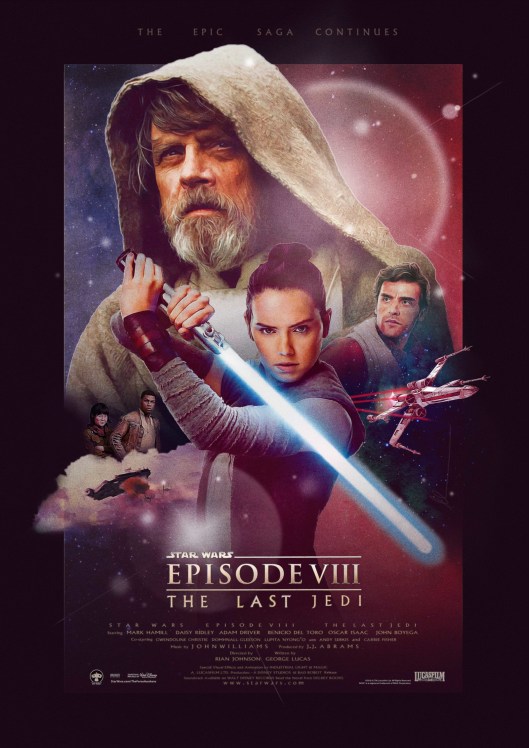
With Star Wars IX to appear in mid-December, completing the series, we’ve been going back through all of the previous episodes, from I (The Phantom Menace)

image1phantom.png

through VIII (The Last Jedi).

image2last.jpg

It’s a remarkable achievement and we’re very grateful to George Lucas,

image3gl.jpg

for bringing it so far, even if his strong sense of the story seems to have been abandoned after VI (Return of the Jedi).

Because there are now so many films (including all of the offshoots, like the animated features, as well as Rogue One and Solo), it’s sometimes hard to remember that, once upon a time, there was only Star Wars (only later A New Hope), with its triumphant conclusion—mass formations of troops, Princess Leia in an actual princess outfit, and medals all around.

image4sw1.jpg

The next film—now V (The Empire Strikes Back) had a much less secure ending, with Darth Vader and the Emperor appearing to win and Han Solo a prisoner, on his way to Jaba the Hutt,

image5ending5.jpg

but VI (The Return of the Jedi) is once more triumphant, both in its original ending, on the forest moon of Endor,

image6return.jpg

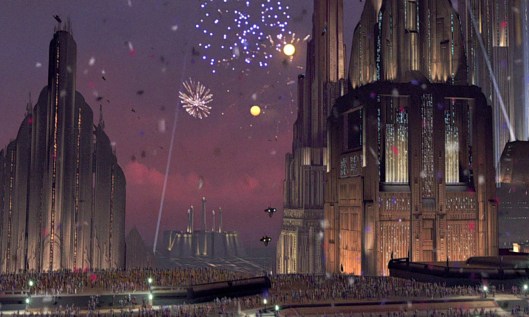
and in the later revised version, where we see galaxy-wide celebrations.

image7return.jpg

Among the other films, we’ve seen another celebration, on Naboo, at the end of I (The Phantom Menace),

image8phantom.jpg

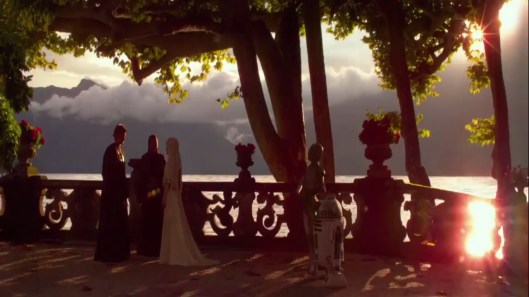
a secret marriage in II (Attack of the Clones),

image9attack.jpg

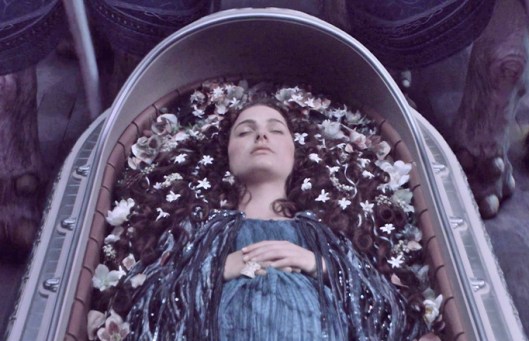
and a complex web of plot, including the construction of the Death Star, the separation of the babies—Leia to Alderan, Luke to Tatooine—and the funeral of Padme in III (The Revenge of the Sith).

image10padme.jpg

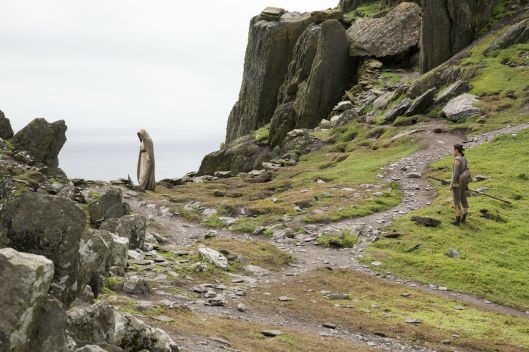
VII (The Force Awakens) had a mysterious ending:  Rey having gone to what appears the far end of the galaxy to find—
image11rey.jpg

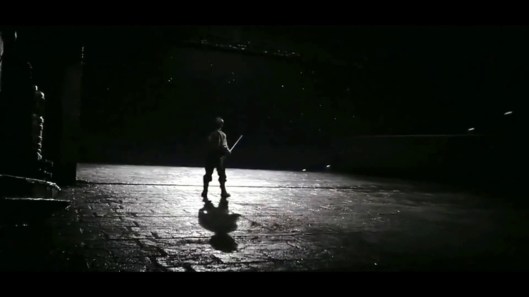
while VIII (The Last Jedi) seemed vaguely hopeful, with an unnamed stable boy showing signs of having the Force within him, as Anakin did in I.

image12last.jpg

With such a build-up, we’ve been wondering how IX (The Rise of Skywalker) will end.  As it’s supposedly the final episode, we assume that it will not conclude up in the air, like V, but will it have a mass celebration, like I, IV, and VI?

Or will it, like III, have multiple endings?  As we’ve thought about it, you could really see that as the case with The Lord of the Rings.

First, like I, IV, and VI, there are celebrations:  of Frodo and Sam at the field of Cormallen, in The Return of the King, Book Six, Chapter 4, “The Field of Cormallen”.

image13afield.JPG

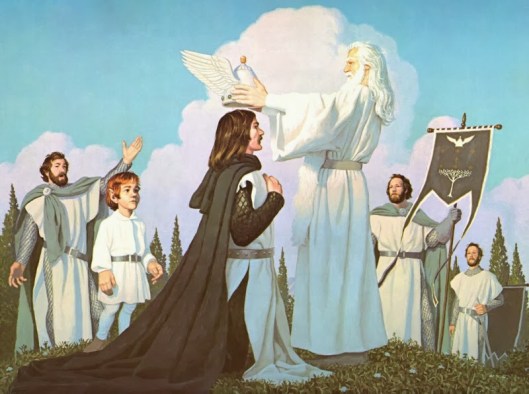
Then, in Chapter 5, “The Steward and the King”, we have the crowning of Aragorn

image13coronation.jpg

followed by the wedding of Arwen and Aragorn.

image14wedding.jpg

After that, we have the return of the hobbits to the Shire and the defeat and death of Saruman in Chapter 8, “The Scouring of the Shire”.  The Shire has been badly damaged by Saruman and his henchmen, however, so that, although they are gone, the healing will take many years.

image15adeath.jpg

And the story doesn’t conclude there.  Only a little time goes by and then there is another ending:  the trip to the Grey Havens and beyond in Chapter 9, “The Grey Havens”.

image16grey.jpg

And then the story finally ends—or does it?  We’ve seen in Star Wars VIII, when the stable boy seems to use the Force, though only for a moment,

image12last

the implication that perhaps the title, The Last Jedi, is more of a puzzle than it would first appear.  The very last line of The Lord of the Rings, spoken by Sam, is “Well, I’m back…”  and it’s true, as far as Sam won’t go off on another adventure.  Before this, however, Frodo has been busy writing:

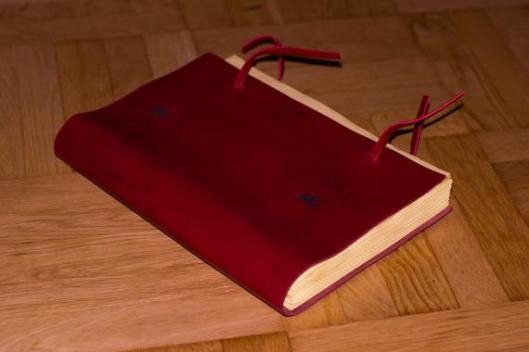
“There was a big book with plain red leather covers; its tall pages were now almost filled.  At the beginning there were many leaves covered with Bilbo’s thin wavering hand, but most of it was written in Frodo’s firm flowing script.  It was divided into chapters but Chapter 80 was unfinished, and after that were some blank leaves…

‘Why, you have nearly finished it, Mr. Frodo!’ Sam exclaimed.  ‘Well, you have kept at it, I must say.’

‘I have quite finished, Sam,’ said Frodo.  ‘The last pages are for you.’”

But what does this imply?  We have no idea what Sam may have added, but the volume Frodo gave him was the origin of The Red Book of Westmarch, the basis not only for The Lord of the Rings, but for The Hobbit, as well.  Are we being told that writing about adventure is an adventure in itself, and almost as important?

image17redbook.jpg

Thanks, as always, for reading.

MTCIDC, of course!

CD

ps

When we think of music in triumphs, the first piece which pops into our minds (after the Gungan march, of course) was one written by Haendel (1685-1759), “See, the Conquering Hero Comes”.

image18gfh


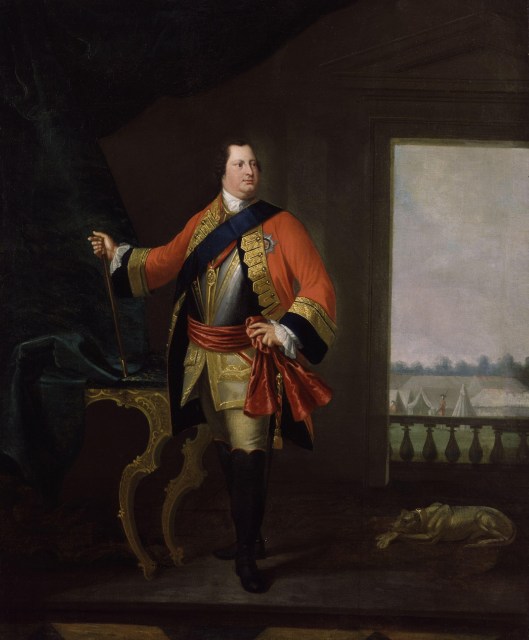
It was originally intended for his oratorio, Joshua (1747), but it fit his earlier piece, Judas Maccabaeus (1746) so well that he transferred it to the score of that oratorio.  Judas Maccabaeus was composed as a tribute to the second son of George II of England, William Augustus, the Duke of Cumberland,


image19duke

after he had decisively beaten the attempt to overthrow his father and replace him with the son of the former monarch, James II, at the battle of Culloden.

image20cull.jpg

Here’s a LINK to a stirring performance.

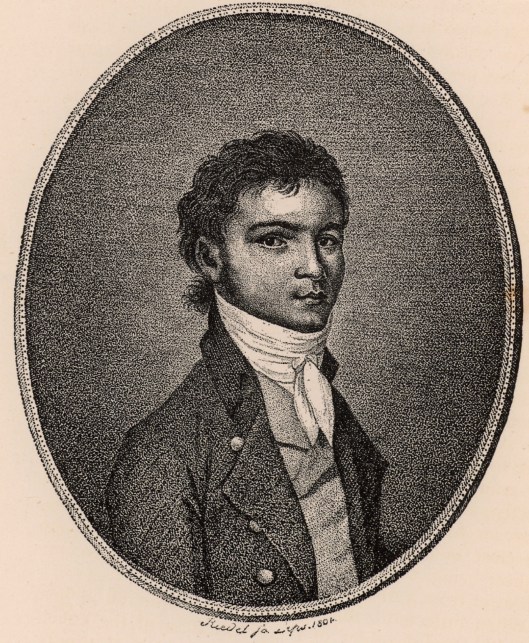
In 1796, the young Beethoven (1770-1827)

image21bvn.jpg

wrote a series of 12 variations on the theme for cello and fortepiano.  It’s a lot of fun to hear what Beethoven can do with Haendel’s tune, so we give you a LINK here.

Light on Their Feet

Tags

, , , , , , , , , , , , , , , , , , , , , , , , , , , , ,

As ever, dear readers, welcome.

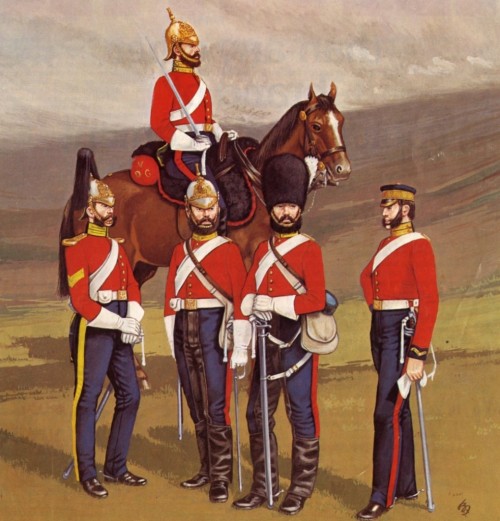
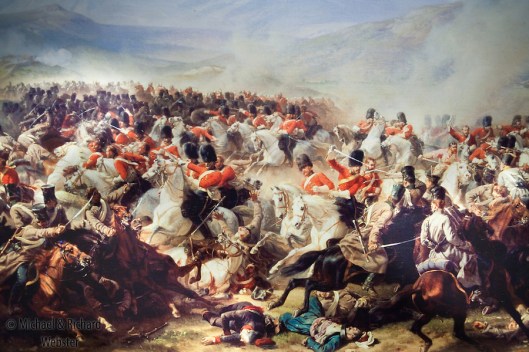
Recently, someone asked us about the Light Brigade—that is, the collection of regiments of British cavalry who fought in the Crimean War (1854-56).

image1ltbrig.jpg

These are the troopers who mistakenly charged Russian artillery in the series of battles fought on 25 October, 1854, called, collectively, Balaclava.

image2simkin.jpg

The question was, “Why was it called ‘the Light Brigade’?  Were the soldiers thin?  And was there a Heavy Brigade, where they were all fat?”

It seemed to us a very reasonable question and our answer began, “Over many centuries, cavalry has had a number of uses, but they could probably be broken down into two groups by those uses:  1. raids, skirmishes, scouting, and pursuit; 2. attacking enemy cavalry and infantry formations—and pursuit.  The former (#1) is the job of light cavalry, the latter (#2) of heavy cavalry.”

The Romans, who themselves only produced cavalry early in their history, quickly preferring to hire the job out, might, for example, use North Africans as light cavalry.

image3nub.jpg

If heavy cavalry were needed, then the task might go to Spanish or Gallic soldiers.

image4gallic.jpg


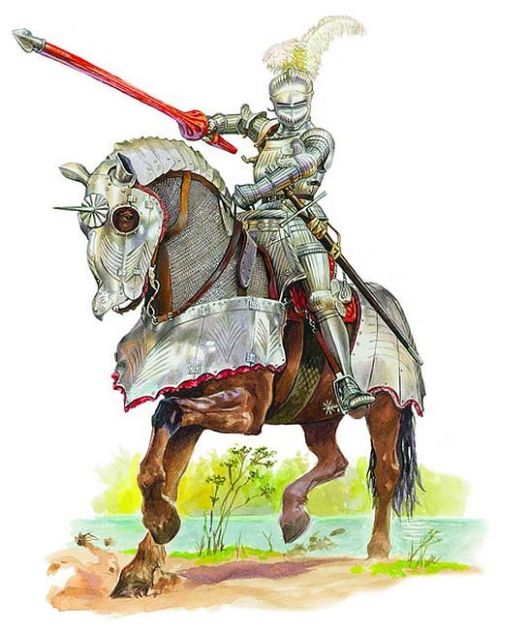
And this would be true throughout military history—Renaissance cavalry might have heavily-armored gendarmes

image5gendarme.jpg

to break up an enemy unit (or more) with the weight of its charge, but would also use lightly-armed jinetes

image6jinete


to find out the enemy’s positions, or attack their supply routes.

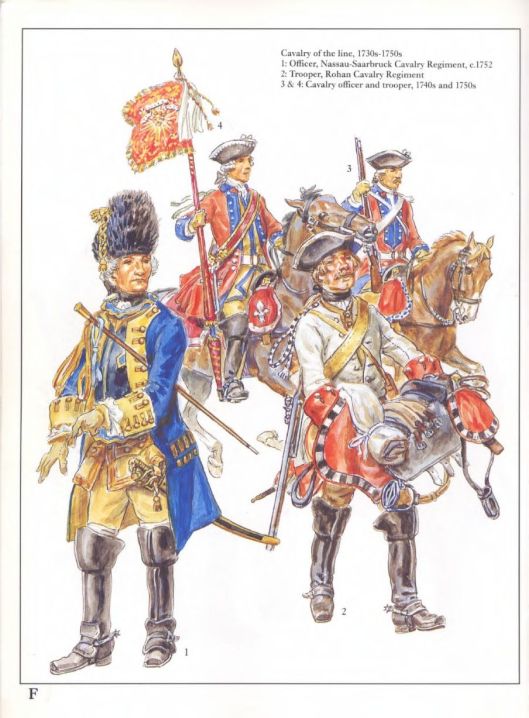
In the 18th century, most cavalry were heavy—although armor had almost disappeared.

image7heavy.jpg

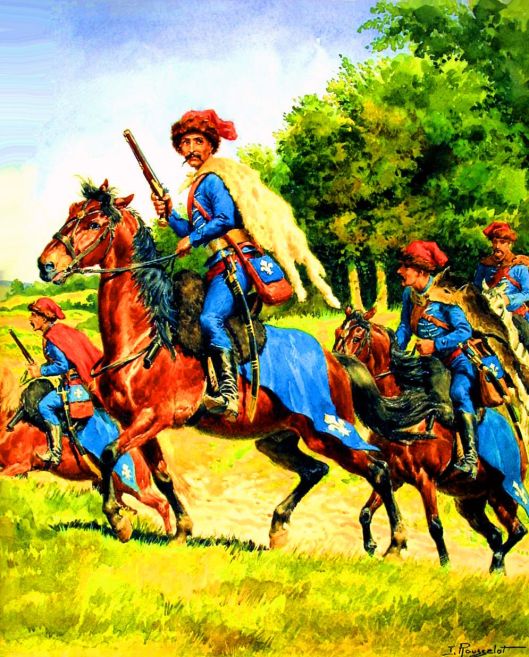
The Austrians and then the French added to those heavies light cavalry originally from the Hungarian world, hussars.

image8bercheny.jpg

Not to be outdone, the English fleshed out their heavy cavalry

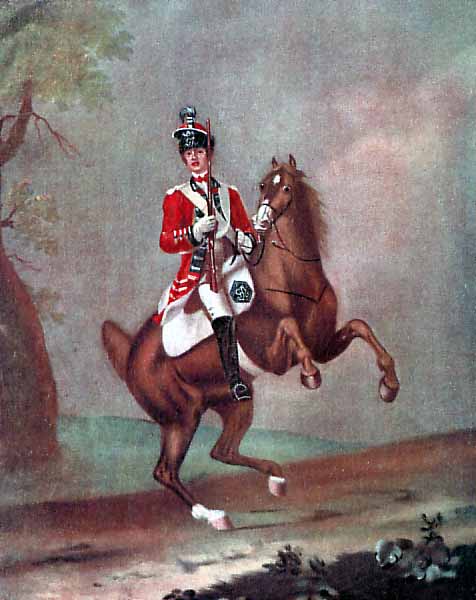
image9drag.jpg

not with hussars, but something they called “light dragoons”.

image10ld.jpg

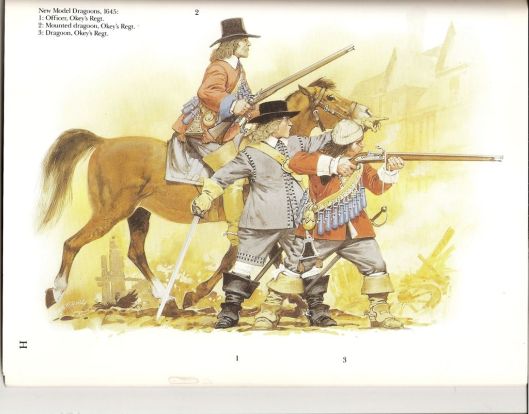
Dragoons had originally been mounted infantrymen, who rode to battle on horseback, then dismounted to fight,

image11okey.jpg

but, by the mid-18th century, dragoons were just heavy cavalry—bigger men on bigger horses—and light dragoons were smaller men on smaller horses, with mostly different functions.

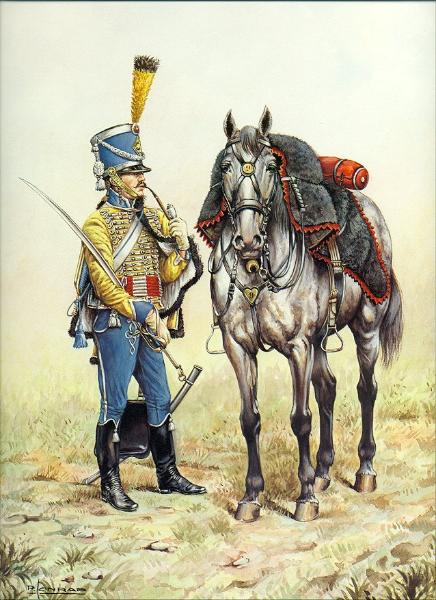
By the end of the century and just beyond, during the Napoleonic era, the French, in particular, had developed a whole series of light cavalry types—hussars,

image12hussars.jpg

chasseurs a cheval (literally, “hunters on horseback”),

image13chasseurs.jpg

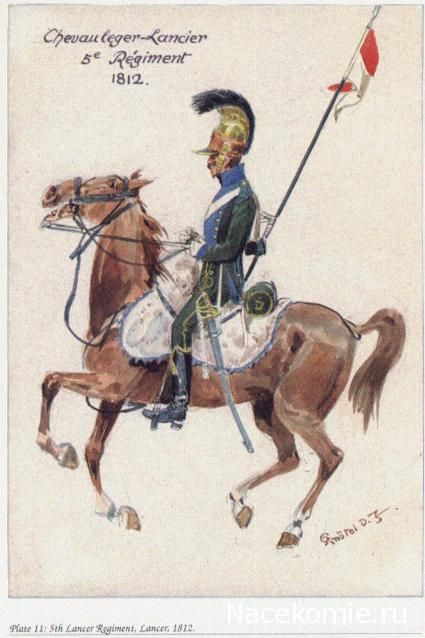
and lancers, as well.

image14lancers.jpg

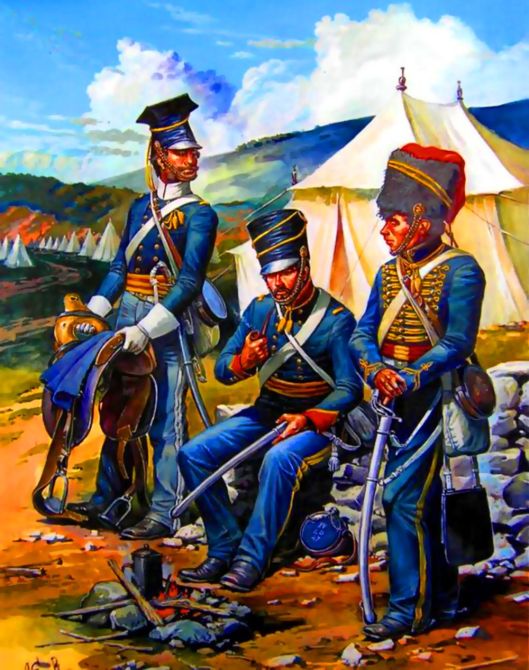
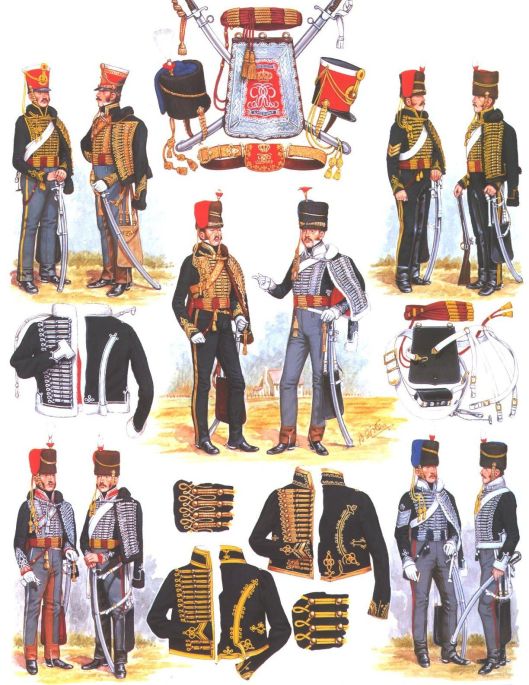
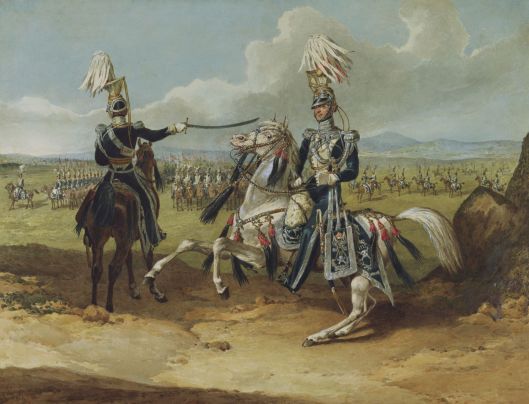
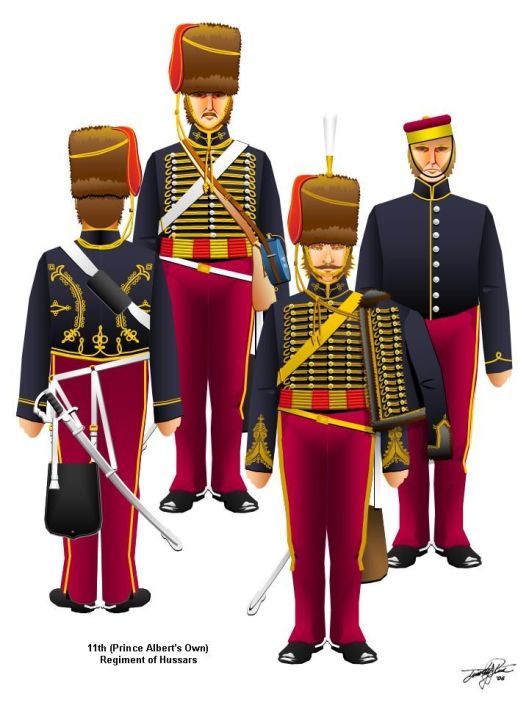
The English, to match the French, converted some regiments to hussars,

image15hussars.jpg

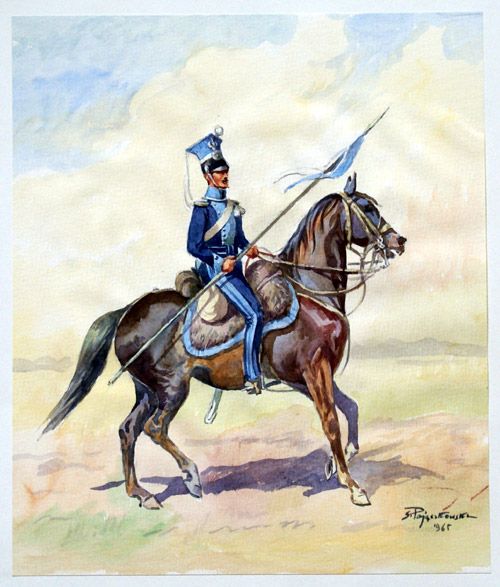
but only after 1820, when Napoleon was in his second and final exile on St. Helena, did they convert several other regiments to lancers.

image16lancer.jpg

(You can see that they borrowed their style of dress from that of Polish lancers in Napoleon’s armies.)

image17lancer.jpg

These lancers

image18lancers.jpg

along with hussars

image19hussars.jpg

and light dragoons

image20ld.jpg

made up the famous Light Brigade of Alfred Tennyson’s (1809-1892)

image21at


1854 poem, “The Charge of the Light Brigade”.

image22charge.png

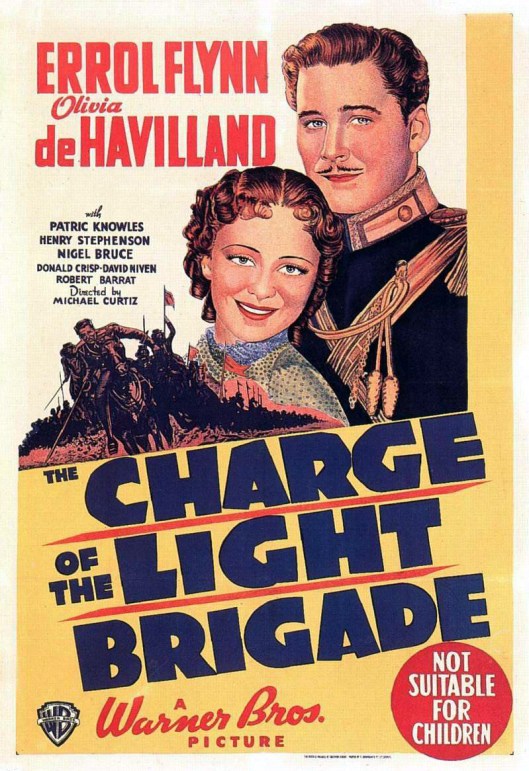
This, in turn, inspired one of our favorite adventure movies, the 1936 The Charge of the Light Brigade.

image23charge.jpg

(We wonder how different children must have been in 1936—we loved that movie as kids!)

And this film, in turn, inspired a 20th-century adventure writer, George Macdonald Fraser (1925-2008),

image24gmf.jpg

who wrote a series of 12 books detailing the life of one Harry Flashman, beginning with Flashman (1969).

image25flashman.jpg

In part, these are a parody of the life of a typical Victorian officer, who eventually becomes General Sir Harry Flashman.  He appears at many of the famous military events in mid-Victorian British history, from the First Afghan War (1839-1842) to the Zulu War (1879), along with appearances at later events, including a cameo appearance at the British declaration of war against Germany on 4 August, 1914.  The joke is, although he wins all sorts of honors, including that knighthood, he is, in fact, a complete coward and it’s only amazing luck that he manages to survive as long and as well as he does.  And there is a second joke within the first:  Flashman is actually the school bully in a very famous earlier novel, Tom Brown’s School Days (1857),

image26tbrown.PNG

by Thomas Hughes (1822-1896), a book which is the ancestor not only of many later such novels and short stories, but also of the Harry Potter books.

image27hughes.jpg

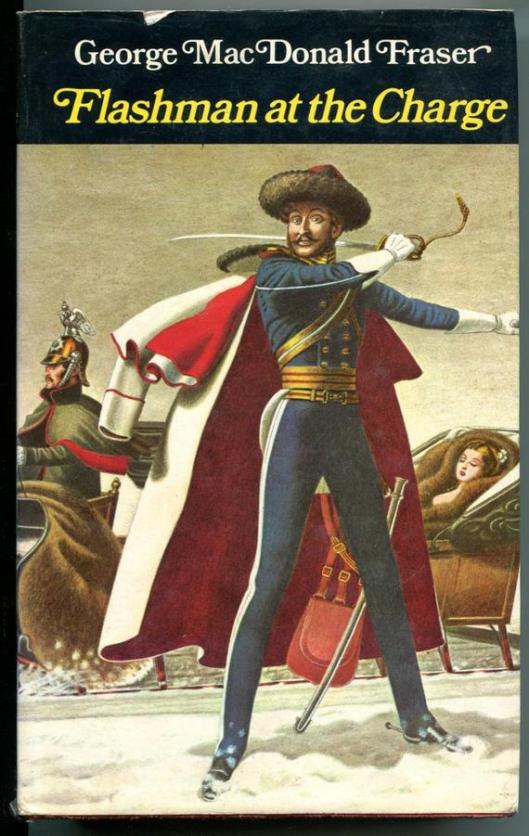
The fourth novel in the Flashman series, entitled Flashman at the Charge (1973),

image28charge.jpg

gives us Fraser’s hero as actually leading that famous attack by accident, an accident which leads to his capture by the Russians—and many further adventures.

So, our answer to the original question is:  “No.  The Light Brigade wasn’t skinny, but was called that because it was smaller men on smaller horses with very specific jobs which required rapid movement and greater flexibility than heavy cavalry.”

And, with that answer, we say thank you for reading and

MTCIDC

CD

ps

There was, in fact, a Heavy Brigade,

image29heavy.jpg

who made their own equally-heroic, but more successful, attack on the same day as the more famous Light Brigade charge.  Bigger men on bigger horses, they drove advancing Russian cavalry out of the Heavy Brigade camp.

image30charge.jpg

Terrible as an Army with Banners

Tags

, , , , , , , , , , , , , , , , , , , , ,

Welcome, dear readers, as ever.

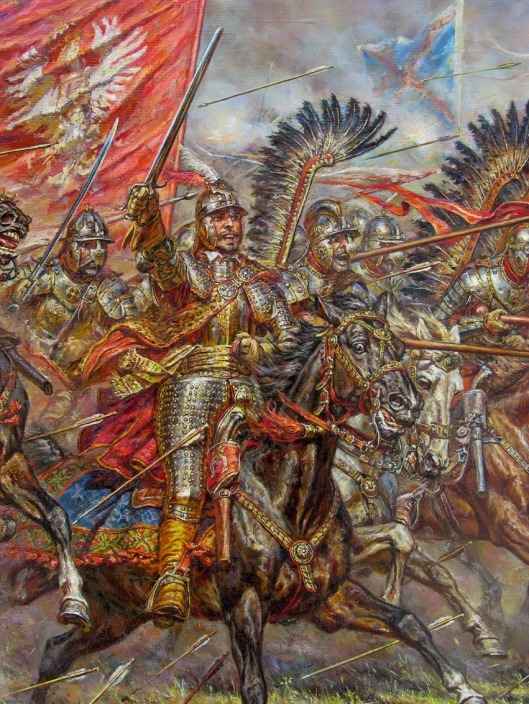
Our title comes from the Hebrew Bible, in the book entitled The Song of Solomon, Chapter 6, verses 4 and 10, where the speaker’s beloved’s beauty is likened to an army with banners.  Growing up, we always wondered about that word “terrible”.  We didn’t see why someone’s good looks could be frightening, but we could certainly see how an army with its flags could be scary.

image1ahussars


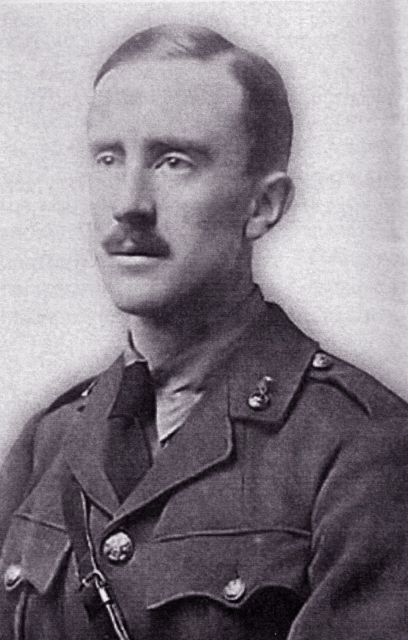
On the subject of banners, recently, we’ve been writing about 2nd Lieutenant JRR Tolkien.

image1jrrtlt.jpg

In an earlier posting, in fact, we mentioned that that rank of 2nd Lieutenant was a replacement for the earlier rank of “ensign”.  “Lieutenant” is just the English version of a French compound for “place-holder” (lieu + tenant), in this case meaning the person who will step into the captain’s shoes if necessary.  Instead of a compound with its implication of replacement, “ensign” is actually a job description.  An “ensign” is a flag (a “color”, if infantry, “standard”, if cavalry) and an “ensign” is also the person who carried it.

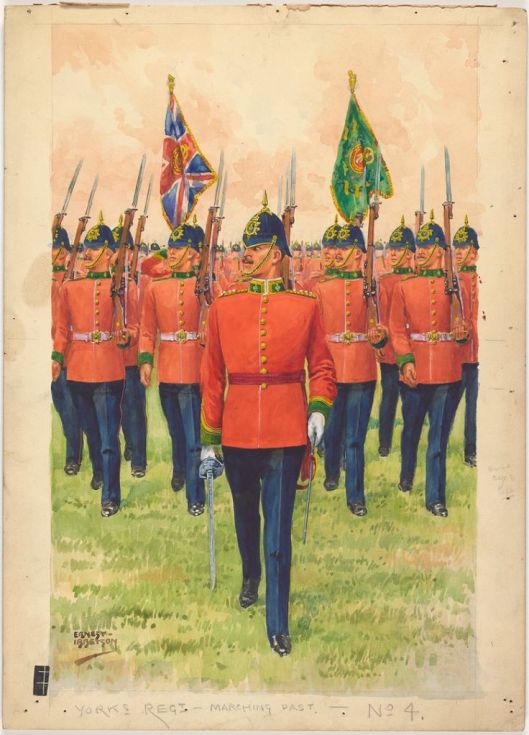
By 1916, when Tolkien became a 2nd Lieutenant, colors were no longer carried in battle, but only on parade, as this early-20th-century illustration demonstrates—

image2parade.jpg

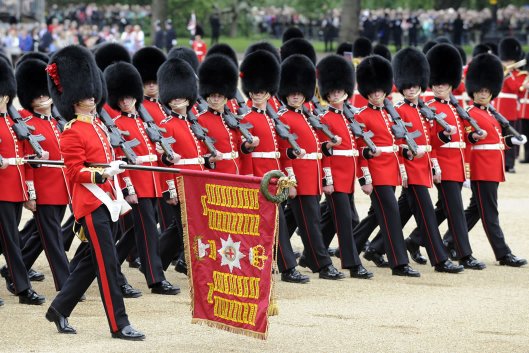
and is still the case for the famous “Trooping of the Colour” for the Queen of England’s birthday parade, where her splendid footguards march with one of their colo(u)rs.

image3trooping.jpg

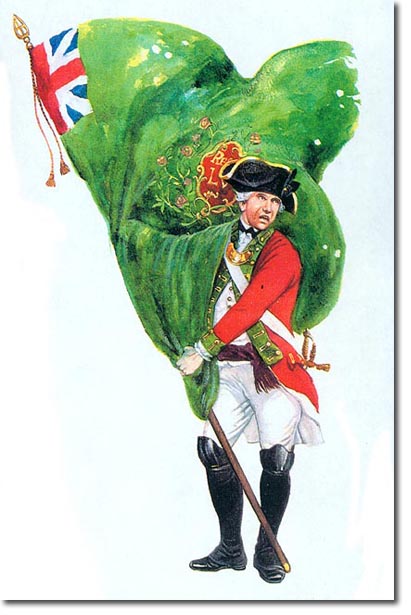
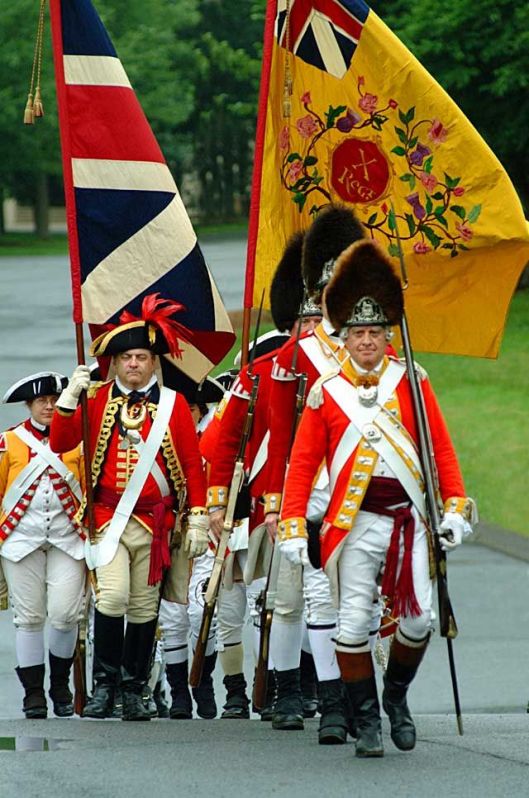
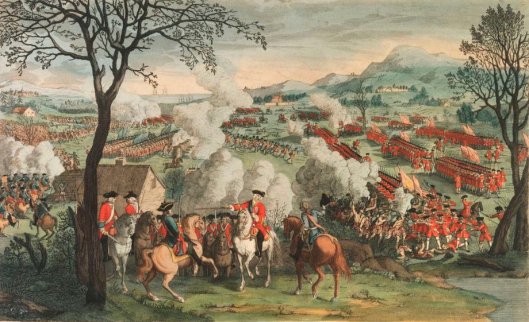
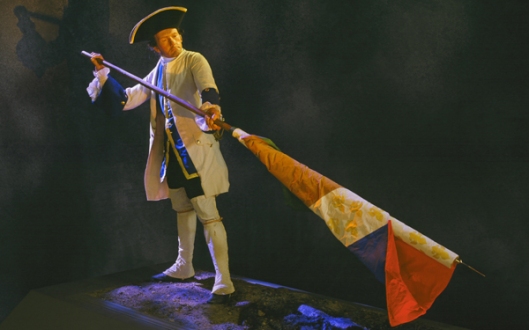
This is clearly all about show, now, but, once upon a time, colors—and their ensigns—had an important role in warfare.  Earlier colors were much bigger—in the 18th century, they were 6 feet by 6 feet square (1.82 metres by 1.82).

image4color.jpg

And here are some modern reenactors to help you to see just how big that really is.

image5color.jpg

The reasons for such a size (on a 9-foot pole, or “pike”—that’s 2.74m) are:

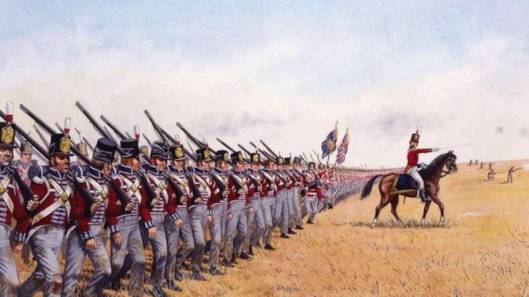
  1. units in earlier times (pre-late-19th-century, more or less) fought in long lines and, if you put the colors in the middle, everyone in a unit had a kind of fixed point to help them know where they—and their unit—were

image6nap.jpg

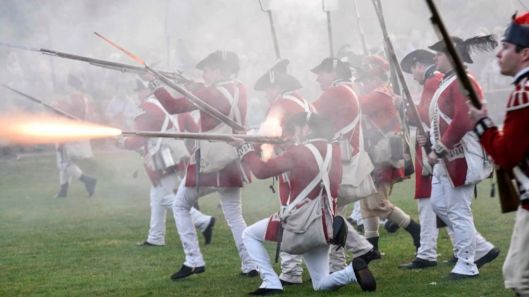
  1. as well, earlier firearms, which used black powder, put out enormous clouds of (white) smoke—

image7smoke.jpg

image8smoke.jpg

If colors were big and tall, they could still be made out in the midst of those clouds.

image9oconnor.jpg

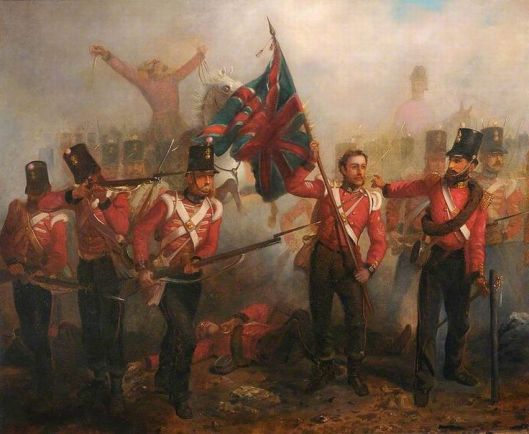
They could also act as a rallying point.  When lines came apart and the order was Charge!  (Or when things were falling apart and the call was for Retreat!)

image10rally.jpg

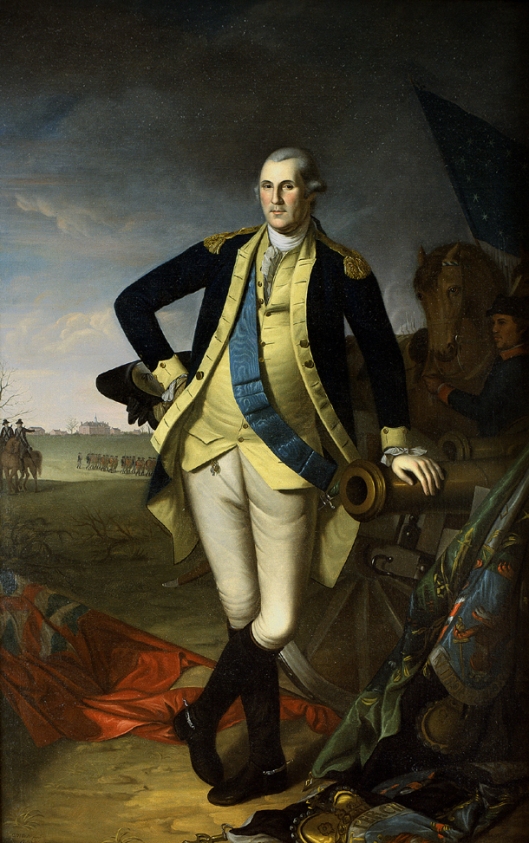
In time, colors came to be thought of as almost the physical representative of the spirit of a unit and being called upon to surrender them was looked upon as the worst disgrace.  This portrait of George Washington would have been thought particularly nasty by his British and German enemies because all around him are their colors, captured in two battles, Trenton and Princeton.  (His own headquarters flag—13 stars in a circle on a blue background—is in the upper right of the picture.)

image11gw.jpg

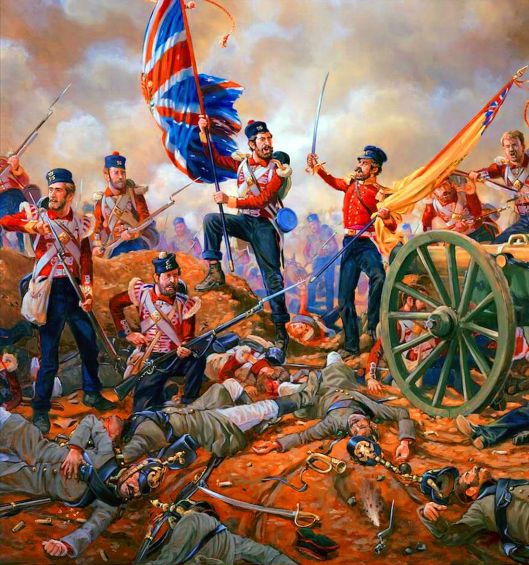
To escape surrendering their colors, soldiers would strip them from the poles/pikes and hide them in their clothes or, in real desperation, burn them, as the French did in 1760 when forced to surrender to the British at Montreal, in Canada (then New France).

image12burning.jpg

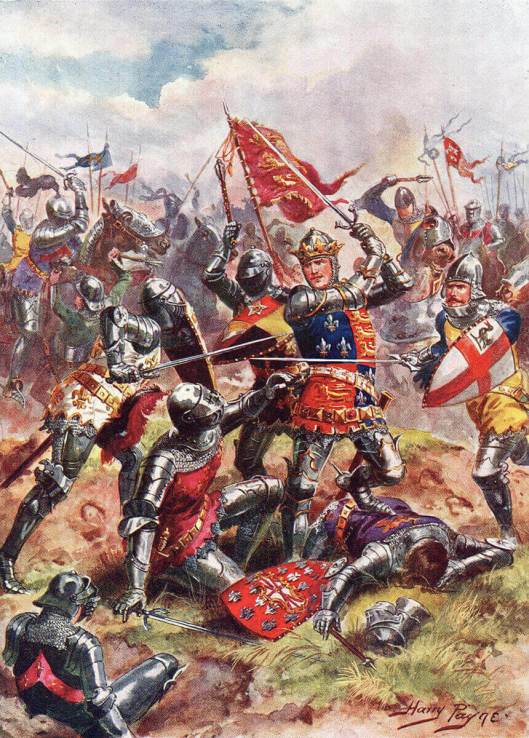
In earlier centuries, before gunpowder came to dominate battlefields, colors were already used as rallying points,

image13rally.jpg

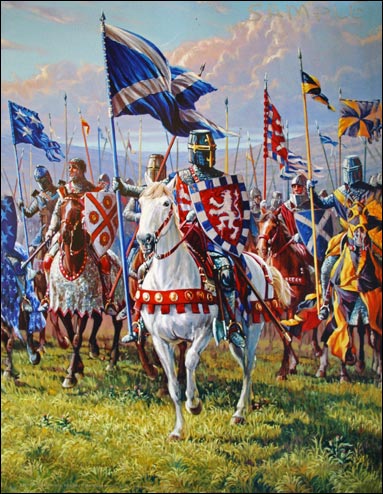
but also, in the days before uniforms, colors—big or little—indicated who was fighting.  If you saw a figure bearing a flag with a white, angled cross (a “saltire” in heraldic terms) on a blue field (background), for example, you knew that the King of Scotland was on the battlefield.

image14bruce.jpg

Thus, although 2nd Lieutenant Tolkien would no longer carry one of his unit’s colors into battle, as previous ensigns had, he would have known the importance of their role—and especially of the role of what they carried, which is why, for example, we see that, when it comes to battle in Middie-earth, nearly everyone seems to have a distinctive flag:

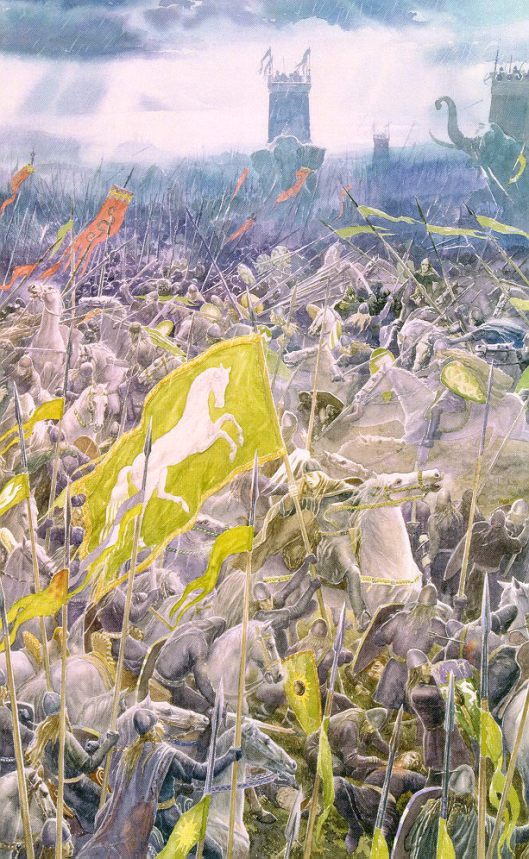
  1. the Rohirrim have their running horse

image15ro.jpg

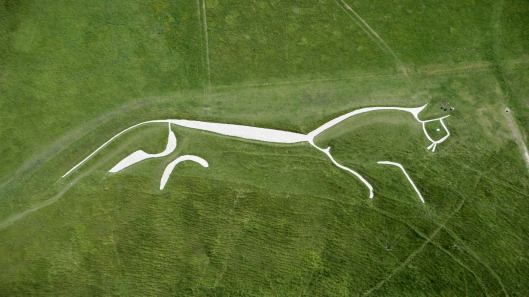
(which we think JRRT may have borrowed either from the chalk cutting known as the “White Horse of Uffington”

image16uff.jpg

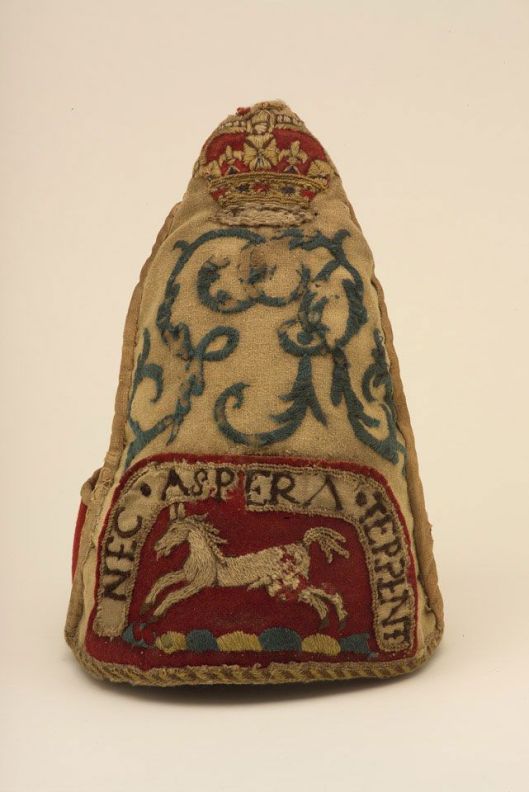
or possibly from an emblem long-related to the British monarchy, the white horse of Hannover—as we can see on this 18th-century grenadier cap).

image17gren.jpg

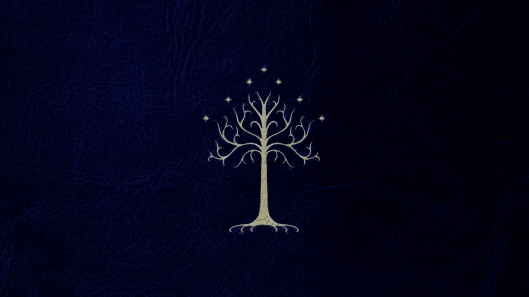
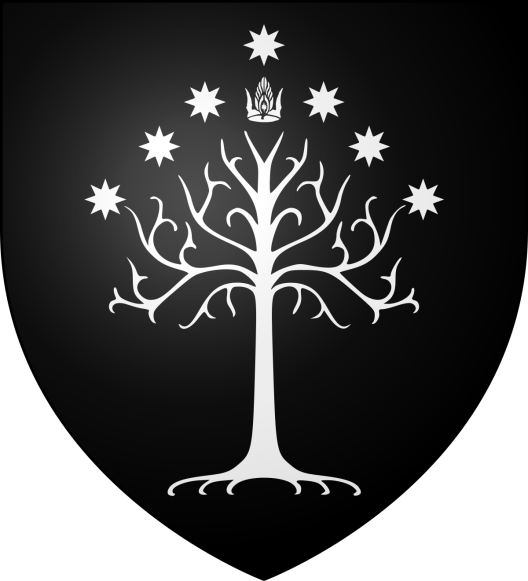
  1. Gondor has its tree and stars

image18gon.jpg

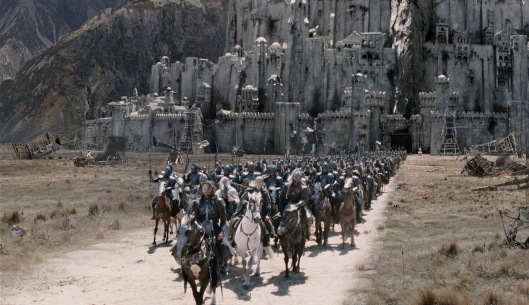
  1. and, when Aragorn marches out of Minas Tirith,


image19ara

it’s under his version of that banner–

image20a.png

which also boldly states his claim to be the rightful king—without actually coming out and saying it—compare the two banners–

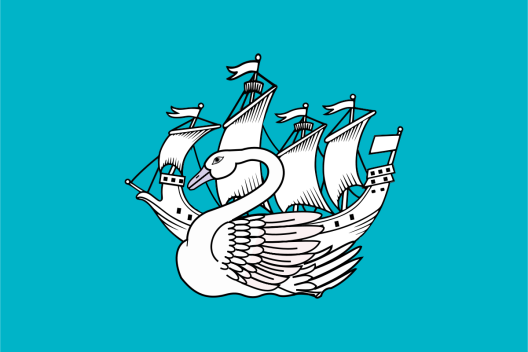
  1. and the Prince of Dol Amroth has his flag, with “his token of the Ship and the Silver Swan” (The Return of the King, Book Five, Chapter 1, “Minas Tirith”).

image21dol.png

As for their opponents, we see Saruman’s white hand on armor,

image22arm.jpg

so we can presume, we think, that any banners carried would bear the same insignia and the same is true for Sauron’s orcs, which would have borne the lidless eye.

image23orc.gif

(We might also note that Southrons in the service of Mordor appear to carry red banners—as Gollum reports to Frodo and Sam in The Two Towers, Book Four, Chapter 3, “The Black Gate is Closed”.)

All of which made us wonder if Solomon would have been so eager to describe his beloved as he did if the army he saw looked like this?

image24orcs.png


As ever, thanks for reading and

MTCIDC


CD


ps

In an odd but fortunate use of a color, in 1842, during the First Afghan War, a Captain Souter was saved because he had hidden one of his regiment’s colors by wrapping it around his waist.  As the last members of his unit fell around him, his Afghan opponents saw what they believed to be a fancy waistcoat/vest and took him prisoner, hoping for a rich ransom.

image26gandamak.jpg