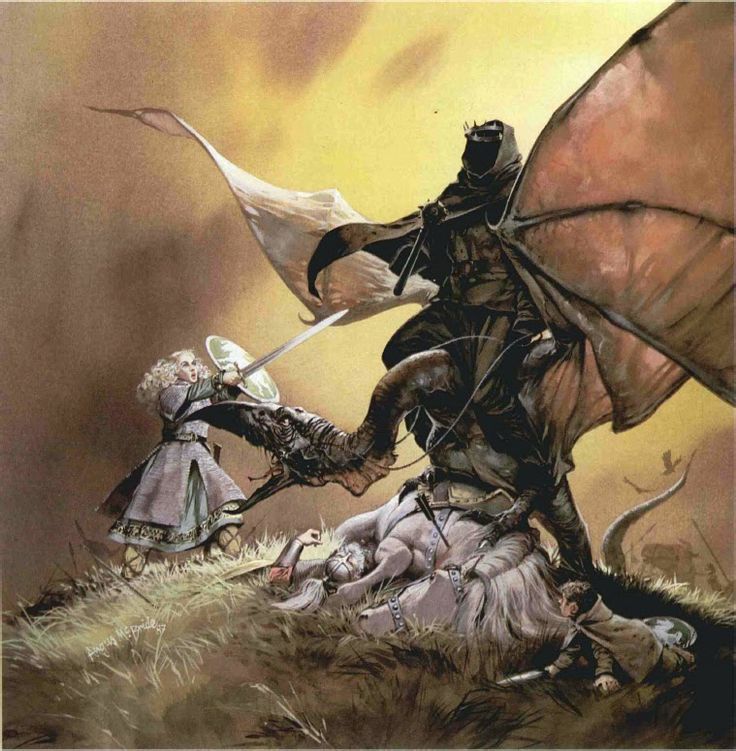
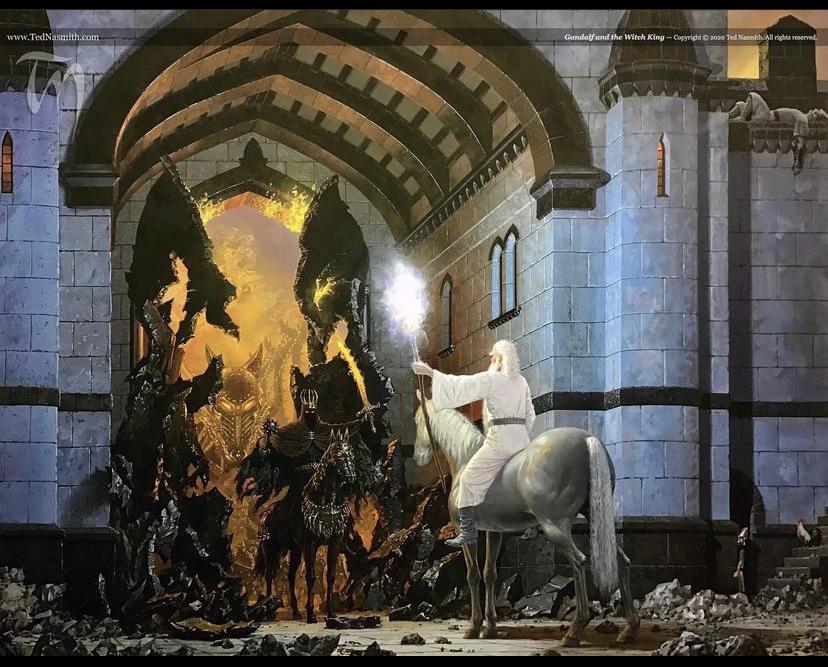
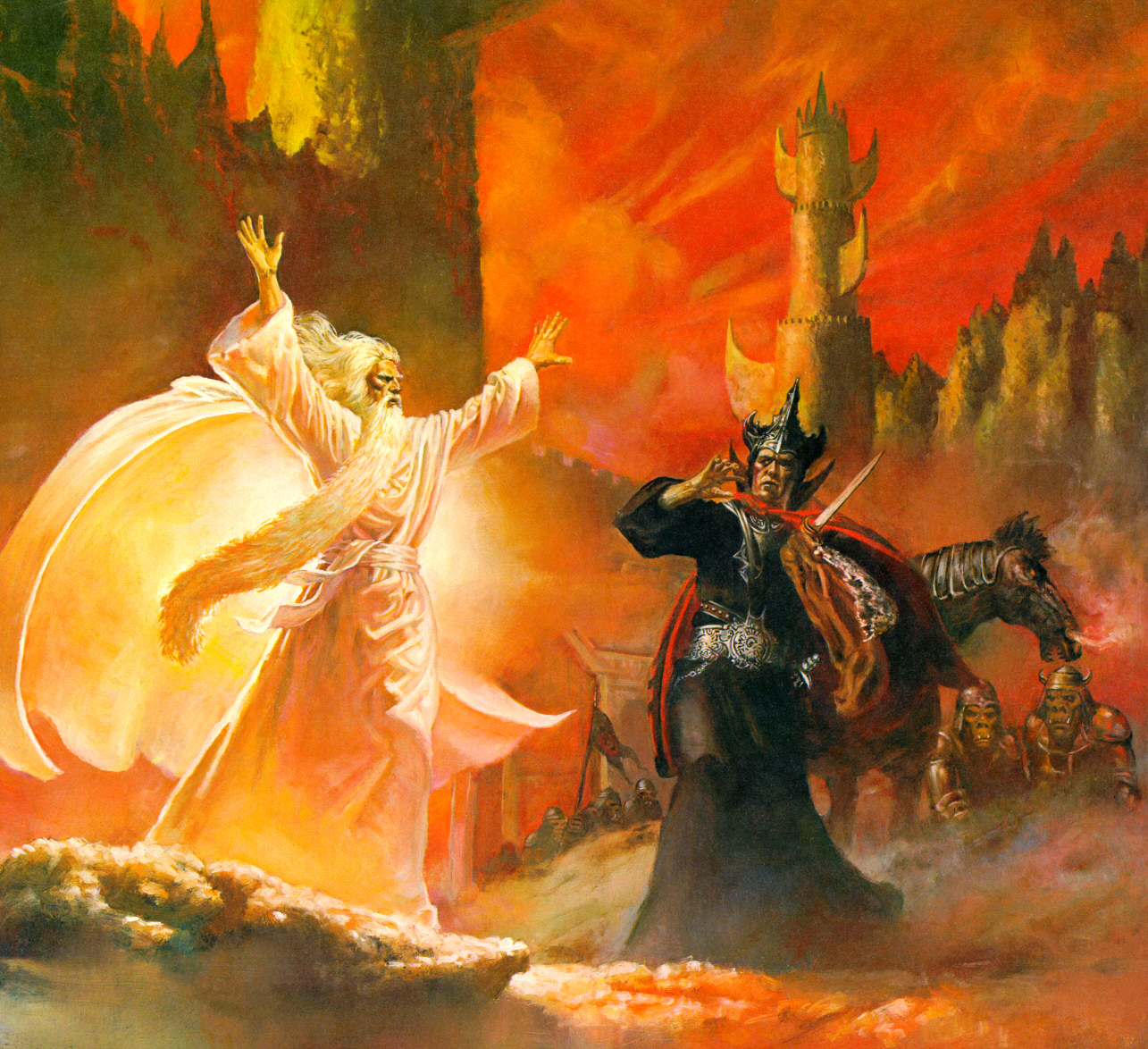
• About

doubtfulsea

~ adventure fantasy

Tag Archives: Saruman

A Moon disfigured

17 Wednesday Dec 2025

Posted by Ollamh in Uncategorized

≈ Leave a comment

Tags

Elizabeth I, herald, Heraldry, livery, Middle-earth, Minas Ithil, Minas Morgul, Orcs, puzzle, Sam, Saruman, Sauron, Sir Roger de Trumpington, The Great War, The Lord of the Rings, Tolkien, uniforms

As always, dear readers, welcome.  And perhaps welcome to a little Tolkien puzzle.

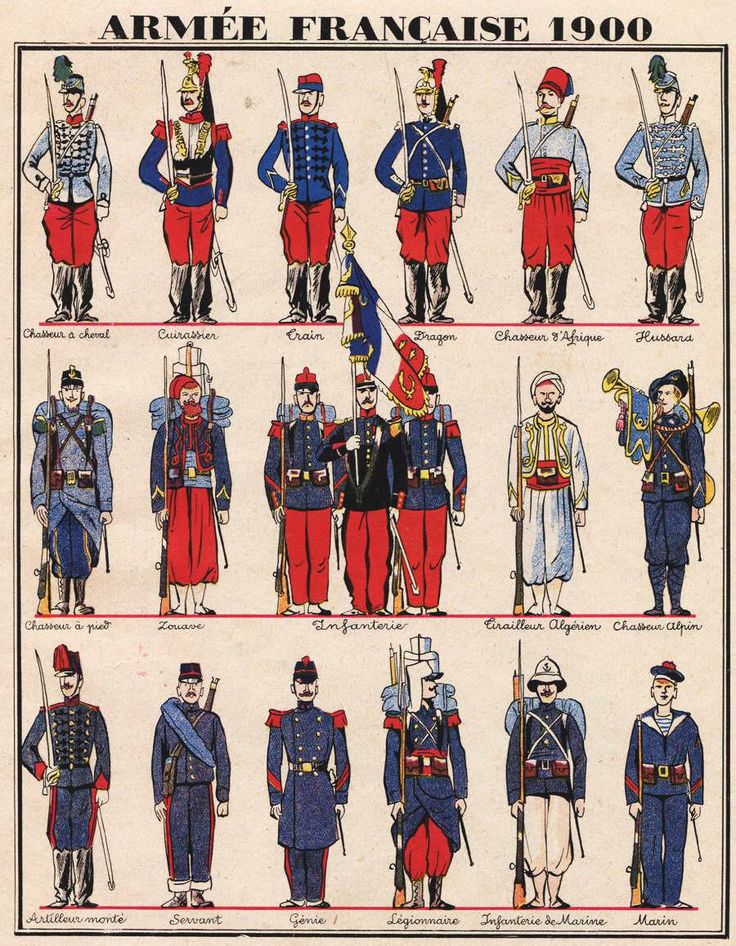
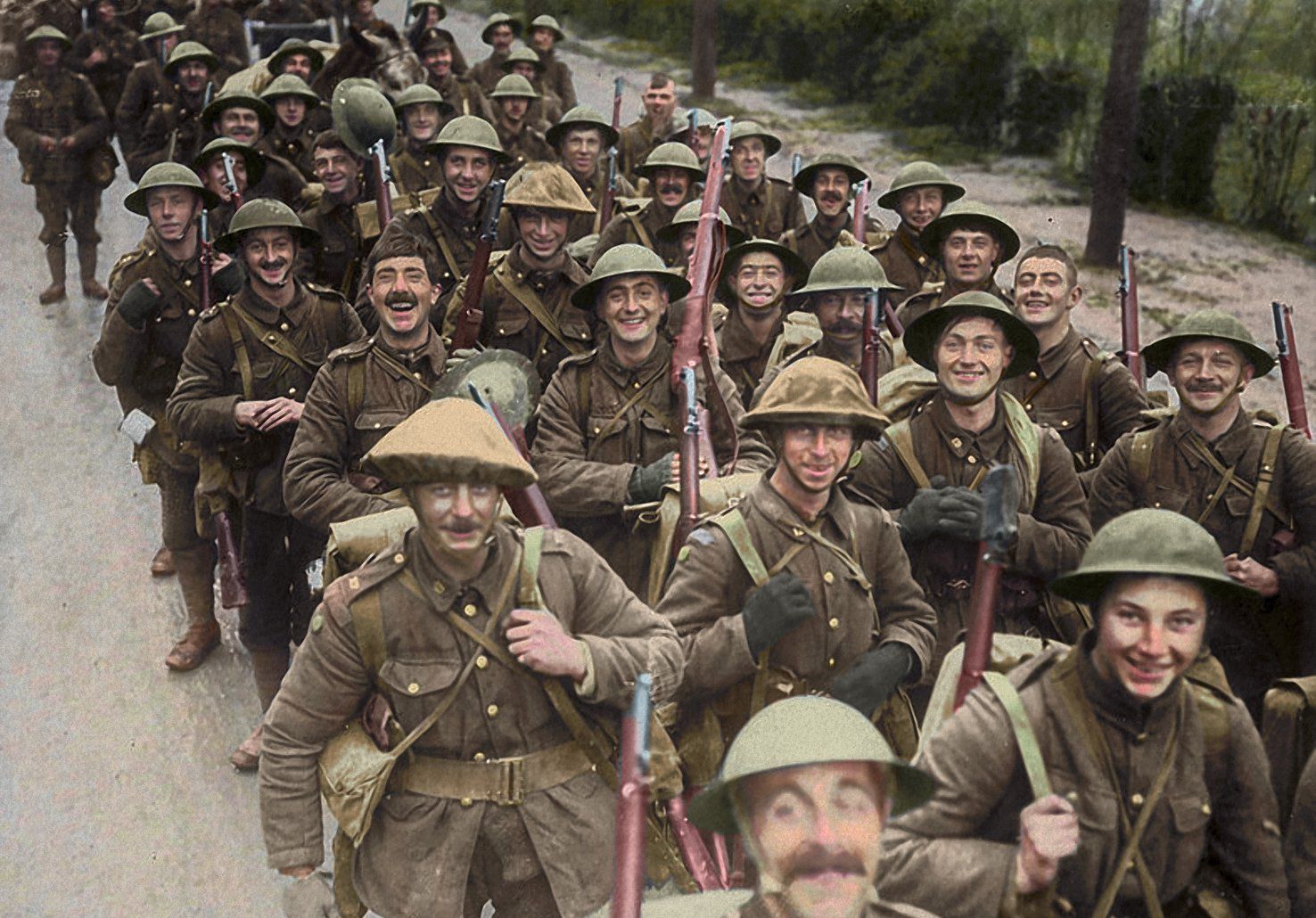
On parade, soldiers of the early 20th century could be peacocks for finery.

But then they met the new technological reality of heavy machine guns

and increasingly heavy artillery

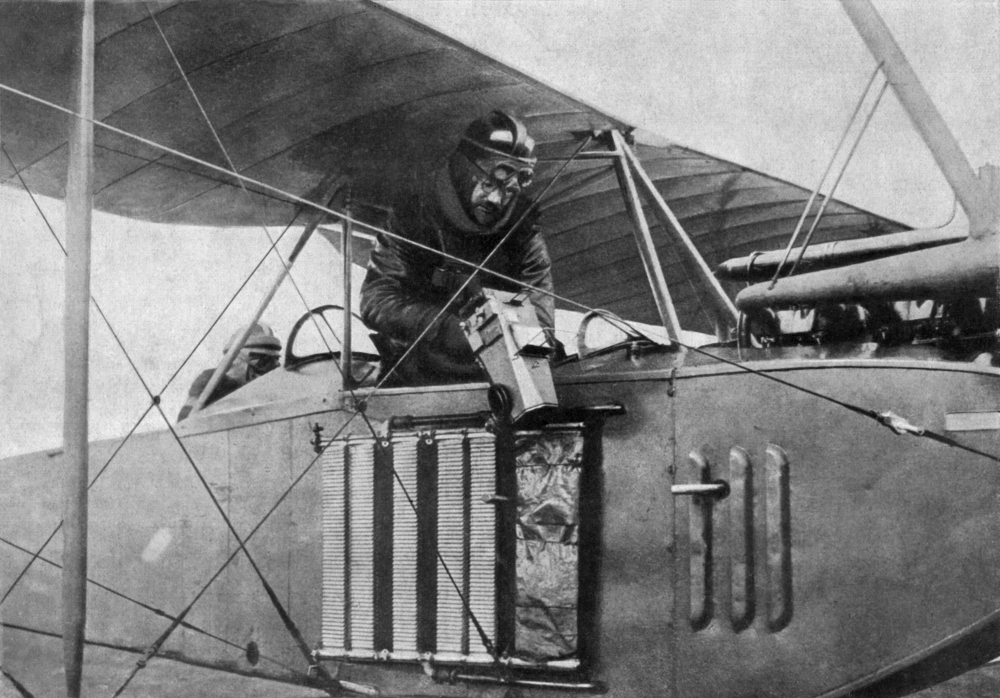
and, in time, even the danger of being spotted from the air,

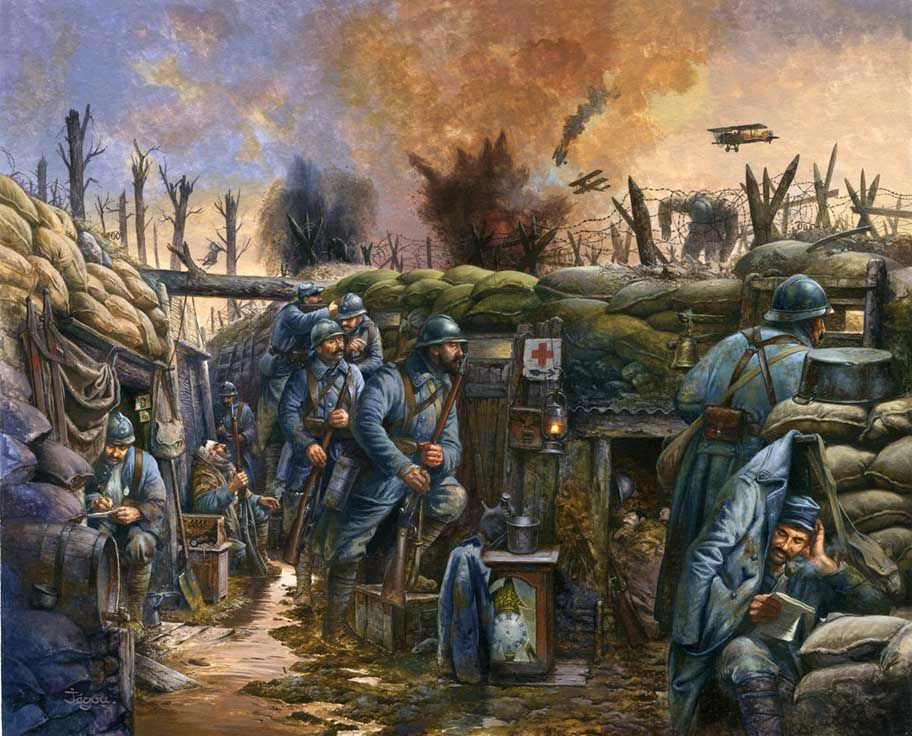
so soldiers not only dug in,

but modified their uniforms, making themselves less visible.

(Gerry Embleton)

After the war, most armies, except for special guard units,

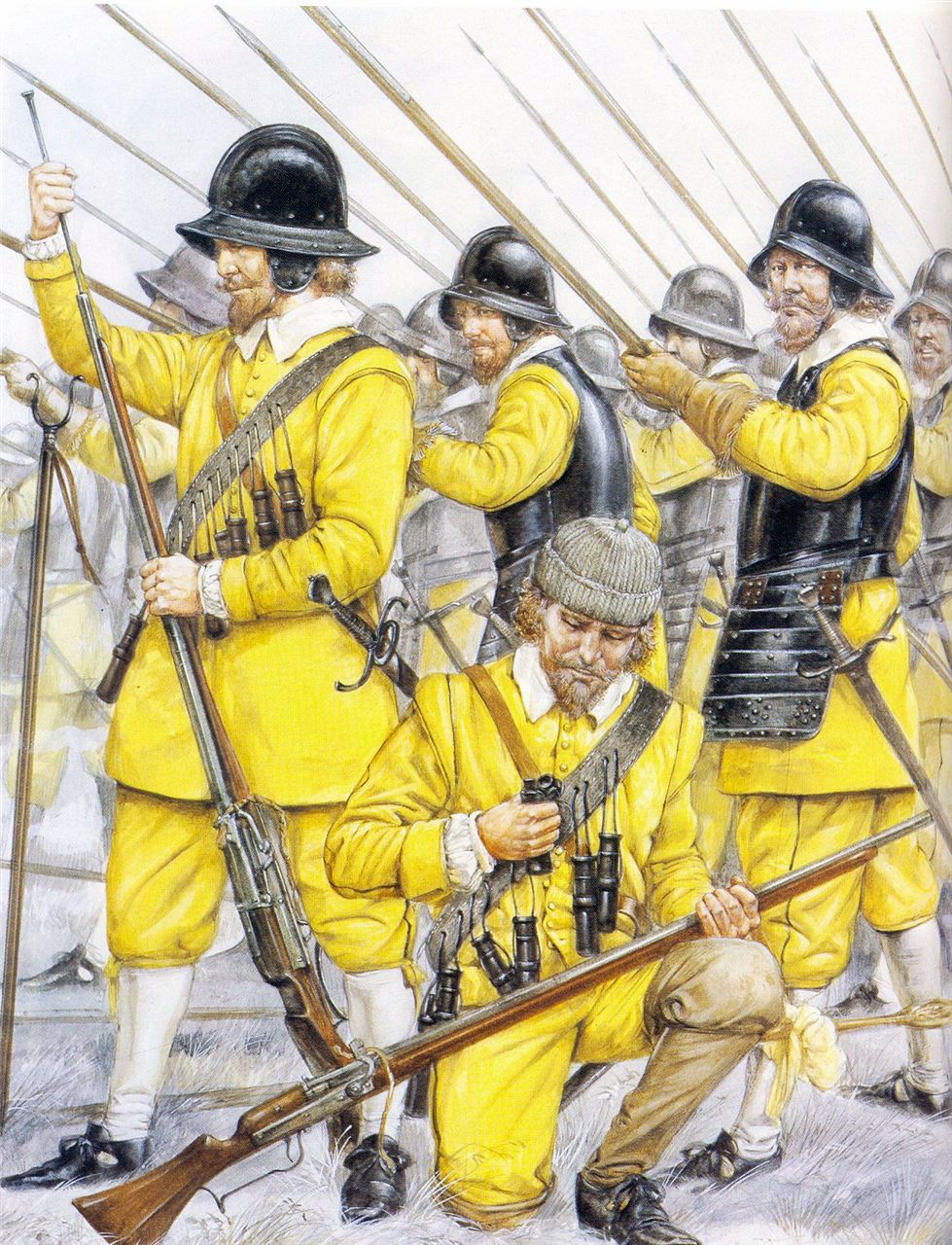
 never went back to being peacocks, abandoning a bright tradition which went back to the 17th century.

(Richard Hook)

Even in the 17th century, soldiers not wearing the same-colored clothing might distinguish themselves from their enemies by what would be called “field signs”, like wearing a strip of cloth on one arm, or sticking a particular piece of a plant or even a scrap of paper in your hatband.

(Henri IV, 1553-1610, king of France, was famous for the white plume he always wore in his hat.)

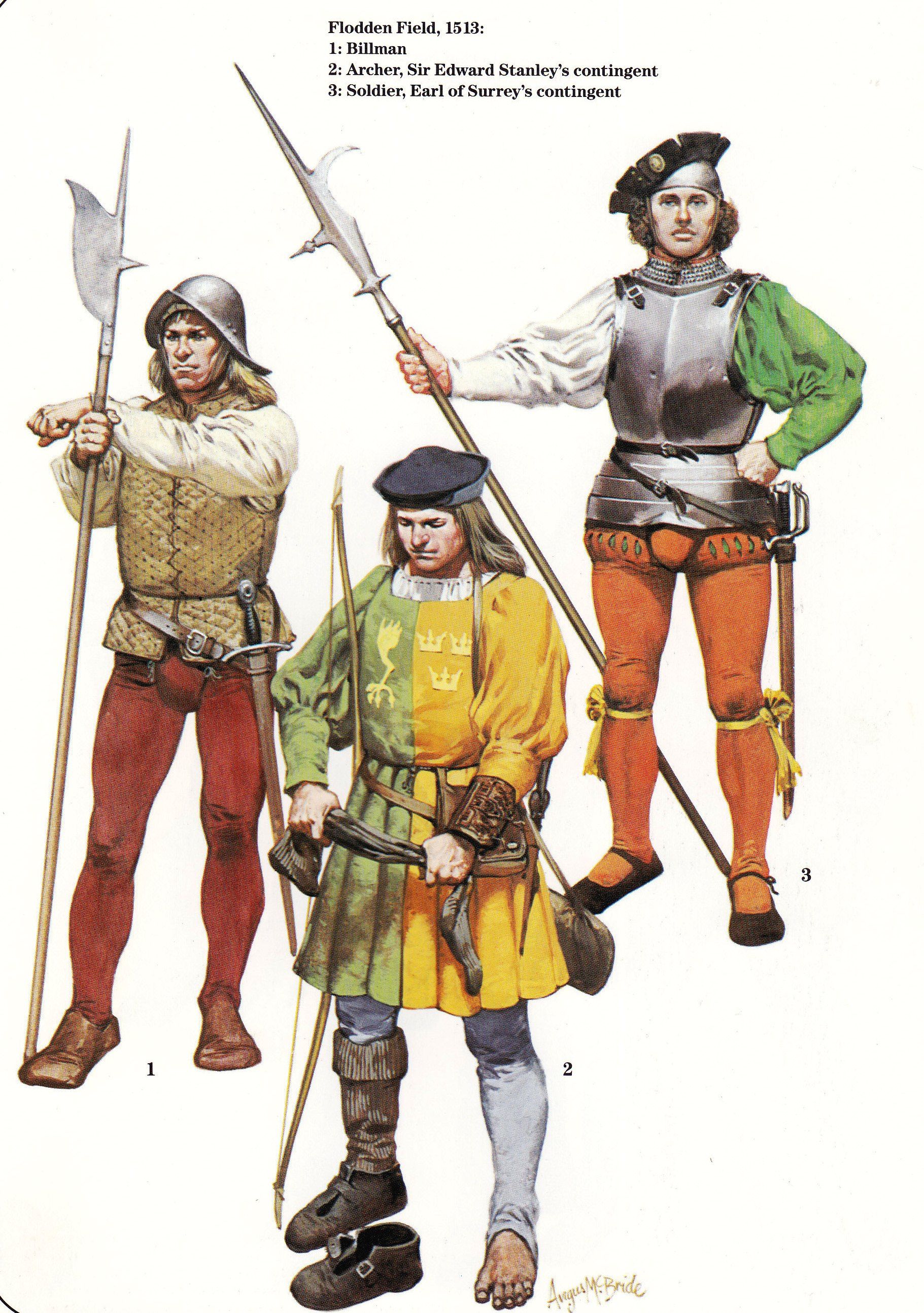
Before this, soldiers might wear the distinctive colors of their commanders (usually noblemen), called “livery”—

(Angus McBride)

Here we can see that Sir Edward Stanley has given this archer clothing in his colors of green and mustard-yellow, while the Earl of Surrey provided his soldiers with his colors of green and white.  You’ll also notice that the archer has some distinctive badges on the front of his coat—an eagle’s claw and crowns.  These are personal indicators of Sir Edward, heraldic markers to indicate to whom the archer belonged.

In the days before distinctive military dress, heraldry—the use of emblems to mark out one knight, and perhaps his followers, from another—had been developed to a high level.  When everyone was covered in metal,

such emblems were a way to identify a knight—and if he had issued similar emblems to his soldiers, a way to identify the troops he had brought and commanded at a battle.

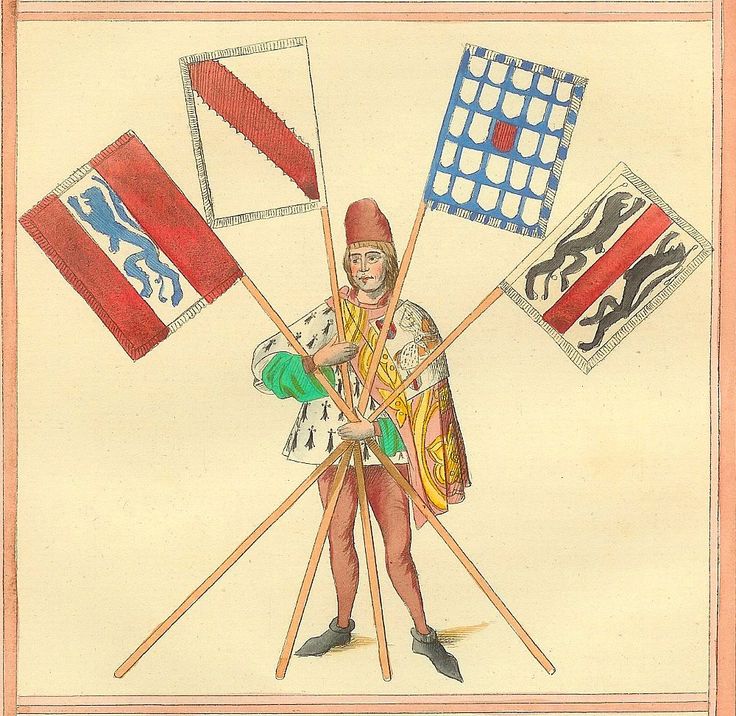
As emblems developed, there also developed a person with a specialized skill to identify them—a herald.

He himself, as you can see, wore distinctive clothing, which also helped him in his other role as messenger between military opponents—he was considered as a neutral and could therefore pass freely.  (For more on heralds, see “Herald-ry in Middle-Earth”, 30 March, 2016 here:  https://doubtfulsea.com//?s=herald&search=Go )

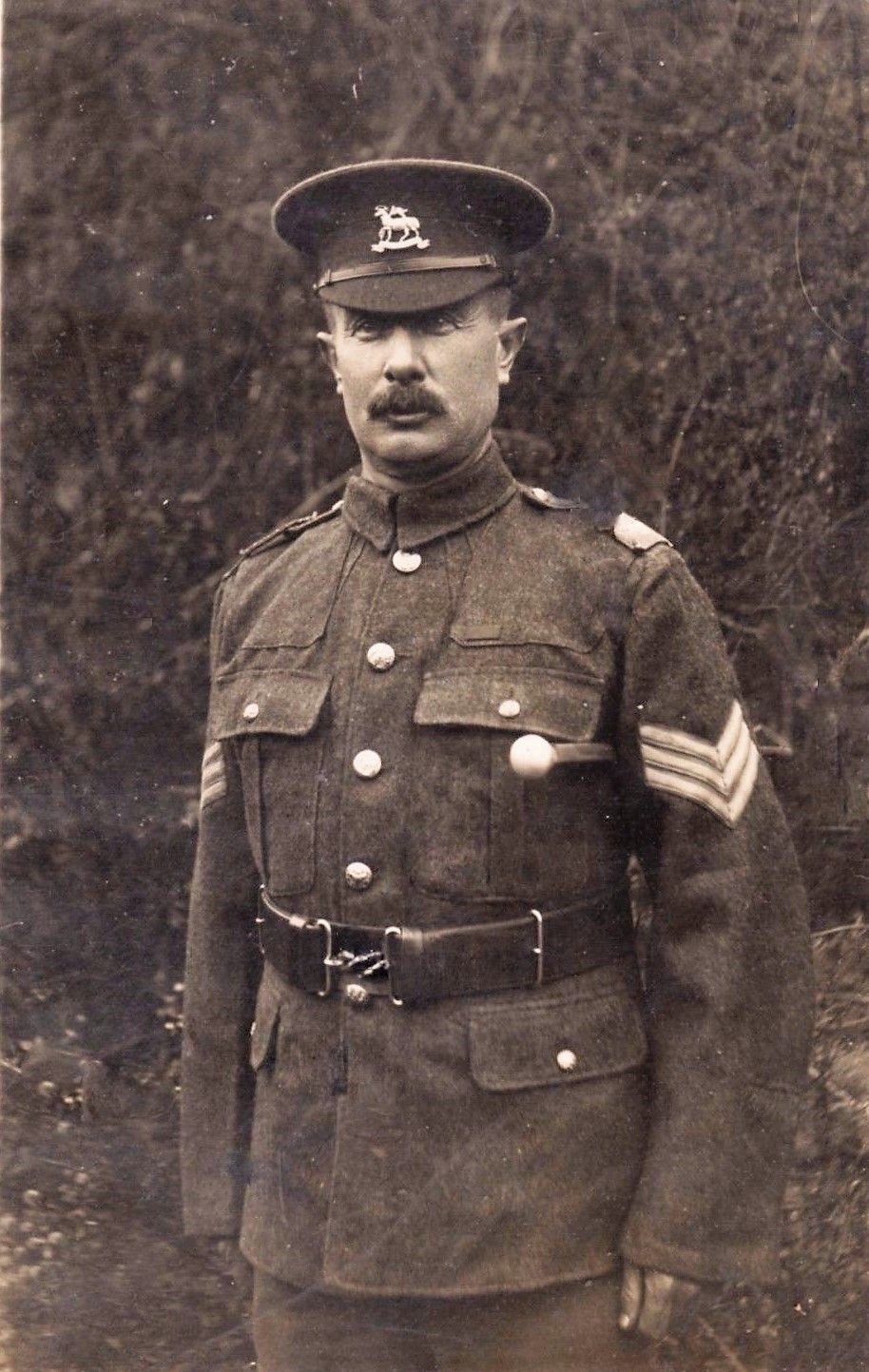
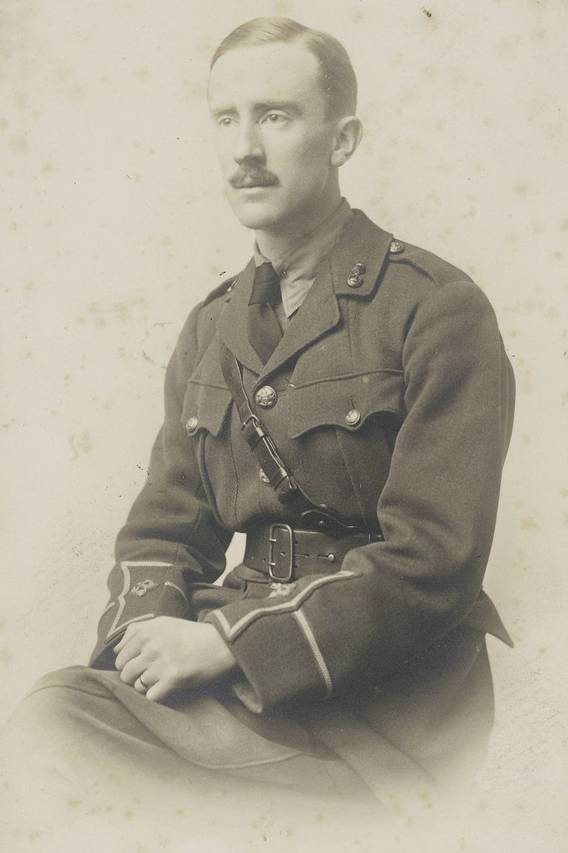
Tolkien himself belonged to the age of drab—

(Here’s what that uniform would have looked like in color—although this is a much higher level officer—looks to be a major—JRRT was commissioned as a second lieutenant and eventually promoted to first lieutenant )

but was well aware of earlier flashiness and we can see it in his description of the guards at Denethor’s gate—even though he sees their outfits as a throwback, just like British soldiers ever returning to bright red uniforms—except for the monarch’s guards:

“The Guards of the gate were robed in black, and their helmets were of strange shape, high-crowned, with long cheek-guards close-fitting to the face, and above the cheek-guards were set the white wings of sea-birds; but the helms gleamed with a flame of silver, for they were indeed wrought of mithril, heirlooms from the glory of old days.  Upon the black surcoats were embroidered in white a tree blossoming like snow beneath a silver crown and many-pointed stars.  This was the livery of the heirs of Elendil, and none wore it now in all Gondor, save the Guards of the Citadel before the Court of the Fountain where the White Tree had grown.”  (The Return of the King, Book Five, Chapter 1, “Minas Tirith”)

(from the Jackson films—as you can see, the helmet fits the description, but the surcoat has disappeared and, instead, the Tree, stars, and crown have been shifted to the breastplate, removing the dramatic contrast between the black cloth and white embroidered emblems which JRRT intended)

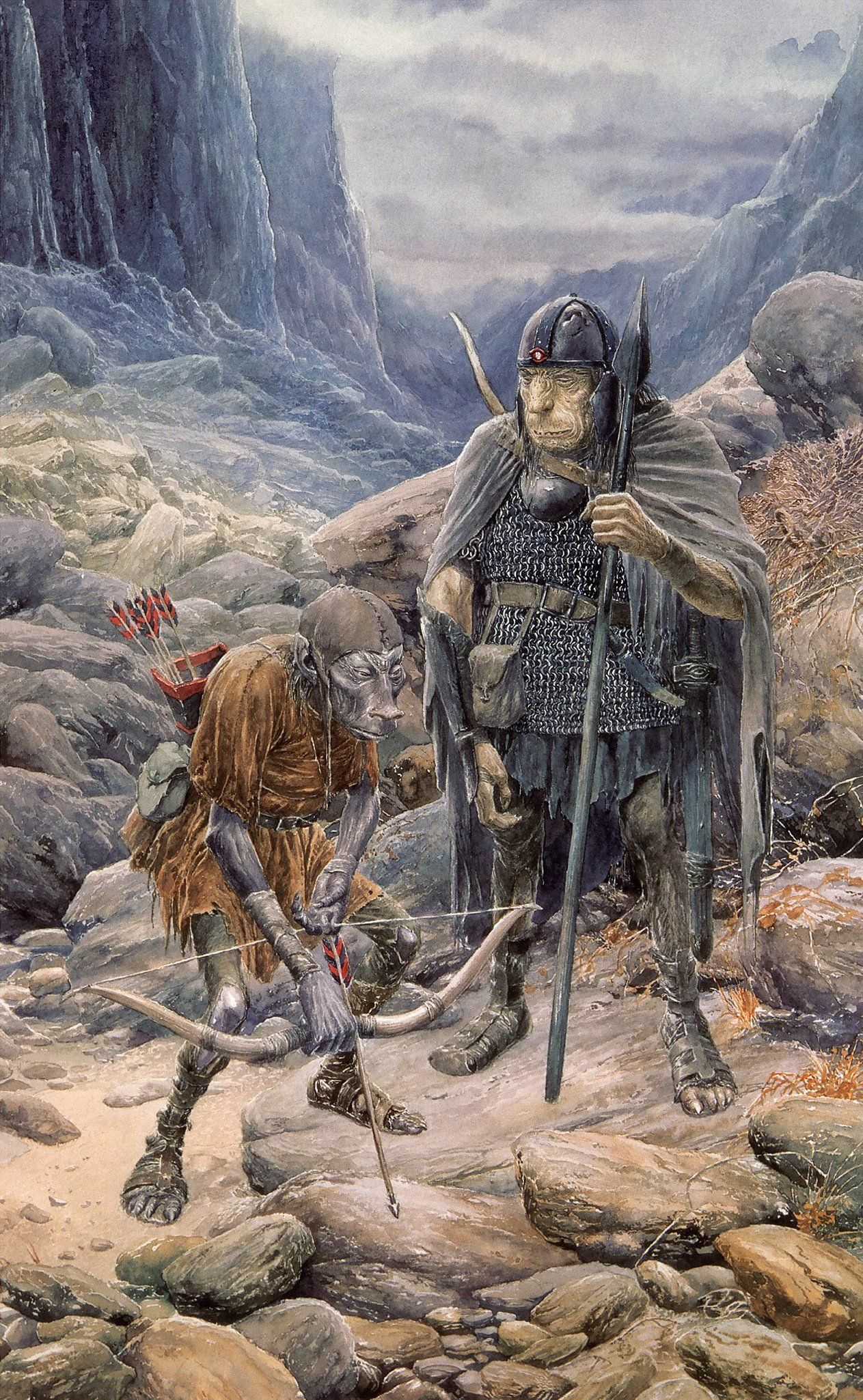
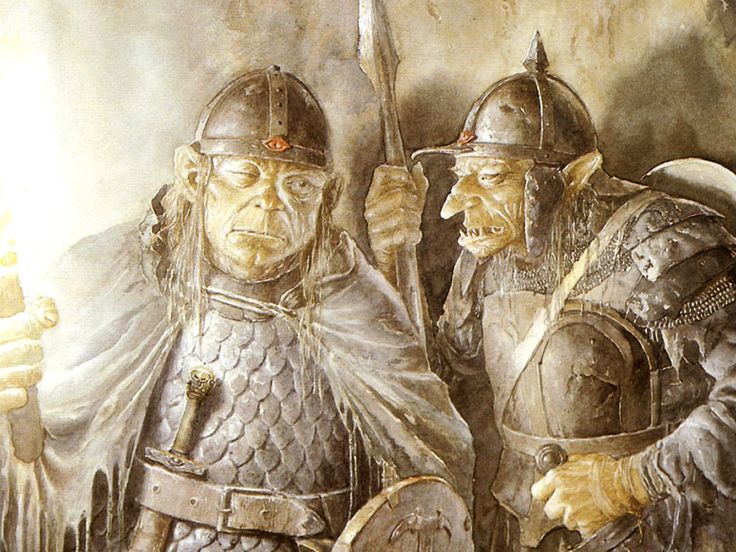
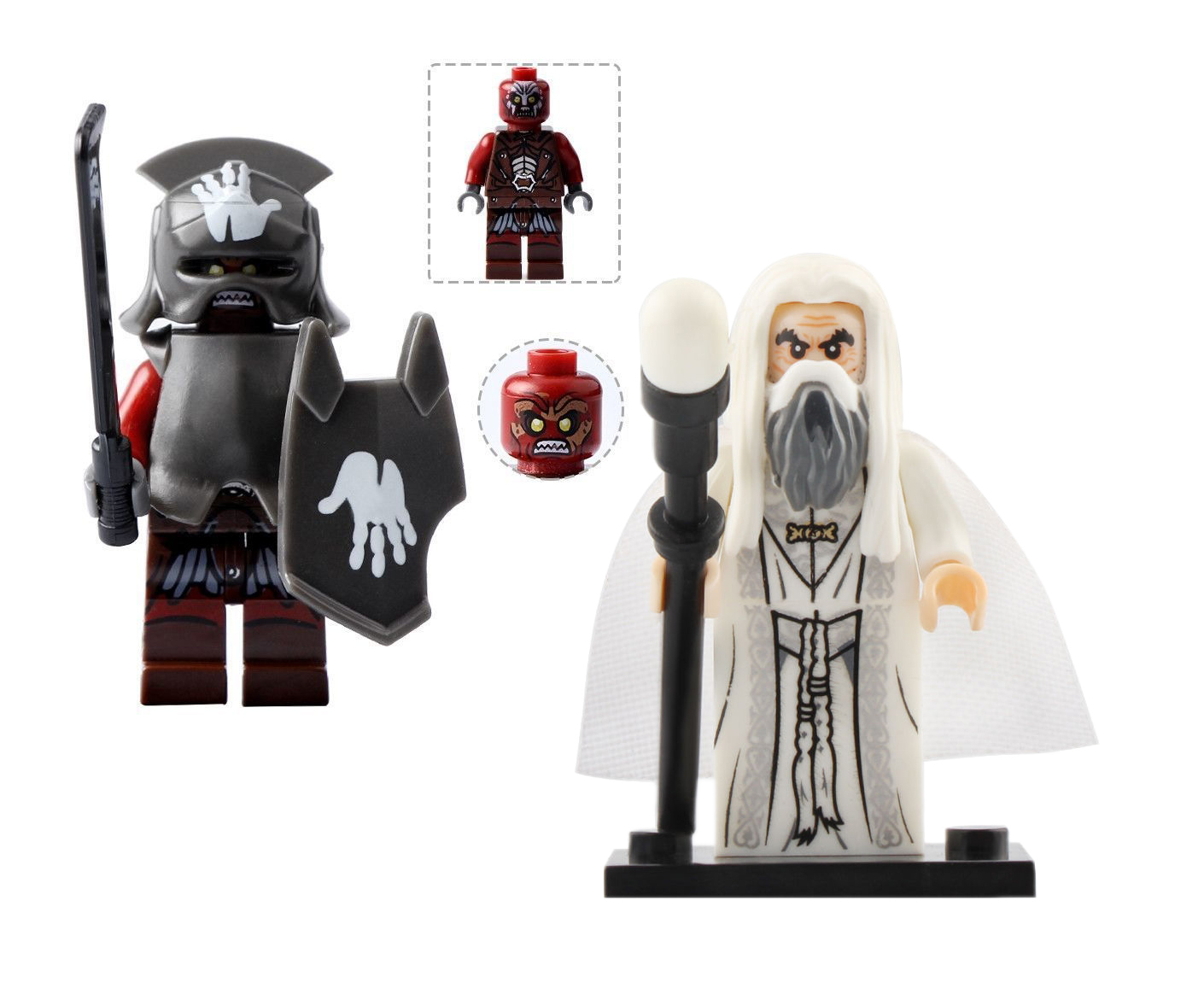
As well, although the orcs wear no livery—no uniforms or even part-colored clothing—they do have badges—the white hand of Saruman

(perhaps suggesting that he has his hand over everything?  I think of the “Armada Portrait” of Queen Elizabeth the First here—just look at the quiet statement in her hand)

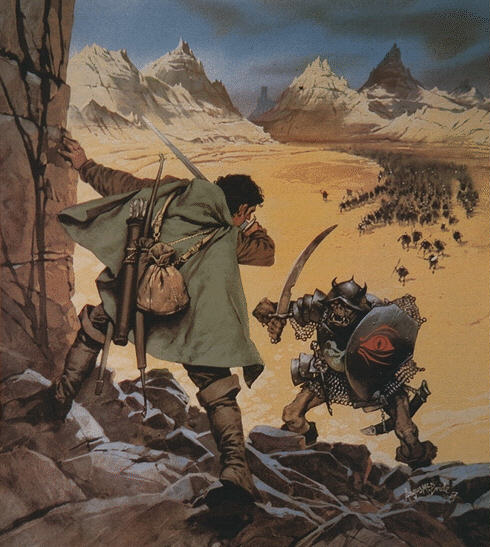
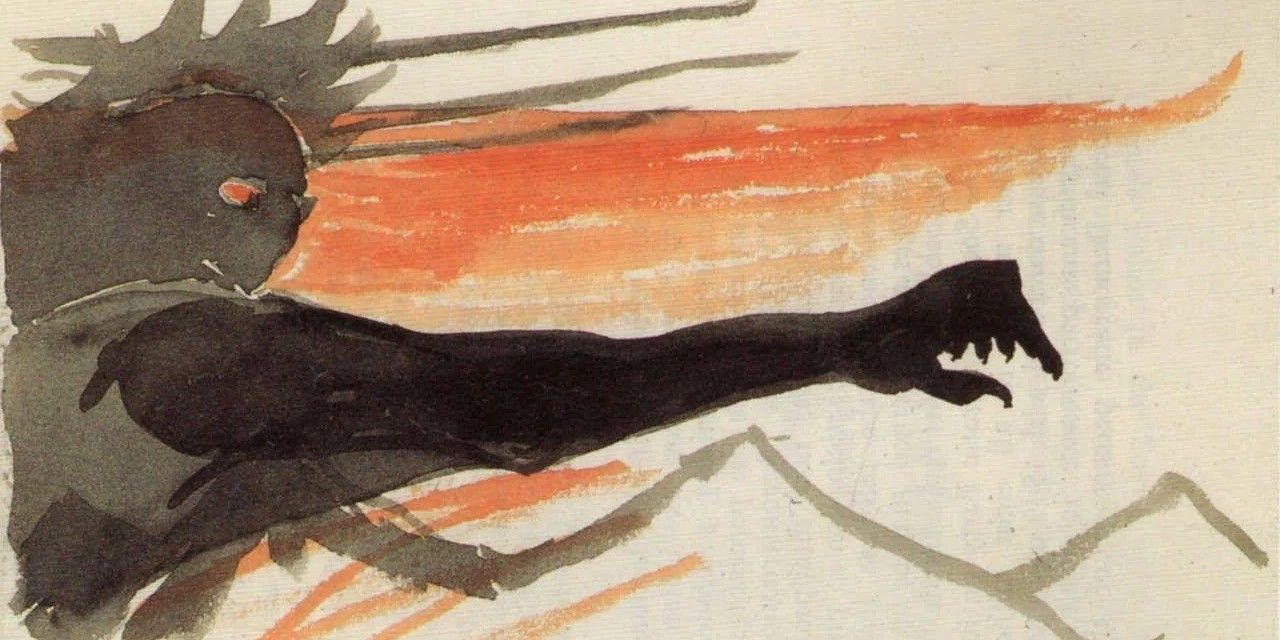
and the red eye of Sauron,

(Angus McBride—perhaps implying that, like Big Brother, Sauron has his eye on you?)

but then there’s a new one, only mentioned once, which provided the title for this posting and the puzzle—

“Two liveries Sam noticed, one marked by the Red Eye, the other by a Moon disfigured with a ghastly face of death…” (The Return of the King, Book Six, Chapter 1, “The Tower of Cirith Ungol”)

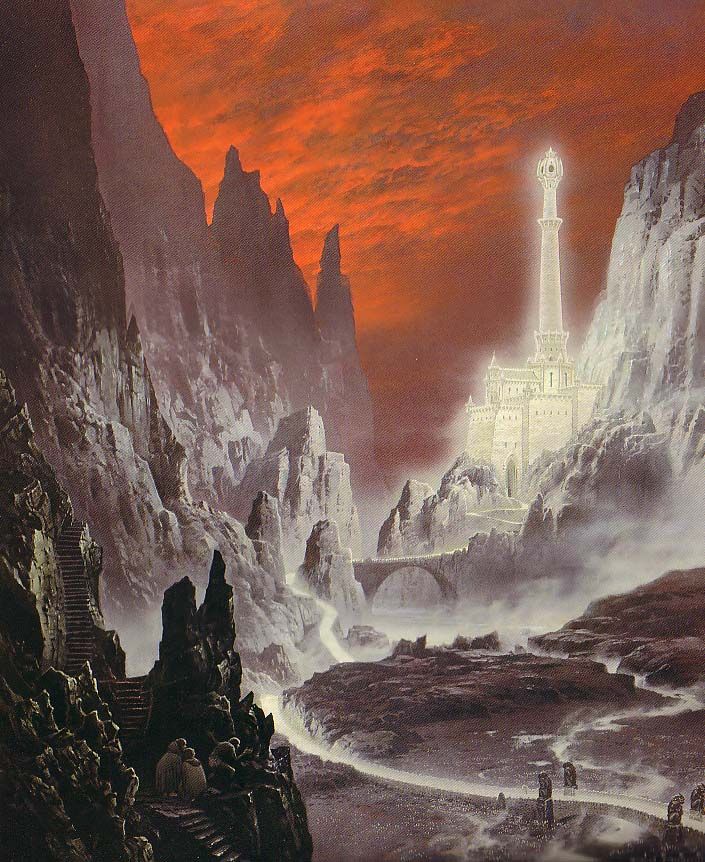
What is JRRT up to here?  Minas Morgul,  the “Tower of Black Sorcery”, the center of this gateway into Mordor,

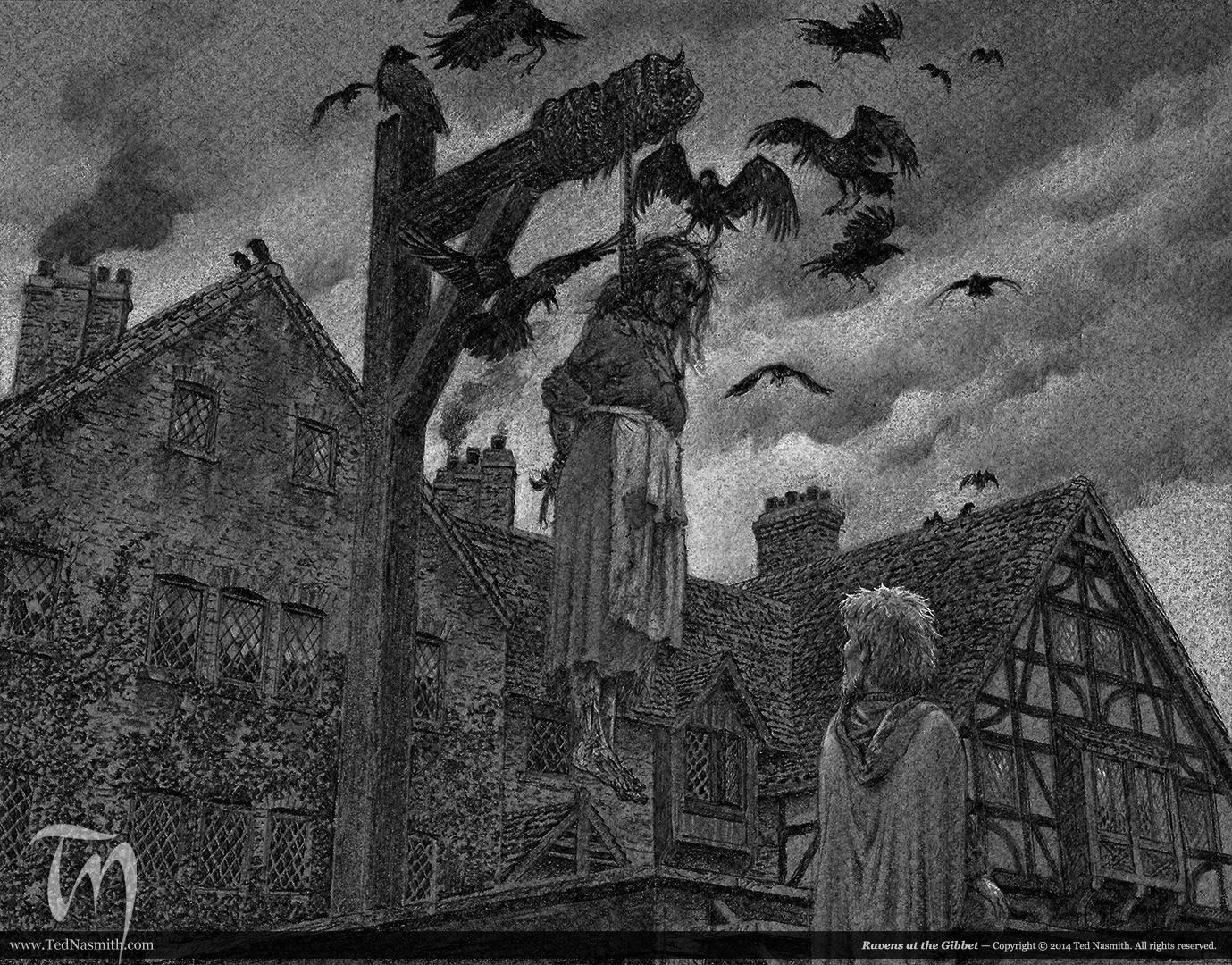
(Ted Nasmith)

had been built as Minas Ithil, “the Tower of the Moon” and it’s clear that those having that badge must come specifically from that place, and a mockery of its previous Gondorian name, which is interesting because the rest of Sauron’s forces appear to wear only the Red Eye.  Yet, if we can trust an orc, we may have the sense that Sauron doesn’t appreciate deviation, as Grishnakh asks rhetorically of Ugluk:

“They might ask where his strange ideas came from.  Did they come from Saruman, perhaps?  Who does he think he is, setting up on his own with his filthy white badges?  They might agree with me, with Grishnakh their trusted messenger; and I Grishnakh say this:  Saruman is a fool, and a dirty treacherous fool.  But the Great Eye is on him.”  (The Two Towers, Book Three, Chapter 3, “The Uruk-hai”)

So what’s going on here?  Certainly there’s rivalry between Saruman’s orcs and Sauron’s, but just how deep does orc rivalry go?  When Sam arrives at the Tower of Cirith Ungol, he finds it a battleground and, climbing into the tower itself he hears two orcs arguing, Shagrat, the captain of the Tower, and Snaga, one of his men.  Snaga says:

“You won’t be a captain long when They hear about all these goings-on.  I’ve fought for the Tower against those stinking Morgul-rats, but a nice mess you two precious captains have made of things, fighting over the swag.” (The Return of the King, Book Six, Chapter 1, “The Tower of Cirith Ungol”)

So, seeing that emblem on a shield, with “a Moon disfigured with a ghastly face of death”, just whose face is that?  And whose death?

As ever, thanks for reading.

Stay well,

If you were to come up with your own livery, what would it be?—sometimes knights made visual puns—like Sir Roger de Trumpington—

Think about that, pencil in hand, and remember that there’s always

MTCIDC

O

PS

For more on livery, see:  https://en.wikipedia.org/wiki/Livery

There has been some wonderfully imaginative work done on heraldry in Tolkien.  Here’s a link to get you started:  https://en.wikipedia.org/wiki/Heraldry_of_Middle-earth   

By Ear (3)

21 Wednesday May 2025

Posted by Ollamh in Uncategorized

≈ Leave a comment

Tags

Brutus, cassius, ears, Fantasy, Gandalf, Hamlet, henbane, Julius Caesar, lotr, Marcus Antonius, Orthanc, Palantir, poison, Saruman, Sauron, Shakespeare, Tolkien

Welcome, dear readers, as always.

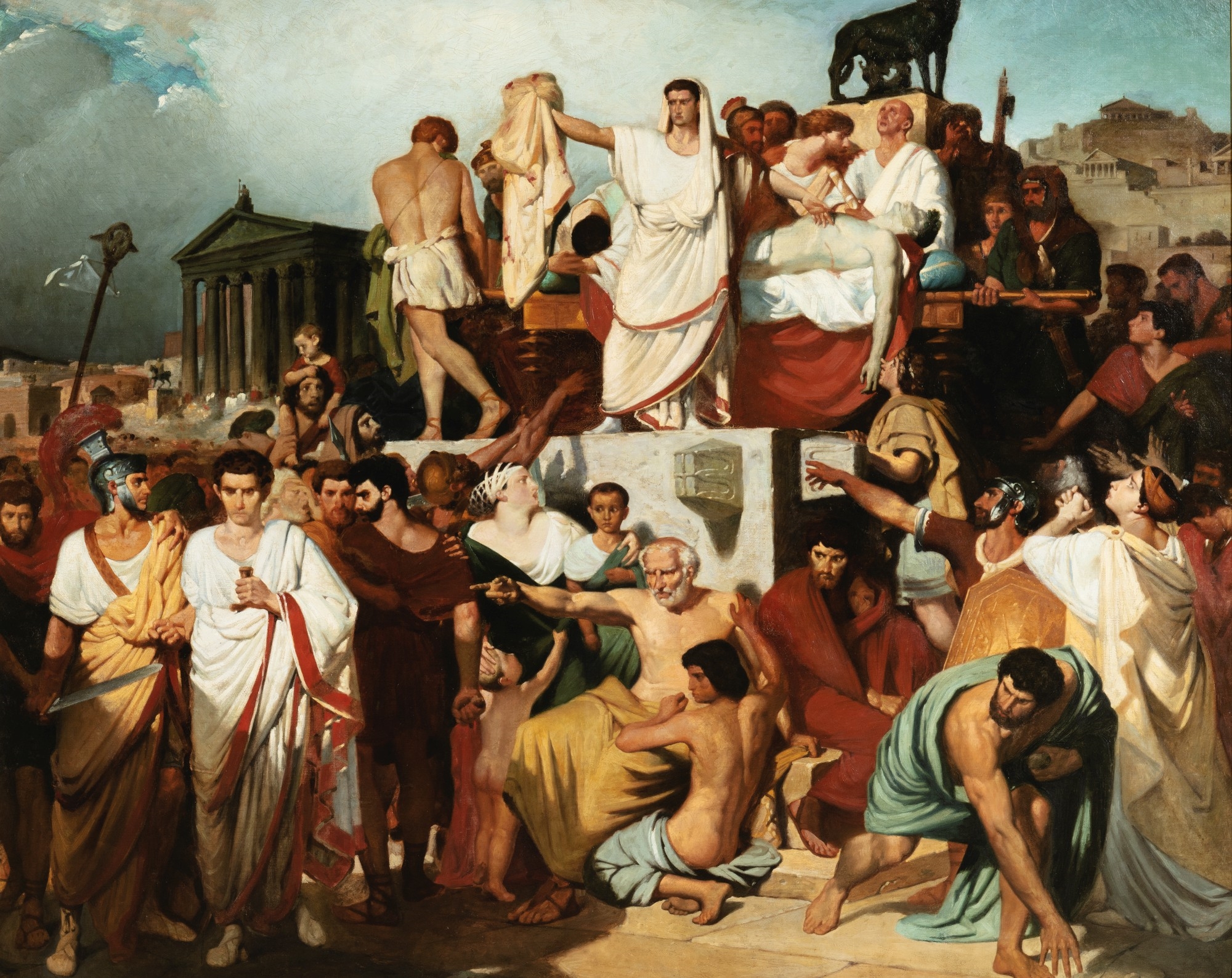
In the closing of the second part of this little series, I quoted Marcus Antonius in his funeral oration upon Julius Caesar in Shakespeare’s play of the same name.

It is a masterpiece, both in its design and in its deception:  saying one thing for the assassins, led by Brutus, to hear, and, on the other, poisoning the common people against the assassins, originally seen as liberators of the Republic.  You probably remember its opening:

“Friends, Romans, Countrymen, lend me your ears:

I come to bury Caesar, not to praise him:

The euill that men do, liues after them,

The good is oft enterred with their bones,

So let it be with Caesar. The Noble Brutus,

Hath told you Caesar was Ambitious:

If it were so, it was a greeuous Fault,

And greeuously hath Caesar answer’d it.

Heere, vnder leaue of Brutus, and the rest

(For Brutus is an Honourable man,

So are they all; all Honourable men)

Come I to speake in Caesars Funerall.”

(Julius Caesar, Act III, Scene 2, from the First Folio, 1623, in the original spelling.  You can see it at my favorite site for the plays:  https://internetshakespeare.uvic.ca/doc/JC_F1/scene/3.2/index.html )

Speech with a deceptive goal is a theme of this series, as, in the first part, were poison–and ears.

In the scene in Shakespeare’s play, Marcus Antonius plays a dangerous game.  In order to be able to speak, he has made a deal with the assassins of Caesar not to say anything inflammatory against them, and so we see those words “Honourable men” repeated, as if Antonius is going to praise them—while only burying Caesar, as he says—just the sort of thing which we can imagine the assassins wanted to hear.  And yet, as he continues, “Honourable men” gradually becomes ironic and, by the end of his speech, he controls the mob and it’s clear that the assassins are no longer considered liberators, but murderers, Antonius having successfully poisoned those lent ears against the very men who foolishly gave him leave to speak.

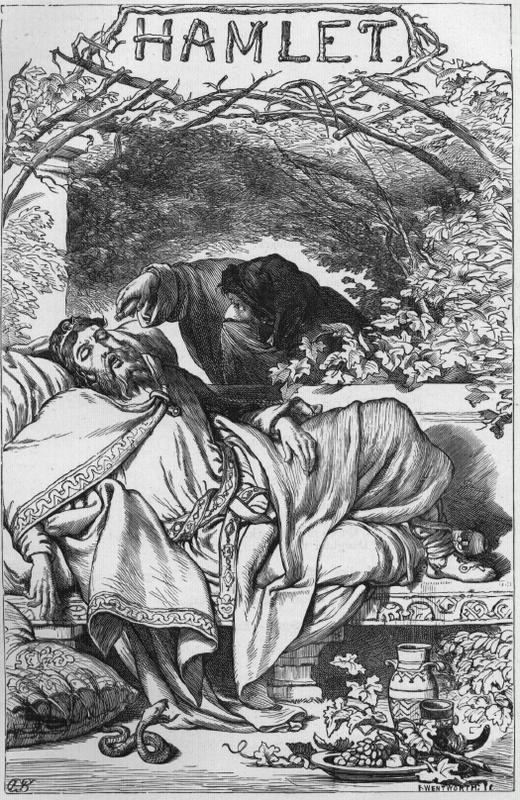
We began the series with poison—and Shakespeare:  literal poison (possibly henbane)

which, as Hamlet’s ghostly father tells Hamlet, had been administered to him through his ear by his own brother, Claudius, while he was napping in his garden

But, as we progressed, we moved from that chemical murder to a different kind of destruction, spiritual, in the case of Saruman in the second installment, and now, in the third and final installment, we move to the instrument of that poisoning, include a second poisoning victim, and find the mind behind it all and that mind’s method of persuasion, which, I would suggest, must be very like Antonius’ initial remarks, seeming to praise the assassins, but, just like his, with another motive underneath.

(JRRT)

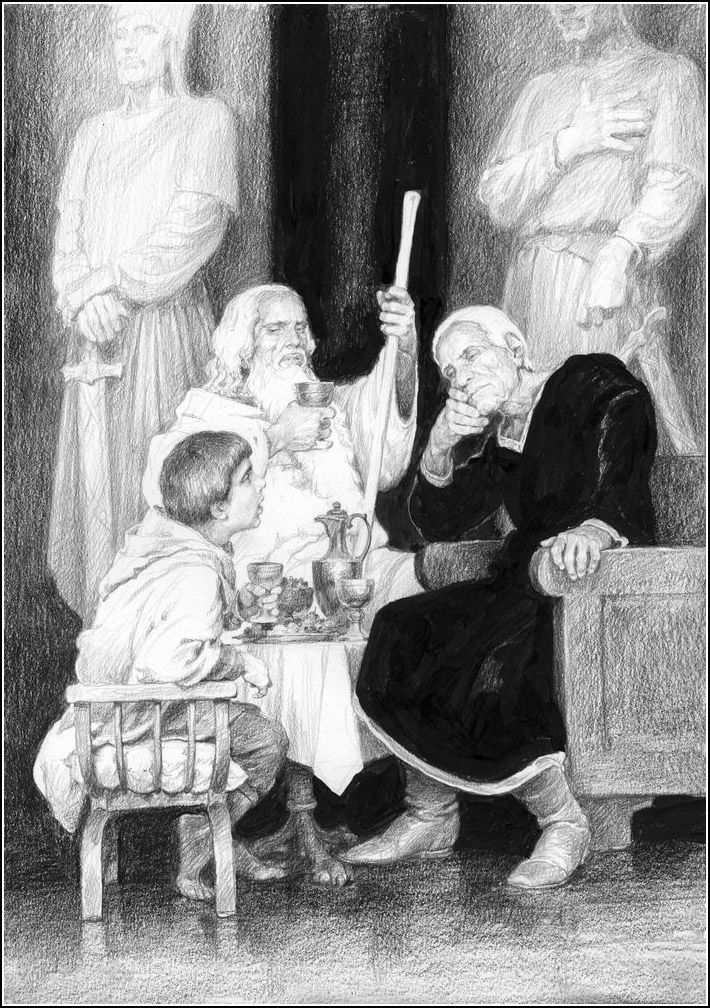
When Saruman, failing to succeed with Theoden, has turned to Gandalf, Gandalf has alluded to his previous visit with Saruman, saying:

“What have you to say that you did not say at our last meeting?…Or, perhaps, you have things to unsay?”  (The Two Towers, Book Three, Chapter 10, “The Voice of Saruman”)

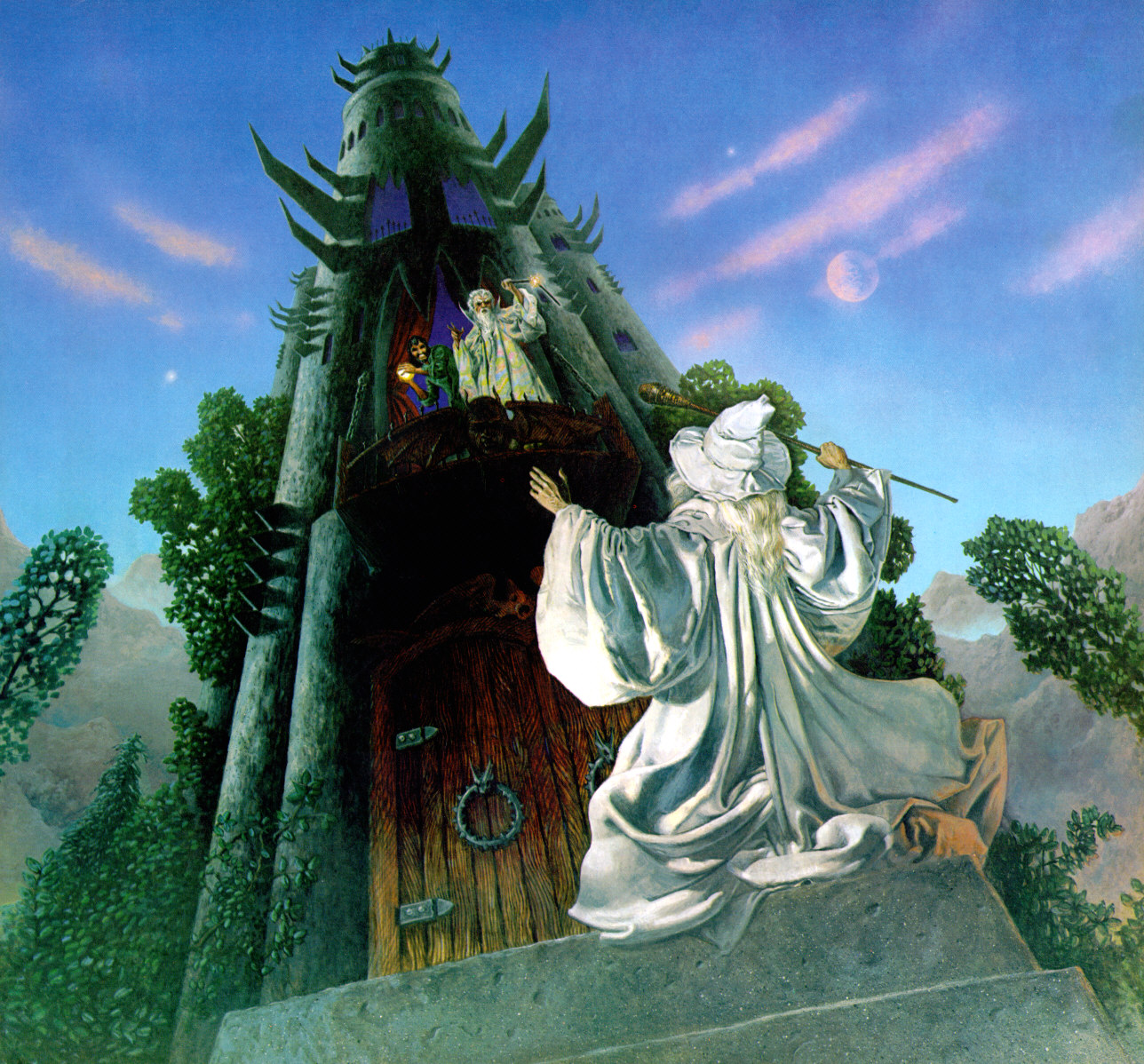
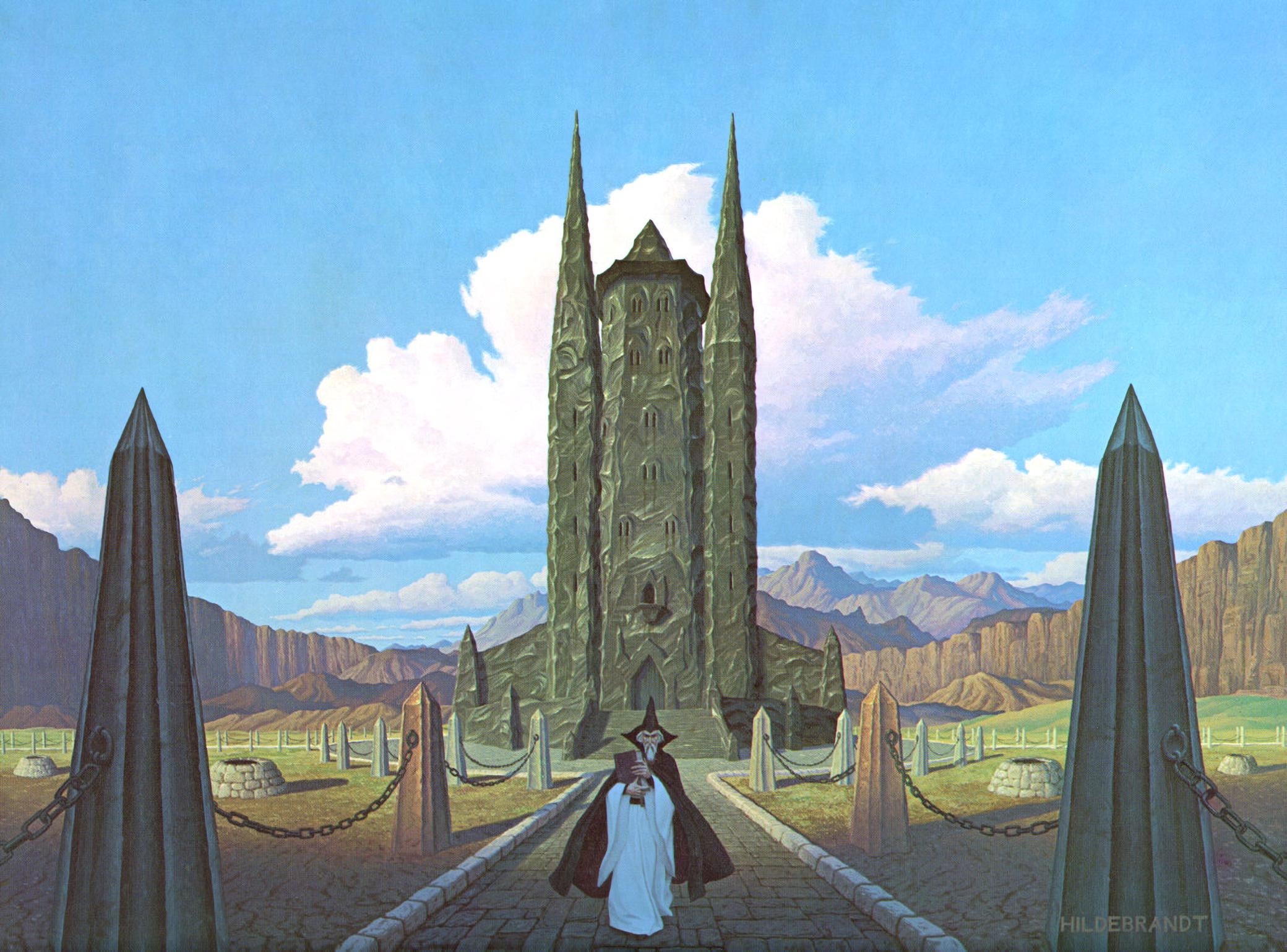
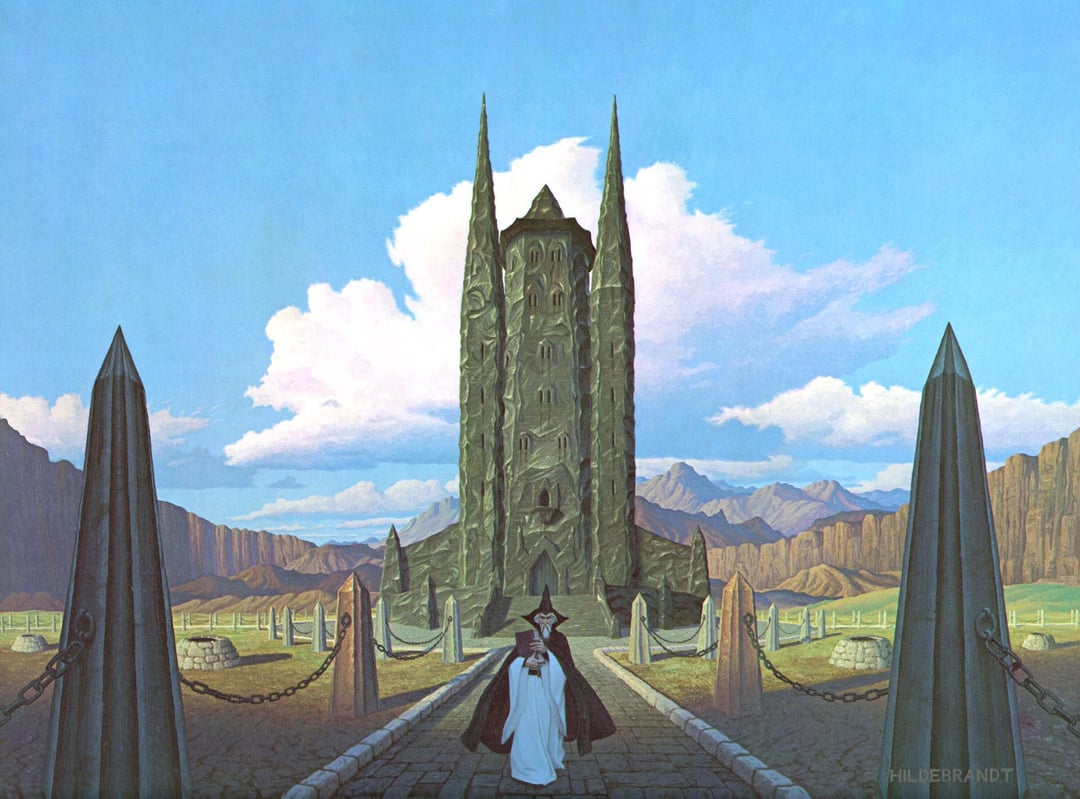
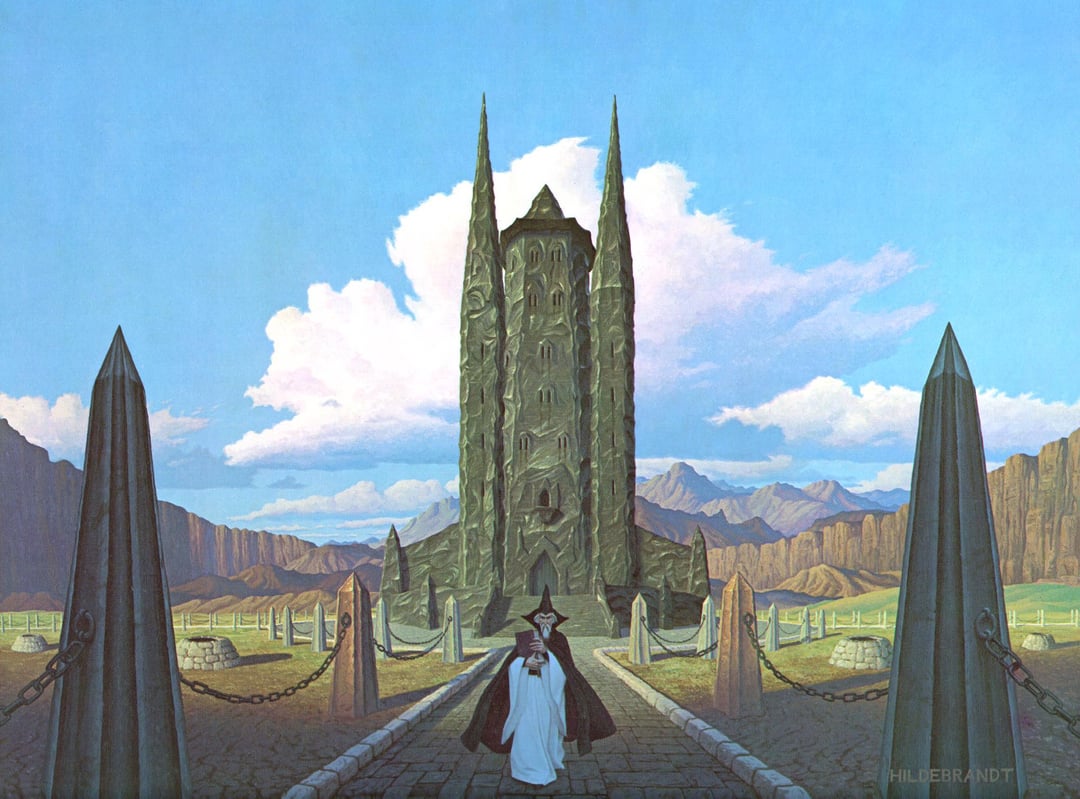
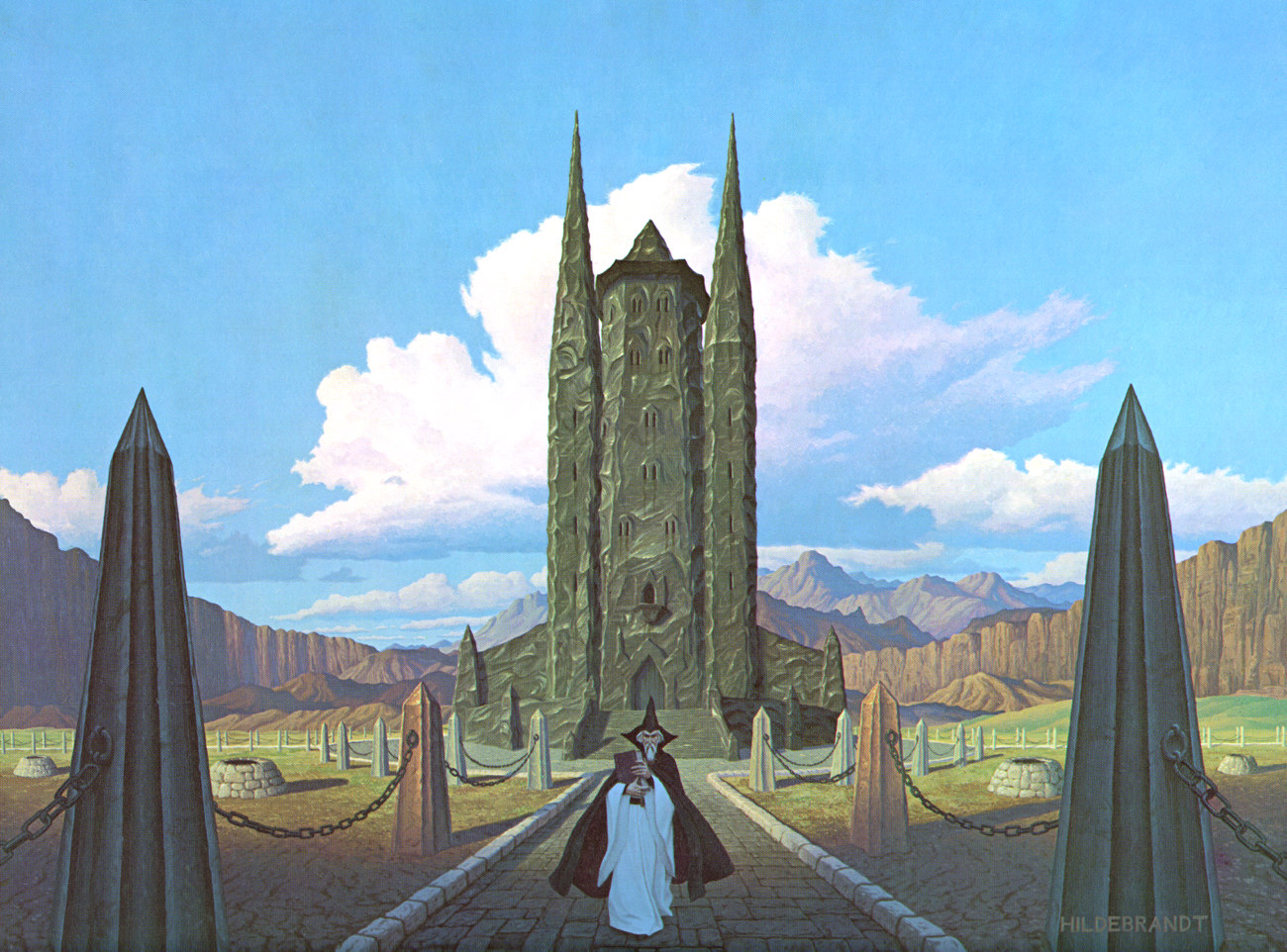
That last meeting had ended with Gandalf’s imprisonment in the tower of Orthanc,

(the Hildebrandts)

but, before that, Saruman had tried to persuade Gandalf to become an ally, and not only of Saruman, but of someone else, his speech including these words:

“We can bide our time, we can keep our thoughts in our hearts, deploring evils done by the way, but approving the high and ultimate purpose:  Knowledge, Rule, Order; all the things we have so far striven in vain to accomplish…”  (The Fellowship of the Ring, Book Two, Chapter 2, “The Council of Elrond”)

Gandalf’s reply then suggests that what Saruman is saying is not really his own argument:

“ ‘I have heard speeches of this kind before, but only in the mouths of emissaries sent from Mordor to deceive the ignorant.’ “

What is it in those words which betrays their original authorship?

In the draft of a letter to Peter Hastings, Tolkien wrote:

“Sauron was of course not ‘evil’ in origin.  He was a ‘spirit’ corrupted by the Prime Dark Lord…Morgoth.  …at the beginning of the Second Age he was still beautiful to look at, or could still assume a beautiful visible shape—and was not indeed wholly evil, not unless all ‘reformers’ who want to hurry up with ‘reconstruction’ and ‘reorganization’ are wholly evil, even before pride and the lust to exert their will eat them up.”  (draft of a letter to Peter Hastings, September, 1954, Letters, 284)

What Gandalf is actually hearing then is the thinking of Sauron and his “high and ultimate purpose”, but wrapped in words which will sound familiar to Saruman and appeal to his increasing arrogance—those words “high and ultimate purpose” echo Saruman’s depiction later in the story of just who the Istari are:

“Are we not both members of a high and ancient order, most excellent in Middle-earth?”  (The Two Towers, Book Three, Chapter 10, “The Voice of Saruman”)

That “order” was not sent to Middle-earth for “Knowledge, Rule, Order”, however, as this entry in the Appendices to The Lord of the Rings tells us:

“When maybe a thousand years had passed, and the first shadow had fallen on Greenwood the Great, the Istari, or Wizards appeared in Middle-earth.  It was afterwards said that they came out of the Far West and were messengers sent to contest the power of Sauron, and to unite all those who had the will to resist him; but they were forbidden to match his power with power, or to seek to dominate Elves or Men by force and fear.”  (The Lord of the Rings, Appendix B: “The Third Age”)

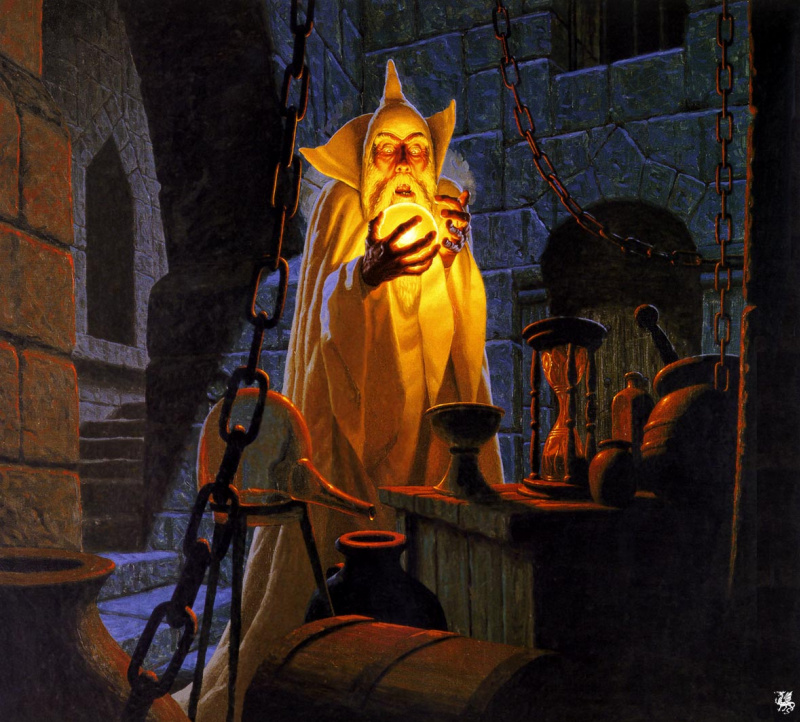
Marcus Antonius has spoken indirectly to the assassins and directly to the mob, both through their ears, but Sauron’s words have reached Saruman through this—

(the Hildebrandts)

which we know that Saruman has had as it is flung through the doorway of Orthanc by Grima and almost brains Gandalf—

“With a cry Saruman fell back and crawled away.  At that moment a heavy shining thing came hurtling down from above.  It glanced off the iron rail, even as Saruman left it, passing close to Gandalf’s head, it smote the stair on which he stood.”

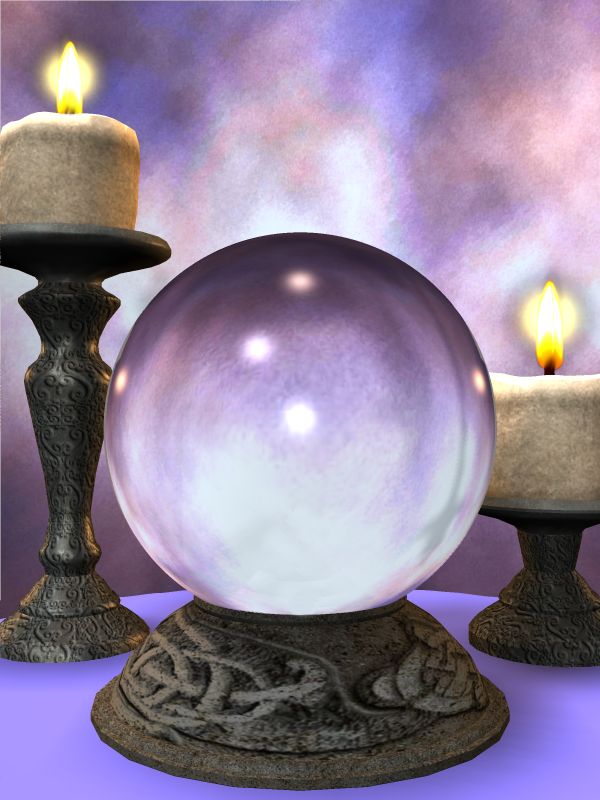
I never think of a palantir without thinking of another device used for conning unsuspecting victims—

Staring into the ball might have a kind of hypnotic effect, but it clearly also has the effect of focusing the will of another upon the victim—as Pippin found out to his grief:

“In a low hesitating voice Pippin began again, and his words grew clearer and stronger.  ‘I saw a dark sky, and tall battlements…And tiny stars.  It seemed very far away and long ago, yet hard and clear…Then he came.  He did not speak so that I could hear words.  He just looked and I understood…He said:  “Who are you?’  I still did not answer, but it hurt me horribly; and he pressed me, so I said:  ‘A hobbit.’  Then suddenly he seemed to see me, and he laughed at me.  It was cruel.  It was like being stabbed with knives…Then he gloated over me.  I felt I was falling to pieces.’ “  (The Two Towers, Book Three, Chapter 11, “The Palantir”)

This isn’t Sauron’s only use of such a device for his poisoning—another palantir lies in Minas Tirith and it’s clear from its possessor, Denethor’s, speech how Sauron has reached him:

“Do I not know thee, Mithrandir?  Thy hope is to rule in my stead, to stand behind every throne, north, south, or west.  I have read thy mind and its policies…So!  With the left hand thou wouldst use me for a little while as a shield against Mordor, and with the right bring up this Ranger of the North to supplant me.”

And here we see how Sauron has distorted the original Istari goals, which Tolkien had described to Naomi Mitchison:

“They were thought to be Emissaries (in the terms of this tale from the Far West beyond the Sea), and their proper function, maintained by Gandalf and perverted by Saruman, was to encourage and bring out the native powers of the Enemies of Sauron.”  (letter to Naomi Mitchison, 25 April, 1954, Letters 269-270)

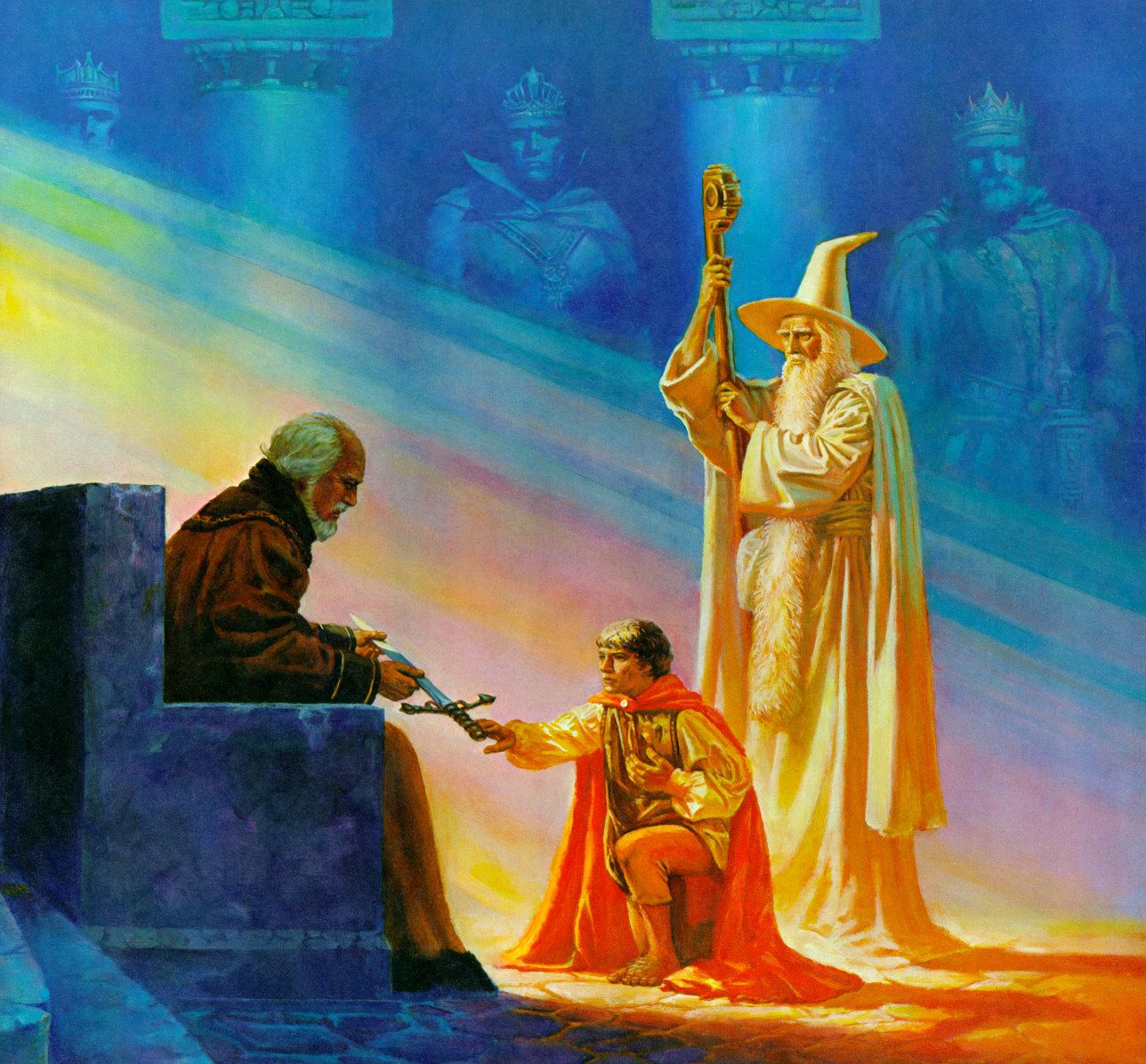
Denethor is correct in understanding that Gandalf—and supposedly all of the Istari—are meant to stand behind thrones—but to encourage their possessors to oppose Sauron, not to gain power for themselves, as Saruman deceived himself into thinking.  Denethor has not read Gandalf’s mind, but Sauron has definitely read Denethor’s—when Gandalf asks him what he wants, he replies:

“ ‘I would have things as they were in all the days of my life…and in the days of my longfathers before me:  to be the Lord of this City in peace, and leave my chair to a son after me, who would be his own master and no wizard’s pupil.”

The Stewards are not the kings of Gondor.  Although they have ruled for centuries, they are merely the lieutenants of the Numenorean kings, holding Gondor until a rightful king should appear, but it’s clear that Denethor has forgotten that, seeming to assume that he is the king—something surely in which Sauron has encouraged him .  And we see here another sore point:  Faramir.

In the midst of a complex scene in which Faramir reports that he had met Frodo, Denethor turns to him sharply:

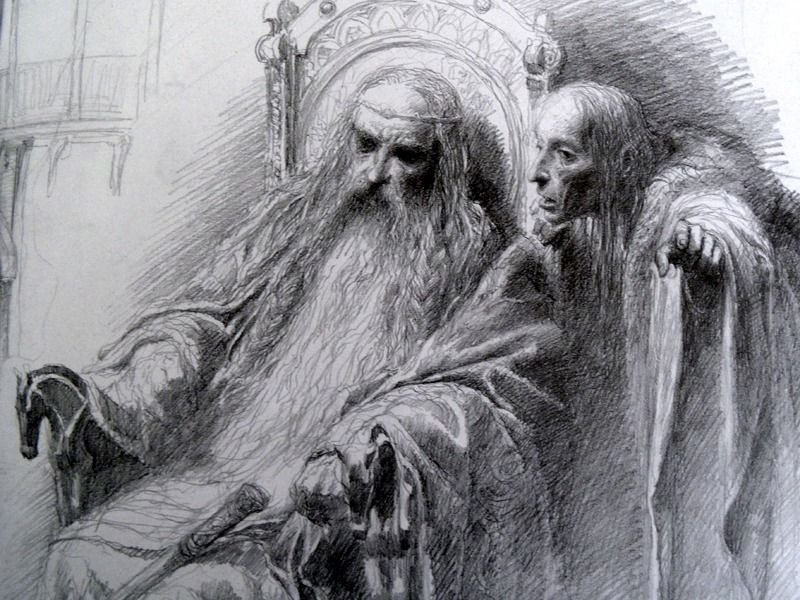
“Your bearing is lowly in my presence, yet it is long since you turned from your own way at my counsel.  See, you have spoken skillfully, as ever; but I, have I not seen your eyes fixed on Mithrandir, seeking whether you said well or too much?  He has long had your heart in his keeping.”  (The Return of the King, Book Five, Chapter 4, “The Siege of Gondor”)

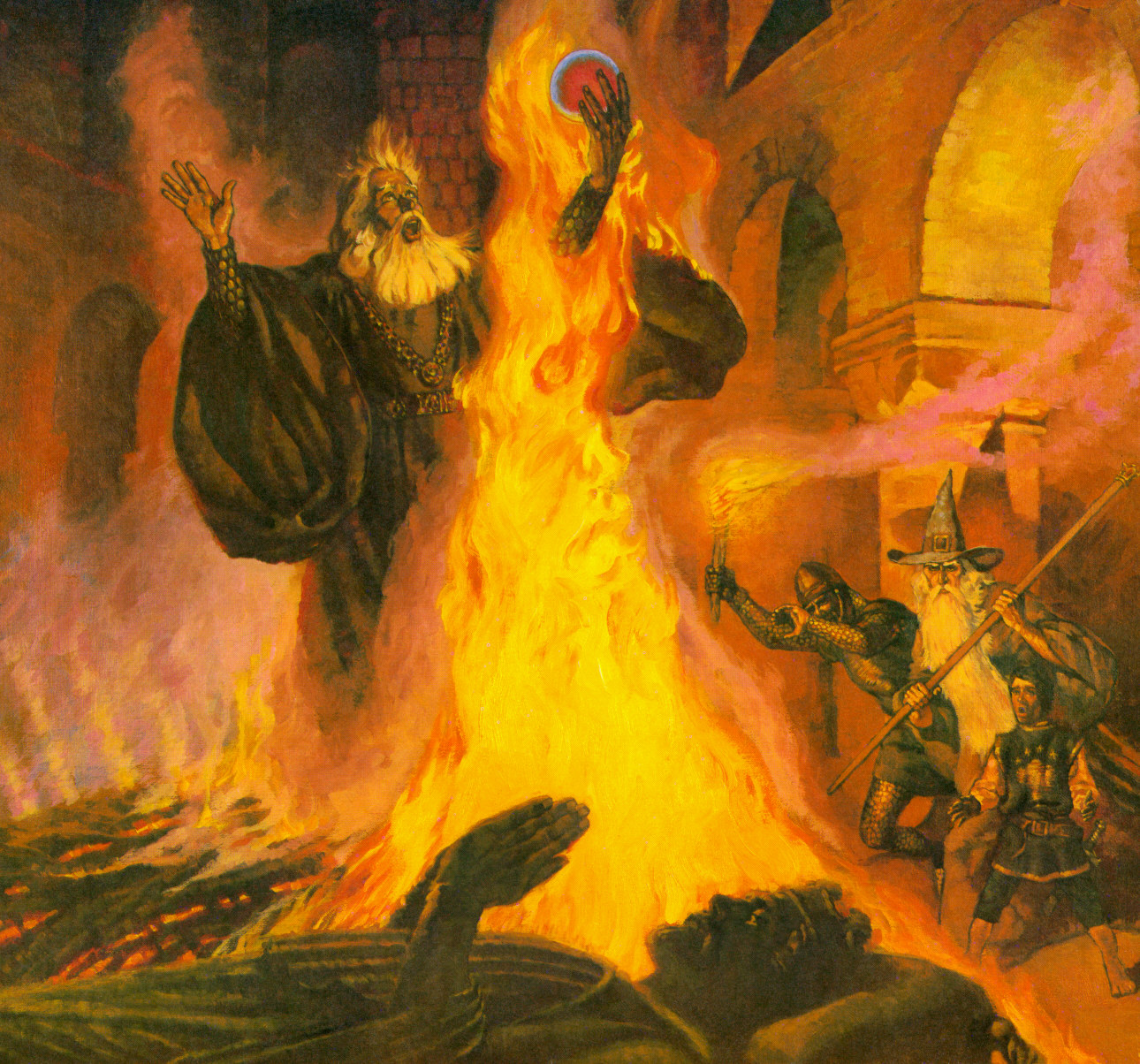
So Sauron has spotted two weak points in Denethor:  a mistaken idea about his role in the governing of Gondor and his jealous attitude towards his younger son.  This almost leads to Faramir’s death by burning and certainly does his father’s.

(Robert Chronister—about whom I have so far found nothing, although it’s clear that he’s illustrated more than one scene from The Lord of the Rings.)

Marcus Antonius, one of Julius Caesar’s right-hand men, has tricked Caesar’s assassins into letting him speak,

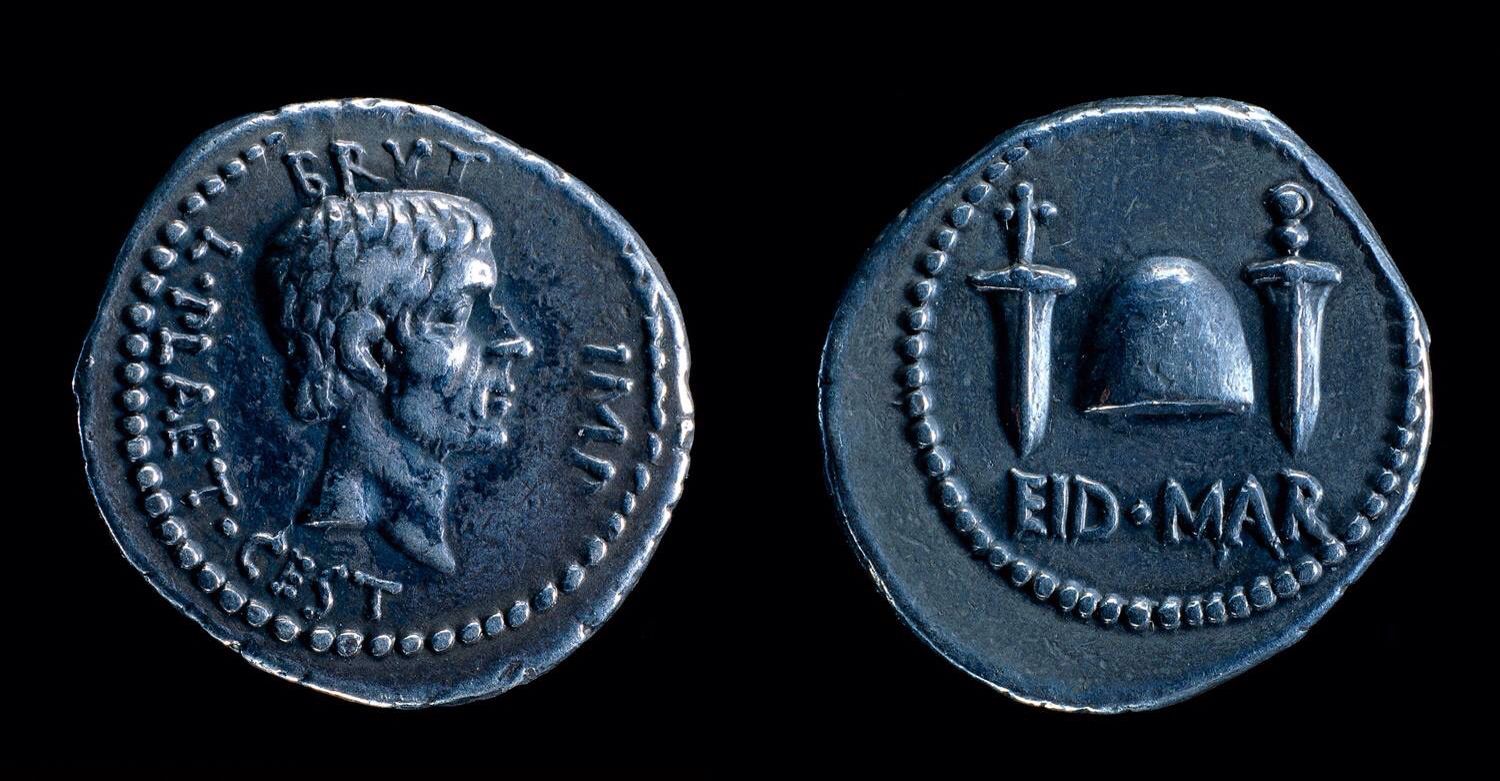
initially using language which they want to hear, but, just below the surface, and increasingly, as he proceeds, his word choice turns the mob listening to those same words into a force which will help to drive the assassins from Rome and, eventually, in the case of two of the main assassins, Brutus,

(This is a very famous coin pattern.  On the obverse—the “heads”—we see what we presume is an image of Brutus, with the caption “Brut[us]” and his assertion that he has the state’s authority:  “Imp[erator]”, along with the name of the mint master, “L[ucius] Plaet[orius] Cest[ianus]”.  On the reverse—the “tails”—we see a shorthand version of the claim of the assassins:  “Eid[ibus] Mar[tis]”—“on the ides of March”, plus two Roman “pugiones”—military daggers—bracketing a “liberty cap”—used in the ceremony of freeing a slave—hence:  “On the Ides of March, I/we, by the use of these daggers, freed Rome from its slavery (to Caesar)” )

and Cassius,

(Unfortunately, we have no definite image of Cassius—this is a coin minted on his authority by his deputy, Marcus Servilius.  The obverse has an image of “Libertas”, along with an abbreviated form of his name, “C[aius] Cassi[us]”, and that claim to have the authority of the state:  “Imp[erator]”.  The reverse has the name of his lieutenant, “M[arcus] Servilius”, his deputy rank “Leg[atus]” and what’s called an “aplustre”, which is the decorative stern of a Roman warship, thought to commemorate Cassius’ defeat of the navy of Rhodes.)

to defeat and suicide—Marcus Antonius’ ear-poison working very effectively.

For Middle-earth, there is a happier ending.  The real goal of sending the Istari succeeds, even with the treachery of Saruman, brought about through the poison introduced and spread by Sauron through the palantiri, which affects Denethor, as well, teaching us that toxicity is just as deadly in word as it is in deed.

Thanks, as always, for reading.

Stay well,

Lend no one your ears unless you’re clear what he/she wants,

And remember that, as ever, there’s

MTCIDC

O

By Ear (2)

14 Wednesday May 2025

Posted by Ollamh in Uncategorized

≈ Leave a comment

Tags

Fantasy, Gandalf, Hamlet, Istari, Orthanc, Palantir, poison, Saruman, Sauron, Shakespeare, Theoden, Tolkien

Welcome, dear readers, as always.

In Part 1 of this posting, I began talking about ear poisons, beginning with the actual poisoning of Hamlet’s father by Hamlet’s uncle, Claudius, who, according to Hamlet’s father’s ghost:

“Sleeping within my orchard,

My custom always of the afternoon,

Upon my secure hour, thy uncle stole

With juice of cursèd hebona in a vial,

And in the porches of my ears did pour

The lep’rous distilment…” (Hamlet, Act 1, Scene 5)

But there are poisons just as potent which come in the form of poisonous words, as we began to see in Saruman’s attempts to win over Theoden,

(Francesco Amadio)

and, failing that, with Gandalf:

“Gandalf stirred, and looked up.  ‘What have you to say that you did not say at our last meeting?’ he asked.  ‘Or, perhaps, you have things to unsay?’ “

In their last meeting, Gandalf became Saruman’s prisoner in Orthanc—

(the Hildebrandts)

but the words which Saruman employed then were revealing, as Gandalf says, having listened to Saruman’s plea:

“A new Power is rising…We may join with that Power.  It would be wise, Gandalf.  There is hope that way.  Its victory is at hand; and there will be rich reward for those that aid it.  As the Power grows, its proved friends will also grow; and the Wise, such as you and I, may with patience come at last to direct its courses, to control it.  We can bide our time, we can keep our thoughts in our hearts, deploring maybe evils done by the way, but approving the high and ultimate purpose:  Knowledge, Rule, Order; all the things that we have so far striven in vain to accomplish, hindered rather than helped by our weak or idle friends.  There need not be, there would not be, any real change in our designs, only in our means.”  (The Fellowship of the Ring, Book Two, Chapter 2, “The Counsel of Elrond”)

When attempting to win over Theoden, Saruman had chosen words which suggested how much Saruman honored and respected him, defending himself from his own aggressive actions by saying that, if he had used violence against Rohan, so had Rohan used violence in the past, and now, together, he and Theoden could make peace—and therefore avoid what Saruman calls “the ruin that draws nigh inevitably”, even implying a bond between them, changing his former address from “you” to “we” and “our”—

“Shall we make our counsels together against evil days, and repair our injuries with such good will that our estates shall both come to fairer flower than ever before?”

When that hadn’t worked, Saruman had turned to Gandalf, at whom he had sneered only moments before, saying now that Gandalf had “a noble mind and eyes that look both deep and far”—in other words, attempting the same flattery which had failed with Theoden.  And he tried the same kind of shift from “you” to “we” here:

“I fear that in my eagerness to persuade you, I lost patience.  And indeed I regret it.  For I bore you no ill-will; and even now I bear none, though you return to me in the company of the violent and the ignorant.  How should I?  Are we not both members of a high and ancient order, most excellent in Middle-earth?”

That word “order” reminds us of something which Gandalf had said to Frodo long before about Saruman:

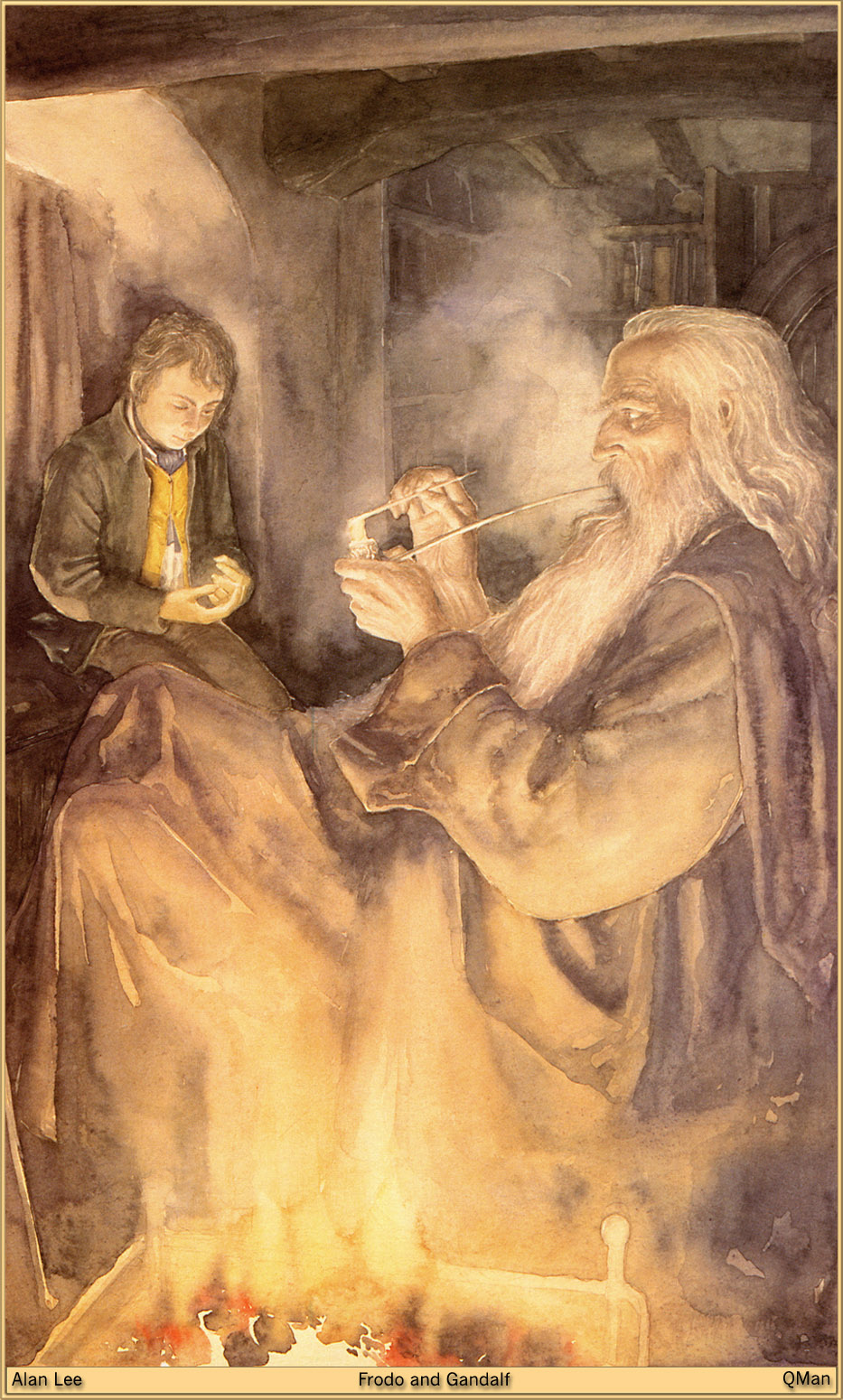
“He is the chief of my order and the head of the Council…The lore of the Elven-rings, great and small, is his province.”

(Alan Lee)

And yet:

“I might perhaps have consulted [him], but something always held me back.” (The Fellowship of the Ring, Book One, Chapter 2, “The Shadow of the Past”)

Gandalf has, then, long had doubts about Saruman, even though Saruman was head of that “order”. 

But what, actually, was that “order”?

“When maybe a thousand years had passed, and the first shadow had fallen on Greenwood the Great, the Istari, or Wizards appeared in Middle-earth.  It was afterwards said that they came out of the Far West and were messengers sent to contest the power of Sauron, and to unite all those who had the will to resist him; but they were forbidden to match his power with power, or to seek to dominate Elves or Men by force and fear.”  (The Lord of the Rings, Appendix B: “The Third Age”)

Recall, then, what Saruman has so far done:

1. he has turned Isengard into a miniature version of Mordor, ravaging the surrounding landscape

2. roused the Dunlendings to attack Rohan

3. created his own army of orcs—and perhaps done something worse to them than simply create them, if Treebeard’s thoughts are true (“Worse than that:  he has been doing something to them; something dangerous…For these Isengarders are more like wicked men.”  The Two Towers, Book Three, Chapter 4, “Treebeard”)

4. attacked Rohan and, in the process, Theoden’s son, Theodred, has been killed

5. not to mention that, when Gandalf has resisted his proposals, Saruman has imprisoned him

And so, how believable could anything Saruman says be?  And yet he persists:

“Our friendship would profit us both alike.  Much we could still accomplish together, to heal the disorders of the world.  Let us understand one another, and dismiss from thought these lesser folk!  Let them wait on our decisions!  For the common good I am willing to redress the past, and to receive you.  Will you not consult with me?  Will you not come up?”

In other words, of everything which Saruman, as one of the Istari, has been sent to do, he has done the opposite—and persists, even when he has failed in his plans and is now a prisoner in his own domain.

(Carl Lundgren–you can read about him here: https://en.wikipedia.org/wiki/Carl_Lundgren_(illustrator) )

Yet his tone, for the moment, still has the remains of its ability to charm:

“So great was the power that Saruman exerted in this last effort that none that stood within hearing were unmoved.  But now the spell was wholly different.  They heard the gentle remonstrance of a kindly king with an erring but much-loved minister.  But they were shut out, listening at a door to words not meant for them…”

Until—

“Then Gandalf laughed.  The fantasy vanished like a puff of smoke.”

And what follows reveals not only why Gandalf declines the offer, but who Gandalf believes lies behind all of those empty words about “heal[ing] the disorders of the world” and “the common good” and, earlier, “knowledge, rule, order”—poisonous words when coming from the mouth of Saruman:

“I keep a clearer memory of your arguments, [says Gandalf] and deeds, than you suppose.  When last I visited you, you were the jailor of Mordor, and there I was to be sent.”

Saruman’s reaction is predictable:  each time he finds that his magic tones do not lull the listener, he falls into a rage, but, this time, there is something else mixed with it:

“A shadow passed over Saruman’s face; then it went deadly white.  Before he could conceal it, they saw through the mask the anguish of a mind in doubt, loathing to stay and dreading to leave its refuge.  For a second he hesitated, and no one breathed.  Then he spoke, and his voice was shrill and cold.  Pride and hate were conquering him.”

Pride and hate, but there is something more, as Gandalf warns him:

“ ‘Reasons for leaving you can see from your windows…

(Ted Nasmith)

Others will occur to your thought.  Your servants are destroyed and scattered; your neighbors you have made your enemies; and you have cheated your new master, or tried to do so.  When his eye turns hither, it will be the red eye of wrath.’ “

Gandalf snaps Saruman’s staff and, as if on-cue:

“With a cry Saruman fell back and crawled away.  At that moment a heavy shining thing came hurtling down from above.  It glanced off the iron rail, even as Saruman left it, passing close to Gandalf’s head, it smote the stair on which he stood.”

What this can be and how it figures in all of this poison will appear in the final part of this short series—

(the Hildebrandts)

As ever, thanks for reading.

Stay well,

Remember what Marcus Antonius says to the mob in Shakespeare’s Julius Caesar, “The evil that men do lives after them…” when he is supposedly only burying Caesar, not praising him…

And remember, as well, that there’s

MTCIDC,

O

By Ear (1)

07 Wednesday May 2025

Posted by Ollamh in Uncategorized

≈ Leave a comment

Tags

Claudius, ear, Fantasy, Gandalf, Grima, Hamlet, henbane, lotr, Palantir, poison, Saruman, Theoden, Tolkien

Welcome, dear readers, as always.

No matter how often I read or see the play, I’m always struck by how multifacted Hamlet is—a revenge tragedy, a murder mystery, a psychological study, a ghost story, all in one (and probably more than this list besides).  Tolkien was not a big fan of reading Shakespeare, but, seeing a performance in 1944, he wrote to his son, Christopher:   “Plain news is on the airgraph [a form of letter photographed onto microfilm, shipped, then printed out at its destination—called “V-Mail” in the US—a useful background:  https://rarehistoricalphotos.com/v-mail-photos/ ]; but the only event worth of talk was the performance of Hamlet which I had been to just before I wrote last.  I was full of it then…It was a very good performance, with a young rather fierce Hamlet; it was played fast without cuts; and it came out as a very exciting play.” (letter to Christopher Tolkien, 28 July, 1944, Letters, 126)

That ghost story is the explanation for the murder mystery, the victim being Hamlet’s father, Hamlet Senior, and the murderer being his brother, Claudius, the ghost telling Hamlet:

“Sleeping within my orchard,

My custom always of the afternoon,

Upon my secure hour, thy uncle stole

With juice of cursèd hebona in a vial,

And in the porches of my ears did pour

The lep’rous distillment, whose effect

Holds such an enmity with blood of man

That swift as quicksilver it courses through

The natural gates and alleys of the body,

And with a sudden vigor it doth possess

And curd like eager droppings into milk

The thin and wholesome blood; so did it mine,

And a most instant tetter barked about

Most lazarlike with vile and loathsome crust

All my smooth body.”  (Hamlet, Act 1, Scene 5 from the 2nd Quarto, 1604—this is from my go-to Shakespeare internet site, which you can visit here:  https://internetshakespeare.uvic.ca/doc/Ham_Q2/scene/index.html )

“Hebona” has been argued about for years, some scholars, seeing what appears to be a linguistic similarity with “henbane”,

have suggested that, as the poison, and, seeing its effects, I’m not surprised:

“As a result of this distinct chemical and pharmacological profile, overdoses can result not only in delirium, but also severe anticholinergic syndrome, coma, respiratory paralysis, and death.” (see:  https://en.wikipedia.org/wiki/Toxidrome#Anticholinergic for lots more distressing symptoms on the way to the end—although some of the above description doesn’t appear to be present in such poisoning—“tetter” means a kind of skin eruption, which is why Hamlet Sr. uses“lazarlike”, meaning “leprous”.  For more on other possible poisons, see:  https://en.wikipedia.org/wiki/Hebenon And for more on Shakespeare’s drugs, see:  https://www.bbc.com/future/article/20140416-do-shakespeares-poisons-work ) 

One can see why Uncle Claudius uses the method he does:  he’s assuming that, if all the poison is absorbed, there will be no outside traces, which is why Hamlet Senior says, “’Tis given out that, sleeping in my orchard/A serpent stung me” (although, given the usual nature of bites, one might have thought that someone would have checked for a snake bite wound, suggesting that Claudius was already prepared with a quick explanation for what had happened to his brother—“it is given out” sounds like palace propaganda, doesn’t it?).

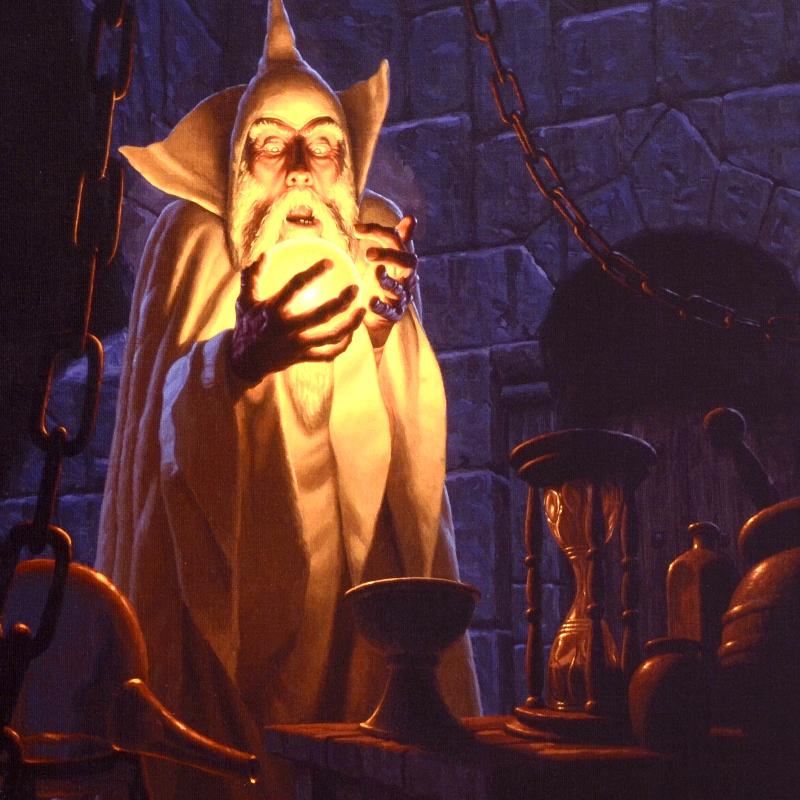
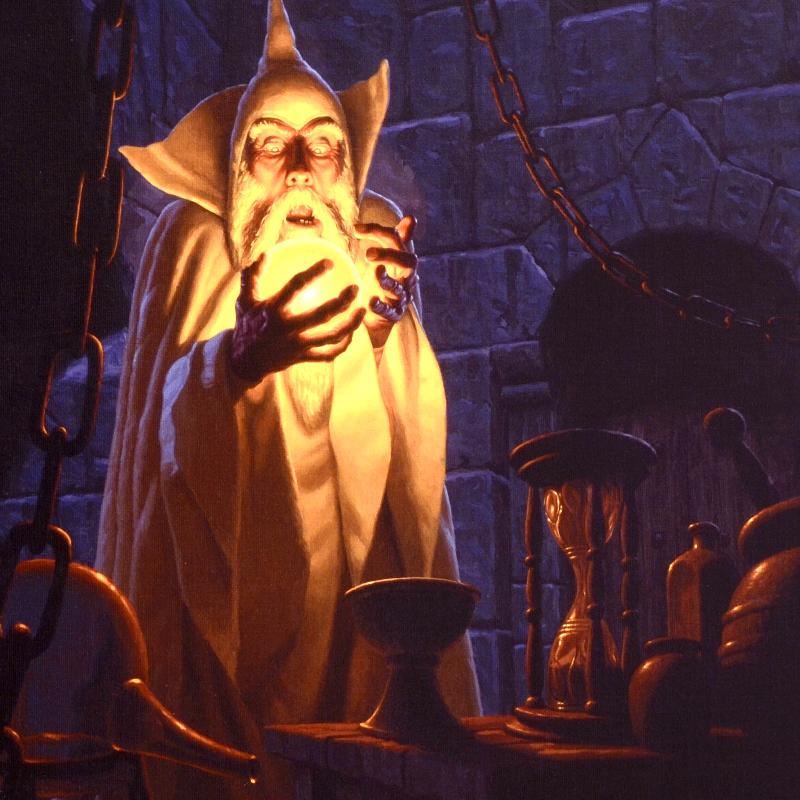
Hamlet’s father is poisoned through the ear with an actual toxic substance, whatever it was, and that supposedly left no trace of the crime, but, in Tolkien’s own work, we see another ear poison, which also leaves no obvious physical trace, being administered by this—

(the Hildebrandts)

but which is just as deadly—spiritually.

We know from Gandalf (and the chapter title) that Saruman has an unusual weapon:

“ ‘What’s the danger?’ asked Pippin.  ‘Will he shoot at us, and pour fire out of the windows; or can he put a spell on us from a distance?’

‘The last is most likely, if you ride to his door with a light heart,’ said Gandalf…. ‘And Saruman has powers you do not guess:  Beware of his voice!’ “  (The Two Towers, Book Three, Chapter 10, “The Voice of Saruman”)

We then see that voice in operation:

“ ‘But come now,’ said the soft voice.  ‘Two at least of you I know by name.  Gandalf I know too well to have much hope that he seeks help or counsel here.  But you, Theoden Lord of the Mark of Rohan, are declared by your noble devices, and still more by the fair countenance of the House of Eorl.  O worthy son of Thengel the Thrice-renowned!  Why have you not come before, and as a friend?  Much have I desired to see you, mightiest king of western lands, and especially in these latter years, to save you from the unwise and evil counsels that beset you!  Is it yet too late?  Despite the injuries that have been done to me, in which the men of Rohan, alas! have had some part, still I would save you, and deliver you from the ruin that draws nigh inevitably, if you ride upon this road which you have taken.  Indeed I alone can aid you now.’ “

The effect of this upon the Rohirrim is just what Saruman must have hoped for—and it underlines his method of address:

“The Riders stirred at first, murmuring with approval of the words of Saruman; and then they too were silent, as men spell-bound.  It seemed to them that Gandalf had never spoken so fair and fittingly to their lord.  Rough and proud now seemed all his dealings with Theoden.  And over their hearts crept a shadow, the fear of a great danger:  the end of the Mark in a darkness to which Gandalf was driving them, while Saruman stood beside a door of escape, holding it half open so that a ray of light came through…” 

Saruman has, by:

1. addressing Theoden in a stately way, almost overdoing it with his “Lord”, “noble”, “fair”, “worthy”, “mightiest”, suggesting that he has only the greatest respect for him

2. mentioning the defeat of his ravaging army and the destruction of his mini-Mordor as if they were “wrongs” done to him, rather than the treasonous behavior they actually represented

3. threatening doom awaiting the Mark

4. offering himself as the only savior,

turns himself from the Sauron he aspires to be into the gentle, admiring friend, who, though he has been harmed, is still willing to be that friend—and, in fact, the only friend for Theoden.  And, as the Rohirrim are meant to understand, this is all designed to be in contrast to Gandalf, that false savior.

(It’s clear that Saruman has been working to undercut Gandalf’s position in Rohan for some time previously:  see Theoden’s original greeting to Gandalf—prompted—and poisoned—by Grima in The Two Towers, Book Three, Chapter 6, “The King of the Golden Hall”.)

(Alan Lee)

Eomer, seeing Theoden silent, hesitating, tries to intervene, only to have that Voice—angered, but quickly controlled, turn everything rightly said against him into the “you do it, too” argument:

“ ‘But my lord of Rohan, am I to be called a murderer, because valiant men have fallen in battle?  If you go to war, needlessly, for I did not desire it, then men will be slain.  But if I am a murderer on that account, then all the House of Eorl is stained with murder; for they have fought many wars, and assailed many who defied them.’ “

It’s not just Saruman’s voice that one should be wary of–he is so skilled in deception—or so he thinks–that he can try to use such a cheap argument, then turn it around into what is intended to sound like a reasonable proposal:

“ ‘Yet with some they have afterwards made peace, none the worse for being politic.  I say, Theoden King:  shall we have peace and friendship, you and I?  It is ours to command.’ “

And notice how it’s now not “you”, but “we” and “ours”—any attack is being turned into “being politic” and not “you do it, too”, but “we all do it sometimes” and then we make peace and everything is fine.

Theoden’s response is not what Saruman expected, although, because Theoden had remained silent, we can imagine that Saruman was smiling quietly to himself in admiration of his own powers:

“ ‘We will have peace,’ said Theoden at last thickly and with an effort…’Yes, we will have peace,’ he said, now in a clear voice, ‘we will have peace, when you and all your works have perished—and the works of your dark master to whom you would deliver us.  You are a liar, Saruman, and a corrupter of men’s hearts…When you hang from a gibbet at your own window for the sport of your own crows, I will have peace with you and Orthanc…Turn elsewhither.  But I fear your voice has lost its charm.”

(Ted Nasmith—another side of this excellent artist)

The magic of that voice still lingers for a moment:

“The Riders gazed up at Theoden like men startled out of dream.  Harsh as an old raven’s their master’s voice sounded in their ears after the music of Saruman.”

But there is then a change in that music:

“But Saruman for a while was beside himself with wrath.  He leaned over the rail as if he would simite the King with his staff.  To some suddenly it seemed that they saw a snake coiling itself to strike.”

And Saruman becomes even more serpentine:

“ ‘Gibbets and crows!’ he hissed and they shuddered at the hideous change.’ “

Thwarted, we see him basically reverse his address to Theoden.  Where before Theoden was “Lord”, “noble”, “fair”, “worthy”, “mightiest”, now he is “dotard” and his “noble”, “fair” family becomes “the house of Eorl…but a thatched barn where brigands drink in the reek, and their brats roll on the floor among the dogs”.

He isn’t quite finished, however—

“ ‘But you, Gandalf!  For you at least I am grieved, feeling for your shame.  How comes it that you can endure such company?  For you are proud, Gandalf—and not without reason, having a noble mind and eyes that look both deep and far.  Even now will you not listen to my counsel?’ “

Theoden’s eventual reply was bitter—and biting—but Gandalf’s reaction is of a different sort altogether—though it still has a sting:

“Gandalf stirred, and looked up.  ‘What have you to say that you did not say at our last meeting?’ he asked.  ‘Or, perhaps, you have things to unsay?’ “

That last meeting saw Gandalf Saruman’s prisoner on the top of Orthanc–

(the Hildebrandts)

but what was it which Saruman said, how was it put, and what or who might lie behind it, will be the subject of Part 2 of this posting.

Thanks for reading, as always.

Stay well,

Remember that line from another Shakespeare play, “All that glisters is not gold”,

And also remember that, as always, there’s

MTCIDC

O
Into the Fire

19 Wednesday Feb 2025

Posted by Ollamh in Uncategorized

≈ Leave a comment

Tags

Aetius, Attila, Chalons, Denethor, Faramir, Gandalf, lotr, Middle-earth, Palantir, Pippin, Saruman, Sauron, Tolkien

As ever, welcome, dear readers.

I’ve always admired the way in which JRRT shows the slow descent of Denethor into darkness, from someone who rules Gondor

(Denis Gordeev)

as if he were its rightful king, accepting Pippin’s offer of allegiance,

(Douglas Beekman—a prolific sci-fi fantasy illustrator.  You can see numbers of his illustrations here:  https://www.isfdb.org/cgi-bin/ea.cgi?23068  This catalogue if from the Internet Speculative Fiction Data Base, a wonderfully rich site if you have an interest in sci-fi.)

to the pensive and grieving father,

(an Alan Lee sketch)

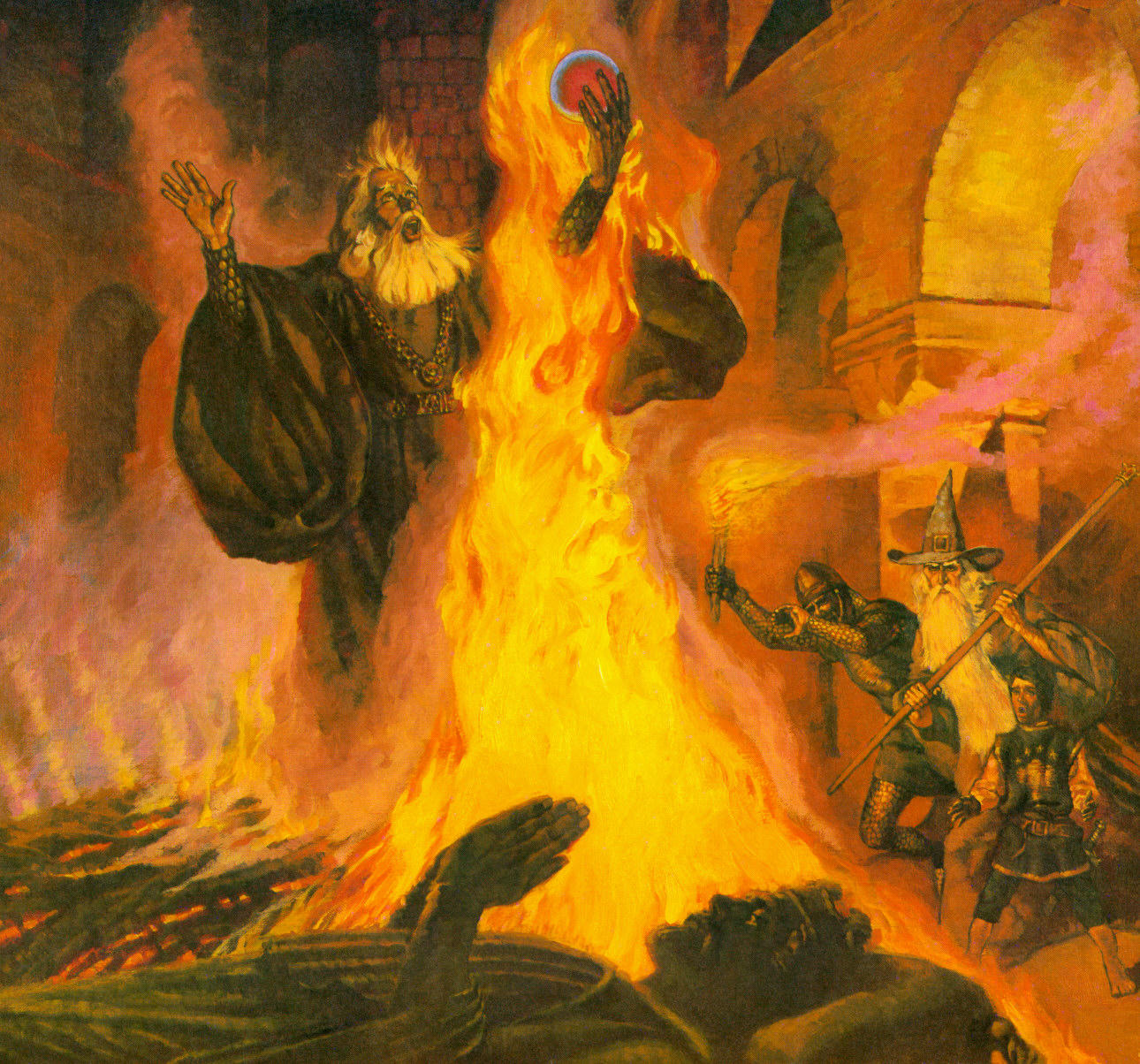
to the desperate madman of his last scene—

(artist? so far, I can’t locate one)

But that last scene has always impressed me as Tolkien at his dramatic best.

It begins with the setting:

“There Pippin, staring uneasily around him, saw that he was in a wide vaulted chamber, draped as it were with the great shadows that the little lantern threw upon its shrouded walls.  And dimly to be seen were many rows of tables, carved of marble; and upon each table lay a sleeping form, hands folded, head pillowed upon stone.  But one table near at hand stood broad and bare.  Upon it at a sign from Denethor they laid Faramir and his father side by side, and covered them with one covering, and stood then with bowed heads as if mourners beside a bed of death.”

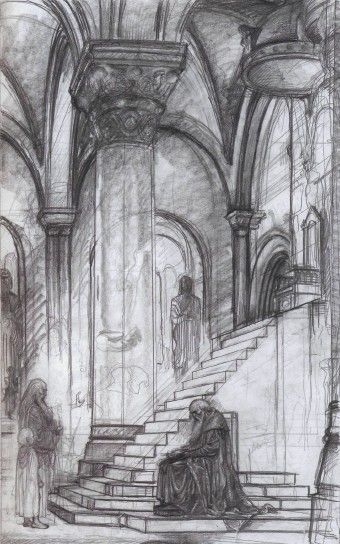
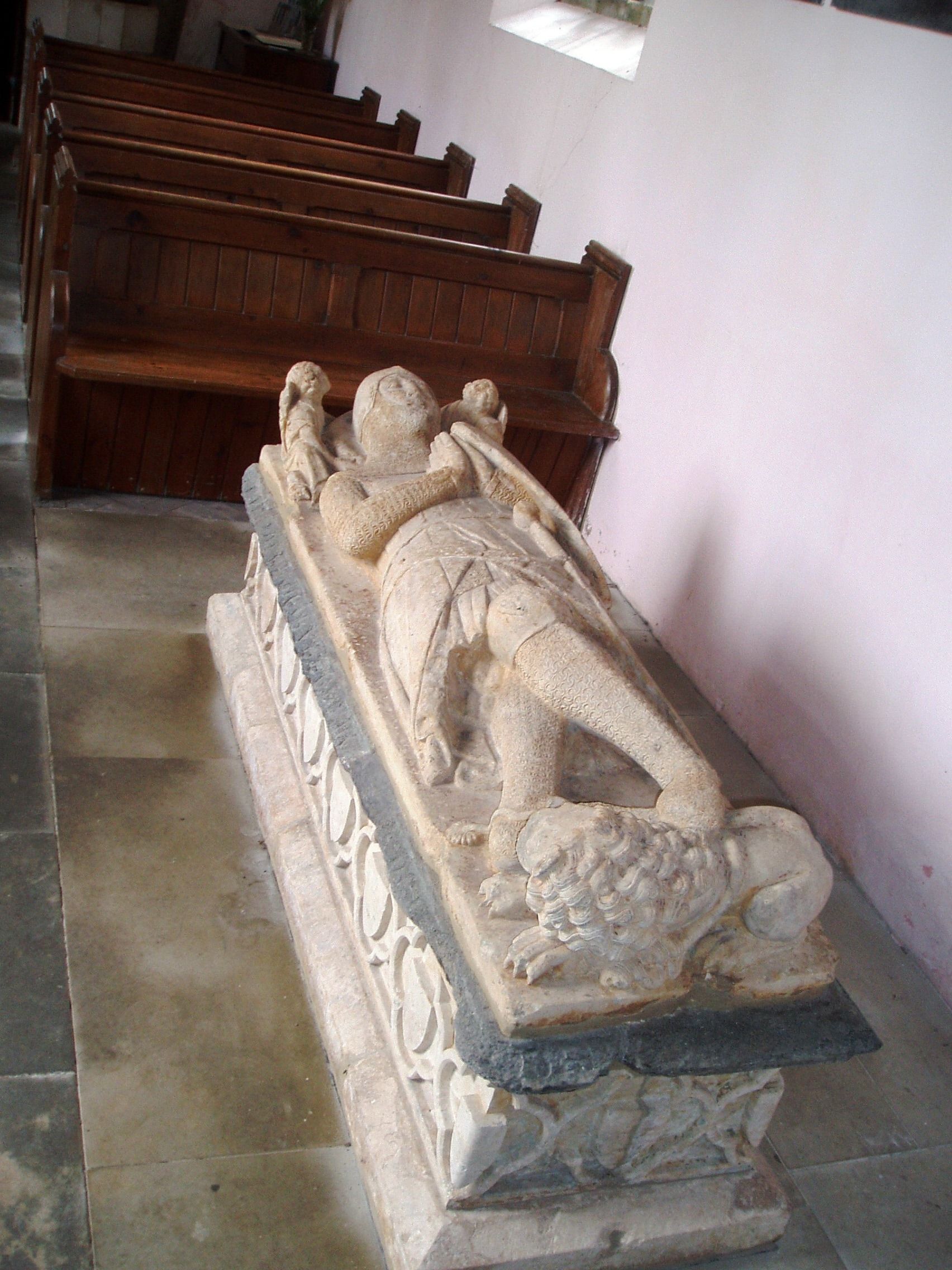
I think that we can imagine that JRRT’s image here is based upon any number of medieval English churches, with their tombs, usually along the walls, or,

more grandly,  the basilica of St Denis, in a northern suburb of Paris,

of which he might have seen a photo.  (As I haven’t found a reference that he had actually visited the place.)

What happens next, however, has a different model—or, rather, perhaps two. 

After having himself and Faramir placed on that empty table, Denethor then makes the terrible command:

“ ‘Here we will wait,’ he said.  ‘But send not for the embalmers.  Bring us wood quick to burn, and lay it all about us, and beneath; and pour oil upon it.  And when I bid you thrust in a torch.’ “ (all of the above from The Return of the King, Book Five, Chapter 4, “The Siege of Gondor”)

What’s going on here?   When Gandalf, summoned by Pippin attempts to stop this, Gandalf says to Denethor:

“ ‘Authority is not given to you, Steward of Gondor, to order the hour of your death,’…And only the heathen kings, under the domination of the Dark Power, did thus, slaying themselves in pride and despair, murdering their kin to ease their own death.’”  (The Return of the King, Book Five, Chapter 7, “The Pyre of Denethor”)

“Heathen”, from Old English haethen, came into English with the meaning “non-believer (in Christianity)” and seems, at first, rather an odd word for Gandalf to have employed, as Tolkien has written himself that “…the ‘Third Age’ was not a Christian world.” (letter to the Houghton Mifflin Co., 30 June, 1955, Letters, 319)

I wonder, however, whether JRRT was remembering something from early medieval history, which he might have read in conjunction with his early avid study of Gothic (which almost ruined his academic career—see his letter to Christopher of 2 January, 1969 (Letters, 558).

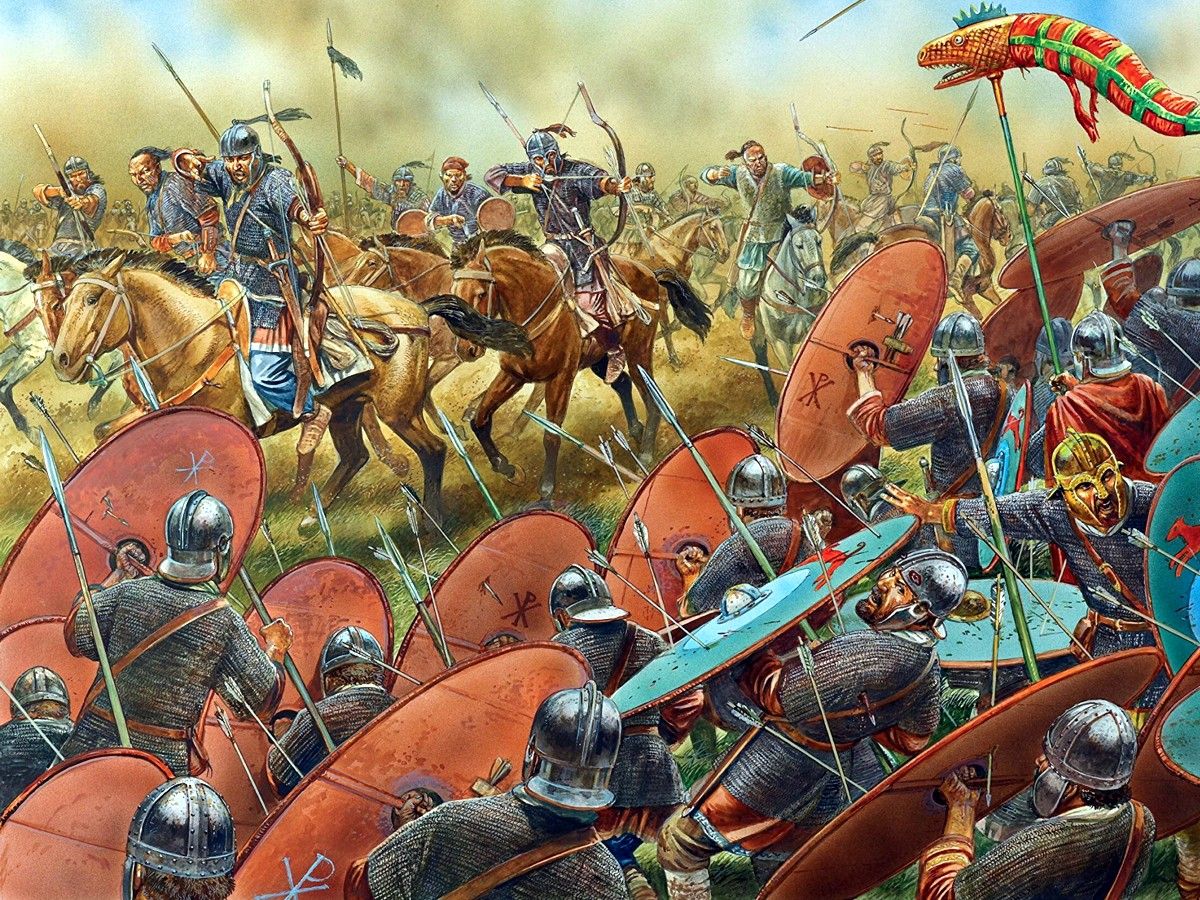
It’s in the account by the 6th-century Gothic historian, Jordanes, of the Battle of the Catalaunian Plains (also known as the Battle of Chalons), between Roman and their Germanic allies, including Visigoths, led by the Roman general, Aetius, and an invading army of Huns and their subject peoples, led by Attila, a battle fought on 20 June, 451.

(by Peter Dennis, one of my favorite contemporary military artists)

The battle was very much a back-and-forth affair, but late in it, the Huns had been driven back to their camp and Attila, usually the soul of confidence, was troubled–and this is where Jordanes’ description comes in:

Fertur autem desperatis rebus praedictum regem adhuc et suppraemo magnanimem equinis sellis construxisse pyram seseque, si adversarii inrumperent, flammis inicere voluisse, ne aut aliquis eius vulnere laetaretur aut in potestate hostium tantarum gentium dominus perveniret.  (Jordanes, De Origine Actibusque Getarum, XL, 213—my translation)

“It is said, moreover, that things were [so] despaired of, that the king [that is, Attila] still supremely brave,  commanded at this point that [they] build a pyre from horse saddles and, should the enemy break in [to his camp], he wished to throw himself into the flames lest either anyone take joy in wounding [him] or lest he, the master of so many peoples come into the power of the enemy.”

None of Attila’s kin is involved in this potential self-immolation, but certainly the pride is there and even despair (as in that “desperatis rebus”) which Gandalf mentions.

But, as I said earlier, there might be another model—and perhaps an even darker one.  Notice that

“But one table near at hand stood broad and bare.”

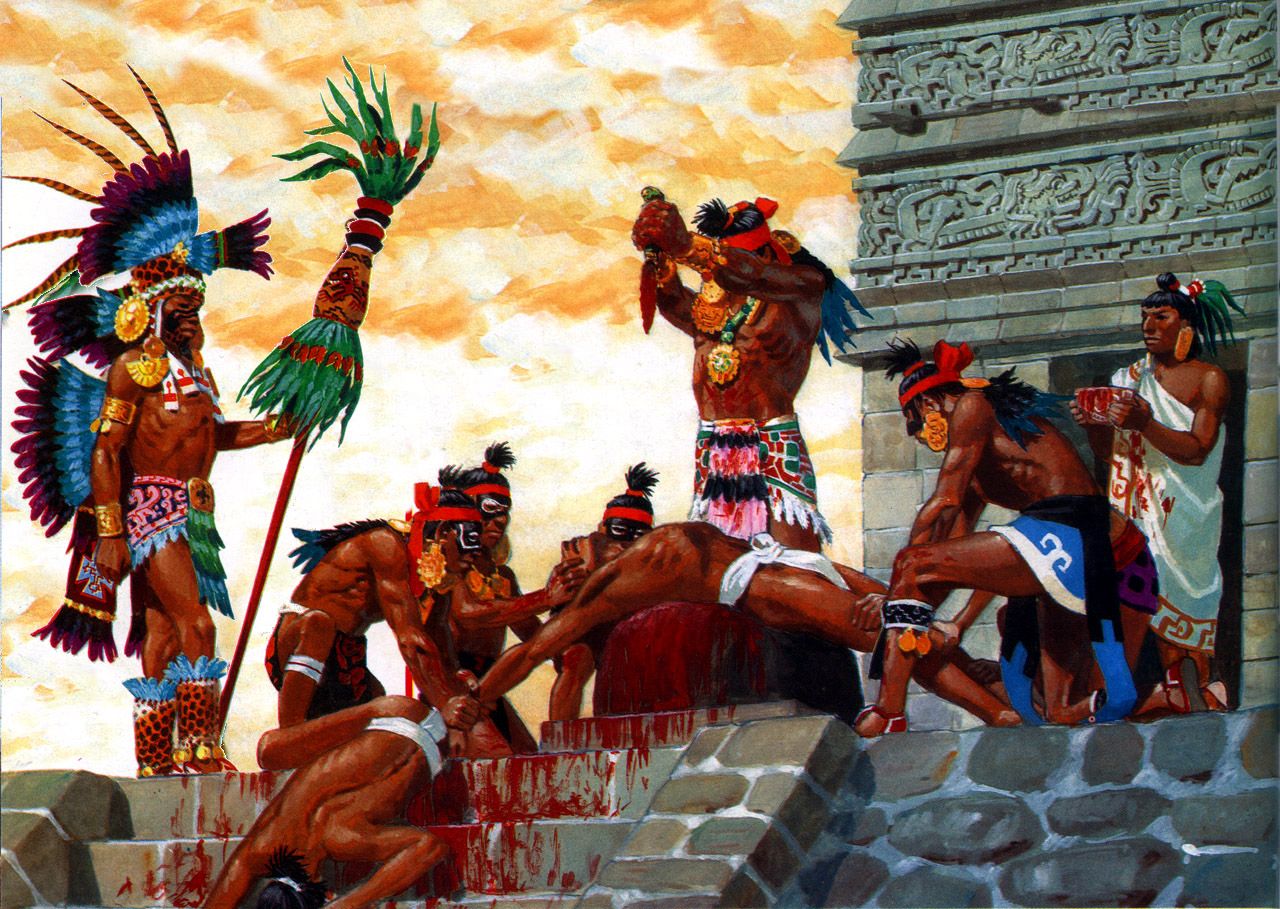
What immediately came to mind was that it resembled an altar—not a Christian one, but something from a different world, in which the symbolic sacrifice of the Christian religion was a real sacrifice—

(artist unknown)

I thought of this because of something which Tolkien had written about Sauron, who has become the prisoner of the Numenorean king Tar-Calion:

“…and seduces the king and most of the lords and people with his lies.  He denies the existence of God, saying that the One is a mere invention of the jealous Valar of the West, the oracle of their own wishes.  The chief of the gods is he that dwells in the Void, who will conquer in the end, and in the void make endless realms for his servants…

A new religion, and worship of the Dark, with its temple under Sauron arises.  The Faithful are persecuted and sacrificed.”  (letter to Milton Waldman, late 9n 1951, Letters, 216)

Why, we might ask, is Denethor so prepared to make a fiery end to himself and his son?

“ ‘Come!’ said Gandalf.  ‘We are needed.  There is much that you can yet do.’

Then suddenly Denethor laughed.  He stood up tall and proud again, and stepping swiftly back to the table he lifted from it the pillow on which his head had lain.  Then coming to the doorway he drew aside the covering, and lo!  he had between his hands a palantir.  And as he held it up, it seemed to those that looked on that the globe began to glow with an inner flame, so that the lean face of the Lord was lit as with a red fire, and it seemed cut out of hard stone, sharp with black shadows, noble, proud, and terrible.  His eyes glittered.

‘Pride and despair!’ he cried.  ‘Didst thou think that the eyes of the White Tower were blind?  Nay, I have seen more than thou knowest, Grey Fool.  For thy hope is but ignorance.  Go then and labour in healing!  Go forth and fight!  Vanity….The West has failed.  It is time for all to depart who would not be slaves.”

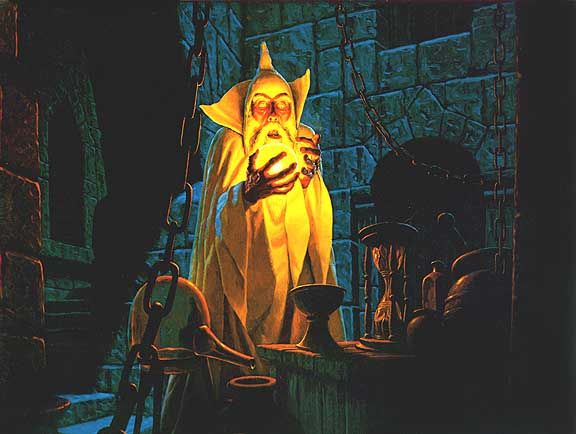
And the answer is in that palantir.  As it had earlier corrupted Saruman,

(the Hildebrandts)

and nearly driven Pippin mad with only one look into it, so it has shown Denethor exactly what Sauron had wanted him to see and, deluded, we might imagine that, in his action, he was not only destroying the current ruler of Gondor and his son, but was also acting like the Numenoreans who were his ancestors, making a sacrifice which Sauron had once demanded of them.

And, although Faramir is rescued, Denethor:

“…leaped upon the table, and standing wreathed in fire and smoke he took up the staff of his stewardship that lay at his feet and broke it on his knee.  Casting the pieces into the blaze he bowed and laid himself on the table, clasping the palantir with both hands upon his breast.  And it was said that ever after, if any man looked in that Stone, unless he had a great strength of will to turn it to other purpose, he saw only two aged hands withering in flame.”

And so Sauron had his sacrifice.

Thanks, as ever, for reading.

Stay well,

And remember that, as always, there’s

MTCIDC

O
Henchmen and Minions

30 Wednesday Oct 2019

Posted by Ollamh in Films and Music, J.R.R. Tolkien, Narrative Methods, Villains

≈ Leave a comment

Tags

A History of Scotland, Albrecht Duerer, Alexandre Dumas, Cardinal Richelieu, Droids, druid, Emperor Palpatine, Flying Monkeys, gangster, Henchmen, Mignon, Neil Oliver, Odysseus, Orcs, Robin Hood, Saint Columba, Saruman, Sauron, Sheriff of Nottingham, Telemachus, The Lord of the Rings, The Three Musketeers, The Wizard of Oz, Tolkien, Winkie Guards


Welcome, dear readers, as ever.

A henchman was originally a hengestman, from hengest “horse/stallion” + man “man”—in other words, a groom, a servant who takes care of horses.

image1groom.jpg

Although the word began with the meaning of “groom”, it has certainly changed over time and now it suggests something like “ thuggish follower”—like these gangster henchmen.

image2henchmen.jpg

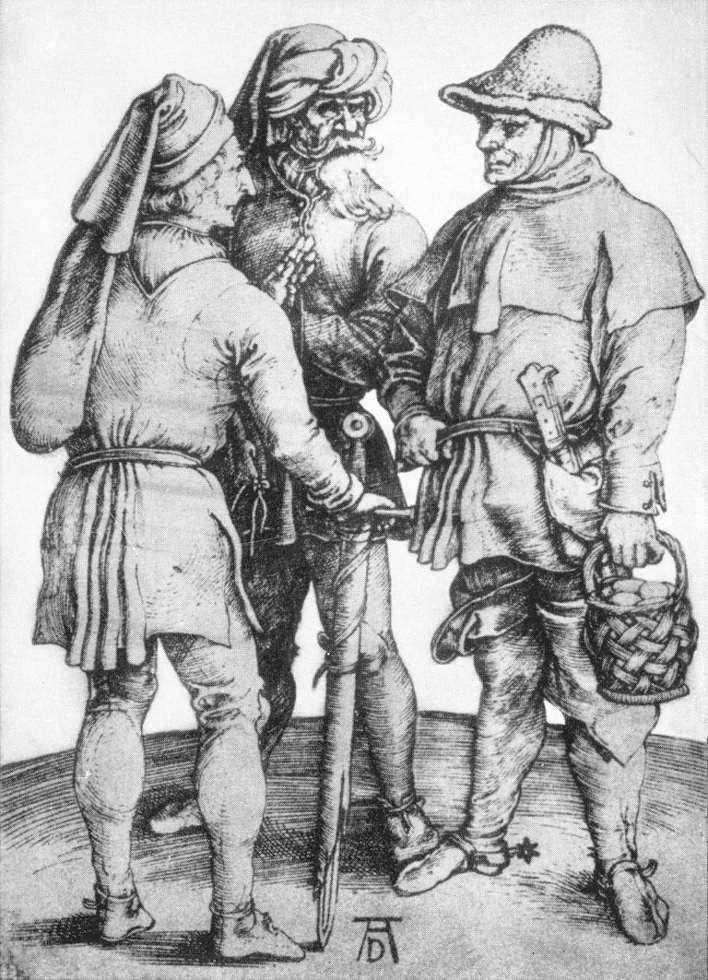
The word minion comes from the Old French word mignon, “a (little) darling”, but its meaning has also changed–even more than henchmen, now indicating a kind of low-level person who simply follows orders, which the peasants in this picture by Albrecht Duerer make us think of.

image3thugs.jpg

These words originally came to mind while we were watching the first episode of Neil Oliver’s excellent BBC series A History of Scotland. (Smart writing and wonderful photography.)

image4oliver.jpg

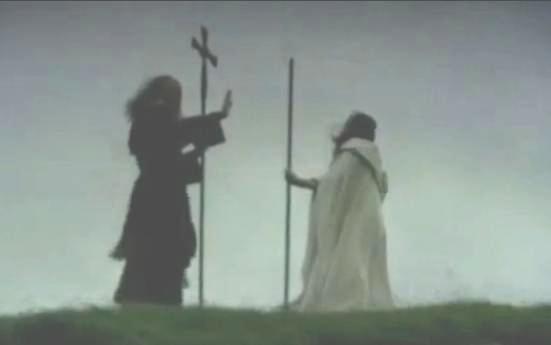
In the episode, a scene was reenacted, in which Saint Columba (521-597AD)

image5columba.jpg

faces off against a Pictish druid.

image6druids.PNG

(This is the closest we can come to an image of a druid. As far as we know, there are, in fact, no surviving images of the learned class of the Celtic world, just often very imaginative illustrations with little or no factual basis.)

In Adomnan’s (c.624-704AD) Life of Columba, Book II, Chapter XXXIV, Columba struggles to free a slave being held by the druid, Broichan.

image7struggle.JPG

The saint wins, of course, but what struck us about this story—and in this DVD depiction—was that it was a one-on-one contest: neither man called upon backup—something which one might especially expect from the antagonist of the story, as in so many. After all, we thought, just think of villains in all kinds of stories—

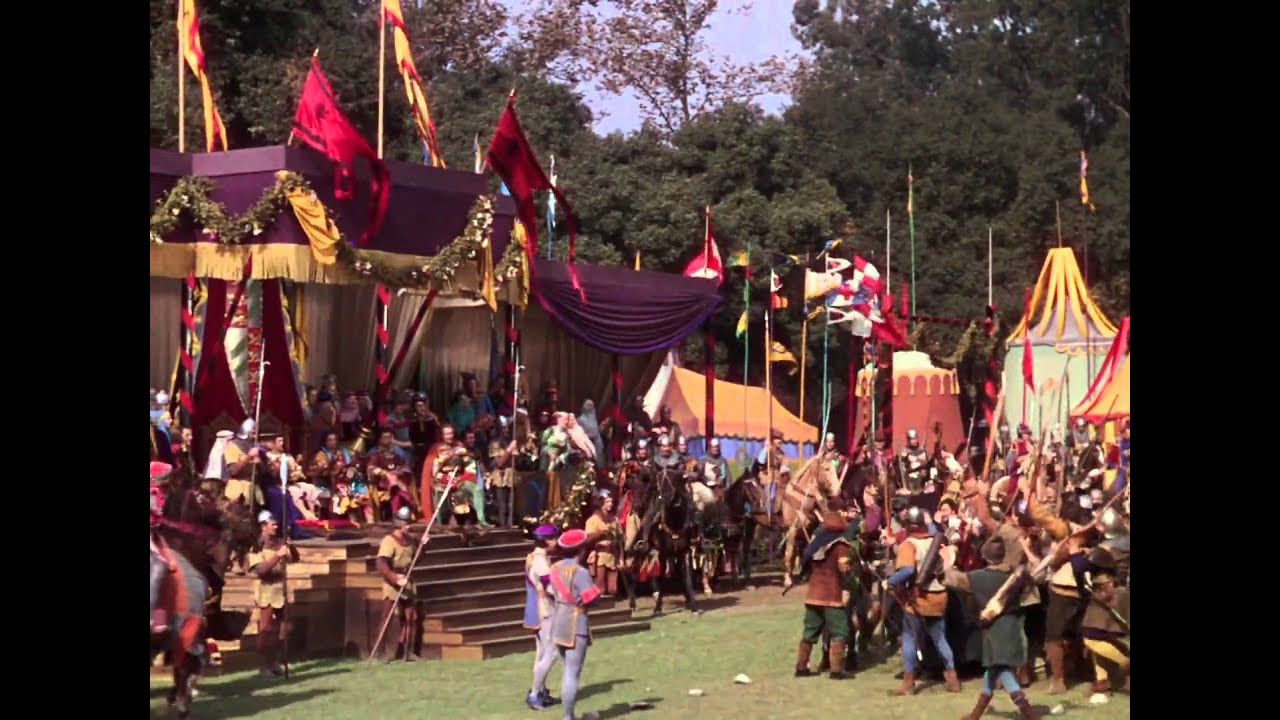
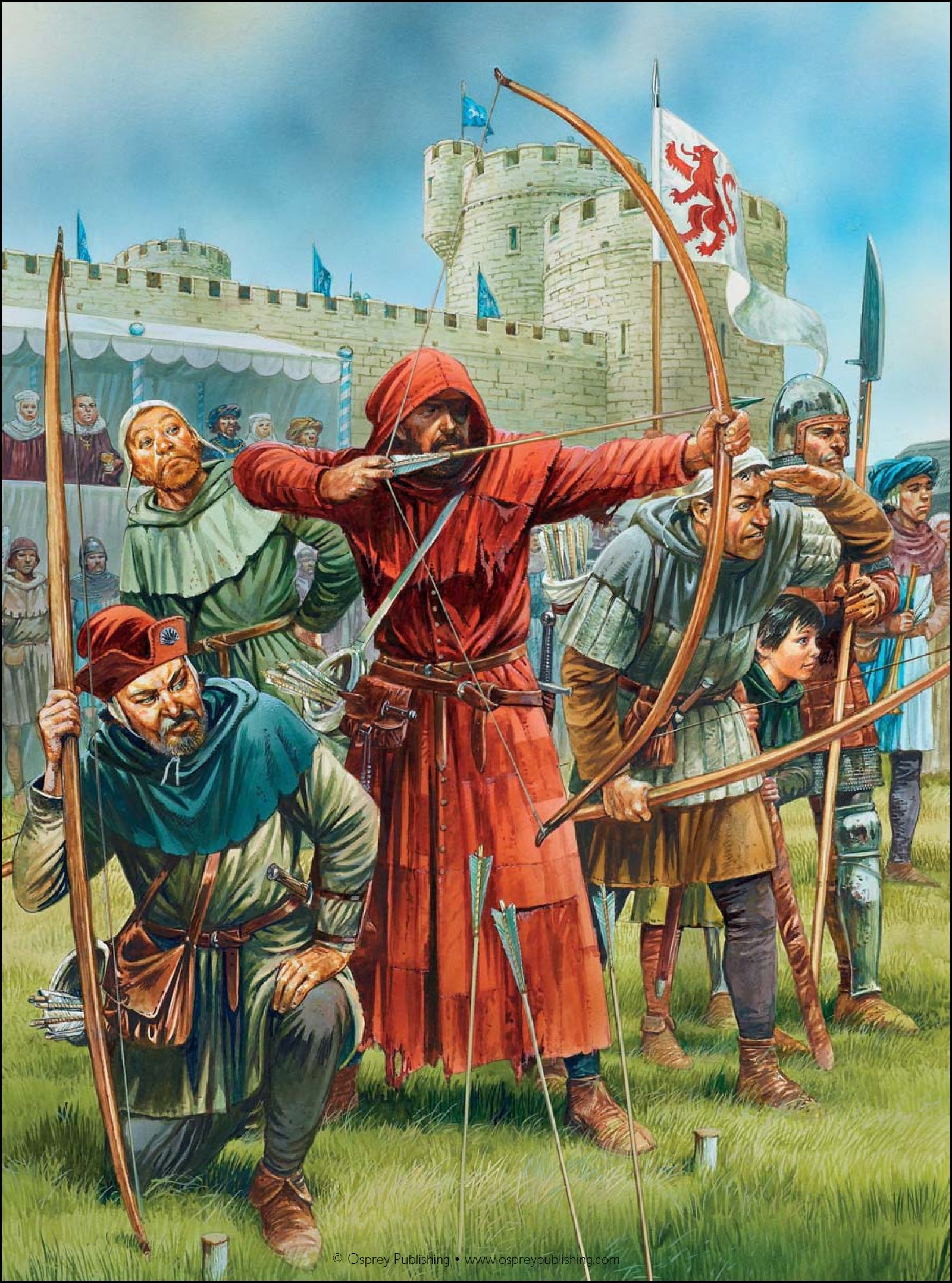
The Sheriff of Nottingham has his henchmen ready to try to capture Robin Hood at the famous archery contest.

image8not.jpg

image9arch.jpg

Or, if you prefer—

image10disney.png

The evil Cardinal Richelieu

image11acard.jpg

has his guards

image11guards.jpg

to fight the musketeers

image12three.jpg

image13musk.jpg

in Alexandre Dumas’ The Three Musketeers.

image14dumas.jpg

The Wicked Witch of the West

image15witch.jpg

has two sets of henchmen: the flying monkeys

image16witch.jpg

which have been the terror of many childhoods, in our experience, and the Winkie Guards,

image17witch.jpg

whose drum beat and deep chant always made us a little nervous when we were little (not to mention their skin color and odd noses).

image18witch.jpg

Here’s a LINK, in case you’ve forgotten what they were like.

In a more modern story, the Separatists have so many droids,

image19droids.jpg

as Emperor Palpatine has so many stormtroopers.

image20troopers.jpg

And, of course, Saruman

image21saruman.jpg

has so many orcs

image22orcs.gif

as, along with all of his human minions, does Sauron.

image23orcs.jpg

We can imagine several reasons for such overwhelming force in these stories. For the protagonist/s, the more of the enemy there are, the more impressive their defeat, as when Odysseus faces so many suitors (over a hundred) with only his son, Telemachus, and a couple of servants to help him.

image24suitors.jpg

(And Athena, of course!)

image25suitors.jpg

For the antagonist/s, there is the sense that they are so powerful that they have only to command and vast numbers of henchmen will do their bidding.

image26hench.jpg

At the same time, we wonder if, underneath all of that force, there is a basic insecurity, a feeling that “my power by itself is really not enough—I can’t do this alone”? After all, it’s not the Sheriff of Nottingham who faces Robin Hood in the 1938 film,

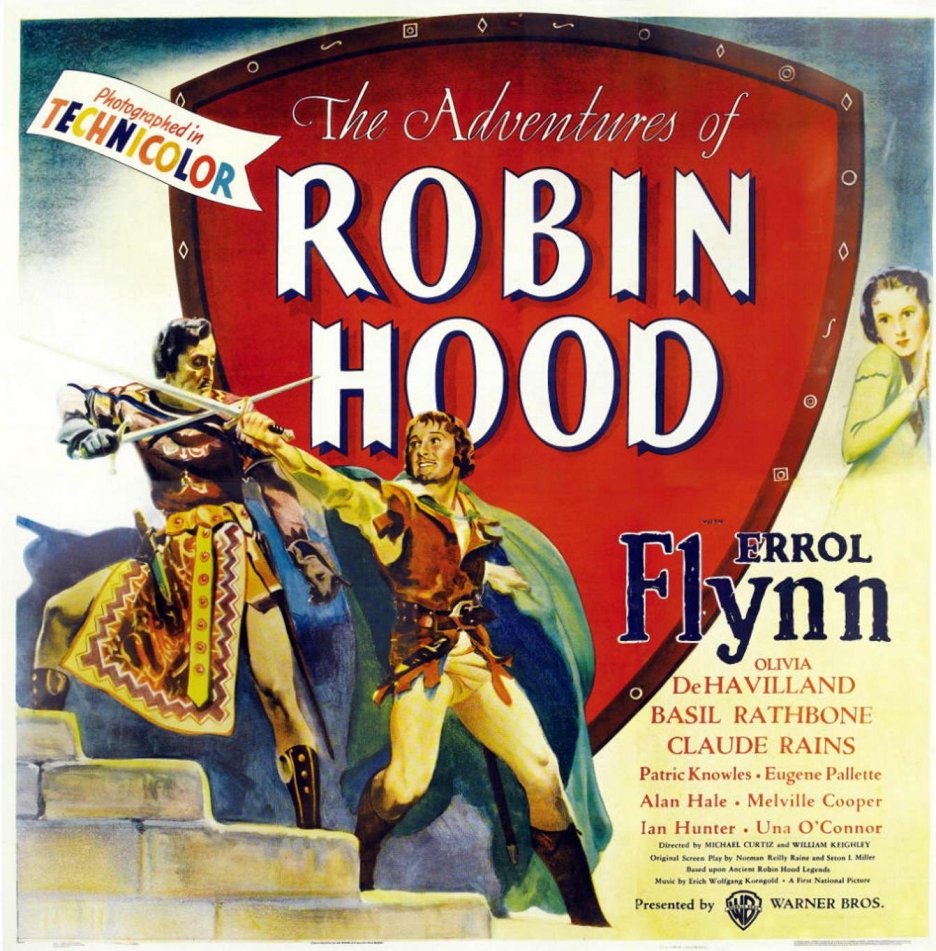
image27poster.jpg

but the secondary character, Guy of Gisborne (played by Basil Rathbone, who was the first great film Sherlock Holmes).

image28rathbone.jpg

image29holmes.jpg

The Wicked Witch of the West relies upon her monkeys and her guards and Saruman and Sauron upon their armies and none ever faces an opponent alone: for that matter, we never even see Sauron except as a shadow at his fall.

And perhaps that underlying insecurity has some roots in reality: the only antagonist who actually confronts the protagonist is a little too sure of himself and of his major henchman and we all know what happens next…

image30darth.jpg


As always, thanks for reading and

MTCIDC, dear readers!

CD

Hands Down

19 Wednesday Dec 2018

Posted by Ollamh in Films and Music, J.R.R. Tolkien, Military History of Middle-earth

≈ Leave a comment

Tags

1984, Argonath, Barad-Dur, Big Brother, Eye of Sauron, Galadriel, Saruman, Sauron, The Ten Commandments (1956), Theatrical gesture, Uruk-hai, White Hand

As always, dear readers, welcome.

Recently, we quoted the leader of the Uruk-hai, Ugluk:

“We are the fighting Uruk-hai!  We slew the great warrior.  We took the prisoners.  We are the servants of Saruman the Wise, the White Hand:  the Hand that gives us man’s-flesh to eat.”  (The Two Towers,  Book Three, Chapter 3, “The Uruk-hai”)

That White Hand is, of course, Saruman’s

image1saruman.jpg

special badge (in our contemporary world, we might say that it was his “logo”), which we see for the first time on the shield of a dead orc:

“There were four goblin-soldiers of greater stature, swart, slant-eyed, with thick legs and large hands.  They were armed with short broad-bladed swords, not with the curved scimitars usual with Orcs; and they had bows of yew, in length and shape like the bows of Men.  Upon their shields they bore a strange device:  a small white hand in the centre of a black field… (The Two Towers, Book Three, Chapter 1, “The Departure of Boromir”)

image2orcs.jpg

We can imagine why Sauron has that red eye

image3orc.gif

for his emblem—fiery to indicate Sauron’s turbulent nature (and perhaps relation to Satan—another fallen angel/Maia), plus unblinking, to show that, like Big Brother,

image4bbposter.jpg

he’s always watching—a fact rather broadly expressed in the Jackson films, where the eye has been turned into a searchlight—or, at best, a lighthouse beacon.  (And yes, this is a Barad-dur desk lamp.)

image5eye.jpg

But why does Saruman use a white hand?  And which direction should it face?  In the films, it seems to be applied upside down

image6orc.jpg

which, to us seems like the wrong way up—besides being more difficult to apply as face paint.  What is the meaning of the symbolic use of that hand?

This put us to thinking about hands in The Lord of the Rings in general.  We considered the Ring on and off various hands and even those who lost a finger wearing it, but these all seemed rather passive and, thinking of what Ugluk says, we imagine Saruman’s hand as active.  That being the case, the first prominent hand we could think of was that of the Barrow-wight:

“[Frodo] heard behind his head a creaking and scraping sound.  Raising himself on one arm he looked, and saw now in the pale light that they were in a kind of passage which behind them turned a corner  Round the corner a long arm was groping, walking on its fingers towards Sam, who was lying nearest, and towards the hilt of the sword that lay upon him.” (The Fellowship of the Ring, Book One, Chapter 8, “Fog on the Barrow-downs”)

image7wight.jpg

This is certainly a menacing thing and reminds us of something from the 1956 film, The Ten Commandments, where to indicate the deaths of the first-born of Egypt (from the Book of Exodus, Chapter 11, in the Hebrew Bible), the film makers showed viewers this—

image8aten.jpg

a kind of spindly green hand, which can still creep us out as its function is to grasp things—in this case a sword which will be used to sacrifice the hobbits.

Our next hand—or hands–were those of Galadrielimage8galadriel.jpg

when she takes Frodo and Sam to her Mirror and tells them about the struggle with Sauron:

“She lifted up her white arms and spread out her hands towards the East in a gesture of rejection and denial.”  (The Fellowship of the Ring, Book Two, Chapter 7, “The Mirror of Galadriel”)

Long ago, we did a posting on that gesture, which comes right out of 19th-century rhetorical and theatrical practice.  As this plate illustrates, such gestures were stylized and memorized for their effect on the speaker’s platform, as well as the stage.

image9plate.jpg

We were reminded of our final hands by Galadriel’s gesture:  the Argonath,

image10argonath.jpg

described as:

“Upon great pedestals founded in the deep waters stood two great kings of stone:  still with blurred eyes and crannied brows they frowned upon the North.  The left hand of each was raised palm outwards in gesture of warning; in each right hand there was an axe…” (The Fellowship of the Ring, Book Two, Chapter 9, “The Great River”)

So far, we’ve seen hands which grasp, hands which reject, and hands which warn and perhaps we can imagine that all of these might be part of the message of Saruman’s white hand.  Saruman, in taking up the role of “Mini-Sauron”, has rejected the West he was sent to protect.  In his desire to build his own empire, he has allied himself with Sauron and made war on Rohan, attempting to grasp more and more territory while sacrificing his honor and purpose as one of the Maiar.  That he is not now what he seems to have been in the past should also be a warning of what he intends in the present and what, even maimed, he might be capable of in the future, as the Shire will learn when Saruman becomes Sharkey.

Is there more to this image?  We wouldn’t be surprised:  Sauron is intentionally kept off-stage, we believe to make him that much more menacing, so the real evil we see is, literally, in the hands of Saruman.

image11sar.jpg

Thanks, as ever, for reading.

MTCIDC

CD

Thrones or Dominions (2)

07 Wednesday Nov 2018

Posted by Ollamh in Economics in Middle-earth, Imaginary History, J.R.R. Tolkien, Maps, Military History, Military History of Middle-earth

≈ Leave a comment

Tags

1984, Adolf Hitler, Barad-Dur, Benito Mussolini, Big Brother, Denethor, dictatorships, Elf Kingdom, Eye of Sauron, Gondor, Maiar, map, Middle-earth, Minas Tirith, Mouth of Sauron, Nazgul, Ornthanc, Rohan, Saruman, Sauron, Steward of Gondor, The Lord of the Rings, Theoden, Tolkien, Uruk-hai

As always, dear readers, welcome.

In our last, we began to discuss what we called the governments of Middle-earth at the time of the War of the Ring, making a kind of Grand Tour using the plot movement of The Lord of the Rings to loosely shape our itinerary.  (And here we’re borrowing from a witty idea, on a site called brilliantmaps.com, where we found “If Frodo and Sam had Google Maps of Middle-earth”.)

image1memap.png

Our first stop was the Shire, where we proposed that this was a “government by the few”:  that is, an oligarchy, a certain number of old and established families controlling the state.  From there, we moved on to Bree, where there was so little information that our best guess was that it, too, was probably an oligarchy, some sort of loose-knit one among—or perhaps uniting—the four villages which made up the general area.

Next, we grouped together what we suggested were two Elf kingdoms, Rivendell and Lorien, where Elrond and Galadriel (along with the nearly-invisible Celeborn), clearly were in charge, although neither would claim the title of monarch.

At our next stop, Isengard, Saruman,

image2orthanc.jpg

who had begun as one of the five Maiar sent to oppose the annoyingly-persistent Sauron, had moved from being what Gandalf called “the chief of my order” (The Fellowship of the Ring, Book One, Chapter 2, “The Shadow of the Past”), to being a kind of dictator—but one in the shadow of Sauron, just as Mussolini (1883-1945), who, from 1922, had been a model for such figures,

image3march.jpg

had fallen, by the later 1930s, into being the shadow of another, more powerful, dictator.

image4mushit.jpg

Like Elrond and Galadriel, he carries no title, but his captain, Ugluk, calls him “the Wise, the White Hand:  the Hand that gives us man’s-flesh to eat”, which probably tells us more than we want to know about his rule. (The Two Towers, Book Three, Chapter 3, “The Uruk-hai”)

We believe that this shadow may have been created by Saruman’s growing arrogance (which Gandalf points out to Frodo in “The Shadow of the Past”) combined with his overconfidence in using a palantir he has found in Orthanc and which puts him into communication with Sauron—and Sauron’s ability to seduce.

image5palantir.jpg

Sauron himself seems like the primal dictator, but a dictator before the 20th century, when dictators began to have a growing media world to employ to make themselves omnipresent in the lives of their citizens.

image6hitradio.jpg

image7hitmovie.jpg

Instead, he’s  remote—sitting in the Barad dur, yet

image8baraddur.jpg

(and we can’t resist this image by “Rackthejipper”)

image9baradsnow.jpg

represented as being like 1984’s Big Brother, always watching.

image10bb.jpg

Or, as it is crudely represented in the Jackson films, literally a giant eye on a tower.

image11jack.jpg

When one thinks of modern dictators, however, one imagines them backed by huge bureaucracies, like the ministries in 1984:

“The Ministry of Truth–Minitrue, in Newspeak [Newspeak was the official

language of Oceania. For an account of its structure and etymology see

Appendix.]–was startlingly different from any other object in sight. It

was an enormous pyramidal structure of glittering white concrete, soaring

up, terrace after terrace, 300 metres into the air. From where Winston

stood it was just possible to read, picked out on its white face in

elegant lettering, the three slogans of the Party:


WAR IS PEACE

FREEDOM IS SLAVERY

IGNORANCE IS STRENGTH


The Ministry of Truth contained, it was said, three thousand rooms above

ground level, and corresponding ramifications below. Scattered about London

there were just three other buildings of similar appearance and size. So

completely did they dwarf the surrounding architecture that from the roof

of Victory Mansions you could see all four of them simultaneously. They

were the homes of the four Ministries between which the entire apparatus

of government was divided. The Ministry of Truth, which concerned itself

with news, entertainment, education, and the fine arts. The Ministry of

Peace, which concerned itself with war. The Ministry of Love, which

maintained law and order. And the Ministry of Plenty, which was responsible

for economic affairs. Their names, in Newspeak: Minitrue, Minipax, Miniluv,

and Miniplenty. (George Orwell, 1984, Chapter 1)


Instead, what we can see of Sauron’s government is much more medieval, beginning with the Nazgul, who were once human kings,

image12nazgul.jpg

who would be like the barons, the chief feudal deputies  of a king in a feudal world of the sort medieval England was and upon which much of Middle-earth, as we’ve suggested in many earlier postings, was based.  The chief of these was then the commander of Sauron’s main attack on Minas Tirith.

image13naz.jpg

To which we would add “the Voice of Sauron” (reminding us, of course, that he is only the spokesperson and Sauron would be presumed to have his eye on him, as well).  If you look for images of him, you will commonly find this:

image14jack.jpg

But, like certain other depictions in the Jackson films (that eye, for example), it is a very literal interpretation for someone JRRT described as:

“The rider was robed all in black, and black was his lofty helm; yet this was no Ringwraith but a living man…it is told that he was a renegade, who came of the race of those that are named the Black Numenoreans…” (The Return of the King, Book Five, Chapter 10, “The Black Gate Opens”)

Here’s an image possibility which comes a bit closer to the text, in our opinion.

image15lieutenant.jpg

From dictators, we make a final stop at two actual feudal  kings, the first, the ruler of Rohan, Theoden,

image16theoden.jpg

is clearly the descendant of earlier kings, as we are told in Appendix A, of The Lord of the Rings, “The Kings of the Mark”, where the line begins with Eorl the Young and continues for about five hundred years.

In the case of our other monarchy, Gondor, the kings who ruled for so many centuries (from SA3320 to TA 2050), have disappeared and, though the fiction is maintained that they will someday return, the actual ruler is their deputy, the Steward, and his role as lieutenant is symbolized literally by his position in the old throne room:

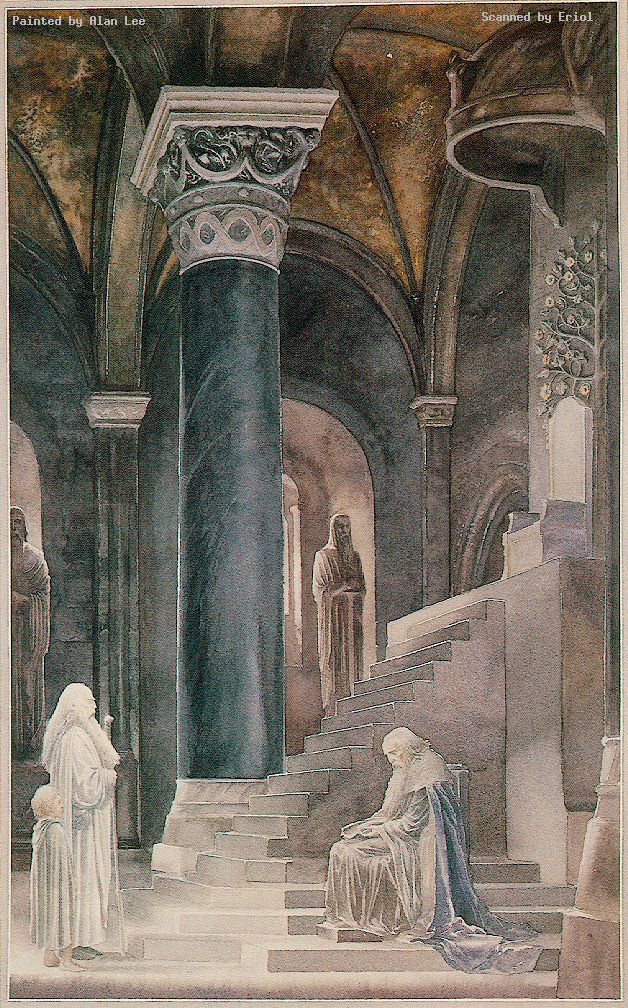
“At the far end, upon a dais [a kind of raised platform] of many steps was set a high throne under a canopy of marble shaped like a crowned helm; behind it was carved upon the wall and set with gems an image of a tree in flower.  But the throne was empty.  At the foot of the dais, upon the lowest step which was broad and deep, there was a stone chair, black and unadorned, and on it sat an old man gazing at his lap.”  (The Return of the King, Book Five, Chapter 1, “Minas Tirith)image17throne.jpg

At the same time, Denethor, and all of the previous Stewards, were kings in all but name, having ruled Gondor for twenty-five generations (see Appendix A, “The Stewards” for details).

So, in sum we have:

  1. 2 possible oligarchies (the Shire, Bree)
  2. 4 kingdoms (or at least sort of, in the case of the Elves—Rivendell, Lorien, plus Rohan and Gondor)
  3. 2 dictatorships (eastern Rohan, extending from Isengard, Mordor)

And, just when we were summarizing, the thought came to us:  what about the dwarves?  We can imagine that, considering Thorin’s family, there have been the equivalent of kings among the dwarves, but that’s a posting for another day!

Thanks, as ever, for reading.

MTCIDC

CD

Thrones or Dominions, Principalities or Powers (1)

31 Wednesday Oct 2018

Posted by Ollamh in J.R.R. Tolkien, Military History, Military History of Middle-earth

≈ Leave a comment

Tags

Al Capone, Christopher Tolkien, dictators, Edward VIII, Galadriel, gang, George V, George VI, King Edward VII, Monarchy, oligarchy, Queen Elizabeth II, Queen Victoria, Rivendell, Saruman, Sharkey, Shire government, The Lord of the Rings, Thranduil, Tolkien

Welcome, as ever, dear readers.

In a letter to his son, Christopher, of 29 November, 1943, Tolkien wrote:

“Give me a king whose chief interest in life is stamps, railways, or race-horses;  and who has the power to sack his Vizier (or whatever you care to call him) if he does not like the cut of his trousers.  And so on down the line.  But, of course, the fatal weakness of all that—after all only the fatal weakness of all good natural things in a bad corrupt unnatural world—is that it works and has worked only when all the world is messing along in the same good old inefficient human way.” (Letters, 64)

Monarchs, of course, are all that he had known, when it came to heads of state.  Born during the last years of Queen Victoria (ruled 1837-1901),

image1victoria

he lived under King Edward VII (reigned 1901-1910),

image2bertie

George V (ruled 1910-1936),

image3geo5.jpg

Edward VIII (ruled 1936—abdicated in favor of his younger brother),

image4ed8.jpg

George VI (ruled 1936-1952),

image5geo6.jpg

and died in 1973 during the reign of Elizabeth II (1952—the present).

image6liz2.jpg

It’s not that he was very enthusiastic about monarchies—in the same letter he says “My political opinions lean more and more to Anarchy (philosophically understood, meaning abolition of control not whiskered men with bombs)…”

but even there he couldn’t escape the structure he was a subject of, adding “or to ‘unconstitutional’ Monarchy.”

This made us consider how this conditioning might be reflected in Middle-earth—after all, the title of the third volume of The Lord of the Rings is The Return of the King.  What were the governments of Middle-earth at, roughly, the time of the War of the Ring?  How many were monarchies and what other forms might there be?

Recently, we had looked at the governing structure of the Shire,

image7shire.jpg

about which, as JRRT has told us:

“The Shire at this time had hardly any ‘government’.  (The Lord of the Rings, Prologue, 3. “Of the Ordering of the Shire”)

This depends, of course, upon what is meant by “government”.  There is an elected Mayor, the “only real official in the Shire”, and whose job appears, at first, to be only ceremonial, until we are informed  that “the offices of Postmaster and First Shirriff were attached to the mayoralty.”  At the same time, there was an hereditary position of leader, the Thain, controlled by the Took family, and, the more Tolkien explains, the more it appears that what really governs the Shire is an oligarchy—that is, a small group of families who, together, quietly run things.   (There may also be tension just below the surface about which families this oligarchy includes.  When Saruman (aka “Sharkey”) takes over the Shire, he favors not the Tooks, but the Bagginses, suggesting that he is aware of this tension and may be exploiting it.)

As we move across Middle-earth with the Fellowship,

image8shiretobree.jpg

the next settlement we come to is Bree.  The government of this is completely unclear.  All that we’re told is that:

“The Big Folk and the Little Folk (as they called one another) were on friendly terms, minding their own affairs in their own ways, but both rightly regarding themselves as necessary parts of the Bree-folk…The Bree-folk, Big and Little, did not themselves travel much, and the affairs of the four villages were their chief concern.”  (The Fellowship of the Ring, Book One, Chapter 9, “At the Sign of the Prancing Pony”)

Their only defense appears to have been “a deep dike [ditch] with a thick hedge on the inner side”, but who maintains it is not mentioned, although there is a gate guard—the evil Bill Ferny, when the hobbits first approach the gate.  Unlike the Shirriffs of the Shire, however, we have no idea what structure might lie behind this position.

As we travel farther eastward, we come to Rivendell.

image9rivendell.jpg

Here, Elrond is clearly in charge, but seems to have no distinct title—unlike Thranduil, who is called “the King of the Elves of Northern Mirkwood” (The Fellowship of the Ring, Book Two, Chapter 2, “The Council of Elrond”).   The same lack of title seems to be true of Galadriel.

image10galadriel.jpg

Although Gimli calls her “Queen Galadriel” (The Two Towers, Book Three, Chapter 8, “The Road to Isengard”), and she, along with Celeborn, rules Lorien, she does not bear that title—in fact she may be a little anxious about it, as seen when Frodo offers her the ring:

“You will give me the Ring freely?  In place of the Dark Lord you will set up a Queen.” (The Fellowship of the Ring, Book Two, Chapter 7, “The Mirror of Galadriel”)

Along with Frodo’s frightening vision of her, this seems more like a warning than a statement.

We’ve seen that monarchy seems to be linked with inheritance:  the thainship in the Shire is passed down through the Tooks.  Even Elrond and Galadriel appear to hold their positions through seniority.  In our next government, it is self-assumed, as Saruman, once referred to by Gandalf as “the chief of my order” (The Fellowship of the Ring, Book One, Chapter 2, “The Shadow of the Past”), begins to have grander plans.

image11saruman

In contrast to other monarchs in The Lord of the Rings, Saruman, we would suggest,  is not so much a medieval king, as others in Middle-earth  are, but an avatar for modern (1930s-1940s) dictators,

image12ahitand.jpg

with, as Treebeard says, “a mind of metal and wheels” (The Two Towers, Book Three, Chapter 4, “Treebeard”).  In fact, Saruman is a relative newcomer to the business, “setting up on his own with his filthy white badges”, as Grishnakh describes him (The Two Towers, Book Three, Chapter 3, “The Uruk-hai”), in contrast with Sauron, who, although intermittent in his attempts at control, has been involved in the process in Middle-earth for many centuries.

In his role of metal and wheels dictator, Saruman turns Isengard into a factory/fortress, manufacturing everything from orcs to swords within its precinct.  His orc captain, Ugluk, calls him “Saruman the Wise, the White Hand”, but we see him later in his real form, as he works to destroy the Shire, as “Sharkey”—a name he says “All my people used to call me that in Isengard, I believe.  A sign of affection, possibly.”  (The Return of the King, Book Six, Chapter 8, “The Scouring of the Shire”)  This is hardly “His Majesty”.  Rather, it’s more like the kind of nickname a gang-leader in the US in the 1920s-30s might have had, like “Scarface” Al Capone.

image12alcapone

“Sharkey” may be derived, as JRRT suggests, from “Orkish…sharku, ‘old man’,” but it also suggests a fishy predator—a very appropriate image for a would-be dictator.

In our next, we’ll answer Grishnakh’s question:  “Is Saruman the master or the Great Eye?” as we continue our exploration of government in Middle-earth.

Thanks, as always, for reading.

MTCIDC

CD

Class, Order, Family… (Part 1)

17 Wednesday Oct 2018

Posted by Ollamh in J.R.R. Tolkien, Language

≈ Leave a comment

Tags

Baggins, Chief Joseph, class, Cockney, Common Speech, Gamgee, George Bernard Shaw, Hobbits, language, Lerner and Loewe, Liza Doolittle, Merry and Pippin, My Fair Lady, Nez Perce, polysyndeton, Pygmalion, Rustics, Saruman, The Lord of the Rings, Tolkien, Uruk-hai, verbal class distinction, vocabulary

Welcome, dear readers, as ever.

In Lerner and Loewe’s musical My Fair Lady (1956),

image1alady

based upon George Bernard Shaw’s play, Pygmalion (1913), one major character is Professor Henry Higgins, who studies English dialects.  He is given to musical rants and, in his first, he laments “Why can’t the English teach their children how to speak?” with the couplet:

“An Englishman’s way of speaking absolutely classifies him,

The moment he talks he makes some other

Englishman despise him.”

Somewhere—we’ve temporarily lost the quotation—Tolkien, in signing over his rights to The Lord of the Rings to someone, stipulated that Merry and Pippin weren’t to be “rustics”.

This word “rustic” entered English in the mid-15th century, being derived from the Latin rus, ruris, n., “country/farm” and its adjective, rusticus/a/um, “rural/of the countryside”, the adjective then meaning “a country person”—like these Romans

image1romanfarmers

or these, in the medieval world

image2peasant.jpg

or these, from JRRT’s childhood.

image3farmfolk

To JRRT, the linguist, what made the rustic was clearly not so much the look or even the activities which country people did so much as how they spoke. In Chapter One of the first book of The Lord of the Rings, we overhear a group of older hobbits discussing Bilbo and Frodo and Daddy Twofoot says:

“And no wonder they’re queer…if they live on the wrong side of the Brandywine River, and right agin the Old Forest.  That’s a dark bad place, if half the tales be true.” (The Fellowship of the Ring, Book One, Chapter 1, “A Long-Expected Party”)

Here, we see “agin” for “again”, “dark bad place”, which is more a rhythmic pattern of dialect than the words themselves (although we wonder about the placement of those adjectives together), and the use of the old subjunctive “if half the tales be true”.  And, in the next paragraph, Gaffer Gamgee then uses a dialect form of “drowned”—“drownded”.  The content of this dialogue is gossip, but the sound of it is meant to provide a quick aural sketch of rural people with perhaps the faint suggestion that such gossip is based upon few facts and much “folk wisdom”, such as the idea that, because one lives on the far side of a river, one is “queer”, leading to the conclusion that rustics are, at best, ill-informed, and, at worst, ignorant and potentially bigoted.

And so, we would presume that what JRRT wanted was that Frodo’s cousins should sound like Frodo, who speaks, in Middle-earth, what Tolkien calls “the Westron or ‘Common Speech’ of the West-lands of Middle-earth” and what is in Modern-earth called “Received Standard English”.  Here’s a brief example of that from that same chapter, when Gandalf and Frodo are discussing Bilbo and the Ring:

“If you mean , inventing all that about a ‘present’, well, I thought the true story much more likely and I couldn’t see the point of altering it at all.  It was very unlike Bilbo to do so, anyway; and I thought it rather odd.”

Vocabulary  choice plays a strong part here, with a Latinate element—“altering”—and the use of “odd”, where the Gaffer had earlier used “queer”, plus what we might think of as “higher class” words, like “likely” and “unlike” and “rather” as adjectives.

The Bagginses and their relatives, after all, are looked upon as well-to-do–“a decent respectable hobbit” the Gaffer says of Frodo’ father, Drogo, and calls Bilbo, “a very nice well-spoken gentlehobbit”.  In Middle-earth, dialect—especially here meaning that spoken by what appear to be meant to be “rustics”—can make the difference between gentlehobbits and people like the Gaffer.   As the Henry Higgins mentioned above says to Colonel Pickering, whom he regards as a social equal, of Liza Doolittle, a Cockney (inner London, lower-class girl):

“If you spoke as she does, sir,

Instead of the way you do,

Why, you might be selling flowers, too.”

image4pat

It’s not just among hobbits that we see what Henry Higgins calls a “verbal class distinction”, however.  Here’s Saruman

image5aasaruman

speaking to Gandalf:

“I did not expect you to show wisdom, even in your own behalf; but I gave you the chance of aiding me willingly, and so saving yourself much trouble and pain.  The third choice is to remain here until the end.” (The Fellowship of the Ring, Book Two, Chapter 2, “The Council of Elrond”)

We notice here the long compound sentence (long sentence made up of clauses which depend upon each other), from “I” to “pain”.  This is clearly the equivalent of “gentlehobbit” talk.

And here is one of Saruman’s orcs:

“…We are the fighting Uruk-hai!  We slew the great warrior.  We took the prisoners.  We are the servants of Saruman the Wise, the White Hand, the Hand that gives us man’s-flesh to eat  We came out of Isengard, and led you here, and we shall lead you back by the way we choose.  I am Ugluk.  I have spoken.” (The Two Towers, Book Three, Chapter 3, “The Uruk-hai”)

image5aorcs

Here, we have a series of simple, declarative sentences (sentences with only one subject and verb)—three in a row– followed by a longer sentence which is built upon a simple sentence, “We are the servants of Saruman the Wise…”, followed by an example of what is called “polysyndeton”—that is, several shorter sentences joined together by a conjunction (a word like “and” or “or”).  All of this is followed by two more simple declarative sentences.

This is clearly not “rustic” speech—just compare it with that of Daddy Twofoot, above.  Instead, it reminds  us of translations of Native American speeches, like this, from the brave and wise Chief Joseph (1840-1904—Native American name in translation, “Thunder Traveling to Higher Areas”),

image5chiefjoseph

of the Nez Perce:

“Tell General Howard I know his heart. What he told me before, I have it in my heart. I am tired of fighting. Our Chiefs are killed; Looking Glass is dead, Ta Hool Hool Shute is dead. The old men are all dead. It is the young men who say yes or no. He who led on the young men is dead. It is cold, and we have no blankets; the little children are freezing to death. My people, some of them, have run away to the hills, and have no blankets, no food. No one knows where they are – perhaps freezing to death. I want to have time to look for my children, and see how many of them I can find. Maybe I shall find them among the dead. Hear me, my Chiefs! I am tired; my heart is sick and sad. From where the sun now stands I will fight no more forever.”

How might we characterize this?  It’s clearly very different from the speech of the orc’s master, who tends to speak in longer, more complex sentences, indicating more sophistication in the use of language (we remember the danger of listening too long to him, as demonstrated in The Two Towers, Book Three, Chapter 10, “The Voice of Saruman”).   We would say that, where the “rustic” dialect—pronunciation (“agin”), odd forms (“drownded”), old verb forms (“be true”)–differentiates the Gaffer and Daddy Twofoot from Frodo (and Merry and Pippin), for the orcs—or Ugluk, at least– it is sentence structure which differentiates the Isengard equivalent of “gentlehobbit” speech from that of the “rustic” orcs.

It isn’t only sentence structure which we would suggest makes orcs sound different, however, and we’ll talk more about this—and about another “rustic”—a real one—in Part 2 of this posting, next week.

Thanks, as always, for reading.

MTCIDC

CD

← Older posts

The Doubtful Sea Series Facebook Page

The Doubtful Sea Series Facebook Page

  • Ollamh

Categories

  • Artists and Illustrators
  • Economics in Middle-earth
  • Fairy Tales and Myths
  • Films and Music
  • Games
  • Heroes
  • Imaginary History
  • J.R.R. Tolkien
  • Language
  • Literary History
  • Maps
  • Medieval Russia
  • Military History
  • Military History of Middle-earth
  • Narnia
  • Narrative Methods
  • Poetry
  • Research
  • Star Wars
  • Terra Australis
  • The Rohirrim
  • Theatre and Performance
  • Tolkien
  • Uncategorized
  • Villains
  • Writing as Collaborators
Follow doubtfulsea on WordPress.com

Across the Doubtful Sea

Recent Postings

  • Tolkien Among the Indians January 21, 2026
  • Thin and Stretched January 14, 2026
  • Through a glass… January 7, 2026
  • Heffalumps? December 31, 2025
  • We Three Kings December 24, 2025
  • A Moon disfigured December 17, 2025
  • On the Roads Again—Once More December 10, 2025
  • (Not) Crossing Bridges December 3, 2025
  • On the Road(s) Again—Again November 26, 2025

Blog Statistics

  • 105,056 Views

Posting Archive

  • January 2026 (3)
  • December 2025 (5)
  • November 2025 (4)
  • October 2025 (5)
  • September 2025 (4)
  • August 2025 (4)
  • July 2025 (5)
  • June 2025 (4)
  • May 2025 (4)
  • April 2025 (5)
  • March 2025 (4)
  • February 2025 (4)
  • January 2025 (5)
  • December 2024 (4)
  • November 2024 (4)
  • October 2024 (5)
  • September 2024 (4)
  • August 2024 (4)
  • July 2024 (5)
  • June 2024 (4)
  • May 2024 (5)
  • April 2024 (4)
  • March 2024 (4)
  • February 2024 (4)
  • January 2024 (5)
  • December 2023 (4)
  • November 2023 (5)
  • October 2023 (4)
  • September 2023 (4)
  • August 2023 (5)
  • July 2023 (4)
  • June 2023 (4)
  • May 2023 (5)
  • April 2023 (4)
  • March 2023 (5)
  • February 2023 (4)
  • January 2023 (4)
  • December 2022 (4)
  • November 2022 (5)
  • October 2022 (4)
  • September 2022 (4)
  • August 2022 (5)
  • July 2022 (4)
  • June 2022 (5)
  • May 2022 (4)
  • April 2022 (4)
  • March 2022 (5)
  • February 2022 (4)
  • January 2022 (4)
  • December 2021 (5)
  • November 2021 (4)
  • October 2021 (4)
  • September 2021 (5)
  • August 2021 (4)
  • July 2021 (4)
  • June 2021 (5)
  • May 2021 (4)
  • April 2021 (4)
  • March 2021 (5)
  • February 2021 (4)
  • January 2021 (4)
  • December 2020 (5)
  • November 2020 (4)
  • October 2020 (4)
  • September 2020 (5)
  • August 2020 (4)
  • July 2020 (5)
  • June 2020 (4)
  • May 2020 (4)
  • April 2020 (5)
  • March 2020 (4)
  • February 2020 (4)
  • January 2020 (6)
  • December 2019 (4)
  • November 2019 (4)
  • October 2019 (5)
  • September 2019 (4)
  • August 2019 (4)
  • July 2019 (5)
  • June 2019 (4)
  • May 2019 (5)
  • April 2019 (4)
  • March 2019 (4)
  • February 2019 (4)
  • January 2019 (5)
  • December 2018 (4)
  • November 2018 (4)
  • October 2018 (5)
  • September 2018 (4)
  • August 2018 (5)
  • July 2018 (4)
  • June 2018 (4)
  • May 2018 (5)
  • April 2018 (4)
  • March 2018 (4)
  • February 2018 (4)
  • January 2018 (5)
  • December 2017 (4)
  • November 2017 (4)
  • October 2017 (4)
  • September 2017 (4)
  • August 2017 (5)
  • July 2017 (4)
  • June 2017 (4)
  • May 2017 (5)
  • April 2017 (4)
  • March 2017 (5)
  • February 2017 (4)
  • January 2017 (4)
  • December 2016 (4)
  • November 2016 (5)
  • October 2016 (6)
  • September 2016 (5)
  • August 2016 (5)
  • July 2016 (5)
  • June 2016 (5)
  • May 2016 (4)
  • April 2016 (4)
  • March 2016 (5)
  • February 2016 (4)
  • January 2016 (4)
  • December 2015 (5)
  • November 2015 (5)
  • October 2015 (4)
  • September 2015 (5)
  • August 2015 (4)
  • July 2015 (5)
  • June 2015 (5)
  • May 2015 (4)
  • April 2015 (3)
  • March 2015 (4)
  • February 2015 (4)
  • January 2015 (4)
  • December 2014 (5)
  • November 2014 (4)
  • October 2014 (6)
  • September 2014 (1)

Blog at WordPress.com.

  • Subscribe Subscribed
    • doubtfulsea
    • Join 78 other subscribers
    • Already have a WordPress.com account? Log in now.
    • doubtfulsea
    • Subscribe Subscribed
    • Sign up
    • Log in
    • Report this content
    • View site in Reader
    • Manage subscriptions
    • Collapse this bar
 

Loading Comments...