Last Mohican, First Novelist

Tags

, , , , , , , , , , , , , , , , , , , , , , , , , , ,

Welcome, dear readers, as always.

This is our 104th posting, making exactly 2 years of maintaining our blog, Doubtfulsea.com. When we began it, we had visited lots of other blogs, but we had no clear idea of what we wanted for ourselves. Our name came from our first novel, Across the Doubtful Sea, available from Amazon and Kindle, but we planned, from the beginning, to cover much more than the subject matter of our novel (among other things, French and English exploration of the Pacific in the 18th century, as well as Polynesian settlement). In consequence, during our two years, we have had postings on a variety of subjects, mostly about adventure/fantasy, often with an historical element, often with a focus upon the work of one of our favorite fantasy authors, JRR Tolkien.

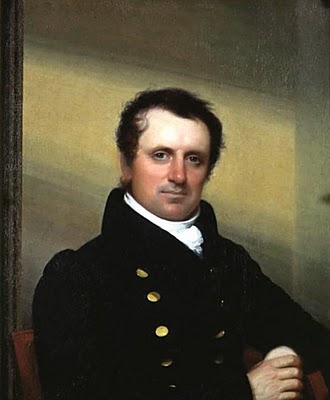
Now, in this last of our second year, we want to look at a person often viewed as the first important American novelist of the early 19th century, James Fenimore Cooper (1789-1851), and his most famous book, The Last of the Mohicans (1826).James-Fenimore-Cooper
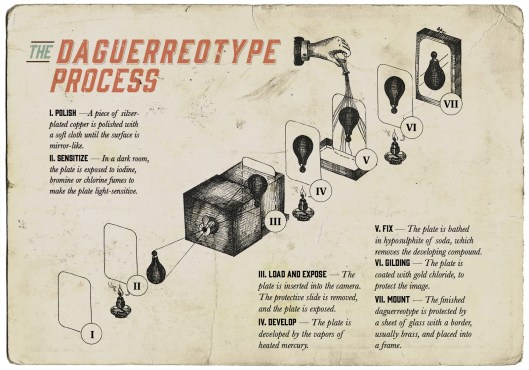
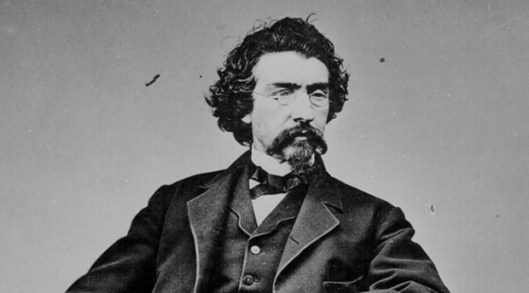
(A footnote: Cooper lived long enough that, the year before his death, he was the subject of an early photograph, using the Daguerre process, by Matthew Brady, 1822-1896, who, in a decade, would become the most famous photographer in the US because of his work documenting the American Civil War, 1861-1865.)
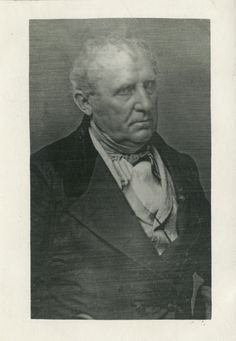
daguerreotypejfc

mathewbrady

DaguerreProcess4

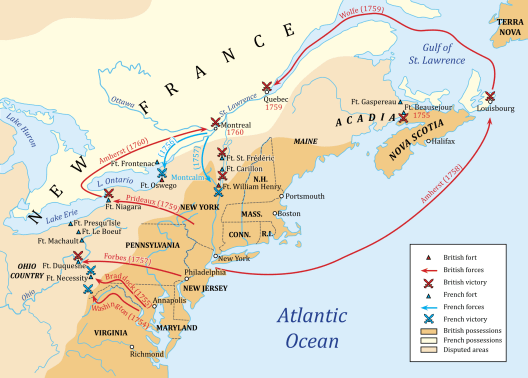
Cooper had a long and very successful career as a novelist, beginning with a social novel, Precaution (1820), but his greatest fame came from his long series based upon US historical subjects and perhaps the most famous of all, that set in the world of the French and Indian War (1754-1763), and the book we want to focus upon,
French_and_indian_war_map_svg

The Last of the Mohicans.

lastofmofirsted

The subtitle, A Narrative of 1757, immediately suggests a specific event of the war, the siege and fall of the British Fort William Henry in August, 1757.

The fort had been built at the head of Lake George as a counterbalance to two French forts, Ticonderoga (called by the French, “Carillon”) and St. Frederic, on Lake Champlain, the lake to the north.

French_and_indian_war_map_svg

All of these forts—and more—were part of the competition between the British and French to control the northeastern part of North America. This struggle had begun in the later 17th century and had long been a proxy war in which colonial settlers and Native Americans had struggled across many miles of wilderness, raiding each other throughout the years. Here is one of the most famous raids, that of Deerfield in 1704.

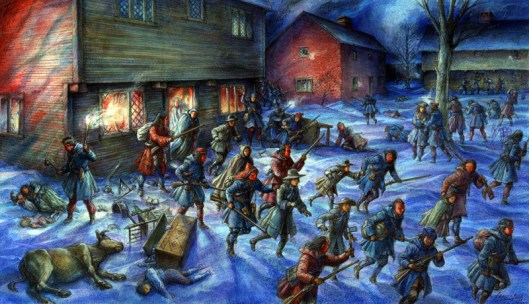
deerfield1deerfield2deerfield3

In the early 1750s, the French had increased the potential tension by building a new series of forts in what is now western Pennsylvania and eastern Ohio, soon to be countered by British forts.

French_British_Forts_1753_1758

In 1755, as the war heated up, the English planned a three-pronged attack against Ft. Duquesne, Ft. Niagara, and Ft. St. Frederic (called “Crown Point” by the English).
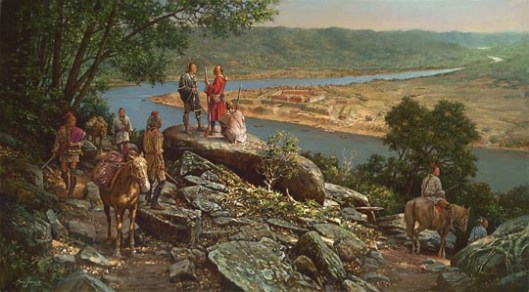
French_and_indian_war_map_svg

duquesne

ftniagaraftstfrederic

The advance against Ft. Duquesne was defeated, that against Niagara never took off, and that on St. Frederic was blocked by a French attack on the English (actually New England colonial) army at the head of Lake George.
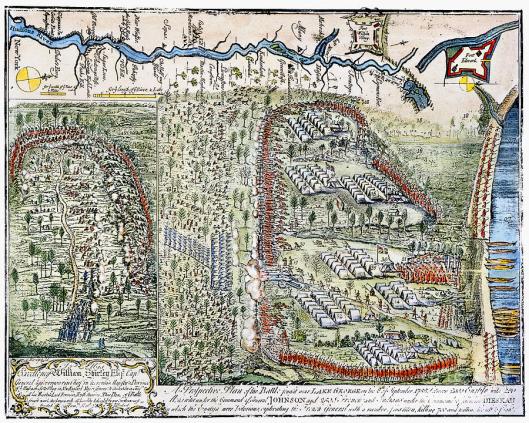
1-battle-of-lake-george-1755-granger

This then became the site of Ft. William Henry.

Fort-William-Henry-Museum

Because the European population of New France was so small in contrast to that of the English colonies—about 70,000 versus more than a million—and because the royal government in Paris had little money to spend (or chose to spend) on the colony, the first two French military commanders, the Baron Dieskau (1701-1767) and the Marquis de Montcalm (1712-1759)

montcalm

chose an aggressive strategy, aiming to keep the British as far from the center of New France as possible. Although his men were eventually driven off and he was wounded and captured, Dieskau did halt the expedition against Ft. St. Frederic. The next year, 1756, Montcalm destroyed the English forts at Oswego, on the south shore of Lake Ontario, which could have served as staging areas for attacks east and west.

Lake_Ontario_map

Then, in 1757, he mounted the attack on Ft. William Henry which forms the background story for Cooper’s novel.

To do so, he stripped central New France of its regular troops and militia

Historex Card 862 French Infantry 1750 - 1760

and augmented them with Native Americans, for whom he felt no sympathy.

montcalmnatams

Against such a force, the English commander, Lt. Col. Munro, had a much smaller number of British regulars
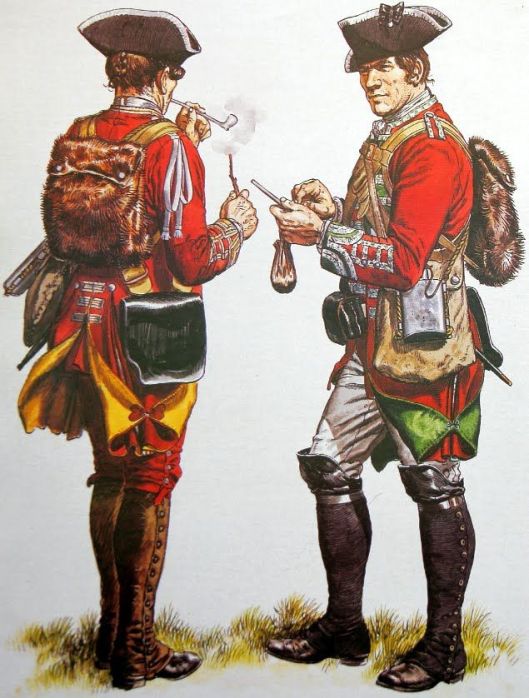
brituniformsfiw

and colonial troops, based in the fort itself and in a nearby camp.
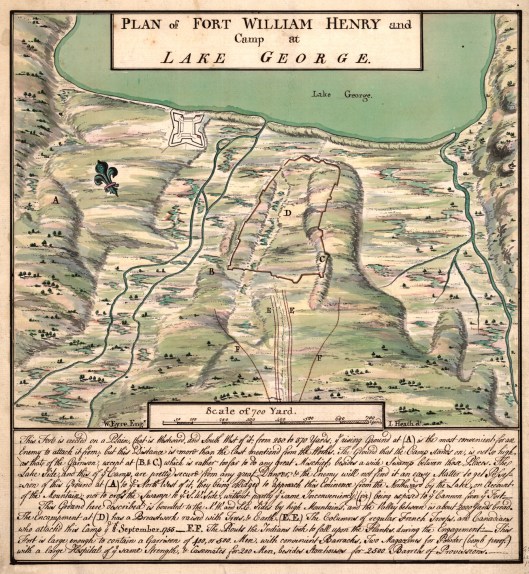
Plan_of_Fort_William_Henry_on_Lake_George

In the 18th century, besieging a town or a fort was a very formal endeavor. Forts and towns were constructed to resist attack, often having multiple walls, ditches, and outer forts, the walls being covered in earth to resist the destructive power of an enemy’s artillery.

fortress-cross-section

Before an attack, the attacker was required to send a messenger in, demanding surrender. In some cases, seeing overwhelming forces and having no promise of relief, a garrison surrendered.

surrender of detroit

To attack meant beginning with a series of trenches just outside the artillery range of the defenders, then, through zigzagging,06 Vauban's Siege Technique.pngto approach closer and closer until:

  1. the attacker’s artillery had knocked a big enough hole in the enemy’s walls that they were rapidly becoming defenseless

siege_image6

  1. there was the immediate danger of an assault

redoubt10

In the case of Ft. William Henry, there was only a dry ditch, then exposed timber walls.

Fort-William-Henry-Museum

The French summoned Munro to surrender, he refused, and the French began the siege.

frenchsiegeline

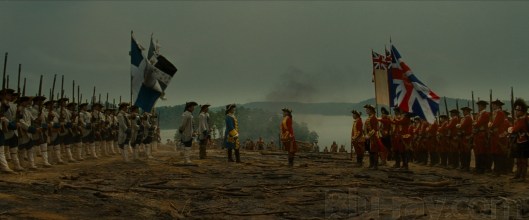
When the French guns had badly damaged the fort and there was no chance of help from General Webb, at Ft. Edward, to the south, Munro surrendered.
surrender of Ft. William Henry

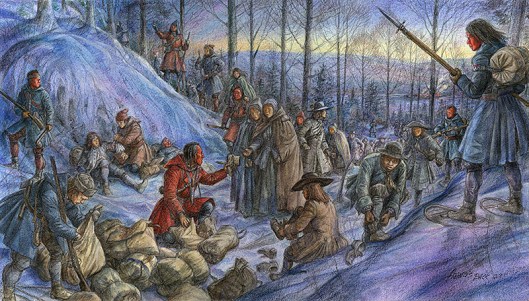
Trouble then began when Montcalm’s Native Americans felt cheated of the plunder which they had expected and, when the paroled column of soldiers began to move southward, it was attacked by them. Montcalm and some of his officers intervened, but they were unable to do more than slow the plundering and killing before some 200 fell. (There has been a great deal of argument as to numbers—it appears, for example, that others had been carried away, either to be ransomed later, adopted into tribes, or ritually murdered, as was the custom among some Native American groups. For the best modern account, see Ian Steele, Betrayals, OUP, 1990.)

01french_lg

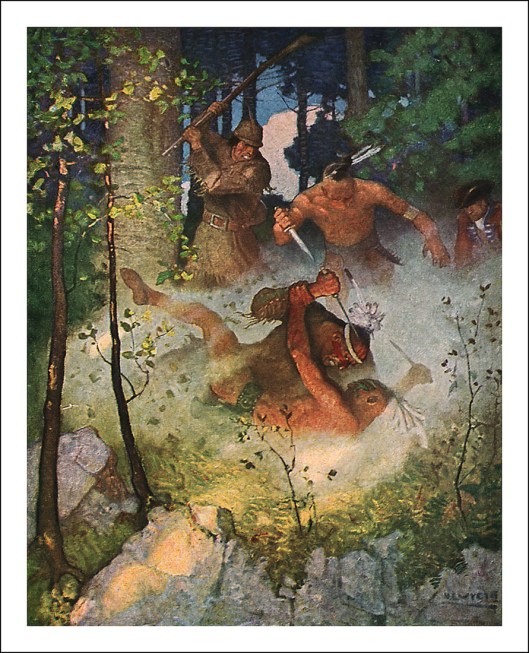
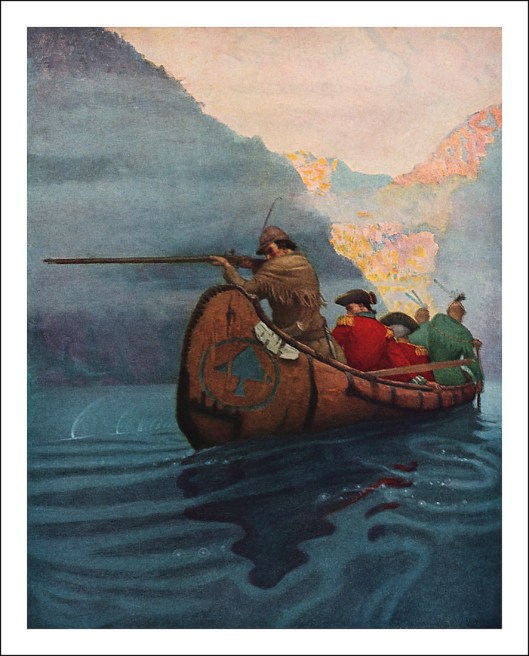
Cooper’s novel, an adventure/romance, uses the fort and siege as its center. Main characters move towards the fort, are in it at the time of the surrender, and are involved in the disaster after it. As might seem inevitable by now, our favorite edition is that illustrated by N. C. Wyeth in 1919.

51504

And here is a selection of the illustrations.

0_8f6d0_9b893fc5_orig0_8f6d2_797c6459_orig0_8f6d4_4ef48676_orig

the-last-of-the-mohicans-9781442481305.in02the-last-of-the-mohicans-9781442481305.in03titlepage

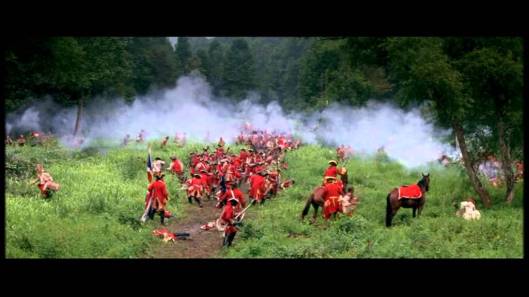
There have been numerous films made of the book, the earliest (at least US one) being a silent, dating from 1912. For us, the most colorful was the one which appeared in 1992, with Daniel Day Lewis as “Nathaniel Poe” (a slight change from the books’ Natty Bumpo). This version made many changes to the original story, including a love interest between Poe and one of Munro’s daughters, Cora, but, for us, it also had four rather spectacular scenes: the ambush of a company of redcoats in the forest by Native Americans,

ambushinforest

the French siege of Ft. William Henry,

frenchsiegeline

the British surrender,

surrender of Ft. William Henry

and the final “massacre”.

ambush2

And so we begin our third year of blogging with our next posting. We have, as always, lots of ideas for those postings, which we hope you will enjoy.

Thanks, as always, for reading!

MTCIDC

CD

PS

In 1895, Mark Twain published a comic critique of Cooper’s writing ticks. Entitled, “Fenimore Cooper’s Literary Offenses”, it can be read at http://twain.lib.virginia.edu/projects/rissetto/offense.html.
STTL

Tags

, , , , , , , , , , , , , , ,

01573_art.jpg

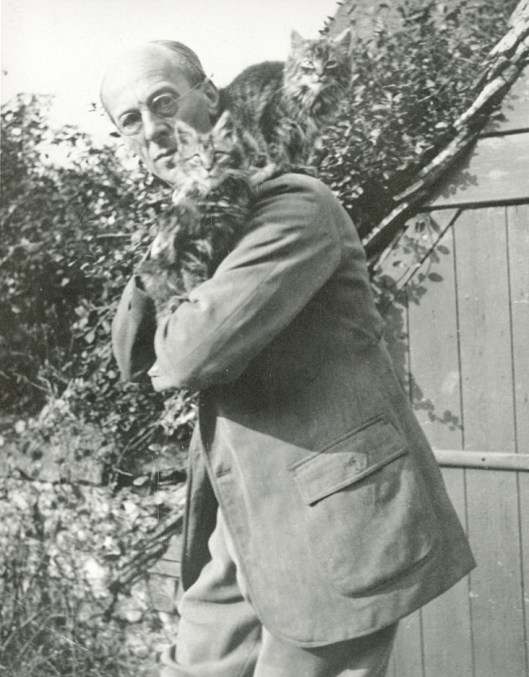
Welcome, as always, dear readers. This is a special day, so we have added an extra entry this week. 77 years ago today, on 6 September, 1939, 5 days after the beginning of World War 2, Arthur Rackham (1867-1939) died.

arthurrackhamwithcats.jpg

072038 Detail 2.JPG

Beginning as a clerk for the Westminster Fire Office (an insurance company, founded in 1717) who took art lessons,

Carlton-Hobbs-Westminster3.jpg

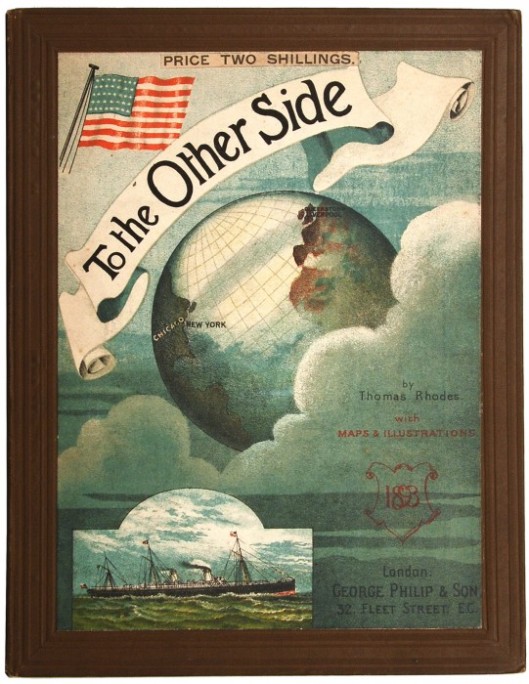
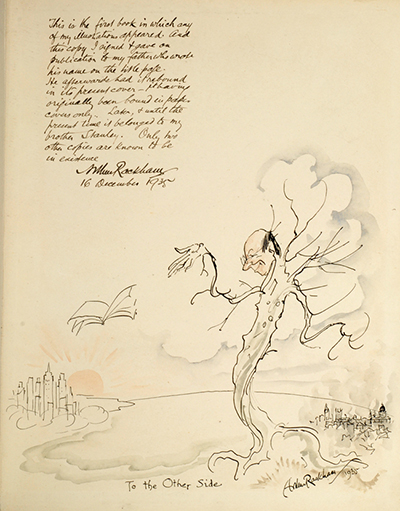
Rackham first shared illustrations with Alfred Bryant for the 1893 To the Other Side,

totheotherside1893.jpg

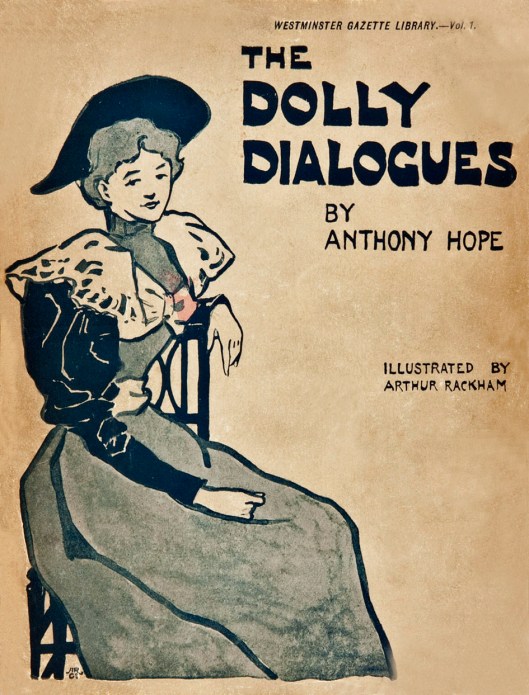
but his biographers tell us that it was his next book project, the illustrations for Anthony Hope’s The Dolly Dialogues,003 The Dolly Dialogues.jpg

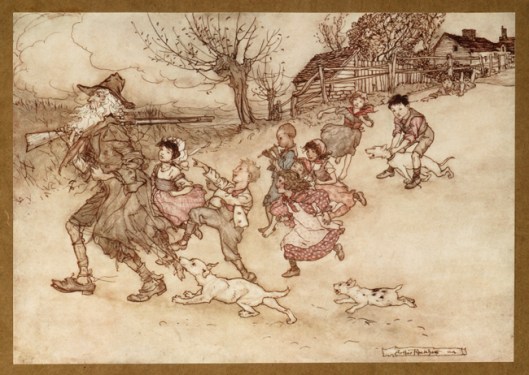
which convinced him to put all of his energy into book illustrations, his focus from then until his death, in 1939.

dollydialogues01hopegoog_0046.jpg

A man dedicated to his art, Rackham turned out multitudes of images for books as varied as Rip Van Winkle (1905—also illustrated by N.C. Wyeth, another favorite of ours, in 1921),

ripvanwinkle1905

Peter Pan in Kensington Gardens (1906),

peterpankensington1906

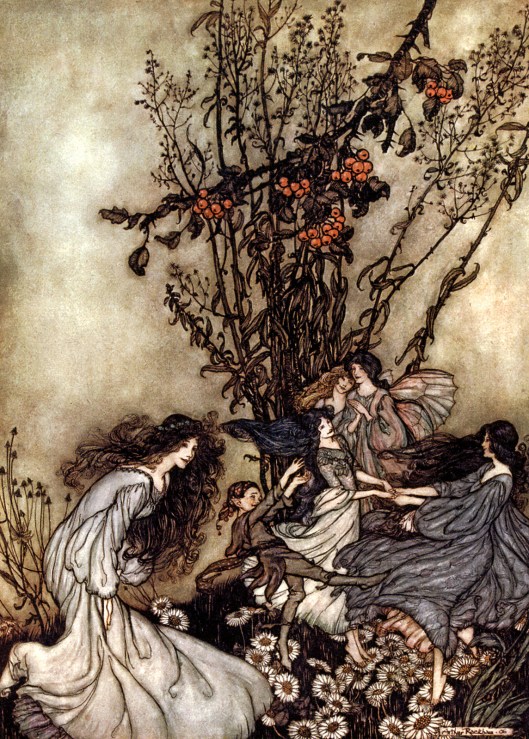
danceyfairies

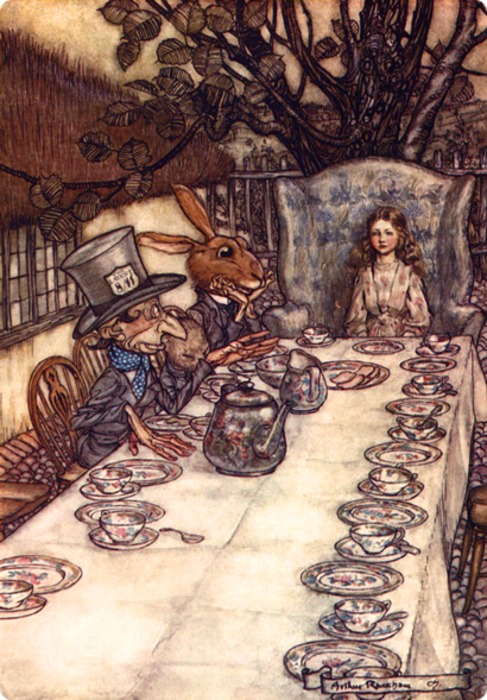
Alice’s Adventures in Wonderland (1907),

rackham5

A Midsummer Night’s Dream (1908),

arthur-rackham-midsummer-nights-dream-titania-sleeping

and The Wind in the Willows (published posthumously in 1940).

k900122-05

And his methods included the absolutely striking Cinderella (1919) and The Sleeping Beauty (1920), in which the illustrations are done almost completely in silhouette, as if the figures and scenes were designed for shadow plays.

Cinderellas-Pumpkin-Rackham-Silhouette.jpg

sleeping-beauty

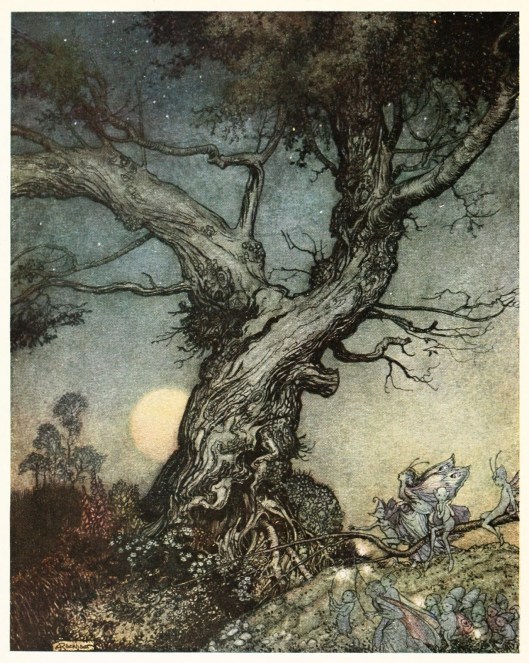
Throughout, the themes of wonder and the fantastic/grotesque interested him the most and, for us, a major feature is his trees, of many types, but often haunted things with eyes and mouths.

02-arthur-rackham-imagina-1914-frontispiece

From William Shakespeare’s A Midsummer Night’s Dream, 1908

b84eb67383d938d33e93ae7cfc9c82bd

From Nathaniel Hawthorne’s A Wonder Book, 1922

39e2b3c42d2341dfc53844a95a32e89d

“Come Now, a Roundel” from William Shakespeare’s A Midsummer Night’s Dream, 1908

429027

From Kenneth Grahame’s The Wind in the Willows, 1940

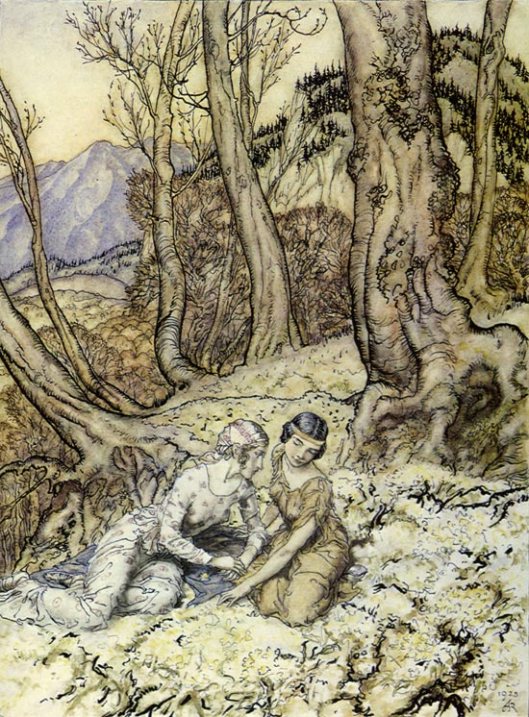
hermia_and_helena

From William Shakespeare’s A Midsummer Night’s Dream, 1908

11a9ca7244bf2060db41e7a5862344ab

From Nathaniel Hawthorne’s A Wonder Book, 1922

12930764_f520

Although he was cremated, we still want to offer him a typical Roman farewell, sometimes found inscribed on Roman tombs and the title of this posting: Sit Tibi Terra Levis—“May the earth lie light upon you”. (Literally, “May the earth be light to you”)

Thanks, as ever, for reading.

MTCIDC

CD

Dr. Smeagol and Mr. Gollum?

Tags

, , , , , , , , , , , , ,

Dear readers, welcome, as ever.

In this posting, we are following a hint given us by JRRT. In a letter to Sir Stanley Unwin, 21 Sept, 1947, he says, “Hyde (or Jekyll) has had to have his way, and I have been obliged to devote myself mainly to philology…” (Letters, 124)

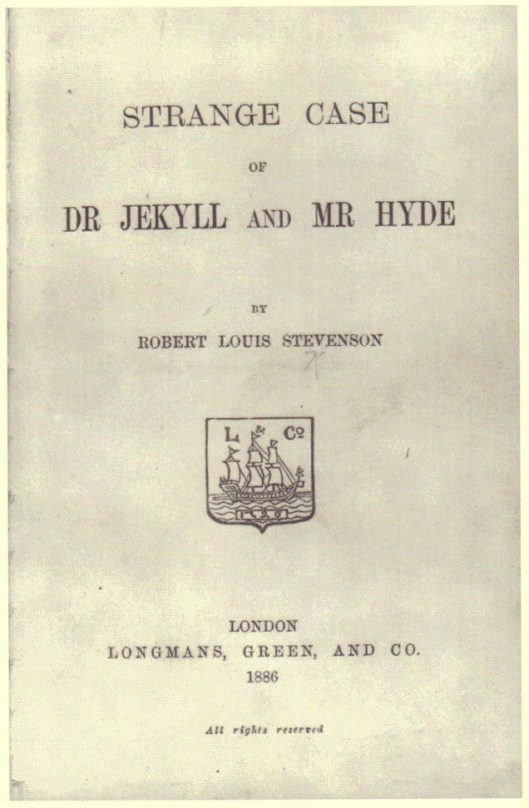
“Hyde (or Jekyll)” refers to the main character in Robert Louis Stevenson’s 1886 novella, Strange Case of Doctor Jekyll and Mr. Hyde.

rlsJekyll_and_Hyde_Title

This is often turned into The Strange Case… by editors, but, in fact, as can be seen from the title of the first edition, given above, there is no definite article. It seems clear to us that it has been omitted because Stevenson is imitating the shorthand methods of newspapers: the title is meant to sound like a headline, the sort of thing Sherlock Holmes’ observant eye would catch and he would then read to Watson.

The original story, if you’re not familiar with it, is about a doctor who leads two lives, one of service, the other of sensuality, and who wishes that he could separate them so that he could enjoy each without the influence of the other. He invents a drug, which, when consumed, turns the socially-responsible Dr. Jekyll (said “JEE-kull”, but often mispronounced)

John_Barrymore_as_Dr_Jekyll

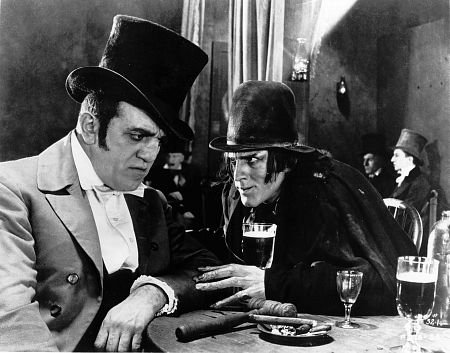
into the loathsome Mr. Hyde.

hydejbarrymoor

The doctor runs into horrible difficulty when it gradually becomes clear that the Id-like Mr. Hyde is actually the dominant personality and the good Dr. Jekyll begins to turn into the fiendish Mr. Hyde even without the drug.

In JRRT’s case, it’s hardly sensuality—instead, it’s his academic life versus his creative one and the fact that he offers both as a possibility suggests that the difference between the two is hardly the glaring one we see in the Stevenson story.

The idea of the split personality in one person, however, leads us—well, if you’re a Tolkien fan, you know already, don’t you?

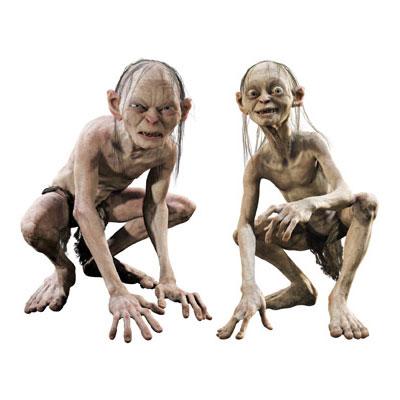
Gollum_Render

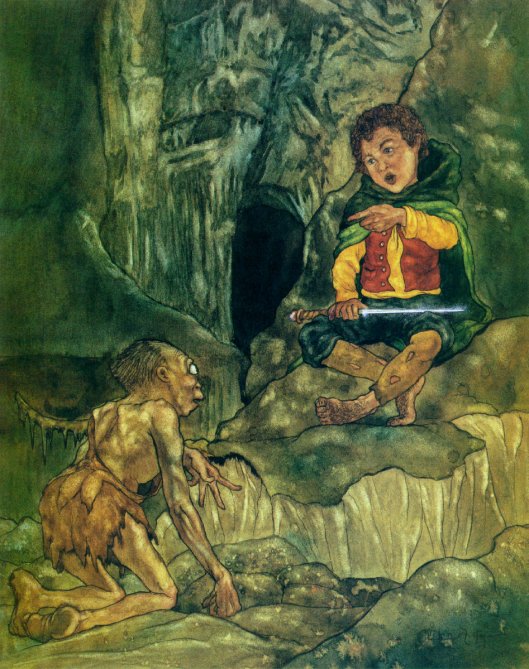
“Slinker and Stinker” Sam calls him, but it’s clear that, somewhere inside him, there are two much more distinctive personalities, just like Jekyll and Hyde.

269_gollum

The Dr. Jekyll is what must be almost a ghost of Smeagol, from his pre-Ring (and pre-murder of Deagol) days—ghost because near-constant exposure to the Ring has left him with only:

“…a little corner of his mind that was still his own…” (The Fellowship of the Ring, Book 1, Chapter 2, “The Shadow of the Past”)

But what is the Mr. Hyde?

Instead of a potion to break them apart, it has been the Ring which has caused the split and, in the process, as in the case of Dr. Jekyll, it has been the dark personality which has come to dominate. Unlike Mr. Hyde, however, there seems to be no pleasure to be had from being it:

“But the thing was eating up his mind, of course; and the torment had become almost unendurable.” (The Fellowship of the Ring, Book 1, Chapter 2, “The Shadow of the Past”)

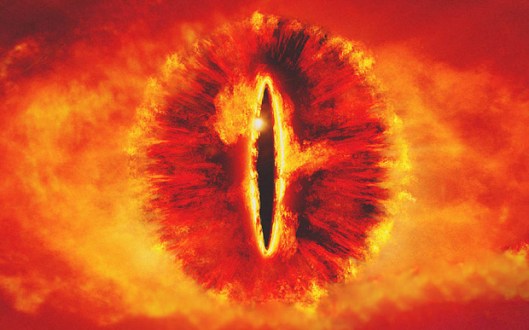
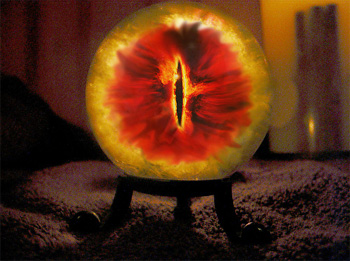
JRRT isn’t any clearer about what was “eating up his mind”, but we imagine that, because Sauron has put so much of himself into the ring, just as Dr. Jekyll/Smeagol has that little corner of his own mind, Mr. Hyde/Gollum has a little corner of Sauron’s, which is a really terrible thought. One has only to remember Frodo’s reaction to Sauron when he looks into Galadriel’s mirror to understand:

“In the black abyss there appeared a single Eye that slowly grew, until it filled nearly all the Mirror. So terrible was it that Frodo stood rooted, unable to cry out or to withdraw his gaze. The Eye was rimmed with fire, but was itself glazed, yellow as a cat’s, watchful and intent, and the black slit of its pupil opened on a pit, a window into nothing.” (The Fellowship of the Ring, Book 2, Chapter 7, “The Mirror of Galadriel”)

10b8f0b7ef05881c193c76dc38bac020the-eye-of-sauron_3133429b

Viewed this way, Mr. Hyde/Gollum is nothing more than a little Sauron.

There is another, more physical connection between Smeagol/Gollum and Jekyll/Hyde. Look at the narrator’s description of Hyde:

“Mr. Hyde was pale and dwarfish; he gave the impression of deformity without any namable malformation; he had a displeasing smile; he had borne himself to the lawyer with a sort of murderous mixture of timidity and boldness, and he spoke with a husky, whispering, and somewhat broken voice…”

(Strange Case of Dr. Jekyll and Mr. Hyde, “The Search for Mr. Hyde”)

Compare that with:

“Deep down here by the dark water lived old Gollum, a small slimy creature…” who often talks in hisses and whispers, like:

“Bless us and splash us, my precioussss!”

(The Hobbit, Chapter 5, “Riddles in the Dark”)

riddles

Is there a physical similarity here? Certainly there is the echo of split personalities, evil, and, maybe, someone caught between what he wants and what he does…

tolkientolkien-mortar-board-7-amazing-real-life-tolkien-facts-that-made-middle-earth-jpeg-77543

Thanks, as always, for reading.

MTCIDC

CD

ps

Our pictures of Jekyll and Hyde come from a famous 1920 film, in which John Barrymore transforms himself into Hyde on camera. Follow this link to the Internet Archive to see a full, free showing (80+ minutes) of that film.

pps

It just occurred to us to mention another story with a shrunken figure of the self– Mark Twain’s conscience in his “The Facts Concerning the Recent Carnival of Crime in Connecticut” (1876).


One for All…

Tags

, , , , , , , , , , , , , , , , , , , , , , , ,

Dear Readers,

Welcome, as always.

In our last, we said that we were having a little holiday from the works of JRRT and we’re continuing that break in this posting, as well. After all, although we have a deep affection and admiration for them, we began this blog with the intention of focusing upon adventure in general.

In this, we want to look at musketeers—three, in fact, plus a fourth, who, although he lacks an official position in their company, has the heart of one.

A musket is now a generic word for a pre-breech-loading long arm, like this one—

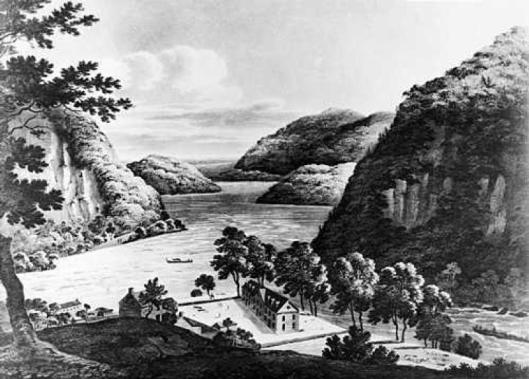
harpersferry1809

made at the Harpers Ferry arsenal in 1809.

harpersferryearly

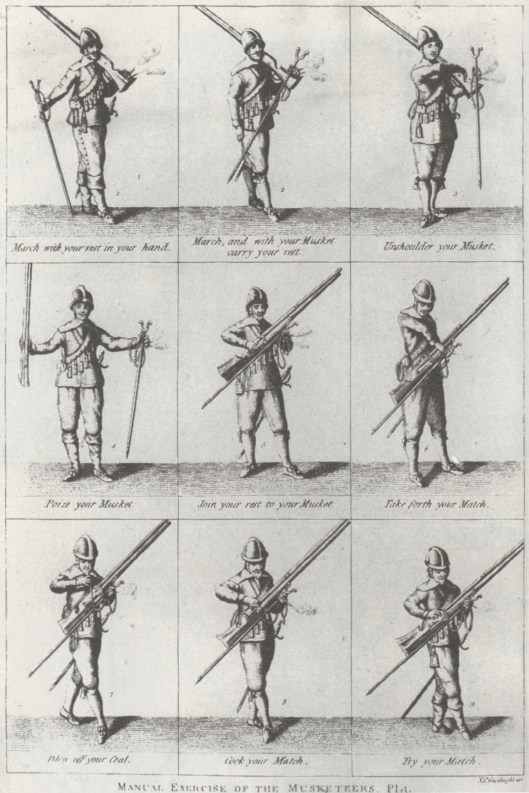
Once upon a time, however, a musket was a specific weapon, a heavier firearm which was supported on a wooden rest.

Musketeer

Such weapons were inaccurate at any distance and, in time, soldiers were gradually trained to load and fire in groups, to have more effect upon the enemy.

Manual_of_the_Musketeer,_17th_Century

military-musketeers-thirty-years-war-1618-1648-drawing-by-anton-hoffmann-bjn61w

Certain cavalry were issued lighter versions of such muskets and, in 1622, one company—later two—was formed as a bodyguard for the young Louis XIII.

0_Louis_XIII_en_costume_de_deuil_-_Frans_Pourbus_le_Jeune_(2)

At this time, the idea of uniforms was only beginning to appear and so these men would have worn whatever they wished (probably a fancier version of period civilian clothes—they were guarding the king, after all).

e7670396c9d2d92bdb277a8dd2fbfdc9

To identify them as belonging to the king’s household, however, they were issued with a kind of loose overgarment called a tabard, which we can still see today as worn by the Royal Heralds of Elizabeth II.

Pursuivant_tabardHeralds-at-the-Garter-Service-Julian-Calder-1024x681fae2a692a2dfd52e3931b64ed85bf5ab

One of these musketeers was named D’Artagnan (1611-1673)

invalides-mousquetaires-portrait-du-vrai-dartagnan-mais-aucune-preuve-dauthenticitc3a9

and, in 1700—27 years after his death at the siege of Maastricht in 1673—a well-known French author of the period, Courtilz de Sandras (1644-1712), published a semi-fictionalized “memoir” by D’Artagnan, supposedly based upon D’Artagnan’s papers.

Courtilz_Mémoires_titreWP

It depicted his adventures in a complex world of king and the man behind the king, Louis XIII and his prime minister, Cardinal Richelieu, and the court politics and foreign wars of the era.

Philippe_de_Champaigne_-_Louis_XIII_Crowned_by_Victory_(Siege_of_La_Rochelle,_1628)_-_WGA4712

index

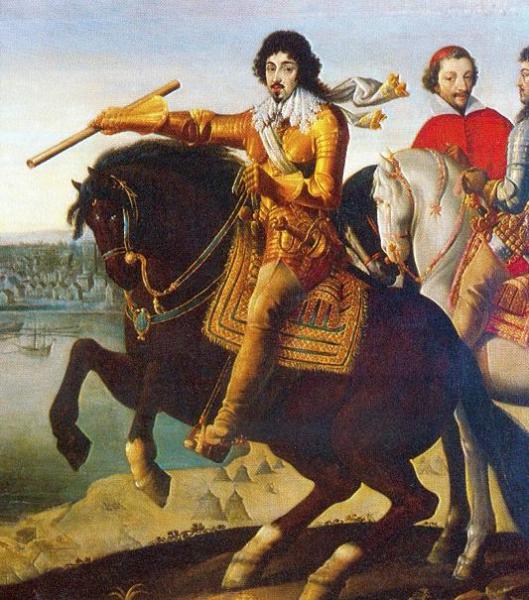
And, in this equestrian portrait, you can see the Cardinal literally behind the king.

Louis_XIII_Richelieu_devant_La_Rochelle

In 1844, there appeared a totally fictionalized account by Alexandre Dumas (1802-1870),

000101

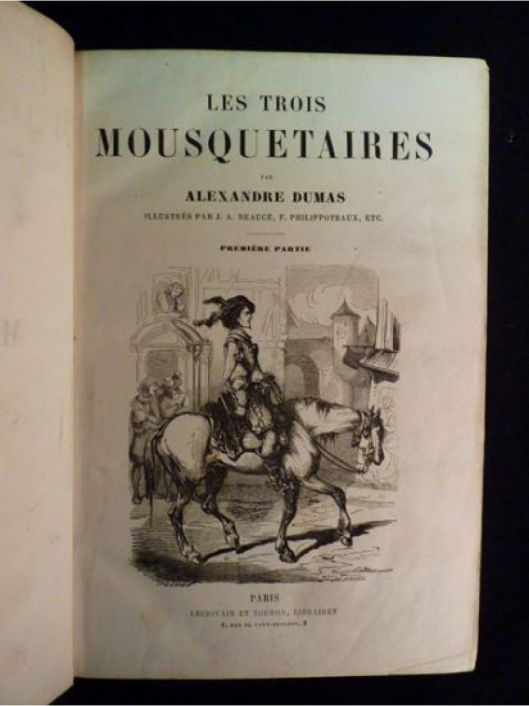
The Three Musketeers,

h-1200-dumas_alexandre_les-trois-mousquetaires_1850_0_34725

which proved so successful that Dumas produced two sequels, Twenty Years After (1845), and The Vicomte de Bragelonne (1847). The success of the first book was such that, since its publication, well—just google “The Three Musketeers in film”! The story of a young man from an impoverished noble family coming to Paris and how, through luck and bravery, he becomes a musketeer, is clearly irresistible—certainly for us! (And Dumas had the gift to do this more than once—he is also the author of the equally-irresistible The Count of Monte Cristo—google that to see its history.)

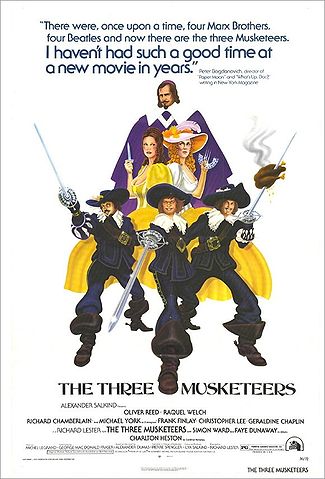
We have read various versions of this since childhood, from comic books to school texts in French, but, of all of the film versions, our favorite is the 2-part Richard Lester adaptation (script by one of our favorite historical novelists, George Macdonald Fraser—more about him in a future posting) of 1973-1974.

Three_Musketeers_1974

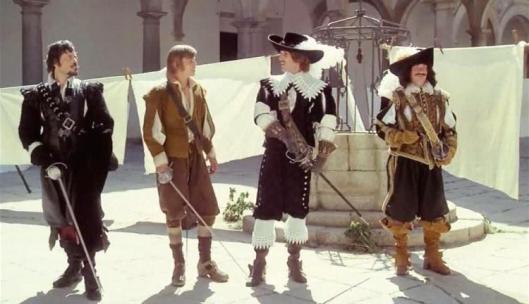
This is a version which keeps some of our favorite scenes—the duel in the convent courtyard, where D’Artagnan proves his courage to his new friends-to-be among the Musketeers, Athos, Porthos, and Aramis,

TheThreeMusketeers099

and the wager of the four friends to defend the bastion at the siege of La Rochelle while having breakfast there,

e988a9ce178db360466105fc18acd73d

but is, on the whole, a very light-hearted telling of the story (after all, Lester was famous for being the director of several earlier films starring the Beatles—the original idea even being that John, Paul, George, and Ringo were to be the Musketeers), set against a very grainy depiction of the world of the 1620s (which we find very convincing).

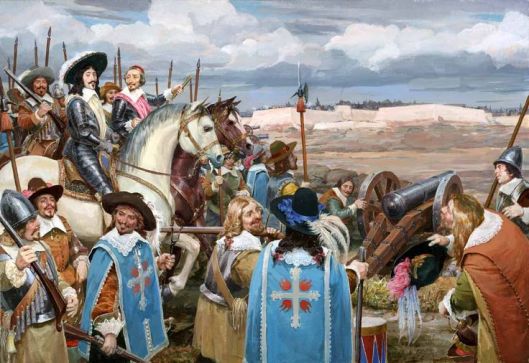
As for the real Musketeers, they had a long career as part of the King’s household guards, from the time of Louis XIII

68f4383f6ba85134f5c8c8b58a9d4613

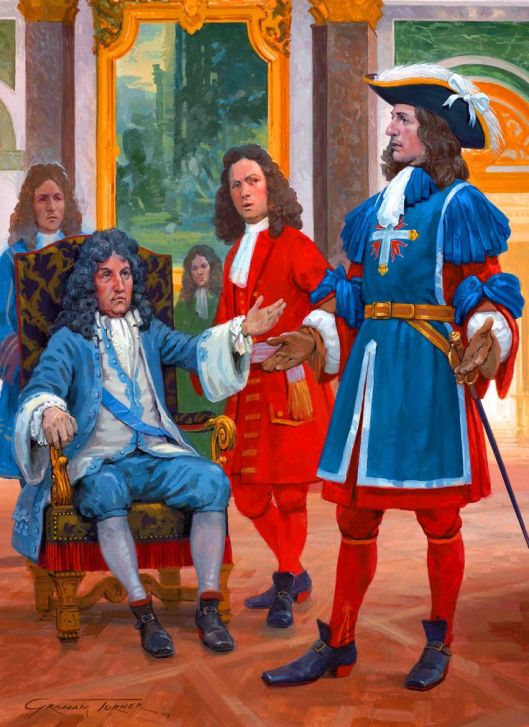
through that of Louis XIV

musketeerlouisxiv

through a famous charge at the battle of Fontenoy (1745) in the time of Louis XV.

15bba6ef186f1f2774c2be4c1f2761c2

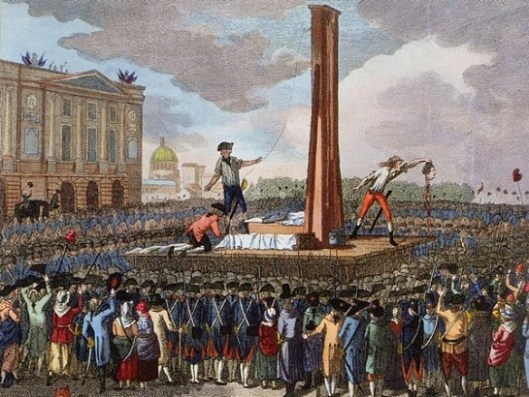
They were swept away at the time of the French Revolution, along with their master, Louis XVI,

executionlxvi

but restored in 1814 by his royal successor, Louis XVIII.

louisxviiimusket

In this new edition of the Musketeers, there appeared for a short time a recruit named Dumas,

Alexandre_Dumas_par_Achille_Devéria_(1829)

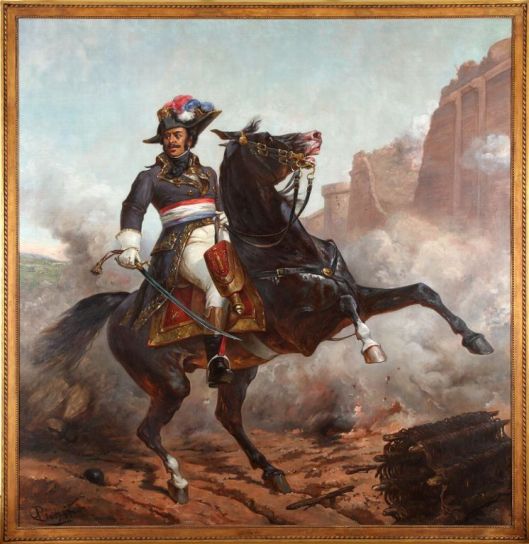
but, unlike his father (1762-1806), a famous general of the French revolutionary period,

generaldumas

he had another career waiting for him…

Thanks, as always, for reading.

MTCIDC

CD

PS

That last reincarnation of the Musketeers was a brief one: they were finally abolished in 1816. We can’t resist, in this ps, showing you a kind of descendant, however—at least in looking French and splendid. Here is the Garde republicaine in Paris. Its name tells you that, although monarchy might be dead in France, guards are certainly not.

la-musique-de-la-garde-republicaine


Jacobites

Tags

, , , , , , , , , , , , , , , , , , , , , , , , , , , , , , , ,

Dear Readers, welcome, as always.

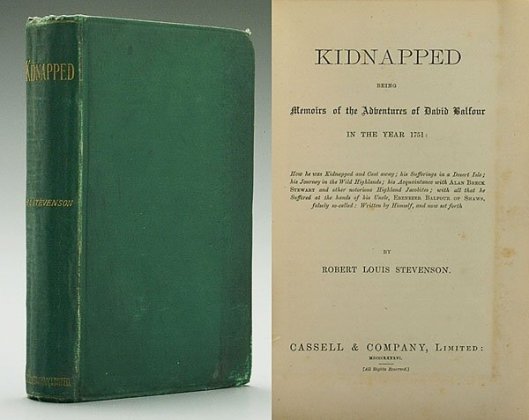
We’re taking a break from JRRT in this posting and looking at another favorite, Robert Louis Stevenson’s 1886 novel, Kidnapped,

rlsjss2kidnappedfirstedition

which was first serialized in what must have been a remarkable Victorian children’s magazine, Young Folks (1871-1897, with various titles), as it featured Stevenson’s Treasure Island (1881-1882) and The Black Arrow (1883), as well.

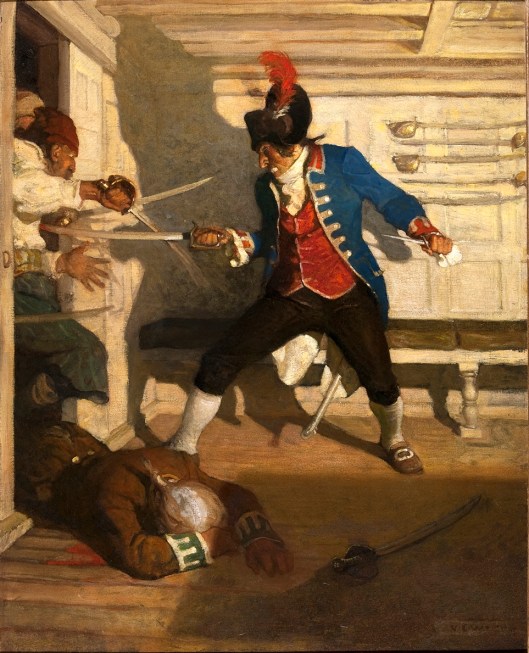
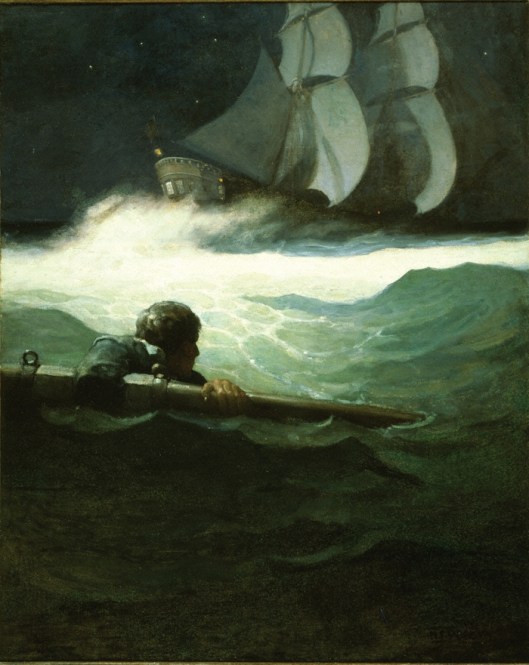
It has been published and republished numerous times since its original appearance (just google the title), but, if you read us regularly, you’ll already know our favorite edition is that published by Charles Scribner’s Sons in 1913 and illustrated by N. C. Wyeth (although we agree with the critics that his Treasure Island, 1911, is even better). Here are a few of the illustrations to give you an idea—these are much moodier than those for Treasure Island, we think.
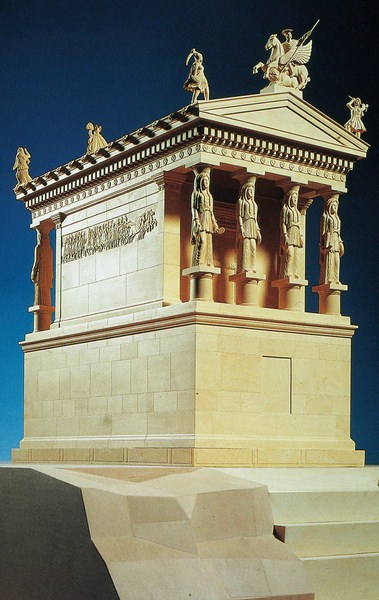
Wyeth Kidnapped Siege of the Round-HouseWyeth Kidnapped Wreck of the CovenantOn_the_Island_of_Earraid_(N.C._Wyeth).kidnap212_kidnapped_wyeth_murderer

The actual title is based upon 18th-century models, where a great deal of the plot may be teasingly outlined beforehand. We won’t give it all to you, but it begins: Kidnapped Being the Memoirs of David Balfour in the Year 1751 How He Was Kidnapped and Cast Away; His Sufferings in a Desert Isle; His Journey in the Wild Highlands; His Acquaintance with Alan Breck Stewart and Other Notorious Highland Jacobites…

“Jacobites” if you are not acquainted with the term, means “followers of/those loyal to Jacob (that is, James)” and the Jacob/James story marks a turning point in the history of the British Isles.

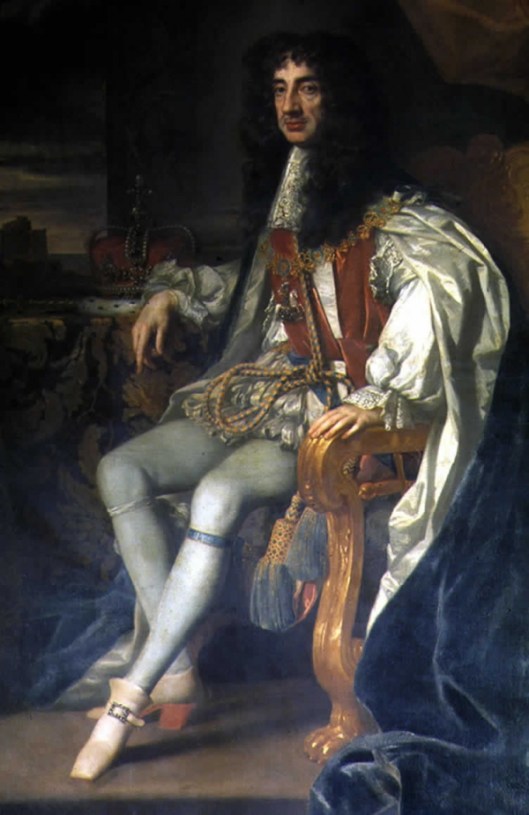
The story begins when Charles II of England dies in 1685 without leaving a legitimate heir.

charles-ii

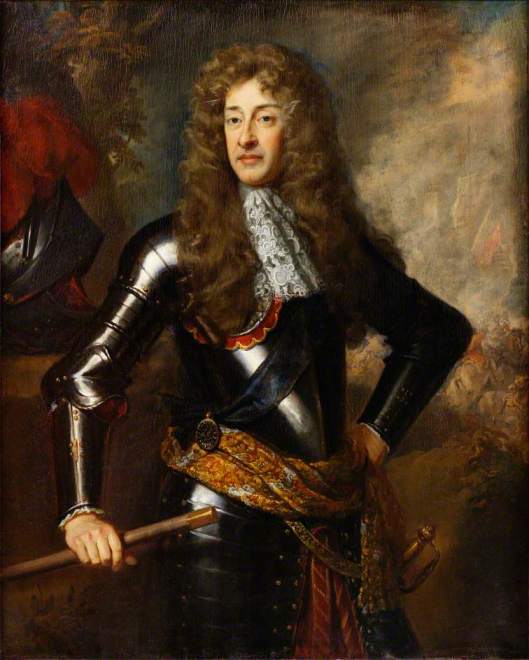
The throne then goes to his younger brother, James II.

(c) Government Art Collection; Supplied by The Public Catalogue Foundation

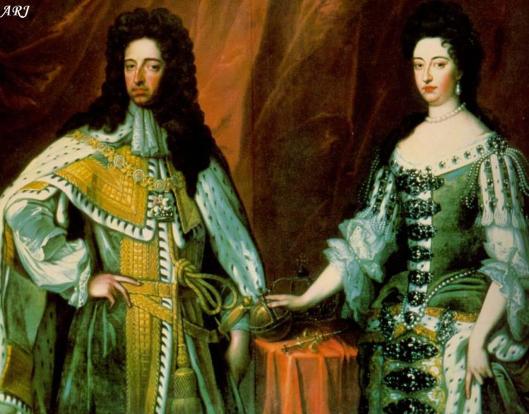
James was a very unpopular king, for some very complicated reasons, and he was driven from the throne in 1688 by a conspiracy which included members of Parliament, some of his army, and his daughter, Mary, as well as his son-in-law, William the Stadthoulder of the Netherlands.

1-william-mary

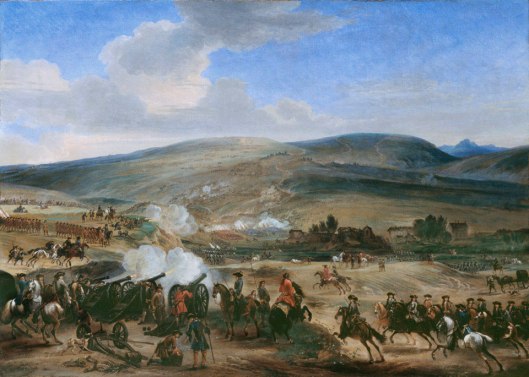
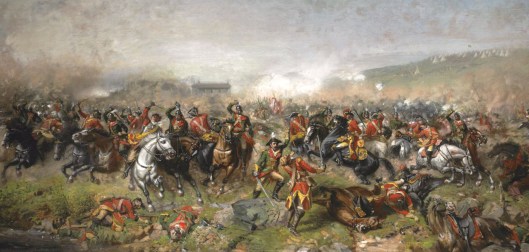
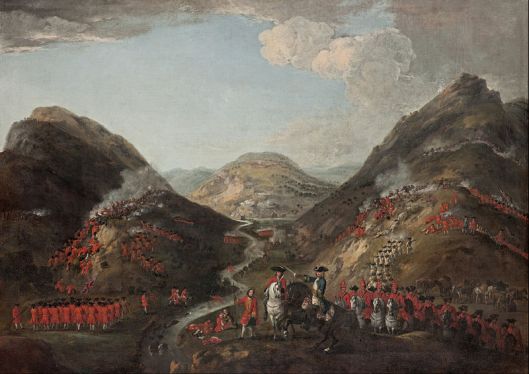
James didn’t go very easily and there was war in the British Isles from 1689 to 1692, with three major battles, Killiecrankie in Scotland (1689),

killie1

the Boyne, 1690,

boyne1690

and Aughrim, 1691, both in Ireland.

John_Mulvany_-_The_Battle_of_Aughrim.1691

Although James II’s forces lost, that did not end the matter, however. James II died in exile in 1701, but his son, the potential James III (called by his enemies “The Old Pretender”, meaning “claimant to the throne”), continued the struggle, being involved in three major attempts at taking back the monarchy.

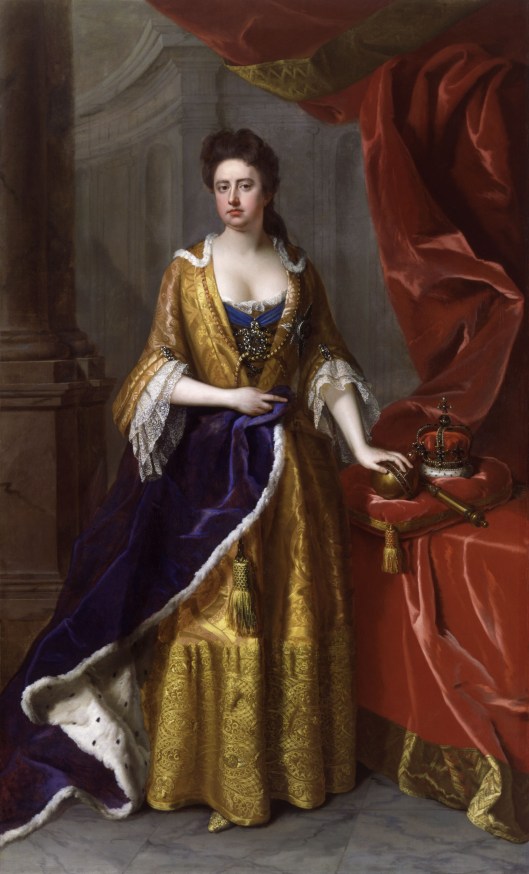
In the meantime, Mary and William had both died and Mary’s younger sister, Anne,

6187,Queen Anne,by Michael Dahl

who succeeded them, as well. To keep both religious and family continuity, it had been agreed that, since Anne had no surviving heirs, her second-cousin, George, the Elector of Hanover (a country in what is now western Germany) and his family would inherit the throne, which George did, in 1714, as George I of England.

King_George_I_by_Sir_Godfrey_Kneller,_Bt_(3)

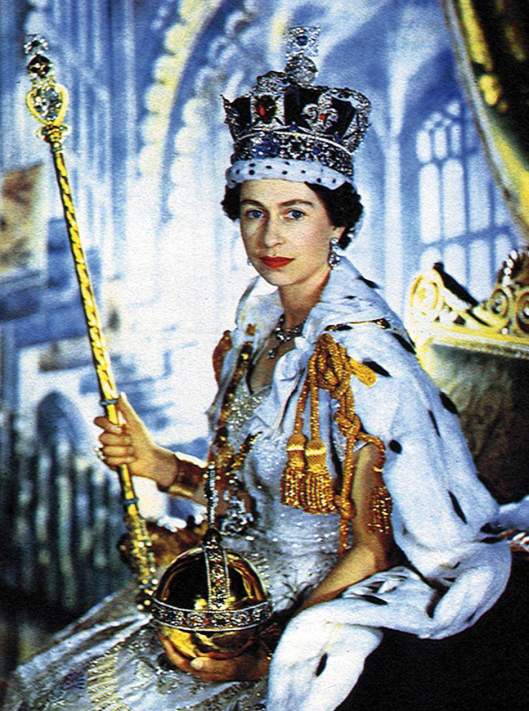
That continuity worked so well, in fact, that he is the direct ancestor of the present queen, Elizabeth II,

coronationpicofer2

article-2335617-1A1939BE000005DC-225_964x730

(We just couldn’t resist including this– even royalty don’t take reigning totally seriously, it seems!)

Not a year later, there was a plan to take the throne by invading Scotland, raising an army of Lowlanders and Highlanders alike, and marching on London. There was one inconclusive battle, at Sherriffmuir, in 1715,

Battle_of_Sheriffmuir

but, even with the arrival of James-the-possible-third,

Prince_James_Francis_Edward_Stuart_by_Anton_Raphael_Mengs

the whole thing fell apart. And something similar happened with the next attempt, in 1719. Modest Spanish support was not enough and the Jacobite army failed at Glenshiel

Glen_shiel

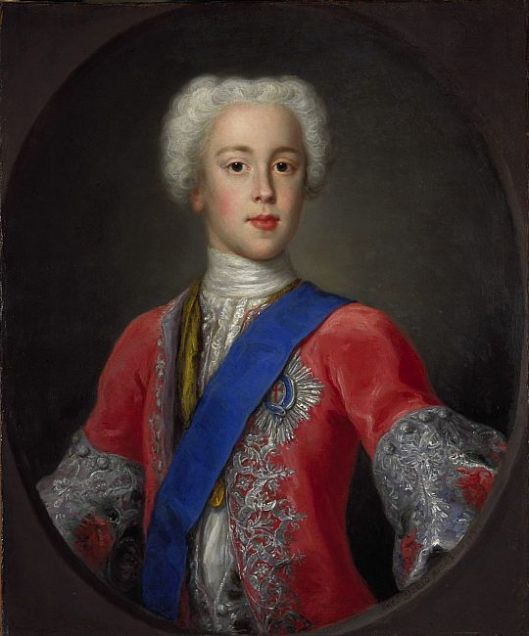
and things subsided into a cold war until 1745. During the intervening years, the struggle between Britain and France, begun in the days of Louis XIV (ruled 1661-1715) had intensified, with France supporting James II and his son as proxies. In 1745, the latest war, the so-called “War of the Austrian Succession”, had been going on since 1740. This was a much more complex pan-European war, but, with Britain and France backing different candidates for the throne, there was a good opportunity for a further attempt on the part of France to destabilize her old opponent. Thus, when it was proposed that the dashing young son of James, Prince Charles (1720-1788),

Young Charles Edward Stuart L_tcm4-563619

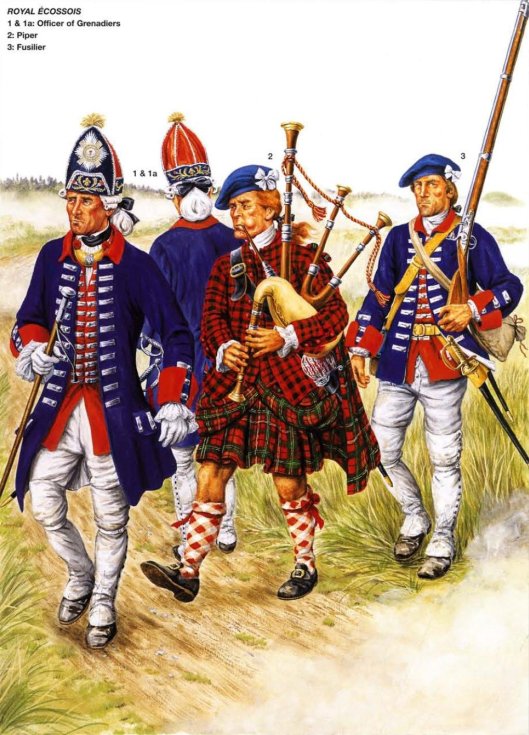
backed by a small French army

royalecossais

(with another waiting in the wings for an invasion of southern England), should land in Scotland and raise the country against the government of George II, the Old Pretender agreed.

King_George_II_by_Charles_Jervas

Unfortunately for their cause, this ended as the other attempts had, in failure—and this was the final failure. After one great victory, at Prestonpans in 1745,

prestonpansSurrender

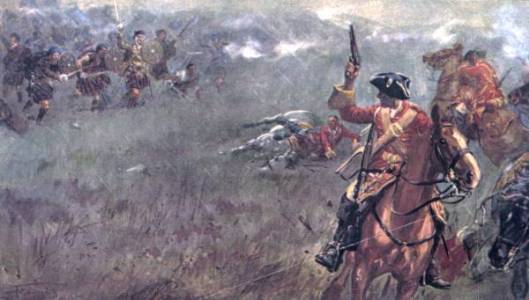
and a smaller one at Falkirk, in early 1746,

falkirk1746

the plan failed at Culloden in April, 1746,

The_Battle_of_Culloden

and this was the last grand attempt. As the inspiration for literature in the romantic period, however, it was extremely successful, beginning with Sir Walter Scott’s

Sir_William_Allan_-_Sir_Walter_Scott,_1771_-_1832._Novelist_and_poet_-_Google_Art_Project

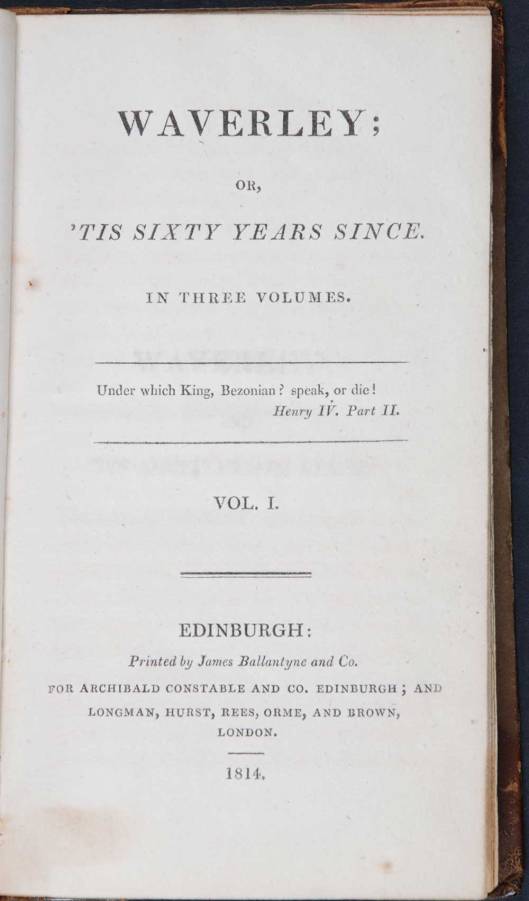
Waverley, published anonymously in 1814.

waverleyfirsted

Regularly regarded as the first great historical novel, it was the beginning of great commercial success for Scott, as well as the beginning of a process which turned Scotland’s past into the basis of an entire cultural industry, of which Kidnapped (1886) and its sequel, Catriona (1893) formed a small, but prominent part and is still with us today in the US (and elsewhere) in Scottish festivals and bumperstickers.

scottishfestivalThank-God-Scottish-Sticker

Thanks, as always, for reading.

MTCIDC

CD

ps

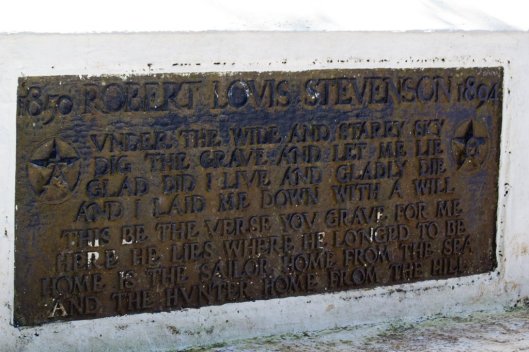
We can’t conclude without including Stevenson’s “Requiem” (from his collection Underwoods, 1887),

RLSrequiem1880

which we’ve always admired and which is on his tomb in Samoa, where he died of a cerebral hemorrhage in 1894.

rlstomb

Stepping Westward

Tags

, , , , , , , , , , , , , , , , , , , , , , , , , , ,

Dear readers, welcome as always.

Although there are no temples or shrines to him (the closest thing is perhaps the Stone Table),

narnia stone table

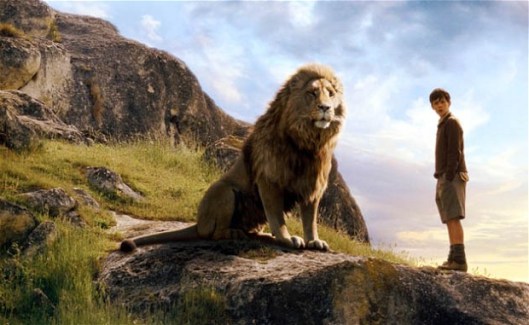
Aslan

1653963a

is clearly someone with divine powers and his influence is felt directly and indirectly throughout all of the Narnia books.

JRRT once said that Middle-earth had a monotheistic religion, but the traces, as has been written about more than once, are almost invisible.

There are no ziggurats,

Ancient_ziggurat_at_Ali_Air_Base_Iraq_2005

no temples,

templeofheraselinus

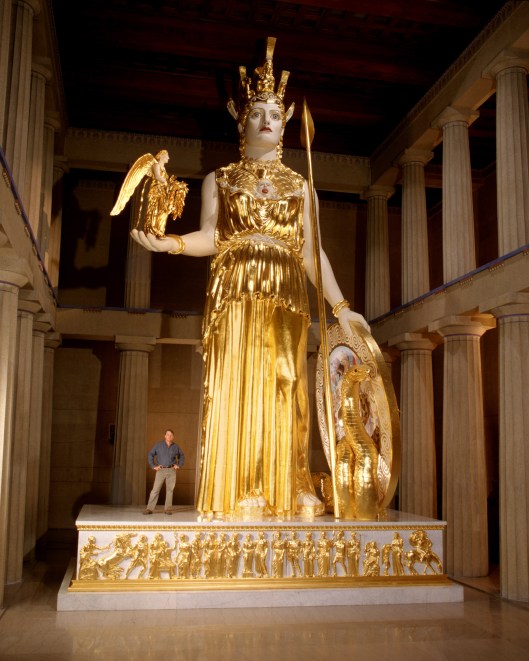
no cult statues

Athena_Parthenos_LeQuire

no shrines

97_full

no heroa (shrines for demi-gods or heroes).

heroon

The Valar are mentioned once (some of Faramir’s men call on them to protect them from a mumak), of course, and there is that ceremony of standing and looking west before a meal.

That idea of looking west has long interested us, mainly because, in much of western tradition before the Age of Exploration, the west was looked upon as a place of uncertainty, if not outright fear.

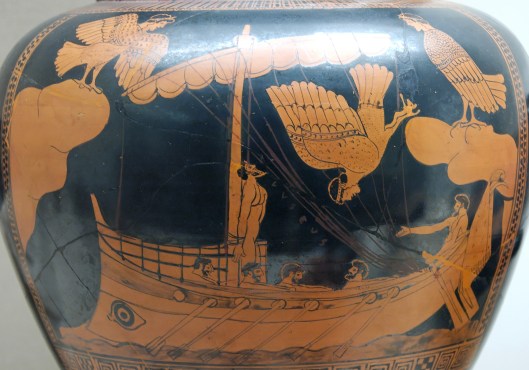
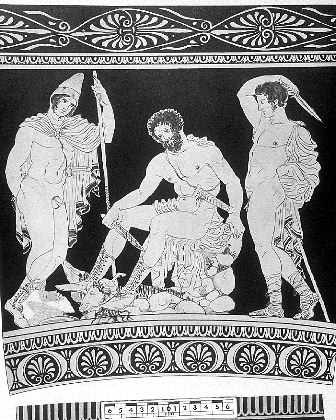
Although Odysseus, in Odyssey 9, is careful to point out that his home island, Ithaka, lies farthest towards dusk in its island group, in Odyssey 11, in the far west lies the Land of the Dead,

lykaon-painter-odysseus-and-elpenor

to which Odysseus sails

Odysseus_Sirens_BM_E440_n2

to consult the seer, Tireisias,

Teir.1993.01.0348

on the way to get home. This is, then, hardly a choice direction in which to sail, for all that Tireisias does provide some guidance.

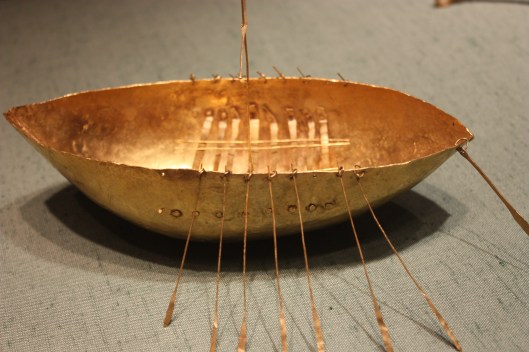
The same is true for a series of stories about immrama, “voyages” (literally “rowings around”) in Old Irish, not only secular stories, like those of Mael Duin

mailduin

and Bran,

Broighter_Gold,_Dublin,_October_2010_(03)

but a famous religious one about Saint Brendan.

brendan

In each of these stories, sailing westward commonly means sailing rather haphazardly among sea monsters and islands with strange people or creatures. There is also the possibility of time distortion: the voyager believes himself gone in terms of a few years, at most, when, instead, he may have been gone for much longer (as in Washington Irving’s short story, “Rip Van Winkle”, in which Rip, falling asleep in the Catskill Mountains after drinking with the ghosts of the crew of the explorer Henrik Hudson’s ship The Half Moon, thinks that he has been gone only overnight when, instead, he’s been gone for twenty years.)

rip-van-winkle.wyeth

(by one of our all-time favorite illustrators, N.C. Wyeth, from his Rip Van Winkle, 1921—the whole work is available, with all of its wonderful illustrations, to download for free at the Internet Archive, may their beards grow long!)

“To go west”, probably based upon the idea of the sinking sun, as an older English expression has the meaning of “to die/to fail catastrophically” (now people in the US seem to be replacing it with “to go south”, which has none of the older resonance, unfortunately), but it ties in very nicely with these older beliefs about what lies west of Europe, so full of danger and mystery.

But then we come back to that looking west.

In the belief system of Middle-earth, westward across the sea lies the continent of Aman, and on that continent is Valinor, home of the Valar, those powerful and immortal beings who are perhaps to be likened to the archangels of Christian belief—with a bit of patron saint and even Norse and Greco-Roman pantheons thrown in. (We admit to having a very shallow knowledge of Arda theology, being less interested in the finer points of belief than in the adventures and the cultures and the languages of Middle-earth.)

The Istari, the five wizards are from there and it’s for us one of the most melancholy moments when, after his murder by Grima, it is clear that Saruman is denied a return.

jwyatt-sarumande

Gandalf, however, is permitted to return, as are Bilbo and Frodo (and, in time, Sam, apparently), all part of the defeat and disembodiment of Sauron.

greyhavens

The elves are also allowed to make the voyage to Aman, although they have their own separate place there, and, when Gandalf leaves, so do Galadriel, Celeborn, and Elrond, part of a slow general leave-taking of the Elves.

No human is admitted however, to the Undying Lands, as they are called, and it occurred to us that perhaps, in that fact, the mortals of Middle-earth are closer to Saruman than to Gandalf or the Elves:

“To the dismay of those that stood by, about the body of Saruman a grey mist gathered, and rising slowly to a great height like smoke from a fire, as a pale, shrouded figure it loomed over the Hill. For a moment it wavered, looking to the West; but out of the West came a cold wind, and it bent away, and with a sigh dissolved into nothing.” (The Return of the King, Book 6, Chapter 8, “The Scouring of the Shire”)

Could that ceremony of looking westward also be done with a sigh, an acknowledgement that there are no undying lands for them?

What do you think, dear readers?

Thanks, as ever, for reading.

MTCIDC

CD

Ps

This, for us, is a rather historical posting, being our Number 100. By earlier September, we will have reached 104, making exactly two years since we began our blog. We thank you for reading, hope that you will continue to do so, that you will share our work among your friends and that, in the future, you will be willing to share your thoughts with us, as we always encourage you to do.


Nought’s had, all’s spent

Tags

, , , , , , , , , , , , , , , , , , , ,

4acce62d6b1154ae5fdb5272434de3be.jpg

In “The Shadow of the Past,” Gandalf, giving Frodo backstory of the Ring, makes a confession:

“I might perhaps have consulted Saruman the White, but something always held me back.”

“Who is he?” asked Frodo. “I have never heard of him before.”

“Maybe not,” answered Gandalf. “Hobbits are, or were, no concern of his. Yet he is great among the Wise. He is the chief of my order and the head of the Council. His knowledge is deep, but his pride had grown with it, and he takes ill any meddling. The lore of the Elven-rings, great and small, is his province. He has long studied it, seeking the lost secrets of their making; but when the Rings were debated in the Council, all that he would reveal  to us of his ring-lore told against my fears. So my doubt slept– but uneasily. Still I watched and I waited.” (The Lord of the Rings, The Fellowship of the Ring, Book 1, Chapter 2, “The Shadow of the Past”)

In terms of the spiritual life and safety of Middle-earth, Gandalf’s confession foreshadows much evil to come. Both Gandalf and Saruman are Istari, one of a group of five divine beings sent specifically to counteract the activities of Sauron.

istari.jpg

Gandalf suspects that “the chief of my order and the head of the Council” is false, and his suspicion will prove to be true, but what has happened to Saruman? Gandalf suggests that it has something to do with the ring, but, in fact, the ring is only emblematic of the real problem: the lure of control.

Here is Saruman attempting to seduce Gandalf into joining him:

“I said we, for we it may be, if you will join with me. A new Power is rising. Against it the old allies and policies will not avail us at all. There is no hope left in Elves or dying Numenor. This then is one choice before you, before us. We may join with that Power. It would be wise, Gandalf. There is hope that way. Its victory is at hand; and there will be rich reward for those that aided it. As the Power grows, its proved friends will also grow; and the Wise, such as you and I may with patience come at last to direct its courses, to control it.” (The Lord of the Rings, The Fellowship of the Ring, Book 2, Chapter 2, “The Council of Elrond”)

Instead of fulfilling his role as a counter-balance to Sauron, Saruman proposes first to control Sauron, and then even to become Sauron. As Saruman says, “Why not? The Ruling Ring? If we could command that, then the Power would pass to us.” (The Lord of the Rings, The Fellowship of the Ring, Book 2, Chapter 2, “The Council of Elrond”)  This use of the first person plural pronoun is not convincing:

“Saruman,” I said, standing away from him, “only one hand at a time can wield the One, and you know that well, so do not trouble to say we.” (The Lord of the Rings, The Fellowship of the Ring, Book 2, Chapter 2, “The Council of Elrond”)

But what is it which Saruman wants to do with that ring?

“We can bide our time, we can keep our thoughts in our hearts, deploring maybe evils done by the way, but approving the high and ultimate purpose:  Knowledge, Rule, Order; all the things that we have so far striven in vain to accomplish, hindered rather than helped by our weak or idle friends.  There need not be, there would not be, any real change in our designs, only in our means.”  (The Lord of the Rings, The Fellowship of the Ring, Book 2, Chapter 2, “The Council of Elrond”)

Knowledge, rule, order?  We immediately want to know, knowledge of what, and who is ruling whom, with what order?   And the answers are all the same:  Saruman’s knowledge,  Saruman’s rule, Saruman’s order.  But what has happened to Saruman to so turn him away from the purpose for which he was sent?

Saruman’s headquarters are at Orthanc, a tower set in a stone circle at Isengard.

orthanc.jpgOriginally, this had been the site of a Gondorian strongpoint, but, as Gondor waned, it fell into disuse until taken over by Saruman with the permission of the Steward of Gondor, Beren. When we think of wizards, we imagine them as wanderers, like Gandalf and Radagast, and even more so, the two Blue wizards who have wandered so far as to have disappeared almost entirely from the history of Middle-earth. Could the very fact that Saruman would want a permanent base have been a hint that his plans went beyond the directive he had received in Valinor?

And there is worse to come. Within Orthanc, Saruman has discovered a Palantir, a far-seeing stone of Numenor.

saruman_palantir.jpg

Who else might have one of these stones? Unfortunately, one of them is in the hands of Sauron.

palantir1.jpg

And the seduction of Gandalf began with the seduction of Saruman, as Gandalf says:

“Saruman…I have heard speeches of this kind before, but only in the mouths of emissaries sent from Mordor to deceive the ignorant.” (The Lord of the Rings, The Fellowship of the Ring, Book 2, Chapter 2, “The Council of Elrond”)

This figure for good being drawn away from the proper path reminded us of a similar situation in Shakespeare. Macbeth has been a successful general for Duncan, the king of Scotland. For his latest victory, he has been well-rewarded by the king, but just as in the case of Saruman, there is some part of him which wants more. Thus, when, after the battle, he and a companion meet three strange women on the edge of the battlefield, their prophetic words touch him in a place perhaps untouched before, but there.

MacbethAndBanquo-Witches

They first hail him by titles King Duncan has yet to give him–but will.  Then they hail him as King of Scotland itself, and his corruption begins.  It may have gone no farther than unquiet dreams had there not be a second element in his seduction:  his wife.

Ellen-Terry-as-Lady-Macbeth-by-John-Singer-Sargent-1889

It is she who completes what these three strange women began, not only nurturing Macbeth’s ambition, but even planning the murder of King Duncan.

Lady_Macbeth_CattermoleLike Saruman, Macbeth is overcome, gives in, murders Duncan, seizes power, but, also like Saruman, can not retain it and, interestingly, an element in his defeat closely resembles an element in Saruman’s defeat:  trees.
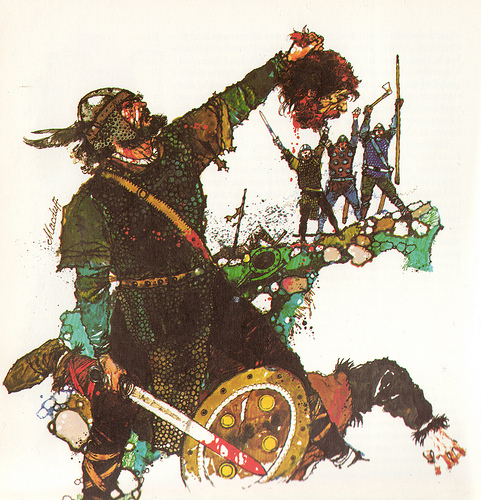
As his reign suffers resistance and becomes bloodier and more confused, Macbeth sees a series of apparitions, including one which reassures him–or so he thinks–that

“Be lion-mettled, proud, and take no care
Who chafes, who frets, or where conspirers are.
Macbeth shall never vanquished be until
Great Birnam Wood to high Dunsinane Hill
Shall come against him.” (Macbeth, 4.1.94-98)
But his enemies, to disguise their numbers and movements, camouflage themselves with foliage from Birnam Wood,
 Scan-100518-0011
Macbeth’s fortress is successfully taken, and Macbeth is killed in battle, his head taken by an avenging enemy, Macduff.
 macduff-wit-macbeth-head-jpg

Where Macbeth has had Birnam Wood, Saruman suffers from the Forest of Fangorn–

Tolkien, Nasmith, painting, illustration, Lord of the Rings, Silmarillion, Hobbit, Middle-earth

The Wrath of the Ents, by Ted Nasmith

(We would add one more Macbeth parallel for The Lord of the Rings.  Another seemingly reassuring apparition has told Macbeth that he can only be killed by a very special person:

“Be bloody, bold, and resolute. Laugh to scorn
The power of man, for none of woman born
Shall harm Macbeth.” (Macbeth, 4.1.81-83)
That person turns out to be Macduff, born from a Caesarian section.
Do we need to remind our readers of what Eowyn says in reply to the Witch-king’s “Hinder me?  Thou fool.  No living man may hinder me!”)
eowyn.nazgul

After the fall of Isengard, Saruman is imprisoned in his own tower.  During his imprisonment, he is deprived of the Palantir, but Sauron’s seduction has been thorough and, even when offered another chance, there will be nothing left for him in the future but being a petty spoiler and then the victim of his own slave, someone he had once seduced.

jwyatt-sarumande

Thanks, as always, for reading.

MTCIDC

CD

What’s In a Name?

Tags

, , , , , , , , , , , , , , , , ,

Welcome, as always, dear readers.

In this posting, we are interested in the use and danger of using names in the history of the Ring, as well as looking at a possible parallel from an earlier heroic story.  How dangerous can a name be?

In Chapter 5 of The Hobbit, Bilbo makes what is almost a fatal mistake—not for himself so much as for Frodo, and not at the time, so much as some 77 years later.

Confronted by the curious Gollum deep under the Misty Mountains, Bilbo has responded to Gollum’s, “What iss he, my preciouss?” with, “I am Mr. Bilbo Baggins.”

The Riddle Game

First, of course, he hasn’t answered the question. He was asked what, not who. And, from Gollum’s viewpoint, in which seemingly all animate things are potentially at least a snack, if not a full meal (“I guess it’s a choice feast; at least a tasty morsel it’d make us, gollum!” The Hobbit, Chapter 5, “Riddles in the Dark”), “What is it?” is the more appropriate question.

Second, depending on the culture, names can have a much greater significance than simply being social identifiers. If your culture has a strong belief in magic, then your personal name is a point of vulnerability: someone who wishes to control you can use it in summoning spells. This is probably why, for example, Circe, in Book 10 of the Odyssey, when she can’t turn Odysseus into a pig, as she had already done with part of his crew, says that he’s akaletes—literally, “uncallable by name”. Although the story as we have it doesn’t say so, we can presume that, as he does in another circumstance—which we’re about to discuss—he gives the enchantress a false name and therefore escapes her magic.

This is not the first time Bilbo has slipped, however. William, the troll, has already asked, “What are yer?” And Bilbo has replied, “Bilbo Baggins, a bur-a hobbit.” (The Hobbit, Chapter 2, “Roast Mutton”)

TN-Trolls_colour_sketch

(By one of our favorite Tolkien artists, Ted Nasmith)

Again, Bilbo has given the wrong answer (reminding us of a scene in the Marx Brothers movie, Horsefeathers, 1932, where Chico, as Baravelli, the doorkeeper of a speakeasy, demands of Groucho, “Who are you?” to which Groucho replies, “I’m fine, thanks. Who are you?”).

Password Scene

He has also complicated matters by almost saying “burglar” (he’s just tried to steal William’s purse, after all, which has, in fact, asked him’Ere, ‘oo are you?”), but, by changing it at the last moment, he’s then created a new confusion, as the trolls simultaneously ask, “A burrahobbit?” and William adds, “What’s a burrahobbit got to do with my pocket, anyways?”

(We also ask, is there a very mild joke here—“burra” could easily sound like “burrow” and, since hobbits traditionally lived in tunnels…?)

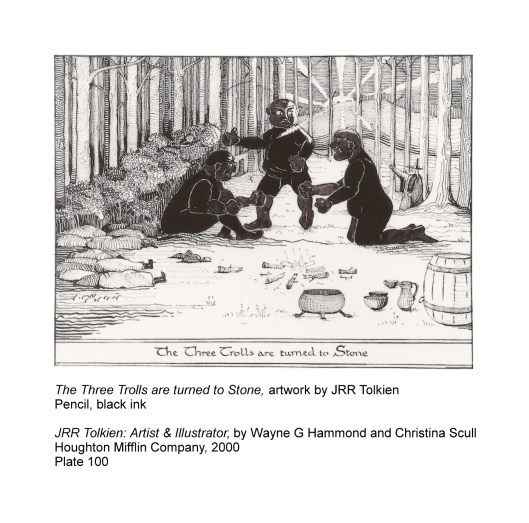
Gandalf and daylight take care of the trolls,

img__Art-The_Three_Trolls_are_Turned_to_Stone,_by_JRRT

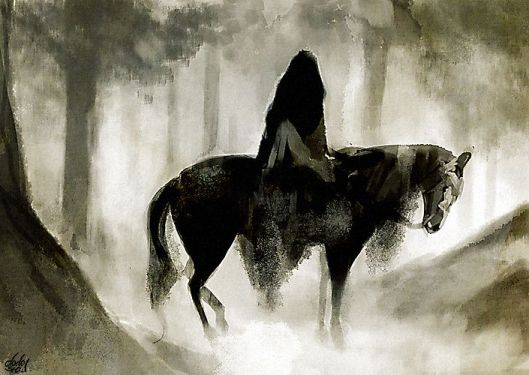
but Gollum is another matter. Bilbo, caught off guard, gives him his name. This, in turn, under torture, is passed on to Sauron, now aware that the Ring has (literally) resurfaced on Middle-earth. And, somehow, the names “hobbits” and “Shire” have been added to Bilbo’s name, as Gandalf tells Frodo (The Fellowship of the Ring, Chapter 2, “The Shadow of the Past”). To find out more, Sauron sends out his search team, the Nazgul, and the danger begins…

ellenkurkinazgul

(A wonderfully atmospheric watercolor by Ella Kurki)

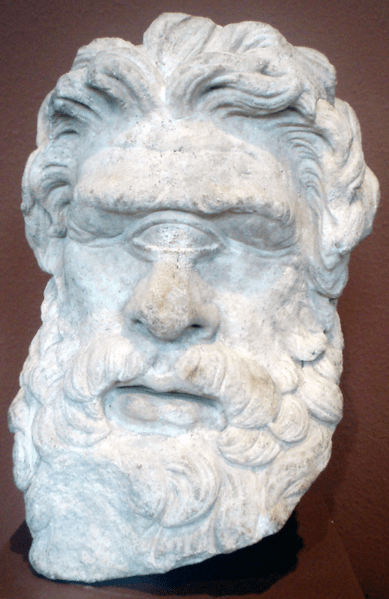
Odysseus, whom we mentioned earlier, has also been involved with a large and menacing creature, Polyphemus, the Cyclops, in Book 9 of the Odyssey.

Head-of-Polyphemos-Captmondo-wikimedia-commons

Having a little more experience of danger and living in a world where magic may be anywhere, he is more wary, however, than Bilbo and, when asked his name, replies “Ootis”, which is Greek for “Nobody”.

Scholars have argued for a very long time as to why Polyphemus, who has a Greek name (“The Much-Spoken-Of”) and speaks perfectly good Greek, can be so easily taken in by such a transparent trick and there are lots of theories to explain it. Perhaps, however, the answer is simply to point to Bilbo’s trolls, whom Tolkien describes as “slow in the uptake”—that is, they are not very quick to assess a new situation. Is this the case with Polyphemus? Or, being as big as he is, and not fearing the gods (as he informs Odysseus), perhaps he ignores Odysseus’ reply as simply part of the guest ritual known as xenia, in which, it is clear from his behavior, he does not believe anyway?

Over and over again, in the Odyssey, we see this social pattern, called xenia, which means something like “guest-friendship”, enacted   In this pattern, a person comes to another’s house in need of food and shelter. There is then a ritual, in which:

  1. the potential guest appeals to the householder
  2. the householder fulfills that person’s wants
  3. in return the person tells his name and his story
  1. the host gives the person guest-gifts and sends him on his way
  2. should he—or anyone to whom he’s related—be in the guest’s territory in the future, he can claim the same hospitality from the guest—and this can be passed down through generations

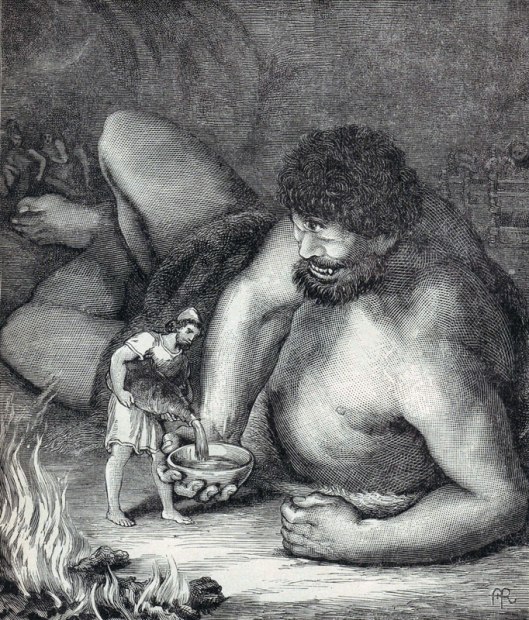
In the case of Polyphemus, Odysseus and his men have come to Polyphemus’ cave and helped themselves to his food while he was absent, therefore immediately disturbing the pattern. When the Cyclops comes home, his response is to kill and eat two of Odysseus’ men, a grim parody of the custom, in which he should be feeding them, not feeding on them. The situation escalates, with more men eaten, until Odysseus formulates an escape plan which includes getting the Cyclops drunk

Cyclops-Homer

and putting out his eye,

cyclops2

then using a flock of sheep as an escape vehicle.

FrCyclopsEscape

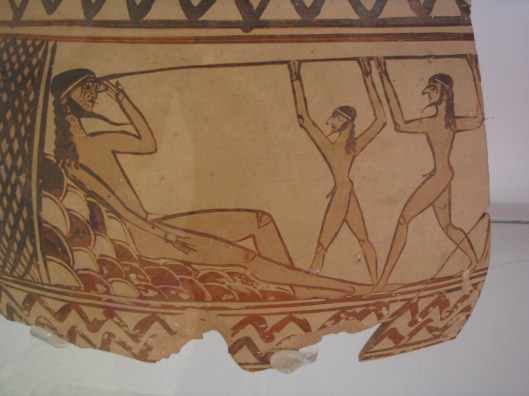
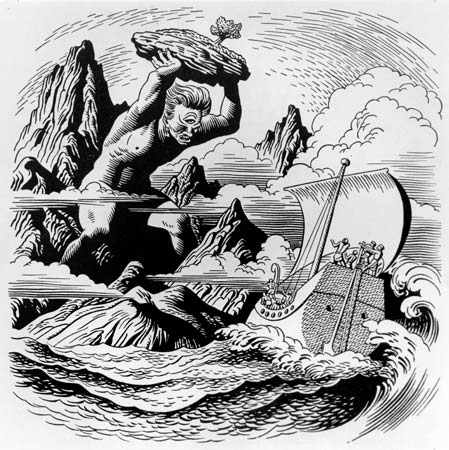
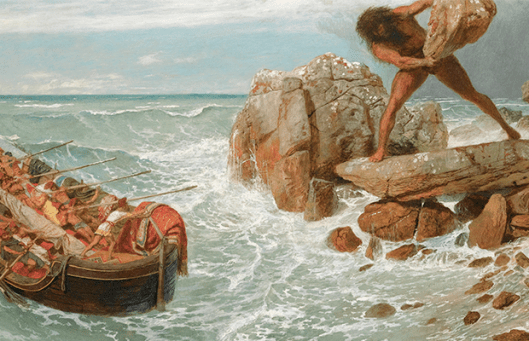
In the meantime, however, Polyphemus has asked for Odysseus’ name, gotten the “Nobody” answer, and offered a guest-gift in return: the Cyclops will eat Odysseus last. The plan works, Odysseus and his surviving men escape (with the sheep), and get back to their ship, but then things go wrong again. Even blind, Polyphemus pursues them and, tossing mountain tops, almost brings them back to shore.

cyclops3

They do manage to row out of range, however, but then Odysseus, seeming to destroy completely his earlier “Nobody” trick, and much to his crew’s horror, shouts out to the Cyclops not only who he really is, but where he lives, as well. What’s going on here?

polyphemos

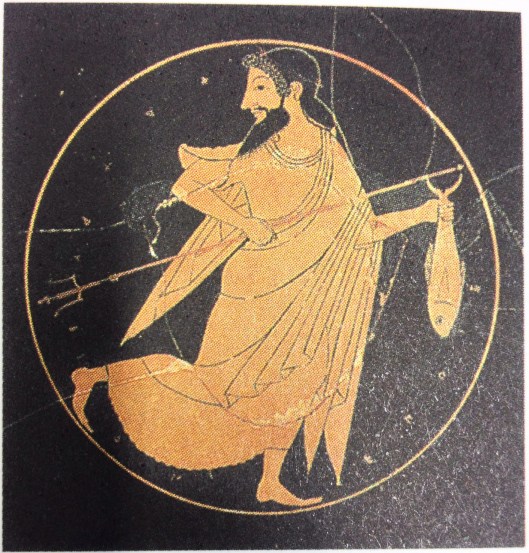
Bilbo has twice, inadvertently, provided others with his name, if not his address.  Although Odysseus may be more able when it comes to thinking quickly in a dangerous situation than Bilbo, he also belongs to what is called a “face culture”. This means that who you are is a public thing. You only gain credit if you do things publically and your name is attached to what you do. In Odysseus’ case, he has bested a monster and avenged the deaths of his crewmen and it is important that that monster knows who did it. Unfortunately, that monster is the son of the sea god, Poseidon, to whom he prays for revenge and, knowing Odysseus’ name and address, this is a bit more pinpointed than simply saying, “Get that guy who put out my eye, dad!”

poseidon.jpg

Bilbo blundered into the territory of Gollum and, through inexperience and surprise, brought trouble, in time, to Frodo. Odysseus, having concealed his identity successfully, then exposed himself because his society and his position in that society required it. In turn, he returns home alone and on someone else’s ship, having brought trouble on himself and his crew.  In answer to our initial question, “How dangerous can a name be?”  The answer appears to be, “Very.”

Thanks, as always, for reading.

MTCIDC

CD


Terrifyingly Funny? (Part 2)

Tags

, , , , , , , , , , ,

Dear Readers, welcome, as always.

In the first part of this posting, we began to think out loud about the idea of characters in Tolkien who might combine menace and comedy. Our first idea had been to consider Gollum—

Gollum_Render.png

but not the Lord of the Rings Gollum, at least not at first glance.

The idea then took us backwards to the large, rather dim trolls of The Hobbit, who certainly seemed to display that combination.

trolls.jpg

And The Hobbit brings us back to Gollum.

All Tolkien readers must know, we imagine, that the book which JRRT published in 1937 was a very different kind of book from what gradually grew up around it. Here, for example, is the beginning of the reader’s introduction to Smeagol (a name never used in The Hobbit, of course):

“Deep down here by the dark water lived old Gollum…” (The Hobbit, Chapter 5, “Riddles in the Dark”)

To us, this sounds like it could easily begin, “Once upon a time, deep down by the dark water, lived Old Gollum”, as if it were the opening of a fairy tale and The Hobbit was, of course, originally conceived of and written as a children’s book.

“Old Gollum”, by that name, might have been a cantankerous but lovable geezer—but the line continues, “a small slimy creature”. “Slimy” then leads to “dark as darkness, except for two big round pale eyes in his thin face…He liked meat too. Goblin he thought good, when he could get it; but he took care they never found him out. He just throttled them from behind…” And then, presumably, he ate them raw (as he does fish in The Hobbit and he would coneys in The Lord of the Rings), as Gollum’s level of civilization seems to begin and end with the little boat which he has—although where the materials came from for that is never explained. (Gandalf, in “The Shadow of the Past”, says that the Stoors and Fallowhides, to whom Gollum/Smeagol belonged, made boats out of reeds.)

In our last posting, we pointed to the speech of the trolls in The Hobbit as one possible source of humor.

THE HOBBIT: AN UNEXPECTED JOURNEY

Unlike the main characters, who spoke a Middle-earth version of RSE (Received Standard English), they displayed a number of the linguistic elements of lower-class London which are often used to show class—or even species?–difference (think of the orcs who carry off Merry and Pippin, for example) in Tolkien. If this is combined with the topics of their conversation—mainly about food, some of it sheep, but also both humans and dwarves—we then have what we set out to find, menace and humor.

As for Gollum, he certainly has a very distinctive form of speech. First, there’s his habit of carrying on a conversation with himself even in the presence of others. It reminds us of the talk of Ben Gunn,

bengunn

who was marooned by Captain Flint in Stevenson’s Treasure Island (1881-2; 1883) and has clearly developed a similar habit:

“If you was sent by Long John,” said he, “I’m as good as pork and I know it. But where was you, do you suppose?” (Treasure Island, Chapter XV, “The Man of the Island”)

There are four other distinctive elements of Gollum’s speech. First, there is that gollum. The narrator says of it:

“And when he said gollum he made a horrible swallowing noise in his throat.” (The Hobbit, Chapter 5, “Riddles in the Dark”)

Andy Serkis, who is the voice (and movement) of Gollum in the Jackson films, has, in interviews, said that the noise he makes is modeled upon his cat throwing up a hairball. As Tolkien has called it “a horrible swallowing noise”, it would seem that this is, in fact, the opposite sound from what is wanted. So what should it sound like—that is, and still sound like “gollum”? The word has two syllables—perhaps we might think that the noise would depend upon which syllable bore the primary accent: GOL-lum or gol-LUM. To us, accenting the first has more of a choky feel to it and the second more of a froggy. (We also wonder, knowing Gandalf’s later explanation of how Smeagol acquired the Ring, whether, in fact, Smeagol is actually imitating the noise Deagol made as he struggled for breath.)

A second element is his incessant referring—in the 1937 edition—to himself as “my precious”. In the 1951 revision, and beyond, Gollum can call both himself and the Ring by the term, and we are of two minds about the change. On the one hand, the 1937 version reflects what interests us: a word of tender endearment mixed with a murderous intent, all within Gollum. On the other, the post-1951 version’s double usage presents us with a picture of a creature so enslaved to the Ring that he uses that term of endearment (and we also know, from Gandalf’s later explanation, that the Ring does not return the affection, making it even more horrible). As well, others touched by the Ring can be seen as infected by its power when they use the expression.

bilbowithring

Third—and more potentially comic—is Gollum’s actual language. There are the odd expressions, sometimes based on actual older English expressions—“Bless us and save us” becomes “Bless us and splash us”, example.   As well, there are the non-standard words like “bitsy” (a kind of diminutive) and plurals—“handses”, “eggses”, “pocketses”.

Fourth is the stressed sssssssssssssssssssssibilance. JRRT himself points to this in a letter to Rayner Unwin in a correction to the 1937 edition: “Not that Gollum would miss the chance of a sibilant.” (cited in Anderson, The Annotated Hobbit, 120, note 9)

Taken altogether, this makes for a very distinctive—and very different speaker from any other in The Hobbit (or The Lord of the Rings, for that matter) and this is clear from the very start of the conversation between Gollum and Bilbo:

“What iss he, my preciouss?”…

“I am Mr. Bilbo Baggins. I have lost the dwarves and I have lost the wizard, and I don’t know where I am and I don’t want to know, if only I can get away.” (The Hobbit, Chapter 5, “Riddles in the Dark”)

The menace is there in Gollum, from the very beginning:

“Bless us and splash us, my precioussss! I guess it’s a choice feast; at least a tasty morsel it’d make us, gollum!” (The Hobbit, Chapter 5, “Riddles in the Dark”)

And we would suggest that the humor is there, too, in the very same speech: the twisted expression, the self-address, the use of “my precioussss”, and the hissy sibilance. Tolkien, though personally drily witty, was not—nor intended to be—a comic writer. What he could do well, we suggest, is use that which interested him deeply—language and its expression—combine it, for contrast, with a certain darkness of theme, as here, and allow the reader to feel a kind of grim amusement in the balance–or imbalance–between what’s being said and how.

What do you think, dear readers?

Thanks, as always, for reading.

MTCIDC

CD

Allons, enfants!

Tags

, , , , , , , , , , , , , , , , , , , , , , , , , , ,

Dear readers, chers lecteurs,

Welcome/bienvenue as always/comme toujours. This is a special extra posting for our faithful French readers, but really for all of our readers who love adventure and history—and that, as far as we can tell, is everyone who regularly reads us.

When we were thinking about this special Bastille Day extra, we wondered what we should write about.

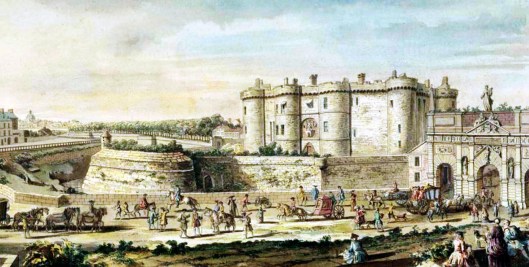
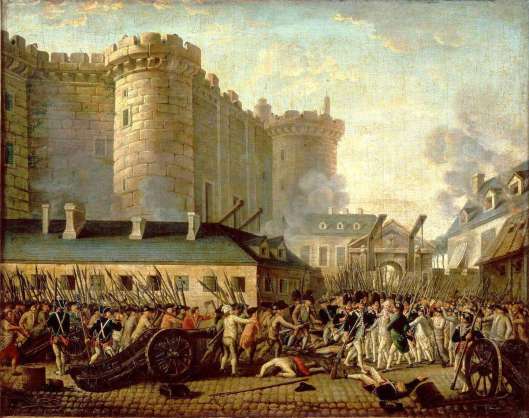
We could, of course, write about the original Bastille day, 14 July, 1789, when a crowd of brave and angry Parisians, aided by some members of the King’s French Guard, attacked the 14th-century fortress-turned-state-prison, and forced its surrender.

Bastille_1715

l'attaquesurlabastille(We can’t resist a visual footnote– you’ll notice the people to the right in dark blue with the fuzzy hats. These are members of a grenadier company of the French Guard. Here’s a larger and more modern illustration of these Guards by one of our favorite French military artists, Eugene Leliepvre.)
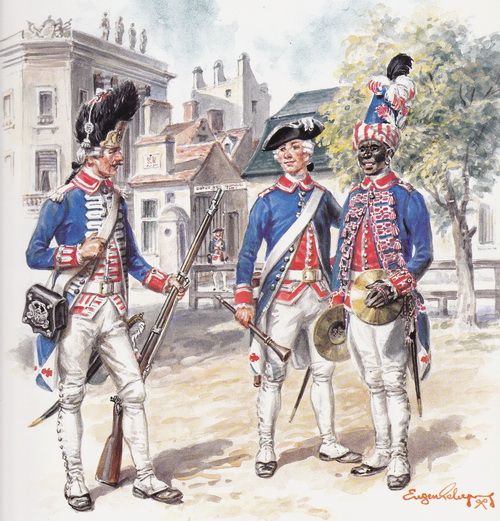
leliepvregardefrancaise

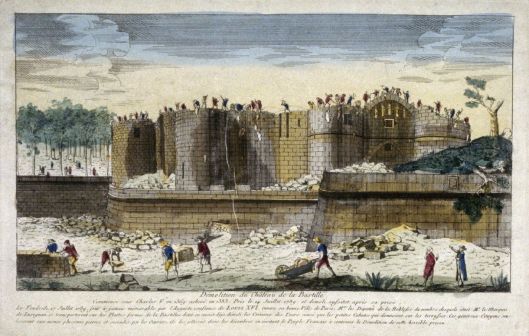
Not satisfied with capturing the place, the revolutionaries soon tore it down, and it’s now the Place de la Bastille, with a column, erected in 1840, commemorating the revolution of 1830, in which the last member of the Bourbon monarchy, Charles X, was overthrown and was replaced by his cousin, Louis Philippe.

demolitiondelabastille

Place_de_la_Bastille,_1878

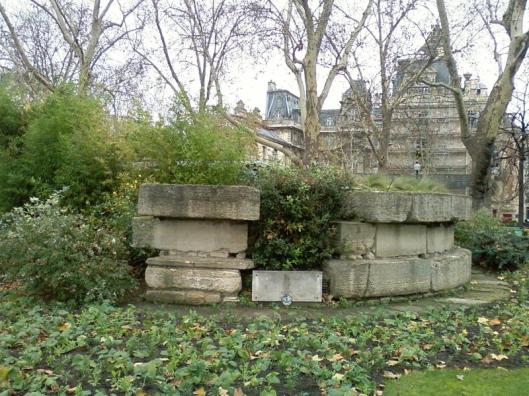
In 1899, a small section of one of the Bastille’s towers was discovered during metro excavations and is now on display in the Place Henri Galli, not far from its original site.

la-bastille1Paris4_SquareHenriGalli_VestigesBastille_Nov09

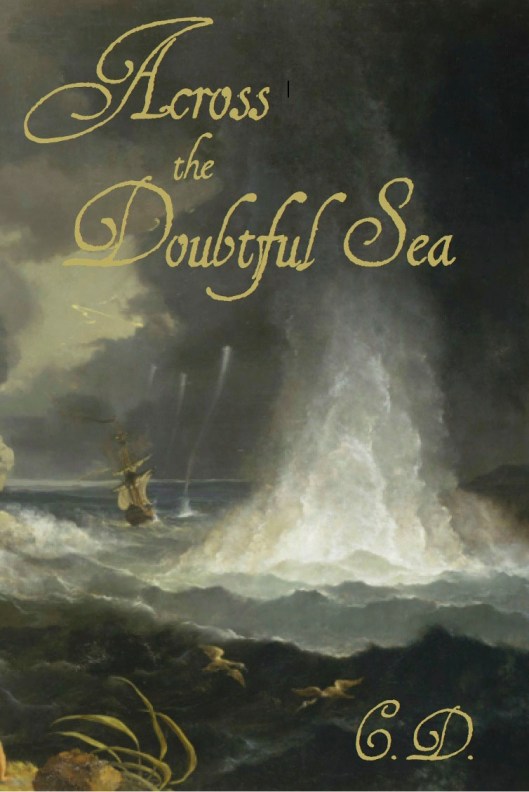
The Revolution which followed the fall of the Bastille brought on the era of Napoleon and, for those of us interested in adventure and who read English, at sea, C.S. Forester’s “Hornblower” series, among others, and, on land, Bernard Cornwell’s “Sharpe” series and, long before that, the “Brigadier Gerard” stories of Conan Doyle. Hornblower and others have appeared in some of our earlier postings, when we discussed sources for our first novel, Across the Doubtful Sea, set in an imaginary South Pacific in the 18th century,

Across Cover

but we’ve never looked at Gerard or Sharpe. And we would be glad if our French readers would offer comparable books in French for this period (one of us grew up in a Francophile household and reads French). One reason why heroes in our first novel are members of the French Royal Navy is that the period from 1750 to 1800 is filled with adventure, both in exploration and in war, and that navy is constantly involved, something of which English readers have no knowledge.

img_9168

(Another color plate by Leliepvre.)

One has only to remember de Bougainville (1729-1811),

Louis_Antoine_de_Bougainville_-_Portrait_par_Jean-Pierre_Franquel

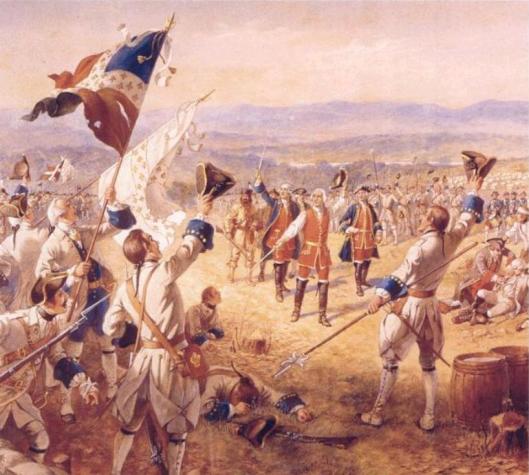
who began his career as an aide to the Marquis de Montcalm, the daring and resourceful commander of French regular forces in New France, 1756-1759.

The_Victory_of_Montcalms_Troops_at_Carillon_by_Henry_Alexander_Ogden

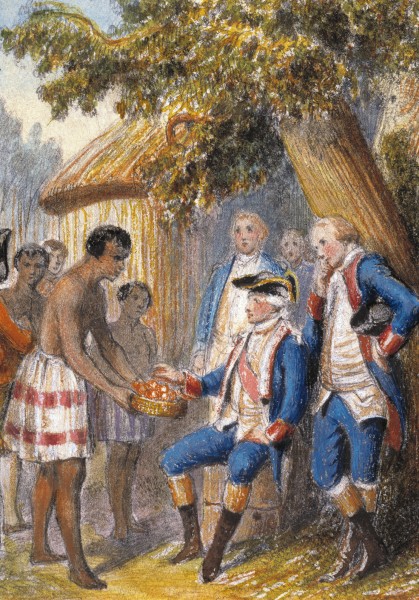
In the 1780s, however, he had become a naval commander, leading an exploratory expedition to the South Pacific.

51_Pacific_02-419x600

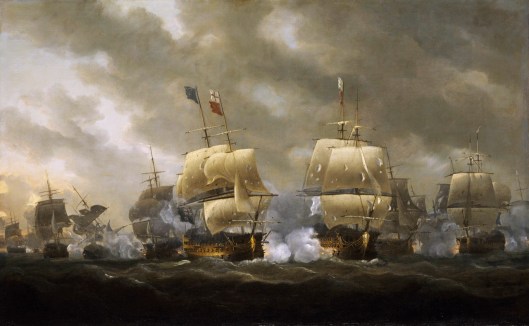
Throughout the later 17th and 18th centuries, the French Navy formed a large part of the French struggle for commercial supremacy across the world.

Quibcardinaux2

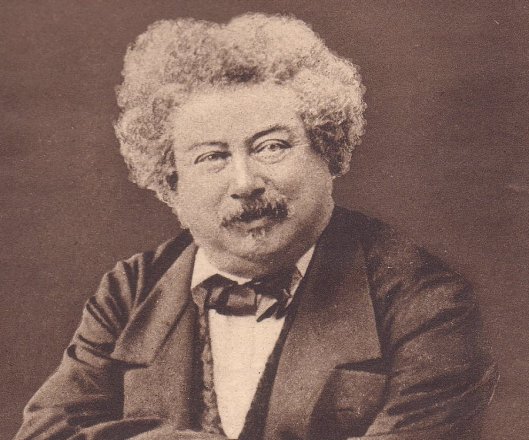
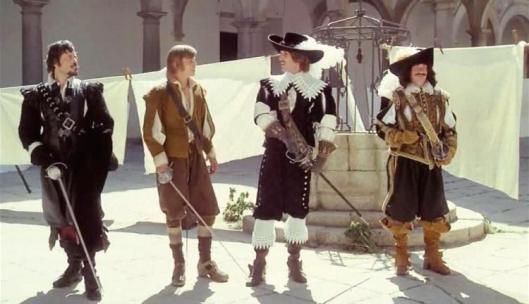
Or then again, as we’ve done once before, we could go back to the 17th century and write about Alexandre Dumas and his famous musketeers, who first appeared in The Three Musketeers (1844).

alexandre-dumas-3TheThreeMusketeers099

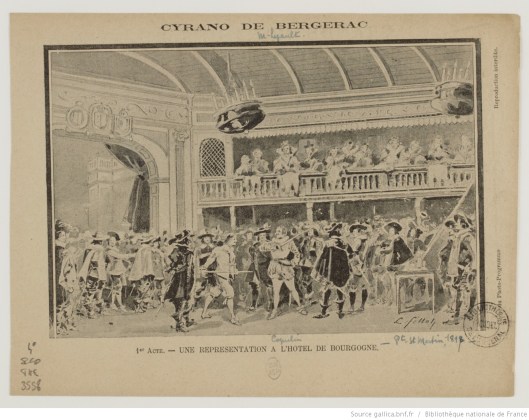
Or there is the wonderful play Cyrano de Bergerac (1897) by Edmond Rostand, set about 1640. We could easily write a posting about the amazing scene in the first act alone, where, at the Hotel de Bourgogne, Cyrano fights a duel and composes a ballade at the same time.

Edmond_Rostand_en_habit_vert_01

cyrano_acte1

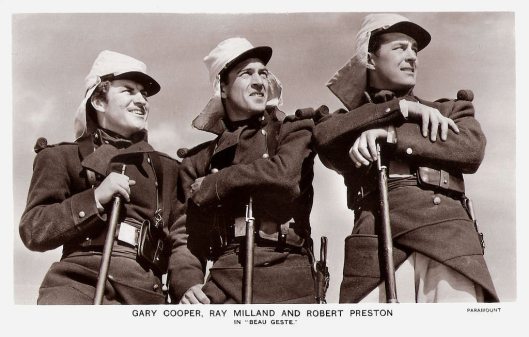
What else? Hmm. How about the French Foreign Legion of one of our favorite old adventure movies, Beau Geste (1939)?

beaugeste1939

And then a final then again, perhaps it’s best just to wish everyone a happy Bastille Day and end with some dramatic views from a previous parade…

defile114 Juillet 2013defile3

Merci, nos lecteurs/thanks, as ever, for reading.

MTCIDC

CD