As ever, dear readers, welcome.
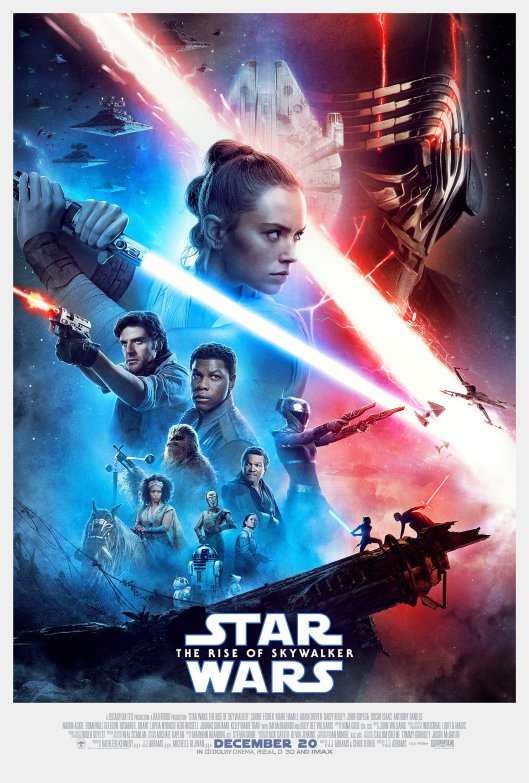
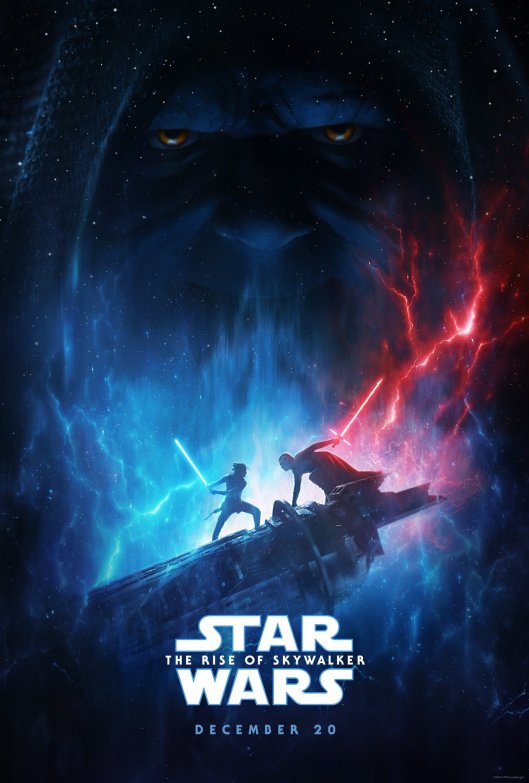
In this posting, we come to the end of what we’ve been calling our slow-motion review of Star Wars: The Rise of Skywalker.

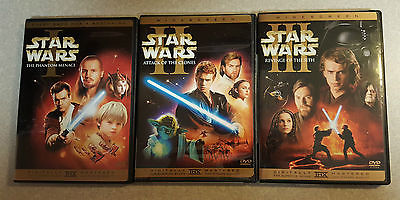
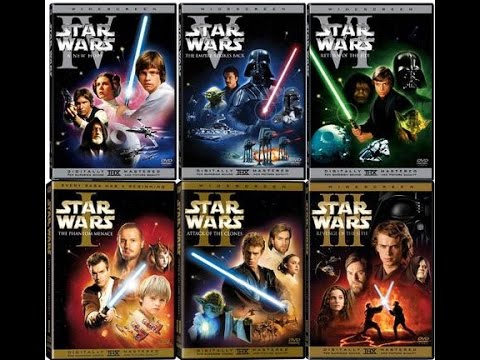
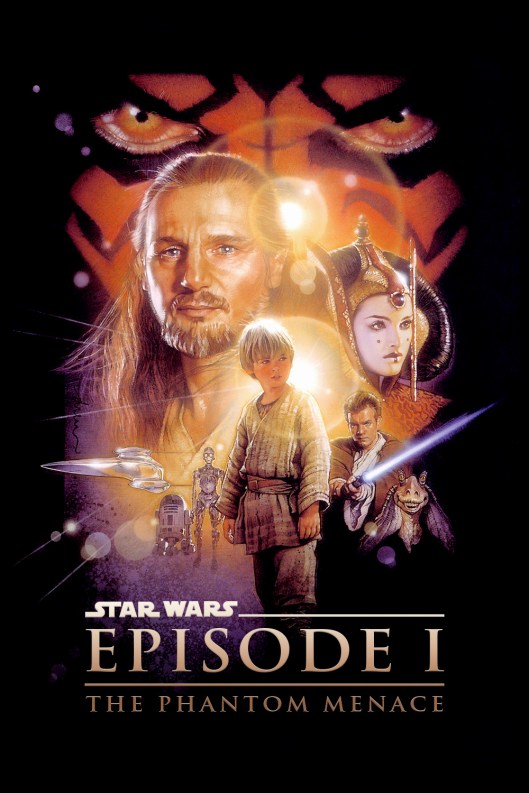
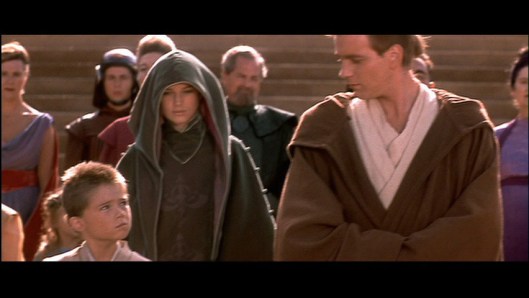
If you’ve been following along, you will know that we began with Stars Wars: The Phantom Menace,
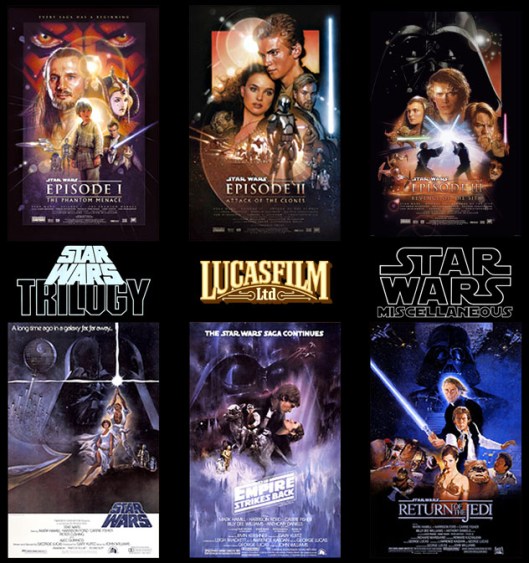
and have worked our way through all the films in the first trilogy
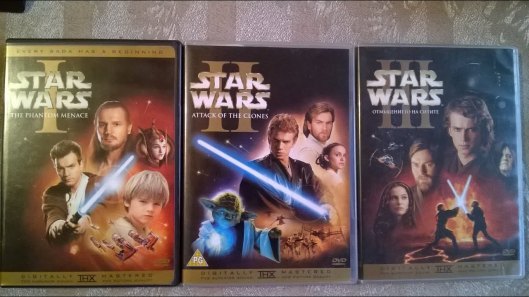
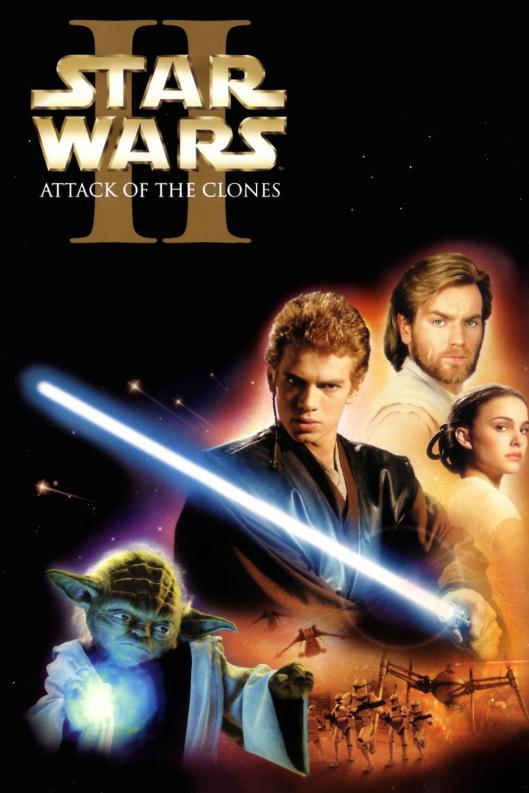
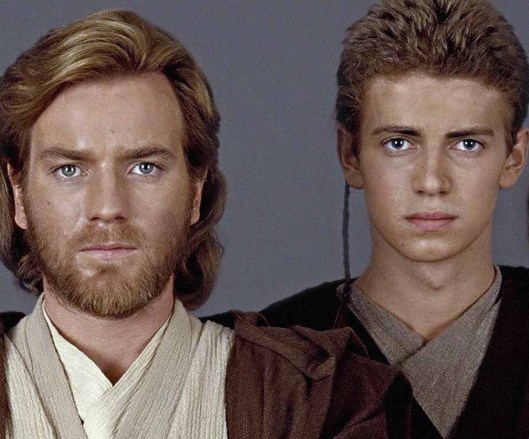
and then the second.

In this approach, our main idea was to try to trace what the original creator, George Lucas, intended to do in what, in time, became a duology of trilogies
but has now, with the release of IX, has become a trilogy of trilogies. In a brief summary from the conclusion of our last posting, we would say that, by the end of VI:
“But that new hope, promised in the first episode of the trilogy, has come true, it seems. The Emperor is gone, Anakin has been saved, and, with the general celebrations throughout the galaxy, the suggestion is, at least, that the Empire is gone, as well. “
We then asked the question: “What more is there to do?”
Over time, George Lucas produced several answers. One was a complete negative: VI is the end. Then there was the implication that there might be more films, but not with the characters we knew from the second trilogy. And then there has been, through interviews over a number of years, the idea that, in a third trilogy, we would see a kind of back-story to the back-story, in which we would learn that the “midi-chlorines” of the first movie—that something in the bloodstream which seems to be involved with the Force and which the boy, Anakin, is so full of, as Qui-Gon reports to Yoda—are actually the agents for something else, a group of entities called the “Whills”. The little bits about this scheme have, in our experience, received reactions from critics which have ranged from vague interest to sweaty condemnation and, when Lucas sold his company to the Walt Disney Corporation in 2012, the Whills simply sank from sight.
This brings us back to our question: “What more is there to do?”
That Lucas himself once considered that six was the magic number would suggest that his answer might be, “Nothing.” And yet, more recently, he has lamented the fact he didn’t get the chance to make that third set. Someone else did, however, and this could lead to real difficulties with the approach. As we hope that we have shown in our last two postings, Lucas had gradually developed several main ideas over the first six films:
- that there were two elements to a power which somehow stood behind the Galaxy, the Force and the Dark Side, and that, at least at the beginning of The Phantom Menace, this power was out of balance
- in the physical world, these powers were represented by the Jedi and the Sith
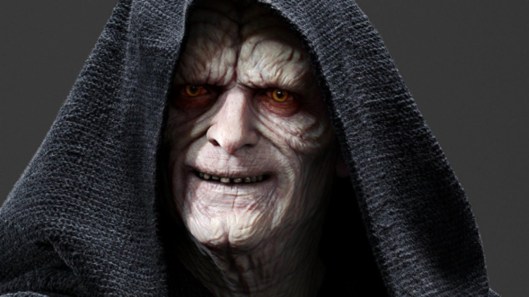
- at some point, the Dark Side had won, the Jedi were nearly exterminated, and the Galaxy was being ruled by a Sith
- the chief agent of that ruler, Darth Vader (originally Anakin Skywalker), was a Jedi who had been seduced to join the Sith
- unbeknownst to Vader, his children, fraternal twins, had survived their traumatic birth and had grown up on different worlds, both unaware of the other
- in time, however, they would join together and, with other characters, bring down the Sith and save their father from what we might imagine was a kind of eternal damnation (although this last is never directly stated)
From what little we know about what might have happened if Lucas had been in charge, the next step was something to do with the midi-chlorines and the Whills. As Lucas produced six adventure features in which the Force always appeared, but only as part of the background, we don’t believe that the final trilogy would have been a series of animated lectures on the spiritual science behind the Galaxy. Rather, we imagine that there would have been the usual adventure element, combined, as in the case of the Force, with the Whills. At the moment, at least, we know nothing more.
Lucas was not in charge, however, of this third trilogy, so we are left to try to understand:
- did the creators continue the themes of the first two?
- or did they head in other directions and, if so, how might they be understood in relation to those first two trilogies?
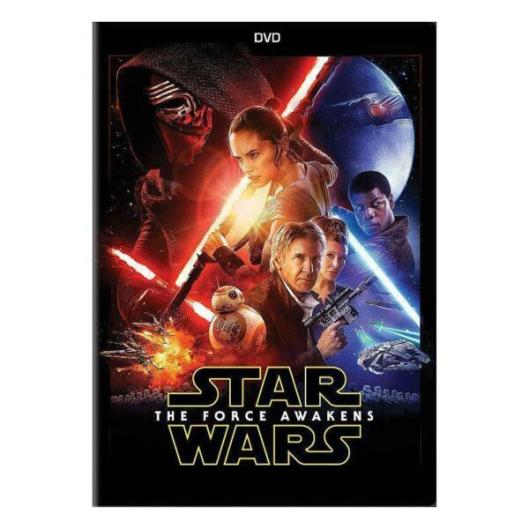
This brings us to VII, The Force Awakens.
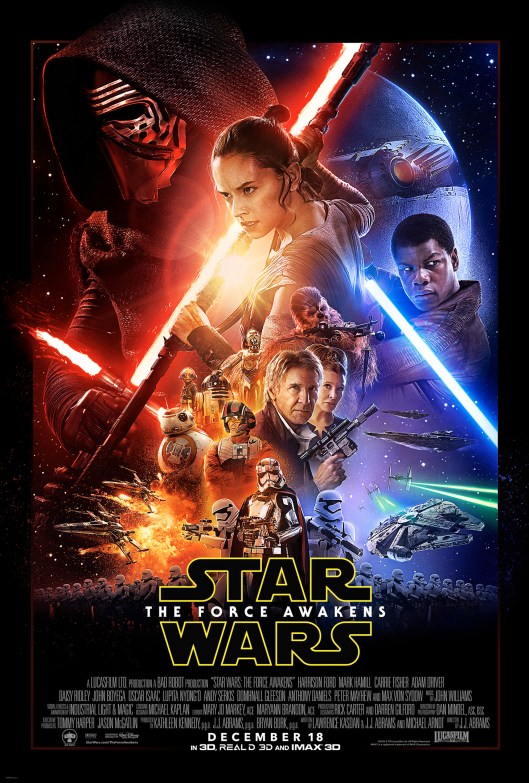
With that title, no matter what else happens, there is clearly some link with the first two trilogies. And a great deal happens, the central focus of which is that a young girl, called Rey,

who looks to be a kind of scrap-metal scavenger on a desert planet called Jakku,

and who rescues a small droid
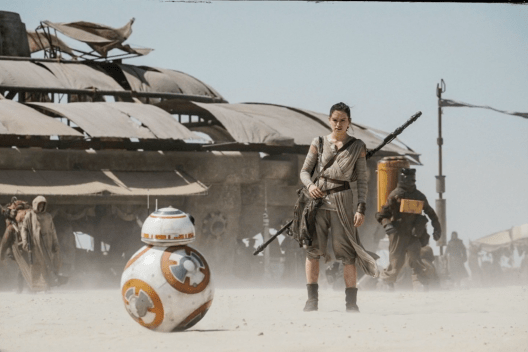
which turns out to be carrying secret information.
So far, this has a very familiar ring and we’re suddenly back in A New Hope
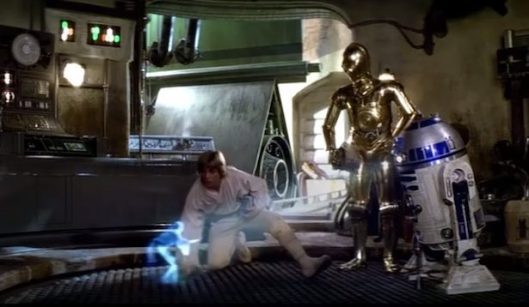
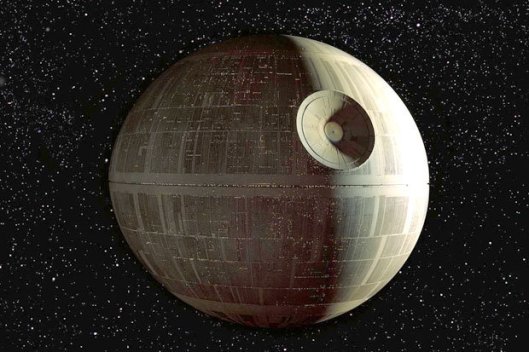
There is a switch, however. Instead of plans for the Death Star, the information is part of a map to where Luke Skywalker has taken refuge. As we haven’t in the past postings, we don’t intend to do a plot summary here (but here’s a LINK to one, in case you need it: https://en.wikipedia.org/wiki/Star_Wars:_The_Force_Awakens).
We would briefly say that other characters participate, both new, like Poe Dameron and Finn,
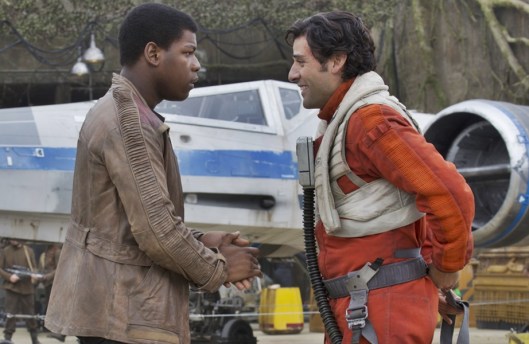
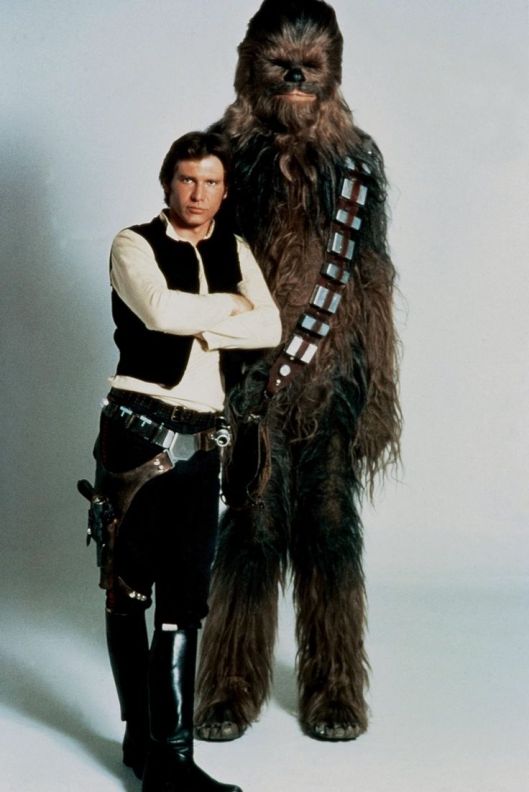
and old friends, like Chewy and Han.

The opposition, something called “The First Order”, is led by a mysterious figure named “Snoke”,

who has for his enforcer a Darth Vader-wannabe, Kylo Ren,
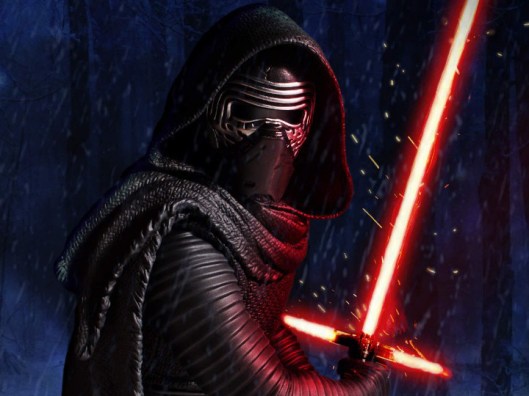
who is actually Ben Solo, son of Leia and Han.
The main story then becomes a quest for Luke, the protagonists, with Rey in the lead, vs the antagonists, led by Kylo Ren. In the process, Rey gradually discovers that she is strong with the Force, which will lead her, by the film’s end to meeting a hooded figure on a distant world.
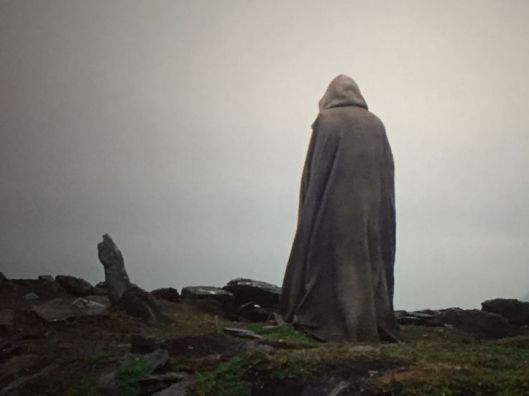
And so we see certain elements which appear to be built upon the past: Luke and the other characters from the second trilogy, a no one (or a seeming no one, as we’ll eventually see) with the Force, the Dark Side and its followers, all about 20 years after Return of the Jedi and the destruction of the Empire.
Nothing has really been resolved in VII, although this new version of the Empire has suffered a set-back when its new Death Star—now an entire planet—has been blown up, and so VIII
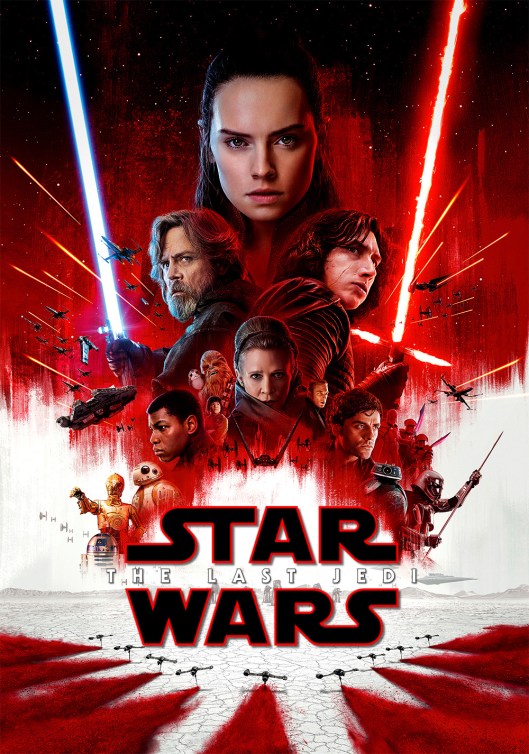
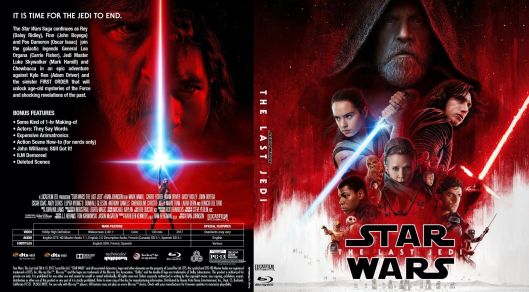
begins with another echo from past, this time from The Empire Strikes Back: the evacuation of a rebel base. In this case, however, there is no ground assault and the rebels appear to have escaped, but, with a tracking device involved, they are pursued and a driving element of the plot is the rebels’ dwindling fuel supply. (Again, if you need a plot summary, here’s a LINK: https://en.wikipedia.org/wiki/Star_Wars:_The_Last_Jedi)
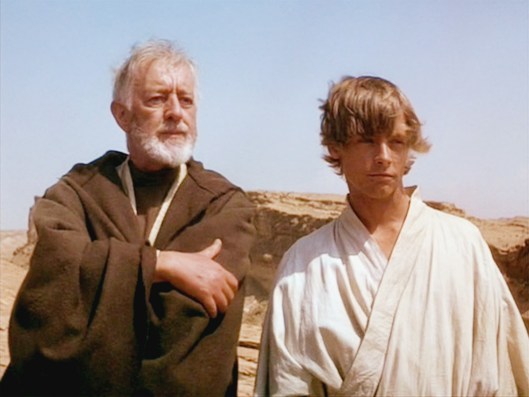
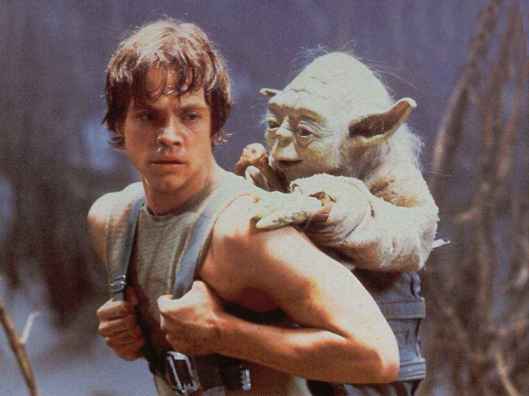
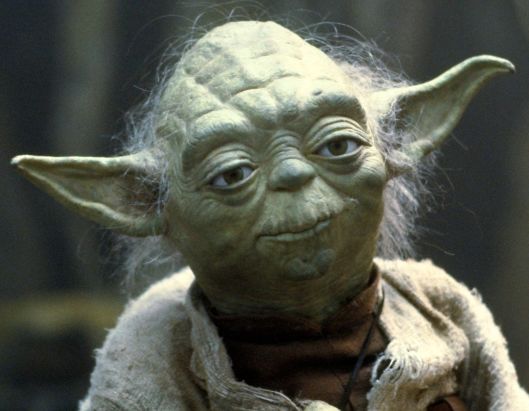
Meanwhile, Rey’s hooded figure is, indeed, Luke, but a Luke who rejects anything to do with the Jedi and refuses to train her, which presents us with another echo, but this time a mirror opposite: Luke and Yoda.

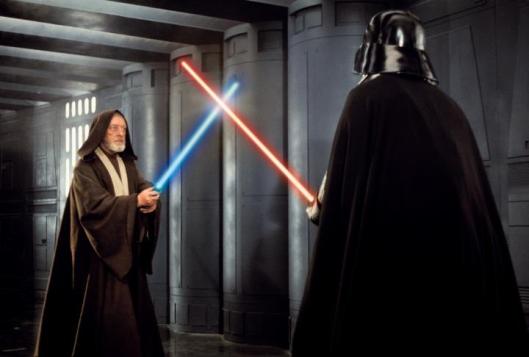
When he reluctantly relents, she has moments of contact with Kylo Ren, who explains to her why Luke has gone into self-exile—at least, his version of events. In time, he captures her and brings her to Snoke, who attempts to turn her to the Dark Side, but dies instead, killed by Ren, who then declares himself Snoke’s replacement—and here we see another opposite: Darth Vader killed the Emperor, but, instead of claiming Palpatine’s power for himself, dies, becoming Anakin Skywalker once more.
By the film’s end, the rebels have escaped once more, Kylo Ren distracted in a duel with what is rather like the astral projection of Luke (who dies peacefully at its end), and the scene is set for a final confrontation of Ren vs Rey (who believes that Ren can be redeemed—and, once more there is an echo, this time of Luke and Vader).
So far, then, what we’ve seen in this third trilogy has continued the story into the next generation with Kylo/Ben and Rey and the Force and with a number of echoes and mirror moments from the previous trilogy. The first trilogy ended with disaster for the protagonists, the Emperor having won and the Jedi nearly destroyed. The conclusion of the second trilogy showed us the opposite: the Emperor gone and the Jedi—at least one Jedi—restored. How will this third trilogy—the ultimate part of the story—conclude?
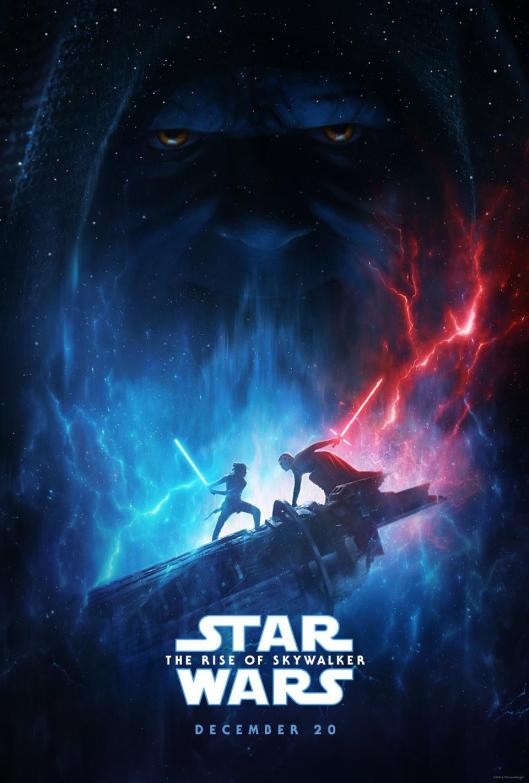
With all of the previous films, we’ve had the advantage of owning dvds and therefore seeing them all a number of times. We’ve only seen The Rise of Skywalker once, several weeks ago, in a movie theatre, so we’re going mostly on a first impression and a summary (LINK: https://en.wikipedia.org/wiki/Star_Wars:_The_Rise_of_Skywalker).
With that in mind, using VII and VIII, we would say that the writers/directors have, as Lucas did when he finished the first trilogy, set up the following problems:
- is Rey now to become a Jedi?
- if so, should we presume that she will confront Ren?
- and, that being so, is Rey the ultimate “chosen one”, come to bring “balance to the Force” at long last?
All of the above, if we replaced the names with those from the second trilogy, could be questions we might have asked after The Empire Strikes Back: 1. Luke; 2. Vader; 3. Luke. As long-time watchers of the series, we could take this in at least two directions: a. not really knowing what to do, the writers have fallen back upon the very successful second trilogy; or, b. because they are trying to give the third trilogy the kind of closure such an elaborate series requires, they draw upon the strength of the narrative of the second trilogy as a basis, but then add to it—as perhaps we shall see.
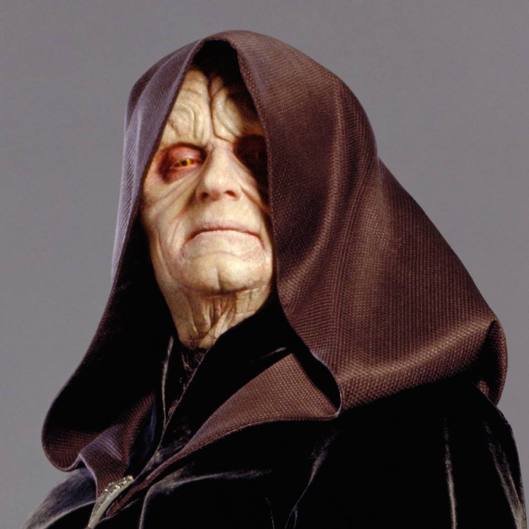
As The Force Awakens had, as a major theme, the search for Luke, so this final film has its own search, for the revived Emperor Palpatine, who lets Kylo Ren know that he’s been behind everything, from Snope to the drawing of Ren to the Dark Side. Recognizing that Rey is the only real opposition, he orders Ren to remove her. In the process of searching for her, he makes the same kind of contact we had seen in the second film, but this time he reveals that she is, in fact, the Emperor’s granddaughter. There is no explanation of who her parents were and only a flash of a scene in which they were murdered, so we know no more than what Ren tells Rey at the moment. We also know that there have been some negative critical reactions to this, but we have tried to remain neutral, under the idea that, if Rey is really the “chosen one”, then her ancestry could be an important and powerful part of the rebalance of the Force.
The confrontation between Rey and Ren takes place

and Rey, whose experience with the Force has grown and grown since her original encounter with Ren in the first film of the trilogy, actually kills him—but then, in something we haven’t seen before (but Palpatine had once implied something about it to Anakin as a power of the Dark Side, in fact), she brings him back. Instead of then continuing with the search for Palpatine, however, she returns to the island where she had found Luke at the end of The Force Awakens. There, Luke’s spirit sends her off once more on her quest and, in the last big scene of the film, she meets her grandfather, who tells her that she must kill him in order to inherit his power. She refuses and, joined by the now-reformed Ren, is nearly drained of her life force by the increasingly-powerful Emperor. Ren brings her back, however, in the mirror of the previous scene in which she does so for him, and finally she defeats and destroys her grandfather, only to kiss Ren as he dies from the effort to revive her (and we might wonder why she doesn’t try bringing him back again, but that might turn the serious to the silly).
We’ve given a bit more summary here than we would like, but we’re trying to make this as clear to ourselves as we can, seeking to understand just what the creators were attempting to do in this final episode.
In answer to our earlier questions:
- Rey has clearly become a Jedi
- she has not only confronted Ren, but, through her actions, actually rescued him from the Dark Side
- is she the ultimate “chosen one”? that, we can’t answer. It’s true that she appears to be the Last Jedi, of the second film’s title and that she has great powers and even that she’s defeated and destroyed the Emperor at last. As Yoda would say, “Unclear!”, but, in the final short scene of the film, we are left with what is perhaps a clue.
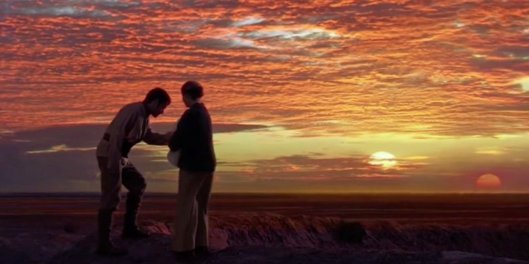
Rey is seen returning to Tatooine, where she reverently buries not a person (Luke and Leia have disappeared into the Force, after all), but two light sabers, Luke’s and Leia’s. Then, when asked by an old woman who’s been watching her, for her name, she says “Rey”, but then adds “Skywalker”, thus explaining the title of the film, but also suggesting a kind of continuity: granddaughter of the Sith, but taught by the final Jedi, Luke, and, for a little while, Leia, and now on the rise…

And, with that, the film ends and we end this extended review. We hope that you found it interesting and we’d be glad for any and all comments and questions.
In our next posting, we’re returning to JRRT—but more about that next time. In the meantime, thanks again for reading and
MTCIDC
CD
ps
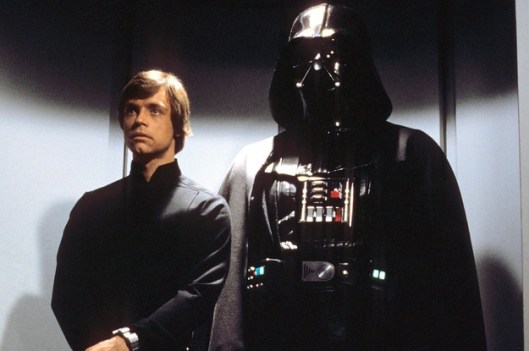
Has anyone else noticed a passing resemblance between Kylo Ren and a major figure from another epic?
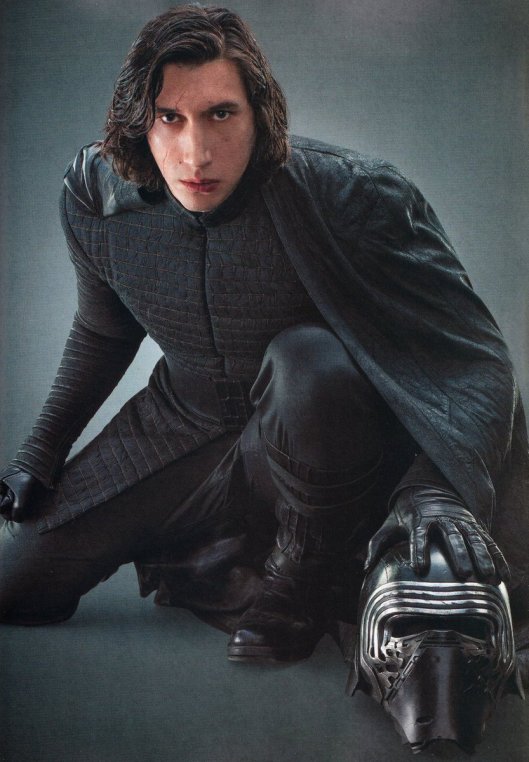
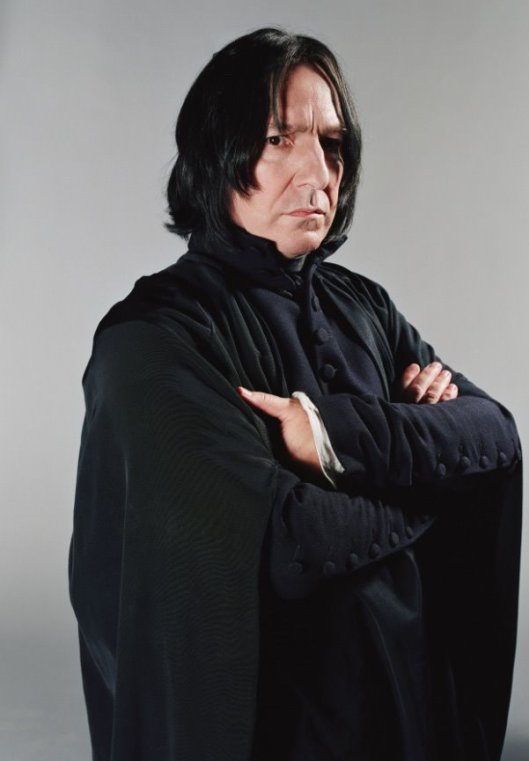
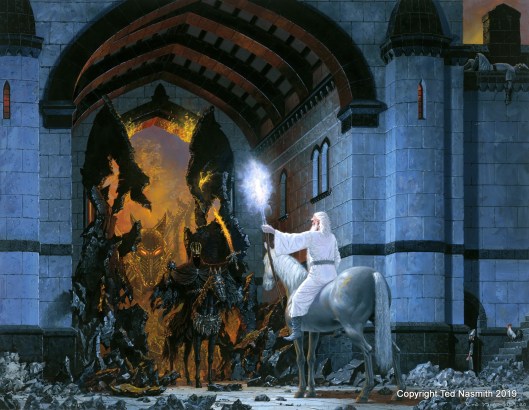






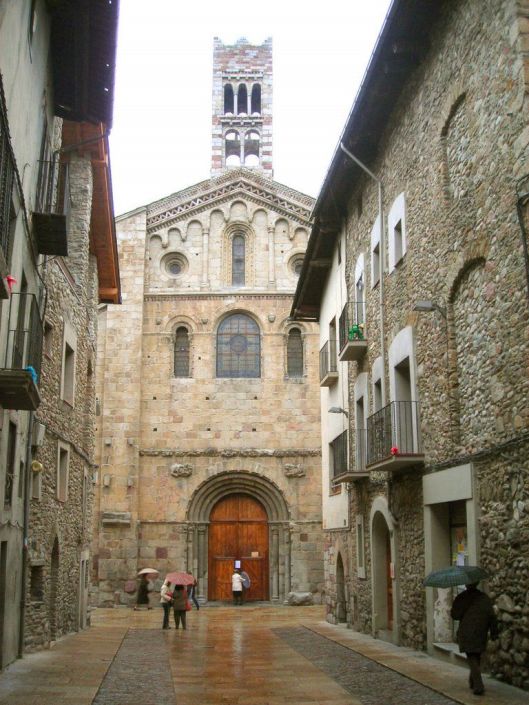
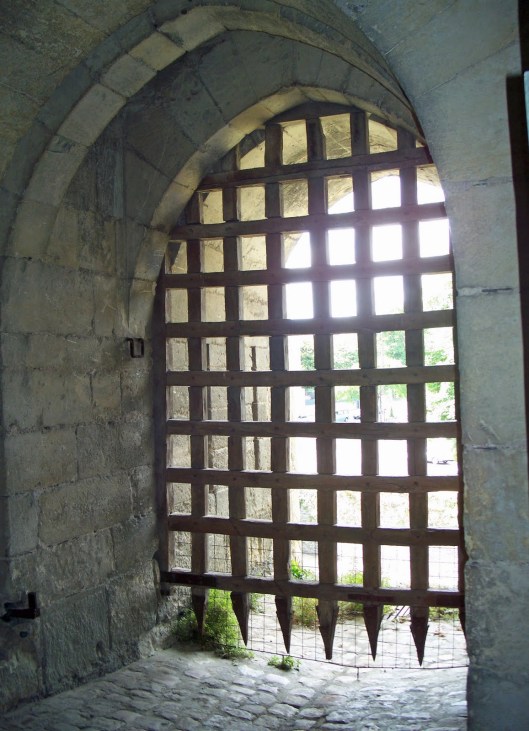

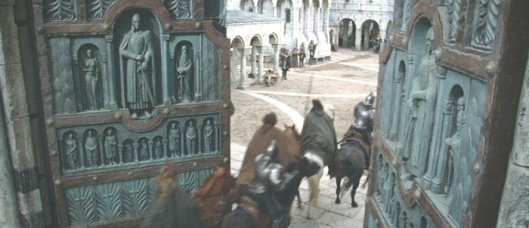
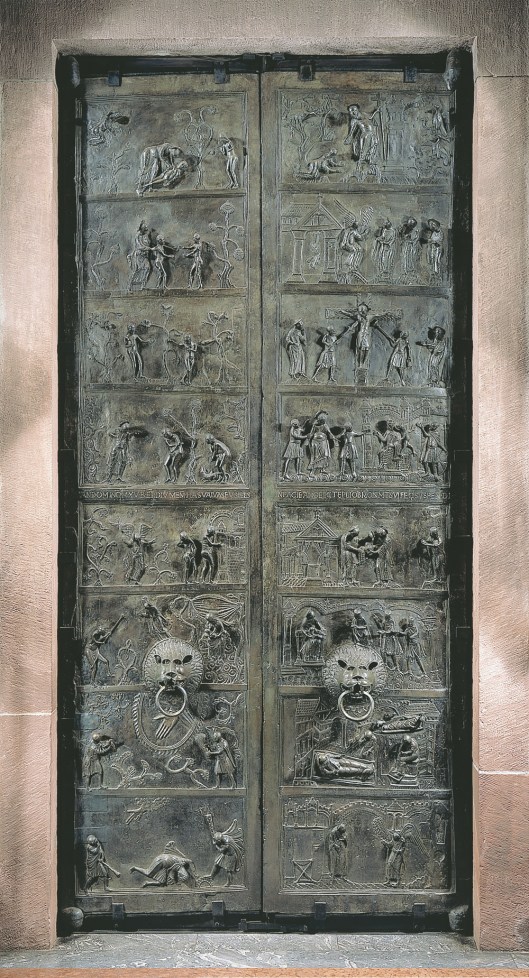
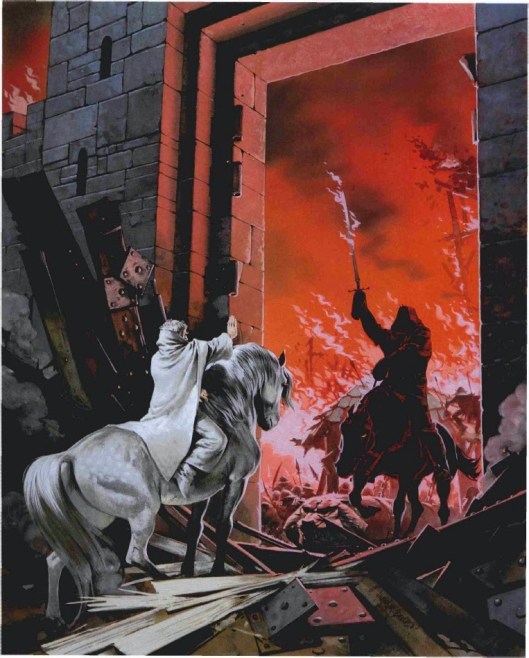
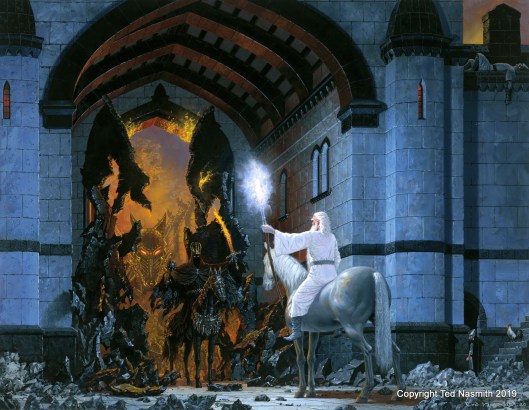
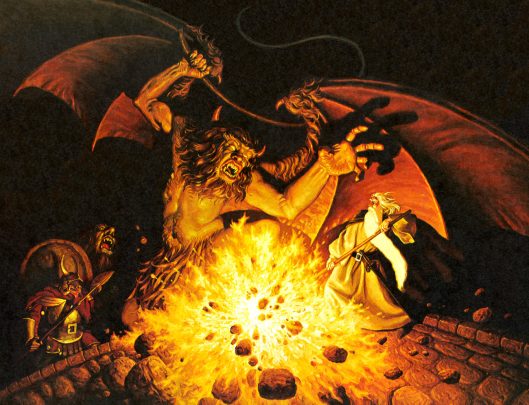


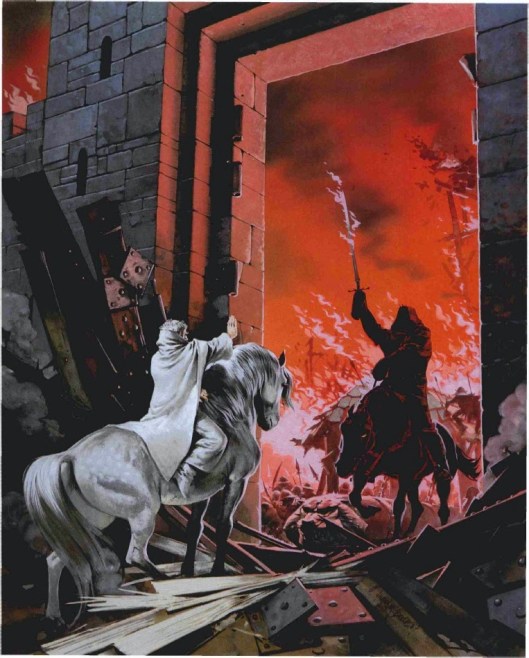
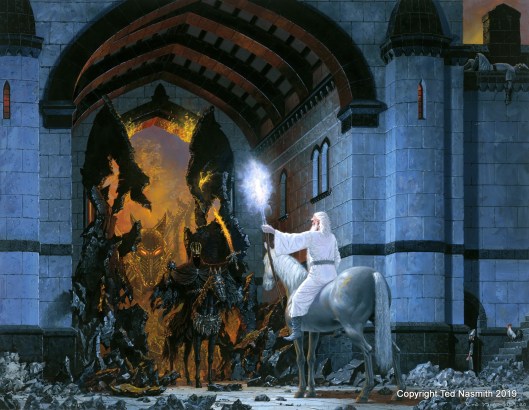
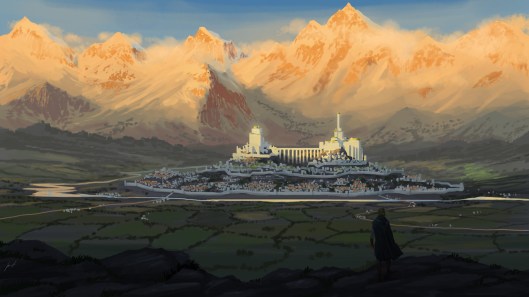
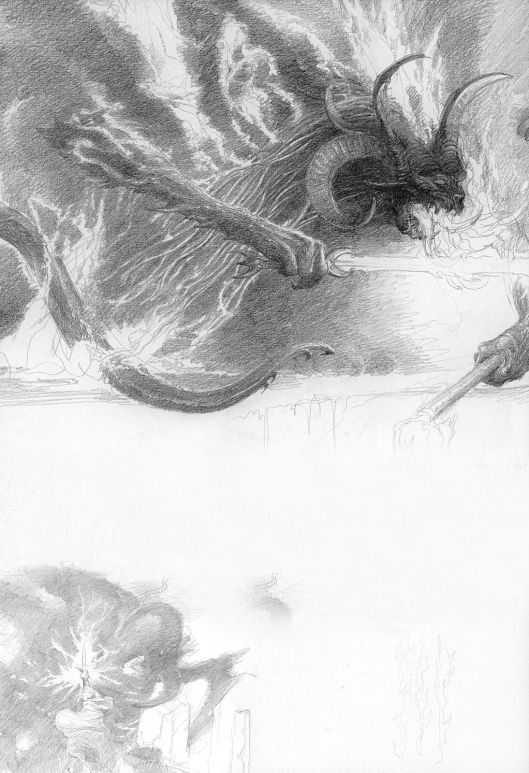 and finally two complete pictures by Ted Nasmith.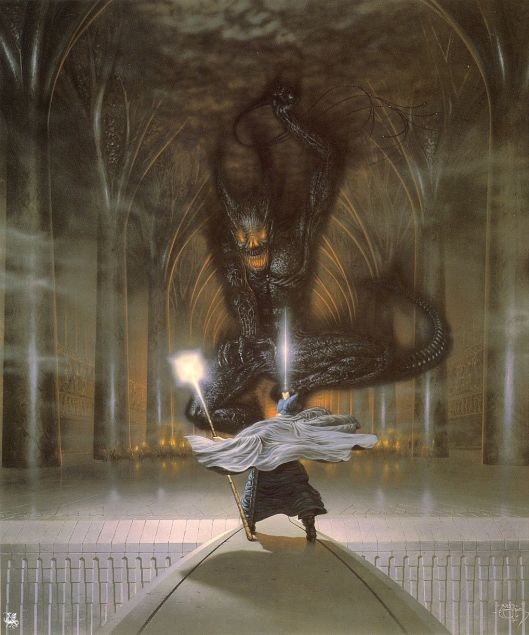
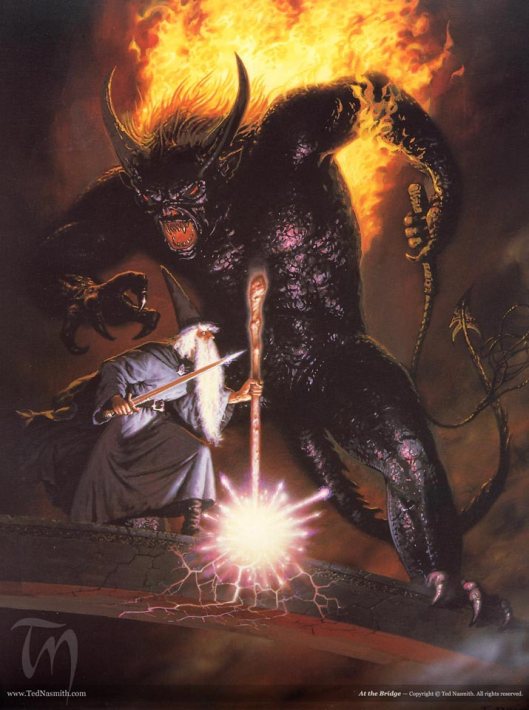 It interests us to see what will be the focus of the illustration. In JRRT’s complete description of the scene, we see the two figures juxtaposed when Gandalf challenges him: