Villains with ambitious plans for world conquest need armies.
Emperor Palpatine
initially employs droids by the million to face the Republic’s clone armies, and not just ordinary foot soldier droids—
but super battle droids
and even commando battle droids
before, in his complex plan, he turns the Republic’s clones against his real target, the Jedi, in Order 66.
On a lighter level, Gru,
of Despicable Me, has masses of Minions to work his will (sort of)—
It’s clear that Sauron has similar plans—and similar armies—orcs—along with masses of humans.
(Alan Lee)
Orcs, we’re told, are a kind of distortion of actual living creatures—
“But Trolls are only counterfeits, made by the Enemy in the Great Darkness, in mockery of Ents, as Orcs were of Elves.” (The Two Towers, Book Three, Chapter 4, “Treebeard”)
Orcs began, however, as something more traditional and, for Tolkien, begin with the works of George MacDonald (1824-1905),
and, in particular, with one of his fantasy novels, The Princess and the Goblin, 1870-2.
(First US edition, 1871)
For our purposes, the princess, although an heroic figure, can be removed, as we’re interested in those goblins.
(Arthur Hughes)
Later in life, Tolkien became disenchanted with MacDonald’s work, failing to complete a proposed preface for his The Golden Key, a short story from MacDonald’s Dealings with the Fairies, 1867—you can read it here: https://archive.org/details/dealingswithfair00macd_0/page/n5/mode/2up
and you can read about his disenchantment in Carpenter’s J.R.R. Tolkien, page 244.). Earlier, however, he had acknowledged MacDonald’s influence, writing to the editor of The Observer about The Hobbit:
“As for the rest of the tale it is, as the Habit [the pen name of a commentator on the book] suggests, derived from (previously digested) epic, mythology, and fairy-story—not, however, Victorian in authorship, as a rule to which George Macdonald [sic] is the chief exception.” (letter to the editior, February, 1938, Letters, 40-41)
Tolkien refers to this influence again in a much later letter to Hugh Brogan:
“Your preference of goblins to orcs involves a large question and a matter of taste, and perhaps historical pedantry on my part. I personally prefer Orcs (since these creatures are not ‘goblins’, not even the goblins of George MacDonald, which they do to some extent resemble).” (letter to Hugh Brogan, 18 September, 1954, Letters, 278)
And a little earlier, in a letter to Naomi Mitchison:
“They are not based on direct experience of mine [an interesting remark—did JRRT have supernatural experiences which he doesn’t discuss?]; but owe, I suppose, a good deal to the goblin tradition (goblin is used as a translation in The Hobbit, where orc only occurs once, I think), especially as it appears in George MacDonald, except for the soft feet which I never believed in.” (letter to Naomi Mitchison, 25 April, 1954, Letters, 267)
Those soft feet turn out to be the Achilles’ heel (sorry!) of the goblins as we overhear in a conversation between a goblin father and son:
” ‘You say so, dad. I think myself I’m all right. But I could carry ten times as much if it wasn’t for my feet.’
Recently, however, I’ve met another goblin, to whom I was introduced by a dear friend. This is Book Goblin.
Unlike the clones and droids and Minions and orcs, who only exist to do their master’s bidding, Book Goblin lives for books, stacking shelves full, longing for the mailman to bring more, even believing in “Bookhalla”, which is, basically, an immense library, where those who are gathered there read books all day and hold book clubs all night. You can see and hear Book Goblin describing it here: https://www.youtube.com/shorts/vkjErlwUA2A Only brave readers are allowed to go there, including those who read “without bookmarks”!
Book Goblin is, in fact, the creation of the fantasy author Elizabeth Wheatley
and you can read more about her and her work here: https://www.bookseriesinorder.com/elisabeth-wheatley/ And YouTube has many short features in which Book Goblin discusses likes and dislikes and often seems like the Id of all passionate readers, which is why I bring her to your attention. Unlike droids, clones, Minions, and orcs, however, she is one of kind and, as for world conquest—I suspect that it would interfere with her reading.
Thanks for your reading, as always,
Stay well,
If you’re like me, you probably aren’t brave enough to read without a bookmark, so I guess no Bookhalla, sadly,
Where are “eaves” anyway, and why would you drop from them?
On a modern roof, they look like this—
If you lived in the mid-15th century, when the expression “eavesdropper” first appears, it might look like this—that’s the overhang of the thatched roof–
As Etymonline will be happy to tell you,“eaves” is from Old English “efes”, the “overhang of a roof”, plus “dropa”, “a drop (as of rain)”, so “that area of the roof from which the rain drips”. (For more, see: https://www.etymonline.com/word/eavesdrop )
The idea, then, is that, if you wanted to listen in on an indoor conversation, you might climb on a roof, hang your head over the side, and follow someone speaking below, say at an open window—rather as Sam Gamgee does, although he does so less precariously—
(Robert Chronister)
In our modern world, more than once, I’ve found myself doing this—and probably you have, too–although inadvertently, as someone nearby has been bellowing into his/her cellphone while sitting or standing near you.
Unless the person at the other end is bellowing, too, you don’t hear that end of the conversation, only the local speaker, but it might be an interesting experiment, perhaps, to see what you could reconstruct from this end and, in this posting, I want to try to do that–not with a cellphone, but with a rather older device, a palantir,
(Angus McBride)
and the person we’ll be eavesdropping on isn’t that loud person on the bus, but the Steward of Gondor, Denethor.
(Alan Lee)
Initially, we don’t know that Denethor has one, of course, although we receive hints in the text—
“ ‘Yea,’ he [Denethor] said; ‘for though the Stones be lost, they say, still the lords of Gondor have keener sight than lesser men…’ “
“ ‘And the Lord Denethor is unlike other men: he sees far. Some say that as he sits alone in his high chamber in the Tower at night, and bends his thought this way and that, he can read somewhat of the future, and that he will at times search even the mind of the Enemy, wrestling with him.’ “ (The Return of the King, Book Five, Chapter 1, “Minas Tirith”)
“But he [Denethor] himself went up alone into the secret room under the summit of the Tower; and many who looked up thither at that time saw a pale light that gleamed and flickered from the narrow windows for a while, and then flashed and went out.” (The Return of the King, Book Five, Chapter 4, “The Siege of Gondor”)
It’s only at Denethor’s end that we see what gleamed and flickered and with what, as Beregond says, he “wrestles” with the Enemy—
(Robert Chronister)
“Then suddenly Denethor laughed. He stood up tall and proud again, and stepping swifly back to the table he lifted from it the pillow on which his head had lain. Then coming to the doorway he drew aside the covering, and lo! he had between his hands a palantir. As he held it up, it seemed to those that looked on that the globe began to glow with an inner flame, so that the lean face of the Lord was lit as with a red fire.” (The Return of the King, Book Five, Chapter 7, “The Pyre of Denethor”)
We don’t, unfortunately, have record of either end of the conversations which Denethor has had, but we know one thing: these were not happy chats—Beregond says, continuing the description above—“And so it is that he is old, worn before his time.”
And it’s not hard to guess another: at the far end of the connection is Sauron, as Gandalf explains to Pippin:
“ ‘Who knows where the lost Stones of Arnor and Gondor now lie buried, or drowned deep? But one at least Sauron must have obtained and mastered to his purposes. I guess that it was the Ithil-stone, for he took Minas Ithil long ago and turned it into an evil place: Minas Morgul, it has become.’ “
We can also guess what has happened to Denethor—exactly what happened to Saruman:
(the Hildebrandts)
“ ‘…yet it seems that he was not content. Further and further abroad he gazed, until he cast his gaze upon Barad-dur. Then he was caught!…Easy it is now to guess how quickly the roving eye of Saruman was trapped and held; and how ever since he has been persuaded from afar, and daunted when persuasion would not serve…How long, I wonder, has he been constrained to come often to his glass for inspection and instruction, and the Orthanc-stone so bent towards Barad-dur that, if any save a will of adamant now looks into it, it will bear his mind and sight swiftly thither?’ “ (The Two Towers, Book Three, Chapter 11, “The Palantir”)
The power of the voice is a strong theme, both in The Hobbit, where we see that Smaug
(JRRT)
can begin to damage Bilbo’s trust in the dwarves with a few words, and in The Lord of the Rings, Saruman’s spy, Grima,
(Alan Lee)
can actually prematurely age Theoden with his talk, sowing, as well, distrust of allies.
Perhaps the most powerful voice is that of Saruman himself, as Gandalf warns Pippin:
“ ‘But there is no knowing what he can do, or may choose to try. A wild beast cornered is not safe to approach. And Saruman has powers you do not guess. Beware of his voice!’ “
(Carl Lundgren)
One example will underline Gandalf’s warning:
“ ‘But my lord of Rohan, am I to be called a murderer, because valiant men have fallen in battle? If you go to war, needlessly, for I did not desire it, then men will be slain…I say, Theoden King: shall we have peace and friendship, you and I? It is ours to command.’ ”
Saruman’s words are simply lies: he began the war when his Orcs marched against Rohan and attacked Helm’s Deep, but his power is as dangerous as Gandalf has warned:
“For many the sound of the voice alone was enough to hold them enthralled; but for those whom it conquered the spell endured when they were away, and ever they heard that soft voice whispering and urging them. But none were unmoved; none rejected its pleas and its commands without an effort of mind and will, so long as its master had control of it.” (The Two Towers, Book Three, Chapter 10, “The Voice of Saruman”)
The few words we actually hear from Sauron are brief questions and commands, but, at least initially, these wouldn’t have come to control as powerful a personality as Denethor, so I’m imagining something more like Saruman, but, judging from Denethor’s reactions to others, this included the kind of undermining which Smaug and Grima practice.
(This is medieval undermining, and shows one of two possibilities. The first is to dig all the way under a castle wall and burst out suddenly behind the defenders. The second, shown here, is to dig under the way, replace the foundations with wooden props, then set fire to the props in hopes that, without them, the wall will crumble. The illustration is from the site “Classroom Adventures” and I recommend the essay which is attached to the illustration as a very useful way of getting up to speed on how medieval sieges—like that of Minas Tirith—were conducted: https://www.classroomadventures.co.uk/post/under-siege-a-history-of-siege-weaponshttps://www.classroomadventures.co.uk/post/under-siege-a-history-of-siege-weapons )
This posting had a different title, when I began it: “Sauron Psychologist” and, in Denethor’s reactions, it would appear that Denethor has been attacked on two main fronts: jealousy and insecurity, suggesting that, in his conversations with the Steward, Sauron has learned just where Denethor’s psychological vulnerabilities lie.
Although Denethor favors Boromir, he seems more than a little anxious at Faramir’s attraction to Gandalf, as Denethor says bitterly:
“ ‘See, you have spoken skillfully, as ever; but I, have I not seen your eyes fixed on Mithrandir, seeking whether you said well or too much? He has long had your heart in his keeping…For Boromir was loyal to me and no wizard’s pupil.” (The Return of the King, Book Five, Chapter 4, “The Siege of Gondor”)
Sauron also appears to have worked to undermine Denethor’s understanding of his role in Gondor. He is, after all, not the King, but the King’s lieutenant. His family has ruled in place of the King for so long, however, that Denethor seems—I think that we can assume with Sauron’s encouragement– to have made the assumption that he is the King:
“ ‘I will not step down to be the dotard chamberlain of an upstart. Even were his claim proved to me, still he comes but of the line of Isildur. I will not bow to such a one, last of a ragged house long bereft of lordship and dignity.’ “
And I would suggest that, just as Gandalf, long before, has said that the beginning of Saruman’s attempt to persuade him in Orthanc had seemed “as if he were making a speech long rehearsed”, so Denethor’s reply to Gandalf’s question “What then would you have…if your will could have its way?” has that same ring, and is just as false:
“ ‘I would have things as they were in all the days of my life…and in the days of my longfathers before: to be the Lord of this City in peace, and leave my chair to a son after me, who would be his own master and no wizard’s pupil. But if doom denies this to me, then I will have naught: neither life diminished, nor love halved, nor honour abated.’ “(The Return of the King, Book Five, Chapter 7, “The Pyre of Denethor”)
Without Sauron’s actual words, this can only be a guess, but I wonder if, behind all of this is Sauron’s “whispering and urging”, saying things like: “You once had two sons, but your favorite died on a mission which failed, and the other is no longer yours, is he? A wizard’s pupil now, and you fear, but know, this. And will the pupil ever become master, or will his master become master of all? Without the interference of wizards, we could have had peace, you and I—it was in our power—two wise rulers sharing Middle-earth—I the East, you the West, for no King would ever return—should ever return—to take your place, in Gondor. But now”—and here I switch from my text to JRRT’s–‘For a little space you may triumph on the field, for a day. But against the Power that now arises there is no victory. To this City only the first finger of its hand has yet been stretched. All the East is moving. And even now the wind of thy hope cheats thee and wafts up the Anduin a fleet with black sails. The West has failed. It is time for all to depart who would not be slaves.’ “
Smaug ultimately didn’t convince Bilbo. Gandalf freed Theoden from Grima’s attempt at senescence. Theoden’s mockery of Saruman broke the spell of Saruman’s voice. But there was no rescue for Denethor:
“Then Denethor leaped upon the table; and standing there wreathed in fire and smoke he took up the staff of his stewardship and broke it on his knee. Casting the pieces into the blaze he bowed and laid himself on the table, clasping the palantir with both hands upon his breast. And it was said that ever after, if any man looked in that Stone, unless he had a great strength of will to turn it to other purpose, he saw only two aged hands withering in flame.” (The Return of the King, Book Five, Chapter 7, “The Pyre of Denethor”)
Thanks, as always, for reading.
Stay well,
Noise-canceling earphones definitely have their merits,
In Parts 1 and 2 of this short series, I’ve looked at Tolkien’s use of speech to characterize—and bring to life—the antagonists of The Lord of the Rings, leaving out Sauron, as having little to say for himself, but observing Saruman,
(the Hildebrandts)
the chief of the Nazgul,
(the Hildebrandts)
and the Mouth of Sauron.
(Douglas Beekman)
I’ve been doing this as a descent down the social ladder and now we’ve reached the foot with the Orcs.
(Alan Lee)
JRRT had very complex thoughts and feelings about them, as his letters show us (see, for instance, some of his thoughts in his unfinished, unsent letter to Peter Hastings, September, 1954, Letters, 285 and 291) but then the Orcs themselves seem more complex than mere (in more modern terms) “cannon-fodder”—that is, a simple mass of undifferentiated infantry.
(Alan Lee)
Something which has always struck me about them is Tolkien’s choices for their speech. At one level, as I pointed out in “Tolkien Among the Indians”, (21 January, 2026), one of their leaders, Ugluk, can sound like a figure out of James Fenimore Cooper’s The Last of the Mohicans—
“ ‘We are the fighting Uruk-hai! We slew the great warrior. We took the prisoners. We are the servants of Saruman the Wise, the White Hand: the Hand that gives us man’s-flesh to eat. We came out of Isengard, and led you here, and we shall lead you back by the way we choose. I am Ugluk. I have spoken.’ ”
On another level—but here I want to quote another of Tolkien’s letters, one often cited when referring to Sam Gamgee:
“My ‘Sam Gamgee’ is indeed, as you say, a reflexion of the English Soldier, of the privates and batmen [officers’ servants, not denizens of Gotham] I knew in the 1914 war, and recognized as so far superior to myself.” (draft of a letter to H. Cotton Minchin, April, 1956, Letters, 358)
and obviously Tolkien knew what he intended, but I’ve always seen those “privates and batmen” as something more: as models for the Orcs—
and their commanders, Ugluk and Grishnakh—and later Shagrat and Gorbag—not as of the officer class, to which Tolkien belonged—
but as sergeants, the tough, experienced men who ran the infantry on a day-to-day basis.
Here they are, talking—
“ ‘Orders,’ said a third voice in a deep growl. ‘Kill all but NOT the Halflings; they are to be brought back ALIVE as quickly as possible. That’s my orders.’
“ ‘What are they wanted for?’ asked several voices. ‘Why alive? Do they give good sport?’
‘No! I heard that one of them has got something, something that’s wanted for the War, some Elvish plot or other. Anyway they’ll both be questioned.’
‘Is that all you know? Why don’t we search them and find out? We might find something that we could use ourselves.’
‘That is a very interesting remark,’ sneered a voice, softer than the others but more evil. ‘I may have to report that. The prisoners are NOT to be searched or plundered: those are my orders.’
‘And mine too,’ said the deep voice. ‘Alive and as captured, no spoiling. That’s my orders.’ “
So far, those two main voices—the “deep growl” and the “softer…but more evil”–are just that: voices. And we can tell immediately that they, being the ones given orders and threatening to make reports, are in charge. Shortly, we’ll find that the deep voice belongs to ”a large black Orc, probably Ugluk” and the softer to Grishnakh, “a short, crook-legged creature, very broad and with long arms that hung almost to the ground.”
Why sergeants, not officers? It’s the tone, I think. When Grishnakh proposes taking the prisoners to the east bank of the Anduin, where a Nazgul is waiting, Ugluk replies
“ ‘Maybe, maybe! Then you’ll fly off with our prisoners, and get the pay and praise in Lugburz, and leave us to foot it as best we can through the Horse-country.’ “
“pay and praise” and “footing it” sound to me more like the language of soldiers than those of higher ranks, but there’s something more to their talk. Ugluk sneers at the Nazgul and Grishnakh replies:
“ ‘Nazgul, Nazgul,’ said Grishnakh, shivering and licking his lips, as if the word had a foul taste that he savoured painfully. ‘You speak of what is deep beyond the reach of your muddy dreams, Ugluk.’ “
There is a fear in this that’s a little surprising: aren’t the Nazgul on the same side as Grishnakh, at least?
There is a rivalry between the two groups as well—and clearly even between their two masters, as Grishnakh reveals:
“ ‘You have spoken more than enough, Ugluk,’ sneered the evil voice. ‘I wonder how they would like it in Lugburz…They might ask where his strange ideas came from. Did they come from Saruman, perhaps? Who does he think he is, setting up on his own with his filthy white badges? They might agree with me, with Grishnakh their trusted messenger; and I Grishnakh say this: Saruman is a fool, and a dirty treacherous fool.’ “ (all of the text here is from The Two Towers, Book Three, Chapter 3, “The Uruk-hai”)
All of this shows a level of internal tension which would not bode well for an alliance between Sauron and Saruman and, when we reach Shagrat and Gorbag, later in the story, there’s even something more and we’ve already seen it in that “We might find something that we can use ourselves.”
So far, the speech of the two Orc leaders has suggested creatures who clearly don’t trust each other, and one is fearful of something on his own side, revealing, as well, that his master, Sauron, is less than impressed by Saruman and his efforts.
And now we find that such sergeants may not even trust their men, as when Shagrat says to Gorbag:
“ ‘…but they’ve got eyes and ears everywhere; some among my lot, as like as not.’ “
But why such wariness? First, because these Orcs are aware that knowledge of the progress of the war in which they’re a part is being kept from them, and it’s not good news:
“ ‘…they’re troubled about something. The Nazgul down below are, by your account; and Lugburz is too. Something nearly slipped…As I said, the Big Bosses, ay,’ his voice sank almost to a whisper, ‘ay, even the Biggest, can make mistakes. Something nearly slipped, you say. I say, something has slipped.’ “
And second because these Orcs, not trusting their masters and perhaps even fearful of them, may have plans of their own—
“ ‘What d’you say?—if we get a chance, you and me’ll slip off and set up somewhere on our own with a few trusty lads, somwhere where there’s good loot nice and handy, and no big bosses.’
‘Ah!’ said Shagrat. ‘Like old times!’ “ (The Two Towers, Book Four, Chapter 10, “The Choices of Master Samwise”)
As we’ll see, however, later in the story, Shagrat and Gorbag don’t even trust each other—
“Quick as a snake, Shagrat slipped aside, twisted round, and drove his knife into his enemy’s throat.
‘Got you, Gorbag!’ he cried. ‘Not quite dead, eh? Well, I’ll finish my job now.’ He sprang on to the fallen body, and stamped and trampled it in his fury, stooping now and again to stab and slash it with his knife.“ (The Return of the King, Book Six, Chapter 1, “The Tower of Cirith Ungol”)
So much for “old times”! But a fitting ending for this posting. Here, on the lowest rung of the social ladder, we see how JRRT shows both the threat of the enemies’ soldiers and, at the same time, undercuts that threat, as we hear the Orcs doing everything from threatening each other, dissing their own leaders and those of their own side, mistrusting each other and their own men, and even plotting to desert and set up their own little kingdoms before cheerfully knifing each other. We might wonder—even if Sauron had won, how long would his empire have lasted, with such allies and underlings?
Thanks, as ever, for reading.
Stay well,
I guess that I don’t have to tell you now: watch your back,
And remember that there’s
MTCIDC
O
PS
For more on Orcs and their language, see “Lingua Orca”, 16 April, 2025.
If you do a quick search of the internet for discussion on creating villains, you can be almost overwhelmed with all the advice you find. Much is about behavior, but one important point which I’ve seen more than once (I’m quoting here from Gillian Adams’ website) is to avoid: “1. Grandiose Speeches”. (For more of her list, see: https://gillianbronteadams.com/2011/12/villainy-101/ ) Such speeches can easily lead to what beginning writers are often warned against and which is commonly called an “information dump”, where an author employs that grandiose speech to fill in a great deal of plot—often criticized as lazy writing.
Tolkien was certainly, if anything, not a lazy writer and I thought that it would be fun to look at the speech not of one antagonist, but of several, in The Lord of the Rings to see how he portrays their dialogue and, through it, them.
Sauron, the chief antagonist, although he presents the main difficulty in the story has, unfortunately, few lines—just questions and imperatives—but then he’s only an eye—
although I suppose we could take that brevity as implying that, as a character, he is nothing but a strong will, used to making demands on all those around him and expecting instant obedience.
So let’s begin with his (although he doesn’t know it) minion, Saruman—
(the Hildebrandts)
as initially reported by Gandalf.
Saruman, although, through Radagast the Brown, has sent for Gandalf, is hardly welcoming:
“ ‘So you have come, Gandalf…For aid? It has seldom been heard of that Gandalf the Grey sought for aid, one so cunning, so wise, wandering about the lands, and concerning himself in every business, whether it belongs to him or not.’”
This leads him to continue:
“ ‘How long, I wonder, have you concealed from me, the head of the Council, a matter of greatest import? What brings you now from your lurking-place in the Shire?’ ”
So, we hear sarcasm,–“so cunning, so wise” and “lurking-place”–but then there’s something more—and it seems characteristic of Saruman that this villain, at least, can be quite roundabout in coming to the point—the real point—of his invitation. But then we’re shown something which begins to look like he’s launching into the Grandiose–
“ He drew himself up then and began to declaim, as if he were giving a speech long rehearsed“ Gandalf begins—and notice that we’re being given stage directions, providing us with an idea not only of Saruman’s posture, but of his tone—this is an oration, not an intimate conversation:
“ ‘The Elder Days are gone. The Middle Days are passing. The Younger Days are beginning. The time of the Elves is over, but our time is at hand: the world of Men, which we must rule. But we must have power, power to order all things as we will, for that the good which only the Wise, can see.’ “
Here, in true oratorical fashion, Saruman provides a preface: three grand ages—and note, as well, that rhetorical pattern of three—of which the first is gone, the second about to be gone, and the third just coming into being. And then he begins to come to his point—but only begins: “the world of Men, which we must rule.” Upon which he then expands: “But we must have power, power to order all things as we will, for that good which only the Wise can see.”
So far, then, this definitely might seem like it was leaning towards the Grandiose—although JRRT has already suggested that Gandalf is aware of that lean by having him say that Saruman seems not to be speaking naturally, but declaiming. At the same time, however, we can also see that, although Saruman’s subject is power, he suggests that Gandalf is his natural confederate in gaining it, attempting flattery—“…we must have power, power to order all things as we will…’ ” and that “we” are the [capital W] Wise.
From declamation, Saruman slips into the more conversational—really conspiratorial—tone:
“ ‘And listen, Gandalf, my old friend and helper!’ he said, [and another stage direction here] coming near and speaking now in a softer voice, ‘I said we, for we it may be, if you will join with me.’ “
From a history lesson, Saruman has quickly exposed his real theme, and he continues:
“ ‘A new Power is rising. Against it the old allies and policies will not avail us at all. There is no hope left in Elves or dying Numenor.’ “
So—not even men—after all, Numenorians—or, rather the descendants of the Numenorians—are men—are enough, and the Elves are just about out of the picture, meaning that, potentially, not only is there no hope left in either of them, but no hope left at all—but hope of what, Saruman has not yet said. He’s about to hint at it, however, continuing his roundabout method:
“ ‘This then is one choice left before you, before us. We may join with that Power. It would be wise, Gandalf. There is hope that way. Its victory is at hand; and there will be rich reward for those that aided it.’ “
Still not saying what that hope might be of—until
“ ‘As the Power grows, its proved friends will also grow; and the Wise, such as you and I, may with patience come at last to direct its courses, to control it.’ “
Saruman’s hope, then, is that he—uh, they—although unable to resist that Power (as Saruman persists in capitalizing it), can come to be its directors—
“ ‘We can bide our time, we can keep our thoughts in our hearts, deploring maybe evils done by the way…’ “
And now, discarding rhetoric, Saruman has begun to reveal himself: once sent by the Valar as a counterbalance to Sauron, to gain his own power, Saruman is willing to act like the very one he was sent against—or worse:
“ ‘…but approving the high and ultimate purpose: Knowledge, Rule, Order; all the things that we have so far striven in vain to accomplish, hindered rather than helped by our weak or idle friends.’ “
If the Valar had meant the Maiar, the Wizards, to oppose Sauron, their purpose was certainly not to gain abstractions like “Knowledge, Rule, Order” (which sounds like something from Orwell’s 1984) and Saruman gives away his own “high and ultimate purpose” in this and underlines it with:
“ ‘There need not be, there would not be, any real change in our designs, only in our means.’ “
Tolkien so far, then, has shown Saruman through his speech as sarcastic, then pompous, acting like a public orator in front of a crowd, although speaking only to Gandalf—then sly, attempting to flatter by suggesting that:
1. Gandalf is his “old friend and helper”
2. and that, if Gandalf goes along, he, too, will be one of “the Wise”
as well as glossing over what Gandalf might object to—“deploring maybe evils done by the way”, to achieve goals which seem the very opposite of that of the Valar—“Knowledge, Rule, Order”, and continuing that slyness by not defining any of those, simply implying that Gandalf must already not only understand them, but have already been a partner in working towards them in the past—although we notice that, although he’s called Gandalf “his old friend”, he has added “and helper”, reducing Gandalf to a subordinate position with that one word.
Still, Saruman continues to be oblique—he talks about the Power, talks about somehow coming to manage and direct it although never suggesting how, but, when Gandalf objects, he comes a little closer to the point—with more stage directions: “drew himself up”, “speaking now in a softer voice”,
“He looked at me sidelong, and paused a while considering. ‘Well, I see that this wise course does not commend itself to you…Not yet? Not if some better way can be contrived?’
He came and laid his long hand on my arm. [Think here about Saruman’s badge—on the shields and helmets of his orcs]
“ ‘And why not, Gandalf?’ he whispered. ‘Why not? The Ruling Ring?’ “
And now we come to the real reason for Saruman’s invitation:
“ ‘If we could command that, then the Power would pass to us. That is in truth why I brought you here. For I have many eyes in my service, and I believe that you know where this precious [from Saruman’s badge to Gollum with one word!]
(Alan Lee)
thing now lies. Is it not so? Or why do the Nine ask for the Shire, and what is your business there?’ “
So, so far, we’ve seen Saruman’s speech as sarcastic, pompous/declamatory, sly, and whispering/conspiratorial, but, when Gandalf once more rejects his approach, he takes on one more tone–menace:
“He was cold now and perilous. ‘Yes,’ he said, ‘I did not expect you to show wisdom, even in your own behalf; but I gave you the chance of aiding me willingly, so saving yourself much trouble and pain. The third choice is to stay here, until the end…Until you reveal to me where the One may be found. I may find means to persuade you. Or until it is found in your despite, and the Ruler has time to turn to lighter matters: to devise, say, a fitting reward for the hindrance and insolence of Gandalf the Grey.’ “
(all of the quotations are from The Fellowship of the Ring, Book Two, Chapter 2, “The Council of Elrond”)
What has happened to “my old friend and helper”? and “the Power would pass to us”? Now it’s “I gave you the chance of aiding me” and someone wants to become “the Ruler”. Although Tolkien has provided us with a certain number of physical clues, as in“laid his long hand on my arm”, it’s in his manner of speaking and how it changes throughout the scene that we see Saruman, once the Head of the Maiar, become “Saruman the Wise, Saruman Ring-maker, Saruman of Many Colours!”, traitor to the good people of Middle-earth, far from his original mission, and ultimately not “the Ruler” he foolishly assumes that he will be, with or without Gandalf.
In Part 2, we’ll move from this greater villain to much lesser ones, to see what their speech tells us about them.
As always, thanks for reading.
Stay well,
Beware of people who call you “my old friend”, and then threaten you,
And remember that, as always, there’s
MTCIDC
O
PS
For more on Saruman’s manner of speaking—in his second appearance, when he’s a prisoner in his own tower—see: “By Ear (2)”, 14 May, 2025.
which comes from the apostle, Paul’s, first letter to the Corinthians (Chapter 13, Verse 12).
I knew about glasses—I drank from them—
and I looked through them—
and all I could think of was that maybe the glass was dirty.
It was only as a grownup that I found out that “glass” was Jacobean shorthand (from the “King James Bible” of 1611) for “looking glass” as we can see in Jerome’s (c.342-420AD) Latin translation
“videmus nunc per speculum in enigmate”
of the Greek
“βλέπομεν γὰρ ἄρτι δι’ ἐσόπτρου ἐν αἰνίγματι,”
in which “speculum”, “mirror”, is his version of the Greek εἴσοπτρον (eisoptron), “mirror”.
Here’s what the Jacobean translators might have thought of as a “glass”,
but Paul would have imagined something more like this—
which would have been made of highly-polished metal, commonly bronze, so it’s easier to imagine that “darkly”, if the metal became tarnished.
But that translation of “in enigmate” or the original ἐν αἰνίγματι, might make the mirror even darker, as it comes from αἴνιγμα, which means “riddle” and this isn’t surprising as I, at least, have always found mirrors a little odd—spooky, even—and I’m hardly alone in this—think of the wicked, vain queen in “Snow White”, with her magic mirror—
or that moment in Chapter 2 of Dracula where Jonathan Harker, in Dracula’s castle, has an unnerving experience—
“I only slept a few hours when I went to bed, and feeling that I could not sleep any more, got up. I had hung my shaving glass by the window, and was just beginning to shave. Suddenly I felt a hand on my shoulder, and heard the Count’s voice saying to me, “Good-morning.” I started, for it amazed me that I had not seen him, since the reflection of the glass covered the whole room behind me. In starting I had cut myself slightly, but did not notice it at the moment. Having answered the Count’s salutation, I turned to the glass again to see how I had been mistaken. This time there could be no error, for the man was close to me, and I could see him over my shoulder. But there was no reflection of him in the mirror! The whole room behind me was displayed; but there was no sign of a man in it, except myself.” (You can read this—and the whole book—in a first edition here: https://gutenberg.org/files/345/345-h/345-h.htm#chap02 )
So, what about another mirror, but one not made of bronze, or silvered metal behind glass, like more modern versions—but more like a miniature reflecting pool–
the mirror of Galadriel?
(Greg Hildebrandt)
I’ve written a little about this before (see: “Mirror, Mirror”, 9 December, 2015 ), but I’ve come back to this chapter with—I hope—further thoughts. Why is it there at all? One reason might be that, after their harrowing adventure in Moria, the Fellowship—and the readers—need a breather and, though they could continue on foot, having already come hundreds of miles that way, perhaps this is a way to vary their travels by adding water and that’s something with which the elves can and do aid them —
“ ‘I see that you do not yet know what to do,’ said Celeborn. ‘It is not my part to choose for you; but I will help you as I may. There are some among you who can handle boats: Legolas, whose folk know the swift Forest River; and Boromir of Gondor; and Aragorn the traveller.’ “ (The Fellowship of the Ring, Book Two, Chapter 8, “Farewell to Lorien”)
I would add that Lorien, Galadriel’s home, although it seems to be a place of refuge for the Fellowship,is also clearly a place for testing—and not all of that testing appears friendly, at least at first, and the deepest test for the two most important for the fate of the Ring lies in that mirror.
The testing begins, however, when Galadriel says:
“But I will say this to you: your Quest stands upon the edge of a knife. Stray but a little and it will fail, to the ruin of all.”
And then she continues:
“Yet hope remains while all the Company is true.”
And, having said this—
“And with that word she held them with her eyes, and in silence looked searchingly at each of them in turn. None save Legolas and Aragorn could long endure her glance: Sam quickly blushed and hung his head.” (The Fellowship of the Ring, Book Two, Chapter 7, “The Mirror of Galadriel”)
Beyond her glance lies, we’re told, a kind of temptation—as Sam reveals:
“ ‘If you want to know, I felt as if I hadn’t got nothing on, and I didn’t like it. She seemed to be looking inside me and asking me what I would do if she gave me the chance of flying back home to the Shire to a nice little hole with—with a bit of garden of my own.’ “
And, although almost none of the Fellowship reveals what he was offered, there was the same approach:
“All of them, it seemed, had fared alike: each had felt that he was offered a choice between a shadow full of fear that lay ahead, and something that he greatly desired: clear before his mind it lay, and to get it he had only to turn aside from the road and leave the Quest and the war against Sauron to others.”
Boromir’s experience might suggest that the test was even more revealing—and perhaps damning—than simply being allowed to leave the Quest, as Gimli says, “ ‘And it seemed to me, too…that my choice would remain secret and known only to myself.’ “ While Boromir explains:
“ ‘To me it seemed exceedingly strange…but almost I should have said that she was tempting us, and offering what she pretended to have the power to give. It need not be said that I refused to listen. The Men of Minas Tirith are true to their word.’ “
the narrator reveals the potentially damning part—remembering what Boromir later tried to do:
“But what he thought that the Lady had offered him Boromir did not tell.”
Did she offer him the Ring?
And now we come to the second test, a more selective one, as only Frodo and Sam are involved.
(Alan Lee)
It’s interesting to see the mirrors I’ve already mentioned and how they function in their stories. “Snow White’s” queen employs hers as a surveillance device, in which the mirror encloses an omniscient spy and not her own reflection. Alice’s looking glass is a barrier to another world and the fact that it’s a mirror which she must climb through suggests that, as mirrors invert things, so the world which she enters will be reversed, or at least topsey-turvey—definitely like stepping into an enigma. Jonathan Harker’s is a simple traveler’s shaving mirror, but stands in the middle of a mystery: Dracula seems at first like the customer Jonathan has traveled to Transylvania to meet, businesslike, but hospitable and yet, for a nobleman living in a castle, he appears to have no servants and the castle is nearly ruined. And then: he has no reflection—what is Dracula?
Galadriel’s mirror, although it can repeat an image—
“Sam climbed up on the foot of the pedestal and leaned over the basin. The water looked hard and dark. Stars were reflected in it.”
has other properties—and, interestingly, can be controlled, to some extent, by Galadriel:
“ ‘Many things I can command the Mirror to reveal…and to some I can show what they desire to see.’ “
This has an ambiguous ring to it: does she mean that she can make the Mirror simply reflect what people want to see, rather than what really may be seen? If so, this seems in line with her earlier temptation/testing. She goes on, however:
“ ‘But the Mirror will also show things unbidden, and those are often stranger and more profitable than things which we wish to behold.’”
This would then suggest that the Mirror may also have a mind of its own, beyond her control—“things unbidden”—and yet perhaps more useful—“profitable”.
She then continues:
“ ‘What you will see, if you leave the Mirror free to work, I cannot tell. For it shows things that were, and things that are, and things that yet may be. But what it is that he sees, even the wisest cannot always tell.’ “
We notice right away that third part: “things that yet may be”—and this important for what happens next. Sam looks in, sees a little of the future which we know will happen: “Frodo with a pale face lying fast asleep under a great dark cliff…himself going along a dim passage, and climbing an endless winding stair”—we can imagine that this is the crossing of the mountains into Mordor. But then Sam sees the Shire and what we know will be Saruman/Sharkey’s planned industrialization—and ruin—of the Shire, with its “tall red chimney nearby” and here Sam almost fails the test, panicking and shouting “I must go home!”
(Alan Lee)
Here, Galadriel intervenes, reminding Sam of something she has already told him and Frodo:
“ ‘Remember that the Mirror shows many things, and not all have yet to come to pass.’”
To which she adds an important caution, echoing also her earlier warning:
“ ‘But I will say this to you: your Quest stands upon the edge of a knife. Stray but a little and it will fail, to the ruin of all. Yet hope remains while all the Company is true.’ ”
saying to Sam:
“ ‘Some never come to be, unless those that behold the visions turn aside from their path to prevent them. The Mirror is dangerous as a guide to deeds.’ “
And, at this, Sam, though miserable, then passes the test:
“ ‘No, I’ll go home by the long road with Mr. Frodo, or not at all.’ “
Frodo’s visions include Gandalf (although he believes that it might be Saruman), then sees what looks to be Sauron’s attack on Minas Tirith, but then something which might be the ship which takes him and others from the Grey Havens towards Valinor (“…and into the mist a small ship passed away, twinkling with lights.”) before his visions are replaced with
“…a single Eye that slowly grew, until it filled nearly all the Mirror.”
And it gets worse:
“The Mirror seemed to be growing hot and curls of steam were rising from the water.”
before Galadriel stops things by quietly saying, “Do not touch the water.”
With this interruption, however, the test, if, as it was for Sam, a test, is never completed, and so we don’t know if Frodo would have passed it. But perhaps it is a warning: should Frodo foolishly try to keep the Ring for himself, as he almost does before Gollum seizes it,
( Ted Nasmith)
would he, unable to master it, be swallowed up into Sauron’s eye, or worse?
As always, dear readers, welcome. And perhaps welcome to a little Tolkien puzzle.
On parade, soldiers of the early 20th century could be peacocks for finery.
But then they met the new technological reality of heavy machine guns
and increasingly heavy artillery
and, in time, even the danger of being spotted from the air,
so soldiers not only dug in,
but modified their uniforms, making themselves less visible.
(Gerry Embleton)
After the war, most armies, except for special guard units,
never went back to being peacocks, abandoning a bright tradition which went back to the 17th century.
(Richard Hook)
Even in the 17th century, soldiers not wearing the same-colored clothing might distinguish themselves from their enemies by what would be called “field signs”, like wearing a strip of cloth on one arm, or sticking a particular piece of a plant or even a scrap of paper in your hatband.
(Henri IV, 1553-1610, king of France, was famous for the white plume he always wore in his hat.)
Before this, soldiers might wear the distinctive colors of their commanders (usually noblemen), called “livery”—
(Angus McBride)
Here we can see that Sir Edward Stanley has given this archer clothing in his colors of green and mustard-yellow, while the Earl of Surrey provided his soldiers with his colors of green and white. You’ll also notice that the archer has some distinctive badges on the front of his coat—an eagle’s claw and crowns. These are personal indicators of Sir Edward, heraldic markers to indicate to whom the archer belonged.
In the days before distinctive military dress, heraldry—the use of emblems to mark out one knight, and perhaps his followers, from another—had been developed to a high level. When everyone was covered in metal,
such emblems were a way to identify a knight—and if he had issued similar emblems to his soldiers, a way to identify the troops he had brought and commanded at a battle.
As emblems developed, there also developed a person with a specialized skill to identify them—a herald.
He himself, as you can see, wore distinctive clothing, which also helped him in his other role as messenger between military opponents—he was considered as a neutral and could therefore pass freely. (For more on heralds, see “Herald-ry in Middle-Earth”, 30 March, 2016 here: https://doubtfulsea.com//?s=herald&search=Go )
Tolkien himself belonged to the age of drab—
(Here’s what that uniform would have looked like in color—although this is a much higher level officer—looks to be a major—JRRT was commissioned as a second lieutenant and eventually promoted to first lieutenant )
but was well aware of earlier flashiness and we can see it in his description of the guards at Denethor’s gate—even though he sees their outfits as a throwback, just like British soldiers ever returning to bright red uniforms—except for the monarch’s guards:
“The Guards of the gate were robed in black, and their helmets were of strange shape, high-crowned, with long cheek-guards close-fitting to the face, and above the cheek-guards were set the white wings of sea-birds; but the helms gleamed with a flame of silver, for they were indeed wrought of mithril, heirlooms from the glory of old days. Upon the black surcoats were embroidered in white a tree blossoming like snow beneath a silver crown and many-pointed stars. This was the livery of the heirs of Elendil, and none wore it now in all Gondor, save the Guards of the Citadel before the Court of the Fountain where the White Tree had grown.” (The Return of the King, Book Five, Chapter 1, “Minas Tirith”)
(from the Jackson films—as you can see, the helmet fits the description, but the surcoat has disappeared and, instead, the Tree, stars, and crown have been shifted to the breastplate, removing the dramatic contrast between the black cloth and white embroidered emblems which JRRT intended)
As well, although the orcs wear no livery—no uniforms or even part-colored clothing—they do have badges—the white hand of Saruman
(perhaps suggesting that he has his hand over everything? I think of the “Armada Portrait” of Queen Elizabeth the First here—just look at the quiet statement in her hand)
and the red eye of Sauron,
(Angus McBride—perhaps implying that, like Big Brother, Sauron has his eye on you?)
but then there’s a new one, only mentioned once, which provided the title for this posting and the puzzle—
“Two liveries Sam noticed, one marked by the Red Eye, the other by a Moon disfigured with a ghastly face of death…” (The Return of the King, Book Six, Chapter 1, “The Tower of Cirith Ungol”)
What is JRRT up to here? Minas Morgul, the “Tower of Black Sorcery”, the center of this gateway into Mordor,
(Ted Nasmith)
had been built as Minas Ithil, “the Tower of the Moon” and it’s clear that those having that badge must come specifically from that place, and a mockery of its previous Gondorian name, which is interesting because the rest of Sauron’s forces appear to wear only the Red Eye. Yet, if we can trust an orc, we may have the sense that Sauron doesn’t appreciate deviation, as Grishnakh asks rhetorically of Ugluk:
“They might ask where his strange ideas came from. Did they come from Saruman, perhaps? Who does he think he is, setting up on his own with his filthy white badges? They might agree with me, with Grishnakh their trusted messenger; and I Grishnakh say this: Saruman is a fool, and a dirty treacherous fool. But the Great Eye is on him.” (The Two Towers, Book Three, Chapter 3, “The Uruk-hai”)
So what’s going on here? Certainly there’s rivalry between Saruman’s orcs and Sauron’s, but just how deep does orc rivalry go? When Sam arrives at the Tower of Cirith Ungol, he finds it a battleground and, climbing into the tower itself he hears two orcs arguing, Shagrat, the captain of the Tower, and Snaga, one of his men. Snaga says:
“You won’t be a captain long when They hear about all these goings-on. I’ve fought for the Tower against those stinking Morgul-rats, but a nice mess you two precious captains have made of things, fighting over the swag.” (The Return of the King, Book Six, Chapter 1, “The Tower of Cirith Ungol”)
So, seeing that emblem on a shield, with “a Moon disfigured with a ghastly face of death”, just whose face is that? And whose death?
As ever, thanks for reading.
Stay well,
If you were to come up with your own livery, what would it be?—sometimes knights made visual puns—like Sir Roger de Trumpington—
Think about that, pencil in hand, and remember that there’s always
The first part of this posting began as far from Middle-earth and its history as possible: the Biblical lands of our Middle-earth and the story of the ancient prophet, Daniel and specifically the event which gained Daniel his position in the court first of Belshazzar, the Babylonian king, and then in that of his conqueror/successor, Darius the Persian. Uniquely for early prophecy, Belshazzar hadn’t been warned that he would be deposed by any of the accepted means—the reading of the flight of birds
or the reading of animal intestines, for example,
(This is a bit of Etruscology, being a bronze model of a sheep’s liver believed to be used as a guide to interpreting what an Etruscan priest might find on an actual sheep’s liver. For more, see: https://en.wikipedia.org/wiki/Haruspex )
but by a message written by a detached hand on an interior wall of his palace.
(Rembrandt—as I said in the first part of this posting, having no idea of what real Babylonians looked like, the artist went for the Magi look)
In that posting, I suggested that Daniel’s story not only confirmed his role as prophet, but, for the posting, that he was literate, which would have marked him out in a world in which literacy was a specialized skill, like being a boatwright.
This, in turn, had led to considering literacy in Middle-earth, chiefly among hobbits, and, in particular, the literacy of one rather unlikely hobbit, Sam Gamgee.
(Robert Chronister)
For more on this, see that earlier posting, “It’s in Writing (1)” 15 October, 2025, but my conclusion, based upon the final chapter of The Lord of the Rings, “The Grey Havens”, was that, as the story of Daniel makes Daniel literate in order to elevate him to a level of prophetic importance, so JRRT makes Sam literate in order to allow him to be the author who will complete the story of the Ring.
That posting briefly examined hobbits and even suggested some evidence of literacy among dwarves, but it was never meant to be a full inventory of mentions of literacy in Middle-earth—although I think that that would be a very interesting project and well worth doing—and one thing it omitted entirely was any mention of literacy in Mordor.
Did Orcs read and write, for example?
(Alan Lee)
Considering the conversation of people like Ugluk and Grishnakh, it would seem that they were mainly oral, as much of their and other talk is based upon what they hear, rather than read. (“ ‘What are they wanted for?’ asked several voices. ‘Why alive? Do they give good sport?’ ‘No! I heard that one of them has got something, something that’s wanted for the war…” The Two Towers, Book Three, Chapter 3, “The Uruk-hai”—for more on Orcs and gossip, among other things, see “Scuttlebutt”, 27 October, 2021)
And yet there’s this:
“The brief glow fell upon a huge sitting figure, still and solemn like the great stone kings of Argonath. The years had gnawed it, and violent hands had maimed it..Upon its knees were idle scrawls mixed with the foul symbols that the maggot-folk of Mordor used.” (The Two Towers, Book Four, Chapter 7, Journey to the Cross-roads”)
The “maggot-folk of Mordor” must certainly be the Orcs and “idle scrawls” suggests graffiti, like the World War 2-era favorite–
So what did they write in? Pippin, while a prisoner of the Orcs, notices that they seem to speak different languages—or at least dialects—but employ the Common Speech to understand each other:
“To Pippin’s surprise he found that much of the talk was intelligible; many of the Orcs were using ordinary language. Apparently the members of two or three quite different tribes were present, and they could not understand one another’s orc-speech.” (The Two Towers, Book Three, Chapter 3, “The Uruk-hai”)
Can we presume, then, that the “idle scrawls” were in the writing system called the Tengwar, as “[its letters] had spread over much of the same area as that in which the Common Speech was known” (The Lord of the Rings, Appendix E, II, “Writing”)? Or possibly the runic Cirith, as “[it] became known to many peoples, to Men and Dwarves, and even to Orcs, all of whom altered it to suit their purposes and according to their skill or lack of it.”
But what about the Black Speech?
“It is said that the Black Speech was devised by Sauron in the Dark Years, and that he had desired to make it the language of all those that served him…”
however—
“…after the first overthrow of Sauron this language in its ancient form was forgotten by all but the Nazgul. When Sauron arose again, it became once more the language of Barad-dur and of the captains of Mordor.”
It was the formal language of the top of the chain of command, then, but, as JRRT had written earlier of Sauron’s first attempt to make it the official language, “he failed in that purpose” and the Orcs picked and chose what they found useful and nothing more. (See The Lord of the Rings, Appendix F, “Of the Other Races”)
Save for what might be the Black Speech in a curse (“Ugluk u bagronk sha pushdug Saruman-glob bubhosh skai”, says one menacing Orc to Pippin– The Two Towers, Book Three, Chapter 3, “The Uruk-hai”), when we hear it, it’s Gandalf, reciting what he read when he “set the golden thing in the fire a while” (The Fellowship of the Ring, Book Two, Chapter 2, “The Council of Elrond”).
And this brings us back to reading and writing. Why was there writing on that particular ring?
Not being a party to its maker’s mind, this is only my guess, but I think that it may have had several possible purposes.
First—and this seems the most obvious—comes from something Gandalf says, repeating a remark made by Saruman:
“ ‘The Nine, the Seven, and the Three…had each their proper gem. Not so the One. It was round and unadorned, as it were one of the lesser rings; but its maker set marks upon it that the skilled, maybe, could still see and read.” (The Fellowship of the Ring, Book Two, Chapter 2, “The Council of Elrond”).
Thus, Sauron had written on it to distinguish it from the other rings—and this writing was seemingly to be seen only by Sauron, as Isildur suggests:
“It was hot when I first took it, hot as a glede [a hot coal], and my hand was scorched, so that I doubt if ever again I shall be free of the pain of it. Yet even as I write it is cooled, and it seemeth to shrink, though it loseth neither its beauty nor its shape. Already the writing upon it, which at first was as clear as red flames, fadeth and is only barely to be read.”
Isildur’s explanation for this fading was:
“The Ring misseth, maybe, the heat of Sauron’s hand, which was black and yet burned like fire.” (The Fellowship of the Ring, Book Two, Chapter 2, “The Council of Elrond”).
The second purpose, then, might be that The Ring mirrored, in a way, its master, the inscription legible to him because it took its heat from his hand and, with that removed, it cooled, eventually, into silence. Isildur had guessed that heat might revive it (“…maybe were the gold made hot again, the writing would be refreshed”) but it was Gandalf, having read Isildur’s suggestion, who did, by placing it into an environment like to its original. That it would lose that inscription if the Ring were removed from its owner’s hand might also suggest a third purpose, which lies in what the writing actually said:
“One Ring to rule them all, One Ring to find them,
One Ring to bring them all and in the darkness bind them.” (The Fellowship of the Ring, Book One, Chapter 2, “The Shadow of the Past”)
Although Gandalf says that this formed part of “a verse long known in Elven-lore”, the Ring itself was meant to be the master ring:
“He only needs the One; for he made that Ring himself, it is his, and he let a great part of his own former power pass into it, so that he could rule all the others.”
Thus, though it may have been part of a “verse long known in Elven-lore”, it sounds to me like a kind of spell Sauron would have chanted as he made the Ring, not only putting “a great part of his own former power” into it, but binding the lesser rings to it, as the words written on the Ring may have eventually been part of later tradition, but, logically, must have been his words long before they became part of that tradition.
These might have been Sauron’s purposes, but they also serve the narrative. As Bilbo’s ring, passed down traumatically to Frodo, is “round and unadorned”, Gandalf has to have some way to prove to himself and to Frodo that this ring is the Ring.
(Alan Lee)
When Gandalf begins explaining to Frodo in detail about it and about Bilbo’s connection to it, he first mentions that
“A mortal…who keeps one of the Great Rings, does not die, but he does not grow or obtain more life, he merely continues, until at last every minute is a weariness.”
and Bilbo, says Gandalf, “…was getting restless and uneasy. Thin and Stretched, he said.”
He speaks further about his worries about Bilbo and then tells Frodo that “There is a last test to make”, meaning in his confirmation that this is the Ring.
That last test takes place when, reluctantly, Frodo hands the Ring to Gandalf, and Gandalf throws it into the fire on Frodo’s hearth, where, when Frodo picks it up, he spots “fine lines, finer than the finest pen-strokes, running along the ring, outside and inside: lines of fire that seemed to form the letters of a flowing script” and that script says:
“One Ring to rule them all, One Ring to find them, One Ring to bring them all and in the Darkness bind them.” (translation by Gandalf—earlier quotations from The Fellowship of the Ring, Book One, Chapter 2, “The Shadow of the Past”, the Black Speech from Book Two, Chapter 2, “The Council of Elrond” For more on the Black Speech, see: https://en.wikipedia.org/wiki/Black_Speech )
For Gandalf, that inscription is the final element in his understanding of just what, long ago, Bilbo picked up in the tunnels under the Misty Mountains. He explains that it’s “only two lines of a verse long known in Elven-lore”, but those two lines are apparently all that’s necessary.
But where might the idea for an inscription have come to JRRT from originally? I have no proof, but, as a medievalist, Tolkien might have been aware of what we find in medieval bling and is later picked up in Hamlet.
If you, like me, are a Shakespeare fan, you may recognize the subtitle of this posting as a sharp little remark by Hamlet in Act III, Scene 2 (you can read it here in the First Quarto of 1603: https://internetshakespeare.uvic.ca/doc/Ham_Q1/complete/index.html ). Hamlet is making fun of a very brief prologue before The Murder of Gonzago, the “play within a play” (renamed “The Mousetrap” by Hamlet) by which he hopes to force his uncle, Claudius, to reveal his guilt in the death of Hamlet’s father, but it’s the second half of that line, “a Poesie for a Ring” which provides an answer to my question.
What Hamlet is suggesting is that the prologue is as clumsy as the poetry found within a ring (although occasionally on the outside) usually given by one lover to another in the late medieval era at least into the 18th century, like this one—
where inside is written “When this you see, remember me.”
Often called “posy rings” (a contracted form of “poesie”, as in the Shakespeare quotation), there are hundreds of surviving examples—here are only a small number from the Ashmolean Museum in Oxford—
The texts vary, from what appears confident–“In thee my choice I do rejoice”—to the less so: “I live in Hope”, but the general purpose of these little gifts is clear, if less sinister than Sauron’s. They are meant to remind someone that someone else is thinking of them. The difference, however, is that, if there’s one thing you wouldn’t want, it would be to have the Eye of Sauron looking in your direction.
In the closing of the second part of this little series, I quoted Marcus Antonius in his funeral oration upon Julius Caesar in Shakespeare’s play of the same name.
It is a masterpiece, both in its design and in its deception: saying one thing for the assassins, led by Brutus, to hear, and, on the other, poisoning the common people against the assassins, originally seen as liberators of the Republic. You probably remember its opening:
Speech with a deceptive goal is a theme of this series, as, in the first part, were poison–and ears.
In the scene in Shakespeare’s play, Marcus Antonius plays a dangerous game. In order to be able to speak, he has made a deal with the assassins of Caesar not to say anything inflammatory against them, and so we see those words “Honourable men” repeated, as if Antonius is going to praise them—while only burying Caesar, as he says—just the sort of thing which we can imagine the assassins wanted to hear. And yet, as he continues, “Honourable men” gradually becomes ironic and, by the end of his speech, he controls the mob and it’s clear that the assassins are no longer considered liberators, but murderers, Antonius having successfully poisoned those lent ears against the very men who foolishly gave him leave to speak.
We began the series with poison—and Shakespeare: literal poison (possibly henbane)
which, as Hamlet’s ghostly father tells Hamlet, had been administered to him through his ear by his own brother, Claudius, while he was napping in his garden
But, as we progressed, we moved from that chemical murder to a different kind of destruction, spiritual, in the case of Saruman in the second installment, and now, in the third and final installment, we move to the instrument of that poisoning, include a second poisoning victim, and find the mind behind it all and that mind’s method of persuasion, which, I would suggest, must be very like Antonius’ initial remarks, seeming to praise the assassins, but, just like his, with another motive underneath.
(JRRT)
When Saruman, failing to succeed with Theoden, has turned to Gandalf, Gandalf has alluded to his previous visit with Saruman, saying:
“What have you to say that you did not say at our last meeting?…Or, perhaps, you have things to unsay?” (The Two Towers, Book Three, Chapter 10, “The Voice of Saruman”)
That last meeting had ended with Gandalf’s imprisonment in the tower of Orthanc,
(the Hildebrandts)
but, before that, Saruman had tried to persuade Gandalf to become an ally, and not only of Saruman, but of someone else, his speech including these words:
“We can bide our time, we can keep our thoughts in our hearts, deploring evils done by the way, but approving the high and ultimate purpose: Knowledge, Rule, Order; all the things we have so far striven in vain to accomplish…” (The Fellowship of the Ring, Book Two, Chapter 2, “The Council of Elrond”)
Gandalf’s reply then suggests that what Saruman is saying is not really his own argument:
“ ‘I have heard speeches of this kind before, but only in the mouths of emissaries sent from Mordor to deceive the ignorant.’ “
What is it in those words which betrays their original authorship?
In the draft of a letter to Peter Hastings, Tolkien wrote:
“Sauron was of course not ‘evil’ in origin. He was a ‘spirit’ corrupted by the Prime Dark Lord…Morgoth. …at the beginning of the Second Age he was still beautiful to look at, or could still assume a beautiful visible shape—and was not indeed wholly evil, not unless all ‘reformers’ who want to hurry up with ‘reconstruction’ and ‘reorganization’ are wholly evil, even before pride and the lust to exert their will eat them up.” (draft of a letter to Peter Hastings, September, 1954, Letters, 284)
What Gandalf is actually hearing then is the thinking of Sauron and his “high and ultimate purpose”, but wrapped in words which will sound familiar to Saruman and appeal to his increasing arrogance—those words “high and ultimate purpose” echo Saruman’s depiction later in the story of just who the Istari are:
“Are we not both members of a high and ancient order, most excellent in Middle-earth?” (The Two Towers, Book Three, Chapter 10, “The Voice of Saruman”)
That “order” was not sent to Middle-earth for “Knowledge, Rule, Order”, however, as this entry in the Appendices to The Lord of the Rings tells us:
“When maybe a thousand years had passed, and the first shadow had fallen on Greenwood the Great, the Istari, or Wizards appeared in Middle-earth. It was afterwards said that they came out of the Far West and were messengers sent to contest the power of Sauron, and to unite all those who had the will to resist him; but they were forbidden to match his power with power, or to seek to dominate Elves or Men by force and fear.” (The Lord of the Rings, Appendix B: “The Third Age”)
Marcus Antonius has spoken indirectly to the assassins and directly to the mob, both through their ears, but Sauron’s words have reached Saruman through this—
(the Hildebrandts)
which we know that Saruman has had as it is flung through the doorway of Orthanc by Grima and almost brains Gandalf—
“With a cry Saruman fell back and crawled away. At that moment a heavy shining thing came hurtling down from above. It glanced off the iron rail, even as Saruman left it, passing close to Gandalf’s head, it smote the stair on which he stood.”
I never think of a palantir without thinking of another device used for conning unsuspecting victims—
Staring into the ball might have a kind of hypnotic effect, but it clearly also has the effect of focusing the will of another upon the victim—as Pippin found out to his grief:
“In a low hesitating voice Pippin began again, and his words grew clearer and stronger. ‘I saw a dark sky, and tall battlements…And tiny stars. It seemed very far away and long ago, yet hard and clear…Then he came. He did not speak so that I could hear words. He just looked and I understood…He said: “Who are you?’ I still did not answer, but it hurt me horribly; and he pressed me, so I said: ‘A hobbit.’ Then suddenly he seemed to see me, and he laughed at me. It was cruel. It was like being stabbed with knives…Then he gloated over me. I felt I was falling to pieces.’ “ (The Two Towers, Book Three, Chapter 11, “The Palantir”)
This isn’t Sauron’s only use of such a device for his poisoning—another palantir lies in Minas Tirith and it’s clear from its possessor, Denethor’s, speech how Sauron has reached him:
“Do I not know thee, Mithrandir? Thy hope is to rule in my stead, to stand behind every throne, north, south, or west. I have read thy mind and its policies…So! With the left hand thou wouldst use me for a little while as a shield against Mordor, and with the right bring up this Ranger of the North to supplant me.”
And here we see how Sauron has distorted the original Istari goals, which Tolkien had described to Naomi Mitchison:
“They were thought to be Emissaries (in the terms of this tale from the Far West beyond the Sea), and their proper function, maintained by Gandalf and perverted by Saruman, was to encourage and bring out the native powers of the Enemies of Sauron.” (letter to Naomi Mitchison, 25 April, 1954, Letters 269-270)
Denethor is correct in understanding that Gandalf—and supposedly all of the Istari—are meant to stand behind thrones—but to encourage their possessors to oppose Sauron, not to gain power for themselves, as Saruman deceived himself into thinking. Denethor has not read Gandalf’s mind, but Sauron has definitely read Denethor’s—when Gandalf asks him what he wants, he replies:
“ ‘I would have things as they were in all the days of my life…and in the days of my longfathers before me: to be the Lord of this City in peace, and leave my chair to a son after me, who would be his own master and no wizard’s pupil.”
The Stewards are not the kings of Gondor. Although they have ruled for centuries, they are merely the lieutenants of the Numenorean kings, holding Gondor until a rightful king should appear, but it’s clear that Denethor has forgotten that, seeming to assume that he is the king—something surely in which Sauron has encouraged him . And we see here another sore point: Faramir.
In the midst of a complex scene in which Faramir reports that he had met Frodo, Denethor turns to him sharply:
“Your bearing is lowly in my presence, yet it is long since you turned from your own way at my counsel. See, you have spoken skillfully, as ever; but I, have I not seen your eyes fixed on Mithrandir, seeking whether you said well or too much? He has long had your heart in his keeping.” (The Return of the King, Book Five, Chapter 4, “The Siege of Gondor”)
So Sauron has spotted two weak points in Denethor: a mistaken idea about his role in the governing of Gondor and his jealous attitude towards his younger son. This almost leads to Faramir’s death by burning and certainly does his father’s.
(Robert Chronister—about whom I have so far found nothing, although it’s clear that he’s illustrated more than one scene from The Lord of the Rings.)
Marcus Antonius, one of Julius Caesar’s right-hand men, has tricked Caesar’s assassins into letting him speak,
initially using language which they want to hear, but, just below the surface, and increasingly, as he proceeds, his word choice turns the mob listening to those same words into a force which will help to drive the assassins from Rome and, eventually, in the case of two of the main assassins, Brutus,
(This is a very famous coin pattern. On the obverse—the “heads”—we see what we presume is an image of Brutus, with the caption “Brut[us]” and his assertion that he has the state’s authority: “Imp[erator]”, along with the name of the mint master, “L[ucius] Plaet[orius] Cest[ianus]”. On the reverse—the “tails”—we see a shorthand version of the claim of the assassins: “Eid[ibus] Mar[tis]”—“on the ides of March”, plus two Roman “pugiones”—military daggers—bracketing a “liberty cap”—used in the ceremony of freeing a slave—hence: “On the Ides of March, I/we, by the use of these daggers, freed Rome from its slavery (to Caesar)” )
and Cassius,
(Unfortunately, we have no definite image of Cassius—this is a coin minted on his authority by his deputy, Marcus Servilius. The obverse has an image of “Libertas”, along with an abbreviated form of his name, “C[aius] Cassi[us]”, and that claim to have the authority of the state: “Imp[erator]”. The reverse has the name of his lieutenant, “M[arcus] Servilius”, his deputy rank “Leg[atus]” and what’s called an “aplustre”, which is the decorative stern of a Roman warship, thought to commemorate Cassius’ defeat of the navy of Rhodes.)
to defeat and suicide—Marcus Antonius’ ear-poison working very effectively.
For Middle-earth, there is a happier ending. The real goal of sending the Istari succeeds, even with the treachery of Saruman, brought about through the poison introduced and spread by Sauron through the palantiri, which affects Denethor, as well, teaching us that toxicity is just as deadly in word as it is in deed.
Thanks, as always, for reading.
Stay well,
Lend no one your ears unless you’re clear what he/she wants,
In Part 1 of this posting, I began talking about ear poisons, beginning with the actual poisoning of Hamlet’s father by Hamlet’s uncle, Claudius, who, according to Hamlet’s father’s ghost:
“Sleeping within my orchard,
My custom always of the afternoon,
Upon my secure hour, thy uncle stole
With juice of cursèd hebona in a vial,
And in the porches of my ears did pour
The lep’rous distilment…” (Hamlet, Act 1, Scene 5)
But there are poisons just as potent which come in the form of poisonous words, as we began to see in Saruman’s attempts to win over Theoden,
(Francesco Amadio)
and, failing that, with Gandalf:
“Gandalf stirred, and looked up. ‘What have you to say that you did not say at our last meeting?’ he asked. ‘Or, perhaps, you have things to unsay?’ “
In their last meeting, Gandalf became Saruman’s prisoner in Orthanc—
(the Hildebrandts)
but the words which Saruman employed then were revealing, as Gandalf says, having listened to Saruman’s plea:
“A new Power is rising…We may join with that Power. It would be wise, Gandalf. There is hope that way. Its victory is at hand; and there will be rich reward for those that aid it. As the Power grows, its proved friends will also grow; and the Wise, such as you and I, may with patience come at last to direct its courses, to control it. We can bide our time, we can keep our thoughts in our hearts, deploring maybe evils done by the way, but approving the high and ultimate purpose: Knowledge, Rule, Order; all the things that we have so far striven in vain to accomplish, hindered rather than helped by our weak or idle friends. There need not be, there would not be, any real change in our designs, only in our means.” (The Fellowship of the Ring, Book Two, Chapter 2, “The Counsel of Elrond”)
When attempting to win over Theoden, Saruman had chosen words which suggested how much Saruman honored and respected him, defending himself from his own aggressive actions by saying that, if he had used violence against Rohan, so had Rohan used violence in the past, and now, together, he and Theoden could make peace—and therefore avoid what Saruman calls “the ruin that draws nigh inevitably”, even implying a bond between them, changing his former address from “you” to “we” and “our”—
“Shall we make our counsels together against evil days, and repair our injuries with such good will that our estates shall both come to fairer flower than ever before?”
When that hadn’t worked, Saruman had turned to Gandalf, at whom he had sneered only moments before, saying now that Gandalf had “a noble mind and eyes that look both deep and far”—in other words, attempting the same flattery which had failed with Theoden. And he tried the same kind of shift from “you” to “we” here:
“I fear that in my eagerness to persuade you, I lost patience. And indeed I regret it. For I bore you no ill-will; and even now I bear none, though you return to me in the company of the violent and the ignorant. How should I? Are we not both members of a high and ancient order, most excellent in Middle-earth?”
That word “order” reminds us of something which Gandalf had said to Frodo long before about Saruman:
“He is the chief of my order and the head of the Council…The lore of the Elven-rings, great and small, is his province.”
(Alan Lee)
And yet:
“I might perhaps have consulted [him], but something always held me back.” (The Fellowship of the Ring, Book One, Chapter 2, “The Shadow of the Past”)
Gandalf has, then, long had doubts about Saruman, even though Saruman was head of that “order”.
But what, actually, was that “order”?
“When maybe a thousand years had passed, and the first shadow had fallen on Greenwood the Great, the Istari, or Wizards appeared in Middle-earth. It was afterwards said that they came out of the Far West and were messengers sent to contest the power of Sauron, and to unite all those who had the will to resist him; but they were forbidden to match his power with power, or to seek to dominate Elves or Men by force and fear.” (The Lord of the Rings, Appendix B: “The Third Age”)
Recall, then, what Saruman has so far done:
1. he has turned Isengard into a miniature version of Mordor, ravaging the surrounding landscape
2. roused the Dunlendings to attack Rohan
3. created his own army of orcs—and perhaps done something worse to them than simply create them, if Treebeard’s thoughts are true (“Worse than that: he has been doing something to them; something dangerous…For these Isengarders are more like wicked men.” The Two Towers, Book Three, Chapter 4, “Treebeard”)
4. attacked Rohan and, in the process, Theoden’s son, Theodred, has been killed
5. not to mention that, when Gandalf has resisted his proposals, Saruman has imprisoned him
And so, how believable could anything Saruman says be? And yet he persists:
“Our friendship would profit us both alike. Much we could still accomplish together, to heal the disorders of the world. Let us understand one another, and dismiss from thought these lesser folk! Let them wait on our decisions! For the common good I am willing to redress the past, and to receive you. Will you not consult with me? Will you not come up?”
In other words, of everything which Saruman, as one of the Istari, has been sent to do, he has done the opposite—and persists, even when he has failed in his plans and is now a prisoner in his own domain.
Yet his tone, for the moment, still has the remains of its ability to charm:
“So great was the power that Saruman exerted in this last effort that none that stood within hearing were unmoved. But now the spell was wholly different. They heard the gentle remonstrance of a kindly king with an erring but much-loved minister. But they were shut out, listening at a door to words not meant for them…”
Until—
“Then Gandalf laughed. The fantasy vanished like a puff of smoke.”
And what follows reveals not only why Gandalf declines the offer, but who Gandalf believes lies behind all of those empty words about “heal[ing] the disorders of the world” and “the common good” and, earlier, “knowledge, rule, order”—poisonous words when coming from the mouth of Saruman:
“I keep a clearer memory of your arguments, [says Gandalf] and deeds, than you suppose. When last I visited you, you were the jailor of Mordor, and there I was to be sent.”
Saruman’s reaction is predictable: each time he finds that his magic tones do not lull the listener, he falls into a rage, but, this time, there is something else mixed with it:
“A shadow passed over Saruman’s face; then it went deadly white. Before he could conceal it, they saw through the mask the anguish of a mind in doubt, loathing to stay and dreading to leave its refuge. For a second he hesitated, and no one breathed. Then he spoke, and his voice was shrill and cold. Pride and hate were conquering him.”
Pride and hate, but there is something more, as Gandalf warns him:
“ ‘Reasons for leaving you can see from your windows…
(Ted Nasmith)
Others will occur to your thought. Your servants are destroyed and scattered; your neighbors you have made your enemies; and you have cheated your new master, or tried to do so. When his eye turns hither, it will be the red eye of wrath.’ “
Gandalf snaps Saruman’s staff and, as if on-cue:
“With a cry Saruman fell back and crawled away. At that moment a heavy shining thing came hurtling down from above. It glanced off the iron rail, even as Saruman left it, passing close to Gandalf’s head, it smote the stair on which he stood.”
What this can be and how it figures in all of this poison will appear in the final part of this short series—
(the Hildebrandts)
As ever, thanks for reading.
Stay well,
Remember what Marcus Antonius says to the mob in Shakespeare’s Julius Caesar, “The evil that men do lives after them…” when he is supposedly only burying Caesar, not praising him…
to Gandalf and the others, taking apart the terms, as well as the behavior of the Mouth (see “Treating”, 26 March, 2025)), but the thought has occurred to me–a what if—what if the leaders of the West had agreed, if only to buy time? After all, they had had no news of Frodo until the Mouth had produced his garments and, seeing them, mightn’t they have assumed that the Ring had gone back to its master? And, if Sauron once more had the Ring, what next?
Here are the terms once more:
“ ‘The rabble of Gondor and its deluded allies shall withdraw at once beyond the Anduin, first taking oaths never again to assail Sauron the Great in arms, open or secret. All lands east of the Anduin shall be Sauron’s for ever, solely. West of the Anduin as far as the Misty Mountains and the Gap of Rohan shall be tributary to Mordor, and men there shall bear no weapons, but shall have leave to govern their own affairs. But they shall help to rebuild Isengard which they have wantonly destroyed, and that shall be Sauron’s, and there his lieutenant shall dwell: not Saruman, but one more worthy of trust.” (The Return of the King, Book Five, Chapter 10, “The Black Gate Opens”)
At first glance, as insulting as the tone is, the terms are fairly mild, coming down to:
1. Sauron keeps Ithilien and beyond—which he mostly already holds, in fact
2. Rohan and, although it’s not named directly, we can presume Gondor:
a. will pay tribute to Mordor
b. but, although disarmed, will be allowed their own government
c. although, with Isengard rebuilt, one presumes that Sauron’s lieutenant (the Mouth assumes that it will be he) will keep a close eye on Rohan and Gondor in the future
What this would mean, perhaps, is that Eomer would rule Rohan, but who would rule Gondor is uncertain—we would doubt highly that it would be Aragorn, considering that he’s already, using the Palantir, threatened Sauron—so possibly the Stewardship would continue, under Faramir? If Sauron has a sense of irony, that would be fitting as, under his rule, there would never be a return of the King.
But was any of this real? Would Sauron ever back down, even for a moment? He did, many many years ago after the defeat of Morgoth, and again, when defeated by Tar-Calion, so we might see here another wavering of his purpose—after all, his minion (although he apparently isn’t aware of the fact that the Palantir has turned him into Sauron’s puppet) Saruman, has been defeated, his orc army destroyed, and his stronghold breached, and Sauron’s plan to attack Minas Tirith by land and sea has also failed, including the end of the chief of the Nazgul, Sauron’s general. So far, things haven’t been going his way.
We’ll never know about what might have happened, however, if any of these terms were agreed to, because, upon Gandalf’s refusing them and threatening the Mouth, as in the chapter title, the Black Gate opens and the hordes of Mordor roar out to surround and nearly defeat the Westerners until eagles and the destruction of the Ring bring the whole thing to a crashing halt, literally.
(Ted Nasmith—and hasn’t he outdone himself with this painting?)
But could any of this ever have been a possibility? To begin with, it would have meant that Aragorn would have been on the run and Gandalf, too, for that matter, as it’s doubtful that Sauron would have let either of the two escape alive. We can presume, as well, that he would have attacked both Lorien and Rivendell and the forest elves’ kingdom, and probably even stretched that long, threatening arm
(JRRT)
beyond Rivendell to Bree and the Shire, although, if “Sharkey” was already busy industrializing the Shire, it might have amused Sauron to let him survive there, both as a puppet and as vengeance on the Shire for having been the hiding place of the Ring for so long.
(Alan Lee)
And can we doubt that he would have ordered his new lieutenant at Isengard to deal with Fangorn and the Ents?
But would this even be the end of things? One has only to remember Sauron’s behavior in the Second Age:
“He denies the existence of God, saying that the One is a mere invention of the jealous Valar of the West, the oracle of their own wishes. The chief of the gods is he that dwells in the Void, who will conquer in the end, and in the void make endless realms for his servants….
A new religion, and worship of the Dark, with its temple under Sauron arises. The Faithful are persecuted and sacrificed…” (from a letter to Milton Waldman, late 1951, Letters, 216)
(Aztec sacrifice—as even Ted Nasmith and Denis Gordeev have yet to tackle this part of the story!)
So, might we also see new buildings and sinister ones at that?
And, when Sauron speaks of Morgoth (“chief of the gods is he that dwells in the Void”), does he have a plan to bring him back?
As far as I know, only Ted Nasmith has tried to represent Morgoth–
even JRRT himself doesn’t appear to have done so, so perhaps this is a “what if” taken a bit too far!
Thanks, for reading, as ever.
Stay well,
Be thankful that, for all that combating evil in Middle-earth is “the long defeat”, it hasn’t won yet,
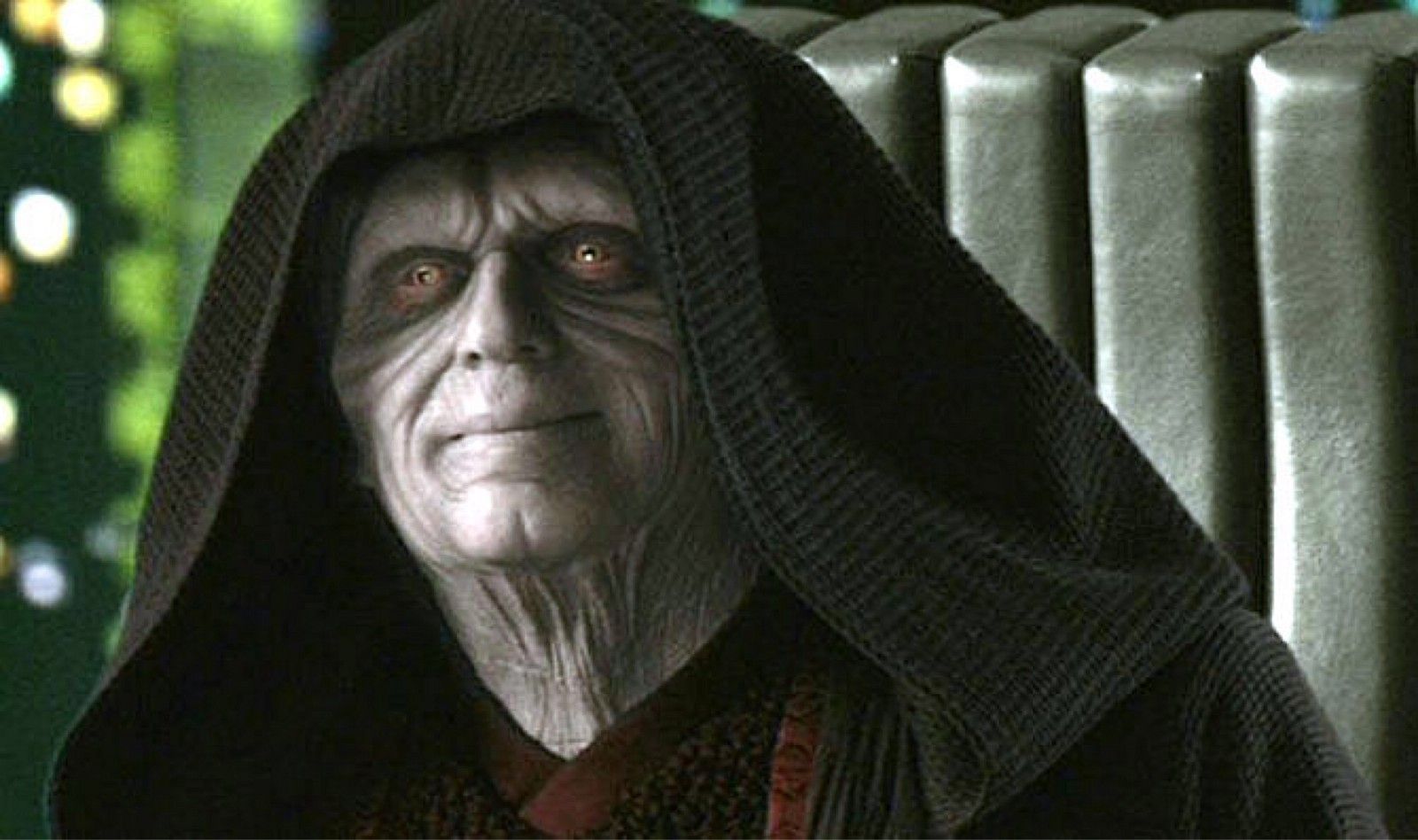


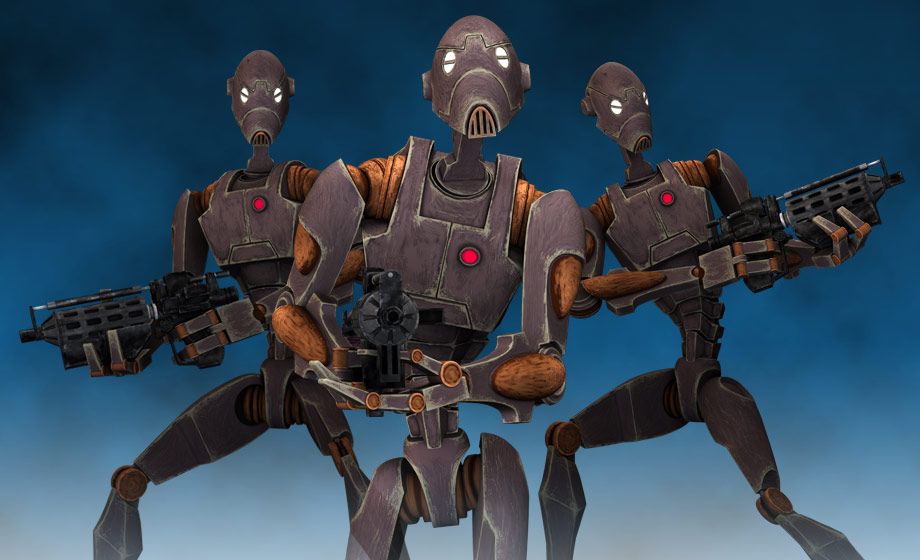
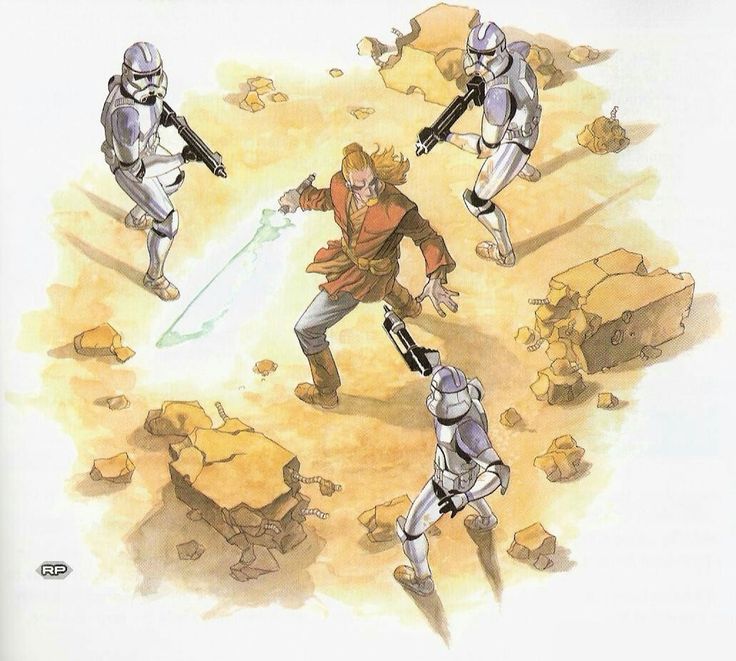
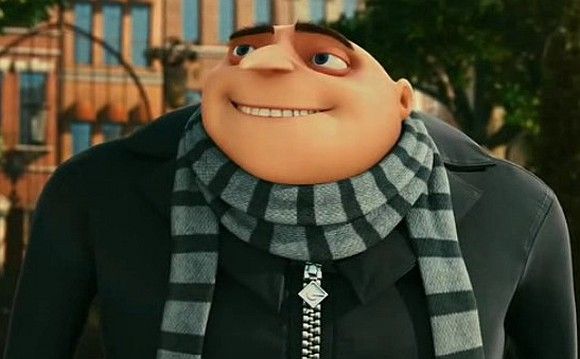

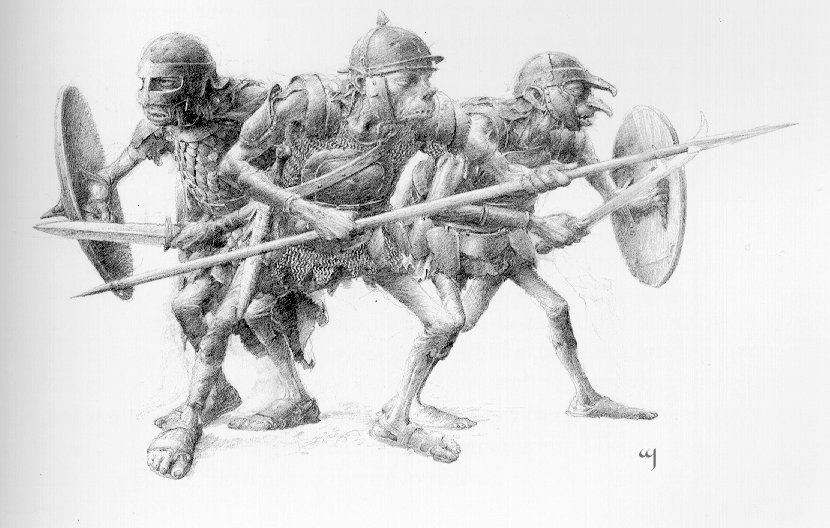
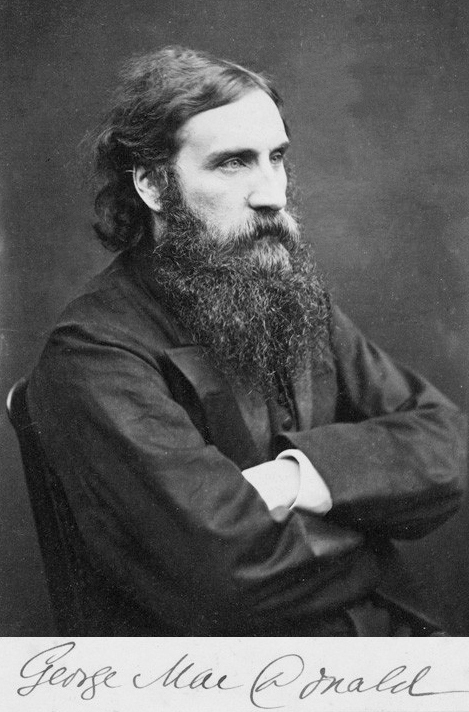
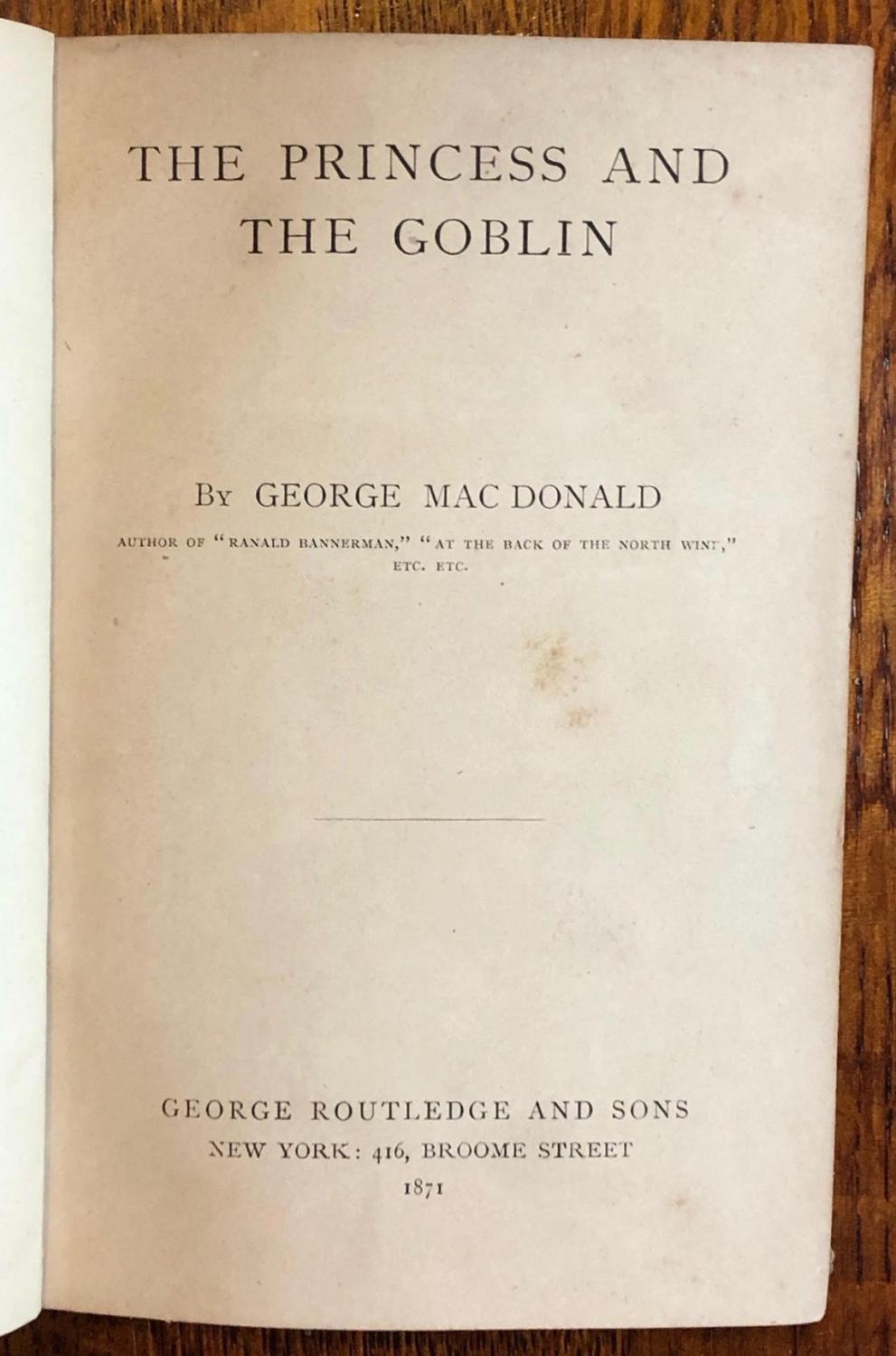
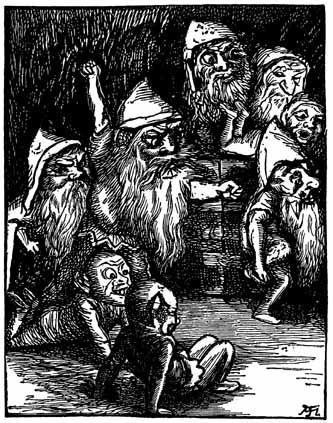
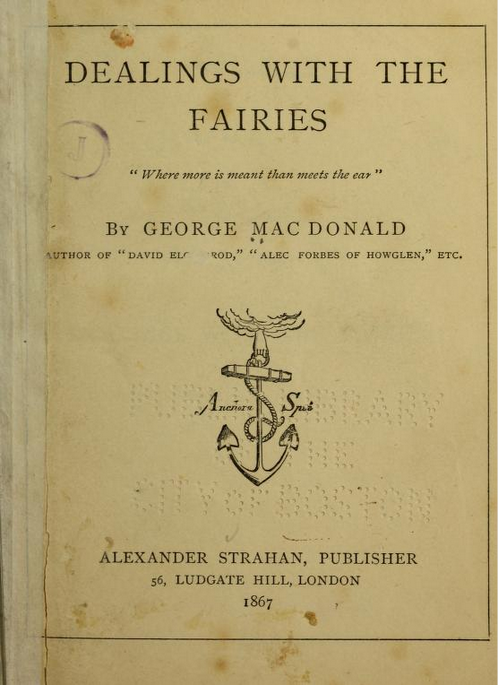
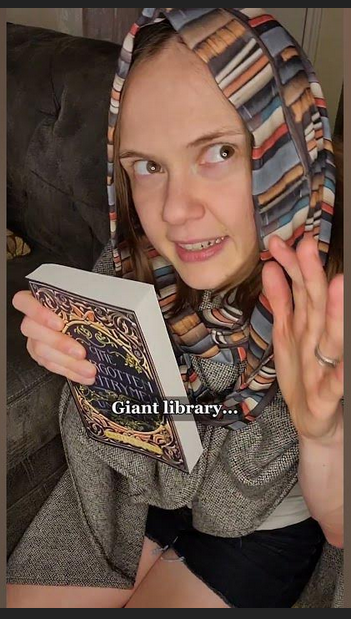
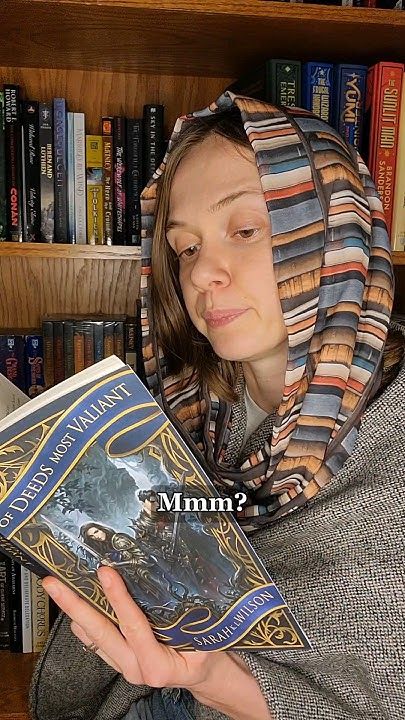


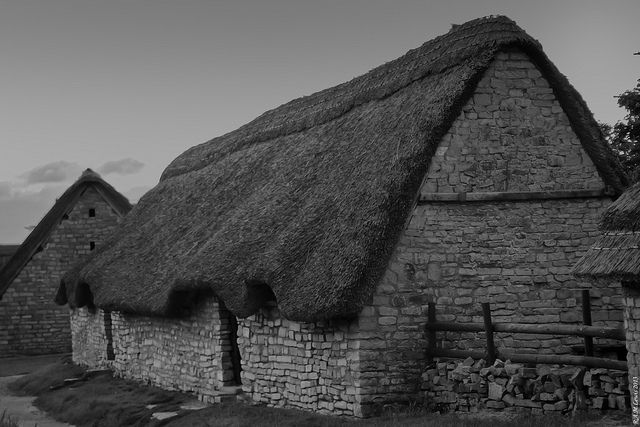
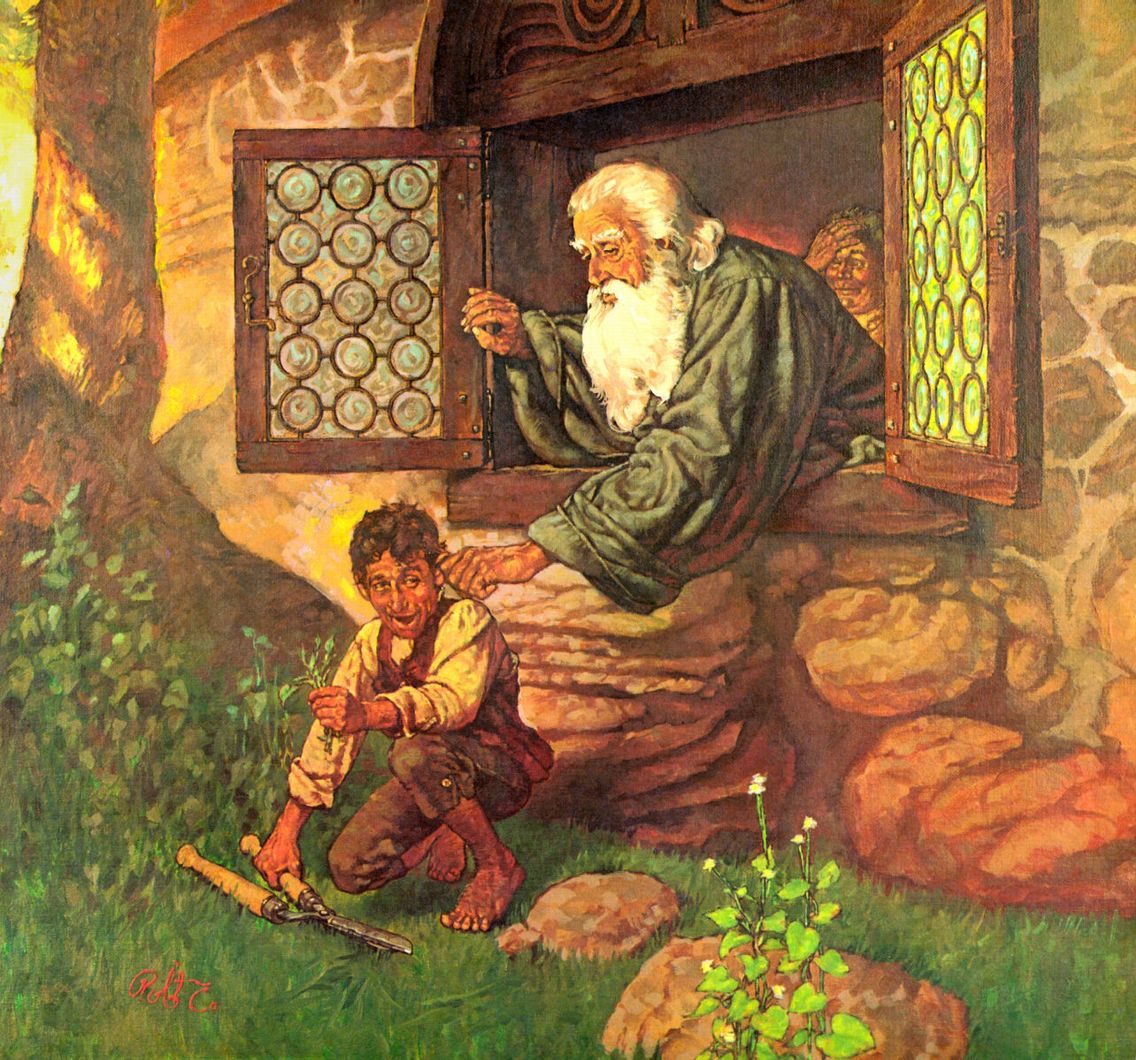
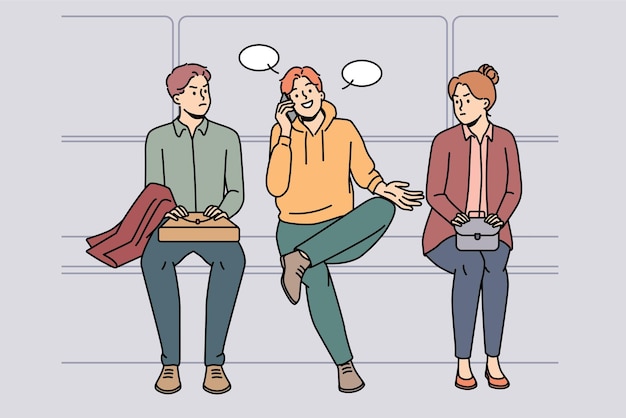
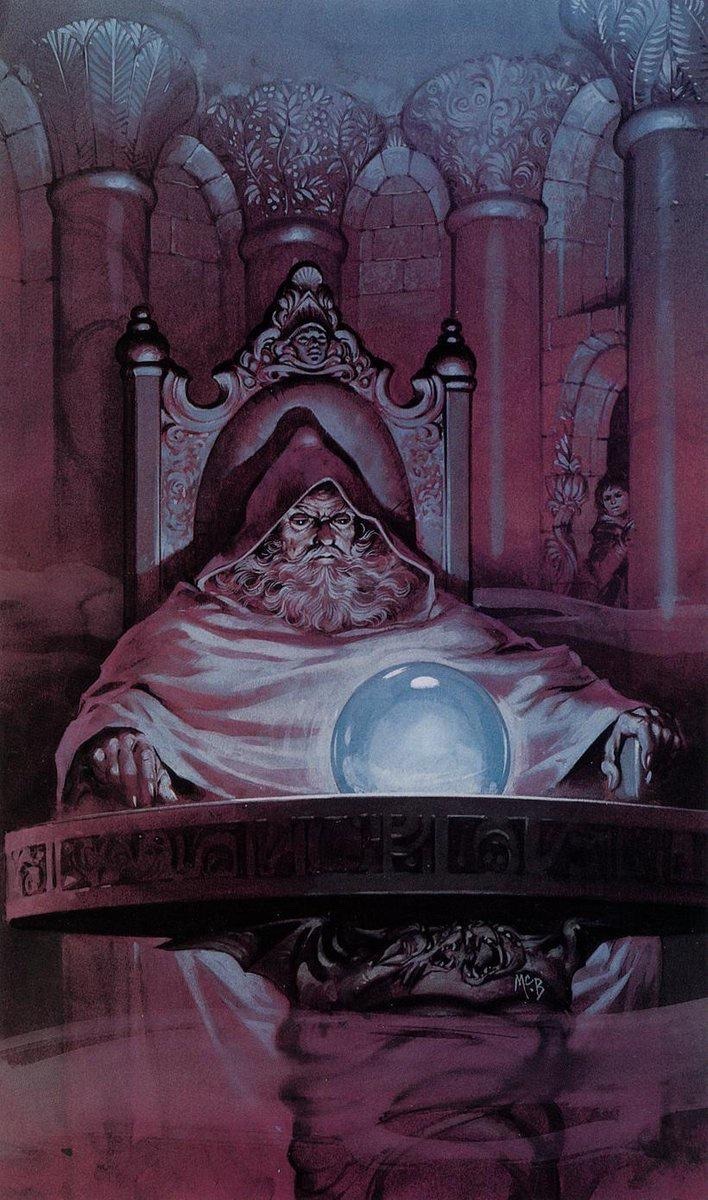
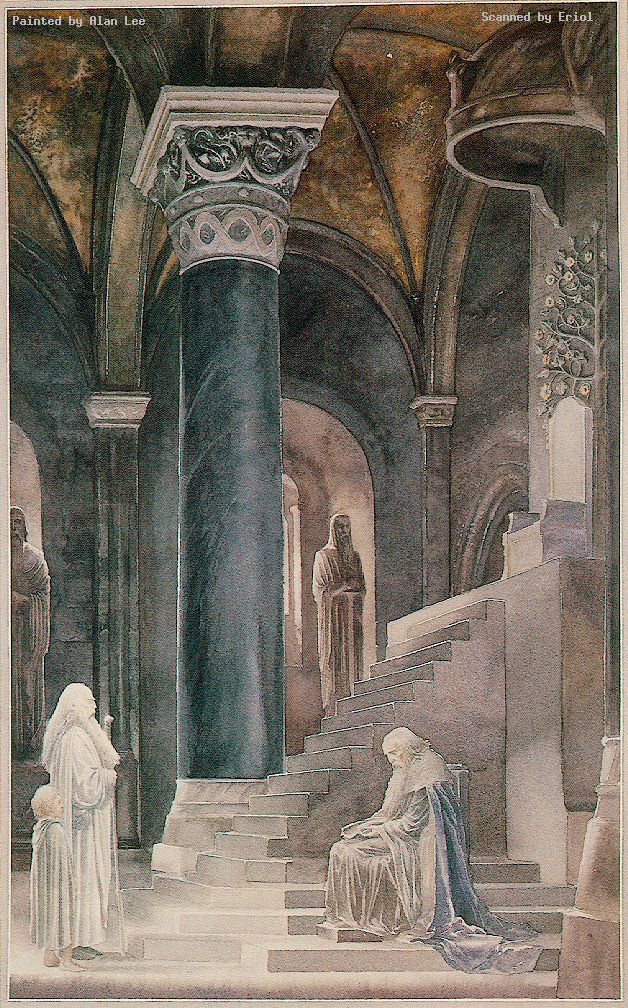
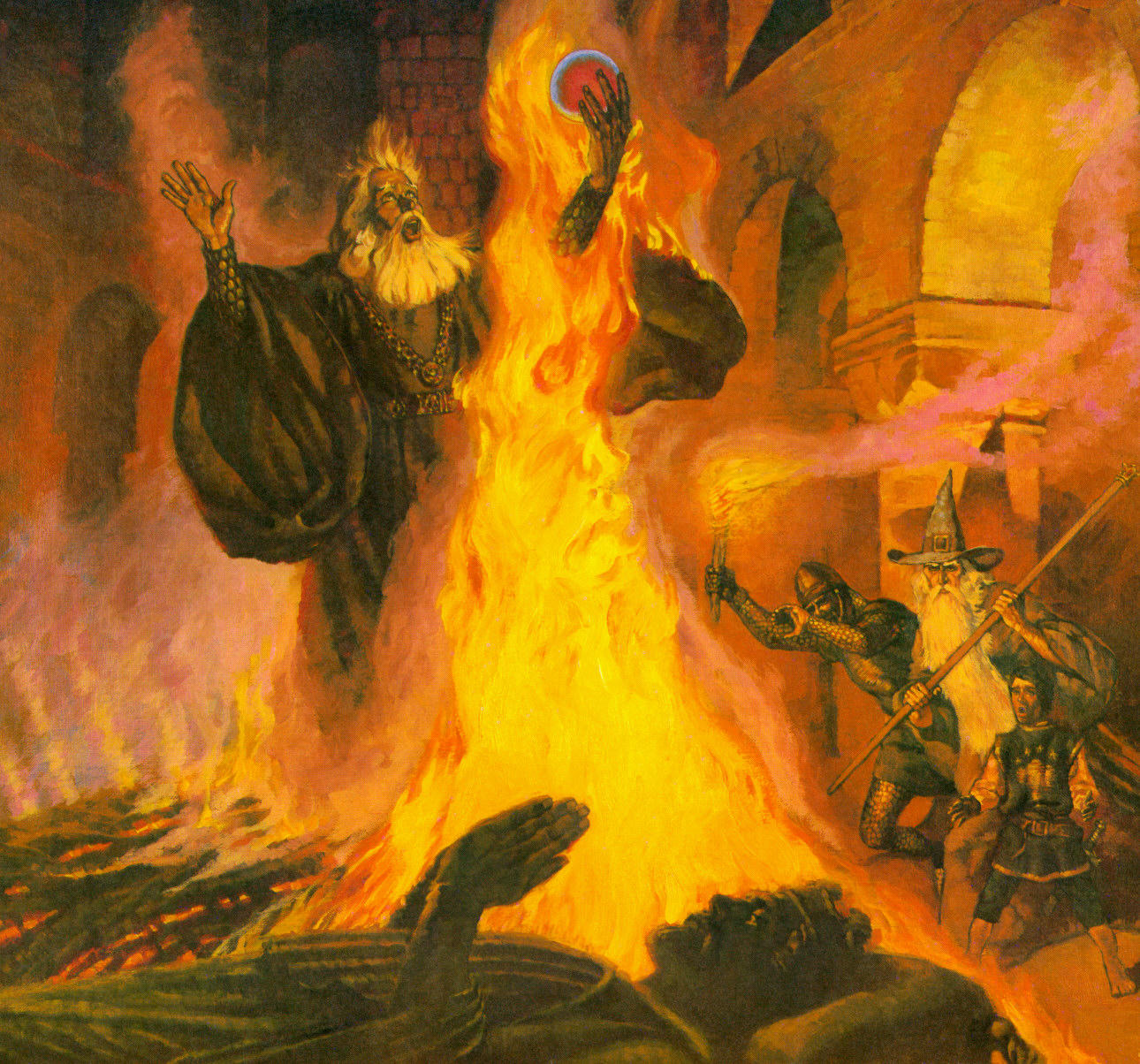
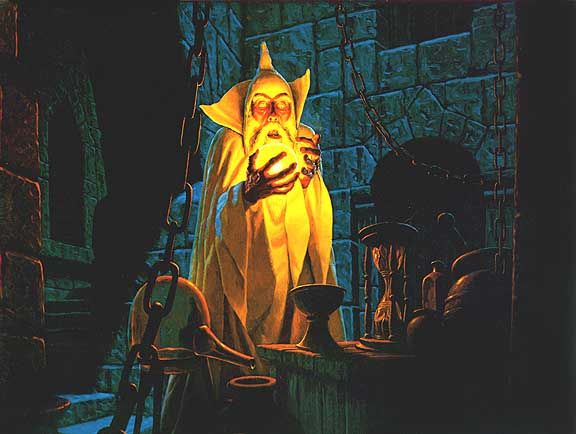
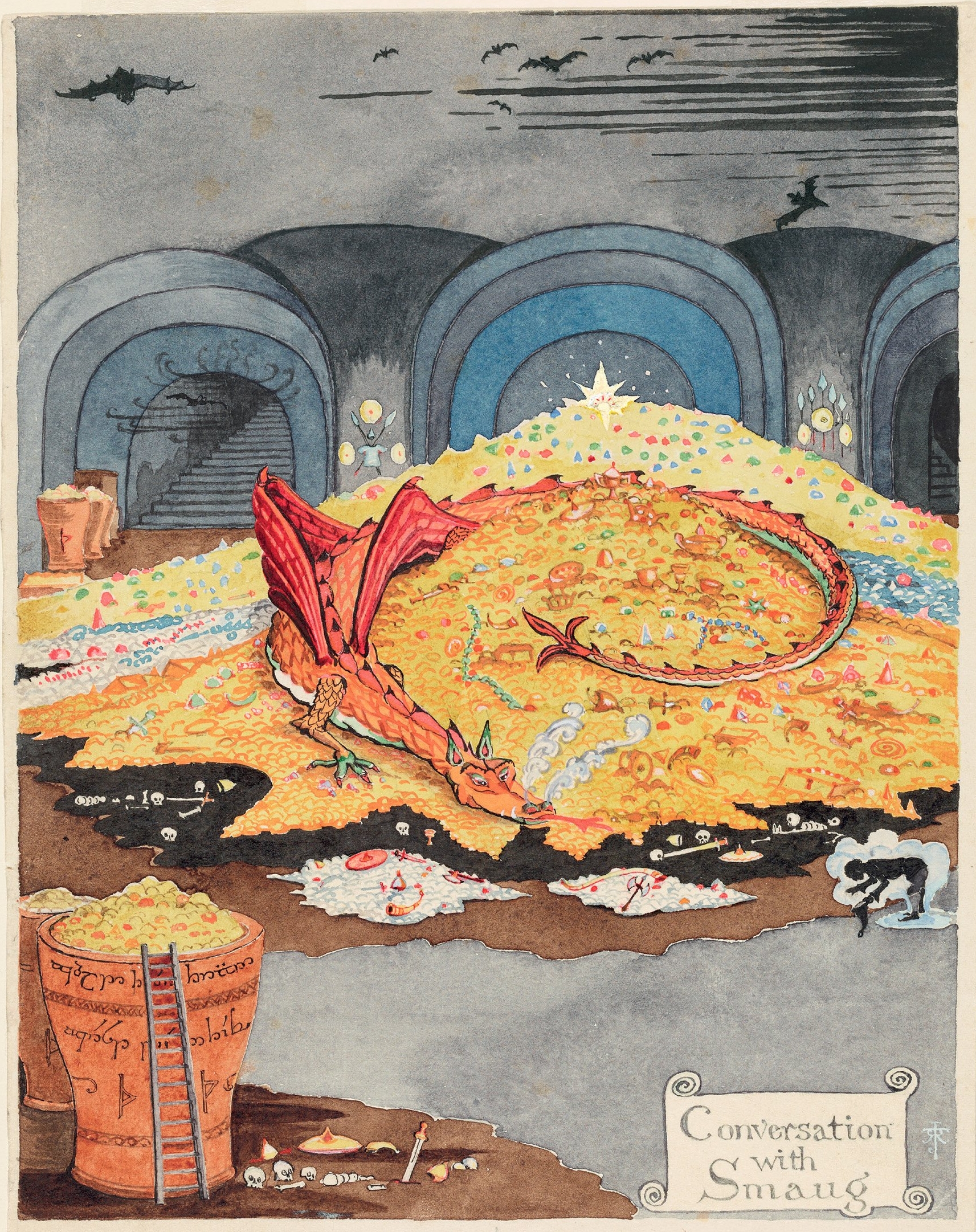
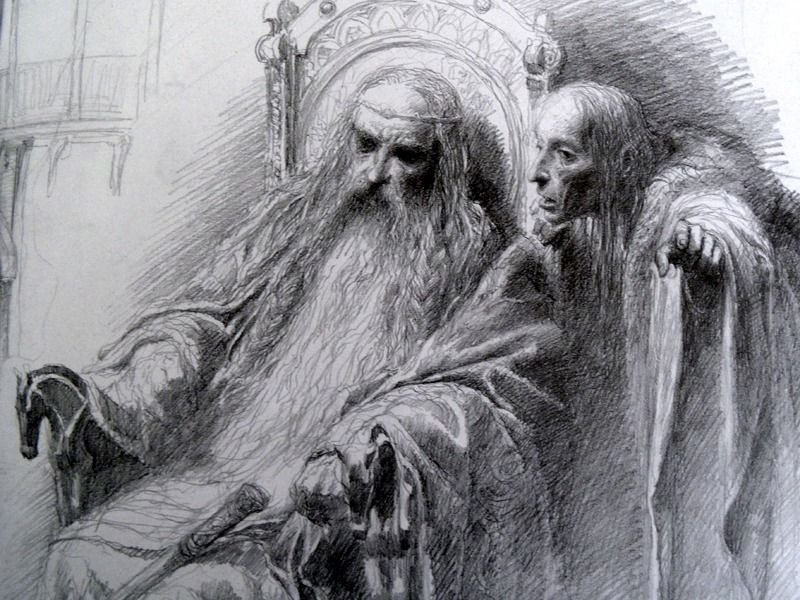
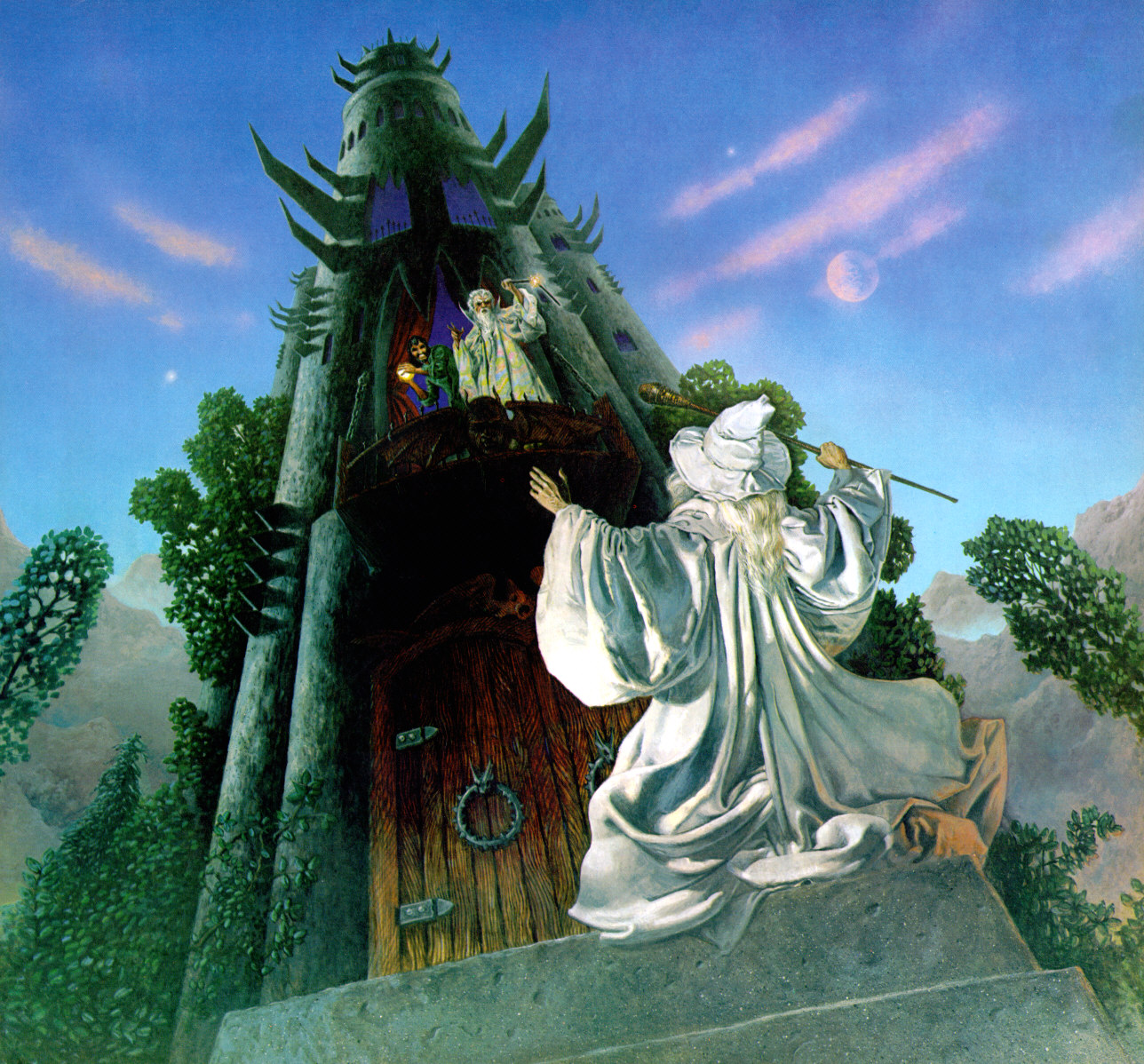
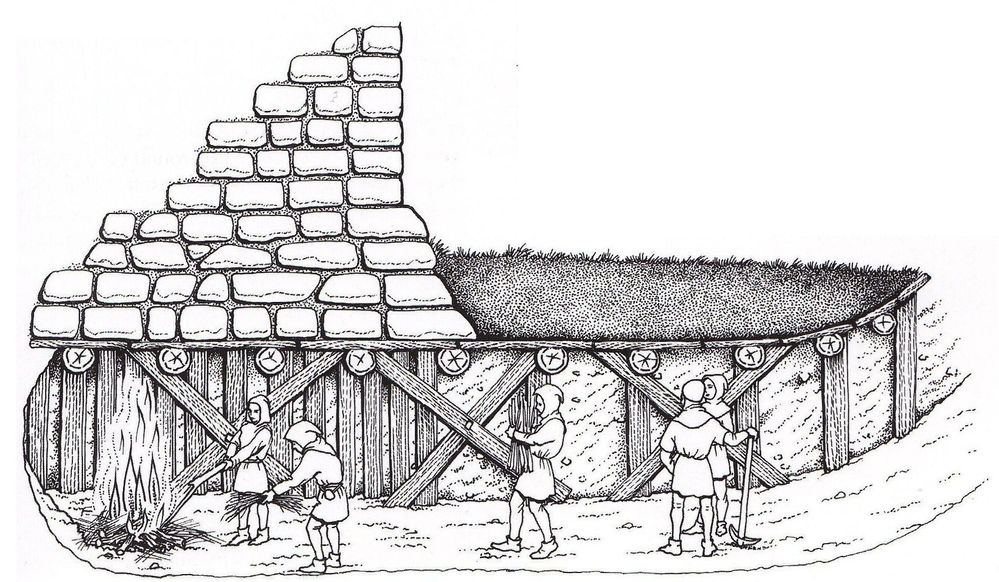


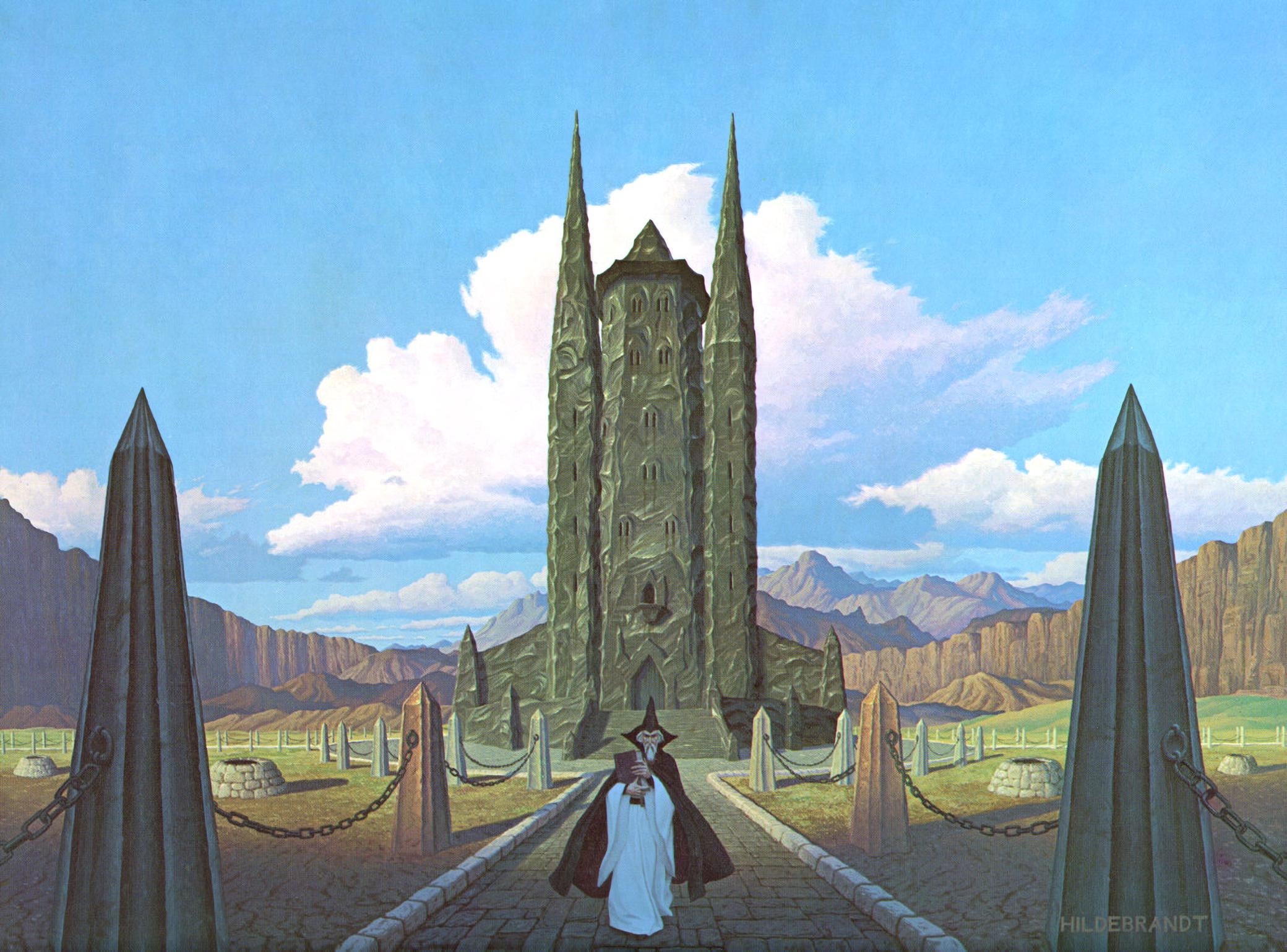
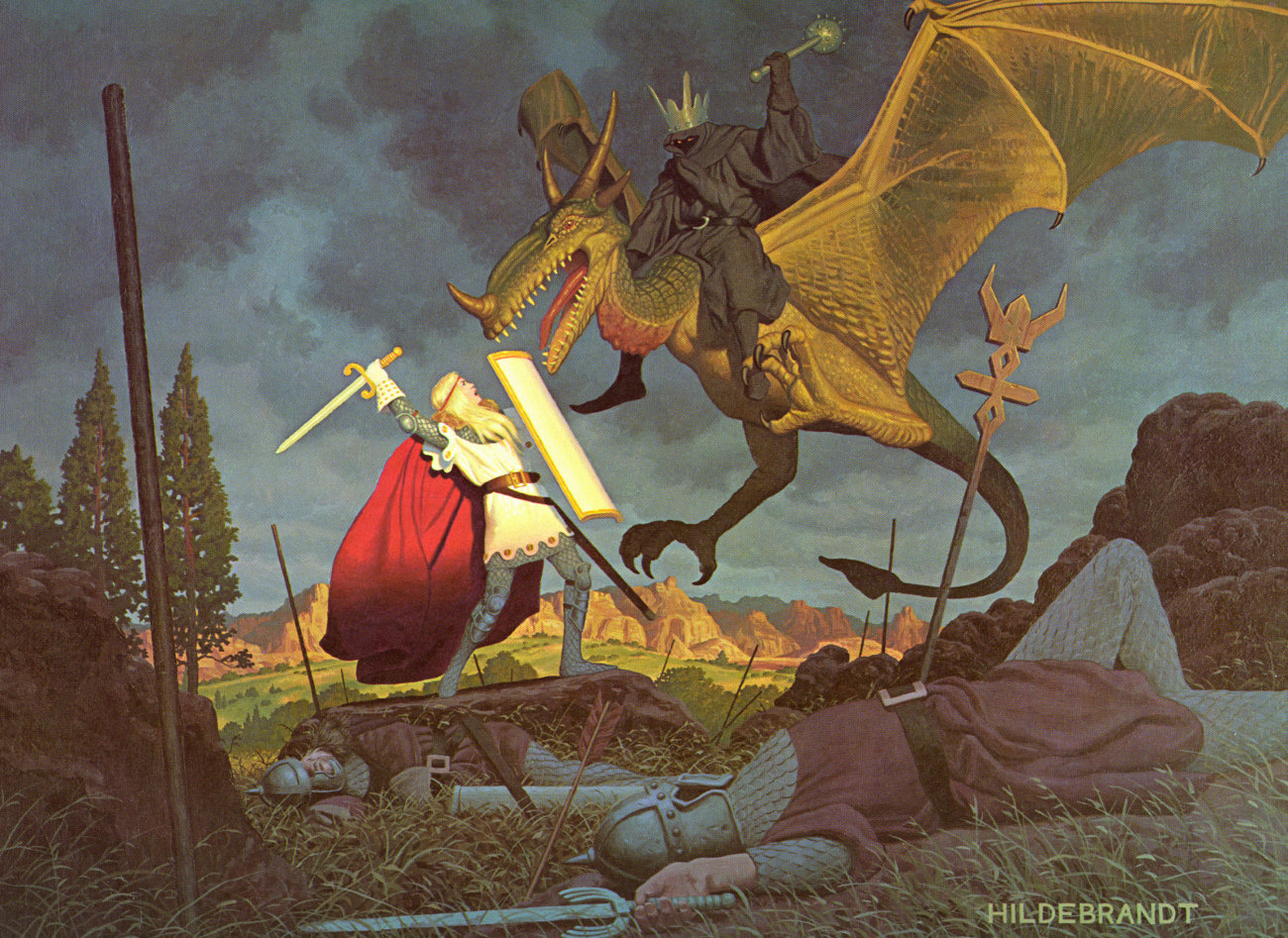
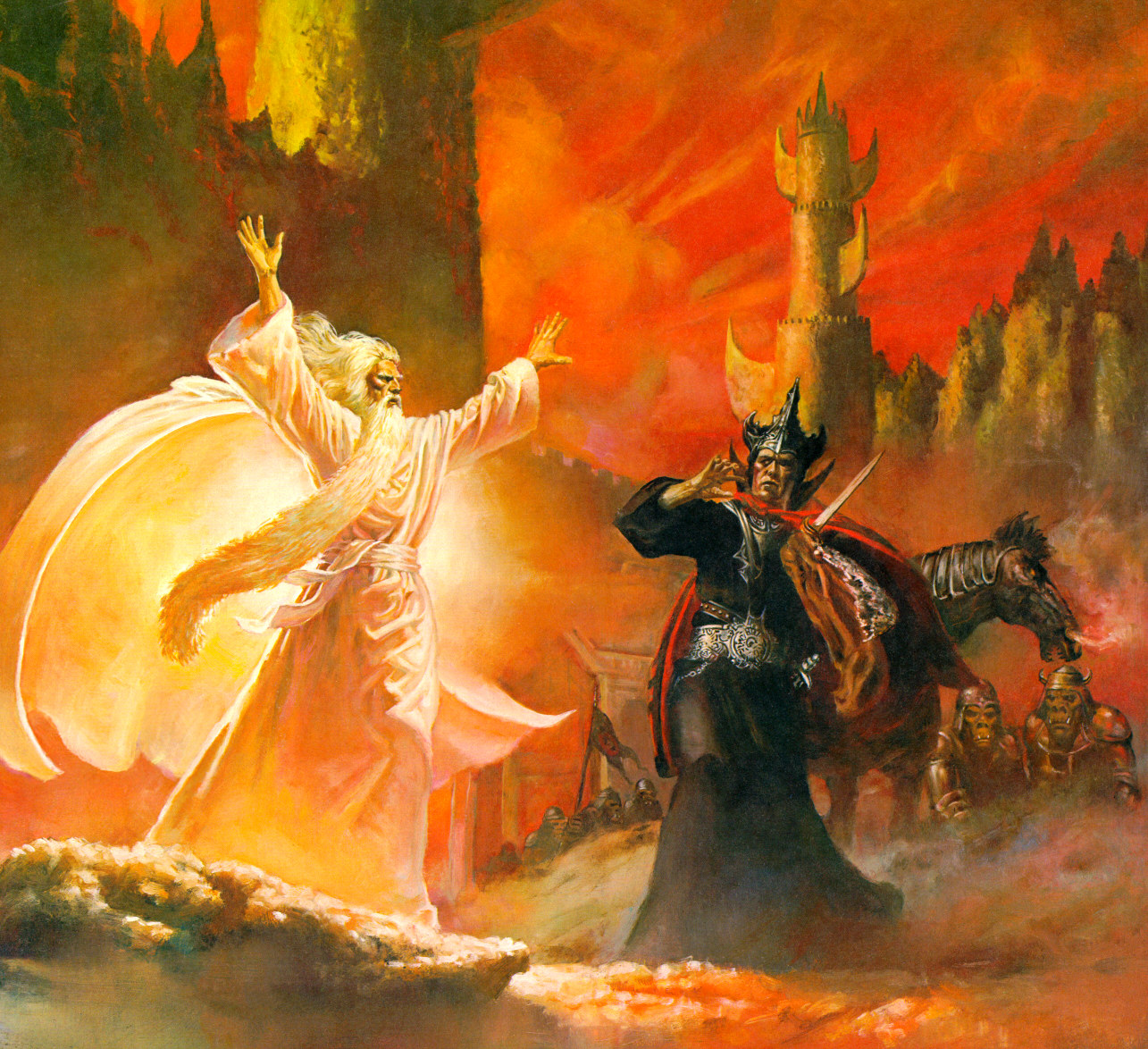
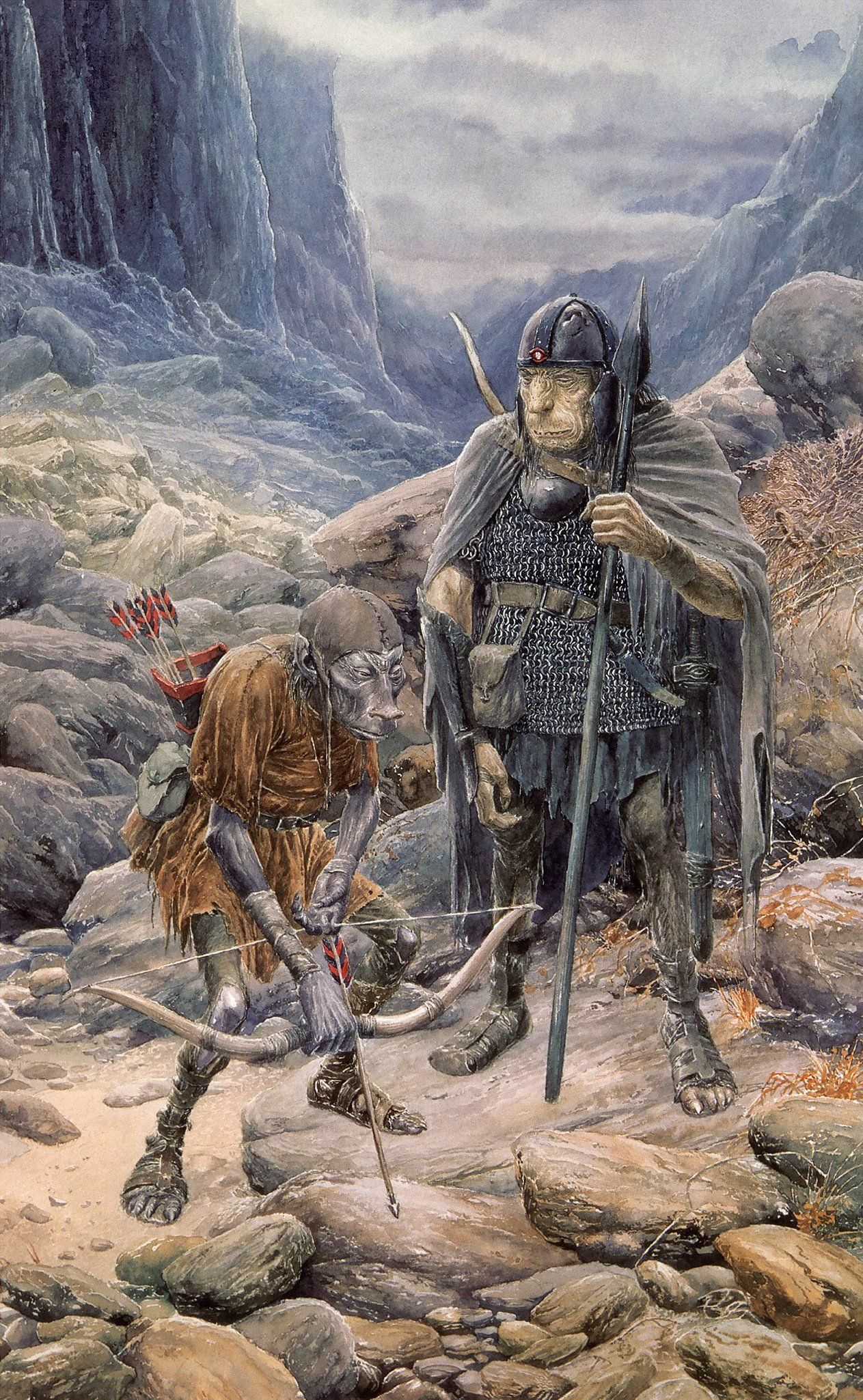
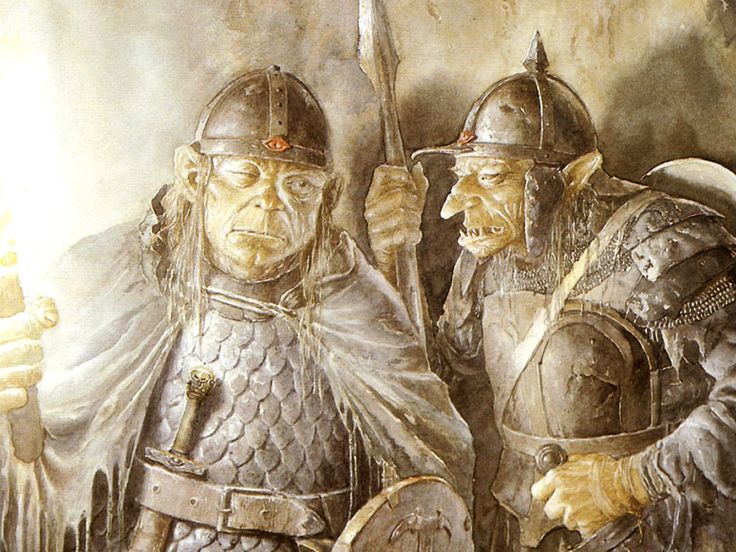
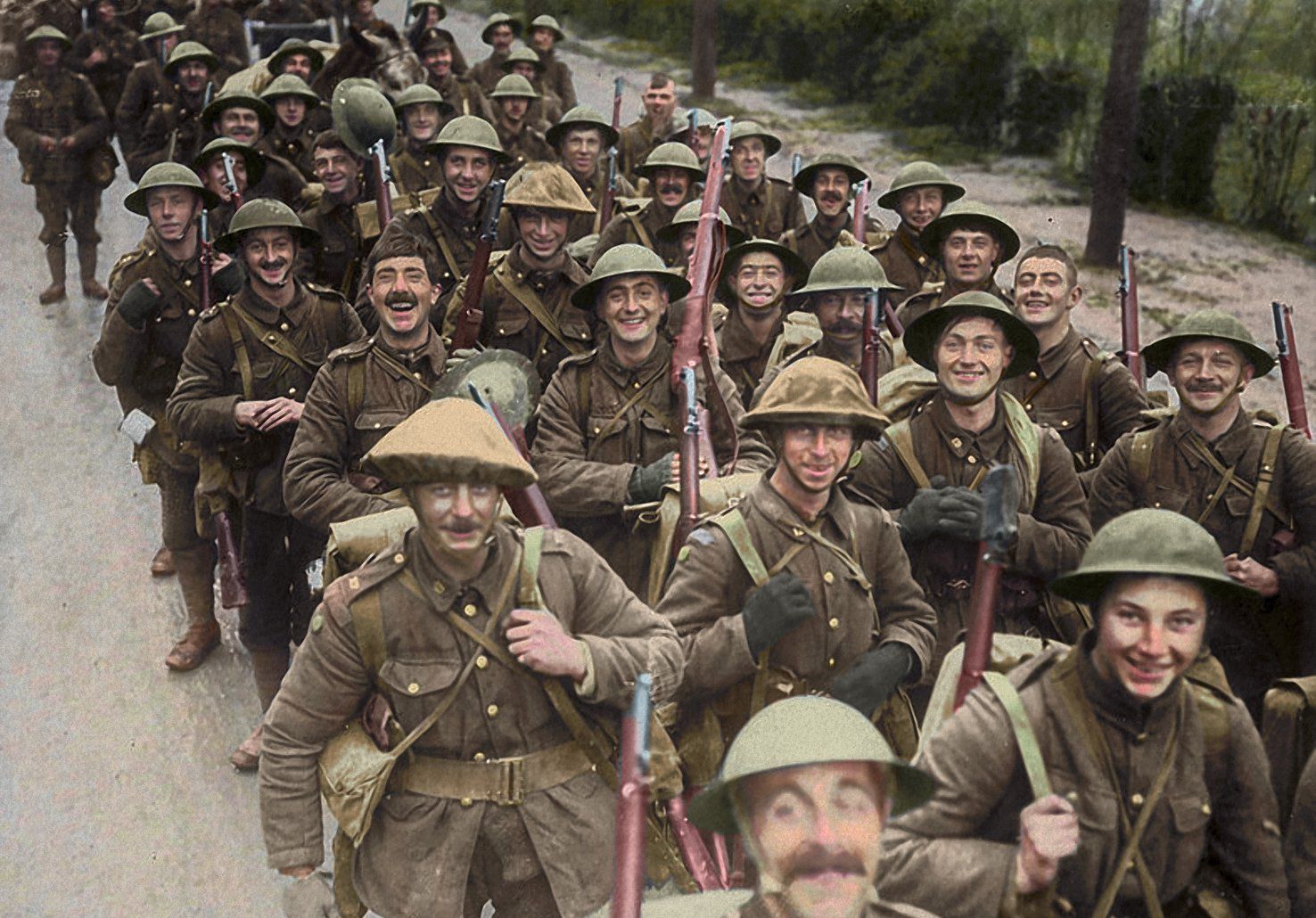
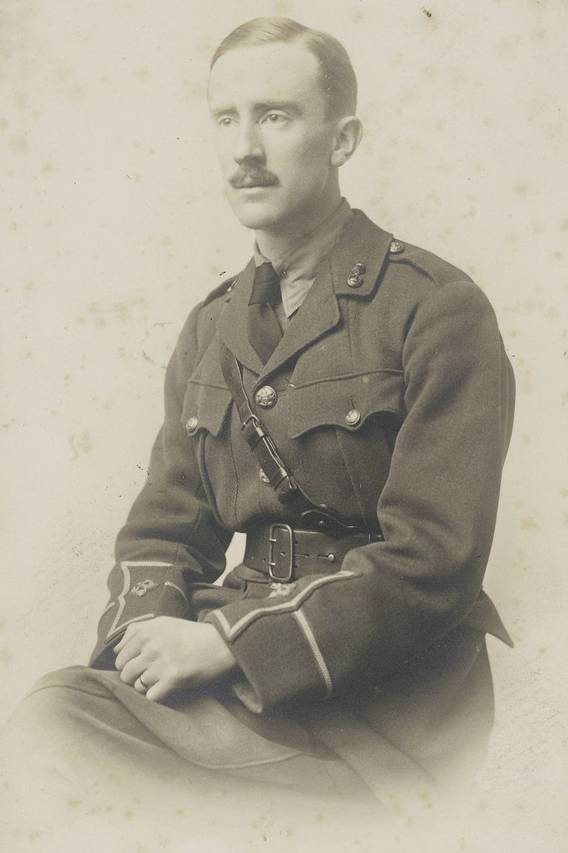
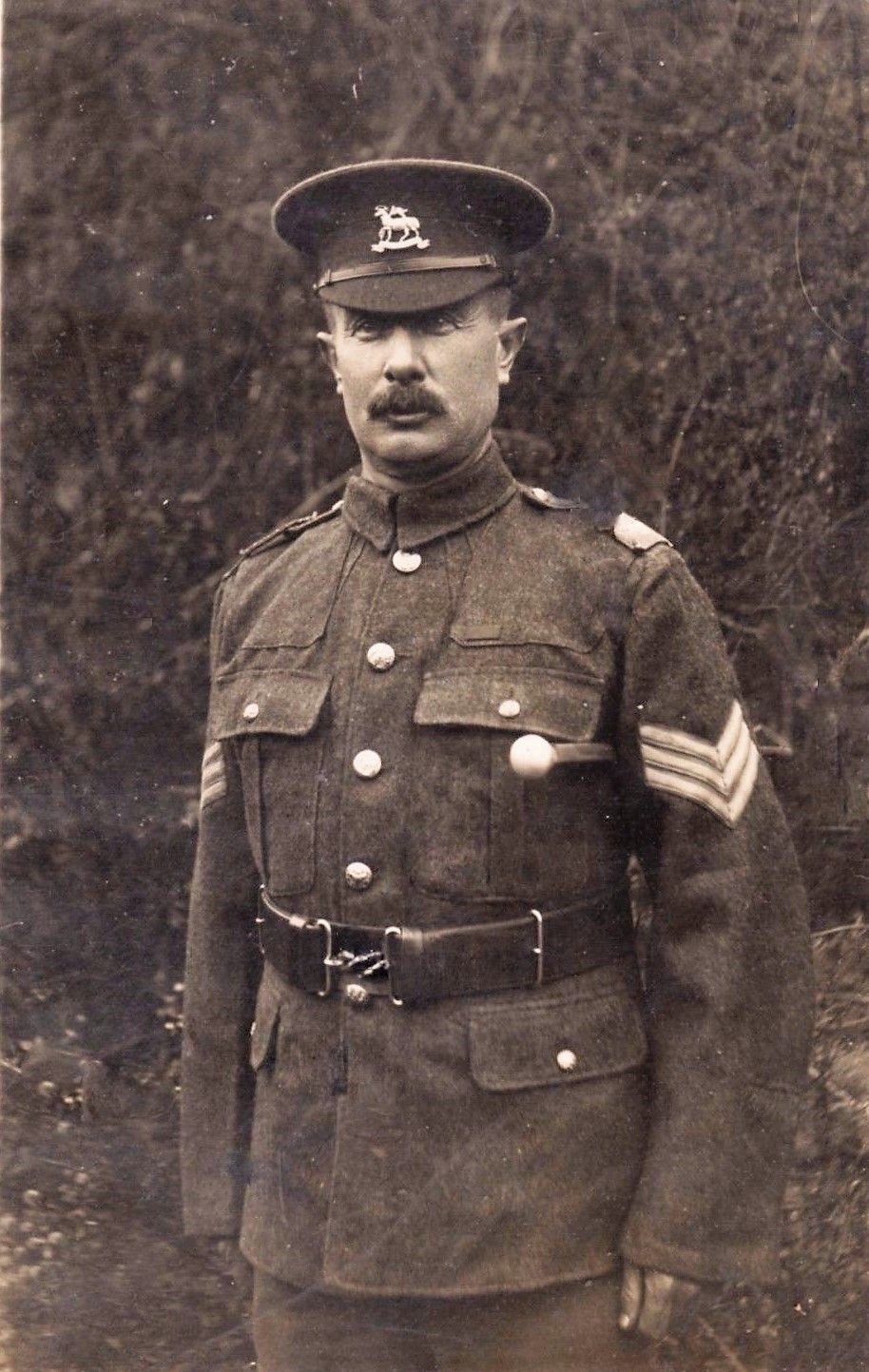

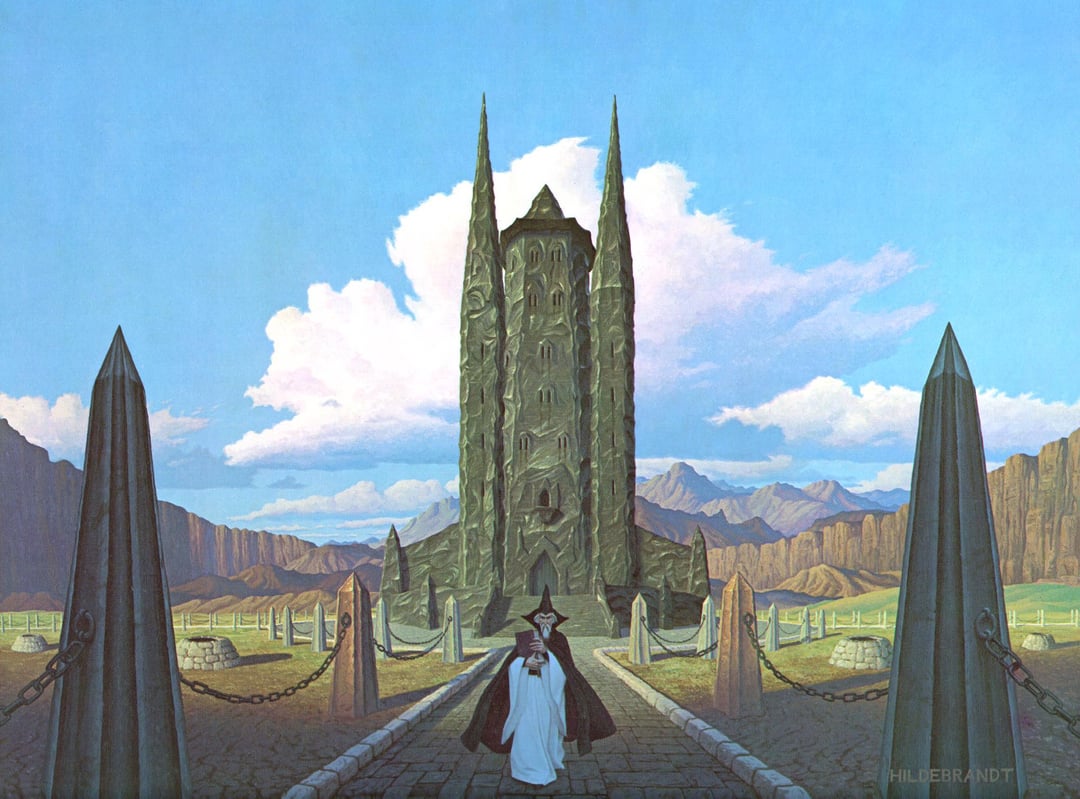
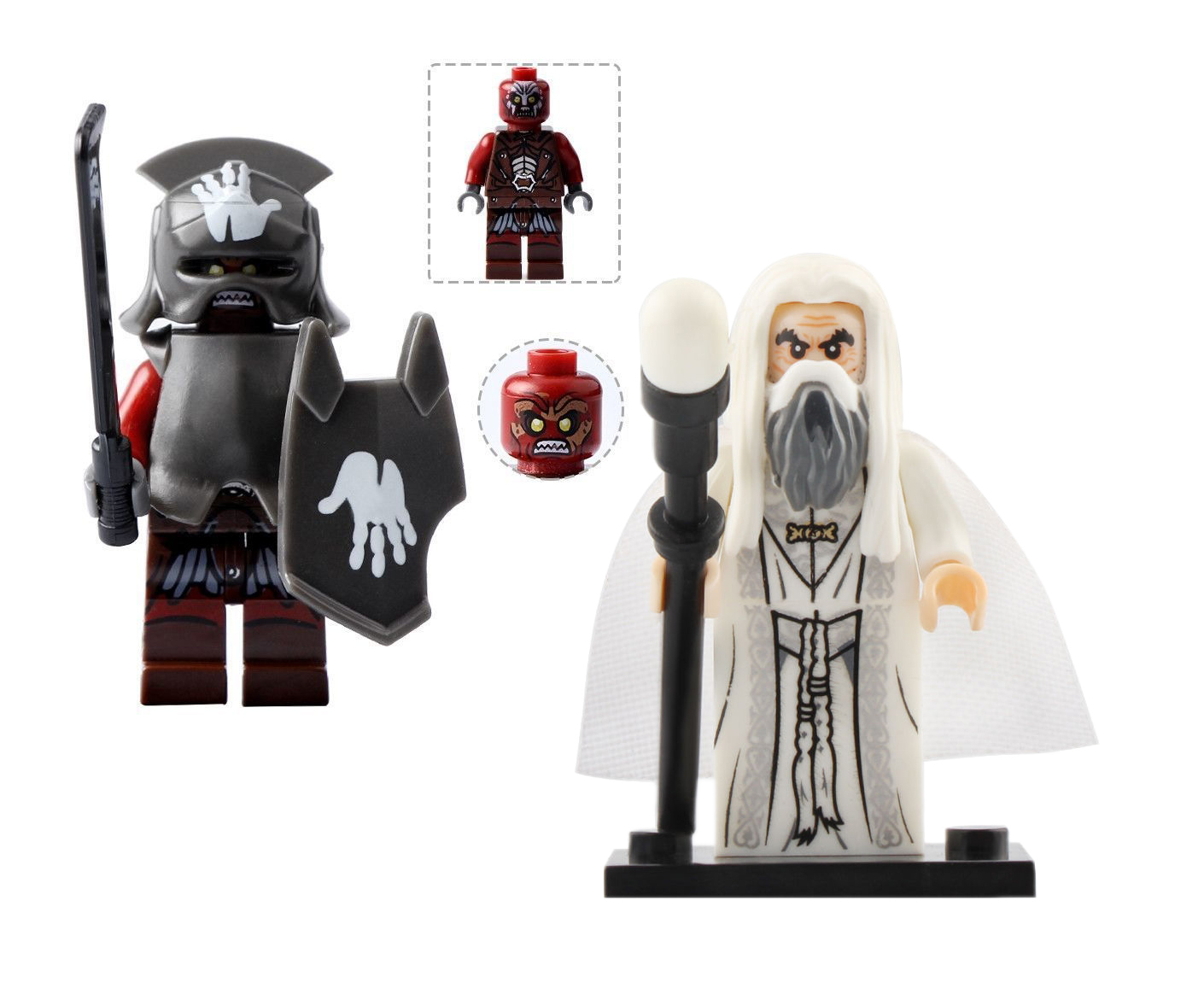
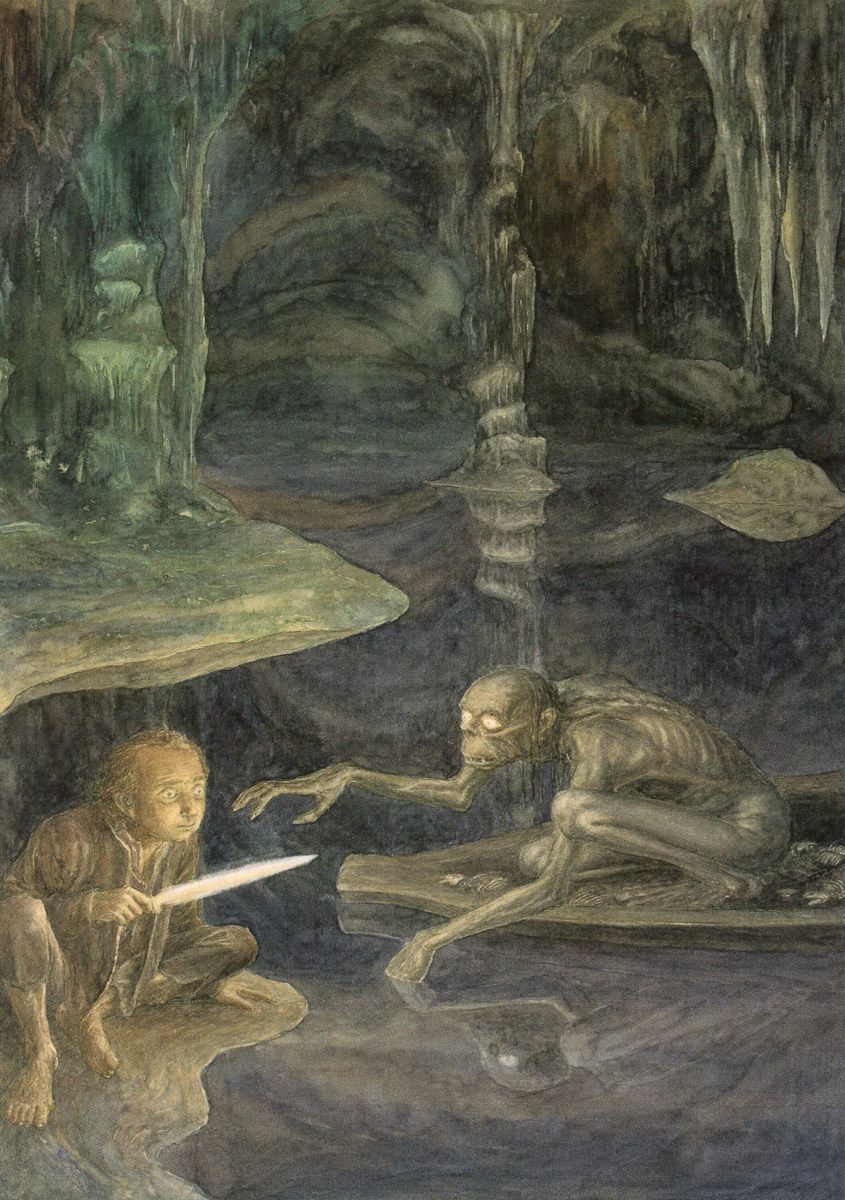


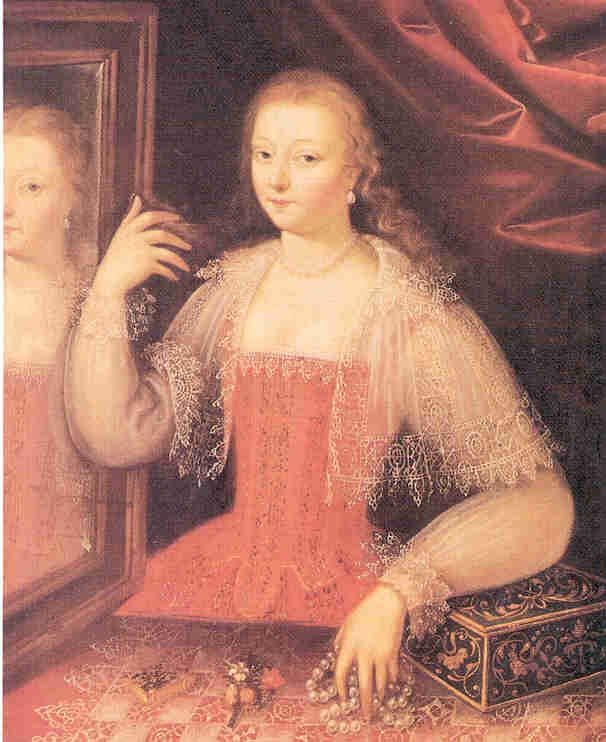
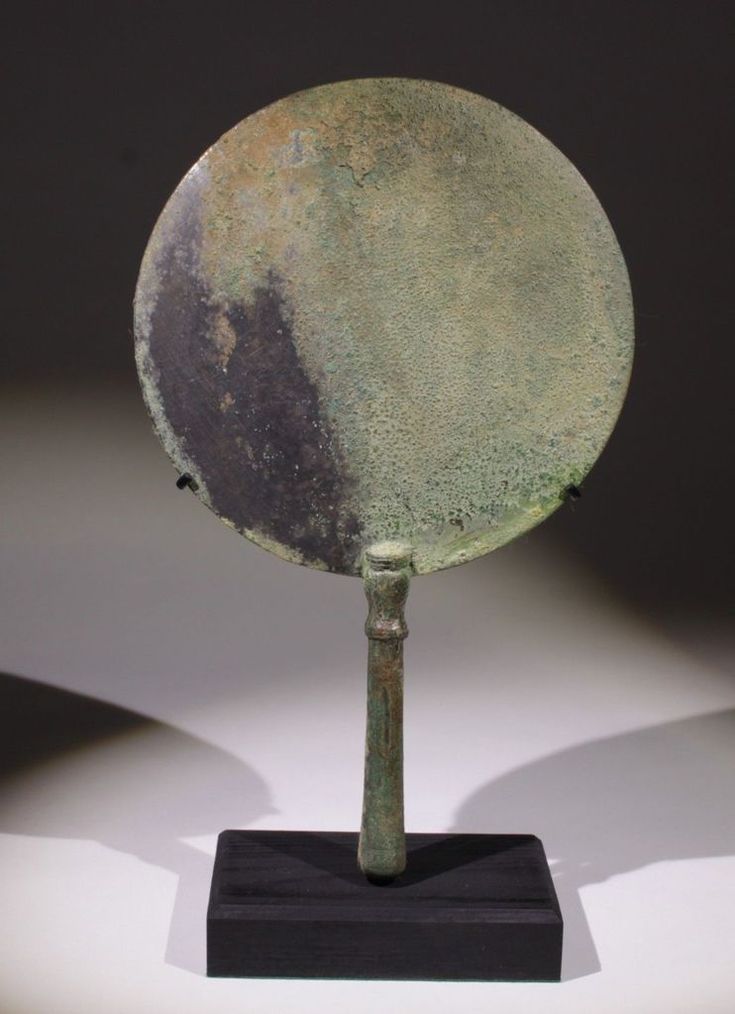


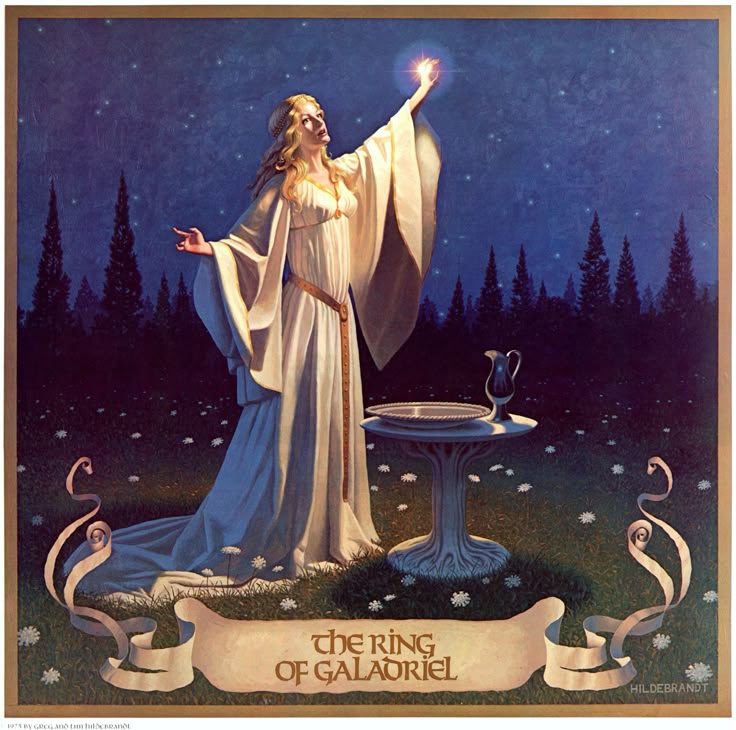

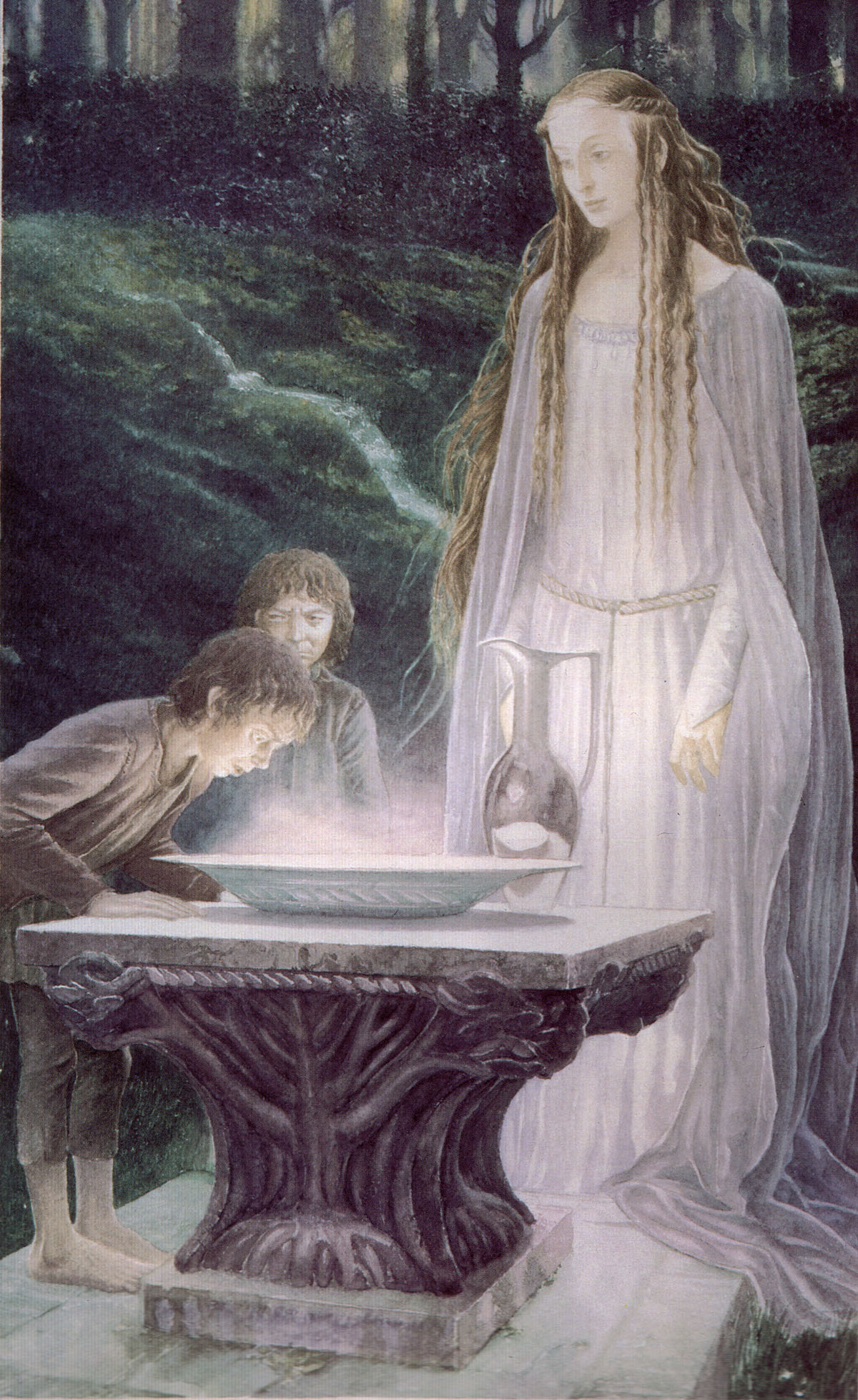
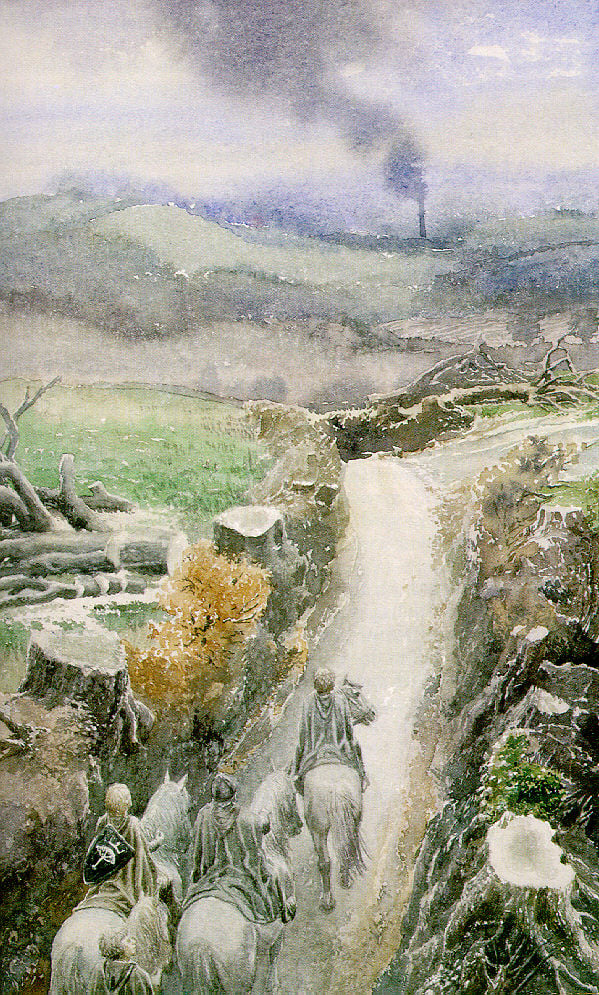


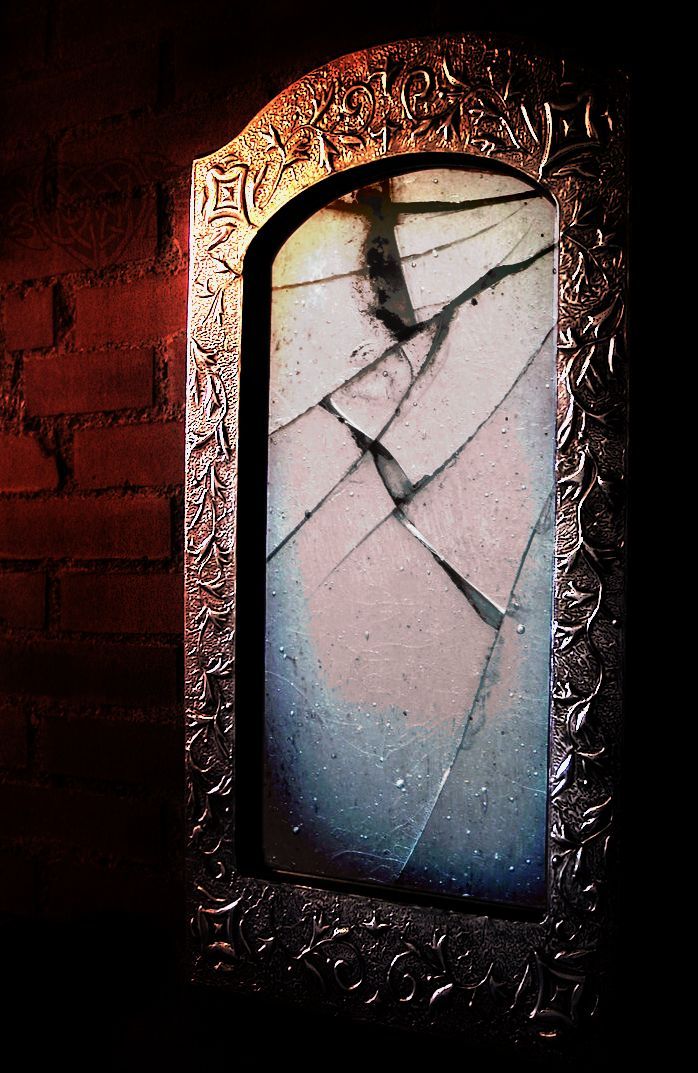
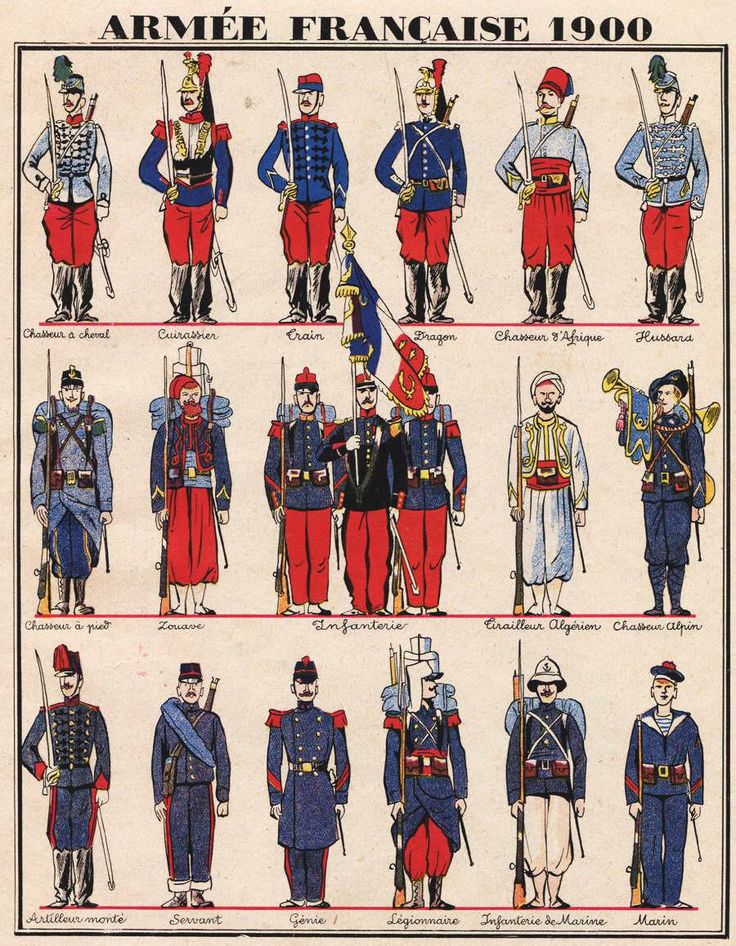


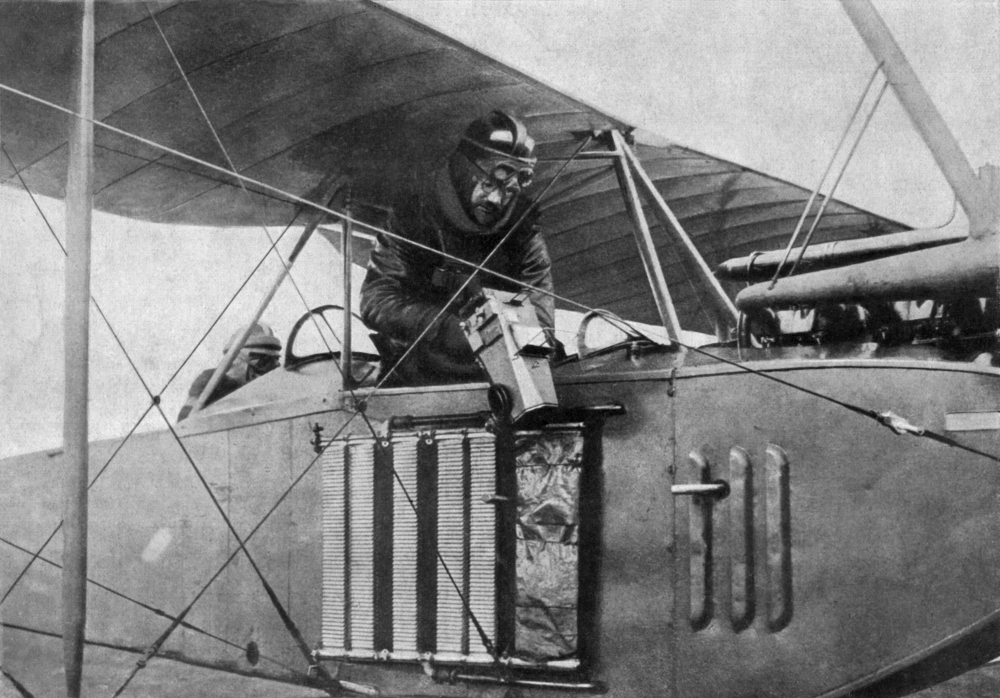
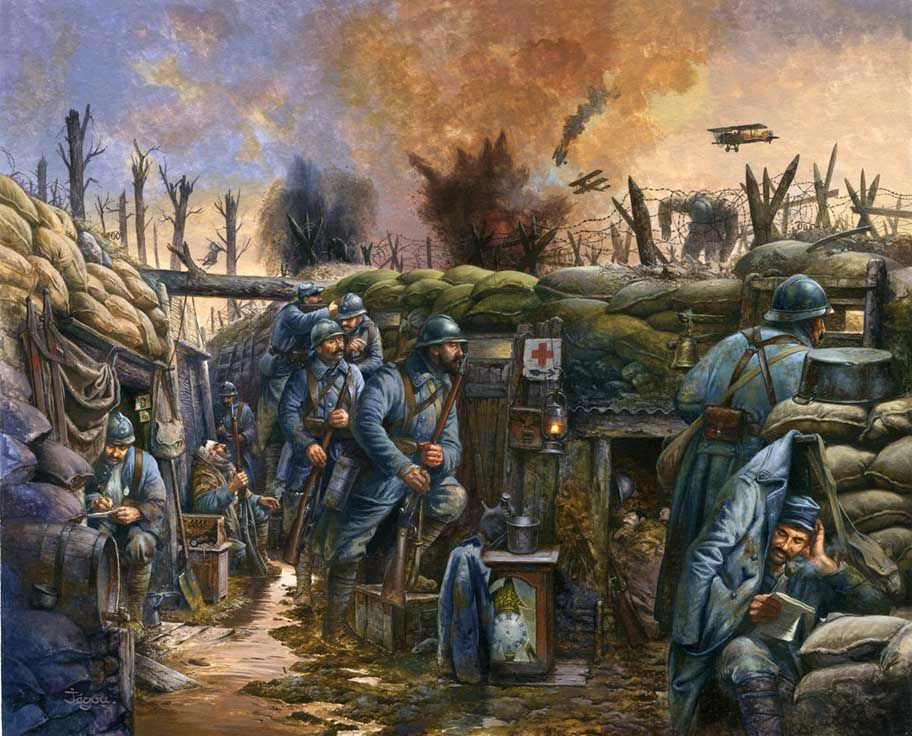


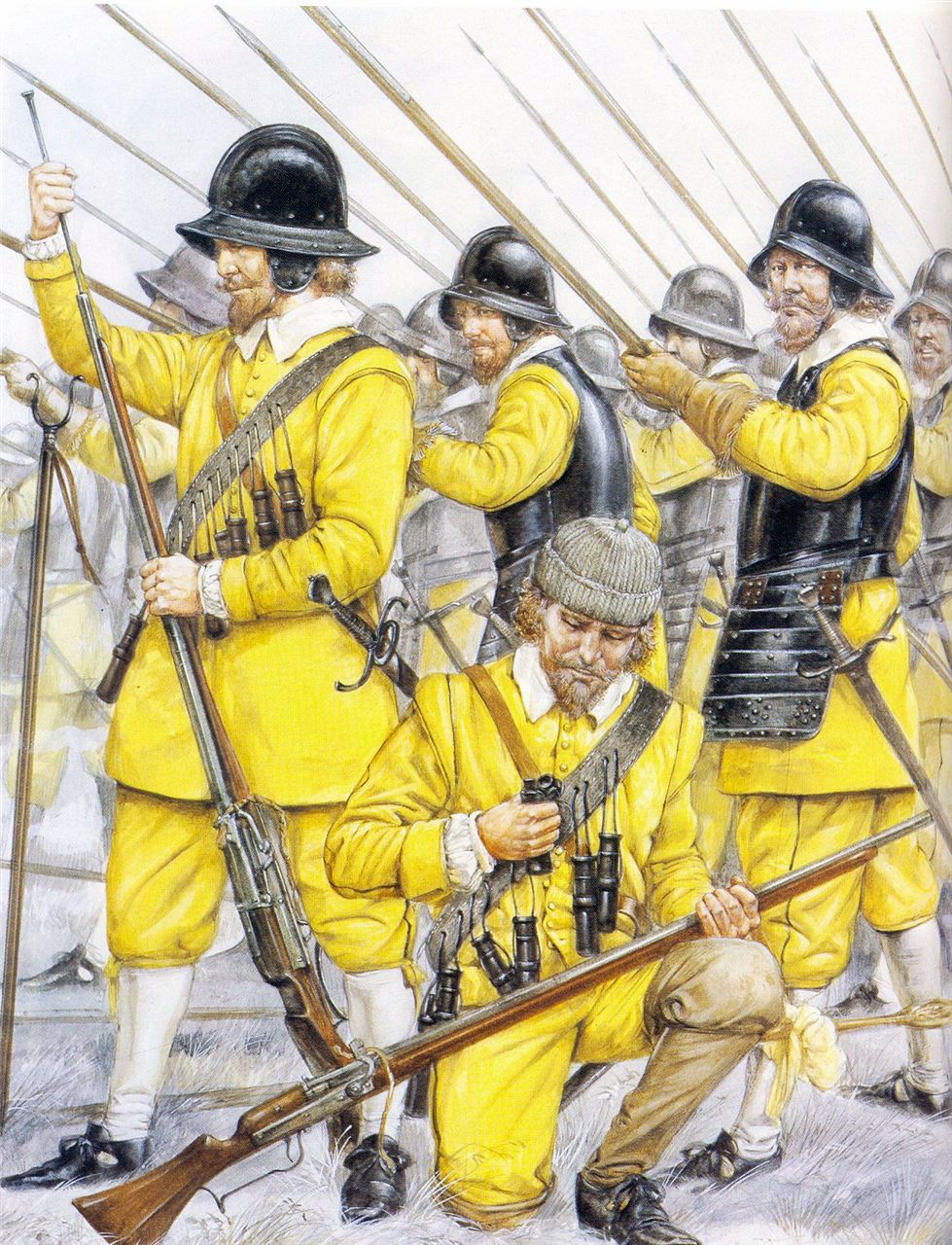


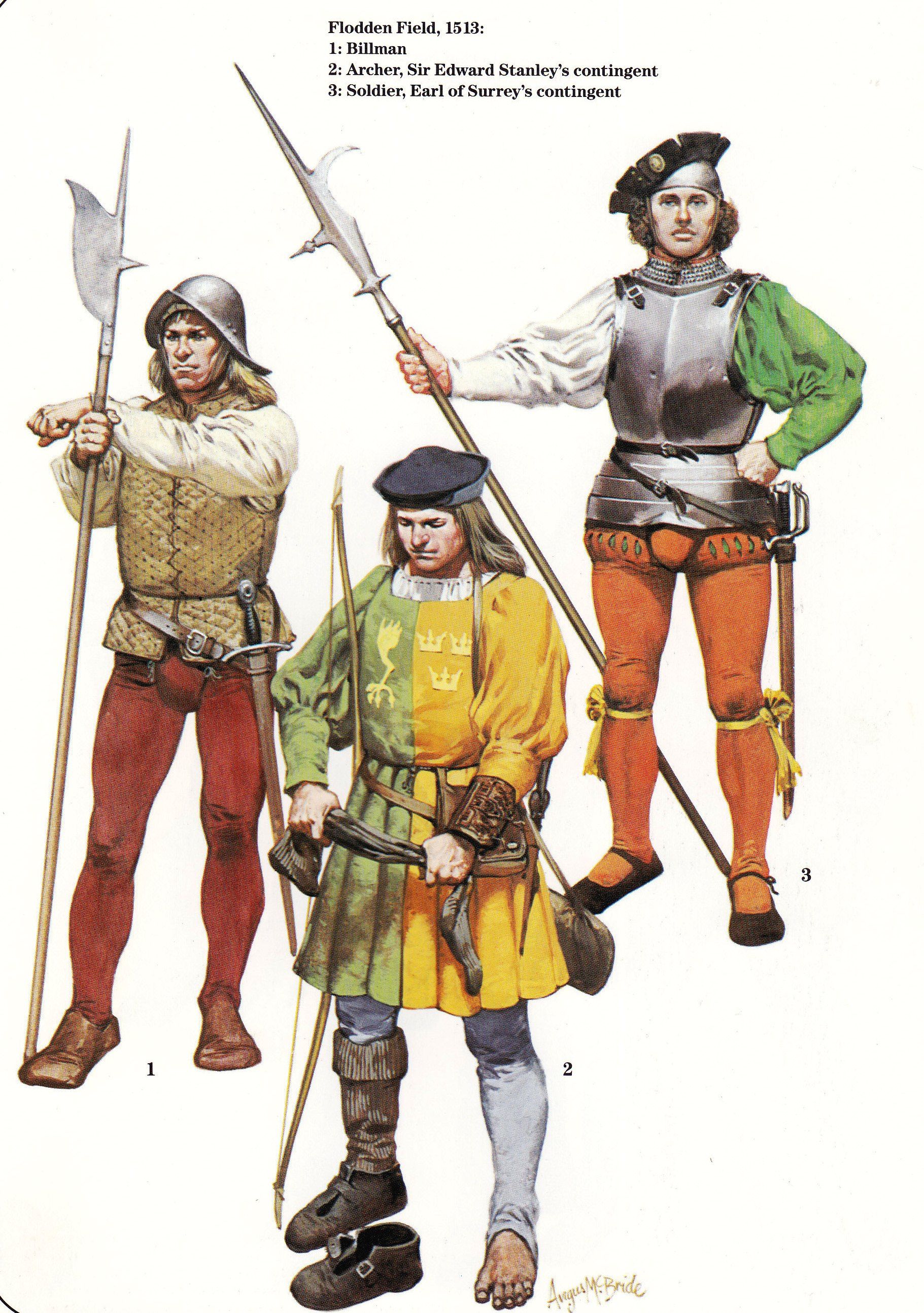

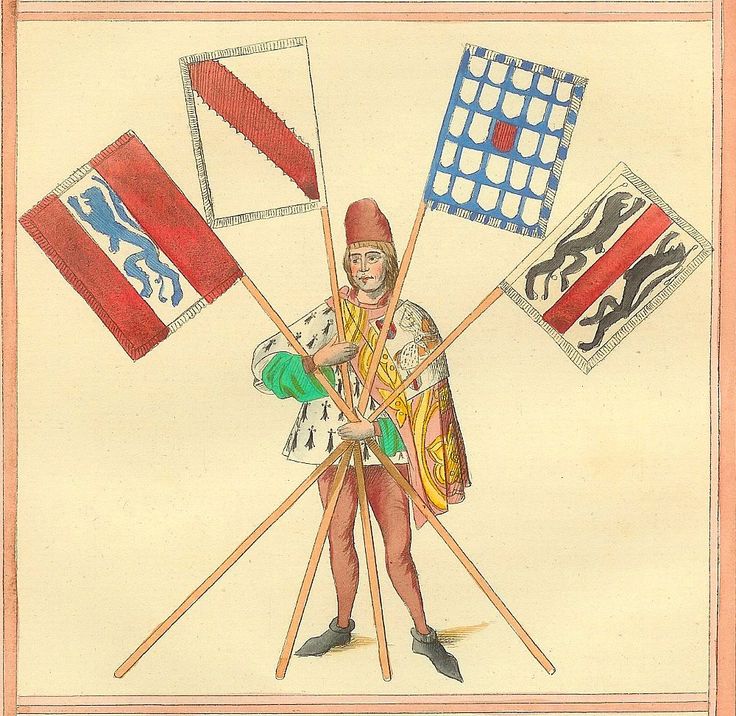


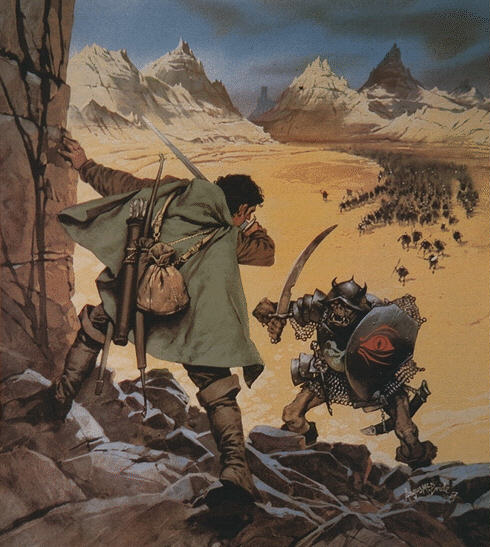
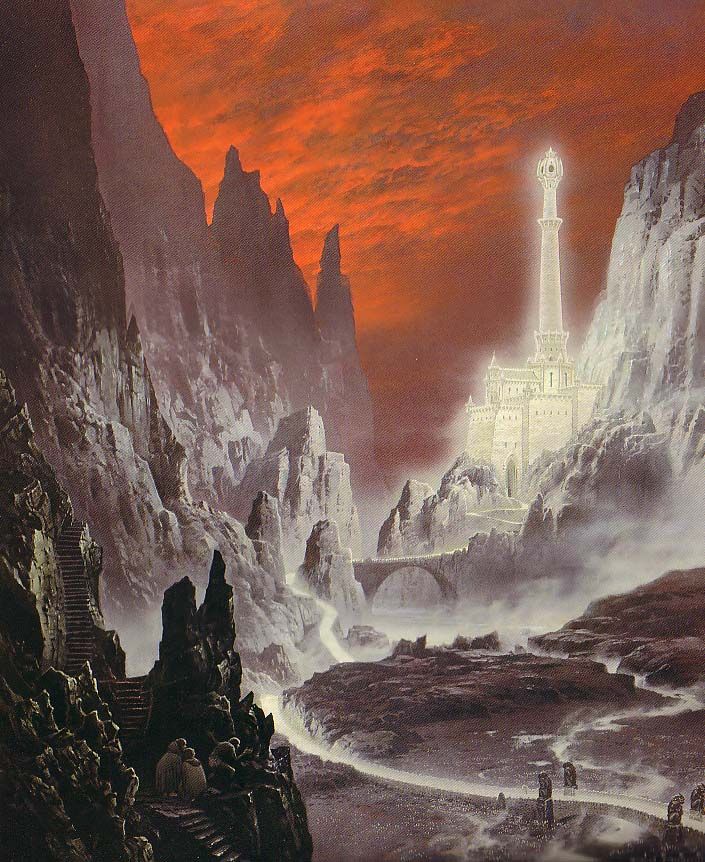


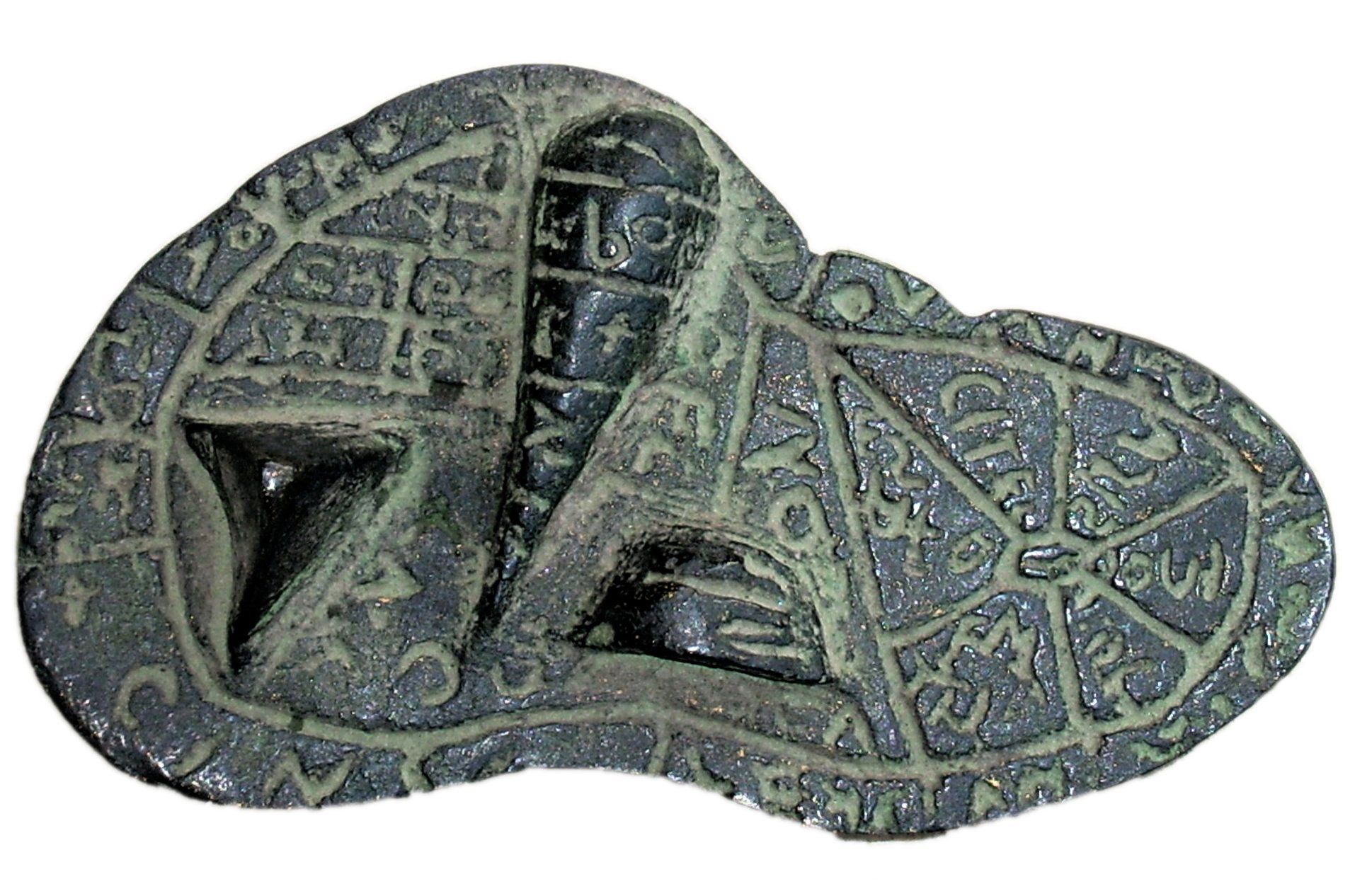
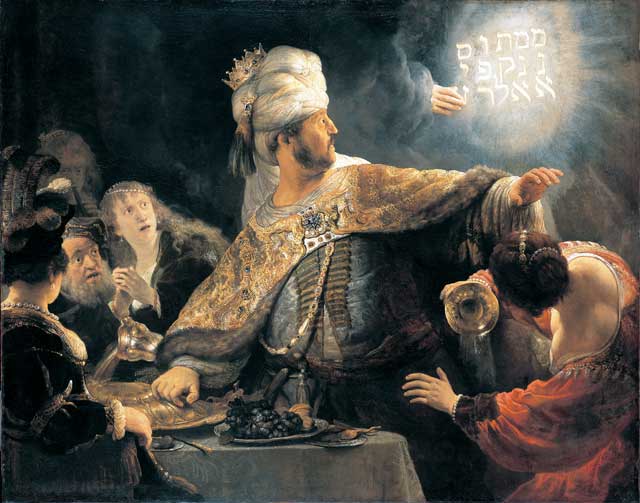


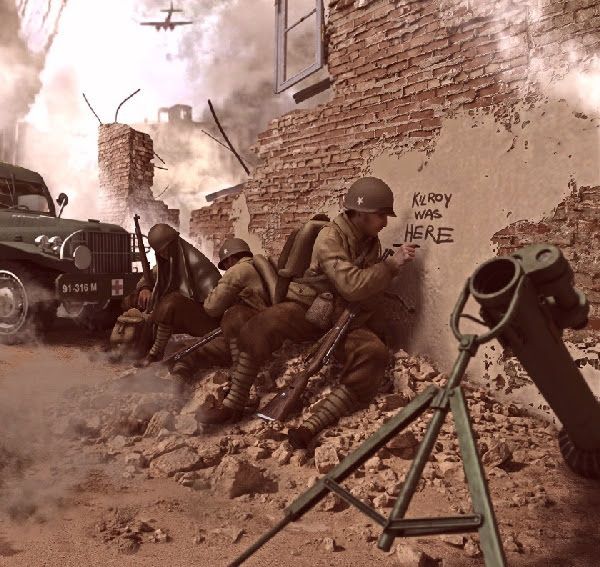
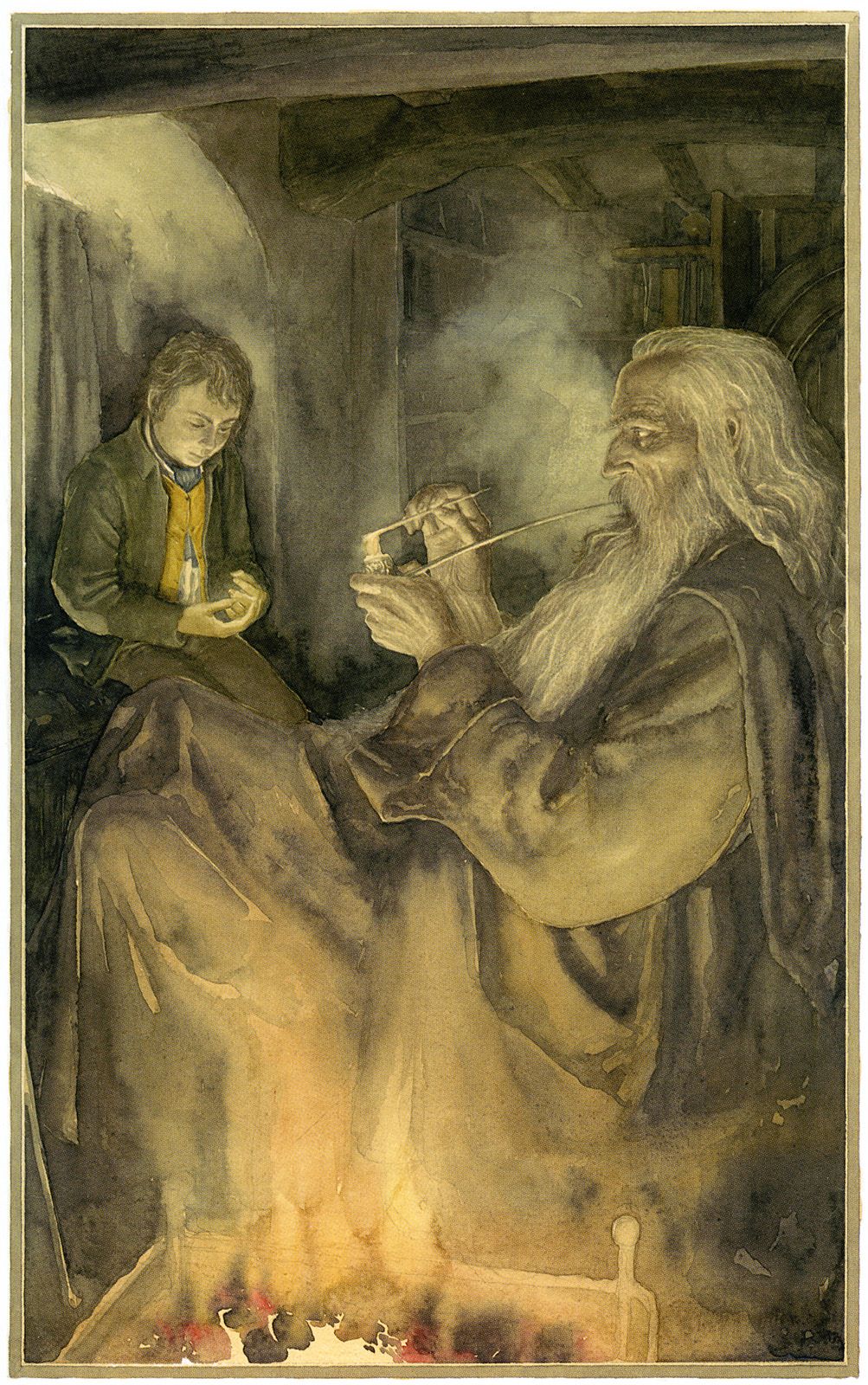

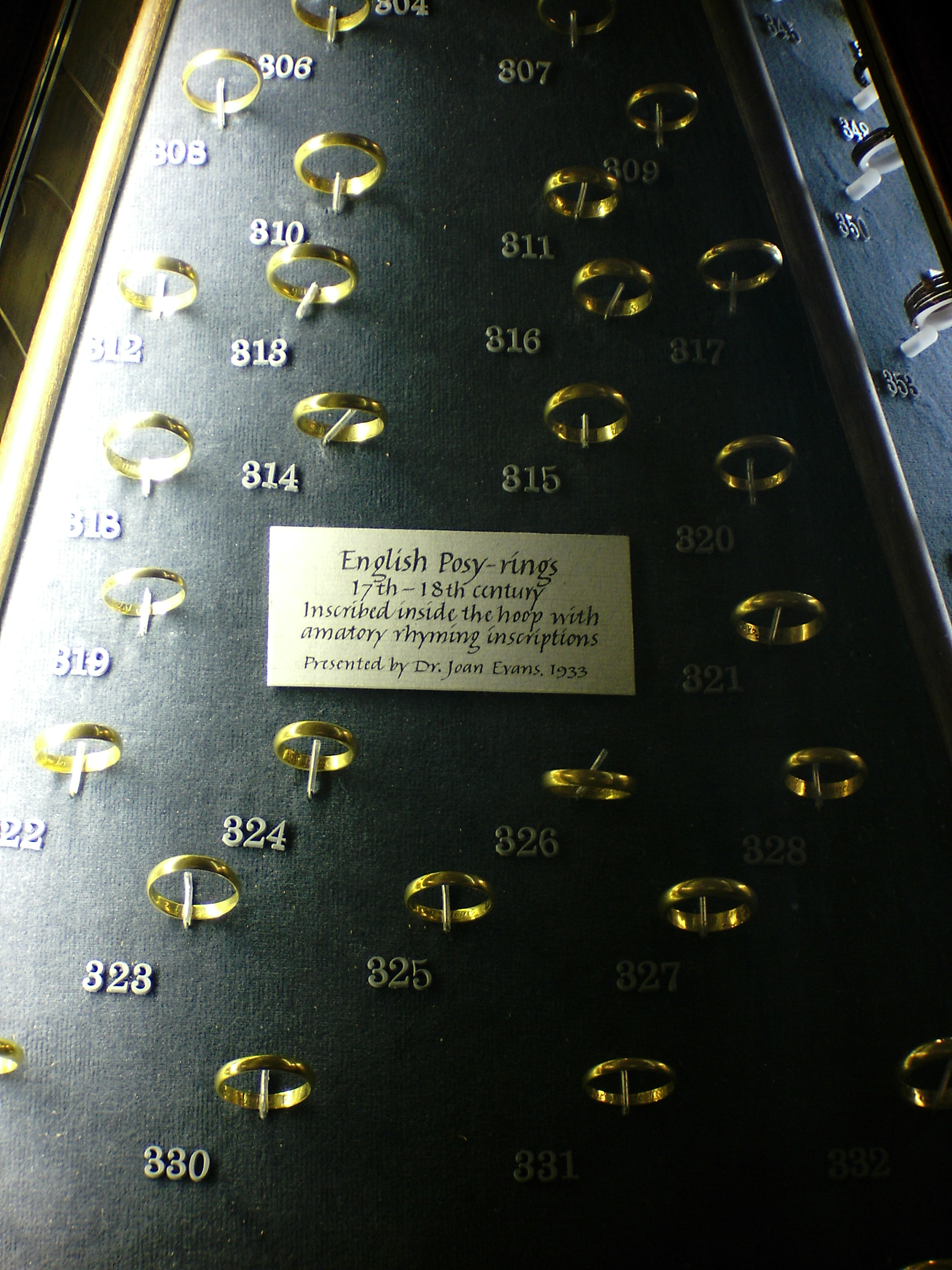


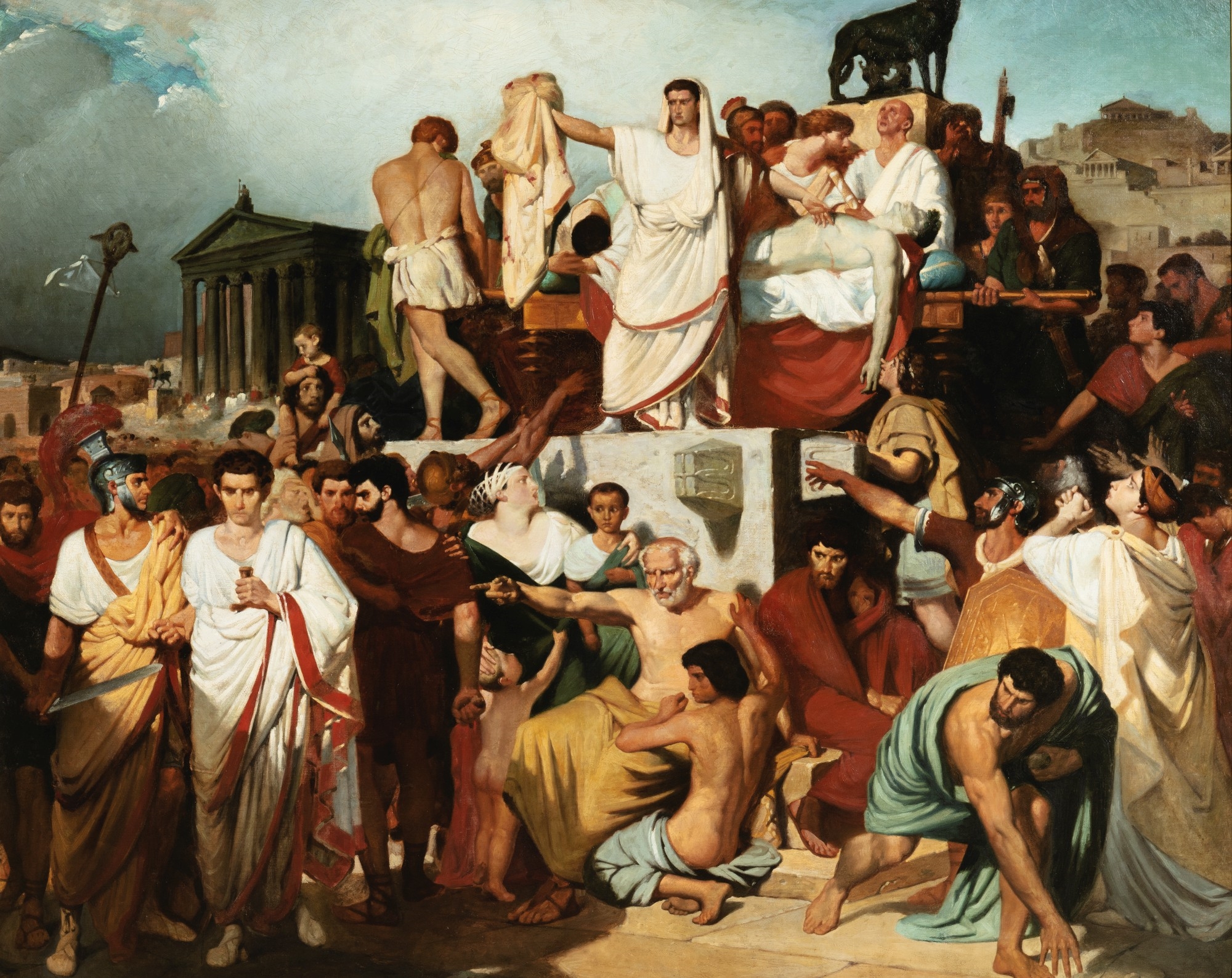

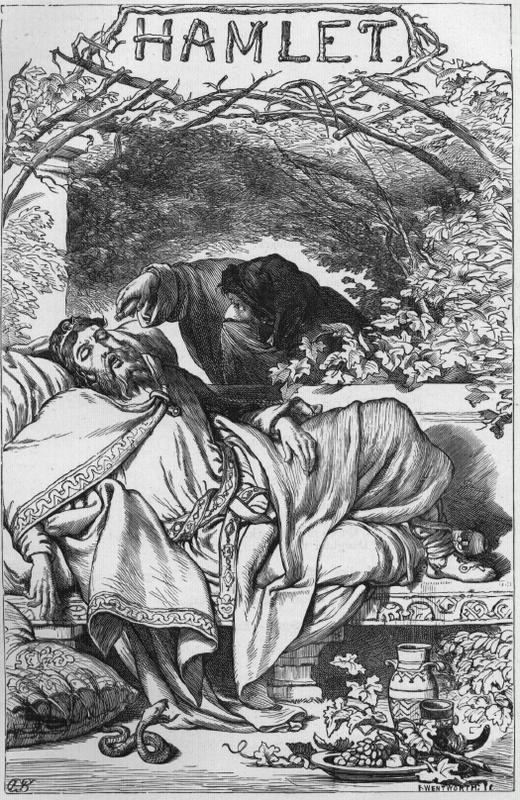
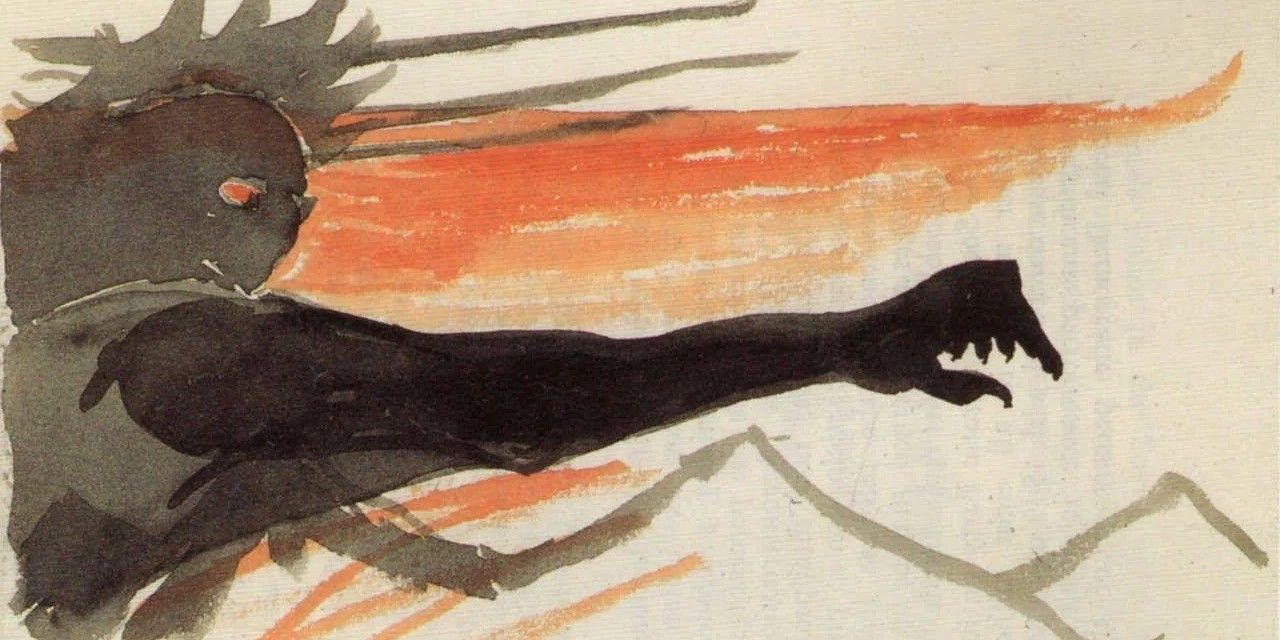


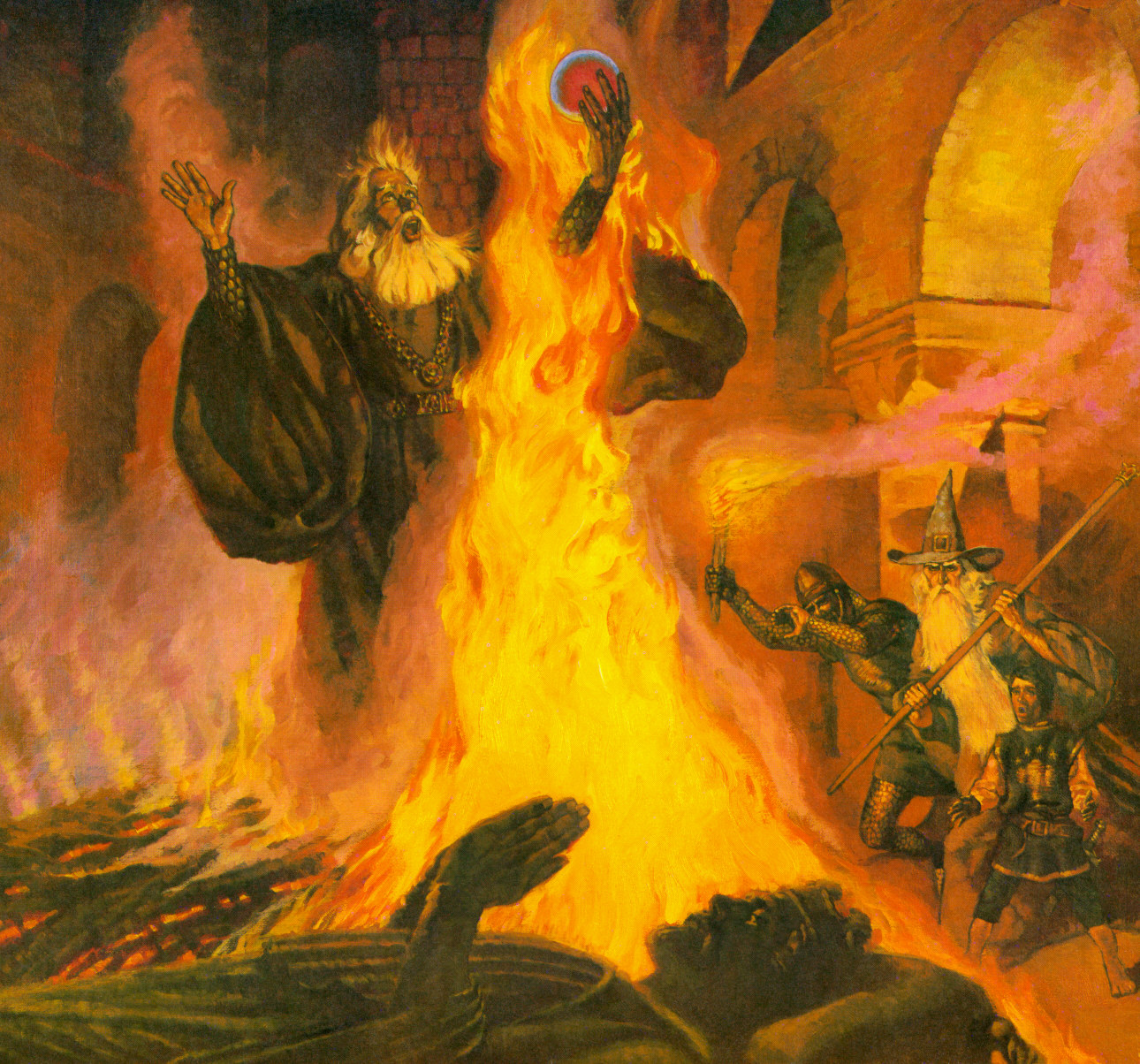

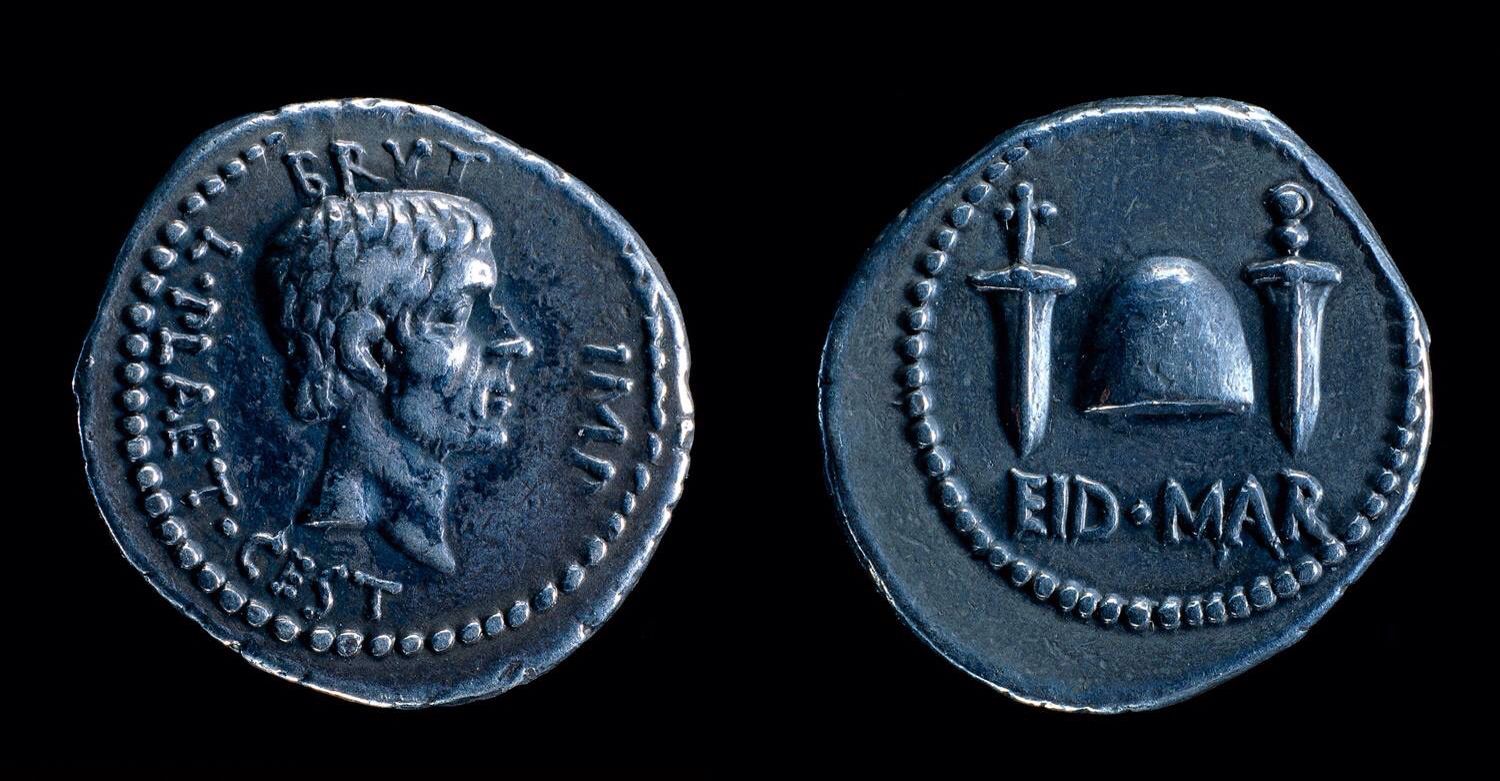


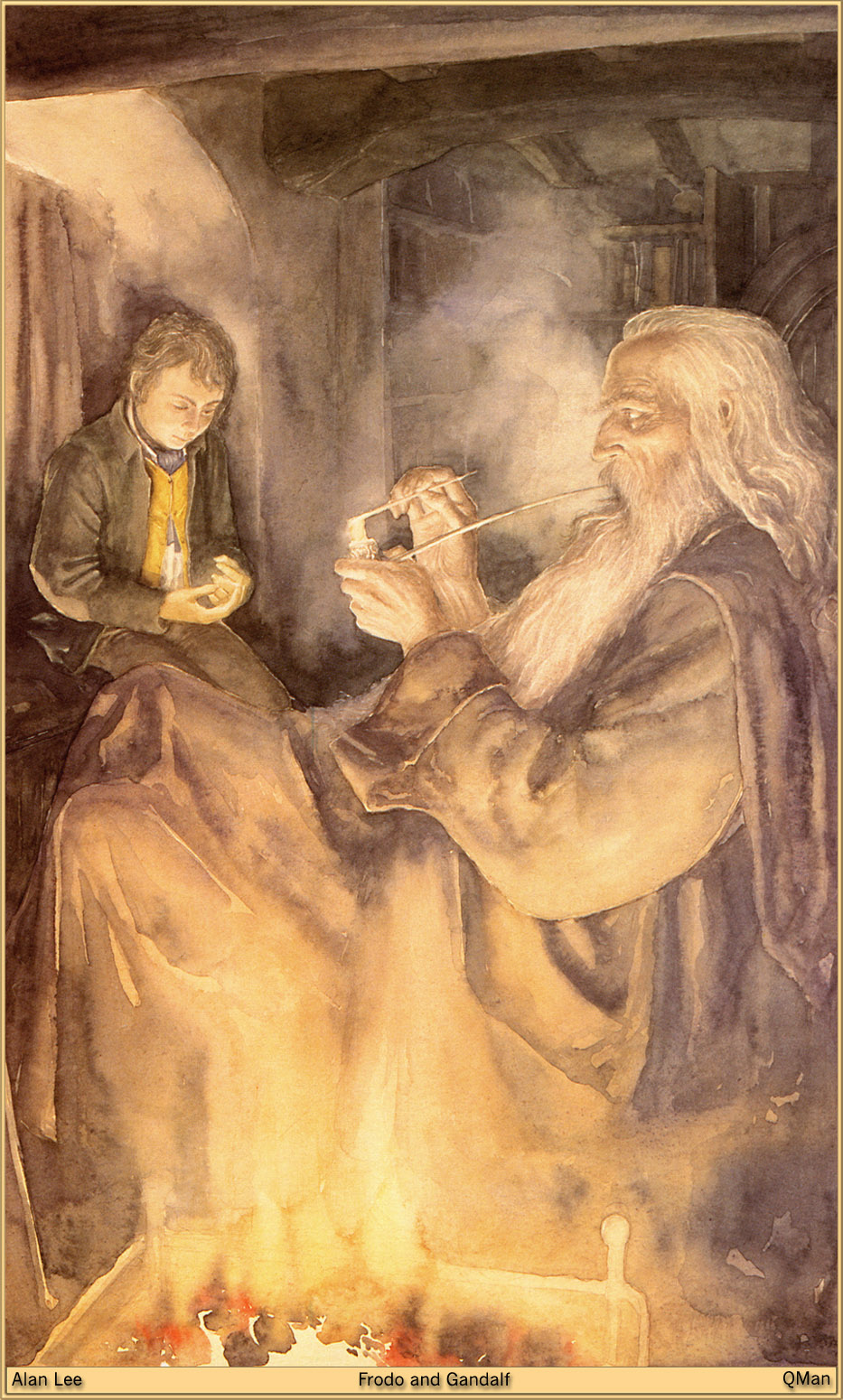


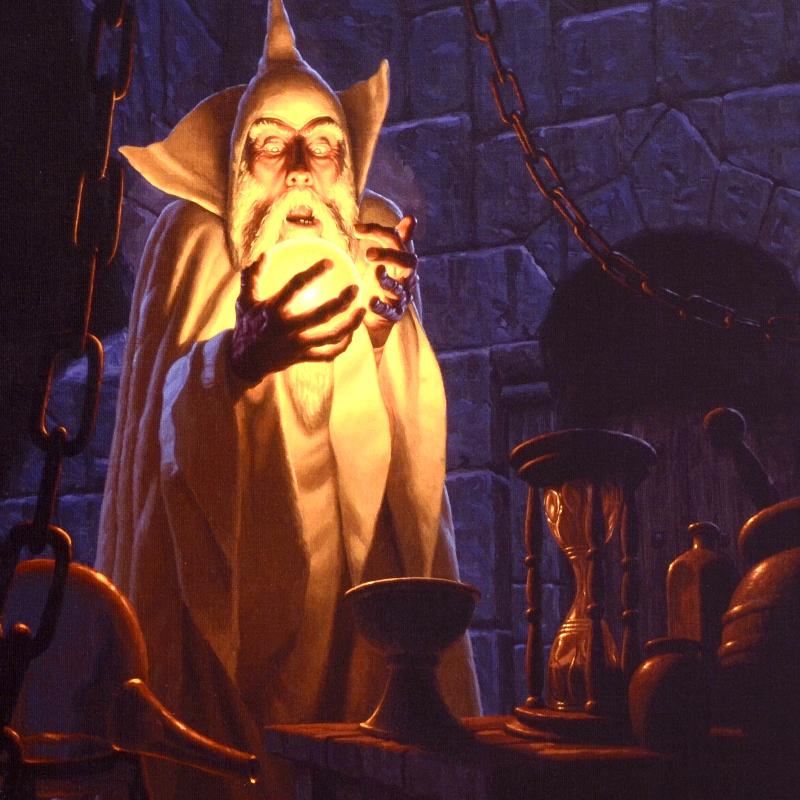




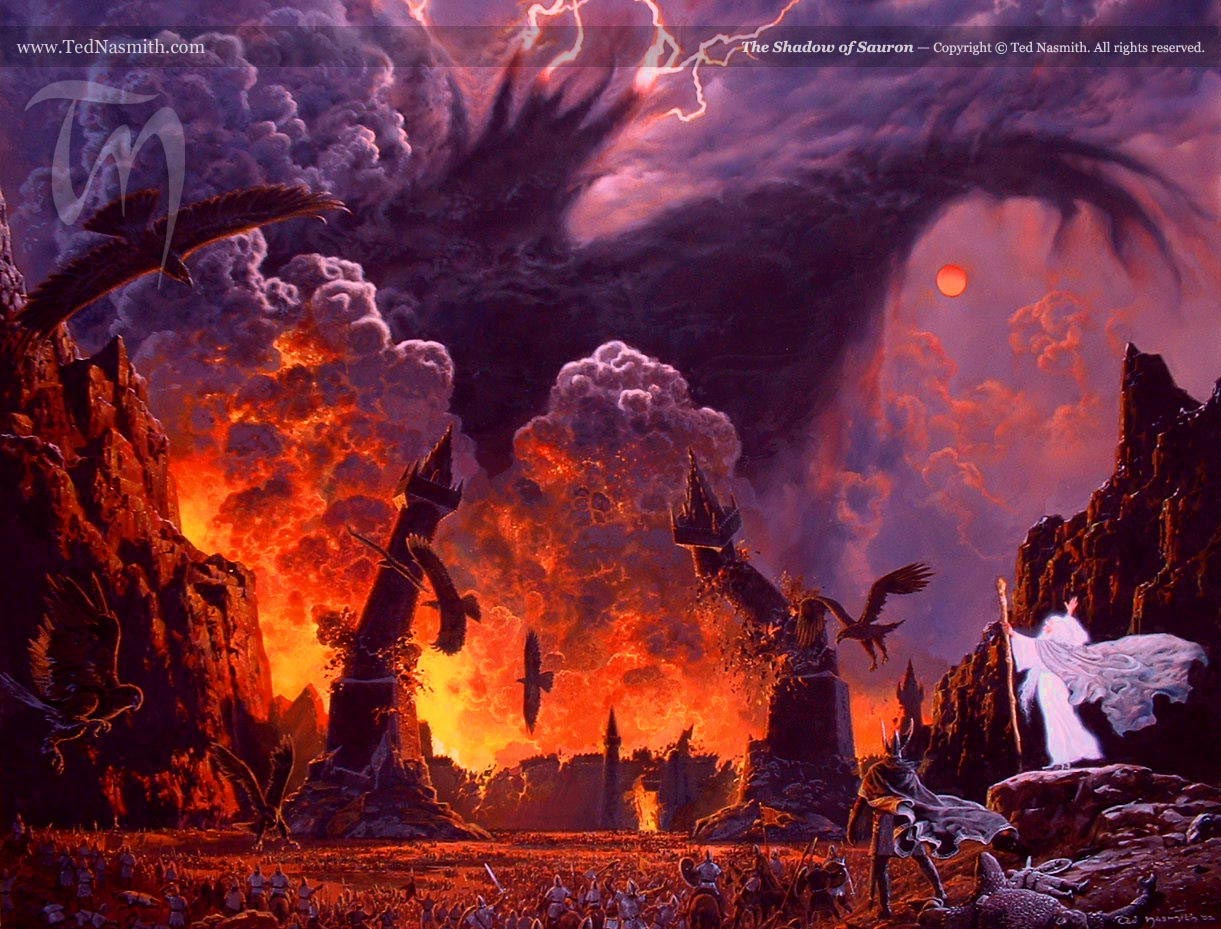


 doubtfulsea