• About

doubtfulsea

~ adventure fantasy

Tag Archives: Beowulf

And Then the Dragon Came

14 Wednesday Jun 2017

Posted by Ollamh in Artists and Illustrators, Fairy Tales and Myths, Heroes, Imaginary History, J.R.R. Tolkien, Literary History, Narrative Methods, Villains

≈ Leave a comment

Tags

A.A. Milne, Apollonius, Arthur Rackham, Beowulf, Chrysophylax, Cressida Cowell, Dragons, Drawn From Life, Drawn From Memory, Dream Days, E.H. Shepard, Edwardian, Farmer Giles of Ham, How to Train Your Dragon, Kenneth Grahame, Maxfield Parrish, Nine Dragons, Now We Are Six, Octavian, Prince Valiant, Renaissance, Sir Gawain, Smaug, St. George and the Dragon, The Argonautica, The Hobbit, The House at Pooh Corners, The Reluctant Dragon, The Wind in the Willows, Tolkien, Victorian, Walt Disney, Western Medieval, When We Were Very Young, Winnie the Pooh

Welcome, dear readers, as always.
One of us is in the midst of creating a course for the fall term. It’s called “Handling Monsters: A Handbook” and several of those monsters are dragons—the “Sleepless Serpent/Dragon” of the ancient Greek literary epic by Apollonius, The Argonautica,
image1sleepless.jpg
the dragon which Beowulf fights,
image2beowulf.jpg
(when small, we always imagined this as looking like the one which Sir Gawain, Prince Valiant’s master, fights)
image3sirgawaine.jpg
Smaug,
image4smaug.jpg
and Toothless, from How to Train Your Dragon (by Cressida Cowell—there’s also a movie by that name, which is fun—great flying scenes–but it’s so different from the book that it really should have another title!)
image5hiccup.jpg
We must confess that we’ve never been big saurian fans, either dinosaurs or dragons, but, as monsters go, they have their uses. Saying that, however, we do have to add that we’ve always loved the “Nine Dragons” scroll, a 13th-century Chinese painting…
image6nine.png
[And here’s a LINK to a site at the Center for the Art of East Asia which you can see the whole scroll—well worth the visit—and revisit, if you’re like us and love Chinese painting.]
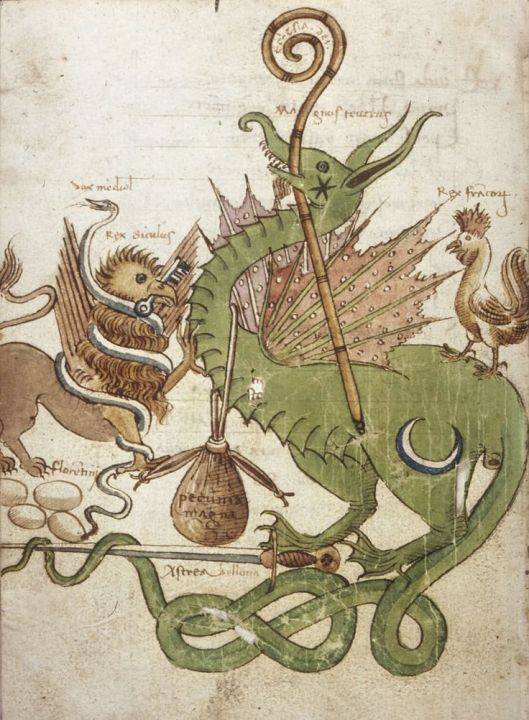
While putting together this course, we’ve been spending some time gathering dragon images. Sometimes, they seem pretty fantastic—painters with wild imaginations—
image7meddragon.jpg
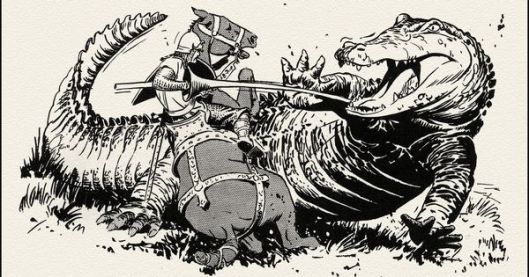
And sometimes they look like someone once saw a crocodile.
image8stg.jpg
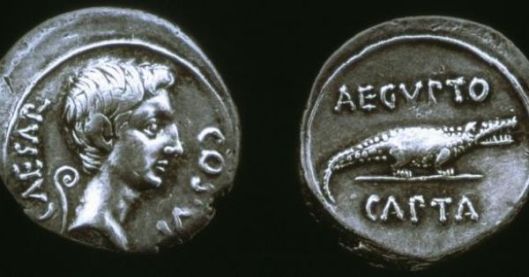
[Perhaps on an old coin? For example, Octavian—the Emperor Augustus-to-be—after the defeat of Antonius and Cleopatra, issued this coin, which reads “Egypt Taken”,

image9aegypta.jpg
suggesting that, when a Roman thought of Egypt, it wasn’t the pyramids which came to mind, but a scaly, many-toothed amphibian!]
And the image before the coin reminds us that, in Western medieval/early Renaissance art, a major source of dragon pictures is religious, being depictions of St. George and his dragon-slaying.
image10stg1.jpg

image11stgeo2.jpg
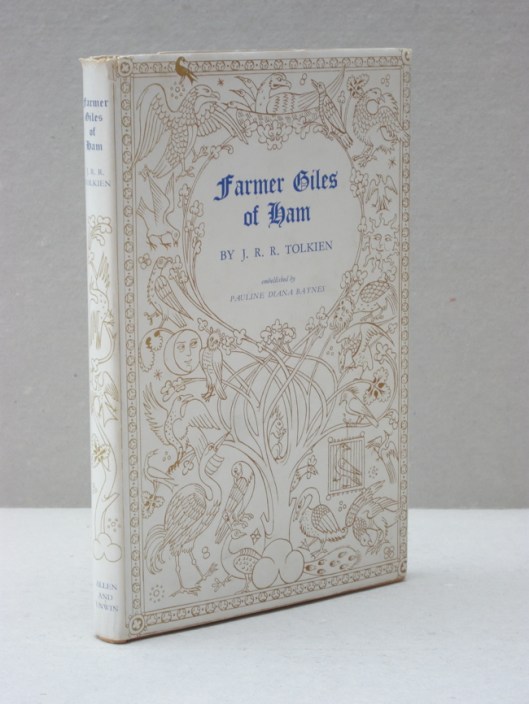
We’ve mentioned JRRT and Smaug, but that it only his first dragon story. There is another, Farmer Giles of Ham, written in 1937 and published in 1949.
image12farmergiles.jpg
If you haven’t read it, we recommend it as a look at JRRT at play, more Hobbit than Lord of the Rings. The story is about a very practical, but hardly adventurous farmer, Giles, who, after chasing off a giant from his village, is given the job of dealing with an invading dragon, Chrysophylax (maybe something like “Watchman of the Gold”).
image13xryso.jpg
Although the dragon is tricksy, Giles eventually overcomes him with a combination of shrewdness and a famous sword, Caudimordax (“Tailbiter”). In the process, he becomes not only wealthy, but also founds his own kingdom-within-a-kingdom. As well, though JRRT, more than once in his letters, lets us know that he is not an enthusiast for democracy, he provides a very critical view of monarchy and its pretensions. (This may also explain why, although those in the Shire may refer to “the king” and “the rules”, which presumably came with that monarch, their own local form of government is more familial than bureaucratic.)
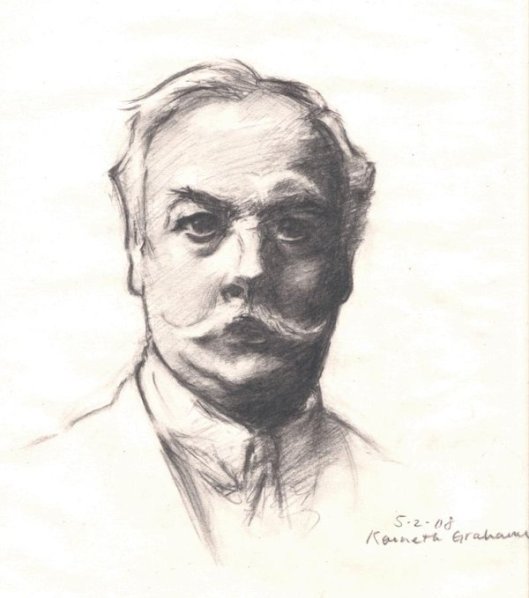
Chrysophylax is chatty, rather like Smaug, but there is a much lighter touch here, and Chrysophylax reminds us of our favorite dragon after Tolkien’s, the unnamed dragon in Kenneth Grahame’s
image14kgrahame.jpg
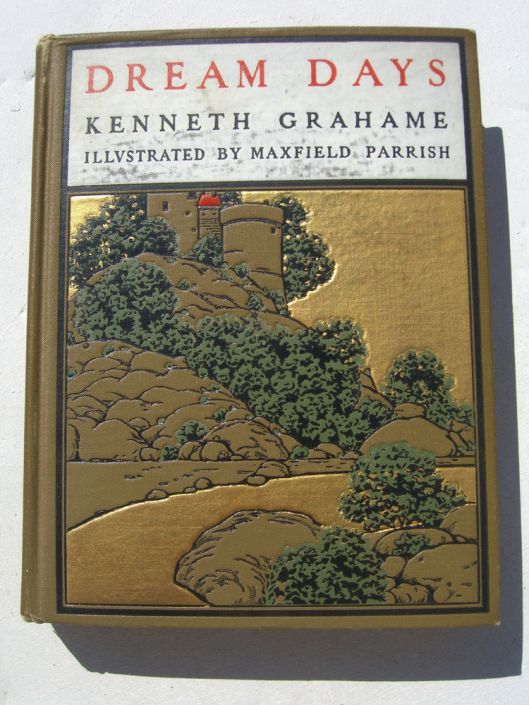
short story, “The Reluctant Dragon”, from his 1898 collection, Dream Days.
image15dreamdays.jpg
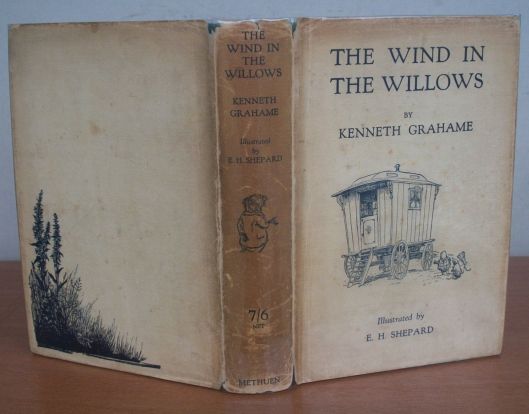
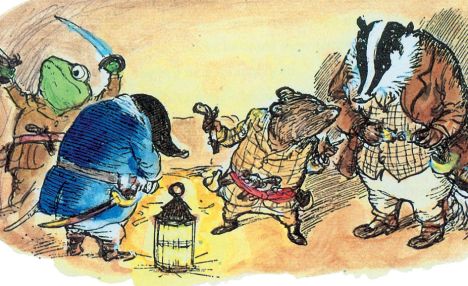
If you recognize Grahame’s name, you probably know it from his 1908 novel, The Wind in the Willows, with its well-known characters, Toad, Rat, Mole, and Badger—not to mention the wicked weasels!–
image16wiw1sted.jpg
image17wiwcharacters.jpg
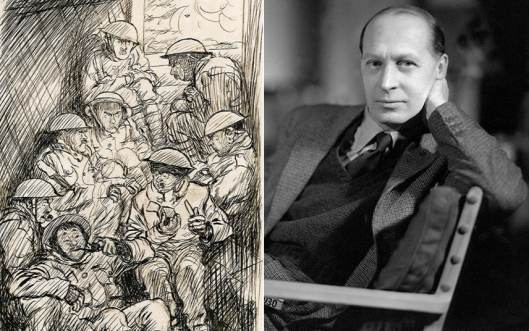
first illustrated by E.H. Shepard
image18ehshepard.jpg
whom you may also know as the illustrator of A.A. Milne’s Winnie the Pooh, The House at Pooh Corners, When We Were Very Young, and Now We are Six.
image19wthepfirst.jpg
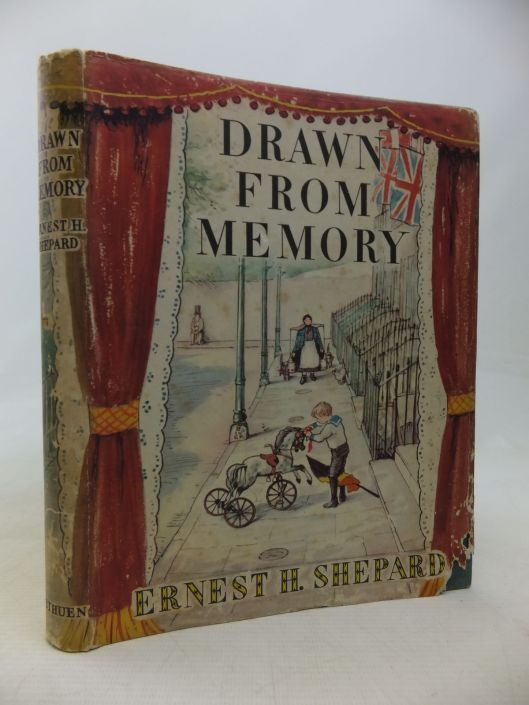
[Shepard also wrote two volumes of autobiography—which he illustrated, of course—Drawn from Memory (1957) and Drawn from Life (1961)
image19drawnfrommem.JPG

image20drawnfromlife.JPG
and, for a picture of a growing up in the later Victorian world, beautifully written and illustrated, we very much recommend both.]
[And a second footnote here: Arthur Rackham—one of our favorite late-19th-early-20th-century illustrators– also illustrated The Wind in the Willows,
image22rackham.jpg

image23wiwrack.jpg
his last project before his death in 1939. It was published a year later, in 1940.]
The title gives away a great deal of the plot of Grahame’s “The Reluctant Dragon”. Instead of being a murderous hoarder, like Beowulf’s dragon, or Smaug, this is dragon-as-pacifist, (as depicted by his original illustrator, Maxfield Parrish):
image24fearless.jpg
not in the least interested in plundering and burning, but rather in viewing sunsets and living a peaceful existence—until St. George appears. As to what happens next, we’re not going to issue a spoiler alert here, but rather provide links to three works by Grahame: two collections of stories and essays, The Golden Age (1895), Dream Days (1898), and The Wind in the Willows (1908), inviting you to read for yourself and to enjoy Grahame’s elegant Edwardian prose and gentle approach.
With thanks, dear readers, for…reading.
MTCIDC
CD

PS
Walt Disney studios made cartoons of “The Reluctant Dragon” (1941) and “The Wind in the Willows” (1949), which are currently available in Disney collections. They both stray rather far from the original stories, but are fun in themselves (and Eric Blore’s voice is perfect for “the handsome and popular Toad”).
PPS
One of us has written what we might immodestly call a very good short story based upon Arthur Rackham’s last days and his determination to finish his illustrations to The Wind in the Willows before his death and we plan to publish it here next week as a kind of “Summer Holidays Extra”. We hope you’ll enjoy it.


Hoarders

26 Wednesday Apr 2017

Posted by Ollamh in J.R.R. Tolkien, Literary History, Narrative Methods

≈ Leave a comment

Tags

Anglo-Saxon, Barliman Butterbur, Beowulf, Bill Ferny, cartwheel penny, Celts, detectorist, Fafnir, Hoard, hord, Horrible Histories, Lenborough, monetary systems, pence, Pennies, pound, pre-Roman British coin, Regia Anglorum, shilling, Smaug, Staffordshire Hoard, Terry Herbert, The Hobbit, The Lord of the Rings, The Treasure Act, Time Team, Tolkien

Welcome, dear readers, as always.

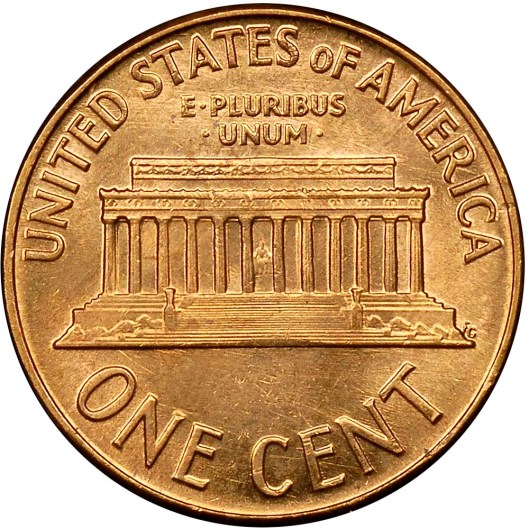
In this posting, we’re continuing with the theme suggested by our dear friend, EMH, about Middle-earth coinage. If you read our last post, you’ll remember that we cited the price of “Bill”, Sam’s pony, which was “12 silver pennies”. Our pennies here in the US—and modern British ones—are made of copper.

1auspenny.jpg


imag1aabrpenny.jpg(As usual with so many old and established things, there is argument over where the word “penny” comes from. Personally, we’ve always imagined that it’s an English diminutive of a Brythonic word—as it exists today in Welsh—“pen” = “head”, the idea being that coins had portrait heads on them. Certainly some pre-Roman British coins had them
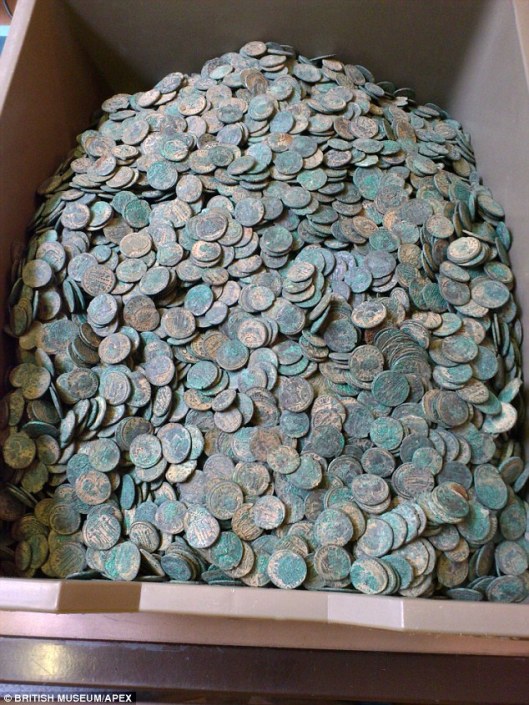
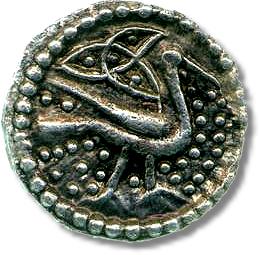
image2aancientbritcoins.jpg

and they were the norm for the Roman coins the Celts would have seen.)

image2aromancoinhoard.jpg

Originally—from the 8th century to 1797, all English pennies were silver. Here’s an 8th-century penny.

image3aaasilverpenny.jpg

In 1797, this was replaced by the so-called “cartwheel penny”, made of copper:

imag3cartwheel.jpg

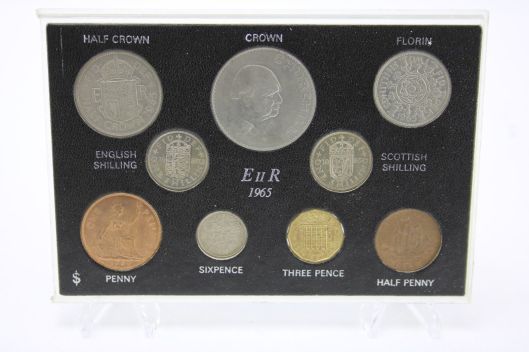
For all that the material changed, the same monetary system of 1 pound = 20 shillings, each shilling = 12 pence (pennies), which had been in place since Anglo-Saxon times, remained in place in the UK till decimalization appeared in 1971. (There is evidence that the number of pence per shilling varied early on, however, with a shilling worth anywhere from 4 to 6.)

image4aaacoinset.jpg

(For a wonderful but totally perplexing view of this money system in Tudor times, see the Horrible Histories segment here.)

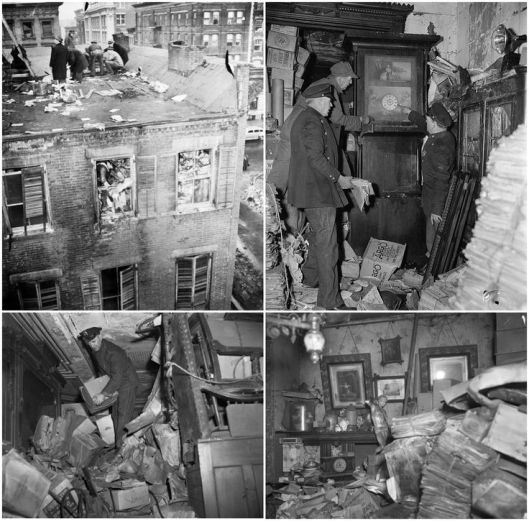
So many of these early coins have all come from “hoards”—that is, from groups of valuable objects which were hidden, presumably with the idea that the one hiding them would return someday to collect them, but, for unknown reasons, never did. (The word, as “hord”, is an Old English/Anglo-Saxon word meaning “treasure/thing of value”.)

As a cache (from French “cacher” = “to hide”—“cache-cache” = the children’s game “hide and seek”) of things someone thought valuable, hoards have been discovered world-wide (just google “hoard”), but some of the most spectacular hoards have come from the UK.

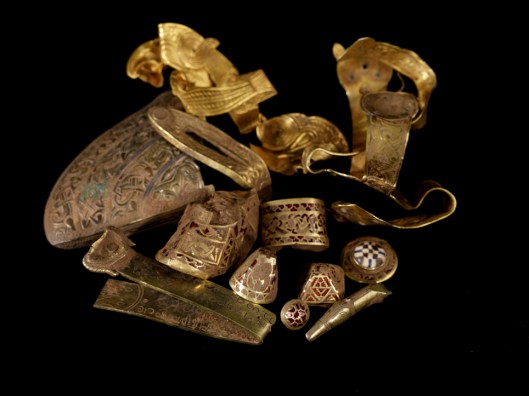
A particularly striking hoard was found by a metal detectorist, Terry Herbert, in 2009. This is the “Staffordshire Hoard”, with over 3500 objects dating from the 7th century AD.

image5staffhoard.jpg

In case “metal detectorist” is new to you, this is a person who spends time using a metal detector

image6ametaldetectors.jpg

to search what he hopes is a promising area in hopes of finding historical objects. The negative side—and we’ve seen it in the US—is that some slip into historical sites, make finds, never report them, and sell them, thereby destroying them as evidence of moments in history. The positive side—and we’ve seen this in England, particularly after the enlightened “The Treasure Act” of 1996—is that responsible detectorists cover much more ground than archaeological services can and both report finds on their own and work on sites with trained professionals. (If you have discovered the wonderful British series, “Time Team”, you can almost always see some working in the background.) In fact, in 2014, BBC4 released a comedy/drama series, The Detectorists, based upon two rather hapless members of the community, Andy and Lance,

image6thedetectorists.jpg

with a second series released in 2015 and a third promised for 2017. As an example of that special brand of quiet, quirky English humor, we very much recommend these.

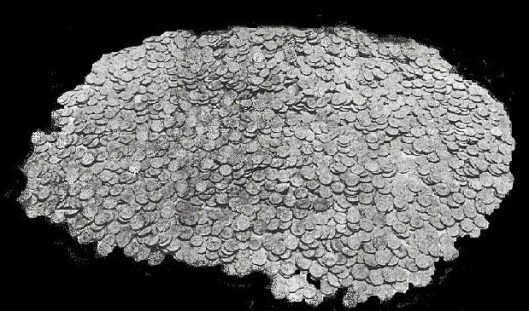
The Staffordshire Hoard contained a large selection of worked gold and silver pieces and fragments, but, as far as we can read, no coins. A major coin hoard was found at Lenborough in 2014. This was a carefully-buried lead box containing over 5,000 late Anglo-Saxon coins.

image7lenboroughhoard.JPG

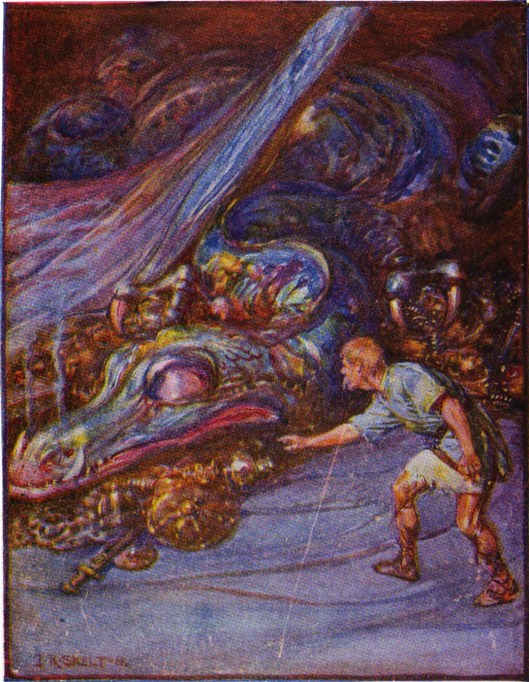
And a heap like that immediately makes us think of hoards from myth—the hoard from which a slave steals a cup in Beowulf (just as Bilbo does, in The Hobbit)

image8beowulf.gif

to the hoard of the dragon Fafnir

image9fafnir.jpg

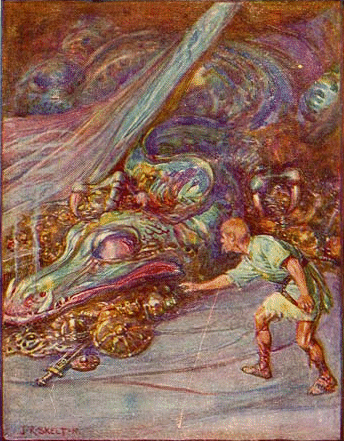
to the hoard of Smaug.

image10smaug.jpg

JRRT paints a broad picture of Smaug’s hoard:

“Beneath him…lay countless piles of precious things, gold wrought and unwrought, gems and jewels, and silver red-stained in the ruddy light…Behind him where the walls were nearest could dimly be seen coats of mail, helms and axes, swords and spears hanging; and there in rows stood great jars and vessels filled with a wealth that could not be guessed.” (The Hobbit, Chapter 12, “Inside Information”)

No coins are mentioned—although ponies, unfortunately, are: Smaug says that he’s eaten six of them.

And this brings us back to our original quotation and the price of Sam’s pony:

“Bill Ferny’s price was twelve silver pennies; and that was at least three times the pony’s value in those parts.” (The Fellowship of the Ring, Book One, Chapter 11, “A Knife in the Dark”)

Butterbur the innkeeper at Bree paid for the pony and “offered Merry another eighteen pence as some compensation for the lost animals” (the others driven off by the Nazgul during their night raid on Bree). We have some sense of just how much that meant when the story goes on to say of Butterbur that, “He was an honest man, and well-off as things were reckoned in Bree; but thirty silver pennies was a sore blow to him…”

We had assumed that JRRT, as a scholar of the medieval English world, had based his coinage on the system of the Anglo-Saxon world (which was still, more or less, the system in Britain nearly to JRRT’s death in 1973). A comparison with a very useful chart of period prices, based primarily upon surviving law texts, to be found on the website of the reenactment consortium Regia Anglorum, however, suggests that, although JRRT has silver pennies, just as the AS system does, his price for the pony doesn’t appear to match at all.   If 4 silver pennies would have been a good price in the late Third Age, what would Butterbur have said to the 193.5 pence for a horse on the actual AS list?

Thanks, as ever, for reading!

MTCIDC

CD

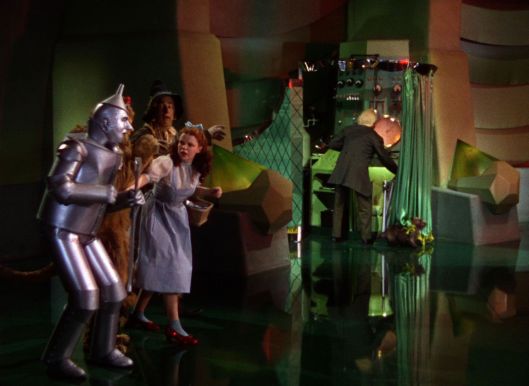
Paying No Attention to the Man Behind the Curtain

08 Wednesday Jun 2016

Posted by Ollamh in J.R.R. Tolkien, Literary History, Narrative Methods

≈ 1 Comment

Tags

Beowulf, Cloacina, Connacht, Grendel, Heorot, Horatius, King of Leinster, Lembas, Lord Chesterfield, Mac Da Tho, Mordor, Odysseus, Penelope, Tamora Pierce, The Lord of the Rings, The Odyssey, The Wizard of Oz, Tolkien, Ulster

Behind-the-Curtain.jpg

Dear Readers,

Welcome, as always, to our blog. In this posting, we want to consider something usually invisible, but, at the same time, for reader/listeners, always there in adventure stories.

Think for a moment about your day. And how filled it is with requirements of the body, from sleep to washing to eating to—yes, you see where we’re going.

PoplarForestPriviesRob.jpg

(And we can’t see this 18th century outhouse—sometimes called a “necessary” or a “privy” then—without thinking of part of a letter by the famous 18th-century essayist/letter-writer Lord Chesterfield (1694-1773).

Philip_Stanhope,_4th_Earl_of_Chesterfield.PNG

Who wrote a series of affectionate and very worldly-wise letters to his illegitimate son. In one of them he had the following advice—

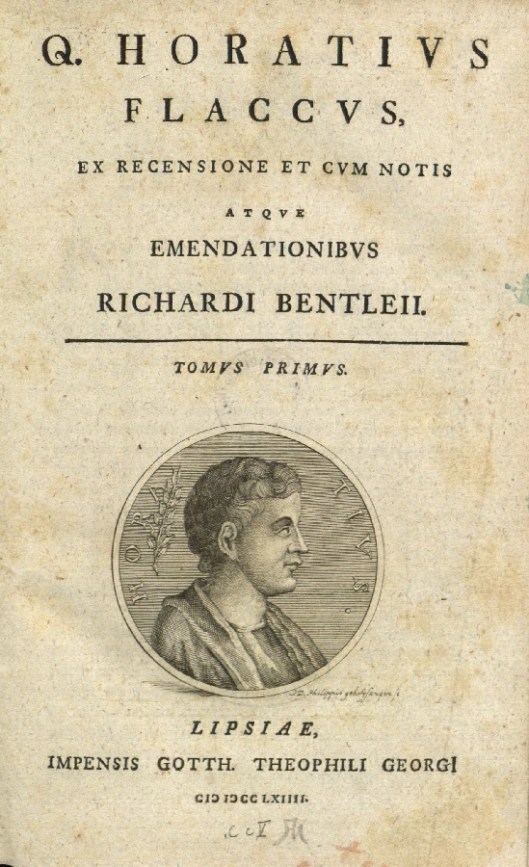
“I knew a gentleman who was so good a manager of his time that he would not even lose that small portion of it which the calls of nature obliged him to pass in the necessary-house; but gradually went through all the Latin poets in those moments. He bought, for example, a common edition of Horace, of which he tore off gradually a couple of pages, carried them with him to that necessary place, read them first, and then sent them down as a sacrifice to Cloacina: this was so much time fairly gained, and I recommend you to follow his example…. Books of science and of a grave sort must be read with continuity; but there are very many, and even very useful ones, which may be read with advantage by snatches and unconnectedly: such are all the good Latin poets, except Virgil in his Æneid, and such are most of the modern poets, in which you will find many pieces worth reading that will not take up above seven or eight minutes.”
earlyeditionofhorace.jpg

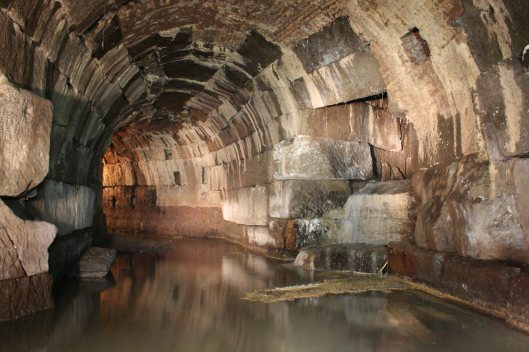
Cloacina was the patron goddess of the ancient main drain of Rome. Here’s an image of her shrine—

Coins-venus-cloacina.jpg

and here’s her drain

Domitian-Cloaca-Forum.jpg

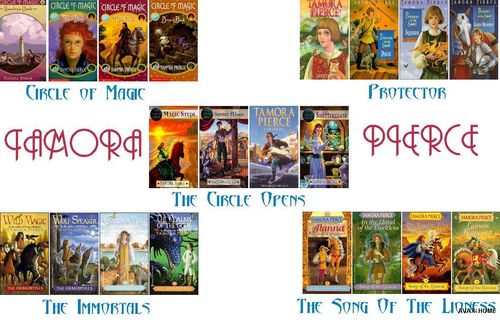
But, as we were starting to say, things of the body, ordinary things, are almost entirely ignored both in traditional adventure and in modern versions. In fact, it’s a bit of a shock to see, in some of Tamora Pierce’s YA novels (a big favorite of ours), that people actually use a latrine.

tpiercebooks.jpg

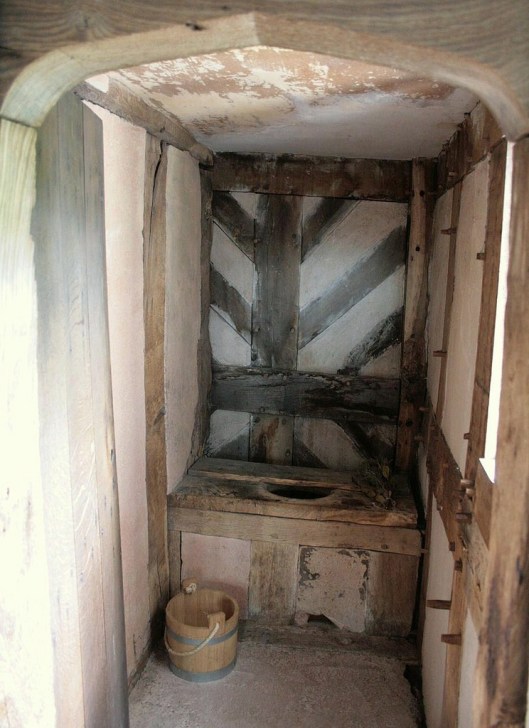
When we look at JRRT, for example, whose works we’ve often tried to set into a medieval context, we never see what one would have seen in such a context, whether behind a farmhouse

garderobe1.jpg

or in some place grand.

garderobe.jpgGarderobe,_Peveril_Castle,_Derbyshire.jpg

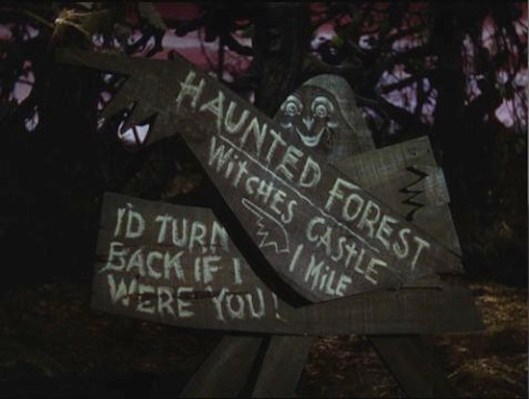
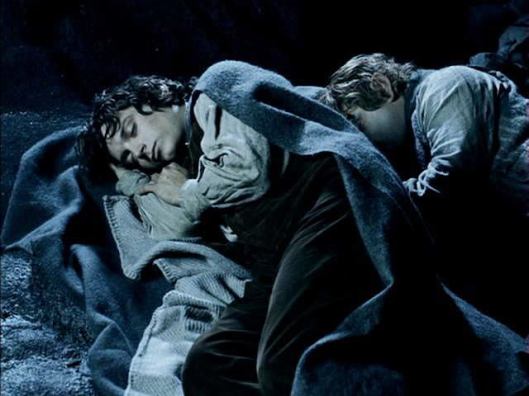
We began with the least common possibility, but this is as true for other functions—usually taken for granted, except for specific reasons. Sleep, for example, is very often employed simply as a way to show the passage of time during an adventure—and, in worlds without googlemaps, Siri, and perhaps even signposts

HauntedForest_sign.jpg

it’s a very natural and easy way to mark time and distance simultaneously.

samandfrodoasleep.jpg

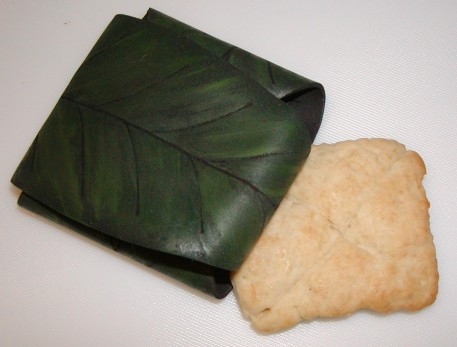
Eating can show the same—think of Sam hoarding lembas as he and Frodo trek towards Mordor—

leaf-lembas.JPG

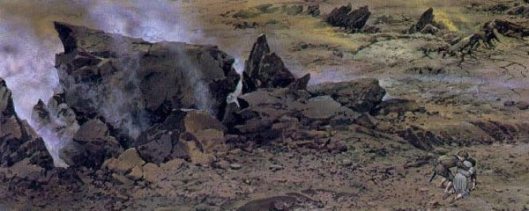
JRRT then uses it to show urgency, as well—what will they do in Mordor, when it runs out?

602_NASMITH_Across_Gorgoroth_02.jpg

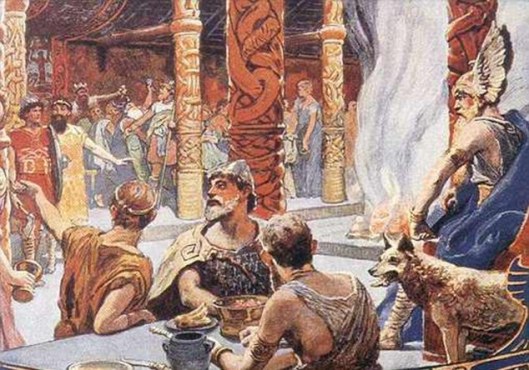
Of course, eating—in the form of feasting, in particular—can provide a major plot element.

Think of Heorot, the feasting hall, in Beowulf, for instance,

heorot.jpg

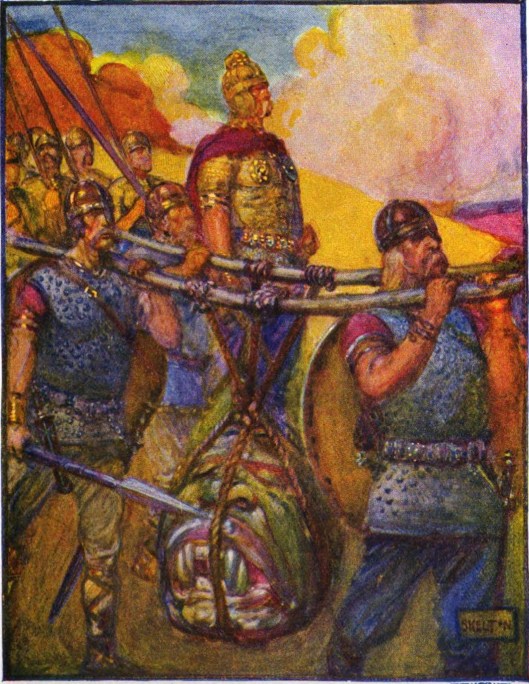
where feasts are ruined until Beowulf defeats their ruiner, Grendel.

Stories_of_beowulf_head_of_grendel.jpg

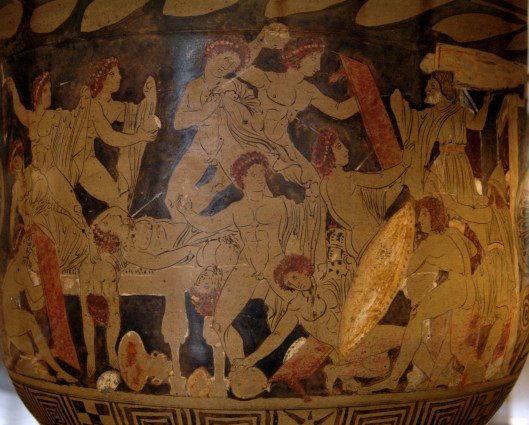
Or the endless feasting of the suitors in the Odyssey

greekfeastpaestumdivertomb.jpg

as they eat up everything which makes Odysseus the lord of his lands, besides trying to steal his wife, Penelope.

JohnWilliamWaterhouse-PenelopeandtheSuitors(1912).jpg

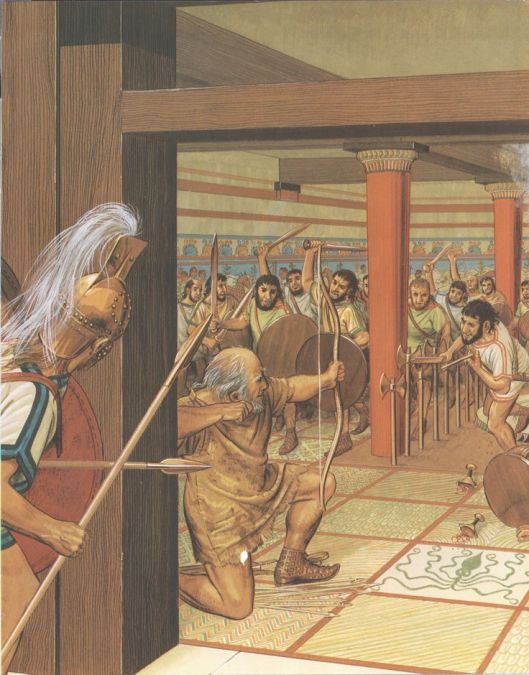
Here, eating and drinking take on a greater significance in that they are symbolic of the slow destruction of Odysseus’ household. They also provide a great setting for his reappearance and then, with the help of Athena, his massacre of the suitors in one of the wildest revenge scenes we know. It has quite a number of illustrators, from ancient

Mnesterophonia_Louvre_CA7124.jpg

to Victorian

odysseus-kills-the-suitors1.jpg

to modern—and our favorite, for the way it’s being shown from the angle of Odysseus’ patron, Athena

peterconnollysuitors.jpg

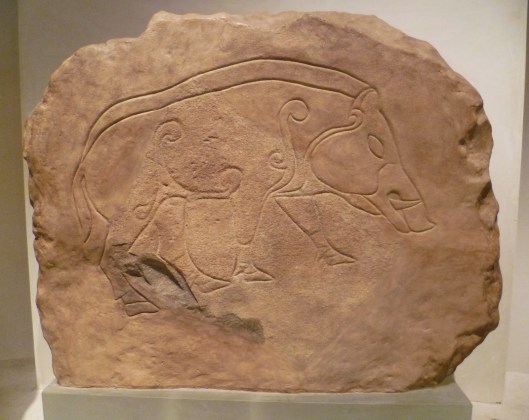
And then there is the feast, held in the rath of the king of Leinster, Mac Da Tho, which has to be one of the zaniest scela in Old Irish literature. Leinster’s most powerful neighbors, Ulster and Connacht, are at dinner, but there is a sudden difficulty over who will carve the pig.

Pictish_symbol_stone_from_Dores Wiki Commons.JPG

Like so many of the stories of the so-called “Ulster Cycle”, it is full of over-the-top violence and grim humor as both powers struggle to gain the honor of carving and therefore having the right to award the curadmir, the “hero’s portion”.

As you think about your favorite heroic or adventure story, consider the above—where can you see body care/body functions? Then, to take it a step farther: where does anyone ever sneeze? (We can think of one special one, but what can you come up with?—Hint: see Odyssey 17…)

Thanks, as ever, for reading.

MTCIDC

CD


Newer posts →

The Doubtful Sea Series Facebook Page

The Doubtful Sea Series Facebook Page

  • Ollamh

Categories

  • Artists and Illustrators
  • Economics in Middle-earth
  • Fairy Tales and Myths
  • Films and Music
  • Games
  • Heroes
  • Imaginary History
  • J.R.R. Tolkien
  • Language
  • Literary History
  • Maps
  • Medieval Russia
  • Military History
  • Military History of Middle-earth
  • Narnia
  • Narrative Methods
  • Poetry
  • Research
  • Star Wars
  • Terra Australis
  • The Rohirrim
  • Theatre and Performance
  • Tolkien
  • Uncategorized
  • Villains
  • Writing as Collaborators
Follow doubtfulsea on WordPress.com

Across the Doubtful Sea

Recent Postings

  • Through a glass… January 7, 2026
  • Heffalumps? December 31, 2025
  • We Three Kings December 24, 2025
  • A Moon disfigured December 17, 2025
  • On the Roads Again—Once More December 10, 2025
  • (Not) Crossing Bridges December 3, 2025
  • On the Road(s) Again—Again November 26, 2025
  • On the Road(s) Again November 19, 2025
  • To Bree (Part 2) November 12, 2025

Blog Statistics

  • 104,128 Views

Posting Archive

  • January 2026 (1)
  • December 2025 (5)
  • November 2025 (4)
  • October 2025 (5)
  • September 2025 (4)
  • August 2025 (4)
  • July 2025 (5)
  • June 2025 (4)
  • May 2025 (4)
  • April 2025 (5)
  • March 2025 (4)
  • February 2025 (4)
  • January 2025 (5)
  • December 2024 (4)
  • November 2024 (4)
  • October 2024 (5)
  • September 2024 (4)
  • August 2024 (4)
  • July 2024 (5)
  • June 2024 (4)
  • May 2024 (5)
  • April 2024 (4)
  • March 2024 (4)
  • February 2024 (4)
  • January 2024 (5)
  • December 2023 (4)
  • November 2023 (5)
  • October 2023 (4)
  • September 2023 (4)
  • August 2023 (5)
  • July 2023 (4)
  • June 2023 (4)
  • May 2023 (5)
  • April 2023 (4)
  • March 2023 (5)
  • February 2023 (4)
  • January 2023 (4)
  • December 2022 (4)
  • November 2022 (5)
  • October 2022 (4)
  • September 2022 (4)
  • August 2022 (5)
  • July 2022 (4)
  • June 2022 (5)
  • May 2022 (4)
  • April 2022 (4)
  • March 2022 (5)
  • February 2022 (4)
  • January 2022 (4)
  • December 2021 (5)
  • November 2021 (4)
  • October 2021 (4)
  • September 2021 (5)
  • August 2021 (4)
  • July 2021 (4)
  • June 2021 (5)
  • May 2021 (4)
  • April 2021 (4)
  • March 2021 (5)
  • February 2021 (4)
  • January 2021 (4)
  • December 2020 (5)
  • November 2020 (4)
  • October 2020 (4)
  • September 2020 (5)
  • August 2020 (4)
  • July 2020 (5)
  • June 2020 (4)
  • May 2020 (4)
  • April 2020 (5)
  • March 2020 (4)
  • February 2020 (4)
  • January 2020 (6)
  • December 2019 (4)
  • November 2019 (4)
  • October 2019 (5)
  • September 2019 (4)
  • August 2019 (4)
  • July 2019 (5)
  • June 2019 (4)
  • May 2019 (5)
  • April 2019 (4)
  • March 2019 (4)
  • February 2019 (4)
  • January 2019 (5)
  • December 2018 (4)
  • November 2018 (4)
  • October 2018 (5)
  • September 2018 (4)
  • August 2018 (5)
  • July 2018 (4)
  • June 2018 (4)
  • May 2018 (5)
  • April 2018 (4)
  • March 2018 (4)
  • February 2018 (4)
  • January 2018 (5)
  • December 2017 (4)
  • November 2017 (4)
  • October 2017 (4)
  • September 2017 (4)
  • August 2017 (5)
  • July 2017 (4)
  • June 2017 (4)
  • May 2017 (5)
  • April 2017 (4)
  • March 2017 (5)
  • February 2017 (4)
  • January 2017 (4)
  • December 2016 (4)
  • November 2016 (5)
  • October 2016 (6)
  • September 2016 (5)
  • August 2016 (5)
  • July 2016 (5)
  • June 2016 (5)
  • May 2016 (4)
  • April 2016 (4)
  • March 2016 (5)
  • February 2016 (4)
  • January 2016 (4)
  • December 2015 (5)
  • November 2015 (5)
  • October 2015 (4)
  • September 2015 (5)
  • August 2015 (4)
  • July 2015 (5)
  • June 2015 (5)
  • May 2015 (4)
  • April 2015 (3)
  • March 2015 (4)
  • February 2015 (4)
  • January 2015 (4)
  • December 2014 (5)
  • November 2014 (4)
  • October 2014 (6)
  • September 2014 (1)

Blog at WordPress.com.

  • Subscribe Subscribed
    • doubtfulsea
    • Join 78 other subscribers
    • Already have a WordPress.com account? Log in now.
    • doubtfulsea
    • Subscribe Subscribed
    • Sign up
    • Log in
    • Report this content
    • View site in Reader
    • Manage subscriptions
    • Collapse this bar
 

Loading Comments...