• About

doubtfulsea

~ adventure fantasy

Category Archives: Heroes

Seeing the Elephant– Oliphaunt

30 Wednesday Sep 2015

Posted by Ollamh in Films and Music, Heroes, J.R.R. Tolkien, Military History, Military History of Middle-earth

≈ 2 Comments

Tags

Adventure, Alps, ATAT, Elephants, Greeks, Hannibal, Hoth, Mammoth, Mumak of Harad, Napoleon, Oliphaunt, Peter Jackson, Pyrrhus of Epirus, Romans, Sam Gamgee, Star Wars, The Lord of the Rings, Tolkien, war

Grey as a mouse,
Big as a house,
Nose like a snake,
I make the earth shake,
As I tramp through the grass;
Trees crack as I pass.
With horns in my mouth
I walk in the South,
Flapping big ears.
Beyond count of years
I stump round and round,
Never lie on the ground,
Not even to die.
Oliphaunt am I,
Biggest of all,
Huge, old, and tall.
If ever you’d met me
You wouldn’t forget me.
If you never do,
You won’t think I’m true;
But old Oliphaunt am I,
And I never lie.

(“The Black Gate is Closed”, LOTR 646)

Dear Readers,

Welcome, as always.

Sam dearly wants to see an oliphaunt– and he will get his chance. Were he able to see the third part of Peter Jackson’s The Lord of the Rings, he would see many more than one.

Screen_Shot_2013-03-12_at_6.17.47_PM

Sam does see one, however:

To his astonishment and terror, and lasting delight, Sam saw a vast shape crash out of the trees and come careering down the slope. Big as a house, much bigger than a house, it looked to him, a grey-clad moving hill” (“Of Herbs and Stewed Rabbit”, LOTR 661).

Here’s how the film shows two of them:

oliphaunts_small

These are, of course, based upon real war elephants.
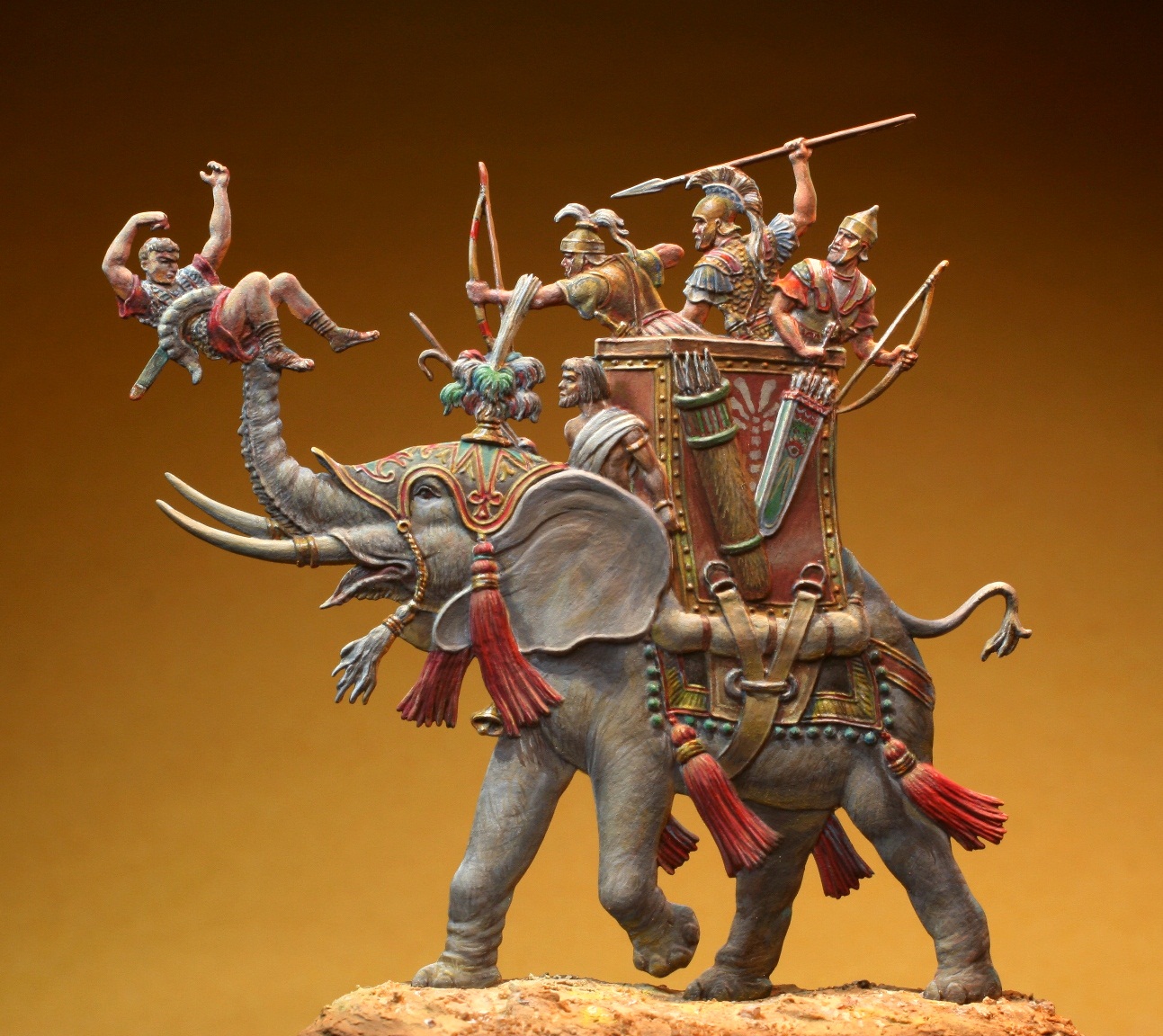
Carthaginian-War-Elephant-yellow-shrink

The west– our west– first saw such elephants in the 280s BC, in the army which Pyrrhus of Epirus brought from Greece to fight the Romans.
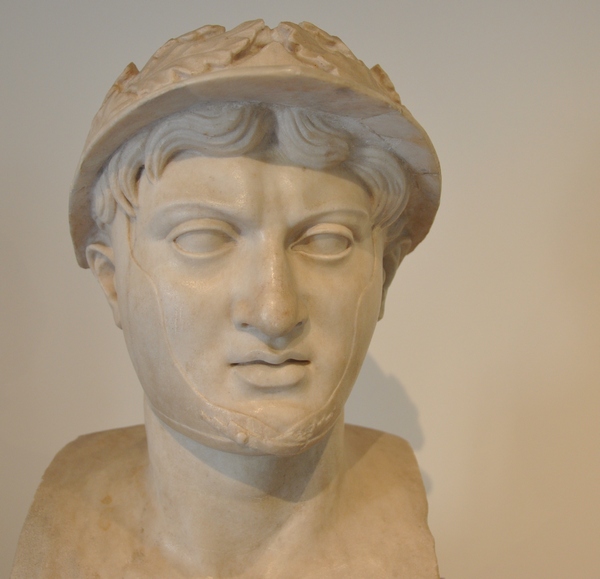
herculaneum_villa_papiri_pyrrhus_naples4elephant_dish

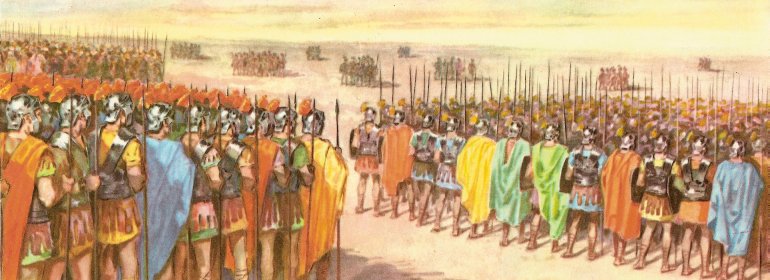
Such elephants were thought to be useful against great blocks of infantry.

phalanx phalanx1legion_in_battle_formation

They could be used like tanks to knock holes in the formations.
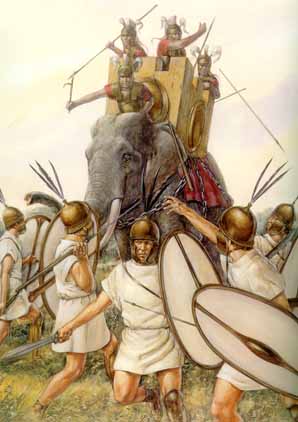
Pyrhus_elephants2

To most people, the most familiar images, however, would be from Hannibal’s invasion of Italy in 218 BC.

Hannibal-2

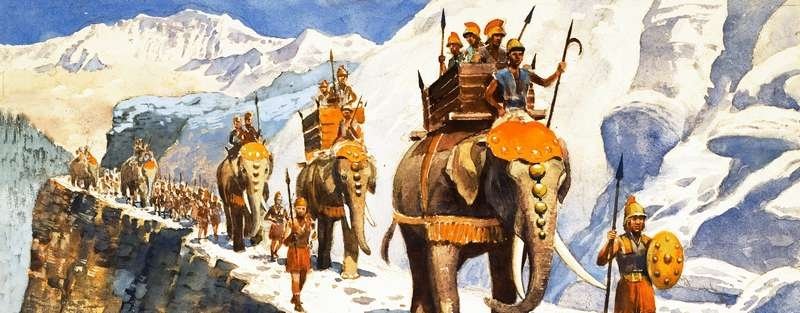
And, most famous of all, is his taking of the elephants across the Alps.
lal299613 lal319314

In fact, this did not end well for the elephants. Ancient accounts suggest that out of forty elephants, only one survived.

Crossing the Alps reminded us of Napoleon doing this in 1800. Here’s the heroic version:

Napoleon_at_the_Great_St._Bernard_-_Jacques-Louis_David_-_Google_Cultural_Institute

And this is what really happened (a little like Hannibal’s elephants):

Paul_Delaroche_-_Napoleon_Crossing_the_Alps_-_Google_Art_Project_2

JRRT says of the oliphaunt Sam saw that “…the Mûmak of Harad was indeed a beast of vast bulk, and the like of him does not walk now in Middle-earth” (“Of Herbs and Stewed Rabbit”, LOTR 661).

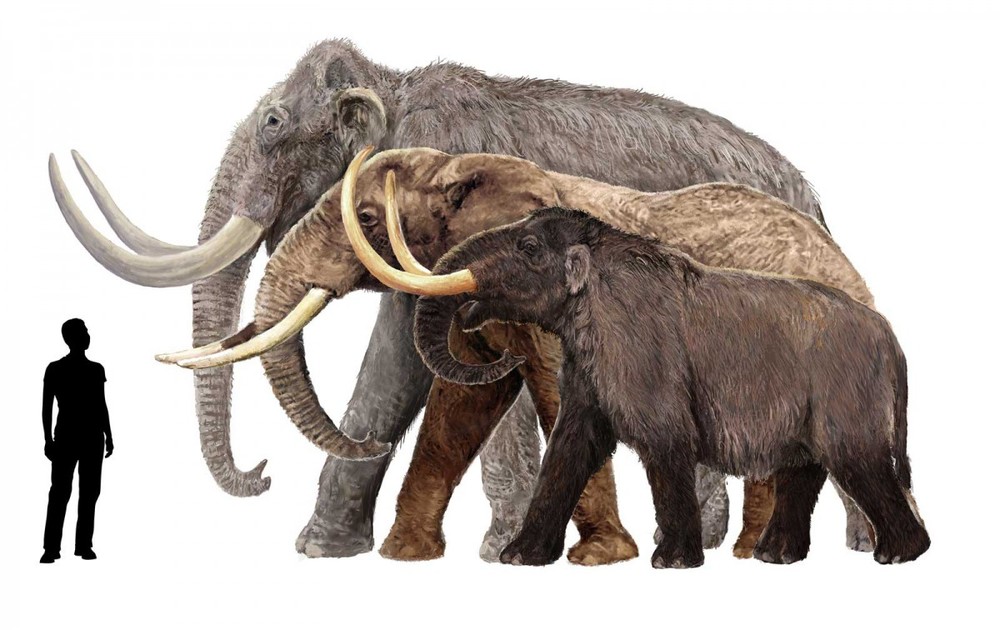
It’s unclear what he means by this, except perhaps that an oliphaunt was more like a mammoth
Mammoths_Man-1200x756.jpg format=1500w

Even so, we can only contrast an ancient war elephant (reconstructed)

dced00480c58b85786bee4bf212eb30d

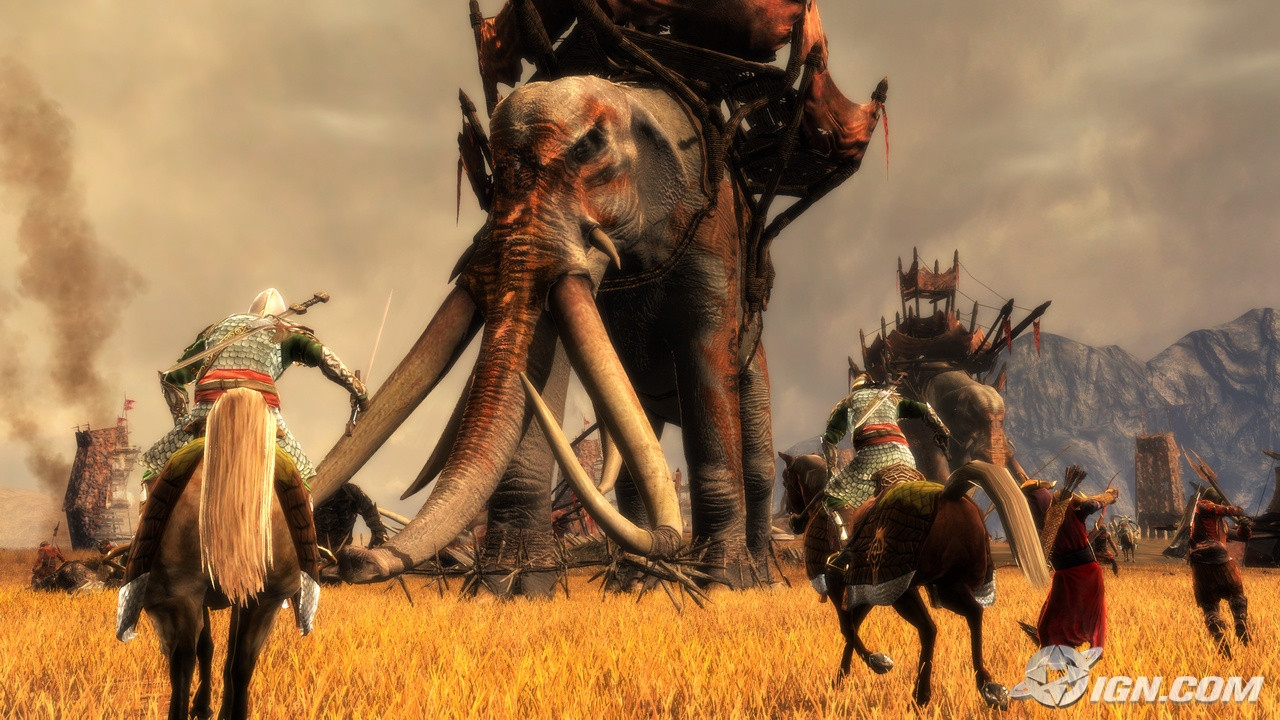
with those in the film

01IYPfe

and which reminded us strongly of ATATs from the assault upon Hoth,

atat

and think how disappointed Sam would be in what he would see in our world versus his!

Thanks, as always, for reading!

MTCIDC

CD

The Two Sieges

22 Wednesday Jul 2015

Posted by Ollamh in Heroes, J.R.R. Tolkien, Military History

≈ Leave a comment

Tags

Agincourt, Aragorn, English Longbowmen, Faramir, French Knights, Gondor, Grond, Hoth, Jan Sobieski, Lithuania, Minas Tirith, Mumakil, Nazgul, Orcs, Ottoman, Peter Jackson, Poland, Rammas Echor, Rohan, Rohirrim, Siege Towers, Stone Throwers, The Lord of the Rings, Tolkien, Vienna, Winged Hussars

Welcome, as always, dear readers!

In this posting, we’re going to make another suggestion about a model for something in Tolkien’s work.

If you read us regularly, you know that our favorite part of P. Jackson’s The Lord of the Rings is anything to do with the Rohirrim. When we rewatch favorite scenes, the charge against the Orcs outside Minas Tirith is always first on our list (and high on our general list of cavalry charges—more on those in a future posting).

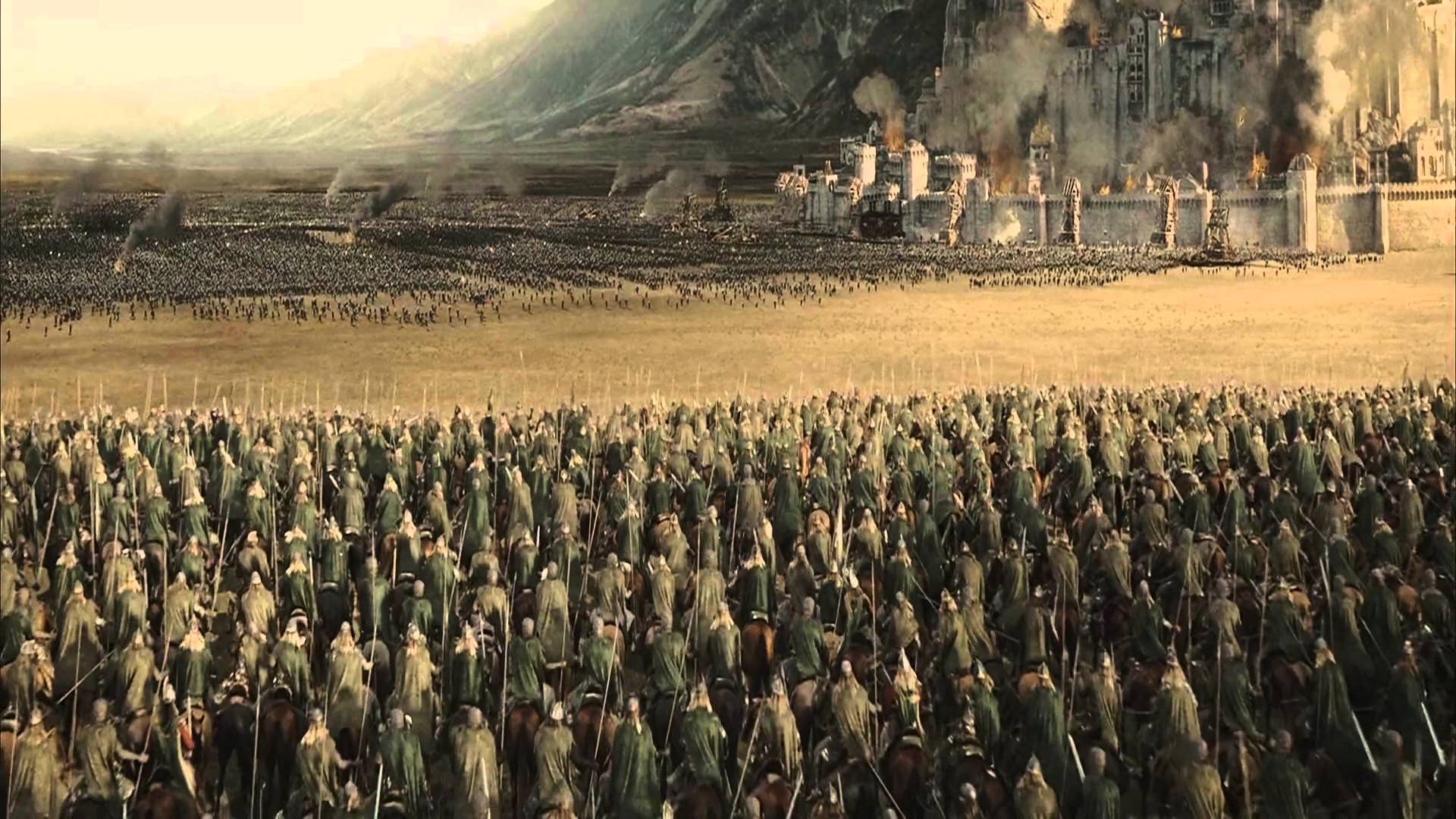
First, we see that massive Orc army marching up to the walls. (In the book, this is more dramatic: the Orcs blow two holes in the Rammas Echor, outflank the defenders, and drive them into retreat, which is where Faramir is badly wounded by an arrow.)

minas-tirith

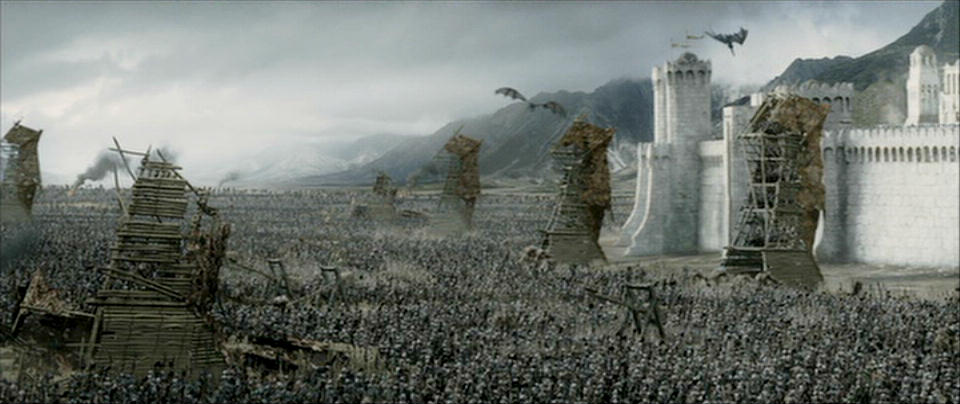
Then they begin to attack with stone-throwers,

siege1

siege towers,

lotr-siege-towers

and, eventually a giant, flame-filled battering ram.

grond1

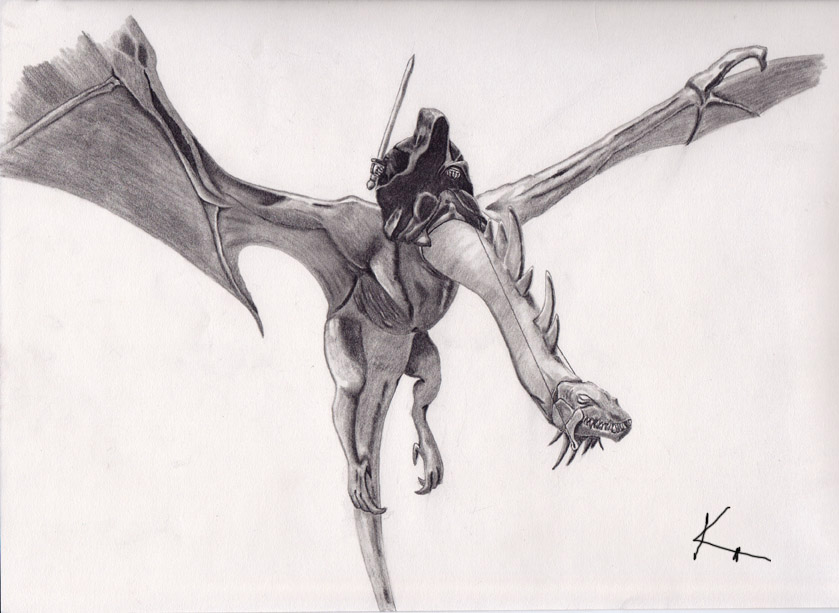
Things look increasingly desperate for Gondor as the Orcs press their attack, led by the Chief Nazgul.

witch_king_of_angmar_ii_by_dudeskindasketchy-d4d6uvd

And that’s when the Rohirrim appear.

rohirrimabouttocharge

And move to strike the Orcs from behind.

Charge_rohirrim

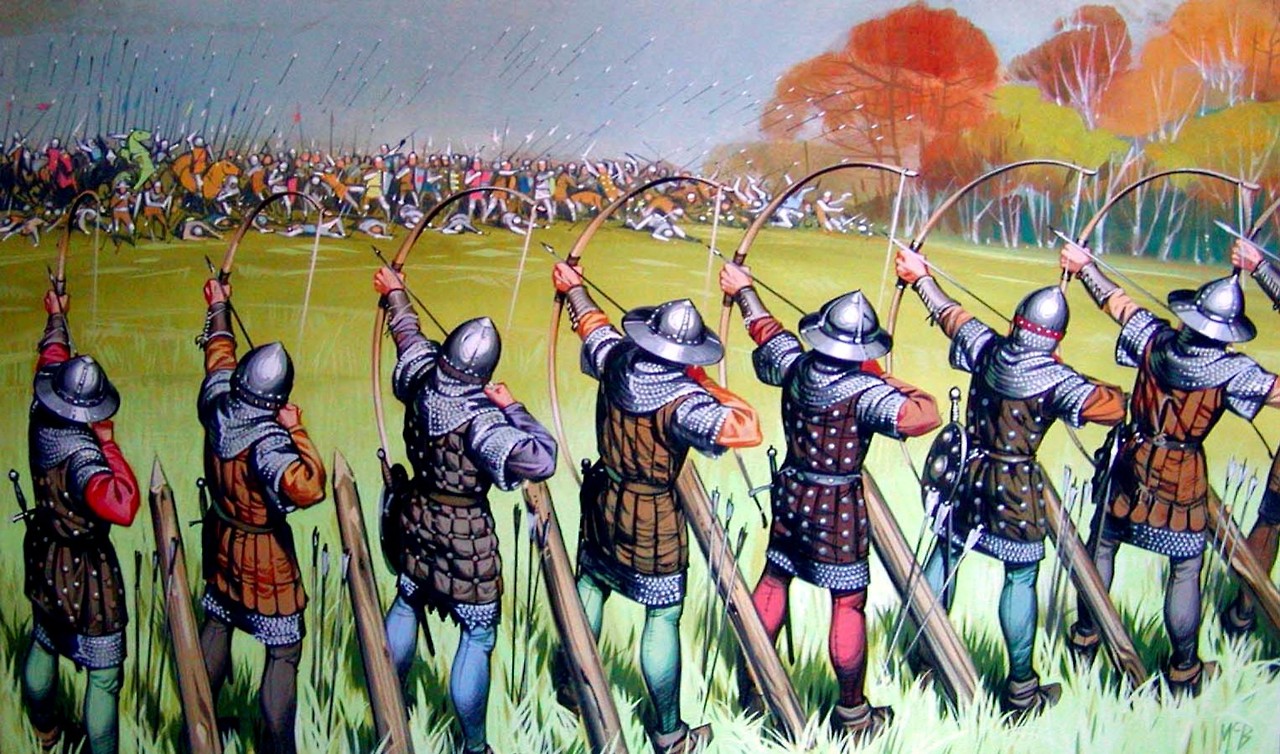
When the Orcs realize what’s happening, they try to stop the attack with bows.

archery

This immediately reminded us of the 1415 battle in which English longbowmen and their clever use defeated an army of brave French knights, Agincourt.

OLYMPUS DIGITAL CAMERA

Unlike Agincourt, however, arrows didn’t stop the Rohirrim, who sweep through the enemy—but are brought up short by the sight of a row of mumakil—giant war elephants—bearing down on them.

img-2845793-1-charge-1024x425

Seeing this scenario made us think of another attack by huge, lumbering things in a galaxy long ago and far away—

Battle_of_Hoth

The film goes on from there, including an attack by a ghost army, instead of by the actual forces brought from southern Gondor by Aragorn, but we want to back up a bit to the actual siege and another one which bears a strong resemblance to it.

For centuries, the Ottoman Turks had been expanding their dominions.

Ottoman_Empire_Map_1359-1856

They had first reached Vienna in 1529,

Siegeofvienna1529

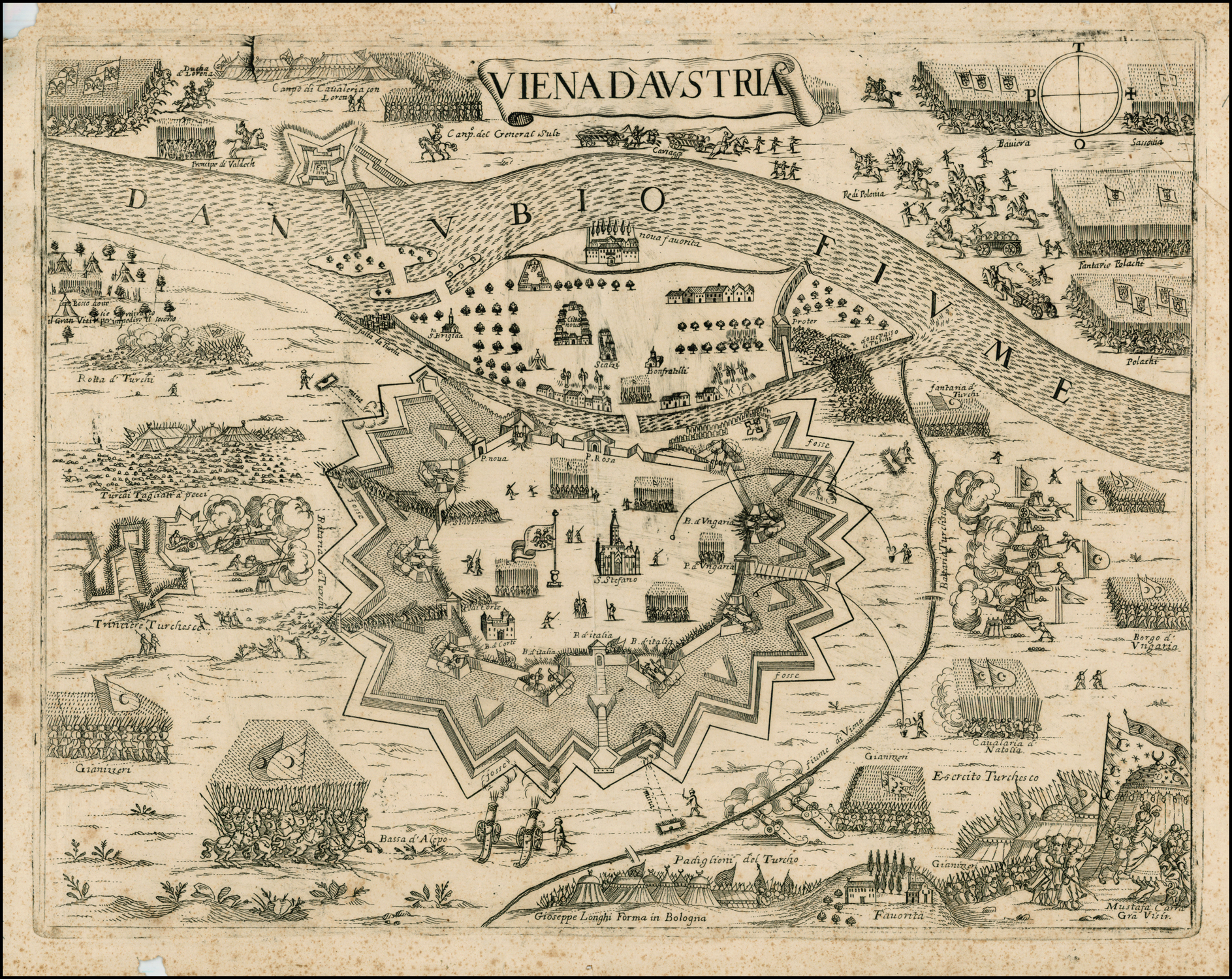
but had given up the siege. Now, however, in 1683, they were back.

Battle_of_Vienna_1683_map

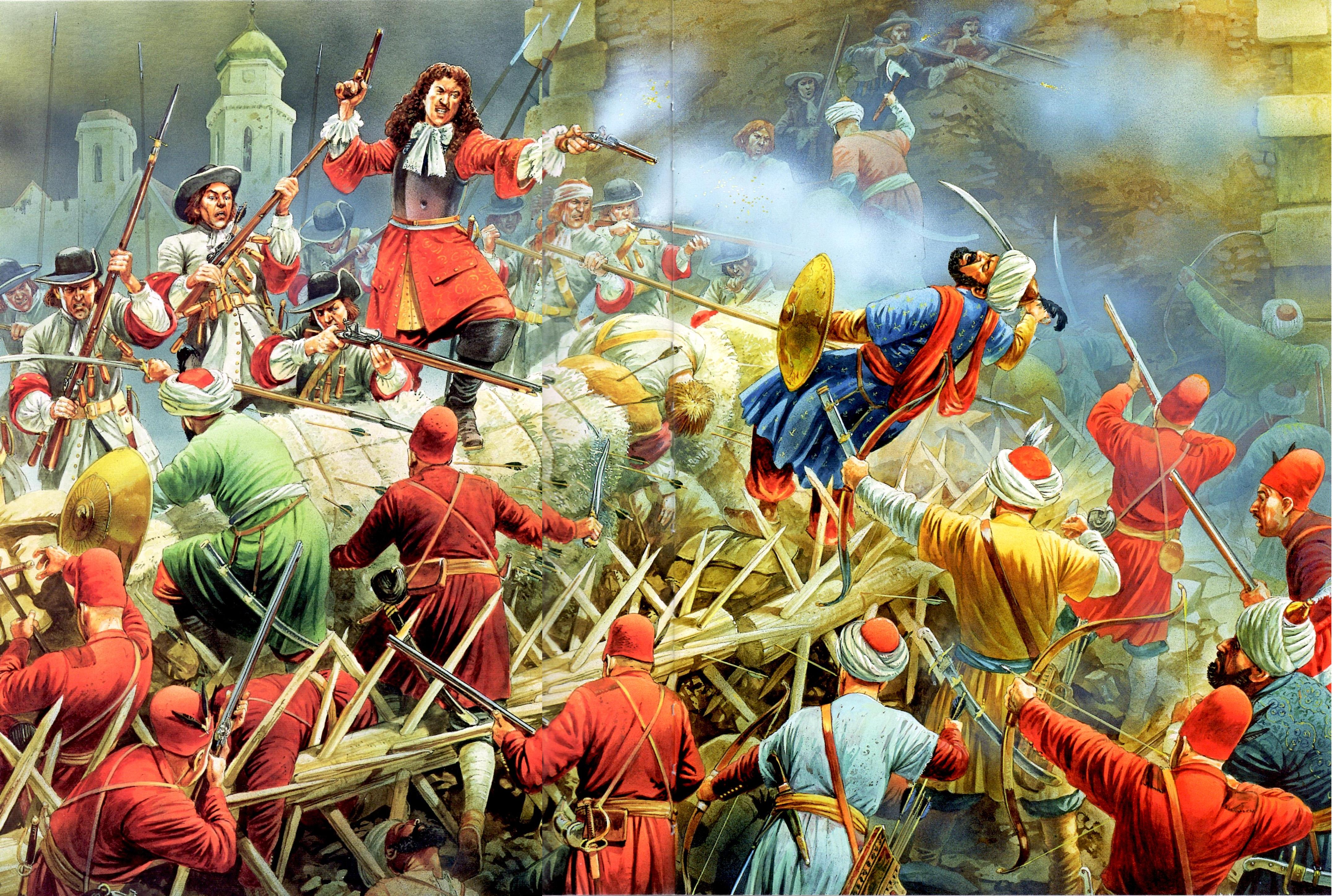
Their attacks against a dwindling number of defenders in a crumbling town

1-vienna-1683

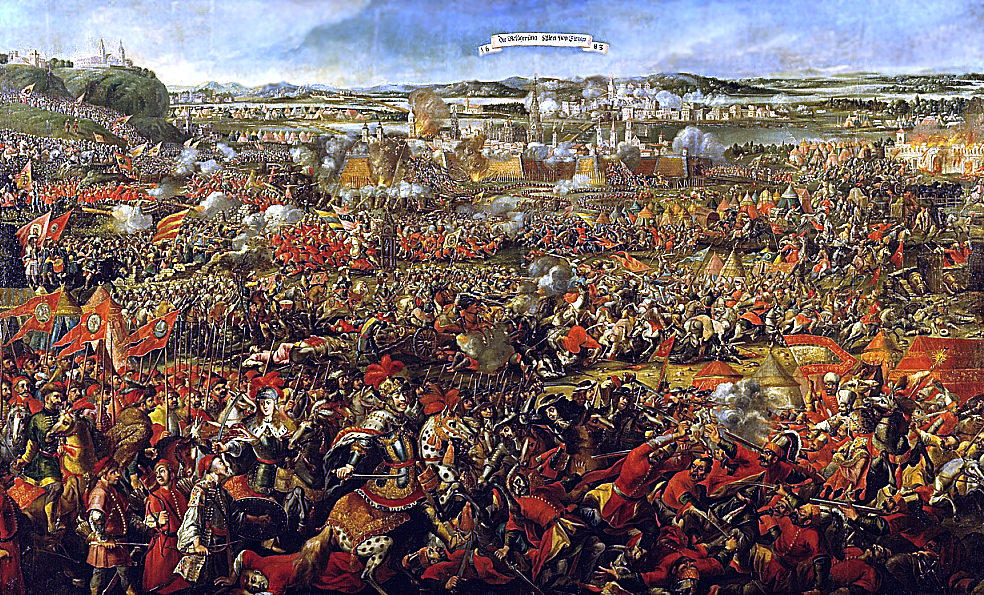
had brought them to the edge of conquest when an army of reenforcements, including cavalry from the army of the combined state of Lithuania/Poland, had appeared. Some of the cavalry were the famous Polish winged hussars.

Battle_of_Vienna_1

Just as the Rohirrim are led by their king, Theoden, so are the Poles led by their king Jan Sobieski—

bitwa-pod-wiedniem-obraz

The reenforcements, Poles in the lead, rush upon the Turks and drive them back through their camps and out of the siege entirely.

Atak_husarii

Battle_of_Vienna_1683_11

So similar, isn’t it? No giant war elephants, ghost armies, or Nazgul, but the basic elements of siege, relieving army with cavalry led by a king attacking an unprepared enemy, and chasing off the besiegers, is nearly identical.

Tolkien was an extremely well-read man, with a strong interest in history. Was the siege and relief of Vienna somewhere in the back of his mind when he began to plan the siege of Minas Tirith?

Thanks for reading!

MTCIDC

CD

Where From the Rohirrim?

10 Wednesday Jun 2015

Posted by Ollamh in Heroes, J.R.R. Tolkien, Military History, Military History of Middle-earth, Narrative Methods, The Rohirrim

≈ 1 Comment

Tags

Amazons, Anglo-Saxon, Bayeux Tapestry, Burial mounds, Cavalry, Charge of the Light Brigade, descendants, Edoras, Eotheod, Horse people, Indo-European, Kurgan, language, Middle-earth, Normans, Rohan, Rohirric, Rohirrim, Scythians, The Lord of the Rings, The Mark, Tolkien, Tom Shippey

Dear Readers, welcome!

In this post, we want to think out loud a bit about the Rohirrim.

ghan Rohirrim-by-Angus-McBride-kacik-rohanskiej-adoracji-36841491-473-477 maxresdefault

Everyone knows where their language is from, as Tolkien says in a letter to “one Mr. Rang”:

“…’Anglo-Saxon’…is the sole field in which to look for the origins and meaning of words and names belonging to the speech of the Mark.” LT 381

And yet they are horse people (their own name for themselves, in fact, is Eotheod, “horse people”), which the Angles and Saxons who went to make up the Anglo-Saxons, were not.   Tolkien was well aware of this difference, saying in Appendix F of The Lord of the Rings:

“…this linguistic procedure does not imply that the Rohirrim closely resembled the ancient English otherwise, in culture or art, in weapons or modes of warfare, except in a general way due to their circumstances…” L1136

Tom Shippey, in The Road to Middle Earth, suggests that

“The Rohirrim are nothing if not cavalry. By contrast the Anglo-Saxons’ reluctance to have anything militarily to do with horses is notorious…How then can Anglo-Saxons and Rohirrim ever, culturally, be equated? A part of the answer is that the Rohirrim are not to be equated with the Anglo-Saxons of history, but with those of poetry, or legend.” (112)

Or, could there have been other models?

Tolkien may have been suggesting one when, in a letter to Rhona Beare of 14 October, 1958:

“The Rohirrim were not ‘mediaeval’ in our sense. The styles of the Bayeux Taptestry (made in England) fit them well enough, if one remembers that the kind of tennis-nets [the] soldiers seem to have on are only a clumsy conventional sign for chain-mail of small rings.” Ltr 280-281.

The Bayeux Tapestry depicts both Normans and their allies, on the one hand, and the Anglo-Saxons, on the other, but Tolkien doesn’t appear to distinguish between them. The Normans themselves are mounted, the Anglo-Saxons on foot, as was their custom (they did use horses to move rapidly from place to place, as in the race north to Stamford Bridge and then back south to face the Normans).

5191623_orig

Here, to the left, we see those mounted Normans and, to the right, the Anglo-Saxons behind their shield wall. The “tennis-nets” are clearly visible and would actually have looked like this:

huscarl

In this further illustration, by the way, it’s easy to see the consequences of having the shield wall crumble: men on horseback can have a significant advantage when their opponents lose cohesion.

34small-1000

This, however, is only their look . What about those horses and an entire culture based around them?

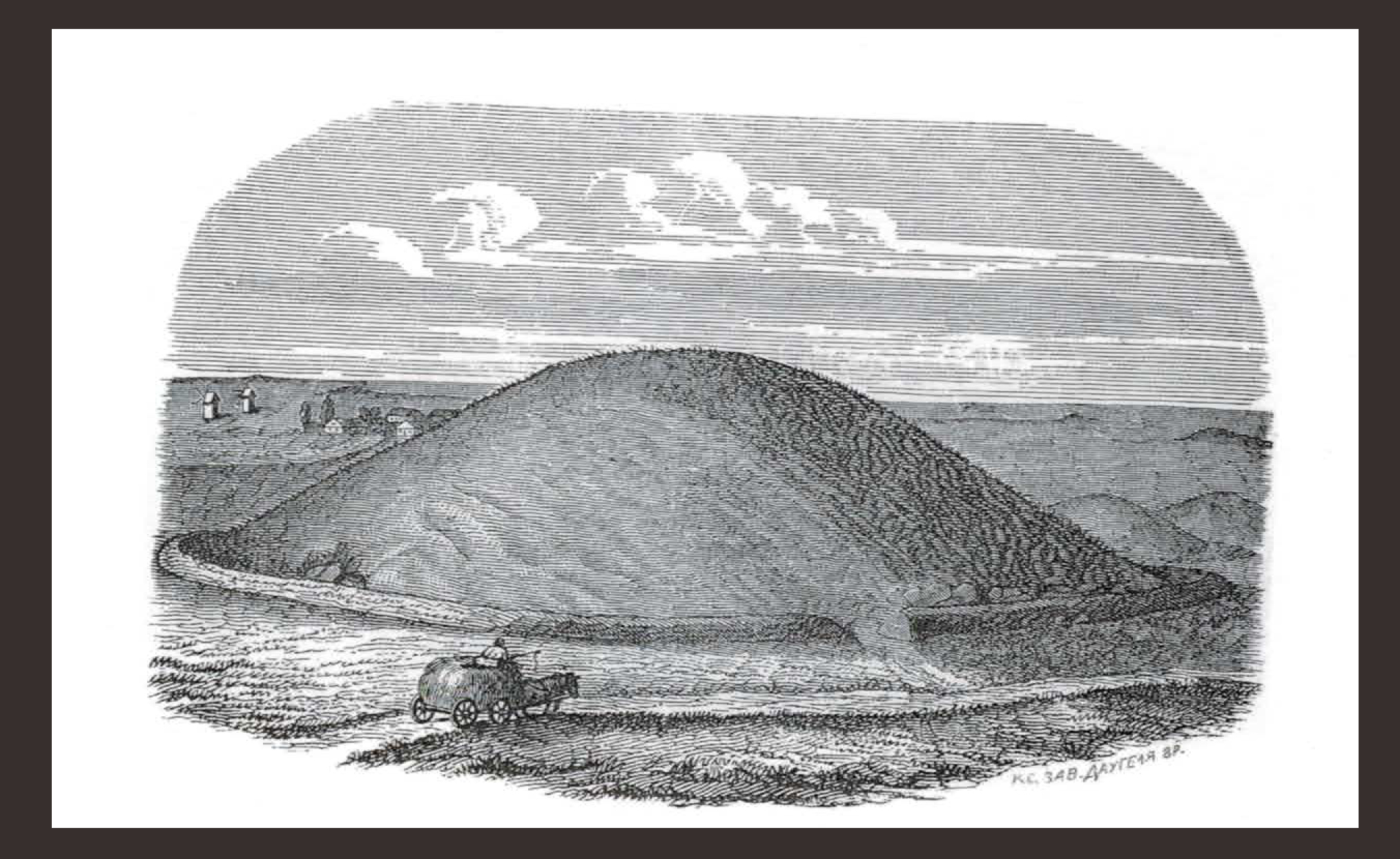
For a clue, we look to another element in the culture of the Rohirrim, the use of burial mounds. Here they are at Edoras.

Simbelmyne_Mounds

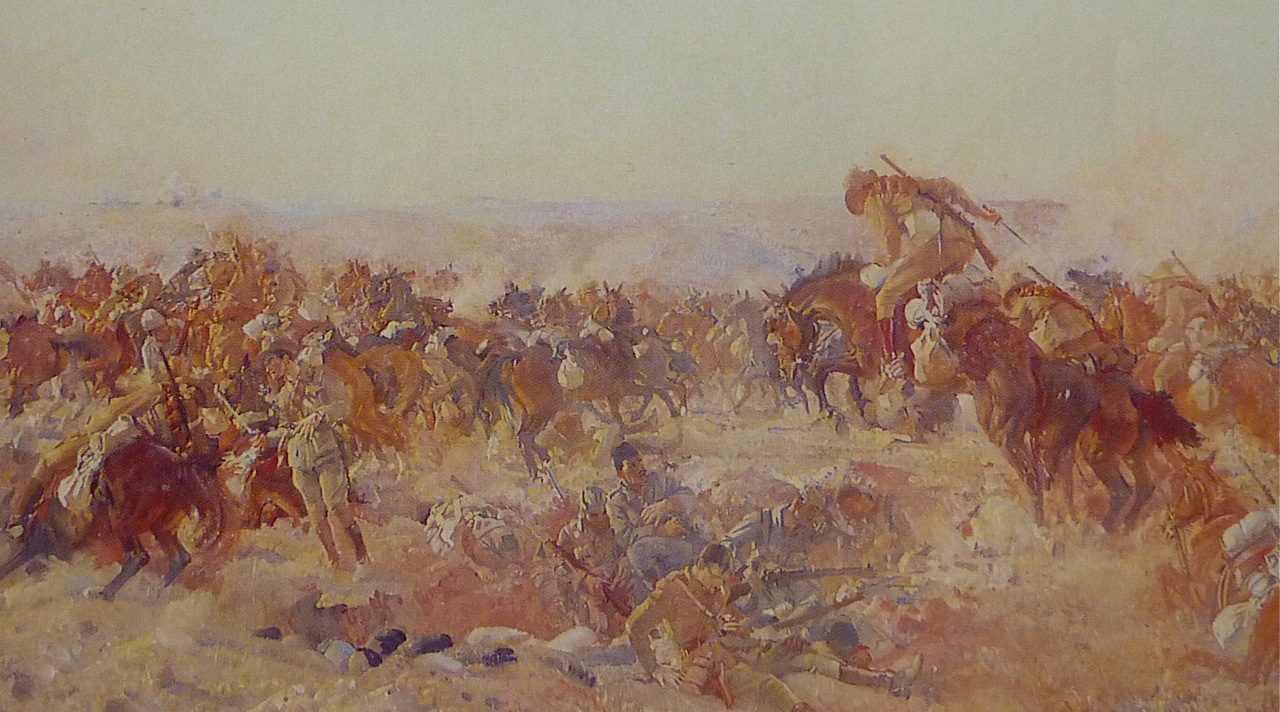
(We can’t resist, by the way, saying that our absolute favorite part of the Jackson movies is anything to do with the Rohirrim—to us, absolutely inspired and we see the depiction of the charge of the Rohirrim against the army besieging Minas Tirith as being right up there with the Charge of the Light Brigade at Balaclava in 1854 and the charge of the Australian Light Horse at Beersheba in 1917–

Rohancharge

(c) National Trust, Tredegar House; Supplied by The Public Catalogue Foundation

beersheba lambert

One might say, in reply, that there are Anglo-Saxon mounds—like the famous Sutton Hoo ship burial.

c52a1bf535

But that leaves us where we started, in the land of foot soldiers.

huscarl1

So, let’s go farther afield, to the north of the Black Sea.  

WRLH034-H

Here, we see the so-called “Kurgan Culture”, with its burial mounds

02161200-1 02161200

[This, by the way, is not to be confused with The Kurgan from the first Highlander movie

The Kurgan]

movie-villain-kurgan

These were a people who:

  1. are believed by many linguists (and some archeologists) to be the direct ancestors of the Indo-Europeans who gradually invaded Asia Minor and western Europe (including, eventually, the Anglo-Saxons) as well as moving east, to India and beyond
  2. buried their dead (at least what appear to be the high status ones) in mounds
  3. were a horse culture

And, in fact, were seemingly the forerunners of the Scythians, a later well-known Indo-European horse people

Scythia Rod-Scythian-Horseback

angus-mcbride-scythia-1

And the Scythians, in turn, may have been the model for those mythical horse folk, the Amazons.

72303amazon

In the 19th century, when the idea of Indo-Europeans began to circulate, there was a preference for a northern European origin (a theory no longer held), but the idea of an eastern home was also circulating and we would suggest that Tolkien would have known about this, as well as, from his early classical training, Scythians and Amazons, their actual and mythical descendants.

Imagine, then, that what we see in the Rohirrim is, in fact, an interesting mixture of people sprung from an earlier people (as Tolkien tells us, the Rohirrim were descended from the Edain of the First Age—see LOTR, Appendix F 1129), both in our world and in Middle Earth, who based their culture upon horses, and bury their dead in mounds, combined with people who may also bury their dead in mounds, who speak a version of Anglo-Saxon and who dress like the Normans and Anglo-Saxons of the 11th century AD.

What do you think, dear readers?

Thanks for reading, as always.

MTCIDC

CD

Frigates

16 Tuesday Dec 2014

Posted by Ollamh in Heroes, Military History, Research

≈ 3 Comments

Tags

Adventure, Exploration, French Navy, Frigate, History, Napoleonic, Research, Royal Navy, Sea, Warship, Writing

Dear Readers,

Welcome, as ever.

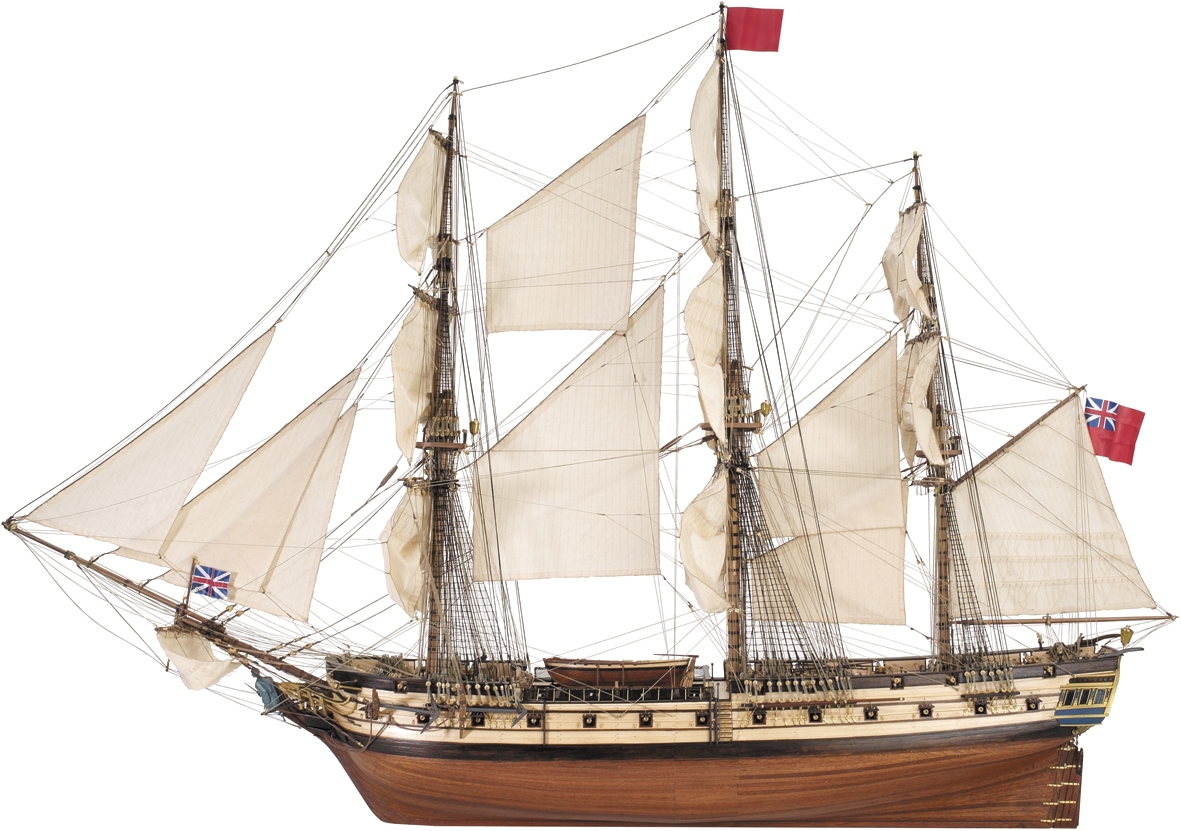
In this post, we want to add a bit more about the ship used by our European protagonists and antagonists, in the Doubtful Sea series, the frigate.

frigate 

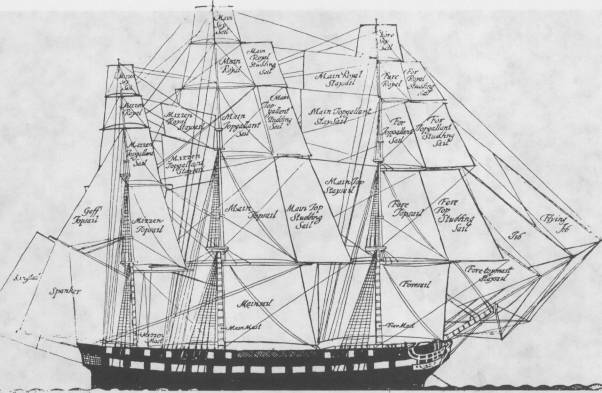
For a brief but convenient history of the vessel, see en.wikipedia.org/wiki/Frigate, but, in short, as you can see, a frigate is a three-masted warship.

Unlike the bigger ships, those used in the large-scale fleet actions

 1280px-BattleOfVirginiaCapes

 like HMS Victory

 HMSVictoryPortsmouthEngland

or its French counterparts

 1024px-MuseeMarine-Ocean-p1000425

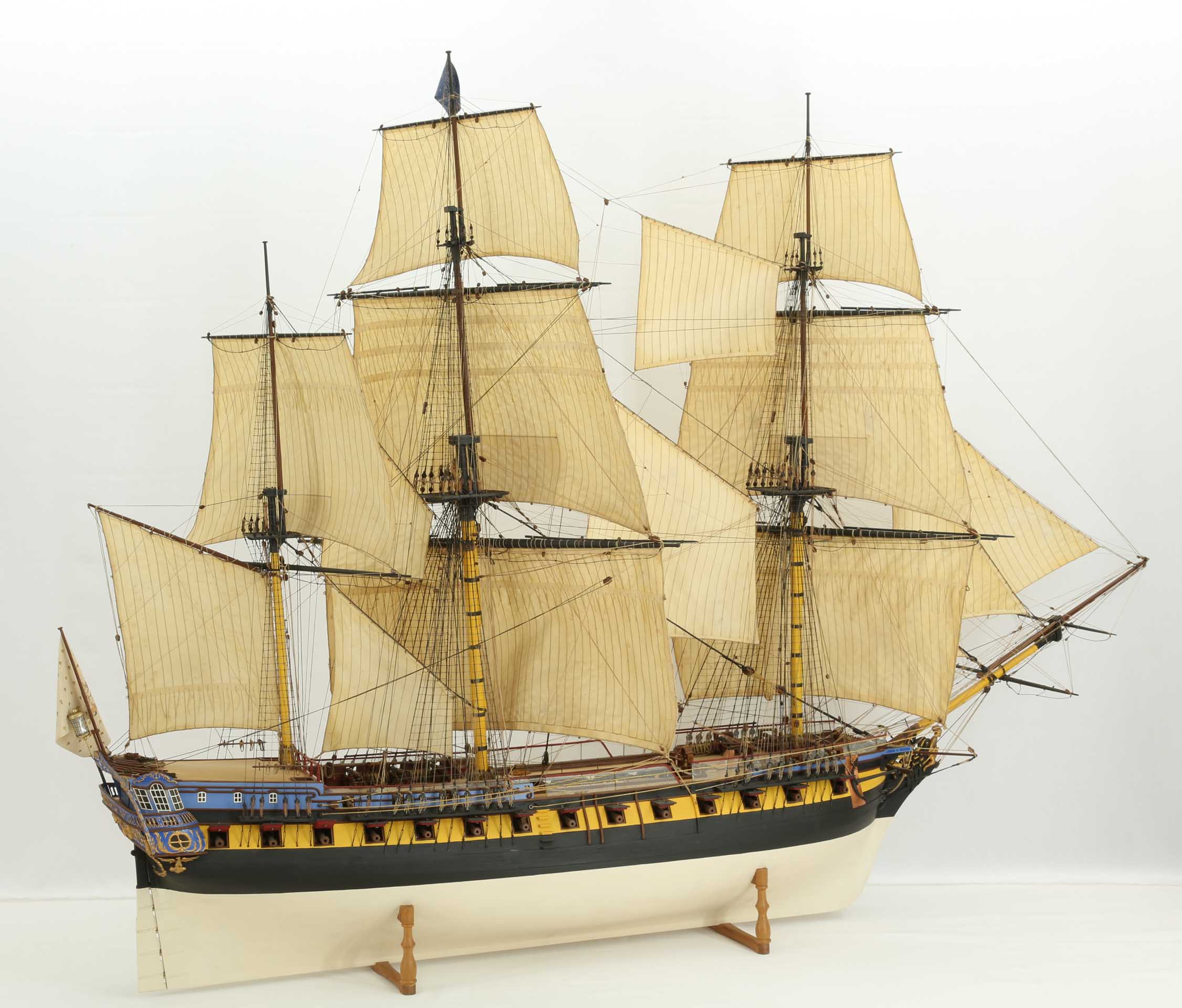
their armament was much lighter, ranging in number of guns from the upper twenties to the low forties. Here, for example, is a French forty-gun ship.

french40gun

And a comparable English one.

HMS_Pomone 

These ships were designed to be fast and maneuverable, acting as scouts for fleets of the bigger ships, but also as warships on their own, in blockades and in actions against enemy ships of about their own class.

Kamp_mellem_den_engelske_fregat_Shannon_og_den_amerikanske_fregat_Chesapeak

After the American Revolution, the United States Navy began with six of these frigates, including the USS Constitution.

constitution-2

(For a useful article on these, see en.wikipedia.org/wiki/Original_six_Frigates_of_the _United_States_Navy. On these ships and others, see Mark Lardas, American Light and Medium Frigates, 1794-1836 and American Heavy Frigates, 1794-1826, For US frigates from their inception through the War of 1812, see Henry E. Gruppe, The Frigates.)

First in fighting the Barbary pirates off the North African coast and then against the British Royal Navy in the War of 1812, these ships and their captains and crews earned the new navy a reputation for seamanship, gunnery, and their sound design and construction.

 HMS_Guerriere

(For the US Navy in the wars against the Barbary pirates, see Gregory Fremont-Barnes, The Wars of the Barbary Pirates, Richard Zacks, The Pirate Coast, Mark Lardas, Decatur’s Bold and Daring Act, and Frederick C. Leiner, The End of Barbary Terror. A recent popular history of the US Navy in the War of 1812 on the high seas is Stephen Budiansky, Perilous Fight.)

As far as we know, there is only one of the larger ships which survives:   HMS Victory, in Portsmouth harbor, on the south coast of England.

 HMS Victory

There is one original US frigate, the USS Constitution, which is located in Boston harbor. It is still in commission, being the oldest ship in the US Navy. See the website: www.history.mil/ussconstitution/index.html for further information.

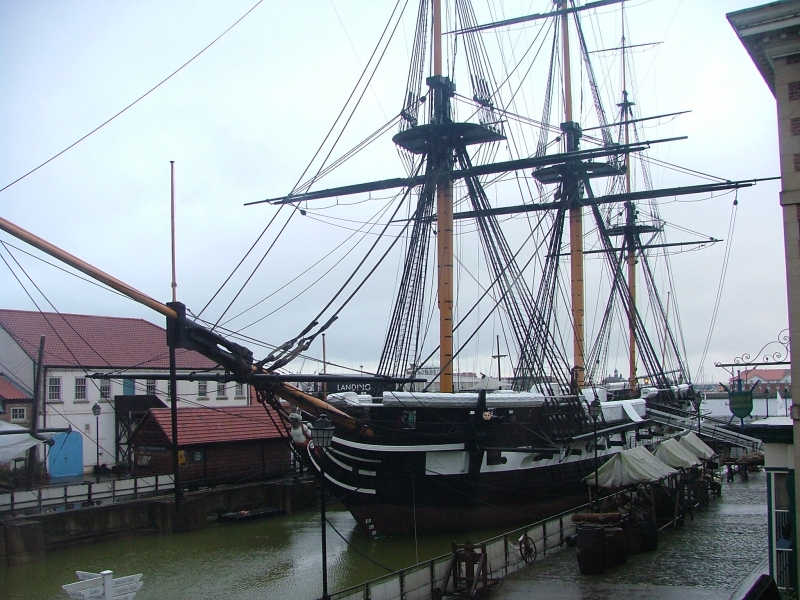
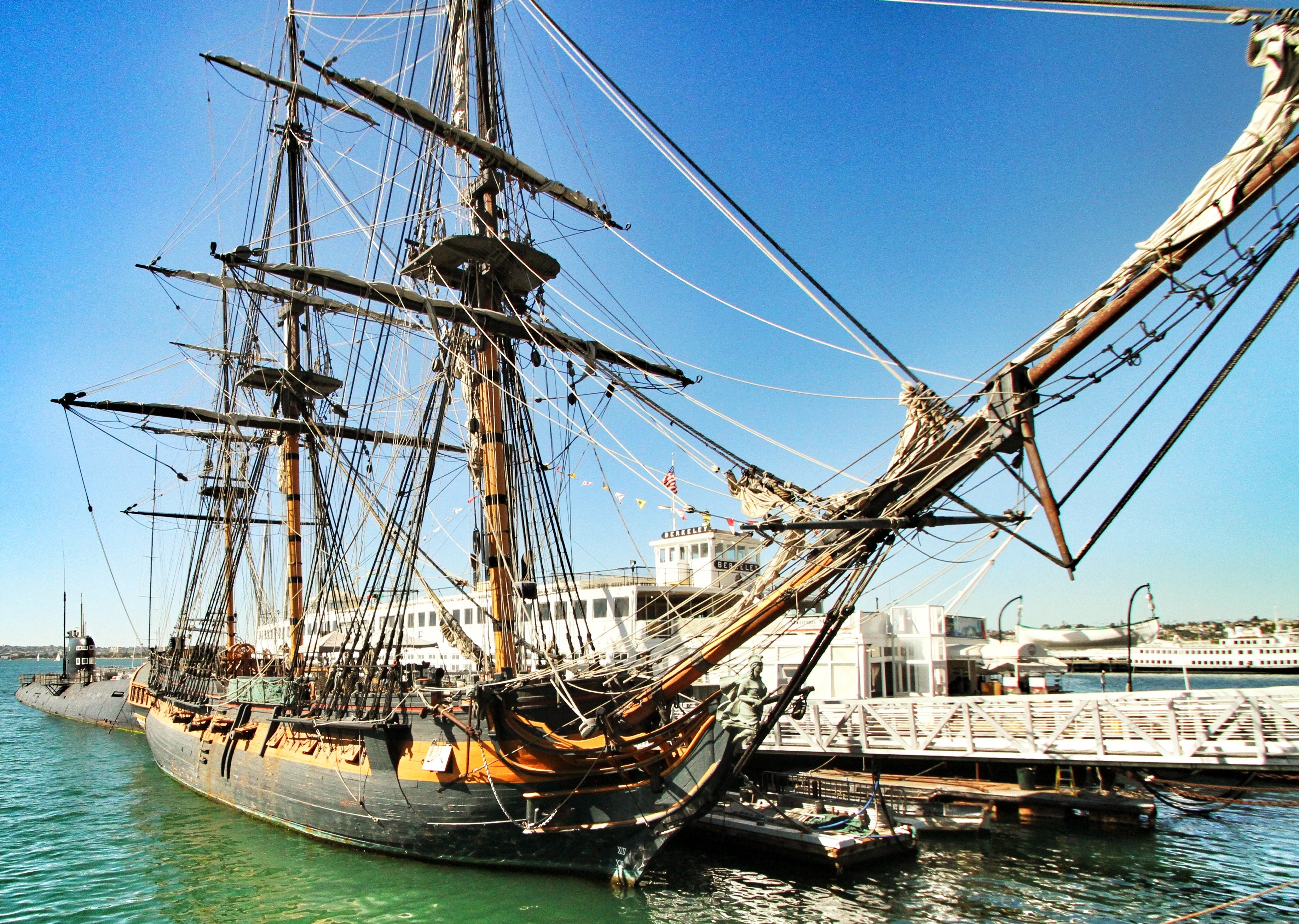
     In the UK, there are two frigates, HMS Trincomalee,

 HMS_Trincomalee.1

which may be visited at Hartlepool. See the website at: www.hms-trincomalee.co.uk.

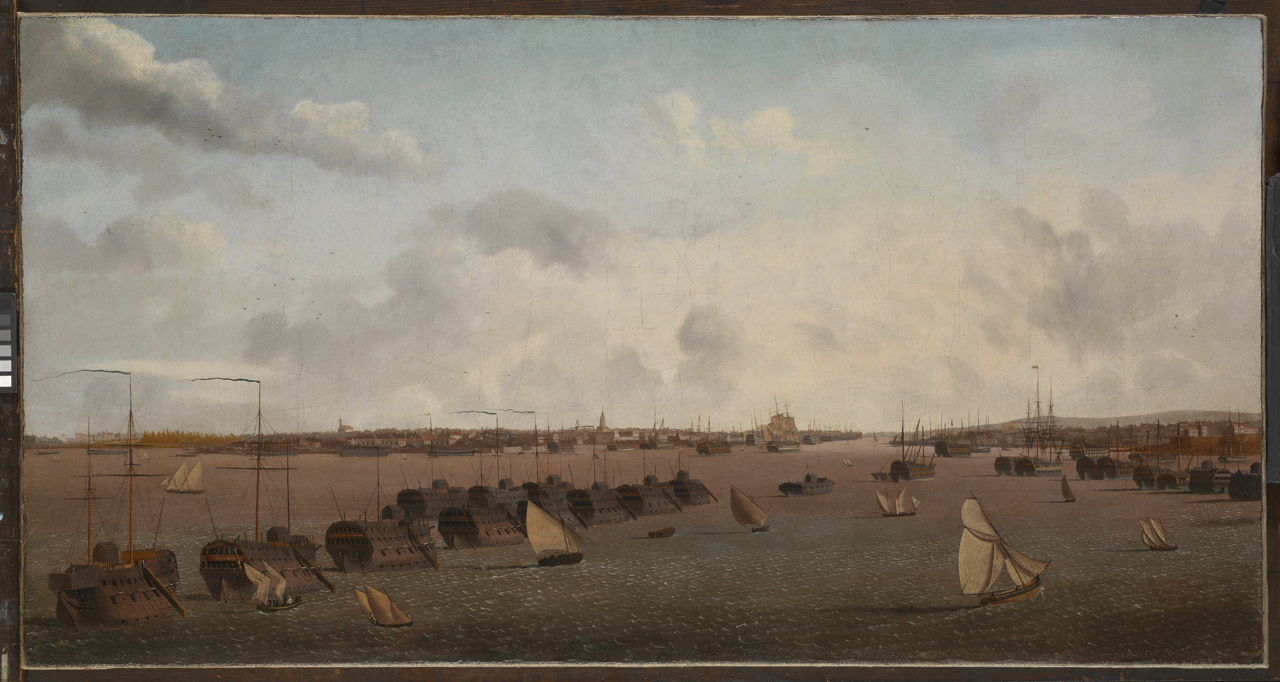
And HMS Unicorn, its sister-ship. The Unicorn is unusual in that, unlike the Trincomalee, is has not been restored as an active warship. Instead, it has been brought back to its state when it was out of commission and stored (said to be “in ordinary” in naval language) to be used as a store ship—or even a prison ship, like these, in Portsmouth harbor.

 Prison Hulks by Turner

Here’s the Unicorn—

 unicorn

You can find out more about it at its website: www.frigateunicorn.org

There is one more frigate, one we have mentioned briefly in an earlier post. It is not an original, but a very impressive reproduction, the French frigate L’Hermione.

 7septembre_12

For an English-language website on this very impressive ship, see: www.hermione2015.com.

We hope that you’ve enjoyed this post. Within the next week or so, we expect to have the first novel in our series, Across the Doubtful Sea published on Amazon/Kindle. If you find our posts interesting, we hope that you find our novel even more so!

As always, thanks for reading.

MTCIDC

CD 

Heroes III

24 Monday Nov 2014

Posted by Ollamh in Heroes, Military History, Terra Australis

≈ Leave a comment

Dear Readers,

Welcome!

In our last, we continued discussion of our heroes. So far, we’ve talked about the French and the English, their look and their ships. Now we want to say something briefly about our heroes—mostly, in fact, heroines—from the Calm Sea (in our world, the Pacific).

As we began to model our villains, as we’ve said, we combined the look of the Inuit with that of Persians and Ottoman Turks. This gave us both a wintery exterior and a lush, brightly-colored interior.

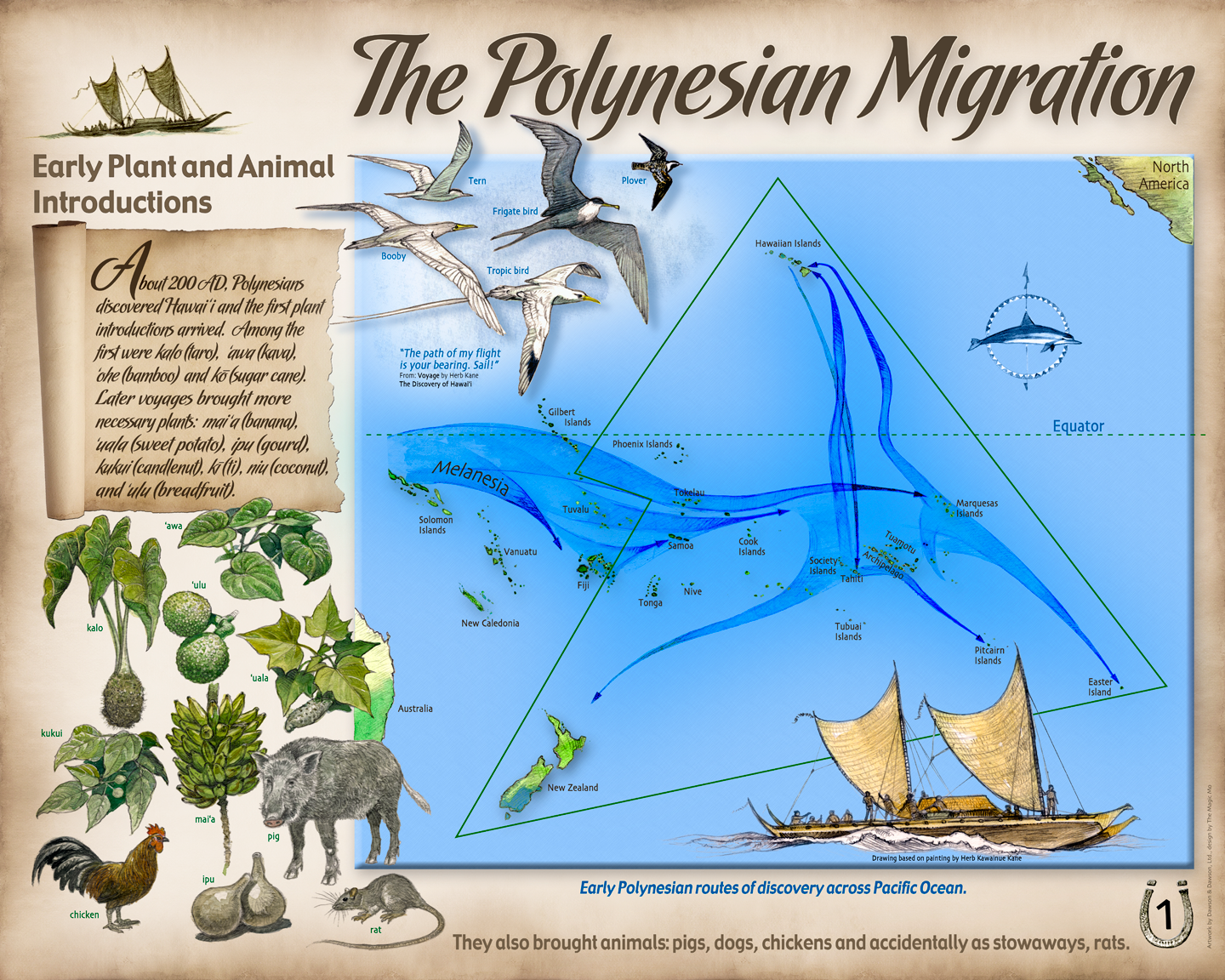
For our Calm Sea heroes, we’ve looked to the Polynesian adventurers who colonized the eastern and southern islands of the Pacific between 800 and 1300AD.

1_the_polynesian_migration

To narrow this a bit, we borrowed linguistically mainly from the Tahitians, but visually from a wide variety of peoples, with perhaps more visuals chosen from the Maori than others. We call our people the Matan’a’e amavi’o, “the people of the goddess Matan’a’e”.

For example, our heroines, Matan’o’ahei, the warrior priestess of the goddess Matan’a’e, and her younger sister, Naru, both wear a distinctive Maori tattoo, or moko, on their lower faces as a mark of their status as belonging to a priestly family.

Femme_Maori_1998-23050-173

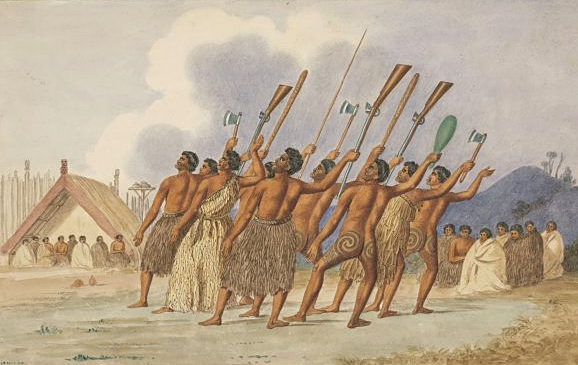
The warriors of the Matan’a’e amavi’o we imagined as looking like Maori warriors—here doing a traditional war dance, a haka, in this early 19th-century illustration.

MaoriWardanceKahuroa

Here’s a selection of Maori weapons—the weapons of the Matan’a’e amavi’o, as well.

museum

For their ships, we have created a sort of Polynesian-based warship, our model being the catamaran.

Cata-Tonga-3v hokule-aschematic kane_waa_small10

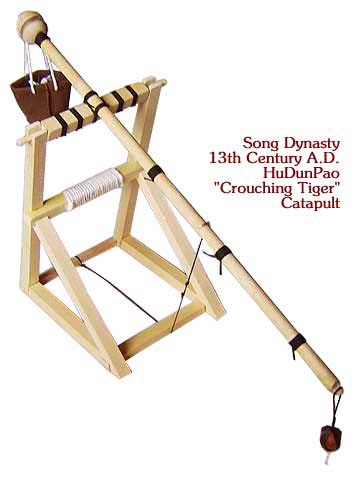
To give such a ship some teeth, we added this, a small, very basic catapult, of the sort seen in early China.

c-crouchingtigercatapult

As for their opponents, whom the Matan’a’e amavi’o call the Atuk amavi’o, “the people of cold”, we will discuss their ships in our next post.

If you have any questions about any of our past posts, or about the civilizations we are developing in our novels, please let us know.

Thanks for reading!

MTCIDC

CD

Heroes II

18 Tuesday Nov 2014

Posted by Ollamh in Heroes, Military History

≈ 2 Comments

Dear Readers,

We’ve shown you something of the look of our European heroes, French and English. Now we want to show you their ships.

A disclaimer: we are not experts in 18th-century naval affairs. This is potentially an enormous subject, especially towards the end of the century, when we have the French Revolutionary and Napoleonic Wars. Far better writers than we—we name only C.S. Forester and Patrick O’Brian here—have used their knowledge to produce convincing historical novels of the sea. We have never intended to emulate them.

Instead, in our alternative world fantasy/adventure novels, we hope to suggest something of the subject, but only enough to provide settings and plot elements. We’ve done some homework, however, and provide a mini-bibliography at the end of this post for those who might want to see where we came from. As you read through it, you’ll notice immediately that words like “Nelson” and “Napoleonic” pop up regularly. As far as we can currently tell, information for the period of our series—the 1750s to the 1780s—is much sparser, but, from our reading, it would appear that basic elements, like life at sea, did not change much over 50 years or more.

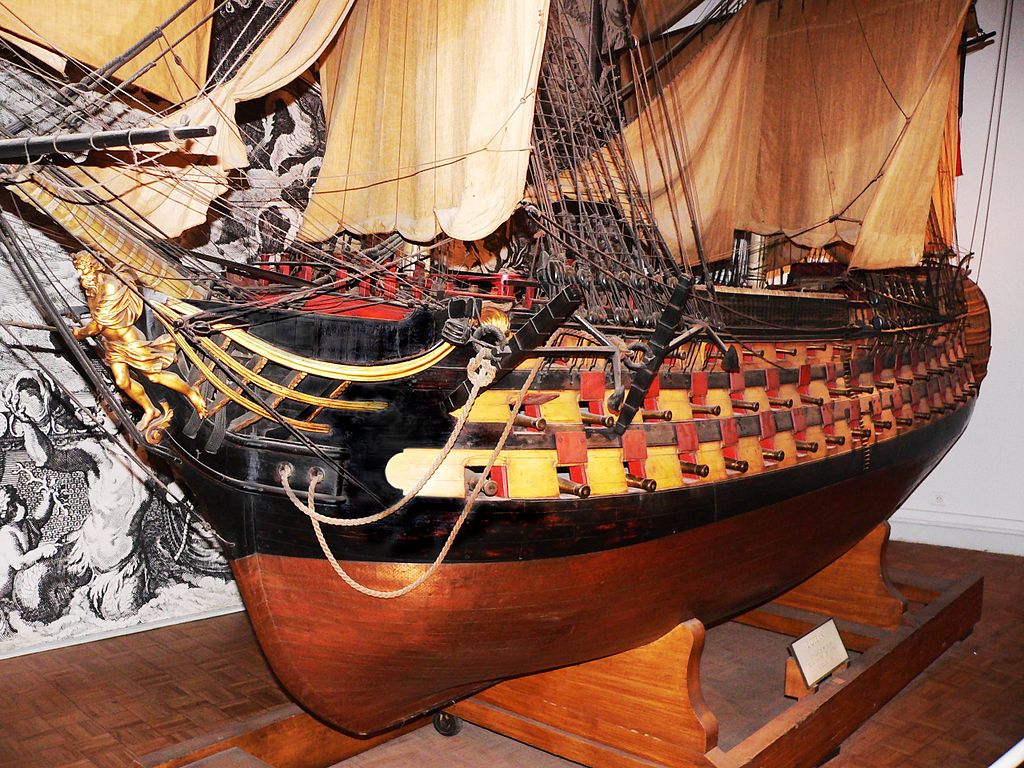
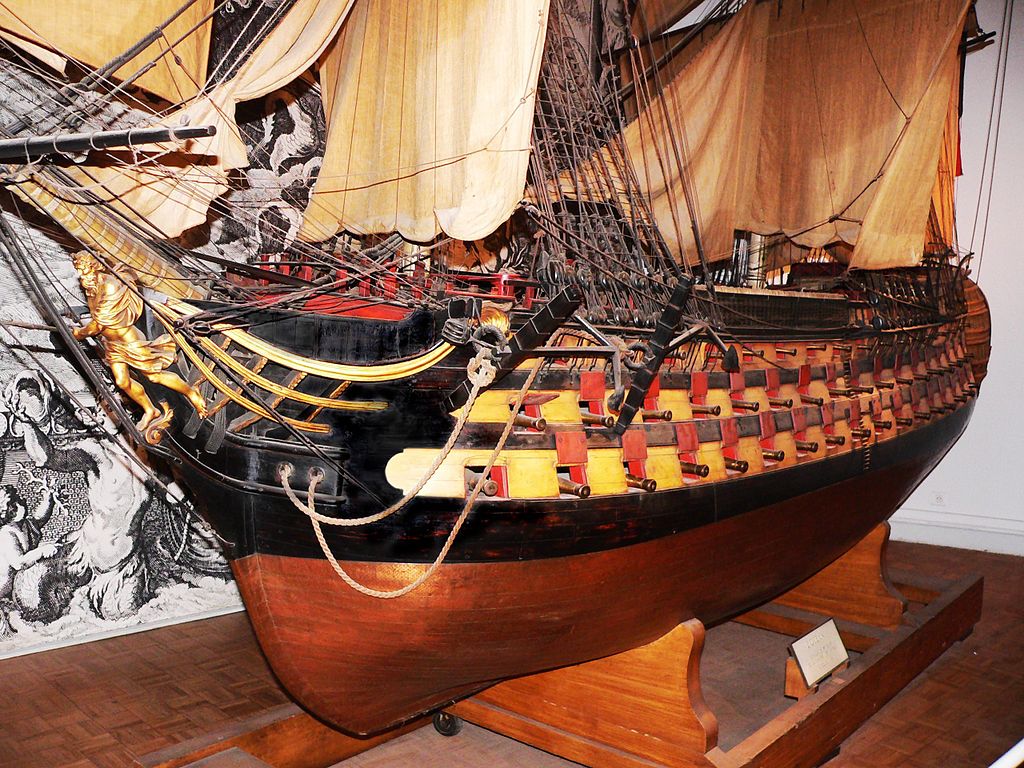
Big, decisive naval battles of this era were fought with the period equivalent of modern battleships: three-masted sailing ships with guns ranging in number from the 50s to the 90s. Here are HMS Victory, an English ship (shown from the air to show how big she is), and a model of one of the larger French ships.

HMS Victory 1024px-MuseeMarine-Ocean-p1000425

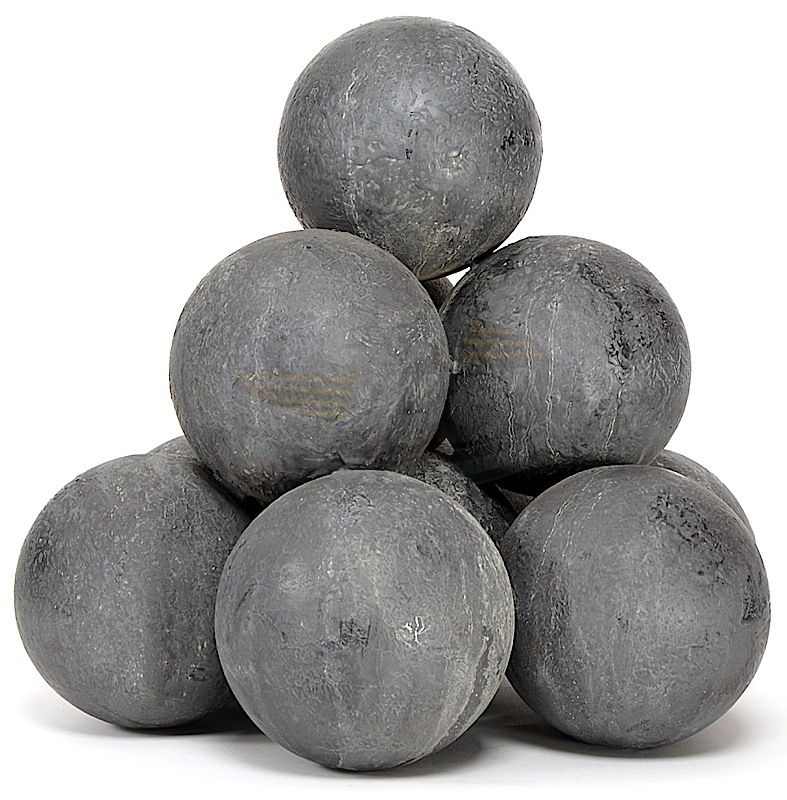
The guns used were all muzzle-loading and varied in size, the size being gauged not by the gun itself, but by the weight of the solid iron ball which was the basic ammunition.

12534_1

Thus, a 12-pounder like this one—

OLYMPUS DIGITAL CAMERA

fired a ball weighing 12 pounds. French ships, in fact, could be classed in part by saying what the main armament consisted of in terms of the weight of the ball fired. In this way, a frigate (we’ll talk more about these in a moment) could be called a “12-pounder frigate”. The bigger French warships of this time, the so-called “74s”, could also as the name suggests, be classified by the number of their guns. Somewhat like this system, the English used a system of “ratings”, each rating being based upon the total number of guns on board a ship.

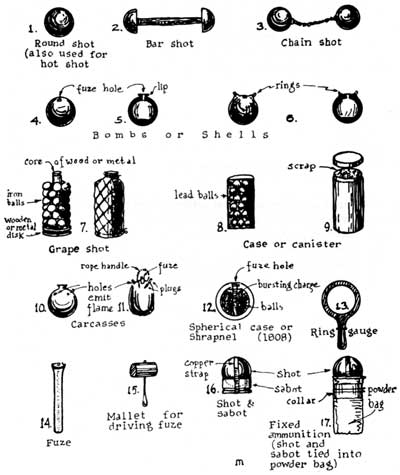
As well as solid iron balls, both sides might use a variety of types of ammunition, from grape shot (an anti-personnel weapon) to chain and bar shot, both useful for tearing apart rigging and therefore rendering an anemy ship immobile.

cannon_projectile_examples

Theoretically, the French were supposed to aim for the rigging and the English to focus upon the crew on deck and the hull, but there is now argument about this, at least in the study of the Napoleonic period.

It was also common practice, if you thought that the enemy was beginning to falter, to try to board the enemy ship, thus turning a sea battle into a small land battle. Ships carried stores of weapons for hand-to-hand fighting, their crews arming themselves with cutlasses, pistols, muskets, pikes, axes, and even hand grenades.

boarding a vessel

OLYMPUS DIGITAL CAMERA Grenadeslg

Larger ships also carried detachments of marines, both to fire upon enemy ships from the deck and rigging as they closed with each other, and to form part of boarding parties. This is a group of Napoleonic-period British marines at their job as sharpshooters.

frigatebattle2

For our first book, however, we chose not to use the battleships of the day but the smaller, more lightly-armed frigates. These, like the battleships, were three-masted, but their guns numbered from the upper 20s to the upper 30s, in general. Here are two, one English, the Surprise, from the movie Master and Commander, the other French, a brand new recreation of the 1770s L’Hermione. (more about her in the future.)

20121027-071654

depart-de-l-hermione-lundi-a-bordeaux-apres-une-escale_2130364_1200x800

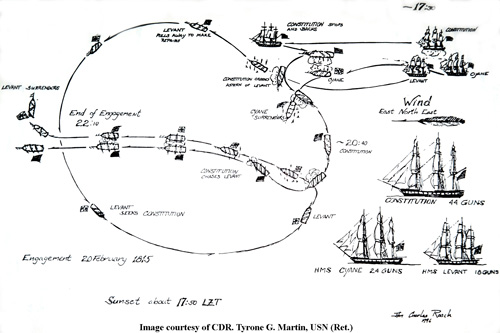
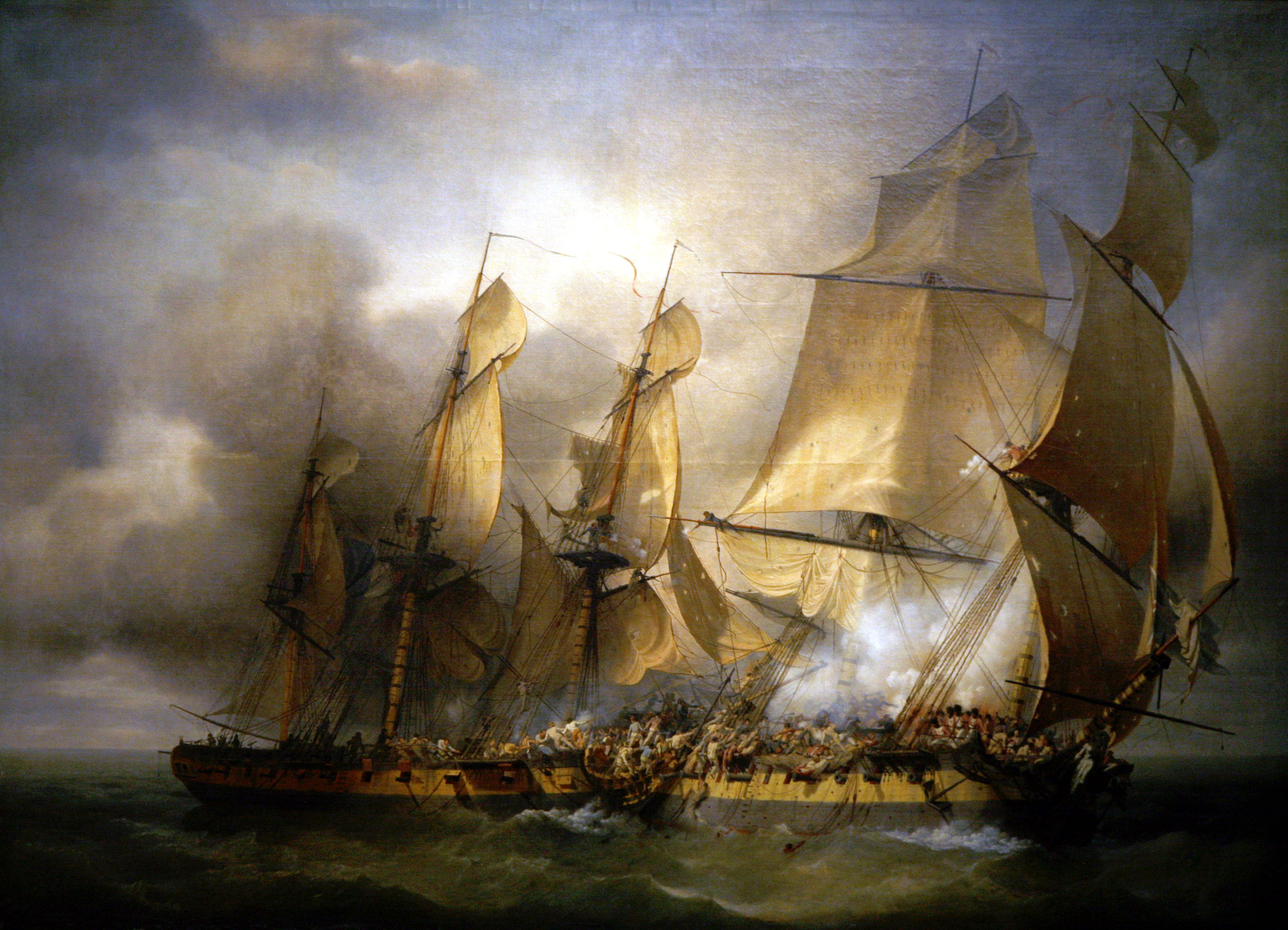
Combat between such ships could be like a deadly dance, each struggling both to gain the wind and to pound the other into surrender. If the opponent continued to resist, as in the case of the battleships, boarding was also a possibility.

history_CyaneLevantBattlePattern

HMS_Guerriere

Bayonnaise_vs_Embuscade_mg_9452

If you are new to this world of naval adventures, we hope that this encourages you to learn more. Our father authors are Forester and O’Brian and there are very good films made from the works of both. Master and Commander is based upon elements from several of O’Brian’s novels and the BBC television series Horatio Hornblower is founded (somewhat loosely) upon the Forester novels of the same name. Both of these have very much helped us to see the world of our characters in more vivid way.

We’ll stop here and, in our next, we’ll talk about our other heroes—really, heroines—the Matan’a’e amavi’o.

Thanks, as always, for reading.

MTCIDC

CD
Ps

The count-down has begun on Across the Doubtful Sea. We are in the later stages of editing and hope to have it available on Amazon/Kindle by sometime in early December.

Heroes, Part I

13 Thursday Nov 2014

Posted by Ollamh in Heroes, Military History

≈ 1 Comment

Dear Readers,

Welcome!

So far, we’ve talked a certain amount about villains, but what about heroes?
We have three different varieties, in fact. First, there are the French, officers and men of His Majesty’s navy, with a few civilians thrown in. As we said in our first post, we began our work by deciding that the basis for this series would be a variant of our own world of the late 18th century. At that time, France and England had been involved, on and off, in wars with each other back into the previous century. At the same time, from the mid-18th century on, both had been rivals in exploration of the Pacific.
For English-speakers, the most famous of these explorers is Captain James Cook. In three expeditions (1768-71, 1772-75, and 1776-79), Cook mapped large areas of the ocean and its lands before being killed in a skirmish with Hawaiians in February, 1779.

Captain James Cook (1728-1779)  *oil on canvas  *127 x 101.6 cm  *1775-1776

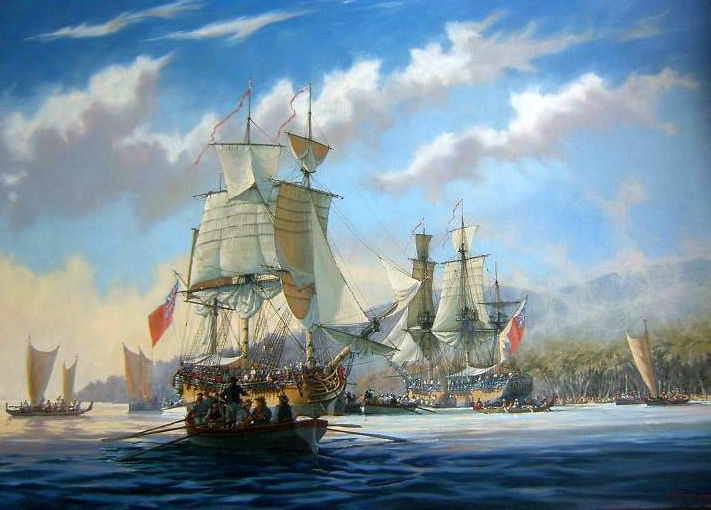
Geoffrey Huband - Resolution and Discovery Cook Hawaii - 1779

A parallel explorer, from the French navy of the time, is completely unknown in the English-speaking world except as the name of a flower.

6899375650_d7f443c785_z
This was Louis Antoine de Bougainville, who is the first Frenchman to circumnavigate the globe in 1766-69. Just as we have learned a great deal from Cook’s voyages, so we have added to our knowledge with de Bougainville, who is a remarkable figure even in the Age of Enlightenment. (You can read a period English version of his famous account at: https://archive.org/download/VoyageAroundTheWorldbyLewisDeBougainville1766-9/Bougainville_Voyage_Eng_Transcr_JFF.pdf)

bougainville
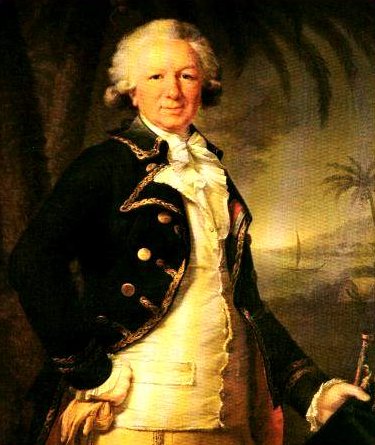
Twenty years later, another Frenchman, whose story is even more romantic, appears in the literature of the Pacific, Jean-Francois de Galaup de La Perouse. In a voyage which began in 1785 and which only ended in 1788 with the disappearance of La Perouse and his two ships, L’Astrolabe and La Boussole (the Astrolabe and the Compass), and included, along the way, a vast stretch of the Pacific, including Australia and the Kamchatka Peninsula.

Laperouse-Eleonore826 boussole-astrolabe

This voyage had so attracted public attention that its commissioner, Louis XVI, supposedly asked for news about it on the way to his execution.
Louis_XVI_et_La_Pérouse
So what did the French look like? Common sailors during this time were not normally issued uniforms, but their working gear clearly marked them out as seamen. Officers, however, wore blue coats with red cuffs and small clothes (vests and pantaloons and possibly stockings).

IMG_9178 IMG_9168

Our second variety of hero is the English equivalent: the Royal Navy, its officers and men. Like the French, their sailors wore no uniforms, only working clothes, which were similar to those of the French, and the officers were blue coats with white collars, cuffs, and small clothes.

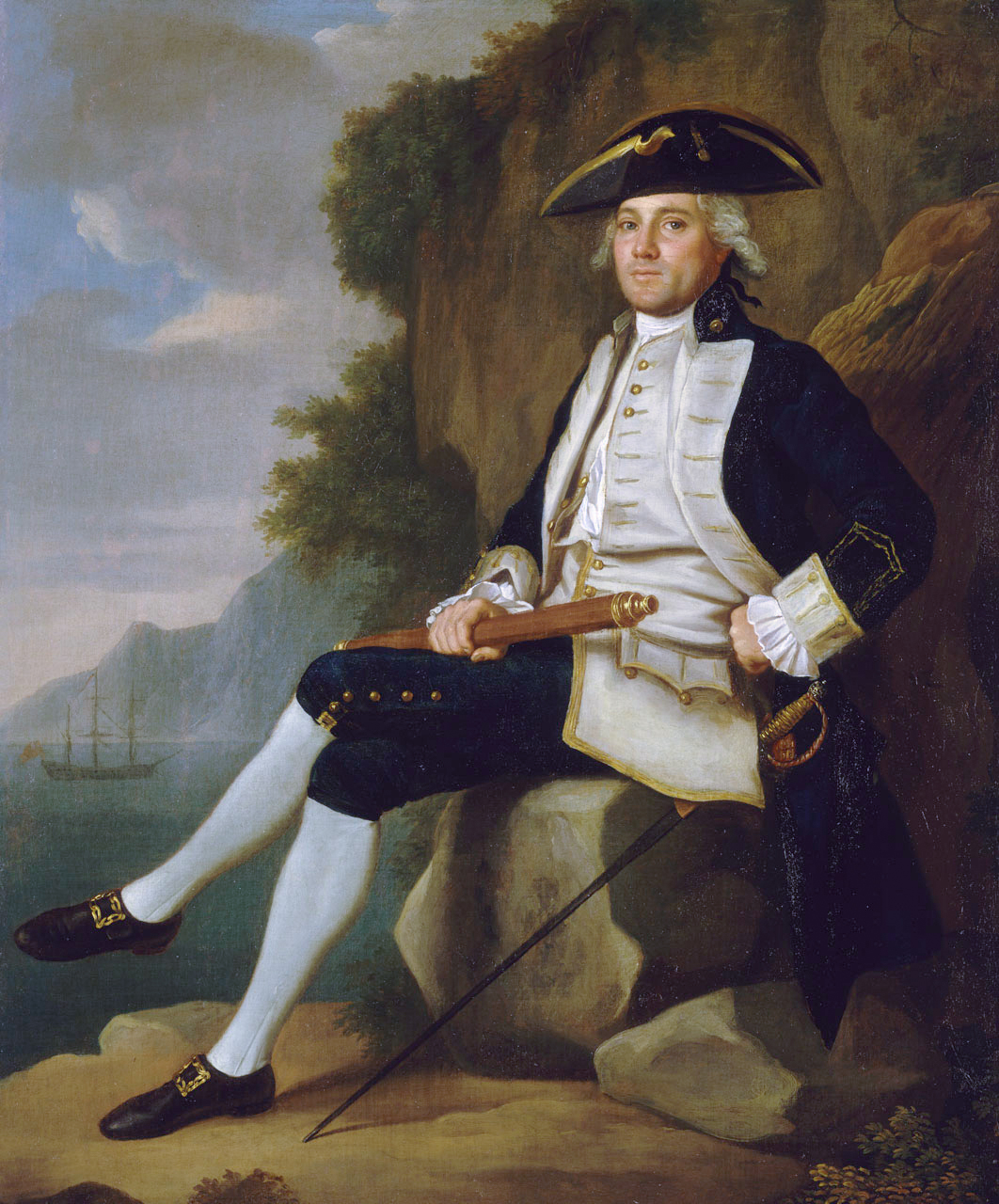
Captain_Cook,_oil_on_canvas_by_John_Webber,_1776,_Museum_of_New_Zealand_Tepapa_Tongarewa,_Wellington Captain_Edward_Vernon_(1723-1794)._by_Francis_Hayman v0_master
When we began our research for Across the Doubtful Sea and its sequels, we were interested to find that it was quite easy to turn up information for the Napoleonic era, but earlier material was harder to come by. Besides paintings from the era, our illustrations come from John Mollo, Uniforms of the American Revolution (British Navy, figures 152-57; French, 158-63) and Eugene Leliepvre, Ancien Regime (plate 15, “Officiers de Marine et Matelots, 1679-1786″),
In our next, we want to share with you the ships we’ve used as models for our ships. In that post, we’ll include exciting news about a new, full-size, sailing replica of the 1770s frigate, L’Hermione.
And, in the post after that, we want to talk about our third variety of hero, the Matan’a’e amavi’o…

MTCIDC,

CD

Newer posts →

The Doubtful Sea Series Facebook Page

The Doubtful Sea Series Facebook Page

  • Ollamh

Categories

  • Artists and Illustrators
  • Economics in Middle-earth
  • Fairy Tales and Myths
  • Films and Music
  • Games
  • Heroes
  • Imaginary History
  • J.R.R. Tolkien
  • Language
  • Literary History
  • Maps
  • Medieval Russia
  • Military History
  • Military History of Middle-earth
  • Narnia
  • Narrative Methods
  • Poetry
  • Research
  • Star Wars
  • Terra Australis
  • The Rohirrim
  • Theatre and Performance
  • Tolkien
  • Uncategorized
  • Villains
  • Writing as Collaborators
Follow doubtfulsea on WordPress.com

Across the Doubtful Sea

Recent Postings

  • Towering January 28, 2026
  • Tolkien Among the Indians January 21, 2026
  • Thin and Stretched January 14, 2026
  • Through a glass… January 7, 2026
  • Heffalumps? December 31, 2025
  • We Three Kings December 24, 2025
  • A Moon disfigured December 17, 2025
  • On the Roads Again—Once More December 10, 2025
  • (Not) Crossing Bridges December 3, 2025

Blog Statistics

  • 105,546 Views

Posting Archive

  • January 2026 (4)
  • December 2025 (5)
  • November 2025 (4)
  • October 2025 (5)
  • September 2025 (4)
  • August 2025 (4)
  • July 2025 (5)
  • June 2025 (4)
  • May 2025 (4)
  • April 2025 (5)
  • March 2025 (4)
  • February 2025 (4)
  • January 2025 (5)
  • December 2024 (4)
  • November 2024 (4)
  • October 2024 (5)
  • September 2024 (4)
  • August 2024 (4)
  • July 2024 (5)
  • June 2024 (4)
  • May 2024 (5)
  • April 2024 (4)
  • March 2024 (4)
  • February 2024 (4)
  • January 2024 (5)
  • December 2023 (4)
  • November 2023 (5)
  • October 2023 (4)
  • September 2023 (4)
  • August 2023 (5)
  • July 2023 (4)
  • June 2023 (4)
  • May 2023 (5)
  • April 2023 (4)
  • March 2023 (5)
  • February 2023 (4)
  • January 2023 (4)
  • December 2022 (4)
  • November 2022 (5)
  • October 2022 (4)
  • September 2022 (4)
  • August 2022 (5)
  • July 2022 (4)
  • June 2022 (5)
  • May 2022 (4)
  • April 2022 (4)
  • March 2022 (5)
  • February 2022 (4)
  • January 2022 (4)
  • December 2021 (5)
  • November 2021 (4)
  • October 2021 (4)
  • September 2021 (5)
  • August 2021 (4)
  • July 2021 (4)
  • June 2021 (5)
  • May 2021 (4)
  • April 2021 (4)
  • March 2021 (5)
  • February 2021 (4)
  • January 2021 (4)
  • December 2020 (5)
  • November 2020 (4)
  • October 2020 (4)
  • September 2020 (5)
  • August 2020 (4)
  • July 2020 (5)
  • June 2020 (4)
  • May 2020 (4)
  • April 2020 (5)
  • March 2020 (4)
  • February 2020 (4)
  • January 2020 (6)
  • December 2019 (4)
  • November 2019 (4)
  • October 2019 (5)
  • September 2019 (4)
  • August 2019 (4)
  • July 2019 (5)
  • June 2019 (4)
  • May 2019 (5)
  • April 2019 (4)
  • March 2019 (4)
  • February 2019 (4)
  • January 2019 (5)
  • December 2018 (4)
  • November 2018 (4)
  • October 2018 (5)
  • September 2018 (4)
  • August 2018 (5)
  • July 2018 (4)
  • June 2018 (4)
  • May 2018 (5)
  • April 2018 (4)
  • March 2018 (4)
  • February 2018 (4)
  • January 2018 (5)
  • December 2017 (4)
  • November 2017 (4)
  • October 2017 (4)
  • September 2017 (4)
  • August 2017 (5)
  • July 2017 (4)
  • June 2017 (4)
  • May 2017 (5)
  • April 2017 (4)
  • March 2017 (5)
  • February 2017 (4)
  • January 2017 (4)
  • December 2016 (4)
  • November 2016 (5)
  • October 2016 (6)
  • September 2016 (5)
  • August 2016 (5)
  • July 2016 (5)
  • June 2016 (5)
  • May 2016 (4)
  • April 2016 (4)
  • March 2016 (5)
  • February 2016 (4)
  • January 2016 (4)
  • December 2015 (5)
  • November 2015 (5)
  • October 2015 (4)
  • September 2015 (5)
  • August 2015 (4)
  • July 2015 (5)
  • June 2015 (5)
  • May 2015 (4)
  • April 2015 (3)
  • March 2015 (4)
  • February 2015 (4)
  • January 2015 (4)
  • December 2014 (5)
  • November 2014 (4)
  • October 2014 (6)
  • September 2014 (1)

Blog at WordPress.com.

  • Subscribe Subscribed
    • doubtfulsea
    • Join 78 other subscribers
    • Already have a WordPress.com account? Log in now.
    • doubtfulsea
    • Subscribe Subscribed
    • Sign up
    • Log in
    • Report this content
    • View site in Reader
    • Manage subscriptions
    • Collapse this bar
 

Loading Comments...