• About

doubtfulsea

~ adventure fantasy

Tag Archives: Hogwarts

Soul Divided

19 Wednesday Jun 2024

Posted by Ollamh in Uncategorized

≈ Leave a comment

Tags

books, Fantasy, Harry Potter, Hogwarts, Writing

As always, dear readers, welcome.

Although I’ve never reread any but the first of them, I enjoyed the “Harry Potter” books when they were originally published, beginning in 1997.

My favorite was that first,

or, by its US title.

I prefer the original British title because it suggests something magical.  “Sorcerer’s Stone” was a make-shift replacement, with no resonance.  The “philosopher’s stone”, however, was a real (or at least hoped-for) thing, being thought of as a kind of alchemical tool which could turn substances into precious metals, and which seemed very appropriate for a book set mostly in a boarding school for witches and wizards.  (You can read more about it here:  https://en.wikipedia.org/wiki/Philosopher’s_stone   Illustrating the article is a wonderful painting by Joseph Wright of Derby, 1734-1797,
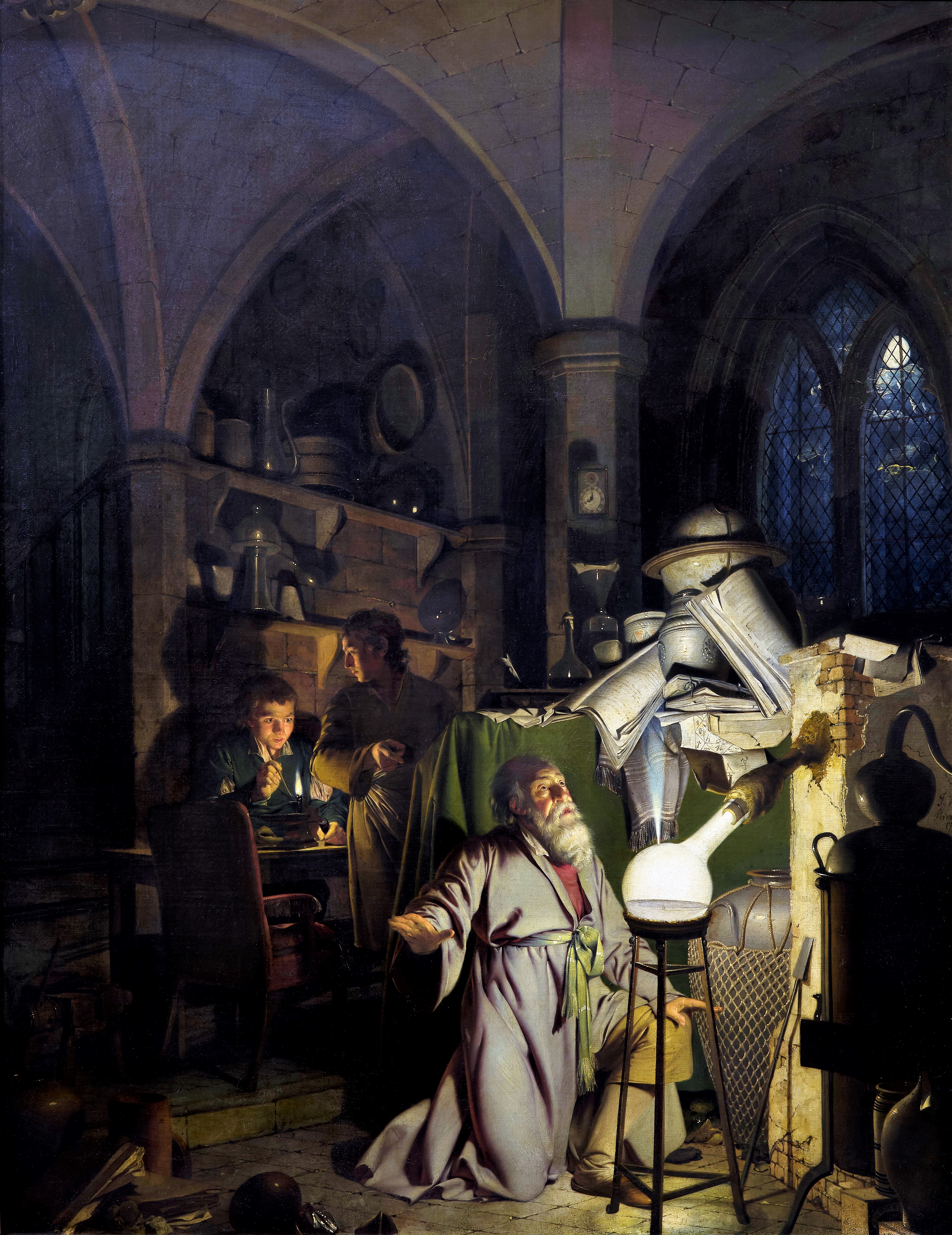
which, although entitled–in short form—the full title is practically a brief lecture–“The Alchymist, in Search of the Philosopher’s Stone…”, has always struck me as potentially being a very useful portrait of Merlin.  If you know T.H. White’s The Once and Future King, you might imagine that that’s the young Wart—aka Arthur—in the background.)

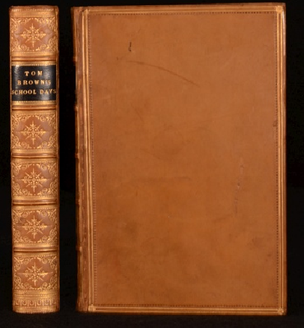
When the series continued, I wondered how far the author would take what was, initially, a clever takeoff on a literary type:  the school story, which dates at least as far back as Thomas Hughes’ 1857 Tom Brown’s School Days and which you can read here:  https://www.gutenberg.org/cache/epub/1480/pg1480-images.html
In fact, although the series progressed with the main protagonists continuing their magical education, it became increasingly entangled with the villain, Voldemort, and a world folktale, classified in the Aarne-Thompson-Uther Index as “The Giant (Ogre) who had no heart in his body” (ATU302).  In this story, of which at least 250 versions exist, the Giant (or his equivalent), to protect himself, removes his heart and conceals it where (he hopes) it cannot be found.   The protagonist (along with helpers) must find that location and destroy the heart—or at least use it as leverage.  (You can read the translation of a Norwegian version of it here, under the title “Cinder-Lad and His Six Brothers”:  https://archive.org/details/fairystoriesmych00shim/page/n7/mode/2up   And you can read more about the tale here:  https://en.wikipedia.org/wiki/The_Giant_Who_Had_No_Heart_in_His_Body )  In the Harry Potter books, it’s not one piece of his heart–here, his soul–but 7, all hidden in what are called “Horcruxes”, and it takes Harry and his friends (along with the headmaster, at one point) to locate and destroy the set, providing for a major plot element beginning with the second book Harry Potter and the Chamber of Secrets.  (For more, see: https://fortheloveofharry.com/list-of-horcruxes/  )

When all of the Horcruxes are gone, so is Voldemort and this brings to mind another complex story.

“The Enemy still lacks one thing to give him strength and knowledge to beat down all resistance, break the last defences, and cover all the lands in a second darkness.  He lacks the One Ring…

…the Nine he has gathered to himself; the Seven also, or else they are destroyed.  The Three are hidden still.  But that no longer troubles him.  He only needs the One; for he made that Ring himself, it is his, and he let a great part of his own former power pass into it, so that he could rule all the others.  If he recovers it, then he will command them all again, wherever they be, even the Three, and all that has been wrought with them will be laid bare, and he will be stronger than ever.”  (The Fellowship of the Ring, Book One, Chapter 2, “The Shadow of the Past”)

If this Ring is so crucial, it would be easy to wonder why Sauron hasn’t been more aggressive in finding it, but Gandalf answers that next:

“…He believed that the One had perished, that the Elves had destroyed it, as should have been done.  But he knows now that it has not perished, that it has been found.  So he is seeking it, seeking it, and all his thought is bent on it…”

In the Norwegian version of “The Giant (Ogre) who had no heart in his body”, the Giant’s heart was concealed in an egg and, when the egg was broken, “the giant burst to pieces”.

When the last Horcrux is gone, Voldemort seems to melt away,
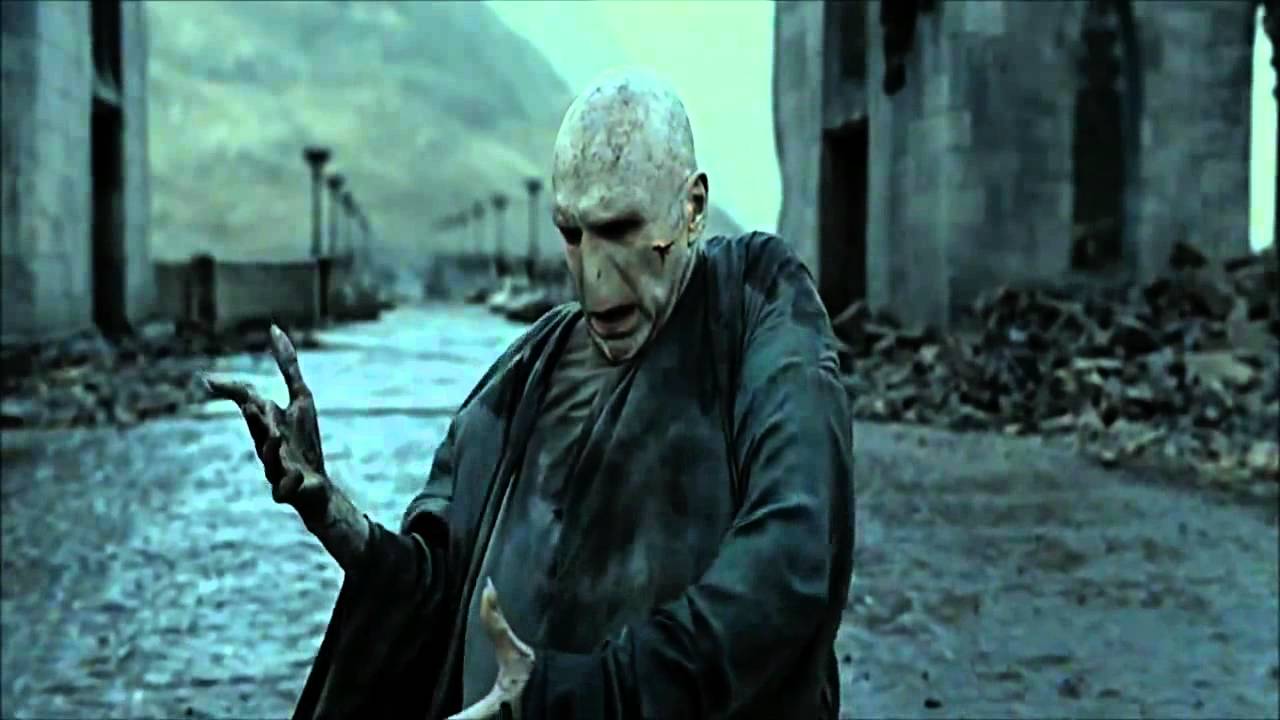
rather like the demise of the Wicked Witch of the West when she is doused with water.

When the Ring is destroyed, the end is a bit more dramatic:

“And even as he spoke the earth rocked beneath their feet.  Then rising swiftly up, far above the Towers of the Black Gate, high above the mountains, a vast soaring darkness sprang into the sky, flickering with fire.  The earth groaned and quaked.  The Towers of the Teeth swayed, tottered, and fell down; the mighty rampart crumbled; the Black Gate was hurled in ruin; and from far away, now dim, now growing, now mounting to the clouds,  there came a drumming rumble, a roar, a long echoing roll of ruinous noise.

…And as the Captains gazed south to the Land of Mordor, it seemed to them that, black against the pall of cloud, there rose a huge shape of shadow, impenetrable, lightning-crowned, filling all the sky.  Enormous it reared above the world, and stretched out towards them a vast threatening hand, terrible but impotent:  for even as it leaned over them, a great wind took it, and it was all blown away, and passed; and then a hush fell.” (The Return of the King, Book Six, Chapter 4, “The Field of Cormallen”)

(An amazing illustration by Ted Nasmith)

Somehow, in contrast, for all that his end brings a dramatic conclusion to the Harry Potter series, the melting of Voldemort seems more like the melting of Vole de Mort, in comparison.

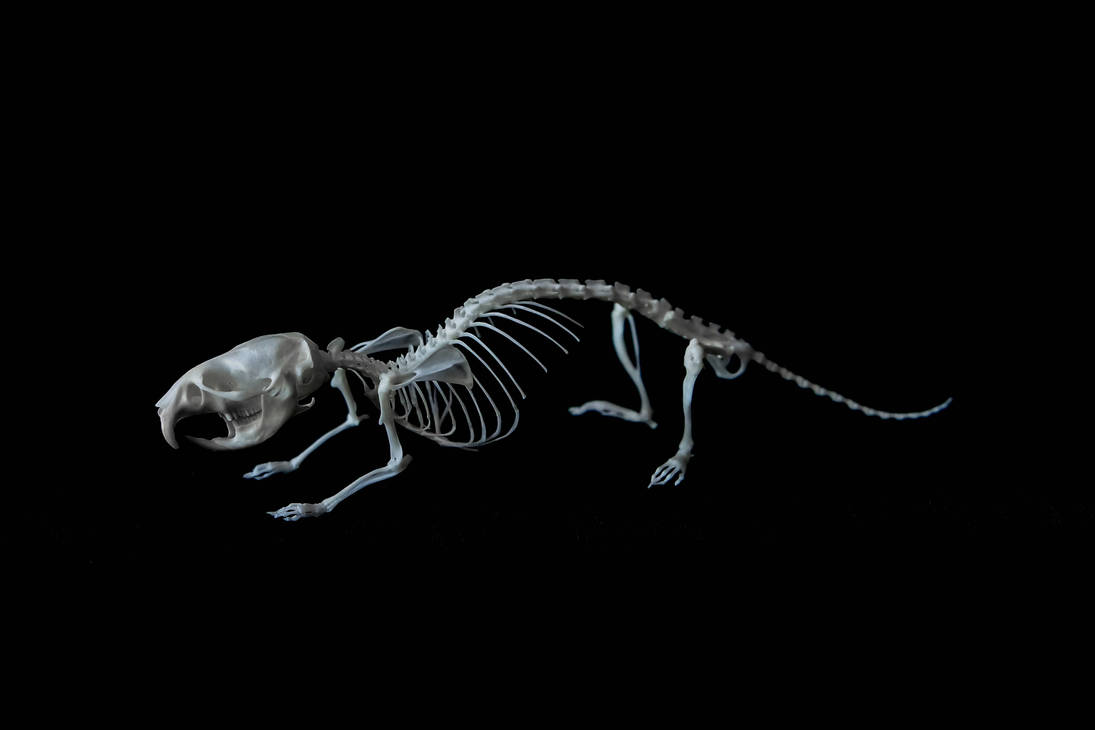
(by Exifia at Deviant Art—I’m sorry that I can’t say more, but Deviant Art’s website appears to be unavailable at present)

Thanks, as ever, for reading.

Stay well,

When it comes to hiding things, see E.A. Poe, “The Purloined Letter” here:  https://poestories.com/read/purloined

And remember that, as always, there’s

MTCIDC

O

PS

Looking at Vole de Mort, I’m reminded of one of my (many) favorite Terry Pratchett characters,  The Death of Rats (“aka ‘The Grim Squeaker’ “).  Put a black robe on him and perhaps a resemblance?
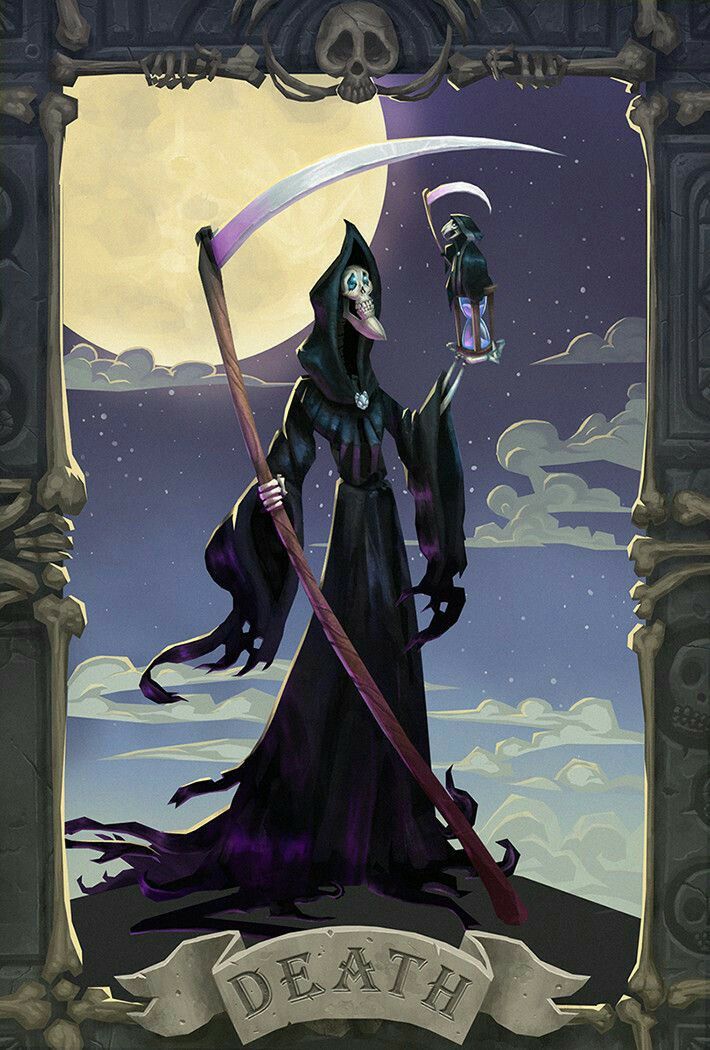
(credited to Paul Southard)

For more, see:  https://wiki.lspace.org/Death_of_Rats

Childe Rowland to the Dark Tower Came

04 Wednesday Dec 2019

Posted by Ollamh in Artists and Illustrators, Fairy Tales and Myths, J.R.R. Tolkien

≈ Leave a comment

Tags

Alan Lee, Barad-Dur, Child Ballads, Fairy Tale, Hildebrandts, Hogwarts, John Howe, Neuschwanstein, Shakespeare, Sunset Crater, The Lord of the Rings, Tolkien, Wukoki

If you are a reader/watcher of Shakespeare, you’ll immediately recognize the title, dear readers, as coming from King Lear, Act 3, Scene 4, where a character named Edgar, pretending to be mad, babbles (among other things):

“Child Roland to the dark tower came.

His word was still ‘Fie, foh, and fum,

I smell the blood of a British man.’ “

“Child Roland” belongs to a Scots ballad, “Burd Helen”, first cited in detail in Robert Jamieson’s Illustrations of Northern Antiquities (1814), page 397 and following. (“Burd” is an old Scots term for a young woman.) [If you’d like your own Jamieson, here’s the LINK to obtain a free copy: https://archive.org/details/illustrationsofn00webe]

That “Fie, foh, and fum” may also be familiar to you from the story of Jack the Giant Killer/Jack and the Bean Stalk, which first appeared in Round about our Coal Fire (1734), in “the story of Jack Spriggins and the Enchanted Bean” on page 45, with the words in a slightly different form:

“Fee-Faw-Fum!————–

I smell the Blood of an English-Man;

Whether he be alive or dead,

I’ll grind his Bones to make my Bread.”

[A copy of the whole pamphlet may be had at this LINK: https://upload.wikimedia.org/wikipedia/commons/9/98/Round_about_our_Coal_Fire%2C_or%2C_Christmas_Entertainments%2C_4th_edn%2C_1734.pdf]

It wasn’t about Jack or his beanstalk, that we began writing this, however, but about that “dark tower”.

And, when we write that, we think, at once, of the Barad-dur—although not perhaps as the Hildebrandts saw it—image1hild

or Alan Lee

image2lee

or John Howe

image3howe

or Ted Nasmith,

image4ted

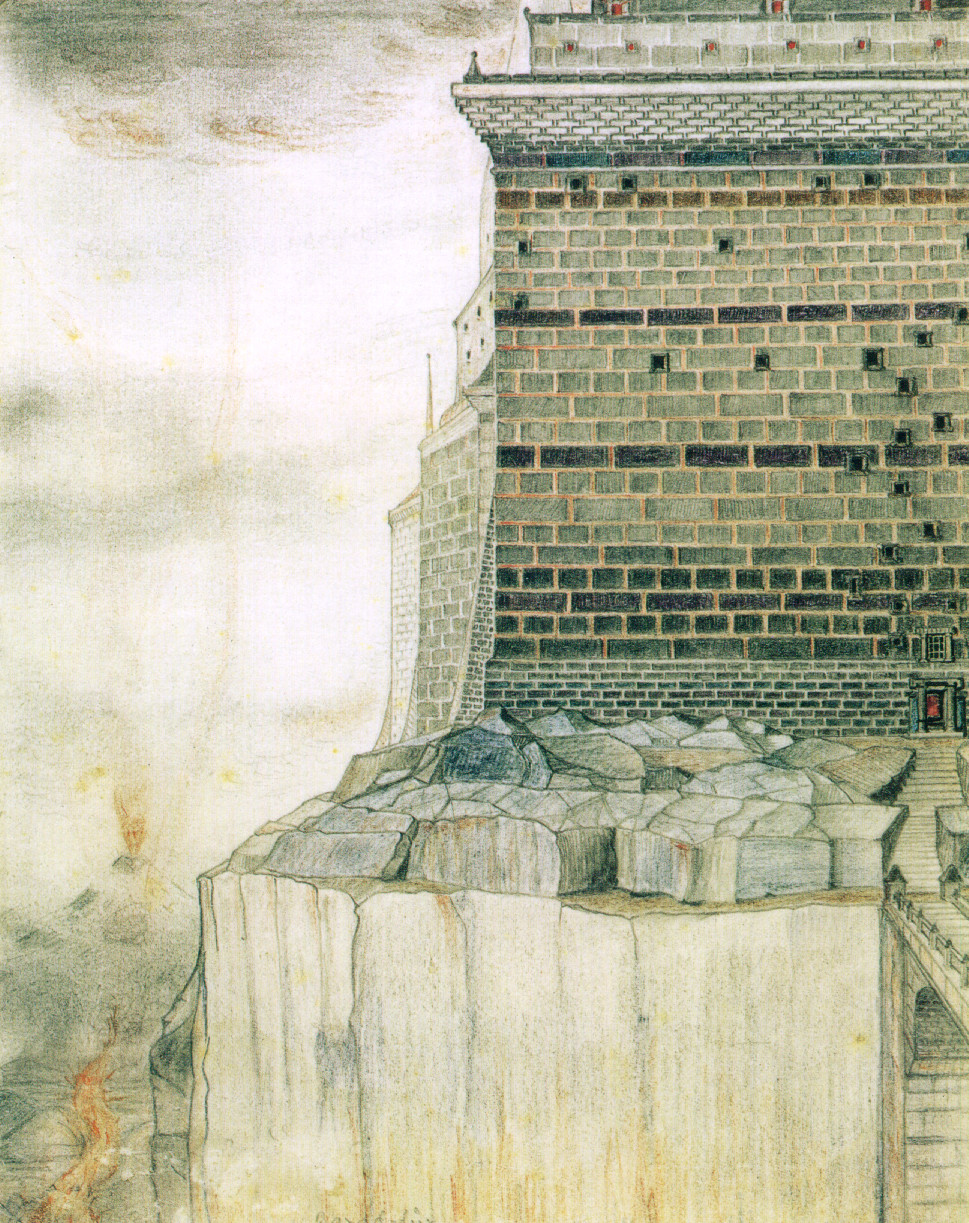
as much as we respect their ideas and enjoy their work. It’s interesting to see how Tolkien imagined it.

image5jrrt

Oddly, to us, this doesn’t look like anything western, but rather like a Japanese castle, such as Kumamoto, originally built in the 15th century.

image6kumamoto

There is no long description of Sauron’s fortress in The Lord of the Rings, but there are a few bits here and there–

“The Dark Tower was broken, but its foundations were not removed, for they were made with the power of the Ring, and while it remains they will endure.” (The Fellowship of the Ring, Book Two, Chapter 2, “The Council of Elrond”)

“Then at last his [Sam’s] gaze was held: wall upon wall, battlement upon battlement, black, immeasurably strong, mountain of iron, gate of steel, tower of adamant, he saw it: Barad-dur, Fortress of Sauron.” (The Fellowship of the Ring, Book Two, Chapter 10, “The Breaking of the Fellowship”)

“…that vast fortress, armoury, prison, furnace of great power, Barad-dur, the Dark Tower…” (The Two Towers, Book Three, Chapter 8, “The Road to Isengard”)

“…towers and battlements, tall as hills, founded upon a mighty mountain-throne above immeasurable pits; great courts and dungeons, eyeless prisons sheer as cliffs, and gaping gates of steel and adamant…” (The Return of the King, Book Six, Chapter 3, “Mount Doom”)

The last description, in particular, with its mention of “towers and battlements, round as hills”, makes us think of medieval fictional castles built on rocks, like Andelkrag, from the stories of Prince Valiant,

image7andelkrag

or historical castles, like “Dracula’s castle”—actually Bran Castle–in Rumania,

image8dracs

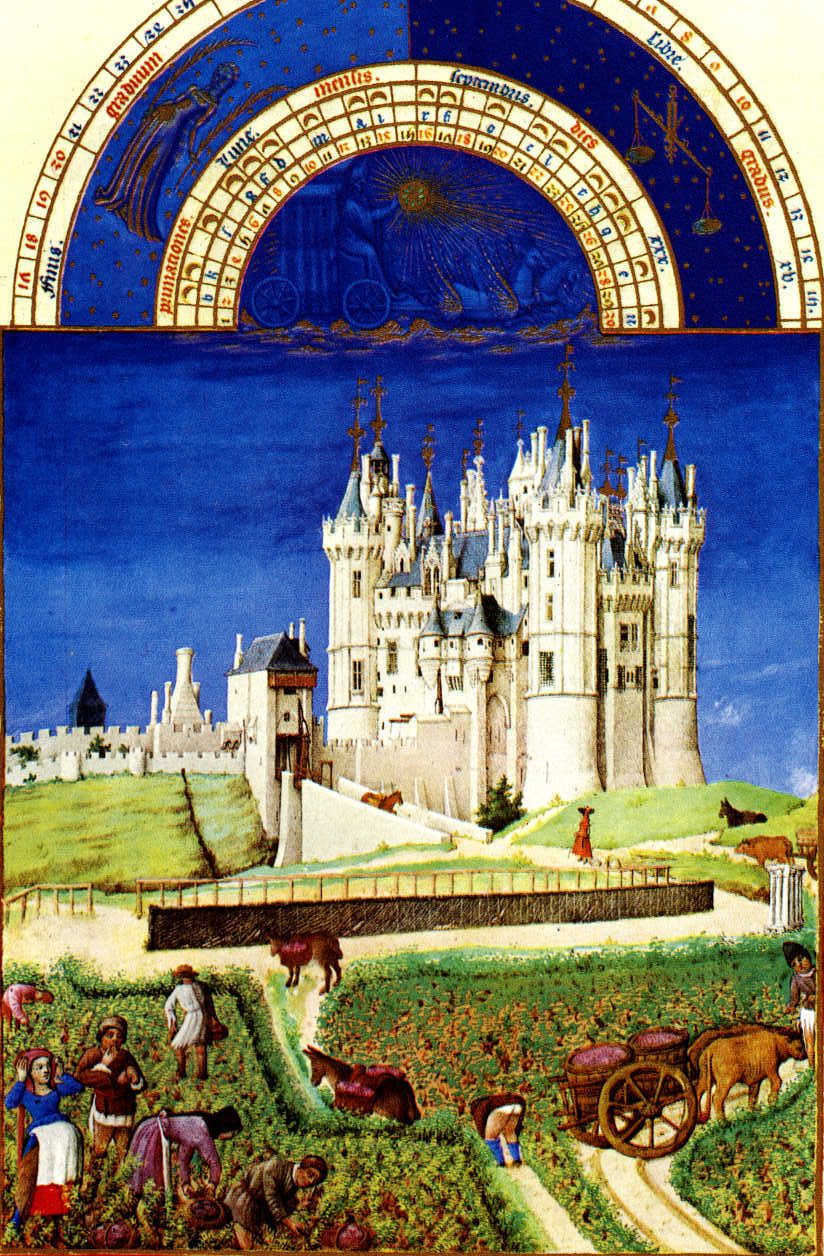
or even the mock-medieval Neuschwanstein, built in the 19th century.

image9neu

All of these have the “towers and battlements” necessary, suggesting that the Barad-dur may be called “the dark tower”, but is, in fact, like many medieval castles, a conglomeration of towers

image10ideal

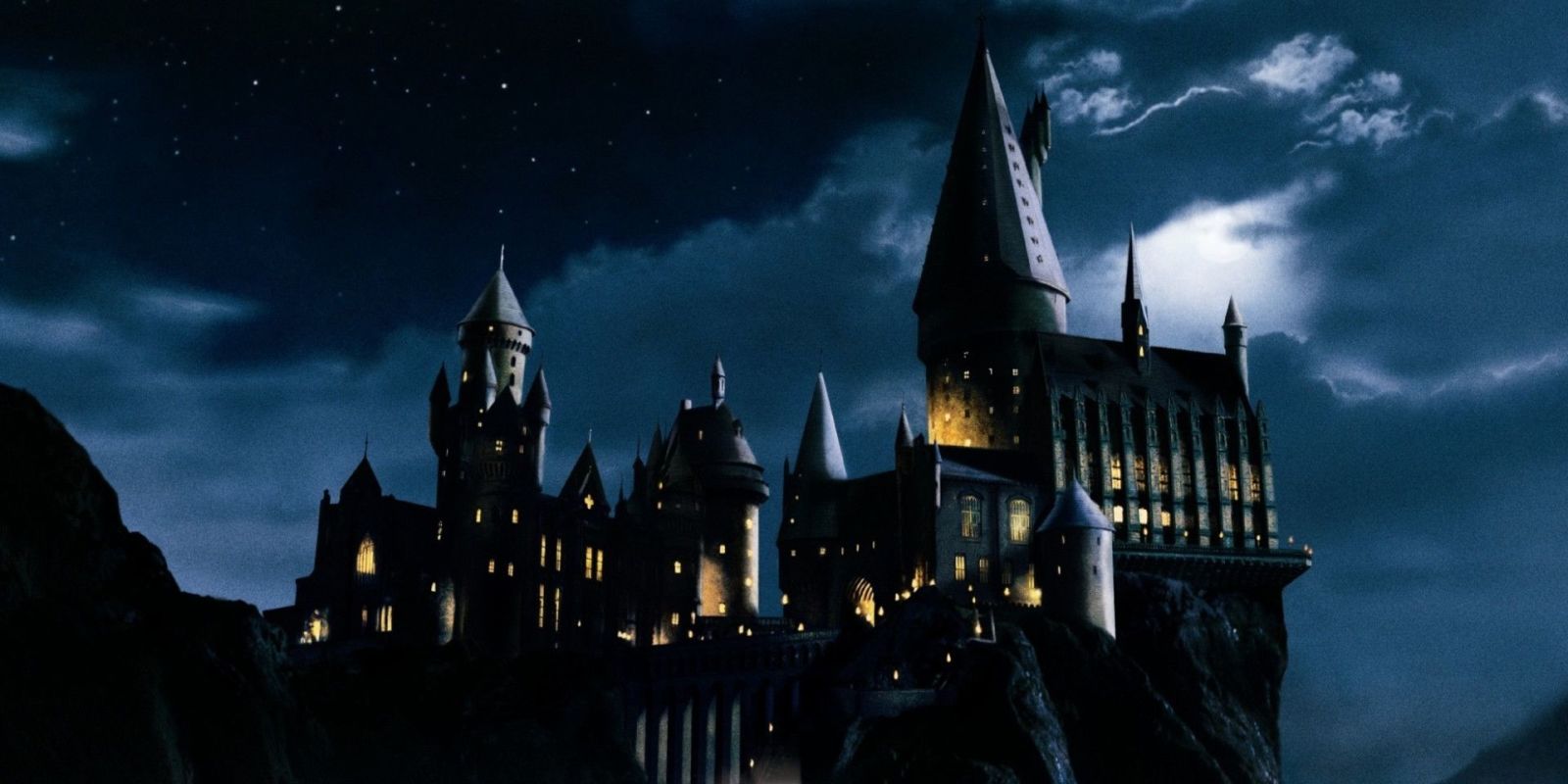
and therefore perhaps even Hogwarts might be a candidate for a model.

image11hogwarts

In one respect, however, we agree with the Hildebrandts’ view.

image12hil

The Barad-dur is built in what is clearly a volcanic world—rather like this—

image31wilderness

so what is it built from? The volcanic area we have some experience of is in northern Arizona, a place called Sunset Crater, the site of a volcanic eruption about 1085AD.

image14sun

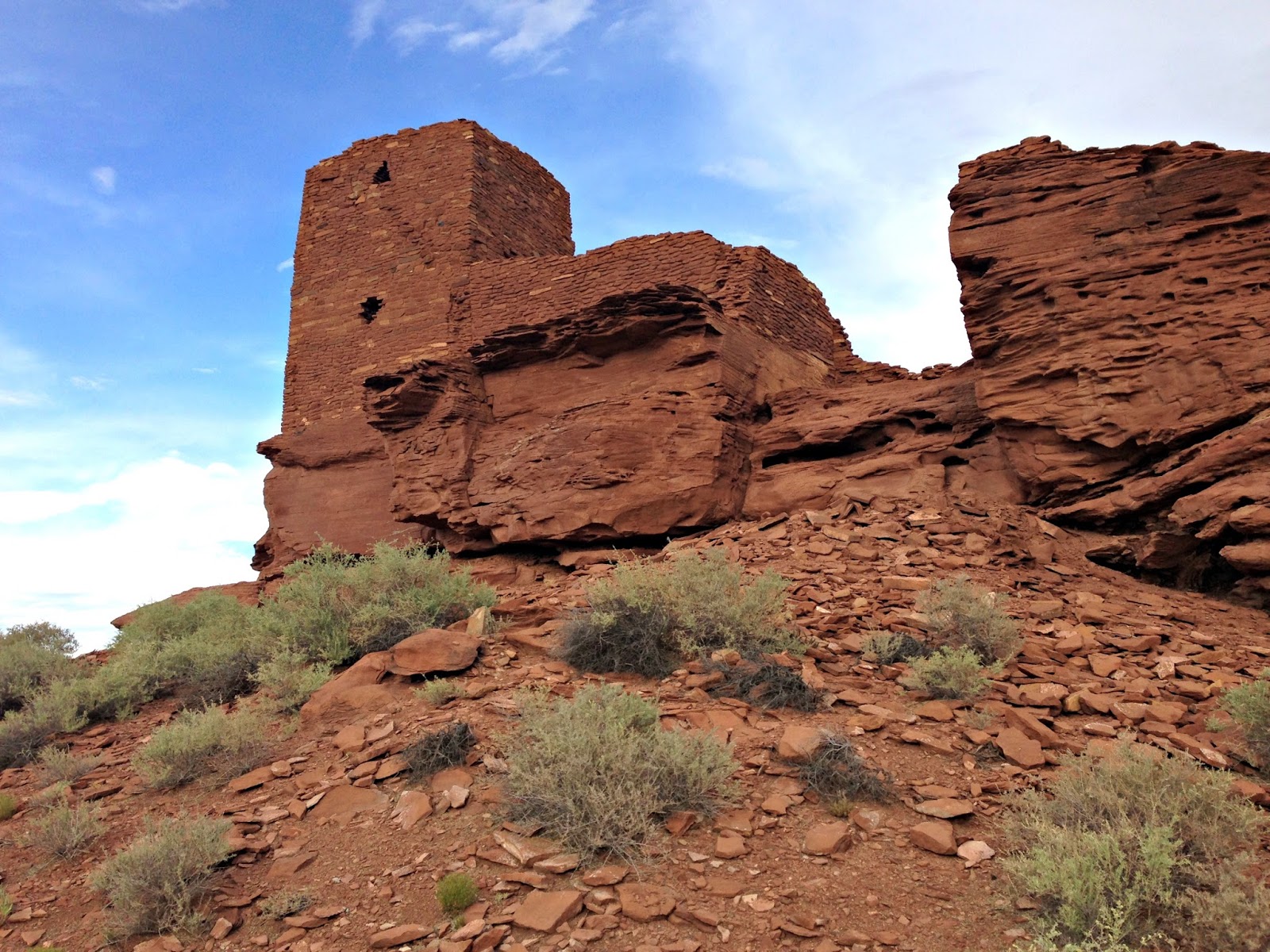
It’s obviously a bit overgrown in comparison with our first image, but in the area are the remains of a number of buildings—ancient buildings from a culture called “Puebloan”—which date from after the eruption and they are made of the local sandstone. The most imposing is this—

image15wukoki

Imagine, then, a many-towered castle, with a central tower (perhaps darker than the others, and taller?), built of a ruddy local stone, set on a rocky outcropping in a wide volcanic valley and you have our idea of the Barad-dur. What do you think, dear readers?

Thanks, as always, for reading and

MTCIDC

CD


ps

While we were thinking and doing a little looking around about this, we happened on two very different views of that 19th-century castle, Neuschwanstein,

image16neu

image17neu

and we suddenly wondered whether it hadn’t been an inspiration for Minas Tirith?

image18mt

pps

By the way, welcome, dear readers!


The Doubtful Sea Series Facebook Page

The Doubtful Sea Series Facebook Page

  • Ollamh

Categories

  • Artists and Illustrators
  • Economics in Middle-earth
  • Fairy Tales and Myths
  • Films and Music
  • Games
  • Heroes
  • Imaginary History
  • J.R.R. Tolkien
  • Language
  • Literary History
  • Maps
  • Medieval Russia
  • Military History
  • Military History of Middle-earth
  • Narnia
  • Narrative Methods
  • Poetry
  • Research
  • Star Wars
  • Terra Australis
  • The Rohirrim
  • Theatre and Performance
  • Tolkien
  • Uncategorized
  • Villains
  • Writing as Collaborators
Follow doubtfulsea on WordPress.com

Across the Doubtful Sea

Recent Postings

  • A Moon disfigured December 17, 2025
  • On the Roads Again—Once More December 10, 2025
  • (Not) Crossing Bridges December 3, 2025
  • On the Road(s) Again—Again November 26, 2025
  • On the Road(s) Again November 19, 2025
  • To Bree (Part 2) November 12, 2025
  • To Bree (Part 1) November 5, 2025
  • A Plague o’ Both—No, o’ All Your Houses! October 29, 2025
  • It’s in Writing (2:  I’st a Prologue, or a Poesie for a Ring?) October 22, 2025

Blog Statistics

  • 103,228 Views

Posting Archive

  • December 2025 (3)
  • November 2025 (4)
  • October 2025 (5)
  • September 2025 (4)
  • August 2025 (4)
  • July 2025 (5)
  • June 2025 (4)
  • May 2025 (4)
  • April 2025 (5)
  • March 2025 (4)
  • February 2025 (4)
  • January 2025 (5)
  • December 2024 (4)
  • November 2024 (4)
  • October 2024 (5)
  • September 2024 (4)
  • August 2024 (4)
  • July 2024 (5)
  • June 2024 (4)
  • May 2024 (5)
  • April 2024 (4)
  • March 2024 (4)
  • February 2024 (4)
  • January 2024 (5)
  • December 2023 (4)
  • November 2023 (5)
  • October 2023 (4)
  • September 2023 (4)
  • August 2023 (5)
  • July 2023 (4)
  • June 2023 (4)
  • May 2023 (5)
  • April 2023 (4)
  • March 2023 (5)
  • February 2023 (4)
  • January 2023 (4)
  • December 2022 (4)
  • November 2022 (5)
  • October 2022 (4)
  • September 2022 (4)
  • August 2022 (5)
  • July 2022 (4)
  • June 2022 (5)
  • May 2022 (4)
  • April 2022 (4)
  • March 2022 (5)
  • February 2022 (4)
  • January 2022 (4)
  • December 2021 (5)
  • November 2021 (4)
  • October 2021 (4)
  • September 2021 (5)
  • August 2021 (4)
  • July 2021 (4)
  • June 2021 (5)
  • May 2021 (4)
  • April 2021 (4)
  • March 2021 (5)
  • February 2021 (4)
  • January 2021 (4)
  • December 2020 (5)
  • November 2020 (4)
  • October 2020 (4)
  • September 2020 (5)
  • August 2020 (4)
  • July 2020 (5)
  • June 2020 (4)
  • May 2020 (4)
  • April 2020 (5)
  • March 2020 (4)
  • February 2020 (4)
  • January 2020 (6)
  • December 2019 (4)
  • November 2019 (4)
  • October 2019 (5)
  • September 2019 (4)
  • August 2019 (4)
  • July 2019 (5)
  • June 2019 (4)
  • May 2019 (5)
  • April 2019 (4)
  • March 2019 (4)
  • February 2019 (4)
  • January 2019 (5)
  • December 2018 (4)
  • November 2018 (4)
  • October 2018 (5)
  • September 2018 (4)
  • August 2018 (5)
  • July 2018 (4)
  • June 2018 (4)
  • May 2018 (5)
  • April 2018 (4)
  • March 2018 (4)
  • February 2018 (4)
  • January 2018 (5)
  • December 2017 (4)
  • November 2017 (4)
  • October 2017 (4)
  • September 2017 (4)
  • August 2017 (5)
  • July 2017 (4)
  • June 2017 (4)
  • May 2017 (5)
  • April 2017 (4)
  • March 2017 (5)
  • February 2017 (4)
  • January 2017 (4)
  • December 2016 (4)
  • November 2016 (5)
  • October 2016 (6)
  • September 2016 (5)
  • August 2016 (5)
  • July 2016 (5)
  • June 2016 (5)
  • May 2016 (4)
  • April 2016 (4)
  • March 2016 (5)
  • February 2016 (4)
  • January 2016 (4)
  • December 2015 (5)
  • November 2015 (5)
  • October 2015 (4)
  • September 2015 (5)
  • August 2015 (4)
  • July 2015 (5)
  • June 2015 (5)
  • May 2015 (4)
  • April 2015 (3)
  • March 2015 (4)
  • February 2015 (4)
  • January 2015 (4)
  • December 2014 (5)
  • November 2014 (4)
  • October 2014 (6)
  • September 2014 (1)

Blog at WordPress.com.

  • Subscribe Subscribed
    • doubtfulsea
    • Join 78 other subscribers
    • Already have a WordPress.com account? Log in now.
    • doubtfulsea
    • Subscribe Subscribed
    • Sign up
    • Log in
    • Report this content
    • View site in Reader
    • Manage subscriptions
    • Collapse this bar
 

Loading Comments...