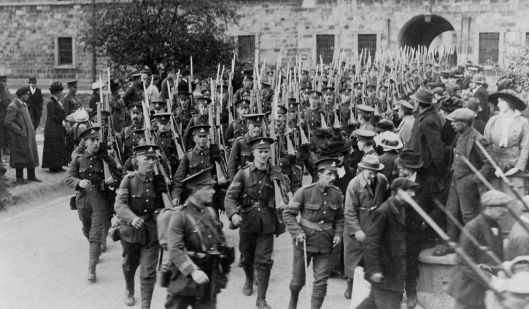
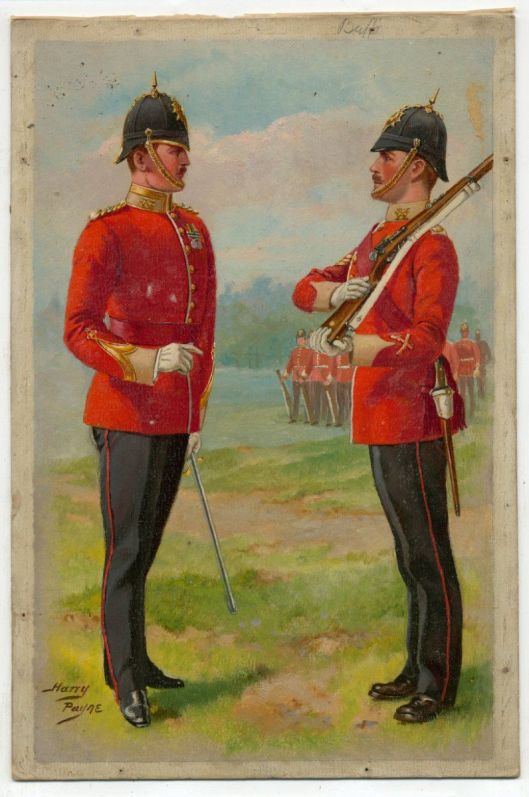
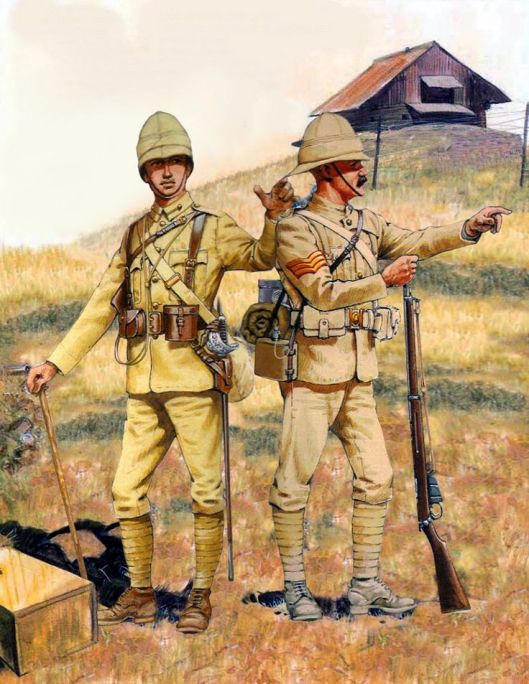
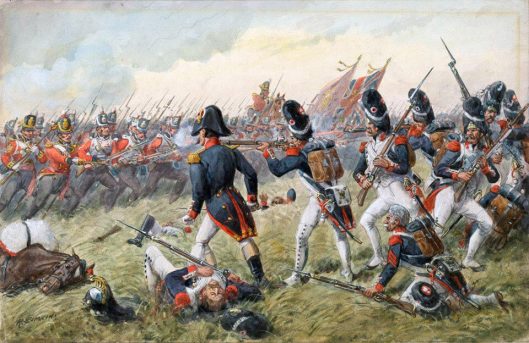
• About

doubtfulsea

~ adventure fantasy

Tag Archives: French

Light on Their Feet

02 Wednesday Oct 2019

Posted by Ollamh in Literary History, Military History

≈ Leave a comment

Tags

Alfred Tennyson, Austrian, Balaclava, British Cavalry, chasseurs a cheval, Crimean War, Errol Flynn, Flashman, French, Gallic, gendarmes, George Macdonald Fraser, Heavy Brigade, Hungarian, Hussars, jinetes, lancers, Light Brigade, Light Dragoons, Napoleonic, North Africans, Olivia deHavilland, Renaissance cavalry, Romans, Russian Artillery, Spanish, St Helena, The Charge of the Light Brigade, Thomas Hughes, Tom Brown's School Days

As ever, dear readers, welcome.

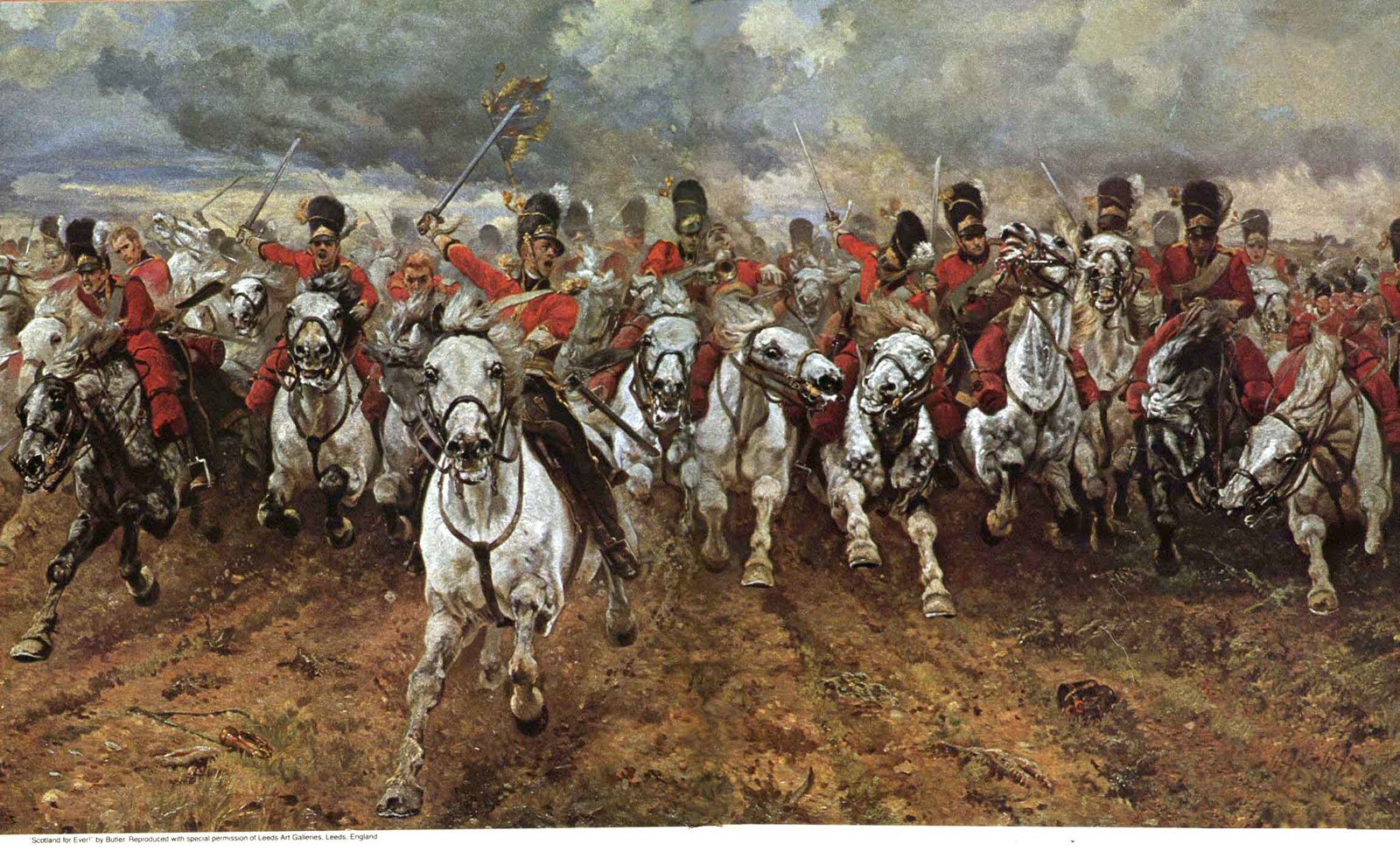
Recently, someone asked us about the Light Brigade—that is, the collection of regiments of British cavalry who fought in the Crimean War (1854-56).
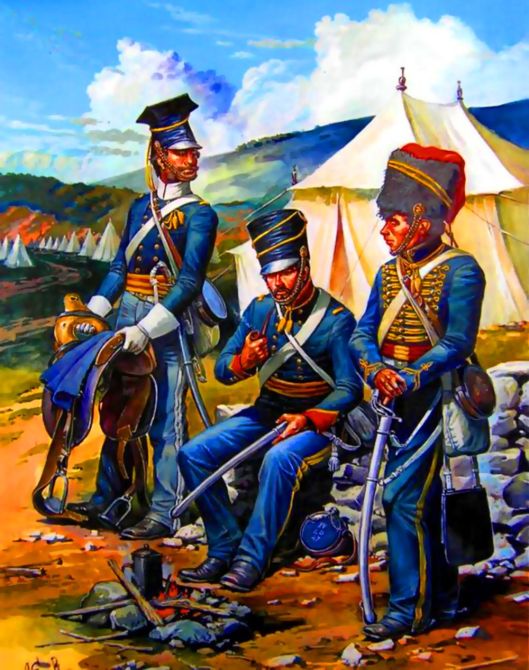
image1ltbrig.jpg

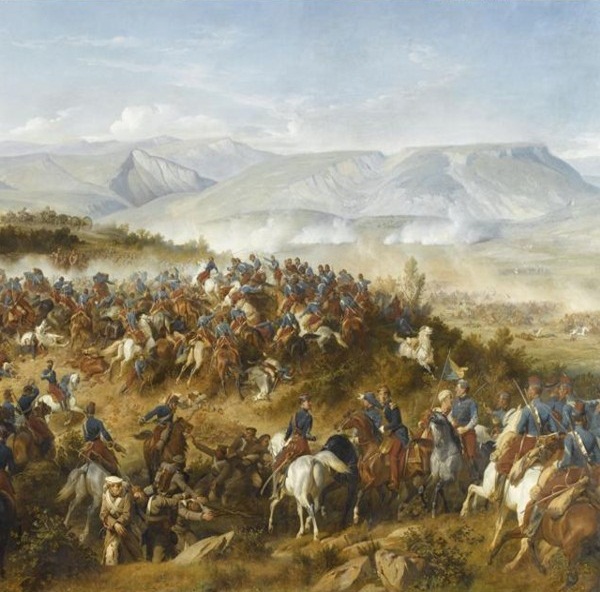
These are the troopers who mistakenly charged Russian artillery in the series of battles fought on 25 October, 1854, called, collectively, Balaclava.

image2simkin.jpg

The question was, “Why was it called ‘the Light Brigade’?  Were the soldiers thin?  And was there a Heavy Brigade, where they were all fat?”

It seemed to us a very reasonable question and our answer began, “Over many centuries, cavalry has had a number of uses, but they could probably be broken down into two groups by those uses:  1. raids, skirmishes, scouting, and pursuit; 2. attacking enemy cavalry and infantry formations—and pursuit.  The former (#1) is the job of light cavalry, the latter (#2) of heavy cavalry.”

The Romans, who themselves only produced cavalry early in their history, quickly preferring to hire the job out, might, for example, use North Africans as light cavalry.

image3nub.jpg

If heavy cavalry were needed, then the task might go to Spanish or Gallic soldiers.

image4gallic.jpg


And this would be true throughout military history—Renaissance cavalry might have heavily-armored gendarmes
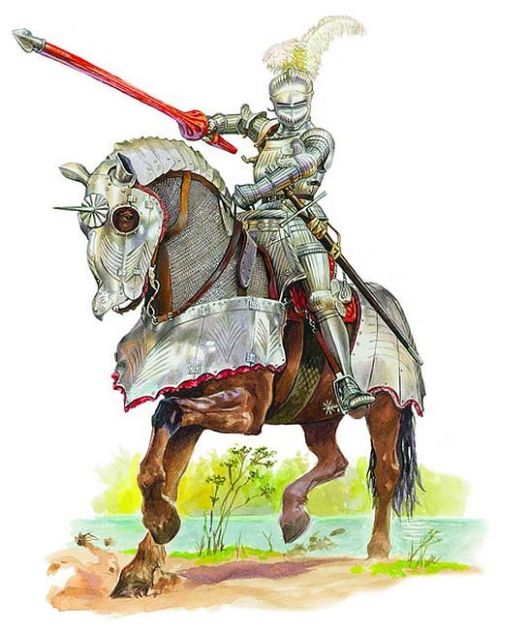
image5gendarme.jpg

to break up an enemy unit (or more) with the weight of its charge, but would also use lightly-armed jinetes

image6jinete


to find out the enemy’s positions, or attack their supply routes.

In the 18th century, most cavalry were heavy—although armor had almost disappeared.
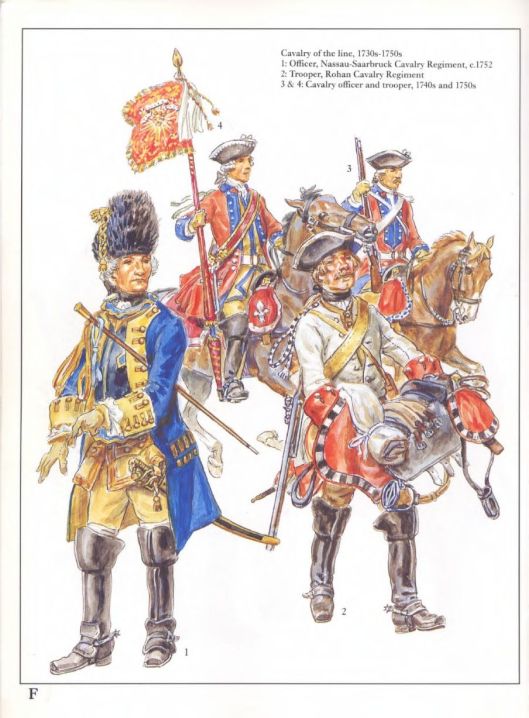
image7heavy.jpg

The Austrians and then the French added to those heavies light cavalry originally from the Hungarian world, hussars.
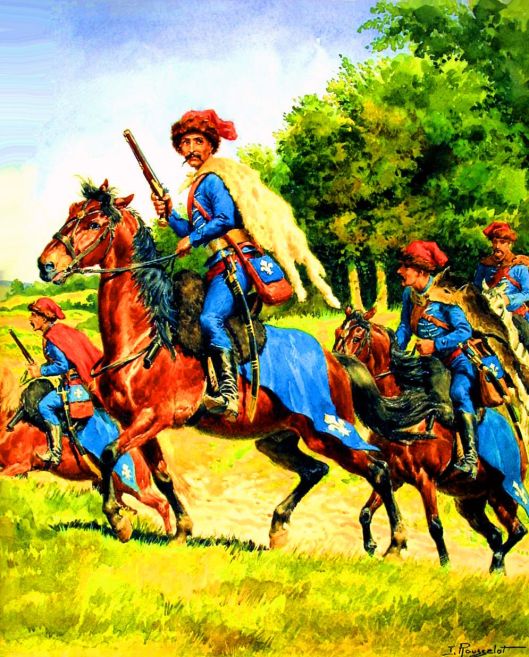
image8bercheny.jpg

Not to be outdone, the English fleshed out their heavy cavalry

image9drag.jpg

not with hussars, but something they called “light dragoons”.
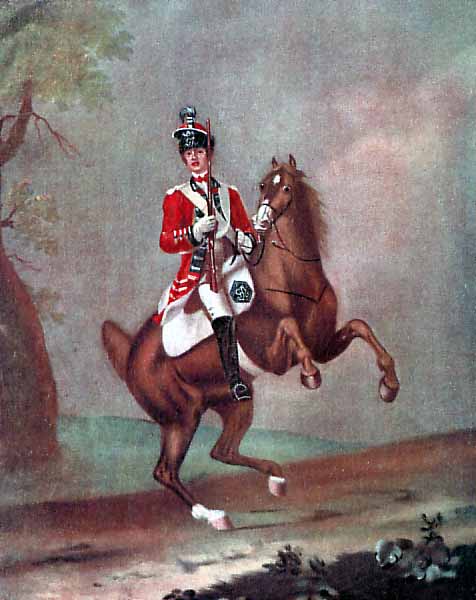
image10ld.jpg

Dragoons had originally been mounted infantrymen, who rode to battle on horseback, then dismounted to fight,
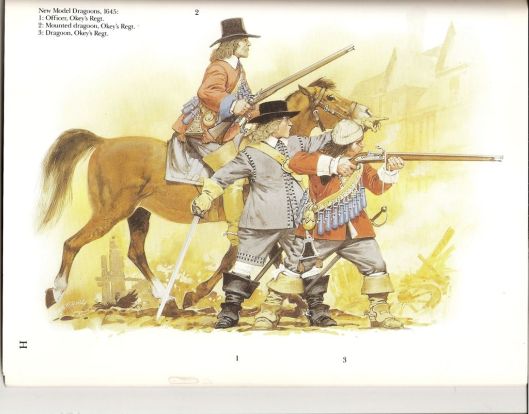
image11okey.jpg

but, by the mid-18th century, dragoons were just heavy cavalry—bigger men on bigger horses—and light dragoons were smaller men on smaller horses, with mostly different functions.

By the end of the century and just beyond, during the Napoleonic era, the French, in particular, had developed a whole series of light cavalry types—hussars,
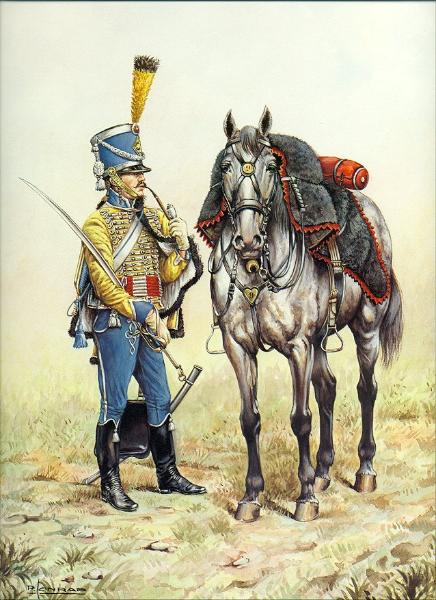
image12hussars.jpg

chasseurs a cheval (literally, “hunters on horseback”),

image13chasseurs.jpg

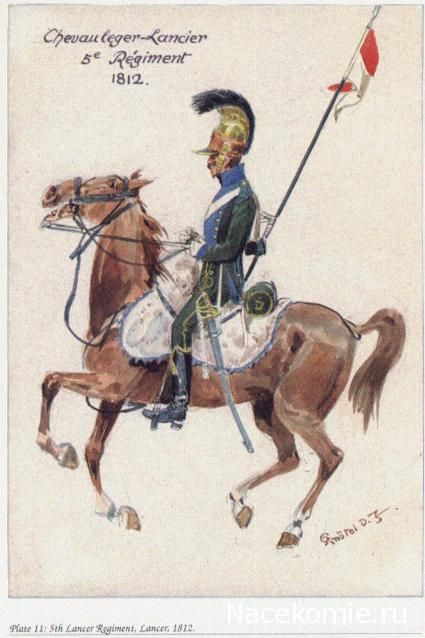
and lancers, as well.

image14lancers.jpg

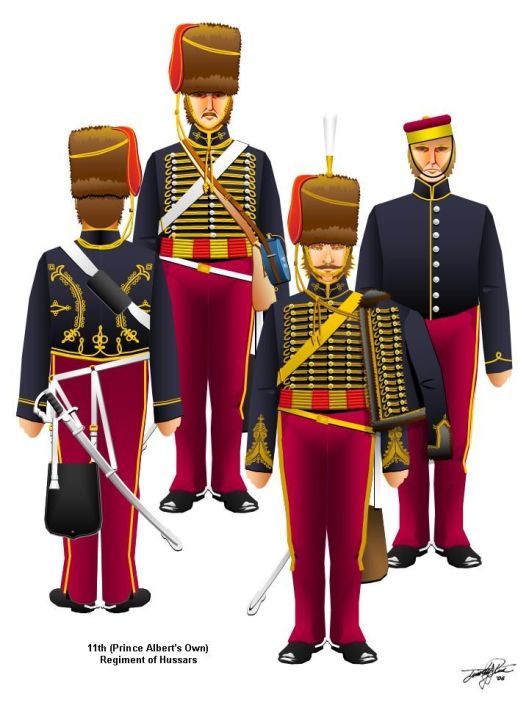
The English, to match the French, converted some regiments to hussars,
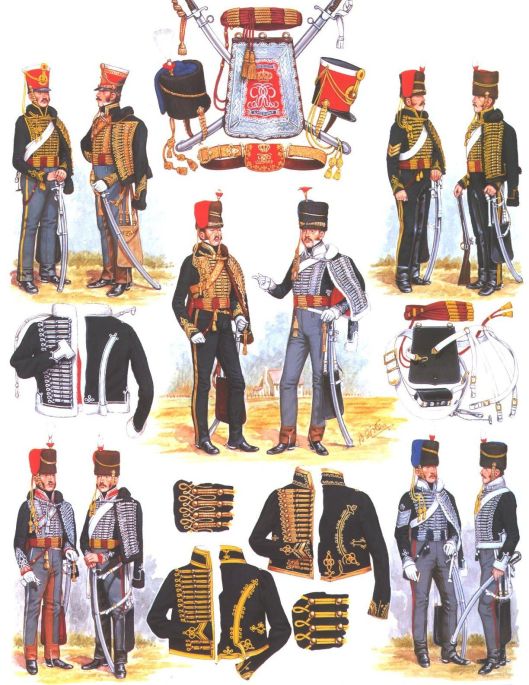
image15hussars.jpg

but only after 1820, when Napoleon was in his second and final exile on St. Helena, did they convert several other regiments to lancers.
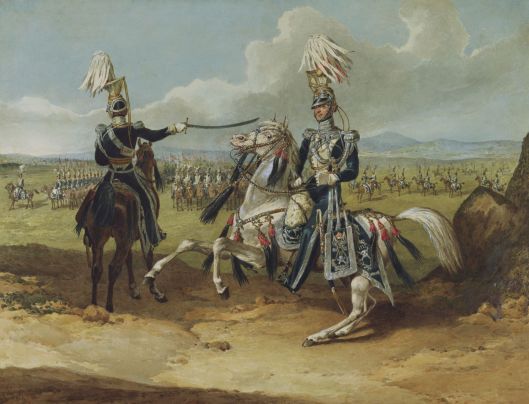
image16lancer.jpg

(You can see that they borrowed their style of dress from that of Polish lancers in Napoleon’s armies.)
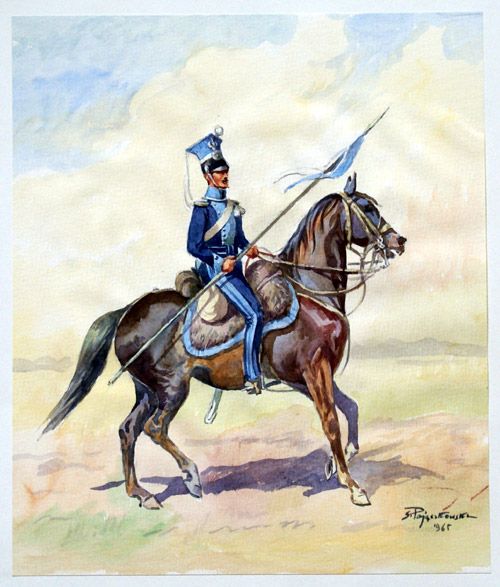
image17lancer.jpg

These lancers

image18lancers.jpg

along with hussars

image19hussars.jpg

and light dragoons

image20ld.jpg

made up the famous Light Brigade of Alfred Tennyson’s (1809-1892)

image21at


1854 poem, “The Charge of the Light Brigade”.

image22charge.png

This, in turn, inspired one of our favorite adventure movies, the 1936 The Charge of the Light Brigade.
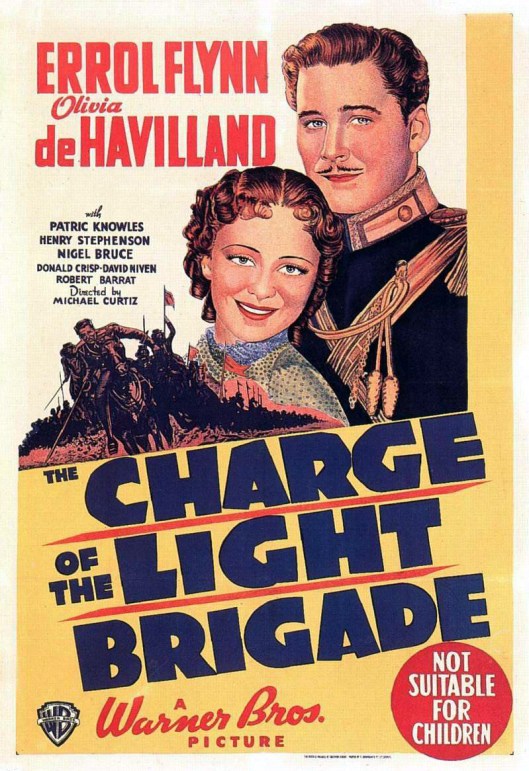
image23charge.jpg

(We wonder how different children must have been in 1936—we loved that movie as kids!)

And this film, in turn, inspired a 20th-century adventure writer, George Macdonald Fraser (1925-2008),

image24gmf.jpg

who wrote a series of 12 books detailing the life of one Harry Flashman, beginning with Flashman (1969).

image25flashman.jpg

In part, these are a parody of the life of a typical Victorian officer, who eventually becomes General Sir Harry Flashman.  He appears at many of the famous military events in mid-Victorian British history, from the First Afghan War (1839-1842) to the Zulu War (1879), along with appearances at later events, including a cameo appearance at the British declaration of war against Germany on 4 August, 1914.  The joke is, although he wins all sorts of honors, including that knighthood, he is, in fact, a complete coward and it’s only amazing luck that he manages to survive as long and as well as he does.  And there is a second joke within the first:  Flashman is actually the school bully in a very famous earlier novel, Tom Brown’s School Days (1857),

image26tbrown.PNG

by Thomas Hughes (1822-1896), a book which is the ancestor not only of many later such novels and short stories, but also of the Harry Potter books.

image27hughes.jpg

The fourth novel in the Flashman series, entitled Flashman at the Charge (1973),
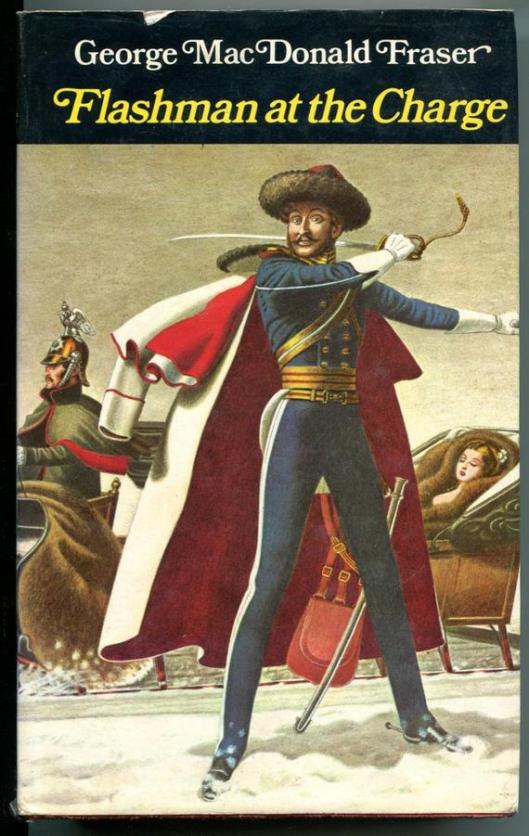
image28charge.jpg

gives us Fraser’s hero as actually leading that famous attack by accident, an accident which leads to his capture by the Russians—and many further adventures.

So, our answer to the original question is:  “No.  The Light Brigade wasn’t skinny, but was called that because it was smaller men on smaller horses with very specific jobs which required rapid movement and greater flexibility than heavy cavalry.”

And, with that answer, we say thank you for reading and

MTCIDC

CD

ps

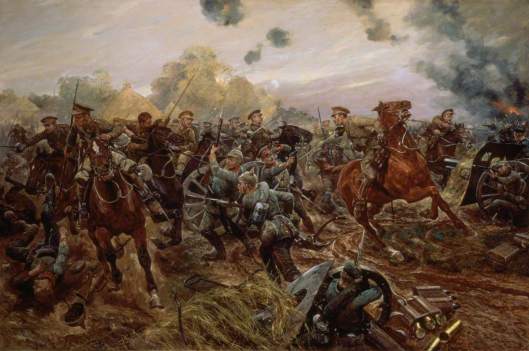
There was, in fact, a Heavy Brigade,
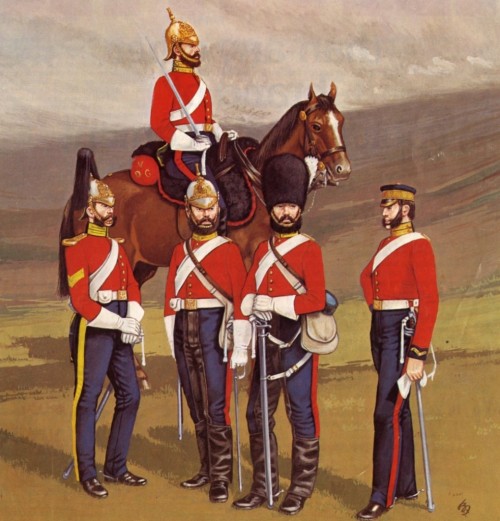
image29heavy.jpg

who made their own equally-heroic, but more successful, attack on the same day as the more famous Light Brigade charge.  Bigger men on bigger horses, they drove advancing Russian cavalry out of the Heavy Brigade camp.
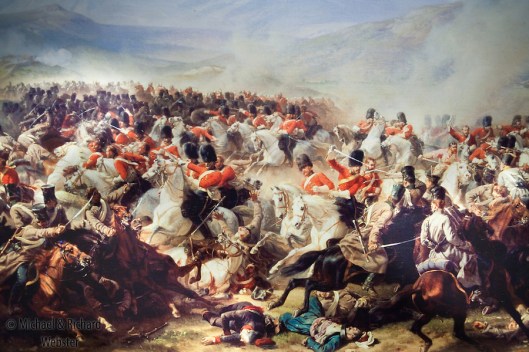
image30charge.jpg

Helm (but not deep)

28 Wednesday Aug 2019

Posted by Ollamh in J.R.R. Tolkien, Military History

≈ Leave a comment

Tags

British, Constantinople, French, Great War, Helmet, Julius Caesar, kepi, Medieval, Neo-Assyrians, pickelhalben, Plevna, Port Arthur, Prussians, Sebastien Le Prestre de Vauban, sieges, Tolkien, uniforms, WWI

Welcome once more, dear readers.

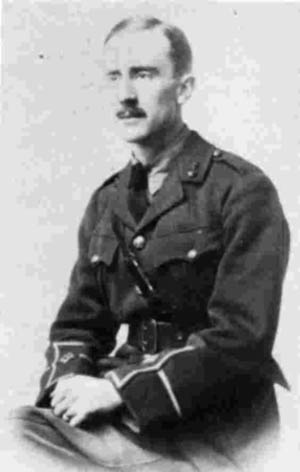
In our last, we talked about Tolkien as a very junior officer in 1916-17.

image1jrrt.jpg

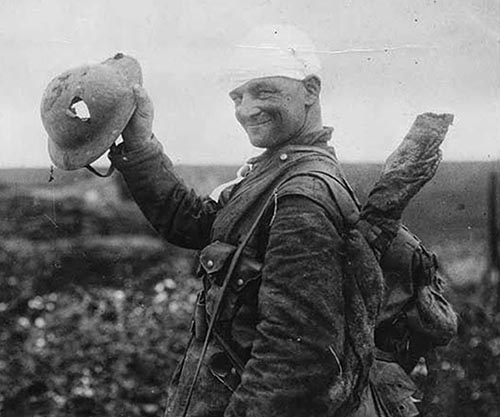
We discussed much of the detail of his kit, including this very important item, first introduced to the British army on the Western Front in 1916.

image2brodie.jpg

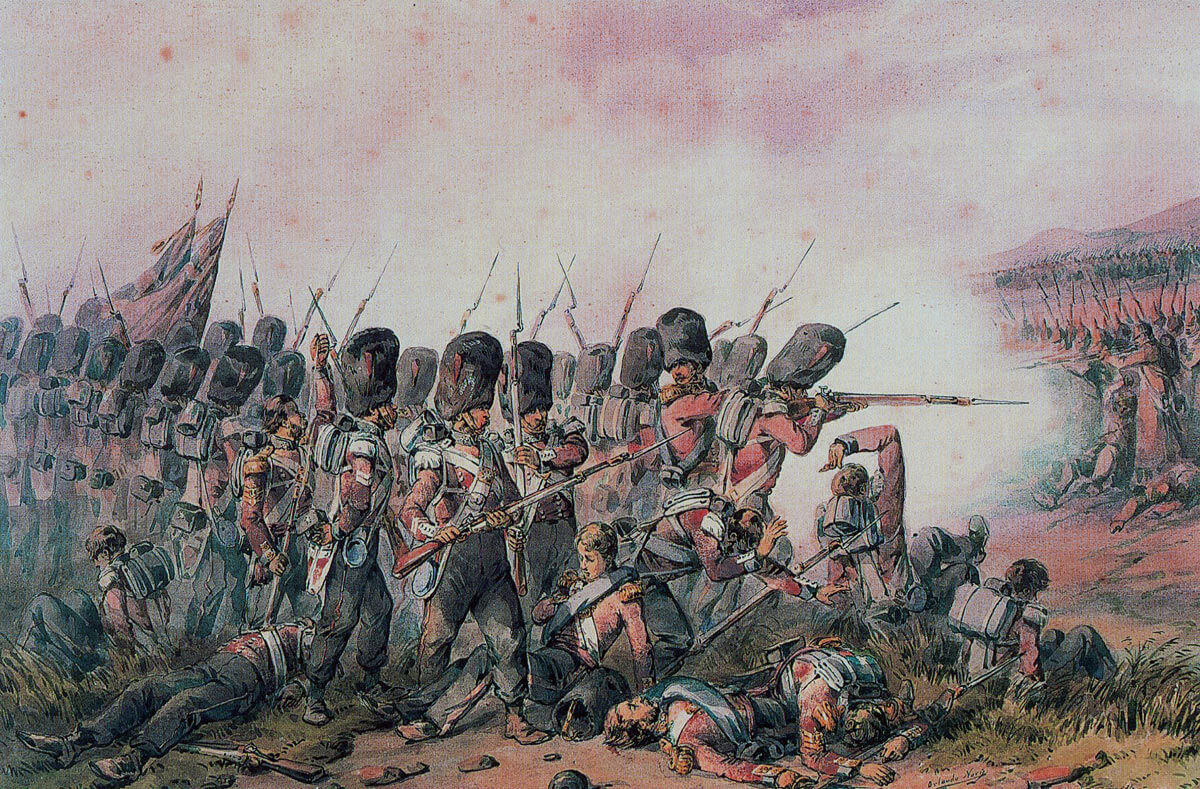
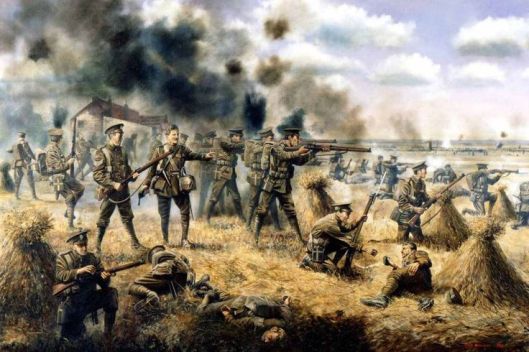
The war had begun in 1914, however, and the British soldiers of 1914

image3dubfus.jpg

although they had shed their red coats for anything but parades,

image4redcoats.jpg

having learned in many colonial wars that khaki was more practical on campaign,

image5khaki.jpg

were still, at heart, ready for the kind of open-battlefield fighting which their ancestors had practiced at Waterloo, a century before.

image6waterloo.jpg

Infantry might not fight in long solid lines any longer,

Battle of The Alma

image7mons.jpg

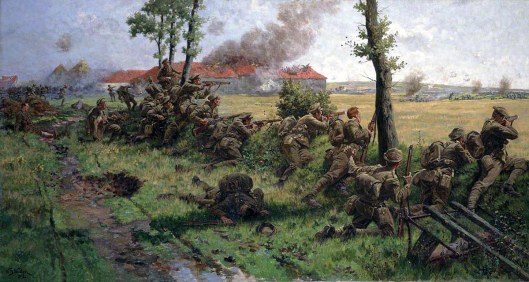
And might even seize upon temporary cover,

image8mons.jpg

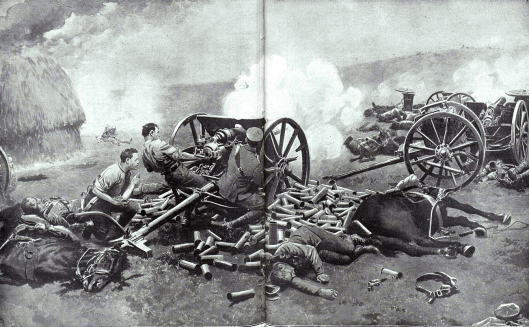
but battle would still be a sort of stand-up affair with artillery in support

image9arty.png

and cavalry ready to charge even enemy artillery,

image10cav.jpg


just as they had at Balaclava, 60 years before.

image11bala.jpg


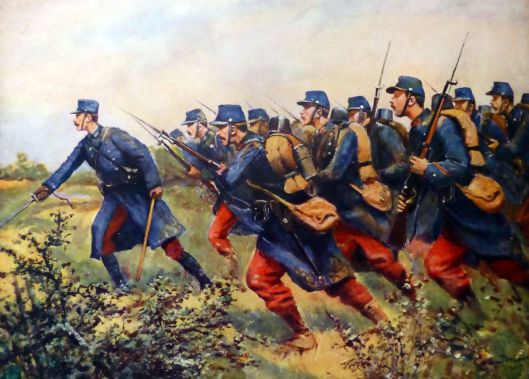
The British were not alone in imagining modern war as being like this.  Across the Channel, the French were still wearing the same red trousers they had first put on in the 1830s, while discussing attacks made solely with the bayonet.

image12french.jpg

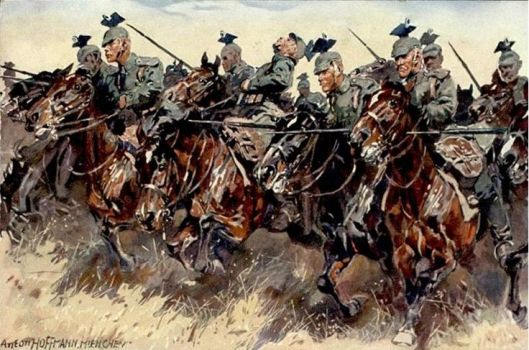
And the Germans, although more sensibly dressed in grey, could still see themselves as pounding across the battlefield like medieval knights, lances lowered.

image13uhlans.jpg

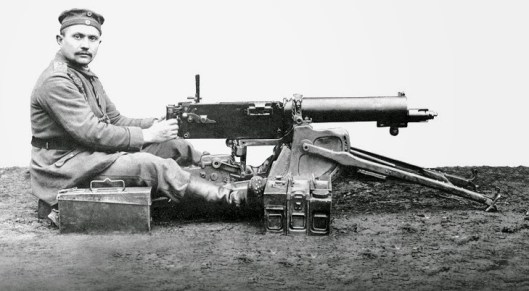
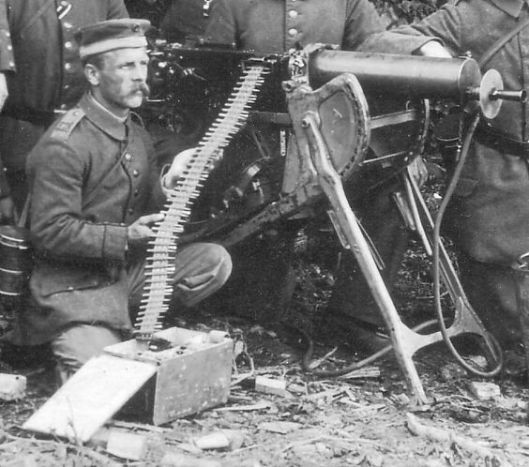
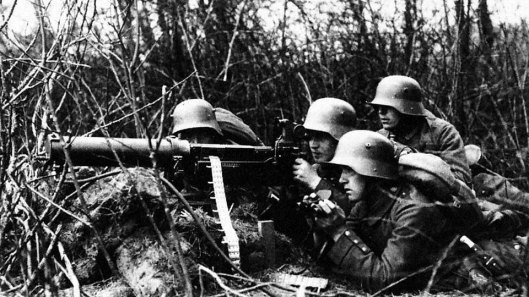
Unfortunately for such dreams, weapons technology in 1914 had far outstripped fashion and tradition, with machine guns having firing rates of as much as 600 rounds per minute

image14maxim.jpg

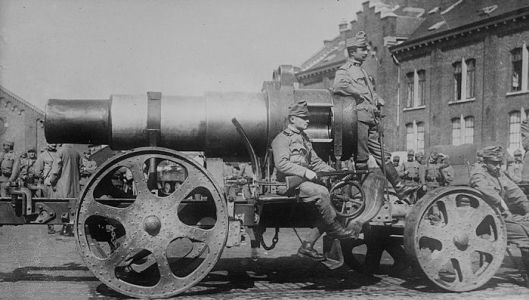
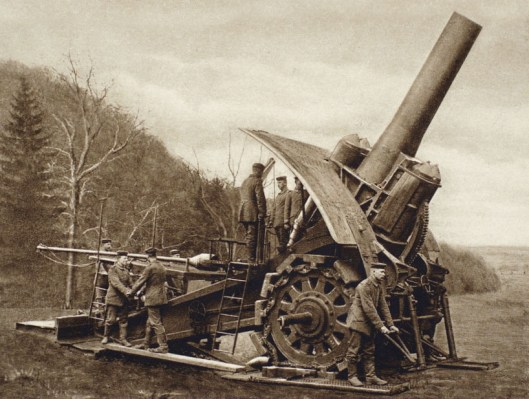
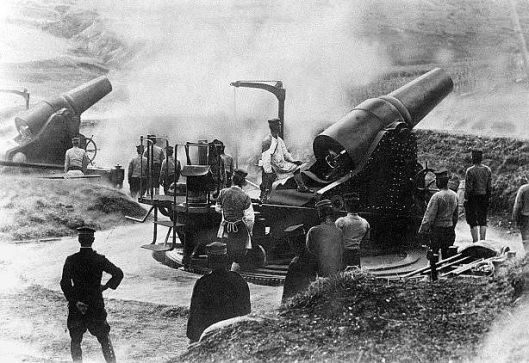
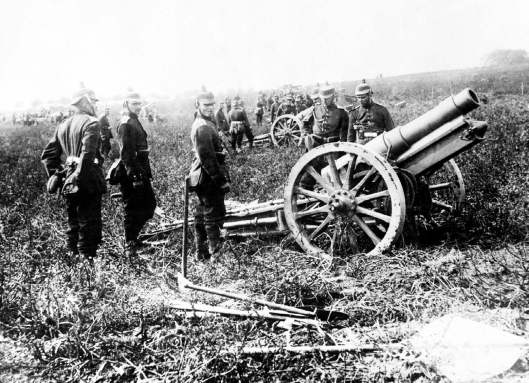
and increasingly heavy artillery.

image15skoda.jpg

image16bigb.jpg

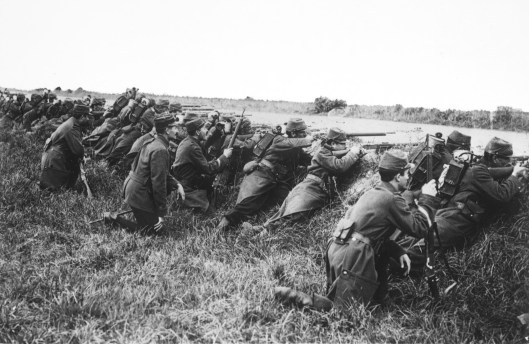
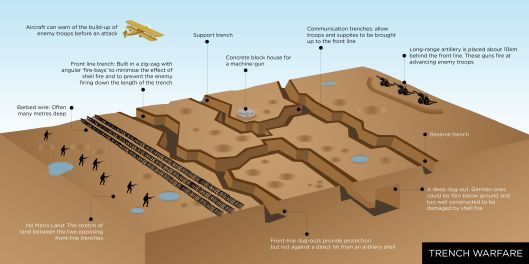
Soldiers on both sides, therefore, instinctively began to seek more shelter.

image17ditch.jpg

And more shelter.

image18trench.jpg

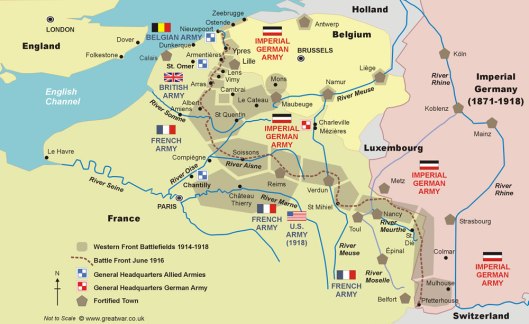
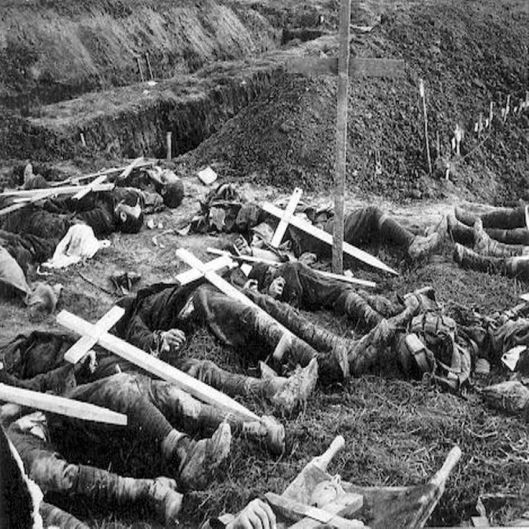
What happened next was a kind of military retrograde motion:  what was planned as open-field warfare turned into a giant, 500-mile-long siege.

image19map.jpg

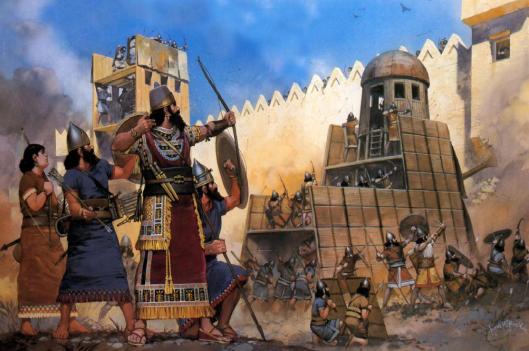
There had, of course, been sieges forever.  The ancient Neo-Assyrians were fierce proponents.

image20assyrians.jpg

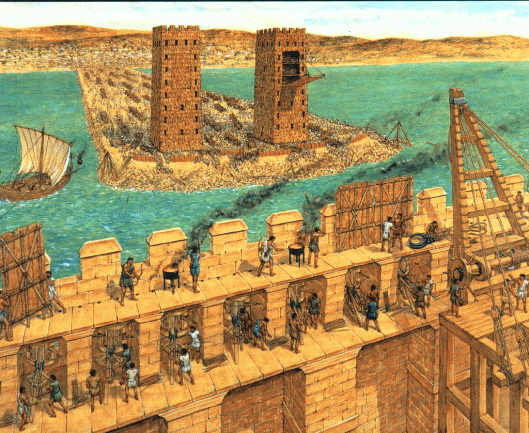
In 332bc, Alexander the Great, frustrated by the defiance of the city of Tyre, conducted a famous siege across open water to make the Tyrians submit.

image21tyre.gif

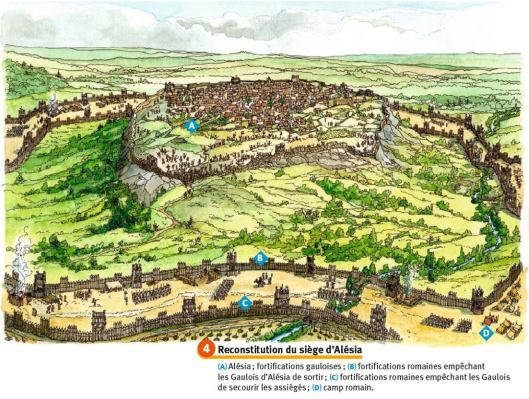
Julius Caesar had crushed Celtic power in Gaul in part by besieging their major settlement at Alesia in 52bc.

image22alesia.jpg

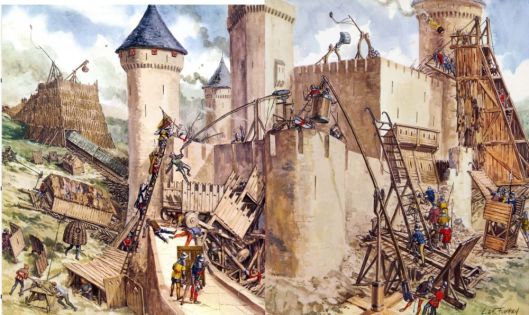
During the western Middle Ages, sieges were more common than pitched battles.

image23medsiege.jpg

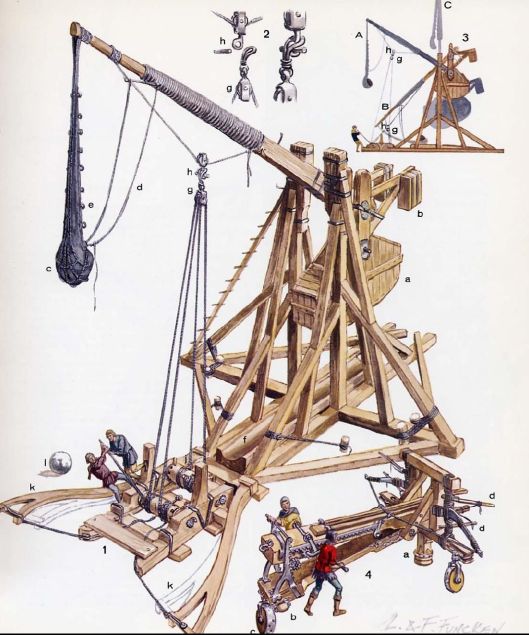
By the 14th century, however, big siege weapons, like the massive stone-throwing trebuchet,

image24trebuchet.jpg

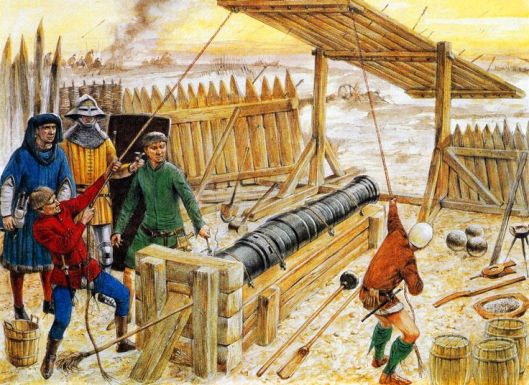
were fated to be replaced by a new and more effective weapon, the bombard, or cannon.

image25bombard.jpg

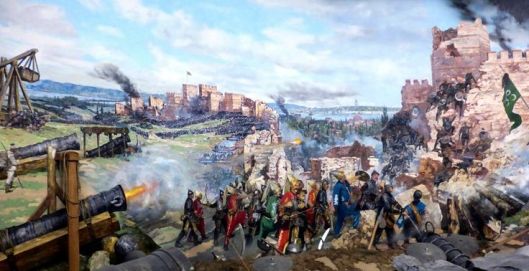
And, with the expansion of the use of artillery to pound enemy defenses, siege warfare became that much more deadly—as in the relatively short time (53 days) it took for the guns of Mehmet II to knock holes in the ancient but massive walls of Constantinople in 1453.

image26constant.jpg

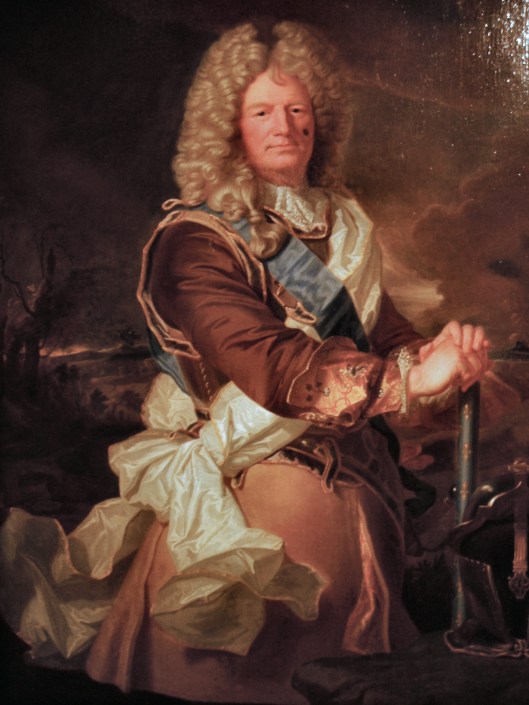
Over time, the practice of siege craft became an art, as did that of fortification, and, for western armies, the theoretician was Louis XIV’s military engineer, Sebastien Le Prestre de Vauban (1633-1707).

image27vauban.jpg

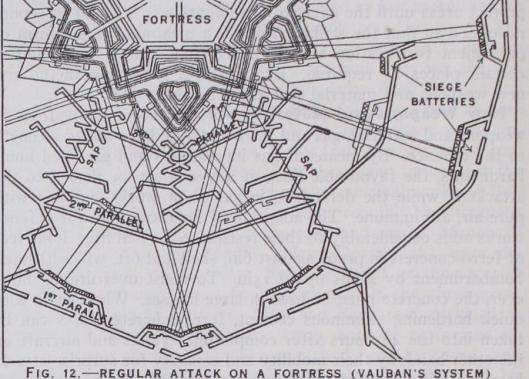
Vauban designed fortresses to resist sieges, but he also said that every fortress could be taken in time and proved it by directing methodical attacks upon a number of them.  Step one was to gradually move trenches—and guns—closer and closer to the enemy fortress or town, attempting to make a hole in its walls.  Then, when the hole was judged big enough to provide entry into that town or fortress, infantry would be sent in to try to break through.

image28siege.jpg

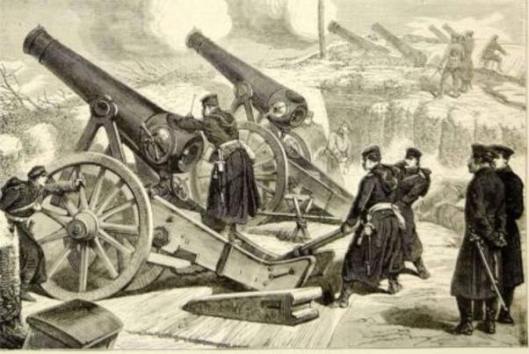
Vauban’s method, with its lines of moving trenches and gun emplacements, became the standard and older soldiers in 1914 and those who read military history would have seen that method in the later 19th century, when the Prussians and their allies besieged Paris in late 1870,

image29paris.jpg

or when the Russians laid siege to the Turkish garrison of Plevna in 1877,

image30plevna.jpg

or, more recently, when the Japanese besieged the Russians at Port Arthur in 1904-5.

image31porta.jpg

Thus, there was a long tradition for such things for the armies of western Europe to follow in 1914, but the difference lay in those modern weapons, which made the life of besiegers—and, in this war, both sides were really besieging each other simultaneously—that much more dangerous.  If the basis of that tradition was bombardment followed by a successful infantry assault, then the generals of 1914 would follow that pattern.

image32bomb.jpg

image33assault.jpg

If the enemy used machine guns and heavy artillery to stop the attackers,

image34maxim.jpg

image35arty.jpg


it took some time before those generals realized that old-fashioned methods usually produced huge numbers of casualties

image36casualties.jpg

and little success.

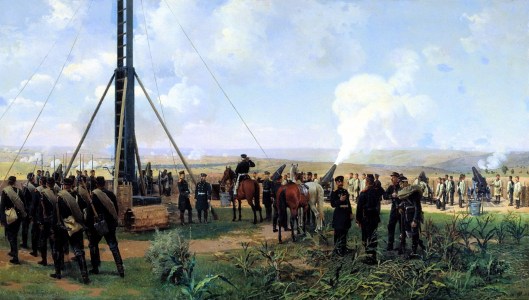
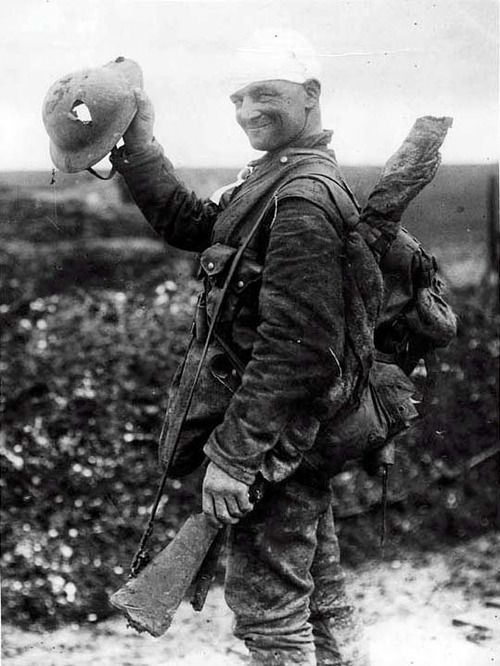
Change took time, but one element was to improve soldiers’ chances to survive in the trenches and that meant reviving something from the medieval world, the metal helmet.

image37medhelm.jpg

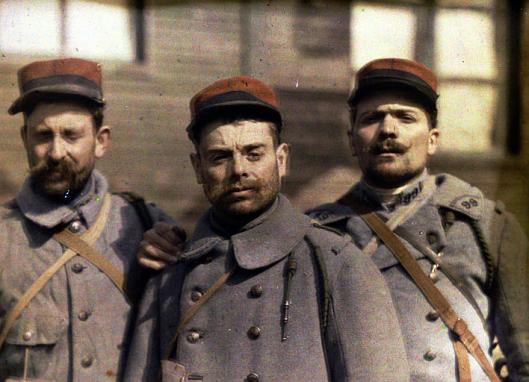
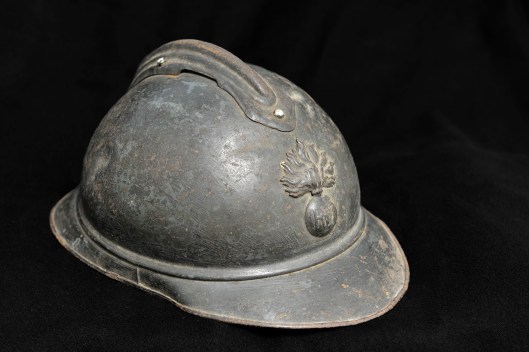
The French were the first to replace the soldiers’ kepi

image38kepi.jpg

with a metal helmet, in 1915.

image39adrian.jpg

(The kepi picture, by the way, isn’t colorized, but is an actual early color photograph, using what was called “autochrome”.)

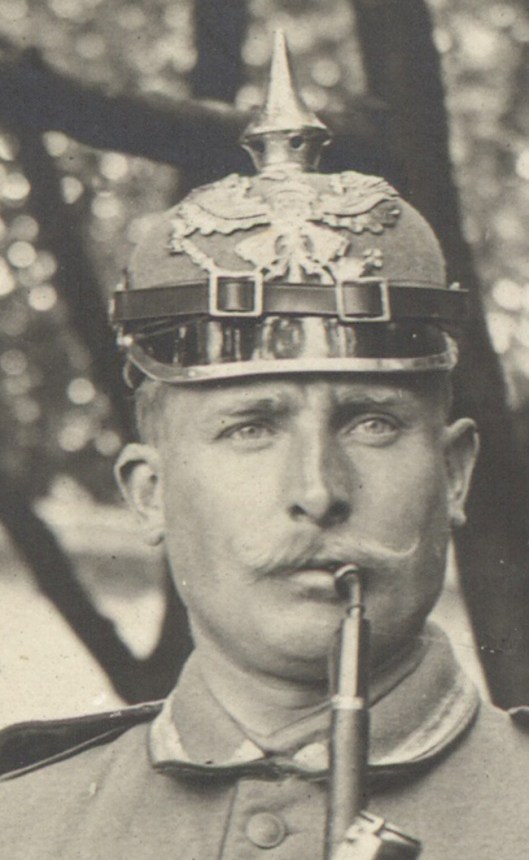
The Germans replaced their leather helmets, called pickelhalben,

image40pickelhaube


with their own version of a steel helmet, in 1916.

image41stahl.jpg

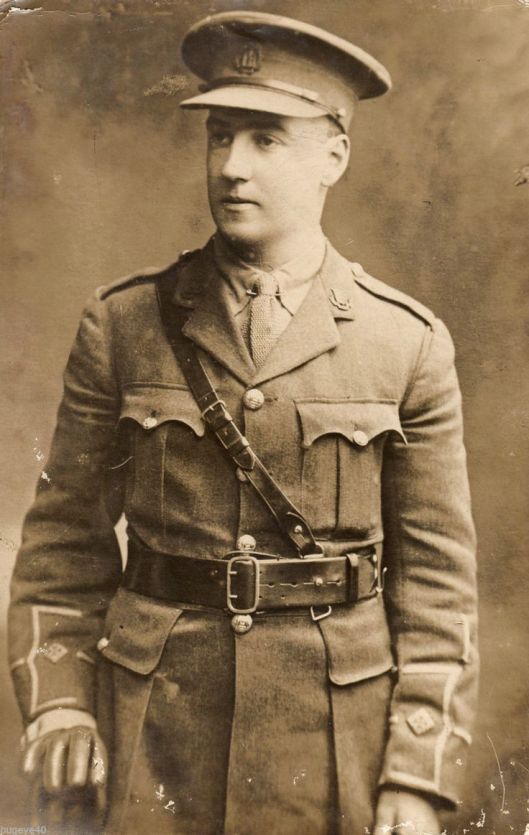
Also, in 1916, the British replaced the service dress cap

image42sd.jpg

with the very piece of kit with which JRRT would have been equipped, and with which we began.

image43helm.jpg

Thanks, as ever, for reading

and

MTCIDC,

CD

Last Mohican, First Novelist

07 Wednesday Sep 2016

Posted by Ollamh in Artists and Illustrators, Films and Music, Heroes, Literary History, Military History, Narrative Methods

≈ Leave a comment

Tags

Baron Dieskau, British, Carillon, Daguerre, Deerfield, Fenimore Cooper's Literary Offenses, Fort Duquesne, Fort Edward, Fort Niagara, Fort St. Frederic, Fort William Henry, French, French and Indian War, General Webb, James Fenimore Cooper, Lake Champlain, Lake George, Lake Ontario, Lt. Col. Munro, Mark Twain, Marquis de Montcalm, Matthew Brady, N.C. Wyeth, Native Americans, Oswego, St. Frederic, The Last of the Mohicans, Ticonderoga

Welcome, dear readers, as always.

This is our 104th posting, making exactly 2 years of maintaining our blog, Doubtfulsea.com. When we began it, we had visited lots of other blogs, but we had no clear idea of what we wanted for ourselves. Our name came from our first novel, Across the Doubtful Sea, available from Amazon and Kindle, but we planned, from the beginning, to cover much more than the subject matter of our novel (among other things, French and English exploration of the Pacific in the 18th century, as well as Polynesian settlement). In consequence, during our two years, we have had postings on a variety of subjects, mostly about adventure/fantasy, often with an historical element, often with a focus upon the work of one of our favorite fantasy authors, JRR Tolkien.

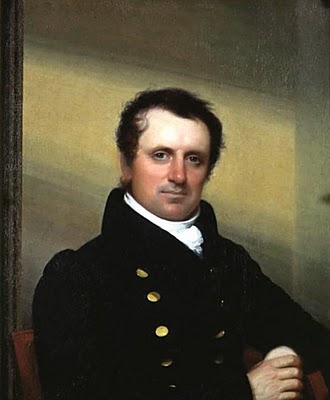
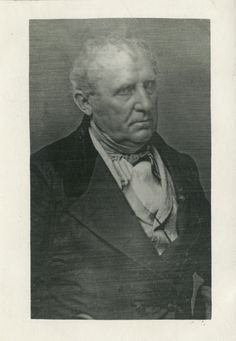
Now, in this last of our second year, we want to look at a person often viewed as the first important American novelist of the early 19th century, James Fenimore Cooper (1789-1851), and his most famous book, The Last of the Mohicans (1826).James-Fenimore-Cooper

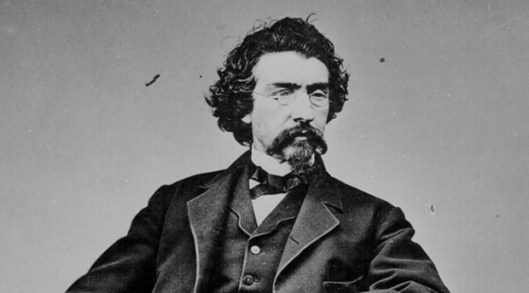
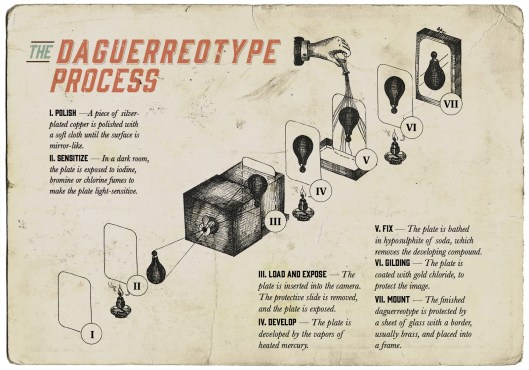
(A footnote: Cooper lived long enough that, the year before his death, he was the subject of an early photograph, using the Daguerre process, by Matthew Brady, 1822-1896, who, in a decade, would become the most famous photographer in the US because of his work documenting the American Civil War, 1861-1865.)

daguerreotypejfc

mathewbrady

DaguerreProcess4

Cooper had a long and very successful career as a novelist, beginning with a social novel, Precaution (1820), but his greatest fame came from his long series based upon US historical subjects and perhaps the most famous of all, that set in the world of the French and Indian War (1754-1763), and the book we want to focus upon,

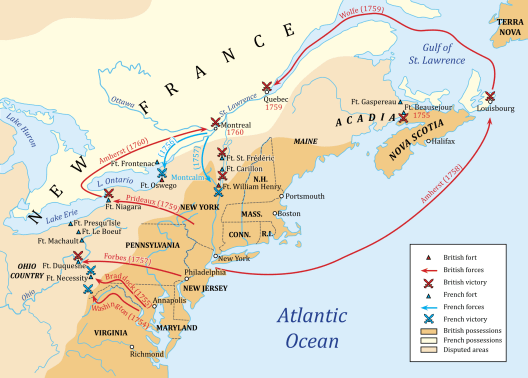
French_and_indian_war_map_svg

The Last of the Mohicans.

lastofmofirsted

The subtitle, A Narrative of 1757, immediately suggests a specific event of the war, the siege and fall of the British Fort William Henry in August, 1757.

The fort had been built at the head of Lake George as a counterbalance to two French forts, Ticonderoga (called by the French, “Carillon”) and St. Frederic, on Lake Champlain, the lake to the north.

French_and_indian_war_map_svg

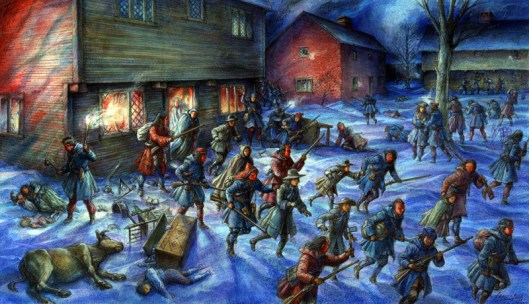
All of these forts—and more—were part of the competition between the British and French to control the northeastern part of North America. This struggle had begun in the later 17th century and had long been a proxy war in which colonial settlers and Native Americans had struggled across many miles of wilderness, raiding each other throughout the years. Here is one of the most famous raids, that of Deerfield in 1704.

deerfield1deerfield2deerfield3

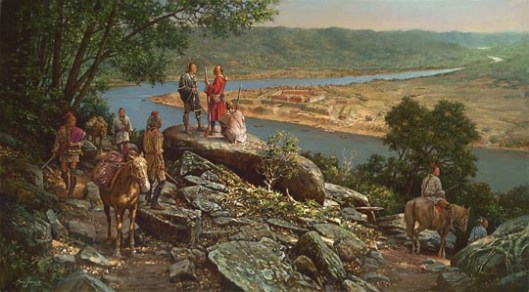
In the early 1750s, the French had increased the potential tension by building a new series of forts in what is now western Pennsylvania and eastern Ohio, soon to be countered by British forts.

French_British_Forts_1753_1758

In 1755, as the war heated up, the English planned a three-pronged attack against Ft. Duquesne, Ft. Niagara, and Ft. St. Frederic (called “Crown Point” by the English).

French_and_indian_war_map_svg

duquesne

ftniagaraftstfrederic

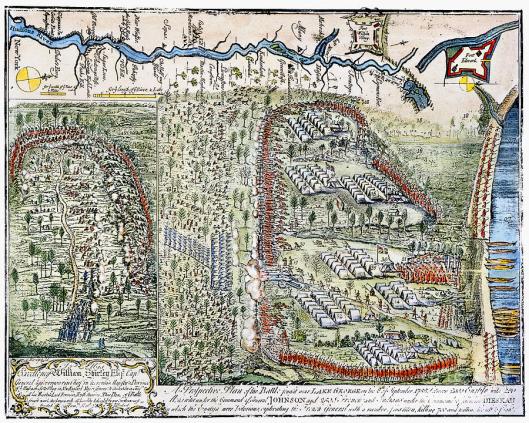
The advance against Ft. Duquesne was defeated, that against Niagara never took off, and that on St. Frederic was blocked by a French attack on the English (actually New England colonial) army at the head of Lake George.

1-battle-of-lake-george-1755-granger

This then became the site of Ft. William Henry.

Fort-William-Henry-Museum

Because the European population of New France was so small in contrast to that of the English colonies—about 70,000 versus more than a million—and because the royal government in Paris had little money to spend (or chose to spend) on the colony, the first two French military commanders, the Baron Dieskau (1701-1767) and the Marquis de Montcalm (1712-1759)

montcalm

chose an aggressive strategy, aiming to keep the British as far from the center of New France as possible. Although his men were eventually driven off and he was wounded and captured, Dieskau did halt the expedition against Ft. St. Frederic. The next year, 1756, Montcalm destroyed the English forts at Oswego, on the south shore of Lake Ontario, which could have served as staging areas for attacks east and west.

Lake_Ontario_map

Then, in 1757, he mounted the attack on Ft. William Henry which forms the background story for Cooper’s novel.

To do so, he stripped central New France of its regular troops and militia

Historex Card 862 French Infantry 1750 - 1760

and augmented them with Native Americans, for whom he felt no sympathy.

montcalmnatams

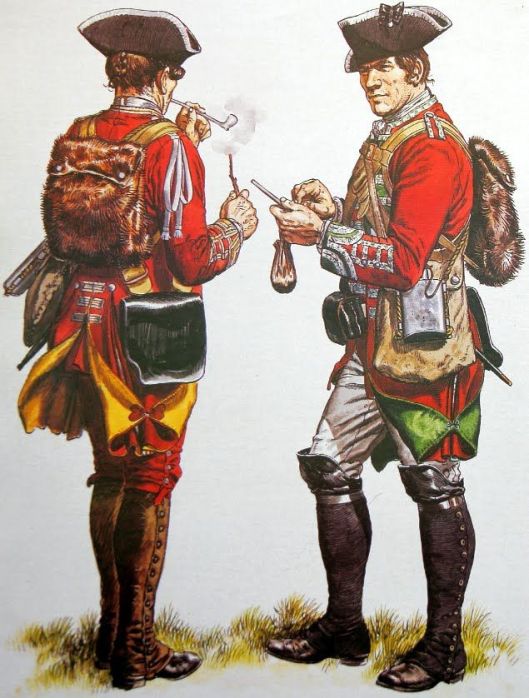
Against such a force, the English commander, Lt. Col. Munro, had a much smaller number of British regulars

brituniformsfiw

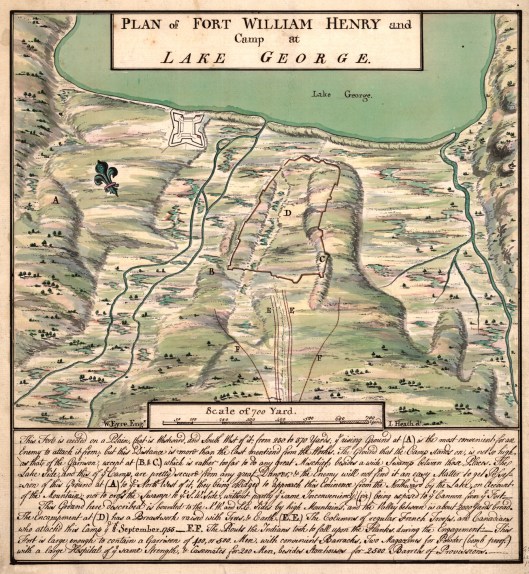
and colonial troops, based in the fort itself and in a nearby camp.
Plan_of_Fort_William_Henry_on_Lake_George

In the 18th century, besieging a town or a fort was a very formal endeavor. Forts and towns were constructed to resist attack, often having multiple walls, ditches, and outer forts, the walls being covered in earth to resist the destructive power of an enemy’s artillery.

fortress-cross-section

Before an attack, the attacker was required to send a messenger in, demanding surrender. In some cases, seeing overwhelming forces and having no promise of relief, a garrison surrendered.

surrender of detroit

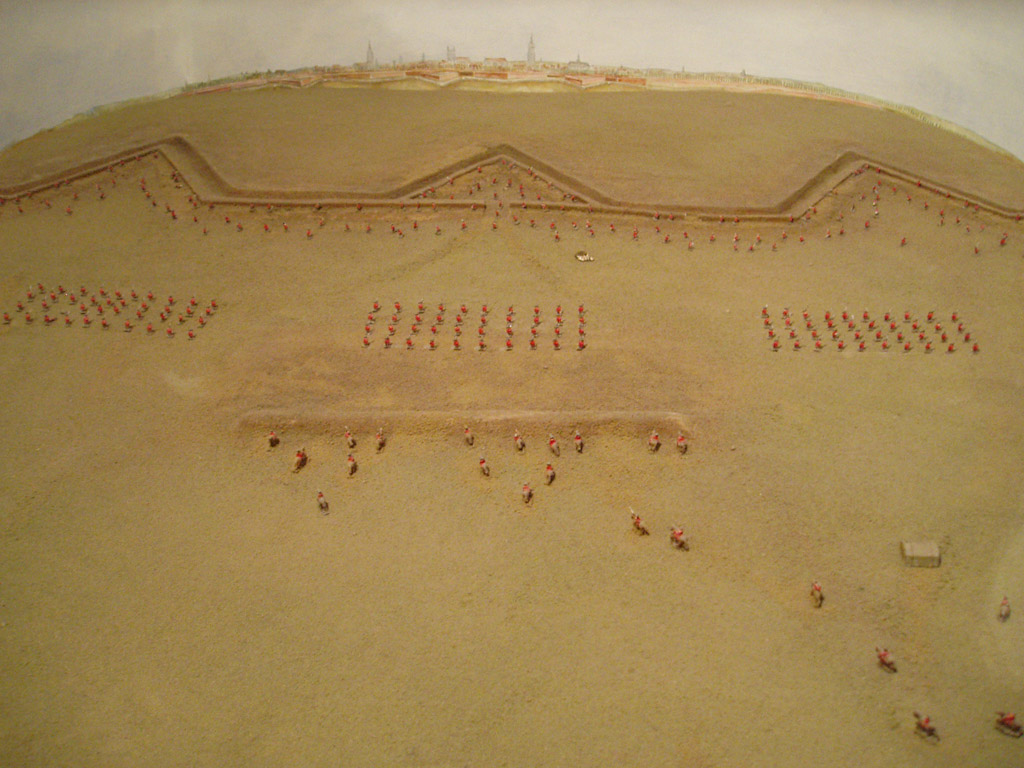
To attack meant beginning with a series of trenches just outside the artillery range of the defenders, then, through zigzagging,06 Vauban's Siege Technique.pngto approach closer and closer until:

  1. the attacker’s artillery had knocked a big enough hole in the enemy’s walls that they were rapidly becoming defenseless

siege_image6

  1. there was the immediate danger of an assault

redoubt10

In the case of Ft. William Henry, there was only a dry ditch, then exposed timber walls.

Fort-William-Henry-Museum

The French summoned Munro to surrender, he refused, and the French began the siege.

frenchsiegeline

When the French guns had badly damaged the fort and there was no chance of help from General Webb, at Ft. Edward, to the south, Munro surrendered.

surrender of Ft. William Henry

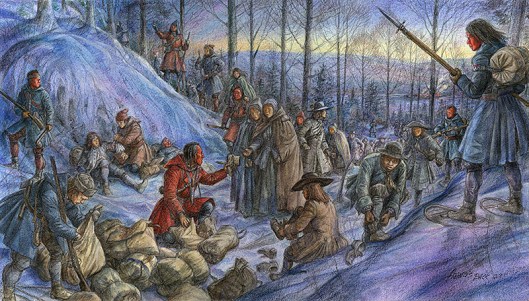
Trouble then began when Montcalm’s Native Americans felt cheated of the plunder which they had expected and, when the paroled column of soldiers began to move southward, it was attacked by them. Montcalm and some of his officers intervened, but they were unable to do more than slow the plundering and killing before some 200 fell. (There has been a great deal of argument as to numbers—it appears, for example, that others had been carried away, either to be ransomed later, adopted into tribes, or ritually murdered, as was the custom among some Native American groups. For the best modern account, see Ian Steele, Betrayals, OUP, 1990.)

01french_lg

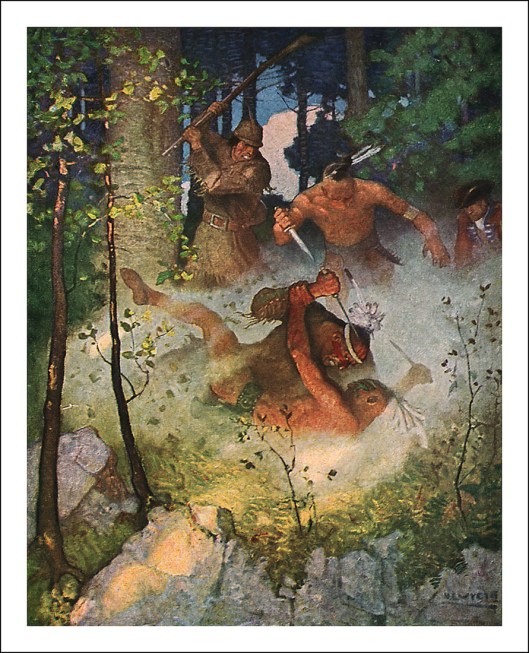
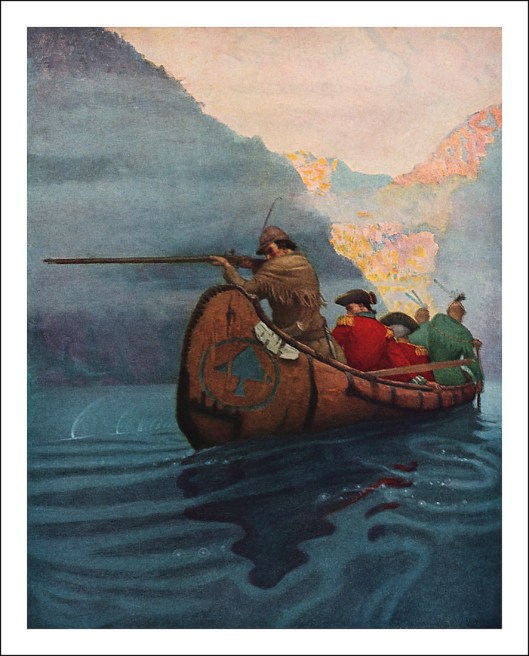
Cooper’s novel, an adventure/romance, uses the fort and siege as its center. Main characters move towards the fort, are in it at the time of the surrender, and are involved in the disaster after it. As might seem inevitable by now, our favorite edition is that illustrated by N. C. Wyeth in 1919.

51504

And here is a selection of the illustrations.

0_8f6d0_9b893fc5_orig0_8f6d2_797c6459_orig0_8f6d4_4ef48676_orig

the-last-of-the-mohicans-9781442481305.in02the-last-of-the-mohicans-9781442481305.in03titlepage

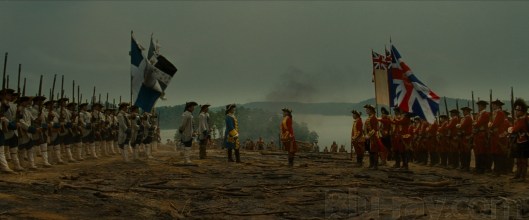
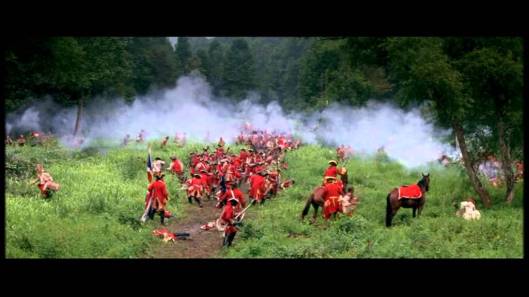
There have been numerous films made of the book, the earliest (at least US one) being a silent, dating from 1912. For us, the most colorful was the one which appeared in 1992, with Daniel Day Lewis as “Nathaniel Poe” (a slight change from the books’ Natty Bumpo). This version made many changes to the original story, including a love interest between Poe and one of Munro’s daughters, Cora, but, for us, it also had four rather spectacular scenes: the ambush of a company of redcoats in the forest by Native Americans,

ambushinforest

the French siege of Ft. William Henry,

frenchsiegeline

the British surrender,

surrender of Ft. William Henry

and the final “massacre”.

ambush2

And so we begin our third year of blogging with our next posting. We have, as always, lots of ideas for those postings, which we hope you will enjoy.

Thanks, as always, for reading!

MTCIDC

CD

PS

In 1895, Mark Twain published a comic critique of Cooper’s writing ticks. Entitled, “Fenimore Cooper’s Literary Offenses”, it can be read at http://twain.lib.virginia.edu/projects/rissetto/offense.html.

Charge! The End?

14 Wednesday Oct 2015

Posted by Ollamh in Films and Music, J.R.R. Tolkien, Military History, Military History of Middle-earth

≈ Leave a comment

Tags

Adventure, Bataclava, Bigelow, British, British Heavy Brigade, Cavalry, Cawnpore, Charges, Chasseurs d'Afrique, Crimean War, French, Funckens, Gandalf, Helm's Deep, John Ford, Minas Tirith, Oliphaunts, Prussian, Remington, Rohirrim, Rossbach, Russian, Schreyvogel, seige, Stagecoach, surreneder, The Charge of the Light Brigade, The Lord of the Rings, Tolkien, Trostle Farm, Warhorse, Waterloo, Western, William Simpson

Dear Readers,

Welcome, as always.

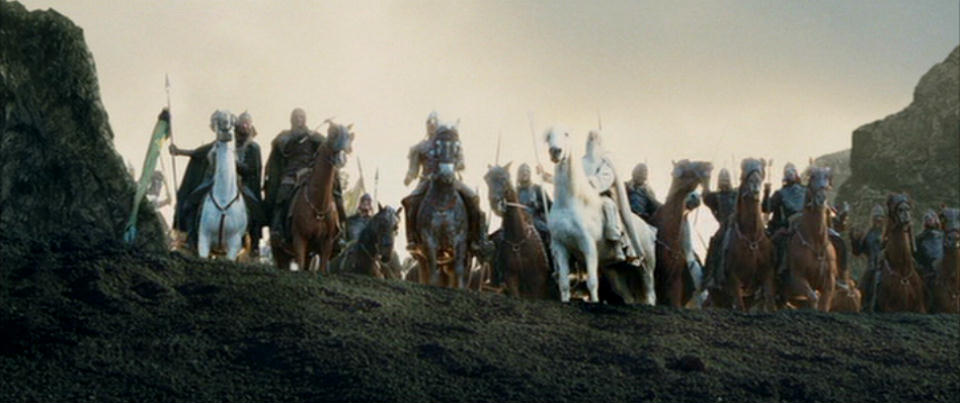
In our last, we were discussing film music, where it comes from and what it does. This brought us, as always, it seems, back to JRRT. In that post, we talked about the “Shire theme”. In this, we want to talk not about a theme, but about a scene, one we have mentioned before, the charge of the Rohirrim and the attempted raising of the siege of Minas Tirith.

gondorattacked rohirrimformup

Although, strictly speaking, what is happening to Minas Tirith is simply a frontal assault, not a siege in the classic sense. Although, seen in this illustration (by the wonderful husband and wife team of the Funckens), they may look the same—

funckenssiegeupclose

in a formal siege, you surround a town/fortress

siegediggingin

call on the place to surrender

The-Entrance-Into-Belfort-Of-The-German-Commander-Bearing-The-Flag-Of-Truce-4th-November-1870-1884

use your heavy weapons to bombard the place

catapault42cm

Drive the defenders back from their outer works

William Simpson - The Attack on the Malakoff 1855

And then call upon the defenders to surrender—which, often they do (fewer Alamos than myth would tell you)

surrender4

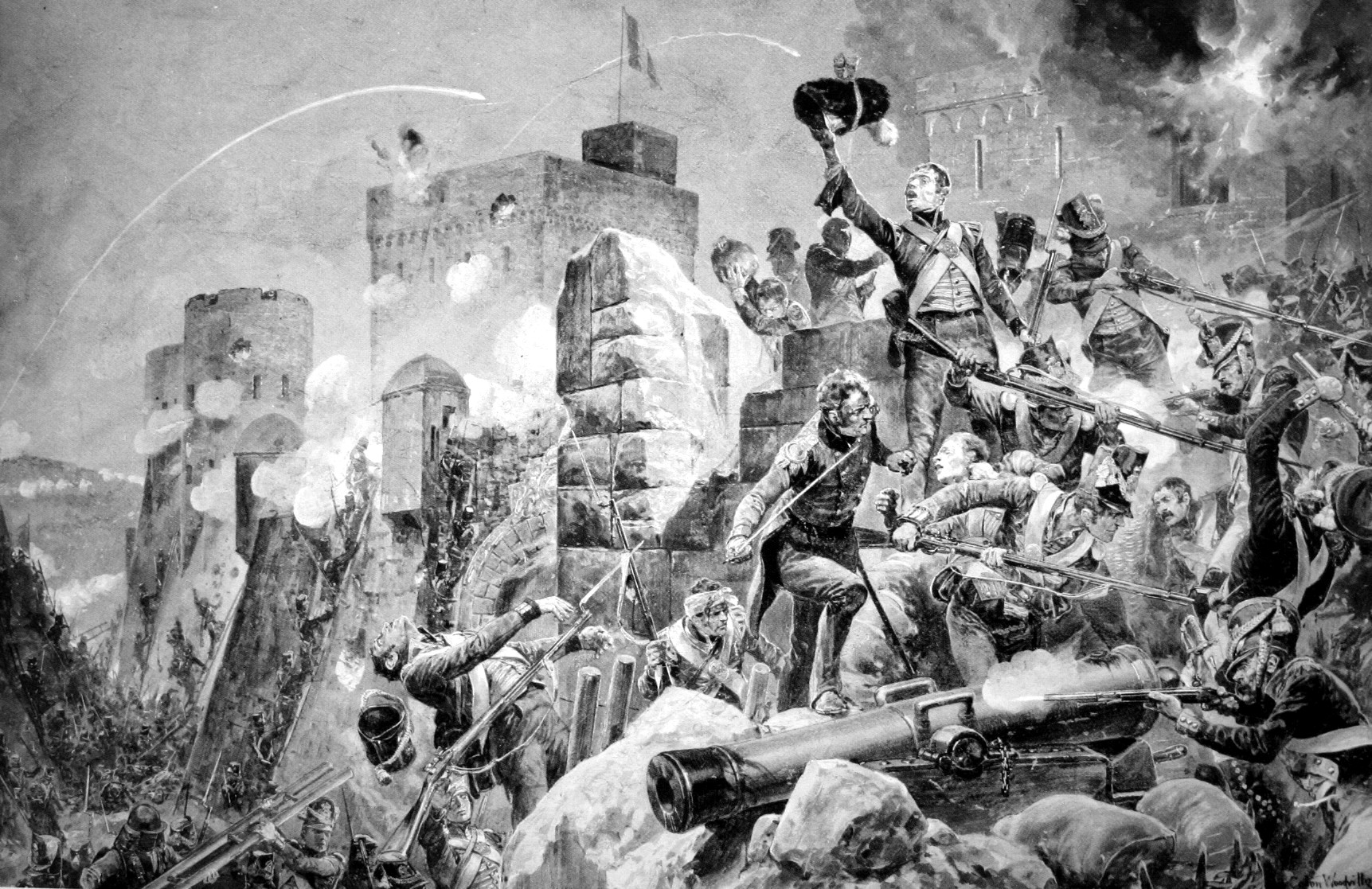
But, if not, a final—usually costly—attackSiege_of_Badajoz,_by_Richard_Caton_Woodville_Jr

march6

and, potentially, the massacre of all—or at least all of the garrison–inside. (In Jackson’s LoTR, the Orcs are certainly not taking prisoners as they break into Minas Tirith).

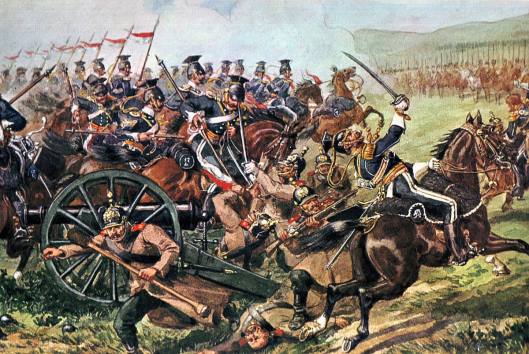
The charge of the Rohirrim, though, brought to mind other charges, such as the charge of the Prussian cavalry against the French/Allied army at Rossbach, in 1757—

Schlacht_bei_Roßbach1

or the French and British cavalry charges at Waterloo, 1815—

cavwaterloo1 ChargeofthelightBrigade

or those _other_ charges at the battle of Balaclava, 1854, that of the French 4th Chasseurs d’Afrique

Chasseurs_d'Afrique_à_Balaclava

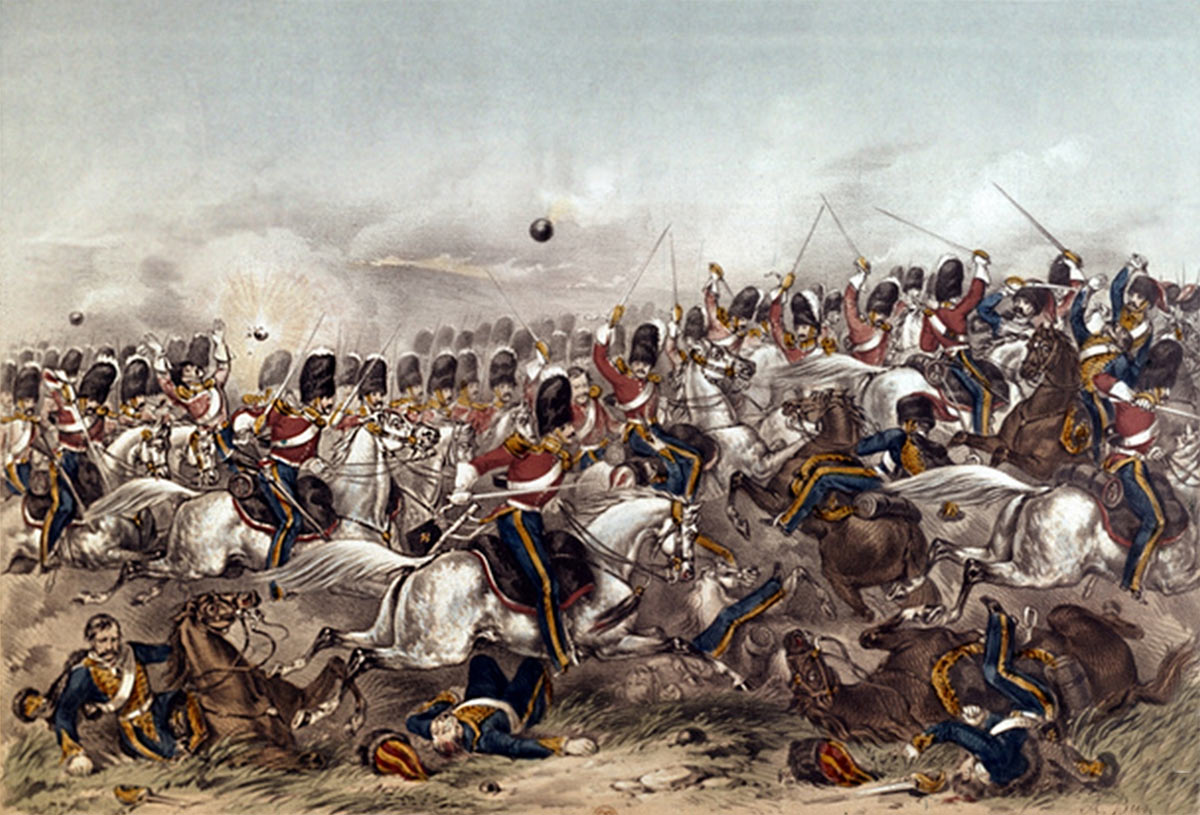
or of the British Heavy Brigade, which drove the Russian cavalry from the British camp.
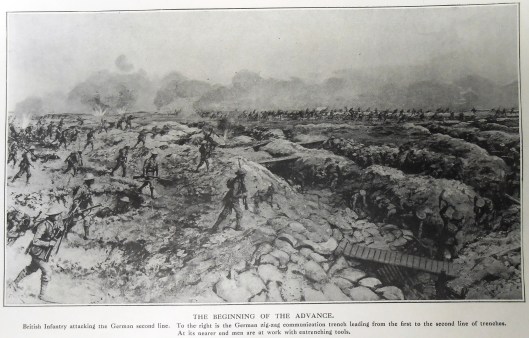
balaclava-scots-greys-1200

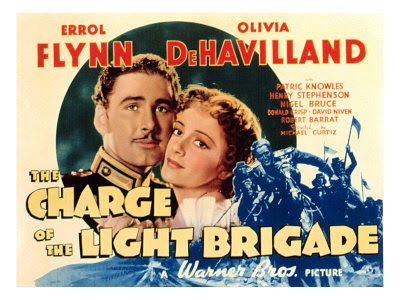
Those last two remind us, of course, of one of our favorite adventure movies, the 1936 The Charge of the Light Brigade

charge1

It is not so authentic in look as the 1968 movie of the same name,

Charge+of+the+Light+Brigade+movie+poster+2

and, in fact, the film states at its opening that it’s only loosely based on actual historical events (including not only the charge, but the 1857 massacre at Cawnpore—which, in reality, occurred some three years after the Crimean War battle). It also beefs up the Russian defense—adding non-existent earthworks, for instance. Here’s the movie’s view
1225664651_the-charge-of-the-light-brigade_00016

and here’s William Simpson’s near-contemporary illustration (Simpson arrived after the battle, but must have talked to survivors and certainly could have seen the terrain).

William_Simpson_-_Charge_of_the_light_cavalry_brigade,_25th_Oct._1854,_under_Major_General_the_Earl_of_Cardigan

All of these charges were directed at enemy forces on an open battlefield. The attack of the Rohirrim actually comes from a different scenario, one which is based upon a theme familiar to those who have seen American westerns: the arrival of the cavalry in the nick of time.
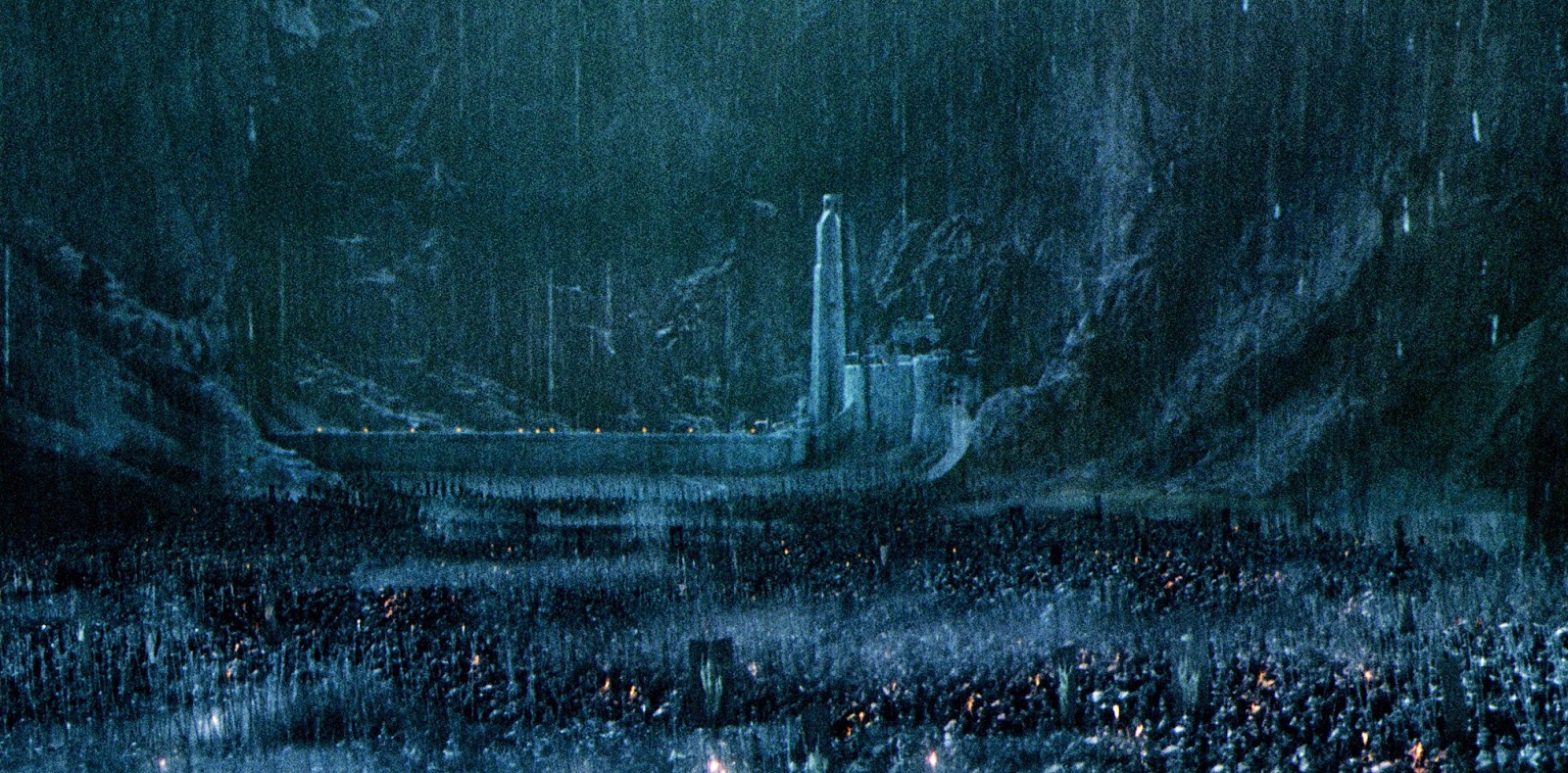
In this scenario, someone is trapped and surrounded—or at least persistently assaulted by a more numerous enemy—the classic is an attack upon circled wagons

frontier-wagon-circle

The crisis comes and it looks like those attacked are about to be overwhelmed

wagon-box-fight-1867-granger

but, at the last minute, help arrives—the cavalry, bugles sounding, guidons waving (although that illustrated in this vidcap is the 1885 pattern and the film from which this comes takes place in 1880—then again, the uniforms are a bit odd, too—here’s Remington’s and Schreyvogel’s more accurate views, as well) rides fearlessly to the rescue.

Stagecoach_216Pyxurz SCHREYVOGEL_Charles_Cavalry_Charge_1905_Wadsworth_Athenaeum_source_Sandstead_d2h_ remingtoncav

After sorting through more than 50 westerns, we believe that the movie from which our first image comes is probably the source of the modern idea of the arrival of the cavalry—see this clip from John Ford’s Stagecoach (1939)

CLIP

This happens twice, of course, in The Lord of the Rings, first at Helm’s deep, when Gandalf arrives—

helms-deep gandalfarrives

and again, as we began, at Minas Tirith. It’s interesting, however, to see that, in this second example, the cavalry rescue is not so successful, since there are those oliphaunts we discussed in an earlier posting—

mumakil_by_cg_warrior-d4muefu

In our world, it wasn’t giant oliphaunts who eventually defeated cavalry and drove them to the edges of the battlefield, where they lasted a little longer, but this

maximwarhorse

as you can see in this clip from Warhorse.

CLIP

And it’s for the best, really. It’s bad enough that we humans engage in violent actions without dragging the rest of the animal kingdom into it…

trostle-farm

(A few of the 80 horses lost by Bigelow’s 9th MA Battery at the Trostle Farm, 2 July, 1863—and, as a sad ps, 25 horses were killed or so badly injured that they were put down at the filming of the 1936 The Charge of the Light Brigade—this so shocked those in Congress that a law for the protection of animals in films was passed to prevent future harm).

Thanks, as always, for reading.

MTCIDC

CD

Shall We Gather at the River?

08 Wednesday Jul 2015

Posted by Ollamh in J.R.R. Tolkien, Maps, Military History, Narrative Methods

≈ Leave a comment

Tags

Alexander, Anduin, Burnside, Cair Andros, Celeborn, Confederate, D-Day, Denethor, Douro, Faramir, Fredericksburg, French, Gandalf, Hydaspes, Inchon, Indiana Jones, Isola Tiberina, King Poros, Lee, Minas Tirith, Mordor, Napoleonic, Nazgul, Pelennor, Pontoon, Porto, Quebec, Rappahannock, Roechling, Sauron, Soult, The Lord of the Rings, Tolkien, Union, Wellington, West Osgiliath, Zouaves

Dear Readers,

Welcome, as always. In this posting, we thought we’d do a kind of follow-up to our “What Happened to the Rammas Echor” piece by looking at the Mordorian assault on West Osgiliath, which leads up to it. (Yes, we know—bassackwards, right? We can only claim as Indiana Jones does, that “I’m making this up as I go along.”)

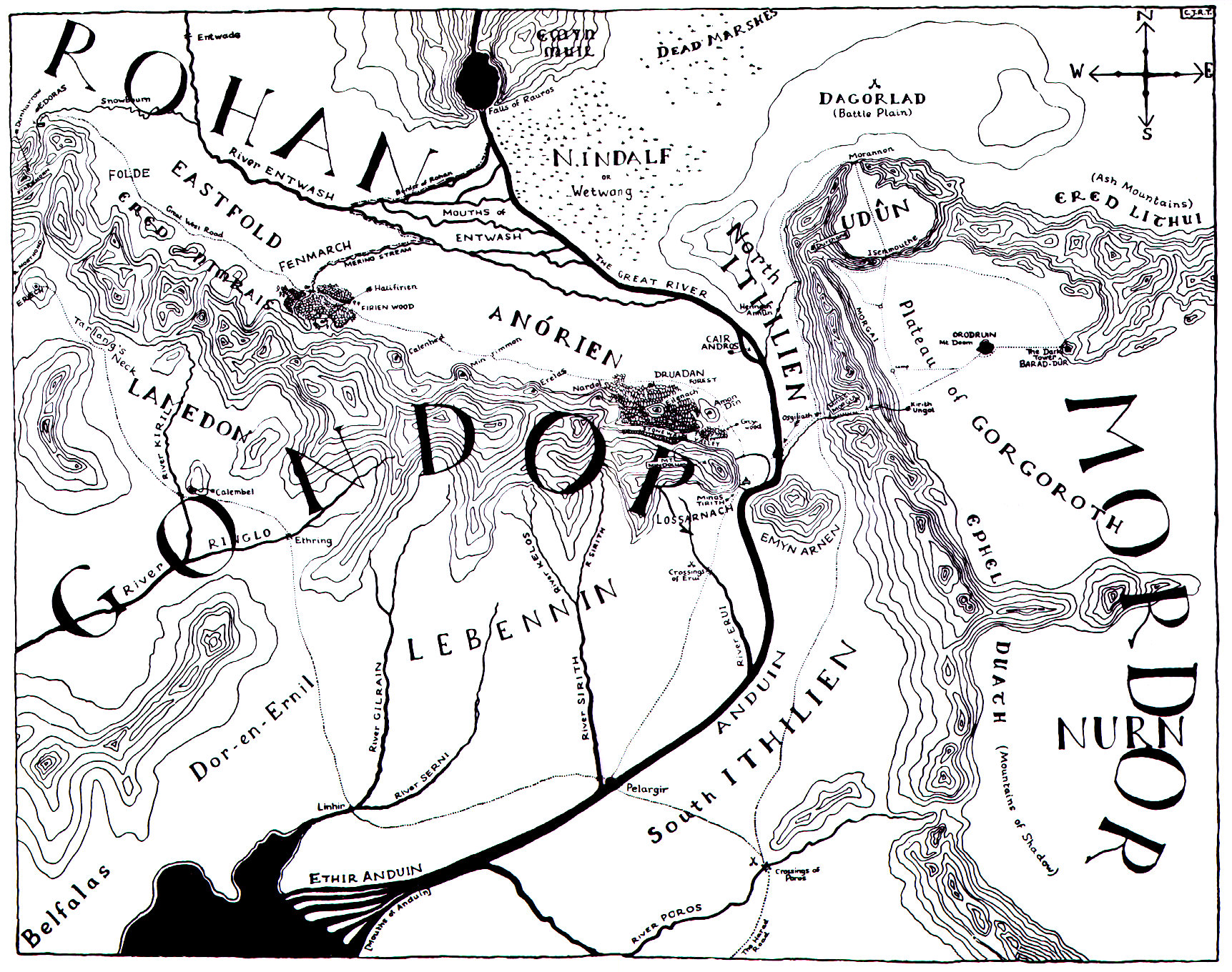
We can begin with a map and a description by a participant.

Here’s the Anduin, the major obstacle for Sauron’s forces to cross at a point in easy striking distance of Minas Tirith.

gondor_map

Here’s Denethor’s intelligent assessment of the defensive situation:

“…And the Enemy must pay dearly for the crossing of the River. That he cannot do, in force to assail the City, either north of Cair Andros because of the marshes, or southwards towards Lebennin because of the breadth of the River, that needs many boats. It is at Osgiliath that he will put his weight, as before when Boromir denied him the passage.” LotR 816

EphelDuath_10x10drape2

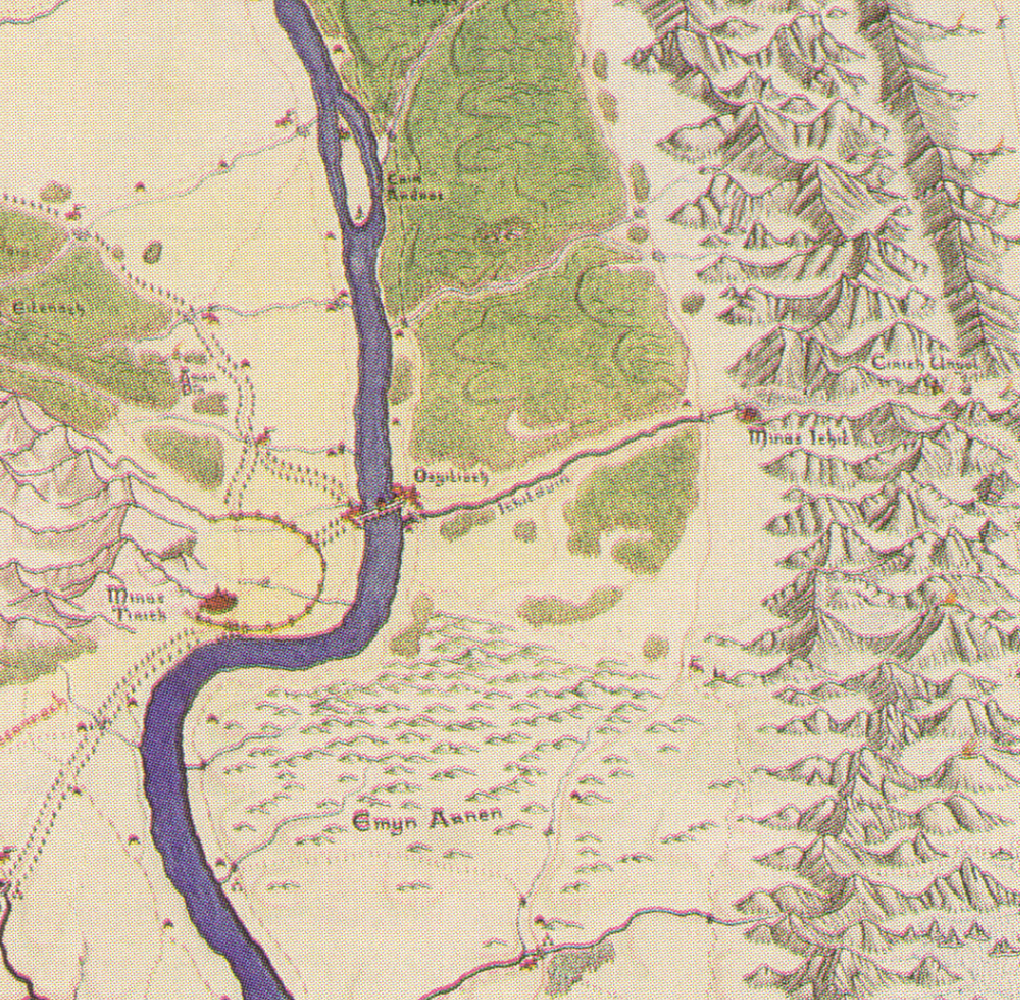
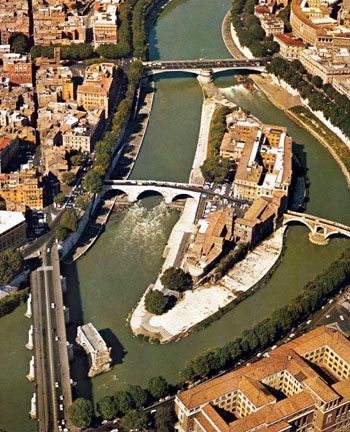
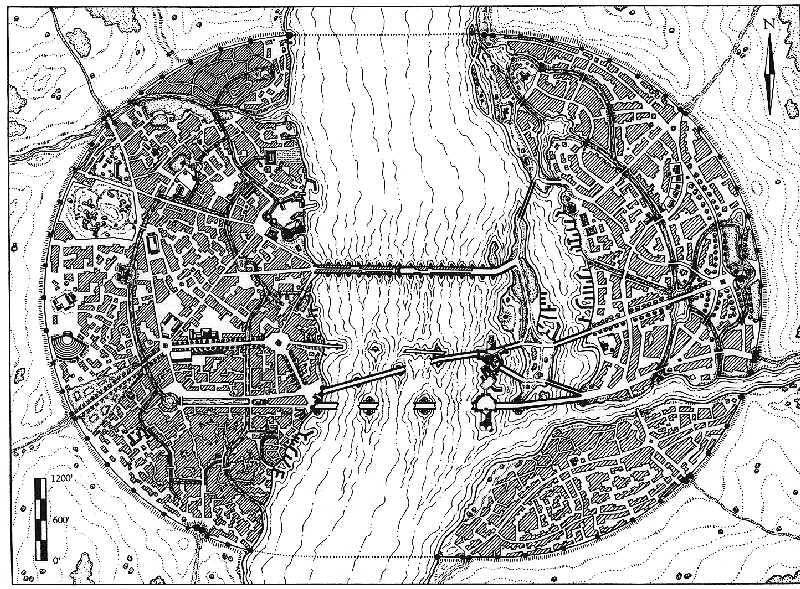
Although there have been very creative attempts to map or depict Cair Andros, for all of its importance in the defense of Gondor, we aren’t given much detail. Its name means “Ship of Long Foam” , called so because of its shape and its action in breaking up the flow of the Anduin. This brought to our minds the Isola Tiberina on the Tiber in Rome,

18-1

which so reminded the Romans of a ship that—well, this 1770s engraving makes their next step obvious—

Piranesi-16059

Cair Andros was fortified and had a garrison, although Denethor refuses to reinforce it, saying “Cair Andros is manned, and no more can be sent so far.” LOtR 816

We also know that the enemy will capture it during their two-proned general assault (Gandalf says to Denethor: “Fugitives from Cair Andros have reached us. The isle has fallen.” LotR 819)

To the south, somewhere between forty and fifty miles, lies Osgiliath.

Anorien

Identified by Denethor as the other major crossing point, it was once a prosperous city, but now lies in ruins, with its bridges destroyed (Celeborn to Aragorn: “And are not the bridges of Osgiliath broken down and all the landings held now by the Enemy?” LotR 367).

The problem, then, for the Enemy is how to cross a river against opposition, a classic problem for generals since there were generals.

We think, for example, of Alexander at the Hydaspes River in 326BC, defended by King “Poros” (actually Porushattama—Greeks were determined to tame everything—including other cultures’ proper names).

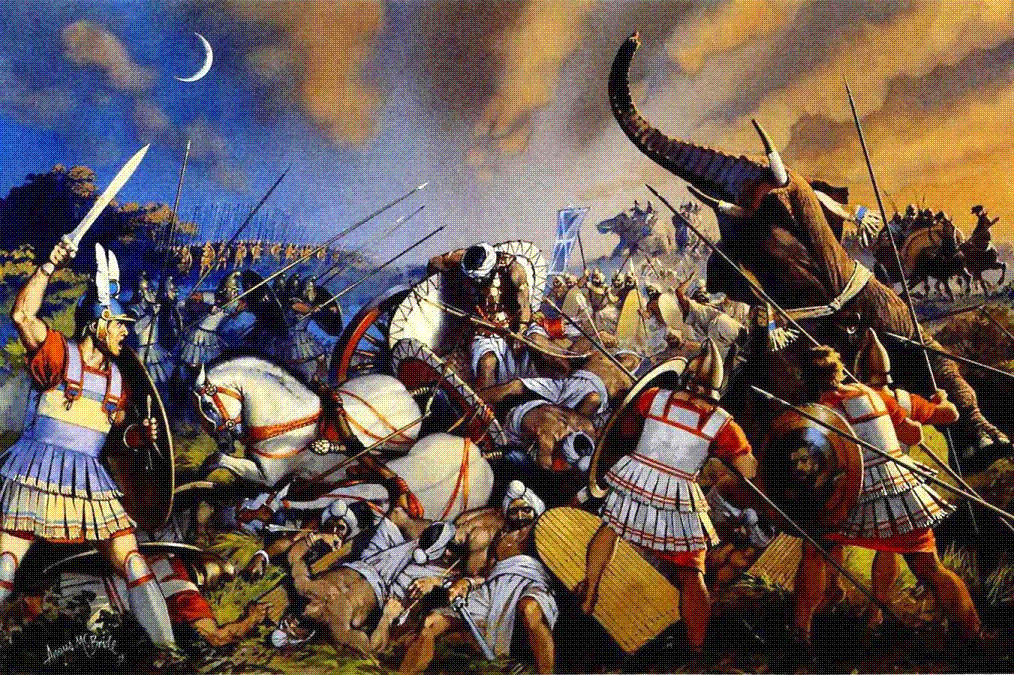
1382499630_Hydaspes

(and we couldn’t resist this second image—Alexander in the center of his pikemen—in what looks like 25-28mm)

VendelMacedonians

As you can see from the map, Alexander crossed upstream, having distracted the king with a demonstration (military for “feint/decoy”).

Battle_hydaspes_crossing

This was through open country, however. In the case of Osgiliath

osgiliath

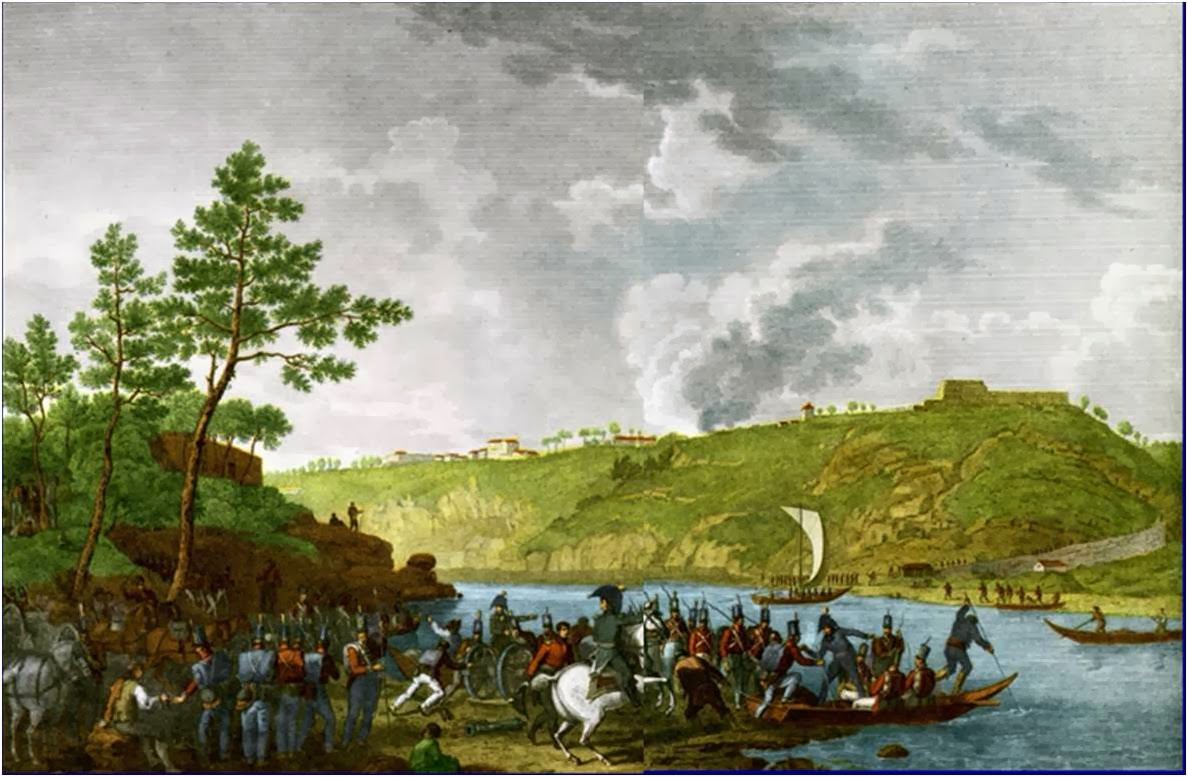
the Enemy would have to cross the river in the face of opposition within a town. Here, we thought of several possibilities: Wellington’s crossing of the river Douro against French resistance in 1809, for example. Here was not only the river, but its steep banks, as well.

Henry Smith Oporto, With The Bridge Of Boats 1809

(The pontoon bridge was set up after the attack.)

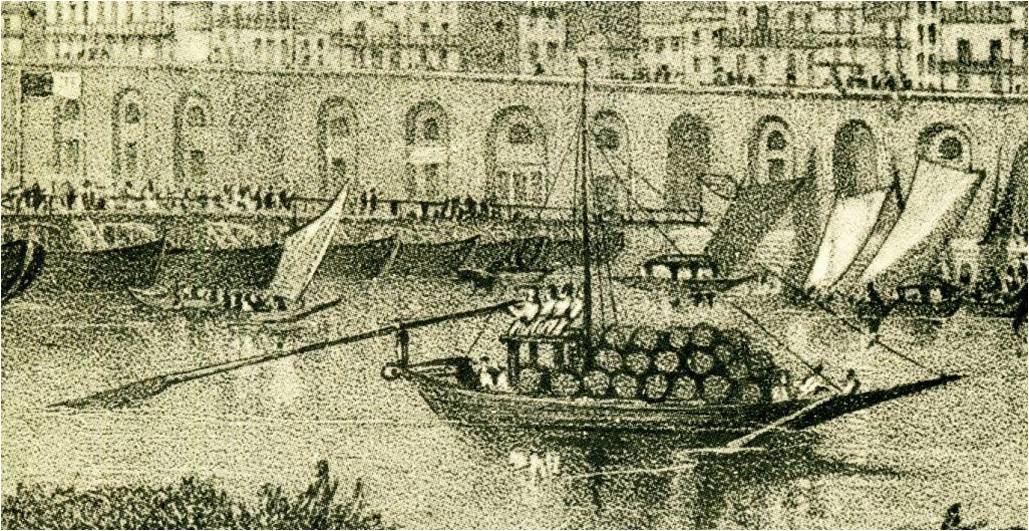
There were no bridges and the French had collected all of the available boats and had either destroyed them or were holding them on the north side of the river. As Porto (the name means what you think it does) was the center of the fortified wine trade (yes , “Pass the port, Wriothsley, will you?”), the major vessel on the river was this—

pb17

Wellington was always a clever and flexible commander and had to be when confronted by the able Marshal Soult across the river. Much of Wellington’s success came from his use of local sources: Portuguese who hated their French occupiers and supplied some of Wellington’s men with a rowboat and crew. On the north side were four wine boats, soon filled with British soldiers—

sec198

and the surprised, but always brave and sturdy, French soldiers were eventually pushed back north, out of the town.

oporto

As you can see, this was really a frontal assault, but, because of their former preparations and their sense of the geography, the French had been lulled into thinking that they were prepared.

A second battle with a river crossing against a defended town which occurred to us was from the US Civil War, Fredericksburg, fought in mid-December, 1862.

Fredericksburg-Overview

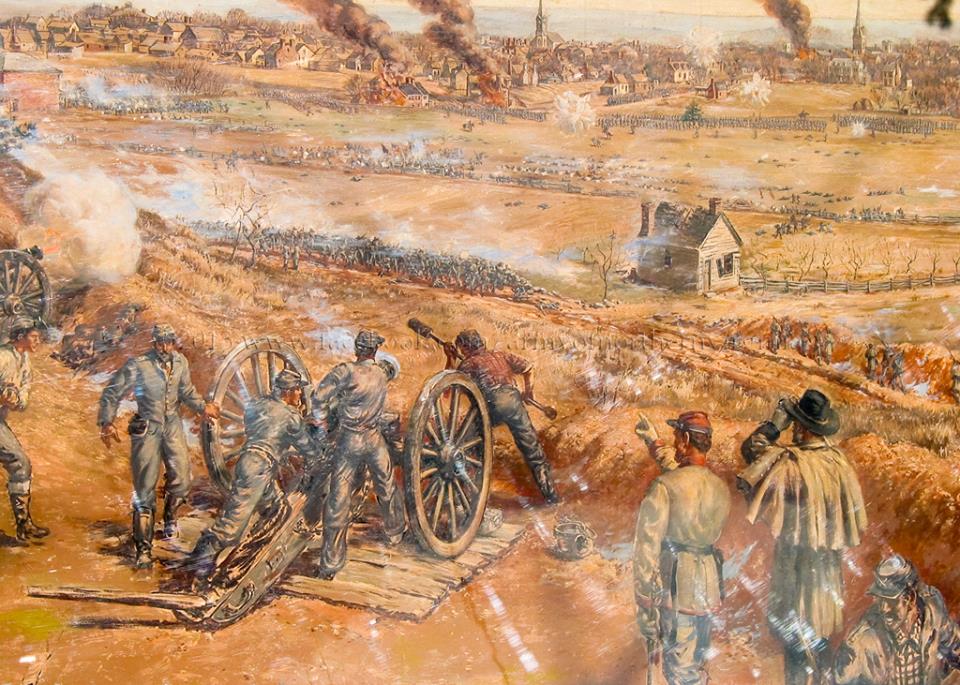
Here, as this extremely useful panorama shows, this was actually a two-step battle: first the Union troops had to cross the Rappahannock River, then they had to drive the Confederate Army from their positions on high ground beyond.

fburg_diorama1

The town of Fredericksburg itself was lightly held: mostly close to the river and relatively few in numbers.

barksdales-men

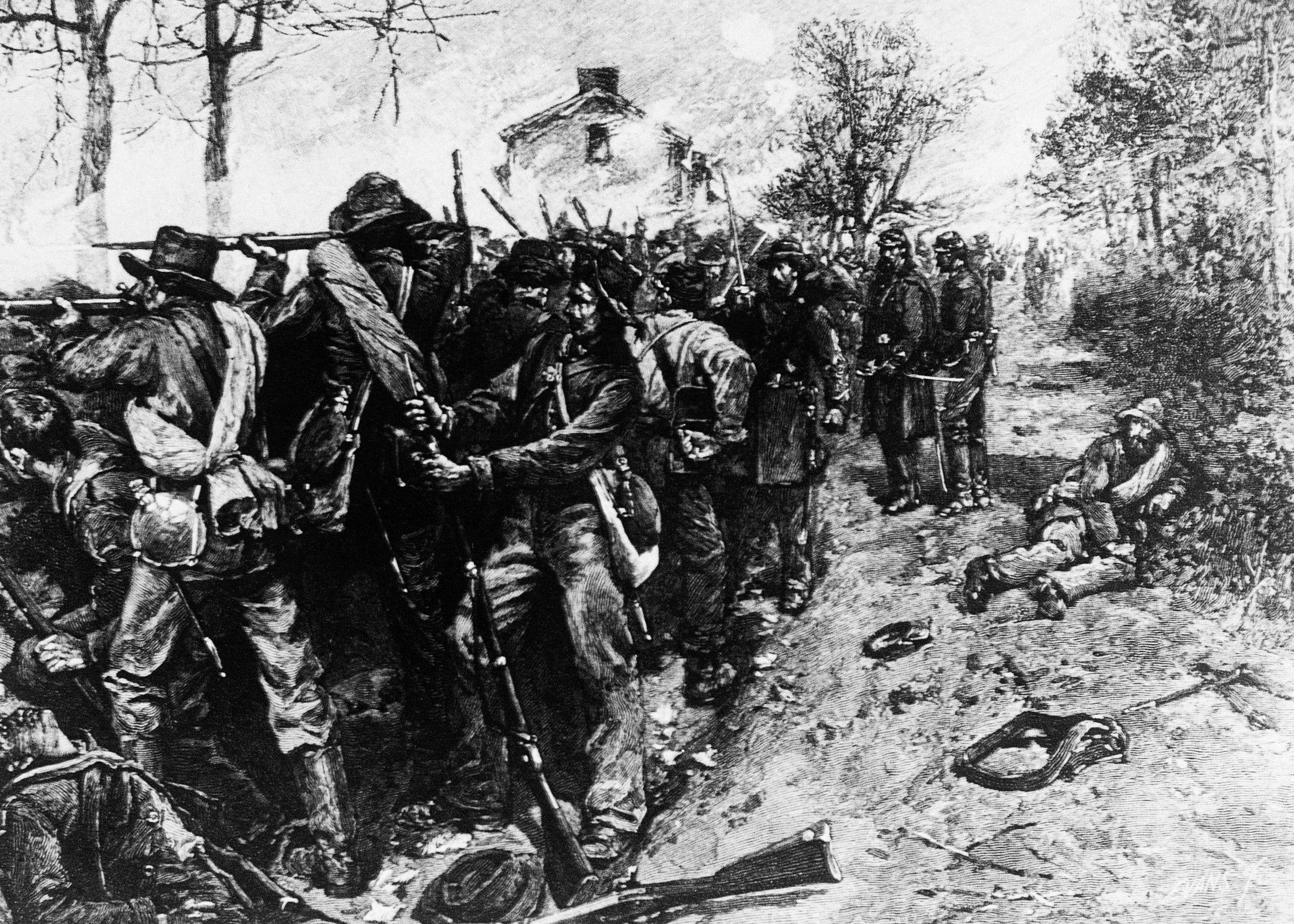
The main Confederate positions were spread a bit thinly for their numbers (not much in the way of reserves, had there been a breakthrough—Lee had had a similar problem at Antietam), but paid close attention to the ground, including taking advantage of a sunken road with a stone wall at its edge as a makeshift trench.

Confederate soldiers rake the field over which Union troops charged six times, from behind the stone walll at the Sunken Road, in  the blood Battle of Fredericksburg, Va., Dec. 1862.  Confederate Sgt. Richard Kirkland became known as the Angel of Marye's Heights when he brought water to wounded Union soldiers. (AP Photo)

To cross the river itself meant a two-stage process: first, to gain the opposite bank and set up a perimeter; second, to build several pontoon bridges to allow for the rapid deployment of troops and artillery.

19th-century armies commonly traveled with pontoons—boats built specifically to be used as the basis for floating bridges—

ACWpontoonsmobile1862

They were dragged along on wagons wherever and whenever armies went—

mud-march-waud-locgov

and, with the addition of planks and anchors and ropes, created complete roadways across bodies of water.

Fredericksburg_pontoon_model

The first stage was difficult,

Amphibious-assault_1376_2

but using pontoons for assault boats

laying-pontoons-fredericksburg

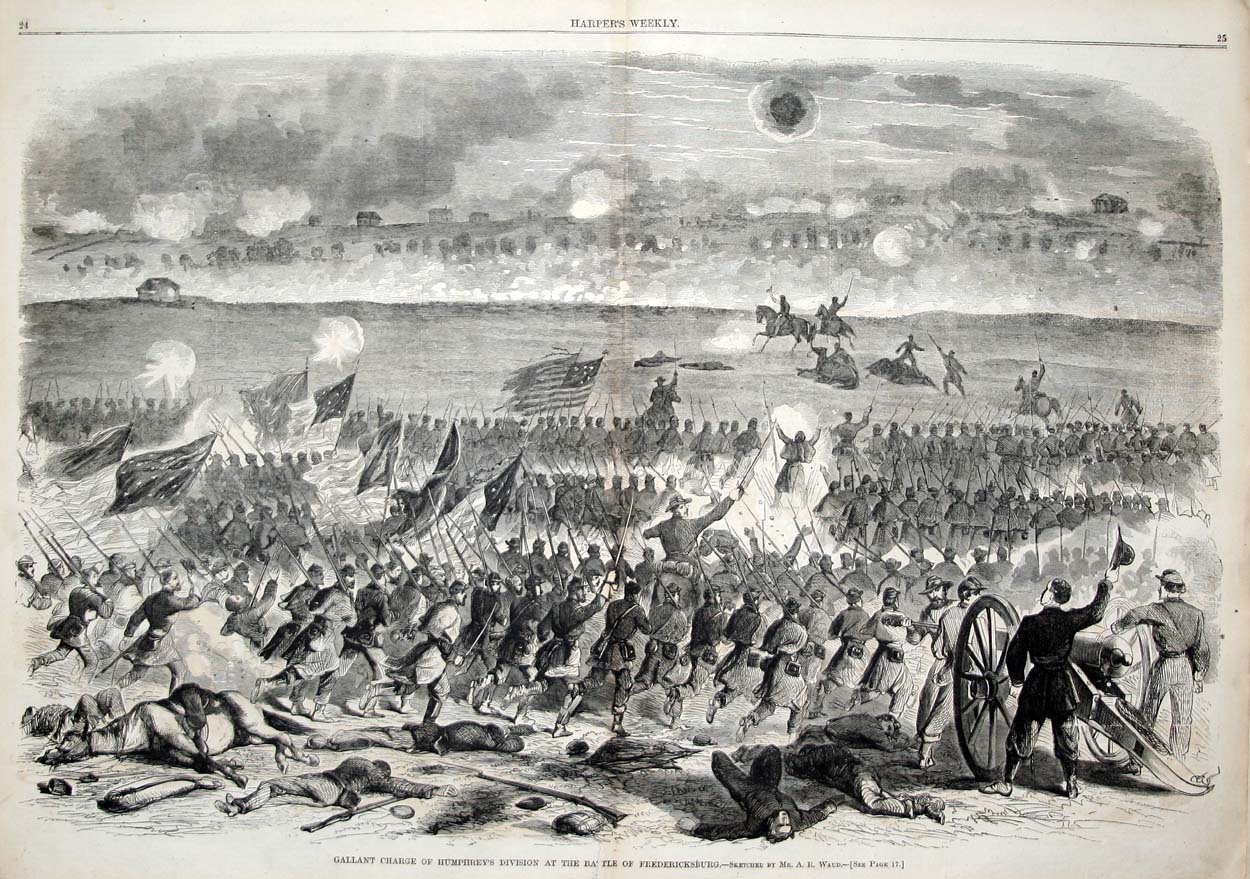
the Union troops managed to secure a foothold on the opposite bank. When bridges went up, stage one had been successful. But, when the Confederates had withdrawn from the town (which they had never intended to occupy in force), there was still that second stage.

dec13fredericksburgcharge

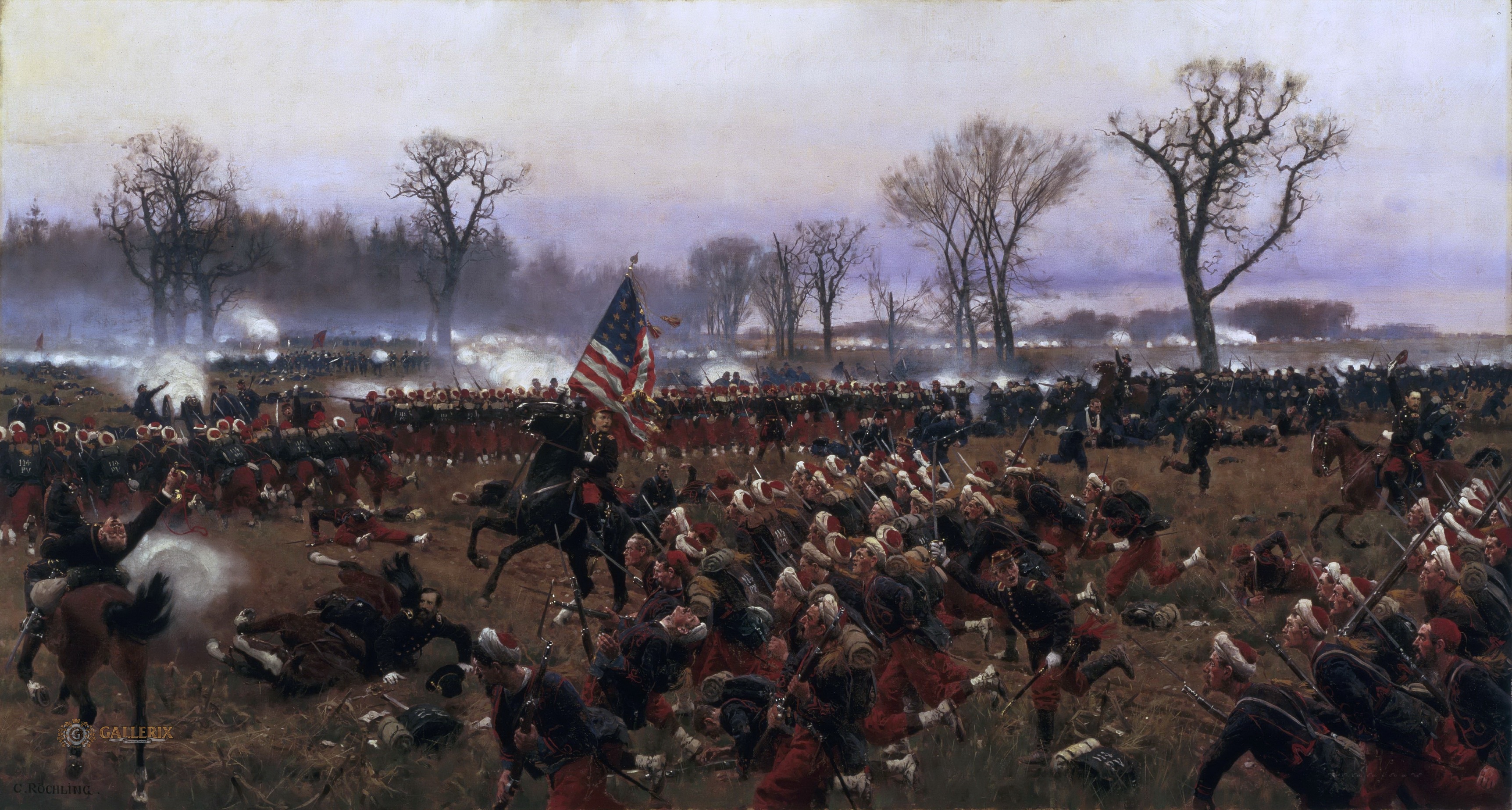
Great courage, but thrown away against resolute Confederate defenders,

1457692_641056089250250_1771492272_n

as you can see in this splendid painting by Carl Roechling, one of our favorite 19th-c. German military-historical painters of the attack of the 114th Pennsylvania (uniformed like French Zouaves, those most admired of French soldiers during this period).

Öèôðîâàÿ ðåïðîäóêöèÿ íàõîäèòñÿ â èíòåðíåò-ìóçåå Gallerix.ru

You can see the kinds of difficulties, then, for the Enemy in their attack on the west bank of the Anduin. How do they succeed? A messenger from Faramir, commanding the defense of West Osgiliath, describes the assault:

“The plan has been well laid. It is now seen that in secret they have long been building floats and barges in great number in East Osgiliath. They swarmed across like beetles.” LotR 817.

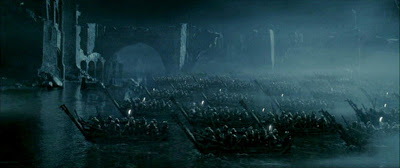
Here is the initial attack in Jackson’s film version—

800px-Orcs_crossing_anduin

When these craft land, they open at the bow and, of course, we immediately thought of D-Day and Pacific island battles and the Inchon landing, and Higgins Boats (LCVPs)

Darke_APA-159_-_LCVP_18 tumblr_n6pop14CrH1s57vgxo3_1280

Along with their advanced use of explosives in the attack on the Pelennor to come, these are very sophisticated creatures, especially when one thinks about the landing craft of earlier centuries—the boats designed for the British attack on Quebec in 1759

c-001078

102381

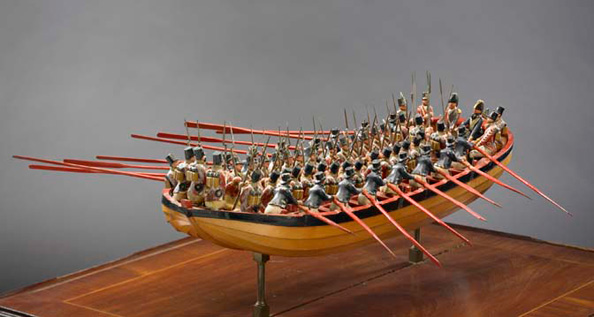
Or the sort of thing you see during the Napoleonic era—

agoid106297-594

These are for amphibious landings. Mostly, when it comes to the era of pontoons, it appears that, when it came to rivers, soldiers simply used them

Voltigeurs_of_a_French_Line_regiment_crossing_the_Danube_before_the_battle_of_Wagram

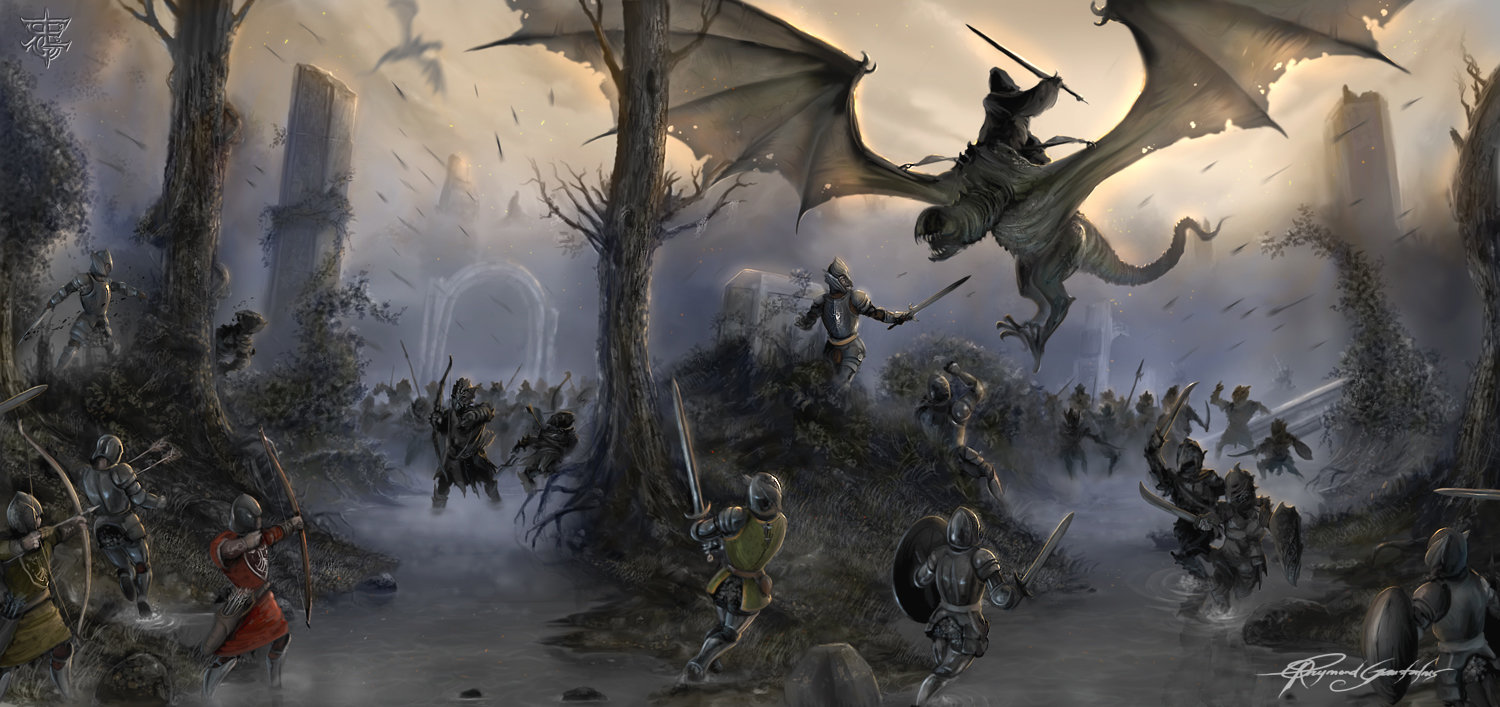
The “beetles” mentioned by Faramir’s messenger swarm over the men of Gondor, so heavily outnumbered that, as Faramir says, “Today we may make the Enemy pay ten times our loss at the passage and yet rue the exchange. For he can afford to lose a host better than we to lose a company.” LotR 816. And then there is their other weapon, the Chief Nazgul.

battle_of_osgiliath_by_shockbolt

“But it is the Black Captain that defeats us. Few will stand and abide even the rumor of his coming. His own folk quail at him, and they would slay themselves at his bidding.” As Faramir’s messenger adds. LotR 817.

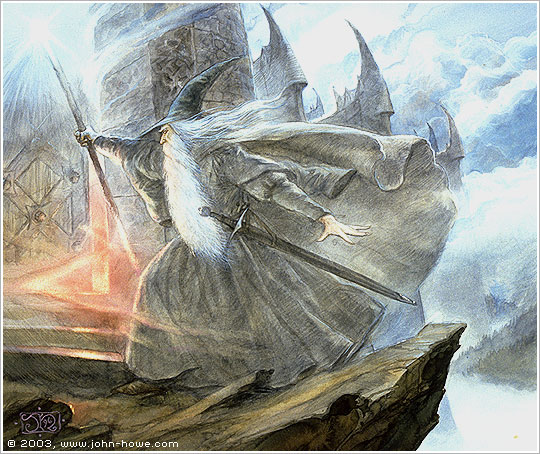
Gandalf goes out to face him

lotr-collectibe_PASSTHED

and we wonder if other commanders—Alexander, Wellington, the Union general Burnside, for example–when faced with the problem of a defended crossing, would wish to have him on their side—or the Black Captain?

As always, thanks for reading.

MTCIDC

CD

The Doubtful Sea Series Facebook Page

The Doubtful Sea Series Facebook Page

  • Ollamh

Categories

  • Artists and Illustrators
  • Economics in Middle-earth
  • Fairy Tales and Myths
  • Films and Music
  • Games
  • Heroes
  • Imaginary History
  • J.R.R. Tolkien
  • Language
  • Literary History
  • Maps
  • Medieval Russia
  • Military History
  • Military History of Middle-earth
  • Narnia
  • Narrative Methods
  • Poetry
  • Research
  • Star Wars
  • Terra Australis
  • The Rohirrim
  • Theatre and Performance
  • Tolkien
  • Uncategorized
  • Villains
  • Writing as Collaborators
Follow doubtfulsea on WordPress.com

Across the Doubtful Sea

Recent Postings

  • A Moon disfigured December 17, 2025
  • On the Roads Again—Once More December 10, 2025
  • (Not) Crossing Bridges December 3, 2025
  • On the Road(s) Again—Again November 26, 2025
  • On the Road(s) Again November 19, 2025
  • To Bree (Part 2) November 12, 2025
  • To Bree (Part 1) November 5, 2025
  • A Plague o’ Both—No, o’ All Your Houses! October 29, 2025
  • It’s in Writing (2:  I’st a Prologue, or a Poesie for a Ring?) October 22, 2025

Blog Statistics

  • 103,189 Views

Posting Archive

  • December 2025 (3)
  • November 2025 (4)
  • October 2025 (5)
  • September 2025 (4)
  • August 2025 (4)
  • July 2025 (5)
  • June 2025 (4)
  • May 2025 (4)
  • April 2025 (5)
  • March 2025 (4)
  • February 2025 (4)
  • January 2025 (5)
  • December 2024 (4)
  • November 2024 (4)
  • October 2024 (5)
  • September 2024 (4)
  • August 2024 (4)
  • July 2024 (5)
  • June 2024 (4)
  • May 2024 (5)
  • April 2024 (4)
  • March 2024 (4)
  • February 2024 (4)
  • January 2024 (5)
  • December 2023 (4)
  • November 2023 (5)
  • October 2023 (4)
  • September 2023 (4)
  • August 2023 (5)
  • July 2023 (4)
  • June 2023 (4)
  • May 2023 (5)
  • April 2023 (4)
  • March 2023 (5)
  • February 2023 (4)
  • January 2023 (4)
  • December 2022 (4)
  • November 2022 (5)
  • October 2022 (4)
  • September 2022 (4)
  • August 2022 (5)
  • July 2022 (4)
  • June 2022 (5)
  • May 2022 (4)
  • April 2022 (4)
  • March 2022 (5)
  • February 2022 (4)
  • January 2022 (4)
  • December 2021 (5)
  • November 2021 (4)
  • October 2021 (4)
  • September 2021 (5)
  • August 2021 (4)
  • July 2021 (4)
  • June 2021 (5)
  • May 2021 (4)
  • April 2021 (4)
  • March 2021 (5)
  • February 2021 (4)
  • January 2021 (4)
  • December 2020 (5)
  • November 2020 (4)
  • October 2020 (4)
  • September 2020 (5)
  • August 2020 (4)
  • July 2020 (5)
  • June 2020 (4)
  • May 2020 (4)
  • April 2020 (5)
  • March 2020 (4)
  • February 2020 (4)
  • January 2020 (6)
  • December 2019 (4)
  • November 2019 (4)
  • October 2019 (5)
  • September 2019 (4)
  • August 2019 (4)
  • July 2019 (5)
  • June 2019 (4)
  • May 2019 (5)
  • April 2019 (4)
  • March 2019 (4)
  • February 2019 (4)
  • January 2019 (5)
  • December 2018 (4)
  • November 2018 (4)
  • October 2018 (5)
  • September 2018 (4)
  • August 2018 (5)
  • July 2018 (4)
  • June 2018 (4)
  • May 2018 (5)
  • April 2018 (4)
  • March 2018 (4)
  • February 2018 (4)
  • January 2018 (5)
  • December 2017 (4)
  • November 2017 (4)
  • October 2017 (4)
  • September 2017 (4)
  • August 2017 (5)
  • July 2017 (4)
  • June 2017 (4)
  • May 2017 (5)
  • April 2017 (4)
  • March 2017 (5)
  • February 2017 (4)
  • January 2017 (4)
  • December 2016 (4)
  • November 2016 (5)
  • October 2016 (6)
  • September 2016 (5)
  • August 2016 (5)
  • July 2016 (5)
  • June 2016 (5)
  • May 2016 (4)
  • April 2016 (4)
  • March 2016 (5)
  • February 2016 (4)
  • January 2016 (4)
  • December 2015 (5)
  • November 2015 (5)
  • October 2015 (4)
  • September 2015 (5)
  • August 2015 (4)
  • July 2015 (5)
  • June 2015 (5)
  • May 2015 (4)
  • April 2015 (3)
  • March 2015 (4)
  • February 2015 (4)
  • January 2015 (4)
  • December 2014 (5)
  • November 2014 (4)
  • October 2014 (6)
  • September 2014 (1)

Blog at WordPress.com.

  • Subscribe Subscribed
    • doubtfulsea
    • Join 78 other subscribers
    • Already have a WordPress.com account? Log in now.
    • doubtfulsea
    • Subscribe Subscribed
    • Sign up
    • Log in
    • Report this content
    • View site in Reader
    • Manage subscriptions
    • Collapse this bar
 

Loading Comments...