• About

doubtfulsea

~ adventure fantasy

Tag Archives: Droids

Goblins and Goblin

25 Wednesday Mar 2026

Posted by Ollamh in Uncategorized

≈ Leave a comment

Tags

Book Goblin, books, Despicable Me, Droids, Elizabeth Wheatley, Emperor Palpatine, Fantasy, George Macdonald, Goblins, Gru, Minions, Orcs, Order 66, Sauron, Star Wars, The Lord of the Rings, Tolkien

Welcome, dear readers, as always.

Villains with ambitious plans for world conquest need armies.

Emperor Palpatine
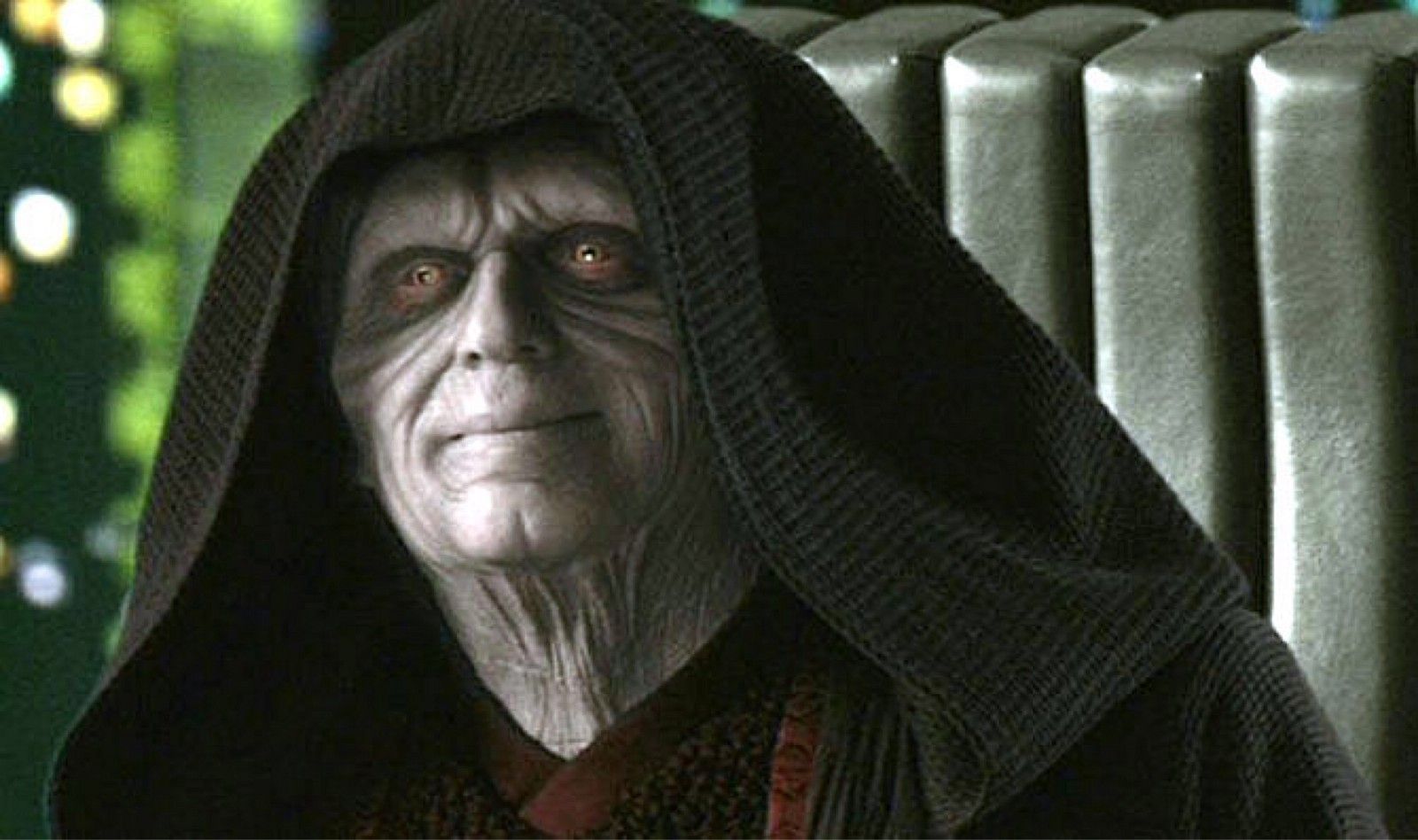
initially employs droids by the million to face the Republic’s clone armies, and not just ordinary foot soldier droids—
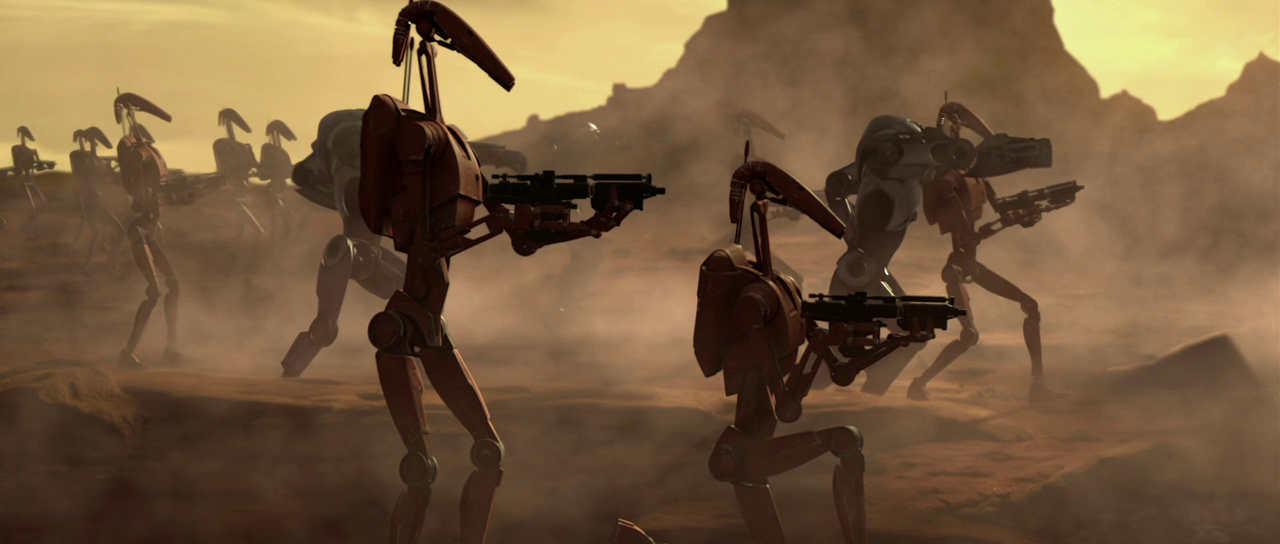
but super battle droids
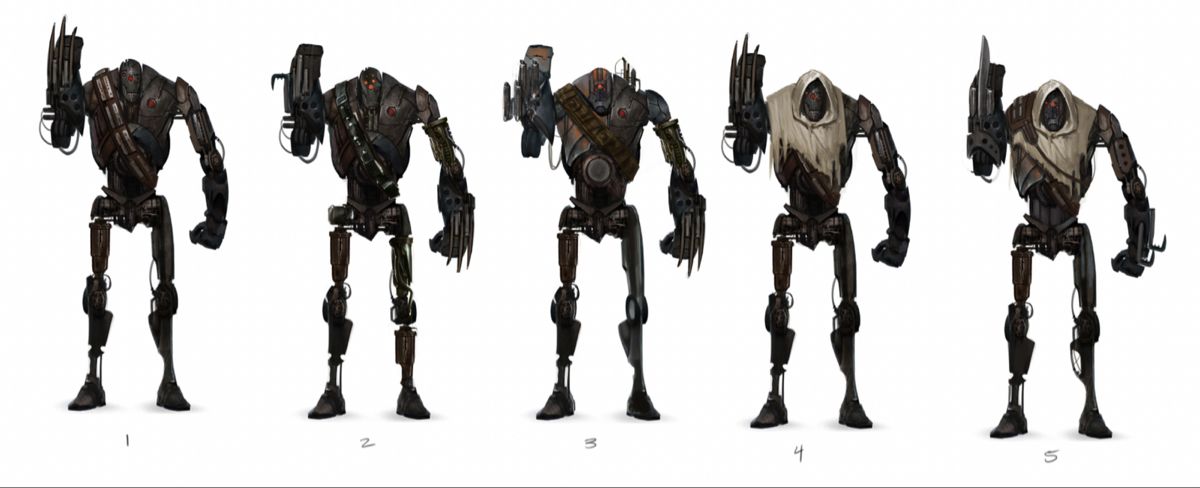
and even commando battle droids
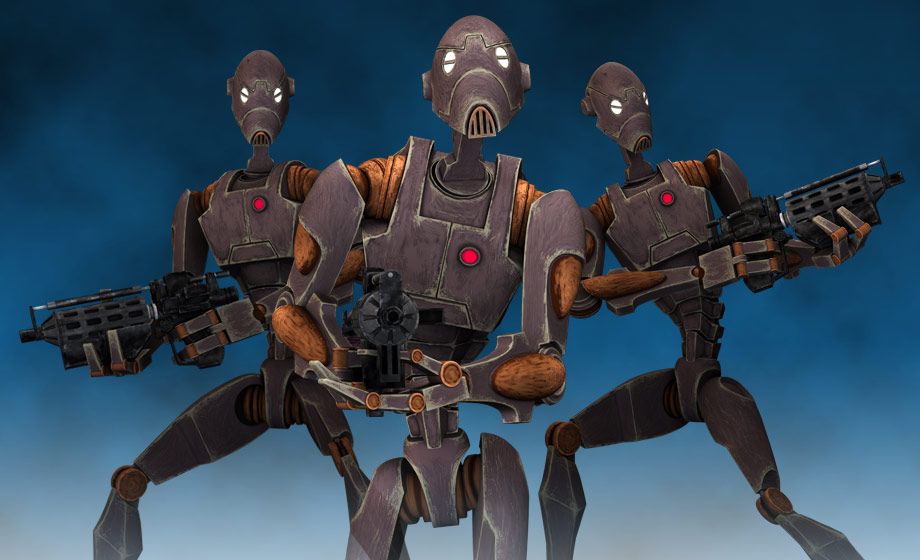
before, in his complex plan, he turns the Republic’s clones against his real target, the Jedi, in Order 66.
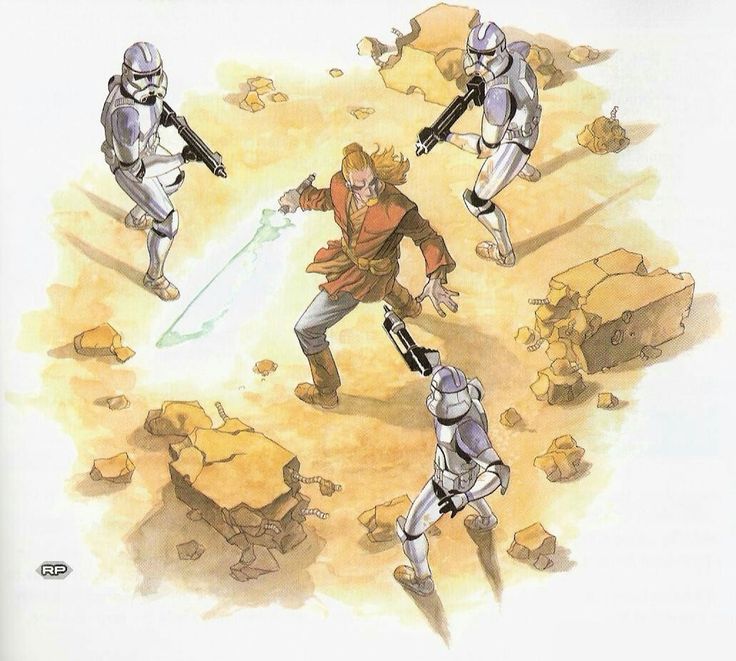
On a lighter level, Gru,

of Despicable Me, has masses of Minions to work his will (sort of)—
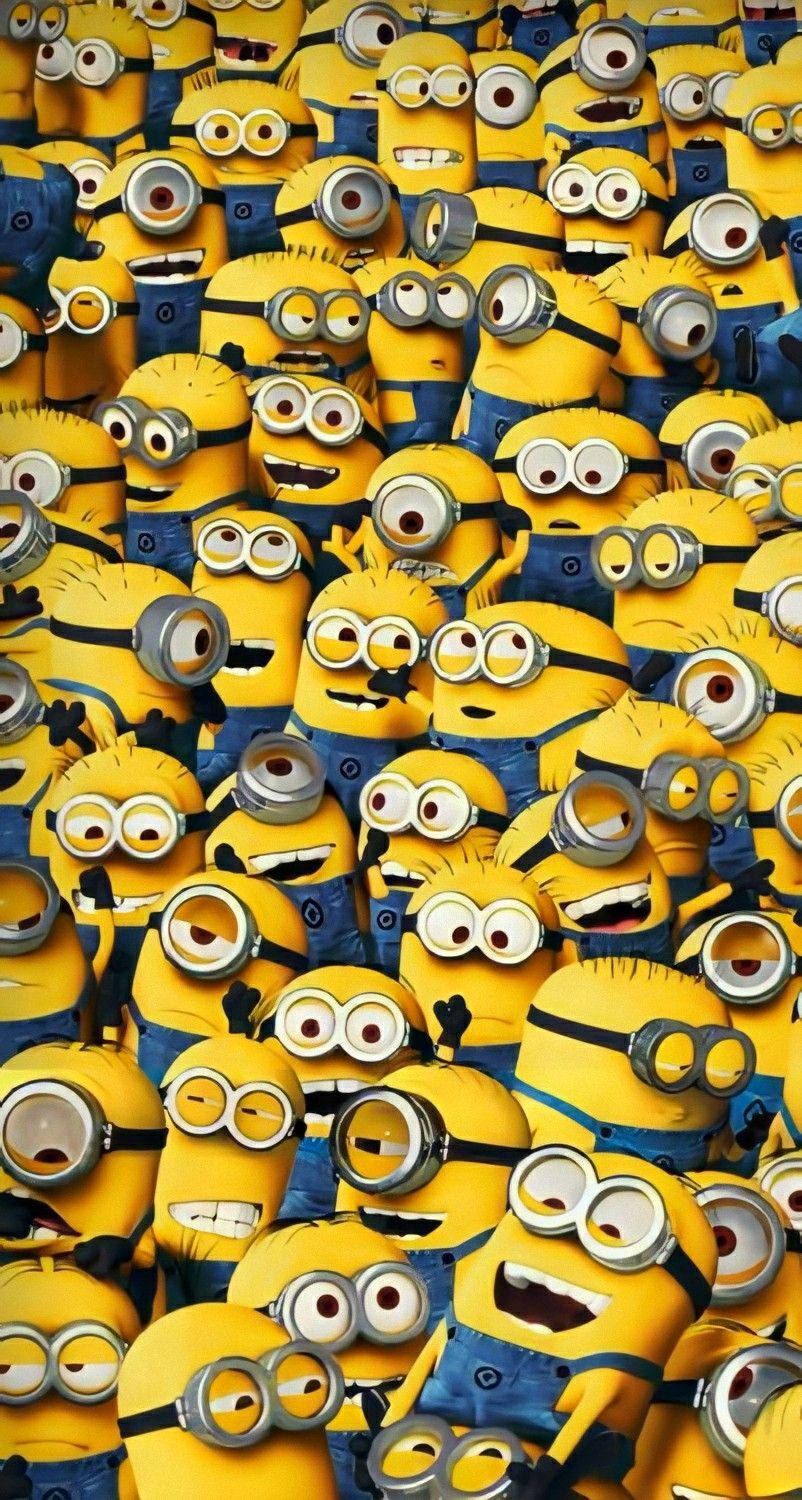
It’s clear that Sauron has similar plans—and similar armies—orcs—along with masses of humans.
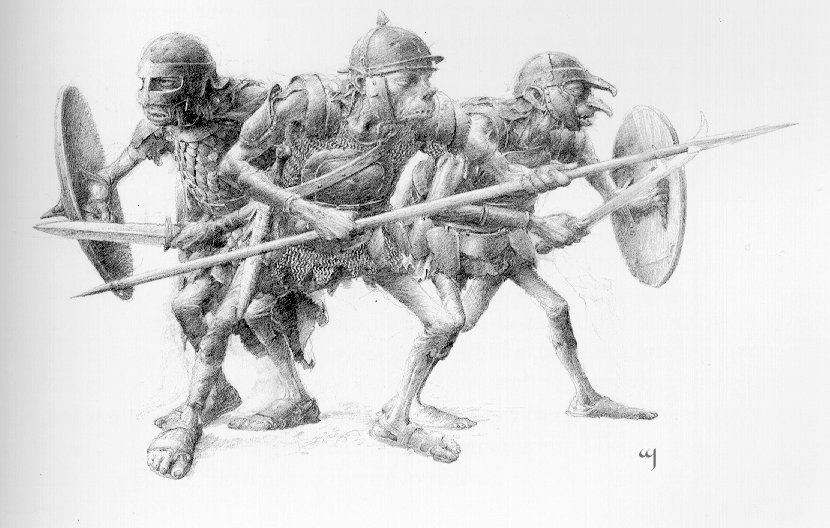
(Alan Lee)

Orcs, we’re told, are a kind of distortion of actual living creatures—

“But Trolls are only counterfeits, made by the Enemy in the Great Darkness, in mockery of Ents, as Orcs were of Elves.”  (The Two Towers, Book Three, Chapter 4, “Treebeard”)

Orcs began, however, as something more traditional and, for Tolkien, begin with the works of George MacDonald (1824-1905),
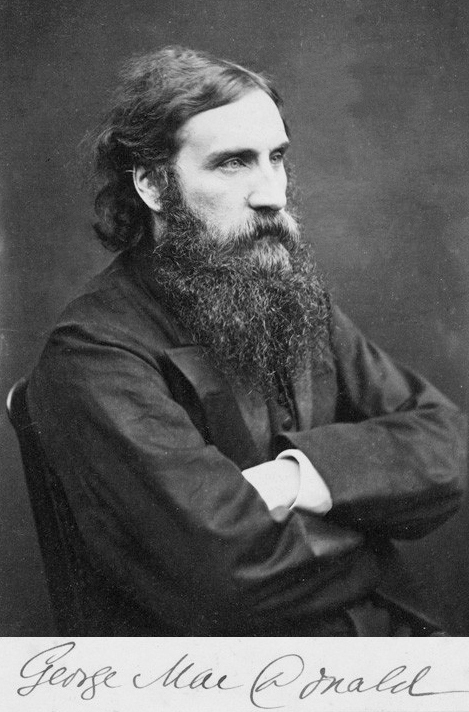
and, in particular, with one of his fantasy novels, The Princess and the Goblin, 1870-2.
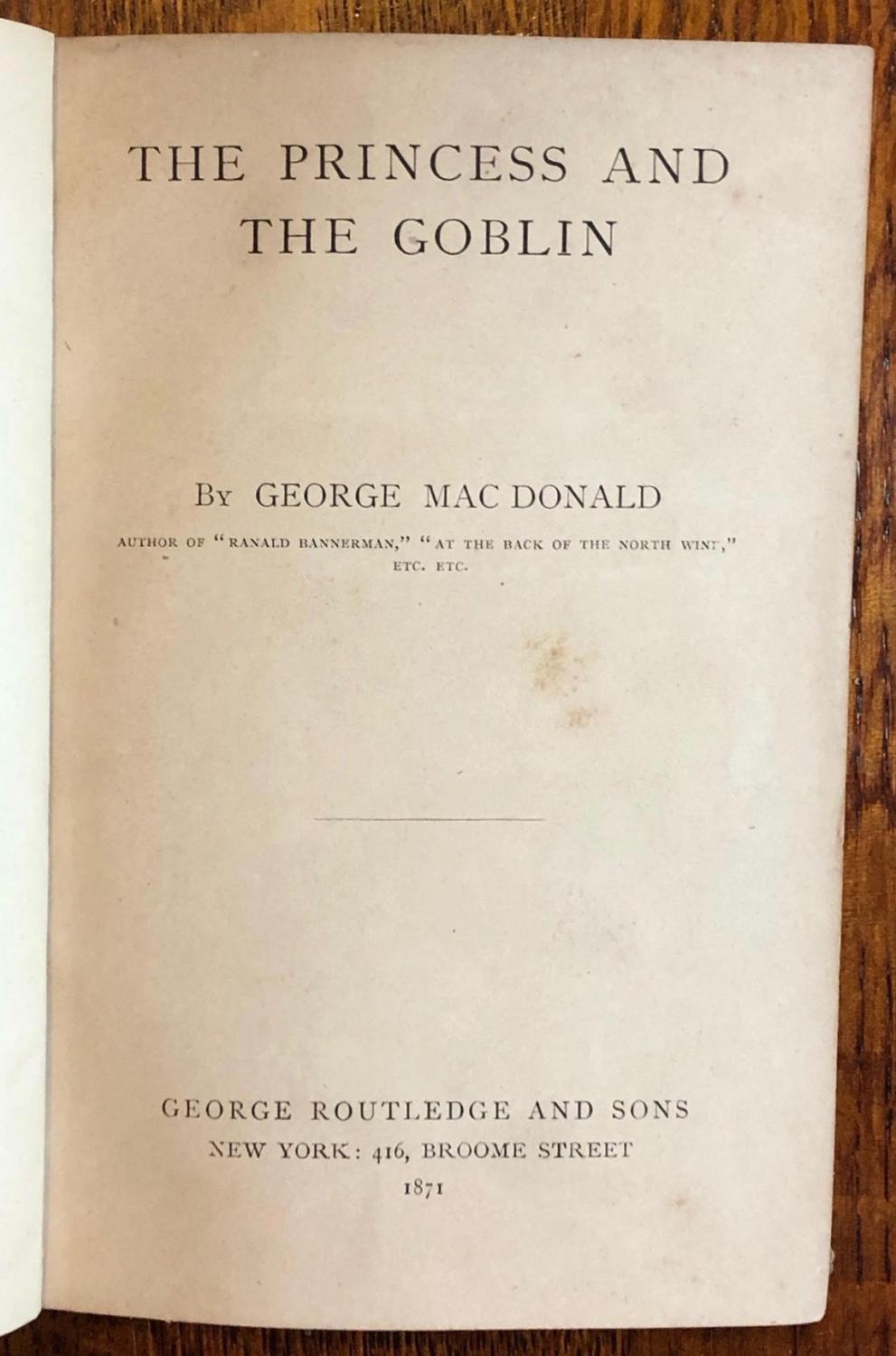
(First US edition, 1871)

For our purposes, the princess, although an heroic figure, can be removed, as we’re interested in those goblins.
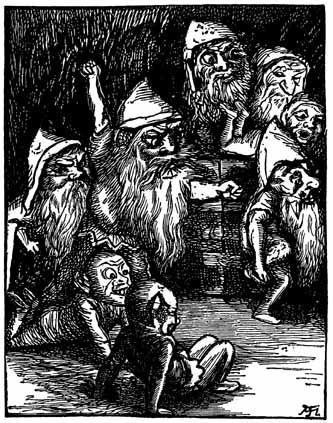
(Arthur Hughes)

Later in life, Tolkien became disenchanted with MacDonald’s work, failing to complete a proposed preface for his The Golden Key, a short story from MacDonald’s Dealings with the Fairies, 1867—you can read it here:  https://archive.org/details/dealingswithfair00macd_0/page/n5/mode/2up
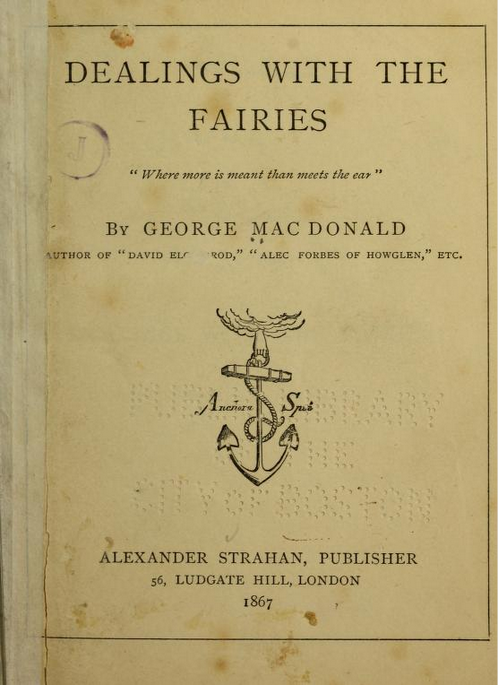
and you can read about his disenchantment in Carpenter’s J.R.R. Tolkien, page 244.).  Earlier, however, he had acknowledged MacDonald’s influence, writing to the editor of The Observer about The Hobbit:

“As for the rest of the tale it is, as the Habit [the pen name of a commentator on the book] suggests, derived from (previously digested) epic, mythology, and fairy-story—not, however, Victorian in authorship, as a rule to which George Macdonald [sic] is the chief exception.” (letter to the editior, February, 1938, Letters, 40-41)

Tolkien refers to this influence again in a much later letter to Hugh Brogan:

“Your preference of goblins to orcs involves a large question and a matter of taste, and perhaps historical pedantry on my part.  I personally prefer Orcs (since these creatures are not ‘goblins’, not even the goblins of George MacDonald, which they do to some extent resemble).”  (letter to Hugh Brogan, 18 September, 1954, Letters, 278)

And a little earlier, in a letter to Naomi Mitchison:

“They are not based on direct experience of mine [an interesting remark—did JRRT have supernatural experiences which he doesn’t discuss?]; but owe, I suppose, a good deal to the goblin tradition (goblin is used as a translation in The Hobbit, where orc only occurs once, I think), especially as it appears in George MacDonald, except for the soft feet which I never believed in.”  (letter to Naomi Mitchison, 25 April, 1954, Letters, 267)

Those soft feet turn out to be the Achilles’ heel (sorry!) of the goblins as we overhear in a conversation between a goblin father and son:

” ‘You say so, dad. I think myself I’m all right. But I could carry ten times as much if it wasn’t for my feet.’

‘That is your weak point, I confess, my boy.’

 ‘Ain’t it yours, too, father?’

‘Well, to be honest, it is a goblin-weakness. Why they come so soft, I declare I haven’t an idea.’  (The Princess and the Goblin, Chapter VIII, “The Goblins”  You can read more here:   https://archive.org/details/princessgoblin00macd/mode/2up  And you can read more about the author here:   https://en.wikipedia.org/wiki/George_MacDonald )

Recently, however, I’ve met another goblin, to whom I was introduced by a dear friend.  This is Book Goblin.
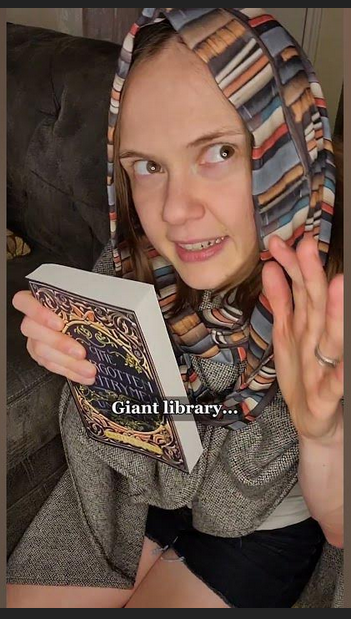
Unlike the clones and droids and Minions and orcs, who only exist to do their master’s bidding, Book Goblin lives for books, stacking shelves full, longing for the mailman to bring more, even believing in “Bookhalla”, which is, basically, an immense library, where those who are gathered there read books all day and hold book clubs all night.  You can see and hear Book Goblin describing it here:  https://www.youtube.com/shorts/vkjErlwUA2A   Only brave readers are allowed to go there, including those who read “without bookmarks”!

Book Goblin is, in fact, the creation of the fantasy author Elizabeth Wheatley
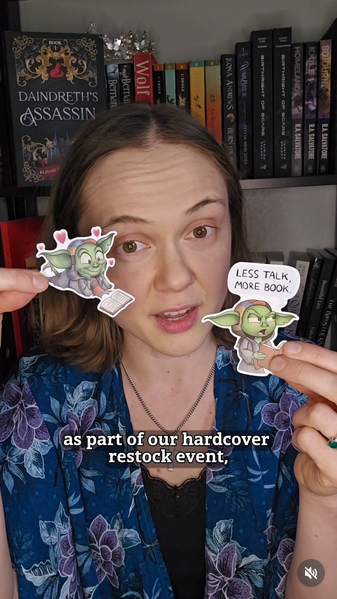
and you can read more about her and her work here:  https://www.bookseriesinorder.com/elisabeth-wheatley/   And YouTube has many short features in which Book Goblin discusses likes and dislikes and often seems like the Id of all passionate readers, which is why I bring her to your attention.  Unlike droids, clones, Minions, and orcs, however, she is one of kind and, as for world conquest—I suspect that it would interfere with her reading.
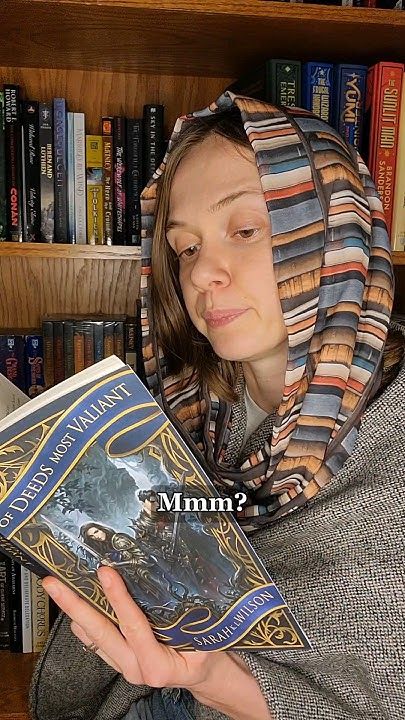
Thanks for your reading, as always,

Stay well,

If you’re like me, you probably aren’t brave enough to read without a bookmark, so I guess no Bookhalla, sadly,
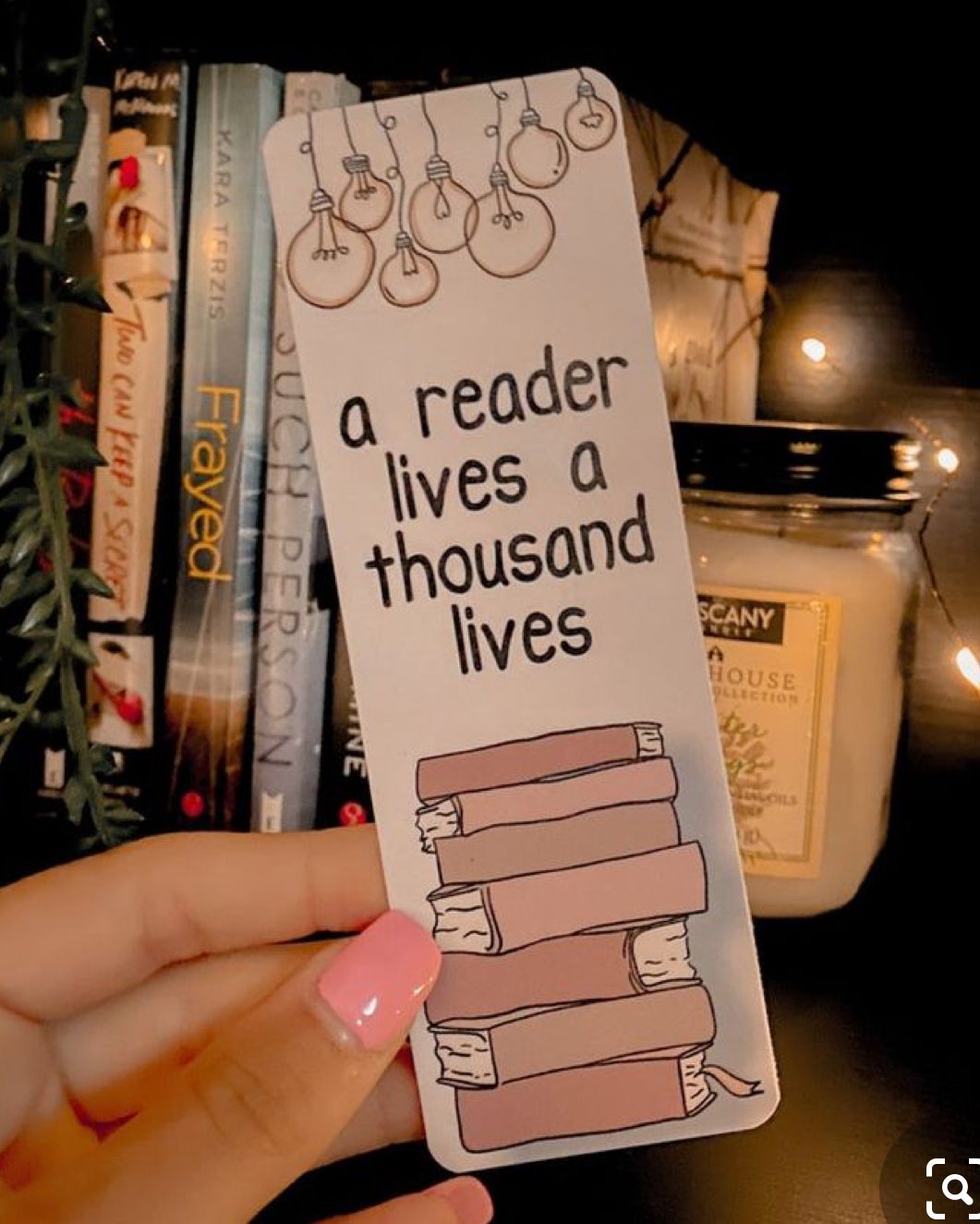
But remember that, as always, there’s

MTCIDC

O

Henchmen and Minions

30 Wednesday Oct 2019

Posted by Ollamh in Films and Music, J.R.R. Tolkien, Narrative Methods, Villains

≈ Leave a comment

Tags

A History of Scotland, Albrecht Duerer, Alexandre Dumas, Cardinal Richelieu, Droids, druid, Emperor Palpatine, Flying Monkeys, gangster, Henchmen, Mignon, Neil Oliver, Odysseus, Orcs, Robin Hood, Saint Columba, Saruman, Sauron, Sheriff of Nottingham, Telemachus, The Lord of the Rings, The Three Musketeers, The Wizard of Oz, Tolkien, Winkie Guards


Welcome, dear readers, as ever.

A henchman was originally a hengestman, from hengest “horse/stallion” + man “man”—in other words, a groom, a servant who takes care of horses.

image1groom.jpg

Although the word began with the meaning of “groom”, it has certainly changed over time and now it suggests something like “ thuggish follower”—like these gangster henchmen.

image2henchmen.jpg

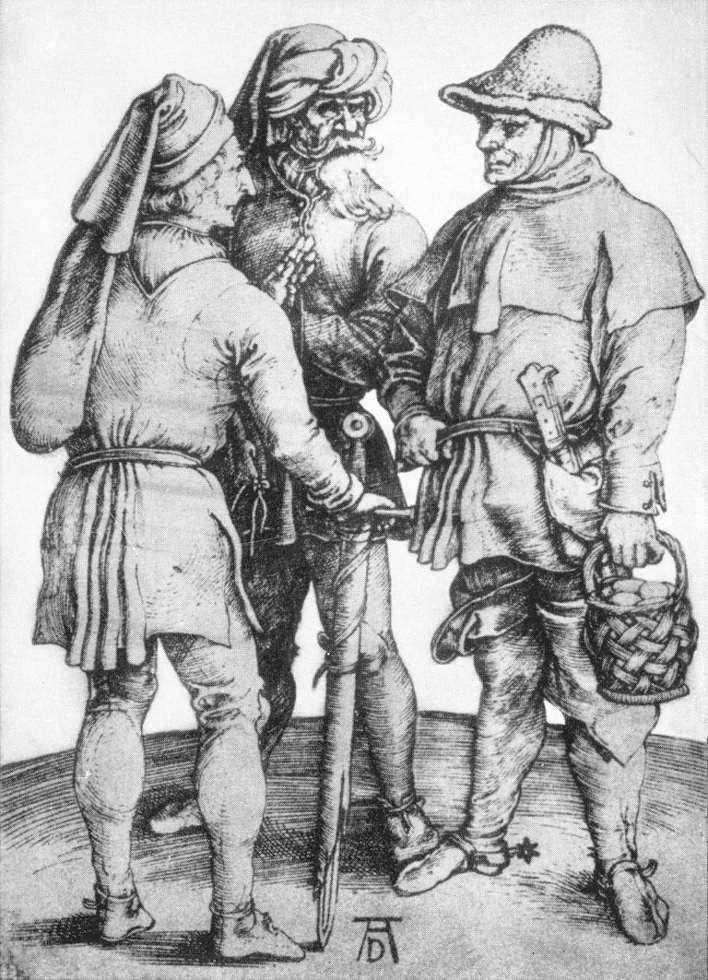
The word minion comes from the Old French word mignon, “a (little) darling”, but its meaning has also changed–even more than henchmen, now indicating a kind of low-level person who simply follows orders, which the peasants in this picture by Albrecht Duerer make us think of.

image3thugs.jpg

These words originally came to mind while we were watching the first episode of Neil Oliver’s excellent BBC series A History of Scotland. (Smart writing and wonderful photography.)

image4oliver.jpg

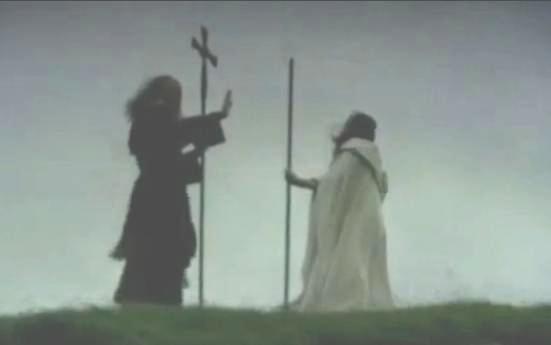
In the episode, a scene was reenacted, in which Saint Columba (521-597AD)

image5columba.jpg

faces off against a Pictish druid.

image6druids.PNG

(This is the closest we can come to an image of a druid. As far as we know, there are, in fact, no surviving images of the learned class of the Celtic world, just often very imaginative illustrations with little or no factual basis.)

In Adomnan’s (c.624-704AD) Life of Columba, Book II, Chapter XXXIV, Columba struggles to free a slave being held by the druid, Broichan.

image7struggle.JPG

The saint wins, of course, but what struck us about this story—and in this DVD depiction—was that it was a one-on-one contest: neither man called upon backup—something which one might especially expect from the antagonist of the story, as in so many. After all, we thought, just think of villains in all kinds of stories—

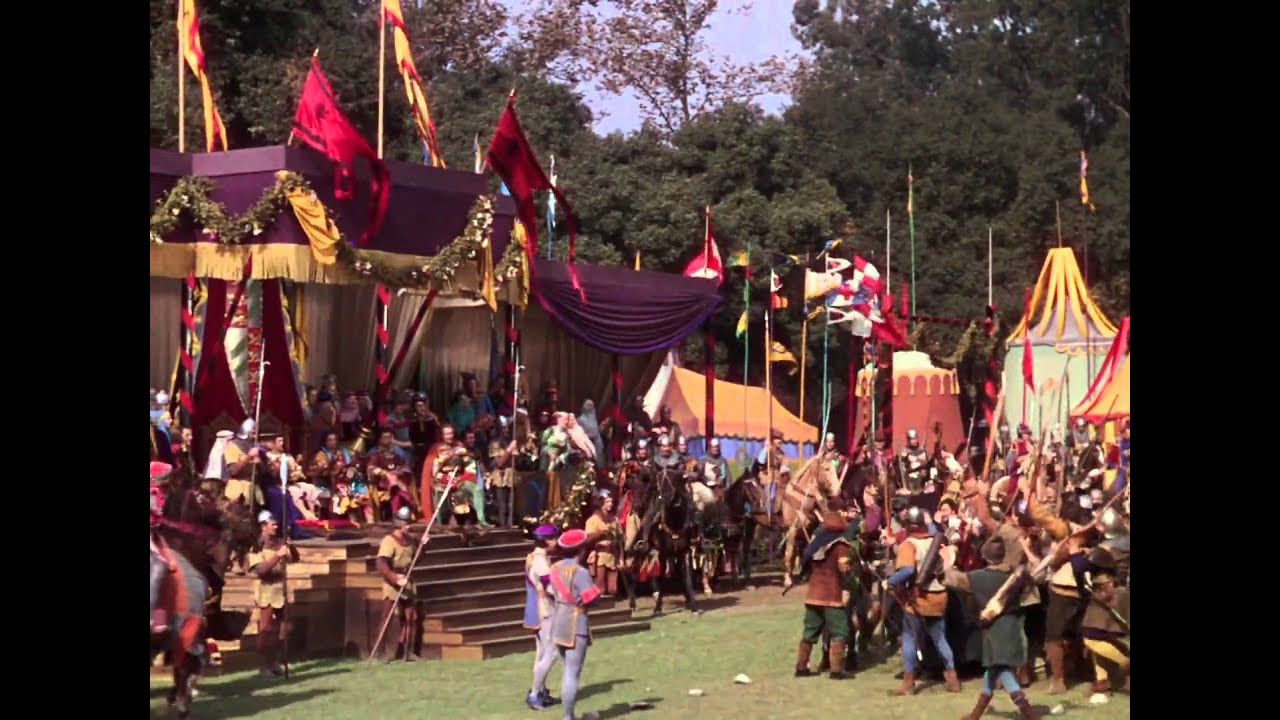
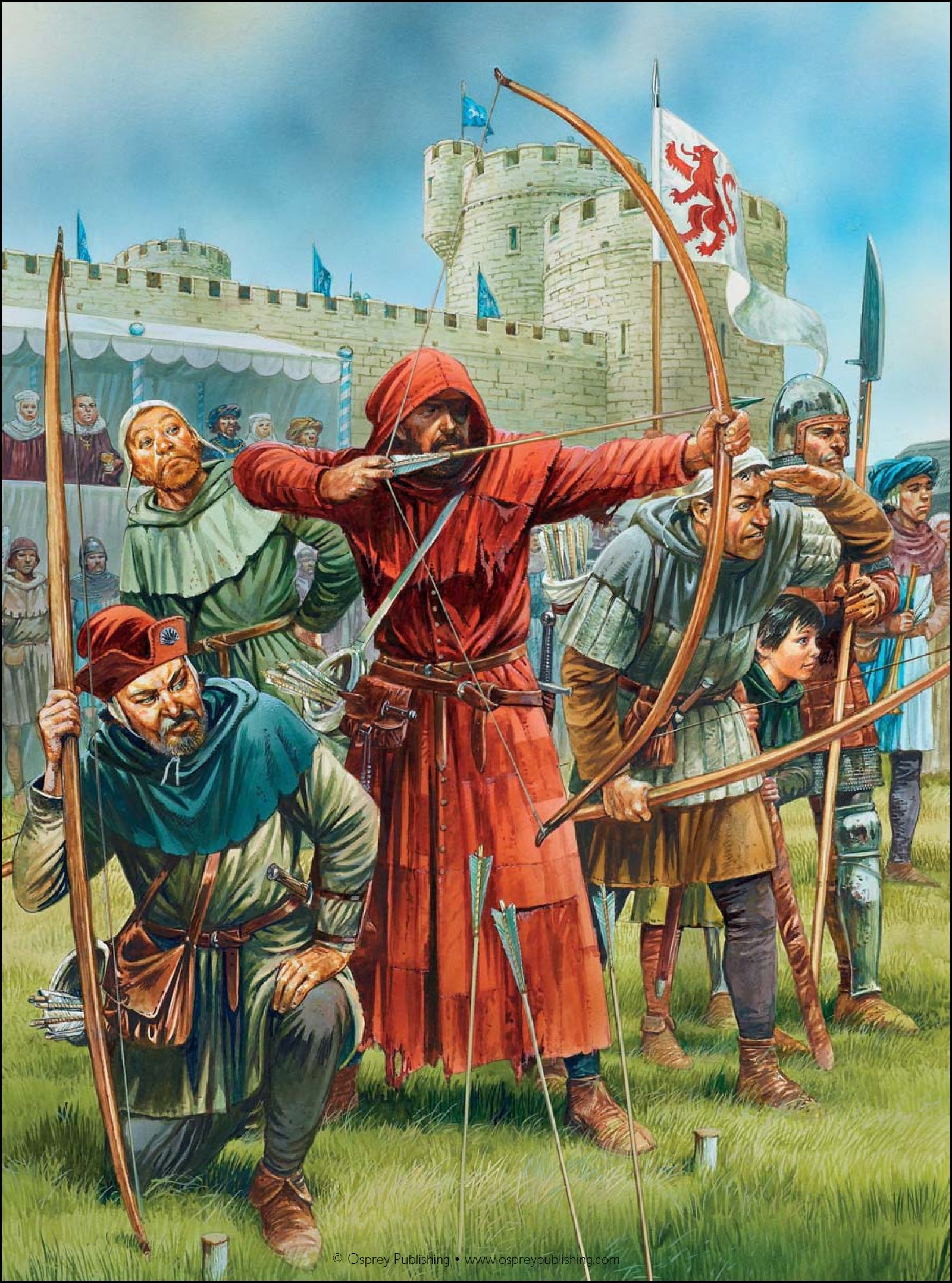
The Sheriff of Nottingham has his henchmen ready to try to capture Robin Hood at the famous archery contest.

image8not.jpg

image9arch.jpg

Or, if you prefer—

image10disney.png

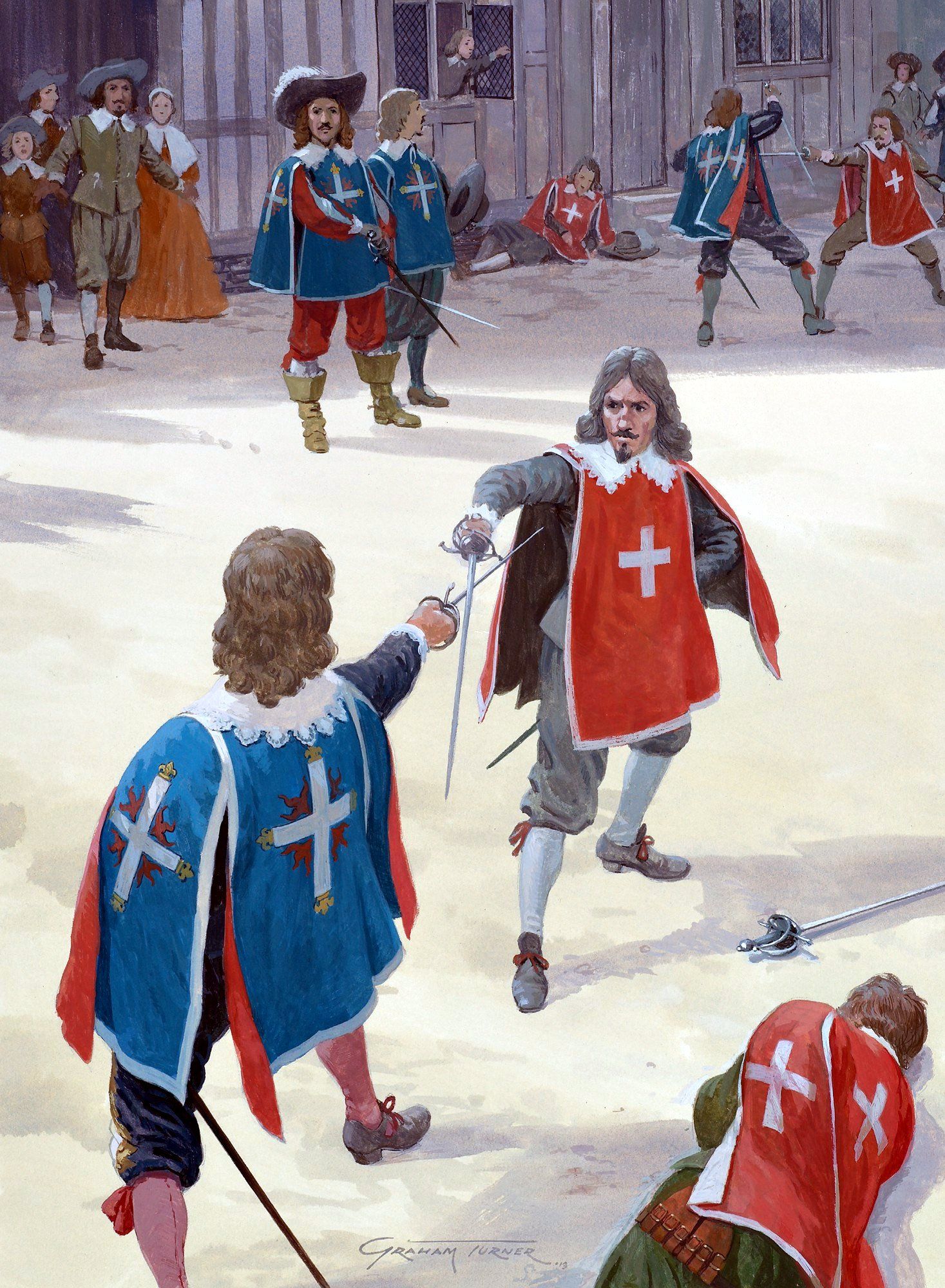
The evil Cardinal Richelieu

image11acard.jpg

has his guards

image11guards.jpg

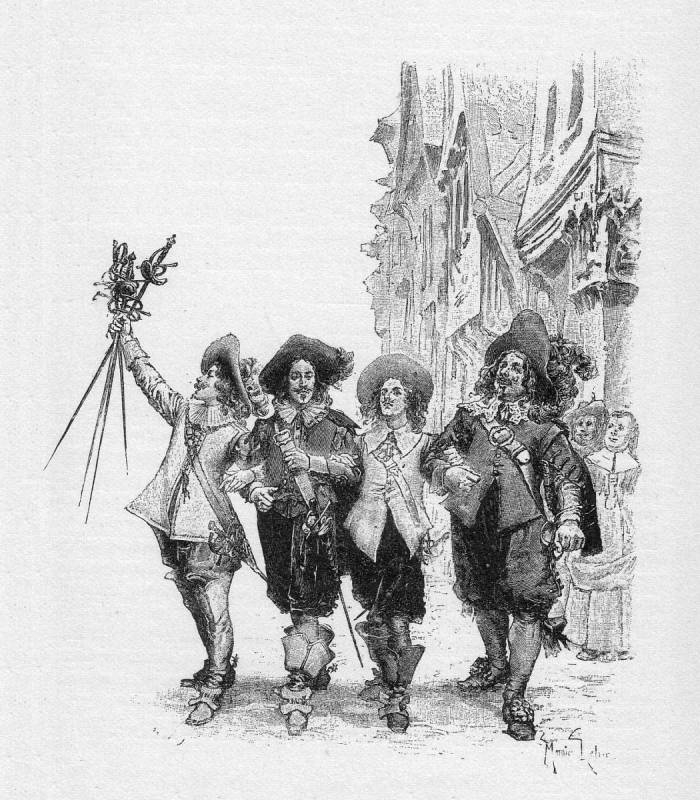
to fight the musketeers

image12three.jpg

image13musk.jpg

in Alexandre Dumas’ The Three Musketeers.

image14dumas.jpg

The Wicked Witch of the West

image15witch.jpg

has two sets of henchmen: the flying monkeys

image16witch.jpg

which have been the terror of many childhoods, in our experience, and the Winkie Guards,

image17witch.jpg

whose drum beat and deep chant always made us a little nervous when we were little (not to mention their skin color and odd noses).

image18witch.jpg

Here’s a LINK, in case you’ve forgotten what they were like.

In a more modern story, the Separatists have so many droids,

image19droids.jpg

as Emperor Palpatine has so many stormtroopers.

image20troopers.jpg

And, of course, Saruman

image21saruman.jpg

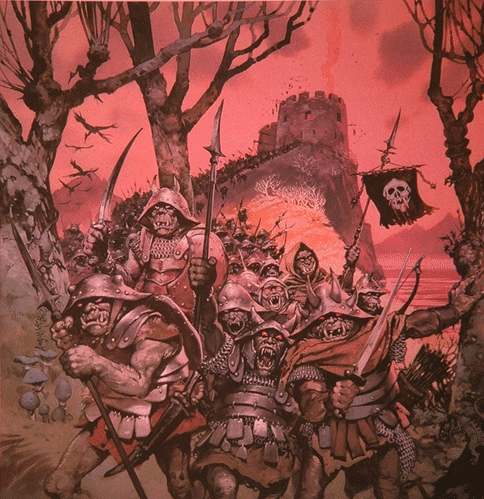
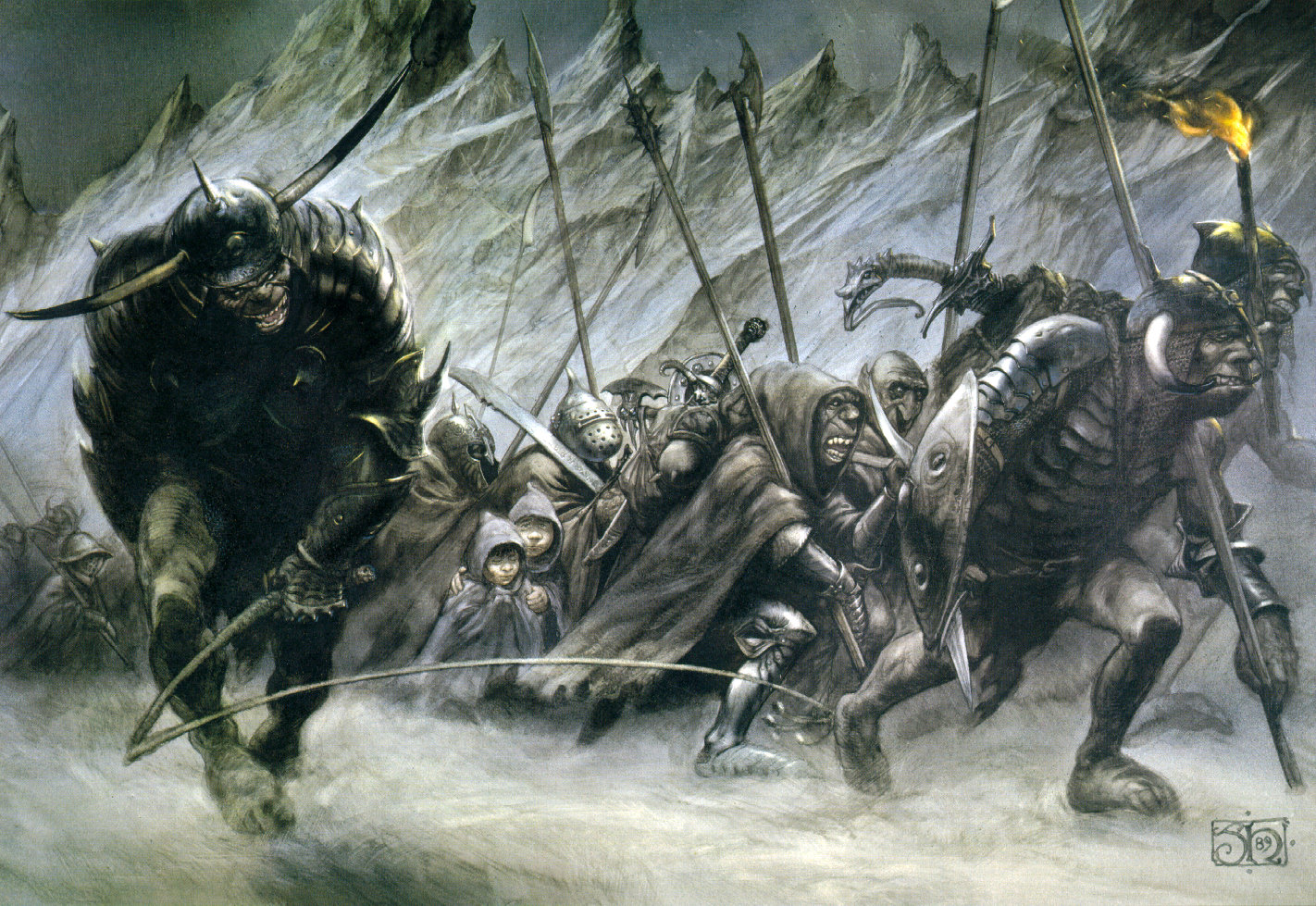
has so many orcs

image22orcs.gif

as, along with all of his human minions, does Sauron.

image23orcs.jpg

We can imagine several reasons for such overwhelming force in these stories. For the protagonist/s, the more of the enemy there are, the more impressive their defeat, as when Odysseus faces so many suitors (over a hundred) with only his son, Telemachus, and a couple of servants to help him.

image24suitors.jpg

(And Athena, of course!)

image25suitors.jpg

For the antagonist/s, there is the sense that they are so powerful that they have only to command and vast numbers of henchmen will do their bidding.

image26hench.jpg

At the same time, we wonder if, underneath all of that force, there is a basic insecurity, a feeling that “my power by itself is really not enough—I can’t do this alone”? After all, it’s not the Sheriff of Nottingham who faces Robin Hood in the 1938 film,

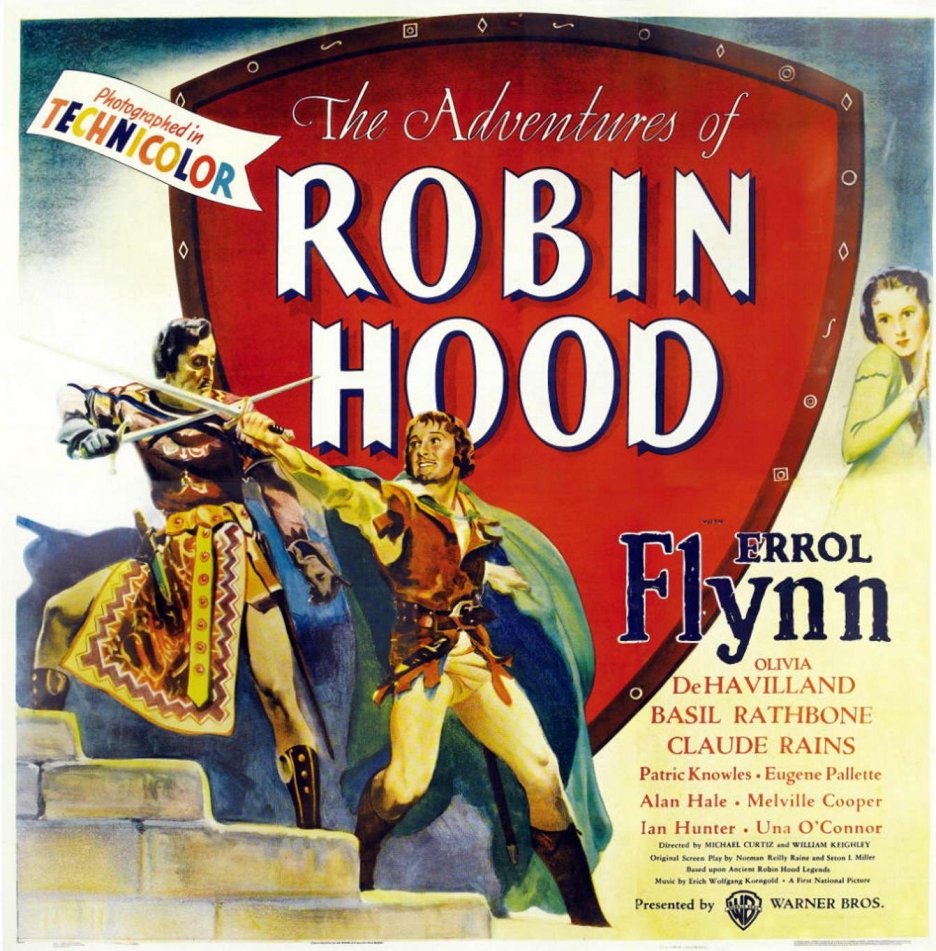
image27poster.jpg

but the secondary character, Guy of Gisborne (played by Basil Rathbone, who was the first great film Sherlock Holmes).

image28rathbone.jpg

image29holmes.jpg

The Wicked Witch of the West relies upon her monkeys and her guards and Saruman and Sauron upon their armies and none ever faces an opponent alone: for that matter, we never even see Sauron except as a shadow at his fall.

And perhaps that underlying insecurity has some roots in reality: the only antagonist who actually confronts the protagonist is a little too sure of himself and of his major henchman and we all know what happens next…

image30darth.jpg


As always, thanks for reading and

MTCIDC, dear readers!

CD

The Doubtful Sea Series Facebook Page

The Doubtful Sea Series Facebook Page

  • Ollamh

Categories

  • Artists and Illustrators
  • Economics in Middle-earth
  • Fairy Tales and Myths
  • Films and Music
  • Games
  • Heroes
  • Imaginary History
  • J.R.R. Tolkien
  • Language
  • Literary History
  • Maps
  • Medieval Russia
  • Military History
  • Military History of Middle-earth
  • Narnia
  • Narrative Methods
  • Poetry
  • Research
  • Star Wars
  • Terra Australis
  • The Rohirrim
  • Theatre and Performance
  • Tolkien
  • Uncategorized
  • Villains
  • Writing as Collaborators
Follow doubtfulsea on WordPress.com

Across the Doubtful Sea

Recent Postings

  • Verisimilitude April 1, 2026
  • Goblins and Goblin March 25, 2026
  • Crowing and Raven March 18, 2026
  • The Damage of Dragons March 11, 2026
  • Encouragement March 4, 2026
  • Eavesdropping February 25, 2026
  • Do You Speak Villain? (Part 3) February 18, 2026
  • Do You Speak Villain? (2) February 11, 2026
  • Do You Speak Villain? (Part 1) February 4, 2026

Blog Statistics

  • 110,310 Views

Posting Archive

  • April 2026 (1)
  • March 2026 (4)
  • February 2026 (4)
  • January 2026 (4)
  • December 2025 (5)
  • November 2025 (4)
  • October 2025 (5)
  • September 2025 (4)
  • August 2025 (4)
  • July 2025 (5)
  • June 2025 (4)
  • May 2025 (4)
  • April 2025 (5)
  • March 2025 (4)
  • February 2025 (4)
  • January 2025 (5)
  • December 2024 (4)
  • November 2024 (4)
  • October 2024 (5)
  • September 2024 (4)
  • August 2024 (4)
  • July 2024 (5)
  • June 2024 (4)
  • May 2024 (5)
  • April 2024 (4)
  • March 2024 (4)
  • February 2024 (4)
  • January 2024 (5)
  • December 2023 (4)
  • November 2023 (5)
  • October 2023 (4)
  • September 2023 (4)
  • August 2023 (5)
  • July 2023 (4)
  • June 2023 (4)
  • May 2023 (5)
  • April 2023 (4)
  • March 2023 (5)
  • February 2023 (4)
  • January 2023 (4)
  • December 2022 (4)
  • November 2022 (5)
  • October 2022 (4)
  • September 2022 (4)
  • August 2022 (5)
  • July 2022 (4)
  • June 2022 (5)
  • May 2022 (4)
  • April 2022 (4)
  • March 2022 (5)
  • February 2022 (4)
  • January 2022 (4)
  • December 2021 (5)
  • November 2021 (4)
  • October 2021 (4)
  • September 2021 (5)
  • August 2021 (4)
  • July 2021 (4)
  • June 2021 (5)
  • May 2021 (4)
  • April 2021 (4)
  • March 2021 (5)
  • February 2021 (4)
  • January 2021 (4)
  • December 2020 (5)
  • November 2020 (4)
  • October 2020 (4)
  • September 2020 (5)
  • August 2020 (4)
  • July 2020 (5)
  • June 2020 (4)
  • May 2020 (4)
  • April 2020 (5)
  • March 2020 (4)
  • February 2020 (4)
  • January 2020 (6)
  • December 2019 (4)
  • November 2019 (4)
  • October 2019 (5)
  • September 2019 (4)
  • August 2019 (4)
  • July 2019 (5)
  • June 2019 (4)
  • May 2019 (5)
  • April 2019 (4)
  • March 2019 (4)
  • February 2019 (4)
  • January 2019 (5)
  • December 2018 (4)
  • November 2018 (4)
  • October 2018 (5)
  • September 2018 (4)
  • August 2018 (5)
  • July 2018 (4)
  • June 2018 (4)
  • May 2018 (5)
  • April 2018 (4)
  • March 2018 (4)
  • February 2018 (4)
  • January 2018 (5)
  • December 2017 (4)
  • November 2017 (4)
  • October 2017 (4)
  • September 2017 (4)
  • August 2017 (5)
  • July 2017 (4)
  • June 2017 (4)
  • May 2017 (5)
  • April 2017 (4)
  • March 2017 (5)
  • February 2017 (4)
  • January 2017 (4)
  • December 2016 (4)
  • November 2016 (5)
  • October 2016 (6)
  • September 2016 (5)
  • August 2016 (5)
  • July 2016 (5)
  • June 2016 (5)
  • May 2016 (4)
  • April 2016 (4)
  • March 2016 (5)
  • February 2016 (4)
  • January 2016 (4)
  • December 2015 (5)
  • November 2015 (5)
  • October 2015 (4)
  • September 2015 (5)
  • August 2015 (4)
  • July 2015 (5)
  • June 2015 (5)
  • May 2015 (4)
  • April 2015 (3)
  • March 2015 (4)
  • February 2015 (4)
  • January 2015 (4)
  • December 2014 (5)
  • November 2014 (4)
  • October 2014 (6)
  • September 2014 (1)

Blog at WordPress.com.

  • Subscribe Subscribed
    • doubtfulsea
    • Join 78 other subscribers
    • Already have a WordPress.com account? Log in now.
    • doubtfulsea
    • Subscribe Subscribed
    • Sign up
    • Log in
    • Report this content
    • View site in Reader
    • Manage subscriptions
    • Collapse this bar
 

Loading Comments...