When I was little, I heard a folksong, “I gave my love a cherry”, with these lines:
“I gave my love a cherry that has no stone I gave my love a chicken that has no bone I gave my love a ring that has no end I gave my love a baby with no cryen
How can there be a cherry that has no stone? How can there be a chicken that has no bone? How can there be a ring that has no end? How can there be a baby with no cryen?
A cherry, when it’s blooming, it has no stone A chicken when it’s pipping, it has no bone A ring when it’s rolling, it has no end A baby when it’s sleeping, has no cryen.”
Now, I know that it belongs to a riddle song tradition seen in two Child Ballads: “Riddles Wisely Expounded” (#1) and “Captain Wedderburn’s Courtship” (#46), as well as in several supposedly-impossible task ballads, including “The Elfin Knight” (#2), but then it was just puzzling—especially that line about “A chicken when it’s pipping”.
Since then, I have seen two explanations:
1. “pipping” is the chick still developing in the egg
2. “pipping” is the act of the chick breaking out of the egg and its bones have not yet matured
“Pipping” is characteristically sung “pippin’” and that was undoubtedly in my head when I first read The Lord of the Rings, and there was “Pippin”—Peregrine Took.
Took is a Norman-English family name, the first member in England being one of the invaders in 1066,
mentioned in (Robert? his first name is under discussion—sometimes he’s just called “Master”) Wace’s 12th century verse chronicle Roman de Rou (the “story of Rollo”—that is, of Hrolfr, a Viking colonizer of the western coast of France who became a vassal of the French king, Charles III (“ the Simple”), under the name “Rollo”, controlling what would become Normandy—“Norsemanland”—for more, see: https://vikingr.org/explorers/rollo )
(from his tomb in Rouen Cathedral—a medieval idea of his appearance–and they wouldn’t have had much to go on as the tomb has been despoiled more than once: report has it that only one femur remains inside)
“Peregrine” is Latin peregrinus, formed from peregre, literally “through the fields” (per agros), meaning “coming from somewhere else”, hence “foreign(er)/strang(er)/and, eventually, “pilgrim”. See for more: https://www.etymonline.com/word/pilgrim I suspect that the name was inspired by Tolkien’s religious background, where there are several saints with that name:
“Pippin”, however, appears to be a bit murkier. One would assume that the nickname for Peregrine would be “Perry” (as in Perry the Platypus from the wonderful animated series “Phineas and Ferb”—for more see: https://en.wikipedia.org/wiki/Phineas_and_Ferb ).
So where does Pippin come from?
I go back to what so often I find helpful for JRRT: the Middle Ages.
And here I find Latin “Pipinus”, who could be this colorful character, Pepin (nicknamed “Shorty”—le Bref), c.714-768, the 8th-century Mayor of the Palace (chief officer under the king)
(to the right is Pepin’s father, Mayor of the Palace before him, Charles “Martel”–“the Hammer”)
1. with the blessing of Pope Zachary, in 751, he overthrew the Merovingian king, Childeric III, ending the dynasty and making himself king
2. he was the father of Charlemagne, 747-814, creator of the short-lived Carolingian Empire (800-843)
(As always, coins have so much to tell us beyond their monetary significance. This is a good example of using a Roman model to suggest that, somehow, the person depicted is descended from earlier Roman rulers: it’s in Latin and uses Roman imperial titles—“IMP” = “Imperator”, once only “one holding the Senate’s authority outside Rome” but, from the time of Tiberius, 42BC-37AD, used as we use “emperor”; “AUG” = “Augustus”, a title originally given by a subservient Senate to Octavian, the heir to his greatuncle, Julius Caesar, and, after 30BC, owner of the whole Mediterranean basin. As well, Charlemagne is wearing just the suggesting of later Roman armor, covered by a Roman military cloak and, on his head, is the early—and modest—imperial crown—a victor’s wreath. Charlemagne’s ancestors were the Franks, Germanic invaders who would give France its name. Charlemagne’s name is the Latin form, “Carolus”, of a Germanic name, “Karl” and note how it’s spelled in the Latin inscription: “Karolus”. Latin doesn’t use the letter K—so, a Germanic practice?)
As Drogo and Freddie are out of the medieval Germanic past, I would suggest that, whereas Took is Anglo-Norman and Peregrine is Latin, Pippin may have gotten his nickname from a similar source, a fittingly distinguished name for someone who, after the War of the Ring, would become Thain of the Shire, Knight of Gondor, and Counsellor of the North Kingdom.
Thanks for reading, as always.
Stay well,
Dark Ages? What Dark Ages? You just have to know where to look—Tolkien did,
I’m always interested to try to imagine things which Tolkien may allude to, but goes into no more detail about—a kind of teaser, and, for me, a challenge: what can we reconstruct—and how?
“About this time legend among the Hobbits first becomes history…They passed over the Bridge of Stonebows, that had been built in the days of the power of the North Kingdom, and they took all of the land beyond to dwell in, between the river and the Far Downs. All that was demanded of them was that they should keep the Great Bridge in repair, and all other bridges and roads, speed the king’s messengers, and acknowledge his lordship.” (The Lord of the Rings, Prologue I: “Concerning Hobbits”)
The “Bridge of the Strongbows” is the stone bridge which crosses the Baranduin/Brandywine on the road into the Shire from Bree, “bow” here meaning “arch”.
As far as I know, no artist has as yet depicted it, but I’ve always imagined it as looking rather like the Elvet Bridge, which spans the River Wear in the middle of Durham, England.
This was begun in 1160AD by the Norman bishop, Hugh de Puiset (c.1125-1195—a very interesting figure in the early centuries of Norman domination—you can read about him here: https://en.wikipedia.org/wiki/Hugh_de_Puiset and read more about the bridge here: https://en.wikipedia.org/wiki/Elvet_Bridge ), but only finished sometime in the following century, suggesting both the time-consuming nature of its construction, as well as the expense, something less visible, but always there in the medieval world—cathedrals could take centuries to build, and not only because they were large and complex.
So, as it took time and money to build the “Bridge of Strongbows”, it would have taken more time and money to keep it in repair, let alone “all other bridges and roads”.
And here we are in what Thomas Carlyle, 1795-1881, referred to as the “dismal science”: economics in Middle-earth. (Carlyle uses the term more than once, but the general citation is to his–originally published under a pseudonym–“ Occasional Discourse on the Negro Question”, which you can read here: https://cruel.org/econthought/texts/carlyle/carlodnq.html If you read this site regularly, you know that one of its pleasures for me is being able to recommend all sorts of books, articles, music, to my readers. In this case, however, I must say that, for once, I don’t recommend something—unless you are curious as to the horrific attitudes of some 19th-century intellectuals on the subject of race and bondage. As an historical artifact, then, it’s worth a glance, but as an example of bigotry, it’s appalling, and unworthy of a man with the mind and sensibilities to know better.)
Tolkien himself was well aware of economics. As he says in a letter to Naomi Mitchison:
“I am not incapable of economic thought; and I think as far as the ‘mortals’ go, Men, Hobbits, and Dwarfs, that the situations are so devised that economic likelihood is there and could be worked out…”
(letter to Naomi Mitchison, 25 September, 1954, Letters, 292)
Tolkien, however, adds something to his letter which makes his ideas a little clearer and adds a medieval touch:
“…Gondor has sufficient ‘townlands’ and fiefs with a good water and road approach to provide for its population…”
“Townlands”, as Tolkien used it, was a term employed in Ireland to indicate the holdings, by landlords, of multiple farms held by tenants, who paid rent to the landlords. “Fief” is the feudal term for land given to a vassal by an overlord in return for taxes and military support when required. In other words, these are economic units, in which those who work the land pay for that work with rent, in one form or another.
So let’s consider the Shire.
In that same letter, Tolkien says:
“The Shire is placed in a water and mountain situation and a distance from the sea and a latitude that would give it a natural fertility, quite apart from the stated fact that it was a well-tended region when they took it over (no doubt with a good deal of older arts and crafts).”
As far as we can see, there are neither “townlands” or “fiefs”, but there is a form of government—in fact, a rather confused form:
1. a Thain–from Old English “thegn”–a significant landholder, one step down from an “ealdorman” (it’s much more complicated—see: https://en.wikipedia.org/wiki/Thegn for more) a hereditary position owned by the Took family, whose holder was “master of the Shire-moot, and captain of the Shire-muster and the Hobbitry-in arms”
2. the Mayor of Michel Delving (or of the Shire) “who was elected every seven years at the Free Fair on the White Downs at the Lithe, that is at Mid-summer” JRRT says that “as mayor almost his only duty was to preside at banquets given on the Shire-holidays”, but then, I think, contradicts himself somewhat, saying “But the offices of Postmaster and First Shirriff were attached to the mayoralty, so that he managed both the Messenger Service and the Watch. These were the only Shire-services, and the Messengers were the most numerous, and much the busier of the two.” The Shirriffs were only a dozen—three per quarter—“Farthings” of the Shire, but there were, at the time of The Lord of the Rings another, larger group, the “Bounders”, meaning border guards, presumably also under his command.
There’s a postal service, then, and a two-part police force, as well as the need for infrastructure maintenance, all of which require that which Tolkien understands, as he tells us, but does not go into: money in some form.
Money turns up in fantasy literature, but it only seems to belong to kings and people at the top, as well as in dragon hoards,
(JRRT)
and in mysterious caches linked to beings like witches,
Tolkien, just like other such fantasy creators, doesn’t tell us where the money comes from ultimately, but I would suggest that he gives us some clues.
We can begin with the Shire itself. It’s not a large place—
(JRRT/Christopher Tolkien?)
“Forty leagues it stretched from the Far Downs to the Brandywine Bridge, and fifty from the northern moors to the marshes in the south.” (The Lord of the Rings, Prologue I: “Concerning Hobbits”) If we take about 3 miles per league (4.8km), then 40 leagues = 120 miles (193km), and 50 leagues = 150 miles (241km) and yet it’s divided into quarters, suggesting that this was done for some sort of administrative purposes, cutting it down into more manageable sections. As there’s voting, perhaps the Shire is broken up into voting districts, as it is the method used here, in the US.
And, just as likely, it may be done for tax purposes—after all, how else is money raised for police, post, and infrastructure?
Tolkien would have been well aware that the Anglo-Saxons were sophisticated bureaucrats, producing detailed records—which the Normans took over in the so-called “Domesday Book”,
a late Anglo-Saxon joke on taxes being as sure and as unforgiving as the Last Judgment.
Not all of the volumes survive from the original survey of the 1080s, but what does survive breaks down the countryside by shires (sound familiar?), listing in great detail who owns what and how much tax does he pay on it. (For more on this incredibly interesting document see: https://en.wikipedia.org/wiki/Domesday_Book )
One can imagine, then, the Shire equivalent, each of the farthings listed and, beneath each, the villages, farms, and private dwellings, with the name of the owner, what he possesses, and what he owes. The North Farthing would then include:
NORTH FARTHING
Overhill
The Hill
in which would be “Bag End”, “Bilbo Baggins”, what property produces revenue, and what taxes he owes for it
Hobbiton
The king who had originally granted land to the Hobbits was Argeleb II, in TA1601, but it’s clear that, as the Northern Kingdom faded, so did the Hobbits’ memory of Numenorean kings, except in their folklore:
“But there had been no king for nearly a thousand years…Yet the Hobbits still said of wild folk and wicked things (such as trolls) that they had not heard of the king. For they attributed to the king of old all their essential laws; and usually they kept the laws of free will, because they were The Rules (as they said), both ancient and just.” (The Lord of the Rings, Prologue I: “Concerning Hobbits”)
As they kept “The Rules”, however, we can presume that the Hobbits maintained their obligation to Argeleb, who had died in TA1670, as the Bridge of Strongbows was still standing when Frodo and his friends arrived there in TA3019. Soon after, however, a new king appeared, Elessar (aka Aragorn II), and we might wonder: what would he demand of the Shire? After all, the War of the Ring had caused tremendous damage to Gondor and it’s clear that the new king had plans to rebuild Arnor (Aragorn travels to the site of the old northern capital, Annuminas, in TA1436 The Lord of the Rings, Appendix B, “Later Events Concerning the Members of the Fellowship of the Ring”) and so we’re back to economics: would the return of the king mean, as the title of this piece suggests, tax returns? Certainly the first Norman king, William, pretty quickly set his clerks to work wringing every penny they could out of local land-holders.
We aren’t told if the Shire was required to continue the agreement made so many centuries ago with Argeleb, but the new king was clearly very grateful, at least to certain Hobbits, and:
“[SR—Shire Reckoning]1427…King Elessar issues an edict that Men are not to enter the Shire, and he makes it a Free Land under the protection of the Northern Sceptre.” (The Lord of the Rings, Appendix B, “Later Events Concerning the Members of the Fellowship of the Ring”)
Presumably, this lifts the responsibility for royal taxes, but, as the king visits his old friends at the bridge in FA1436, (The Lord of the Rings, Appendix B, “Later Events Concerning the Members of the Fellowship of the Ring”) I think that we can also presume that the ancient infrastructure agreement is still in force, even if the king doesn’t cross the bridge.
As for the post and the police? We have a modern expression which mirrors the thinking behind the ancient sad joke about the “Domesday Book”: “nothing is sure in this life except death—and taxes”.
Thanks, as always, for reading.
Stay well,
To add another proverbial expression, when it comes to their taxes, perhaps the Hobbits would cross that bridge when they came to it,
set out on their quest, they’re aware that, at its end, they must face the reason the dwarves’ forebears died or fled Erebor, the “Lonely Mountain”.
(JRRT)
And yet they go, suggesting an almost foolhardy shrug of an attitude, particularly as Gandalf has suggested that they need someone right out of myth to help them:
“ ‘That would be no good…not without a mighty Warrior, even a Hero.’ “
But:
“ ‘I tried to find one; but warriors are busy fighting one another in distant lands, and in this neighbourhood heroes are scarce, or simply not to be found.’ “ (The Hobbit, Chapter 1, “An Unexpected Party”)
Everything about this trip already seems haphazard, having no map of their destination, till Gandalf furnishes them with one,
(JRRT)
and even then they have no idea of another, secret entrance until Elrond spots the inscription which describes it—and how to open it. Clearly, then, this is a case of “we’ll cross that bridge when we come to it.”
Uh oh.
There’s also no clue in the text as to who or what may destroy the destroyer—until Bilbo, flattering Smaug, spots that fatal weak point:
“ ‘I’ve always understood…that dragons were softer underneath, especially in the region of the—er—chest…’ “
The dragon stopped short in his boasting. ‘Your information is antiquated,’ he snapped. ‘I am armoured above and below with iron scales and hard gems. No blade can pierce me.’ “
There’s a clue here, if not for Bilbo, for readers who are aware of something in Tolkien’s own past reading:
“Then Sigurd went down into that deep place, and dug many pits
in it, and in one of the pits he lay hidden with his sword drawn.
There he waited, and presently the earth began to shake with the
weight of the Dragon as he crawled to the water. And a cloud of
venom flew before him as he snorted and roared, so that it would
have been death to stand before him.
But Sigurd waited till half of him had crawled over the pit, and
then he thrust the sword Gram right into his very heart.” (Andrew Lang, ed., The Red Fairy Book, 1890, “The Story of Sigurd”, page 360)
And Bilbo persists, goading Smaug to turn over, where Bilbo sees—and says:
“ ‘Old fool! Why, there is a large patch in the hollow of his left breast as bare as a snail out of its shell!’ “ (The Hobbit, Chapter 12, “Inside Information”)
Still, although we might have a target now, who will make use of it and how and with what? Sigurd is just what Gandalf says is not locally available, a Hero, and it’s clear that neither Bilbo nor the dwarves are capable of taking on that role.
And here we can bring in another clue from Tolkien’s past.
In “On Fairy-Stories”, he writes:
“I had very little desire to look for buried treasure or to fight pirates, and Treasure Island left me cool. Red Indians were better: there were bows and arrows (I had and have a wholly unsatisfied desire to shoot well with a bow)…” (“On Fairy Stories”, 134)
This suggests that Tolkien may have been exposed to the works of James Fenimore Cooper, 1789-1851, who, beginning with The Pioneers, 1823, wrote a series of novels set on the 18th-century western Frontier (much of it what is now central and eastern New York State), called the “Leatherstocking Tales”,
the best known, even now, being The Last of the Mohegans, 1826.
These books were filled with battles between the British and French, with Native Americans on both sides and I wonder if it’s from the adventures depicted there that JRRT was inspired with his passion for bows and arrows?
(artist? A handsome depiction and I wish I could identify the painter.)
Another clue might lie in British history. During the medieval struggle for English control of France, the so-called “Hundred Years War” (1337-1453), the English enjoyed three great victories, at Crecy (1346), Poitiers (1356), and Agincourt (1415), where companies of English longbowmen shot their French opponents to pieces.
(Angus McBride)
Tolkien would have read about this as a schoolboy, but, in an odd way, he might have had his knowledge of these long-ago events refreshed in 1914.
Outnumbered and in danger of being outflanked by massive German columns, the small BEF (British Expeditionary Force), in the early fall of 1914, retreated, one unit (2nd Corps) fighting a desperate battle to slow the Germans at Le Cateau.
The British managed to fend off the enveloping Germans and, considering the odds against them, some might have believed their escape miraculous.
Enter the fantasist Arthur Machen, 1863-1947.
In the September 29th, 1914, issue of The Evening News, Machen published a short story which he entitled “The Bowmen”. This was a supposed first-hand account of a British soldier who had seen a line of ghostly British longbowmen shooting down German pursuers, just as they had shot down the French, centuries before.
Machen subsequently republished it with other stories in 1915—
but was astonished when his fiction was believed to have been true, and widely circulated as such. We don’t have any evidence that JRRT actually read this story, but it was extremely widespread at the time and, once more, we see men with bows. (For more on this, see: https://en.wikipedia.org/wiki/Angels_of_Mons And you can read the stories in Machen’s volume here: https://en.wikipedia.org/wiki/Angels_of_Mons )
I think we can add to this the legends of Robin Hood, which could appear in any number of sources—our first known reference being in William Langland’s (c.1330-c.1386) late 14th-century Piers Plowman, where Sloth—a priest deserving of his name, doesn’t seem to have any religious knowledge, but says,
In more recent times, perhaps Tolkien had seen Howard Pyle’s (1853-1911) The Merry Adventures of Robin Hood, 1883,
or Paul Creswick’s (1866-1947) 1917 Robin Hood,
with its wonderful illustrations by N.C.Wyeth (1882-1945).
(If the Tolkien journal Amon Hen, is available to you–but, alas, not to me–you might also have a look at Alex Voglino’s “Middle-earth and the Legend of Robin Hood” in issue 284.)
And, although Tolkien may not have liked Treasure Island, we might add to this possible influence Robert Louis Stevenson’s (1850-1894) The Black Arrow (serialized 1883, published as a book in 1888).
“ ‘Arrow!’ said the bowman. ‘Black arrow! I have saved you to the last. You have never failed me and always I have recovered you. I had you from my father and he from of old. If ever you came from the forges of the true king under the Mountain, go now and speed well!’ “ (The Hobbit, Chapter 14, “Fire and Water”)
(Michael Hague, one of my favorite Hobbit illustrators)
So, we’re about to see that the Hero to kill Smaug is a Lake-town local, Bard, and his weapon of choice is Tolkien’s special favorite, the bow. But how to attack?
We first see Smaug on the ground, lying on his hoard.
(JRRT)
Angered at Bilbo’s teasing, he gets up long enough to attempt to flame him, but his real method of destruction is to take to the air.
(Ted Nasmith)
Fafnir was never airborne, dragging himself along the ground. Sigurd solved the problem of his scaly protection by digging a pit and attacking him from below with his sword. It makes good sense, then, with all of the possible bowman influences upon him, that Tolkien would imagine that the way to deal with a flying dragon would be an arrow from below.
(JRRT)
To which we might add one more potential influence from JRRT’s own experience.
In 1914, there were few military aircraft and their main task was reconnaissance.
By 1918, there were many different models, with different tasks, including heavy bombers.
To protect their troops on the ground, all of the warring nations developed the first artillery defenses: anti-aircraft guns, designed to shoot down threats from above.
JRRT would certainly have seen such guns and possibly even in action, attempting to knock flying danger out of the sky.
Some of those guns were rapid-firing, spraying the air with metal, hoping to guarantee the success of their defense. Bard, in turn, has his black arrow—and not just any black arrow, but one seemingly created perfectly for revenge: “ ‘I had you from my father and he from of old. If ever you came from the forges of the true king under the Mountain, go now and speed well.’ “
That is, this is an arrow created by the dwarves, whom Smaug had driven out or killed—or eaten—and it’s also an heirloom from the days before Smaug destroyed Dale: what better weapon to deal vengeance to the wicked creature who had ruined so much? To take out such a flying danger, but with a glaring vulnerability below, what means of propulsion, especially one known to have defeated whole medieval armies? And, as the seemingly last descendant of the last lord of Dale, Girion, who better to take that revenge?
As ever, thanks for reading.
Stay well,
Always monitor the skies—who knows what’s watching from above?
And remember that, as always, there’s
MTCIDC
O
PS
For more on birds, Bard, and Smaug, see “Why a Dragon?” 28 May, 2025.
PPS
While looking for just the right Smaug images, I came upon this, entitled, “Dante aka Smaug on his hoard” and couldn’t resist.
Every time I read or teach The Hobbit, I come to this passage:
“There in the shadows on a large flat stone sat a tremendous goblin with a huge head, and armed goblins were standing round him carrying the axes and the bent swords which they use.” (The Hobbit, Chapter 4, “Over Hill and Under Hill”)
and I wonder: what does Tolkien mean by “bent swords”?
As a medievalist, and as someone who grew up in the world of illustrators like Howard Pyle (1853-1911)
and NC Wyeth (1882-1945),
as well as an avid reader of the stories of William Morris (1834-1896),
it’s not surprising that Tolkien’s works so often include swords, although perhaps the first sword he met may have been in Andrew Lang’s (1844-1912) The Red Fairy Book, 1890, where, in the last chapter, he would have found Sigurd and a, to us, strangely-familiar sword—
“ONCE upon a time there was a King in the North who had won many wars, but now he was old. Yet he took a new wife, and then another Prince, who wanted to have married her, came up against him with a great army. The old King went out and fought bravely, but at last his sword broke, and he was wounded and his men fled. But in the night, when the battle was over, his young wife came out and searched for him among the slain, and at last she found him, and asked whether he might be healed. But he said ‘ No,’ his luck was gone, his sword was broken, and he must die. And he told her that she would have a son, and that son would be a great warrior, and would avenge him on the other King, his enemy. And he bade her keep the broken pieces of the sword, to make a new sword for his son, and that blade should be called Gram.” (“The Story of Sigurd”, 357 If you don’t have your own copy of Lang’s collection, here it is for you: https://archive.org/details/redfairybook00langiala/redfairybook00langiala/mode/2up courtesy of the invaluable Internet Archive. If you don’t know this source, and you enjoy this blog, you should check it out. It has the most remarkable things, even including a very good selection of silent films and film classics, like Kurosawa’s “The Seven Samurai”, 1954, which, for me—and for George Lucas—is a model for adventure films and you can see it here for free: https://archive.org/details/seven-samurai-1954_202402 )
Yes, “the sword that was broken”—Anduril—and Sigurd has it reforged—and uses it to kill Fafnir, the dragon.
In his own life, Tolkien would have been personally familiar with swords. When he was a member, briefly, of King Edward’s Horse,
in 1912, he would have been issued with this, the Pattern 1908 cavalry sword.
To me, it’s rather a strange weapon, seemingly designed only to stab,
whereas earlier cavalry blades might be used both to stab and to slash (very useful in chasing off enemy infantry)
Then, a new 2nd lieutenant in 1915,
JRRT would have had to buy himself the Pattern 1897 infantry officer’s sword
(as there were an increasing number of new officers from families who couldn’t afford it, there was a kind of subscription created to help such officers acquire a required piece of equipment. For more on just what was required of officers, who had to provide their own kit, see Field Service Manual 1914, pages 16-18, here (and yes, again, it’s from the Internet Archive): https://archive.org/details/fieldservicemanu00greauoft/page/n11/mode/2up )
These, as you can see, are straight-bladed swords, however.
Tolkien’s earliest experience with goblins was probably with George MacDonald’s (1824-1905) The Princess and the Goblin (1871/2), and he likens his own later goblins/orcs to them (see Letters, 267, 279).
The illustrations are by Arthur Hughes (1832-1915) and, as far as I can see, there’s not a bent sword among them (If you don’t know the story, here’s the text, but without its original illustrations, alas: https://www.gutenberg.org/cache/epub/708/pg708-images.html )
If we try some Tolkien goblin illustrators, we find Justin Gerard’s version of the scene with the Great Goblin, where there are a few pole arms off to the left, but the only sword must be Orcrist.
with Orcrist peeking out of its scabbard and a straight sword and a couple of spears off to the left.
Then there’s Alan Lee’s, with the seemingly inevitable Orcrist, but with, just below it, perhaps a sabre—a curved sword
and we see this again in Lee’s depiction of Bilbo’s encounter with the goblin door guards.
In Michael Hague’s illustration for the escape from the Great Goblin’s throne room,
we see both Orcrist and Glamdring, along with one more seemingly curved sword.
Are any of these, however, an example of a “bent sword”? Archaeologists have discovered numerous ancient swords which appear to have been “sacrificed” by being bent–
but this is hardly what Tolkien meant. Then there is what might be taken literally for a “bent sword”—
from Jackson’s The Lord of the Rings, but I must say, this looks pretty improbable as a sword—if you see how the grip is shaped, that spike at the end if pointing upwards: what could it possibly be for? In fact, when one sees a chart of swords from the films, I’m not sure about many of them as useful weapons—
Those to the left share patterns with swords from our Middle-earth, both those on the right look like they might be dramatic over a fireplace, but I’d question their use as practical weapons.
So what might this “bent sword” be? Some of the swords in the illustrations above would suggest that their artists believed that, by “bent”, Tolkien meant “curved”. One possibility: we know that Tolkien had read or had read to him at least one of Andrew Lang’s fairy books (the Red Fairy Book, as mentioned above), but perhaps he had also seen Lang’s Arabian Nights Entertainments (1898) in which there are a number of illustrations with scimitars in them—
Scimitars are curved and, barring silly ones like those in Disney’s Aladdin—which look more like something used for carving meat–
are both deadly and would seem very exotic, if not alien,
in contrast to very medieval swords like Orcrist and Glamdring.
I doubt that we’ll ever know exactly what JRRT had in mind, but, if I had to illustrate “armed goblins…carrying axes and the bent swords…” I might consider drawing—in both senses—such blades.
Stay well,
Avoid inviting caves, even if Stone Giants are playing dodge ball outside,
And remember that, as always, there’s
MTCIDC
O
PS
I’ve just discovered a contemporary illustrator who clearly enjoys the dramatic style of artists like Pyle and Wyeth, as well as French historical artists, like Meissonier (1815-1891). This is Ugo Pinson (1987-) and here is a sample of his work.
A common motif is that of the apparent good-for-nothing—or at least for not much—who turns out to be of heroic material. I immediately think of King Arthur, who is, basically, a servant until he fetches that sword from the stone/anvil.
Heroes and heroines, then, can be anything from a demigod to a nobleman to a good girl who loves her father to a good-for-nothing who is more than he seems, and set out on adventures or, as in the case of Arthur, adventure finds them.
Ordinary—or seemingly ordinary—people can also be pulled into adventures, as Bilbo is.
(the Hildebrandts)
Then there are people who are literally dropped into adventures,
(WW Denslow)
sometimes beginning those adventures in a very dramatic—and ultimately decisive—way.
Dorothy, of course, has been whirled by a tornado from Kansas to Oz,
(from the 1939 film)
but, when she arrives in Oz in the film, Glinda, the Good Witch of the North
(also from the film)
sings:
“Come out, come out, wherever you are and meet the young lady
Who fell from a star.
She fell from the sky, she fell very far and Kansas, she says,
Is the name of that star.”
Not true, of course, of Dorothy, (although Kansas has its beauties, no doubt), but it is true of another hero, Superman,
who had been shipped in a rocket by his parents from the dying planet, Krypton, and discovered in a field by Ma and Pa Kent, who would become his foster parents.
If you read this blog regularly, you know that I don’t find negative reviews which are nothing but hatchet jobs
at all helpful and, in my own reviews, I try to understand what it is that the creators attempted to do and react to that, being aware, of course, that I do have my own perspective on things. I also buy DVDs of everything I can, so that I can watch things more than once before I review.
I’ve now seen “Rings of Power”, both seasons,
only once, so I’m not going to attempt to review the whole two seasons here. Certainly there have been some very impressive visuals and some very good acting. I’m not sure how I feel about the two as a whole—some of the plot I found rather confusing and I’m not sure how I feel about proto-hobbits with Irish accents, although the idea of using proto-hobbits was, I thought, pretty ingenious—but I want to end this posting by talking about Gandalf.
He first appears—like Dorothy in Oz, but even more so like the baby Superman, in a dramatic fashion, having been conveyed in which appears to be a kind of meteor which roars across the sky and slams into the earth, leaving a fiery crater.
(Thank goodness that, whoever sent him, dressed him in underpants so that he wouldn’t embarrass himself or us when he stood up.)
At first, he seems stricken and quite clueless, not even really having language at first, although certainly having great powers, and it takes two seasons for him to begin to understand himself and what he’s been sent to do and I suspect that this stricken quality comes from a hint in Christopher/JRR Tolkien’s Unfinished Tales, where, under “The Istari” we find:
“For it is said indeed that being embodied the Istari had need to learn much anew by slow experience…” (Unfinished Tales, 407)
I understand that the creators of the series were somewhat hampered in their work—should they want to be as faithful as possible to Tolkien—because they were restricted in their sources, being confined, in this case, to The Lord of the Rings and its appendices. And, at first glance, the appearance in Middle-earth of the Istari does seem rather vague.
In Appendix B, “The Third Age”, of The Lord of the Rings, we read:
“When maybe a thousand years had passed, and the first shadow had fallen on Greenwood the Great, the Istari or Wizards appeared in Middle-earth. It was afterwards said that they came out of the Far West and were messengers sent to contest the power of Sauron, and to unite all those who had the will to resist him…”
No meteors are mentioned, but no other means of transport, either, yet turn the page and we then read:
“Gil-galad before he died gave his ring to Elrond; Cirdan later surrendered his to Mithrandir (aka Gandalf). For Cirdan saw further and deeper than any other in Middle-earth, and he welcomed Mithrandir at the Grey Havens, knowing whence he came and wither he would return.”
If you know The Lord of the Rings, you know that the Grey Havens is a seaport on the west coast of Middle-earth: it’s where Gandalf and others, including Frodo, depart for the Uttermost West—that is, Valinor.
(Ted Nasmith and a gorgeous view)
In fact, it was the Valar who had sent the Istari in the first place, as we know from Unfinished Tales, 406:
“For with the consent of Eru they sent members of their own high order, but clad in bodies as of Men, real and not feigned…”
And thus, from the source to which I’m informed the creators were confined, they would have learned that the Istari had sailed to Middle-earth, not been shot across the sky like Dorothy or Superman. Why make such a change, especially as, because Cirdan recognizes Gandalf’s worth, he gives him one of the original Elvish rings, Narya, which turns up on his hand in the subsequent The Lord of the Rings?
The title of this posting is a quotation from Shakespeare, from the prologue to “An EXCELLENT conceited Tragedie OF Romeo and Juliet” (as the First Quarto title page reads) in which the Prologue says of the protagonists: “A paire of starre-crost Louers tooke their life”.
The creators of The Rings of Power, even with evidence available to them, have veered away from that evidence with no explanation as to why they have made such a choice. What else may they have chosen to change and how might that affect JRRT’s view of the earlier history of Middle-earth, as well as ours?
As I begin my second viewing of The Rings of Power, then, I’ll be curious to see if another Shakespeare quotation, this from “The Tragedie of Julius Caesar”, Act 1, Scene 1, when Cassius, the leader of the plot against Julius Caesar, is trying to persuade Brutus to join him, may apply to the creators and their work:
“The fault (deere Brutus) is not in our Starres,
But in our Selues…”
Thanks, as always, for reading.
Stay well,
Think about what Cassius is telling us about horoscopes,
In a colleague’s office, I once saw this on his wall—
“Proletariat, to horse!”
It’s a recruiting poster from the Russian civil war (1918-1922), showing the Reds trying to raise cavalry for their armies, but, at the time this call came, the military world was changing and, although horsemen would still appear, very sporadically, on battlefields, for some years to come, the day of events like this—
was rapidly coming to a close.
It didn’t happen all at once, however. As you can imagine, traditional cavalrymen—those who believed that swinging a sword in a valiant charge was the point of cavalry—
fought back. The evidence was against them, however, in two ways.
First, in the case of the British, there had been the Boers,
with whom the British had fought a war, from 1899-1902. The Boers (Dutch for “farmers”) had been militia—men obliged by law to defend the state upon demand. Across the wide open spaces of so much of South Africa, they had fought as mounted infantry, using horses as a means of moving from place to place, then dismounting for combat and, if things didn’t go their way, mounting up and escaping.
To counter this, especially in the later phases of the war, the British were forced to develop their own mounted infantry,
which suggested to some military theorists at the time that the wave of the future was not in sword-swingers, but in riflemen, who could rapidly move to where they were needed, but employ horses for transport, not for gallant charges. (This also led to the rise of units mounted entirely on bicycles,
but we can imagine the off-road difficulties for early machines and, although there were bicycle units as late as WW2, they never had the popularity—or the dash—of horsemen.)
The second piece of evidence lies in technological change.
With the coming of the 20th century, machine guns, sometimes firing as many as 600 rounds (shots) per minute,
appeared in increasing numbers and artillery was developed to become more accurate at greater distances.
In self-defense, soldiers would be forced to take cover wherever they could,
at first in holes simply scraped out of the ground, but, in time, in very sophisticated lines, shored up with wood and metal and sandbags.
On the Western Front, where everyone was dug into the ground, and being in the open could mean instant destruction, there simply wasn’t a place for old-fashioned cavalry, for all that there were still lots of old-fashioned cavalrymen in the army—like the first commander of the British in France in 1914, Sir John French.
Imagine, then, that this was all happening when Tolkien was very young—when the Boer War ended, in 1902, for instance, he would have been only 10.
(JRRT and his brother, Hillary, in 1905)
His own military career had begun at King Edward’s School in Birmingham, when he entered the new Cadet Corps in 1907.
Then, in the summer of 1912, he was briefly a member of a territorial (a sort of national guard unit) cavalry regiment, King Edward’s Horse. (The reference here is to Carpenter’s J.R.R.Tolkien, 66. John Garth later added detail to this, but subsequently qualified it, saying that his evidence was faulty. See: https://oxfordinklings.blogspot.com/2009/06/tolkien-and-horses.html )
(Officers of the regiment about 1916)
It was clearly an indication of the drop in the use of cavalry, however, when JRRT began his second enlistment not in a cavalry, but an infantry regiment, the Lancashire Fusiliers, in which he was commissioned as a 2nd Lieutenant in 1915.
In his brief battlefield career, he was the signals officer for his battalion, the 11th. In the advance into the Somme in July, 1916, Tolkien, although armed with a revolver,
would have been too busy to do any fighting as his work involved
“More code, flag and disc signaling, the transmission of messages by heliograph and lamp, the use of signal rockets and field-telephones, even how to handle carrier pigeons…” (Carpenter, 86)
To ask for reinforcements, as well as to avoid artillery fire which could be called in to fend off German counterattacks, but which might hit friendly troops instead, it was extremely necessary for attacking units to let their positions and situations be known as often as possible, so JRRT would have been more than a little occupied during the months (1 July-18 November, 1916) of the very costly (nearly 58,000 British casualties the first day alone) offensive. Fortunately for him—and for us—he fell ill with so-called “trench fever” and left France for good early in November, going home to England and, ultimately, to Middle-earth.
Although his military service in the field was relatively brief, and his career with cavalry even briefer (he resigned from King Edward’s Horse in January, 1913), we see horses everywhere in Middle-earth, from the ponies of the dwarves in The Hobbit
(from Painting Valley—no artist listed)
to the horses of the Nazgul in The Lord of the Rings.
(with the Gaffer, one of my favorite illustrations by Denis Gordeev)
But, although cavalry might have been only a brief flirtation for Tolkien, horses had been part of his life since its beginnings. Part of this would have been mundane—it was only after the Great War that the internal combustion engine really began to dominate the streets. When JRRT was young, Birmingham and London, as well as Berlin, Paris, and New York, would have looked like this—
His early reading would have given him Bellerophon on Pegasus,
and further medieval reading would have filled his mind with mythic and magic horses, like Cu Chulainn, the Irish hero’s, chariot pair, water horses named Liath Macha and Dub Sainglend (although he wasn’t very enthusiastic about Old Irish literature which, I suspect, he found much wilder and stranger and more disturbing than, say, the Welsh Mabinogion, which you can read about here: https://en.wikipedia.org/wiki/Mabinogion )
(a rather over-the-top image by the usually dependable Angus McBride—someone should have mentioned to him that, although “Dub” means “black”, Liath means “grey”. Cu Chulainn is one of my favorite ancient berserkers—to mix cultures—and, if you don’t know him, you can begin to read about him here: https://en.wikipedia.org/wiki/C%C3%BA_Chulainn )
And while we’re speaking of Middle-earth and horses, we need to mention the Normans, who, combined with the Anglo-Saxons for language, were the basis of the Rohirrim–
“The Rohirrim were not ‘medieval’ in our sense. The styles of the Bayeux Tapestry…fit them well enough…” (letter to Rhona Beare, 14 October, 1958, Letters, 401)
The Rohirrim, in turn, lead us back to the opening of this posting. Although, in Tolkien’s day, cavalry and glorious charges,
like that of the British Light Brigade at Balaclava in 1854, commemorated in Tennyson’s poem, were almost at the end of their military usefulness, for a Romantic, like Tolkien, the idea of such a charge was still a powerful image and one he couldn’t resist, depicting the heroic Rohirrim assembling
(from the Jackson film)
and roaring down on the unsuspecting orcs.
(Abe Papakhian)
JRRT was writing medieval fantasy, however, but, as I’m always interested in “what if’s”, here I’m remembering what actually happened to that Light Brigade charge, an attack made in the teeth of Russia artillery.
The consequence was that, out of 609 men who rode towards the Russians, only 198 returned, and Lady Butler’s picture, “Balaclava the Return 25 October 1854” (1911) sums up the actual aftermath of that charge.
There’s evidence in the destruction of the Causeway Forts that Sauron’s army had some sort of blasting powder—suppose, instead of using it just as a siege tool, it had been employed with some sort of projectile propelled by it out of a tube—what might that have done to the Rohirrim’s valiant attack?
Or even using the technique of the English army against the French at Agincourt, in our medieval world of 1415AD: pointed stakes to threaten horses, behind which stood massed bowmen: what would have been the outcome of that?
(Angus Mcbride)
475 horses were lost in the Charge of the Light Brigade. Military progress so often just means more killing, but the replacement of horses with machines seems to me, who loves horses, a turn for the better. At the same time, with Tolkien, I can feel the attraction for wild charges with swords at top speed (although cavalry did better when, at most, it went in at the canter—galloping causes loss of formation which can blunt the effect of such an attack), but, as in the charge of the Rohirrim, I’m glad if they only appear in fiction—and far from modern weaponry.
Thanks, as ever, for reading,
Stay well,
Remember that there’s a special spot, just behind the poll (top of the head), which, if scratched in the right place, makes many horses happy,
And remember, as well, that there’s always
MTCIDC
O
PS
One of those little “what if” quirks of history–Tolkien’s immediate family had been in the Orange Free State at the time of his birth, in 1892. Tolkien’s father, Arthur, was manager of the Bloemfontein branch there of the Bank of Africa. The Orange Free State was one of the Boer republics attacked by Britain in the Boer War of 1899-1902. If Tolkien’s mother hadn’t brought JRRT and his brother, Hilary, back to England, in 1895, and Arthur hadn’t died of the effects of rheumatic fever in 1896,
Tolkien might have been in the Orange Free State when Bloemfontein was occupied by the British on 13 March, 1900. (You can see early film of the Scots Guards marching in here: https://www.youtube.com/watch?v=DHy2cEFwlIo )
PPS
In last week’s posting, I mentioned the story of the wonderfully bloodthirsty Frankish queen Fredegunda, as she appears in Gregory of Tours Historia Francorum. I wrote there that you might read about her assassination of Bishop Praetextatus and her cold-blooded visit to him on his deathbed afterwards—but it required reading Gregory’s 6th-century Latin, as I didn’t provide a translation. It seemed lazy of me not to include one of that scene, however, so here it is with the original Latin. As always, I could smooth this out, but I prefer to stick as close as I can to the text, to give you a better feel for what’s actually been written.
Advenientem autem dominicae resurrectionis diae, cum sacerdos ad implenda aeclesiastica officia ad aeclesiam maturius properasset, antefanas iuxta consuetudinem incipere per ordinem coepit. Cumque inter psallendum formolae decumberet, crudelis adfuit homicida, qui episcopum super formolam quiescentem, extracto baltei cultro, sub ascella percutit. Ille vero vocem emittens, ut clerici qui aderant adiuvarent, nullius ope de tantis adstantibus est adiutus. At ille plenas sanguine manus super altarium extendens, orationem fundens et Deo gratias agens, in cubiculo suo inter manus fidelium deportatus et in suo lectulo collocatus est. Statimque Fredegundis cum Beppoleno duce et Ansovaldo adfuit, dicens: ‘Non oportuerat haec nobis ac reliquae plebi tuae, o sancte sacerdos, ut ista tuo cultui evenirent. Sed utinam indicaretur, qui talia ausus est perpetrare, ut digna pro hoc scelere supplicia susteneret’. Sciens autem ea sacerdos haec dolose proferre, ait: ‘Et quis haec fecit nisi his, qui reges interemit, qui saepius sanguinem innocentem effudit, qui diversa in hoc regno mala commisit?’ Respondit mulier: ‘Sunt aput nos peritissimi medici, qui hunc vulnere medere possint. Permitte, ut accedant ad te’. Et ille: ‘Iam’, inquid, ‘me Deus praecepit de hoc mundo vocare. Nam tu, qui his sceleribus princeps inventa es, eris maledicta in saeculo, et erit Deus ultur sanguinis mei de capite tuo’. Cumque illa discederit, pontifex, ordinata domo sua, spiritum exalavit.
“However, with the coming of the day of [Our] Lord’s resurrection, when the priest [Praetextatus] had hurried early to the church to fulfill [his] ecclesiastical duties, he started to begin [the] antiphons according to custom [in their proper] order. And when, between the psalms, he was lying on a bench, a cruel murderer appeared, who, when a knife had been pulled from [his] belt, struck the bishop, resting on the bench, under the armpit. He [the bishop], however, [although] shouting so that the clergy who were present might help him, was aided with help of none from so many being present. Yet he, stretching his hands, full of blood, above the altar, pouring [out] a prayer and thanking God, was carried off into his bedchamber by the hands of [his] faithful [followers] and placed on his bed. And straightaway Fredegunda, with the Duke Beppolenus and Ansovaldus, appeared, saying, ‘Oh holy priest, this was not right for us and for the rest of your people that such things should happen in your worshipping. But would that it would be revealed who had dared to carry out such things that he should suffer punishment worthy of this crime.’ The priest, knowing, however, that she was speaking of these things deceptively, said, ‘And who has done these things if not [the one] who has killed kings, who very often has poured out innocent blood, who has committed many evil deeds in this kingdom’ The woman replied: ‘There are in our household highly experienced doctors who would be able to heal this wound. Allow [it] that they may come to you.’ And he [said]: ‘God has decreed to call me from this world. On the other hand, you who have been exposed as chief in these crimes, you will be cursed in the future and God will be the avenger of my blood on your head.’ And when she had left, the bishop, affairs arranged in his house, breathed out his spirit.”
And how could I not include Alma-Tadema’s illustration?
For someone who claimed that he disliked allegory (see, for example, his letter to Milton Waldman, late 1951, Letters, 204), it might seem odd that Tolkien devised one, which we can read near the beginning of “Beowulf: the Monsters and the Critics”:
“A man inherited a field in which was an accumulation of old stone, part of an older hall. Of the old stone some had already been used in building the house in which he actually lived, not far from the old house of his fathers. Of the rest he took some and built a tower. But his friends coming perceived at once (without troubling to climb the steps) that these stones had formerly belonged to a more ancient building. So they pushed the tower over, with no little labour, in order to look for hidden carvings and inscriptions, or to discover when the man’s distant forefathers had obtained their building material.” (7-8)
Tolkien goes on to explain his allegory as being about Beowulf and its critics over the years, including more recent ones—
“To reach these we must pass in rapid flight over the heads of many decades of critics.”
It’s the beginning of the next sentence which then interests me: “As we do so a conflicting babel mounts up to us…” (8)
From that word “babel”, we can see where Tolkien probably acquired his central image–
“1 Erat autem terra labii unius, et sermonum eorumdem.2 Cumque proficiscerentur de oriente, invenerunt campum in terra Senaar, et habitaverunt in eo.3 Dixitque alter ad proximum suum: Venite, faciamus lateres, et coquamus eos igni. Habueruntque lateres pro saxis, et bitumen pro cæmento:4 et dixerunt: Venite, faciamus nobis civitatem et turrim, cujus culmen pertingat ad cælum: et celebremus nomen nostrum antequam dividamur in universas terras.5 Descendit autem Dominus ut videret civitatem et turrim, quam ædificabant filii Adam,6 et dixit: Ecce, unus est populus, et unum labium omnibus: cœperuntque hoc facere, nec desistent a cogitationibus suis, donec eas opere compleant.7 Venite igitur, descendamus, et confundamus ibi linguam eorum, ut non audiat unusquisque vocem proximi sui.8 Atque ita divisit eos Dominus ex illo loco in universas terras, et cessaverunt ædificare civitatem.9 Et idcirco vocatum est nomen ejus Babel, quia ibi confusum est labium universæ terræ: et inde dispersit eos Dominus super faciem cunctarum regionum.”
“The earth was of one language, however, and of the same speech. And when they were setting forth from the east, they found a plain in the land of Senaar and they settled in that [place]. And one said to his neighbor, ‘Come, let us make bricks and bake them with fire.’ And they had bricks in place of stones and pitch in place of cement. And they said, ‘Come, let us make a city and tower for ourselves, whose top may reach the sky; and let us glorify our name before we may be split up into all the lands.’ The Lord came down, however, so that he might see the city and the tower which the sons of Adam were building and said: “Look—there is one people and language for all. They have begun to do this nor will they desist from their plans until they may fill them with [their] labor. Come, therefore. Let us go down and confuse their speech there so that each one may not hear [i.e. understand] the tongue of his neighbor.’ And so the Lord split them up from that place into many lands and they stopped building the city. And on account of that the name of this [place] has been called “Babel” since there the speech of the whole land has been confused and thence the Lord scattered them over the surface of all the regions.” (Genesis 11.1-9, my translation—the meaning of “Babel” and its origin have been the subject of scholarly argument—see: https://en.wikipedia.org/wiki/Tower_of_Babel )
It’s interesting, however, to see that this is a tower of Babel in reverse: instead of it being built, it is being pulled down—although, as in the case of the Biblical tower, events around the tower produce confusion: in the case of Babel, linguistic; in the case of Tolkien’s tower, critical, with so many differing opinions about approaches to Beowulf.
In our world, Tolkien had early been concerned with the fact that the earth was full of languages, Biblically created or not, for which he believed that a common language, a lingua franca, might be a cure, a cure he believed might lie in Esperanto:
“Personally I am a believer in an ‘artificial’ language, at any rate for Europe—a believer, that is, in its desirability, as the one thing antecedently necessary for uniting Europe, before it is swallowed by non-Europe; as well as for many other good reasons—a believer in its possibility because the history of the world seems to exhibit, as far as I know it, both an increase in human control of (or influence upon) the uncontrollable, and a progressive widening of the range of more or less uniform languages. Also I particularly like Esperanto…” (“A Secret Vice”, in Tolkien, The Monsters and the Critics, 198. For more on Esperanto, see: https://en.wikipedia.org/wiki/Esperanto and https://ia800205.us.archive.org/13/items/esperantotheuniv00ocon/esperantotheuniv00ocon.pdf and for more on Tolkien and the subject, see: Arden R. Smith, “Tolkien and Esperanto”, Journal of the Marion E. Wade Center, Vol.17 (2000), 27-46)
For Europe perhaps one language, then, but, for Middle-earth?
If we only think of those spoken or mentioned in The Lord of the Rings, we find numerous languages—not surprising for someone who more than once had said that he created people so that there would be someone to speak his languages (see, for example, his letter to Houghton Mifflin, 30 June, 1955, Letters, 319—note: this is only a rough list for a much more complicated subject—for more, see, for example, The Lord of the Rings, Appendix F, I, “The Languages and Peoples of the Third Age”). Here is a basic roster:
3. the Rohirrim (Rohirric—or Rohanese—or simply Rohan—see this essay for more on the various possible names for the language: https://tolkiengateway.net/wiki/Rohanese ) The Hobbits appear to have spoken at some point in their history a related language—see Appendix F “Of Hobbits” for more.
4. the Dunlendings and the Wild Men of Druadan Forest (? descended from very early humans in Middle-earth—in Appendix F, Tolkien describes their language: “Wholly alien was the speech of the Wild Men of Druadan Forest. Alien, too, or remotely akin, was the language of the Dunlendings.”)
5. the Ents (seemingly invented their own language, described in Appendix F as “…unlike all others: slow, sonorous, agglomerated, repetitive, indeed long-winded…”)
6. men (here meaning descendants of the Numeroreans—Westron—complicated—see Appendix F “Of Men” for some of that complication)
7. Orcs (“it is said that they had no language of their own, but took what they could of other tongues and perverted it to their own liking”—to which would be added the “Black Speech”, invented by Sauron as—yes, a lingua orca, or common speech—see Appendix F, “Of Other Races”, “Orcs and the Black Speech”)
8. to which we might add the languages of the Easterlings and the Haradrim
And here we’re back to Babel again.
(Gustave Dore, from his very dramatic illustrations for La Bible)
People in Middle-earth can revert to their own languages—
“…Following the winding way up the green shoulders of the hills, they came at last to the wide wind-swept walls and the gates of Edoras.
There sat many men in bright mail, who sprang at once to their feet and barred the way with spears. ‘Stay, strangers here unknown!’ they cried in the tongue of the Riddermark, demanding the names and errand of the strangers.”
“ ‘Well do I understand your speech…yet few strangers do so. Why then do you not speak in the Common Tongue, as is the custom in the West, if you wish to be answered?’ “ (The Two Towers, Book Three, Chapter 6, “The King of the Golden Hall”)
Here Gandalf reveals, that, just as there was Tolkien’s Esperanto in our world, in Middle-earth there was clearly an equivalent: “the Common Tongue”. Descended from the language of the Numenorean invaders of Middle-earth (letter to Naomi Mitchison, 25 April, 1954, Letters, 264), this was just what its name says: it was the common speech of a majority of the people in western Middle-earth—along with the exceptions listed above. To JRRT, it was also the equivalent of the English into which the text had been “translated”. In that same letter to Naomi Mitchison, Tolkien wrote:
“If it will interest you, I will send you a copy (rather rough) of the matter dealing with Languages (and Writing), Peoples and Translation.
The latter has given me much thought. It seems seldom regarded by other creators of imaginary worlds, however gifted as narrators (such as Eddison). But then I am a philologist, and much though I should like to be more precise on other cultural aspects and features, that is not within my competence. Anyway ‘language’ is the most important, for the story has to be told, and the dialogue conducted in a language; but English cannot have been the language of any people at that time. What I have, in fact, done, is to equate the Westron or wide-spread Common Speech of the Third Age with English; and translate everything, including names such as The Shire, that was in Westron into English terms…” (263-264)
In other words, what Tolkien has done is exactly the opposite of what the Lord was said to have done. The account in Genesis tells us that, by “confundens ibi linguam eorum”—“confusing there their language”, the Lord intentionally had caused chaos, breaking up the single people into many groups, each speaking its own language and therefore unable to collaborate in continuing their daring construction. JRRT, by writing—he would say “translating”—his work almost entirely in English (Tolkien had added in the letter to Mitchison “Languages quite alien to the C[ommon] S[peech] have been left alone), has produced a work in which he has brought together the speakers of a number of different languages, combining them into one, in order to produce what—pardon the pun—is a towering achievement.
(This image has produced a fair amount of confusion, it seems, on the internet—in some sources it’s labeled as by Rudolf von Ems, but sometimes another image of the building of the tower is substituted. For the moment, I’ll go with Rudy c.1370—but check out this site for more Babel-building: https://www.babelstone.co.uk/Blog/2007/01/72-views-of-tower-of-babel.html labeled as 72 views of the tower )
I think that I’ve always been a fan of the Marx brothers.
Their lack of respect for pompous men in silk hats,
opera-goers who are only interested because it gives them social status,
and self-important artists,
among many others, and their creative methods of deflating such people,
have always cheered me immensely.
There is another side to their comedy, however, which means just as much to me: their endless play with words, delivered always deadpan and with perfect timing—not to mention absolute absurdist nonsequiturism.
Take, for example, this fragment from The Cocoanuts, their first surviving film, from 1929. It’s set during the 1920s Florida land boom (read about that here: https://en.wikipedia.org/wiki/Florida_land_boom_of_the_1920s ) and, in this scene, “Mr. Hammer”, Groucho, is explaining the layout of a real estate plot to “Chico”, Chico,
saying, at one point:
“Groucho: Now, here is a little peninsula, and, eh, here is a viaduct leading over to the mainland.
Chico: Why a duck?
Groucho: I’m all right, how are you? I say, here is a little peninsula, and here is a viaduct leading over to the mainland.
Chico: All right, why a duck?
Groucho: I’m not playing ‘Ask Me Another’, I say that’s a viaduct.
Chico: All right! It’s what…why a duck? Why no a chicken?
Groucho: I don’t know why no a chicken—I’m a stranger here myself. All I know is that it’s a viaduct. You try to cross over there a chicken and you’ll find out why a duck.”
By the same kind of logic which produced this, I found myself thinking about The Hobbit: and hence the title of this posting: why a dragon?
The plot of The Hobbit is, basically, a quest: a journey with a goal.
Quests are a familiar form of adventure story and still common—just think about Indiana Jones, with his Lost Ark
and his Holy Grail, for example.
Indiana has to travel to Tibet and Egypt and to an unnamed island in the Mediterranean for the Ark and to Germany and Turkey for the Grail.
Although Thorin doesn’t mention the travel in his “mission statement”, much of the story will be about travel, from the Shire to the Lonely Mountain and back again,
to reach the dwarves’ goal, as stated in the first chapter by Thorin:
“But we have never forgotten our stolen treasure. And even now, when I will allow we have a good bit laid by and are not so badly off…we still mean to get it back, and to bring our curses home to Smaug—if we can.” (The Hobbit, Chapter 1, “An Unexpected Party”)
The goal, then, is in two parts:
1. to regain the treasure taken from the dwarves by the dragon
2. to take revenge upon said dragon
Because they are aware that the dragon can be lying on top of the treasure (“Probably”, says Thorin, “for that is the dragons’ way, he has piled it all up in a great heap far inside, and sleeps on it for a bed.”), it’s clear that 1 and 2 have to be dealt with as a sequence: no getting the treasure without getting rid of the dragon.
Which brings us back to my title. Indiana Jones commonly has Nazis (and eventually Communists and even Neo-Nazis) as opponents,
these being the characters who compete for his goal and stand in the way of his achieving his quest.
Tolkien was a medievalist, writing a sort of fairy tale, so what would be his equivalent and why?
We know that Tolkien had been interested in dragons since far childhood—at least the age of 6, when he tried to write a poem about a “green, great dragon” (to the Houghton Mifflin Company [summer, 1955?], Letters, 321—JRRT tells a somewhat different version of this to W.H. Auden in a letter of 7 June, 1955, Letters, 313) and he confesses to an early love for them in his lecture “On Fairy-Stories” where he mentions Fafnir and Sigurd, suggesting that he may have had read to him or had read for himself from Andrew Lang’s The Red Fairy Book, 1890, the last chapter of which is “The Story of Sigurd”, and since, elsewhere, he mentions “Soria Moria Castle”, which is the third story in the same book.
Fafnir, the dragon in the Sigurd story, is described as, having killed his own father:
“he went and wallowed on the gold…and no man dared go near it.” (“The Story of Sigurd”, 360)
The next major dragon story with which Tolkien was probably involved saw the same draconic behavior, as, in Beowulf, we’re told that the unnamed dragon, having discovered a hoard in a tumulus:
“This hoarded loveliness did the old despoiler wandering
in the gloom find standing unprotected, even he who filled
with fire seeks out mounds (of burial), the naked dragon of
1915
fell heart that flies wrapped about in flame: him do earth’s
dwellers greatly dread. Treasure in the ground it is ever his
wont to seize, and there wise with many years he guards the
heathen gold – no whit doth it profit him.”
(from JRRT’s draft translation of 1920-26 in Christopher Tolkien’s 2014 publication)
Traditionally, then, dragons and gold go together—and, as JRRT admitted in a letter to the Editor of the Observer, “Beowulf is among my most valued sources” (letter to the Editor of the Observer, printed in the Observer, 28 February, 1938, Letters, 41)
There is a very interesting twist in Tolkien’s version of the story, however.
By lying in a pit below the dragon, Sigurd slays Fafnir
and Beowulf, along with his companion (and successor), Wiglaf, make an end of the nameless dragon,
Beowulf fighting against a dragon. Scene from the early medieval epic poem “Beowulf”. It is one of the most important works of Old English literature and was probably created after the year 700 and plays in the time before 600 AD in Scandinavia. Chromolithograph after drawing by Walter Zweigle (German painter, 1859 – 1904), published in 1896.
(This is a pretty silly version, with costumes and armor which look like they came from the original production of Der Ring des Nibelungen, but finding a depiction of the two attacking the dragon has seemed surprisingly difficult.)
but, in The Hobbit, although we have the traditional dragon on the traditional hoard, we don’t have the traditional dragon-slayer, a fact underlined by Thorin’s “to bring our curses home to Smaug, if we can”.
This has always struck me as the potential weak point in the quest: to travel hundreds of miles through dangerous territory filled with trolls, goblins, wolves, hostile elves, and even giant spiders, to come to a mountain inhabited by a fearsome dragon—but to have no plan in mind as to how to deal with it, especially when the other half of the plan—to get back the dwarvish treasure—requires somehow eliminating the current guardian of that treasure.
(JRRT)
Faced with that possible weak point, so much now may appear to have a certain haphazard happenstance about it, the kind of attempted slight-of-hand which indicates an author who hasn’t the skill to create a narrative in which every element seems to fall naturally into place, and this might make us question the finding of the Ring, the convenient rescue at Lake-town, even the ray of sun which indicates the opening to the back door of the Lonely Mountain (suppose it had been overcast).
But this is where the burglar comes in—and the story of Sigurd once more.
It seems that Bilbo was not Gandalf’s first choice for the quest when he came to visit him.
(the Hildebrandts)
Thorin has just mentioned the inconvenient dragon and the awkwardness of his sudden appearance, to which Gandalf replies:
“That would be no good…not without a mighty Warrior, even a Hero. I tried to find one; but warriors are busy fighting one another in distant lands, and in this neighbourhood heroes are scarce, or simply not to be found.”
And he continues:
“That is why I settled on burglary—especially when I remembered the existence of a Side-door. And here is our little Bilbo Baggins, the burglar, the chosen and selected burglar.”
Bilbo’s first attempt at burglary: picking a troll’s pocket,
(JRRT)
almost ends in disaster, but, with the eventual aid of the Ring, he even manages, first, to steal from Smaug, in a direct echo of Beowulf,
(artist? So far, I haven’t seen one credited.)
and then to confront Smaug in his lair and escape, at worst, with only a singeing.
(JRRT)
So far, it’s been burglary, with some help from the Ring, but then the Sigurd story comes in.
You’ll remember that, although the version in The Red Fairy Book doesn’t say so, it was clear that the vulnerable part of the dragon Fafnir was its underside, which is why Sigurd hid in a pit so that, when the dragon crawled over it, Sigurd could stab him in that unprotected underbelly.
Using his burglarious skills, as well as a fluent tongue, Bilbo actually persuades Smaug unknowingly to expose his own vulnerability:
“ ‘I have always understood…that dragons were softer underneath, especially in the region of the—er—chest; but doubtless one so fortified has thought of that.’
The dragon stopped short in his boasting. ‘Your information is antiquated,’ he snapped. ‘I am armoured above and below with iron scales and hard gems. No blade can pierce me.’”
And the smooth-tongued burglar actually flatters Smaug into rolling over, exposing “…a large patch in the hollow of his left breast as bare as a snail out of its shell”.
What to do with this potentially deadly piece of information requires the reverse of the Sigurd story.
In that story, Sigurd, having killed Fafnir, has been asked by his mentor, Regin, to roast the dragon’s heart and serve it to him. In the process, Sigurd burns a finger, puts it in his mouth, and suddenly understands that all of the birds above him are talking about him and telling him to beware of Regin.
In The Hobbit, the opposite happens: the thrush who had tapped the snail
(Alan Lee)
and therefore set off the chain of events which revealed the back door to the Lonely Mountain to Bilbo and the dwarves, overhears Bilbo telling the dwarves about Smaug’s vulnerable spot, which he then conveys to Bard the Archer, who is then the dragon-slayer
(Michael Hague—one of my favorite Hobbit illustrators)
needed to dispose of the one-time guardian of the hoard.
And so the dragon is disposed of—but he has one more use in the story: as a negative model.
Although Thorin has led the quest to retrieve the dwarves’ treasure, it seems that there’s only one which he craves, the Arkenstone,
(Donato Giancola)
and it’s clear that, in its pursuit, he becomes much like the Smaug who once reacted almost hysterically when he sensed that something was missing from his hoard:
“Thieves! Fire! Murder!…His rage passes description—the sort of rage that is only seen when rich folk that have more than they can enjoy suddenly lose something that they have long had but have never before used or wanted.” (The Hobbit, Chapter 12, “Inside Information”)
Here’s his dwarvish parallel:
“ ‘For the Arkenstone of my father,’ he said, ‘is worth more than a river of gold in itself, and to me it is beyond price. That stone of all the treasure I name unto myself, and I will be avenged on anyone who finds it and withholds it.” (The Hobbit, Chapter 16, “A Thief in the Night”)
And, when he finds that Bilbo has taken it as a way to make peace between the dwarves, the elves, and the Lake-town men, Thorin almost does take revenge:
“ ‘You! You!’ cried Thorin, turning upon him and grasping him with both hands. ‘You miserable hobbit! You undersized—burglar!…By the beard of Durin! I wish I had Gandalf here! Curse him for his choice of you! May his beard wither! As for you I will throw you to the rocks!’ he cried and lifted Bilbo in his arms.” (The Hobbit, Chapter 17, “The Clouds Burst”)
So why a dragon?
First, to Tolkien the medievalist, gold and dragons go together: a quest for treasure needs a particularly powerful enemy and the dragon of Beowulf, who actually fatally wounds Beowulf,
who had previously defeated two terrible opponents in Grendel and his mother, provides a strong model.
Second, JRRT had, from childhood, a long-standing interest in dragons—he’ll return to them in his 1938/49 novella, “Farmer Giles of Ham”, where the practical farmer eventually not only tames the dragon, Chrysophylax (“Goldwatchman”, perhaps), but makes him disgorge much of his treasure—this time by doing nothing more than outfacing him and threatening him with his sword, “Tailbiter”.
It’s interesting, by the way, that, although, in “The Story of Sigurd”, the dragon talks, he has only one short speech: a curse on anyone who touches his gold, whereas, in perhaps the greatest draconic influence upon Tolkien, Beowulf, another wyrm who enjoys lying on a hoard, is mute.
Smaug, in The Hobbit, however, is not only positively talky, but, like Saruman in The Lord of the Rings, his voice and manner have their own dangerously persuasive power, at one point in his conversation with Bilbo even beginning to seed Bilbo’s mind with doubts about the dwarves Bilbo accompanies (The Hobbit, Chapter 12, “Inside Information”).
Chrysophylax, in “Farmer Giles of Ham” is even more talkative than Smaug, and I wonder about the model for these chatty beasts. Tolkien was a great fan of Kenneth Grahame (1859-1932) and of his well-known children’s book, The Wind in the Willows (1908),
mentioning in a letter to Christopher Tolkien that Elspeth Grahame, Grahame’s widow, is publishing a book with other stories about the main characters of The Wind in the Willows, a book which JRRT is very eager to obtain (letter to Christopher Tolkien, 31 July, 1944, Letters, 128). In 1898, Grahame published a collection of stories, Dream Days,
which included “The Reluctant Dragon”, in which we see another very loquacious beast,
(from the original book, illustrated by Maxfield Parrish)
(I couldn’t resist including E.H. Shepard’s 1938 version)
but rather more like the ultimately rather timid dragon of “Farmer Giles” than the grim and mute creature of Beowulf or the more-than-a-little-pleased-with-himself Smaug, but, in his garrulousness, could he have been a model for Smaug? (You can make your own comparison with: https://www.gutenberg.org/files/35187/35187-h/35187-h.htm )
To this we add perhaps not a model, but a parallel: Thorin as becoming a kind of dwarvish dragon in his obsession with the Arkenstone. Fafnir dies with a curse, however, the Beowulf beast dies killing Beowulf, and Smaug dies destroying Lake-town,
but, in his own last moments, Thorin escapes such a poisonous model, saying to Bilbo:
“Farewell, good thief…I go now to the halls of waiting to sit beside my fathers, until the world is renewed. Since I leave now all gold and silver, and go where it is of little worth, I wish to part in friendship from you, and I would take back my words and deeds at the Gate.” (The Hobbit, Chapter 18, “The Return Journey”)
In the closing of the second part of this little series, I quoted Marcus Antonius in his funeral oration upon Julius Caesar in Shakespeare’s play of the same name.
It is a masterpiece, both in its design and in its deception: saying one thing for the assassins, led by Brutus, to hear, and, on the other, poisoning the common people against the assassins, originally seen as liberators of the Republic. You probably remember its opening:
Speech with a deceptive goal is a theme of this series, as, in the first part, were poison–and ears.
In the scene in Shakespeare’s play, Marcus Antonius plays a dangerous game. In order to be able to speak, he has made a deal with the assassins of Caesar not to say anything inflammatory against them, and so we see those words “Honourable men” repeated, as if Antonius is going to praise them—while only burying Caesar, as he says—just the sort of thing which we can imagine the assassins wanted to hear. And yet, as he continues, “Honourable men” gradually becomes ironic and, by the end of his speech, he controls the mob and it’s clear that the assassins are no longer considered liberators, but murderers, Antonius having successfully poisoned those lent ears against the very men who foolishly gave him leave to speak.
We began the series with poison—and Shakespeare: literal poison (possibly henbane)
which, as Hamlet’s ghostly father tells Hamlet, had been administered to him through his ear by his own brother, Claudius, while he was napping in his garden
But, as we progressed, we moved from that chemical murder to a different kind of destruction, spiritual, in the case of Saruman in the second installment, and now, in the third and final installment, we move to the instrument of that poisoning, include a second poisoning victim, and find the mind behind it all and that mind’s method of persuasion, which, I would suggest, must be very like Antonius’ initial remarks, seeming to praise the assassins, but, just like his, with another motive underneath.
(JRRT)
When Saruman, failing to succeed with Theoden, has turned to Gandalf, Gandalf has alluded to his previous visit with Saruman, saying:
“What have you to say that you did not say at our last meeting?…Or, perhaps, you have things to unsay?” (The Two Towers, Book Three, Chapter 10, “The Voice of Saruman”)
That last meeting had ended with Gandalf’s imprisonment in the tower of Orthanc,
(the Hildebrandts)
but, before that, Saruman had tried to persuade Gandalf to become an ally, and not only of Saruman, but of someone else, his speech including these words:
“We can bide our time, we can keep our thoughts in our hearts, deploring evils done by the way, but approving the high and ultimate purpose: Knowledge, Rule, Order; all the things we have so far striven in vain to accomplish…” (The Fellowship of the Ring, Book Two, Chapter 2, “The Council of Elrond”)
Gandalf’s reply then suggests that what Saruman is saying is not really his own argument:
“ ‘I have heard speeches of this kind before, but only in the mouths of emissaries sent from Mordor to deceive the ignorant.’ “
What is it in those words which betrays their original authorship?
In the draft of a letter to Peter Hastings, Tolkien wrote:
“Sauron was of course not ‘evil’ in origin. He was a ‘spirit’ corrupted by the Prime Dark Lord…Morgoth. …at the beginning of the Second Age he was still beautiful to look at, or could still assume a beautiful visible shape—and was not indeed wholly evil, not unless all ‘reformers’ who want to hurry up with ‘reconstruction’ and ‘reorganization’ are wholly evil, even before pride and the lust to exert their will eat them up.” (draft of a letter to Peter Hastings, September, 1954, Letters, 284)
What Gandalf is actually hearing then is the thinking of Sauron and his “high and ultimate purpose”, but wrapped in words which will sound familiar to Saruman and appeal to his increasing arrogance—those words “high and ultimate purpose” echo Saruman’s depiction later in the story of just who the Istari are:
“Are we not both members of a high and ancient order, most excellent in Middle-earth?” (The Two Towers, Book Three, Chapter 10, “The Voice of Saruman”)
That “order” was not sent to Middle-earth for “Knowledge, Rule, Order”, however, as this entry in the Appendices to The Lord of the Rings tells us:
“When maybe a thousand years had passed, and the first shadow had fallen on Greenwood the Great, the Istari, or Wizards appeared in Middle-earth. It was afterwards said that they came out of the Far West and were messengers sent to contest the power of Sauron, and to unite all those who had the will to resist him; but they were forbidden to match his power with power, or to seek to dominate Elves or Men by force and fear.” (The Lord of the Rings, Appendix B: “The Third Age”)
Marcus Antonius has spoken indirectly to the assassins and directly to the mob, both through their ears, but Sauron’s words have reached Saruman through this—
(the Hildebrandts)
which we know that Saruman has had as it is flung through the doorway of Orthanc by Grima and almost brains Gandalf—
“With a cry Saruman fell back and crawled away. At that moment a heavy shining thing came hurtling down from above. It glanced off the iron rail, even as Saruman left it, passing close to Gandalf’s head, it smote the stair on which he stood.”
I never think of a palantir without thinking of another device used for conning unsuspecting victims—
Staring into the ball might have a kind of hypnotic effect, but it clearly also has the effect of focusing the will of another upon the victim—as Pippin found out to his grief:
“In a low hesitating voice Pippin began again, and his words grew clearer and stronger. ‘I saw a dark sky, and tall battlements…And tiny stars. It seemed very far away and long ago, yet hard and clear…Then he came. He did not speak so that I could hear words. He just looked and I understood…He said: “Who are you?’ I still did not answer, but it hurt me horribly; and he pressed me, so I said: ‘A hobbit.’ Then suddenly he seemed to see me, and he laughed at me. It was cruel. It was like being stabbed with knives…Then he gloated over me. I felt I was falling to pieces.’ “ (The Two Towers, Book Three, Chapter 11, “The Palantir”)
This isn’t Sauron’s only use of such a device for his poisoning—another palantir lies in Minas Tirith and it’s clear from its possessor, Denethor’s, speech how Sauron has reached him:
“Do I not know thee, Mithrandir? Thy hope is to rule in my stead, to stand behind every throne, north, south, or west. I have read thy mind and its policies…So! With the left hand thou wouldst use me for a little while as a shield against Mordor, and with the right bring up this Ranger of the North to supplant me.”
And here we see how Sauron has distorted the original Istari goals, which Tolkien had described to Naomi Mitchison:
“They were thought to be Emissaries (in the terms of this tale from the Far West beyond the Sea), and their proper function, maintained by Gandalf and perverted by Saruman, was to encourage and bring out the native powers of the Enemies of Sauron.” (letter to Naomi Mitchison, 25 April, 1954, Letters 269-270)
Denethor is correct in understanding that Gandalf—and supposedly all of the Istari—are meant to stand behind thrones—but to encourage their possessors to oppose Sauron, not to gain power for themselves, as Saruman deceived himself into thinking. Denethor has not read Gandalf’s mind, but Sauron has definitely read Denethor’s—when Gandalf asks him what he wants, he replies:
“ ‘I would have things as they were in all the days of my life…and in the days of my longfathers before me: to be the Lord of this City in peace, and leave my chair to a son after me, who would be his own master and no wizard’s pupil.”
The Stewards are not the kings of Gondor. Although they have ruled for centuries, they are merely the lieutenants of the Numenorean kings, holding Gondor until a rightful king should appear, but it’s clear that Denethor has forgotten that, seeming to assume that he is the king—something surely in which Sauron has encouraged him . And we see here another sore point: Faramir.
In the midst of a complex scene in which Faramir reports that he had met Frodo, Denethor turns to him sharply:
“Your bearing is lowly in my presence, yet it is long since you turned from your own way at my counsel. See, you have spoken skillfully, as ever; but I, have I not seen your eyes fixed on Mithrandir, seeking whether you said well or too much? He has long had your heart in his keeping.” (The Return of the King, Book Five, Chapter 4, “The Siege of Gondor”)
So Sauron has spotted two weak points in Denethor: a mistaken idea about his role in the governing of Gondor and his jealous attitude towards his younger son. This almost leads to Faramir’s death by burning and certainly does his father’s.
(Robert Chronister—about whom I have so far found nothing, although it’s clear that he’s illustrated more than one scene from The Lord of the Rings.)
Marcus Antonius, one of Julius Caesar’s right-hand men, has tricked Caesar’s assassins into letting him speak,
initially using language which they want to hear, but, just below the surface, and increasingly, as he proceeds, his word choice turns the mob listening to those same words into a force which will help to drive the assassins from Rome and, eventually, in the case of two of the main assassins, Brutus,
(This is a very famous coin pattern. On the obverse—the “heads”—we see what we presume is an image of Brutus, with the caption “Brut[us]” and his assertion that he has the state’s authority: “Imp[erator]”, along with the name of the mint master, “L[ucius] Plaet[orius] Cest[ianus]”. On the reverse—the “tails”—we see a shorthand version of the claim of the assassins: “Eid[ibus] Mar[tis]”—“on the ides of March”, plus two Roman “pugiones”—military daggers—bracketing a “liberty cap”—used in the ceremony of freeing a slave—hence: “On the Ides of March, I/we, by the use of these daggers, freed Rome from its slavery (to Caesar)” )
and Cassius,
(Unfortunately, we have no definite image of Cassius—this is a coin minted on his authority by his deputy, Marcus Servilius. The obverse has an image of “Libertas”, along with an abbreviated form of his name, “C[aius] Cassi[us]”, and that claim to have the authority of the state: “Imp[erator]”. The reverse has the name of his lieutenant, “M[arcus] Servilius”, his deputy rank “Leg[atus]” and what’s called an “aplustre”, which is the decorative stern of a Roman warship, thought to commemorate Cassius’ defeat of the navy of Rhodes.)
to defeat and suicide—Marcus Antonius’ ear-poison working very effectively.
For Middle-earth, there is a happier ending. The real goal of sending the Istari succeeds, even with the treachery of Saruman, brought about through the poison introduced and spread by Sauron through the palantiri, which affects Denethor, as well, teaching us that toxicity is just as deadly in word as it is in deed.
Thanks, as always, for reading.
Stay well,
Lend no one your ears unless you’re clear what he/she wants,
In Part 1 of this posting, I began talking about ear poisons, beginning with the actual poisoning of Hamlet’s father by Hamlet’s uncle, Claudius, who, according to Hamlet’s father’s ghost:
“Sleeping within my orchard,
My custom always of the afternoon,
Upon my secure hour, thy uncle stole
With juice of cursèd hebona in a vial,
And in the porches of my ears did pour
The lep’rous distilment…” (Hamlet, Act 1, Scene 5)
But there are poisons just as potent which come in the form of poisonous words, as we began to see in Saruman’s attempts to win over Theoden,
(Francesco Amadio)
and, failing that, with Gandalf:
“Gandalf stirred, and looked up. ‘What have you to say that you did not say at our last meeting?’ he asked. ‘Or, perhaps, you have things to unsay?’ “
In their last meeting, Gandalf became Saruman’s prisoner in Orthanc—
(the Hildebrandts)
but the words which Saruman employed then were revealing, as Gandalf says, having listened to Saruman’s plea:
“A new Power is rising…We may join with that Power. It would be wise, Gandalf. There is hope that way. Its victory is at hand; and there will be rich reward for those that aid it. As the Power grows, its proved friends will also grow; and the Wise, such as you and I, may with patience come at last to direct its courses, to control it. We can bide our time, we can keep our thoughts in our hearts, deploring maybe evils done by the way, but approving the high and ultimate purpose: Knowledge, Rule, Order; all the things that we have so far striven in vain to accomplish, hindered rather than helped by our weak or idle friends. There need not be, there would not be, any real change in our designs, only in our means.” (The Fellowship of the Ring, Book Two, Chapter 2, “The Counsel of Elrond”)
When attempting to win over Theoden, Saruman had chosen words which suggested how much Saruman honored and respected him, defending himself from his own aggressive actions by saying that, if he had used violence against Rohan, so had Rohan used violence in the past, and now, together, he and Theoden could make peace—and therefore avoid what Saruman calls “the ruin that draws nigh inevitably”, even implying a bond between them, changing his former address from “you” to “we” and “our”—
“Shall we make our counsels together against evil days, and repair our injuries with such good will that our estates shall both come to fairer flower than ever before?”
When that hadn’t worked, Saruman had turned to Gandalf, at whom he had sneered only moments before, saying now that Gandalf had “a noble mind and eyes that look both deep and far”—in other words, attempting the same flattery which had failed with Theoden. And he tried the same kind of shift from “you” to “we” here:
“I fear that in my eagerness to persuade you, I lost patience. And indeed I regret it. For I bore you no ill-will; and even now I bear none, though you return to me in the company of the violent and the ignorant. How should I? Are we not both members of a high and ancient order, most excellent in Middle-earth?”
That word “order” reminds us of something which Gandalf had said to Frodo long before about Saruman:
“He is the chief of my order and the head of the Council…The lore of the Elven-rings, great and small, is his province.”
(Alan Lee)
And yet:
“I might perhaps have consulted [him], but something always held me back.” (The Fellowship of the Ring, Book One, Chapter 2, “The Shadow of the Past”)
Gandalf has, then, long had doubts about Saruman, even though Saruman was head of that “order”.
But what, actually, was that “order”?
“When maybe a thousand years had passed, and the first shadow had fallen on Greenwood the Great, the Istari, or Wizards appeared in Middle-earth. It was afterwards said that they came out of the Far West and were messengers sent to contest the power of Sauron, and to unite all those who had the will to resist him; but they were forbidden to match his power with power, or to seek to dominate Elves or Men by force and fear.” (The Lord of the Rings, Appendix B: “The Third Age”)
Recall, then, what Saruman has so far done:
1. he has turned Isengard into a miniature version of Mordor, ravaging the surrounding landscape
2. roused the Dunlendings to attack Rohan
3. created his own army of orcs—and perhaps done something worse to them than simply create them, if Treebeard’s thoughts are true (“Worse than that: he has been doing something to them; something dangerous…For these Isengarders are more like wicked men.” The Two Towers, Book Three, Chapter 4, “Treebeard”)
4. attacked Rohan and, in the process, Theoden’s son, Theodred, has been killed
5. not to mention that, when Gandalf has resisted his proposals, Saruman has imprisoned him
And so, how believable could anything Saruman says be? And yet he persists:
“Our friendship would profit us both alike. Much we could still accomplish together, to heal the disorders of the world. Let us understand one another, and dismiss from thought these lesser folk! Let them wait on our decisions! For the common good I am willing to redress the past, and to receive you. Will you not consult with me? Will you not come up?”
In other words, of everything which Saruman, as one of the Istari, has been sent to do, he has done the opposite—and persists, even when he has failed in his plans and is now a prisoner in his own domain.
Yet his tone, for the moment, still has the remains of its ability to charm:
“So great was the power that Saruman exerted in this last effort that none that stood within hearing were unmoved. But now the spell was wholly different. They heard the gentle remonstrance of a kindly king with an erring but much-loved minister. But they were shut out, listening at a door to words not meant for them…”
Until—
“Then Gandalf laughed. The fantasy vanished like a puff of smoke.”
And what follows reveals not only why Gandalf declines the offer, but who Gandalf believes lies behind all of those empty words about “heal[ing] the disorders of the world” and “the common good” and, earlier, “knowledge, rule, order”—poisonous words when coming from the mouth of Saruman:
“I keep a clearer memory of your arguments, [says Gandalf] and deeds, than you suppose. When last I visited you, you were the jailor of Mordor, and there I was to be sent.”
Saruman’s reaction is predictable: each time he finds that his magic tones do not lull the listener, he falls into a rage, but, this time, there is something else mixed with it:
“A shadow passed over Saruman’s face; then it went deadly white. Before he could conceal it, they saw through the mask the anguish of a mind in doubt, loathing to stay and dreading to leave its refuge. For a second he hesitated, and no one breathed. Then he spoke, and his voice was shrill and cold. Pride and hate were conquering him.”
Pride and hate, but there is something more, as Gandalf warns him:
“ ‘Reasons for leaving you can see from your windows…
(Ted Nasmith)
Others will occur to your thought. Your servants are destroyed and scattered; your neighbors you have made your enemies; and you have cheated your new master, or tried to do so. When his eye turns hither, it will be the red eye of wrath.’ “
Gandalf snaps Saruman’s staff and, as if on-cue:
“With a cry Saruman fell back and crawled away. At that moment a heavy shining thing came hurtling down from above. It glanced off the iron rail, even as Saruman left it, passing close to Gandalf’s head, it smote the stair on which he stood.”
What this can be and how it figures in all of this poison will appear in the final part of this short series—
(the Hildebrandts)
As ever, thanks for reading.
Stay well,
Remember what Marcus Antonius says to the mob in Shakespeare’s Julius Caesar, “The evil that men do lives after them…” when he is supposedly only burying Caesar, not praising him…

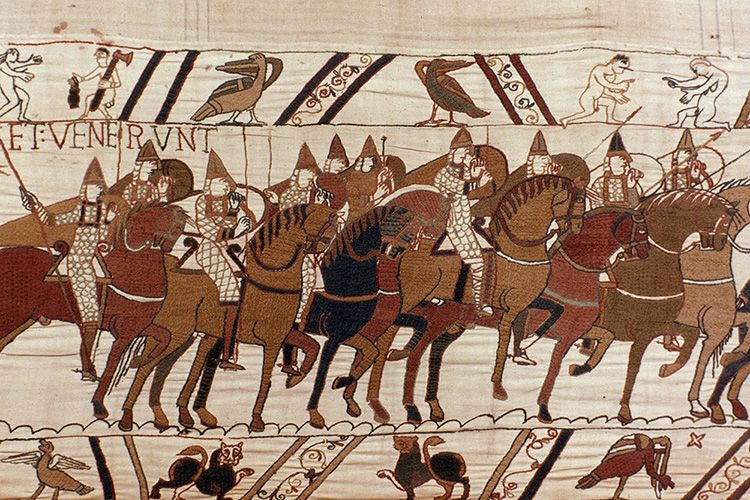


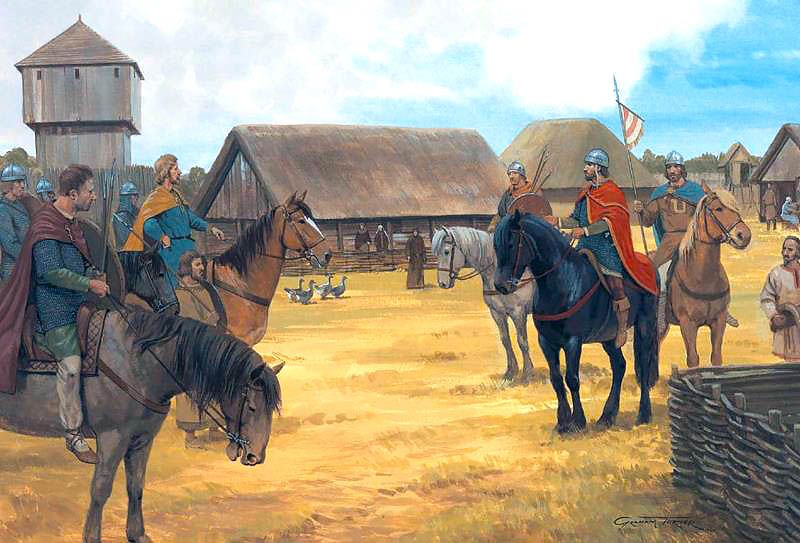


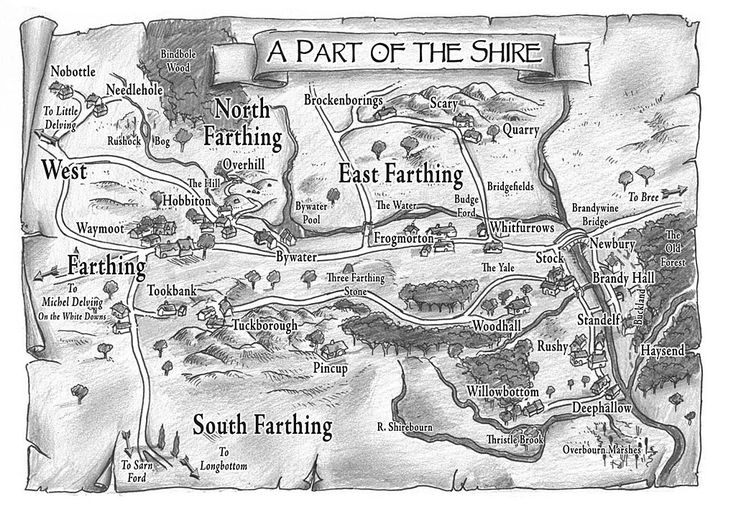


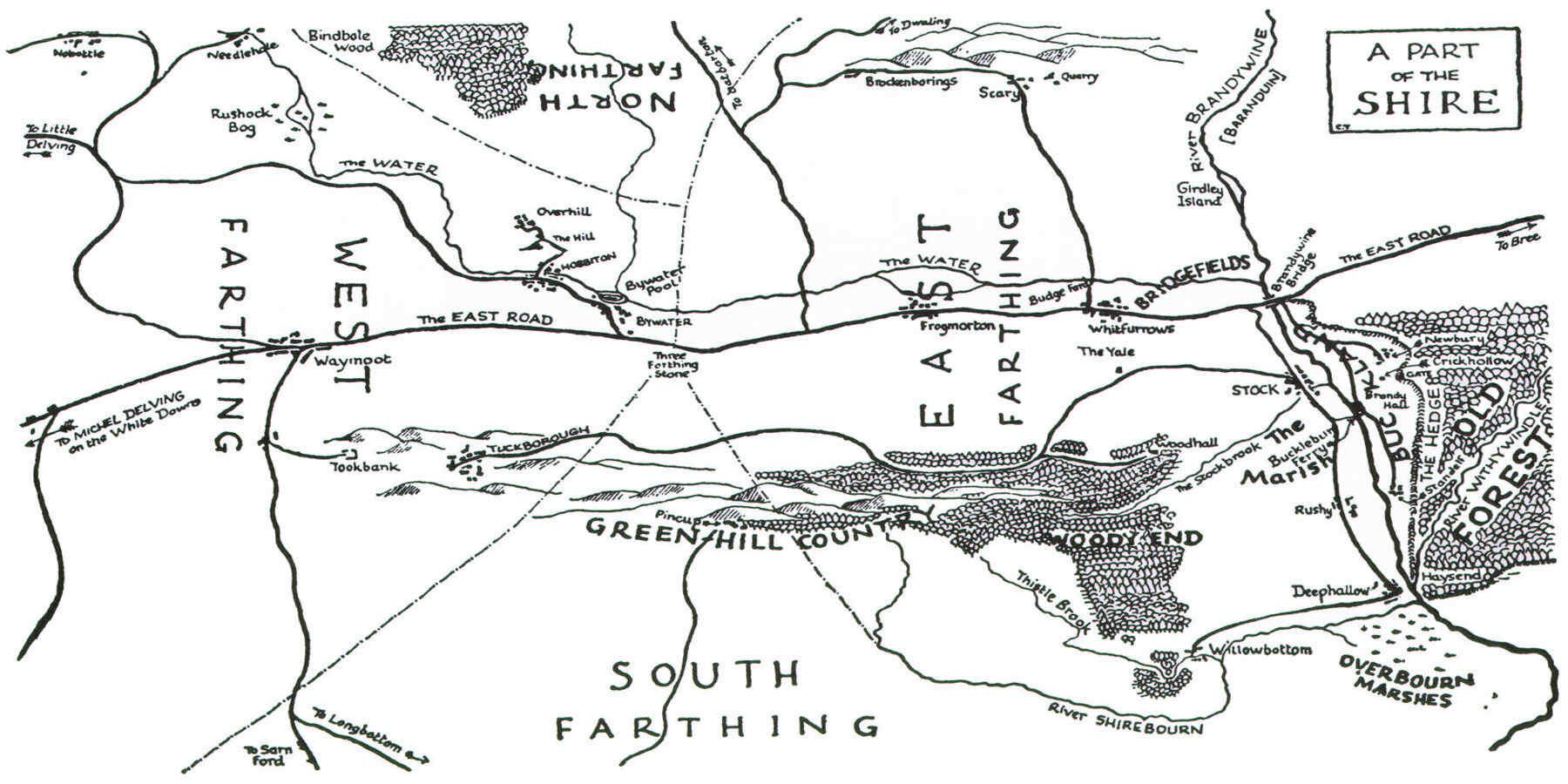


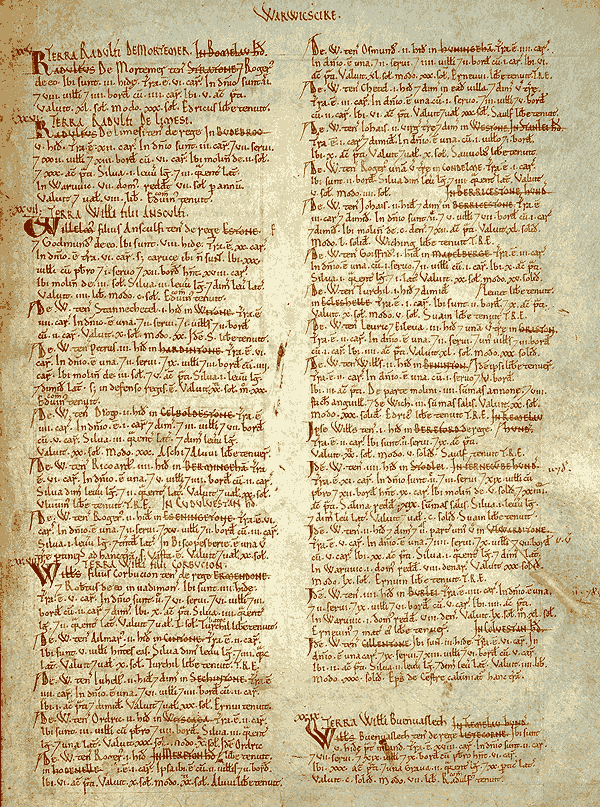


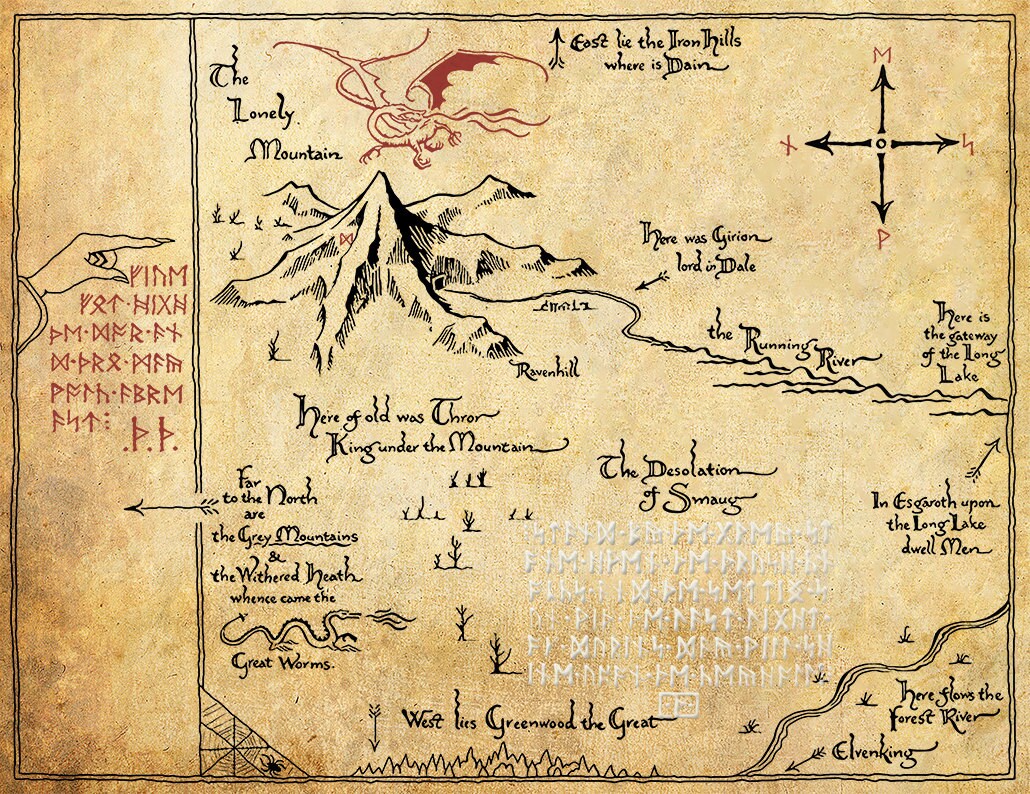


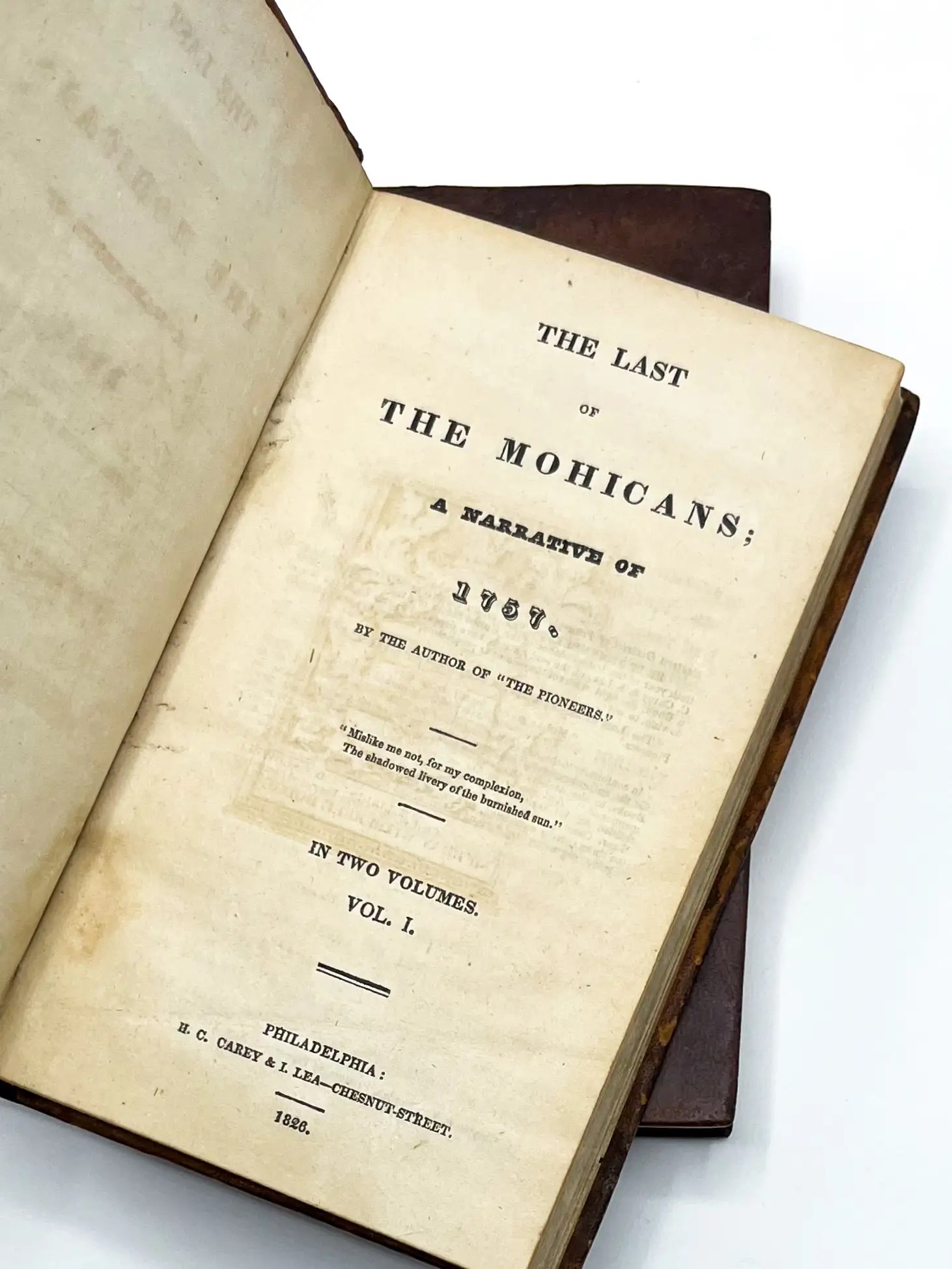


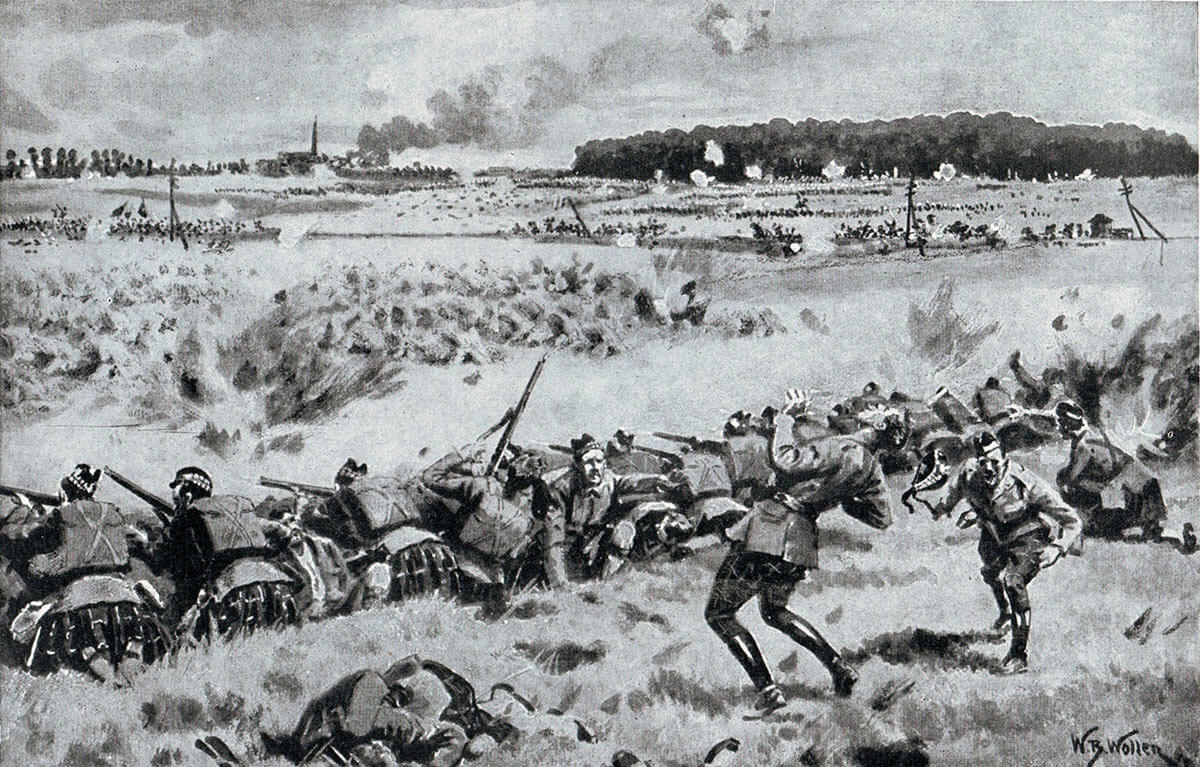
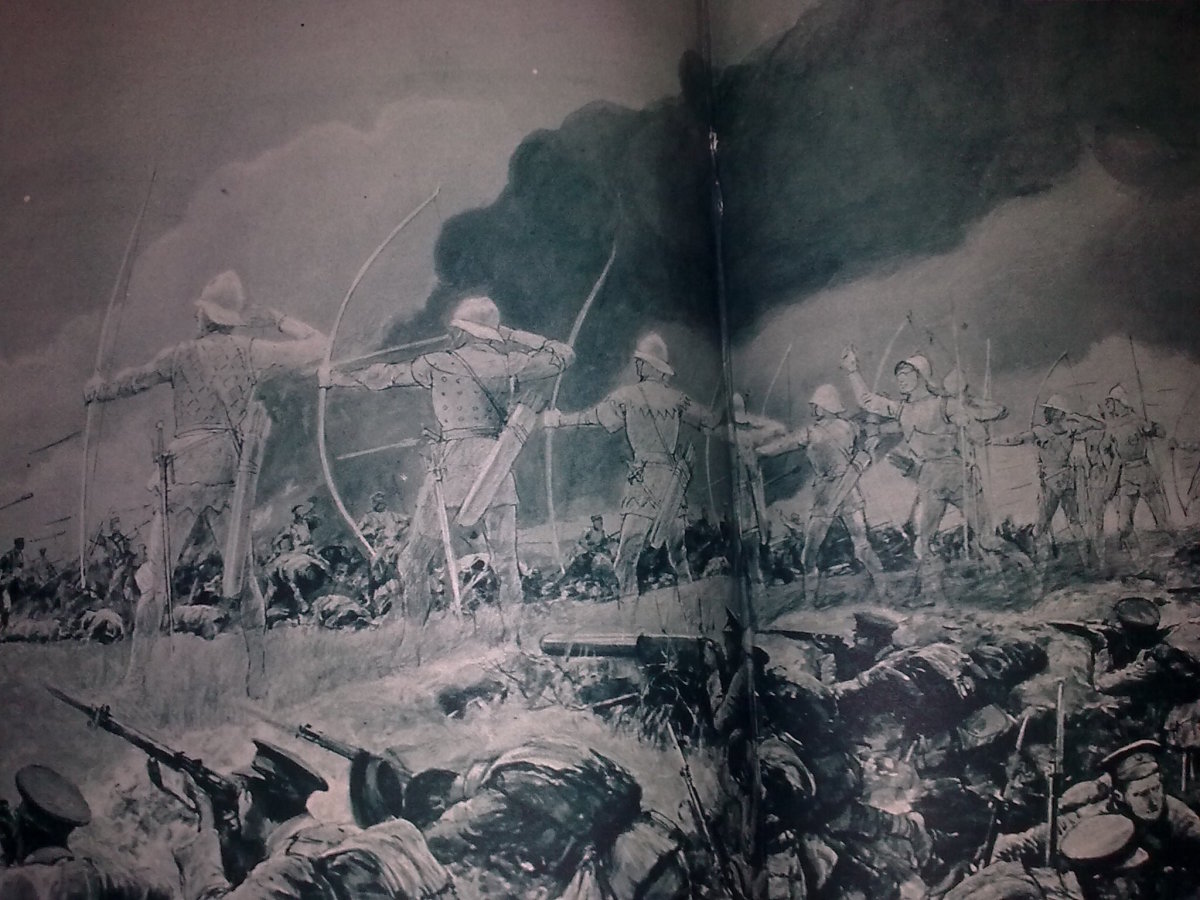


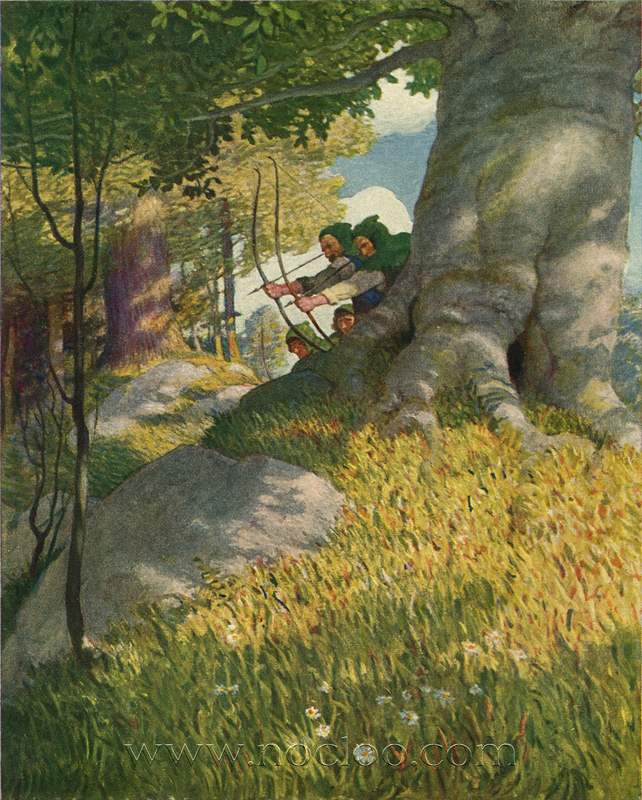


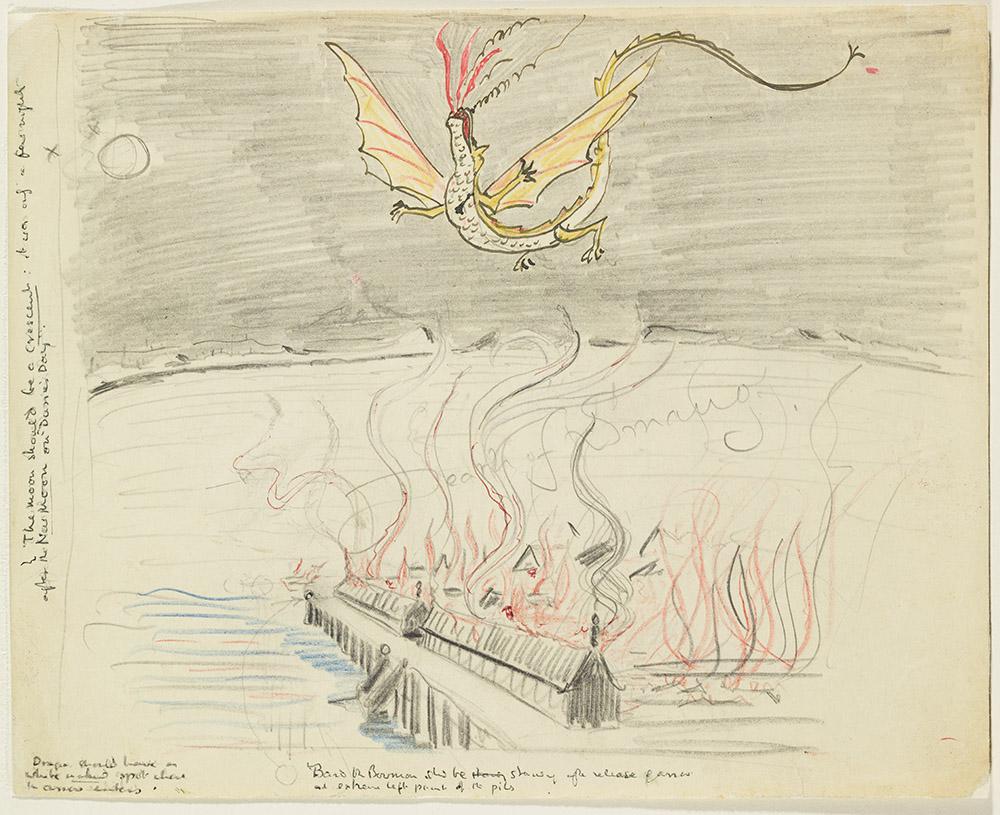


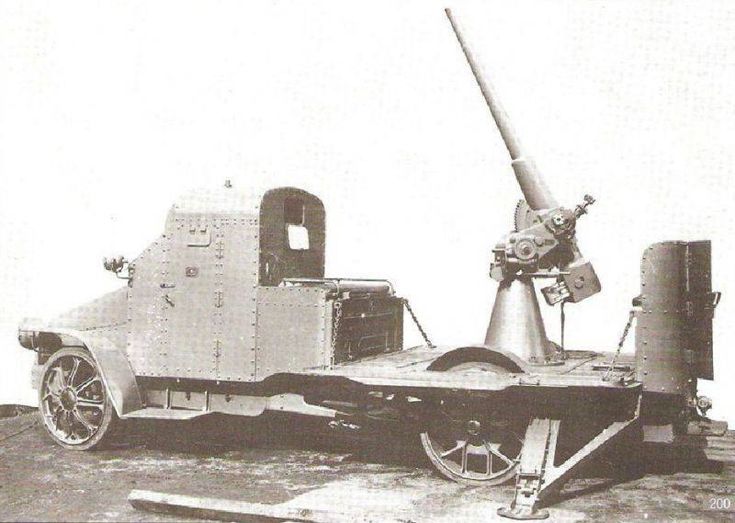



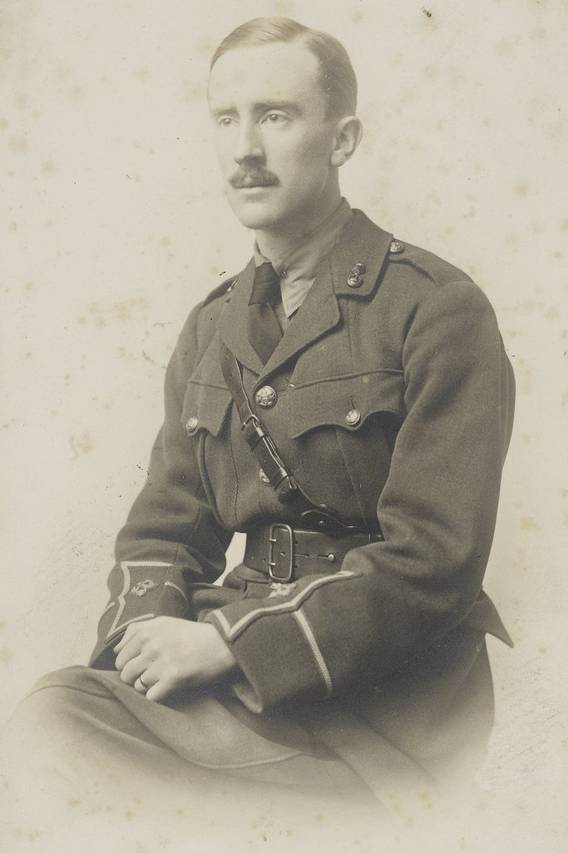

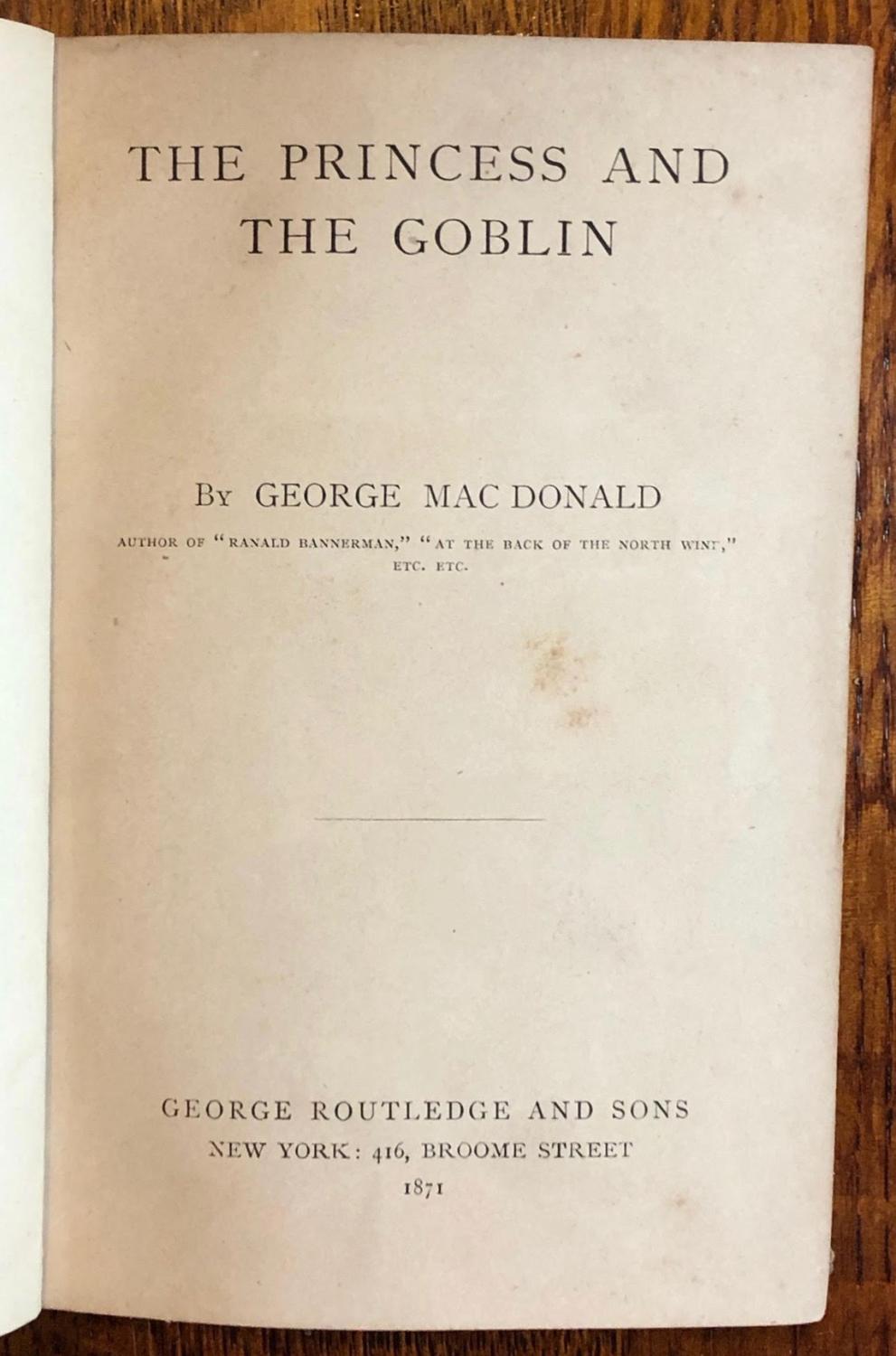
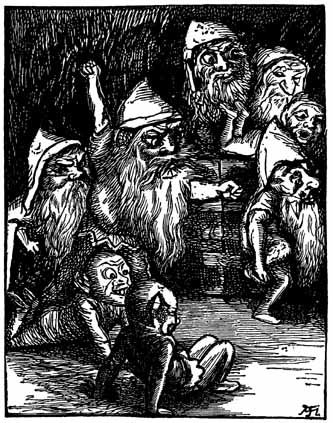

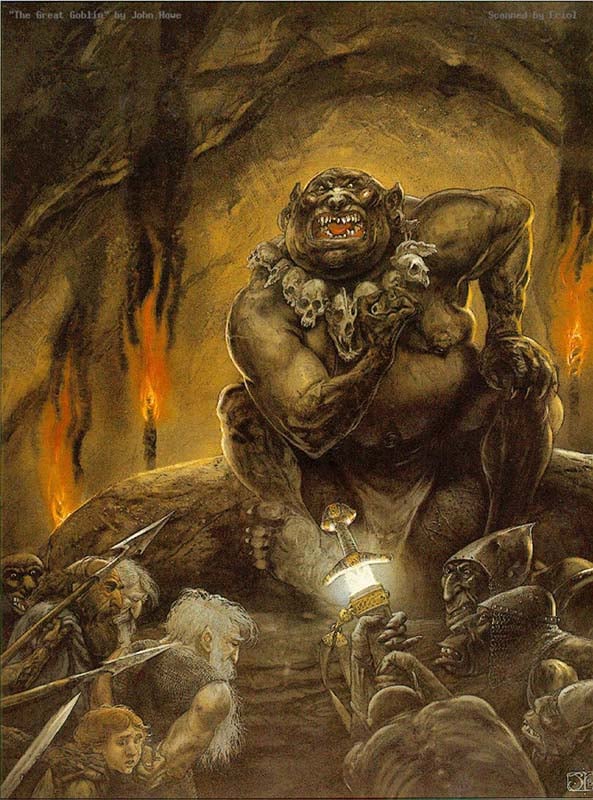


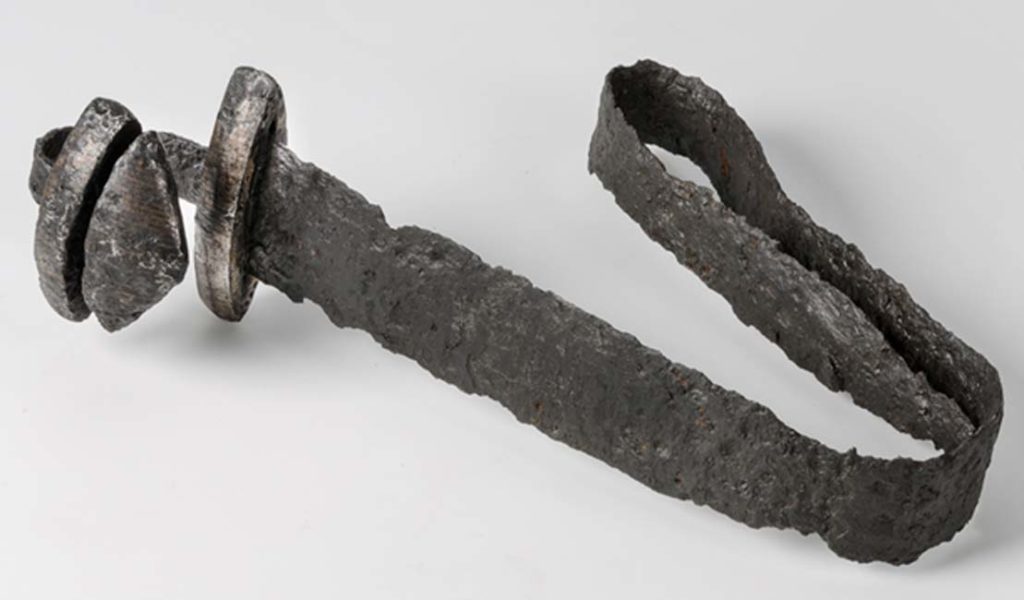


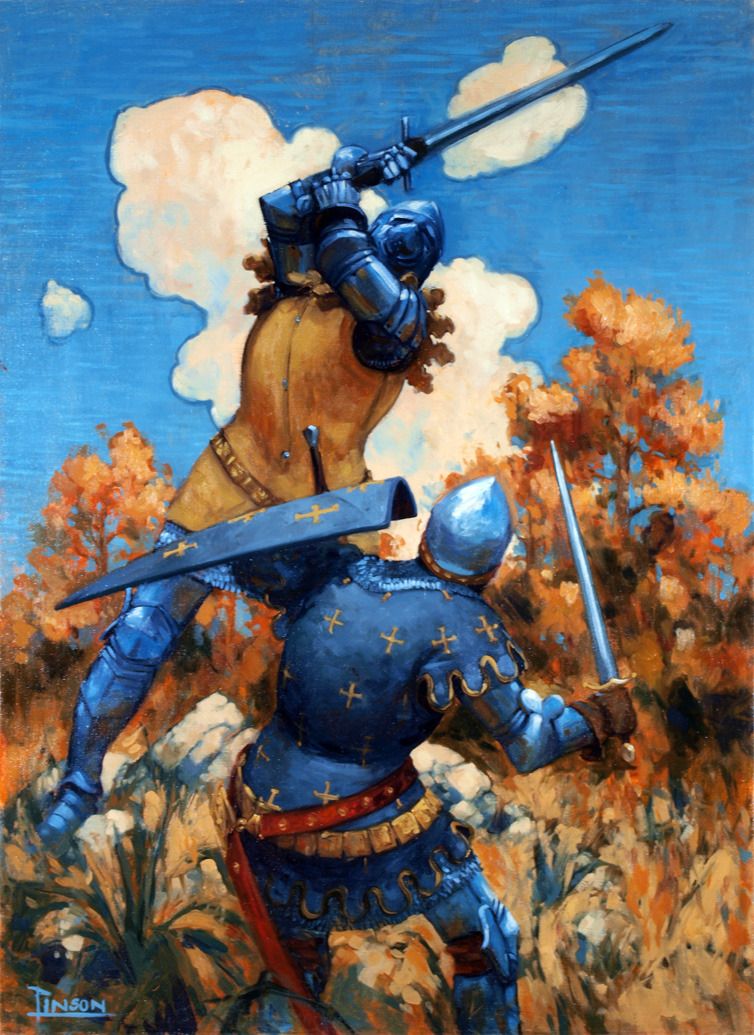
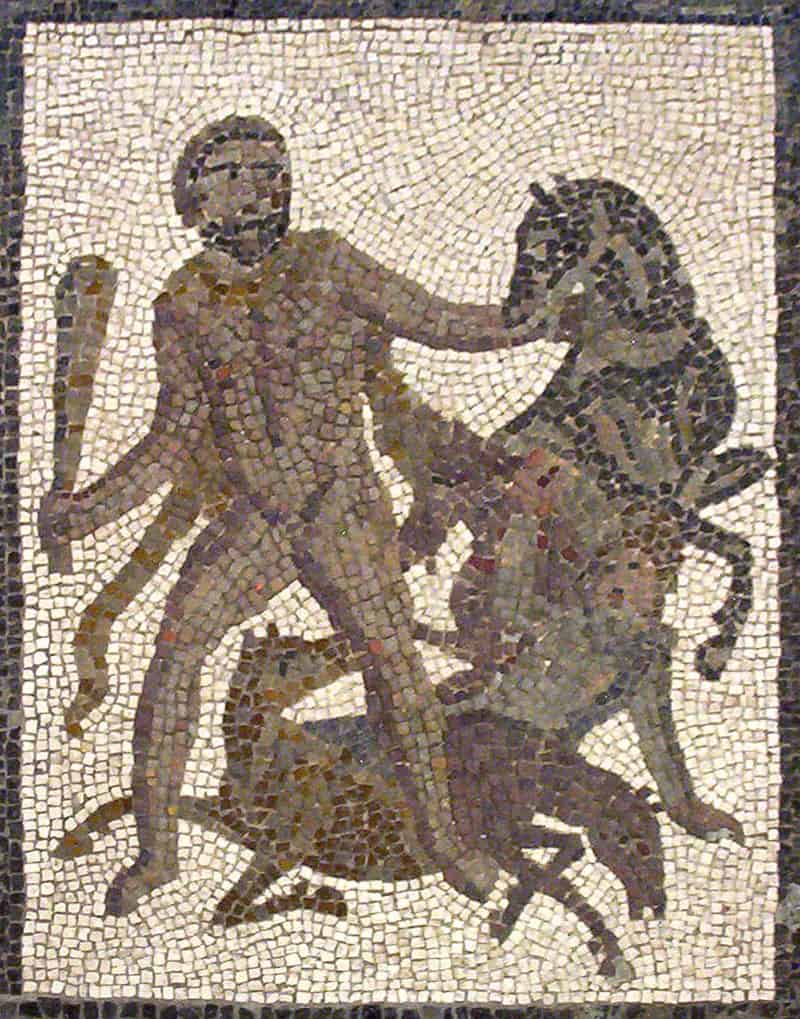

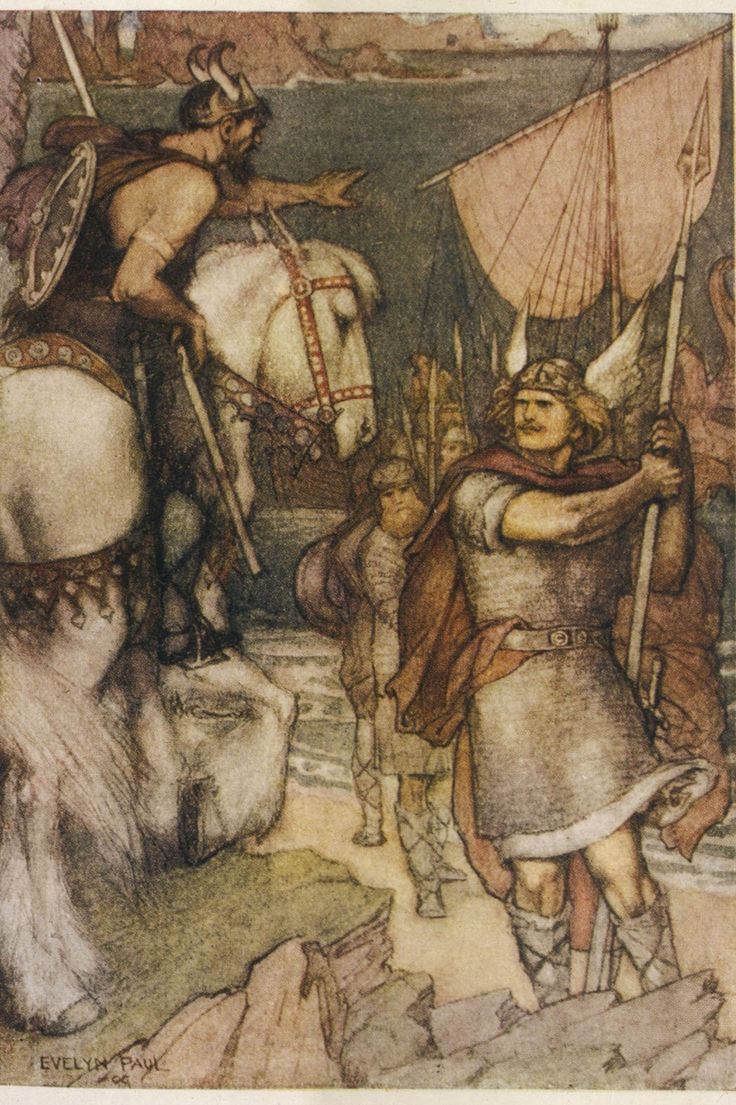


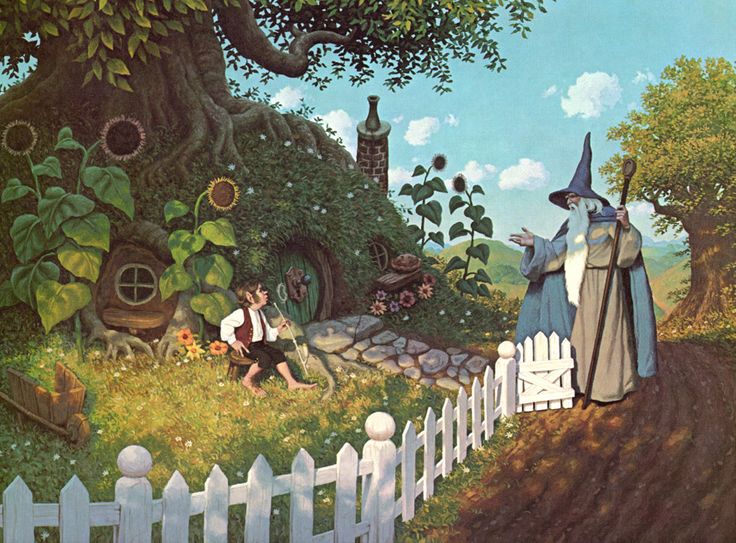
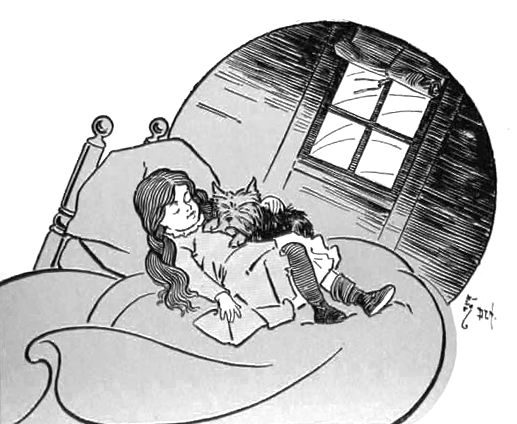

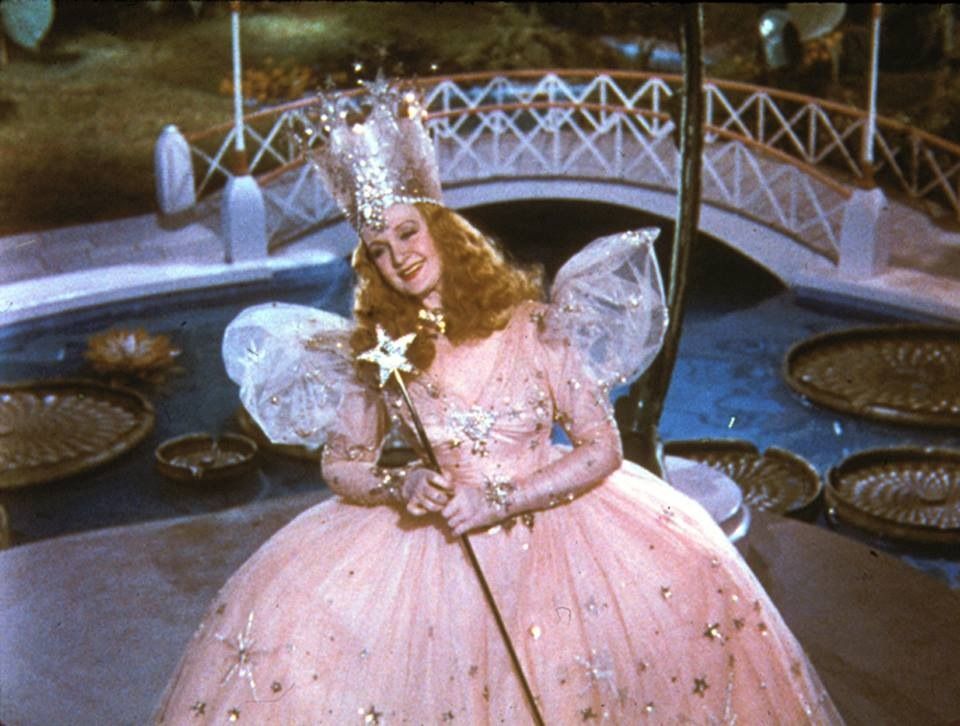


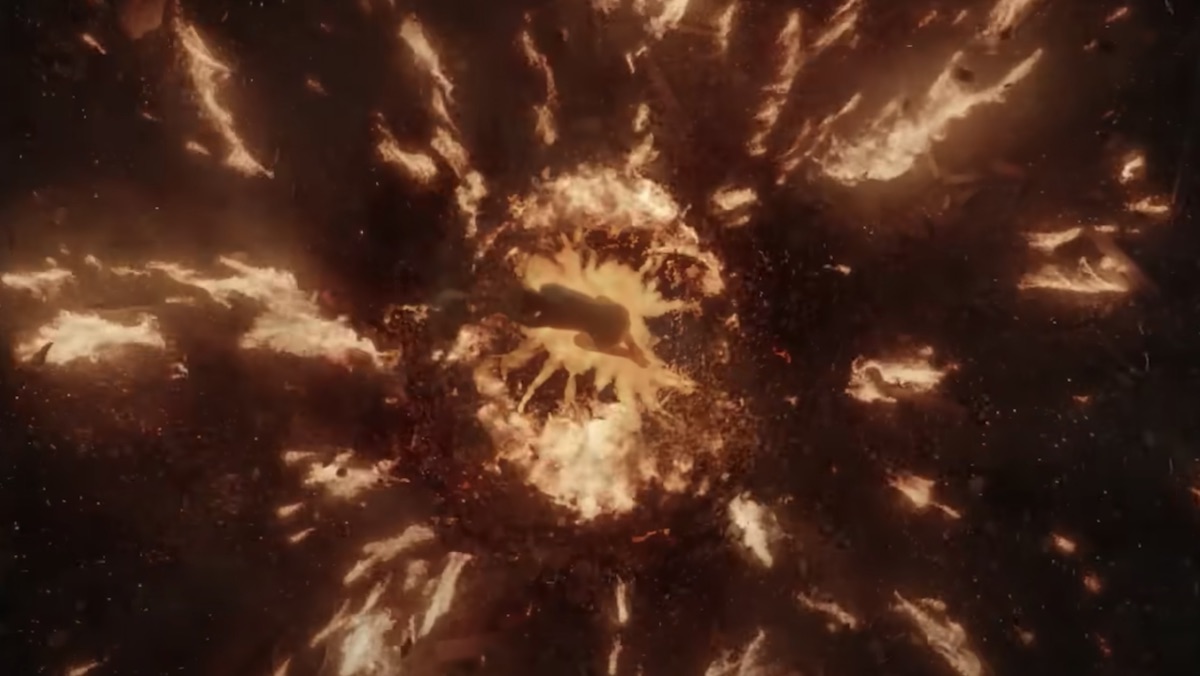


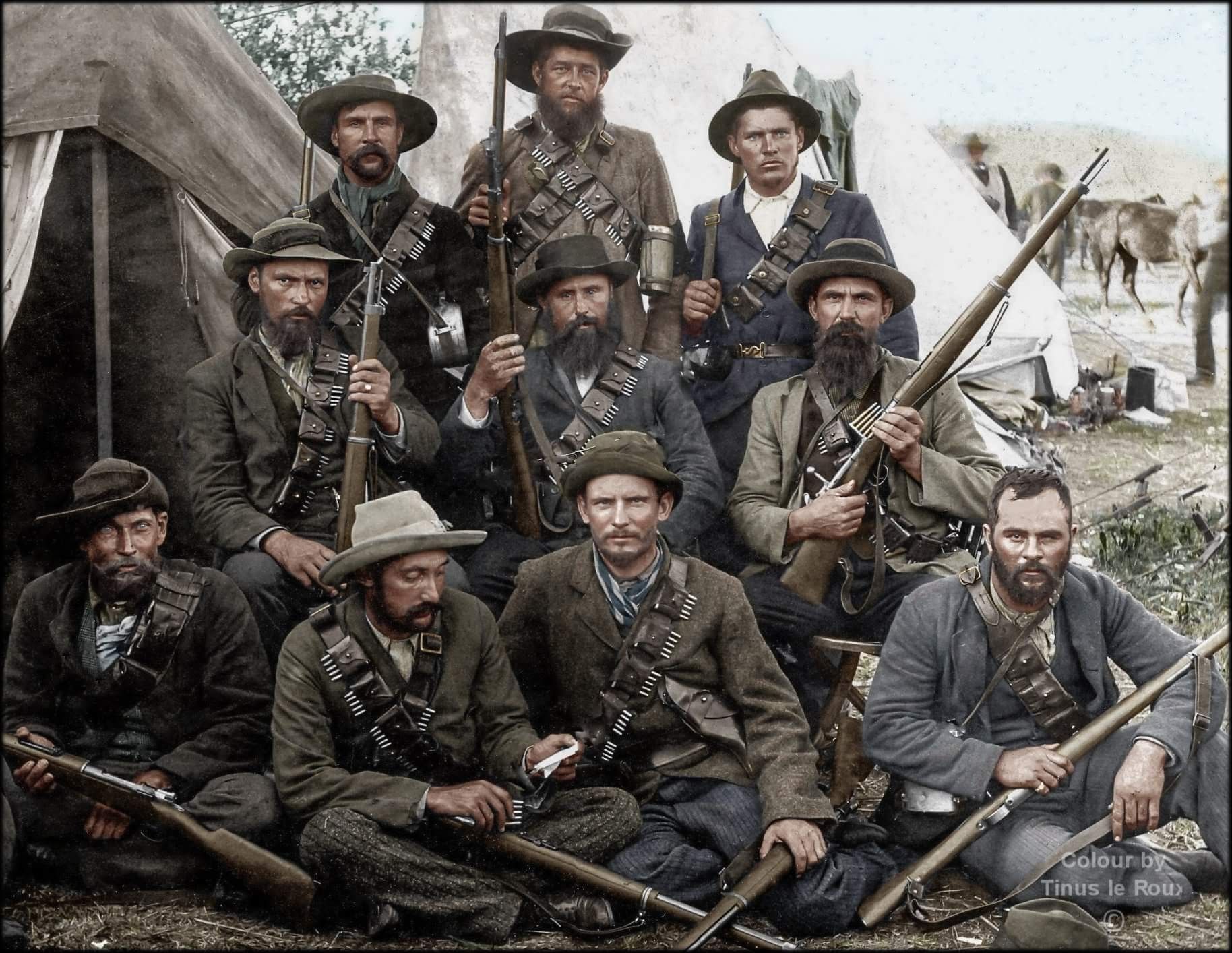


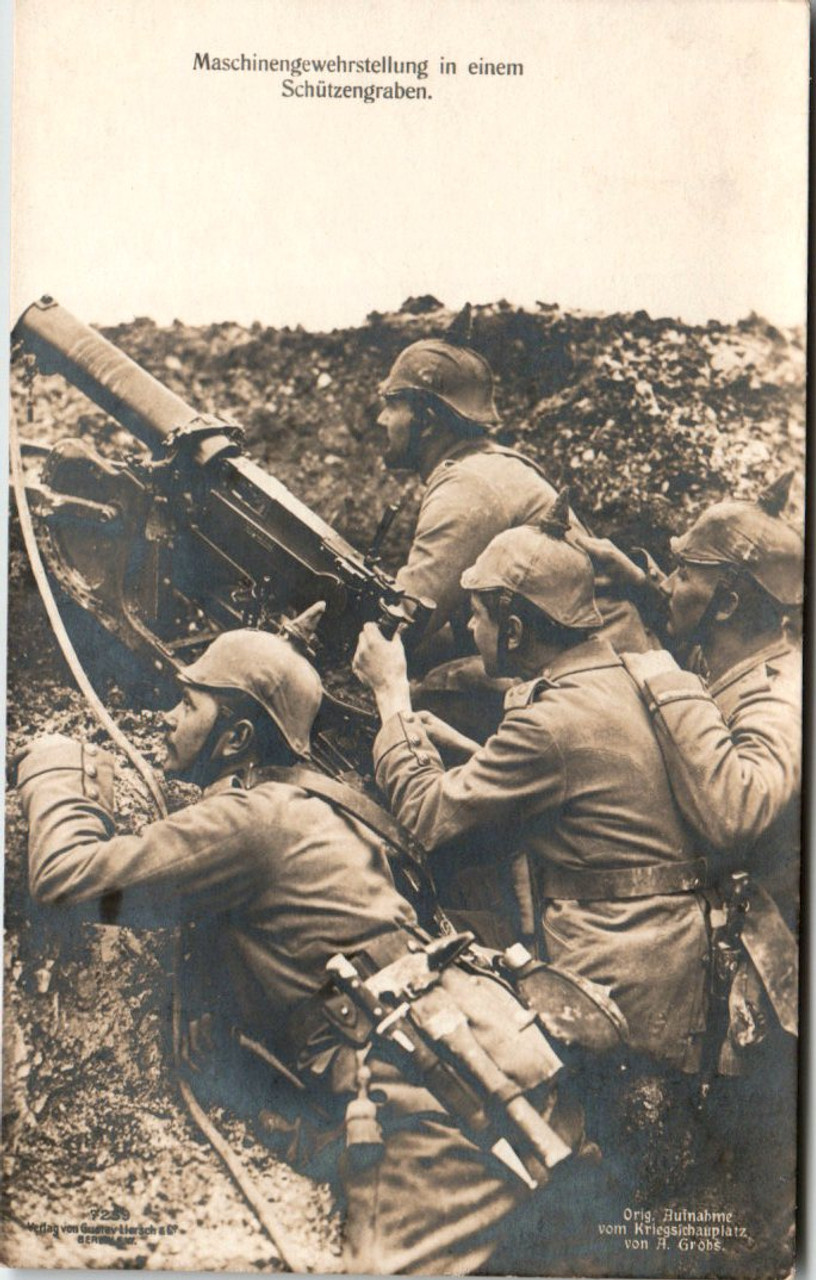


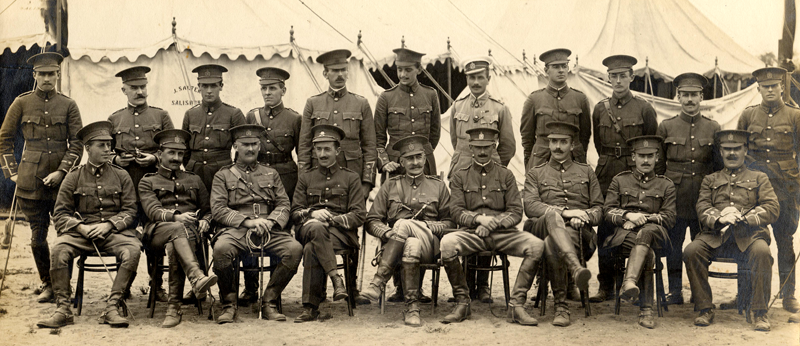


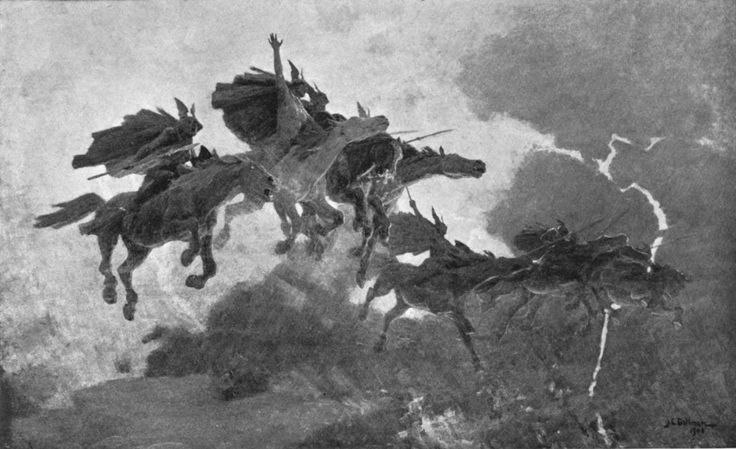
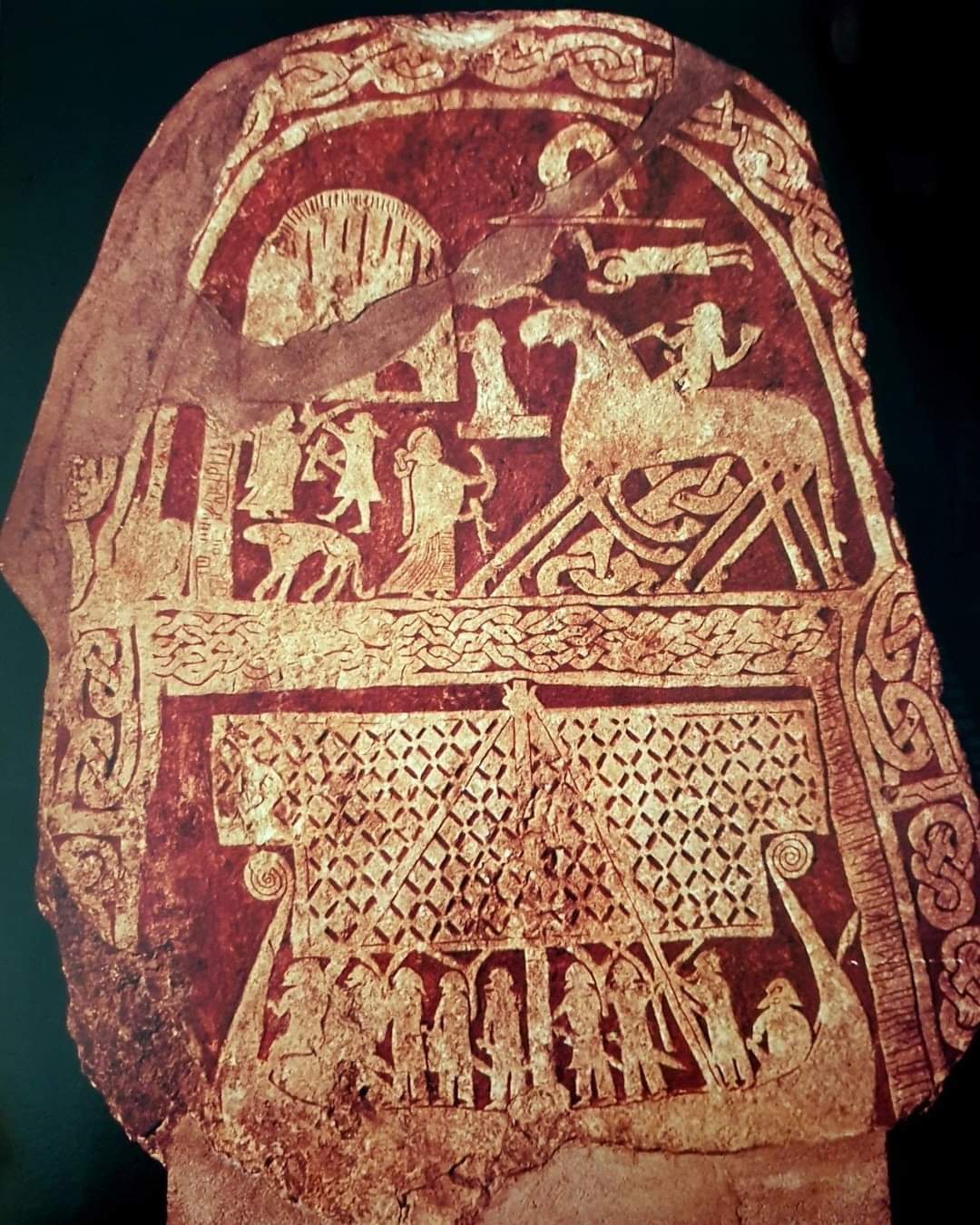
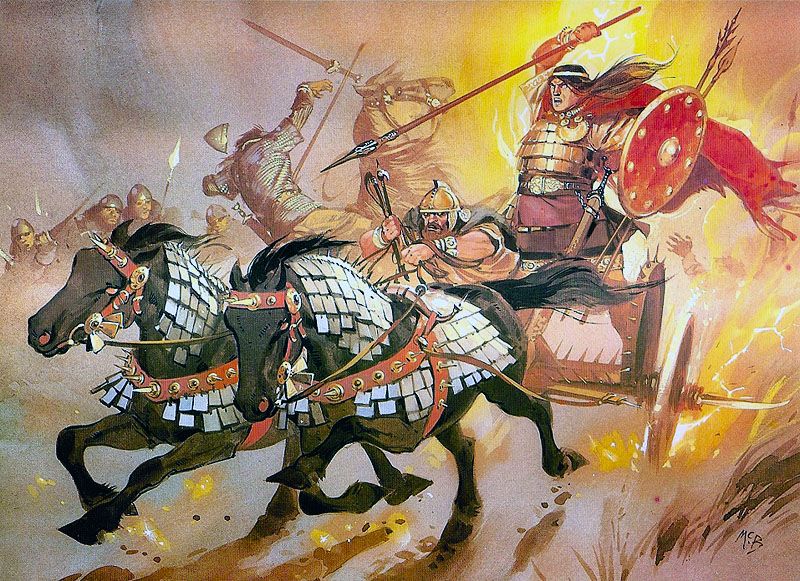

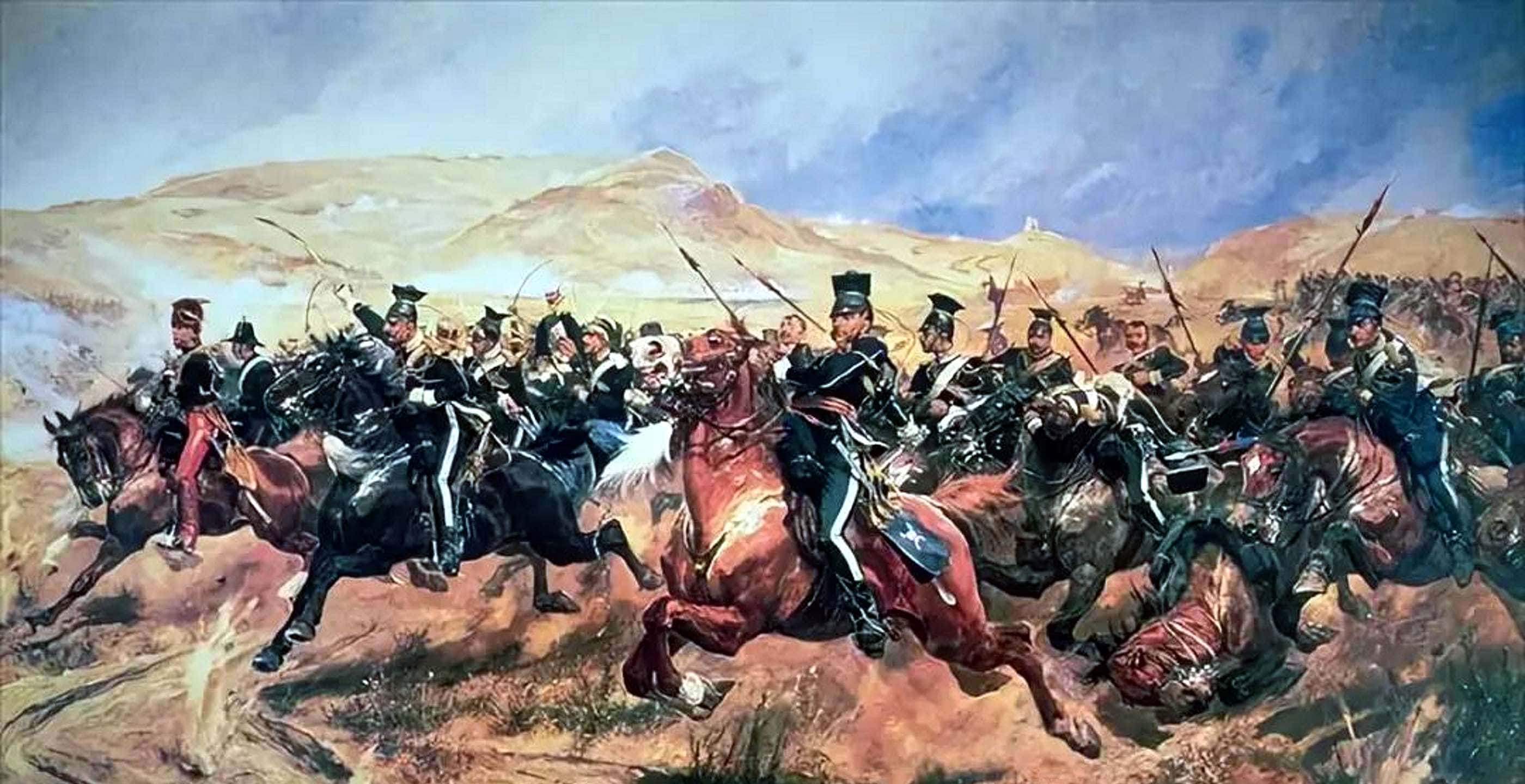


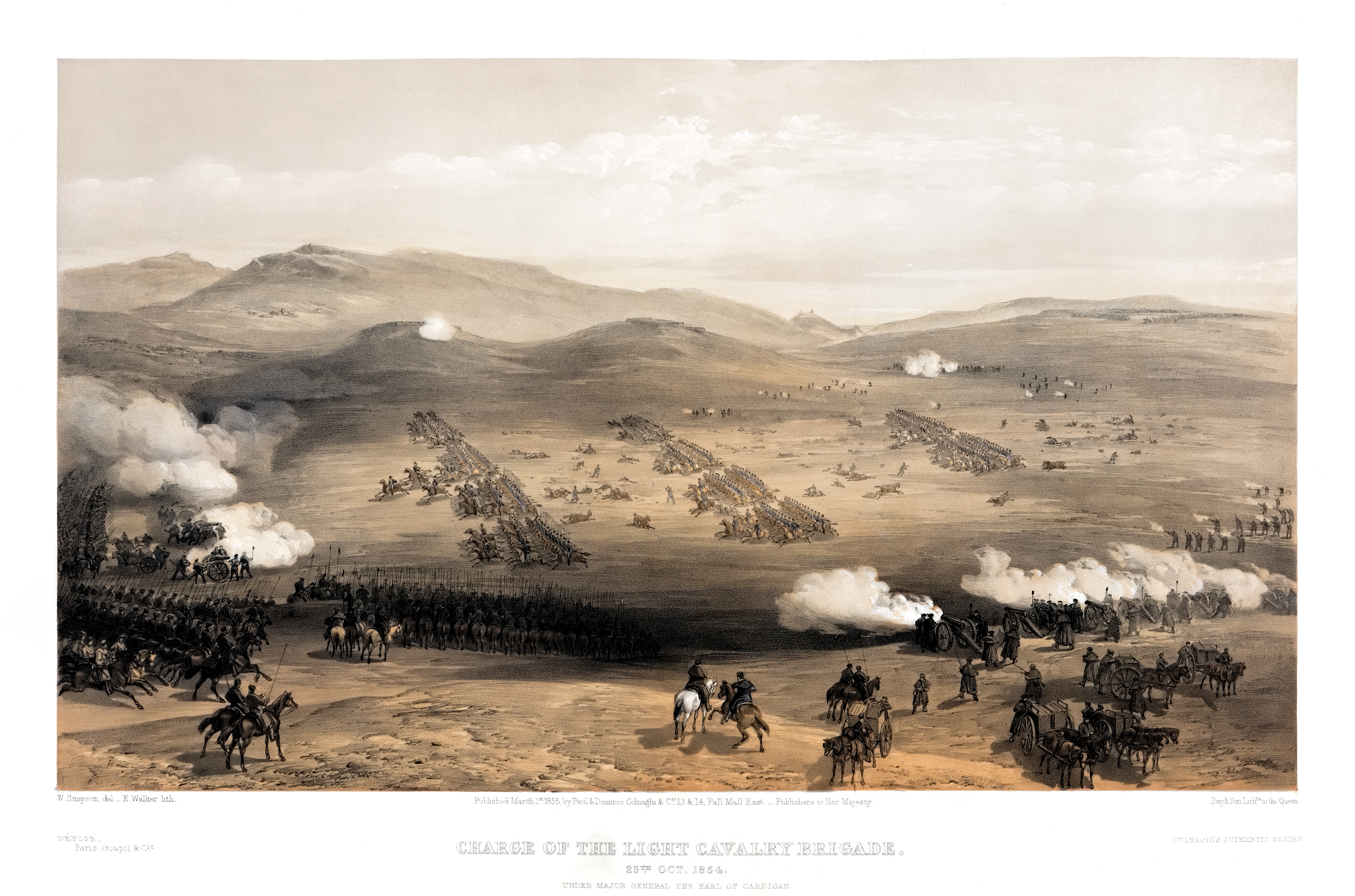
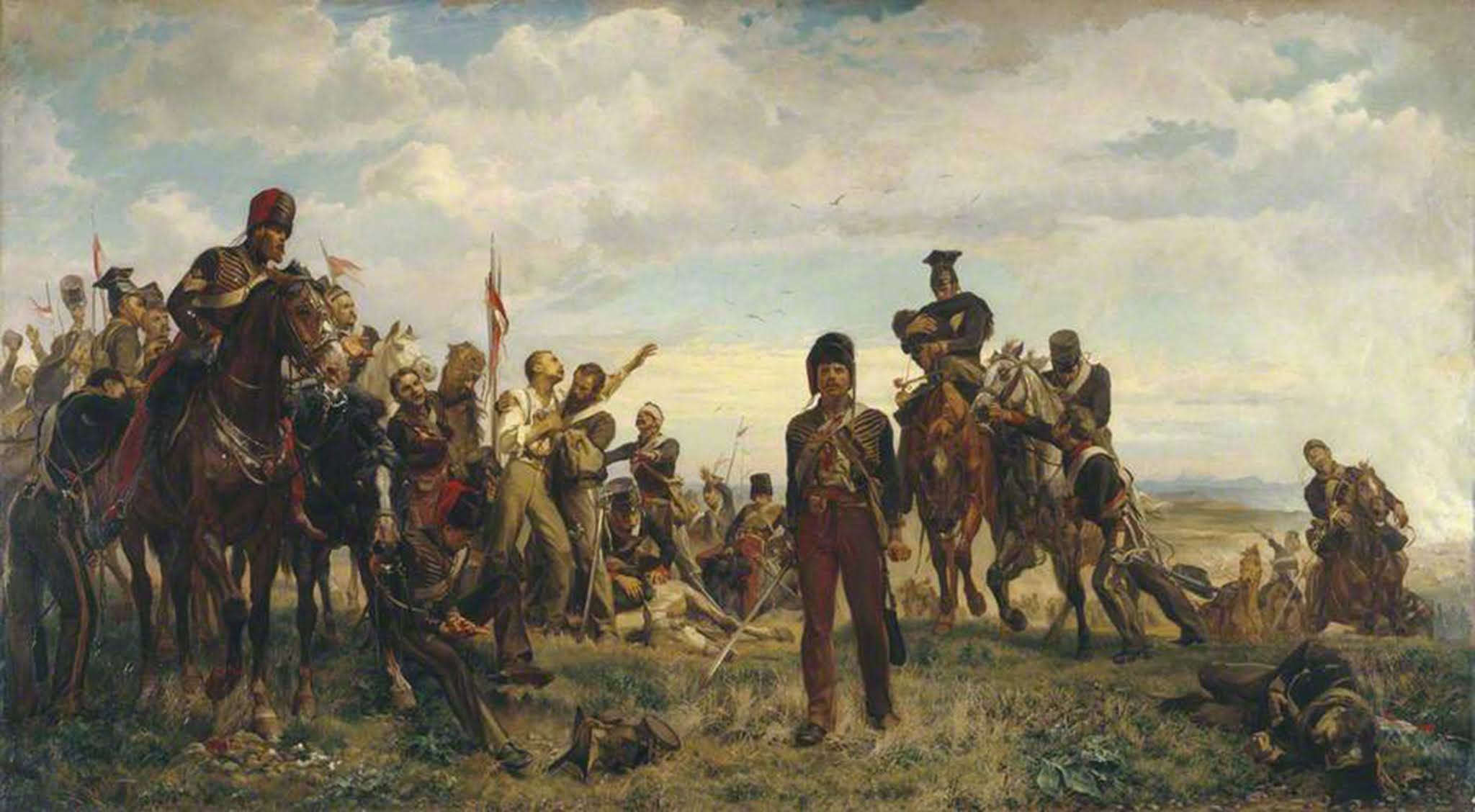
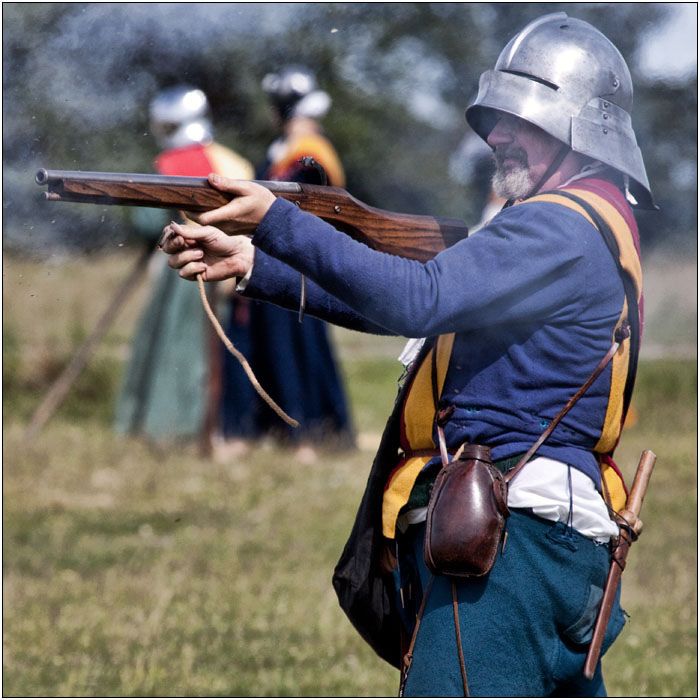

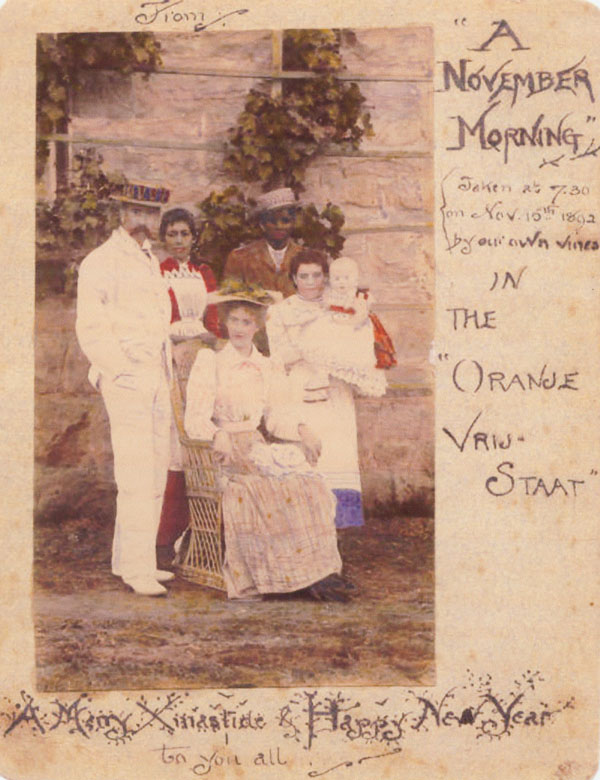




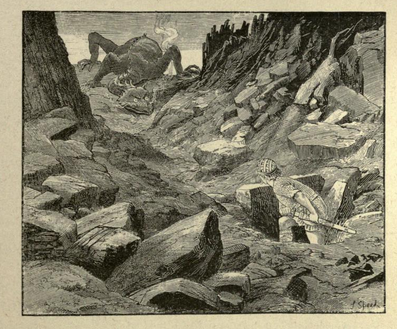


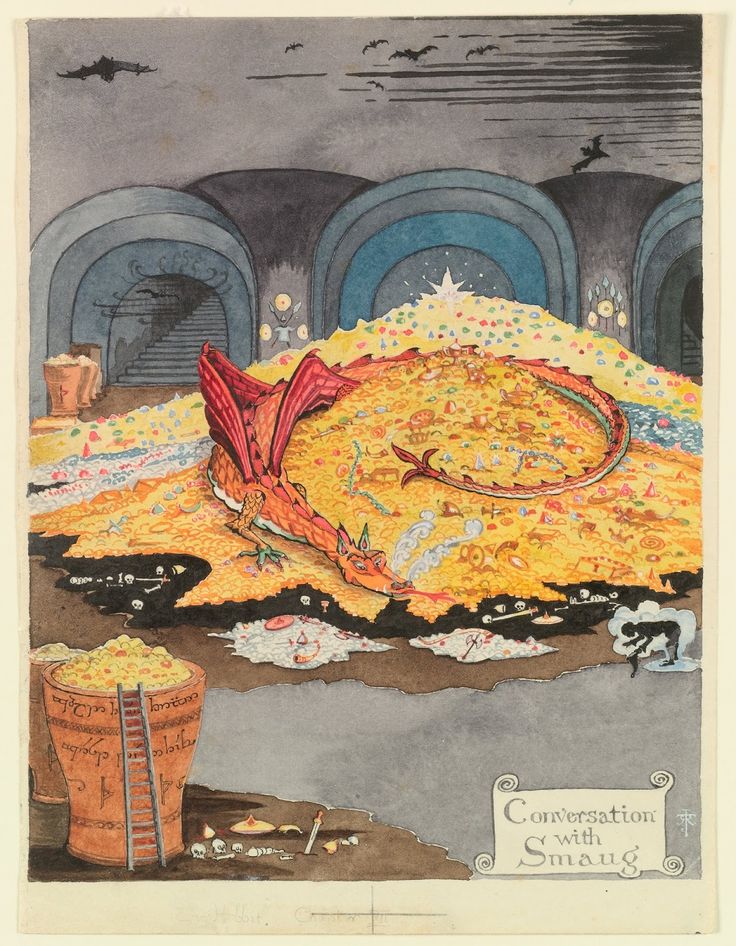
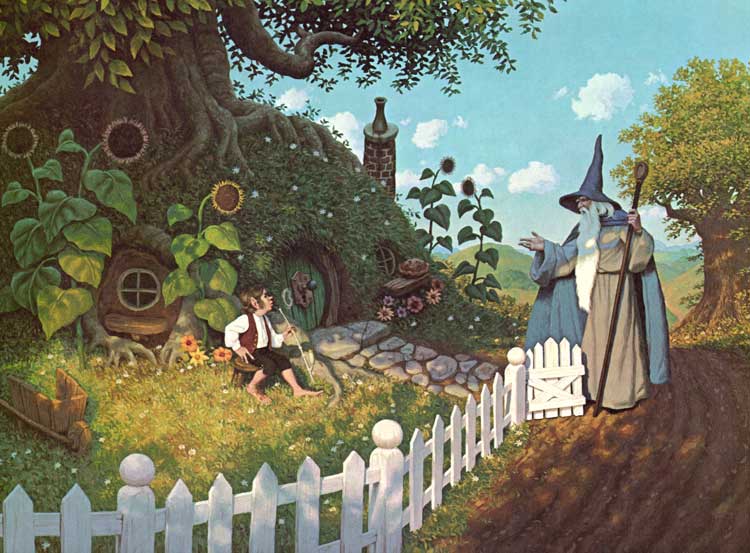

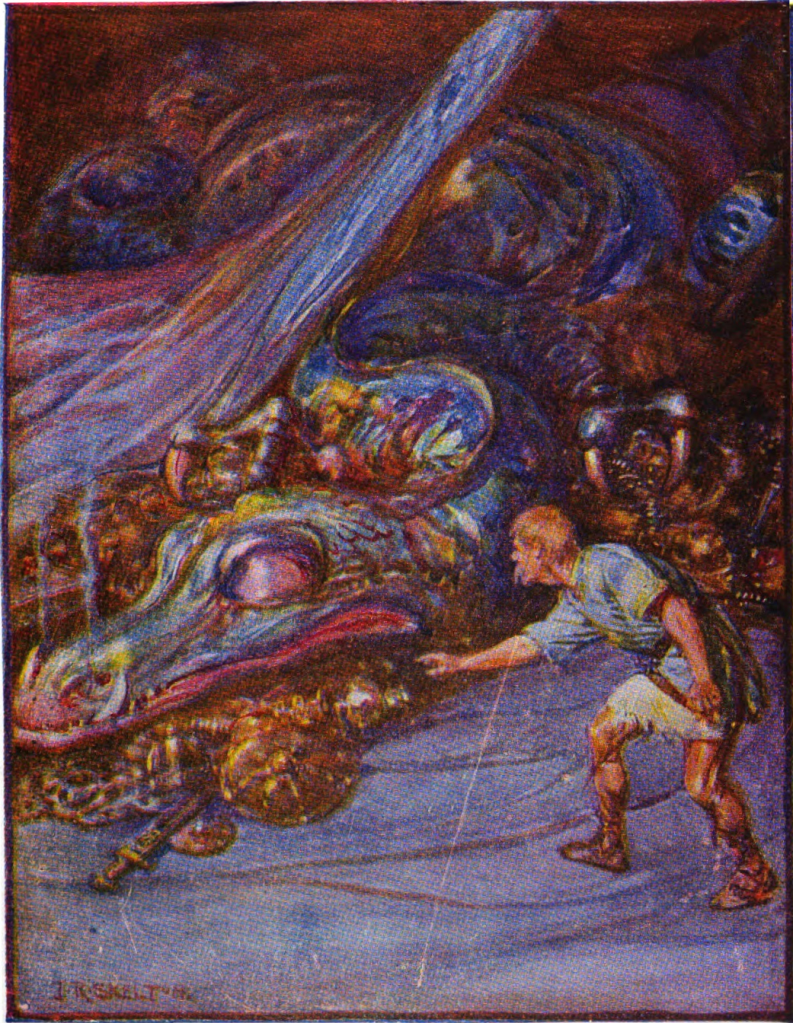
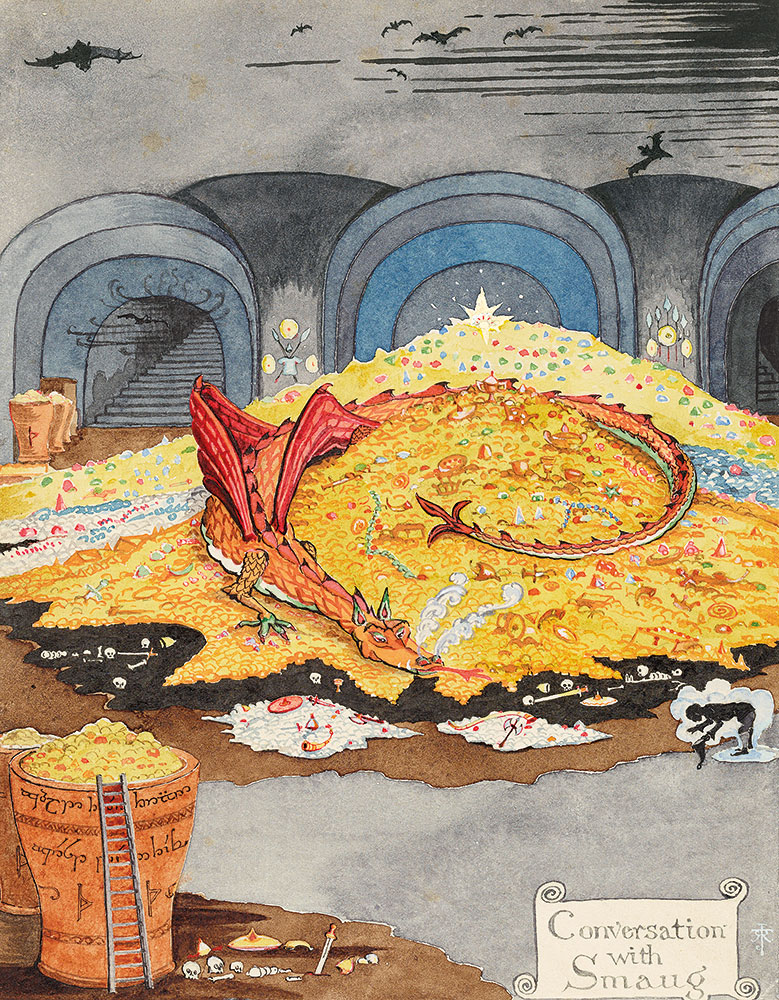
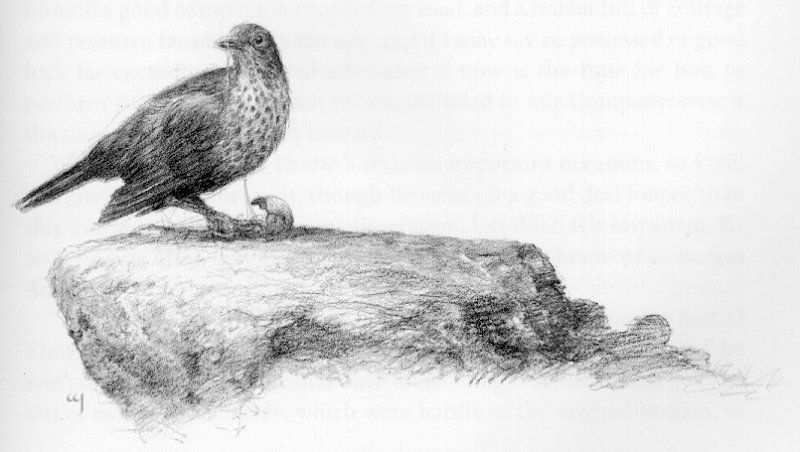
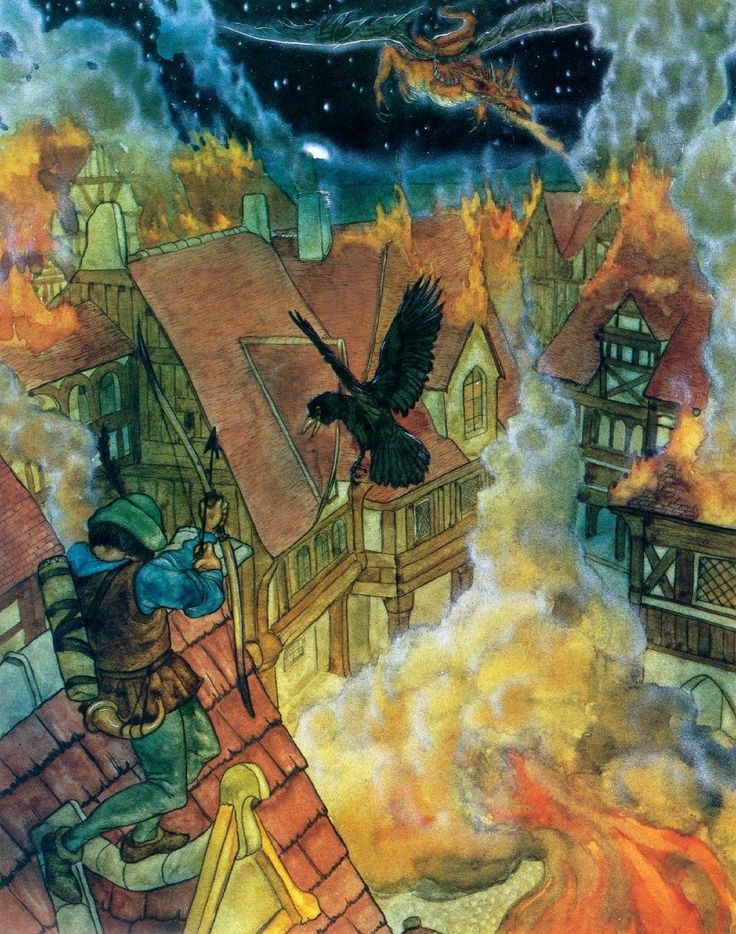


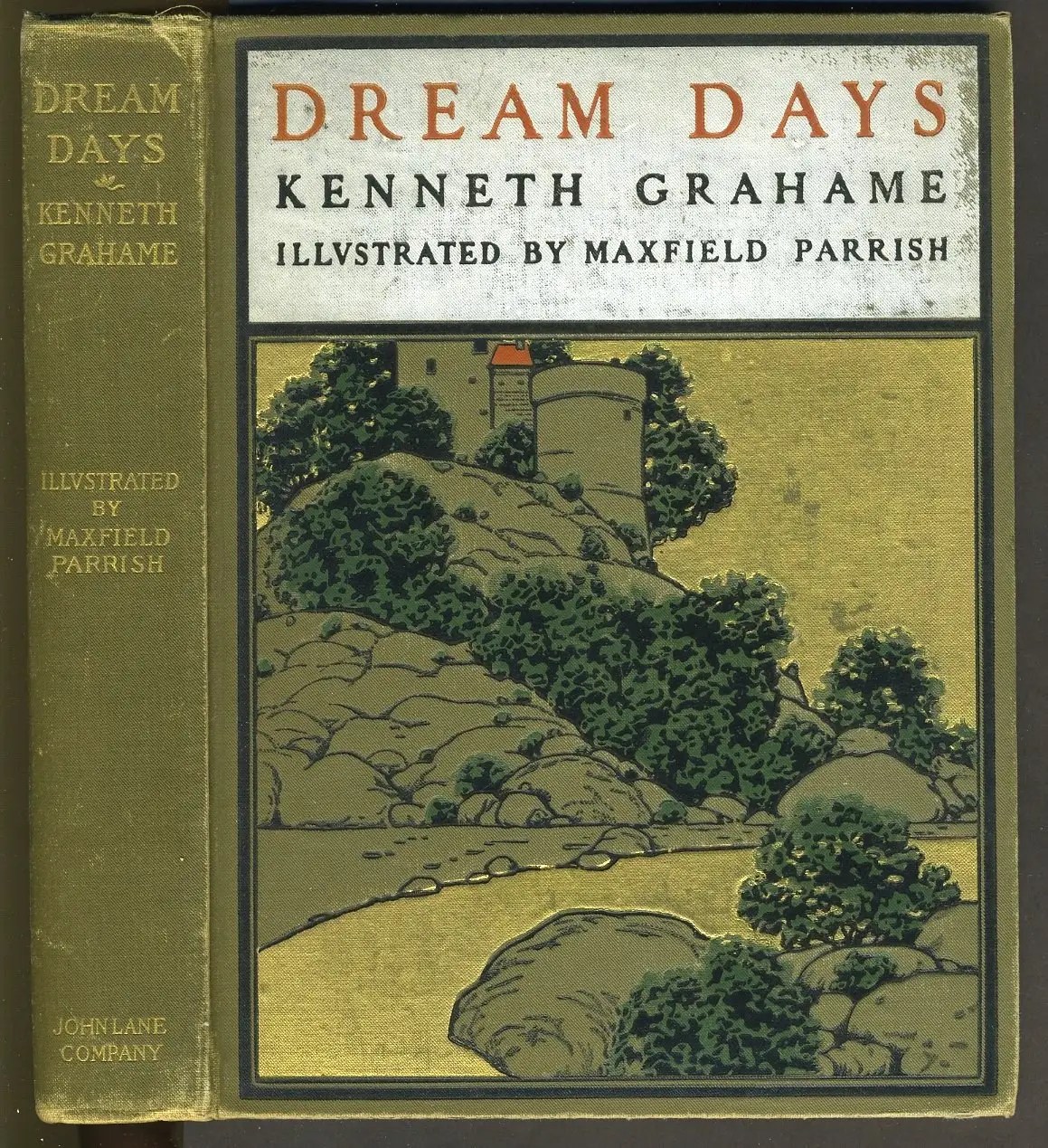
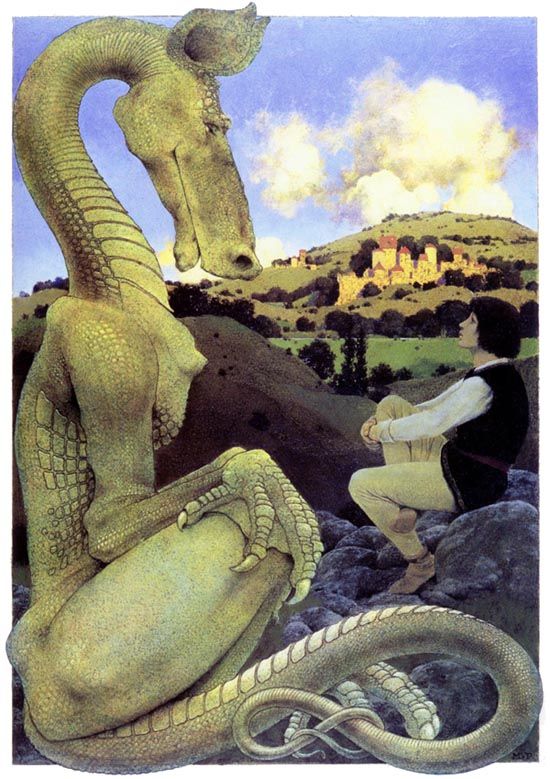
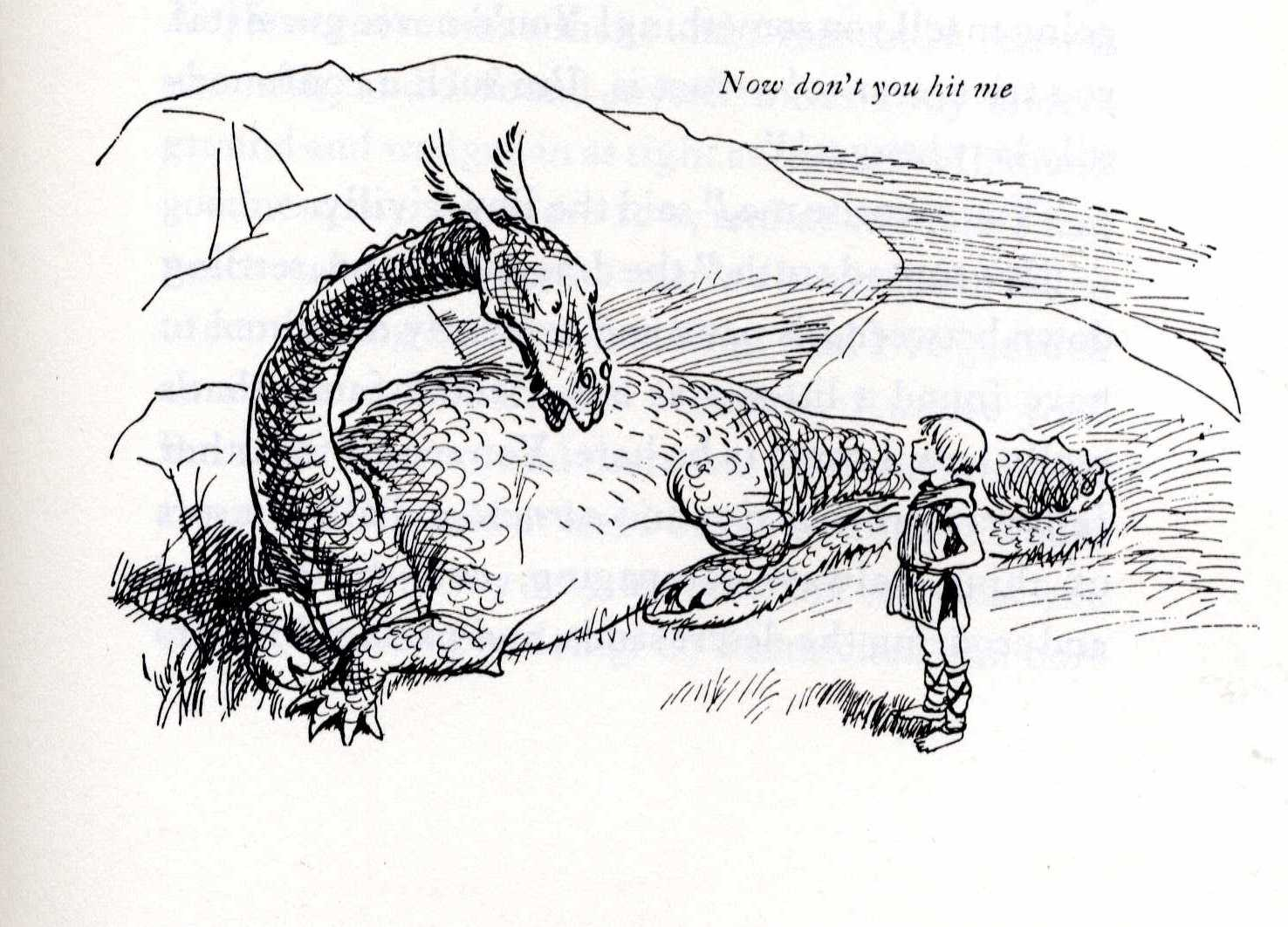


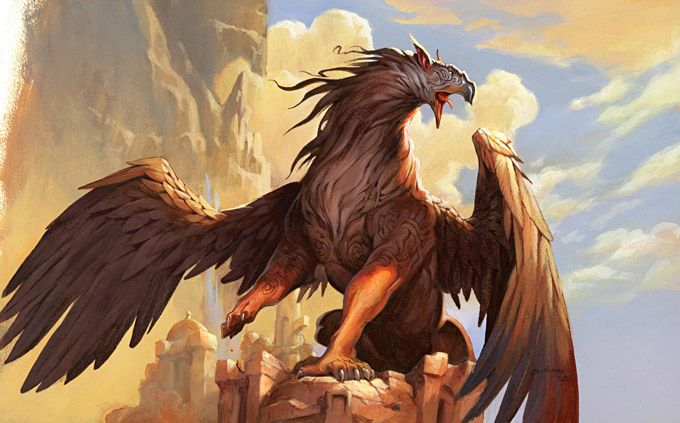
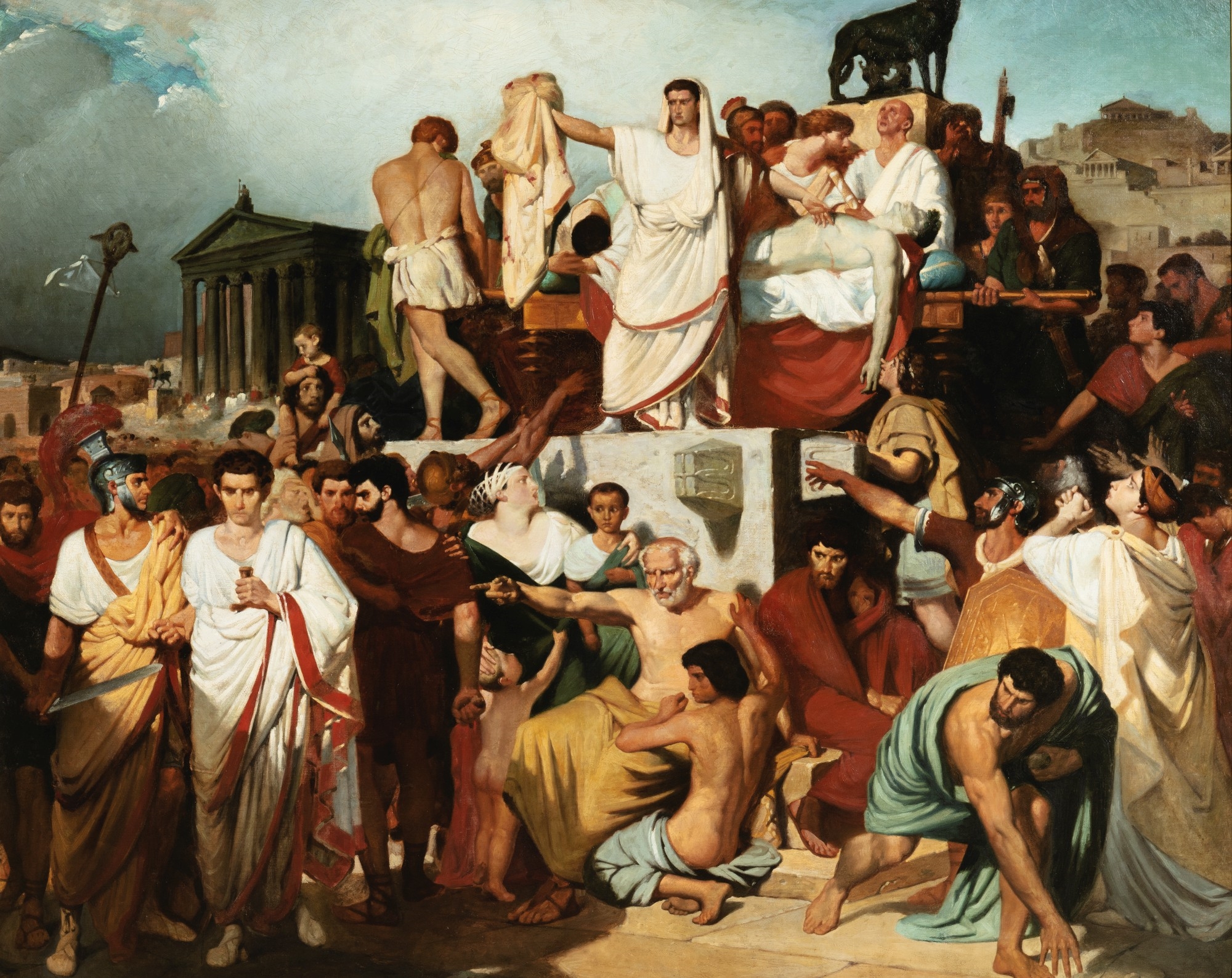

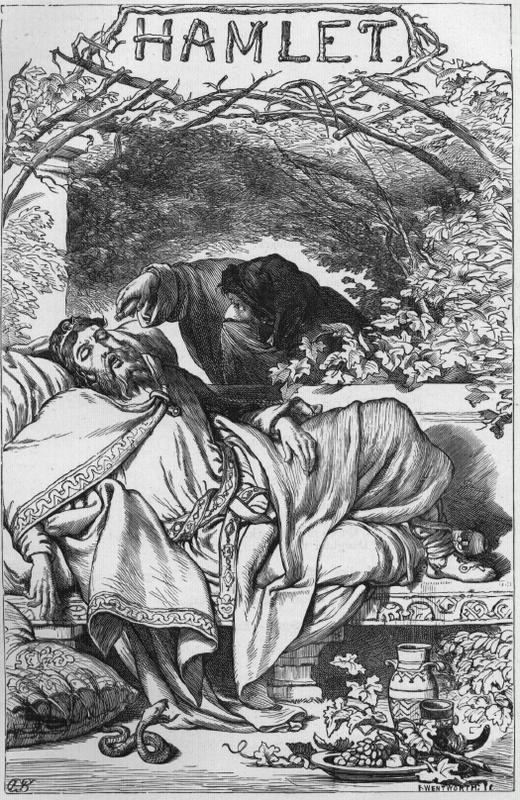
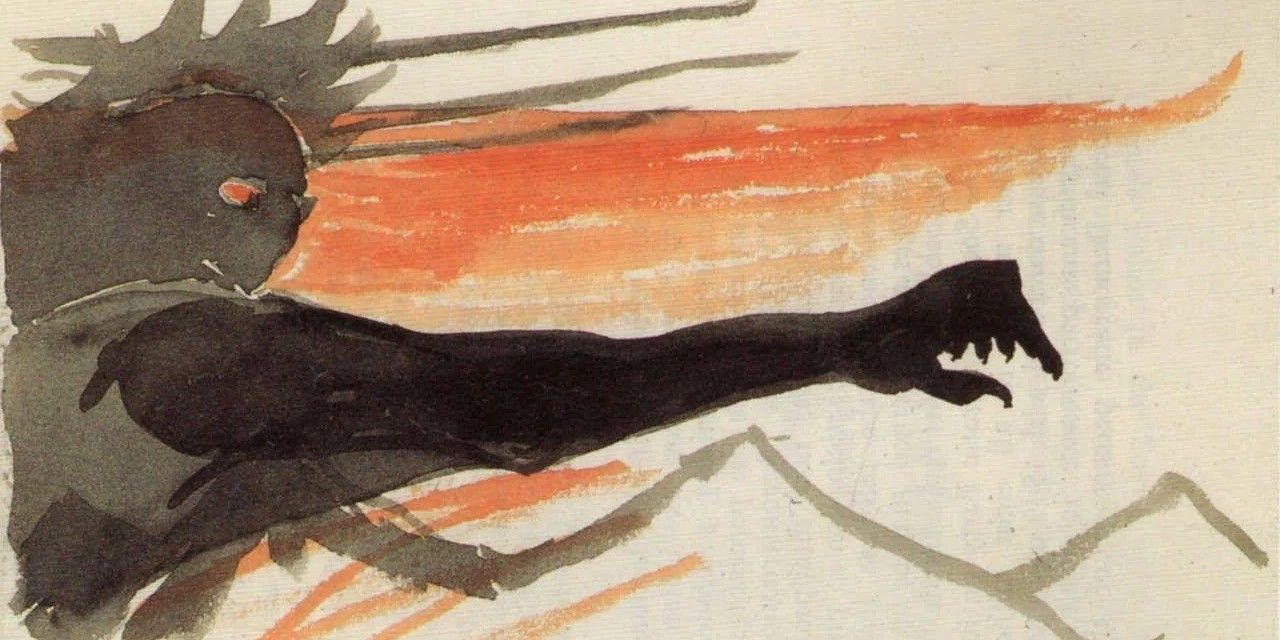


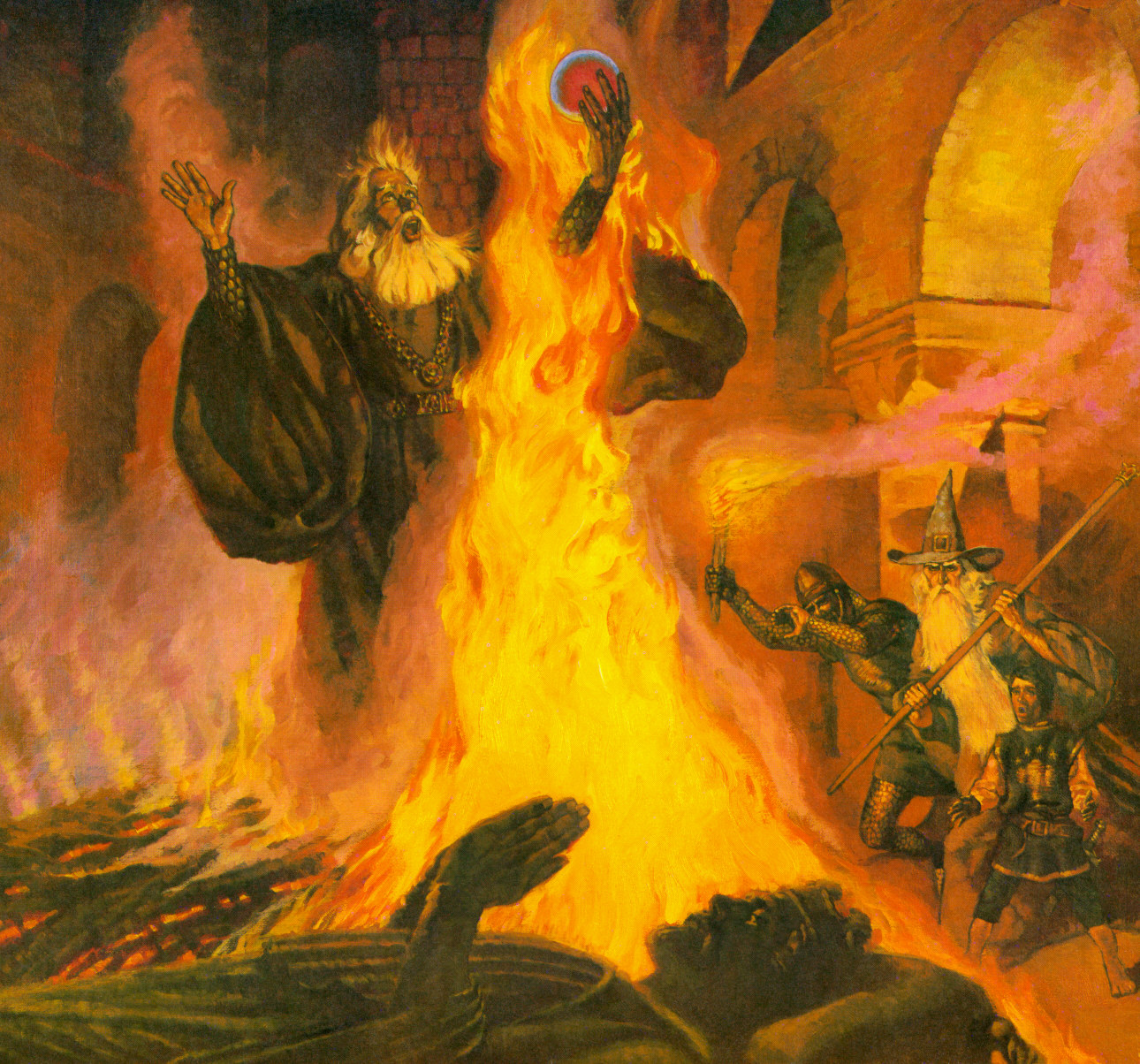

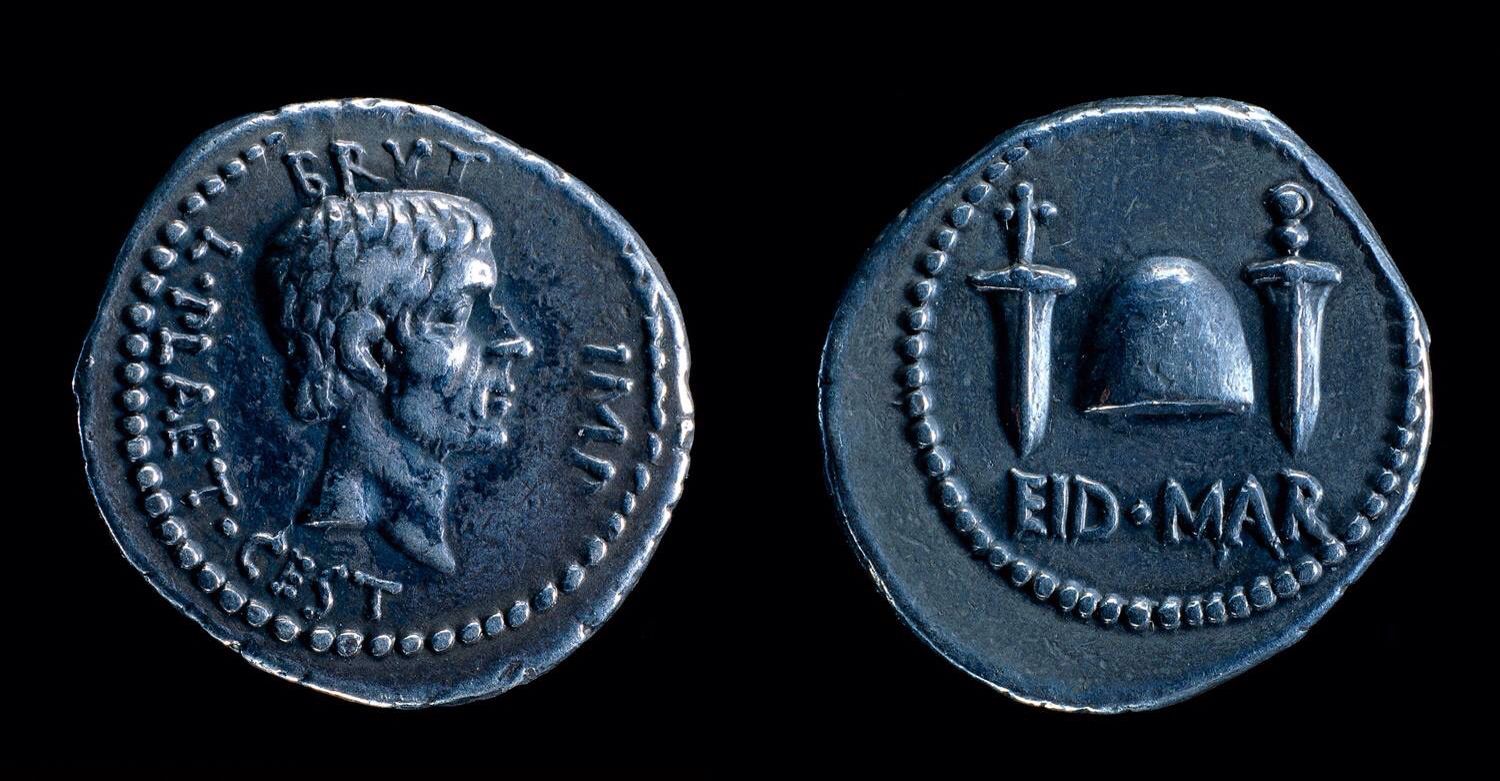


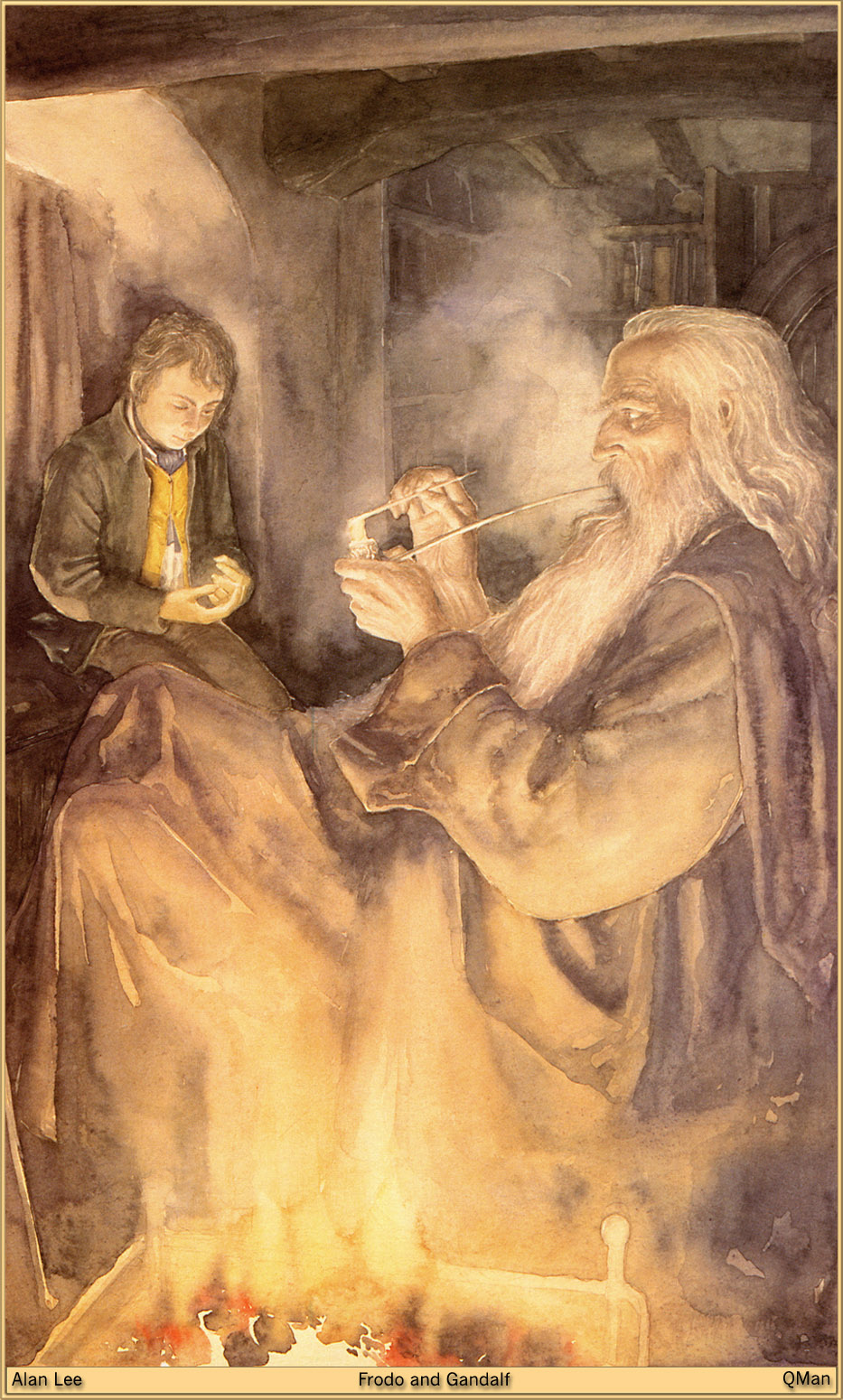


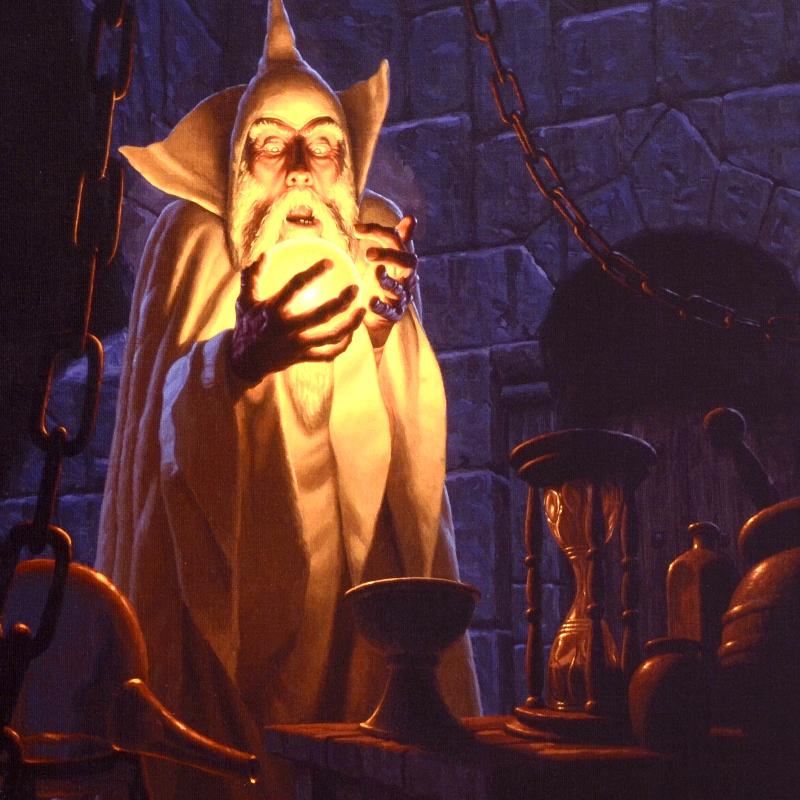

 doubtfulsea
