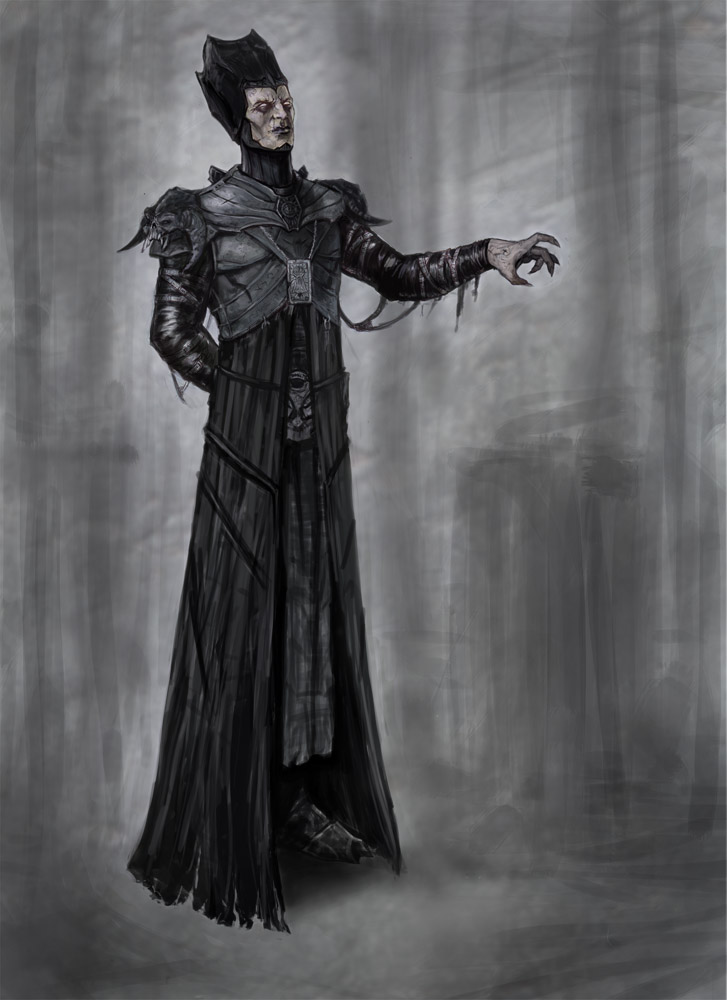
• About

doubtfulsea

~ adventure fantasy

Tag Archives: Rings of Power

Starre-crost

25 Wednesday Jun 2025

Posted by Ollamh in Uncategorized

≈ Leave a comment

Tags

Beowulf, Bilbo, Cirdan, Dorothy, Fantasy, Gandalf, Herakles, Kansas, King Arthur, lotr, Mulan, Narya, Rings of Power, Superman, The Grey Havens, The Hobbit, The Rings of Power, Tolkien, tornado, Valar

As always, dear readers, welcome.

In adventure stories, heroes—and heroines– seem to appear in all sorts of ways.

Sometimes, it seems that they are just born for adventure, like Herakles, who,
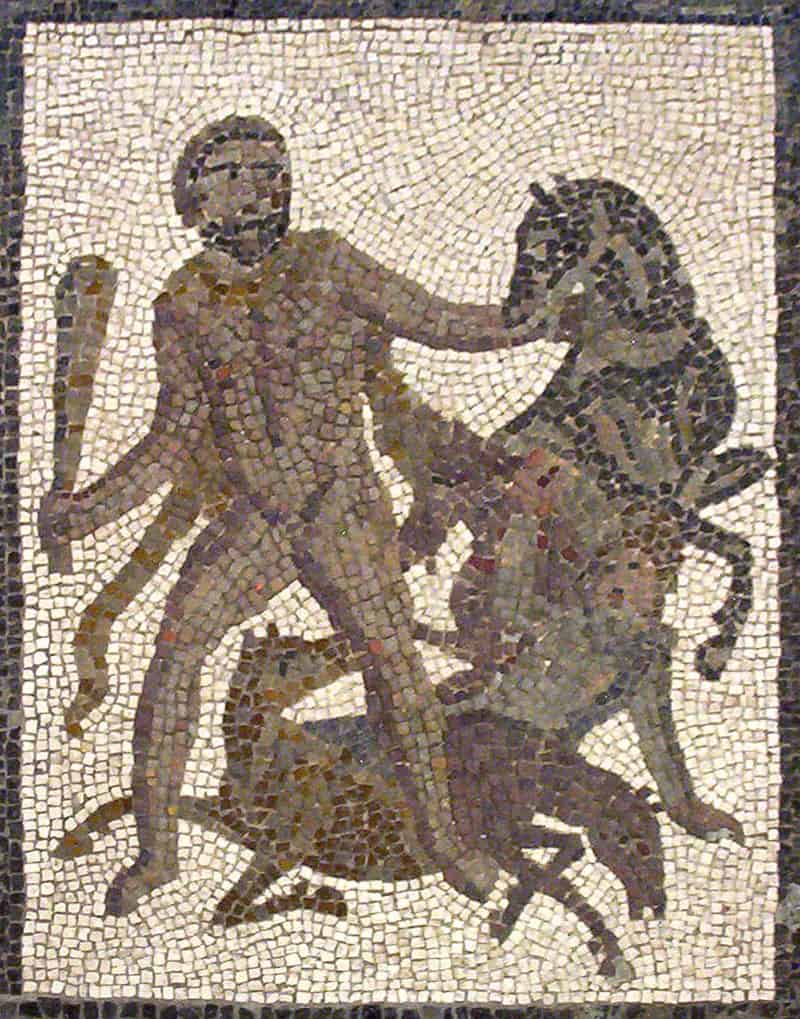
although apparently the offspring of two mortals, Alkmene and Amphitryon, was actually the son of Zeus.

Others belong to noble families, where heroism is expected of them, like Beowulf, nephew of the king of the Geats.
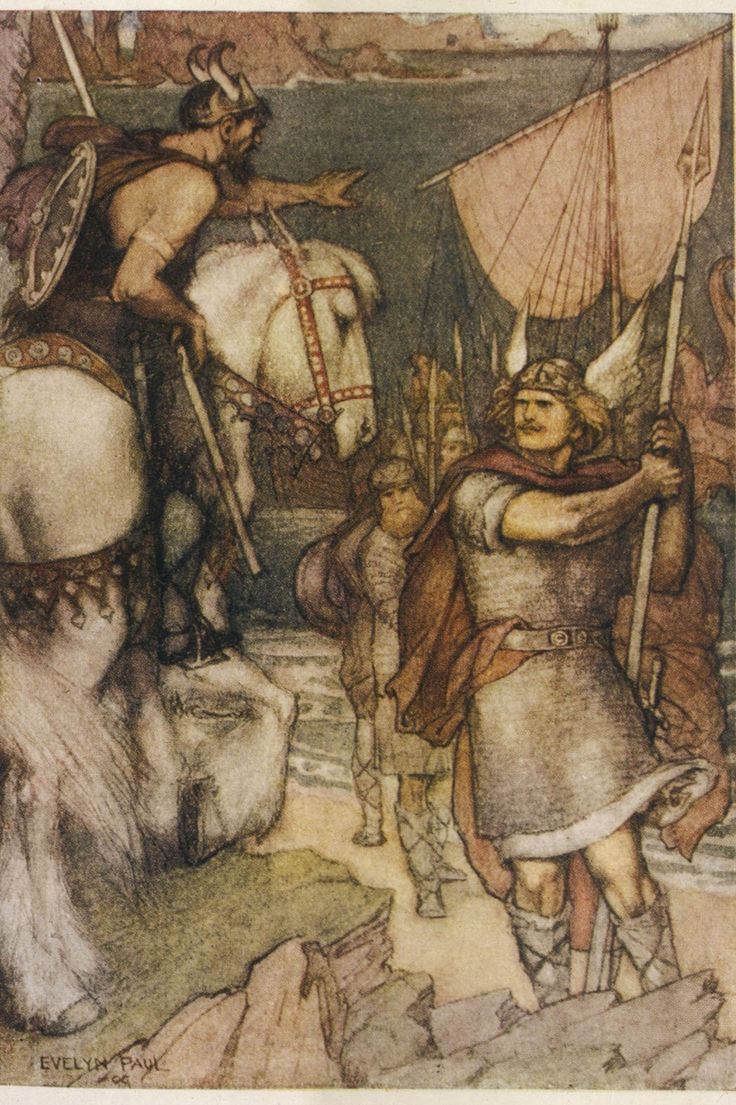
(Here, meeting the Danish coastguard—but we just can’t escape those Wagnerian winged helmets, can we?)

Then there is Mulan, who, pretending to be a man, replaces her father in the army and serves valiantly for twelve years.

(As you can see from the label, this comes from a site called “Chinese Posters.net”—and it’s quite a site:  5100 propaganda posters from the Chinese past.  Here’s the address:  https://chineseposters.net/ For more on the original but probably fictional Mulan, see:  https://www.worldhistory.org/article/1596/mulan-the-legend-through-history/ and https://mulanbook.com/pages/northern-wei/ballad-of-mulan/ and https://en.m.wikisource.org/wiki/Translation:Ballad_of_Mulan –two versions of the early “Ballad of Mulan)

A common motif is that of the apparent good-for-nothing—or at least for not much—who turns out to be of heroic material.  I immediately think of King Arthur, who is, basically, a servant until he fetches that sword from the stone/anvil.

Heroes and heroines, then, can be anything from a demigod to a nobleman to a good girl who loves her father to a good-for-nothing who is more than he seems, and set out on adventures or, as in the case of Arthur, adventure finds them.

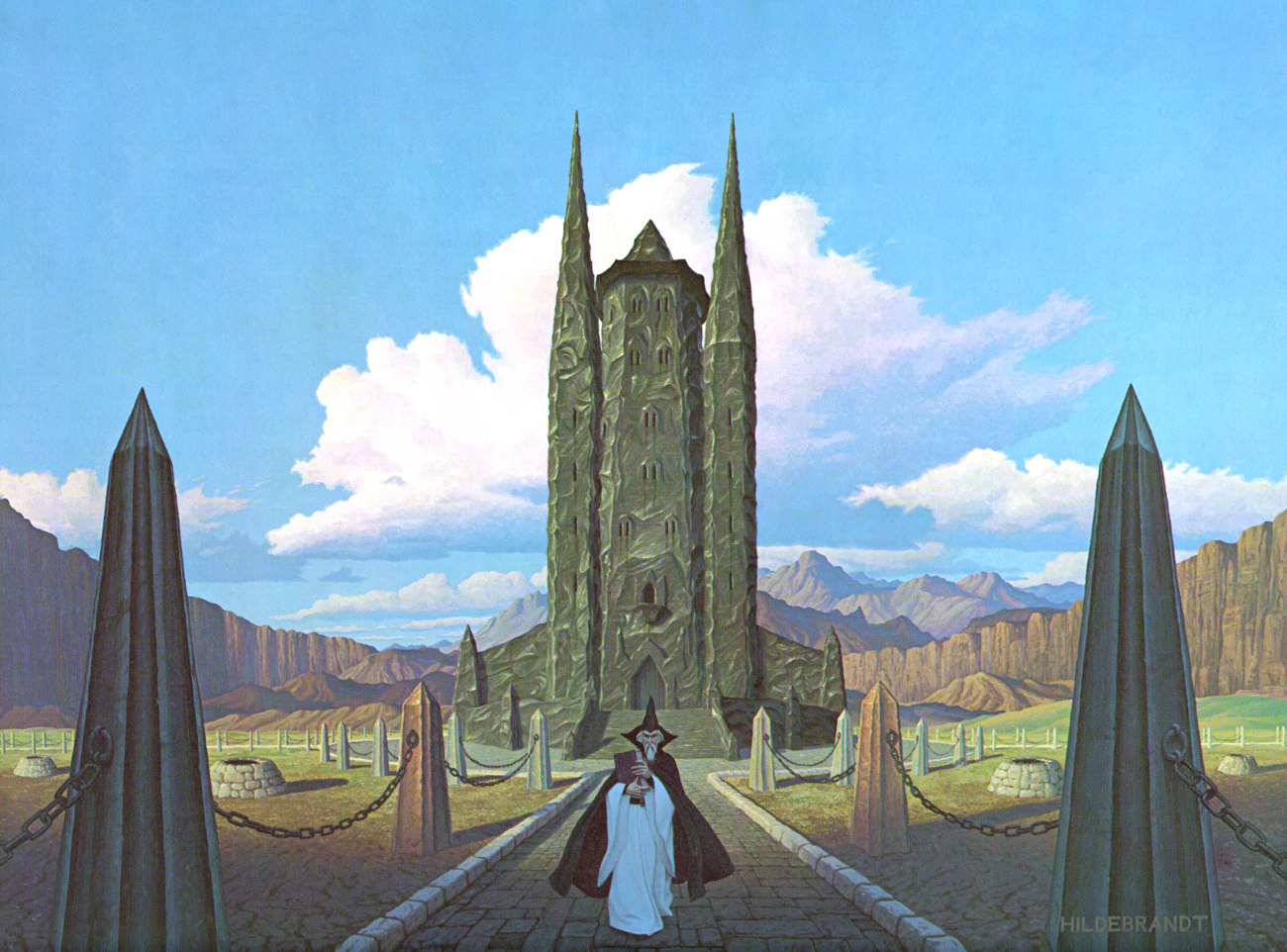
Ordinary—or seemingly ordinary—people can also be pulled into adventures, as Bilbo is.
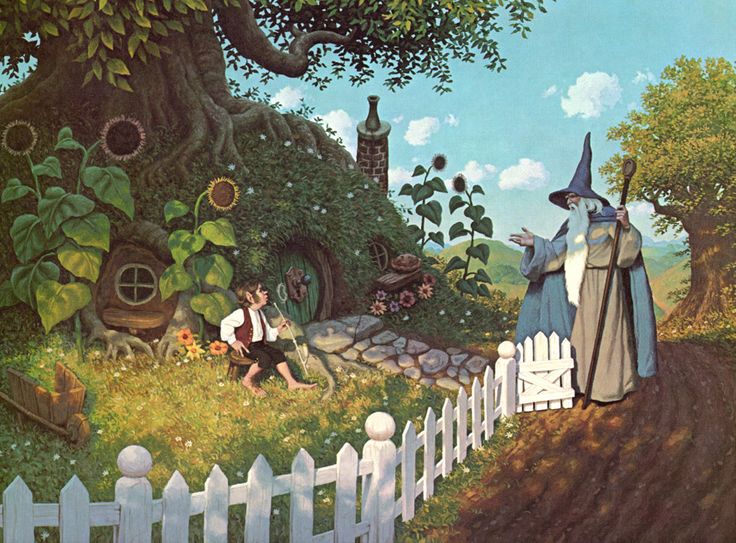
(the Hildebrandts)

Then there are people who are literally dropped into adventures,
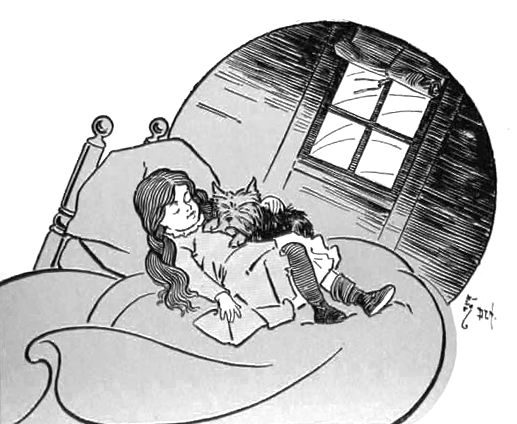
(WW Denslow)

sometimes beginning those adventures in a very dramatic—and ultimately decisive—way.

Dorothy, of course, has been whirled by a tornado from Kansas to Oz,
(from the 1939 film)

but, when she arrives in Oz in the film, Glinda, the Good Witch of the North
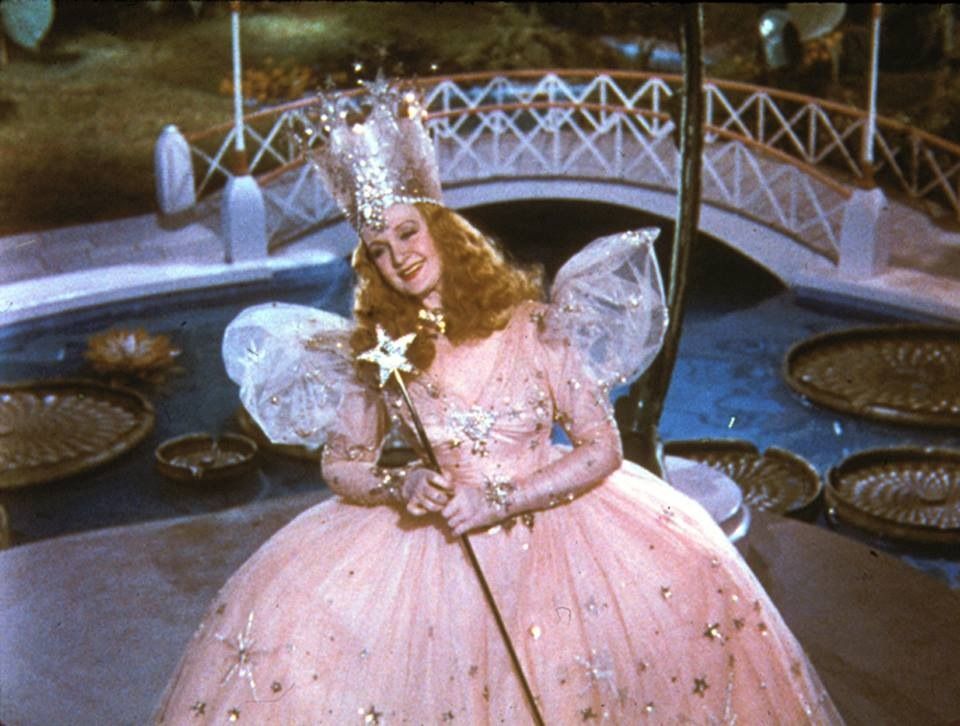
(also from the film)

sings:

“Come out, come out, wherever you are and meet the young lady

Who fell from a star.

She fell from the sky, she fell very far and Kansas, she says,

Is the name of that star.”

Not true, of course, of Dorothy, (although Kansas has its beauties, no doubt), but it is true of another hero, Superman,

who had been shipped in a rocket by his parents from the dying planet, Krypton, and discovered in a field by Ma and Pa Kent, who would become his foster parents.

If you read this blog regularly, you know that I don’t find negative reviews which are nothing but hatchet jobs

at all helpful and, in my own reviews, I try to understand what it is that the creators attempted to do and react to that, being aware, of course, that I do have my own perspective on things.  I also buy DVDs of everything I can, so that I can watch things more than once before I review. 

I’ve now seen “Rings of Power”, both seasons,

only once, so I’m not going to attempt to review the whole two seasons here.  Certainly there have been some very impressive visuals and some very good acting.  I’m not sure how I feel about the two as a whole—some of the plot I found rather confusing and I’m not sure how I feel about proto-hobbits with Irish accents, although the idea of using proto-hobbits was, I thought, pretty ingenious—but I want to end this posting by talking about Gandalf.

He first appears—like Dorothy in Oz, but even more so like the baby Superman, in a dramatic fashion, having been conveyed in which appears to be a kind of meteor which roars across the sky and slams into the earth, leaving a fiery crater.
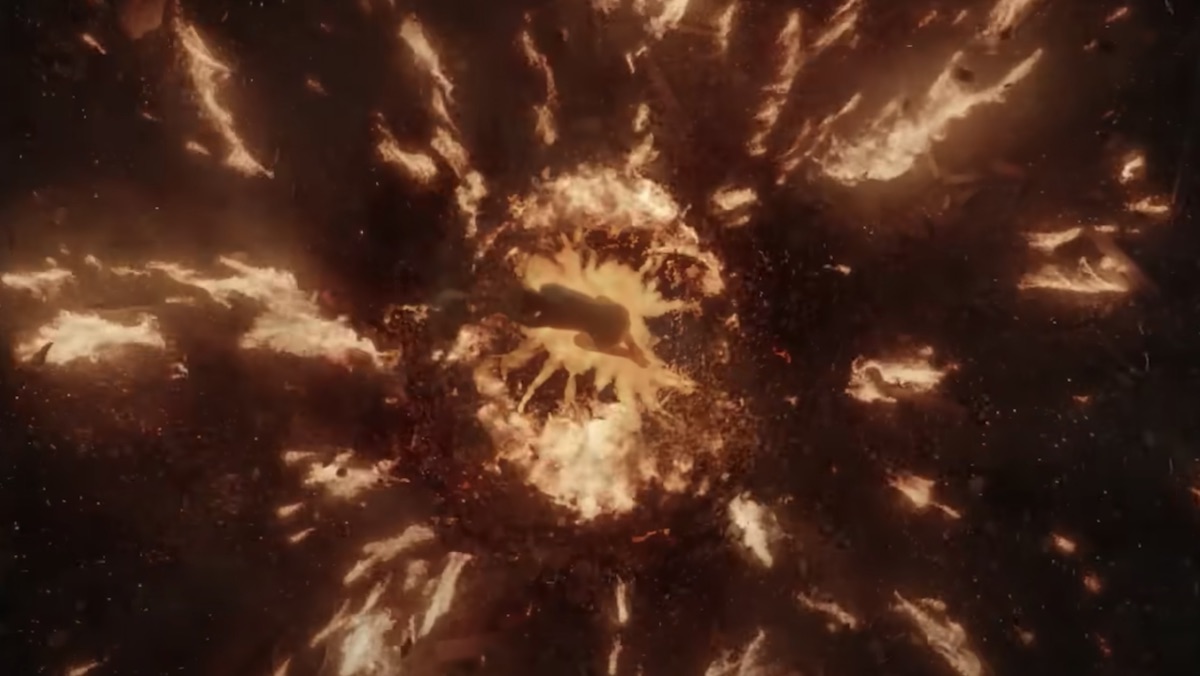
(Thank goodness that, whoever sent him, dressed him in underpants so that he wouldn’t embarrass himself or us when he stood up.)

At first, he seems stricken and quite clueless, not even really having language at first, although certainly having great powers, and it takes two seasons for him to begin to understand himself and what he’s been sent to do and I suspect that this stricken quality comes from a hint in Christopher/JRR Tolkien’s Unfinished Tales, where, under “The Istari” we find:

“For it is said indeed that being embodied the Istari had need to learn much anew by slow experience…” (Unfinished Tales, 407)

I understand that the creators of the series were somewhat hampered in their work—should they want to be as faithful as possible to Tolkien—because they were restricted in their sources, being confined, in this case, to The Lord of the Rings and its appendices.  And, at first glance, the appearance in Middle-earth of the Istari does seem rather vague.

In Appendix B, “The Third Age”, of The Lord of the Rings, we read:

“When maybe a thousand years had passed, and the first shadow had fallen on Greenwood the Great, the Istari or Wizards appeared in Middle-earth.  It was afterwards said that they came out of the Far West and were messengers sent to contest the power of Sauron, and to unite all those who had the will to resist him…” 

No meteors are mentioned, but no other means of transport, either, yet turn the page and we then read:

“Gil-galad before he died gave his ring to Elrond; Cirdan later surrendered his to Mithrandir (aka Gandalf).  For Cirdan saw further and deeper than any other in Middle-earth, and he welcomed Mithrandir at the Grey Havens, knowing whence he came and wither he would return.”  

If you know The Lord of the Rings, you know that the Grey Havens is a seaport on the west coast of Middle-earth:  it’s where Gandalf and others, including Frodo, depart for the Uttermost West—that is, Valinor.

(Ted Nasmith and a gorgeous view)

In fact, it was the Valar who had sent the Istari in the first place, as we know from Unfinished Tales, 406:

“For with the consent of Eru they sent members of their own high order, but clad in bodies as of Men, real and not feigned…”

And thus, from the source to which I’m informed the creators were confined, they would have learned that the Istari had sailed to Middle-earth, not been shot across the sky like Dorothy or Superman.  Why make such a change, especially as, because Cirdan recognizes Gandalf’s worth, he gives him one of the original Elvish rings, Narya, which turns up on his hand in the subsequent The Lord of the Rings?

The title of this posting is a quotation from Shakespeare, from the prologue to “An EXCELLENT conceited Tragedie OF Romeo and Juliet” (as the First Quarto title page reads) in which the Prologue says of the protagonists:  “A paire of starre-crost Louers tooke their life”. 

The creators of The Rings of Power, even with evidence available to them, have veered away from that evidence with no explanation as to why they have made such a choice.  What else may they have chosen to change and how might that affect JRRT’s view of the earlier history of Middle-earth, as well as ours?

As I begin my second viewing of The Rings of Power, then, I’ll be curious to see if another Shakespeare quotation, this from “The Tragedie of Julius Caesar”, Act 1, Scene 1, when Cassius, the leader of the plot against Julius Caesar, is trying to persuade Brutus to join him, may apply to the creators and their work:

“The fault (deere Brutus) is not in our Starres,

But in our Selues…”

Thanks, as always, for reading.

Stay well,

Think about what Cassius is telling us about horoscopes,

And remember that, as always, there’s

MTCIDC

O

A Power

25 Wednesday Apr 2018

Posted by Ollamh in J.R.R. Tolkien, Narrative Methods, Villains

≈ Leave a comment

Tags

Gandalf, Grima, Harry Potter, Isengard, Istari, Mini-Me, Mirkwood, Necromancer, Ornthanc, Palantir, power, Rings of Power, Rohan, Saruman, Sauron, The Council of Elrond, The Hobbit, The Lord of the Rings, Theoden, Tolkien, Voldemort, White Council, Wormtongue

Welcome, dear readers, as ever.

Some time ago, we did a post on Saruman as a “Mini-Me” version of Sauron

image1minime.jpg

but, since that time, one of us has used The Hobbit in a class.  Mirkwood

image2mirkwood.jpg

and the Necromancer

image3necromancer.jpg

came up and we began to think about him again, this time to consider his strategy:  how long has he been planning something and what might be the elements within that plan?

image4saruman.jpg

Although there is no hard evidence for just how long Saruman has been at work, it seems like his scheme has been under construction for at least 80 years.  We base that upon Gandalf’s description of the White Council’s meeting on the subject of Sauron and what to do when it’s discovered that he is in Dol Guldur, calling himself the Necromancer:

“Some, too, will remember also that Saruman dissuaded us from open deeds against him, and for long we watched him only.  Yet at last, as his shadow grew, Saruman yielded and the Council put forth its strength and drove the evil out of Mirkwood and that was in the very year of finding this Ring…”

(The Fellowship of the Ring, Book One, Chapter 2, “The Council of Elrond”)

Almost 80 years before the story of Bilbo and the Ring, then, it appears that one element in Saruman’s plot was shielding Sauron—a fact clearly not lost on Treebeard:

“He was chosen to be the head of the White Council, they say; but that did not turn out too well.  I wonder now if even then Saruman was not turning to evil ways.”

(The Two Towers, Book Three, Chapter 4, “Treebeard”)

From something Saruman says to Gandalf we might guess the obvious reason for helping Sauron to escape action by the White Council:

“A new Power is rising.  Against it the old allies and policies will not avail us at all.  There is no hope left in Elves and dying Numenor.  This then is one choice before you, before us.  We may join with that Power.  It would be wise, Gandalf.  There is hope that way.  Its victory is at hand; and there will be rich reward for those that aided it.”

(The Fellowship of the Ring, Book One, Chapter 2, “The Council of Elrond”)

But being a lackey to that Power is not quite his ultimate design, as we see:

“As the Power grows, its proved friends will also grow; and the Wise, such as you and I, may with patience come at last to direct its courses, to control it.  We can bide our time, we can keep our thoughts in our hearts, deploring maybe evils done by the way, but approving the high and ultimate purpose:  Knowledge, Rule, Order; all the things that we have so far striven in vain to accomplish…”

As is well-known, Saruman, as one of the Istari, was sent into Middle-earth as a counter to Sauron, not as an ally, and their purpose was:

“…coming in shapes weak and humble were bidden to advise and persuade Men and Elves to good and to seek to unite in love and understanding all those whom Sauron, should he come again, would endeavor to dominate and corrupt.”

(Unfinished Tales, 406)

Knowledge, yes, but Rule and Order?  Emphatically not!  But if that Power (and we note that even Saruman won’t just come out and say “Sauron” at this point, rather like the use of “He Who Must Not Be Named” in the Harry Potter books)

image5voldemort


can be used as a tool in Saruman’s hands—which may show us one element in his grand design.

First, however, it would seem that he needed a base.  As Treebeard tells Merry and Pippin:

“He gave up wandering about and minding the affairs of Men and Elves, some time ago—you would call it a very long time ago; and he settled down at Angrenost, or Isengard as the Men of Rohan call it.”

(The Two Towers, Book Three, Chapter 4, “Treebeard”)

image6orthanc


Saruman even then was already thinking of something, though the purpose was intentionally shrouded:

“There was a time when he was always walking about in my woods.  He was polite in those days, always asking my leave…and always eager to listen.  I told him many things that he would never have found out by himself; but he never repaid me in like kind.  I cannot remember that he ever told me anything.  And he got more like that; his face, as I remember it…became like windows in a stone wall:  windows with shutters inside.”

Although he was powerful, Saruman needed allies—or, rather, servants—and he wasn’t too particular who or what they were:

“He has taken up with foul folk, with the Orcs…Worse than that:  he has been doing something to them; something dangerous.  For these Isengarders are more like wicked Men.  It is a mark of evil things that came in the Great Darkness that they cannot abide the Sun; but Saruman’s Orcs can endure it, even if they hate it.  I wonder what he has done?  Are they Men he has ruined, or has he blended the races of Orcs and Men?  That would be a black evil!”

With the help of these servants, Saruman has turned his base into a factory and storehouse for his scheme, as Gandalf says:

“…it had once been green and fair, it was now filled with pits and forges.  Wolves and orcs were housed in Isengard, for Saruman was mustering a great force on his own account, in rivalry of Sauron and not in his service, yet.”

(The Fellowship of the Ring, Book One, Chapter 2, “The Council of Elrond”)

In fact, it would appear from what Saruman has told Gandalf, that he actually never intends to offer his service to Sauron.

From his base, he has been extending his own power into Rohan, in the south.  In his encounter with Aragon and his companions, Eomer says:

“But at this time our chief concern is with Saruman.  He has claimed lordship over all this land, and there has been war between us for many months.  He has taken Orcs into his service, and Wolf-riders, and evil Men, and he has closed the Gap against us, so that we are likely to be beset both east and west.”

(The Two Towers, Book Three, Chapter 2, “The Riders of Rohan”)

His attacks aren’t always military and Eomer hints at another possibility:

“His spies slip through every net, and his birds of ill omen are abroad in the sky.  I do not know how it will all end, and my heart misgives me; for it seems to me that his friends do not all dwell in Isengard.  But if you come to the king’s house, you shall see for yourself.”

We know that this is “fifth-column” work—Grima Worm-tongue, who has been slowly poisoning King Theoden with defeatism.

image7grima.png

And now we can see, in broad outline, what Saruman is up to:

  1. establish a base
  2. recruit an army
  3. build up an intelligence network (birds, spies, even wandering himself to pick up information)
  4. use your strength to expand power into the next land, Rohan
  5. at the same time undercut the King of Rohan’s ability to resist by subversive methods

So far, so good, as long as all that Saruman wants is to be the ruler of the land south of the Gap of Rohan and north of Gondor, but we’ve already seen that he’s more ambitious yet, suggesting to Gandalf that they—really he, as Gandalf knows—can take over that unnamed Power and use it for their—his– purposes, Knowledge, Rule, Order.  When he sees that Gandalf is unconvinced, Saruman lets slip the capstone of his scheme:

“Well, I see that this wise course does not commend itself to you…Not yet?  Not if some better way can be contrived?…And why not, Gandalf?  Why not?  The Ruling Ring?  It we could command that, then the Power would pass to us.”

And here is the real heart of Saruman’s design:  to obtain the One Ring.

He has been searching for it for a long time, even traveling to Minas Tirith to examine ancient records.

“In former days the members of my order had been well received there,” says Gandalf to the Council of Elrond, “but Saruman most of all.  Often he had been for long the guest of the Lords of the City.”

His purpose is now easy to guess.

Gandalf had been aware that Saruman had seemed to know a great deal about the Ring, even to its appearance, as Saruman had said to the White Council:

“The Nine, the Seven, and the Three had each their proper gem.  Not so the One.  It was round and unadorned, as it were one of the lesser rings; but the maker set marks upon it that the skilled, maybe, could still see and read.”

How had Saruman known that since, as Gandalf says, “What those marks were he had not said.  Who now would know?  The maker.  And Saruman?  But great though his lore may be, it must have a source.  What hand save Sauron’s ever held this thing, ere it was lost?  The hand of Isildur alone.”

Gandalf discovers the truth of this in the dusty records of Gondor:

“…there lies in Minas Tirith still, unread, I guess, by any save Saruman and myself since the kings failed, a scroll that Isildur made himself.”

And, with the discovery and reading of that scroll, Gandalf knows not only about much more about the Ring, but how Saruman knew about its appearance and now, in Orthanc, pressed by Saruman to join him, he understands the last element in Saruman’s design—and also why Saruman has summoned him:

“That is in truth why I brought you here.  For I have many eyes in my service, and I believe you know where this precious thing now lies.  Is it not so?  Or why do the Nine ask for the Shire, and what is your business there?”

So here, lacking only one element, the real element under all, is Saruman’s long plan—but lacking “this precious thing” (a telling phrase!), we will see how successful the rest will be.  Treebeard has said of him,

“He has a mind of metal and wheels; and he does not care for growing things, except as far as they serve him for the moment.”

What will happen when, without the Ring, Saruman will find that growing things, instead of serving him for the moment, might unseat him forever?

image8destruction.jpg

As always, thanks for reading!

MTCIDC

CD

The Doubtful Sea Series Facebook Page

The Doubtful Sea Series Facebook Page

  • Ollamh

Categories

  • Artists and Illustrators
  • Economics in Middle-earth
  • Fairy Tales and Myths
  • Films and Music
  • Games
  • Heroes
  • Imaginary History
  • J.R.R. Tolkien
  • Language
  • Literary History
  • Maps
  • Medieval Russia
  • Military History
  • Military History of Middle-earth
  • Narnia
  • Narrative Methods
  • Poetry
  • Research
  • Star Wars
  • Terra Australis
  • The Rohirrim
  • Theatre and Performance
  • Tolkien
  • Uncategorized
  • Villains
  • Writing as Collaborators
Follow doubtfulsea on WordPress.com

Across the Doubtful Sea

Recent Postings

  • A Moon disfigured December 17, 2025
  • On the Roads Again—Once More December 10, 2025
  • (Not) Crossing Bridges December 3, 2025
  • On the Road(s) Again—Again November 26, 2025
  • On the Road(s) Again November 19, 2025
  • To Bree (Part 2) November 12, 2025
  • To Bree (Part 1) November 5, 2025
  • A Plague o’ Both—No, o’ All Your Houses! October 29, 2025
  • It’s in Writing (2:  I’st a Prologue, or a Poesie for a Ring?) October 22, 2025

Blog Statistics

  • 103,207 Views

Posting Archive

  • December 2025 (3)
  • November 2025 (4)
  • October 2025 (5)
  • September 2025 (4)
  • August 2025 (4)
  • July 2025 (5)
  • June 2025 (4)
  • May 2025 (4)
  • April 2025 (5)
  • March 2025 (4)
  • February 2025 (4)
  • January 2025 (5)
  • December 2024 (4)
  • November 2024 (4)
  • October 2024 (5)
  • September 2024 (4)
  • August 2024 (4)
  • July 2024 (5)
  • June 2024 (4)
  • May 2024 (5)
  • April 2024 (4)
  • March 2024 (4)
  • February 2024 (4)
  • January 2024 (5)
  • December 2023 (4)
  • November 2023 (5)
  • October 2023 (4)
  • September 2023 (4)
  • August 2023 (5)
  • July 2023 (4)
  • June 2023 (4)
  • May 2023 (5)
  • April 2023 (4)
  • March 2023 (5)
  • February 2023 (4)
  • January 2023 (4)
  • December 2022 (4)
  • November 2022 (5)
  • October 2022 (4)
  • September 2022 (4)
  • August 2022 (5)
  • July 2022 (4)
  • June 2022 (5)
  • May 2022 (4)
  • April 2022 (4)
  • March 2022 (5)
  • February 2022 (4)
  • January 2022 (4)
  • December 2021 (5)
  • November 2021 (4)
  • October 2021 (4)
  • September 2021 (5)
  • August 2021 (4)
  • July 2021 (4)
  • June 2021 (5)
  • May 2021 (4)
  • April 2021 (4)
  • March 2021 (5)
  • February 2021 (4)
  • January 2021 (4)
  • December 2020 (5)
  • November 2020 (4)
  • October 2020 (4)
  • September 2020 (5)
  • August 2020 (4)
  • July 2020 (5)
  • June 2020 (4)
  • May 2020 (4)
  • April 2020 (5)
  • March 2020 (4)
  • February 2020 (4)
  • January 2020 (6)
  • December 2019 (4)
  • November 2019 (4)
  • October 2019 (5)
  • September 2019 (4)
  • August 2019 (4)
  • July 2019 (5)
  • June 2019 (4)
  • May 2019 (5)
  • April 2019 (4)
  • March 2019 (4)
  • February 2019 (4)
  • January 2019 (5)
  • December 2018 (4)
  • November 2018 (4)
  • October 2018 (5)
  • September 2018 (4)
  • August 2018 (5)
  • July 2018 (4)
  • June 2018 (4)
  • May 2018 (5)
  • April 2018 (4)
  • March 2018 (4)
  • February 2018 (4)
  • January 2018 (5)
  • December 2017 (4)
  • November 2017 (4)
  • October 2017 (4)
  • September 2017 (4)
  • August 2017 (5)
  • July 2017 (4)
  • June 2017 (4)
  • May 2017 (5)
  • April 2017 (4)
  • March 2017 (5)
  • February 2017 (4)
  • January 2017 (4)
  • December 2016 (4)
  • November 2016 (5)
  • October 2016 (6)
  • September 2016 (5)
  • August 2016 (5)
  • July 2016 (5)
  • June 2016 (5)
  • May 2016 (4)
  • April 2016 (4)
  • March 2016 (5)
  • February 2016 (4)
  • January 2016 (4)
  • December 2015 (5)
  • November 2015 (5)
  • October 2015 (4)
  • September 2015 (5)
  • August 2015 (4)
  • July 2015 (5)
  • June 2015 (5)
  • May 2015 (4)
  • April 2015 (3)
  • March 2015 (4)
  • February 2015 (4)
  • January 2015 (4)
  • December 2014 (5)
  • November 2014 (4)
  • October 2014 (6)
  • September 2014 (1)

Blog at WordPress.com.

  • Subscribe Subscribed
    • doubtfulsea
    • Join 78 other subscribers
    • Already have a WordPress.com account? Log in now.
    • doubtfulsea
    • Subscribe Subscribed
    • Sign up
    • Log in
    • Report this content
    • View site in Reader
    • Manage subscriptions
    • Collapse this bar
 

Loading Comments...