Tags
Captain Hook, Dracula, Pirates, poison ivy, Remington, rum, Sherlock Holmes, The Lord of the Rings, Tolkien, Tolkien typing, typewriters, whisky
As ever, dear readers, welcome.
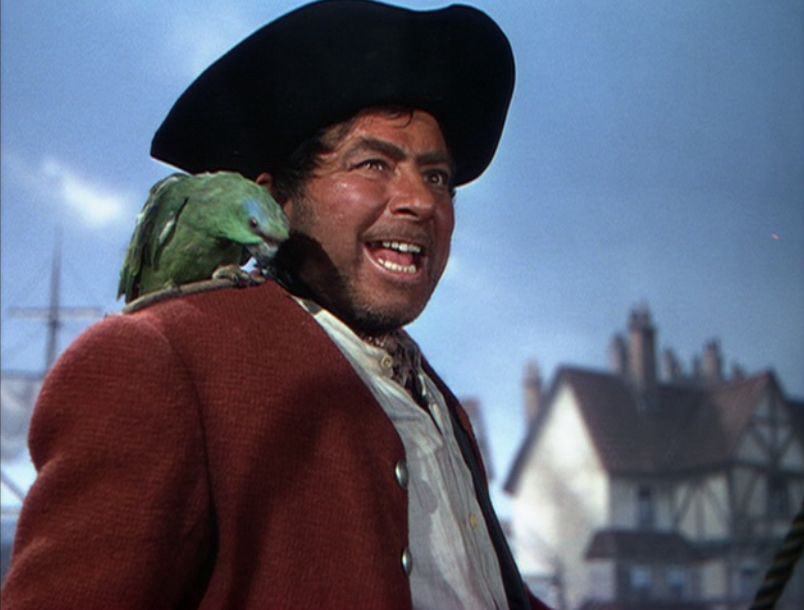
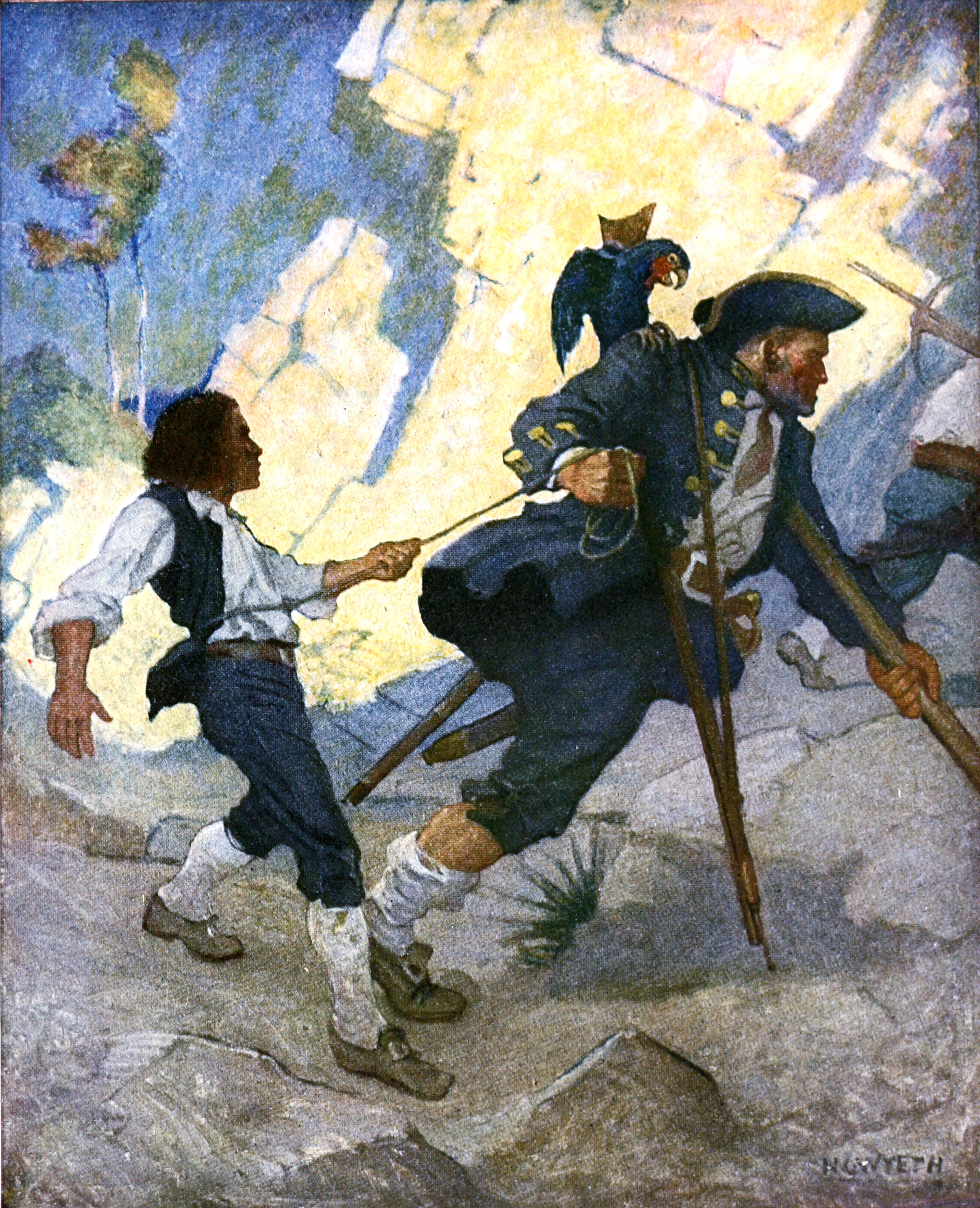
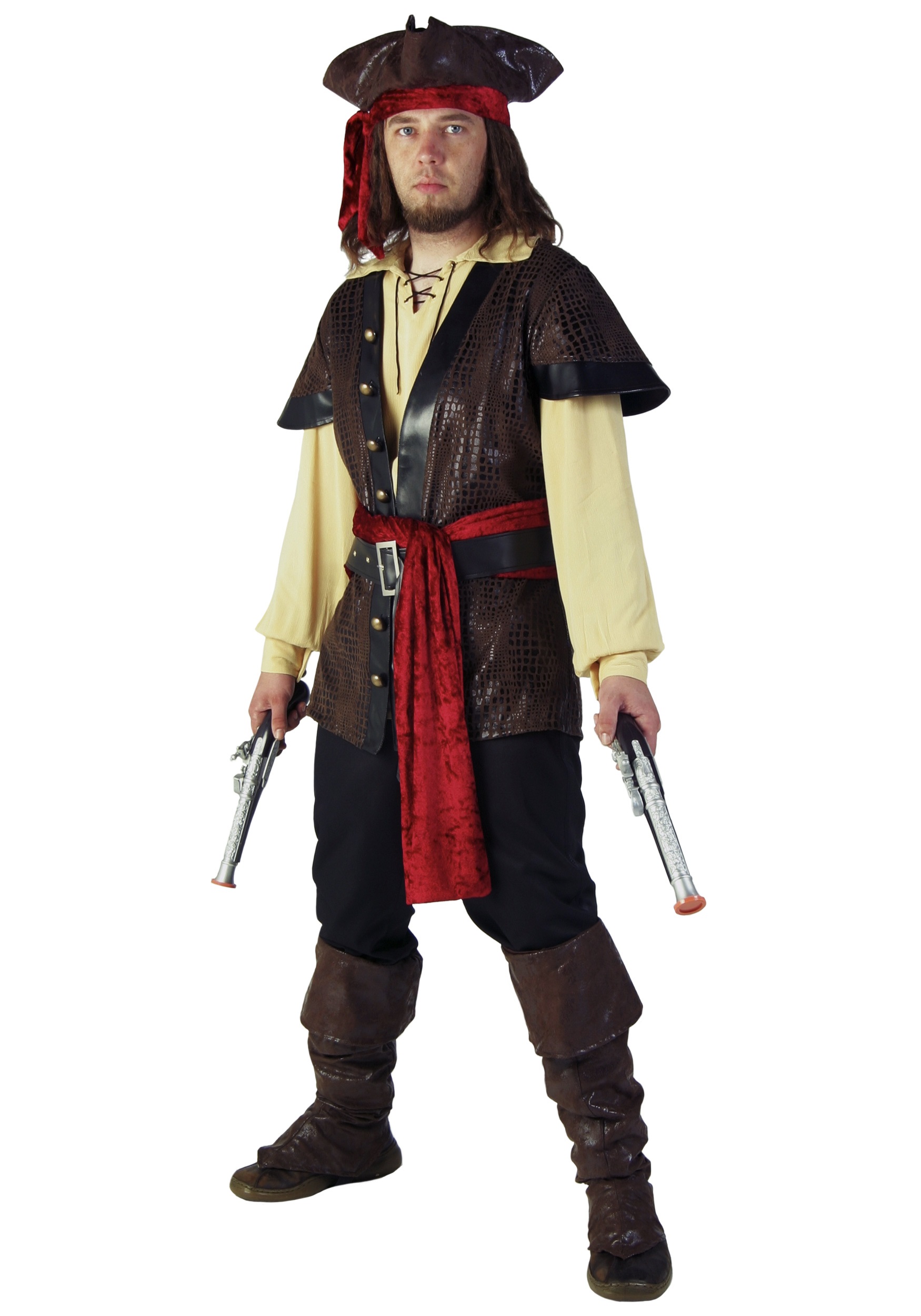
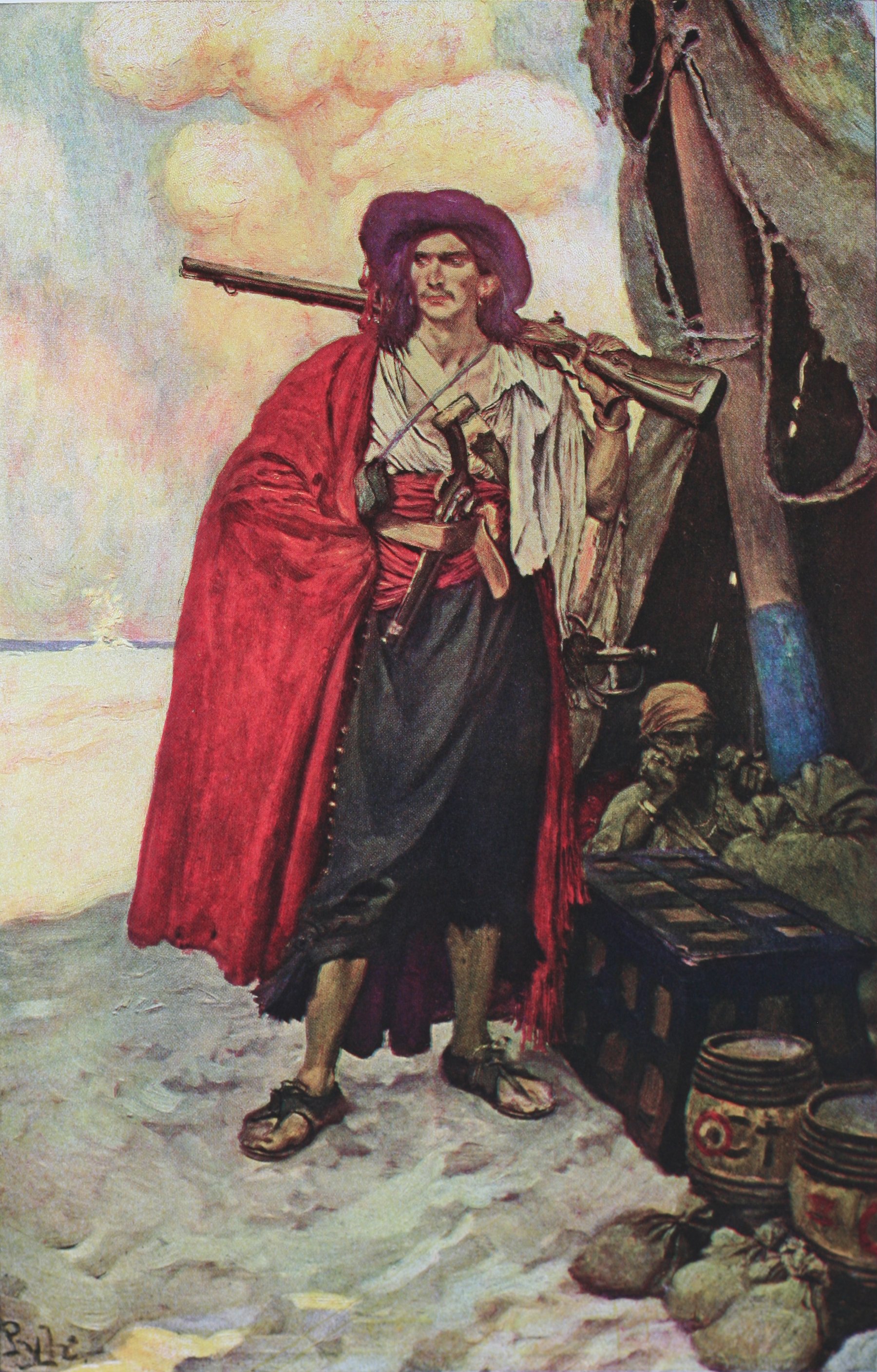
From the title of this posting, you, imaginative readers, might create any number of topic subjects. It could be the name of a pirate,

his other fingers lost to a cutlass.
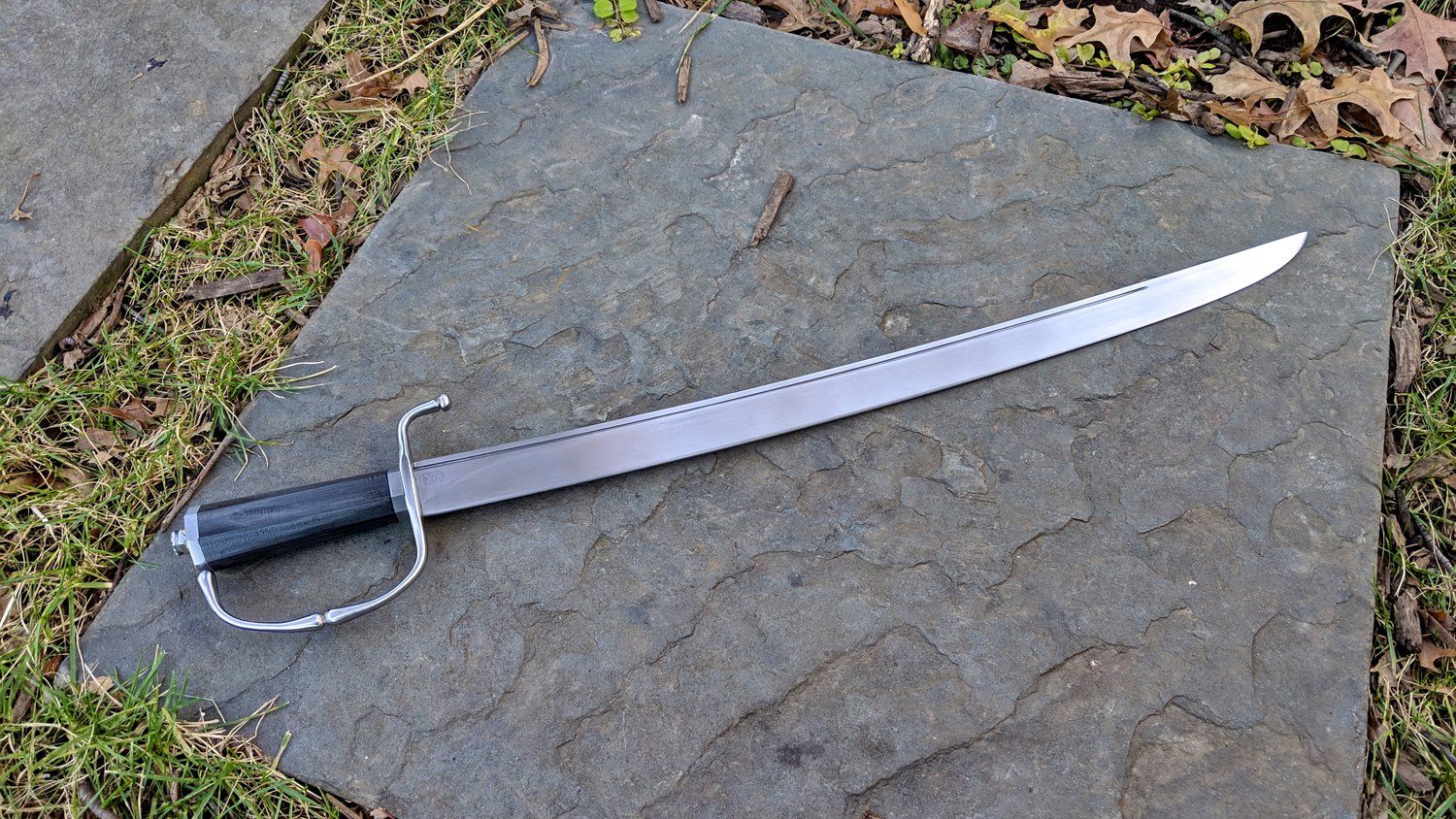
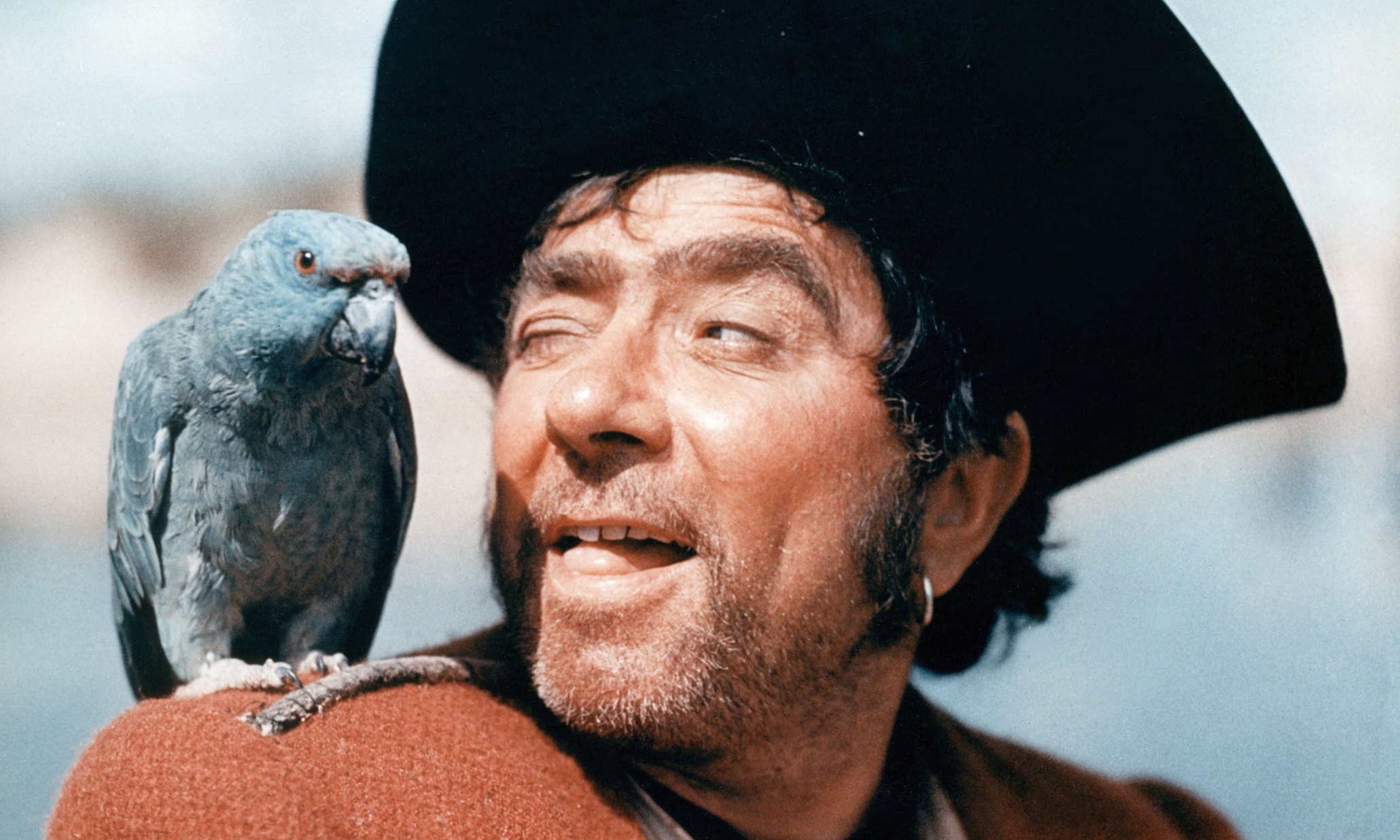
It could be the order by that pirate for whiskey,

since the barkeep has run out of rum–

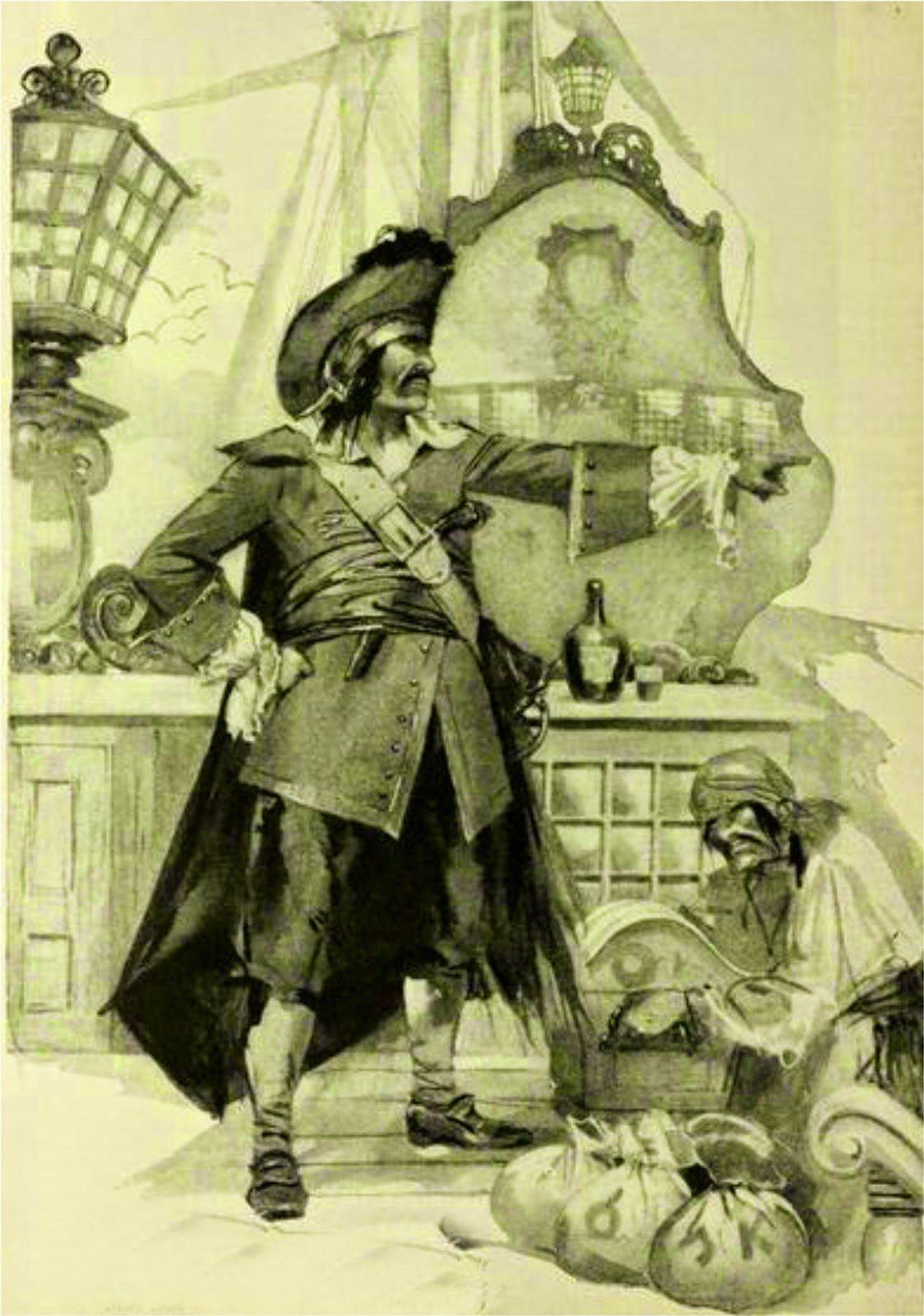
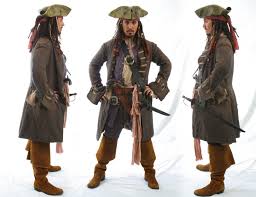
or perhaps the pirate is an elegant gentleman, like James Hook,

(William Nicholson’s costume design for the original captain, 1904, in the V&M–Victoria and Albert Museum—collection)
a graduate of Eton College,

who knows his malts and knows that “two fingers” is a standard measure.

In Philip Pullman’s The Subtle Knife,

one of the protagonists, Will Parry, has lost two fingers in gaining the knife of the title—could this be the topic?
In the US, poison ivy

has the colloquial name “Three-fingered Jack”—perhaps this is a variant so deadly that it only needs two fingers?
Or is this the title for one of Sherlock Holmes’
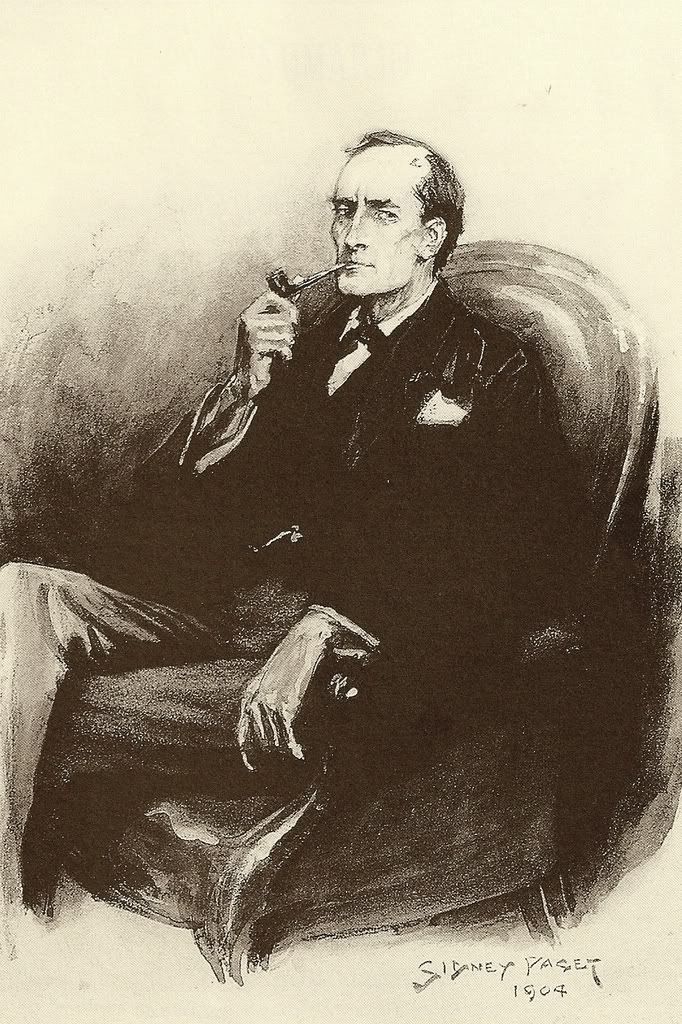
cases that Watson is so desperate to see—but never will: “The Adventure of the Two Fingers”?
As you’re imaginative, I’ll let you go on from there, and I hope that you won’t be disappointed to learn that it’s none of the above, but, instead, it’s about typing.

The history of typewriters is a complex one (you can read all about it here: https://historycooperative.org/who-invented-the-typewriter/ but, if the history of technology interests you as it does me, be sure to veer over to the article on the Hansen “writing ball”, which you can find here: https://en.wikipedia.org/wiki/Hansen_Writing_Ball )
but Christopher Latham Sholes (along with Samuel Soule , Carlos Glidden, and James Densmore) is credited with producing the first commercially viable machine in 1868, the “Remington No.1”,

which employed the QWERTY pattern still seen today.
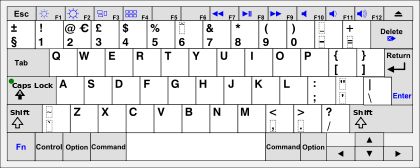
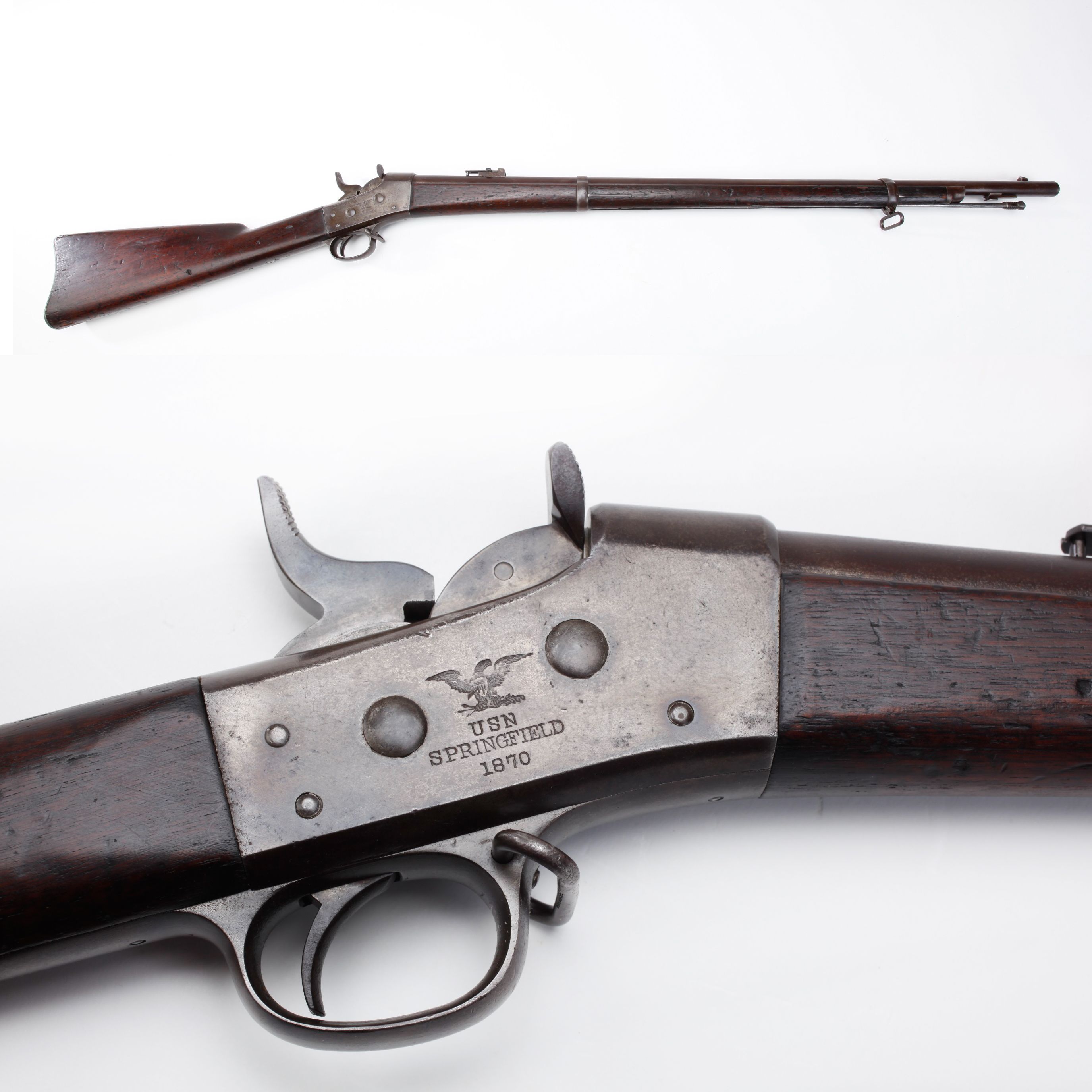
(For a wonderfully-detailed and enlighteningly-illustrated article on this, see: https://readmultiplex.com/2022/10/21/the-actual-reasons-the-qwerty-keyboard-layout-was-invented-and-how-it-changed-us/ And yes, that “Remington” was the firearms company, which was diversifying.)
In the later 19th century, the Industrial Revolution seemed to begin to find a second wind and offices were increasingly full of typewriters and typists (one of the ways in which young women came into the workforce).
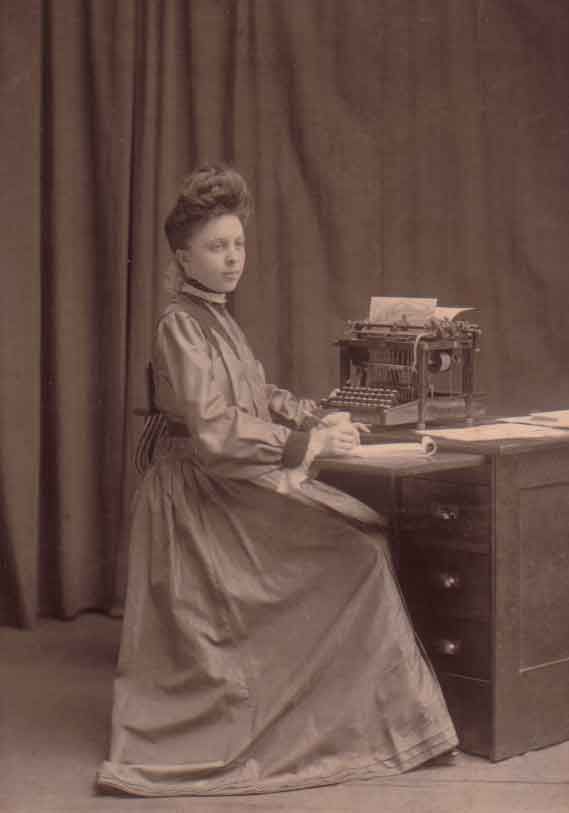
You can really see this in 1897’s Dracula,
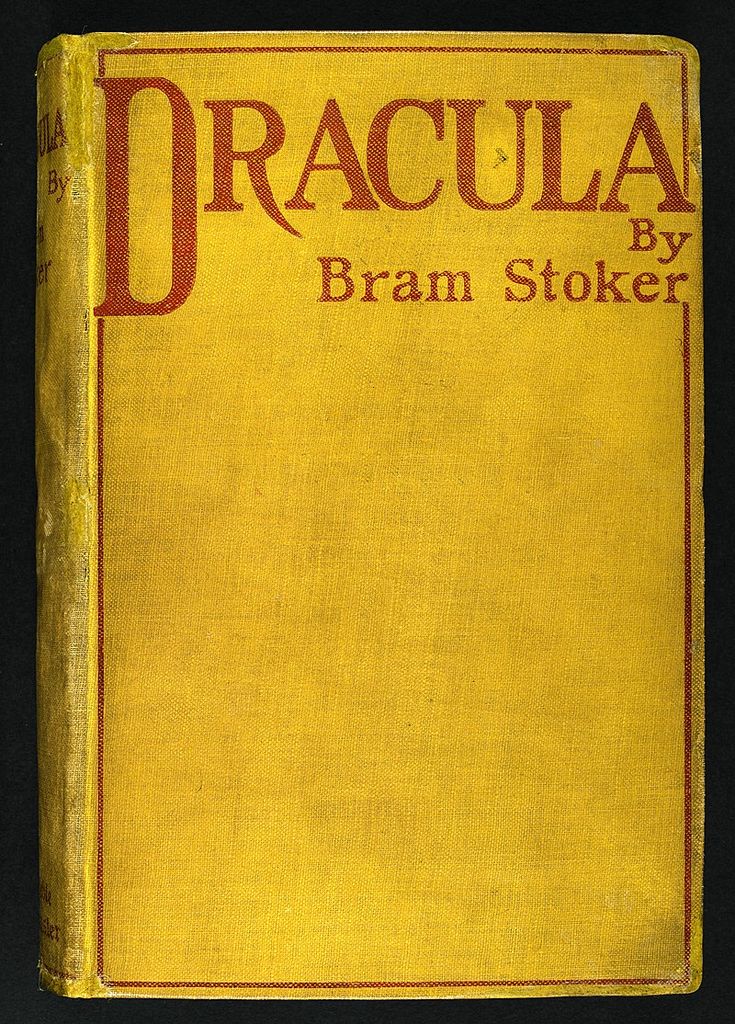
where a major character, Mina Harker, uses her typing and other secretarial skills to help to defeat the vampire. (And, if you’ve never read it, here’s an American first edition for you: https://www.gutenberg.org/cache/epub/45839/pg45839-images.html For more on using the office to defeat Dracula, see “Take a Letter”, 30 December, 2020 on this blog)
But the machine which is the focus of this posting—and appears above, just after that Sidney Paget image of Holmes, wasn’t a Remington, but a Hammond, first put on the market in 1884.

(for more on early Hammonds, see: https://www.antikeychop.com/hammondno1typewriter )
A much later version of one of these was owned by a Professor JRR Tolkien and, as he tells us, on which “I typed nearly all of The Lord of the Rings” (letter to Rayner Unwin, 22 June, 1952, Letters, 236).
The Hammond was a very different machine from the Remingtons in their various iterations, including, in time, the ability to shift typefaces (JRRT mentions in an airmail letter to Christopher during the war that he’s using a “midget” typeface to cram in more writing in the limited space of an airmail letter—see the letter of 7 July, 1944, Letters, 124. For a very good article on Tolkien’s writing habits, see: https://tonyriches.blogspot.com/2014/06/j-r-r-tolkiens-writing-habits.html )
With 1200 pages of manuscript, and only Tolkien to do the typing (or most of it, from his various accounts it’s unclear if he did every page himself—he had earlier typed out The Hobbit—see the letter to Christopher Bretherton, 16 July, 1964, Letters, 257), it’s not surprising that it took him so long to do a readable draft (and he only had one, as he tells Hugh Brogan –from a letter to Hugh Brogan, 4 September, 1950, Letters, 199-200), especially as he was not a trained typist. “Touch typing” appeared as early as the 1880s, but it was a specialized skill (see https://en.wikipedia.org/wiki/Touch_typing )and we can only presume that JRRT was self-taught.
And that he typed everything with only two fingers (see Philip Norman, “The Prevalence of Hobbits” in the New York Times Book Review, 15 January, 1967, which you can find here: https://archive.nytimes.com/www.nytimes.com/books/01/02/11/specials/tolkien-mag67.html ).
And that’s where the two fingers of the title meet Tolkien’s Hammond typewriter.
Thanks, as always, for reading.
Stay well,
Imagine what JRRT could have done with a laptop,
And remember that there’s always
MTCIDC
O















































 doubtfulsea