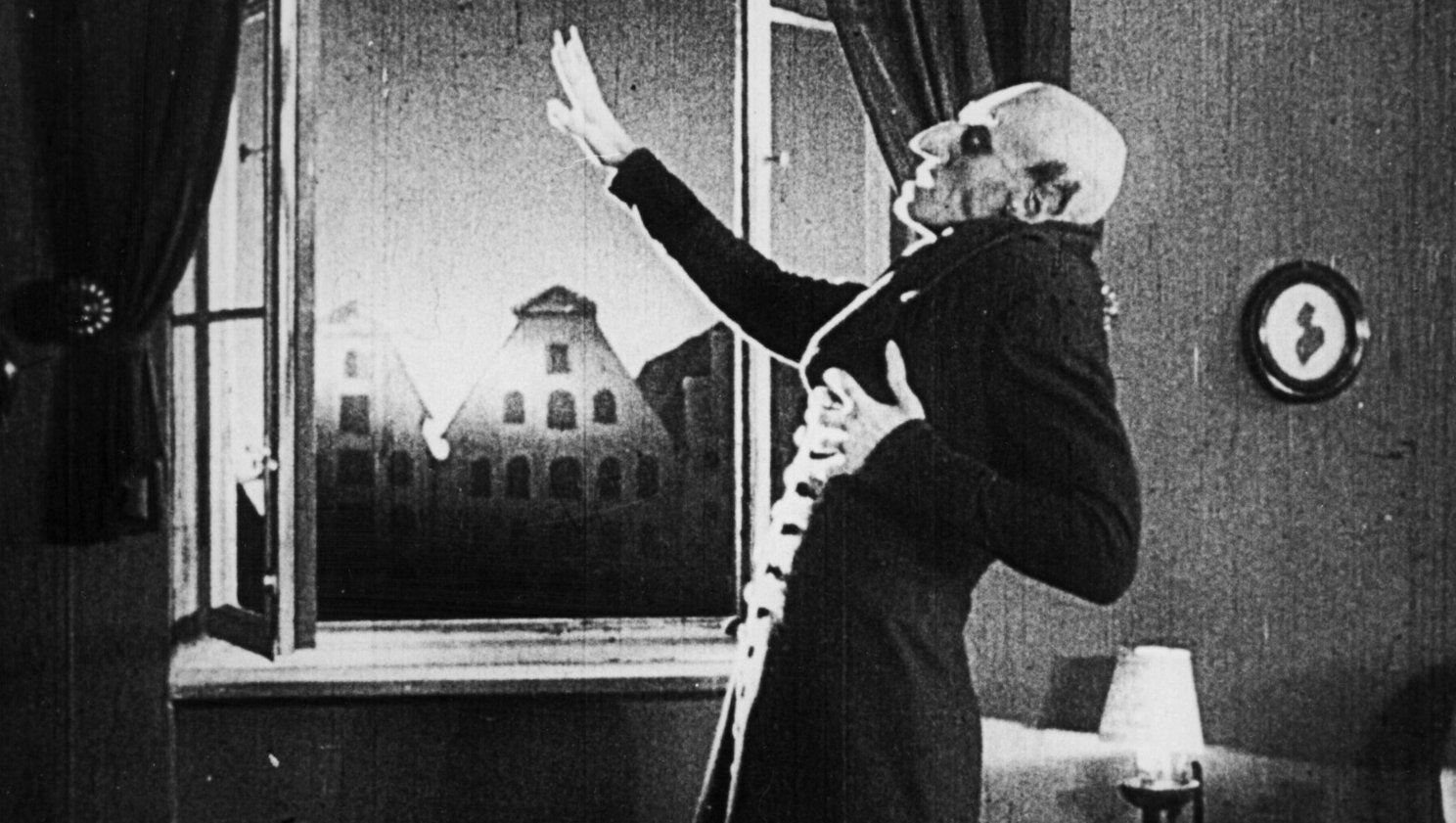
• About

doubtfulsea

~ adventure fantasy

Tag Archives: Dracula

Through a glass…

07 Wednesday Jan 2026

Posted by Ollamh in Uncategorized

≈ Leave a comment

Tags

2nd Corinthians, Apostle Paul, Boromir, Dracula, Fantasy, Frodo, lotr, Mirror of Galadriel, mirrors, Sam, Sauron, Snow White, Through the Looking Glass, Through the Looking-Glass, Tolkien

Dear readers, as always, welcome.

When I was small, I was puzzled about this line:

“Now we see through a glass, darkly…”

which comes from the apostle, Paul’s, first letter to the Corinthians (Chapter 13, Verse 12).

I knew about glasses—I drank from them—

and I looked through them—

and all I could think of was that maybe the glass was dirty.

It was only as a grownup that I found out that “glass” was Jacobean shorthand (from the “King James Bible” of 1611) for “looking glass” as we can see in Jerome’s (c.342-420AD) Latin translation

“videmus nunc per speculum in enigmate”

of the Greek

“βλέπομεν γὰρ ἄρτι δι’ ἐσόπτρου ἐν αἰνίγματι,”

in which “speculum”, “mirror”, is his version of the Greek εἴσοπτρον (eisoptron), “mirror”. 

Here’s what the Jacobean translators might have thought of as a “glass”,
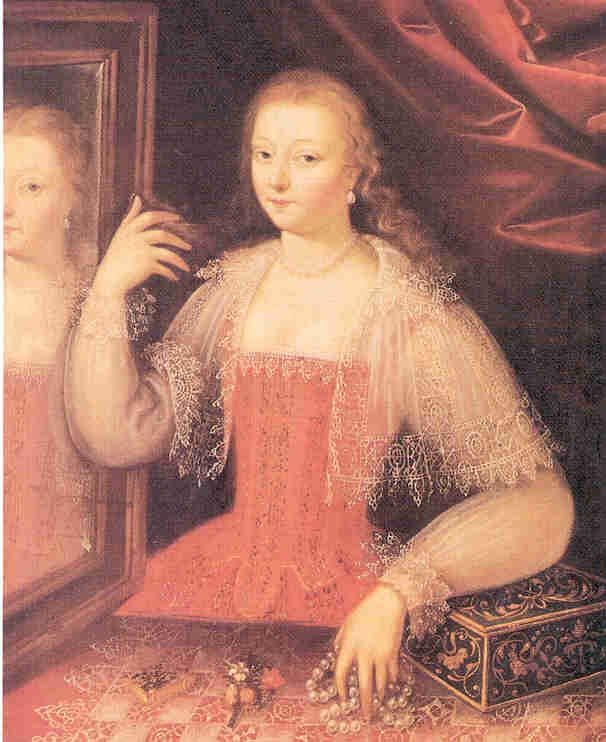
but Paul would have imagined something more like this—
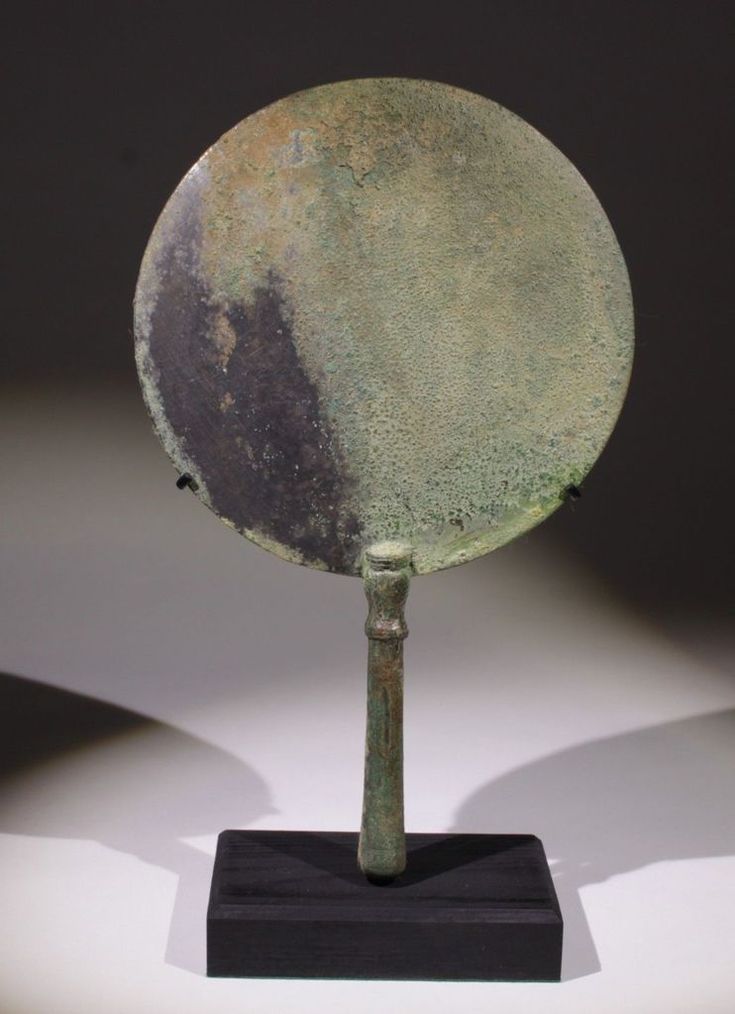
which would have been made of highly-polished metal, commonly bronze, so it’s easier to imagine that “darkly”, if the metal became tarnished.

But that translation of “in enigmate” or the original ἐν αἰνίγματι, might make the mirror even darker, as it comes from αἴνιγμα, which means “riddle” and this isn’t surprising as I, at least, have always found mirrors a little odd—spooky, even—and I’m hardly alone in this—think of the wicked, vain queen in “Snow White”, with her magic mirror—

(from Disney’s 1937 “Snow White”)

or Alice’s adventures in a mirror world—

( You can read a first edition, with the original Tenniel illustrations here:    https://dn710100.ca.archive.org/0/items/throughlooking00carr/throughlooking00carr.pdf  )

or that moment in Chapter 2 of Dracula where Jonathan Harker, in Dracula’s castle, has an unnerving experience—

“I only slept a few hours when I went to bed, and feeling that I could not sleep any more, got up. I had hung my shaving glass by the window, and was just beginning to shave. Suddenly I felt a hand on my shoulder, and heard the Count’s voice saying to me, “Good-morning.” I started, for it amazed me that I had not seen him, since the reflection of the glass covered the whole room behind me. In starting I had cut myself slightly, but did not notice it at the moment. Having answered the Count’s salutation, I turned to the glass again to see how I had been mistaken. This time there could be no error, for the man was close to me, and I could see him over my shoulder. But there was no reflection of him in the mirror! The whole room behind me was displayed; but there was no sign of a man in it, except myself.”  (You can read this—and the whole book—in a first edition here:  https://gutenberg.org/files/345/345-h/345-h.htm#chap02 )

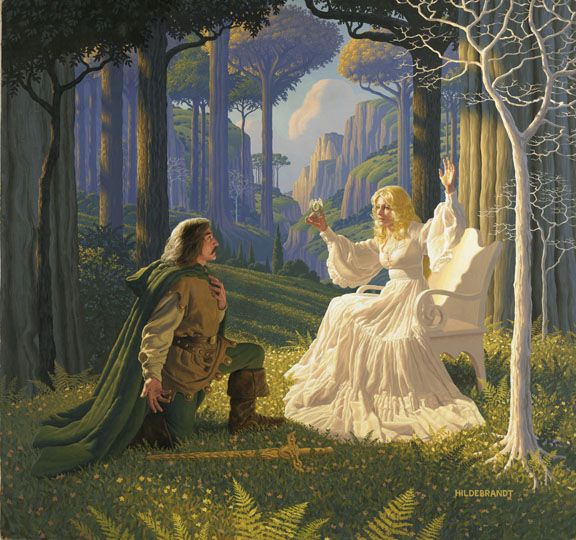
So, what about another mirror, but one not made of bronze, or silvered metal behind glass, like more modern versions—but more like a miniature reflecting pool–
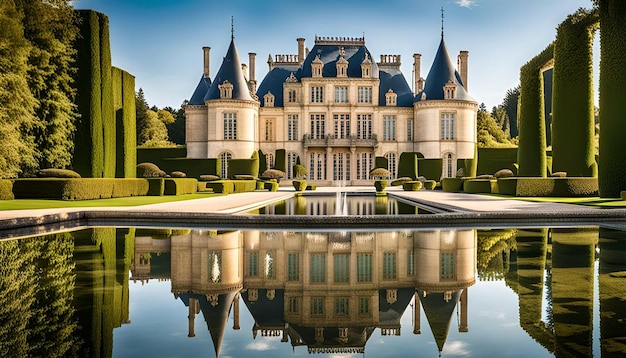
the mirror of Galadriel?
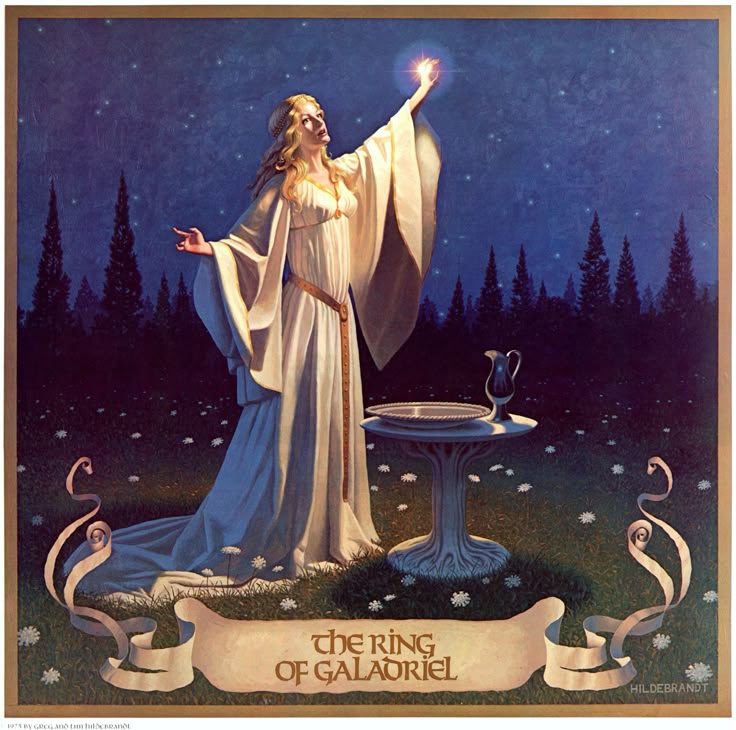
(Greg Hildebrandt)

I’ve written a little about this before  (see:   “Mirror, Mirror”, 9 December, 2015 ), but I’ve come back to this chapter with—I hope—further thoughts.  Why is it there at all?  One reason might be that, after their harrowing adventure in Moria, the Fellowship—and the readers—need a breather and, though they could continue on foot, having already come hundreds of miles that way, perhaps this is a way to vary their travels by adding water and that’s something  with which the elves can and do aid them —

“ ‘I see that you do not yet know what to do,’ said Celeborn.  ‘It is not my part to choose for you; but I will help you as I may.  There are some among you who can handle boats:  Legolas, whose folk know the swift Forest River; and Boromir of Gondor; and Aragorn the traveller.’ “ (The Fellowship of the Ring, Book Two, Chapter 8, “Farewell to Lorien”)

I would add that Lorien, Galadriel’s home, although it seems to be a place of refuge for the Fellowship,is also clearly a place for testing—and not all of that testing appears friendly, at least at first, and the deepest test for the two most important for the fate of the Ring lies in that mirror.

The testing begins, however, when Galadriel says:

“But I will say this to you:  your Quest stands upon the edge of a knife.  Stray but a little and it will fail, to the ruin of all.”

And then she continues:

“Yet hope remains while all the Company is true.”

And, having said this—

“And with that word she held them with her eyes, and in silence looked searchingly at each of them in turn.  None save Legolas and Aragorn could long endure her glance:  Sam quickly blushed and hung his head.”  (The Fellowship of the Ring, Book Two, Chapter 7, “The Mirror of Galadriel”)

Beyond her glance lies, we’re told, a kind of temptation—as Sam reveals:

“ ‘If you want to know, I felt as if I hadn’t got nothing on, and I didn’t like it.  She seemed to be looking inside me and asking me what I would do if she gave me the chance of flying back home to the Shire to a nice little hole with—with a bit of garden of my own.’ “

And, although almost none of the Fellowship reveals what he was offered, there was the same approach:

“All of them, it seemed, had fared alike:  each had felt that he was offered a choice between a shadow full of fear that lay ahead, and something that he greatly desired:  clear before his mind it lay, and to get it he had only to turn aside from the road and leave the Quest and the war against Sauron to others.”

Boromir’s experience might suggest that the test was even more revealing—and perhaps damning—than simply being allowed to leave the Quest, as Gimli says, “ ‘And it seemed to me, too…that my choice would remain secret and known only to myself.’ “  While Boromir explains:

“ ‘To me it seemed exceedingly strange…but almost I should have said that she was tempting us, and offering what she pretended to have the power to give.  It need not be said that I refused to listen.  The Men of Minas Tirith are true to their word.’ “

the narrator reveals the potentially damning part—remembering what Boromir later tried to do:

“But what he thought that the Lady had offered him Boromir did not tell.”

Did she offer him the Ring?

And now we come to the second test, a more selective one, as only Frodo and Sam are involved.
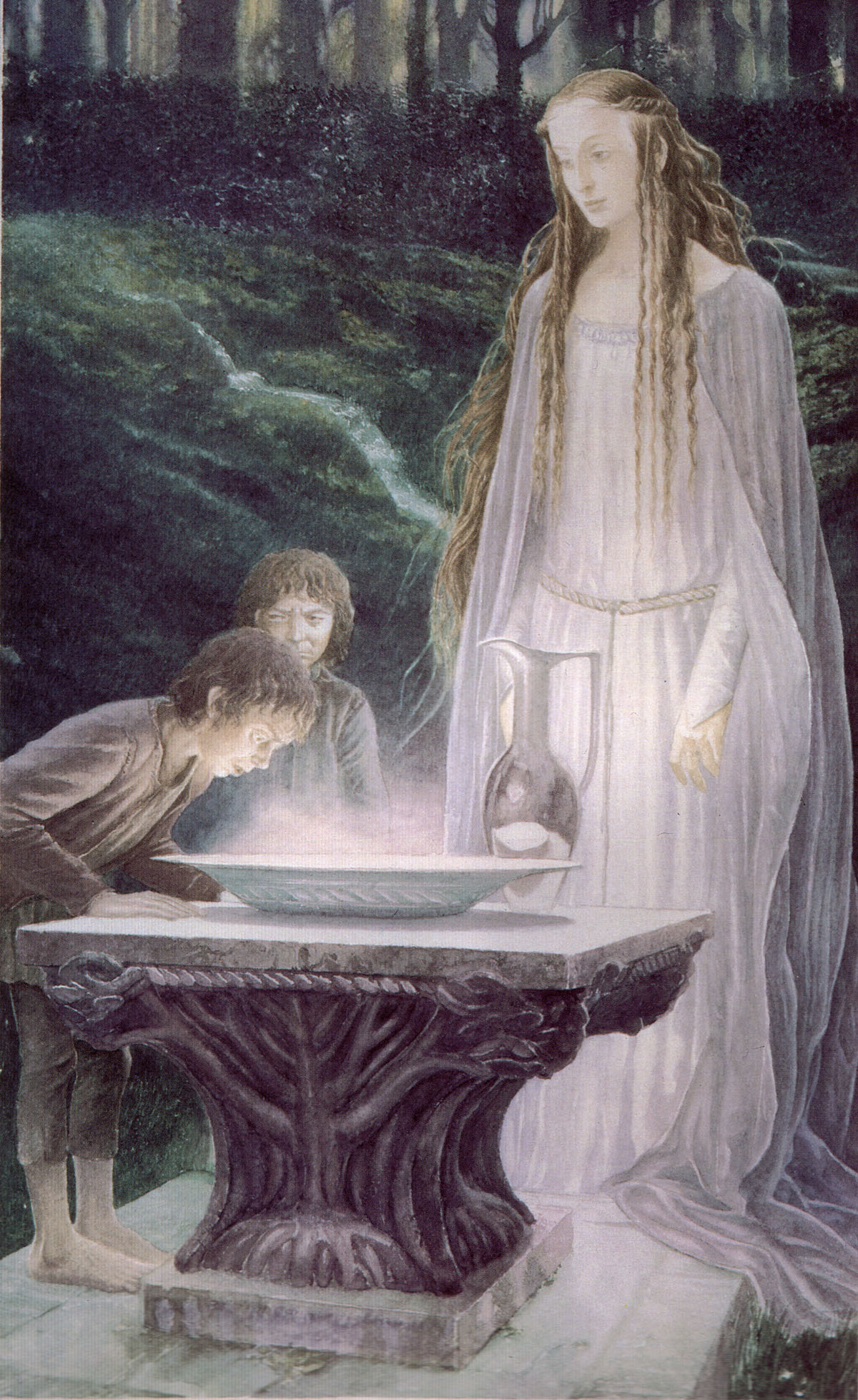
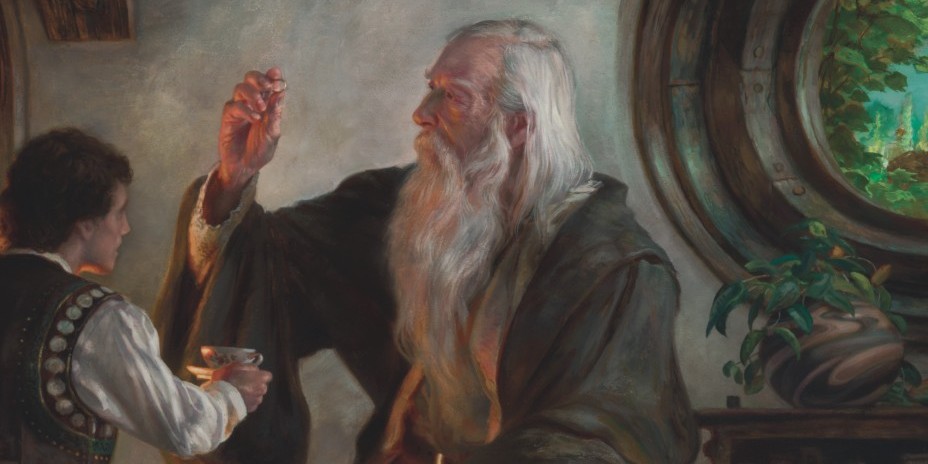
(Alan Lee)

It’s interesting to see the mirrors I’ve already mentioned and how they function in their stories.  “Snow White’s” queen employs hers as a surveillance device, in which the mirror encloses an omniscient spy and not her own reflection.  Alice’s looking glass is a barrier to another world and the fact that it’s a mirror which she must climb through suggests that, as mirrors invert things, so the world which she enters will be reversed, or at least topsey-turvey—definitely like stepping into an enigma.  Jonathan Harker’s  is a simple traveler’s shaving mirror, but stands in the middle of a mystery:  Dracula seems at first like the customer Jonathan has traveled to Transylvania to meet, businesslike, but hospitable and yet, for a nobleman living in a castle, he appears to have no servants and the castle is nearly ruined.  And then:  he has no reflection—what is Dracula?

Galadriel’s mirror, although it can repeat an image—

“Sam climbed up on the foot of the pedestal and leaned over the basin.  The water looked hard and dark.  Stars were reflected in it.”

has other properties—and, interestingly, can be controlled, to some extent, by Galadriel:

“ ‘Many things I can command the Mirror to reveal…and to some I can show what they desire to see.’ “

This has an ambiguous ring to it:  does she mean that she can make the Mirror simply reflect what people want to see, rather than what really may be seen?  If so, this seems in line with her earlier temptation/testing.  She goes on, however:

“ ‘But the Mirror will also show things unbidden, and those are often stranger and more profitable than things which we wish to behold.’”

This would then suggest that the Mirror may also have a mind of its own, beyond her control—“things unbidden”—and yet perhaps more useful—“profitable”. 

She then continues:

“ ‘What you will see, if you leave the Mirror free to work, I cannot tell.  For it shows things that were, and things that are, and things that yet may be.  But what it is that he sees, even the wisest cannot always tell.’ “

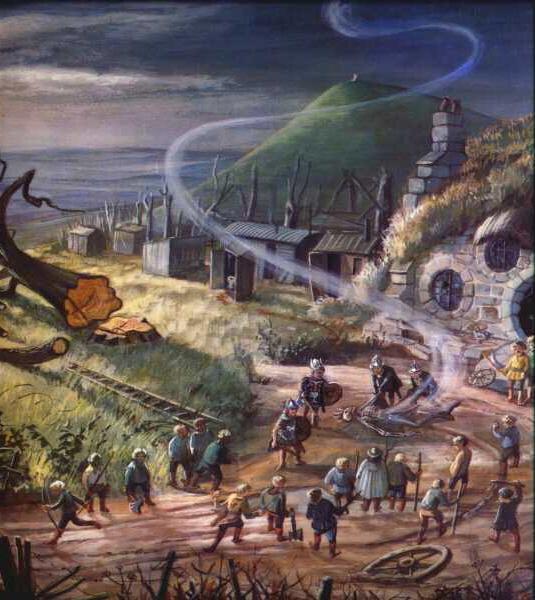
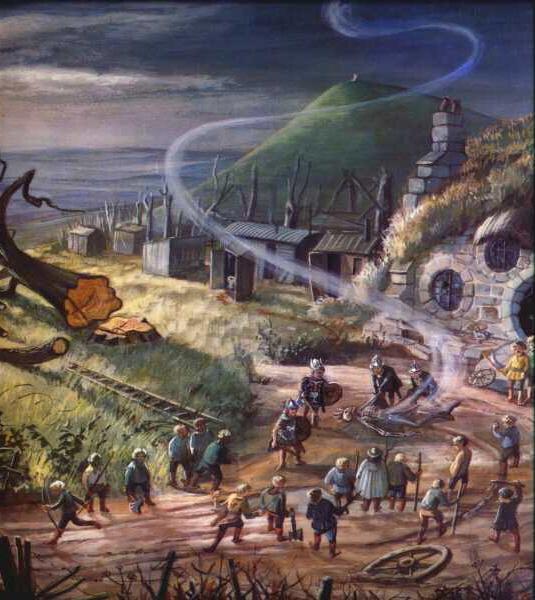
We notice right away that third part:  “things that yet may be”—and this important for what happens next.  Sam looks in, sees a little of the future which we know will happen:  “Frodo with a pale face lying fast asleep under a great dark cliff…himself going along a dim passage, and climbing an endless winding stair”—we can imagine that this is the crossing of the mountains into Mordor.  But then Sam sees the Shire and what we know will be Saruman/Sharkey’s planned industrialization—and ruin—of the Shire, with its “tall red chimney nearby” and here Sam almost fails the test, panicking and shouting “I must go home!”
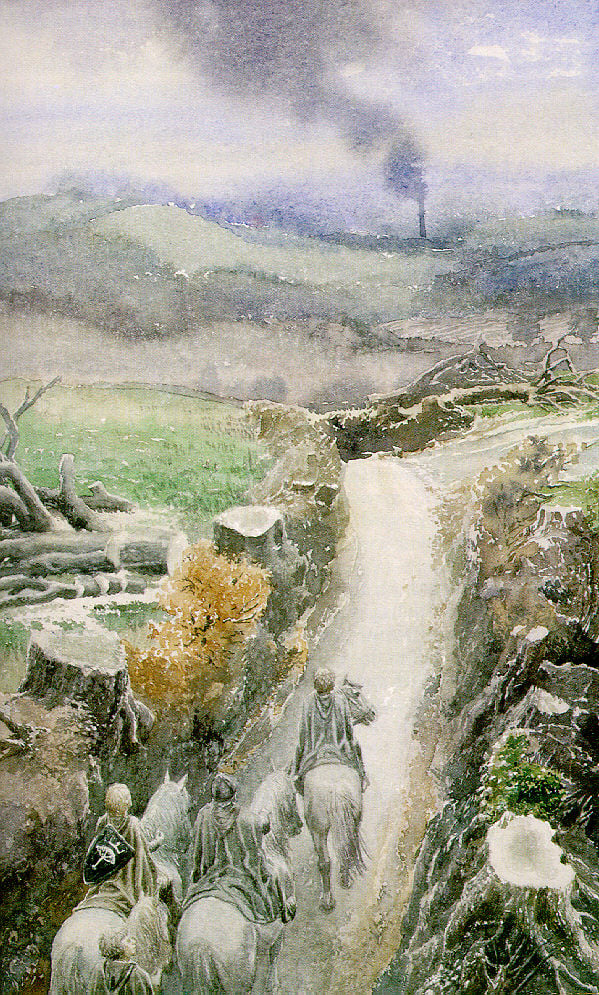
(Alan Lee)

Here, Galadriel intervenes, reminding Sam of something she has already told him and Frodo:

“ ‘Remember that the Mirror shows many things, and not all have yet to come to pass.’”

To which she adds an important caution, echoing also her earlier warning:

“ ‘But I will say this to you:  your Quest stands upon the edge of a knife.  Stray but a little and it will fail, to the ruin of all.  Yet hope remains while all the Company is true.’ ”

saying to Sam:

“ ‘Some never come to be, unless those that behold the visions turn aside from their path to prevent them.  The Mirror is dangerous as a guide to deeds.’ “

And, at this, Sam, though miserable, then passes the test:

“ ‘No, I’ll go home by the long road with Mr. Frodo, or not at all.’ “

Frodo’s visions include Gandalf (although he believes that it might be Saruman), then sees what looks to be Sauron’s attack on Minas Tirith, but then something which might be the ship which takes him and others from the Grey Havens towards Valinor (“…and into the mist a small ship passed away, twinkling with lights.”) before his visions are replaced with

“…a single Eye that slowly grew, until it filled nearly all the Mirror.”
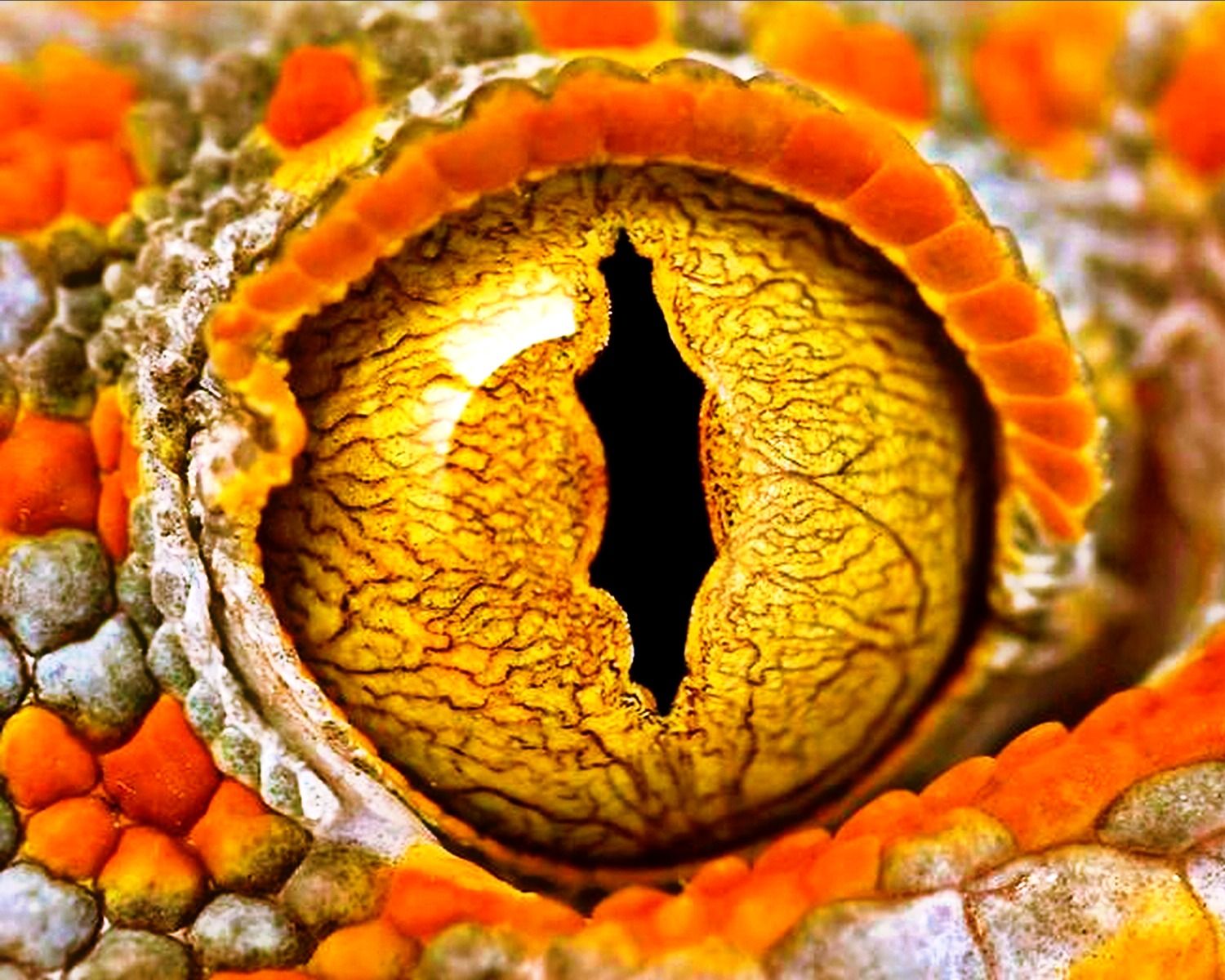
And it gets worse:

“The Mirror seemed to be growing hot and curls of steam were rising from the water.”

before Galadriel stops things by quietly saying, “Do not touch the water.”

With this interruption, however, the test, if, as it was for Sam, a test, is never completed, and so we don’t know if Frodo would have passed it.  But perhaps it is a warning:  should Frodo foolishly try to keep the Ring for himself, as he almost does before Gollum seizes it,

( Ted Nasmith)             

would he, unable to master it, be swallowed up into Sauron’s eye, or worse?

As always, thanks for reading.

Stay well,

Beware of breaking mirrors,
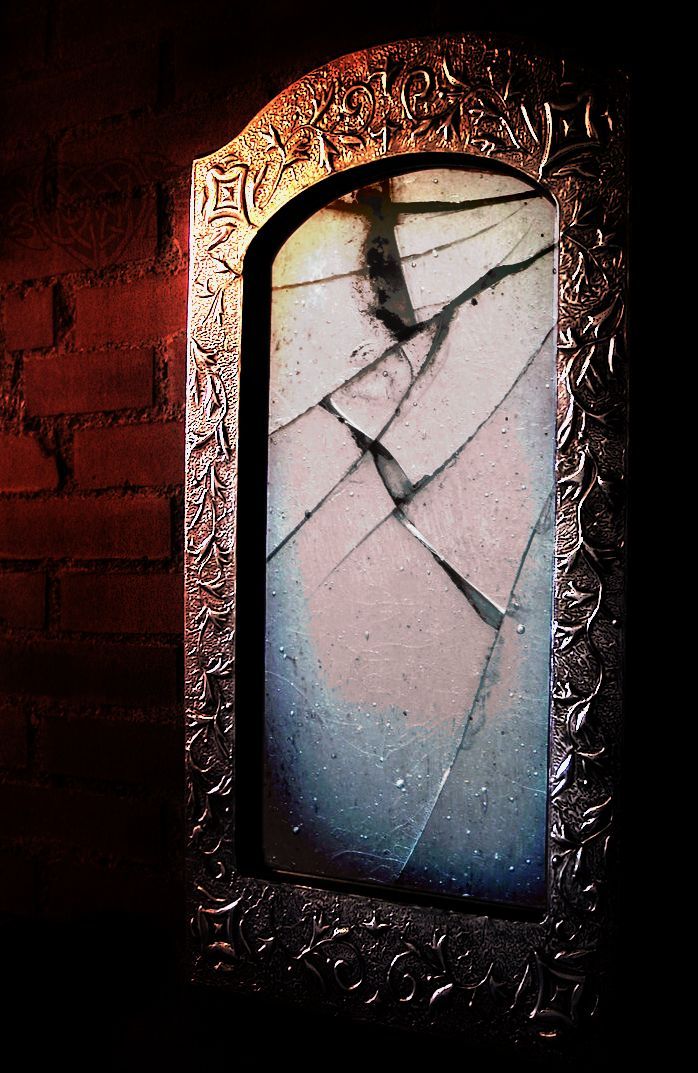
And remember that, as always, there’s

MTCIDC,

O

Return to Horrors?

27 Wednesday Aug 2025

Posted by Ollamh in Uncategorized

≈ 1 Comment

Tags

'Salem's Lot, Acrophobia, Arachnophobia, Billina, Claustrophobia, Coulrophobia, Dracula, ECT, Film, Goblins, Gump, Herpetophobia, jack-pumpkinhead, nome-king, Oz, Ozma of Oz, Return to Oz, Smaug, spiders, Stephen King, The Hobbit, The Marvelous Land of Oz, The Shining, Tik-Tok, Tolkien, trolls, Trypanophobia, Wheelers, wolves

Welcome, dear readers, as always.

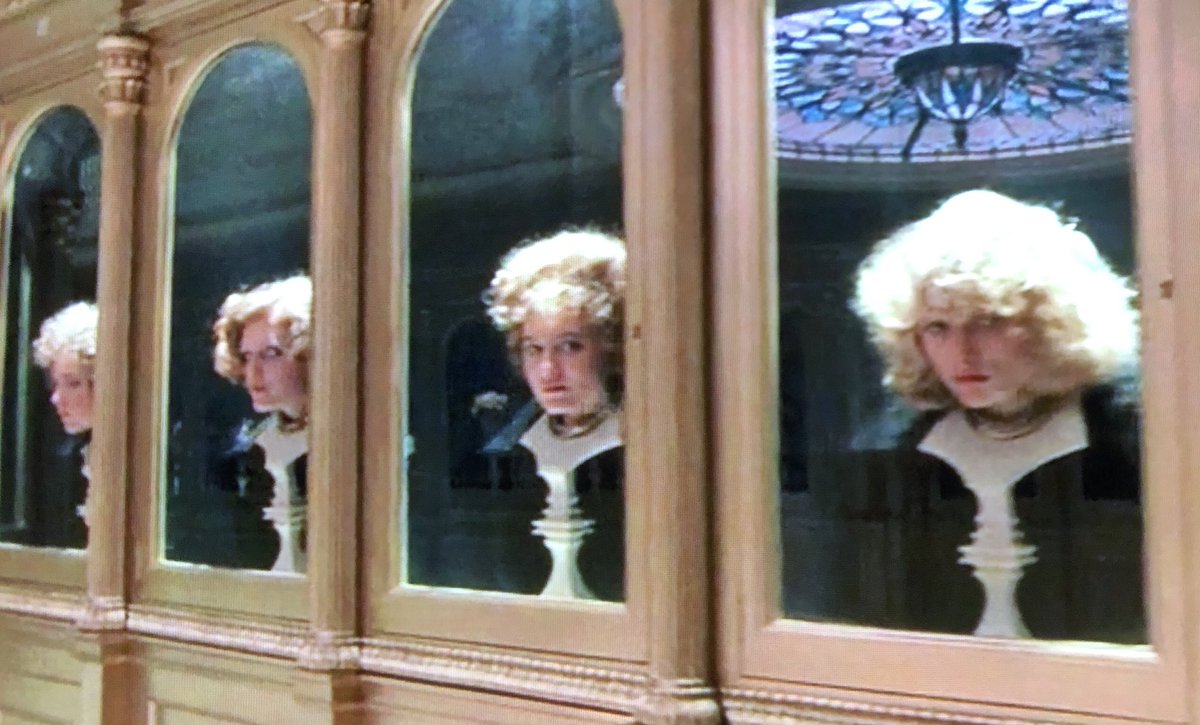
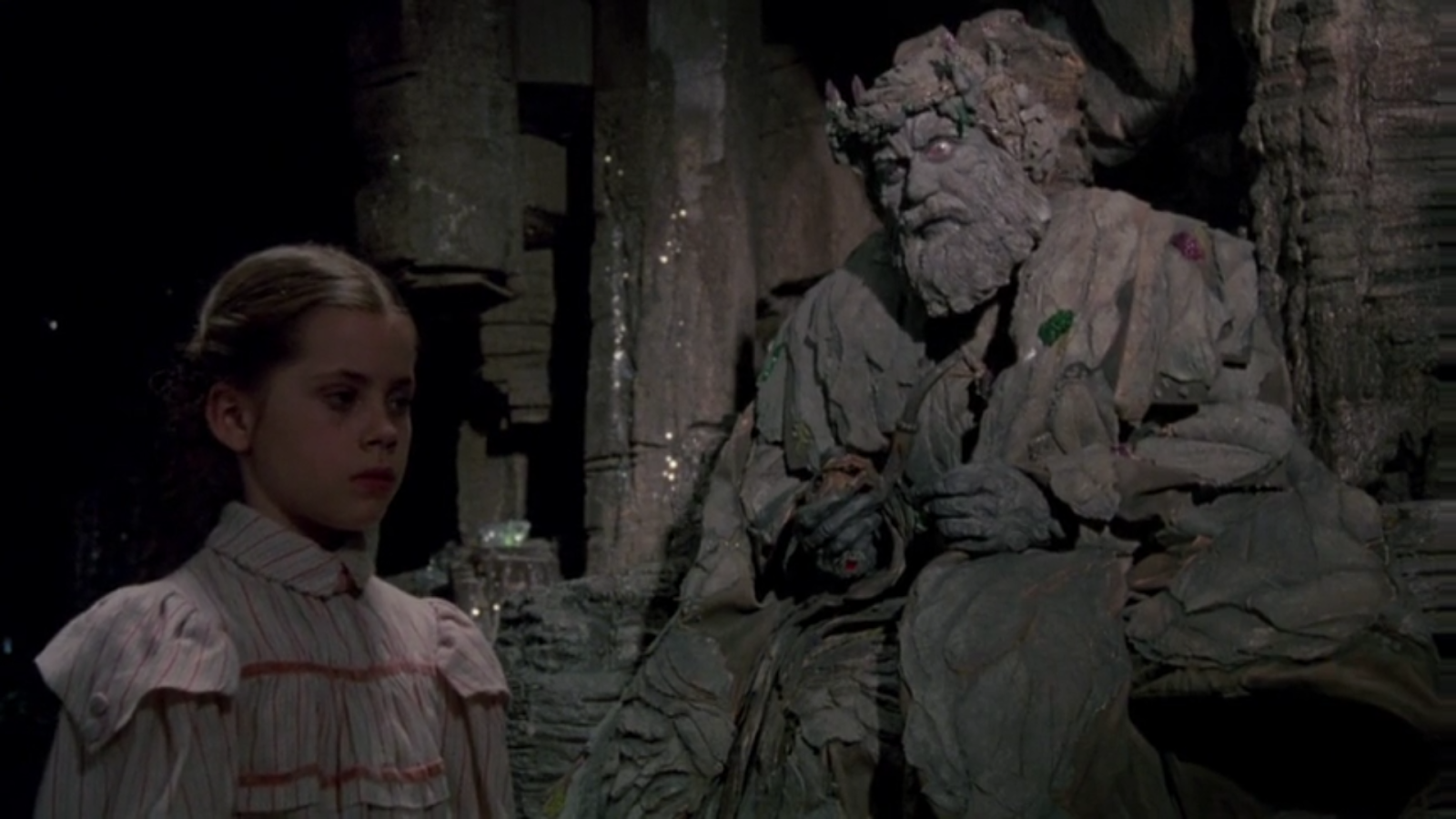
Does this picture make your hands sweat?  Can you barely look at it?

How about this one—

Or this one—

Or—

Or—

Or—horror of horrors!—

It’s possible that all of these might have an effect upon you and, in which case, I imagine that you’re reading this hiding under your bed.

Why all of this phobic display?  Because, back in June, I read an article from the BBC about the 40th anniversary of Disney’s Return to Oz entitled:

“ ‘It has the appeal of an actual horror’: How Return to Oz became one of the darkest children’s films ever made”

(You can read the article here:  https://www.bbc.com/culture/article/20250616-the-darkest-childrens-film-ever-made )

This is a film I own and have seen perhaps half-a-dozen times and I’ve never viewed it as the horror film which the article would suggest.  Granted, sensationalism sells the news, but, having read the article again, I’ve thought about how horror can be an element in a work—and a powerful one—without making the work as a whole into something like Bram Stoker’s Dracula.

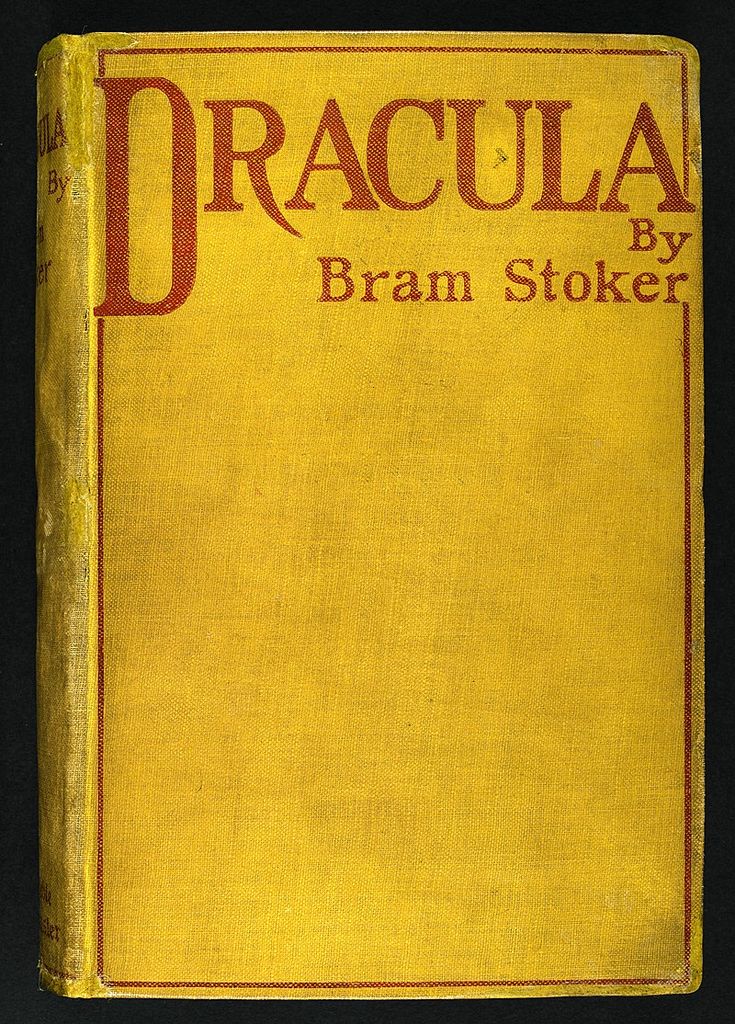
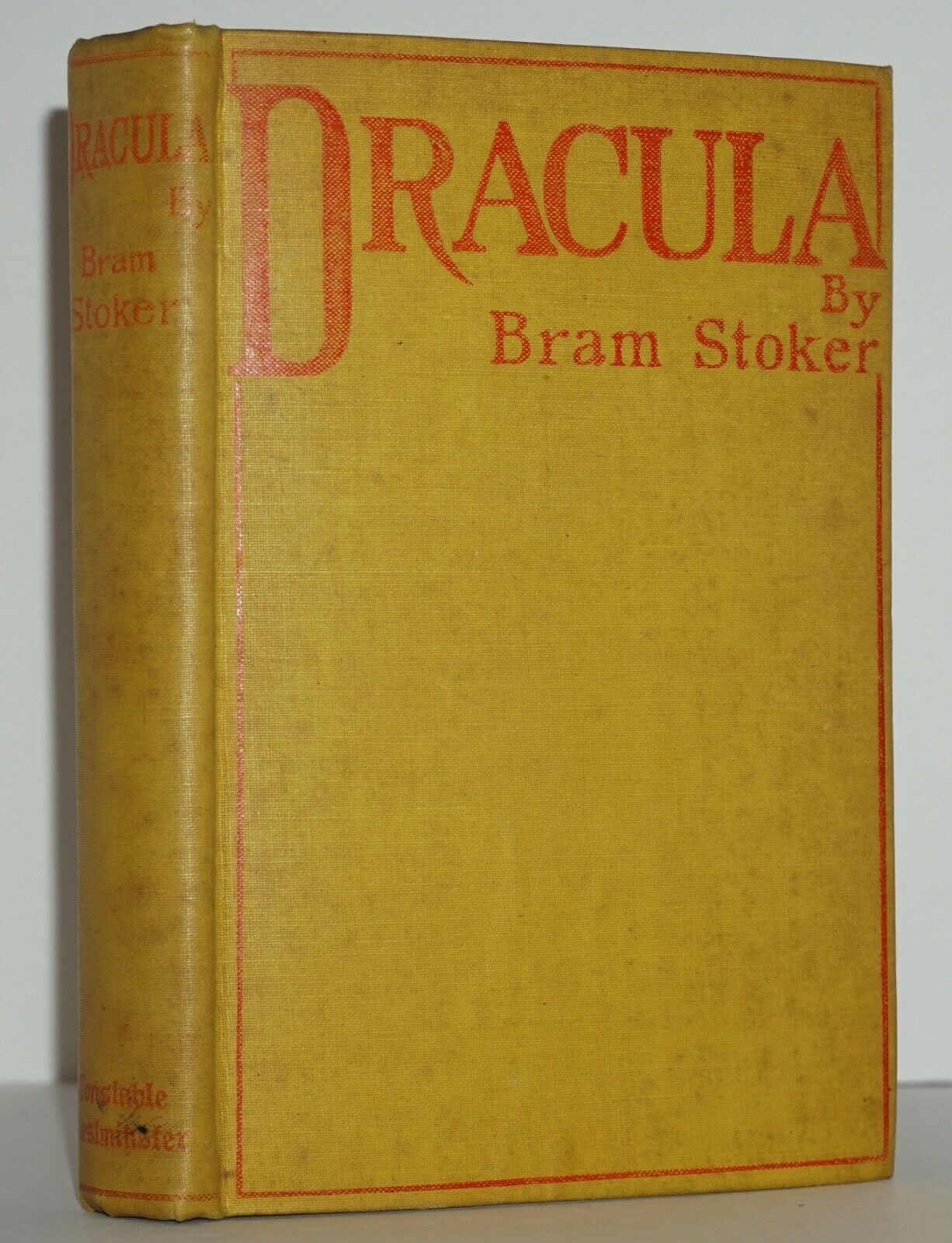
(And, if you haven’t read it, I would certainly recommend it.  Here it is in the first US edition of 1897:   https://gutenberg.org/files/345/345-h/345-h.htm )

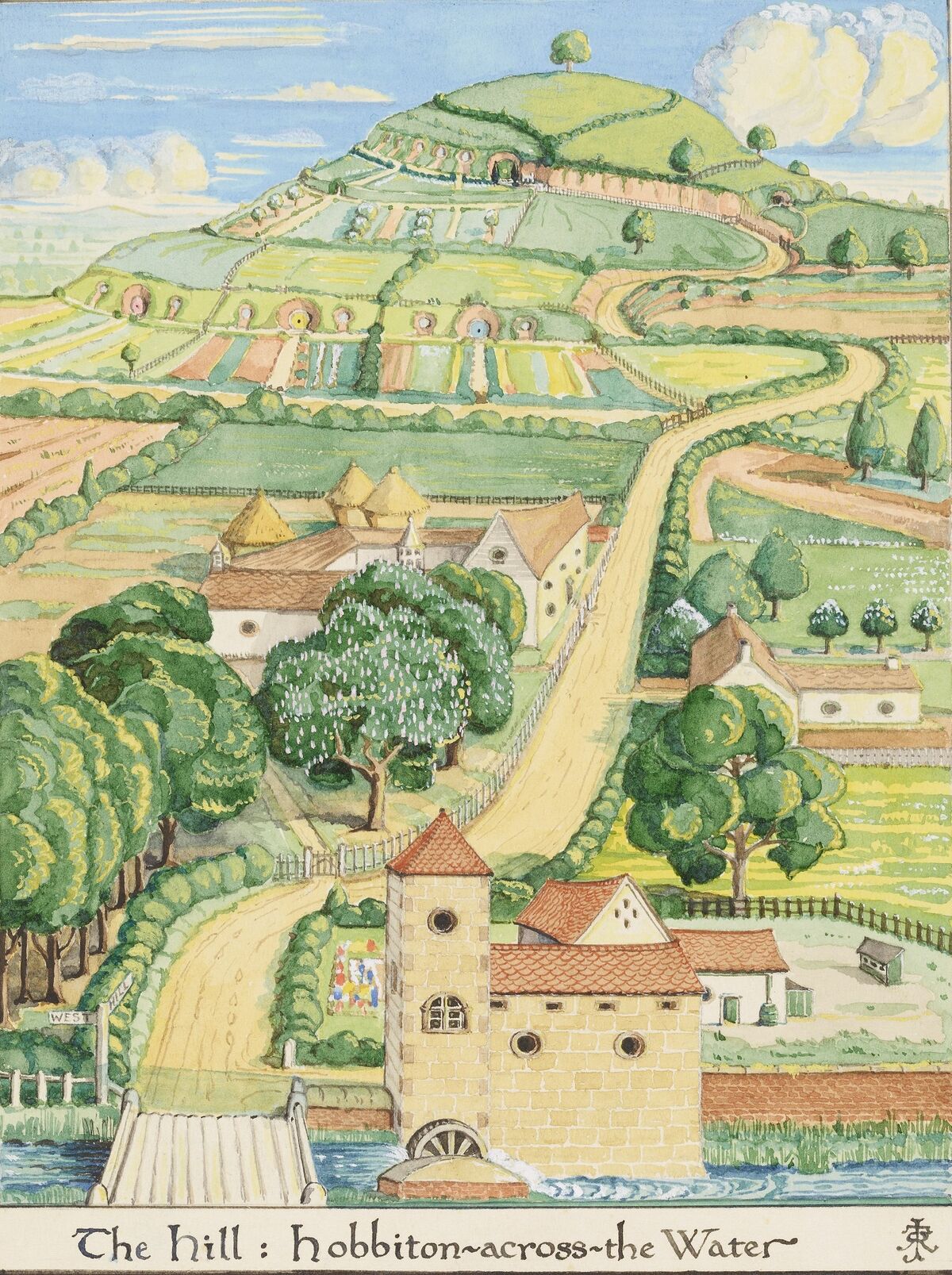
Think, for a moment, about The Hobbit.

Here, we go from the safety of Hobbiton

(JRRT)

to a world where there are trolls,

(JRRT)

goblin-infested mountains,

(Alan Lee)

wolves in large packs,

(Tove Jansson)

giant spiders,

(John Tyler Christopher—you can see more of his work here:  https://johntylerchristopher.com/ )

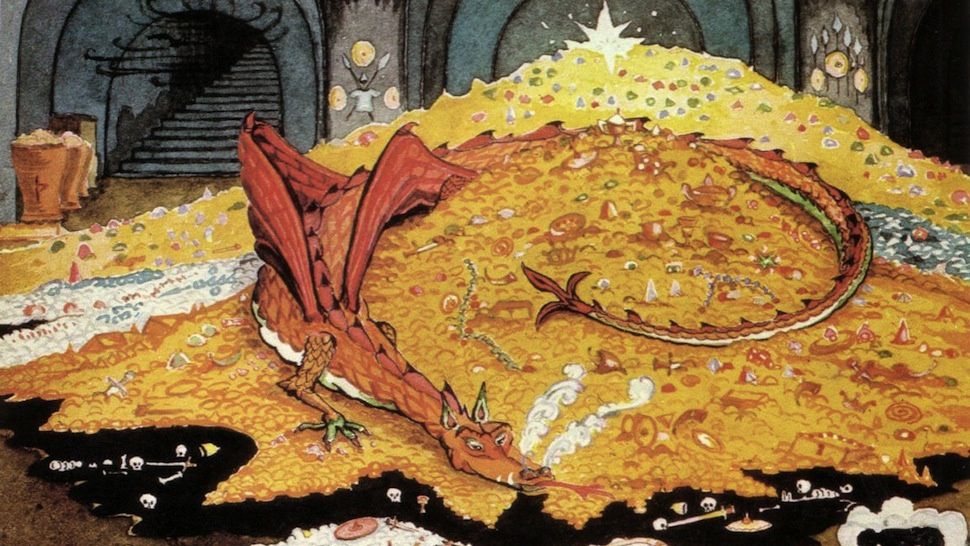
and, finally, an intelligent and vengeful dragon.

(JRRT)

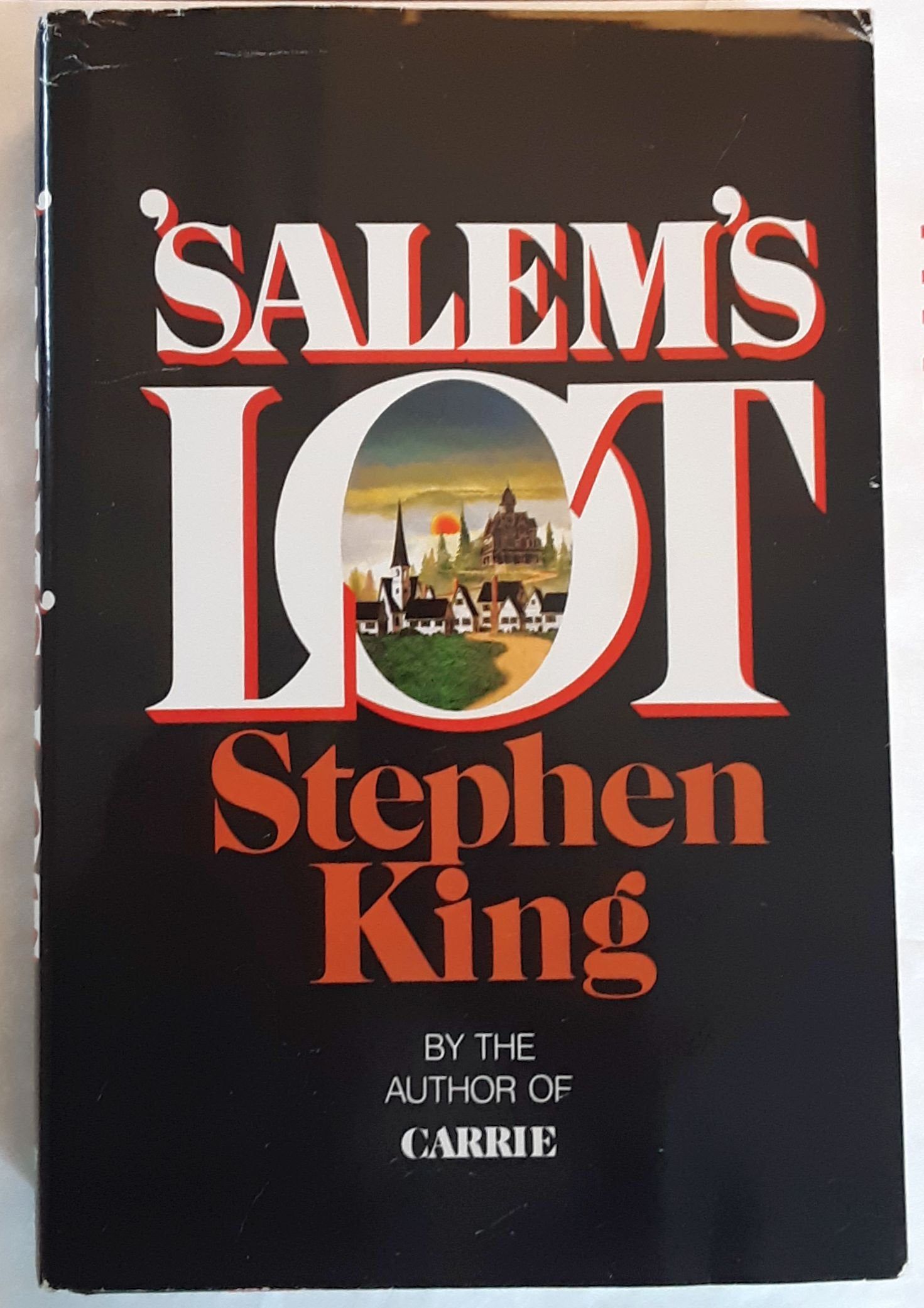
But does the appearance of all these dangers make the book a horror novel, like one of Stephen King’s more forbidding works?

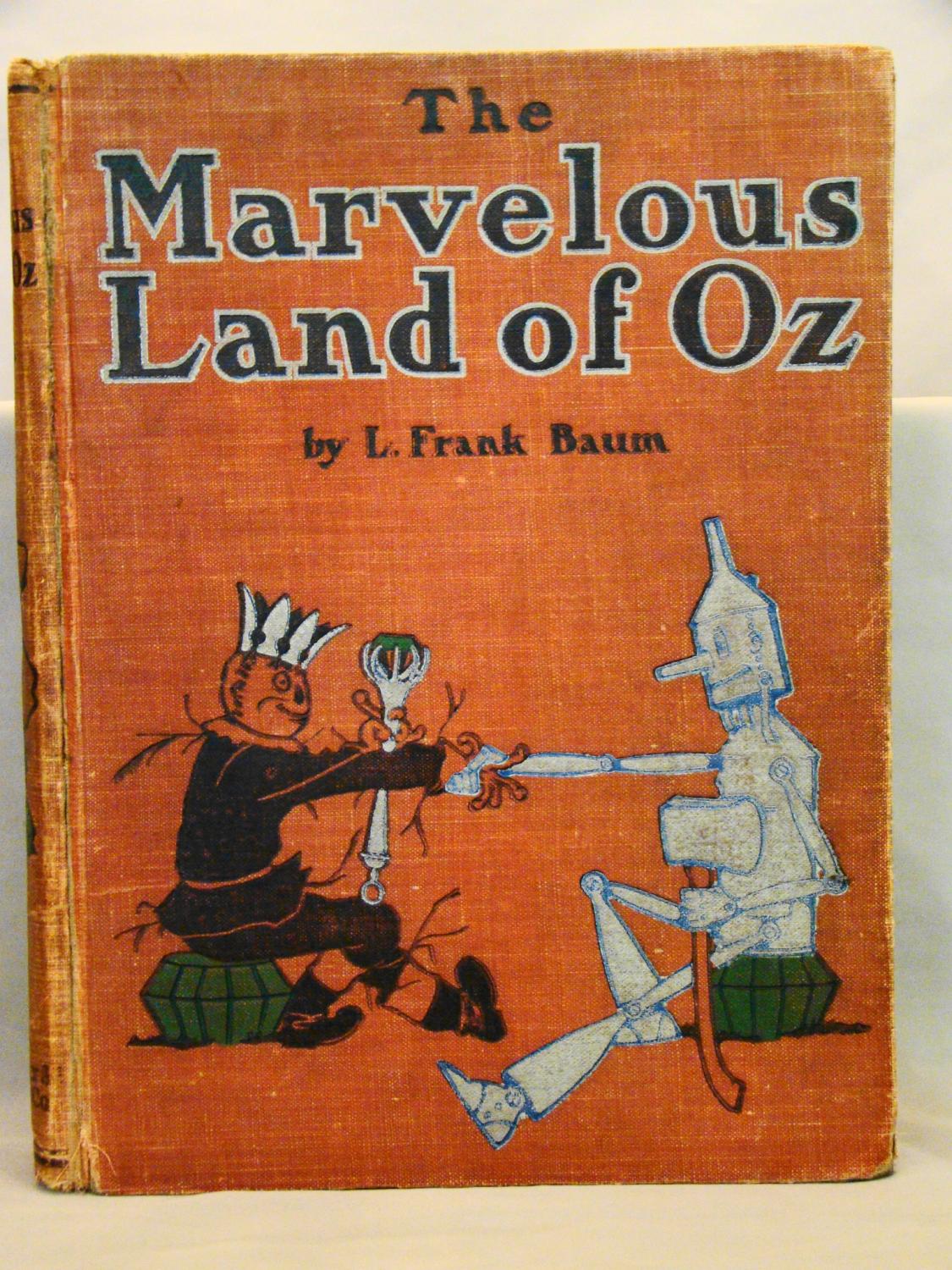
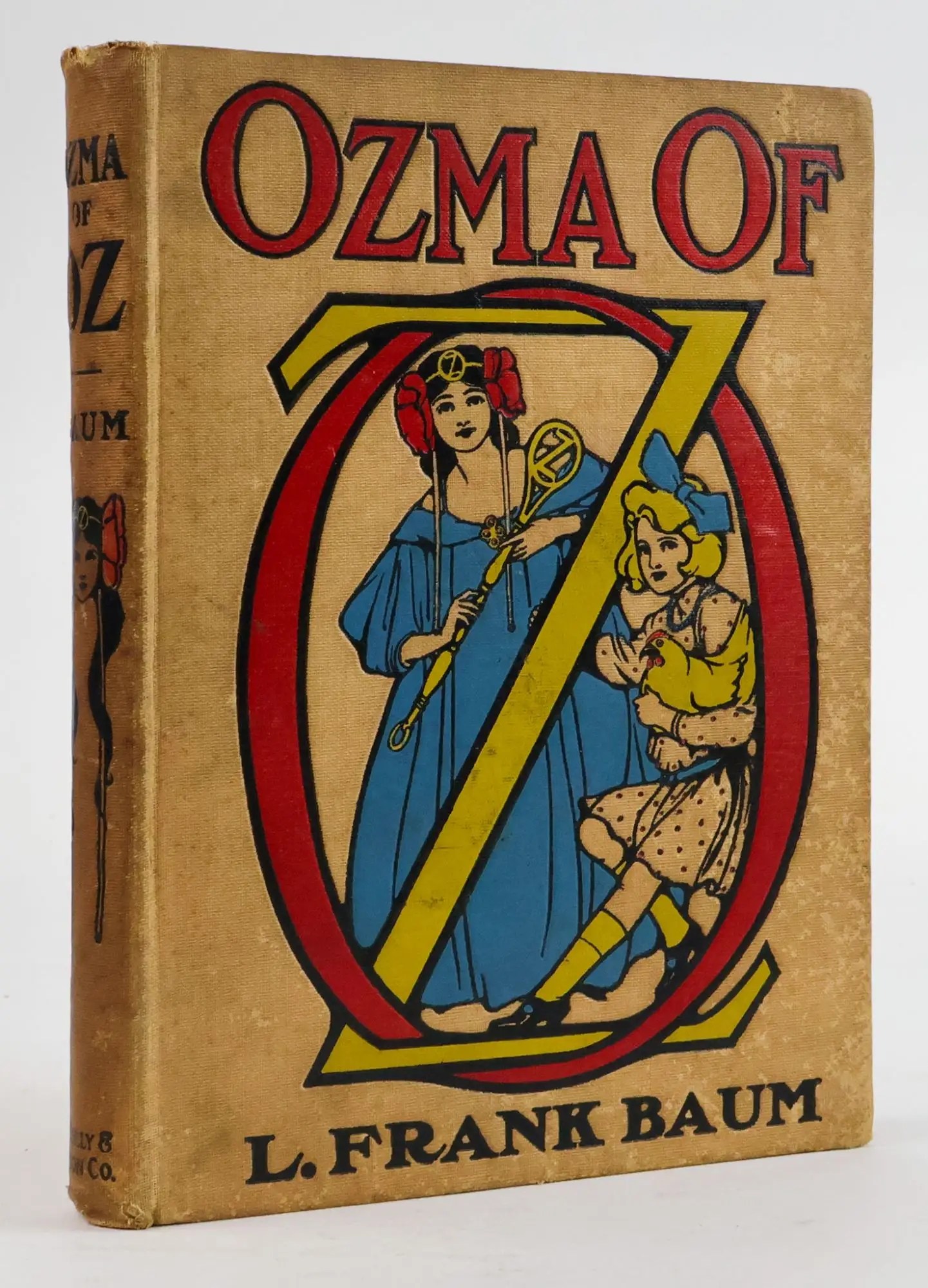
The article points to some potentially disturbing moments—and at least the first is certainly disturbing and, interestingly, is not in the two books upon which the film is based—The Marvelous Land of Oz, 1904,

and Ozma of Oz, 1907.  (For more on the combination and the scriptwriters’ changes, see:  “Chickening In”, 12 February,  2025)

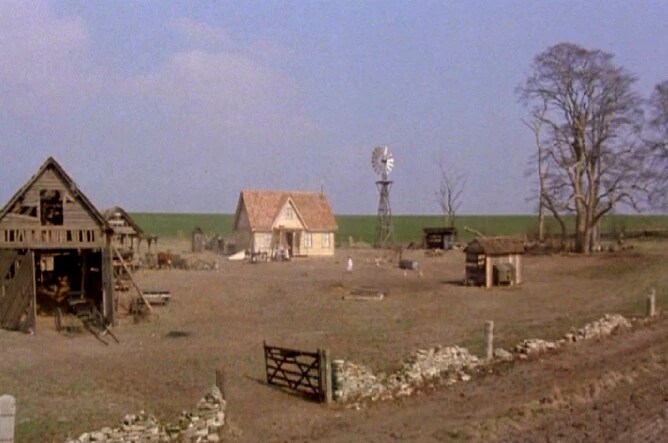
The Kansas of the 1939 film was as bleak as a 1930s sound stage could make it, in sepia, suggesting photos of the Dust Bowl of the Great Depression era—

The 1985 movie showed us the real rolling hills of Kansas and the ruin of Uncle Henry and Aunt Em’s farm.

(This is at the end of the film, when the house has been rebuilt—early in the film, the house—which, of course, was ripped from Kansas and dropped on the Wicked Witch of the East—remains unfinished and Uncle Henry crippled from the twister.)

Dorothy, to Aunt Em, also seems somehow ruined, having reappeared after the tornado with stories about having been in a foreign land, Oz, but with no proof of it, and Em, having seen a newspaper ad for medical treatment by electricity, decides to take Dorothy to the clinic and its all-too-calm and rational Dr. Worley.

The treatment consists of running a powerful electrical current through Dorothy’s brain, (now called ECT—electroconvulsive therapy), which is supposed to erase Dorothy’s (supposedly false) memory of Oz. 

As the audience, with its own memories of Oz, from the 1939 film, the many books, or both, knows perfectly well that Oz is real, as is Dorothy’s memory of it, and, as the article points out:

“…the power of these scenes lies in the fact that they are trying to silence Dorothy, to obliterate her memories of Oz”

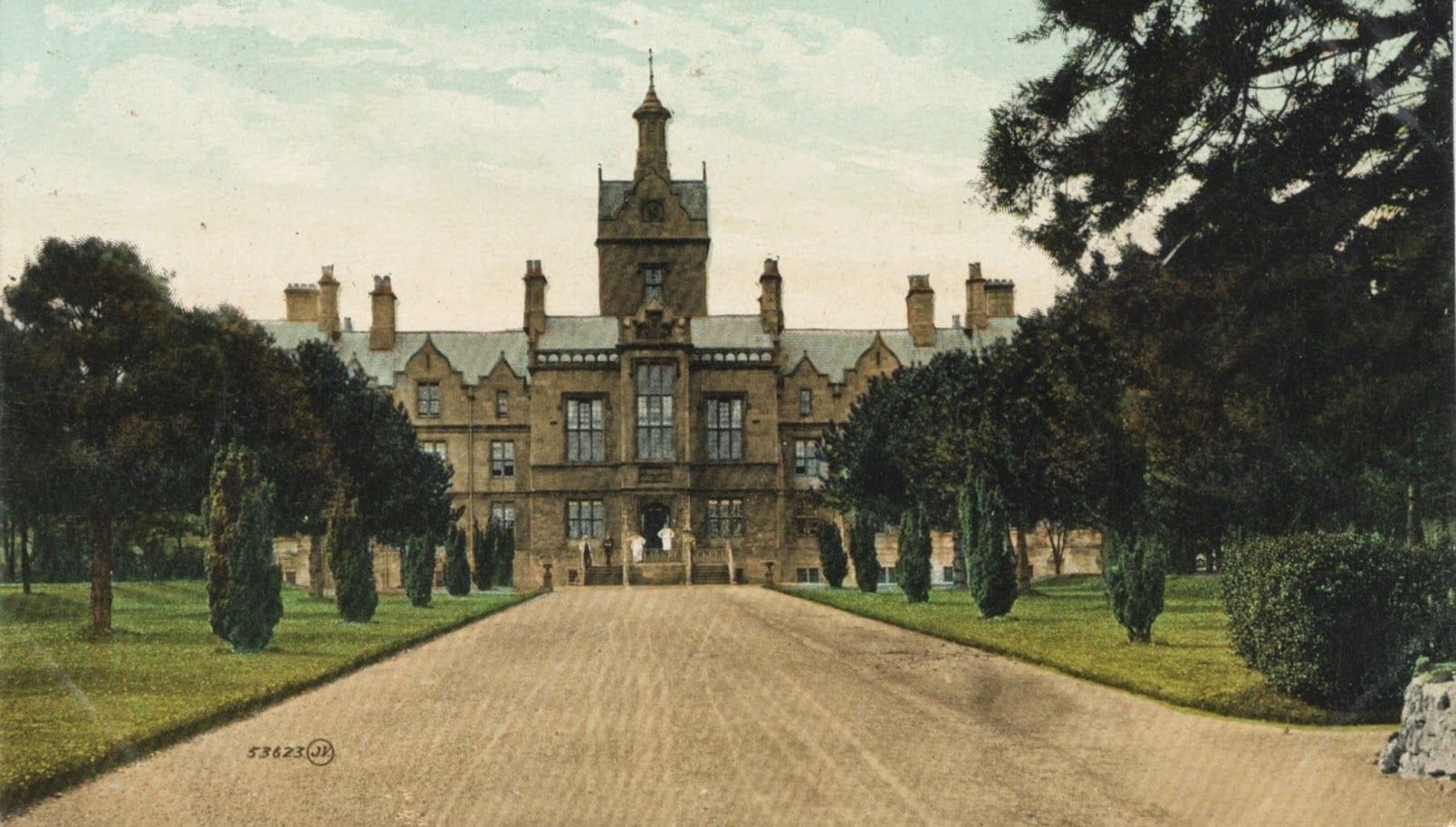
Dorothy escapes the clinic (one might really says “asylum”, as it has that grim look of Victorian asylums for the insane)

(A real Victorian asylum—and not the grimmest, there being some real competition here)

and turns up in Oz, once more, where the article mentions other potentially disturbing elements:

the destruction of Oz and its citizens petrified,

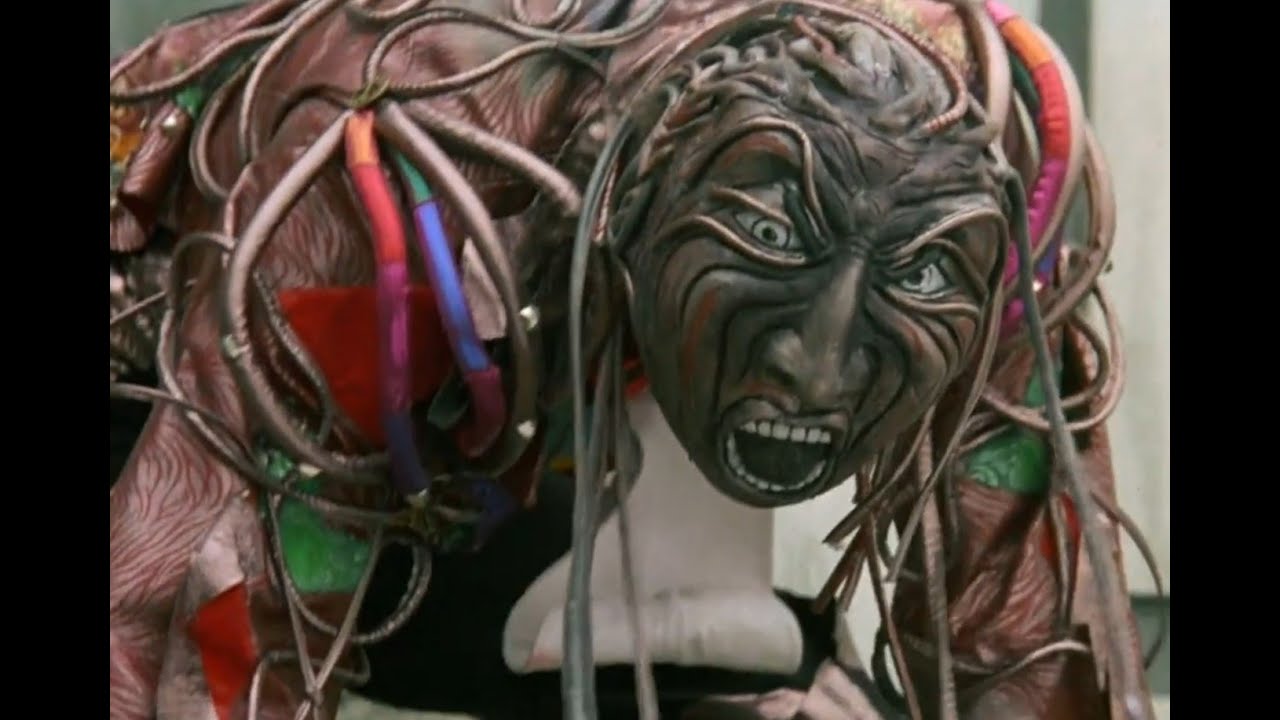
its ruins haunted by the Wheelers,

the minions of Princess Mombi, who collects heads and wears them for different occasions,

and then there is the Nome King, who is the current ruler of Oz,

and is the destroyer of the Emerald City, the overlord of Mombi, and has enchanted Dorothy’s former friends, the Scarecrow, the Tinman, and the Cowardly Lion, turning them into inanimate objects.

For the sake of sensationalism, it seems that the article leans heavily on these—as if, I suggested above, one could do the same for The Hobbit, but this leaves out the fact that, although Dorothy’s first allies in Oz have been neutralized, she finds others, just as Bilbo has dwarves, Gandalf, Elrond, the Eagles, and Beorn, not to mention Sting and the Ring.

These include the caustic hen, Billina, who arrives with her from Kansas,

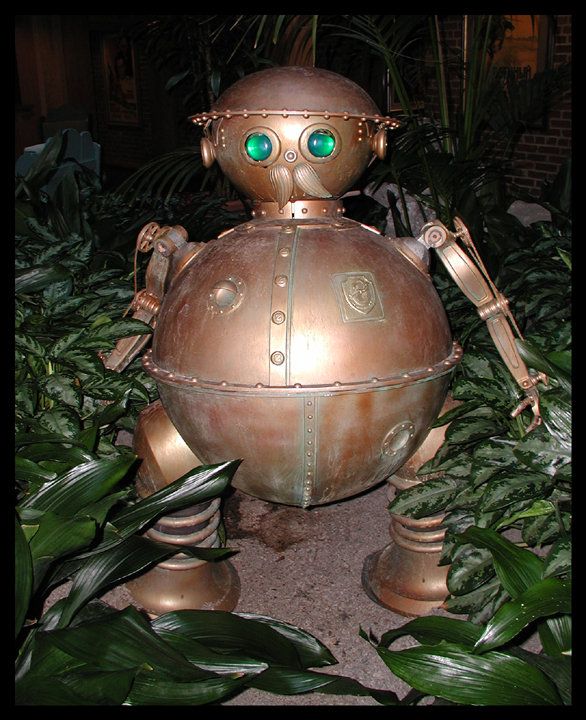
“the Army of Oz”—Tik-Tok,

Jack Pumpkinhead,

and the Gump.

I teach story-telling on a regular basis and a dictum I use is “No fiction without friction” .  Just as trolls, goblins, wolves, Gollum, spiders, and Smaug provide the friction in The Hobbit, so the clinic and its smooth-talking doctor, the Wheelers, Princess Mombi, and the Nome King, provide it in Return to Oz.  These plot elements supply the problems which must be solved before the ultimate goal of the story can be achieved—coming home safely (and much better-off) for Bilbo, coming home and keeping her memories of Oz for Dorothy (guaranteed for her when she sees Ozma, rescued from the Nome King, in her mirror in Kansas).

Disturbing moments—in both—what’s that riddle contest with Gollum if nothing short of harrowing?—but is Return to Oz just this side of a horror movie?  As always, I suggest that you see it for yourself, but remember “no fiction without friction” before you rank it with The Shining.

Thanks, as ever, for reading.

Stay well,

Pick a bed with a reasonable clearance,

And remember that, as always, there’s

MTCIDC

O

Two Fingers

09 Wednesday Apr 2025

Posted by Ollamh in Uncategorized

≈ Leave a comment

Tags

Captain Hook, Dracula, Pirates, poison ivy, Remington, rum, Sherlock Holmes, The Lord of the Rings, Tolkien, Tolkien typing, typewriters, whisky

As ever, dear readers, welcome.

From the title of this posting, you, imaginative readers, might create any number of topic subjects.  It could be the name of a pirate,

his other fingers lost to a cutlass.

It could be the order by that pirate for whiskey,

since the barkeep has run out of rum–

or perhaps the pirate is an elegant gentleman, like James Hook,

(William Nicholson’s costume design for the original captain, 1904, in the V&M–Victoria and Albert Museum—collection)

a graduate of Eton College,

who knows his malts and knows that “two fingers” is a standard measure.

In Philip Pullman’s The Subtle Knife,

one of the protagonists, Will Parry, has lost two fingers in gaining the knife of the title—could this be the topic?

In the US, poison ivy

has the colloquial name “Three-fingered Jack”—perhaps this is a variant so deadly that it only needs two fingers? 

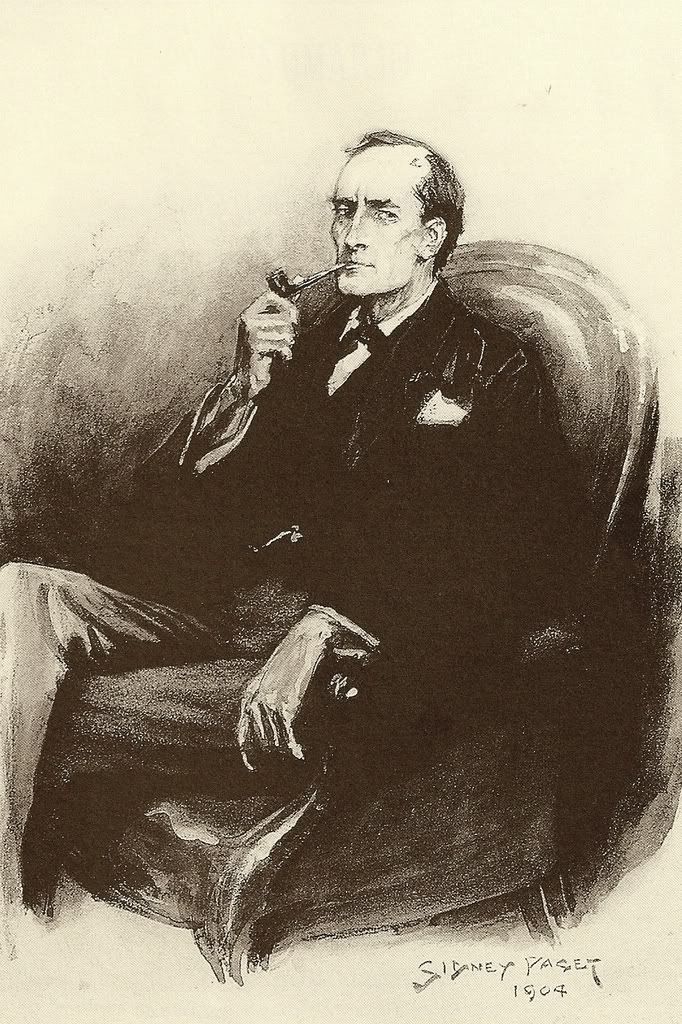
Or is this the title for one of Sherlock Holmes’

cases that Watson is so desperate to see—but never will:  “The Adventure of the Two Fingers”?

As you’re imaginative, I’ll let you go on from there, and I hope that you won’t be disappointed to learn that it’s none of the above, but, instead, it’s about typing.

The history of typewriters is a complex one (you can read all about it here:  https://historycooperative.org/who-invented-the-typewriter/  but, if the history of technology interests you as it does me, be sure to veer over to the article on the Hansen “writing ball”, which you can find here:  https://en.wikipedia.org/wiki/Hansen_Writing_Ball )

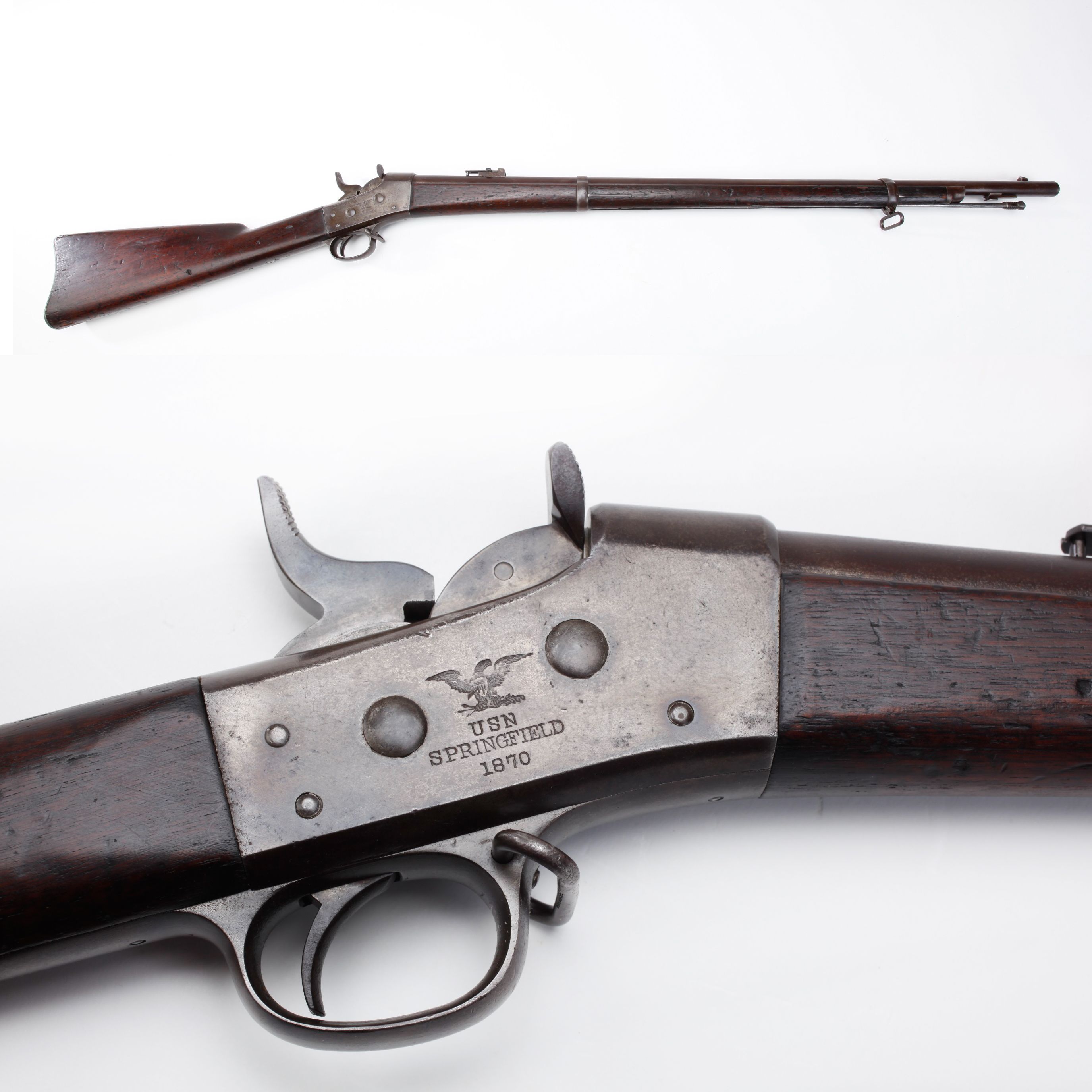
but Christopher Latham Sholes (along with Samuel Soule , Carlos Glidden, and James Densmore) is credited with producing the first commercially viable machine in 1868, the “Remington No.1”,

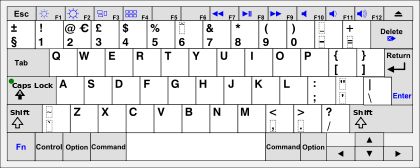
which employed the QWERTY pattern still seen today.

(For a wonderfully-detailed and enlighteningly-illustrated article on this, see:   https://readmultiplex.com/2022/10/21/the-actual-reasons-the-qwerty-keyboard-layout-was-invented-and-how-it-changed-us/   And yes, that “Remington” was the firearms company, which was diversifying.)

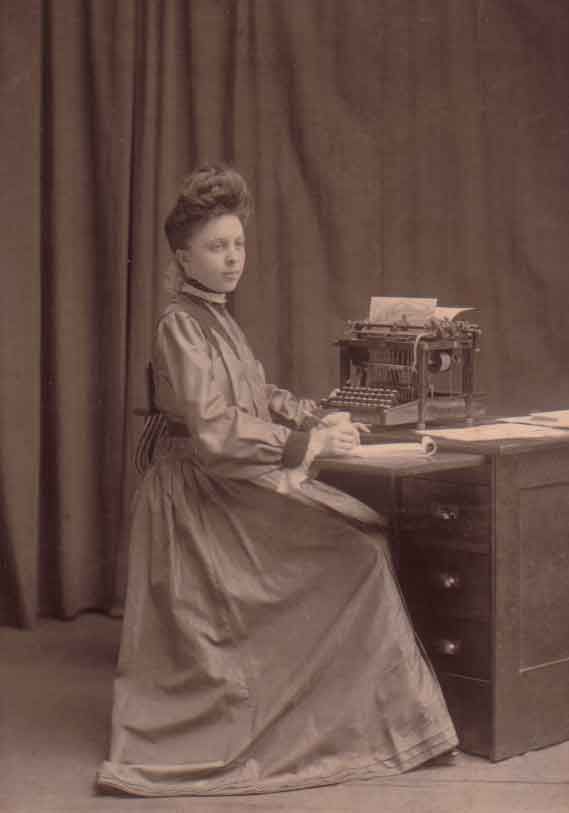
In the later 19th century, the Industrial Revolution seemed  to begin to find a second wind and offices were increasingly full of typewriters and typists (one of the ways in which young women came into the workforce).

You can really see this in 1897’s Dracula,

where a major character, Mina Harker, uses her typing and other secretarial skills to help to defeat the vampire.  (And, if you’ve never read it, here’s an American first edition for you:    https://www.gutenberg.org/cache/epub/45839/pg45839-images.html  For more on using the office to defeat Dracula, see “Take a Letter”, 30 December, 2020 on this blog)

But the machine which is the focus of this posting—and appears above, just after that Sidney Paget image of Holmes, wasn’t a Remington, but a Hammond, first put on the market in 1884.

(for more on early Hammonds, see:  https://www.antikeychop.com/hammondno1typewriter )

A much later version of one of these was owned by a Professor JRR Tolkien and, as he tells us, on which “I typed nearly all of The Lord of the Rings” (letter to Rayner Unwin, 22 June, 1952, Letters, 236).

The Hammond was a very different machine from the Remingtons in their various iterations, including, in time, the ability to shift typefaces (JRRT mentions in an airmail letter to Christopher during the war that he’s using a “midget” typeface to cram in more writing in the limited space of an airmail letter—see the letter of 7 July, 1944, Letters, 124.  For a very good article on Tolkien’s writing habits, see:  https://tonyriches.blogspot.com/2014/06/j-r-r-tolkiens-writing-habits.html )

With 1200 pages of manuscript, and only Tolkien to do the typing (or most of it, from his various accounts it’s unclear if he did every page himself—he had earlier typed out The Hobbit—see the letter to Christopher Bretherton, 16 July, 1964, Letters,  257), it’s not surprising that it took him so long to do a readable draft (and he only had one, as he tells Hugh Brogan –from a letter to Hugh Brogan, 4 September, 1950, Letters, 199-200), especially as he was not a trained typist.  “Touch typing” appeared as early as the 1880s, but it was a specialized skill (see https://en.wikipedia.org/wiki/Touch_typing )and we can only presume that JRRT was self-taught. 

And that he typed everything with only two fingers (see Philip Norman, “The Prevalence of Hobbits” in the New York Times Book Review, 15 January, 1967, which you can find here:   https://archive.nytimes.com/www.nytimes.com/books/01/02/11/specials/tolkien-mag67.html ).

And that’s where the two fingers of the title meet Tolkien’s Hammond typewriter.

Thanks, as always, for reading.

Stay well,

Imagine what JRRT could have done with a laptop,

And remember that there’s always

MTCIDC

O

Battering Ram or…Wolf?

01 Wednesday May 2024

Posted by Ollamh in Uncategorized

≈ Leave a comment

Tags

Dracula, Gothic, History, horror, reviews

Ad haec Caesar respondit: se magis consuetudine sua quam merito eorum civitatem conservaturum, si prius quam murum aries attigisset se dedidissent;

“Caesar replies to these things that he would preserve their town, more by his own custom than by [their] deserving it, if they would have surrendered before the ram had touched the [town] wall.” (Caesar, De Bello Gallico, 2.32.  My translation.)

The Aduatuci (or Atuatuci) were a Germanic tribe in what is now eastern Belgium and they were in trouble.  Involved in resisting Julius Caesar’s conquest of their region, they found themselves besieged by a Roman army long-experienced in dealing with fortified towns like this one.  Appalled by the preparations they could see being made, they quickly agreed upon terms with Caesar—on his condition, as stated above, the idea being that, once the ram had touched the wall, it would knock it down and everyone inside would be at the mercy of the Romans (murdered on the spot or sold into slavery.  We have no idea what the town looked like, but if its walls were of the sort called murus gallicus,

as Caesar himself describes the building technique, it was his obvious preparations and chilly threat which caused the capitulation,  Caesar admitting that such walls would have stymied Roman rams.  See for more:  https://en.wikipedia.org/wiki/Murus_gallicus    Just after their surrender, the Aduatuci made the mistake of trying to trick the Romans and paid dearly for it.  See:   https://www.livius.org/articles/battle/oppidum-aduatucorum-57-bce/   )

Among those preparations would have been a siege weapon in use at least as far back as the Neo-Assyrians (10th through 7th century BC), as this relief from the edge of a bronze vessel demonstrates.

Caesar’s threat suggests that his weapon would be aimed at a wall, but, the Assyrian relief is aimed at what, I think, we’ve come to expect from medieval illustrations—

and from adventure movies—see this scene from Braveheart (1995) as an example:  https://www.youtube.com/watch?v=7PXrVUaoEEc  —

a gate, it being the weakest part of a defensive wall.

As always, welcome, dear readers.

What’s going on here, that we begin, as Horace (65-8BC) put it in his Ars Poetica, 146-149, when cautioning poets about trying to tackle bigger subjects that they can possibly manage, in medias res, “in the middle of the action”?

Because this posting is really about being in mediam portam, “in the middle of the gate”, as Tolkien says of the main gate of Minas Tirith:

“Very strong it might be, wrought of steel and iron, and guarded with towers and bastions of indomitable stone, yet it was the key, the weakest point in all that high and impenetrable wall.”  (The Return of the King, Book Five, Chapter 4, “The Siege of Gondor”)

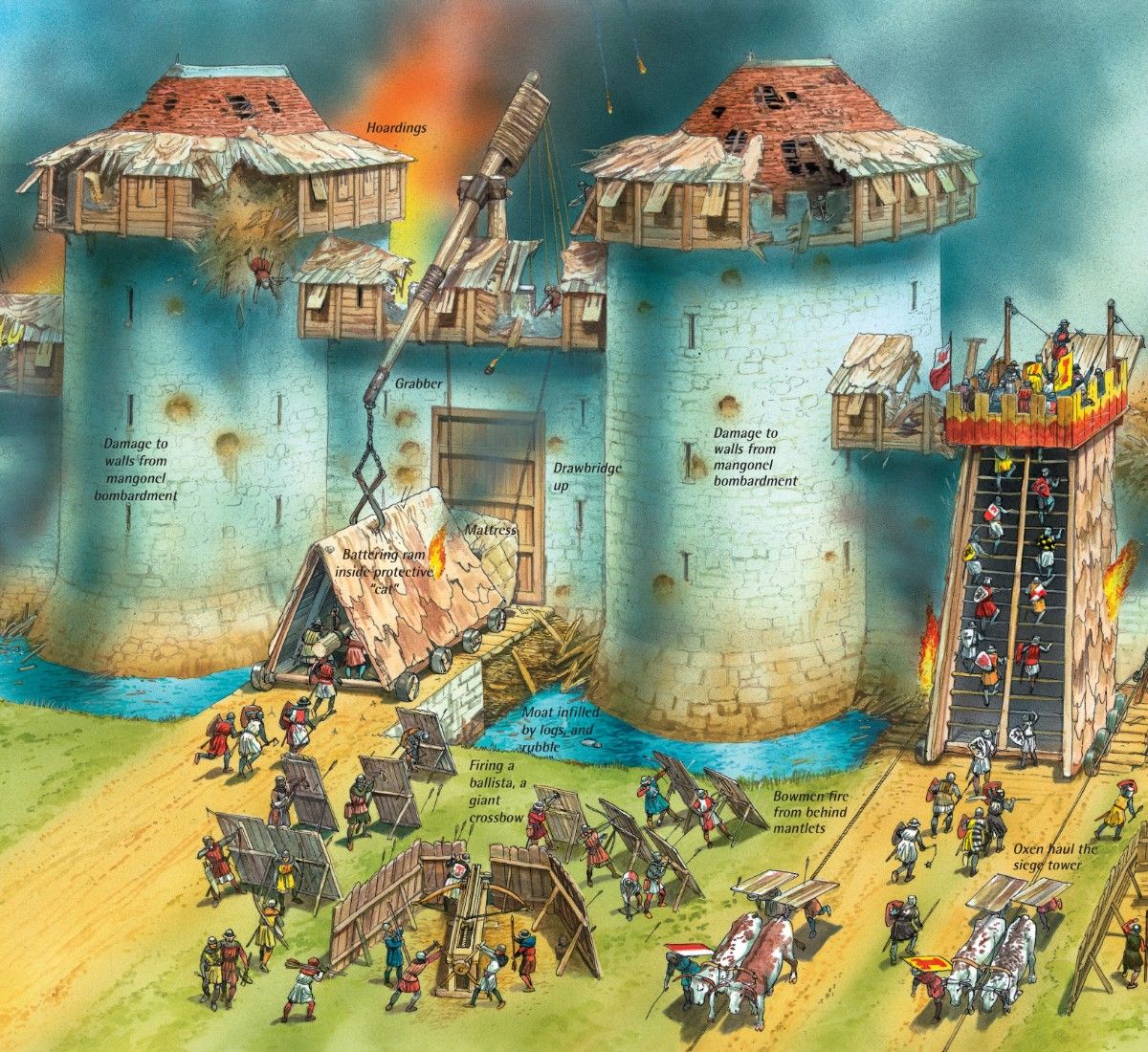
What’s attacking that gate is a monstrous ram:

“…in the midst was a huge ram, great as a forest-tree a hundred feet in length, swinging on mighty chains.  Long had it been forging in the dark smithies of Mordor, and its hideous head, founded of black steel, was shaped in the likeness of a ravening wolf, on its[,] spells of ruin lay.  Grond they named it, in memory of the Hammer of the Underworld of old.”

(from Jackson’s Return of the King, and, as usual, it varies from the text—this time, instead of simply having a wolf’s head, the whole thing appears to be a wolf—and it seems to have ingested a George Forman grill, as well)

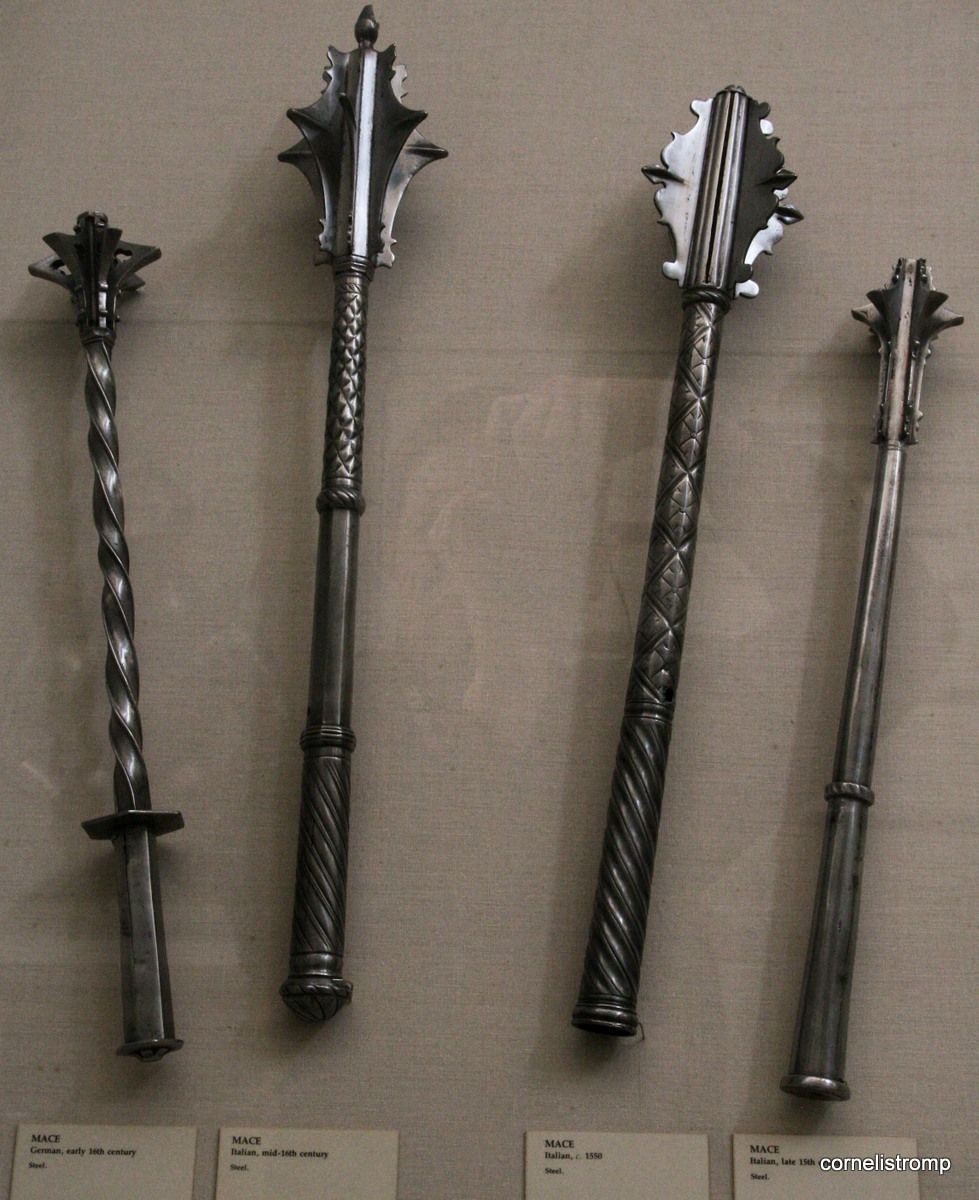
“Grond” is glossed as “the Hammer of the Underworld” and, elsewhere, as Morgoth’s mace—

but I’ve wondered about two non-Middle-earth influences upon its creation.

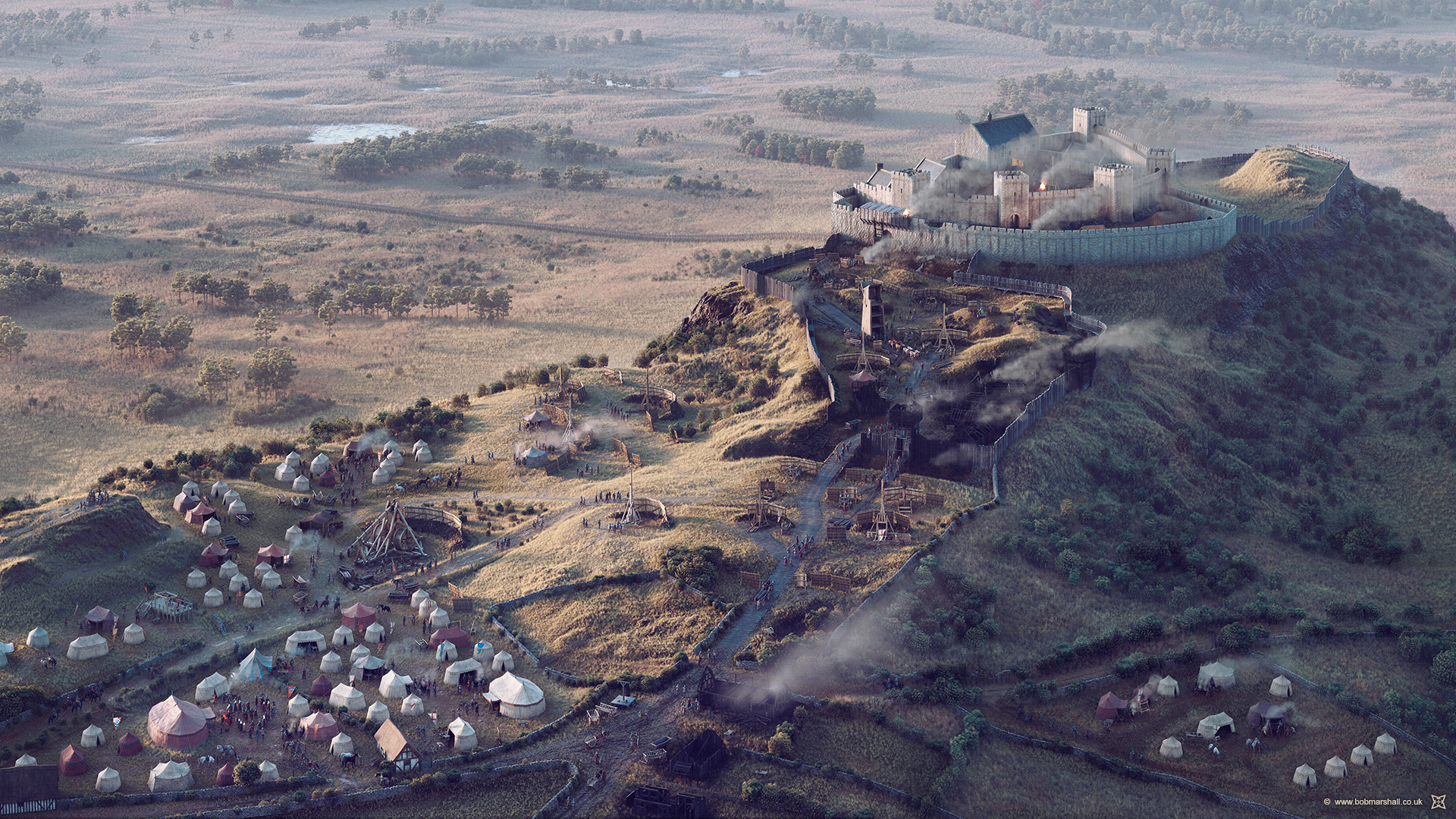
The first is to be found in something I suspect JRRT could have read at some point in his academic career, the Chronicle of Piers de Langtoft.  This is a early 14th-century compilation of earlier English history, combined with what is thought to be “Peter of Langtoft’s” own work, written in Norman French verse.  In his narration of events, the author includes an account of Edward I’s siege of Stirling Castle in 1304.

(This breathtaking reconstruction of the siege is by Bob Marshall, whose site is here:  https://www.bobmarshall.co.uk/stirlingcastle/   I recommend this site for:  a. the wonderful artwork; b. the excellent research and thinking behind it.  You can see more of his work—and it’s all as impressive as this—here:  https://bobmarshall.co.uk/)  Among the siege weapons Edward employed was something of which Piers/Peter writes:

“Entre ses aferes le reys fet carpenter

Une engine orrible, et Ludgar appeler

Et cel a son hurtir crevant le mur enter.”

“Among these events, the king had made of wood

A terrible device, and to be called ‘Ludgar’

And that [one] at its hit breaking down the whole wall.”

(my translation)

This “Ludgar” has been interpreted as being a large stone-thrower, called a trebuchet,

but it’s not its function which interested me, but what “Ludgar” is actually a shortened form of:  “Loup de Guerre”—“War Wolf”.  Could this have sparked Tolkien’s imagination to combine that name with another siege weapon?

(You can have your own copy of the text here:  https://ia801500.us.archive.org/5/items/chronicleofpierr02pete/chronicleofpierr02pete.pdf )

And that wolf leads me to my second possible influence, perhaps rather more unusual than the first.

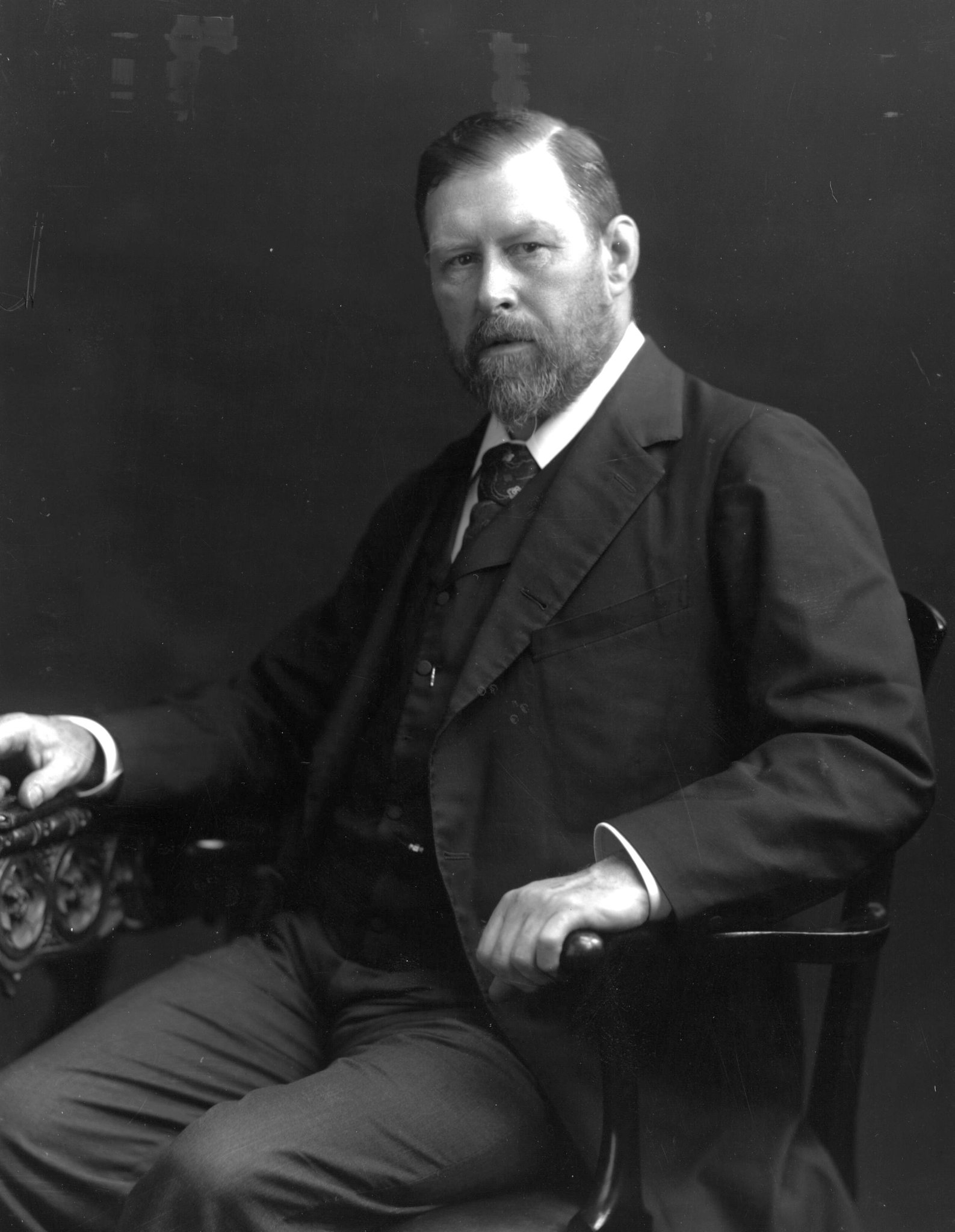
Neither The Letters of JRR Tolkien nor Oronzo Cilli’s impressive Tolkien’s Library has any mention of Bram Stoker (1847-1912)

or his 1897 masterpiece, Dracula,

but, as I’m currently finishing reading it with a class, I noticed another wolf—with a similar task to that of Grond—in Stoker’s novel.

Please pardon the quick plot summary, if you’ve read the book.

Lucy Westenra is Dracula’s first victim in his one-man invasion of England.  To protect her, Dr Van Helsing surrounds her with garlic, including among other things, a garland for her neck and for the window of her first floor bedroom.  Lucy feels safe and her mother, who has a weak heart, comes to join her in bed.

Thwarted by Van Helsing’s work, Dracula picks a weapon from the London Zoological Gardens and–

“After a while there was the low howl again out in the shrubbery, and shortly after there was a crash at the window, and a lot of broken glass was hurled on the floor. The window blind blew back with the wind that rushed in, and in the aperture of the broken panes there was the head of a great, gaunt grey wolf. Mother cried out in a fright, and struggled up into a sitting posture, and clutched wildly at anything that would help her. Amongst other things, she clutched the wreath of flowers that Dr. Van Helsing insisted on my wearing round my neck, and tore it away from me. For a second or two she sat up, pointing at the wolf, and there was a strange and horrible gurgling in her throat; then she fell over—as if struck with lightning, and her head hit my forehead and made me dizzy for a moment or two. The room and all round seemed to spin round. I kept my eyes fixed on the window, but the wolf drew his head back, and a whole myriad of little specks seemed to come blowing in through the broken window, and wheeling and circling round like the pillar of dust that travellers describe when there is a simoon in the desert. I tried to stir, but there was some spell upon me, and dear mother’s poor body, which seemed to grow cold already—for her dear heart had ceased to beat—weighed me down; and I remembered no more for a while.”  (Dracula, Chapter XII, “Memorandum left by Lucy Westenra”)

(Abigail Rorer from the Folio Society edition)

Perhaps not so grand as:

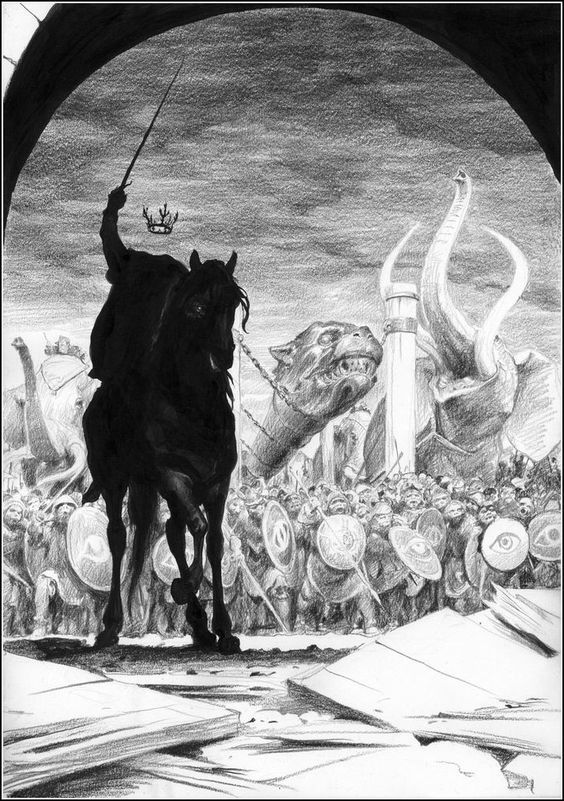
“…Thrice the great ram boomed.  And suddenly upon the last stroke the Gate of Gondor broke.  As if stricken by some blasting spell it burst asunder:  there was a flash of searing lightning, and the doors tumbled in riven fragments to the ground.

In rode the Lord of the Nazgul.”

(Denis Gordeev)

but equally effective and, as the Witch King of Agmar stands at the ruined gate, so Dracula stands at the broken window.  The difference is, the Witch King is thwarted by the advent of the Rohirrim,

(Julia Alexeeva)

while Dracula slips in and begins Lucy’s final transformation into a vampire.

So, could an early 14th century text and a late 19th-century horror novel have given Tolkien inspiration?  If an 1890 children’s book can offer him a talking dragon (“The Story of Sigurd” in Andrew Lang’s The Red Fairy Book, which you can read here:  https://archive.org/details/redfairybook00langiala/redfairybook00langiala/ )

why not?

Thanks, as ever, for reading.

Stay well,

Even if garlic might not keep out vampires, it’s good in bread,

And remember that, as always, there’s

MTCIDC

O
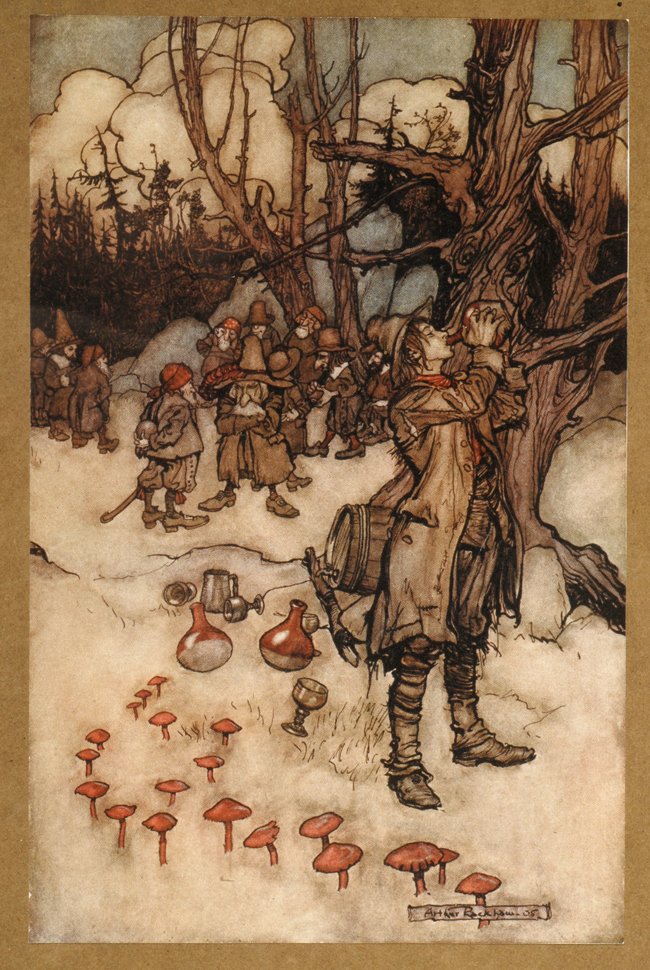
PS

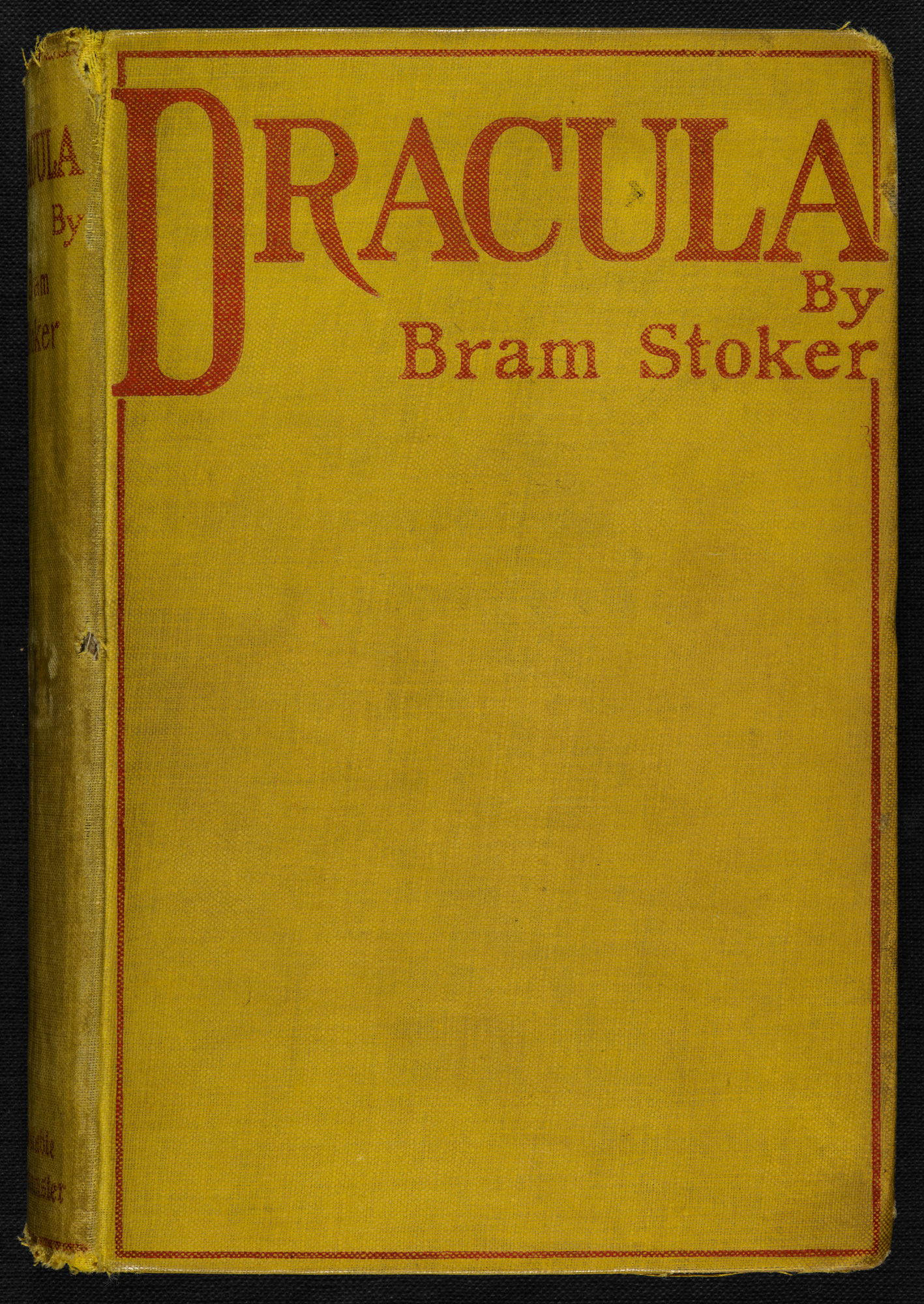
In case you haven’t read Dracula, here’s your chance in a copy of the first American edition of 1897:  https://www.gutenberg.org/cache/epub/345/pg345-images.html

A What?

24 Wednesday Apr 2019

Posted by Ollamh in J.R.R. Tolkien, Narrative Methods, Villains

≈ Leave a comment

Tags

bokor, Bran, Circe, Cleromancy, Dol Guldur, Dracula, King Saul, Necromancer, necromancy, Odyssey, Oneiromancy, Robert Southey, Rockapella, Romania, Samuel, Sauron, Teiresias, The Hobbit, The Lord of the Rings, The Walking Dead, Tolkien, Zombie, Zombie Jamboree

“It was a Zombie Jamboree,
Took place in the New York Cemetery.
It was a Zombie Jamboree,
Took place in the New York Cemetery.

Zombies from all parts of the island
Some of them were great calypsonians.
Since the season was carnival,
They got together in bacchanal
HUH! And they were singing:

Back to back, belly to belly
Well I don’t give a damn
‘Cause I’m stone dead already!
Back to back, belly to belly
It’s a Zombie Jamboree.” (Conrad Eugene Mauge, Jr., c.1953)

What in the world are we doing, dear readers? Are we about to launch into a posting about The Walking Dead?

image1wd.jpg

Well, no. Unless we mean the “walking-again dead”, which we do. And how did we get here?

It all began with our last two postings, on see-ers—that is, seers–and so many different ways of telling the future, like oneiromancy (dream interpretation) and cleromancy (using numbers), but, among them, we think the most sinister is necromancy—and this brought it to mind:

“Some here will remember that many years ago I myself dared to pass the doors of the Necromancer in Dol Guldur, and secretly explored his ways and found thus our fears were true: he was none other than Sauron, our Enemy of old, at length taking shape and power again.” (The Fellowship of the Ring, Book Two, Chapter 2, “The Council of Elrond”)

This is Gandalf recounting his adventure in Isengard. What he’s relating here happened somewhat before the action in The Hobbit, followed by the White Council’s attack on Dol Guldur (“The Hill of Dark Sorcery”), in the southern part of Mirkwood.

image2attack.jpg

That was parallel in time to the travels of Bilbo and the dwarves towards the Lonely Mountain.

bigmap.jpg

Here’s how John Howe thought Dol Guldur might have looked.

image4dg.jpg

And here’s how it appears in The Hobbit films

image5dg.jpg

although why it’s a ruin is unclear—Gandalf has said above that Sauron is “taking shape and power again”, and so we would imagine that, just as he’s reconstituting himself, there’s been a rebuilding campaign at his headquarters in the forest. So, rather like Howe, we see the place as more imposing, perhaps like Bran castle, in Romania, which is advertised as “Dracula’s castle” in tourist literature.

image6bran.jpg

Just as cleromancy means “telling the future by lots” (that is, by casting lots—think of throwing dice–giving you a supposed “random” result) and oneiromancy means “telling the future by dreams”, so a necromancer uses the dead to find things out, suggesting something really horrible about someone with that title.

The process of questioning the dead goes back a long way in western literature. In the Odyssey, Circe,

image7circe.jpg

who once turned part of Odysseus’ crew into pigs, tells him that, before he can go home, he must sail south, to the Otherworld, to consult Teiresias, who is a seer (see our last two postings for more on people like this)

image8t.jpg

for current information about his home on Ithaca and for coaching about his future behavior. To deal with the dead, Circe tells Odysseus in detail how to make a kind of drink offering of animal blood in a pit.

image9under.png

Then, because all of the dead will be drawn to the blood (we’re back to Dracula here, aren’t we?), he is to draw his sword and stand over the pit, only allowing those he would question to sip the blood.

But why would a sword threaten ghosts? one might ask. We think that the answer is that it’s iron and iron, in folklore, is a protection against evil magic. Odysseus has used his sword earlier to threaten Circe, who is a very powerful sorceress. See this LINK for more.

image10xiphos.jpg

image11oandc.jpg

Odysseus is successful in his quest, but King Saul, in First Samuel, in the Hebrew Bible, who has already banished necromancers and magicians from his kingdom, is not. Saul is anxious about a battle to come and, when he is not answered via prayers and cleromancy about its outcome, he consults a kind of witch, who may (scholars argue over this) produce the spirit of the prophet Samuel.

image12sam.jpg

When Samuel appears, his response to Saul is not what Saul had hoped for. Instead, Samuel scolds Saul and gives him a fortune-telling he’d rather not hear, that he will lose the battle, his army, and his life the next day, all of which comes true.

Saul had hoped that he could make Samuel do his bidding, which was less than successful, but what if one might make the dead one’s slaves? This is where our opening comes in. The tradition of zombies is complex, including the word itself. At the moment, the earliest reference to the word in English is found in 1819, in volume 3 of the poet, Robert Southey’s (1774-1843),

image13rs.jpg

History of Brazil, Part the Third, page 24:

They were under the government of an elective Chief, who was chosen for his justice as well as his valour, and held the office for life : all men of experience and good repute had access to him as counsellors : he was obeyed with perfect loyalty; and it is said that no conspiracies or struggles for power had ever been known among them. Perhaps a feeling of religion contributed to this obedience ; for Zombi, the title whereby he was called, is the name for the Deity, in the Angolan tongue.”

The subsequent history of zombies is complex, but a recurrent theme is that they are the dead, brought back to serve the living, usually by an evil magician, called a bokor. Among the possible tasks for such a slave is telling the future, thus making a bokor a necromancer, like Sauron.

image14bokor.jpg

We’ve done an extensive image search under “zombie” and the weirdest things turn up, none of which we would put into a posting, so this is the best we can do.

image15zombies.jpg

If, however, this is the best a bokor can manage, we can’t imagine what news of the future one of these zombies might possibly give Sauron—and it’s no wonder that he loses the Ring.

But thanks for reading!

And

MTCIDC

CD

ps

If you’d like to see “Zombie Jamboree” performed, here’s a LINK to our favorite version, by Rockapella.


Eternally Yours, or Do You Believe in Magic?

06 Wednesday Jun 2018

Posted by Ollamh in Artists and Illustrators, Fairy Tales and Myths, Films and Music, Literary History, Military History

≈ Leave a comment

Tags

17th Century fashion, AB Durand, American Revolution, Arthur Rackham, Battle of Kolin, Bram Stoker, Captain Hook, Charles II, Christopher Lee, Darling Family, Darlings, Disney, Dracula, Fenian Cycle, Frederick the Great, Gerald du Maurier, Half Moon ship, Hudson River, J.M. Barrie, N.C. Wyeth, Neverland, Nina Boucicault, Oscar Wilde, Peter and Wendy, Peter Pan, Peter Pan in Kensington Gardens, Rip Van Winkle, Saruman, Tepes, The Little White Bird, The Lord of the Rings, The Picture of Dorian Gray, The Wanderings of Oisin, Tinkerbell, Tir na nOg, Tolkien, vampire, Vlad, Washington Irving, WB Yeats

Welcome, as ever, dear readers.

In our last, we spent some time thinking about immortality and Middle-earth.  Our main focus was upon the puzzle of Saruman’s seeming dissolution after his murder by Grima.

image1deathofsaruman.jpg

As one of the Maiar, it would seem that Saruman was, at least potentially, immortal, but his melancholy disappearance would suggest otherwise—perhaps because of his gradual betrayal of the trust the Valar had put in him to be an opponent of Sauron?

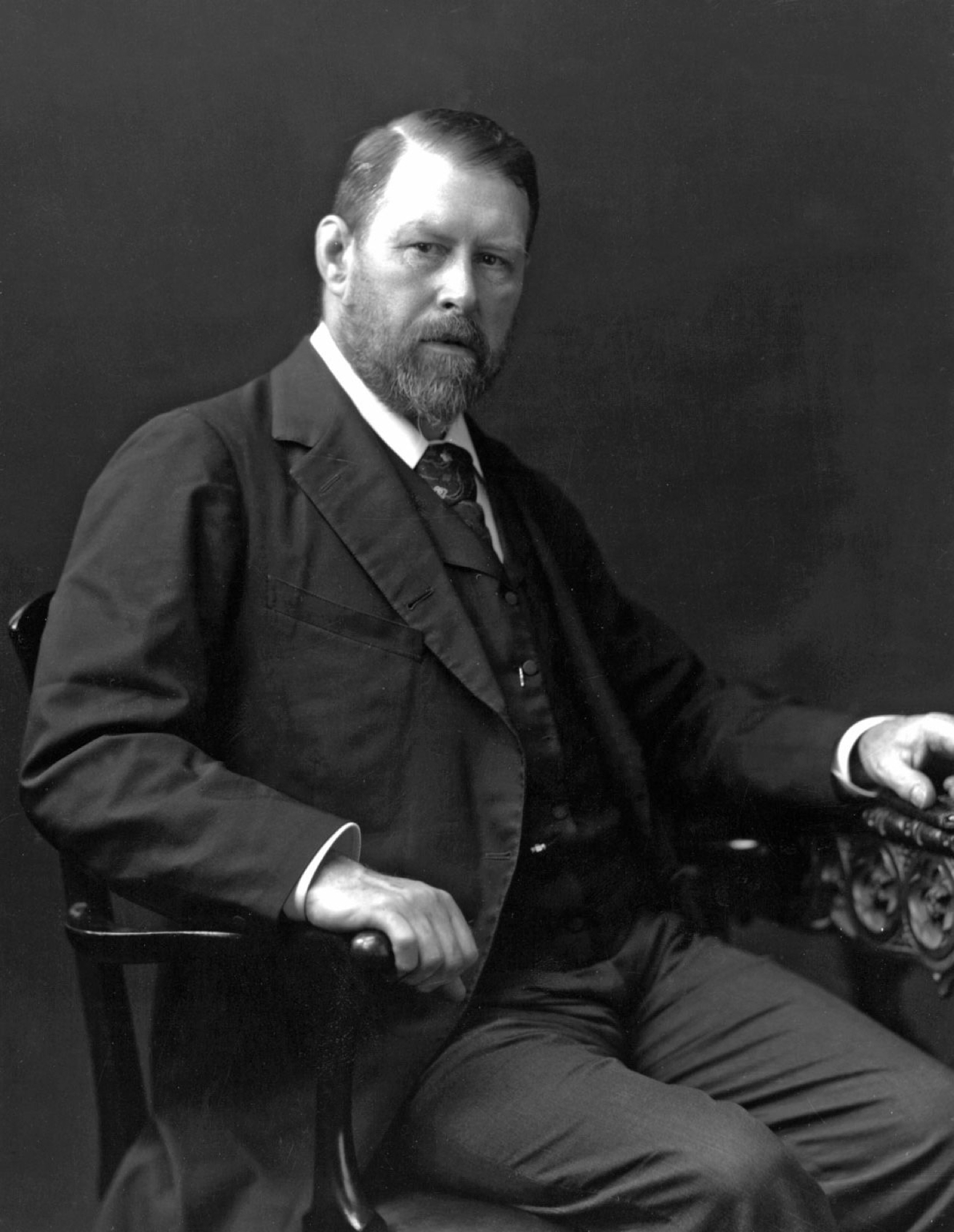
We had begun, however, with Bram Stoker’s (1847-1912)

image2bramstoker.jpg

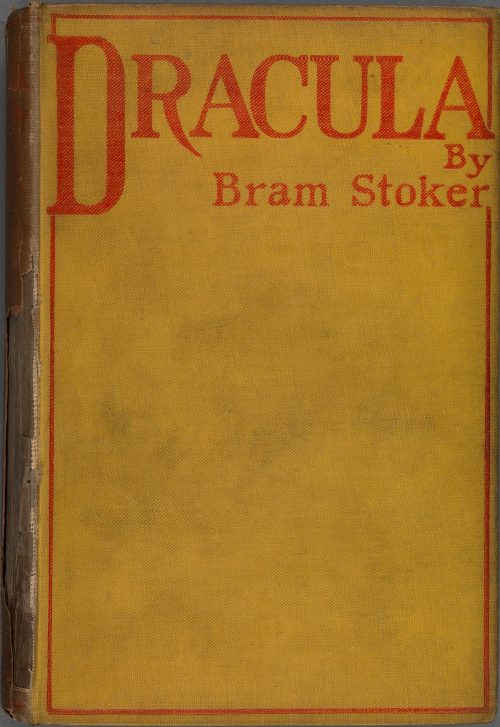
1897 vampire classic, Dracula, and this has made us consider what appears to have been a popular theme in the late-Victorian-to-Edwardian literature we imagine JRRT read, growing up:  immortality (or at least lengthened life-span) through, for want of a better word, magic, and several instances immediately spring to mind.

image3dracfirst.jpg

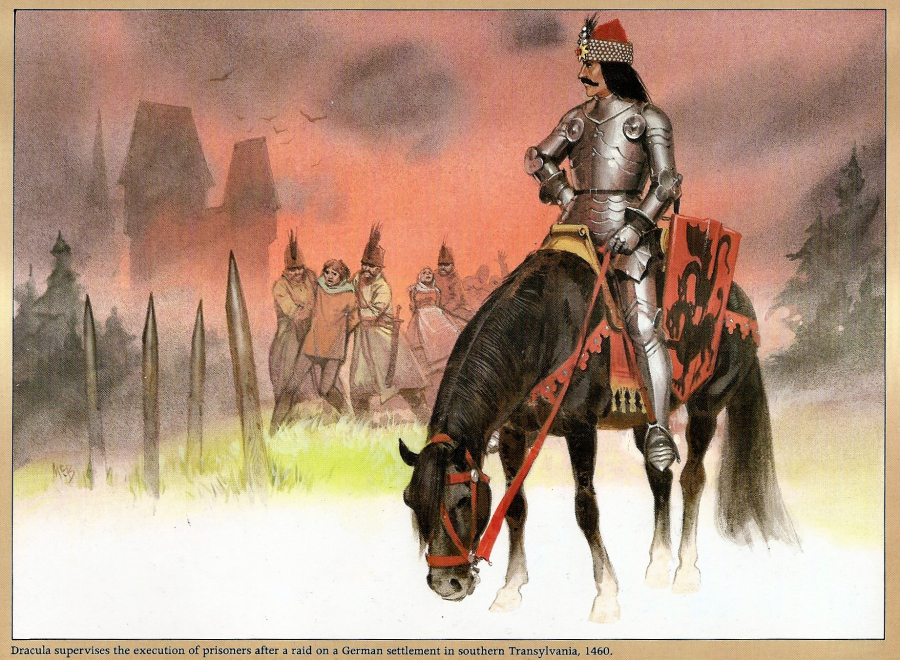
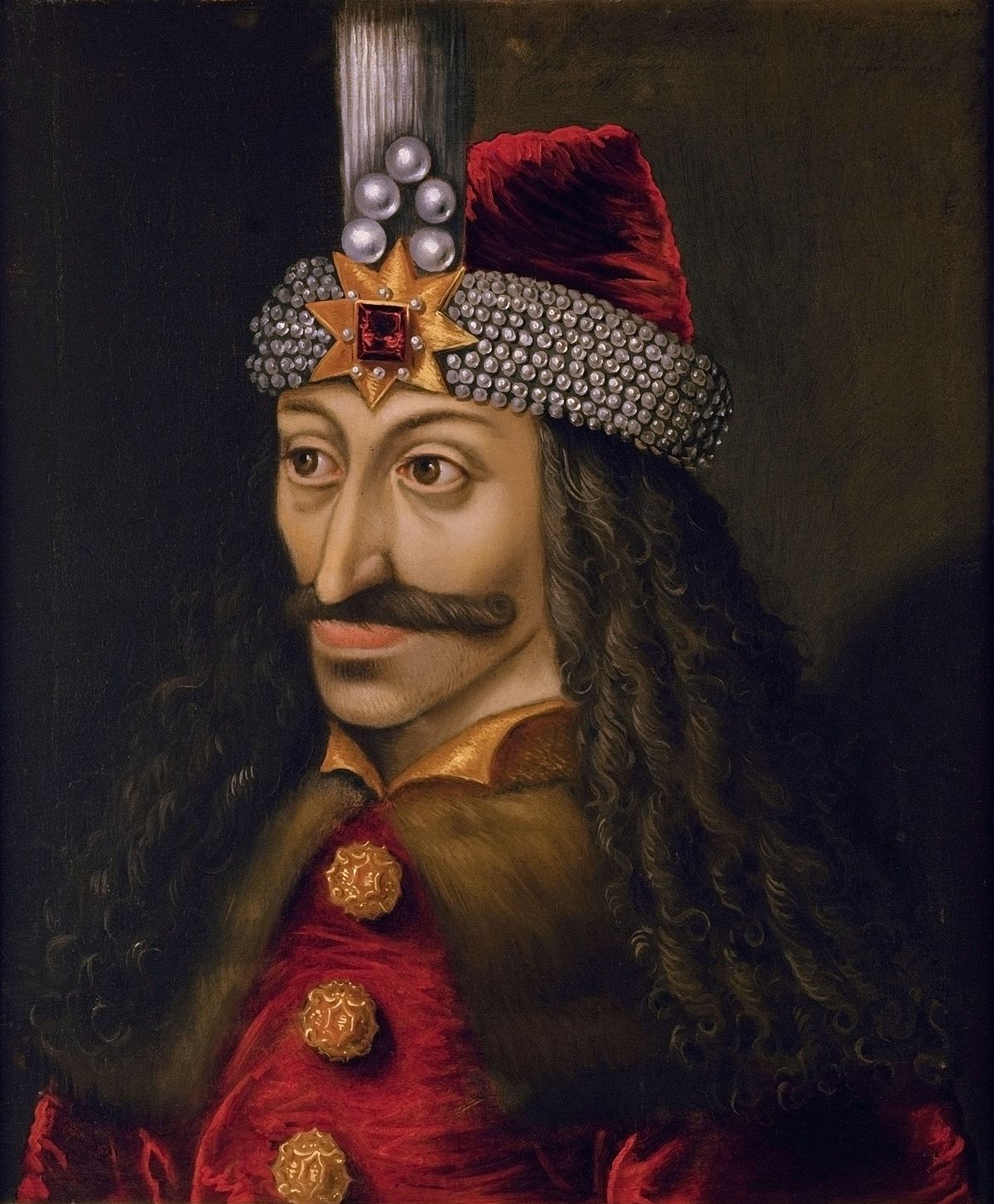
As for Dracula, we know that he was based upon a real late-15th-century eastern European border lord, Vlad, nicknamed “Tepes” (said TSE-pesh), “impaler”, who lived from about 1428 to 1477, when he was murdered.

image4drac.jpg

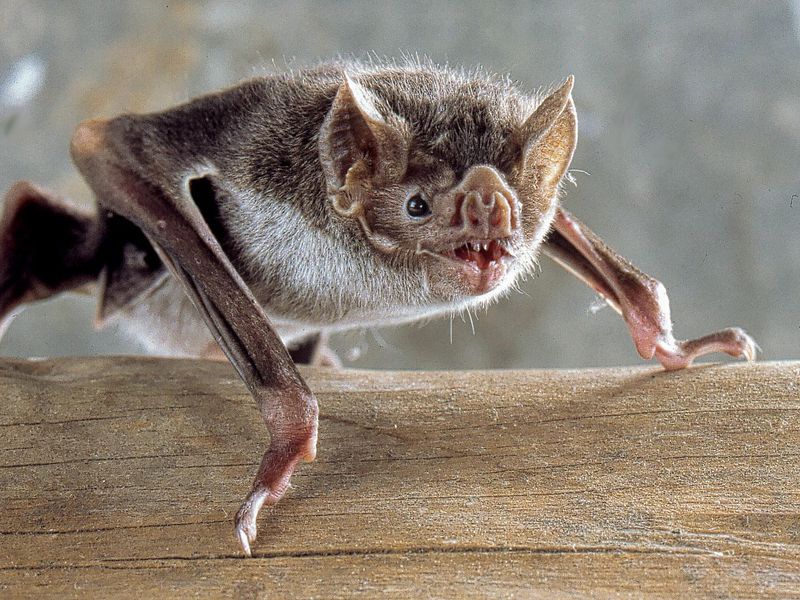
Stoker’s character has somehow avoided that death and has lived on for a further 500 years—how?  By being “un-dead”, a condition whose origin is never really explained, but in which a dead person continues to exist—and even flourish—if able to feed upon the blood of living people.  As this is not scientifically possible—dead is dead and actual vampire bats, after all, are alive, even if they drink blood.

image5avampirebat.jpg

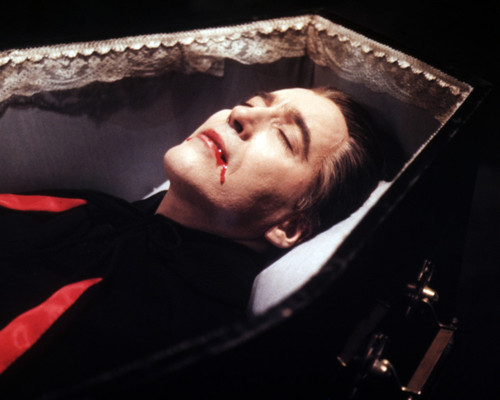
All that we can say, then, is that, for all of one of the protagonists’, Dr. van Helsing’s, talk of science, we have no idea what gives Dracula his extended life–though here’s Christopher Lee, as Dracula,

image5clee.jpg

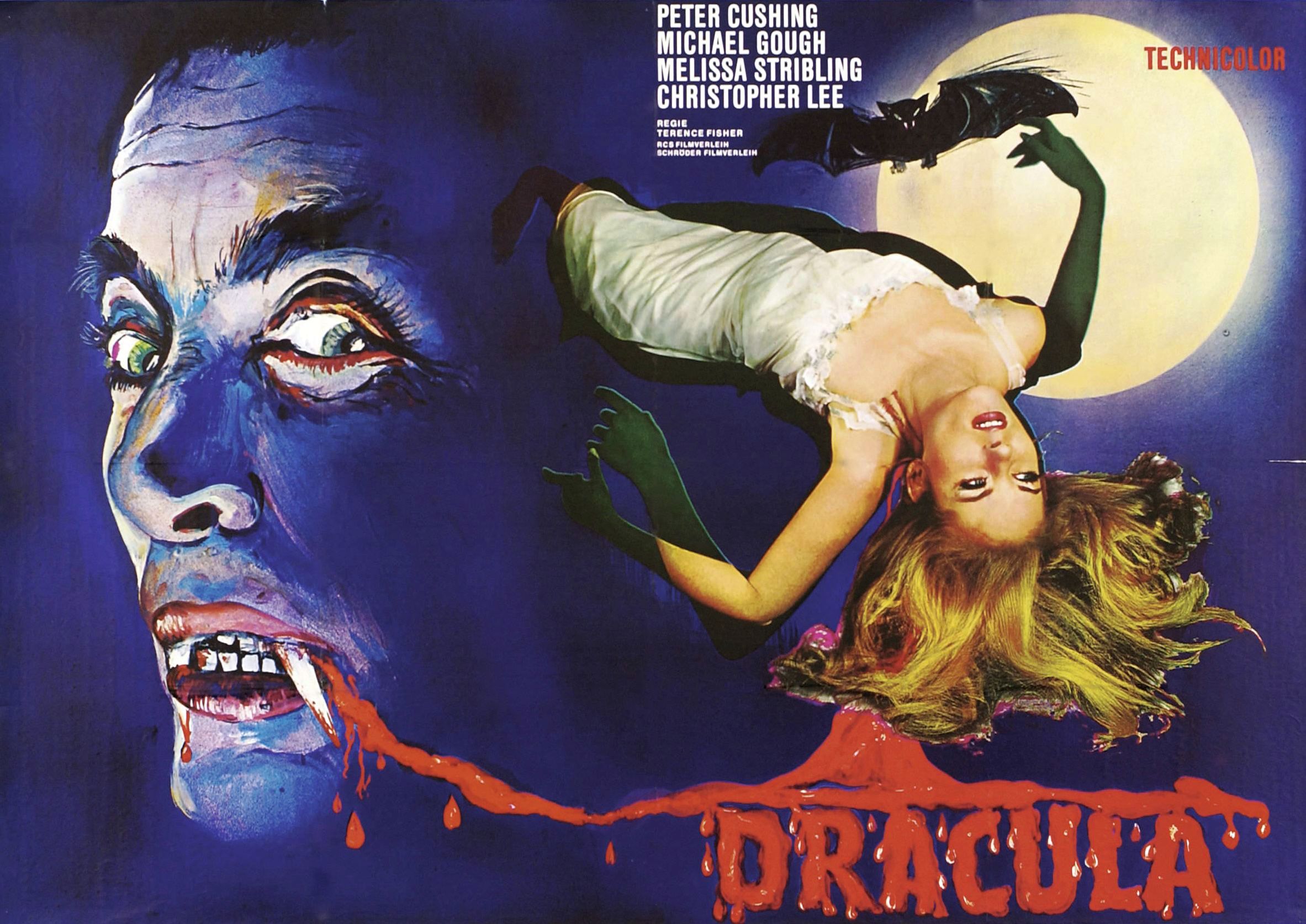
from the 1958 film, Dracula (in the US, Horror of Dracula), with the basis of his continued existence fresh on his lips.

image6poster.jpg

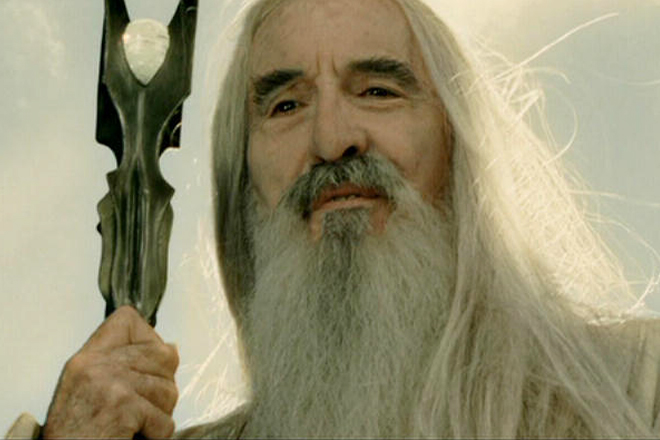
Considering our last post, by the way, it’s an odd coincidence that, in 1958, Lee could play Dracula and in 2001-2003, he would play Saruman.

image7leeassaruman.jpg

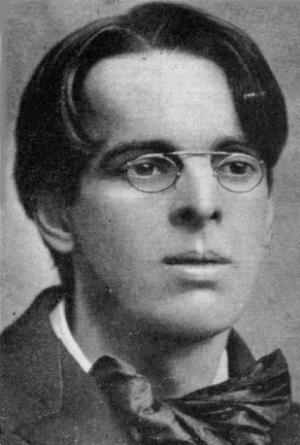
A few years before Stoker’s novel, in 1889, the young WB Yeats (1865-1939)

image8wby.jpg

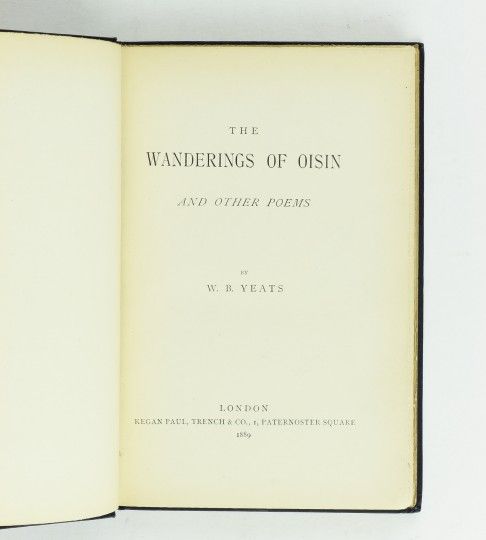
had published The Wanderings of Oisin (AW-shin).

image9wander.jpg

This is the story in verse based upon material from the “Fenian Cycle”,  the third series of tales about early Ireland preserved by medieval monks.  Yeats’ poem deals with an ancient Irish hero who traveled to the Otherworld, spent years there without knowing that it’s a place where time works differently, and returned, only to find that he’d been gone for 300 years and, once he’d actually touched Irish soil, he immediately changed from a vigorous young man to someone 3 centuries old.  The place to which Oisin traveled, called Tir na nOg, “the Land of Youth”, is, unfortunately, not found on any ancient map, so, like Dracula’s vampirism, it is simply accepted.

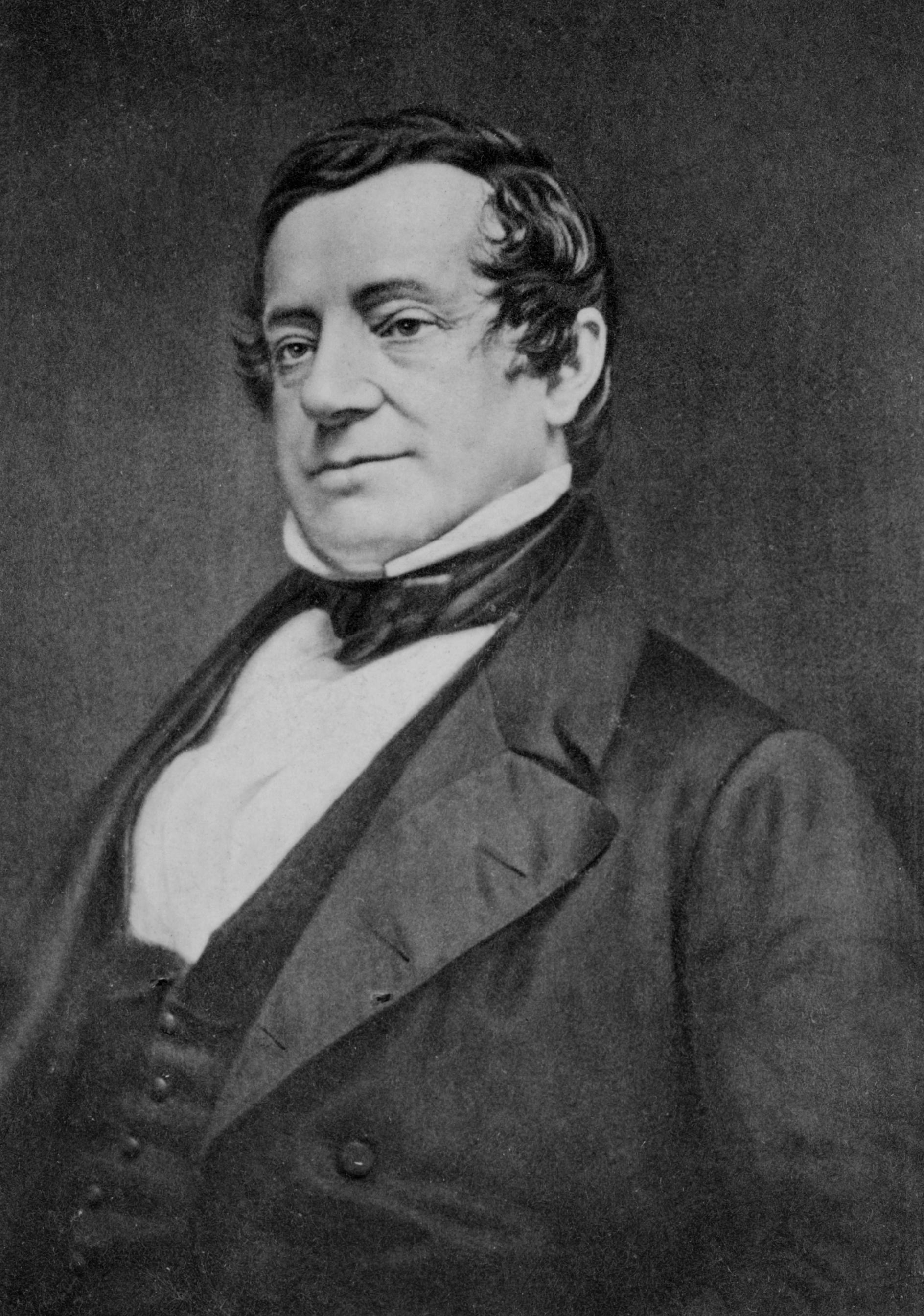
This time-warp also makes us think of the 1819 story of Rip Van Winkle, by Washington Irving (1783-1859).

image10washirv.jpg

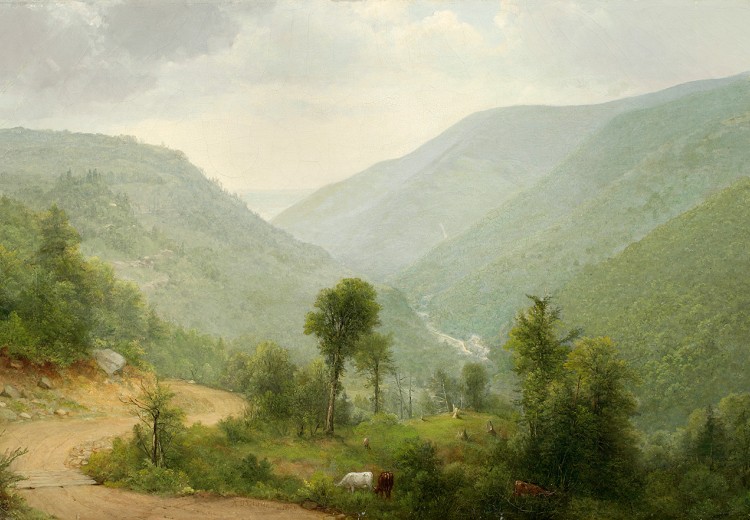
Rip Van Winkle goes off to hunt in the mountains, the Catskills, to the west of the Hudson River before the American Revolution.

(Here’s an 1864 painting of those mountains by AB Durand (1796-1886), who belonged to the first great group of American landscape painters, called the “Hudson River School”.)

image11hudsonriverschool.jpg

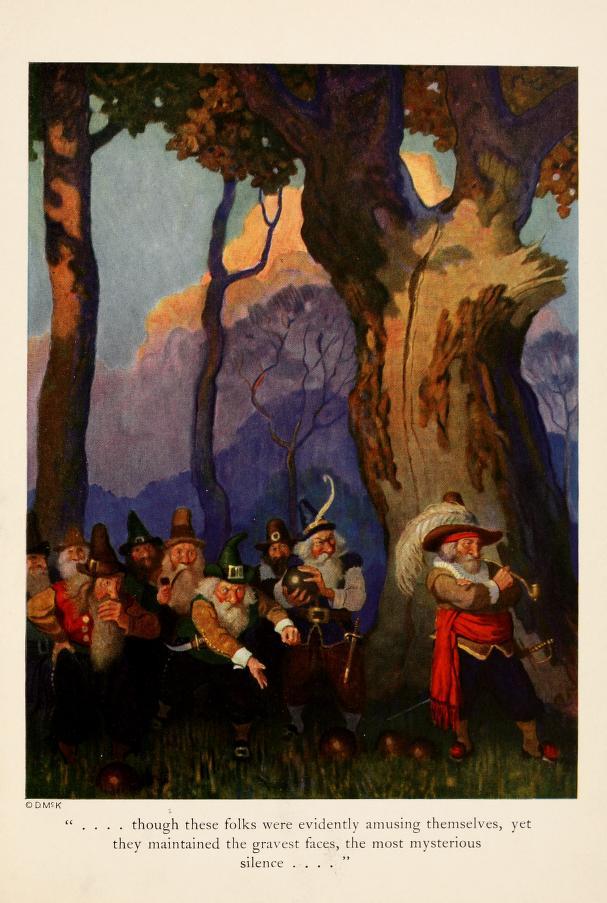
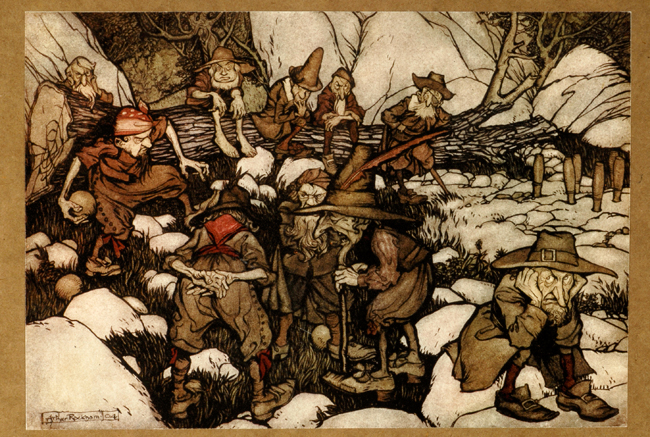
While out hunting, Rip bumps into a group of troll-like creatures, who turn out to be the enchanted members of Henry Hudson’s crew

image12huds.jpg

from his ship, the Half Moon—this is an image of the 1989 recreation of the ship—

image13haelvemaen.jpg

with which he explored the Hudson River in 1609.

image14hudson.jpg

(We see here Edward Moran’s 1892 painting of Hudson’s ship entering New York harbor.)

Rip drinks and bowls with them,

image15ripdrinks.jpg

image16ninepins.jpg

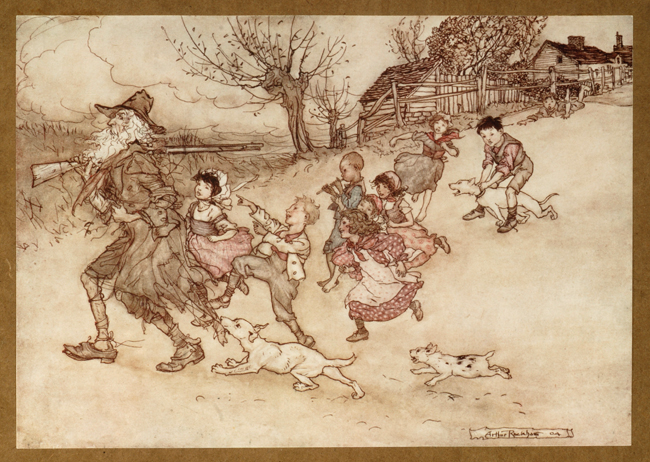
then falls asleep, only to awaken over twenty years later to find himself old and now a citizen of the new United States.

image17oldrip.jpg

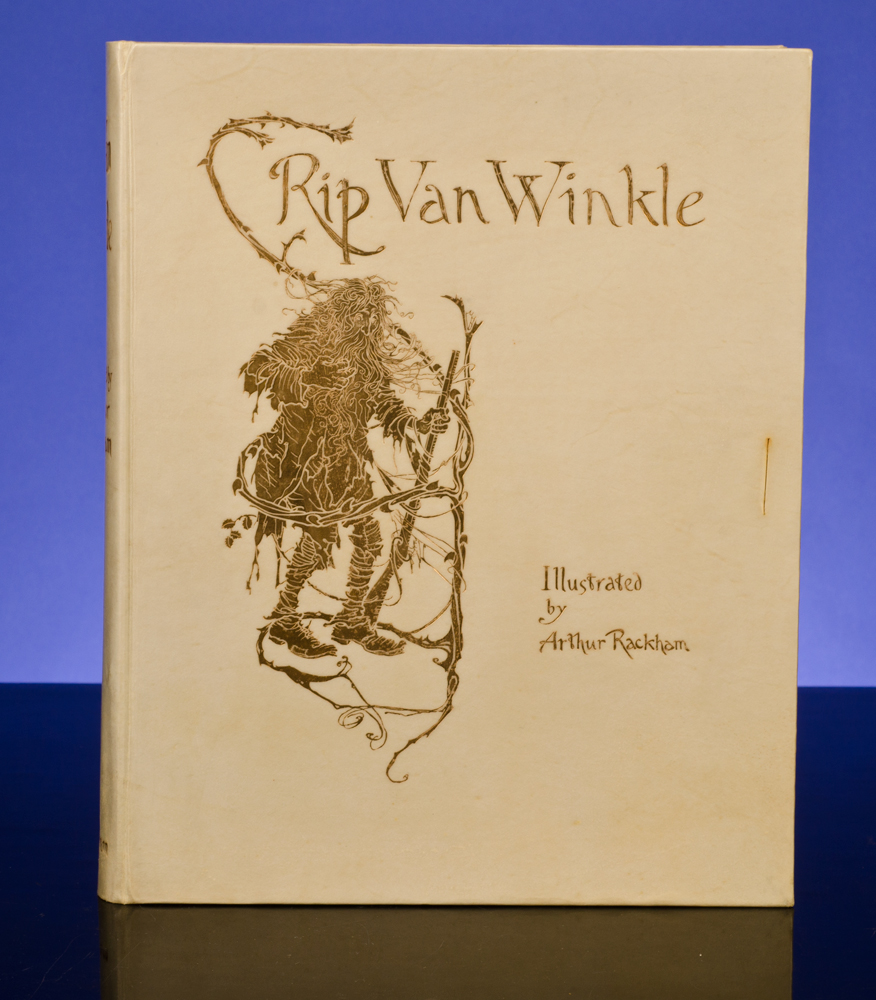
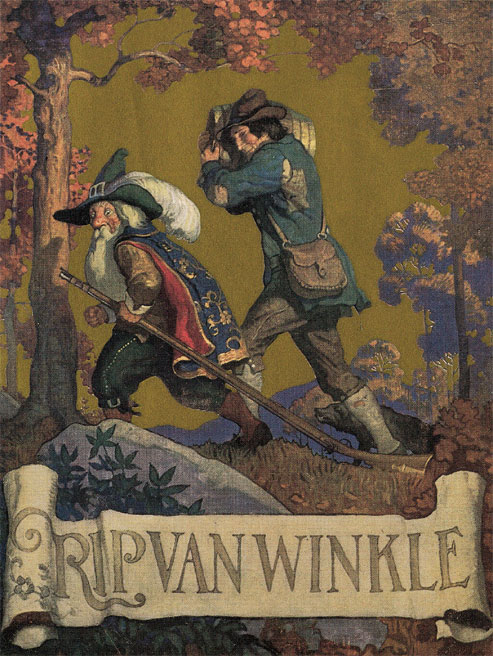
(If you follow us regularly—and we hope you do!—then you know of our great affection for late-19th-early-20th-century illustrators and, when it comes to this story, we’re very lucky in that Arthur Rackham illustrated it in 1905

image18rackham.jpg

and NC Wyeth in 1921.)

image19wyeth.jpg

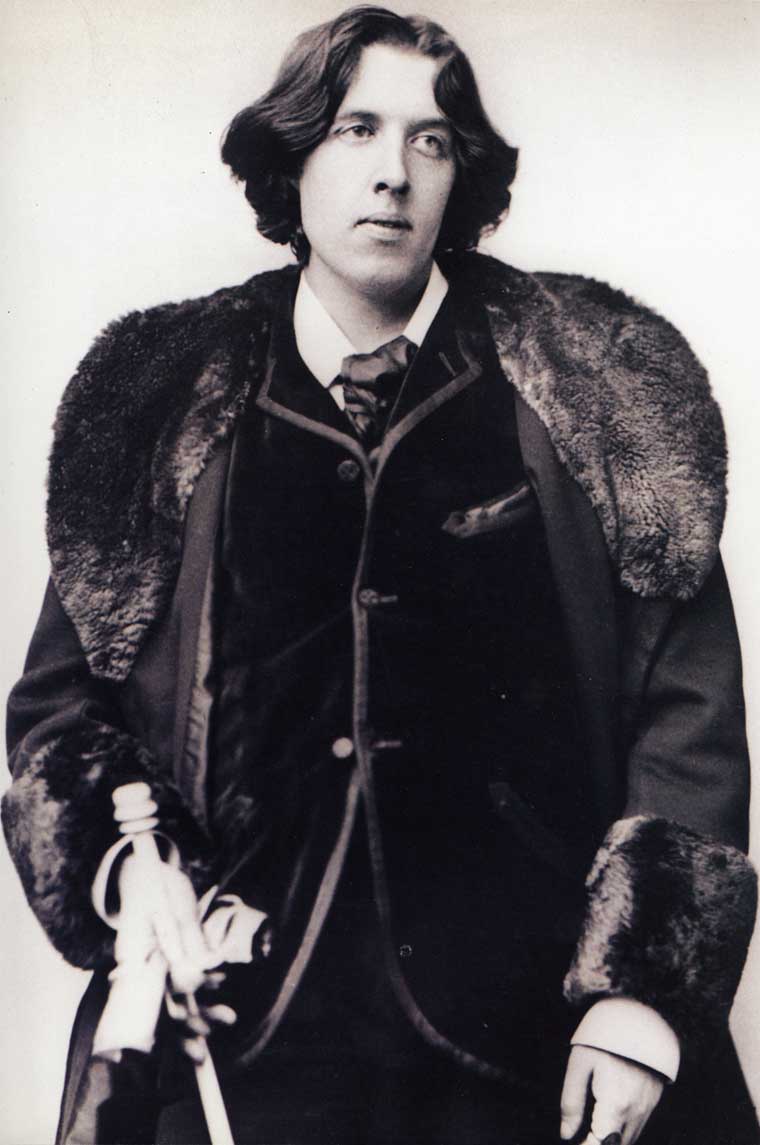
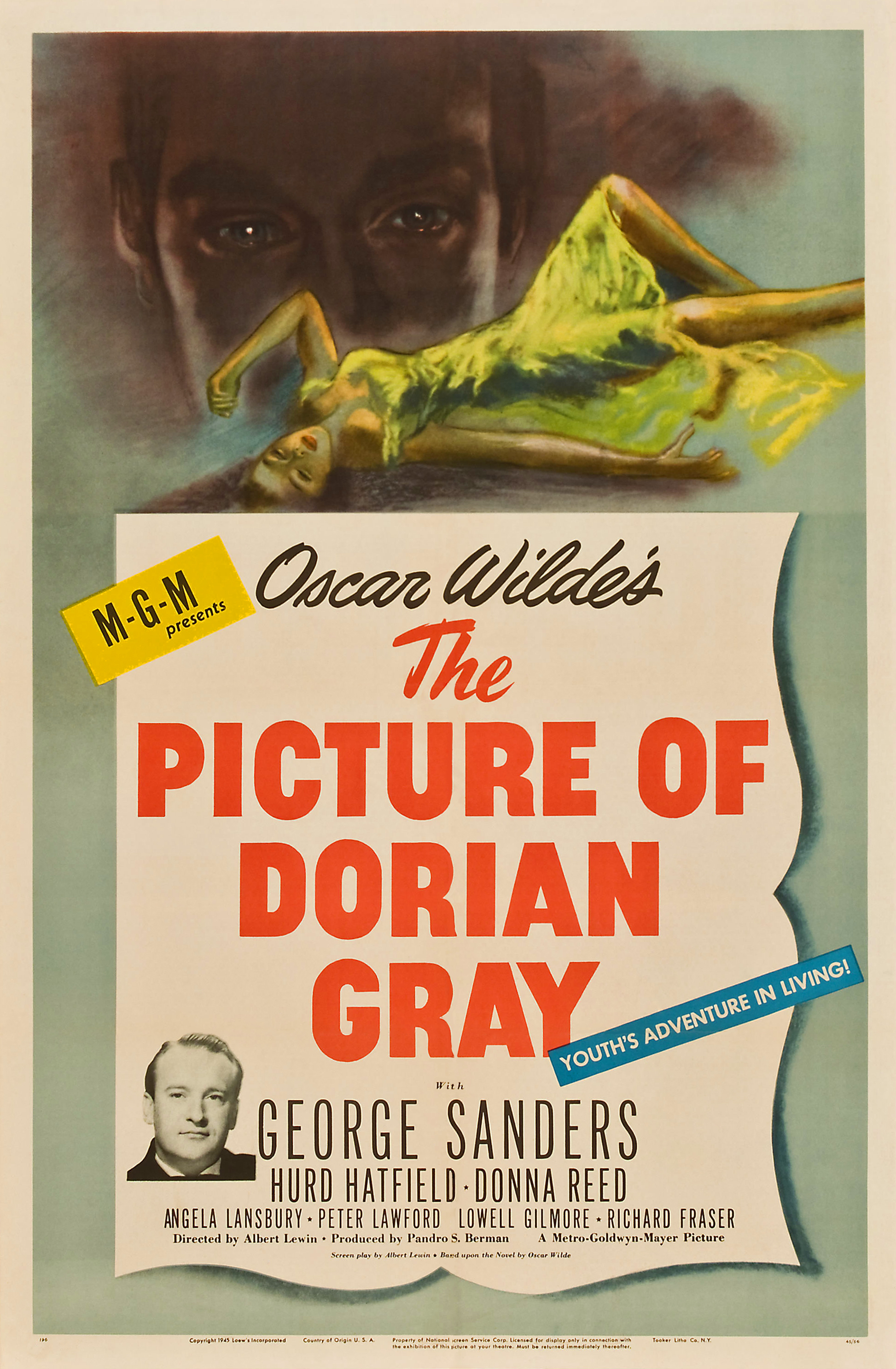
Another late-Victorian story with the theme of the supernatural and long life is Oscar Wilde’s (1854-1900)

image20wilde.jpg

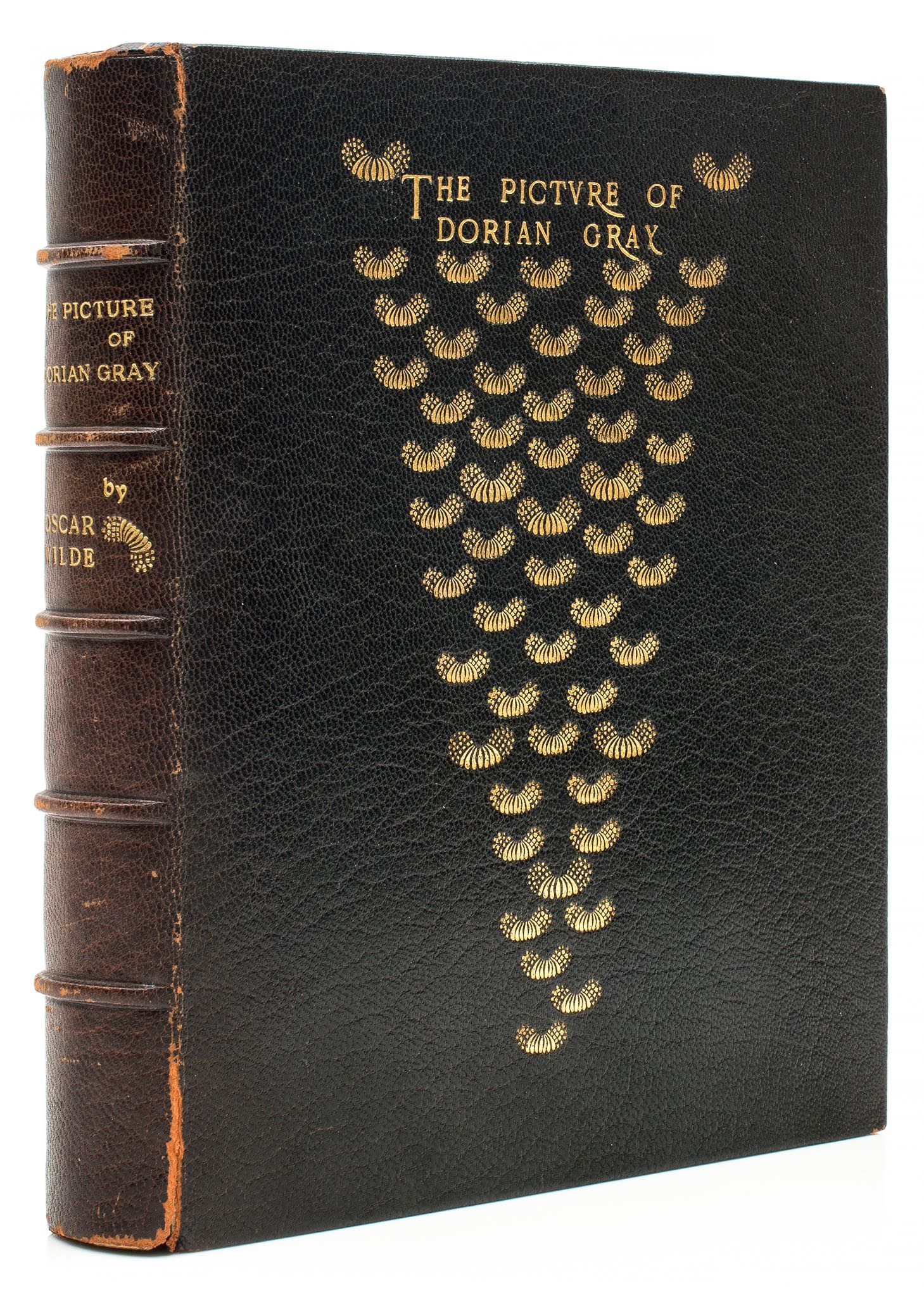
The Picture of Dorian Gray, first published in book form in 1891.

image21picture.jpg

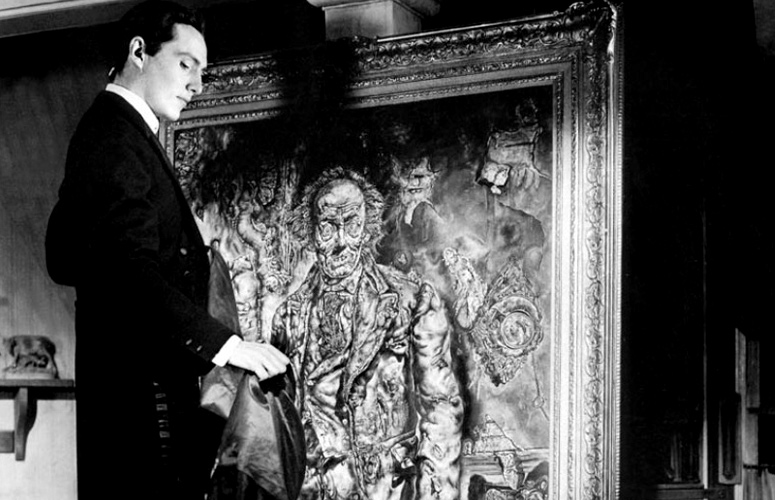
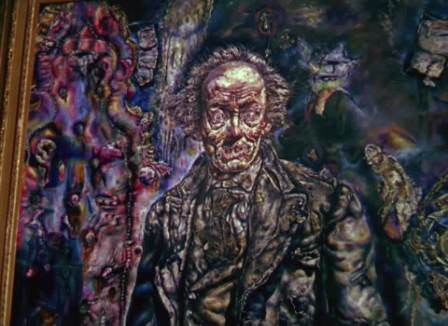
The picture here is a sinister one:  all of that which would age the protagonist, Dorian—who has an increasingly dark, secret life—is transferred to the image on canvas, so that the sitter for the portrait never seems to age.  We can see what that would look like from this image—as well as the tinted version, which is even worse,

image23picture.jpg

image24pic.jpg

from the 1945 film.

image25poster.jpg

How the picture acts as a sponge for all of the worst of Dorian is, like vampirism, never explained—Dorian promises his life if he will never age, but we never see, for example, a satanic figure, standing to one side, nod in agreement.

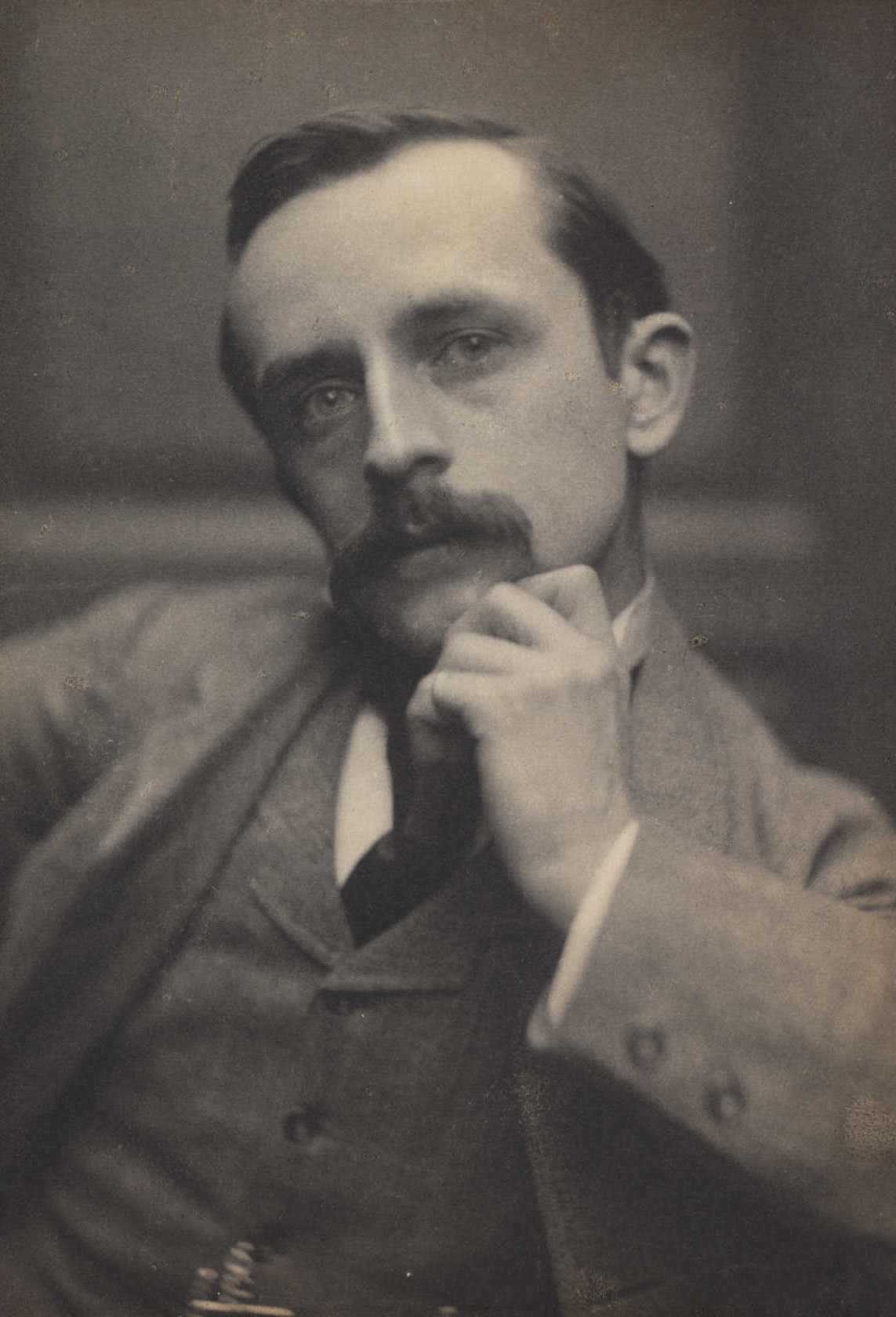
We want to end, however, with a happier story—well, sort of.  In 1902, the Scots novelist and dramatist, JM Barrie (1860-1937),

image26jmb.jpg

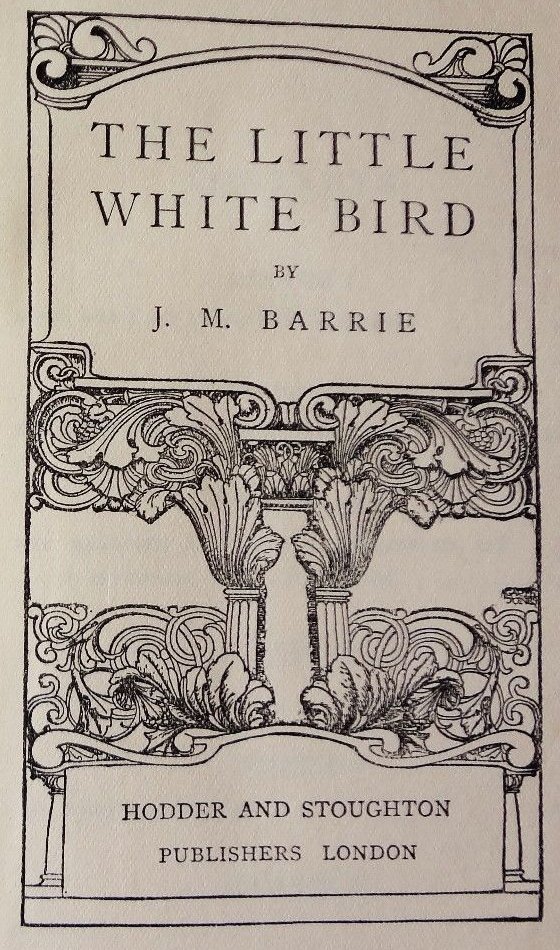
published a novel, The Little White Bird.

image27lwb.jpg

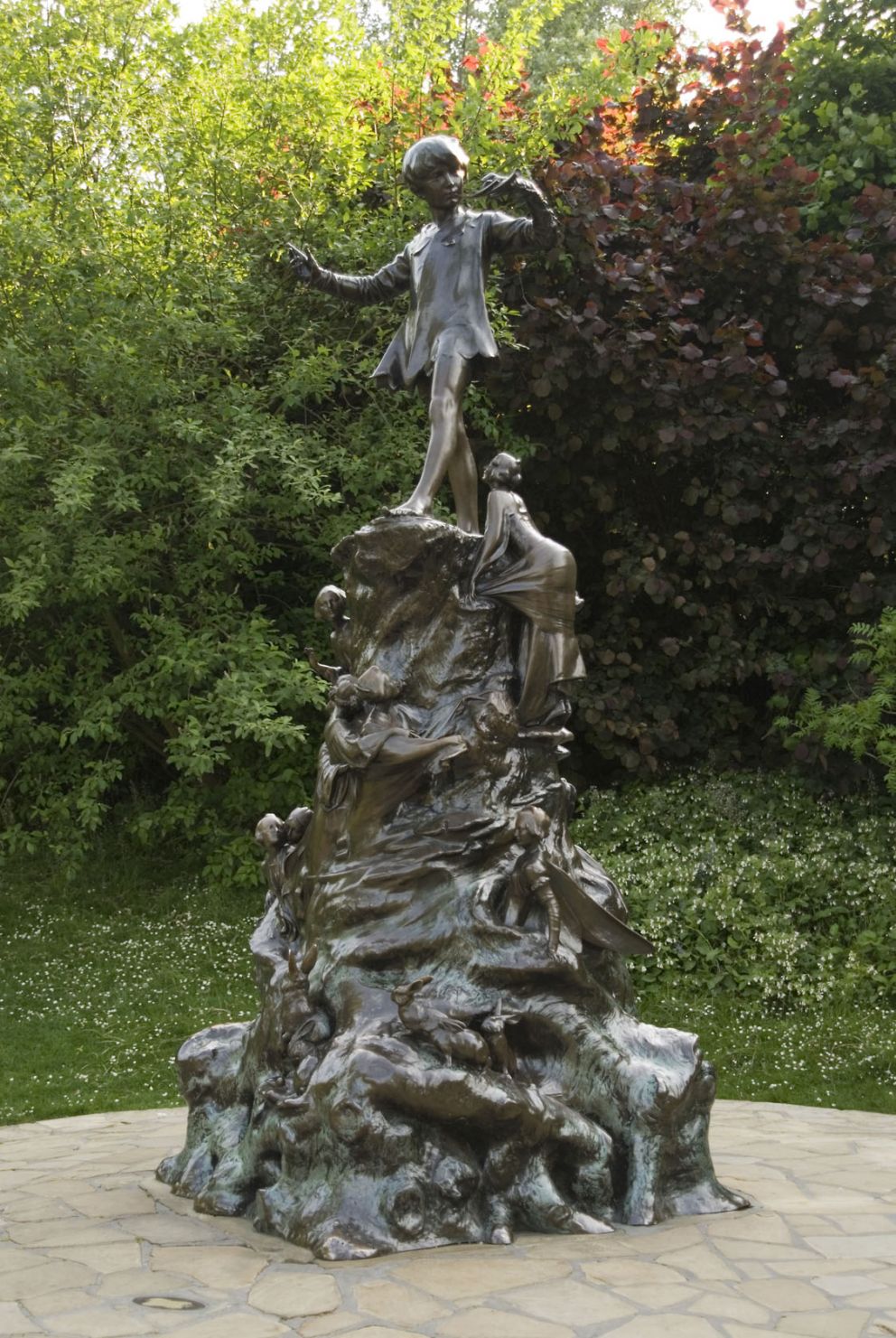
In it appeared for the first a seemingly-deathless character, Peter Pan.

image28ppstatue.jpg

Unlike Oisin, who has gone to a magical place, or Dorian Gray, who has his enchanted portrait, Peter just seems to be suspended in time—originally at the age of 7—days—old.

image29pp.jpg

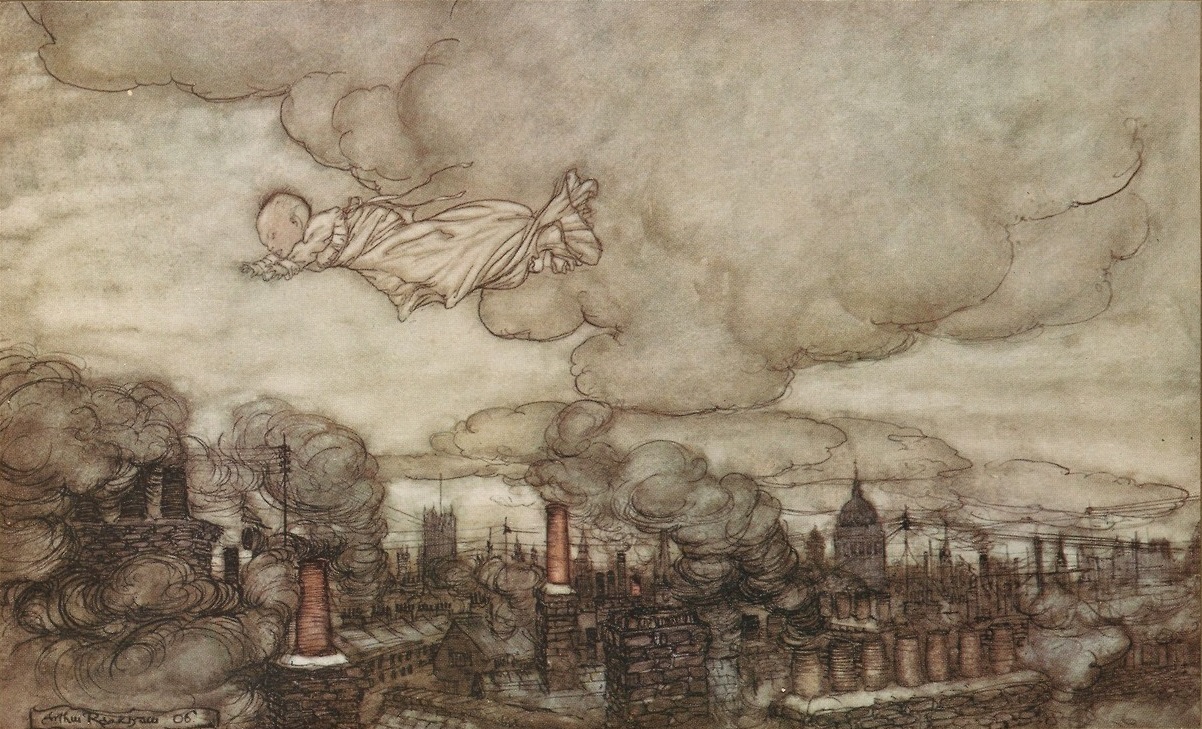
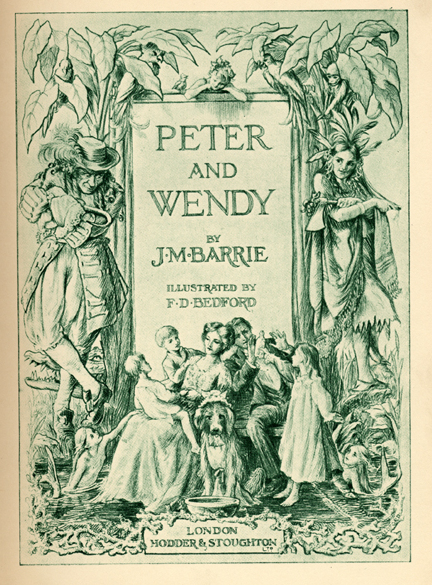
When Barrie returned to the character, in 1904, however, he made Peter grow up–slightly.  His age isn’t exactly clear, but we know from the 1911 novelized version, Peter and Wendy,

image30pandw.png

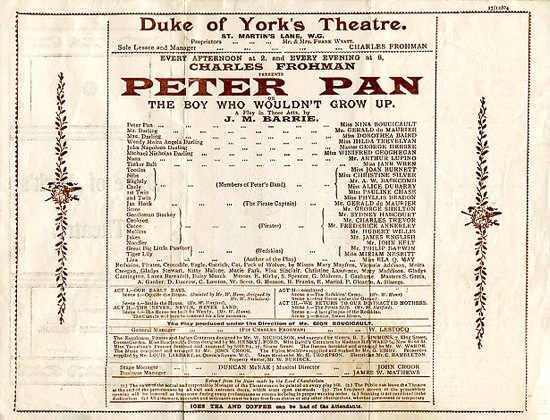
that he still has his first set of teeth.  [Footnote:  not a very exact clue—children can begin shedding baby teeth beginning at 6 and continue till 12.]   This is the Peter of Barrie’s famous play, Peter Pan,

image31playbill.jpg

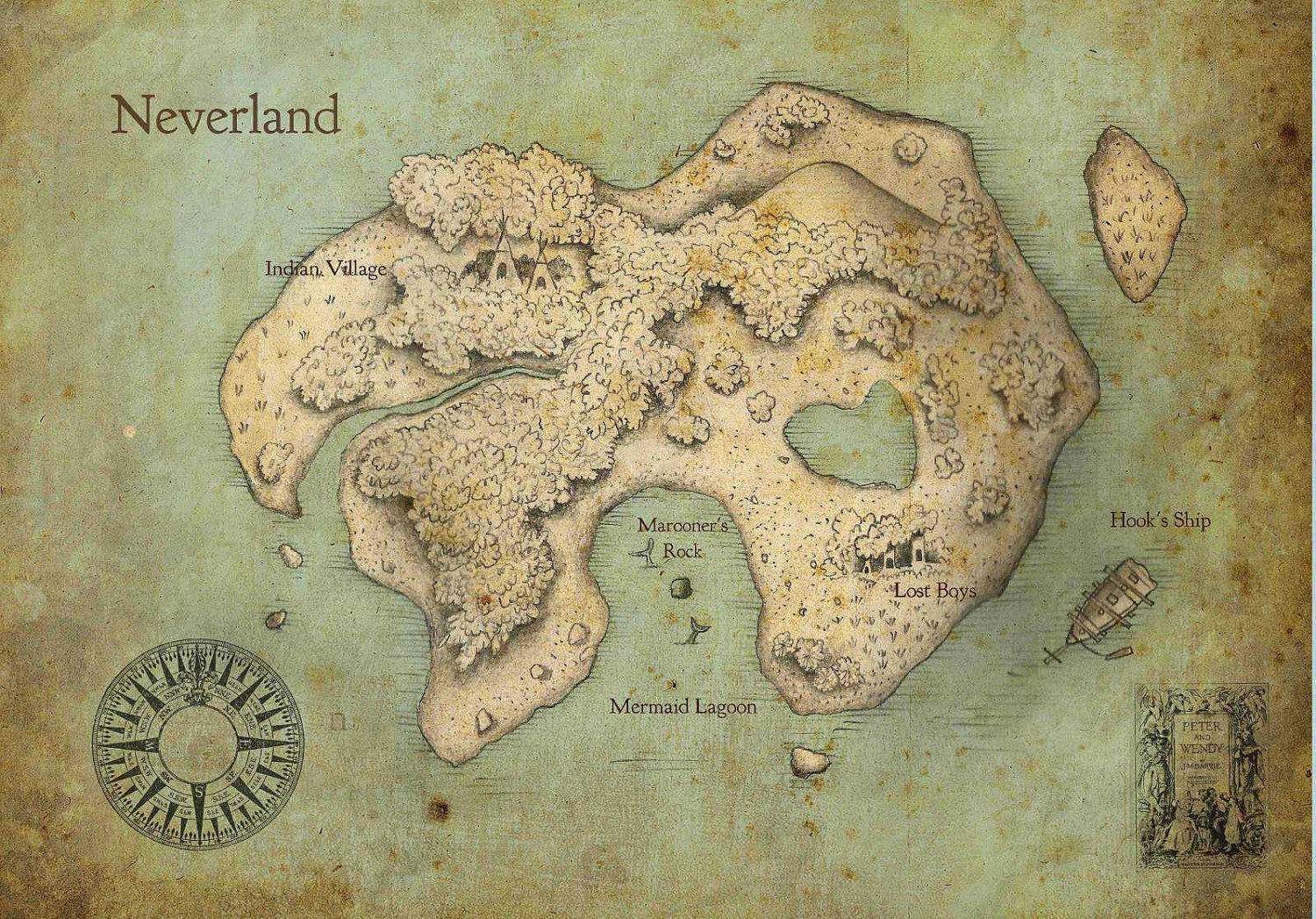
about a boy who lives on an island in Neverland

image32map.jpg

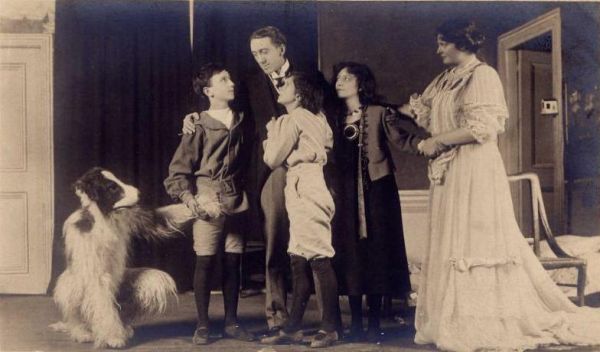
and, on a visit to London, loses his shadow while eavesdropping on the three Darling children, whose oldest sibling, Wendy, tells stories about him, which she had learned from her mother.

image33darlings.jpg

Peter is able to fly and, with the help of a fairy, Tinkerbell, he takes the Darling children back to Neverland with him, where they have all sorts of adventures.

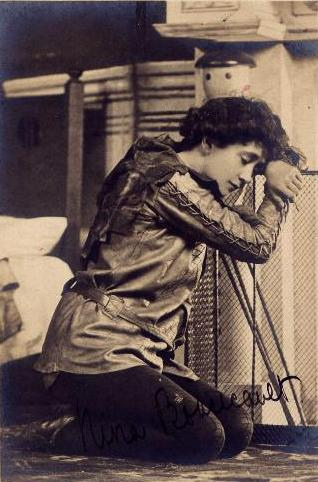
The original Peter—like so many Peters over a century to come—was a woman, Nina Boucicault.

image34nina.jpg

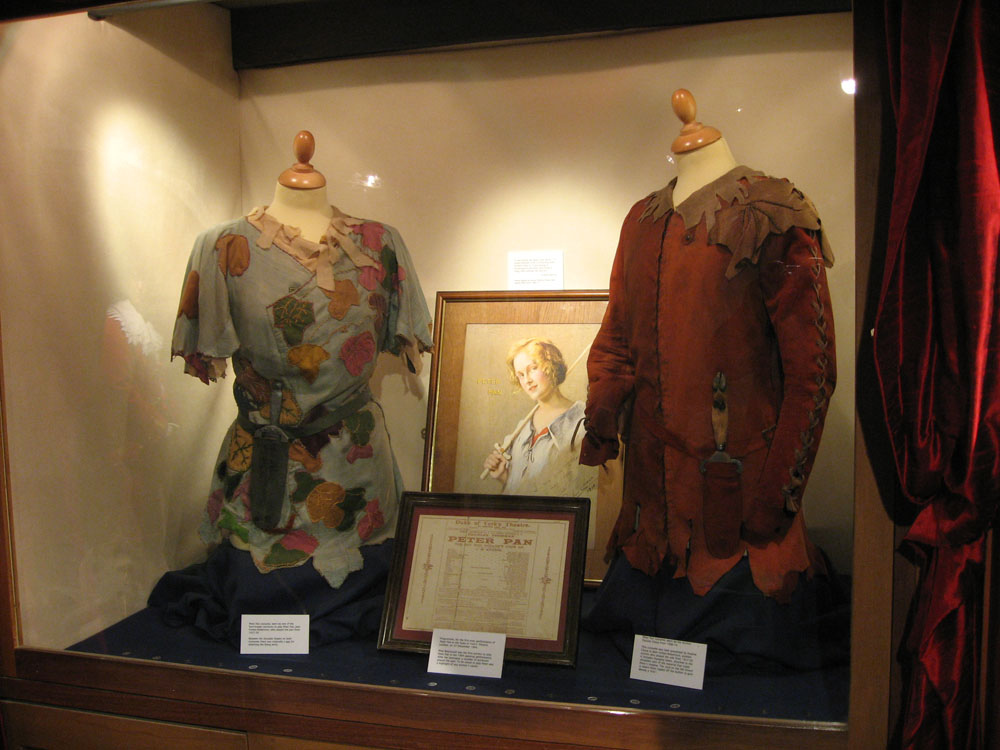
We are lucky to have her costume, which differs a good deal from the Peter Pan everyone knows now from the 1954 Disney film.

image35costume.jpg

image36disney.jpg

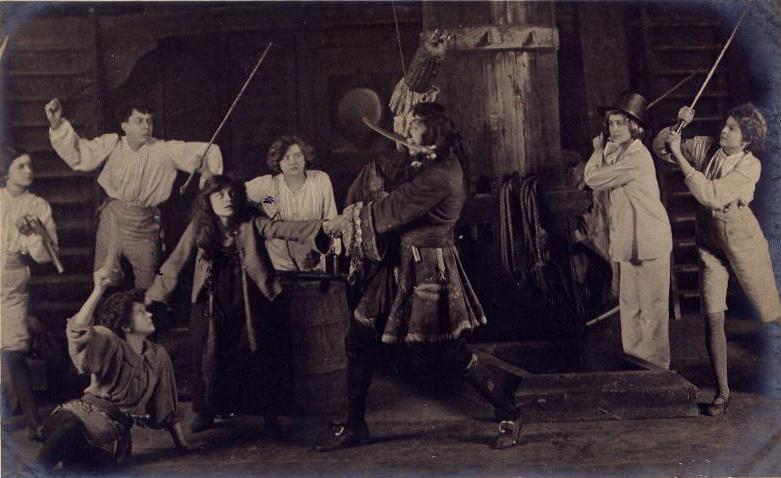
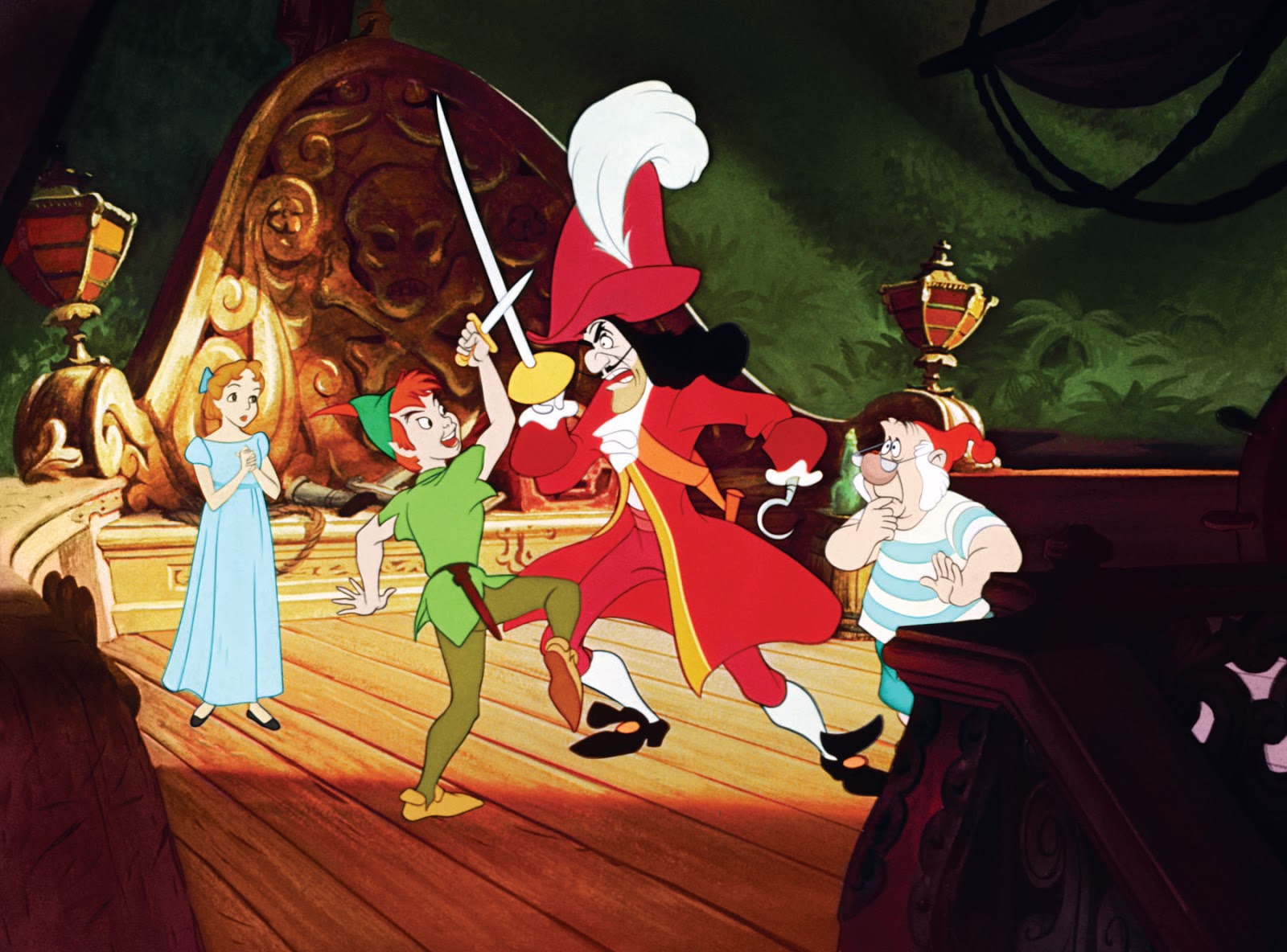
The villain of the piece, Captain Hook, however, has maintained his general outline from 1904.

image37capt.jpg

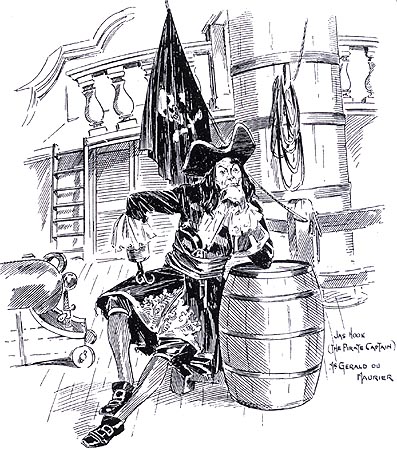
This is Gerald du Maurier, the original Captain.

image38hook.jpg

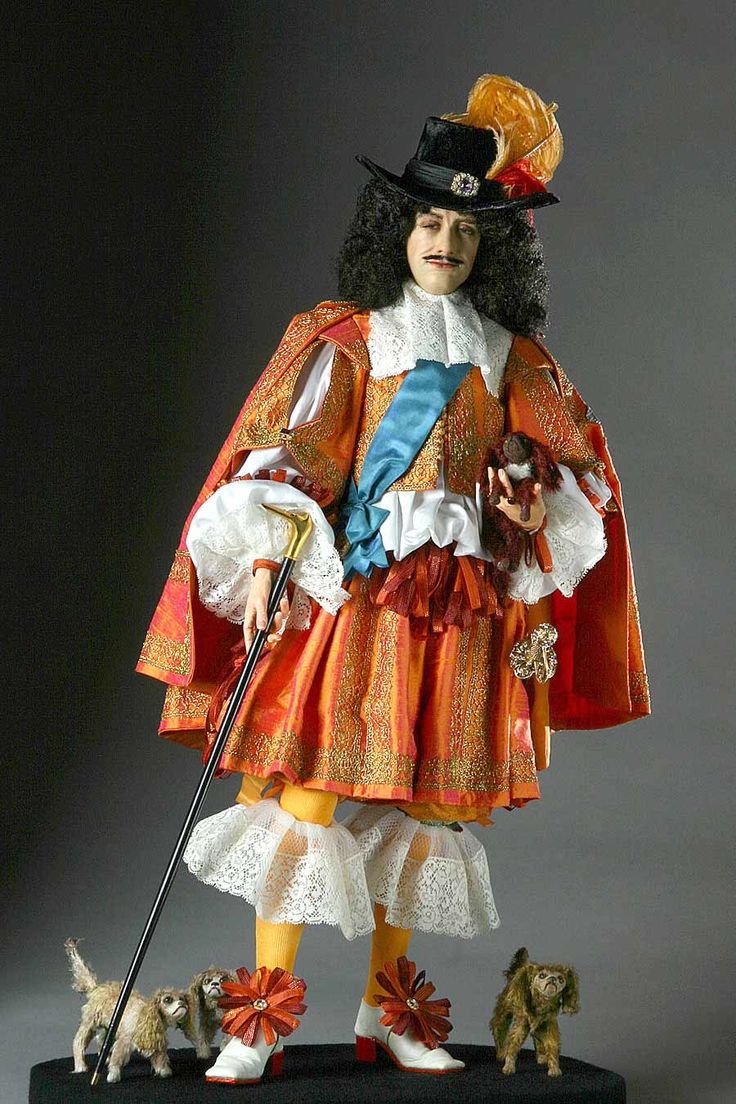
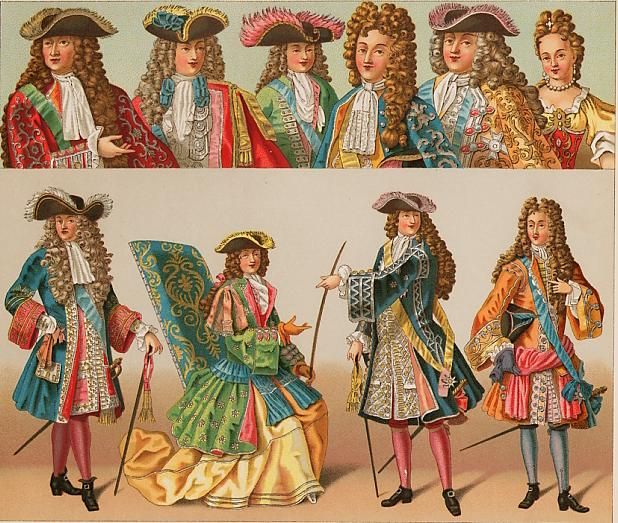
Although Barrie himself suggested that Hook should look like someone from the time of Charles II (1660-1685),

image39achas2.jpg

to us, he appears to be modeled on the fashions of the late 17th century—note the long coat with the big cuffs, not to mention the big wig.

image39costume.jpg

And here is Disney’s 1954 Hook.

image40disney.jpg

(A footnote:  in 1904, Barrie had planned to have different actors play Mr. Darling, the children’s father, and Captain Hook, but du Maurier persuaded him to allow du Maurier to play both roles, which is still the tradition.)

The subtitle of Peter Pan is Or, the Boy Who Wouldn’t Grow Up, and here we see, for the first time on our little tour, an explanation for the immortality in which the mortal is an active agent:  unlike Dracula or Oisin or Dorian Gray, Peter defies time simply by refusing to acknowledge its effects.  He won’t age because he doesn’t want to.

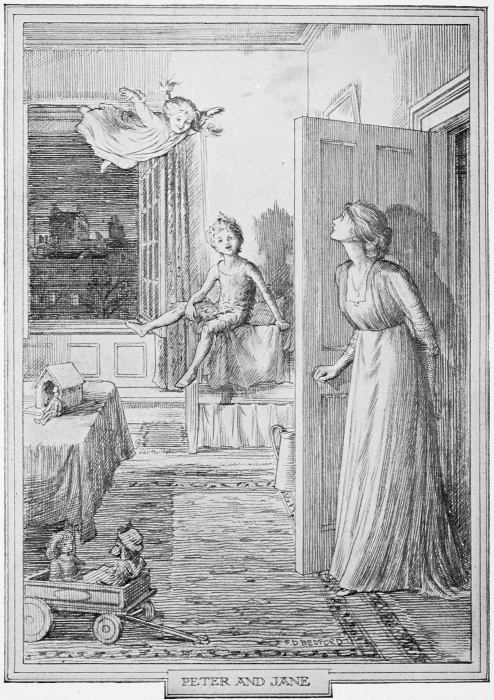
We said that we wanted to end on a “sort of” happy story and Peter’s stubborn immortality might fit that, but Barrie later added a kind of epilogue, a one-act play first performed in 1908.  In it, Wendy Darling, the oldest of the Darling children, has now grown up and gotten married, and had a daughter, Jane.  One night, while Wendy is putting Jane to bed in the same nursery from which the earlier adventures began, Peter appears.

Peter_and_Wendy_pg_243.jpg

At first, he simply refuses to believe that Wendy has grown up, and wants her to return to Neverland with him, although she has lost the ability to fly.  When she tries gently to explain that she can’t go with him because she has now become an adult, he collapses in tears and she runs from the room, leaving Jane asleep in her bed.  Jane wakes up and soon Peter invites her to fly to Neverland with him.  When Wendy reappears, she is quickly convinced and off the two go, leaving Wendy behind, but with the hope that Jane will have a daughter and she, in turn, will be taken to Neverland in an endless succession of daughters—perhaps immortality of a different sort?  (Here’s a LINK to the play, if you would like to read it for yourself.)

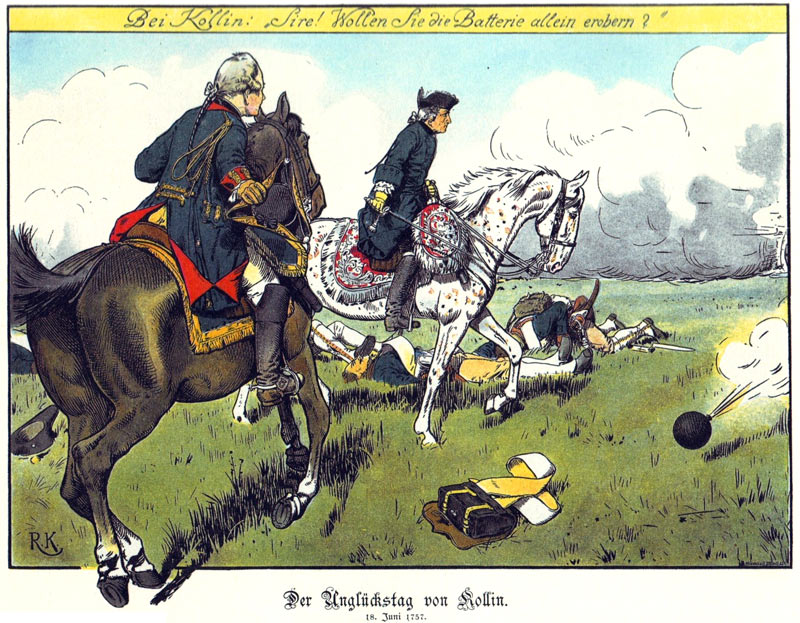
This has been a long posting, but we can’t resist a brief ps.  In 1757, Frederick the Great, the king of Prussia (1712-1786), was losing the battle of Kolin.  Desperate to win, he tried to rally his men for a counterattack, shouting, “You rascals!  Do you want to live forever?”

image41kolin.jpg

Virtually no one followed him, so we guess that most did.

Thanks, as always, for reading.

MTCIDC

CD

PS

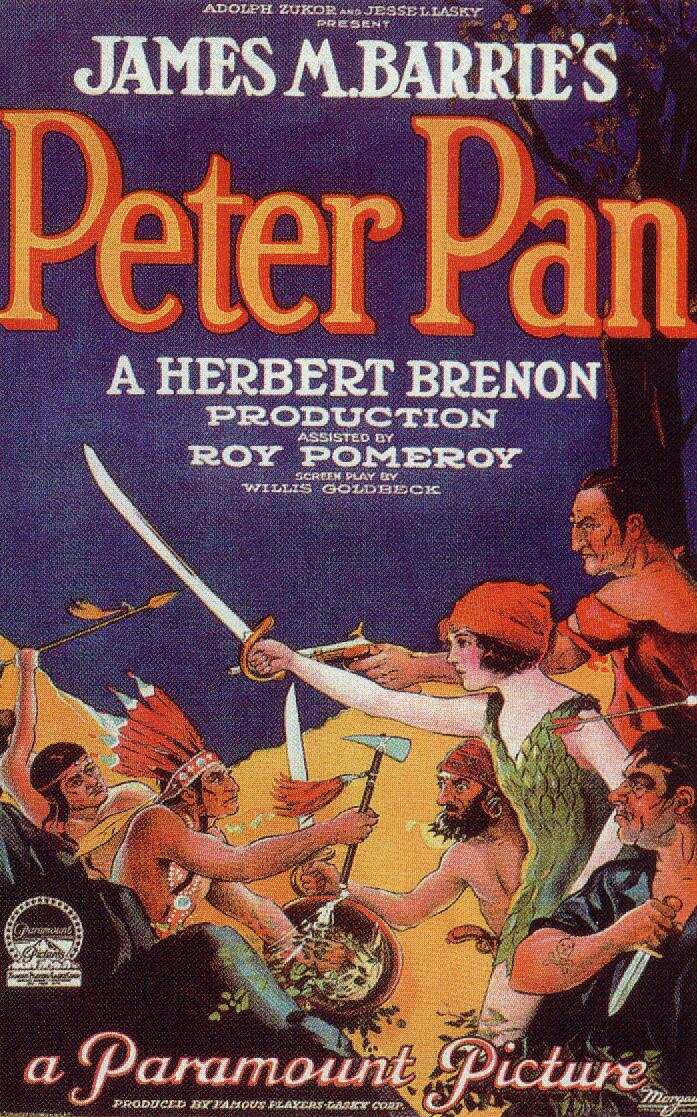
And another ps—in 1924, the first film version of Peter Pan appeared.

image42film.jpg

It was much praised at the time and here’s a LINK so that you can see it for yourself.

All Thin, Sort of Stretched

30 Wednesday May 2018

Posted by Ollamh in Fairy Tales and Myths, Films and Music, J.R.R. Tolkien, Villains

≈ Leave a comment

Tags

Aragorn, Bilbo, Bram Stoker, Dracula, Dunedain, Gerontius, immortal, Nosferatu, Numenoreans, Professor Van Helsing, Saruman, The Lord of the Rings, The Scouring of the Shire, The Shadow of the Past, Tolkien, vampire, Voivode Dracula

As always, dear readers, welcome.

Once before, we wrote about the Scouring of the Shire and about the queer events after Saruman’s death, but, recently, we’ve come across something which might suggest an explanation.

This past term/semester, one of us taught Bram Stoker’s 1897 novel, Dracula, for the first time (and it seemed to be a big hit, we might add), as we’ve also mentioned before.

image1adrac.jpg

In the book, Professor Van Helsing tells the protagonists that Dracula:

“…must, indeed, have been that Voivode Dracula who won his name against the Turk, over the great river on the very frontier of Turkey-land.” (Dracula, Chapter XVIII)

Vlad_Tepes_002.jpg

If indeed true, this would mean that the Un-dead figure in the novel, who, historically, had been born about 1430, would, at the time of the novel, be about 467 years old.  Van Helsing explains this longevity:

“The vampire live on, and cannot die by mere passing of the time; he can flourish when that he can fatten on the blood of the living.”

Worse—

“Even more, we have seen amongst us that he can even grow younger; that his vital faculties grow strenuous, and seem as though they refresh themselves when his special pabulum is plenty.” [pabulum is a little odd here, to us, as it’s an early word for “baby food”—perhaps Van Helsing is being sarcastic?]

We were easily, as always, prompted back to JRRT here and something Bilbo says to Gandalf when he is about to leave Bag End in the first chapter of The Lord of the Rings:

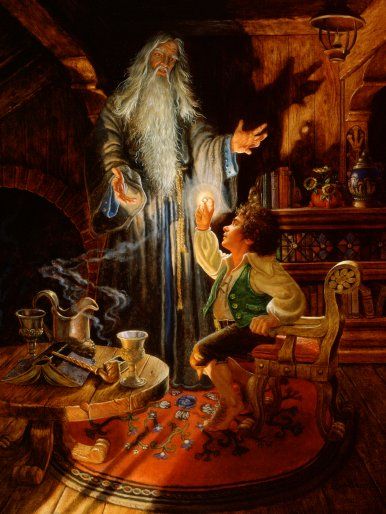
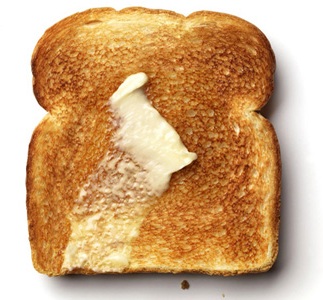
“I am old, Gandalf.  I don’t look it, but I am beginning to feel it in my heart of hearts.  Well-preserved indeed!…Why, I feel all thin, sort of stretched, if you know what I mean:  like butter that has been scraped over too much bread. That can’t be right.”  (The Fellowship of the Ring, Book One, Chapter 1, “A Long-Expected Party”)

image1bandg.jpg

image2toast.jpg

Hobbits are, in comparison to humans in our current world and among non-Numenoreans in Middle-earth, a long-lived race, Bilbo’s family in particular being perhaps an extreme example, his grandfather, Gerontius (a small academic joke—geron in Greek means “old man”), living to be 130—and Bilbo will even surpass him, if only briefly.

“Stretched”, however, suggests something else—and we know, as Gandalf does, what that is–the Ring:

“A mortal, Frodo, who keeps one of the Great Rings, does not die, but he does not grow or obtain more life, he merely continues, until at last every minute is a weariness.  And if he often uses the Ring to make himself invisible, he fades:  he becomes in the end invisible permanently, and walks in the twilight under the eye of the Dark Power that rules the Rings.  Yes, sooner or later—later, if he is strong or well-meaning to begin with, but neither strength nor good purpose will last—sooner or later the Dark Power will devour him.”  (The Fellowship of the Ring, Book One, Chapter 2, “The Shadow of the Past”)

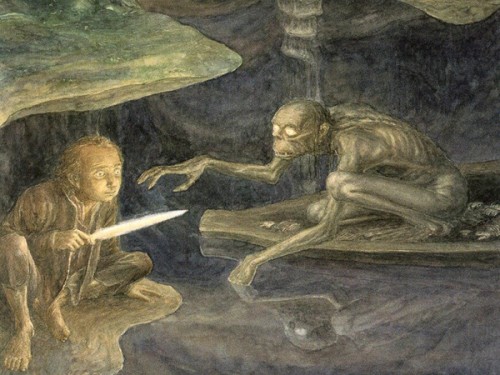
And so, Bilbo would have felt more and more “stretched”, had he not given it up, even as he continued to go on existing–Gollum, after all, is nearly 600 when he meets Bilbo for the riddling game.

image3gollum.jpg

As we’ve mentioned, the descendants of the Numenoreans had a naturally-extended life.  Aragorn, for instance, is 87 at the time of The Lord of the Rings, and 210 at his death in FA120.

image4arag.jpg

Others in Middle-earth, however, have simply been given what would seem to be life spans practically without limit.  The elves, like Galadriel, are, in effect, immortal.  Likewise are the Istari—the “wizards”, like Gandalf.

image5gandalf.jpg

This should extend to Saruman, as well.

image6saruman.jpg

And yet, something seems to have gone wrong here, as we wrote about some time ago.  Once Grima has cut his throat:

“To the dismay of those that stood by, about the body of Saruman a grey mist gathered, and rising slowly to a great height like smoke from a fire, as a pale shrouded figure it loomed over the Hill.  For a moment it wavered, looking to the West; but out of the West came a cold wind, and it bent away, and with a sigh dissolved into nothing.”

image7deathofsaruman.jpg

This isn’t the end, however.

“Frodo looked down at the body with pity and horror, for as he looked it seemed that long years of death were suddenly revealed in it, and it shrank, and the shriveled face became rags of skin upon a hideous skull.  Lifting up the skirt of the dirty cloak that sprawled beside it, he covered it over, and turned away.”  (The Return of the King, Book Six, Chapter 8, “The Scouring of the Shire”)

It’s never explained why the—for lack of a better word—spirit of Saruman disappears as it does.  The fact that it looks to the West—towards Valinor—and a cold wind blows from there suggests that, somehow, the Valar are punishing Saruman for betraying their trust and forbidding him from returning to them, as the living Gandalf will in the final chapter of the book (and for a second time, it seems, Gandalf having been “sent back” after his apparent death fighting the Balrog).

What Frodo sees in the sprawled body, however, suggests something more:  “long years of death were suddenly revealed in it”.  Here’s Stoker’s description of the end of Dracula:

“As I looked, the eyes saw the sinking sun, and the look of hate in them turned to triumph.

But, on the instant, came the sweep and flash of Jonathan’s great knife.  I shrieked as I saw it shear through the throat; whilst at the same moment Mr. Morris’ bowie knife plunged into the heart.

It was like a miracle; but before our very eyes, and almost in the drawing of a breath, the whole body crumble[d] into dust and passed from our sight.”  (Dracula, Chapter XXVII)

Bilbo and Gollum have continued to live because the Ring has given them the power to do so, but at a great cost, at least for Gollum, as Gandalf says.  Dracula has been given nearly 500 years because he has become a parasite on the living, but those years were his with the loss of his soul.  Could it be that Saruman, although given immortality because he is one of the Maiar, has, through his long years of plotting, either to work with Sauron or even to become Sauron, somehow become more like one of the Un-dead, gradually losing life even though immortal?

image8dracdeath.jpg

(This is the end of Count Orlok, the Dracula figure in our favorite vampire movie, FW Murnau’s 1922 Nosferatu.  If you’d like to see the film, here’s a LINK to it from the Internet Archive site.)

In which case, his end is much worse than that of Dracula, as one of the protagonists, Mina Harker, writes:

“I shall be glad as long as I live that even in that moment of final dissolution, there was in the face a look of peace, such as I never could have imagined might have rested there.”

MTCIDC

CD

The Doubtful Sea Series Facebook Page

The Doubtful Sea Series Facebook Page

  • Ollamh

Categories

  • Artists and Illustrators
  • Economics in Middle-earth
  • Fairy Tales and Myths
  • Films and Music
  • Games
  • Heroes
  • Imaginary History
  • J.R.R. Tolkien
  • Language
  • Literary History
  • Maps
  • Medieval Russia
  • Military History
  • Military History of Middle-earth
  • Narnia
  • Narrative Methods
  • Poetry
  • Research
  • Star Wars
  • Terra Australis
  • The Rohirrim
  • Theatre and Performance
  • Tolkien
  • Uncategorized
  • Villains
  • Writing as Collaborators
Follow doubtfulsea on WordPress.com

Across the Doubtful Sea

Recent Postings

  • Through a glass… January 7, 2026
  • Heffalumps? December 31, 2025
  • We Three Kings December 24, 2025
  • A Moon disfigured December 17, 2025
  • On the Roads Again—Once More December 10, 2025
  • (Not) Crossing Bridges December 3, 2025
  • On the Road(s) Again—Again November 26, 2025
  • On the Road(s) Again November 19, 2025
  • To Bree (Part 2) November 12, 2025

Blog Statistics

  • 104,101 Views

Posting Archive

  • January 2026 (1)
  • December 2025 (5)
  • November 2025 (4)
  • October 2025 (5)
  • September 2025 (4)
  • August 2025 (4)
  • July 2025 (5)
  • June 2025 (4)
  • May 2025 (4)
  • April 2025 (5)
  • March 2025 (4)
  • February 2025 (4)
  • January 2025 (5)
  • December 2024 (4)
  • November 2024 (4)
  • October 2024 (5)
  • September 2024 (4)
  • August 2024 (4)
  • July 2024 (5)
  • June 2024 (4)
  • May 2024 (5)
  • April 2024 (4)
  • March 2024 (4)
  • February 2024 (4)
  • January 2024 (5)
  • December 2023 (4)
  • November 2023 (5)
  • October 2023 (4)
  • September 2023 (4)
  • August 2023 (5)
  • July 2023 (4)
  • June 2023 (4)
  • May 2023 (5)
  • April 2023 (4)
  • March 2023 (5)
  • February 2023 (4)
  • January 2023 (4)
  • December 2022 (4)
  • November 2022 (5)
  • October 2022 (4)
  • September 2022 (4)
  • August 2022 (5)
  • July 2022 (4)
  • June 2022 (5)
  • May 2022 (4)
  • April 2022 (4)
  • March 2022 (5)
  • February 2022 (4)
  • January 2022 (4)
  • December 2021 (5)
  • November 2021 (4)
  • October 2021 (4)
  • September 2021 (5)
  • August 2021 (4)
  • July 2021 (4)
  • June 2021 (5)
  • May 2021 (4)
  • April 2021 (4)
  • March 2021 (5)
  • February 2021 (4)
  • January 2021 (4)
  • December 2020 (5)
  • November 2020 (4)
  • October 2020 (4)
  • September 2020 (5)
  • August 2020 (4)
  • July 2020 (5)
  • June 2020 (4)
  • May 2020 (4)
  • April 2020 (5)
  • March 2020 (4)
  • February 2020 (4)
  • January 2020 (6)
  • December 2019 (4)
  • November 2019 (4)
  • October 2019 (5)
  • September 2019 (4)
  • August 2019 (4)
  • July 2019 (5)
  • June 2019 (4)
  • May 2019 (5)
  • April 2019 (4)
  • March 2019 (4)
  • February 2019 (4)
  • January 2019 (5)
  • December 2018 (4)
  • November 2018 (4)
  • October 2018 (5)
  • September 2018 (4)
  • August 2018 (5)
  • July 2018 (4)
  • June 2018 (4)
  • May 2018 (5)
  • April 2018 (4)
  • March 2018 (4)
  • February 2018 (4)
  • January 2018 (5)
  • December 2017 (4)
  • November 2017 (4)
  • October 2017 (4)
  • September 2017 (4)
  • August 2017 (5)
  • July 2017 (4)
  • June 2017 (4)
  • May 2017 (5)
  • April 2017 (4)
  • March 2017 (5)
  • February 2017 (4)
  • January 2017 (4)
  • December 2016 (4)
  • November 2016 (5)
  • October 2016 (6)
  • September 2016 (5)
  • August 2016 (5)
  • July 2016 (5)
  • June 2016 (5)
  • May 2016 (4)
  • April 2016 (4)
  • March 2016 (5)
  • February 2016 (4)
  • January 2016 (4)
  • December 2015 (5)
  • November 2015 (5)
  • October 2015 (4)
  • September 2015 (5)
  • August 2015 (4)
  • July 2015 (5)
  • June 2015 (5)
  • May 2015 (4)
  • April 2015 (3)
  • March 2015 (4)
  • February 2015 (4)
  • January 2015 (4)
  • December 2014 (5)
  • November 2014 (4)
  • October 2014 (6)
  • September 2014 (1)

Blog at WordPress.com.

  • Subscribe Subscribed
    • doubtfulsea
    • Join 78 other subscribers
    • Already have a WordPress.com account? Log in now.
    • doubtfulsea
    • Subscribe Subscribed
    • Sign up
    • Log in
    • Report this content
    • View site in Reader
    • Manage subscriptions
    • Collapse this bar
 

Loading Comments...