• About

doubtfulsea

~ adventure fantasy

Tag Archives: Canterbury Tales

In Depth

15 Wednesday Aug 2018

Posted by Ollamh in J.R.R. Tolkien, Language, Literary History

≈ Leave a comment

Tags

Beowulf, Canterbury Tales, Chaucer, Christopher Tolkien, conlang, Danian, David J Peterson, Dothraki, Elvish, English, Game of Thrones, Hamlet, Ilkorin, James Joyce, Jane Austen, language, Noldorin, Pride and Prejudice, Qenya, Shakespeare, Star Wars, Telerin, The Art of Language Invention, The Lord of the Rings, Tolkien, Ulysses

Welcome, as always, dear readers.

In 1977, the more observant viewers and critics commented upon the look and feel of a new film.  Instead of a world in which everything appeared newly-produced and sparkling, this was one in which it was clear that people had lived for a long time and many different peoples, at that.
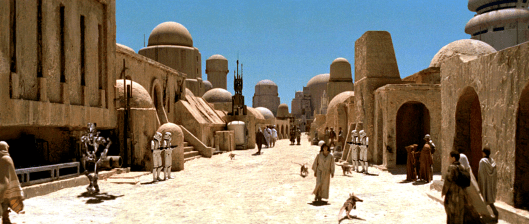
image1moseisley.png

Even their vehicles had a scratched and dusty look.

image2speeder.jpg

We had been told, of course, in the very opening sequence that this was an old place—
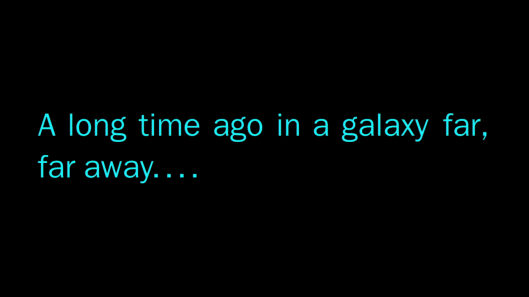
image3long.png

but actually seeing its used look was that much more convincing

image4crawler.jpg

as was seeing—and hearing—its peoples,
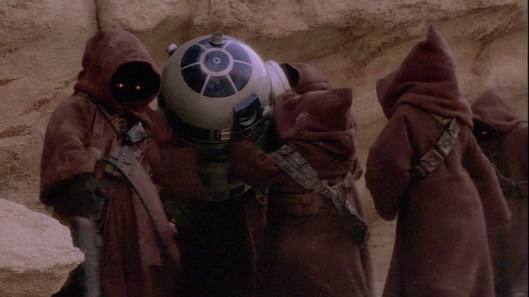
image5jawas.jpeg

who sometimes even required subtitles, as if the audience were watching a foreign film.

image6greedo.png

In time, as the success of this film produced not only more films, but mountains of other material, from novels to graphic novels to spin-off series to toys and t-shirts and kitchen ware,

image7mugs.jpg

a whole literature appeared about this world—or, we should say, worlds. Its geography and even its extremely-varied animal life.
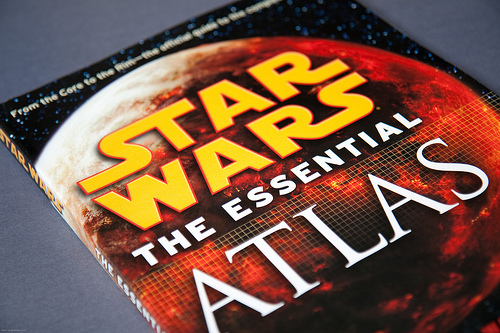
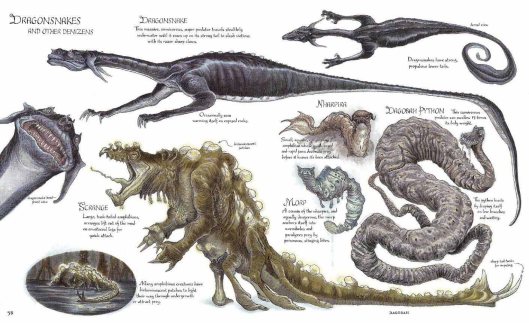
image8atlas.jpg

image9fauna.jpg

And, along with all of the other material, information about its languages began to appear.

image10aura.png

What prompted this posting, however, was something odd about one of those languages, that spoken by a character in what would, in time, become the sixth in the series.

image11boushh.jpg

This was pointed out to us by David J. Peterson

image12peterson.jpg

in his 2015 book, The Art of Language Invention.
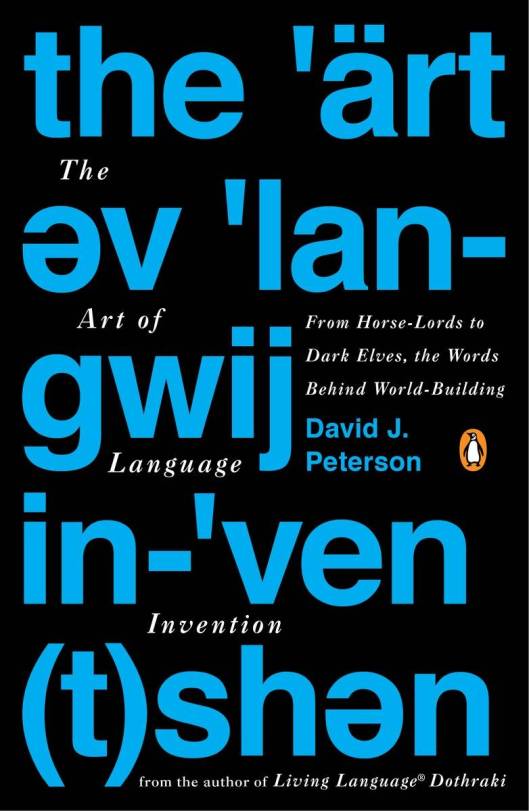
image13book.jpg

As a child, what had puzzled Peterson was that the character (who is subtitled), says only “Yate, yate, yoto, ei, yato, cha”—in total, only six different words, but they are translated as everything from “I have come for the bounty on this Wookiee” to “50,000, no less”.  (This is quoted and discussed on pages 3 to 5 of Peterson’s book—which is, by the way, one we would recommend, if you’re as interested in languages as we are.)

How could so few words mean so many different things?  As an adult, looking back, Peterson had his doubts and we would agree—especially when reading about the world in which Peterson lives, the world of “conlang”, which is short for “constructed languages”.  Peterson is the creator of Dothraki, the language of the nomadic Dothraki people,

image14dothraki.jpg

one of the numerous races which inhabit the landscape of George R R Martin’s Game of Thrones, first novels, then a huge, elaborate, and engrossing television series.
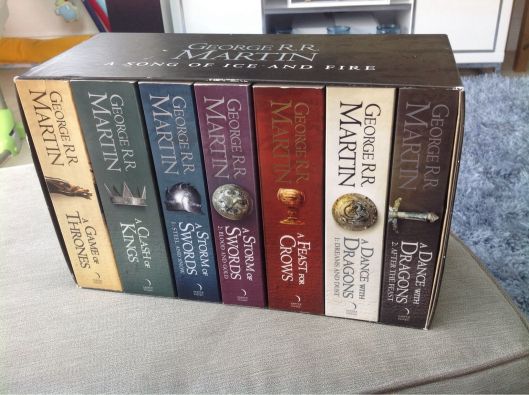
image15gamebooks.jpg

image16tv.jpeg

The difference between “yate”, etc and Dothraki is that those few words are there to suggest that someone is speaking in a language different from the language spoken by the majority of the characters—which is the method employed throughout not only this film, but its two immediate successors.
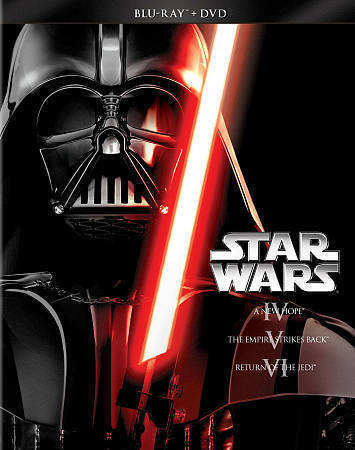
image17swset.jpg

What Peterson set out to do was to create the shape of an entire language (something he has done more than once).  Here’s a LINK to the Wiki site, which, as usual, leads to other sites, which lead to other sites, which lead… if you’d like to learn more.

As worn-looking buildings and vehicles, different peoples and flora and fauna, and at least the suggestion of other languages create a bigger, deeper picture of the setting of an adventure, so, too, does the suggestion of great age.  Over time, the huge pile of material for the film series we first mentioned showed, in detail, that what we were seeing was, in fact, only the latest phase in a whole galaxy of civilizations over many centuries—after all, “For over a thousand generations, the Jedi Knights were the guardians of peace and justice in the Old Republic”.

image18obiwan.jpg

Another way to suggest that great age is a much less dramatic one—perhaps even a nearly-invisible one–practiced by one of our favorite authors and the subject of innumerable postings, and here is one of his efforts.
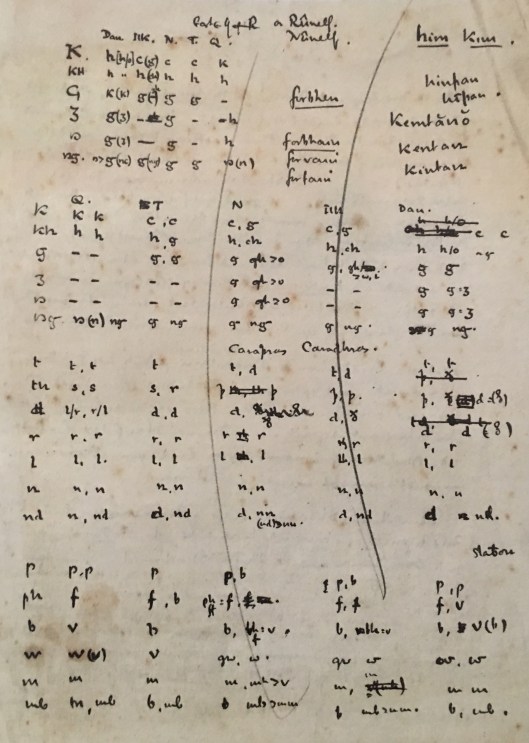
image19chart.jpg

What we’re seeing here is JRRT working out the history of sounds throughout a series of Elf languages, Qenya, Telerin, Noldorin, Ilkorin, and Danian, part of his immense and immensely-detailed work on the tongues of Middle-earth.   All languages change through time, of course—here’s a rough version of the succession of periods of English—

Old English (the opening lines of Beowulf, 700-1000AD,

image20beo.jpg

Middle English (the opening of Chaucer’s Canterbury Tales, c.1400AD),
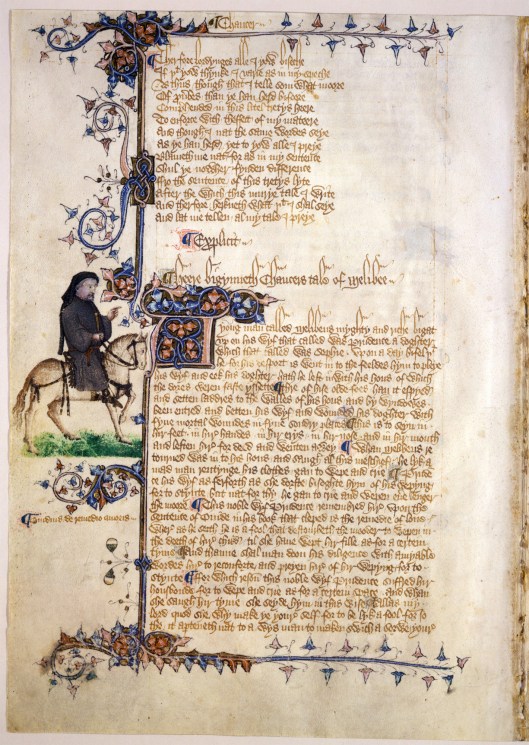
image21chaucer.jpg

Early Modern English (the beginning of the first scene of Shakepeare’s Hamlet, 1603),

image22hamlet.jpg

early 19th-century English (the first lines of Jane Austen’s Pride and Prejudice, 1813),
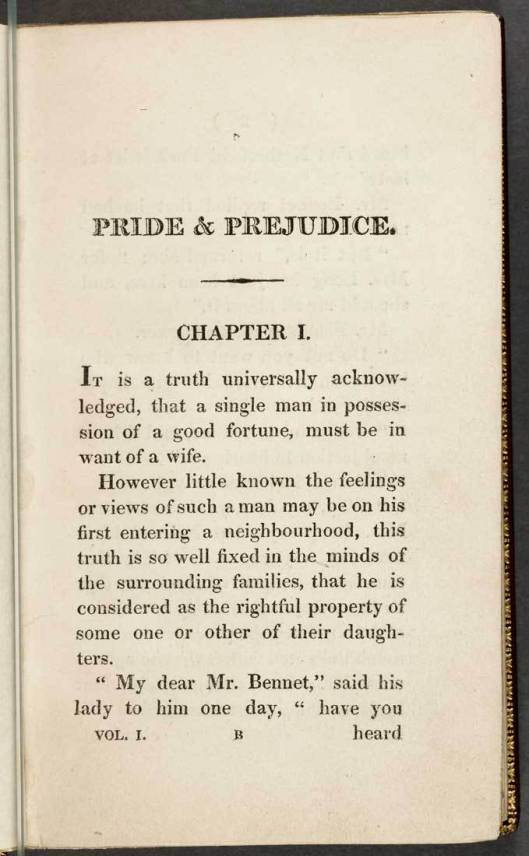
image23pp.jpg

and early 20th-century English (the opening of James Joyce’s Ulysses, 1922).
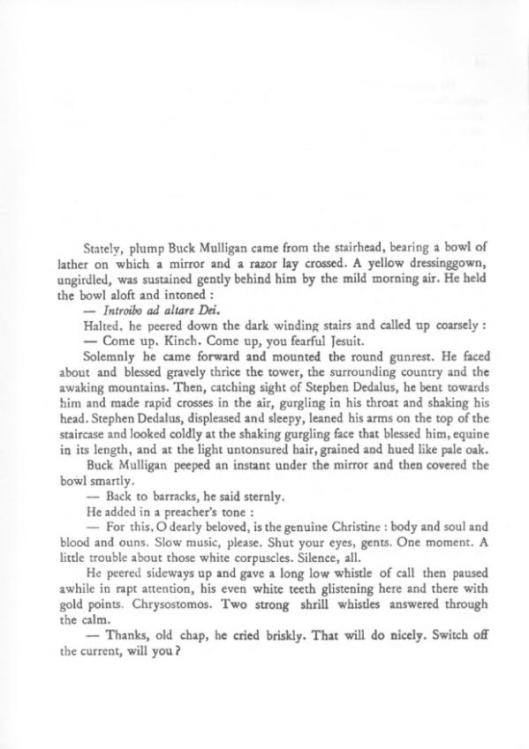
image24ulysses.jpg

And Joyce even attempted to suggest the procession of those periods in Chapter 14 of Ulysses, “The Oxen of the Sun”, where the story is told through paragraphs which sound like earlier versions of the language gradually moving towards modern English.  (The novelist Nabokov, who played with language constantly, actually found this chapter boring, perhaps because it seemed to him like a one-off, not really in aid of the plot and its characters in general, but rather just a piece of private fun by and for the author?)

JRRT, however, goes one better.  Like other creators of big adventures, he used lots of means to deepen his story, from an extensive and detailed map
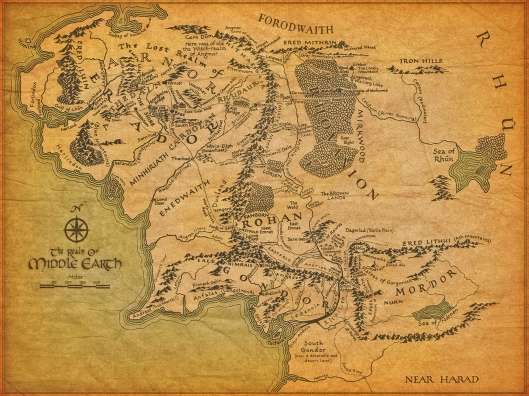
image25map.jpg

to describing the remains of earlier times still standing in the landscape of Middle-earth of the present,

image26argonath.jpg

to adding detailed historical appendices and chronologies (and his valiant son, Christopher, has added many volumes more),

image27ct.jpg

but using intricate sound changes and their logical development takes the idea of depth into new regions, especially because it would probably go unnoticed by most readers—there’s an awful lot of detail in those appendices—but whose meticulous creation is not in the least surprising for someone who once wrote, “The ‘stories’ were made rather to provide a world for the languages than the reverse.” (Letters, 219)

Thanks, as ever, for reading.

MTCIDC

CD


ps

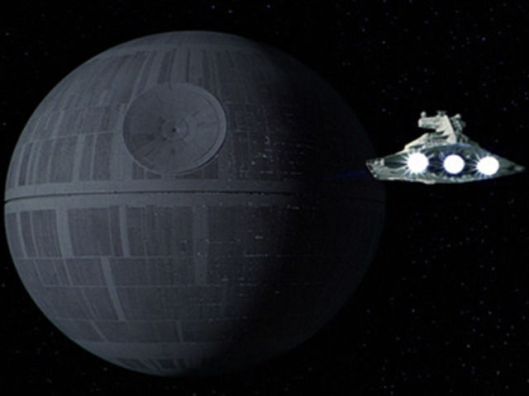
Ah yes—the nearly-inevitable post scriptum—if the normal world/s of the films we first mentioned are “scruffy-looking” (to quote a character about another character), we notice that the world of the villains—the soldiers of the Empire and their surroundings—are hard and clean and shiny—which makes us feel a little better when we wonder when we may last have shined our shoes.

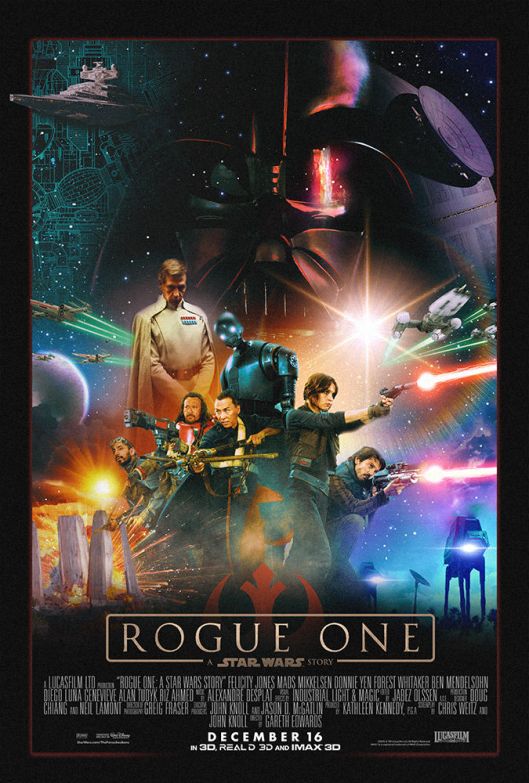
image28deathstar.jpg

Killer Monks (and Friars)

11 Wednesday Jan 2017

Posted by Ollamh in Artists and Illustrators, Fairy Tales and Myths, Heroes, Literary History, Narrative Methods

≈ Leave a comment

Tags

Baze Malbus, Bo staff, Canterbury Tales, Chirrut Imwe, Cluny, Dauntless, Friar Tuck, Friars, Geoffery Chaucer, Guardians of the Whills, Howard Pyle, Jahng Bong, Jedha, Little John, monastery, monks, N.C. Wyeth, Nijedha, quarter-staff, religion, Robin Hood, Rogue One, Scarif, Star Destroyer, Star Wars, stormtroopers, Tae Kwon-Do, Temple of the Kyber, the Force, The Force Awakens, The Merry Adventures of Robin Hood, Thomas Hughes, Tom Brown's Schooldays

Welcome, dear readers, as always.

Today, for the first time in some time, we are not visiting Middle-earth. Instead, we are visiting our earth, as well as another planet or two.

Recently, we saw Rogue One,

1rogueoneposter.jpg

which, in our opinion, was a bit more coherent than The Force Awakens, but which still—again, our opinion—like Force, had too many players and too many planets. For us, this has always been the danger of fantasy fiction, when plot overwhelms character, as—and aren’t we opinionated in this posting?—in the Harry Potter series.

2hp1.jpg

The first volume was a pleasant twist on the traditional school story, a genre which dates at least as far back as Tom Brown’s Schooldays (1857).

3tbsschooldays.png

by Thomas Hughes.

4thughes.jpg

We thought that that first book had a number of potentially interesting characters—Hermione, the Weasley twins, Snape, Hagrid—but, as the books piled up and the plot became more complex and more and more characters appeared, there was less and less, it seemed to us, of those interesting original figures. And many of the characters who were there, seemed much sketchier.

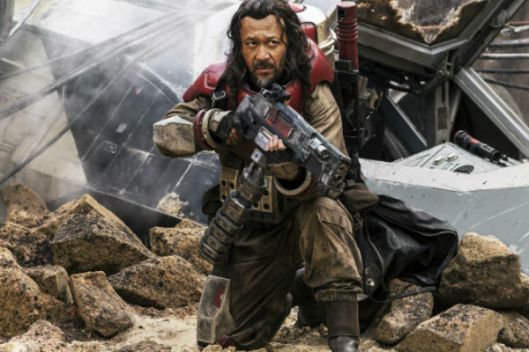
In the case of Rogue One, we thought that two of the most interesting were the two Guardians of the Whills, rather like monks

5romonks.jpg

Chirrut Imwe

6chirrut.jpg

and Baze Malbus.

7baze.jpg

These two had been attached to the Temple of the Kyber in the city of Nijedha on the desert moon Jedha.

8jedha.jpg

The Empire has arrived, however (hard to miss the Star Destroyer Dauntless in this picture, isn’t it?), to seize all of the kyber crystals on Jedha (used originally to power Jedi light sabers) to fuel the superlaser on the new terror weapon, the Death Star.

9deathstar.jpg

In the process, the two monks have been driven from the Temple, which has been pillaged, and now appear to be living on the street. Chirrut believes in the Force, while Baze seems to believe in his very large gun. Chirrut, who is blind, first shows his skills in an amazing scene where, surrounded by stormtroopers, he makes short work of them with his fighting staff, which resembles the Jahng Bong or Bo Staff used in Tae Kwon-do, among other Eastern weapons and martial arts.

10chirrutstorm.jpg

As everyone who has seen Rogue One (and, by now, many who haven’t, we’d guess) knows, the two don’t survive the attack on Scarif

11bazechirrut.jpg

and this made us wish we had seen more of them, not only in this movie (perhaps them ejected from the Temple—which wouldn’t have been easy!), but in another Star Wars story, in which they were the main characters. So many questions: how did they meet? Why does the one believe so fervently in the Force and the other does not? What did they do before Nijedha? Were they always monks? If not, how did they become so? How and where did they train?

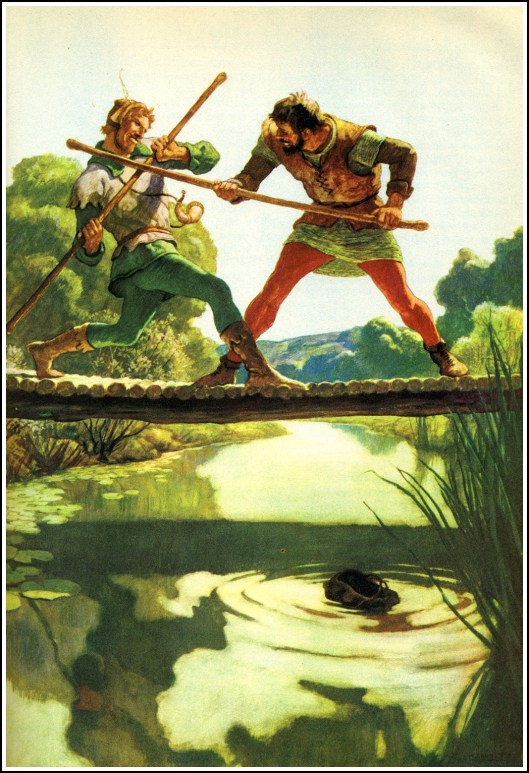
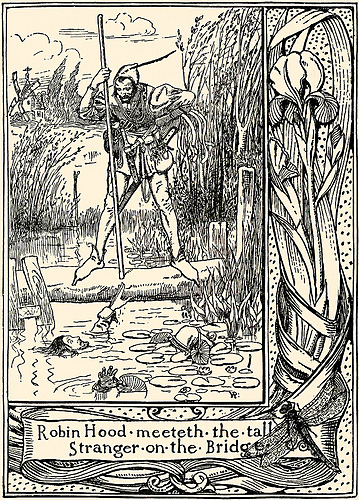
Seeing fighting with that Bo Staff immediately prompted us to think of much earlier figures with a similar weapon: Robin Hood, who fights, on a log over a stream, his soon-to-be-lieutenant, Little John, with quarter-staves.

12roblj.jpg

This is an illustration by N.C. Wyeth from the 1917 Robin Hood,

13robinhood1917.jpg

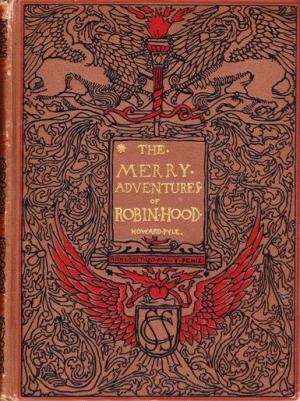
but there is an earlier edition of the stories of Robin Hood by Wyeth’s teacher, Howard Pyle, The Merry Adventures of Robin Hood (1883).

14pylemerryadventures.jpg

And here is a version of the aftermath of that scene on the log with Little John.

15pylerhlj.jpg

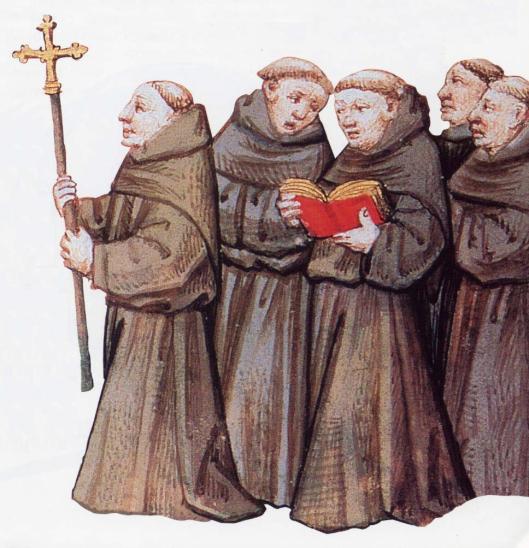
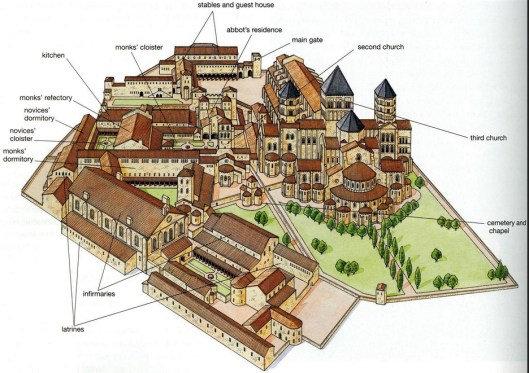
Robin has another encounter with water and a fighter when he meets a friar beside a stream. A monk is a man who enters a religious community called a monastery and spends his life working (and praying) within its walls.

16amonks.jpg

Western medieval Europe was full of monasteries, like this, at Cluny, in France.

17cluny.jpg

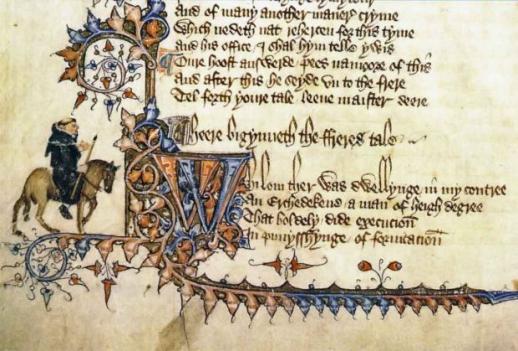
Friars, on the other hand, traveled within their appointed district, called a “province”. Here is a friar from an early (beginning of the 15th century) illustrated version of Geoffrey Chaucer’s Canterbury Tales.

18friar.jpg

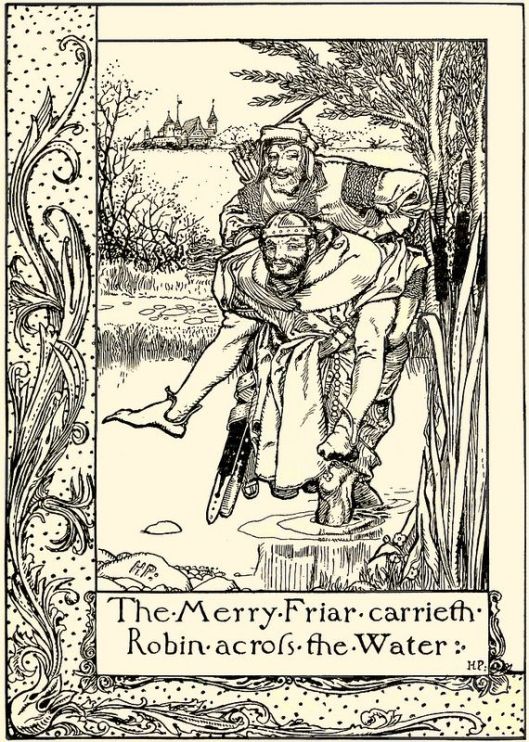
Because friars were much less strictly governed, they gained a folk reputation as tricksters and high-livers, and the trickster shows through when Robin Hood forces a friar (he will become Robin’s friend, Friar Tuck) to carry him across a stream—and the friar dumps him before proving that he’s also an expert swordsman. Here’s an illustration from the 1883 Pyle version.

19pyletuck.jpg

As we thought about it, by combining Little John’s skill with the quarterstaff with Friar Tuck’s wits and courage and holy orders, we could see a possible inspiration for Chirrut Imwe.

20chirrut.png

If you know the old Robin Hood stories and you’re seen Rogue One, what do you think?

Thanks, as ever, for reading.

MTCIDC

CD

The Sadness of a Second Reading

27 Wednesday May 2015

Posted by Ollamh in Artists and Illustrators, J.R.R. Tolkien, Narrative Methods, Villains

≈ Leave a comment

Tags

Aragorn, Arwen, Canterbury Tales, Chaucer, Ents, Fangorn, Frodo, Gandalf, Herblore, Hildebrandt, Hobbits, Isengard, Meduseld, Merry and Pippin, Ring, Saruman, Sauron, Smaug, The Lord of the Rings, Theoden, Tolkien, Villains

Welcome again, dear readers!

We’re sure to return to villains—Orcs first, we think—but, as we reread material for the last posting, we came across a passage which so struck us that we had to sit down and write a posting about it…

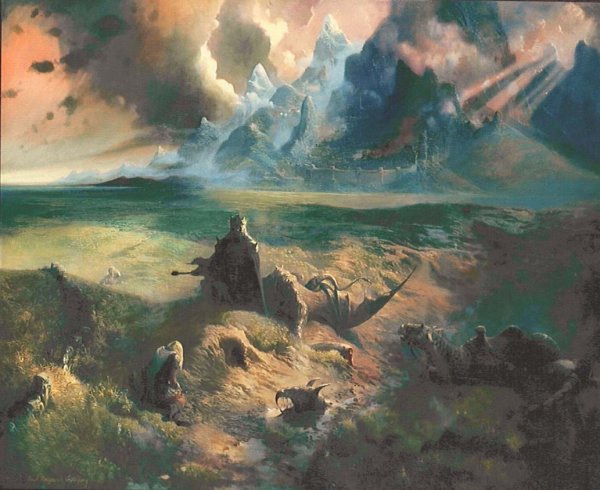
   Isengard is ruined. So much of what Tolkien described in such vivid detail in “The Road to Isengard”, both before Saruman decided to be a rival to Sauron and after, has been destroyed—here is the Hildebrandts’ version of it in Saruman’s early days

greg-hildebrandt-isengard-orthanc-saruman-607429-1300x962

And here it is when Saruman’s ambition overcame his sense of mission as one of the Istari and he could tell Gandalf that their job was to strive for “Knowledge, Rule, Order”—

Isengard_by_Nagzuku

But Fangorn and his Ents have changed all of that—

The Wrath of the Ents, by Ted Nasmith

So that, when Gandalf and his company appear, they see

“…And all about, stone, cracked and splintered into countless jagged shards, was scattered far and wide, or piled in ruinous heaps.” 

On top of one of those heaps                  

ruins 

“…two small figures…at their ease. One seemed asleep; the other, with crossed legs and arms behind his head leaned back against a broken rock and sent from his mouth long wisps and little rings of thin blue smoke.”

     Not tiny Smaugs sunning, it is, of course Merry and Pippin making themselves comfortable in the wreckage of Saruman’s palace/fortress/factory. That comfort is an affront to Gimli—or, at least, he pretends that it is—but it is a source of amusement to the rest of the company and the Hobbits themselves are a source of amazement to Theoden:

     “The days are fated to be filled with marvels. Already I have seen many since I left my house; and now here before my eyes stand yet another of the folk of legend. Are these not the Halflings, that some among us call the Holbytlan?” 

     But Theoden’s wonder is greater: not only are these figures from distant legend, but, “I had not heard that they spouted smoke from their mouths.”

     This sets Merry off on a lecture, which prefigures, of course, his later treatise, Herblore of the Shire, but which Gandalf stops in its tracks, saying,

“You do not know your danger, Theoden…These hobbits will sit on the edge of ruin [ironic here, as they are, in fact, doing so—it’s Saruman’s ruin] and discuss the pleasures of the table, or the small doings of their fathers, grandfathers, and great-grandfathers and remoter cousins to the ninth degree, if you encourage them with undue patience.” 

     Theoden, however, shows that, in the future, at least, he will encourage them with that patience—

“Farewell, my hobbits! May we meet again in my house! There you shall sit beside me and tell me all that your hearts desire: the deeds of your grandsires, as far as you can reckon them; and we will speak also of Tobold the Old and his herb-lore. Farewell!”

     Merry and Pippin, usually less-than-respectful, are quite charmed by this and behave better than usual:

     “The Hobbits bowed low. ‘So that is the King of Rohan!’ said Pippin in an undertone. ‘A fine old fellow. Very polite.’”

      If this is your first reading, there is something to look forward to—or, if you are Gandalf, to dread. For the more experienced, we already see the splitting up of Merry and Pippin, Pippin’s whirlwind ride with Gandalf to Minas Tirith, and Merry’s equally grueling ride to the Pelennor and his part in the last heroic moments of Theoden’s life and his final words on the subject of that earlier promise:

“Live now in blessedness; and when you sit in peace with your pipe, think of me! For never now shall I sit with you in Meduseld, as I promised, or listen to your herb-lore.” 

deathoftheoden

   And this brings us to the point: if you know what’s going to happen—in detail—why read this again?

     The answers are many and here are only a few from an entire spectrum: it’s such a rich story that you can easily read it again and find something new every time; you’d like to escape to Middle Earth because, even troubled as it is with Sauron, it makes more sense than Here and Now; you don’t read it all, but there are scenes and/or characters you like to revisit; it has become a kind of happy yearly ritual, as Chaucer fans reread The Canterbury Tales every spring. For us, among all of the other reasons (and we would say that probably every one makes sense, in its way) there is another reason and it has to do with that knowing.

     Wherever the sun shines directly on an object, a person, there is a shadow. Shadows can be knife-edge precise or vague, still or moving, smaller than that which casts them or greater. Knowing what’s to come in Tolkien is like seeing each event with its outcome, its shadow, all at the same moment and, as so often in The Lord of the Rings, what’s to come is compromised—if there’s happiness, it’s happiness of the moment: Sauron is defeated, but the Elves fade; Arwen marries Aragorn at last, but, he being mortal, even if a long-lived one, she is left a widow for many years; Frodo survives the Ring quest, but somehow is never healed. Events cast shadows in our current life, but we only see the shadows in retrospect in this world. In Middle Earth, on second and subsequent readings, events cast their shadows before as well as after themselves. And there is a pleasure in this. One might say, “Hmph. Adolescent thinking. Really self-pity in literary disguise.” We would disagree.

     One of the most powerful enhancers of emotion is contrast, beginning with the very idea of human mortality. As so many religions and philosophical systems advise: live now, in the moment, because there are just so many moments and then…?

     Thus, to read Theoden’s affectionate promise to the hobbits and to know, at that same moment, that it will be broken, and very dramatically, with Theoden’s death, is, potentially, to see that shadow, which is the contrast between what is said now and what will happen then.

     So, dear readers, what do you think? We imagine that you’re like us, with favorite books about which it doesn’t matter in the least that you know them practically by heart—surprise is only the first sensation—like opening a wonderful present which, once opened, you’ll use and love again and again, always grateful to the giver.

MTCIDC

CD

The Doubtful Sea Series Facebook Page

The Doubtful Sea Series Facebook Page

  • Ollamh

Categories

  • Artists and Illustrators
  • Economics in Middle-earth
  • Fairy Tales and Myths
  • Films and Music
  • Games
  • Heroes
  • Imaginary History
  • J.R.R. Tolkien
  • Language
  • Literary History
  • Maps
  • Medieval Russia
  • Military History
  • Military History of Middle-earth
  • Narnia
  • Narrative Methods
  • Poetry
  • Research
  • Star Wars
  • Terra Australis
  • The Rohirrim
  • Theatre and Performance
  • Tolkien
  • Uncategorized
  • Villains
  • Writing as Collaborators
Follow doubtfulsea on WordPress.com

Across the Doubtful Sea

Recent Postings

  • A Moon disfigured December 17, 2025
  • On the Roads Again—Once More December 10, 2025
  • (Not) Crossing Bridges December 3, 2025
  • On the Road(s) Again—Again November 26, 2025
  • On the Road(s) Again November 19, 2025
  • To Bree (Part 2) November 12, 2025
  • To Bree (Part 1) November 5, 2025
  • A Plague o’ Both—No, o’ All Your Houses! October 29, 2025
  • It’s in Writing (2:  I’st a Prologue, or a Poesie for a Ring?) October 22, 2025

Blog Statistics

  • 103,208 Views

Posting Archive

  • December 2025 (3)
  • November 2025 (4)
  • October 2025 (5)
  • September 2025 (4)
  • August 2025 (4)
  • July 2025 (5)
  • June 2025 (4)
  • May 2025 (4)
  • April 2025 (5)
  • March 2025 (4)
  • February 2025 (4)
  • January 2025 (5)
  • December 2024 (4)
  • November 2024 (4)
  • October 2024 (5)
  • September 2024 (4)
  • August 2024 (4)
  • July 2024 (5)
  • June 2024 (4)
  • May 2024 (5)
  • April 2024 (4)
  • March 2024 (4)
  • February 2024 (4)
  • January 2024 (5)
  • December 2023 (4)
  • November 2023 (5)
  • October 2023 (4)
  • September 2023 (4)
  • August 2023 (5)
  • July 2023 (4)
  • June 2023 (4)
  • May 2023 (5)
  • April 2023 (4)
  • March 2023 (5)
  • February 2023 (4)
  • January 2023 (4)
  • December 2022 (4)
  • November 2022 (5)
  • October 2022 (4)
  • September 2022 (4)
  • August 2022 (5)
  • July 2022 (4)
  • June 2022 (5)
  • May 2022 (4)
  • April 2022 (4)
  • March 2022 (5)
  • February 2022 (4)
  • January 2022 (4)
  • December 2021 (5)
  • November 2021 (4)
  • October 2021 (4)
  • September 2021 (5)
  • August 2021 (4)
  • July 2021 (4)
  • June 2021 (5)
  • May 2021 (4)
  • April 2021 (4)
  • March 2021 (5)
  • February 2021 (4)
  • January 2021 (4)
  • December 2020 (5)
  • November 2020 (4)
  • October 2020 (4)
  • September 2020 (5)
  • August 2020 (4)
  • July 2020 (5)
  • June 2020 (4)
  • May 2020 (4)
  • April 2020 (5)
  • March 2020 (4)
  • February 2020 (4)
  • January 2020 (6)
  • December 2019 (4)
  • November 2019 (4)
  • October 2019 (5)
  • September 2019 (4)
  • August 2019 (4)
  • July 2019 (5)
  • June 2019 (4)
  • May 2019 (5)
  • April 2019 (4)
  • March 2019 (4)
  • February 2019 (4)
  • January 2019 (5)
  • December 2018 (4)
  • November 2018 (4)
  • October 2018 (5)
  • September 2018 (4)
  • August 2018 (5)
  • July 2018 (4)
  • June 2018 (4)
  • May 2018 (5)
  • April 2018 (4)
  • March 2018 (4)
  • February 2018 (4)
  • January 2018 (5)
  • December 2017 (4)
  • November 2017 (4)
  • October 2017 (4)
  • September 2017 (4)
  • August 2017 (5)
  • July 2017 (4)
  • June 2017 (4)
  • May 2017 (5)
  • April 2017 (4)
  • March 2017 (5)
  • February 2017 (4)
  • January 2017 (4)
  • December 2016 (4)
  • November 2016 (5)
  • October 2016 (6)
  • September 2016 (5)
  • August 2016 (5)
  • July 2016 (5)
  • June 2016 (5)
  • May 2016 (4)
  • April 2016 (4)
  • March 2016 (5)
  • February 2016 (4)
  • January 2016 (4)
  • December 2015 (5)
  • November 2015 (5)
  • October 2015 (4)
  • September 2015 (5)
  • August 2015 (4)
  • July 2015 (5)
  • June 2015 (5)
  • May 2015 (4)
  • April 2015 (3)
  • March 2015 (4)
  • February 2015 (4)
  • January 2015 (4)
  • December 2014 (5)
  • November 2014 (4)
  • October 2014 (6)
  • September 2014 (1)

Blog at WordPress.com.

  • Subscribe Subscribed
    • doubtfulsea
    • Join 78 other subscribers
    • Already have a WordPress.com account? Log in now.
    • doubtfulsea
    • Subscribe Subscribed
    • Sign up
    • Log in
    • Report this content
    • View site in Reader
    • Manage subscriptions
    • Collapse this bar
 

Loading Comments...