Tags
book-review, books, Fiction, reading, The Goldsmith and the Master Thief, The Hobbit, The Letter for the King, The Lord of the Rings, The Robot from the Flea Market, The Secrets of the Wild Wood, The Song of Seven, Tolkien, Tonke Dragt.
Welcome, as ever, dear readers.
I am always glad for recommendations—for films, YouTube videos, and books. Usually, these come to me in the form of conversations and e-mails, but this recommendation didn’t come from a person—well, directly—but from an image on YouTube.
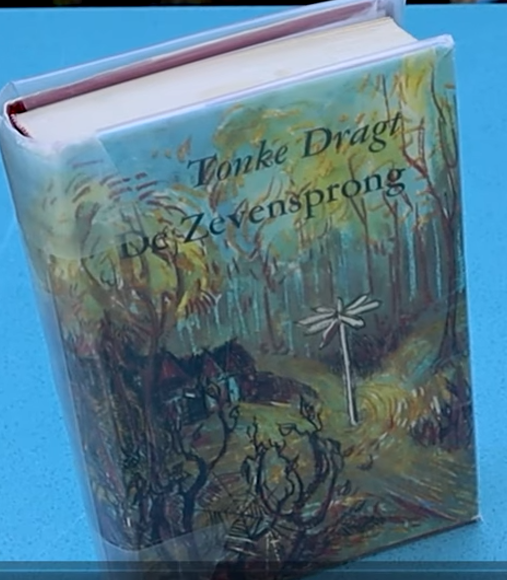
I daily follow a number of language videos, both to increase my knowledge of old friends and to add new friends, and I was watching Easy Dutch on verbs of position (you can see it here: https://www.youtube.com/watch?v=f5xEkwOo5Go ) when a Dutch children’s classic was mentioned and shown and I was immediately interested.
Tonke Dragt (TAWN-keh Dracht—with the g/ch in the back of the throat, like “Bach”, plus a T after it) is Antonia Dragt, 1930-2024, the author of a number of YA books in Dutch.
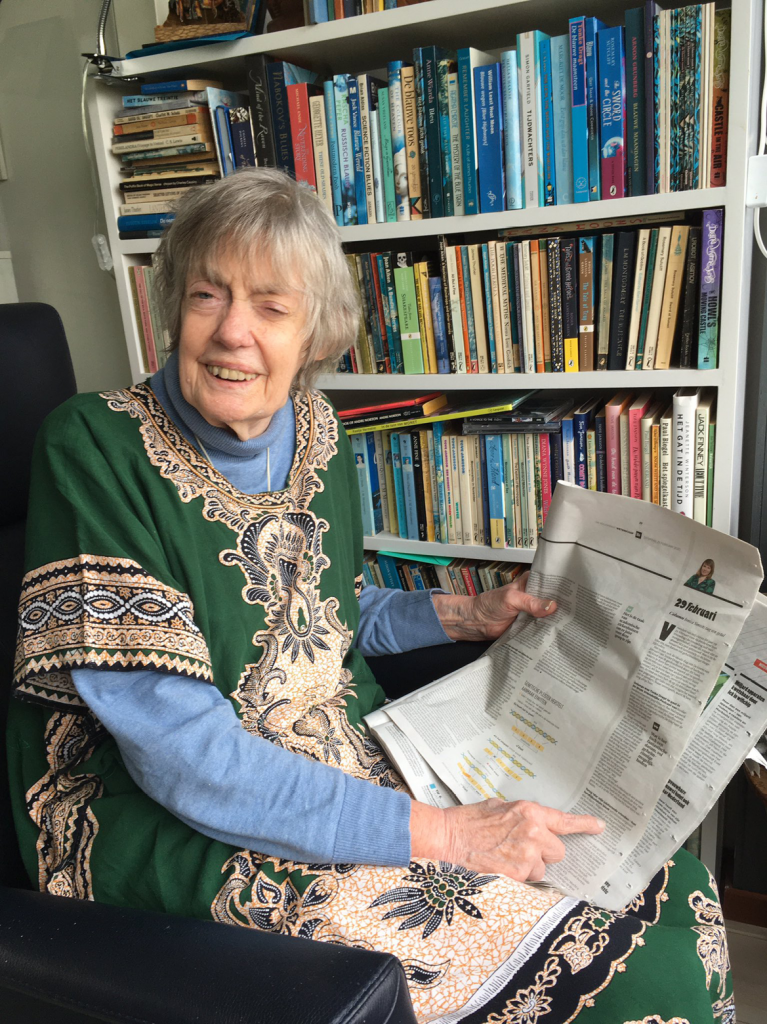
Her early life was a harrowing one: born in 1930, she lived as a child in Indonesia and, along with her family, was held in a prisoner of war camp from 1942 to 1945, but, while a prisoner, she began a writing career which would continue till at least 2017, when she published Als de sterren zingen (“If/Supposing That/In the Event That/Whenever the Stars Sing”—as far as I know, this hasn’t been translated into English and my Dutch is limited, so, Dutch readers, please forgive the translation!)
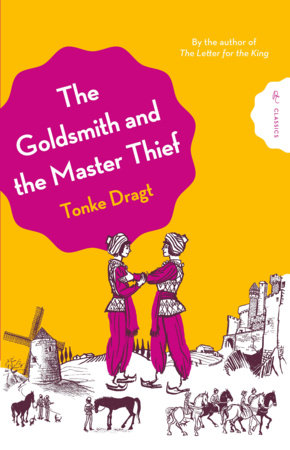
It appears that, when she published her first novel, in 1961, Verhalen van der tweelingbroers “To Tell of the Twin Brothers”—published in English in 2021 as The Goldsmith and the Master Thief),
YA (that’s “Young Adult”) fantasy was not popular in the Netherlands, but she persisted, and her 1962 book, De brief voor de koning (“The Letter for the King”)
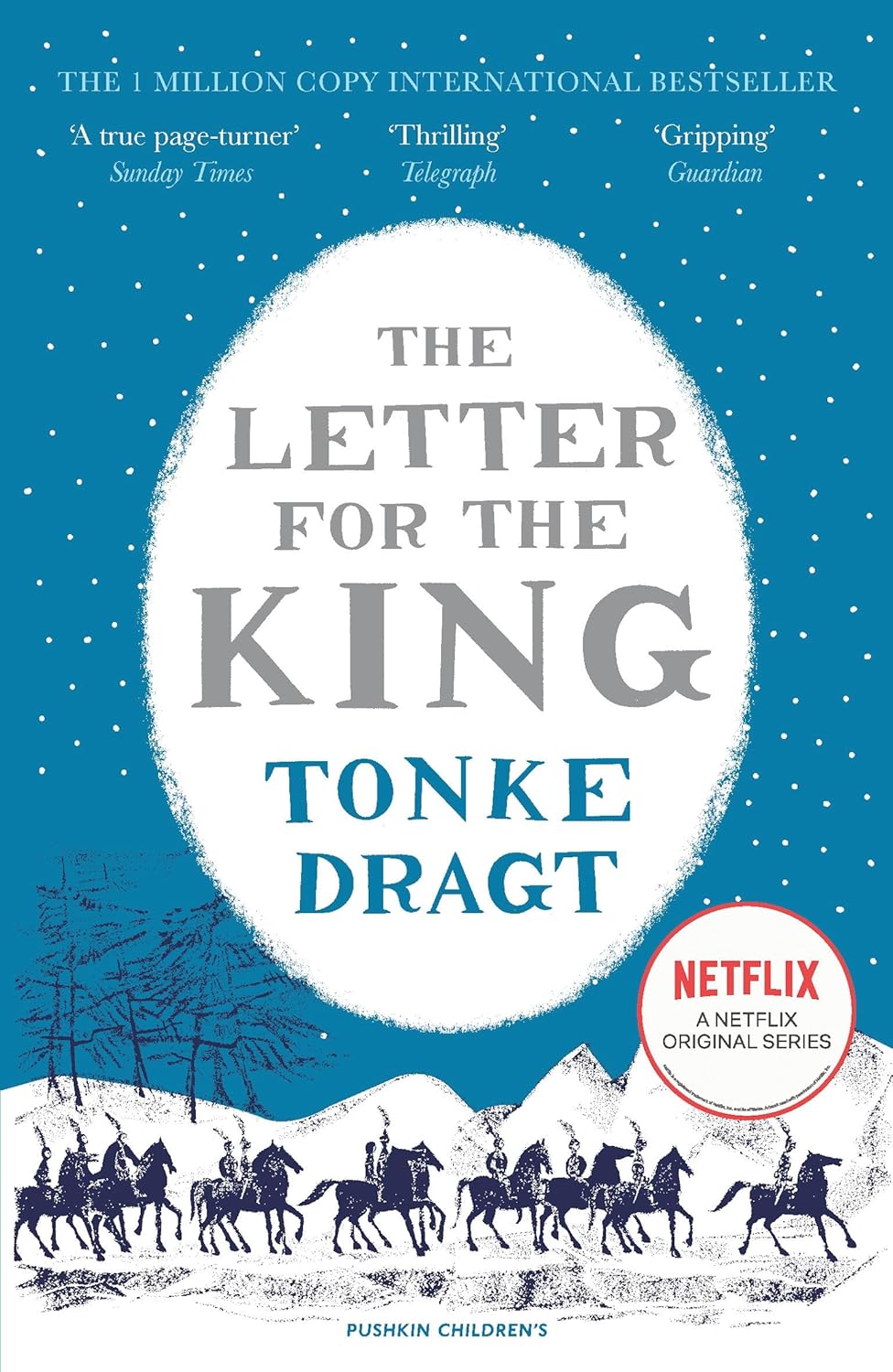
was a great success—and even became, in time, a Dutch film–
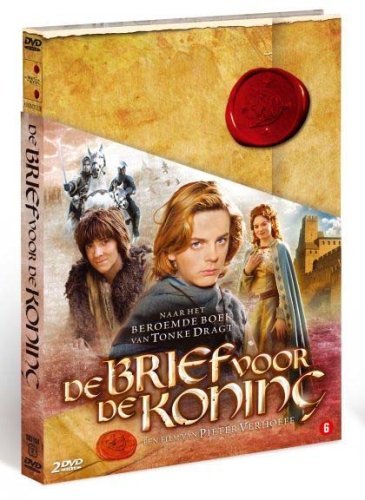
(It’s available on DVD in Dutch, but there are English subtitles.)
For more on the author, see: https://www.theguardian.com/books/2015/sep/19/tonke-dragt-interview-i-was-born-a-fairytale-teller-letter-for-the-king as well as https://en.wikipedia.org/wiki/Tonke_Dragt, so I’ll let you read about her there—although I can’t resist one story from an interview done by the English Guardian some years before her death in 2024:
“I once tried to write a very realistic story, so I wrote about a class of children who went somewhere on a bus and within two chapters they were flying in the air—it’s the way my mind works! I’m a fairytale teller…I was born like that and I cannot do anything else.”
But now to her books—that is, to the ones currently available in English—of which I’ve read four, a fifth, De torens van februari (“The Towers of February”)—published in Dutch in 1973 and in English in 1975—
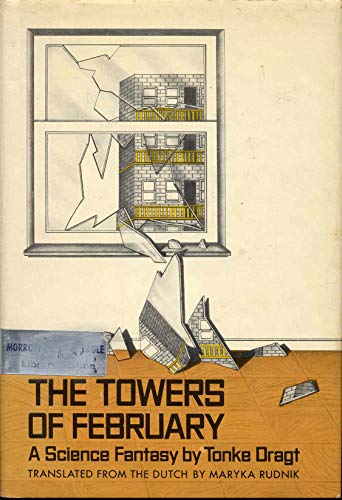
is available only at a price beyond my current book budget, alas.
Because I was originally drawn to her work by that image on Easy Dutch, I didn’t begin with the first of her books, but De Seven Sprong, 1966,
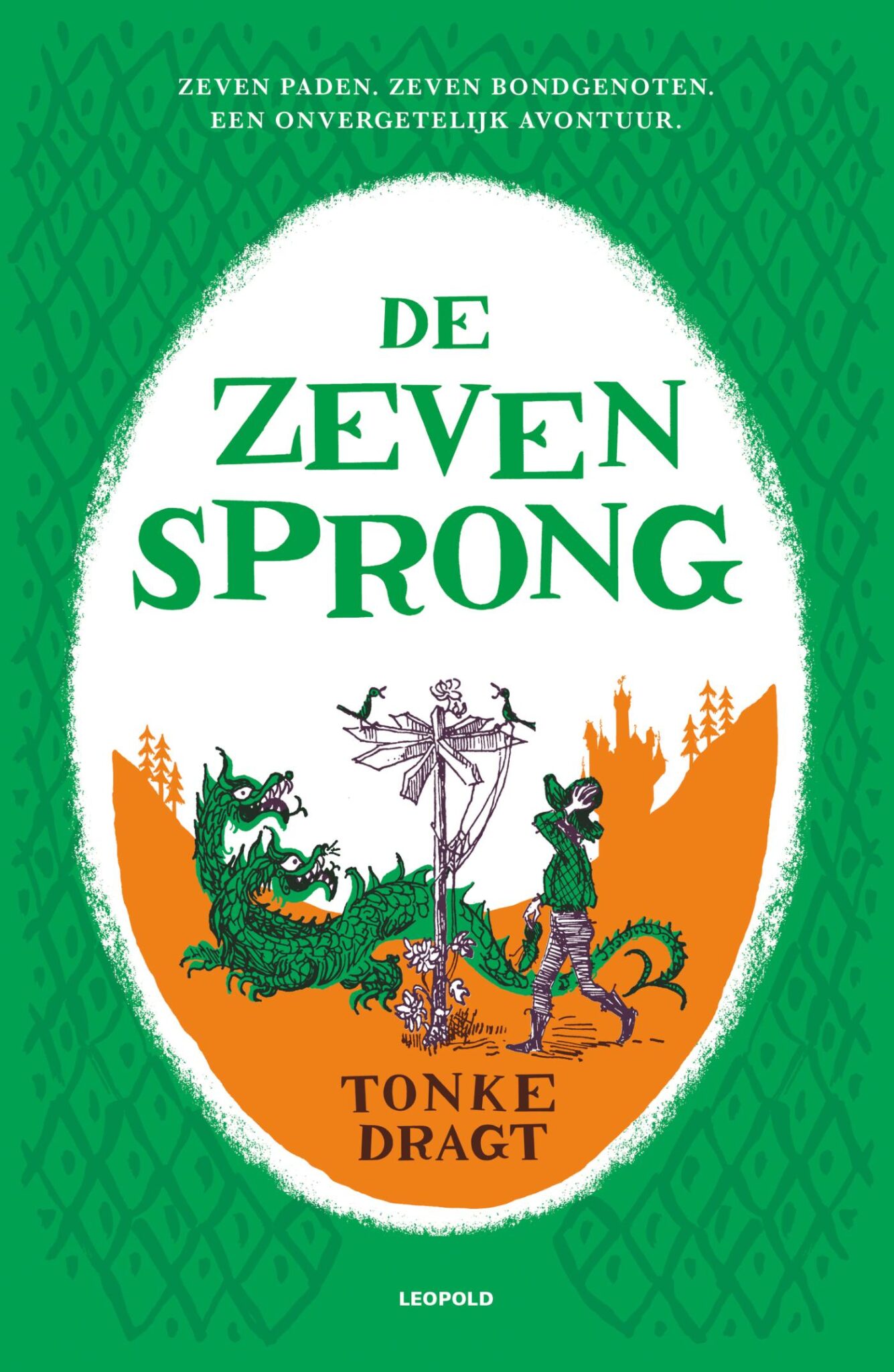
“The Seven Leap”, published in English in 2018 as The Song of Seven.
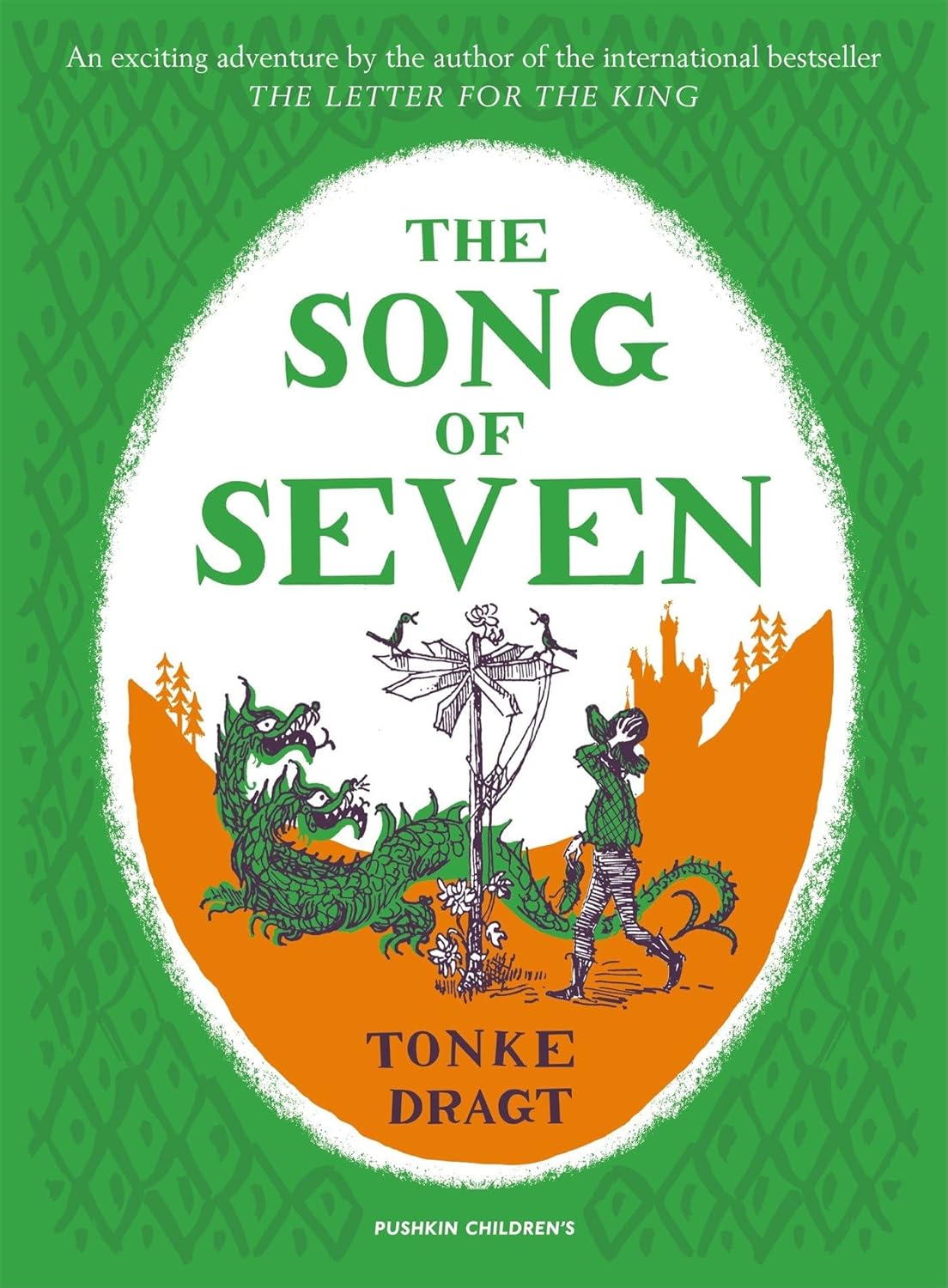
The fantasy element appears almost at the beginning, when we learn that a teacher, Frans Van der Steg, to keep an unruly class amused, has been telling outrageous adventure stories—about himself–and, in today’s episode, says that he’s expecting an important letter. And, when he arrives at his landlady’s, that letter arrives, bringing the teacher into a complex adventure, including, among other things, a house so large and complicated as to be a kind of puzzle (which makes me wonder if Ms Dragt had read Mervyn Peake’s Titus Groan, 1946,
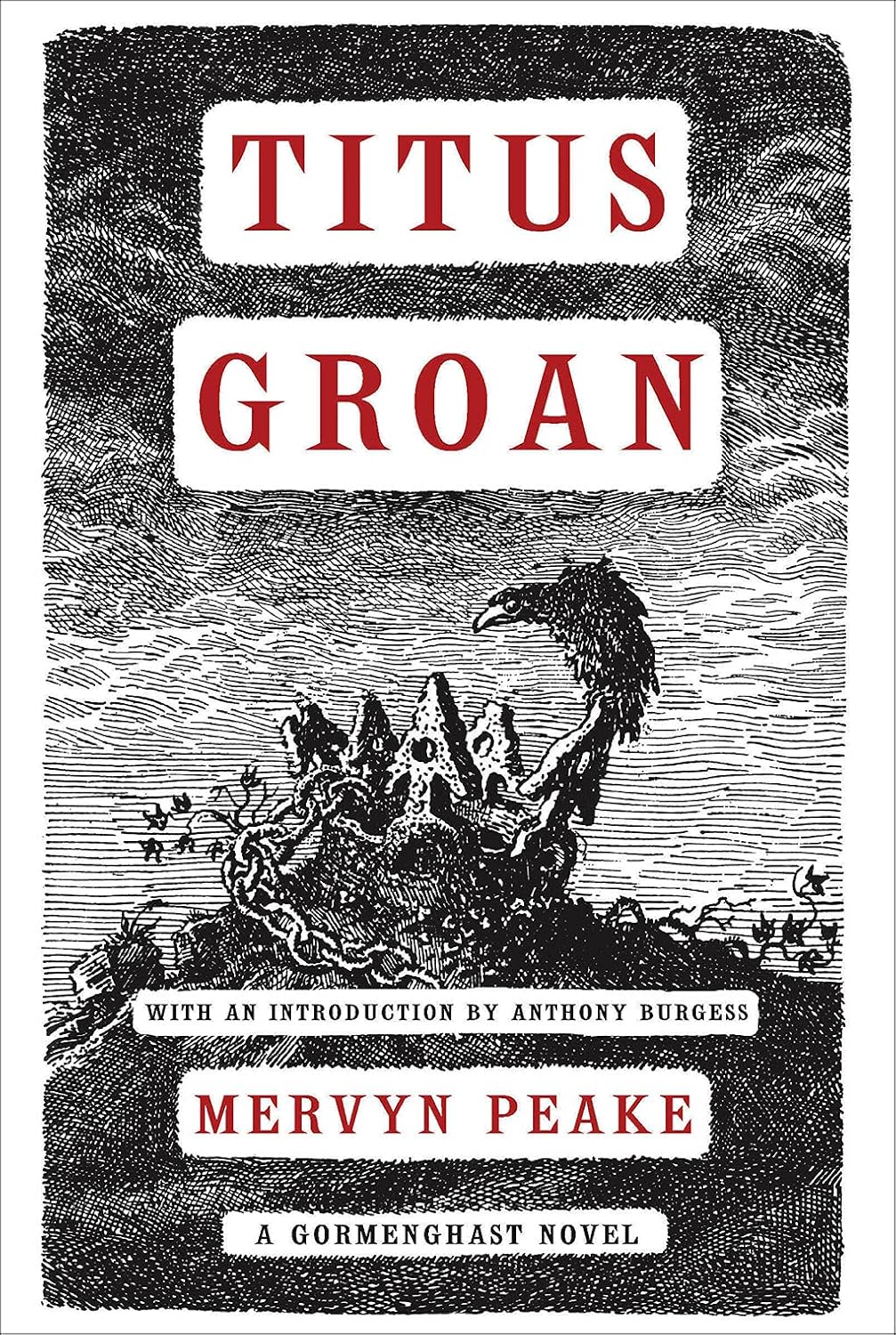
the scene of which is a gigantic, ruined castle, Gormenghast) a lost treasure, and—how not?—an evil uncle.
It was set, surprisingly, knowing the author’s bent for fairytale-telling, in the present, but, even though there’s a motorbike, there’s also a carriage and coachman, a muzzle-loading cannon, a practicing magician, an orphan-heir, and that vast labyrinth of a house. (The Dutch title, by the way, refers to a famous Dutch folkdance, which you can read about here: ,https://www.lookandlearn.com/blog/26053/the-traditional-dutch-jumping-dance-may-come-from-a-pagan-crop-ritual/ Seven is also a magic number which keeps appearing and reappearing in the novel.)
Having read and enjoyed the book, I went backwards in time to Dragt’s first book, the one entitled, in English, The Goldsmith and the Master Thief.
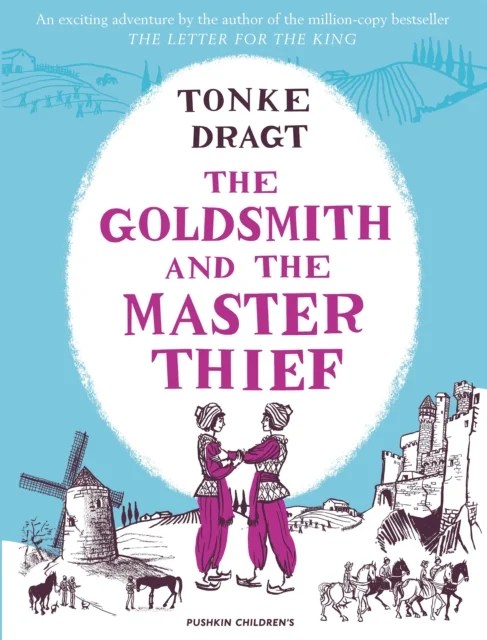
Unlike The Song of Seven, which was a novel, this was really a collection of short stories skillfully stitched together, being about twin brothers and their adventures, including, as seems almost inevitable, the use of identical twins to puzzle and confuse and even to pose a riddle, as well as to complicate a plot or two.
One thing I much enjoy, when I have the chance to work my way through an author’s writing, is to watch the author develop—just think, for example, of the difference between The Hobbit and The Lord of the Rings, completed about 20 years apart. In reading The Letter for the King,
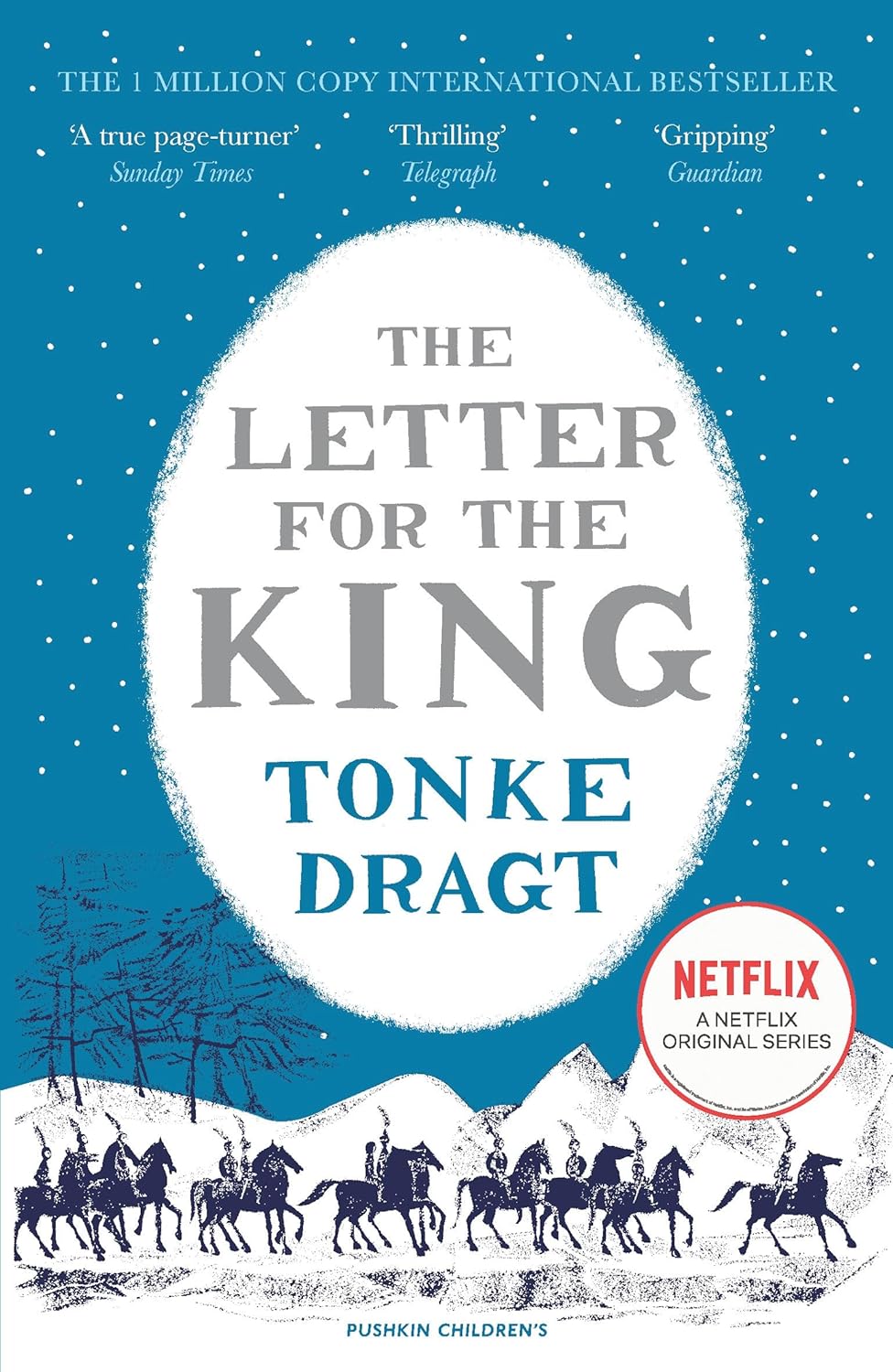
published only a year after The Goldsmith and the Master Thief, the author has made the leap (only 1, not 7), from what was, in a way, a short-story collection to a full-scale and long—506 pages, in the English translation—adventure novel. It’s the story of a squire, Tiuri, who, spending the night before the knighting service supposedly in prayer in a chapel, answers a knock at the door, is given the letter of the title, which he is supposed to deliver to a knight, only to discover the knight ambushed and dying, and then spends most of the rest of the book attempting to deliver it to the king of the kingdom to the west.
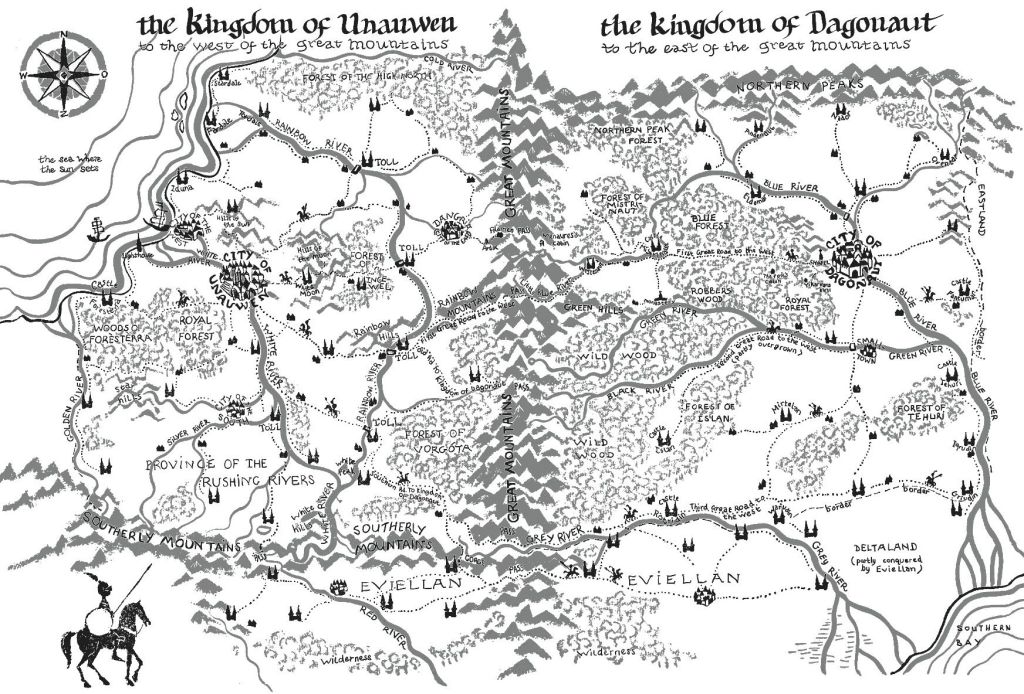
As one would expect, along the way he meets friends and enemies, acquires a squire of his own, as well as a potential sweetheart, and, because the book is a fairy tale, it has a happy ending—but with some things—like the sweetheart—in doubt. (There’s a long plot summary here: https://en.wikipedia.org/wiki/The_Letter_for_the_King I would be wary, I might add, of the British NetFlix version, which has changed the story completely in the way in which The Hobbit was changed—as was Philip Pullman’s His Dark Materials, the latter also by NetFlix. I’m reminded, as I always am, of Tolkien’s letter to Forrest J. Ackerman about a proposal in 1958, to make films of The Lord of the Rings, in which he says of the adapter and others interested in the project: “But I would ask them to make an effort of imagination sufficient to understand the irritation (and on occasion the resentment) of an author who finds, increasingly as he proceeds, his work treated as it would seem carelessly in general, in places recklessly, and with no evident signs of any appreciation of what it is all about…” “from a letter to Forrest J. Ackerman”, June, 1958, Letters, 389)
This then sets the scene for the sequel, Geheimen van het Wilde Woud, 1965, translated as The Secrets of the Wild Wood, published in 2015.
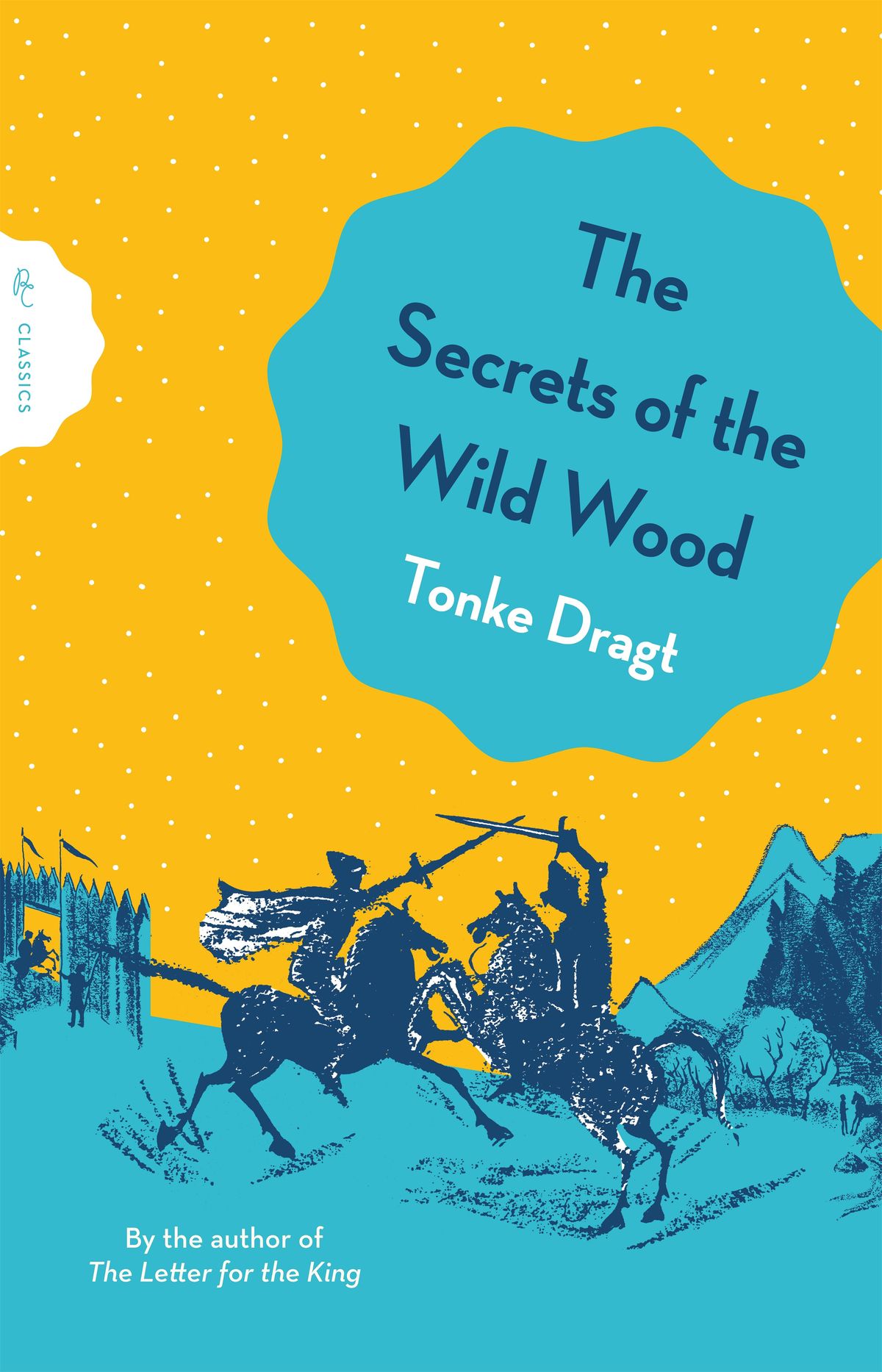
In this sequel, we see now Sir Tiuri, and his squire, Piak (his would-be squire of the previous book) on a quest first to find a missing knight, but then become tangled in a complex plot which includes two princely brothers, one the next king-to-be in his own land, the other now king of the land to the south and planning to invade his own land and overthrow his father, the king, and his brother. As well, there are the mysterious forest folk and a potential new sweetheart who is not quite what she seems to be. Here’s a longer summary: https://en.wikipedia.org/wiki/The_Secrets_of_the_Wild_Wood For me, this is the best book yet—not only for the twists and turns, but for the grownup feel to it: so much is not neat, characters are more complex, and there is a sort of happy ending, but not for everyone (although Tiuri does return to his first sweetheart from the previous book).
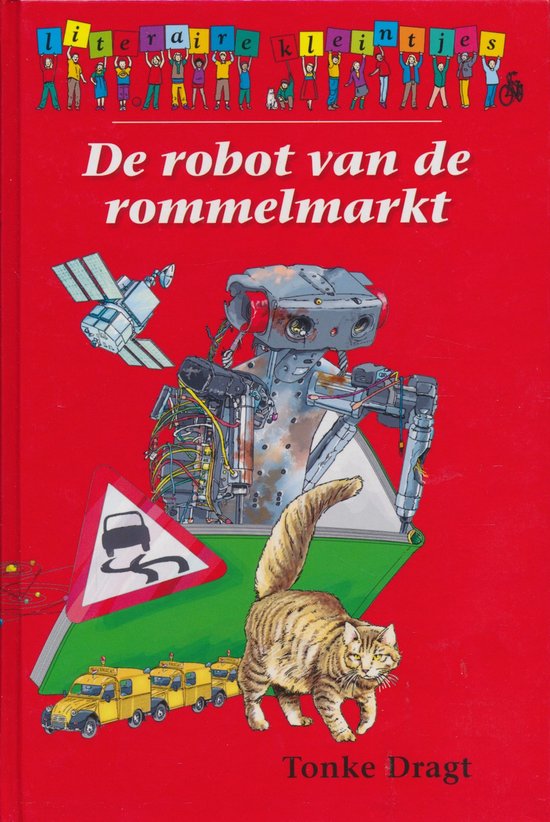
Sometimes one does something for a reason only to benefit in a way unexpected while doing it. I had no idea that Tonke Dragt and her engaging novels existed until Easy Dutch handed her to me. Now I only wish that someone would translate her other novels—what might De robot van de rommelmarkt (“The Robot from the Flea Market”) be about, I wonder?
As always, thanks for reading.
Stay well,
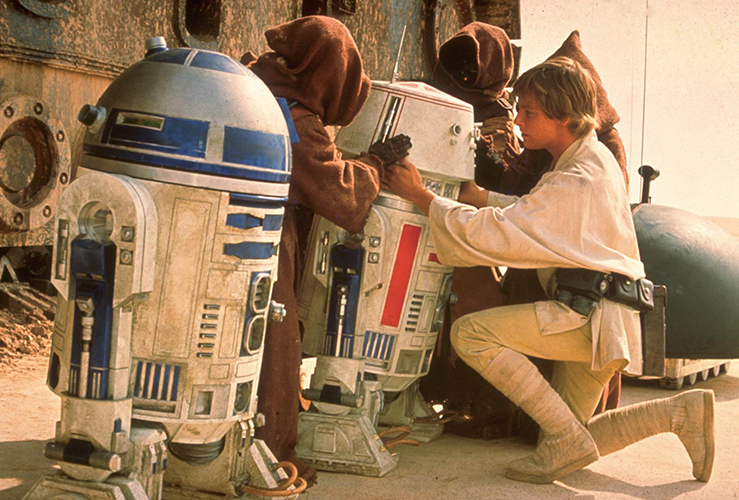
When purchasing robots in flea markets, consider previous owners,
And remember that, as always, there’s
MTCIDC
O
 doubtfulsea