• About

doubtfulsea

~ adventure fantasy

Tag Archives: Shire

His Letters

25 Wednesday May 2016

Posted by Ollamh in Economics in Middle-earth, J.R.R. Tolkien, Literary History

≈ 1 Comment

Tags

1930s England, A Long-Expected Party, Bellerophon, Governor of the King's Posts, Henry VIII, London, mail coach, Orality, Penny Black, pillar box, Pony Express, Postal Service, Postmen, Rowland Hill, Royal Mail, semata lugra, Shire, Shirriffs, Sir Brian Tuke, stamps, The Illiad, The Lord of the Rings, Tolkien

(For Aunt Cathy—she knows why.)

“Mr. Bilbo has learned him his letters—meaning no harm, mark you, and I hope no harm will come of it.” Gaffer Gamgee, The Fellowship of the Ring, Ch.1, A Long-Expected Party


Welcome, as always, dear readers.

We’ve written a little before about aspects of literacy in Middle-earth and we will probably do so again, since the idea of reading and writing in what is, basically, an heroic world interests us very much.

Ordinarily—with a few exceptions (South Slavic pjesme, “songs” sometimes have examples)—we don’t think of writing as being an important feature of heroic stories, but our interest in such things began some years ago with an odd little reference in The Iliad. In all of the story (or in Homer in general for that matter), this is the only mention of what appears to be writing. We say “appears” because the actual writing is called semata lugra, not, in fact, a clear reference to writing, but often translated as something like “baneful signs”. We won’t get into the long, complex controversy over orality and literacy in Homer (although we have strong opinions on the subject) here, but rather point to what these semata were supposed to do. They were inscribed on tablets.

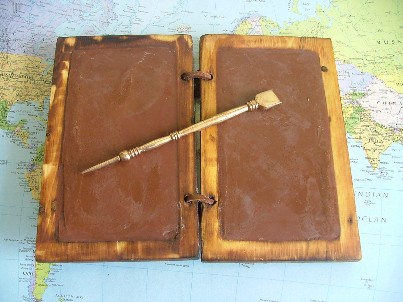
writingtablets1.jpgwritingtablets2.JPG

The tablets were sealed and given to a carrier—in this case, the hero Bellerophon—

NAMA_Epinetron_Bellérophon.jpg

to take with him to the person who would open the tablets, read them, and then—have him killed! That certainly makes those semata lugra. The fact that the tablets were closed suggests that, whatever those “signs” were, the sender thought that the carrier would be able to read them, too, giving us a wider picture of the use of such signs, whatever they might actually be.

But now we come to the Shire, and to a world which is domestic, long before some of its inhabitants become heroic.

At the beginning of The Hobbit, Bilbo is enjoying a pipe in the morning air when a very disturbing figure appears.
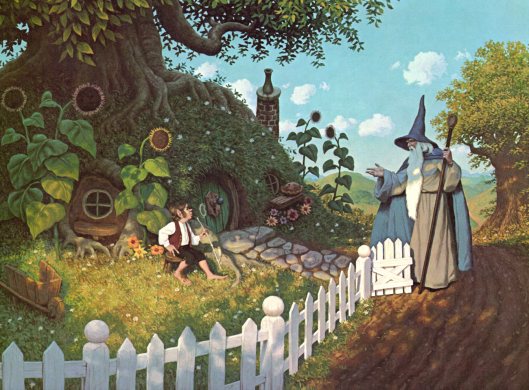
gandalfvisitsbilbo.jpg

His mocking words are soon too much for the Hobbit, who “Then…took out his morning letters, and began to read, pretending to take no more notice of the old man.” (The Hobbit, Ch.1, An Unexpected Party)

As we were once intrigued by the semata lugra, we are now interested in these letters. Douglas Anderson, in his note (15) to this sentence in The Annotated Hobbit supplies the information that “In England in the 1930s there were at least two mail deliveries per day—hence the distinction of morning letters.” (39) If the Shire is like 1930s England, which it sometimes appears to be, even as Tolkien denies that “There is no special reference to England in the ‘Shire’—except of course that of an Englishman brought up in an ‘almost rural’ village of Warwickshire on the edge of the prosperous bourgeoisie of Birmingham…” (draft of a letter to Michael Straight, “probably January or February 1956”, Letters, 235), then Bilbo is in the enviable position of one who is in the care of The Royal Mail—or, in this case, its Shire equivalent. Or is he?

The Royal Mail as a branch of government took off in the time of Henry VIII, with the appointment of Sir Brian Tuke (respell that and where in the Shire might you find him?) as Master of the Posts (1512), then Governor of the King’s Posts (1517).

Holbein,_Hans_-_Sir_Brian_Tuke.jpgmasterkingspost1512.jpg

Much, if not most of the correspondence of that period was literally royal—the government’s business, not private correspondence, but, over time, this gradually changed until, by the late 18th century, postmen had an official uniform

bellman2.JPG

and there were places were letters were received and sorted.
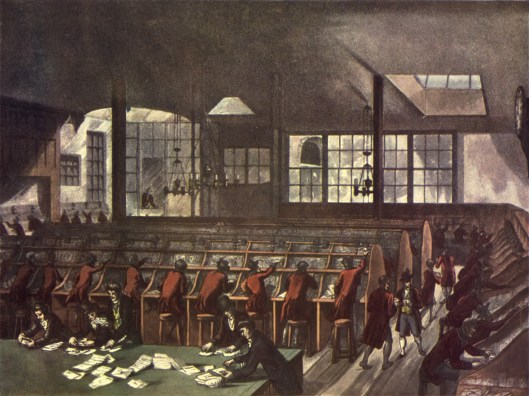
lombardstreetpo1809.jpg

There were problems of corruption in the system, as well as a basic difficulty: the sender didn’t pay for the letter—the receiver did. Thus, there was no assurance that the service would be paid for, beyond whatever government subsidies were allowed to it. All of this began to change in 1837, however, with this privately-printed and circulated pamphlet
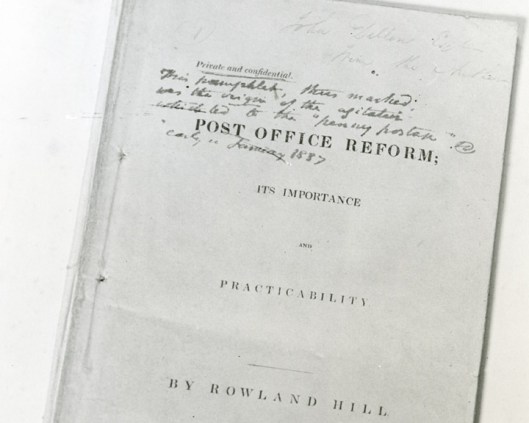
Post118_1837_1.jpg

by the education (and, in time more general) reformer, Rowland Hill.

Rowland_Hill_photo_crop.jpg


He proposed to reverse the process: the sender would pay and there would be strict regulation of the charge (and, for ordinary letters a very low charge at that). Initially, the idea was to use an already franked (that is, with a mark showing that it had been paid for) form on which one might write a message, fold it, and send it.

mulready1.jpg


This was not a new idea and had been used since the 17th century, at least.
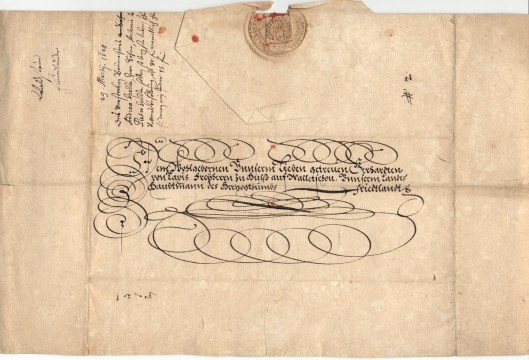
WallensteinBriefSiegel.jpg

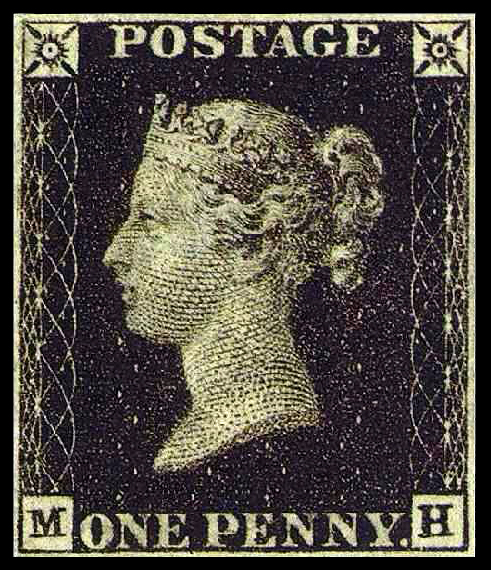
Hill quickly followed this with the idea of a stamp which could be readily attached to a letter—commonly a sheet which, once written upon, could then be folded into its own container.
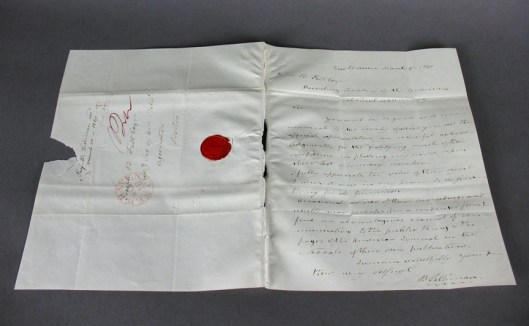
historicalletter-01.jpg

This could also be attached as we do, to a pre-made envelope, into which the folded letter might be placed. This was the first modern stamp, the so-called “Penny Black”.
Penny_black.jpg

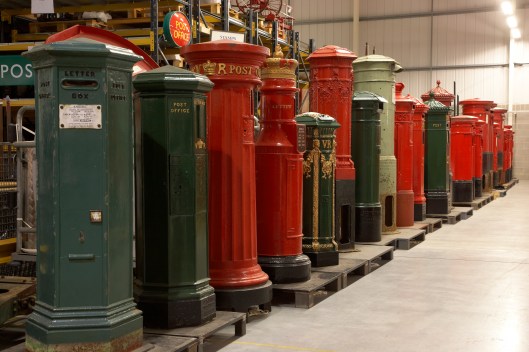
After 1853, there were even special public mail boxes into which you might place your letters for collection.

letterbox.jpg

Delivery in big cities like London would, by the late 19th-century, begin at 7:30 in the morning and go to 7:30 in the evening, so that you could write a note to a friend across the city, drop it into a pillar box (mailbox to people in the US) at 7:30 am
pillarbox_line1.jpg


and expect a reply sometime during the same day.

Behind all of this was an increasingly-complex government backed by a well-established bicameral legislature, with an increasingly-large tax base. But what of the Shire?

The government of the Shire seems to be sketchy, at best. Tolkien gives us the total picture on in the Prologue to The Lord of the Rings.

“The only real official in the Shire at this date was the Mayor of Michel Delving (or of the Shire), who was elected every seven years…As mayor almost his only duty was to preside at banquets…But the offices of Postmaster and First Shirriff were attached to the mayoralty, so that he managed both the Messenger Service and the Watch. These were the only Shire-services, and the Messengers were the most numerous, and much the busier of the two. By no means were all Hobbits lettered, but those who were wrote constantly to all their friends (and a selection of their relations) who lived further off than an afternoon’s walk.

The Shirriffs was the name that the Hobbits gave to their police…There were in the Shire only twelve of them, three in each Farthing, for Inside Work.”

So, in contrast to the elaborate workings of the Royal Mail, we are left with a series of questions: if there is a Postmaster—and clearly there is a post—how does it work? Is it all on foot? Is there the equivalent of the Pony Express? Nob, at the Prancing Pony, is called a “slow-coach”—were there once mail coaches, as in England?

The-Cambridge-Telegraph-a-mail-coach-about-to-depart-English.jpg


(Is this the only mention of such carriages in all The Lord of the Rings and The Hobbit? There are certainly wagons—there was even an invasion of “the Wainriders” once upon a time—see Appendix A of The Lord of the Rings.)

How were letters collected? Distributed? Is there a central post office, perhaps in Michel Delving, the closest thing to a capital in the Shire? And, of course, how was it all paid for? In an earlier posting, we talked a little about coinage in Middle-earth and we tried to imagine what Gondorian currency might have looked like—can we imagine Shire postage stamps?

When you read the following, think of your own postal service and join us in wondering about all of the above:

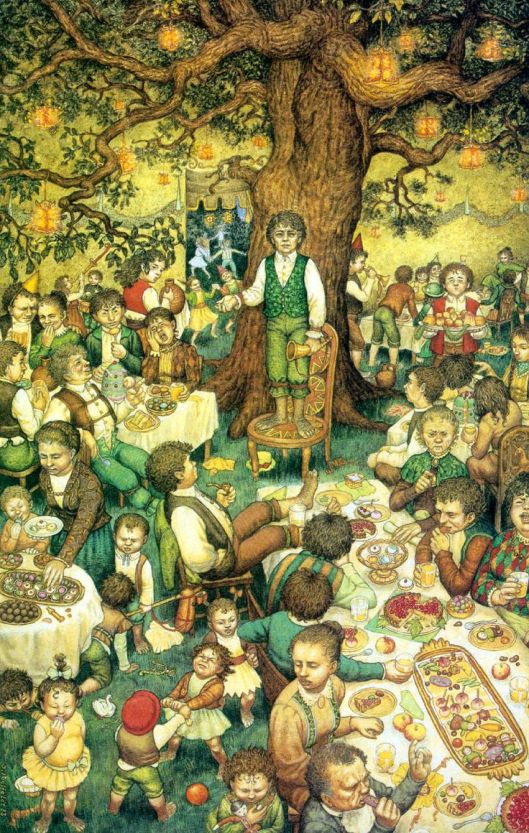
“Before long the invitations began pouring out, and the Hobbiton post-office was blocked, and the Bywater post-office was snowed under, and voluntary assistant postmen were called for…” The Fellowship of the Ring, Ch.1, A Long-Expected Party
ingeredelfeldt.jpg

Thanks, as ever, for reading.

MTCIDC

CD
It Will Have To Be Paid For!

12 Wednesday Aug 2015

Posted by Ollamh in Economics in Middle-earth, J.R.R. Tolkien, Maps

≈ Leave a comment

Tags

Asia Minor, Bilbo, Bronze, Chinese, Coinage, Currency, Deagol, Egyptians, Germanic, Gondor, Greeks, Isengard, Italy, Middle-earth, Moria, Pennies, Rohan, Roman Coins, Roman Roads, Romans, Saruman, Shire, Silver, Smeagol, Sumerians, Theodric, Tolkien, Trade, Treasure

Dear Readers,

Welcome, as always!

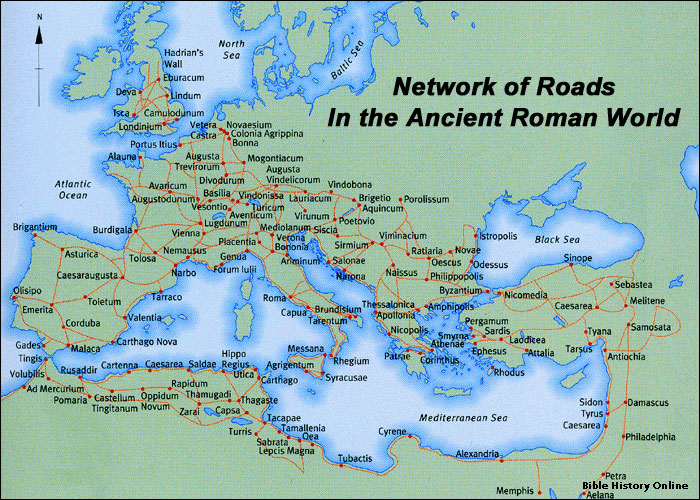
We recently wrote about Saruman and his pipeweed trade along the North-South and Great East Roads, and concluded that those roads reminded us of Roman Roads.  Looking at road networks from both Rome and Middle-earth, we see both as just that, networks, lines of communication which travel to and from central points.

roman-empire-roads-map9

middle-earth-map-roads

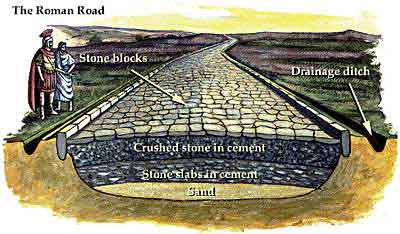
The roads of Middle-earth don’t appear to be so elaborately constructed and paved, of course, but then, at least for many centuries before The Lord of the Rings, there had been no central authority to maintain the system.

Roman Road

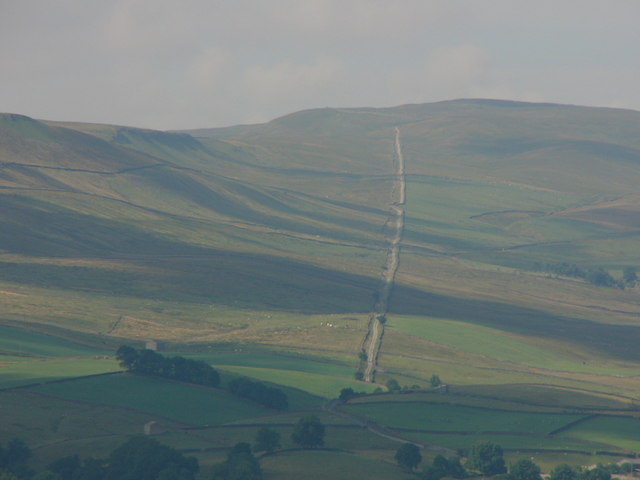
Although the idea of a Roman road—especially one that is incomplete or ruinous–

roman-road-bainbridge-geograph-e1400883247896

gives us a similar image.

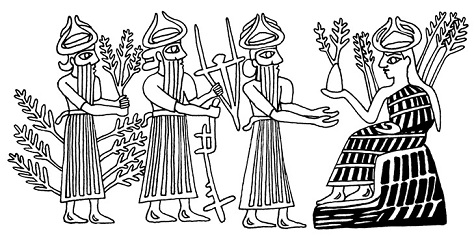
But there’s still something missing—Saruman has roads and connections, but how would he have paid for the pipeweed? He could have used a barter system, although that would mean understanding what it would be that he might use—raw material from the mountains? Some sort of manufactured goods made at Isengard? This could certainly be so, if we’re thinking of Middle-earth as a place set in pre-currency times, such as the Sumerians and the Egyptians, who managed their extensive trade just fine without a single coin.

Grain-Goddess-small MonetaryEgyptian

And we could just leave it at that, but then there’s a clue in the first chapter of The Fellowship of the Ring which suggests that the actual commercial system is based upon currency.

“When the old man, helped by Bilbo and some dwarves, had finished unloading, Bilbo gave a few pennies away…” LOTR 25

Bilbo is rumored to have treasure hidden away in his hobbit-hole, with much speculation from all,

“’There’s a tidy bit of money tucked away up there, I hear tell,’ said a stranger… ‘All the top of your hill is full of tunnels packed with chests of gold and silver…’” LOTR 23

And the Shire isn’t the only place where pennies are used—when Sam wants to purchase Bill the pony in Bree,

“Bill Ferny’s price was twelve silver pennies; and that was indeed at least three times the pony’s value in those parts.” LOTR 175

This indicates a standard value based upon that currency, which one assumes was universal (with a tone in the text which implies that everyone might share that opinion), and old enough that it was the accepted modus for buying and selling. As Tolkien himself once wrote:

“I am not incapable or unaware of economic thought; and I think as far as the ‘mortals’ go, Men, Hobbits, and Dwarfs, that the situations are so devised that economic likelihood is there and can be worked out…” LT, L.154 P.196.

Thus, although he was clearly aware of such economic transactions, he didn’t need them for a plot and Merry and Pippin’s food and drink–and smoke–are simply there–with the implication that Saruman’s reach is longer than anyone has assumed.

In fact, there are very few scenes where money is needed at all—the Prancing Pony is the only inn they come across on the road, and the Fellowship otherwise camps out until they are taken in at Lorien, Edoras, and Gondor, and a guest/host relationship becomes a major part of the story. We’ve actually even seen this sort of thing near the very beginning of the story, when Frodo becomes Elf-friend to Gildor, and is awarded provisions (and a hearty breakfast) for their journey. 

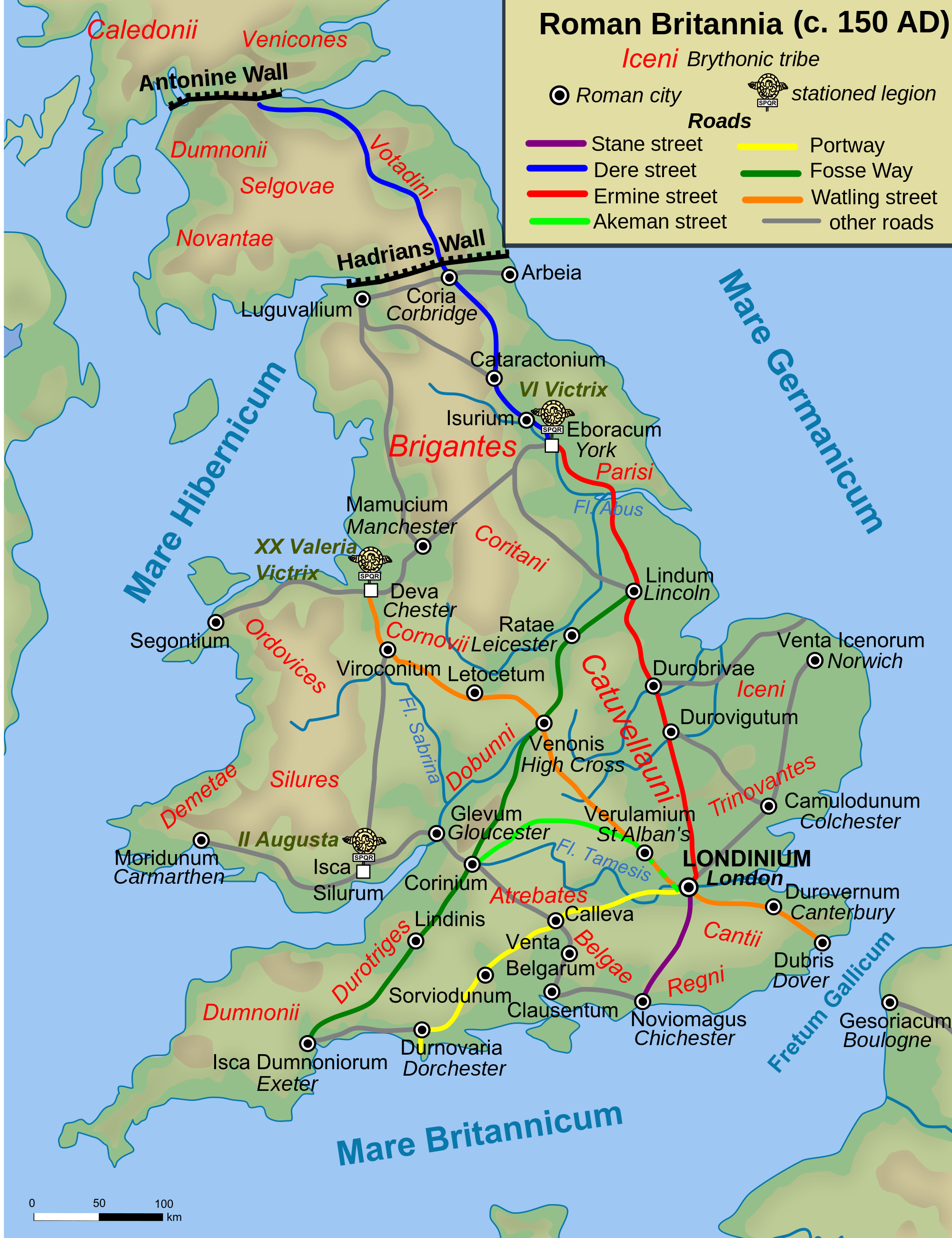
We have only a little knowledge of the commercial world of Middle Earth, as you can see, and no description of “pennies”, except that some are silver.  What might they have looked like?  In our earlier essays, we’ve used parallels from the history of our earth, just as JRRT might used road systems which could easily have been influenced by the Roman roads which once connected so much of Britain, to build the roads in Middle-earth. Some of those Roman roads, even in his time, were still visible–some even still used (although usually paved over).

2000px-Roman_Roads_in_Britannia.svgRomanRoadBritain2

Using our parallel method, we turn to Roman coinage.

RomanSilverPenny

We’re dealing with silver coinage in northwest Middle-earth, where Saruman’s imports come from, and if we’re thinking about Rome, we’d be looking at a time where coinage had already existed. We have no idea when coins were first issued in Middle Earth–considering how complexly organized the North and South Kingdoms had been for many centuries, we would imagine that a thousand years before the events of The Lord of the Rings  probably wouldn’t be too soon.  We have a small piece of evidence from some five hundred years before, when Deagol says to Smeagol:

“’I don’t care,’ said Déagol, ‘I have given you a present already, more than I could afford.’” LOTR, 52

In Rome, silver coinage was introduced in 269 BC, courtesy of the Greeks, after the Romans had been using bronze.

RomanBronzeCoin

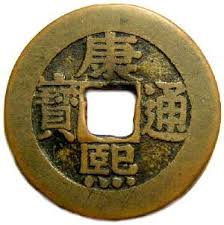
Coins originated in Asia Minor in the 6th c. BC and quickly caught on, being a convenient and highly portable way of transporting wealth—it was much easier to carry and design to designate between currencies, and the Chinese even began to manufacture coins which could be strung together.

ChineseCoin

In Middle-earth, this would make it easier to trade beyond the borders of a local market, or even the Shire–and would certainly have been accepted at The Prancing Pony.

All of this leads, however, to Questions for Further Study, as textbooks often say.  Currency needs backing—the Roman republic and then the empire backed Roman coins.  What backed those pennies in the Shire and beyond?Imagine that, in Middle-earth, the major legitimate government was Gondor—would these pennies have been originally Gondor-issued? If so, perhaps just what happened to Roman currency in late imperial times might have happened in Middle-earth—as Rome began to fall apart, semi-independent governments began to issue coins on their own, such as Theodric, the Germanic ruler of Northeastern Italy:

Theodorictriplesolidus_zps7dc7f768

Visually, they remind us–and they were certainly intended to–of imperial coins, with their images of Roman emperors.  Theodoric, even with his unusual hairstyle, meant to be seen as a new ruler for an old Rome.  Can we imagine dwarf coins, perhaps issued from the Moria mint?  And, when we remember that Mordor has tried to acquire horses from Rohan, what would Mordorian currency have looked like? And, returning to Saruman for a final time—if he paid for pipeweed in coins, did they bear a white hand?

Thanks, as ever, for reading,

MTCIDC,

CD

Dead Ringers?

01 Wednesday Jul 2015

Posted by Ollamh in Fairy Tales and Myths, J.R.R. Tolkien, Narrative Methods, Poetry

≈ 1 Comment

Tags

Daydreaming, Dragon, Eagles, Ford of Bruinen, Frigates, Frodo, Kites, Nazgul, Pterodactyl, Red-Tailed Hawk, Ring Wraiths, Robert Burns, Shire, Tam O'Shanter, The Legend of Sleepy Hollow, The Lord of the Rings, Tolkien, Washington Irving, Witches' Sabbath

Welcome! In this posting, we plan to talk about the Ring Wraiths (probably in hushed voices).

This entry was initially inspired by looking out the window (and no, we weren’t daydreaming—really!).

There was a harsh call from the sky.

Red-Tailed Hawk Scream (YouTube)

Peering out, we saw the local hawks, who are nesting on a tall building across the road, circling, balancing high on a thermal in that amazing way, something like a kite

Ancient-China-kites-2

combined with the nimbleness of an 18th-c. frigate.

l'hermione

Red-Tailed Hawks Circling (YouTube)

And suddenly we were looking up at something completely different—

7affeea5ca3551eddd3ae8bc4abd7b47

Nazgul!

In contrast to those very convenient Tolkien eagles, traditionally admired as a fierce and noble bird

tumblr_inline_mvvy21Tf9e1rnrk68

the Wraiths appear to be riding a cross between a flying dragon

Fantasy_In_the_clouds_flying_dragon_067388_

and a pterodactyl.

Pterodactyl_2_(PSF)

nazgul_by_daroz-d5hdnn9

Of course, we first encounter the Nazgul on the ground

nazgul_by_jarrettonions-d47wvdd

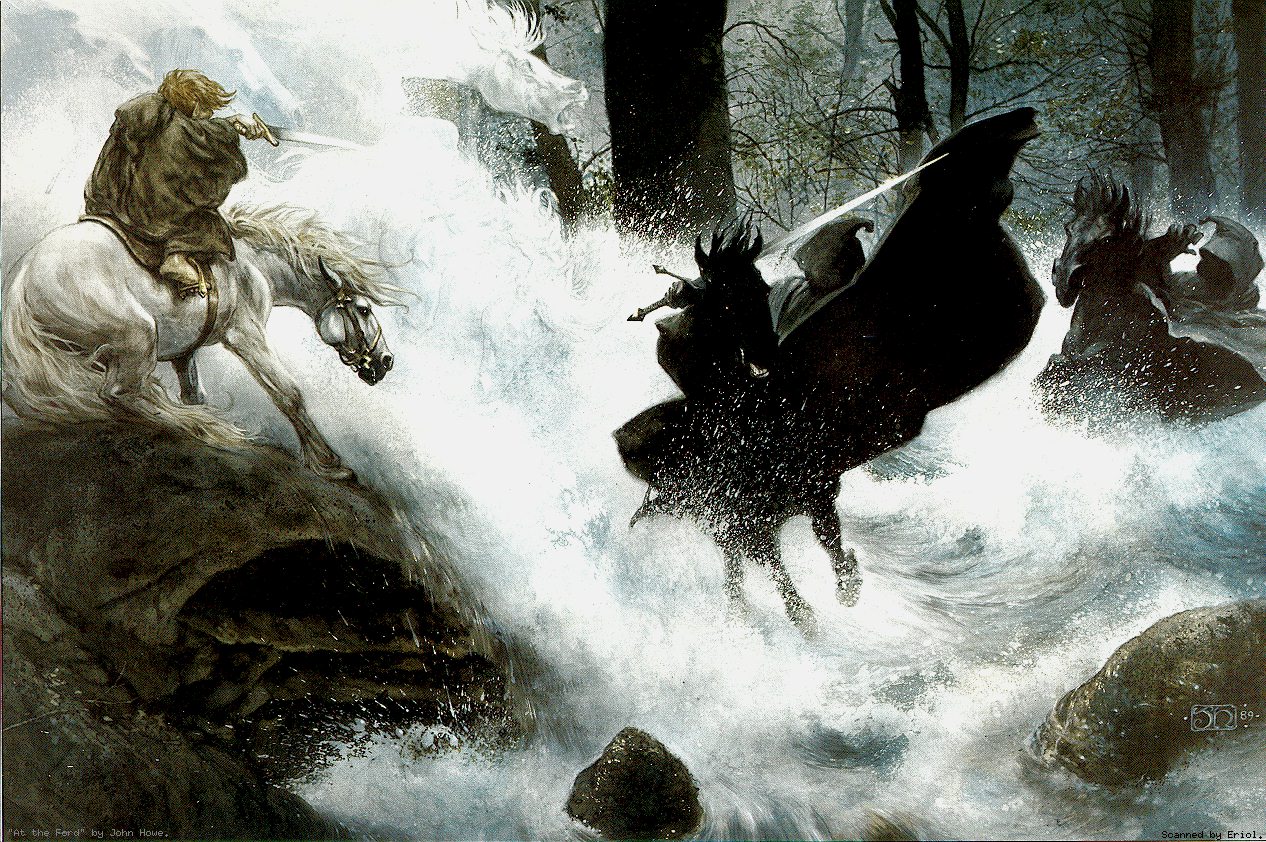
in their invasion of the Shire and their subsequent pursuit of Frodo.

And here, at the final moment, at the Ford of Bruinen, where the Wraiths are swept away,

ford

perhaps we can catch a glimpse of one of the origins of a very dramatic scene.

The Scots poet, Robert Burns

burnshead1

wrote “Tam O’Shanter” in 1790 and published it the following year.

Tam O’Shanter Poem and Translation

It’s the story in verse of a farmer who stays too late at his local.

Tam_o'_Shanter_and_Souter_Johnny_at_Kirkton_Jean's

Then, on the way home, he is attracted by light in a local abandoned (and, of course, haunted) church

Alloway_Kirk

where a witches’ Sabbath is going on.

(c) City of Edinburgh Council; Supplied by The Public Catalogue Foundation

Still quite tipsy, he cheers it on and, of course, the witches and other otherworldly creatures are immediately in hot pursuit.

(c) Cutty Sark Trust; Supplied by The Public Catalogue Foundation

Tam can escape, but only if he can reach the nearby river Doon and cross its bridge.

bridgeofdoune

He just manages to do this, but his poor horse, Meg, loses her tail.

four

If this plot has a familiar ring, it’s because the American author, Washington Irving,

Portrait of Washington Irving

used the poem as a major source for his short story, “The Legend of Sleepy Hollow” (published in 1820). We begin with a very different story: in 1790, a poor schoolmaster with the poetic name of Ichabod Crane comes to the Hudson River valley town of Sleepy Hollow and, in the course of his stay, becomes such an annoyance to the local bravo, that he uses the local legend of a headless horseman to frighten Crane off.

keller_sleepyhollow

To do this, he convinces Crane that, should he be pursued by such a creature, he can only escape it by crossing running water. (And here we can see the strong influence of Burns.) In the subsequent narrative, as the horseman, the bravo chases Crane to a bridge, and there the story stops. Crane disappears, never to be seen in Sleepy Hollow again. Irving_Sleepy 

John_Quidor_-_The_Headless_Horseman_Pursuing_Ichabod_Crane_-_Google_Art_Project

Unfortunately, neither the Carpenter letters nor the Hammond/Scull volumes provides any reference to Burns or Irving, but the idea that crossing the ford might stop the unearthly has, to us, a definite suggestion that, somewhere in the leaf mould, there may have been a tiny acorn of memory…

Thanks, as ever, for reading!

MTCIDC

CD

ps

You might know “The Legend of Sleepy Hollow” from this–

legendofsleepyhollow-chase

Newer posts →

The Doubtful Sea Series Facebook Page

The Doubtful Sea Series Facebook Page

  • Ollamh

Categories

  • Artists and Illustrators
  • Economics in Middle-earth
  • Fairy Tales and Myths
  • Films and Music
  • Games
  • Heroes
  • Imaginary History
  • J.R.R. Tolkien
  • Language
  • Literary History
  • Maps
  • Medieval Russia
  • Military History
  • Military History of Middle-earth
  • Narnia
  • Narrative Methods
  • Poetry
  • Research
  • Star Wars
  • Terra Australis
  • The Rohirrim
  • Theatre and Performance
  • Tolkien
  • Uncategorized
  • Villains
  • Writing as Collaborators
Follow doubtfulsea on WordPress.com

Across the Doubtful Sea

Recent Postings

  • Through a glass… January 7, 2026
  • Heffalumps? December 31, 2025
  • We Three Kings December 24, 2025
  • A Moon disfigured December 17, 2025
  • On the Roads Again—Once More December 10, 2025
  • (Not) Crossing Bridges December 3, 2025
  • On the Road(s) Again—Again November 26, 2025
  • On the Road(s) Again November 19, 2025
  • To Bree (Part 2) November 12, 2025

Blog Statistics

  • 104,128 Views

Posting Archive

  • January 2026 (1)
  • December 2025 (5)
  • November 2025 (4)
  • October 2025 (5)
  • September 2025 (4)
  • August 2025 (4)
  • July 2025 (5)
  • June 2025 (4)
  • May 2025 (4)
  • April 2025 (5)
  • March 2025 (4)
  • February 2025 (4)
  • January 2025 (5)
  • December 2024 (4)
  • November 2024 (4)
  • October 2024 (5)
  • September 2024 (4)
  • August 2024 (4)
  • July 2024 (5)
  • June 2024 (4)
  • May 2024 (5)
  • April 2024 (4)
  • March 2024 (4)
  • February 2024 (4)
  • January 2024 (5)
  • December 2023 (4)
  • November 2023 (5)
  • October 2023 (4)
  • September 2023 (4)
  • August 2023 (5)
  • July 2023 (4)
  • June 2023 (4)
  • May 2023 (5)
  • April 2023 (4)
  • March 2023 (5)
  • February 2023 (4)
  • January 2023 (4)
  • December 2022 (4)
  • November 2022 (5)
  • October 2022 (4)
  • September 2022 (4)
  • August 2022 (5)
  • July 2022 (4)
  • June 2022 (5)
  • May 2022 (4)
  • April 2022 (4)
  • March 2022 (5)
  • February 2022 (4)
  • January 2022 (4)
  • December 2021 (5)
  • November 2021 (4)
  • October 2021 (4)
  • September 2021 (5)
  • August 2021 (4)
  • July 2021 (4)
  • June 2021 (5)
  • May 2021 (4)
  • April 2021 (4)
  • March 2021 (5)
  • February 2021 (4)
  • January 2021 (4)
  • December 2020 (5)
  • November 2020 (4)
  • October 2020 (4)
  • September 2020 (5)
  • August 2020 (4)
  • July 2020 (5)
  • June 2020 (4)
  • May 2020 (4)
  • April 2020 (5)
  • March 2020 (4)
  • February 2020 (4)
  • January 2020 (6)
  • December 2019 (4)
  • November 2019 (4)
  • October 2019 (5)
  • September 2019 (4)
  • August 2019 (4)
  • July 2019 (5)
  • June 2019 (4)
  • May 2019 (5)
  • April 2019 (4)
  • March 2019 (4)
  • February 2019 (4)
  • January 2019 (5)
  • December 2018 (4)
  • November 2018 (4)
  • October 2018 (5)
  • September 2018 (4)
  • August 2018 (5)
  • July 2018 (4)
  • June 2018 (4)
  • May 2018 (5)
  • April 2018 (4)
  • March 2018 (4)
  • February 2018 (4)
  • January 2018 (5)
  • December 2017 (4)
  • November 2017 (4)
  • October 2017 (4)
  • September 2017 (4)
  • August 2017 (5)
  • July 2017 (4)
  • June 2017 (4)
  • May 2017 (5)
  • April 2017 (4)
  • March 2017 (5)
  • February 2017 (4)
  • January 2017 (4)
  • December 2016 (4)
  • November 2016 (5)
  • October 2016 (6)
  • September 2016 (5)
  • August 2016 (5)
  • July 2016 (5)
  • June 2016 (5)
  • May 2016 (4)
  • April 2016 (4)
  • March 2016 (5)
  • February 2016 (4)
  • January 2016 (4)
  • December 2015 (5)
  • November 2015 (5)
  • October 2015 (4)
  • September 2015 (5)
  • August 2015 (4)
  • July 2015 (5)
  • June 2015 (5)
  • May 2015 (4)
  • April 2015 (3)
  • March 2015 (4)
  • February 2015 (4)
  • January 2015 (4)
  • December 2014 (5)
  • November 2014 (4)
  • October 2014 (6)
  • September 2014 (1)

Blog at WordPress.com.

  • Subscribe Subscribed
    • doubtfulsea
    • Join 78 other subscribers
    • Already have a WordPress.com account? Log in now.
    • doubtfulsea
    • Subscribe Subscribed
    • Sign up
    • Log in
    • Report this content
    • View site in Reader
    • Manage subscriptions
    • Collapse this bar
 

Loading Comments...