• About

doubtfulsea

~ adventure fantasy

Tag Archives: Oliphaunt

Speaking Up

19 Wednesday Sep 2018

Posted by Ollamh in J.R.R. Tolkien, Literary History, Poetry

≈ Leave a comment

Tags

Against Idleness and Mischief, Alice in Wonderland, Children, Edwardian, Isaac Watts, Lewis Carroll, Oliphaunt, recitation, Tennyson, The Lord of the Rings, Tolkien, Victorian, William Wordsworth

Welcome, dear readers, as ever.

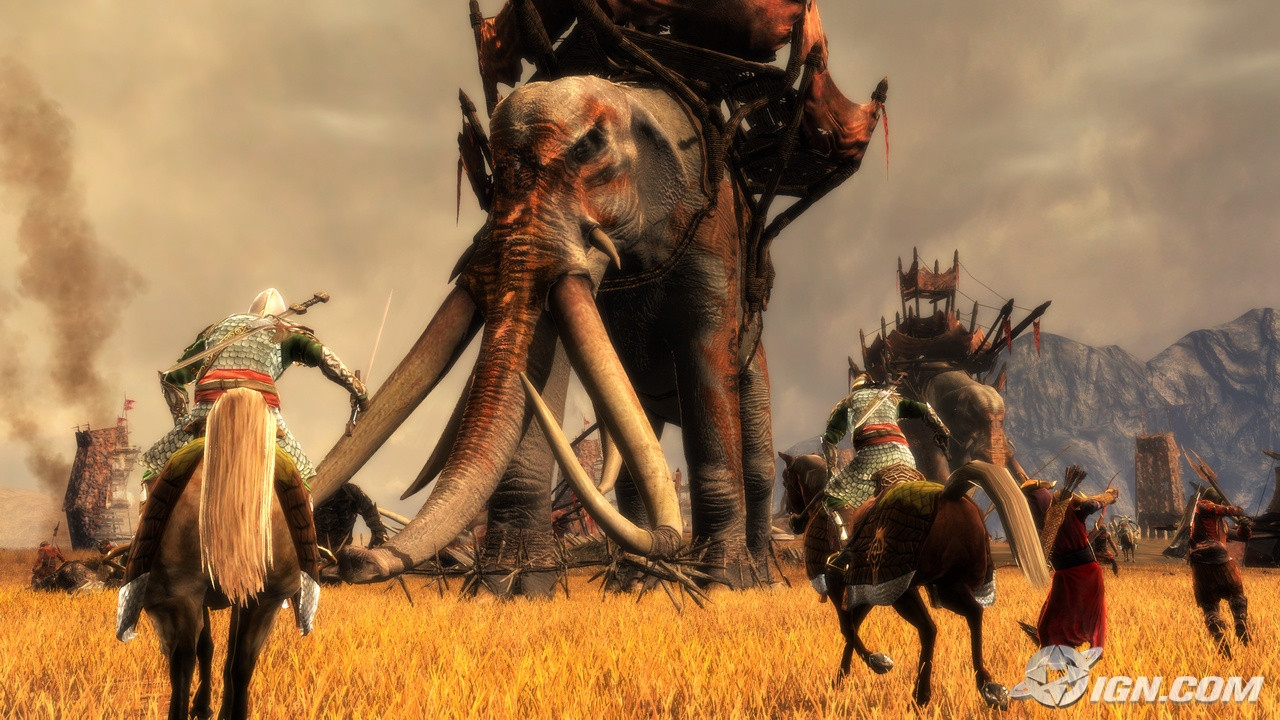
We are always interested in linking JRRT and Middle-earth with things of this earth, from Tolkien’s experience in the Great War to English geography vs that of Middle-earth.  In this posting, we begin with an elephant—or, rather, oliphaunt.  Which is an elephant—sort of, only bigger and menacing.

image1oliphant.jpg

“Big as a house, much bigger than a house, it looked to him, a grey-clad moving hill…his great legs like trees, enormous sail-like ears spread out, long snout upraised like a huge serpent about to strike, his small red eyes raging.  His upturned hornlike tusks were bound with bands of gold and dripped with blood.”  (The Two Towers, Book Four, Chapter 4, “Of Herbs and Stewed Rabbit”)

As big as the oliphaunt is, the real subject of our post is actually one small part of what might have been JRRT’s Victorian/Edwardian educational experience and its reflection in the form of Sam Gamgee, who, “stood up, putting his hands behind his back (as he always did when ‘speaking poetry’) and began:

Grey as a mouse

Big as a house

Nose like a snake

I make the earth shake

As I tramp through the grass

Trees crack as I pass

With horns in my mouth

I walk in the South

Flapping big ears

Beyond count of years

I stump round and round

Never lie on the ground

Not even to die

Oliphaunt am I

Biggest of all

Huge, old, and tall

If ever you’d met me

You wouldn’t forget me

If you never do

You won’t think I’m true

But old Oliphaunt am I

And I never lie.”


In the 1890s, when JRRT was a little boy, a mainstay of that education was the combination of memorization and repetition through recitation.

image2aaareciting.jpg

Children were expected to commit to memory—and to be able to perform—any number of poetic works whenever called upon.  In what was probably an extreme example, the poet Alfred Tennyson’s (1809-1892)

image2aatennyson.jpg

father is said to have required him to memorize and repeat to him over four mornings all four books of the Roman poet, Horace’s, ( 65-8BC)

image2abhorace.jpg

(This is a “traditional” portrait of the poet, but probably isn’t really he.)

odes—a hefty chore—that’s 103 poems—in Latin.

It’s not surprising, then, that one little Victorian girl, finding herself in a strange and distorted world, would try to provide herself with both comfort and stability by returning to the familiar:  reciting.
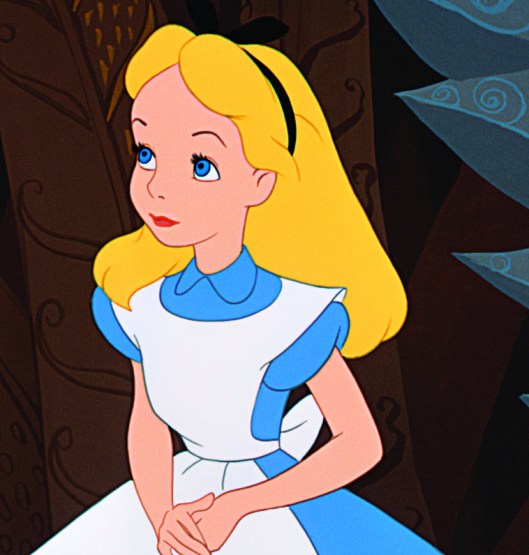
image2alice.jpg

“I’ll try and say ‘ How doth the little—'” and she

crossed her hands on her lap as if she were

saying lessons, and began to repeat it…”

This is from Chapter 2, “The Pool of Tears”, of Lewis Carroll’s

image3carroll.jpg

Alice’s Adventures in Wonderland, 1865 (this is an 1866 printing).
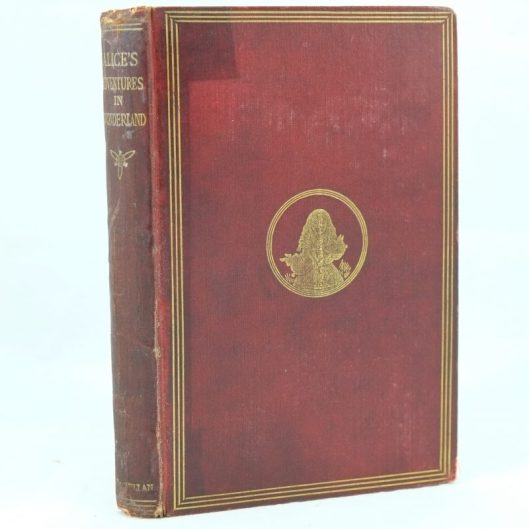
image4alicefirsted.jpg

What Alice will try to repeat is a poem called “Against Idleness and Mischief”, by the clergyman Isaac Watts (1674-1748),
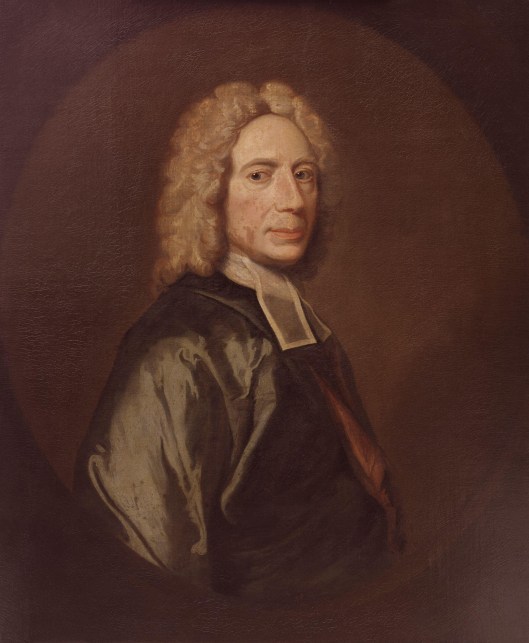
image5watts.jpg

from his 1715 collection, Divine Songs Attempted in Easy Language for the Use of Children.
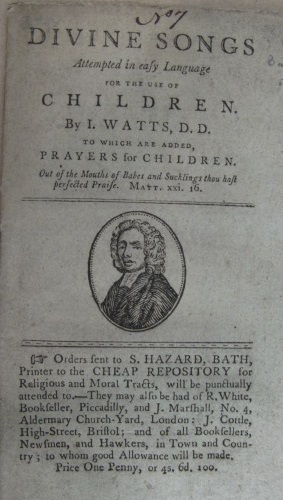
image6divine.jpg

This is what Alice thought that she was going to say:

1    How doth the little busy Bee

2    Improve each shining Hour,

3   And gather Honey all the day

4    From every opening Flower!


5    How skilfully she builds her Cell!

6    How neat she spreads the Wax!

7    And labours hard to store it well

8    With the sweet Food she makes.


9    In Works of Labour or of Skill

10   I would be busy too:

11   For Satan finds some Mischief still

12    For idle Hands to do.


13    In Books, or Work, or healthful Play

14    Let my first Years be past,

15   That I may give for every Day

16    Some good Account at last.


What Alice recited, however, was not quite that:

“but her voice sounded hoarse and strange, and the words did not come the same as they used to do :

” How doth the little crocodile

Improve his shining tail,

And pour the waters of the Nile

On every golden scale!


How cheerfully he seems to grin,

How neatly spreads his claws,

And welcomes little fishes in

With gently smiling jaws.”


which was hardly comforting!

Twice, Alice is called upon by others to recite—in Chapter 5, by a hookah-smoking caterpillar,

image7cater.jpg

who demands that she recite “You are old, Father William”—which is, in itself, topsy-turvy, as, instead of the kind of morally-inspiring poem Victorian children were clearly expected to produce, it’s a parody of William Wordsworth’s (1770-1850), “Resolution and Independence” (1802, published 1807), a poem about an elderly pauper who makes a living collecting leeches (and who perks up the previously-despondent Wordsworth with his sturdy view of life).
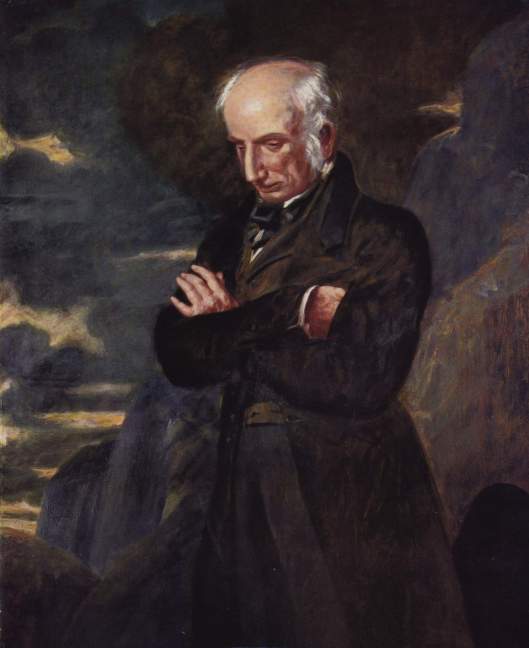
image8ww.jpg

Instead of that sturdy view, here is what Alice begins to recite on the subject of Father William’s behavior:

” You are old, Father William,” the young man said,

”And your hair has become very white;

And yet you incessantly stand on your head—

Do you think, at your age, it is right ?”


And in Chapter 10, a gryphon

image9gryphon.jpg

orders her to “Stand up and repeat ‘Tis the voice of the sluggard’, another moral poem by Watts.  It should begin:

‘Tis the voice of the sluggard, I heard him complain,

“You have waked me too soon, I must slumber again.”
As the door on its hinges, so he on his bed,
Turns his sides and his shoulders and his heavy head.

Instead, out comes:

”’Tis the voice of the lobster; I heard him declare,

‘ You have baked me too brown, I must sugar my hair!

As a duck with its eyelids, so he with his nose

Trims his belt and his buttons, and turns out his toes.””


In each case, what was meant to be comforting or at least dutiful, has turned out distorted and disturbing.  As the Caterpillar says—and Alice answers–

” That is not said right,” said the Caterpillar. ”Not quite right, I’m afraid,” said Alice,

timidly; “some of the words have got altered.”

” It is wrong from beginning to end,” said the

Caterpillar decidedly, and there was silence for

some minutes.


This was hardly the expected effect, either for Victorians in general or for Alice, in particular, but, if the Caterpillar is censorious and Alice apologetic, Sam’s master has a completely different reaction to the hobbit’s recitation:

“Frodo stood up.  He had laughed in the midst of all his cares when Sam trotted out the old fireside rhyme of Oliphaunt, and the laugh had released him from hesitation.”  (The Two Towers, Book Four, Chapter Three, “The Black Gate is Closed”)

We wonder what the Caterpillar’s reaction might have been if Alice had recited “Oliphaunt”.

Thanks, as always, for reading.

MTCIDC

CD
Sugar and Oliphaunts

08 Wednesday Nov 2017

Posted by Ollamh in Imaginary History, J.R.R. Tolkien, Literary History, Narrative Methods

≈ 1 Comment

Tags

Africa, Bag End, Bodleian Library, Boromir, Chanson de Roland, creative misreading, Elephants, Greenway, Harad, horn, Mumakil, Oliphaunt, Oliphaunts, Savanna, sugar cane, sugar loaf, Sunlands, Swanfleet, Swertings, Tharbad, Tolkien, tropical, Umbar, war-horn

Welcome, dear readers, as always.

In our last posting, through a piece of “creative misreading” we saw a hat on Bilbo’s hallway table as a sugar loaf

image2sugarloaf

and, before you knew it, we were thinking about where the sugar behind the cakes, seed cakes, and tarts in his pantry came from.

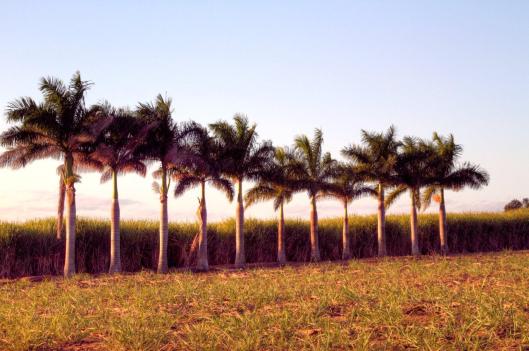
Sugar cane is a tropical plant

image3sugarcanefield

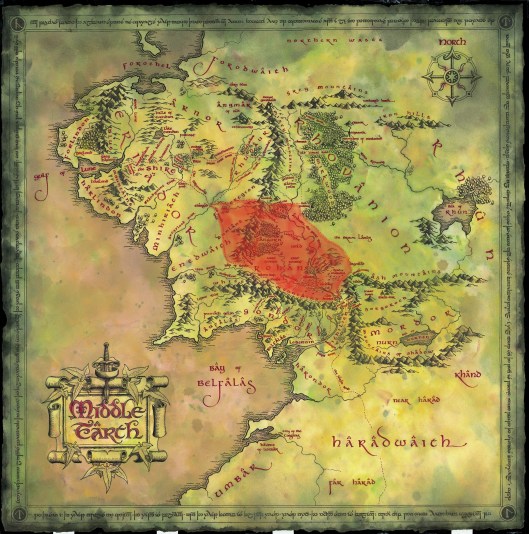
so, logically, we began to consider where, on the Middle-earth maps we have, tropical might be.

image4memap

In our world, that would be south, of course, and, looking as far south as we can go, we reach Harad, a name which actually means “south” in Sindarin.  It consists of two big regions, Near Harad and Far Harad.

As far as we can find, JRRT has left us no detailed geographic information about this region.  On page 413 of The War of the Ring, we are given the clue that, when the Corsairs of Umbar are driven back,

“all the enemy that were not slain or drowned were gone flying over the [?borders] into the desert that lies north of Harad.”

This would suggest that at least Near (as in “near to Gondor”, as we presume that our cartographers were Gondorians) Harad might be imagined as being like our world’s North Africa—

image5northafrica

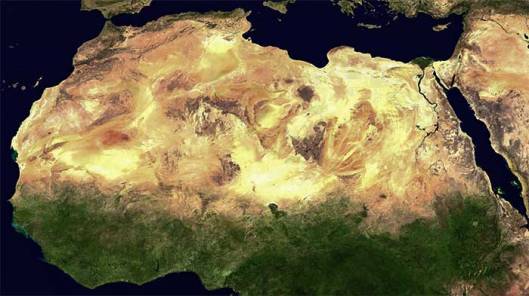
with some fertile coastline, backed by the Sahara.  And we can’t resist including this view of the Sahara from space here.

image6saharafromspace

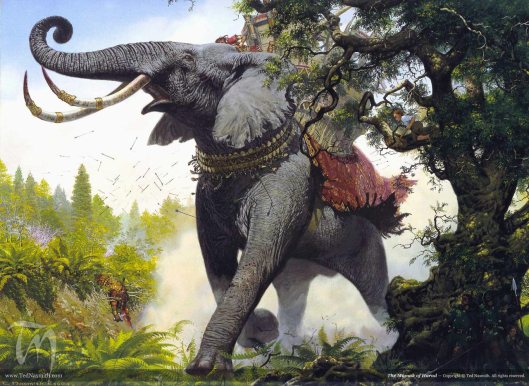
And, just as in our world, the whole south can’t be desert, since people from Harad are associated with elephants—or “oliphaunts”, as Sam says:

“But I’ve heard tales of the big folk down away in the Sunlands.  Swertings we call ‘em in our tales; and they ride on oliphaunts backs and all, and the oliphaunts throw rocks and trees at one another.” (The Two Towers, Book Four, Chapter 3, “The Black Gate is Closed”)

The Mûmak of Harad, by Ted Nasmith

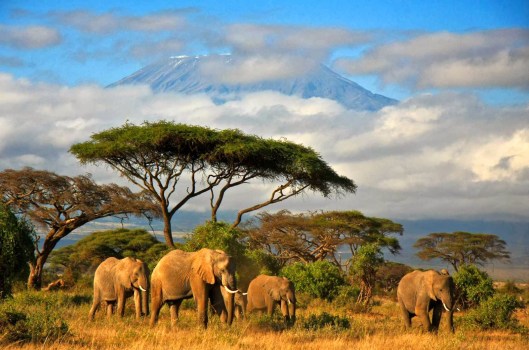
This would suggest more fertile land south of the northern desert, a savanna, or region of great, grassy plains.  Such an area forms one of two habitats for elephants in our Africa.

image8savanna

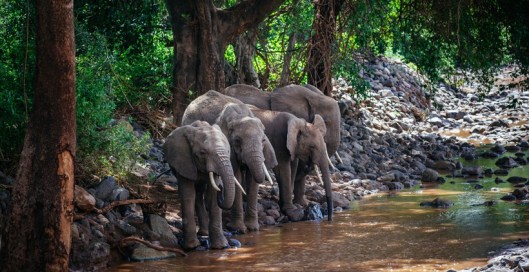
South of the African savanna lies the rain forest—the other African elephant habitat.

image9rainforestelephants

Sugar cane, a little research tells us, can grow in savanna lands

image10caneinsavanna

as well as in rain forest (which, in our world, is being destroyed to provide more space for growing it—here’s a LINK about that).  Thus, we imagine that this must be the point of origin for Bilbo’s sugar.  From its growing and processing point (for something about those things in our world, please see the previous posting), it might then be shipped to the city of Umbar and from there to Gondor.

As to how it reaches Bilbo, well, we know that there must have been some trade up and down the old North-South Road/Greenway, as Saruman has a supply of pipe-weed from the South Farthing, with “the Hornblower brandmarks on the barrels” (The Two Towers, Book Three, Chapter 9, “Flotsam and Jetsam”), which takes us as far as Isengard.  From Gondor to Isengard?  Packhorse up the Greenway to Bree?  Butterbur tells Frodo & Co that “”There’s a party that came up the Greenway from down South last night” (Fellowship of the Ring, Book One, Chapter 9, “At the Sign of the Prancing Pony”)—though he then says that “that was strange enough to begin with”.

As we said in our last, this is all based upon a “creative misreading”, so we admit that there are some gaps here and there–just as there is a gap in the North-South Road at the Swanfleet, where the great bridge at Tharbad is down, but that’s what we get with such a “creative misreading” of a hat!

Thanks, as ever, for reading.

MTCIDC

CD

PS

But another thought—not based upon a “misreading”, but rather upon The Lord of the Rings, so, at the posting’s end we can have at least something a little less speculative.

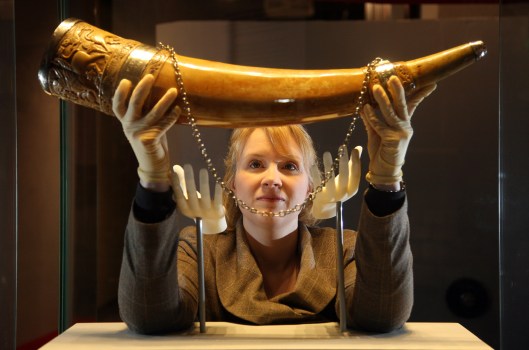
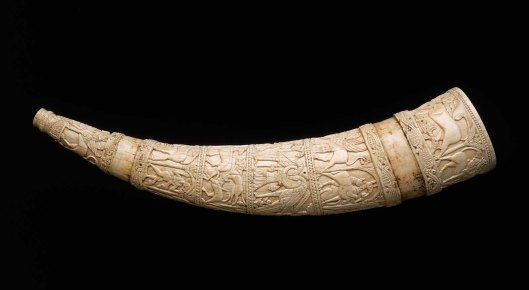
There is another medieval spelling of “oliphaunt”—“Olifant/oliphant”, with its own specific meaning:  a horn made from an elephant’s tusk, like this one, which is just over a thousand years old and is in the treasury of York Minster.

KIPPA MATTHEWS - COPYRIGHT NOTICE

image12york


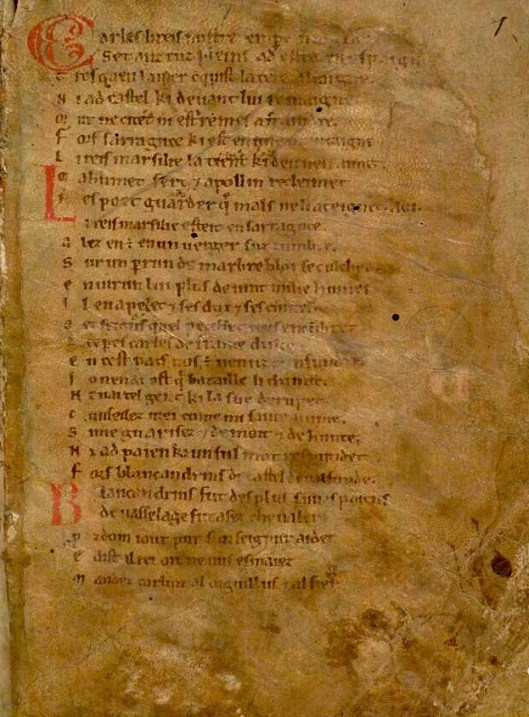
This is a drinking horn, but such horns could also be used for signaling, the most famous being that of Roland, the hero of the later-11th-century Old French epic poem, the Chanson de Roland. Here is a page from the oldest known ms, now in the Bodleian Library at Oxford.

image13chanson

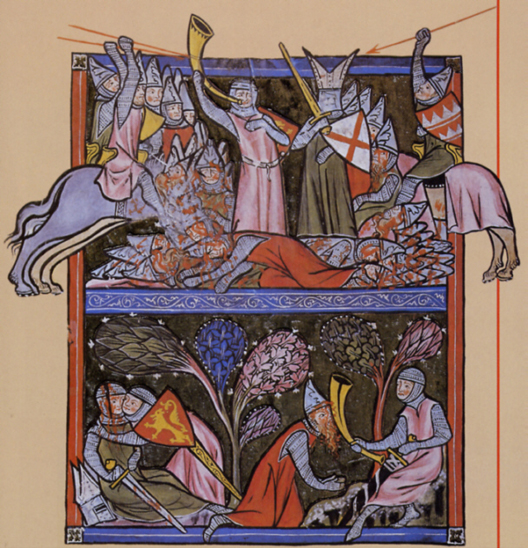
(Here are links to two translations in English, one in prose, one in verse.)  If you don’t know the poem, its main action is a rear guard defense of a pass by a group of Carolingian soldiers commanded by Roland.  He has an olifant and can use it to call for help, but refuses to do so until the last moment because, in his view, asking for reinforcements would be cowardly.  As a consequence, the Carolingians, including Roland, do not survive the battle, as Roland blows the horn only at the last moment (and blows it so hard that he bursts his brains in the process—there would be those who might argue that someone who sacrifices his troops on a point of honor doesn’t have much in the way of brains to begin with!).

image14roland

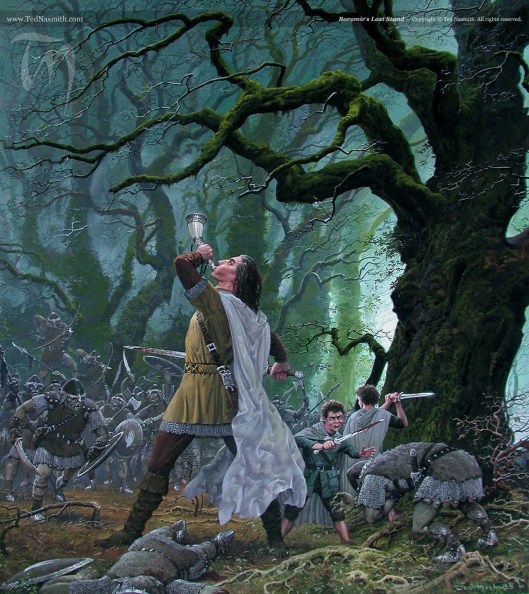
Warriors and horn-blowing immediately make us think of Boromir.

Tolkien, Nasmith, painting, illustration, Lord of the Rings, Silmarillion, Hobbit, Middle-earth

His horn is just called a “war-horn” (The Fellowship of the Ring, Book Two, Chapter 3, “The Ring Goes South”), with no further description, but, as medieval horns in our world can be made of elephant tusk, why mightn’t Boromir’s be made of the equivalent, mumak tusk?

image16oliphant


Seeing the Elephant– Oliphaunt

30 Wednesday Sep 2015

Posted by Ollamh in Films and Music, Heroes, J.R.R. Tolkien, Military History, Military History of Middle-earth

≈ 2 Comments

Tags

Adventure, Alps, ATAT, Elephants, Greeks, Hannibal, Hoth, Mammoth, Mumak of Harad, Napoleon, Oliphaunt, Peter Jackson, Pyrrhus of Epirus, Romans, Sam Gamgee, Star Wars, The Lord of the Rings, Tolkien, war

Grey as a mouse,
Big as a house,
Nose like a snake,
I make the earth shake,
As I tramp through the grass;
Trees crack as I pass.
With horns in my mouth
I walk in the South,
Flapping big ears.
Beyond count of years
I stump round and round,
Never lie on the ground,
Not even to die.
Oliphaunt am I,
Biggest of all,
Huge, old, and tall.
If ever you’d met me
You wouldn’t forget me.
If you never do,
You won’t think I’m true;
But old Oliphaunt am I,
And I never lie.

(“The Black Gate is Closed”, LOTR 646)

Dear Readers,

Welcome, as always.

Sam dearly wants to see an oliphaunt– and he will get his chance. Were he able to see the third part of Peter Jackson’s The Lord of the Rings, he would see many more than one.

Screen_Shot_2013-03-12_at_6.17.47_PM

Sam does see one, however:

To his astonishment and terror, and lasting delight, Sam saw a vast shape crash out of the trees and come careering down the slope. Big as a house, much bigger than a house, it looked to him, a grey-clad moving hill” (“Of Herbs and Stewed Rabbit”, LOTR 661).

Here’s how the film shows two of them:

oliphaunts_small

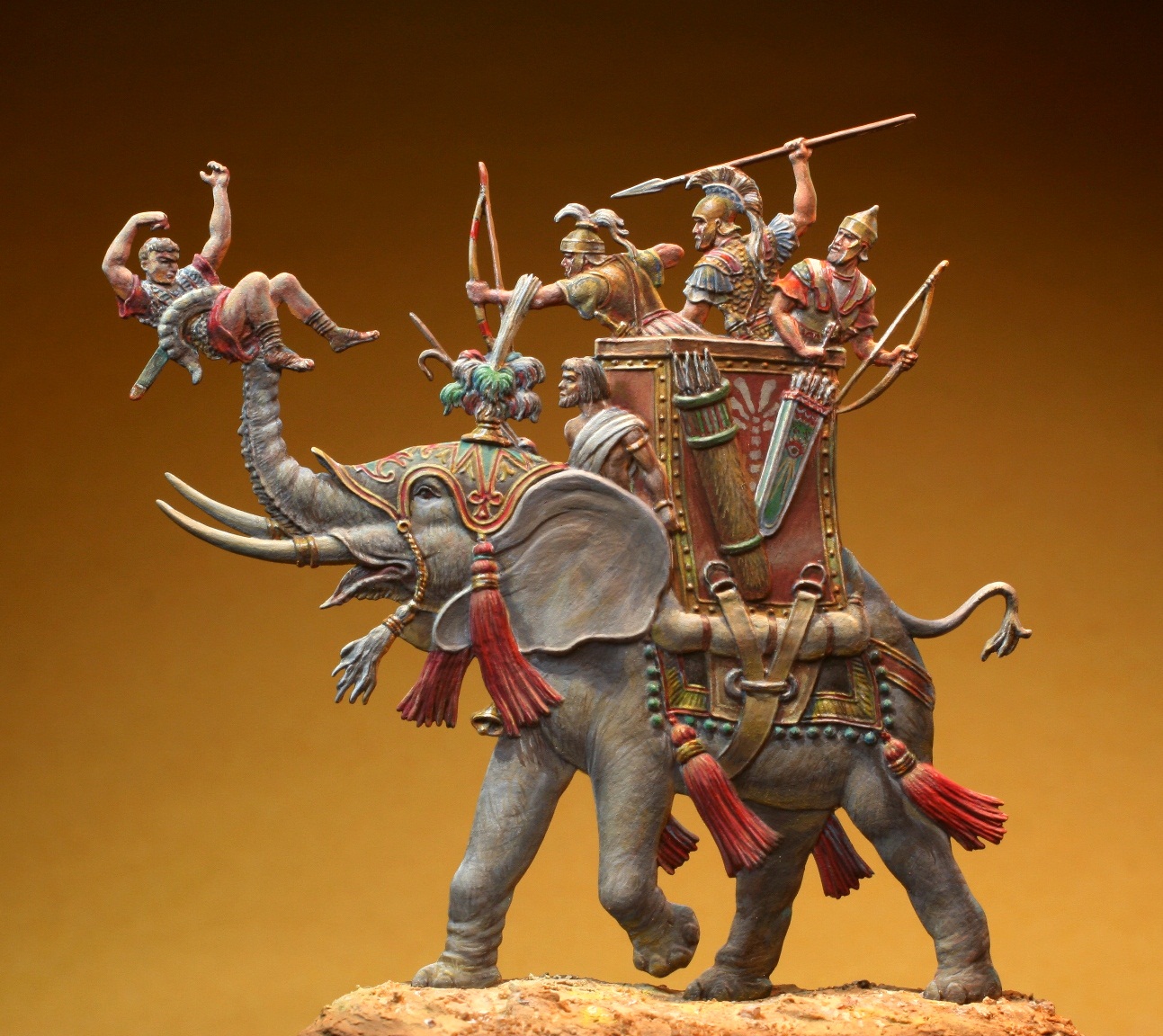
These are, of course, based upon real war elephants.

Carthaginian-War-Elephant-yellow-shrink

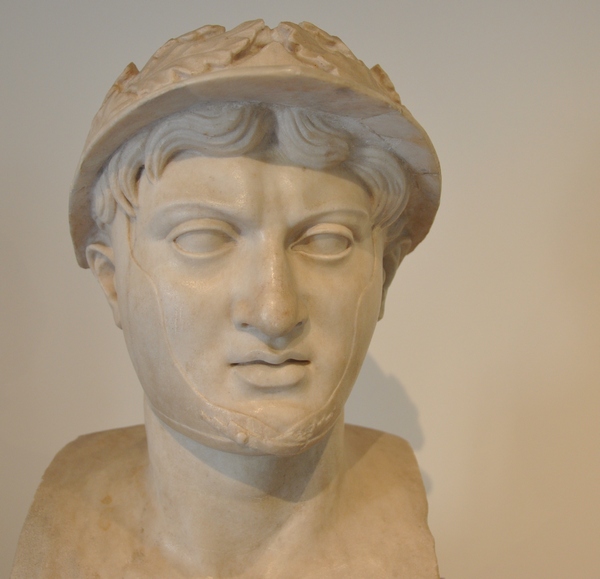
The west– our west– first saw such elephants in the 280s BC, in the army which Pyrrhus of Epirus brought from Greece to fight the Romans.

herculaneum_villa_papiri_pyrrhus_naples4elephant_dish

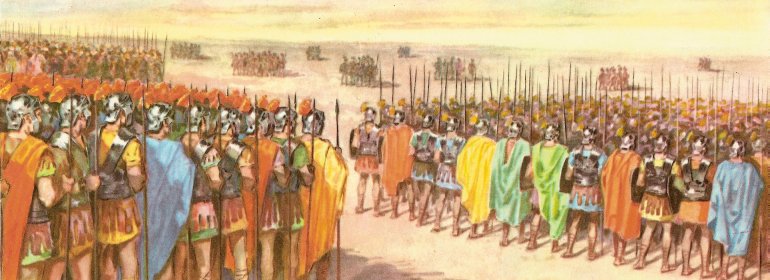
Such elephants were thought to be useful against great blocks of infantry.

phalanx phalanx1legion_in_battle_formation

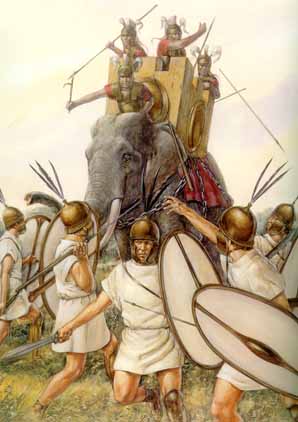
They could be used like tanks to knock holes in the formations.

Pyrhus_elephants2

To most people, the most familiar images, however, would be from Hannibal’s invasion of Italy in 218 BC.

Hannibal-2

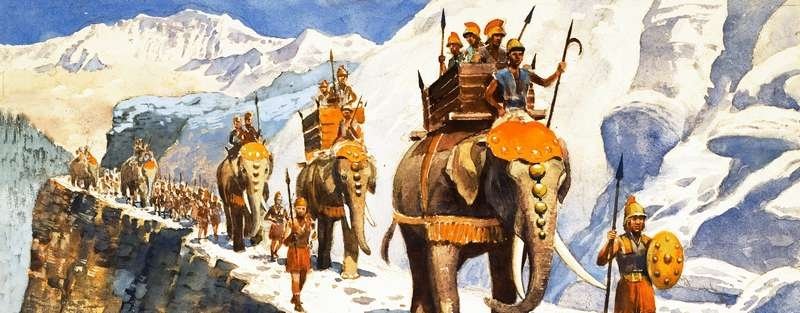
And, most famous of all, is his taking of the elephants across the Alps.

lal299613 lal319314

In fact, this did not end well for the elephants. Ancient accounts suggest that out of forty elephants, only one survived.

Crossing the Alps reminded us of Napoleon doing this in 1800. Here’s the heroic version:

Napoleon_at_the_Great_St._Bernard_-_Jacques-Louis_David_-_Google_Cultural_Institute

And this is what really happened (a little like Hannibal’s elephants):

Paul_Delaroche_-_Napoleon_Crossing_the_Alps_-_Google_Art_Project_2

JRRT says of the oliphaunt Sam saw that “…the Mûmak of Harad was indeed a beast of vast bulk, and the like of him does not walk now in Middle-earth” (“Of Herbs and Stewed Rabbit”, LOTR 661).

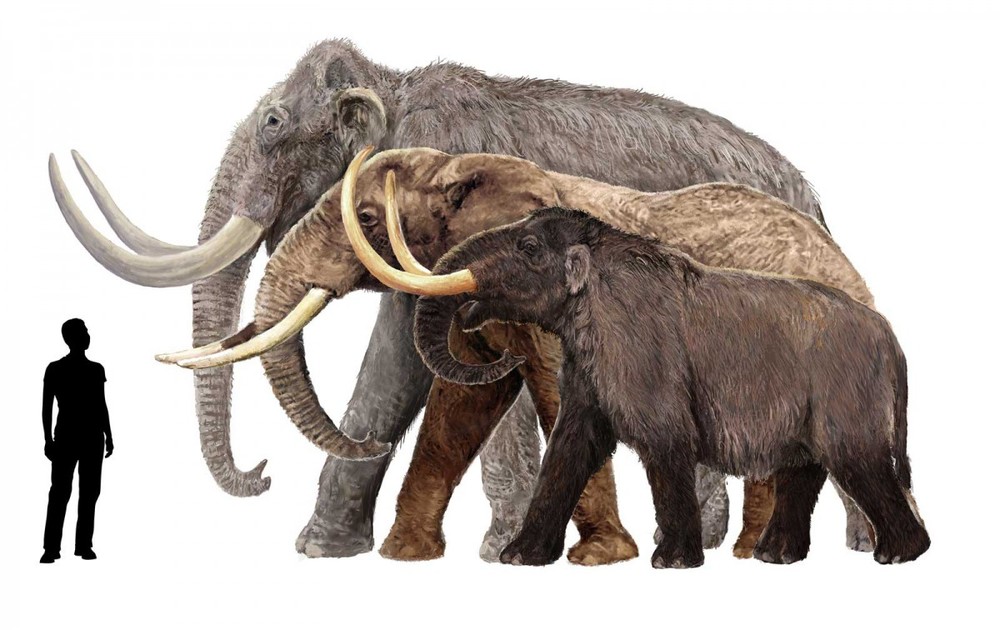
It’s unclear what he means by this, except perhaps that an oliphaunt was more like a mammoth

Mammoths_Man-1200x756.jpg format=1500w

Even so, we can only contrast an ancient war elephant (reconstructed)

dced00480c58b85786bee4bf212eb30d

with those in the film

01IYPfe

and which reminded us strongly of ATATs from the assault upon Hoth,

atat

and think how disappointed Sam would be in what he would see in our world versus his!

Thanks, as always, for reading!

MTCIDC

CD
The Doubtful Sea Series Facebook Page

The Doubtful Sea Series Facebook Page

  • Ollamh

Categories

  • Artists and Illustrators
  • Economics in Middle-earth
  • Fairy Tales and Myths
  • Films and Music
  • Games
  • Heroes
  • Imaginary History
  • J.R.R. Tolkien
  • Language
  • Literary History
  • Maps
  • Medieval Russia
  • Military History
  • Military History of Middle-earth
  • Narnia
  • Narrative Methods
  • Poetry
  • Research
  • Star Wars
  • Terra Australis
  • The Rohirrim
  • Theatre and Performance
  • Tolkien
  • Uncategorized
  • Villains
  • Writing as Collaborators
Follow doubtfulsea on WordPress.com

Across the Doubtful Sea

Recent Postings

  • Towering January 28, 2026
  • Tolkien Among the Indians January 21, 2026
  • Thin and Stretched January 14, 2026
  • Through a glass… January 7, 2026
  • Heffalumps? December 31, 2025
  • We Three Kings December 24, 2025
  • A Moon disfigured December 17, 2025
  • On the Roads Again—Once More December 10, 2025
  • (Not) Crossing Bridges December 3, 2025

Blog Statistics

  • 105,537 Views

Posting Archive

  • January 2026 (4)
  • December 2025 (5)
  • November 2025 (4)
  • October 2025 (5)
  • September 2025 (4)
  • August 2025 (4)
  • July 2025 (5)
  • June 2025 (4)
  • May 2025 (4)
  • April 2025 (5)
  • March 2025 (4)
  • February 2025 (4)
  • January 2025 (5)
  • December 2024 (4)
  • November 2024 (4)
  • October 2024 (5)
  • September 2024 (4)
  • August 2024 (4)
  • July 2024 (5)
  • June 2024 (4)
  • May 2024 (5)
  • April 2024 (4)
  • March 2024 (4)
  • February 2024 (4)
  • January 2024 (5)
  • December 2023 (4)
  • November 2023 (5)
  • October 2023 (4)
  • September 2023 (4)
  • August 2023 (5)
  • July 2023 (4)
  • June 2023 (4)
  • May 2023 (5)
  • April 2023 (4)
  • March 2023 (5)
  • February 2023 (4)
  • January 2023 (4)
  • December 2022 (4)
  • November 2022 (5)
  • October 2022 (4)
  • September 2022 (4)
  • August 2022 (5)
  • July 2022 (4)
  • June 2022 (5)
  • May 2022 (4)
  • April 2022 (4)
  • March 2022 (5)
  • February 2022 (4)
  • January 2022 (4)
  • December 2021 (5)
  • November 2021 (4)
  • October 2021 (4)
  • September 2021 (5)
  • August 2021 (4)
  • July 2021 (4)
  • June 2021 (5)
  • May 2021 (4)
  • April 2021 (4)
  • March 2021 (5)
  • February 2021 (4)
  • January 2021 (4)
  • December 2020 (5)
  • November 2020 (4)
  • October 2020 (4)
  • September 2020 (5)
  • August 2020 (4)
  • July 2020 (5)
  • June 2020 (4)
  • May 2020 (4)
  • April 2020 (5)
  • March 2020 (4)
  • February 2020 (4)
  • January 2020 (6)
  • December 2019 (4)
  • November 2019 (4)
  • October 2019 (5)
  • September 2019 (4)
  • August 2019 (4)
  • July 2019 (5)
  • June 2019 (4)
  • May 2019 (5)
  • April 2019 (4)
  • March 2019 (4)
  • February 2019 (4)
  • January 2019 (5)
  • December 2018 (4)
  • November 2018 (4)
  • October 2018 (5)
  • September 2018 (4)
  • August 2018 (5)
  • July 2018 (4)
  • June 2018 (4)
  • May 2018 (5)
  • April 2018 (4)
  • March 2018 (4)
  • February 2018 (4)
  • January 2018 (5)
  • December 2017 (4)
  • November 2017 (4)
  • October 2017 (4)
  • September 2017 (4)
  • August 2017 (5)
  • July 2017 (4)
  • June 2017 (4)
  • May 2017 (5)
  • April 2017 (4)
  • March 2017 (5)
  • February 2017 (4)
  • January 2017 (4)
  • December 2016 (4)
  • November 2016 (5)
  • October 2016 (6)
  • September 2016 (5)
  • August 2016 (5)
  • July 2016 (5)
  • June 2016 (5)
  • May 2016 (4)
  • April 2016 (4)
  • March 2016 (5)
  • February 2016 (4)
  • January 2016 (4)
  • December 2015 (5)
  • November 2015 (5)
  • October 2015 (4)
  • September 2015 (5)
  • August 2015 (4)
  • July 2015 (5)
  • June 2015 (5)
  • May 2015 (4)
  • April 2015 (3)
  • March 2015 (4)
  • February 2015 (4)
  • January 2015 (4)
  • December 2014 (5)
  • November 2014 (4)
  • October 2014 (6)
  • September 2014 (1)

Blog at WordPress.com.

  • Subscribe Subscribed
    • doubtfulsea
    • Join 78 other subscribers
    • Already have a WordPress.com account? Log in now.
    • doubtfulsea
    • Subscribe Subscribed
    • Sign up
    • Log in
    • Report this content
    • View site in Reader
    • Manage subscriptions
    • Collapse this bar
 

Loading Comments...