• About

doubtfulsea

~ adventure fantasy

Tag Archives: Native Americans

Smoke (No Mirrors)

22 Wednesday Mar 2017

Posted by Ollamh in Economics in Middle-earth, J.R.R. Tolkien, Literary History, Narrative Methods

≈ Leave a comment

Tags

Algonquian, Aragorn, Bag End, Baggins, Daemonologie, domestic, Gandalf, Gimli, Hernandez de Boncalo, hogsheads, Isengard, James I, Jamestown, John Rolfe, Longbottom Leaf, Matoaka, Merry and Pippin, Native Americans, Nictotiana, Philip II of Spain, pipe, plantations, Pocahontas, Popeye the Sailor, Saruman, Scouring of the Shire, Sharkey, Sherlock Holmes, Shire, smoking, Southfarthing, The First Part of Ayres of the Musicall Humours, The Hobbit, The Illiad, The Lord of the Rings, The Odyssey, Tobacco, Tobias Hume, Tolkien

As always, welcome, dear readers.

This posting takes us away from the Shire and back to it, all in a couple of pages, as well as linking itself with a recent one on Sharkey and his attempt at revenge on the Hobbits who have helped in his downfall.

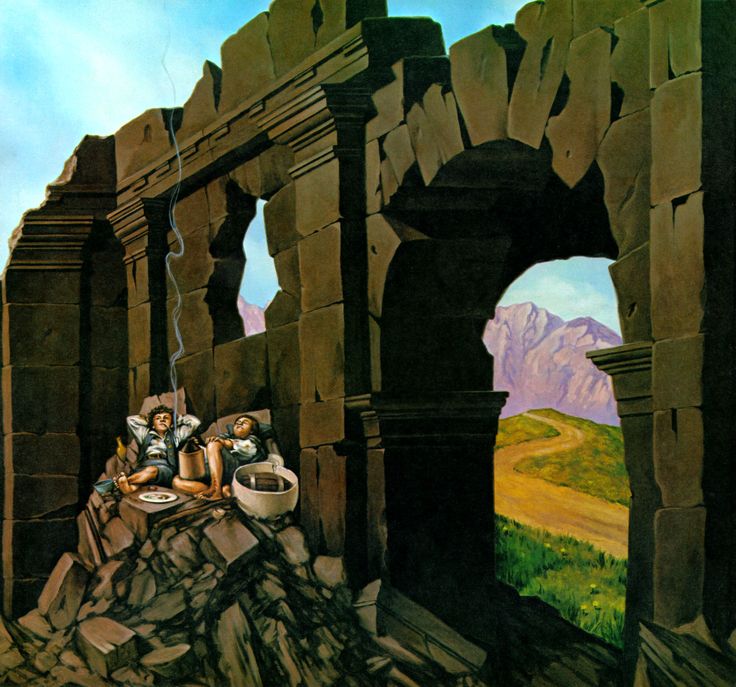
We begin just after Helm’s Deep, at the moment when Gandalf and all of the major characters involved have followed the invasion route back to Isengard, only to find it in ruins and:

“And now they turned their eyes towards the archway and the ruined gates. There they saw close beside them a great rubble-heap; and suddenly they were aware of two small figures lying on it at their ease…One seemed asleep; the other, with crossed legs and arms behind his head, leaned back against a broken rock and sent from his mouth long whisps and little rings of thin blue smoke.” The Two Towers, Book Three, Chapter 8, “The Road to Isengard”

image1ruins.jpg

For Gimli, himself a smoker, that latter sight is not a surprising. For Theoden, however, not only are the Hobbits a surprise, but: “I had not heard that they spouted smoke from their mouths.”

Merry’s reply then leads us into today’s posting.

“That is not surprising…for it is an art which we have not practised for more than a few generations. It was Tobold Hornblower, of Longbottom in the Southfarthing, who first grew the true pipe-weed in his gardens, about the year 1070 according to our reckoning. How old Toby came by the plant…”

Gandalf interrupts Merry here, concluding with “Some other time would be more fitting for the history of smoking.”

But not for us.

For us, smoking, in the The Lord of the Rings, as in The Hobbit, belongs to a whole category of what we call the “domestication of the heroic”, a distinctive and important feature of JRRT’s narrative style. Earlier epics, like the Iliad and the Odyssey, certainly have their moments where combat and travel and dealing with monsters and enchantresses are not the only features of the stories. People sometimes pause to eat and drink and even sleep. JRRT goes beyond this, however, to provide what he himself might call the “homely” in his texts. By this term, we mean the ordinary and familiar, including such things as a brief inventory of the contents of Bag End, food more detailed than the “endless meat and sweet dark wine” of Homer–such as the mushrooms and bacon which Farmer Maggot offers–and Bilbo reading his letters and forgetting his pocket handkerchief. Such seemingly-trivial things give the stories—and certain of the characters within them—an extra depth and thus a deeper believability, as well as anchoring the story in something more ordinary than kings and wizards.

In fact, the center of this domestication are the Hobbits: think of Sam wanting a bit of rope or explaining taters to Gollum or that heart-breaking moment when Sam discards his pots and pans and “The clatter of his precious pans as they fell down into the dark was like a death-knell to his heart.” (The Return of the King, Book Six, Chapter 3, “Mount Doom”) And, along with things like rope and conies, there is what once was called “the pleasures of the pipe”.

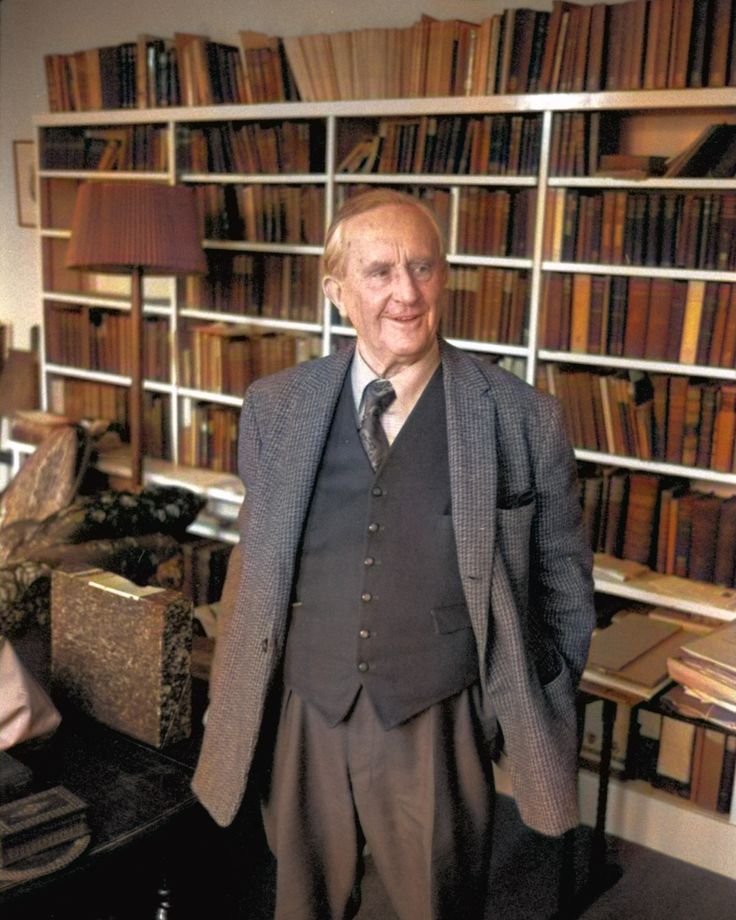
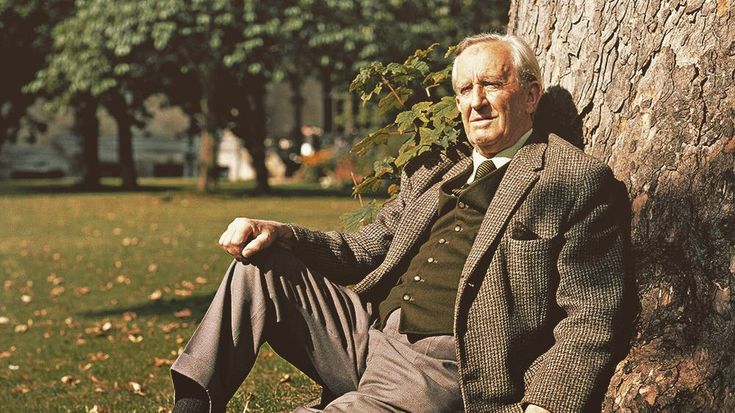
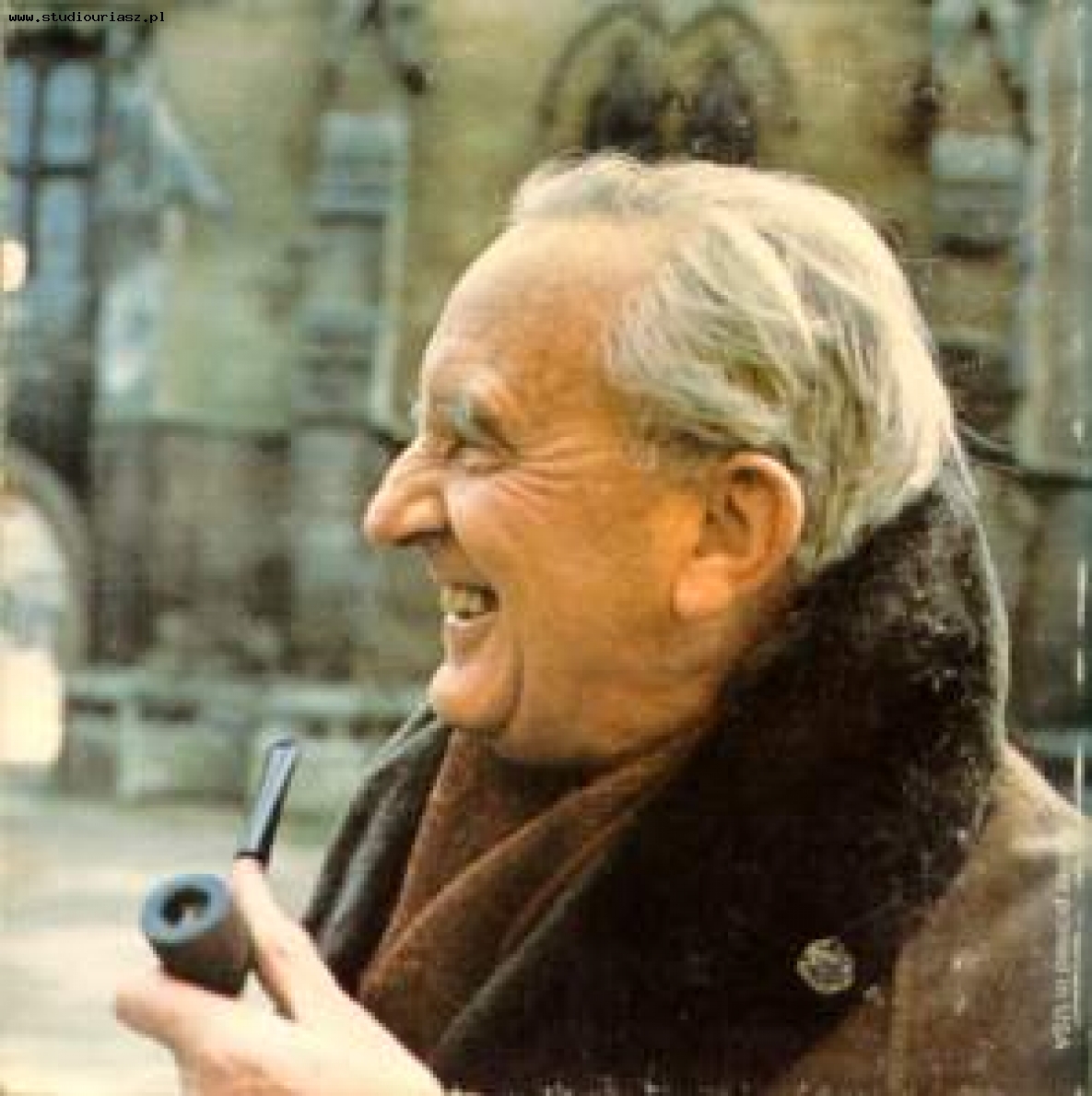
We live in a different world from JRRT. When he took up the pipe, in the early 20th century, no one knew the dangers of smoking.

image2jrrt.jpg

It was simply something men, in particular, did. After all, there was Sherlock Holmes, with his famous “three-pipe problem” (“The Red-Headed League”, The Strand Magazine, August, 1891) as a perfect model.

image3holmessmoking.jpg

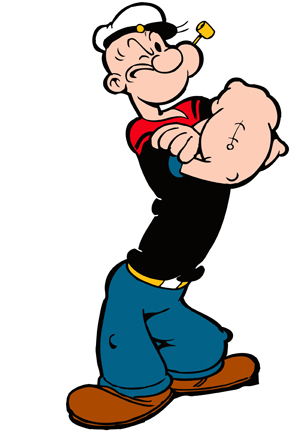
Thus, smoking was acceptable and, potentially, domestic: after all, although the ancient comic book and cartoon character, Popeye the Sailor (1929-1957), may hold a pipe in his mouth while battling,

image3apopeye.jpg

it is generally something done in quiet and contemplation. Perhaps, then, for the times in which JRRT was writing, a perfect symbol of the domestic. (Hence the old expression for household comfort that someone—typically his wife–brings the owner “his pipe and slippers” when he comes home from work?)

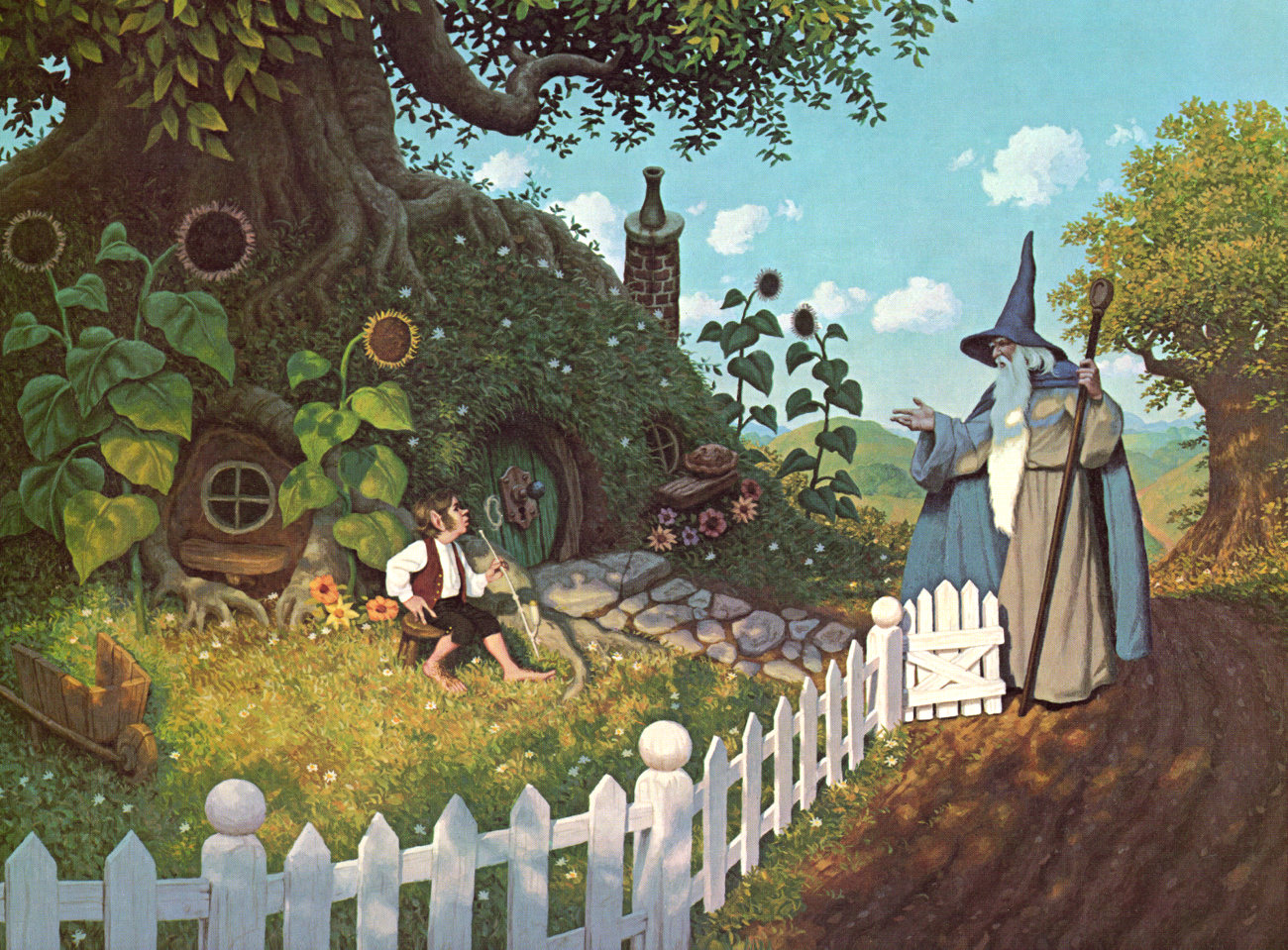
And it appears very early in our experience of Hobbits. After all, the first time we see Bilbo, he is “standing at his door after breakfast smoking an enormous long wooden pipe that reached nearly down to his woolly toes”. (The Hobbit, Chapter 1, “An Unexpected Party”)

image4bilbo.jpg

In time, we’ll see Gandalf smoking

image5gandalfsmoking.jpg

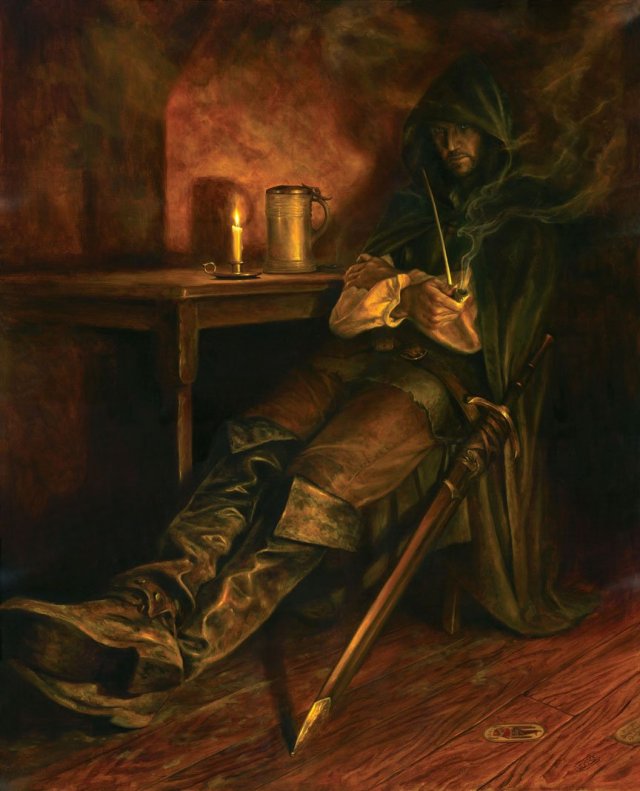
and Strider/Aragorn, too.

image6strider.jpg

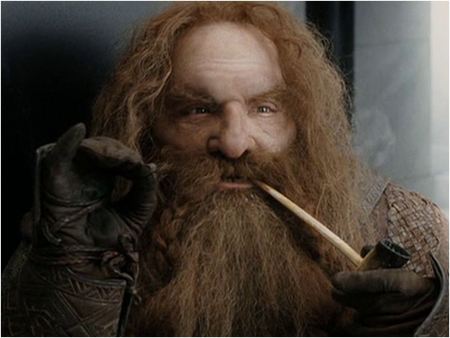
In fact, we wonder if it isn’t a kind of unconscious sign that someone is a positive character—after all, as we said, Gimli smokes, too.

image7gimli.jpg

There is one exception, of course—and we’ll come back to that!

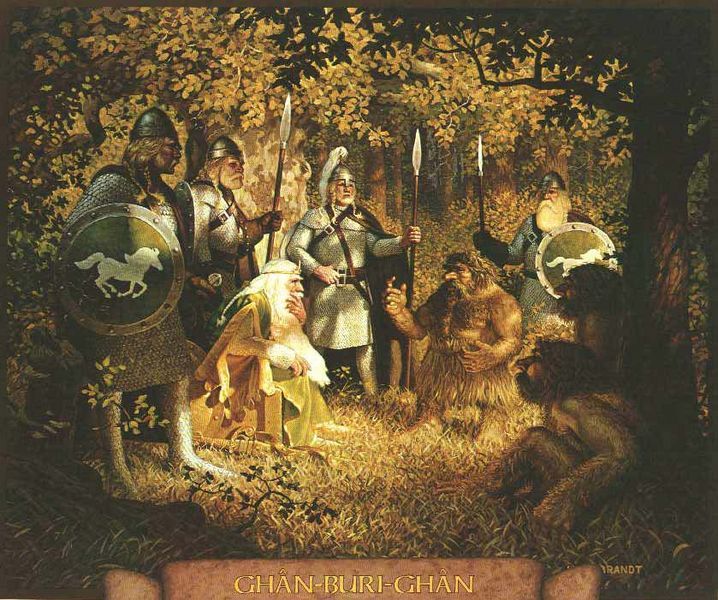
It should be no surprise, then, that one more positive character, Merry, is a smoker. Knowing, from the Prologue to The Lord of the Rings, that he is also the author of Herblore of the Shire, among other works, it is also not surprising that he appears to be the main authority on “pipe-weed”, claiming that the Hobbits were the inventors of its consumption:   “Hobbits first put it into pipes. Not even the Wizards first thought of that before we did.”

This, of course, made us think about who invented tobacco-smoking in our world—or, at least, in the English-speaking Western Hemisphere. (Although we are glad to point out that, as early as 1559, Philip II of Spain ordered Hernandez de Boncalo to bring back tobacco seeds from the New World to plant in Spain.)

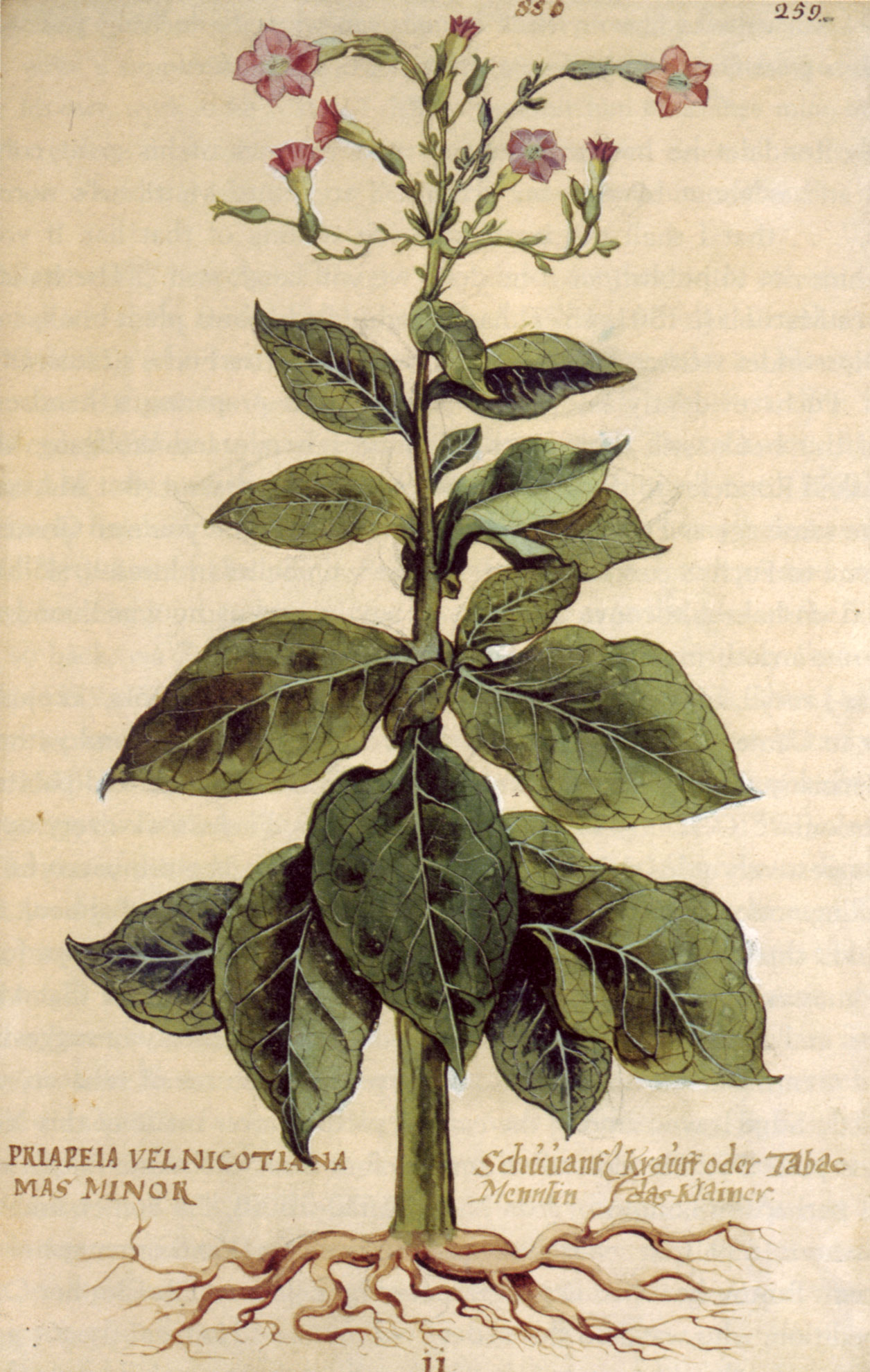
Merry says of the plant (which he correctly identifies with our genus Nicotiana):

“…observations that I have made on my own many journeys south have convinced me that the weed itself is not native to our parts of the world, but came northward from the lower Anduin, whither it was, I suspect, originally brought over Sea by the Men of Westernesse. It grows abundantly in Gondor, and there is richer and larger than in the North, where it is never found wild, and flourishes only in warm sheltered places like Longbottom.”

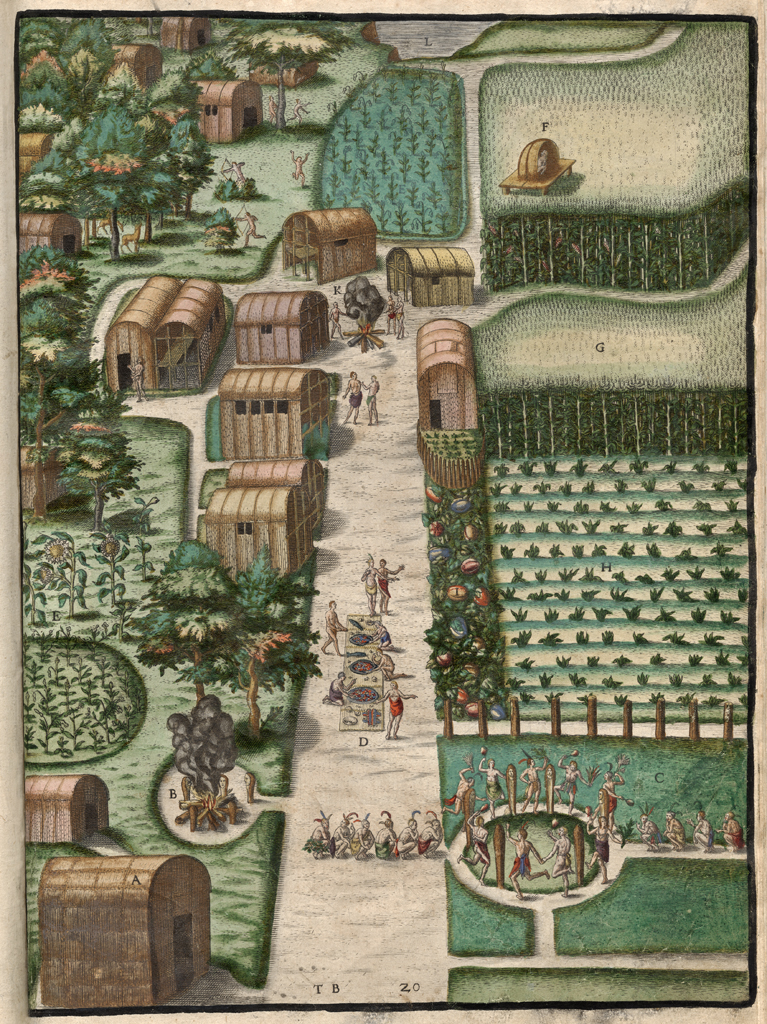
In our world—that is, in the Americas– Native Americans first cultivated tobacco—as can be seen in this engraved version of John White’s 1580s drawing of the Algonquian village of Secoton by Theodor de Bry for the 1590 second edition of Thomas Harriot’s A Briefe and True Report of the New Found Land of Virginia.

image8secoton.jpg

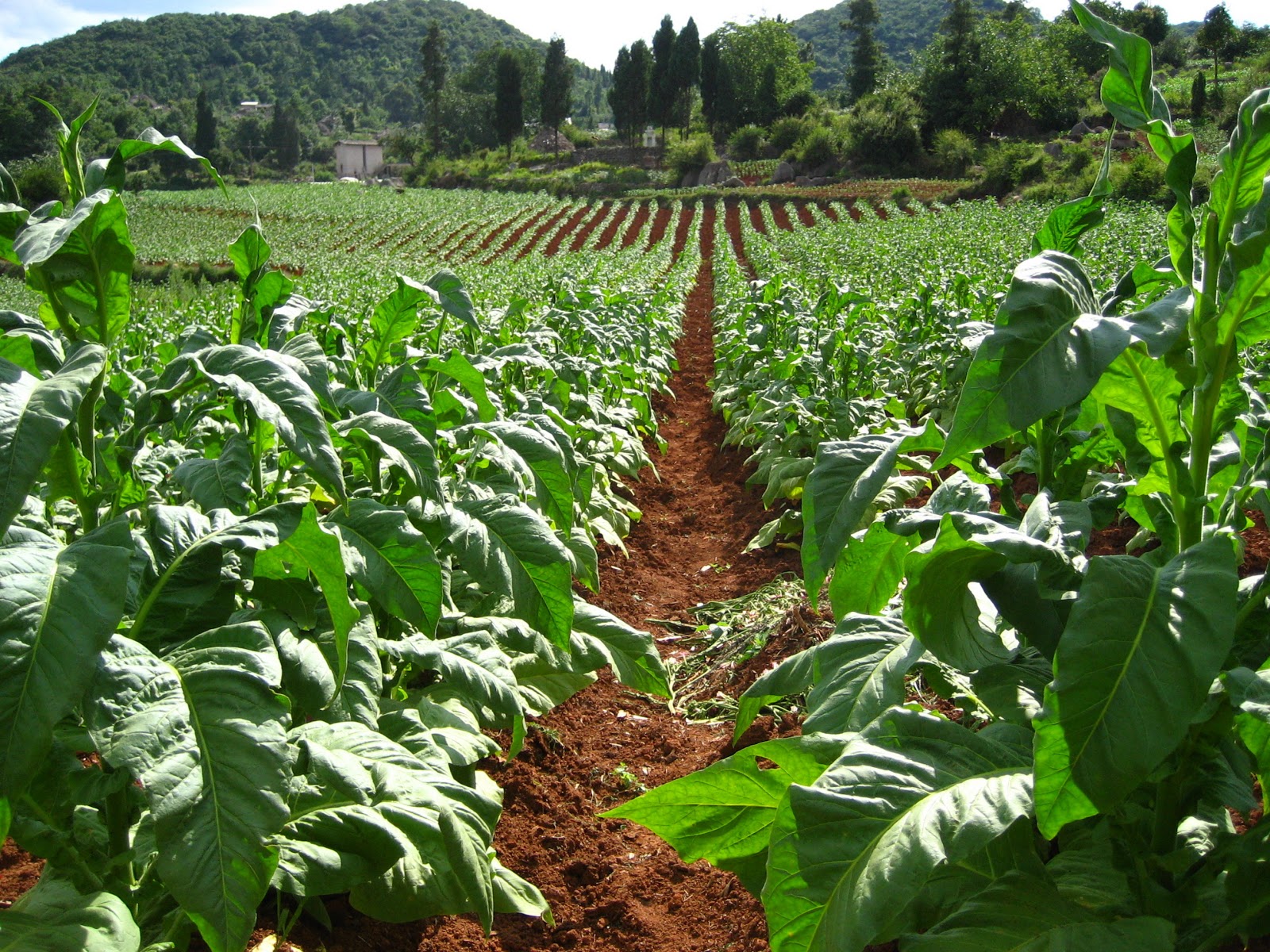
At the top, center, is a tobacco field, with stylized plants, which, up close, might look like this:

image9tobacco.jpg

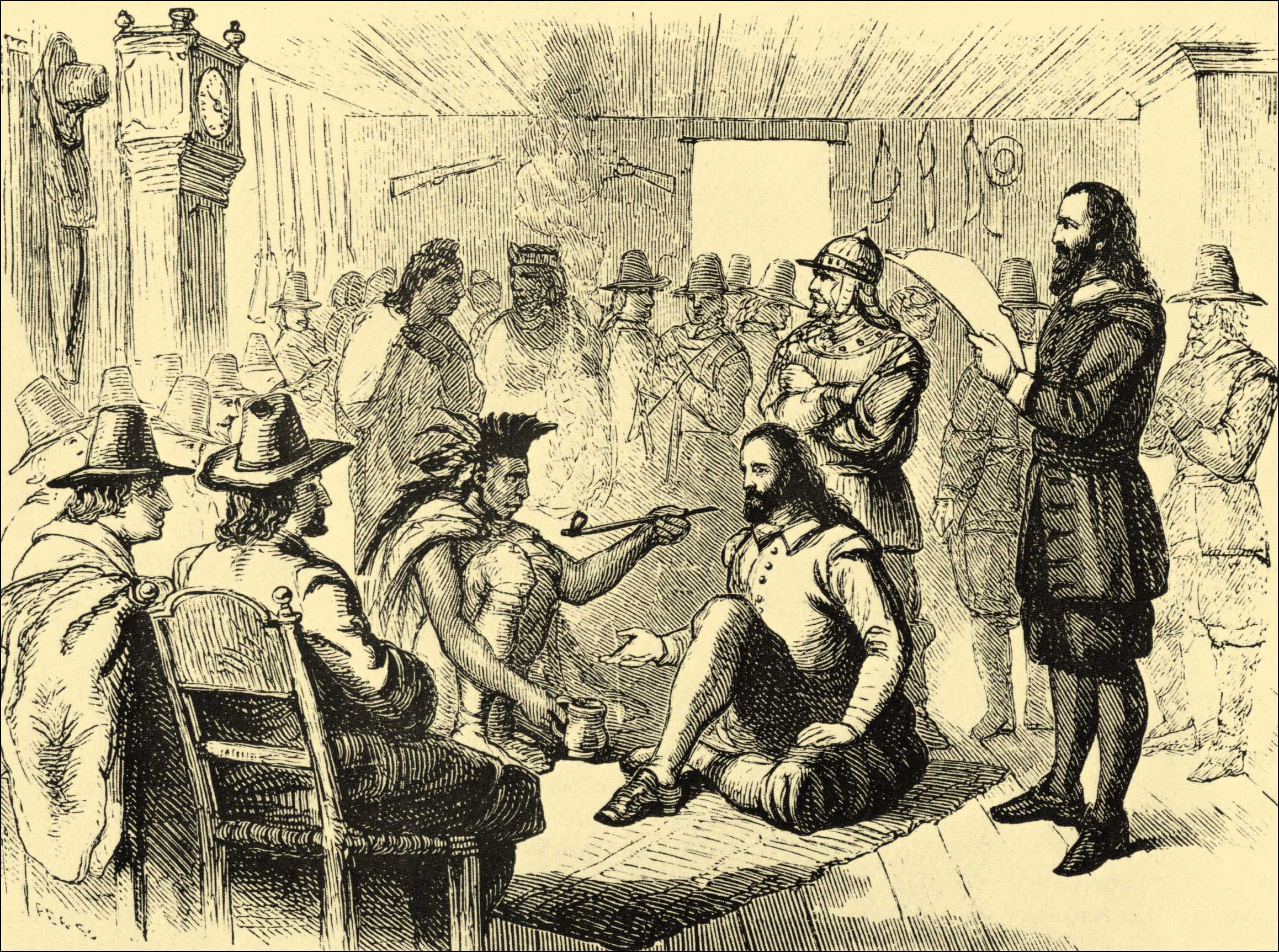
Native Americans appear to have used tobacco—and its smoke—primarily for religious and political ceremonies, rather than for recreation.

image10pipeceremony.jpg

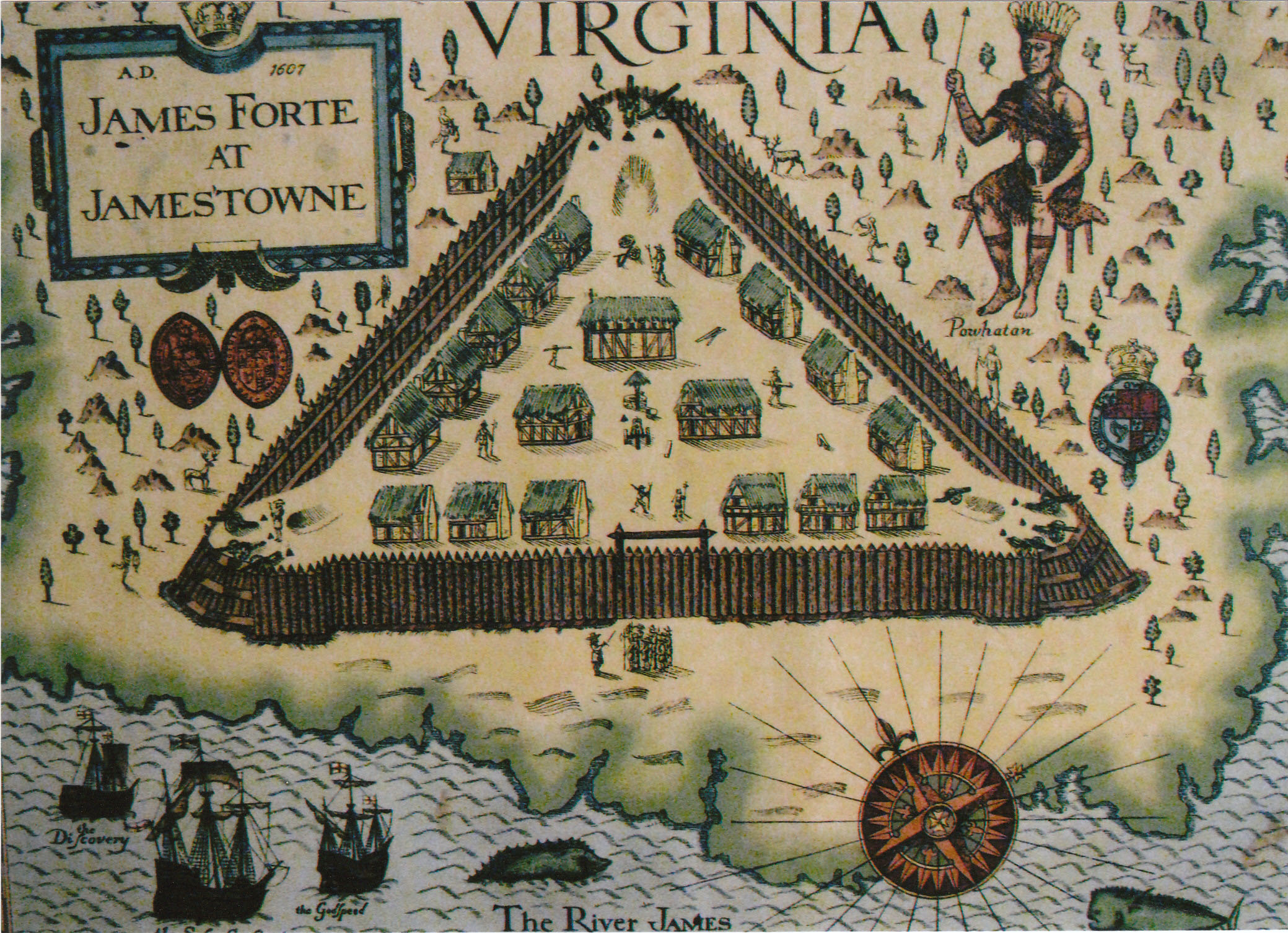
This soon changed, however, when a member of the newly-established (1607) colony of Jamestown, John Rolfe, in what would become the US state of Virginia,

image11jamestown.jpg

saw the commercial possibilities and began to cultivate tobacco for export.

image12growingtobacco.jpg

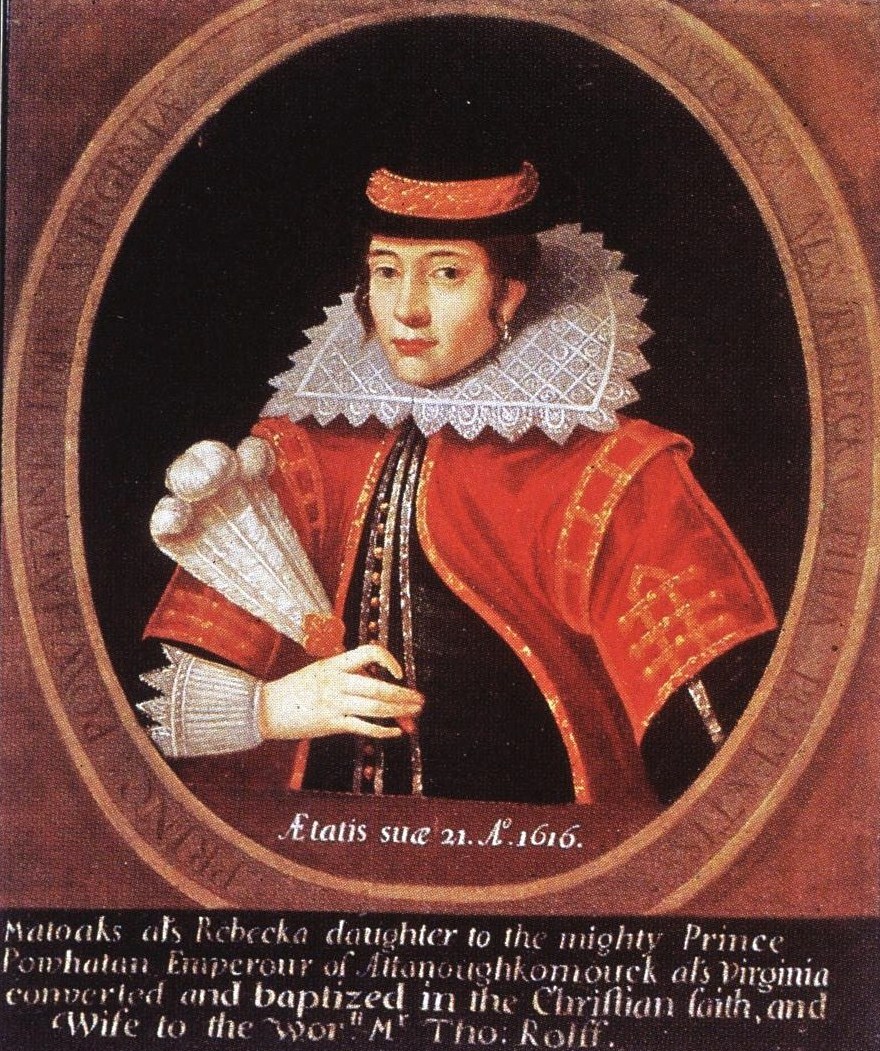
Although John Rolfe is known to those interested in early English colonization, his wife is much more famous. She was Matoaka, called Pocahontas as a nickname (it means something like “playful/lively”), the 400th anniversary of whose funeral is the day of this writing, 21 March (although it will be posted tomorrow, the 22nd).

image13pocahontas.jpg

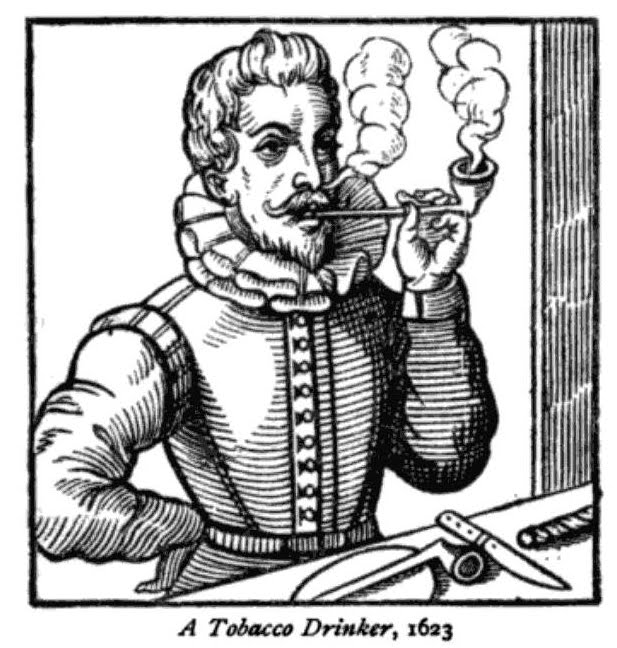
Tobacco was already known in England,

image14drinker.jpg

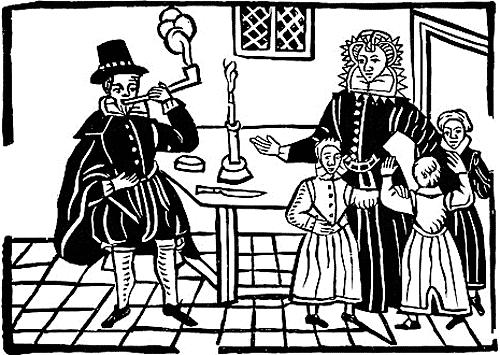
had become a sort of craze,

image15tobaccosmoking.gif

and even inspired at least one pop song, Tobias Hume’s “Tobacco”, from his The First Part of Ayres of the Musicall Humours (1605). Hume was a big fan of the lyra viol (a member of the string bass family).

image16lyraviol

(We include here a link so that you can hear the song sung and accompanied by his favorite instrument.  Oh—and it’s sung in the pronunciation of the early 17th century, so be prepared for some differences in sound.)

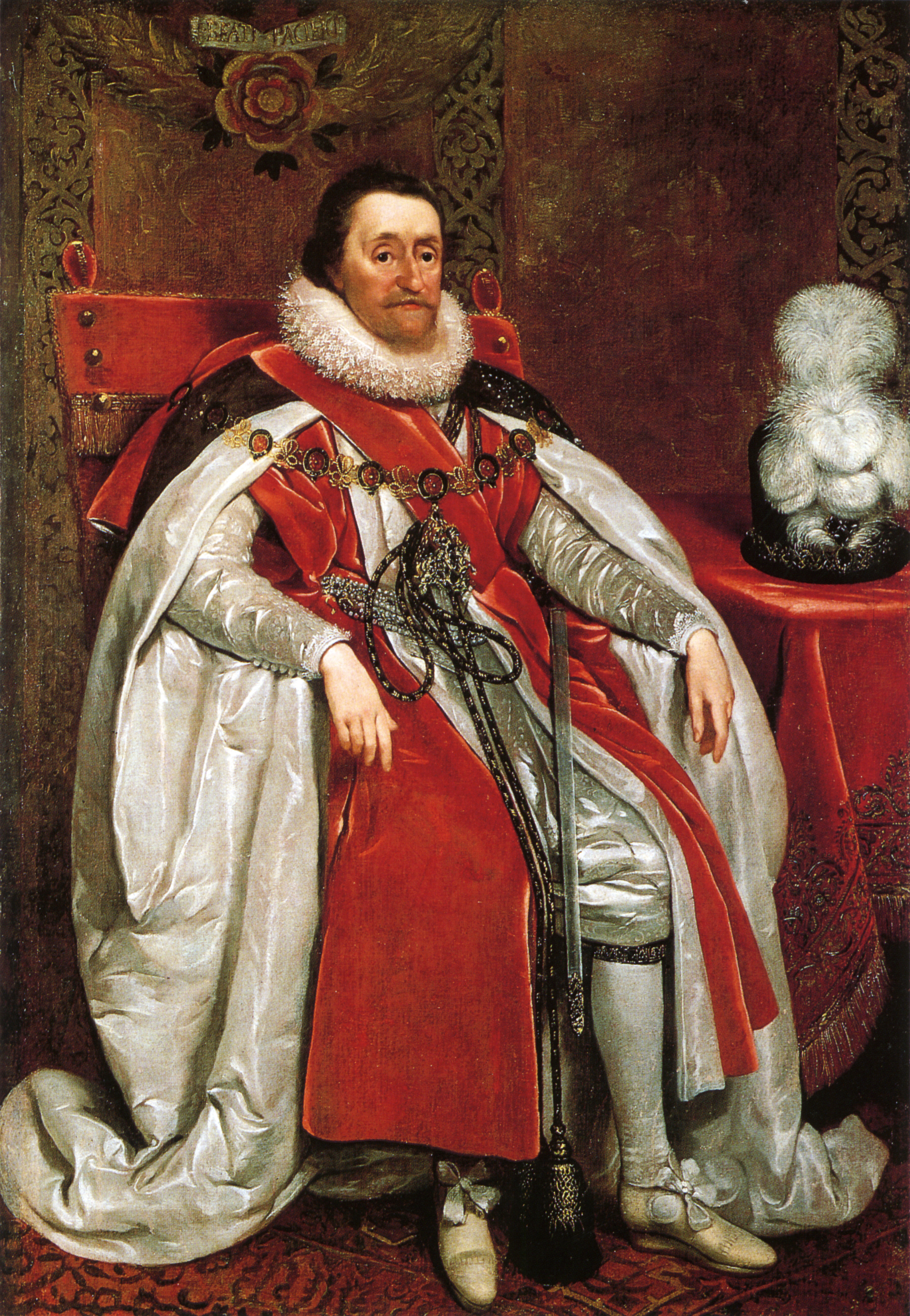
Thus, Rolfe’s exploitation was a good business investment, even though tobacco quickly ran afoul of the British government, in the form of the new king, James I,

image17james1

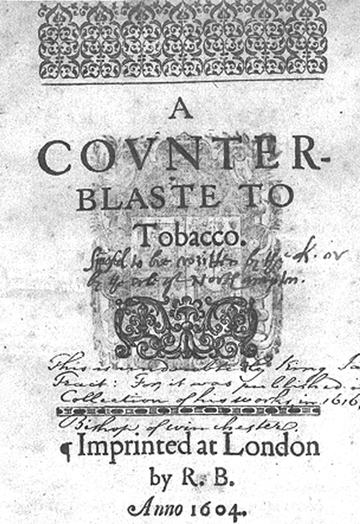
who had already published an attack on smoking in 1604.

image18counterblast

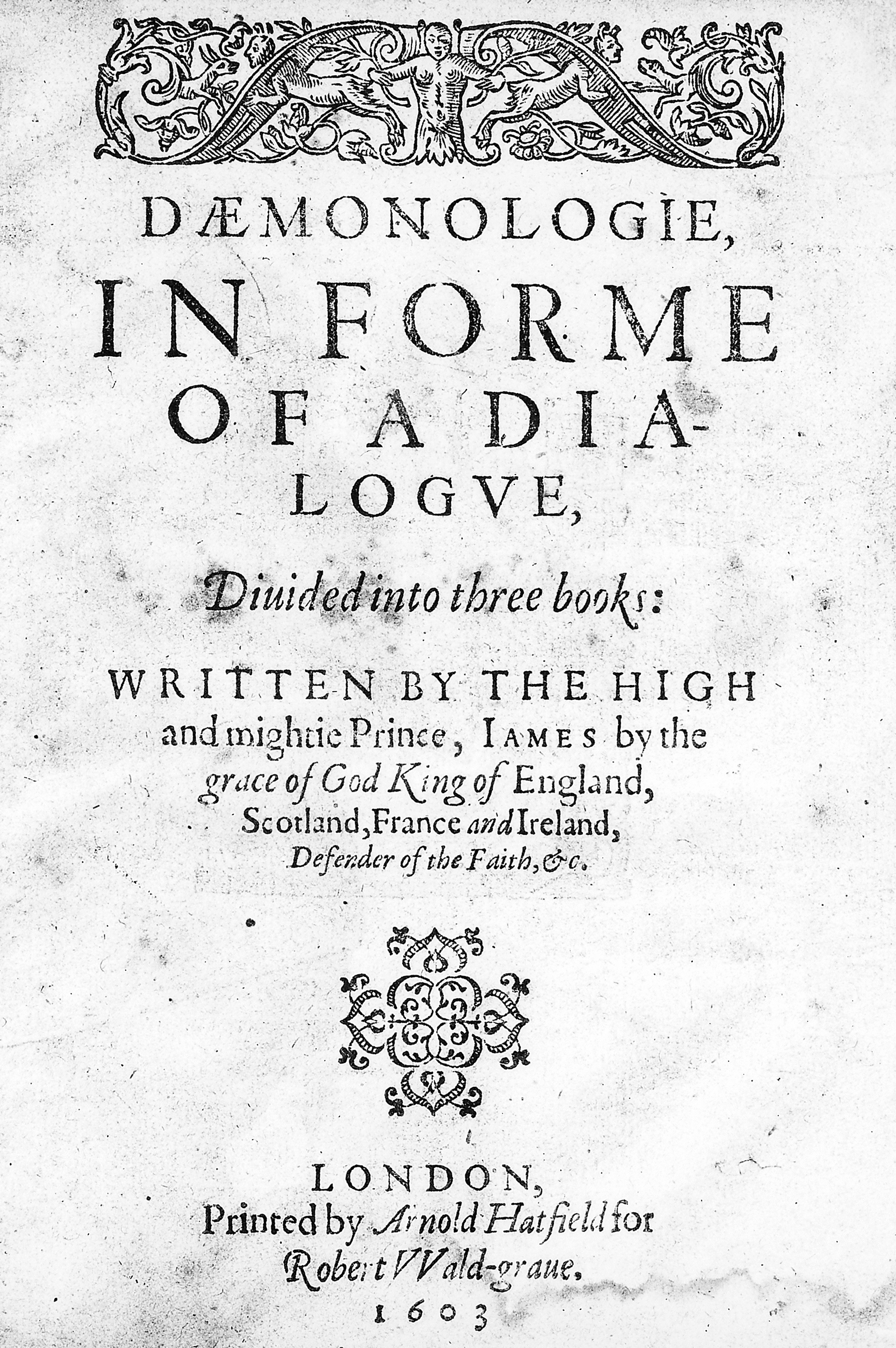
James I had opinions on numerous subjects, including witches, about whom he had published a book, Daemonologie, in 1597.

M0014280 James I: Daemonologie, in forme of a dialogue. Title page.

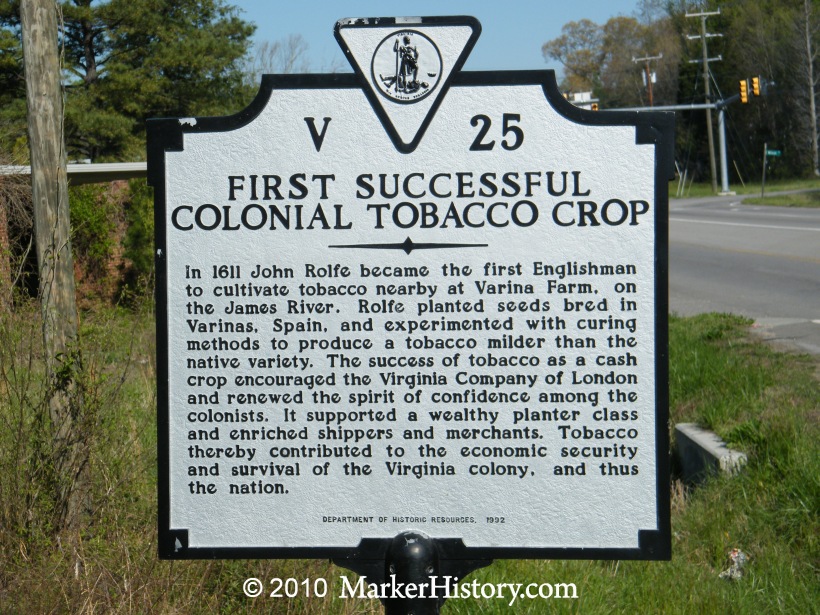
His attack on tobacco—although more sensible than believing in witches—didn’t stop it from becoming the major Virginia crop, however—as this roadside sign points out.

image20sign.jpg

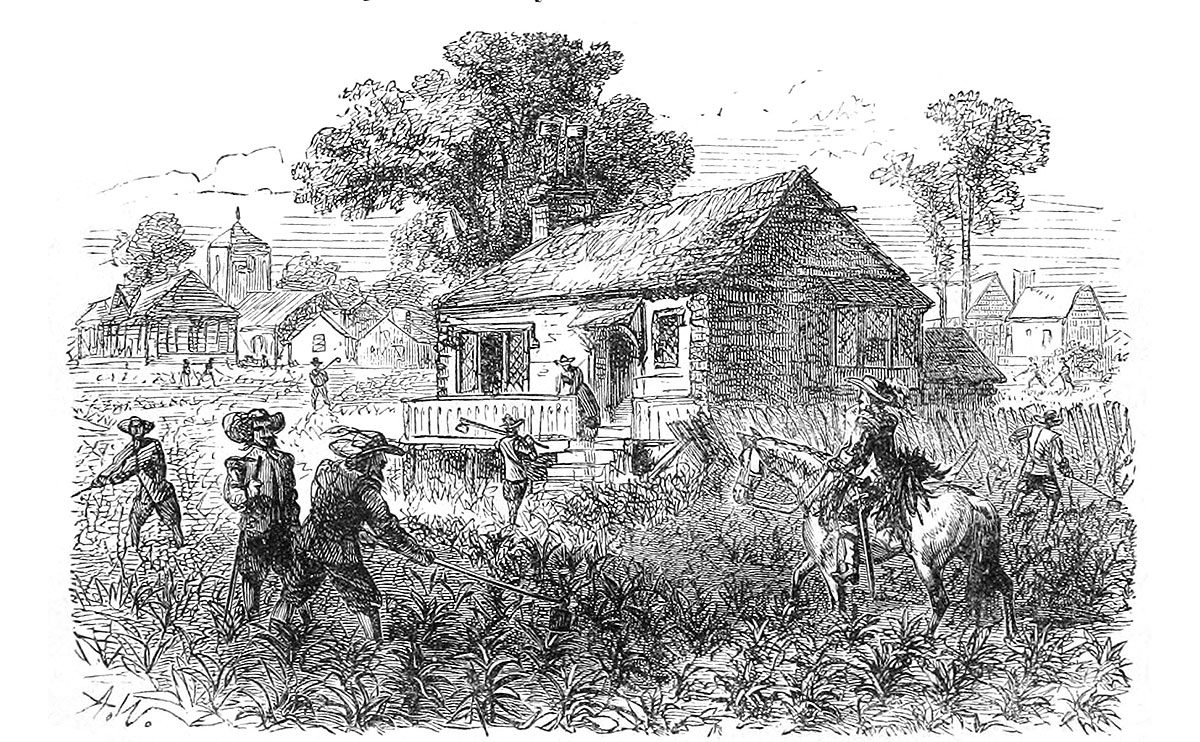
Virginia farmers planted huge fields of tobacco,

image21tobaccofield.jpg

cultivated it (a major use of slave labor, like the sugar plantations of the Caribbean),

image22cultivation.jpg

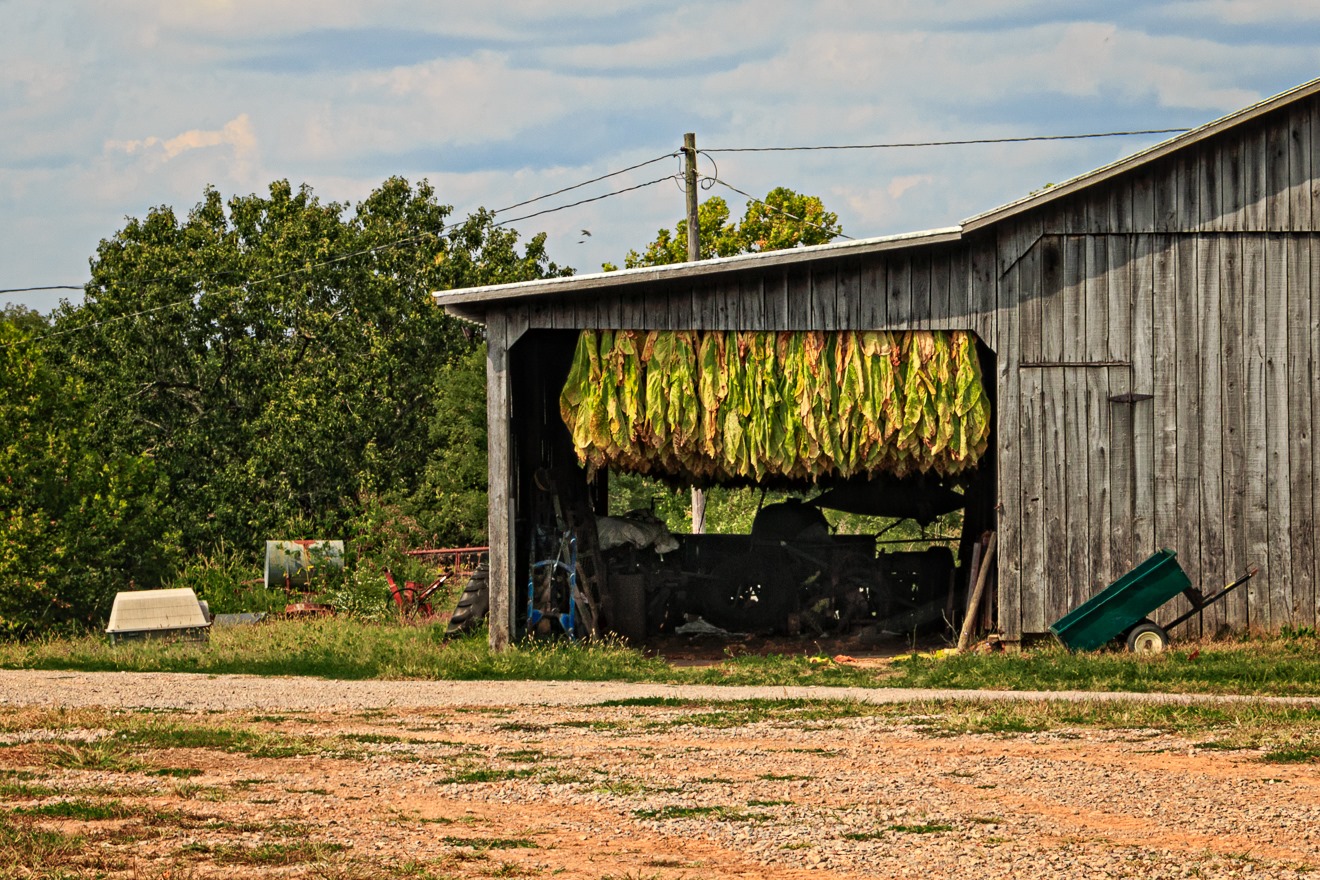
cut and dried it,

image23drying.jpg

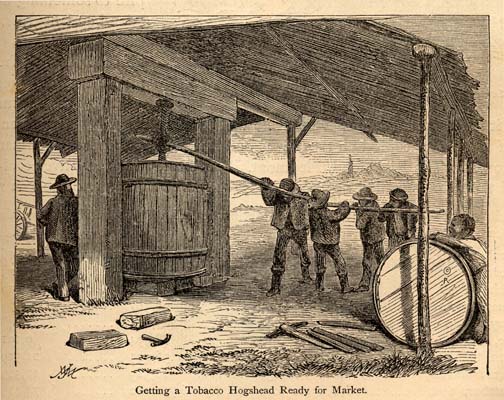
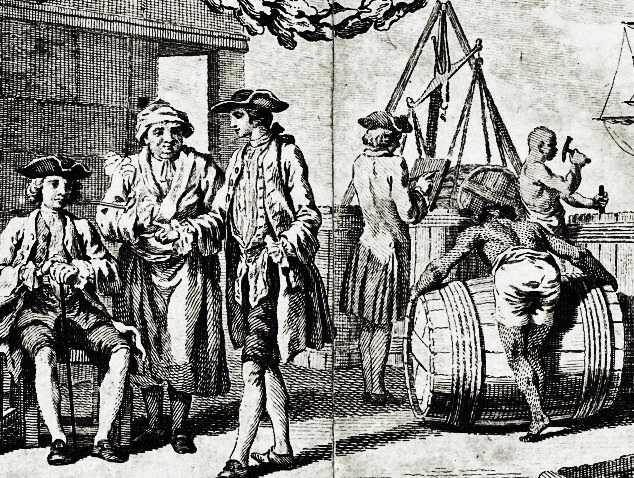
packed it into huge barrels, called hogsheads,

image24hogsheadpacking.jpg

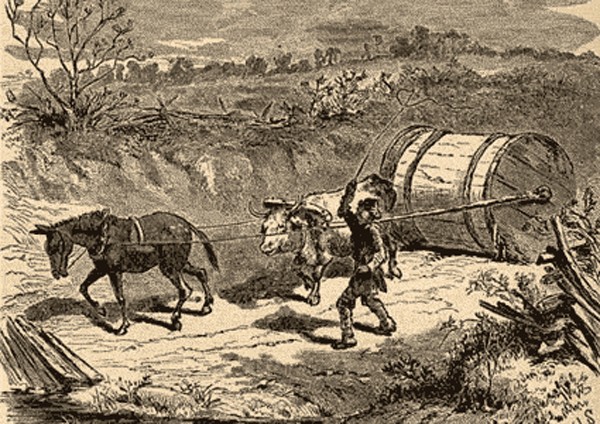
dragged those hogsheads to a port,

image25dragging.jpg

and shipped those hogsheads to England

image26shipping.jpg

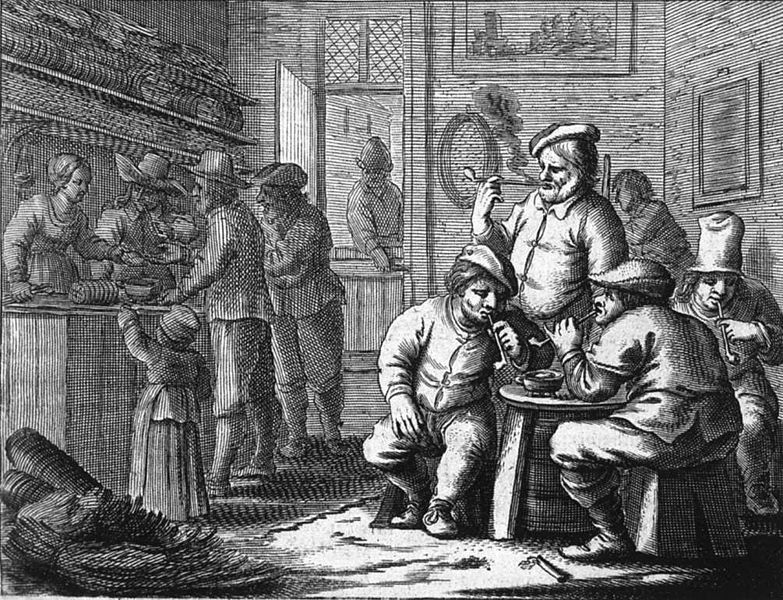
where smokers enjoyed it.

image27smoking.jpg

We don’t know the methods used in the Southfarthing, but, looking at tobacco around the world in our world, the main difference seems to be in the curing (drying) technique used. We can imagine, then, that, when Merry talks about “pipe-weed” and its cultivation, if we visited the southern part of the Shire, we would see familiar sights—except, perhaps, for those hogheads. The stuff which Merry is smoking came from “two small barrels, washed up out of some cellar or store-house…When we opened them, we found they were filled with this: as fine a pipe-weed as you could wish for, and quite unspoilt.” (The Two Towers, Chapter Nine, “Flotsam and Jetsam”)

Gimli admires the quality and Merry says, “My dear Gimli, it is Longbottom Leaf! There were the Hornblower brandmarks on the barrels, as plain as plain. How it came here, I can’t imagine. For Saruman’s private use, I fancy.”

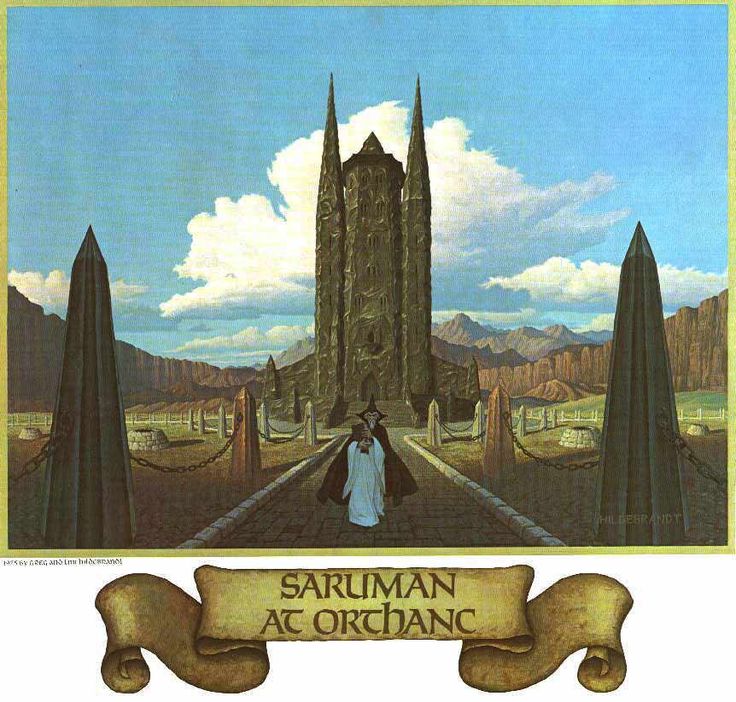
This brings us back to the final smoker and one exception to our fanciful rule that, in Tolkien, if you smoke, you’re a positive character: Saruman.

image28saruman.jpg

It’s hard to think of Saruman as indulging in the domestic. As Treebeard says of him: “He has a mind of metal and wheels” (The Two Towers, Book Three, Chapter 4, “Treebeard”). And yet, although he has lost his position as head of the White Council, and has lost Isengard, as well, as Gandalf says of him, “I fancy he could do some mischief still in a small mean way.” (The Return of the King, Book Six, Chapter 6, “Many Partings”). Thus, what better small, mean way than to attack that very domesticity which is embodied in the Hobbits and their Shire? As Sharkey, he does so, destroying the Shire by cutting down trees, knocking or burning down houses, replacing water mills with steam, and turning a nearly a-political place into a little fascist state. And, perhaps, as a last straw, he attacks one last small comfort, saying to Merry, as he keeps his tobacco pouch:

“Well, it will serve you right when you come home, if you find things less good in the Southfarthing than you would like. Long may your land be short of leaf!” (The Return of the King, Book Six, Chapter 6, “Many Partings”)

If so, perhaps there is a certain horrible irony, then, that, when Saruman is murdered, he is last seen as “a grey mist…rising slowly to a great height like smoke from a fire”. (The Return of the King, Book Six, Chapter 8, “The Scouring of the Shire”)

Thanks, as always, for reading.

MTCIDC

CD

Last Mohican, First Novelist

07 Wednesday Sep 2016

Posted by Ollamh in Artists and Illustrators, Films and Music, Heroes, Literary History, Military History, Narrative Methods

≈ Leave a comment

Tags

Baron Dieskau, British, Carillon, Daguerre, Deerfield, Fenimore Cooper's Literary Offenses, Fort Duquesne, Fort Edward, Fort Niagara, Fort St. Frederic, Fort William Henry, French, French and Indian War, General Webb, James Fenimore Cooper, Lake Champlain, Lake George, Lake Ontario, Lt. Col. Munro, Mark Twain, Marquis de Montcalm, Matthew Brady, N.C. Wyeth, Native Americans, Oswego, St. Frederic, The Last of the Mohicans, Ticonderoga

Welcome, dear readers, as always.

This is our 104th posting, making exactly 2 years of maintaining our blog, Doubtfulsea.com. When we began it, we had visited lots of other blogs, but we had no clear idea of what we wanted for ourselves. Our name came from our first novel, Across the Doubtful Sea, available from Amazon and Kindle, but we planned, from the beginning, to cover much more than the subject matter of our novel (among other things, French and English exploration of the Pacific in the 18th century, as well as Polynesian settlement). In consequence, during our two years, we have had postings on a variety of subjects, mostly about adventure/fantasy, often with an historical element, often with a focus upon the work of one of our favorite fantasy authors, JRR Tolkien.

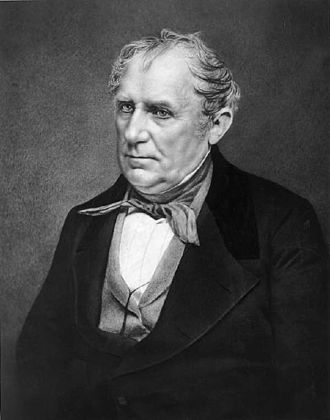
Now, in this last of our second year, we want to look at a person often viewed as the first important American novelist of the early 19th century, James Fenimore Cooper (1789-1851), and his most famous book, The Last of the Mohicans (1826).James-Fenimore-Cooper

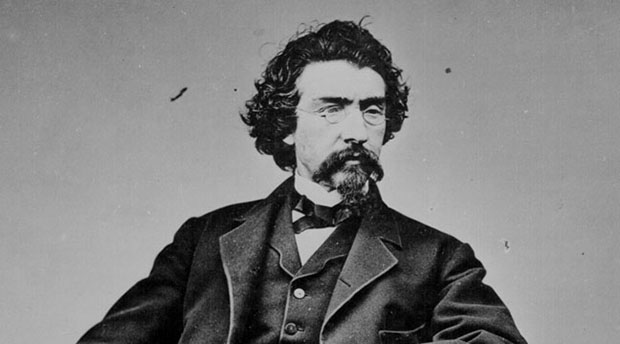
(A footnote: Cooper lived long enough that, the year before his death, he was the subject of an early photograph, using the Daguerre process, by Matthew Brady, 1822-1896, who, in a decade, would become the most famous photographer in the US because of his work documenting the American Civil War, 1861-1865.)

daguerreotypejfc

mathewbrady

DaguerreProcess4

Cooper had a long and very successful career as a novelist, beginning with a social novel, Precaution (1820), but his greatest fame came from his long series based upon US historical subjects and perhaps the most famous of all, that set in the world of the French and Indian War (1754-1763), and the book we want to focus upon,

French_and_indian_war_map_svg

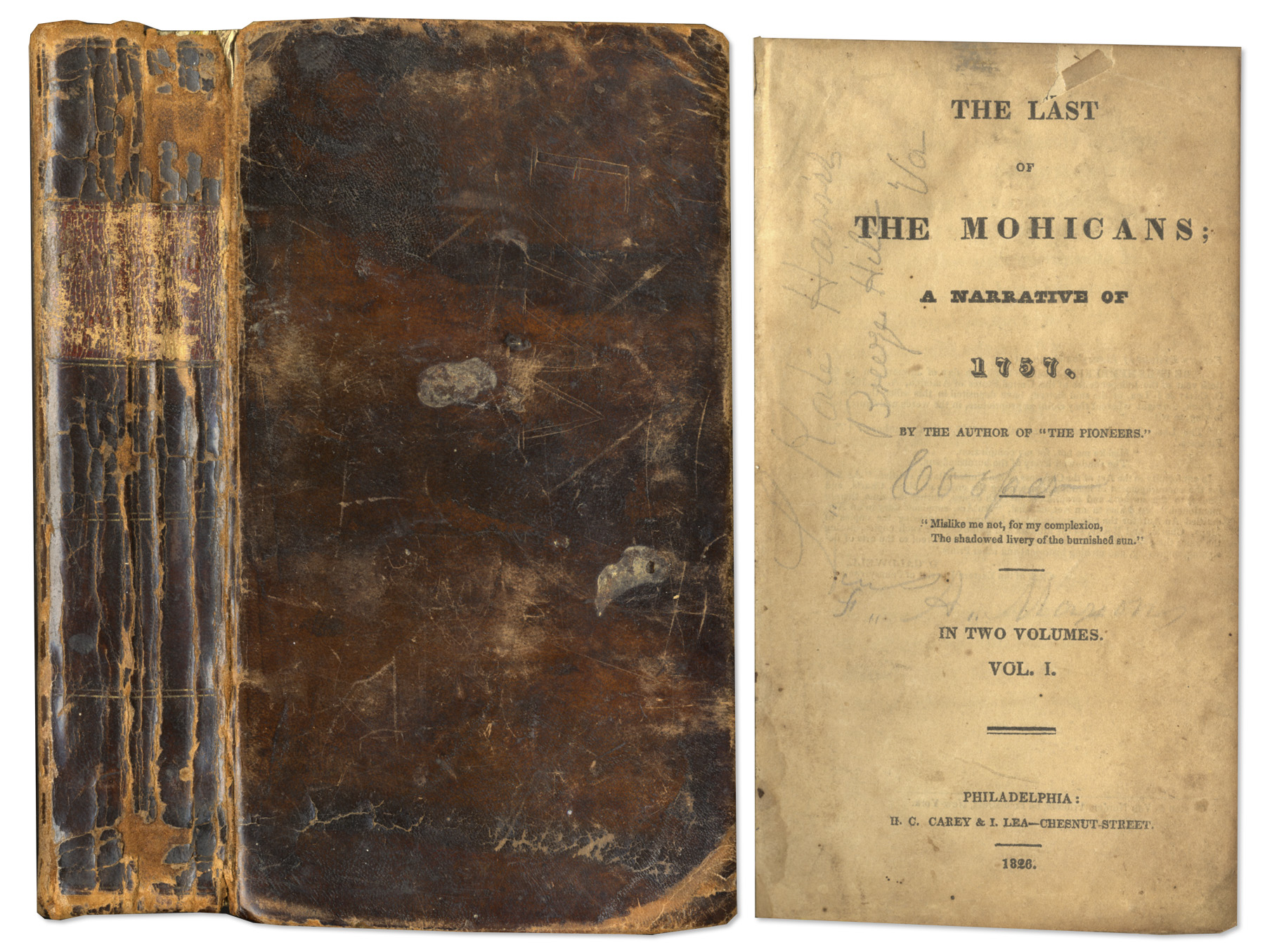
The Last of the Mohicans.

lastofmofirsted

The subtitle, A Narrative of 1757, immediately suggests a specific event of the war, the siege and fall of the British Fort William Henry in August, 1757.

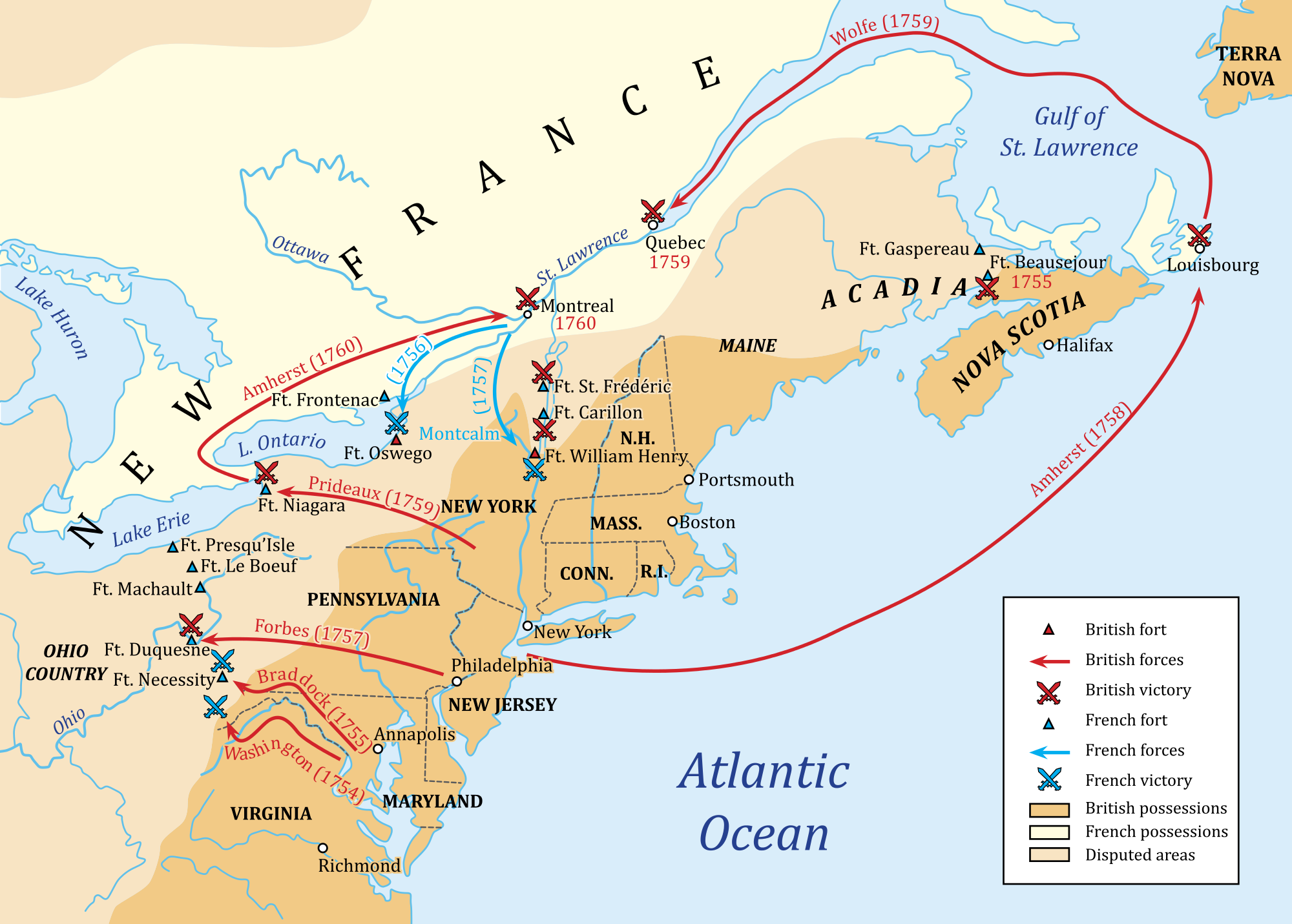
The fort had been built at the head of Lake George as a counterbalance to two French forts, Ticonderoga (called by the French, “Carillon”) and St. Frederic, on Lake Champlain, the lake to the north.

French_and_indian_war_map_svg

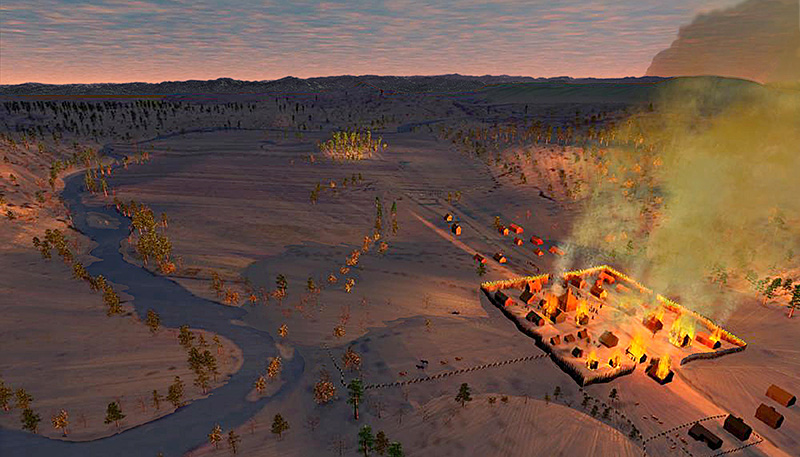
All of these forts—and more—were part of the competition between the British and French to control the northeastern part of North America. This struggle had begun in the later 17th century and had long been a proxy war in which colonial settlers and Native Americans had struggled across many miles of wilderness, raiding each other throughout the years. Here is one of the most famous raids, that of Deerfield in 1704.

deerfield1deerfield2deerfield3

In the early 1750s, the French had increased the potential tension by building a new series of forts in what is now western Pennsylvania and eastern Ohio, soon to be countered by British forts.

French_British_Forts_1753_1758

In 1755, as the war heated up, the English planned a three-pronged attack against Ft. Duquesne, Ft. Niagara, and Ft. St. Frederic (called “Crown Point” by the English).

French_and_indian_war_map_svg

duquesne

ftniagaraftstfrederic

The advance against Ft. Duquesne was defeated, that against Niagara never took off, and that on St. Frederic was blocked by a French attack on the English (actually New England colonial) army at the head of Lake George.

1-battle-of-lake-george-1755-granger

This then became the site of Ft. William Henry.

Fort-William-Henry-Museum

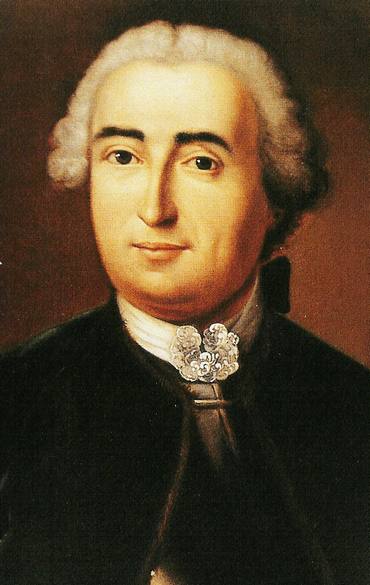
Because the European population of New France was so small in contrast to that of the English colonies—about 70,000 versus more than a million—and because the royal government in Paris had little money to spend (or chose to spend) on the colony, the first two French military commanders, the Baron Dieskau (1701-1767) and the Marquis de Montcalm (1712-1759)

montcalm

chose an aggressive strategy, aiming to keep the British as far from the center of New France as possible. Although his men were eventually driven off and he was wounded and captured, Dieskau did halt the expedition against Ft. St. Frederic. The next year, 1756, Montcalm destroyed the English forts at Oswego, on the south shore of Lake Ontario, which could have served as staging areas for attacks east and west.

Lake_Ontario_map

Then, in 1757, he mounted the attack on Ft. William Henry which forms the background story for Cooper’s novel.

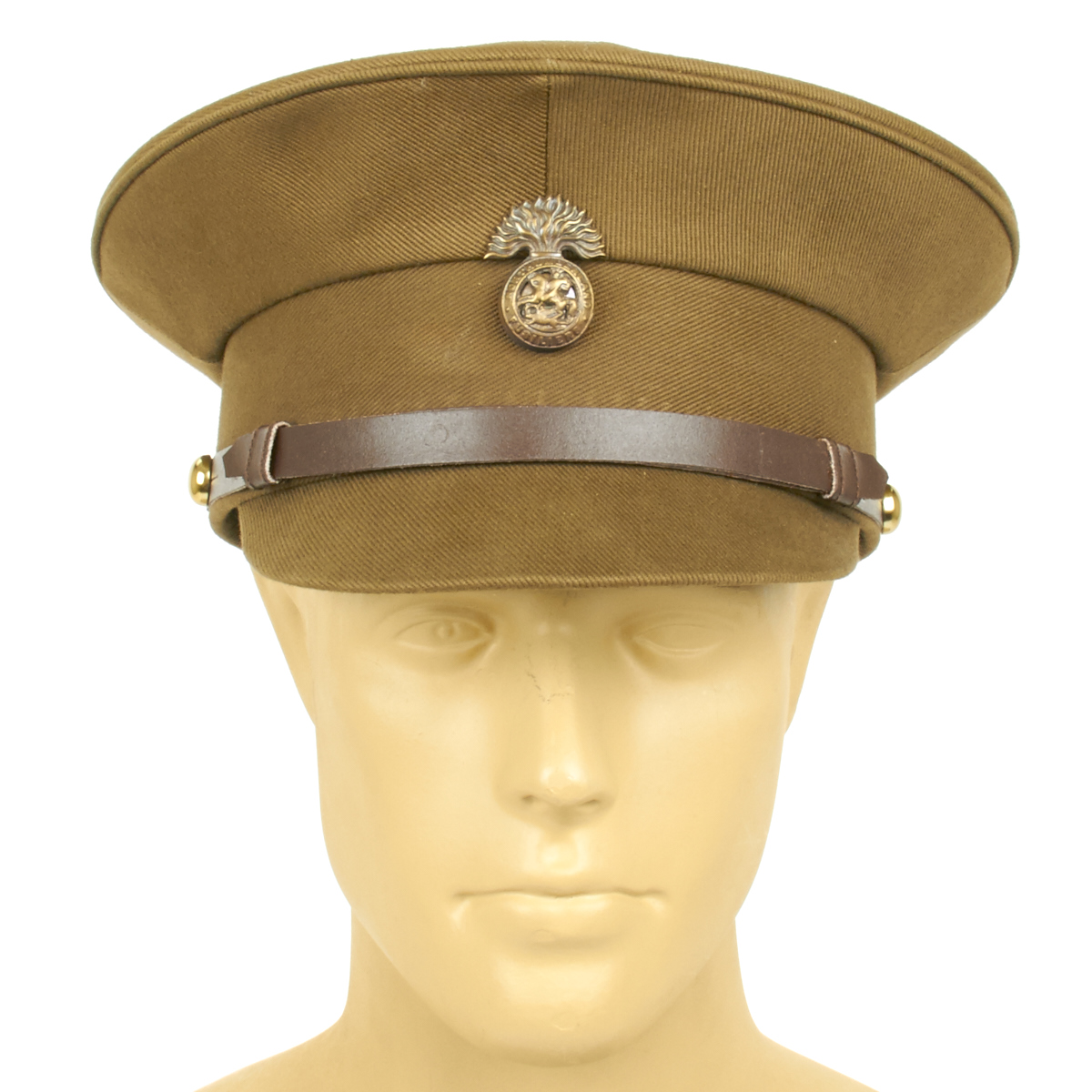
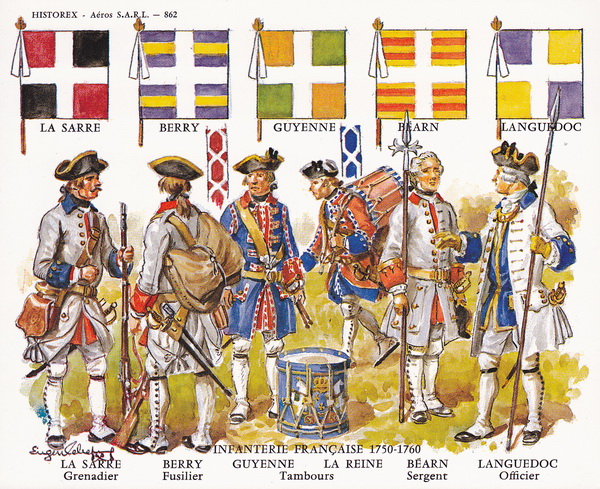
To do so, he stripped central New France of its regular troops and militia

Historex Card 862 French Infantry 1750 - 1760

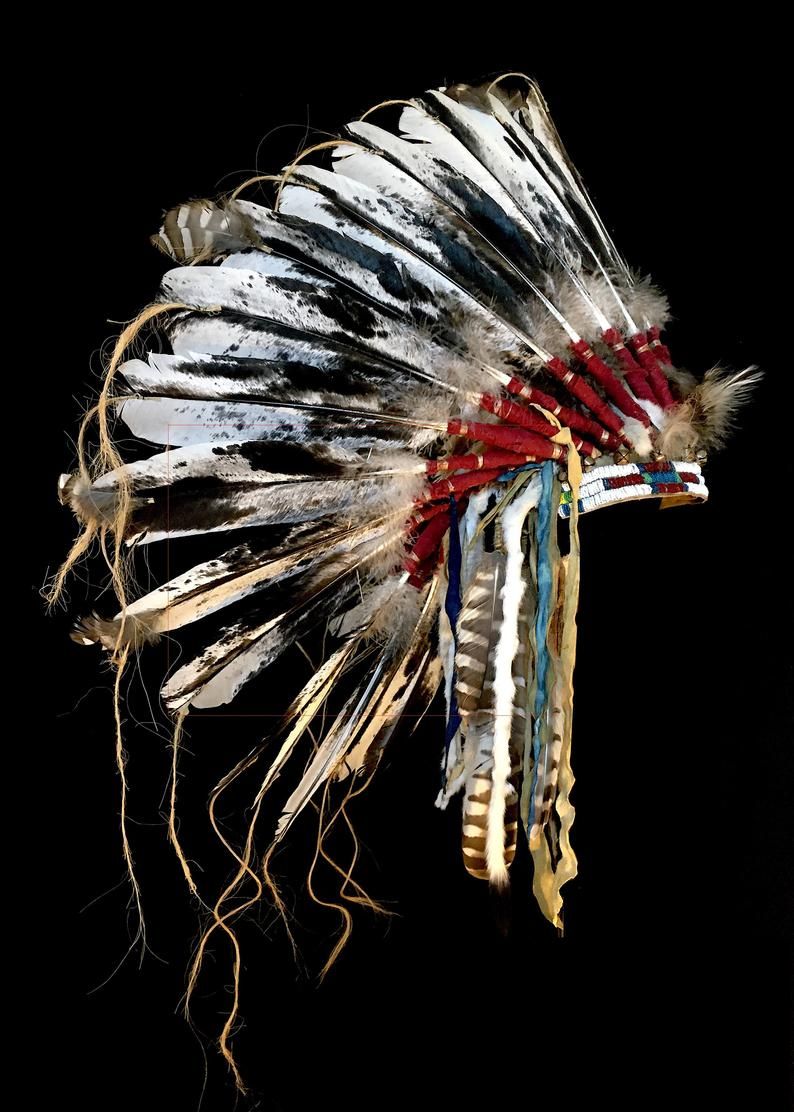
and augmented them with Native Americans, for whom he felt no sympathy.

montcalmnatams

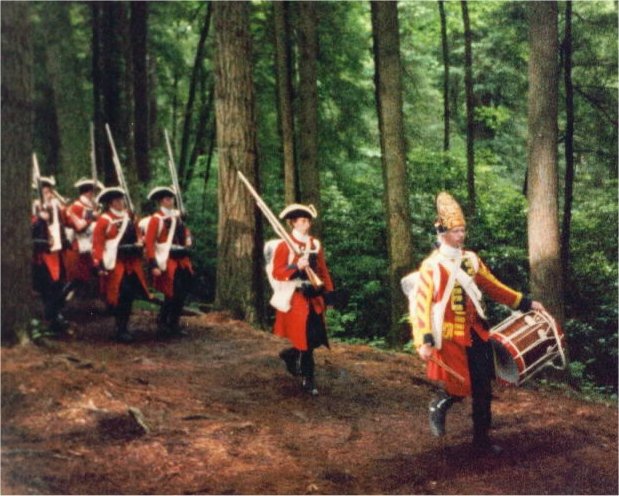
Against such a force, the English commander, Lt. Col. Munro, had a much smaller number of British regulars

brituniformsfiw

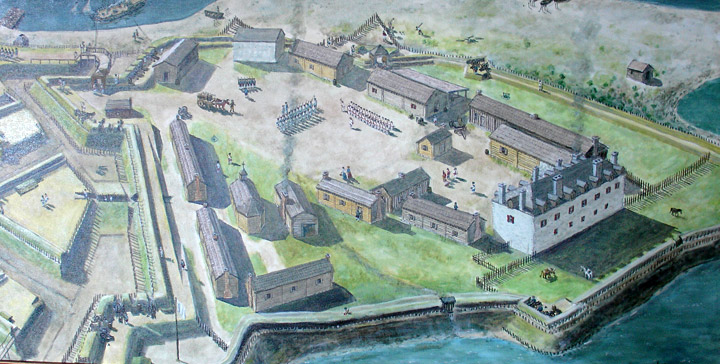
and colonial troops, based in the fort itself and in a nearby camp.

Plan_of_Fort_William_Henry_on_Lake_George

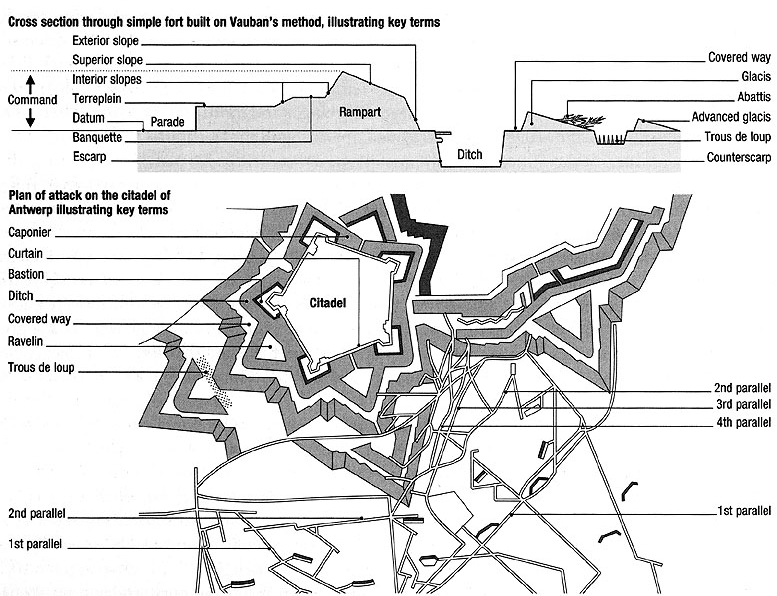
In the 18th century, besieging a town or a fort was a very formal endeavor. Forts and towns were constructed to resist attack, often having multiple walls, ditches, and outer forts, the walls being covered in earth to resist the destructive power of an enemy’s artillery.

fortress-cross-section

Before an attack, the attacker was required to send a messenger in, demanding surrender. In some cases, seeing overwhelming forces and having no promise of relief, a garrison surrendered.

surrender of detroit

To attack meant beginning with a series of trenches just outside the artillery range of the defenders, then, through zigzagging,06 Vauban's Siege Technique.pngto approach closer and closer until:

  1. the attacker’s artillery had knocked a big enough hole in the enemy’s walls that they were rapidly becoming defenseless

siege_image6

  1. there was the immediate danger of an assault

redoubt10

In the case of Ft. William Henry, there was only a dry ditch, then exposed timber walls.

Fort-William-Henry-Museum

The French summoned Munro to surrender, he refused, and the French began the siege.

frenchsiegeline

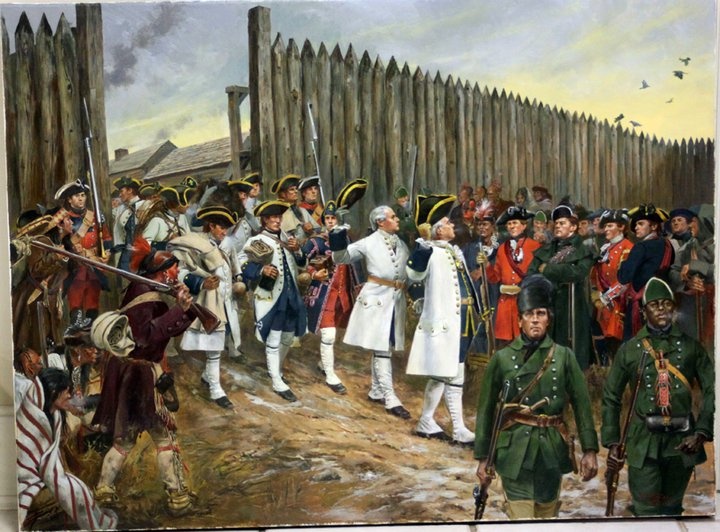
When the French guns had badly damaged the fort and there was no chance of help from General Webb, at Ft. Edward, to the south, Munro surrendered.

surrender of Ft. William Henry

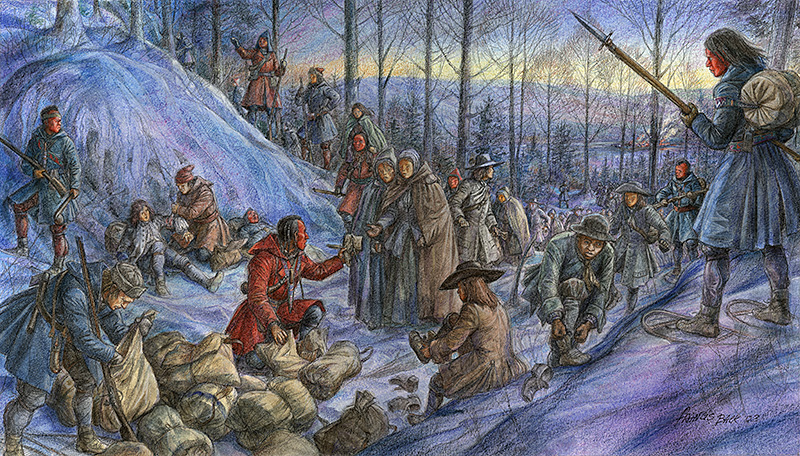
Trouble then began when Montcalm’s Native Americans felt cheated of the plunder which they had expected and, when the paroled column of soldiers began to move southward, it was attacked by them. Montcalm and some of his officers intervened, but they were unable to do more than slow the plundering and killing before some 200 fell. (There has been a great deal of argument as to numbers—it appears, for example, that others had been carried away, either to be ransomed later, adopted into tribes, or ritually murdered, as was the custom among some Native American groups. For the best modern account, see Ian Steele, Betrayals, OUP, 1990.)

01french_lg

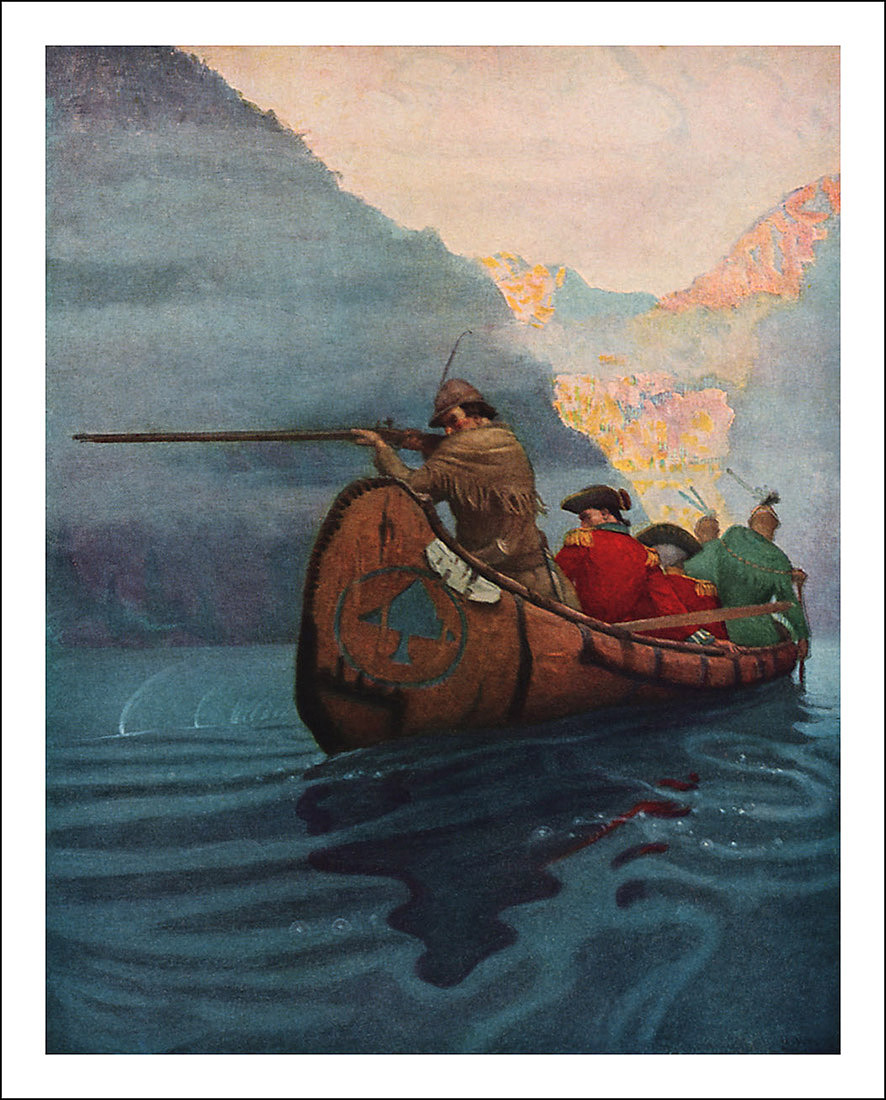
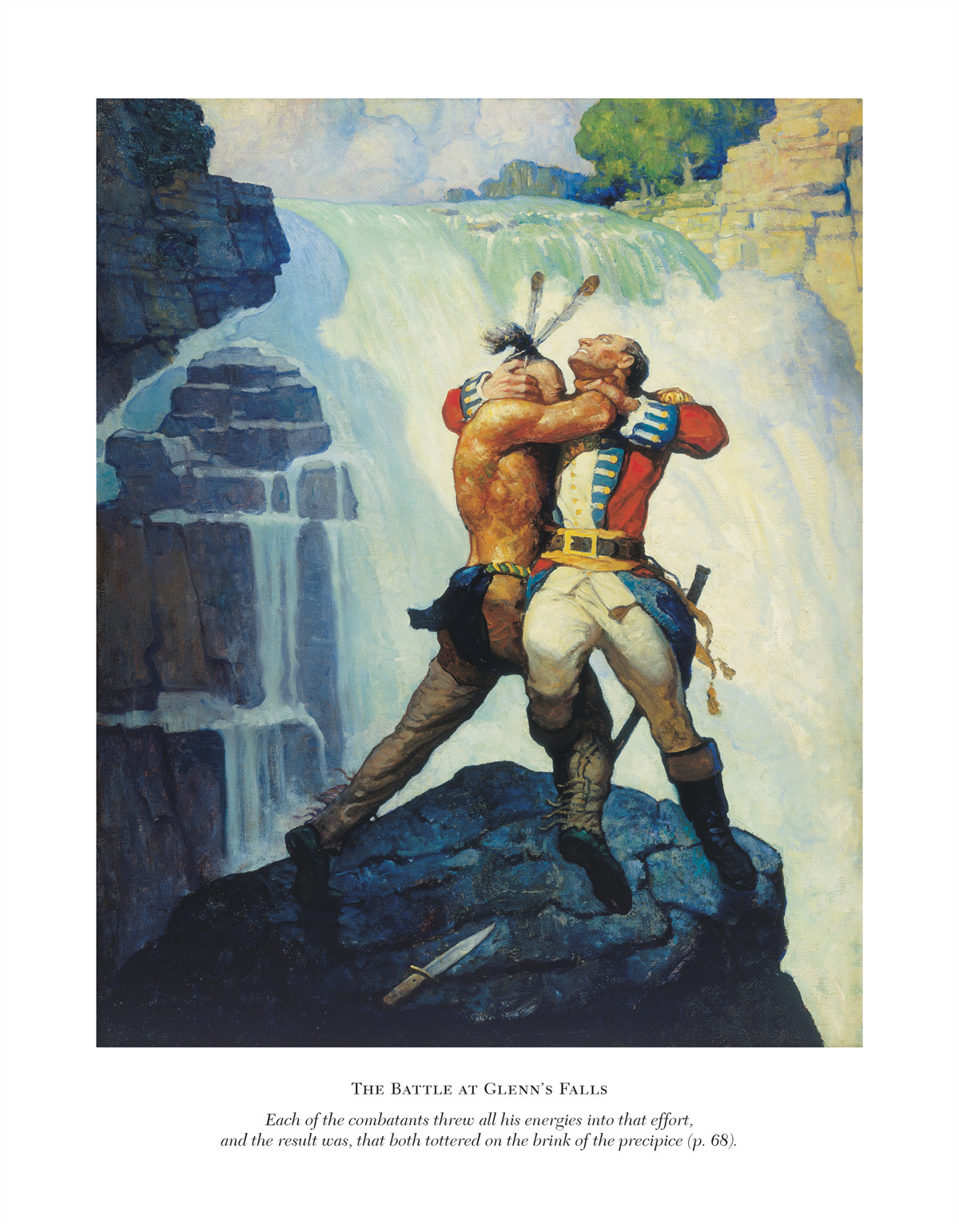
Cooper’s novel, an adventure/romance, uses the fort and siege as its center. Main characters move towards the fort, are in it at the time of the surrender, and are involved in the disaster after it. As might seem inevitable by now, our favorite edition is that illustrated by N. C. Wyeth in 1919.

51504

And here is a selection of the illustrations.

0_8f6d0_9b893fc5_orig0_8f6d2_797c6459_orig0_8f6d4_4ef48676_orig

the-last-of-the-mohicans-9781442481305.in02the-last-of-the-mohicans-9781442481305.in03titlepage

There have been numerous films made of the book, the earliest (at least US one) being a silent, dating from 1912. For us, the most colorful was the one which appeared in 1992, with Daniel Day Lewis as “Nathaniel Poe” (a slight change from the books’ Natty Bumpo). This version made many changes to the original story, including a love interest between Poe and one of Munro’s daughters, Cora, but, for us, it also had four rather spectacular scenes: the ambush of a company of redcoats in the forest by Native Americans,

ambushinforest

the French siege of Ft. William Henry,

frenchsiegeline

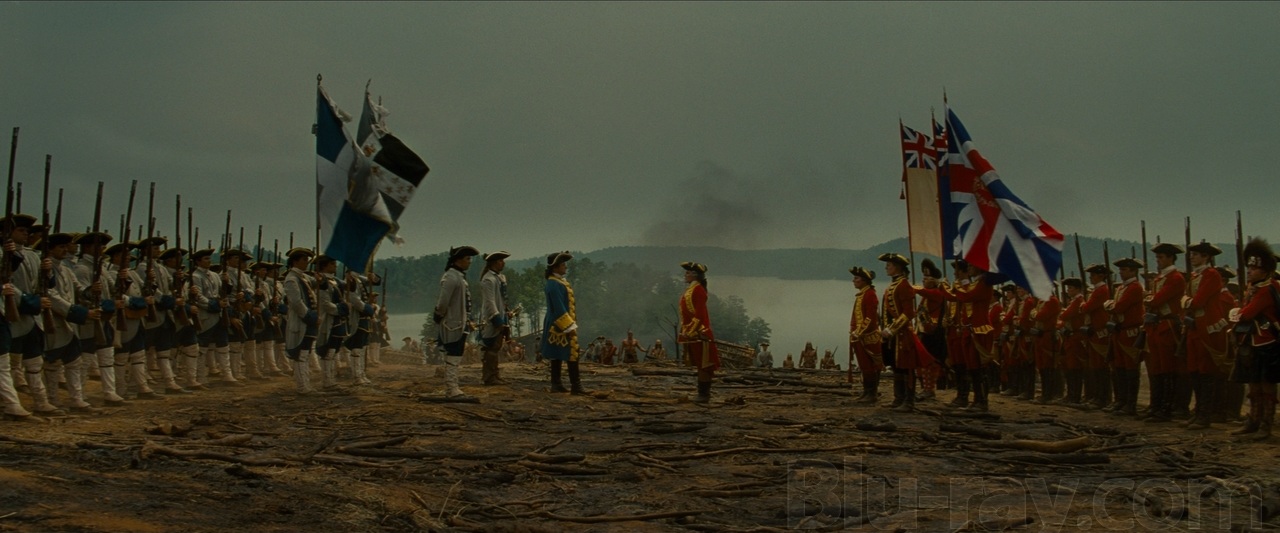
the British surrender,

surrender of Ft. William Henry

and the final “massacre”.

ambush2

And so we begin our third year of blogging with our next posting. We have, as always, lots of ideas for those postings, which we hope you will enjoy.

Thanks, as always, for reading!

MTCIDC

CD

PS

In 1895, Mark Twain published a comic critique of Cooper’s writing ticks. Entitled, “Fenimore Cooper’s Literary Offenses”, it can be read at http://twain.lib.virginia.edu/projects/rissetto/offense.html.

The Doubtful Sea Series Facebook Page

The Doubtful Sea Series Facebook Page

  • Ollamh

Categories

  • Artists and Illustrators
  • Economics in Middle-earth
  • Fairy Tales and Myths
  • Films and Music
  • Games
  • Heroes
  • Imaginary History
  • J.R.R. Tolkien
  • Language
  • Literary History
  • Maps
  • Medieval Russia
  • Military History
  • Military History of Middle-earth
  • Narnia
  • Narrative Methods
  • Poetry
  • Research
  • Star Wars
  • Terra Australis
  • The Rohirrim
  • Theatre and Performance
  • Tolkien
  • Uncategorized
  • Villains
  • Writing as Collaborators
Follow doubtfulsea on WordPress.com

Across the Doubtful Sea

Recent Postings

  • A Moon disfigured December 17, 2025
  • On the Roads Again—Once More December 10, 2025
  • (Not) Crossing Bridges December 3, 2025
  • On the Road(s) Again—Again November 26, 2025
  • On the Road(s) Again November 19, 2025
  • To Bree (Part 2) November 12, 2025
  • To Bree (Part 1) November 5, 2025
  • A Plague o’ Both—No, o’ All Your Houses! October 29, 2025
  • It’s in Writing (2:  I’st a Prologue, or a Poesie for a Ring?) October 22, 2025

Blog Statistics

  • 103,215 Views

Posting Archive

  • December 2025 (3)
  • November 2025 (4)
  • October 2025 (5)
  • September 2025 (4)
  • August 2025 (4)
  • July 2025 (5)
  • June 2025 (4)
  • May 2025 (4)
  • April 2025 (5)
  • March 2025 (4)
  • February 2025 (4)
  • January 2025 (5)
  • December 2024 (4)
  • November 2024 (4)
  • October 2024 (5)
  • September 2024 (4)
  • August 2024 (4)
  • July 2024 (5)
  • June 2024 (4)
  • May 2024 (5)
  • April 2024 (4)
  • March 2024 (4)
  • February 2024 (4)
  • January 2024 (5)
  • December 2023 (4)
  • November 2023 (5)
  • October 2023 (4)
  • September 2023 (4)
  • August 2023 (5)
  • July 2023 (4)
  • June 2023 (4)
  • May 2023 (5)
  • April 2023 (4)
  • March 2023 (5)
  • February 2023 (4)
  • January 2023 (4)
  • December 2022 (4)
  • November 2022 (5)
  • October 2022 (4)
  • September 2022 (4)
  • August 2022 (5)
  • July 2022 (4)
  • June 2022 (5)
  • May 2022 (4)
  • April 2022 (4)
  • March 2022 (5)
  • February 2022 (4)
  • January 2022 (4)
  • December 2021 (5)
  • November 2021 (4)
  • October 2021 (4)
  • September 2021 (5)
  • August 2021 (4)
  • July 2021 (4)
  • June 2021 (5)
  • May 2021 (4)
  • April 2021 (4)
  • March 2021 (5)
  • February 2021 (4)
  • January 2021 (4)
  • December 2020 (5)
  • November 2020 (4)
  • October 2020 (4)
  • September 2020 (5)
  • August 2020 (4)
  • July 2020 (5)
  • June 2020 (4)
  • May 2020 (4)
  • April 2020 (5)
  • March 2020 (4)
  • February 2020 (4)
  • January 2020 (6)
  • December 2019 (4)
  • November 2019 (4)
  • October 2019 (5)
  • September 2019 (4)
  • August 2019 (4)
  • July 2019 (5)
  • June 2019 (4)
  • May 2019 (5)
  • April 2019 (4)
  • March 2019 (4)
  • February 2019 (4)
  • January 2019 (5)
  • December 2018 (4)
  • November 2018 (4)
  • October 2018 (5)
  • September 2018 (4)
  • August 2018 (5)
  • July 2018 (4)
  • June 2018 (4)
  • May 2018 (5)
  • April 2018 (4)
  • March 2018 (4)
  • February 2018 (4)
  • January 2018 (5)
  • December 2017 (4)
  • November 2017 (4)
  • October 2017 (4)
  • September 2017 (4)
  • August 2017 (5)
  • July 2017 (4)
  • June 2017 (4)
  • May 2017 (5)
  • April 2017 (4)
  • March 2017 (5)
  • February 2017 (4)
  • January 2017 (4)
  • December 2016 (4)
  • November 2016 (5)
  • October 2016 (6)
  • September 2016 (5)
  • August 2016 (5)
  • July 2016 (5)
  • June 2016 (5)
  • May 2016 (4)
  • April 2016 (4)
  • March 2016 (5)
  • February 2016 (4)
  • January 2016 (4)
  • December 2015 (5)
  • November 2015 (5)
  • October 2015 (4)
  • September 2015 (5)
  • August 2015 (4)
  • July 2015 (5)
  • June 2015 (5)
  • May 2015 (4)
  • April 2015 (3)
  • March 2015 (4)
  • February 2015 (4)
  • January 2015 (4)
  • December 2014 (5)
  • November 2014 (4)
  • October 2014 (6)
  • September 2014 (1)

Blog at WordPress.com.

  • Subscribe Subscribed
    • doubtfulsea
    • Join 78 other subscribers
    • Already have a WordPress.com account? Log in now.
    • doubtfulsea
    • Subscribe Subscribed
    • Sign up
    • Log in
    • Report this content
    • View site in Reader
    • Manage subscriptions
    • Collapse this bar
 

Loading Comments...