• About

doubtfulsea

~ adventure fantasy

Tag Archives: Le Cateau

Bard

09 Wednesday Jul 2025

Posted by Ollamh in Uncategorized

≈ Leave a comment

Tags

Agincourt, anti-aircraft gun, Archery, Arthur Machen, Bard, Bilbo, black arrow, Crecy, Dwarves, Fafnir, Fantasy, Howard Pyle, James Fenimore Cooper, Le Cateau, NC Wyeth, Poitiers, Robert Louis Stevenson, Robin Hood, Sigurd, Smaug, The Bowmen, The Hobbit, Tolkien

Welcome, as ever, dear readers,

When Bilbo and the dwarves

(the Hildebrandts)

set out on their quest, they’re aware that, at its end, they must face the reason the dwarves’ forebears died or fled Erebor, the “Lonely Mountain”.

(JRRT)

And yet they go, suggesting an almost foolhardy shrug of an attitude, particularly as Gandalf has suggested that they need someone right out of myth to help them:

“ ‘That would be no good…not without a mighty Warrior, even a Hero.’ “

But:

“ ‘I tried to find one; but warriors are busy fighting one another in distant lands, and in this neighbourhood heroes are scarce, or simply not to be found.’ “ (The Hobbit, Chapter 1, “An Unexpected Party”) 

Everything about this trip already seems haphazard, having no map of their destination, till Gandalf furnishes them with one,
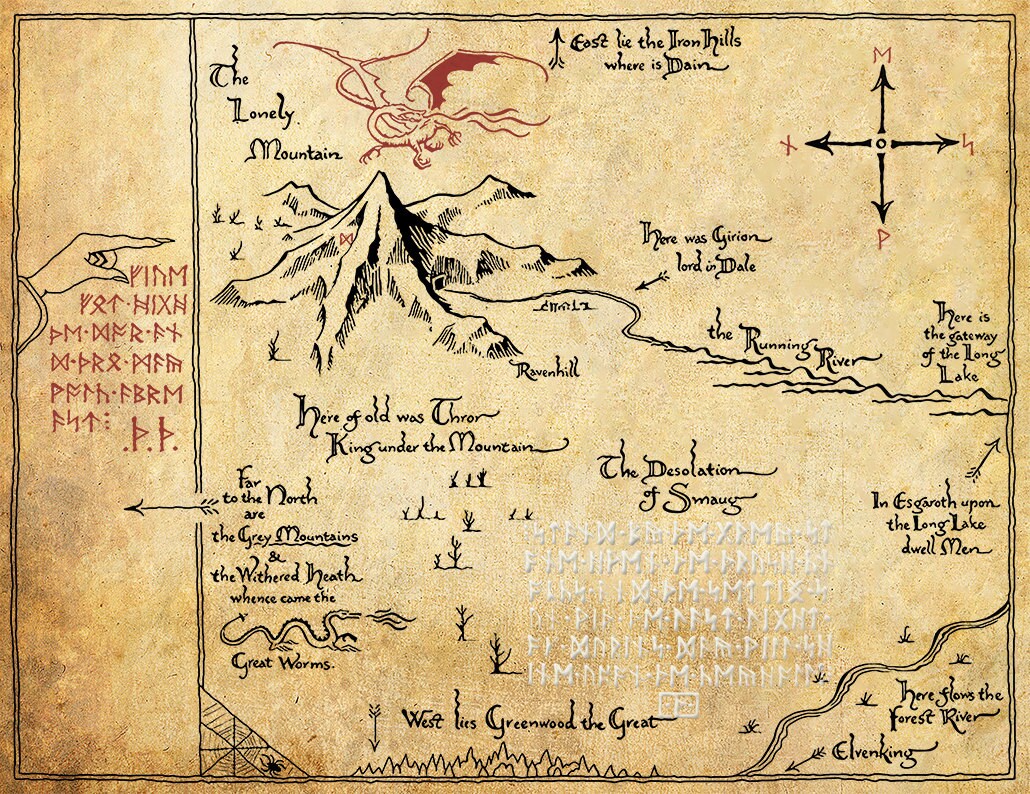
(JRRT)

and even then they have no idea of another, secret entrance until Elrond spots the inscription which describes it—and how to open it.  Clearly, then, this is a case of “we’ll cross that bridge when we come to it.”

Uh oh.

There’s also no clue in the text as to who or what may destroy the destroyer—until Bilbo, flattering Smaug, spots that fatal weak point:

“ ‘I’ve always understood…that dragons were softer underneath, especially in the region of the—er—chest…’ “

The dragon stopped short in his boasting.  ‘Your information is antiquated,’ he snapped.  ‘I am armoured above and below with iron scales and hard gems.  No blade can pierce me.’ “

There’s a clue here, if not for Bilbo, for readers who are aware of something in Tolkien’s own past reading: 

“Then Sigurd went down into that deep place, and dug many pits

in it, and in one of the pits he lay hidden with his sword drawn.

There he waited, and presently the earth began to shake with the

weight of the Dragon as he crawled to the water. And a cloud of

venom flew before him as he snorted and roared, so that it would

have been death to stand before him.

But Sigurd waited till half of him had crawled over the pit, and

then he thrust the sword Gram right into his very heart.”  (Andrew Lang, ed., The Red Fairy Book, 1890, “The Story of Sigurd”, page 360)

And Bilbo persists, goading Smaug to turn over, where Bilbo sees—and says:

“ ‘Old fool!  Why, there is a large patch in the hollow of his left breast as bare as a snail out of its shell!’ “ (The Hobbit, Chapter 12, “Inside Information”)

Still, although we might have a target now, who will make use of it and how and with what?  Sigurd is just what Gandalf says is not locally available, a Hero, and it’s clear that neither Bilbo nor the dwarves are capable of taking on that role.

And here we can bring in another clue from Tolkien’s past.

In “On Fairy-Stories”, he writes:

“I had very little desire to look for buried treasure or to fight pirates, and Treasure Island left me cool.  Red Indians were better:  there were bows and arrows (I had and have a wholly unsatisfied desire to shoot well with a bow)…”  (“On Fairy Stories”, 134)

This suggests that Tolkien may have been exposed to the works of James Fenimore Cooper, 1789-1851, who, beginning with The Pioneers, 1823, wrote a series of novels set on the 18th-century western Frontier (much of it what is now central and eastern New York State), called the “Leatherstocking Tales”,

the best known, even now, being The Last of the Mohegans, 1826. 
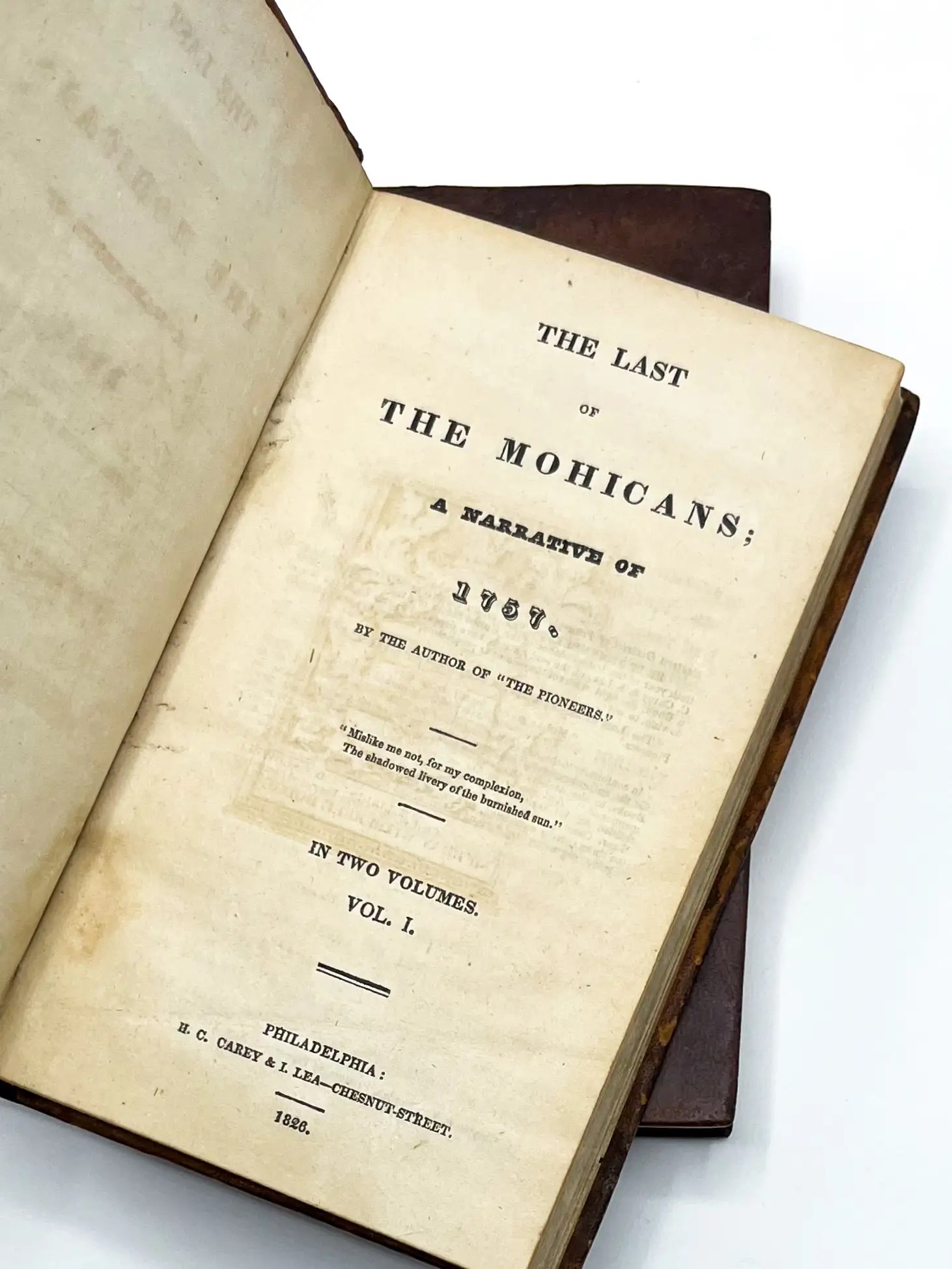
These books were filled with battles between the British and French, with Native Americans on both sides and I wonder if it’s from the adventures depicted there that JRRT was inspired with his passion for bows and arrows?

(artist?  A handsome depiction and I wish I could identify the painter.)

Another clue might lie in British history.  During the medieval struggle for English control of France, the so-called “Hundred Years War” (1337-1453), the English enjoyed three great victories, at Crecy (1346), Poitiers (1356), and Agincourt (1415), where companies of English longbowmen shot their French opponents to pieces.

(Angus McBride)

Tolkien would have read about this as a schoolboy, but, in an odd way, he might have had his knowledge of these long-ago events refreshed in 1914.

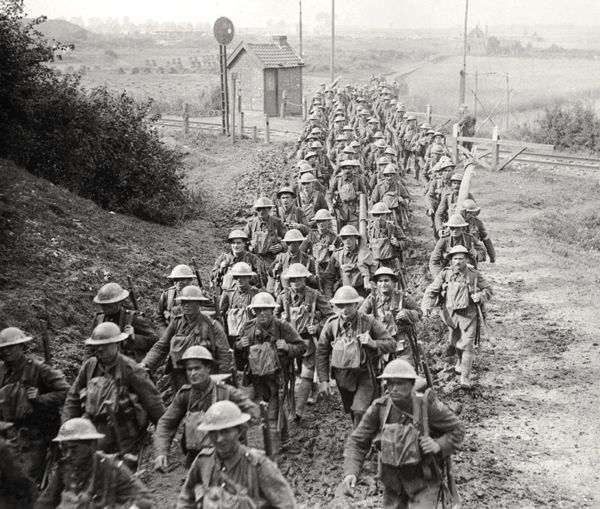
Outnumbered and in danger of being outflanked by massive German columns, the small BEF (British Expeditionary Force), in the early fall of 1914, retreated, one unit (2nd Corps) fighting a desperate battle to slow the Germans at Le Cateau.
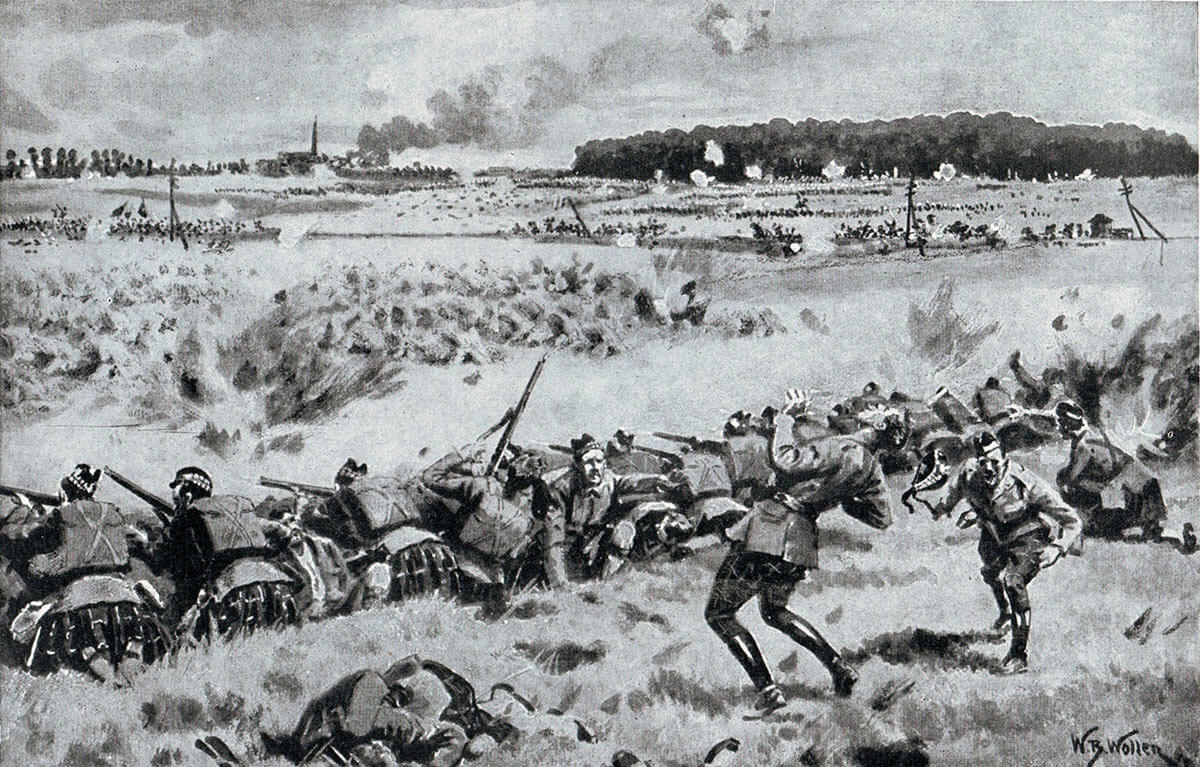
The British managed to fend off the enveloping Germans and, considering the odds against them, some might have believed their escape miraculous. 

Enter the fantasist Arthur Machen, 1863-1947. 

In the September 29th,  1914,  issue of The Evening News, Machen published a short story which he entitled “The Bowmen”.  This was a supposed first-hand account of a British soldier who had seen a line of ghostly British longbowmen shooting down German pursuers, just as they had shot down the French, centuries before.
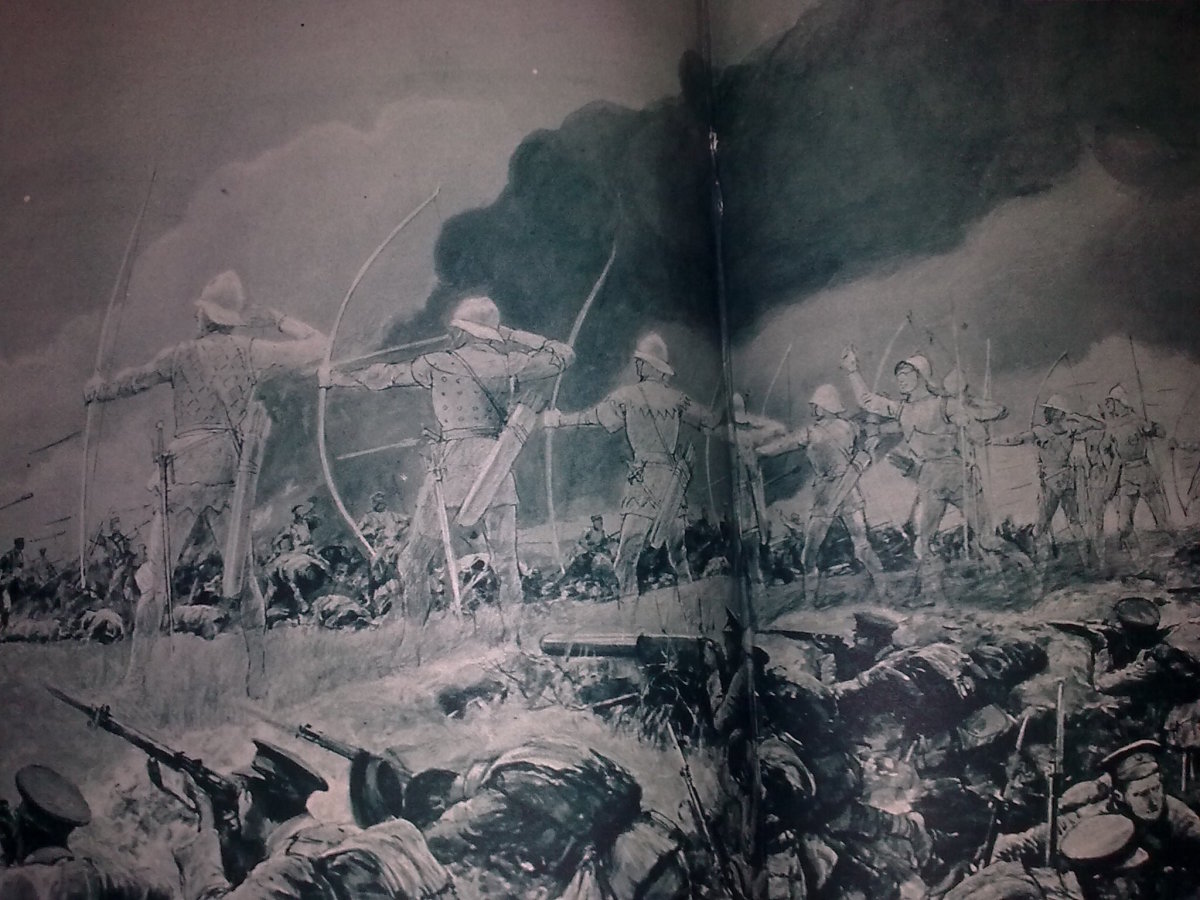
Machen subsequently republished it with other stories in 1915—

but was astonished when his fiction was believed to have been true, and widely circulated as such. We don’t have any evidence that JRRT actually read this story, but it was extremely widespread at the time and, once more, we see men with bows. (For more on this, see:  https://en.wikipedia.org/wiki/Angels_of_Mons And you can read the stories in Machen’s volume here:  https://en.wikipedia.org/wiki/Angels_of_Mons )

I think we can add to this the legends of Robin Hood, which could appear in any number of sources—our first known reference being in William Langland’s (c.1330-c.1386) late 14th-century Piers Plowman, where Sloth—a priest deserving of his name, doesn’t seem to have any religious knowledge, but says,

“Ich can rymes of Robyn Hode” (that is, “I know rhymes/songs about Robin Hood”—see the citation at:  https://robinhoodlegend.com/piers-plowman/ at the impressively rich Robin Hood site:  https://robinhoodlegend.com/ )

Then there is the collection of poems/songs from about 1500, A Gest of Robyn Hode,

which JRRT might have encountered in F.J. Child’s (1825-1896) The English and Scottish Popular Ballads, 1882-1898,

where it appears as #117.  (If you don’t know the so-called “Child Ballads”, here’s a beginning:  https://en.wikipedia.org/wiki/Child_Ballads  And, for a massive one-volume edition:  https://archive.org/details/englishscottishp1904chil/page/n11/mode/2up The texts are interesting in themselves, but, for me, they’re even better as songs.  To hear one, you might try one of my favorite folk singers, Ewan McColl’s version of “The Dowie Dens o’ Yarrow here:  https://www.youtube.com/watch?v=Vfsv8zUdqKM&list=RDVfsv8zUdqKM&start_radio=1 For more on Yarrow, see “Yarrow”, 10 April, 2024.

For lots more on Robin Hood, see:  https://en.wikipedia.org/wiki/Robin_Hood )

In more recent times, perhaps Tolkien had seen Howard Pyle’s (1853-1911) The Merry Adventures of Robin Hood, 1883,

 or Paul Creswick’s (1866-1947) 1917 Robin Hood,

with its wonderful illustrations by N.C.Wyeth (1882-1945).
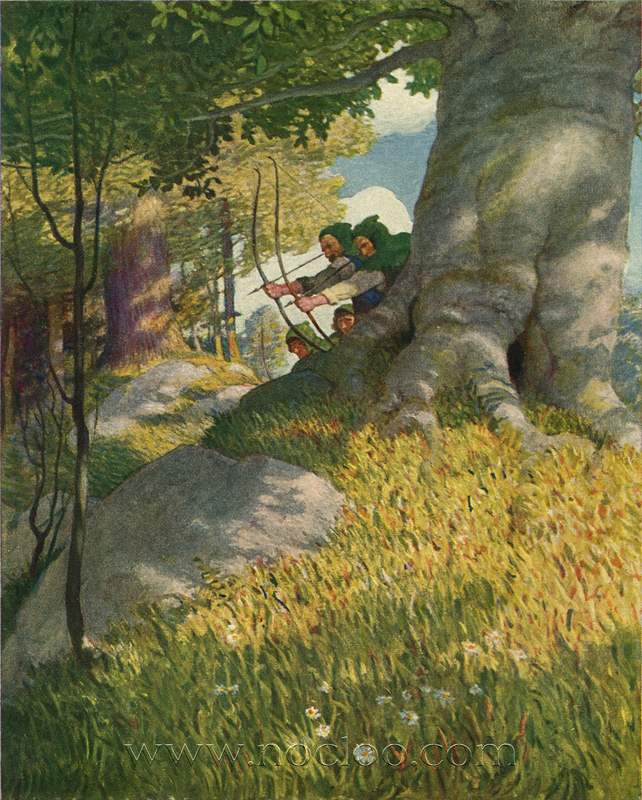
(If the Tolkien journal Amon Hen, is available to you–but, alas, not to me–you might also have a look at Alex Voglino’s “Middle-earth and the Legend of Robin Hood” in issue 284.)

And, although Tolkien may not have liked Treasure Island, we might add to this possible influence Robert Louis Stevenson’s (1850-1894) The Black Arrow (serialized 1883, published as a book in 1888).

An adventure story set during the Wars of the Roses, you can read it here:  https://archive.org/details/blackarrowatale02stevgoog/page/n1/mode/2up

Although there are more possibilities (Tolkien might have read Sir Walter Scott’s (1771-1832) Ivanhoe, 1819, where Robin Hood makes an appearance, for instance—and here’s the book:  https://archive.org/details/ivanhoe-sir-walter-scott/page/n7/mode/2up )

that title suggests something else:

“ ‘Arrow!’ said the bowman.  ‘Black arrow!  I have saved you to the last.  You have never failed me and always I have recovered you.  I had you from my father and he from of old.  If ever you came from the forges of the true king under the Mountain, go now and speed well!’ “ (The Hobbit, Chapter 14, “Fire and Water”)

(Michael Hague, one of my favorite Hobbit illustrators)

So, we’re about to see that the Hero to kill Smaug is a Lake-town local, Bard, and his weapon of choice is Tolkien’s special favorite, the bow.  But how to attack?

We first see Smaug on the ground, lying on his hoard.

(JRRT)

Angered at Bilbo’s teasing, he gets up long enough to attempt to flame him, but his real method of destruction is to take to the air.

(Ted Nasmith)

Fafnir was never airborne, dragging himself along the ground.  Sigurd solved the problem of his scaly protection by digging a pit and attacking him from below with his sword.  It makes good sense, then, with all of the possible bowman influences upon him, that Tolkien would imagine that the way to deal with a flying dragon would be an arrow from below.
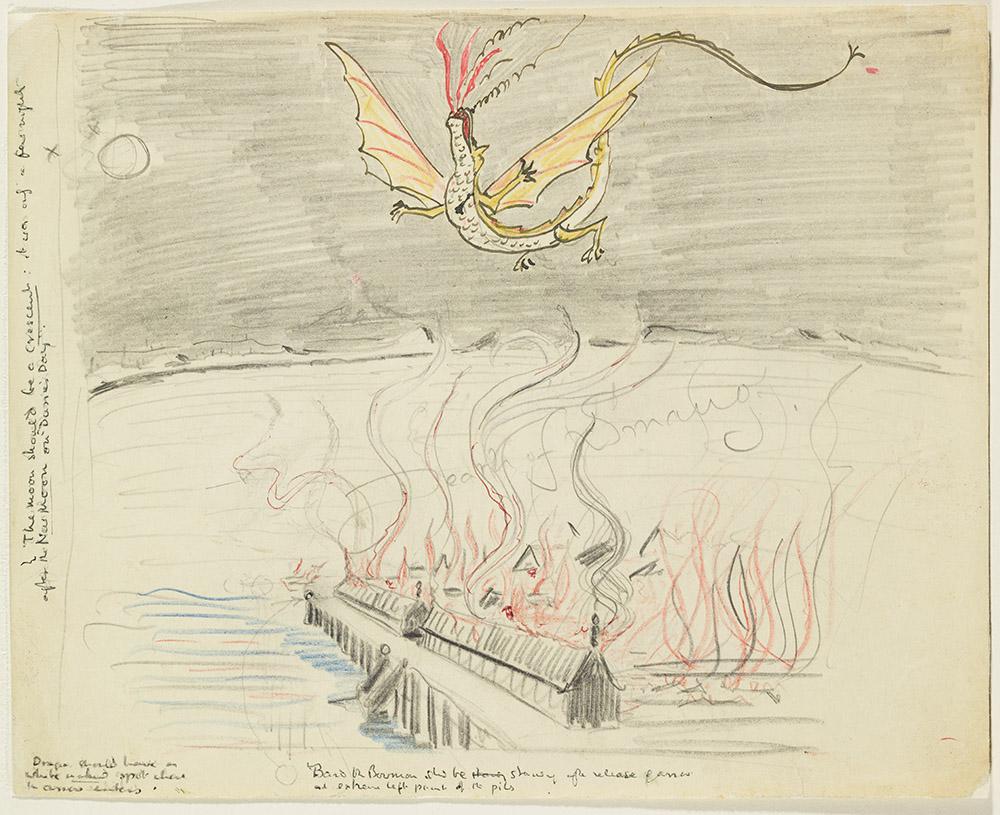
(JRRT)

To which we might add one more potential influence from JRRT’s own experience. 

In 1914, there were few military aircraft and their main task was reconnaissance.

By 1918, there were many different models, with different tasks, including heavy bombers.

To protect their troops on the ground, all of the warring nations developed the first artillery defenses:  anti-aircraft guns, designed to shoot down threats from above. 
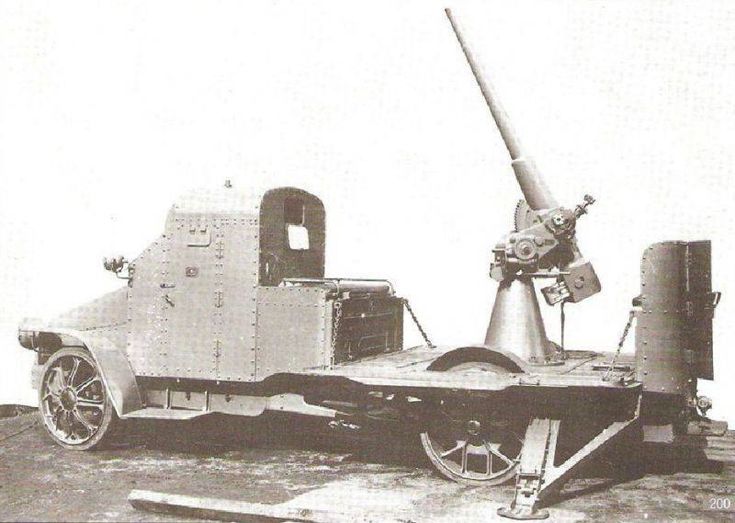
JRRT would certainly have seen such guns and possibly even in action, attempting to knock flying danger out of the sky.

Some of those guns were rapid-firing, spraying the air with metal, hoping to guarantee the success of their defense.  Bard, in turn, has his black arrow—and not just any black arrow, but one seemingly created perfectly for revenge:  “  ‘I had you from my father and he from of old.  If ever you came from the forges of the true king under the Mountain, go now and speed well.’ “

That is, this is an arrow created by the dwarves, whom Smaug had driven out or killed—or eaten—and it’s also an heirloom from the days before Smaug destroyed Dale:  what better weapon to deal vengeance to the wicked creature who had ruined so much?  To take out such a flying danger, but with a glaring vulnerability below, what means of propulsion, especially one known to have defeated whole medieval armies?  And, as the seemingly last descendant of the last lord of Dale, Girion, who better to take that revenge? 

As ever, thanks for reading.

Stay well,

Always monitor the skies—who knows what’s watching from above?

And remember that, as always, there’s

MTCIDC

O

PS

For more on birds, Bard, and Smaug, see “Why a Dragon?” 28 May, 2025.

PPS

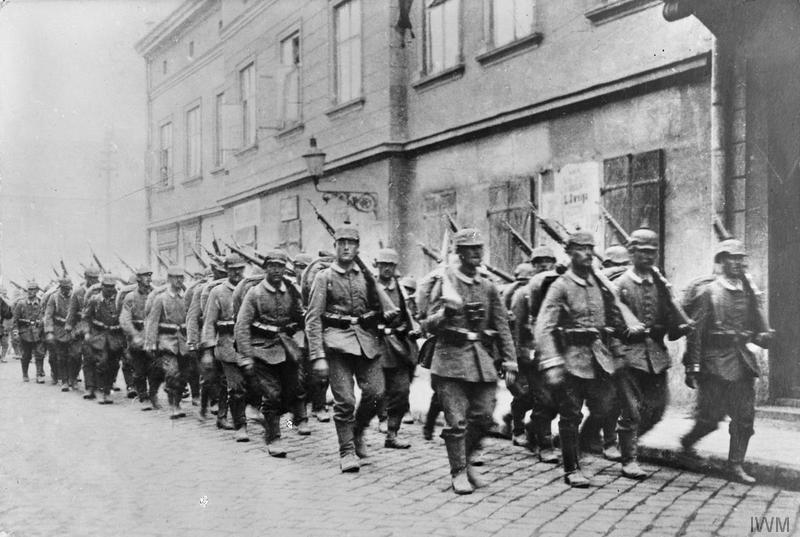
While looking for just the right Smaug images, I came upon this, entitled, “Dante aka Smaug on his hoard” and couldn’t resist.

Orc Logistics

10 Wednesday Jul 2019

Posted by Ollamh in Economics in Middle-earth, J.R.R. Tolkien, Military History, Military History of Middle-earth

≈ 1 Comment

Tags

American Civil War, BEF, Belgium, British Expeditionary Force, food and ammunition, French Army, German Army, Great War, guerilla, Helm's Deep, Horace Smith-Dorrien, Le Cateau, Marius, Marius' mules, Minas Tirith, Mons, Orcs, Paris, Romans, Schlieffen, Schlieffen Plan, The Lord of the Rings, Tolkien, Wagons, World War I

Welcome, as always, dear readers.

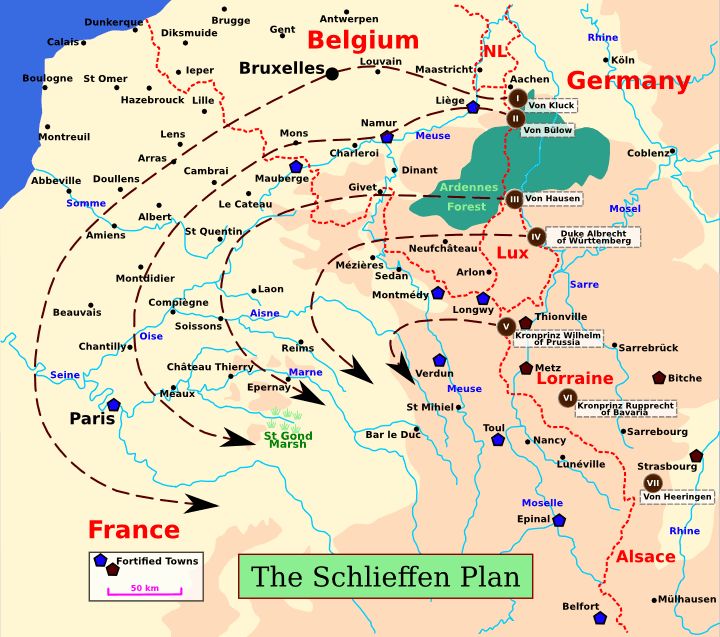
In August, 1914, as the German army was pushing through Belgium

image1germanarmy.jpg

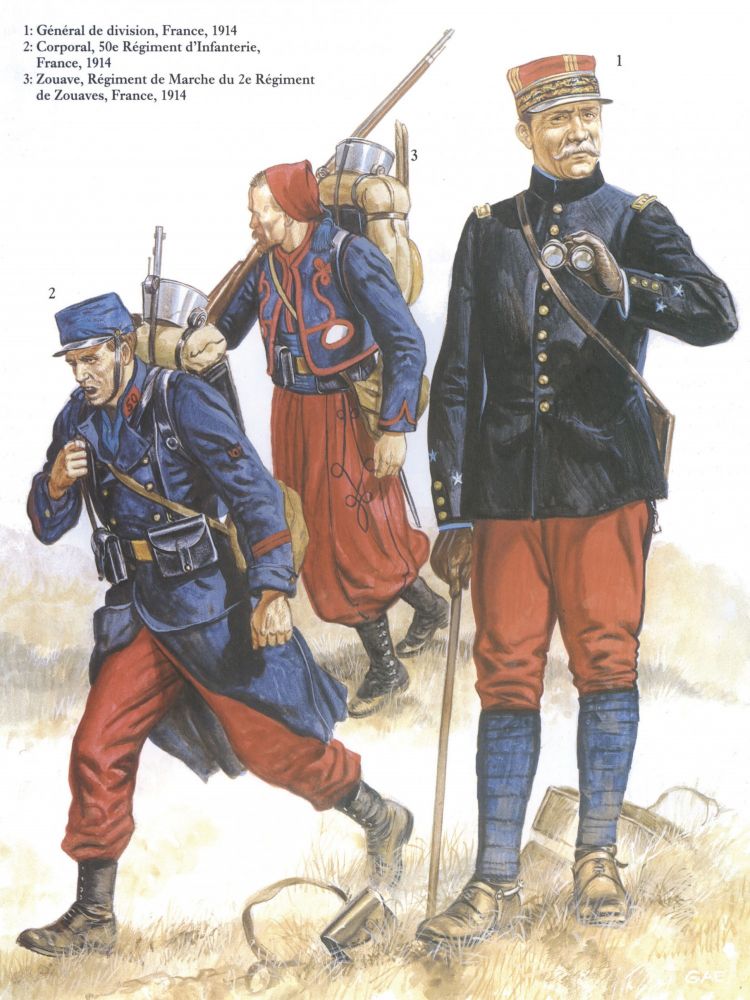
in its attempt to sweep to the west of Paris and drive the French armies

image2french.jpg

eastwards towards the Germans waiting for them there (the so-called Schlieffen Plan),

image3schlieffen.jpg

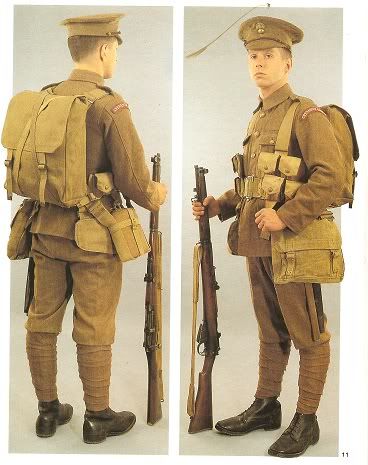
they were met by the small (70,000 man) BEF, British Expeditionary Force,

image4tommy.jpg

a few miles north of the Franco-Belgian border, near the town of Mons, where the British fought a delaying action.

image5mons.jpg

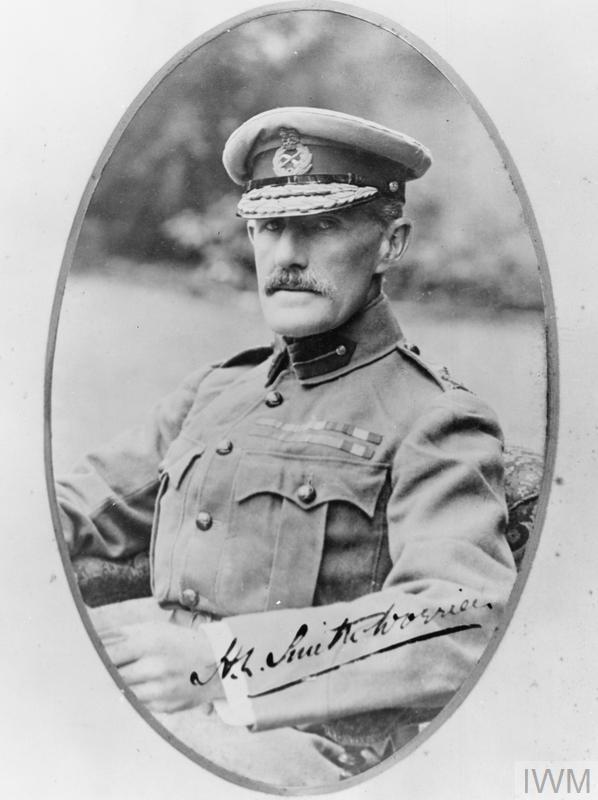
The Germans were in such strength that the British were forced to pull back, retreating southward with the Germans pursuing so closely that the commander of one half of the British army (2nd Corps), Horace Smith-Dorrien,

image6hsd.jpg

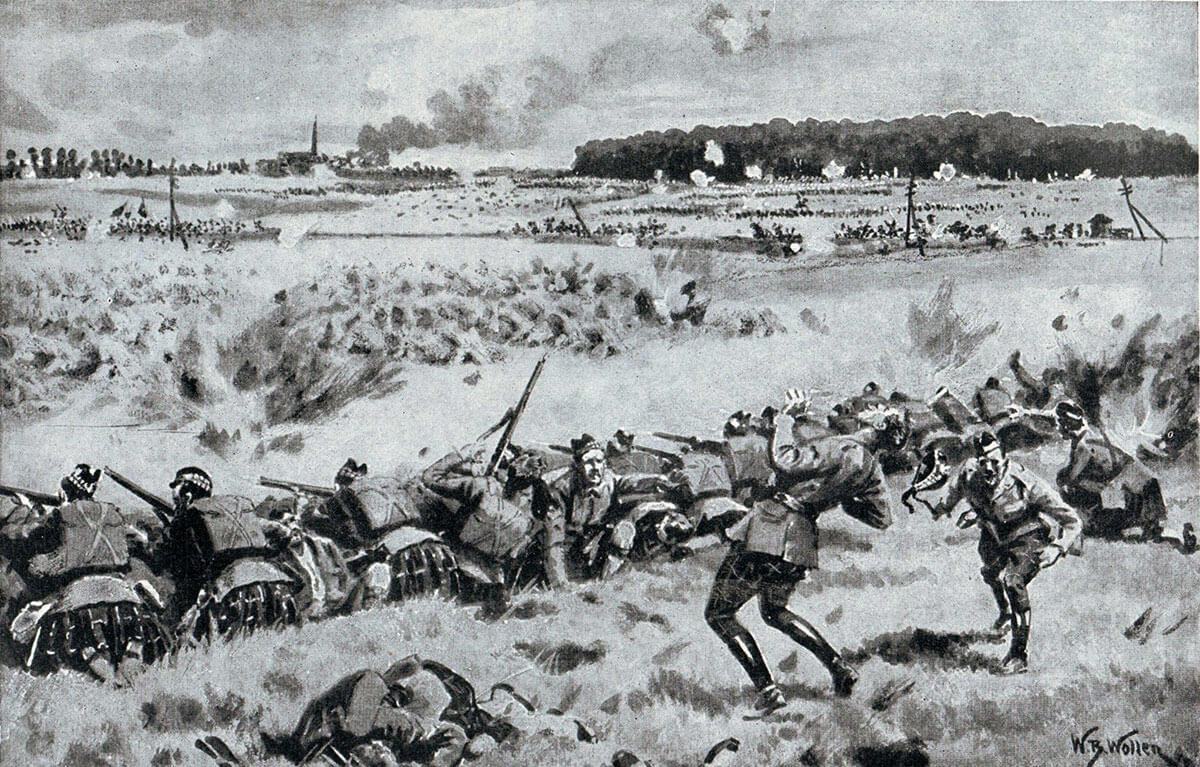
decided that it was necessary to fight a second delaying action, at Le Cateau.

image7lecateau.jpg

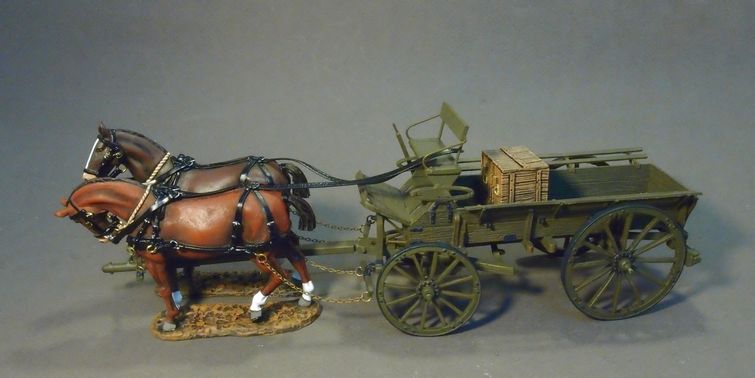
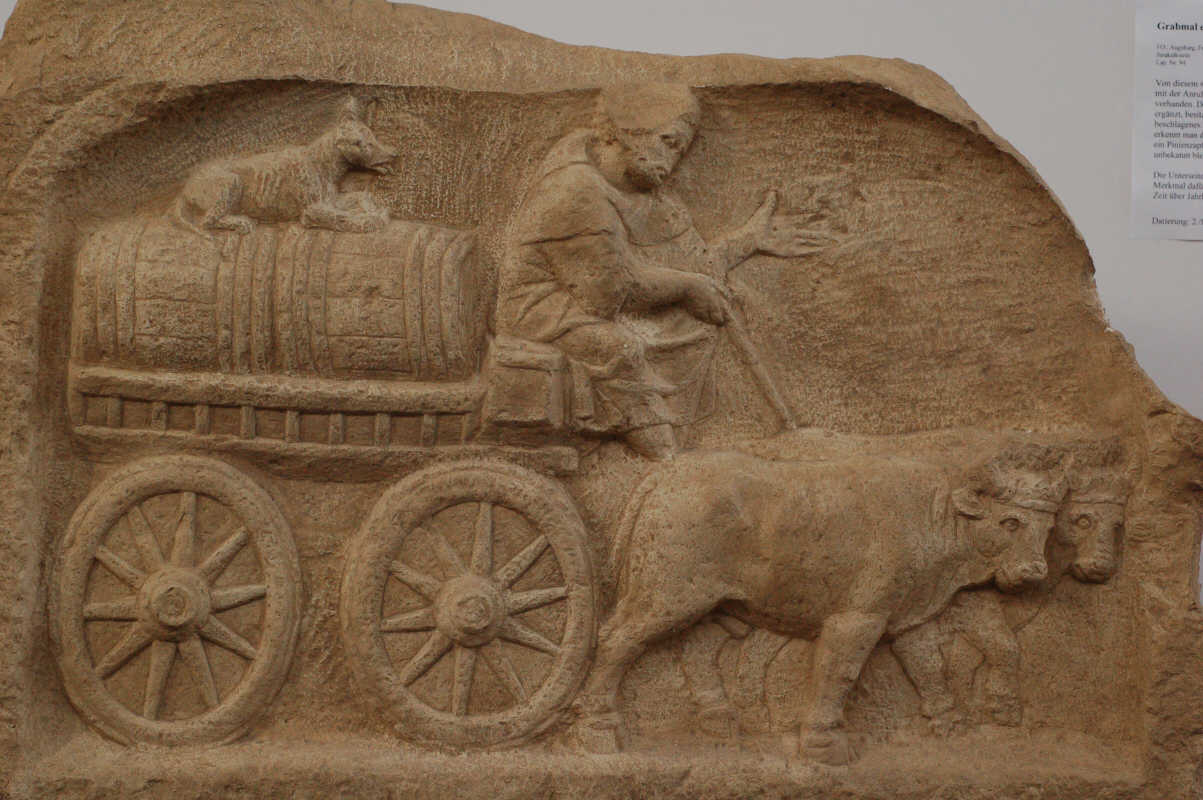
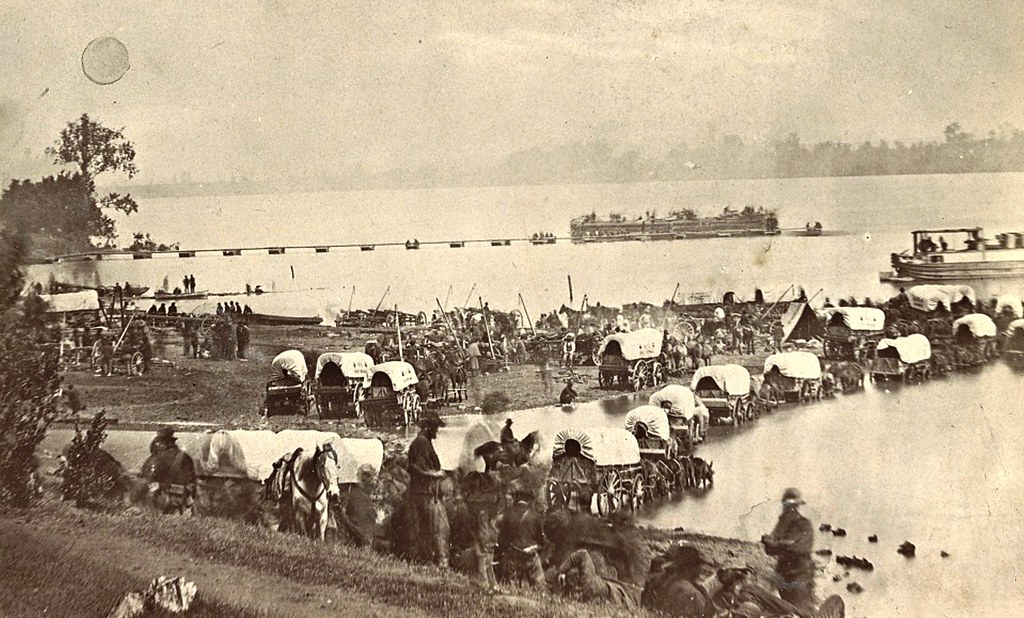
A major reason to do so was not just that the German pursuit was so close, but that it was necessary to protect the trains.  This doesn’t mean the railways, but the endless lines of wagons

image8gswagon.jpg

which carried all the food and ammunition for the soldiers and stretched for miles behind them..

image9marching.jpg

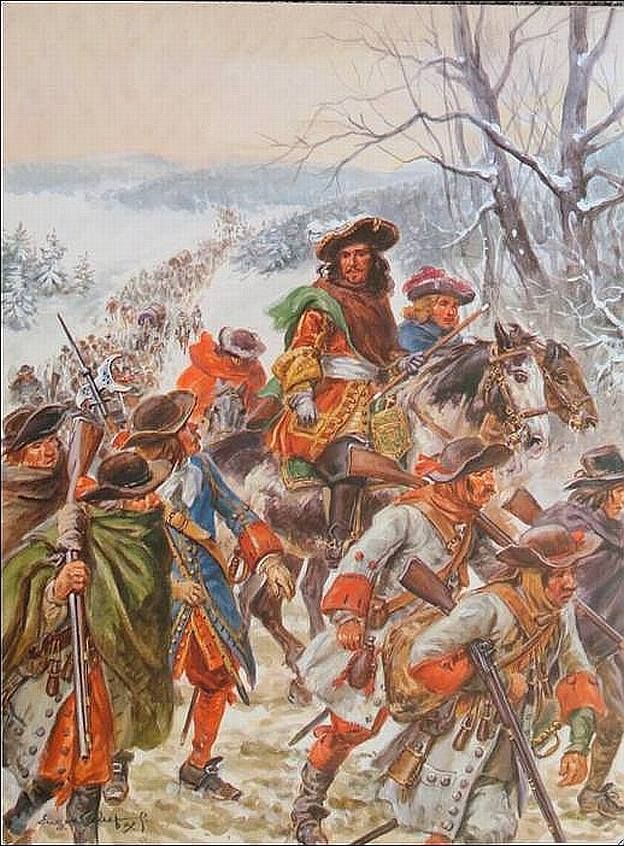
It was also primarily horse-drawn and, on narrow roads, mostly unpaved, the trains moved very slowly, which was a major reason why armies in earlier centuries rarely ever campaigned during winter.

image10turenne.jpg

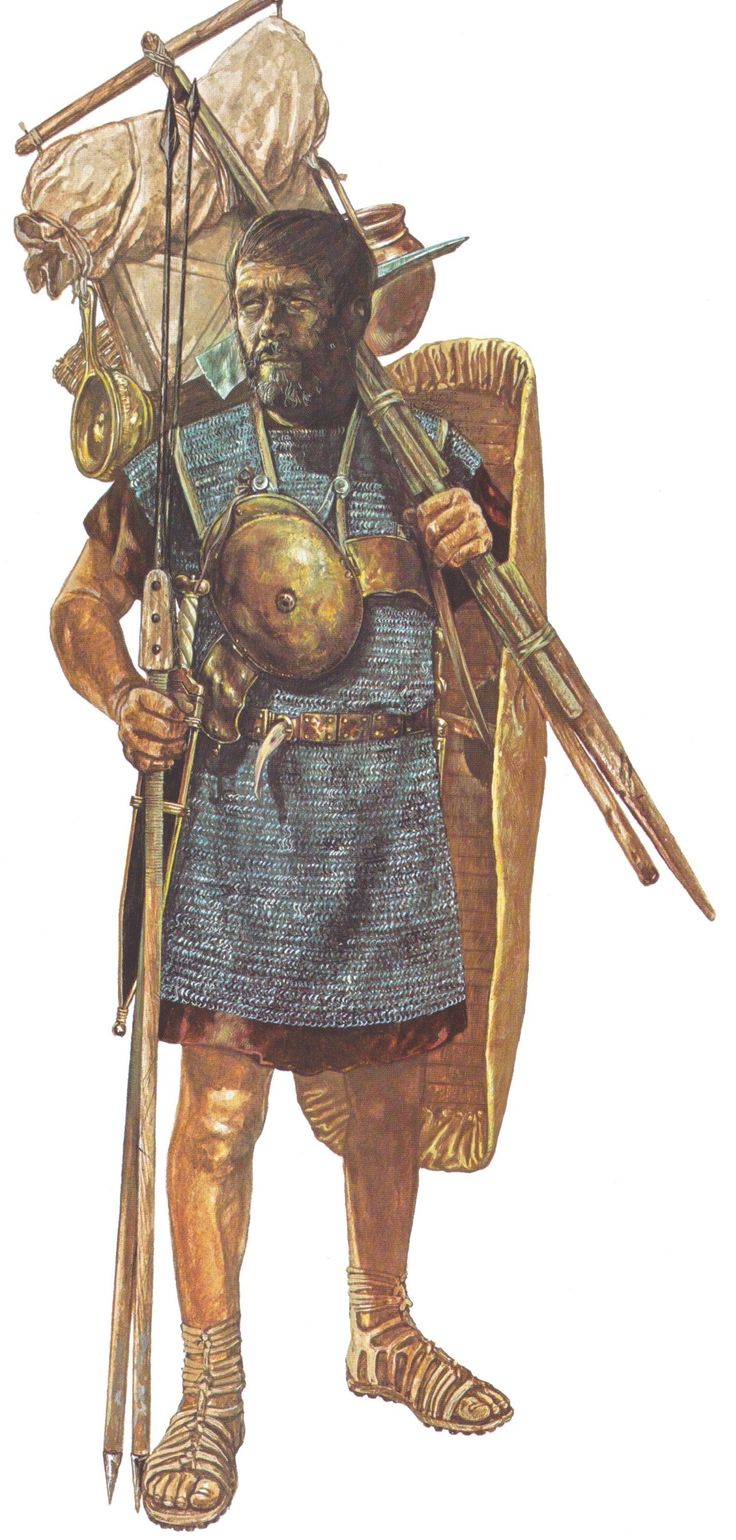
This was a problem, all the way back to the Romans.  In the 2nd century BC, the Roman general, Marius, in an attempt to do away with as much of a baggage train as he could,

image11romanwagon.JPG

ordered his men to carry as much of their equipment as possible, thus cutting down on baggage wagons and pack animals.  His men were less than pleased at being so loaded down and began to call themselves “Marius’ mules”.

image12mule.jpg

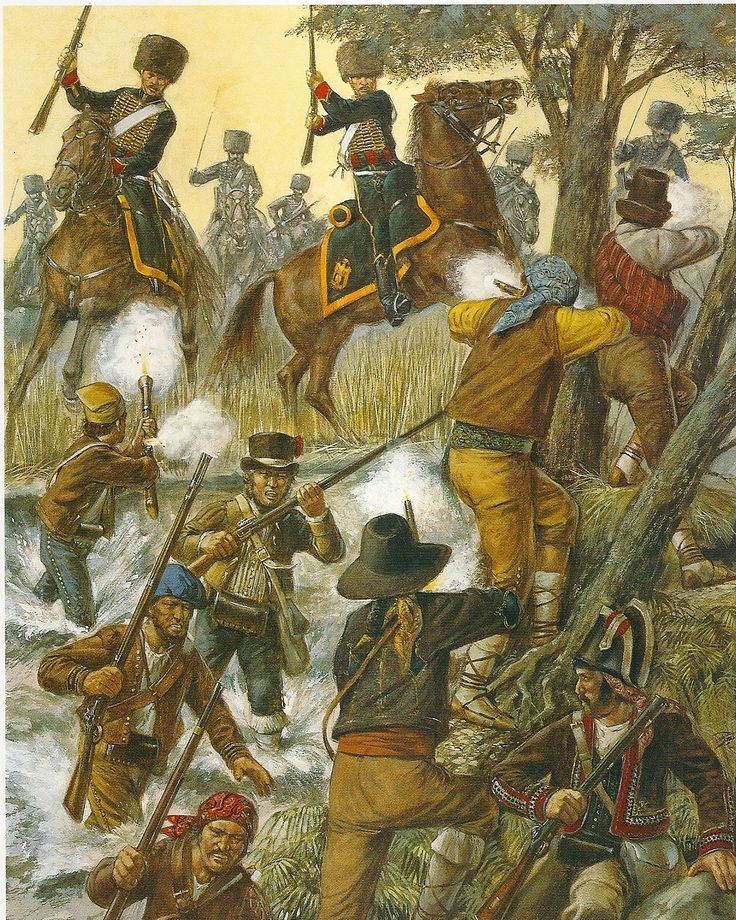
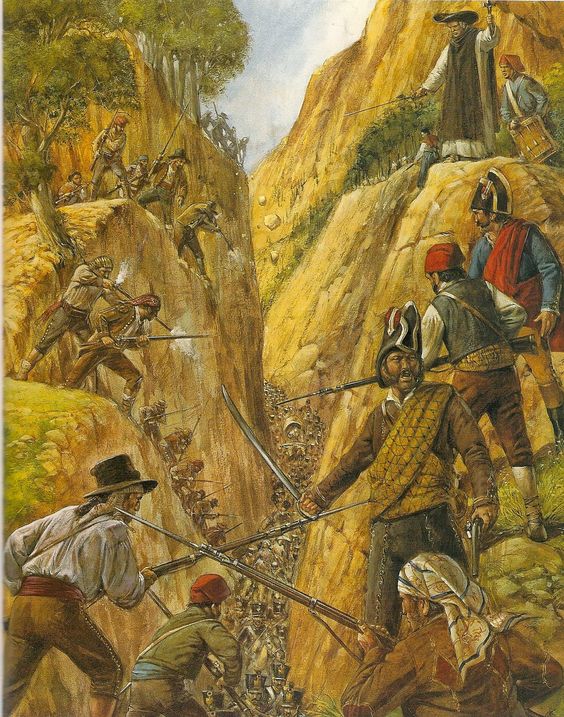
In the late 18th to early 19th century, when French revolutionary armies swelled beyond the ability to pay to supply them, the order was to travel lightly and to live off the land.  This may have reduced baggage—and even, perhaps, speeded up movement—but it made local people very hostile to the French and, in Spain, the response was to ambush the French whenever possible, which is where the word “guerilla” (originally meaning “little war”) comes from.

image13spguerillas.jpg

image14spguerillas.jpg

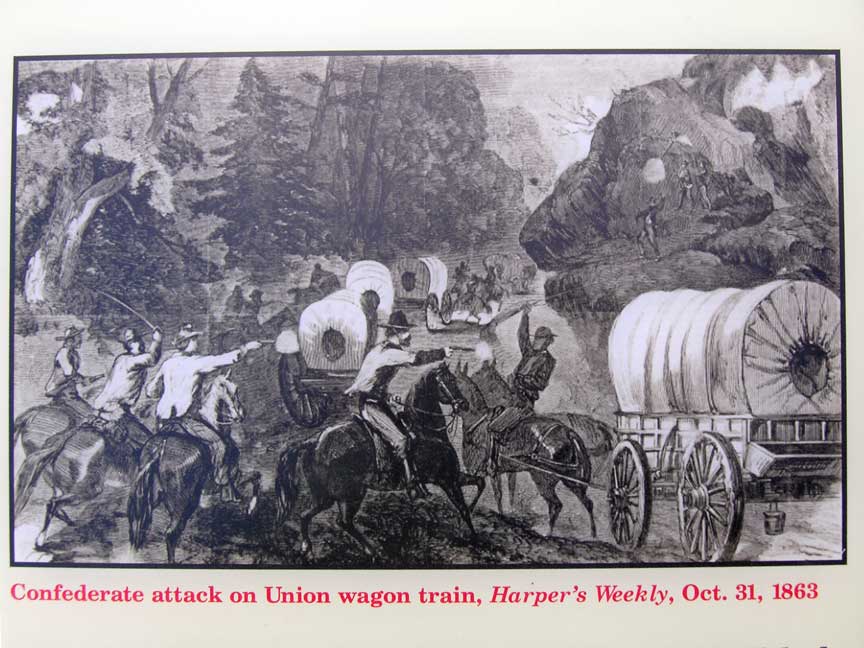
This could happen, particularly to Union supply trains,

image15wagons.jpg

during the American Civil War.

image16ambush.jpg

So, such trains were utterly necessary—if a large army had to cross miles of territory and perhaps fight on the way, they would need everything a train could carry.  At the same time, trains could be both vulnerable and thus draw off numbers of soldiers to protect them when such soldiers might be better employed on the battlefield, as well as cumbersome, because they were slow-moving, forcing armies to march at their speed (and in dry summer weather, the dust they raised could give away the direction of an army’s movements).

image17wagontrain.jpg

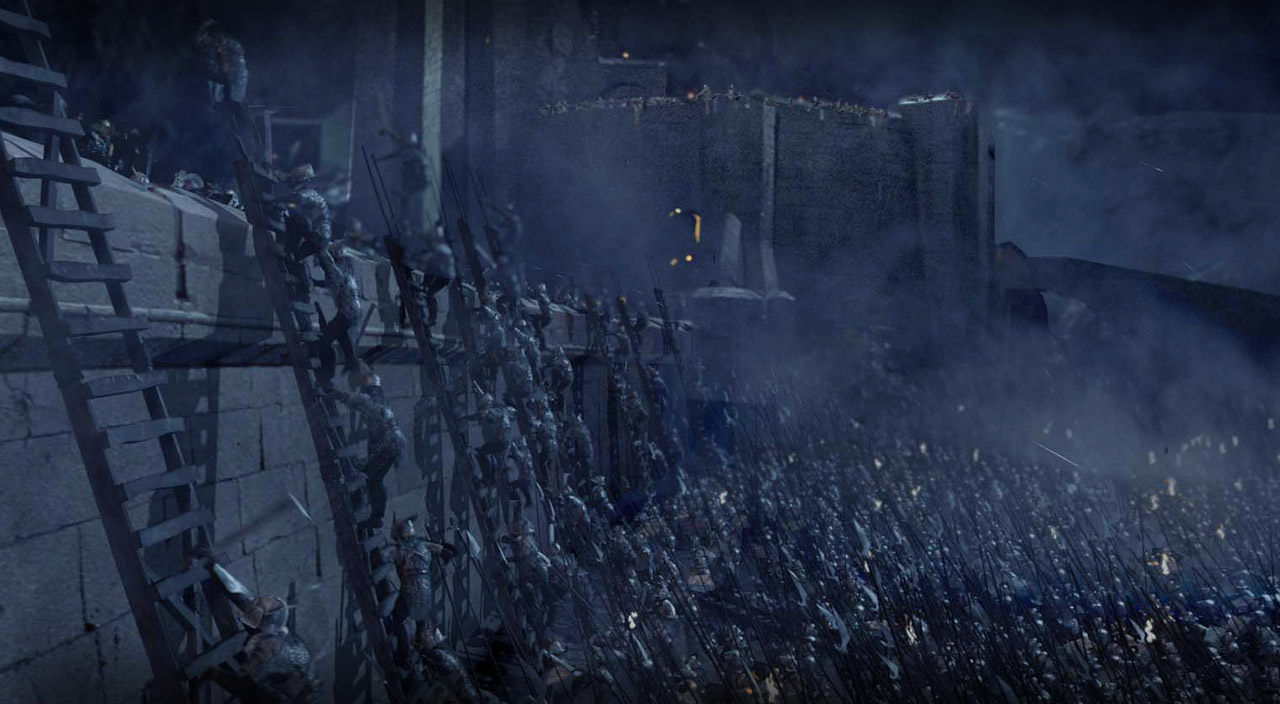
In The Lord of the Rings, we see two invasions:  that which attacks Helm’s Deep

image18helms.jpg

and that which attacks Minas Tirith.

image19mt.jpg

The mass of invaders is vividly described:

“For a staring moment the watchers on the walls saw all the space between them and Dike lit with white light:  it was boiling and crawling with black shapes, some squat and broad, some tall and grim, with high helms and sable shields.  Hundreds and hundreds more were pouring over the Dike and through the breach.”  (The Two Towers, Book Three, Chapter 7, “Helm’s Deep”)

“The numbers that had already passed over the River could not be guessed in the darkness, but when morning, or its dim shadow, stole over the plain, it was seen that even fear by night had scarcely over-counted them.  The plain was dark with their marching companies, and as far as eyes could strain in the mirk there sprouted, like a foul fungus-growth, all about the beleaguered city great camps of tents, blac or somber red.” (The Return of the King, Book Five, Chapter 4, “The Siege of Gondor”)

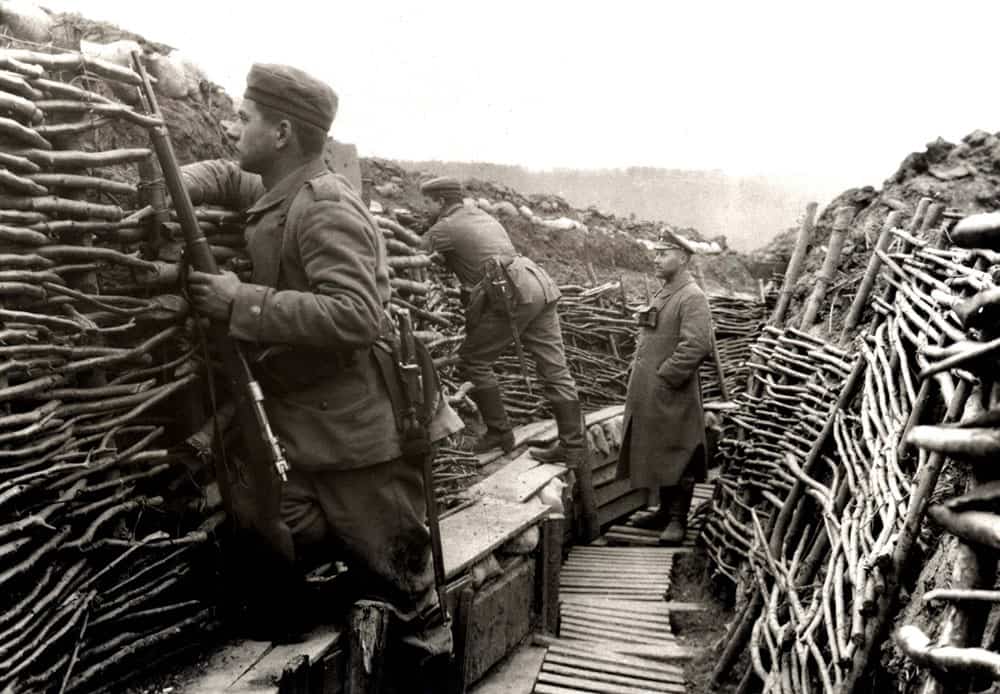
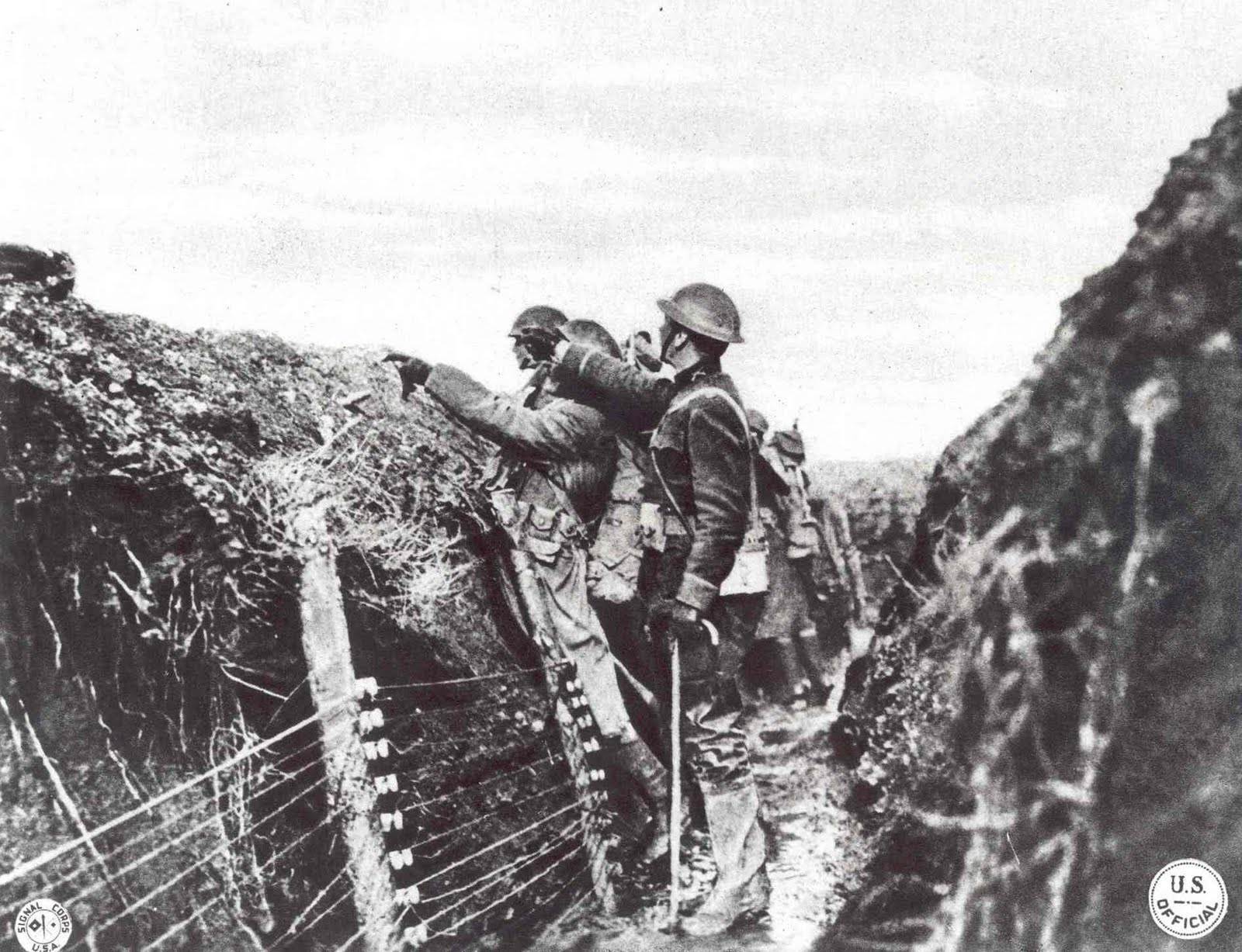
And yet there is no hint of what will supply them in their assaults and beyond.  We could argue, of course, that, as in so many things, JRRT is interested in the movement of his narrative and its effects:  masses of orcs are much more menacing than long lines of wagons, and we’re sure that this is actually the case, but there is another possibility.  The Great War began in Belgium as a war of movement, huge armies attempting to outflank and block each other like chess players.  For better or worse, those armies needed such baggage trains, as we’ve said.  By the time Tolkien had arrived at the Western Front, in mid-1916, the war had become static, as if both sides had dug trenches and were besieging each other.

image20atrench.jpg

image20trench.jpg

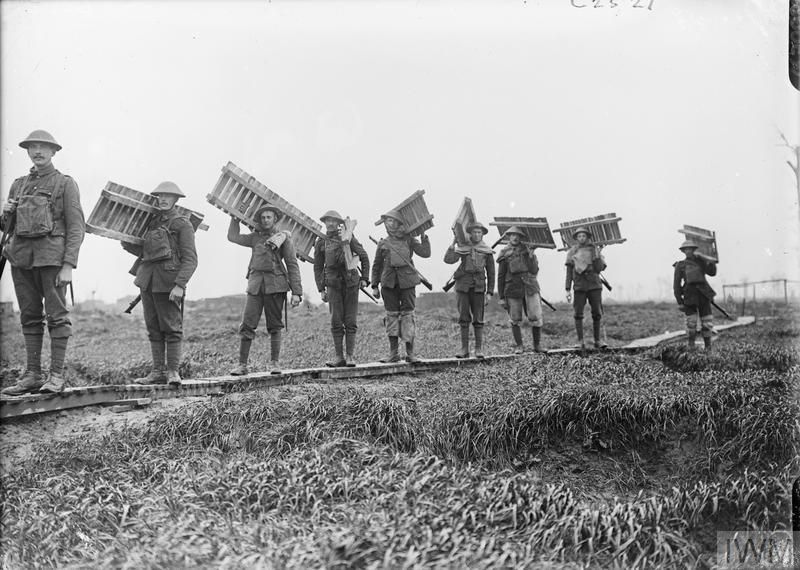
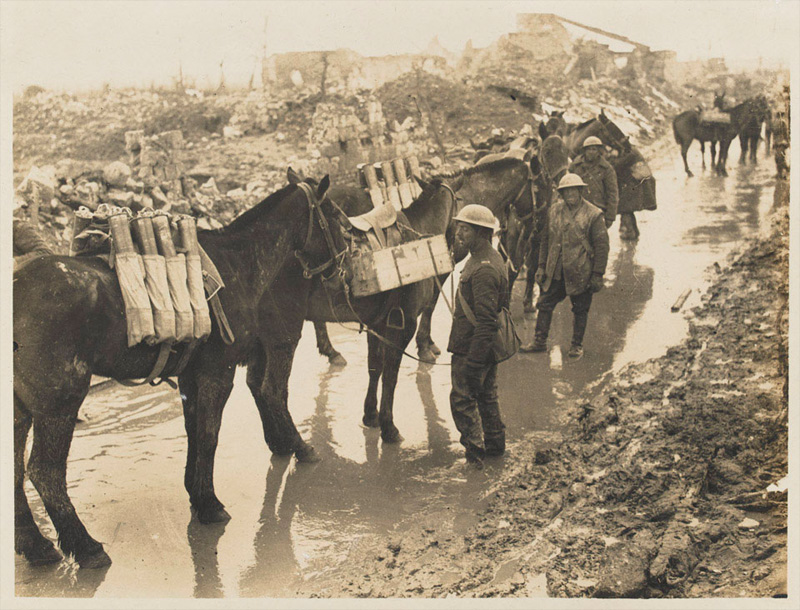
Supply was clearly still necessary, but it was a complex combination of ports and ships and railway lines and wagons and mules and even human mules, close to the front.

image21.jpg

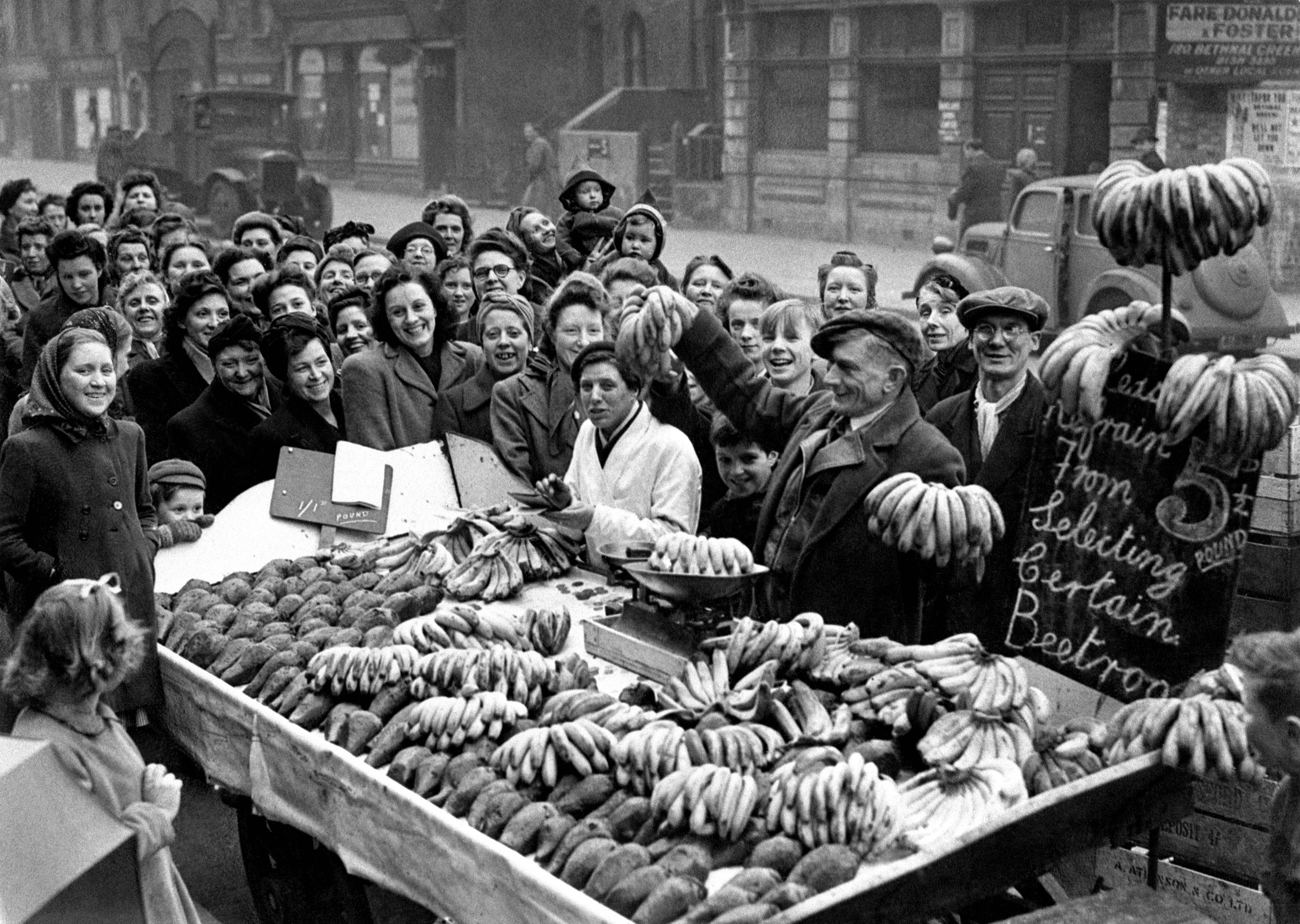
In a way, the whole business of supply had begun to look like just that:  a business, like importing bananas from the Caribbean, having them arrive in London, then passing them on by train to cities and towns across Britain.

image22bananas.jpg

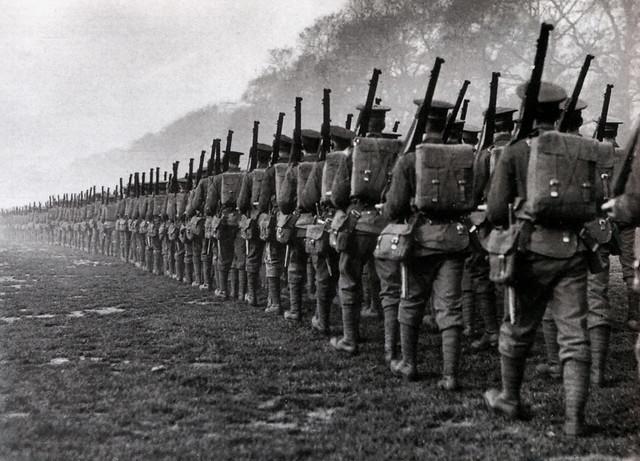
So, instead of being part of long marching columns,image23marching.jpg

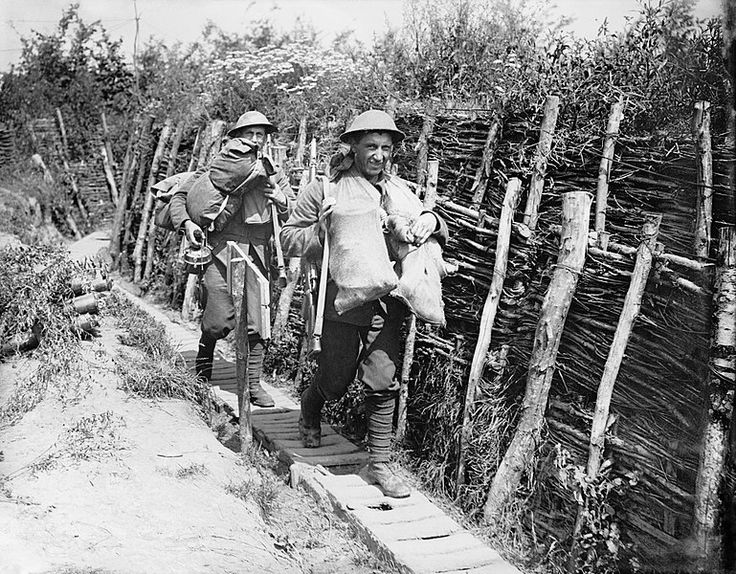
their even longer lines of wagons lagging behind, Second Lieutenant Tolkien would have seen long lines of men and animals, lugging endless boxes and cans and bundles—

image24carrying.jpg

image25carrying.jpg

necessary for war, but hardly dramatic, and so best left to the imagination of certain readers, those who can never see a battle without wondering, “When it’s time for lunch, who feeds all of those soldiers—or orcs (and never mind what certain people might eat)?”

image26lunch.jpg

As always, thanks for reading and

MTCIDC

CD

Rear Guard

18 Wednesday May 2016

Posted by Ollamh in Films and Music, J.R.R. Tolkien, Literary History, Maps, Military History, Military History of Middle-earth, Narrative Methods

≈ 1 Comment

Tags

66th Regiment, British Infantry, Denethor, Faramir, Gary Zaboly, Le Cateau, Maiwand, Nazgul, Osgiliath, Pelennor, Peter Jackson, Rammas Echor, Richard Caton Woodville, the Alamo, The Lord of the Rings, The Return of the King, The Siege of Gondor, Tolkien

Welcome, dear readers, as always.

In a previous posting, we rolled our eyes verbally at a moment in P. Jackson’s The Return of the King in which Faramir, according to the script, was required to mount a double-rank cavalry charge against the west bank of Osgiliath.

gondorianerritt-cb182208.jpg

To us, this was a clumsy attempt to convey the clash between Faramir and his father Denethor, derived from material in The Lord of the Rings, Book 5, Chapter IV, “The Siege of Gondor”, principally from this:

“ ‘Much must be risked in war,’ said Denethor. ‘Cair Andros is manned, and no more can be sent so far. But I will not yield the River and the Pelennor unfought—not if there is a captain here who has still the courage to do his lord’s will.’

Then all were silent. But at length Faramir said: ‘I do not oppose your will, sire. Since you are robbed of Boromir, I will go and do what I can in his stead—if you command it.’

‘I do so,’ said Denethor.

‘Then farewell!’ said Faramir. ‘But if I should return, think better of me!’

‘That depends on the manner of your return,’ said Denethor.

Gandalf it was that last spoke to Faramir ere he rode east. ‘Do you throw your life away rashly or in bitterness,’ he said. ‘You will be needed here, for other things than war. Your father loves you, Faramir, and will remember it ere the end. Farewell!’ “

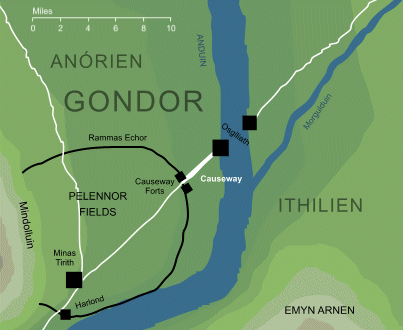
In the text, Faramir then goes to Osgiliath, having “taken with him such strength of men as were willing to go or could be spared.” The tone here is hardly encouraging and, the following day, “The passage of Anduin was won by the Enemy. Faramir was retreating to the wall of the Pelennor, rallying his men to the Causeway Forts; but he was ten times outnumbered.”

In an earlier posting, we have discussed the Rammas Echor, the wall which enclosed the farmland outside the walls of Minas Tirith.

causeway.gif

We have also discussed the use by both Saruman and Sauron of what appears to be an early form of explosive—seen here in the following description of the fall of the Rammas:

“The bells of day had scarcely rung out again, a mockery in the unlightened dark, when far away he [Pippin] saw fires spring up, across in the dim spaces where the walls of the Pelennor stood. ..Now ever and anon there was a red flash, and slowly through the heavy air dull rumbles could be heard.

‘They have taken the wall!’ men cried. ‘They are blasting breeches in it. They are coming!’ “

Outnumbered and, with the fall of the wall in different locations, outflanked, the best that Faramir can do is to fall back towards Minas Tirith, as Gandalf says, “Yet he is resolved to stay with the rearguard, lest the retreat over the Pelennor become a rout. He may, perhaps, hold his men together long enough, but I doubt it.”

Unlike the silly—there’s really no other word for it—charge of P. Jackson—Faramir is a professional soldier, after all, much loved by his soldiers—we see what JRRT, having been a soldier himself, would have known was the military solution: a fighting retreat, led by a brave and capable leader.

His task had been an impossible one to begin with and, properly understood and depicted on the screen, would not only have been powerful dramatically, but much more believable. It was an impossible task, however, against the odds of ten to one. (For a comparison, we offer the siege and fall of the Alamo, late February-early March, 1836. The garrison numbered about 180, the besiegers eventually approximately 3000. In the final assault, before dawn on 6 March, 1836, the four assaulting columns had about 1200 men, offering odds of roughly 6 to 1 and the entire garrison died, along with somewhere between 400 and 600 of the attackers.)

ALAMO_FORTRESS.jpg

(This is the work of the amazing Gary Zaboly– as an historical illustrator, he can’t be recommended highly enough. Much of his work concerns the 18th century, especially the 1740s and 50s, but he also has done some wonderful depictions of warfare in the American southwest in the 1830s and 40s.)

There are lots of examples of fighting retreats and we’ve picked two: a failure (Maiwand, Second Afghan War, 1880) and Le Cateau (The Great War, 1914).

At Maiwand, 27 July, 1880, a British-Indian brigade of 3 infantry units plus two cavalry units and a battery (6 guns) of horse artillery, anywhere from 1500 to 2000 soldiers, faced perhaps 12,000 Afghans with 6 batteries of guns.

Action_at_Maiwand_map.jpg

Basically, the British were outflanked and their left-hand units began to buckle under the pressure of the attacks and the number of attackers which they had to face. As they gave way, the right hand end of the line began to move backwards, feeling increasingly in danger of being surrounded, just as Faramir’s men must have.

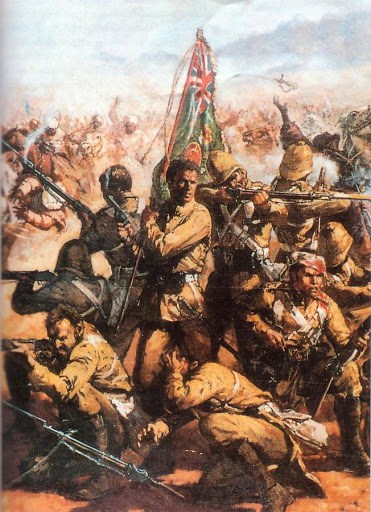
As the infantry retreated, the artillerymen used their guns to buy time for a general withdrawal, ending by losing a section (2 guns) to the enemy. There’s a famous painting of the withdrawal of the remaining guns by the late-Victorian artist, Richard Caton Woodville.

woodvillesavingtheguns.jpg

At the end of the withdrawal from the battle, a small group of British soldiers of the 66th Regiment took shelter inside an enclosure in a nearby village and fought it out to the end.

66thfootmaiwand.jpg

maiwand-66th.jpeg

Gandalf’s worry had been that Faramir couldn’t hold his men together and you can see here what happens when organized units come apart—they are defeated piecemeal, “in detail” is the military expression.

In contrast to this, we offer an action from Tolkien’s own time, the battle at Le Cateau, fought on 26 August, 1914. The British Expeditionary Force, facing superior numbers and in danger of being outflanked, particularly to the west, was engaged in a long retreat. Miraculously, unit cohesion was mostly maintained, although communications were often poor, causing confusion and, in one case, even in losing a unit, never notified of withdrawal.

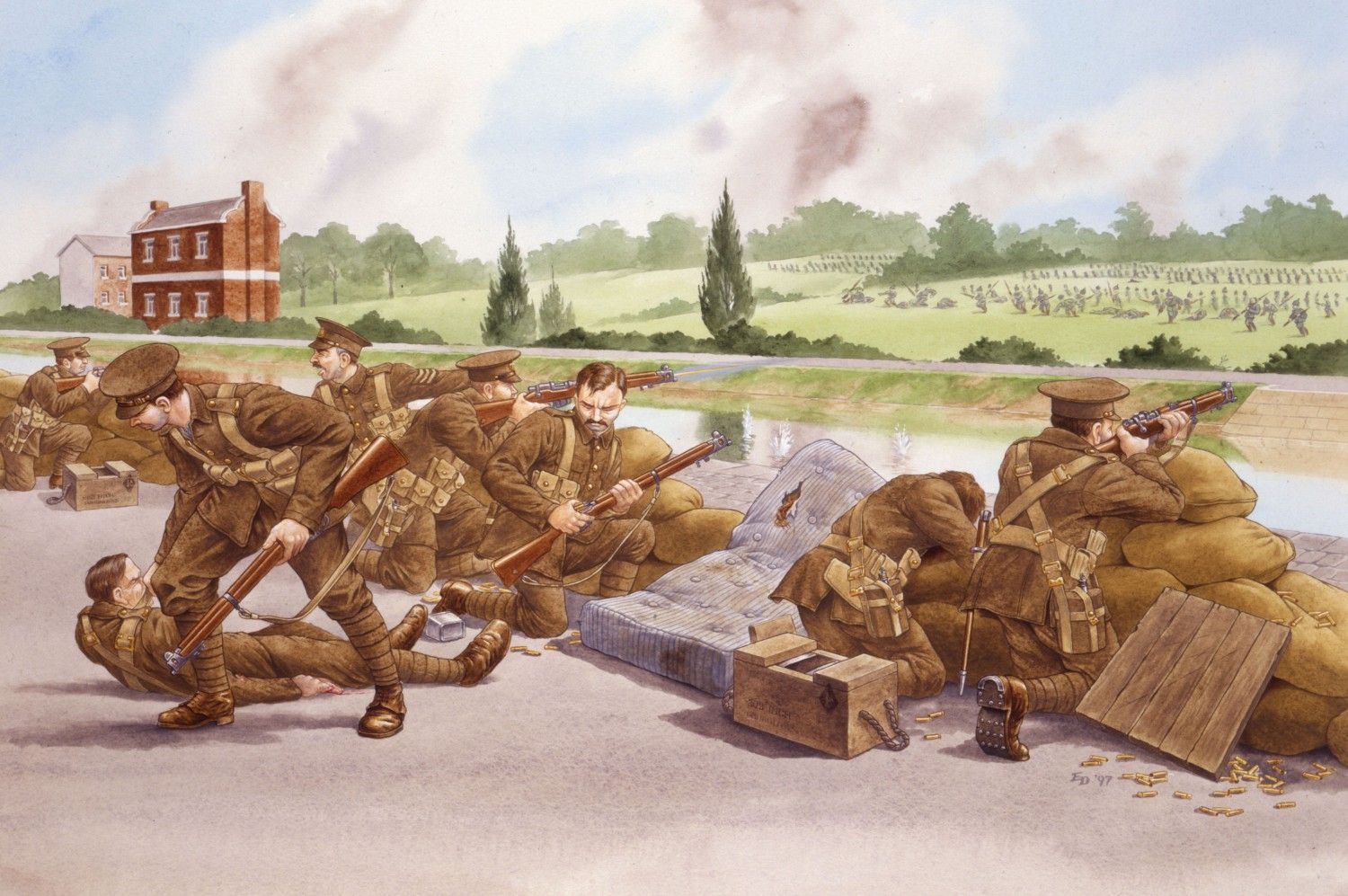
The British Army was divided into two larger groupings, First and Second Corps, and it was Second Corps which turned to face its pursuers. During a long morning, the British, in hastily-dug trenches, fended off superior numbers of German infantry.

1st-east-lancs-regiment-s.jpg

LeCateauMAP1.jpg

Having lost heavily, but having given the enemy similar punishment, the British slowed German pursuit and were able to withdraw without being as closely pursued as they had been.

The difference here is in exactly what Gandalf was worried about. At Maiwand, the brigade fell apart and could easily be swept away by the enemy. At Le Cateau, although it was hardly a perfect affair, the British kept enough cohesion not only to withstand and defeat heavy attacks, but then to retreat in units, without ever collapsing into a fleeing mob.

What happens in that struggle in the fields behind the Rammas Echor is, in fact, a mixture of the two retreats described above. We see “Small bands of weary and often wounded men…some were running wildly as if pursued.” Then, “…less than a mile from the City, a more ordered mass of men came into view, marching not running, still holding together.” And then “Out of the gloom behind a small company of horsemen galloped, all that was left of the rearguard.”

So, it looks like Faramir had succeeded in maintaining that sense of order and purpose which is vital for a fighting retreat. It was not to last, however, as a mass of enemy horsemen on the causeway behind, as well as several Nazgul from above, threw all into confusion—which was stemmed, in turn, by the arrival of a rescue party, led by the Prince of Dol Amroth and accompanied by Gandalf arrived to drive back the attackers.

gandalf_to_the_rescue___speed_paint4_by_myworld1-d7wjv97.png

In that flurry, Faramir is struck by an arrow and has to be rescued and brought into the City, badly wounded.

Looking back, it is a very different scene from that preposterous cavalry charge, isn’t it? As our readers are probably also experienced watchers of the films, we wonder: which do you prefer, Jackson/writers or the author?

Thanks, as always, for reading.

MTCIDC

CD

The Doubtful Sea Series Facebook Page

The Doubtful Sea Series Facebook Page

  • Ollamh

Categories

  • Artists and Illustrators
  • Economics in Middle-earth
  • Fairy Tales and Myths
  • Films and Music
  • Games
  • Heroes
  • Imaginary History
  • J.R.R. Tolkien
  • Language
  • Literary History
  • Maps
  • Medieval Russia
  • Military History
  • Military History of Middle-earth
  • Narnia
  • Narrative Methods
  • Poetry
  • Research
  • Star Wars
  • Terra Australis
  • The Rohirrim
  • Theatre and Performance
  • Tolkien
  • Uncategorized
  • Villains
  • Writing as Collaborators
Follow doubtfulsea on WordPress.com

Across the Doubtful Sea

Recent Postings

  • Through a glass… January 7, 2026
  • Heffalumps? December 31, 2025
  • We Three Kings December 24, 2025
  • A Moon disfigured December 17, 2025
  • On the Roads Again—Once More December 10, 2025
  • (Not) Crossing Bridges December 3, 2025
  • On the Road(s) Again—Again November 26, 2025
  • On the Road(s) Again November 19, 2025
  • To Bree (Part 2) November 12, 2025

Blog Statistics

  • 104,101 Views

Posting Archive

  • January 2026 (1)
  • December 2025 (5)
  • November 2025 (4)
  • October 2025 (5)
  • September 2025 (4)
  • August 2025 (4)
  • July 2025 (5)
  • June 2025 (4)
  • May 2025 (4)
  • April 2025 (5)
  • March 2025 (4)
  • February 2025 (4)
  • January 2025 (5)
  • December 2024 (4)
  • November 2024 (4)
  • October 2024 (5)
  • September 2024 (4)
  • August 2024 (4)
  • July 2024 (5)
  • June 2024 (4)
  • May 2024 (5)
  • April 2024 (4)
  • March 2024 (4)
  • February 2024 (4)
  • January 2024 (5)
  • December 2023 (4)
  • November 2023 (5)
  • October 2023 (4)
  • September 2023 (4)
  • August 2023 (5)
  • July 2023 (4)
  • June 2023 (4)
  • May 2023 (5)
  • April 2023 (4)
  • March 2023 (5)
  • February 2023 (4)
  • January 2023 (4)
  • December 2022 (4)
  • November 2022 (5)
  • October 2022 (4)
  • September 2022 (4)
  • August 2022 (5)
  • July 2022 (4)
  • June 2022 (5)
  • May 2022 (4)
  • April 2022 (4)
  • March 2022 (5)
  • February 2022 (4)
  • January 2022 (4)
  • December 2021 (5)
  • November 2021 (4)
  • October 2021 (4)
  • September 2021 (5)
  • August 2021 (4)
  • July 2021 (4)
  • June 2021 (5)
  • May 2021 (4)
  • April 2021 (4)
  • March 2021 (5)
  • February 2021 (4)
  • January 2021 (4)
  • December 2020 (5)
  • November 2020 (4)
  • October 2020 (4)
  • September 2020 (5)
  • August 2020 (4)
  • July 2020 (5)
  • June 2020 (4)
  • May 2020 (4)
  • April 2020 (5)
  • March 2020 (4)
  • February 2020 (4)
  • January 2020 (6)
  • December 2019 (4)
  • November 2019 (4)
  • October 2019 (5)
  • September 2019 (4)
  • August 2019 (4)
  • July 2019 (5)
  • June 2019 (4)
  • May 2019 (5)
  • April 2019 (4)
  • March 2019 (4)
  • February 2019 (4)
  • January 2019 (5)
  • December 2018 (4)
  • November 2018 (4)
  • October 2018 (5)
  • September 2018 (4)
  • August 2018 (5)
  • July 2018 (4)
  • June 2018 (4)
  • May 2018 (5)
  • April 2018 (4)
  • March 2018 (4)
  • February 2018 (4)
  • January 2018 (5)
  • December 2017 (4)
  • November 2017 (4)
  • October 2017 (4)
  • September 2017 (4)
  • August 2017 (5)
  • July 2017 (4)
  • June 2017 (4)
  • May 2017 (5)
  • April 2017 (4)
  • March 2017 (5)
  • February 2017 (4)
  • January 2017 (4)
  • December 2016 (4)
  • November 2016 (5)
  • October 2016 (6)
  • September 2016 (5)
  • August 2016 (5)
  • July 2016 (5)
  • June 2016 (5)
  • May 2016 (4)
  • April 2016 (4)
  • March 2016 (5)
  • February 2016 (4)
  • January 2016 (4)
  • December 2015 (5)
  • November 2015 (5)
  • October 2015 (4)
  • September 2015 (5)
  • August 2015 (4)
  • July 2015 (5)
  • June 2015 (5)
  • May 2015 (4)
  • April 2015 (3)
  • March 2015 (4)
  • February 2015 (4)
  • January 2015 (4)
  • December 2014 (5)
  • November 2014 (4)
  • October 2014 (6)
  • September 2014 (1)

Blog at WordPress.com.

  • Subscribe Subscribed
    • doubtfulsea
    • Join 78 other subscribers
    • Already have a WordPress.com account? Log in now.
    • doubtfulsea
    • Subscribe Subscribed
    • Sign up
    • Log in
    • Report this content
    • View site in Reader
    • Manage subscriptions
    • Collapse this bar
 

Loading Comments...