• About

doubtfulsea

~ adventure fantasy

Tag Archives: Jason

On the Road(s) Again

19 Wednesday Nov 2025

Posted by Ollamh in Uncategorized

≈ Leave a comment

Tags

Argonautica, Bilbo, Bree, Fantasy, Frodo, Gondor, Great East Road, Jason, Journey to the West, lotr, Tharbad, The Argonautica, The Bridge of Strongbows, the Greenway, The Hobbit, The Lord of the Rings, The Odyssey, the-great-east-road, Tolkien, Willie Nelson

“Just can’t wait to get on the road again
The life I love is makin’ music with my friends
And I can’t wait to get on the road again
And I can’t wait to get on the road again”

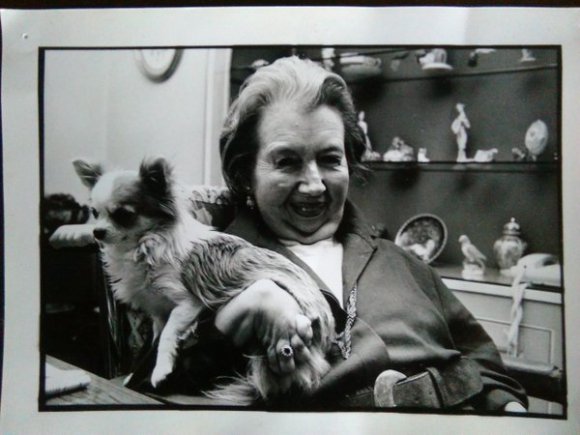
As always, welcome, dear readers.  This is from a Willie Nelson, a US country and western singer’s,

virtual theme song, and it seemed to fit where this posting wanted to go.

Having just written two postings about traveling to Bree, it struck me just how many Western adventure stories, as a main element of the plot, require the characters to travel, often long distances.  (I’m sure that there are lots of Eastern stories which do this, too—see, for example, Wu Cheng’en’s (attributed) Journey to the West, which appeared in the 16th century—see, for more:  https://en.wikipedia.org/wiki/Journey_to_the_West  You can read an abridged translation  of this at:  https://www.fadedpage.com/books/20230303/html.php ) 

Such adventures are commonly quests—that is, journeys with a particular goal and are commonly round- trip adventures.  (For more on quests, see:  https://en.wikipedia.org/wiki/Quest )

There are lots of folktales with this pattern, but the literary begins for us with the story of Jason, and his task of finding the Golden Fleece and bringing it back to Greece.  (You can read a summary of the story here:  https://en.wikipedia.org/wiki/Golden_Fleece  The full Greek version we have of the story is from a 3rd century BC poem, the Argonautica of Apollonius of Rhodes, which you can read in a translation here:  https://archive.org/details/apolloniusrhodiu00apol   And you can read about the poem itself here:  https://en.wikipedia.org/wiki/Argonautica  )
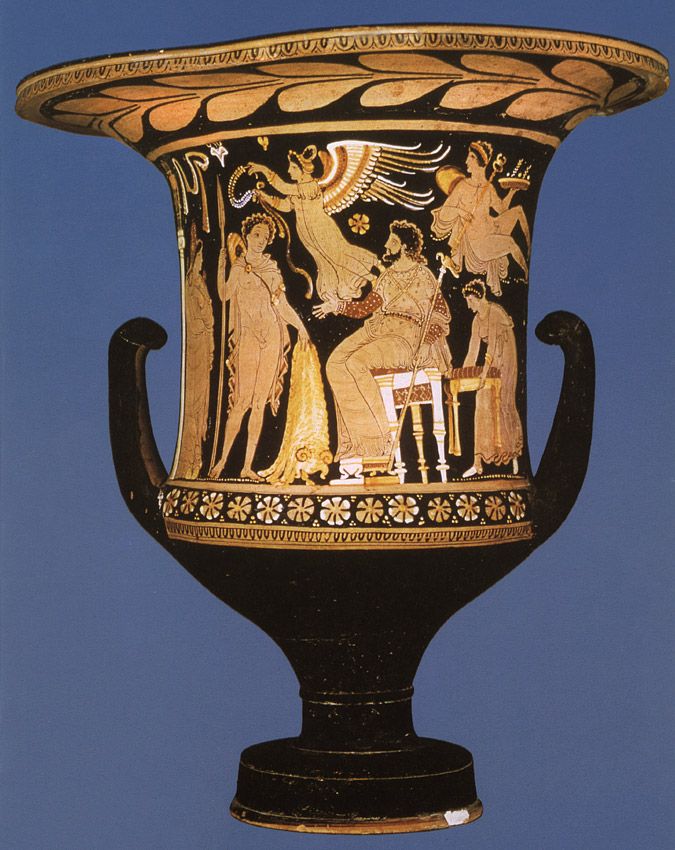
(Jason delivering the fleece to King Pelias—for more on Pelias, who is actually Jason’s uncle, see:  https://en.wikipedia.org/wiki/Pelias )

Then there’s the Odyssey, a later story, in mythological time, in which the main plot is that of Odysseus, a Greek and ruler of the island of Ithaka, who, having participated in the war against Troy, spends 9+ years of many adventures getting home to his island once more.

It’s no wonder, then, that Tolkien, originally destined to be a classicist, in telling a long story to his children, would make it a quest.

This quest would take the protagonist, Bilbo Baggins, from his home in the Shire hundreds of miles east, to the Lonely Mountain (Erebor) and back.

(Pauline Baynes—probably JRRT’s favorite illustrator—and whom he recommended to CS Lewis, for whom she illustrated all the Narnia books.  You can read about her here:  https://en.wikipedia.org/wiki/Pauline_Baynes )

In the last two postings, we first followed Bilbo eastwards to Bree—only to find that, in The Hobbit, there is no Bree.  We then retraced our steps and followed Frodo and his friends as they journeyed in the same direction, although this time with more success.

(Ted Nasmith)

Part of Frodo’s trip (with some detours), took him along the Great East Road, which ran through the Shire,

(Christopher Tolkien)

crossing the Greenway ( the old north/south road—more about this in a moment) at Bree and proceeding eastwards from there–
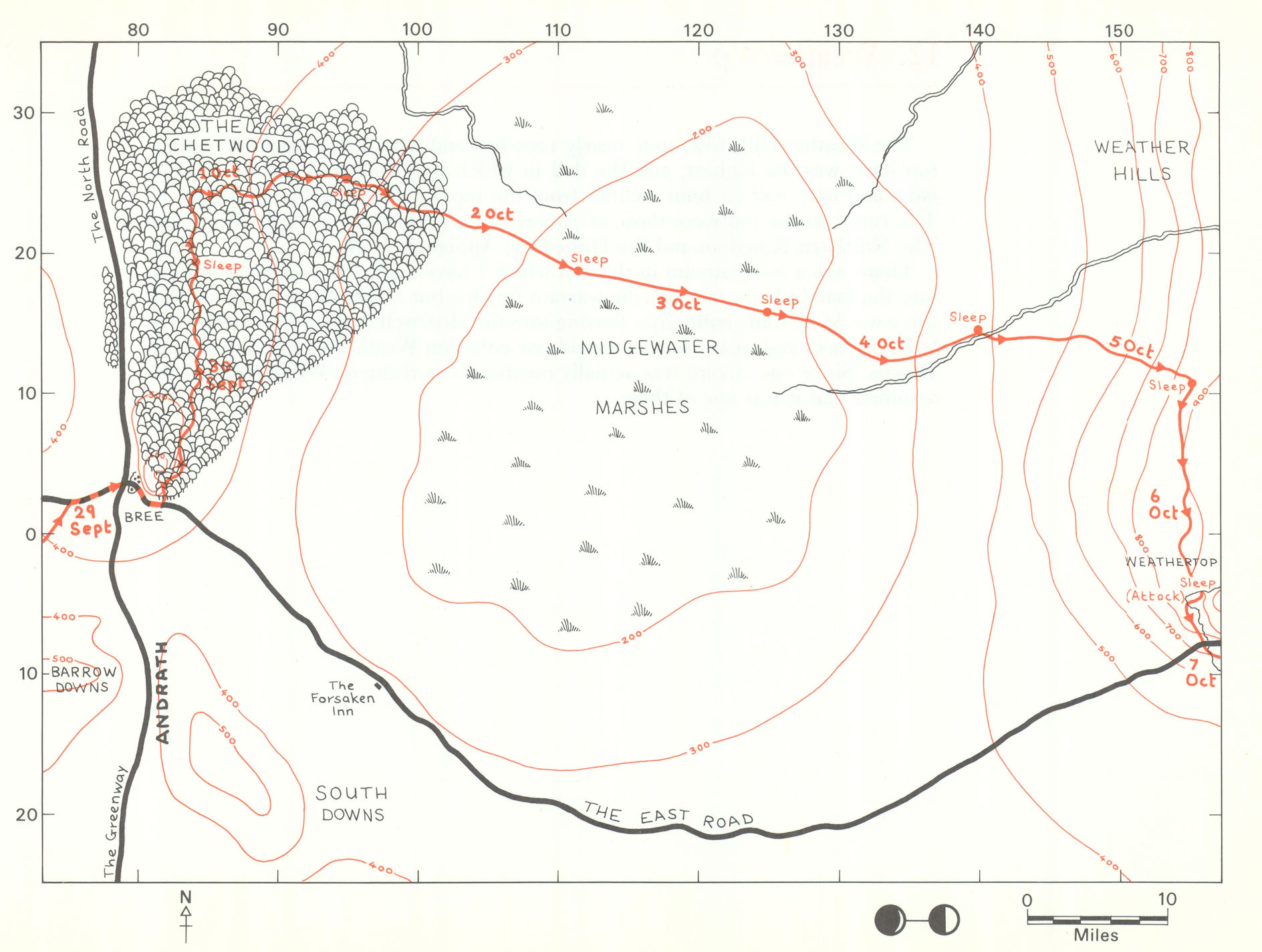
(Barbara Strachey, The Journeys of Frodo, 1981)

although Frodo and his friends, led by Strider,

(the Hildebrandts)

took an alternate route from there to Weathertop.

Because I’m always interested in the physical world of Middle-earth, I try to imagine what, in our Middle-earth, either suggested things to JRRT, or at least what we can use to try to reconstruct something comparable. 

For the Great East Road, because it was constructed by the kings of Arnor, and had a major bridge (the Bridge of Strongbows—that is, strong arches), across the Brandywine,

(actually a 16thcentury Ottoman bridge near the village of Balgarene in Bulgaria.  For more on Bulgarian bridges, some of which are quite spectacular, see:  https://vagabond.bg/bulgarias-wondrous-bridges-3120 )

I had imagined something like a Roman road, wide, paved, with perhaps drainage on both sides.
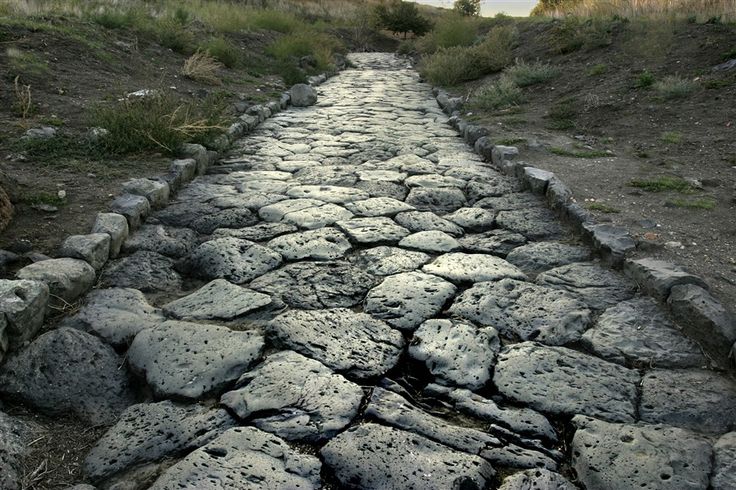
The Romans were serious engineers and roads could be very methodically laid out and built.

Latest research suggests that they may have constructed as many as almost 200,000 miles of roads (299,171km)—not all so elaborate, and some were doubtless improved local roads, but a vast number (see for more:  https://www.sciencealert.com/massive-new-map-reveals-300000-km-of-ancient-roman-roads ) were of the standard construction.

This may have been true once, but the road Frodo and his friends eventually reach doesn’t sound much like surviving Roman work—

“…the Road, now dim as evening drew on, wound away below them.  At this point it ran nearly from South-west to North-east, and on their right it fell quickly down into a wide hollow.  It was rutted and bore many signs of the recent heavy rain; there were pools and pot-holes full of water.”  (The Fellowship of the Ring, Book One, Chapter 8, “Fog on the Barrow-downs”)

Following the road, however, has made me consider just how many miles of roads we actually see in Middle-earth and over which various characters travel and how they might appear.  Just look at a map—

(cartographer? clearly based on JRRT and Christopher Tolkien’s map)

The Great East Road (named “East-West Road” there) is drawn and identified, and we can see the North Road (as “North-South Road”), but these are hardly the only roads in Middle-earth and certainly not in the story, and, as we’re following Frodo & Co. on their journeys, I thought that it would be interesting to examine some of the others—the main ones, and one nearly-lost one.

So, when Frodo and his friends eventually reach the edge of Bree, they’re actually at a crossroads—

“For Bree stood at the old meeting of ways:  another ancient road crossed the East Road just outside the dike at the western end of the village, and in former days Men and other folk of various sorts had traveled much on it.  ‘Strange as News from Bree’ was still a saying in the Eastfarthing, descending from those days, when news from North, South, and East could be heard in the inn, and when the Shire-hobbits used to go more to hear it.”

With the fall of the northern realm of Arnor about TA1974, however, things had changed:

“But the Northern Lands had long been desolate, and the North Road was now seldom used:  it was grass-grown, and the Bree-folk called it the Greenway.”  (The Fellowship of the Ring, Book One, Chapter 9, “At the Sign of the Prancing Pony”)

We’re not given a detailed description of this road—was it like what I had imagined the Great East Road might have looked like, Roman and paved, but overgown?

If so, it led back to the city of Tharbad to the south, which had had its own elaborate bridge at the River Greyflood—

“…where the old North Road crossed the river by a ruined town.”

Of this bridge we know:

“…both kingdoms [Arnor and Gondor] together built and maintained the Bridge of Tharbad and the long causeways that carried the road to it on either of the Gwathlo [Greyflood]…”  (JRRT Unfinished Tales, 277)

It must have been massive—could it have looked something like this?
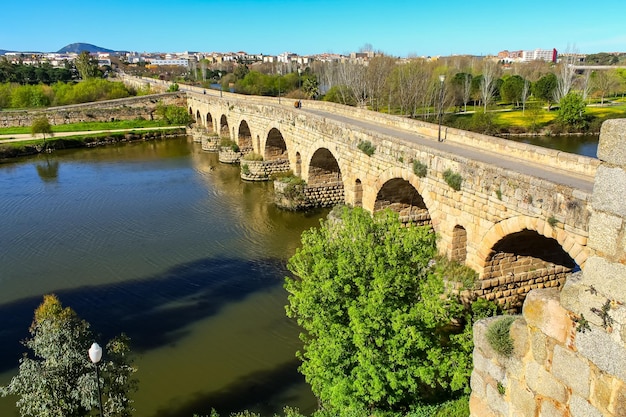
(the 1ST century Roman bridge at Merida, Spain—you can read about it here:  https://en.wikipedia.org/wiki/Puente_Romano,_M%C3%A9rida )

As we also know, it had fallen into ruin, becoming only a dangerous ford, as Boromir found out, losing his horse there on the way north (The Fellowship of the Ring, Book Two, Chapter 8, “Farewell to Lorien”)
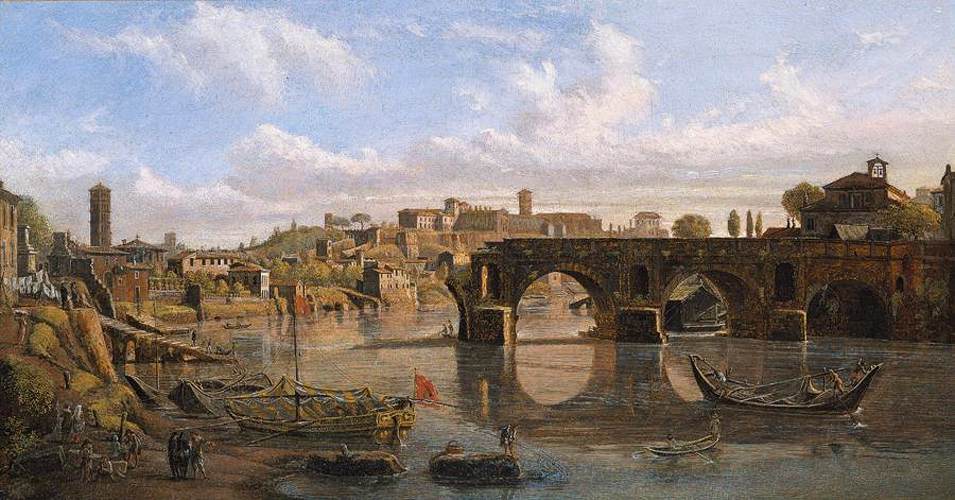
(the “Ponte Rotto” (“ruined bridge”) actually the 2nd century BC Pons Aemilius.  You can read about it here:  https://en.wikipedia.org/wiki/Pons_Aemilius  This is a 1690 painting by Caspar van Wittel, a very interesting and talented man, and you can read about him here:  https://en.wikipedia.org/wiki/Caspar_van_Wittel   )

We’ll pause here, however, waiting, perhaps, for a drought,

before we continue down the road towards Gondor…

Thanks for reading, as always.

Stay well,

Don’t cross any bridge till you come to it,

And remember that there’s always

MTCIDC

O
A Celtic Chill Up the Spine

23 Wednesday May 2018

Posted by Ollamh in Fairy Tales and Myths, Films and Music, Heroes, Literary History, Military History, Narrative Methods

≈ Leave a comment

Tags

Banshee, Bean Nighe, Bloody Clavers, Bodbh, Bonnie Dundee, Coiste bodhar, Cuchulain, Darby O'Gill and the Little People, Dragoons, Dullahan, Gan Ceann, Greco-Roman, Hera, Highlanders, Hugh Herriot, Hugh Mackay, James II, Jason, Johm Graham, Morrigan, Old Mortality, Pass of Killecrankie, Picts, Pikemen, Rosemary Sutcliff, Sir Walter Scott, tumuli, William of Orange, Williamite, Woman of the Sidh

Welcome, as ever, dear readers.

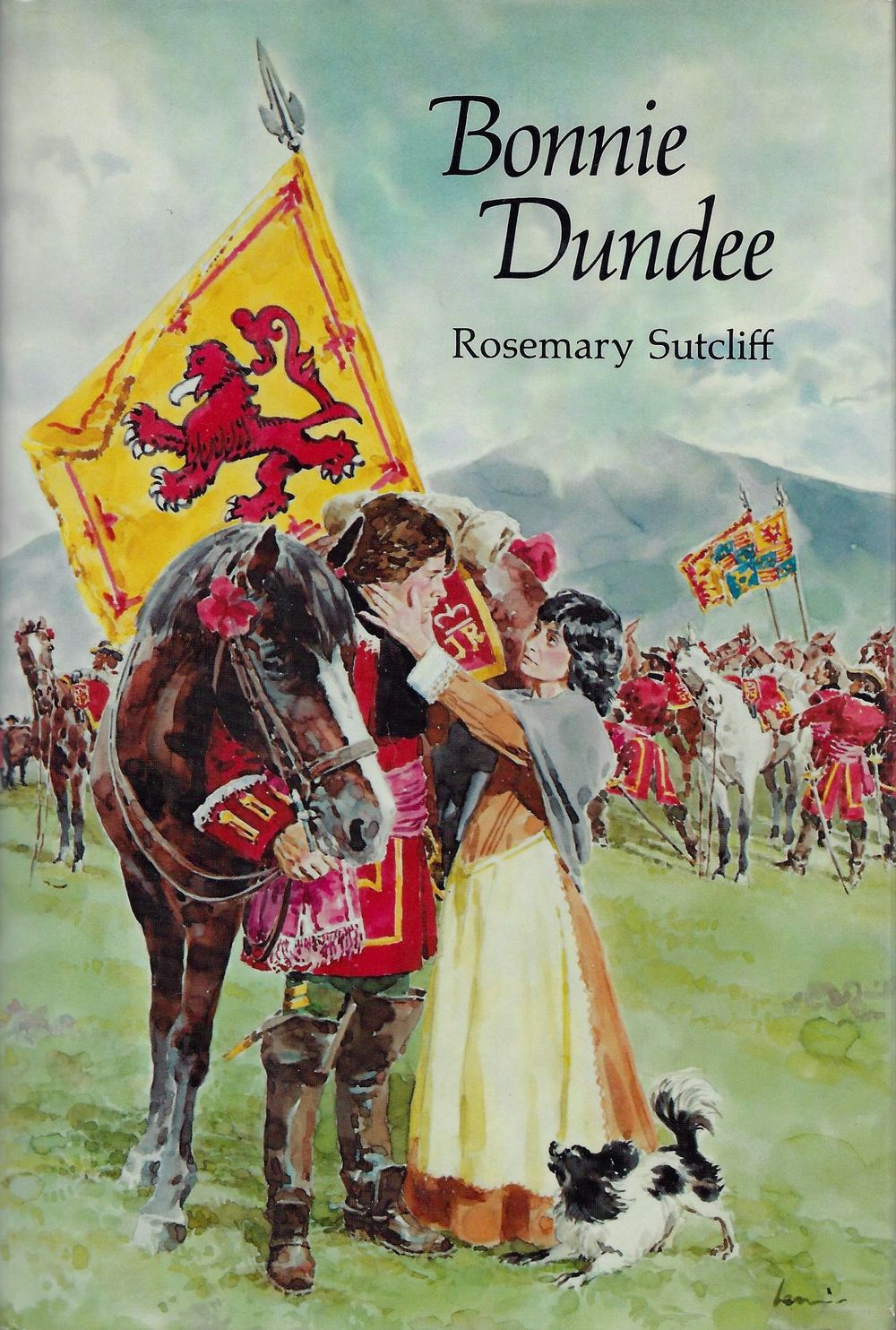
As we just finished a novel, Bonnie Dundee (1983),

image1abonnie.jpg

by one of our favorite YA historical authors, Rosemary Sutcliff (1920-1992), we were snagged by what, at first, seems just an odd little detail—but we’ll come to that.  First, let’s talk about the book in general.

image1rs.jpg

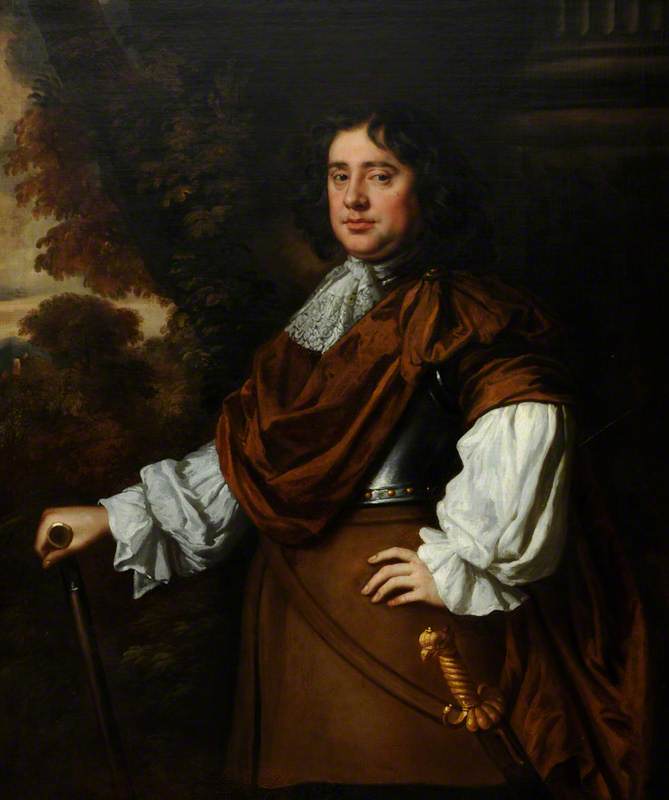
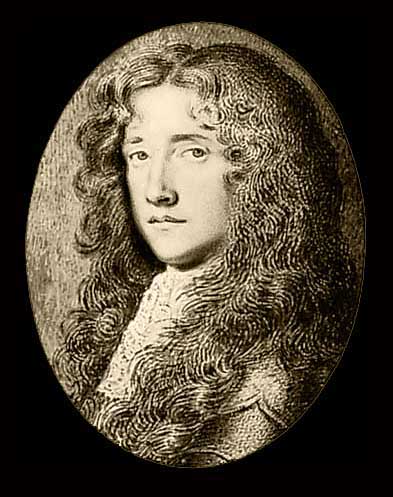
The title refers to a 17th-century Scots nobleman, John Graham, 7th Laird of Claverhouse, 1st Viscount Dundee (1648-1689), also known as “Bloody Clavers” for his zeal in observing the law in a complicated religious situation (the subject of a Sir Walter Scott novel, Old Mortality, 1816),

image3oldmort.jpg

and “Bonnie Dundee” from his noble title (and, we presume, his good looks).

image3jasgraham.jpg

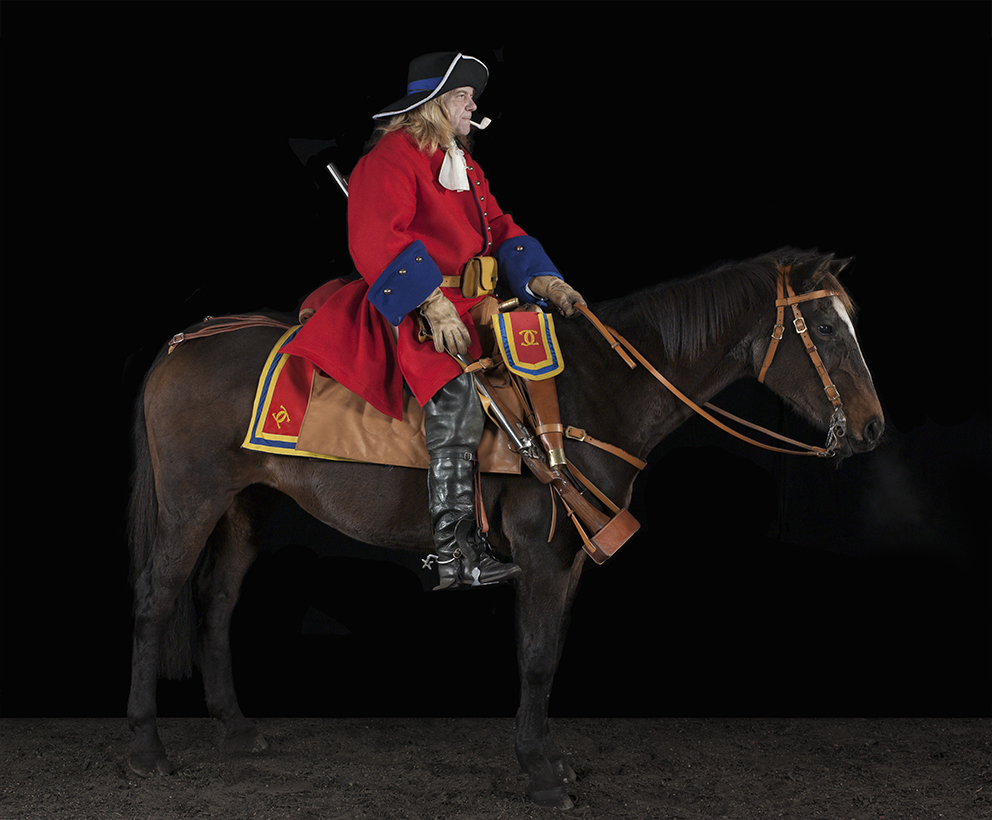
In 1689, Dundee was a royal cavalry officer, leading a regiment of mounted infantry, called, at that time, dragoons.

image5dragoon.jpg

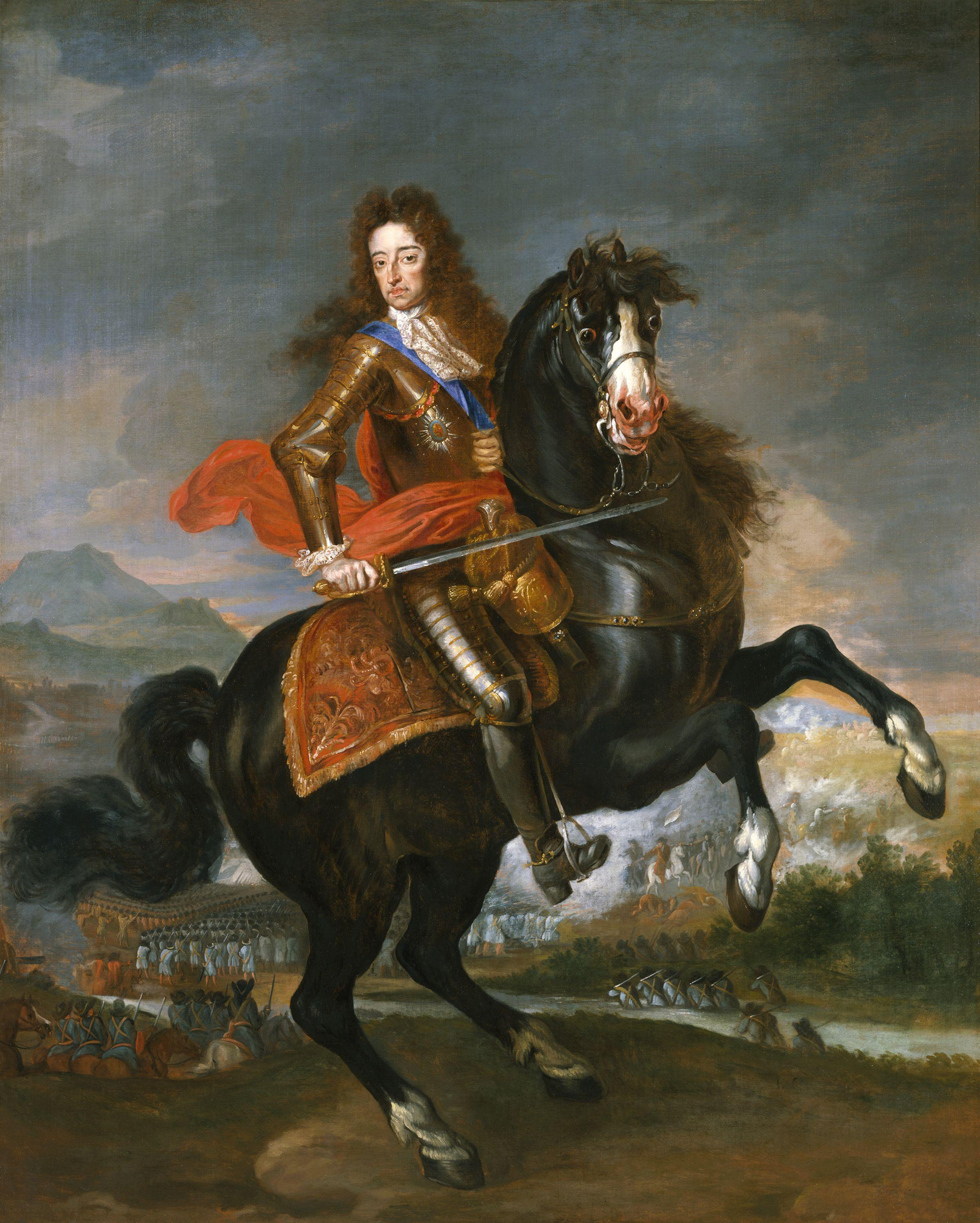
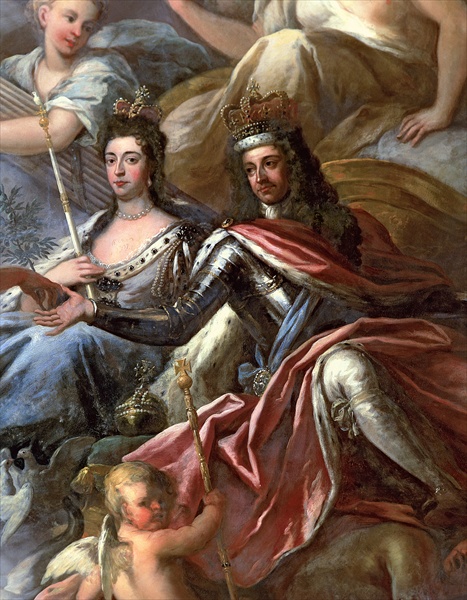
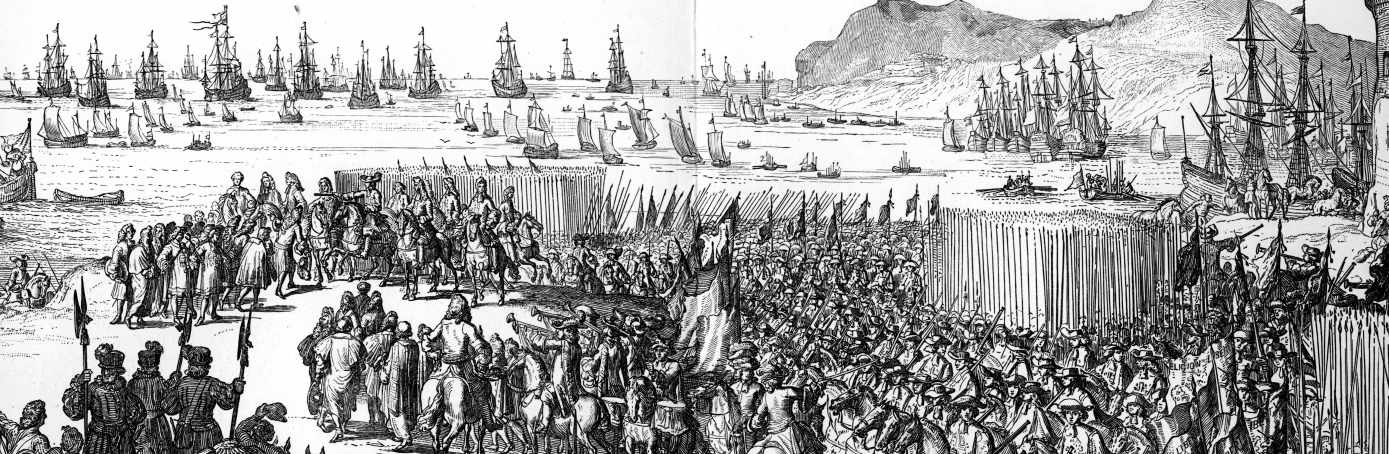
In that same year, a combination of elements of Parliament, the army and navy, and the forces of William, Prince of Orange, Stadtholder of the other provinces of the Netherlands,

image6wmoforange.jpg

and husband of Mary,

image7wmandmary.jpg

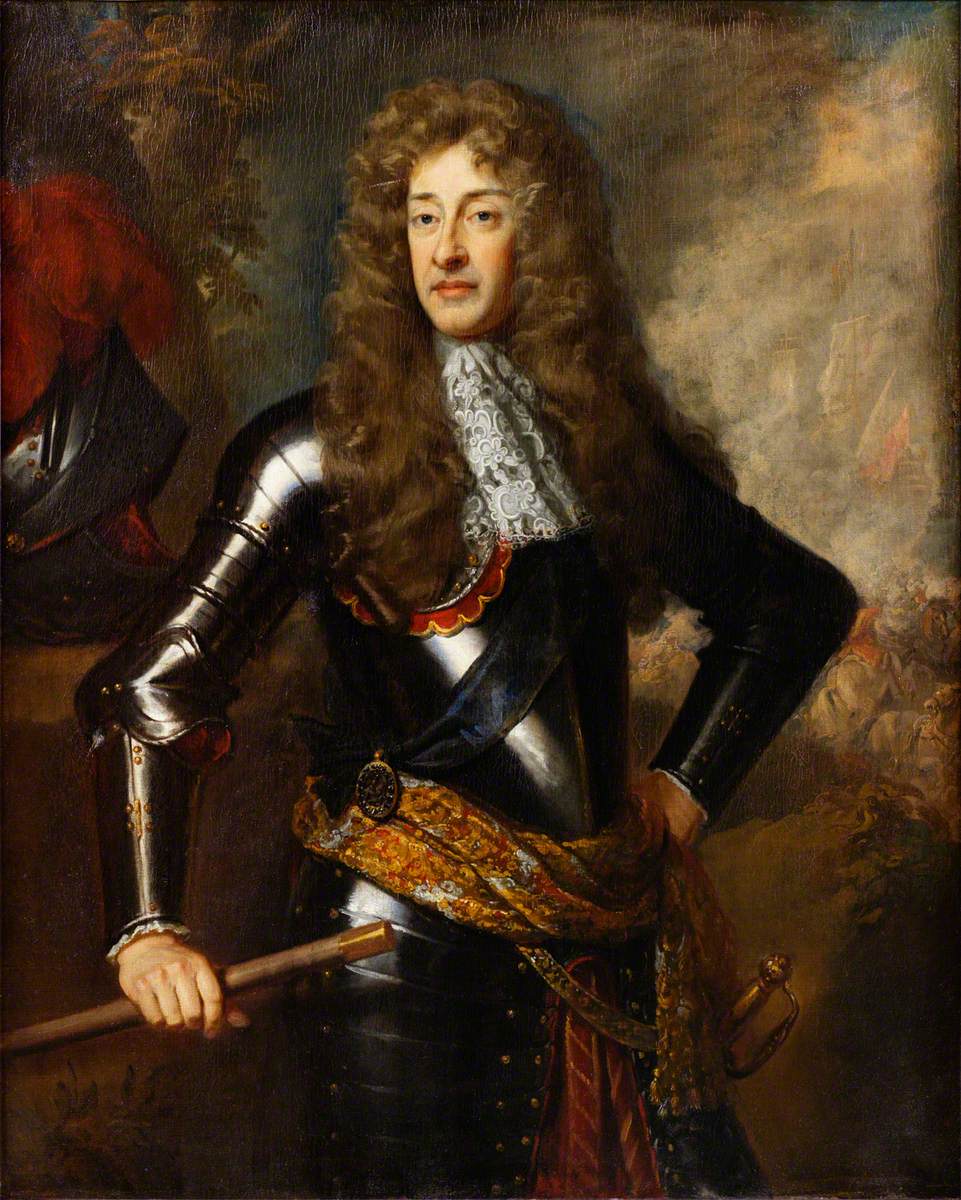
the daughter of the King of England, James II, had overthrown James.

image8jas2.jpg

William was the son of James’ sister, and so James was both his uncle and his father-in-law—a very tricky situation!

Rather than fight, James had fled, but elements in Ireland and Scotland were still loyal.  One of the main leaders of resistance in Scotland was Bonnie Dundee.

image9bonniedundee.jpg

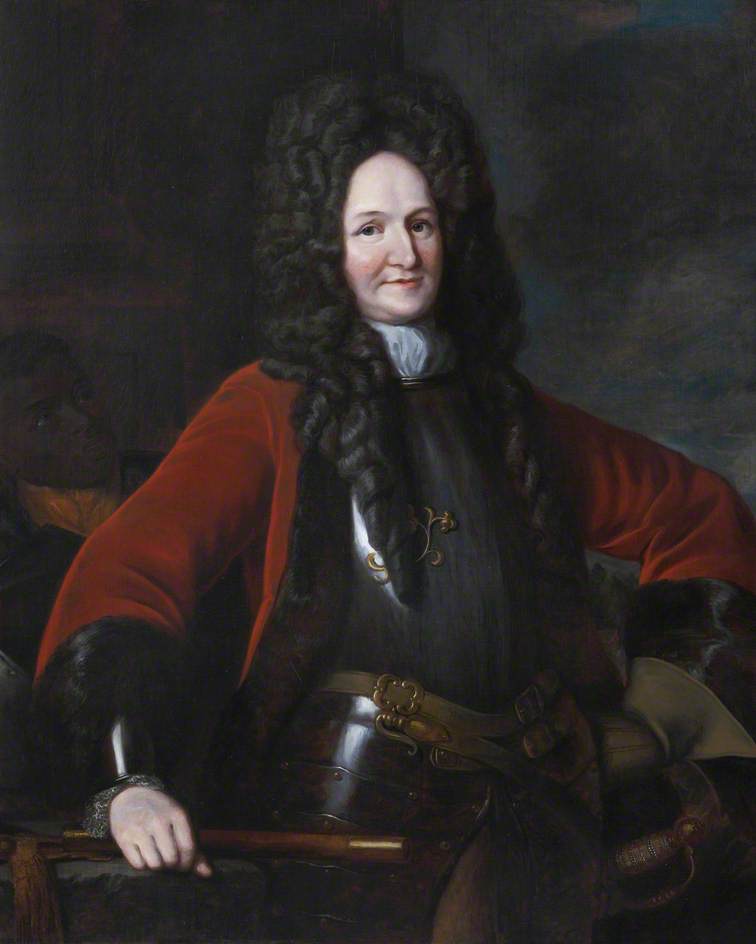
Against him was a Williamite army, led by Hugh Mackay.

image10mackay.jpg

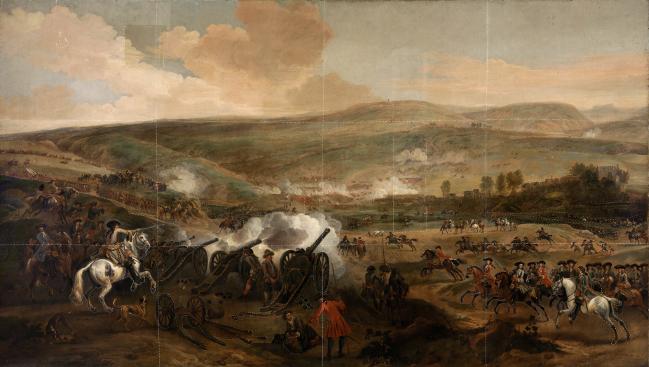
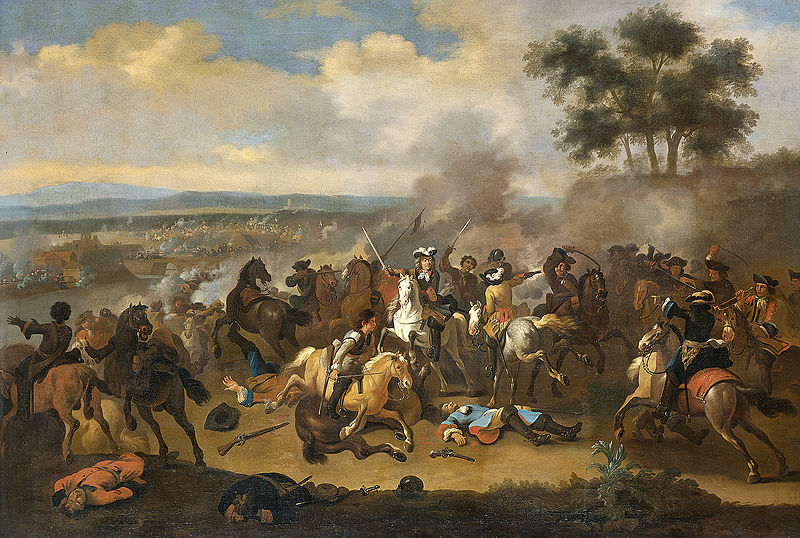
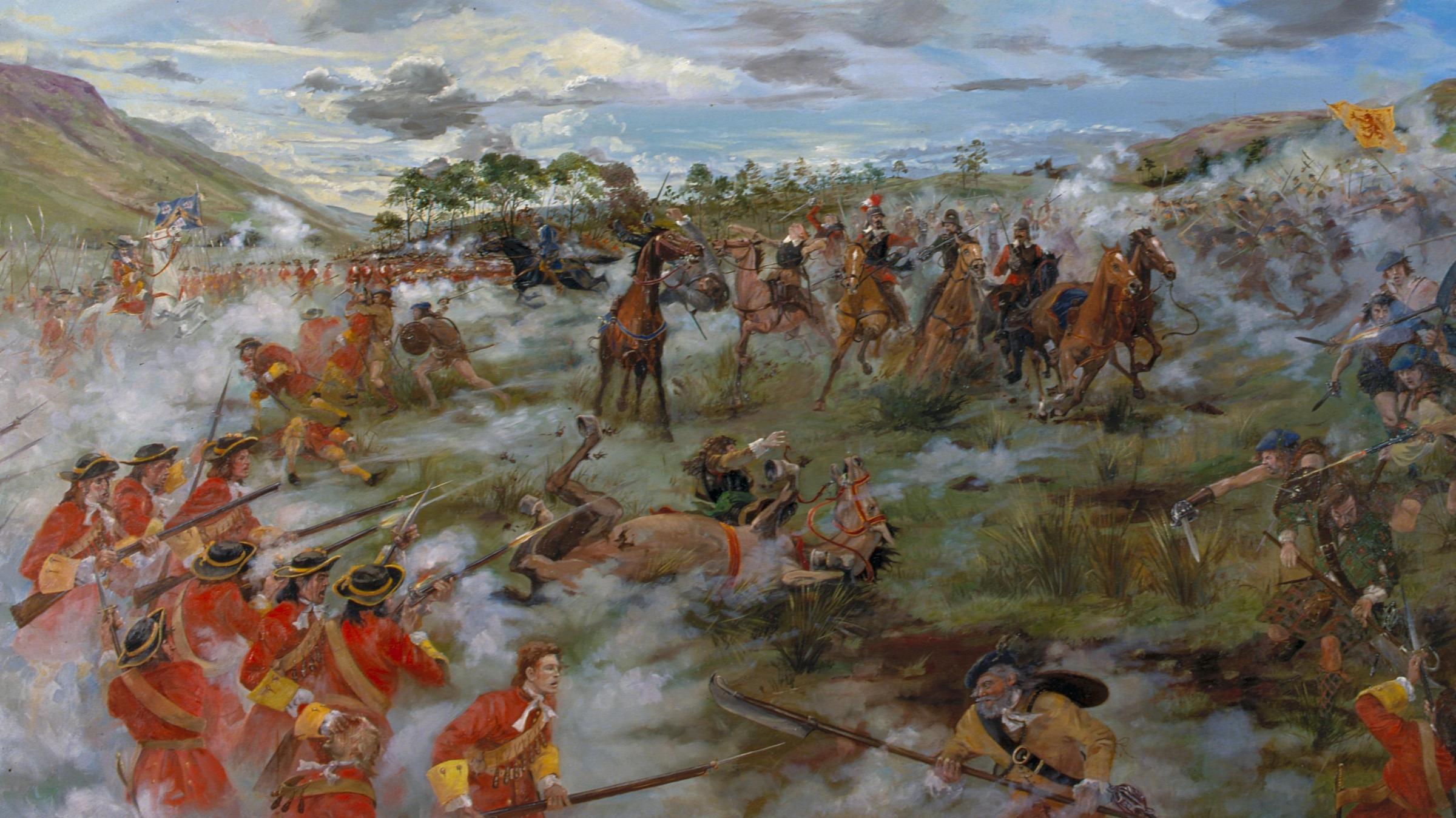
The major battle happened at the Pass of Killiecrankie, 27 July, 1689.

image11killiecrankie.jpg

The government’s side consisted almost entirely of regular infantry regiments, but a real mixture of raw and experienced soldiers, it seems.

image12redcoats.jpg

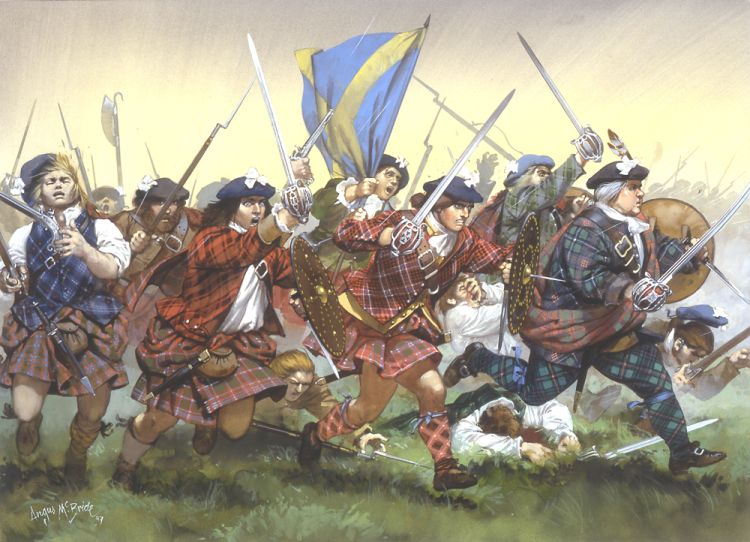
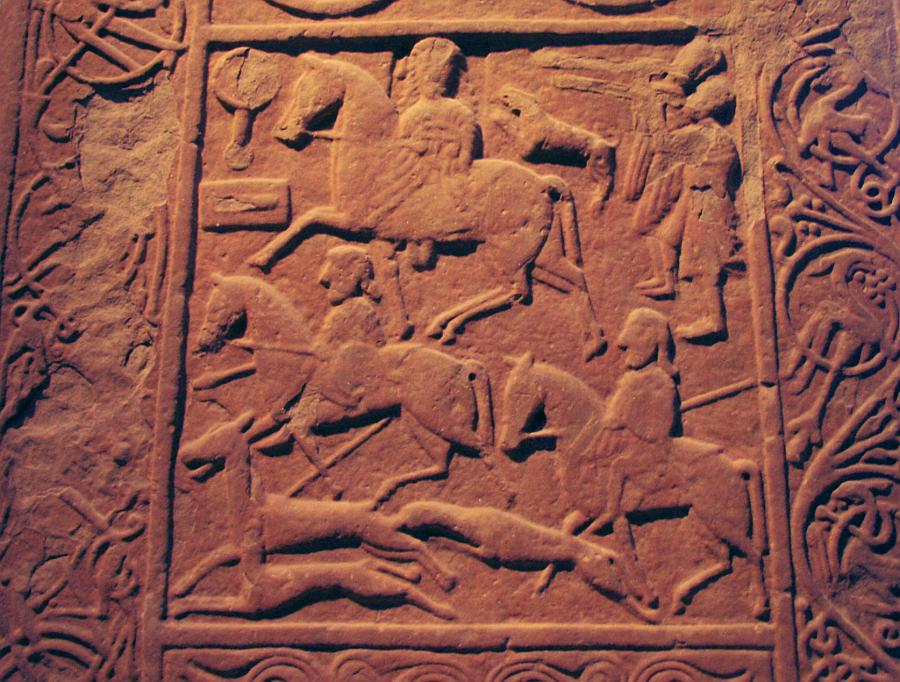
Dundee’s men were primarily Highlanders, untrained in modern battlefield discipline and tactics.

image13highlanders.jpg

The usual method in period battles was to begin by softening up the enemy with artillery fire in hopes that you could goad him into attacking you or at least you might shake his organization.

image14boyne.jpg

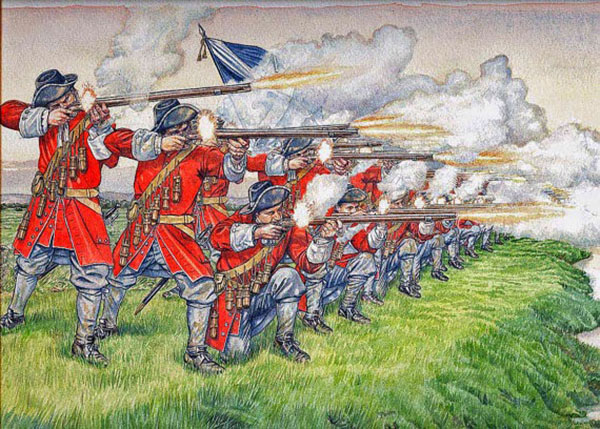
Then, if the enemy advanced, you used your firepower to break up his formations

image15musketry.jpg

and, if you were lucky, to drive him back, whereupon you might loose your cavalry to drive him off the battlefield.

image16cavalry.jpg

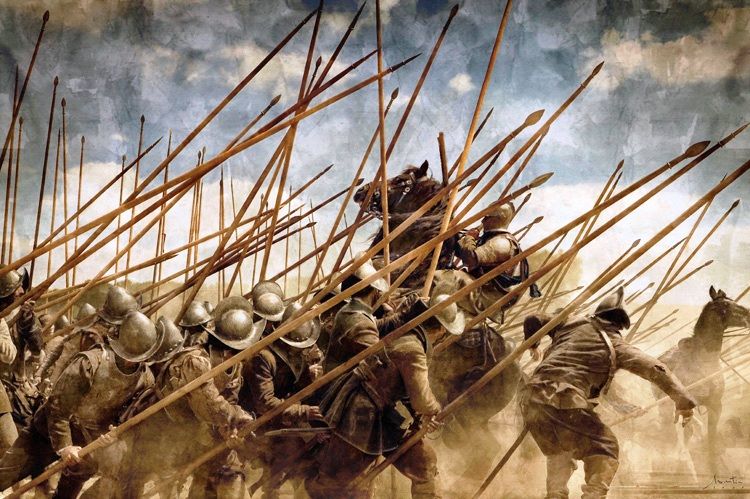
1689 was a time of transition in European armies, in which the Renaissance weapon, the pike,

image17pikes.jpg

which had been increasingly flanked by men with firearms,

image18pikes.jpeg

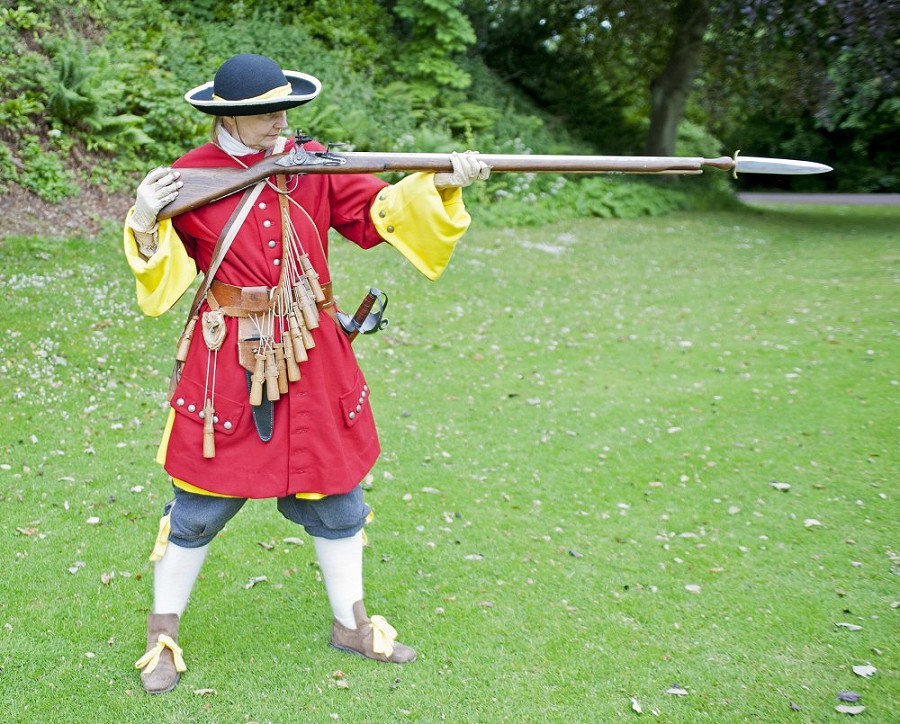
was being replaced by the bayonet, turning a musket into a short pike and thus removing the need for pikemen.  The earliest bayonets, however, were simply knives stuck into the muzzle of the musket.

image19plug.jpg

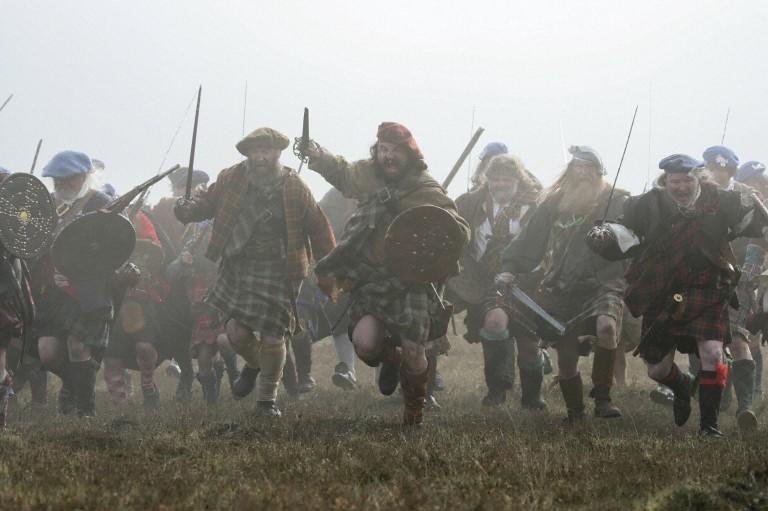
Of course, if you stick a knife into the muzzle, it means that you lose the ability to keep up your volleys and this seems to have been part of the difficulty for MacKay, the Williamite general.  The Highlanders had, as their main weapon, the charge, the goal being to get close to the enemy before he could do much damage with firearms, and cut him to pieces with swords and axes.

image20charge.jpg

Somehow, the Highlanders managed to break up the Williamite regiments—possibly because they were caught between firing and fixing bayonets?—and drive them off—although at the cost of losing Dundee, mortally wounded while attempting to direct the attack.

image21dundee.jpg

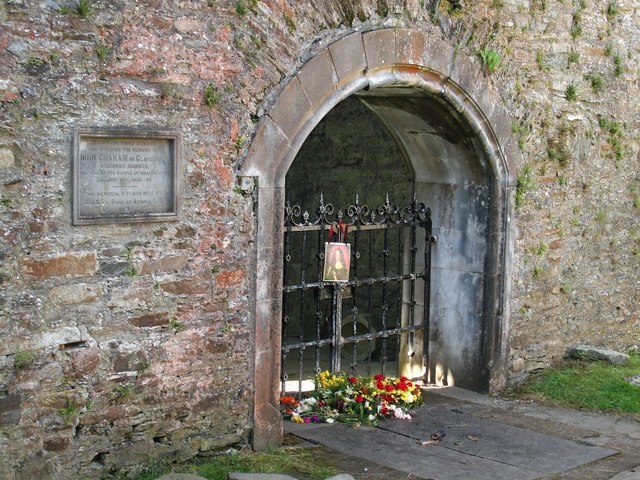
Sutcliff’s hero, a Scots Lowlander named Hugh Herriot, is first a groom in Dundee’s household and then a trooper in his dragoons, eventually following Dundee to Killiecrankie and his death.  (Dundee was buried nearby just after the battle.)

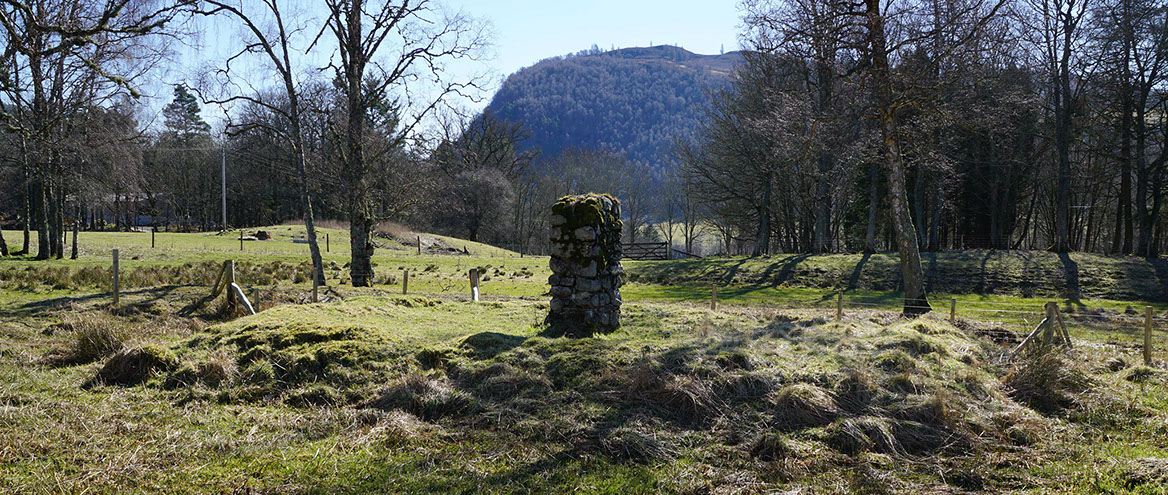
image22dundeegrave.jpg

It is on the march to the battlefield that Hugh sees something which briefly captures his attention at the time, but nothing more, and it was this description which has haunted us, ever since we put the book down:

“Once we came to the place where a cattle-track dipped down from the north, to cross the river by a made ford.  And on the far side, tucked in among the roots of overshadowing hazel and alder trees, looking as twisted and as rooted into the bank as themselves, an old woman in an earth-coloured gown knelt washing a pile of household clothes and linen.

I mind thinking it was late in the year for that; mostly the crofter women fling everything out-of-doors and deal with the bed-bugs and wash all things washable in May.  I mind also noticing that there was something of a dark brownish-red colour among the grey pallor of the unbleached linen; a shawl, maybe; you could not see, in the cave of shadows under the alder branches.

She took no more notice of our passing than if we had not been there at all.  And we marched on, and I thought no more of the thing, for the time being.”  (Bonnie Dundee, Chapter 21, “The Old Woman by the Ford”)

It’s only when later, in camp, Hugh senses that something appears to be worrying the Highlanders that it comes clear that they, too, saw the old woman—and something more, as his Highland friend, Alisdair, explains:

“Did ye see anything—any one, by the cattle ford an hour’s march up-river, as we came by?”

To which Hugh answers:

“An old woman doing her household wash…”

And Alisdair says in return:

“Aye, and you a Lowlander, ye would not be knowing.”

Continuing:

“The Woman of the Sidh—the Washer by the Ford.”

Although a Lowlander, Hugh does know:

“The Washer by the Ford, and she was washing the blood-stained linen, who comes before the death of chiefs and heroes…”

image23abean.jpg

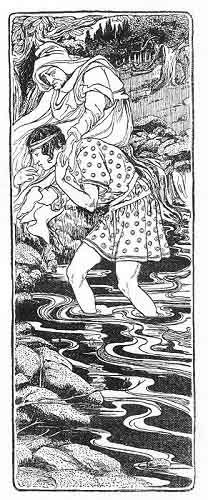
For us, who grew up in the Greco-Roman world, an old woman at a ford has a completely different meaning:  in the story of Jason, his patron-to-be, Hera, disguises herself as an old woman and sits by a ford, testing men by asking to be carried across.  Jason agrees to and loses a sandal in the process, thus fulfilling a divine warning sent to the king of Iolcus about his eventual overthrow (by Jason):  beware the man with one sandal.

image23jasonandhera.jpg

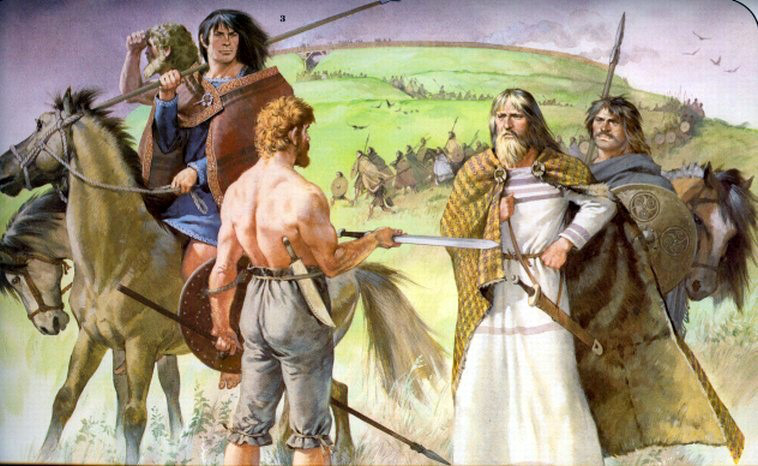
This story in the Sutcliff—really, as we said, only a little detail in a much larger story—struck us as not only extremely well told (which we expect from Sutcliff, a very gifted story-teller—we’ll talk more about her in a future post), but well-told because, initially, it does just seem like nothing at all—something idly noticed and nothing more.  Its creepiness comes not from the description, which might be ordinary, but from its Celtic heritage—the Highlanders belong to a world made long before 1689, being a combination of the prehistoric settlers of the north, the Picts,

image24picts.jpg

and the Irish, who began arriving in Scotland in the 5th century AD.

image25irish.jpg

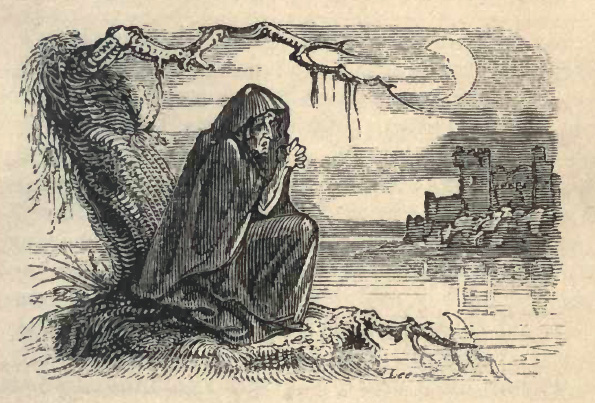
Although the Irish had converted to Christianity early, there were certain older beliefs which lasted throughout many centuries.  The Old Woman at the Ford is clearly one.  In Gaelic, the Irish-based language of Scotland, she is the Bean Nighe, (ben NEE-yeh, “the washer-woman”), or as Alisdair calls her, “the Woman of the Sidh” (sheethe).

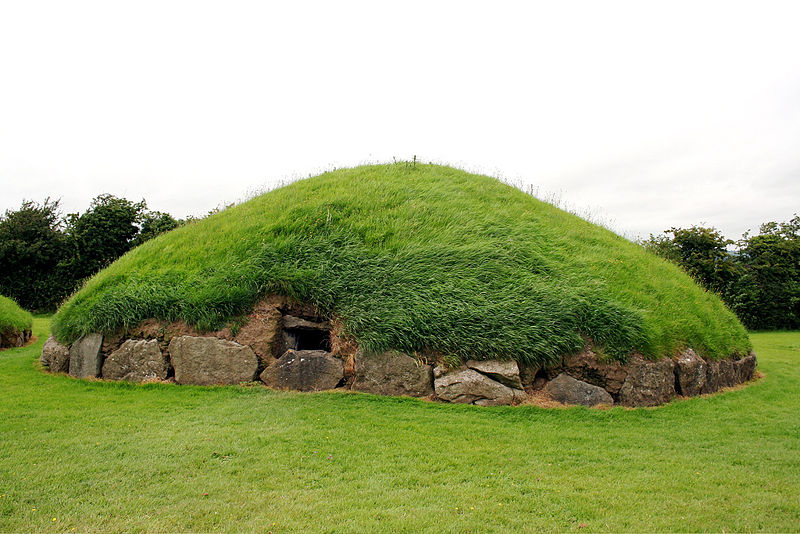
“Sidh” has, in fact, several possible translations:  it can mean “peace”, but, as well, it signifies the Neolithic tumuli (like the barrows to the east of the Old Forest in Middle-earth), as well as the People of the Other World (who may either live in tumuli, or use them as doorways into that Other World).

image26sidh.jpg

Our English word “banshee” is simply the Irish ben side (ben SHEE-thyeh), “woman of the Sidh” which, as we’ve seen, is just what Alisdair calls the Old Woman at the Ford.

Banshees—who do not necessarily always appear as old women, sometimes visit as young–are a kind of messenger from the Other World, sent to warn family members of an impending death.  Their manner of communicating this can vary—in some parts of tradition, they fulfil the task of old women at traditional funerals, wailing in grief, with a sound which has come into English as “keening”.

image27keening.jpg

To give you an idea of this, here’s a LINK to a clip from the 1959 Disney movie, Darby O’Gill and the Little People, in which we see not only a banshee, but also the next step, the coiste bodhar, [KOH-shte BOW-er] the “silent coach” with its headless coachman, the Dullahan, called in Irish, Gan Ceann,(gan KENN) “Headless”, who carries the dead person…somewhere… [Be warned, by the way:  one of us saw this only once, many years ago, on a Disney program, and has spent many further years trying not to remember it!]

In other parts of the tradition, the banshee stands outside the doomed person’s window and simply says her/his name (which impresses us as especially creepy), or calls out “My wife!” “My husband!” or “My child!”

In Ireland, the banshee is restricted to the pre-Norman-invasion population (pre-the-year 1169, more or less), suggesting that this is a purely Celtic belief, which would make sense of Hugh’s Highland friend, Alisdair’s, fear of the Washer.

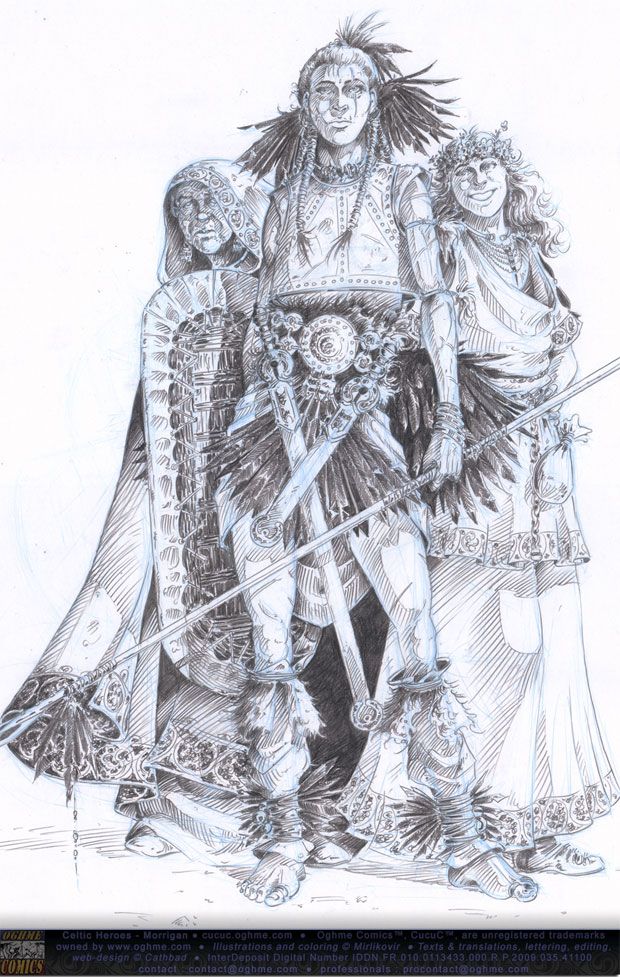
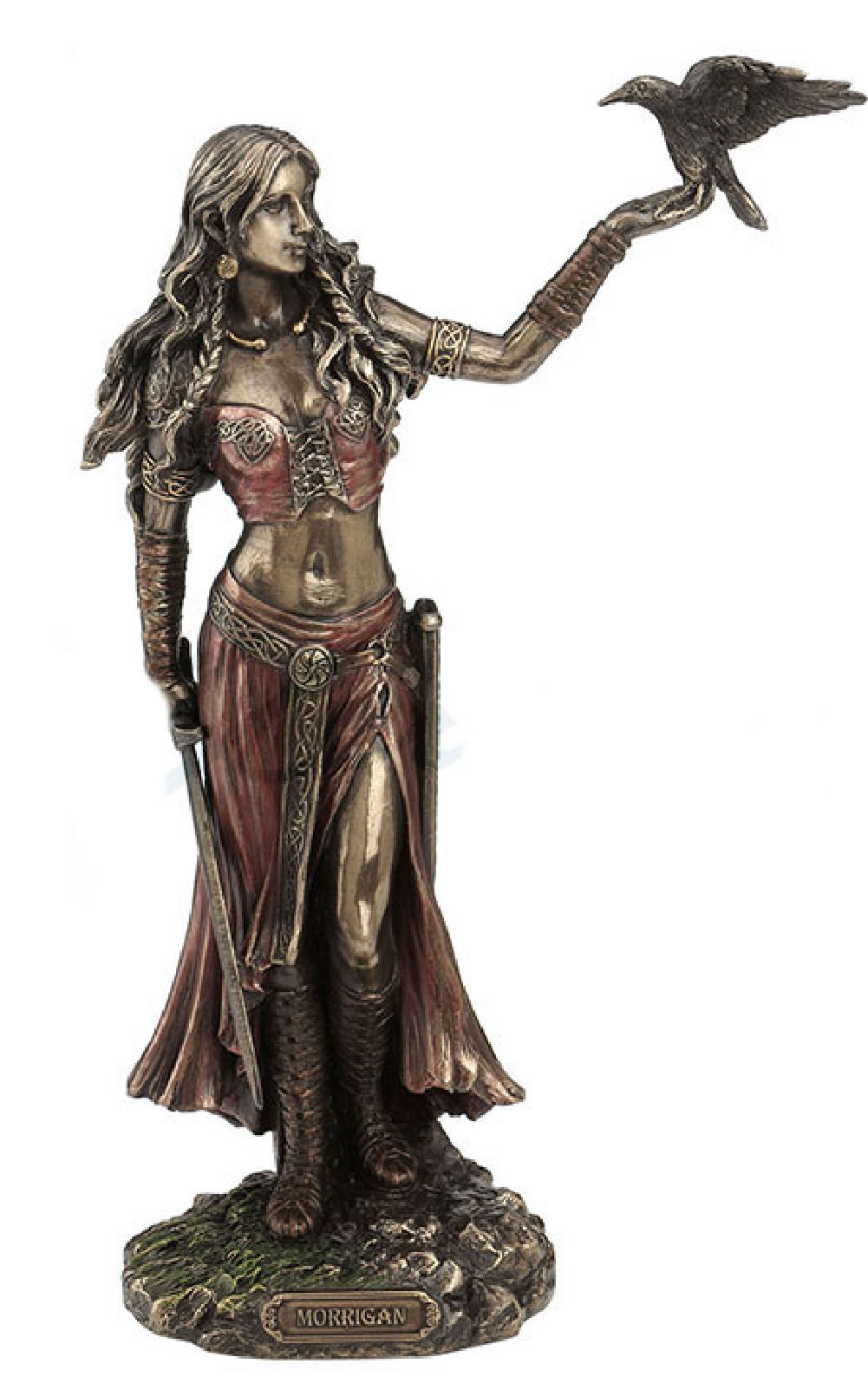
It has been suggested that perhaps this figure is descended from a fearful Irish goddess, the Bodbh (BAH-thv),

image29bodbh.jpg

who has a possible three-part persona and appears before battles and on battlefields, with a raven as her totemic animal.

image30bodbh.jpg

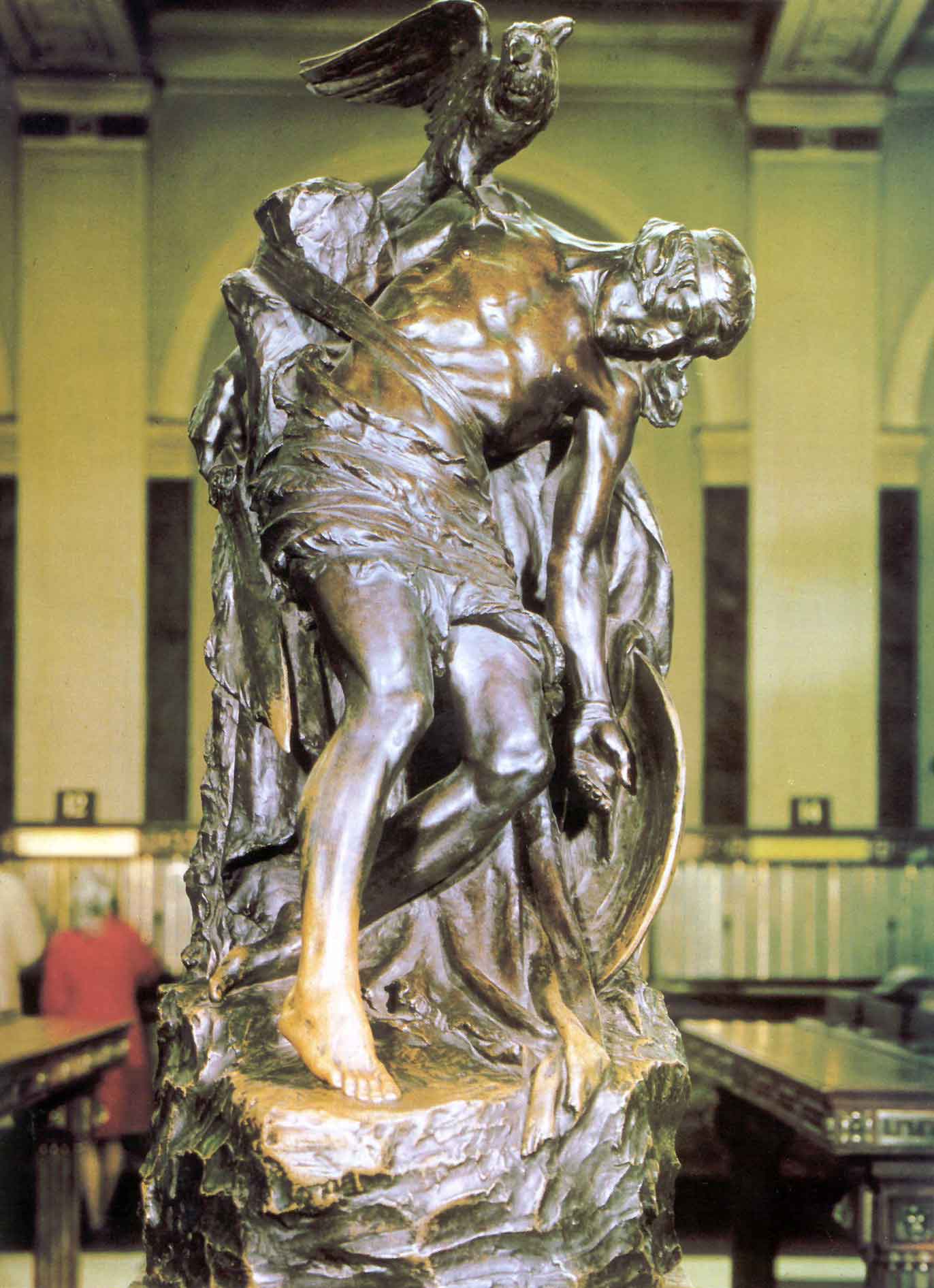
She is also called Morrigan, meaning “great queen”, which sounds rather like a euphemism.  In Old Irish stories, she is the enemy of the boy hero Cuchulain (Koo HOO lun), and brings about his death through tricking him into destroying his own protective spells (he eats dog, his own totemic animal—his name means “hound of Culann”).  There’s a famous bronze statue of him, with her raven on his shoulder, in the old main Dublin post office.

image31cu.jpg

And here Sutcliff now helps us to complete a kind of grim mythological circle.  Hugh Herriot not only knows who the Washer is, but this further fact:

“The Washer by the Ford, and she was washing the blood-stained linen, who comes before the death of chiefs and heroes—aye, before the death of Cuchulain himself.”

Who is the chief and hero of the novel—and is riding to battle the Williamites?  It’s clear, if one accepts this portent, what is to happen, and yet Hugh tries to deny what he knows to Alisdair—

“Och, away!  Dinna be sae daft!…She was real enough; just an old hen-wife, a wee thing late with her spring washing.  Aye, she was real enough.”

Alisdair’s reply still chills us—as it does Hugh—and explains why what was originally only a passing observation in this novel has stayed with us:

“ ‘She seemed real enough,’ he said, ‘she always does.’ “

Thanks, as always, for reading.

MTCIDC

CD

The Doubtful Sea Series Facebook Page

The Doubtful Sea Series Facebook Page

  • Ollamh

Categories

  • Artists and Illustrators
  • Economics in Middle-earth
  • Fairy Tales and Myths
  • Films and Music
  • Games
  • Heroes
  • Imaginary History
  • J.R.R. Tolkien
  • Language
  • Literary History
  • Maps
  • Medieval Russia
  • Military History
  • Military History of Middle-earth
  • Narnia
  • Narrative Methods
  • Poetry
  • Research
  • Star Wars
  • Terra Australis
  • The Rohirrim
  • Theatre and Performance
  • Tolkien
  • Uncategorized
  • Villains
  • Writing as Collaborators
Follow doubtfulsea on WordPress.com

Across the Doubtful Sea

Recent Postings

  • Through a glass… January 7, 2026
  • Heffalumps? December 31, 2025
  • We Three Kings December 24, 2025
  • A Moon disfigured December 17, 2025
  • On the Roads Again—Once More December 10, 2025
  • (Not) Crossing Bridges December 3, 2025
  • On the Road(s) Again—Again November 26, 2025
  • On the Road(s) Again November 19, 2025
  • To Bree (Part 2) November 12, 2025

Blog Statistics

  • 104,106 Views

Posting Archive

  • January 2026 (1)
  • December 2025 (5)
  • November 2025 (4)
  • October 2025 (5)
  • September 2025 (4)
  • August 2025 (4)
  • July 2025 (5)
  • June 2025 (4)
  • May 2025 (4)
  • April 2025 (5)
  • March 2025 (4)
  • February 2025 (4)
  • January 2025 (5)
  • December 2024 (4)
  • November 2024 (4)
  • October 2024 (5)
  • September 2024 (4)
  • August 2024 (4)
  • July 2024 (5)
  • June 2024 (4)
  • May 2024 (5)
  • April 2024 (4)
  • March 2024 (4)
  • February 2024 (4)
  • January 2024 (5)
  • December 2023 (4)
  • November 2023 (5)
  • October 2023 (4)
  • September 2023 (4)
  • August 2023 (5)
  • July 2023 (4)
  • June 2023 (4)
  • May 2023 (5)
  • April 2023 (4)
  • March 2023 (5)
  • February 2023 (4)
  • January 2023 (4)
  • December 2022 (4)
  • November 2022 (5)
  • October 2022 (4)
  • September 2022 (4)
  • August 2022 (5)
  • July 2022 (4)
  • June 2022 (5)
  • May 2022 (4)
  • April 2022 (4)
  • March 2022 (5)
  • February 2022 (4)
  • January 2022 (4)
  • December 2021 (5)
  • November 2021 (4)
  • October 2021 (4)
  • September 2021 (5)
  • August 2021 (4)
  • July 2021 (4)
  • June 2021 (5)
  • May 2021 (4)
  • April 2021 (4)
  • March 2021 (5)
  • February 2021 (4)
  • January 2021 (4)
  • December 2020 (5)
  • November 2020 (4)
  • October 2020 (4)
  • September 2020 (5)
  • August 2020 (4)
  • July 2020 (5)
  • June 2020 (4)
  • May 2020 (4)
  • April 2020 (5)
  • March 2020 (4)
  • February 2020 (4)
  • January 2020 (6)
  • December 2019 (4)
  • November 2019 (4)
  • October 2019 (5)
  • September 2019 (4)
  • August 2019 (4)
  • July 2019 (5)
  • June 2019 (4)
  • May 2019 (5)
  • April 2019 (4)
  • March 2019 (4)
  • February 2019 (4)
  • January 2019 (5)
  • December 2018 (4)
  • November 2018 (4)
  • October 2018 (5)
  • September 2018 (4)
  • August 2018 (5)
  • July 2018 (4)
  • June 2018 (4)
  • May 2018 (5)
  • April 2018 (4)
  • March 2018 (4)
  • February 2018 (4)
  • January 2018 (5)
  • December 2017 (4)
  • November 2017 (4)
  • October 2017 (4)
  • September 2017 (4)
  • August 2017 (5)
  • July 2017 (4)
  • June 2017 (4)
  • May 2017 (5)
  • April 2017 (4)
  • March 2017 (5)
  • February 2017 (4)
  • January 2017 (4)
  • December 2016 (4)
  • November 2016 (5)
  • October 2016 (6)
  • September 2016 (5)
  • August 2016 (5)
  • July 2016 (5)
  • June 2016 (5)
  • May 2016 (4)
  • April 2016 (4)
  • March 2016 (5)
  • February 2016 (4)
  • January 2016 (4)
  • December 2015 (5)
  • November 2015 (5)
  • October 2015 (4)
  • September 2015 (5)
  • August 2015 (4)
  • July 2015 (5)
  • June 2015 (5)
  • May 2015 (4)
  • April 2015 (3)
  • March 2015 (4)
  • February 2015 (4)
  • January 2015 (4)
  • December 2014 (5)
  • November 2014 (4)
  • October 2014 (6)
  • September 2014 (1)

Blog at WordPress.com.

  • Subscribe Subscribed
    • doubtfulsea
    • Join 78 other subscribers
    • Already have a WordPress.com account? Log in now.
    • doubtfulsea
    • Subscribe Subscribed
    • Sign up
    • Log in
    • Report this content
    • View site in Reader
    • Manage subscriptions
    • Collapse this bar
 

Loading Comments...