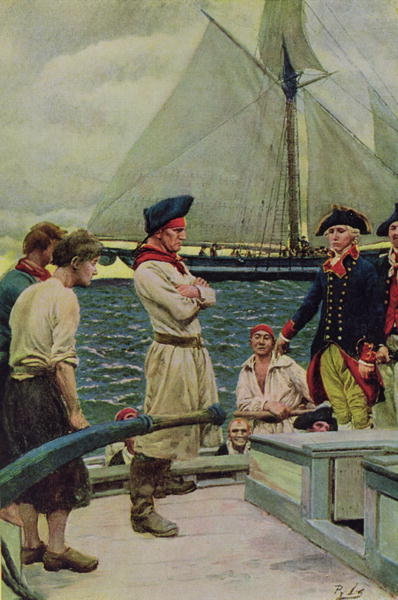
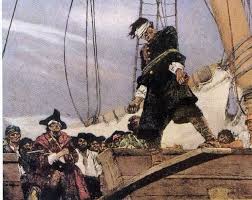
• About

doubtfulsea

~ adventure fantasy

Tag Archives: Howard Pyle

A Pirate’s Life

24 Wednesday Feb 2016

Posted by Ollamh in Artists and Illustrators, Imaginary History, J.R.R. Tolkien, Literary History, Military History, Military History of Middle-earth, Villains

≈ Leave a comment

Tags

Barbary Coast, Captain Blood, Captain Hook, Corsairs, Errol Flynn, Gilbert and Sullivan, Howard Pyle, Jack Sparrow, Jolly Roger, mariners, Napoleonic Wars, Narnia, Peter Jackson, Pirates, Scharb, shipbuilding, Tamora Pierce, The Black Pearl, The Lord of the Rings, Tolkien, Tortall, Treasure Island, Umbar, USS Philadelphia, xebec

“Oh, a pirate’s life is a wonderful life,

A-rovin’ over the sea,

Give me a career as a buccaneer

It’s the life of a pirate for me…”

Wallace/Penner, Peter Pan (1953)


Dear readers, welcome, as ever.

Being clever, you can tell immediately where this posting is going to go. Yep, the corsairs of Umbar.

A corsair is another word for pirate. And, when we think “pirate”, first there’s the late-19th-early-20th-century work of Howard Pyle.

Pyle_pirate_handsome.jpg


And the silly pirates from Gilbert and Sullivan’s The Pirates of Penzance.

piratesofpenzance.jpg


And Long John Silver, from Treasure Island.

longjohnsilver.jpg


And then there is Captain Hook and the Jolly Roger.

TigerLilyandHook.jpg


And Errol Flynn in the 1935 movie, Captain Blood.
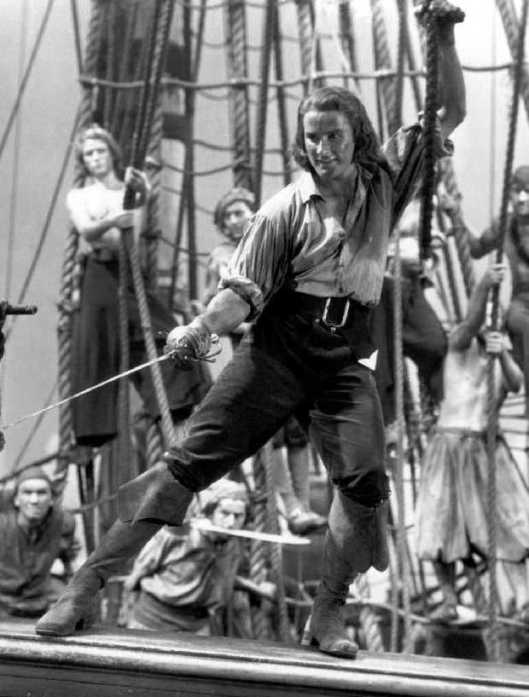
1023_captblood.jpg


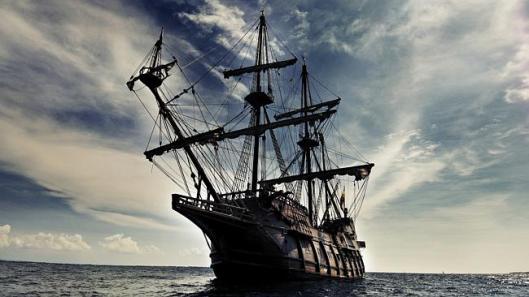
And who could forget Jack Sparrow and The Black Pearl?

Captain-Jack-captain-jack-sparrow-14117613-1242-900.jpg

blackpearl.jpg

We think that Tolkien has something rather different in mind, however. Let’s start with a little history.

Umbar’s past in relation to Gondor is summed up by Damrod in “Of Herbs and Stewed Rabbit”:

“ ‘Aye, curse the Southrons!’ said Damrod. ‘Tis said that there were dealing of old between Gondor and the kingdoms of the Harad to the Far South; though there was never friendship. In those days our bounds were away south beyond the mouths of Anduin, and Umbar, the nearest of their realms, acknowledged our sway. But that is long since. ‘Tis many lives of Men since any passed to and fro . Now of late we have learned that the Enemy has been among them, and they are gone over to Him, or back to Him—they were ever ready to his Will—“ (The Two Towers, Book 4, Chapter 4,“Of Herbs and Stewed Rabbit”)

Damrod’s mistrust is confirmed by what Beregond says to Pippin in “Minas Tirith”:

“…There is a great fleet drawing near to the mouths of Anduin, manned by the corsairs of Umbar in the South. They have long ceased to fear the might of Gondor, and they have allied them with the Enemy, and now make a heavy stroke in his cause. For this attack will draw off much of the help that we looked to have from Lebennin and Belfalas, where folk are hardy and numerous.” (The Return of the King, Chapter 1, “Minas Tirith”)

As Damrod has said, Umbar is to the far south.

map-of-gondor-and-neighbors2.jpg

Here is a view of it as imagined by the Czech artist, Scharb.

thecityofumbar.jpg

To us, this resembles cities along the southern Mediterranean coast, especially as seen in old engravings of the Barbary Coast.
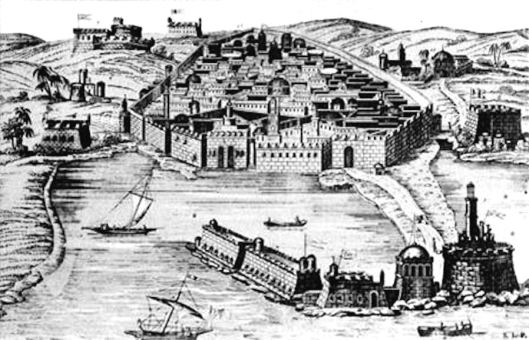
Old_algiers_16th_century.jpg

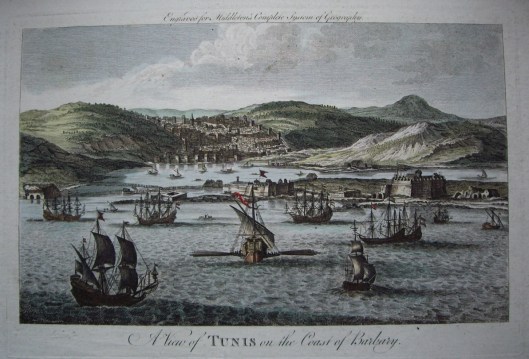
Take, for example, this copperplate of Tunis, from 1778.
tunisengraving.JPG


There are all kinds of ships depicted here, from three-masters to a galley, in the center, to a small xebec, to the far right.

The galley seemed once to be the characteristic ship of the pirates of the Barbary Coast, coming from earlier Turkish galleys.

Galley1500ca.jpg


What the Czech artist appears to have picked up upon, however, is something from P. Jackson’s third The Lord of the Rings film, in which the xebec

Xebec L80 - 01.jpg_0_1024x769.jpg


is the model for the corsairs’ vessels.

corsairMastSails.jpg


Jackson’s corsairs look like this (including Jackson himself, mugging to the left).

jacksonandcorsairs.jpg

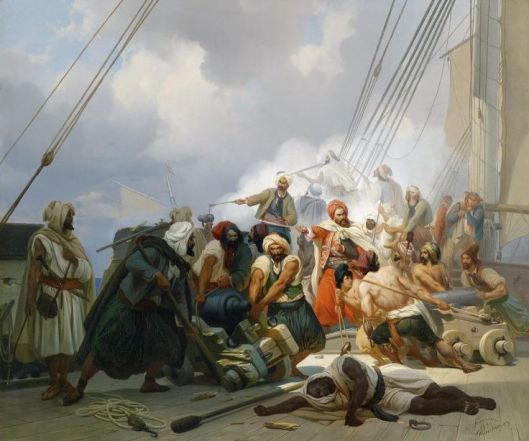
The crews of actual Barbary ships probably looked more like this:

21c27fb9a0a7cdf4d123d6e12bcbbd83.jpg

This makes perfect sense, as these are North Africans, and very tough people, as European mariners came to know. Their swift, daring ships attacked any vessel which might bring them profit.

barbary-pirate-galleon.jpg

The young United States first paid them tribute to keep them away from US ships.

tribute.jpg

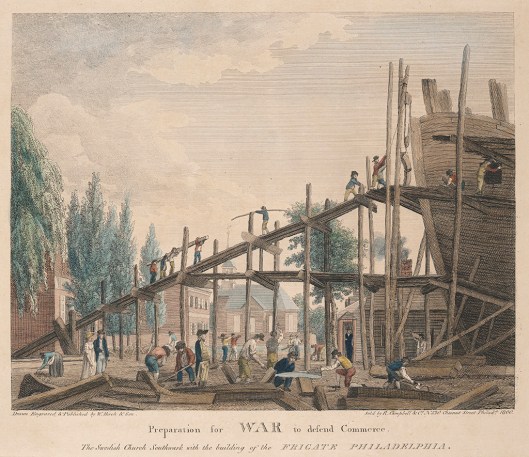
But, as the government somewhere found the money, it began a shipbuilding program to provide the country with its first national navy.
buildingthephiladelphia.jpg

This particular ship was the ill-fated USS Philadelphia, which ran aground and was captured by the pirates.

philly.jpg

captureofthephiladelphia.jpg

It was destroyed, however,

destructionofthephiladelphia.jpg

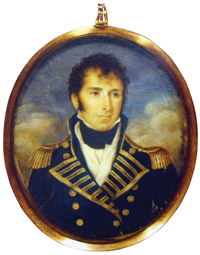
in a daring raid by Stephen Decatur, seen in this miniature.
stephendecatur.jpg

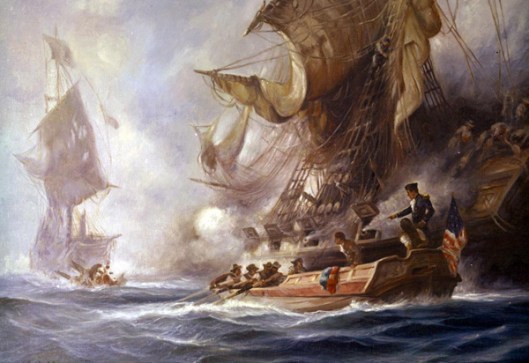
The United States fought two wars against the Barbary pirates, 1801-5 and 1815, doing a great deal of damage to the pirates.
USS-Enterprise-barbary-war.jpg

Ultimately, however, it was a combination of governments and navies, including the US, the British, and the Dutch, which put a stop to piracy in the southern Mediterranean after the end of the Napoleonic Wars in 1815.

Decatur_Boarding_the_Tripolitan_Gunboat.jpg

So, like Scharb, we took the idea from JRRT that Umbar was in the far south and, influenced by our experience, not only of the Barbary pirates, but of Narnia and the country called Calormen

Baynes-Map_of_Narnia.jpg

and of Tamora Pierce’s “Tortall” with its Carthaki southland,

Tortall_1.gif

we imagined the corsairs to look like this.
barbarypirates.jpg

So, dear readers, what do you think?

Thanks, as always, for reading.

MTCIDC

CD


A (Self)-portrait of the Artist?

03 Friday Apr 2015

Posted by Ollamh in Artists and Illustrators

≈ Leave a comment

Tags

Adventure, Doubloon, Howard Pyle, Illustration, N.C. Wyeth, Pirates, Self-portrait, Spanish Galleon

Dear Readers, 

We intend to continue our discussion of narrative in Tolkien in our next, but heavy with the baskets of jelly beans and peeps we’ve consumed pre-Easter, we thought we’d daydream with you a little this week. Our focus in this blog is a picture we have displayed once before. It is by N.C. Wyeth and was the cover of the March 1922 issue of the Ladies’ Home Journal. 

3923894215_20aa1d139f_o

Remembering all of N.C. Wyeth’s pictures of pirates, like this one:

1911_ncwyeth_treasureisland

we could certainly see this as one of that thematic family– a Spanish galleon being attacked by tiny pirate longboats.

hIDxztR

Here’s a cutaway of one such galleon by the wonderfully talented Stephen Biesty. And here is what they are attacking the ship for (and who wouldn’t?):

DOUBLOONS

It’s clearly a very powerful image: the boy daydreaming of adventure on the high seas. What interests us, however, beyond the evocative nature of the image, is to take a closer look at what the boy has in front of him, and to realize that the book is opened not to a picture, but to print. Thus, what so stirs the boy’s imagination is not a an illustration by, say, Wyeth’s teacher, Howard Pyle,

Unknown-1 

but the written text which such a picture would have accompanied during that golden era of book illustration, just at the end of the 19th and beginning of 20th centuries. And something else strikes us: is this a self-portrait of Wyeth himself as a boy, stirred, as we know he was, by stories of adventure? Compare these two pictures (the one on the right is the earliest picture we could find of Wyeth– dated 1903, so he’s about 21). 

3923894215_20aa1d139f_o NC_Wyeth_ca1903-1904

If it really is a retro self-portrait, then we have an extra level of narrative:

1. a boy, lost in the written word of an adventure story, day-dreaming of pirates

2. not just any boy, but Wyeth the painter–could we be looking at Wyeth depicting that moment when he decided that he would like to illustrate such stories himself?

What do you think, dear readers?  The only thing we could wish was that there was a companion picture, in which a girl of 1922 was reading the same book and having the same daydream!

Happy Easter!

MTCIDC

And thanks, as always, for reading,

CD

From Master to Pupil

13 Friday Mar 2015

Posted by Ollamh in Artists and Illustrators

≈ 1 Comment

Tags

Howard Pyle, Kidnapped, King Arthur, N.C. Wyeth, Robin Hood, Treasure Island

Dear Readers, 

Welcome, as always! 

Last time, we looked at some works by Howard Pyle, the great 19th-century illustrator and painter. Today, we want to look at the work of one of his most prominent students, N.C. Wyeth.

To give you an idea of what captivates us, we could just show you this:

3923894215_20aa1d139f_o

This sums it all up: the way in which reading allows you to step into imagination as if it were a country. It also suggests a certain propensity for romanic daydreaming on the part of certain people!

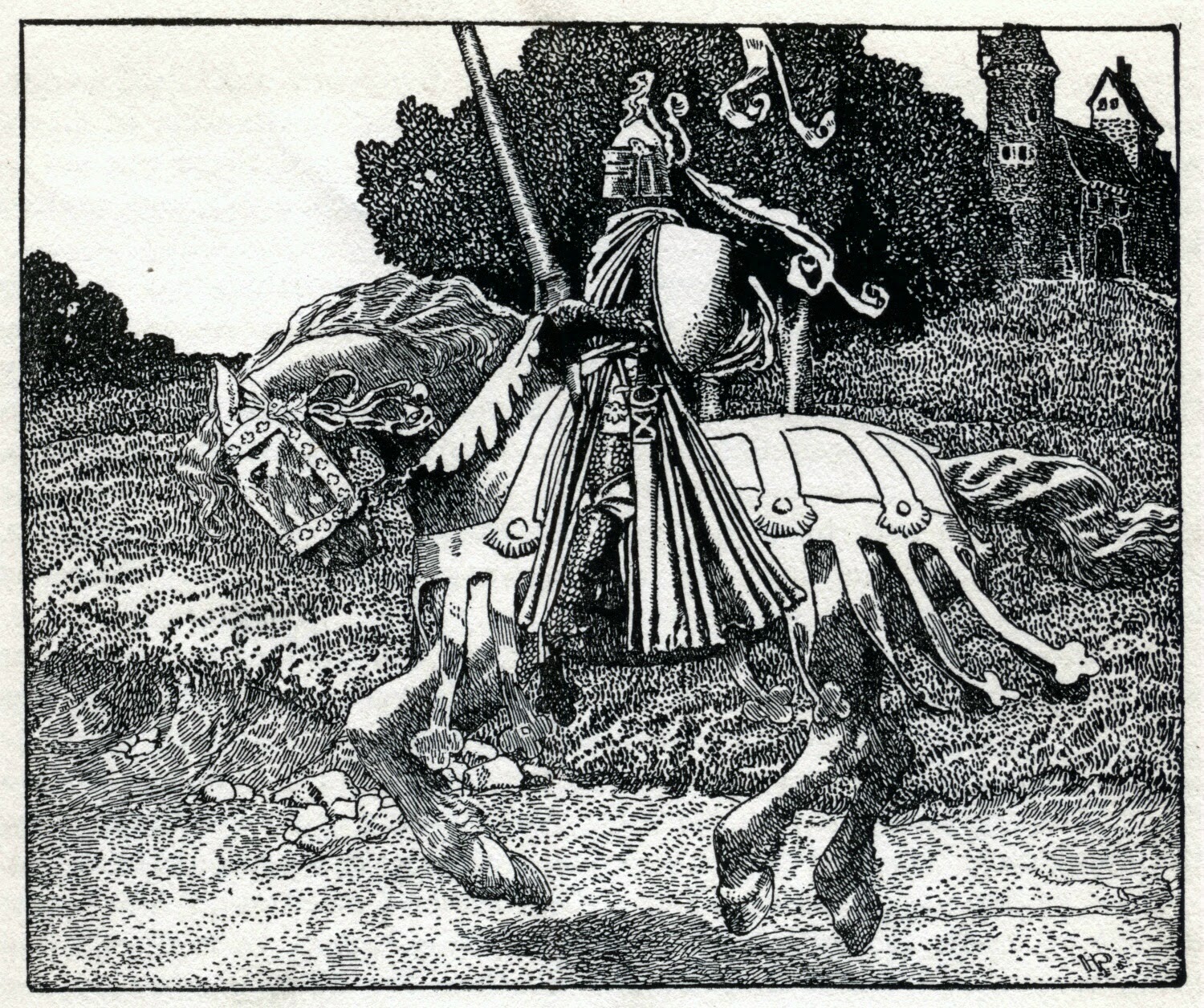
Here is an easy example of the difference between master and pupil. This is a Howard Pyle from his version of King Arthur. It’s beautifully detailed with a somewhat hard edge to it.

Mounted Knight By Howard Pyle

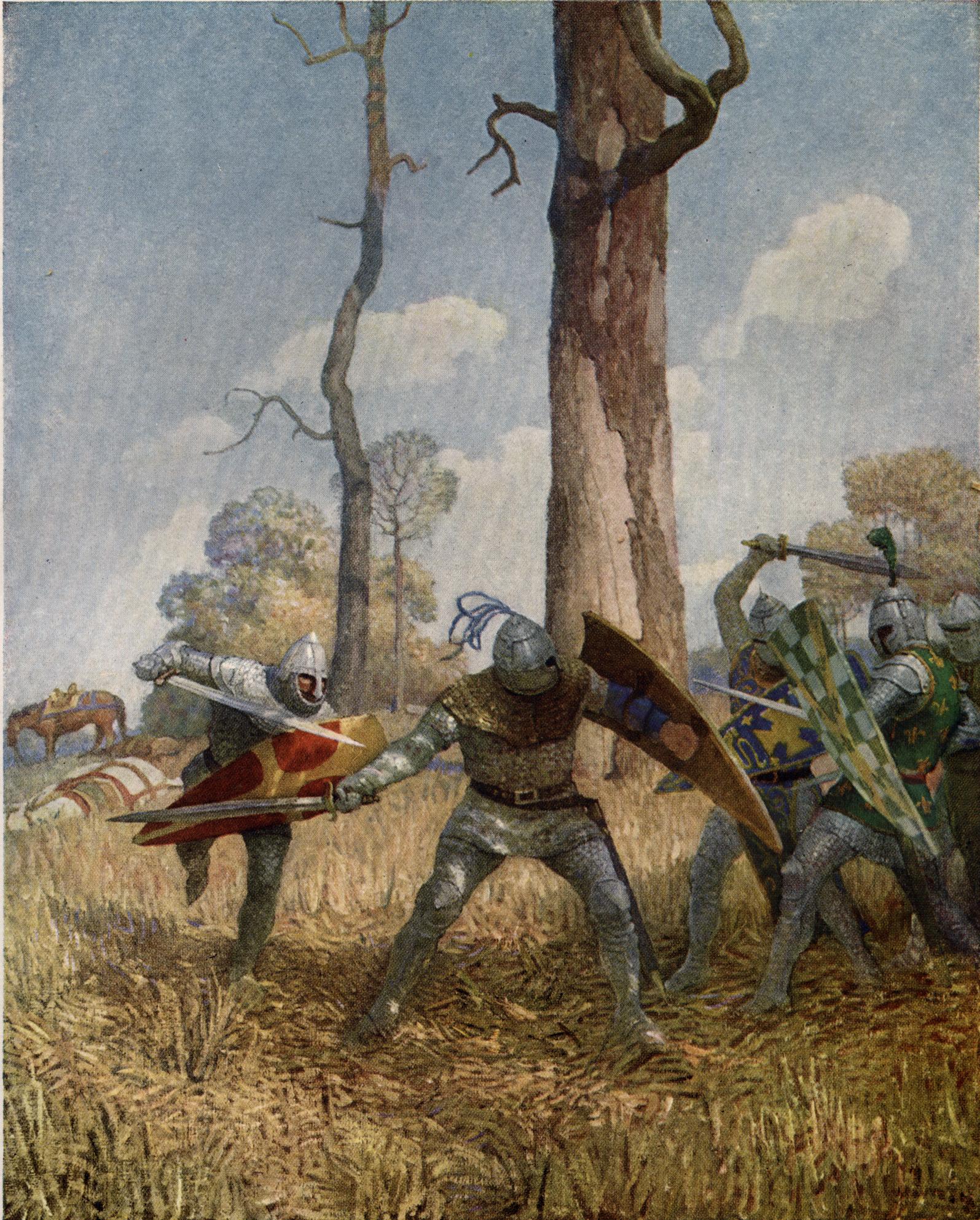
And here is a work by his pupil from his King Arthur:

the-green-knight-preparing-to-battle-sir-beaumains

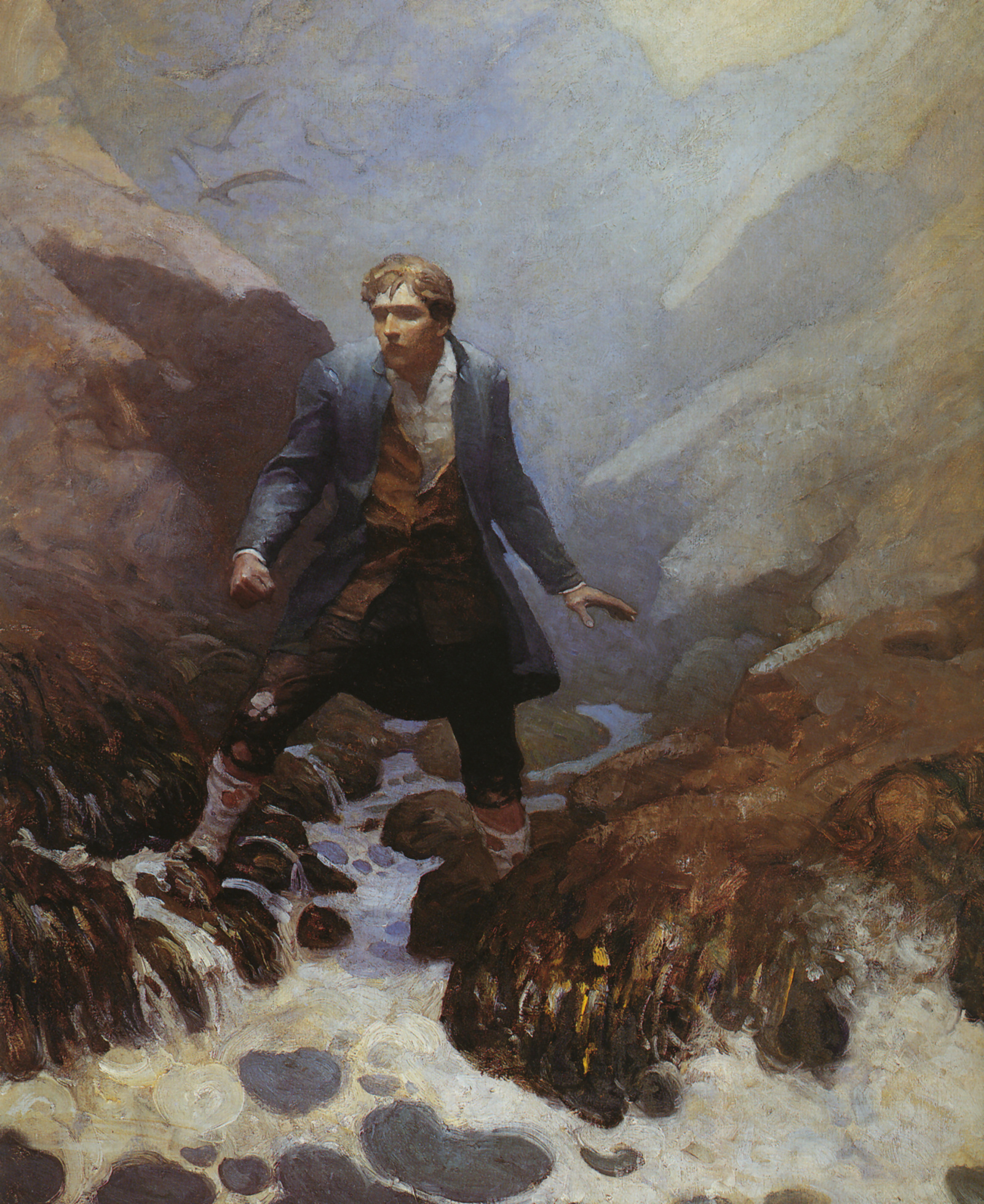
There is an almost dream-like cloudy quality to his work. In fact, that dream can even seem something like a nightmare in this Wyeth illustration from Kidnapped. 

On_the_Island_of_Earraid_(N.C._Wyeth)

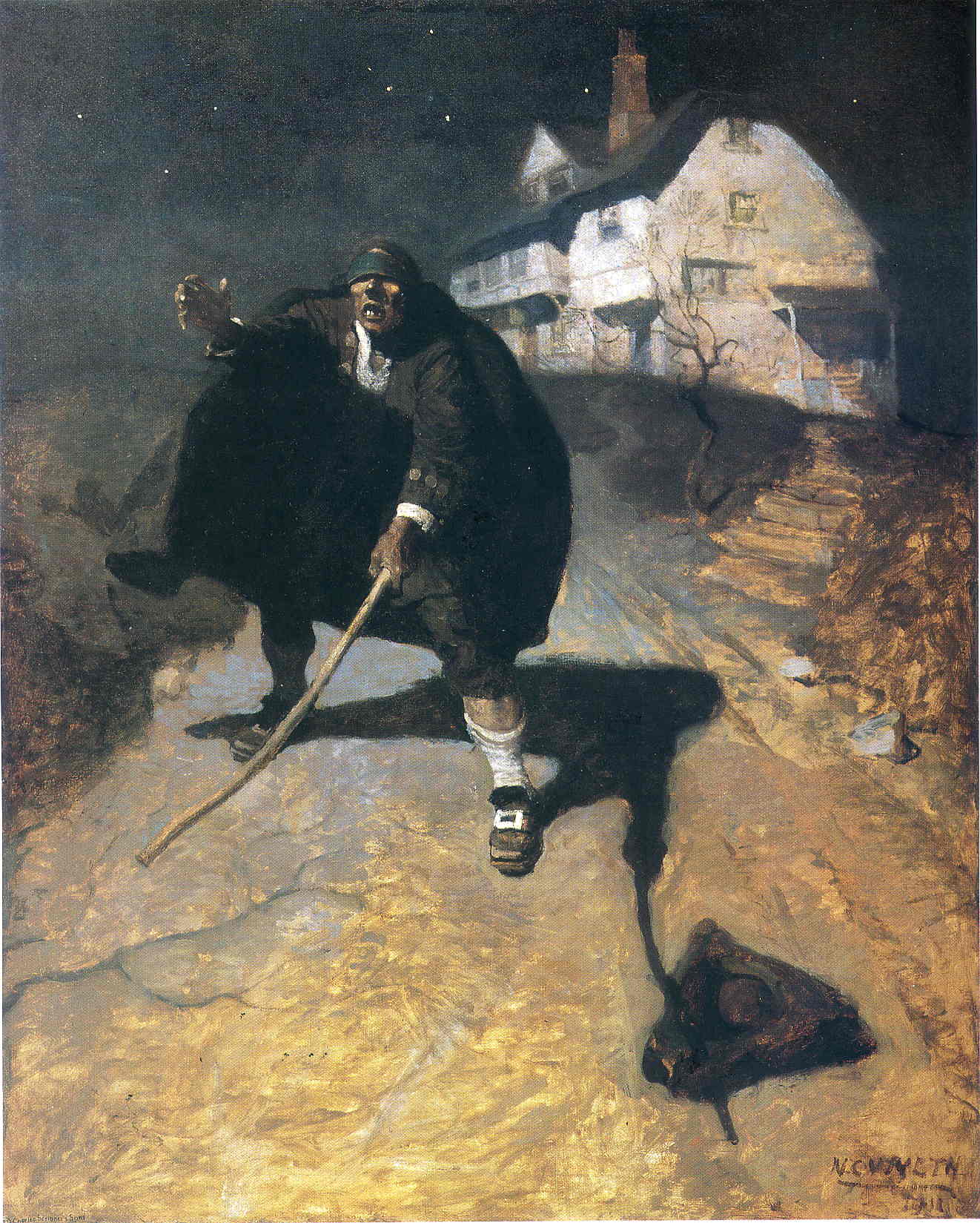
We’ve read that there are those who have criticized such works as “melodramatic”, but we think that that misses the point– they aren’t melodramatic, they are simply dramatic. 

blind-pew

But, for us, it truly is the case of picture = words x 1000. And so, we’ll content ourselves with showing you a few more of our favorite pictures.

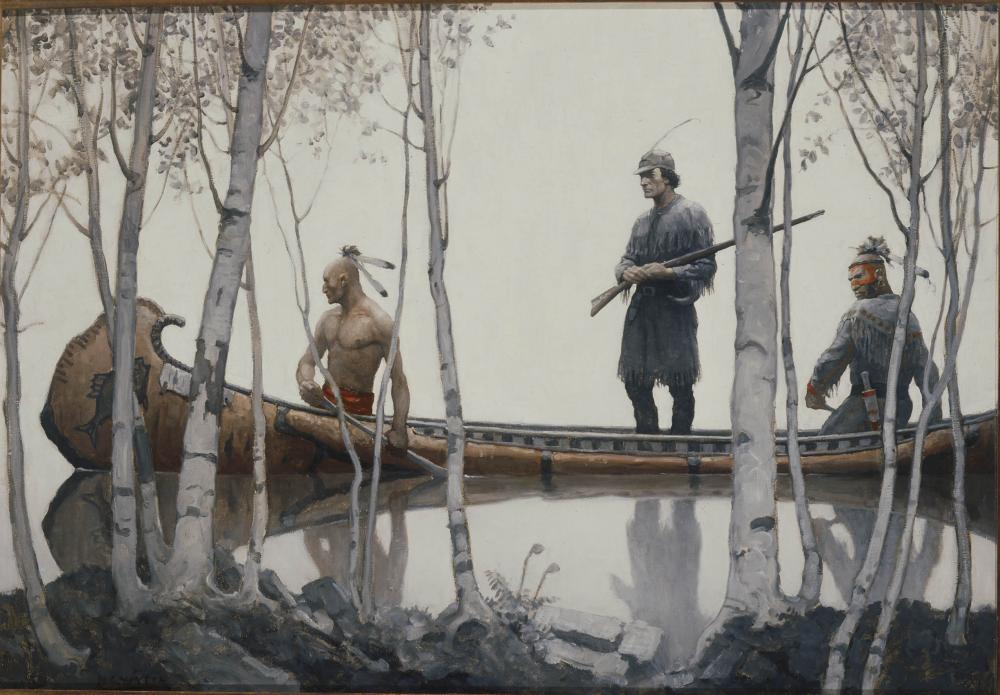
OLYMPUS DIGITAL CAMERA WyethRoundhouseWEB NCW-canoe-artwork nc-wyeth-giant1

5021b2a38af7ba9f082937ac220f7080.jpg

6f9f00b5837bfc1918bfd798f1812039

75aa91cf5c7a93afcab8b7208039eb78

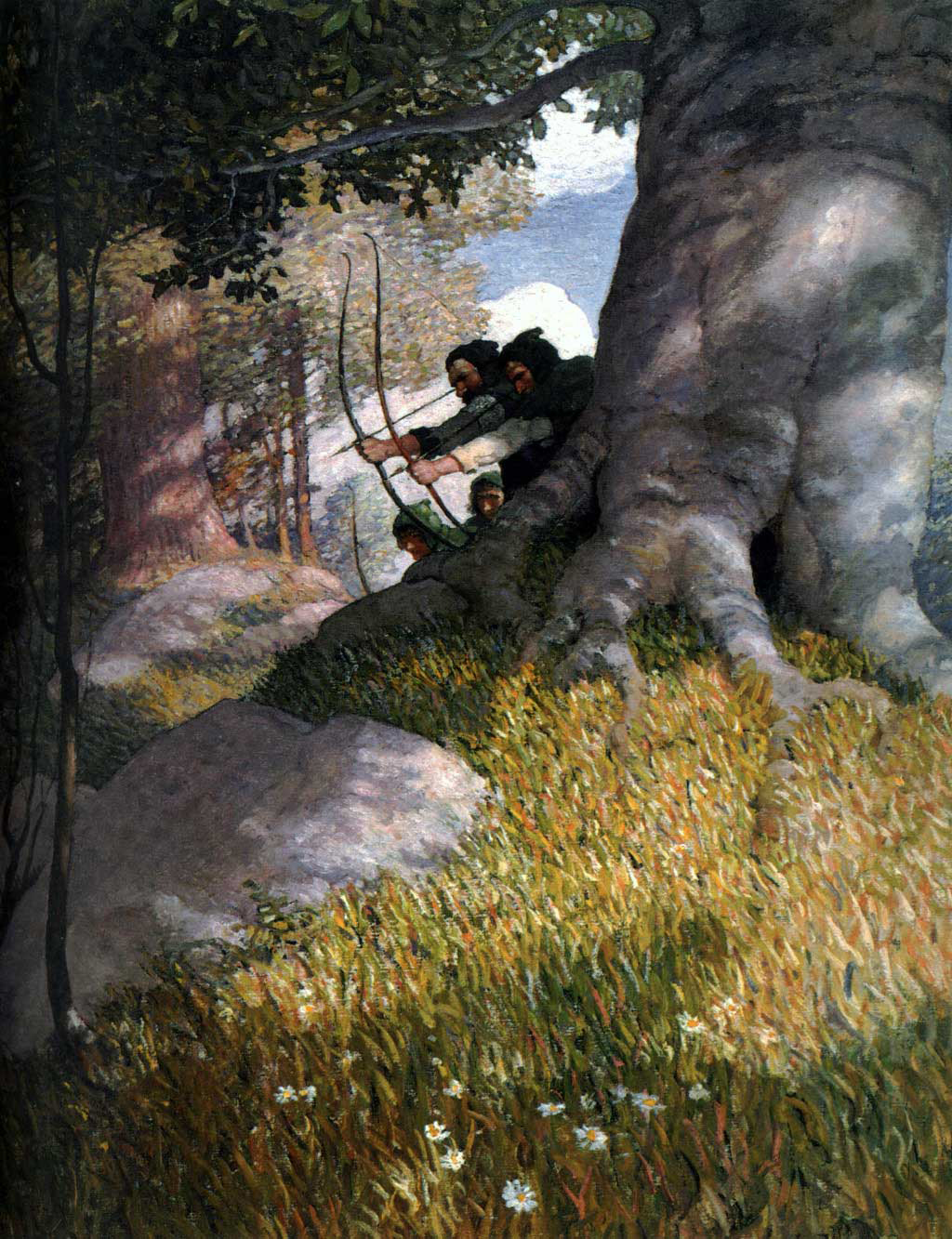
This last one, for us, may be as suggestive as the first one. We can feel ourselves deep in the beechwood behind the next tree, our bows creaking with the strain, waiting for the Sheriff of Nottingham. 

And, for this time, we invite you, dear readers, to join us there. 

Thanks, as always, for reading,

MTCIDC,

CD

Pyle of Pirates

06 Friday Mar 2015

Posted by Ollamh in Artists and Illustrators, Military History, Research, Writing as Collaborators

≈ Leave a comment

Tags

Bunker Hill, Howard Pyle, Illustrating History, Jack Sparrow, Pirates

Dear Readers,

Welcome!

In recent posts, we’ve talked about the wonderful Russian fairy/folktale illustrators of the late 19th, early 20th centuries.  We thought it might be fun, as we work on the sequel to Across the Doubtful Sea (Empire of the Isles) while editing The Good King’s Daughter for our second series, to continue the conversation by looking at other illustrators, beginning with two Americans, teacher and pupil Howard Pyle and N.C. Wyeth.

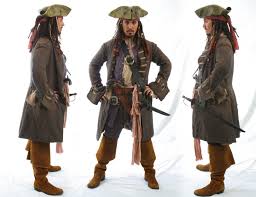
We begin, however, with a familiar contemporary image:

Unknown-3

We think it goes without saying who this is, don’t you?  He’s a wonderful actor, but, for someone who’s supposed to be dressed as a mid-18th-century sailor, he owes more to Howard Pyle, who, as has been pointed out more than once before, has exerted a strong influence upon Hollywood’s view of such people, than to actual 18th-century sailor’s dress.

Pirates were, in fact, sailors with, shall we say, non-mercantile goals.  They were workmen and wore very practical workmen’s clothes, like those in the following 18th-century illustrations.

ce4bd96ef59565cdd6aea174068137e1

siftingthepast_men-loading-a-boat-with-barrels_scott_ siftingthepast_a-ships-boat_scott_340264-bounty-mutiny

(This is, in fact, a contemporary illustration of the casting adrift of the notorious Captain Bligh, a British naval officer, although you see him only in his shirtsleeves here, rather than in his blue officer’s coat. His men, however, did not wear uniforms at this period, and, as you can see, would have looked like any other sailor.)

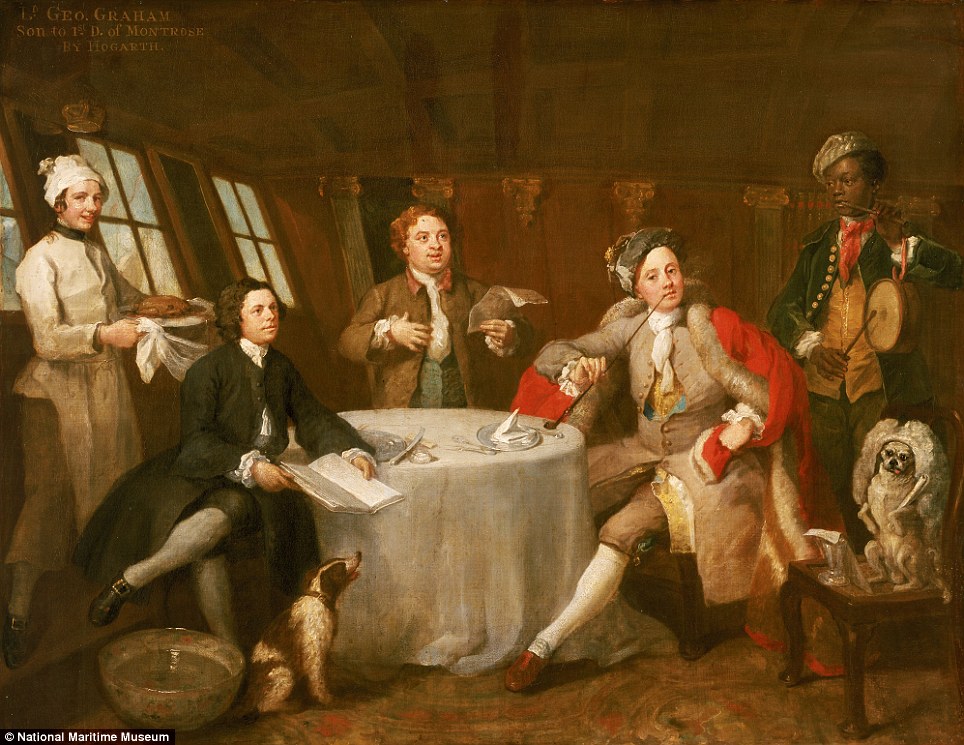
Okay, it might be argued, he’s “Captain” Jack Sparrow–what about officers?  Here’s a Hogarth painting of a more-or-less mid-century civilian captain.

article-2333382-1A0D5458000005DC-29_964x745

As the illustration shows, he simply wears ordinary clothing– no uniform.

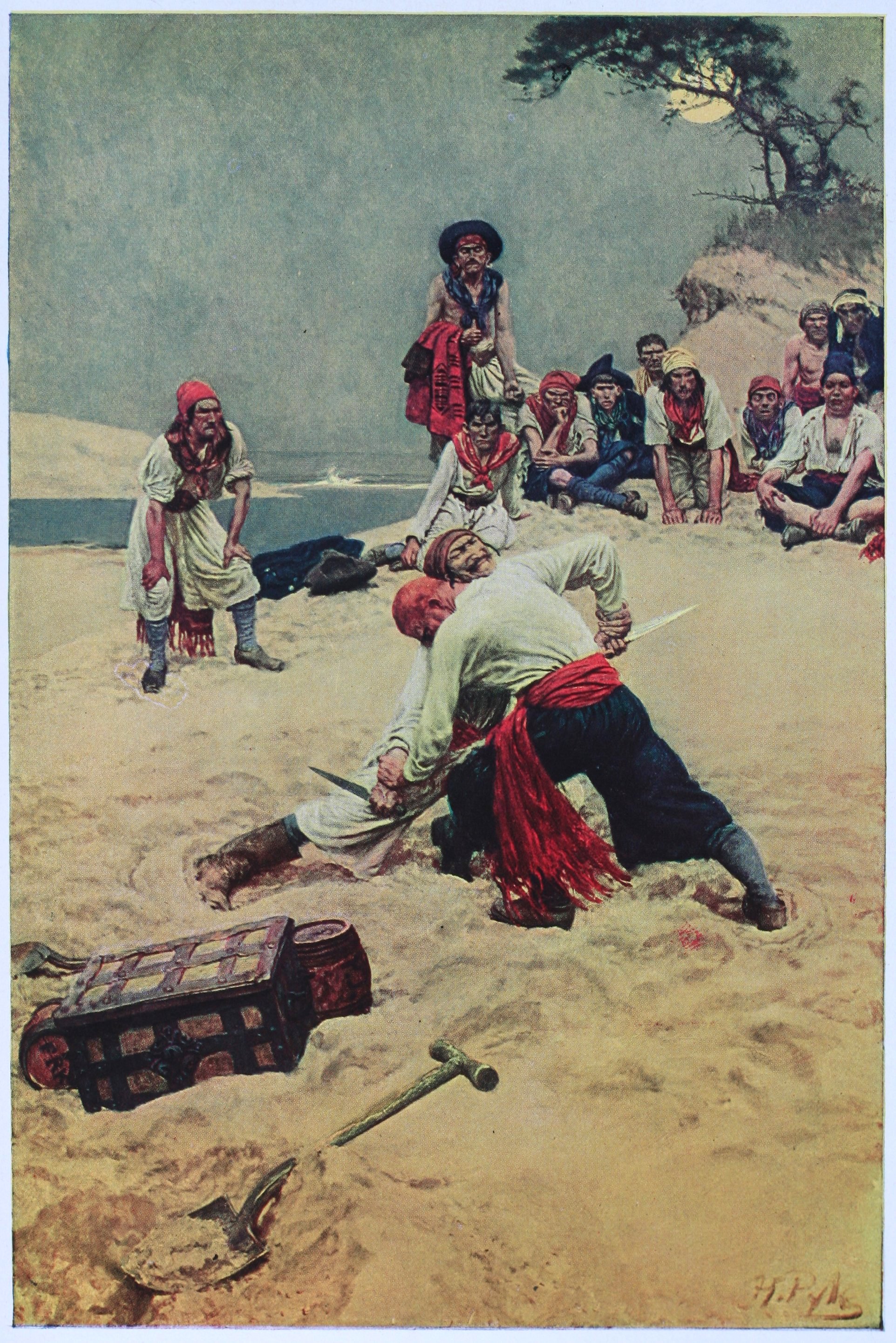
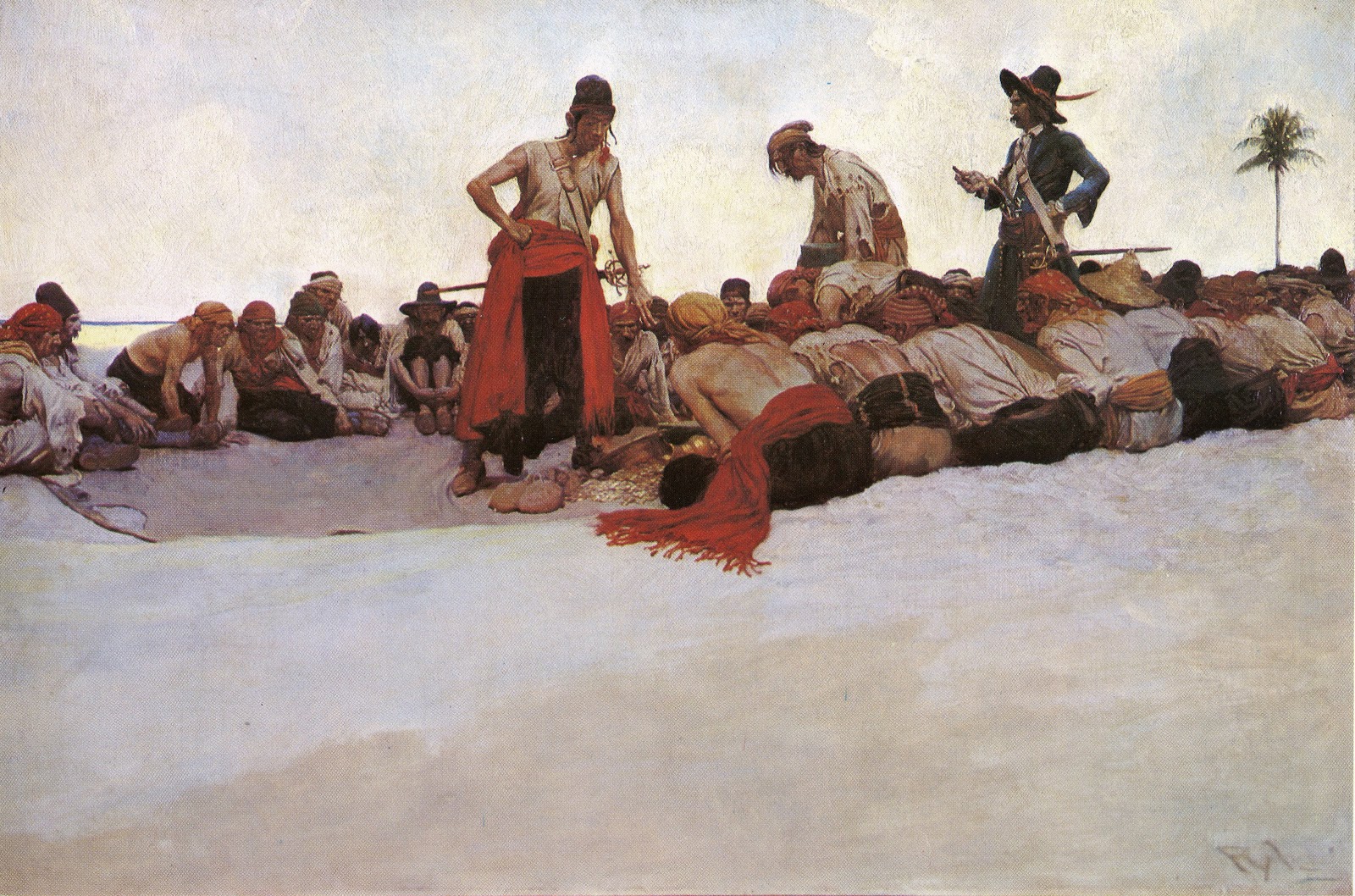
Now, here are a few Pyle pictures.

12c250252BC0-3351Z

Pyle_pirates_treasfight

pyle-pirates-composition009

Typical Pyle touches: the bandanas and the huge sashes, not to be seen in period illustrations.

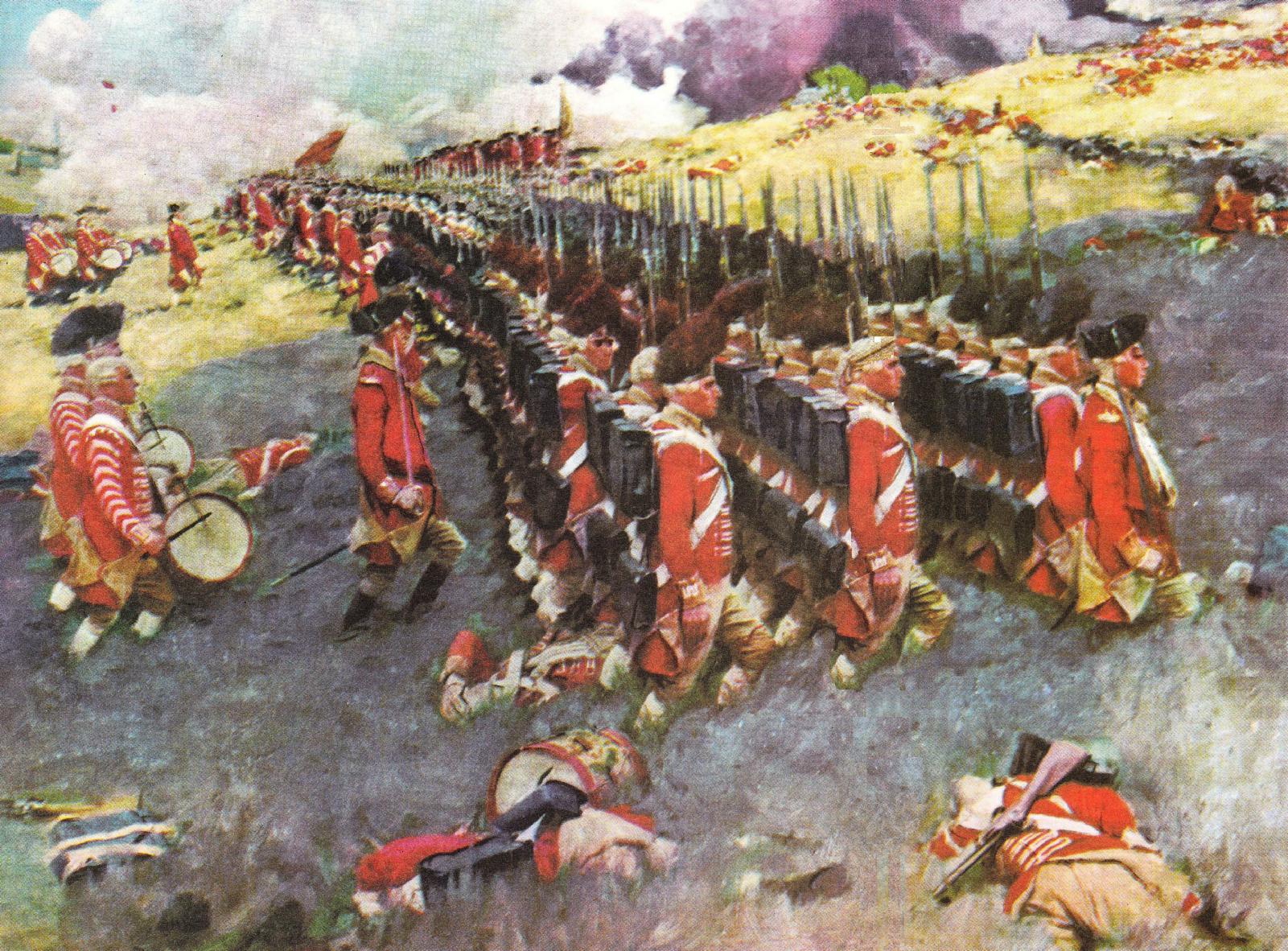
One might argue that Pyle lacked readily-available visual sources:  someone in the 1890s certainly didn’t have Google Images. It has been said, that, like Detaille in France, Pyle collected period uniforms, etc., and sometimes dressed up students in them,  but, one has only to look at his illustration of Bunker Hill, to make you wonder what he actually collected.

pyle-bunker-hill

There are numerous errors here, from the cut of the coats, to the lace on the breast, to the packs and that’s only the beginning.  The study of the history of uniforms was, of course, only in its infancy in this period and even serious military artists, like H.A. Ogden, could go very wrong.

And yet, there are also Pyle illustrations like these, in which he seems to have gotten things– at least, non-piratical things–right.

bal108969OldCaptain150.280

In these, you see a depiction of 18th century sailors which looks much more like those in actual period illustrations.

So what was Pyle up to? Let’s look at a much more modern depiction of Bunker Hill, by the American military artist, H. Charles McBarron.

bunker hill

McBarron was a member of the Company of Military Historians and Collectors. He was well-known not only as a skilled artist, but as a thorough researcher, and the owner of an extensive collection of militaria of the past. What you see in this picture (minus the graphic depiction of violence) would have been as accurate a depiction of the event as anyone might imagine.

Suppose, however, you were attempting to picture this event in dramatic terms from the British side. You would want long lines of red-coated, determined men, marching steadily uphill through their own casualties, as in Pyle’s illustration.

pyle-bunker-hill

Imagine, then, that even if you had much more visual information about pirates than Pyle may have had, but you wanted people to see pirates painted broadly and dramatically, what better than flowing headscarves, and big, blood-red sashes?

And this is why people in the past–and we in the present– love Pyle. Strict accuracy certainly has its place, but we’re perfectly willing to let it walk the plank in favor of romantic strokes and bold depictions.

Unknown-10

And, as always, we ask you readers, what do you think?

Next, Pyle’s pupil, N.C. Wyeth.

Thanks for reading,

MTCIDC,

CD

Newer posts →

The Doubtful Sea Series Facebook Page

The Doubtful Sea Series Facebook Page

  • Ollamh

Categories

  • Artists and Illustrators
  • Economics in Middle-earth
  • Fairy Tales and Myths
  • Films and Music
  • Games
  • Heroes
  • Imaginary History
  • J.R.R. Tolkien
  • Language
  • Literary History
  • Maps
  • Medieval Russia
  • Military History
  • Military History of Middle-earth
  • Narnia
  • Narrative Methods
  • Poetry
  • Research
  • Star Wars
  • Terra Australis
  • The Rohirrim
  • Theatre and Performance
  • Tolkien
  • Uncategorized
  • Villains
  • Writing as Collaborators
Follow doubtfulsea on WordPress.com

Across the Doubtful Sea

Recent Postings

  • Through a glass… January 7, 2026
  • Heffalumps? December 31, 2025
  • We Three Kings December 24, 2025
  • A Moon disfigured December 17, 2025
  • On the Roads Again—Once More December 10, 2025
  • (Not) Crossing Bridges December 3, 2025
  • On the Road(s) Again—Again November 26, 2025
  • On the Road(s) Again November 19, 2025
  • To Bree (Part 2) November 12, 2025

Blog Statistics

  • 104,125 Views

Posting Archive

  • January 2026 (1)
  • December 2025 (5)
  • November 2025 (4)
  • October 2025 (5)
  • September 2025 (4)
  • August 2025 (4)
  • July 2025 (5)
  • June 2025 (4)
  • May 2025 (4)
  • April 2025 (5)
  • March 2025 (4)
  • February 2025 (4)
  • January 2025 (5)
  • December 2024 (4)
  • November 2024 (4)
  • October 2024 (5)
  • September 2024 (4)
  • August 2024 (4)
  • July 2024 (5)
  • June 2024 (4)
  • May 2024 (5)
  • April 2024 (4)
  • March 2024 (4)
  • February 2024 (4)
  • January 2024 (5)
  • December 2023 (4)
  • November 2023 (5)
  • October 2023 (4)
  • September 2023 (4)
  • August 2023 (5)
  • July 2023 (4)
  • June 2023 (4)
  • May 2023 (5)
  • April 2023 (4)
  • March 2023 (5)
  • February 2023 (4)
  • January 2023 (4)
  • December 2022 (4)
  • November 2022 (5)
  • October 2022 (4)
  • September 2022 (4)
  • August 2022 (5)
  • July 2022 (4)
  • June 2022 (5)
  • May 2022 (4)
  • April 2022 (4)
  • March 2022 (5)
  • February 2022 (4)
  • January 2022 (4)
  • December 2021 (5)
  • November 2021 (4)
  • October 2021 (4)
  • September 2021 (5)
  • August 2021 (4)
  • July 2021 (4)
  • June 2021 (5)
  • May 2021 (4)
  • April 2021 (4)
  • March 2021 (5)
  • February 2021 (4)
  • January 2021 (4)
  • December 2020 (5)
  • November 2020 (4)
  • October 2020 (4)
  • September 2020 (5)
  • August 2020 (4)
  • July 2020 (5)
  • June 2020 (4)
  • May 2020 (4)
  • April 2020 (5)
  • March 2020 (4)
  • February 2020 (4)
  • January 2020 (6)
  • December 2019 (4)
  • November 2019 (4)
  • October 2019 (5)
  • September 2019 (4)
  • August 2019 (4)
  • July 2019 (5)
  • June 2019 (4)
  • May 2019 (5)
  • April 2019 (4)
  • March 2019 (4)
  • February 2019 (4)
  • January 2019 (5)
  • December 2018 (4)
  • November 2018 (4)
  • October 2018 (5)
  • September 2018 (4)
  • August 2018 (5)
  • July 2018 (4)
  • June 2018 (4)
  • May 2018 (5)
  • April 2018 (4)
  • March 2018 (4)
  • February 2018 (4)
  • January 2018 (5)
  • December 2017 (4)
  • November 2017 (4)
  • October 2017 (4)
  • September 2017 (4)
  • August 2017 (5)
  • July 2017 (4)
  • June 2017 (4)
  • May 2017 (5)
  • April 2017 (4)
  • March 2017 (5)
  • February 2017 (4)
  • January 2017 (4)
  • December 2016 (4)
  • November 2016 (5)
  • October 2016 (6)
  • September 2016 (5)
  • August 2016 (5)
  • July 2016 (5)
  • June 2016 (5)
  • May 2016 (4)
  • April 2016 (4)
  • March 2016 (5)
  • February 2016 (4)
  • January 2016 (4)
  • December 2015 (5)
  • November 2015 (5)
  • October 2015 (4)
  • September 2015 (5)
  • August 2015 (4)
  • July 2015 (5)
  • June 2015 (5)
  • May 2015 (4)
  • April 2015 (3)
  • March 2015 (4)
  • February 2015 (4)
  • January 2015 (4)
  • December 2014 (5)
  • November 2014 (4)
  • October 2014 (6)
  • September 2014 (1)

Blog at WordPress.com.

  • Subscribe Subscribed
    • doubtfulsea
    • Join 78 other subscribers
    • Already have a WordPress.com account? Log in now.
    • doubtfulsea
    • Subscribe Subscribed
    • Sign up
    • Log in
    • Report this content
    • View site in Reader
    • Manage subscriptions
    • Collapse this bar
 

Loading Comments...