• About

doubtfulsea

~ adventure fantasy

Tag Archives: Halloween

A Plague o’ Both—No, o’ All Your Houses!

29 Wednesday Oct 2025

Posted by Ollamh in Uncategorized

≈ Leave a comment

Tags

Black Death, Black Plague, black ship rat, flea, Great Fire of London, great-london-fire, Halloween, History, miasma, plague, plague doctor, plague pits, Roger Bacon, Romeo and Juliet, Shakespeare, Trick or Treat, Yersinia Pestis

As always, dear readers, welcome.

It’s almost Halloween again, one of my favorite holidays, when children dress up in various costumes and wander the streets in groups, demanding treats and threatening tricks,

while older people, themselves in costume, attend parties.

People dress up as monsters, vampires, and superheroes, but, recently, I’ve also seen a few of these—

a costume which you can actually buy on Amazon.
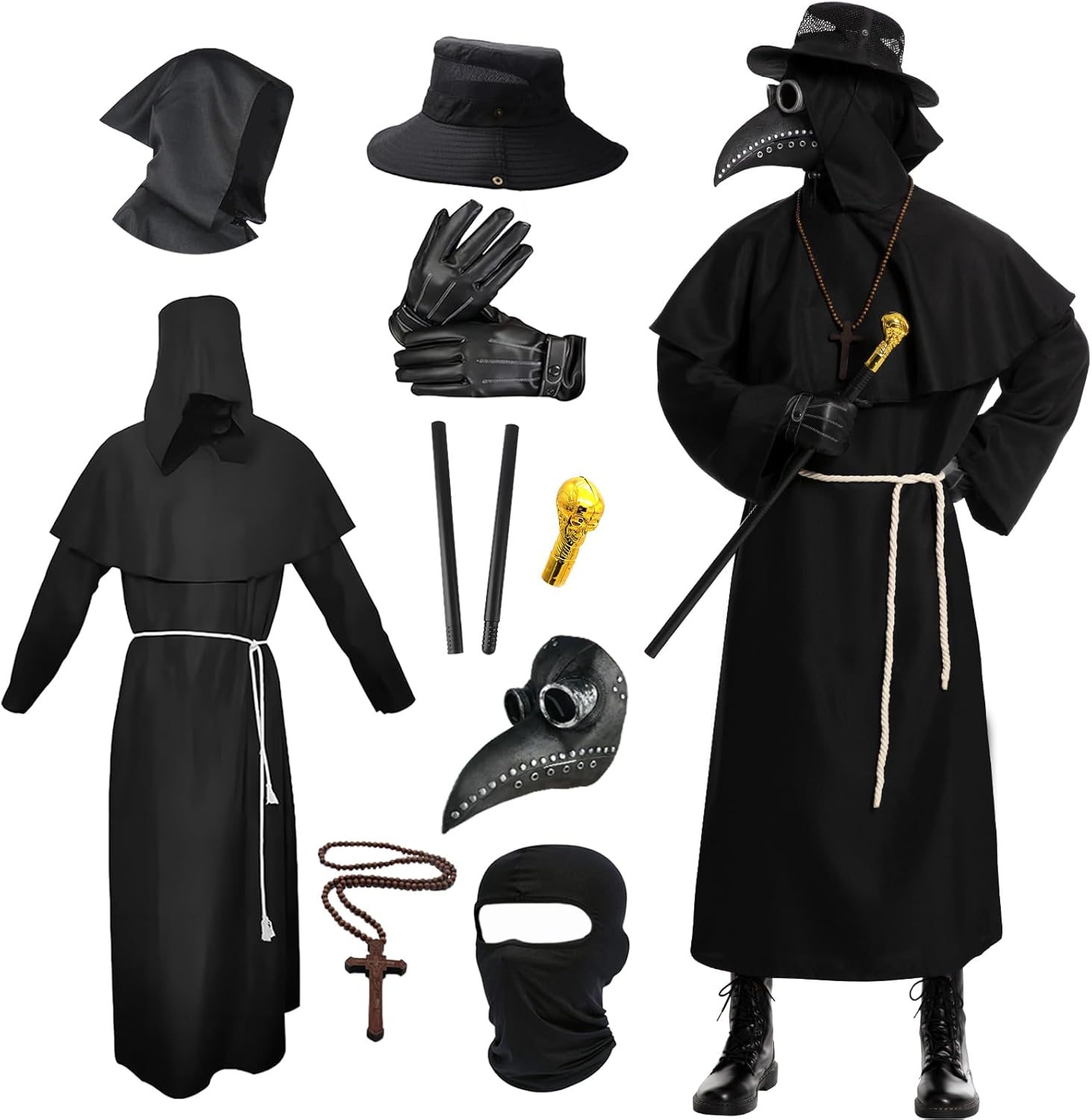
It’s a very haunting image:  crowlike, and yet not, and it struck me as an interesting basis for this year’s Halloween posting.

But what is it?

If you don’t know, I’ve given you a clue in that (modified) quotation I’ve used as a title.

In Act III, Scene 1, of Shakespeare’s The Most Excellent and Lamentable Tragedy of Romeo and Juliet, 1591/95, as the 2nd Quarto (1599) has it,
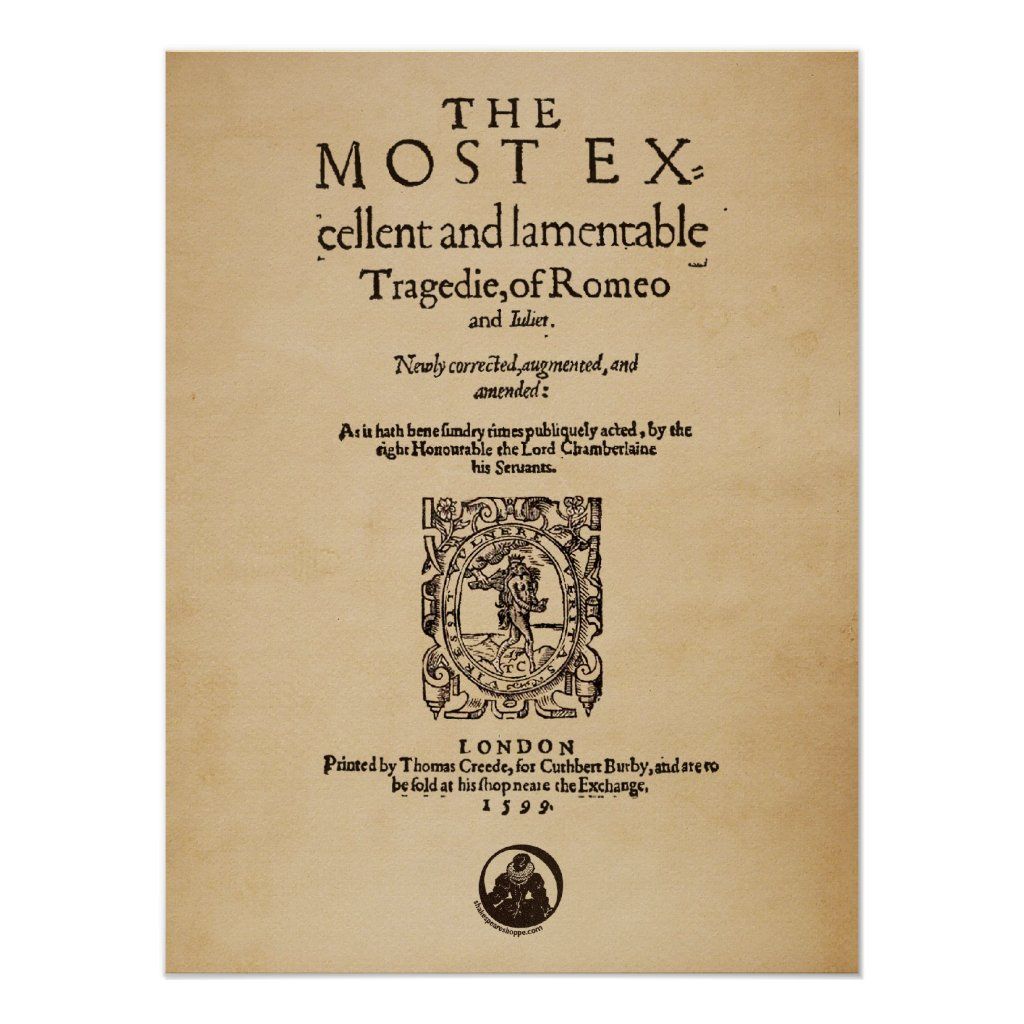
Romeo’s best friend and perhaps the sanest character in the play, Mercutio, has been mortally wounded.  Dying, he curses both of the feuding families, wishing that a plague would take them both.

In Shakespeare’s England, this was not a random remark.  Since its original appearance, in 1348, when it may have killed as many as 40-60% of the population, the Black Plague (aka the Black Death) had

reappeared over the next couple of centuries, killing 30,000 in London, in 1603 alone,
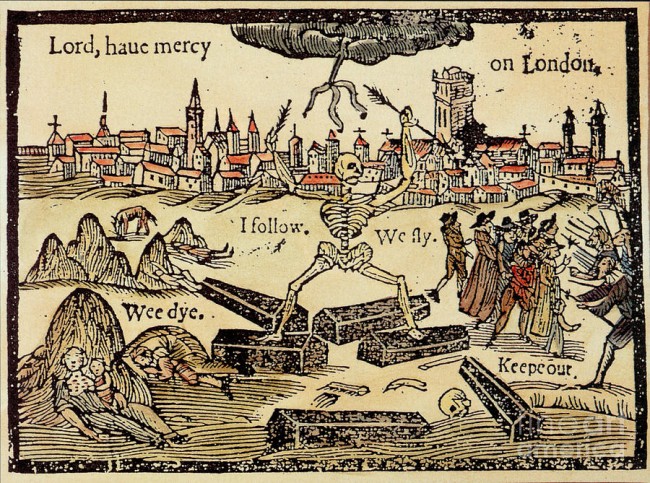
before its grand finale (or nearly), in 1665-6,when it was responsible for perhaps 100,000 deaths there.
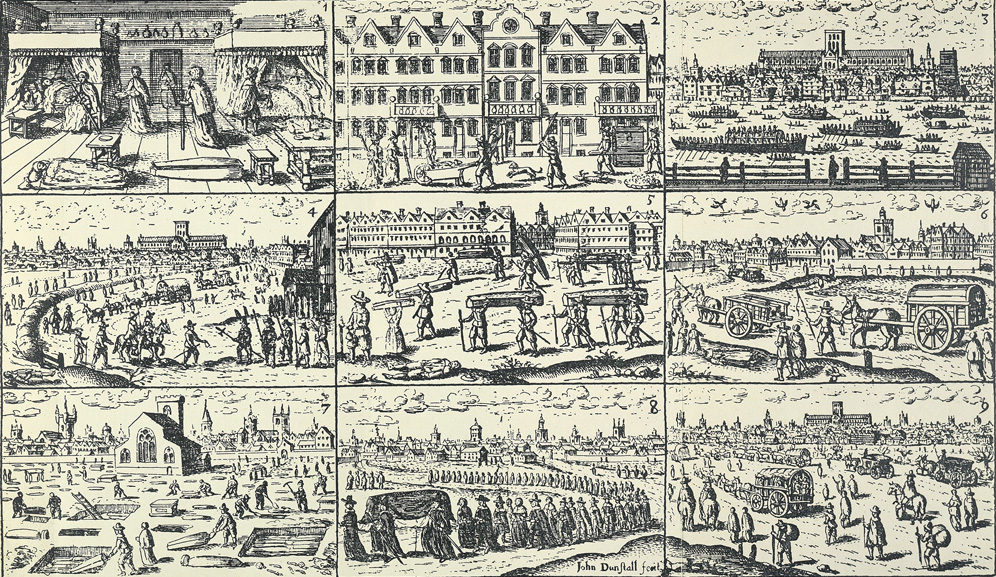
(And, in 1666, came the great fire, which destroyed much of the city—it’s a wonder that everyone surviving didn’t attempt to flee to anywhere as far away as they could.

For the fire, I recommend J. Draper’s short presentation here:  https://www.youtube.com/watch?v=4bvB_gJThYk   with one correction.  She says that the artist/engraver Wenceslaus Hollar was Dutch when, in fact, he was a Czech.  See:  https://en.wikipedia.org/wiki/Wenceslaus_Hollar  Otherwise, I have nothing but praise for Draper, who does proper research and wanders the London area , looking for odd and interesting aspects of London’s—and English—history which she then presents in creative ways.  For her grim and striking view of the Black Death, see:  https://www.youtube.com/watch?v=Ybh1jSZLIKY  )

Medieval science was not really even in its infancy—although there were highly intelligent and thoughtful men struggling to look at the world without superstition or religion, like Friar Roger Bacon, 1214-1294.

(an imaginary image—we have no known portrait)

Medical science, such as existed, followed the classical world and believed that communicable diseases were spread through miasma—that is, through “bad air”,

which isn’t such a far-fetched idea:  rotting things, dead things, stink, so death and bad smells are easily associated.

In fact, the Black Plague was—and is–a bacterium, Yersinia Pestis,

which lives in the gut of fleas,

which inhabited what was called the “black ship rat”,

which traveled on trading vessels from the Far East in the 14th century,

and eventually came, either directly on rats, or indirectly by a human carrier, to England, causing havoc on and off, for several centuries.

Needless to say, in a packed city, like London,

rats and their passengers could easily spread out and, in doing so, would spread the bacterium through the bites of those fleas. 

Medical men of that world, however, could make no such connections.  They only saw the horrible symptoms—including the swelling of the lymph nodes, attempting to defend the body—the buboes of bubonic plague—

(This is such a gross image that I almost didn’t include it, but it’s very helpful in explaining what exactly was going on in the body, so…)

The plague produced fever, chills, vomiting, violent headaches—and all that doctors could do was what they did for almost anything:  try to balance the humors—the basic elements of the body—which included bleeding, a treatment which actually weakened the body.
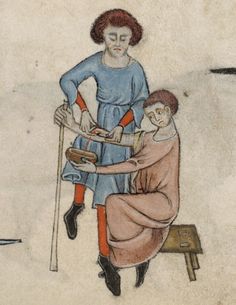
Because the real agent of contagion wasn’t understood, doctors could only be brave and deal with their patients as best they could—and contract the disease themselves—or could attempt to protect themselves, which brings us to this image again—
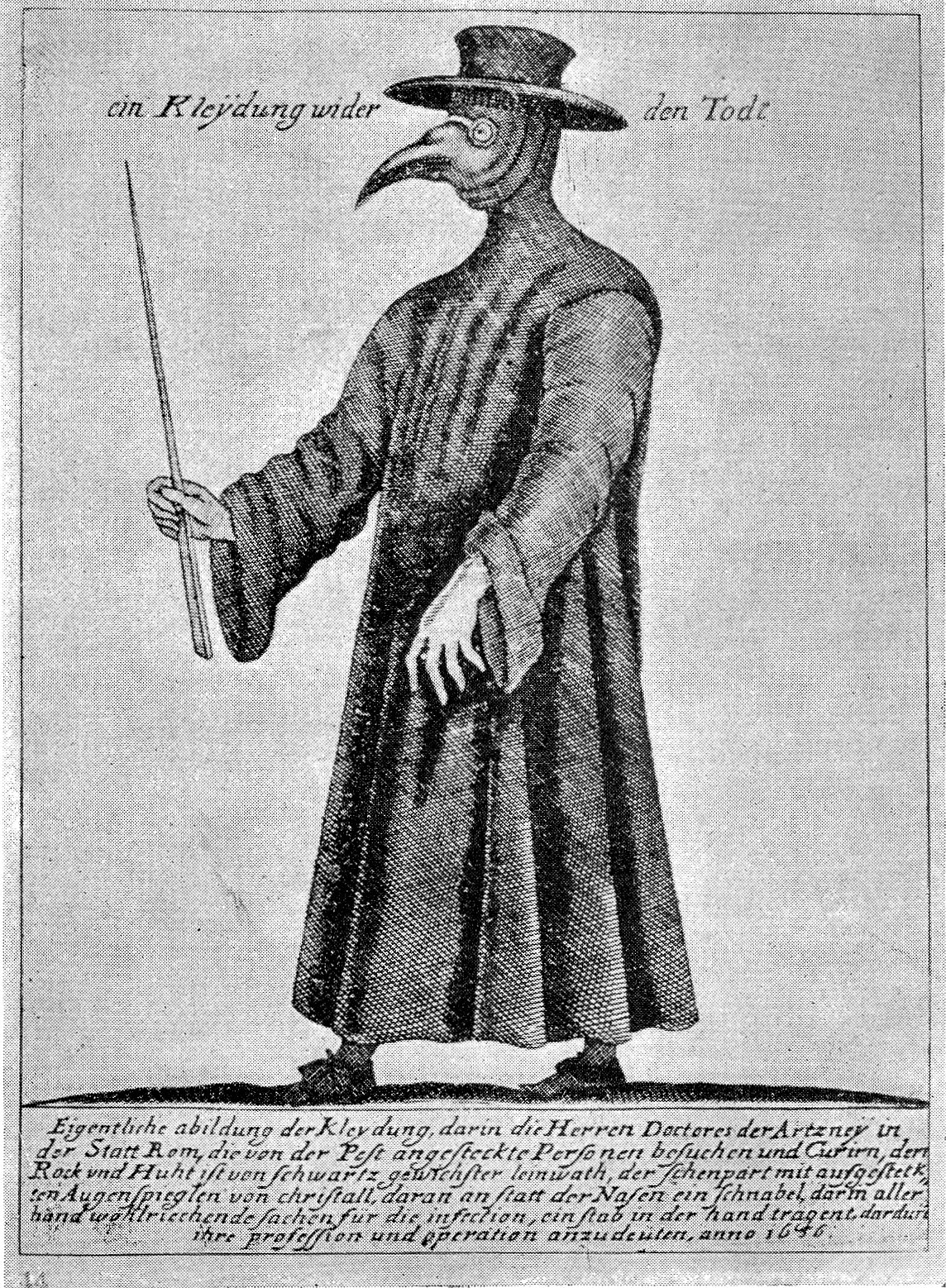
(appropriately titled “the clothing against death”, implying the Black Death)

This diagram

(with some strange English—it appears to be a translation—I’ve seen one copy in which the text is in Russian– gives you a general idea of how a doctor might attempt to ward off infection, including basics which had to do with bad air, like carrying a pomander—a little vessel containing strong-smelling herbs to fend off that air—

which someone might carry simply to ward off the bad smells of a time when streets in cities often had the equivalent of open sewers, as well as might be employ ed as a fashion accessory—for more on pomanders, see:   https://en.wikipedia.org/wiki/Pomander )

as well as that beaky thing—which is really a kind of early surgical mask

combined with a pomander—the beak being stuffed with those protective herbs.  And, as who knows what can get in through the eyes, add crystalline lenses to the beak.

Gloves and a long coat, sometimes waxed, probably as much for water-proofing as against floating miasma, and a broad-brimmed hat to cover the head, complete the outfit.  Oh—and a rod for probing the infected, plus a light source—medieval/Renaissance houses being notoriously dim. 

Note, however, that, whoever designed this modern version hadn’t done quite enough research:  that’s a 19th-century kerosene lantern.  Here’s a lantern of a sort which would be likely—

(This is an Elizabethan image of a city watchman, armed with a spear, followed by a dog, and carrying a bell to sound the hours.)

And so, when you see someone dressed like this at a party, you can confidently ask, “Tell me, doctor, is the plague spreading and should I flee the city?”

although he may respond by offering you not a pomander, but one of these, instead.

Thanks, as always for reading.  Happy Halloween, if you celebrate it.
Stay well,

Avoid miasma like the plague,

And remember that, as always, there’s

MTCIDC

O

PS

There is now some argument about the gear of such doctors.  See:  https://en.wikipedia.org/wiki/Plague_doctor  and https://www.livescience.com/plague-doctors.html   Plague could actually take several forms.  See:  https://www.britannica.com/science/plague   Because cemeteries—and grave-diggers were often overwhelmed, mass graves in unconsecrated ground began to be common—and now are sometimes happened upon unexpectedly.  See recent London plague pit discoveries:  https://www.cityam.com/after-crossrails-gruesome-discovery-weve-mapped-every-one-londons-plague-pits-do-you-work/

Pumpkinheaded

30 Wednesday Oct 2024

Posted by Ollamh in Uncategorized

≈ Leave a comment

Tags

art, fall, Halloween, Music

As ever, dear readers, welcome.

This posting will appear the day before Halloween, so, we’ll get into the spirit of the holiday (yes, pun intended),

with a story you might not know.

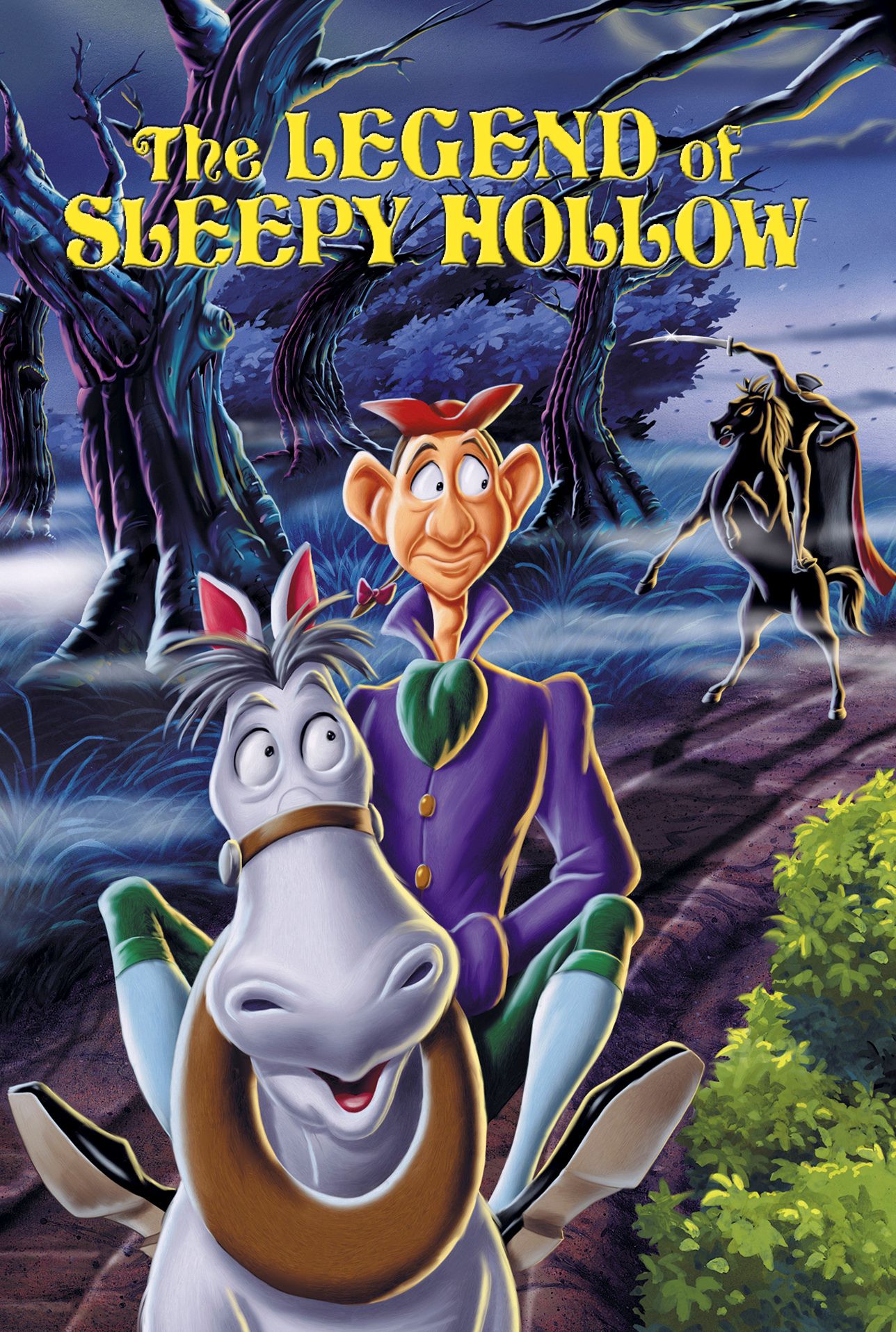
As a child, I most enjoyed and dreaded Halloween, the pleasure from thinking about what to dress up as—not to mention the candy—the dread because, yearly, there was the showing of this Disney animated feature—

In some ways, this was a Disney hybrid:  the usual wonderful artwork (who could better create the sinister atmosphere of Ichabod Crane’s lonely ride through the increasingly spooky woods?)

but with a swinging, catchy score featuring the famous crooner (a kind of soulful singer from the 1940s—the animated feature dates from 1949), Bing Crosby, 1903-1977.

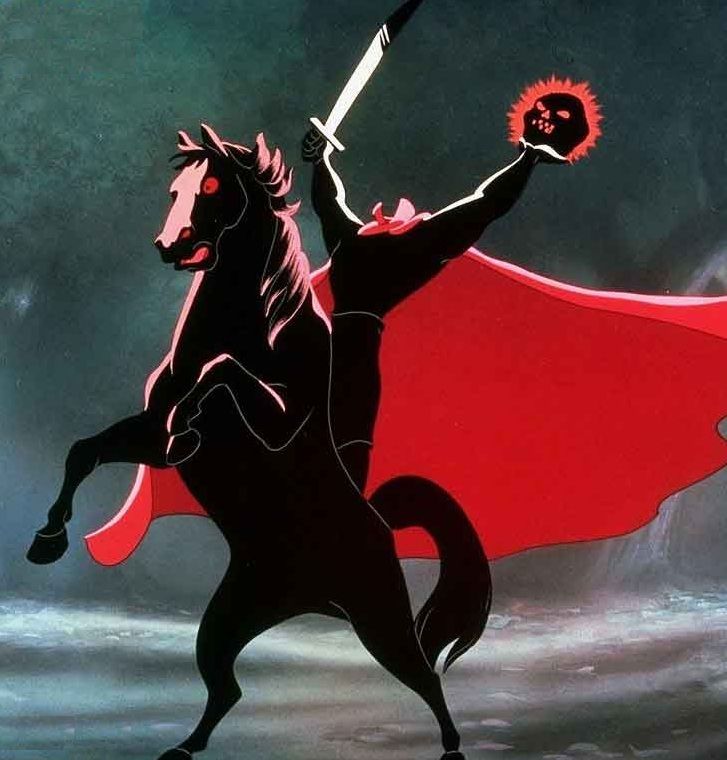
And the heart of the dread was the appearance of this character—

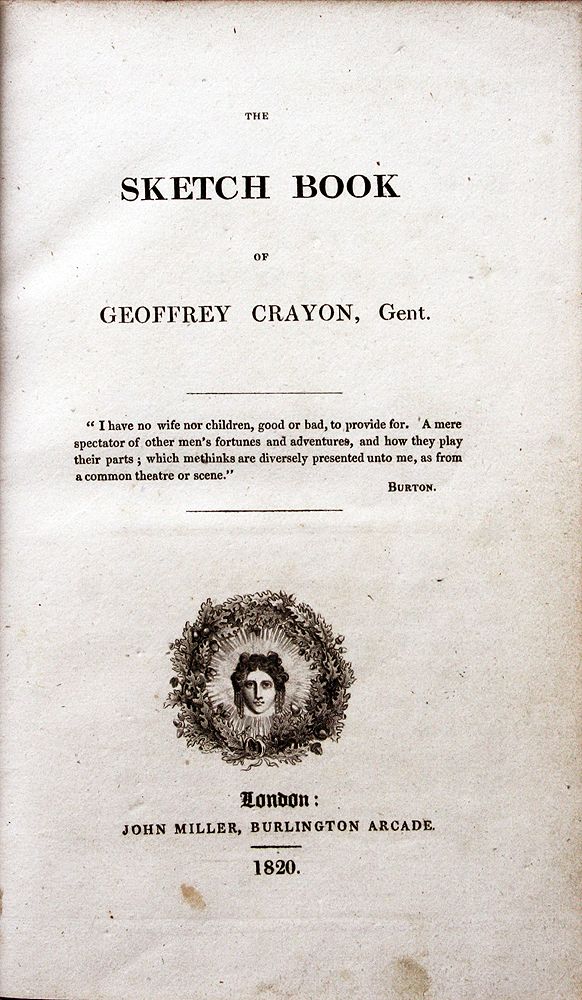
the Headless Horseman.  (In case you don’t know the story, you can read it here, taken from Washington Irving’s, 1783-1859, The Sketch Book of Geoffrey Crayon, Gent., most of which being published serially in 1819-1820 and first time in book form in the US in 1824.

(one installment from the first British publication):  This is from a 1907 edition of the two best-known tales from that collection of essays and short stories, “Rip Van Winkle” and “The Legend of Sleepy Hollow, with illustrations by George H. Boughton:  https://archive.org/details/ripvanwinkleandl00irvi/mode/2up  For a complete edition (an illustrated version from 1864) see:  https://www.gutenberg.org/cache/epub/2048/pg2048-images.html   For more on the complicated publishing history of the work, see:  https://en.wikipedia.org/wiki/The_Sketch_Book_of_Geoffrey_Crayon,_Gent. )

I’m not going to add a spoiler here, but the protagonist, Ichabod Crane, pursued by what he believes to be the headless ghost of a “Hessian soldier”,

eventually disappears, all discovered of him being:

“the tracks of horses’ hoofs deeply

dented in the road, and evidently at furious

speed, were traced to the bridge, beyond

which, on the bank of a broad part of the

brook, where the water lay deep and black,

was found the hat of the unfortunate Ichabod,

and close beside it a shattered pumpkin.”

And this pumpkin brings us to another story, this one by Nathaniel Hawthorne, 1804-1864,

from his collection of short stories, Mosses from an Old Manse, first published in 1846.

This is “Feathertop”, originally published independently in 1852, and added to the collection for the second edition of 1854. 

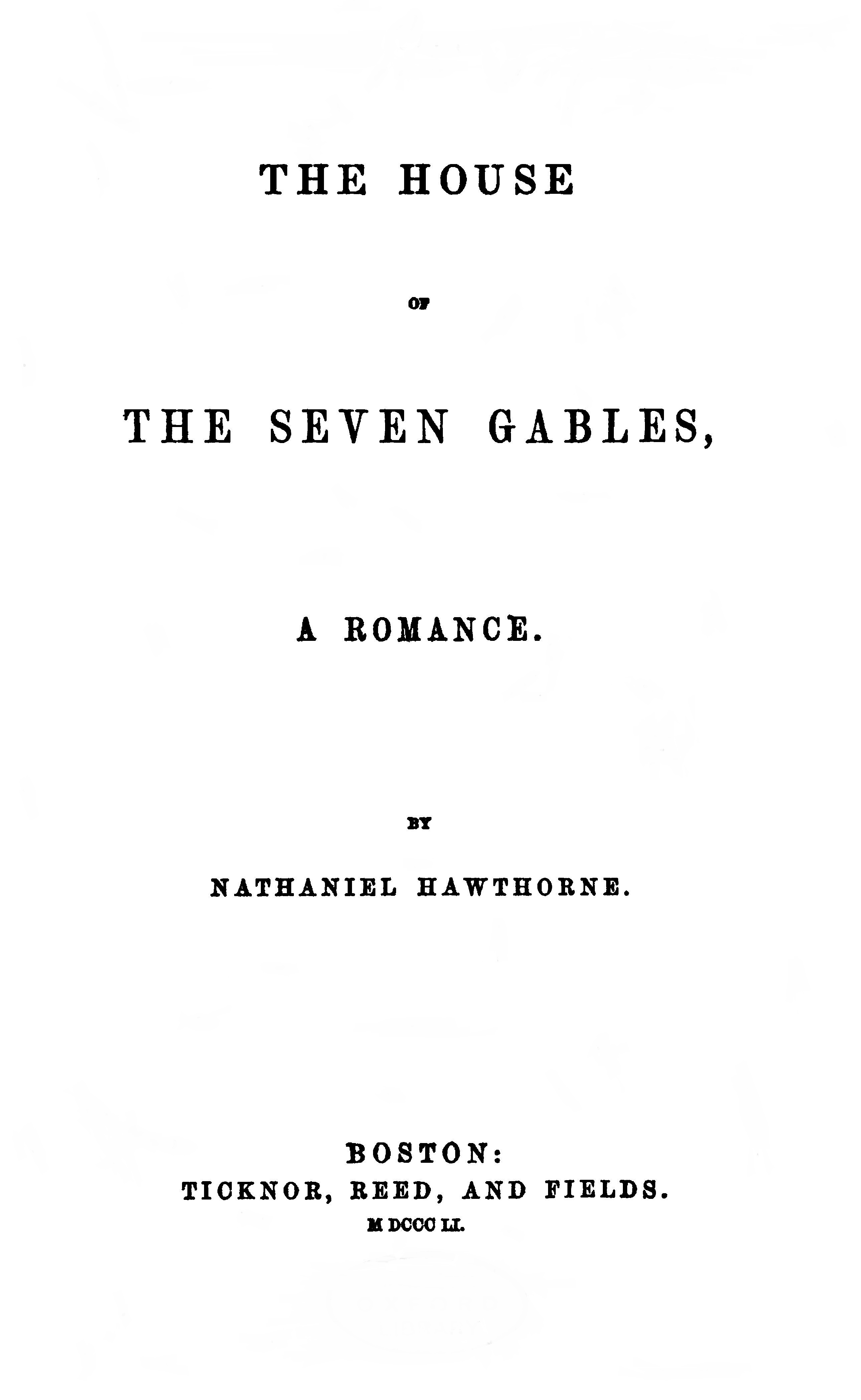
Hawthorne came from a very old Massachusetts Bay family (an ancestor, John Hathorne, had been involved in the opening stages of the Salem witchcraft trials in 1692) and the history of the Bay haunted him, producing short stories like “Young Goodman Brown” (1835), and the novels The Scarlet Letter (1850) and my particular favorite The House of the Seven Gables (1851).

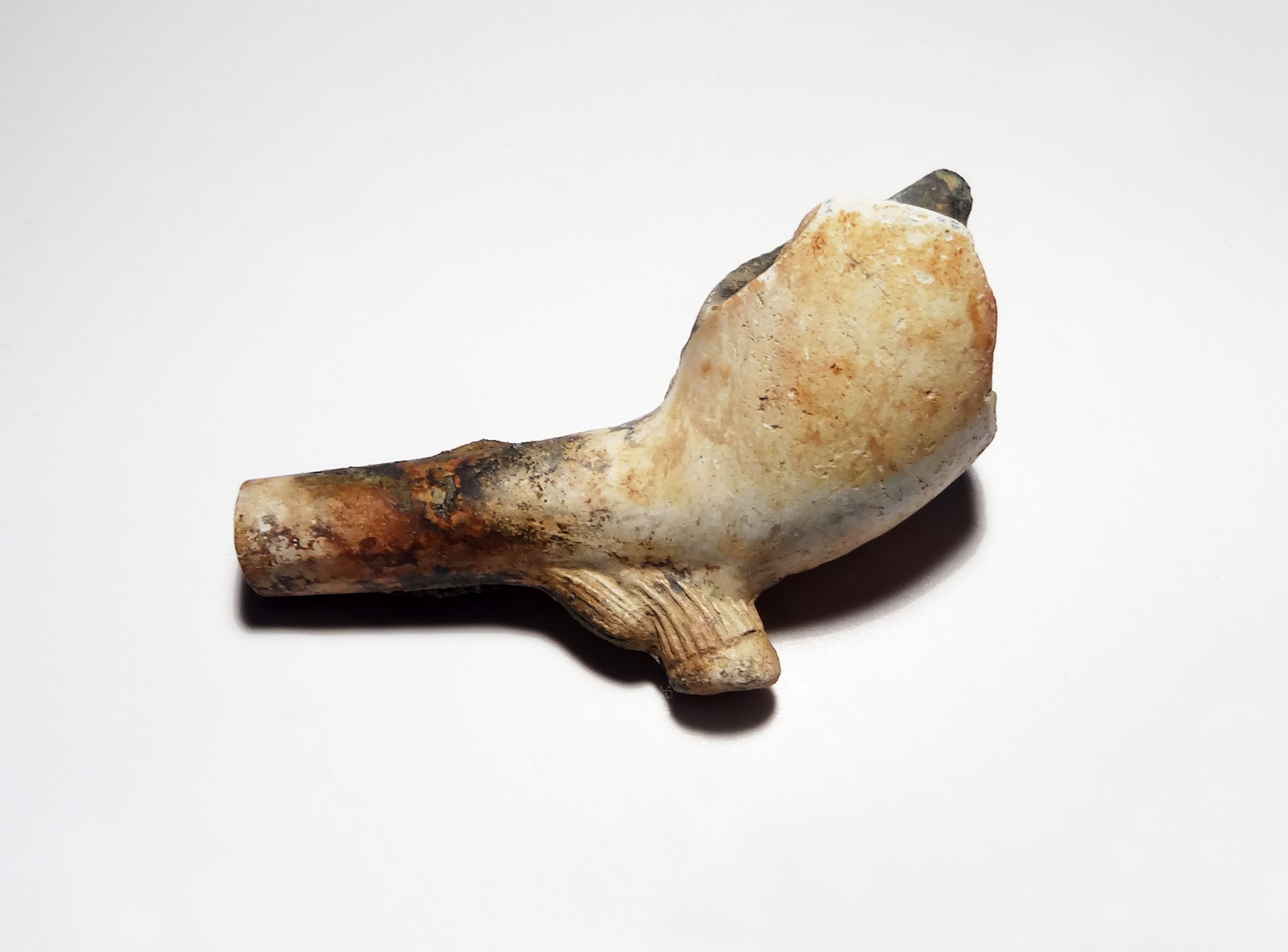
“Feathertop” involves Mother Rigby, a pipe-smoking old witch,

(a relatively young witch, by Gabriel Metsu, 1629-1667, but, as you’ll see, the pipe is crucial)

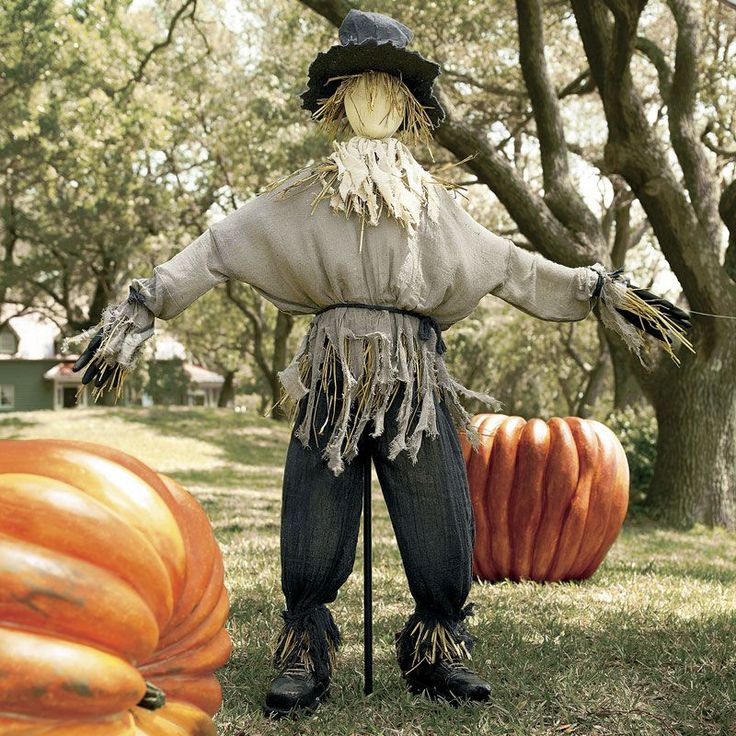
who builds a scarecrow for her garden,

(by Carl Gustav Carus, 1789-1869)

including

“The most important item of all, probably, although it made so little show, was a certain broomstick, on which Mother Rigby had taken many an airy gallop at midnight, and which now served the scarecrow by way of a spinal column, or, as the unlearned phrase it, a backbone. One of its arms was a disabled flail which used to be wielded by Goodman Rigby, before his spouse worried him out of this troublesome world; the other, if I mistake not, was composed of the pudding stick and a broken rung of a chair, tied loosely together at the elbow. As for its legs, the right was a hoe handle, and the left an undistinguished and miscellaneous stick from the woodpile. Its lungs, stomach, and other affairs of that kind were nothing better than a meal bag stuffed with straw.”

Having constructed the body, she added

“…its head; and this was admirably supplied by a somewhat withered and shrivelled pumpkin, in which Mother Rigby cut two holes for the eyes and a slit for the mouth, leaving a bluish-colored knob in the middle to pass for a nose. It was really quite a respectable face.”

She dresses it in the remains of what were once fine clothes, including a rooster tail for his hat (hence his name), but, continuing to look at it, she says to herself:

” ‘That puppet yonder,’ thought Mother Rigby, still with her eyes fixed on the scarecrow, ‘is too good a piece of work to stand all summer in a corn-patch, frightening away the crows and blackbirds. He’s capable of better things. Why, I’ve danced with a worse one, when partners happened to be scarce, at our witch meetings in the forest! What if I should let him take his chance among the other men of straw and empty fellows who go bustling about the world?’ “

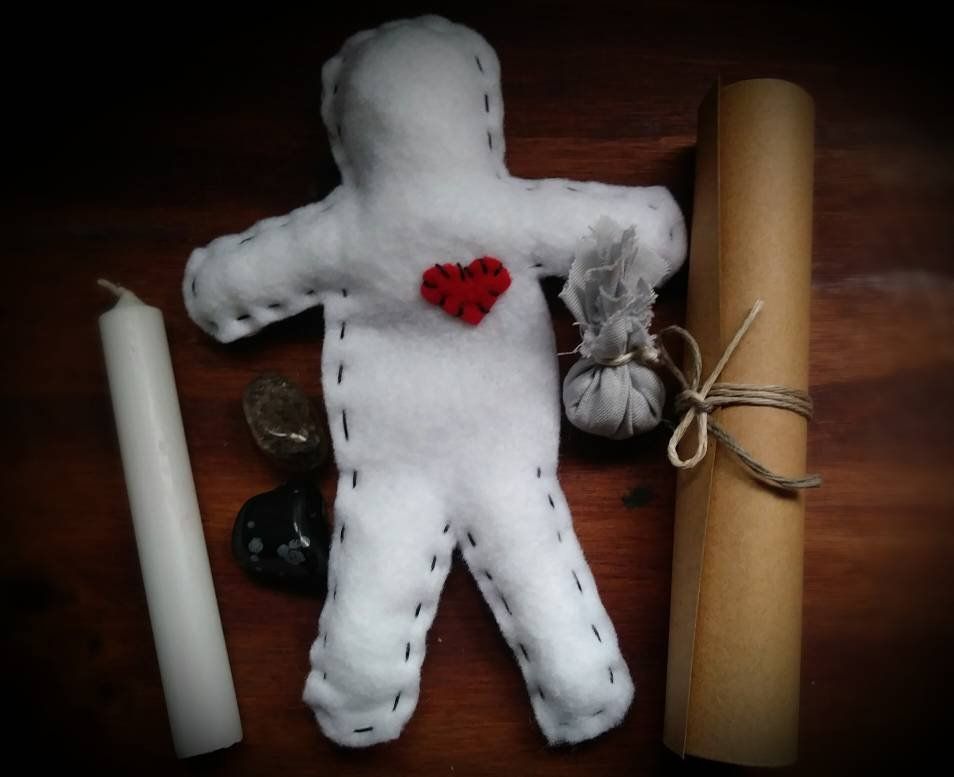
As you can see, this is quickly turning from a story of enchantment into a satire, as she animates the “puppet” (a word used in the 17th century to have, for witches, the meaning of something like a voodoo doll and used for the same purpose)

by getting it to puff on her pipe

before sending it out in the world to prey upon an enemy, Master Gookin, a wealthy merchant with a pretty daughter Mother Rigby wants him to woo.

Needless to say, in his enchanted form, and puffing on the magic pipe (he claims it’s for medicinal purposes), the scarecrow gains entry to Gookin’s house and even begins to romance the merchant’s daughter when, by chance,

“…”she cast a glance towards the full-length looking-glass in front of which they happened to be standing. It was one of the truest plates in the world and incapable of flattery. No sooner did the images therein reflected meet Polly’s eye than she shrieked, shrank from the stranger’s side, gazed at him for a moment in the wildest dismay, and sank insensible upon the floor. Feathertop likewise had looked towards the mirror, and there beheld, not the glittering mockery of his outside show, but a picture of the sordid patchwork of his real composition stripped of all witchcraft.”

The scarecrow, being reminded of what he really is, rushes back to his maker, smashes the pipe, and collapses into his component parts, leaving his creator to say to herself:

” ‘Poor Feathertop!’ she continued.  ‘I could easily give him another chance and send him forth again tomorrow. But no; his feelings are too tender, his sensibilities too deep. He seems to have too much heart to bustle for his own advantage in such an empty and heartless world. Well! well! I’ll make a scarecrow of him after all. ‘Tis an innocent and useful vocation, and will suit my darling well; and, if each of his human brethren had as fit a one, ‘t would be the better for mankind; and as for this pipe of tobacco, I need it more than he.’ “

(You can read the story for yourself here:  https://gutenberg.org/cache/epub/512/pg512-images.html )

And perhaps that scarecrow eventually found himself in a much more heroic role, much later in time and as far away as Kansas—

As always, thanks for reading.

Stay well,

Happy Halloween,

And remember that, as always, there’s

MTCIDC

O

PS

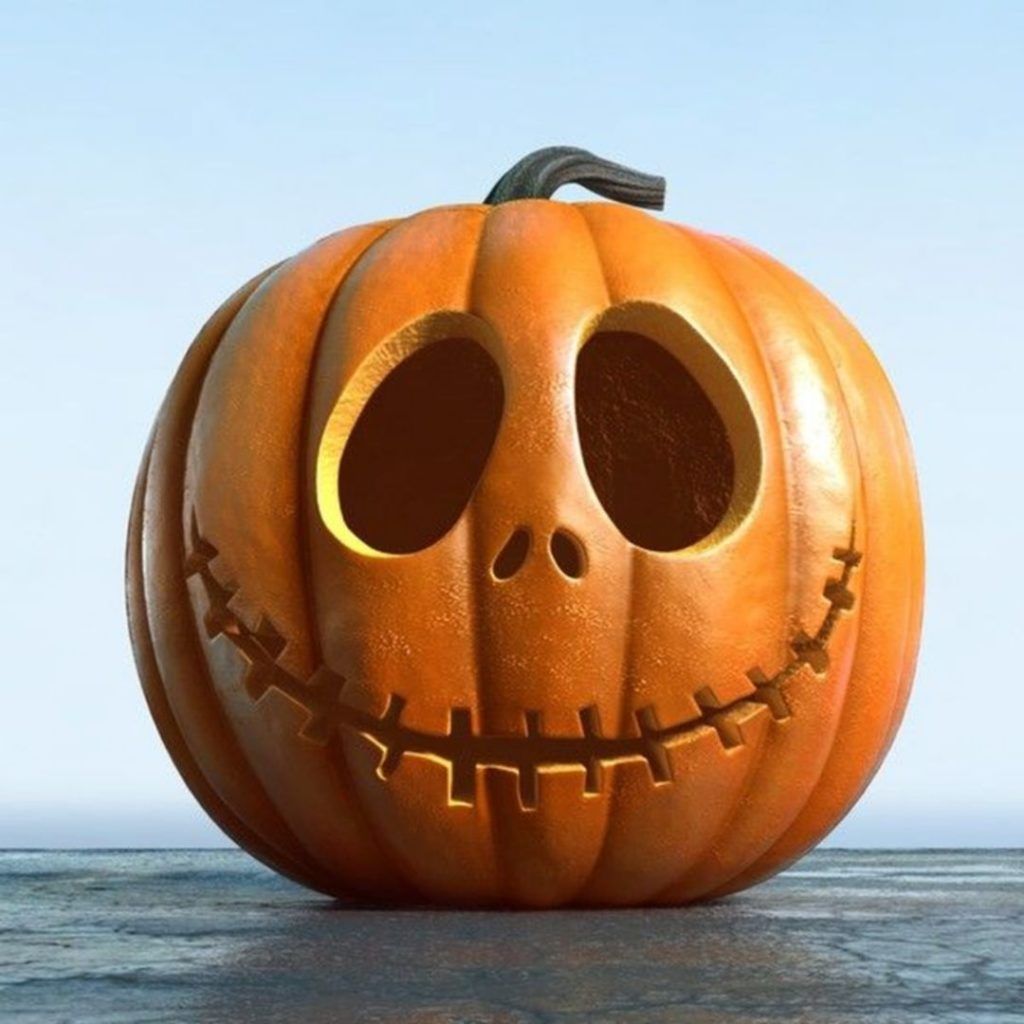
Before pumpkins had come from the New World, the old world hollowed out turnips, like this one, putting a candle inside to light the dark world of the end of the old growing year.

PPS

In 1908, Percy MacKaye, 1875-1956, poet and playwright, dramatized a version of the story, which appeared briefly in New York in 1911, and you can read it here:   https://ia902901.us.archive.org/23/items/scarecroworglass00mackuoft/scarecroworglass00mackuoft.pdf

PPPS

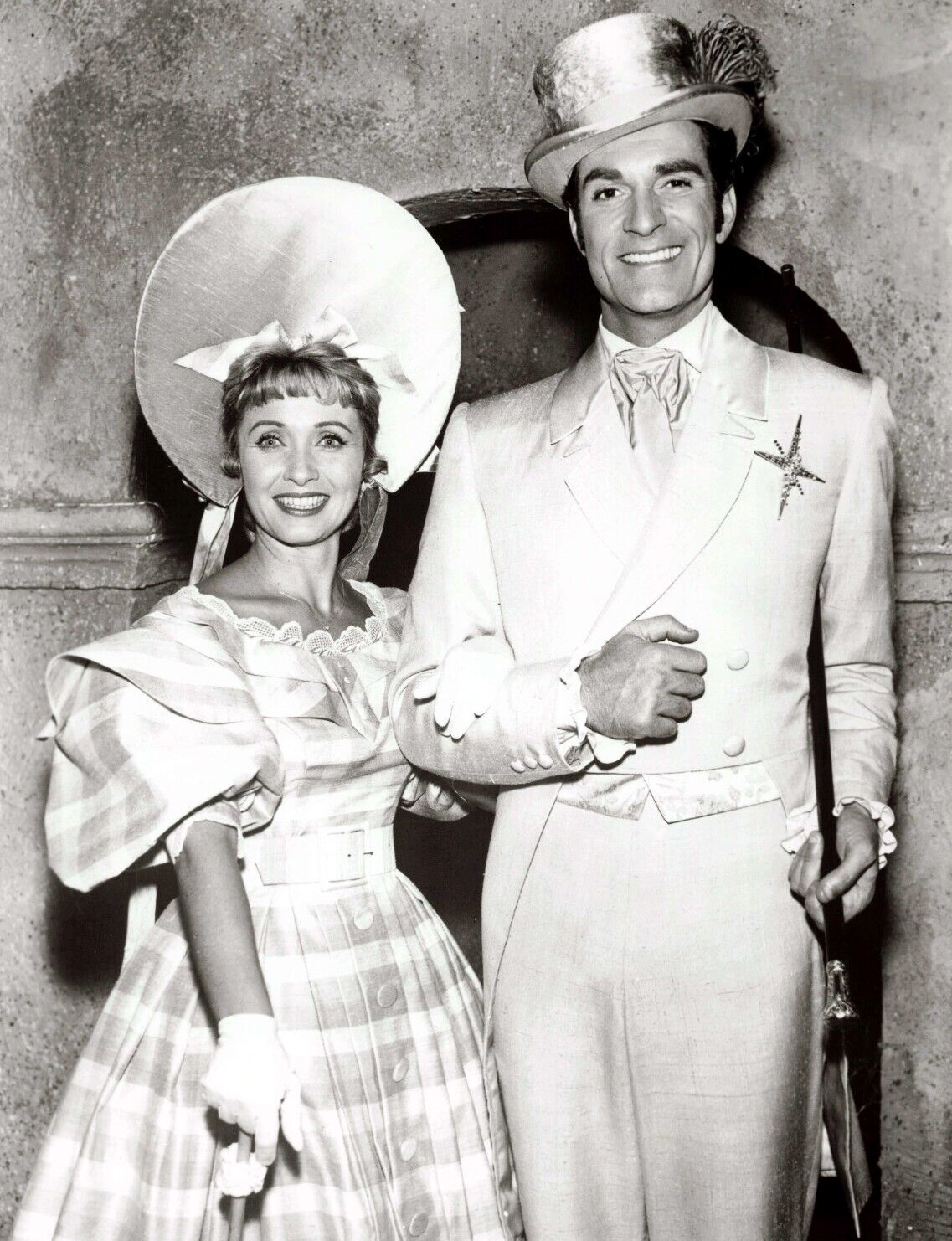
In 1961, there was a television musical of Hawthorne’s story,

with music by Mary Rogers, who then went on to compose the music for Once Upon a Mattress, my favorite version of Andersen’s “The Princess and the Pea” (which, looking at the Danish, which is “Princessen Pa Aerten” should really be “The Princess On the Pea”).  You can hear a catchy duet between the witch and her scarecrow creation, “A Gentleman of Breeding” here:  https://www.youtube.com/watch?v=GXONisleuSw

Which Witch

31 Monday Oct 2016

Posted by Ollamh in Artists and Illustrators, Fairy Tales and Myths, Films and Music, Literary History, Villains

≈ Leave a comment

Tags

Goya, Halloween, Holinshed's Chronicles, Istari, L. Frank Baum, Macbeth, Mother Goose, The Wizard of Oz, Theodore Chasseriau, W. W. Denslow, Welsh traditional clothing, Wicked Witch, William Shakespeare, Witch-King of Angmar, witches, Witches' Sabbath, wizards

Welcome, dear readers.

This is our annual Guy Fawkes’ Day/Halloween/Samain posting. Last year, we looked at GFD. This year, it’s Halloween—and a little puzzle from JRRT (how not?).

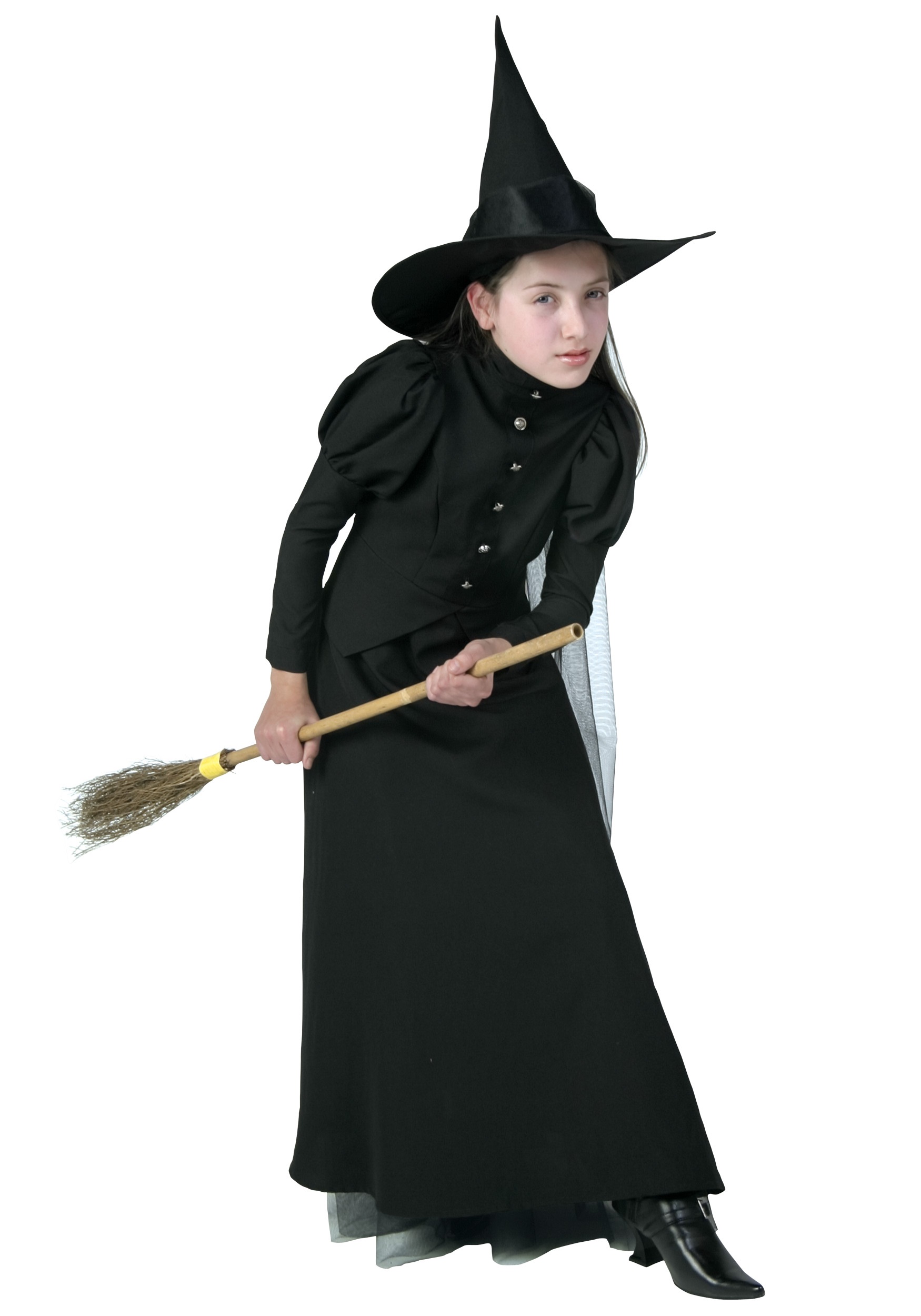
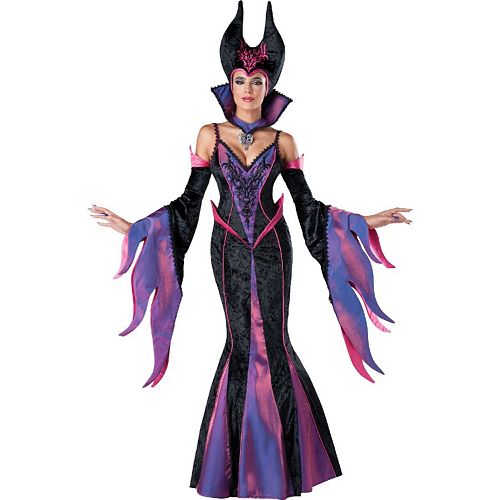
Magic and mystery—centered on witches—is a central theme for Halloween celebrations.   Just look at the variety of commercially-made costumes available.

deluxe-child-witch-costume.jpgwitch-costumes-blue-white-storybook-witch-costume-013639.jpg

1867366.jpg

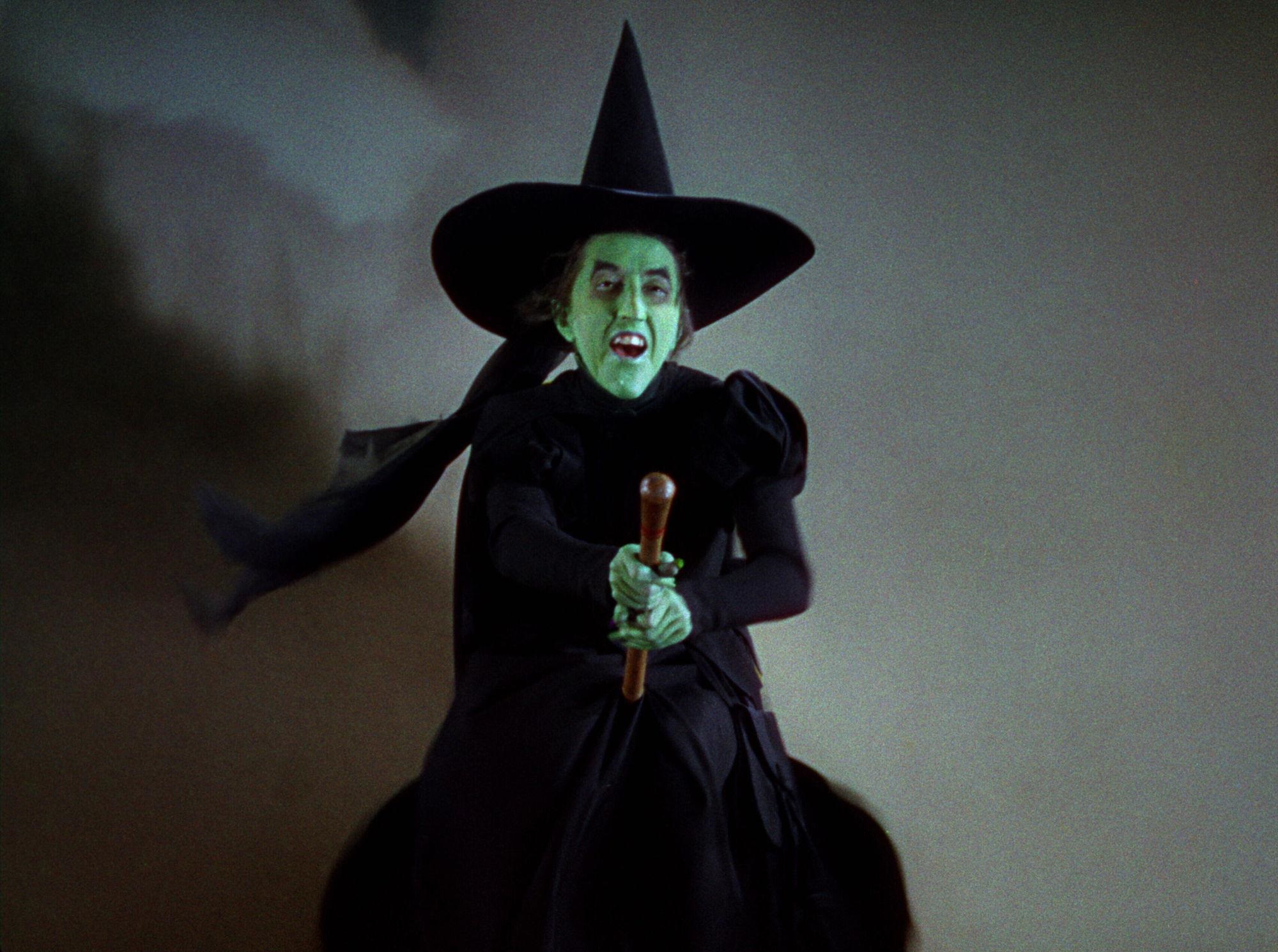
For many of us, our introduction to witches was probably in the person of the Wicked Witch of the West in the 1939 The Wizard of Oz.

The_Wicked_Witch_of_the_West.jpg

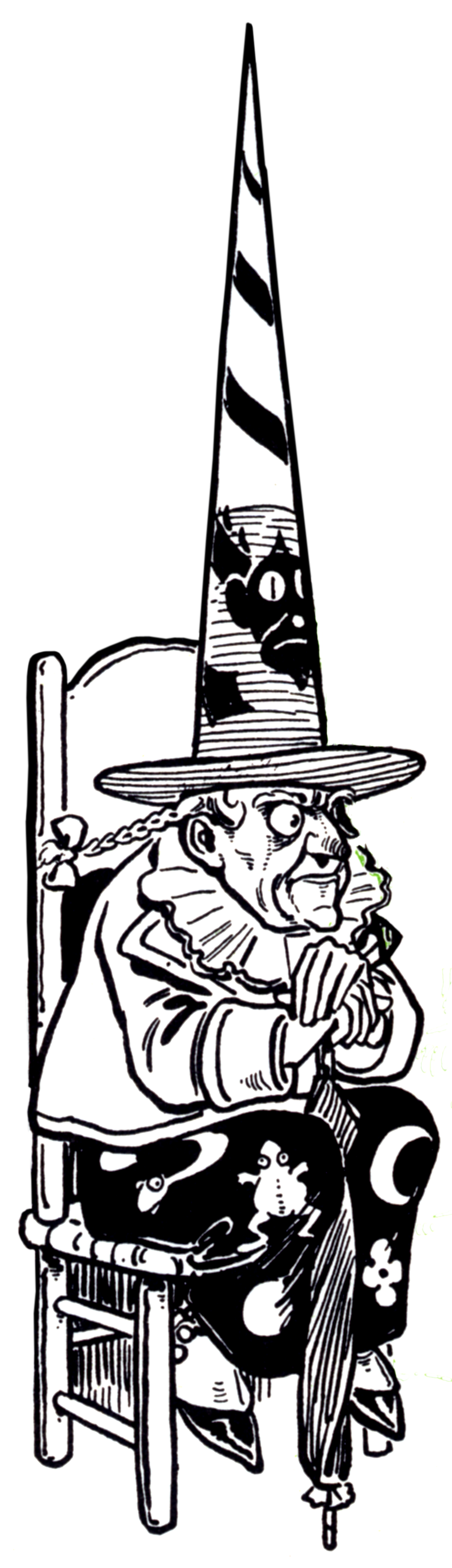
This is not quite what the witch in L. Frank Baum’s original book, The Wonderful Wizard of Oz (1900)

(illustrated by W.W. Denslow) looked like,

wicked_witch_of_the_west

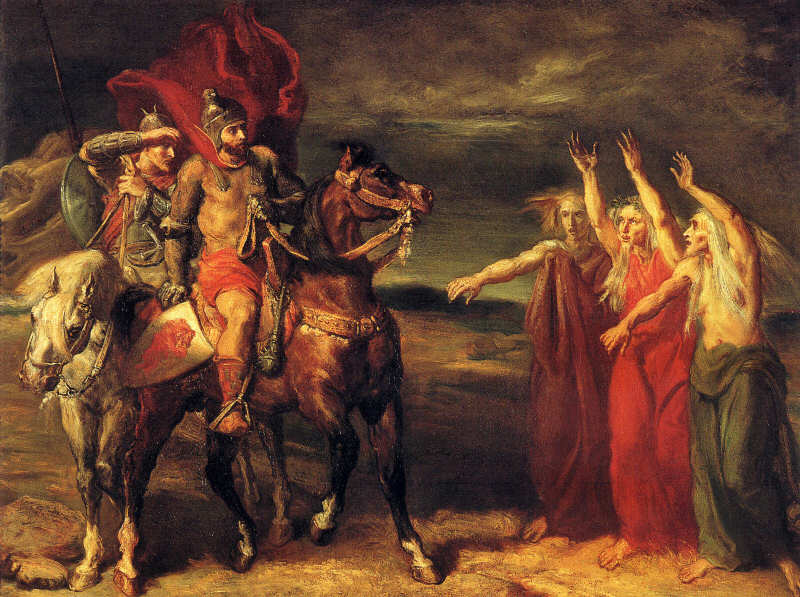
but you can see, in her hat and dress, things which were already symbolic of witchery in popular culture: black cats, crescent moons, toads, some of it echoes from the words of the three Weird Sisters in Shakepeare’s Macbeth (1606), who meet the protagonist on the road after his victory over the enemies of Duncan the king of Scotland. (Theodore Chasseriau)

MacbethAndBanquo-Witches.jpg

A dark Cave. In the middle, a Caldron boiling. Thunder.

Enter the three Witches.

1 WITCH.  Thrice the brinded cat hath mew’d.
2 WITCH.  Thrice and once, the hedge-pig whin’d.
3 WITCH.  Harpier cries:—’tis time! ’tis time!
1 WITCH.  Round about the caldron go;
In the poison’d entrails throw.—
Toad, that under cold stone,
Days and nights has thirty-one;
Swelter’d venom sleeping got,
Boil thou first i’ the charmed pot!
ALL.  Double, double toil and trouble;
Fire burn, and caldron bubble.
2 WITCH.  Fillet of a fenny snake,
In the caldron boil and bake;
Eye of newt, and toe of frog,
Wool of bat, and tongue of dog,
Adder’s fork, and blind-worm’s sting,
Lizard’s leg, and owlet’s wing,—
For a charm of powerful trouble,
Like a hell-broth boil and bubble.
ALL.  Double, double toil and trouble;
Fire burn, and caldron bubble.

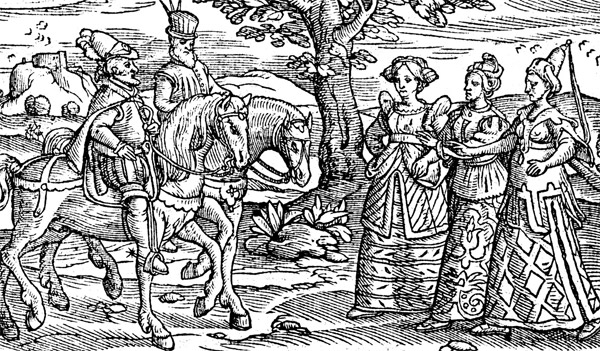
Somehow, somewhere, witches acquired those distinctive clothes and hat—especially the hat. The story of Macbeth and the witches comes from Holinshed’s Chronicles (1577/1587) and here is that scene illustrated from that first edition of 1577.

holinshed1575.jpg

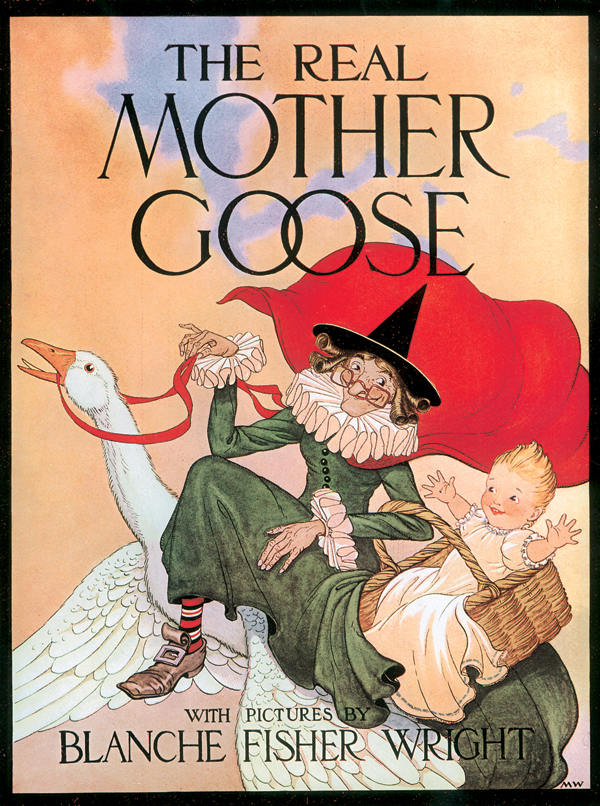
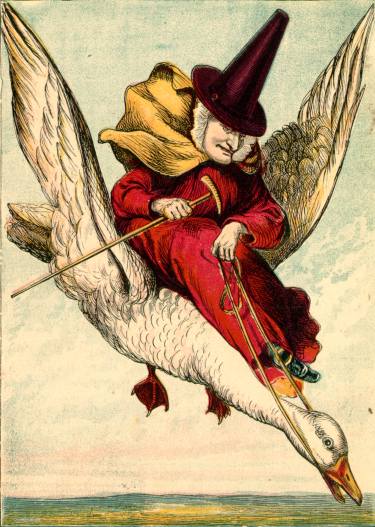
As you can see, to the modern eye, there’s nothing “witchy” about these ladies. So where do those clothes and hat come from? We have no firm answer for this, just a guess—and from another literary tradition, Mother Goose.

RealMotherGoose1916.jpg

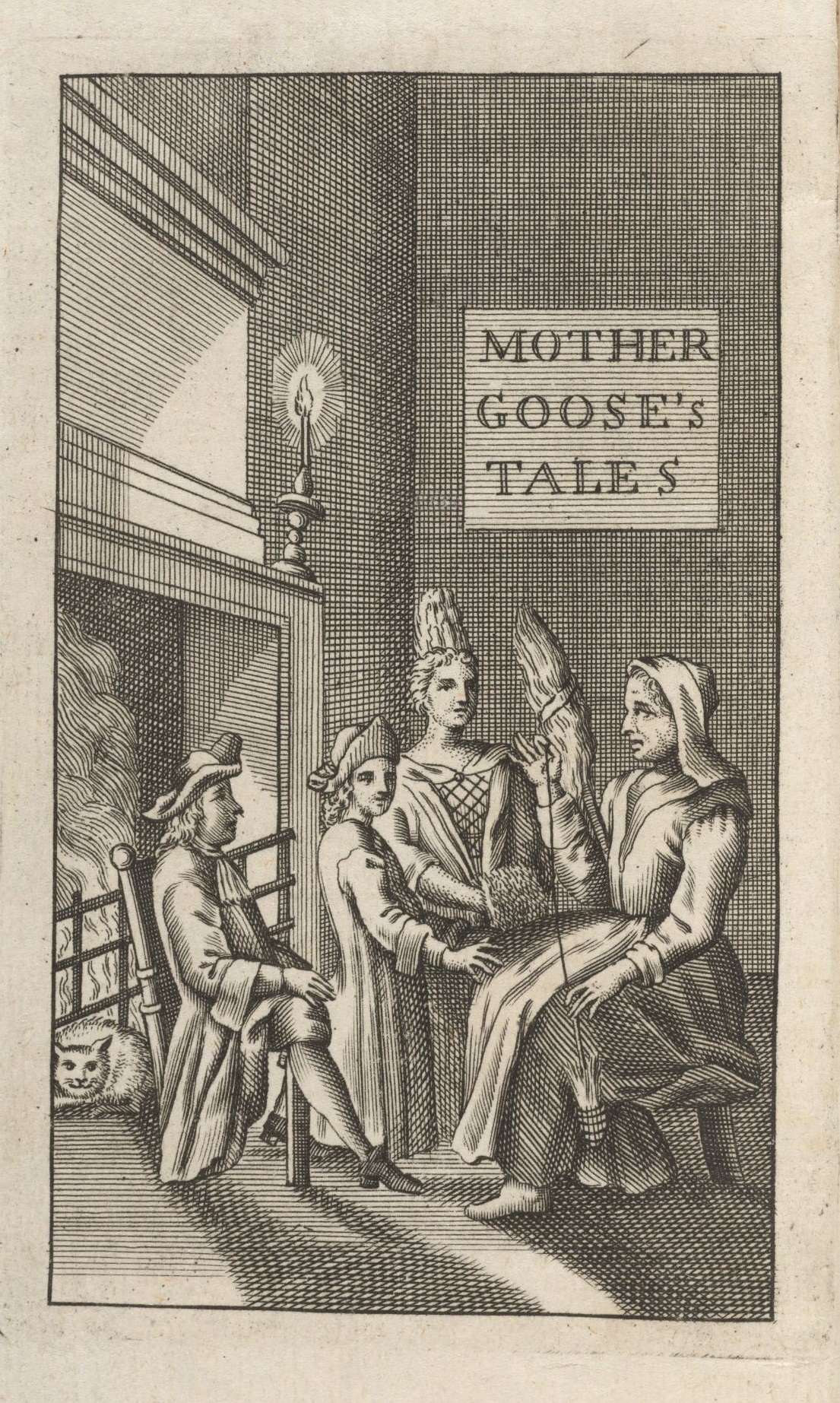
The first published version of stories (and, in time, rhymes) under that name dates from 1695. Here’s the frontispiece from the first English translation (1729).

Houghton_FC6.P4262.Eg729s_-_Perrault,_frontispiece.jpg

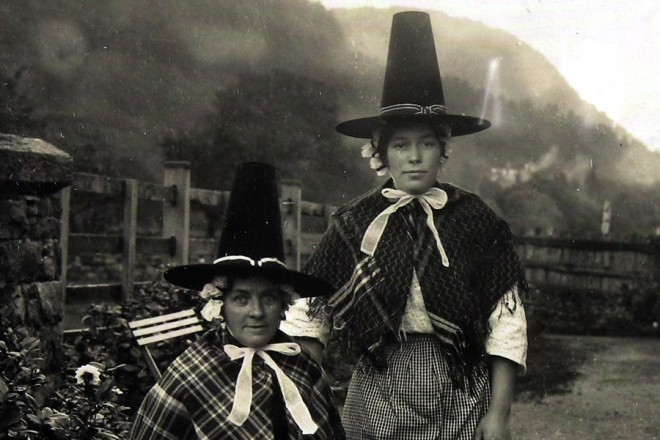
Mother Goose was supposed to be a country woman and, by the latter part of the 19th century, was dressed as one—but we think with a particular look, that of Welsh women in distinctive traditional clothing.

mother-goose.jpg

Welsh_spinnersc1900.jpeg

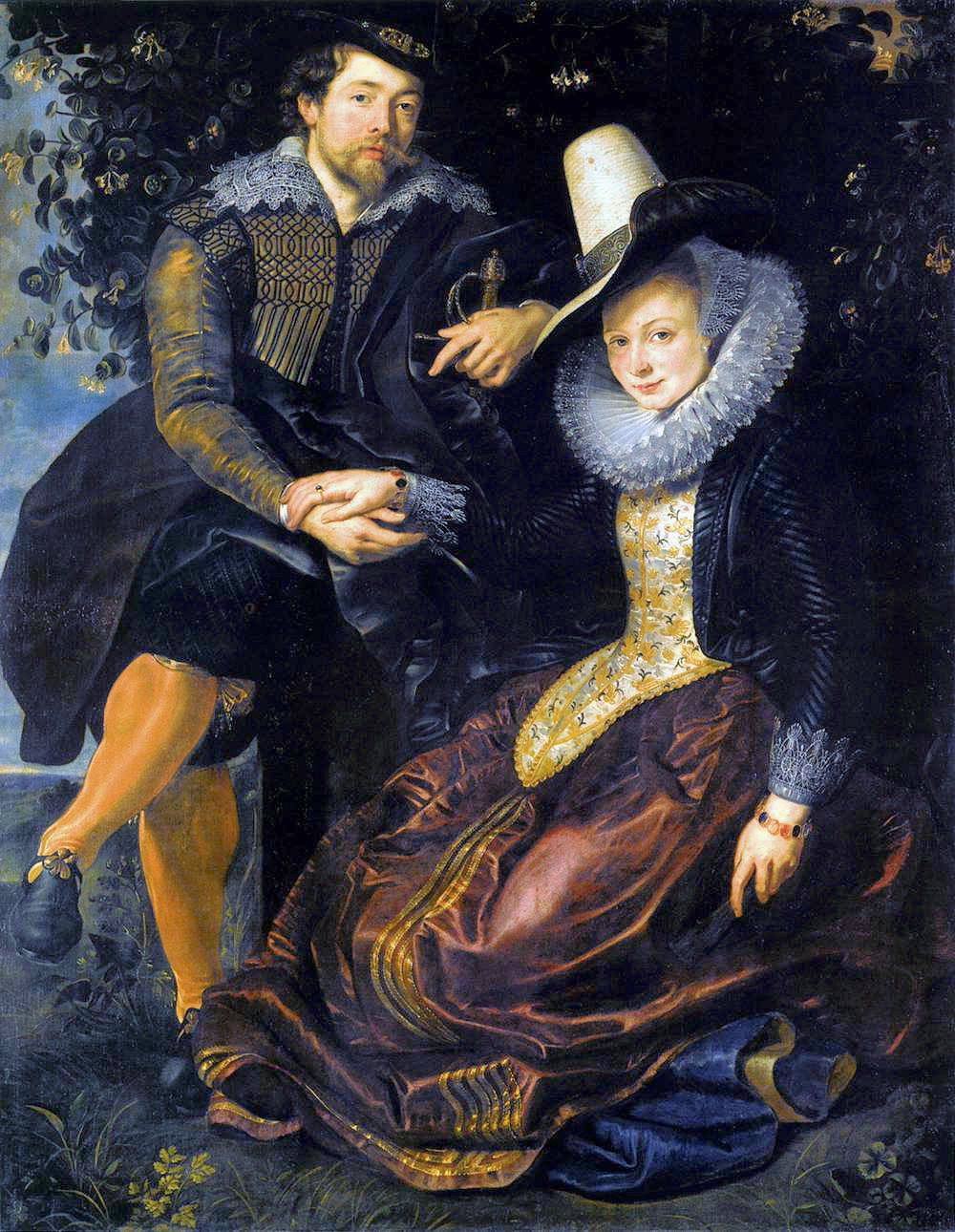
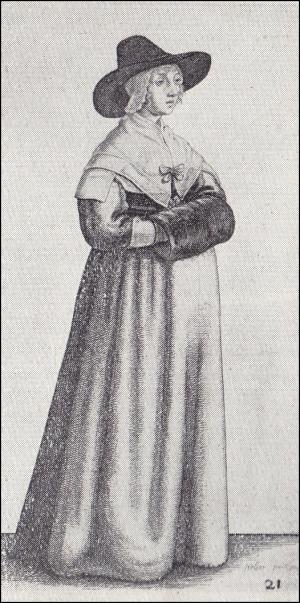
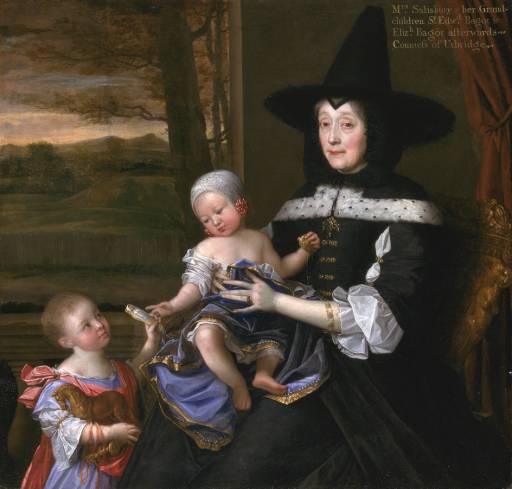
The style of hat is much older—here we have, in succession, three earlier versions from the 17th century—1610, 1640, 1676.

rubens_isabella_brant_c1610

woman21x300hollar1640.jpg

Mrs_Salesbury_-_wright.jpg

Country people tend to be conservative, so something worn in much of the UK in the 17th century appears to have existed, at least in modified form, in the depths of Wales long after then.

copy1-554-78-welsh-national-costume-1911-660x440.jpg

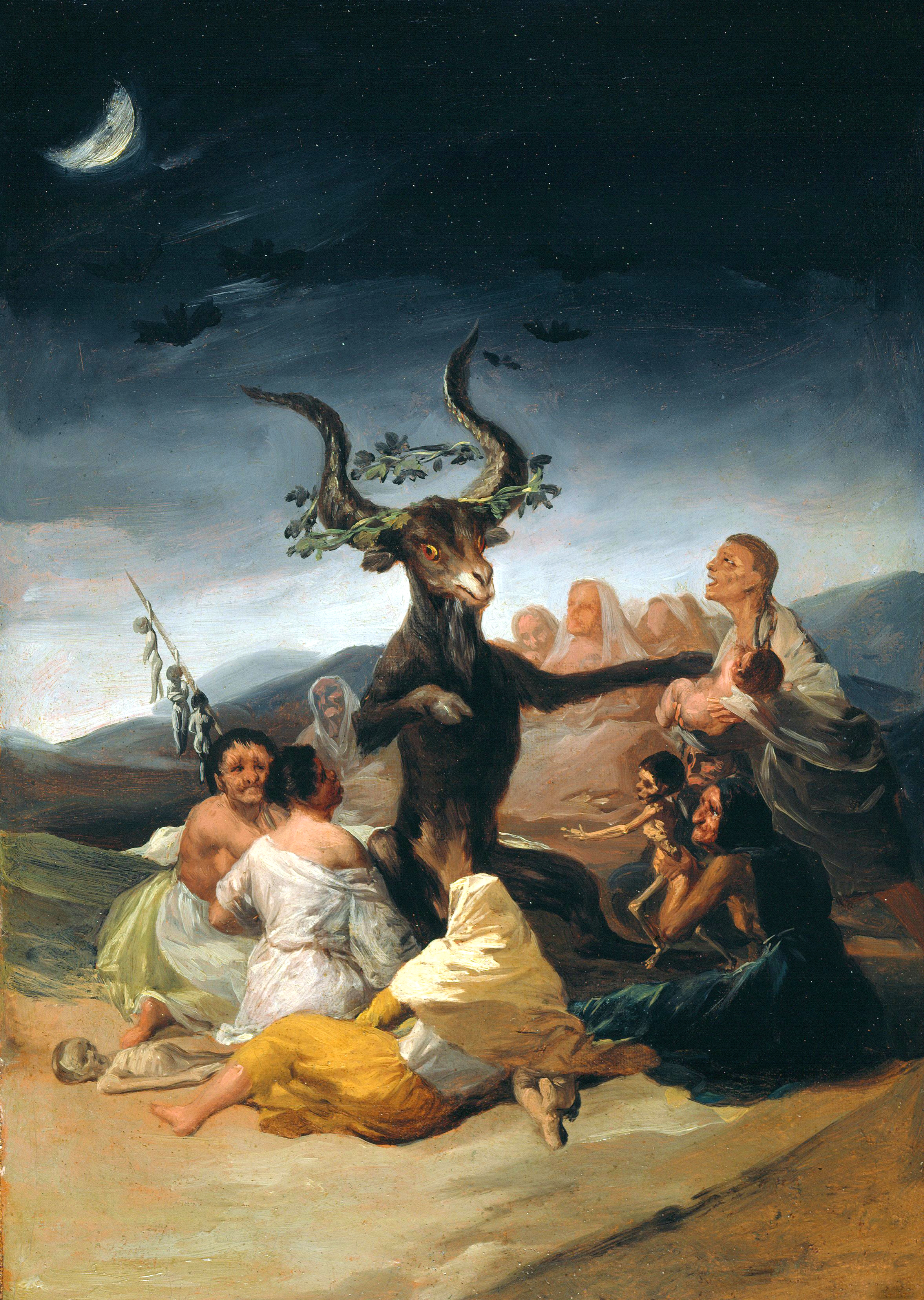
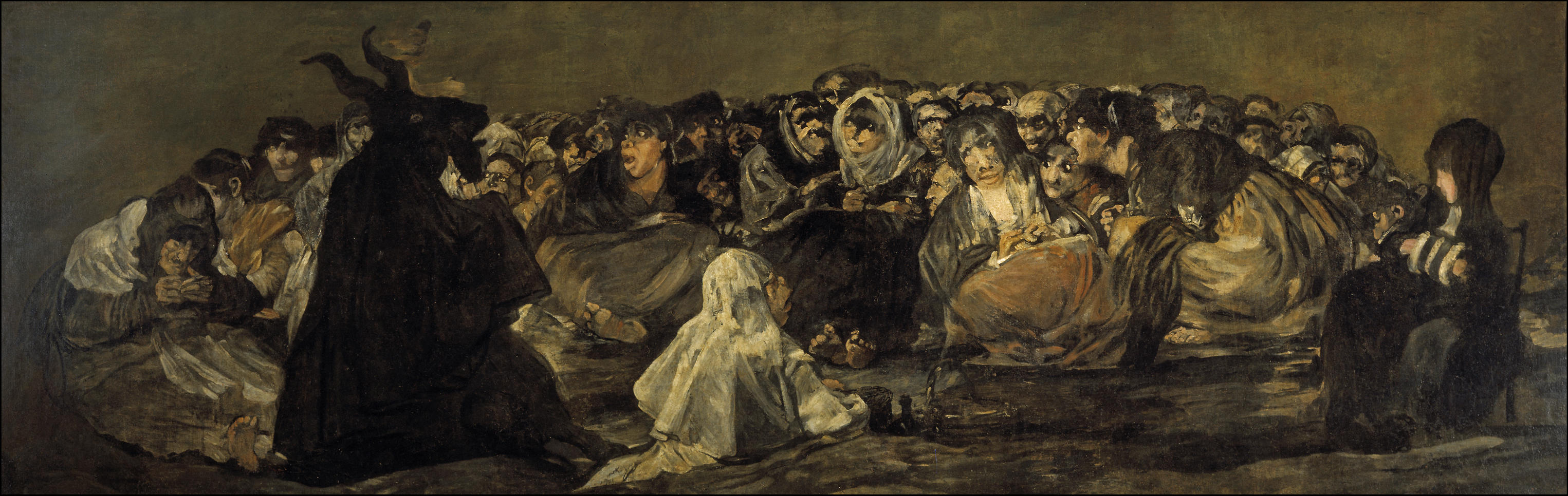
We wonder whether there hasn’t been a kind of cross-over effect: country women to Mother Goose to witches—all conservative dressers. There is also a long tradition in Wales of “wise women”—often mistaken in England for dealers-with-the-devil—those appear in this rather creepy painting by Goya of a witches’ Sabbath (1797-1798). (We note that there are no pointy hats here.) Perhaps the Welsh wise woman was consulted about wardrobe by Mother Goose?

GOYA_-_El_aquelarre_(Museo_Lázaro_Galdiano,_Madrid,_1797-98).jpg

Witches (as the “Harry Potter” books point out) aren’t and weren’t always just women.

hpetal.jpg

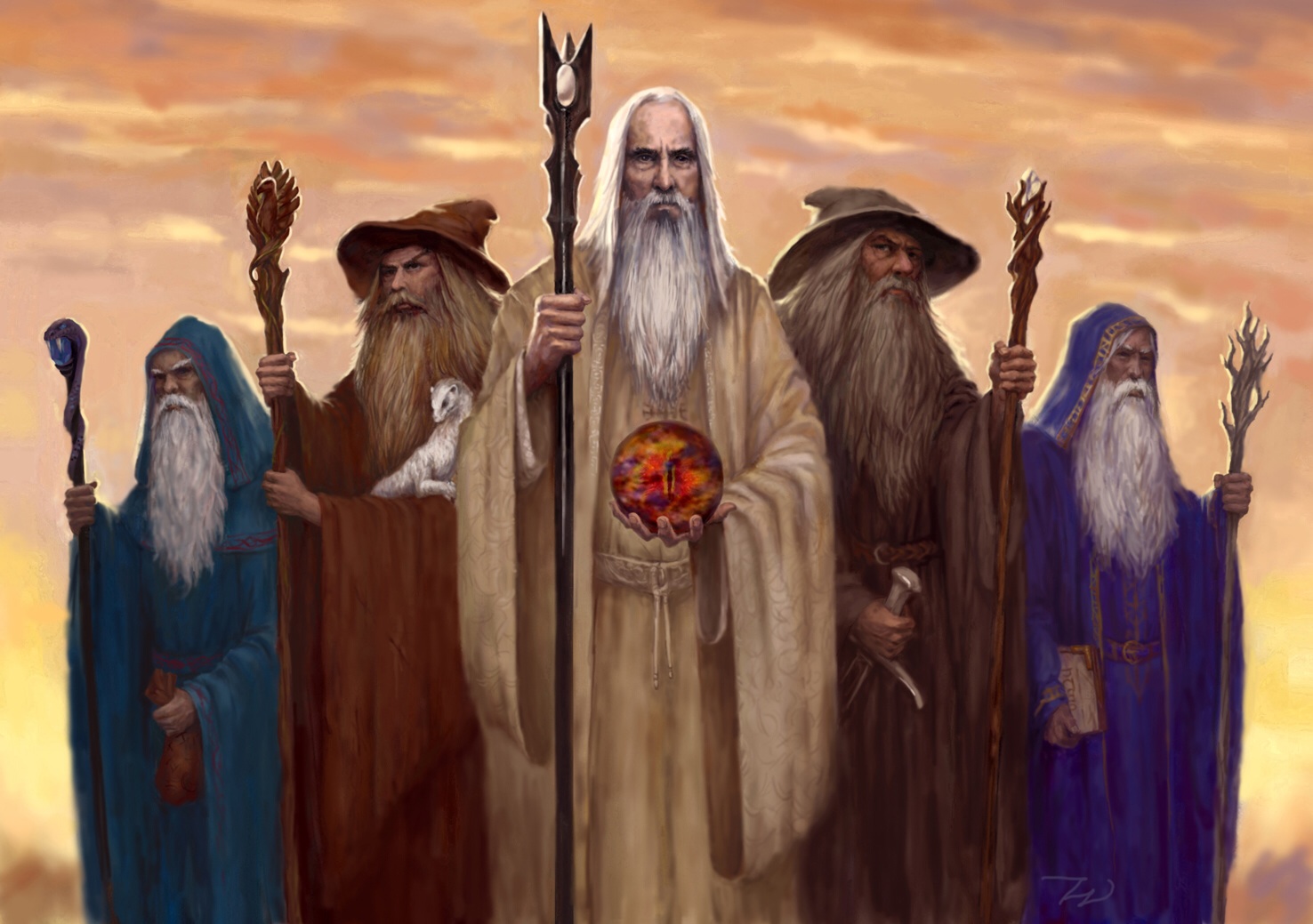
Men, too, could take part, sometimes called witches, sometimes warlocks or wizards. When we think wizard, of course, we immediately think of the 5 Istari—

310993_121176884650130_120725101361975_85832_1441609629_n.jpg

When we think of witch, however, in the context of LOTR, we can see that:

  1. In this respect, this is a different kind of culture—for instance, the only equivalent of a “wise woman” is Ioreth, in the “Houses of Healing”
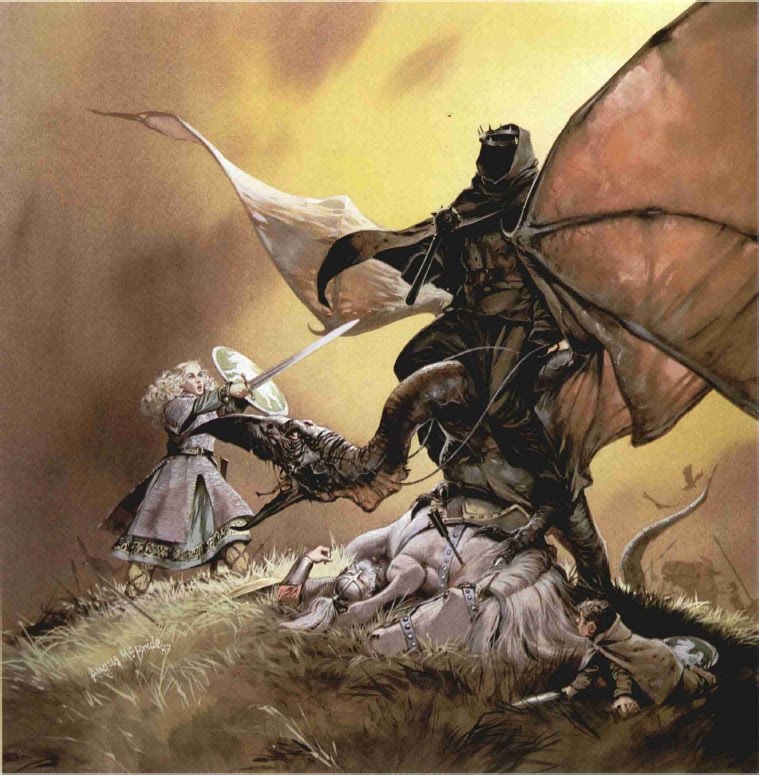
  2. But there is a witch-king, that of Angmar, who is also the head of the Nazgul

eowynvswitchking.jpg

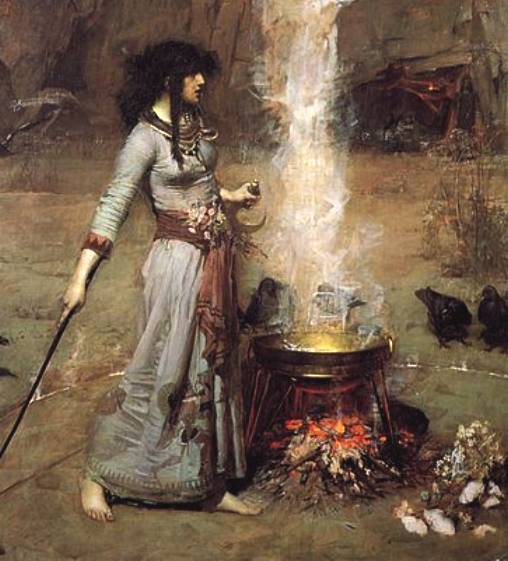
There is a puzzle here, however. In western tradition, witches are the servants of Satan, who spend their time, it seems, troubling humans at the daily level—making cows sick, tormenting babies, holding sabbbaths, casting spells.

witch_john_william_waterhouse_magic_circle_painting_casting_spells.jpg

In that tradition, the only ruler is Satan himself, as depicted in this second Goya painting of a sabbath (and we note here that most of the witches appear to be something between human and other—a great—but horrible—touch—and who is that girl sitting off to the right? This comes from a series of paintings done by Goya in the last years of his life and there is a certain mystery about why he painted them—they’re murals, in fact—and what they might mean.)

francisco_de_goya_y_lucientes_-_witches_sabbath_the_great_he-goat


As there are no other witches in Middle-earth, then, where are the witches for the witch-king to be monarch of?

And that, perhaps, is another mystery for Halloween…

Oh—and Happy Halloween, by the way!


Thanks, as ever, for reading.

MTCIDC

CD

ps

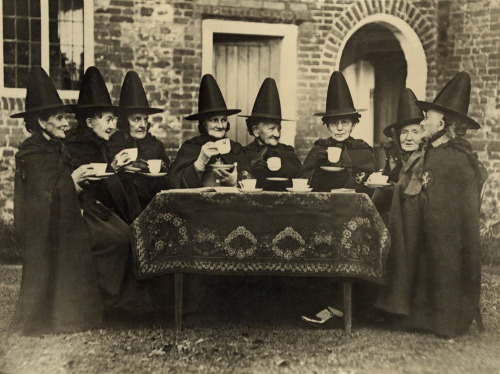
While gathering images for this posting, we happened upon this photograph. Is this a picture from Professor McGonagall’s 50th Hogwarts  reunion?

tumblr_nwrfedgPaR1sdzmuoo1_500.jpg

The Doubtful Sea Series Facebook Page

The Doubtful Sea Series Facebook Page

  • Ollamh

Categories

  • Artists and Illustrators
  • Economics in Middle-earth
  • Fairy Tales and Myths
  • Films and Music
  • Games
  • Heroes
  • Imaginary History
  • J.R.R. Tolkien
  • Language
  • Literary History
  • Maps
  • Medieval Russia
  • Military History
  • Military History of Middle-earth
  • Narnia
  • Narrative Methods
  • Poetry
  • Research
  • Star Wars
  • Terra Australis
  • The Rohirrim
  • Theatre and Performance
  • Tolkien
  • Uncategorized
  • Villains
  • Writing as Collaborators
Follow doubtfulsea on WordPress.com

Across the Doubtful Sea

Recent Postings

  • Through a glass… January 7, 2026
  • Heffalumps? December 31, 2025
  • We Three Kings December 24, 2025
  • A Moon disfigured December 17, 2025
  • On the Roads Again—Once More December 10, 2025
  • (Not) Crossing Bridges December 3, 2025
  • On the Road(s) Again—Again November 26, 2025
  • On the Road(s) Again November 19, 2025
  • To Bree (Part 2) November 12, 2025

Blog Statistics

  • 104,098 Views

Posting Archive

  • January 2026 (1)
  • December 2025 (5)
  • November 2025 (4)
  • October 2025 (5)
  • September 2025 (4)
  • August 2025 (4)
  • July 2025 (5)
  • June 2025 (4)
  • May 2025 (4)
  • April 2025 (5)
  • March 2025 (4)
  • February 2025 (4)
  • January 2025 (5)
  • December 2024 (4)
  • November 2024 (4)
  • October 2024 (5)
  • September 2024 (4)
  • August 2024 (4)
  • July 2024 (5)
  • June 2024 (4)
  • May 2024 (5)
  • April 2024 (4)
  • March 2024 (4)
  • February 2024 (4)
  • January 2024 (5)
  • December 2023 (4)
  • November 2023 (5)
  • October 2023 (4)
  • September 2023 (4)
  • August 2023 (5)
  • July 2023 (4)
  • June 2023 (4)
  • May 2023 (5)
  • April 2023 (4)
  • March 2023 (5)
  • February 2023 (4)
  • January 2023 (4)
  • December 2022 (4)
  • November 2022 (5)
  • October 2022 (4)
  • September 2022 (4)
  • August 2022 (5)
  • July 2022 (4)
  • June 2022 (5)
  • May 2022 (4)
  • April 2022 (4)
  • March 2022 (5)
  • February 2022 (4)
  • January 2022 (4)
  • December 2021 (5)
  • November 2021 (4)
  • October 2021 (4)
  • September 2021 (5)
  • August 2021 (4)
  • July 2021 (4)
  • June 2021 (5)
  • May 2021 (4)
  • April 2021 (4)
  • March 2021 (5)
  • February 2021 (4)
  • January 2021 (4)
  • December 2020 (5)
  • November 2020 (4)
  • October 2020 (4)
  • September 2020 (5)
  • August 2020 (4)
  • July 2020 (5)
  • June 2020 (4)
  • May 2020 (4)
  • April 2020 (5)
  • March 2020 (4)
  • February 2020 (4)
  • January 2020 (6)
  • December 2019 (4)
  • November 2019 (4)
  • October 2019 (5)
  • September 2019 (4)
  • August 2019 (4)
  • July 2019 (5)
  • June 2019 (4)
  • May 2019 (5)
  • April 2019 (4)
  • March 2019 (4)
  • February 2019 (4)
  • January 2019 (5)
  • December 2018 (4)
  • November 2018 (4)
  • October 2018 (5)
  • September 2018 (4)
  • August 2018 (5)
  • July 2018 (4)
  • June 2018 (4)
  • May 2018 (5)
  • April 2018 (4)
  • March 2018 (4)
  • February 2018 (4)
  • January 2018 (5)
  • December 2017 (4)
  • November 2017 (4)
  • October 2017 (4)
  • September 2017 (4)
  • August 2017 (5)
  • July 2017 (4)
  • June 2017 (4)
  • May 2017 (5)
  • April 2017 (4)
  • March 2017 (5)
  • February 2017 (4)
  • January 2017 (4)
  • December 2016 (4)
  • November 2016 (5)
  • October 2016 (6)
  • September 2016 (5)
  • August 2016 (5)
  • July 2016 (5)
  • June 2016 (5)
  • May 2016 (4)
  • April 2016 (4)
  • March 2016 (5)
  • February 2016 (4)
  • January 2016 (4)
  • December 2015 (5)
  • November 2015 (5)
  • October 2015 (4)
  • September 2015 (5)
  • August 2015 (4)
  • July 2015 (5)
  • June 2015 (5)
  • May 2015 (4)
  • April 2015 (3)
  • March 2015 (4)
  • February 2015 (4)
  • January 2015 (4)
  • December 2014 (5)
  • November 2014 (4)
  • October 2014 (6)
  • September 2014 (1)

Blog at WordPress.com.

  • Subscribe Subscribed
    • doubtfulsea
    • Join 78 other subscribers
    • Already have a WordPress.com account? Log in now.
    • doubtfulsea
    • Subscribe Subscribed
    • Sign up
    • Log in
    • Report this content
    • View site in Reader
    • Manage subscriptions
    • Collapse this bar
 

Loading Comments...